
Cardo is a Linux podcast client for the desktop, seeking inspiration from Antennapod, a podcast aggregator for Android.
Monthly Archives: April 2025
UALink 200G 1.0 Specification Published For Connecting Up To 1,024 Accelerators
UALink as the open standard alternative to NVIDIA NVLink that is backed by Intel, AMD, and other vendors has published the UALink 200G 1.0 specification…
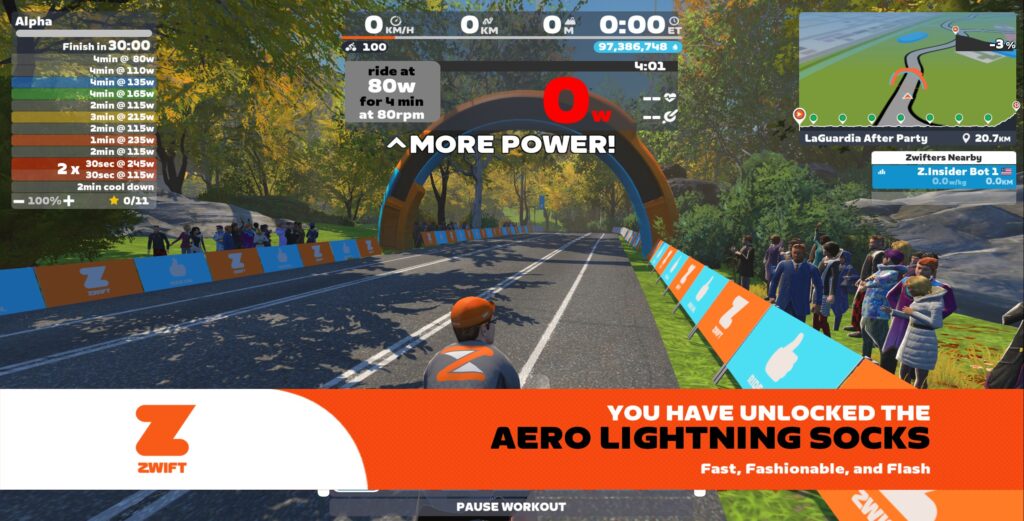
Sizzle and Flash: All About Zwift’s Aero Lightning Socks
It’s time to talk about something very serious. I’ll get right to it: Zwift, like many cyclists, has a bit of a sock problem.
First came the Fire Socks, enticing us to work toward level 50 so we could sprint to flaming glory in the next race.
But that wasn’t enough. Zwift had to up the ante and create the glorious Confetti Socks so level 100 Zwifters bring a party to any peloton.
And now we have a third pair of socks: the Lightning Socks. Which is actually two pairs of socks, although you can only own one pair at a time. Confused yet? Let’s jump in and learn everything there is to learn about the newest socks on Zwift!
Animation/Effects Details
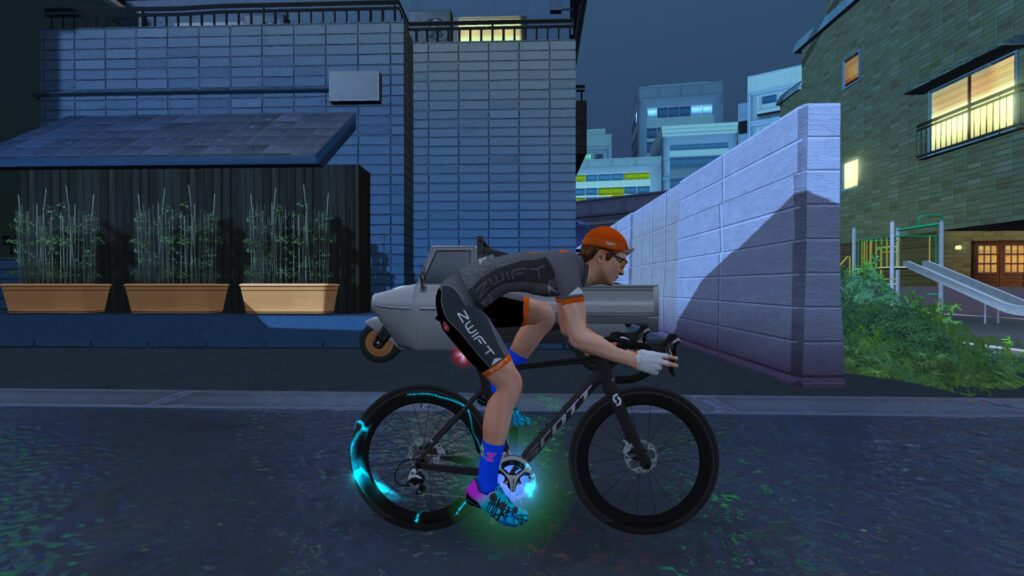
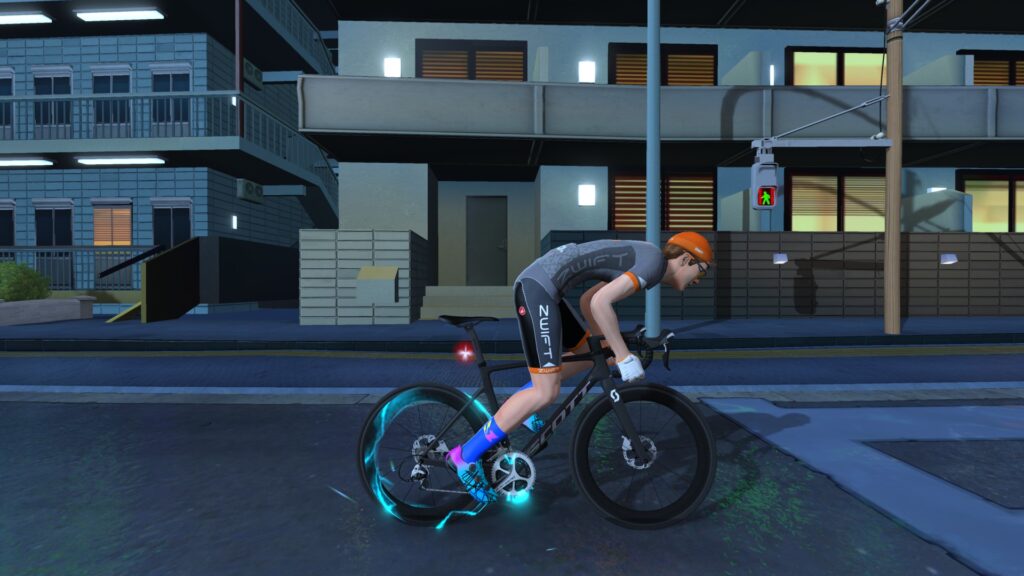
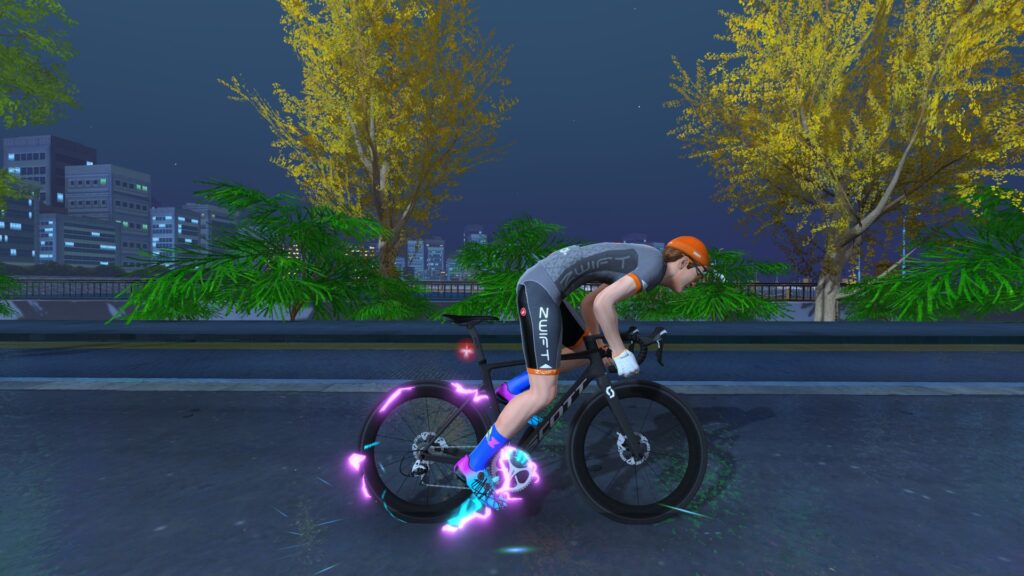
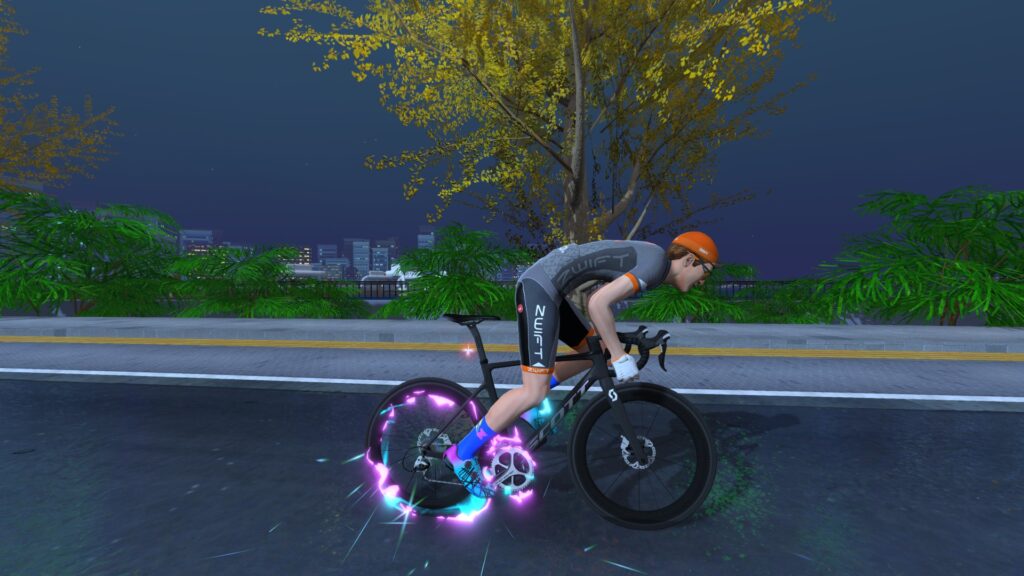
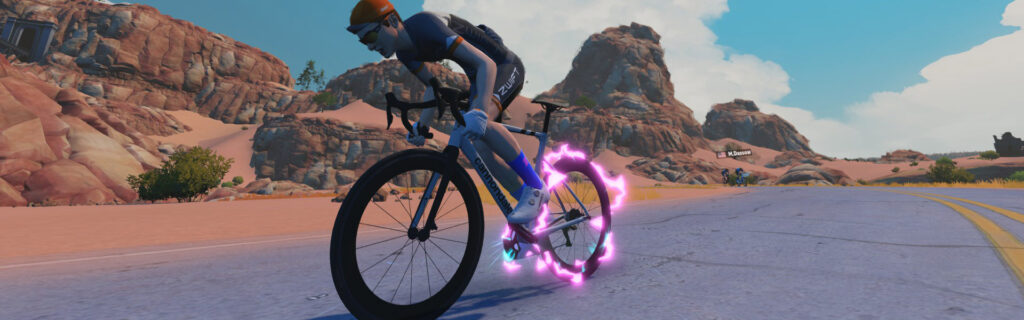
Lightning socks include cool visual effects which are triggered as you hit certain power levels. The power levels are multipliers of your FTP, and there are four levels of animation possible, triggered when you hit 1.5x, 2.1x, 2.7x, and 3.2x your in-game FTP.
If your current power is greater than 1.5 times your FTP, the first effect, called the “sparks and tire halo” effect, will appear. This works whether you’re wearing Lightning Socks or Aero Lightning Socks.
Ramp up your power to 2.1 times your FTP and the “tire size flash” effect will be added to the effect above. This works whether you’re wearing Lightning Socks or Aero Lightning Socks.
Why stop now? Pour it on and hit 2.7 times your FTP and the “full Aero Lightning effects” will be added to the effects above. (This only applies if you’re wearing the Aero Lightning Socks.)
There’s one more level! Hit 3.2 times your FTP and the “lightning feet” effect will be added to the effects above. (This only applies if you’re wearing the Aero Lightning Socks.)
Here’s a quick video showing what these animation levels look like in action:
How to Unlock Lightning Socks
Lightning Socks and Lightning Aero Socks are unlocks for Zwift’s Factory Tour Challenge. You can click to read all about that challenge if you’d like, but to summarize:
- Lightning Socks are unlocked when you finish the first part of the challenge by completing 250 power units. (1 power unit=riding at 1 W/kg for 1 hour)
- Your Lightning Socks are upgraded to Aero Lightning Socks when you finish the hidden and much larger second part of the challenge by completing 600 additional power units!
Lightning Socks vs Aero Lightning Socks
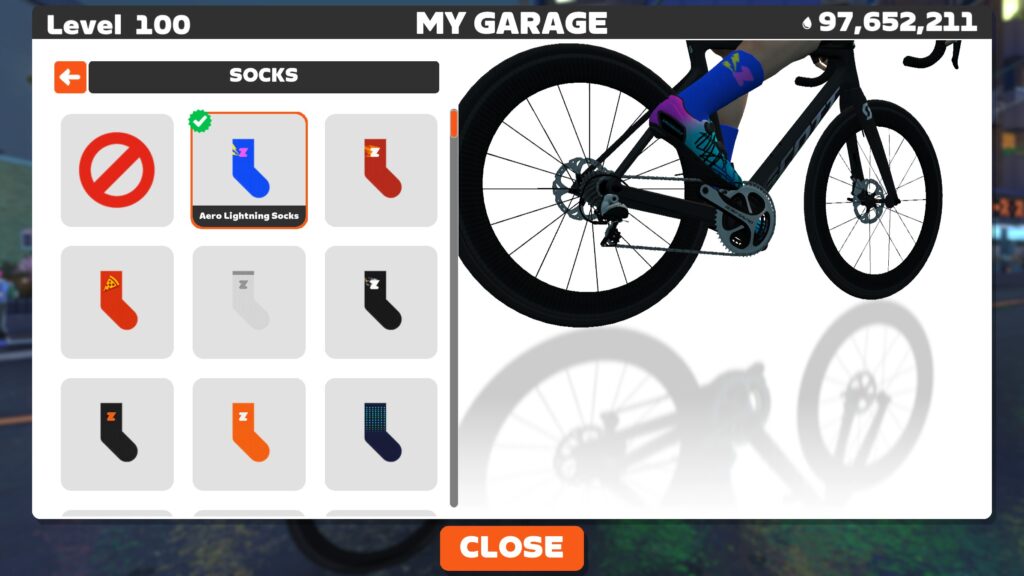
Lightning Socks only offer two levels of animation/effects (see samples above) and do not give any performance benefit. The Aero Lightning Socks make you more aero, and offer four levels of animation/effects.
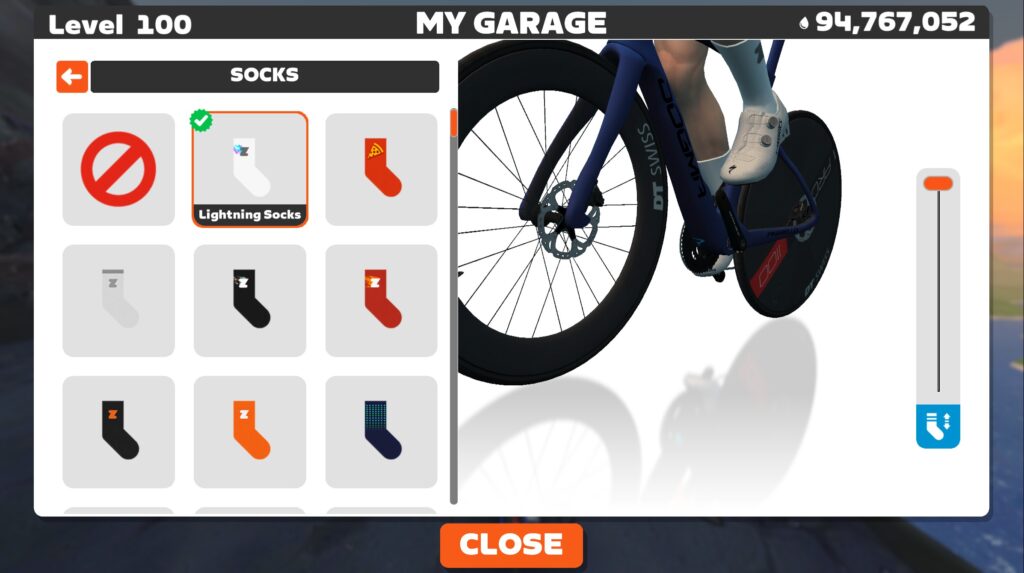
You will automatically unlock the Lightning Socks once you complete 250 units in the Factory Tour Challenge. They will be added to your garage, and your avatar can wear them whenever you’d like.
If you continue on in the Factory Tour Challenge and do another 600 power units, you will automatically unlock the Aero Lightning Socks. These will replace your “basic” Lightning Socks, automatically upgrading them to aero socks with more effects.
Speed Tests
So, just how much faster do the Aero Lightning Socks make you?
We ran a test with and without the socks, using our standard bot (75kg, 183cm tall) at 300 watts. The Aero Lightning Socks made our bot approximately 12 seconds faster across an hour of riding on flat roads.
Questions or Comments?
Are you working on completing the Factory Tour Challenge? What do you think of the Lightning Socks as a reward? Share below!
FreeDOS 1.4 released
Version
1.4 of FreeDOS has been
released. This is the first stable release since 2022, and
includes improvements to the Fdisk hard-disk-management program, and
reliability updates for the mTCP set of TCP/IP applications for
DOS.
This version was much smoother because Jerome Shidel, our
distribution manager, had an idea after FreeDOS 1.3 that we could have
a rolling test release that collected all of the changes that people
make over time. Previous to this, each new FreeDOS distribution (like
1.0, 1.1, 1.2, and 1.3) required bundling up packages into a “release
candidate,” and we would go through several iterations of updating the
release candidates.Jerome’s method of building the FreeDOS distribution made it easier
to automate a test release, which we decided to update every month. As
the test releases accumulated enough changes to warrant a release, we
could then make the next test release a “release candidate” which
would iterate to the next version of the FreeDOS distribution. Since
2022, we’ve released monthly test releases. Thanks Jerome!
LWN covered FreeDOS
last year for its 30th anniversary.
Rust-Written Redox OS Makes USB 3.x Improvements, Async NVMe Driver Support
The Rust-written Redox OS open-source operating system project has published its March 2025 status report that outlines exciting progress made over the past month…
How to Install Docker on Void Linux: A Step-by-Step Guide
Learn how to install Docker on Void Linux and get this containerization platform up and running smoothly on your Void system in minutes.
Stunning Red Devil Spectral White RX 9070 XT GPU Comes With A Cool Perk

For those of you willing to assemble a PC with shiny white components, you have my respect. I’m especially a fan of a white and black aesthetic (think: tuxedo), though I mostly avoid white parts because I’m admittedly lax with dust management, and white tends to highlight dust more than darker colors. If that’s the theme you’re going for,
[$] Taking notes with Joplin
Joplin is an open-source
note-taking application designed to handle taking many kinds of notes,
whether it is managing code snippets, writing documentation, jotting
down lecture notes, or drafting a novel. Joplin has Markdown support,
a plugin system for extensibility, and accepts multimedia content,
allowing users to attach images, videos, and audio files to their
notes. It can provide synchronization of content across devices using
end-to-end encryption, or users can opt to stick to local storage
only. Joplin even offers a command-line
version for terminal-based usage. Joplin
3.2, the most recent feature release, brought long-awaited
multi-window support, multi-column layouts, enhanced accessibility,
and theme detection.
GM’s New UK Design Studio Reveals Electrifyingly Wild Corvette Concept

To commemorate the opening of a new General Motors advanced design studio in Birmingham, England, the design team there has revealed a wild Corvette concept vehicle. The design looks far into the future while taking styling cues from the past. The car is meant to be electric-powered, mid-engined (or motored, as is the case), smooth as a river
Linux 6.15 Features Deliver A Lot For Intel & AMD, Many Other Changes
The Linux 6.15 merge window ended on Sunday with the release of Linux 6.15-rc1. There is a lot of exciting features and updates that were merged during the two-week merge window. Here is a look at all of the most prominent changes to be found with Linux 6.15.
These Laptop Models Just Got Yanked From Store Shelves As Tariffs Take Hold
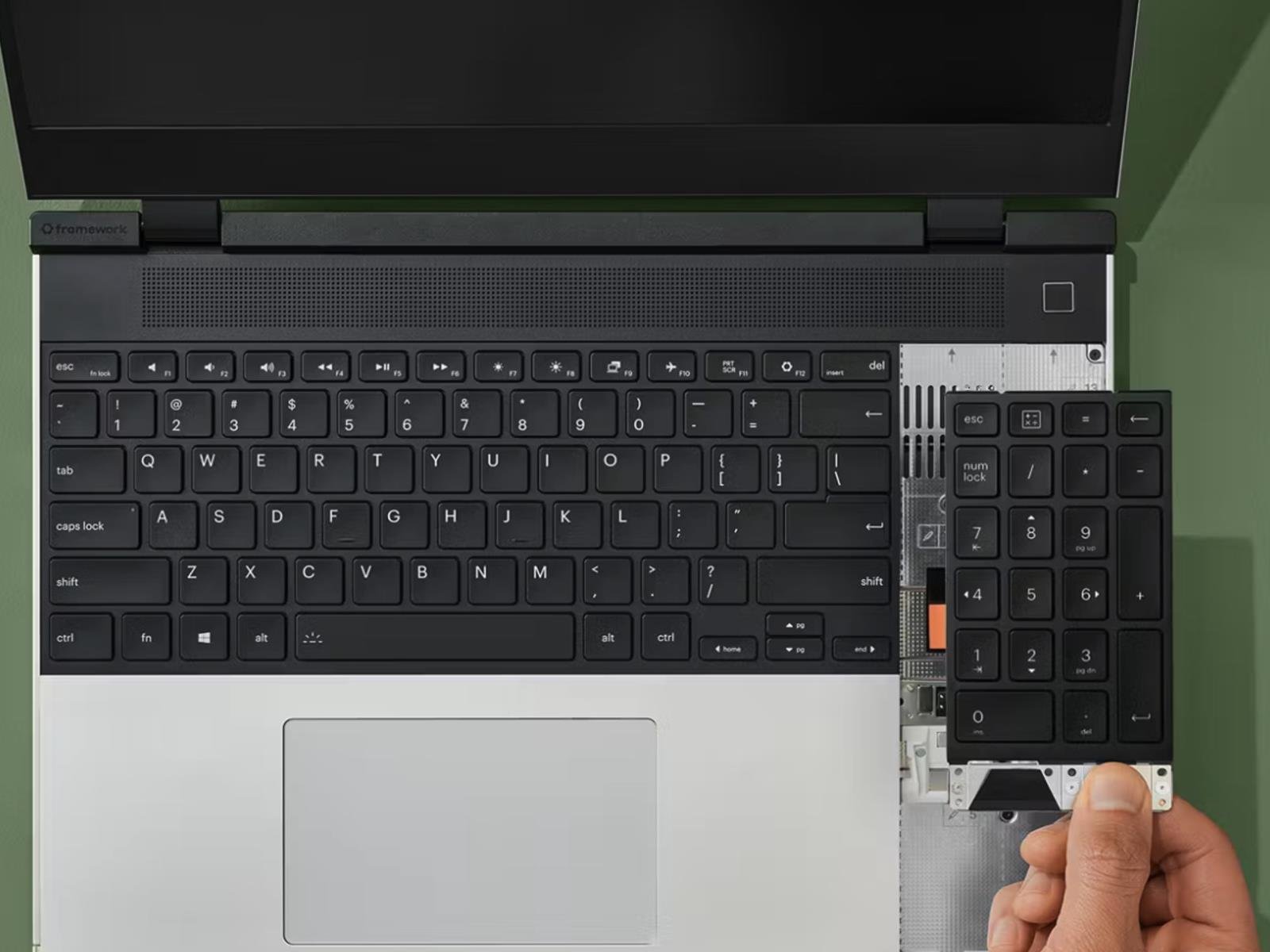
Companies in the United States are coming to grips with the bevy of tariffs being implemented by the Trump administration. The most high profile case has been Nintendo, which has placed a delay on taking preorders for its highly anticipated Switch successor. Now, Framework, maker of modular computers, has gone on record blaming tariffs for
Corsair Just Made It Super Easy To Update Your Gaming Gear’s Firmware

Upgrading your firmware need not be complicated or intimidating, though if you’re new to the PC scene, it can sometimes be both. It just depends on the device and method. Even when it’s easy, though, there’s typically still software involved. Or there was—in an effort to updating firmware as effortless as possible, Corsair has introduced a
Waymo Sets Course For In-Car Cameras To Train AI, Will It Sell Ads Too?

Robotaxi service provider Waymo might be prepping to use its in-vehicle cameras to train AI as well as target ads to riders. This info comes a leaked draft policy which the company confirms is real, but asserts besides being a feature in development, the document is full of “placeholder text” and that Waymo machine learning (ML) data isn’t
Retailer Stuns Gamer With A $1000 Price Hike On His GeForce RTX 5090 Preorder
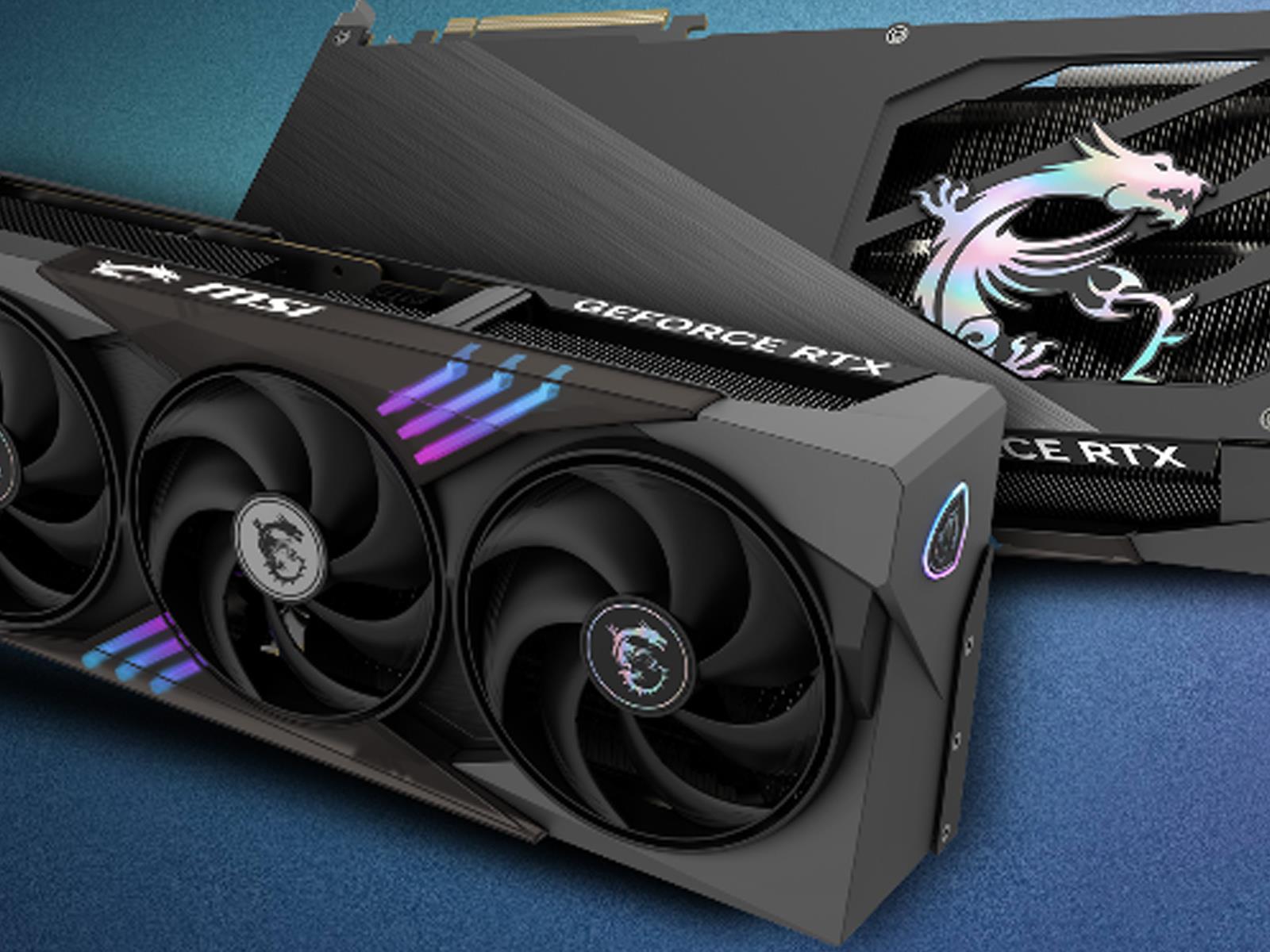
Graphics cards are the most important and exciting part of a gaming PC. They’re also the most expensive and getting even pricier, as gamers are quickly finding out. NVIDIA’s GeForce RTX 5090 is at the forefront of this discovery, as a buyer on Reddit recently experienced.
User big_boss_707 preordered an MSI GeForce RTX 5090 Gaming Trio OC
[$] Using large folios for text areas
Quite a bit of work has been done in recent years to allow the kernel to
make more use of large folios. That progress has not yet reached the
handling of text (executable code) areas, though. During the
memory-management track of the 2025 Linux Storage, Filesystem,
Memory-Management, and BPF Summit, Ryan Roberts ran a session on how that
situation might be improved. It would be a relatively small and contained
operation, but can give a measurable performance improvement.
A Revolutionary Animal Overpass Is Rising Over L.A.’s Busiest Freeway

Wildlife crossings help decrease the millions of vehicle collisions with large animals that occur every year in the US
[$] Per-CPU memory for user space
The kernel makes extensive use of per-CPU data as a way to avoid contention
between processors and improve scalability. Using the same technique in
user space is harder, though, since there is little control over which CPU
a process may be running on at any given time. That hasn’t stopped Mathieu
Desnoyers from trying, though; in the memory-management track of the 2025
Linux Storage, Filesystem, Memory-Management, and BPF Summit, he presented
a proposal for how user-space per-CPU memory could work.
Nintendo’s Bowser Talks Switch 2 Price Strategy, Trade War Impact And More

There’s still some mystery surrounding Nintendo’s Switch 2 console, even after last week’s proper reveal during a special Nintendo Direct event. Part of the reason for the intrigue is the unexpected delay of preorders in the United States, which Nintendo announced just two days after saying preorders would open on April 9. Even if pricing
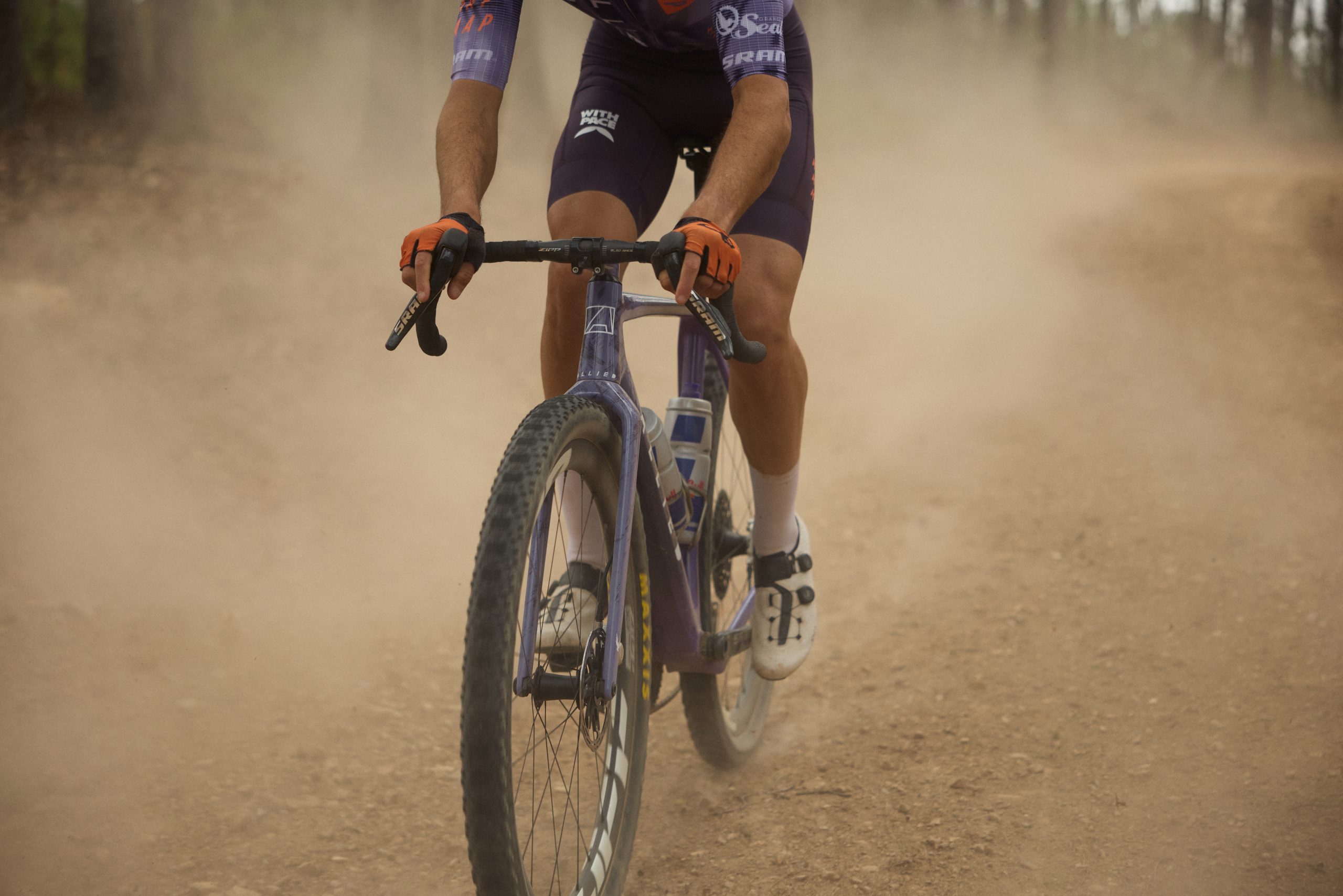
Want to run chunky tyres on your gravel bike? The Allied Able says yes, with enormous 57mm clearance
Allied has finally launched its long-teased second-generation Able, with the new gravel race bike able to accept up to a whopping 2.25in / 57mm tyre.
The distinctive elevated driveside chainstay of the outgoing model is no more, and the new Able also drops a significant amount of weight over its predecessor.
There’s also a nifty down tube storage solution, where the storage hatch is independent of the bottle cage.
We first spotted the new Able at Unbound 2024, where Payson McElveen tested a prototype which saw her take eighth place in the 200-mile event and Taylor Lideen also raced it in the 350-mile race.
The Able is available now, with the cheapest SRAM Rival eTap AXS build retailing from $6,775 and rising up to $11,500 for the top-tier SRAM Red XPLR AXS build.
A frameset, which includes a stem and seatpost, retails from $4,500.
57mm tyre clearance
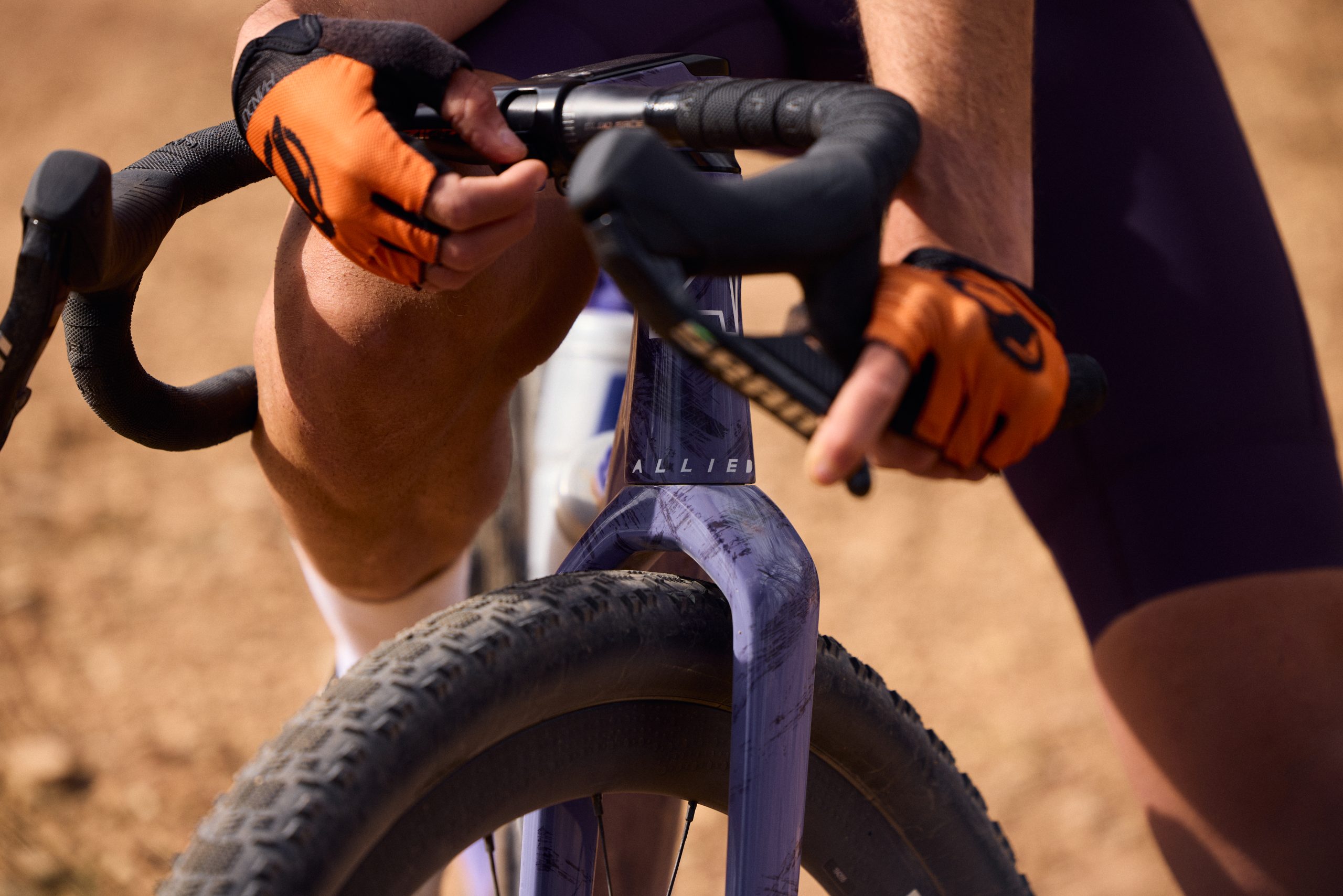
The Able is the latest in a slew of new gravel bikes embracing larger-volume mountain bike tyres.
It has clearance for 57mm / 2.25in tyres, matching the Lauf Seigla and 3T Extrema Italia – although it’s bested by the Ridley Ignite GTX and Lee Cougan Innova Super Gravel, which can take up to a 58 and 61mm tyre, respectively.
Allied says it chose this clearance because it believes 2.25in are “the fastest available tyres”, although it acknowledges its initial test mules had a 2.1in / 53mm clearance.
For context, the outgoing Able was optimised around a 42mm tyre but could take up to a 43mm out back, and a 47mm up front.
Farewell weird chainstay
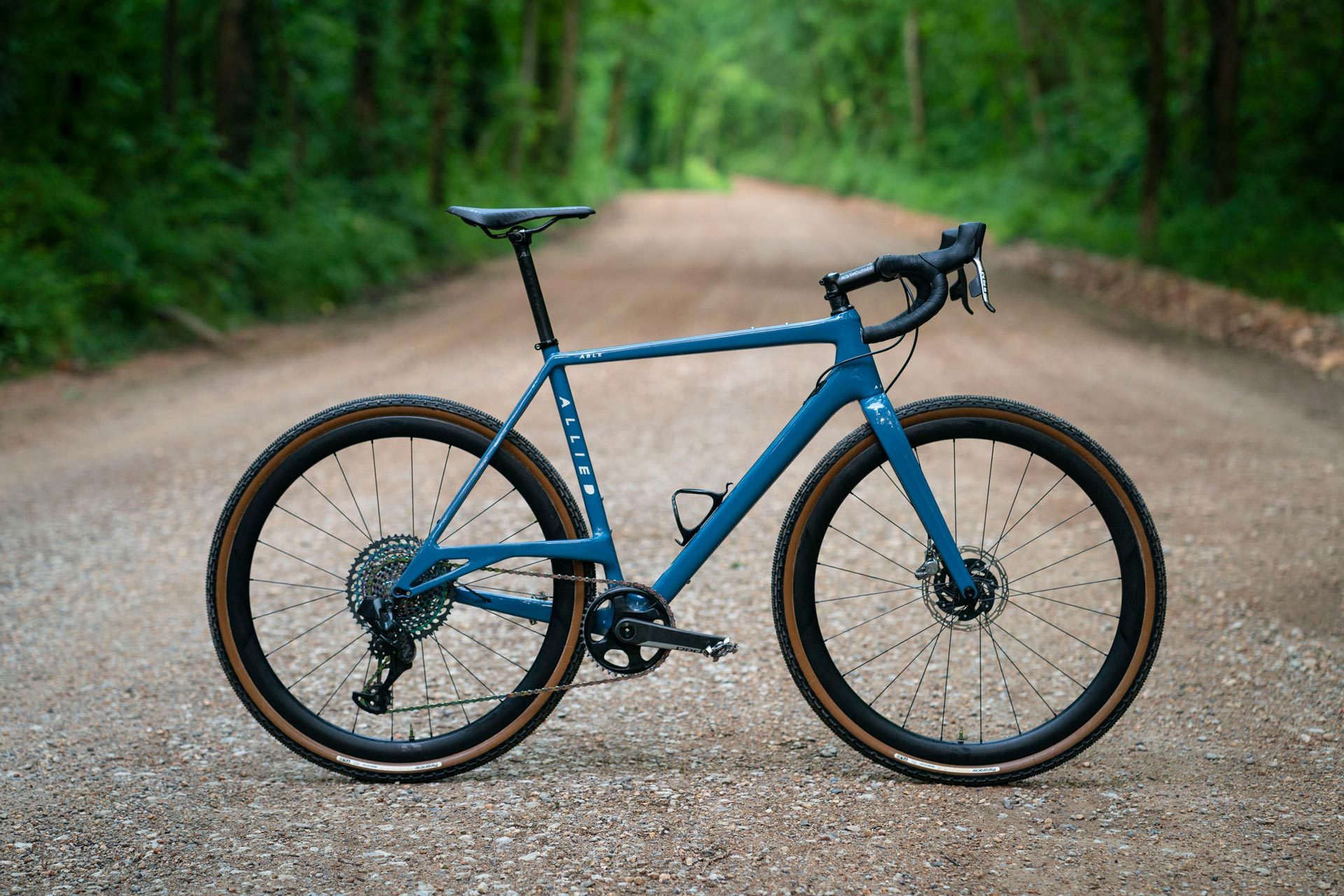
The outgoing Able was instantly recognisable for its elevated driveside chainstay, which Allied claimed improved the bike’s rear-end stiffness and also allowed the brand to run short 420mm chainstays.
Speaking to BikeRadar, Sam Pickman, head of product, said the brand removed this so its athletes could have the flexibility to run a 50t chainring with a wide-range 10-52t cassette.
Pickman explains: “to make that combination work, the elevated chainstay would have had to be really high, which would have created a whole host of other structural issues we wanted to avoid”.
Like its predecessor, the new Able is only compatible with 1x drivetrains, although when we spotted Taylor Lideens riding a prototype last year, he was riding a 2x Shimano GRX Di2 set-up.
An out-and-out gravel race bike
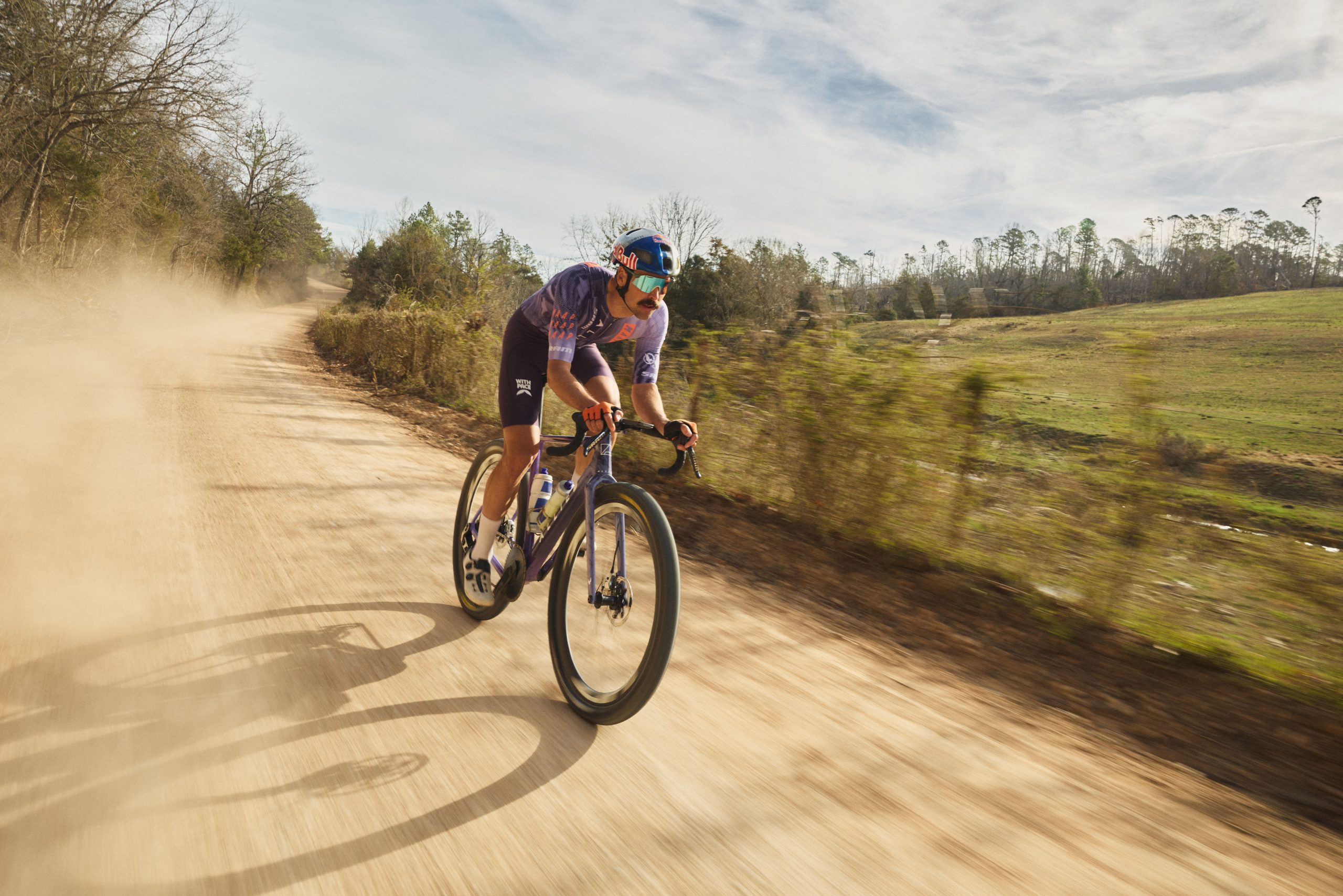
Allied says the new Able has been designed for the demands of gravel racing and went through eight prototypes before settling on the final design.
Like Allied’s other bikes, the carbon frame is made in its Rogers, Arkansas facility – bypassing the typical Asian production most brands utilise.
A size medium (56cm) frame is claimed to weigh 950g (although Allied doesn’t reveal whether that’s painted or with hardware) – a 340g decrease over the previous model.
The accompanying fork is claimed to weigh 425g.
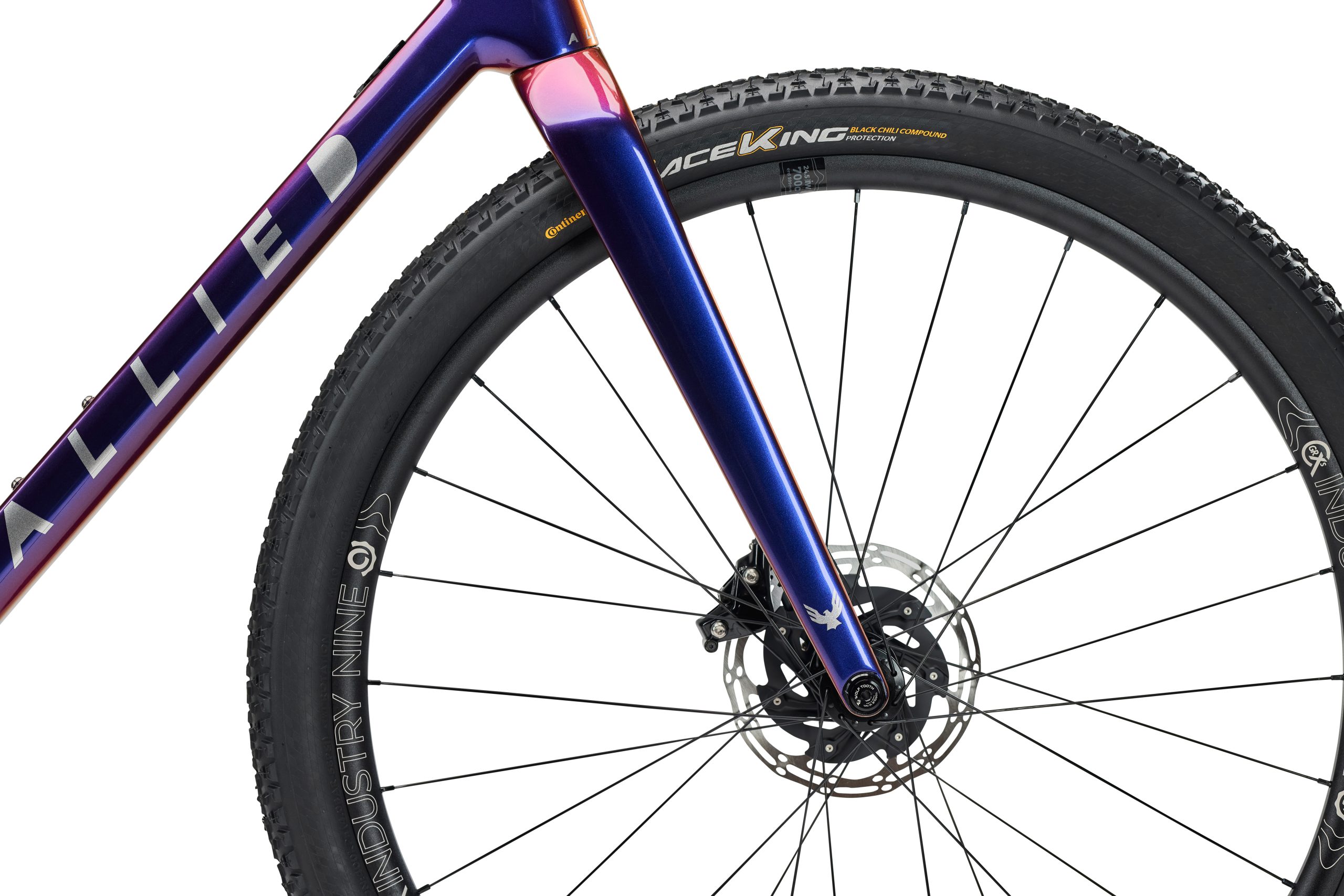
The new frame is claimed to have a 15 per cent reduction in front-end lateral stiffness over its predecessor, which Allied says is to improve handling and “help the bike feel more planted on rough roads”.
The rear end has a 20 per cent increase in lateral stiffness to improve pedalling efficiency, according to the brand.
Allied says the new fork is designed to match the frame’s stiffness and went through several variants before settling on the final design, and says it received feedback from some of its riders that the earlier forks were too stiff.
In a sign of its racing intent, the new Able is largely bereft of mounting points, retaining a pair of top tube mounts but losing the under-the-down-tube mounts of the previous model.
Elsewhere, the Able runs on a BSA 68mm threaded bottom bracket standard and a round 27.2mm seatpost, with routing for a dropper post.
Embracing integration
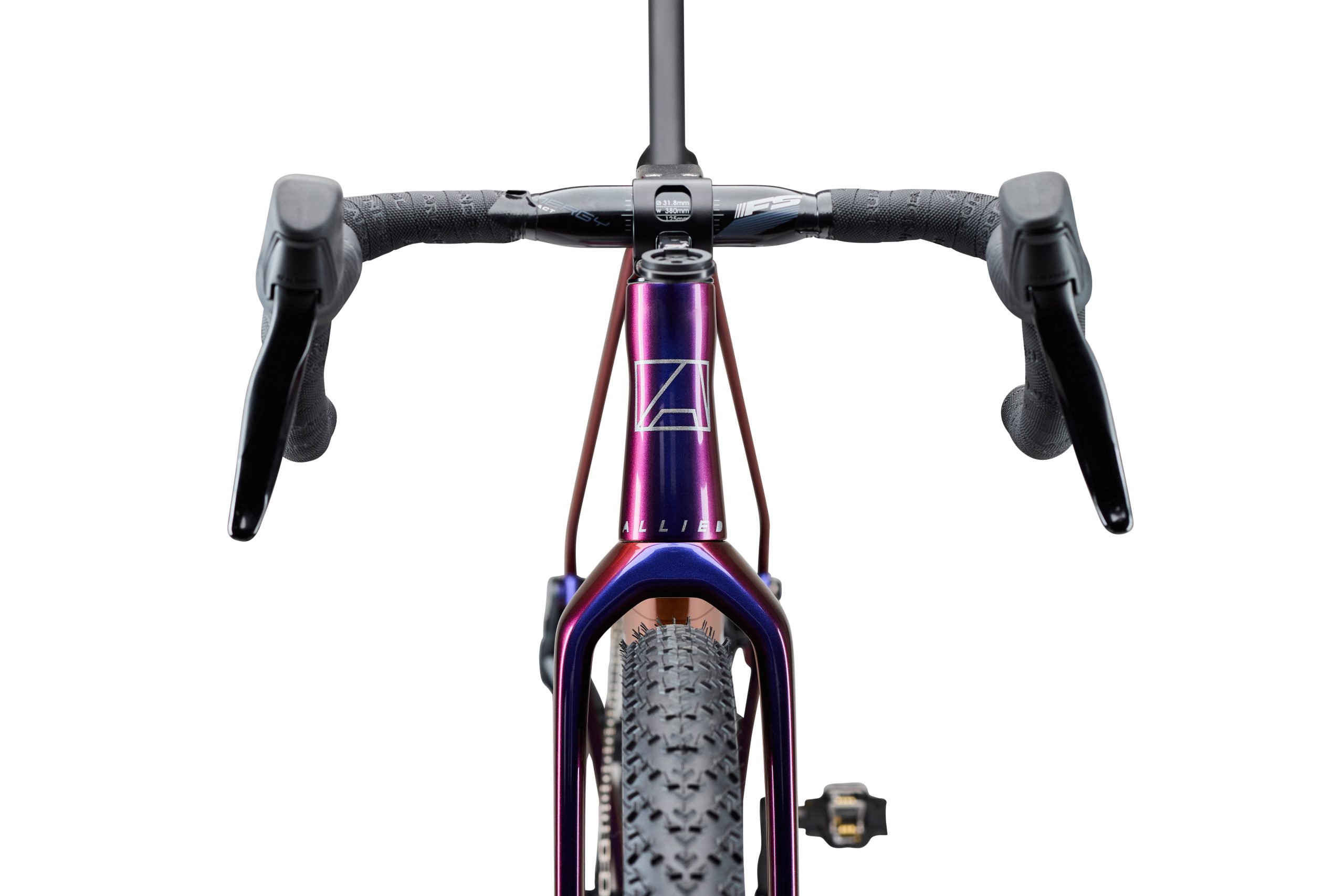
The Able is now fully integrated and uses Allied’s ST03 adjustable stem from its Alfa road model.
The brand says riders can swap between two rise options (0 and -8-degrees) without needing to re-cable the bike. The ST03 will be available in lengths from 70 to 130mm.
Cool down tube storage
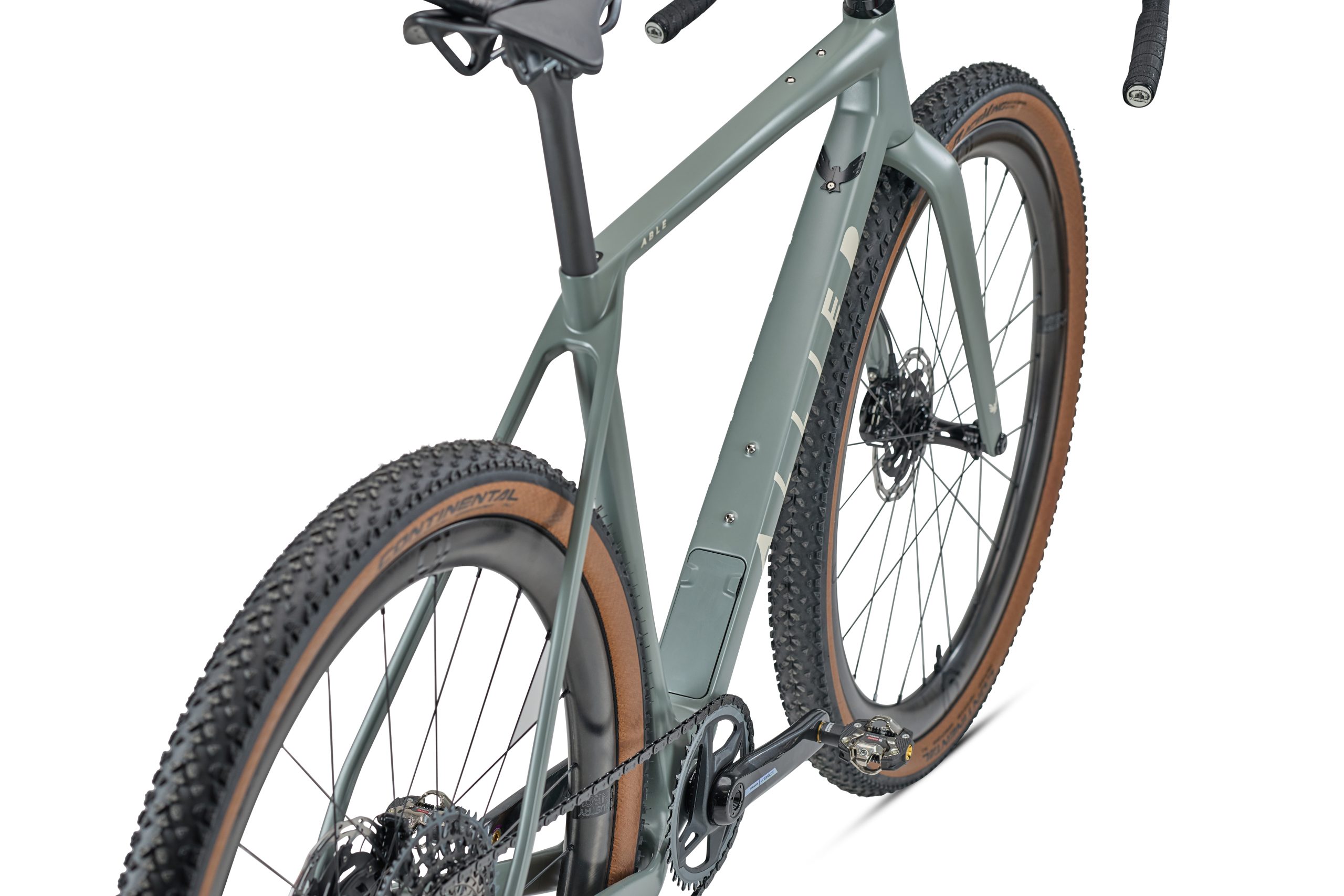
The new Able comes equipped with down tube storage, but its design differs from almost every other manufacturer in that the storage door is independent of the bottle cage.
Allied says this design not only saves weight versus under-the-bottle designs, but improves operation and gives you the peace of mind of traditional bottle security.
We believe this to be the first of its kind on a gravel bike, but the design isn’t new on mountain bikes – a similar setup can be found on the Canyon Exceed and YT Jeffsy.
Race-focussed geometry
The Able will be offered in five sizes from XS (52cm) to XL (61cm). Allied says the new geometry “improves high-speed stability without sacrificing the nimble handling required for the technical terrain riders encounter today”.
Pickman further elaborates that Allied’s primary goal was to “position the rider comfortably yet aggressively, while carefully balancing the front and rear centre to achieve an optimal weight distribution of approximately 53/47 over the rear and front tyres”.
The head tube angle has been slackened by 0.5-degrees to 71-degrees on a size medium with a 71mm fork trail (the outgoing Able had a 66mm trail across most sizes).
Allied says it deliberately decided on these numbers “to increase confidence on varied terrain while ensuring the bike retains the necessary handling agility for navigating unpredictable situations”.
Elsewhere, there’s a 74-degree seat tube angle (except for the smallest XS size) and the reach has grown by 13mm on a size medium to 400mm, but the stack remains identical at 575mm.
| | XS / 52cm | S / 54cm | M / 56cm | L / 58cm | XL / 61cm |
|---|---|---|---|---|---|
| Seat Tube Length (mm) | 460 | 500 | 530 | 550 | 570 |
| Effective Top Tube (mm) | 534 | 554 | 564 | 580 | 591 |
| Head Tube Length (mm) | 97 | 113 | 135 | 156 | 177 |
| Head Tube Angle (°) | 70.5 | 70.5 | 70.5 | 70.5 | 70.5 |
| Seat Tube Angle (°) | 75 | 74 | 74 | 74 | 74 |
| Front centre (mm) | 611 | 622 | 633 | 651 | 663 |
| Wheelbase (mm) | 1,039 | 1,049 | 1,061 | 1,078 | 1,090 |
| Stack (mm) | 540 | 555 | 575 | 595 | 615 |
| Reach (mm) | 390 | 395 | 400 | 410 | 415 |
| Rough frame weight (g) | 900 | 930 | 950 | 970 | 1,030 |
Allied Able builds
As well as a frame-only option, Allied will be offering three SRAM-equipped builds.
While the brand has provided a starting price for the builds, the final price will vary depending on paint and specific component choices.
Allied Able SRAM Rival AXS Mullet
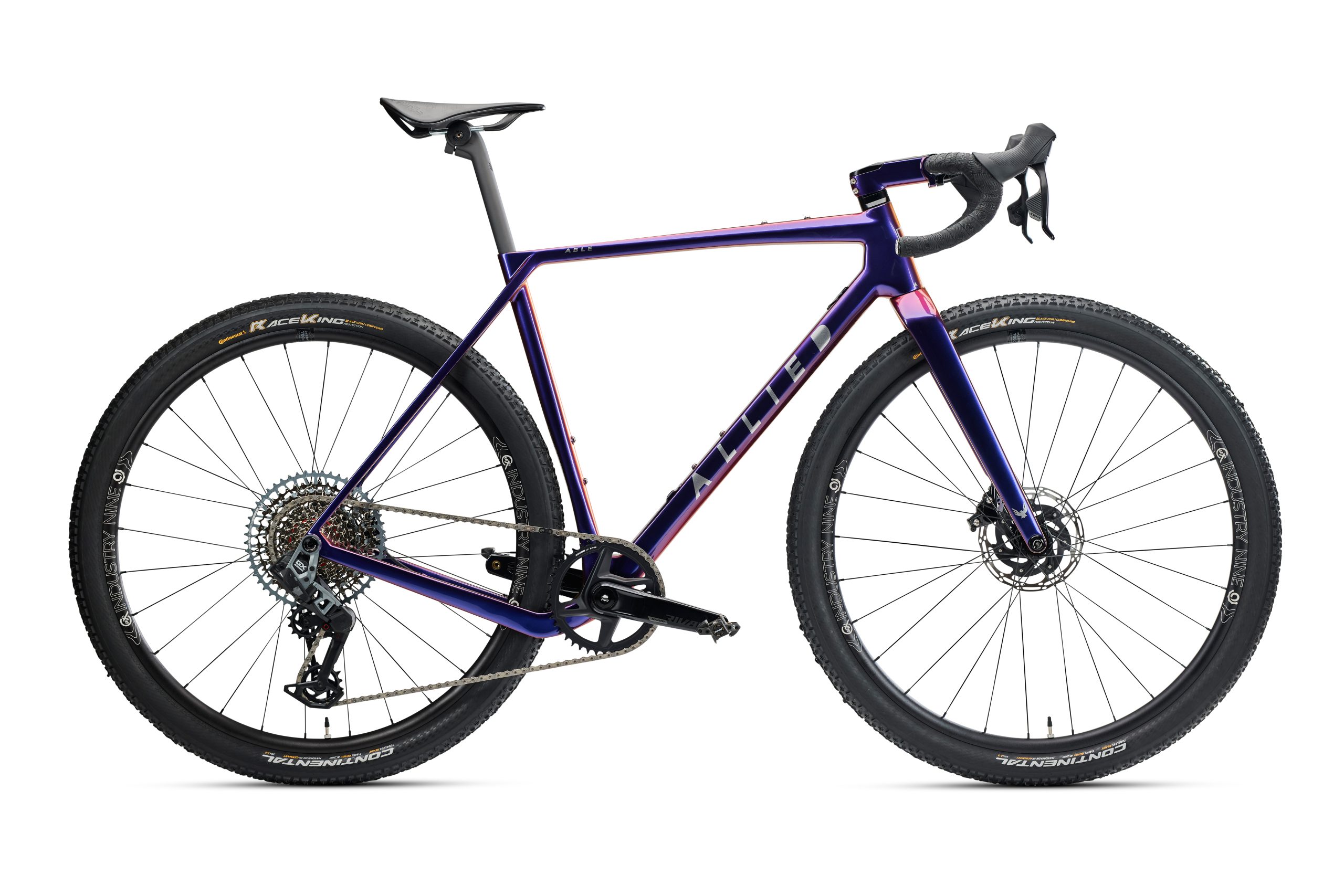
- Groupset: SRAM Rival eTap AXS / GX Eagle Transmission mullet
- Handlebar: FSA A-Wing AGX
- Wheels: Industry Nine 1/1 GRCX
- Tyres: Vittoria Terreno XC Race, 29×2.1in
- Price: from $6,775
Allied Able SRAM Force AXS Mullet
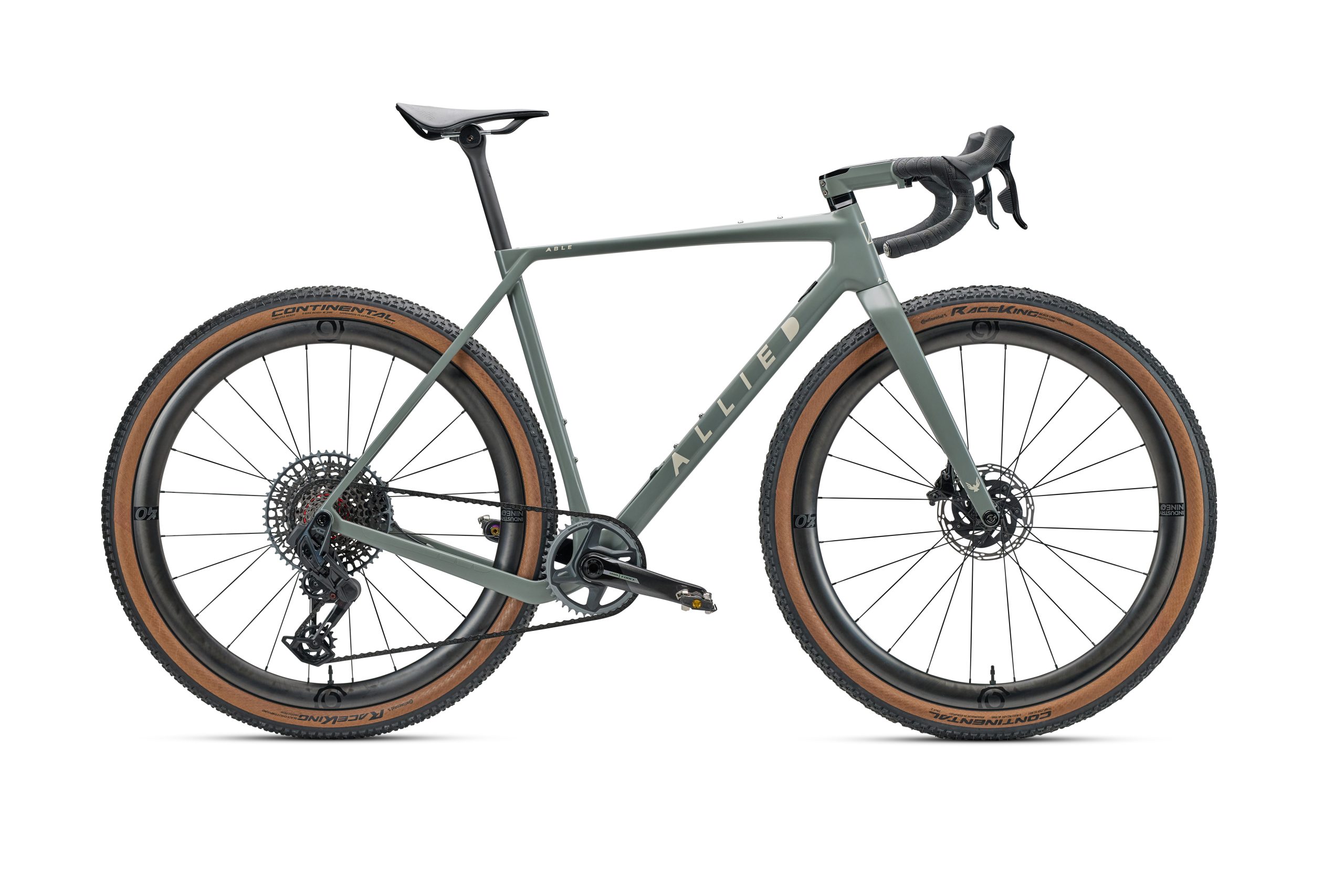
- Groupset: SRAM Force AXS / XO Eagle Transmission mullet
- Handlebar: FSA K-Wing AGX carbon
- Wheels: Industry Nine 1/1 Ultralite Carbon Gravel
- Tyres: Continental Race King ProTection, 29×2.2in
- Price: from $8,400
Allied Able SRAM Red XPLR AXS
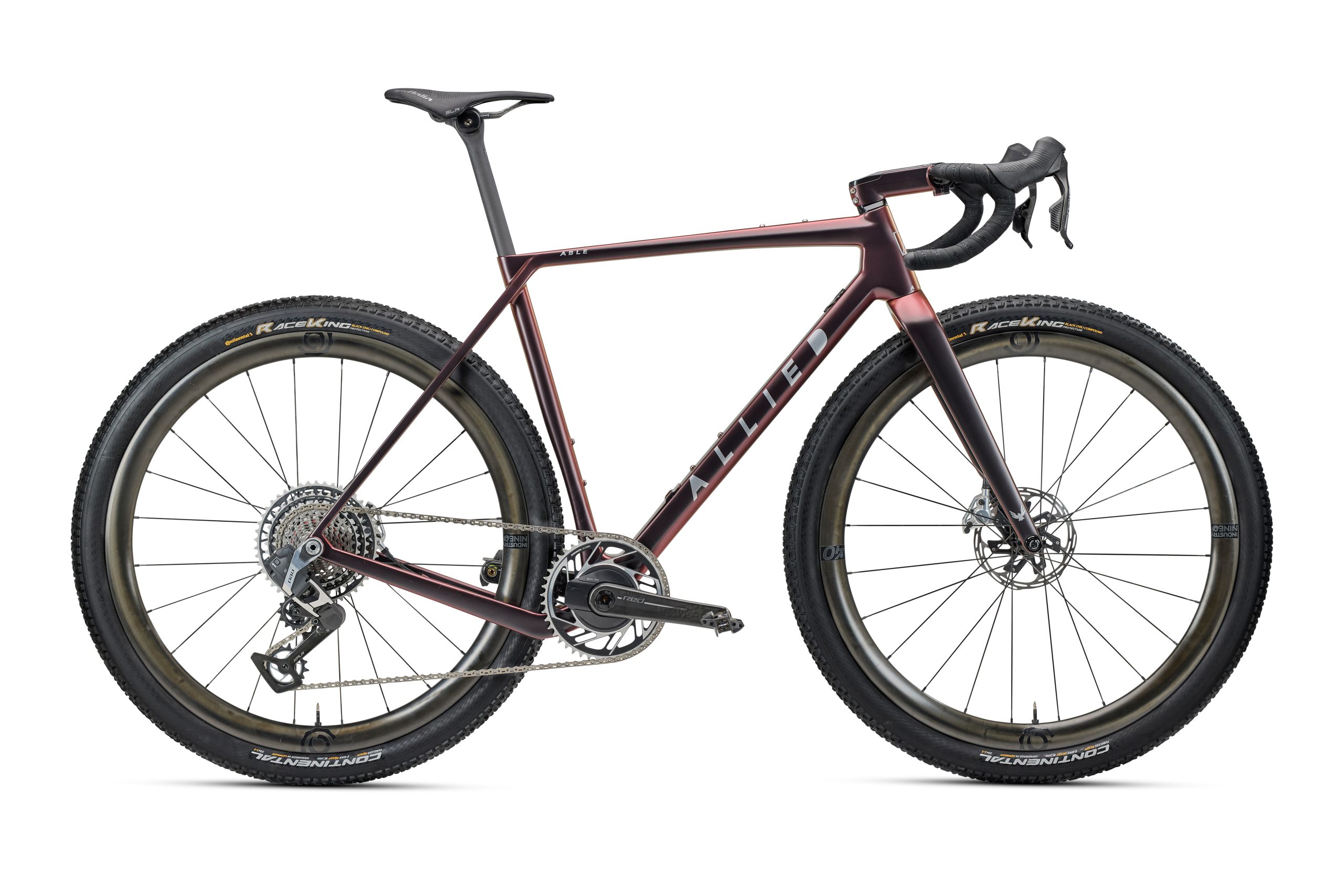
- Groupset: SRAM Red XPLR AXS
- Handlebar: ENVE SES AR Road In-Route
- Wheels: Industry Nine Solix SL – AR40c
- Tyres: Continental Race King ProTection, 29×2.2in
- Price: from $11,500
Move over Garmin! This new rear-view radar could upset the Varia’s dominance
Wahoo has launched the Trackr Radar – the brand’s first rear view vehicle detection system.
In a similar vein to Garmin’s Varia radar products, it’s designed to pair with the brand’s own bike computers – although Wahoo says it will also work with “other compatible Bluetooth or ANT+ bike computers.”
Wahoo has yet to confirm an on-sale date, but says the unit will cost £179.99 / $199.99 / €199.99/ AU$349.95 when it does become available.
- Wahoo’s new Roam and Bolt bike computers wave goodbye to one of their most defining features
- What are rearview radar bike lights and should you use one?
Reactive lighting

The Wahoo Trackr Radar doesn’t rip up the rearview radar rulebook – like other radar systems, it works by sending a millimetre wavelength radar signal out, receiving the bounced-back signal from objects behind, then transmitting this data by ANT+ or Bluetooth to display on a compatible bike computer.
Upon detecting an approaching vehicle, the built-in rear light powers up its flash pattern and brightness to increase rider visibility.
Wahoo says the Trackr Radar is designed to integrate natively with the brand’s Elemnt ecosystem of bike computers, but that the device also works with other devices, such as Garmin edge bike computers and smartwatches.
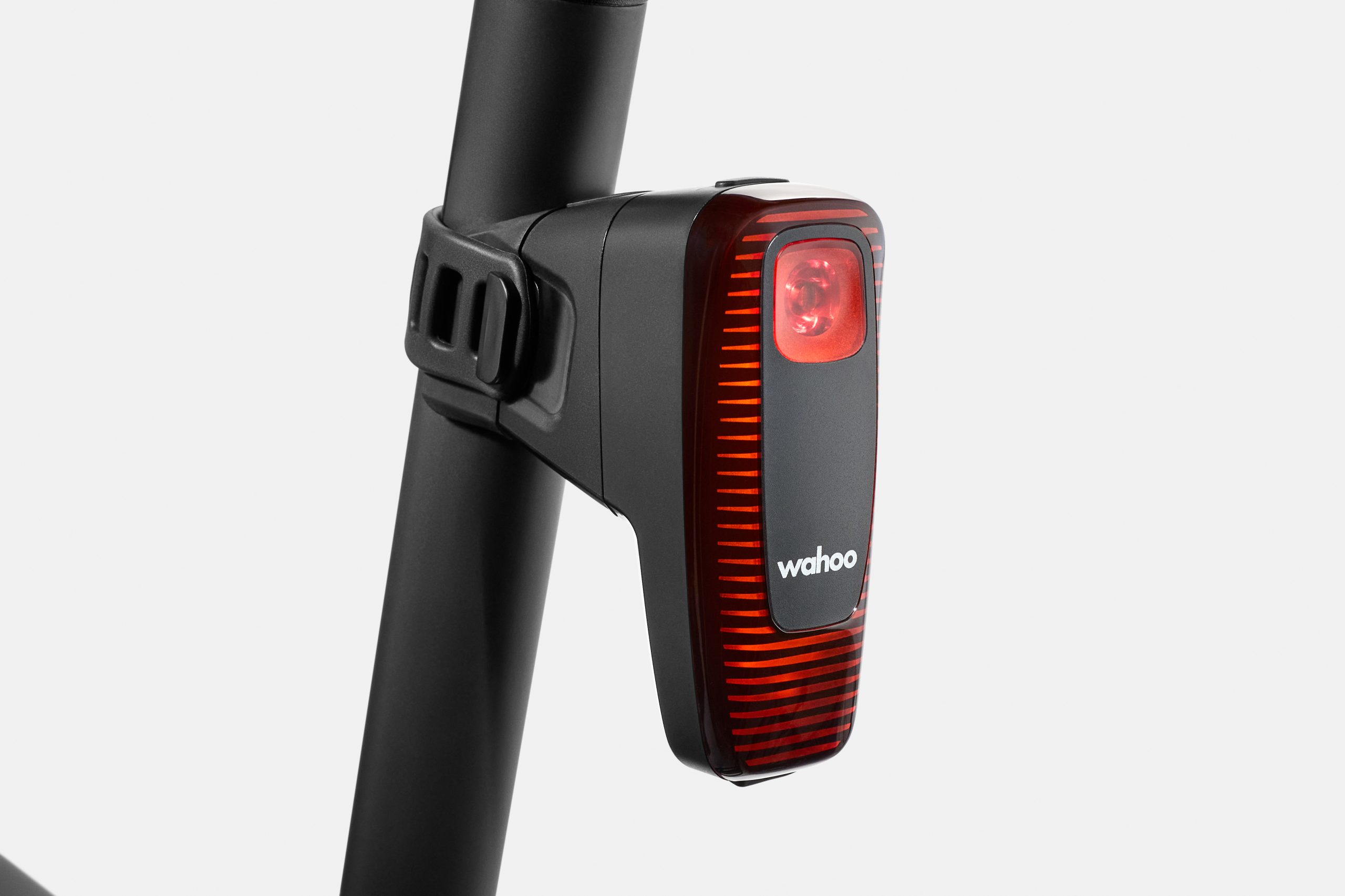
It’s worth noting that Garmin’s Varia devices also work with Wahoo computers – meaning neither brand is intentionally locking you out of using its radar system if you use the other’s computer.
That said, testing will reveal if functionality is different depending on which computer you’re using, such as the Hammerhead Karoo and Coros Dura.
The Trackr Radar also features an accelerometer, which detects braking, upping its output and flashing more aggressively when the rider decelerates.
Wahoo says the light reduces in brightness when there’s no traffic around, saving battery life in the process. It suggests the Trackr Radar can provide up to 20 hours of burn time.
The American brand has yet to confirm the full technical specification of the Trackr Radar, including light modes, lumen counts and weight – although we’ll soon be putting our test unit to the test against its natural rival, the Garmin Varia RTL515.
Wahoo Trackr Radar prices and availability
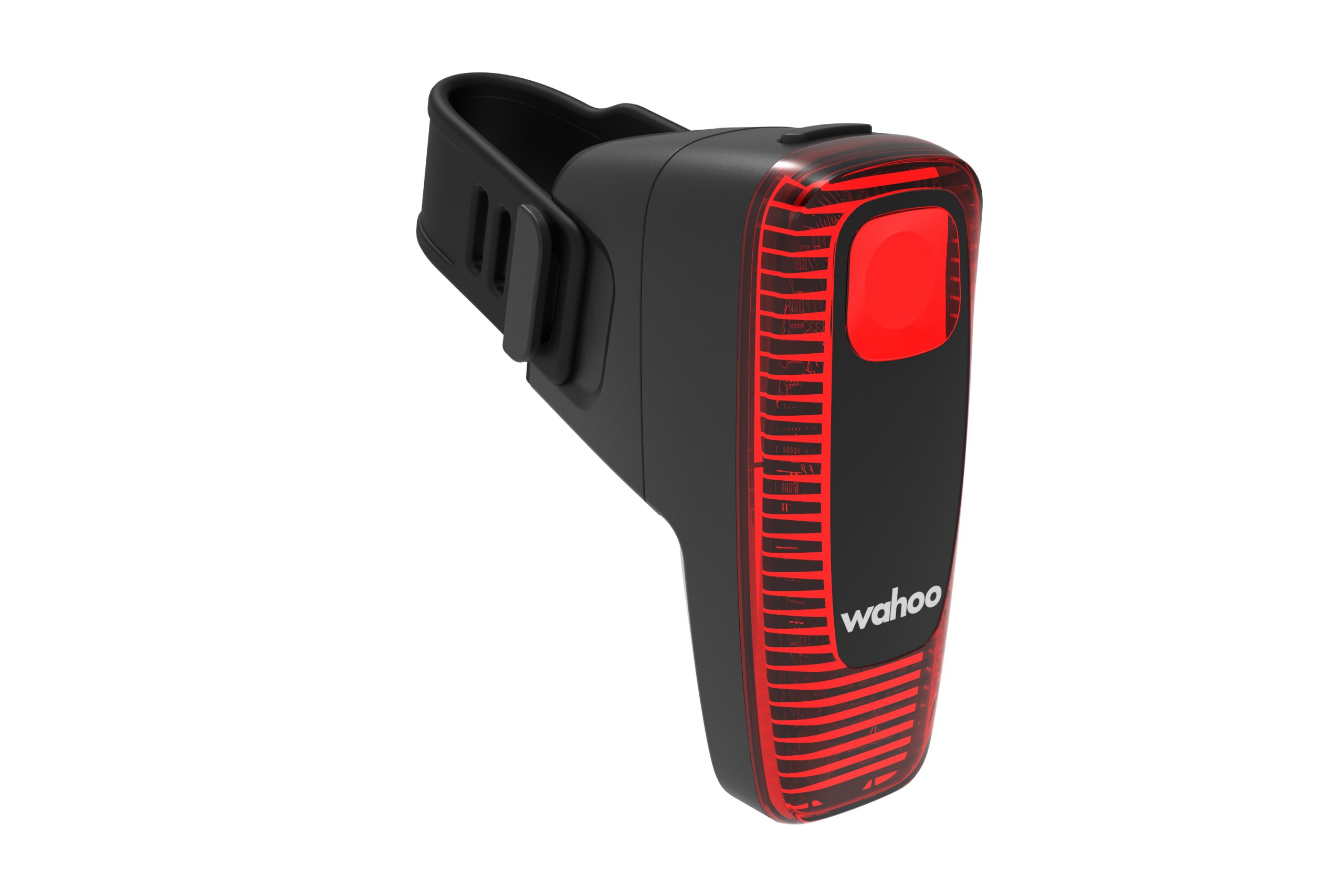
Wahoo has yet to confirm when the Trackr Radar will be available to buy, but says it will cost £179.99 / $199.99 / €199.99/ AU$349.95.
Garmin’s Varia RTL515 is the same in the US and Europe, but £10 cheaper in the UK and AU$20 more expensive in Australia.