
Matt’s not ready to be Daredevil again, but he is ready to hash things out with Frank Castle in “Sic Semper Systema.”

Matt’s not ready to be Daredevil again, but he is ready to hash things out with Frank Castle in “Sic Semper Systema.”
Google’s next Pixel phone, the Pixel 9a, has finally been announced. And for the first time in a Pixel since 2020’s Pixel 5, it ditches the camera bar. It’s also, as expected, a little cheaper and comes with a few additional AI tricks not available on the Pixel 8a, but really, it’s the new look that’s the biggest surprise here.
That’s because the 9a, unlike the 8a before it, really doesn’t look much like the Pixel 9 or 9 Pro. Dimensions are roughly equivalent to the standard Pixel 9 (although it is a little more lightweight at 6.6 oz vs. 7 oz) and the screen has almost pound-for-pound the same specs except for a halved contrast ratio, but people familiar with the past half-decade of Pixel phones might not realize it’s even part of the same family at first.
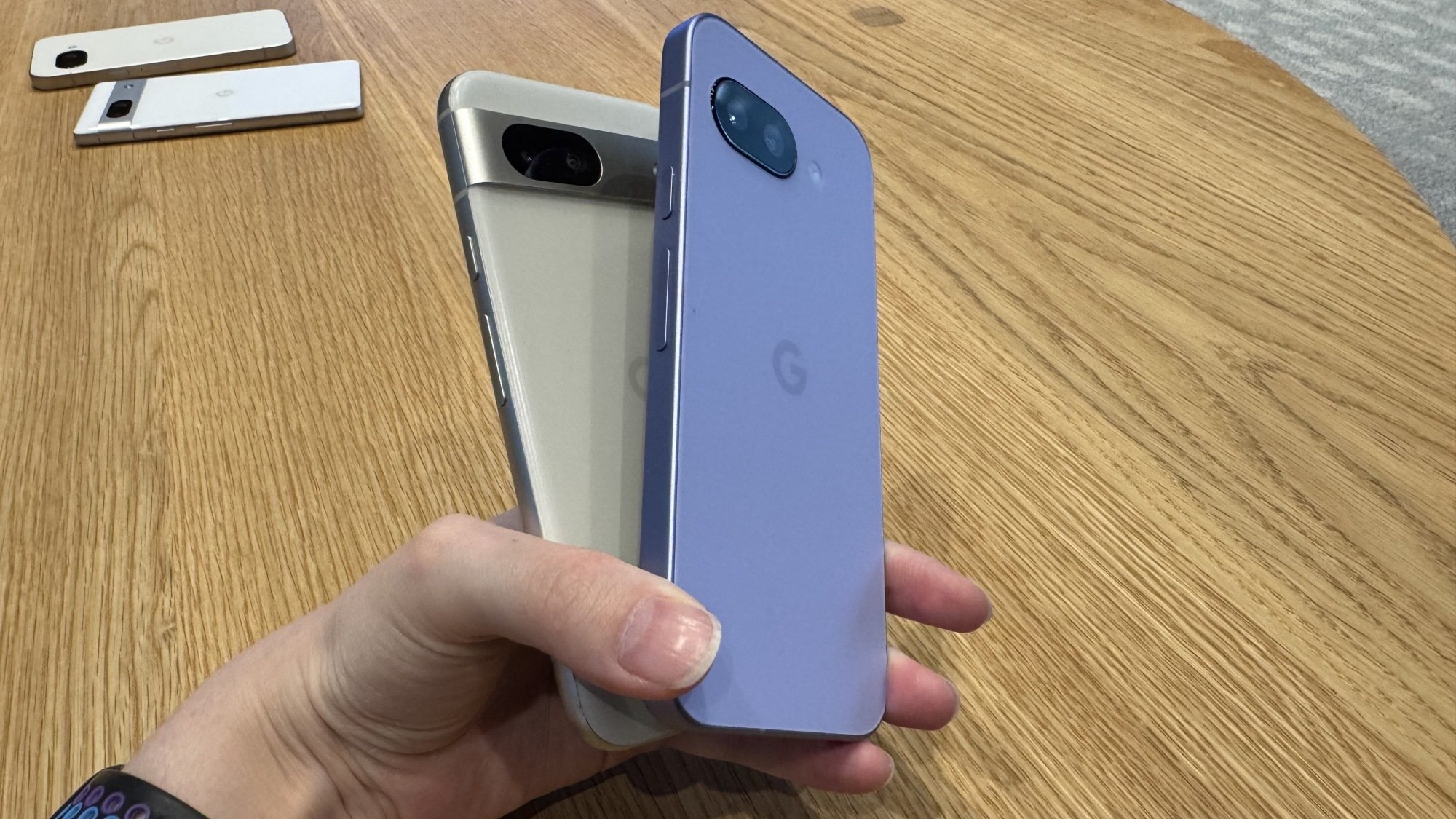
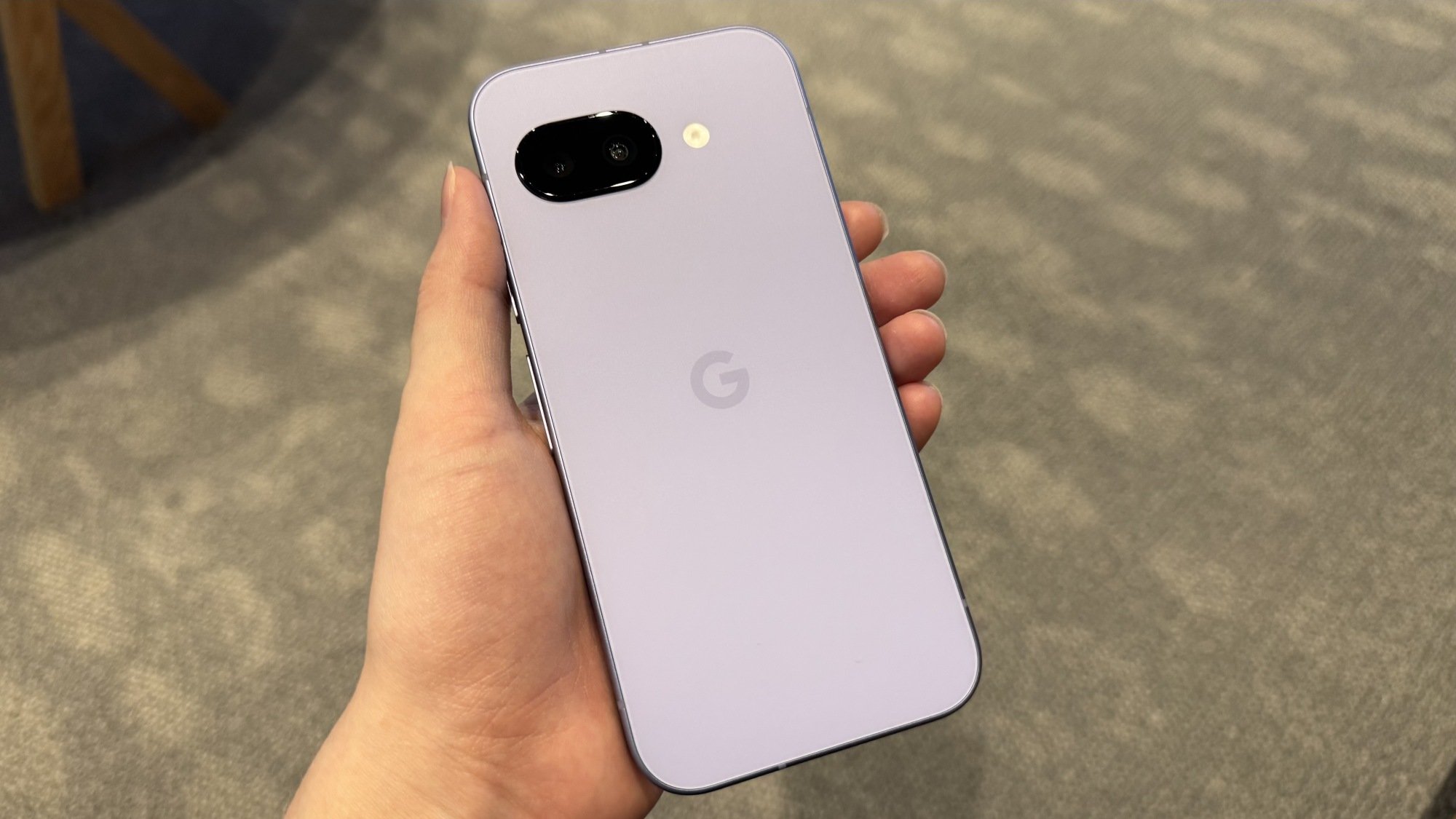
Without the camera bar, the Pixel 9a instead looks much more like an iPhone than arguably even a Samsung Galaxy, with two rear lenses in the top-left corner inside a small ovular black bump next to a flash. This makes for a much thinner and flatter profile overall, even if the body itself hasn’t changed much, and I’m excited to both get my hands on it and see how the cases turn out. I’ve never loved the camera bar, but this has me considering the Pixel again.
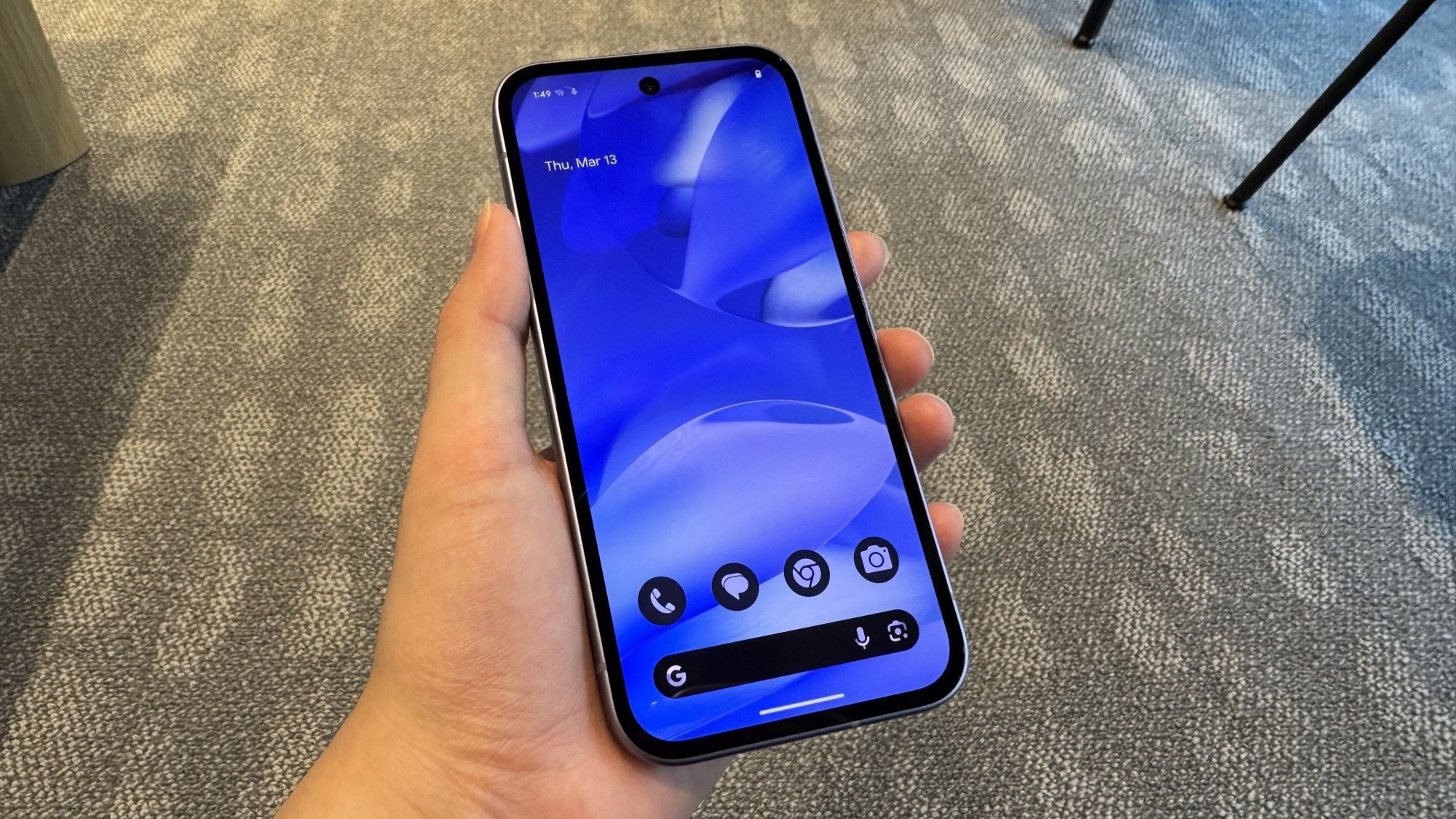
As for the specs on those cameras, they’re part of a trend of internal specs that don’t really compare well to either the Pixel 9 or the Pixel 8a. The rear camera lenses are 48MP and 13MP, respectively, while the front is 13MP, although the various aperture details and field-of-view settings don’t cleanly map onto an existing Google phone. I’m also curious to see how shots turn out once I get my hands on this phone.
Similarly, another detail that doesn’t have an outright comparison with an existing Google phone is battery life, which Google promises is 30+ hours on the Pixel 9a, a little longer than on either the 8a or the Pixel 9. RAM and storage is equal to the 8a at 8GB and a starting value of 128GB, respectively, although the processor has been bumped up to the Google Tensor G4, the same as on the Pixel 9.
All of that adds up to make for a unique release with what could have simply been a pared-down Pixel 9, perhaps giving you additional reasons to get it over its more expensive cousin than simply saving a few dollars. That said, even with the lower cost, which is $500 vs. the Pixel 9’s $800, Google is promising some extra software here than on the Pixel 8a. These include a Macro Focus mode and unique Pixel AI features like Add Me (which can put you into shots you weren’t present for, albeit with mixed results).

While you’ll get the usual options for black, white, and pink, there’s also a new purple color, which hearkens back to the Pixel 8’s light blue color that I missed so much on the base Pixel 9.
All in all, it’s shaping up to be a surprisingly exciting release for an A-series model, and I’m hoping it’s a hint at bigger things in store for the Pixel 10 when it inevitably comes out later this fall. An official release date is still TBA, so keep an eye on this space for more down the line.
Sony has developed a new TV display technology combining individual red, green, and blue LEDs for backlighting, potentially offering a middle ground between existing Mini LED and OLED panels. Dubbed “General RGB LED Backlight Technology,” the system enables precise color control without sacrificing brightness, reaching 4000 cd/m2 — matching Sony’s professional reference monitors.
Unlike conventional Mini LED TVs that use arrays of blue LEDs, Sony’s RGB implementation delivers significantly improved color accuracy and viewing angles. In side-by-side comparisons with Sony’s premium Bravia 9 Mini LED TV, the RGB prototype displayed deeper color gradations and eliminated the characteristic bluish blooming effect around bright objects on dark backgrounds.
The technology isn’t entirely novel, the Verge reports — Sony released a Qualia TV with RGB backlighting in 2004 and demonstrated “Crystal LED” prototypes in 2012. Competitors including Hisense, TCL, and Samsung are developing similar systems. While the RGB LED prototype outshone Sony’s QD-OLED A95L in brightness, differences in color reproduction were less pronounced. The technology appears particularly promising for larger displays in bright environments where OLED’s limitations become apparent.


Read more of this story at Slashdot.
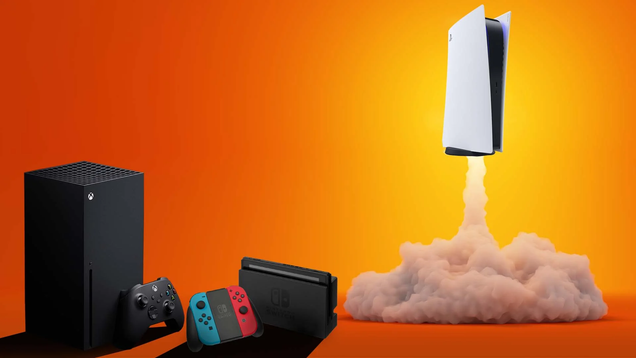
February saw the launch of a bunch of big, next-gen only releases including Monster Hunter Wilds, Kingdom Come: Deliverance 2, and Avowed, but despite a month littered with new games, new console sales continue to lag. In fact, last month was reportedly the lowest point for gaming hardware sales since before the…
Viper Vice is an upcoming Quest game that wants to fill the hole left by Grand Theft Auto: San Andreas VR.
Grand Theft Auto: San Andreas VR was announced by Mark Zuckerberg in late 2021 as coming to Quest 2, and then never heard of again, until finally last year Meta confirmed that the project was “on hold indefinitely”. Upon hearing this news, VR developer Sky Yurt immediately started building Viper Vice.
Sky Yurt already has a game on Quest called Hard Line, a hostage-rescue shooter set in a skyscraper, which currently has a rating of 4.3 stars on the Horizon Store. But Viper Vice is significantly more ambitious.
0:00
According to Sky Yurt, Viper Vice will be a physics-based open world VR game set in a city where you play as a gun for hire as your choices affect the criminal power dynamics.
“As a skilled mercenary, you’ll navigate high-stakes missions, forge relationships with influential figures, and carve out your own path in a world where every decision matters. Will you outmaneuver your rivals, build your reputation, and rise to the top? The city is yours to explore—just be ready for the consequences of your actions.”
The game is set to include ambient civilians and traffic, dynamic missions, unlockable drivable vehicles and usable equipment, and alliances and rivalries driven by your choices.
Viper Vice’s graphics look relatively primitive, but that’s to be expected for an open world title designed to run on Quest 2 and Quest Pro, not just the newer Quest 3 and Quest 3S.


Sky Yurt anticipates launching Viper Vice in early access “in a few months”, and you can wishlist it now on the Horizon Store.



No amount of government paperwork will give you the answers you seek or heal a 62 year old festering psychic wound.
Say goodbye to ground-in dirt and stains and save money while you do it with the Dyson V15s Detect Submarine cordless vacuum cleaner. This cordless cleaner is currently on sale for $798 for the Amazon Spring Sale, which is $152 off its usual price tag of $950. This is one of the best deals we’ve seen on this machine in the last year.
Combining powerful suction with advanced wet-cleaning capabilities, the V15s Detect Submarine is a versatile cleaning machine for both carpets and hard floors. Armed with eight Dyson accessories, including the Submarine wet roller head, fluffy optic cleaner and Digital Motorbar head, it provides edge-to-edge cleaning and is ideal for those seeking vacuuming and mopping functionality in a single device.
Boasting whole-machine HEPA filtration, intelligent adaptive suction based on floor type, LCD screen and a 60 minute run-time, the V15s Detect Submarine is capable of comprehensive cleaning throughout the home. With the Submarine cleaner head attached, it can cover an area of 1,000 square feet using the built-in 300ml water tank, picking up liquids and debris while washing surfaces with clean water.
The Dyson V15s Detect Submarine is a top pick in our best cordless vacuums guide, where we praised its versatility and convenience. While the popularity of robot vacuums continues to grow, busy households with kids and pets in the mix can benefit from a versatile yet manual solution. Thanks to its lightweight and cordless design, the Dyson V15s Detect Submarine makes it easy to clean up messes and spillages on the spot, and is great for tackling tight corners, staircases and underneath furniture.
Amazon’s Big Spring Sale ends on March 31; there’s no telling if this deal will stick around after that, so now’s the time to grab it if you’ve had your eye on it.
This article originally appeared on Engadget at https://www.engadget.com/deals/this-dyson-cordless-vacuum-and-mop-is-more-than-150-off-for-the-amazon-spring-sale-140036864.html?src=rss

Save 29% on a 4-pack of Apple’s ultra-accurate little trackers, or save 17% and get just one for $24.

Kennedy’s approach to bird flu doesn’t seem wholly dissimilar to his approach to covid-19.

Plus, who doesn’t love a killer giant rat movie?
There’s now an industry-wide union for video game workers in the US and Canada. The United Videogame Workers-CWA (UVW-CWA) has a mission to bring together “artists, writers, designers, QA testers, programmers, freelancers and beyond to build worker power irrespective of studio and current job status.”
The union makes its official debut at the “Video Game Labor at a Crossroads: New Pathways to Industry-Wide Organizing” panel at GDC. Workers will be sharing a petition at the event to gain support for the union and to shine a light on the recent glut of industry layoffs. As a matter of fact, the first major issue the union seeks to address is layoffs, given that one in ten developers were shown the door in 2024.
Workers will also be passing around a zine that includes the organization’s mission statement, FAQs and an op-ed. This is a direct-join union, meaning that workers can sign up on their own. This allows folks to bypass traditional unionization processes like elections and employer consent.
We aren’t sure if this will catch on throughout the industry or if major publishers will recognize the union. However, it’s just the latest salvo in the ongoing battle between industry workers and corporate bigwigs. Over 600 QA workers at Activision, which is owned by Microsoft, recently joined the Communications Workers of America (CWA.) ZeniMax Online Studios workers formed their own union at the tail-end of last year and Sega of America workers did something similar.
These unions have also been busy. The CWA has been embroiled in a fight with Microsoft and Activision over unfair labor practices on behalf of workers at Raven Software. Members of ZeniMax Workers United-CWA also went on a one-day strike last year to limit Microsoft’s use of outsourcing.
This article originally appeared on Engadget at https://www.engadget.com/big-tech/video-game-workers-in-north-america-now-have-an-industry-wide-union-130024730.html?src=rss
If you’ve been eyeing a pair of Beats Fit Pro earbuds, now’s a great time to snag them at a discount. The fitness-focused wireless earbuds have dropped to $169 ahead of the Amazon Spring Sale, down from their usual $200 price tag, which is the lowest price we’ve seen them since January. This $30 discount makes them an even better buy for those looking for good sound quality with a snug and secure fit.
The Beats Fit Pro earned the top spot as the best wireless earbuds for working out in our best wireless earbuds roundup thanks to their IPX4 water resistance rating, comfortable design and balanced audio. They feature active noise cancellation (ANC), spatial audio with dynamic head tracking and Apple’s H1 chip for seamless pairing with iOS devices. While they’re most convenient for Apple users, they also work well with Android devices thanks to Google Fast Pair support. They’re available at the discounted price in black, white, sage gray and stone purple, so this Big Spring Sale deal isn’t limited to just one color.
Designed with fitness enthusiasts in mind, the Fit Pro earbuds include flexible wingtips that help keep them securely in place, whether you’re out for a run or powering through an intense gym session. Battery life is also solid, offering six hours of listening time per charge with an additional 18 hours from the charging case. If you need a quick boost, a Fast Fuel charge delivers up to one hour of playback in just five minutes.
If you’re looking for something more affordable, the Beats Studio Buds+ have also received a major price drop. They’re currently on sale for $130 on Amazon, a decent markdown from their usual $170 price. These earbuds offer solid ANC, an improved transparency mode and a comfortable, lightweight design.
We were impressed with them and gave them a respectable 84 out of 100 in our Beats Studio Buds+ review. Whether you’re after a workout companion like the Fit Pro or an everyday pair like the Studio Buds+, both deals make for great savings on quality wireless earbuds.
This article originally appeared on Engadget at https://www.engadget.com/deals/amazon-spring-sale-deals-include-the-beats-fit-pro-earbuds-for-169-130015298.html?src=rss
Buying a house is a stressful, expensive project—something most people understand. That’s why they do their diligence. The research the property and the area, they hire a home inspector, they pay a lot of money for title insurance, and they ask questions. Lots and lots of questions.
Most of those questions are common sense, concerning the history of the house, the age and condition of the roof or the HVAC system, and the neighborhood. But there are some not-so-common questions that are also worth asking. These eight questions might seem a bit random, but they can alert you to big problems before you sign your life away.
A lot of people use their homes for their livelihood. If that means a home office for telecommuting, it’s nothing to worry about. But if the previous owner ran any kind of physical business out of the house, you need to know, because it could impact your enjoyment of the property in a few ways:
Old customers might show up unannounced, unaware that the house has been sold, as happened to this unhappy new homeowner. This could potentially include folks who are upset with their experience with the business, or to whom the business owes money.
Shipments, bills, and other deliveries or correspondence might continue to arrive, forcing you to deal with someone else’s business—especially if the previous owner demands that you forward materials and mail to them.
This might seem like a crazy question to ask, but if the house you’re considering buying is located at an intersection, at the bottom of a hill, or around a blind corner, it’s worth asking if it’s been hit by cars—and if so, how often. Homes being hit by cars isn’t common, but if the house has been hit once, there’s a good chance the conditions that caused the accident still exist, and it could be hit again.
For example, this house in San Jose has been hit 23 times in 50 years. This house in Ohio has been hit three times (plus one near-miss). And this house in North Carolina was hit by cars six times over the course of a decade. The worst time to find out that a nearby highway exit ramp or dangerous curve slings cars into your home on a regular basis is after you’ve bought it.
Most of the time you can safely assume that what you see in and around the house will be yours once the checks clear and the deed is transferred. That usually includes the outdoor spaces, like a backyard, the appliances, and, say, the finished basement. But you should never assume, because sometimes what you see is not at all what you get.
This couple in Washington and bought a house only to discover that the back yard—starting at their back steps—was actually a separate lot. They only learned this when the lot was put up for auction, and they found themselves desperately trying to buy their own backyard. And if you want the appliances in the kitchen or laundry room, you should make sure their inclusion is specified in the contract, or you might be in for a few extra expenses when you move in to find the fridge missing.
There’s even a story about a seller who literally removed an entire finished basement from the house, leveraging the fact that below-grade areas are usually not considered part of the living space. You might not need to worry about the basement in your dream home, but it underscores the wisdom of making sure you know everything that is included in the sale.
Older homes often don’t have enough power outlets. They were often designed and constructed in a different era, when people didn’t have TVs in their bedrooms or a dozen gadgets charging at all times. One of the easiest upgrades people put into older homes is additional outlets, often as part of an overall upgrade to the electrical wiring.
But an unscrupulous homeowner might add nonfunctional outlets to give the appearance of such an upgrade, leaving it to you to actually connect them. Or, maybe the house has old wiring that only looks like it was upgraded and modernized. Either way, asking if the outlets all actually work—or, better yet, testing them with a volt meter yourself—is a good idea.
If you’re buying an older home, it’s often a good idea to ask if it’s located in a historic district or designated a historic building, and if there are any restrictions that come along with that designation. Homes that are considered historic in some way often come with limitations to the kind of renovations you can do without explicit approval, and may come with extra expenses or responsibilities.
You’d assume something like that would be disclosed before the sale, and it usually is if it’s the house itself that has officially been deemed historic. But if you move into an area considered historic, you might be subject to rules regarding how you can alter or update a home that haven’t been previously disclosed to you, just like this unlucky homeowner. If your new house has old charm, it’s worth asking, or checking directly with the local government.
If you’re touring a house that obviously hasn’t had a major renovation in a while, you might be okay as long as the bones are good and you have a vision (and a budget) for renovations. But if you head down to the basement and discover a brand-new, just-finished renovation it’s time to ask one question: Was there a flood? While many homeowners tackle their home renovations in stages, if only the below-grade areas of the house that have been updated, it’s time to worry about significant water damage that’s been erased or hidden. If the basement flooded once, it will likely flood again—so you need to know why it was singled out for a rehab.
Old houses sometimes have ancient oil tanks buried underground. If a house had oil heat in the past, burying the tank hid it from view—no one wants an ugly, rusting tank sitting in their backyard. And if the tank was properly decommissioned—drained, filled with foam, and capped—it’s nothing to worry (at least until you decide to dig up the yard).
But if the tank wasn’t decommissioned, it could be a huge problem. If it leaks, your health could be impacted, and if the leak spreads and poisons your neighbors’ property, you’ll be liable. And removing a tank can be expensive—around $10,000 if you’ve got an environmental disaster on your hands. Best to ask about it before you assume that responsibility.
Trees are terrific, and offer a lot of benefits to a property. But trees can become a real hazard if they’re not cared for properly—they can fall and damage the house, become a home for insects and rodents that infiltrate the house, and can cause conflict between you and your neighbors. Taking care of trees can be expensive, so many homeowners prefer to just enjoy the shade and assume that nature will take care of itself.
It pays to ask about the trees on your potential property—how often were they pruned and trimmed? Has an arborist inspected the trees for diseases, infestations, or damage? If the trees are old and haven’t been properly cared for, you might be buying a lot of work and problems instead of a beautiful, shady yard.
An anonymous reader quotes a report from Reuters: The Belgian prosecutor’s office said on Tuesday that it has charged five people in connection with a bribery investigation in the European Parliament allegedly linked to China’s Huawei. The five were detained last week. Four have now been arrested and charged with active corruption and involvement in a criminal organization, while a fifth faces money laundering charges and has been released conditionally. The prosecutor’s officer did not disclose the names of those involved or give information that could identify them.
It said new searches had taken place on Monday, this time at European Parliament offices. Huawei said last week it took the allegations seriously. “Huawei has a zero tolerance policy towards corruption or other wrongdoing, and we are committed to complying with all applicable laws and regulations at all times,” it said. The prosecutors have said the alleged corruption took place “very discreetly” since 2021 under the guise of commercial lobbying and involved payments for taking certain political stances or excessive gifts such as food and travel expenses or regular invitations to football matches.


Read more of this story at Slashdot.

Michael Steranka, senior product director on mobile smash hit Pokémon Go, has told Polygon that the game being sold to Saudi-owned Scopely is “actually great.” News of the sale last week understandably led to a lot of concern among fans, especially since Scopely also owns the extraordinarily monetized Monopoly Go. But…
AMD recently allowed me some time with their AMD Accelerator Cloud (AAC) leveraging multiple Instinct MI300X accelerators. During this brief opportunity to try out their latest software advancements with the Instinct MI300X and the ROCm compute stack, one of the most striking takeaways was their documentation improvements compared to previous forays into ROCm+Instinct compute. In addition, AMD is now offering more robust container options for easier Instinct compute deployments with more software options available and being more regularly updated.
While Tesla is a popular car for ride-hailing drivers employed by the likes of Uber and more, the company could soon cut out the middleman. The California Public Utilities Commission has approved the company’s bid for a transportation charter-party carrier permit, Bloomberg reports.
The permit opens the way for Tesla to operate a ride-hailing service to compete with Uber, Lyft and other established companies. Tesla employees would drive the cars, initially transporting fellow employees, before becoming available to the public. Last year, Elon Musk told investors that the company was already testing app-based transportation for Bay Area employees using safety drivers.
Notably, Tesla is still not approved to use autonomous vehicles for ride-hailing, though Musk has claimed they will be available in Austin, Texas by June and in California by the end of the year. Meanwhile, Uber and Waymo launched their robotaxi service in Austin earlier this month. Waymo’s autonomous ride-hailing service is also available in San Francisco, Los Angeles and Phoenix.
This article originally appeared on Engadget at https://www.engadget.com/transportation/tesla-gets-approval-for-ride-hailing-business-in-california-125100455.html?src=rss
Silverblue is an operating system for your desktop built on Fedora Linux. It’s excellent for daily use, development, and container-based workflows. It offers numerous advantages such as being able to roll back in case of any problems.