We may earn a commission from links on this page.
Jonathan Majors made the Hollywood A-list on the back of lauded performances in The Last Black Man in San Francisco, Da 5 Bloods, and The Harder They Fall, as well as a lead role in HBO’s Lovecraft Country series. Starring turns in Creed III and as Marvel villain Kang the Conqueror established him as a power player just a few short years into his career.
Then came 2023, a series of abuse allegations, and eventual convictions for reckless assault in the 3rd degree and harassment. The news of the accusations broke a few months after Majors was lauded for his performance in Magazine Dreams, which has played to accolades at the Sundance Film Festival. In the wake of the scandal, Searchlight Pictures, which had acquired the film out of the festival, canceled plans for its release. But when there’s money to be made, few films stay dead forever. This month, Magazine Dreams is finally slipping out into the wild—an event further complicated by the release of audio recordings in which Majors allegedly admits to an assault that he’s previously denied.
Majors is undeniably a talent, but the allegations and his actions raise the age-old question: Does he deserve a comeback at all? The response to Magazine Dreams might offer a clue. And what of other movies that have struggled to escape controversy?
Hated, dogged, scandalous, sordid, nasty—the 50 following movies have been called all of those things, and much worse. Some have inspired death threats and physical attacks, while others have engendered heated wars of words that have endured decades. For some of these movies, the controversy has been helpful—hey say that any publicity is good publicity, after all. But that’s not always true. Sometimes canny filmmakers and distributors can turn scandal around, but an uproar is just as likely to bury a movie. That’s why while some of the most controversial movies ever are familiar now-classics, others might be new to you.
Cruising (1980)
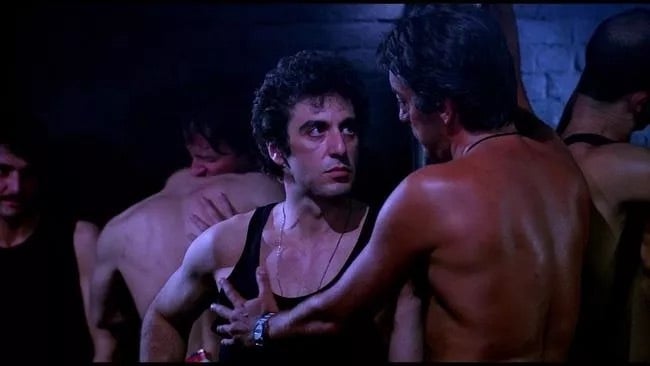
Just a decade earlier, director William Friedkin had been responsible for a milestone in queer cinema with his adaptation of Matt Crowley’s play The Boys in the Band. Though its vision is of sometimes campy, often self-hating gay men, it’s loaded with empathy that mainstream American cinema had never previously shown for queer people. It was controversial among the usual suspects for depicting gay men at all, and drew some criticism for its stereotypes, but on the whole it pushed cinema forward. For a bit.
The Boys in the Band opened a door to the queer-adjacent classics of the 1970s (Dog Day Afternoon, Death in Venice, La Cage aux Folles, Pink Flamingoes, etc.), but hardly the floodgates. By 1980, a decade of boundary-pushing was due to give way to the Reagan era, and an undercover cop movie set against the world of New York’s gay S&M scene wound up feeling more exploitative than insightful (its use of the “queer serial killer” trope doesn’t help). It plays slightly better to modern eyes, if only because increased representation means that gay sex killers are more of a novelty now than in 1980; it also feels less like a screed than a misguided attempt by vanilla straight people to engage with something outside their experience. It also serves as a bit of a time capsule, though the veracity of its portrait of the 1980s NY S&M scene is dubious.. You can rent Cruising from Prime Video.
The Last Temptation of Christ (1988)
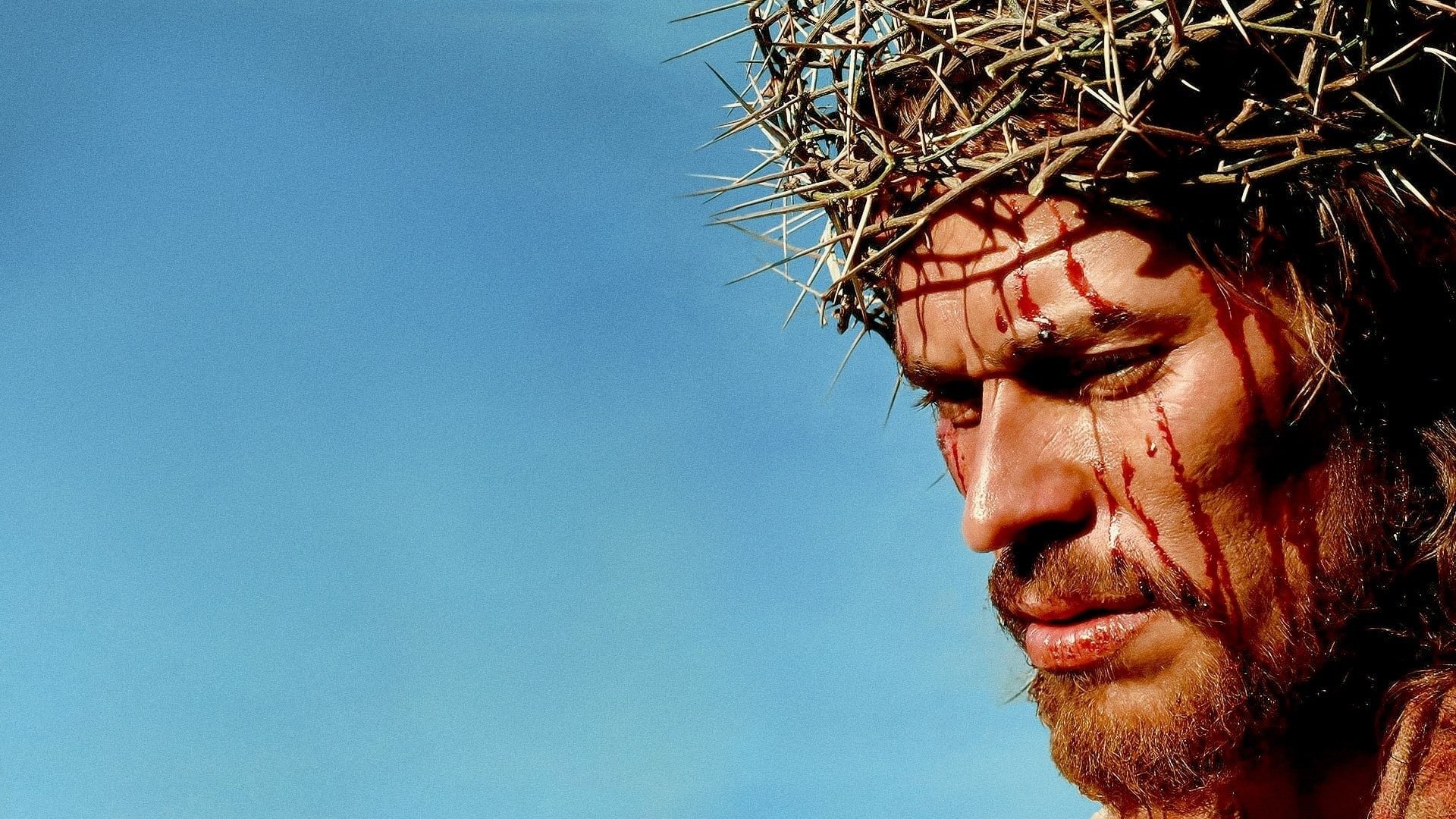
One of our ugliest and most spectacular cultural flashpoints came when one of our greatest and most beloved filmmakers, himself a devout Catholic, attempted a Biblical film in his own style. Based on the similarly controversial 1955 novel by Nikos Kazantzakis, Scorsese’s film, in addition to coming into conflict with tenets of Catholic faith that are beyond my understanding, includes a sequence during which Jesus (Willem Dafoe) is tempted by Satan with the promise of a normal, human life including marriage and (gasp!) sex.
In America, nationwide protests saw several theaters refuse to screen the film, while the terrorist bombing of a French theater injured over a dozen people. The movie was banned in several countries (and remains verboten in the Philippines and Singapore). Sweet-looking EWTN founder Mother Angelica described the film as a “holocaust,” a particularly ugly bit of hyperbole at a time when Christian conservatives were literally setting buildings on fire. You can rent The Last Temptation of Christ from Prime Video.
The Birth of a Nation (1915)
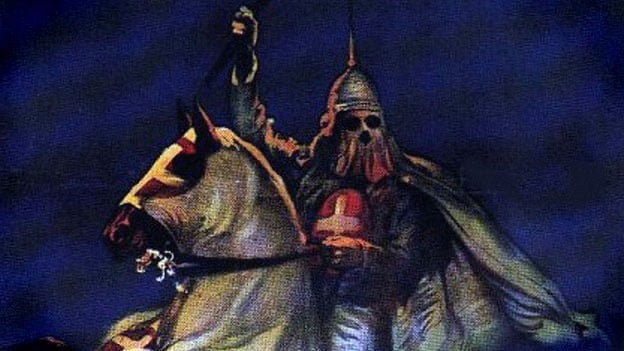
For decades, Birth of a Nation was presented to film students as a mildly problematic classic, an unavoidable landmark in cinema history (which: perhaps) that singlehandedly invented the language of film—which is all wildly overstated. From roughly 1907 on, directors like Reginald Barker, Yevgenii Bauer, and Lois Weber were laying the groundwork for everything that D.W. Griffith accomplished in Birth of a Nation, and often using the new cinematic techniques with a fair bit more nuance. The movie was a hit, of course, the most successful film to its time, but that has as much to do with its reframing of the post-Reconstruction era as the triumph of perfidious, scheming northern whites who manage to trick the movie’s drunk, gullible, and relentlessly horny Black characters into thinking that slavery was a bad thing. It is rough.
But it’s also not a new controversy: time has actually dulled the (rather justifiable vitriol) directed at the film, which was widely protested before, during, and after its release; prominent civil rights leaders, social reformers, and religious groups denounced the film and riots greeted its release in major cities, while reviews were generally positive, but not nearly as rapturous as its modern reputation might lead you to believe. Such was the controversy that President Woodrow Wilson spoke out of both sides of his mouth when discussing the film, praising it in some circles and denouncing it in others. It’s revisionist history to suggest that the movie is only troubling to our modern eyes, when, if anything, we’ve cushioned it with a veneer of academic respectability. You can stream The Birth of a Nation on Kanopy and Hoopla.
Citizen Kane (1941)
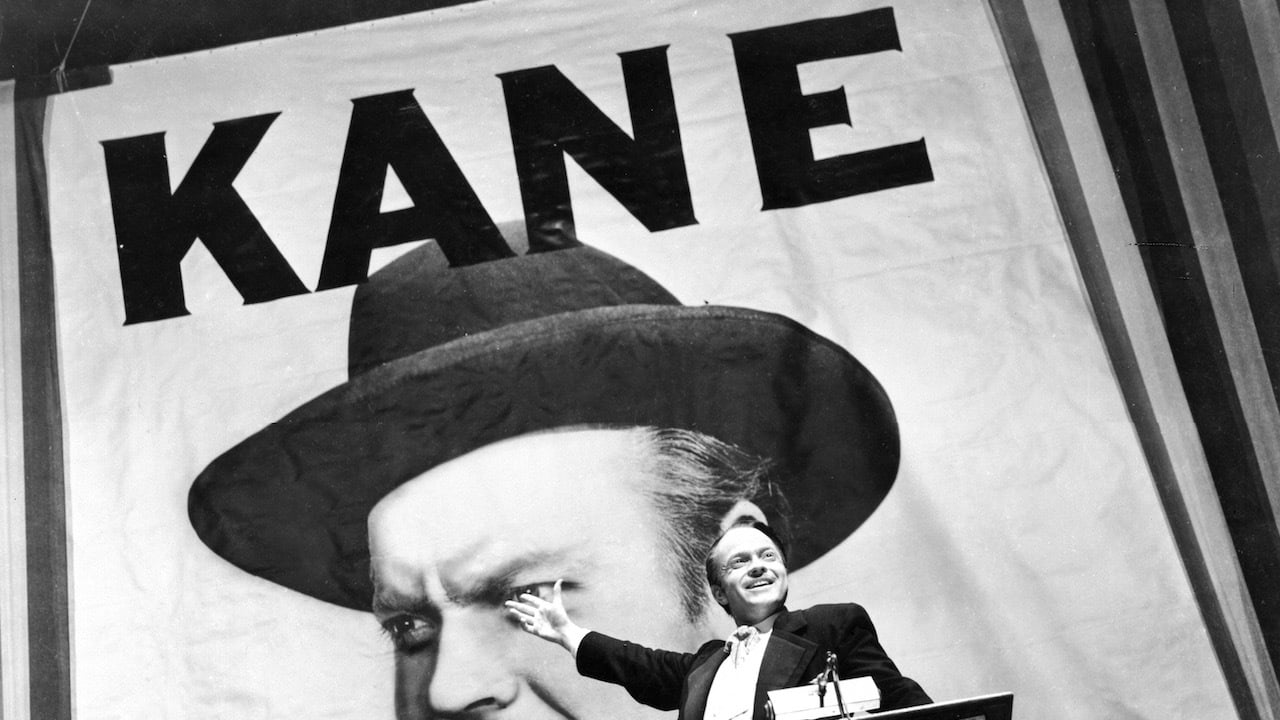
Often ranked (arguably, but not unreasonably) as the greatest film ever made, Orson Welles’ debut is now an inescapable part of the American cinematic canon. There was a bit of controversy over RKO giving carte blanche to boy wonder Welles for his first picture, leading some in the press to root for his failure, but the real problems arose over the growing rumors that the film was based on the life of newspaper magnate William Randolph Hearst. Despite Welles’ and RKO’s half-assed denials, it’s clearly a take on Hearst, who deserved to be taken down a peg, and of actress Marion Davies, Heart’s longtime companion and mistress…who didn’t.
Before long, the entire Hearst media empire was gunning for Welles and for RKO more generally; the studio didn’t blink, but the lack of advertising in Hearst papers hurt, as did vague threats of lawsuits that discouraged local theater owners from running the film. Beyond that, the movie’s non-linear narrative and innovative style made it a hard sell to audiences outside of major cites; the movie still did decent business and got great reviews, but it’s hard to say what a controversy-free release might have looked like. The spectacle certainly dogged Welles for the rest of his career. You can rent Citizen Kane from Prime Video.
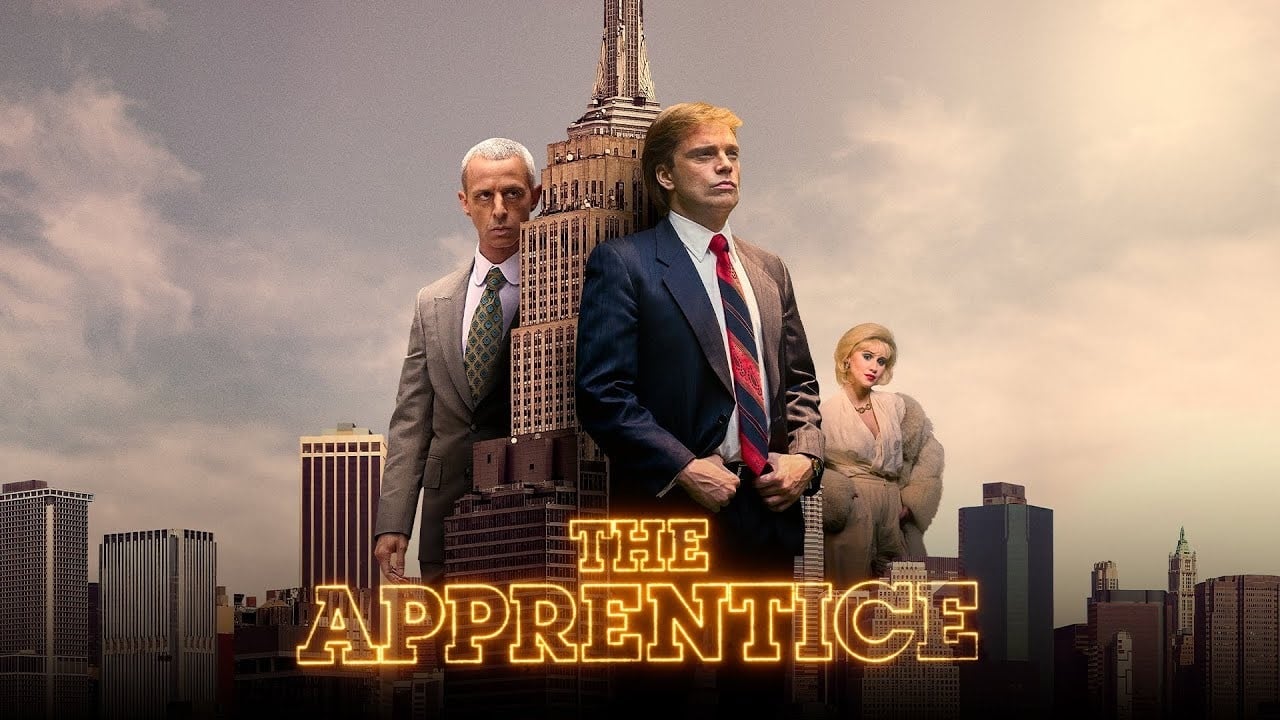
The Apprentice (2024)
Released just a month before the 2024 Presidential election, this indie biopic stars Sebastian Stan as a young-ish Donald Trump, engaging with professional fixer, blackmailer, and forger Roy Cohn (Jeremy Strong) just before the the latter was disbarred. The film depicts Trump’s rise as a real estate developer in the 1980s, as well as his amphetamine use and his (alleged, I guess) rape of wife Ivana (Maria Bakalova), which she recounted during their divorce proceedings. That’s likely the movie’s most contentious bit. Though the divorce was granted on the grounds of “cruel and inhuman treatment,” Ivana later walked back her claims while under a gag order. Trump’s lawyer defended him by saying, “you cannot rape your spouse.” (For her trouble, Ivana received a lovely burial near the tee-off spot for the first hole at Trump’s primary golf course.)
President Trump, needless to say, was not impressed (though it’s unclear if he ever saw the movie). On his Truth Social account, he described the film and its creators as fake, classless, cheap, and disgusting human scum, bemoaning that artists, “are allowed to say and do whatever they want in order to hurt a Political Movement.” Trump and his team promised lawsuits on the premise that the release of the movie constituted election interference, but they seemed to lose interest given the muted (to say the least) reception at the box office. It was likely a victim of bad timing (the release already delayed by the search for a distributor). Trump voters weren’t likely to sit through what the president had labeled a hit job, and those less enthusiastic about his second-term prospects had seen more than enough of the guy by late 2024. You can rent The Apprentice from Prime Video.
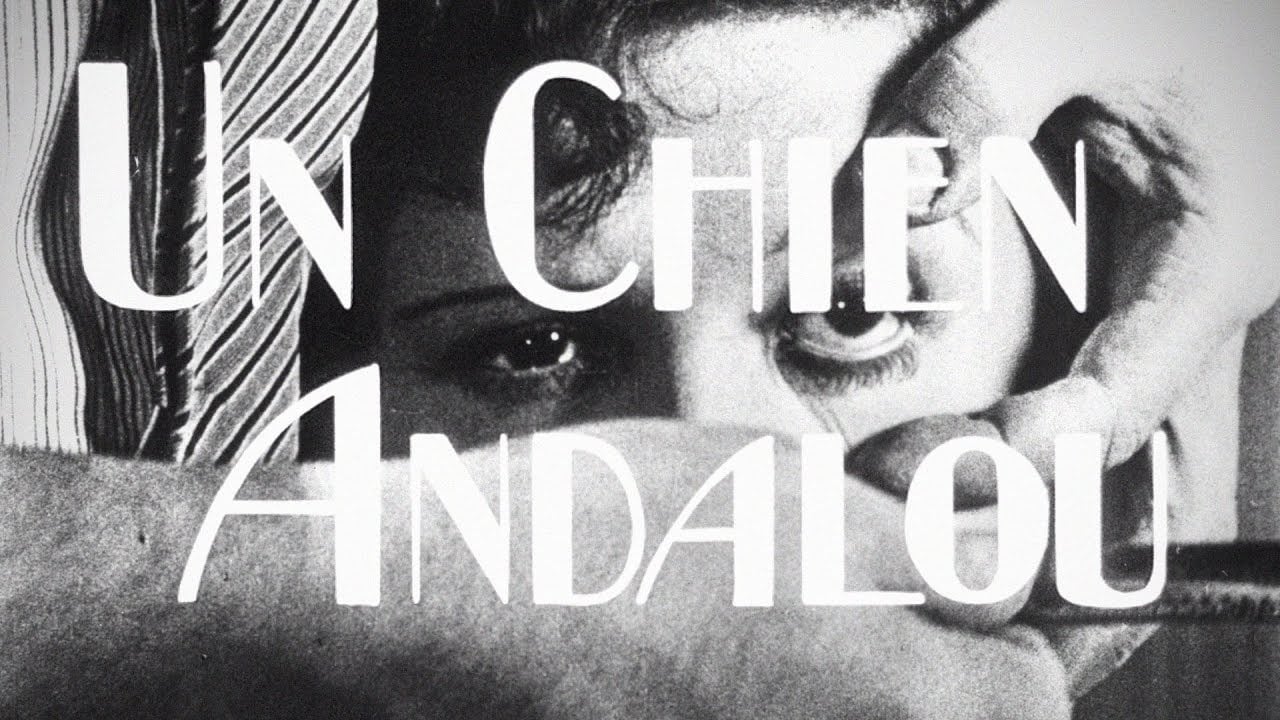
Un Chien Andalou (1929)
A rather shockingly modern collaboration between Spanish-Mexican filmmaker Luis Buñuel and Salvador Dali, this 17-minute short strings together a series of dreamlike and sometimes shocking scenes and images, minus any obvious narrative framework. Ants crawl out of a severed hand; there’s a juxtaposition of a woman’s bare breasts and butt; a decaying donkey sits at a piano. Most memorable, and still stomach-churning, is the image of a living woman’s eye being sliced in half by a razor blade. The film was intended as a shot at the artsy French film scene, which, to Buñuel’s deep disappointment, embraced it instead, and made it a success.
For months, attempts were made to ban the film in France, the controversy never quite overcoming the film’s attraction as something new and unusual. There are stories of miscarriages at screenings, destroyed theaters, and papal bulls revolving around the film, though much of the discussion seems exaggerated, and it’s hard to know what’s true—sources can’t even agree on whether it was ever actually banned. You can stream Un Chien Andalou on Philo and YouTube.
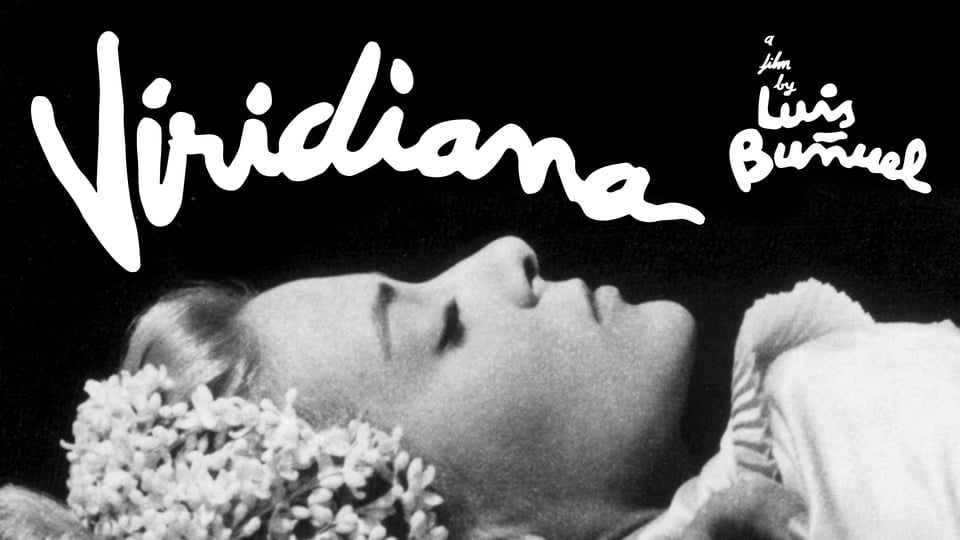
Viridiana (1961)
More than 30 years after his thoroughly memorable debut with Un Chien Andalou, Luis Buñuel retained his ability to shock and outrage, and the assaults on Viridiana came from all sides. (Given the director’s disappointment that his 1929 provocation had been unexpectedly embraced, he must have been thrilled.) The story of the title nun’s sorely tested faith sees Viridiana as a true believer in a world (and Roman Catholic faith community) that lets her down at every turn. Scenes suggest rape and incest, but mostly it was the film’s indictment of the church that got it banned by Francisco Franco’s dictatorship in Spain and denounced by the Pope as explicitly blasphemous. Still, it won the Palme d’Or at Cannes that year, which must have either delighted or infuriated Buñuel. You can stream Viridiana on The Criterion Channel and Kanopy or rent it from Prime Video.
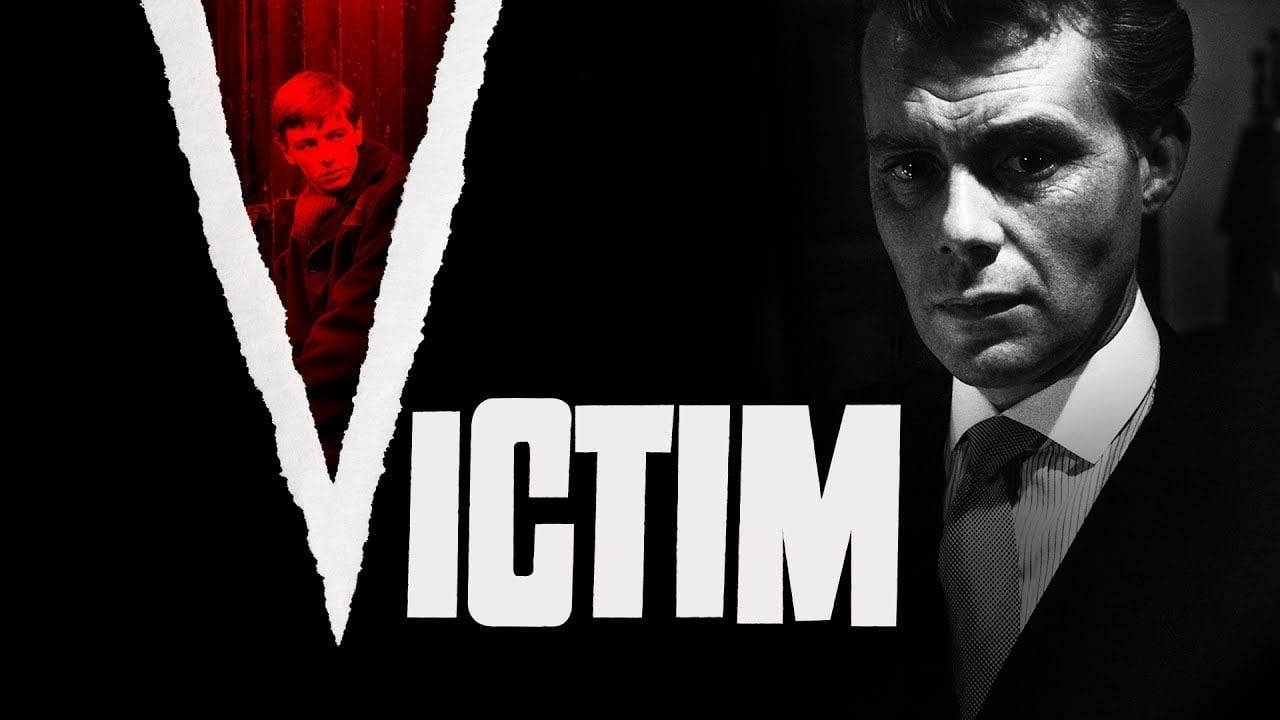
Victim (1961)
Though actor Dirk Bogarde never publicly came out during his lifetime (homosexual acts were a crime in Britain for much of his career, and he worked under morality clauses that would have meant instant termination), there’s not really much doubt these days that his 40-year relationship with Anthony Norwood wasn’t merely a roommate situation. Given that, director Basil Dearden’s Victim takes on an added poignance, with Dirk Bogarde’s closeted lawyer Melville Farr standing as mainstream cinema’s first major gay character, and an entirely sympathetic one, at that.
Until 1967, consensual homosexual acts were punishable with prison time—though sometimes hard to enforce, obscenity laws made people easy marks for blackmailers, as in the case for Victim’s successful lawyer. Though tame by modern standards (or even those of the time, really), the very mention of homosexuality lead the British Board of Film Censors to give the movie an X rating, which meant in Britain pretty much what it meant in the United States: a guarantee most cinemas wouldn’t show it. American censors refused to provide the film any classification, given that Hays Code restrictions explicitly banned mention of homosexuality. Distributors in both countries released it anyway with modest success; the movie was eventually seen as an influence on legal changes in the U.K. that came along five years later. You can stream Victim on Max and The Criterion Channel or rent it from Prime Video.
Deep Throat (1972)
1972 was the year smut went mainstream, though whether that was a good or bad thing depended on your willingness to watch porn with your friends in a theater. Though Deep Throat was banned in multiple states, it became a cultural milestone for reasons that have never been entirely clear, at least to me; I think that the sexual revolution primed big-city audiences for the idea that what might have been a stag film in the past could be something watched and discussed at the movies. It ushered in an era of “porno chic,” which included gay films to a lesser extent, and earned itself an even more outsized place in the zeitgeist following its referencing in the midst of the Watergate scandal.
Anti-sex scolds hated it, but it also became a flashpoint in discussions revolving around porn and feminism (liberating? or objectifying?) that grew even more complicated in later years when star/born-again Christian Linda Lovelace denounced the film and pornography in general, alleging she was literally forced into performing in the movie. “Pornography” might be a bit more mainstream than it was in the early 1970s (though we don’t really go to major movie theaters to watch it), but discussions of depictions of sex on film are no less complicated.
In spite of its vintage, none of the big streamers have it, but go ahead and look for it in some of the more adult video services (though not while you’re at work, obviously)
Ecstasy (1933)
A public condemnation by the Pope (in this case, Pius XI) might be a modern badge of honor, but in 1933 it was one of several shots against this Czech drama starring Hedy Lamarr. There are flashes in the film involving Lamar swimming naked, but the most wildly objectionable moment involved implied oral sex during which we only see the actress’s thoroughly approving face. The Catholic Legion of Decency, then a significant arbiter of cinematic morality, found the movie objectionable, which was more than enough to prevent the Hays production code office from providing its approval. Art house theaters screened the movie a couple of years later without a seal of approval, but it still faced resistance from local censor boards. You can watch Ecstasy for free on the Internet Archive.
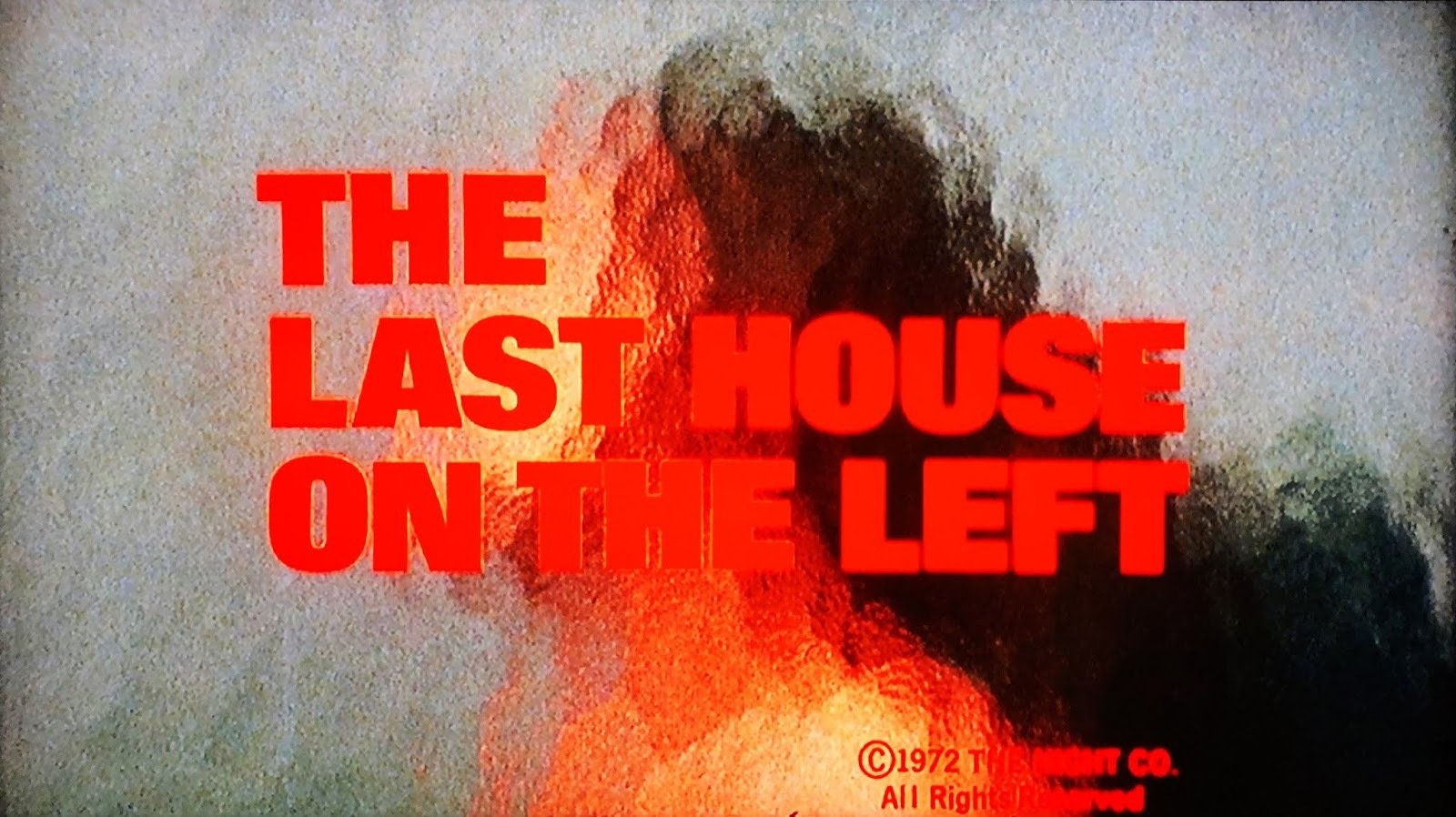
The Last House on the Left (1972)
In the same year Deep Throat was shocking and titillating audiences, Wes Craven was making a name for himself with The Last House on the Left, a remake (after a fashion) of Ingmar Bergman’s 1960 film The Virgin Spring. With snuff-film-like verisimilitude, Craven tells the story of a young woman who is violently raped and tortured on her 17th birthday, only for the perpetrators to encounter similarly violent retribution from the girl’s family. It received an R rating in the United States, but British censors refused to give the film a certification, limiting its release. A rising tide of concern over unregulated home video releases in the UK, called “video nasties,” led to the film’s outright banning there through the mid-1990s.
Viscerally unpleasant subject matter aside, Wes Craven’s talents are on full display here, and the director claimed that he made it to reflect the violence of a society in the middle of the Vietnam War—but it’s a film that feels designed solely to shock, despite it’s artier pretensions. You can stream The Last House on the Left on MGM+ and Hoopla or rent it from Prime Video.
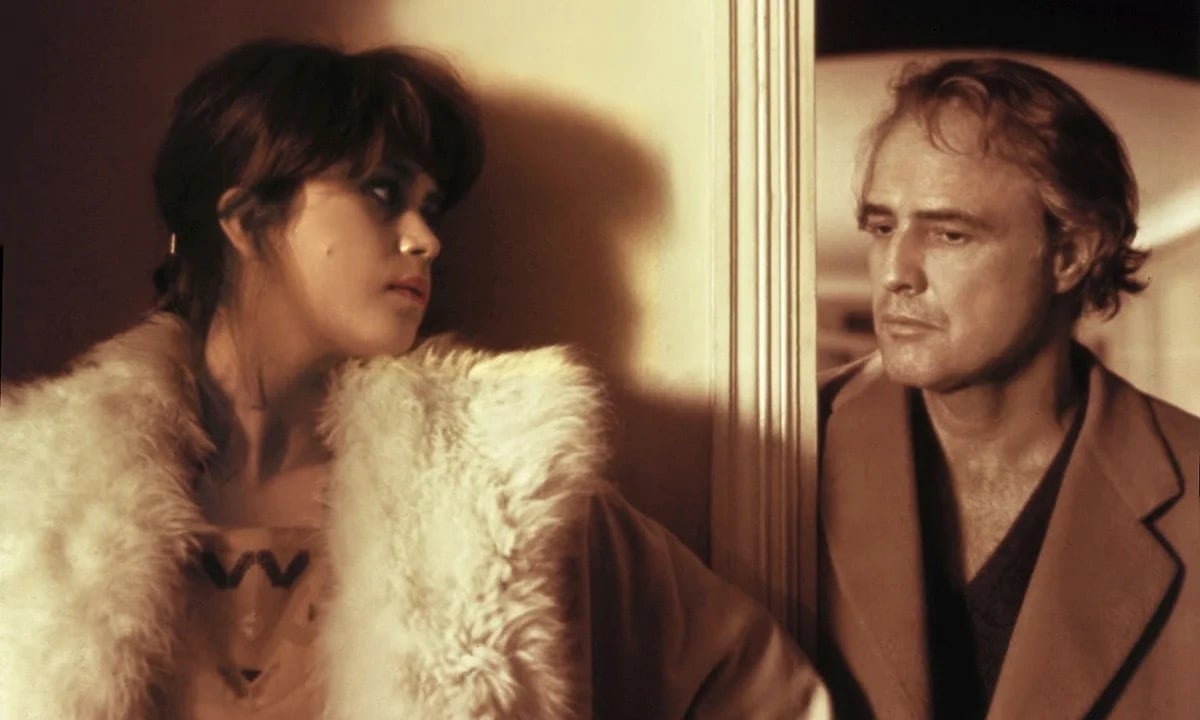
Last Tango in Paris (1972)
With Bernardo Bertolucci’s art-house hit Last Tango in Paris, there are two eras of controversy to unpack. Initially, the movie was scandalous for its frank depiction of sexuality and sexual power dynamics, especially in a film featuring a Hollywood star of Marlon Brando’s caliber. Several scenes alarmed prudish audiences, but feminist critics had bigger problems with the movie’s central rape scene. That moment became a new flashpoint for the film decades later when Maria Schneider (19 at the time of filming) revealed the scene hadn’t been in the script as filmed, and that she had been largely coerced into performing a sequence that was improvised by Bertolucci and Brando (who was nearly 50). For all of these reasons, a movie that was once seen as the flowering of sexual maturity in cinema has only grown more troubling with each passing year. You can stream Last Tango in Paris on MGM+ and Pluto TV, or rent it from Prime Video.
The Brown Bunny (2003)
Following its first press screening, Roger Ebert described Vincent Gallo’s road movie as“the worst film ever shown at Cannes,” prompting a war of words (including fat jokes and cancer hexes) between critic and director that was more talked about than the film itself…save for its climactic, unsimulated oral sex scene between Gallo and star Chloë Sevigny, which was referenced in the film’s advertising, including billboards that drew complaints. The artsy movie—in which nothing much happens for hours, and then there is a sad blowjob—was always going to be a tough sell, and the mixed reviews didn’t help. Drawing attention to the film’s explicit sex and public feuds might have given it a small place in the early 2000s zeitgeist, but didn’t do much to convince anyone that The Brown Bunny, or Gallo himself, were to be taken seriously. You can stream The Brown Bunny for free at archive.org on Vincent Gallo’s feed.
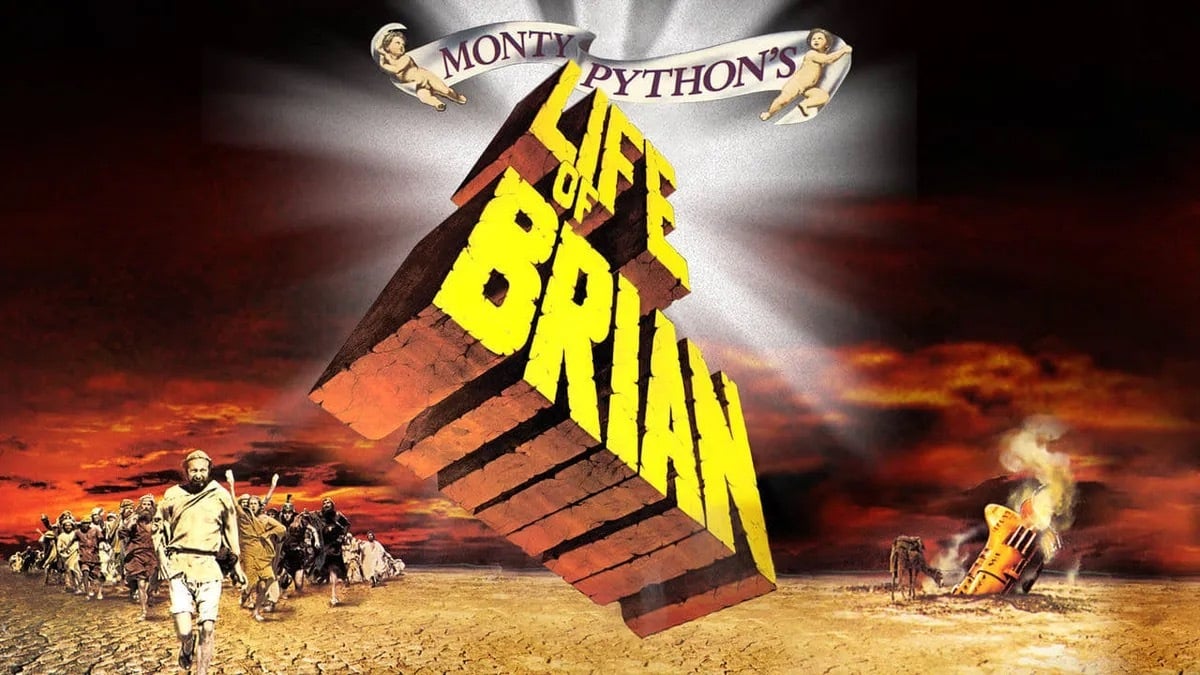
Life of Brian (1979)
An attack on religious extremism inspired pretty much exactly that when the Monty Python crew took on the story of Brian Cohen, born on the same day as, and mistaken for, Jesus Christ. Though it wound up as a critical and box office smash, the film was held back or X rated in much of the U.K., while being banned outright in Ireland, Norway, and Italy (where the prohibition lasted for nearly four decades). The team made tremendous use of the controversy, with the tagline: “So funny, it was banned in Norway!” being a particular masterstroke. You can stream Life of Brian on Prime Video, The Roku Channel, Pluto TV, and Shout Factory TV.
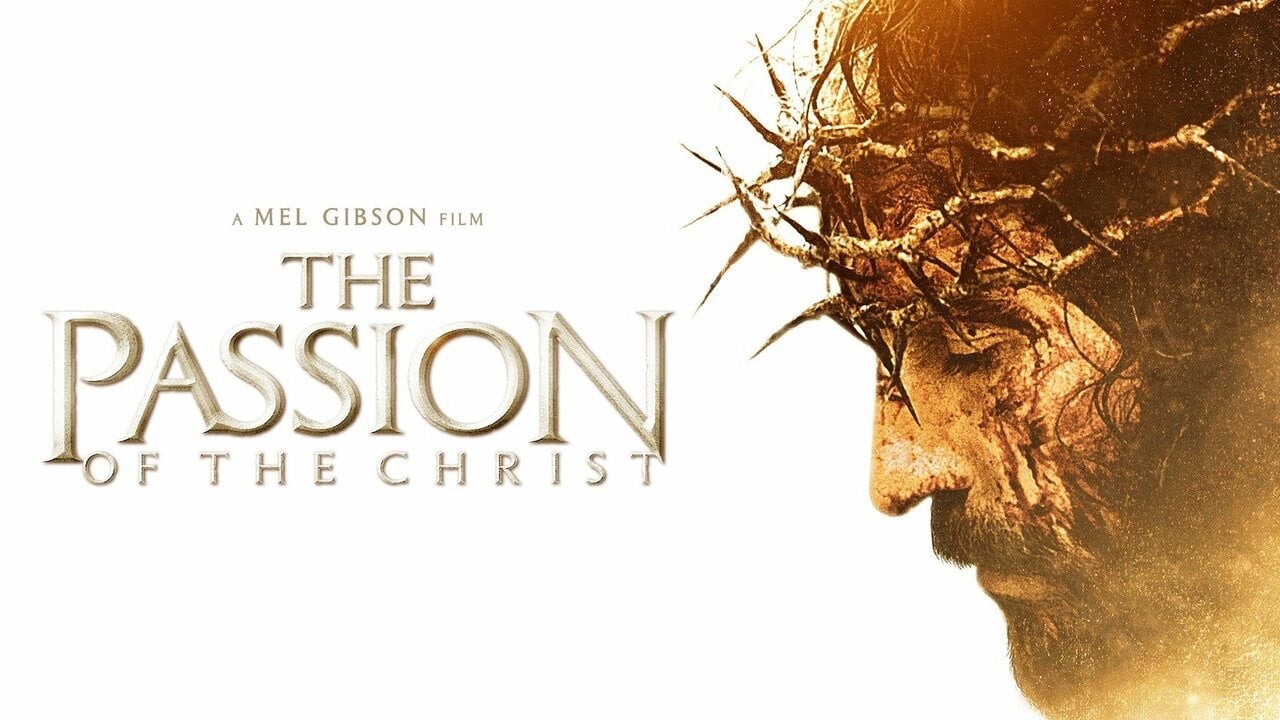
The Passion of the Christ (2004)
Wildly successful, Mel Gibson’s The Passion of the Christ was subject to complicated discussions over potential antisemitism, with organizations like the ADL expressing concern over the script and the sources it drew from, all of which tended to lean more toward the idea that Jews were (and, by extension, remain) responsible for the death of Jesus (research suggests that viewers were indeed more likely to see things Gibson’s way). In retrospect, it isn’t exactly shocking to see allegations of antisemitism thrown against a man who, just two years later, blamed “the Jews” for all of the world’s problems during a DUI arrest—just one of several documented incidents of the actor/director’s racism and homophobia. It’s perhaps not entirely fair to blame Mel for the views of his father, Hutton, one of the world’s most vocal and prominent Holocaust deniers for decades—but far more fair than blaming an entire faith and cultural community for possible events of two millennia past. The film also received criticism for levels of violence that put it right in line with the torture porn horror films of the era, though that stands as more of a critique than a true controversy. A sequel has allegedly been in development for some time now. You can rent The Passion of the Christ from Prime Video.
Faces of Death (1978)
A blend of archival death footage and new scenes made to look real, this “death-umentary” movie became a rite of passage for teenagers at sleepovers (I balked at such an invitation myself, and I’m not sad about it). Banned in several countries, it became a hot topic in the U.K. during the 1980s—with watchdog group the National Viewers’ and Listeners’ Association classifying it as one of its “video nasties”: movies freely available on VHS that had been more thoroughly regulated in theaters. The “think of the children!” reaction was way over the top, but Faces of Death made a very effective poster child for the censorship crusade. You can stream Faces of Death on AMC+ and Shudder.
Friday the 13th (1980)
It wasn’t the first slasher, but it was the wildly successful opening salvo in what would become an endless stream of imitators—not that even the first Friday was particularly original. Inspired by more high-minded horror movies Black Christmas and Halloween, director/producer Sean S. Cunningham set out to replicate those earlier works, establishing a very bankable horny-teens-get-killed-in-the-woods formula in the process. The critics were generally savage, but while the original Friday seems almost quaint in comparison to what was to come, some went much further, labeling it as cruel, exploitative, misogynistic—not merely a cinematic failure, but a moral one. Gene Siskel (of Siskel and Ebert fame) was offended by the movie’s very existence; his review spoiled the ending as a means of discouraging viewers, but also included the address for Charles Bluhdorn, the chairman of the board of the company that owned distributor Paramount. Get those pens and/or pitchforks ready, he seemed to be saying. What’s more, he publicized the address of the small town home of actress Betsy Palmer (Mrs. Voorhees in the film), suggesting that angry movie-lovers should send her some hate mail too, for having the audacity to take a job in such a movie. If I were to guess, I doubt that the vitriol from scornful critics hurt ticket sales one bit. You can stream Friday the 13th on Pluto TV or rent it from Prime Video.
Scarface (1932)
Based loosely on the life of Al Capone (who had only just been imprisoned in 1932), the original Scarface pushed Hollywood’s pre-Code era of voluntary self-censorship to the breaking point, and it wouldn’t be long before the Hays production code would gain the teeth that it would have for decades to follow. Directed by the great Howard Hawks and produced by sensation-loving Howard Hughes, Scarface presented would-be censors with all sorts of issues: the violence was some of the most dramatic that had ever been seen in a Hollywood film to that time, there were strong hints of incest between lead Tony Camonte (Paul Muni) and his sister Cesca (Ann Dvorak), and the guns-blazing ending felt like it was glamorizing rather than condemning Tony. Though Hawks and Hughes fought the alterations, the ensuing uproar lead to some changes to quiet the scolds, including a new opening forward condemning gangsterism, a change in title to Scarface: The Shame of the Nation, and the addition of a rather awkward scene in which a newspaper editor seems to be directly addressing the audience about the problem of crime. Most significantly, a new ending was shot in which Tony faces legal consequences for his actions instead of going out (sorry, spoiler) in a hail of gunfire. Luckily, most of the movie’s grit remains, and the ending was changed back after the initial theatrical run. You can rent Scarface from Prime Video.
Titicut Follies (1967)
An unflinching look inside the Bridgewater State Hospital for the Criminally Insane, a correctional facility in Bridgewater, Massachusetts, and the generally horrific conditions therein: patients are forced to strip and taunted by staff, force fed, drugged far beyond medical necessity, etc. Despite director Frederick Wiseman getting permission from the patients and/or their guardians, the state of Massachusetts immediately went to court to block the film’s release, making the case that the inmates could not have meaningfully consented. Many, including Wiseman, believe that it was more about making sure that the awful conditions depicted were never revealed publicly. Courts blocked the release of the movie almost completely until 1991, after the families of several inmates brought a lawsuit against the state claiming, in part, that release of the film back in the ’60s might have lead to improved conditions and potentially saved the lives of their family members. You can stream Titicut Follies on Kanopy.
Twilight Zone: The Movie (1983)
The controversy here was very much a matter of life and death. During filming of one of the anthology film’s four segments, actor Vic Morrow and child actors Myca Dinh Le and Renee Shin-Yi Chen (seven and six years old, respectively) died during an on-set accident involving a helicopter. Director John Landis had hired the children in violation of California labor laws, and they were paid under the table to avoid scrutiny. Landis and company were later acquitted of manslaughter charges, but others involved in the film, including Steven Spielberg and George Miller, were publicly repulsed by Landis’ handling of both the filming conditions that led to the deaths, and the way he handled himself in the aftermath. As Spielberg said of the incident: “No movie is worth dying for.” You can stream Twilight Zone: The Movie on Kanopy, or rent it from Prime Video.
Cannibal Holocaust (1980)
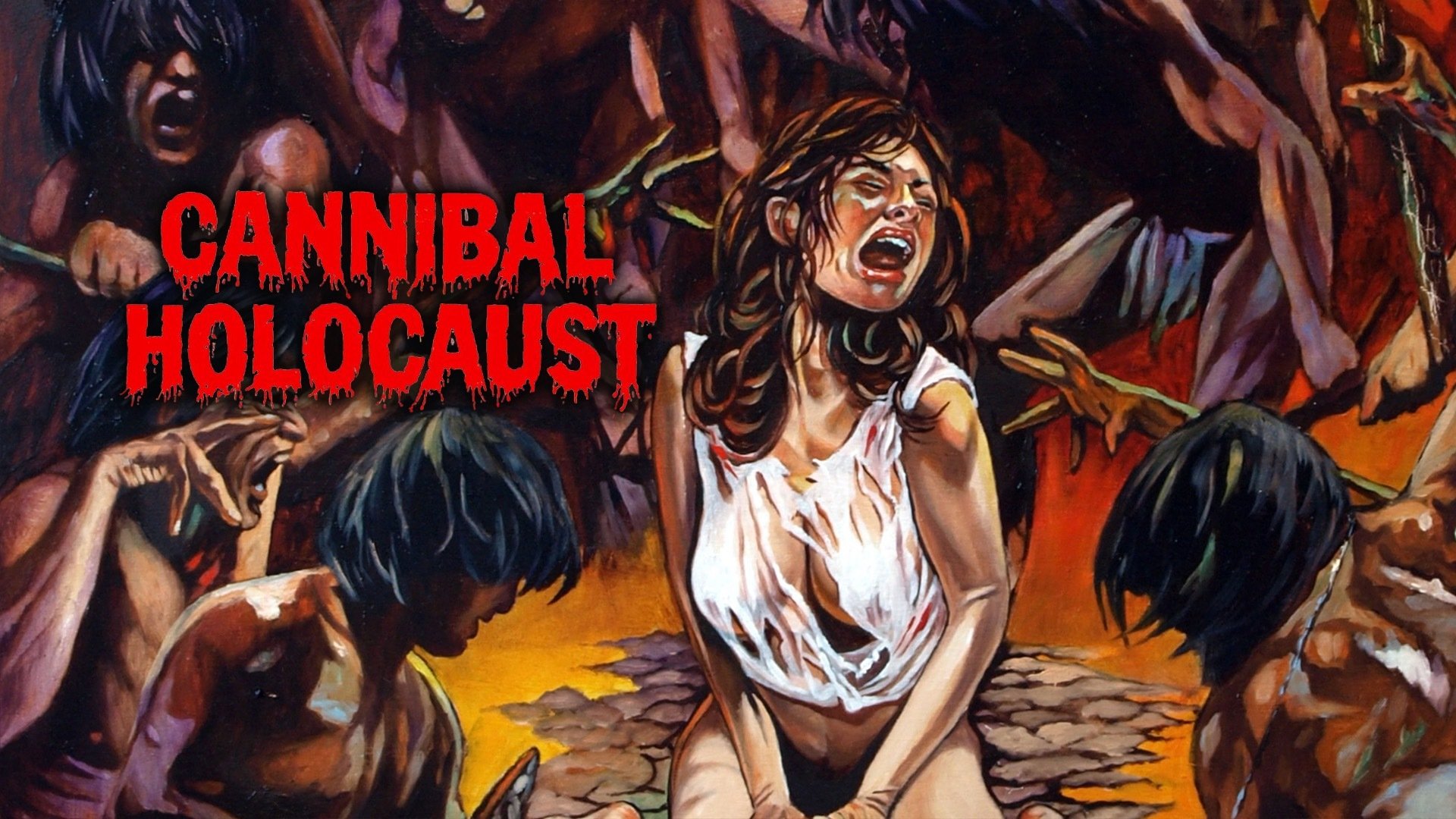
Such was the shock over the proto-found footage style of Cannibal Holocaust that its director, Ruggero Deodato, was charged with obscenity just days after its release before, eventually facing accusations of murder. The film’s verite style was such that some audiences believed that it was a document of real cannibal-related deaths, and the quasi-viral marketing campaign fed into that belief by keeping the movie’s actors out of the spotlight (until they were needed to clear Deodato of having made a genuine snuff film). The film was nonetheless banned for actual incidents of animal cruelty (seven animals are killed onscreen), which continues to be a sticking point for both audiences and censors. You can stream Cannibal Holocaust on Peacock and Kanopy.
Nekromantik (1987)
What’s wrong with a little necrophilia when two of the people involved really love each other? West German director Jörg Buttgereit’s film is almost pure shock value, involving endlessly gross (though inventive) scenes of splatter and sex with corpses. It’s been banned in various countries, while also earning praise for its sheer audacity. You can stream Nekromantik on AMC+ and Shudder.
A Serbian Film (2010)
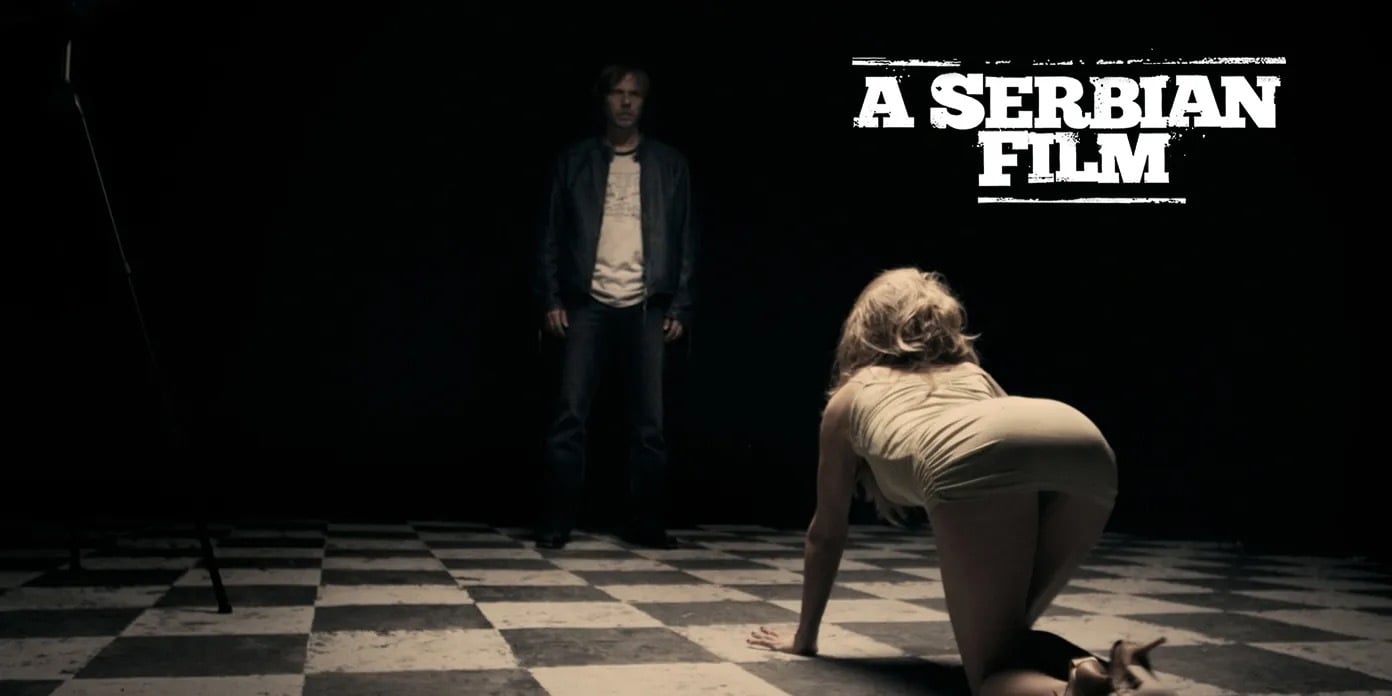
As is often the case with controversial films, particularly ones that involve sex and/or violence, some of the debate revolves around questions of whether frank depictions are essential tools of storytelling, or just gratutitous. A Serbian Film quickly earned a reputation as a stomach-churningly violent, extremely nasty movie with a narrative following a man forced to commit increasingly deranged and sadistic acts against strangers and family members, may or may not be an allegorical depiction of the suffering of the Serbian people under a corrupt government. I’ll leave the judgement to others, since I’ve never been able to get through it. You can stream A Serbian Film on Fandango at Home.
All Quiet on the Western Front (1930)
Anti-war themes are always controversial in certain quarters, and the greatest opposition to Lewis Milestone’s film came from Germany, home of the original novel’s author, Erich Maria Remarque. Based on his experiences in the Imperial German Army during World War I, the book and subsequent film were perceived as anti-German in their depiction of the inhumanity and general pointlessness of that war. Joseph Goebbels led a coordinated campaign against the film during its release in early 1930, with Nazi brownshirts disrupting screenings and literally attacking theatergoers before getting the film explicitly outlawed a few months later. Italy and Austria soon followed suit, while parts of Australia banned the film (as they had the book) for promoting pacifism.
The response in the United States, on the other hand, was near-universal acclaim, even though the movie paints a sympathetic portrait of German soldiers during the Great War. Perhaps we were just in an uncharacteristically peaceful mood in 1930. Star Lew Ayres would generate additional controversy a little over a decade later when he was drafted during World War II but refused to serve in a combat role as a conscientious objector, a fact some linked to his role in this film. His stance all but destroyed his film career, but he wound up serving with distinction in a medical role, thawing public opinion. You can stream All Quiet on the Western Front on Hoopla or rent it from Prime Video.
The Testament of Dr. Mabuse (1933)
Fritz Lang’s sequel to 1922’s Dr. Mabuse the Gambler was also his final collaboration with his then-wife Thea von Harbou, who lacked his deep antipathy to the growing power of the Nazi party in Germany. Propaganda minister Joseph Goebbels attempted to woo Lang into making movies for the regime, apparently not realizing that Lang’s latest put Nazi talking points in the mouths of criminals and thugs. Lang declined, and fled Germany immediately (von Harbou stuck around). Testament was banned in Germany, but Lang’s career continued in Hollywood for decades; he even directed a third Mabuse film in 1960, which itself kicked off a bit of a franchise. You can stream The Testament of Dr. Mabuse on Max and The Criterion Channel.
Psycho (1960)
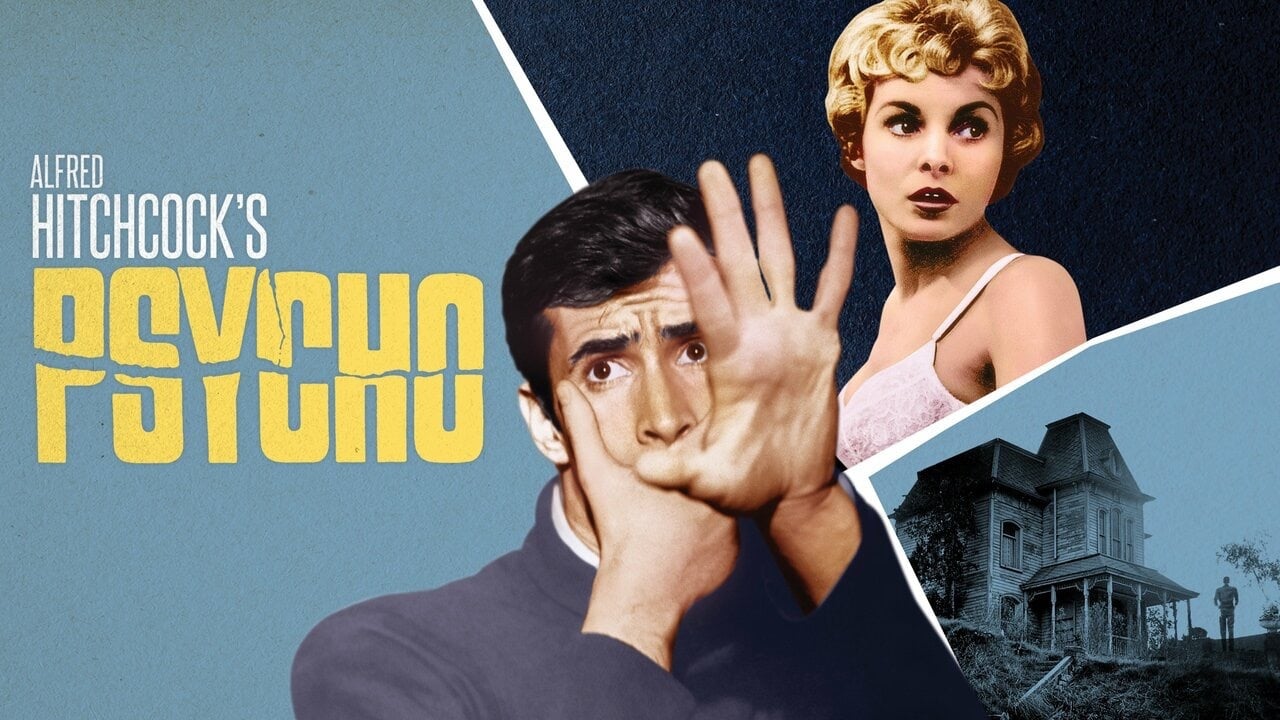
Inspired by a new wave of (often French) filmmakers working in a less polished and more realist style, Alfred Hitchcock went from his biggest, most spectacular film, 1959’s North by Northwest, to a movie that feels worlds apart. If Hitchcock weren’t so closely associated with both films, it would be hard to believe that they were made by the same director, and not even a year apart. Impressed by movies like Henri-Georges Clouzot’s thriller Les Diaboliques, Hitch set out to do one better and filmed the movie on a shoestring budget in black and white, against the wishes of his studio (his creative financing of the film wound up netting him millions). Early reviews were often appalled, with many seeing the movie as the end of Hitchcock’s career. Audiences, though, had no doubts. The cheaply made flick was an instant blockbuster, and critics eventually came around, as well—though it didn’t win anything, the movie received four Oscar nominations, including for Hitchcock’s directing and Janet Leigh’s performance. You can rent Psycho from Prime Video.
Peeping Tom (1960)
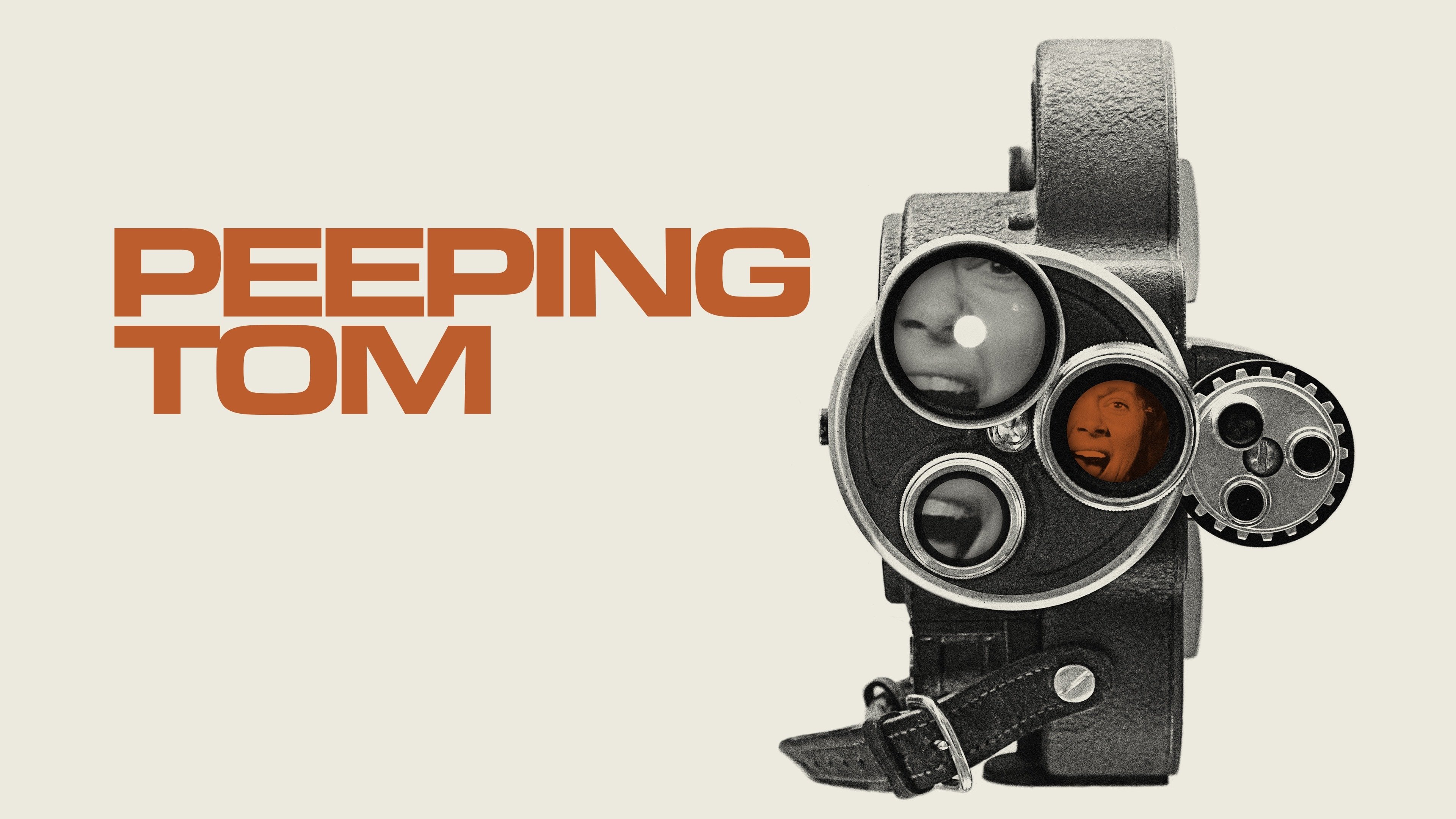
Released within months of Psycho, Peeping Tom has much in common with Hitch’s thriller but was received much less warmly. What the two share is esteemed directors—if Michael Powell wasn’t quite at Hitchcock’s level in terms of name recognition, he was nonetheless one of the most acclaimed filmmakers of his generation, contributing to a string of classics including The Life and Death of Colonel Blimp, A Matter of Life and Death, Black Narcissus, and The Red Shoes. This proto-slasher was an attempt at career reinvention, the story of a voyeuristic serial killer who uses his camera to record his murders from a first-person POV. Censors fought it, and audiences critics saw its depictions of sexual violence as just too much. Critics were damning, and the film just about ended Powell’s long career. It took a while, but people have come around: It’s now considered a trailblazing horror movie, one which takes uncomfortable aim at our fixation with onscreen violence. You can stream Peeping Tom on The Roku Channel or rent it from Prime Video.
I Am Curious (Yellow) (1967)
Nudity and frank sexuality weren’t expected by cinema audiences in the late 1960s, and I Am Curious (Yellow) even included a (gasp!) onscreen penis, which I can only assume no American had seen in any context prior to Vilgot Sjöman’s film. Though it eventually did well in American theaters, Boston authorities seized prints of the movie as soon as the entree the country, with the resulting obscenity case going all the way to the Supreme Court. You can stream I Am Curious (Yellow) on The Criterion Channel.
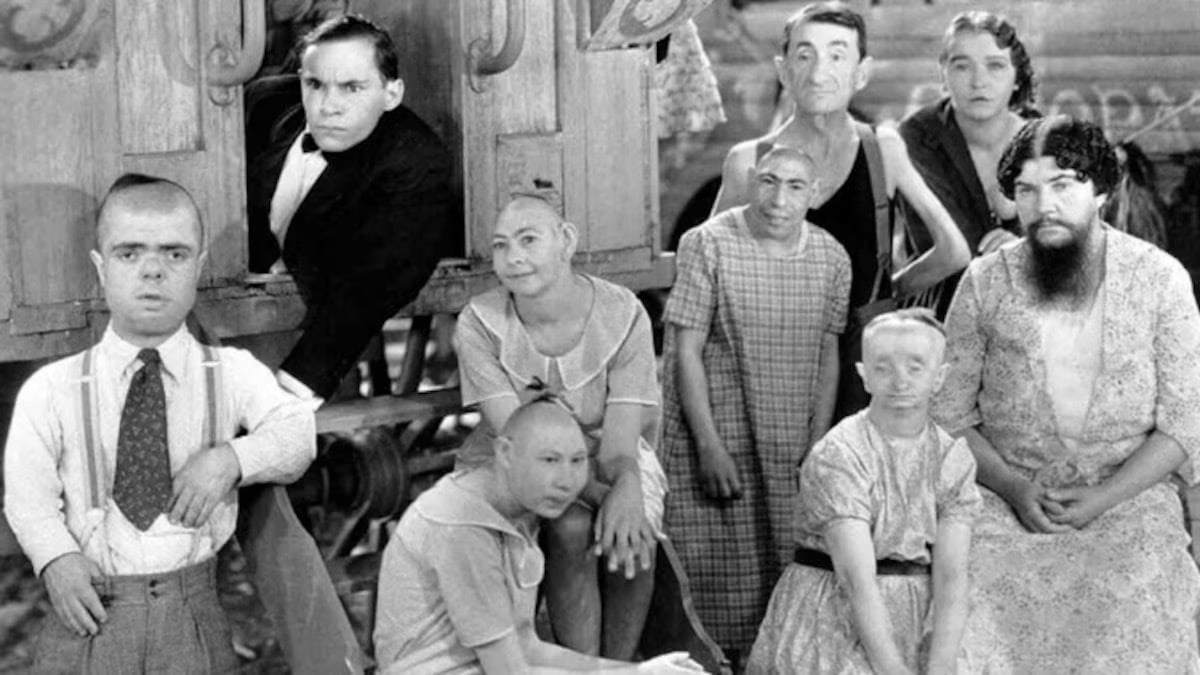
Freaks (1932)
From the wildly successful Dracula in 1931 to what was almost certainly the biggest box-office disappointment of his career, director Tod Browning took on Freaks as something of a passion project that irreparably damaged his reputation—with dozens of movies behind him, he made only four more movies after it before retiring permanently, finding that his services were no longer in demand. Freaks finds a scheming trapeze artist joining up with a carnival sideshow while plotting to seduce and then murder one of the show’s dwarf performers in order to gain his inheritance. The movie blends horror-movie beats with genuine empathy for the performers; Browning’s desire for verisimilitude lead him to hire disabled actors to play the parts of the carnival “freaks,” an innovation then and for many decades after.
The villain of the film is an able-bodied athlete, which is to Browning’s credit, but the horror-movie milieu can’t help but feel exploitative. The disabled characters have been wronged, but their revenge (however well deserved) is gruesome—a castration scene, among other bits, saw people walking out of test screenings. The film was cut down before its release, apparently to its detriment (the missing scenes remain lost), but moviegoers and critics still hated it for a variety of reasons. Some found it excessively stomach-churning, some saw it as exploiting its cast, and still others just didn’t care to see disabled people onscreen. The film was pulled from distribution following its New York run, an extreme rarity. Its reputation has certainly grown over the decades, but debates about its merits continue. You can rent Freaks from Prime Video.
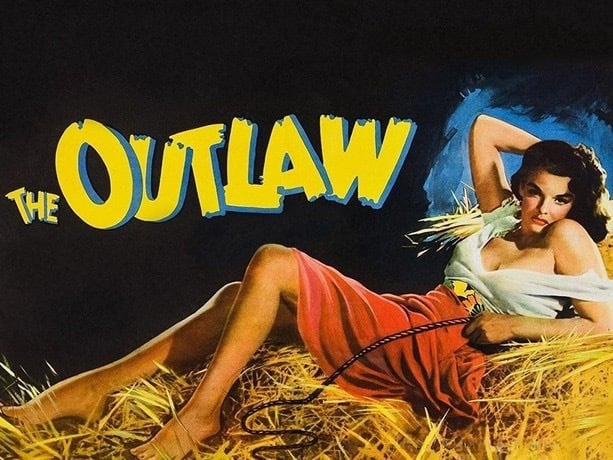
The Outlaw (1943)
“What are the two great reasons for Jane Russell’s rise to stardom?” was one tagline for The Outlaw, Russell’s debut film. Another read “How’d you like to tussle with Russell?” Skywriters spelled out the film’s title alongside a drawing of a pair of boobs. Director Howard Hughes invented a new type of bra solely to further emphasize the actress’ cleavage—all of which should offer plenty of clues as to the reason’s for the film’s controversies. The Hollywood Production Code Administration hated the advertising and ordered cuts to the finished film, which didn’t stop 20th Century Fox from deciding to give a pass on releasing it.
Hughes tried to use the bad publicity to the film’s advantage, with some success; the movie was dropped into theaters for one week in 1943, two years after its completion. A wide release finally came in 1946, during which the movie did well financially, but largely for all the wrong reasons. Though it launched Russell’s career, there’s not much more to recommend the dull picture other than the controversy. You can stream The Outlaw on Prime Video, Kanopy, MGM+, and Pluto TV.
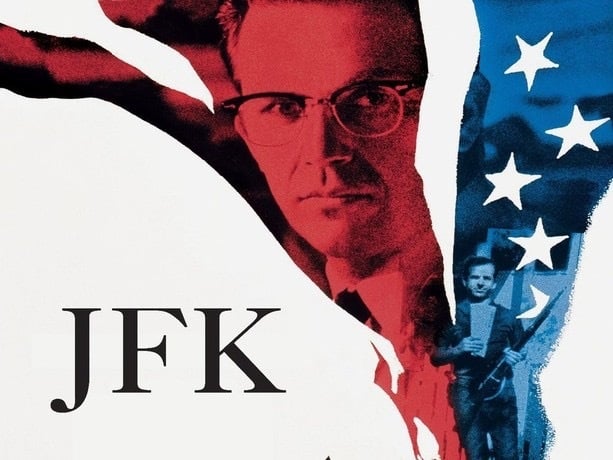
JFK (1991)
Did Lyndon Johnson kill John F. Kennedy alongside the FBI, CIA, and United States military? Part-time director, full-time conspiracy theorist Oliver Stone certainly thinks so, and crafted an impressively compelling film out of the type of material that would make QAnon-types think twice. The movie attracted plenty of criticism for its conclusions, but it’s hard to deny that it makes for one heckuva detective film, in the best tradition of those great paranoid thrillers of the 1970s. The movie had a positive impact, though, in helping to spur the creation of the Assassination Records Review Board, which declassified and released the majority of records related to the Kennedy assassination over the following couple of years. It had a negative impact in popularizing the kind of conspiratorial thinking that has really fucked us over for, oh, the last ten years or so, and it’s not surprising that RFK Jr. pal Oliver Stone has dipped his toes in Putin apologia and general Trumpism.You can rent JFK from Prime Video.
Kids (1995)
There’s an unsettlingly voyeuristic quality to Larry Clark’s directorial debut, which presents a few days in the life of New York teenagers with not much else other than sex and drugs on their minds. The performances (including debut turns from Chloë Sevigny and Rosario Dawson) are mostly great, but the movie has a weird tonal quality that vacillates between leering at sexually active teens and the moralistic sense that we’re meant to be alarmed by the things that the kids these days are up to—it feels both gratuitous and reactionary.
Meant to be a Miramax release, it hit a snag because the company was then owned by Disney, which was decidedly not going to be involved in releasing a film that was fielding accusations of presenting child pornography. The Weinsteins bought the distribution rights for themselves and made a decent profit off of it, though the movie’s tough to find these days.
Where to stream: Nowhere legit.
I Love You, Daddy (2017)
There’s a lot to unpack with Louis C.K.’s never-really-released second feature, the story of a prominent director (John Malkovich) accused of being a pedophile who nonetheless attempts to start a relationship with 17-year-old China (Chloë Grace Moretz). The director hoped to get Woody Allen for the lead role, one that echoes that director’s earliest and most uncomfortable movies (while also paralleling Allen’s own life). That didn’t happen, but C.K.’s own scandal did—the movie’s New York premiere was cancelled a few hours in advance of the release of the New York Times story that chronicled C.K.’s history of sexual misconduct. His career eventually showed signs of recovery, but the movie remains impossible to see.
Where to stream: Nowhere
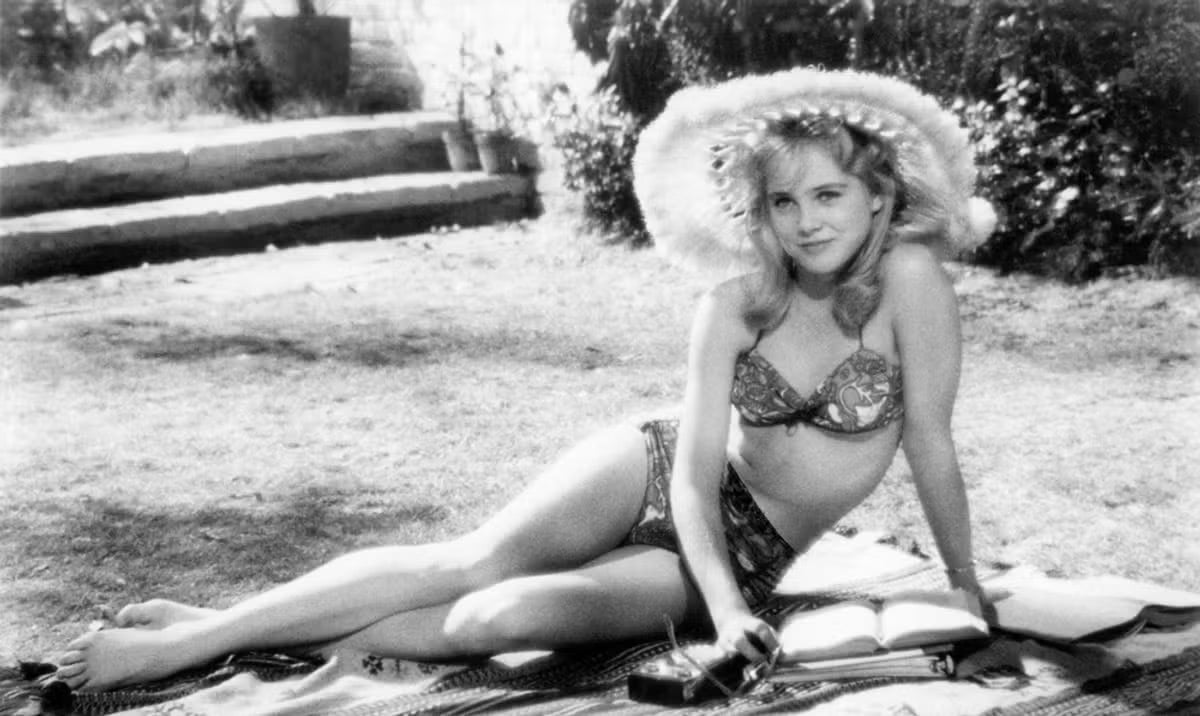
Lolita (1962)
Though director Stanley Kubrick moderated his adaptation of Vladimir Nabokov’s novel (to an extent that included throwing out Nabokov’s own screenplay), Lolita—the story (in part) of a middle-aged man’s sexual obsession with a young teenage girl—was never going to be released without controversy. The film’s pedigree (Kubrick, as well as stars James Mason, Shelley Winters, and Peter Sellers) likely saved it from outright condemnation in the United States, where the movie did decent business. In the U.K., it was given an X-rating, which kept underage lead actress Sue Lyon from attending the premiere. You can rent Lolita from Prime Video.
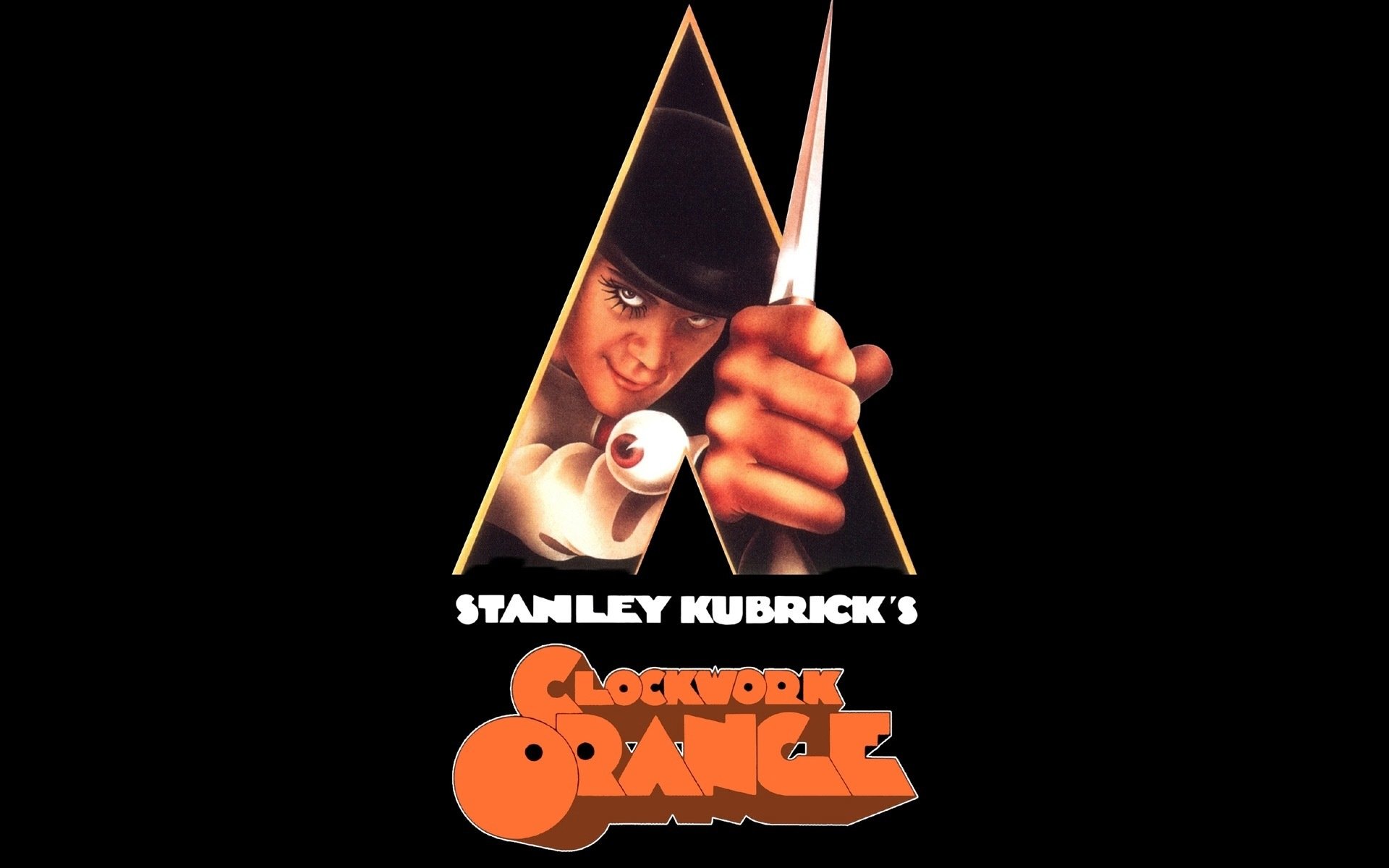
A Clockwork Orange (1971)
Malcolm McDowell plays Alex DeLarge, leader of a gang of “droogs” who, on one particularly sordid night among many, engage in a bit of the ol’ ultra-violence that includes gang fights, beatings, and a particularly violent rape. It deals with themes of juvenile delinquency and government control, questioning how far we’d be willing to go to live in a “safe” society; in doing so, it makes a bit of an anti-hero out of (murderer and rapist) Alex DeLarge, a moral problem at the heart of the movie’s controversies.
The movie was rated X in the United States prior to a later edit and was banned for Roman Catholics by the National Catholic Office for Motion Pictures. It screened in U.K. theaters uncut until it was pulled by Kubrick himself a couple of years later, by which time a series of (possible) copycat incidents had darkened the film’s reputation rather dramatically. I’m not sure that the battle lines over A Clockwork Orange have changed all that much: if anything, the film’s depiction of sexual violence is tougher to parse now than it was in 1971. You can rent A Clockwork Orange from Prime Video.
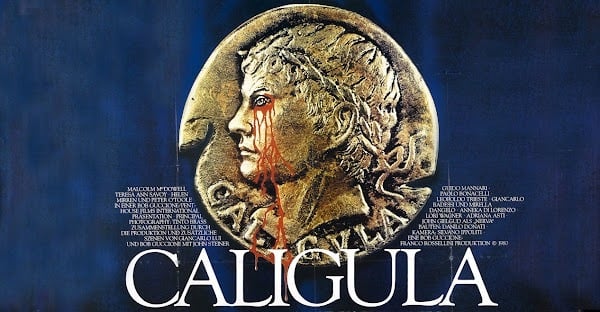
Caligula (1979)
A thoroughly unexpected collaboration between Gore Vidal and PenthouseMagazine founder Bob Guccione, this Helen Mirren-starring film has been described as an “irresistible mix of art and genitals.” The production was fraught with behind-the-scenes wrangling over the appropriate level of porniness, but with Penthouse putting up most of the money, Gore Vidal (whose screenplay was seen as much too gay) was booted from the set and it became a film of positively packed with orgies, rape, and even some light fisting for good measure.
American authorities didn’t try to ban the film, but various cities (including Boston) and morality groups did. Various cuts were produced to appeal to (or at least to not appall) various constituencies, none of them particularly good. Still, the top-notch cast (Malcolm McDowell, Helen Mirren, Peter O’Toole, John Gielgud, etc.) makes it one helluva novelty. You can rent Caligula from Apple TV.
Pink Flamingos (1972)
Pink Flamingos wasn’t John Waters’ debut film, but his celebration of Babs Johnson, the “filthiest person alive” (Divine) announced the director to an unsuspecting world after it was picked up from a Baltimore film festival to run as an essential midnight movie in New York City. Anticipating the reception that would eventually turn The Rocky Horror Picture Show into a midnight mainstay, audiences soon began memorizing the film and shouting lines back at the screen. Scandalous moments abound, including full-frontal nudity of all sorts, a performance by a literal singing asshole, the real death of a chicken during a rape scene, and, of course, the eating of actual dog shit. Because it was never a wide release in the United States, it screened mostly for audiences who knew what they were in for, and there were few lines left to cross afterward. Nevertheless, it was banned in parts of Europe and Canada.
Where to stream: Nowhere
Poison (1991)
New Queer Cinema trailblazer Todd Haynes burst onto the scene with Poison, his feature-length debut. The very mildly sexually explicit film (queer films are always judged much more stridently in that regard) became a flashpoint chiefly because of its funding: the National Endowment for the Arts provided a chunk of the budget, and NEA chair John E. Frohnmayer came under fire for spending taxpayer money on gay filth (that the movie’s critics hadn’t, or at least wouldn’t admit to have, seen). Under pressure from religious conservatives, Frohnmayer resigned shortly thereafter. You can stream Poison on Kanopy or rent it from Prime Video.
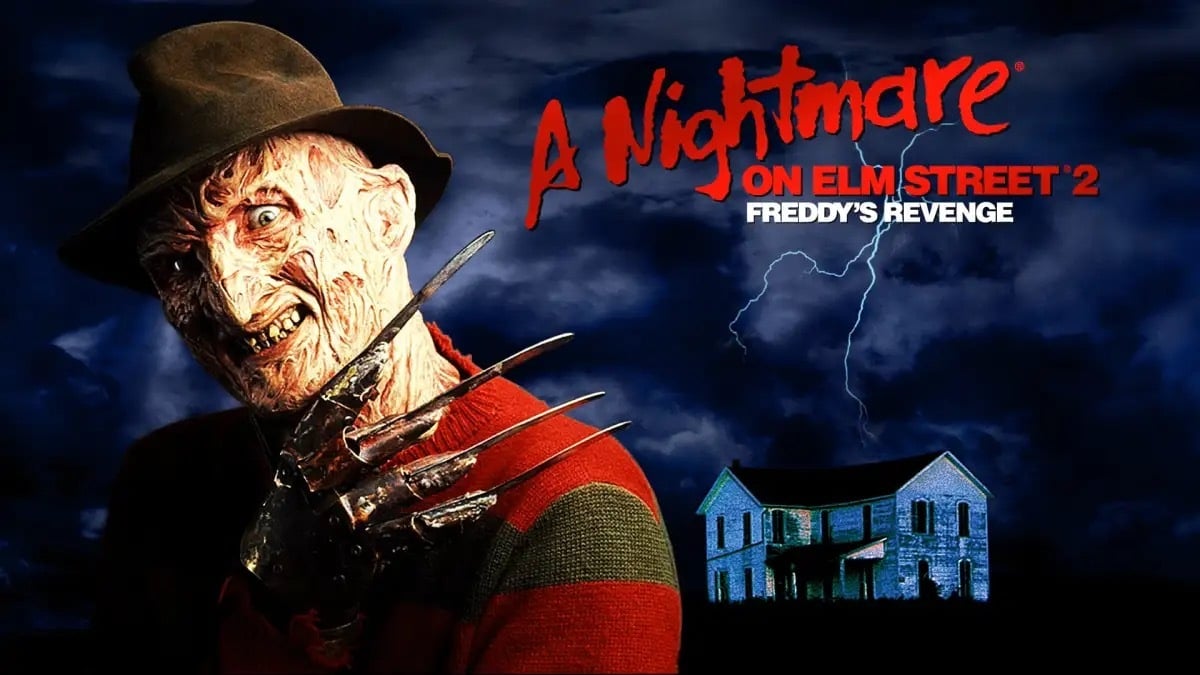
A Nightmare on Elm Street 2: Freddy’s Revenge (1985)
Queer coding in horror movies was nothing new, and that’s just as true for slasher movies, but Freddy’s Revenge, the follow-up to Wes Craven’s slasher masterpiece, was something else entirely. Mark Patton plays Jesse (already an outlier as a male lead in a genre known for its final girls), a sensitive new kid in town who runs into his gym teacher at a leather bar, escapes from a make-out session with a neighbor girl by sneaking into his best friend’s bedroom, and serves up some memorable moves in a penis-popping dance sequence. Mark Patton, an actor with a then-promising career (his film debut was opposite Cher in Robert Altman’s Come Back to the 5 & Dime, Jimmy Dean, Jimmy Dean) blamed the film’s gay subtext (and then some) for pigeonholing him as a gay actor who couldn’t play straight (he was closeted in his career, as was pretty much every other gay actor of the era).
The movie suffered at the box office, in part because it departed so drastically from its predecessor, and in part because it was a little too gay for broad slasher-movie audiences. As detailed by Patton in his documentary Scream, Queen! My Nightmare on Elm Street, the gay material in writer David Chaskin’s script was intended to exploit homophobic fears; Patton’s performance turned that on its head, but it took years before slasher fans undertook a real reevaluation of the movie, which now stands as a queer-for-fear classic. You can rent Freddy’s Revenge from Prime Video.
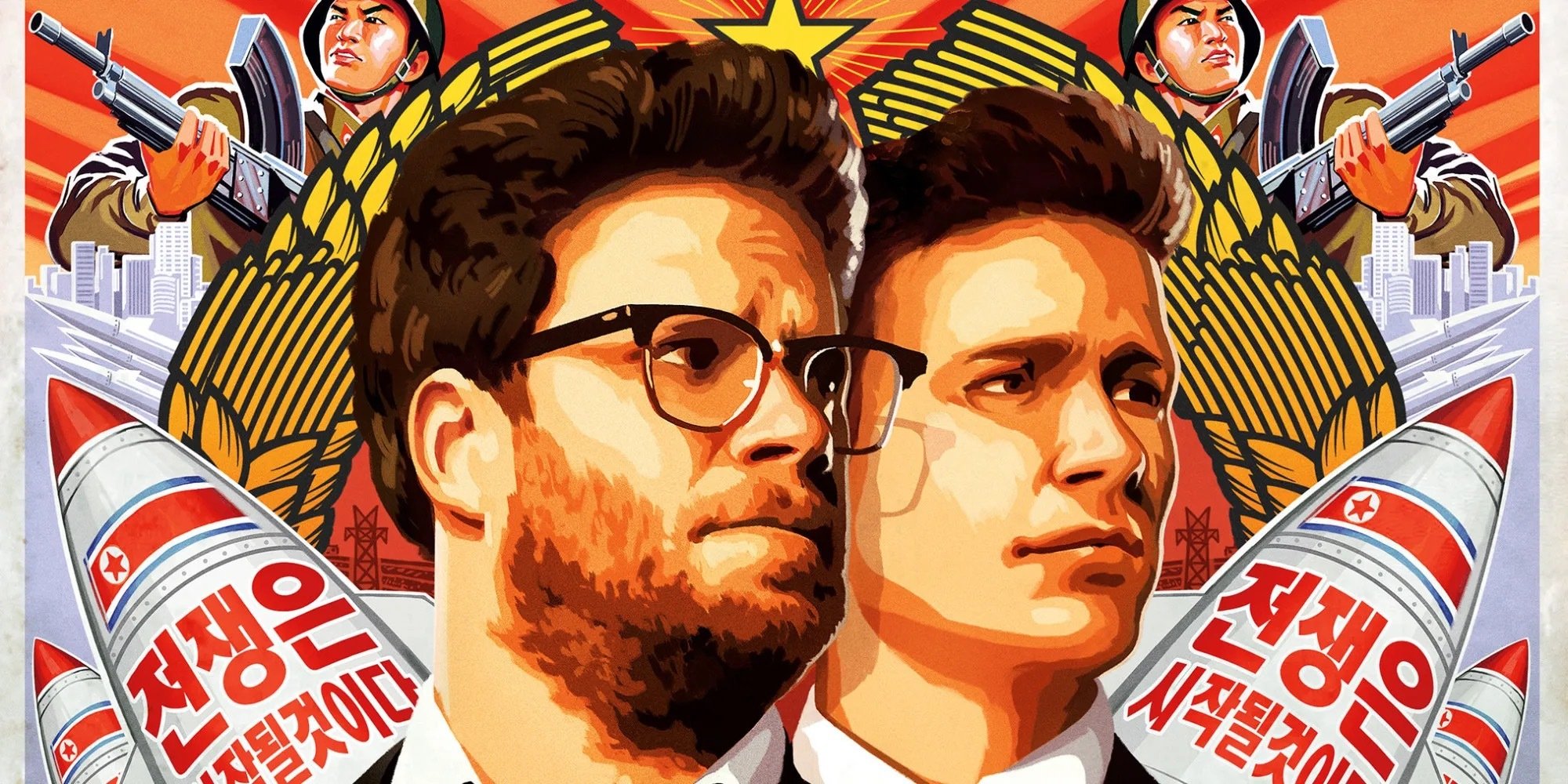
The Interview (2014)
The wacky Seth Rogan/James Franco comedy revolves around a couple of bumbling journalists who secure an interview with North Korean leader Kim Jong-un (Randall Park). Naturally, the North Korean government wasn’t thrilled with the premise and threatened vague retaliation if the movie were to be released, essentially calling it an act of war. Sony delayed the movie to make changes, but to no avail: a North Korean cyber terrorist group calling itself the “Guardians of Peace” hacked Sony and released a ton of personal and/or embarrassing information that lead to lawsuits and resignations. The group also threatened theaters who showed the film, which was effective in keeping bookings down. In the end, it was primarily released digitally (a novelty at the time) rather than given a broad theatrical release, a strategy that worked out reasonably well given all the publicity, but the movie still didn’t do much better than breaking even. You can rent The Interview from Prime Video.
In the Realm of the Senses (1976)
This appropriately sensuous Japanese film from director Nagisa Ōshima deals with sexual obsession in its fictionalization of a real-life murder that had been a tabloid style sensation decades earlier. The film goes beyond a frank depiction of sexuality (and sexual experimentation) to include moments of unsimulated sex, which would normally have seen it not just banned from distribution in Japan, but banned from being made. Ōshima got around that prohibition by listing the movie as a French production, and had the footage processed in that country. The most sexually explicit scenes were blurred for the movie’s Japanese release, and it was banned and un-banned in various countries (including the United States) for decades thereafter. You can stream In the Realm of the Senses on The Criterion Channel.
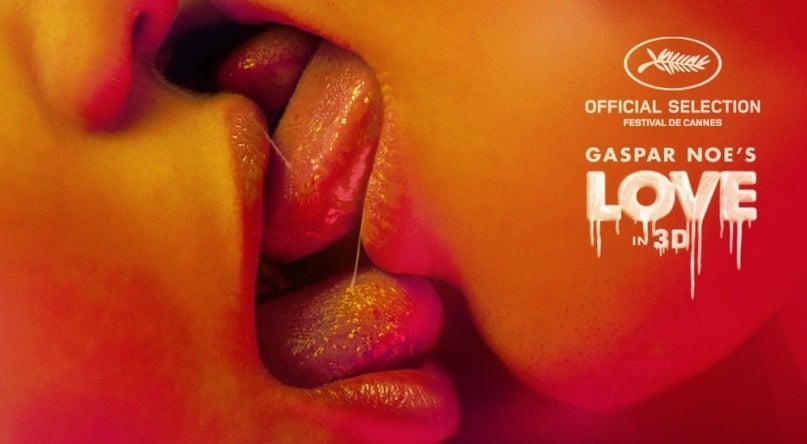
Love (2015)
Gaspar Noé’s most famous movie, Irréversible, features a rape sequence so brutal as to make the film nearly unwatchable; Love is a cakewalk in comparison. The relationship movie spends a rather significant amount of screen time on unsimulated sex scenes and was filmed in 3D; all its artsy pretensions fall away when we watch the main character (played by Karl Glusman) ejaculate straight out into the audience. Americans didn’t seem to have a huge problem with the movie (it was on Netflix for a while), but it was banned outright in Russia (maybe because one threesome included two women?) and became a hot topic in increasingly prudish France, where conservative groups managed to secure a more restrictive rating for the film. You can rent Love from Fandango at Home.
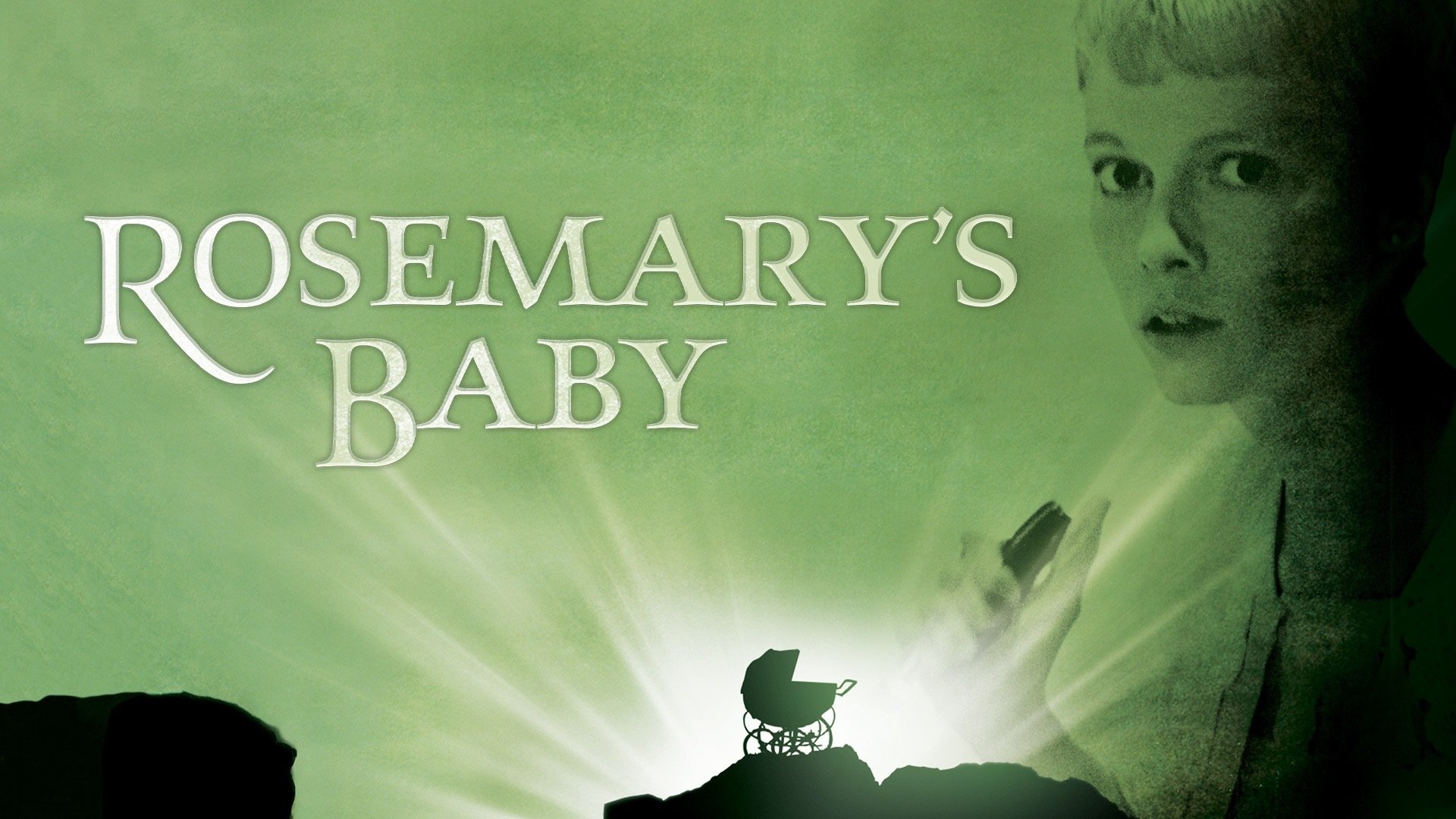
Rosemary’s Baby (1968)
Roman Polanski’s very name on a film engenders controversy (and with good reason, given he has been convicted of raping a child), but Rosemary’s Babywas before his own actions blackened his name. Upon release, the film was seen, instead, as an affront to religious sensibilities. The National Catholic Office for Motion Pictures, a 1960s version of the various religious organizations that had been policing film content for decades, took offense at what it described as, “the perverted use which the film makes of fundamental Christian beliefs, especially in the events surrounding the birth of Christ, and its mockery of religious persons and practices.” The film was given a rating of “C” for “condemned,” essentially barring Catholics from seeing it. Unlike similar denunciations of earlier films, the denunciation didn’t have much of an impact, and the film went on to box office success and earned Ruth Gordon an Oscar. You can stream Rosemary’s Baby on Paramount+ or rent it from Prime Video.
Dogma (1999)
Kevin Smith’s story of fallen angels looking for a way back into heaven after being cast out was delayed for nearly a year and switched distributors (after Disney-owned Miramax got cold feet) because of controversy over its satirical religious themes. Catholic groups in particular saw the film as either offensive or outright blasphemous. Organized protests in several countries slowed or halted release, and Smith himself received death threats. The controversy might have helped as a form of free publicity; the film did brisk business at the box office, especially in comparison to most of the rest of Smith’s filmography. There’s a new, more recent problem with its distribution, however: the rights are held by Bob and Harvey Weinstein, who aren’t doing anything with them. The movie isn’t streaming, nor is it in print on any physical media; referring to previous rights-holder Harvey Weinstein, Smith’s said: “My movie about angels is owned by the devil himself.” That’s apparently changed, as Smith has announced that he once again has those rights. A release is apparently coming soon.
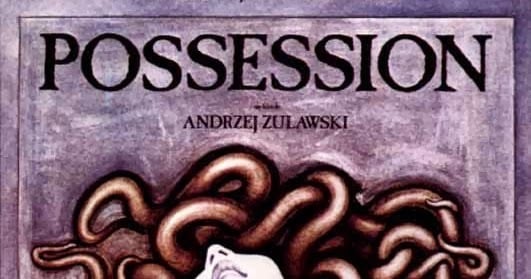
Possession (1981)
A horror movie about a bad divorce written during the director’s real-life marital split, Andrzej Żuławski’s Possession deals with an allegory for marriage going wrong in the form of a literal monster. As her marriage to Sam Neill’s Mark disintegrates, Isabelle Adjani’s Anna is nurturing a creature whom seems to have taken Mark’s place in her affections; the movie includes a sex scene with the shapeless mass of a monster, as well as some violent scenes that put it on the radar of the anti-video nasty crusaders in Britain, where it was banned. American distributors were provided with a heavily edited, nigh-nonsensical version, and only recently has it been restored to its full, horrific length in this country. You can stream Possession on Kanopy and Shudder or rent it from Prime Video.
The Human Centipede 2 (Full Sequence) (2011)
Writer/director Tom Six’s first Human Centipede movie, about a German surgeon who joins unwitting tourists together by sewing one’s mouth to another’s butthole ,was a weird, shock novelty that didn’t make a lot of money but still earned a brief spot in the zeitgeist for anyone with the stomach to talk about it. As is the way of such things, the sequel (about a copycat seamster) had to up the ante in order to justify its existence…and, when you’re starting from a premise of people who poop into other people’s mouths, that’s an ask. An ambulance was stationed outside the United States premiere in Austin as a William Castle-style gimmick, and at least one person actually got sick and required medical assistance (which is the kind of advertising you can’t buy). The British Board of Film Classification initially rejected the film outright—eventually, reluctantly, clearing the film after some cuts and a four-month appeals process. You can stream The Human Centipede 2 on AMC+ and Shudder or rent it from Prime Video.
Basic Instinct (1992)
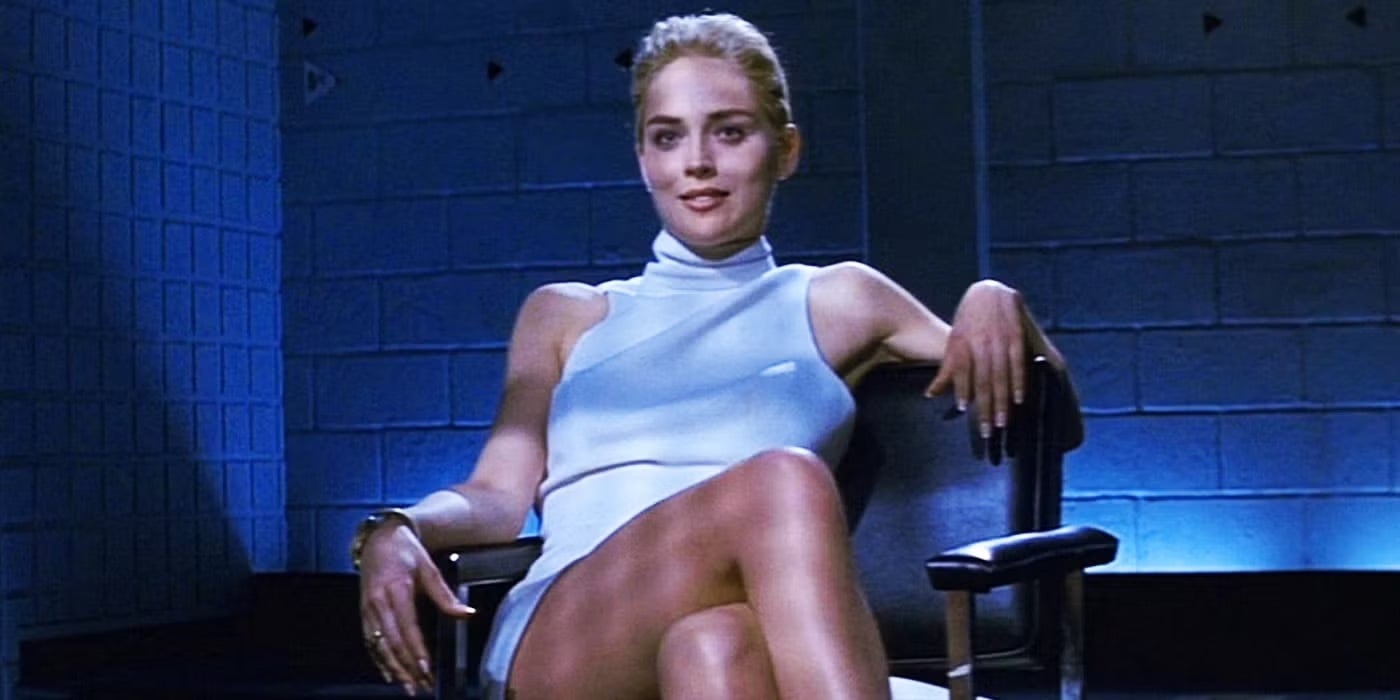
Provocateur par excellence Paul Verhoeven (Starship Troopers, Showgirls) had one of his biggest hits with this thriller, generating controversy on several fronts. Its explicit-ish sexual violence was a sticking point for some audiences, and its portrayal of a bisexual serial killer justifiably raised the hackles of LGBTQ groups, some of whom were at least as bored by the already-tired trope as they were offended by it; in a time when a majority of gay leads in movies were deranged murderers, it was no small thing to see yet another. Then there’s the interrogation scene, during which Sharon Stone uncrosses her legs to reveal a bit more than 1992 theater audiences were accustomed to seeing of a lead actress. As to what would be seen by the audience, Sharon Stone has stated that she was misled during the filming of the sequence, which is not great, though ultimately she felt OK about the finished product. The film initially received an NC-17 rating, but several seconds of cuts brought it down to a hard R (you can, of course, now see everything if you find the right version of the DVD). You can stream Basic Instinct on Paramount+ or rent it from Prime Video.
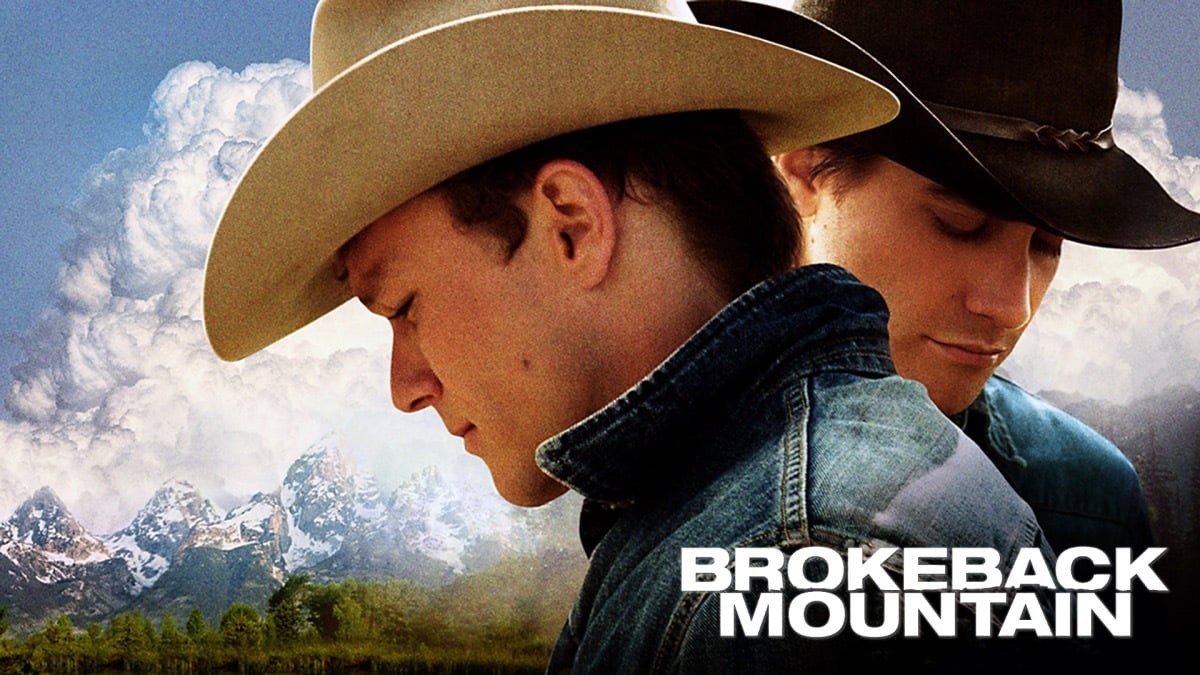
Brokeback Mountain (2005)
Seriously…Crash? And Lee’s Brokeback Mountain, famously about closeted gay cowboys played by two straight actors, was a surprise box office smash upon release, despite the many roadblocks thrown up in its way, both before and after release. Italian state television aired a version of the movie with all of the gay stuff cut out, which surely made for a confusing experience; the film wasn’t screened at all in China and most of the Middle East; and the usual suspects in America saw its existence as a direct assault on mom, Jesus, and the flag. Fox News, alongside various Christian groups, decried the movie for months (attention spans were slightly longer back then), as did critics like Michael Medved and Gene Shalit. While the movie moved mainstream queer cinema forward a bit, it also opened the floodgates for anti-LGBTQ sentiment and some truly embarrassingly awful jokes.
And then there were the Oscars: Brokeback was heavily favored to win Best Picture, and instead lost to Crash, a movie that’s largely been forgotten when it isn’t being insulted. Dismissive comments from actors (and voting Academy members) like Tony Curtis and Ernest Borgnine suggested to many that an old-guard among Hollywood’s elite simply were never going to vote for a gay-themed movie (the need for the 2015 #OscarsSoWhite movement likely came from a similar place). You can stream Brokeback Mountain on Peacock or rent it from Prime Video.
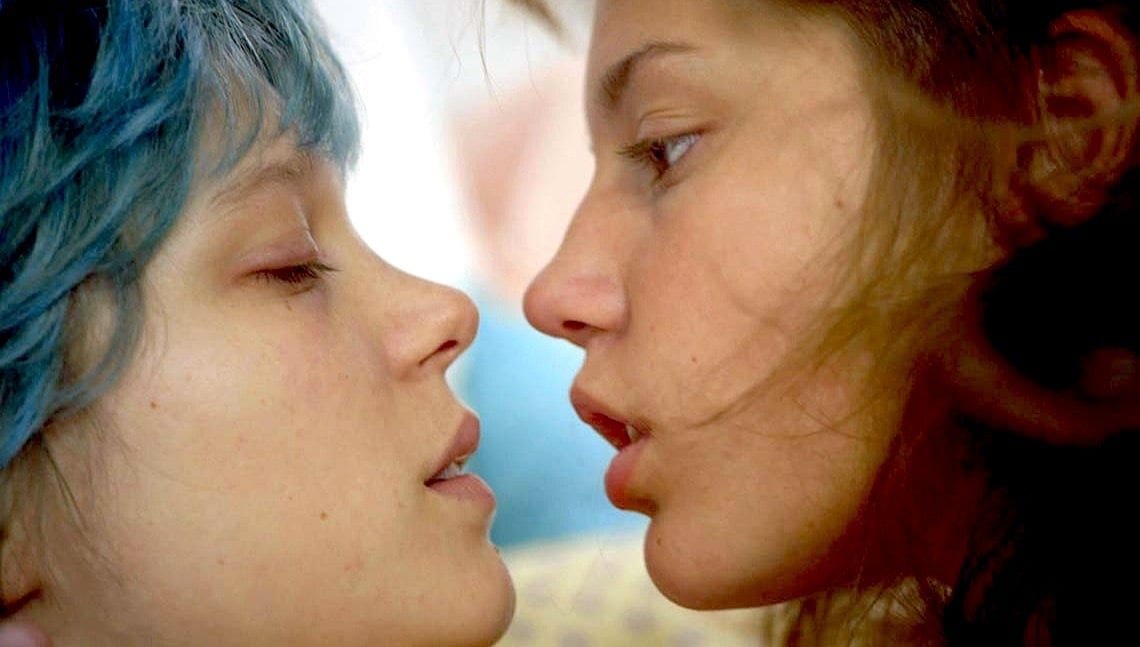
Blue Is the Warmest Colour (2013)
While there’s not much argument when it comes to the tremendous performances of leads Léa Seydoux and Adèle Exarchopoulos, almost everything else around Abdellatif Kechiche’s Blue Is the Warmest Colour has been the subject of controversy. The movie received overwhelming critical acclaim from early audiences and the Cannes jury, but dissension quickly arose: gay and feminist critics noted that the extensive, seemingly gratuitous and not always realistic sex scenes evidenced a traditional straight male gaze; the writer of the source graphic novel, Jul Maroh, praised the film in some regards but also suggested that the straightness of the cast and crew was a problem, stating, “It appears to me this was what was missing on the set: lesbians.”
Seydoux and Exarchopoulos, along with various members of the cast and crew, complained of difficult and working conditions under the director, who was later accused of sexual assault in an unrelated incident. It all paints a deeply complicated picture of what seemed, at the outset, like a trailblazing queer film. You can stream Blue Is the Warmest Colour on AMC+ and Kanopy or rent it from Prime Video.
Fritz the Cat (1972)
A bit more tame by modern standards, mostly because we’re thoroughly accustomed to the idea that cartoons needn’t be exclusively for children, Ralph Bakshi’s adaptation of the R. Crumb comic strip earned an X rating for depictions of cartoon cat debauchery. While scolds denied it, none of it mattered much (and the notoriety arguably helped), as it became one of the most successful independent films of all time. You can watch Fritz the Cat for free at the Internet Archive.
Water (2005)
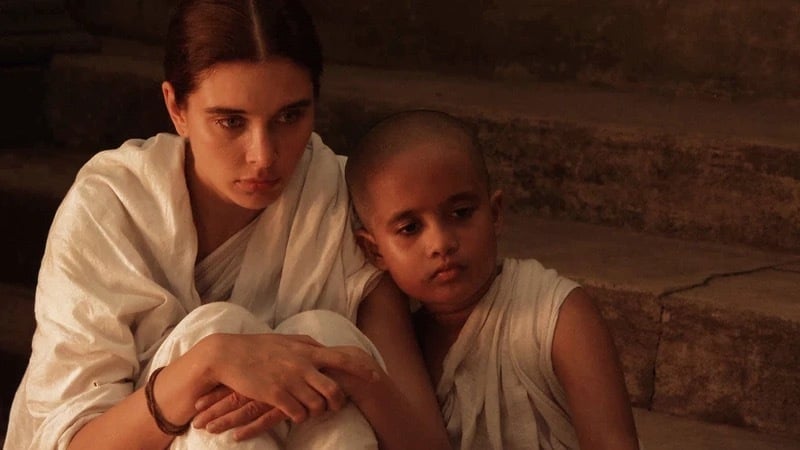
Writer/director Deepa Mehta’s entire (conceptual) Elements trilogy had been wildly controversial—Fire, released in 1996, was among the first mainstream Bollywood films to spotlight a lesbian relationship, while Earth dealt with the 1947 partition. Those films had been successful, but were been met with sometimes violent reactions, and that was all in the wind when word got around about the filming of the director’s latest, which deals with child marriage and ashrams during the late 1930s. With the assumption, based entirely on rumors, that the movie would offend conservative sensibilities, protesters stormed the filming locations and destroyed the sets. As a result, filming wasn’t completed for years; the production was forced to move to Sri Lanka and shooting too place under intense secrecy. The final product wasn’t nearly as incendiary as some expected, though it does rank among the director’s very best films. You can rent Water from Prime Video.
Salò, or the 120 Days of Sodom (1975)
Pier Paolo Pasolini’s most notorious film transports the works of the Marquis de Sade to fascist Italy of the early 1940s, and it has become a rite of passage for art-film lovers with strong stomachs. Four wealthy, corrupt libertines kidnap 18 teenagers and subject them to months of beautifully filmed violence and sexual torture. Pasolini (who was murdered just prior to the film’s premiere) undoubtedly engages with themes around political corruption, capitalism, and fascism, though whether his film succeeds more as an attack on human cruelty, or merely wallows in it, has been debated for decades. Numerous countries have banned the film, and it became a hot topic in the United States when an undercover policeman arrested the proprietor of an Ohio gay bookstore for renting out a copy—Martin Scorsese was among the film luminaries to come to the store’s defense. It’s not streaming anywhere, but is available on DVD and Blu-ray direct from The Criterion Collection.
Sweet Sweetback’s Baadasssss Song (1971)
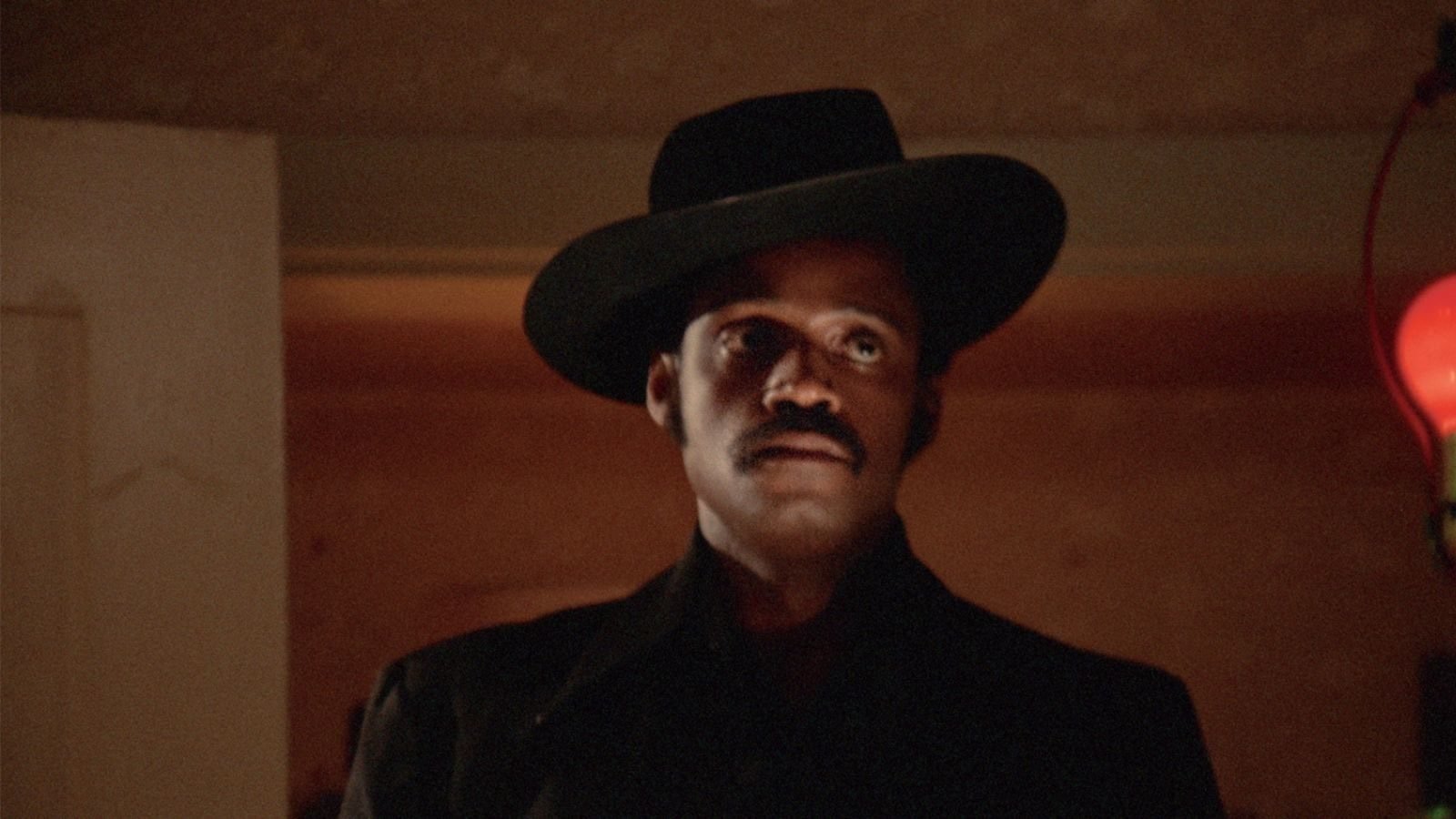
It’s often described as a blaxploitation film, but, unlike many of the other movies made for Black audiences in the 1970s, Sweetback wasn’t made primarily by white people. Writer/director/producer Melvin Van Peebles’ extended chase sequence of a movie was a box office colossus, making millions of dollars on a budget of about $150,000. It’s often, and not unfairly, described as the first true Black power film, which of course made some white audiences squeamish. It was rated X by the MPAA for its scenes pf sex and violence, which auteur Van Peebles cannily made use of: “Rated X by an all-white jury” the ads said. You can stream Sweet Sweetback’s Baadasssss Song on The Criterion Channel or rent it from Prime Video.