This Massive Data Breach Compromised 3.3 Million People’s Information

A handful of major data breaches that occurred in 2024 have already come to light in the last few months (including the PowerSchool and Community Health Center incidents), the latest of which affected a major employment screening and background check service and compromised information from more than 3.3 million people.

DISA Global Solutions provides background checks for more than 55,000 employers across the country, and its systems were compromised for more than two months last year.

What happened with DISA?

According to the company’s filing with the Maine attorney general’s office, hackers accessed DISA’s system between Feb. 9, 2024 and April 22, 2024 (when the breach was discovered) and stole the data of 3,332,750 individuals

In its letter notifying consumers of the breach, DISA did not provide specifics as to what was stolen, noting simply that the hackers “procured some information.” However, an additional filing located by TechCrunch indicated that the breach included Social Security numbers, medical records, financial account information, credit and debit card numbers, and other government-issued documents.

In conducting background checks, DISA collects a wide range of consumer data, including credit, education, and employment histories; driving records; drug tests; references from employers and landlords; and criminal and civil legal filings.

What you can do if your data was stolen

The best you can do after a data breach is to pay attention to your personal accounts, follow basic security best practices—such as being especially vigilant with suspicious communication that might be a phishing attempt—and lock down as much as possible to prevent any further damage being done with your information.

If you haven’t already, you should take steps like freezing your credit and placing a fraud alert to prevent anyone from taking on debt in your name, as well as considering identity protection services that can notify you of anything suspicious. You can also set up protections for your SSN so no one can take on employment or file taxes fraudulently.

As of Feb. 21, DISA is notifying consumers affected by the breach and offering a 12-month membership to Experian’s IdentityWorks identity monitoring service. To enroll, go to the IdentityWorks website and enter the activation code in your notice. You must sign up by June 30, 2025.


Apple Unveils iPad Air With M3 For A 2X Lift And An AI-Gimped Budget iPad

Apple Unveils iPad Air With M3 For A 2X Lift And An AI-Gimped Budget iPad
While many were expecting Apple to announce a new line of Macs this week (which it still might), we’re instead (for now) getting a couple of new iPad tablets, including an 6th generation iPad Air infused with Apple’s M3 silicon and a new baseline iPad powered by Apple’s A16 chip. Which one might be right for you? Let’s dig into the specs.

Starting

Pixel 9a FCC Filing Reveals Satellite Support And These Other Features

Pixel 9a FCC Filing Reveals Satellite Support And These Other Features
Google’s mid-budget Pixel 9a will be officially announced soon (some say sooner than you think) and if a recent FCC (Federal Communications Commissions) filing is correct, the phone will sport a relatively major feature trickled down from the Pixel 9 flagships: satellite support. When the Tensor G4-powered phone goes on sale, it’s expected

Fix Monster Hunter Wilds’ Greediest Microtransaction And More With These Five Great Mods

Monster Hunter Wilds has already sold over 8 million copies, making it the fastest-selling in the action-RPG franchise’s history. Many of those players are on PC, which means their eligible to take advantage of dozens of player-made mods to alter and even improve the game’s overall experience, including bypassing…

Read more…

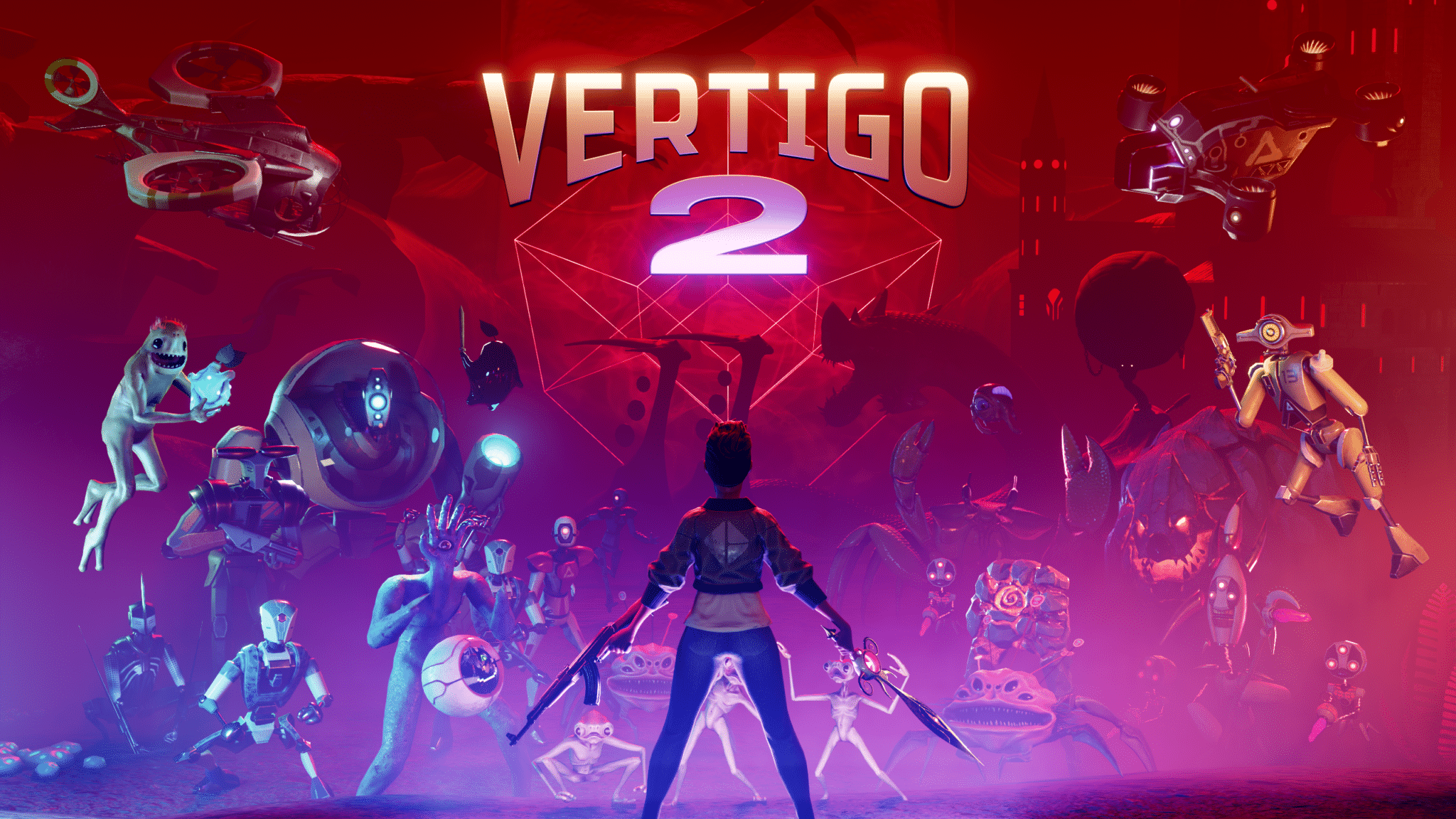
Vertigo 2: Into The Aether DLC Now Arriving This April On Steam

Vertigo 2: Into the Aether has been delayed by a month.

Previously targeting a March 30, 2025 launch to coincide with the second anniversary of Vertigo 2, developer Zach Tsiakalis-Brown confirmed the delay to UploadVR, and the upcoming DLC now lists ‘April 2025’ on Steam. Beyond the wider April release window, a specific release date for Into the Aether is currently unconfirmed.


0:00

/1:15


Revealed during the UploadVR Winter Showcase last December, Vertigo 2: Into the Aether is a DLC expansion for our 2023 VR Game of the Year, where Brian fights back against the Void Delegation. This gives you “The Void Grappler” grappling hook that’s attachable to most surfaces for free swinging, alongside “The Void Deflector” for deflecting attacks and accumulating energy for counterattacks.

If you’re interested in learning more, Tsiakalis-Brown carried out a Q&A back in January, following our wide-ranging interview back in December. Detailing his decision to remaster Vertigo, expectations for the future, time working at Valve, and more, you can watch that below in full.

Vertigo 2: Into the Aether arrives this April on SteamVR, and the base game is out now. While Vertigo 2 is also on PlayStation VR2, there’s currently no plans for this expansion to reach Sony’s headset.

Vertigo 2 Review: Creative & Engaging SteamVR Experience
Vertigo 2 offers a PC VR experience that is constantly creative and undeniably engaging.

Rock Sprayed With Skunk Scent Attracts Wolves, Otter Dance Party

This is a video from the Voyageurs Wolf Project, which studies wolf behavior in Voyageurs National Park in northern Minnesota, of a rock that was intentionally sprayed with skunk essence (eau de La Pew) in order to get passing wolves to stop in front of the trail cam. It works too. Not just for wolves, but for several otters, who each do a little dance on the rock before pooping. Admittedly, those were some exemplary poop dances. The wolves just mostly rub themselves in the skunk scent, which is exactly what my dogs would do because their life goals are to smell as disgusting as possible.

Meta, TikTok argue YouTube should be included in Australia’s under-16 social media ban

Late last year, Australia passed a law banning social media for all people under 16 years old. Now, some of those companies — namely Meta, TikTok and Snap — are not happy at one exception: YouTube. Australia has deemed YouTube as a critical education tool and is allowing use, despite an original assumption that the Google-owned platform would be included, Reuters and The Guardian reports. 

This follows last month’s report from Australia’s eSafety Commissioner, which found that YouTube is the most popular platform with 13 to 15-year-olds — with just under three-fourths of that age range using it in 2024. Notably, anyone under 16 needs to be part of a family account that offers parental supervision rights to use YouTube.

Remarks from big tech were pointed. “It is illogical to restrict two platforms while exempting the third. It would be akin to banning the sale of soft drinks to minors but exempting Coca-Cola,” said TikTok’s director of public policy in Australia and New Zealand, Ella Woods-Joyce. Meanwhile, Meta called out the Australian government for failed transparency and making “a mockery of the government’s stated intention, when passing the age ban law, to protect young people.”

Snap reiterated its fellow platforms’ concerns, stating, “There must be a fair and impartial application of exclusions and all services should be held to the same standard.” At the same time, Snap is arguing that it’s a messaging service and thus shouldn’t be part of the ban. 

Australia’s ban on social media for under 16-year-olds should go into effect towards the end of this year. Time will tell whether big tech’s outrage will change its impact on YouTube. 

This article originally appeared on Engadget at https://www.engadget.com/big-tech/meta-tiktok-argue-youtube-should-be-included-in-australias-under-16-social-media-ban-160220248.html?src=rss

Apple Unveils iPad Air With M3 Chip

Apple today announced a significant update to its iPad Air lineup, integrating the M3 chip previously reserved for higher-end devices. The new tablets, available in both 11-inch ($599) and 13-inch ($799) configurations, deliver substantial performance gains: nearly 2x faster than M1-equipped models and 3.5x faster than A14 Bionic versions.

The M3 brings Apple’s advanced graphics architecture to the Air for the first time, featuring dynamic caching, hardware-accelerated mesh shading, and ray tracing. The chip includes an 8-core CPU delivering 35% faster multithreaded performance over M1, paired with a 9-core GPU offering 40% faster graphics. The Neural Engine processes AI workloads 60% faster than M1, the company said. Apple also introduced a redesigned Magic Keyboard ($269/$319) with function row and larger trackpad.

Read more of this story at Slashdot.

Apple announces M3-powered iPad Air with improved Magic Keyboard layout

It’s not the update that most Apple watchers were hoping for, but today, Apple announced upgrades to two of its iPads, including the standard iPad and the quirky middle child, the iPad Air.

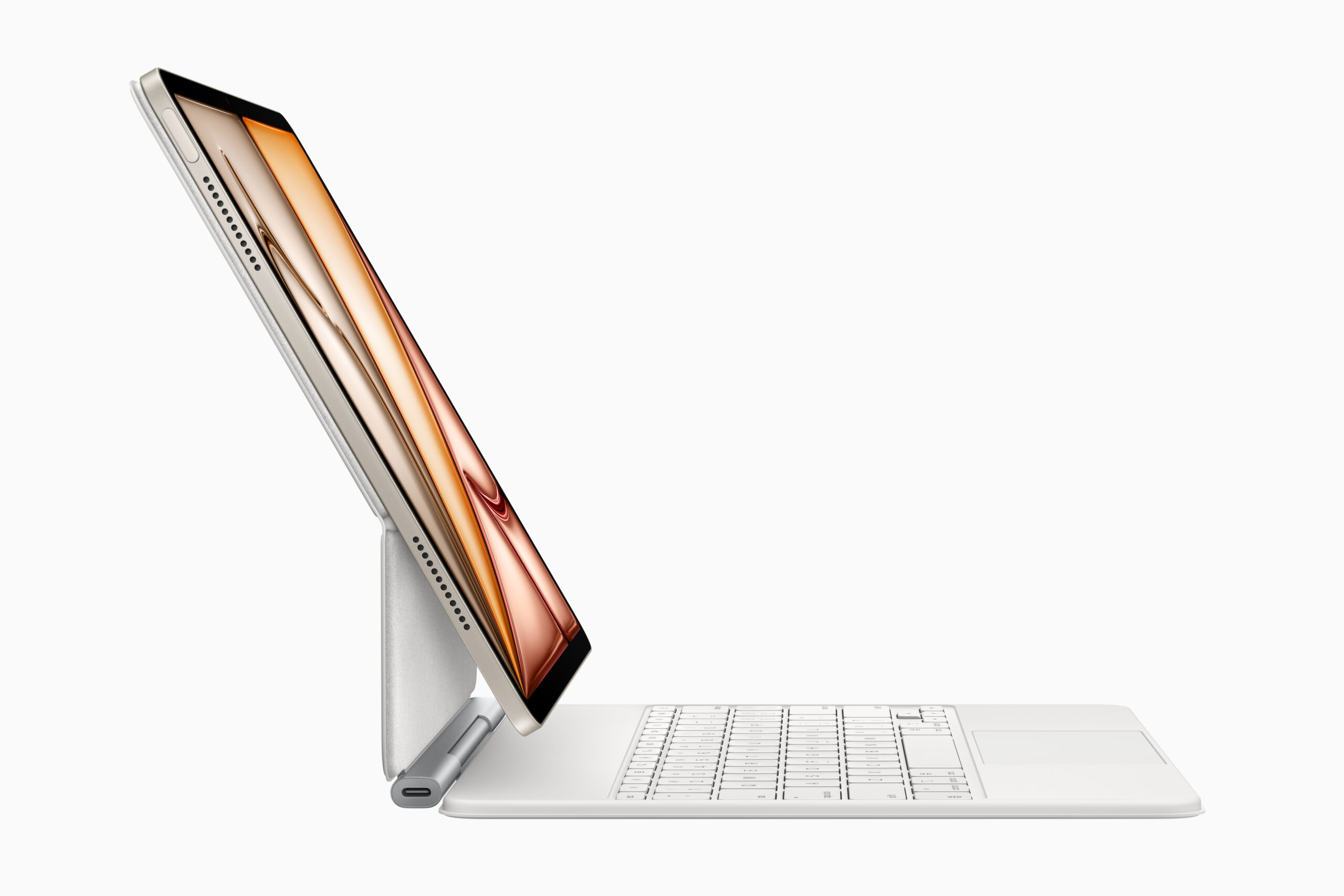
The iPad Air moves up from an M2 in last year’s Air refresh to an M3 chip, which is capable of Apple Intelligence and more graphics rendering. The Magic Keyboard gets a new layout with a larger trackpad and a physical function key row.


iPad Air and its Magic Keyboard.
Credit:
Apple

That’s a notable upgrade for anybody doing real, portable-minded work with an iPad, but there’s even better news: The new Magic Keyboard with those physical keys is backward-compatible with previous iPad Airs: 4th and 5th generation, 11-inch M2 and M3, and 13-inch M2 and M3 models (better news, that is, if you’re good with the $270 price).

Read full article

Comments

Xiaomi’s Magnetic Lens Attachment Turns Phones Into A Proper Handheld Camera

Xiaomi's Magnetic Lens Attachment Turns Phones Into A Proper Handheld Camera
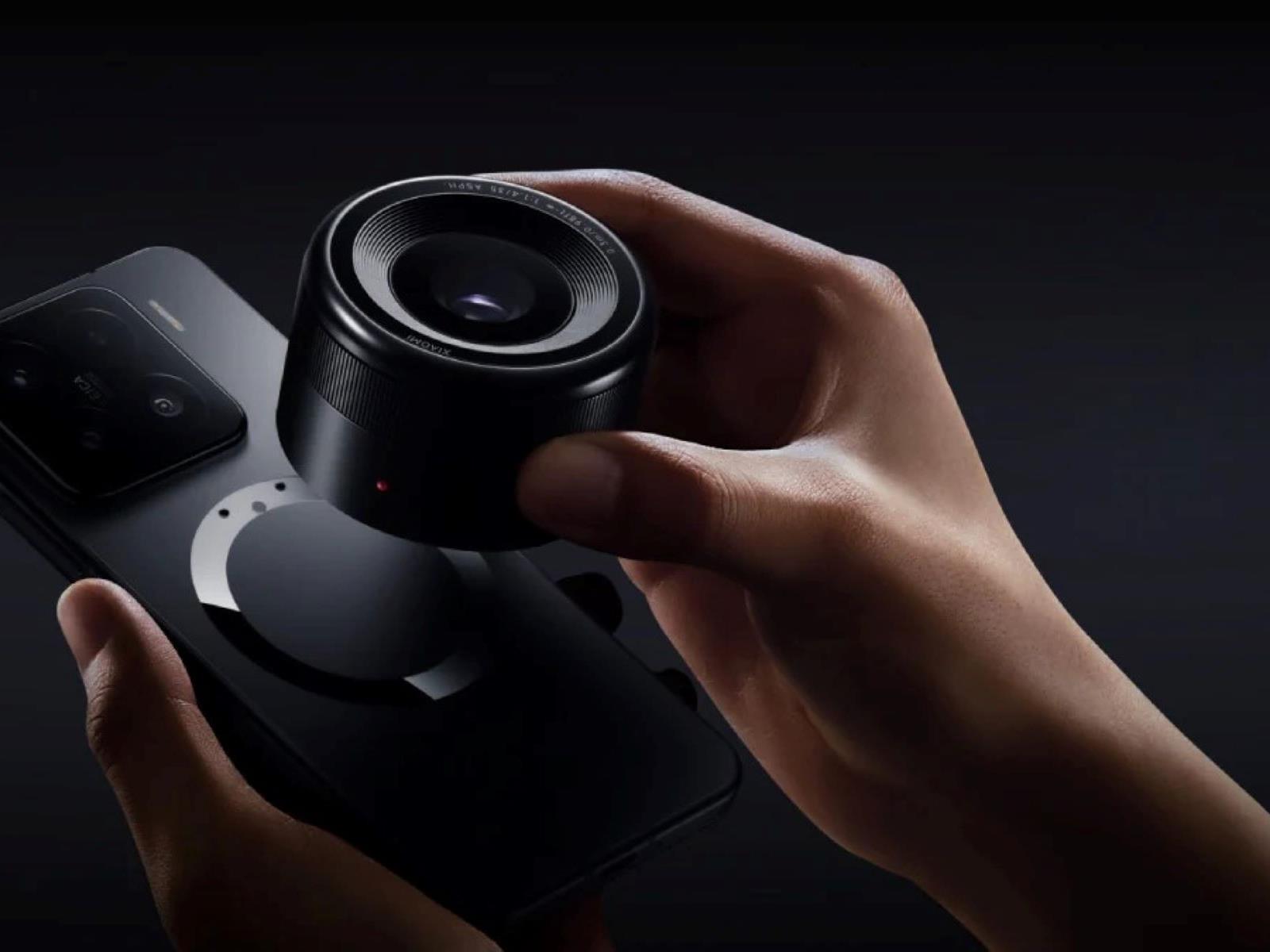
As smartphone makers struggle to find the “next” innovation, something to put their phones on the map, along comes Xiaomi with a crazy-yet-not-crazy concept phone incorporating a magnetic dock in the back that allows owners to quickly attach different camera lenses. A demo phone complete with a double-Gauss lens with a M4/3 sensor has become

RFK Jr. shuts Americans out of health decisions despite vow for transparency

Federal health policies and decisions are quickly becoming less transparent under Health Secretary Robert F. Kennedy Jr.—despite him telling Health Department employees just last month that he would work with them to “launch a new era of radical transparency.”

Since then, Kennedy has axed a public meeting on vaccines—leaving lingering questions about the future of those transparent proceedings. He has also revoked a broad transparency policy for the Department of Health and Human Services (HHS) that required public notice for certain new rules and a comment period to allow for the public to be involved with the rulemaking process. Revoking the policy could have sweeping effects. For instance, HHS could now change Medicaid requirements with no notice or change federal research grants without input from the research community—something the Trump administration has already tried to do before it was put on hold by a federal judge.

Rolling back public participation

On Monday, Kennedy published the new policy in the Federal Register, which specifically revoked a transparency rule adopted by the Department of Health and Human Services (HHS) in 1971. The rule—called the Richardson Waiver, after then-health secretary Elliot Richardson—required HHS to have public notice-and-comment periods for proposed rules and policies regarding certain matters, namely public property, loans, grants, benefits, or contracts. These five categories would otherwise have been exempt from public notice-and-comment requirements under the Administrative Procedure Act (APA). The APA also says that public notice-and-comment periods can be waived for “good cause.”

Read full article

Comments