Rondo Bogan ST’s new steel frame and progressive geometry are designed for bikepacking adventurers

Rondo has announced the release of its new Bogan ST, a fully redesigned off-road bike with an all-new steel frame, aimed at bikepackers.

The 2025 Bogan ST sports traditional tube profiles made from steel, a progressive geometry and a feature-filled design. It’s available for £2,899.

Alongside unveiling the Bogan, Rondo has confirmed full spec and pricing details for its IOON electric gravel bike, which scooped a Design and Innovation award when it was announced in January.

The Fazua mid-motor powered IOON follows in the footsteps of bikes such as the highly capable Mylc and soft-tailed RUUT.

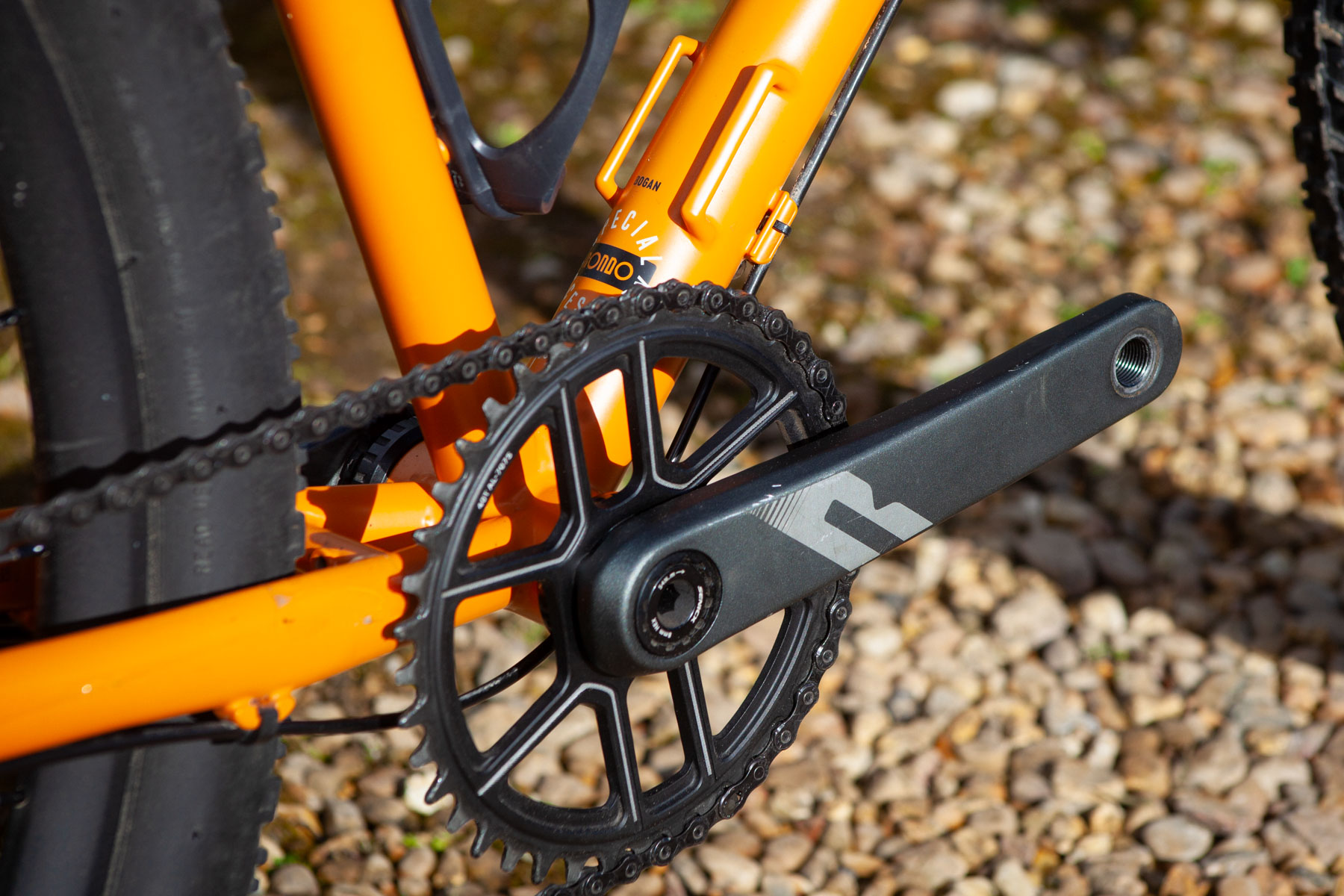
Bogan front end detail
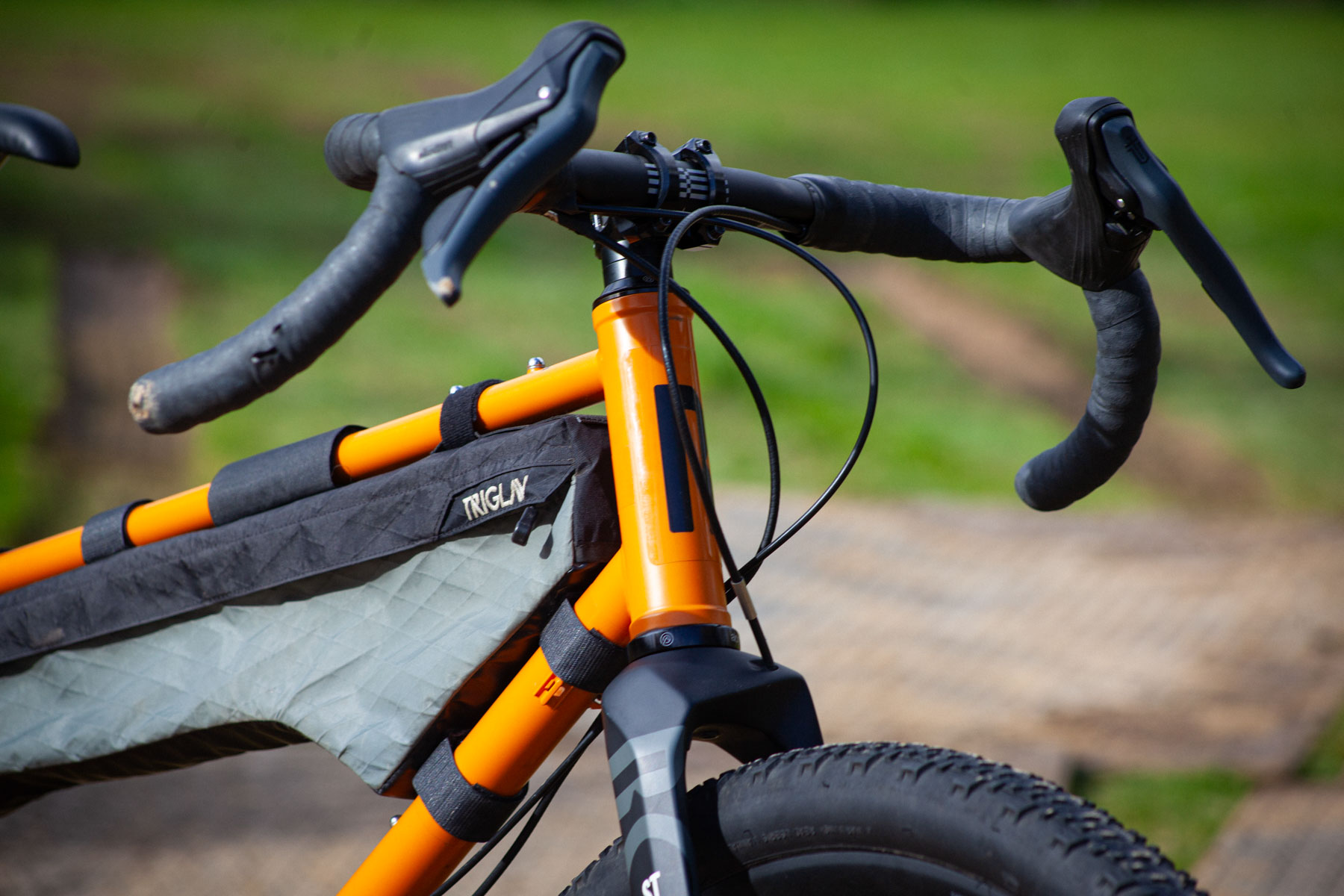
The Bogan’s tough construction includes a ring-reinforced head tube. Warren Rossiter / OurMedia

The new 2025 Bogan has been redesigned from the ground up.

The all-new steel frame comes with geometry that Rondo says has been optimised to keep a fully laden bike more stable on rough terrain.

The slackened front end features a longer fork, making the Bogan suspension-ready.

Rondo Bogan bottom bracket
The Bogan comes with a wealth of fittings for the adventurous gravel rider. Warren Rossiter / OurMedia

The tyre clearance is larger than the previous iteration, at 29×2.1in, or 27.5 with 2.6in tyres.

The down tube has external routing braze-ons, along with multi-bottle mounts and bars to strap a tool roll to easily.

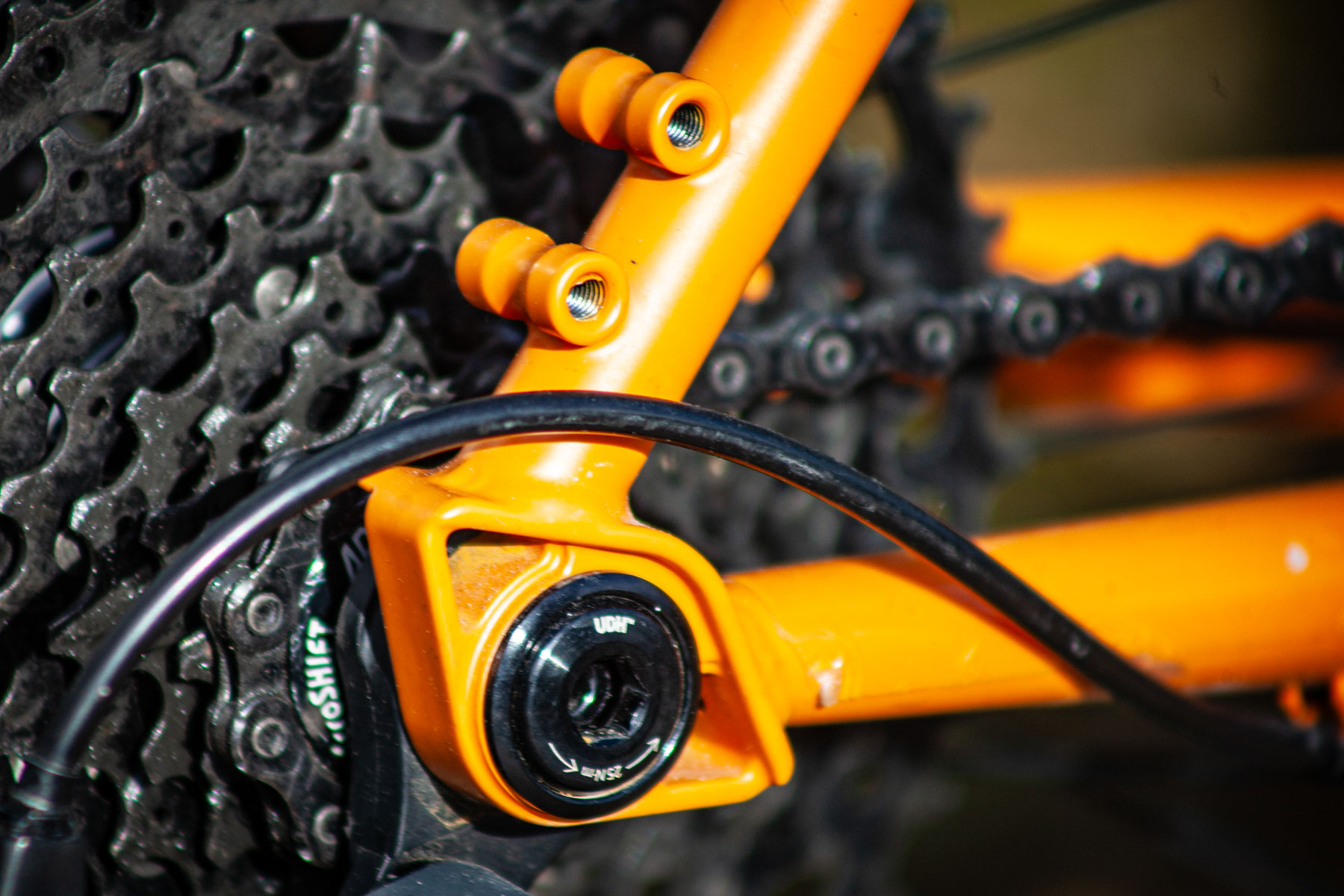
The back end is SRAM Universal Derailleur Hanger and full-mount compatible.

Rondo Bogan rear dropout
The new Bogan has gone UDH. Warren Rossiter / OurMedia

The Bogan comes complete with a made-to-measure frame bag, courtesy of Polish brand Triglav.

The Bogan ST is priced at £2,899 with SRAM Apex hydraulic brakes, X1 1×12 drivetrain and WTB Sport Terra wheels.


Rondo goes electric with the IOON

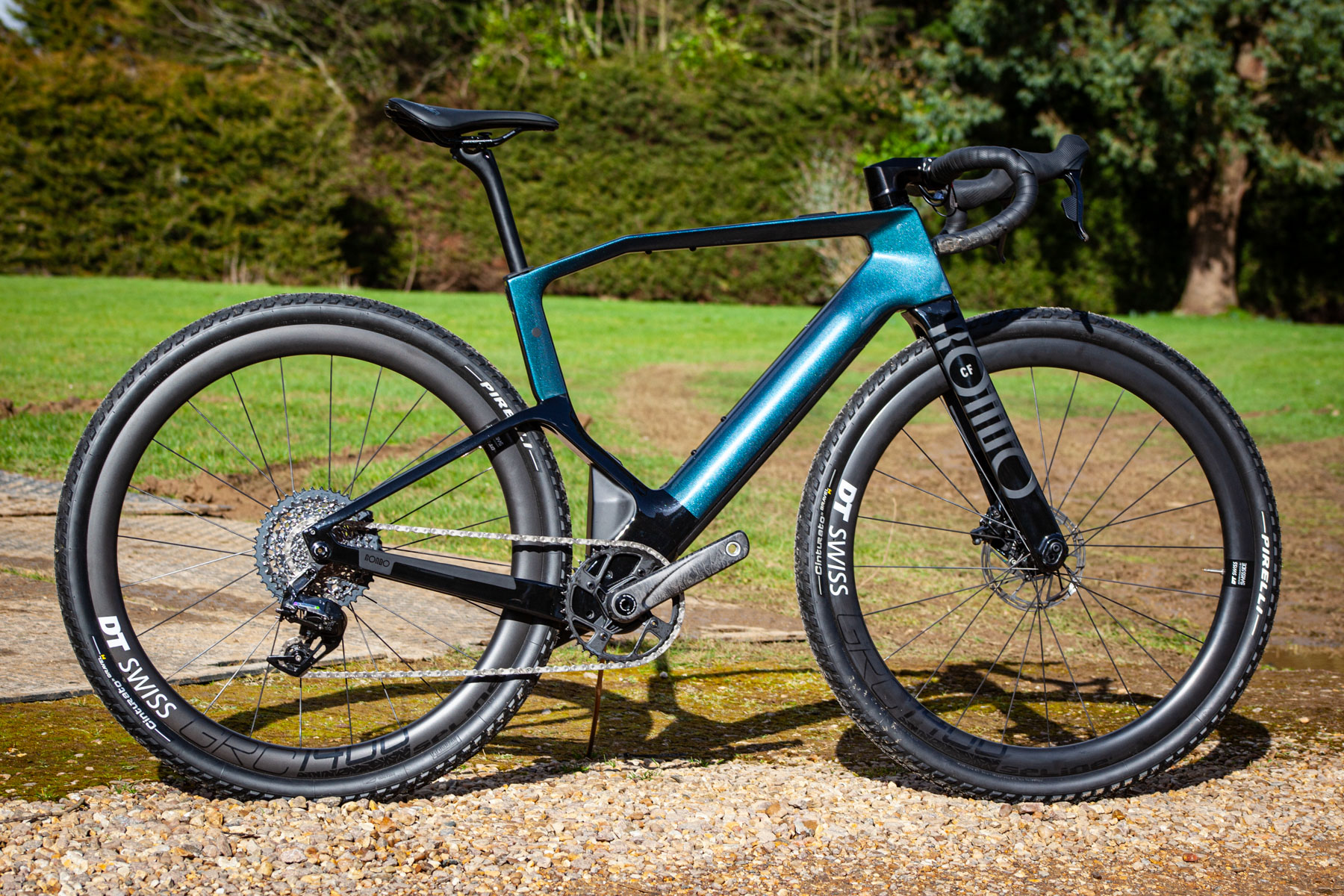
Rondo IOON
The IOON shares its angular design with the Rondo RUUT. Warren Rossiter / OurMedia

The IOON electric gravel bike made headlines earlier in the year when it won a Design and Innovation award.

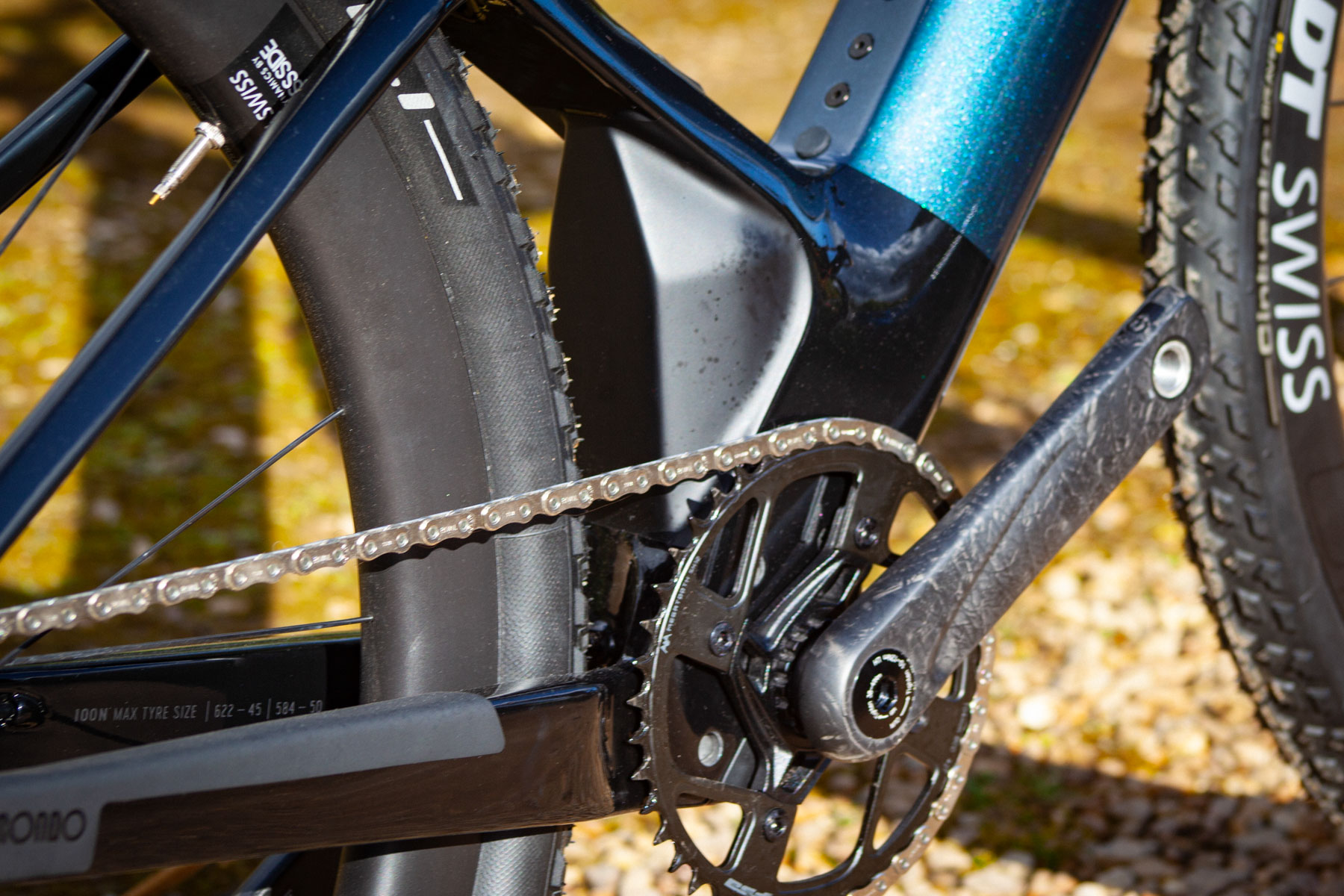
The frameset, which bears plenty of resemblance to the pedal-powered Rondo RUUT, houses a Fazua Ride 60 drive system comprising a removable down-tube battery and a mid-mount motor.

Rondo IOON bottom bracket shell detail
The IOON disguises its mid-motor and down-tube battery well. Warren Rossiter / OurMedia

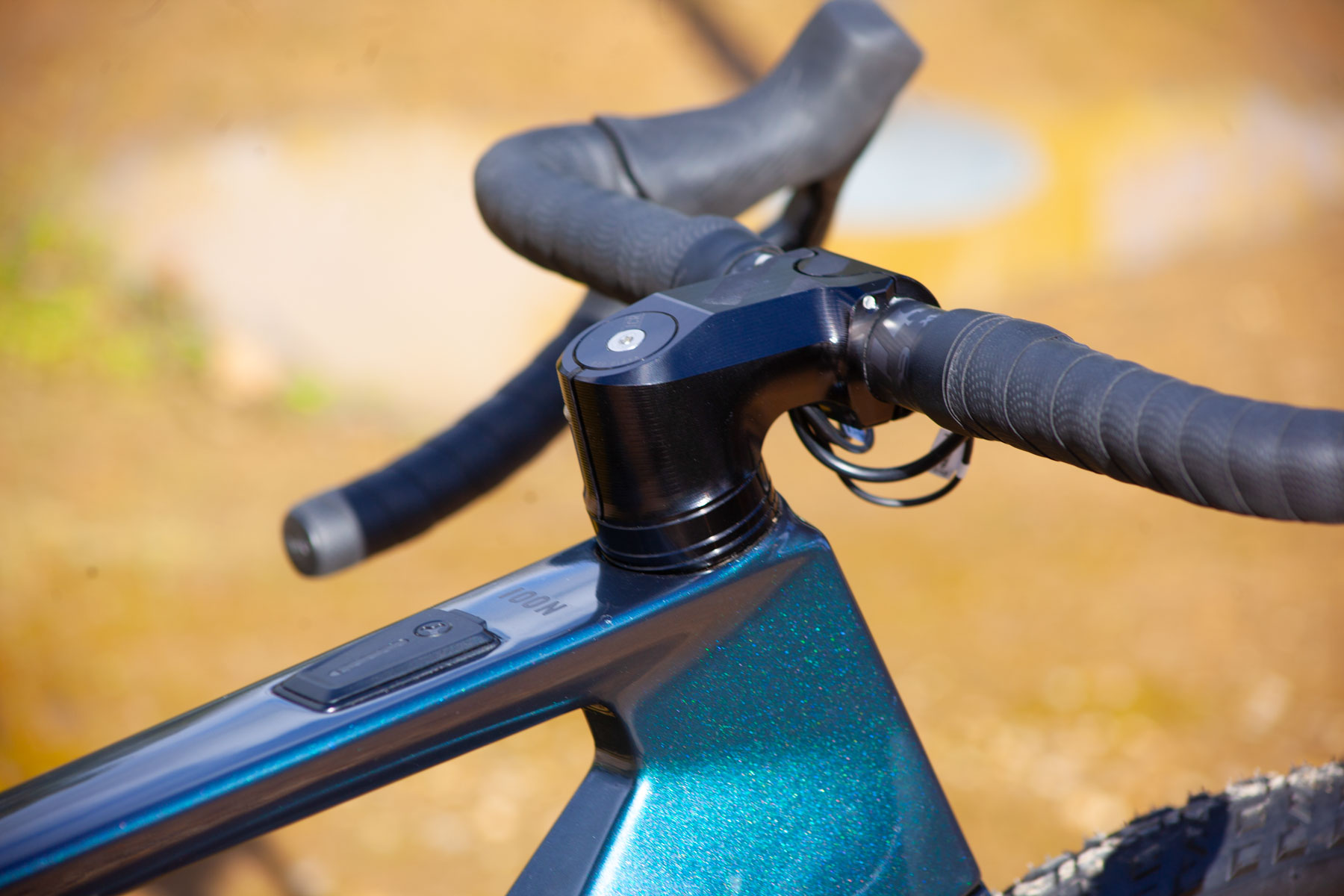
The IOON CF1 comes with a SRAM Force drivetrain (although not necessarily the same Force drivetrain as this pre-production sample), DT Swiss HGC 1400 gravel wheels, a Fazua Ride 60 powertrain with a new 430Wh battery and a new Rondo ICF cockpit, including a new forged carbon stem.

Rondo IOON stem detail
The IOON’s top-tube controller and forged carbon stem. Warren Rossiter / OurMedia

The CF1 is priced at £8,999, while Rondo is also offering a CF2 model with SRAM Apex AXS, Rondo wheels and the same powertrain for £6,199.

For those who prefer their gravel bikes to be of the flat-bar persuasion, there’s the IOON CFU with SRAM Apex AXS, DT Swiss HG1800 wheels and 50c Vittoria Terrino Max tyres for £5,999.

Announcing ECRO: a Comprehensive Racing Platform for Virtual Cycling

The world of virtual cycling continues to evolve, and the new E-Cycling Race Organization (ECRO) may just represent the next significant leap forward for competitive Zwift racing. Building upon the foundation established by the Chasing Tour, ECRO aims to “create a more immersive and strategic virtual cycling experience that benefits riders and team managers alike.”

From Chasing Tour to ECRO

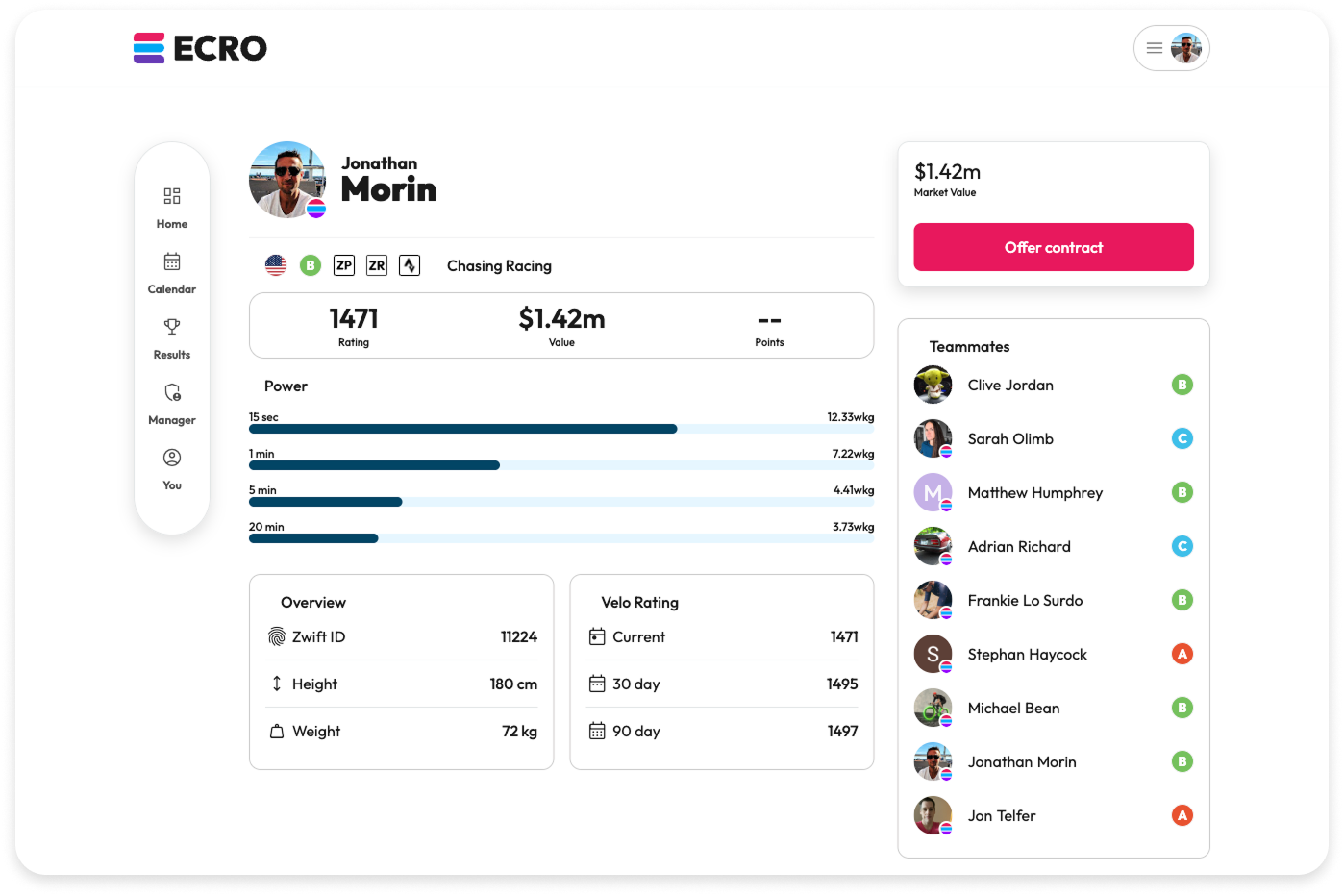
Founded in 2022 by Jonathan Morin, the Chasing Tour successfully established a year-long racing calendar that brought structure and continuity to the Zwift racing scene (read about Chasing Tour 2023 here). Jonathan built ECRO by expanding this foundation into a comprehensive platform that introduces elements previously unseen in virtual cycling competitions.

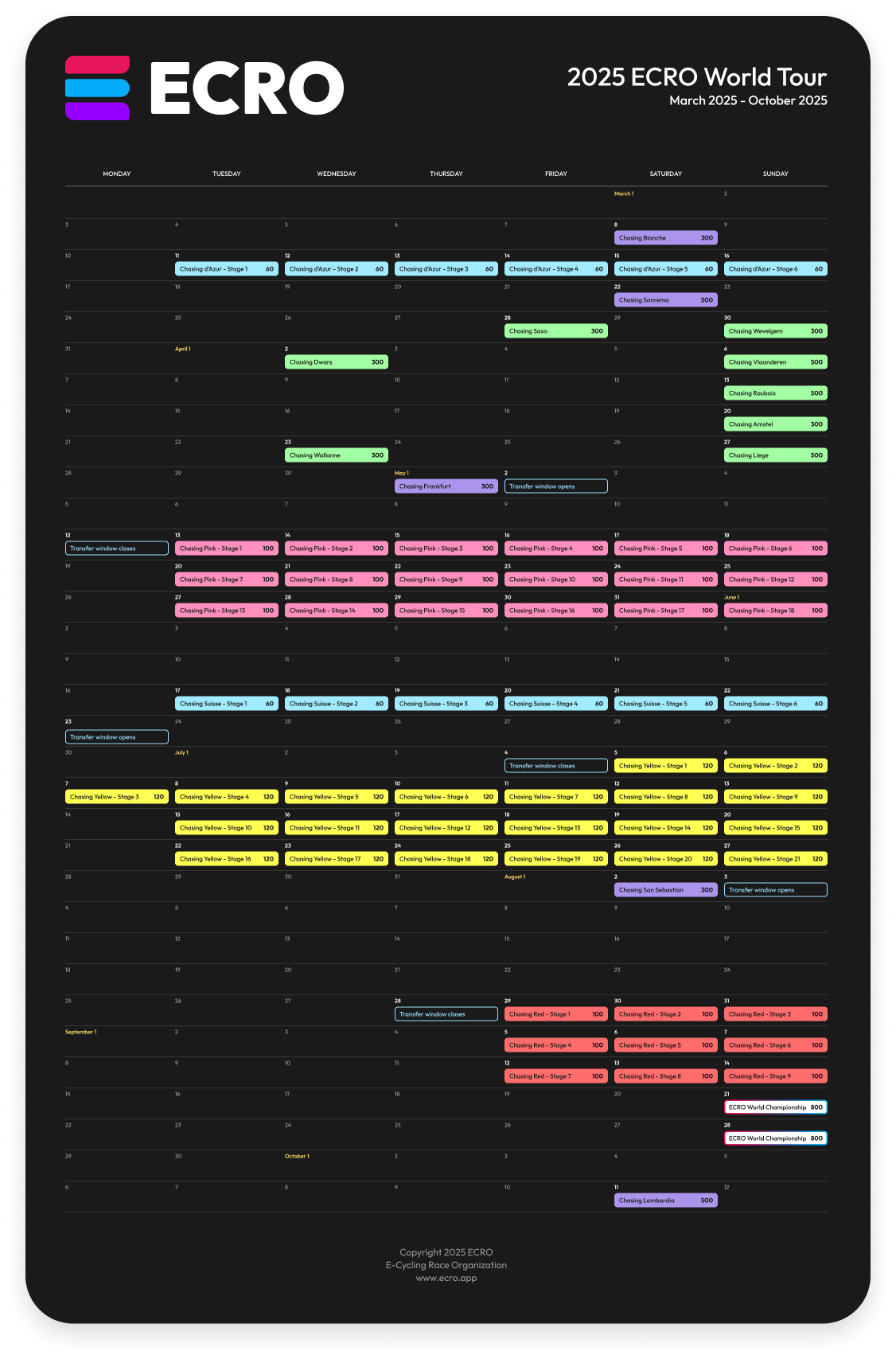
The ECRO World Tour 2025 will feature 75 races throughout the year, including single-day races, week-long tours, and three multi-week grand tours. This extensive calendar establishes a professional-level competition structure that mirrors real-world pro cycling, and it all kicks off on March 8, 2025, with Chasing Bianche!

New Dimensions: Rider Economics and Team Management

What sets ECRO apart is its introduction of economic elements to virtual cycling. The platform implements features like:

  • Rider Market Values: Riders have assigned virtual monetary values based on their performance and category
  • Team Contracts: Teams can sign riders to formal agreements
  • Rider Transfers: A transfer system allowing riders to move between teams
  • Team Financials: Teams manage a virtual budget, profiting from rider development and transfers

(It’s important to note that all financial aspects within ECRO—including rider values, team budgets, and prizes—are virtual and do not represent real-world currency. These virtual economics simply add an engaging layer of strategy and simulation to the competition.)

Clear Categorization

ECRO employs a straightforward categorization system based on the zwiftracing.app 90-day vELO ratings:

� A Category: 1900+ rating
� B Category: 1450-1899 rating
� C Category: 1150-1449 rating
� D Category: 850-1149 rating
� E Category: 0-849 rating

This system ensures fair competition within all skill levels, and scheduled recategorization points throughout the season help maintain competitive balance.

Team Structure and Competition

Teams add another dynamic element to the ECRO World Tour:

  • Teams can consist of up to 12 riders across any of the 5 categories
  • The top 6 riders in each category earn points for their team
  • Teams accumulate points throughout the season for overall standings

Comprehensive Scoring and Competition Format

ECRO’s competition structure is multi-layered, offering riders and teams various ways to earn points:

  1. Individual Race Events: Points awarded based on race tier and finishing position
  2. Stage Races: Multi-race competitions using a global time-gap system pioneered by Chasing Tour to determine overall standings
  3. Seasonal Series: Multiple races where cumulative points determine the winner
  4. Season-Long Competition: All points contribute to the overall ECRO World Tour standings

This structure rewards consistent participation and performance throughout the season, encouraging engagement with the entire calendar of events.

Registration and Pricing

To participate officially in the ECRO World Tour, riders and teams must obtain licenses:

  • Rider License: $7.99 for the 2025 season
  • Team License: $12.99 for the 2025 season

(While anyone can participate in ECRO events on Zwift, only licensed riders will have their results counted toward the official ECRO World Tour standings. These fees support the ongoing development of the platform.)

Benefits for the Entire Zwift Racing Ecosystem

ECRO’s approach delivers benefits to riders and managers alike:

For Riders:

  • Verified ECRO rider accounts with clear categorization
  • Opportunities to join teams and develop virtual cycling careers
  • Points-based competition with virtual prizes
  • Professional racing structure

For Team Managers:

  • Team creation and management tools
  • Strategic rider recruitment and contract management
  • Virtual financial system with potential growth through smart team building
  • Season-long competition against other teams

Only on Zwift

According to Jonathan, “ECRO has chosen Zwift as its exclusive platform because Zwift provides the best in-game racing experience available in virtual cycling. The robust features, established community, and technical capabilities of Zwift create the perfect environment for ECRO’s vision. By building on Zwift’s foundation, ECRO is invested in seeing Zwift continue to be the home of elite e-cycling racing, furthering the platform’s position as the premier virtual cycling experience.”

Looking Ahead

The ECRO platform represents the most comprehensive attempt yet to create a professional-level virtual cycling ecosystem that mirrors the structure, strategy, and engagement of real-world professional cycling.

So whether you’re a casual Zwift racer looking to test yourself against others, a competitive rider seeking structured competition, or someone interested in the team management aspects of cycling, I’d recommend looking into what ECRO is doing today.

For more information or to register for the ECRO World Tour 2025, visit www.ecro.app.

Your Thoughts

What do you think of ECRO’s approach to Zwift racing? Share your thoughts below!

Sidi’s new Atomus GTX is designed for gravel riding but looks more like a hiking boot

Sidi’s new Atomus GTX gravel boot takes the Italian shoemaker far away from its established racing roots.

Available from September, the Atomus GTX combines the rugged looks of a hiking boot with lots of practical tech for adventure and gravel riding.

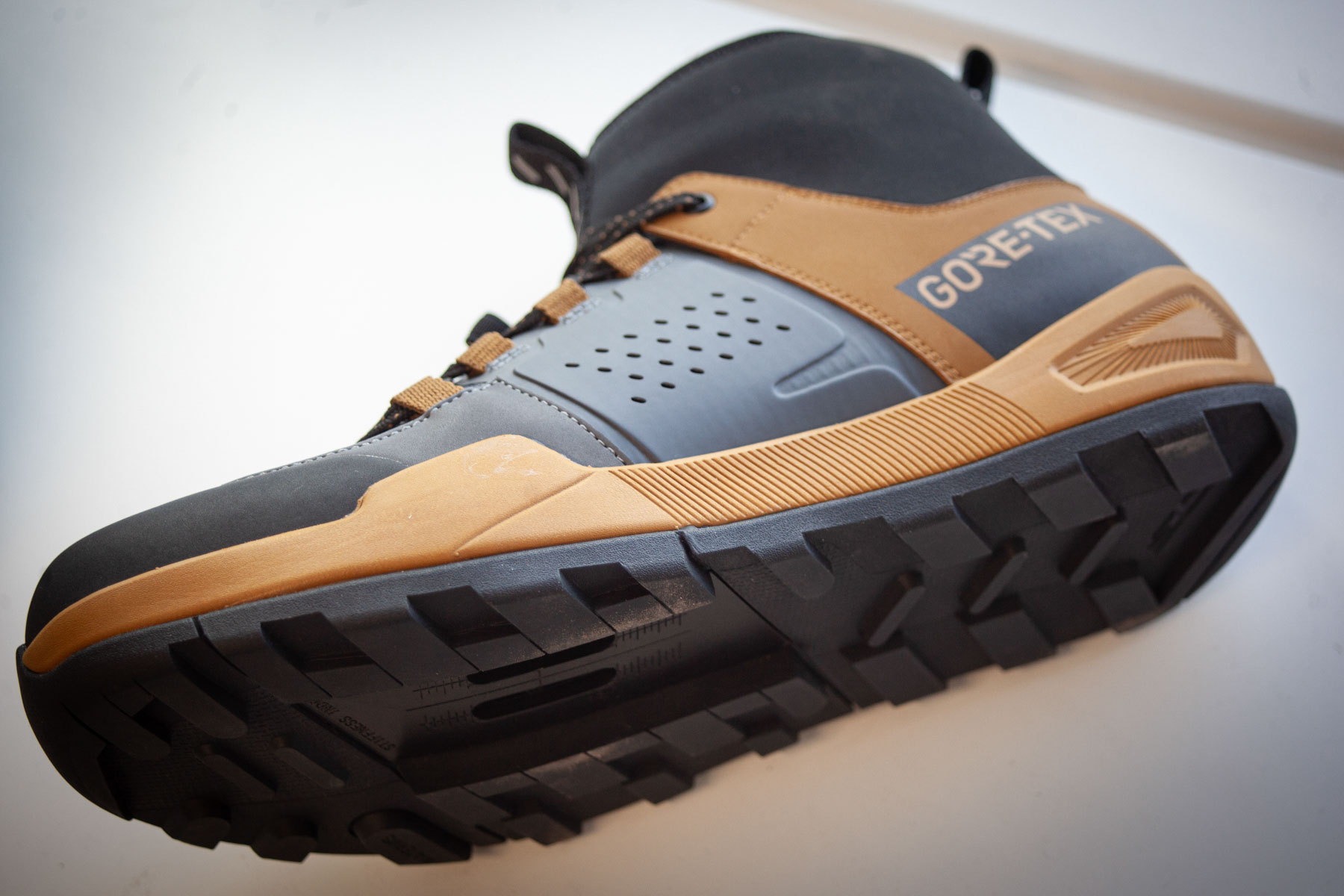
The upper combines a padded outer with a high-top neoprene-like wrap-around cuff. Internally, there’s a full Gore-Tex membrane for added weather-proofing.

Sidi Atomus Gravel GTX
The Sidi Atomus Gravel GTX features a Gore-Tex membrane for all-weather use. Warren Rossiter / OurMedia

The outsole has a soft, pliable, deep tread and, while the cleat plate is stiff, the outsole has plenty of flex.

The new gravel boot registers a 3 out of 10 on Sid’s own stiffness scale. It is expected to retail for £250.

Strava apologises and backtracks on decision to ban links on its platform

Strava has issued an apology for its controversial decision to ban URL links on its platform late last year, and says it has reinstated this feature in a more limited form.

In a blog posted on its website on 3 March 2025, the popular cycling app wrote: “We recognize that disabling and removing links last September was disruptive to our community.”

Strava says its initial decision to ban links – a move that also saw all historic links on the site removed – was “necessary to protect users from a wave of harmful spam attacks that included links to fraudulent and misleading content”.

It concedes, however, it “moved fast” and “didn’t clearly communicate” the reasons behind the ban.

As a result, Strava says it is “sorry for the frustration this caused, and moving forward, we’re committed to greater transparency”.

Links are back on Strava – but there’s a catch

Links are back on Strava
Links are now allowed on Strava again, but only in certain places and to certain things.

Since links were banned and deleted in October 2024, Strava says it has made “significant improvements” to its spam detection systems, including an “an upgraded machine learning model”.

This, it says, has empowered it to re-enable links in user posts “in the places that matter most”.

So, while links will be allowed on Strava again, there are limitations on what and where its users can link to.

Strava says “anyone” (whether they are a free user, a subscriber or a verified athlete) can post links to the following areas of Strava:

  • Athlete profile
  • Club description 
  • Event descriptions
  • Activity descriptions

Strava says, however, that “only admins of verified clubs will be able to post links in club posts”.

This means club members will not be able to include links in club posts.

It also says “links to external websites are limited”. Exactly what this means remains to be seen, but it may remain difficult to link to sites such as charity collection pages, rider blogs or even your favourite multi-discipline cycling website, BikeRadar.

Strava says updates to its spam detection systems mean it can re-enable link sharing on its platform.

Previously shared links will not be reinstated

While it apologised for removing historic links last year, Strava nevertheless says “previously shared links will not be reinstated” on its site.

It also says any text posted on Strava that “was unintentionally identified and removed as a link” would not be reinstated either.

Justifying its decision, Strava wrote: “Our goal is to nurture sharing and engagement across our platform in an organic, helpful, and least disruptive manner.”

“To do this, we are re-enabling link sharing across some of the most engaging parts of Strava where this can be the most meaningful”.

Zwiftcast Episode 212: Women’s History Month Special 1 of 2

In March, Zwiftcast is spotlighting incredible women’s stories with two special episodes celebrating of Women’s History Month! Also this month, complete any Zwiftcast ride to unlock the exclusive Watch the Femmes headphones and show your support.

In this episode, hosts Rebecca Charlton, Dave Towle, and Kate Veronneau bring you all the latest news, including the return of Zwift Games and a look forward to Paris Roubaix Femmes Avec Zwift and the Tour de France Femmes Avec Zwift 2025. Plus, Wheel Talk Podcast hosts Abby Mickey, Loren Rowney, and Gracie Elvin pop in to talk Zwift cycling and motherhood.

Links/events mentioned in the episode:


Zwiftcast is available on Podbean, Apple Podcasts, YouTube, Amazon Music, and Spotify.

New Specialized Vado SL 2 Alloy ebike costs £2,000 less than its carbon equivalent

The new Specialized Vado SL 2 Alloy has an aluminium frame and costs around £2,000 less than the carbon version that was released last year. 

Trading carbon for aluminium has added some extra weight to the new Vado, but Specialized says it still weighs “as little as 20kg”, depending on the model. 

Available in two builds and with prices starting from £3,500, this new electric commuting bike benefits from many of the same features and tech as the lighter carbon models. 

As with its carbon equivalent, Specialized says the new Vado SL 2 is a “high-performance vehicle” that’s destined to relegate your car.

Motor and battery

Specialized Vado SL 2 Alloy motor.
The aluminium Vado SL 2 has the same motor as the carbon version. Specialized

At the heart of the aluminium Vado SL 2 Alloy lies the Turbo SL 1.2 electric bike motor. This is the same motor system as found in the Turbo Creo 2 SL and Levo SL electric mountain bike, which delivers up to 50Nm of torque.

Specialized claims the motor produces 43 per cent more torque and 33 per cent more power than the previous-generation SL 1.1, and is said to be quieter than its competitors from Fazua and TQ. 

The battery capacity for the alloy models remains unchanged at 520Wh, which Specialized says can deliver up to five hours of assisted riding. For riders looking for even more range, there’s the Range Extender, a 160Wh external battery that mounts to the bike via a bottle cage (sold separately).

Those who want to dive into their performance diagnostics can do so with the Specialized App, which displays how the battery charge is used and can also record heart rate, cadence and power data. 

Tech and features

Specialized Vado SL 2 Alloy next to dirty car with 'wash me' written in dust on window.
Specialized says calling the Vado an ebike is “an insult” – implying this vehicle will replace your car. Specialized

While the more affordable Vado gets the same motor and battery as the carbon models, Specialized has downgraded it to the previous-generation Future Shock 3.1 damping system, not the FS 3.2 found on the carbon Vado. 

Nevertheless, it benefits from the system’s 20mm of travel, located between the stem and head tube.

The wide, 47mm tyres found on the more premium models make an appearance here though, promising to make the metal Vado capable on and off the tarmac. 

With the Specialized App, Vado owners can keep track of their bike’s health and be notified of any required servicing. 

When a service is required, the bike’s computer holds the relevant diagnostic data for Specialized dealers and approved bike shops to carry out the necessary work. 

Once complete, the service is recorded and synced to the owner’s Specialized App, which the brand says provides owners with a service history – just like a car.

The onboard computer is also Apple Find My enabled, which should offer iPhone users the ability to track their bike if it’s stolen. 

Equipped to carry

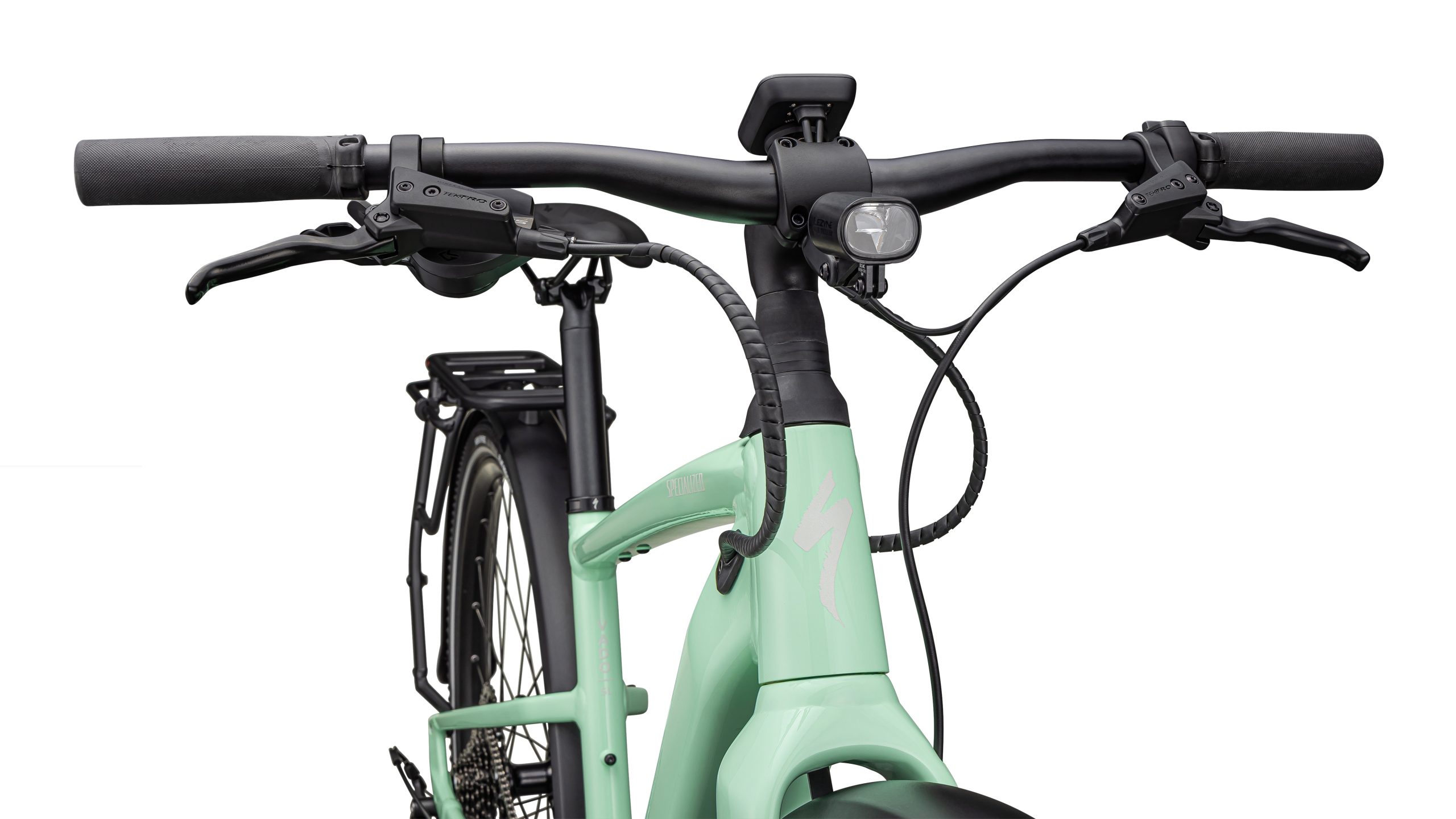
Specialized Vado SL 2 Alloy handlebar with light.
The Vado SL 2 Alloy comes with a rack and front light as standard. Specialized

Unlike the carbon Vado, which is available in both a bare-bones build and the cargo-ready Equipped model, the new aluminium Vado 4.0 and 5.0 are sold exclusively in the latter configuration.

The aluminium models come fitted with an MIK HD pannier rack (which is rated to carry up to 27kg) and DryTech fenders front and rear. 

Road safety and visibility during after-hours riding are taken care of by the included Spanninga Glow Brake Alert Taillight, and both models benefit from front lighting as standard. 

Availability and pricing

Specialized Vado SL 2 Alloy step-through.
It’s also available in a step-through design. Specialized

The aluminium Vado SL 2 is available in two ‘equipped’ iterations, dubbed 4.0 EQ and 5.0 EQ. Unlike the carbon models, they are both available with a step-through frame. 

The Vado SL 2 4.0 EQ is the most affordable option in the line-up, costing £3,500 / $4,500 / €4,250. 

Spend £300 (or $500) more and you get the Vado SL 2 5.0 EQ, which benefits from upgraded Tektro brakes and an 11-speed Shimano Cues drivetrain.

Say goodbye to slipped pedals with Race Face’s new ‘ultra-concave’ Turbine flats

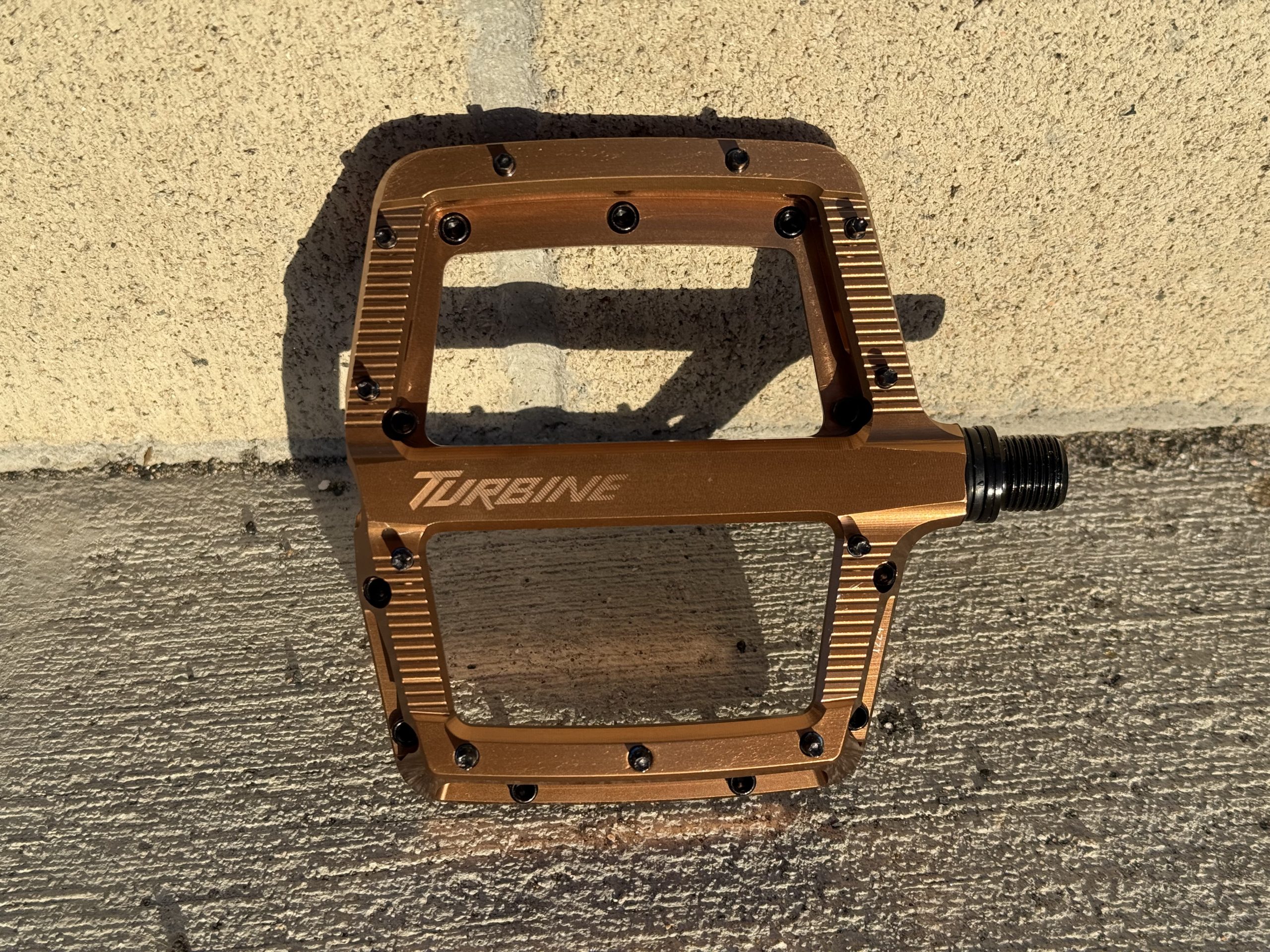
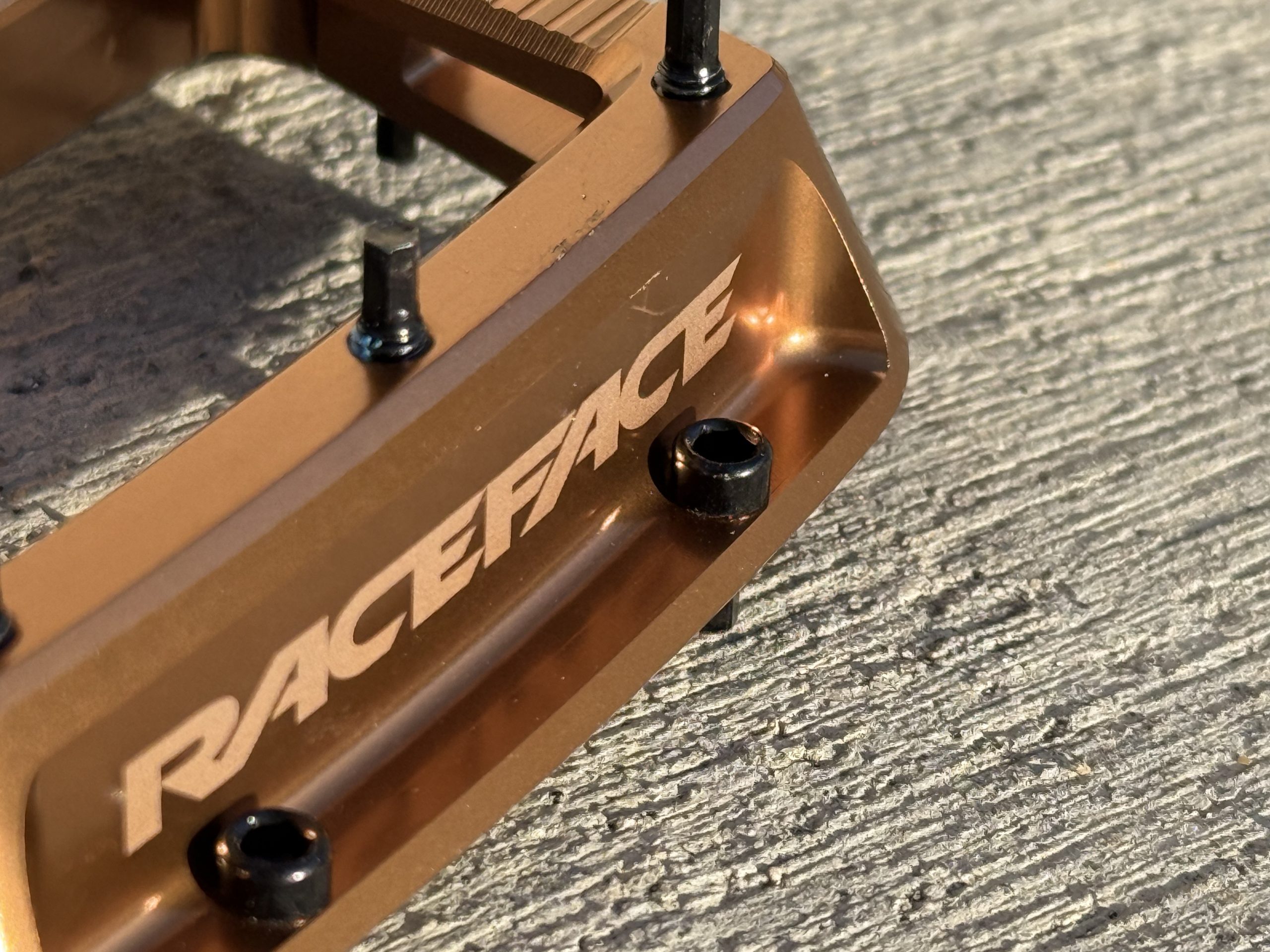
Race Face has released its new Turbine Pedals, which are designed to offer a ‘locked-in’ ride feel for riders seeking extreme levels of grip.

The new mountain bike pedals are positioned towards riders at the rowdier end of the sport, with Race Face saying it has designed the Turbine Pedals for those who want their feet to stay planted no matter the terrain.

At $180 / €199 / AU$295, the Turbine Pedals are priced similarly to the brand’s Atlas pedals, which remain in the Race Face line-up as a less aggressive option.

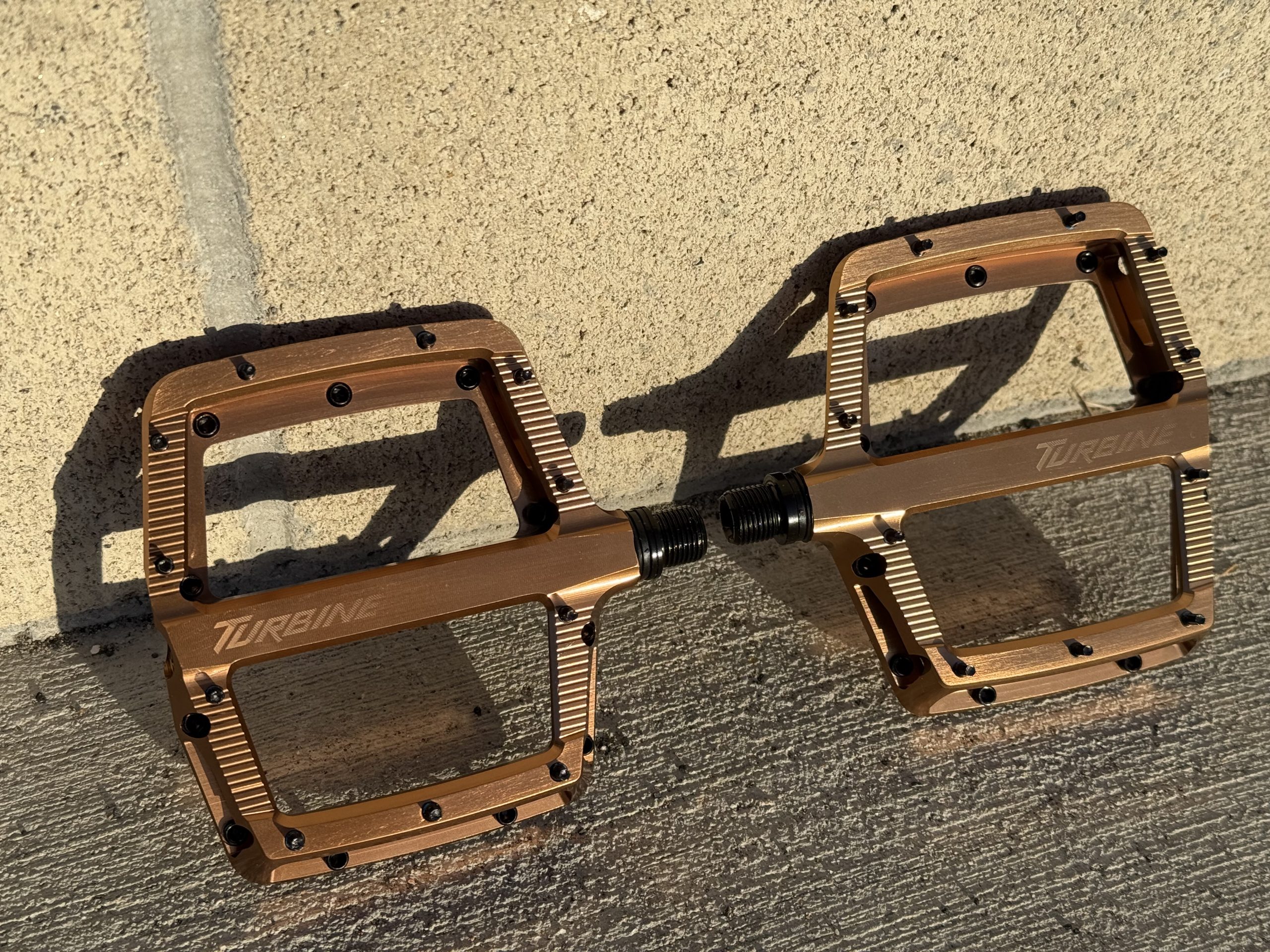
RaceFace Turbine Pedals platforms
The new Turbine Pedals come in a Kashmoney colourway to match Fox’s Kashima-coated forks. Nick Clark / Our Media

Race Face says the 3mm-deep concavity makes the Turbine the most concave pedal platform on the market. However, Burgetc and Praxis also offer 3mm-deep options, while HT’s ANS-10 Supreme had a 4mm concavity.

This bolsters grip levels by increasing the surface area of the interface between your shoe and the pedal, while adding support by cradling your foot in a secure pocket.

RaceFace Turbine Pedals concavity
A nut on the outside of the pedal enables you to access the internals for servicing. Nick Clark / Our Media

Unlike some manufacturers, Race Face has included concavity in the pedal chassis in all directions – front to rear and side to side, which it says results in an unmatched level of control.

Too much concavity can lead to issues with clearance and comfort, while too little compromises a secure feel, with Race Face saying extensive lab testing has enabled it to find the sweet spot.

RaceFace Turbine Pedals one side
The front of the Turbine is wider than the rear. Nick Clark / Our Media

The Turbine Pedals also feature an asymmetric platform that creates a better interface with the sole of your shoe.

It’s wider at the front for increased support, while the shape recesses for better ground clearance.

Unlike the Atlas pedal, the Turbine doesn’t feature a bearing bump on the inbound side of the platform.

Instead, it uses an inboard bushing and an outboard ball bearing, allowing for a larger effective platform and a tighter stance for better ergonomics.

Race Face says the pedals went through one million cycles in testing, with no signs of wear, although the internals are fully rebuildable.

The platform is made from 6061 aluminium and measures 115x110mm with a 20mm maximum platform thickness, not including pins.

RaceFace Turbine Pedals pins
Bottom-mounted Allen-head pins are used for easier replacement. Nick Clark / Our Media

There are 11 height-adjustable pins per side. These are bottom-mounted, which should make for easy removal after rock strikes.

Race Face offers the Turbine Pedals in Black, Silver, Kashmoney, Purple, Orange, Red and Blue – and says they weigh in at 419g per set.

All About Zwift’s New Factory Tour Challenge

My friends, the day has finally arrived.

After years of Zwifters asking for a fourth in-game challenge, with Zwift Insider posting articles and the community offering heaps of challenge suggestions and even creating amazing concept art… it has arrived. Hurray!

Here’s a quick walkthrough:

Getting Started

You must be at level 40+ in order to take on the Factory Tour Challenge. Level 40+ riders probably already know how to sign up for Challenges but here’s a quick refresher anyway…

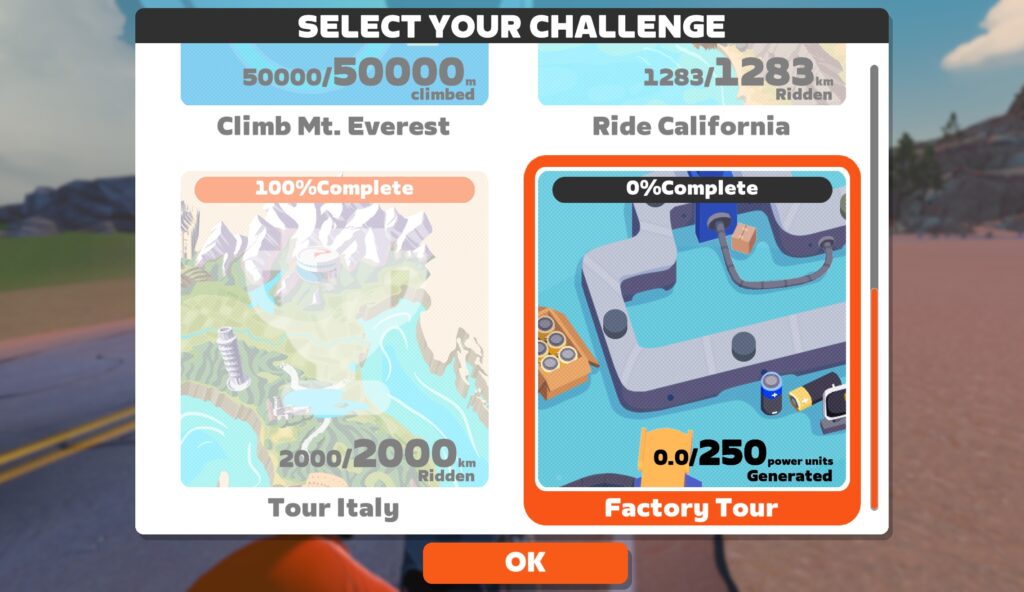
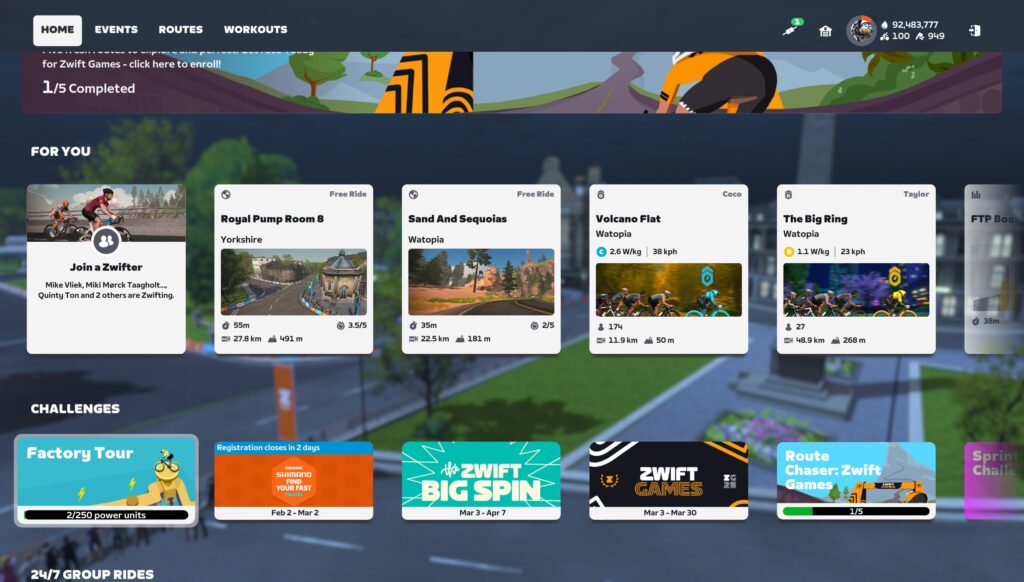
There are three ways to get signed up for the Factory Tour Challenge. The game actually prompted me to do it when I started my Zwift activity – that’s the first screen. It also showed up on my Challenges carousel on the homescreen (second screen). Lastly, you can always access the list of Challenges in the main menu, at the top-right:

What’s a “Power Unit”?

While the other three challenges (Climb Mt. Everest, Ride California, and Tour Italy) are based on accumulated distance or elevation, the Factory Tour Challenge is power-based. (The concept is that you’re powering a RoboPacer factory as you pedal your bike, so the animation for the challenge moves through the factory as you progress.)

Cyclists move through this challenge based strictly on the power you’re putting into the pedals, and progress is tracked using a metric Zwift calls “Power Units”.

One power unit is one watt-hour per kilogram, or Wh/kg. If you hold 1 w/kg (say, you’re an 80kg rider holding 80 watts) for an hour, that’s 1 Wh/kg, or 1 power unit. If you average 2 w/kg across your Zwift rides, each hour of riding will earn you 2 power units.

Finishing the Challenge

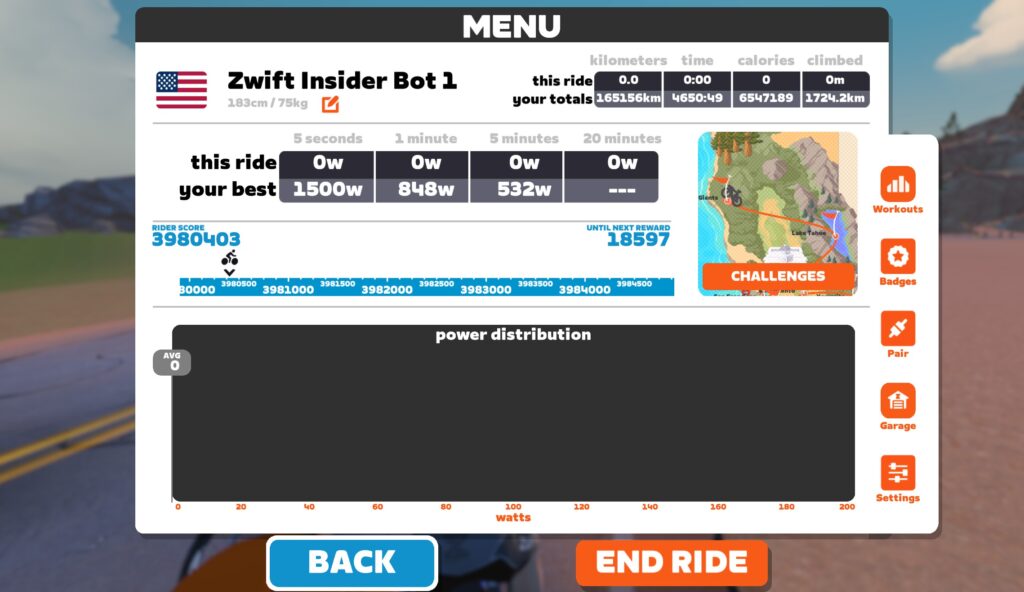
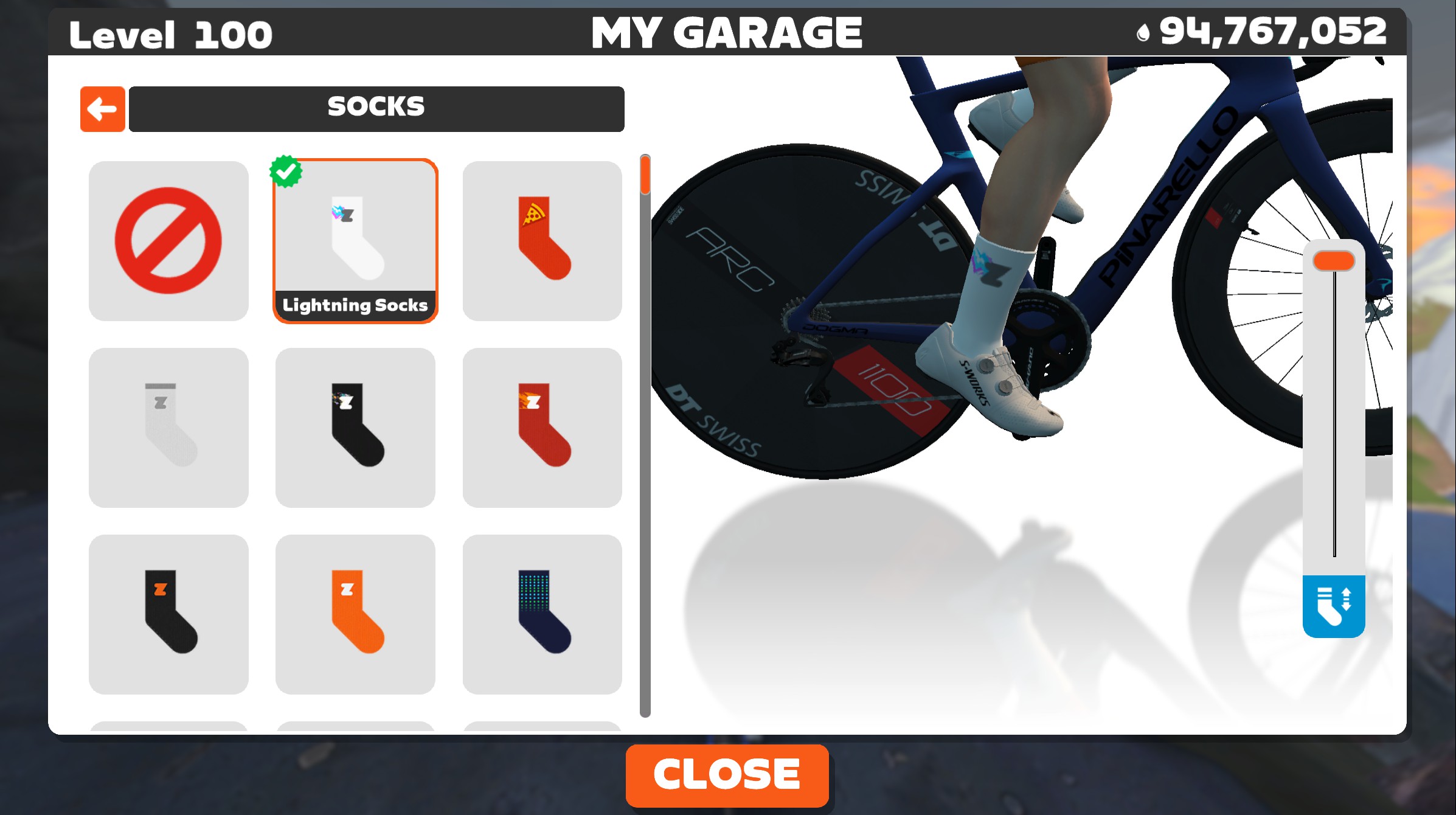
The Factory Tour Challenge is a 2-part challenge, like Climb Mt. Everest. The first part requires 250 power units to complete and awards you with Lightning Socks:

Once you finish the first part of the challenge, your progress will revert to 29% and you’ll automatically begin the second part which requires a whopping 600 additional power units to complete, unlocking the Aero Electric Socks.

How long will it take to complete the entire challenge? For riders, the math is fairly easy. Take your average w/kg multiplied by your hours of Zwifting per week. That’s how many power units you’ll be earning each week.

Examples:

  • 1 w/kg for 5 hours each week earns 5 power units each week, requiring 170 weeks to complete the challenge
  • 2 w/kg for 6 hours each week earns 12 power units each week, requiring 71 weeks to complete the challenge
  • 3 w/kg for 7 hours each week earns 21 power units each week, requiring 40 weeks to complete the challenge

As you can see, this is no short-term challenge. And I think that’s a good thing.

About the Socks

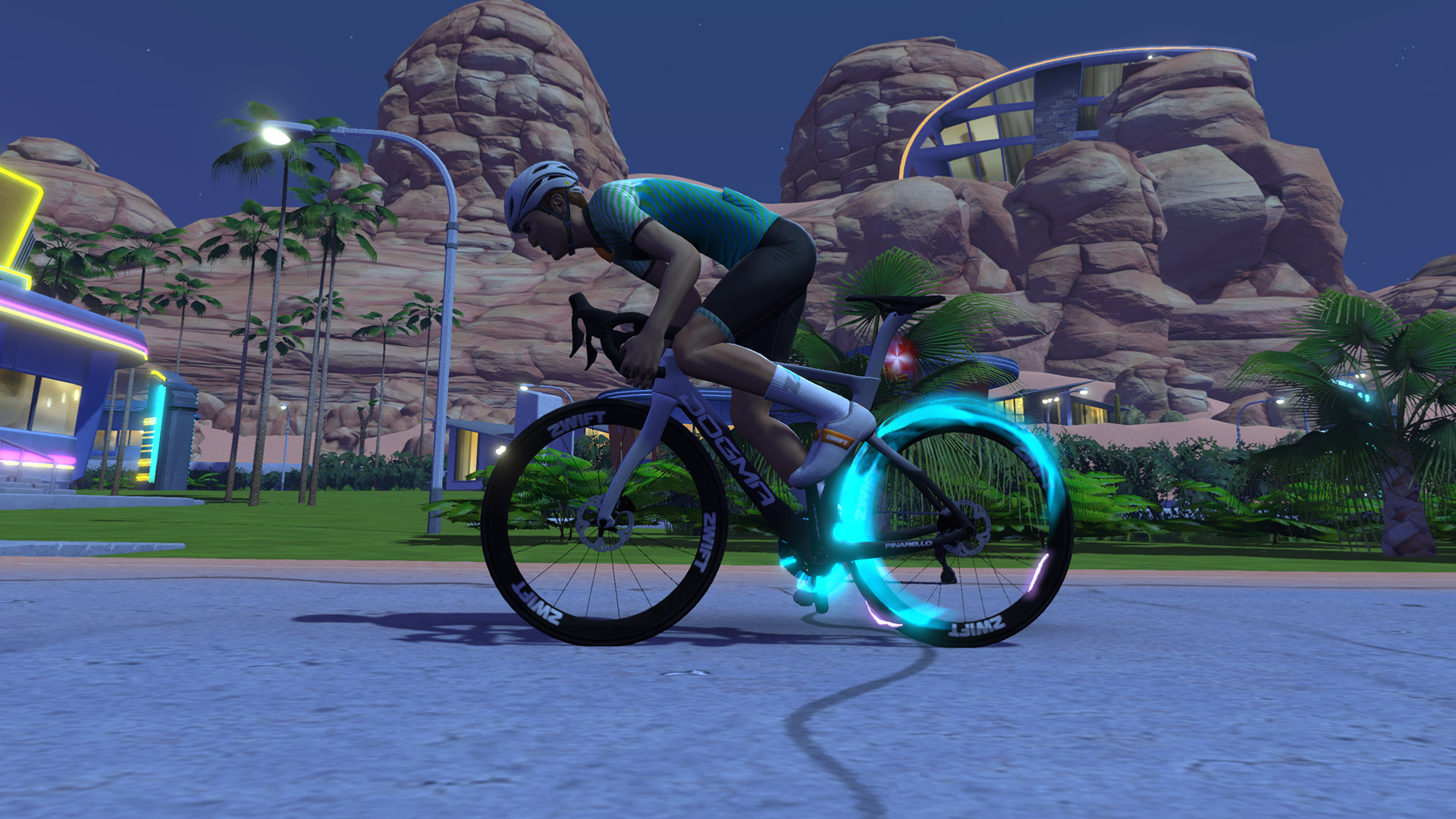
The new Lightning and Aero Electric socks work sort of like Fire Socks in that they unlock cool animations above certain effort levels:

  • @1.5 W/kg: Sparks and Tire Halo (both Lightning & Aero Electric socks)
  • @2.1 W/kg: Tire Sizzle Flash (both Lightning & Aero Electric socks)
  • @2.7 W/kg: Full Aero Lightning Effects (Aero Electric Socks only)
  • @3.2 W/kg: Full Aero Lightning Effects & Lightning Feet (Aero Electric Socks only)

In addition to the visuals, the Aero Electric Socks are particularly special because they are the first piece of performance apparel in Zwift. When you wear the socks, you receive a slight CdA reduction, making you faster in game. (Just how much faster is unclear, but I’ll definitely test the socks once I’ve got ’em.)

A Few Gotchas

There are three limits built into the Factory Tour Challenge, presumably to discourage cheating:

  • You can earn up to 4 Power Units per hour. (This limit resets at the top of the hour, so in theory you could ride at 4 W/kg for one hour, then sprint at 10 W/kg for 24 minutes and earn a total of 8 power units in 84 minutes. Good luck!)
  • You can earn a total of 15 Power Units per activity. If you save your ride/run and start a new activity, this counter is reset.
  • If you get the Cone of Shame (read more about it here) your progress will not count towards the challenge.

Also, a note for Zwift runners: this challenge doesn’t apply to you. While in my tests the game was awarding Power Units while running, those Power Units weren’t actually saved to my account. Reaching out to Zwift, they confirmed that this challenge does not apply to running.

Questions or Comments?

What are your thoughts on this fourth challenge? Got questions, comments? Share below!

Zwift Update Version 1.85 (141681) Released

Zwift version 1.85 begins its phased rollout today. This release delivers “Factory Tour”, the long-awaited fourth challenge, giving experienced Zwifters something to work toward. Read on for details!

New “Factory Tour” Challenge

This one will put a smile on the face of veteran Zwifters! After years of just three major in-game Challenges (Climb Mt. Everest, Ride California, and Tour Italy), today Zwift is releasing a fourth, giving longtime riders something new to work toward.

Called the “Factory Tour”, this challenge has Zwifters powering a RoboPacer factory with our watts. The more watts you put out, the faster you’ll complete the challenge. But it’s no small challenge, and there’s a hidden extra part 2! Here’s a quick video walkthrough:

Learn all about this new Challenge, including unlocks and more, on our All About Zwift’s New Factory Tour Challenge post.

“Tair Dringfa Fechan” Route Is Open

Zwift’s release notes say, “New badge alert: The Tair Dringfa Fechan route in Watopia is now available for free ride.” But that’s not entirely accurate, as the badge was actually added back in November, before races took on this route as the final race of ZRL Round 2 on December 17th.

Be that as it may, today the route changes from being event-only to being available for free rides in game. So all you badge hunters who didn’t race ZRL now have a chance to earn this route badge, and with it the 625XP bonus!

Read all about Tair Dringfa Fechan route >

Release Notes

Zwift provided notes on additional tweaks and bug fixes in this update:

  • In the Zwift Companion Action Bar, the Camera View and Emote menus now automatically close after making a selection.
  • We made it easier to see what you’ve selected when browsing details of events, routes, Climb Portal, and Pacer group rides on the home screen.
  • FIT files now include power target data from workouts.
  • We found the wooded park that went missing in central London and returned it to its proper location.
  • Fixed an issue that could cause riders in the New York world to swerve at an intersection in Central Park.
  • Stability improvements.

Discuss this update in Zwift’s forum >

Questions or Comments?

If you spotted any other changes or bugs in the update, please comment below!

The best bike I saw at Omloop Het Nieuwsblad was this wild gravel-inspired Trek Madone

While an unreleased Zipp wheel with an integrated TyreWiz pressure sensor on Tom Pidcock’s Scott Foil was one of the coolest developments from Omloop Het Nieuwsblad 2025, I loved Emma Norsgaard’s Trek Madone even more.

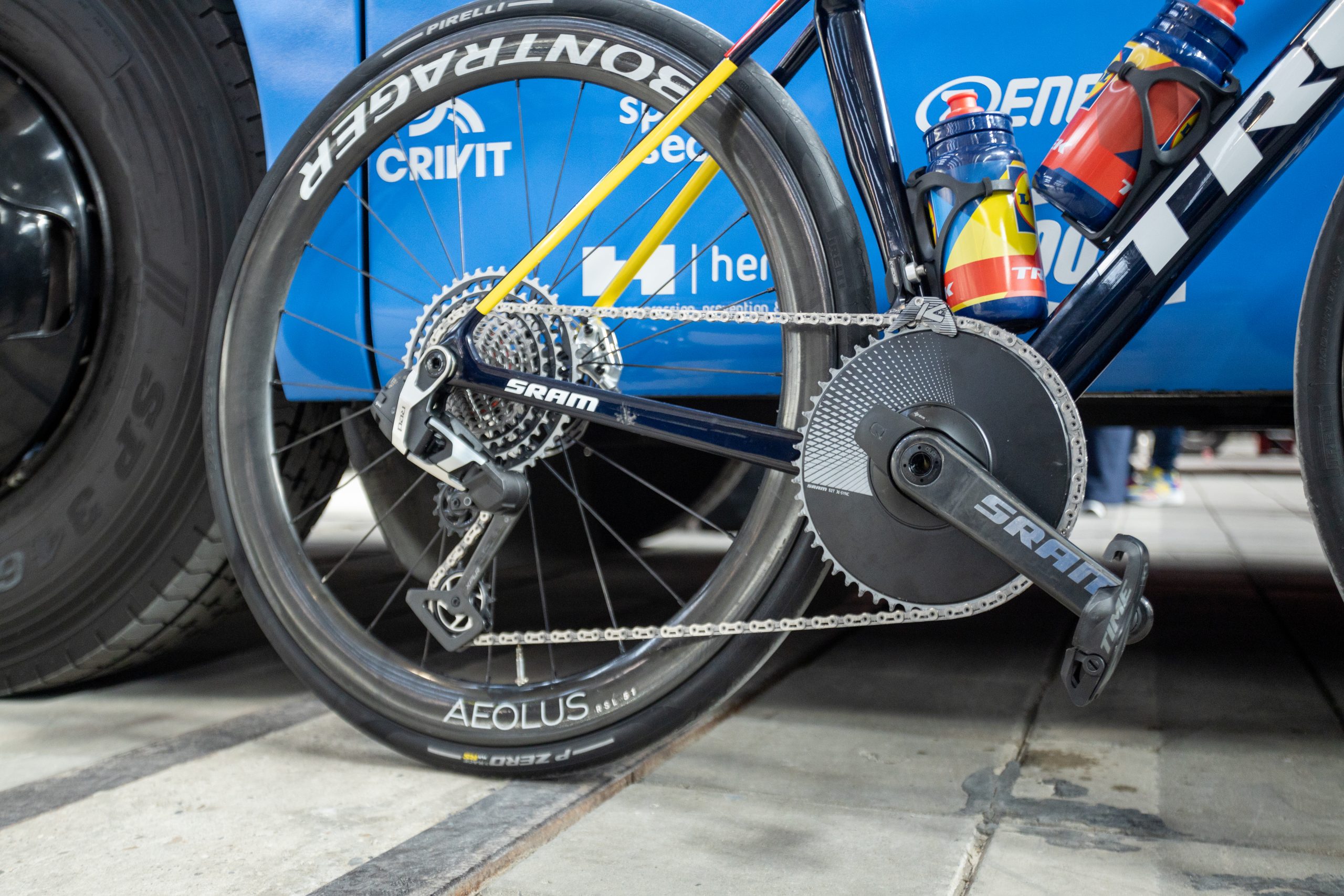
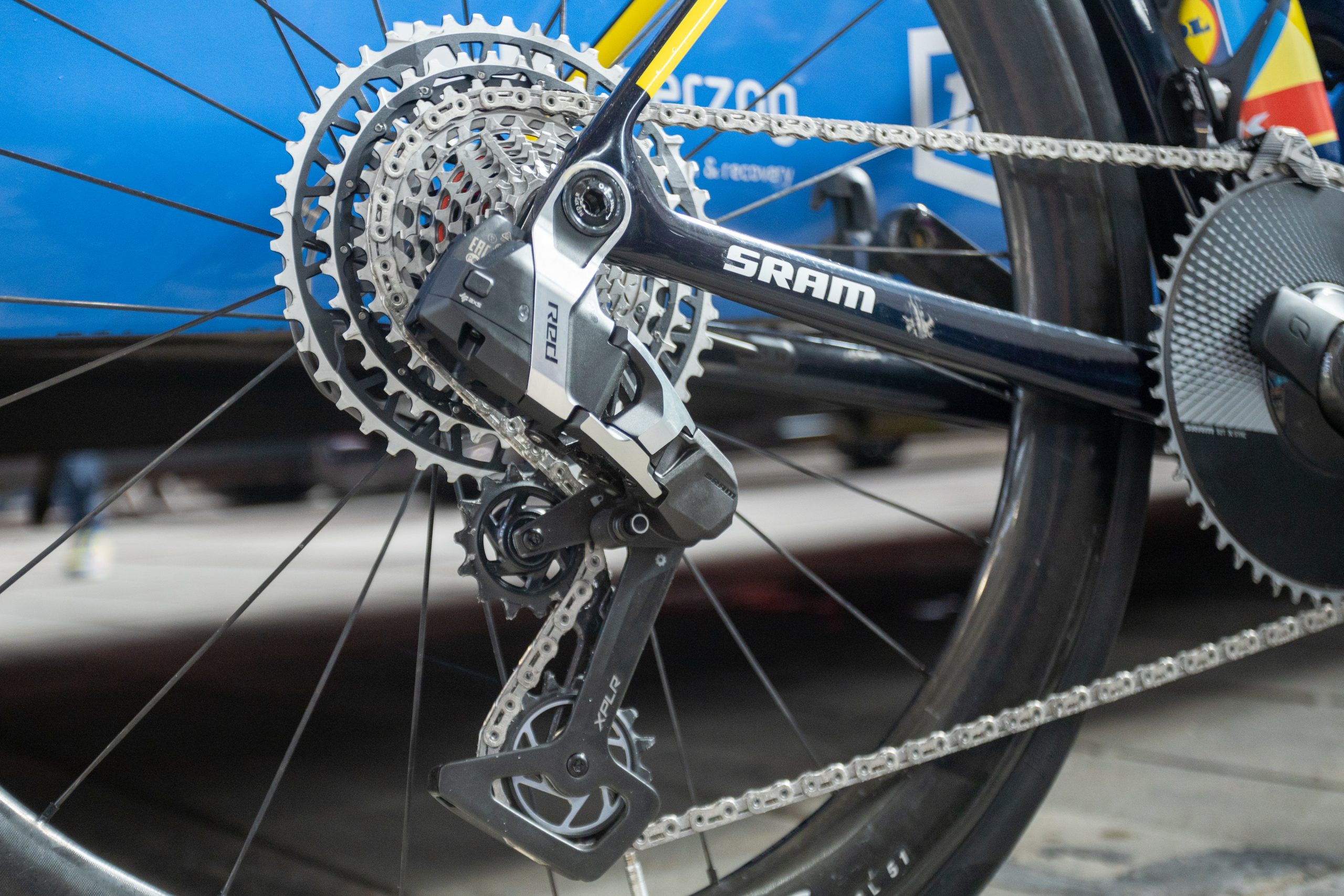
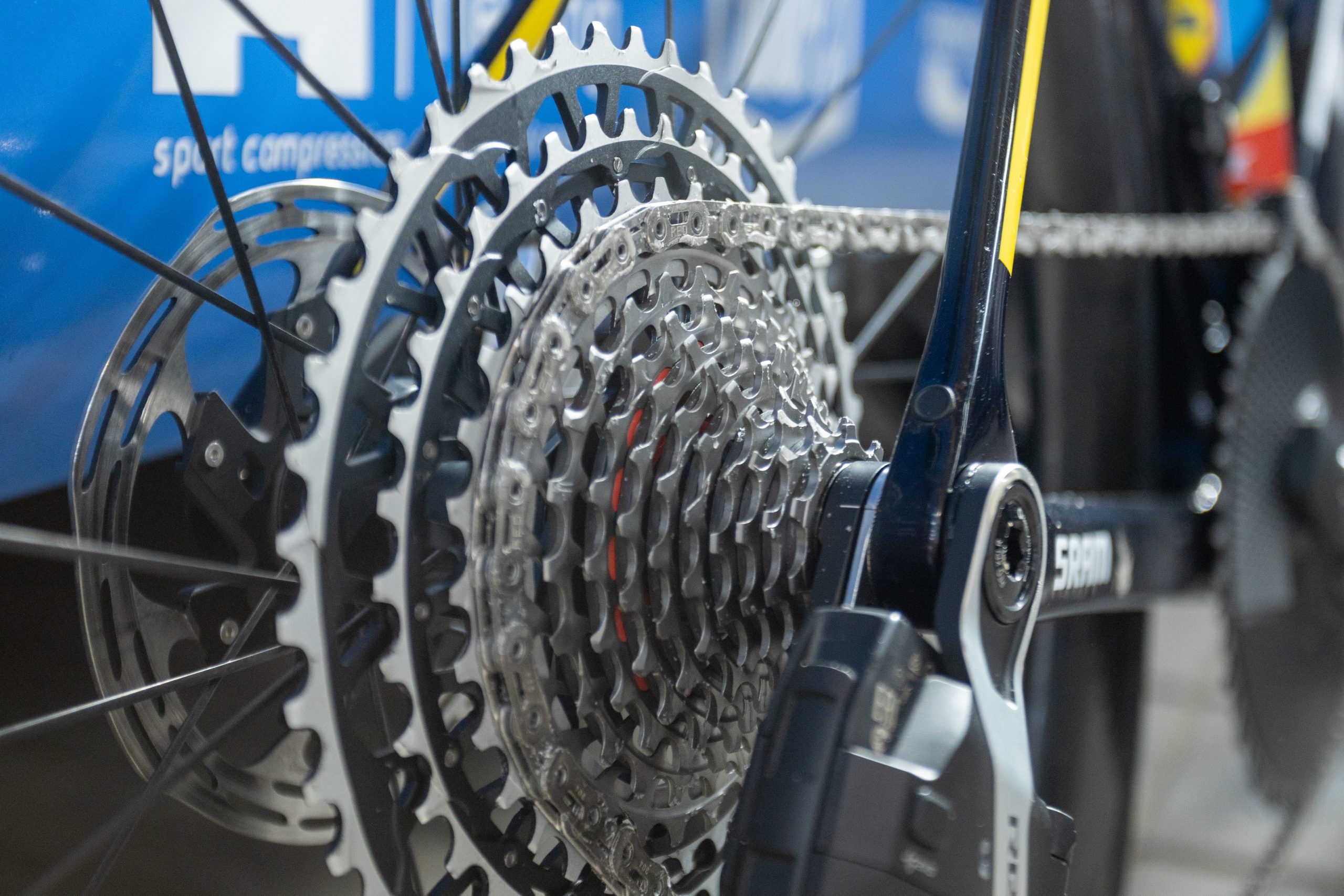
This aero road bike was set up with a mullet-gearing ensemble of SRAM’s Red XPLR AXS rear derailleur, a super-wide 10-46T cassette and a huge 52T aero 1x chainring. 

We have seen a number of riders in recent years opt for a 1x setup at Paris-Roubaix.

Running a 52T 1x chainring means you need a seriously wide cassette out back. Liam Cahill / Our Media

However, these setups almost always feature a relatively tight cassette because there are few hills to contend with in the Hell of the North.

It’s certainly unconventional to see such a large rear derailleur on a road race bike. Liam Cahill / Our Media

Omloop Het Nieuwsblad, meanwhile, is more akin to the Tour of Flanders, with steep climbs and cobbled bergs aplenty. A wider cassette is therefore essential, especially when paired with a large chainring.

SRAM uses a tight cluster at the 10T end of the cassette to give the rider smooth cadence jumps during flatland riding. I’d be very interested to hear Norsgaard’s unfiltered opinion of this setup. Liam Cahill / Our Media

It was also clear to see the Lidl-Trek mechanics had been busy with their Cyclowax chain-waxing machines.

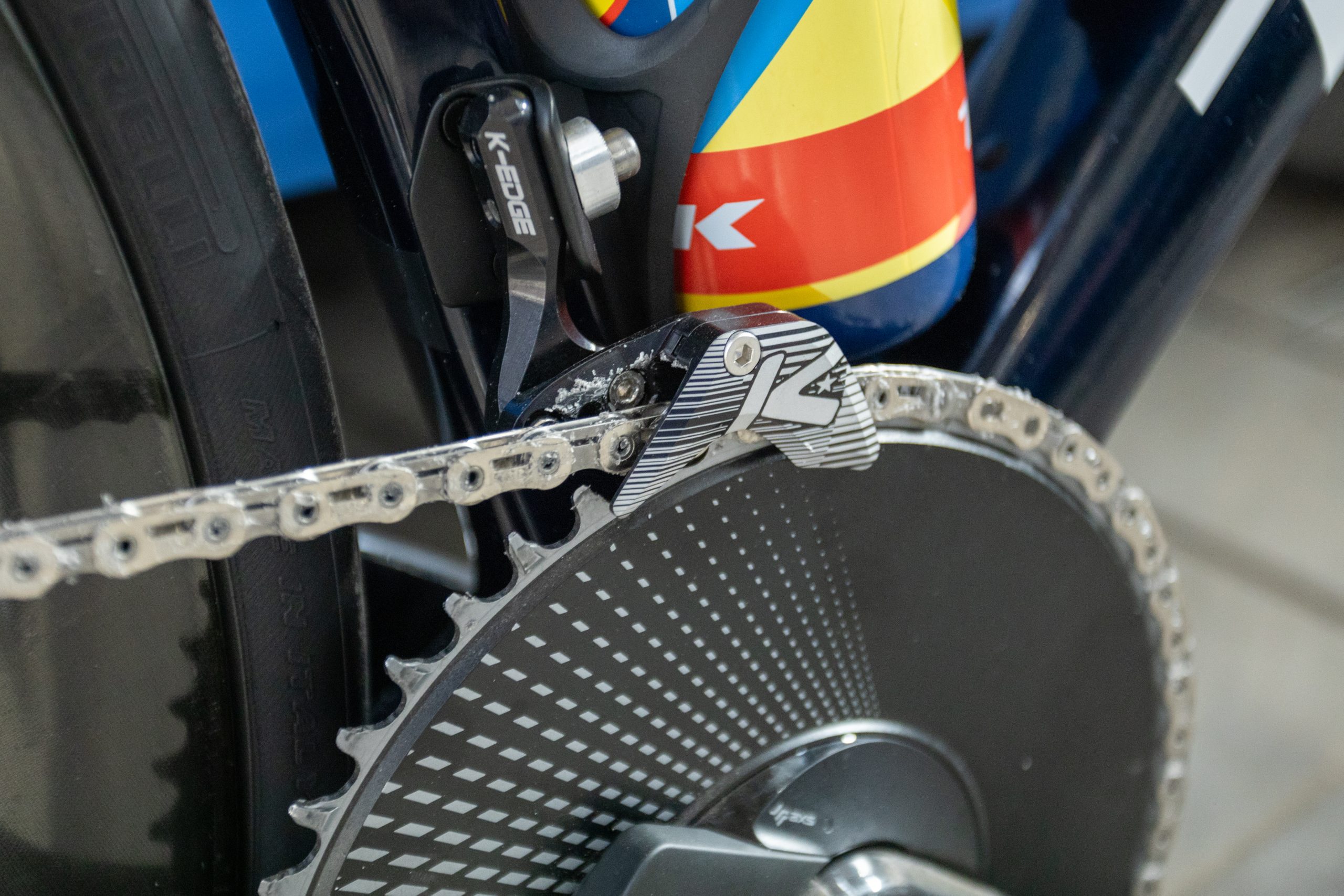
A K-Edge chain guide all but eliminates the chance of a dropped chain. Liam Cahill / Our Media

The team signed a partnership with the brand last year. The device is claimed to be “the holy grail” of immersive chain waxing, because it can wax a chain without removing it from the bike.

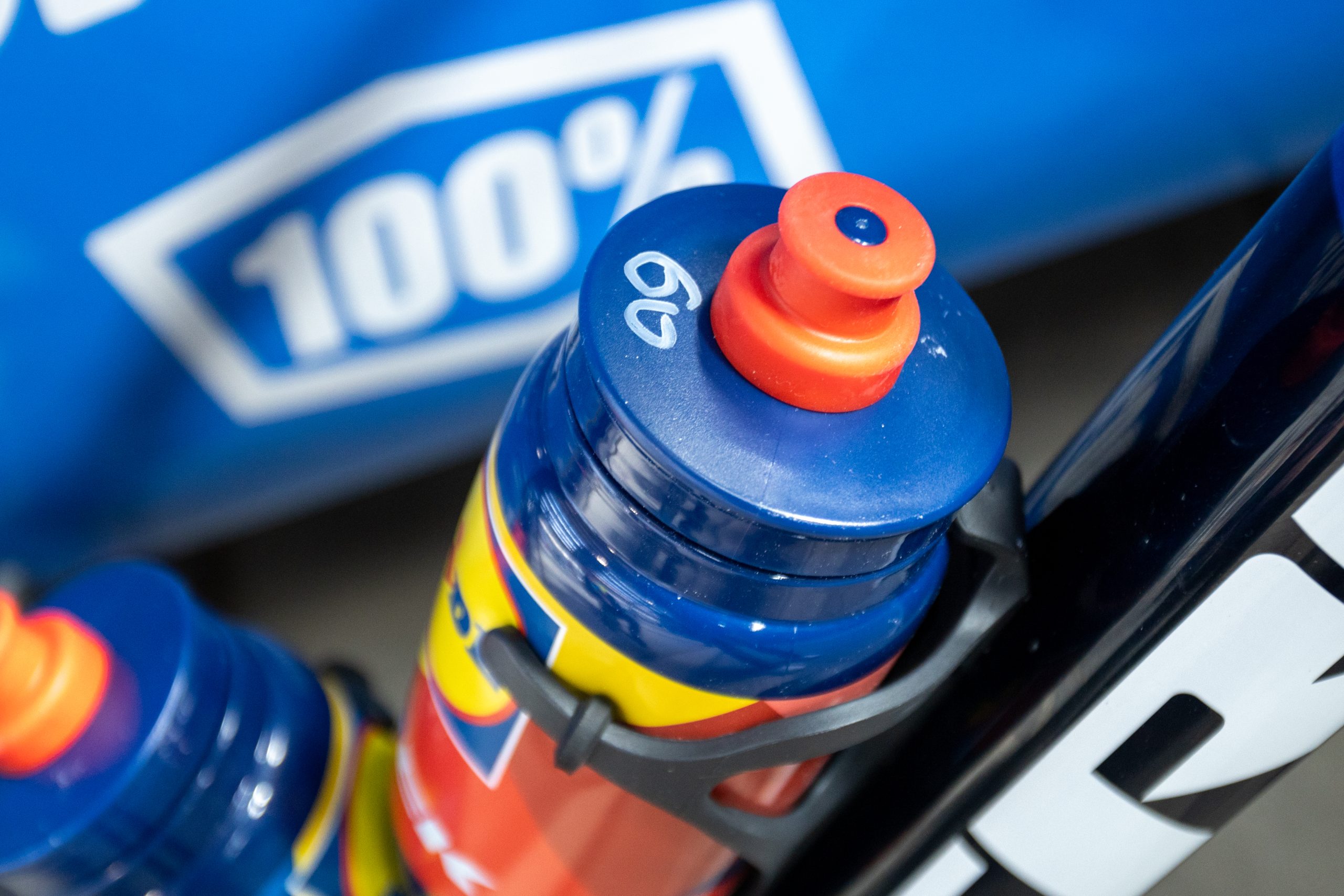
Touches such as this make it easy for the rider to calculate how much fuel they’re taking on. Liam Cahill / Our Media

Other, smaller tech highlights on this bike included bottles marked up with ’60g’, a clear indication for Norsgaard of the carbohydrate content within each 500ml bottle.

However, she’s not going to want those bottles and their precious fuel jettisoning themselves on the bumpy cobbles. The Lidl-Trek mechanics have neatly added extra purchase to the bottle cages.

Gone are the days when a rider’s saddle had to be pretty much flat. Liam Cahill / Our Media

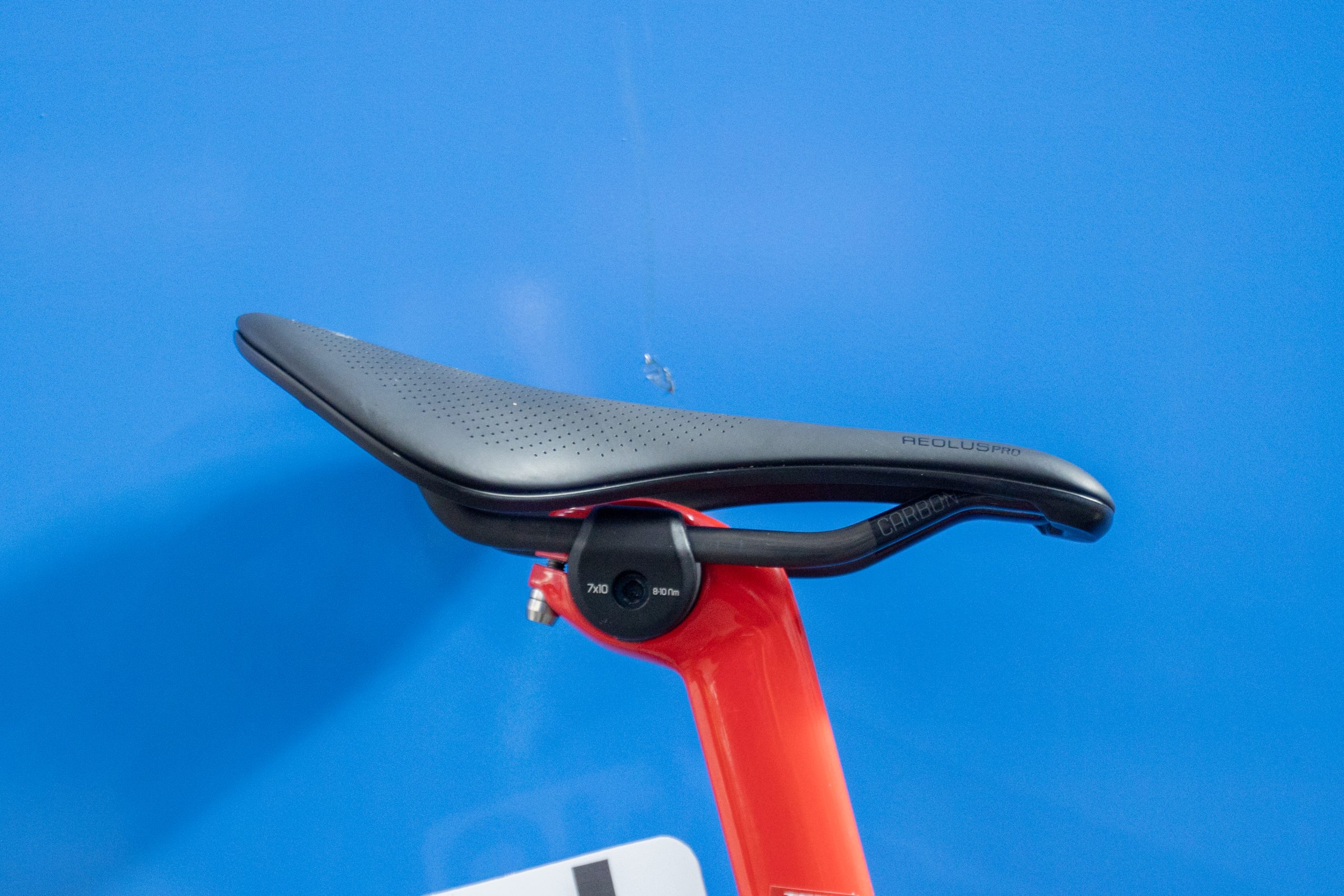
Norsgaard opts for Bontrager’s Aeolus Pro carbon saddle and runs it with a pretty significant drop towards the nose. This is likely to be a comfort choice for her low front end.

While Norsgaard ended up crashing out of Omloop, her bike represents an interesting approach to road race bike setup. I will certainly be keeping an eye on her Flanders gearing choices.

Nissan announces its CEO will step down just one month after failed merger talks with Honda

Nissan CEO Makoto Uchida is stepping down on April 1, the company just announced. He will be replaced by acting Chief Planning Officer (CPO) Ivan Espinosa. Uchida has been CEO since 2019 and Espinosa’s promotion will make him the company’s fourth CEO in eight years.

Other senior management personnel are also stepping down on April 1, including Chief Brand and Customer Officer Asako Hoshino and Chief Strategy and Corporate Affairs Officer Hideaki Watanabe. This leadership shakeup is happening less than one month after merger talks between Nissan and Honda failed.

That deal would have been worth at least $50 billion and would have created the world’s third-largest automobile company by sales volume. Reporting has indicated that the talks fell apart after Honda demanded that Nissan become its subsidiary. Sources at Reuters also noted that Nissan refused to close factories and initiate deep staff cuts.

Nissan’s problems go far beyond failed merger talks. There’s a reason, after all, why Honda wanted to be top dog and not the other way around. Nissan saw a 78 percent year-on-year reduction in operating profits for the third quarter ending in December. It also reported a net loss of over $95 million for the same time period. It cut forecasts for both revenue and operating profit and its stock valuation has been all over the place.

Outgoing CEO Uchida told reporters that he was “unable to gain the confidence” of many Nissan employees since announcing a turnaround plan last year and that the best course of action was to pass “on the baton to my successor quickly.” CPO Espinosa has been with the company since 2003.

“I grew up in Nissan and I’ve spent many years working in divisions across the globe,” Espinosa said. “I sincerely believe Nissan has so much more potential than what we are seeing today.”

This article originally appeared on Engadget at https://www.engadget.com/transportation/nissan-announces-its-ceo-will-step-down-just-one-month-after-failed-merger-talks-with-honda-154420111.html?src=rss

The Best AI Object Erasers for Photos, Ranked

Apple, Google, and Samsung are competing on multiple fronts—from phones, to health apps, to smartwatches—and that rivalry extends to AI tools as well. All of these tech giants offer AI-powered object removal features in their mobile photo editing apps, which ostensibly allow you get rid of an unwanted person, a tree, a hand, or anything else that’s ruining your shot, with only a tap or two on the screen.

However, just because Apple, Google, and Samsung all offer AI object removal doesn’t mean the tools are of the same standard. There’s been a fair bit of chatter online about how these features stack up against one another, so it feels as though a head-to-head object removal test is in order.

These AI tools all work in the same way. Obviously, the tools don’t know what’s really behind the object being removed—but thanks to a combination of clues in the surrounding pixels and the image training built into their underlying models, they can make a reasonably good guess. How good that guess is then determines the quality of the end result.

This test covers three tools: Clean Up (in Apple Photos on iOS), Magic Eraser (in Google Photos on Android), and Object Eraser (in the Samsung Gallery app on One UI). These tools all appear as options when you open images in the relevant apps. For testing purposes, I’ve borrowed some great photos from Taan Huyn, Tolga Ahmetler, and Marek Piwnicki.

(A quick note on the comparison images: There’s some variation in resolution because of how I saved them using various devices; it has nothing to do with the AI tools in question, so you can mostly ignore the sharpness of the pictures.)

Which AI tool is best at removing a lamp from a photo?

Couch and lamp
The original photo.
Credit: Taan Huyn/Unsplash

Our first photo challenge—removing the lamp in the image above—is relatively simple in some ways, but complex in others. There are some useful guidelines for the AI in terms of the wall and the window, but there are also shadows to deal with (including the shadow of the lamp on the wall behind it, which AI isn’t smart enough to know it needs to remove as well).

First up was Apple Clean Up. The tool did a fine job of identifying the lamp as I scribbled over it—I like the glow effect—and once the removal process was complete, the back wall was filled in nicely. Most of the window pane work looked okay too, but there were a few weird artifacts left as evidence of an object removal.

Next was Google Magic Eraser. The lamp wasn’t identified as a suggestion for something to erase, but selecting it was pretty straightforward and accurate in terms of the boundaries. Unfortunately, while most of the job was done well, Magic Eraser left evidence of the lampshade up at the top, like a ghost of what had been there before.

Finally, I tried Samsung Object Eraser. Here the object selection process was a bit more fiddly—it’s more difficult to zoom and pan in Samsung Gallery, and the automatic selection was less accurate. However, the removal job was the best of the three, with both the wall and the windows accurately filled in.

Lamp removal
Apple on the left, Google in the middle, and Samsung on the right.
Credit: Lifehacker

Which AI photo tool does the best job removing a person from a photo?

Man walking
The original photo.
Credit: Tolga Ahmetler/Unsplash

Our second photo challenge is removing the walking man from this street scene, and it’s a tricky one—the AI has to imagine most of the white car behind our primary subject, as well as fill in the road and its markings. What’s more, it’s a darker scene, with the foreground in focus and the background getting increasingly blurry.

With Apple Clean Up, the tool’s automatic selection wanted to clear away the cars in the background rather than the man in the foreground, but selecting him was easy enough. The AI fill results were patchy, and got worse further back in the scene, with the car at the back turning into a pixelated mess.

Over to Google Magic Eraser, which also wanted to erase people in the background rather than the foreground. It had some trouble picking out the man against the dark and wet street—and it then had difficulty both removing all of the man and replacing the pixels properly. It borrowed pixels from the wrong part of the image on the whole, and the tool couldn’t even carry on the yellow line consistently.

As for Samsung Object Eraser, again the selection process was a bit awkward, but ultimately it did a perfect job of selecting the male figure against the background. It then did really well at removal: It was the only AI to actually end up with a realistic looking car and road after the man had gone. While it’s not perfect, this would probably fool most people at first glance.

Man removal
Apple on the left, Google in the middle, and Samsung on the right.
Credit: Lifehacker

Which AI photo tool is best at removing a bicycle from a photo?

Bicycle and field
The original photo.
Credit: Marek Piwnicki/Unsplash

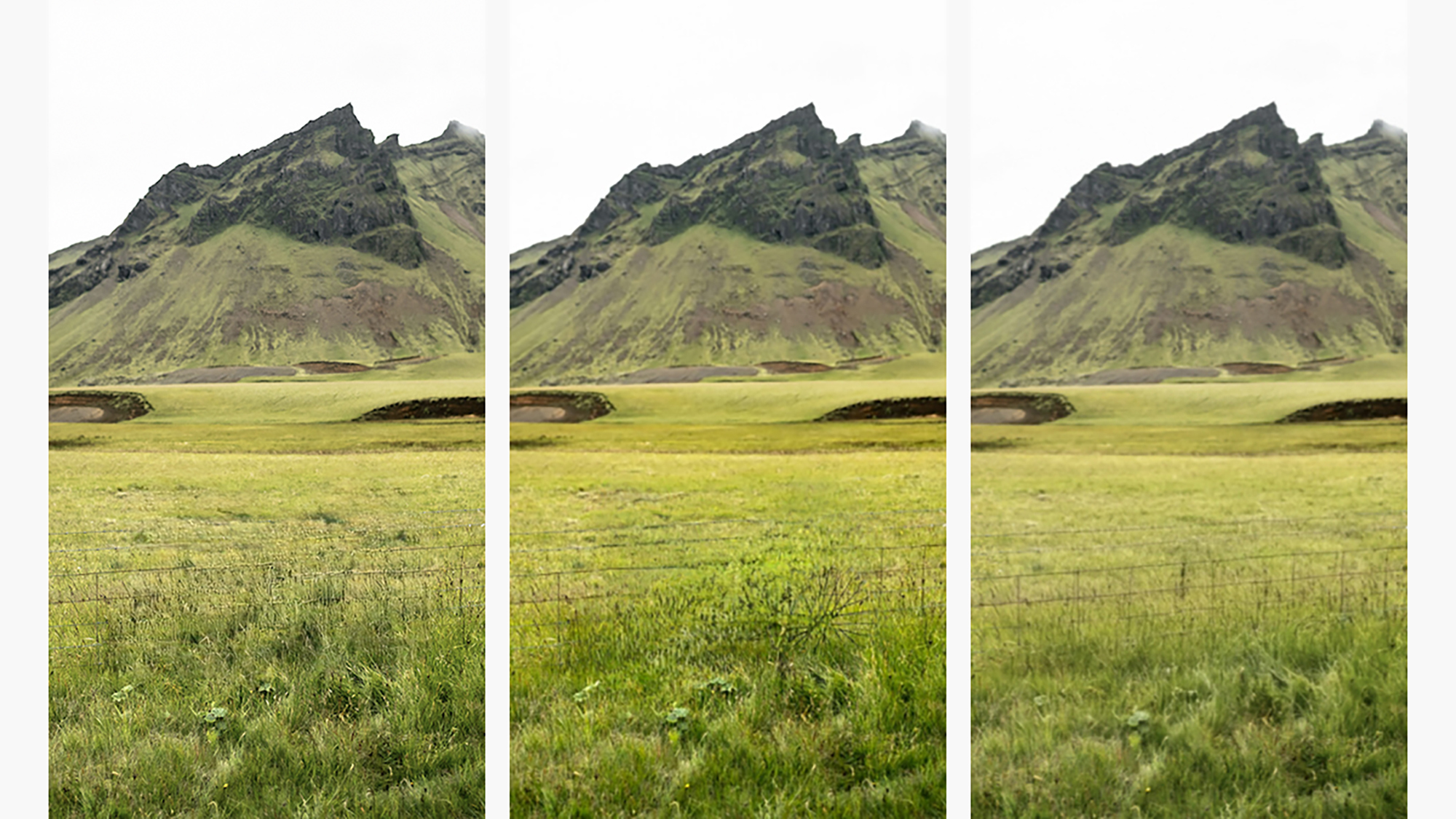
This third photo challenge, removing the bicycle from this scene, offers a lot of information for the AI to use in terms of the surrounding field. The barely visible fencing behind the bike adds to the difficulty, so I was interested to see if these tools would try to continue the fence, or just ignore it and go with the grass.

With this one, Apple Clean Up needed a few goes to get the whole of the bicycle selected—possibly because it doesn’t appear to be one single object. When that was done, Clean Up was reasonably proficient at filling in the blanks, though both the greenery and the fence it created showed inconsistencies.

Google Magic Eraser also needed several attempts to get the entirety of the bike selected. It tried to fill in the fence as well as the field, and while the results weren’t a disaster, there were obvious errors—some of the bike wheel spokes are still there, for example. It was maybe slightly better than Apple Clean Up, but not by much.

As with the man in the street, Samsung Object Eraser was the best at making an accurate selection first time around, and better at putting something convincing in the space that was left. Both the field and the fence were filled in an accurate, realistic way, and this could easily pass as an unedited photo.

Bicycle removal
Apple on the left, Google in the middle, and Samsung on the right.
Credit: Lifehacker

The final verdict: Samsung’s tool performs best

The first thing to say is that your mileage may vary with these sorts of tasks—as you will see if you look at similar comparison challenges from around social media and the internet at large. Every photo has different characteristics, and every AI tool has its own approach in dealing with object removal.

In terms of my tests, Galaxy AI and Samsung’s Object Eraser are the clear winners. The tool seems to take more time over the replacement pixels, and does some actual image generation rather than just copying and pasting pixels from elsewhere in the image—as you can see with the car on the street. That’s just an AI imagining of a car, not the actual car, but it makes for a photo that looks genuine.

Apple and Google did okay, and were about on a par with one another. The selections are easy to make (easier than with the Samsung, actually), and some more straightforward removal tasks are handled perfectly well. However, these AI removal features do tend to struggle with complex operations where there are fewer clues about how the background should look.

Ultimately, it’s unlikely that anyone’s going to change their phone solely because of the AI object removal tools it offers, but it’s interesting to chart the progress these three companies have made with their AI offerings. It’s also worth noting that Google Photos and its Magic Eraser are available on all Android and iOS devices, which puts pressure on Apple and Samsung to keep up (or stay ahead).

The New Photoshop iPhone App, Unpacked

The following content is brought to you by Lifehacker partners. If you buy a product featured here, we may earn an affiliate commission or other compensation.

Photoshop has been the industry standard in image-editing software for over 30 years, but up until now, creators have been limited to using it on their computers and tablets. The recent launch of the first Photoshop iPhone app has (finally) changed that.

Now you can go to the App Store, search “Photoshop,” and download the spanking-new Photoshop iPhone mobile app. It’s available for free with an impressive feature set, but if you’re a savvy Photoshop user, the $7.99 a month/$69.99 a year Photoshop Mobile and Web Plans unlocks a wider set of premium features. 

This rundown of the app’s key offerings will help you choose what’s right for you.

The ‘freemium’ version is ideal for beginners 

A photo being edited

Credit: Adobe

The mobile app’s free version is an excellent entry point for mobile creators who want to build their Photoshop skills.

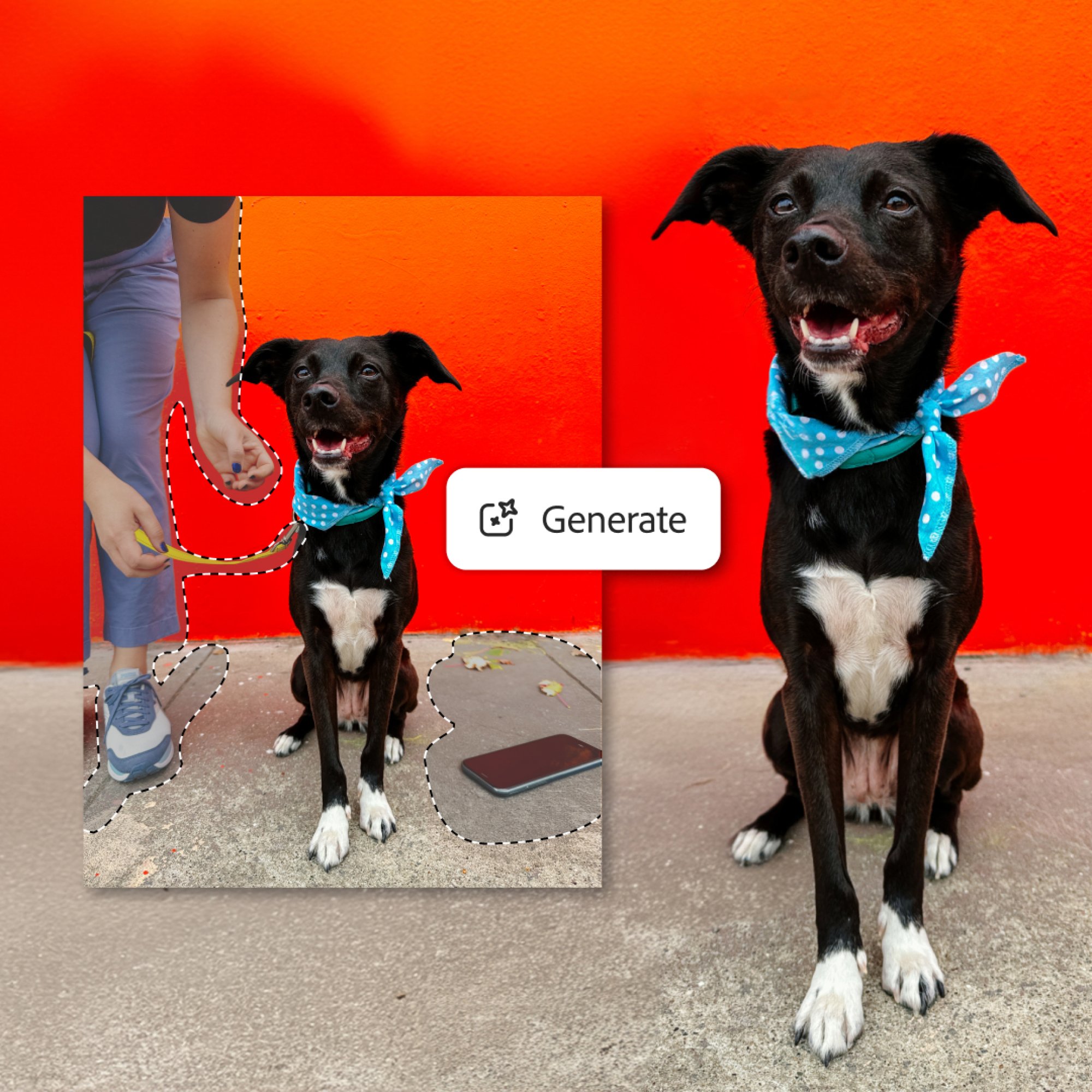
The free toolkit includes several Photoshop editing tools, including the Spot Healing Brush, unlimited layers and masks, and a new Tap Select tool that makes it a snap to edit photos on the small screen by tapping on the object you want to highlight, instead of having to wrestle with tools.

The freebie also comes with the Firefly-powered Generative Fill and Generative Expand AI tools, which let you fill in what’s missing or remove unwanted elements from images in seconds. 

The premium plan has more tools, plus web

A photo being edited

Credit: Adobe

If you have Photoshop experience, the Mobile and Web Plan unlocks full access to Photoshop for iPhone and iPad, plus Photoshop on the web. Add in 100GB storage and 100 generative credits a month, and you’re ready to create from anywhere.

Additional premium mobile tools include Object Select, Magic Wand, Remove Tool and Clone Stamp, plus the handy Content-Aware Fill, which allows you to fill portions of an image with content sampled from other parts of the image.

All of your mobile files will automatically sync with your go-to Creative Cloud apps and Photoshop on the web, so you can work across all your devices.

Exclusive AI webtools uplevel your content

A photo being edited

Credit: Adobe

If you use AI to generate content, the premium plan also comes with exclusive access to next-gen Firefly AI web tools such as Reference Image, Generate Background, and Generate Similar, which lets you generate multiple variations of the same image. 

Adobe’s first-ever Photoshop iPhone app makes it easy to create on your phone and is a win for all skill levels. Download the free version or subscribe to the loaded Photoshop Mobile and Web Plan for just $7.99 a month.

[$] The road to mainstream Matrix

Matrix
provides an open network for secure, decentralized communication. It
has enjoyed some success over the last few years as an IRC replacement
and real-time chat for a number of open-source projects. But adoption
by a subset of open-source developers is a far cry from the mainstream
adoption that Matthew Hodgson, Matrix project lead and CEO of Element (the company that created
Matrix), would like to see. At FOSDEM 2025, he discussed the
history of Matrix, its missteps in chasing mainstream adoption, its
current status, as well as some of the wishlist features for taking
Matrix into the mainstream.

TCL’s New QM7K QD-Mini LED 4K TVs Crank The Brightness And Rock Premium B&O Audio

TCL's New QM7K QD-Mini LED 4K TVs Crank The Brightness And Rock Premium B&O Audio
It’s only been a few months since TCL introduced its QM6K series TVs (at the Consumer Electronics Show in January), the first in its extensive lineup to feature the company’s ‘Precise Dimming’ technology, and it’s already old news. The newer kid on the block is the QM7K series, the second in its Precise Dimming lineup with some notable upgrades.

As

Firefox Certificate Expiration Threatens Add-ons, Streaming on March 14

A critical root certificate expiring on March 14, 2025 will disable extensions and potentially break DRM-dependent streaming services for Firefox users running outdated browsers. Users must update to at least Firefox 128 or ESR 115.13+ to maintain functionality across Windows, macOS, Linux, and Android platforms.

The expiration additionally compromises security infrastructure, including blocklists for malicious add-ons, SSL certificate revocation lists, and password breach notifications. Even those on legacy operating systems (Windows 7/8/8.1, macOS 10.12â”10.14) must update to minimum ESR 115.13+.


Read more of this story at Slashdot.