DeepSeek Expands Business Scope in Potential Shift Towards Monetization

Chinese AI startup DeepSeek has updated its business registry information with key changes to personnel and operational scope, signaling a shift towards monetizing its cost-efficient-yet-powerful large language models. From a report: The Hangzhou-based firm’s updated business scope includes “internet information services,” according to business registry service Tianyancha. The move is the first sign of DeepSeek’s desire to monetise its popular technology, according to Zhang Yi, founder and chief analyst at consultancy iiMedia.

With eyes on developing a business model, DeepSeek intends to shift away from being purely focused on research and development, Zhang added. “The move reflects that for a company like DeepSeek, which managed to accumulate technology and develop a product, monetisation is becoming a necessary next step,” Zhang said. DeepSeek’s previous business scope said it engages in engineering and AI software development, among others, hinting at a more research-driven approach.

Read more of this story at Slashdot.

The Best Instagram Alternatives If You’re Sick of Meta

There are a million reasons not to use Instagram, from it taking up too much of your time to not wanting to support Mark Zuckerberg. While the best alternative might be just getting off social network altogether, hey, who’s perfect? Perhaps you’re just tired of doomscrolling, or you want more control over your feeds. There are better options out there for you.

Here are a few of my favorite photography-first social media platforms not owned by Meta (yet).

Instagram alternatives for the social butterfly

Pixelfed

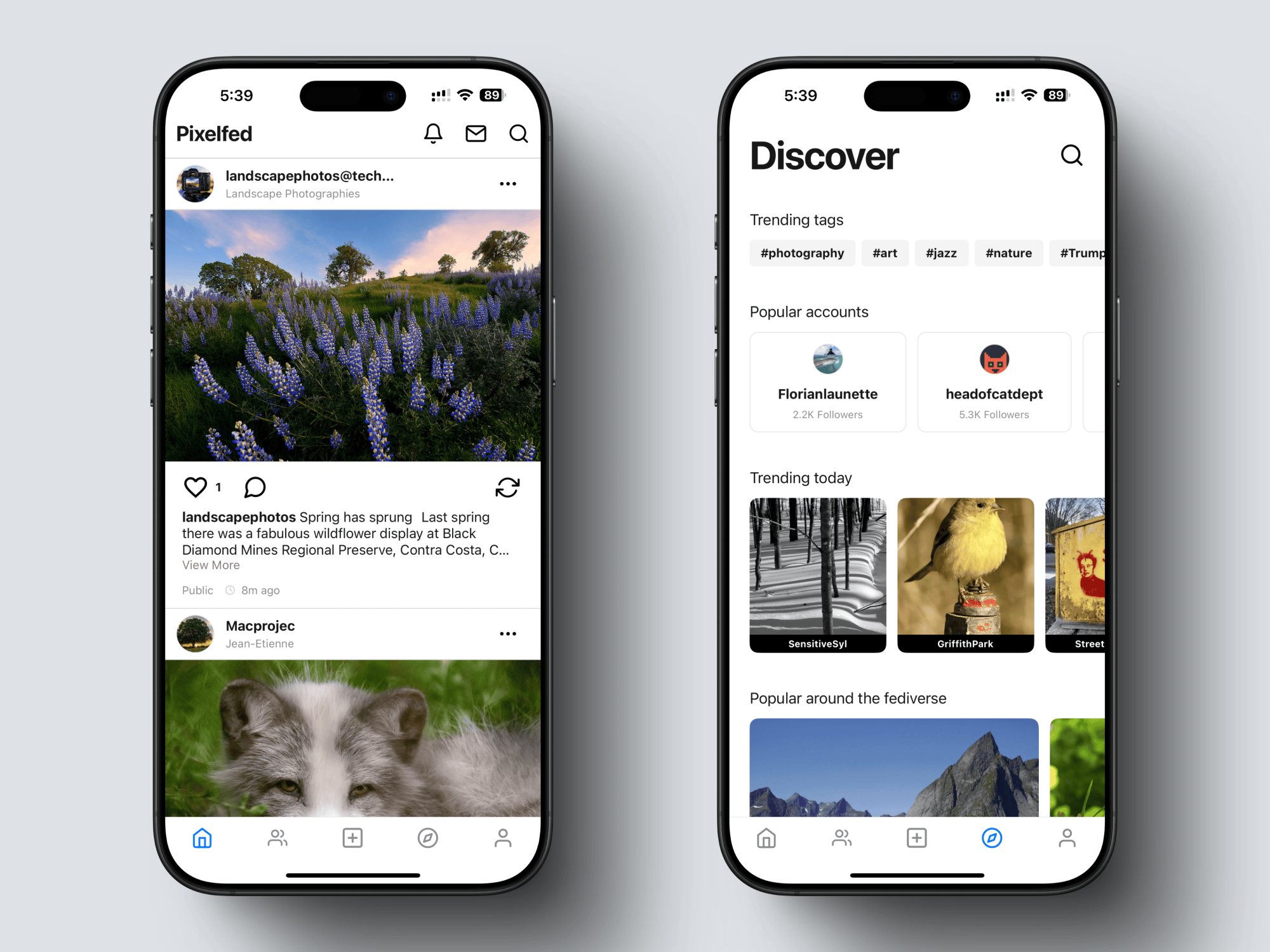
Pixelfed on iPhone.

Credit: Khamosh Pathak

Pixelfed tries to take you back to the old days of Instagram. Back when all you used to see was a wall of photos. No stories, no videos, no reels, nothing. Just people that you knew, or were inspired by, sharing their photos. No ads, no algorithms, just photos from people you follow, or topics that you’re interested in. Pixelfed used to run only on its website, or through third-party apps, but now it has native apps for both iPhone and Android, making using it so much easier.

Pixelfed is a federated app, meaning it runs on the same technology as Mastodon, so you can just sign in with your Mastodon account and post photos to Pixelfed and your Mastodon feed at the same time. Though, you don’t need to combine the two if you’d rather not. You can create a new account on a separate Pixelfed server to keep those two lives separate. And if you hate starting fresh, you can import your Instagram feed to Pixelfed using its import tool.

Photographers especially are enjoying the Pixelfed, calling it a “breath of fresh air“. If you manage to tag your posts right and add strong captions, you will end up with quality engagement, something that can be much harder to find on Instagram, in between all the sponsors and bots.

Pinksky

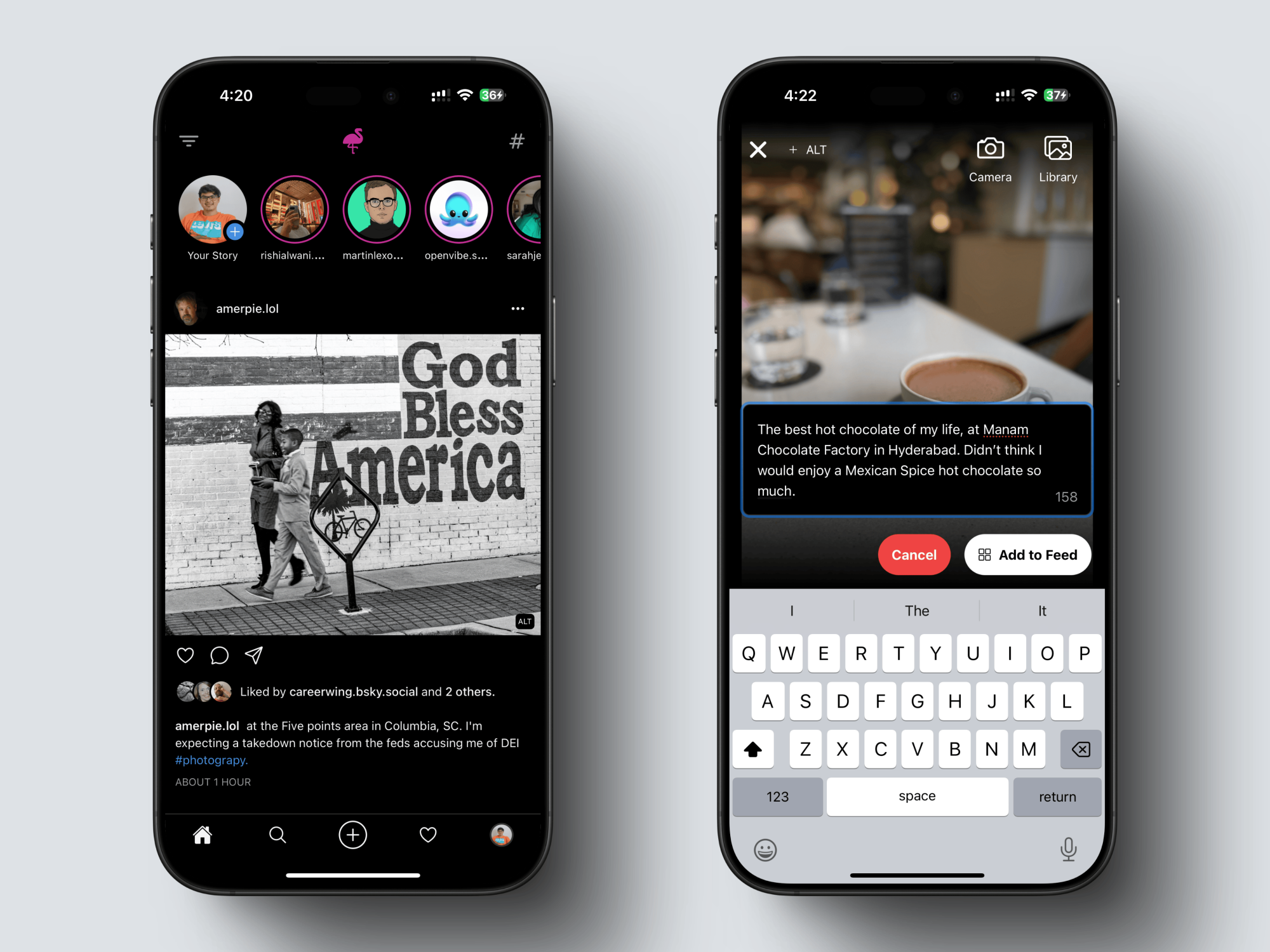
Pinksky on iPhone.

Credit: Khamosh Pathak

Pinksky is a really interesting third-party app built for Bluesky using the ATProtocol network. Bluesky is proving to be a popular alternative to both X and Threads, and this third-party app converts Bluesky into a kind of Instagram alternative, too.

You sign-in using your Bluesky account (secured with OAuth), and the app will filter all the content from your feed to only show photos and videos. Unlike Pixelfed or other Instagram alternatives, Pinksky requires no setup at all. Just follow people who post great media content, and open Pinksky to filter out anything but that.

Pinksky does add one unique feature that Bluesky doesn’t have yet—Stories. You can use the app to post photos or links that disappear in 24 hours (though they will still be visible on your Bluesky account). Plus, Bluesky also supports custom feeds, so you can create a photography focused feed in Bluesky and then use Pinksky to view it.

Pinksky is available on iPhone, Android, and even as a web app.

Flashes, a similarly designed app, is currently available in Beta, and should launch publicly soon.

Snapchat

It might sound weird, but if you’re facing Instagram burnout, it could be time to look at Snapchat again. No, it’s not a sexting app (or intended as one, anyway), nor is it an app for just teenagers. In the age of doomscrolling, an ephemeral platform like Snapchat, which deletes most content after some time has passed, might be a way to connect with people that goes beyond sharing reels.

If your aim for a social network is to share your life in a visual way, to connect with your friends, Snapchat is actually a great way of doing that. You can post stories, view and reply to messages, and there are always those Snapchat filters to play with. Of course, there are no Reels and no algorithmic feed even, but isn’t that kind of the point here?

Tumblr

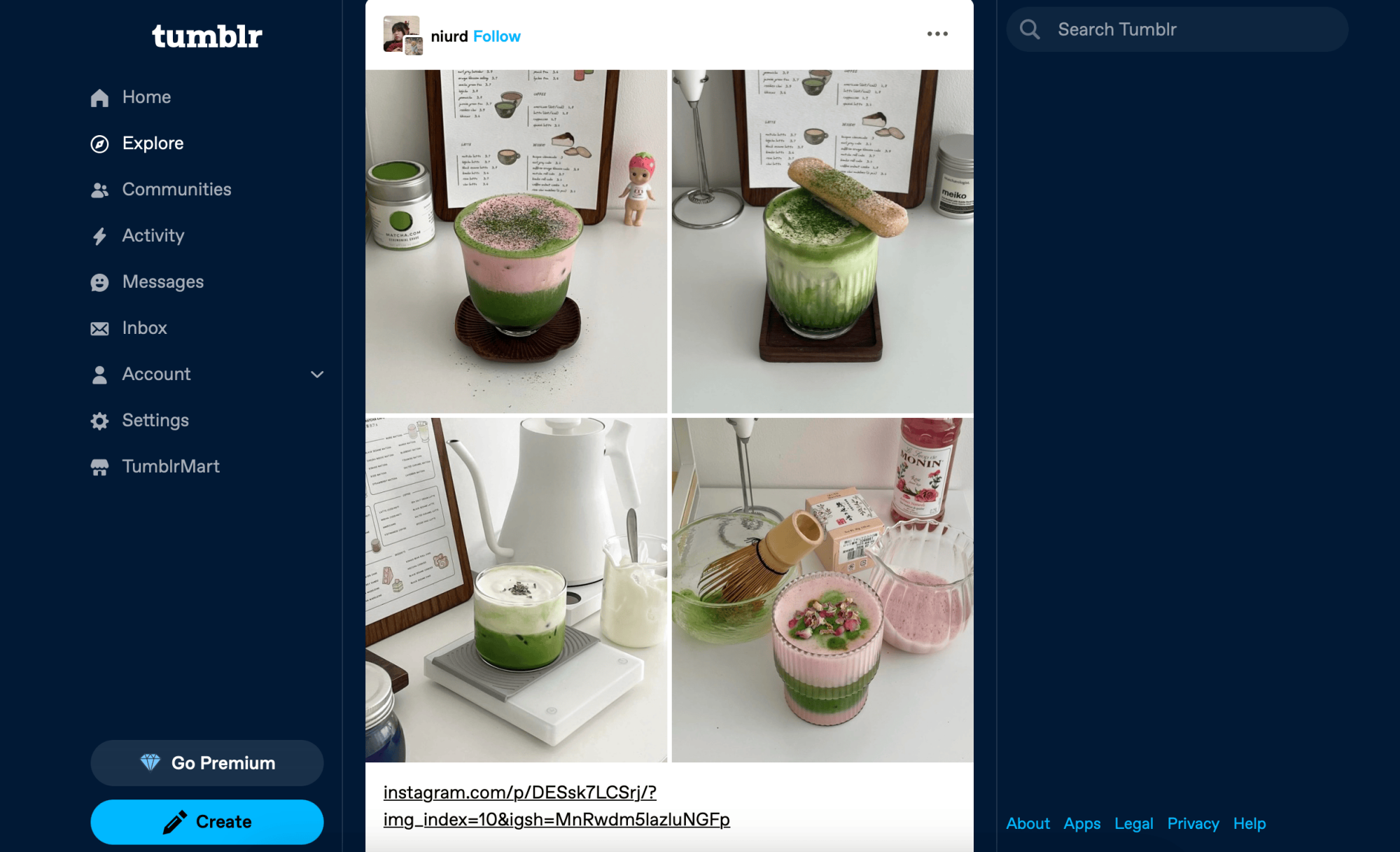
Tumblr website on laptop.

Credit: Khamosh Pathak

Yes, Tumblr is still a thing, and depending on who you ask, thriving just fine. A spin on the traditional blogging platform, you can post text, images, videos, audio, or even GIFs here. You can repost anything you like to your blog, too. There are communities to join, the Explore page for finding new content, and profiles you can follow to build your own feed. If you’re looking for a wide variety of content, Tumblr might be a good choice for you.

Instagram alternatives for serious photographers

VSCO

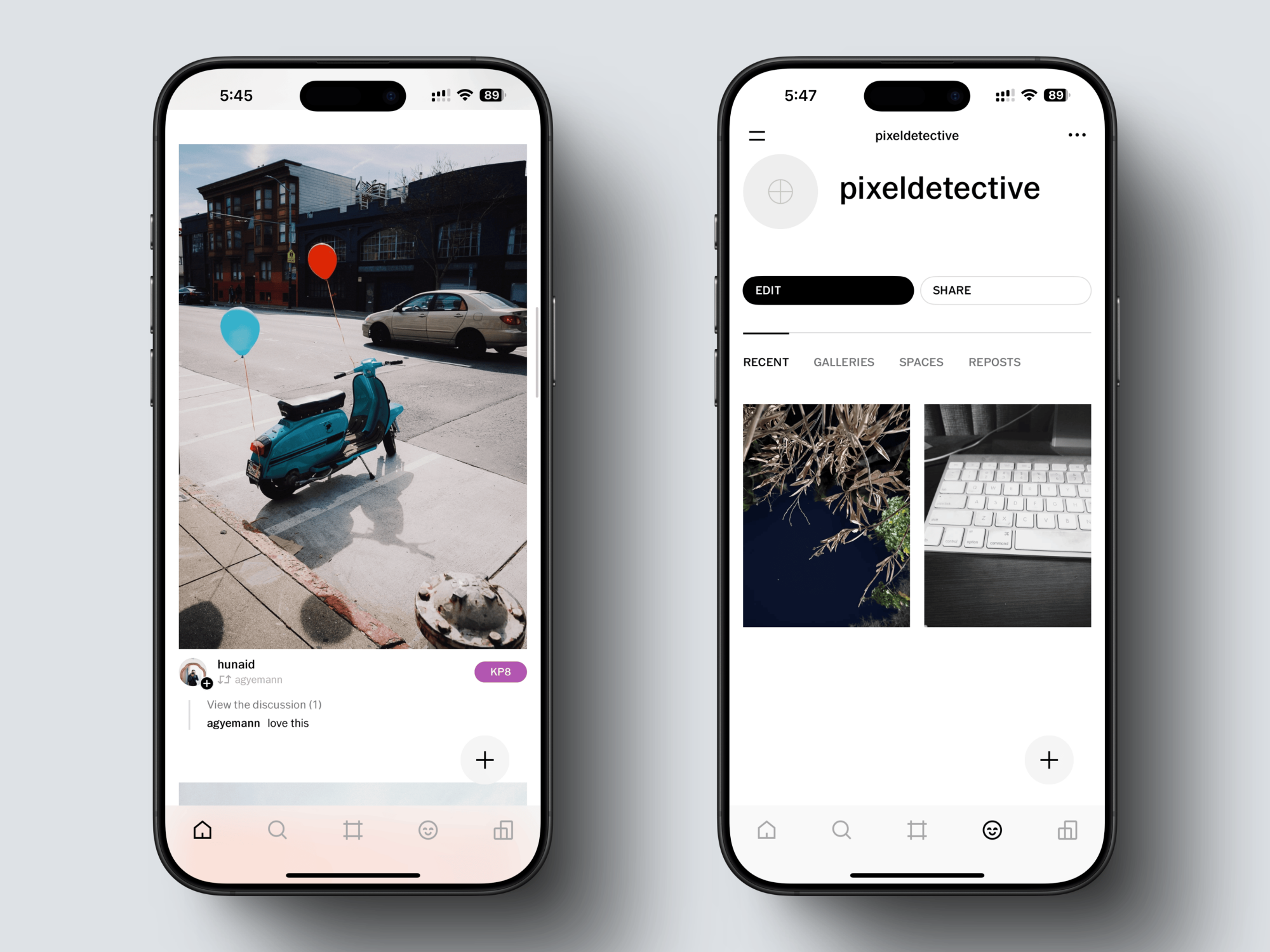
VSCO app for iPhone.

Credit: Khamosh Pathak

Technically, VSCO is a photo and video editing app. But over the years, it has amassed a niche but active community of photographers that use the app to post their own creations.

VSCO’s strengths lie in its photo filters and editing suite. You can customize the filters to create a unique style with surprising ease. The app features a minimalist design, devoid of ads or any doomscrolling tactics. VSCO is free to post to, but to access to those coveted presets and filters will cost you $29.99/year.

Flickr

Flickr is still a strong pillar in the photography community. First, you get to upload images in full resolution with no compression, and you get to organize photos with albums, galleries, and tags. You also get 1,000GB data for free, which is more than enough for most users. There are ads, but a Flickr Pro subscription will remove them, along with the storage limit.

Glass

Glass is a relatively new player in the field, and you can think of it as a new-age alternative to Flickr. It focuses on presenting you with a beautifully designed, algorithm-and-ad-free showcase of photographs, and in fostering a safe community. There are no free plans here, so people who get into Glass are serious about their craft. A Glass subscription costs $40/year.

Alternatives to Instagram Reels

TikTok

TikTok is not really an alternative to most of Instagram’s content, but it’s surely the king of short-form video. TikTok’s For You page algorithm is tuned to show you more of exactly what you’re into, and as seen by how popular the app is, it works. If you just want to watch video, TikTok can be a great alternative to Instagram Reels. Alternatively, you can post photos, although these have to be uploaded as “slideshows,” which can be a bit more cumbersome to scroll through than videos.

YouTube Shorts

With YouTube Shorts, you might end up doomscrolling, but you can do it in peace. That’s how I like to think of it. The social element is much less noticeable here, and comments are easy to ignore. Plus, YouTube’s recommendation engine knows you really well, at least in my experience. If you want a more relaxing alternative to Instagram Reels where you won’t be bombarded with notifications about the 17 reels your friend shared that day, it’s a good choice.

Acer to raise prices by 10 percent following President Trump’s tariffs

Acer laptops are getting a price hike in the US come March. In an interview with The Telegraph, Acer’s chief executive and chairman Jason Chen announced a 10 percent increased cost for all products due to President Trump’s tariffs on China. 

His straightforward statement is one of the first clear cause and effects of Trump’s import taxes. “We will have to adjust the end user price to reflect the tariff,” Chen stated. “We think 10 percent probably will be the default price increase because of the import tax. It’s very straightforward.” Acer’s most expensive laptop, the 17-inch Acer Predator Triton gaming laptop, could go up to $4,178 from $3,799. 

Trump introduced a ten percent tariff to China this month, the country responsible for about 80 percent of laptop imports to the US. While he had claimed tariffs wouldn’t impact consumer prices, he changed his tune last week, admitting that, surprise, surprise, they could. 

Time will tell if all items increase in price next month or only recently imported devices. Chen also shared that the company is considering moving some of its manufacturing to other countries, including the US. 

This article originally appeared on Engadget at https://www.engadget.com/computing/laptops/acer-to-raise-prices-by-10-percent-following-president-trumps-tariffs-165351758.html?src=rss

Nokia is Putting the First Cellular Network On the Moon

An anonymous reader shares a report: Later this month, Intuitive Machines, the private company behind the first commercial lander that touched down on the moon, will launch a second lunar mission from NASA’s Kennedy Space Center. The plan is to deploy a lander, a rover, and hopper to explore a site near the lunar south pole that could harbor water ice, and to put a communications satellite on lunar orbit. But the mission will also bring something that’s never been installed on the moon or anywhere else in space before — a fully functional 4G cellular network.

Point-to-point radio communications, which need a clear line of sight between transmitting and receiving antennas, have always been a backbone of both surface communications and the link back to Earth, starting with the Apollo program. Using point-to-point radio in space wasn’t much of an issue in the past because there never have been that many points to connect. Usually, it was just a single spacecraft, a lander, or a rover talking to Earth. And they didn’t need to send much data either. “They were based on [ultra high frequency] or [very high frequency] technologies connecting a small number of devices with relatively low data throughput,” says Thierry Klein, president of Nokia Bell Labs Solutions Research, which was contracted by NASA to design a cellular network for the moon back in 2020.

Read more of this story at Slashdot.

Six Factors to Consider When Choosing a Streaming Device

We may earn a commission from links on this page.

If you’re looking for a flexible option for streaming your favorite content, you’ll want to consider a portable streaming device, like a streaming stick or a streaming box, over a smart TV. Narrowing it down from there depends on a few different factors, so I’ve broken it down into six different categories to help you choose what makes the most sense.

Device type

Most streaming devices fall into one of two categories: streaming sticks (like the Fire TV Stick 4K and the Roku Express 4K+) and set-top boxes, such as the Apple TV 4K and the Fire TV Cube.

Streaming sticks are a little larger than a USB drive and plug directly into your TV’s HDMI port, while streaming boxes are a few inches square and connect via an HDMI cable. Sticks are more compact and portable, while boxes typically have additional ports, such as an Ethernet jack for wiring into your modem or router and a USB port for sharing and playing media. Both come with remotes.

Google, Roku, and Amazon have both streaming device types in their lineup, while the Apple TV 4K is a box. (Nvidia’s Shield TV and Shield TV Pro are also boxes.)

Operating system

Picking a streaming OS can help narrow your device selection considerably. There are four major OS options to choose from, each with their own benefits. Roku’s interface is the easiest to navigate, while Google TV offers more personalized content recommendations. If you are already in either the Amazon or Apple ecosystem, you’ll feel comfortable with Amazon Fire TV or Apple TV, respectively.

Compatibility with your other devices

Another layer of OS comparison should include compatibility with your smart home ecosystem and the apps and services you use most. Fire TV will integrate seamlessly with an Alexa-powered system, as will Google TV with Google Assistant and other tech in the Google lineup. Apple TV allows you to use your iPhone as a remote and plays nice with other Apple devices. You don’t have to stay in the same ecosystem, but doing so is likely to eliminate some friction and reduce the learning curve.

Most popular streaming services (Netflix, Hulu, Prime Video, etc.) are available across all streaming devices, so there’s not much to differentiate here. However, there are some apps—iTunes and Google Play, for example—whose content is restricted to specific platforms.

Streaming quality

You probably want top-notch picture and sound quality for your streaming content, so check each device’s specs for which video and audio formats are supported. Most new streaming sticks and streaming boxes support 4K and HDR (including HDR10, HDR10+, Dolby Vision) content, so you get more detailed textures, more accurate colors, and smoother, sharper visuals. Some devices also support Dolby Atmos (for surround sound) and higher frame rates (for gaming and high-speed action).

Of course, your TV will also need to 4K-compatible to take full advantage of a 4K streaming device—otherwise, your picture will be downscaled to your TV’s resolution.

Connection speed

All streaming devices have built-in wifi and some will also come with an Ethernet port for a wired connection. If your stick or box supports Wi-Fi 6 (along your wireless router), you’ll get faster speeds. As Consumer Reports notes, you’ll need speeds of at least 15 to 25 Mbps to take advantage of 4K—faster if you’re using your connection for anything else at the same time.

Price

A final consideration if you’re still not set: price. Streaming sticks like the Roku and Fire TV stick are great budget-friendly devices that you can probably get for $20 to $40, while an Apple TV 4K will set you back around $130 if purchased new.

Someone squeezed an iPhone SE 3 into a Nokia Lumia 1020, and it looks amazing

The Nokia Lumia 1020 is back, well, sort of. An enterprising tech enthusiast (and Redditor) has stuffed the innards of an Apple iPhone SE 3 into a Lumia 1020 case to create something called the “NokiApple LumiPhone 1020 SE.” This is a fully-functioning smartphone that, more importantly, looks really awesome.

It’s more than just an iPhone SE wrapped in a Lumia case. Redditor OceanDepth95028 kicked the project up a few notches by ensuring that the iPhone internals work with a fingerprint reader on the back of the device. They also added a custom SIM card slot and made the Lightning port look like a micro-USB port, as originally reported by 9to5Mac.

Not only does this phone function, it even supports 5G. It also receives OTA updates, which makes sense considering that it’s, essentially, a working iPhone SE 3. The maker had to move some buttons around to get everything to fit and they took liberties with the camera button, which can now act as a volume key switch or a shutter button.

The iPhone SE 3 uses the A15 Bionic chip, so this frankenphone is capable of running modern apps. The gadget’s designer says, despite being a one-off project, this device could be used as an everyday smartphone. The only caveats? The Redditor couldn’t get Apple Pay or wireless charging to work. But still, look at this thing! It’s very pretty, thanks to the design of the original Lumia 1020.

For the uninitiated, the Nokia Lumia 1020 came out in the latter half of 2013. It was one of the more popular phones that ran the now-defunct Windows Phone OS, thanks to its signature look and the fantastic camera system. The iPhone SE is Apple’s budget smartphone and, lo and behold, a new entry is reportedly headed our way in the near future.

This article originally appeared on Engadget at https://www.engadget.com/mobile/smartphones/someone-squeezed-an-iphone-se-3-into-a-nokia-lumia-1020-and-it-looks-amazing-162705983.html?src=rss

Nintendo is killing its Gold Points loyalty program

In 2018, Nintendo introduced Gold Points, which were earned when you purchased Switch games, either physical cartridges or digitally from the Nintendo eShop. While you needed many purchases to redeem something substantial, you still saved a few dollars regardless if you get a cheaper title or something more expensive. Unfortunately, Nintendo announced that you won’t be able to earn Gold Points after 9:30 PM PDT on March 24 if you buy digital copies of games.

All eShop purchases made after that time won’t earn Gold Points anymore, though pre-orders for content made before then will still earn Gold Points as long as the pre-order is put in before the deadline. The points will be awarded within the day after each processed transaction.

It’s more tricky for physical releases. If you buy a game released on or before March 24, you still earn Gold Points even after that day, but only for games bought within a year of their release dates. Naturally, physical versions of games released after March 24, 2025, won’t let you earn any Gold Points. It’s also worth noting that Nintendo awards significantly fewer Gold points for physical purchases.

Most people are likely unaware, but you can earn Gold Points by shopping at the Nintendo New York store. This will remain the case until March 24, and the rules for physical releases mentioned above apply after checkout.

Nintendo’s decision to end the Gold Points loyalty program is possibly due to the Switch 2’s upcoming announcement and release. It’s unknown whether Nintendo will have a new loyalty program, but we’ll probably find out after the April 2 Nintendo Direct where we’ll finally get more details on the long-awaited console.

This article originally appeared on Engadget at https://www.engadget.com/gaming/nintendo/nintendo-is-killing-its-gold-points-loyalty-program-161123232.html?src=rss

Scientists Develop ‘Injection’ To Make Smartphone and EV Batteries Last Longer

SCMP: Chinese scientists have developed a revolutionary repair technology that could make lithium-ion batteries last over six times longer. Announcing their discovery in the journal Nature on Wednesday, the researchers said this low-cost, eco-friendly technology could soon be ready to enter the market.

The batteries are key for many modern technologies, from smartphones to electric vehicles. However, as these batteries age, they often become less efficient — a process that cold weather accelerates. The researchers said they could counter this problem with the “injection” of a special solution to rejuvenate “sick” batteries. At present, lithium-ion batteries rely on sophisticated materials used to generate lithium ions — whose movement through electrolyte is key to their performance — and then protect them to ensure a decent lifespan.

Typically these lithium ions move from the positive terminal to the negative when the battery is charging, a process which is then reversed when it is generating power. The battery is considered to have expired when the supply of lithium ions runs low — for example some electric car batteries have a lifespan of around 1,500 charge cycles — but other components in the battery still remain in good working order after this happens. This insight prompted the two lead researchers, Gao Yue and Peng Huisheng from Fudan University’s macromolecular science department, to see if they could revive a battery by replenishing the supply of active lithium ions.

Read more of this story at Slashdot.

X temporarily blocked users from sharing links to Signal

It appears X (formerly Twitter) users can once again send Signal.me links, two days after the blog Disruptionist first reported a block. The platform wasn’t allowing links of the URL used by encrypted messaging service Signal — it allows people to quickly contact others directly. It came as Elon Musk takes aim at federal workers and organizations, through the Department of Government Efficiency (DOGE). Federal workers have used Signal to covertly report relevant and dangerous activities. 

Anyone who attempted to post a Signal.me link in a DM, public post or on their profile page received error messages such as, “This request looks like it might be automated. To protect our users from spam and other malicious activity, we can’t complete this action right now. Please try again later.” Other responses included, “We can’t complete this request because this link has been identified by X or our partners as being potentially harmful.” Engadget confirmed the block in a test. 

Users who tried to click existing Signal.me links got a message stating, “Warning: this link may be unsafe. The link you are trying to access has been identified by X or our partners as being potentially spammy or unsafe, in accordance with X’s URL Policy.” They could choose to ignore the warning and proceed to the link. 

Musk is working with President Trump to cut federal workers across the board. Over 9,500 employees were fired on Friday, February 14, alone. 

Update, February 18 2025, 11:07AM ET: This article was updated to note that the block went away Tuesday morning. 

This article originally appeared on Engadget at https://www.engadget.com/big-tech/x-temporarily-blocked-users-from-sharing-links-to-signal-170642960.html?src=rss

Samsung’s Digital Key technology now works with Volvo and Polestar EVs

Owners of a Volvo EX90 or Polestar 3 may soon be able to unlock and start their electric vehicle with a Samsung Galaxy phone. Samsung is rolling out Digital Key support for Polestar’s SUV in North America, Europe and Asia starting this month. EX90 drivers in those regions and Latin America will get access to the feature in the coming days too. Samsung says it will support more models from each automaker in the future.

You can use the Digital Key to lock, unlock and start a paired car using a supported Galaxy device (S20, Z Fold 2, Z Flip 5G and later). It’s possible to share a key with family and friends if they need access to your car, and you can remotely lock or delete a Digital Key from a lost or stolen Galaxy phone. Samsung uses biometric and PIN-based authorization to help make Digital Key use secure.

The company started rolling out Digital Key in 2021 (a similar function is available on recent Google Pixel devices and Android phones). BMW, Genesis, Hyundai, Kia and Mini are among the other brands that support the feature.

This article originally appeared on Engadget at https://www.engadget.com/transportation/evs/samsungs-digital-key-technology-now-works-with-volvo-and-polestar-evs-160357150.html?src=rss

16 of the Best Movies About Outbreaks and Pandemics

We may earn a commission from links on this page.

During his Presidential campaign, new Health and Human Services Secretary Robert F. Kennedy Jr. promised an eight-year halt on infectious disease research, presumably because our chances of encountering any sort of infectious disease will be nearly zero once the fluoride is gone from our water supply. As we celebrate the disease-free world of the very near future, let’s take a look back at movies that explore worlds in which viruses and diseases (or related metaphors) run rampant.

These movies vary wildly in their tones and styles, but there are some recurring themes: Science and scientists (however flawed) are almost always a source of hope, while the efficacy of politicians and bureaucracy in harnessing technology to provide assistance is mixed, reflecting our deep ambivalence about the power and willingness of government to help us in times of crisis. Some of these movies suggest that we’re largely on our own in times of viral crisis, but only where medicine is absent. Others, ones with less of a sense of the inevitable, turn on the development of vaccines or related cures. In the movies, at least, it seems that medical science is where hope lies.

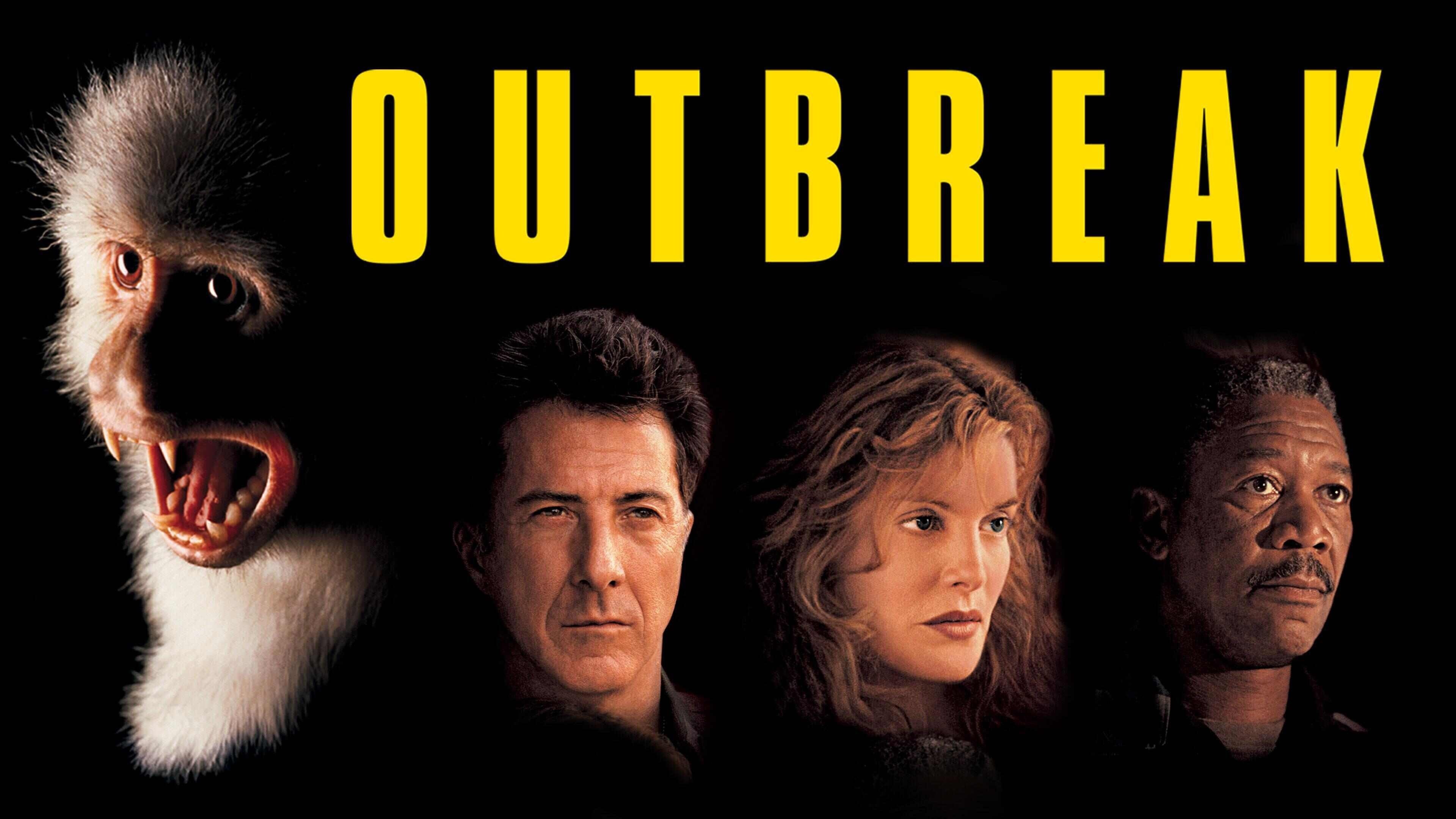
Outbreak (1995)

Blending virology with disaster-movie swagger, Wolfgang Petersen’s medical thriller might not be the most rigid in its adherence to science, Outbreak finds an all-star cast fighting to stop an epidemic of Motaba, a fictional Ebola-esque disease that mutates after having been smuggled into the country via an infected capuchin monkey from the jungle of Zaire. It’s very ’90s, I suppose, that the terror would come from the heart of Africa, while efforts by to prevent the virus from killing everyone in a small California town are complicated by factions in the U.S. military who want to keep it a secret, potentially to use as a weapon. Dustin Hoffman, Rene Russo, Morgan Freeman, Donald Sutherland, and Cuba Gooding Jr. are among the film’s scientists and co-conspirators. You can rent Outbreak from Prime Video.


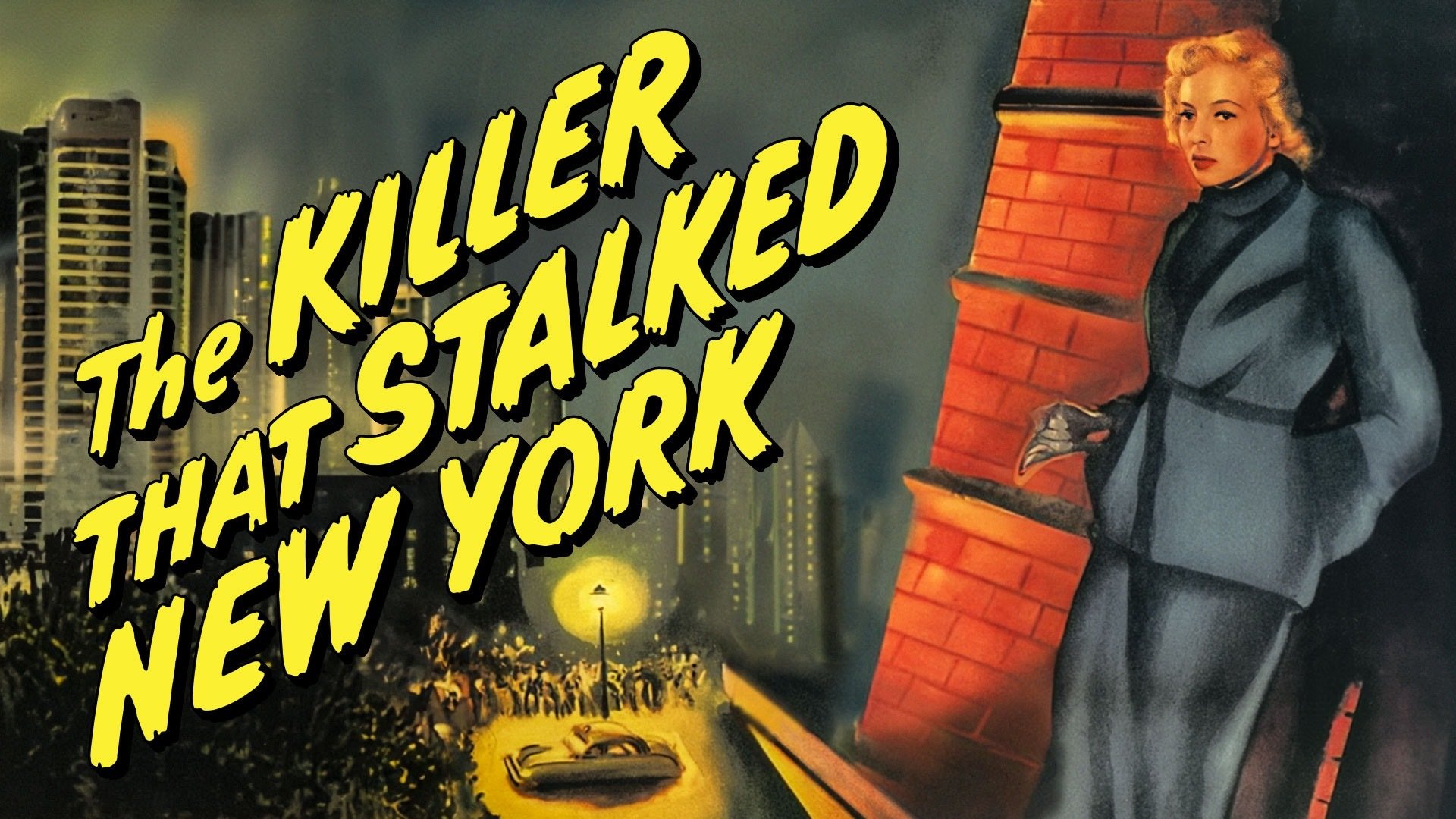
The Killer That Stalked New York (1950)

It’s tempting to say that a smallpox epidemic runs rampant in the margins of this decent, if middling, noir—but the outbreak story is, ultimately, what elevates this 1950 crime drama. Based around a very real 1947 smallpox epidemic in NYC, the title’s inadvertent killer is Sheila Bennett (Evelyn Keyes), a diamond smuggler on the run who’s unaware that she’s spreading disease in the wake of evading the authorities (the real patient zero was a traveling rug merchant, not a jewel-smuggling femme fatale). In real life, and as depicted in the movie, a massive vaccination campaign saw civic authorities, pharmaceutical companies, and the military team up to provide vaccines alongside thousands of volunteers. 600,000 New Yorkers got shots in just the first week, and the outbreak ultimately saw only two smallpox fatalities. The movie, rather, turns on the hunt for Sheila in the hope that she’ll do the right thing and provide the contact tracing necessary to ensure that those most directly affected get their shots. You can stream The Killer That Stalked New York on Prime Video and Pluto TV.


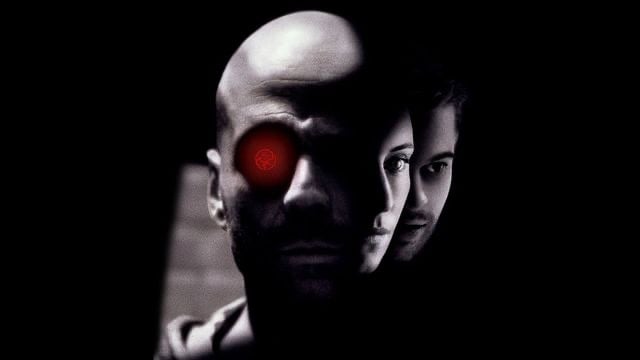
12 Monkeys (1996)

A group of scientists approach James Cole (Bruce Willis), a prisoner in the (rapidly approaching) year 2035 with a mission: They’re going to send him back in time to 1996, the year a deadly plague began wiping out most of humanity, in the hope that he can gather a sample of the original virus to help them develop a cure. Not the wildest medical idea we’ve heard lately! Unfortunately, Cole gets sent back too early and finds his mission jeopardized when he winds up in a mental institution. The movie’s themes are around the general stickiness of our choices, and the ways in which the ball of fate, once started rolling, is very, very hard to stop. You can rent 12 Monkeys from Prime Video.


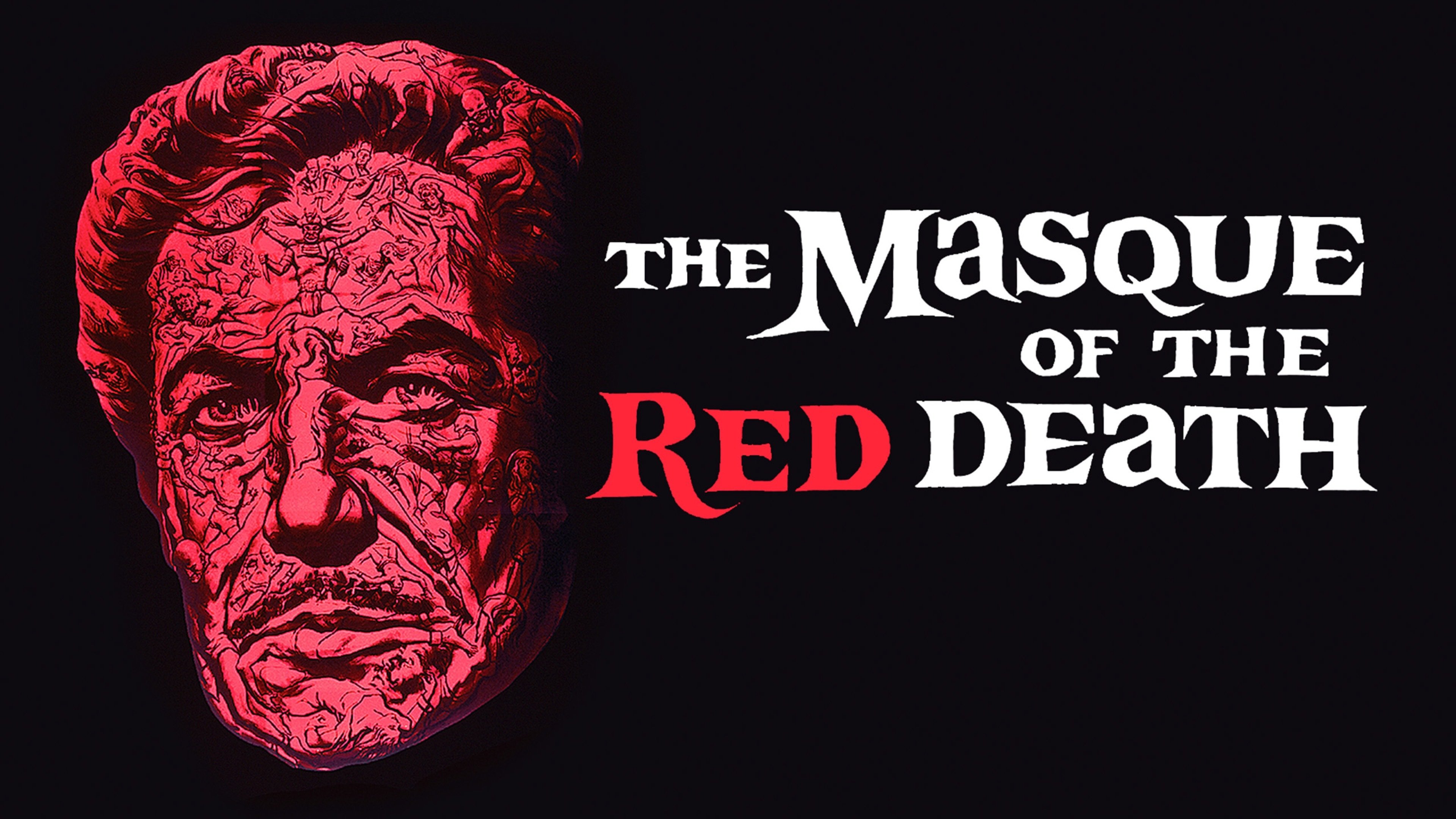
The Masque of the Red Death (1964)

One of the very best, and almost certainly most psychedelic, of Roger Corman’s collaborations with Vincent Price, this Poe adaptation is a sumptuous descent into hell. Price plays Prince Prospero, a sadistic nobleman in Medieval Italy. When a local woman dies of the mysterious titular plague, Prospero orders the village burned and invites the wealthy nobility to his castle. With the desperate, now homeless villagers baying at the gates, the local gentry party their way through the end of the world, oblivious to the suffering they’ve caused—at least until a procession of the world’s illnesses finds them all drunk and unprepared. A happy ending, you might say. You can stream Masque of the Red Death on Pluto TV or rent it from Prime Video.


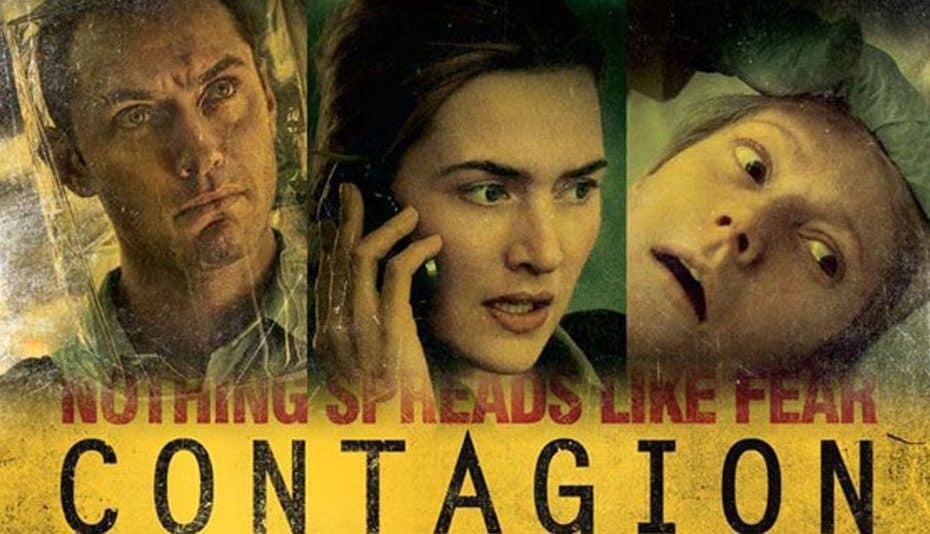
Contagion (2011)

The relative accuracy of Steven Soderbergh’s drama is as fascinating as it is frustrating: The idea of a bat-evolved respiratory virus with a death toll in the millions that leads to mass quarantines as well as social distancing, while also providing plenty of material for conspiracy theorists—well, it suggests that there were things we might have been better prepared for. While hitting a few of the same disaster-movie beats as Outbreak, this one is, on the whole, more subdued and, apparently, far more scientifically accurate. You can rent Contagion from Prime Video.


The Andromeda Strain (1971)

The always-reliable director Robert Wise adapts Michael Crichton’s novel about a microorganism from Earth’s upper atmosphere that causes nearly instantaneous blood clotting. Which is bad. The paranoid responses are worse. It works much like other Crichton stories: A somewhat outlandish premise played absolutely straight (think Jurassic Park), such that you almost start to freak out about it happening. You can rent The Andromeda Strain from Prime Video.


The Last Man on Earth (1964)

The first of three major adaptations of Richard Matheson’s I Am Legend, Matheson himself worked on this one, though wasn’t terribly happy with the results. The film’s comparatively low budget, though, sets it apart from later, more action-heavy takes (The Omega Man and I Am Legend, specifically)—this one is comparatively more contemplative as a result. Vincent Price is Dr. Robert Morgan, the only person in the world (to his knowledge) not infected by a plague that has left everyone else into, well, vampires. An encounter with a mysterious woman leads Dr. Morgan to believe that the contagion might be treatable, but can’t ever be cured (it might help if there were more than one human scientist left alive, but you work with what you’ve got, I suppose). You can stream The Last Man on Earth on Tubi, Pluto TV, and Prime Video.


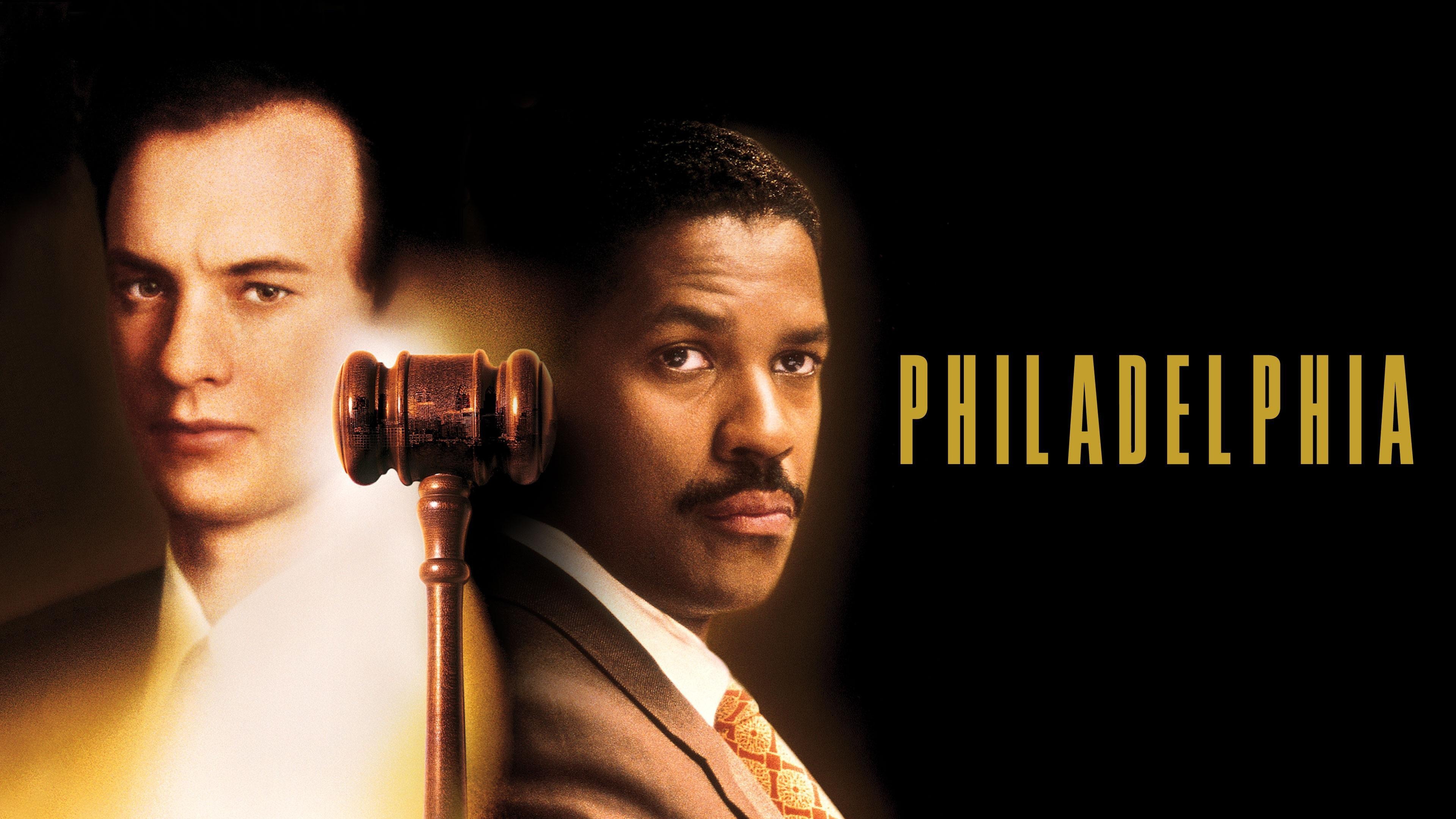
Philadelphia (1993)

There are better films about the darkest days of the first HIV/AIDS crisis, but few had more of a cultural impact than this mainstream, all-star legal drama. It was the first time that Hollywood had approached the topic in any meaningful way, and one of the very first times that queer characters were portrayed positively—it’s also a reasonably good depiction of the legal challenges and consequences that come with an unhindered pandemic. Tom Hanks plays Andrew Beckett, a successful senior associate at a major corporate law firm in the title city who starts displaying lesions (Kaposi’s sarcoma, specifically) related to the AIDS diagnosis that he’d been concealing. When he’s fired with very little reason given, he hires Joe Miller (Denzel Washington), one of the few lawyers who will take his wrongful termination suit. It’s based, loosely, on the real-life case of Geoffrey Bowers, whose case was settled eight years after his death. You can rent Philadelphia from Prime Video.


Isle of the Dead (1945)

An unsung classic from producer Val Lewton and director Mark Robson, Isle of the Dead‘s plot belies its lurid title with the story of a Greek general (Boris Karloff) trying to maintain a quarantine on an isolated island. Taking a break to visit his wife’s tomb during the Balkan Wars of 1912, Gen. Nikolas Pherides arrives with an American reporter at exactly the wrong time: Deaths attributed by some locals to supernatural forces are diagnosed by a local doctor as the first stirrings of an outbreak of septicemic plague. He’s battling not only local superstition and defiance of modern(-ish) science, but also attempts by less credulous locals to escape the island, and thus expose the mainland to the otherwise contained plague. Fortunately, we modern types are incapable of such unscientific silliness. You can rent Isle of the Dead from Prime Video.


Arrowsmith (1931)

Ronald Colman stars as Dr Martin Arrowsmith in this pre-Code John Ford film that, while occasionally veering into melodrama, takes its science relatively seriously, at least in the abstract. When he meets the love of his life, Leora (Helen Hayes), the young medical student gives up scientific research for a more lucrative practice. An outbreak of a bubonic plague in the West Indies, though, sees him reunited with an old mentor to explore the efficacy of a new antibiotic serum that Arrowsmith helped to develop. Is it more important to get the serum into the hands (or, rather, veins) of as many dying people as possible? Or to pursue a study with more scientific rigor that could lead to greater benefits in the long run? You can stream Arrowsmith on Tubi and Prime Video.


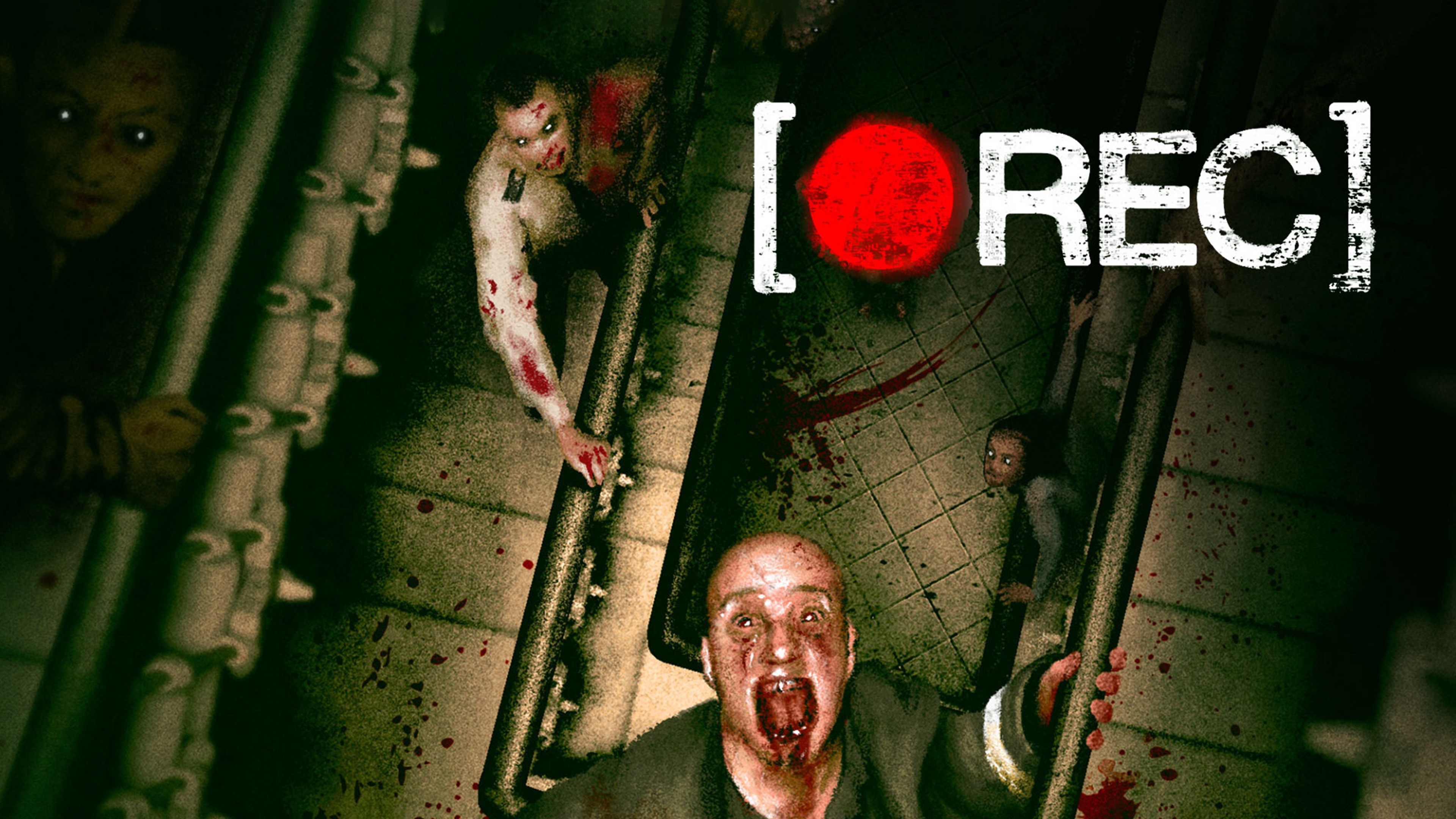
Rec (2007)

This superior found-footage horror film from Spain sees reporter Ángela Vidal (Manuela Velasco) and her camera operator on a seemingly sleepy assignment covering the night shift of one of Barcelona’s local fire stations. Zombie hell breaks loose, though, when a call about an old woman trapped in her apartment finds them all trapped inside a quarantined building in which people are becoming infected, one by one, by a mysterious pathogen. There are clever nods to contact tracing and some fun twists on actual science (maybe don’t do science experiments and definitely don’t do demon stuff in your residential penthouse thx), but the vibe here is largely howling terror and also paranoia: They’ve all been locked in by the authorities, and it’s unclear if anyone from outside is helping or just waiting for them to die. In the wake of COVID, it feels a bit like the pandemic squeezed into a single building. The American remake (Quarantine), in which it’s the CDC that’s locked everyone in, is also decent. You can stream Rec on Tubi or rent it from Prime Video.


The Normal Heart (2014)

Larry Kramer adapted his own, largely autobiographical, play for this NYC-set drama depicting the rise of the HIV-AIDS crisis in the city between 1981 and 1984. Mark Ruffalo plays Ned Weeks, Kramer’s alter ego, who helps a sick friend during a Fire Island birthday party only to return to New York and discover that several dozen gay men have been diagnosed with a “rare cancer.” The film conveys the raw immediacy of those early days, as well as the medical and public relations battles that were fought to draw attention to an illness that politicians and mainstream media sources couldn’t have given a shit about. Even after decades of social and medical advances, queerphobia remains prevalent and HIV/AIDS-related funding is on the chopping block, so the rage of these characters feels depressingly immediate. You can stream The Normal Heart on Max or rent it from Prime Video.


Containment (2015)

In an outdated council flat in Weston, artist Mark (Lee Ross) wakes to discover that he’s been sealed into his apartment with no means of escape. The electricity’s out, and the only information comes via the intercom—presumably offered up by the people in Hazmat suits patrolling the exterior of the building. The scenario goes a bit Lord of the Flies, but more disturbing is the sense that, in a disaster, the scariest thing might well be a lack of solid, reliable information. You can stream Containment on Prime Video and Tubi.


It Comes at Night (2017)

A family hides in their house while a plague ravages the planet in this very slow-burn psychological thriller that finds the group gradually succumbing to paranoia and terror as they cling to increasingly ad hoc methods of preventing infection. Ultimately, the enemies here are isolation and paranoia, a reminder that the worst impacts of disaster and trauma are often the hurts we inflict upon ourselves and our loved ones. You can rent It Comes at Night from Prime Video.


Rise of the Planet of the Apes (2011)

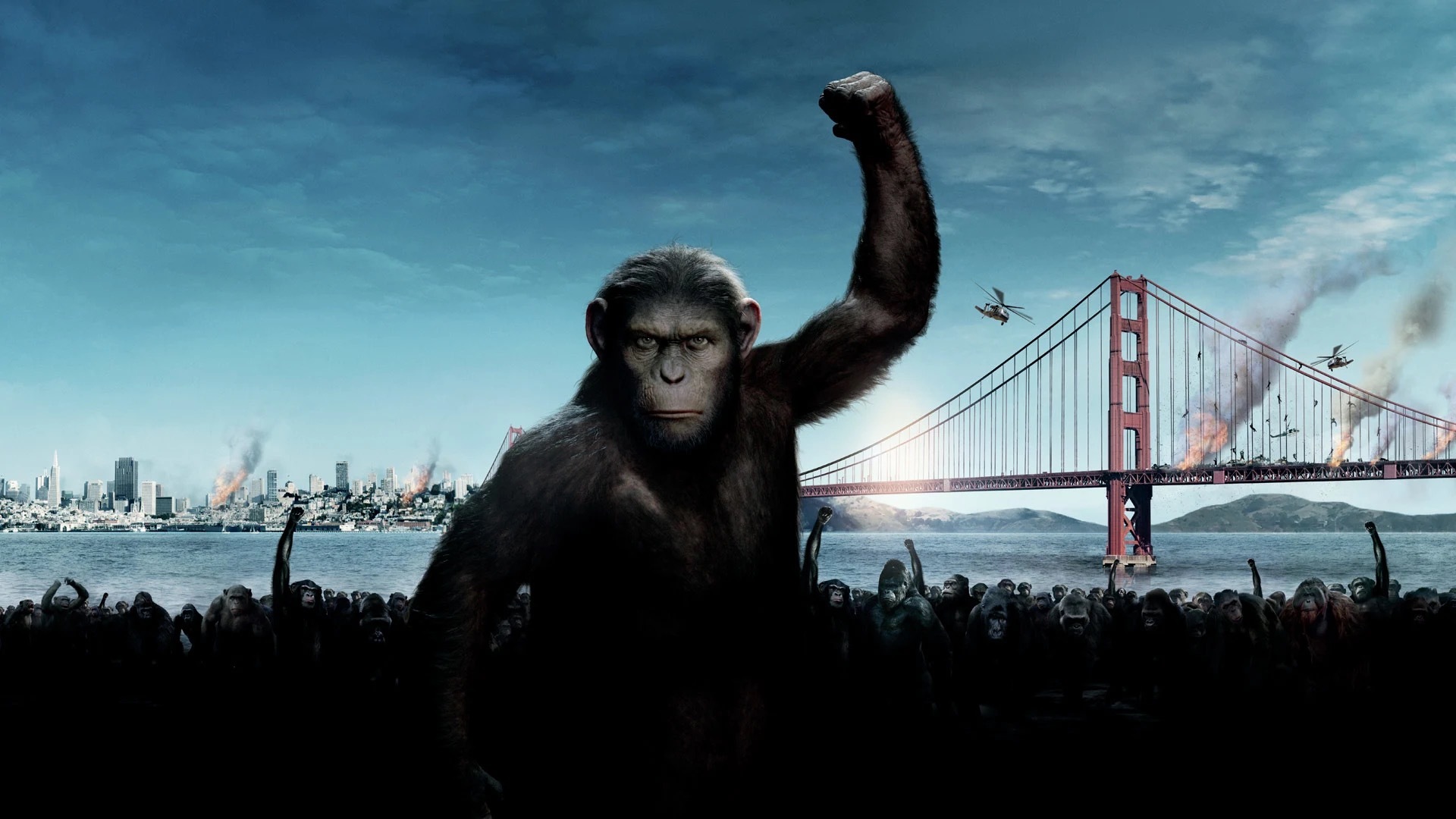
Science is, as in real life, usually a source of hope in outbreak movies—but not always. Here, a well-intentioned scientist working on a cure for Alzheimer’s accidentally creates a race of super-intelligent apes and puts them on a course to conquer the planet (on second thought, maybe the message here is: Stop animal testing). Spreading like an infection, the poor humans are rather quickly back-footed by the new threat. The apes, lead by Andy Serkis’ chimp Caesar, can’t really do much worse as rulers of the Earth, so I hail our simian overlords. Feels hopeful. You can stream Rise of the Planet of the Apes on Max or rent it from Prime Video.


The Seventh Seal (1957)

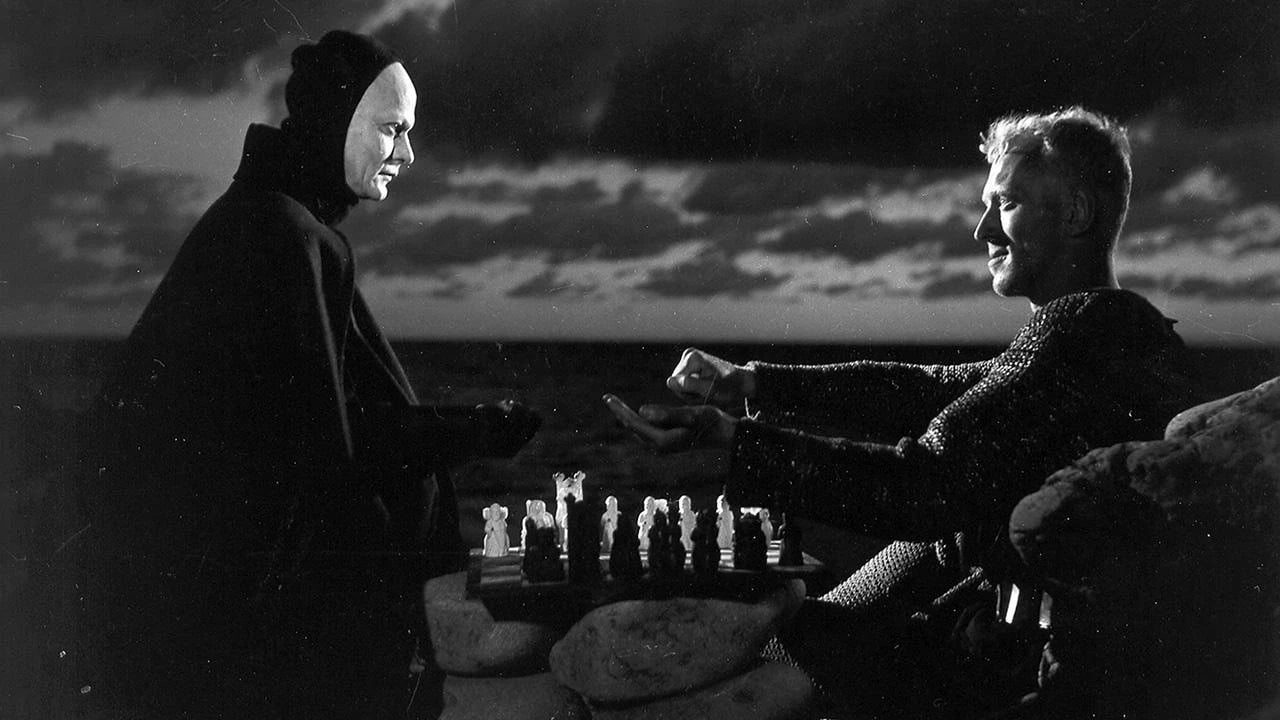
Unsurprisingly, perhaps, there’s no science to the rescue in Ingmar Bergman’s masterpiece. With lush and generous detail, we’re transported to a Medieval village during the height of the Black Death, following returned knight Antonius Block (Max von Sydow) as he confronts the personification of Death (Bengt Ekerot) in a chess game for his life. The characters respond to Death’s rapaciousness in various, and very human ways: Block is contemplative but defiant, his squire is practical and grounded, flagellates whip themselves as penance, a woman is nearly burned at the stake as a witch, while a young couple awaits the birth of a child—holding on to hope amid the misery. Bleak and beautiful in equal measure, Bergman’s movie explores a sick world in which neither God nor science are coming to help, but maybe, if we’re lucky, we have people to walk through it with us. You can stream The Seventh Seal on Max and The Criterion Channel or rent it from Prime Video.

‘Unconventional’ Nickel Superconductor Excites Physicists

A new family of superconductors is exciting physicists. Compounds containing nickel have been shown to carry electricity without resistance at the relatively high temperature of 45 kelvin (-228C) — and without being squeezed under pressure. Nature: Physicists at the Southern University of Science and Technology (Sustech) in Shenzhen, China, observed the major hallmarks of superconductivity in a thin film of crystals of nickel oxide, which they grew in the laboratory. They published their work in Nature on 17 February. “There’s a huge hope that we could eventually raise the critical temperature and make [such materials] more useful for applications,” says Dafeng Li, a physicist at the City University of Hong Kong.

Nickelates now join two groups of ceramics — copper-based cuprates and iron-based pnictides — as ‘unconventional superconductors’ that operate at room pressure and temperatures as high as 150K (-123C). This new data point could help physicists to finally explain how high-temperature superconductors work, and ultimately to design materials that operate under ambient conditions. This would make technologies, such as magnetic resonance imaging, radically cheaper and more efficient.

How unconventional superconductors operate at warmer temperatures remains largely a mystery, whereas the mechanism behind how some metals can carry electricity without resistance at colder temperatures, or extreme pressures, has been understood since 1957. The ability of the Sustech researchers to precisely engineer the material’s properties is huge boon in trying to use nickelates to unravel the theory behind unconventional superconductivity, says Lilia Boeri, a physicist at the Sapienza University of Rome. “The idea that you have a system that you can sort of tune experimentally, is something quite exciting.”

Read more of this story at Slashdot.

The Best New Features in Android 16’s Second Beta Update

We’re now up to the second public beta release of Android 16, which brings new features across a variety of areas, including photography, system security, device management, and foldable form factors.

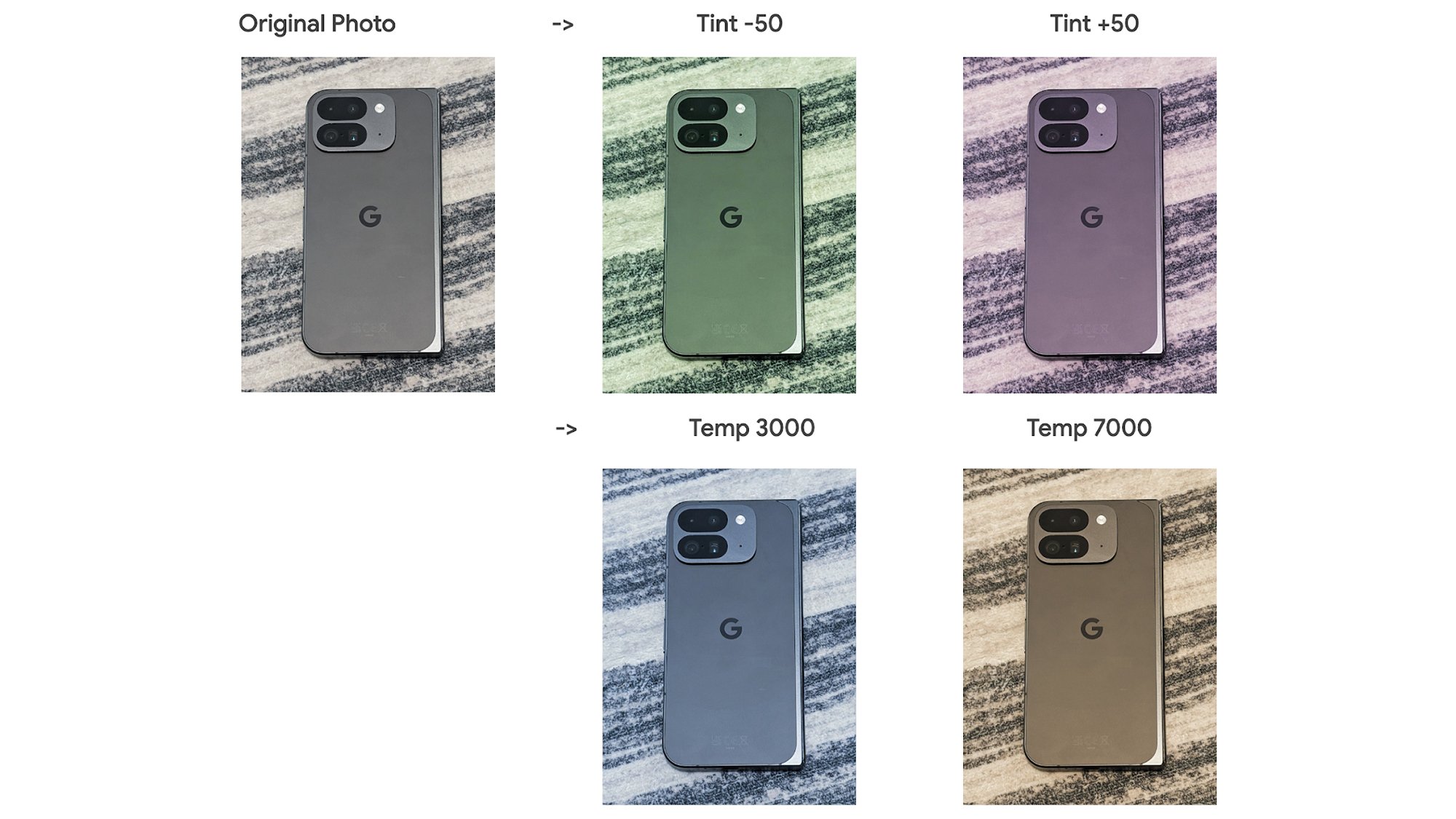
The official Google blog post announcing the beta release leads with the media and camera updates. If you want more of a say over how your photos and videos end up looking, you can make use of additional manual control options covering exposure, color temperature, and tint. There’s also support for Ultra HDR images if you’re saving your snaps in the HEIC image format.

Essentially, these are new hybrid options between fully automatic processing and fully manual processing, so those who are more comfortable playing around with settings such as white balance will be able to pick and choose the tweaks they make. It’ll also mean a broader range of effects are possible without any extra edits in an app.

Some other features haven’t been officially announced by Google, but have been spotted by the Android community. Most of them have been reported by the team at Android Authority. They found new protections limiting what you can do on calls, for example—so you won’t be able to sideload apps or change any accessibility options while you’re actually talking on the phone.

Android image editing
Android 16 will give you more control over photo and video composition.
Credit: Google

The reason? Those are two of the more common tactics used by scammers to try and gain access to handsets. With these protections in place, there’ll be less of an opportunity to install malware or take control of the phone remotely.

The latest Android 16 beta also enables you to double-press the power button to launch the camera or Google Wallet. Previously, it would just open the camera, with no alternative option, so this gives you a bit more flexibility (and there may well be more alternatives to come).

A new widget has also appeared that makes the process of switching users on an Android device more straightforward. Switching to a different Google account only takes a tap on the widget, so no diving into the Settings menu or the Quick Settings panel is needed.

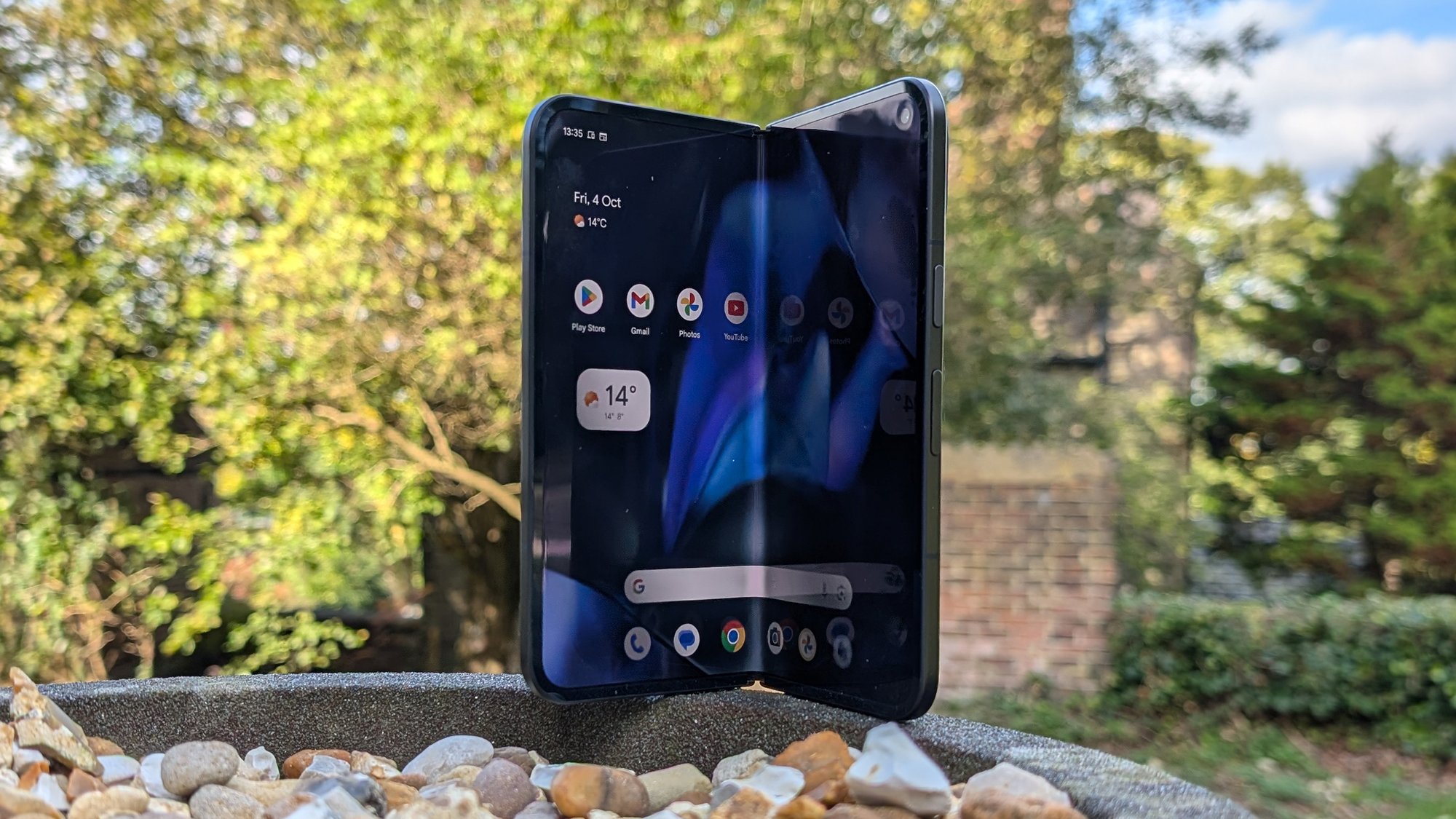
If you’re a Google Pixel 9 Pro Fold owner, meanwhile, it looks as though Android 16 beta 2 has added a “robust open/close detection” feature that should be helpful: As reported by 9to5Google, this means that the device will be able to more accurately detect its open or closed state even with magnetic accessories attached (these accessories can sometimes interfere with the relevant sensors).

Google Pixel 9 Pro Fold
Another new feature improves open/close detection on foldable devices.
Credit: Lifehacker

The feature doesn’t seem to be fully live yet, however, which may be why Google hasn’t mentioned it. Presumably after some refinement it’ll become available for the Pixel 9 Pro Fold and other foldable Android devices.

A small tweak to the interface means the Extra Dim setting on Pixel 9 phones is now more accessible, while it looks like more information and options are coming to the Battery Health page tipped to be coming to Pixel handsets.

There are also some minor edits to health and fitness permissions: Access to data such as heart rate and skin temperature will now be given on a more granular basis, which should make it easier for users to see which apps are accessing which bits of data (and which data is passing through the Health Connect protocol).

As always with beta updates like this, bugs are to be expected, and any of these features might be removed or revised before the full launch of Android 16—expected sometime in the second quarter of the year. If you’ve got a compatible Pixel device, you can try out the beta now, but this isn’t recommended for a main device that you rely on.