The Asus Prime RTX 5070 Ti can perform at around the RTX 4080 Super. Sounds like a good deal? Just be aware you probably won’t get it for $750.

The Asus Prime RTX 5070 Ti can perform at around the RTX 4080 Super. Sounds like a good deal? Just be aware you probably won’t get it for $750.

io9 has exclusive pages from the making-of book for Robert Pattinson’s new sci-fi movie.
Morgan & Morgan—which bills itself as “America’s largest injury law firm” that fights “for the people”—learned the hard way this month that even one lawyer blindly citing AI-hallucinated case law can risk sullying the reputation of an entire nationwide firm.
In a letter shared in a court filing, Morgan & Morgan’s chief transformation officer, Yath Ithayakumar, warned the firms’ more than 1,000 attorneys that citing fake AI-generated cases in court filings could be cause for disciplinary action, including “termination.”
“This is a serious issue,” Ithayakumar wrote. “The integrity of your legal work and reputation depend on it.”
There’s only a single 48-megapixel rear camera; the lack of additional cameras is the biggest downgrade compared to the company’s other handsets. With support for wireless charging and a water-resistant IP rating, there’s little you have to give up elsewhere. The iPhone 16E is also the first iPhone to include a modem developed by Apple itself. The company has spent years trying to move away from modems developed by Qualcomm, and we’re finally seeing the fruits of that labor. The big questions now are how well the new modem performs and whether Apple is ready to roll out its own connectivity components in the iPhone 17 line later this year. It’s available for Friday starting at $599 with 128GB of storage.


Read more of this story at Slashdot.
We may earn a commission from links on this page.
The tendency in movie runtimes seems to be trending toward length, and even if the data doesn’t really bear this out, recent, super-long installments in big box office franchises at least mean the bloat feels real. For some reason these wildly popular series feel the need to justify their existence by lashing us to our seats for well over two hours, when many of us might have happily paid the same price for a flick that would give us the hope of ever getting home to see our dogs again.
Still, a movie’s quality isn’t determined by its length, and most of us are watching these things at home anyway. Some stories are just more effective when they take their time—either because they have so much to say and do that nothing feels wasted, or because it allows them the freedom to luxuriate in setting a mood and building a compelling world filled with interesting characters. As the critic Roger Ebert once said, no good movie is too long, and no bad movie is short enough.
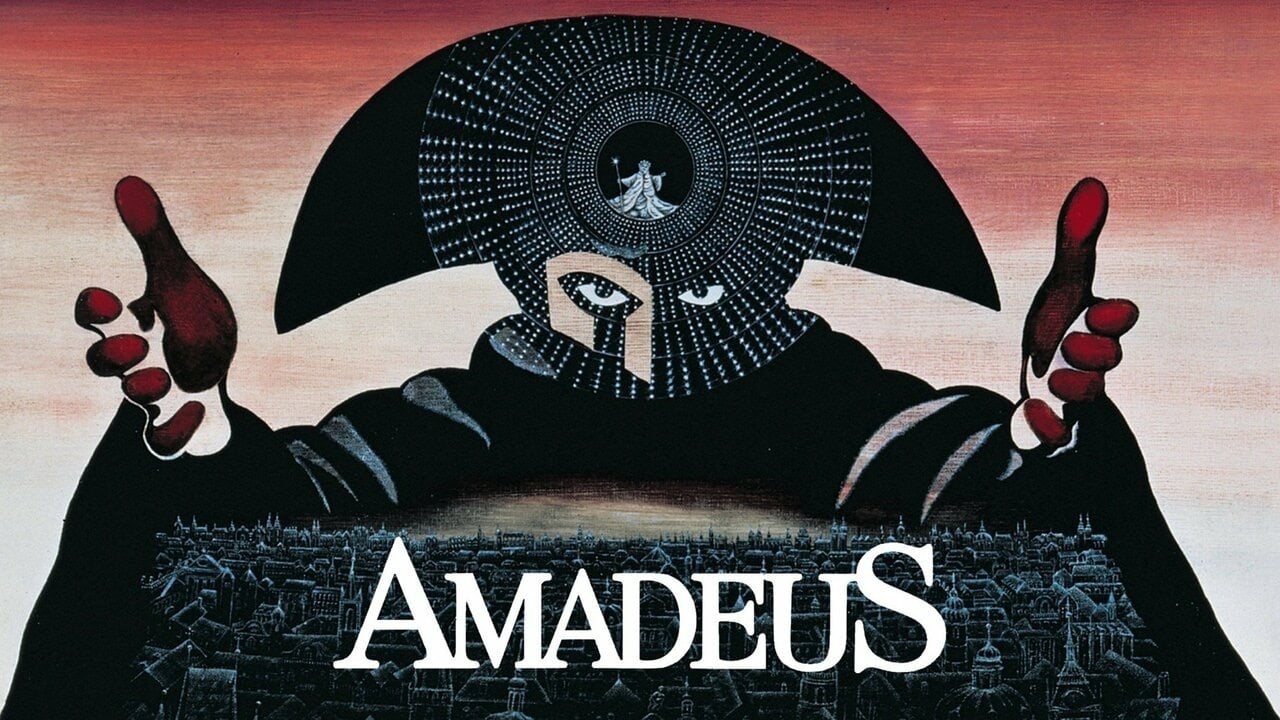
An interesting case here is the 1984 classic Amadeus: There are plenty of stories of studios butchering films only to have a director step in later with fixes. This might be a case of the opposite, at least to many critics: the film was released at around 161 minutes, only for Miloš Forman to create a director’s cut in 2002 adding back in an additional 20 minutes or so. There’s a lot of debate about the value of the extra bits (I’ve only ever seen the shorter version), but rough consensus is that the shorter, tighter theatrical version is superior. For a couple of decades now, the longer Amadeus is the only one that’s been readily available, which is about to change as the original theatrical cut has been subject to a restoration and a forthcoming release.
So here are 35 good (or great) movies, all of which run to nearly three hours (or much longer), all of which also justify their runtimes by generally making every second worth the sit.
Running time: 2 hours and 52 minutes (director’s cut) or 2 hours and 31 minutes (theatrical cut)
Why it’s worth your time: The late, great Miloš Forman directs this unconventional biopic of musical genius Wolfgang Amadeus Mozart, adapting the play by Peter Shaffer, who also wrote the screenplay (they both won Oscars for it, as did lead F. Murray Abraham). Unlike the typical plodding biography, Amadeus tells its story not through the eyes and experiences of Mozart (Tom Hulce) himself, but those of his archnemesis, Antonio Salieri (Abraham), a composer doomed to exist forever in the shadow of the greater talent. The result is an epic, bitchy meditation on relative mediocrity—Salieri is good, maybe even great, but struggles to achieve a portion of what seems to come to Mozart without effort. It’s got all of the gorgeous period trappings you’d expect, while also telling a deep, juicy story about the price of (understandable) jealousy. You can rent Amadeus (Director’s Cut) from Prime Video.
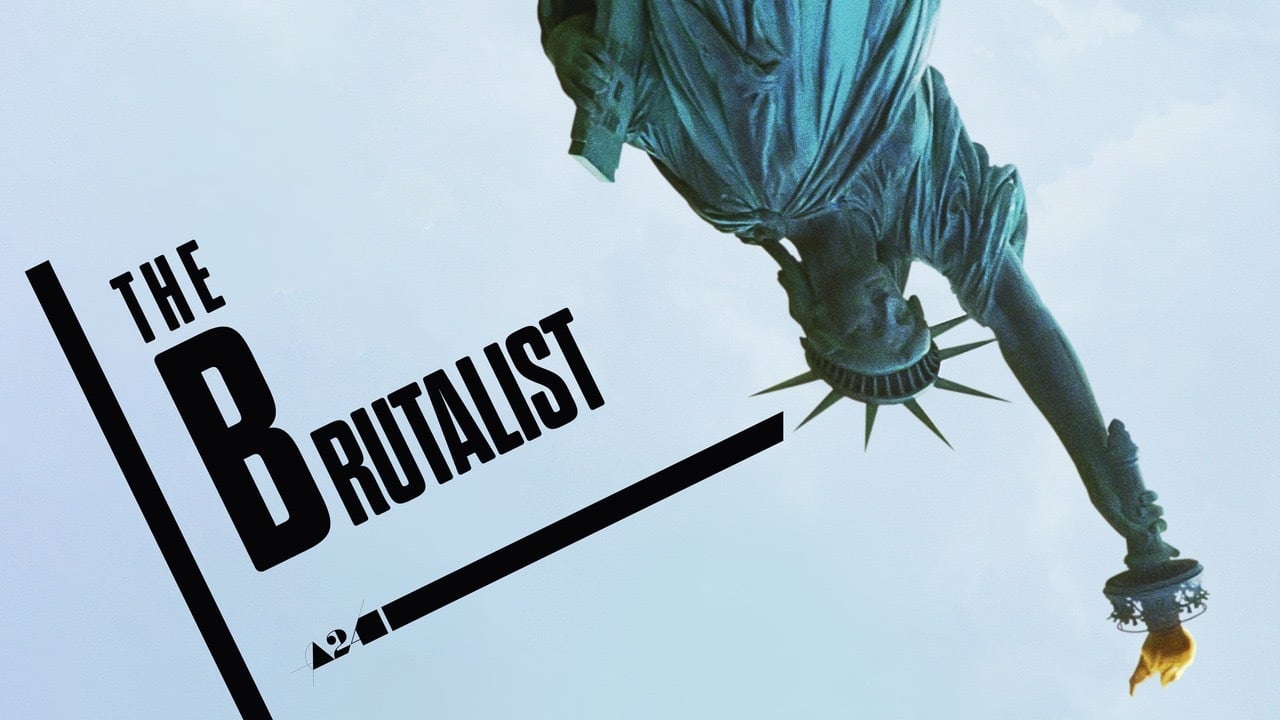
The Oscars gave a big boost to the limited-release period drama from director Brady Corbet. Adrien Brody stars as Hungarian-Jewish Holocaust survivor László Tóth, a Bauhaus-trained architect who struggles over the course of decades to achieve anything resembling the American dream. The American immigrant experience frequently provides a rich tapestry against which to create an epic film; it’s a topic we’ll return to in this list. You can buy The Brutalist from Prime Video.
Running time: 2 hours and 40 minutes
I was skeptical, to say the least, when I learned that the adaptation of the musical (itself based on the Gregory Maguire book) would be split into two films, the first one alone running nearly the length of the entire stage show. I needn’t have worried. Director Jon M. Chu has been on a bit of a roll since 2018’s Crazy Rich Asians, and Wicked sees him at the height of his powers. It’s a wonderfully old-school musical extravaganza, and by “old school” I mean that it’s almost entirely free of the cynicism and self-consciousness that have grown so tiresome in other big-budget movies—no one makes awkward jokes about how wacky it is that they’re singing. Cynthia Erivo and Ariana Grande sell every note while hitting all the right emotional beats, as well. Here’s hoping that the sequel sticks the landing. You can buy Wicked from Prime Video.
Running time: 3 hours 15 minutes
Steven Spielberg’s most beautifully photographed film is also his most devastating, exploring the brutality of the Holocaust from the perspective of the real-life Oskar Schindler (Liam Neeson). The German industrialist saved the lives of over a thousand Polish–Jewish refugees in his factories during World War II, but not out of a sense of innate heroism: His actions, as the movie makes clear, were born of compromise—a desire to do some little thing to help that grew in heroism and righteousness. Rather than wallow in the horrors, the movie explores the cost and the power of saving even a single life, and that bit of hopefulness propels it through its runtime. You can stream Schindler’s List on Netflix or rent it from Prime Video.
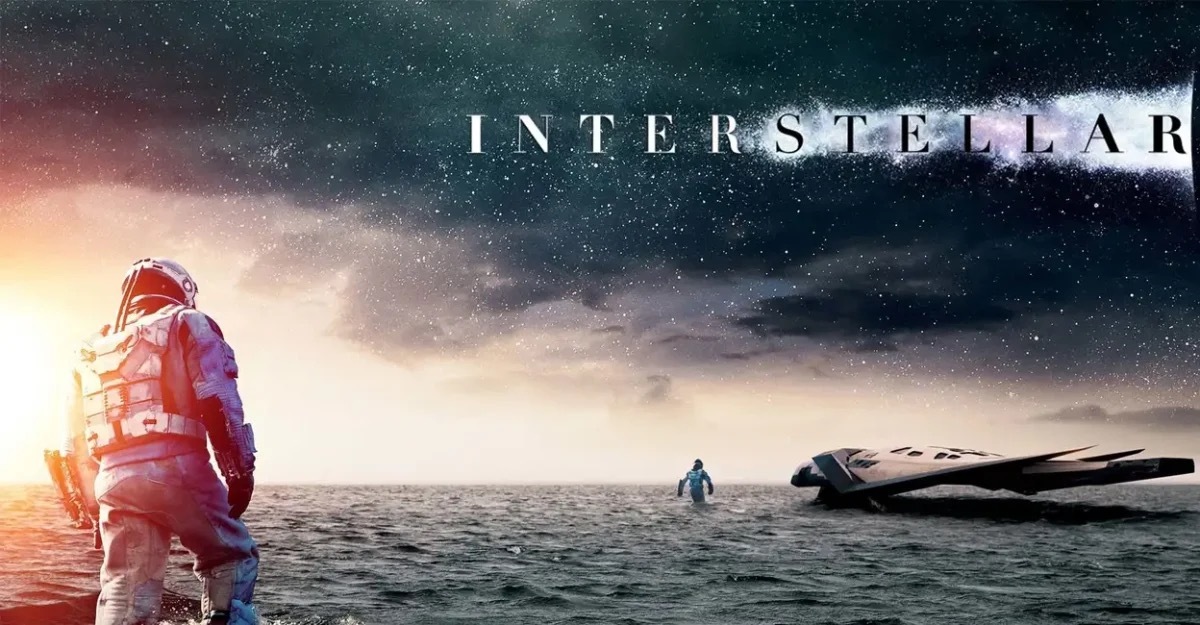
Running time: 2 hours and 49 minutes
Why it’s worth your time: While mileage may vary when it comes to the film’s more metaphysical final act, everything that leads up to it is an uncommonly smart space spectacle—one that works very hard to get the science right without sacrificing the emotional beats. From a blighted Earth of the near future, a group of astronauts set out to explore a wormhole discovered near Saturn with hope of finding a new home for humanity. Blending human drama and existential dread with some truly breathtaking cinematography, Christopher Nolan’s film explores outer space with scientific rigor while ultimately telling a story about human hearts. You can stream Interstellar on Paramount+ and Netflix or rent it from Prime Video.
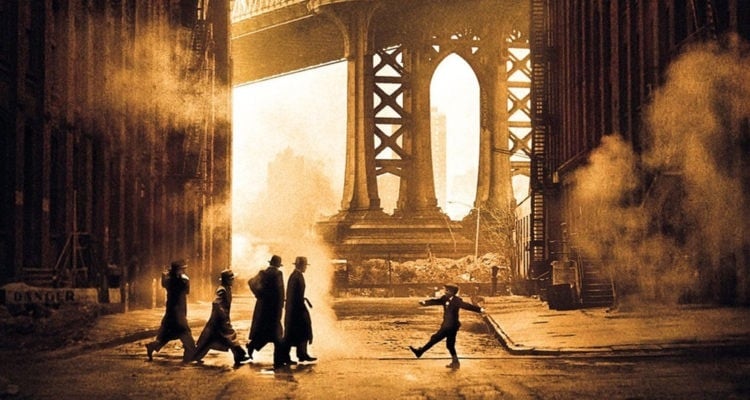
Running time: 3 hours and 49 minutes
After a string of genre-defining spaghetti westerns, Italian director Sergio Leone capped his career with one helluva swan song: among the most epic crime films ever made, and one of the most searing and astute films about the promise and peril of America. The movie depicts the lives of best friends David “Noodles” Aaronson (Robert De Niro) and Maximilian “Max” Bercovicz (James Woods) as they become power plays in the world of New York City organized crime. Unlike, say, The Godfather, Leone has no rose-colored glasses when it comes to the trials of the immigrant experience, nor of the violence and horrifying misogyny of the criminal underworld. For all of that, it’s so skillfully and mesmerizingly made that it’s impossible to look away. The movie was shockingly mistreated on its initial release, such that efforts to restore missing scenes are still underway. Nevertheless, the restored 229-minute version currently commonly available is a massive improvement over the approximately two-hour version originally released in U.S. theaters. You can stream Once Upon a Time in America on Prime Video.
Running time: 2 hours and 45 minutes
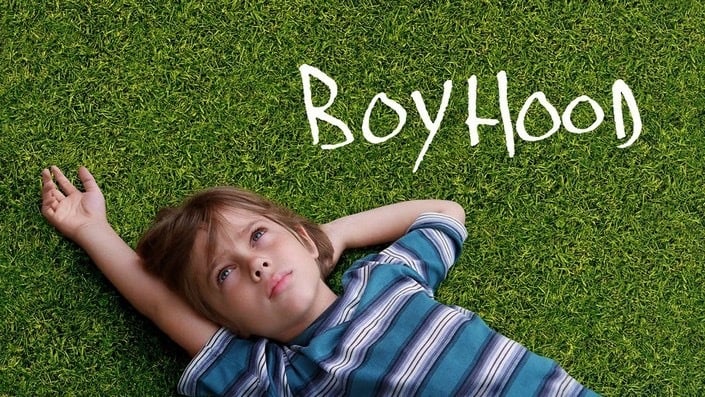
Why it’s worth your time: It might have come across as a gimmick, but Richard Linklater (Dazed and Confused, School of Rock, Before Sunrise) is far too good and consistent a filmmaker to fall into that trap. By design, this coming-of-age story was produced over the course of 12 years, filming year by year in order to capture the growth and changes in the lead characters, particularly the titular boy-to-man, Mason Evans Jr., played by Ellar Coltrane. It won overwhelming praise for its extraordinary sense of realism and emotional power, with great performances all around. You can stream Boyhood on The Criterion Channel.
Running time: 2 hours and 47 minutes
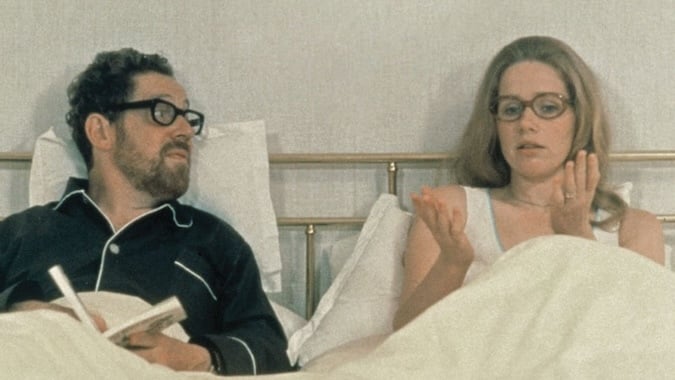
Why it’s worth your time: First of all, bear in mind that the running time listed above is for the short version. There’s a much longer cut that I’d recommend, generally (it’s the only one I’ve seen), but perhaps isn’t for everyone. Director Ingmar Bergman is joined by Liv Ullmann and Erland Josephson (two of the most impressive modern film actors) to create this fascinating portrait of a disintegrating marriage. It’s not a soap opera, and not a movie of screaming fights and thrown ashtrays, but instead a story of two people who haven’t fallen out of love, precisely, but who definitely no longer know how to live with each other. As beautiful as it is brutal, its realism and believability is such that it often feels like we’re peeking around a corner, seeing something that we ought not be seeing. Director and actors returned to these characters 30 years later for Saraband, a poignant epilogue and Bergman’s final film. You can stream Scenes from a Marriage on The Criterion Channel and Max.
Running time: 2 hours and 50 minutes
Why it’s worth your time: This documentary, about two Black teenagers (William Gates and Arthur Agee) recruited for a predominantly white high school’s basketball program, is every bit as fascinating and relevant today as it was back in 1994, in ways both inspiring and depressing. Their stories of their lives, told over the course of six years, are fascinating and engaging, though they speak to much larger issues: These teenagers see success in professional basketball as their only way out and up in the America they inhabit—that vanishingly small chance of success still representing their best hopes. Through Gates and Agee, documentarian Steve James explores daily life beyond media depictions of “the ghetto” as merely a place for white people to avoid, as well as the grift that’s at the heart of anyone promising the American dream. You can stream Hoop Dreams on Max and The Criterion Channel or rent it from Prime Video.
Running time: 2 hours and 50 minutes
Why it’s worth your time: Released just a year after the conclusion of World War II, this William Wyler drama tells the stories of three United States servicemen readjusting to civilian life following harrowing tours overseas. Al left home as a successful bank employee, but risks his post-wartime promotion with excessive drinking and a soft touch when it comes to giving loans to fellow vets; Fred suffers from PTSD and has trouble finding a job; Homer lost both hands and struggles with being an object of pity. Given the era and the timing, it’s almost shockingly prescient in its depiction of the struggles that veterans would face following not just WWII, but each war that would follow (and probably all preceding, though no one ever talked about it). The film always pulls back from melodrama in favor of sobering realism. You can stream The Best Years of Our Lives on Peacock and Prime Video.
Running time: 2 hours and 54 minutes
Why it’s worth your time: Julie Andrews and Christopher Plummer star in this popular musical with gorgeous scenery and some of the most sing-along-able songs in musical history. It’s all delightful, until the encroaching shadow of Naziism threatens the budding, unlikely romance between a novitiate nun and a stern, wealthy former naval officer. Its blend of big-screen style and at least a little bit of substance have made it one of our most beloved musicals for decades. You can stream The Sound of Music on Disney+ and Hulu or rent it from Prime Video.
Running time: 2 hours and 56 minutes
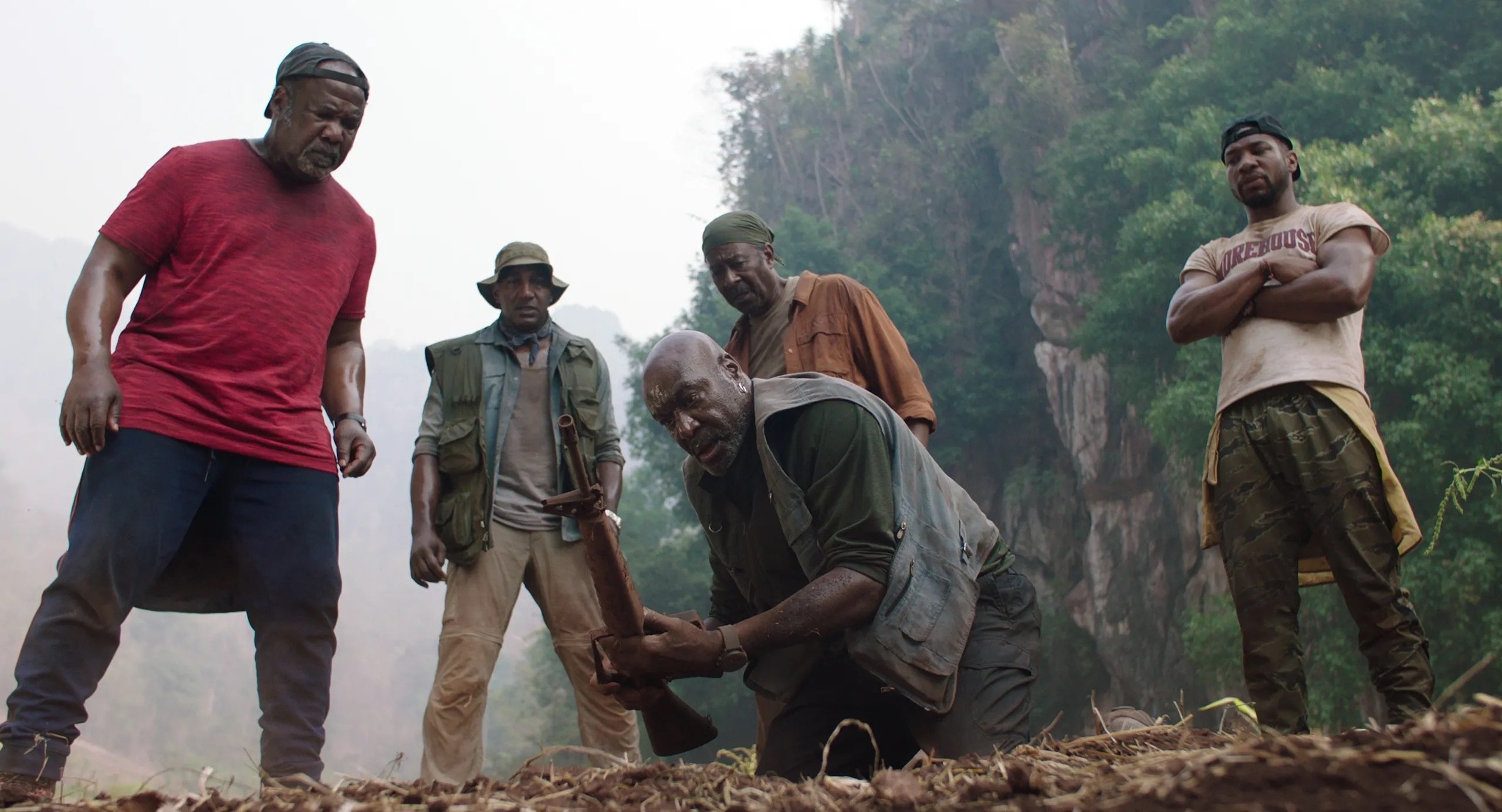
Why it’s worth your time: Wildly kinetic, Da 5 Bloods doesn’t feel nearly as long as its runtime. Revisiting the Vietnam War film genre with an insistent focus on the (often ignored) experience of Black Americans, Spike Lee brings new relevance to stories from the period by drawing some stark and straight lines between then and now with the story of four veterans who return to Vietnam in search of the remains of their fallen squad leader—and the gold he helped them hide. Every actor in it is incredible, including Chadwick Boseman in one of his final roles. You can stream Da 5 Bloods on Netflix.
Running time: 3 hours
Why it’s worth your time: The wellspring of nearly all modern wuxia filmmaking (think Crouching Tiger, Hidden Dragon), A Touch of Zen is a gorgeous widescreen martial arts epic, worth watching for the cinematography alone, though the fight choreography is equally thrilling. It’s the story of a noblewoman-turned-fugitive who seeks refuge in a remote village and winds up using stories of the location’s rumored hauntings as a weapon against her pursuers. It has big ideas on its mind, as well: Yang, the fugitive, struggles with issues of social order versus corruption, as well as ideas of traditional womanhood that defy her role as a warrior. You can stream A Touch of Zen on The Criterion Channel or rent it from Prime Video.
Running time: 3 hours
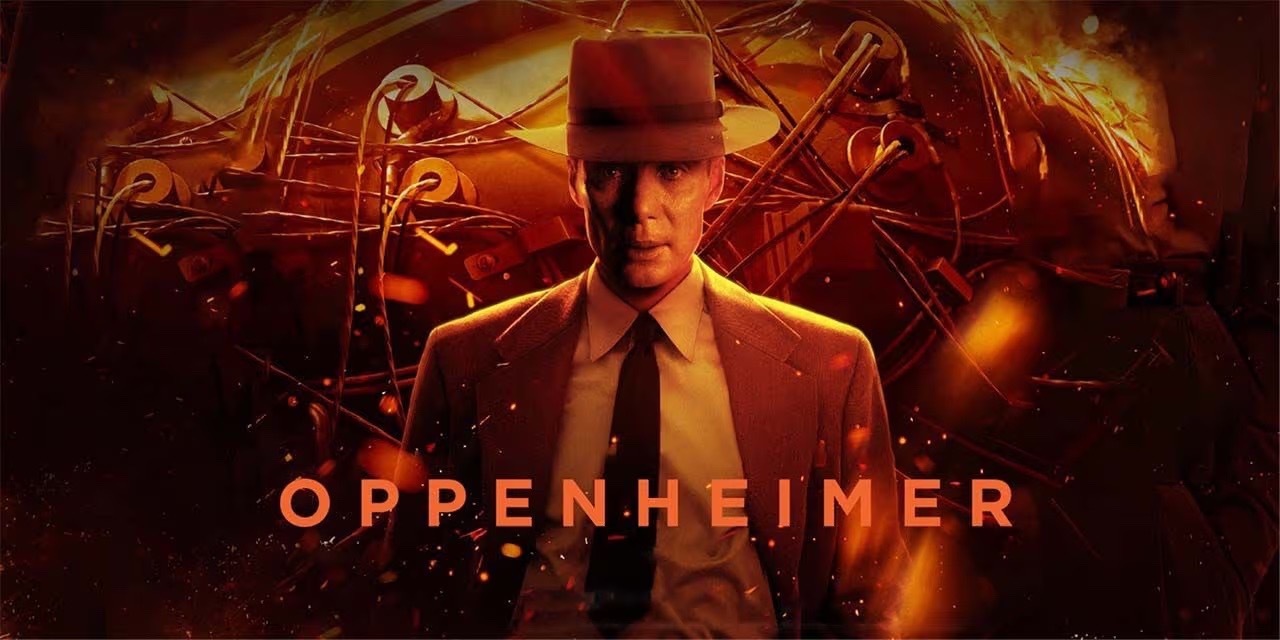
Why it’s worth your time: This Best Picture Oscar winner follows brilliant, conflicted Cillian Murphy as the titular theoretical physicist, who helped America to develop the world’s first nuclear weapons during World War II. Amid a talky screenplay peppered with occasional bravura effects sequences, writer/director Christopher Nolan never loses sight of his complicated lead, nor of the muddy, ugly morality behind Oppenheimer’s work. You can stream Oppenheimer on Prime Video.
Running time: 3 hours
Why it’s worth your time: Look: Inland Empire is not for everyone. It’s possibly the most purely Lynchian of any film in the director’s oeuvre, and that’s either a massive selling point, or a reason to stay far away. I love it, but I also have no idea what it’s about. I’m not sure anyone does, but Laura Dern gives a brilliant, shattering performance as a Hollywood actress whose life descends into utter madness, and that’s worth taking in all on its own. You’ll feel as though you’re walking through a nightmare with her, in ways both draining and thrilling. You can stream Inland Empire on Max and The Criterion Channel or rent it from Prime Video.
Running time: 3 hours and 1 minute
Why it’s worth your time: It probably requires at least a passing familiarity with the 20+ films that preceded it—I doubt that this would have nearly the power it does for someone who hadn’t seen a key handful of them—but there is power here, at least in terms of cinematic spectacle. For all of our sequel-obsessed movie culture, no one else has ever made it to this point, to be able to offer an effective summing up of a series that’s been so successful over so many films. The whole “time heist” bit allows a clever way to revisit scenes from the past, while the climactic action set piece is one for the ages. The movie even manages to end, once the fighting’s done, on a several impressively emotional notes. It’s not a jumping-on point, really, but it’s a satisfying climax— even if as a conclusion, it’s really more of a pause. You can stream Avengers: Endgame on Disney+ or rent it from Prime Video.
Running time: 3 hours and 2 minutes
Why it’s worth your time: So much springs from Akira Kurosawas’s Seven Samurai: it was remade in Hollywood as The Magnificent Seven, and thus became the template for a certain type of “team is assembled/goes on mission” style of movie (other versions include A Bug’s Life). It’s been a tremendous inspiration to George Lucas, Quentin Tarantino, and even Zack Snyder. The coming together of a band of misfits and outsiders, theretofore virtually unheard of in Japanese filmmaking, is also an element that’s frequently referenced. Samurai’s length (it’s the longest film of Kurosawa’s career) is justified by its performances, as well as by writer/director Kurosawa himself: He’s best known in the west for his samurai movies, but his filmography encompasses quiet, meditative character dramas as well, and so he brings sharp characterization alongside the action. And yes, it’s long, but you should see it on the big screen (TV or otherwise) if you can—it was restored in 4K in 2024. You can stream Seven Samurai on Max and The Criterion Channel or rent it from Prime Video.
Running time: 3 hours and 7 minutes
Why it’s worth your time: Action movies should almost certainly not be as long as RRR, but unlike many examples of American blockbuster, there is not one single dull moment in this Tollywood epic. Likewise, a historical drama that touches on the national trauma brought on by the British Raj and depicting two real-life revolutionaries who died as martyrs to the cause of independence shouldn’t be this much fun, but somehow the context only makes it more satisfying. Find me a more thrilling moment in the movies than the bit where a truck full of wild animals is forcefully unleashed upon a sedate gathering at a British politician’s estate. You can stream RRR on Netflix.
Running time: 3 hours and 5 minutes
Why it’s worth your time: The Leopard is absolutely gorgeous, no question. Probably one of the most beautifully directed and photographed films in history—which still wouldn’t be enough to justify its length if it wasn’t also dramatically compelling. But that it is, and it’s also challenging: It’s a portrait of an oppressive way of life among the extraordinarily wealthy Sicilian aristocracy of the 19th century as they have their last big fling, whether they knew it or not. Built on the backs of the poor and working class, their lifestyle deserves to die out (if only), and witness to it all is Burt Lancaster’s Don Fabrizio Corbera, a generally good man of his time whose gaze turns the display of excess into something almost funereal. Director Luchino Visconti was a Marxist who had no love for the aristocracy, so the fact that he’s willing to present a sympathetic portrait of a social class on the verge of extinction (in that time and place, anyway) provides enough tension to keep you glued to the couch. There are a few different versions, but the director’s preferred version runs at 185 minutes, and that’s mostly the one you’ll find streaming. You can rent The Leopard from Prime Video.
Running time: 3 hours and 8 minutes
Why it’s worth your time: It’s been joked that Paul Thomas Anderson’s films aren’t long because the stories call for it, but because they need more editing. That’s unfair, particularly here, in a film that is certainly meandering by design: Full of stories of love and loss intersecting, often by coincidence, the film’s core thesis has to do with the cycles of abuse that we’re locked into as children—but explores that idea in ways that are frequently funny and surprising. Like the Aimee Mann song sung by all the characters at the impressive, infamous, amphibious climax, it’s all about the hurt we’ll keep inflicting on ourselves if we refuse to wise up. You can rent Magnolia from Prime Video.
Running time: 3 hours and 8 minutes
Originally conceived as a television miniseries, the three-hour+ theatrical version of Ingmar Bergman’s later-career triumph actually represents something like a director’s cut; the full version is more than five hours. Fanny and Alexander stars Pernilla Allwin and Bertil Guve as the young siblings of the title, living happily with their theater-people parents. Then, their father dies and their mother remarries a joyless jerk of a bishop. Intended to be the director’s swan song, the autobiographical story feels like a summation of Bergman’s career, exploring many of the very heavy themes that he’d tackled earlier, but with a greater sense of perspective, and even a little whimsy. You can stream Fanny and Alexander on Max and The Criterion Channel or rent it from Prime Video.
Running time: 3 hours and 10 minutes
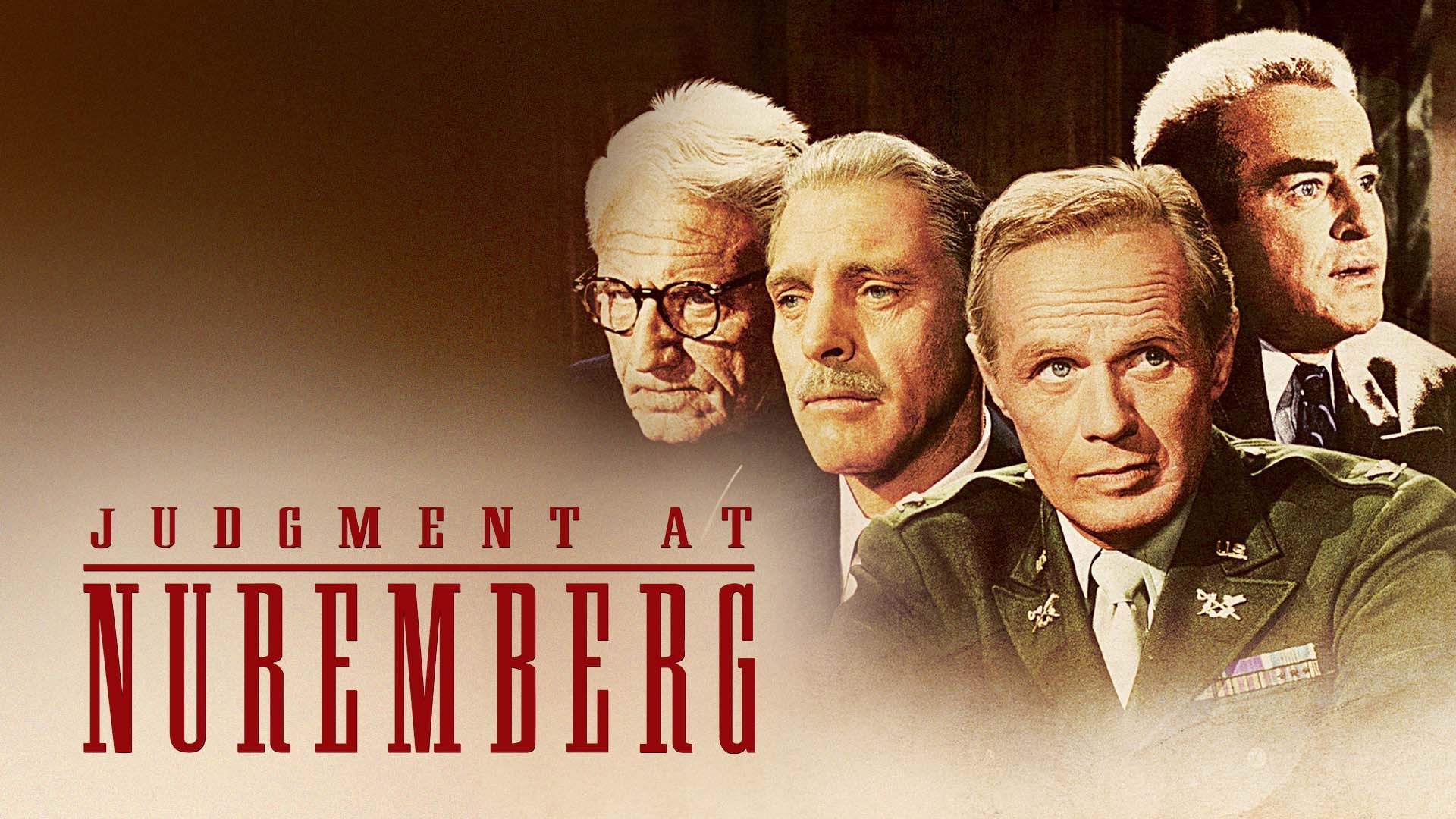
Why it’s worth your time: Spencer Tracy leads an all-star cast (Burt Lancaster, Marlene Dietrich, Judy Garland, William Shatner, and Montgomery Clift, among others) in this genuinely gripping legal drama depicting a fictionalized version of one of the 12 Nuremberg Military Tribunals that determined the horrifying extent of Nazi war crimes following World War II. If the familiar faces in the cast can be a little distracting, it remains a sober, serious film that builds to a climax simultaneously moving and disturbing. Some 60 years later, it remains depressingly timely in its conviction that everyday, ordinary people are capable of monstrous behavior, given the right incentive. You can stream Judgment at Nuremberg on Tubi and MGM+ or rent it from Prime Video.
Running time: 3 hours and 14 minutes
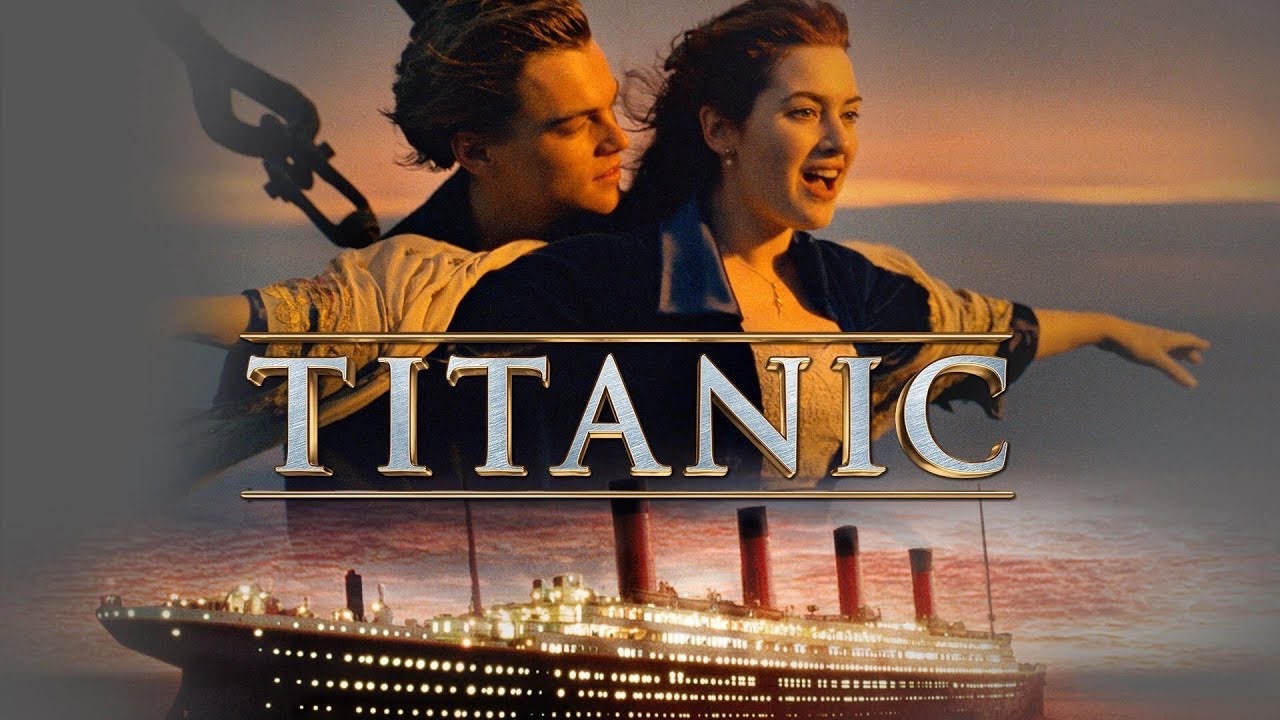
Why it’s worth your time: Say what you will about the occasionally clunky characterization and dialogue, James Cameron makes tremendous use of the lengthy running time here. By the time the iceberg appears onscreen, more than an hour in, Cameron and company have provided us a thorough tour of the ship without our even realizing it: We’ve poked our heads into the bridge, the engine rooms, parlors, staterooms of every class and decks on nearly every level—even gotten a thoroughly sweaty look at the cars in cargo. When the ship meets its destiny during the real-time sequence that takes up most of the rest of the movie, we’re nearly as familiar with it as we would be had we been onboard—which makes the action easier to follow, and the tragedy hit harder. You can stream Titanic on Hulu, Paramount+, and MGM+ or rent it from Prime Video.
Running time: 3 hours and 17 minutes
Why it’s worth your time: Stanley Kubrick’s first foray into epic-scale filmmaking feels like an outlier in his oeuvre, blending the director’s stylistic trademarks with the elements that feel a little more traditionally Hollywood. It all works, especially given the subtext at play: Written by blacklisted writer Dalton Trumbo, the slave revolt depicted here draws strong parallels to America’s communist witch hunts. (The insistence on the part of lead Kirk Douglas that Trumbo be given credit under his own name, rather than a pseudonym, helped put the blacklist—well, that particular blacklist—to bed once and for all.) What’s on screen, then, is an uncommonly smart old-school action spectacle—sword-and-sandal action with plenty to say about modern American life and politics. You can rent Spartacus on Prime Video.
Running time: 3 hours and 20 minutes
Why it’s worth your time: There’s an awful lot to tell when it comes to the life of Malcolm X, even given his murder—his story crosses continents and political eras, bringing various disparate elements of the Civil Rights Movement into its orbit. It’s hard to imagine any sort of comprehensive biopic not taking up a lot of time. There are standard beats to these types of movies, but Spike Lee is one of the most accomplished and significant directors in modern history, and so manages to sidestep the obvious choices and sameness that often plagues the “important biopic.” Likewise, Denzel Washington’s performance is uncanny and essential. You can stream Malcolm X on Max or rent it from Prime Video.
Running time: 3 hours and 20 minutes
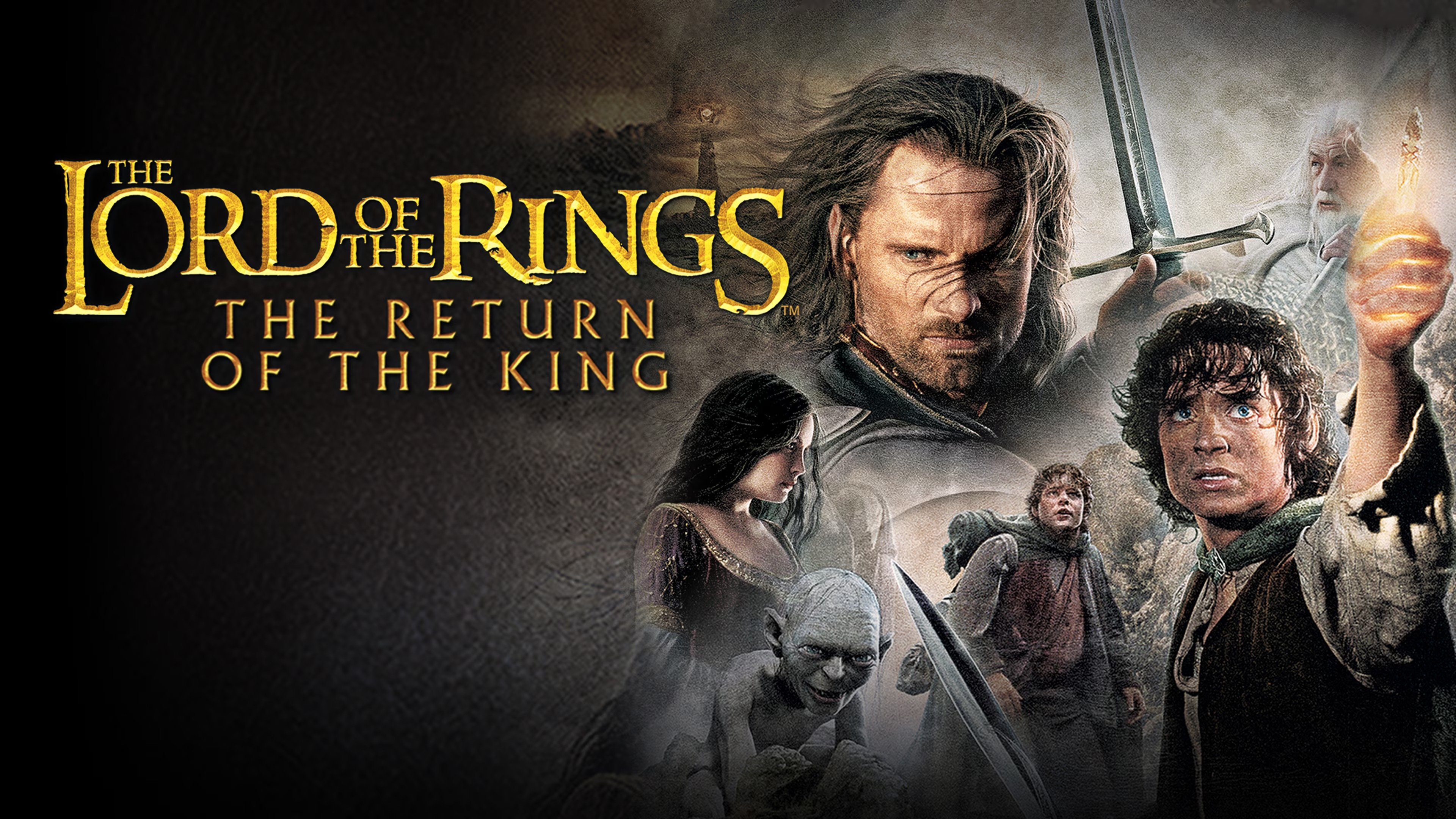
Why it’s worth your time: It’s tempting to joke about those cascading faux-endings, but, in truth, this movie justifies its runtime—and that of the entire trilogy. It’s a crowning achievement in terms of spectacle and pure watchability, but also impressively emotional in the ways in which it brings various character arcs to often poignant conclusions. It didn’t win a (still unmatched) record number of Academy Awards, including Best Picture, for nothing. Honestly, when watching it I’ll always go for the extended version, which is an hour longer still, though that length is much easier to handle at home. You can stream Return of the King on Max or rent it from Prime Video.
Running time: 3 hours and 21 minutes
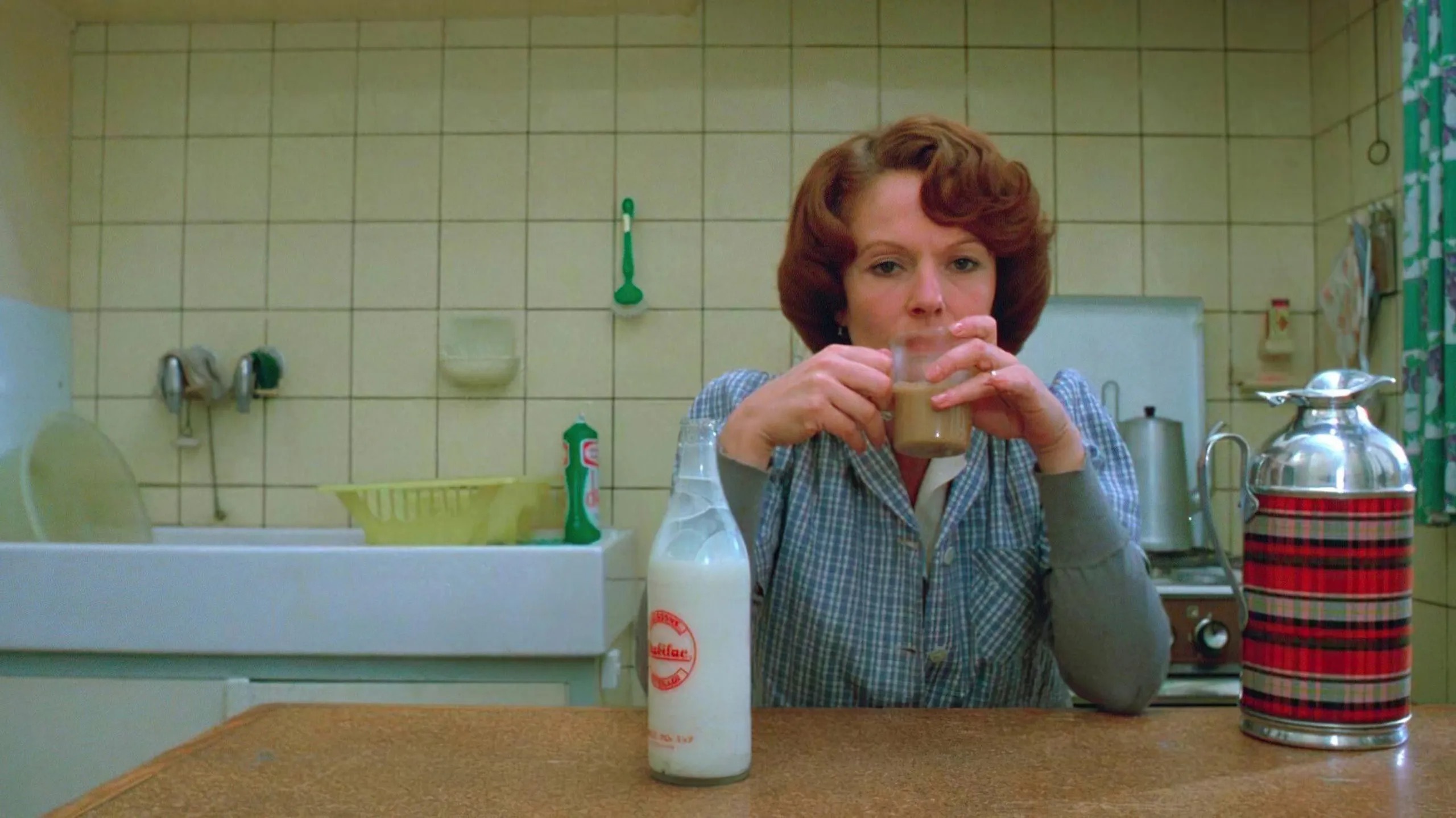
Why it’s worth your time: Over three suffocating days (and three hours of runtime), single mother Jeanne Dielman (Delphine Seyrig) cooks, cleans, and engages in a bit of light but joyless sex work in order to pay the bills. Chantal Akerman’s weird and funny masterpiece crafts the drudgery of one woman’s daily life into an unconventional, uncompromising, and mesmerizing epic. Many critics at the time felt that there had never before been quite such an exploration of the feminine experience (not surprising given the dearth of women directors), and it inspired filmmakers of later decades to reconsider what a movie about women could achieve. (It’s worth noting that a 2002 Sight and Sound critics poll of the best films ever made put this one right at the top.) You can stream Jeanne Dielman on Max and The Criterion Channel or rent it from Prime Video.
Running time: 3 hours and 22 minutes (in the “Roadshow” version)
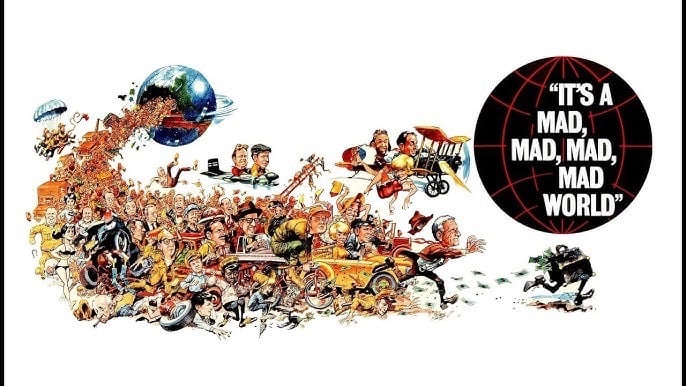
Why it’s worth your time: First of all: There are a couple of versions of Stanley Kramer’s zany road movie—the cut you’ll find most readily is the shorter 2 hour and 43 minute one, but viewers with exceptionally strong bladders might opt for the premiere-length 3 hour and 22 minute version (The Criterion Collection has it). Neither feels nearly so long, and that’s to the credit of the film’s light touch. Lead by Spencer Tracy and a huge cast of ‘60s-era stars, it’s about several different groups of motorists who get wind of $350,000 in cash buried in a park at the other end of the state, and set off on a race for the money. What makes it work as more than a setup for slapstick driving antics is the incredibly smart decision to have these beloved stars play universally terrible people who only get worse as various setbacks they encounter on the road serve to feed their greed; that shading adds some delicious schadenfreude to the silliness. You can stream It’s a Mad, Mad, Mad, Mad World on Tubi and Prime Video.
Running time: 3 hours and 22 minutes
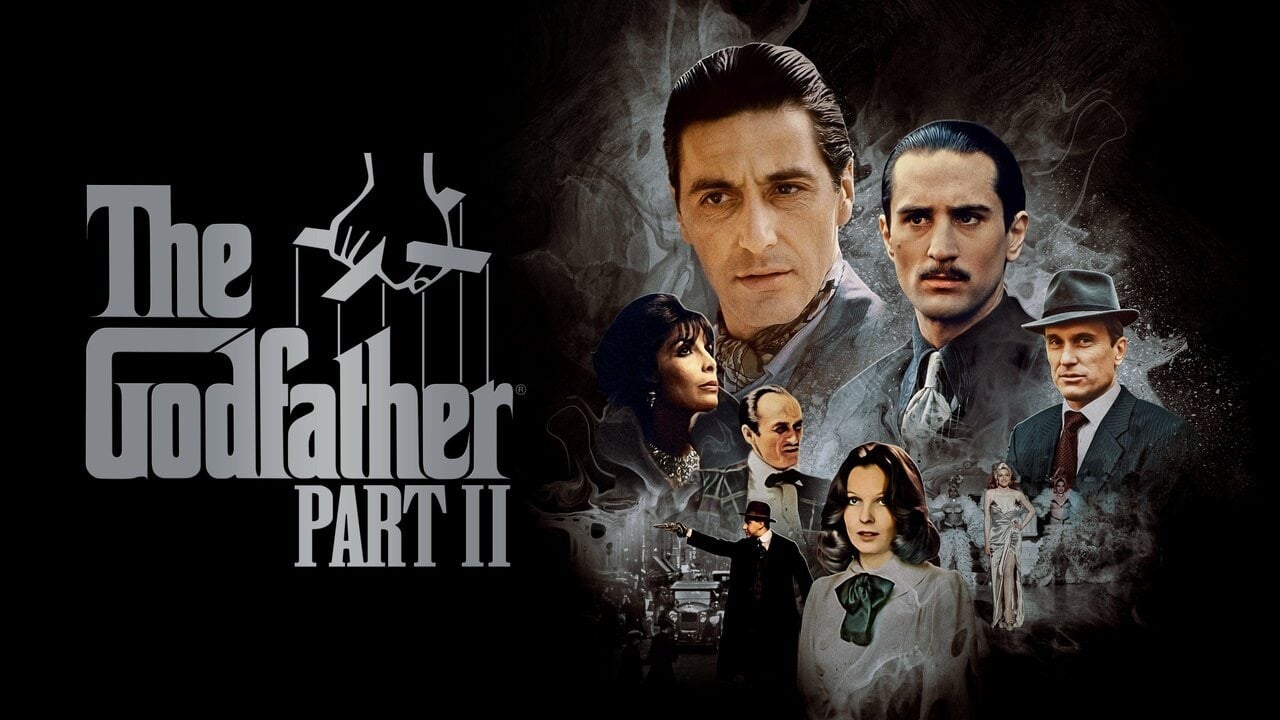
Why it’s worth your time: Each film in this series is on the long side, but Part II is the longest by quite a bit. Perhaps unusually, it’s also the best, justifying all those extra minutes with a subplot as compelling as the film’s primary thread: While Al Pacino’s Michael Corleone continues the long descent that concludes with a fatal kiss, we visit the origin of the Corleone family in America through Robert De Niro’s portrayal of young Vito Corleone. There’s hardly a moment here that isn’t thoroughly compelling. You can stream The Godfather II on Paramount+ or rent it from Prime Video.
Running time: 3 hours and 28 minutes
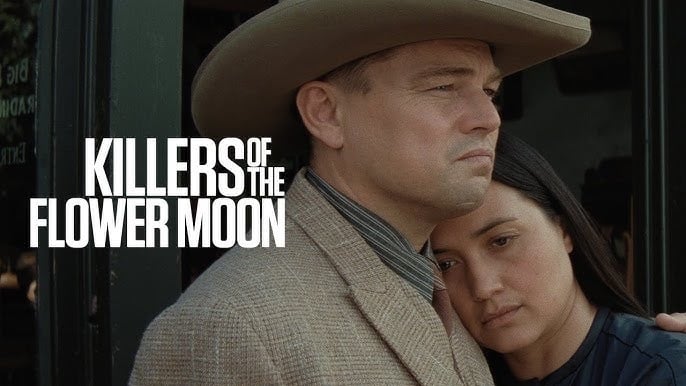
While there’s no question that it would be nice had this story been told by Osage filmmakers, we could do a lot worse than to have Martin Scorsese behind the camera for an epic account of unspeakable greed in a specifically American vein. Lily Gladstone is transcendent as the real-life Mollie Burkhart, who finds herself at the center of the Osage Indian murders. when a blessing of oil discovered on tribal land turns to a nightmare. You can stream Killers of the Flower Moon on Apple TV+ or buy it from Prime Video.
Running time: 3 hours and 47 minutes
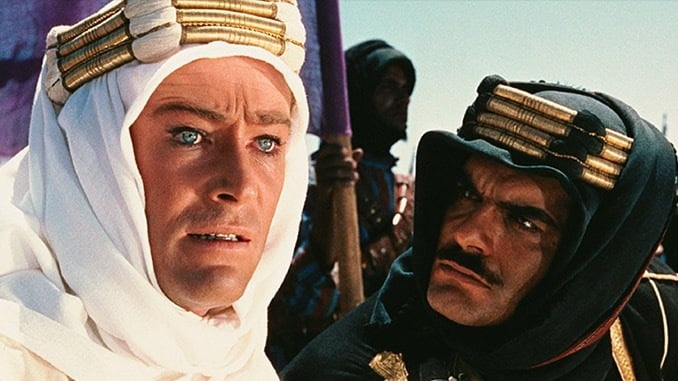
Why it’s worth your time: It’s probably the most obvious choice for a list like this, but David Lean’s epic has retained its power for so many decades (and over so many minutes of screen time) for a reason. It is, in many ways, the platonic ideal of a Hollywood epic—the one by which all others are judged. But it’s also impressively complex, set during a period with continued relevancy, and starring a title character who skirts the line between philosophical hero and delusional megalomaniac. At nearly 60 years old, it’s still a transporting work. You can stream Lawrence of Arabia on Max or rent it from Prime Video.
Running time: 4 hours and 2 minutes
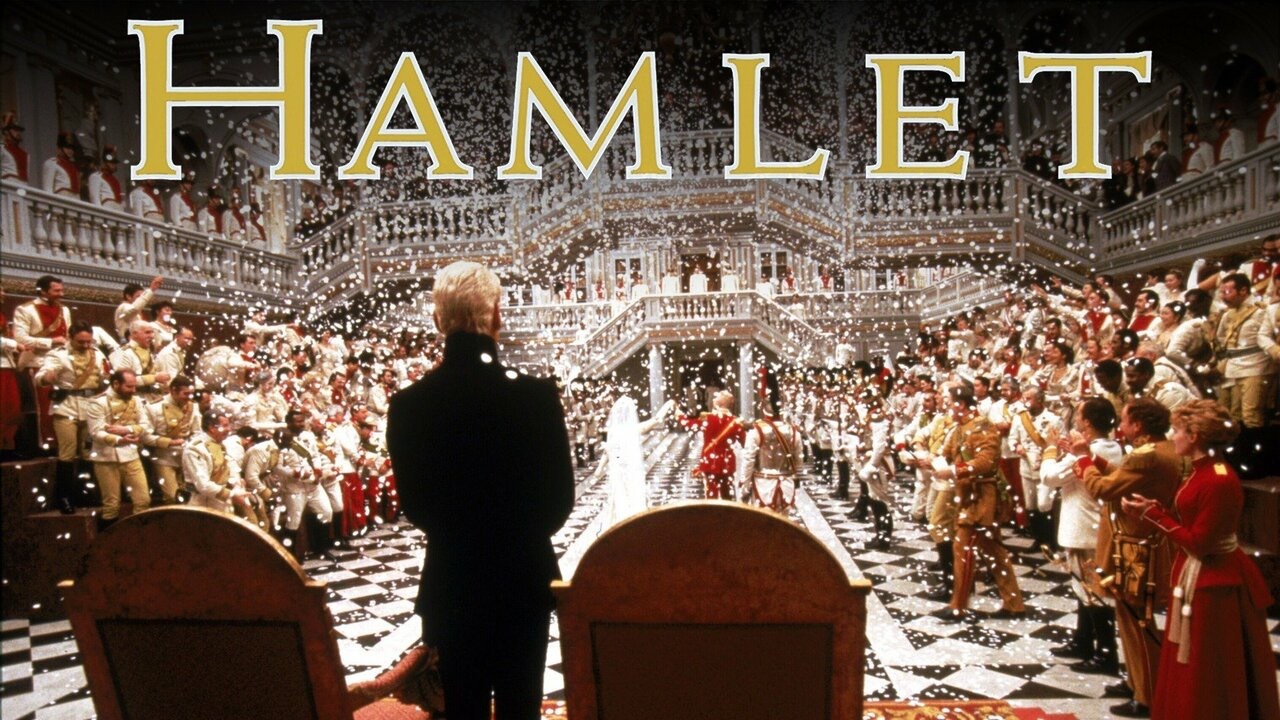
Why it’s worth your time: Historically, even most stage versions of Hamlet(Shakespeare’s longest work) are truncated; there are entire scenes even devoted fans of the Bard have likely never seen performed. Kenneth Branagh’s 1996 adaptation doesn’t take any such shortcuts—it’s the rare instance (and the only filmed version) of the play presented in its entirety. There are compensations for your time, though: Branagh eschews Hamlet’s traditional gloominess for gorgeous, bright visual spectacle; he also presents an impressive cast (with himself at the lead) that includes Julie Christie, Kate Winslet, and Derek Jacobi. There are even appearances by several very unexpected performers in bit parts (Billy Crystal, for example, is shockingly good as the First Gravedigger). And, unlike a live performance, you can stop this one for snacks whenever you want. You can stream Hamlet on Tubi or rent it from Prime Video.
Running time: 2 hours and 56 minutes
Another three-hour comic book movie? At least Avengers: Endgame had the decency to be the climax of a 22-film saga—surely the eighth solo Batman flick (depending on how you count) has no excuse. And maybe not—but co-writer/director Matt Reeves’ first go-round with Robert Pattinson under the cowl actually manages to keep you engaged for the entire time by allowing Batman to be a detective again. Watching a younger, (even more) emotionally damaged Bruce Wayne methodically piece together the clues in a vast conspiracy tied to his own origins and involving familiar baddies like the Riddler (Paul Dano), the Penguin (Colin Farrell under pounds of makeup), and Catwoman (Zoë Kravitz) feels like binging a season of one of those Swedish crime procedurals on Netflix. It’s gorgeous to look at, too, with moody black and red cinematography from Oscar nominee Greig Fraser. You can stream The Batman on Max or rent it from Prime Video.
Running time: 3 hours and 5 minutes
Why it’s worth your time: Ryan O’Neal’s Barry Lyndon is hardly the type of protagonist we’re used to in this type of epic period drama: he’s largely a character without any defining morality, and one to whom events occur that he doesn’t take much hand in shaping. When it suits him to tell the truth, he’s conspicuously honest—but he’s perfectly content to lie if that’s the easiest route. Kubrick is one of the very few filmmakers who could draw us in to the story of this 18th century gold-digger, and Ryan O’Neal makes him compulsively watchable, if not particularly sympathetic. You can rent Barry Lyndon from Prime Video.
Running time: 3 hours and 9 minutes
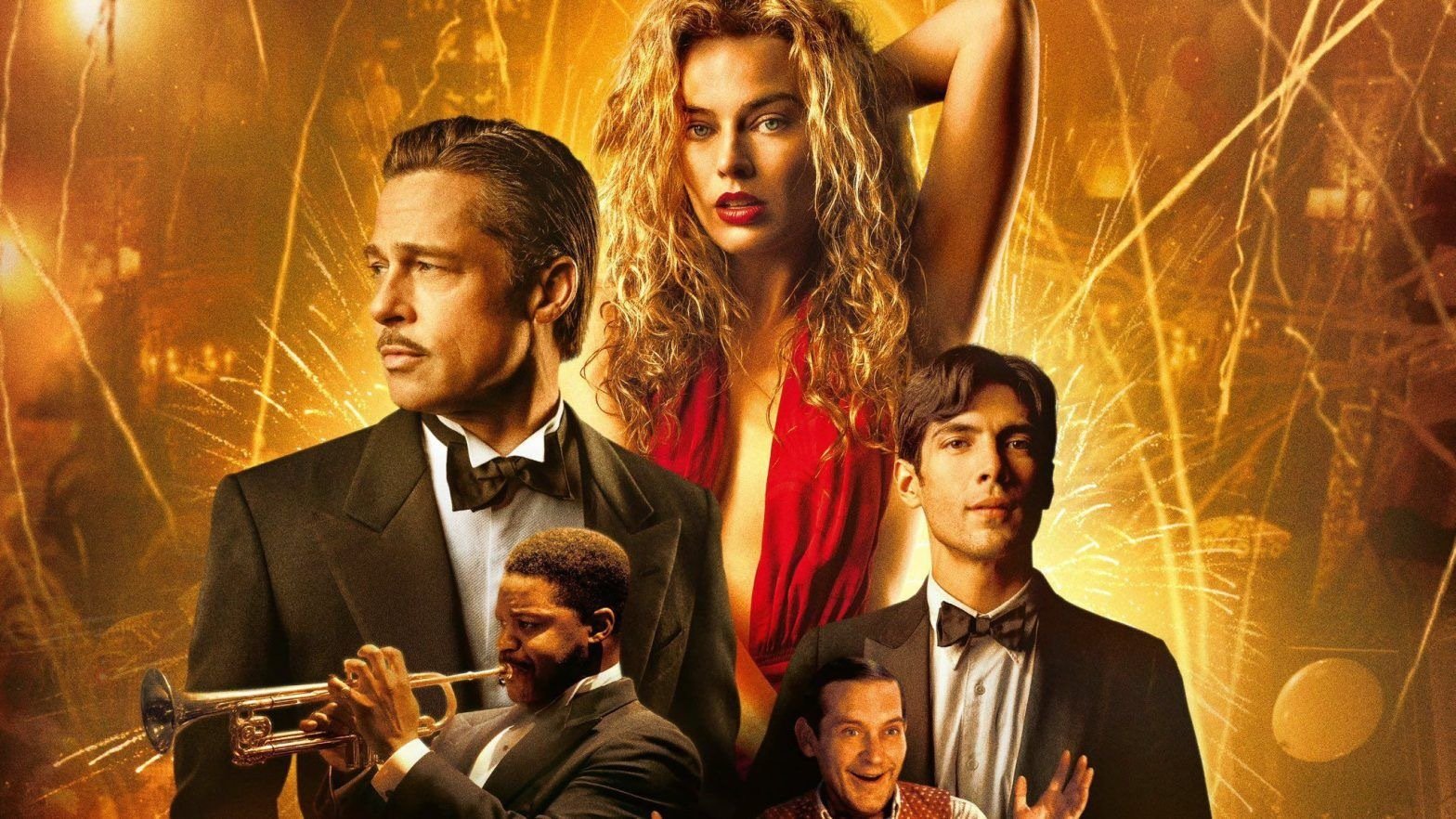
Sure, this thing totally bombed in theaters, and its excesses are definitely not for all tastes. But as screen spectacles go, they don’t get much grander than La La Land helmer Damien Chazelle’s literally and figuratively orgiastic Hollywood coming-of-age story. It’s an unhinged three-hour dive into the glitz, glamor, and wild indulgences of the movie business circa the switchover from silents to talkies. It’s loud, garish, and buzzing with cocaine-fueled energy, but for every misstep (an opening sequences featuring a mountain of elephant excrement sprayed directly into the camera) there are two bravura sequences (my favorite being a tortured depiction of what it’s like to film a movie scene under intense pressure that could be a short film all on its own), and the cast is full of movie stars (Brad Pitt and a pre-Barbie Margot Robbie being the standouts) the way they used to make ’em—bigger than life, and too much to crame into a standard runtime. You can stream Babylon on Prime Video and MGM+.
The flashiest addition is probably the support for Vulkan 1.4 by Anv (Intel),“
Asahi (Apple), Lavapipe (software), NVK (NVIDIA), PanVK (Mali), RADV (AMD),
and Turnip (Qualcomm).Users can expect the usual flurry of improvements across all drivers and
components.

Do you remember Humane’s AI Pin? It was a small $700 device that was supposed to replace your phone, using AI to answer any question and solve all your problems. Well, guess what? It flopped. And now the company behind is being bought by HP, and all the AI Pins still out there will stop working in about a week.
Valve’s updates to its classic games evoke Hemingway’s two kinds of going bankrupt: gradually, then suddenly. Nothing is heard, little is seen, and then, one day, Half-Life 2: Deathmatch, Day of Defeat, and other Source-engine-based games get a bevy of modern upgrades. Now, the entirety of Team Fortress 2 (TF2) client and server game code, a boon for modders and fixers, is also being released.
That source code allows for more ambitious projects than have been possible thus far, Valve wrote in a blog post. “Unlike the Steam Workshop or local content mods, this SDK gives mod makers the ability to change, extend, or rewrite TF2, making anything from small tweaks to complete conversions possible.” The SDK license restricts any resulting projects to “a non-commercial basis,” but they can be published on Steam’s store as their own entities.
Since it had the tools out, Valve also poked around the games based on that more open source engine and spiffed them up as well. Most games got 64-bit binary support, scalable HUD graphics, borderless window options, and the like. Many of these upgrades come from the big 25-year anniversary update made to Half-Life 2, which included “overbright lighting,” gamepad configurations, Steam networking support, and the like.
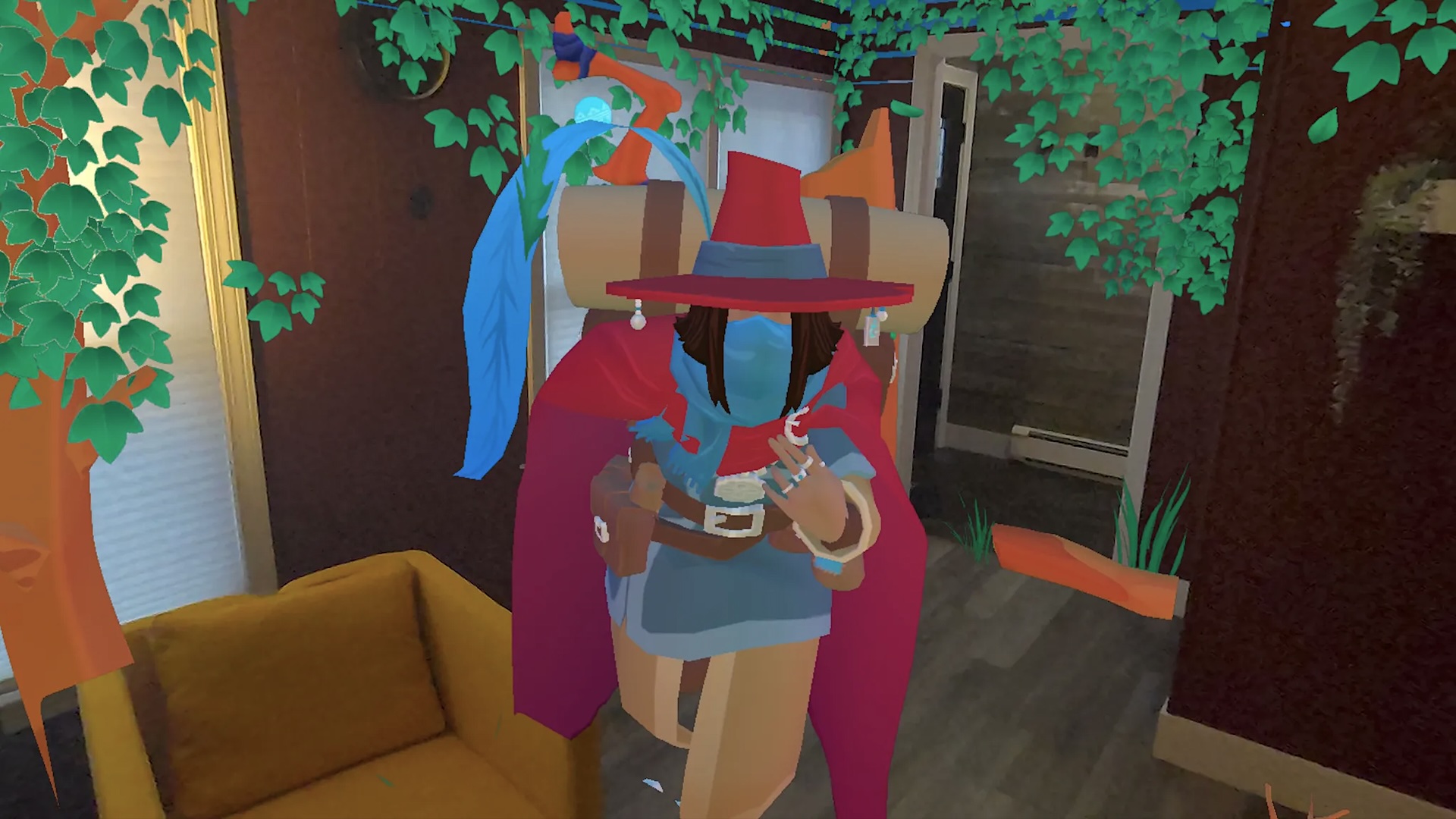
The mixed reality game Mythic Realms is coming to Quest 3 next month.
The post Mythic Realms will turn your living room into an action RPG appeared first on MIXED Reality News.
On Wednesday, Apple refreshed its budget iPhone line. However, this isn’t the iPhone SE 4; it’s the iPhone 16e. It’s the first time in a while Apple has added a letter to its current iPhone series (like the iPhone 6S or iPhone 5c), which might have you wondering: Should I buy the iPhone 16, or the iPhone 16E?
The TL;DR: The iPhone 16e is remarkably similar to the iPhone 16. For most people, this is likely the iPhone to buy, and comes with enough of what you’re looking for in the iPhone/iOS experience—especially when you consider the money you save. However, in order to make this iPhone more affordable than its other devices, Apple did have to cut some corners. I doubt many of these decisions will be dealbreakers for people looking to buy an iPhone without spending a ton, but there are some key differences hidden underneath the surface of these two sibling devices.
Whether you buy an iPhone 16 or iPhone 16E, you’re going to get a 6.1-inch “Super Retina XDR” display. What that really means is you’ll be using a bright, colorful, high-res OLED display that’s exactly the same size between both phones.
However, while both iPhones have the same sized 6.1-inch display, the 16e’s doesn’t get quite as bright. Apple says it typically reaches 800 nits of brightness, and 1200 nits for HDR content. The 16’s display, on the other hand, reaches 1000 nits of brightness normally, 1600 nits for HDR content, and 2,000 nits when outdoors. The 16’s is also a bit higher res, with a resolution of 2556 x 1179 versus the 16e’s 2532 x 1170, but both displays are 460 ppi.
The biggest difference you’ll notice, besides how these displays look outdoors, is at the top of the screen. The iPhone 16 has Apple’s Dynamic Island, which, aside from housing the Face ID camera, also sports digital widgets for different functions on your iPhone. The 16e, on the other hand, has a traditional notch, the same one you’d find on the iPhone 14. If you’re used to the notch, it’s going to be the same experience here, but you do miss out of the two key perks of the Dynamic Island: those widgets, and the small bump in screen real estate that comes with shrinking this cutout.
Both iPhones are running the A18 chip, which is Apple latest iPhone SoC. On the 16e, that gets you a six-core CPU, four-core GPU, and 16-core Neural Engine. That’s about the same on the 16, except it gets an extra GPU core. You won’t notice that extra core in many simple tasks, but it likely will help during intensive gameplay sessions, as well as for longevity. It’s a minor bump, however, and likely not something to base a purchase decision on.
The A18 chip means the iPhone 16e is compatible with Apple Intelligence, which the third-generation iPhone SE (as well as iPhones as new as the iPhone 15) are not. That’s a perk if you’re really into AI features, but if you’re the kind to disable them immediately, you might not care for it.
Flip the 16 and 16e around, and you’ll notice a big difference right away: The 16e only has one camera, while the 16 has two.
That solo camera on the 16e is quite similar to the 16’s main shooter: They’re both 26mm 48MP “fusion” lenses, with an aperture of ƒ/1.6. The 16e’s has optical image stabilization, while the 16’s has “sensor‑shift” optical image stabilization, which can offer a quicker stabilization. The 16e has “Hybrid Focus Pixels” while the 16 has “100% Focus Pixels:” That means all the pixels in the iPhone 16 are used to focus the image, while only some are used on the 16e. Both cameras offer “super-high-resolution” photos, in both 24MP and 48MP options. Both cameras also support 12MP “2x telephoto” zoom at 52mm.
You also get a number of perks on both iPhones: 10x digital zoom, night mode, portrait mode, etc. Based on paper specs, you’ll probably achieve similar results between both of these cameras. However, what you’re missing on the 16e is the 12MP ultra-wide lens. If you’re going to pick one camera, you’ll want the main shooter, but it is nice to have the ultra-wide for those times it’s difficult to get your entire subject in frame at once.
The iPhone 16 also comes with some video perks over the iPhone 16e, including 4K Dolby Vision cinematic mode, 2.8K Dolby Vision Action mode, Spatial video recording, QuickTake video for 4K Dolby Vision at 60 fps, and Macro video recording. But to be clear, you can shoot normal 4K Dolby Vision video on both iPhones.
On the front, you get the same 12MP selfie camera with an aperture of ƒ/1.9. Where the 16 wins here is in its extra Portrait mode controls and “latest generation” Photographic Styles, but for most selfies and FaceTime calls, there won’t be much difference.
If you’re coming from an older iPhone, you might be surprised to see the omission of a ringer switch. In its place is the Action button, just as you’d find on the iPhone 16. While the Action button can still flip your iPhone to silent mode, you can also assign a different function for it instead. Perhaps you’d rather the Action button launch the camera, your flashlight, or a Shortcut, which opens up the possibilities.
However, the iPhone 16 does come with a button the 16e does not: Camera Control. As the name suggests, this button gives you added controls over your iPhone’s camera, including the ability to launch the camera from the button, snap photos, or zoom.
The iPhone 16e is Apple’s first iPhone to ship with a proprietary cellular modem, which the company calls C1. All other iPhones use modems from Qualcomm. You probably won’t notice any network gains from Apple’s own C1 modem, but there is one benefit: battery life.
Apple says the 16e has the “best battery life ever on a 6.1-inch iPhone.” According to the company’s stats, that translates to up to 26 hours of video playback, 21 hours of streaming video, and 90 hours of audio playback. Compare that to the iPhone 16, which achieves up to 22 hours of video playback, 18 hours of streaming video, and 80 hours of audio playback. That said, you won’t be charging the iPhone 16e with MagSafe, as the device isn’t compatible with Apple’s magnetic charging standard. If you don’t have any MagSafe products already, you won’t notice this omission, but if you do, it might be a frustrating downgrade.
The iPhone 16e only comes in two colors: Black or White. The 16, on the other hand, Black, White, Pink, Teal, or Ultramarine (purple). It’s an interesting choice, but considering how most people slap a case on their iPhones as soon as they buy it, the color probably doesn’t matter as much here.
There are a number of smaller features here that are exactly the same: The 16e and 16 both have USB-C, which means you can finally ditch your Lightning cables (unless you still have Lightning accessories).
You can also treat both the same around water, since the 16 and 16e are rated IP68 water and dust resistant. That means the phones can handle submersion in six meters of water for up to 30 minutes.
Both the 16 and the 16e come in three storage sizes: 128GB, 256GB, and 512GB. They’re quite similar in size and weight, too. iPhone 16e is 5.78 x 2.82 x 0.31 inches, and weighs 5.88 ounces, while the iPhone 16 is 5.81 x 2.82 x 0.31 inches and weighs six ounces.
Objectively, the iPhone 16 is a better iPhone than the 16e, since it’s essentially a 16e, just with a bunch of added perks (minus the extra battery life, that is). However, the price is what is supposed to make the 16e the bargain here. The iPhone 16 starts at $799, which, while cheaper than the $999 iPhone 16 Pro, is still quite expensive.
The 16e is indeed less expensive, but it isn’t cheap. It starts at $599 for the 128GB model. The iPhone SE 3, on the other hand, launched at $429, which itself was $30 more expensive than the iPhone SE 2 before it. “Budget” iPhone clearly means something different now.
Everything is pricey these days, which needs to be taken into consideration here. Yesterday, you could buy an iPhone 16 for $800. Soon, you can pre-order most of the 16’s best features in the 16e for $600. If you can live without the brighter screen, the Camera Control button, the ultra-wide camera, and the extra photography controls, that’s $200 well saved. Plus, you won’t need to run to find a charger as frequently as you would with the iPhone 16.
Pre-orders for the 16e start Feb. 21. The iPhone will be available starting Feb. 28.
The embattled EV truck maker Nikola is going kaput. The company just announced a filing for Chapter 11 bankruptcy protection and a plan to sell off assets. These assets will be sold at an auction, pending court approval. Nikola noted it has $47 million in cash on hand to fund the bankruptcy proceedings and begin the sale process. The company has reported between $500 million to $1 billion in assets, but liabilities totaling $1 billion to $10 billion, according to a court filing.
“Like other companies in the electric vehicle industry, we have faced various market and macroeconomic factors that have impacted our ability to operate,” said Steve Girsky, President and CEO of Nikola.
Those market and macroeconomic factors are real, as EV adoption growth rates have slowed a bit. However, Nikola is a special case. The company has been embroiled in numerous scandals in recent years, so this news caps off a particularly dire fall from grace for the once-buzzy EV maker.
Nikola was founded in 2015 with a mission to create zero-emissions heavy trucks. The company secured a lucrative partnership with GM in 2020, but things fell apart soon thereafter. It was credibly accused of fraud, thanks to a report by short-selling firm Hindenburg Research. This report even included a video showing a Nikola truck rolling down a hill to simulate driving.
Our investigation of the site and text messages from a former employee reveal that the video was an elaborate ruse— $NKLA had the truck towed to the top of a hill on a remote stretch of road and simply filmed it rolling down the hill. pic.twitter.com/n2NLDGInzR
— Hindenburg Research (@HindenburgRes) September 10, 2020
This “elaborate ruse” caused the SEC to begin an investigation which led to founder Trevor Milton stepping down as board chair and CEO. Later, he was arrested and indicted on fraud charges. Milton was found guilty and sentenced to four years in prison. The company settled with the SEC for $125 million. It goes without saying that GM backed out of that partnership.
The company did go public in 2020 and began shipping its first trucks in 2021. However, reports indicated that Nikola was losing hundreds of thousands of dollars on every truck it sold. All told, the company only made around 600 vehicles, many of which were recalled due to a variety of defects.
This subpar performance caused the stock to crater, stumbling from a high of over $1,000 per share to, as of this writing, $0.47 per share. I guess only one company named after the guy who invented alternating current (AC) energy is allowed to consistently fall below expectations without making a dent on its valuation.
This article originally appeared on Engadget at https://www.engadget.com/transportation/evs/ev-truck-maker-nikola-has-finally-called-it-quits-172516625.html?src=rss
Rather than rely on Taiwan Semiconductor or another company for fabrication, Microsoft is manufacturing the components of Majorana 1 itself in the U.S. That’s possible because the work is unfolding at a small scale. “We want to get to a few hundred qubits before we start talking about commercial reliability,” Jason Zander, a Microsoft executive vice president, told CNBC. In the meantime, the company will engage with national laboratories and universities on research using Majorana 1.


Read more of this story at Slashdot.

While PlayStation Plus users can enjoy voice chatting with one another via the PS5 default chat system, voice communication with players across other ecosystems has always been a challenge. Thus, with Discord growing to be the world’s most popular option for linking up in gaming, it makes sense that Sony would…

Wizards of the Coast continues to pull back the curtain on its summer 2025 expansion of Magic: The Gathering which sees the card game cross over with Final Fantasy, and the results continue to look super cool. The company has revealed 20 of the cards coming to the set so far, and they include everything from…
Google is introducing two small but meaningful enhancements to its Lens technology. To start, Chrome and Google app users on iPhone can now draw, highlight or tap on text and images to carry out a visual search of what they see in front of them. If this sounds familiar, it’s because Google is basically bringing over an interface paradigm it debuted last year with Circle to Search on Android to iPhone. While the implementation is different and more limited due to the constraints of iOS, the idea is the same: Google wants to save you the trouble of opening a new Chrome tab or saving a screenshot when you want to find more information about an image you see.
For now, Google says you can access the new feature, whether you’re using Chrome or the Google app, by opening the three-dot menu and selecting “Search Screen with Google Lens.” In the future, the company will add a dedicated Lens shortcut to the address bar in Chrome.
Separately, the next time you use Lens, you’ll be more likely to encounter Google’s AI Overviews, particularly when you use the software to find information on more unique or novel images. In those instances, you won’t need to prompt Lens with a question about the image you just snapped for the software to try and offer a helpful explanation of what you’re seeing. Instead, it will do that automatically.
Ahead of today’s announcement, Harsh Kharbanda, director of product management for Google Lens, gave me a preview of the feature. Kharbanda used Lens to scan a photo of a car with an usual surface on its hood. An AI Overview automatically popped up explaining that the car had a carbon vinyl wrap, which it further said people use for both protection and to give their rides a more sporty appearance. According to Kharbanda, Google will roll out this update to all English-language users in countries where AI Overviews are available, with the feature first appearing in the Google app for Android and iOS, and arriving soon on Chrome for desktop and mobile devices.
This article originally appeared on Engadget at https://www.engadget.com/ai/google-lens-for-iphone-now-lets-you-draw-to-do-visual-searches-170055399.html?src=rss
We may earn a commission from links on this page.
There was a time when I would confuse the terms “Dutch oven” and “slow cooker.” I couldn’t tell you why, but it was probably because I had never really operated either of them before and these vague, old-timey titles fused together in my mind. (I envisioned a cauldron over a fire.) Well, let the record show that they’re not the same. Not only are they completely dissimilar in appearances, but they specialize in somewhat different cooking tasks. H
Both cookers are known for their slow and steady cooking properties, and due to their deep shape, the Dutch oven and slow cooker are both good candidates for high-moisture foods. The biggest difference is that one is a proper electronic appliance, and one is, well, a pot.
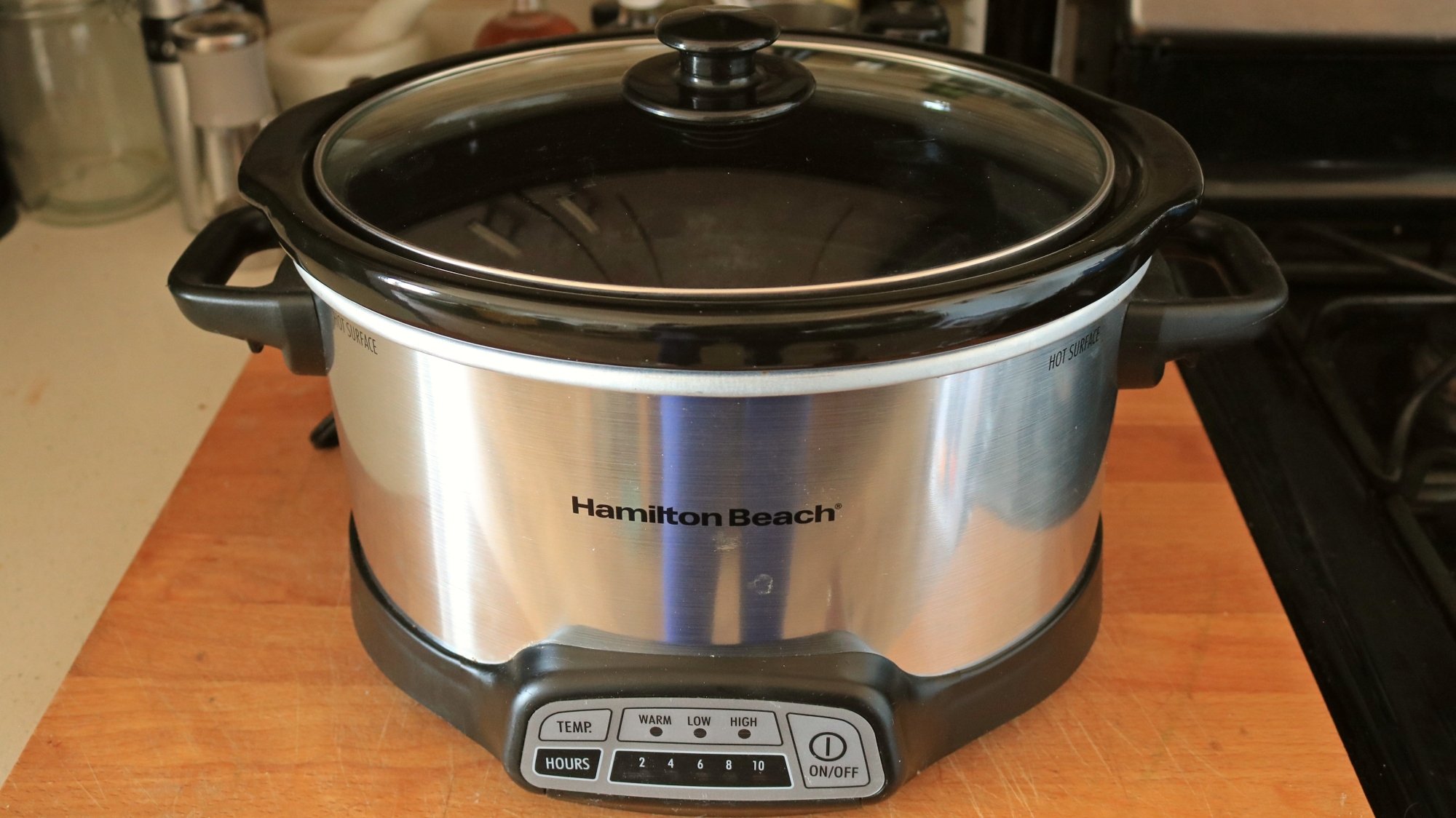
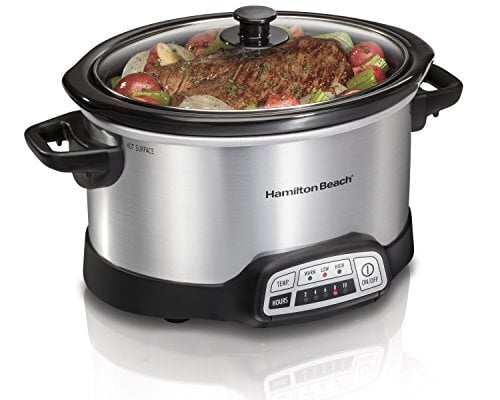
The slow cooker is a cooking appliance that includes a lightweight (usually aluminum) housing with an electric heating element at the bottom. There’s always a heavy ceramic vessel that sits snugly into the housing and this is where the food cooks. Oh, and there’s a lid. The lid fits loosely and that seems like a mistake at first, but it’s not supposed to be tight—steam is supposed to gently escape during cooking.
On the front of every slow cooker is a control panel. This might be a simple rotating dial, or it could be a whole digital display with buttons and a timer. The settings are usually high, low, keep warm, and the amount of time it’s cooking for. Here’s the one I have, and it works well for me.
The electric heating element in the housing gently heats the ceramic interior vessel to a range just around boiling. Depending on the model, low temperature might be around 200°F and it may only go as high as 300°F. With temperatures this low and gentle, you can see why it’s called a slow cooker. Most things that go in will take over an hour to cook. That makes this appliance great for hands-off cooking where you want flavors to deepen and meld, and tough meats that would benefit from the tenderization of low, slow heat.
Where the slow cooker really shines is with set-it-and-forget-it cooking and keeping foods warm for a long period of time. Since it’s not cooked on the stove and the entire heating mechanism is enclosed, the slow cooker is safe to leave on the counter unattended. (As long as you trust your cats to leave it alone. It’s a gamble for me.) The slow cooker can be a huge helper when you need to free up the stove and oven, like for Thanksgiving. I think the “keep warm” function is the biggest boon for party hosting. I’ll keep a huge tank of Swedish meatballs warm in a large slow cooker, and a small batch of mulled glögg steaming in another.
Set up the slow cooker for:
Bean soups
Stews with tough cuts of meat
Chili
Meatballs in gravy
Mulled wine or other hot beverages
You wouldn’t use the slow cooker for anything that needs to be done quickly, or anything that requires high heat. For example, you can’t sear something in the slow cooker. It’s a better tool for boiling, steaming, or keeping moist foods and drinks warm.

A Dutch oven is not an appliance at all. I’m willing to bet that the word “oven” in the title is what throws off most people. In the simplest terms, it’s a heavy-duty cast iron pot with a lid. There are no moving parts, no plugs, and no instruction manual. The fanciest thing about it is the enamel glaze that can come in a rainbow of colors and makes the interior somewhat non-stick. I’ve been pretty obsessed with mine this winter. My Dutch oven was a gift and it has no brand name (many of the affordable ones are just as good as the fancy ones), but if I were to buy another one it would probably be a Lodge.
The Dutch oven excels at holding onto heat for long periods of time and distributing it evenly because of its dense walls. They’re also oven-safe up to 500°F (and maybe higher, depending on the brand). That makes this pot great for anything that needs to be cooked for a long period of time, any meals that move from the stove top to the oven, or things that benefit from roasting in an enclosed space in the oven.
The Dutch oven is a great vessel for frying since the thick metal retains heat better than a thin pot. You won’t have to keep messing with the flame to maintain a 350°F temperature. My favorite things to throw in Ol’ Dutchie are bread for the increased oven spring (the final rise a loaf of bread does in the oven) and soup or stew. If you’re in need of a recipe, my crispy chicken and rice recipe really shows off what the Dutch oven is capable of.
Pull out the Dutch oven for:
Braised meats
Roasted meats
Sauces or soups that simmer at a low temperature
Deep frying
Bread baking
You wouldn’t use the Dutch oven for anything that you want to cook quickly because it takes so long for the metal to come up to temperature. Frying eggs, quick stir-fried noodle dishes, and whipping up grilled cheese sandwiches are still best done in a classic frying pan.
The next time you’re making pulled pork, stew, or white bean chili, you could reach for either cooking tool. When deciding between the two I usually ask myself a few questions: Do I want to do a little work or practically no work, are there tough cuts of meat I’d like to tenderize, and how much time do I have until I want to eat? If I have a few hours or tough bits of beef to cook, I’ll probably dump the ingredients in the slow cooker. If I want to eat within the hour and/or the meal has seared and simmered elements, I’ll likely turn to my Dutch oven.

Specifically, ASUS is readying its XG Mobile for release on February 25,
On Wednesday, Microsoft released an update on its efforts to build quantum computing hardware based on the physics of quasiparticles that have largely been the domain of theorists. The information coincides with the release of a paper in Nature that provides evidence that Microsoft’s hardware can actually measure the behavior of a specific hypothesized quasiparticle.
Separately from that, the company announced that it has built hardware that uses these quasiparticles as the foundation for a new type of qubit, one that Microsoft is betting will allow it to overcome the advantages of companies that have been producing qubits for years.
Quasiparticles are collections of particles (and, in some cases, field lines) that can be described mathematically as if they were a single particle with properties that are distinct from their constituents. The best-known of these are probably the Cooper pairs that electrons form in superconducting materials.