[$] A hole in FineIBT protection

Intel’s indirect
branch tracking (IBT)
is a hardware-implemented control-flow-integrity
mechanism that makes it harder for an attacker to gain control of the
system by way of a corrupted indirect branch. FineIBT is a software
extension to IBT that is meant to improve its protection. Recently,
though, Jennifer Miller reported a novel way to bypass
FineIBT by taking advantage of how the kernel’s system-call entry point is
constructed. In response, Peter Zijlstra is working on some FineIBT
enhancements to close that hole and make IBT more secure in general.

There’s a battery bigger than in most BEVs inside the Ramcharger hybrid

Ram’s 1500 Ramcharger goes on sale later this year, and the company is taking a slightly different approach to its electrified truck than rivals Ford and General Motors, which both now offer battery electric pickups. The Ramcharger will be a range-extended EV, albeit one with more lithium-ion on board than most BEVs have.

Honestly, pickup trucks are a poor candidate for electrification, at least while we’re still firmly in early adopter territory. The instant and impressive torque from an electric motor is great, but the shape of a cab and bed is inherently draggy in a way that few other vehicles are, a problem exacerbated by whopping great frontal areas.

But the pickup truck is also the most popular kind of vehicle in the US, and the industry has tried very hard to convince itself and everyone else that pickup buyers could seamlessly adopt electric powertrains en masse. That way, everyone in America could drive an EV, climate change would go away, and no one would have to consider changing their lifestyle or taking a bus to work.

Read full article

Comments

Sony cuts the price of PS VR2 to $400

Sony is permanently reducing the price of the PlayStation VR2. Starting in March, the headset will cost $400, €450 and £400 — down from $550, €600 and £530, respectively. Included in the price cut is the Horizon Call of the Mountain bundle, which, like the standard package, will cost $400, €450 or £400 depending on your region. While it’s been possible to buy the PS VR2 for less than $400 during recent sales, the new pricing should give retailers the flexibility to discount the device even more aggressively down the road.

It’s hard to say what this means for the future of the PS VR2. Arguably, it was too expensive at launch, and at $400, it still costs more than the Meta Quest 3S, a standalone headset that doesn’t require a PlayStation 5 or PC to power it. Sony recently added support for low-latency hand tracking, but overall the company doesn’t appear keen on investing more time and money into the platform. Major first-party studios haven’t made many games for the PS VR2, and those that have, including the creators of Call of the Mountain, have seen layoffs in recent months.

This article originally appeared on Engadget at https://www.engadget.com/gaming/playstation/sony-cuts-the-price-of-ps-vr2-to-400-154138227.html?src=rss

Sony is Permanently Slashing PSVR 2 by $150 in March, Including ‘Horizon Call of the Mountain’ Bundle

Sony today announced it’s permanently discounting PSVR 2 starting next month, bringing the PS5 and PC-compatible VR headset to $400.

Sony launched PSVR 2 nearly two years ago today at $550. Now, following little fanfare at its two-year anniversary—and no real mention during its State of Play two weeks ago—Sony is slashing the price of PSVR 2 to $400 / €550 / £400 / ¥66,980 starting in March.

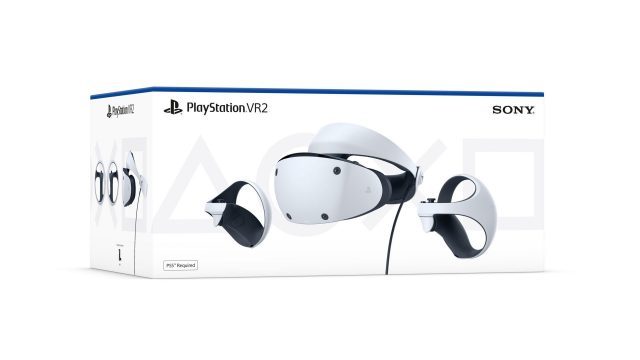
Interestingly, the new $400 MSRP affects both its basic PSVR bundle, which includes the headset, two Sense controllers, and headphones, and the Horizon Call of the Mountain hardware bundle, which was priced at $600 at the headset’s February 2023 launch.

Image courtesy PlayStation

Granted, PSVR 2 has seen a number of sales in the past that brought the headset down an even lower price than we’ll see in March. In November 2024, Sony discounted the Horizon Call of the Mountain bundle to just $350, which could mean the best potential savings are yet to come.

While Sony highlights a slate of high-quality PSVR 2 content in its new pricing announcement, including Skydance’s Behemoth, Metro Awakening VR, and Alien: Rogue Incursion, and also upcoming games like Aces of Thunder, Dreams of Another, Hitman World of Assassination, and The Midnight Walk—the company hasn’t really thrown its full support behind PSVR 2.

Sony has released only a handful of first-party titles for PSVR 2, including Horizon Call of the Mountain, and VR modes for Gran Turismo 7, Resident Evil Village and Resident Evil 4 Remake. This comes in contrast to titles released and/or published by Sony for the original 2016 PSVR, with included Astro Bot Rescue Mission, Blood & Truth, Until Dawn: Rush of Blood, PlayStation VR Worlds, VR Playroom, and VR modes for Gran Turismo Sport and Resident Evil 7: Biohazard.

Granted, Sony has done PSVR 2 players somewhat of a solid by releasing its PC Adapter for $60 last August, which lets users hook into a VR-ready PC to play SteamVR games like Half-Life: Alyx, Fallout 4 VR and more. Still, the company’s modus operandi suggests this was only the beginning of its drawn-out decoupling of PSVR 2 from the broader PS5 ecosystem.

Still, inevitable discounts yet to come could see a similar bump in respectable year-over-year sales like it did this Holiday Season, which could bring in more PS5 players looking to play not only the backlog of genuinely great games, but also that steady stream of third-party titles that hasn’t seemed to slow down. Provided we see another 42% discount like Black Friday, that would bring PSVR 2 to just $232—putting well into stocking stuffer territory.

The post Sony is Permanently Slashing PSVR 2 by $150 in March, Including ‘Horizon Call of the Mountain’ Bundle appeared first on Road to VR.

NVIDIA 570.124.04 Linux Driver Brings Additional Fixes

Going into beta just under one month ago was the NVIDIA 570.86.16 Linux driver that brought initial support for GeForce RTX 50 “Blackwell” graphics cards as well as Vulkan driver improvements, Variable Rate Refresh (VRR) support with multiple displays, GPU overclocking exposed by default, and various other refinements to this official NVIDIA Linux driver. Out today is the NVIDIA 570.124.04 stable Linux driver release…

iPhone 16e’s Gimped C1 5G Modem Battles Snapdragon X71 With Surprising Results

iPhone 16e's Gimped C1 5G Modem Battles Snapdragon X71 With Surprising Results
The launch of Apple’s iPhone 16e has been met with equal parts excitement and equal parts befuddlement. While the new phone sports many flagship features such as an A18 chipset, satellite connectivity, and larger battery, certain aspects (undoubtedly due to cost-cutting) have left some folks disappointed. One of the biggest spotlights has

NVIDIA Releases A New Driver To Fix Black Screen Bugs On RTX 50 GPUs

NVIDIA Releases A New Driver To Fix Black Screen Bugs On RTX 50 GPUs
NVIDIA recently confirmed that it was still in the process of “actively investigating” black screen issues and other bugs plaguing some GeForce RTX 50 series owners, and now it’s released new ‘Game Ready’ and ‘Studio’ driver packages that, according to the release notes, stomps out “various” black screen bugs.

The release notes highlight

Is npm Enough? Why Startups Are Coming After This JavaScript Package Registry

The JavaScript package world is heating up as startups attempt to challenge npm’s long-standing dominance. While npm remains the backbone of JavaScript dependency management, Deno’s JSR and vlt’s vsr have entered the scene with impressive backing and even more impressive leadership — JSR comes from Node.js creator Ryan Dahl, while npm’s own creator Isaac Schlueter is behind vsr. Neither aims to completely replace npm, instead building compatible layers that promise better developer experiences.

Many developers feel GitHub has left npm to stagnate since its 2020 acquisition, doing just enough to keep it running while neglecting innovations. Security problems and package spam have only intensified these frustrations. Yet these newcomers face the same harsh reality that pushed npm into GitHub’s arms: running a package registry costs serious money — not just for servers, but for lawyers handling trademark fights and content moderation.

Read more of this story at Slashdot.

Pokémon Legends: Z-A’s Starters Revealed And Everyone’s Favorite Fire Pig Is Back

We finally have our first real look at Pokémon Legends: Z-A and which Pokémon will grace its world. This time around players are headed to the Kalos region and the starters they get to pick from are Chikorita, Tepig, and Totodile. While I’m a grass-type enthusiast at heart, there’s no question who I’m picking this…

Read more…

Designate a ‘Purgatory’ Box for Less Stressful Decluttering

Getting rid of stuff can be hard, even if you’re not exactly a hoarder. It’s hard enough for so many of us in our consumerist society, in fact, that scientists have studied why that is—and are always coming up with ways to overcome an aversion to decluttering our lives. Just in time for spring cleaning season, look to research published in the Journal of Consumer Psychology that suggests there’s a way to ease yourself into parting with old belongings: Instead of throwing them out all at once, banish them to purgatory first.

What it means to put clutter in “purgatory”

The researchers, Mathew S. Isaac and Poornima Vinoo, kicked off their paper by explaining that people who struggle to part with their possessions tend to jump through hoops to avoid doing it and may only manage to do so by employing “various behavioral strategies” to ease the psychological strain. One such strategy that has proven useful for some, the researchers note, is relegating unnecessary but hard-to-part-with items to “out of sight” status, in the hopes that they will then drop out of mind and can be later disposed of, minus the hand-wringing. “According to ethnographic research, one such strategy is to move products into purgatories, or temporary liminal spaces,” they write.

In other words: Before throwing out your old photos, books, receipts, mementos, or knick knacks for good, put them into a space somewhere between your everyday environment and the trash. Essentially, banish things you think you should probably get rid of to a box or a junk drawer where you won’t access them, but you’ll know they’re still around. Once you no longer have to look at them every day, you’ll hopefully realize how little you actually need them once it’s time for a major purge, and they’ll be easier to donate, sell, or trash.

Why the purgatory method helps you get rid of your junk

Isaac and Vinoo reviewed three existing studies that indicated moving items into “purgatories” helps people brace for the inevitability of disposal. However, their research uncovered a new reason it works, and it has nothing to do with a reduction of attachment. “Specifically, purgatories are shown to trigger mental simulation of the product disposal process, thereby helping product owners brace for the looming loss of their product,” they write.

In simpler terms, when you condemn an item to its purgatory, it’s a practice run for throwing it away for real. Not only will you be lessening your attachment to physical objects in a gradual way by removing them from your everyday environment, you’ll be rehearsing for the moment when you actually junk them permanently.

How to get started putting your excess stuff into purgatory

When you’re decluttering, make a separate pile of things you think you could get rid of, even if you aren’t quite ready to pull the trigger yet, in addition to the clear-cut piles of things to toss, sell, donate, and keep. You don’t have to commit to throwing them all away, but this will get you thinking about the possibility. Outdated clothes you don’t wear anymore, single-use kitchen tools you haven’t picked up in ages, and toys your kids have aged out of—basically, all the stuff you hold onto for sentimental or “just in case” reasons—can go into purgatory.

Make sure “purgatory” is someplace you won’t have to look at every day. The idea is to forget what’s in there so you can see just how inconsequential it really is. Put the box deep in a closet, down in the basement, or on a shelf in the garage. For maximum efficiency, use separate boxes for things that won’t be useful to anyone else, and things that could reasonably be donated. That way, when it’s time for them to go to their final resting place, you can bring one box to the donation center and throw one out without having to go through them again, which will reduce the likelihood of you reneging on anything that’s in there.

Challenge yourself not to venture into purgatory except to put more stuff in there—but take heart knowing the research shows you probably won’t even want to. Set a reminder in your phone for a month from now, and on that day, transport the items to their final destination, whether that’s the trash or the donation center. In the event you find you actually need to use something from the box during that month, you can consider taking it as a sign that the item was a necessary one. (That is very unlikely, by the way.)

Other ways to part with things you’re not sure about

I know better than anyone how easy it is to manufacture excuses for not getting rid of clutter. I am the reigning queen of holding on to something “just in case” I need it in the future. The thing is, though, you can make that excuse for everything you own. A purgatory box is a great way to bridge the gap between knowing something is probably trash and actually throwing it out, which is why I have a purgatory shelf for old clothes. But there are other methods designed to make it easier on you to toss things out on sight and those get even faster results than having to wait around to dispose of a box for a month.

I recommend familiarizing yourself with these decluttering questions. When you’re sorting through a closet, a cabinet, a drunk drawer, or wherever else, asking objective, reasonable questions is one of the easiest ways to disentangle from any sentimentality or excuse-making. Some of the questions include, “Would I know I had this if I needed it?” and “When was the last time I used this?” Reframing how you think of a particular item and its utility can help you part with it. I used to be all about the KonMari method, which has you ask yourself if each item you pick up “sparks joy” for you, but the issue was that I could do enough mental and emotional gymnastics to claim that everything I owned sparked joy. If you’re like me, switching over to a more rigid (and, admittedly, harsher) line of questioning can be the push you need.

If, after answering the questions about a certain item, you’re still unsure whether you can give it up, toss it into the purgatory box. Combining methods is totally fine as long as you commit to the goal of ultimately getting rid of what isn’t serving you and is, in fact, just mucking up your space.

Meta Reveals Next Generation Aria Smart Glasses for Research and Experimentation

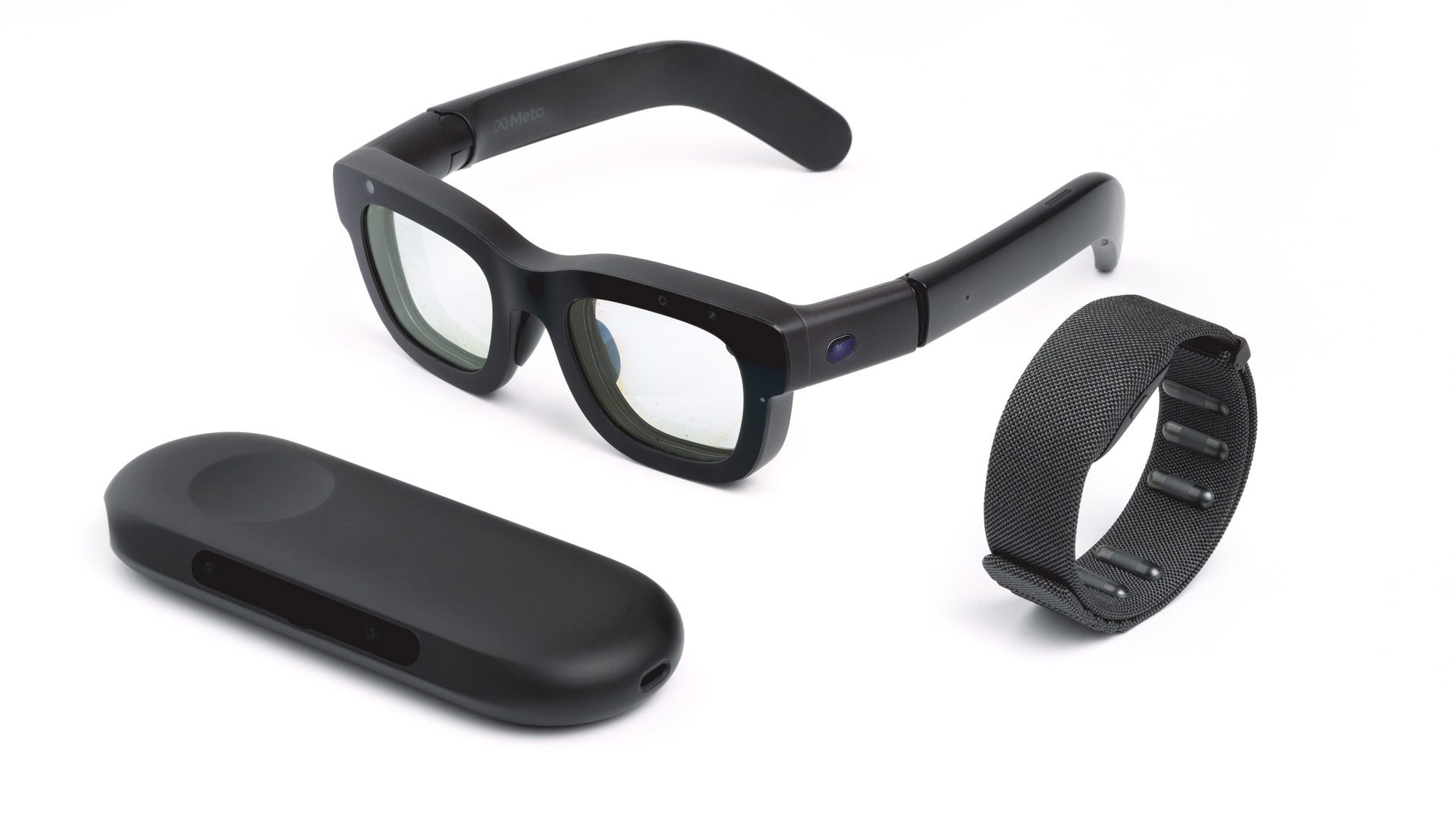
Meta today revealed its next-gen smart glasses, Aria Gen 2, which the company intends to release to third-party researchers working on machine perception systems, AI and robotics.

The company revealed its first iteration of Project Aria back in 2020, showing off a sensor-rich pair of glasses which the company used internally to train its machine perception systems, ultimately tackling some of the most complex issues in creating practical, all-day augmented reality glasses of the future.

Since then, Meta’s first-gen Aria has found its way outside of company offices; early collaborations with BMW and a number of universities followed, including Carnegie Mellon, IIIT Hyderabad, University of Bristol, and University of Iowa, which used the smart glasses to tackle the a host of machine perception challenges.

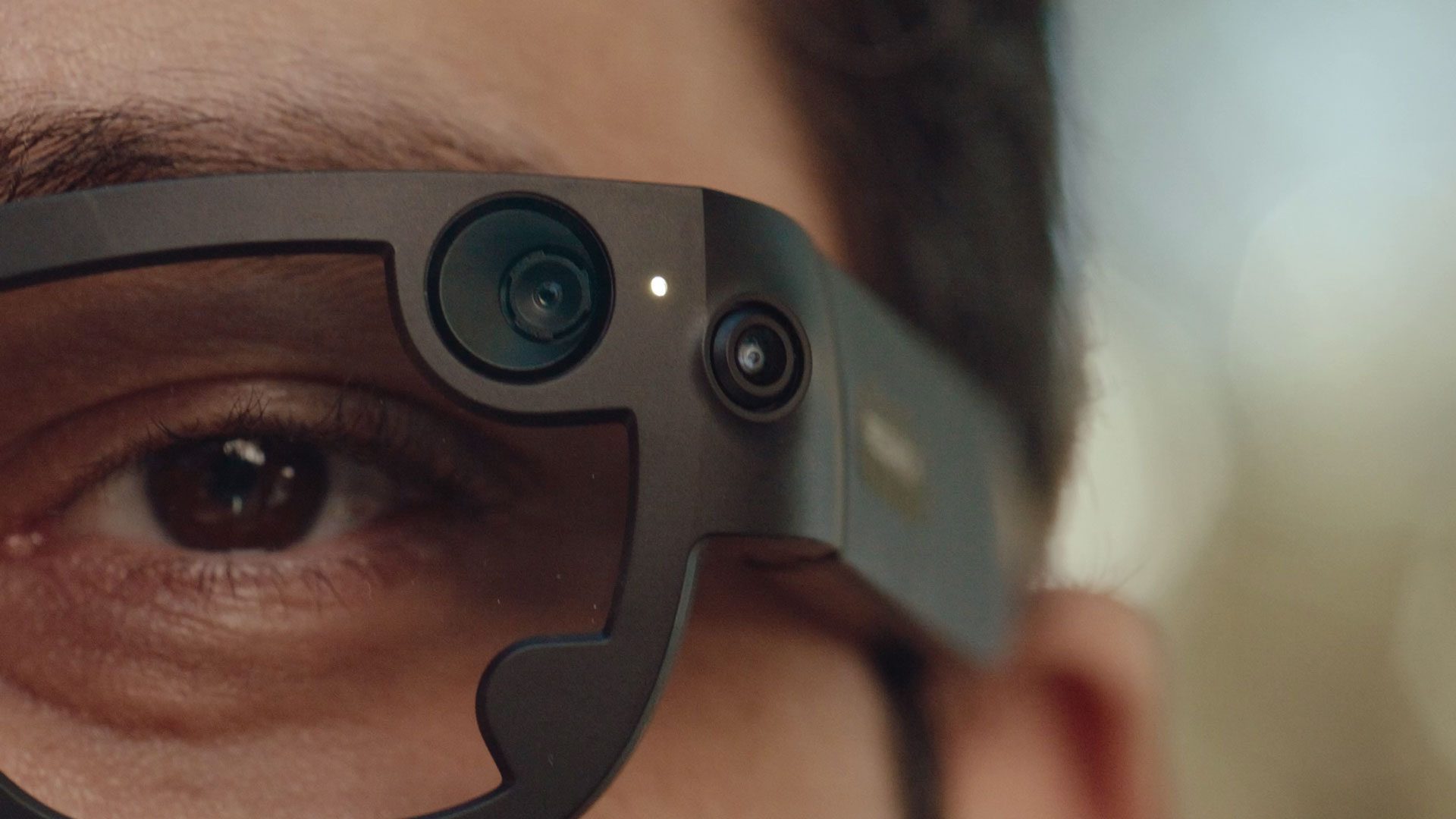
Now, Meta has revealed Aria Gen 2. Like the first-gen device, Gen 2 doesn’t include displays of any type, though it now houses an upgraded sensor suite, including an RGB camera, position-tracking cameras, eye-tracking cameras, spatial microphones, IMUs, barometer, magnetometer, GNSS, and custom Meta silicon.

New to Aria Gen 2 are two new sensors embedded in the device’s nosepad: a photoplethysmogram (PPG) sensor for measuring heart rate and a contact microphone to distinguish the wearer’s voice from that of bystanders.

What’s more, Meta touts the 75g device’s all-day usability—making for 6-8 hours of active use—and its a foldable design.

The increasingly AI-rich device also features a slate of on-device machine perception systems, such as hand and eye-tracking, speech recognition, and simultaneous localization and mapping (SLAM) tracking for positional awareness.

Aria Gen 2 | Image courtesy Meta

Meta envisions the Aria’s SLAM tracking will allow users to internally map and navigate indoor areas that don’t have good or detailed GPS coverage—aka, a visual positioning system (VPS) that could equally help you get around a city street and a find specific item in a store.

The company isn’t ready to sell Aria Gen 2 just yet, although Meta says it will share more details over the coming months, which is slated to target both commercial and academic researchers.

One such early collaboration was with Envision, which announced in October it was working with Meta to provide Aria with a ‘Personal Accessibility Assistant’ to help blind and low-vision users navigate indoor spaces, locate items, and essentially act as a pair of ‘seeing eye’ glasses.

Envision and Meta showed off their latest work in a video (seen above), revealing how Aria Gen 2’s SLAM tracking and spatial audio can assist a blind user to navigate a supermarket by following a spatially correct homing ping that the user perceives as emanating from the correct area, which guides them to the desired item, such as a red onion, or Granny Smith apple.

This comes as Meta continues its push to release its first commercial AR device, which not only needs all of those systems highlighted in Aria, but also the ability to display stereo-correct information in a slim, all-day wearable package. It’s no small feat, considering displays have much higher compute and power requirements relative to Aria’s various machine perception systems.

One of Meta’s biggest ‘light house’ moments was the reveal of its AR prototype Orion in September, which does feature those compute and power-hungry display, yet still fitting into an impressively slim form-factor, owing to its separate wireless compute unit.

Orion | Image courtesy Meta

Orion, or rather an Orion-like AR device, isn’t going on sale anytime soon though. The internal prototype itself cost Meta nearly $10,000 per unit to build due to its difficult to scale silicon carbide lenses, which notably feature a class-leading 70 degree field-of-view (FOV).

Still, the race is heating up to get all of the right components and use cases up to snuff to release a commercial product, which is aiming to supplant smartphones as the dominant mobile computing platform. Meta hopes to launch such AR glasses before 2030, with other major companies hoping to do the same, including Apple, Samsung, and Google.

The post Meta Reveals Next Generation Aria Smart Glasses for Research and Experimentation appeared first on Road to VR.

Pixel Watch 3’s Groundbreaking Pulse Loss Detection Gets FDA Approval

Pixel Watch 3's Groundbreaking Pulse Loss Detection Gets FDA Approval
A big, potentially life-saving feature is coming to a Google Pixel Watch 3 near you. It’s called “loss of pulse detection” and it’s coming to U.S. users by the end of March following approval from the U.S. Food and Drug Administration (FDA). The idea behind the feature is that when the watch detects a loss of pulse event while worn, the device

Australia Bans All Kaspersky Products on Government Systems Citing ‘Unacceptable Security Risk’

The Australian government has banned all Kaspersky Lab products and web services from its systems and devices following an analysis that claims the company poses a significant security risk to the country. From a report: “After considering threat and risk analysis, I have determined that the use of Kaspersky Lab, Inc. products and web services by Australian Government entities poses an unacceptable security risk to Australian Government, networks and data, arising from threats of foreign interference, espionage and sabotage,” justified Stephanie Foster, Secretary of the Department of Home Affairs.

“I have also considered the important need for a strong policy signal to critical infrastructure and other Australian governments regarding the unacceptable security risk associated with the use of Kaspersky Lab, Inc. products and web services.”

Read more of this story at Slashdot.