
There is a lot of exciting networking changes to find with the in-development Linux 6.16 kernel both for wired and wireless devices as well as some exciting core networking improvements/optimizations…
Category Archives: Linux
AlmaLinux 10: RHEL’s Twin, With Twists
While most of the RHEL clones are happy to be line-by-line copies of Red Hat’s pride and joy, AlmaLinux 10 strives to be a little bit more.
The post AlmaLinux 10: RHEL’s Twin, With Twists appeared first on FOSS Force.
openSUSE’s Agama 15 Installer Arrives with Usability Upgrades
openSUSE’s new Agama installer v15 lands with major usability improvements, revamped Wi-Fi setup, and more.
AMD EPYC 4585PX & EPYC 4565P With DDR5-4800 vs. DDR5-5600 Performance
One of the many advantages with the newly announced EPYC 4005 series for entry-level servers is support for DDR5-5600 ECC memory compared to the current Xeon 6300 series being limited to DDR5-4800 memory. With the launch-day EPYC 4005 “Grado” benchmarks earlier this month of the AMD EPYC 4585PX and EPYC 4565P I was running with DDR5-5600 ECC memory modules. But for those wondering about the performance when using DDR5-4800 comparable to the Xeon 6300 / Xeon E-2400 series, here are some comparison benchmarks for reference.
Two new stable kernels
Cybersecurity Skills Framework Connects the Dots Between It Job Roles and the Practical Skills Needed
The Linux Foundation, in collaboration with OpenSSF and Linux Foundation Education, has released the Cybersecurity Skills Framework, a global reference guide that helps organizations identify and address critical cybersecurity competencies across a broad range of IT job families.
The post Cybersecurity Skills Framework Connects the Dots Between It Job Roles and the Practical Skills Needed appeared first on Linux Today.
Out-Of-Date OpenH264 On Fedora Is Frustrating Users With A High Severity CVE
While OpenH264 support coming to Fedora was widely celebrated as part of offering a better codec experience on Fedora Linux, an increasing number of Fedora users have grown frustrated with the OpenH264 packaging in that it’s been out-of-date for several months with a high severity security vulnerability…
Three ways to run Windows apps on a Linux box
Easy, medium, and the sledgehammer approach – or any combination you fancyhands on If you’re thinking about switching to Linux but there are a few Windows apps you just can’t do without, you do have options… and some of them are free.…
Bridging the divide: Connecting global communities with Experience AI
From smart devices to workplace tools, AI is becoming part of everyday life and a major part of how people are thinking about the future — raising big questions about access, skills, and readiness.
As governments around the world create AI strategies for the decade ahead, many are seeing an urgent need to address the large gap between how AI tools are already impacting jobs and people’s lives, and making sure young people have the chance to gain the skills and knowledge to keep up with this rapid pace of technological change. This gap is larger still when it comes to opportunities for educationally underserved communities.
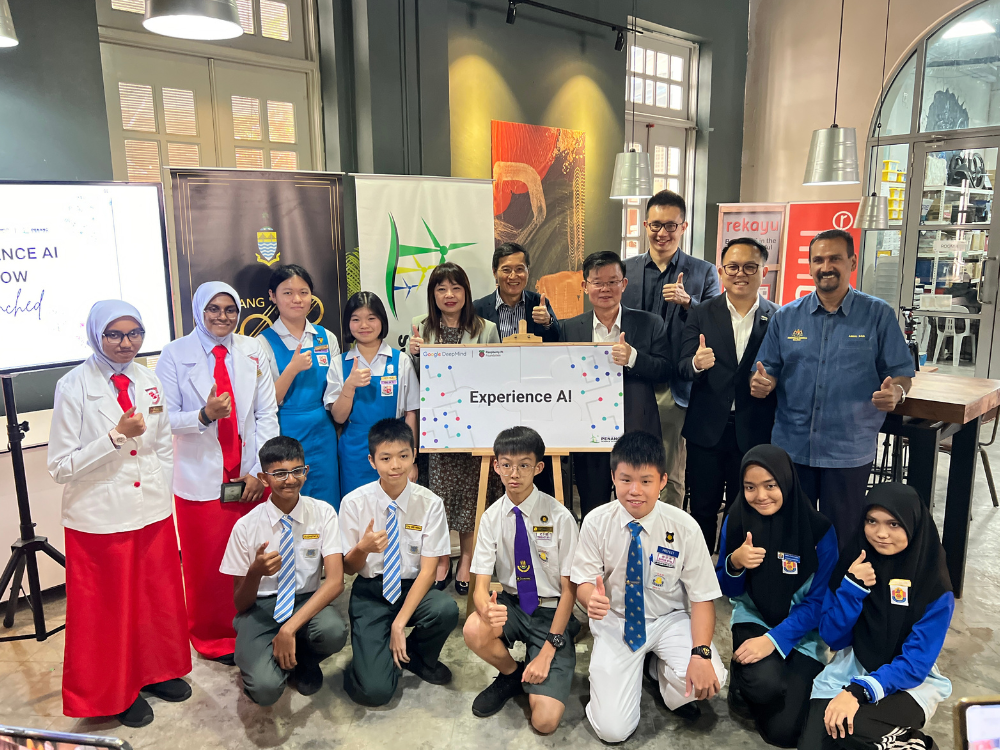
That’s why we’re excited to share how Experience AI, our AI literacy programme, is helping organisations around the world create these much-needed opportunities for young people.
The value of a global network
Experience AI was co-developed in 2022 by us and industry experts at Google DeepMind with a clear mission: to equip teachers with free, accessible, easy-to-use classroom resources that build AI literacy from the ground up. The programme offers a suite of materials to help students understand real-world applications of AI, the basics of machine learning, and the ethical considerations around these technologies.

In 2023, we started building an international Experience AI network by collaborating with a group of our existing educational partners. We saw a huge amount of interest and received very positive feedback, and through our partnerships we reached an estimated one million young people. In late 2024, with support from Google.org, we tripled the size of our Experience AI partner network to 21, with new organisations joining from across Europe, the Middle East, and Africa. In this way, we aim to reach an additional 2.3 million young people by December 2026, helping them to gain the knowledge and skills to confidently engage with AI in an ever-changing world.
Each partner in the Experience AI network is a unique educational organisation looking to create lasting social change. Through their local knowledge and networks, we can present Experience AI to educators and students in a way that is engaging and relevant for local communities.
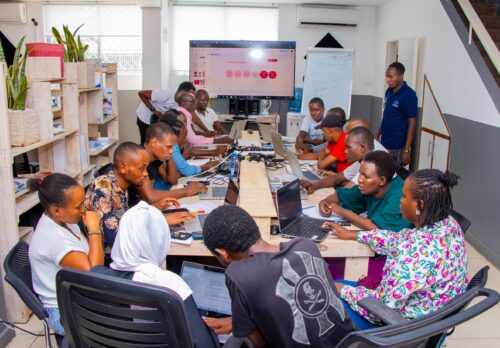
Partners help us to adapt and translate our resources, all while making sure that the core pedagogy and design principles of Experience AI are preserved. Just as importantly, these organisations train thousands of teachers on how to use the materials, providing educators with free support. With their work, they reach communities that otherwise may have never had the opportunity to learn about AI.
We asked some of our partners to share their insights on the impact Experience AI is having on the teachers and young people in their communities.
Building communities
The Latvian Safer Internet Centre (LSIC), an initiative of our partner, the Latvian Internet Association (LIA), is dedicated to helping young people protect themselves online, and to preparing them for a fast-changing digital economy. As an Experience AI partner, they aim to train 850 teachers and support 43,000 students to build a strong foundation in AI literacy through the programme.
“We hope to spark a cultural shift in how AI is […] taught in Latvian schools. Our goal is for AI literacy to become a natural part of digital competence education, not an optional extra.”

Based in Riga, the team is travelling to 18 different regions across Latvia to bring in-person professional development to teachers, including those in rural communities far from major cities. By meeting teachers where they are, the LIA are creating invaluable networks for learning and support between communities. Through hands-on training, they are also supporting teachers to bring Experience AI into their own classroom, creating examples which are suited for their learners.
“We chose an in-person training model because it fosters a more collaborative and engaging environment, especially for teachers who are new to AI. Many educators, particularly those who are less confident with digital tools, benefit from direct interaction, real-time discussions, and the chance to ask questions in a supportive setting.”
As an Experience AI partner, the Latvian Internet Association is not just delivering content but working to strengthen digital competency across the country and ensure that no teacher or student is left behind in Latvia’s AI journey.
One teacher shares: “The classroom training was truly valuable: it gave us the chance to exchange ideas and reflect on our diverse experiences. Hearing different perspectives was enriching, and I’m glad we’re shaping the future of our schools together.”
“AI is for everyone”
EdCamp Ukraine’s mission is to unite educators and help them to grow. Operating from their main base in Kharkiv, near the Eastern border and the frontline of the ongoing war in Ukraine, they see AI as both a tool for new technological breakthroughs and as something that can help build a fairer, more efficient, and resilient society.
“We firmly believe AI should not only be an object of study — it must become a tool for amplifying human potential. AI should also not be a privilege, but a resource for everyone. We believe the Experience AI programme can truly transform education from the bottom up.”
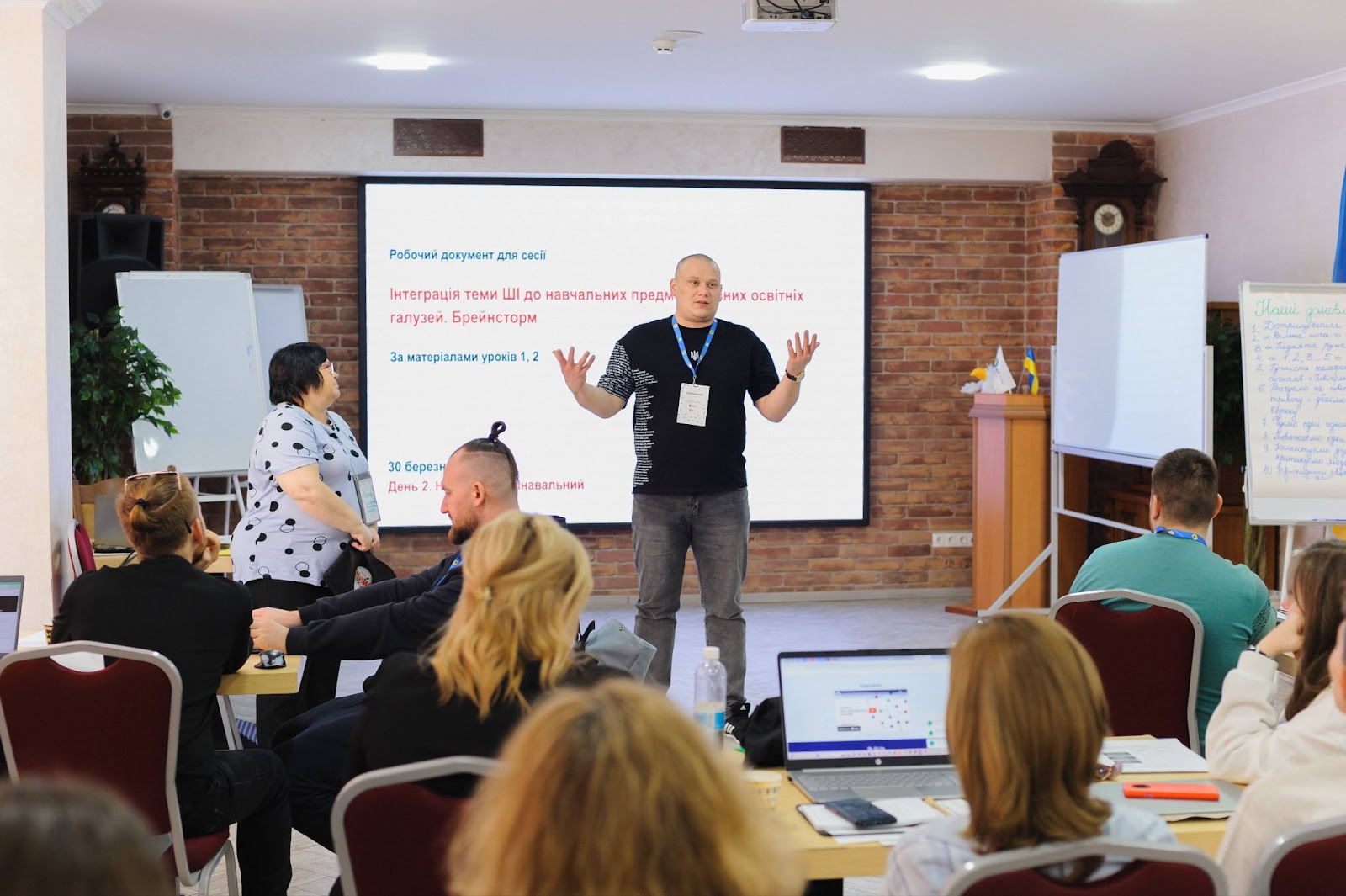
Within their community of 50,000 teachers, EdCamp Ukraine ensures that every educator, regardless of their living conditions or where they work, can access high-quality, relevant, and accessible support. For the organisation, the ongoing situation in Ukraine means being flexible with planning, preparing for a range of different outcomes, and being ready to pivot delivery to different locations or to an online setting when needed. These same considerations apply to EdCamp Ukraine’s teacher community, who need to be ready to adapt their lessons for any scenario.
“Recognising these war-related challenges helps us see the bigger picture and always have contingency plans in place. We think ahead and develop flexible scenarios.”

This year, the team piloted Experience AI through their community of trainers, who, when they’re not training, are busy teaching in the classroom. Teacher Yuliia shared how her students valued the opportunity to be creators, rather than just users of technology:
“One student, who is an active AI user, kept silent during the lesson. I thought he wasn’t interested, but during the reflection he shared a lot of positive feedback and expressed his gratitude. Other students said it was important that they weren’t just told about AI — they were using it, creating images, and working with apps.”
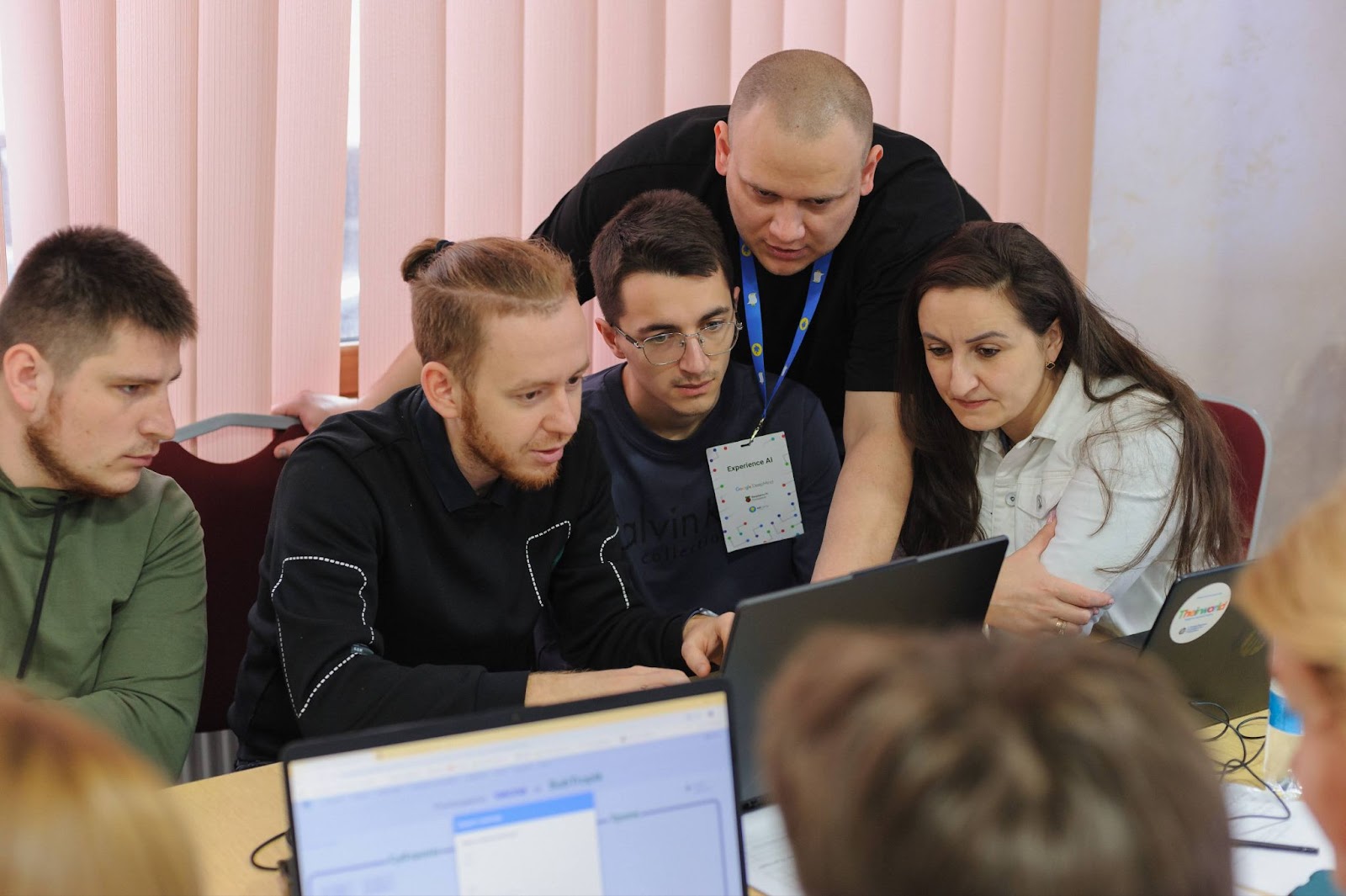
EdCamp Ukraine plans to roll out training for Ukrainian teachers this autumn, reaching 2,000 teachers and 40,000 young people by the end of next year.
More countries, more classrooms
Two new partners in Nigeria are about to join the Experience AI network, and there are many more organisations in more countries coming soon. As our partner network continues to grow, we are excited to reach more communities and give more young people around the world the chance to build AI literacy skills and knowledge.
You can find out more about Experience AI on the website. If your organisation is interested in partnering with us to deliver Experience AI, please register your interest and we will let you know about opportunities to work with us.
The post Bridging the divide: Connecting global communities with Experience AI appeared first on Raspberry Pi Foundation.
EROFS Lands Support For Tapping Intel QAT Accelerators
There is a lot of exciting file-system changes landing for the Linux 6.16 kernel… EXT4 brings a “really stupendous performance” change, Btrfs also brings some performance improvements, XFS landed atomic writes, and Bcachefs continues stabilizing. For the EROFS read-only file-system its changes have been merged and includes support for Intel QAT acceleration…
Canonical To Release Monthly Ubuntu Snapshots For Testing & Building Out Automation
Canonical is sticking to Ubuntu Linux releases every six months and a Long Term Support (LTS) release every two years, but a new change to their development process is that they are now working to release monthly Ubuntu snapshots of their testing stream…
More Intel Battlemage Graphics PCI IDs Added To Mesa OpenGL/Vulkan Drivers
Intel engineers have added yet more PCI graphics device IDs for Battlemage to their open-source driver code within Mesa for Iris OpenGL and ANV Vulkan driver support…
Intel Hardware Support Expanded In EDAC Drivers For Linux 6.16
With the Error Detection And Correction (EDAC) subsystem updates sent out this week for the Linux 6.16 kernel there is support for a number of newer Intel hardware platforms…
TUXEDO Unveils First Mini LED Linux Laptop with Next-Gen PCIe 5.0
TUXEDO Stellaris 16 – Gen7: High-end Linux gaming laptop with RTX 5090, Intel Ultra 9 CPU & HDR mini LED display. Now available for pre-order.
AlmaLinux OS 9.6 Is Out as a Free Alternative to Red Hat Enterprise Linux 9.6
Today, the AlmaLinux OS Foundation announced the release and general availability of AlmaLinux OS 9.6 (codename Sage Margay) as the latest stable version of this free Red Hat Enterprise Linux (RHEL) fork.
The post AlmaLinux OS 9.6 Is Out as a Free Alternative to Red Hat Enterprise Linux 9.6 appeared first on Linux Today.
DuckDB flips lakehouse model with bring-your-own compute and metadata RDBMS
Open source in-process OLAP system launches rival to Iceberg and Delta Lake table format, and moreWith a combined market value of around $150 billion, Snowflake and Databricks have divergent visions on how to get customers’ analytics and machine learning tools to their data, which is often spread across different systems.…
Klinge FPGA Computer Targets Secure, Headless Linux Deployments
Klinge is a compact FPGA-based headless computer designed by Lone Dynamics Corporation. It targets secure networking and long-term Linux applications, and can be used as a blade server in modular enclosures or standalone setups. Klinge uses the Lattice ECP5 FPGA (LFE5U-25F), offering 24K LUTs when compiled with open-source tools. The board includes 512MB of DDR3L […]
[$] LWN.net Weekly Edition for May 29, 2025
Inside this week’s LWN.net Weekly Edition:
- Front: Glibc security; How we lost the Internet; Encrypted DNS; 6.15 Development statistics; Filesystem stress-testing; BPF verifier; Network access from BPF; OSPM 2025.
- Briefs: AlmaLinux 10.0; FESCo decision overturned; NixOS 25.05; Pocket, Launchpad retired; Quotes; …
- Announcements: Newsletters, conferences, security updates, patches, and more.
TUXEDO Stellaris 16 Gen7 Linux Laptop Unveiled with 128 GB RAM, HDR Display
TUXEDO Computers unveiled today the 7th generation (Gen7) of their TUXEDO Stellaris 16 Linux laptop, designed for those who are in the market for a gaming notebook with maximum power.
Arrival of Linux 6.15 hails end of 486-class CPUs
Latest kernel includes 14,612 changesets, Penguinistas been busyOver the holiday weekend, Linus Torvalds released the latest Linux kernel – signalling the end of the line for 486-class chips.…