Paul Ginsparg, a physics professor at Cornell University, created arXiv nearly 35 years ago as a digital repository where researchers could share their findings before peer review. Today, the platform hosts more than 2.6 million papers, receives 20,000 new submissions monthly, and serves 5 million active users, Wired writes in a profile of the platform.
“Just when I thought I was out, they pull me back in!” Ginsparg quotes from The Godfather, reflecting his inability to fully hand over the platform despite numerous attempts. If arXiv stopped functioning, scientists worldwide would face immediate disruption. “Everybody in math and physics uses it,” says Scott Aaronson, a computer scientist at the University of Texas at Austin. “I scan it every night.”
ArXiv revolutionized academic publishing, previously dominated by for-profit giants like Elsevier and Springer, by allowing instant and free access to research. Many significant discoveries, including the “transformers” paper that launched the modern AI boom, first appeared on the platform. Initially a collection of shell scripts on Ginsparg’s NeXT machine in 1991, arXiv followed him from Los Alamos National Laboratory to Cornell, where it found an institutional home despite administrative challenges. Recent funding from the Simons Foundation has enabled a hiring spree and long-needed technical updates.
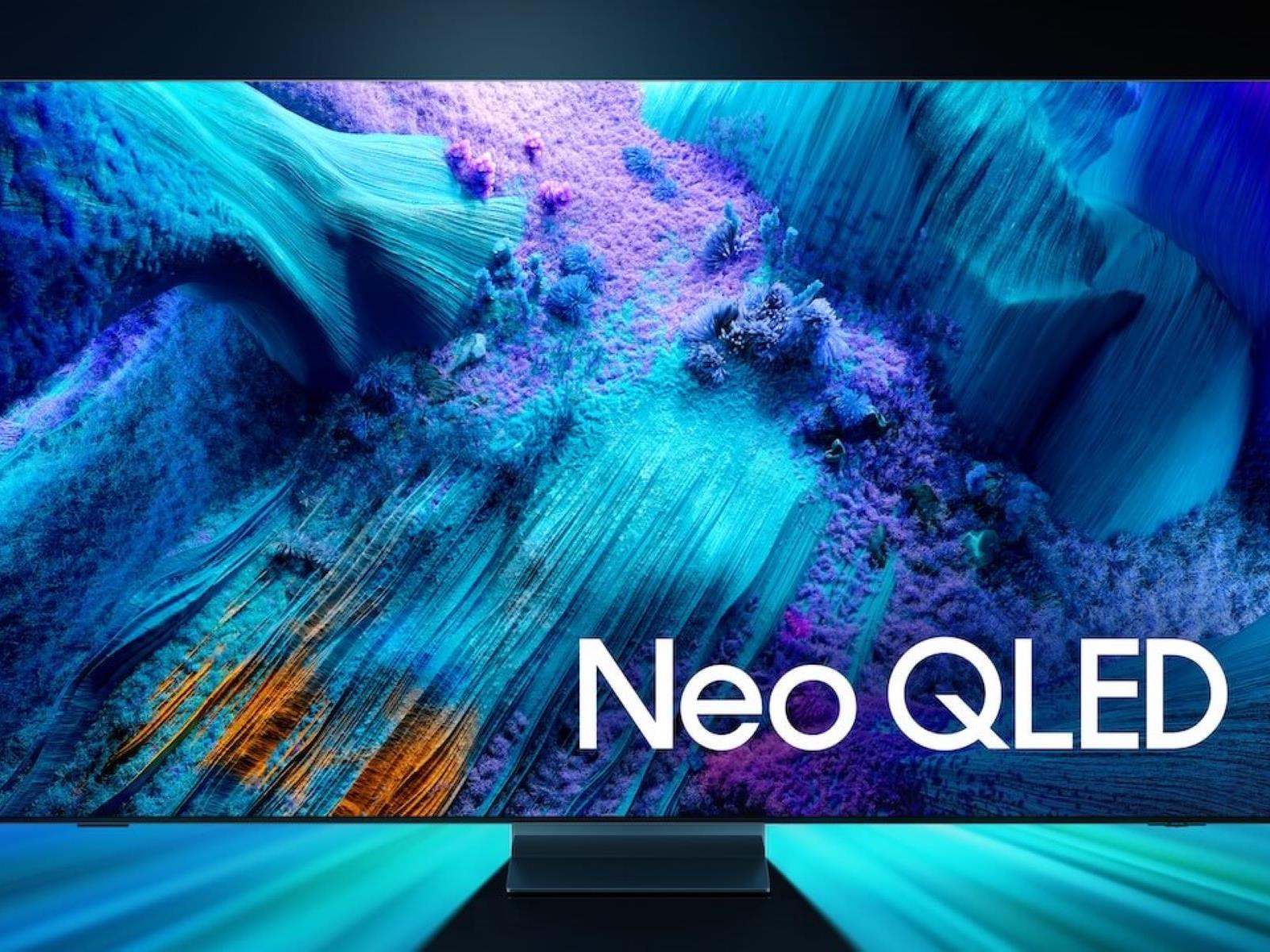
Samsung has just announced a load of new Neo QLED 8K and 4K televisions, all of which promise improved visuals and sound, glare-free screens, plus the introduction of Samsung Vision AI. The latter is touted to enhance A/V processing, real-time translation based on your preferred subtitle language, “Click to Search,” and even gesture control
On Saturday, March 29, a solar eclipse will darken the skies. Unlike the “Great American Eclipse” of 2024, though, this will not be a total eclipse; instead, a partial eclipse will be visible in the early morning hours in parts of the northern hemisphere.
A partial eclipse isn’t as dramatic as a total eclipse, but it’s still worth seeing. While the sun will not be fully obscured, with proper eye protection, you will be able to see the moon take a bite out of the sun. Because the eclipse will occur in many places during sunrise, viewers may get the chance to see the famed “devil horns” — the crescent of solar light emerging from behind the moon.
When can you watch this partial solar eclipse, and those devil horns? Let’s talk about how to safely watch this eclipse.
What areas will experience the partial solar eclipse, and when?
The partial solar eclipse will be visible in areas of the northern hemisphere. It will be visible at sunrise in eastern North America and sunset in Siberia, Russia on Saturday, March 29. In Europe, it can be viewed around mid-morning. But the event’s footprint will be limited: No eclipse will be visible west of Toronto, Canada, and Washington, DC in North America.
NASA
This global map of the partial solar eclipse from NASA is more than a little confusing, but here’s how to read it. The yellow curve is the path of the partial solar eclipse, moving from west to east. The lighter colored yellow curves give the percent obscuration of the sun. (In other words, how much of the sun is covered by the moon depends on where you are and when you’re looking.)
Most of Europe will only see around a 20 percent obscuration (with the exception of Greenland and Iceland), for example, while the extreme northeastern part of the United States will see up to 89 percent of the sun covered. The Nunavik region of Quebec will see maximum obscuration of 94 percent. The green lines on the map show the eclipse’s progress over time. Times are given in UTC, which is four hours ahead of Eastern Daylight Time.
However, sunrise and sunset makes things more complicated. This is depicted on the map by the orange loop. The left side of the loop (over the Great Lakes in the United States) shows where the eclipse ends at sunrise. Therefore, the eclipse is not visible west of that orange line. The right side of the loop is where the eclipse begins at sunrise.
That means to see the maximum partial solar eclipse at sunrise, it’s best to be along that blue line running down the middle of the orange loop. (It’s worth noting that the eclipse will also be visible across a narrow part of Siberia, but at sunset rather than sunrise — that’s what the other half of the orange loop depicts).
If it seems incredibly confusing, that’s because it is indeed incredibly confusing. Some places with maximum obscuration will have a shorter eclipse duration because the partial eclipse will start before sunrise. The sun will also be low to the horizon in North America, so any viewing location will need to be above tall trees with a clear view of sunrise. In Europe, the viewing locations will be easier because the sun will be higher in the sky — but the sun will not be as obscured.
For example, in Bar Harbor, Maine, the sun will rise at 6:19AM, and the maximum eclipse will be at 6:22AM, with 80 percent of the sun obscured. The partial eclipse will end at 7:11 am. Technically though, the eclipse will begin at 5:26 am ET, but because that’s before sunrise, Mainers will be cheated out of about half their potential eclipse viewing time.
Moving south, the best view will be through coastal New England, then down through Boston, New York City and Philadelphia.The path basically ends in Washington, DC, where just 1.2 percent of the sun will be obscured at 6:59AM ET.
NASA
According to Time and Date, only 44,800 people will see a 90 percent partial eclipse, while 3,820,000 will see an 80 percent. That’s a far cry from the 30 million people in the path of totality for the 2024 total solar eclipse.
Will a total solar eclipse be visible in the middle of the Atlantic Ocean?
No, there is nowhere on Earth that a total solar eclipse will be visible for this event. For any solar eclipse to happen, the sun, the moon and the Earth need to line up. However, because the moon doesn’t orbit in the same plane as the sun and the Earth, eclipses are rare.
A partial solar eclipse, like the one occurring on March 29, occurs when the moon passes between the sun and the Earth, but it’s not perfectly lined up. As a result, the sun will have a crescent shape — as if the moon took a bite out of the sun — but it will never be fully obscured as it is during a total eclipse.
How long will the partial eclipse last?
The visible duration of the eclipse depends on where you are, and what time sunrise (or sunset) is at your location. But globally, the eclipse will begin at 4:50 am ET (8:50AM UTC). The maximum eclipse will occur at 6:47AM ET (10:47AM UTC), and the event will end at 8:43AM ET (12:43PM UTC). Keep in mind, though, that this doesn’t mean the entire partial eclipse will be almost four hours long in any given location because this is just for the extreme edges of the event.
What’s the weather forecast along the viewing line?
It’s spring across the Northern Hemisphere, which generally means unfavorable weather for any sky viewing. The Weather Channel’s senior digital meteorologist Chris Dolce said that cloud cover, and even rain and snow, may be likely in the northeastern United States during the eclipse, so it’s not great news there, unfortunately.
If it’s just a partial eclipse, do I need eye protection?
Anything that involves looking at the sun, even just 5 or 10 percent of the sun, requires eye protection. The sun can damage your retinas quickly, painlessly and often irreversibly.
If you have solar viewers left from the 2024 eclipse, and they are undamaged, they’ll work just fine for this one too. According to the American Astronomical Society (AAS), modern eclipse glasses do not expire. It’s worth checking them out thoroughly, though, making sure there are no rips, tears or scratches across the lenses and that the filters and lenses are still attached to the frame.
Solar eclipse glasses can be difficult to purchase at the last minute, so it’s always good to keep them around. However, if you donated or trashed your previous pair (or didn’t buy them in the first place), you can buy them online — with some caution. Make sure any solar viewers conform to the ISO 12312-2:2015(E) international safety standard, and check the manufacturer against this list of brands from the AAS. Counterfeit eclipse glasses were rampant leading up the 2024 eclipse.
Celestron is a reliable manufacturer of solar viewer equipment, and the company’s eclipse glasses are readily available on Amazon for a low price, though you’ll need fast shipping at this late date
What are some cool things to look out for during this eclipse?
A unique feature of solar eclipses during sunrise is you may be able to see the famed “devil horns,” depending on where you are. When the sun rises during an eclipse (and therefore the sun is low on the horizon), as the crescent sun rises, it can look like devil horns coming up out of the ground.
An earlier sunrise partial eclipse over Rice Lake, Ontario shows the “devil horns” phenomenon.
John Fader via Getty Images
It’s best to target Maine, New Brunswick, and Quebec (along the blue line in the NASA map) to see this phenomenon.
Additionally, the sun is currently at or near solar maximum, which means that our star is basically at the peak of its 11-year solar cycle. Scientists determined that the sun hit the highest level of solar activity in October 2024, and this will continue for a year or so. This means that there may be sunspots visible on the surface of the sun when the eclipse hits. (For context, here’s what the sun looks like right now, courtesy of NASA’s Solar Dynamics Observatory.) If you have solar binoculars or a solar telescope, this will make them much easier to see.
Can I just point a telescope or camera at the sun?
If you’re asking yourself this question, you probably already know the answer: Nope! Not without a solar filter. Whether it’s a phone camera, binoculars, a telescope or a mirrorless camera, the sun can do extreme damage to this kind of equipment. (On Apollo 12, astronaut Alan Bean accidentally pointed a television camera at the sun, irreparably damaging it. Don’t do this!)
You can pick up solar filters at a camera store or online, or in a pinch, you can just use an extra pair of solar viewers. Simply remove the film and tape it over your smartphone camera, but don’t look at the sun when aiming the camera unless you’re wearing solar viewers as well. If you are interested in looking at the sun regularly, a pair of solar binoculars with a permanently attached filter is a great idea.
This article originally appeared on Engadget at https://www.engadget.com/science/space/partial-solar-eclipse-where-and-when-to-see-the-sunrise-event-on-march-29-144238528.html?src=rss
It only took some 417 years since the invention (if going by patent filings) of the telescope to finally see Neptune’s auroras, and it’s thanks to NASA’s James Webb Space Telescope, or JWST (the same telescope that provided a crystal clear view of Neptune’s rings in 2022). Webb is much more powerful than the handheld refracting telescope patented
A pair of cult classics from Sony’s PlayStation Portable library are heading to the Switch. On Thursday, Nintendo announced Patapon 1 + 2 Replay, a package that brings together brand new remasters of 2007’s Patapon and 2008’s Patapon 2. Originally developed by Pyramid and Sony Japan Studio, which shuttered in 2021, the two games combine elements from strategy and rhythm games.
As the player, you must guide a tribe of anthropomorphic eyeballs to victory over their foes through a combination of drum beats. Patapon and Patapon 2 were well-received on release and went on to define the PSP’s library of quirky but fun games. In addition to HD graphics, Patapon 1 + 2 Replay includes quality of life changes that should hopefully make this the best way to play these two gems.
No word yet if the remaster is also making its way to PlayStation consoles. We’ll update this article once we know more.
This article originally appeared on Engadget at https://www.engadget.com/gaming/nintendo/patapon-1–2-replay-brings-two-psp-classics-to-nintendo-switch-on-july-11-143627695.html?src=rss
After years of delays and at least one complete reboot, Metroid Prime 4: Beyond is coming in the near future. During a Nintendo Direct presentation on Thursday, Nintendo offered a closer look at gameplay.
The trailer shows Samus exploring a jungle planet called Viewros that “she was unexpectedly transported to.” She’ll battle malevolent alien creatures and scan relics to learn information that may help her escape. Not only that, Samus will receive new psychic abilities she can use to open doors and manipulate mechanisms, as well as control the direction of beams that she fires. There’s a bit of a mystery as to why she receives these powers, but we’ll probably learn that through the course of the story.
There’s still no specific release date as yet. However, Nintendo reaffirmed that the game is coming to the Switch in 2025. It will presumably run on the Switch 2 as well thanks to that system’s backwards compatibility.
This article originally appeared on Engadget at https://www.engadget.com/gaming/nintendo/metroid-prime-4-beyond-gameplay-trailer-shows-off-samus-new-psychic-abilities-143326681.html?src=rss
Amazon’s Spring Sale is bringing a lot of tempting deals on everything from robot vacuums to AirPods. The latest discount is also an Apple markdown, with the new 128GB iPad Air with M3 chip dropping to $549 from $599.
Apple only released the 11-inch iPad Air M3 at the beginning of this month and it’s already our pick for best iPad for most people in 2025. We gave it an 89 in our recent review thanks, in part, to the M3 chip’s power. Geekbench 6 scores showed the iPad Air M3’s single- and multi-core scores as about 16 percent more powerful than its predecessor. We also didn’t notice any dip in battery life in exchange for the boost.
You can pick up the discounted iPad in Starlight, Blue, Purple or Space Gray. Other perks of the new iPad include a better screen and multitasking capabilities than you’ll get with Apple’s baseline model. It also offers a separately available and much improved Magic Keyboard that’s similar to the one you’ll find in Apple’s iPad Pro M4.
This article originally appeared on Engadget at https://www.engadget.com/deals/amazon-spring-sale-apple-deals-include-a-50-discount-on-the-new-ipad-air-m3-141441087.html?src=rss
China’s ambitious AI infrastructure push has resulted in hundreds of idle data centers with local media reporting up to 80% of newly built computing resources remaining unused. The country announced over 500 data center projects during 2023-2024, with at least 150 completed facilities now struggling to secure customers in a rapidly changing market.
The rise of DeepSeek’s open-source reasoning model R1, which matches ChatGPT o1’s performance at a fraction of the cost, has fundamentally altered hardware demand. Computing needs now prioritize low-latency infrastructure for real-time reasoning rather than facilities optimized for large-scale training workloads.
Technical misalignment compounds the problem, as many centers were constructed by companies with little AI expertise, MIT Technology Review reports. The facilities, often built in remote regions to capitalize on cheaper electricity and land, now face obsolescence as AI companies require proximity to tech hubs to minimize transmission delays. GPU rental prices have collapsed, with eight-GPU Nvidia H100 server clusters now leasing for 75,000 yuan ($10,333) monthly, down from peaks of 180,000 yuan, making operations financially unsustainable for many data center operators.
Yesterday afternoon, once the markets were closed and could no longer react immediately, US President Donald Trump announced that starting on April 2, all imported automobiles and many imported car parts will now be subject to an extra 25 percent tariff. Despite Trump’s rhetoric during his election campaign and since taking office, tariffs are paid for by those importing the goods, not the exporters, so we can look forward to most new cars and trucks—and their maintenance costs—getting a lot more expensive.
During his first term in office, Trump started trade wars with key US trading partners like Canada, the European Union, and China. Upon his return in 2025, more trade wars have been the name of the game. A 25 percent tariff on all imports from Canada and Mexico was threatened and then implemented at the beginning of March, before being partially reversed just two days later. Additionally, a 10 percent tariff on Chinese exports was also levied.
Less than two weeks later, a new 25 percent tariff on all steel and aluminum imports also joined the club.
We may earn a commission from links on this page. Deal pricing and availability subject to change after time of publication.
If you have big DIY plans for spring, or if you just enjoy adding to your tool collection, you might have noticed that tools can be pretty expensive. Whether you’re doing yard work or woodworking, having the right tools can make the job easier—so it’s worth waiting for good deals. Here are a few of the best tool deals to check out during Amazon’s Big Spring Sale.
Deals on power tools
Power tools are an essential part of a DIY kit. You’ll need a decent-quality cordless drill for most projects, and other tools for cutting and finishing will make your DIY projects faster and more professional-looking.
The DeWalt 20-volt drill and driver set comes with a drill, an impact driver, two 1.5-amp batteries, a charger, and a tool bag. It’s on sale for $124.00, 48% off its regular price. This is a good beginner kit because it comes with everything you need to get started with your DeWalt tools.
The Bosch 2.25 horsepower router is on sale for $128.75, 35% off its regular price. It comes with a quarter-inch and a half-inch chuck to accept most standard-sized router bits. This is a good tool for finish work as it allows you to round corners, cut detail into the edges of your work, and even fabricate moulding. This is a corded tool, so you’ll need a power source to use it.
The DeWalt 12-inch, double bevel sliding miter saw is on sale for $499.00, 25% off its typical price. This saw can cut compound angles like the ones you need to make for crown molding or some styles of bench legs. This is also a corded tool, and you’ll need a power source to use it.
It’s time to get your outdoor spaces set up for success as the weather warms up. Keeping weeds at bay and making sure all your plants are properly trimmed requires tools like these.
The EGO 56-volt cordless leaf blower is on sale for $329.99, 35% off its usual price. This leaf blower comes with a 5-amp-hour battery, a 2.5-amp-hour battery, and a charger. It can run for about 90 minutes before needing a fresh battery.
The Greenworks 40-watt cordless 16-inch lawnmower is on sale for $209.99, 30% off its typical price. It comes with one 4-amp-hour battery and a charger. You can mow for about 45 minutes before you need to recharge the battery.
Keeping your home shop running requires more than just power tools. You’ll need other tools and accessories to make all your DIY dreams come true.
The Craftsman four-gallon wet/dry shop vac is on sale for $103.38, 30% off its regular price. It comes with a variety of hoses and attachments and one air filter to get you started.
A Goodyear triple-tap 40-foot extension cord and reel is on sale for $77.99, 48% off its usual price. This reeled extension cord is good for running shop power overhead to keep your floor free of trip hazards. The cord has an LED indicator light in the connector to show when it has power.
Protecting your ears and eyes while you’re working on DIY projects is essential, so the best deals are always on safety equipment. Saving yourself a trip to the emergency room is priceless.
A pair of Walker protective earmuffs have electronic noise-canceling technology that allows you to hear what’s going on around you while protecting your ears from damaging levels of noise. They’re on sale for $40.87, 49% off their regular price.
A pair of No-Cry anti-fog safety glasses are on sale for $12.59, 26% off their regular price. These glasses provide UV protection, making them good for outdoor projects, and they are scratch resistant to avoid impaired vision while you’re wearing them.
Shopping for tech? Lifehacker can help you make the right decision. Browse our tech reviews and head-to-head comparisons for everything from laptops and smartwatches to e-bikes and home gyms. Subscribe to our deals newsletter, Add to Cart, for the best sales sent to your inbox, or browse our best-of lists directly on Amazon, including:
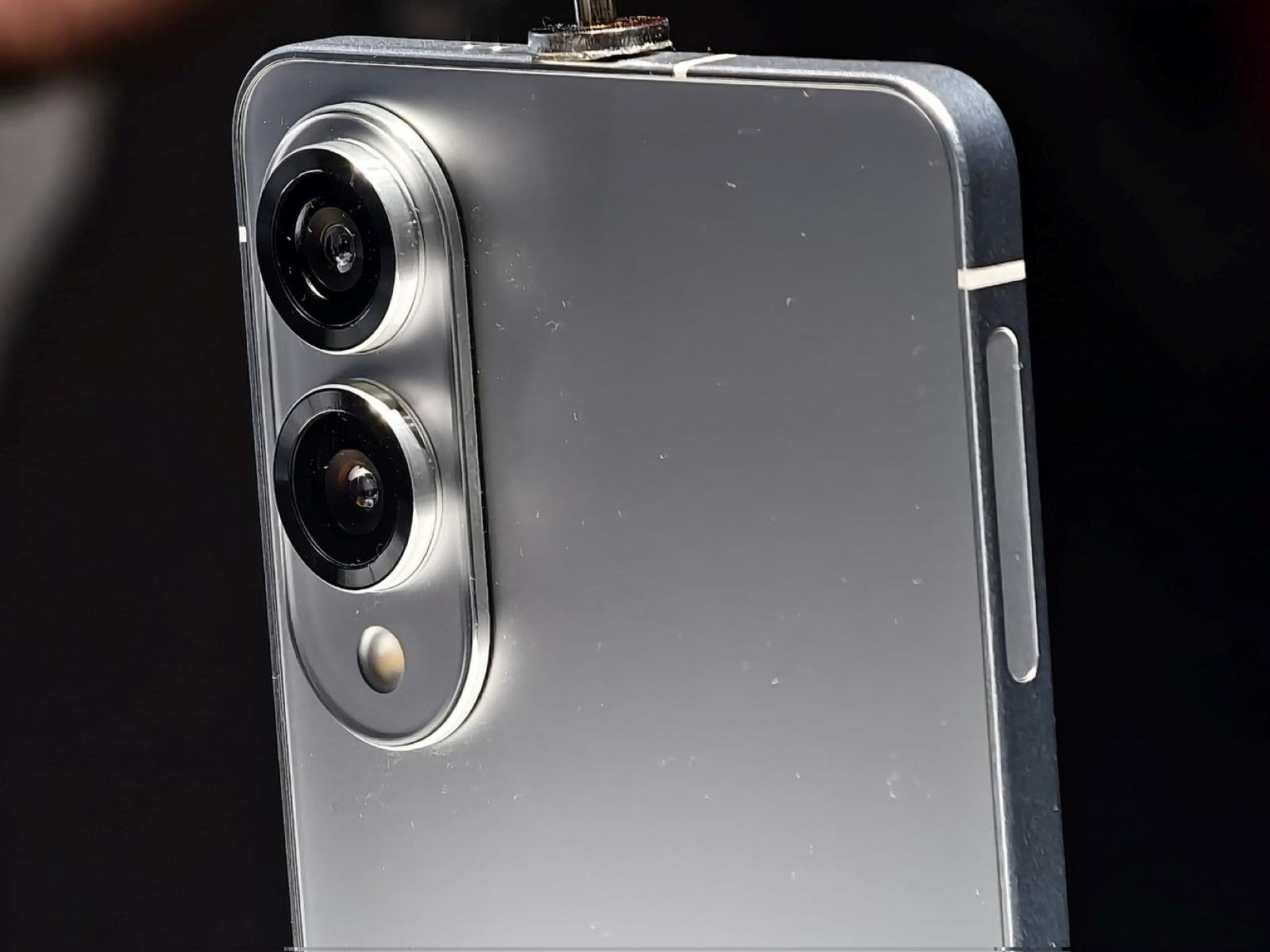
What look to be genuine marketing images of Samsung’s upcoming Galaxy S25 Edge have emerged. They show off at least three colorways of the skinny phone’s Titanium variant, namely Jet Black, Icy Blue, and Silver. Samsung has yet to confirm or deny the authenticity of these images, but—at least with the Silver model—they mirror what’s been seen
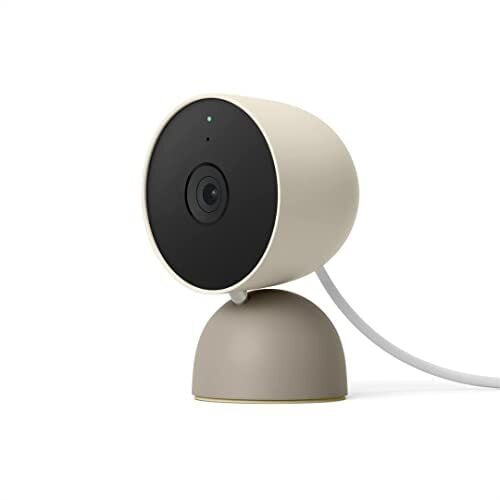
One of the discounts spotted is on the Google Nest Cam (Indoor, Wired), now down to $69.99 from $99.99—this is the lowest it’s ever been, according to online price-trackers. It runs over wifi, plugs into any standard outlet, and offers built-in smart motion alerts for people, pets, and packages—though you’ll need a Nest Aware subscription for the full suite of features. Video is recorded in 1080p with HDR, which is sharp enough for most people’s needs. Night vision is solid too, and everything runs through the Google Home app, where you can view the live feed or event history. It also comes with two-way audio, so you can talk through the camera if needed, and the motion detection is responsive without being jumpy, according to this PCMag review.
You’ll get real-time notifications through the Google Home app, but features like 24/7 recording and advanced smart alerts require a Nest Aware subscription, which starts at $8/month. That said, the core features hold up just fine if all you need is a basic check-in cam while you’re out. The wired setup isn’t as flexible as a battery-powered option, but it does save you the hassle of recharging. Also, it doesn’t support Apple HomeKit or Alexa, so this is really best for people already committed to Google’s smart home setup.
Shopping for tech? Lifehacker can help you make the right decision. Browse our tech reviews and head-to-head comparisons for everything from laptops and smartwatches to e-bikes and home gyms. Subscribe to our deals newsletter, Add to Cart, for the best sales sent to your inbox, or browse our best-of lists directly on Amazon, including:
We may earn a commission from links on this page. Deal pricing and availability subject to change after time of publication.
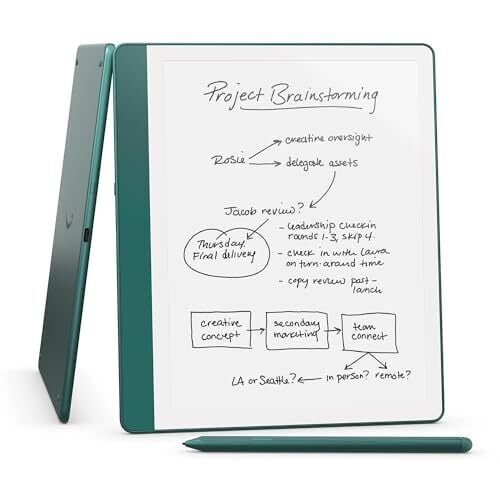
One of the more interesting markdowns during Amazon’s Big Spring Sale is the Kindle Scribe (2024), now down to $364.99 from $449.99. That’s the lowest it’s ever been, according to price trackers. If you’ve been eyeing Amazon’s first writeable Kindle, this is probably the time to check it out.
The Kindle Scribe looks and feels premium with its aluminum build and 10.2-inch glare-free E Ink display. It’s available in Metallic Jade and Tungsten, though the back is a bit slick and reportedly a fingerprint magnet, so a case isn’t a bad idea. This version includes the Premium Pen, which snaps magnetically to the side and comes with an eraser and a shortcut button. Writing on the Scribe feels smooth thanks to the slightly textured glass, and it responds without any noticeable lag. You can choose between different pen types—fountain pen, pencil, marker—and choose between notebook templates like checklists, planners, and music sheets. That said, the writing experience is still a step behind dedicated e-ink note tablets in the market. Additionally, while writing feels natural, managing those notes isn’t quite as seamless. The AI-powered summarizer and handwriting cleanup tools process slowly and awkwardly, creating separate pages that don’t merge back into your original notes, according to this PCMag review.
Reading is still where the Scribe shines. The display is crisp, adjusts lighting automatically, and has more than enough space for books, PDFs, and scribbles. It holds 64GB of storage, which is more than most people will need. Battery life stretches up to 12 weeks if you’re just reading, though regular writing brings it down to about three. Audiobook lovers should know there’s no headphone jack, so Bluetooth only. And while performance is generally solid, page turns and library scrolling lag a bit behind what you’d get on something like the Paperwhite. All in all, if you’re mainly a reader who wants occasional note-taking, the Scribe at this price is a solid pick. But if your goal is serious digital journaling or replacing your paper notebooks altogether, this might not go far enough yet.
Shopping for tech? Lifehacker can help you make the right decision. Browse our tech reviews and head-to-head comparisons for everything from laptops and smartwatches to e-bikes and home gyms. Subscribe to our deals newsletter, Add to Cart, for the best sales sent to your inbox, or browse our best-of lists directly on Amazon, including:
Qualcomm is reportedly urging multiple antitrust agencies around the globe to intervene in its dispute with Arm, with the former privately alleging in meetings and secret filings that the latter is engaging in unfair business practices. It’s said Qualcomm has filed confidential complaints with the United States Federal Commission, European
Taiwan Semiconductor Manufacturing Company’s pledge to spend an extra $100 billion on advanced manufacturing plants in the US will do little to help the country restore its global lead in chipmaking, according to Pat Gelsinger, who was forced out as chief executive of Intel late last year.
His comments come less than a month after the White House hailed the investment from TSMC, the world’s largest chip manufacturer, as an important milestone in efforts to bring production of the most advanced semiconductors back on to US soil.
“If you don’t have R&D in the US, you will not have semiconductor leadership in the US,” Gelsinger said. “All of the R&D work of TSMC is in Taiwan, and they haven’t made any announcements to move that.”
First of all, this model is transparent Xbox green, which is a nice touch. It also includes a dedicated Xbox button, just like an actual gamepad. This button has multiple uses. When playing a game or in the official Xbox app, a single press opens up the Xbox Guide. Otherwise, it’ll bring up the Backbone app and show all available Xbox games. A double press starts or stops screen recording, though this is configurable to take screenshots. Holding it down while playing a game will trigger the secondary button press.
Backbone
Of course, it has a full suite of buttons that align with a typical Xbox controller. This allows gamers to “tap into their favorite games like Halo Infinite, Forza, and Indiana Jones” with the “precision, comfort, and reliability that Backbone is known to deliver.”
The Backbone One: Xbox Edition is available right now for $110. However, folks can only pick it up from the company or via Best Buy as part of its Drops program. It will also only work with USB-C handsets, so older iPhones are a no-go.
PlayStation fans already have their own Backbone One controller. That one features a traditional PlayStation layout, and it’s detected as an actual DualSense controller in the PS Remote Play app.
This article originally appeared on Engadget at https://www.engadget.com/gaming/xbox/the-backbone-one-xbox-edition-controller-is-a-great-way-to-work-through-that-game-pass-library-130031268.html?src=rss
MEMS solid-state drivers have provided a big sound boost to wireless earbuds recently, offering the ability for companies to pack in a hybrid setup for a wider, more immersive soundstage. xMEMS’ silicon-based micro speakers have been a popular choice for this purpose, with the company’s Cowell and Muir drivers already appearing in products from Creative Labs and others. Now, xMEMS has developed what it calls the first amplifier-less silicon tweeter for wireless earbuds in a bid to take improved sound and efficiency even further.
Officially dubbed Lassen, the tweeter is a lower-cost option for companies. Since it doesn’t require a separate piezo amplifier chip like Cowell and Muir, it’s more cost effective to integrate with savings of up to 25 percent compared to the other MEMS drivers. Ditching the amp also increases power efficiency without sacrificing performance. xMEMS says that Lassen can provide up to a 115dB boost in the 6kHz to 20kHz frequency range, which it claims surpasses the output of existing tweeter tech. Plus, xMEMS promises the “same superior sound quality and soundstage” as its previous solid-state micro speakers.
Like Cowell, Lassen will be used in a dual-driver or hybrid setup in wireless earbuds. When paired with a dynamic driver, for example, the MEMS tweeter boosts the high-frequency details and clarity while the dynamic driver provides the necessary low-end thump. Based on our experience with current MEMS integrations, the ability for more companies to easily implement xMEMS’ tech is a welcome proposition.
xMEMS says there’s also a space savings with Lassen, which is due to it rendering the amplifier chip unnecessary. The company argues that this should offer more room inside wireless earbuds for “advanced technologies.”
xMEMS says samples of the Lassen tweeter are available for audio manufacturers now and it plans full production in September. This means we’ll likely see products with the new component early next year, which could make the annual earbud deluge at CES very interesting.
This article originally appeared on Engadget at https://www.engadget.com/audio/headphones/a-new-mems-tweeter-for-wireless-earbuds-doesnt-require-an-amplifier-130007809.html?src=rss
An anonymous reader quotes a report from Tom’s Hardware: Qualcomm has reportedly filed secret complaints against Arm with the European Commission, the U.S. Federal Trade Commission (FTC), and the Korea Fair Trade Commission. Qualcomm argues that Arm’s open licensing approach helped build a robust hardware and software ecosystem. However, this ecosystem is under threat now as Arm moves to restrict that access to benefit its chip design business, namely compute subsystems (CSS) reference designs for client and datacenter processors and custom silicon based on CSS for large-scale clients.
Qualcomm has presented its case to the EC, U.S. FTC, and Korea FTC behind closed doors and through formal filings, so it does not comment on the matter now. Arm rejected the accusations, stating that it is committed to innovation, competition, and upholding contract terms. The company called Qualcomm’s move an attempt to shift attention from a wider commercial dispute between the two companies and use regulatory pressure for its benefit.
Indeed, the antitrust complaints align with Qualcomm’s arguments in a recent legal clash with Arm in Delaware. Qualcomm won that trial, as the court ruled that the company did not break the terms of its architecture license agreement (ALA) and technology license agreement (TLA) by acquiring Nuvia and using its IP in its Snapdragon X processors for client PCs. Arm said it would seek a retrial. However, Qualcomm seems to want to ensure that it will have access to Arm’s instruction set architecture and technologies by filing complaints with antitrust regulators.
If you’re looking for a basic 4K TV for under $350, this one might check your boxes—note, however, the emphasis on “basic.” It supports HDR10 and HLG, but skips Dolby Vision, which affects how well it handles color and contrast in HDR content. This might be a dealbreaker if you’re picky about picture quality. This TV also lacks the newer ATSC 3.0 tuner, so you’re limited on over-the-air 4K broadcast options. The Fire TV interface is smooth enough, especially if you’re already in the Amazon ecosystem, and it offers built-in access to Netflix, Disney+, Hulu, and more. You also get Apple AirPlay, which makes it easier to mirror or stream from Apple devices.
That said, it’s not built for high-performance viewing. The panel isn’t the brightest, and in dark rooms, the contrast can feel flat. Motion handling is serviceable for regular TV and movies, but if you’re hoping to watch fast-paced sports or play video games, you’ll notice some lag and blur. The Alexa voice remote works well, though it’s not hands-free like some higher-end Fire TVs, notes this PCMag review. Still, setup is quick, the build doesn’t feel cheap, and it’ll handle casual use just fine. This deal makes sense for a backup TV, a dorm room, or anyone replacing an older screen on a tight budget. But if you’re chasing deep blacks, punchy highlights, or silky-smooth frame rates, you’ll want to shop higher up the food chain.
Shopping for tech? Lifehacker can help you make the right decision. Browse our tech reviews and head-to-head comparisons for everything from laptops and smartwatches to e-bikes and home gyms. Subscribe to our deals newsletter, Add to Cart, for the best sales sent to your inbox, or browse our best-of lists directly on Amazon, including:
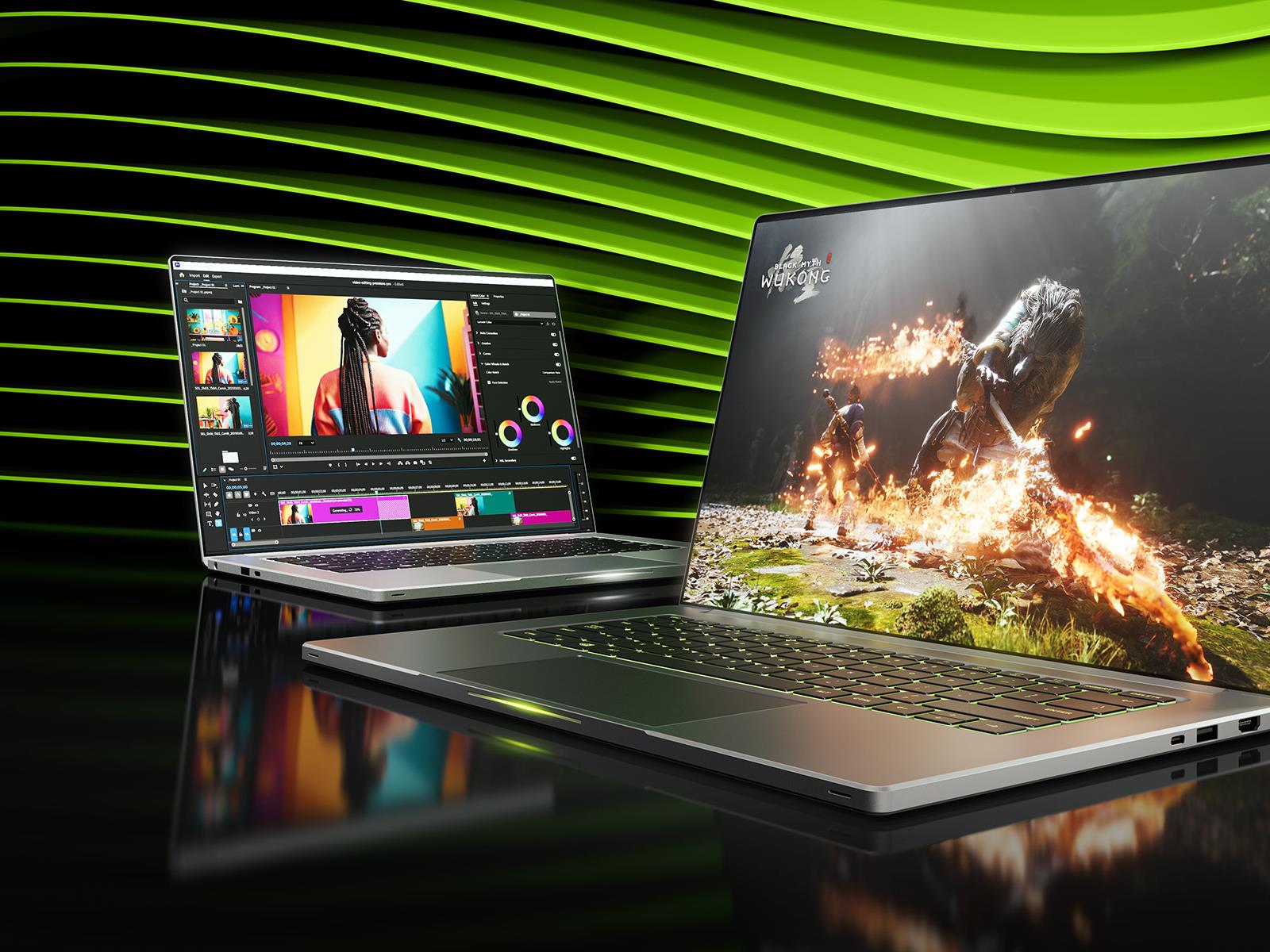
NVIDIA GeForce RTX 5090 Laptop GPU: Laptops Starting At $2,899 NVIDIA is blitzing the laptop gaming market with an array of Blackwell RTX 50 GPUs, starting with its flagship GeForce RTX 5090. It’s the fastest mobile GPU we’ve ever tested. Fastest Mobile GPU Ever Latest Architecture And Feature Set Upgraded Media Engine DLSS 4 And Neural…