Microsoft ends OpenAI exclusivity in Office, adds rival Anthropic

Microsoft’s Office 365 suite will soon incorporate AI models from Anthropic alongside existing OpenAI technology, The Information reported, ending years of exclusive reliance on OpenAI for generative AI features across Word, Excel, PowerPoint, and Outlook.

The shift reportedly follows internal testing that revealed Anthropic’s Claude Sonnet 4 model excels at specific Office tasks where OpenAI’s models fall short, particularly in visual design and spreadsheet automation, according to sources familiar with the project cited by The Information, who stressed the move is not a negotiating tactic.

Anthropic did not immediately respond to Ars Technica’s request for comment.

Read full article

Comments

Amazon’s Zoox launches its autonomous robotaxi service

Amazon’s Zoox has announced that its robotaxi service is now available on and around the Las Vegas Strip after months of testing. The autonomous rides are free and can be booked through the Zoox app for iOS and Android devices. This is the company’s first official service launch after Amazon acquired the self-driving startup in 2020.

The Las Vegas service will operate at select pickup and drop-off locations along the Strip, and riders will enter and exit the vehicles at each destination’s ride-hail zone. Though the company didn’t provide an exhaustive list of locations, Resorts World Las Vegas and AREA15 are official partner destinations. They will both feature dedicated areas just for Zoox riders, with an on-site concierge service to walk riders through the app and answer questions.

The company’s autonomous vehicle is an odd duck, with two bench-like seats facing each other and no steering wheel. (Tesla is working on a similar “Cybercab” with no steering wheel or pedals, which is supposed to go into production before 2027.) Its self-driving tech bears more similarity to existing vehicles though, with cameras, lidar, radar and long-wave infrared sensors.

Competition in the robotaxi market has been heating up as existing players continue expanding into new markets and newer players join the space. Waymo now operates in five cities with a goal of 10 by the end of 2025.

The launch of self-driving taxis hasn’t been without incident though. Zoox issued a software recall in May after one of its vehicles collided with a passenger vehicle in Las Vegas. In another instance one of its taxis kept moving after a scooter-riding pedestrian ran into it. Waymo has issued a number of recalls, and was the subject of a NHTSA probe. Earlier this summer, a Tesla robotaxi made light contact with the tire of another parked vehicle before stopping. Most famously, one of Cruise’s robotaxis pinned a pedestrian under its wheels, eventually leading to the program being shuttered.

This article originally appeared on Engadget at https://www.engadget.com/transportation/amazons-zoox-launches-its-autonomous-robotaxi-service-153750246.html?src=rss

How Britain Built Some of the World’s Safest Roads

Britain’s road death rate has declined 22-fold per mile driven since 1950, dropping from 111 deaths per billion miles to approximately 5 today, according to new analysis from Our World in Data. Annual road fatalities fell from 5,000-7,000 deaths in the 1920s and 1930s to 1,700 in recent years despite a 16-fold increase in vehicles and 33-fold increase in miles driven.

The UK now ranks among the world’s safest countries for road travel at 1.9 deaths per 100,000 people. Key interventions included mandatory breathalyzer tests in 1967 that reduced drunk-driving deaths by 82%, the introduction of motorways beginning in 1958, conversion to roundabouts that cut fatal accidents by two-thirds, and 20-mph speed zones around schools. If global road death rates matched Britain’s current levels, approximately one million lives would be saved annually from the current 1.2 million road deaths worldwide.


Read more of this story at Slashdot.

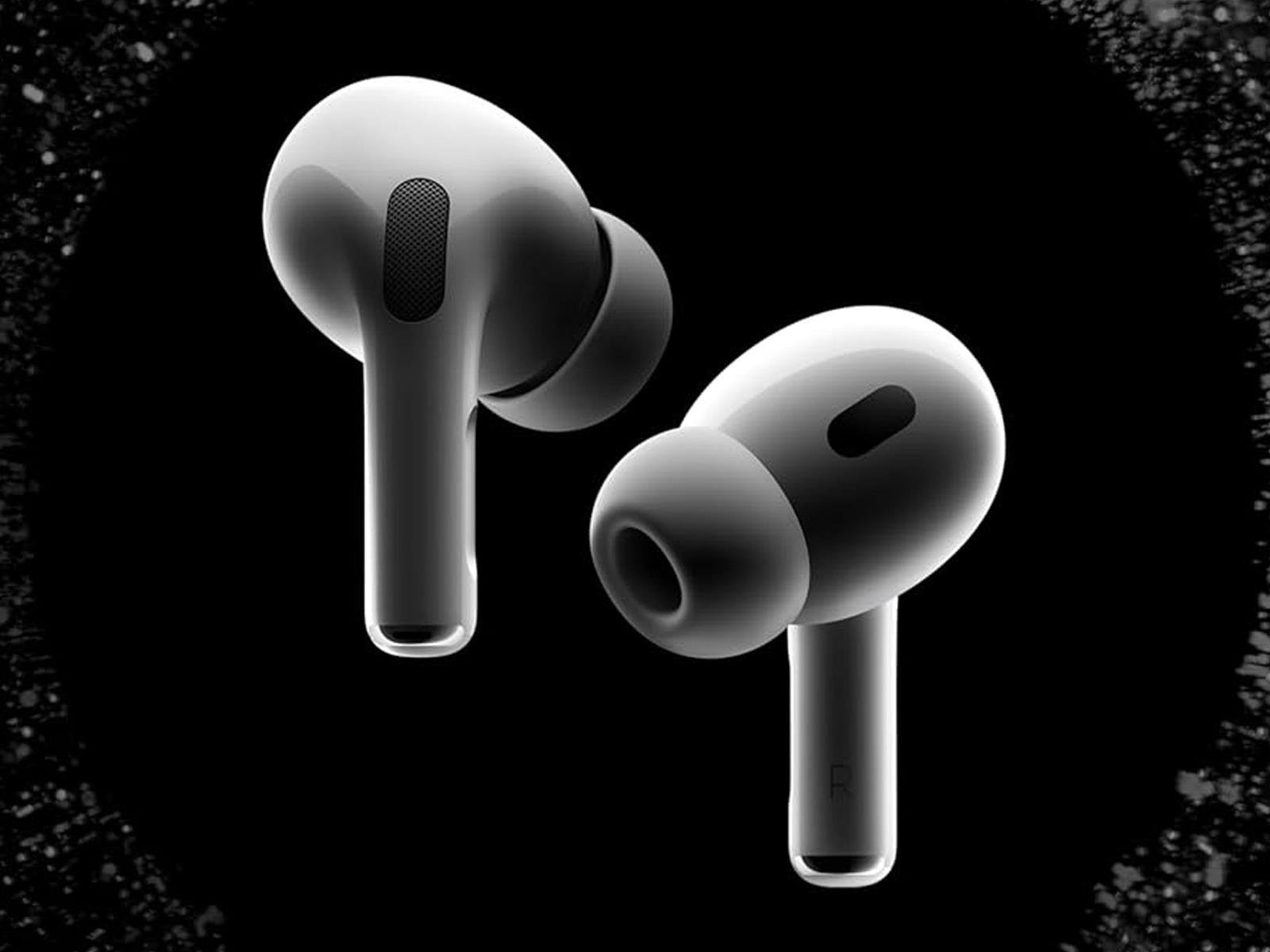
You Don’t Need to Buy the AirPods Pro 3 to Use Live Translation

Did you know you can customize Google to filter out garbage? Take these steps for better search results, including adding my work at Lifehacker as a preferred source.


Yesterday, Apple announced its newest flagship earbuds: AirPods Pro 3. The new earbuds seem like a solid improvement over the previous generation of Pros in a number of ways, including the built-in heart rate monitor and redesigned shape.

But the feature that really stole the show for me was live translation. Here’s how it works: When you’re talking to someone who speaks a language you don’t understand, you’ll hear a live translation of their words through your AirPods. Your buds will even boost noise cancellation to lower the volume of the speaker, so you can focus on the translation. When you speak, your words are translated live as well, only on your iPhone’s display. That way, the other person can understand what you’re saying, too. If it works the way it seemed to in Apple’s demo, it feels like the future, and is sure to be a reason people buy these earbuds when they go on sale.

But here’s the thing: You don’t actually need AirPods Pro 3 in order to use live translation. While Apple showcased the feature during the AirPods Pro 3 segment, the company conveniently forgot to mention that customers who own AirPods Pro 2 and AirPods 4 with Active Noise Cancellation can also use the feature. You can see that from Apple’s own AirPods comparison tool: All three models support live translation.

If you take a look at the fine print, you’ll see the reason: Your AirPods themselves aren’t really doing the translating. Instead, the feature is powered by iOS 26 and Apple Intelligence. You’ll need an iPhone that can run both—which means an iPhone 15 Pro or newer—as well as the latest AirPods firmware. Assuming you have a compatible iPhone and AirPods, both running the right software, you can use the feature.

Live translation isn’t the only new Apple feature available on older devices. When the company announced new Apple Watches yesterday, it advertised new hypertension alerts and sleep scores, and made it seem like those feature were exclusive to the new watches. As it turns out, hypertension alerts are available on Series 9 and newer, while sleep score is available on Series 6 and newer. I get that Apple wants to show its newest features running on its newest devices, but this is more than a little misleading.

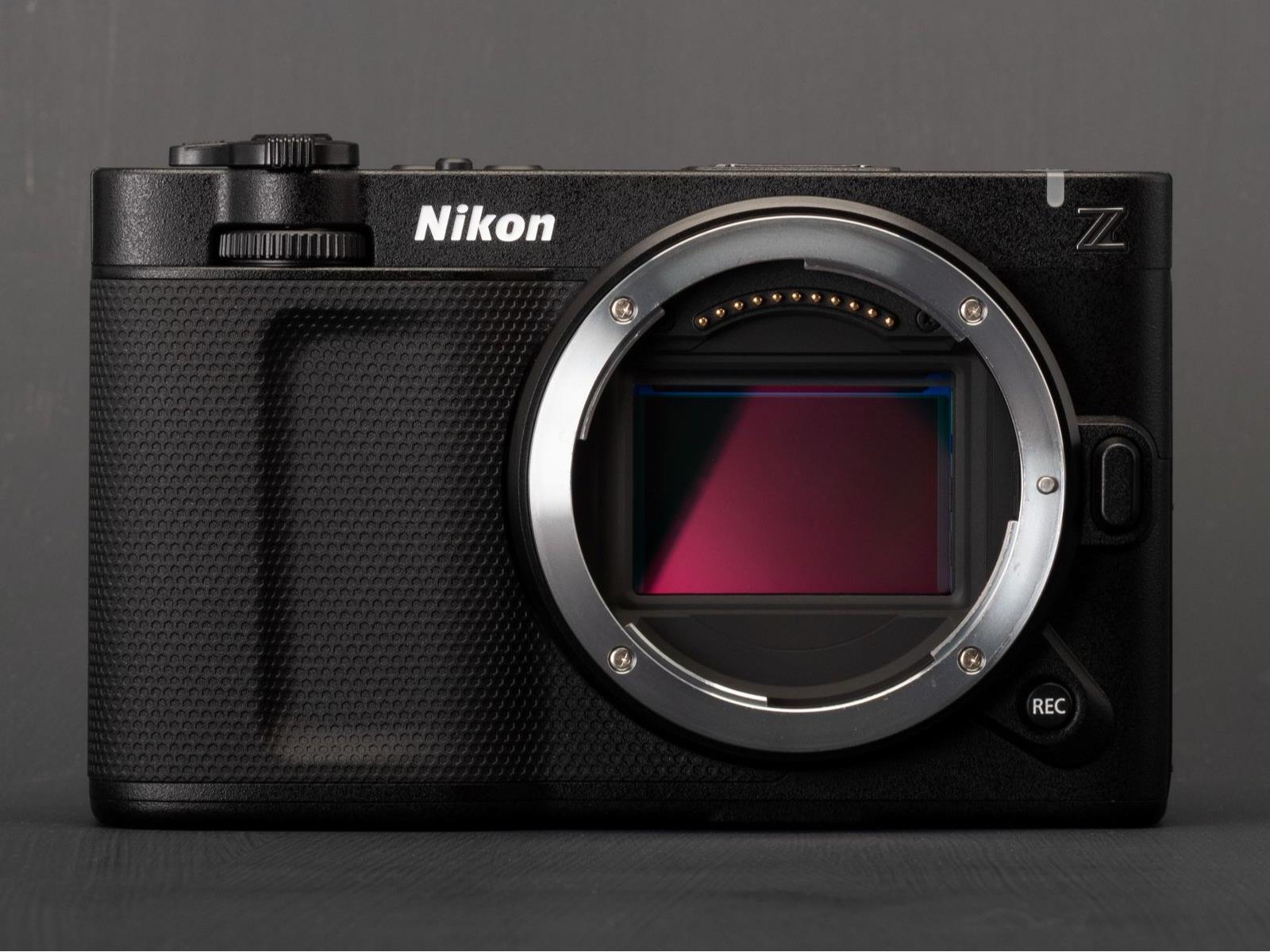
Nikon ZR 6K Full-Frame Cinema Camera Co-Designed With RED Is Here To Rival Sony & Canon

Nikon ZR 6K Full-Frame Cinema Camera Co-Designed With RED Is Here To Rival Sony & Canon
Nikon has created a disturbance in the Force with the new ZR, its first compact cinema camera, plus it’s developed in collaboration with RED Digital Cinema no less. The ZR promises the best that RED processing and Nikon hardware have to offer at a lower price compared to the rest of the market. Should Sony and Canon be afraid?

As it is,

Flush door handles are the car industry’s latest safety problem

Earlier this week, Ars spent some time driving the new Nissan Leaf. We have to wait until Friday to tell you how that car drives, but among the changes from the previous generation are door handles that retract flush with the bodywork, for the front doors at least. Car designers love them for not ruining the lines of the door with the necessities of real life, but is the benefit from drag reduction worth the safety risk?

That question is in even sharper relief this morning. Bloomberg’s Dana Hull has a deeply reported article that looks at the problem of Tesla’s door handles, which fail when the cars lose power.

The electric vehicle manufacturer chose not to use conventional door locks in its cars, preferring to use IP-based electronic controls. While the front seat occupants have always had a physical latch that can open the door, it took some years for the automaker to add emergency releases for the rear doors, and even now that it has, many rear-seat Tesla passengers will be unaware of where to find or how to operate the emergency release.

Read full article

Comments

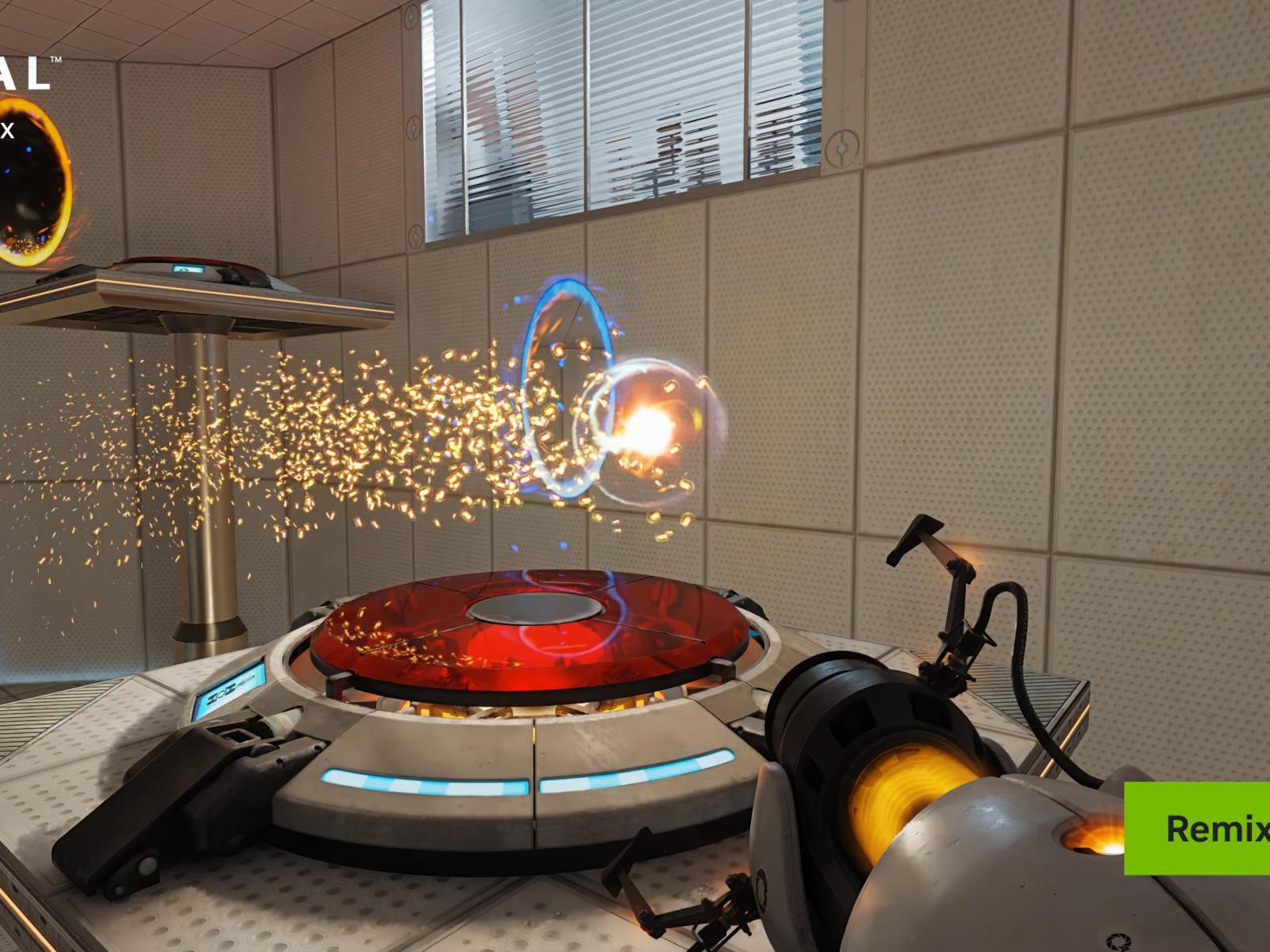
NVIDIA RTX Remix Gets Path-Traced Particles To Add Stunning Mods To Classic Games

NVIDIA RTX Remix Gets Path-Traced Particles To Add Stunning Mods To Classic Games
Yesterday, NVIDIA announced a new feature coming to the RTX Remix modding toolkit— fully path-traced, GPU-accelerated particles, first demonstrated running under Portal With RTX, as well as Half-Life 2 RTX in additional documentation. The primary demonstration was uploaded to YouTube using Portal With RTX to showcase spark particles coming

New subscribers can get three free months of the Apple Music Family Plan

Apple Music is running a promo in which new subscribers can get three free months of the Family Plan tier. That’s a savings of $51, which is nothing to sneeze at. After this lengthy free trial is up, it costs $17 per month.

The Family Plan allows six different users to access the platform. It offers cross-device support and each user is tied to an Apple ID, so their favorite music won’t mess with anyone else’s algorithm.

Apple Music actually topped our list of the best music streaming platforms, and for good reason. It sounds great and it’s easy to use. What else is there? All music is available in CD quality or higher and there are plenty of personalized playlists and the like. The platform also operates a number of live radio stations, which is fun.

The service is available for Android devices, but it really shines on Apple products. To that end, the web and Windows PC apps aren’t as polished as the iOS version. It doesn’t pay artists properly, but that’s true of every music streaming platform. Apple Music does pay out more than Spotify, but that’s an incredibly low bar.

Offer for new subscribers redeeming on eligible devices. Auto-renews at $16.99/mo until cancelled. Requires Family Sharing. Terms apply.

This article originally appeared on Engadget at https://www.engadget.com/deals/new-subscribers-can-get-three-free-months-of-the-apple-music-family-plan-151240882.html?src=rss

Welcome to the era of thin smartphones (whether you want it or not)

We knew it was coming, and now it’s here. The iPhone Air, as rumored, is only 5.6mm thick and has fewer features than the base iPhone 17, which is $200 cheaper. Sure, it’s not the first slimline reinterpretation of a major smartphone — Samsung beat Apple to the punch with the Galaxy S25 Edge earlier this year — but the influence of Apple can’t be underestimated. It’s too early to tell if the iPhone Air will shake up smartphones as the MacBook Air did with laptops, but it’s definitely a safer evolution. And hey, perhaps the iPhone Air is merely a pit-stop on the way to the first Apple foldable.

Let’s go back to 2008. With the MacBook Air, Apple ditched the optical disc drive and many ports, leading to a device that was so thin Steve Jobs pulled it out of a manila envelope when he first revealed it. The first MBA had some issues; it was underpowered, used a tiny and slow hard drive and battery life was pretty awful. But Apple refined the formula, which led to countless slimmed-down laptops and even a new category, the ultraportable.

Sadly, Apple didn’t figure out an equally iconic way to reveal its super slim iPhone. In fact, it dropped it in a carefully prepared marketing video, presumably in a bid to show off how confident it is with the hardiness of the iPhone Air. But it felt like Apple trying to assuage durability fears in a way that doesn’t really work, since this was just part of a carefully-manicured marketing promotion.

That’s one of two concerns for thinner phones: durability. Apple’s iPhone Air has a frame made from recycled titanium – previously an iPhone Pro feature. The Air also has the company’s Ceramic Shield, which Apple says is now 3x more scratch-resistant than past versions. It feels like Apple has engineered a phone less likely to get damaged. And of course, the company is happy to offer a super-slim 1mm case for the paranoid among us.

The other concern is battery life. A slimmer profile in a smartphone means less space for the battery. Apple claims that the iPhone Air’s internal architecture “maximizes space for the battery,” but the company doesn’t share specific battery capacity figures. Regardless, Apple says the iPhone Air will deliver “all-day battery life,” which remains hugely subjective.

Apple also announced a new $99 MagSafe charging pack to ensure the iPhone Air can play back video for up to 40 hours. But that charging puck seems even thicker than the camera unit — with the two devices combined, that’s no longer a superthin smartphone, it’s an iPhone 17 with one camera. The fact that it exists at all should give people pause about the Air’s longevity.

Promo shot for the Apple iPhone Air
Apple

Also: that big old camera module. Samsung’s S25 Edge has a 5.8mm thick body, but if you count the camera, it’s closer to 10mm. The iPhone Air is thinner than the S25 Edge, at 5.6mm. But the camera “plateau” adds a significant width on top of that, although Apple hasn’t said just how thick it is. Judging by images, it could be almost twice as thick as the iPhone Air’s body alone.

Compared to the MacBook Air, the iPhone Air is unlikely to shake up the world of smartphones. While packed with tech upgrades, there’s nothing revolutionary. For example, the iPhone Air still has a USB-C port – early rumors suggested it might ditch all ports for wireless connections and charging. That single camera will probably take great photos, but the utility may be limited without a dedicated telephoto lens — a point I’ve been emphasizing. Samsung’s S25 Edge attempted to address that with a 200-megapixel camera, allowing for substantial digital zoom by cropping in.

Despite these potential pitfalls, I’m intrigued to see how the iPhone Air fares. I’ve often returned to Samsung’s Galaxy S25 Edge, simply because of the lighter, slimmer profile. The weaknesses of slimmer smartphones I’ve outlined here didn’t result in a bad phone. Like Sam Rutherford put in his review, the S25 Edge is arguably a better phone than the S25+.

Are people desperate for a thinner smartphone? The $999 iPhone Air is cleverly priced between the base iPhone 17 ($799) and the iPhone 17 Pro ($1,099), and the lack of a plus model just might push people towards the Air.

I think there’s a place for the iPhone Air. It’s lighter, it’ll fit in pockets better and it’ll have all the features of iOS 26 at a time when new functionality has shifted from hardware to software. Apple has attempted to address many of the concerns with superslim phones, but the true test of battery longevity and durability will come with a few months of use.

This article originally appeared on Engadget at https://www.engadget.com/mobile/smartphones/welcome-to-the-era-of-thin-smartphones-whether-you-want-it-or-not-150729169.html?src=rss

Has Perseverance found a biosignature on Mars?

Last year, we reported on the discovery of an intriguing arrow-shaped rock on Mars by NASA’s Perseverance rover. The rock contained chemical signatures and structures that could have been formed by ancient microbial life. Granted, this was not slam-dunk evidence of past life on Mars, and the results were preliminary, awaiting peer review. But it was an intriguing possibility nonetheless.

Now further analysis and peer review are complete, and there is a new paper, published in the journal Nature, reporting on the findings. It’s still not definitive proof that there was water-based life on Mars billions of years ago, but the results are consistent with a biosignature. It’s just that other non-biological processes would also be consistent with the data, so definitive proof might require analysis of the Martian samples back on Earth. You can watch NASA’s livestream briefing here.

“We have improved our understanding of the geological context of the discovery since [last year], and in the paper, we explore abiotic and biological pathways to the formation of the features that we observe,” co-author Joel Hurowitz, an astrobiologist at Stony Brook University in New York, told Ars. “My hope is that this discovery motivates a whole bunch of new research in laboratory and analog field settings on Earth to try to understand what conditions might give rise to the textures and mineral assemblages we’ve observed. This type of follow on work is exactly what is needed to explore the various biological and abiotic pathways to the formation of the features that we are calling potential biosignatures.”

Read full article

Comments

You Don’t Need a New Apple Watch to Get the Latest Health Tracking Features

I have some good news for Apple Watch users. If you’re using an older Apple Watch, like the Series 9, Apple’s tossing you a couple of features that we previously thought were going to be exclusive to the new Series 11. At its “Awe Dropping” event yesterday, the company released three new Apple Watches with new features related to health tracking, but there’s a good chance you’re going to get them on a device you already have.

That’s because Apple didn’t mention on stage that these new features are actually software updates coming to watchOS 26 and iOS 26, and some of them don’t need new hardware. This means you might not need to upgrade your Apple Watch to get new high-blood pressure notifications or an Apple-generated Sleep Score.

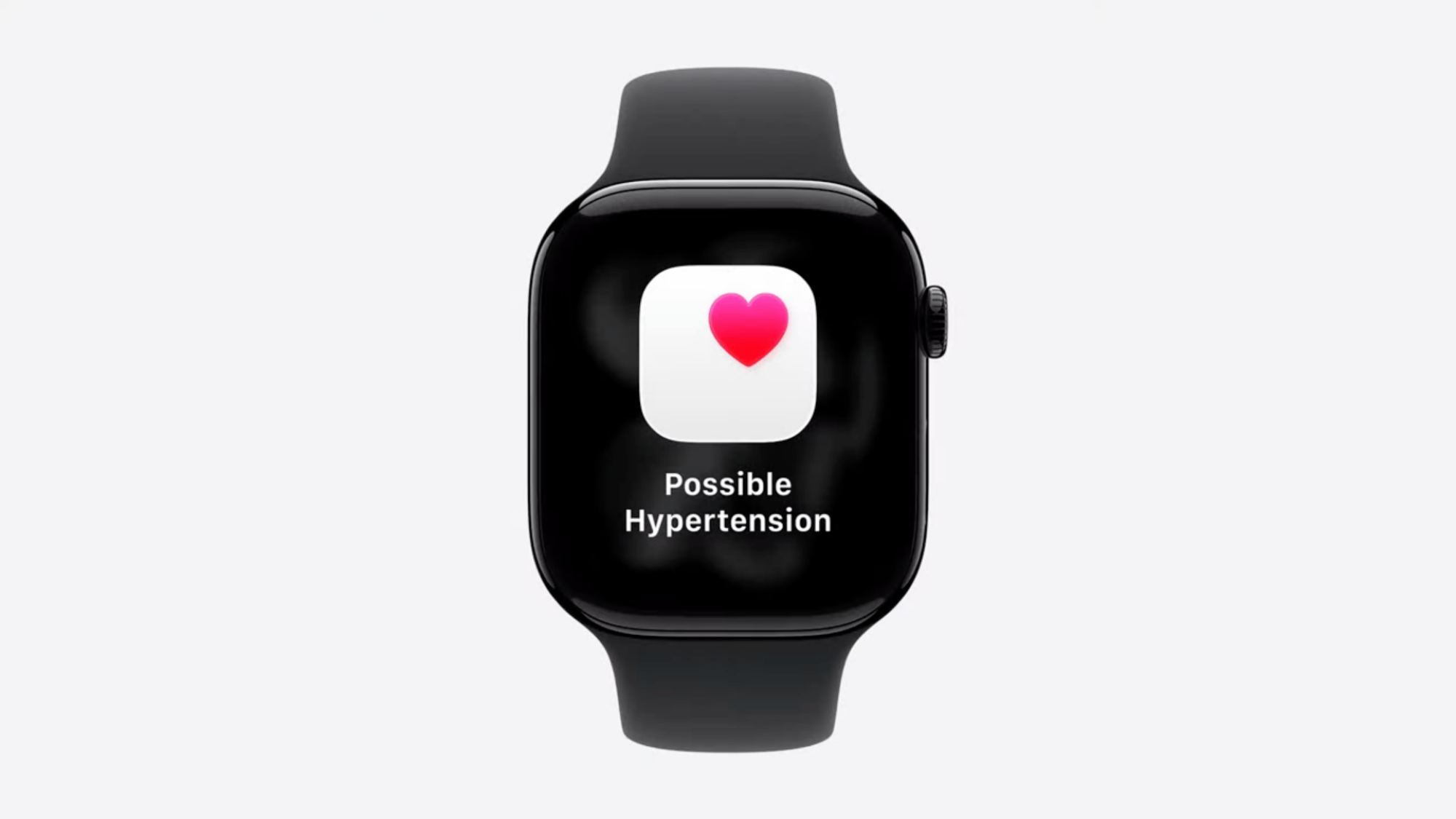
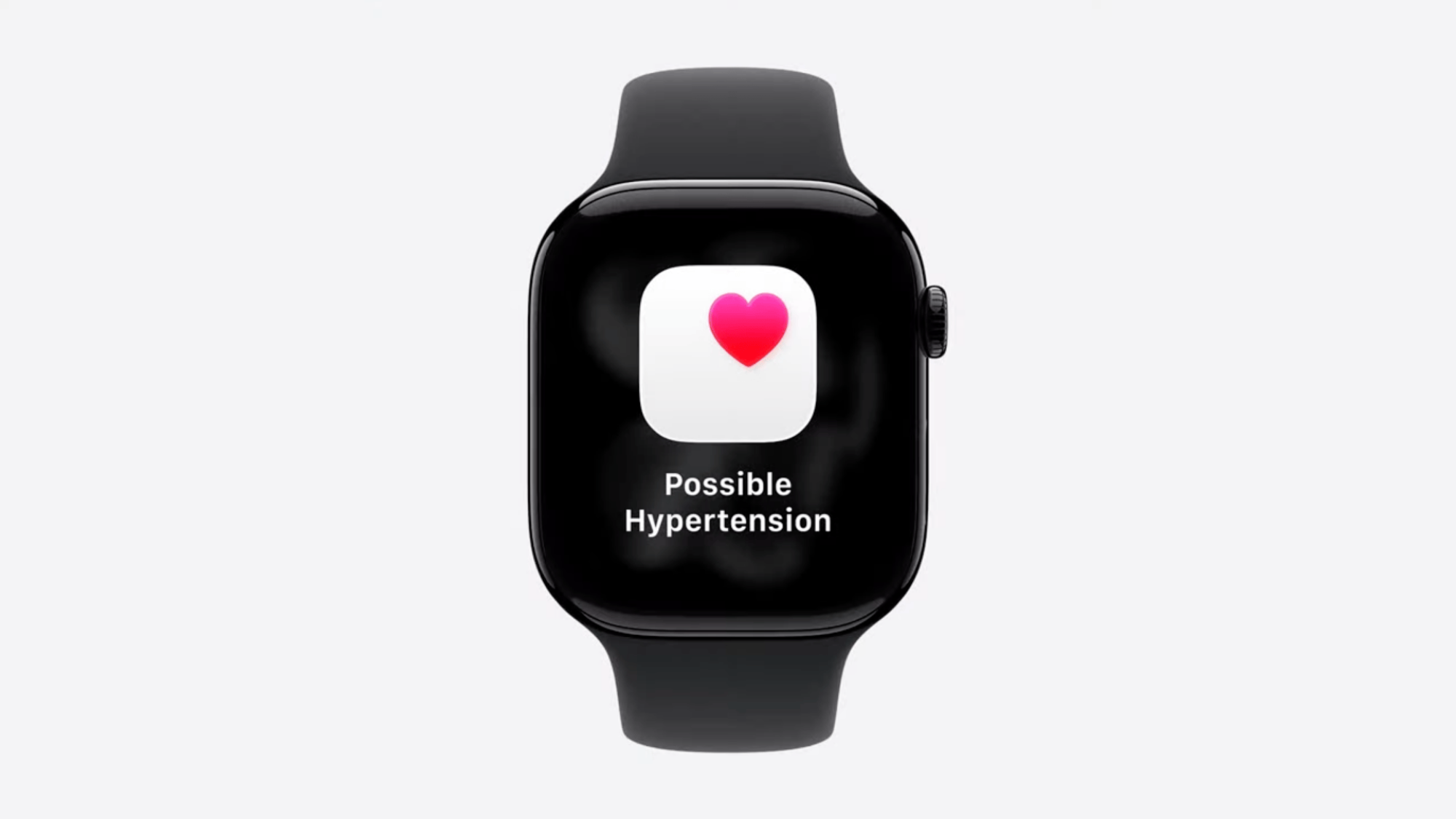
Hypertension notifications come to Apple Watch Series 9 and higher

Hypertension notifications Apple Watch.

Credit: Apple

Apple has a new blood pressure monitoring system that sends a notification to the user when a pattern of high chronic blood pressure is detected. Apple isn’t using a cuff-based blood pressure monitor here. Instead, it’s using the optical heart rate sensor to analyze how a user’s blood vessels respond to the beats of the heart. It uses data-analysis over a period of 30 days to determine if there’s a consistent pattern that points to possible hypertension, then notifies you if so.

Because this feature is based on the optical heart rate sensor, it’s turns out it’s not limited to the Series 11 and Apple Watch Ultra 3. In fact, it’s supported by Apple Watch Series 9, Series 10, and Ultra 2 as well (but not the Apple Watch SE 3). The feature will be live for the users after the watchOS 26 update, and after regulatory approval. Apple says that it should be rolled out to 150 countries by October.

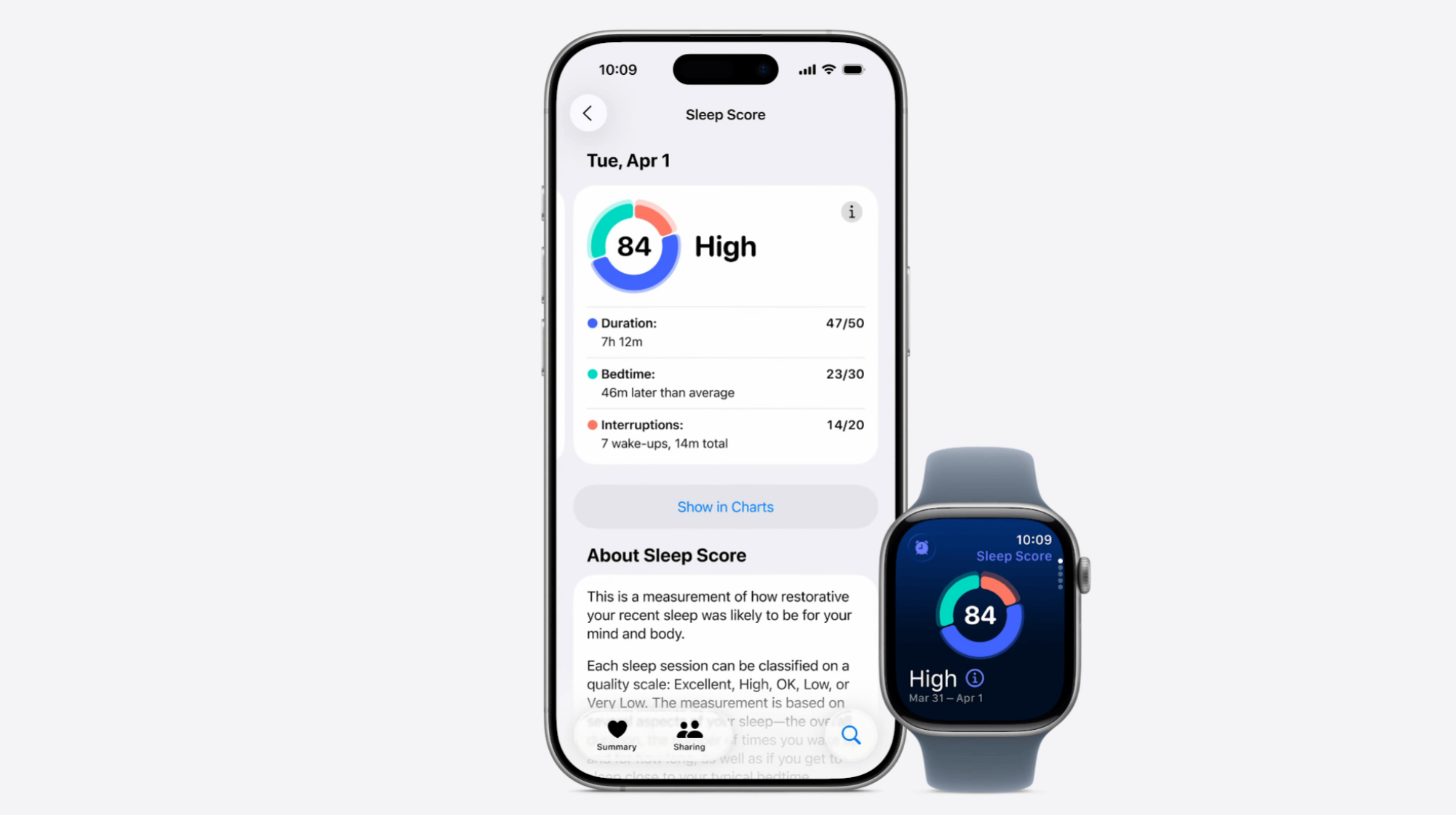
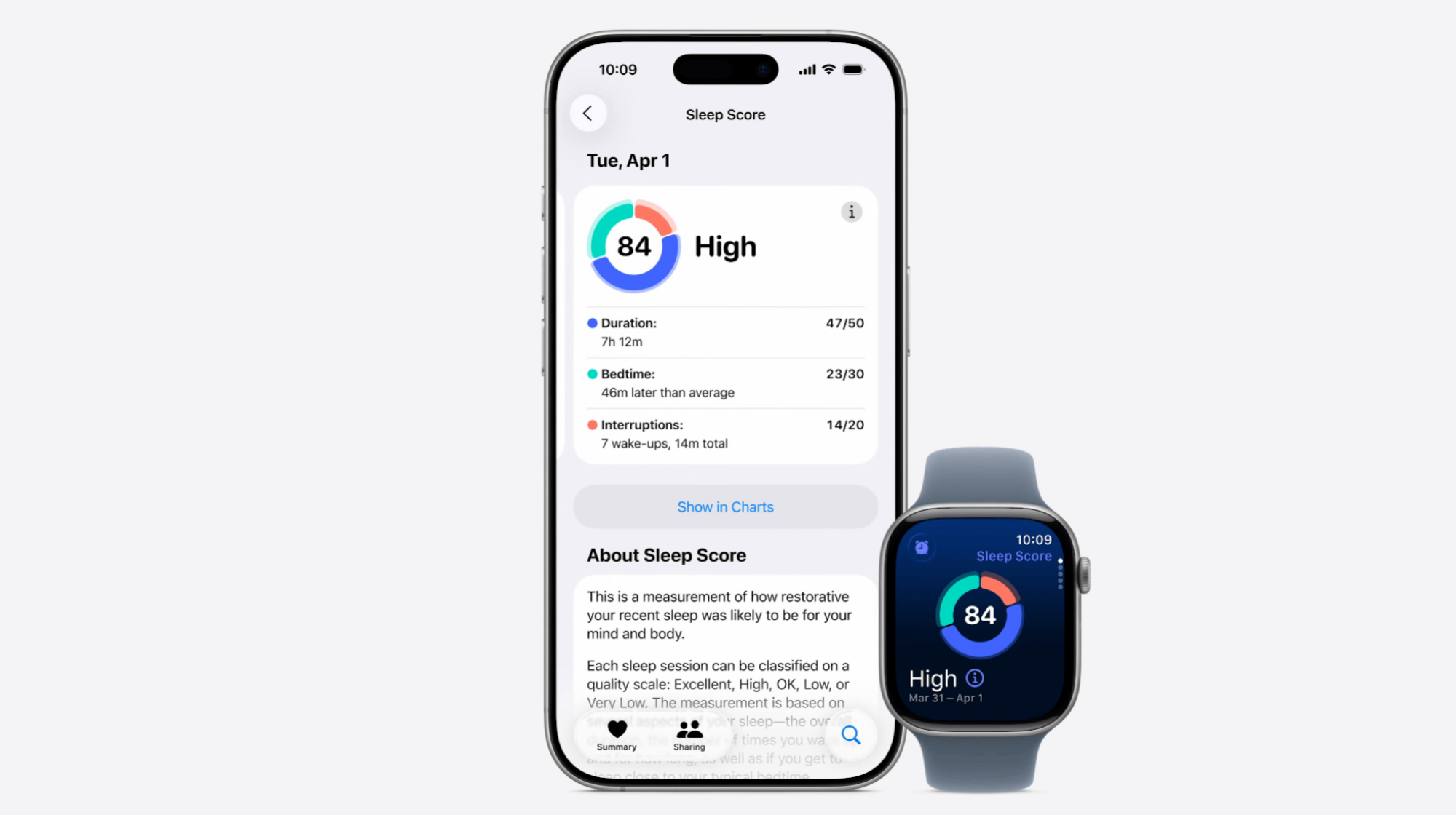
Sleep score comes to every Apple Watch since Series 6

Sleep Score feature Apple Watch.

Credit: Apple

The Apple Watch’s new Sleep Score metric is, again, a data-analysis feature. It combines sleep data like sleep duration, sleep stage duration, frequency of wakefulness, and more to come up with one score that informs you just how good your overall quality of sleep was. It uses data from multiple sensors like heart rate, wrist temperature, blood oxygen, and respiratory rate to rate the overall quality of your sleep.

This number can then help you decide if you want to tackle a more intensive workout, or you want to take things easy and turn in earlier that day.

And as it turns out, it’s going to be rolled out to all Apple Watches that support sleep tracking. That’s every Apple Watch Ultra, Series 6 and above, and even the Apple Watch SE 2.

Similarly, a few other software based features highlighted in the keynote aren’t exclusive to Series 11. The new wrist-flick feature in watchOS 26 will be supported on Series 9 and higher, and the Apple Watch Ultra 2.

Outside of the realm of Apple Watches, this also goes for the AirPods Pro 3 as well. The Live Translation feature that Apple introduced with the AirPods Pro 3 will actually work with AirPods 4 and AirPods Pro 2 as well, as long as it’s paired with an iPhone 15 Pro or higher (essentially, your phone needs to support Apple Intelligence). This means you can use the older AirPods to translate speech from multiple supported languages, without springing for a new $250 AirPods Pro.

Why Netflix Struggles To Make Good Movies: A Data Explainer

Netflix’s film division faces a fundamental mismatch between its subscription model and filmmakers’ artistic ambitions, according to new data analysis examining a decade of original productions. The streamer’s movies cost two to three times more than A24 films but consistently score lower across review aggregators. Netflix attracts established actors like Eddie Murphy and Cameron Diaz but struggles to retain acclaimed directors.

The typical Netflix director has less critical acclaim and shorter filmographies than theatrical counterparts despite handling larger budgets. Directors recently turned down Netflix’s $150 million for Wuthering Heights and $50 million for Weapons, accepting lower offers from Warner Bros. that guaranteed theatrical releases. The Electric State cost Netflix $320 million in February 2025 and received a 30 Metacritic score and 14% on Rotten Tomatoes. Netflix’s business model requires filling hours to justify $9.99 monthly subscriptions. Directors seek theatrical releases where audiences watch films in one sitting without checking phones.


Read more of this story at Slashdot.

How To Launch Your Name Around The Moon On NASA’s Artemis II Mission

How To Launch Your Name Around The Moon On NASA's Artemis II Mission
It’s probably no secret that NASA is planning on taking astronauts back to the Moon, but now the space agency is inviting the public to play a role in the upcoming 2026 Artemis II mission. No, they’re not taking paid ride-along civilians (yet), but are instead offering you a chance to have your name loaded onto an SD card to accompany the

Apple’s AirPods Pro 3 Are Cool But The AirPods Pro 2 For $99 Is A Steal Of A Deal

Apple's AirPods Pro 3 Are Cool But The AirPods Pro 2 For $99 Is A Steal Of A Deal
Apple unveiled several new products at its Awe Dropping event, including the iPhone 17 series with its first Air model in tow, several upgraded watches, and a promising third-generation update to its AirPods Pro earbuds. The AirPods Pro 3 boast some neat upgrades, such as a claimed 2x boost to active noise cancellation and a live translation

Different People’s Brains Process Colors in the Same Way

Researchers at the University of Tubingen have discovered that human brains process colors in remarkably similar ways across different individuals. The team used fMRI scans from 15 participants viewing various colors to train a machine-learning model that could then accurately predict which colors a second group was viewing based solely on their brain activity patterns.

Published in the Journal of Neuroscience, the study found that specific brain cells in the visual cortex consistently respond more strongly to particular colors across all participants. The discovery challenges long-standing philosophical questions about whether people perceive colors differently.


Read more of this story at Slashdot.

How the New Apple Watch SE 3 Stacks Up Against the Series 11

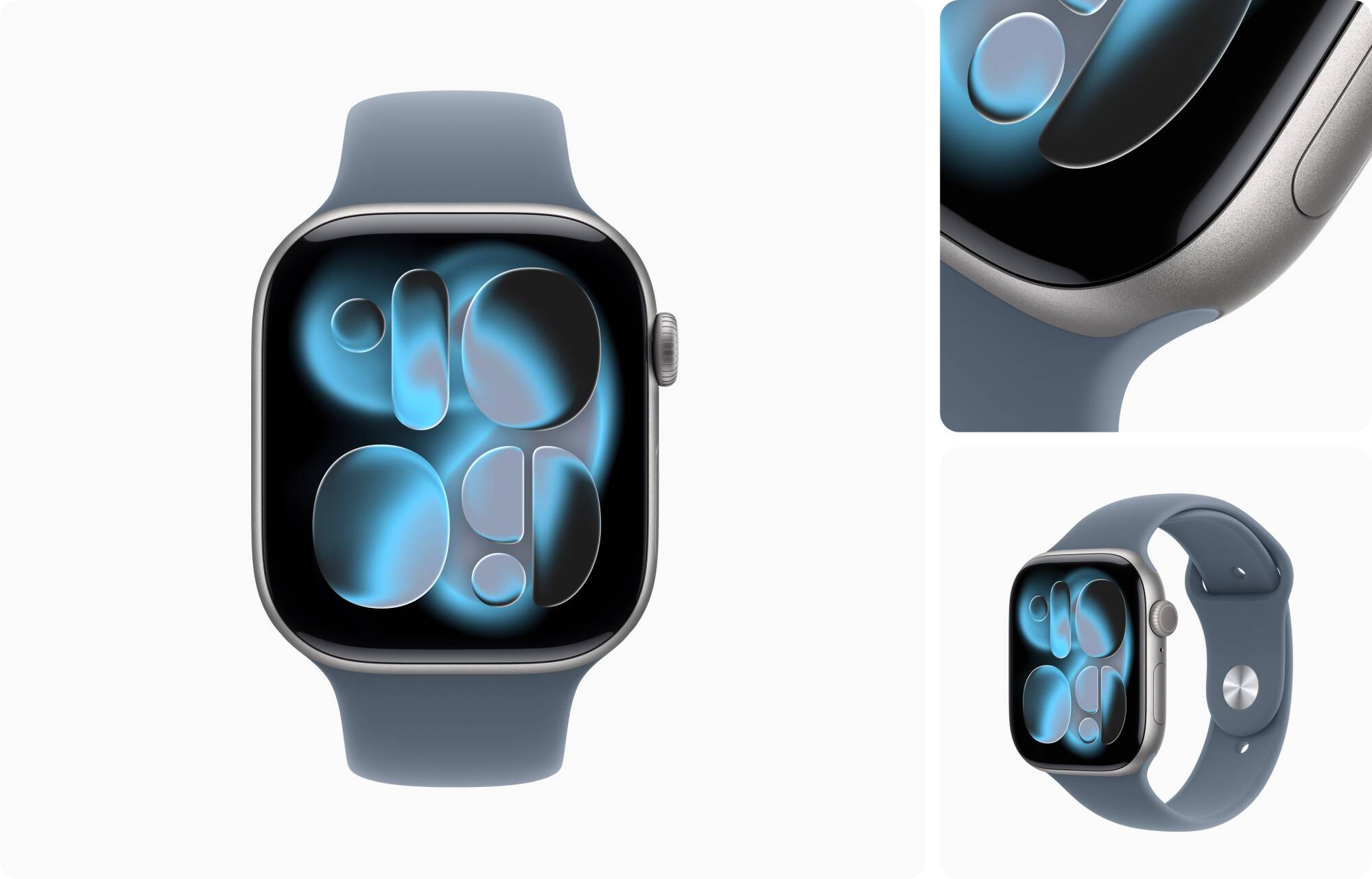
At its “Awe Dropping” event yesterday, Apple finally announced its lineup for the Apple Watch in 2025. Along with the Apple Watch Series 11, which is a slight spec-bump over last year’s redesigned Series 10, we finally have a new Apple Watch SE. The Apple Watch SE 3 has been updated after three years, and it’s got a lot to show for it.

The key difference between the Series 11 and the SE 3 comes down to features and value. Traditionally, the SE lost out on quite a lot of features when compared to the flagship model. This year, they’re the closest they’ve ever been, which means it will be harder to decide which smartwatch is right for you.

We’ve got high blood pressure notifications, bigger battery life, and finally, an always-on display in the SE. But overall, how does Apple’s $249 entry-level smartwatch hold up against the flagship $429 Series 11?

The screen and design

Apple Watch Series 11 body and design
Apple Watch Series 11.
Credit: Apple

The flagship Series 11 Apple Watch comes with a bigger and brighter display. It features an LTPO3 wide-angle OLED display that goes up to 2,000 nits outdoors. Both the Series 11 and SE 3 have an Ion-X display that makes it twice as scratch resistant compared to the Series 10 model (four times when compared to the outgoing SE 2). The SE 3 has an LPTO OLED display that goes up to 1,000 nits outdoors. But for the first time ever in an Apple Watch SE, you get an Always-on display, just like on the Series 11.

The Series 11 displays are also bigger compared to the SE 3, with 44mm and 46mm models. On the SE 3, you get options for 40mm and 44mm displays, with significantly larger bezels.

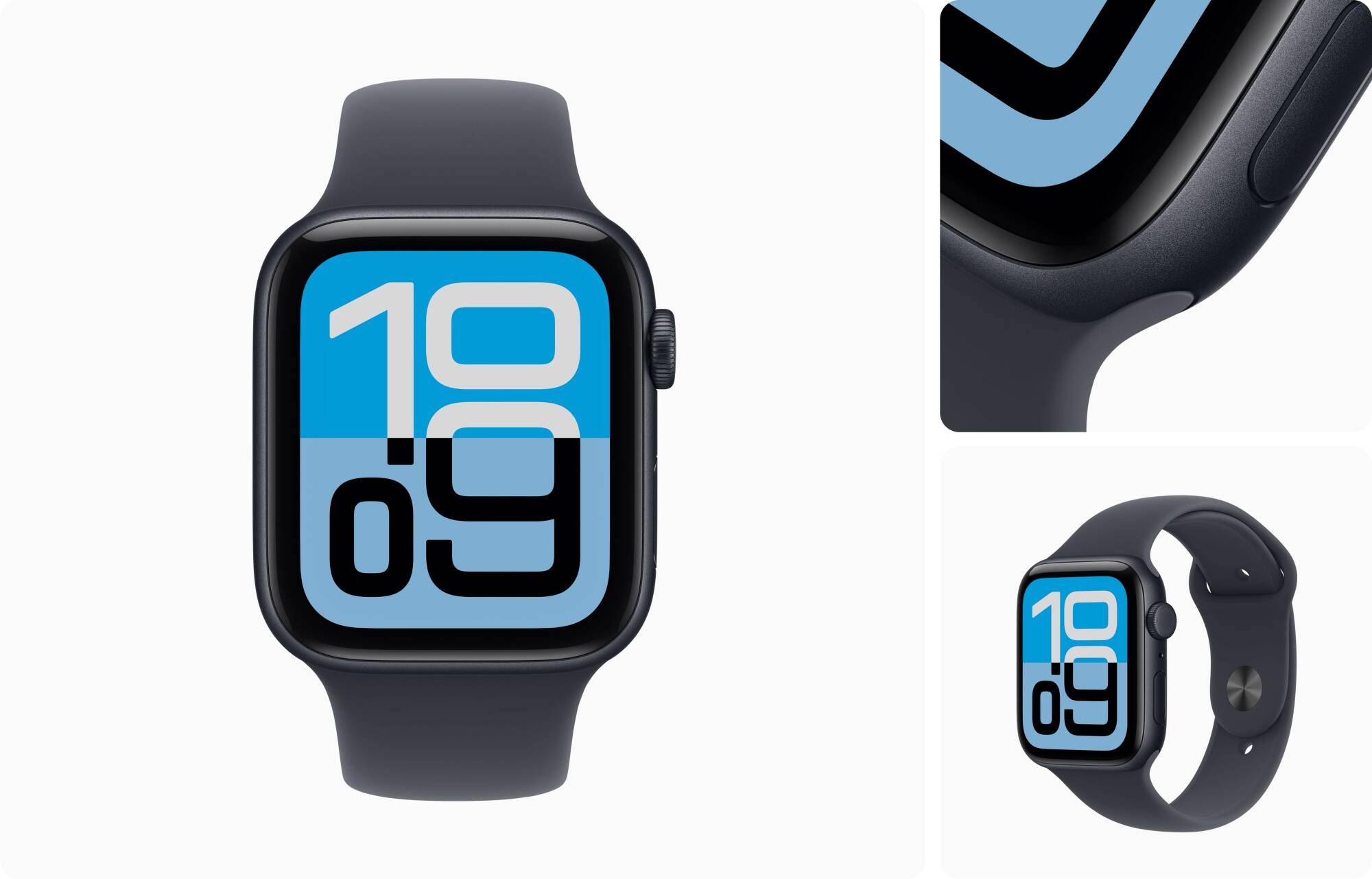
Apple Watch SE 3 body and design.
Apple Watch SE 3.
Credit: Apple

Apple redesigned the Apple Watch with the Series 10, reducing the bezels, and making the watch thinner (it and the Series 11 are the thinnest Apple Watches in the lineup). The SE3 is bulkier compared to the Series 11 (10.7 mm thickness against the Series 11’s 9.7mm), but it’s a bit lighter. The 46mm Series 11 case weighs 37.8 grams, while the SE 3 is 32.9 grams instead. It’s small, but it might be noticeable in daily use.

The battery life

The Series 11 has received the first big battery boost since the Watch came out. Apple has so far maintained an 18-hour all-day battery life as standard. Now, the Series 11 is bumping it up all the way to 24 hours. The SE 3 is still stuck with the old 18-hour battery life.

And if you use low-power mode, the Series 11 will supposedly last up to 38 hours now, while the SE can go up to 32 hours. Apple has also increased the fast-charge capability. The Series 11 will fast-charge to 80% in about 30 minutes, instead of 45 minutes for the SE 3. Plus, both watches can gain 8 hours of usage with just 15 minutes of fast-charge time.

If you hate charging your Apple Watch repeatedly, and you care about battery life above all else, the Series 11 is the right pick between the two.

Health and medical features

The Series 11 gets flagship-level sensors, with an electric heart rate sensor, third-generation optical heart rate sensor, water temperature sensor, and depth gauge. The SE loses out on the electric heart rate sensor, depth gauge, and water temperature sensor. Both watches can still sense the temperature on your wrist, though, leading to richer insights in the Vitals app.

Chronic high blood pressure notification in Apple Watch.
Hypertension notifications on Apple Watch Series 11 (not available on Apple Watch SE 3).
Credit: Apple

The SE 3 also loses out on the ECG monitoring and Blood Oxygen monitoring, both features that are available in the Series 11.

Series 11 also gets a brand new blood pressure notifications feature, that uses data from the optical heart rate sensor to analyze how a user’s blood vessels respond to the beats of the heart. It works in the background and reviews data over 30 days. When it notices signs of chronic high blood pressure, it notifies the user. This is a passive tracking method, and it doesn’t require a cuff. The SE 3 does not get this feature, although it is being back-ported to the Series 9 and Series 10.

Sleep Score.
New Sleep Score metric available on both Apple Watch Series 11 and SE 3.
Credit: Apple

But both watches do get the Sleep Score feature that’s coming to the Sleep app. This feature analyses things like sleep duration, time spent in each sleep stage, and sleep quality to give an overall score.

Performance

Both devices share quite a few internals. They both run the same S10 64-bit dual-core processor chip that was released in last year’s Series 10 model. Both devices feature the same W3 wireless chip, 4-core Neural Engine, and 64GB storage. The Series 11, though, gets the Ultra Wideband chip, making it easier to locate nearby iPhones.

Both watches also feature 5G connectivity in the Cellular models, helping with faster downloads and streaming, and making sure that your calls never drop, even when you’re in areas with spotty connectivity.

The Series 11 and SE both have a built-in speaker, which was first released in Series 10. This lets you play podcasts and media out loud without the need for headphones. Both watches also include the double-tap and wrist flick gestures for controlling the Apple Watch without actually touching the screen.

Which Apple Watch is right for you?

As I mentioned above, the SE 3 packs a surprising amount of stuff in it $249 package. Both it and the Series 11 feature the same processor, which is very fast for a smartwatch, and an always-on display. They also have similar health sensors, fitness tracking, 5G connectivity, and a built-in speaker.

If you really want the latest design, a slim case, and a larger and brighter screen, then the Series 11 is the right pick for you. If battery life is your priority, the Series 11 again wins out, with its 24-hour battery life. The same goes if you want the latest health features like hypertension notifications on a new watch. And if you’re willing to pay $399 for the smaller 42mm model, or $429 for the larger 46mm model.

But if you don’t really care about those things, and if you’re on a budget, the Apple Watch SE 3 at $249 for the 40mm model, and $279 for the 44mm model, is hard to beat. You’ll still get a fast Apple Watch with all the essential features and an always-on display. It’s just going to be packaged in a slightly outdated design, and will lack some top-of-the-line health features.

An hour-long Nintendo Direct is set for September 12

Hold on to your Cappy, a Nintendo Direct is coming your way later this week. Nintendo has scheduled an hour-long presentation for September 12 at 9AM ET. You don’t often see Nintendo running Direct streams on Fridays, but hey, we’ll take it. There may be a Mario-shaped reason for this timing, too. You can watch the showcase above, on YouTube or in the Nintendo Today! app.

The Direct will include information on Nintendo Switch and Switch 2 games. In terms of safe bets, we’ll likely get some more details on Pokémon Legends: Z-A and Kirby Air Riders, both of which have 2025 release dates. Those may very well bolster Switch 2 demand ahead of the holidays (as if Nintendo needed the help). It would be a surprise if Nintendo didn’t announce a release date — or delay — for Metroid Prime 4: Beyond during this Direct as well, since that game is still slated to arrive this year.

Otherwise, it’s a bit of a mystery as to what to expect. There’s always a chance that Nintendo might start teasing the next big Zelda game, even if it’s some time away. After all, the company announced The Legend of Zelda: Tears of the Kingdom four years before it arrived. Plus, this Saturday is the 40th anniversary of the Japanese release of Super Mario Bros. so there surely has to be some kind of Mario-related announcement in store.

Elsewhere, perhaps we’ll get some more info on FromSoftware’s Switch 2 exclusive The Duskbloods. In any case, Nintendo has to start building out the Switch 2 slate for 2026, and we’ll probably get a mix of first- and third-party news here. 

This article originally appeared on Engadget at https://www.engadget.com/gaming/nintendo/an-hour-long-nintendo-direct-is-set-for-september-12-135935134.html?src=rss

AI vs. MAGA: Populists alarmed by Trump’s embrace of AI, Big Tech

Flanked by Silicon Valley’s most powerful executives in the White House last week, Melania Trump hailed artificial intelligence as potentially “the greatest engine of progress in the history of the United States of America.”

Less than a mile from the first lady, in a hotel ballroom packed with MAGA faithful, top Republican Josh Hawley had a different message.

AI “threatens the common man’s liberty” and could even undermine the Republic itself, the senior US senator from Missouri said.

Read full article

Comments

NVIDIA’s GeForce RTX 50 Super GPU Refresh May Not Launch As Soon As Thought

NVIDIA's GeForce RTX 50 Super GPU Refresh May Not Launch As Soon As Thought
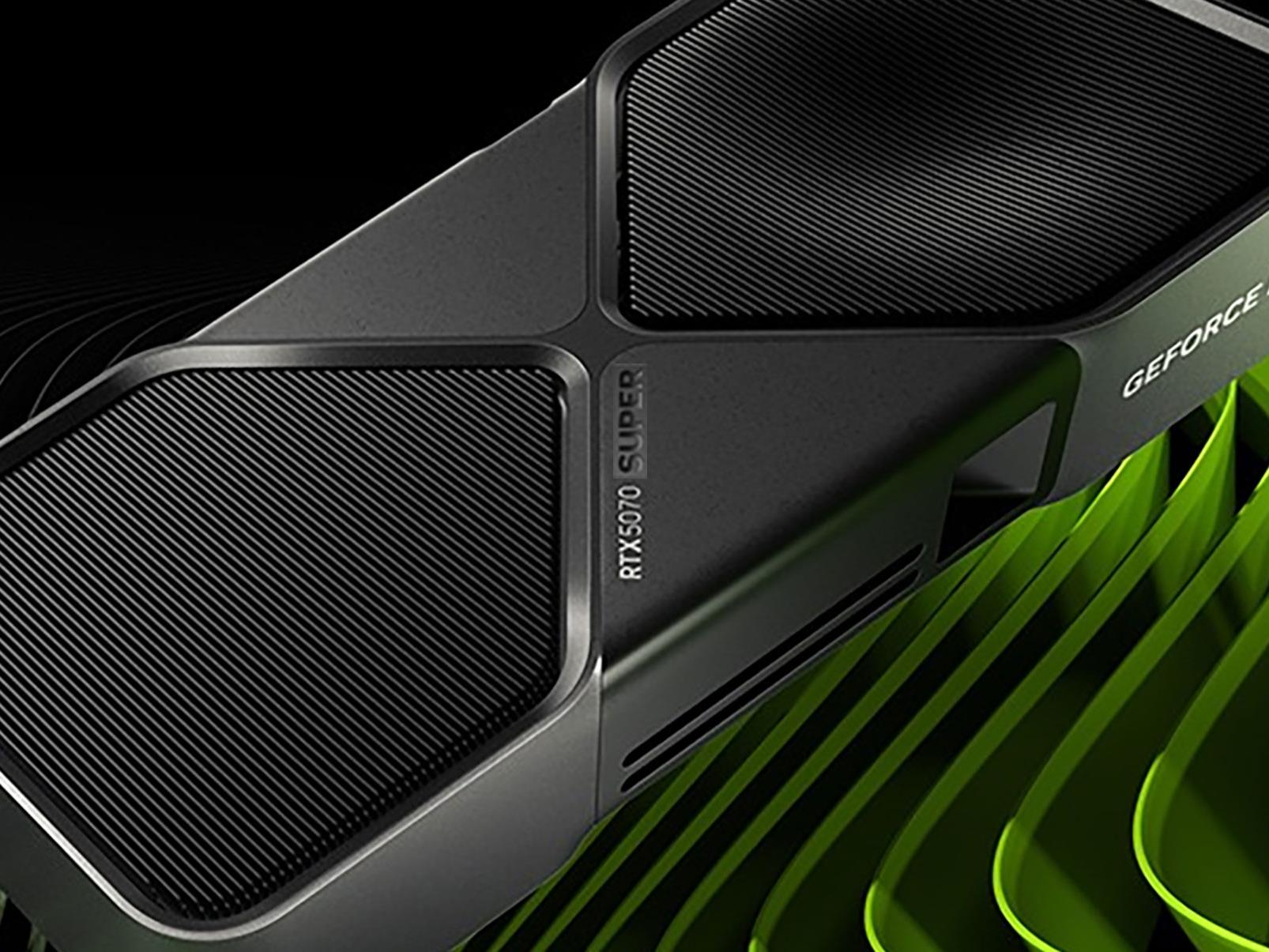
The problem with leaks and rumors is that you never know what is real and what is totally fabricated, in full or in part. Some sources are more reliable than others, but at the end of the day, nothing is truly official until there’s an announcement. So it goes with the rumored GeForce RTX 50 Super series refresh. NVIDIA is likely planning

Spotify lossless streaming is finally here and it’s included with a Premium plan

Stop me if you’ve heard this one before: over a half-decade of rumors, infrequent teases and affirmations that something is on the way, only for fans to impatiently bide their time and the thing to eventually arrive with very little advance warning. No, I’m not talking about Hollow Knight: Silksong this time. Spotify is finally rolling out a lossless option that offers higher-quality music streaming.

Best of all, the company is offering it to Premium members at no extra charge. You’ll get a notification once it’s enabled on your account. Starting today, Spotify is rolling out lossless audio in the US, UK, Australia, Austria, Czechia, Denmark, Germany, Japan, New Zealand, the Netherlands, Portugal and its home territory of Sweden. In all, Spotify Premium users in more than 50 markets will gain access to lossless audio by the end of October.

The option is available on mobile, desktop and tablets, along with many Spotify Connect-compatible devices, including Sony, Bose, Samsung, and Sennheiser products. Spotify Lossless will make its way to Sonos and Amazon devices, as well as others, next month.

We’re rolling out our best sound quality, Lossless, to Premium users.

Find out more: https://t.co/mG78GMA8R6 pic.twitter.com/P2VzcAsc71

— Spotify (@Spotify) September 10, 2025

Somewhat annoyingly, you’ll have to enable Spotify Lossless manually, and you’ll need to do that on each device on which you want to use it. To switch it on in the Spotify app, tap your profile icon in the top left, then go to Settings & Privacy > Media Quality. From there, you can choose to turn on lossless audio for Wi-Fi and cellular streaming, as well as your downloads. When it’s on, you’ll see a lossless indicator in the Now Playing view and the Connect Picker.

Lossless streaming uses more data than other quality options, which is why Spotify is offering several settings for Wi-Fi, cellular and downloads so you (hopefully) don’t bust through any data caps you might have. You’ll be able to see how much data the various options — low, normal, high, very high and lossless quality — will use to help you figure out which way to go.

Spotify Lossless offers up to 24-bit/44.1 kHz FLAC streaming. The company says the option means you’ll be able to stream in “greater detail across nearly every song available on Spotify.” 

Of note, the company says that you’ll get the best lossless experience when you stream music on Wi-Fi using wired headphones or speakers on non-Bluetooth connections, because Bluetooth doesn’t yet have enough bandwidth to support lossless audio. As such, if you try streaming lossless music with a Bluetooth connection, the audio signal will still be compressed before it reaches your ears. It might take slightly longer for each lossless audio track to start playing too, as your device might need to cache it to avoid mid-song stutters.

“The wait is finally over; we’re so excited lossless sound is rolling out to Premium subscribers,” said Gustav Gyllenhammar, Spotify’s vice-president of subscriptions, said. “We’ve taken time to build this feature in a way that prioritizes quality, ease of use, and clarity at every step, so you always know what’s happening under the hood. With Lossless, our premium users will now have an even better listening experience.”

Gyllenhammar isn’t kidding about Spotify taking its time to offer lossless listening. It was reported all the way back in 2017 that the company was “close” to delivering lossless audio. In 2021, Spotify said it would start offering a CD-quality option that year, but that didn’t happen and the company has largely kept mum about a higher-quality streaming option since (it said in 2022 a Spotify HiFi experience was still in the pipeline, but declined to commit to a release window).

Earlier this year, it was suggested that Spotify would finally offer a lossless option in 2025 and that it would be a $6 per month add-on. Thankfully, that’s not quite the case, as Lossless is included with a $12 Premium subscription that will definitely not get more expensive at some point in the future. Nope, no way. In any case, including it with Premium puts Spotify on par with the likes of Apple Music, which has offered lossless streaming to paid subscribers at no extra cost since 2021. Now then, Spotify, about Dolby Atmos…

This article originally appeared on Engadget at https://www.engadget.com/entertainment/music/spotify-lossless-streaming-is-finally-here-and-its-included-with-a-premium-plan-131009528.html?src=rss