AirPods Live Translation Feature Won’t Launch in EU Markets

Apple’s Live Translation feature for AirPods won’t reach European Union users when it launches next week. The restriction applies to users physically located in the EU who also have EU-registered Apple Accounts. Apple hasn’t specified reasons for the limitation, though the EU’s Artificial Intelligence Act and GDPR impose requirements on speech processing and translation services.

The feature enables real-time translation between English, French, German, Portuguese, and Spanish on AirPods Pro 2, AirPods 4 with Active Noise Cancellation, and the newly announced AirPods Pro 3. Translation requires iOS 26 on iPhone 15 Pro or newer models.


Read more of this story at Slashdot.

How the Apple Watch Series 11 Stacks Up Against the Ultra 3

In 2025, Apple has chosen to update all three of its Apple Watch models together. That’s rarer than you’d think. The Apple Watch Ultra 2 came out in 2023, and the SE 2 was last updated in 2022. This year, the Series 11 and the Ultra 3 are both out at the same time, and they share quite a lot of internals. But they’re still quite distinct. One is a $399 smartwatch that’s the perfect Apple Watch for most users, while the other costs double that, at $799. But, it offers the biggest screen, the largest battery life, the most rugged exterior, and the most precise GPS on any Apple Watch. Which is right for you?

Display and design

Apple Watch Series 11
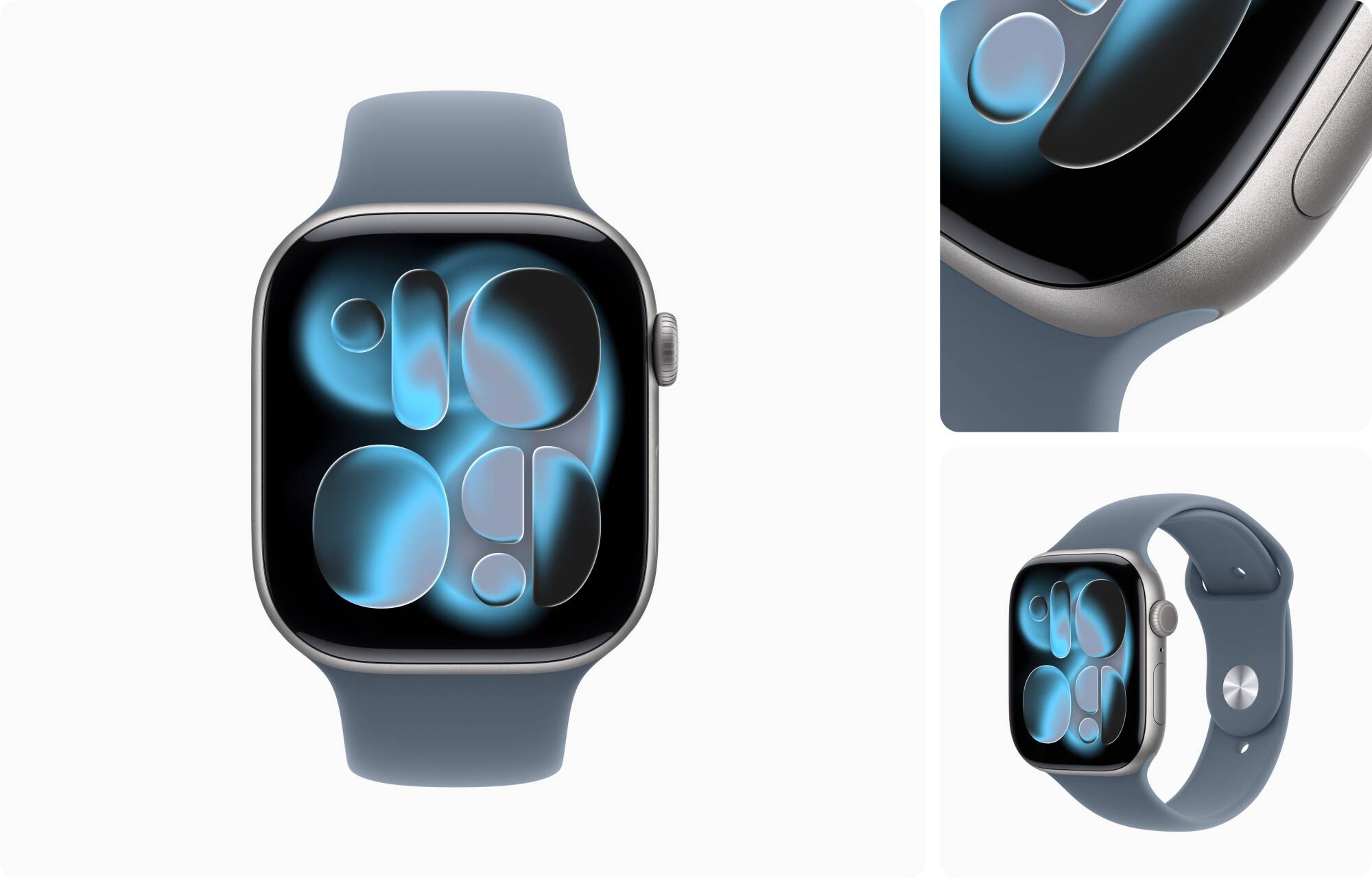
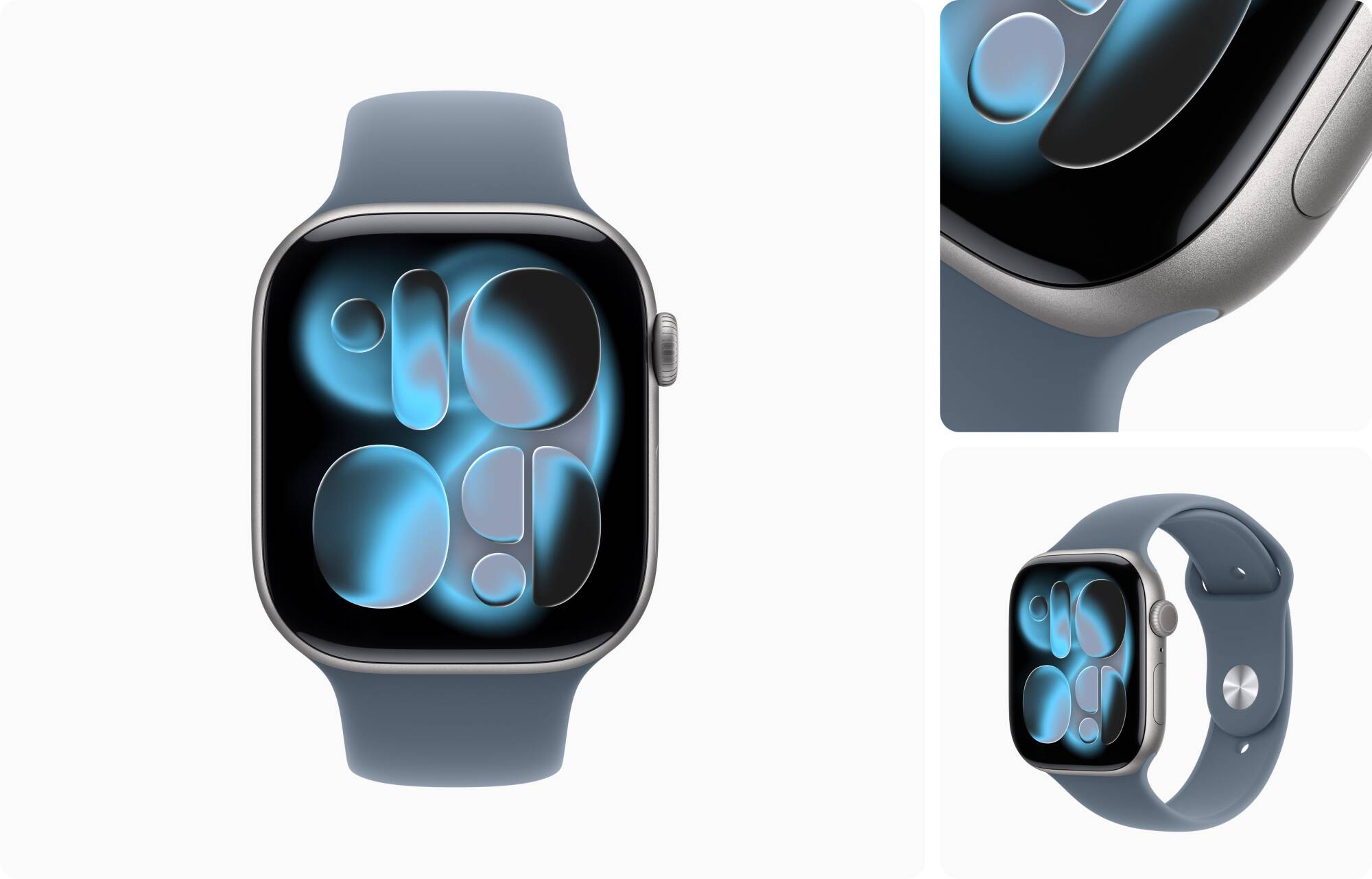
Apple Watch Series 11.
Credit: Apple

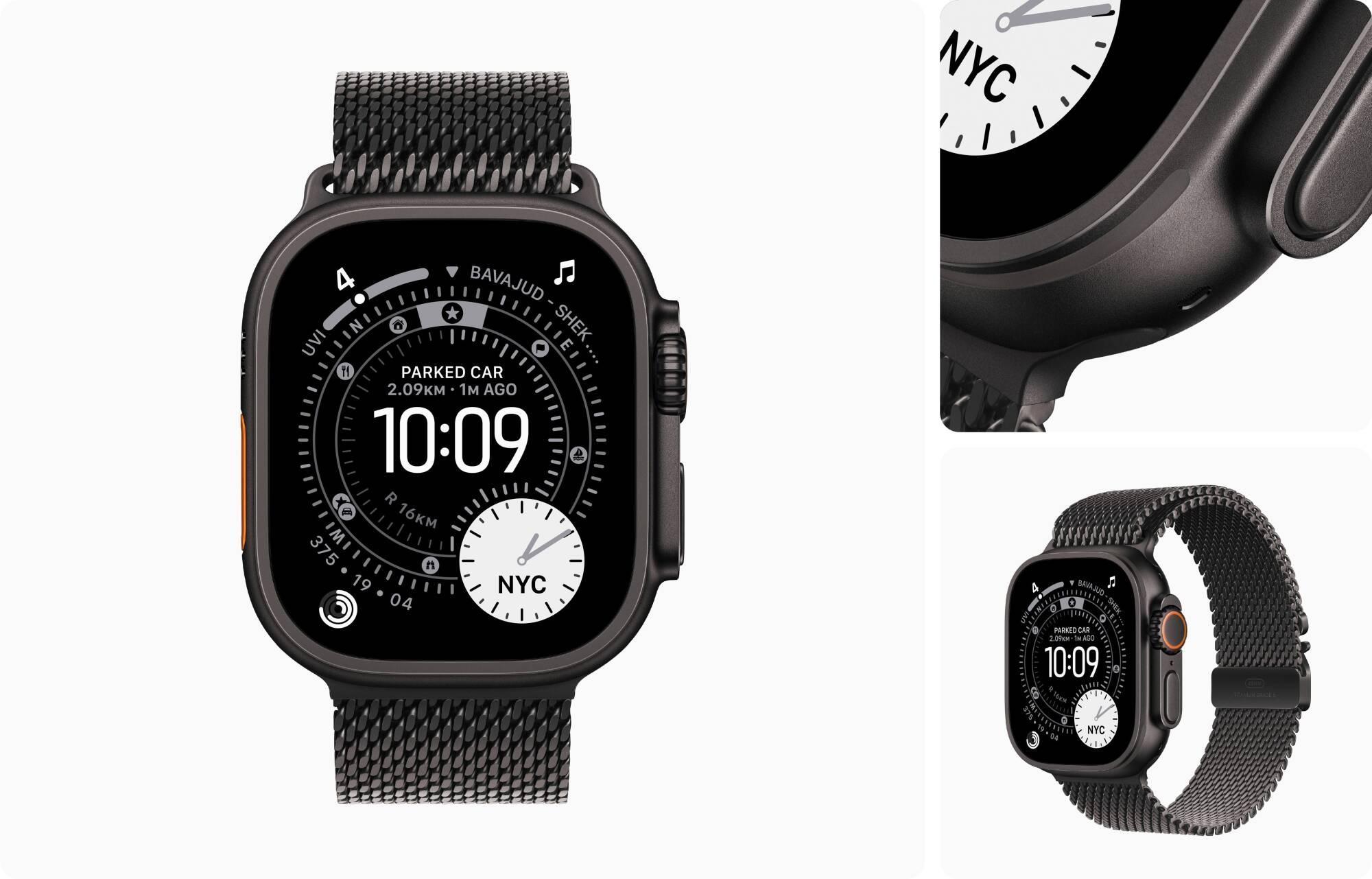
The Apple Watch Series 11 comes in two sizes, 42mm and 46mm, while the Watch Ultra 3 comes in just one size, 49mm. The Series 11 case is made out of aluminum by default, but there’s an option to get a titanium case as well (starting at $699, quite close to the Ultra 3). The Watch Ultra 3 only comes in titanium.

The Ultra 3, though, is distinct. The Series 11 has a thin profile, lightweight design, and curved glass. The Ultra 3 has a flat-top, large display, and rugged titanium body, with some extra protrusion to protect the Digital Crown. It very much looks like an adventurer’s smartwatch.

Apple Watch Ultra 3 in Titanium Black.
Apple Watch Ultra 3.
Credit: Apple

They both share the same basic screen specs, but the Watch Ultra 3’s screen can get much brighter. They’re both LTPO3 wide-angle OLED displays, and not to downplay the Series 11, Apple says it is twice as scratch resistant compared to Series 10.

However, the Watch Ultra 3’s display goes hard. It can reach up to 3,000 nits of brightness (compared to the Series 11’s 2,000 nits), and it’s also the largest display ever in an Apple Watch. In this generation, Apple managed to reduce the bezel size to make the screen slightly bigger. Both devices can also go down to a 1Hz refresh rate with an always-on display, so you can see the watch face update in seconds (and see changes in the complications), without lifting up your finger or wasting too much battery life.

While the screen-quality is mostly matched, the differentiating factor for a lot of people is likely to be how the watch looks and feels on your wrist. The Series 11 is 9.7mm thick, while the Ultra 3 comes in at 12mm. That’s quite a lot in terms of wristwatches.

It’s a similar situation with weight. The 42mm Series 11 in aluminum weighs 30.3 grams, and the 46mm version, which is the closest comparison to Ultra 3, weighs 37.8 grams. The Apple Watch Ultra 3, on the other hand, weighs 61.6 grams. That’s almost 24 additional grams!

The Apple Watch Series 11 comes in multiple colors and finishes like Rose Gold, Silver, Space Gray (a new addition this year), and Jet Black. There’s also the Titanium line with Natural, Gold, and Slate finishes. The Ultra 3 is only available in two colors: Natural Titanium, and Black Titanium.

Both smartwatches share the same exact S10 chip, with 64GB of storage, so they’re equally matched when it comes to basic performance.

Longer battery life

The Apple Watch Series 11 and Ultra 3 both promise six additional hours of standard battery life. The Series 11 can now last up to 24 hours (up from 18-hours before). The Apple Watch Ultra 3, though, can last up to 42 hours on a single charge (that’s up from 36-hours for the Ultra 2).

Low Power Mode on the Series 11 supposedly takes that battery life up to 38 hours, while the Ultra 3 can go for 72 hours instead. Both watches are fast-charge compatible, and you can charge 0-80% on the Series 11 in about 30 minutes, while it’s 45 minutes for the Ultra 3. On Series 11, a quick 15 minute charging session will add 8 hours of usage, while it’s 12 hours for the Ultra 3.

5G, GPS and satellite connectivity

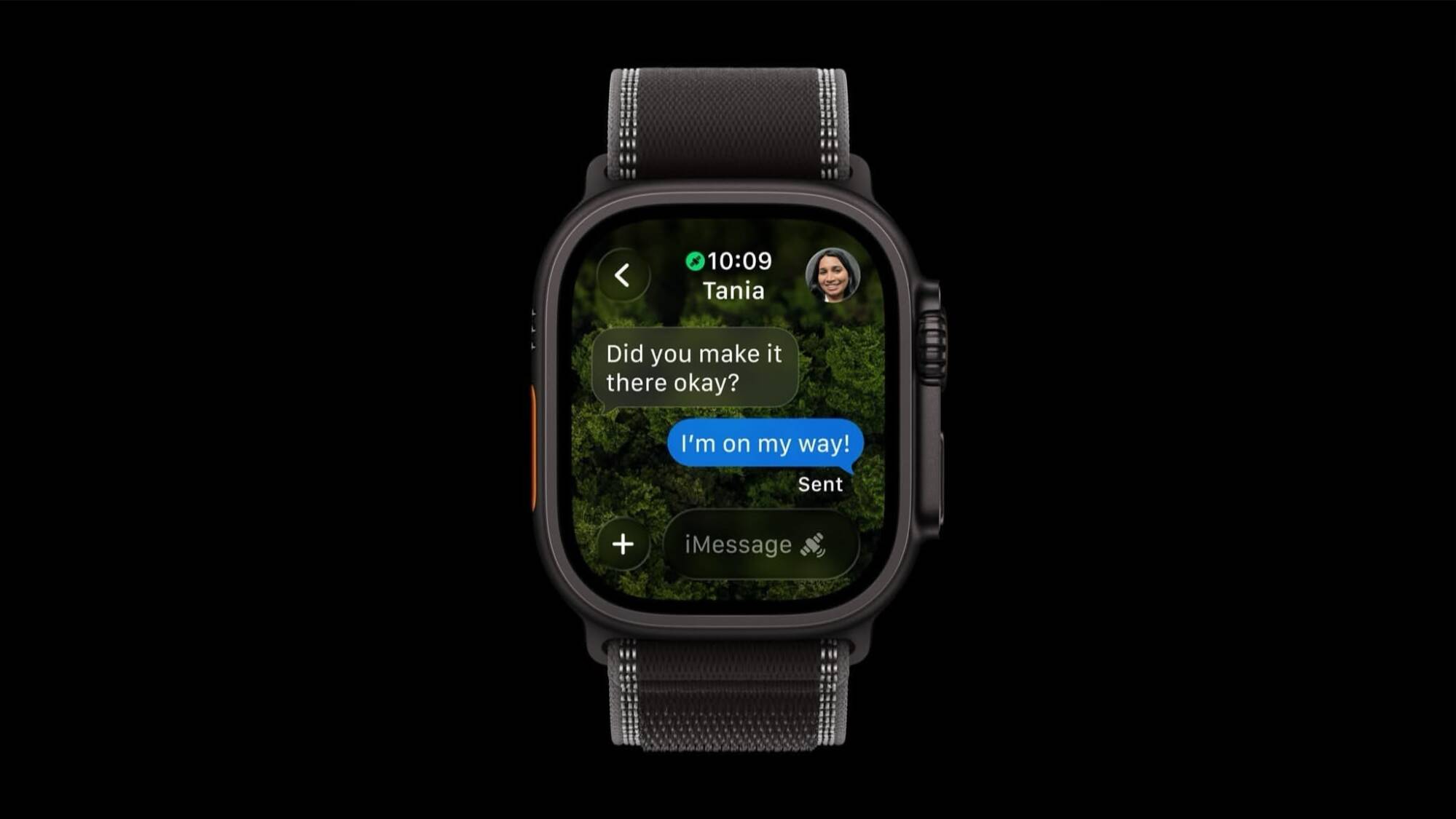
Satellite messaging in Ultra 3.

Credit: Apple

Both smartphones come with 5G connectivity this year, if you spring for the cellular model (which costs $100 extra). The 5G connectivity helps in achieving faster downloads and streaming for podcasts and music. But it also makes sure that your calls won’t be dropped even if you have spotty coverage.

However, the Ultra 3 goes one step further and adds Satellite connectivity, which isn’t available on the Series 11. This works similarly to how it does on the latest iPhones. You can use Satellite connectivity to contact Emergency services, and also to send quick messages to your friends and family. This can be a great way to inform your friends about your safety and location when you’re traveling in areas with no reception. Satellite connectivity is free for two years after purchase, but we don’t yet know how much it will cost after that. Apple already extended Satellite services for older iPhones for free, so it’s possible Apple will do the same for the Ultra 3 as well.

The Ultra 3 has support for both L1 and L5 GPS including GLONASS, while the Series 11 gets L1 GPS only.

Ultra 3 has an Action button, and exclusive watch faces

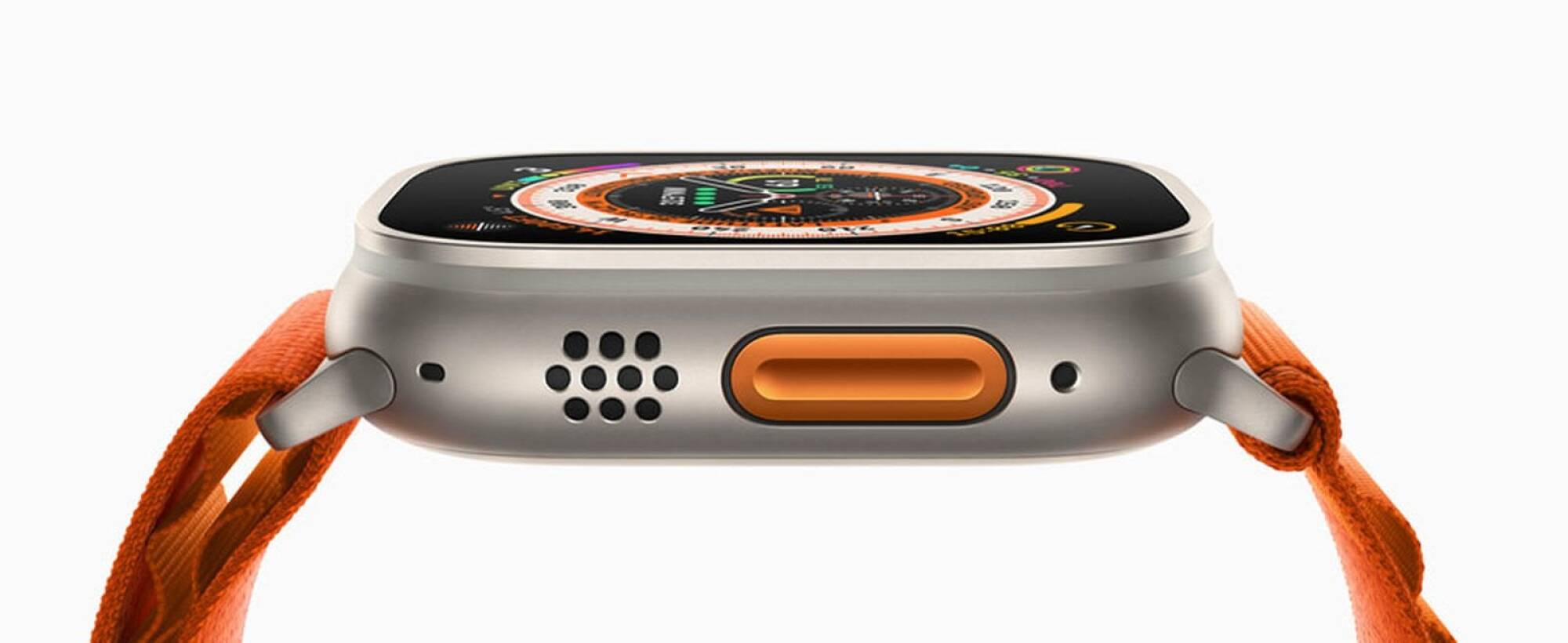
Apple Watch Ultra 3.

Credit: Apple

Because the Ultra 3 is focused on fitness and tracking, it has a special Action button, and specialized watch faces for fitness tracking that aren’t available on the Series 11. The Action button on the side can be mapped to open your favorite workout, app, or to trigger a shortcut. The Watch Ultra gets a series of unique and useful watch faces, including a Modular watch face that lets you add seven complications and shows real-time depth and elevation data on the side.

Ultra 3 has a slight edge in fitness tracking

The Series 11 and the Ultra 3 share many of the same sensors and features. They have the same electrical heart rate sensor, and a third-generation optical heart rate sensor, water temperature sensor, altimeter, and depth gauge.

But the Ultra 3’s depth gauge works up to 40 meters, while the Series 11 taps out at 6 meters. That’s a big difference when you’re diving out in open waters. With the altimeter, too, the Ultra 3 supports an expanded range from -500m to 9,000 meters (Apple has not yet provided data for the Series 11). The Ultra 3 also has better water resistance, rated at 100m compared to Series 11’s 50 meters. Both smartwatches have IP6X dust resistance.

Both devices also support the same basic health features, like ECG, Blood Oxygen monitoring, sleep tracking, training load updates, and more.

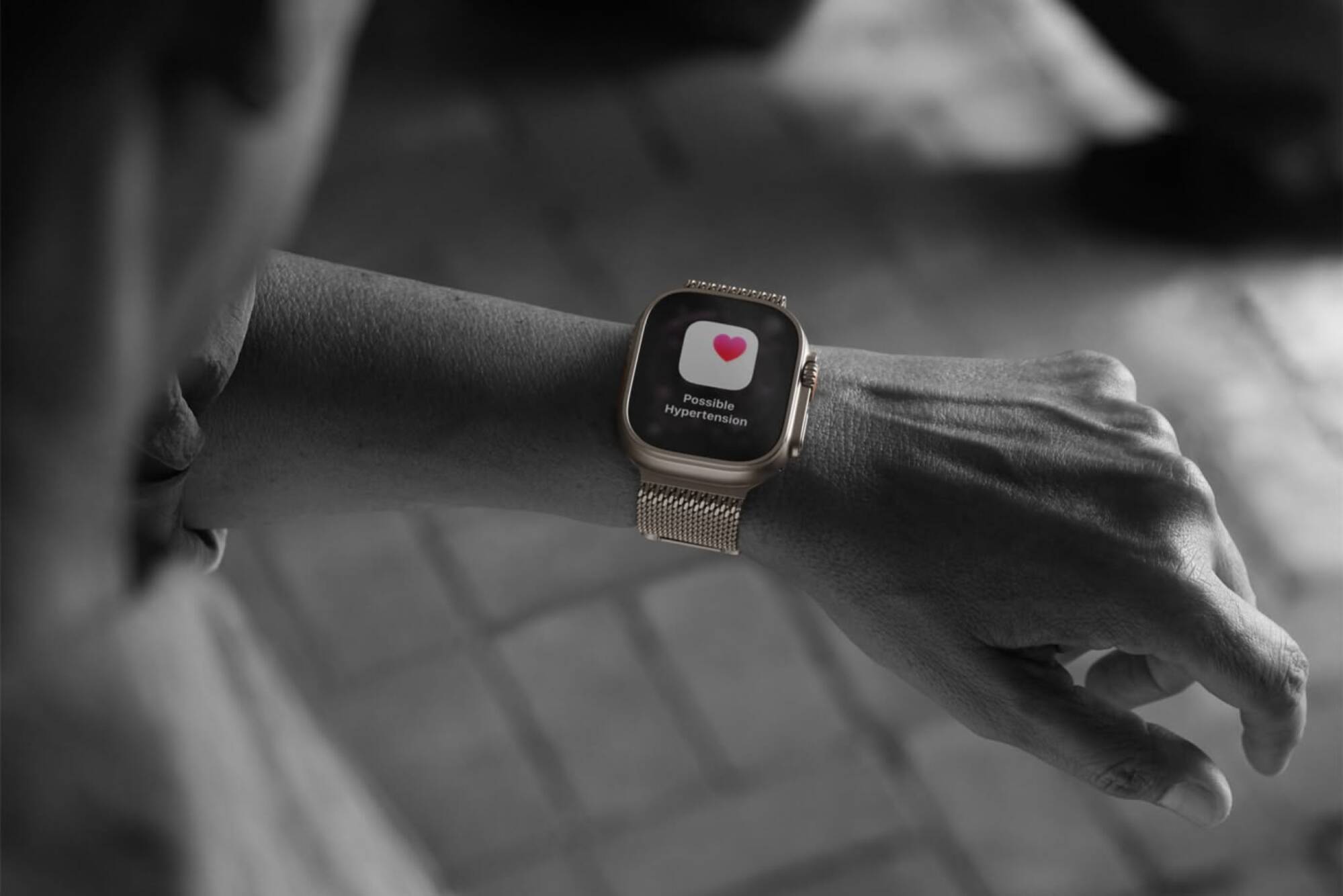
Hypertension notifications in Ultra 3.

Credit: Apple

The newly added high blood pressure notification system, along with Sleep score, are available on both watches, though they’re also being added to older Apple Watches through the watchOS 26 software update.

The Series 11 is the best pick for most users

The Apple Watch Ultra 3 offers the biggest screen, the longest battery life, and the most precise GPS tracking in any Apple Watch. Plus, it’s a much better diving watch. But it also comes at a cost. The Ultra 3 starts at $799 for the GPS + Cellular model (there’s no GPS-only model).

The Ultra 3 is all about the feel. It’s about the rugged exterior, and the adventurous watch bands that go with it. But before you buy one, I would highly suggest going to an Apple Store to try it out in person. Only when you put on the Ultra , with its extra heft, will you know if it is for you or not.

For most people, then, the Series 11 will probably be the better pick. The 46mm version still has a large enough screen. Plus, it’s thinner and lighter, and now has a promised 24-hour battery life as well. And it offers all the health and fitness tracking features as the Ultra 3. Plus, the Series 11 starts at $399 for the 42mm model, and $429 for the 46mm model (plus $100 for the cellular upgrade). At those prices, the Series 11 makes more sense, as it offers everything that an average smartwatch user would need, in a package that’s not too expensive.

Intel Core Ultra 3 205 Arrow Lake CPU Runs Circles Around i3-14100 In Budget Benchmark Battle

Intel Core Ultra 3 205 Arrow Lake CPU Runs Circles Around i3-14100 In Budget Benchmark Battle
A thesis that the author has been pondering for months now—ever since we reported on the Ryzen 5 5600G’s surprisingly competent gaming chops—is the idea that computers have been ‘fast enough’ for a while now, and even enthusiasts might consider a lower-end processor if it suits their needs. Would you ever buy a “3” level CPU for your own use,

Gmail Will Finally Make It Easier to Track Your Incoming Packages

Another fall, another shopping season. Ahead of the holidays this year, Google announced it’s making a couple of additions to Gmail to make it easier to keep track of your purchases and potential savings, including a tab that finally keeps all of your incoming deliveries organized in one neat place.

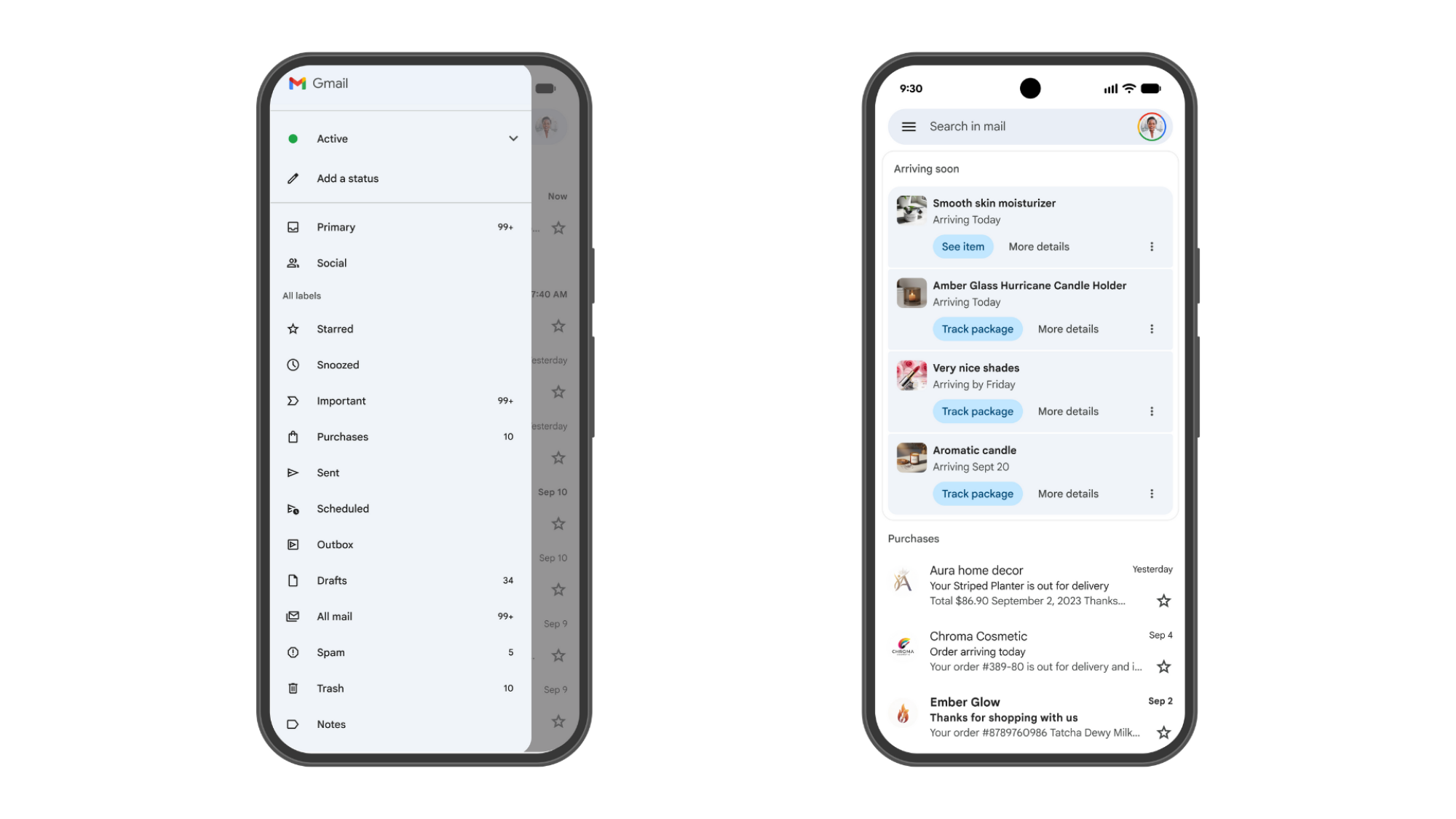
While you’ll still see “packages that are set to arrive within 24 hours at the top of your primary inbox,” if you want a birds eye view of all your incoming deliveries, at least for accounts tied to your Gmail, that’s what Gmail’s new “Purchases” tab is for. On both mobile and on the web, you’ll find it in the left hand vertical pane, next to buttons like “Important” and “Sent.” Clicking it will show you a “simple, organized” list of any packages you’re set to get soon, with tracking and “more details” buttons next to each. Scrolling down a bit will then let you manually sort through all your purchase-related emails, including receipts and delivery updates, so you can also keep tabs on any packages that are further out, or just more easily see the data Google is using to populate your packages list. Here’s what it’ll look like.

Purchases tab in Gmail

Credit: Google

It’s similar to Gmail’s existing order-tracking feature, but while that would automatically use your packages’ tracking information to pepper updates into your main feed, this collects all package and delivery-related information into one spot, so you don’t lose it. Google says it’ll start rolling this feature out globally today, so expect to get to try it out soon.

As for purchases you haven’t made yet, Google’s also making a small tweak to its existing “Promotions” tab. The company said that, soon, you’ll be able to sort it by offers Gmail thinks are “most relevant” to you. You’ll also supposedly get helpful “nudges” to highlight upcoming and time-sensitive deals, although Google didn’t say what these would look like. 

The company also didn’t say how exactly it would determine which offers are relevant to you, although it did mention that the feature will prioritize brands “you engage with the most.”

The optimist in me wants to believe this could be useful, although the realist knows that I mostly never visit the Promotions tab anyway. It’s just too ad-centric, and while I appreciate it keeping those emails away from the rest of my inbox, that’s about all I like about it. This sounds like more of the same to me, with a potential side of data collection and additional junk notifications. I’ve reached out to Google for more details on how sorting the Promotions tab by “most relevant” works, but in the meantime, the company has said you’ll still be able to sort by “most recent” instead, if you prefer the Promotions tab as it exists now.

I’ll update this post with answers once I hear back, but in the meantime, you do have a bit longer to prepare for this change. Google says that the Promotions tab update is set to start rolling out “in the coming weeks,” and even then, only on mobile.

Amazon Drivers Could Be Wearing AR Glasses With a Built-In Display Next Year

Amazon is developing augmented-reality glasses with a full-color display, microphone, speakers, and camera, aiming for consumer release in 2026-27. It’s also expected to release a separate version for delivery drivers, with a bulkier build and built-in navigation display to streamline package drop-offs. “Amazon initially plans on making 100,000 units of the glasses for delivery drivers, called ‘Amelia’ internally,” reports The Verge, citing a report from The Information (paywalled).. “Reuters reported on the glasses last year, saying they would offer drivers ‘turn-by-turn navigation on a small embedded screen.'”


Read more of this story at Slashdot.

DNA Cassette Tape Can Store Every Song Ever Recorded

Researchers in China have developed a “DNA cassette,” a retro-styled plastic tape embedded with synthetic DNA strands that can store up to 36 petabytes of digital data — enough to hold every song ever recorded. New Scientist reports: Xingyu Jiang at the Southern University of Science and Technology in Guangdong, China, and his colleagues created the cassette by printing synthetic DNA molecules on to a plastic tape. “We can design its sequence so that the order of the DNA bases (A, T, C, G) represents digital information, just like 0s and 1s in a computer,” he says. This means it can store any type of digital file, whether text, image, audio or video.

One problem with previous DNA storage techniques is the difficulty in accessing data, so the team then overlaid a series of barcodes on the tape to assist with retrieval. “This process is like finding a book in the library,” says Jiang. “We first need to find the shelf corresponding to the book, then find the book on the corresponding shelf.”

The tape is also coated in what the researchers describe as “crystal armor” made of zeolitic imidazolate, which prevents the DNA bonds from breaking down. That means the cassette could store data for centuries without deteriorating. While a traditional cassette tape could boast around 12 songs on each side, 100 meters of the new DNA cassette tape can hold more than 3 billion pieces of music, at 10 megabytes a song. The total data storage capacity is 36 petabytes of data — equivalent to 36,000 terabyte hard drives. The research has been published in the journal Science Advances.


Read more of this story at Slashdot.

As World Gets Hotter, Americans Are Turning To More Sugar, Study Finds

An anonymous reader quotes a report from NBC News: Global warming in the United States is amping up the country’s sweet tooth, a new study found. When the temperature rises, Americans — especially those with less money and education — drink lots more sugary beverages and a bit more frozen desserts. That amounts to more than 100 million pounds of added sugar (358 million kilograms) consumed in the nation a year, compared to 15 years earlier, according to a team of researchers in the U.S. and United Kingdom.

When temperatures go between 54 and 86 degrees (12 and 30 degrees Celsius), the amount of sugar the average American consumes goes up by about 0.4 grams per degree Fahrenheit (0.7 grams per degree Celsius) per day, based on researchers tracking of weather conditions and consumers’ purchases. At 54 degrees, the amount of added sugar for the average American is a little more than 2 grams. At 86 degrees, it’s more than 15 grams. Beyond that, appetites lessen and added sugar falls off, according to the study in Monday’s Nature Climate Change.

“Climate change is shaping what you eat and how you eat and that might have a bad effect on your health,” said study co-author Duo Chan, a climate scientist at the University of Southampton. “People tend to take in more sweetened beverages as the temperature is getting higher and higher,” Chan said. “Obviously under a warming climate that would cause you to drink more or take in more sugar. And that is going to be a severe problem when it comes to health.” The findings have been published in the journal Nature Climate Change.


Read more of this story at Slashdot.

Gmail gets a dedicated place to track all your purchases

An update to Gmail begins rolling out soon, readying Google’s premier email app for all your upcoming holiday purchases. Gmail has been surfacing shipment tracking for some time now, but Google will now add a separate view just for remembering the things you have ordered. And if you want to buy more things, there’s a new interface for that, too. Yay, capitalism.

Gmail is quite good at recognizing purchase information in the form of receipts and shipping notifications. Currently, the app (and web interface) lists upcoming shipments at the top of the inbox. It will continue to do that when you have a delivery within the next 24 hours, but the new Purchases tab brings it all together in one glanceable view.

Purchases will be available in the navigation list alongside all the other stock Gmail labels. When selected, Gmail will filter your messages to only show receipts, order status, and shipping details. This makes it easier to peruse your recent orders and search within this subset of emails. This could be especially handy in this day and age of murky international shipping timelines.

Read full article

Comments

‘China Inside’: How Chinese EV Tech Is Reshaping Global Auto Design

Global automakers are licensing Chinese electric vehicle technology to accelerate development and cut costs. Audi built its E5 Sportback in 18 months using SAIC’s batteries, powertrain and software after the Zeekr 001 “shocked quite everyone” in 2021, according to Stefan Poetzl, president of SAIC Audi Sales and Marketing. Toyota and Volkswagen have joint development agreements for China-specific models using GAC and Xpeng technology respectively.

Renault and Ford plan to develop global models on Chinese platforms, according to Reuters. The licensing deals provide Chinese automakers additional revenue amid domestic price wars. Ready-made Chinese EV chassis and software can save billions of dollars and years of development time, industry experts told the publication. CATL and other Chinese suppliers are expanding chassis production for domestic and international customers.


Read more of this story at Slashdot.

Gmail will now filter your purchases into a new tab

Google is rolling out an update for Gmail on mobile and the web that will make it easier to track emails for your deliveries. The most prominent change you’ll see is a new Purchases tab, where Gmail will put all your delivery emails so you can view them in one place. In the app, you’ll be able to access the new view via the side menu. Just click the hamburger icon in the text box at the top of the interface. 

Even though deliveries now have their own tab, Gmail will still show packages that are set to arrive within the day as cards at the top of your primary inbox, as you can see in the image above. Each card comes with a “See item” or a “Track Package” button that you can click or tap without having to search for the original delivery email. The new delivery tab will start showing up in your personal Gmail accounts starting today. 

In addition, Google is updating Gmail’s Promotions tab, allowing you to sort the emails in it by “most relevant.” Gmail will decide which brands and emails are most relevant for you based on what you’ve interacted with the most in the past. It will also send you “nudges” on upcoming deals and offers that are set to expire soon. You’ll see the changes to the Promotions tab in the coming weeks. 

This article originally appeared on Engadget at https://www.engadget.com/apps/gmail-will-now-filter-your-purchases-into-a-new-tab-160004429.html?src=rss

Steam Deck’s Big September Update Fixes Dozens Of Issues & Adds Key Features

Steam Deck's Big September Update Fixes Dozens Of Issues & Adds Key Features
This week, Valve’s Steam Deck and Steam Client are both seeing updates for the month of September, with updates for Steam Deck mirroring those for the Steam Client on Windows and Linux, with some platform-specific differences we’ll be narrowing down as we proceed. For Steam Deck specifically, some key SteamOS crashes or visual glitches have

Poshmark Is Lowering Its Shipping Fees for the First Time in a Decade

We may earn a commission from links on this page.

Did you know you can customize Google to filter out garbage? Take these steps for better search results, including adding my work at Lifehacker as a preferred source.


There is big news brewing in the resale community, which I am an active participant in both as a buyer and a seller. Poshmark, my preferred resale platform, is lowering its shipping costs starting tomorrow, which means buyers will pay less for purchases—but sellers will have a very different process to go through to get their goods shipped out.

The Poshmark pricing change

One of the main reasons I have preferred using Poshmark over other apps like Mercari and Depop is the flat-rate shipping. Other apps charge shipping based on the weight of the purchase, which in a lot of cases is just a guess the seller makes, so you don’t know your true total until it’s time to check out. On Poshmark, whether you bought one item from a seller or a whole bundle of listings, you paid $8.27. But starting Sept. 12, that’s going down to $6.49, according to Poshmark.

This is major news for buyers, who will have to spend less. Sellers have the option of offering “discounted shipping” to buyers, with the difference between the free, $4.99, or $5.99 shipping coming out of their earnings. I’ve personally had a lot of success offering $5.99 shipping and getting sales out of it. Sometimes, the difference of two dollars is really all it takes to close a sale, so I am thrilled that my buyers will soon be more incentivized to make purchases.

Poshmark pricing, packaging, and problems

The $8.27 got you Priority Mail shipping, which was nice enough because it meant quick deliveries for buyers and a remarkably easy shipping process for sellers. All a seller had to do was go to the U.S. Post Office, grab a self-sealing Priority mailer, fill it with the sale, and take it to the counter. Poshmark generated a QR code for the attendant to scan, and the whole thing was on the way in just a few seconds. Crucially, sellers never had to pay for any packing materials or print their own labels, which is something you have to do if you sell on, say, Vestiaire Collective, and was always a hassle to me. It’s another reason I try to avoid selling on other platforms. I don’t have a printer and I don’t want to buy a box or tape. The flat-rate Priority shipping from Poshmark made my endeavor to sell off all my old clothes almost too easy. Even better, Priority envelopes and mailers are free to take, so I (and loads of other sellers) would just stock up on them at the post office. Just this Monday, I had to ship out eight sales. It took me no time at all because I had a stockpile of Priority envelopes and, again, never had to print any labels or do anything beyond walking the stuffed envelopes over to the post office.

The new $6.49 price does not qualify you for Priority shipping. Instead, it covers USPS Ground Advantage shipping—and the mailers for that aren’t free. In fact, starting tomorrow, USPS can refuse to ship Poshers’ sales if they’re in Priority mailers. Starting Oct. 12, anyone who tries to ship Ground Advantage goods in the Priority mailer will be charged $5, which will come out of their Poshmark balance. You’ll also have to pay a little more at the counter if your package weighs more than five pounds. That part sucks a bit for me, as I sell a ton of bundles, or multiple listings to a single buyer, but I’d rather pay a few dollars and get the old stuff out of my house to make room for the new stuff I buy with my Poshmark balance.

A lot of resellers have been annoyed about the packaging changes, though, because they also stocked up on Priority mailers and are worried that they may have to buy envelopes or boxes. Poshmark announced that sellers are eligible for free packaging through USPS, but resellers have been reporting long wait times when they call the number to request them (1-800-610-8734). After fielding those complaints, Poshmark produced an email address, USPSPoshmark@victorypackaging.com, encouraging sellers to share their names, Poshmark closet names, addresses, and phone numbers along with their requests for materials.

For what it’s worth, I submitted my supplies request via email last night and haven’t heard back. I’m sure I will, eventually, and my boxes and envelopes will be shipped out to me, but to stay on the safe side, I’m ordering some mailers off Amazon. I found packs of 50 and 100 ranging in price from $10 to $40. They even have cute designs on them, which I find a little cloying but am choosing to see as an opportunity to enhance my customers’ buying experience. I don’t love this eating into my profits, but sometimes you have to spend money to make money.

The new selling process

This doesn’t go into effect until tomorrow, Sept. 12, so here’s hoping I get a couple sales today and can use up a few more of my Priority mailers. I assume there will be a little learning curve when it starts, though. Yesterday, while dropping off a sale at the post office, I asked the attendant for a rundown of Ground Advantage shipping. She told me that unlike with Priority, I can ship out my stuff in any vessel I want, like an old, re-taped Amazon box, a decorative mailer, or the brown mailers for sale at the post office. Beyond having to procure those materials somehow, the process with otherwise be the same for me: I’ll pack things up and have the USPS attendant scan my QR code. (Poshmark does allow you to print your own label, and that won’t change.) Buyers will get their goods after two to five business days, which also isn’t that unlike Priority shipping, so there’s no real disruption there.

I, for one, am delighted by this change, which is Poshmark’s first shipping reduction in a decade, even if it means I need to adjust my process and might end up paying for some envelopes and boxes. Poshmark partnered directly with USPS to create these prices and the system for ordering free materials after it was announced that Priority Mail prices would be going up across the country.

MotoE, the electric bike world championship, is going on hiatus due to lack of interest

The International Motorcycling Federation (FIM) and MotoGP are putting the MotoE electric bike world championship on hiatus following the 2025 season. The organizations cite a lack of viewership and an electric performance motorcycle market that “has not developed as expected.”

“Today we announce the suspension of the FIM MotoE World Championship,” FIM President Jorge Viegas said in a statement. “Despite all the best efforts to promote this innovative category together with (MotoGP rights holder) Dorna, the truth is that we haven’t reached our objectives, nor has the industry associated with performance electric bikes.”

There are two more races remaining in the 2025 MotoE season. The indefinite hiatus begins after that. MotoGP and the FIM said they would continue monitoring the industry to suss out when electric bikes become relevant enough to once again sustain a robust event schedule.

MotoE’s inaugural year was in 2019, starting with just six four-round races throughout the season. It had some buzz at the beginning, as the circuit expanded to 16 eight-round races. However, this was cut back to seven rounds in 2025.

Ducati provided the race bikes for all teams in the MotoE class after replacing Energica Ego Corsa in 2023. These electric bikes reached top speeds of 171 MPH and, obviously, had just enough range to complete a full race. Traditional MotoGP bikes hit speeds of up to 224 MPH.

This article originally appeared on Engadget at https://www.engadget.com/transportation/evs/motoe-the-electric-bike-world-championship-is-going-on-hiatus-due-to-lack-of-interest-152652067.html?src=rss

Firefox Finally Introducing MKV Playback Support

An anonymous reader shares a report: Within the nightly builds of the Firefox web browser is finally the ability to support playback of Matroska “MKV” content. Enabled just within the Firefox Nightly builds for now or opting in within the media.mkv.enabled preference is the ability to support MKV playback.

Initially just AVC/H.264 and AAC within MKV containers are supported but other codec support will be expanded over time. For the past eight years there has been this feature request for supporting Matroska/MKV playback support.


Read more of this story at Slashdot.

Gravitational Wave Study Proves Stephen Hawking Was Right About Black Holes

Gravitational Wave Study Proves Stephen Hawking Was Right About Black Holes
A decade ago, the universe whispered, and humanity, for the first time, had the tools to listen. On September 14, 2015, the Laser Interferometer Gravitational-Wave Observatory (LIGO) made history with the first direct detection of gravitational waves, the ripples in spacetime predicted by Albert Einstein a century earlier. This discovery,

Logitech G502 Hero SE Gaming Mouse Is $30 Off, ASUS Strix Scope II Keyboard Is $50 Off

Logitech G502 Hero SE Gaming Mouse Is $30 Off, ASUS Strix Scope II Keyboard Is $50 Off
Has it been a minute since you upgraded your gaming mouse or keyboard? Don’t sweat it because there are several bargains out there that make investing in new peripherals rather affordable without sacrificing a whole lot on features. For example, you might not expect much from a $30 mouse, but Logitech’s 502 Hero SE offers quite a bit for the

Everything You Need to Know About the New Apple Watch Series 11

Did you know you can customize Google to filter out garbage? Take these steps for better search results, including adding Lifehacker as a preferred source for tech news.


The Apple Watch lineup for 2025 is finally out in the open. This year, Apple has three Apple Watches on offer, the flagship Series 11, the budget-friendly SE 3, and the rugged Ultra 3. The Series 11, being the middle child, is intended as a catch-all smartwatch for most Apple users.

The Series 10 received a big redesign last year, with a thinner and lighter case, and a bigger and better display. So, this year is about incremental changes. But that doesn’t mean there aren’t new features. Alongside a few software changes (that are also coming to older watches), Apple is promising a more durable display and longer battery life this time around.

The same design, but with a better display

Apple Watch Series 11.

Credit: Apple

The Series 11 has the same case and basic design as the Series 10 (although it’s now available in a new Space Gray finish), and even many of the same internals. It has the same S10 chip, and the same heart rate sensors and connectivity features as the outgoing model. All the existing software features for fitness tracking, health tracking, apps, and notifications will also continue to work the same, although with the watchOS 26 update, all compatible Apple Watches will get a Liquid Glass redesign.

The Apple Watch Series 11 comes in two sizes, 42mm and 46mm, and is 9.7mm thick. The 42mm Series 11 in aluminum weighs 30.3 grams, and the 46mm version weighs 37.8 grams.

There is a physical upgrade, though. Apple has improved the display this time around. The LTP03 wide-angle display is now made of “Ion-X material,” which makes it twice as resistant to scratches as the previous model, which is always good news.

Better Battery Life

The Series 11 is the first non-Ultra Apple Watch since launch to get a battery upgrade. For ten years, the Apple Watch has been rated for 18-hours of use, but now, Apple says you can get 24-hours out of it. This number assumes medium usage across the day, including allowances for features like GPS workout tracking. If you’re a light user, you could possibly get more than three days out of the watch, although Lifehacker has yet to confirm Apple’s claims via testing. Still, there are times when I can get close to two days from my Series 10.

The Series 11 also supports fast charging, which can charge from 0 to 80% in 30 minutes, and a quick 15-minute burst is supposed to net you eight hours of usage. If you use the watch’s Low Power Mode, Apple says you can get up to 32 hours of battery life out of it.

5G Connectivity

The Series 11 is the first Apple Watch to get 5G connectivity, which can help speed up podcast and music streaming. But it will also help with calls, especially in areas with spotty coverage, making sure you don’t suffer from call drops just because you’re using your Apple Watch instead of your iPhone.

High blood pressure notifications

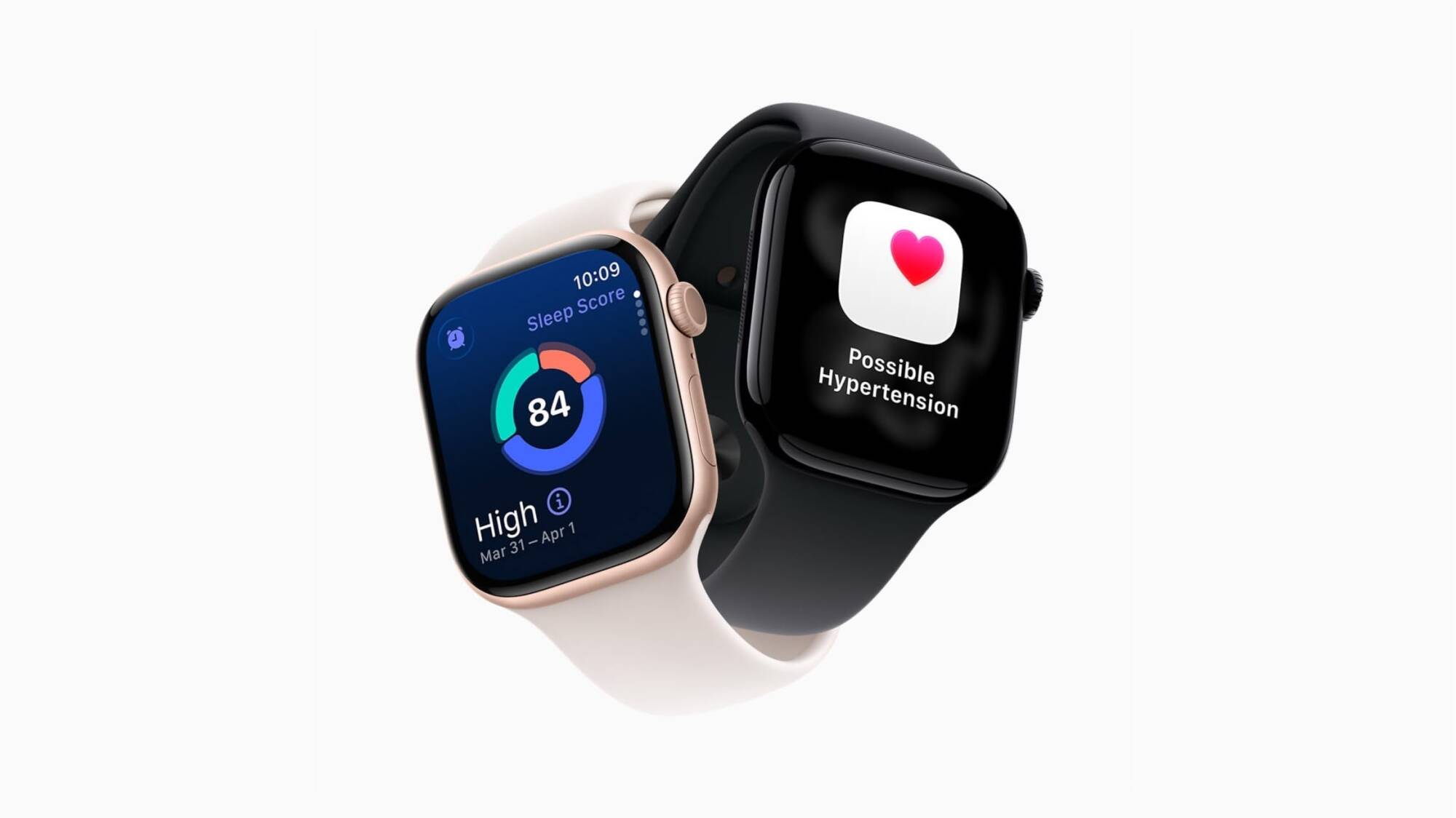
Sleep score and hypertension notifications.

Credit: Apple

At its “Awe Dropping” keynote, Apple talked about two new health features for the Apple Watch Series 11: high blood pressure notifications, and Sleep Score. Both seem useful, but although they’re new for the Series 11 launch, they aren’t exclusive to the Series 11. Hypertension Notifications will be rolled out to Apple Watch Series 9 and higher, and Sleep Score will be available for users as far back as the Series 6 and SE 2. Sleep Score uses sleep tracking data like duration, time in sleep stages, and frequency of wakefulness to give you an overall score for your sleep health, while Hypertension Notifications will alert you when your watch detects chronic high blood pressure.

These notifications use data from the heart rate sensor to analyze how blood vessels respond to the your heartbeats. An algorithm passively works in the background reviewing data over 30 day periods, and will notify you if it detects a pattern of possible hypertension.

If you have an older Apple Watch, this is a great time to upgrade

Overall, the Series 11 is a small upgrade compared to the Series 10, with the biggest new feature being the improved battery life. Still, that’s not nothing, especially because the Apple Watch’s battery is quite small, and degrades faster than the iPhone’s.

If you already have the Series 10, like I do, the Series 11 probably isn’t for you. But if you have the Series 8 or earlier, or like my colleague Pranay Parab, you’re rocking the SE 2, the Series 11 will make for a great upgrade.

And that’s usually how Apple positions new devices. If you’re coming from a Series 8, you’ll get the new thin design, bigger screen, amazing battery life, and new health features like hypertension notifications.

The Apple Watch Series 11 retails for $399 for the 42mm model, and $429 for the 46mm model. Additionally, this year, Apple has also released a new Apple Watch SE 3 with an always-on display, the latest S10 processor, and a better screen, all for $249. If you’re on a budget, the SE 3 might be worth looking into as well.

The Apple Watch Series 11 is available to pre-order and will ship September 19th.

India’s IT Sector Nervous as US Proposes Outsourcing Tax

India’s massive IT sector faces a lengthy period of uncertainty with customers delaying or re-negotiating contracts while the U.S. debates a proposed 25% tax on American firms using foreign outsourcing services, analysts and lawyers told Reuters. From a report: The sector is likely to be on the receiving end of a bill which, though unlikely to pass in its nascent form, will initiate a gradual shift in how big-name firms in the world’s largest outsourcing market buy IT services, they said. Still, with U.S. firms having to pay the tax, those heavily reliant on overseas IT services are likely to push back, setting the stage for extensive lobbying and legal battles, analysts and lawyers said.

India’s $283 billion information technology sector has thrived for more than three decades exporting software services, with prominent clients including Apple, American Express, Cisco, Citigroup, FedEx and Home Depot. It has grown to make up over 7% of GDP. However, it has also drawn criticism in customer countries over job loss to lower-cost workers in India. Last week, U.S. Republican Senator Bernie Moreno introduced the HIRE Act, which proposes taxing companies that hire foreign workers over Americans, with the tax revenue used for U.S. workforce development.


Read more of this story at Slashdot.

Galaxy S26 Pro Design Revealed In Leak And A Spec That Gives iPhone 17 The Edge

Galaxy S26 Pro Design Revealed In Leak And A Spec That Gives iPhone 17 The Edge
A couple of fresh Samsung Galaxy S26 leaks have unearthed some interesting (and disappointing) details. One suggests a design departure for the Galaxy S26 Edge (particularly the rear camera hump), while the other hints that battery charging speeds will remain far behind the best. To wit, the Galaxy S26 Pro reportedly will get a small boost

Everything the iPhone Air Might Be Telling Us About the Rumored iPhone Fold

Did you know you can customize Google to filter out garbage? Take these steps for better search results, including adding Lifehacker as a preferred source for tech news.


Apple hasn’t said anything official about plans to introduce a foldable iPhone, but there’s little doubt that one is on the way. The rumors have been accumulating for years, and both Bloomberg’s Mark Gurman and industry analyst Ming-Chi Kuo—two of the most reliable Apple tipsters in the business—say the device will launch in 2026.

Now, and with perhaps less than a year until the arrival of the foldable iPhone, Apple has dropped the iPhone Air. It wouldn’t be a huge surprise if the iPhone Fold looked more or less like like two iPhone Airs with a hinge in the middle, which means the thinnest iPhone ever might be giving us clues about Apple’s foldable future.

Thinness and durability

Thinness is an absolute must with a foldable phone: No one wants two regular-sized handsets stuck together in their pocket or bag. This isn’t so much of an issue when a foldable is opened, but when it’s closed, any excess bulk is much more noticeable—so foldable phone makers are trying to minimize the problem, literally.

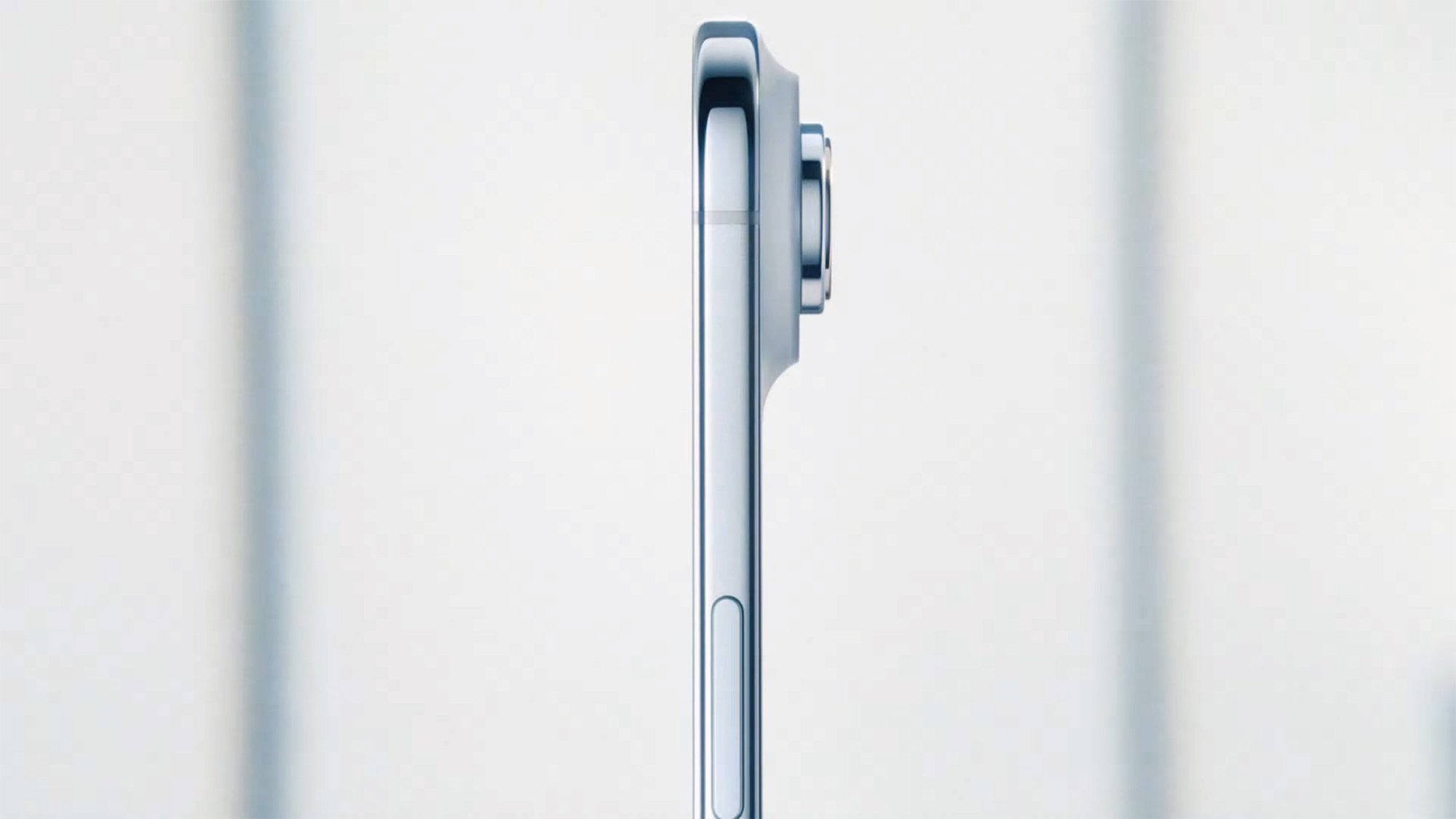
The Honor Magic V5 foldable is a mere 4.2 mm (0.17 inches) front to back when opened, while the Samsung Galaxy Z Fold 7 has exactly the same thickness. The iPhone Air is officially 5.64 mm (0.22 inches) thick, excluding the camera bump, which beats the 7.95 mm (0.31 inches) thickness of the regular iPhone 17 by a significant margin.

iPhone Air
The iPhone Air is very slim.
Credit: Apple

While the foldable iPhone will probably have to go even thinner, Apple is clearly heading in the right direction. Meanwhile, it’s also tackling another crucial characteristic of foldable phones: Durability. The extra moving parts and the additional screens involved with a folding smartphone mean that it has to withstand knocks and scrapes, and obviously have a hinge mechanism that lasts.

The iPhone Air is unique among the 2025 models in having the brand new Ceramic Shield 2 material (a kind of glass-ceramic hybrid) on the front of the phone, and the older Ceramic Shield material on the back. It’s a fully protected handset. While the Pro and Pro Max models have dropped titanium, the iPhone Air sticks with it for extra durability, to the point that it’s actually the most durable iPhone ever—so expect similar from the iPhone Fold.

Redesigned internals

Apple’s September 2025 launch event went into detail about how the internals of the iPhone Air had been redesigned from scratch to make as much room as possible for the battery. Most of the other components have been shifted up to the top of the chassis, which is one of the reasons why there’s only a single rear camera on the iPhone Air.

The physical SIM card slot has been completely dropped in a bid to give the phone as much battery capacity as possible despite its slim size, and foldable phones present a similar challenge; the batteries in these devices have to provide power to a tablet-sized display when they’re fully opened up.

Apple is likely to use a few similar engineering innovations when it comes to designing the iPhone Fold. There’s going to be double the internal space available compared to a standard handset of the same thickness, but there are also a lot of components to fit in, including the hinge mechanism.

When it comes to the grand unveiling of the foldable iPhone, I wouldn’t be at all surprised to see another X-ray video showing its internals, and how Apple has made the most efficient use of the space possible. The iPhone Air required a new approach to fit the restraints of the form factor, and so will the iPhone Fold.

What the most recent rumors say about a foldable iPhone

Lifehacker rounded up the most prominent rumors round the iPhone Fold back in December, and there has been plenty more online chatter around the device in the months since. This speculation goes back a long way, pretty to when Samsung first started releasing foldables in 2019, but it seems the wait might be coming to an end.

Gurman has again gone on the record to say that we’ll get a foldable iPhone in 2026, followed by an all-glass, curved 20th anniversary iPhone in 2027. He predicts this will be a book-style foldable rather than a flip phone, and it[ll apparently have two rear cameras, one selfie camera on the main screen, and another selfie on the outer cover display. It’ll apparently be available in black and white.


This Tweet is currently unavailable. It might be loading or has been removed.

Gurman has also said that Apple is working hard to minimize the crease on the iPhone Fold, and make the hinge more durable than it is on competing models. Analyst Ming-Chi Kuo, meanwhile, has reiterated that the foldable will use a Touch ID sensor built into the power button, iPad-style (the iPhone Fold is effectively a mini iPad, after all).

As for pricing, it’s probably a good idea to start saving now: Supply chain sources are pointing towards a starting price of $2,100-$2,500, which is a little higher than the $1,999.99 starting price of the Galaxy Z Fold 7.

All of this above remains very much in the realm of rumor for the time being, and nothing is certain until Tim Cook appears on a livestream and tells us the iPhone Fold is real—but I think the iPhone Air has given us our most substantial look into the future yet.