Anti-vaccine groups melt down over reports RFK Jr. to link autism to Tylenol

Health Secretary and anti-vaccine activist Robert F. Kennedy Jr. is reportedly poised to announce that use of Tylenol (aka acetaminophen, paracetamol) during pregnancy is linked to autism—an unproven assertion that has sent Kennedy’s anti-vaccine allies into a rage.

“We didn’t wait 20 years for Bobby to finally speak and then get served Tylenol as an answer,” anti-vaccine group Georgia Coalition for Vaccine Choice wrote in an unhinged Facebook post on Monday morning. “If that’s all we hear – is that the end? Not thimerosal. Not aluminum. Not MMR. Not Hep B. Not the insane schedule pushed after pharma got liability protection. Are we supposed to just forget?”

Children’s Health Defense (CHD)—the anti-vaccine group founded by Kennedy—even got in on the backlash, retweeting a post on Monday about parents who falsely blame vaccines for their children’s neurological condition, with the statement: “THIS WAS NOT CAUSED BY TYLENOL.”

Read full article

Comments

OpenAI And NVIDIA Launch $100B Partnership To Power AI Superintelligence

OpenAI And NVIDIA Launch $100B Partnership To Power AI Superintelligence
OpenAI and NVIDIA have signed a letter of intent for what may just be the largest single investment in AI compute infrastructure to date: a plan to deploy at least 10 gigawatts of NVIDIA systems dedicated to training and running OpenAI’s future models. The partnership represents not just money, but a roadmap that ties OpenAI’s quest for artificial

TikTok is tagging videos from Gaza with product recommendations

TikTok has been tagging videos from war-ravaged Gaza with product recommendations, as reported by The Verge. The publication detailed a scenario in which footage of a Palestinian woman walking amidst rubble presented TikTok shop recommendations that matched what she wore in the video.

The algorithm suggested products with names like “Dubai Middle East Turkish Elegant Lace-Up Dress” and “Women’s Solid Color Knot Front Long Sleeve Dress.” The original footage showed the woman searching for lost family members.

The weird Gaza thing in action.
TikTok/The Verge

This is thanks to a new addition to the TikTok app that uses AI to identify objects in posts. When a user pauses a video, the shop will automatically recommend products that resemble those objects. Today’s reporting indicates that the company didn’t give much forethought as to which types of videos this technology should be applied to.

The new tool isn’t available to everyone just yet, as it’s rolling out on a limited basis. To check if your app has been updated, simply pause a video and look for the “Find Similar” pop-up. We reached out to TikTok to ask about how this technology is being used and will update this post when we hear back.

This article originally appeared on Engadget at https://www.engadget.com/big-tech/tiktok-is-tagging-videos-from-gaza-with-product-recommendations-184206127.html?src=rss

Windows 11 Is Getting Native Video Wallpaper Support, See It In Action

Windows 11 Is Getting Native Video Wallpaper Support, See It In Action
Over the weekend, Twitter user @phantomofearth noticed that a classic Windows Vista Ultimate feature had been added back into the latest Windows 11 Insider Preview build— video wallpapers. Video wallpapers, also called live wallpapers, were present in Windows Vista Ultimate under the title “Windows DreamScene”, and were one of the many features

A Touchscreen MacBook Could Be Right Around the Corner

Did you know you can customize Google to filter out garbage? Take these steps for better search results, including adding Lifehacker as a preferred source for tech news.


If there’s one area where MacBooks lag behind Windows laptops, it’s gaming. But if there’s another area, it’s display technology. Yep, while Apple still stands behind its trademark LCD “retina” displays, Windows machines have been adopting OLED and touchscreens for years now. Luckily, according to industry experts, MacBook owners will soon be able to plan on having better screens, too.

The latest rumors come courtesy of TF International Securities analyst Ming-Chi Kuo, as well as Bloomberg’s Mark Gurman, both of whom have reliable track records reporting on Apple products. While this isn’t the first time Apple has been rumored to be updating its laptop displays, we’ve now got a timeline update. 

According to a post Kuo made to X on Sept. 17, the MacBook Pro will be the first MacBook to receive an OLED update, and as a bonus, the new screen will also support touch. The upgraded model is “expected to enter mass production by late 2026,” although as is par for the course with these leaks, the post didn’t point to any particular sources to back this up. However, if you read between the lines and look at Kuo’s past spot-on speculations, it’s likely an anonymous source from within Apple.

For a little bit of assurance, Gurman, who also frequently relies on such sources, was quick to agree with Kuo’s assertions in his weekly Power On newsletter this weekend, pointing to his original reporting on the topic from 2023. However, the reporter also added that the actual release date might be closer to early 2027, depending on how quickly Apple can get supply out. He also clarified that, technically, the revamp was planned for this year, but was moved back “due to OLED supply issues.”

As for the rest of Apple’s MacBook line, neither expert has updates on that end, although Gurman speculates that “if touch resonates on the MacBook Pro, I expect it to eventually come to other Macs as well.”

While the benefits behind a touchscreen laptop are fairly self explanatory, OLED is higher on my personal wishlist. The technology’s self-illuminating pixels will help with contrast, yes, but like on the iPhone, they should also aid with battery life. That’s because, while current MacBooks rely on a backlight that spans the entire display, parts of an OLED screen can remain off when not in use.

It’s notable that Kuo and Gurman’s proposed timeline also matches with the release of the iPad Pro just last year, which upgraded to an OLED screen for the first time. Given that iPadOS 26 also revamped the iPad user experience to be much more like using a MacBook, it’s likely Apple is currently planning for more parity between its product categories.

On that note, Kuo’s post also reminded readers that a potential lower-cost MacBook that uses an iPhone processor could be in the works for later this year, although specifics are still largely in the dark at this point. The analyst, however, did say this model would likely not include touch support, although that could change in the future.

As for other rumored Apple products, also still largely in the dark is a potential foldable iPhone, which Gurman says “will be the star of Apple’s 2026 product lineup.” As predicted by my colleague David Nield, the reporter’s sources are increasingly telling him that “users should imagine two titanium iPhone Airs side-by-side,” but pricing and release date specifics are still up to the imagination for now.

DeepMind AI safety report explores the perils of “misaligned” AI

Generative AI models are far from perfect, but that hasn’t stopped businesses and even governments from giving these robots important tasks. But what happens when AI goes bad? Researchers at Google DeepMind spend a lot of time thinking about how generative AI systems can become threats, detailing it all in the company’s Frontier Safety Framework. DeepMind recently released version 3.0 of the framework to explore more ways AI could go off the rails, including the possibility that models could ignore user attempts to shut them down.

DeepMind’s safety framework is based on so-called “critical capability levels” (CCLs). These are essentially risk assessment rubrics that aim to measure an AI model’s capabilities and define the point at which its behavior becomes dangerous in areas like cybersecurity or biosciences. The document also details the ways developers can address the CCLs DeepMind identifies in their own models.

Google and other firms that have delved deeply into generative AI employ a number of techniques to prevent AI from acting maliciously. Although calling an AI “malicious” lends it intentionality that fancy estimation architectures don’t have. What we’re talking about here is the possibility of misuse or malfunction that is baked into the nature of generative AI systems.

Read full article

Comments

Uber CEO Says Robotaxis Could Displace Drivers in 10 To 15 Years and Create ‘a Big, Big Societal Question’

The rise of self-driving cars could eventually cost many ride-hailing drivers their jobs — and that’s a big problem, Uber CEO Dara Khosrowshahi said. From a report: Khosrowshahi spoke about the issue onstage this month at a summit hosted by the “All-In” podcast, which posted a video of the conversation on Wednesday. At the summit, Khosrowshahi was asked about concerns that gig workers, who have played a key role in Uber’s development, will eventually lose their jobs as self-driving cars become more prevalent.

The Uber CEO said he expects human drivers to continue working alongside self-driving cars in Uber’s network in the coming years. “For the next five to seven years, we’re going to have more human drivers and delivery people, just because we’re going so quickly,” Khosrowshahi said. “But, I think, 10 to 15 years from now, this is going to be a real issue,” he said about drivers losing their jobs.


Read more of this story at Slashdot.

Ozlo Sleepbuds Review: I Can Now Share a Bed With My Snoring Boyfriend

We may earn a commission from links on this page.

Did you know you can customize Google to filter out garbage? Take these steps for better search results, including adding my work at Lifehacker as a preferred source.


As a chronically light sleeper, I’ve tried everything from white noise machines to sleeping on the couch. It doesn’t help that I 1) live above a noisy Brooklyn bar and 2) share a bed with someone who snores and grinds his teeth. My go-to solution had been wearing my Anker Soundcore headphones with some sort of “deep sleep” playlist, but to be honest, sleeping with over-ear headphones is like trying to nap while wearing a helmet. Uncomfortable, potentially unsafe, and a surefire way to destroy my expensive electronics.

That’s what led me to the Ozlo Sleepbuds, currently available for $299. Unlike my AirPod Pros, which are great for daily use but pierce my eardrums when I lie on my side, the Ozlo sleepbuds have a remarkably low profile. The pre-installed ear tips fit perfectly, creating a secure seal without the pressure points that make traditional earbuds a nightmare for side sleepers. Despite their mixed online reviews, I’ve found that these smart earplugs really do help me sleep deeper (and possibly saved my relationship).

The app experience

Here’s where the Ozlo sleepbuds diverge from typical wireless earbuds, and honestly, it’s a double-edged sword. Unlike AirPods that connect automatically via Bluetooth, these require opening the Ozlo app like a control center. You’ll need to select your soundscape, adjust volume, and set your alarm through the app interface.

Ozlo app screenshots
Setting up my Ozlo sleepbuds.
Credit: Meredith Dietz

Initially, this felt clunky compared to the seamless connectivity we’re all used to. But after a few nights, I found myself positively reframing this friction as more of a “ritual.” Opening the app, placing the buds in my ears, and selecting a soundscape became a bedtime ritual that signaled to my brain it was time to wind down.

Wearing my sleepbuds through the night

The moment of truth came on my first night testing them against my boyfriend’s powerful snoring. I opted for the “ocean tide” sound to lull me to sleep. The audio quality is solid, especially knowing these were created by former Bose engineers.

So: Did these earbuds completely eliminate my partner’s snoring? Not entirely—his snores are truly in a league of their own. But the combination of noise blocking and the ocean tide sound significantly reduced my nightly interruptions from constant to few and far between. Most importantly, when I did hear him, it didn’t immediately snap me awake. The soundscapes seemed to cushion the noise, making it less startling.

But the street noise from the bar below? Completely gone. The upstairs neighbors walking around? Barely noticeable. These Sleepbuds excel at blocking consistent ambient noise while taking the edge off sudden, disruptive sounds.

Another feature I love is the in-ear personal alarm. Instead of a jarring phone alarm that jolts both you and your partner awake, the Sleepbuds gently vibrate and play a soft tone directly into your ears. My boyfriend has never been woken up by my alarm since I started using them.

Tips and tricks for sleeping with earbuds in

After a few weeks of use, I’ve discovered several ways to optimize the Sleepbuds experience:

  • Find your perfect soundscape: Don’t settle for the first one you try. I cycled through several before discovering that rain sounds work better for me than ocean waves or white noise.

  • Create a charging routine: Keep the charging case on your nightstand and make putting the buds back a part of your morning routine.

  • Experiment with volume levels: I really recommend starting lower than you think you need. Your ears adjust to the soundscape within minutes, and too-loud audio can actually be stimulating rather than relaxing.

  • Use the app’s sleep timer: If you don’t want soundscapes playing all night, set a timer. You might only need the audio to fall asleep, not maintain it.

  • Try different sleeping positions: The low profile means you can experiment with side sleeping even if you’ve never been able to before.

The bottom line

Are the Ozlo Sleepbuds perfect? No. The app dependency isn’t ideal, and they won’t completely eliminate every noise (I’m looking at you, Greg’s snores). But compared to my previous solutions—uncomfortable headphones, potentially unsafe sleeping positions, or relegating myself to the couch—these Sleepbuds rock.

If I’m choosing between traditional foam earplugs, regular earbuds, or these specialized sleep buds, I’d pick the Ozlo Sleepbuds every time. My only concern? I’m becoming so dependent that I’ll have trouble sleeping without them. But honestly, if that’s the price for consistently good sleep in a noisy city apartment with a snoring partner, I’ll take it.

SpaceX’s lunar lander could be ‘years late’ for a planned 2027 mission to the moon

SpaceX’s lunar lander has run into a snag and may not be ready for a mission to the moon that was scheduled for 2027, according to a report by Space News. The company’s Starship Human Landing System (HLS) is a variant of the typical Starship spacecraft that has been designed to transport astronauts between lunar orbit and the surface of the moon.

“The HLS schedule is significantly challenged and, in our estimation, could be years late for a 2027 Artemis 3 moon landing,” said NASA safety analyst Paul Hill following a visit to SpaceX’s Starbase facility.

The underlying issue seems to be regarding cryogenic propellant transfer, as the SpaceX team has yet to figure out a way to refuel Starship in low Earth orbit before it heads to the moon. This will be the first version of the vehicle capable of such transfers and the work has been slowed down by ongoing engine redesigns.

There’s no timetable as to when the team will get this sorted. SpaceX president Gwynne Shotwell recently expressed hope that the project won’t be “as hard as some of my engineers think it could be.”

This delay has caused some to speculate that it could give China the upper-hand when it comes to manned lunar missions. The country has developed its own lunar vehicle called Lanyue that could land on the surface by 2030.

Also, this isn’t the first time the Elon Musk-owned SpaceX has missed deadlines regarding a return to the moon. The company said in 2023 that it would attempt in-orbit refueling by early 2025. That didn’t happen. Musk said earlier this month that SpaceX will “demonstrate fuel reusability next year” which also isn’t happening.

The Artemis 2 launch, however, is still on track for early 2026. This mission will send four astronauts around the moon, but not onto the surface. It has been over 50 years since the US put boots on the lunar surface. The last manned mission to the moon was in 1972.

This article originally appeared on Engadget at https://www.engadget.com/science/space/spacexs-lunar-lander-could-be-years-late-for-a-planned-2027-mission-to-the-moon-180001024.html?src=rss

Here’s how potent Atomic credential stealer is finding its way onto Macs

Ads prominently displayed on search engines are impersonating a wide range of online services in a bid to infect Macs with a potent credential stealer, security companies have warned. The latest reported target is users of the LastPass password manager.

Late last week, LastPass said it detected a widespread campaign that used search engine optimization to display ads for LastPass macOS apps at the top of search results returned by search engines, including Google and Bing. The ads led to one of two fraudulent GitHub sites targeting LastPass, both of which have been taken down. The pages provided links promising to install LastPass on MacBooks. In fact, they installed a macOS credential stealer known as Atomic Stealer, or alternatively, Amos Stealer.

Dozens targeted

“We are writing this blog post to raise awareness of the campaign and protect our customers while we continue to actively pursue takedown and disruption efforts, and to also share indicators of compromise (IoCs) to help other security teams detect cyber threats,” LastPass said in the post.

Read full article

Comments

NVIDIA is investing up to $100 billion in OpenAI to build 10 gigawatts of AI data centers

NVIDIA will invest up to $100 billion in OpenAI as the ChatGPT maker sets out to build at least 10 gigawatts of AI data centers using NVIDIA chips and systems. The strategic partnership announced today is gargantuan in scale. The 10-gigawatt buildout will require millions of NVIDIA GPUs to run OpenAI’s next-generation models. NVIDIA’s investment will be doled out progressively as each gigawatt comes online.

The first phase of this plan is expected to come online in the second half of 2026, and will be built on NVIDIA’s Vera Rubin platform, which NVIDIA CEO Jensen Huang promised will be a “big, big, huge step up,” over the current-gen Blackwell chips.

“NVIDIA and OpenAI have pushed each other for a decade, from the first DGX supercomputer to the breakthrough of ChatGPT,” said Jensen Huang in a press release announcing the letter of the intent for the partnership. “Compute infrastructure will be the basis for the economy of the future, and we will utilize what we’re building with NVIDIA to both create new AI breakthroughs and empower people and businesses with them at scale,” said Sam Altman, CEO of OpenAI.

NVIDIA has made a number of strategic investments lately, including making a $5 billion investment in Intel, shortly after the United States government took a 10 percent stake in the American chipmaker. The company also recently spent more than $900 million to license AI technology from startup Enfabrica and hire its CEO and other key employees.

OpenAI has also formed other strategic partnerships over the last few years, including a somewhat complicated arrangement with Microsoft. This summer it struck a deal with Oracle to build out 4.5 gigawatts of data center capacity using more than 2 million Oracle chips. That deal was part of The Stargate Project, the strategic partnership between SoftBank, OpenAI, NVIDIA, Oracle, Arm and Microsoft with a promise to spend $500 billion in the US on AI infrastructure.

This article originally appeared on Engadget at https://www.engadget.com/ai/nvidia-is-investing-up-to-100-billion-in-openai-to-build-10-gigawatts-of-ai-data-centers-175159134.html?src=rss

iPhone Air Teardown Reveals Surprising Repairability For Apple’s Thinnest Model

iPhone Air Teardown Reveals Surprising Repairability For Apple's Thinnest Model
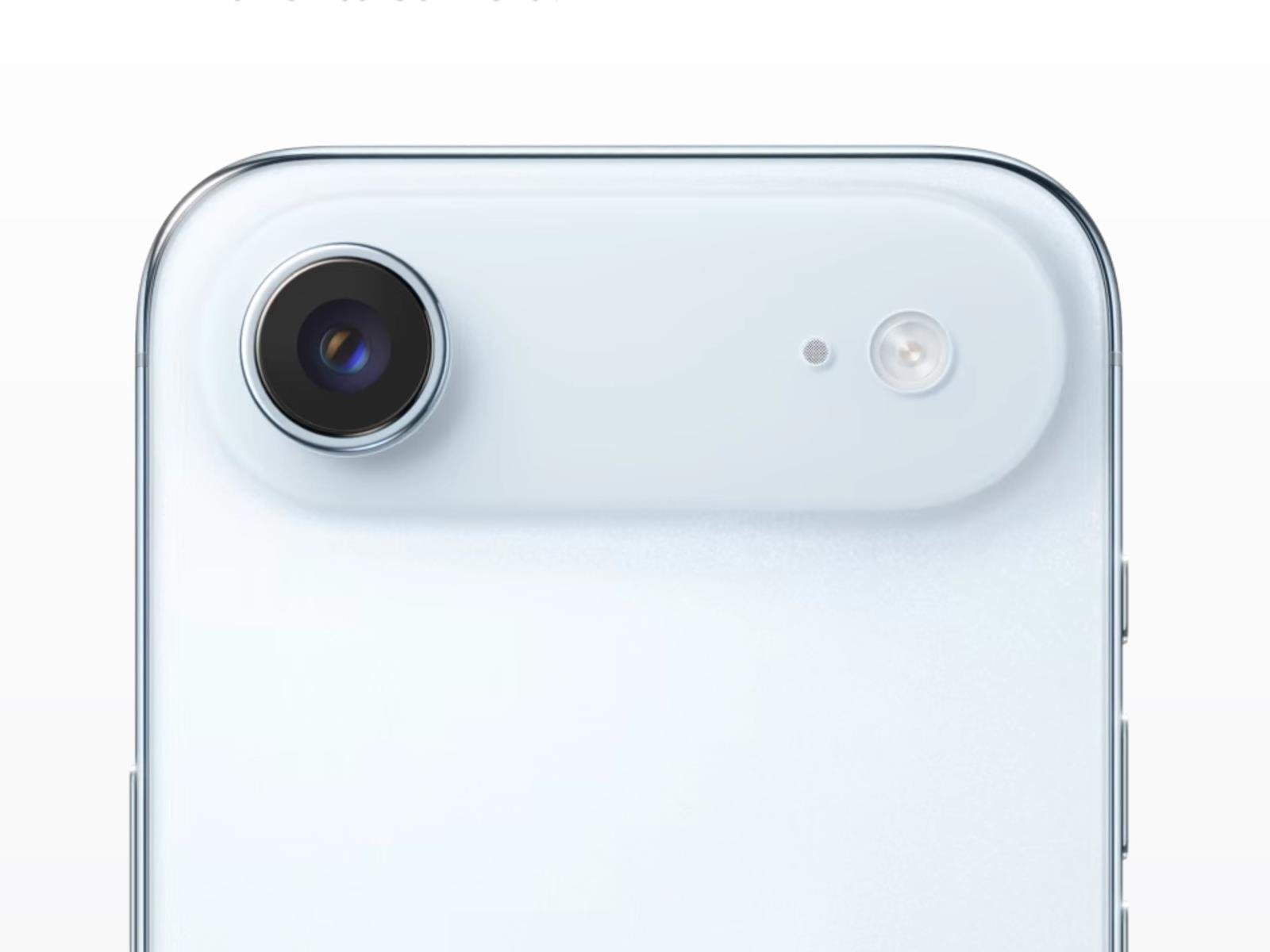
Apple bolstered this year’s iPhone lineup with the debut of the iPhone Air, a phone that measures up well against the Samsung Galaxy S25 Edge. It’s an impressive device that manages to pack some serious specs into its thin frame, and a design that harkens back to the thinner phones Apple used to make. This time around, though, the company

Steam Game Steals $32K In Donations To Stage 4 Cancer Patient As Hackers Hit New Low

Steam Game Steals $32K In Donations To Stage 4 Cancer Patient As Hackers Hit New Low
While some would like to see themselves as Robin Hood-type well-intentioned opportunists, it has long been known that there is no honor among thieves. Case in point: today’s story, where a man named Raivo Plavnieks was trying to raise money for treatment to survive his stage 4 high-grade sarcoma, and became the target of a malicious crypo

Target’s ‘Circle Week’ Sale Will Start Before Amazon’s October Prime Day

We may earn a commission from links on this page.

Did you know you can customize Google to filter out garbage? Take these steps for better search results, including adding my work at Lifehacker as a preferred source.


Target is no stranger to competition with Amazon sales. They’ve overlapped their Circle Week sales with Prime Day many times before. Since October Prime Day is around the corner, Target has just announced its own sale for October. Here are all the details you need to know.

What is Target’s Circle Week?

Circle Week is Target’s name for its biggest sale. As the name suggests, it lasts a whole week, and while it used to happen just once a year but, it now occurs multiple times a year. The most recent sale was this summer, and before that, in the spring, overlapping with Amazon’s Prime Day and Big Spring Sale, respectively.

When is Circle Week?

The next Circle Week will take place from Oct. 5 to Oct. 11. That means it begins two days before October Prime Day, which runs from Oct. 7 through Oct. 8.

Do you need to be a member to shop the sales during Target Circle Week?

Like Amazon’s Prime Day sale, you will need to be a Circle member to take part in the sale, but unlike a Prime membership, Target Circle is free. You can sign up for an account on the Target app or Target.com.

You can also pay for a Target Circle 360 membership, which grants you early access to the sale as well as other perks, like same-day delivery. If you’re a teacher or student, you can save 50% on the one-year Circle 360 subscription through Sept. 13; otherwise, it starts at $10.99 per month. But again, a paid membership isn’t necessary to get all the best Circle Week deals.

What deals can I find during Target Circle Week?

Circle week will focus on apparel; home products like kitchen appliances, storage, floor care, and bedding; fun and entertainment; and Halloween costumes and treats. You’ll also find tech products on sale, which we’ll be covering as usual. You can shop in person or online, and there will be a “Deal of the Day” for every day of the event that will start at 40% off.

While Target hasn’t released a list of deals you can expect, you can get a pretty good idea from past Circle Week sales. Here are some of the deals they had at the tail end of the Circle Week last fall.

What competitors are also offering sales?

Amazon’s October Prime Day will take place from Oct. 7 through Oct. 8, so all the other sales tend to revolve around these dates. Walmart will likely have its Walmart Deals sale, like they’ve done in the past, and Best Buy will likely have its own sale as well. I’ll cover the details of those sales as they are released.

Microsoft is Bringing Video Wallpapers To Windows 11

Microsoft is working on bringing support for setting a video as your desktop wallpaper on Windows 11. From a report: Hidden in the latest Windows 11 preview builds, the feature lets you set an MP4, MOV, AVI, WMV, M4V, or MKV file as your wallpaper, which will play the video whenever you view the desktop.

For many years, users have wanted the ability to set a video as a desktop background. It’s a feature that many Linux distributions support, and macOS also supports the ability to set a moving background as your lock screen. Windows Vista did support setting videos as your wallpaper, but only as part of the Ultimate SKU via a feature called DreamScene.


Read more of this story at Slashdot.

Is There a Market for Meta’s Ray-Ban Display Smart Glasses? (How About the Blind?)

It’s not just glitches at the launch of the Meta Ray-Ban Display smart glasses… The New York Times remains skeptical of its market share:

[Meta’s] smart glasses remain a niche. As of February, Meta had sold about two million of its $300 Ray-Ban Meta camera glasses since their 2023 debut, and it hopes to sell 10 million annually by the end of 2026, which is a tiny amount for a company this size. In the last decade, Meta has spent over $100 billion on its virtual and augmented reality division, which includes its smart glasses and is not profitable. Last quarter, the division reported a $4.5 billion loss, nearly the same as a year ago.

“Meta’s Smart Glasses Might Make You Smarter. They’ll Certainly Make You More Awkward,” joked a recent Wired headline.

But the Wall Street Journal does report there’s “a growing group of blind users… finding the devices to be more of a life-enhancing tool than a cool accessory.” Jonathan Mosen, executive director at the nonprofit National Federation of the Blind said he’d like to see Meta continue to invest in the glasses. “It’s giving significant accessibility benefits at a price point people can afford.”
He has used them a few times to record video of ride-share drivers refusing to give him and his wife a ride because she travels with a guide dog. Denying rides to people with service animals is illegal in many countries, including the U.S.

Another concern for blind users is that AI assistants in general are prone to making errors, or so-called hallucinations, which may not be apparent. Aaron Preece, who is blind and editor in chief of American Foundation for the Blind’s AccessWorld magazine, said Meta’s glasses recently failed to correctly read the number on the door to his home. “I just can’t trust it,” he said. “It’s more of a novelty than something I’d use on a day-to-day basis.”

When it comes to innovative technology, CNET seems more excited about Meta’s display-controlling “neural wristband” accessory. Instead of camera-based hand tracking, these muscle-sensing bands “can register gestural moves like pinches, taps, thumb swipes, and maybe even typing over time…”


Read more of this story at Slashdot.

Reddit Wants ‘Deeper Integration’ with Google in Exchange for Licensed AI Training Data

Reddit’s content became AI training data last year when Google signed a $60 million-per-year licensing agreement. But now Reddit is “in early talks” about a new deal seeking “deeper integration with Google’s AI products,” reports Bloomberg (citing executives familiar with the discussions).
And Reddit also wants “a deal structure that could allow for dynamic pricing, where the social platform can be paid more” — with both Google and OpenAI — to “adequately reflect how valuable their data has been to these platforms…”

Such licensing agreements are becoming more common as AI companies seek legal ways to train their models. OpenAI has also struck a series of partnership agreements with major media publishers such as Axel Springer SE, Time and Conde Nast to use their content in ChatGPT…

Reddit remains among the most cited sources across AI platforms, according to analytics company Profound AI. However, Reddit executives have noticed that traffic coming from Google has limited value, as users seeking answers to a specific question often don’t convert into becoming active Redditors, the people said. Now, Reddit is engaging with product teams at Google in hopes of finding ways to send more of its users deeper into its ecosystem of community forums, according to the executives. In return, Reddit is looking for ways to provide more high-quality data to its AI partners. Discussions between Reddit and Google have been productive, the people said. “We’re midflight in our data licensing deals and still learning, but what we have seen is that Reddit data is highly cited and valued,” Reddit Chief Operating Officer Jen Wong said on July 31 during a call with investors. “We’ll continue to evaluate as we go.”


Read more of this story at Slashdot.

Could Wildfire Smoke Become America’s Leading Climate Health Threat By 2050?

“New research suggests ash and soot from burning wildlands has caused more than 41,000 excess deaths annually from 2011 to 2020,” reports the Los Angeles Times:

By 2050, as global warming makes large swaths of North America hotter and drier, the annual death toll from smoke could reach between 68,000 and 71,000, without stronger preventive and public health measures…

In the span studied, millions of people were exposed to unhealthful levels of air pollution. When inhaled, this microscopic pollution not only aggravates people’s lungs, it also enters the bloodstream, provoking inflammation that can induce heart attacks and stroke. For years, researchers have struggled to quantify the danger the smoke poses. In the paper published in Nature, they report it’s far greater than public health officials may have recognized. Yet most climate assessments “don’t often include wildfire smoke as a part of the climate-related damages. And it turns out, by our calculation, this is one of the most important climate impacts in the U.S.”

The study also estimates a higher number of deaths than previous work in part because it projected mortality up to three years after a person has been exposed to wildfire smoke. It also illustrates the dangers of smoke drifting from fire-prone regions into wetter parts of the country, a recent phenomenon that has garnered more attention with large Canadian wildfires contributing to hazy skies in the Midwest and East Coast in the last several years. “Everybody is impacted across the U.S.,” said Minghoa Qiu [lead author and assistant professor at Stony Brook University]. “Certainly the Western U.S. is more impacted. But the Eastern U.S. is by no means isolated from this problem.”


Read more of this story at Slashdot.

Nvidia To Invest $100 Billion in OpenAI

Nvidia will invest up to $100 billion in OpenAI as the AI lab builds data centers requiring 10 gigawatts of power capacity. The 10-gigawatt deployment equals 4 to 5 million GPUs — the same number Nvidia will ship globally this year. Building one gigawatt of data center capacity costs $50 to $60 billion, including approximately $35 billion for Nvidia chips and systems. The first phase begins in the second half of 2026 using Nvidia’s next-generation Vera Rubin systems.

The investment adds Nvidia to OpenAI’s investor roster alongside Microsoft, SoftBank, and Thrive Capital at a $500 billion valuation. Nvidia CEO Jensen Huang described the investment as “additive to everything that’s been announced and contracted.”


Read more of this story at Slashdot.

AMD FSR 4 Running On Radeon RX 6800 XT Gives Image Quality A Boost But At A Big Cost

AMD FSR 4 Running On Radeon RX 6800 XT Gives Image Quality A Boost But At A Big Cost
Since the AMD FSR 4 INT8 DLL leak, we’ve known that it’s possible to use FSR 4 on older GPU architectures than RDNA 4. Recently, we’ve actually seen successful use of FSR 4 on AMD’s RDNA 2 architecture, after early efforts resulted in bugged visuals. Per a Reddit guide posted yesterday by user u/NaM_777, users of AMD RDNA 2 GPUs like the RX