Why All That ‘Wellness’ Is Making You Feel Even More Burnt Out

The phrase “get ready with me!” sends shivers down my spine. Somewhere between the gratitude journal and the seventh supplement of the morning, “wellness” stopped being a refuge and became another item on an impossible to-do list. And when I don’t accomplish the items on my to-do list, I’ve introduced a new way to feel failure in my daily life. I’m burning out trying to prevent burnout; I’m anxious about not doing enough anxiety-reducing practices; I’m tired from all my “energy-boosting” protocols. All the self-care that’s supposed to leave me “restored” is utterly depleting me. I’ve reached a paradox of wellness culture, and I can’t be alone. 

The surveillance state of self-care

Emily Austen, author of Smarter: 10 Lessons for a More Productive and Less Stressed Life, has witnessed this transformation firsthand. She describes how wellness has morphed into “the new productivity theatre,” where people find themselves “drowning in self-improvement checklists: journaling, breathwork, 10k steps, meditation, supplements, skincare, and still logging on exhausted.” Wellness culture is its own kind of performance, with its own set of costumes.

What’s particularly insidious is how self-care has been co-opted into another metric of success. Austen points out that it “has turned into another form of self-surveillance: something we perform, post, and measure.” We’re not just tracking our steps and sleep cycles for ourselves—we’re curating proof of our wellness for an audience, real or imagined.

And here’s where we reach the paradox of self-care. We know the hustle culture is broken, yet we’re sold wellness as the solution…through more hustle. Brands capitalize on our exhaustion, selling hope in the form of adaptogens and morning routines, promising relief for our “fried nervous systems.”

Whether or not you’d call your nervous system “fried,” the majority of us feel burnt out in one way or another. And as Austen reminds us, most of us “do not have the luxury of taking six months off to recover.” The systems we build need to work alongside our actual lives, not in some idealized version of them. Otherwise, they’re just expensive bandages on a wound that needs stitches.

The myth of the perfect routine

Alexis Haselberger, a time management and productivity coach, encounters this wellness mythology constantly in her practice. There’s a pervasive belief that “self-care is a set of activities (yoga, meditation, morning pages, etc.) and if you’re not doing them, you’re not taking care of yourself.”

She recalls a client who, after a time-tracking exercise, concluded he wasn’t drinking enough water. Her response? “How do you know?” The ensuing conversation revealed the absurdity of following arbitrary rules—like the famous eight glasses of water—without checking in with your actual body. “Are you feeling dehydrated? Is your pee dark yellow? Are you thirsty all the time? No? Well, your water intake is probably just fine.”

Even more telling is the phenomenon of people fighting their natural chronotype, trying to become morning people just to squeeze in wellness rituals before work. Haselberger sees “many, many people” attempting this transformation, chasing the Instagram-worthy 5 a.m. routine when their bodies are wired for different rhythms entirely.

How did we arrive at this exhausting place? Haselberger blames “a dystopian content machine” flooding us with claims that one more wellness activity will make all the difference. “People are already stressed, so they’re searching for the magic bullet.”

Instead, real self-care is often about subtracting, not adding. “No bubble bath or journaling session is going to solve burnout,” Haselberger says. Rather, it’s about removing what doesn’t serve you, not piling on more obligations. Focus on protecting your boundaries, curating your environment, and knowing when to quit.

The simplest solution

Katherine Morgan Schafler, therapist and author of The Perfectionist’s Guide to Losing Control, offers a way out of this trap: simplicity and sustainability. Before adopting any wellness practice, ask yourself two questions: Is it simple? Is it sustainable?

Take exercise as an example. Instead of committing to a complex gym routine, could you take a walk? Do jumping jacks in your living room? Schafler suggests asking what you could see yourself doing “for the rest of your life,” not what you could white-knuckle through for six months in an “unsustainable burst that leads to burn out.”

And here’s the permission slip we all need: “You’re supposed to do this thing called ‘enjoying your life.'” Fun and enjoyment aren’t frivolous—they’re essential to mental wellness. “Formal wellness routines that take themselves too seriously and are devoid of fun might not be helpful for you,” Schafler says. “Trust what feels good; if you’re not enjoying it on some level, don’t do it.”

Perhaps the most radical act of self-care isn’t adding another supplement to your morning stack or waking up earlier for meditation. Maybe it’s permission to do less. Trust your body over influencer advice, protect your time instead of optimizing it, and choose actual rest over the performance of rest.

Wellness should restore, not deplete. If your self-care routine feels like another job, it’s not care—it’s compliance. And you’re allowed to quit.

US Narrows Who Pays $100,000 H-1B Visa Fee

President Trump’s $100,000 H-1B visa fee will apply only to new visa applicants outside the country, the government confirmed in new guidance on Monday. From a report: That means that under the new policy, employers won’t need to pay the fee for anyone already living in the U.S., such as international students. The new guidance: Under the new guidance published on Monday, U.S. Citizenship and Immigration Services said the $100,000 fee will apply only to new applicants living outside the country. Employers will need to pay the fee after their prospective employee’s visa is approved, allowing them to move to the U.S.

Previously, the White House had said the fee would apply to all new visa applicants, except those who work for companies or industries that have secured a special waiver. In 2024, roughly 54% of the 141,000 new H-1B visas issued went to immigrants who were already in the U.S. on a different visa type, according to government statistics. If that trend holds, the new fee wouldn’t apply to over half of the applicants.


Read more of this story at Slashdot.

Top 85-Inch TV Deals Under $1K Including A 144Hz Mini LED For Gaming

Top 85-Inch TV Deals Under $1K Including A 144Hz Mini LED For Gaming
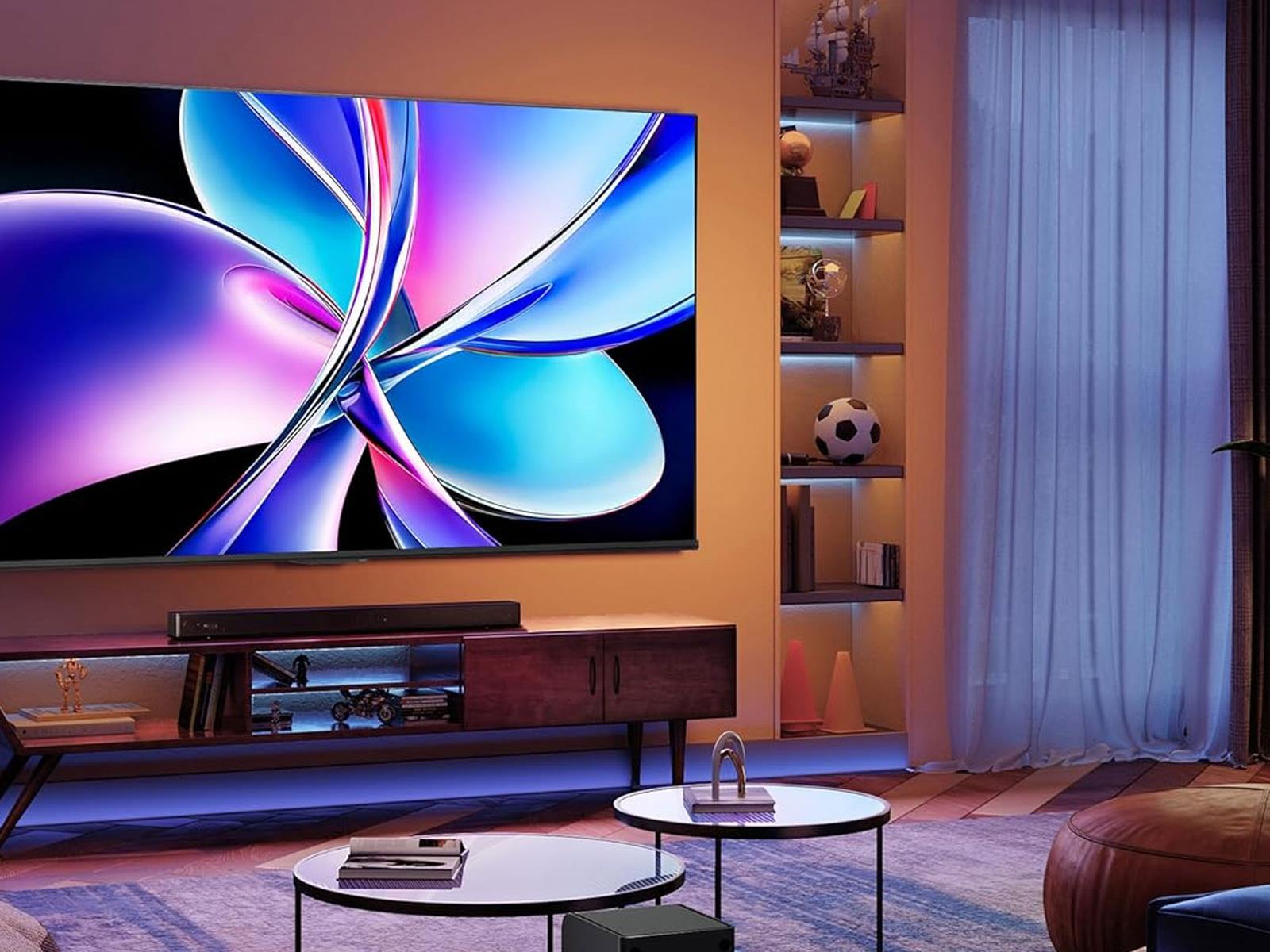
If you’re shopping for a new TV and set a budget for around $1,000 (or less), you might be inclined to think that you can either go monstrously big or opt for mini LED backlighting, but not both. You’d also be wrong. Generally speaking, you do have to choose between one or the other, but we found at least two exceptions in our hunt for the

Apple Addresses Liquid Glass Backlash In Latest iOS Beta For iPhone

Apple Addresses Liquid Glass Backlash In Latest iOS Beta For iPhone
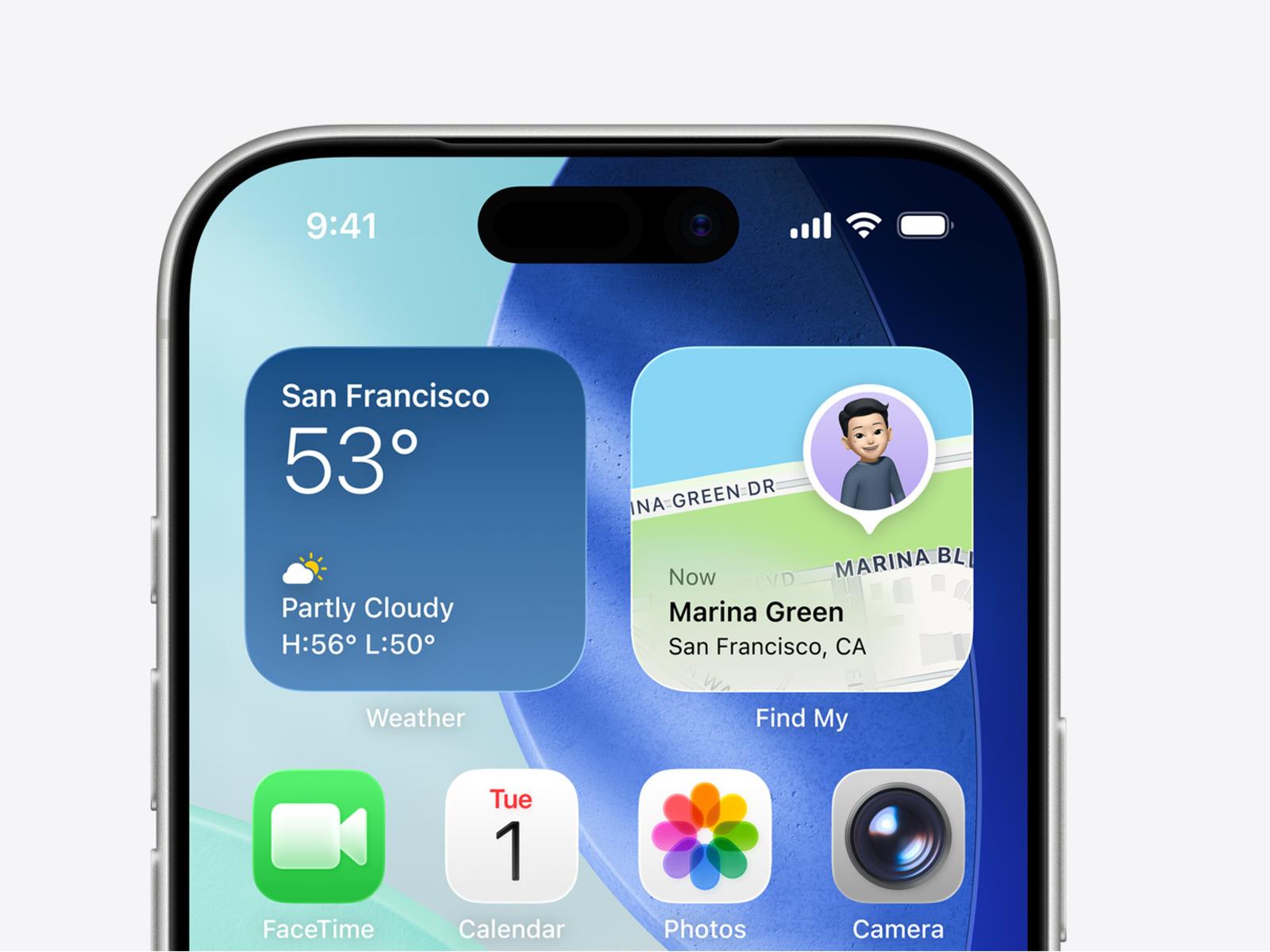
This year’s version of iOS brought big changes to the user interface, and people either love it or hate it. Thankfully, Apple hasn’t tuned out the criticism and will include an option to give users more control over the look and feel of the OS. These optional settings have already appeared in iOS 26.1 Beta 4, which means it should be in the

There’s another Kirby Air Riders Direct livestream on October 23 at 9AM ET

Nintendo has another livestream planned for the upcoming Switch 2 exclusive Kirby Air Riders. This one takes place on October 23 at 9AM ET. That’s less than a month before the game will be available for purchase.

The company also says the stream will be a full hour, which is a heck of a long time to spend on just one game a few weeks before launch. It’s worth noting, however, that Kirby Air Riders is a Masahiro Sakurai title.

Join us on Oct. 23 at 6 a.m. PT for a second #KirbyAirRiders Direct with director Mr. Sakurai. The livestreamed presentation will last roughly 60 minutes and feature more info on the upcoming #NintendoSwitch2 game.

Watch here: https://t.co/MS7fAYcd3R pic.twitter.com/nkPcQDYQd5

— Nintendo of America (@NintendoAmerica) October 21, 2025

This is the guy that made the Super Smash Bros. franchise. He loves making long videos about minutiae in his games. Just about every character on the Super Smash Bros. Ultimate roster got a fairly substantial reveal video and he has made all kinds of content about the various mechanics on that game.

To that end, the previous Kirby Air Riders livestream from August was 45 minutes long and included a fairly deep dive into game mechanics. We don’t know what this stream will spotlight but we can’t wait to find out.

For the uninitiated, Kirby Air Riders is a Switch 2 exclusive that stars the lovable and eternally-hungry puffball Kirby. It’s a racing game and a follow-up to the Gamecube original, Kirby Air Ride. It’ll be available on November 20. 

This article originally appeared on Engadget at https://www.engadget.com/gaming/nintendo/theres-another-kirby-air-riders-direct-livestream-on-october-23-at-9am-et-150344862.html?src=rss

NASA Issues Stern Message To SpaceX Over Moon Lander Delay In Space Race With China

NASA Issues Stern Message To SpaceX Over Moon Lander Delay In Space Race With China
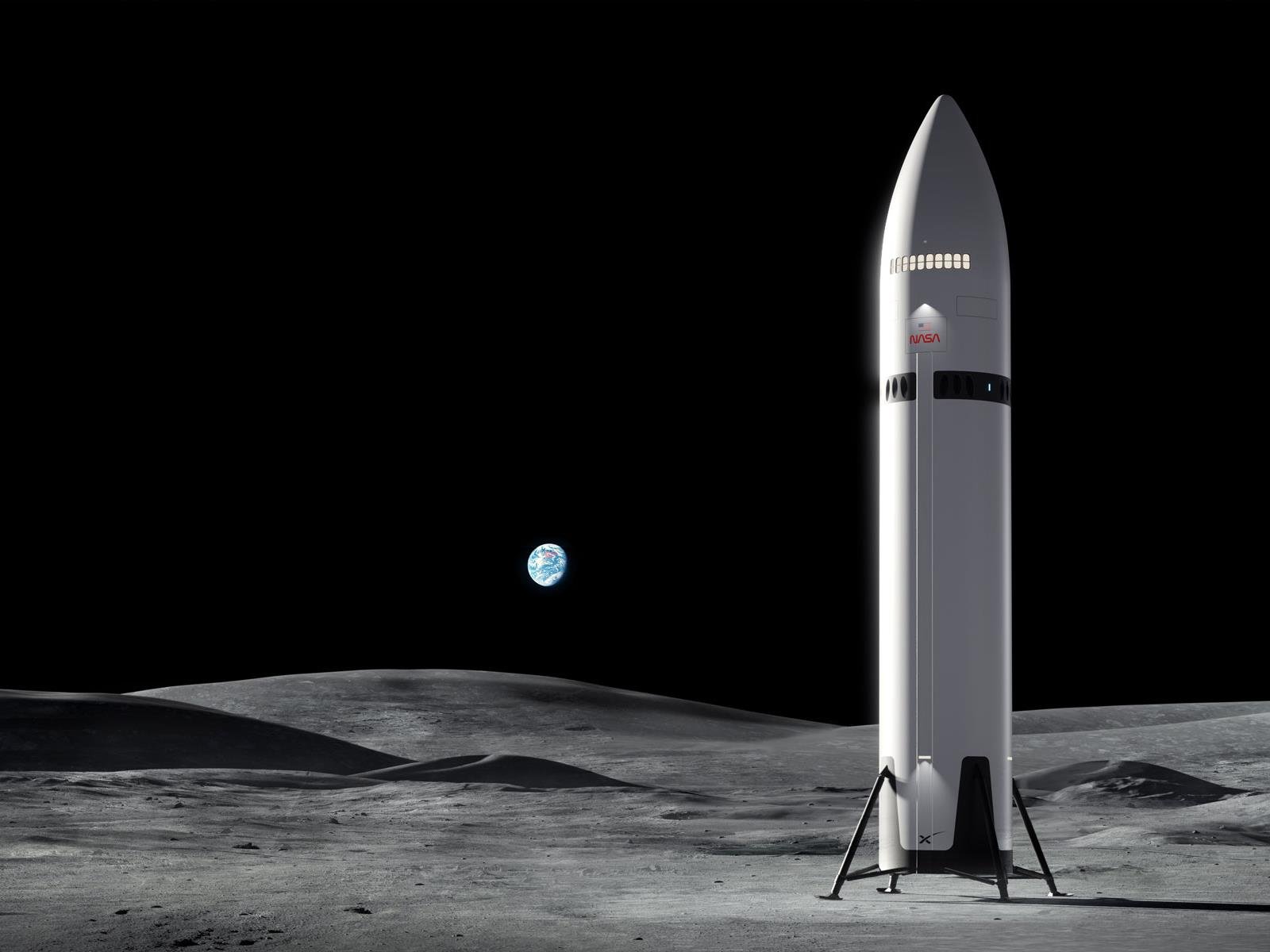
Unabashedly lighting the fire under SpaceX, acting NASA Administrator Sean Duffy announced on Monday that the agency is opening its high-profile Artemis III human lunar landing contract to new bidders. The $4.4 billion contract, initially awarded exclusively to Elon Musk’s SpaceX in 2021, will now be open to rivals, such as Jeff Bezos’ Blue

What People Are Getting Wrong This Week: Are Aliens Invading in November?

We may earn a commission from links on this page.

To the disappointment of Judgment Day fans, The Rapture did not happen as predicted at the end of September, but keep your fingers crossed for November, when aliens are expected to invade. This one’s a way more concrete prediction than the Rapture. Unlike Jesus, we can actually see the alien starship in our telescopes, cleverly disguised as an interstellar comet. And it’s not just conspiracy theorists or Joe Rogan Podcast guests sounding the alarm—a Harvard astrophysicist kicked off the whole thing. So hold on to your butt!

The ballad of 3I/ATLAS

Back in July, NASA spotted 3I/ATLAS, an interstellar comet about the size of Manhattan, passing through our solar system on its journey from God knows where. This is only the third interstellar comet we’ve ever spotted, so it’s a big deal.

In September, Harvard astrophysicist Avi Loeb (who had a long, legit career until recently) published “News on 3I/ATLAS: Lack of Non-Gravitational Acceleration Implies an Anomalously Massive Object” which posits that the comet could be a giant spaceship that is going to fly behind the Sun on Oct. 21 (hey, that’s the day I’m posting this!), and while it’s shielded from our view, the “potentially hostile” comet/spaceship could do all kinds of aerial maneuvers, release a squadron of X-wings, or really anything. Then he appeared on a bunch of podcasts and news shows to talk about his “it could be aliens!” idea and it spread in mainstream press.

The cranks took over from there, connecting Loeb’s observations with the prophecies of “Baba Vanga” (a blind, Bulgarian fortune teller that cuckoos love), lies about NASA, Loeb’s own invocation of the “Dark Forest” theory (where hostile aliens lurk silently waiting to strike), and everything else you could image, then they used AI to make videos about the invasion. So many AI videos about the invasion.

So are aliens landing in November?

I wouldn’t bet on it. If you read Loeb’s papers or listen to interviews with him, it’s clear he’s careful to never make any predictions. He says things like 3I/Atlas “could be on a mission to release mini probes meant to invade Earth,” or “If it’s a technological object, then it might maneuver itself.”

Oh, it could be on mission? It might do something? I could be about to grow 17 heads, and I might release mini probes too. Loeb is not wrong, technically, nor is he lying, but he’s not being entirely honest either, because he doesn’t follow up his statements with “…but it’s so unlikely, it’s barely worth considering.”

And this isn’t the first time he’s done this.

What’s the deal with Avi Loeb?

Remember 1I/ʻOumuamua? That cigar-shaped interstellar object people thought was an extraterrestrial probe in 2017? Loeb started that, too. He co-authored a paper suggesting it could be a lightsail—a thin, artificial sheet propelled by starlight—sent by an alien civilization. A possibility, but surprise! it turned out to be a comet.

Then there was the meteor. In 2022, Loeb claimed that a meteor that crashed into the Pacific Ocean in 2014 was interstellar in origin and possibly technological. He dredged up fragments from the ocean floor, and held press conferences about the “spherules” that might be alien technology. After sighing heavily, other scientists responded with: “Sure, it might be alien technology, but it isn’t,” and I hope they added, “why don’t we put some money on the next ‘space probe?'”

It’s a pattern: Loeb makes a qualified outrageous claim, gets the headlines (“Harvard Scientist: Comet Could Be Alien Spaceship!”) while hedging enough to say “I never said it was aliens” when the prediction fizzles. He seems to be trying to raise awareness about how we think about extraterrestrial life and push against the knee-jerk scientific dismissal of the subject, but the way he’s doing it is questionable.

Science isn’t sexy enough

In 2025, “We should carefully study this unusual object” doesn’t land you a book contract and media blitz like “Could this be an alien invasion fleet?” does, but it also doesn’t corrode public trust in science, and legitimate scientists studying interstellar objects, searching for biosignatures, and working on SETI get drowned out by the noise.

And what happens in November? Our Venusian Sky Brothers might descend upon Earth with cake and ice cream for all, but I’m putting my money on the cranks moving on to flat-Earth theories or weather machines, while Loeb generates headlines in a few months with another “this time, it really might be aliens!” object.

One of our favorite Anker 5K power banks is on sale for less than $20

Portable chargers are great and all but, between a hefty weight and a tangle of cords, many are more of an annoyance than anything else. Anker’s Nano Power Bank has served as the solution to all that for me, with a charger built-in to a device that’s barely bigger than a lipstick. 

Now our choice for best portable charger for Android is even more tempting, thanks to a 36 percent markdown. The Anker Nano Power Bank is down to $19 from $30 in the USB-C model. The discount is available in the classic Black or White and the more fun colors Ice Lake Blue, Lilac Purple and Sprout Green. 

You can use Anker’s Nano Power Bank with devices such as the iPhone 15 and newer, Samsung S22 and S23 series, AirPods and the iPad Pro or Air. It’s good for a quick boost: we found that its 5,000mAh battery can charge a depleted Galaxy S23 Ultra to 65 percent in about an hour. It also has four indcator lights on it that show how much it’s charged. 

Follow @EngadgetDeals on X for the latest tech deals and buying advice.

This article originally appeared on Engadget at https://www.engadget.com/deals/one-of-our-favorite-anker-5k-power-banks-is-on-sale-for-less-than-20-145408130.html?src=rss

New report leaks Amazon’s proposed mass-automation plans

Amazon is reportedly moving towards an era of unprecedented automation that would put half a million jobs in the US at risk. According to a series of interviews and internal documents referenced in an extensive report from The New York Times, Amazon executives expect to sell twice as many products by 2033. But by scaling up its robotics operations believe it could avoid the 600,000 hires it would otherwise have to make to keep up with the demand.

According to the report, documents show that the ultimate aim of Amazon’s in-house robotics department is to automate 75 percent of all operations, and if it is successful in making 160,000 fewer hires by 2027, the company would reportedly save 30 cents on each item it packs and delivers to customers in the US. Amazon recently celebrated deploying its 1 millionth robot, a fleet it has been adding to since unveiling its first fully autonomous mobile robot in 2022.

Despite already pushing ahead with building warehouses that employ few humans, the NYT report claims that Amazon is planning for the eventual impact on affected communities and the potential backlash by participating in local events to establish a reputation as a “good corporate citizen.” The internal documents also discuss the avoidance of terms such as “automation” and “AI” in relation to robotics, suggesting instead that executives use terms like “advanced technology” instead. They even consider replacing using “cobot” instead of “robot” as the former implies a collaborative relationship with humans.

In a statement to the NYT, Amazon called the plans it cited incomplete and not reflective of its overall hiring strategy. It denied that its community efforts were related to its automation plans and said it’s not insisting that its executives refrain from using certain terms. The company added that it planned to hire 250,000 people for the imminent holiday season, but wouldn’t say how many of these would be permanent hires.

This article originally appeared on Engadget at https://www.engadget.com/big-tech/new-report-leaks-amazons-proposed-mass-automation-plans-144822790.html?src=rss

Even with protections, wolves still fear humans

Back in May 2025, the European Parliament changed the status of wolves in the EU from “strictly protected” to “protected,” which opened the way for its member states to allow hunting under certain conditions, such as protecting livestock. One of the arguments behind this change was that the “tolerance of modern society towards wolves” led to the emergence of “fearless wolves” that are no longer afraid of people.

“Regulators made it clear though that there is no scientific evidence to back this up,” says Michael Clinchy, a zoologist at the Western University London, Canada. “So we did the first-of-its-kind study to find out if wolves have really lost their fear of humans. We proved there is no such thing as a fearless wolf.”

Red riding hood

The big bad wolf trope is found in plenty of our myths and fables, with Little Red Riding Hood being probably the most famous example. This mythical fear of wolves, combined with real damage to livestock, led to extensive hunting. By the mid-20th century, we’d pushed wolves to the verge of extinction in Western and Central Europe. Human-wolf encounters became very rare, and the big bad wolf myth faded away. But starting in the 1970s wolves became a protected species across Europe and North America, which caused wolf populations to bounce back and reoccupy some of their old habitats.

Read full article

Comments

Japanese Convenience Stores Are Hiring Robots Run By Workers in the Philippines

Filipino workers in Manila are remotely operating robots that restock convenience store shelves across Tokyo. The partnership represents a new economic model where physical labor can be offshored through telepresence. Around 60 workers at Astro Robotics monitor the machines and intervene when problems occur about 4% of the time. They earn between $250 and $315 per month. Japan faces severe labor shortages but has resisted expanding immigration. Offshoring the work through robots solves this while dramatically reducing costs.

Filipino workers are also training the AI systems designed to eliminate the need for human operators entirely. Tokyo-based Telexistence has collected extensive data from its workers and is providing it to a San Francisco startup building fully autonomous robots. The combination of automation and offshoring creates what one University of Michigan professor called a “double whammy” for workers in developed nations. It also exploits workers in developing countries who build the tools meant to replace them. The market for AI agents is expected to grow eightfold to $43 billion by 2030. Human-only work is forecast to drop 27% over the next five years.


Read more of this story at Slashdot.

HBO Max is getting even more expensive starting today

Yet another streaming platform is asking people to dig deeper into their wallets and pay more to keep using the service. Warner Bros. Discovery (WBD) has jacked up the prices of all HBO Max plans, 16 months after the last increase to the ad-free offerings. 

The entry-level, ad-supported plan is now $11 per month (an extra $1) or $110 per year ($10 more). HBO Max Standard will run you an extra $1.50 per month at $18.49 or $15 per year at $185 for the annual plan. As for the HBO Max Premium option, subscribers will now have to pay $23 per month (up by $2) or $230 for an annual plan (an increase of $20).

The new prices kick in immediately for newcomers. Existing monthly subscribers will start paying more as of November 20 (whenever their next billing cycle starts on or after that date). Yearly subscribers will be notified about the price changes 30 days before their plan renews.

WBD CEO David Zaslav suggested in September that price increases were on the way, along with a stricter crackdown on password sharing. “The fact that this is quality — and that’s true across our company, motion picture, TV production and streaming quality — we all think that gives us a chance to raise prices,” Zaslav said. “We think we’re way underpriced.”

The company announced the price increases on the same day that Disney is making several Disney+ plans more expensive. As it happens, some of the Disney+ bundles that are going up in price include HBO Max. 

News of the price hikes comes just as WBD sticks a For Sale sign out on its lawn. It was reported this month that the company turned down an acquisition offer from Paramount Skydance for being too low. WBD has now confirmed that “multiple parties” have expressed interest in buying some or all of the company, and that it’s now conducting “a review of strategic alternatives to maximize shareholder value.”

In June, WBD announced plans to split into two companies. As things stand, Warner Bros. will retain the namesake film, TV and game studios, as well as New Line Cinema, DC Studios, HBO and HBO Max. Discovery Global will have all of the other live cable channels, such as CNN, HGTV, Cartoon Network, Discovery and TLC (it will also be saddled with the lion’s share of WBD’s debt). That split is slated to take place by mid-2026, but WBD said on Tuesday it would consider other options. 

“The Warner Bros. Discovery Board will evaluate a broad range of strategic options, which will include continuing to advance the company’s planned separation to completion by mid-2026, a transaction for the entire company or separate transactions for its Warner Bros. and/or Discovery Global businesses,” WBD said in a press release. “As part of the review, the company will also consider an alternative separation structure that would enable a merger of Warner Bros. and spin-off of Discovery Global to our shareholders.”

WBD hasn’t set a deadline or timetable for completing this review. But given the whole HBO Max naming debacle, it might take the board quite a while to make its mind up.

This article originally appeared on Engadget at https://www.engadget.com/entertainment/streaming/hbo-max-is-getting-even-more-expensive-starting-today-143939446.html?src=rss

Perplexity made a TV app and it’s coming to Samsung sets

Samsung is partnering with Perplexity to bring the startup’s AI Search engine to its smart TVs. If you own a 2025 Samsung TV, you can start using the app today. The company will bring the software to older 2024 and 2023 sets later this year via an OTA update. As part of today’s announcement, Perplexity is also offering free 12-month subscriptions to its Pro plan. To redeem the offer, you’ll need to scan the QR code that appears within the new app.

As mentioned, Perplexity is an AI search engine. Before OpenAI, Anthropic and others added similar capabilities to their chatbots, Perplexity’s offering was novel, giving users a way to search the web more deeply than even Google allowed at the time. Things have gotten even more competitive in recent months, with Google going all in on AI Mode in Search. Still, if you want to try different, it’s worth seeing what Perplexity has to offer. The company’s Samsung TV app allows users to both type and use their voice to ask questions.

No matter how you slice it, this is a curious partnership. Perplexity doesn’t have a great reputation, even when you consider the broader AI industry. In August, Cloudflare accused the company of scraping websites it wasn’t supposed to be. Later that same month, two of Japan’s largest media companies sued the company for copyright infringement, alleging it not only stole information from them but also attributed falsehoods to them. And just last month, Merriam-Webster sued Perplexity as well, again alleging copyright infringement.

This article originally appeared on Engadget at https://www.engadget.com/ai/perplexity-made-a-tv-app-and-its-coming-to-samsung-sets-143000479.html?src=rss

These JBL Noise-Cancelling Headphones Are $40 Right Now

We may earn a commission from links on this page. Deal pricing and availability subject to change after time of publication.

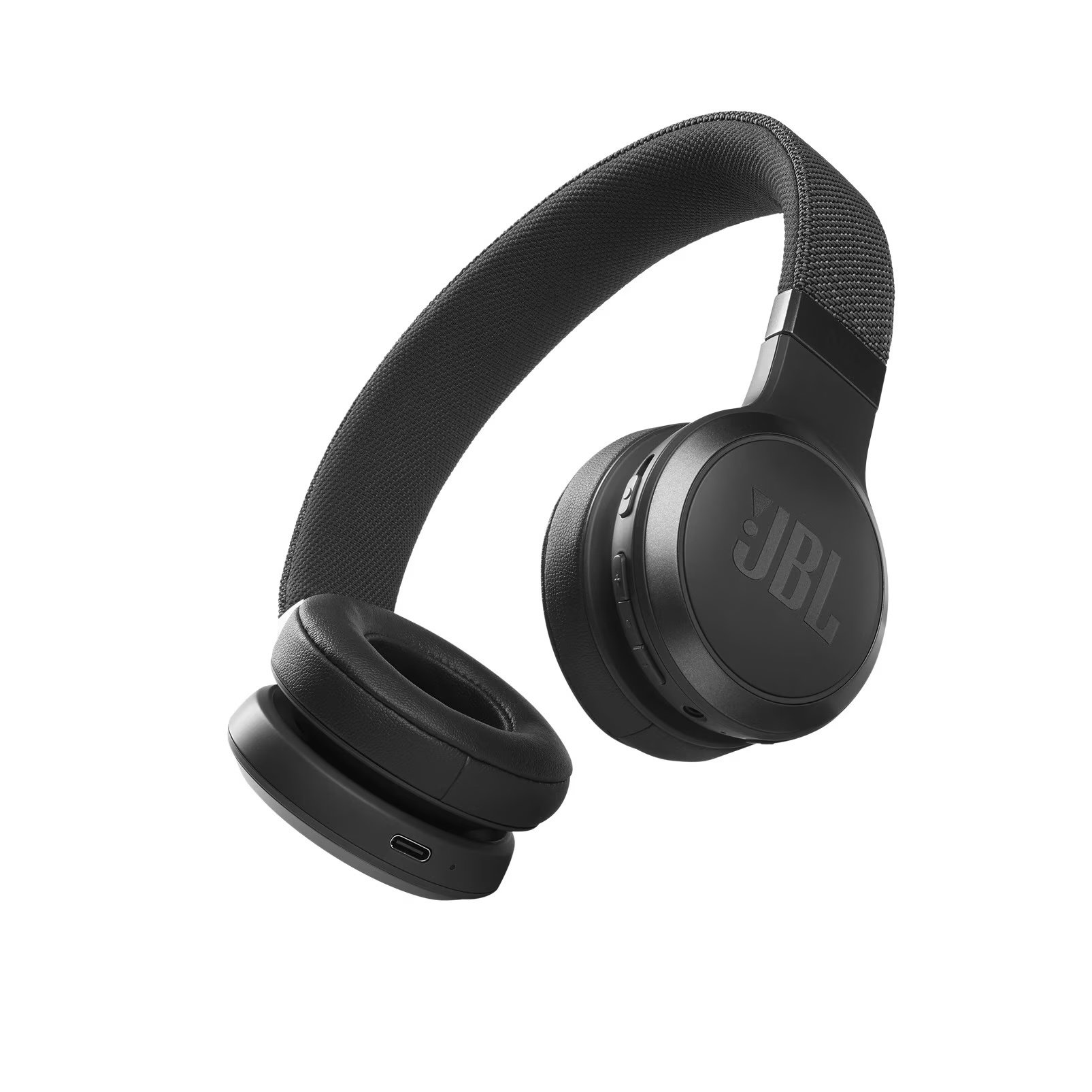
Right now, black JBL Live 460NC on-ear headphones are down to $39.99 (originally $129.95), offering a nearly 70% discount on this long-lasting, noise-cancelling alternative to in-ear buds from a reliable brand with free shipping.

Battery life is the standout feature on these headphones, which provide up to 50 hours of playback with ANC off and up to 40 hours with ANC on. Ten minutes of charging provides around four hours of extra playtime. While some consumer reviews say they experience discomfort due to a feeling of tightness when worn for long periods (likely due to the on-ear design), most find them to be a lightweight option that’s “comfortable enough to wear all day without any regret,” as noted in this PCMag review. 

For a $40 price point, these headphones offer high-quality adaptive noise cancelling to drown out background noise and clear, crisp audio powered by 40mm drivers. They perform well across all genres, making them ideal for everyday listening. They feature three main settings: ANC, Ambient Aware, and TalkThru mode, which lets you hear surroundings or have a chat without taking off the headphones. Buttons on the ear cup allow you to manage calls, with a VoiceAware feature letting you control how much of your own mic input is routed back into the earbuds. They also integrate with Alexa and Google, which can be controlled by tapping the ear cup. If you want to adjust EQ and presets, you can do so on the companion app. 

They might not offer the best-in-class ANC or come with a carrying case, but they offer outstanding value at just $40. If your priority is good sound, long battery life, decent comfort, and modern features like app controls and ANC, the JBL Live 460NC on-ear headphones hit the sweet spot between everyday value, audio performance, and comfort.

Our Best Editor-Vetted Tech Deals Right Now


Ring Battery Doorbell Plus


—
$149.99

(List Price $149.99)


Ring Indoor Cam (2nd Gen, 2-pack, White)


—
$79.99

(List Price $99.98)


Amazon Fire TV Stick 4K (2nd Gen, 2023)


—
$49.99

(List Price $49.99)


Amazon Fire HD 10 (2023)


—
$139.99

(List Price $139.99)

Deals are selected by our commerce team

NVIDIA Upgrades RTX Pro 5000 Blackwell GPU With Monstrous 72GB VRAM

NVIDIA Upgrades RTX Pro 5000 Blackwell GPU With Monstrous 72GB VRAM
It’s usually gamers who are the most vocal about more more VRAM on their graphics cards, but it’s especially beneficial in the workstation and server space as the industry puts a bigger emphasis on machine learning (ML) and artificial intelligence (AI) workloads. As such, NVIDIA is now offering an upgraded version of its RTX Pro 5000 Blackwell

Amazon Quietly Deleted Its Warning About Color E-Ink

We may earn a commission from links on this page.

The Kindle Colorsoft is Amazon’s most expensive e-reader (technically, the Kindle Scribe is more of an e-note), but that doesn’t automatically make it the best Kindle. In fact, if you mostly use your Kindle for novels or even black-and-white manga rather than color comics or picture books, the Colorsoft will actively make that content look worse. While I’ve been banging this drum about color e-readers for a while, you don’t have to take my word for it: Amazon actually used to warn buyers about this too, but has since taken that warning down.

As far back as February, according to a page saved by The Internet Archive, Amazon’s FAQ for the Kindle Colorsoft included the following frank commentary on the device’s shortcomings:

“The Colorsoft display is distinct from the Paperwhite display. The Kindle Colorsoft is designed to provide a high-quality reading experience in both color and black and white. You may notice that the texture or brightness of the display looks different than the Kindle Paperwhite display. That’s because of the color filter layer that creates the easy on the eyes color reading experience on Kindle Colorsoft. If you are looking for a slightly crisper black and white reading experience, you may want to check out Kindle Paperwhite, which has the fastest page turns and highest contrast ratio of any 2024 Kindle device.”

While not outright derogatory towards the company’s color products, the explanation was a noteworthy in that it did admit that the Kindle Paperwhite, despite being less expensive, offers a crisper black and white experience. (Why? Because the color filter in the Colorsoft, which is there whether it’s actively being displayed or not, lowers the contrast and can add unwanted texture and shine to text even when you’re reading reading black-and-white content).

Apparently someone at Amazon corporate thought it was time for a change, and one at the expense of prospective buyers. Over the weekend, the company changed the Colorsoft FAQ once again, and it now reads as follows:

The Colorsoft display is distinct from the Paperwhite display, and includes a fully optimized display stack to deliver high quality color reading. The black and white resolution (300ppi) is the same across devices.

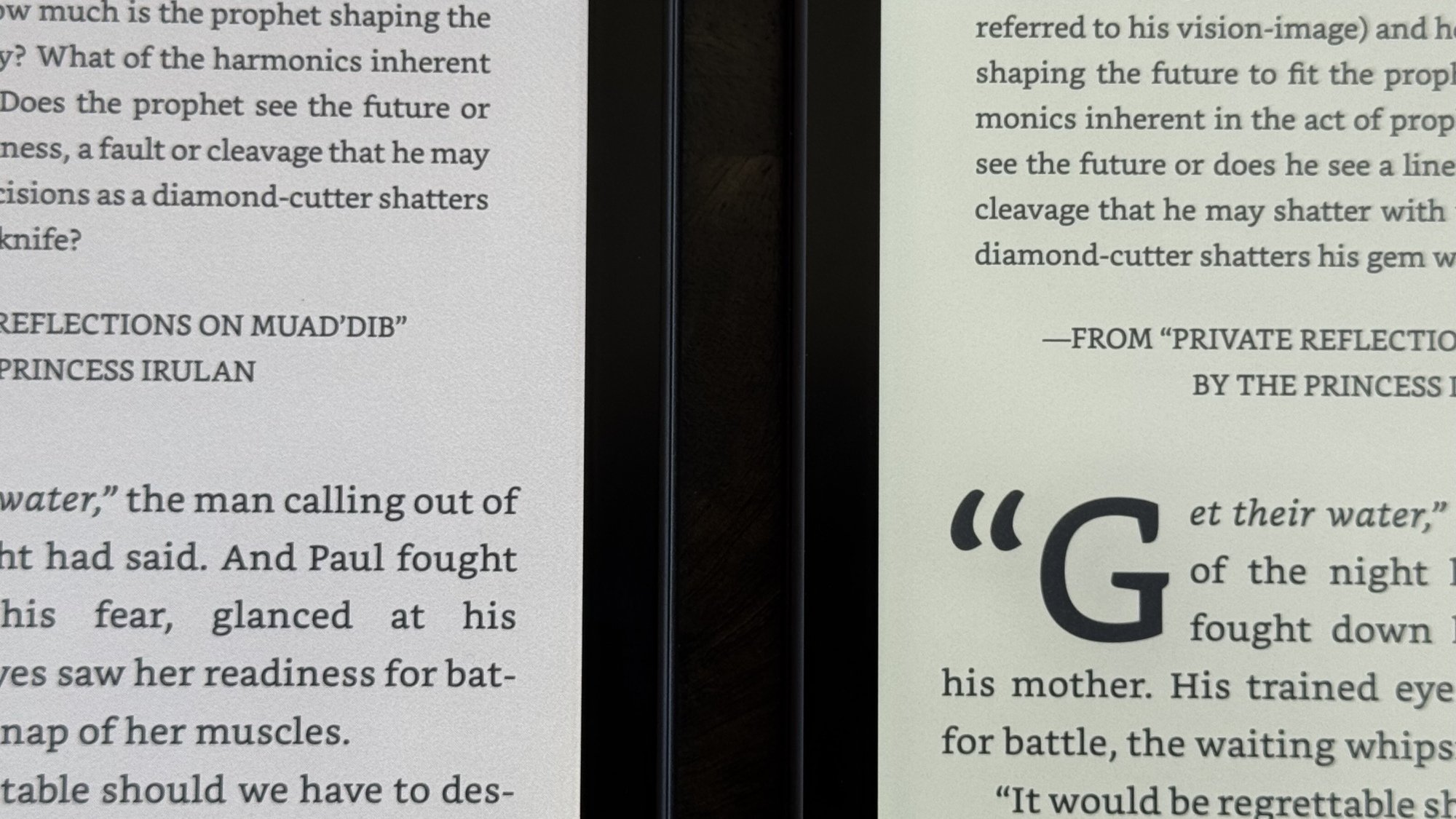
That’s much less clear. While not outright lying, the new disclaimer sidesteps the device’s shortcomings, instead simply acknowledging that the Colorsoft has a “high quality” color experience while bringing up an unrelated note about black-and-white resolution. That’s a misdirect—the Colorsoft’s issues with contrast and artifacts remain, despite matching the Paperwhite in black-and-white resolution, as seen in the picture below.

"Dune" on the Kindle Colorsoft (left) vs. Kindle Paperwhite (right)
“Dune” on the Kindle Colorsoft (left) vs. Kindle Paperwhite (right)
Credit: Michelle Ehrhardt

It’s an understandable move from a marketing perspective, but also a disappointing deletion of a rare moment of honesty from a big brand, while emphasizing the larger anxiety behind color e-Ink. (I reached out to Amazon for comment, and will update this story if I hear back.)

Color e-ink isn’t really ready for the market

Frankly, I don’t think most adults have a need for color e-Ink. Unless you’re a big comic book reader, there’s a good chance that what you’re reading on your Kindle is in black-and-white. And if that’s the case, you’re going to get a better experience by paying less for a device without a color filter. I can see why Amazon would be cagey about it.

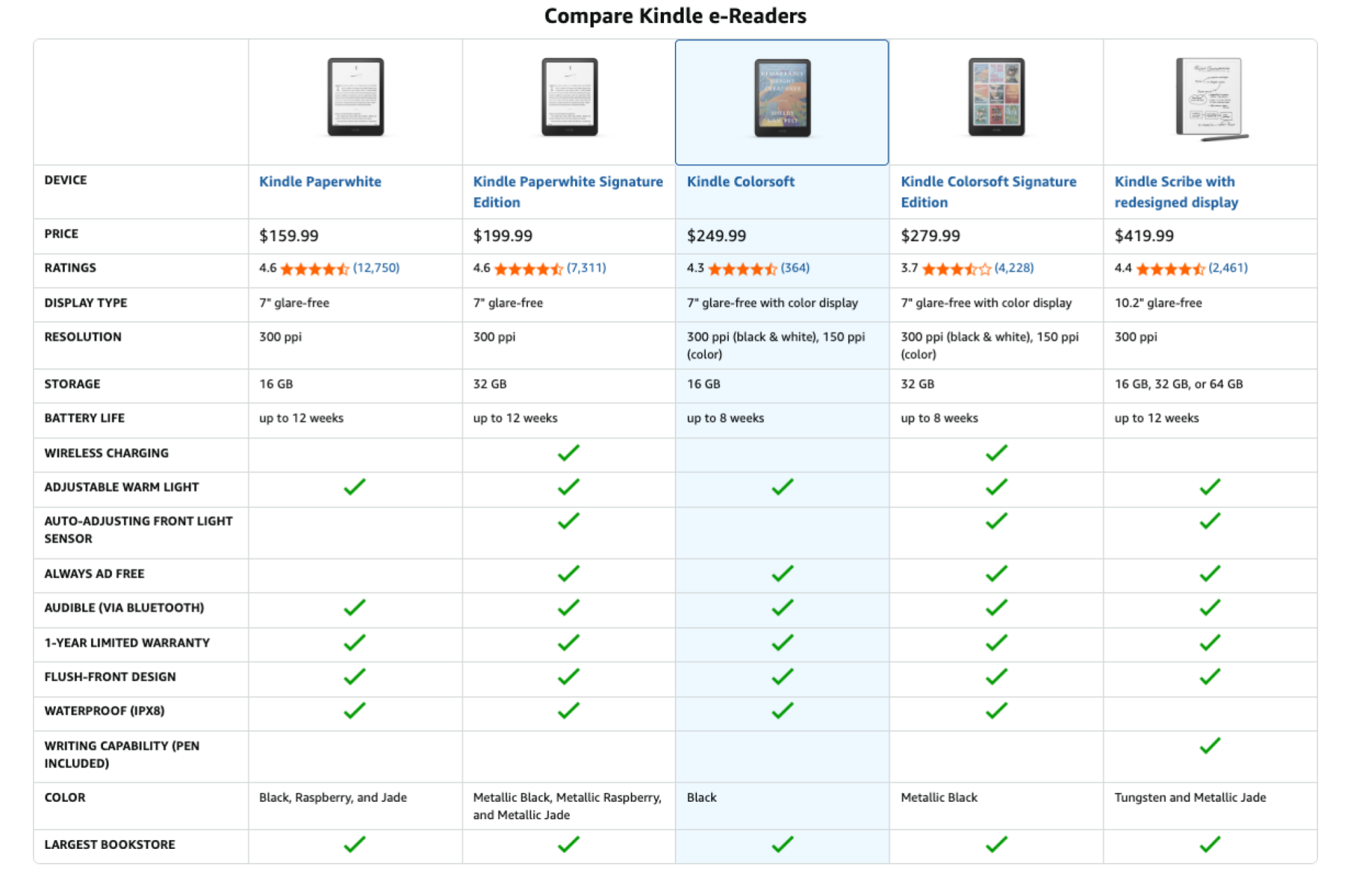
Kindle Pricing chart

Credit: Amazon

But with charts and pricing like the above, that’s not strictly intuitive, and it’s why I appreciated the clarification provided on the old FAQ page so much, especially because it was willing to direct users looking for a specific experience towards a better product for them, even at the expense of profit for Amazon.

The new description instead seems tailor made to make it seem like the Paperwhite and Colorsoft are about on par for black-and-white content, but that the Colorsoft also has color, which is just not true. It’s actually the misconception I always correct first when writing about this product category, and I’m disappointed to see Amazon change its messaging to spread it. While color e-Ink has a niche appeal, trickery and obfuscation is not the way to sell it.

Amazon Plans To Avoid Hiring 600,000 Workers Through Automation by 2033, Leaked Documents Show

Amazon executives believe the company can avoid hiring more than 160,000 workers in the United States by 2027 through robotic automation. Internal documents viewed by The New York Times show the automation would save approximately 30 cents on each item the company picks, packs and delivers. The documents reveal that executives told Amazon’s board last year they hoped automation would allow the company to flatten its U.S. workforce growth over the next decade.

Amazon expects to sell twice as many products by 2033. That projection translates to more than 600,000 positions Amazon would not need to fill. Amazon opened its most advanced warehouse in Shreveport, Louisiana last year as a template for future facilities. The site uses a thousand robots and employed a quarter fewer workers than it would have without automation. The company plans to replicate this design in approximately 40 facilities by the end of 2027. A facility in Stone Mountain, Georgia currently employs roughly 4,000 workers. After a planned robotic retrofit, internal analyses project it will process 10% more items but need as many as 1,200 fewer employees. The documents show Amazon’s robotics team has set a goal to automate 75% of its operations.


Read more of this story at Slashdot.

This JBL PartyBox Speaker Is Over $100 Off Right Now

We may earn a commission from links on this page. Deal pricing and availability subject to change after time of publication.

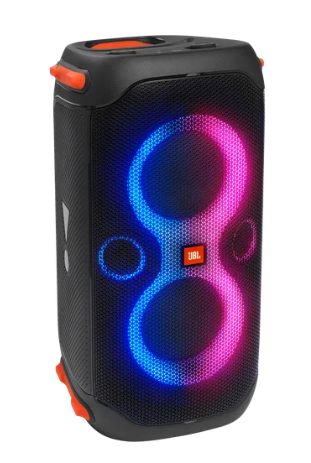
If you’ve ever wanted to bring festival energy to your living room or backyard, the JBL PartyBox 110 comes pretty close. Right now, a restored, like-new unit is available at Walmart for $299.96. This professionally refurbished version still comes backed by Walmart’s 90-day free return policy. It has been inspected, tested, and cleaned by a certified Walmart seller to meet strict performance standards. You might see tiny cosmetic marks, but functionally, it works just like new and delivers the same punchy sound JBL’s known for.

It’s a 160W Bluetooth speaker designed to fill big spaces with sound and light. You get four customizable RGB light rings that sync to the beat and two side strobes that add club vibes to any setup. It’s large, yes, but two built-in handles make hauling it to a poolside party or rooftop hangout manageable. Once upright, it’s rated IPX4 water-resistant, meaning light splashes won’t ruin the night. Sound-wise, JBL’s Bass Boost feature adds satisfying low-end thump without muddying vocals, and the mid-range stays clear enough for guitars, synths, and voices to shine. It can get loud—loud enough to make small speakers sound like background noise—but expect a bit of compression at max volume. There’s also an EQ in the PartyBox app for anyone who likes fine-tuning the mix.

It reportedly lasts up to 15 hours with lights off and about 12 hours with them on—plenty for all-day events or long studio sessions. You can connect a mic or guitar directly for karaoke or jam nights, daisy-chain another PartyBox for stereo sound, or even charge your phone from its USB port. The only notable drawbacks are that it’s heavy, has no built-in voice assistant, and some Bluetooth latency can make it less ideal for movie nights. But as a restored buy for $300 with full functionality, solid construction, and those hypnotic light shows, the PartyBox 110 feels like a no-brainer for anyone chasing big sound on a smaller budget.


Our Best Editor-Vetted Tech Deals Right Now


Ring Battery Doorbell Plus


—
$149.99

(List Price $149.99)


Ring Indoor Cam (2nd Gen, 2-pack, White)


—
$79.99

(List Price $99.98)


Amazon Fire TV Stick 4K (2nd Gen, 2023)


—
$49.99

(List Price $49.99)


Amazon Fire HD 10 (2023)


—
$139.99

(List Price $139.99)

Deals are selected by our commerce team

Zotac’s New Zbox Is The World’s Smallest Mini PC To Pack A Desktop RTX 5060 Ti

Zotac's New Zbox Is The World's Smallest Mini PC To Pack A Desktop RTX 5060 Ti
Zotac has managed to stuff a desktop-class GeForce RTX 5060 Ti with 16GB of GDDR7 inside a tiny 2.65-liter chassis. In doing so, Zotac’s refreshed Zbox Magnus EN for 2025 the world’s smallest PC to feature a desktop GeForce RTX 50 series GPU, the company claims. It’s an impressive feat for a company that’s been churning out potent mini PCs

Big Tech may fall short of green energy targets due to proposed rule changes

The world’s leading authority on carbon accounting has proposed stricter disclosure rules that are set to make it more challenging for large power users such as Amazon and Meta to hit their climate targets.

The EU, California, and the International Financial Reporting Standards all draw on the voluntary Greenhouse Gas Protocol oversight body in their guidelines on how companies should disclose their carbon footprints.

This week, the Protocol proposed the first update in a decade to how it measures power-sector emissions, in a move that would upend the way many tech, industrial, and utilities groups account for clean energy investments.

Read full article

Comments