Apple’s Planned Foldable iPad With 18-inch Screen Hits Development Snags

Apple’s effort to reinvent the iPad by adding a giant foldable screen has hit development hurdles, potentially delaying the planned launch. Bloomberg: The company has been working on the device — projected to cost around $3,000 — for several years and had most recently aimed for a 2028 release. But engineering challenges tied to weight, features and display technology have pushed its potential debut to 2029 or later, according to people familiar with the matter.

Apple is working with Samsung Display Co. to develop the roughly 18-inch panel for the device, said the people, who asked not to be identified because the work isn’t public. The screen minimizes the crease seen on foldable displays, matching an approach that Apple is also using with its upcoming foldable iPhone. The iPad project is part of a broader push to bring more innovative devices to market. Apple just introduced its first new iPhone design in years — the ultrathin $999 Air model — and is working on everything from smart glasses to a tabletop robot device.


Read more of this story at Slashdot.

KDE Plasma 6.5 Released

“Plasma is a popular desktop (and mobile) environment for GNU/Linux and other UNIX-like operating systems,” writes longtime Slashdot reader jrepin. “Among other things, it also powers the desktop mode of the Steam Deck gaming handheld. The KDE community today announced the latest release: Plasma 6.5.” From the announcement: This fresh new release is all about fine-tuning, fresh features, and a making everything smooth and sleek for everyone. The new version brings automatic light-to-dark theme switching based on the time of day. You can configure which global themes it switches between. You can also configure whether you want the wallpaper to switch between its light and dark versions based on the color scheme, the time of day, or be always light or dark.

Next up is a “Pinned clipboard items” feature, which lets you save text you use regularly into the clipboard. Breeze-themed windows will now have the same level of roundness in all four corners, even the bottom one. Flatpak Permissions page has been transformed into a general Application Permissions page, where you can configure applications’ ability to do things like take screenshots and accept remote control requests. The utility that reads the level of ink or toner from your printer now informs you when it’s running low or empty.

For the gamers out there, you can now see more relevant info about game controllers on System Settings’ Game Controller page. Artists among you can now configure any rotary dials and touch rings on your drawing tablet. Users sensitive to color can now make use of a grayscale color filter, which desaturates or removes color systemwide.

Plasma 6.5 implements support for an experimental version of the Wayland picture-in-picture protocol that promises to allow apps like Firefox to eventually display proper PiP windows that stay above others automatically. Support for “overlay planes” was added, which can reduce CPU usage and power draw when displaying full-screen content using a compatible GPU. You can read more about these and many other new features in the Plasma 6.5 release announcement and complete changelog.


Read more of this story at Slashdot.

Someone made a ‘camera’ that can shoot at two billion frames per second

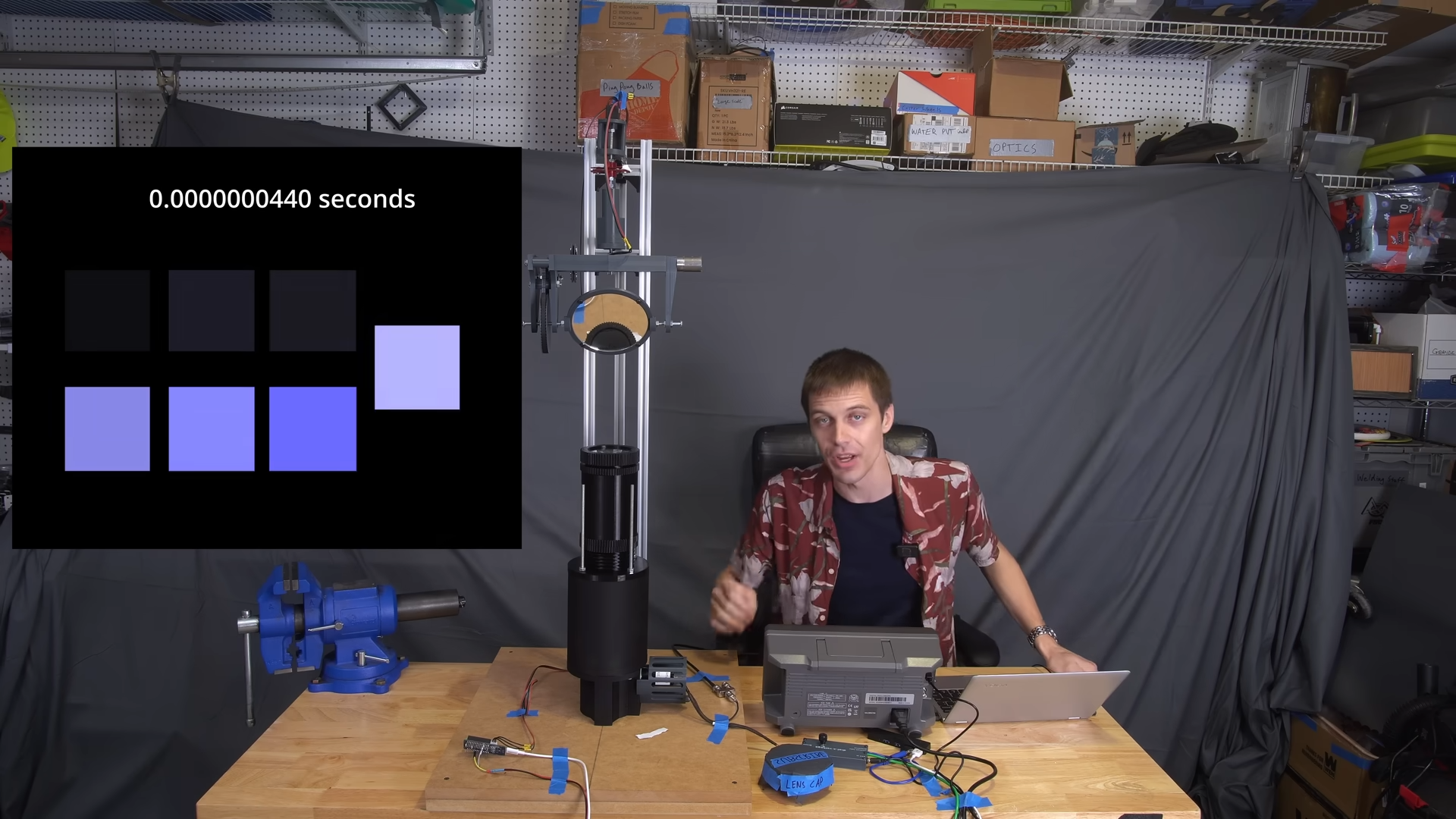
Brian Haidet, a scientist creating videos on YouTube under the handle AlphaPhoenix, showed off a camera in a new video that can capture footage of a laser pointer at the speed of light. The camera is an update on a previous design that could capture footage at one billion frames per second, but it comes with a major caveat: it can only shoot one pixel at a time.

Haidet’s camera is made from a gimbal-mounted mirror, two tubes, a simple lens, a light sensor and some Python code to tie it all together. Pointed at a laser pointer, the camera’s able to capture a beam of light at two billion frames per second, showing it smoothly traveling between mirrors, with speeds that vary depending on where the camera is in relation to the laser pointer. “Light moves about six inches, or 15 centimeters, per frame of this video,” Haidet says. “This beam of light is traveling at the Universe’s speed limit. Light in any reference frame will never move any faster or any slower than this speed.”

Brian Haidet explaining how he tiled pixels together to create footage of light traveling.
Pixels had to be tiled together to create what looks like normal video footage.
Brian Hadet

While it’s theoretically possible to create a more traditional camera that can capture footage at two billion frames per second, as Haidet explains, you can’t do it with the tools most people have in their garage. His solution was to capture one pixel at a time, and then tile that footage together to create something viewable. According to Haidet, “if all these videos are synchronized and we take many, many, many, one pixel videos, we can tile these videos next to each other and play them all back at the exact same moment and give something that looks like a video.” 

While it’s not the same thing as a true two billion frames-per-second camera, “that’s just a significantly more expensive way to do it,” Haidet says, “and it really wouldn’t get us any better of a result.”

This article originally appeared on Engadget at https://www.engadget.com/science/someone-made-a-camera-that-can-shoot-at-two-billion-frames-per-second-202259391.html?src=rss

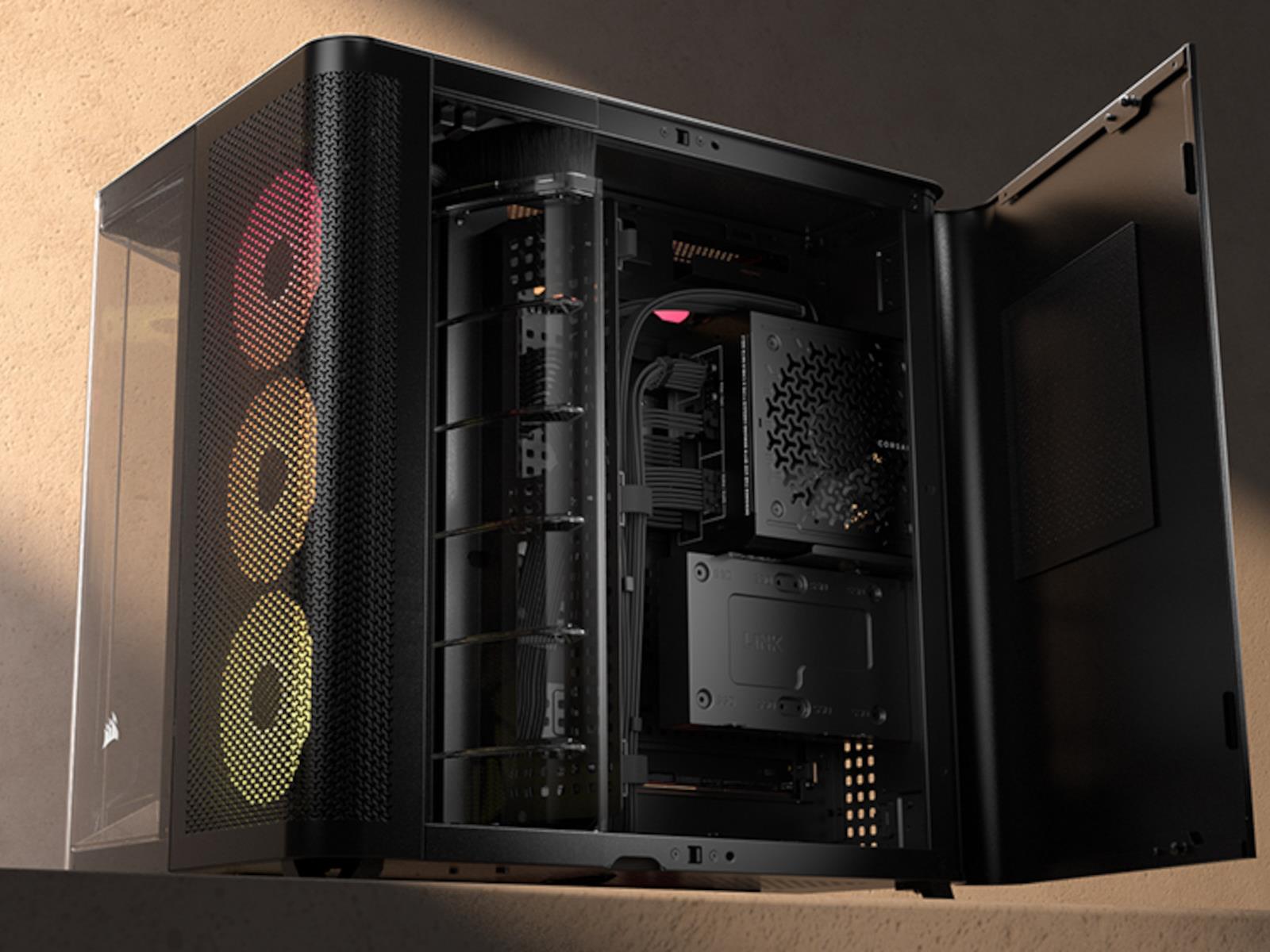
Corsair Unveils Air 5400 Triple-Chamber PC Case With Serious Cooling Chops And Glass Styling

Corsair Unveils Air 5400 Triple-Chamber PC Case With Serious Cooling Chops And Glass Styling
Corsair just launched the Corsair Air 5400, which is being marketed as the world’s first triple-chamber case. This somewhat-bulky advancement in PC case design does have a functional use, though—as Corsair demonstrates with its own benchmarks and airflow demonstrations, the whole purpose of the triple-chamber design is to further enhance cooling

FDA slows down on drug reviews, approvals amid Trump admin chaos

Amid the chaos of the Trump administration’s haphazard job cuts and a mass exodus of leadership, the Food and Drug Administration is experiencing a slowdown of drug reviews and approvals, according to an analysis reported by Stat News.

An assessment of metrics by RBC Capital Markets analysts found that FDA drug approvals dropped 14 percentage points in the third quarter compared to the average of the six previous quarters—falling from an average of 87 percent to 73 percent this past quarter. In line with that finding, analysts noted that the delay rate in meeting deadlines for drug application reviews rose from an average of 4 percent to 11 percent.

The FDA also rejected more applications than normal, going from a historical average of 10 percent to 15 percent in the third quarter. A growing number of rejections relate to problems at manufacturing plants, which in turn could suggest problems with the FDA’s inspection and auditing processes.

Read full article

Comments

It’s troll vs. troll in Netflix’s Troll 2 trailer

Netflix’s international offerings include some entertaining Norwegian fare, such as the series Ragnarok (2020–2023), a surprisingly engaging reworking of Norse mythology brought into the 21st century that ran for three seasons. Another enjoyable offering was a 2022 monster movie called Troll, essentially a Norwegian take on the classic Godzilla formula. Netflix just dropped a trailer for the sequel, Troll 2, which looks to be very much in the same vein as its predecessor.

(Spoilers for the first Troll movie below.)

Don’t confuse the Netflix franchise with 2010’s Trollhunter, shot in the style of a found footage mockumentary. A group of college students sets off into the wilds of the fjordland to make a documentary about a suspected bear poacher named Hans. They discover that Hans is actually hunting down trolls and decide to document those endeavors instead, but soon realize they are very much out of their depth.

Read full article

Comments

Elon Musk just declared war on NASA’s acting administrator, apparently

The clock just ticked past noon here in Houston, Texas, so it’s acceptable to have a drink, right?

Because after another turbulent morning of closely following the rough-and-tumble contest to become the next NASA administrator, I sure could use one.

What has happened now? Why, it was only SpaceX founder Elon Musk, who is NASA’s most important contractor, referring to the interim head of the space agency, Sean Duffy, as “Sean Dummy,” and suggesting he was trying to kill NASA. Musk later added, “The person responsible for America’s space program can’t have a 2 digit IQ.”

Read full article

Comments

AWS Isn’t the Only Company Holding Up the Internet

For many of us, Monday was a workday defined by the AWS outage. Amazon Web Services experienced intermittent issues, throwing a huge fraction of the internet into chaos, as the sites and services built on it faltered or stopped working altogether.

It was a sobering reminder that a lot of the world relies on AWS for networking, computing, and data storage. Truth be told, I was surprised to learn just how owned we really are, especially after a number of my work apps experienced issues. In fact, over four million business with a physical address use AWS for cloud-computing needs. It is the largest cloud infrastructure servicer in the world, with a whopping 30% of the market share. That’s why when a global outage like this occurs, it’s impossible to ignore: So many companies and products are affected, from streaming platforms like Prime Video, to social media sites like Facebook, that almost everyone who goes online will experience the disruption.

But 30% is not 100%. AWS might be the market leader, but it is not the entire market. There are plenty of other cloud infrastructure companies out there offering similar services—and posing similar risks should they experience outages.

Why use a cloud infrastructure company?

It’s not necessarily a bad thing for companies turn to an AWS for their computing needs. It’s simply much more cost efficient to outsource the resources necessary for running programs, storing data, and hosting traffic, especially as businesses rapidly grow and change. Rather than spend the time and money constantly purchasing and upgrading on-site hardware, companies can pay for servers as they go. Companies like AWS will scale up or down as needed, without interruption to service—until, of course, there is an interruption to services.

These companies can offer a host of cloud-based services and tools, including compute, databases, machine learning, networking, security, and storage. AWS just so happens to be the biggest of the bunch, but plenty of companies choose other cloud infrastructure options for their needs.

AWS alternatives

There are many other companies offering the same services as AWS, but for our purposes, I’m going to list seven of the most popular, starting with AWS’ main competitors:

  • Microsoft Azure: Microsoft’s cloud computing services is only second to AWS in terms of global market share. Microsoft obviously uses its own cloud infrastructure, but plenty of other companies do too, including Ralph Laruen, Best Buy, Procter & Gamble, Coca Cola, Abercrombie & Fitch, and even local, state, and federal governments.

  • Google Cloud: Google Cloud is the third largest player in this space, with companies like Lowe’s, Wendy’s, EA, Fox Sports, Bayer, and McLaren all using its services.

  • Alibaba Cloud: Alibaba Cloud has a large cloud computing market share, and is used by companies like Air Asia, Zara, Lenovo Group, and JNE Express.

  • Oracle Cloud: Oracle Cloud includes customers like Quest Diagnostics, Baylor University, Smeg, Northwell Health, DHL, and MEO.

  • Salesforce: Companies like Pacers Sports, Indeed, F1, and The Adecco Group use Salesforce’s data cloud services.

  • IBM Cloud: Deloitte, Pfizer, Harvard, Vodafone, and even the US Open purchase cloud products from IBM Cloud.

  • Tencent Cloud: You might know Tencent particularly from its massive games division, but its cloud services are also wide reaching. They include services for companies like L’Oréal Paris, Tim Hortons, and Dell, as well as its own subsidiaries like Supercell and DouYu.

If there’s a silver lining here, it’s that there are more than just two or three companies powering sites and services around the globe, and we’re not quite at the point where every company connected to the internet relies on AWS, Azure, and Google Cloud. That level of centralization would pose even larger risks than the ones we’re currently living with.

Still, present circumstance are, still pretty risky. AWS has 30% of the market share, Azure has 20%, and Google Cloud has 12%. Taken together, these three companies make up 62% of all cloud infrastructure companies around the globe. Yes, it’s good the other 38% is spread out amongst a collection of other players, but the risk of another AWS-like outage is high. Hopefully, following Monday’s debacle, there is work currently being done to prevent such a thing from happening again, but that’s being optimistic.

Upcoming iOS and macOS 26.1 update will let you fog up your Liquid Glass

Apple’s new Liquid Glass user interface design was one of the most noticeable and divisive features of its major software updates this year. It added additional fluidity and translucency throughout iOS, iPadOS, macOS, and Apple’s other operating systems, and as we noted in our reviews, the default settings weren’t always great for readability.

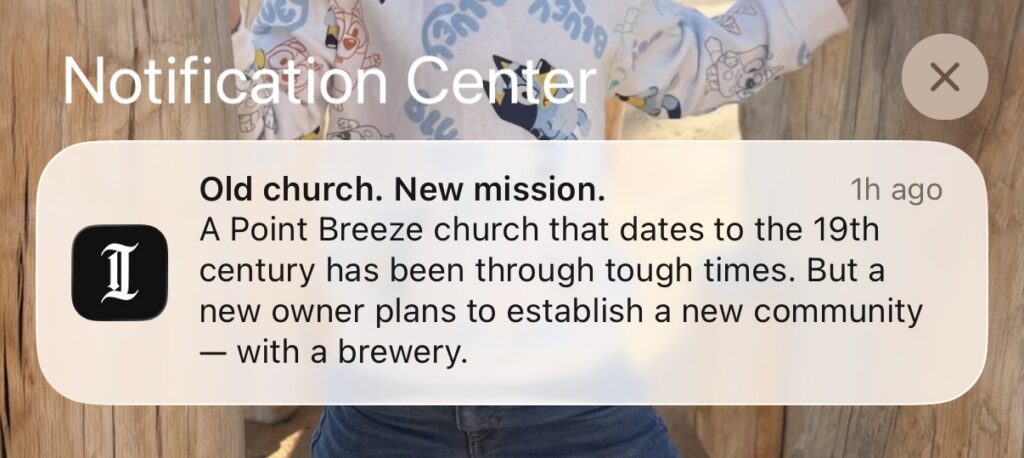
The upcoming 26.1 update for all of those OSes is taking a step toward addressing some of the complaints, though not by changing things about the default look of Liquid Glass. Rather, the update is adding a new toggle that will let users choose between a Clear and Tinted look for Liquid Glass, with Clear representing the default look and Tinted cranking up the opacity and contrast.

The default glassy look of the notifications in iOS 26.

The Tinted toggle fogs up the glass, preserving a hint of translucency.


Credit:

Andrew Cunningham

The toggle behaved less consistently in macOS 26.1, but here’s an example of the glassy look in the Photos app.


Credit:

Andrew Cunningham

And the same UI with the Tinted toggle turned on.


Credit:

Andrew Cunningham

The new toggle adds a half-step in between the default visual settings and the “reduce transparency” setting, which aside from changing a bunch of other things about the look and feel of the operating system is buried further down inside the Accessibility options. The Tinted toggle does make colors and vague shapes visible beneath the glass panes, preserving the general look of Liquid Glass while also erring on the side of contrast and visibility, where the “reduce transparency” setting is more of an all-or-nothing blunt instrument.

Read full article

Comments

OpenAI looks for its “Google Chrome” moment with new Atlas web browser

Back in 2008, Google launched the Chrome browser to help better integrate its industry-leading search engine into the web-browsing experience. Today, OpenAI announced the Atlas browser that it hopes will do something similar for its ChatGPT Large Language Model, answering the question “What if I could chat with a browser?” as the OpenAI team put it.

OpenAI Founder and CEO Sam Altman said in a livestreamed announcement that Atlas will let users “chat with a page,” helping ChatGPT become a core way that users interact with the place where “a ton of work and life happens” online. “The way that we hope people will use the Internet in the future… is that the chat experience and a web browser can be a great analogue,” he said.

The new browser is available for download now on MacOS, and Altman promised Windows and mobile versions would be rolled out “as quick as we can.”

Read full article

Comments

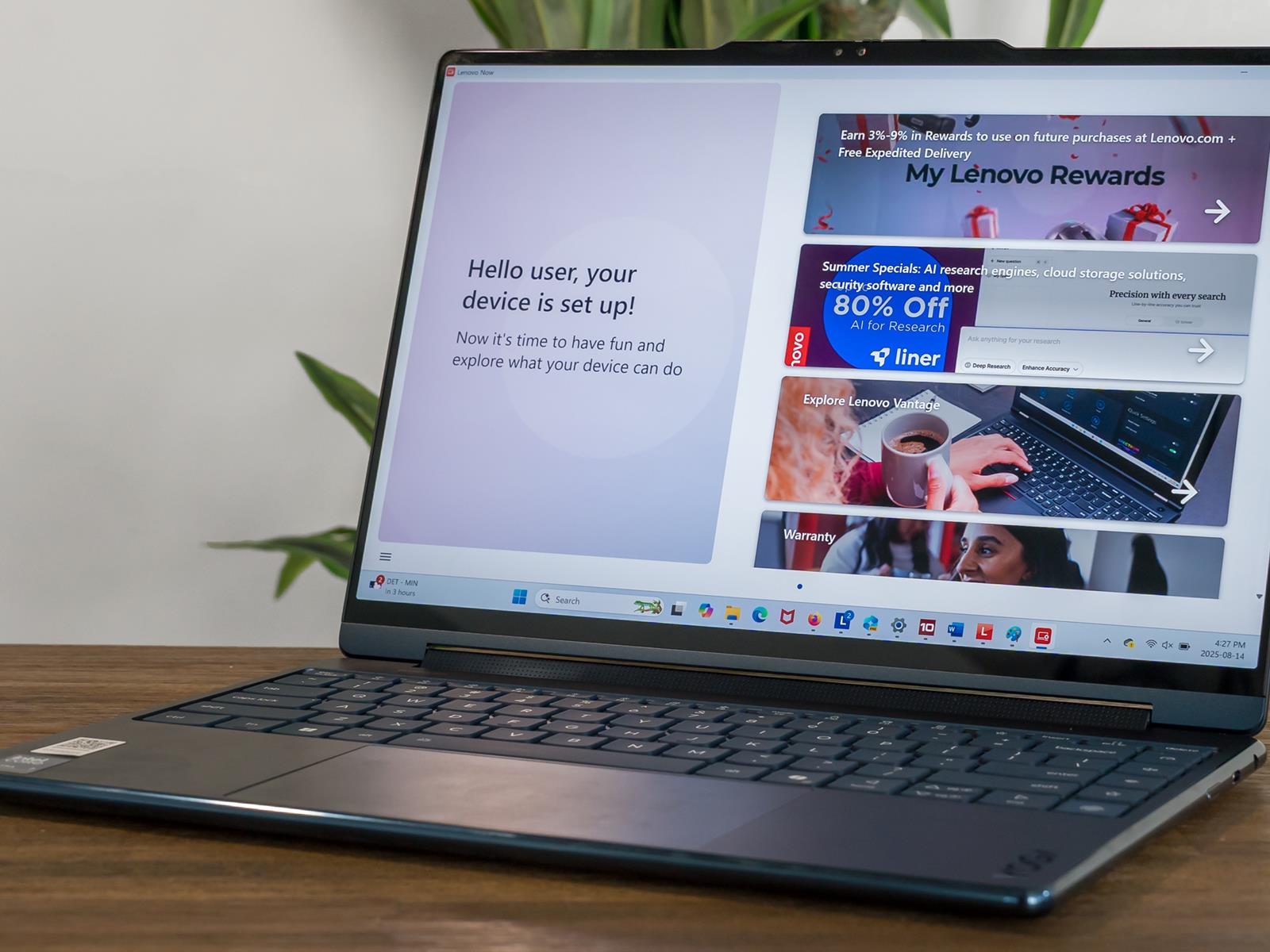
Lenovo Yoga 9i Aura Review: 2-In-1 OLED Beauty With All-Day Power

Lenovo Yoga 9i Aura Review: 2-In-1 OLED Beauty With All-Day Power
Lenovo Yoga 9i 2-in-1 Aura Edition: On Sale For $1,399 A premium OLED display with pen support, great build quality, and Intel’s Lunar Lake platform make the Lenovo Yoga 9i a versatile 2-in-1 laptop. Gorgeous OLED display Flexible 2-in-1 Yoga design Robust and versatile performance Excellent battery life Lenovo Pen serves a purpose OLED is…

AMD Ryzen 9 9950X3D2 With More 3D V-Cache May Be Coming Plus Another X3D CPU

AMD Ryzen 9 9950X3D2 With More 3D V-Cache May Be Coming Plus Another X3D CPU
Time was, processor companies released new CPUs a generation at a time. In the last several years, AMD has thrown that practice out the window. New CPUs come from the company whenever they’re good and ready, it seems, and supposedly, there are two more Zen 5 desktop chips with 3D V-Cache on the way: the Ryzen 7 9850X3D, and the Ryzen 9 9950X3D2.

This

Microsoft’s Emergency Windows 11 Update Arrives To Fix Recovery Failures

Microsoft's Emergency Windows 11 Update Arrives To Fix Recovery Failures
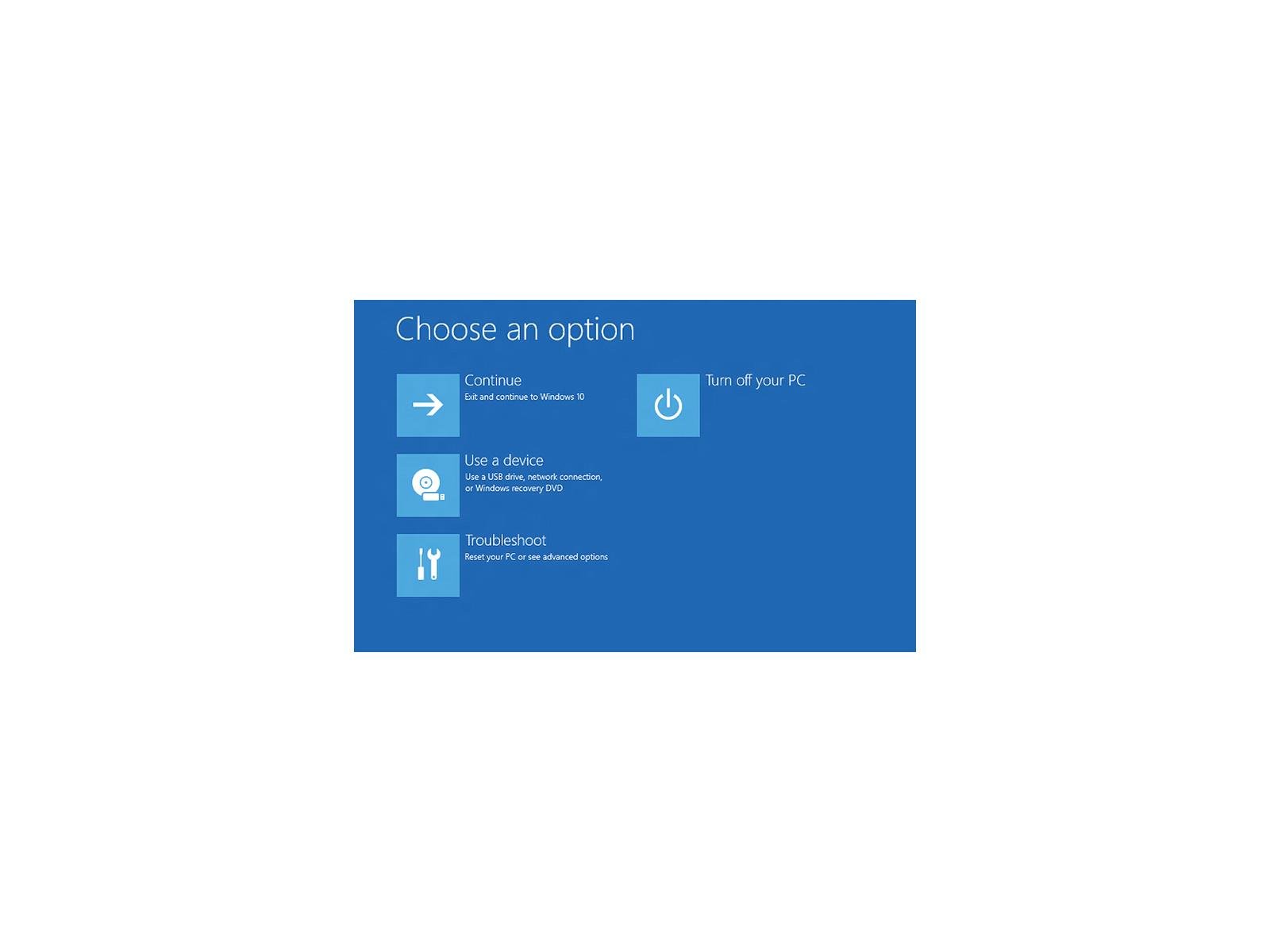
A few unfortunate users of the Windows 11 October 2025 update (and Windows Server 2025) may have stumbled upon a critical issue where the Windows Recovery Environment (WinRE) failed to pick up mouse or keyboard input—but thankfully, Microsoft has finally released a patch fixing the issue. Well, to a point, anyway…if you were actually impacted

YouTube’s likeness detection has arrived to help stop AI doppelgängers

AI content has proliferated across the Internet over the past few years, but those early confabulations with mutated hands have evolved into synthetic images and videos that can be hard to differentiate from reality. Having helped to create this problem, Google has some responsibility to keep AI video in check on YouTube. To that end, the company has started rolling out its promised likeness detection system for creators.

Google’s powerful and freely available AI models have helped fuel the rise of AI content, some of which is aimed at spreading misinformation and harassing individuals. Creators and influencers fear their brands could be tainted by a flood of AI videos that show them saying and doing things that never happened—even lawmakers are fretting about this. Google has placed a large bet on the value of AI content, so banning AI from YouTube, as many want, simply isn’t happening.

Earlier this year, YouTube promised tools that would flag face-stealing AI content on the platform. The likeness detection tool, which is similar to the site’s copyright detection system, has now expanded beyond the initial small group of testers. YouTube says the first batch of eligible creators have been notified they can use likeness detection, but interested parties will need to hand Google even more personal information to get protection from AI fakes.

Read full article

Comments

GM to end production of its Chevy Brightdrop electric vans

GM is ending production of the Chevy Brightdrop electric van, according to portions of a transcript of a recent earnings report published by The Verge. The decision was made due to slowing demand in the EV market, as hundreds of Brightdrop vans have begun piling up in dealer lots.

“This is not a decision we made lightly because of the impact on our employees,” CEO Mary Barra said in the earnings call. “However the commercial electric van market has been developing much slower than expected, and changes to the regulatory framework and fleet incentives has made the business even more challenging.”

Those changes to the regulatory framework she mentions likely refer to the recent disappearance of the federal EV tax credit. The policy offered prospective buyers a $7,500 tax credit and was supposed to wind down in 2032, but the Trump administration killed it back in September as part of the so-called Big, Beautiful Bill. Brightdrop vans were also eligible for a $7,500 rebate for commercial EVs under 18,000 lbs, which went away along with the tax credit.

In other words, Brightdrop electric vans are simply too expensive for most consumers. They started at $74,000. The double discount brought the starting price down to $59,000, but that’s gone now. Additionally, rival Ford’s E-Transit van starts at $51,600.

GM first launched the Brightdrop vans back in 2021, and this seemed to be a serious attempt to capture the commercial EV market. The company made its own fleet management software and inked deals with Walmart, FedEx and others. Money is money, however, and not too many commercial customers have an extra $15,000 laying around to make up for those lapsed credits and rebates.

This article originally appeared on Engadget at https://www.engadget.com/transportation/evs/gm-to-end-production-of-its-chevy-brightdrop-electric-vans-183622673.html?src=rss

Satellite operators will soon join airlines in using Starlink in-flight Wi-Fi

A little over a year ago, one of SpaceX’s Crew Dragon spacecraft flew a team of four private astronauts to orbit on a mission that made history with the first fully commercial spacewalk.

Jared Isaacman and Sarah Gillis briefly floated out the door of the Dragon capsule, wearing SpaceX-built pressure suits to protect them against the hostile environment of space. It was the first time anyone ventured outside of their spacecraft without the involvement of a government space agency.

The mission, named Polaris Dawn, made an important contribution in another area. It was the first space mission to connect with SpaceX’s Starlink broadband network, using laser links between the Dragon spacecraft and Starlink satellites to communicate with the Earth.

Read full article

Comments

“Butt breathing” might soon be a real medical treatment

Last year, a group of researchers won the 2024 Ig Nobel Prize in Physiology for discovering that many mammals are capable of breathing through their anus. But as with many Ig Nobel awards, there is a serious side to the seeming silliness. The same group has conducted a new study on the feasibility of adapting this method to treat people with blocked airways or clogged lungs, with promising results that bring rectal oxygen delivery one step closer to medical reality.

As previously reported, this is perhaps one of the more unusual research developments to come out of the COVID-19 pandemic and its associated shortages of ventilators and artificial lungs to assist patients’ breathing and prevent respiratory failure. The Cincinnati Children’s Hospital Medical Center team took their inspiration from the humble loach, a freshwater bottom-dwelling fish found throughout Eurasia and northern Africa. The loach (along with sea cucumbers) employs intestinal breathing (i.e., through the anus) rather than gills to survive under hypoxic conditions, thanks to having lots of capillary vessels in its intestine. The technical term is enteral ventilation via anus (EVA).

Would such a novel breathing method work in mammals? The team thought it might be possible and undertook experiments with mice and micro-pigs to test that hypothesis. They drew upon earlier research by Leland Clark, also of Cincinnati Children’s Hospital, who invented a perfluorocarbon liquid called Oxycyte as a possible form of artificial blood. That vision never materialized, although it did provide a handy plot point for the 1989 film The Abyss, in which a rat is able to “breathe” in a similar liquid.

Read full article

Comments

France and Spain Call on EU To Uphold 2035 Combustion Engine Ban

France and Spain are calling on the European Union to stick with plans to ban combustion engine cars in the bloc after 2035, at odds with German Chancellor Friedrich Merz ahead of a meeting of leaders in Brussels this week. From a report: The European Commission, the bloc’s executive branch, is currently reviewing rules designed to accelerate the automotive sector’s green transition. Merz has called on the bloc to give up its 2035 deadline to help Germany’s troubled car industry.

France and Spain “hope that the upcoming review will preserve the 2035 cap and the environmental ambition of the CO2 emissions trajectory that underpins it,” a paper presented to climate ministers in Luxembourg on Tuesday, and seen by Bloomberg says. “This revision should in no way call into question the zero emissions exhaust target in 2035.”


Read more of this story at Slashdot.

Cards Against Humanity lawsuit forced SpaceX to vacate land on US/Mexico border

A year after suing SpaceX for “invading” a plot of land on the US/Mexico border, Cards Against Humanity says it has obtained a settlement and will provide supporters with a new pack of cards about Elon Musk.

The party-game company bought the land in 2017 in an attempt to stymie President Trump’s wall-building project, but alleged that SpaceX illegally took over the land and filled it with construction equipment and materials. A September 2024 lawsuit filed against SpaceX in Cameron County District Court in Texas sought up to $15 million to cover the cost of restoring the property and other damages.

Cards Against Humanity, which bought the property with donations from supporters, told Ars today that “we’ve been in negotiations with SpaceX for much of the last year. We held out for the best settlement we could get—almost until the trial was supposed to start—and unfortunately part of that negotiation was that we’re not allowed to discuss specific settlement terms. They did admit to trespassing during the discovery phase, which was very validating.”

Read full article

Comments