After nine years as CEO of the studio behind Control and Alan Wake, Tero Virtala has departed the role. Remedy cofounder Markus Mäki is taking over on an interim basis (and stepping down as chairman of the board) while the company looks for a permanent CEO. Henri Österlund, a board member since 2017, is Remedy’s new chairman.
“I want to thank Tero Virtala for his substantial contribution to the management of Remedy since 2016,” Mäki said in a statement. “I personally thank Tero for good cooperation and wish him all the best for the future.” Virtala will remain at Remedy for a transition period to help with the handover of CEO duties.
Remedy didn’t spell out the reasons as to why Virtala is leaving as CEO, but said it was by mutual consent. However, it’s been a rough year for Remedy after its latest game, FBC: Firebreak, failed to meet sales expectations. Earlier this month, the company issued a profit warning to investors and lowered “its long-term sales forecast for the game.” Remedy now expects its operating profit for the year to be in the red after recognizing a “non-cash impairment” of €14.9 million ($17.3 million) related to FBC: Firebreak development costs as well as publishing and distribution rights.
FBC: Firebreak (a co-op Control spinoff) arrived in June and while the game reached half a million players in its first 10 days, most were on consoles, where it was available via PlayStation Plus and Game Pass Ultimate. Remedy said in August the game had underperformed on Steam, which the company had intended as its “primary consumer sales channel on PC.”
After feedback from players, Remedy swiftly rolled out multiple patches for FBC: Firebreak — its first multiplayer title — to try to improve the game. It released the first major update for FBC: Firebreak last month to revamp the core gameplay and overhaul the onboarding experience. However, that didn’t fully turn the tide. “Despite improved player and sales metrics after the update, sales have not reached Remedy’s internal targets,” the company said in its profit warning.
Another major FBC: Firebreak update is planned for November, which will add a new game mode as well as cross-platform voice chat. Remedy also has Control 2in the oven, as well as remakes of the first two Max Payne games.
This article originally appeared on Engadget at https://www.engadget.com/remedys-ceo-is-out-amid-the-struggles-of-fbc-firebreak-151023995.html?src=rss
As a rule of thumb, if you receive an unsolicited text, especially one claiming to include a security code, it’s likely part of a phishing scheme. Such is the case with a recent spate of unprompted texts purporting to be from the crypto wallet service Coinbase. If you receive such a message, even if you have a Coinbase account, delete it. Someone is likely trying to scam you.
Coinbase isn’t texting you
Here’s how the scam works: You receive an unsolicited text message that reads “Your Coinbase withdrawal code is…” followed by a six-digit number. The message continues: “Please do not share this code with anyone. If you have no requested this, please call:” followed by a phone number and a reference number.
On the surface, this seems like a fairly standard two-factor authentication (2FA) code. Most companies include a similar warning in their messages when sending along your code, as hackers really want you to give them those digits. In many cases, a 2FA code the only thing standing between them and your account, so companies want to ensure you don’t hand yours over to someone else.
Unfortunately, this text is an example of the opposite: a scammer impersonating the language of a legitimate company in order to gain your trust. The hope on the scammer’s part is that you receive this text and assume that it’s real, but worry, because you know you didn’t request a 2FA code. Since you now trust that the message really is from Coinbase, you might turn to the contact number conveniently included with the message to follow up. Hey, they’ve even attached a reference number, so the “Coinbase rep” you talk to can track your issue. How considerate.
In reality, this is one big scam. If you called the number, the scammer will likely continue the charade, perhaps by assuring you that they’ll help secure your account. My guess is that the scammer would ask you to “verify” your Coinbase login credentials, which they would enter on their end, triggering the legitimate 2FA process. Once you receive that code, the scammer might ask you to tell them what it is as part of verification process. But once they have that code, they can log into your account for real, change the password, and lock you out. Bye bye crypto.
If you’re a Coinbase user, this definitely seems concerning, but don’t worry too much: I’ve been getting these scam texts myself, and I don’t have a Coinbase account. While scammers might be targeting Coinbase users who have had their information leaked in data breaches, it’s more likely they’re simply sending these scam texts to leaked phone numbers en masse. They’ll likely snag some anxious Coinbase users in their net, but I’m sure they’d happy “chat with” anyone who doesn’t have a Coinbase account who happens to call, too. “Oh, you don’t have a Coinbase account? No problem, we’ll get this cleared up for you. Can you just confirm your Social Security number for us, so we can make sure you’re really not in our system?”
What to do when you get a suspicious texts
It can be tempting to respond to these texts once you know they are scams, especially when the goal is to simply waste the scammer’s time. But as fun as that can be, my advice is to ignore these texts whenever you receive them. While the immediate risks are diminished once you know the “rep” is really malicious, responding to these texts lets the scammer know your number is active, and, in response, they might file it away for a future scam attempt. Scammers can also be clever. If you’re not careful, you might give away more information than you realize while you’re “messing” with them. Part of a phishing scheme is establishing a rapport: The scammer wants to lull you into a false sense of security so you give them personal details that might help them steal your info or break into accounts.
The best thing you can do is to delete these texts whenever you receive them. If your messaging app of choice gives you the option to report the text as spam, all the better.
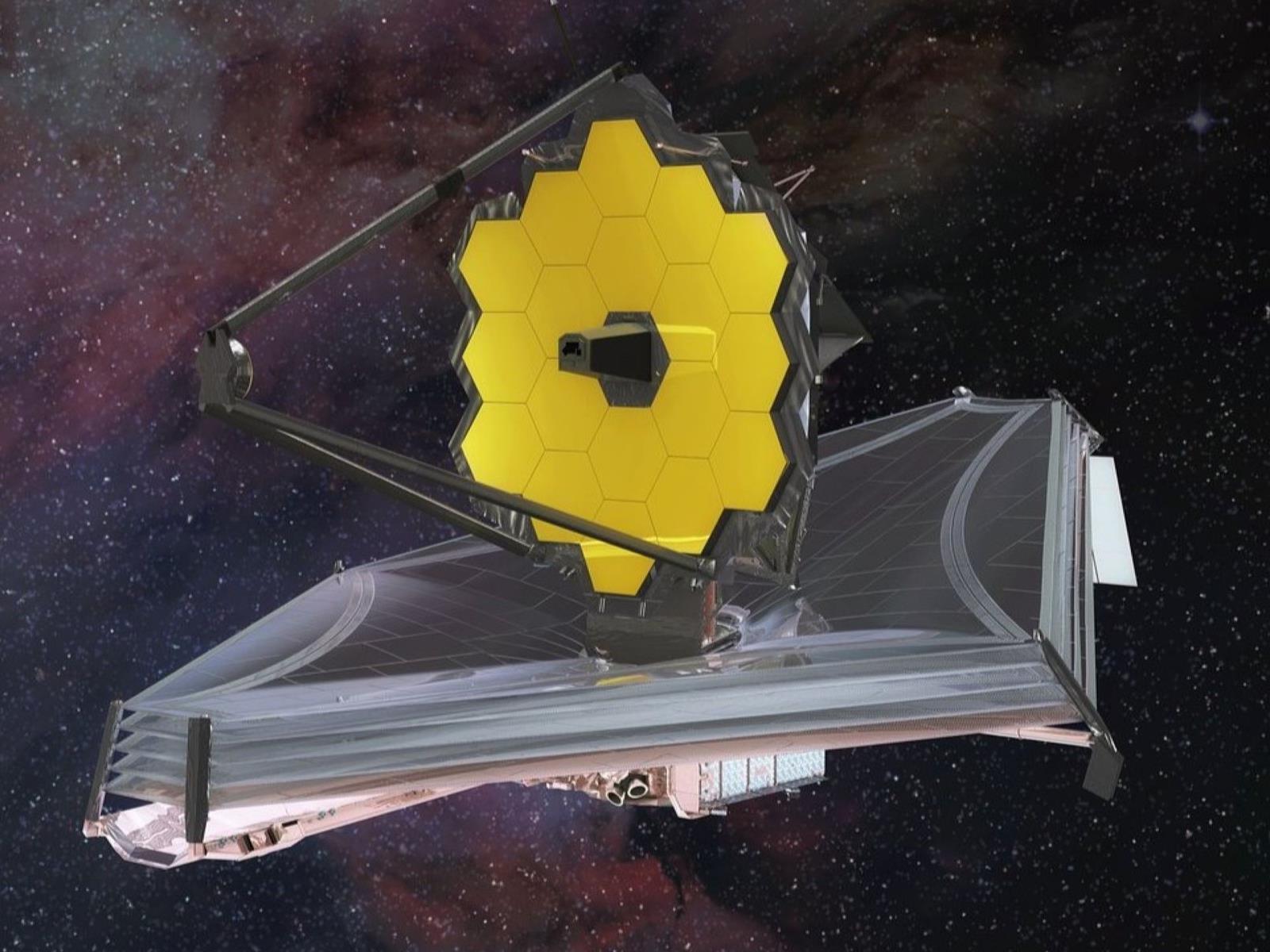
James Webb Space Telescope (JWST) continues to peel back layers of our cosmic viewpoint: its latest discovery reveals that the youth of the universe was sometimes quite the jumbled mess. Astronomers have found that galaxies just a few hundred million years after the Big Bang were not the tidy, well-organized structures that current models
More than 1,100 public figures have signed a statement calling for a prohibition on the development of superintelligence. The signatories included Nobel laureate Geoffrey Hinton, former Joint Chiefs of Staff Chairman Mike Mullen, Apple co-founder Steve Wozniak, entrepreneur Sir Richard Branson, former chief strategist to President Trump Steve Bannon and Turing Award winner Yoshua Bengio. The statement was organized by the Future of Life Institute, led by Anthony Aguirre, a physicist at the University of California, Santa Cruz. It proposes halting work on superintelligence until there is broad scientific consensus on safety and strong public support.
The institute’s biggest recent donor is Vitalik Buterin, a co-founder of Ethereum. Notable tech executives did not sign the statement. Meta CEO Mark Zuckerberg said in July that superintelligence was now in sight. OpenAI CEO Sam Altman said last month he would be surprised if superintelligence did not arrive by 2030.
NVIDIA is determined to share the fruits of its labor with Unreal Engine 5 developers, and has now released a Bonsai Diorama demo showcasing several features, including RTX Mega Geometry, to the public.
Before AMD users get too concerned: no, RTX Mega Geometry won’t make an end product NVIDIA-exclusive—rather, it’s meant to accelerate the
Uber Green is rebranding to Uber Electric, and to coincide with the name switch — a move designed to make it clearer for Uber users preferring to hail zero-emissions rides — the company will incentivise its drivers to swap their current vehicle for an EV by way of a $4,000 grant. According to Uber’s numbers, there are currently more than 200,000 EVs on its global network, and drivers are switching to electric up to 5x faster than regular motorists in the US, Canada and Europe.
Uber’s carrot for drivers is particularly timely given that President Trump’s “Big, Beautiful Bill“ recently wiped out the federal tax credit on used EVs, which was worth (at its maximum value) the same amount as its new “Go Electric” EV grant. The grant automatically qualifies drivers in New York City, California, Colorado, and Massachusetts to receive $4,000 when they switch to an EV. Grants are available for both new and used electric vehicles, and Uber drivers nationwide can also get $1,000 when they purchase any new or used EV through TrueCar.
Uber has also announced that it’s rolling out its battery-aware matching (BAM) feature to EVs made by Kia, Hyundai, Ford, Nissan, Volkswagen, and Mercedes-Benz in 25 countries including the US and Canada. This allows drivers to connect their vehicle to the Driver app, and will subsequently only receive ride requests that they are able to fulfill with their remaining range at the time. Uber said that 49 percent of non-EV drivers on its platform are put off switching to an EV due to battery-related concerns, which the expansion of BAM should help alleviate.
The Uber Electric rebrand follows Uber transitioning Uber Green to fully electric in the US earlier this year, where previously it has consisted of a mix of hybrids and all-electric vehicles. Riders are also being enticed to seek EV drivers, with Uber offering them 20 percent off (up to $8) their next electric ride with code GOELECTRIC20, which is valid for a week.
This article originally appeared on Engadget at https://www.engadget.com/transportation/evs/uber-will-pay-drivers-4000-to-switch-to-an-ev-144704532.html?src=rss
We may earn a commission from links on this page. Deal pricing and availability subject to change after time of publication.
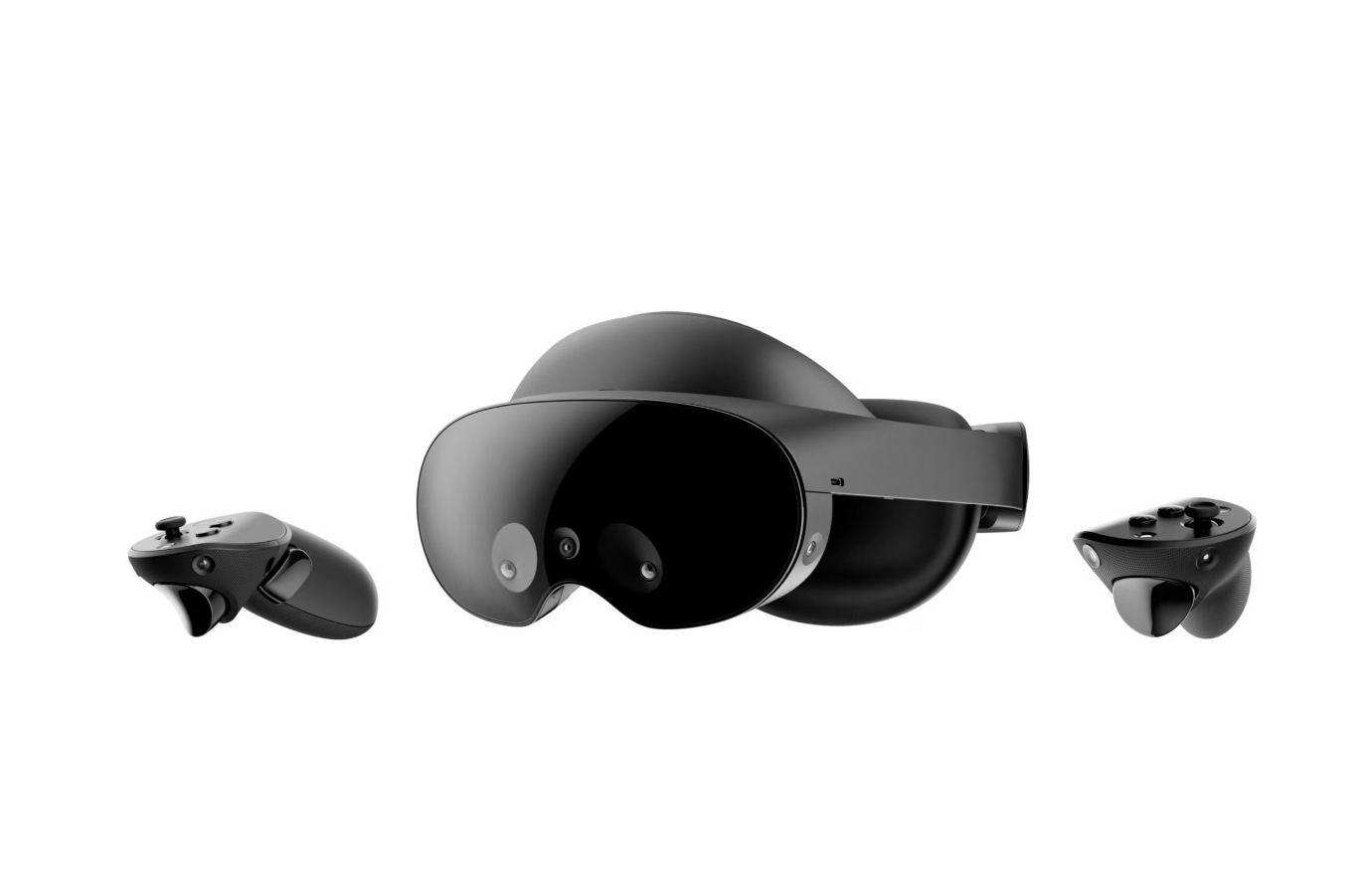
The Meta Quest Pro is currently down to $799.95 at Walmart, a $200 drop from its original $999 price tag and a solid $90 less than what Amazon is asking right now. It’s one of the most advanced VR and mixed reality devices you can buy without needing a gaming PC (meaning you can dive straight into immersive apps and environments right out of the box). PCMag named it the best VR headset of 2022, and even two years later, it remains one of the most well-built and feature-rich VR headsets around.
It’s stylish, comfortable, and built for extended use, with a balanced strap design that places the battery at the back to distribute weight evenly. Battery life, though, is short—around two hours per charge—which might be its biggest limitation for heavy users. Inside, the hardware is serious: a Snapdragon XR2+ chip (which Meta says is 50% faster than the Quest 2), 12GB of RAM, and 256GB of storage. Each lens delivers 1,920 by 1,800 resolution per eye with improved contrast and a 130% wider color gamut, thanks to a local dimming backlight. That means brighter highlights, deeper blacks, and a much sharper image overall.
As for the Quest Pro’s controllers, Meta removed the bulky tracking rings and replaced them with built-in cameras, so each controller tracks itself independently. The result is smoother hand movement and better precision for things like drawing or sculpting in 3D. Eye and face tracking are also part of the package, letting your avatar mimic your actual expressions in real time. That said, if you want full immersion, you’ll need the $32.90 light blocker since the default face padding lets light leak in from the sides, notes this PCmag review.
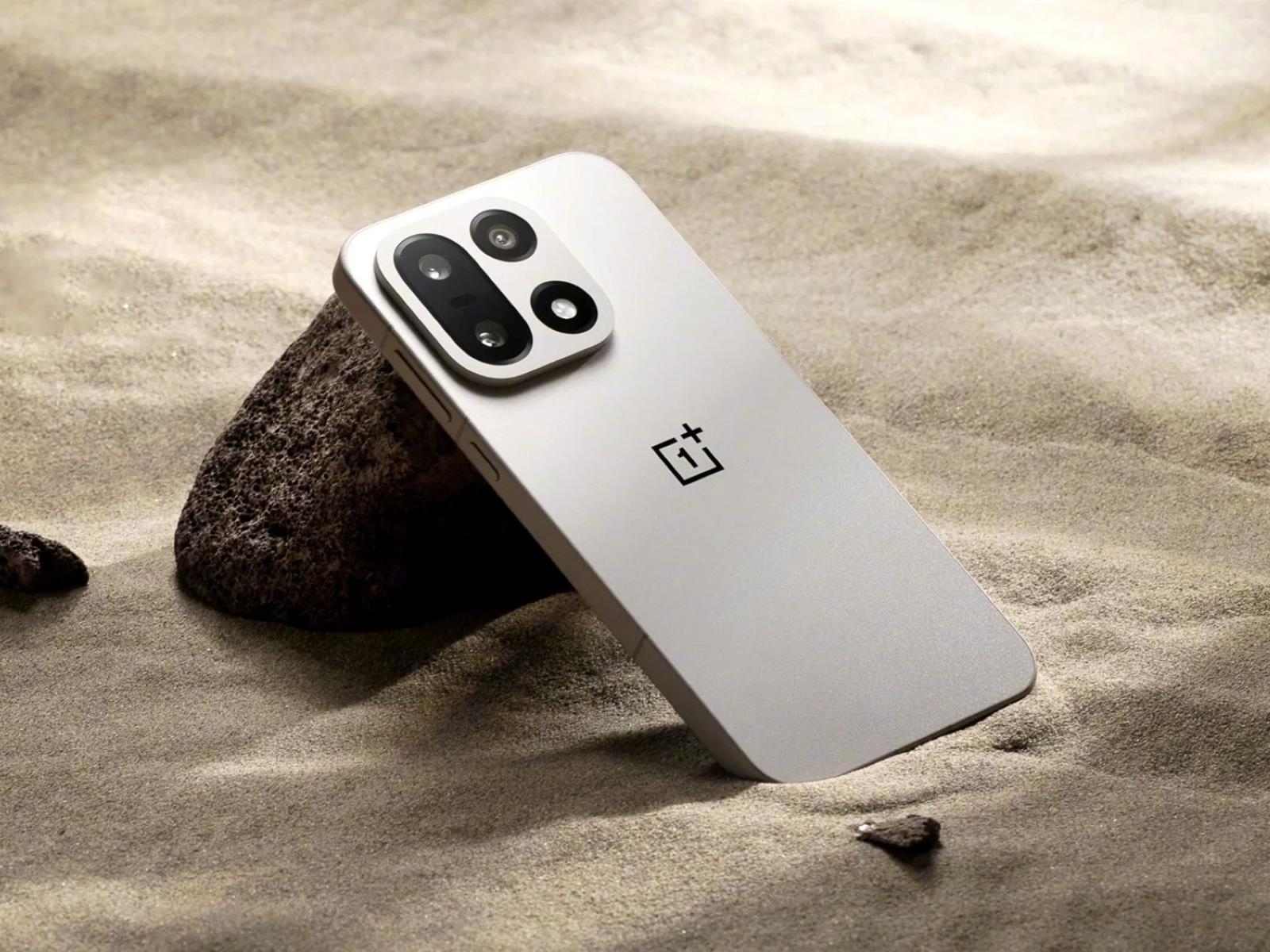
With the impending OnePlus 15 debuting in China on October 27, OnePlus has, like in the past, the potential to shake up the flagship smartphone market once more. The device’s final details, pieced together from new leaks, point to a flagship that not only pushes the high-performance angle but comes with a more accessible MSRP plus upgraded
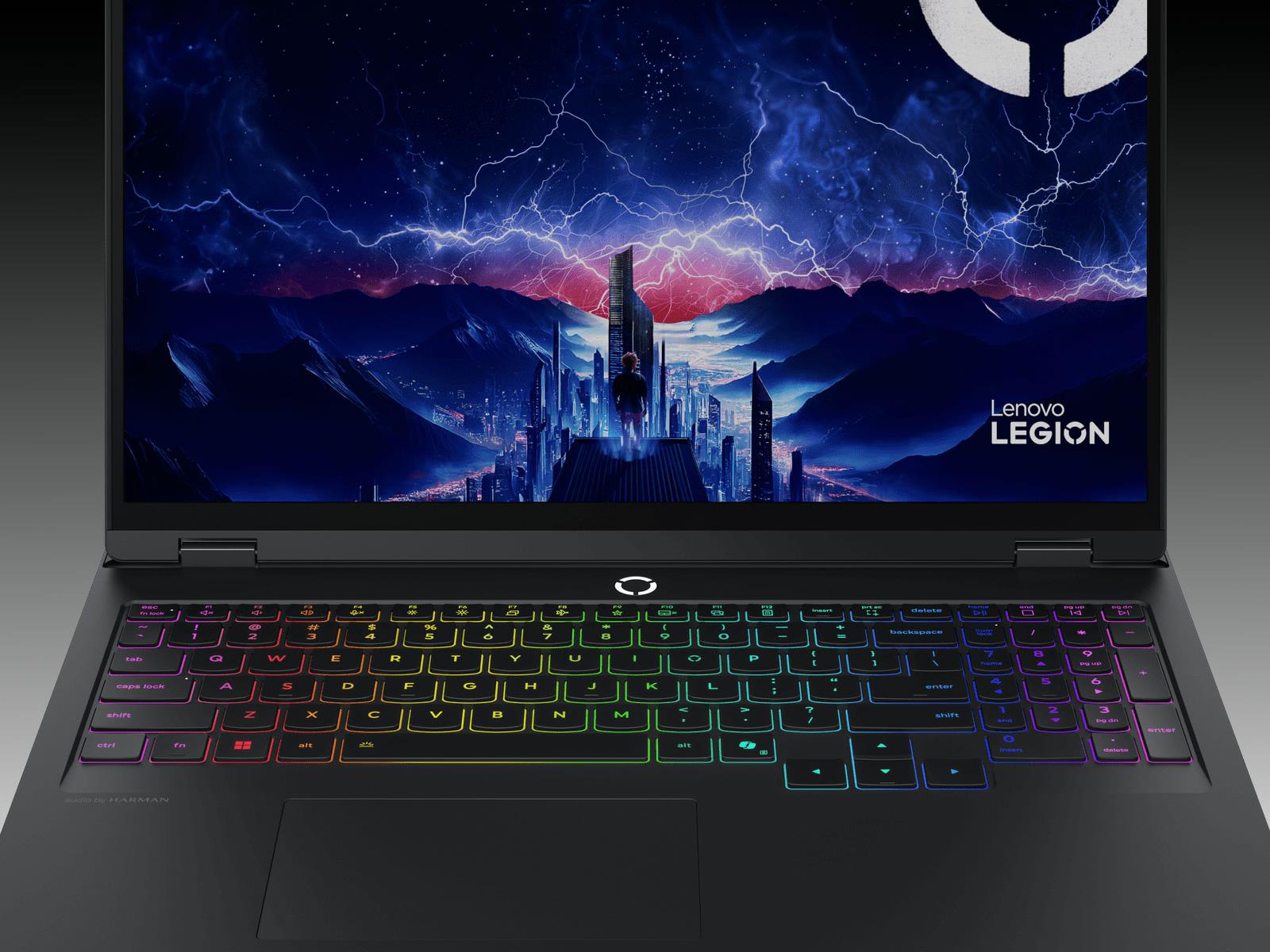
Lenovo is currently serving up the least expensive gaming laptop to sport a mid-range GeForce RTX 5060 GPU, though to get the low price, you need to input a couple of stackable coupon codes. Once you do, the retail cost drops by a staggering $530 versus MSRP, making this the most affordable laptop option with the aforementioned GPU. It’s also
Early Monday, an Amazon Web Services outage disrupted banks, games, and Peloton classes. Eight Sleep customers faced a different problem. Their internet-enabled mattresses malfunctioned. People woke to beds locked in upright positions, excessive heat, flashing lights, and unexpected alarms. Matteo Franceschetti, the company’s chief executive, apologized and said engineers were building an outage-proof mode. By Monday evening, all devices functioned again, though some experienced data processing delays. The mattresses adjust temperature between 55 and 110 degrees and elevate bodies into different positions. They activate soundscapes and vibrational alarms. The advanced models cost over $5,000. A yearly subscription of $199 to $399 is required for temperature controls.
If I had a dollar for every time a vehicle manufacturer launched a new in-car software experience designed to achieve the same levels of user experience as your average tablet or smartphone, I’d probably have about enough cash for a decent lunch at a middling restaurant. It’s a common refrain, and yet after years of hearing that same story over and over, I still find myself firing up Android Auto or Apple CarPlay as soon as I get into just about every new car I evaluate.
At the launch of the 2026 Toyota RAV4, I heard that story yet again, about how they’d rewritten their in-car software to deliver an experience like that found in modern mobile devices. And I have to say, for once, they might have actually delivered. Toyota’s latest SUV has voice and touch capabilities that are not only quick and responsive but genuinely pleasant to use. And thankfully, the rest of the SUV has been upgraded to match.
The RAV4 has been in production for over 30 years now. This, the sixth generation, comes hot on the heels of its predecessor becoming the world’s best-selling car in 2024. Over 1.1 million were sold last year, which goes a long way towards explaining why you can’t kick a pebble in a grocery store parking lot without hitting a RAV4.
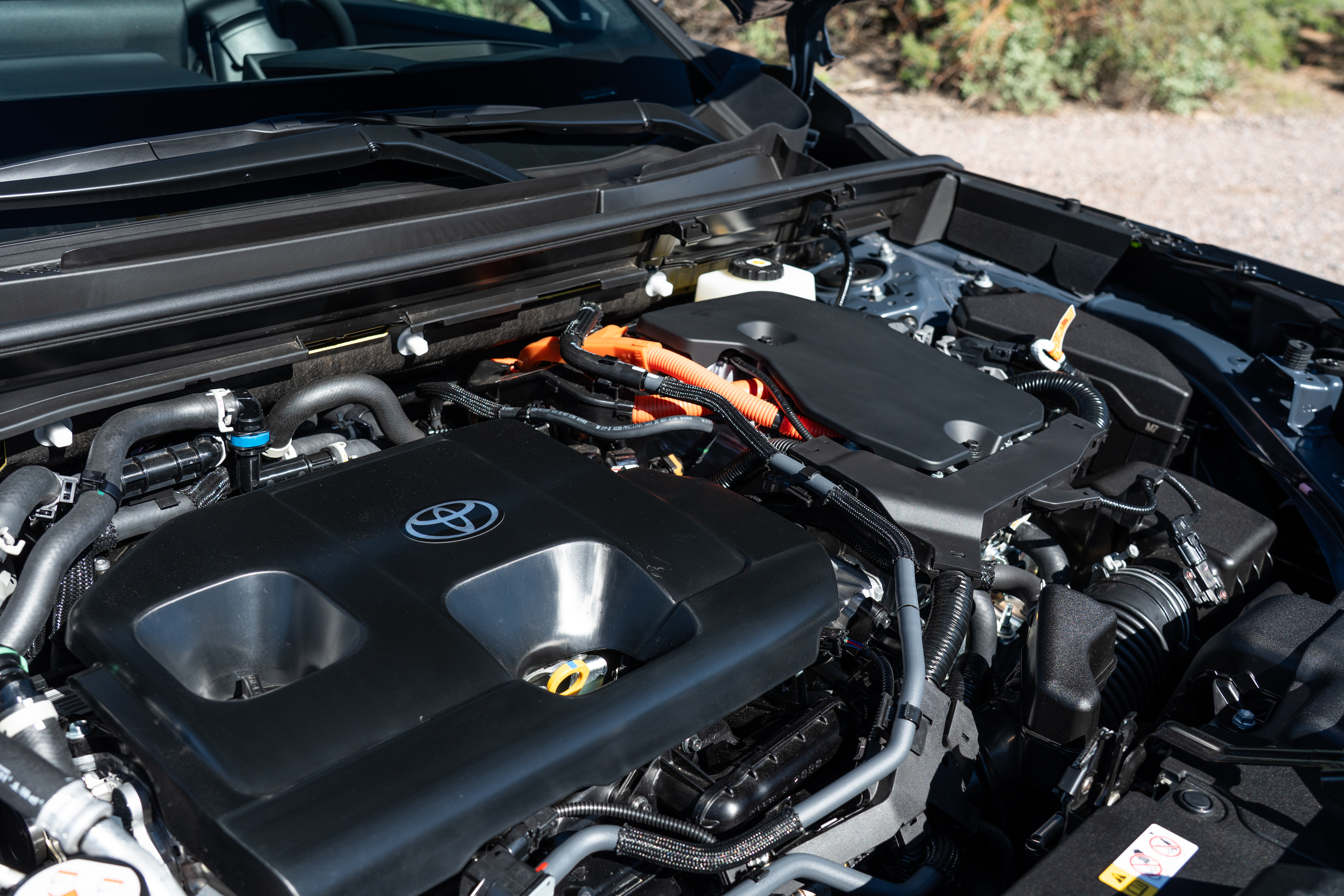
The overall changes for the 2026 RAV4 aren’t radical, but they are appreciated. For starters, every trim of this SUV is a hybrid, with base models powered by a 2.5-liter four-cylinder engine that drives the front wheels, offering 226 horsepower. Those wanting all-wheel drive can add another electric motor at the back, adding a little more power (10 hp) and a good bit more drive for low-grip situations.
For 2026, every trim of the RAV4 is a hybrid.
Tim Stevens for Engadget
From there, buyers can step up to a revised plug-in hybrid model, which now makes 324 horsepower, up 22 from before. Fuel economy is up too, up to 48 mpg depending on what trim you choose, and you can now get up to 52 miles of range from a 22.7 kWh battery pack in the plug-in.
And that’s usable range. I took a RAV4 XSE plug-in edition out for a morning drive and covered nearly 20 miles without spinning up the engine. Even at highway speeds the RAV4 was slow but perfectly manageable. With that much range and even reasonably quick DC charging (50 kW maximum), it’s easy to see this as the introduction to EVs for many.
For better or worse, that DC charging is handled on a CCS port, not the newer NACS ports that most manufacturers (even Toyota) are using on their EVs. The lack of any kind of vehicle-to-load functionality is a bummer, too, especially on the rugged-ish Wilderness edition, which would seemingly be a perfect machine for powering a campsite.
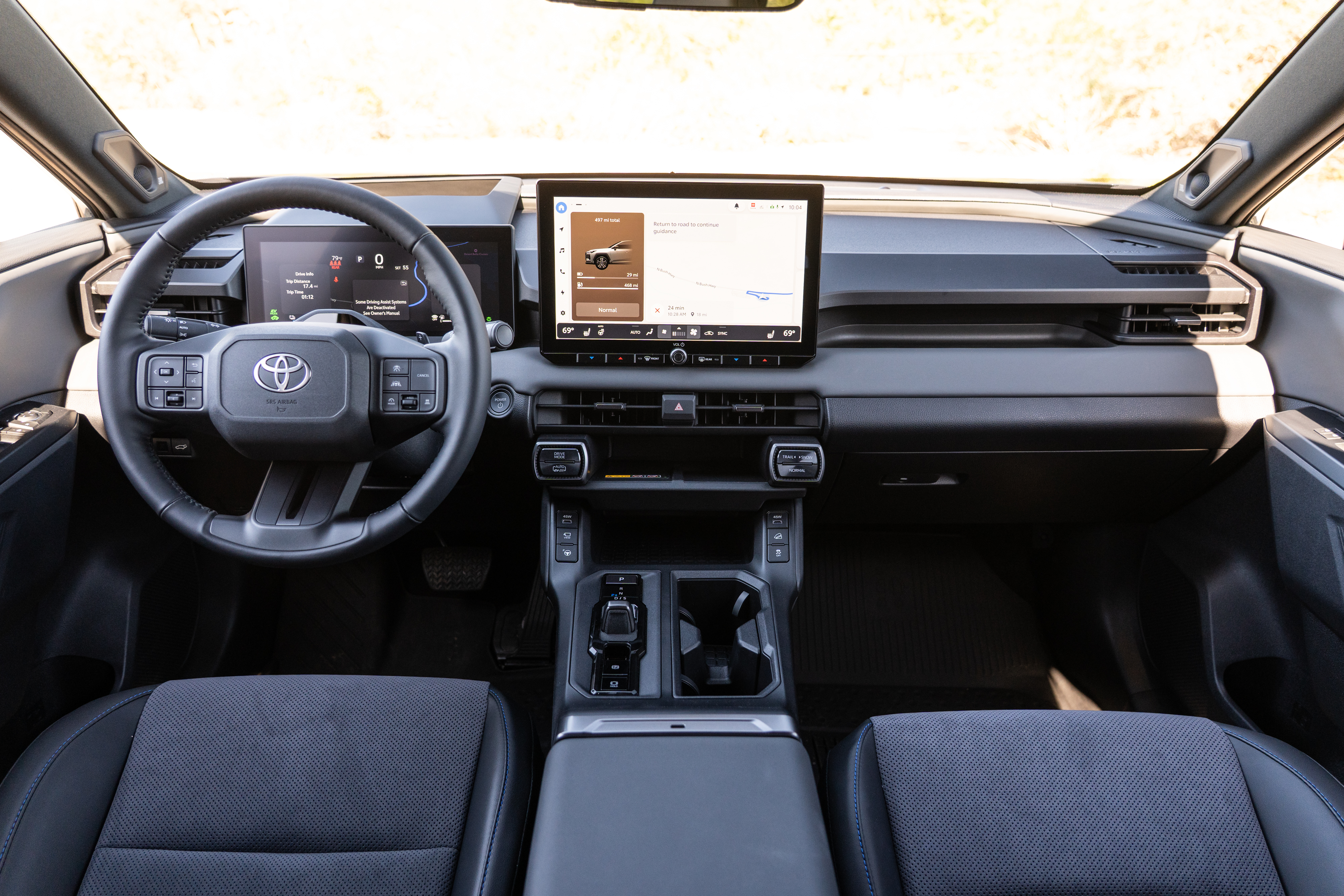
Regardless of which trim you go with, you’ll get that new software system running on either a 10.5-inch touchscreen on the lower trims or a 12.9-inch display on higher-end machines. The overall experience is the same, looking bright and crisp either way, just with more finger-friendly controls on the bigger panel.
Toyota’s revamped software is quick and responsive, especially the voice assistant.
Tim Stevens for Engadget
Toyota’s software layout is familiar, with a vertical column of icons on the left for toggling between major sections like media or navigation, and then a row of controls along the bottom for controlling the car’s heating, ventilation and cooling system. The rest of the display is taken up by a customizable series of panels. As you swipe from left to right, you swing through different pages, which you can move around and rearrange as you like. None of this is particularly revolutionary, but is pleasantly responsive. Swiping from page to page was quick and easy, without any annoying lag waiting for content to load.
That responsiveness continued through to the voice assistant, which is the quickest I’ve ever used in a car. Just say “Hey, Toyota” and ask for whatever you want. When asked for pizza, the voice assistant listed nearby joints, even quoted their star rating and offered navigation, all without the annoying round-trip processing lag that’s common in these systems. Some of that speed might be thanks to the addition of 5G connectivity (provided by AT&T), but there’s surely some quicker hardware running beneath the skin powering the Linux-based software.
The car’s integrated navigation was also easy to use, quick to route and re-route and features all the points of interest you could ever want. There’s even an integrated dashcam feature that will record any incidents on the road, or whatever else you feel like highlighting, while also storing the footage from the SUV’s other cameras.
Despite the quality experience through the touchscreen, Toyota didn’t take this as an opportunity to delete all the car’s buttons. You’ll still find physical controls for all the major features, including (praise be) a volume knob. It was all good enough to make me not feel compelled to reach for my phone, but of course, I did in the interest of testing. Both wireless Android Auto and Apple CarPlay are supported, not only in the main touchscreen but also able to feed navigation details into the 12.3-inch digital gauge cluster. That, too, is customizable, with a series of panels of information that hover over your phone’s map view.
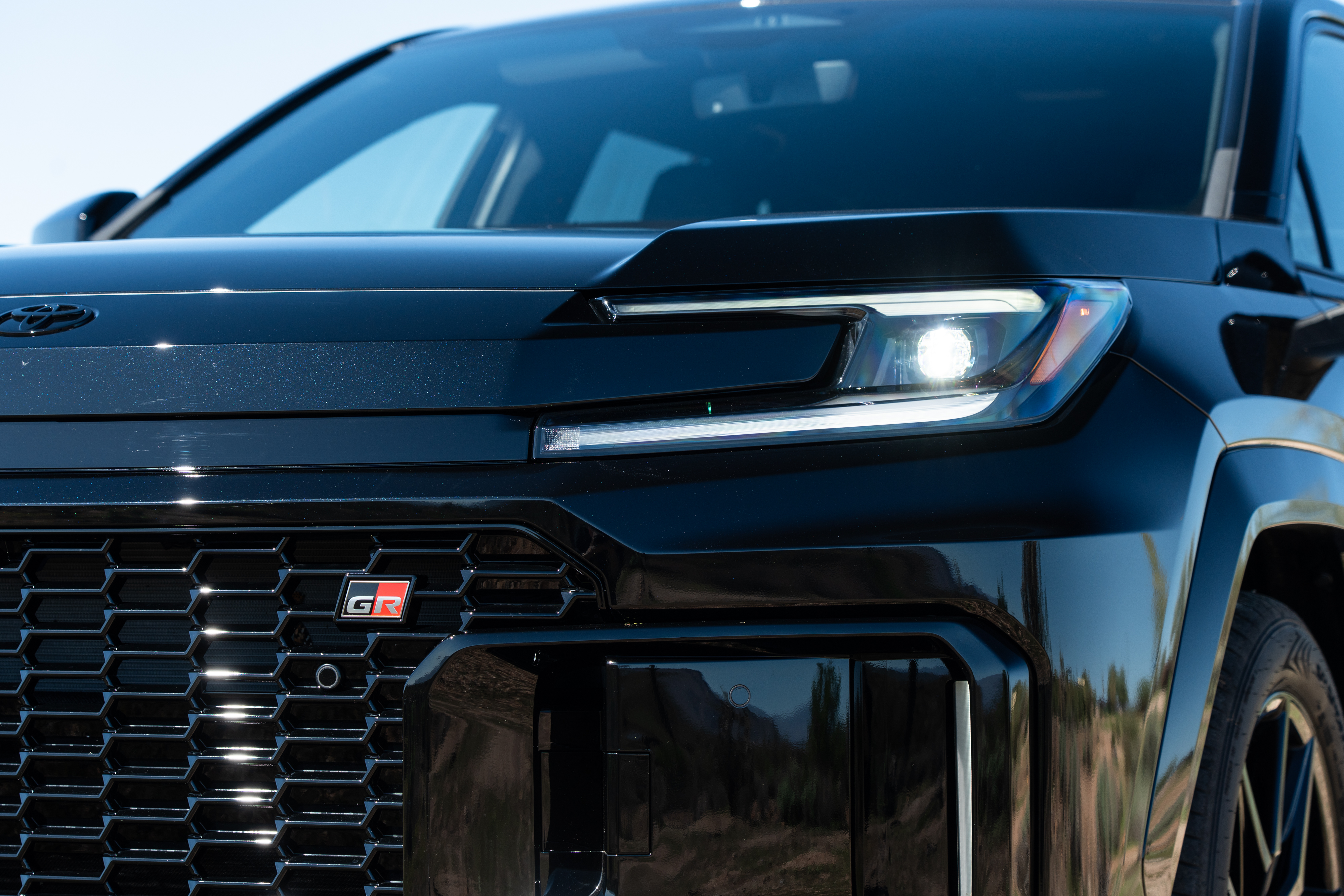
The meaner, sportier GR Sport edition.
Tim Stevens for Engadget
So, even if you still prefer your phone, you’re covered, and powered, too. The RAV4 has a pair of Qi wireless chargers, conveniently situated in the center stack just below the HVAC controls. You’ll also find two 45-watt USB-C ports up front, plus a pair of 15-watt ports in the back for rear-seat passengers.
The new RAV4 has a roomy, comfortable cabin with some fun touches, like a neoprene-like insert in the dash that’s pleasant to touch. The overall interior design won’t win any awards for dramatic styling or eye-catching flair, but it’s comfortable and seems like the kind of thing that’ll stand up to whatever you or your kids throw at it.
In terms of driving dynamics, the extra power offered by the RAV4 doesn’t turn it into a rocket ship, but the PHEV trim in particular feels more than quick enough. There’s also a new GR Sport edition for those who aspire to something even more engaging, but despite a more aggressive grille up front and a big wing hanging off the back, it still feels like a RAV4 from behind the wheel. That is to say: It’s not the most exciting thing on the road.
But people don’t buy RAV4s to be wowed, they buy them because they’re practical and comfortable and priced right. Price, unfortunately, is one thing we don’t know about the new model, with Toyota only saying that it’ll start somewhere in the low $30,000 range. But all the SUV’s other virtues carry forward into 2026 with upgrades. Add to that a massively improved software experience, and you have an SUV that doesn’t disappoint.
This article originally appeared on Engadget at https://www.engadget.com/transportation/evs/toyotas-new-all-hybrid-rav4-has-software-you-might-actually-want-to-use-140000442.html?src=rss
YouTube is about to get less scammy. The video-sharing platform today rolled out likeness-detection technology designed to identify AI-generated content featuring fake faces and voices of YouTube creators. This program is only open to eligible creators in the YouTube Partner Program right now.
Creators interested in the program upload a picture and a voice recording of themselves with proof of their identity, then they can view any detected videos, and request their removal, either through YouTube’s privacy guidelines or a copyright request. There’s also an option to archive the video, to prevent sneaky deletions.
In the short term, this is unlikely to nuke the growing scourge of videos featuring influencers endorsing products or ideas they’ve never heard of. But with new AI tools making realistic video fakes possible in minutes, this kind of protection may soon be something everyone uses.
YouTube’s larger AI-control program
The likeness identification program is part of YouTube’s broader effort to deal with the glut of AI-generated content on its site. Earlier this year, the company began requiring creators to label “realistic” AI videos and updated its monetization policies to cut the revenues earned from the kind of low-effort, inauthentic content that is often generated by AI.
The potential danger of large-scale identity verification
Of course proving you’re you isn’t risk-free. Proving your identity to any company involves uploading a driver’s license, passport, or other official ID, or handing over biometric data, and tech companies often fail to keep that private information out of the hands of bad actors. Here are only a few recent examples:
YouTube’s new system might fight deepfakes and make the platform less spammy, but it also adds to the growing library of personal data people are trusting tech companies to guard.
The cyber attack on Jaguar Land Rover is estimated to have cost the UK at least £1.9 billion in what is likely to be “the most economically damaging cyber event” for the country.
The month-long shutdown of internal systems and production at JLR affected over 5,000 British organisations, according to an analysis by Cyber Monitoring Centre, a non-profit organization that ranks the severity of cyber events in the UK.
“This incident looks to have been by some distance, the single most financially damaging cyber event ever to hit the UK,” said Ciaran Martin, former head of the National Cyber Security Centre and chair of CMC’s technical committee.
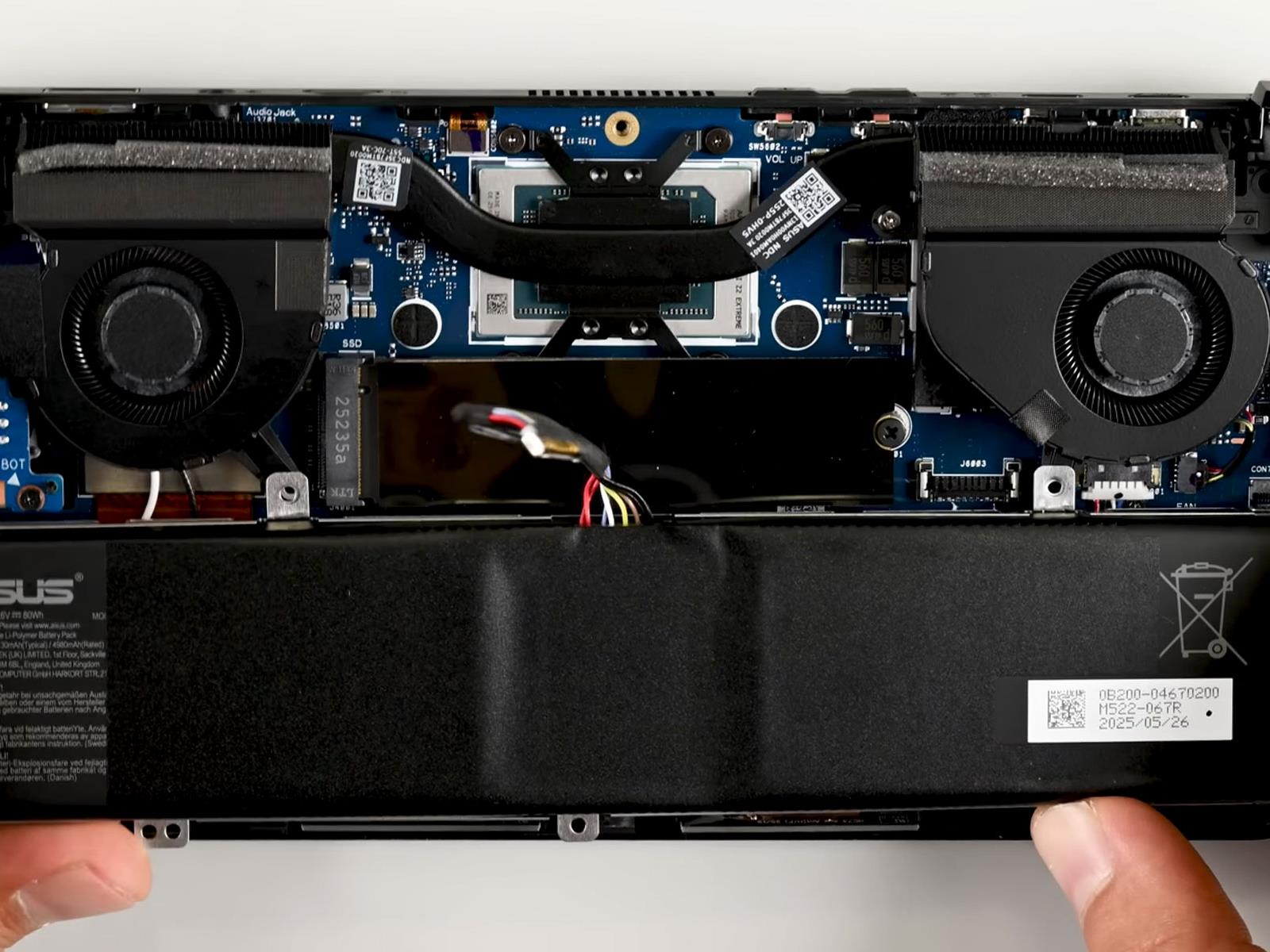
The teardown specialists at iFixIt got their hands on the ASUS ROG Xbox Ally X handheld (same model we reviewed) and promptly took it apart, and you can view all of the gory (and not-so-gory) details of the surgery in a short video spanning just under six minutes long. How did it fare? Quite well overall, with the ROG Xbox Ally X largely mimicking
You’ll be able to play the first game in the Luigi’s Mansion series on the Nintendo Switch 2 starting on October 30, just in time for Halloween. The gaming company is adding the title to its GameCube library for the Nintendo Switch Online streaming service. Take note that that service’s GameCube titles are exclusively available on the Switch 2 and require a subscription to the $50-a-year Nintendo Switch Online + Expansion Pack tier. A basic Switch Online subscription with no access to GameCube, Nintendo 64 and Game Boy Advance classics costs $20 a year.
Since both Luigi’s Mansion 2 (HD version) and Luigi’s Mansion 3 are compatible with the new console, the whole series is now playable on the Switch 2. Nintendo released the first Luigi’s Mansion in 2001 as a launch title for GameCube. It was also the first title in the Mario franchise for the system. The story revolves around Luigi, who wins a mansion in a contest he never joined and finds out that it’s located in a dark, mysterious forest. Inside, he has to fight and capture ghosts and solve puzzles in order to unlock doors and explore the entirety of the mansion.
Luigi’s Mansion sold 257,000 units in its first week and was the top-selling GameCube launch title. It was remade for the Nintendo 3DS in 2018, but if you’re a fan, we’ll bet you would love to be able to play it again on a newer console.
This article originally appeared on Engadget at https://www.engadget.com/gaming/nintendo/luigis-mansion-will-soon-be-playable-on-nintendo-switch-2-132045389.html?src=rss
As part of its Galaxy XR headset presentation, Samsung also briefly teased another wearable product. It’s working in collaboration with two eyewear companies, Warby Parker and Gentle Monster, on AI-powered smart glasses to go up against Meta’s Ray-Ban models, Samsung’s head of customer experience Jay Kim announced at the end of the livestream.
“We’re also really excited about the AI glasses that we’re currently building together with Google,” Kim said. “We’re working with two of the most forward-thinking brands in eyewear, Warby Parker and Gentle Monster, to introduce new devices that fit into your lifestyle.”
Samsung will focus on two different markets with those brands, though both will include “cutting-edge” AI features co-developed with Google. With Gentle Monster, it’s developing “fashion-forward” glasses that will likely be aimed at the higher end of the market. The Warby Parker collaboration, meanwhile, will yield eyewear designed for general consumers, probably at a lower price point.
Samsung only said that the AI glasses will bring “style, comfort and practicality” to everyday life via Android’s XR ecosystem. As we saw in May with Google’s prototype XR smart glasses, it will likely employ a Gemini-powered display that will show notifications and small snippets of info from your apps, like the music you’re listening to or turn-by-turn GPS directions. It should also have a built-in camera, of course, along with speakers and a microphone.
Design and appearance will also be key, but Samsung has yet to show any images of the upcoming smart glasses and didn’t reveal a release date. However, it will have a tough climb against Meta’s lineup given the Ray-Ban branding and that company’s head start on the technology. Last week, Meta introduced its Ray-Ban Display model that includes a screen for a true extended reality experience.
This article originally appeared on Engadget at https://www.engadget.com/ar-vr/samsung-is-working-on-xr-smart-glasses-with-warby-parker-and-gentle-monster-042632170.html?src=rss
The Samsung Galaxy XR is designed to be a showcase for Android XR, Google’s new AR / VR operating system, but unlike competing mixed reality headsets, Google says there will be few limits on the apps the Galaxy XR will actually be able to run. In fact, a Google spokesperson tells Engadget that “almost all Android apps will automatically be made available without any additional development effort.”
Obviously, Google and Samsung would love deliberately designed spatial experiences for their new hardware, but almost all existing Android apps, regardless if they were made for phones or not, will be considered “Android XR compatible mobile apps” once the headset launches. That means they’ll run in a floating spatial panel that can be moved around the virtual space surrounding you, and per Google’s Android XR developer guidelines, will automatically support core XR input methods like eye and hand tracking, along with the usual suspects like controllers, mice and keyboards. They should also run and look like they would on a smartphone or tablet. “Apps that specify compact sizes show up accordingly and apps that allow for resizing can be resized in XR. These apps do not run in compatibility mode and won’t be letterboxed,” Google says.
The only apps that won’t make the cut are ones that require features a given Android XR device doesn’t support, like GPS. And in the case of apps that are already updated to work on large screens, or that are “adaptive apps” designed to reflow and change size depending on the Android device they’re running on, things will be even smoother. Google says adaptive design will be expected to be the default going forward, an effort that started with this year’s release of Android 16. “Many APIs restricting size will be ignored on larger screens (which includes Android XR),” Google’s spokesperson said, because the company ultimately wants Android apps to feel responsive whether they’re on a phone, an in-car display or an XR headset.
Apple tried a similar, but more limited approach with the launch of visionOS and the Vision Pro by letting developers list their iOS and iPadOS apps in the visionOS App Store. The move produced mixed results, and a dearth of real visionOS apps. An app designed with a device in mind is better than one that’s not, but Google does at least appear to have set Android developers up for a slightly smoother ride. Considering the Galaxy XR’s cheaper price when compared to the Vision Pro, they might also have a bigger audience to make apps for, too.
This article originally appeared on Engadget at https://www.engadget.com/ar-vr/why-the-samsung-galaxy-xr-can-support-almost-all-android-apps-021000889.html?src=rss
British Columbia is permanently banning new cryptocurrency mining operations from connecting to its power grid to conserve electricity for industries that generate more jobs and tax revenue. The province is also capping power allocations for AI and data centers, while launching a competitive allocation process in January 2026. CoinDesk reports: The move from the government of Canada’s third-most populous province is part of a broader legislative and regulatory overhaul unveiled Monday […]. “Government will also implement several regulatory and policy changes in fall 2025 that will … permanently ban new BC Hydro connections to the electricity grid for cryptocurrency mining to preserve the province’s electricity supply and avoid the overburdening of the electricity grid,” the government said in a post on its website
The province said the restrictions will help prevent grid strain and ensure industrial development is powered by clean electricity. “We’re seeing unprecedented demand from traditional and emerging industries,” Charlotte Mitha, the president and CEO of power utility BC Hydro, said in the web post. “The province’s strategy empowers BC Hydro to manage this growth responsibly, keeping our grid reliable and our energy future clean and affordable.” Crypto mining operations often consume large amounts of electricity without creating many local jobs or tax revenue, according to the statement. By contrast, projects like mines or liquefied natural gas (LNG) facilities are seen as more beneficial to the economy.
Apple’s Vision Pro was meant to usher in a new era for headsets. However, its high price and somewhat limited utility resulted in what may be the company’s biggestflop in years. Now it’s time for Samsung to give things a go with the Galaxy XR. It’s a fresh take on modern mixed reality goggles developed through deep partnerships with Qualcomm and Google and it attempts to address some of the Vision Pro’s biggest shortcomings.
The hardware
While both Apple and Samsung’s headsets have a lot of similarities (like their basic design and support for features such as hand and eye tracking), there are also some very important differences. First, at $1,800, the Galaxy XR is essentially half the price of the Vision Pro (including the new M5-powered model). Second, instead of Apple’s homegrown OS, Samsung’s headset is the first to run Google’s new Android XR platform, which combines a lot of familiar elements from its mobile counterpart but with a bigger emphasis on AI and Gemini-based voice controls. And third, because Samsung relied more on partners like Google and Qualcomm, the Galaxy XR feels like it’s built around a larger, more open ecosystem that plays nicely with a wider range of third-party devices and software.
The Galaxy XR fundamentally doesn’t look that much different from the Vision Pro. It features a large visor in front with an assortment of 13 different exterior sensors to support inside-out tracking, passthrough vision and hand recognition. There are some additional sensors inside for eye and face tracking. There’s also a connector for the wire that leads to its external clip-on battery pack alongside built-in speakers with spatial audio. The one big departure is that unlike the Vision Pro, the Galaxy XR doesn’t have an outward-facing display, so it won’t be able to project your face onto the outside of the headset, which is just fine by me.
Sam Rutherford for Engadget
However, the devil is in the details because while the original Vision Pro weighed between 600 and 650 grams (around 1.3 to 1.4 pounds) depending on the configuration (not including its battery pack), the Galaxy XR is significantly lighter at 545 grams (1.2 pounds). And that’s before you consider the new M5 Vision Pro, which has somehow gone backwards by being even heavier at 750-800 grams (around 1.6 pounds). Furthermore, it seems Samsung learned a lot from its rivals by including a much larger and thicker head cushion that helps distribute the weight of the headset more evenly. Granted, during a longer session, I still noticed a bit of pressure and felt relief after taking off the Galaxy XR, but it’s nothing like the Vision Pro, which in my experience gets uncomfortable almost immediately. Finally, around back, there’s a simple strap with a knob that you can twist to tighten or loosen the headband as necessary. So even without extra support running across the top of your head, getting in and out of the Galaxy XR is much easier and comfier than the Vision Pro.
Sam Rutherford for Engadget
On the inside, the Galaxy XR is powered by Qualcomm’s Snapdragon XR2+ Gen 2 chip with dual micro OLED displays that deliver 4K resolution (3,552 x 3,840) to each eye at up to 90Hz. I wish Samsung was able to go up to a 120Hz refresh rate like on the Vision Pro, but considering the Galaxy XR’s slightly higher overall resolution, I’m not that bothered. And I must say, the image quality from this headset is seriously sharp. It’s even better than Apple’s goggles and it might be the best I’ve ever used, particularly outside of $10,000+ enterprise-only setups. Once again, when you consider that this thing costs half the price of a Vision Pro, this headset feels like a real accomplishment by Samsung to the point where I wouldn’t be surprised if the company is losing money on every unit it sells.
In terms of longevity, Samsung says that for general use the Galaxy XR should last around two hours. If you’re only watching videos though, that figure is more like two and a half. Thankfully, if you do need to be in mixed reality for longer, you can charge the headset while it’s being used. As for security, the Galaxy XR uses iris recognition to skip traditional passwords, which is nice.
The platform: Android XR
Sometimes, trying out a new software platform can be a little jarring. But that’s not really the case for Android XR, which shouldn’t present much of a learning curve for anyone who has used other headsets or Google’s ubiquitous mobile OS. After putting the goggles on, you can summon a home menu with an app launcher by facing your palm up and touching your index finger and thumb together. From there, you can open apps and menus by moving your hands and pinching icons or rearranging virtual windows by grabbing the anchor point along the bottom and putting them where you want.
Sam Rutherford for Engadget
Notably, while there is a growing number of new apps made specifically for XR, you still get access to all of your standard Android titles. Those include Google Photos, Google Maps and Youtube, all of which I got a chance to play around with during a 25-minute demo. In Photos, you can browse your pictures normally. However, to take advantage of the Galaxy XR’s hardware, Google created a feature that allows the app to convert standard flat images (with help from the cloud) into immersive ones. While the effect isn’t true 3D, it adds distinct foreground, midground and background layers to images in a way that makes viewing your photo roll just a bit more interesting.
In Maps, you start out with a view of the world before using hand gestures to move and zoom in wherever you want or voice commands to laser in on a specific location. The neat new trick for this app is that if you find bubbles over things like restaurants and stores, you can click those to be transported inside those businesses, where Android XR will stitch together 2D photos to create a simulated 3D environment that you can move and walk around in. Granted, this doesn’t have a ton of practical use for most folks unless you want to take a virtual tour of something like a wedding venue. But, the tech is impressive nonetheless.
Sam Rutherford for Engadget
Finally in the YouTube app, the Galaxy XR did a great job of making standard 360 videos look even better. While quality will always depend on the gear that captured the content, viewing spatial clips was a great way to show off its resolution and image quality. Google says it will also put a new tab on the app to make finding 360 videos easier, though you can always watch the billions of standard flat videos as well.
Interestingly, you can use and navigate the Galaxy XR entirely with hand gestures, but voice commands (via Gemini) are also a major part of the Android XR platform. Because the goggles sit on your head, unlike with mobile devices, there’s no need to use a wake word every time you want to do something. You just talk and Gemini listens (though you can choose to disable this behavior if you prefer), so this makes voice interactions feel a lot more natural. Because Gemini can also do things like adjust settings or organize all the apps you have open, in addition to answering questions, it feels like Google is starting to deliver on some of those Star Trek moments where you can simply ask the computer to do something and it just happens. Yes, it’s still very early, but as a platform, Android XR feels much more like a virtual playground than VisionOS does at the moment.
Other features
Sam Rutherford for Engadget
While I didn’t get to test these out myself, there are some other important features worth mentioning. In addition to apps, you can also play your standard selection of Android games like Stardew Valley or connect the headset to your PC (like with Steam Link) to play full desktop titles. Furthermore, I was told that the Galaxy XR can be tethered to a computer and used like a traditional VR headset. And while Samsung is making optional wireless controllers for the Galaxy XR (and a big carrying case), you may not need them at all as you’ll also have the ability to pair the goggles with typical Bluetooth-based gamepads along with wireless mice and keyboards.
Google also says it’s working on a new system called Likenesses that can create personalized avatars for use in video calls and meetings that use data from interior sensors to deliver more realistic expressions. Additionally, you’ll be able to use tools like Veo3 to make AI-generated videos while providing prompts using your voice. But this is just scratching the surface of the Galaxy XR’s capabilities and I want to use this thing more before offering a final verdict.
Early thoughts
Sam Rutherford for Engadget
In many ways, the Galaxy XR looks and feels like a flagship mixed reality headset in the same vein as the Vision Pro, but for the Android crowd (and Windows users to some extent as well). On top of that, Google has done some interesting things with Android XR to make it feel like there’s a much wider range of content and software to view and use. In many ways, the addition of a dedicated AI assistant in Gemini and voice controls feels much more impactful on goggles than a phone because you can’t always count on having physical inputs like a mouse or keyboard. And with the Galaxy XR being half the price of the Vision Pro, Samsung and Google have done a lot to address some of the most glaring issues with Apple’s rival.
In case the price drop wasn’t enough, it feels like all the companies involved are doing as much as possible to sweeten the deal. I actually started laughing when I first heard all the discounts and free subscriptions that come with the headset. That’s because in addition to the goggles themselves, every Galaxy XR will come with what’s being called the Explorer Pack: 12 months of access to Google AI Pro, 12 months of YouTube Premium (which itself includes YouTube Music), 12 months of Google Play Pass, 12 Months of NBA League Pass and a bundle of other custom XR content and apps. So on top of a slick design, top-tier optics and a new platform, Google and Samsung are basically tossing a kitchen sink of apps and memberships in with the headset.
Sam Rutherford for Engadget
My only reservation is that when it comes to mass adoption, I think smartglasses have supplanted headsets as the next big mainstream play. Granted, there is a lot of technology and software shared between both categories of devices (Google has already teased upcoming Android XR smartglasses) that should allow Samsung or Google to pivot more easily down the line. But the idea that in the future there will be a headset in every home seems less likely every day. Still, as a showcase for the potential of mixed reality and high-end optics, the Galaxy XR is an exciting piece of tech.
The Samsung Galaxy XR is available now for $1,800 on Samsung.com.
This article originally appeared on Engadget at https://www.engadget.com/ar-vr/samsung-galaxy-xr-hands-on-a-smarter-more-open-take-on-apples-vision-pro-for-half-the-price-020044642.html?src=rss
Samsung’s take on the Vision Pro is here — and you can already order it. Costing just over half as much as Apple’s reality machine, the Galaxy XR has a 4K micro-OLED screen and a 100-degree horizontal field of view. The $1,800 mixed reality headset is available now for pre-order on Samsung’s website.
The Galaxy XR isn’t only a Samsung product. The company developed the long-rumored headset alongside Google and Qualcomm. It’s the first Android XR product, a line that will eventually include AI glasses “and beyond.” You can read more about the headset and its ecosystem in Engadget’s news coverage.
Given Google’s connection to the Galaxy XR, it isn’t too surprising that the company has bonuses for early orders. If you buy the headset before the end of 2025, you’ll get “The Explorer Pack.” That includes a year of access to Google AI Pro, YouTube Premium and Google Play Pass. Also included until the end of the year is the “XR Pack.” This adds three months of YouTube TV, a year of NBA League Pass, NFL Pro Era, Adobe’s Project Pulsar, Asteroid and Calm.
You can order the Galaxy XR now from Samsung’s website and in Samsung Experience Stores. The headset costs $1,800. An optional Galaxy XR Controller costs $250. And somehow, the official Galaxy XR travel case also costs $250, which is — yikes — a lot. Perhaps consider waiting for third-party alternatives on the case front.
Samsung is offering a 24-month financing plan for the headset ($75.01 monthly) on its website. Meanwhile, Samsung’s stores have that plan as well as a 12-month one ($149 monthly).
This article originally appeared on Engadget at https://www.engadget.com/wearables/how-to-order-the-samsung-galaxy-xr-headset-020008173.html?src=rss