How to cancel your HBO Max subscription

It keeps happening. HBO Max just raised prices again, around 16 months after the last price increase. If your debit card is feeling the pain, or if you’re just not excited about that weird Harry Potter remake nobody asked for, you may decide to take a break from the perpetually renamed platform. Here’s everything you need to know about canceling your HBO Max subscription, so you can streamline those entertainment options.

How to cancel via web

The simplest way to end your HBO Max subscription is if you’re being billed directly by the company. You can follow these steps in a web or mobile browser to say goodbye to the house that Tony Soprano built.

  1. Go to max.com/subscription in a web browser.

  2. Sign in to your account.

  3. Click on your profile picture.

  4. Select Subscription.

  5. Click Cancel Your Subscription. This should be at the bottom of the page.

  6. Follow the prompts to confirm.

That was pretty dang easy, but things get a bit more complicated if you originally subscribed via a third-party platform.

How to cancel via third-party provider

Like most modern streaming platforms, HBO Max has partnerships with third-party providers like Apple and Amazon. This lets users sign up for the service through a totally different platform, like Prime Video or directly through iOS. Cancelling has to also go through this third party. The basic idea here is to sign into that account and find a place to manage billing and subscriptions, looking for HBO Max. Here are specific steps for some of the more common providers.

Cancel via Apple

  1. Go to the Settings app on your iOS device.

  2. Tap on your name at the top of the screen.

  3. Tap Subscriptions.

  4. Select HBO Max to manage and make changes.

Cancel via Amazon

  1. Go to Amazon in a web browser.

  2. Sign in to your account.

  3. Click on Amazon Memberships and Subscriptions.

  4. Find the HBO Max subscription and hit Cancel Subscription.

  5. Follow the prompts.

Cancel via Google Play

  1. Go to the Google Play store on a web browser.

  2. Confirm that you’re signed in to your Google account.

  3. Click on Payment & Subscriptions, which should be on the top right.

  4. Click the Subscriptions tab.

  5. Select HBO Max.

  6. Click Manage.

  7. Select Cancel Subscription.

How to cancel a bundle subscription

There are a couple of bundles that include HBO Max, in addition to platforms like Disney+ and Hulu. It’s corporate synergy at its finest. However, this does make cancelling slightly more complicated. If you previously had an HBO Max subscription and upgraded to a bundle, cancelling the bundle might not cancel HBO Max. It could just cancel the platforms that were added in the bundle. Just make sure to double-check that HBO Max went away along with the bundle. As for canceling the bundle itself, follow the steps above.

Can I pause an HBO Max subscription?

No, you can’t pause a subscription to HBO Max. The best way to approximate this is to simply cancel a subscription and resubscribe at a later date. Whatever works, right?

What happens after you cancel?

Cancelling your subscription to HBO Max doesn’t immediately end the service. There are no partial refunds in this world, so you’ll have full access to the account until the next payment date. This means that if you change your mind before the next pay period, it’ll be easy to get things going again. Just look for a Restart Subscription button somewhere on the Account page. After the next payment date passes, the service sails off into that Westeros sunset.

This article originally appeared on Engadget at https://www.engadget.com/entertainment/how-to-cancel-your-hbo-max-subscription-155047857.html?src=rss

I can’t believe Doctor Who is back so soon

The BBC has today announced Doctor Who will return for a Christmas Special in 2026, with news of the next series to be revealed “in due course.” The broadcaster says the special will be written by current executive producer Russell T. Davies, putting to rest more than a year’s worth of doubt.

For the unaware, Doctor Who has been a mainstay in the BBC schedules since its 2005 revival, but the BBC felt it couldn’t sustain the show’s budget alone. In 2022, it partnered with Disney, which bankrolled the show in exchange for the right to stream it globally on Disney+.

The Disney deal lasted for two years, plus the yet-to-be-broadcast spin-off The War Between The Land And The Sea. Unfortunately, the revived series was not the world-swallowing hit its backers were hoping for, and there were big question marks about the show’s future.

Behind the scenes rumors suggested an unhappy set, with the companion role recast just weeks before production began on the second season. With the show’s fate uncertain, the series’ long-running storyline was tweaked and re-shot beyond the point of incoherence as star Ncuti Gatwa opted to leave.

Since then, more details about the series’ originally planned conclusion have leaked out, as reported by Den of Geek, validating the stories of disharmony. And since then, many figures connected to the show have claimed that the series was dead in the water as the BBC lacks the funds to properly afford it. 

The news of a new special and new season will, naturally, provoke plenty more questions as to how the BBC will be able to keep the show going, and how Davies will be able to un-tangle the knot he hastily tied at the conclusion of “The Reality War.”

This article originally appeared on Engadget at https://www.engadget.com/entertainment/i-cant-believe-doctor-who-is-back-so-soon-153050935.html?src=rss

Harvard Says It’s Been Giving Too Many A Grades To Students

An anonymous reader shares a report: More than half of the grades handed out at Harvard College are A’s, an increase from decades past even as school officials have sounded the alarm for years about rampant grade inflation. About 60% of the grades handed out in classes for the university’s undergraduate program are A’s, up from 40% a decade ago and less than a quarter 20 years ago, according to a report released Monday by Harvard’s Office of Undergraduate Education.

Other elite universities, including competing Ivy League schools, have also been struggling to rein in grade inflation. The report’s author, Harvard undergraduate dean Amanda Claybaugh, urged faculty to curtail the practice of awarding top scores to the majority of students, saying it undermines academic culture. “Current practices are not only failing to perform the key functions of grading; they are also damaging the academic culture of the college more generally,” she said in the report.


Read more of this story at Slashdot.

AMD shores up its budget laptop CPUs by renaming more years-old silicon

As newer, more efficient silicon manufacturing processes have gotten more expensive and difficult to develop, chipmakers like Intel and AMD have repeatedly rebranded some of their older processors with new model numbers. This has allowed both companies to release “new” products that aren’t actually new at all, muddying the waters for people trying to buy lower-end and midrange laptops.

As spotted by Tom’s Hardware, AMD has quietly rebranded a swath of its Ryzen laptop chips with new model numbers without changing the silicon. The rebranded processors use either Rembrandt-R silicon with Zen 3+ CPU cores and RDNA 2 graphics cores or Mendocino silicon with Zen 2 CPU cores and RDNA 2 graphics cores. Both of these architectures first launched in 2022, but Mendocino’s Zen 2 CPU architecture dates all the way back to 2019. During the company’s model number decoder ring era, these designs had been sold as Ryzen 7035- and Ryzen 7020-series chips, respectively.

This is actually AMD’s second rebranding for the Rembrandt-R silicon, which was launched as the Ryzen 6000 series in 2022. These chips will compete most directly with Intel’s non-Ultra Core 100 series processors, most of which use 2022-vintage Raptor Lake silicon.

Read full article

Comments

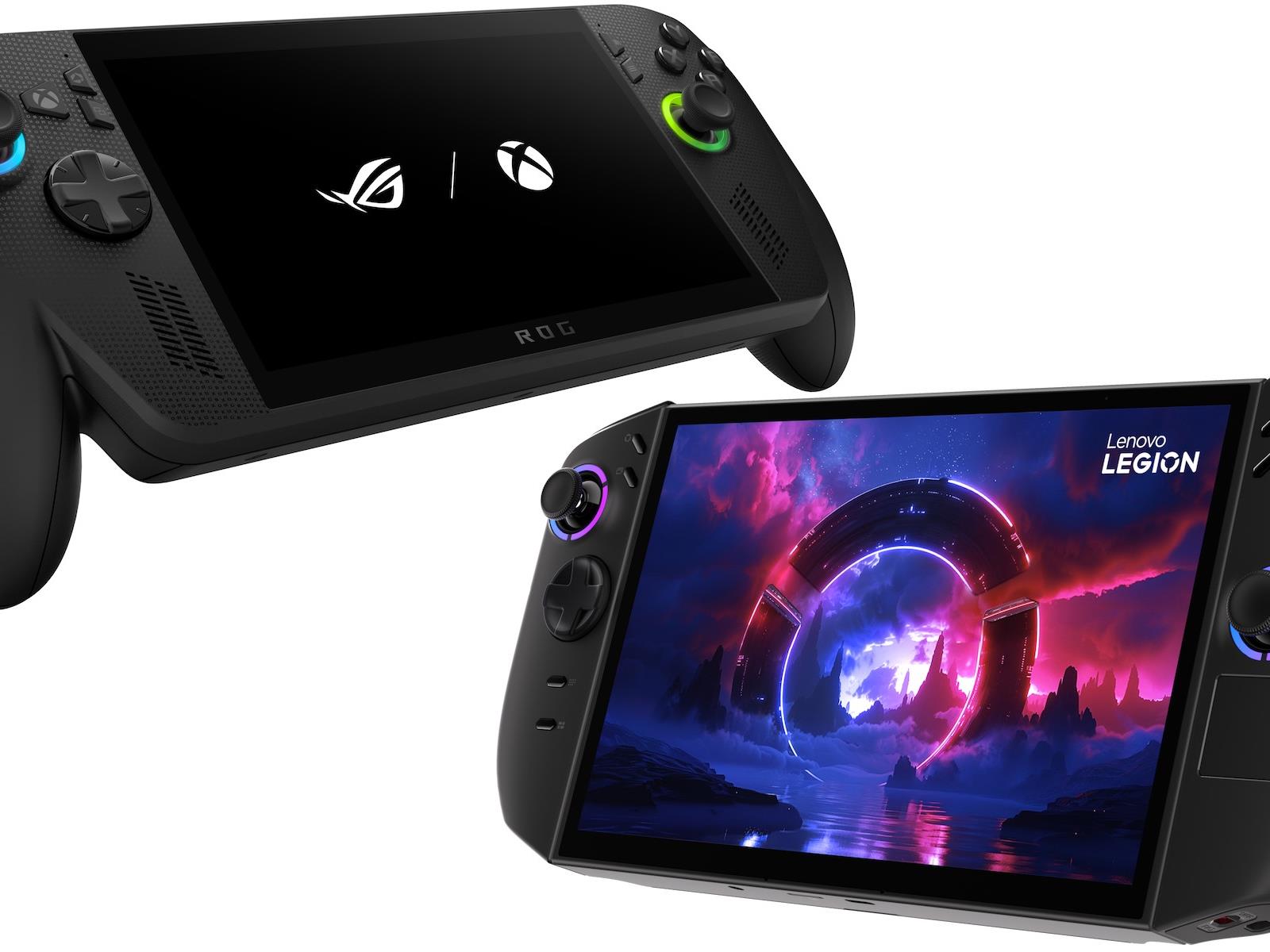
ROG Xbox Ally X Vs Lenovo Legion Go 2: Which Handheld Gaming Device Wins 2025?

ROG Xbox Ally X Vs Lenovo Legion Go 2: Which Handheld Gaming Device Wins 2025?
We’re racing toward the end of 2025, and while there’s still over two months left to go, we’re confident in saying that there probably won’t be any more high-profile handheld hardware launches this year. We do expect to see some systems based on Intel’s new Panther Lake processors next year, but for now, the two highest-profile handheld releases

PSA: X users have until November 10 to re-enroll their security keys

If you’re a former Twitter user still using X and rely on a hardware security key for your two-factor authentication (2FA) method, you need to re-enroll it before November 10. As spotted by The Verge, X’s Safety account notified users of the deadline in a post last week. The Elon Musk-owned company eventually intends to retire the twitter.com domain, which hardware keys such as YubiKeys remain tied to until they’re re-enrolled.

“By November 10, we’re asking all accounts that use a security key as their two factor authentication (2FA) method to re-enroll their key to continue accessing X. You can re-enroll your existing security key, or enroll a new one. A reminder: if you enroll a new security key, any other security keys will stop working (unless also re-enrolled),” the account said.

X later clarified that the change only applies to YubiKeys and passkeys, and not 2FA authenticator apps such as Microsoft Authenticator or Authy. Users who fail to re-enroll their affected keys before November 10 will have their accounts locked until they either complete the re-enrollment process, choose a different 2FA method or decide to not use 2FA altogether (which X says it advises against).

To re-enroll your hardware key or add a new one, head to Settings in the X app, then click “Security and account access” and “Manage Passkeys” within the Security section.

Elon Musk rebranded Twitter to X in 2023, and last year fully transitioned the social network’s core systems to X.com, leaving no trace of the blue bird logo that was once synonymous with the platform.

This article originally appeared on Engadget at https://www.engadget.com/cybersecurity/psa-x-users-have-until-november-10-to-re-enroll-their-security-keys-150620766.html?src=rss

Expert panel will determine AGI arrival in new Microsoft-OpenAI agreement

On Monday, Microsoft and OpenAI announced a revised partnership agreement that introduces an independent expert panel to verify when OpenAI achieves so-called artificial general intelligence (AGI), a determination that will trigger major shifts in how the companies share technology and revenue. The deal values Microsoft’s stake in OpenAI at approximately $135 billion and extends the exclusive partnership through 2032 while giving both companies more freedom to pursue AGI independently.

The partnership began in 2019 when Microsoft invested $1 billion in OpenAI. Since then, Microsoft has provided billions in cloud computing resources through Azure and used OpenAI’s models as the basis of products like Copilot. The new agreement maintains Microsoft as OpenAI’s frontier model partner and preserves Microsoft’s exclusive rights to OpenAI’s IP and Azure API exclusivity until the threshold of AGI is reached.

Under the previous arrangement, OpenAI alone would determine when it achieved AGI, which is a nebulous concept that is difficult to define. The revised deal requires an independent expert panel to verify that claim, a change that adds oversight to a determination with billions of dollars at stake. When the panel confirms that AGI has been reached, Microsoft’s intellectual property rights to OpenAI’s research methods will expire, and the revenue-sharing arrangement between the companies will end, though payments will continue over a longer period.

Read full article

Comments

Tonight Is Your Chance To Witness A Spectacular Northern Lights Show

Tonight Is Your Chance To Witness A Spectacular Northern Lights Show
Seems like we’ve been on a northern lights roll lately, haven’t we? There’s one happening again tonight and the NOAA is even promising how the spectacular aurora display will be visible as far south as New York and Wisconsin. Forecasts say that a significant burst of solar activity colliding with Earth’s magnetic field will be creating the

OpenAI Finalizes Corporate Restructuring, Gives Microsoft 27% Stake and Technology Access Until 2032

Microsoft and OpenAI have finalized a new agreement that removes uncertainty for investors and clears the path for OpenAI to restructure as a for-profit business. Microsoft receives a 27% ownership stake in OpenAI worth approximately $135 billion and retains access to the AI startup’s technology until 2032, including models that achieve AGI. OpenAI completed its recapitalization, simplifying its corporate structure while keeping the nonprofit in control of the for-profit entity. The OpenAI Foundation receives an equity stake worth roughly $130 billion and plans to initially focus on funding work to accelerate health breakthroughs.

Microsoft backed OpenAI with $13.75 billion and was the biggest holdout among investors during negotiations. Once OpenAI achieves AGI, verified by an independent expert panel, Microsoft will no longer receive a cut of OpenAI’s revenue. Microsoft also loses its right of first refusal on new cloud infrastructure business from OpenAI, though OpenAI commits an additional $250 billion to Azure.


Read more of this story at Slashdot.

Top Amazon Fire TV Deals To Save Up To 40% Ahead Of The Black Friday Rush

Top Amazon Fire TV Deals To Save Up To 40% Ahead Of The Black Friday Rush
After kids, teens, and even some adults are finished knocking on your door in hopes of scoring pieces of candy (or full-size candy bars, if you’re really looking to impress), it won’t be long until the Black Friday and Cyber Monday sales season is in full force. If you want to get a jump on the mad rush and are in the market for a Fire TV,

Herodotus Malware Targeting Android Users Behaves Like A Human To Avoid Detection

Herodotus Malware Targeting Android Users Behaves Like A Human To Avoid Detection
Cybersecurity experts are sounding the alarm over a new Android Trojan dubbed Herodotus, which is designed to deliberately slow down its own malicious activity to mimic the casual, imperfect behavior of a human user. Such behavior allows the malware to slip past a generation of security systems built to flag more rapid, robotic actions of

How ‘Bricking’ Your Phone Improves Your Concentration

You know the feeling. You sit down to work on something important, and within minutes, your hand is reaching for your phone. Maybe it buzzed. Maybe it didn’t. Either way, you’re suddenly 20 minutes deep into Instagram Reels or doomscrolling through news you’d rather not read. When you finally look up, your focus is shattered, and you can’t quite remember what you were doing in the first place.

If this sounds familiar, you’re not alone. The average American now spends over six hours a day staring at screens, with much of that time devoted to mindless scrolling on smartphones. I don’t go a day without lamenting my “phone addiction” and vanishing attention span.

If smartphones are the problem, it tracks that the solution could be eliminating all the features that make your phone so “smart.” That’s why for a growing number of people, dumb phones are making a comeback. And no, it’s not just nostalgia for the early 2000s clunky aesthetics. People are ditching their iPhones and Androids for basic flip phones and minimalist devices that do little more than call and text as a solution to our digital noise problem. But the question remains: Does downgrading to a dumb phone actually rescue your ability to focus, or is it just another wellness trend that sounds better in theory than in practice?

What is a dumb phone?

A dumb phone is exactly what it sounds like: a phone that handles only basic communications. Think calls and texts, maybe a rudimentary camera, but no app stores, no social media feeds, and no endless rabbit holes of content. These minimalist devices harken back to the pre-smartphone era, when phones had one primary purpose, rather than the comprehensive entertainment hubs we can’t live without now.

While traditional flip phones and basic handsets fit the bill, many people today are finding creative middle ground by “bricking” their smartphones—using settings like grayscale mode, removing apps, and stripping away colorful icons to make their devices as boring and utilitarian as possible. The goal is to reduce screen time and improve concentration.

But if you’re like me, the idea of giving up your phone feels like a non-starter. How would I go about my daily life without Maps, TikTok, or Candy Crush? Do dumb phones even make that big of a difference to your brain health?

What the science says

The problem of smartphones is more than just anecdotal. Studies have found that smartphone notifications—even ones you don’t check—hurt cognitive performance. Interruptions force your brain to work faster at the expense of accuracy, and it takes meaningful time to fully re-enter a task after being distracted. A 2017 study published in the University of Chicago Press found that the mere presence of a smartphone can reduce cognitive capacity, a phenomenon researchers call the “brain drain” effect.

So let’s say you make the switch to a dumb phone that eliminates push notifications, infinite-scroll feeds, and, well, the mere presence of a smartphone. Does you concentration come back?

The answer is yes, according to same researchers from that 2017 study. This year, they published a study of 467 participants, ages 18 to 74, who agreed to block the internet from their smartphones for just two weeks. The researchers measured three different outcomes of well-being, mood, and attention at the beginning, middle, and end of the study. 91% of participants improved their scores in at least one category, primarily in “subjective well-being.” When it comes to attention specifically, the researchers write that “reducing a constant opportunity for distraction allows people to practice focusing on one activity or stimulus at a time, and increases the relative reward of focusing attention on activities other than one’s phone.” This points to a pattern all-too familiar to smartphone users: the cycle of instant gratification.

In this same vein, according to Dr. Shawn DuBravac, author of “Digital Destiny: How the New Age of Data Will Transform the Way We Work, Like, and Communicate,” switching to a dumb phone is “really just a behavioral design hack.” DuBravac says, “You’re not changing your brain, you’re changing your environment so your brain can do what it does best: focus.”

Not everyone needs to make the complete switch, and for some people, it’s simply not practical. Dr. Nidhi Gupta, a digital wellness expert with a TEDx Talk on the subject, says that switching to a dumb phone alone may not improve your concentration, but changing your lifestyle will. She points out that if you ditch your smartphone but still have a smartwatch, tablet, or laptop nearby, the distractions will simply migrate. “The brain will keep seeking dopamine from any available screen.” Again, what matters is breaking the cycle of instant gratification.

Bricking your smartphone instead

Gupta advocates for a middle path: “demoting” your smartphone so it functions like a dumb phone while retaining useful features like navigation, ride-shares, and FaceTime. Her recommendations include turning on grayscale mode (“It’s amazing how boring your phone becomes when it looks like an old newspaper”), deleting time-consuming apps, turning off non-essential notifications, and physically separating yourself from your phone during focused work.

I spoke with three Brooklyn-based twenty-somethings who were struggling with concentration issues and self-described phone addictions. Two of them opted to brick their smartphones rather than switching to dumb phones entirely.

Sam Schaefer, 28, found that removing color and app logos made all the difference. “It greatly reduced my screen time immediately, but more than anything, it really stopped me from mindlessly clicking on apps,” he says. “Making it a black screen with letters really did take away my desire to mindlessly click.”

Isa León, 26, had similar results. “Like everybody else, I’m addicted to bright colors and notifications, but now everything looks the same. When I have to take a moment to read the name of the app I get to think about what I’m doing instead of following my dopamine.” Now, her screen time is down two hours. “Shows you how mindless my scrolling really was.”

Michael Gebhardt, 31, a professional photographer and videographer, tried using a dumb phone but had to switch back. “A smart phone is sadly necessary for me to answer clients quickly and makes the difference between confirming a gig or missing out on it.” The middle path was the road for him.

The bottom line

The consensus among experts and users alike is clear: limiting smartphone features can dramatically improve concentration. Whether you go full dumb phone, brick your existing device, or simply turn off notifications and use Do Not Disturb mode, the science shows that fewer interruptions lead to sharper focus, better memory, and lower stress.

The science backs it up, but it doesn’t need to be all or nothing. You just need to be more intentional about when and how you use it. Whether that means buying a flip phone, enabling grayscale mode, or simply keeping your smartphone out of sight during work hours, the goal is the same: reclaiming your attention from the endless digital noise.

Windows 11 Is Testing A New Trick To Thwart Annoying BSOD Crashes

Windows 11 Is Testing A New Trick To Thwart Annoying BSOD Crashes
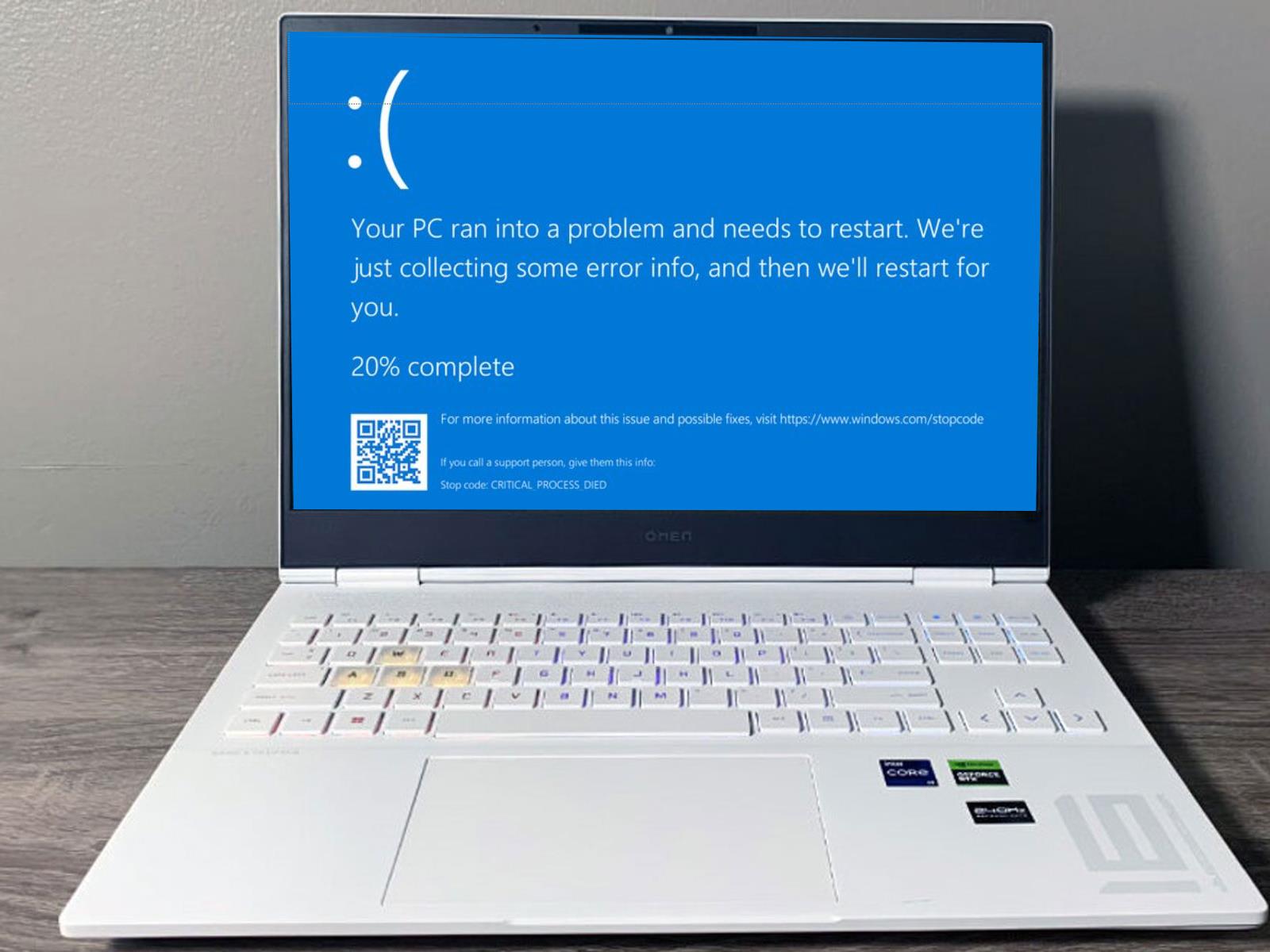
Windows Insiders are getting early access to an upcoming Windows 11 feature that is intended to improve system reliability by scanning system memory following a system crash. The optional feature is related to those frustrating BSOD errors that, aside from letting you know that your PC tripped over itself and bonked its head (as was the case

OpenAI completes corporate reorganization with support from Microsoft

OpenAI has completed its long, drawn-out reorganization into a public benefit corporation, the company announced today in a blog post attributed to board of directors chair Bret Taylor. As part of the reorg, OpenAI’s nonprofit, now called the OpenAI Foundation, will retain control of OpenAI’s for-profit division and hold an equity stake in the company valued at approximately $130 billion. According to Taylor, the Foundation will gain additional control over the for-profit once it reaches an unspecified “valuation milestone.”      

Developing…

This article originally appeared on Engadget at https://www.engadget.com/ai/openai-completes-corporate-reorganization-with-support-from-microsoft-133109385.html?src=rss

This 2-in-1 Samsung TV and Desktop Smart Monitor Is $120 Off

We may earn a commission from links on this page. Deal pricing and availability subject to change after time of publication.

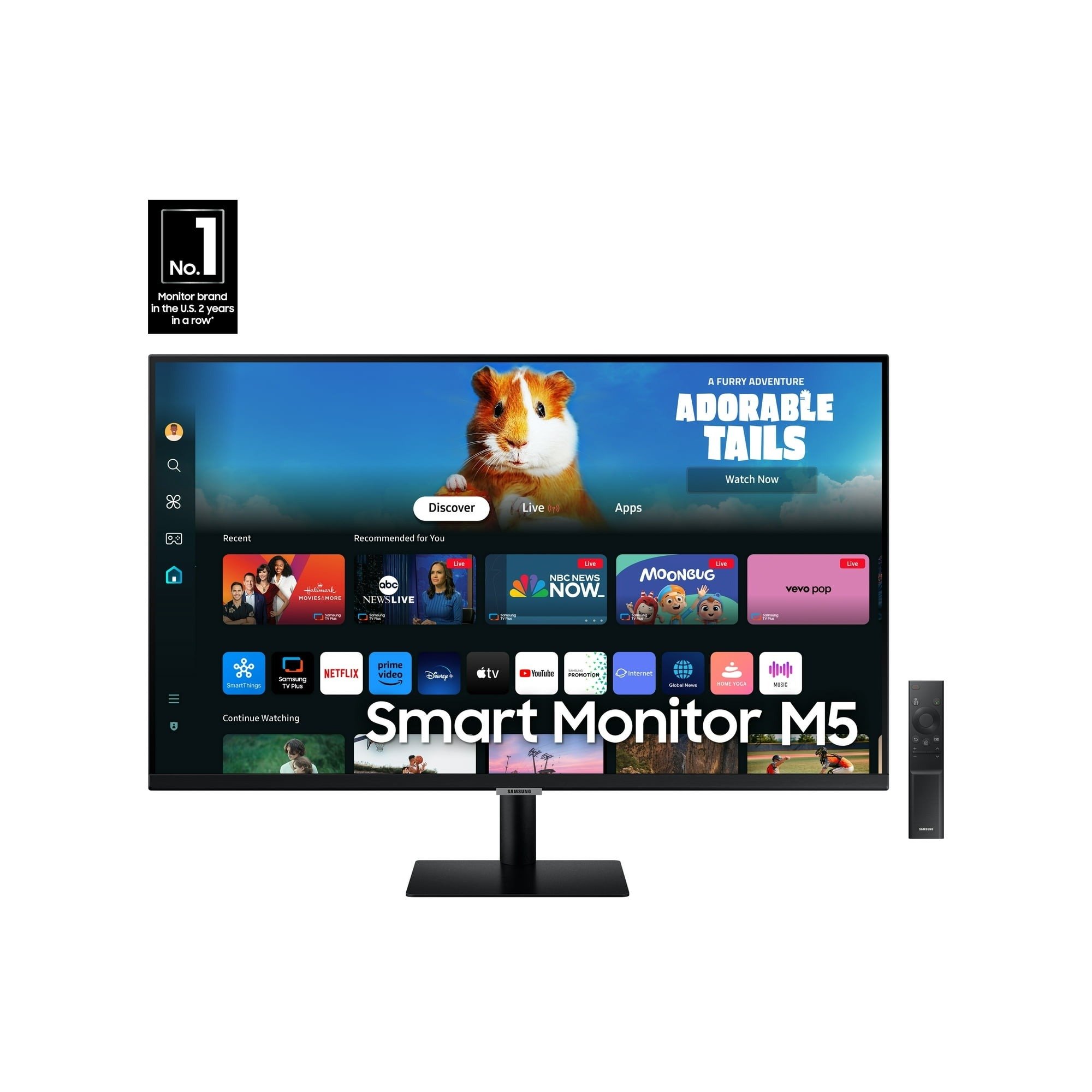
If you’re shopping for a new desktop monitor (or a small standalone TV), the Samsung 32″ Smart Monitor M5 (M50D) FHD with Streaming TV and Speakers is currently $179 (originally $299). It can be used for working, console-free gaming, and media consumption, making it a versatile two-in-one TV and desktop option that’s ideal for multitasking.

The M50D is a dual-purpose LED display and desktop monitor with a 16:9 ratio that makes it easy to switch between work and entertainment modes while also allowing you to control smart home devices via the SmartThings hub. It’s also compatible with voice assistants Bixby and Alexa. The monitor has a built-in Smart TV OS, so you don’t need a PC or an additional streaming device plugged in to watch on platforms like Prime, Netflix, and more. It also comes with a remote for a true TV experience. 

The display has 1920×1080 resolution, which is a somewhat lower pixel density compared to higher-end monitors with 1440p or 4K. Still, image quality is strong enough for working, streaming videos, and browsing the web. With Samsung Gaming Hub, you can instantly access console-free gaming; however, it’s limited to a 60 Hz refresh rate and doesn’t have FreeSync support. Hence, it won’t offer the same performance as a dedicated gaming monitor, but that’s to be expected at this price point. Compared to pricier adjustable models, this one only has tilt adjustment with minimal swivel. 

The MultiControl feature allows you to control multiple connected devices via the monitor using a single mouse and keyboard. This can help streamline multitasking between your monitor apps, laptop, and PC. You can also mirror your devices via AirPlay 2, Mobile Mirroring, or Wireless DeX, which makes it easy to switch between streaming and work across various devices.

Overall, if you’re looking for a dual-purpose smart monitor with built-in streaming apps, reliable image quality, and smart home connectivity, the Samsung 32″ Smart Monitor M5 (M50D) FHD with Streaming TV and Speakers is a space-saving, under-$200 option ideal for small homes or dorm rooms that doubles as both a computer monitor and a small-screen streaming TV.

Our Best Editor-Vetted Tech Deals Right Now


Amazon Fire TV Stick 4K Plus


—
$29.99

(List Price $49.99)


Ring Video Doorbell Pro 2 with Ring Chime Pro


—
$149.99

(List Price $259.99)

Deals are selected by our commerce team

America’s Sovereign AI supercomputers will use AMD chips

AMD is working with the US Department of Energy to build sovereign AI supercomputers at Oak Ridge National Laboratory, the agency’s famous research and development center. NVIDIA describes sovereign AI as “a nation’s capabilities to produce artificial intelligence using its own infrastructure, data, workforce and business networks.” The company’s products will power Lux and Discovery, which will be built by Hewlett Packard Enterprises and will become the DoE’s flagship supercomputers under the Trump administration’s AI Action Plan. AMD says the supercomputers’ development is made possible by a $1 billion investment from private and public funding and that they will help researchers tackle the biggest challenges in energy, medicine, health, and national security.

The Lux supercomputer will be powered by AMD Instinct MI355X GPUs, AMD EPYC CPUs and AMD Pensando advanced networking technologies. DoE plans to deploy it sometime in 2026, and AMD says that would make Lux the first US AI Factory supercomputer. Lux would fulfill the agency’s immediate AI needs and will give the US “an early and decisive advantage” when it comes to deploying AI to accelerate scientific innovation. 

AMD is also working on the Discovery supercomputer with the same organizations, which will be powered by next-gen AMD EPYC CPUs that are codenamed “Venice.” It will be equipped with AMD Instinct MI430X GPUs, a new MI400 Series accelerator made specifically for sovereign AI and high-performance computing. “The Discovery system will drive scientific innovation faster and farther than ever before,” said Oak Ridge director Stephen Streiffer. They’re hoping for Discovery to become operational in 2029 and expect it to produce scientific and security breakthroughs, such as how to make nuclear energy safer and cheaper. 

This article originally appeared on Engadget at https://www.engadget.com/ai/americas-sovereign-ai-supercomputers-will-use-amd-chips-130021080.html?src=rss

George Orwell Classics Get New Lease of Life In Welsh

For the first time, George Orwell’s Animal Farm and 1984 have been translated into Welsh, with localized titles, character names, and even a Welsh version of Newspeak. The BBC reports: Animal Farm, a 1945 political allegory inspired by the Russian Revolution, is set in north-west Wales in the Welsh edition, Foel yr Anifeiliaid, with Orwell’s classic characters given Welsh names to add authenticity. Mil Naw Wyth Deg Pedwar, or 1984, Orwell’s vision of a bleak totalitarian future, published in 1949, contains a Welsh version of Newspeak, the novel’s fictional language. Both books remain “seminal works with timeless relevance,” said Welsh book publisher Melin Bapur, and feel “particularly relevant now in an age of ‘alternative facts’, AI, and misinformation.”


Read more of this story at Slashdot.

Lock Screen Ads Are Coming to Some Smartphones

We may earn a commission from links on this page.

Right now, if you live in the U.S. and you’re familiar with lock screen ads, it’s probably from your e-reader, your PC, or maybe even your refrigerator. Plenty of devices with screens in them like to subsidize costs by running ads, but American smart phones have been surprisingly good at keeping your lock screen clear. Until now.

“Nothing” experiments with lock screen ads

If you haven’t heard of Nothing, I don’t blame you. The Android phone company made waves back in 2022, largely on the back of its founder, OnePlus co-founder Carl Pei, but it only recently started making phones on par with flagship devices like the Google Pixel or Samsung Galaxy. Mostly, the brand has instead become known for its mid-range accessories and budget phones, which pack in a lot of power for their price points, but otherwise stand out through trendy and minimalistic designs. It’s a smaller market, but a loyal one.

That’s why it’s a bit odd to see the company put both its minimalism and fandom at risk by putting ads on its lock screens, via a new “Lock Glimpse” feature.

Added in Nothing OS 4.0 late last week, when turned on, the feature will show you one of a rotating selection of wallpapers, which all feature linked content via text at the bottom of the image. For instance, a wallpaper showing a strawberry sundae might look spiffy, but in practicality, it’s essentially an ad for a page with a strawberry ice cream recipe. Don’t take my word for it—if you’re looking for a smoking gun, Reddit users have found permissions agreements linking the feature to Chinese digital ad company BOYUAN (more on that later).

Users were not happy, as seen on social media platforms like X, where some threatened to flash their own custom operating systems to their phones instead of using Nothing’s own, while others compared the move to similar “features” from OnePlus and Motorola that are largely not live in the United States. Not exactly a great look for a company that sells itself on image.

To Nothing’s credit, the feature is off by default for now. But the company’s response to the backlash paints a picture that those fans may not be happy with, regardless of where they live.

“Moving forward, on select non-flagship devices, we’ll start including a carefully considered selection of third-party apps and services that don’t disrupt the Nothing OS experience you love,” Nothing posted to its site over the weekend. Lock Glimpse was stated as one such service.

The reason for all this? Cost.

Nothing’s post was upfront about the “razor-thin margins” the company has to operate on to keep up with major players like Apple and Google, and said that both Lock Glimpse and “pre-installed partner apps” would be a way to continue to hit the mid-budget price point it’s become known for.

Worse, while the company said the feature would continue to remain off-by-default on its current Phone (3a) model, it made no such promises about the upcoming Phone (3a) Lite, which comes out later this week, and is the “first entry-level smartphone with Nothing’s signature transparent design.”

While Nothing said it intends to give users “full control over features like Lock Glimpse” in the future, it’s not hard to imagine a future where the feature is enabled by default, and pre-installed alongside apps that the owner didn’t ask for, even on global releases.

Nothing’s lock screen ads matter, even if you don’t own a Nothing phone

Again, Nothing isn’t the first smartphone brand to push lock screen ads. Other low-budget or mid-budget phone companies do so as well—most notably Motorola with a feature called Glance and OnePlus with a feature called Lock Screen Magazine. But Nothing’s decision to join the flock points to a potential sea change, both in terms of manufacture and distribution.

First, Nothing does not focus on hardware so much as experience. Even its most powerful phone at the moment uses a Qualcomm Snapdragon 8s chip, which is a weaker version of the Snapdragon 8 line you’ll find in phones like the Samsung Galaxy series. The selling point, then, comes in software like Nothing OS, which the company pitches as “clean,” “beautifully functional,” and “mindful.”

Lock screen ads don’t match that vision, at least to me, and that Nothing felt compelled to include them means it’s willing to risk its main differentiating factor to up earnings. By my measure, that’s a canary in the coal mine for the pressures any smartphone company that’s not big enough to eat development costs is facing right now. Nothing tends to be pretty upfront in its communication, so I’ve reached out for more information and will update this post if I hear back, but it’s not a great sign for the industry at large.

Which brings me to my second point: While Motorola and OnePlus’ lock screen ads have been around for a while now, they’ve only recently started making their way to the U.S. via test launches, and Nothing’s implementation both makes them live for everyone with an impacted phone, regardless of region, and breaks promises the company behind most of these ads has made before.

As it turns out, BOYAUN, the company behind Nothing’s Lock Glimpse feature, also powers Glance and Lock Screen Magazine. And while Glance had previously told Android Police that it doesn’t plan to introduce lock screen ads in the U.S. like it has in regions like India, instead relying on charging users a “subscription fee for access to premium news on their lock screen,” here they are.

I try to avoid speculation when I can, but taken together, these two facts mean it’s very possible that other low- and mid-budget phones will follow Nothing’s lead in the future. Lock screen ads have been bad enough abroad, but it’s something that U.S. users now may have to get used to.

The silver lining

That said, while lock screen ads are something to be ready for, they aren’t necessarily going to ruin your phone. They’re just going to make it more annoying to set up.

I believe Nothing when it says it will give users control over Lock Glimpse, largely because even Glance and Lock Screen Magazine can be turned off. The latter two being far less image focused companies than Nothing, it would be strange to see Nothing break its promise here if they aren’t. The same goes for Nothing saying pre-installed apps will be “easy to remove.”

But still, any extra steps you require of a user means more people are just going to put up with the default. Don’t be surprised if, once more phones start to display lock screen ads out of the box, you see your less tech-literate friends end up using them without even knowing that’s the case.

Which is why this is still an issue, and why it’s reassuring that, at least in Nothing’s case, Lock Glimpse is only coming to certain phones (again, Nothing’s blog said that flagships models will be spared). Being that this brand is already a bit niche, it’s probably not going to be the company to normalize lock screen ads, especially because the cheaper models that are more likely to get Lock Glimpse have limited carrier support in the U.S.

Still, Nothing’s phones with Lock Glimpse are technically available here, and so they might be the first time some Americans are seeing lock screen ads. Plus, they’re also exposed to the same market pressures as all of their competitors, which means they’re probably not the last time we’ll see them, either. Lock screen ads in the U.S. are now no longer a question of “if.” Just of “when.”

Amazon cuts its workforce by 14,000 in further embrace of AI

Amazon has announced an approximately 14,000 person reduction in its corporate workforce. The news follows an earlier report from Reuters that up to 30,000 people could be let go. However, the exact number of layoffs is unclear, with the 14,000 figure being cushioned by planned hirings. 

Engadget has reached out to Amazon for exact layoff numbers, but Bloomberg reports that impacted jobs are within teams such as video games, logistics, payments and cloud-computing. 

The impetus for this reduction is, of course, AI. In the announcement, Beth Galetti, Amazon’s senior vice president of people experience and technology, states that Amazon is “performing well” but “that the world is changing quickly.”

Galetti continues: “This generation of AI is the most transformative technology we’ve seen since the Internet, and it’s enabling companies to innovate much faster than ever before (in existing market segments and altogether new ones). We’re convicted that we need to be organized more leanly, with fewer layers and more ownership, to move as quickly as possible for our customers and business.” 

Amazon has executed a series of smaller scale layoffs regularly over the past few years. These layoffs have hit a range of departments, including Prime Video, Amazon Web Services and newly unionized warehouse workers.

This article originally appeared on Engadget at https://www.engadget.com/big-tech/amazon-cuts-its-workforce-by-14000-in-further-embrace-of-ai-125548323.html?src=rss

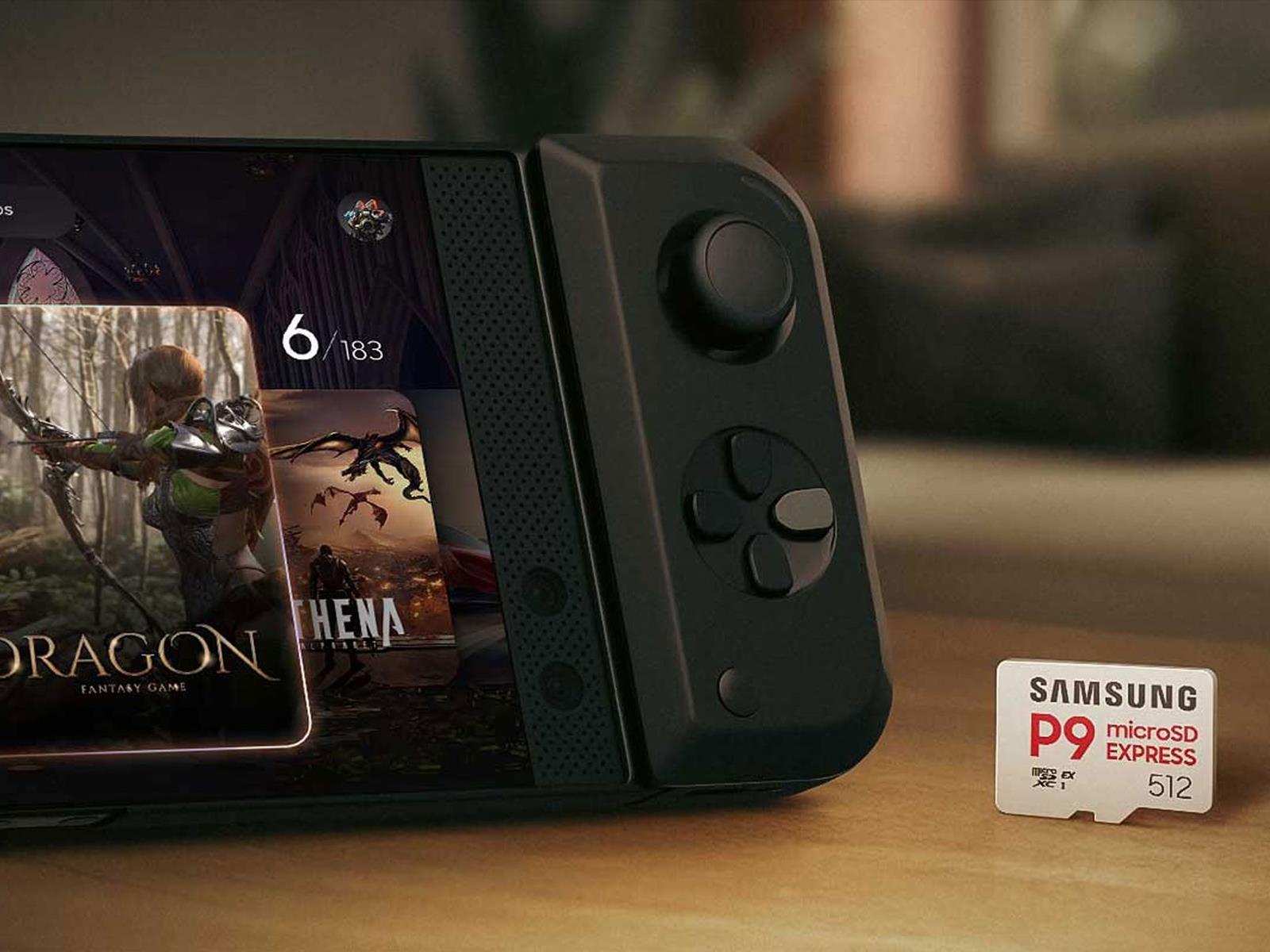
Samsung P9 Express MicroSD Debuts At A Blistering 800MB/s For Switch 2 Gaming

Samsung P9 Express MicroSD Debuts At A Blistering 800MB/s For Switch 2 Gaming
Samsung is expanding its range of storage card solutions with the release of the P9 Express, a microSD Express memory card with enough speed to keep up with gaming handhelds like Nintendo’s Switch 2. While not exclusively aimed at the Switch 2, Nintendo’s newest console is a big reason why we’re starting to see more microSD Express memory