NASA really wants you to know that 3I/ATLAS is an interstellar comet

Since early July, telescopes around the world have been tracking just our third confirmed interstellar visitor, the comet 3I/ATLAS—3I, for third interstellar, and ATLAS (Asteroid Terrestrial-impact Last Alert System) for the telescope network that first spotted it. But the object’s closest approach to the Sun came in late October during the US government shutdown. So, while enough people went to work to ensure that the hardware continued to do its job, nobody was available at NASA to make the images available to the public or discuss their implications.

So today, NASA held a press conference to discuss everything that we now know about 3I/ATLAS, and how NASA’s hardware contributed to that knowledge. And to say one more time that the object is a fairly typical comet and not some spaceship doing its best to appear like one.

Extrasolar comet

3I/ATLAS is an extrasolar comet and the third visitor from another star that we’ve detected. We know the comet part because it looks like one, forming a coma of gas and dust, as well as a tail, as the Sun heats up its materials. That hasn’t stopped the usual suspect (Avi Loeb) from speculating that it might be a spacecraft, as he had for the earlier visitors. NASA doesn’t want to hear it. “This object is a comet,” said Associate Administrator Amit Kshatrya. “It looks and behaves like a comet, and all evidence points to it being a comet.”

Read full article

Comments

Meta’s Chief AI Scientist is leaving the company after 12 years

One of Meta’s top AI researchers, Yann LeCun, is leaving after 12 years with the company to found his own AI startup, he announced. LeCun, who is also a professor at New York University, joined the company in 2013 to lead Meta’s Fundamental AI Research (FAIR) lab and later took on the role of Chief AI Scientist. 

LeCun said his new startup would “continue the Advanced Machine Intelligence research program (AMI) I have been pursuing over the last several years with colleagues at FAIR, at NYU, and beyond” and that it would partner with Meta. “The goal of the startup is to bring about the next big revolution in AI: systems that understand the physical world, have persistent memory, can reason, and can plan complex action sequences,” he wrote in an update on Threads. “AMI will have far-ranging applications in many sectors of the economy, some of which overlap with Meta’s commercial interests, but many of which do not. Pursuing the goal of AMI in an independent entity is a way to maximize its broad impact.”

Speculation about LeCun’s future at Meta has been mounting in recent months. Earlier this year, the company invested nearly $15 billion into Scale AI and made the 28-year-old CEO, Alexandr Wang, its Chief AI Officer. Meta also recruited Shengjia Zhao, who helped create GPT-4, making him Chief AI Scientist of its newly created Meta Superintelligence Labs unit. 

LeCun, on the other hand, has been openly skeptical of LLMs. “We are not going to get to human-level AI by just scaling LLMs,” he said during an appearance on the Big technology podcast earlier this year. And in a recent talk at a conference, he advised aspiring researchers to “absolutely not work on LLMs,” according to remarks reported by The Wall Street Journal.

At the same time, Meta has been reshuffling its AI teams. The company cut “several hundred” jobs from its Superintelligence group, including from FAIR, last month. And LeCun has “had difficulty getting resources for his projects at Meta as the company focused more intently on building models to compete with immediate threats from rivals including OpenAI, Alphabet Inc.’s Google and Anthropic,” Bloomberg reported. 

LeCun said he will stay on at Meta until the end of the year. “I am extremely grateful to Mark Zuckerberg, Andrew Bosworth (Boz), Chris Cox, and Mike Schroepfer for their support of FAIR, and for their support of the AMI program over the last few years,” he wrote.

This article originally appeared on Engadget at https://www.engadget.com/ai/metas-chief-ai-scientist-is-leaving-the-company-after-12-years-224325268.html?src=rss

I’m a Tech Editor, and These Are the Best Early Black Friday Tech Deals Right Now

We may earn a commission from links on this page. Deal pricing and availability subject to change after time of publication.

Black Friday is nearly upon us. From the day after Thanksgiving through Cyber Monday, you will be inundated with deals from stores and companies alike. But even before Black Friday officially begins, stores are putting up discounts. As Lifehacker’s tech editor, I’ve combed through the various tech deals across stores like Amazon, Best Buy, and Walmart to find the offers actually worth considering.

While there aren’t a huge number of excellent deals running at the moment, there are some good ones you can take advantage of right now. In fact, many of the deals are on last-gen devices—I’ve included those that are still worth picking up in 2025, especially at these discounts. Keep your eyes out over the next couple weeks, too: As we get closer to Black Friday and Cyber Monday, I imagine way more deals will start rolling out.

The best early Black Friday deals on laptops

  • M4 MacBook Air (13-inch): $749 at Amazon (was $999): Without a doubt, my favorite early Black Friday laptop deal is this price cut on the M4 MacBook Air. For $750, you get the latest M4 chip, 16GB of RAM, and 256GB of storage. It’s a fantastic package for anyone who needs a laptop for everyday tasks—though these chips can be pushed further than you’d think. If you need extra RAM or storage, Amazon is selling the 512GB model for $949, and the 512GB/24GB of RAM model for $1,149.

  • M2 MacBook Air (13-inch): $699 at Best Buy (was $799): If your maximum budget is $700, the M2 MacBook Air is a great choice. This MacBook Air looks and feels the same as the M4 model, and also comes with 16GB of RAM and 512GB of storage. However, you do get an M2 chip, which is two generations behind the M4. I personally think the future-proofing you get with the M4 is worth the extra $50, but the M2 MacBook Air is still a lot of computer for its current price.

  • Dell 16 Plus Copilot+ PC (16-inch): $999.99 at Best Buy (was $1,599.99): Despite the Copilot+ PC name, this Dell 16 Plus laptop is a great value for the price. This laptop comes with a 16-inch 2.5K display with a 90Hz refresh rate, a 3.3GHz Intel Core Ultra 9 Series 2 chip with 32GB of RAM, and 1TB of storage. Best Buy is taking $600 off as part of its early Black Friday sale.

  • Galaxy Book4 (16-inch): $1,199.99 at Best Buy (was $1,899.99): This Galaxy Book4 comes with a 2,880 by 1,800 AMOLED panel, with a refresh rate of 120Hz. It runs a 3.8 GHz Intel Core Ultra 7 Series 1 chip with 16GB of RAM and 1TB of storage. Best Buy currently has it $700 off.

The best early Black Friday deals on tablets

  • iPad A16: $299 at Amazon (was $349): Apple sells a lot of iPads, but its most affordable model might be enough for most people. The tablet comes with an 11-inch display, Apple’s A16 chip, and 128GB of storage. It won’t be as powerful as one of Apple’s M-series iPads, and the display can’t compete with the OLED iPad Pros, but for $300, this is a great tablet.

  • iPad Pro (11-inch): $899 at Best Buy (was $999): If you want the most powerful and feature-filled iPad Apple makes, the 11-inch Pro is currently $100 off. This model comes with Apple’s M4 chip, 256GB of storage, and an OLED display.

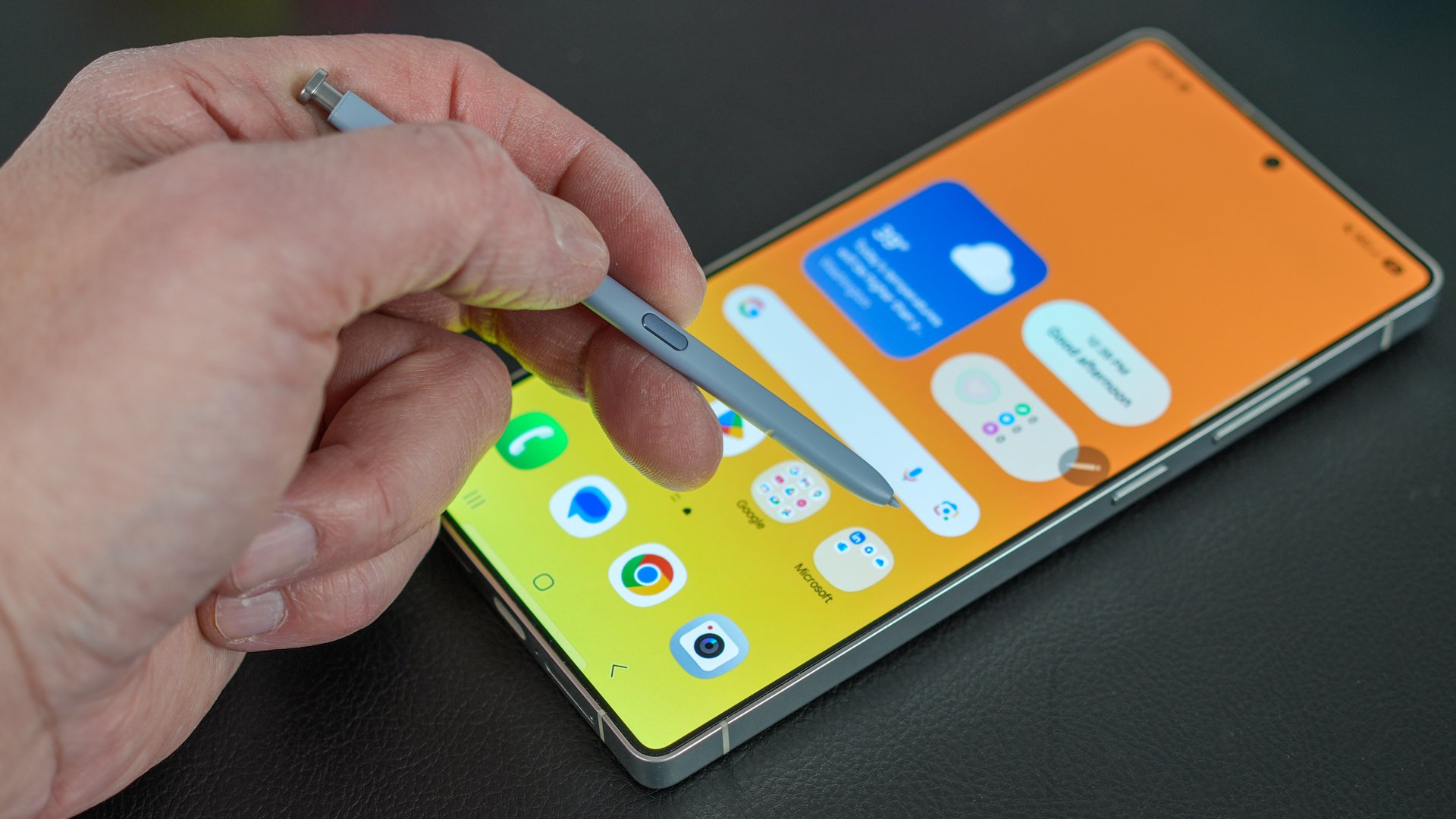
  • Samsung Galaxy Tab S6 Lite: $159.99 at Amazon (was $329): Samsung’s Tab S6 Lite is a good choice for anyone looking for a solid yet affordable Android tablet. This model comes with a 10.4-inch display, 64GB of storage, and Samsung’s S Pen. It’s currently $170 off at Amazon.

  • Samsung Galaxy Tab S10 FE: $359.99 at Amazon (was $499.99): Samsung’s S10 FE tablet is $130 off right now. It comes with a 10.9-inch 90Hz display, 128GB of storage, and Samsung’s S Pen. If you looking for alternatives, Samsung actually has a number of other tablets on sale at Amazon as part of its early Black Friday promotion.

The best early Black Friday deals on phones

  • Samsung Galaxy S25 FE: $534.99 at Amazon (was $709.99): Samsung’s “budget” Galaxy S25 device is normally over $700, but is currently 25% off before Black Friday. The phone comes with 256GB of storage, an Exynos 2400 chip with 8GB of RAM, and a 6.7-inch 1080p display.

  • Samsung Galaxy S25 Ultra: $1,057.91 at Amazon (was $1,419.99): Samsung’s most expensive flagship smartphone is also 25% off, which takes more than $360 off the list price. The S25 Ultra comes with 512GB of storage, a Snapdragon 8 Elite chip with 12GB of RAM, and a 6.9-inch 1440p display.

The best early Black Friday deals on smartwatches

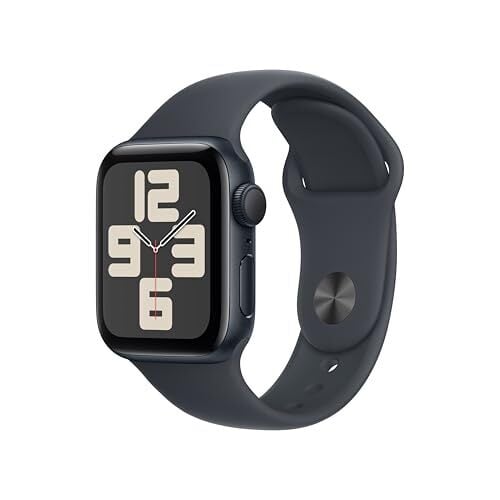
  • Apple Watch SE (2nd Gen): $169 at Walmart (was $249): While Apple currently sells the third-generation Apple Watch SE, the second-gen is still a great smartwatch. Walmart currently has it discounted by $80, whether you choose the 40mm GPS model or 44mm model. If you choose the latter, it’ll cost you $199, down from $279.

  • Apple Watch Ultra 2: $699 at Best Buy (was $799): Similarly, you can save $100 off the second-gen Apple Watch Ultra 2, if you don’t mind that Apple currently sells an Apple Watch Ultra 3—but that will cost you at least $180 more at this time. The Ultra 2 gives you a large 49mm display with up to 3,000 nits of brightness. It also comes with “pro” features like 100m of water resistance and a 40m depth gauge made for scuba and snorkeling, and a battery life of up to 36 hours.

  • Apple Watch Series 10: $249 at Best Buy (was $499): Apple’s latest Apple Watch Series 11 is nearly $50 off at Walmart. But you can save another $100 by going with the previous-gen Apple Watch Series 10.

  • Garmin vívoactive 5: $199 at Best Buy (was $299): Garmin is in a similar boat to the Apple Watches above, as the vívoactive 5 is now a last-gen product. Still, it comes with a 42mm display, a host of workout features (like sleep tracking, respiration rate, activity vs. inactivity), and 264 hours of runtime.

The best early Black Friday deals on headphones and earbuds

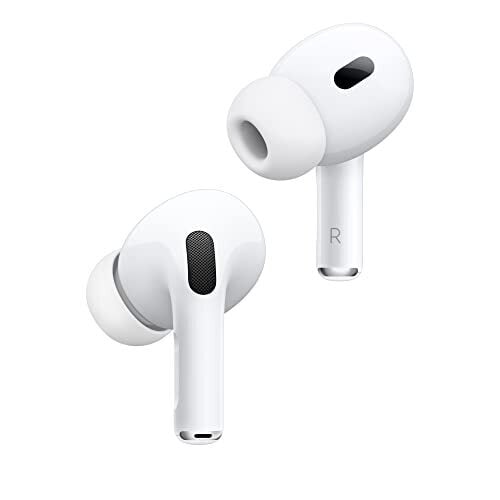
  • AirPods Pro 2: $139 at Walmart (was $239): If you don’t want to spend the $249 on Apple’s AirPods Pro 3, the second-gen Pros are kind of a steal at $139. They still offer great sound, noise cancellation, and Transparency, and you save $110 against Apple’s latest model.

  • QuietComfort Ultra Earbuds: $249 at Amazon (was $299): Bose is known for both sound quality and noise cancellation, and while the QuietComfort Ultra earbuds are a bit pricey, they’re currently $50 off.

  • JBL Tune Buds: $39.95 at Amazon (was $99.95): Wireless earbuds can get expensive, so it’s refreshing to have a discount like this on JBL’s Tune Buds. The buds are normally just under $100, but before Black Friday, they’re $60 off.

  • Sony WH-1000XM5: $248 at Amazon (was $399.99): If I didn’t already have a pair of AirPods Max, these would be the headphones I’d pick up. Sony’s WH-1000XM series is one of the best, and while they aren’t as expensive as Apple’s over-the-ear headphones, they’re still pretty pricey. Amazon currently has them discounted by 38%.

Our Best Editor-Vetted Early Black Friday Deals Right Now


Apple AirPods 4 Wireless Earbuds


—
$117.00

(List Price $129.00)


Amazon Fire HD 10 (2023)


—
$69.99

(List Price $139.99)


Sony WH-1000XM5


—
$248.00

(List Price $399.99)


Amazon Fire TV Stick 4K Plus


—
$24.99

(List Price $49.99)

Deals are selected by our commerce team

Nvidia Beats Earnings Expectations, Even As Bubble Concerns Mount

Nvidia blew past earnings expectations with soaring revenue and profit, easing fears of an AI bubble and reinforcing its position as the engine of the global AI boom. From a report: Nvidia’s sales grew 62% year-over-year to $57 billion in the October quarter, ahead of the $54.9 billion Wall Street had projected, signaling that demand for AI chips remains strong even as more questions emerge about whether returns from the technology will keep up with the pace of AI infrastructure investments. It posted profits of $31.9 billion, up 65% from the year-ago quarter and also slightly above expectations.

“Blackwell sales are off the charts, and cloud GPUs are sold out,” Nvidia CEO Jensen Huang said in a statement, a message that echoes his earlier arguments that fears of an AI bubble are overblown. The company also posted stronger-than-expected sales guidance of around $65 billion for the fourth quarter, another indicator that the AI spending spree isn’t slowing anytime soon.


Read more of this story at Slashdot.

NVIDIA Smashes Earnings On Surging Blackwell Sales Amid AI Boom

NVIDIA Smashes Earnings On Surging Blackwell Sales Amid AI Boom
NVIDIA is making a habit of posting record earnings each quarter, and that trend continued into Q3 with the company reporting $57 billion in revenue. That’s a giant 25% uptick from its previous quarter, and an even bigger 66% spike from the same three-month period a year ago, driven in large part by a big surge in Blackwell sales.

“Blackwell

Dutch Hand Back Control of Chinese-Owned Chipmaker Nexperia

An anonymous reader quotes a report from Bloomberg: The Dutch government suspended its powers over chipmaker Nexperia, restoring control to its Chinese owner (paywalled; alternative source) and defusing a standoff with Beijing that had begun to hamper automotive production around the world. The order that gave the Netherlands powers to block or revise decisions at Nexperia was dropped as “a show of goodwill,” Economic Affairs Minister Vincent Karremans said Wednesday in a post on social media site X.

Bloomberg had reported earlier this month that the Netherlands was prepared to take the step if chip deliveries from the company’s site in China could be confirmed.
The move marks a significant de-escalation of a dispute that underscored the global nature of supply chains and highlighted Beijing’s growing leverage. Even though Nexperia’s chips aren’t advanced and the company only operates one facility in China, the spat disrupted automakers from Honda Motor Co. to Volkswagen AG.

The reversal by the Dutch government was set in motion after a breakthrough in talks earlier that involved Chinese and Dutch officials, with input from Germany, the European Union as well as the US. To help resolve the stalemate, Beijing agreed to loosen export restrictions from Nexperia’s Chinese plant, the largest of its kind in the world. The Dutch economic affairs ministry sent a delegation to Beijing this week to negotiate a “mutually agreeable solution,” according to a ministry statement.


Read more of this story at Slashdot.

Letterboxd will start renting movies in December

Letterboxd’s foray into digital video rentals officially launches in December, the social film platform shared in a new blog post. Plans for a “Letterboxd Video Store” were first announced in March, but now Letterboxd has started to fill in some of the details of what kinds of movies its store will carry and where they’ll be available to watch.

The collection of films available through the Letterboxd Video Store will be curated around a few categories, according to the company. Those include films featured at film festivals that currently don’t have distribution, titles that continue to hang around in users’ watchlists, film restorations and “limited-time drops of sneak peeks and unreleased gems.” Letterboxd compared the process of narrowing down what films to try and offer like the “employee picks” shelf you might see at a local video store, only every Letterboxd user is an employee.

Films rented through Letterboxd will be available to watch on the web, iOS, Android, Apple TV and Android TV, and can be streamed to screens that support Chromecast and AirPlay. Letterboxd hasn’t shared what its rental terms or prices will be, but did note that rental availability and cost will vary depending on your location. The company also warns that some films will only be available for a limited amount of time.

As an expansion on its core competencies of tracking what films you and your friends have watched and letting you review them, video rentals seem like a natural addition for Letterboxd. It’s a bit like Amazon and Goodreads. Amazon acquired the book reviewing platform Goodreads in 2013, after establishing itself as a physical and digital bookseller. Letterboxd has defined itself as a trusted film reviewing platform, and now it’s branching out into selling films. In the same way Goodreads can funnel readers back towards Amazon, Letterboxd can use movie fans to surface the best films to rent and keep them from heading somewhere else to watch them.

This article originally appeared on Engadget at https://www.engadget.com/entertainment/tv-movies/letterboxd-will-start-renting-movies-in-december-214900026.html?src=rss

Warner signs AI music licensing deal with Udio

Warner Music Group (WMG) settled a lawsuit with an AI company in exchange for a piece of the action. The label announced on Wednesday that it had resolved a 2024 lawsuit against AI music creation platform Udio. As part of the deal, Udio gets to license Warner’s catalog for an upcoming music creation service. This follows a similar settlement between Universal Music Group and Udio, announced last month.

Udio’s service will allow subscribers to create, listen to and discover AI-generated music trained on licensed work. You’ll be able to generate new songs, remixes and covers using favorite artists’ voices or compositions. The boundaries between human creation and an algorithm’s approximation of it are about to grow murkier. Not in terms of artistic quality, but it will be based on what proliferates online.

WMG is framing the deal as a win for artists, who will — if they choose to opt in — gain a new revenue stream. Ahead of the service’s launch, Udio will roll out “expanded protections and other measures designed to safeguard the rights of artists and songwriters.”

So, the settlement does at least appear to reassert some control over artists’ work. What the normalization of robot-made music will do for society’s collective tastes is another question.

A neon sign on a wall, reading, "You are what you listen to."
A neon sign on a wall, reading, “You are what you listen to.”
Mohammad Metri / Unsplash

The settlement echoes a warning Spotify sounded to musicians and labels last month. “If the music industry doesn’t lead in this moment, AI-powered innovation will happen elsewhere, without rights, consent or compensation,” the company wrote. Spotify plans to launch “artist-first AI music products” in the future, a vague promise to be sure. However, given Udio’s plans, it wouldn’t be surprising to see the streaming service cooking up a similar licensed AI music-creation product.

“We’re unwaveringly committed to the protection of the rights of our artists and songwriters, and Udio has taken meaningful steps to ensure that the music on its service will be authorized and licensed,” Warner Music CEO Robert Kyncl wrote in a press release. “This collaboration aligns with our broader efforts to responsibly unlock AI’s potential – fueling new creative and commercial possibilities while continuing to deliver innovative experiences for fans.”

This article originally appeared on Engadget at https://www.engadget.com/ai/warner-signs-ai-music-licensing-deal-with-udio-213433325.html?src=rss

Netflix lands a deal with MLB to air select live baseball games

Major League Baseball has entered a new broadcasting deal that will see Netflix hosting live games for the first time. Under this three-year agreement, Netflix will have the rights to air a new Opening Night game the evening ahead of the Opening Day matchups. It will also stream the T-Mobile Home Run Derby as well as select special events during the season, including the 2026 MLB at Field of Dreams Game and the previously announced World Baseball Classic in Japan. 

It’s a limited amount of content, but aligns with Netflix’s recent pushes into both live events and sports programming. Last year the streaming service inked deals to show a double-header of NFL games on Christmas Day and snagged exclusive US rights to two FIFA Women’s World Cup tournaments. Netflix has previously gotten access to documentary content from the MLB, but 2026 will mark its first time showing live baseball. 

The MLB deal also included some shuffling on the broadcast side, moving certain matches between ESPN and NBCUniversal properties. Apple TV will still have the rights to the Friday night games going forward. So between the growing number of platforms grabbing slices of viewership and the MLB’s existing blackout rules, in future seasons you’ll need to undertake a thorough research assignment to figure out where you can watch each game.

This article originally appeared on Engadget at https://www.engadget.com/entertainment/streaming/netflix-lands-a-deal-with-mlb-to-air-select-live-baseball-games-213336003.html?src=rss

Massive Cloudflare outage was triggered by file that suddenly doubled in size

When a Cloudflare outage disrupted large numbers of websites and online services yesterday, the company initially thought it was hit by a “hyper-scale” DDoS (distributed denial-of-service) attack.

“I worry this is the big botnet flexing,” Cloudflare co-founder and CEO Matthew Prince wrote in an internal chat room yesterday, while he and others discussed whether Cloudflare was being hit by attacks from the prolific Aisuru botnet. But upon further investigation, Cloudflare staff realized the problem had an internal cause: an important file had unexpectedly doubled in size and propagated across the network.

This caused trouble for software that needs to read the file to maintain the Cloudflare bot management system that uses a machine learning model to protect against security threats. Cloudflare’s core CDN, security services, and several other services were affected.

Read full article

Comments

Can Chinese-Made Buses Be Hacked? Norway Drove One Down a Mine To Find Out

An anonymous reader shares a report: This summer, Oslo’s public-transport authority drove a Chinese electric bus deep into a decommissioned mine inside a nearby mountain to answer a question: Could it be hacked? Isolated by rock from digital interference, cybersecurity experts came back with a qualified yes: The bus could in theory be remotely disabled using the control system for the battery.

The revelation, presented at a recent public-transport conference, has spurred officials in Denmark and the U.K. to start their own investigations into Chinese vehicles. It has also fed into broader security concerns across Europe about the growing prevalence of Chinese-made equipment in the region’s energy and telecommunications infrastructure.

The worry is the same for autos, solar panels and other connected devices: that mechanisms used for wirelessly delivering system updates could also be exploited by a hostile government or third-party hacker to compromise critical networks. […] The Oslo transport authority, Ruter, said the bus’s mobile-network connection via a Romanian SIM card gave manufacturer Yutong access to the control system for battery and power supply. Ruter said it is addressing the vulnerability by developing firewalls and delaying the signals sent to the vehicles, among other solutions.


Read more of this story at Slashdot.

Rocket Lab Electron among first artifacts installed in CA Science Center space gallery

It took the California Science Center more than three years to erect its new Samuel Oschin Air and Space Center, including stacking NASA’s space shuttle Endeavour for its launch pad-like display.

Now the big work begins.

“That’s completing the artifact installation and then installing the exhibits,” said Jeffrey Rudolph, president and CEO of the California Science Center in Los Angeles, in an interview. “Most of the exhibits are in fabrication in shops around the country and audio-visual production is underway. We’re full-on focused on exhibits now.”

Read full article

Comments

Why I’m Not Using NotebookLM’s ‘Deep Research’ Tool (and Why You Shouldn’t Either)

I am a frequent user of Google’s NotebookLM, an AI tool that functions similarly to ChatGPT and other LLMs, but only pulls from sources and materials the user inputs. I noticed a few days ago that it has a new feature: A research function divided into “fast research” and “deep research.”

After playing around with it a little, these new features seem to completely defeat the purpose of why I started using NotebookLM in the first place—with one big exception.

What the new “fast research” and “deep research” options in NotebookLM do

In short, “fast research” and “deep research” make NotebookLM work a lot like other AI tools—they pull information in from the web on your behalf—and that’s the primary reason I don’t see myself using them.

When you use the deep research tool, you enter in what you want to research as a topic in the left panel, where you also typically store all the PDFs, links, and other materials you manually inputted as the sources for NotebookLM to pull from. This is where it differs from the premise NotebookLM has basically been built on since it was launched: The software searches the internet for sources, broadening the selection of materials the generated quizzes, podcasts, summaries, and flashcards will pull from. Before this update, it was entirely on you to find and input your own sources.

The fast research tool is similar. Instead of finding the sources and generating a long report, it just suggests a handful of new sources for you to consider.

NotebookLM research mode

Credit: Google

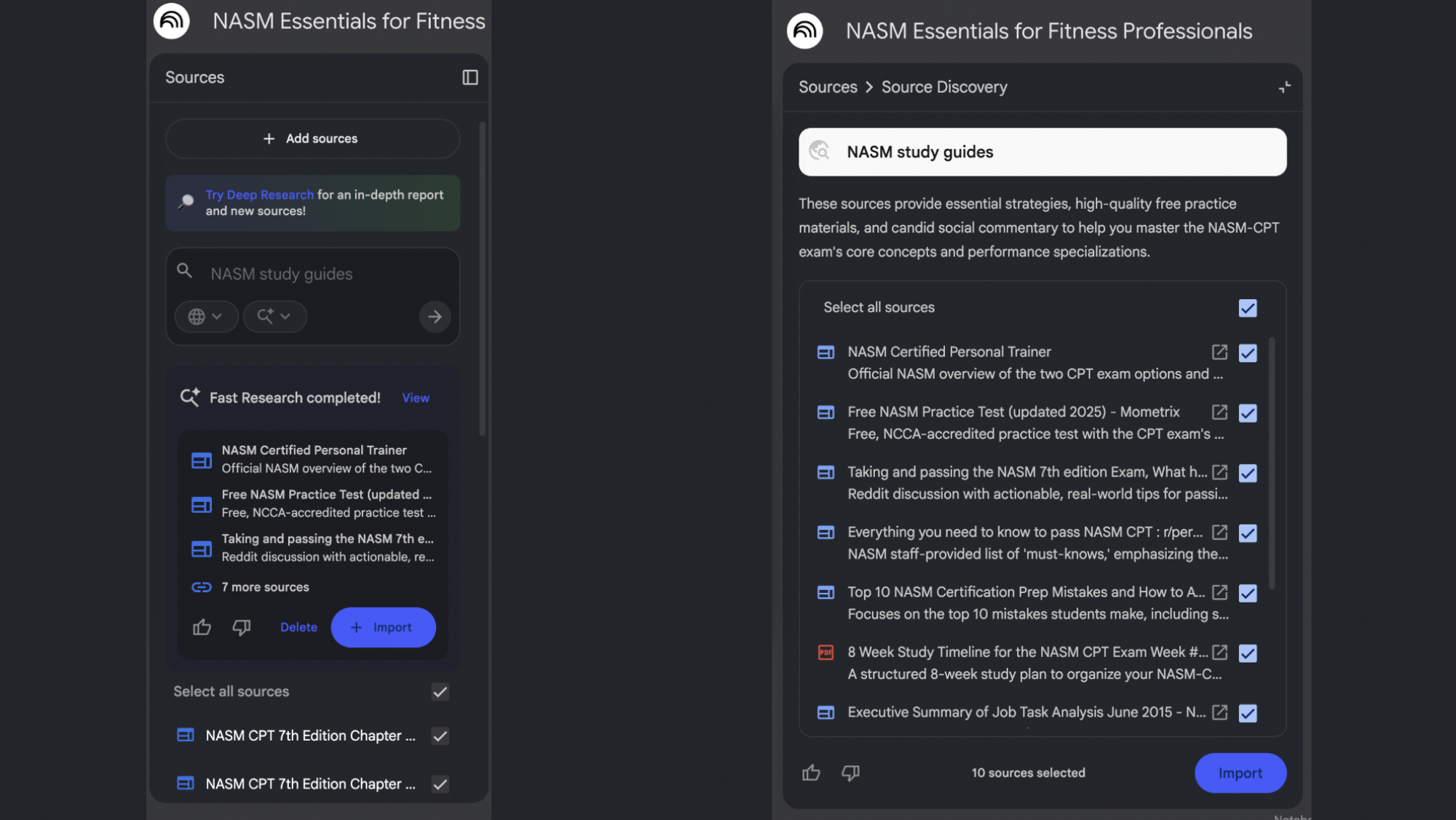
Whether using deep or fast research mode, you have the option to deselect sources if you don’t like them, but it’s tricky to review them. I tried it on a Notebook I have set up to study for my upcoming personal training certification exam. It spit out a selection of titles like “Free NASM Practice Test,” shown above on the left. I had to click the “7 more links” link to expand the panel, which then revealed where the sources were from and gave me the chance to open them in a new tab to review them before agreeing to import them (shown on the right).

Finding and assessing sources on my own is a crucial first step in my learning and brainstorming process, so I don’t see myself ever using this. The reason I love using NotebookLM is that it doesn’t do the work for me. It’s still my responsibility to go out and find all the sources I need, then input them so it can help me synthesize the contents. I use it for studying, for work, and to organize my personal projects. None of those things benefit much from random outside sourcing. And, as is a risk with all AI tools, there’s no guarantee it will find sources that are credible (again, it found me a Reddit thread I could have easily found for myself).

The one useful new feature in the NotebookLM update

When you’re inputting the topic you want NotebookLM to research, you’ll notice a dropdown menu. It’s automatically set to “Web,” meaning it will pull sources from the internet, but you can also set it to go through your Google Drive instead. That is helpful. I keep everything related to all my projects in distinct Drive folders already. Using this feature can help me input all the relevant materials when I need them instead of having to add them in manually, one by one. That’s the sort of utility I have been enjoying NotebookLM for over the past few months.


YouTube is once again trying to make DMs happen

YouTube has started a renewed effort to integrate direct messaging into its platform. According to a support page, the service has started testing DMs as a way for users to share and discuss videos. The test is for users aged 18 and up in Ireland and Poland. But while a DM usually comes with some expectation of privacy, Google noted that “messages may be reviewed to ensure they follow our Community Guidelines.”

This isn’t the video platform’s first attempt to provide a messaging angle. YouTube added DMs to its app in 2017, then removed the feature in 2019 in order to emphasize public conversations in comments sections. The new test for sharing within YouTube’s ecosystem won’t mean any change to other ways you might send people videos. Re-introducing the same system six years after cutting it seems like an odd choice, but Google claims this is “a top feature request,” so maybe it’ll get a broader adoption this time around.

This article originally appeared on Engadget at https://www.engadget.com/entertainment/youtube/youtube-is-once-again-trying-to-make-dms-happen-205724221.html?src=rss

He got sued for sharing public YouTube videos; nightmare ended in settlement

Nobody expects to get sued for re-posting a YouTube video on social media by using the “share” button, but librarian Ian Linkletter spent the past five years embroiled in a copyright fight after doing just that.

Now that a settlement has been reached, Linkletter told Ars why he thinks his 2020 tweets sharing public YouTube videos put a target on his back.

Linkletter’s legal nightmare started in 2020 after an education technology company, Proctorio, began monitoring student backlash on Reddit over its AI tool used to remotely scan rooms, identify students, and prevent cheating on exams. On Reddit, students echoed serious concerns raised by researchers, warning of privacy issues, racist and sexist biases, and barriers to students with disabilities.

Read full article

Comments

New Antibiotic Could Be a Breakthrough in Treatment for Killer TB, Trial Suggests

A new treatment for tuberculosis could boost cure rates and shorten the time needed to treat the disease by months, trial results suggest. The Guardian: Globally, an estimated 10.7 million people fell ill with TB last year and 1.23 million died from it. In its annual report on tuberculosis, launched last week, the World Health Organization said it remained a “major global public-health problem” and the leading infectious cause of death. […] Sorfequiline, a new antibiotic, showed stronger action against the deadly bacteria than existing treatments, with a comparable safety profile, researchers from the TB Alliance told the Union Conference on Lung Health in Copenhagen on Wednesday.

The trial involved 309 people across 22 sites in South Africa, the Philippines, Georgia, Tanzania and Uganda, with different dose regimens. All participants had “drug-sensitive” tuberculosis, meaning a standard cocktail of drugs can safely treat them but researchers believe TB infections that are resistant to standard treatment could also be helped. The trial suggested a sorfequiline-based regimen could be used for anyone testing positive, said Dr Maria Beumont, vice-president of TB Alliance.


Read more of this story at Slashdot.

OpenAI made a free version of ChatGPT for teachers

It’s well-documented that many students use ChatGPT to do their homework for them, and now OpenAI would like teachers to use it to write those student’s homework, too. The company hopes to entice K-12 school employees to work with its AI models via the newly announced ChatGPT for Teachers, a version of the AI assistant that’s secure enough to be used in a school environment and free until June 2027.

OpenAI pitches this new ChatGPT as a way for educators to create material for the classroom, “and get comfortable using AI on their own terms.” ChatGPT for Teachers includes unlimited messages with GPT-5.1 Auto, connectors to other apps, file uploads, image generation and memory features, just like the consumer version of the AI.

Where this version differs is in its compliance with the Family Education Rights Act, which governs how schools store student information, and in the ways OpenAI is pushing collaboration features. Besides being able to share a chat with colleagues, OpenAI says it’ll also populate fresh chats with suggestions of ways other teachers have used ChatGPT.

Before it began targeting teachers specifically, OpenAI made several passes at getting more students to use its AI models. The company’s ChatGPT Edu gives institutions a way to offer ChatGPT access in the same way they do an email account. There’s also Study Mode, a feature available in all versions of ChatGPT, that focuses the chatbot’s answers on explaining things step-by-step.

OpenAI isn’t alone in trying to own the education market — Google has offered aggressive discounts on Gemini for students — but clearly it thinks appealing to teachers could help cement its position.

This article originally appeared on Engadget at https://www.engadget.com/ai/openai-made-a-free-version-of-chatgpt-for-teachers-202937994.html?src=rss

Critics scoff after Microsoft warns AI feature can infect machines and pilfer data

Microsoft’s warning on Tuesday that an experimental AI Agent integrated into Windows can infect devices and pilfer sensitive user data has set off a familiar response from security-minded critics: Why is Big Tech so intent on pushing new features before their dangerous behaviors can be fully understood and contained?

As reported Tuesday, Microsoft introduced Copilot Actions, a new set of “experimental agentic features” that, when enabled, perform “everyday tasks like organizing files, scheduling meetings, or sending emails,” and provide “an active digital collaborator that can carry out complex tasks for you to enhance efficiency and productivity.”

Hallucinations and prompt injections apply

The fanfare, however, came with a significant caveat. Microsoft recommended users enable Copilot Actions only “if you understand the security implications outlined.”

Read full article

Comments

Ultra-Processed Food is Global Health Threat, Researchers Warn

Action is needed now to reduce ultra-processed food (UPF) in diets worldwide because of their threat to health, say international experts in a global review of research. From a report: They say the way we eat is changing – with a move away from fresh, whole foods to cheap, highly-processed meals – which is increasing our risk of a range of chronic diseases, including obesity and depression. Writing in The Lancet, the researchers say governments need “to step up” and introduce warnings and higher taxes on UPF products, to help fund access to more nutritious foods.

[…] This review of evidence on the impact of UPFs on health, carried out by 43 global experts and based on 104 long-term studies, suggests these foods are linked to a greater risk of 12 health conditions. These include type 2 diabetes, cardiovascular disease, kidney disease, depression and dying prematurely from any cause.


Read more of this story at Slashdot.

Stargate is coming back to TV, thanks to Prime Video

Disney+ has Star Wars and Paramount+ has Star Trek, so it’s about time Amazon gets its own sci-fi franchise with “star” in the title. Prime Video has just greenlit a TV revival of the iconic Stargate franchise, according to a report by Deadline. This will be the fourth major TV show in the series, following the first movie.

We don’t know anything about the plot and where it fits into the decades-long mythology but we do know that the showrunner is Martin Gero. He’s a veteran of the IP, having cut his teeth in the industry while working on Stargate: Atlantis back in the early 2000s. He also created the show Blindspot and was showrunner on the recent reboot of Quantum Leap, which was actually kind of nifty (RIP.)

Franchise creators Dean Devlin and Roland Emmerich are on board as executive producers, as are Brad Wright and Joe Mallozzi. That last duo were behind most of the Stargate TV projects, including the most recent live action show Stargate Universe.

This makes a lot of sense for Prime Video. Amazon did recently buy MGM, after all, and the Stargate IP came along with that purchase. It’s not the first time the platform will have dabbled with science fiction. Prime Video most famously saved The Expanse after it was originally cancelled by SyFy. There are three more books in that series that have yet to be adapted. Just saying.

For the uninitiated, the Stargate franchise involves the titular Stargates. These are transportation devices created by ancient aliens that act as galaxy-spanning wormholes. It all started with a movie from 1994.

This article originally appeared on Engadget at https://www.engadget.com/entertainment/tv-movies/stargate-is-coming-back-to-tv-thanks-to-prime-video-200049713.html?src=rss