AI nutrition tracking features in popular fitness apps are producing wildly inaccurate calorie and macro counts despite promises to simplify food logging through automated photo analysis. The Verge tested AI-powered nutrition tools in Ladder, Oura Advisor, January and MyFitnessPal. Ladder’s AI estimated the outlet’s carefully measured 355-calorie breakfast at 780 calories and got the macro breakdown wrong even after the reviewer manually edited entries to include exact brands and amounts.
Oura Advisor routinely mistook matcha protein shakes for green smoothies. January misidentified barbecue sauce as teriyaki sauce and failed to detect mushrooms in a chicken dish. None of the apps could identify healthier ingredient swaps or accurately log ethnic foods. Oura classified a mix of edamame, quinoa and brown rice as mashed potatoes and white rice. Ladder logged dal makhani curry as chicken soup. The AI features require extensive manual corrections that negate any time savings from automated logging, the publication concluded in its scathing review.
The truth is, most gaming headsets aren’t great values. I’ve tested a ton of them for our buying guide, and while the space has improved over time, it remains far too centered on branding and marketing. Too much of what passes by my desk comes off as overpriced compared to a good set of “normal” headphones in the same range, both in audio and build quality. If you have a pair you love, more power to you. But generally speaking, these things tax you for the perception of being specialized for gaming. In reality, most are just OK headphones with a mic, a logo and maybe some fancy RGB lighting attached.
All that said, there are always exceptions to the rule, and a few headsets have stood out as actually being worth the money. My current favorite is the Turtle Beach Atlas Air, which is currently on sale for $130 at variousretailers as part of a Black Friday deal. That’s the cheapest it’s been since February, $50 off its MSRP and $20 below its street price over the last month. When it’s discounted to this extent, it’s the rare gaming headset I’d call a solid bargain.
The hook with the Atlas Air is that it’s one of the few wireless headphones (let alone headsets) with an open-back design, meaning its ear cups don’t completely seal off your ears from air and outside noise. Pairs like this aren’t for everyone: They both let in and leak lots of ambient sound, so if you don’t use them in a quiet room, you and anyone nearby will probably be distracted. On the flipside, this can be a positive if you don’t want to be completely shut off from your surroundings. More notably, they can produce a far more spacious and natural sound than closed-back models. Games feel more like they’re happening around you instead of being confined to a space in your head.
All of this holds true with the Atlas Air. Going from this pair to a traditional headset often makes it feel like a chunk of the world has been lopped off — giant boss fights in games like Elden Ring or Final Fantasy XVI sound more narrow, and it becomes harder to gauge where exactly an opponent is coming from in a competitive shooter like Counter-Strike 2. It helps that the Atlas Air is also tuned well. It’s not as dynamic as the best non-gaming open headphones, and like most open-backs it doesn’t get super deep bass, so explosions and gunfire lack a little boom. But it’s balanced and easygoing, with a jump in the treble that helps dialogue and footsteps sound clearer.
The headset itself is exceptionally comfortable beyond that. It’s lightweight at 0.66 pounds, and the big memory foam earcups clamp down gently without trapping much heat. The battery lasts a solid 50-60 hours on a charge, and while the mic isn’t the absolute best I’ve tested, it still lets you come through clearly. It all works with PC and PS5 by default, and you can pair with a Switch or Switch 2 over Bluetooth. There’s no Xbox wireless support, unfortunately, though you can at least use an included 3.5mm cable. And though the plastic design isn’t exactly “premium,” it hasn’t developed any sort of cracks or creakiness in the months I’ve used it. For $130, it’s totally fine.
There are other things to nitpick: You can’t listen to two devices connected over the USB dongle and Bluetooth simultaneously; you want to ignore Turtle Beach’s companion software as soon as you update the firmware; and there isn’t much room to adjust the headband, so certain heads may struggle to find the best fit. The design is also kind of ugly, if I’m being honest. Still, in an samey market, the Atlas Air stands out. If you know you can live with the trade-offs that come with any open-back headset, it’s a unique value at this price.
This article originally appeared on Engadget at https://www.engadget.com/deals/in-a-rare-deal-my-favorite-gaming-headset-is-28-percent-off-for-black-friday-165029987.html?src=rss
Amazon’s 14,000-plus layoffs announced last month touched almost every piece of the company’s sprawling business, from cloud computing and devices to advertising, retail and grocery stores. But one job category bore the brunt of cuts more than others: engineers. CNBC: Documents filed in New York, California, New Jersey and Amazon’s home state of Washington showed that nearly 40% of the more than 4,700 job cuts in those states were engineering roles. The data was reported by Amazon in Worker Adjustment and Retraining Notification, or WARN, filings to state agencies. The figures represent a segment of the total layoffs announced in October. Not all data was immediately available because of differences in state WARN reporting requirements.
If you’re an Xbox-only player who’s been waiting patiently for the arrival of Bloober Team’s superb Silent Hill 2remake on Microsoft consoles, now’s your time. While the ideal release window would have been last month to coincide with spooky season (PS Plus subscribers got lucky here), there’s never a bad time to play Silent Hill 2.
A full remake of the seminal 2001 survival horror game, Silent Hill 2 has you play as widower James Sunderland, who’s summoned to the eponymous rural town after receiving a letter from his deceased wife, where all manner of psychological horrors await him. Slightly controversially, the 2024 game ditched the fixed camera angles of the original in favor of a more modern over-the-shoulder perspective. Fortunately, this transition sacrifices none of the game’s signature oppressive atmosphere, with the foggy streets of Silent Hill being as creepy as ever to tentatively explore.
To celebrate the release of Silent Hill 2 on Xbox Series X|S, Konami has slashed the price of the Xbox and PC versions by 50 percent. You can also grab this year’s brand new entry, Silent Hill f, for 30 percent off for Black Friday.
It’s been a pretty good week for long-awaited Xbox ports. Engadget 2023 game of the year award winner Dave the Diver finally arrived on all Xbox consoles (including Xbox One), while the excellent horror-themed roguelite Clover Pit also surprise dropped this week. That one’s on Game Pass too.
This article originally appeared on Engadget at https://www.engadget.com/gaming/xbox/silent-hill-2-is-now-available-on-xbox-164052884.html?src=rss
Apple has teamed up with an artist named Bailey Hikawa to make an iPhone grip and stand thingamajig. The appropriately-named Hikawa Phone Grip & Stand is a MagSafe compatible device that snaps onto an iPhone. The grip can be “removed with ease” and also doubles as a stand.
To that end, it supports two different viewing angles, both vertical and horizontal. Apple says the ergonomic form factor was “designed with accessibility in mind from the ground up” and that Hikawa was given “direct input from individuals with disabilities affecting muscle strength, dexterity and hand control.”
Bailey Hikawa/Apple
It’s also intended to be a work of art, as it was “inspired by modern sculpture.” This is what likely ticks the price up. The grip is available in two colorways, both of which cost $70. Generic grips cost around $10 on Amazon or big-box retailers, but Hikawa has been making noteworthy phone cases for years. She also makes eye-catching toilet seats.
That leads us to the knitted elephant in the room. Apple introduced a bizarre knitted sleeve last week intended to hold iPhones. This, uh, phone sock starts at a whopping $150 and goes all the way up to $230. The idea of spending $150 on a little knitted bag for a smartphone has, quite obviously, irked some consumers and sparked internet outrage.
This article originally appeared on Engadget at https://www.engadget.com/mobile/smartphones/apple-teamed-up-with-another-artist-to-make-this-iphone-grip-and-stand-163508039.html?src=rss
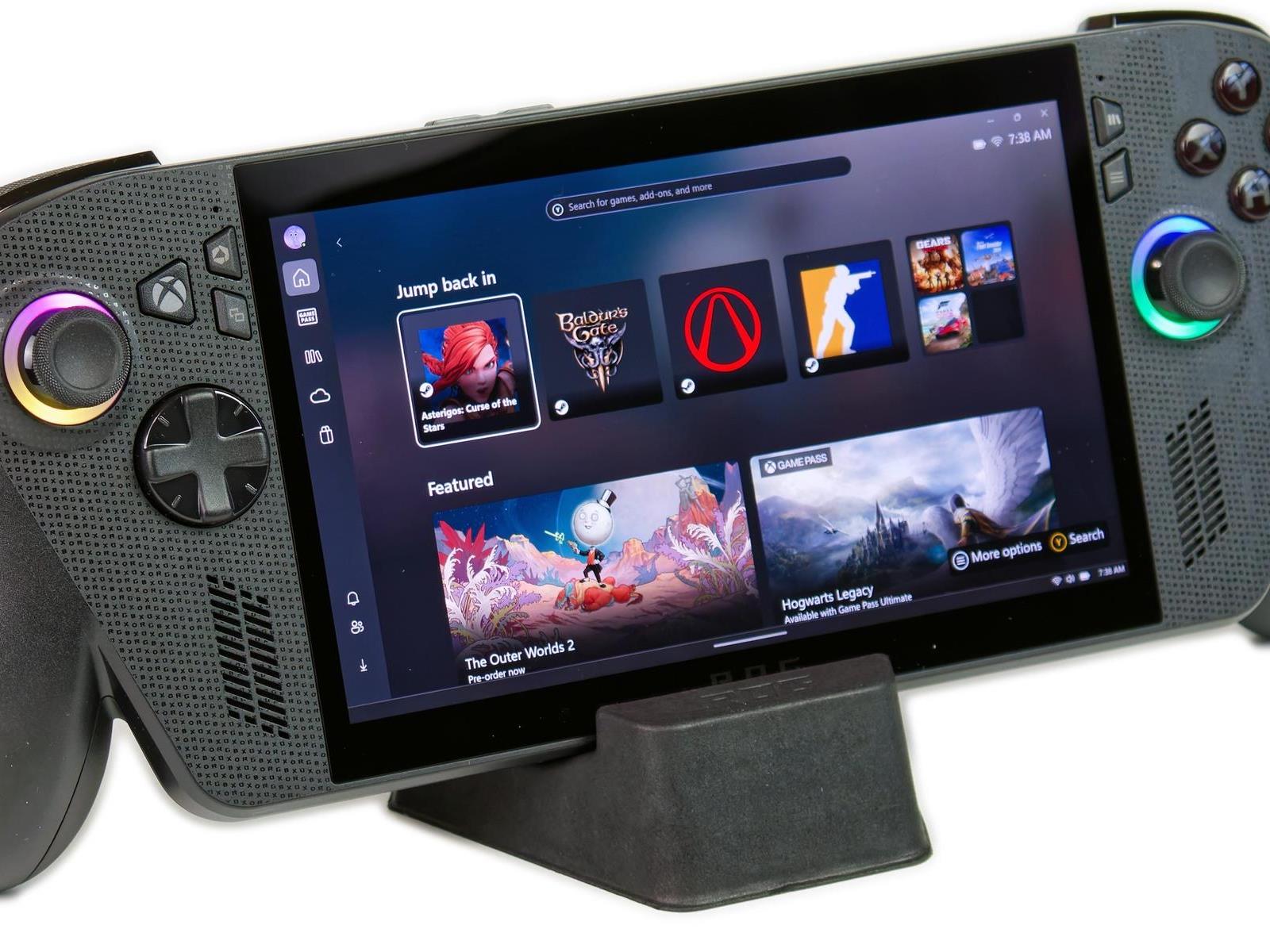
During the recent Xbox Partner Preview, Microsoft announced several upcoming Xbox and PC games, but also highlighted that the Xbox Full Screen Experience (FSE) would be rolling out to all PC gaming handhelds and eventually expanding to other Windows 11 PCs through the Windows Insider Program.
We may earn a commission from links on this page. Deal pricing and availability subject to change after time of publication.
Although Black Friday hasn’t technically started yet, many retailers like Amazon, Best Buy, Target, and Walmart already have early deals with some impressive discounts. We’ve used price trackers to determine the best tech deals around so far. Visit this page for regularly updated sales information.
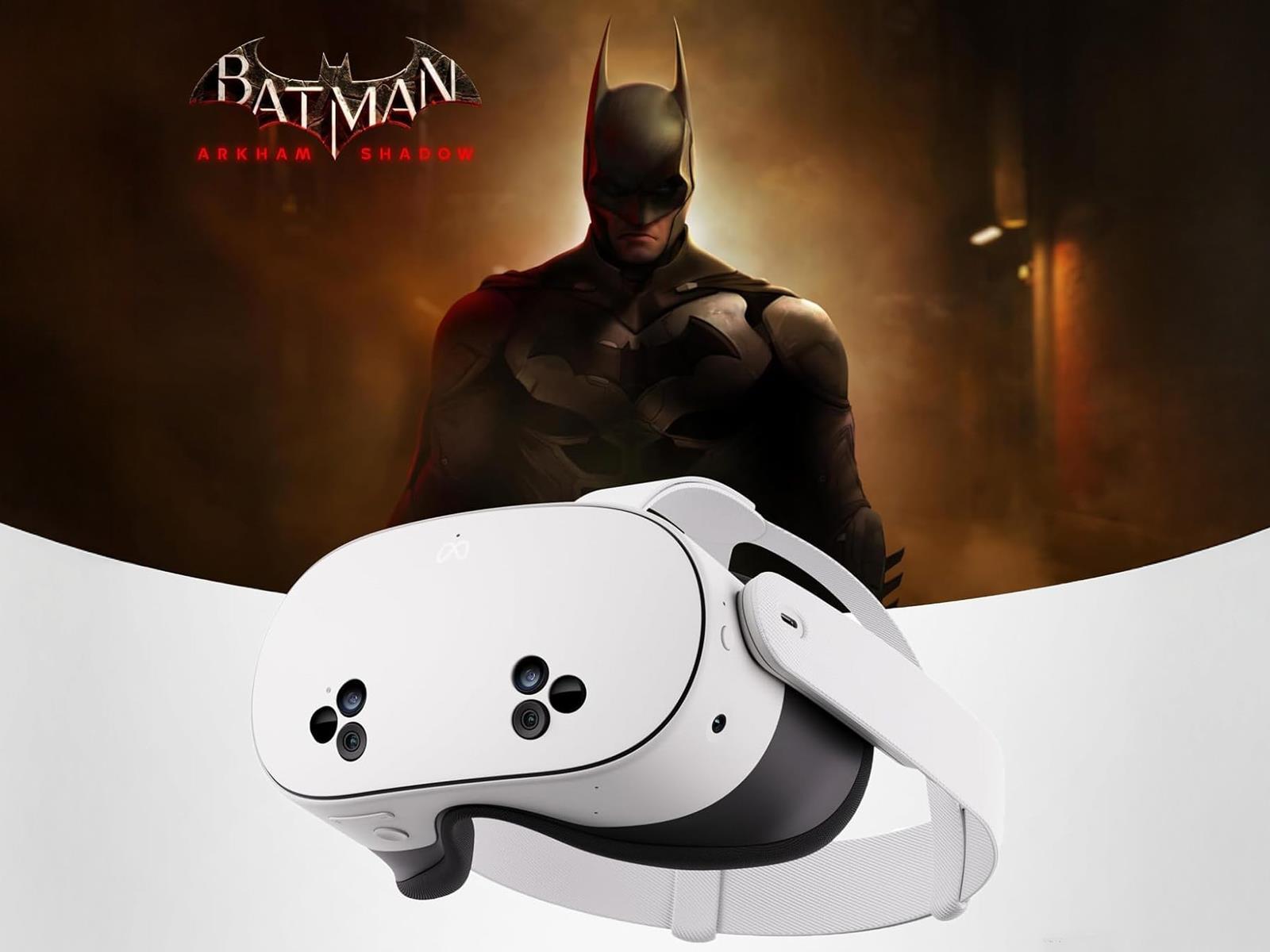
Remember when getting into virtual reality was cost prohibitive? Yeah, neither do we at this point. VR has outlasted ‘passing fad’ status and appears here to stay—even Valve is getting in on the action with its upcoming Steam Frame headset (alongside other hardware, including another Steam Machine). Meanwhile, there are a affordable options,
Meta is venturing into the complex world of electricity trading, betting it can accelerate the construction of new US power plants that are vital to its AI ambitions. From a report: The foray into power trading comes after Meta heard from investors and plant developers that too few power buyers were willing to make the early, long-term commitments required to spur investment, according to Urvi Parekh, the company’s head of global energy. Trading electricity will give the company the flexibility to enter more of those longer contracts.
Plant developers “want to know that the consumers of power are willing to put skin in the game,” Parekh said in an interview. “Without Meta taking a more active voice in the need to expand the amount of power that’s on the system, it’s not happening as quickly as we would like.”
With the arrival of Google’s Nano Banana Pro (officially the Gemini 3 Pro Image model) the AI image generation landscape has once again moved forward into deeper usefulness and hyper-realism. Along with the creative power it now gives users, Nano Banana Pro brings up more debates over digital authenticity and image manipulation, especially
If you and your friends have iPhones, you might use AirDrop to send pictures and files. If you all have Androids, you might use Quick Share. But if you have a mix of both platforms, suddenly file sharing isn’t so easy. You could email the pictures, but, shoot, there’s a data limit. You could text them, but if your friend isn’t on RCS, videos are going to look horrible. You could use a cross-platform chat app, but good luck agreeing on which one to use. If only AirDrop was available on Android, and Quick Share on iOS.
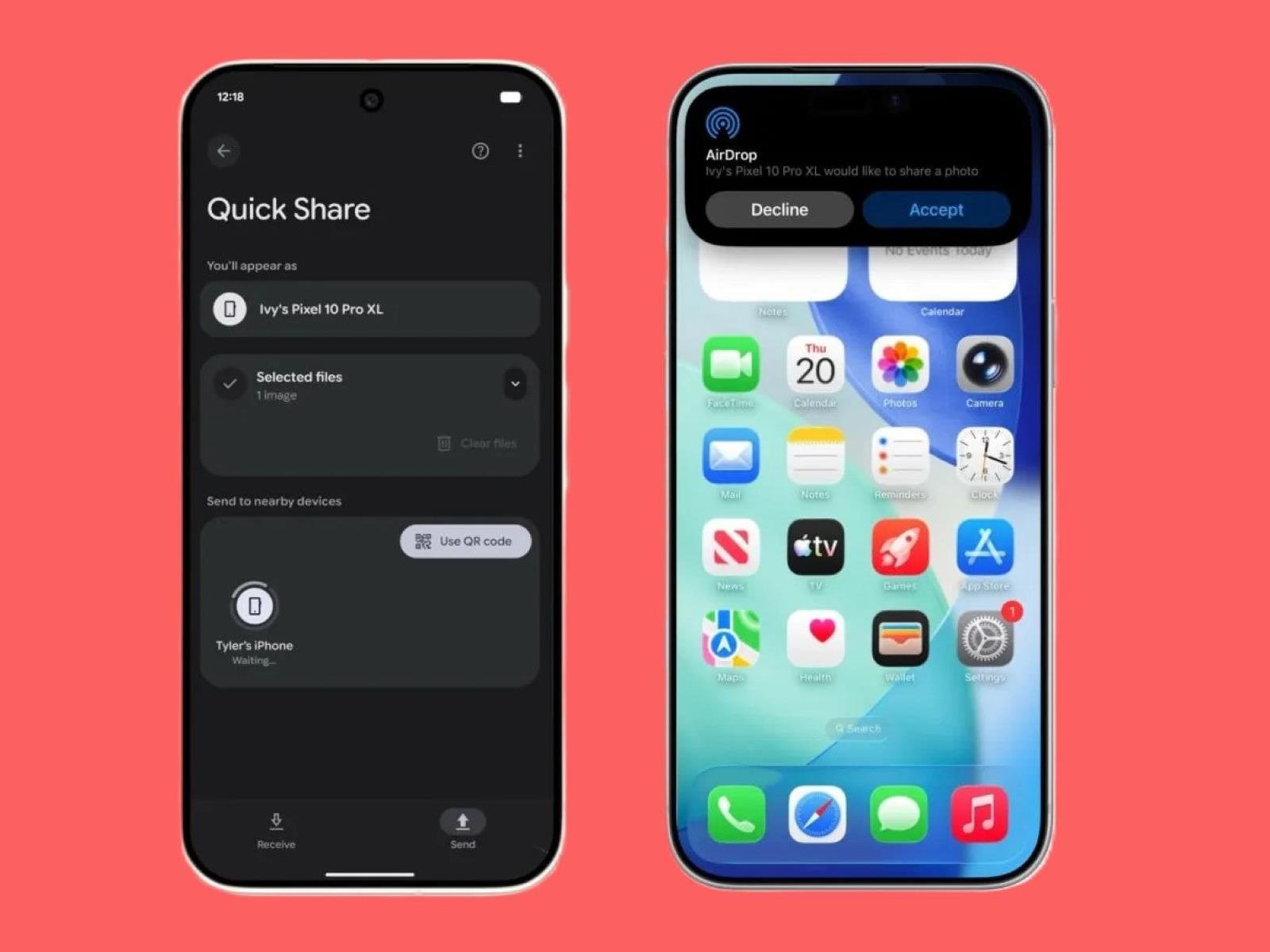
In a Thursday announcement on The Keyword, Google made history: Quick Share now works with AirDrop—starting with the Pixel 10, anyway. If you or a friend has one of Google’s latest smartphones, you can start wirelessly file sharing to the other platform, as if they were a part of yours.
To that point, it does seem like file sharing between iPhone and Android—and vice versa—feels intuitive. On Android, you can open Quick Share, look at your “Send to nearby devices,” and a compatible iPhone will appear alongside any compatible Android devices. On iOS, opening AirDrop will show a compatible Pixel 10 among the list of available devices. It’s almost like the features were built this way from the beginning. (They should have been.)
The only caveat is the receiver’s iPhone needs to be set to “Everyone for 10 Minutes.” If the iPhone is set to “Contacts Only,” this feature won’t work yet. Google says it’s open to working with Apple to expand this functionality, but at the moment, you can’t leave your AirDrop open to just your contacts, if those contacts happen to be on Pixel.
It’s too bad this new cross-platform functionality is limited to the Pixel 10 series, but, hopefully, it expands to more Androids over time. While iOS and Android aren’t necessarily the easiest operating systems to work across, Apple and Google have made massive improvements in recent years. Now that iPhones support RCS, and some Androids now work with AirDrop, we’re closing the gap between these two once-polar-opposite platforms.
The possible reasons behind Ubisoft delaying the earnings report it was expected to release last week were the subject of much discussion, especially given the company’s well-documented issues in recent times. But we now know that the delay was forced by an accounting issue relating to its soon-to-be finalized transaction with Tencent.
As detailed in Ubisoft’s now-published first-half 2025-26 earnings figures, the company was required to restate its FY2024-25 accounts, concerning revenue for this period attributed to sales from a partnership. “This position now applied by the Group going forward has also resulted in a partnership signed in Q2 FY2025-26 not being recognized in IFRS15 revenues,” the company said. “The above results in the Company not complying with its leverage covenant ratio under certain existing financing agreements at September 30, 2025. However, this is being addressed by the aforementioned actions relating to the concerned debt instruments.”
With the report now published, Ubisoft has asked Euronext to resume trading its shares. And while the accounting snag led to the week-long delay, the French company said that its deal with Tencent is set to close in “the coming days,” with the imminent €1.16 billion ($1.36 billion) investment expected to help the company pay off outstanding debt. Once finalized, the partnership will also “enable the acceleration” of Vantage Studios, the new Ubisoft subsidiary in which Tencent will own a 25 percent stake. The new studio will be responsible for Ubisoft’s three biggest IPs: Assassin’s Creed, Far Cry and Rainbow Six.
Ubisoft reported net bookings of €491 million ($564 million) this quarter, which it said was a 39 percent year-on-year increase. The company said that Assassin’s Creed Shadows, which is getting a Switch 2 port next month, had overperformed this quarter, likely helped by arrival of its New Game+ mode in the summer.
This article originally appeared on Engadget at https://www.engadget.com/gaming/ubisoft-delayed-its-latest-earnings-report-due-to-an-accounting-issue-152017119.html?src=rss
An anonymous reader shares a report: Microsoft is upgrading its Advanced Paste tool in PowerToys for Windows 11, allowing you to use an on-device AI model to power some of its features. With the 0.96 update, you can route requests through Microsoft’s Foundry Local tool or the open-source Ollama, both of which run AI models on your device’s neural processing unit (NPU) instead of connecting to the cloud.
That means you won’t need to purchase API credits to perform certain actions, like having AI translate or summarize the text copied to your clipboard. Plus, you can keep your data on your device.
Today all that’s left of the ancient city of Semiyarka are a few low earthen mounds and some scattered artifacts, nearly hidden beneath the waving grasses of the Kazakh Steppe, a vast swath of grassland that stretches across northern Kazakhstan and into Russia. But recent surveys and excavations reveal that 3,500 years ago, this empty plain was a bustling city with a thriving metalworking industry, where nomadic herders and traders might have mingled with settled metalworkers and merchants.
Radivojevic and Lawrence stand on the site of Semiyarka.
Credit:
Peter J. Brown
Welcome to the City of Seven Ravines
University College of London archaeologist Miljana Radivojevic and her colleagues recently mapped the site with drones and geophysical surveys (like ground-penetrating radar, for example), tracing the layout of a 140-hectare city on the steppe in what’s now Kazakhstan.
The Bronze Age city once boasted rows of houses built on earthworks, a large central building, and a neighborhood of workshops where artisans smelted and cast bronze. From its windswept promontory, it held a commanding view of a narrow point in the Irtysh River valley, a strategic location that may have offered the city “control over movement along the river and valley bottom,” according to Radivojevic and her colleagues. That view inspired archaeologists’ name for the city: Semiyarka, or City of Seven Ravines.
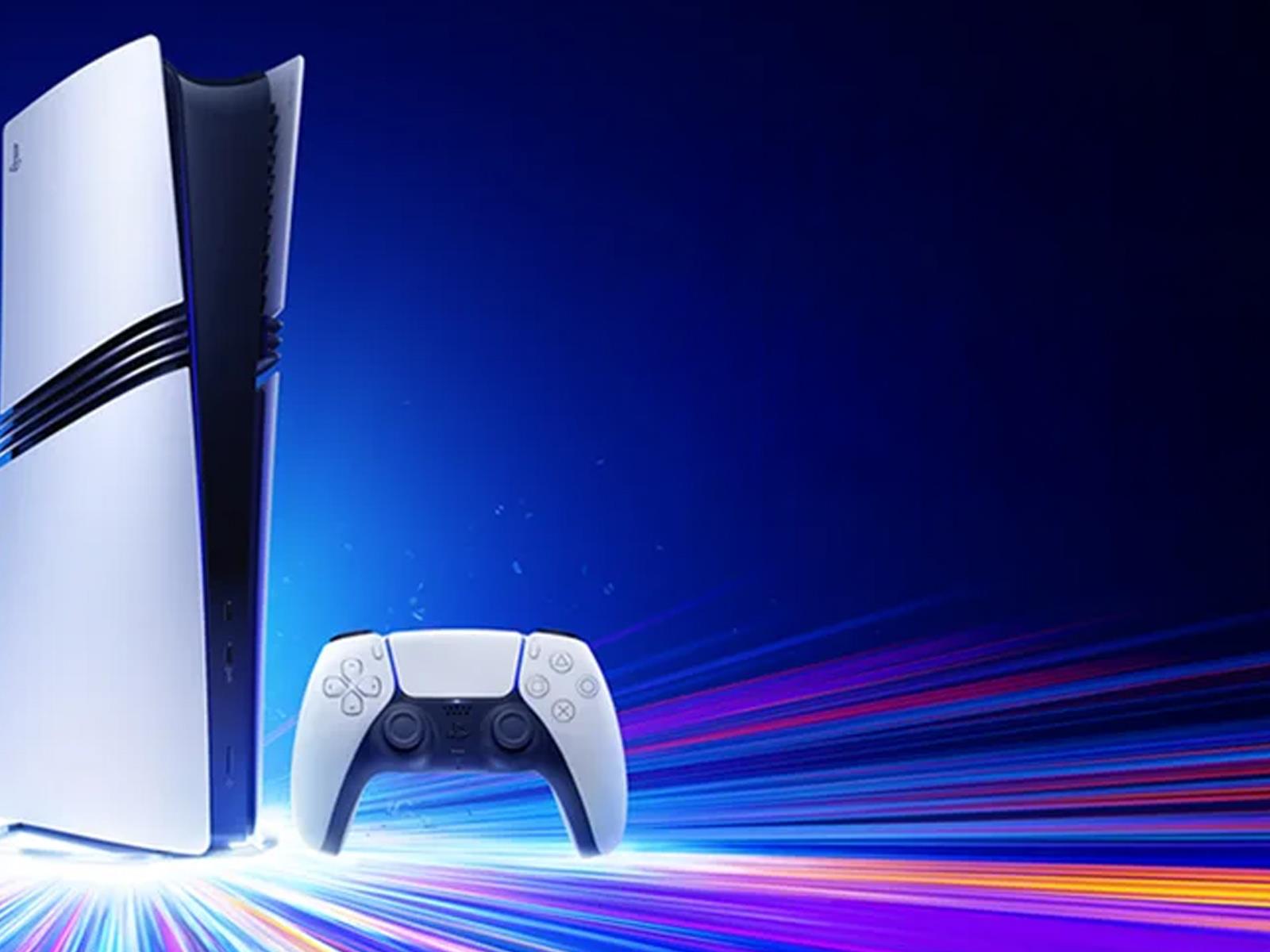
If a price hike is a sickness, than Black Friday is the cure. Black Friday deals on PlayStation 5 consoles are now in effect, providing a salve against recent price adjustments made by Sony. And yes, it’s easy to be soured by a so-called deal on items that recently went up in price, but the Black Friday discounts bring PS5 console costs to
After eons of Android users relying on cumbersome cloud links or email attachments to share content with iPhones, Google dropped a bombshell yesterday that its Quick Share function can now directly communicate with Apple’s proprietary AirDrop feature, forever ending the agonizing cross-platform file sharing wall.
OpenAI CEO Sam Altman told colleagues last month that Google’s recent progress in AI could “create some temporary economic headwinds for our company,” though he added that OpenAI would emerge ahead, The Information reports [non-paywalled source]. From the report: After OpenAI researchers heard that Google had created a new AI that appears to have leapfrogged OpenAI’s in the way it was developed, Altman said in the memo that “we know we have some work to do but we are catching up fast.” Still, he cautioned employees that “I expect the vibes out there to be rough for a bit.”
DJI may be the big dog in drones, but it plays third fiddle to GoPro and Insta360 in the action cam market. To better stand out, the company has launched the Osmo Action 6 with a pair of innovative features. The first is a big, square sensor that boosts video quality in low light, while making it easy to output both horizontal and vertical video. The second is a variable aperture for flexible shooting in both bright and dark conditions.
As DJI’s new flagship non-360 action cam, the Action 6 goes up against GoPro’s Hero 13 and the Insta360 Ace Pro 2. Both of those can capture higher resolution footage, so they’re better for most users in daylight conditions. However, if you shoot a lot in dim or contrasty light, DJI’s Action 6 may be your best option.
Variable aperture
I’ve already gone through the Osmo Action 6’s specs in my earlier news post, so check that to see the full details. As for what’s new, the first key feature is the variable f/2.0-f/4.0 aperture — the first ever in an action cam. This allows for brighter video and improved stabilization when shooting at night compared to the fixed f/2.8 aperture on the Action 5 Pro. It also offers shallower depth of field and more flexibility on sunny days.
The first thing I noticed with this feature was the lack of full manual control. You can only set it to fixed f/2.6, f/2.8 and f/4.0 “starburst” modes, or automatic settings ranging from f/2.0-f/4.0 up to f/2.8-f/4.0. That means f/2.0 isn’t available as a fixed aperture, which is too bad as that would be ideal for portraits.
Still, variable aperture is a highly useful feature. In auto mode, it ramps from one setting to another in fine steps (f/2.1 to f/2.2, for example), so I never saw any exposure jumps. In low light, I could dial the ISO range down to avoid excessive noise, giving me higher video quality. However, I’d love to see full manual control in a future update.
New square sensor
Another key feature is the new 1/1.1-inch (0.56 inch diagonal) square sensor that allows a wide range of resolutions and aspect ratios. The Action 6 supports vertical and horizontal resolutions up to 4K, in either 16:9 or 4:3 aspect ratios for the latter orientation. The best new setting, though, is Custom, which lets you shoot 3,840 x 3,840 square video.
At 60 fps (a standard frame rate for action videos), GoPro’s Hero 13 maxes out at 5,312 x 2,988 pixels, while the Insta360 Ace Pro 2 can hit 3,840 x 2,880 pixels. That makes the Osmo Action 6 the only current action cam with 4K vertical resolution at 60 fps.
The benefit is that you can film for both horizontal and vertical video platforms like YouTube and TikTok, respectively, with no need to rotate the camera and no loss in resolution. If that sounds familiar, it’s the same reason Apple adopted a square sensor on the iPhone 17’s front camera.
I tested the Custom aspect ratio in DaVinci Resolve Studio and it made exports a breeze. First, I created and exported a standard 4K horizontal timeline, then simply copied the contents to a vertical timeline. After reframing a few shots to keep the action centered, I was able to immediately export a 4K TikTok video. That’s a big time saver for busy editors.
Video quality
Sample image from the DJI Osmo Action 6 in “Custom” mode
Steve Dent for Engadget
With a 30 percent larger sensor, the Action 6 is better for night or interior shooting using 6,400 ISO and up. Compared to the Action 5 Pro, I found nighttime video from the Action 6 to be considerably cleaner. DJI also improved the Night setting itself: video is cleaner, noise reduction is applied less aggressively and everything looks more natural.
The new sensor and variable aperture also help DJI’s Rocksteady 3.0 digital stabilization in low light. If you’re filming from a bicycle at night, for instance, the Action 6 will use a higher shutter speed than the Action 5, so video will be sharper. That helps the stabilization algorithm produce a better result with less pixelation and tearing.
In daylight conditions, the Action 6 delivers sharp, color-accurate video that can be used straight out of the camera — just like the Action 5. However, in contrasty scenarios like a sun-dappled forest trail, the Action 6 has a slight advantage. When I engaged the 10-bit D-LogM setting to boost dynamic range, I noticed that dark shadow areas had more detail and less noise than they did in footage from the Action 5 Pro or GoPro Hero 13.
However, the GoPro Hero 13’s extra resolution is an advantage if you mostly use YouTube and other horizontal formats. With up to 5,312 x 2,988 pixels at 60 fps, it offers sharper 4K video after supersampling and more room to reframe shots in post production without any loss in quality.
DJI Osmo Action 6’s “Custom” square format shown with gridlines enabled
Steve Dent for Engadget
If you like shooting wide but hate the distortion, DJI’s Natural Wide field of view is a nice addition. The regular Wide setting tends to distort vertical lines, but Natural Wide keeps everything nice and straight while providing a greater field of view.
Finally, I tested the Action 6’s new Film Tone feature that borrows a trick from Fujifilm’s simulations. It’s a way to get some fun looks straight out of the camera, like “pristine and cool tones” or “classic negative film type.”. The results are great for anyone who doesn’t want to fiddle with color in post-production, though DJI needs to add a few more options like black and white or sepia.
Other updates
With its bigger sensor the Osmo Action 6 is slightly larger than the Action 5 Pro in all dimensions, but around the same weight at 5.26 ounces. As before, it can connect to up to two DJI wireless microphones at once, including the Mic 2, Mic 3 and Mic Mini. And it comes with DJI’s new dual-latch Quick-Release Adapter Mount that can be attached in either direction, but supports all of DJI’s past accessories.
Unlike its competition, the Osmo Action 6 comes with 50GB of internal memory (up from 47GB before) along with a microSD card slot. That means you won’t be screwed if you forget a memory card, as most of us have done at one point or another. DJI also doubled the Wi-Fi transfer speeds to 80MB/s and boosted USB-C transfer rates to 800MB/s.
Steve Dent for Engadget
As before, the Action 6 is waterproof to 20 meters (66 feet) by itself, or nearly 200 feet with DJI’s waterproof case. And on top of voice control, the Action 6 supports gestures as well, so you can now wave at the camera to start and stop video (like you can with the new Neo 2 drone). With the same 1,950mAh Extreme Battery Plus as before, shooting time between charges is four hours at 1080p and two hours at 4K.
Finally, DJI has introduced two removable lenses for the Action 6, given DJI some competition in that regard. The first is a macro lens with a minimum focal distance of just 4.3 inches, making it ideal for closeup work and portraits. The other is an FOV expansion lens that boosts the field of view from 155 to 182 degrees.
Wrap-up
With a bigger sensor and larger aperture than the competition, DJI’s Action 6 is now the best action cam on the market for night shooting, delivering clean, sharp video with better stabilization than rivals. It’s also ideal for users who output to both YouTube and TikTok.
For regular daytime shooting, though, the extra resolution offered on GoPro’s Hero 13 might be preferable for some users. All that aside, it may come down simply to the price. DJI’s Action 6 starts at $369 ($439 with extra batteries and a charger), compared to $309 for the Hero 13 Black and $420 for Insta360’s Ace Pro 2. These are all great choices, but if low-light capability is more important than resolution, choose the Osmo Action 6.
This article originally appeared on Engadget at https://www.engadget.com/cameras/dji-osmo-action-6-review-an-action-camera-that-excels-in-low-light-143027343.html?src=rss
We may earn a commission from links on this page. Deal pricing and availability subject to change after time of publication.
The OnePlus 13 isn’t just competing with flagship phones. It’s quietly undercutting them. At $699 for the unlocked 512GB Arctic Dawn model, down from $849, it’s currently at its lowest price according to price trackers, making a strong case for itself if you’ve been eyeing an Android phone with top-tier specs without crossing the $1,000 threshold.
It runs on the new Snapdragon 8 Elite chip with 16GB RAM, includes a massive 6.82-inch ProXDR OLED display that stays readable even in direct sunlight, and delivers all-day battery life. Add in 80W wired charging (with the charger actually in the box) and a surprisingly premium build with IP68/IP69 protection, and you start to wonder why this phone isn’t getting more buzz. It also supports wireless charging, but you’ll need to buy OnePlus’ AirVOOC charger separately, notes this PCMag review.
Performance-wise, it holds its own. Whether you’re juggling dozens of apps or pushing it with demanding games, the OnePlus 13 barely breaks a sweat. Plus, its 120Hz refresh rate makes everyday scrolling feel extra smooth. On the connectivity side, you get wifi 7, NFC, Bluetooth 5.4, and support for advanced audio codecs like LDAC and LHDC 5.0, which is great news for wireless headphone users.
OnePlus’ ongoing collaboration with Hasselblad anchors the camera setup of the OnePlus 13, and this year, all three rear lenses are 50MP—main, telephoto, and ultra-wide. Color reproduction leans natural, not oversaturated, which is great if you prefer photos that don’t need major editing.
Software updates won’t go as long as Pixel or Galaxy phones, which might be a dealbreaker if you plan to keep your phone for years. And it doesn’t have a microSD card slot, so the 512GB you get is all you’ll have. But if you want top-tier performance, clean design, and unbeatable battery life for the price, the OnePlus 13 is one of the best values out there right now.
Our Best Editor-Vetted Early Black Friday Deals Right Now
Thanksgiving isn’t until next week, but the Black Friday sales are upon us already. We’ve seen loads of great deals popping up around the Internet, including some serious discounts on headphones. The Beats Studio Pro set is available for a whopping 51 percent off on Amazon. That means you can grab the high-end Beats model for just $170 instead of its usual $350 price tag. This matches the cost we’ve seen for the Studio Pro headphones during other peak shopping times earlier this year, so this might be your last chance to pick them up for this price.
The Beats brand last updated this wireless over-ear headset in 2023, but it’s still a solid choice for a workhorse pair of headphones. The current model improved audio quality and added a useful Transparency mode, so that you can listen to your tunes and still be aware of the world around you, which is great for settings such as public transit and the gym. The other option is a more immersive active noise-canceling mode. Beats Studio Pro also support lossless audio when wired on a USB-C cable. The official specs say the battery life for the headphones lasts up to 40 hours, or 24 hours when the active noise canceling mode is engaged. If you need to eke more life out of these Beats, they do offer a fast-charging mode that promises four hours of activity from just ten minutes of recharge.
There are several color options for the Beats Studio Pro, so if there’s a particular hue you want to be sporting, this might be a deal to hop on quickly before the supplies run out or the deal expires.
This article originally appeared on Engadget at https://www.engadget.com/audio/headphones/snag-a-pair-of-beats-studio-pro-headphones-for-half-off-this-black-friday-140335259.html?src=rss