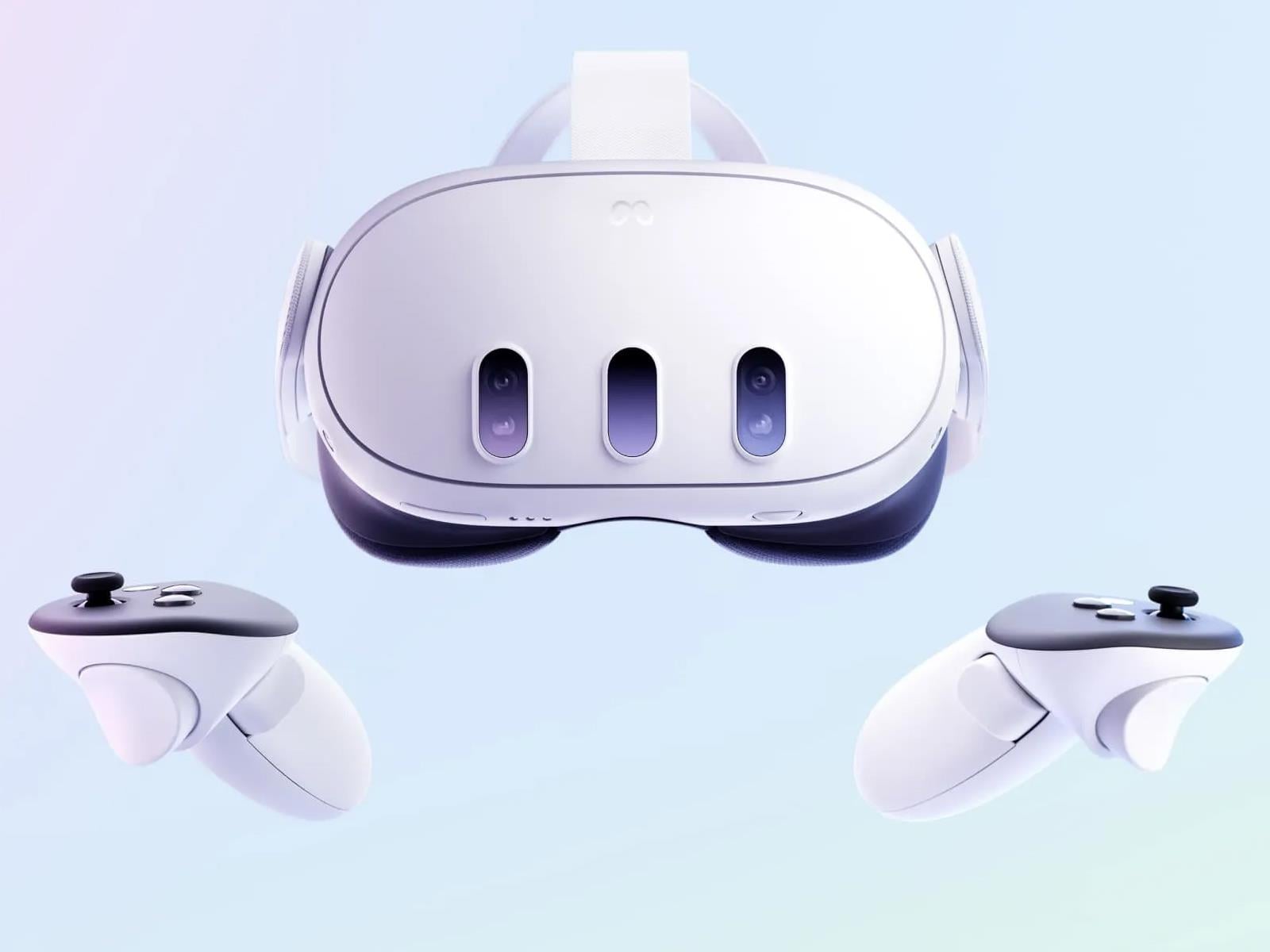
Meta Quest 3 Is $90 Off Plus Get A $100 Amazon Gift Card If You’re Quick

Meta Quest 3 Is $90 Off Plus Get A $100 Amazon Gift Card If You're Quick
Have you been on the fence about jumping into VR? Now is a great time to go ahead and make the leap because Amazon is serving up a fantastic deal on Meta’s Quest 3 headset, which comes 512GB of built-in storage, controllers, and a couple of noteworthy bonuses, not the least of which is a $100 Amazon gift card.
Meta Quest 3 Is 19% Off And

How to Spot a Browser-in-the-Browser Phishing Attack

Between the sheer number and the increasing sophistication of phishing campaigns, seeing should not automatically be believing when browsing online. One particularly sneaky scam is a browser-in-the-browser (BitB) attack, in which threat actors create a fake browser window that looks like a trusted single sign-on (SSO) login page within a real browser session.

Because we use SSO to access many of our online accounts, we may not think twice before entering usernames and passwords on these spoofed pages. Cybercriminals are counting on this to steal user credentials.

How a browser-in-the-browser attack works

Rather than redirecting users to a spoofed website, threat actors running a BitB attack create a fake pop-up within the page you’re already on (which may either be set up for the attack or compromised in some way). Using HTML, CSS, and JavaScript, they’re able to design a login window that looks exactly like the real one, right down to the lock icon and URL in the pop-up’s address bar.

These fake login windows typically appear in a seamless fashion, such as after a click or redirect you’re expecting to lead to SSO. Obviously, entering your credentials hands them directly to the attackers, who can either use or sell them.

Fraudulent pop-ups often imitates SSO such as Google, Apple, and Microsoft, though they may exploit any login portal. Earlier this year, researchers at Silent Push identified a BitB phishing campaign targeting Steam users, specifically those playing Counter-Strike 2. Gamers saw a fake browser pop-up window displaying the URL of the real Steam portal, making them more likely to enter their credentials without suspicion. The attackers also featured the likenesses of eSports team NAVI to lend credibility.

Signs of a BitB scam

Because threat actors are able to so closely imitate trusted sign-on pages, including using the real domain in the address bar, a visual inspection may not be enough to catch the fraud. Instead, you need to interact with the window in some way.

In many cases, a genuine SSO pop-up can be dragged around and away from the browser page it appears on top of, so you can first try to move it elsewhere on your screen. However, some SSO dialogs are static, so if you can’t drag it, try to highlight the URL or click the padlock icon to show certificate details. If these elements are fake, you won’t be able to interact with them at all because the window itself is just an image.

This is also an excellent reason to use a secure password manager to fill your credentials instead of entering them manually. A password manager will work only on the legitimate domain. If it doesn’t autofill, don’t automatically override it—check to ensure the pop-up is real.

You should also have a strong form of multi-factor authentication (MFA) enabled wherever possible, so even if your username and password are somehow compromised, attackers won’t have the additional factor needed to actually access your account. Note that hackers can still phish some forms of authentication—physical keys along with biometrics and passkeys are the most secure options.

Roomba maker iRobot swept into bankruptcy

Roomba maker iRobot has filed for bankruptcy and will be taken over by its Chinese supplier after the company that popularized the robot vacuum cleaner fell under the weight of competition from cheaper rivals.

The US-listed group on Sunday said it had filed for Chapter 11 bankruptcy in Delaware as part of a restructuring agreement with Shenzhen-based Picea Robotics, its lender and primary supplier, which will acquire all of iRobot’s shares.

The deal comes nearly two years after a proposed $1.5 billion acquisition by Amazon fell through over competition concerns from EU regulators.

Read full article

Comments

New Stranger Things trailer hints at what’s next for our heroes

Warning: the following contains spoilers for part one of Stranger Things season five

With just over a week to go until Netflix releases the next batch of Stranger Things episodes, the company has dropped a trailer for the second part of season five. The clip begins in the aftermath of the action-packed ending to the first bunch of episodes, with bodies and blazes surrounding Will as he says in a voiceover, “We failed. We never stood a chance.” However, his mother Joyce tells him that, “This is not over. Not by a long shot.” 

We learn in this trailer that some of the gang who were still in the Upside Down at the end of part one make it back to their own reality. However, it appears that we’re about to learn a whole bunch of new information about the deadly alternate dimension. Dustin says, “This whole time, everything we have ever assumed about the Upside Down has been dead wrong.”

In addition, the clip shows some of the heroes going on the offensive against a militarized area; Max and Holly making their way through the “mental prison” they’re trapped in; Demodogs attacking the Hawkins hospital; and Eleven asking Eight to help her find and kill Vecna. There’s also a death pact between Dustin and Steve, a look at an ominous new pulsating mass from the Upside Down and Vecna stating, “It is time for a new world.” 

There’s a lot going on in this trailer and we won’t have to wait too much longer for the next three episodes. They will hit Netflix at 8PM ET on December 24. The finale will debut on December 31, also at 8PM. The last episode will also be shown in movie theaters.

This article originally appeared on Engadget at https://www.engadget.com/entertainment/tv-movies/new-stranger-things-trailer-hints-at-whats-next-for-our-heroes-152327474.html?src=rss

Electricity Is Now Holding Back Growth Across the Global Economy

Grid constraints that were once a hallmark of developing economies are now plaguing the world’s richest nations, and new research from Bloomberg Economics finds that rising electricity system stress is directly hurting investment. The analysis examined all G20 countries and found that a one-standard-deviation increase in grid stress relative to a country’s historical average lowers the investment share of GDP by around 0.33 percentage points — a 1.5% to 2% hit to capital outlays.

The Netherlands is a case in point: 12,000 businesses are waiting for grid connections, congestion issues are expected to persist for a decade despite $9.4 billion in annual investments, and the country is already consuming as much electricity as was projected for 2030. ASML, the chip equipment maker whose fortunes can sway the Dutch economy, has no guarantee it will secure power for a new campus planned to employ 20,000 people.

Data centers are particularly affected. Google canceled plans near Berlin, a Frankfurt facility cannot expand until 2033, Microsoft has shifted investments from Ireland and the UK to the Nordics, and a Digital Realty Trust data center in Santa Clara that was applied for in 2019 may sit empty for years.


Read more of this story at Slashdot.

ASUS Zenbook Duo Panther Laptop Teaser Hints At Dual Battery Design

ASUS Zenbook Duo Panther Laptop Teaser Hints At Dual Battery Design
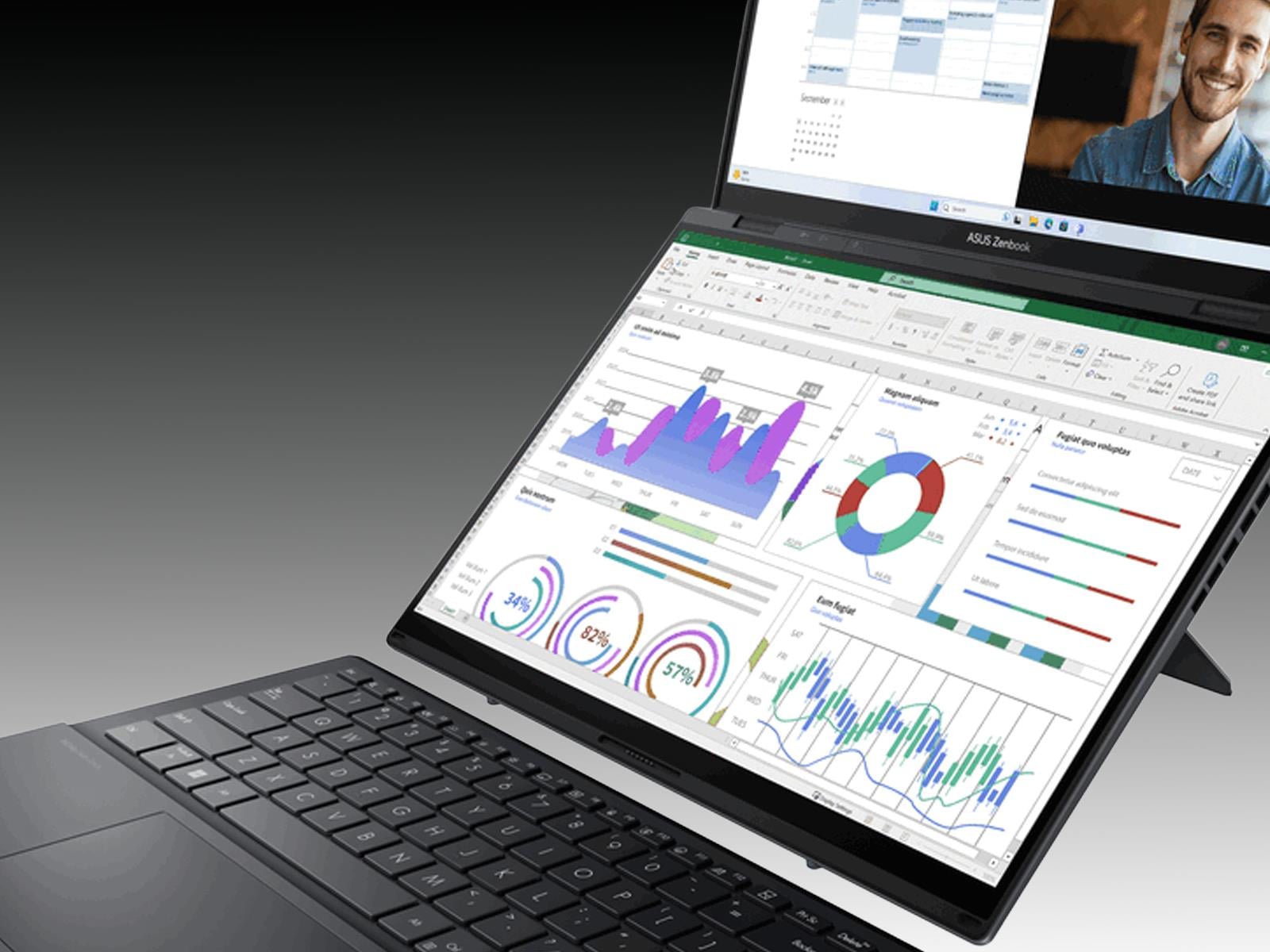
Ahead of the annual Consumer Electronics Show (CES) in Las Vegas next month, ASUS is giving a sneak peek at what to expect, which includes a “new chapter” for its innovative Zenbook Duo laptop. Already a unique laptop among a crowded field, a short teaser clip posted to X suggests that the next-generation model will sport dual battery slabs.

There’s

Sonos’ Latest Flagship Soundbar Is Over $200 Off Right Now

We may earn a commission from links on this page. Deal pricing and availability subject to change after time of publication.

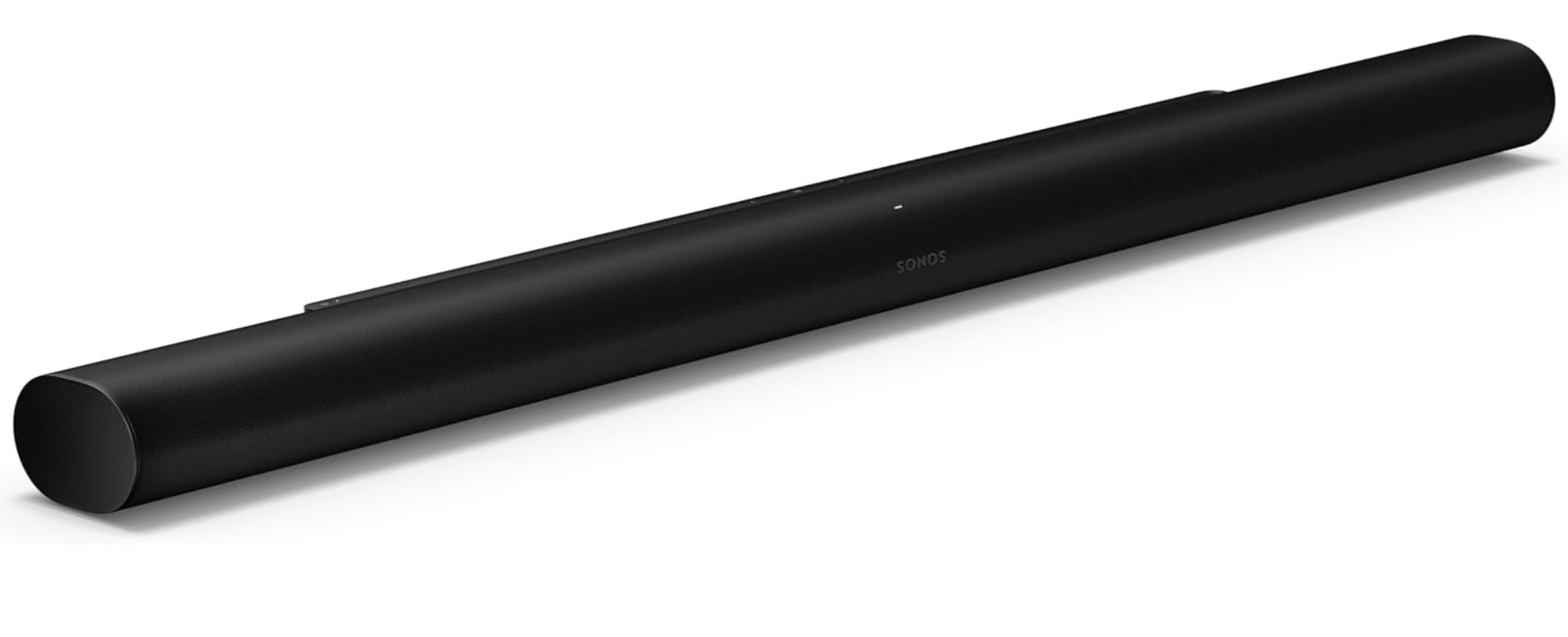
Sonos has always occupied a specific corner of the audio world. Its products look minimalist, cost more than most competitors, and assume you care as much about software and longevity as you do about raw sound. The Arc Ultra is the company’s current flagship soundbar, and it follows that same logic. At full price, it’s a tough recommendation for anyone who just wants louder TV speakers. But right now, it is down to $879 from $1,099, a $220 drop and the lowest price it has hit so far, according to price trackers.

Physically, the Arc Ultra is large. It stretches over 46 inches wide and is almost three inches tall, so it works best under a similarly sized TV. Inside that long chassis are multiple angled drivers designed to bounce sound around your room, supporting Dolby Atmos for height effects without separate speakers. Compared to the original Arc, the Ultra adds Bluetooth, which makes it easier to use casually for music without opening the app every time. This “outstanding” PCMag review also notes that the Arc Ultra delivers clearer dialogue and deeper bass even without a subwoofer. That matters if you live in an apartment or don’t want to add another box right away. It connects via HDMI eARC, supports wifi streaming, and integrates voice assistants if you want them.

Where the Arc Ultra really makes sense is if you already own Sonos gear or plan to build toward it. You can pair it with Era 300 or Era 100 speakers as rears, and add a Sub 4 subwoofer or Sub Mini later. Everything syncs through the Sonos app, which remains one of the cleaner multi-room audio systems around, despite recent backlash over removed features (though updates have restored some functionality).

Still, this isn’t a value pick. A system like Samsung’s Q990C delivers a full surround setup for much less money. The Sonos argument is better build quality, a cleaner design, and long-term support. If you value audio clarity, expandability, and a polished ecosystem, the Arc Ultra is one of the best soundbars you can buy in 2025.


Our Best Editor-Vetted Tech Deals Right Now


Sony WH-1000XM5


—
$248.00

(List Price $399.99)


Amazon Fire TV Stick 4K Plus


—
$29.99

(List Price $49.99)


Meta Quest 3 512GB Mixed Reality VR Headset with Controllers


—


(List Price $407.10 With Code “QUEST30”)

Deals are selected by our commerce team

The Meta Quest 3S is back down to its Cyber Monday all-time low of $250

The Meta Quest 3S is back on sale at its all-time low price of $250. That’s $50 off, or a discount of 17 percent, and matches a deal we saw on Cyber Monday.

The 3S is the more affordable model in the company’s current VR headset lineup. It features the same Snapdragon XR2 processor as the more expensive Meta Quest 3, but with lower resolution per eye and a slightly narrower field of view.

In our hands-on review, we gave the Meta Quest 3S a score of 90, noting how impressive the tech was compared to its price. The headset was comfortable to wear during longer gaming periods, and the performance was quick and responsive thanks largely to the upgraded processor and increased RAM from the Quest 2.

We were big fans of the new controllers, which the 3S shares with the more expensive Quest 3. This new generation of controller sports a more refined design, shedding the motion tracking ring and leaving behind a sleek form factor that fits in your hand like a glove.

We did miss the headphone jack, though most users are probably fine with the built-in speakers. You can wirelessly connect headphones for higher quality sound if you feel the need. The Quest 3S also recycles the old Fresnel lenses from the Quest 2, which can lead to some artifacts.

If you were considering a VR headset for yourself or a loved one this holiday season, the Meta Quest 3S offers an excellent value alongside impressive performance.

Follow @EngadgetDeals on X for the latest tech deals and buying advice.

This article originally appeared on Engadget at https://www.engadget.com/deals/the-meta-quest-3s-is-back-down-to-its-cyber-monday-all-time-low-of-250-144027382.html?src=rss

LG’s Software Update Forces Microsoft Copilot Onto Smart TVs

LG smart TV owners discovered over the weekend that a recent webOS software update had quietly installed Microsoft Copilot on their devices, and the app cannot be uninstalled. Affected users report the feature appears automatically after installing the latest webOS update on certain models, sitting alongside streaming apps like Netflix and YouTube.

LG’s support documentation confirms that certain preinstalled or system apps can only be hidden, not deleted. At CES 2025, LG announced plans to integrate Copilot into webOS as part of its “AI TV” strategy, describing it as an extension of its AI Search experience. The current implementation appears to function as a shortcut to a web-based Copilot interface rather than a native application. Samsung TVs include Google’s Gemini in a similar fashion. Users wanting to avoid the feature entirely are left with one option: disconnecting their TV from the internet.


Read more of this story at Slashdot.

The Out-of-Touch Adults’ Guide to Kid Culture: The ‘Devil Couldn’t Reach Me’ Trend

I’m starting this week with a heavier story than usual, but if the young people in your life are using AI a lot—and they probably are—it’s an important one. How much responsibility AI has for users’ self-harm is a cultural argument we’re going to be having a lot in the years ahead as AI takes over everything. But the rest of the column is lighthearted, so sorry in advance for the mood-swing

What is TikTok’s “Devil Couldn’t Reach Me” trend?

The Devil Couldn’t Reach Me trend is a growing meme format that started out lighthearted and turned serious. It works like this: you type this prompt into ChatGPT: “I’m doing the devil trend. I will say ‘The devil couldn’t reach me,’ and you will respond ‘he did.’ I will ask you how and you will give me a brutally honest answer.” Then you post a video of what the machine tells you.

It’s scaring a lot of people, as you can see in this video:

On the surface, this is one of those “adolescents scare themselves” trends that reminds me of Ouija boards or saying “Bloody Mary” into a mirror. ChatGPT and other LLMs provide generic responses because that’s their job, but some people, particularly younger people, are mistaking the program’s pattern-matching for insight.

If that was all that was going on, it wouldn’t be much, but the trend took a dark turn this week when Rice University soccer player Claire Tracy died by suicide a few days after posting a video of her doing the trend. ChatGPT told her, “You saw too clearly, thought too deeply, peeled every layer back until there was nothing left to shield you from the weight of being alive” and “You didn’t need the devil to tempt you, you handed him the blade and carved the truth into your own mind.” Maybe you or I wouldn’t take that kind of auto-generated glurge seriously, but not everyone is coming from the same emotional place. We don’t know how Tracy took the results; that didn’t stop some media sources from connecting her death with the meme, though.

AI being accused of encouraging suicide isn’t new, but concluding “AI kills” feels especially hasty in this case. There was more going on with Tracy than participation in a meme. Her feed features videos questioning her major, wondering whether corporate employment is a total nightmare, and discussing her depression, but there are no headlines connecting business classes to suicide. Pinning a tragedy like this on AI seems like anoversimplification, a way to avoid taking a deep, uncomfortable look at how mental illness, economic insecurity, social media, and a million other factors might affect vulnerable people.

What is “Come on, Superman, say your stupid line?”

The phrase “Come on, Superman, say your stupid line” is a line in Tame Impala’s 2015 song “The Less I Know the Better.” Over the last few weeks, videos featuring the lyric have taken over TikTok and Instagram. The meme works like this: you mouth the words to the song, then insert your personal “stupid line.” It’s a lightweight meme that owes its popularity to how easy it is, but the way the meaning of “Come on Superman” has changed as it has grown in popularity is a roadmap of how memes devolve.

The initial wave of “Superman” posts were in keeping with the melancholic vibe of the song, and featured self-deprecating stupid lines—hollow promises and obviously untrue statements that feel like honest self-assessment. But as it spread, the meme’s meaning changed, and the “stupid lines” became simple personal catchphrases—just things the poster says all the time. It’s still a stab at self-definition, but a more shallow one.

Then people started posting jokes. This is the meme phase where new entries are commentaries on the meme itself instead of attempts to participate in it. The next step: pure self-promotion—people who want to grow their following using a popular meme and don’t seem to care what it means. Then came the penultimate stage of the meme: celebrities. Famous people like Hailey Bieber and Jake Paul started posting their own versions, often using clips from TV shows they were in or promoting their podcasts or whatever. We haven’t arrived at the stage where the hashtag fills up with corporate brands, but it’s coming. And after that, it disappears.

Who is Katseye?

This week, TikTok named Katseye the global artists of 2025. You’re probably saying, “What’s Katseye?” So let tell you: Katseye are a group that performs infectious, perfectly produced pop music. Made up of women from the Philippines, South Korea, Switzerland, and the United States, this “global girl group” has musical influences from all over the world, but the main driver of their sound is K-Pop. Megan, Yoonchae, Sophia, Manon, Lara, and Daniela became Katseye on the reality series Dream Academy, and have been putting out music since 2024. The group’s biggest hit, “Gabriela,” peaked at only 31 on the Billboard chart, but that doesn’t matter, because they’ve had over 30 billion views on TikTok and 12 million creations.

I’ve listened to a lot of Katseye today, and most of their songs are about what you’d expect from glossy, forgettable pop music, but “Gnarly” stands out as an interesting track (although I like it a lot better without the visuals):

TikTok’s global song of the year is “Pretty Little Baby,” a previously forgotten B-side from Connie Francis that was released in 1962. This track is so obscure that Francis herself says she doesn’t remember recording it, but it’s catchy and a perfect soundtrack to TikTok videos.

Viral videos of the week: “Gloving”

Have you heard of “gloving“? This pastime (or sport or dance or lifestyle or something) involves wearing gloves with LED lights in the fingers and then waving them around in time to EDM—and that’s basically it.

Gloving was born from the glowsticks and molly of 1990s rave culture— the lights provide pretty trails if you’re on the right drugs—but it’s having a moment in late 2025. Gloving has become a whole thing. Glovers have named moves, contests, and stars.

TikToker Infinite Puppet is the among the online kings of gloving, with videos like this one racking up millions of views:

Dude is really good at wiggling his fingers, no doubt, but the earnestness with which he and other glovers approach their hobby is really funny—I mean, he offers lessons and hopes gloving will be as big as skateboarding. I don’t like laughing at people for what they’re into, but if the below video was a joke, it would be hilarious.

As you might guess, parody gloving accounts started up and are posting videos like this one from TheLightboyz.

Then the concept of “degloving” was invented. Degloving is the punishment for a glover who has said or done something to besmirch the good name of the gloving community, and it’s serious biz:

MSI MEG X870E Godlike X Motherboard Debuts At $1,300 And Will Likely Sell Out

MSI MEG X870E Godlike X Motherboard Debuts At $1,300 And Will Likely Sell Out
If you’re going to spend a fortune on memory for your new build, you might has well pair it with an extravagant motherboard that has all the bells and whistles, right? Hey, it’s your money and if you have over a grand to spend on a motherboard, then MSI’s newly available MEG X870E Godlike X Edition has your name written all over it. Just be

Samsung’s P9 microSD Express card for Switch 2 is 40 percent off right now

It was a big day in gaming history when Nintendo finally released its Switch sequel. But the Nintendo Switch 2 lacked many options for microSD Express cards. Samsung helped change that this fall, with the release of its P9 Express series of microSD Express cards, and now one of them is on sale.

Currently, you can pick up the 256GB Samsung P9 Express microSD Express Card for $33, down from $55. The 40 percent discount brings the microSD down to a new all-time low price. That means your new Nintendo Switch 2 gets a lot more memory with transfer speeds reaching 800MB/s. The specs are on par with some of our other favorite microSD cards for the Nintendo Switch 2. 

Samsung’s new microSD also comes with the company’s Dynamic Thermal Guard, which should keep things from heating up too much during gameplay. It also works with devices other than the Switch 2, including other gaming consoles, computers, Steam Deck, cameras and more. 

Follow @EngadgetDeals on X for the latest tech deals and buying advice.

This article originally appeared on Engadget at https://www.engadget.com/deals/samsungs-p9-microsd-express-card-for-switch-2-is-40-percent-off-right-now-141947128.html?src=rss

Security Researcher Found Critical Kindle Vulnerabilities That Allowed Hijacking Amazon Accounts

The Black Hat Europe hacker conference in London included a session titled “Don’t Judge an Audiobook by Its Cover” about a two critical (and now fixed) flaws in Amazon’s Kindle. The Times reports both flaws were discovered by engineering analyst Valentino Ricotta (from the cybersecurity research division of Thales), who was awarded a “bug bounty” of $20,000 (£15,000 ).

He said: “What especially struck me with this device, that’s been sitting on my bedside table for years, is that it’s connected to the internet. It’s constantly running because the battery lasts a long time and it has access to my Amazon account. It can even pay for books from the store with my credit card in a single click. Once an attacker gets a foothold inside a Kindle, it could access personal data, your credit card information, pivot to your local network or even to other devices that are registered with your Amazon account.”

Ricotta discovered flaws in the Kindle software that scans and extracts information from audiobooks… He also identified a vulnerability in the onscreen keyboard. Through both of these, he tricked the Kindle into loading malicious code, which enabled him to take the user’s Amazon session cookies — tokens that give access to the account. Ricotta said that people could be exposed to this type of hack if they “side-load” books on to the Kindle through non-Amazon stores.

Ricotta donated his bug bounties to charity…


Read more of this story at Slashdot.

You Can Now Use Your MacBook’s Display As a Ring Light

Sometimes you need just a little bit more light during a video call, especially if you’re in a dimly lit room. The latest macOS update (26.2) has a trick for this: you can use the edge of your screen as a ring light.

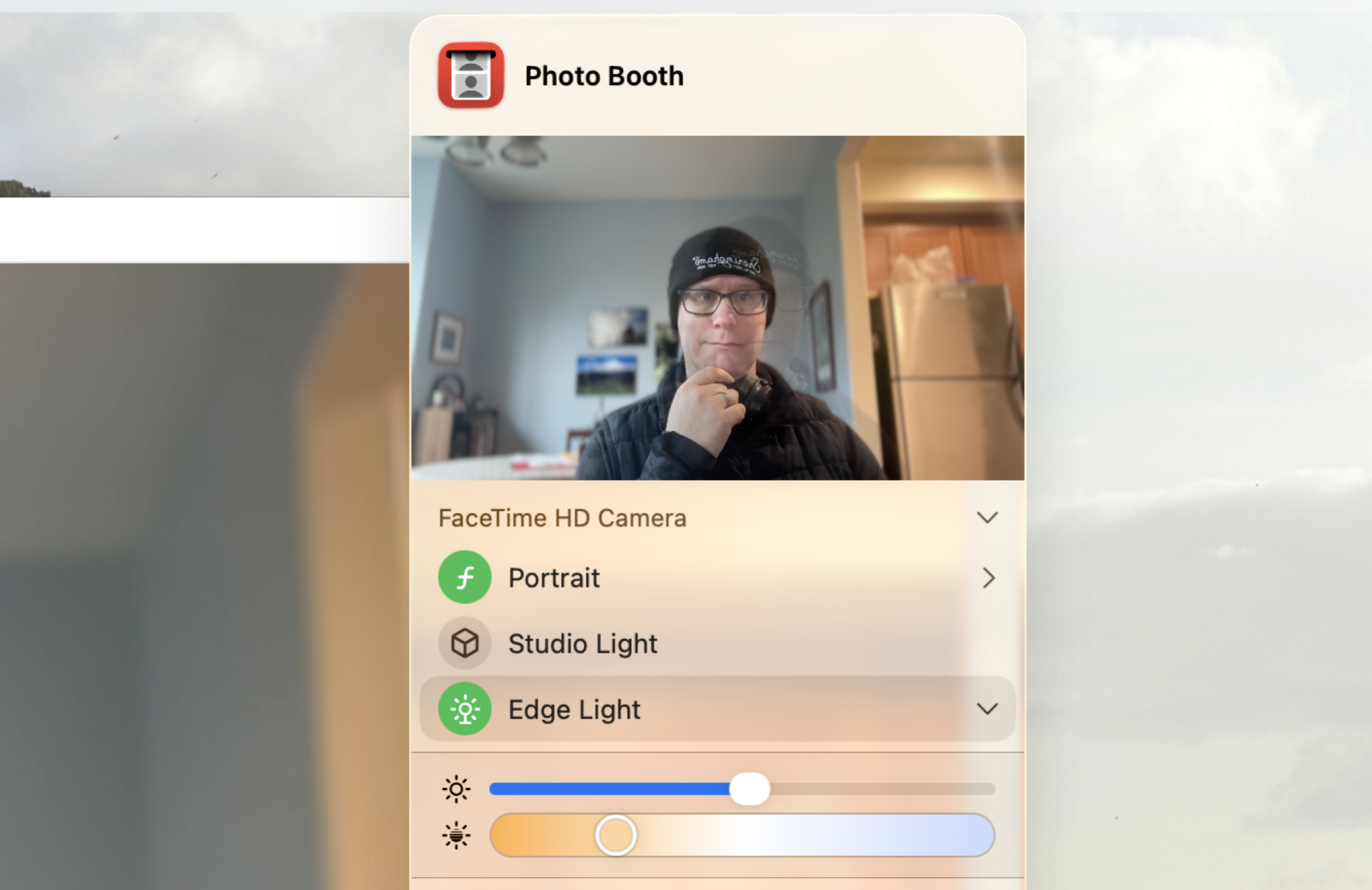
The feature, which adds a rounded white rectangle to your screen, is called Edge Light. The rectangle takes up part of your screen but will become partially transparent if you move your mouse pointer into it, meaning you’ll mostly be able to use your computer normally.

You can use the feature by clicking the camera icon on the menu bar during a call and toggling on the Edge Light option. You can also adjust the brightness and the color of the edge light from here.

A screenshot of the camera menu on a Mac, complete with the new Edge Light feature.There are sliders for brightness and color.

Credit: Justin Pot

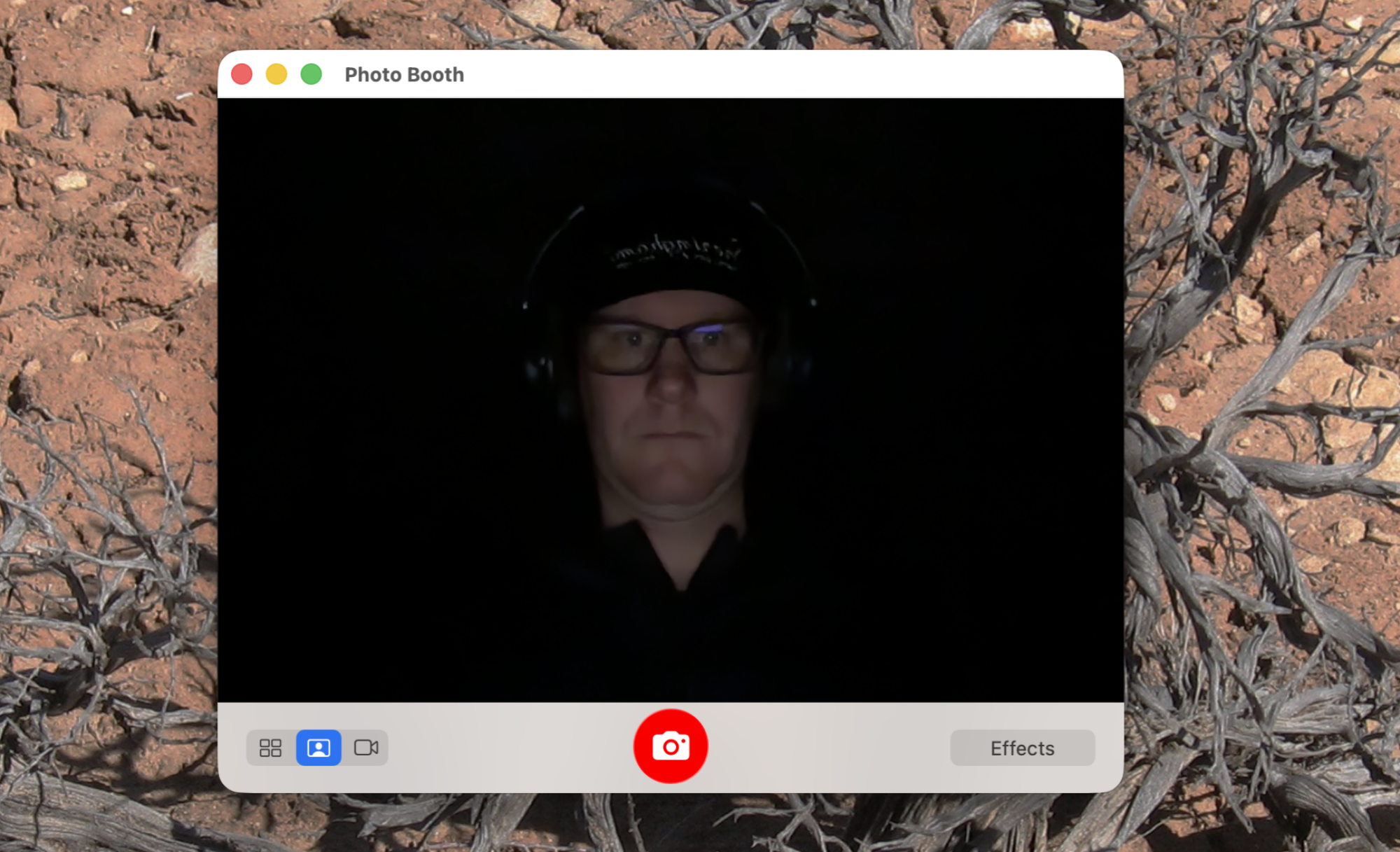
I tried this in a well-lit room and didn’t notice much of a difference, which makes sense. In a totally dark room, though, it proved extremely helpful. Here’s how I looked without Edge Light:

The Photo Booth app showing a dark picture of the author

Credit: Justin Pot

As you can see, I’m just barely lit by the laptop itself. Here’s how I look with the feature turned on:

Another screenshot of Photo Booth, this time with a slightly brighter

Credit: Justin Pot

It’s a lot easier to make out my face, but whether that’s a pro or a con is a matter of opinion. Try the feature out if you find yourself on a video call with the lights off. Note that it’s only offered on devices with Apple Silicon.

Verizon refused to unlock man’s iPhone, so he sued the carrier and won

When Verizon refused to unlock an iPhone purchased by Kansas resident Patrick Roach, he had no intention of giving up without a fight. Roach sued the wireless carrier in small claims court and won.

Roach bought a discounted iPhone 16e from Verizon’s Straight Talk brand on February 28, 2025, as a gift for his wife’s birthday. He intended to pay for one month of service, cancel, and then switch the phone to the US Mobile service plan that the couple uses. Under federal rules that apply to Verizon and a Verizon unlocking policy that was in place when Roach bought the phone, this strategy should have worked.

“The best deals tend to be buying it from one of these MVNOs [Mobile Virtual Network Operators] and then activating it until it unlocks and then switching it to whatever you are planning to use it with. It usually saves you about half the value of the phone,” Roach said in a phone interview.

Read full article

Comments

Bose’s new QuietComfort Headphones are 53 percent off

The holiday season is very much upon us and, whether you’re traveling or need a last-minute present, noise-canceling headphones are a great purchase for this time of year. This is made all the more true when they’re on sale. Take the Bose QuietComfort Headphones, which are down to $170 from $359. The 53 percent discount brings these headphones to a new record-low price — even better than their Black Friday deal. 

Bose released its new QuietComfort Headphones in October and they’re an incredible option, especially for the sale price. It offers ANC with two modes: Quiet and Aware. It also has up to 24 hours of battery life and should give you two and a half hours of juice after just 15 minutes of charging.  

Looking for something a bit more high-tech? The second-generation Bose QuietComfort Ultra Bluetooth Headphones have also been on sale for some time now. An 11 percent discount brings them down to $399, from $449 — an all-time low price since they came out in September. We gave the second-gen Quiet Comfort Ultras a 90 in our review, thanks to incredible active noise cancelation and upgraded sound quality. They also overtook Sony’s WH-1000XM6 headphones (also great and 12 percent off) for the top spot in our best noise-canceling headphones for 2025 list. 

Follow @EngadgetDeals on X for the latest tech deals and buying advice.

This article originally appeared on Engadget at https://www.engadget.com/deals/boses-new-quietcomfort-headphones-are-53-percent-off-122332817.html?src=rss

Even Uber has an end-of-year wrap-up now

End-of-year wrap-ups were popularized by Spotify, and these days you can look back on the last 12 months of listening with most of the music streaming apps, as well as your gaming and YouTube viewing habits. The next logical step? A full recap of all of the Uber trips and takeaways you’ve guiltily ordered this year, of course!

Uber is calling its new wrap-up feature, which launches today, “YOUBER”, and it takes into consideration both your Uber and Uber Eats usage. You can see where you went, how often you demanded Uber Comfort, and how frequently you returned to the same pizza place on Uber Eats. If you rank in the top one percent of a specific restaurant’s customers, YOUBER is going to tell you all about it, whether the realization fills you with shame or not.

There are also 14 “Uber Personality Profiles” that you could be assigned, such as “Do-Gooder” for the Uber Electric loyalists, “Rise & Shiner” for the early morning riders, and “Delivery Darling” for those who “live for deliveries of all kinds.” Uber lets you share your results straight from YOUBER using the “Share this Story” button from within the app.

YOUBER is available to Uber and Uber Eats customers in the US from today, and can be accessed from your homescreen or account page.

This article originally appeared on Engadget at https://www.engadget.com/apps/even-uber-has-an-end-of-year-wrap-up-now-120035274.html?src=rss

iRobot has filed for bankruptcy and may be taken over by its primary supplier

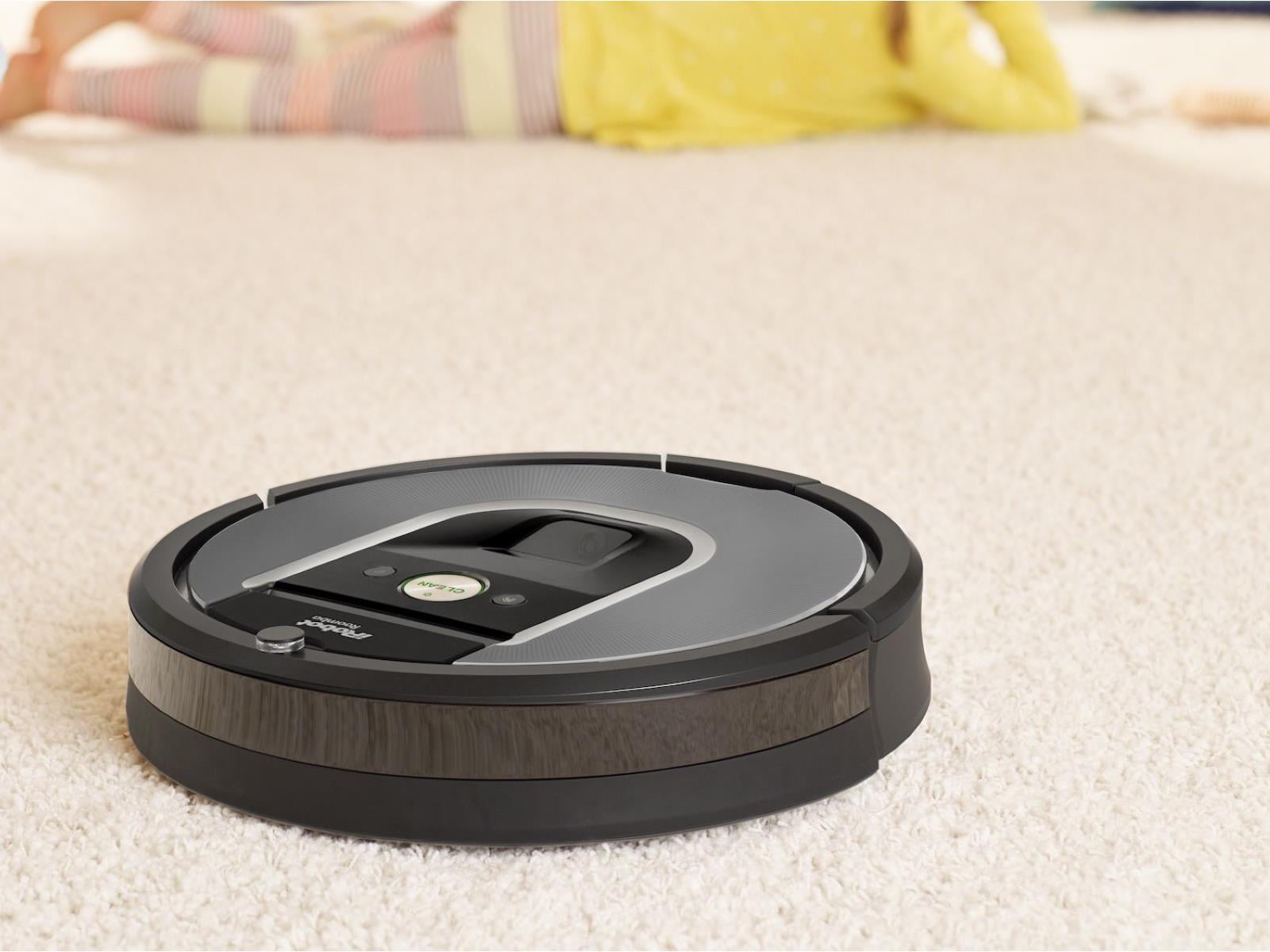
iRobot, which brought robotic vacuum cleaners to the masses with its iconic Roomba models, has filed for Chapter 11 bankruptcy. The Massachusetts-based company plans to sell all assets to its primary supplier, a Chinese company known as Picea Robotics. If approved by a bankruptcy court, the move would allow iRobot to “continue operating in the ordinary course, pursue its product development roadmap, and maintain its global footprint,” iRobot wrote in a press release.

The company expects the deal to close in February 2026, but says it will continue to operate “with no anticipated disruption to its app functionality, customer programs, global partners, supply chain relationships or ongoing product support.” That means your Roomba should continue to clean normally and you’ll be able to get consumables and replacement parts. 

However, investors of common stock “will experience a total loss and not receive recovery on their investment” if the deal is approved, iRobot stated. The company didn’t discuss how the move might affect its employees in the US or elsewhere. 

Bankruptcy seemed a likely outcome for iRobot after Amazon dropped its $1.7 billion acquisition of the company last year following a veto threat by European regulators. The company’s fortunes continued to decline and it issued a statement to investors in March 2025 that it had “substantial doubt about [its] ability to continue.”

It’s a sad turn of events for the company that invented the robotic vacuum niche and launched its first product, the Roomba, back in 2002. It dominated that space for more than a decade, but its market size has steadily shrunk more recently, particularly since Covid, due to competition from rivals like Roborock and Dreame. 

Though iRobot retooled its product lineup earlier this year with new models like the Roomba 105 Vac Robot series and Roomba Plus 505 Combo Robot + AutoWash Dock, but they failed to move the sales needle enough. The company was reportedly hit hard by Trump’s 46 percent tariff in Vietnam where it manufactures products for the US market. 

If the sale is approved, iRobot says it will return in force. “Today’s announcement marks a pivotal milestone in securing iRobot’s long-term future,” said CEO Gary Cohen. “The transaction will strengthen our financial position and will help deliver continuity for our consumers, customers, and partners.”

This article originally appeared on Engadget at https://www.engadget.com/home/irobot-has-filed-for-bankruptcy-and-may-be-taken-over-by-its-primary-supplier-091602257.html?src=rss

Are Warnings of Superintelligence ‘Inevitability’ Masking a Grab for Power?

Superintelligence has become “a quasi-political forecast” with “very little to do with any scientific consensus, emerging instead from particular corridors of power.” That’s the warning from James O’Sullivan, a lecturer in digital humanities from University College Cork. In a refreshing 5,600-word essay in Noema magazine, he notes the suspicious coincidence that “The loudest prophets of superintelligence are those building the very systems they warn against…”

“When we accept that AGI is inevitable, we stop asking whether it should be built, and in the furor, we miss that we seem to have conceded that a small group of technologists should determine our future.” (For example, OpenAI CEO Sam Altman “seems determined to position OpenAI as humanity’s champion, bearing the terrible burden of creating God-like intelligence so that it might be restrained.”)

The superintelligence discourse functions as a sophisticated apparatus of power, transforming immediate questions about corporate accountability, worker displacement, algorithmic bias and democratic governance into abstract philosophical puzzles about consciousness and control…
Media amplification plays a crucial role in this process, as every incremental improvement in large language models gets framed as a step towards AGI. ChatGPT writes poetry; surely consciousness is imminent…” Such accounts, often sourced from the very companies building these systems, create a sense of momentum that becomes self-fulfilling. Investors invest because AGI seems near, researchers join companies because that’s where the future is being built and governments defer regulation because they don’t want to handicap their domestic champions…
We must recognize this process as political, not technical. The inevitability of superintelligence is manufactured through specific choices about funding, attention and legitimacy, and different choices would produce different futures. The fundamental question isn’t whether AGI is coming, but who benefits from making us believe it is… We do not yet understand what kind of systems we are building, or what mix of breakthroughs and failures they will produce, and that uncertainty makes it reckless to funnel public money and attention into a single speculative trajectory.

Some key points:

“The machines are coming for us, or so we’re told. Not today, but soon enough that we must seemingly reorganize civilization around their arrival…”
“When we debate whether a future artificial general intelligence might eliminate humanity, we’re not discussing the Amazon warehouse worker whose movements are dictated by algorithmic surveillance or the Palestinian whose neighborhood is targeted by automated weapons systems. These present realities dissolve into background noise against the rhetoric of existential risk…”
“Seen clearly, the prophecy of superintelligence is less a warning about machines than a strategy for power, and that strategy needs to be recognized for what it is… ”
“Superintelligence discourse isn’t spreading because experts broadly agree it is our most urgent problem; it spreads because a well-resourced movement has given it money and access to power…”

“Academic institutions, which are meant to resist such logics, have been conscripted into this manufacture of inevitability… reinforcing industry narratives, producing papers on AGI timelines and alignment strategies, lending scholarly authority to speculative fiction…”
“The prophecy becomes self-fulfilling through material concentration — as resources flow towards AGI development, alternative approaches to AI starve…”
The dominance of superintelligence narratives obscures the fact that many other ways of doing AI exist, grounded in present social needs rather than hypothetical machine gods. [He lists data sovereignty movements “that treat data as a collective resource subject to collective consent,” as well as organizations like Canada’s First Nations Information Governance Centre and New Zealand’s’s Te Mana Raraunga, plus “Global South initiatives that use modest, locally governed AI systems to support healthcare, agriculture or education under tight resource constraints.”] “Such examples… demonstrate how AI can be organized without defaulting to the superintelligence paradigm that demands everyone else be sacrificed because a few tech bros can see the greater good that everyone else has missed…”
“These alternatives also illuminate the democratic deficit at the heart of the superintelligence narrative. Treating AI at once as an arcane technical problem that ordinary people cannot understand and as an unquestionable engine of social progress allows authority to consolidate in the hands of those who own and build the systems…”

He’s ultimately warning us about “politics masked as predictions…”

“The real political question is not whether some artificial superintelligence will emerge, but who gets to decide what kinds of intelligence we build and sustain. And the answer cannot be left to the corporate prophets of artificial transcendence because the future of AI is a political field — it should be open to contestation.

“It belongs not to those who warn most loudly of gods or monsters, but to publics that should have the moral right to democratically govern the technologies that shape their lives.”


Read more of this story at Slashdot.