
This is a video of mad inventor Colin Furze (previously) building a quadruple barrel toilet paper launcher. He also experiments with a single barrel launcher that sets the paper on fire as it’s launched, but that one still needs some tweaking (like my nips). I can’t even imagine what would have happened if I’d had a toilet paper launcher when I was a kid, but maybe I could’ve TP’d that bully’s house fast enough to not get my ass kicked so hard you can still see the Puma logo on my buttcheeks.
Category Archives: Technology
Alphabet Acquires Data Center and Energy Infrastructure Company Intersect For $4.75 Billion
Alphabet is acquiring Intersect for $4.75 billion to accelerate data center and power-generation capacity as AI infrastructure demand surges. CNBC reports: Alphabet said Intersect’s operations will remain independent, but that the acquisition will help bring more data center and generation capacity online faster. “Intersect will help us expand capacity, operate more nimbly in building new power generation in lockstep with new data center load, and reimagine energy solutions to drive U.S. innovation and leadership,” Sundar Pichai, CEO of Google and Alphabet, said in a statement.
Google already had a minority stake in Intersect from a funding round that was announced last December. In a release at the time, Intersect said its strategic partnership with Google and TPG Rise Climate aimed to develop gigawatts of data center capacity across the U.S., including a $20 billion investment in renewable power infrastructure by the end of the decade.
Alphabet said Monday that Intersect will work closely with Google’s technical infrastructure team, including on the companies’ co-located power site and data center in Haskell County, Texas. Google previously announced a $40 billion investment in Texas through 2027, which includes new data center campuses in the state’s Haskell and Armstrong counties.


Read more of this story at Slashdot.
In a surprise announcement, Tory Bruno is out as CEO of United Launch Alliance
Tory Bruno, a veteran engineer and aerospace industry executive, has resigned from the top job at United Launch Alliance after more than a decade competing against the growing dominance of SpaceX, the company announced Monday.
The news of Bruno’s sudden resignation was unexpected. His tenure was marked by a decline in ULA’s market share as rival SpaceX competed for and won ever-larger US government launch contracts. More recently, Bruno oversaw the successful debut of ULA’s Vulcan rocket, followed by struggles to ramp up the new rocket’s launch cadence.
Bruno had a 30-year career as an engineer and general manager for Lockheed Martin’s ballistic missile programs before taking over as president and CEO of United Launch Alliance in August 2014. He arrived as SpaceX started making inroads with its partially reusable Falcon 9 rocket, and ULA’s leading position in the US launch market looked to be in doubt.
Cyberattack Disrupts France’s Postal Service, Banking During Christmas Rush
An anonymous reader quotes a report from the Associated Press: With just three days to go before Christmas, a cyberattack knocked France’s national postal service offline Monday, blocking and delaying package deliveries and online payments. The timing was miserable for millions of people at the height of the Christmas season, as frazzled postal workers fended off frustrated customers. No one immediately claimed responsibility, but suspicions abounded.
What the postal service La Poste called a ”major network incident” remained unresolved by Monday evening, more than eight hours after it was first reported. For a company that delivered 2.6 billion packages last year and employs more than 200,000 people, that’s a big hit. La Poste said in a statement that a distributed denial of service incident, or DDoS, “rendered its online services inaccessible.” It said the incident had no impact on customer data, but disrupted package delivery. Letters, including holiday greeting cards, could still be mailed and delivered. But transactions requiring tracking or access to the postal service internal computer systems were impossible.
The cyberattack also hurt online banking. Customers of the company’s banking arm, La Banque Postale, were blocked from using the application to approve payments or conduct other banking services. The bank redirected approvals to text messages instead. “Our teams are mobilized to resolve the situation quickly,” the bank said in messages posted on social networks. The disruption came a week after France’s government was targeted by a cyberattack that targeted the Interior Ministry, in charge of national security.


Read more of this story at Slashdot.
Larry Ellison Pledges $40-Billion Personal Guarantee For Paramount’s Warner Bros Bid
Oracle co-founder Larry Ellison has personally guaranteed $40.4 billion to shore up Paramount’s bid for Warner Bros. Discovery, trying to ease financing doubts as Warner Bros weighs a rival offer from Netflix. Reuters reports: Paramount said the amended terms do not change the $30-per-share all-cash offer even as the fight for Hollywood’s sought-after assets heats up, with control of Warner Bros’ vast library offering a decisive edge in the streaming wars. “I doubt many Warner Bros shareholders that are on the fence or planning to vote no “were holding out due to issues the “revised bid addresses such as a guarantee from Larry Ellison on the funding front,” said Seth Shafer, principal analyst at S&P Global.
As part of the revised terms, Ellison also agreed not to revoke the family trust or transfer its assets during the pendency of the transaction, the filing showed. Paramount said it has raised its regulatory reverse termination fee to $5.8 billion from $5 billion to match the competing transaction and extended the expiration date of its tender offer to January 21, 2026.
The “bid follows Warner Bros asking its shareholders to reject the $108.4 billion offer from Paramount for the whole company, including cable TV assets, on doubts over its financing and the lack of a full guarantee from the Ellison family. But Warner Bros investors, including the fifth largest shareholder Harris Associates, have said they would be open to revised offers from Paramount if it presents a superior bid and addresses issues with deal terms. Under the Netflix agreement, Warner Bros would owe Netflix $2.8 billion as breakup fee if it walks away from that deal.


Read more of this story at Slashdot.
Call of Duty Co-Creator, Respawn Co-Founder, and EA Exec Vince Zampella Killed In Car Accident
Vince Zampella, the co-creator of Call of Duty and co-founder of Infinity Ward and Respawn Entertainment, died at 55 in a single-car accident in Los Angeles. According to NBC Los Angeles, “The single-car crash was reported at about 12:45 p.m. on the scenic road north of Los Angeles in the San Gabriel Mountains. The southbound car veered off the road, hit a concrete barrier and a passenger was ejected, the California Highway Patrol said. The driver was trapped in the ensuing car fire, the CHP said. The driver died at the scene and the passenger died at a hospital, authorities told NBC4 Investigates.” IGN reports: Zampella was an incredibly talented game developer who changed the industry with Call of Duty, a franchise he co-created with Jason West in 2003 at Infinity Ward, the studio he co-founded with West, after previously serving as the lead designer for EA’s Medal of Honor: Allied Assault. Zampella was at the center of a high-profile lawsuit against Activision that alleged that the publisher owed Zampella and the Infinity Ward team millions of dollars in unpaid Call of Duty royalties. The bitter professional divorce led to Zampella and West taking a substantial number of the Infinity Ward team with them to EA, where they co-founded Respawn Entertainment, a studio that has produced nothing but critically acclaimed hits: Titanfall, Titanfall 2, Apex Legends, Star Wars Jedi: Fallen Order, and Star Wars Jedi: Survivor. Respawn’s success under Zampella led to him getting promoted twice, eventually overseeing the Battlefield franchise within his role as Group General Manager at EA.


Read more of this story at Slashdot.
Nintendo has huge discounts on Switch 2 games in its holiday sale
Nintendo is in a giving state of mind this season, offering some holiday deals on games in the eShop, including a few recent Switch 2 titles. For instance, the Switch 2 version of Ball x Pit, which was one of our staff’s favorite games of 2025, is 20 percent off at $12. Final Fantasy Tactics: The Ivalice Chronicles is $40, down from the usual $50 on Switch 2, which is about as good a deal as you’ll get for a current-year game release.
There are also a few older games that have gotten even steeper discounts. Cyberpunk 2077: Ultimate Edition for the Nintendo Switch 2 is a whopping 75 percent off, so load it onto your new console for less than $18. At about $33, Cult of the Lamb: Unholy Edition is half off for the original Switch. No Man’s Sky is also 50 percent off, so you can grab it for either Switch console for just $24. Star Wars: Outlaws is down to $40, which is $20 off, and Nier: Automata is $16, compared with its usual $40 price tag.
Those are just a few that caught our eye. The discounts will run until January 4, so you can make purchases as a last-minute gift or load up your own Switch in case nobody gifts you with a game you’ve been eyeing.
This article originally appeared on Engadget at https://www.engadget.com/gaming/nintendo/nintendo-has-huge-discounts-on-switch-2-games-in-its-holiday-sale-220058951.html?src=rss
Valve Officially Discontinued the LCD Steam Deck
There are a lot of gaming handhelds to choose from right now, but the Steam Deck is undoubtedly a fan-favorite. Just as the Nintendo Switch introduced the world to console gaming on the go, the Steam Deck was the pioneer in bringing PC gaming to a handheld form factor—even if it pushes the definition of “handheld.” Part of the initial appeal of the Steam Deck is its price: While you could choose a souped-up model with an OLED display and expanded internal storage, you could also pick up an LCD model with a 256GB SSD at a reasonable $399. For less than the price of a Switch 2, you could have something that plays the entire Steam library, with its huge variation in games. It’s a great deal—perhaps too great.
If you go to Valve’s official Steam Deck site, and scroll down to see your hardware choices, you’ll notice something interesting: While there appear to be many 512GB and 1TB OLED Steam Decks in stock, ready to buy, the entry-level LCD model is “out of stock.” Hardware selling out isn’t uncommon, of course—other popular devices like the Switch 2 sell out fast, and can sometimes be hard to come by. The assumption then is that Valve will make more LCD Steam Decks, so that gamers can buy into the platform without spending the extra $150 for the 512GB OLED model.
However, it doesn’t appear that the LCD Steam Deck is coming back anytime soon—or at all. While it’s easy to miss if you’re just looking at the buy links themselves, scroll down a bit further on Valve’s site, and you’ll see the following footnote: “We are no longer producing the Steam Deck LCD 256GB model. Once sold out, it will no longer be available.” And seeing as the item is currently listed as out of stock, it seems fair to say that the LCD Steam Deck is no more.
Valve doesn’t have an official reason why it is discontinuing the LCD Steam Deck, but some speculate the root cause is rising component prices—namely, RAM and storage costs. These computing parts are skyrocketing in price, which might lead companies like Valve to pare down its hardware selection. Why waste expensive resources on a $399 machine, when you could instead push some of those potential buyers into the $549 machine?
Can you buy the LCD Steam Deck elsewhere?
The short answer? Yes, but I’d encourage you not to. The most reliable seller to purchase a Steam Deck from is Valve itself. Otherwise, you may either overpay for your Steam Deck, or, potentially, get scammed. Take this Amazon listing, for example where the model appears to be $459.99. The seller has misspelled the name of the device, and has labeled it under “Apparel.” While it might be tempting to save $90 when compared to the official 512GB OLED model, I’d skip the Amazon option. Another questionable Amazon seller has the 256GB model for $829.99, while selling the 512GB OLED model for $899.99. Again, that’s either highway robbery, or a good old fashioned scam.
If you’re dead set on not spending $549 on a new Steam Deck, you could look at the used market, but even then, things are rough. People aren’t really selling these things, and when they are, they’re selling them for quite a bit. You might have some luck on a site like eBay, where I’m currently seeing some OLED Steam Decks selling around $400. But buyer beware: Buying items used through a third-party seller can be risky. Without the proper safety nets, you might be better off stretching for the official hardware from Valve.
US Blocks All Offshore Wind Construction, Says Reason Is Classified
An anonymous reader quotes a report from Ars Technica: On Monday, the US Department of the Interior announced that it was pausing the leases on all five offshore wind sites currently under construction in the US. The move comes despite the fact that these projects already have installed significant hardware in the water and on land; one of them is nearly complete. In what appears to be an attempt to avoid legal scrutiny, the Interior is blaming the decisions on a classified report from the Department of Defense.
The second Trump administration announced its animosity toward offshore wind power literally on day one, issuing an executive order on inauguration day that called for a temporary halt to issuing permits for new projects pending a re-evaluation. Earlier this month, however, a judge vacated that executive order, noting that the government has shown no indication that it was even attempting to start the re-evaluation it said was needed. But a number of projects have gone through the entire permitting process, and construction has started. Before today, the administration had attempted to stop these in an erratic, halting manner. Empire Wind, an 800 MW farm being built off New York, was stopped by the Department of the Interior, which alleged that it had been rushed through permitting. That hold was lifted following lobbying and negotiations by New York and the project developer Orsted, and the Department of the Interior never revealed why it changed its mind. When the Interior Department blocked a second Orsted project, Revolution Wind offshore of southern New England, the company took the government to court and won a ruling that let it continue construction.
Today’s announcement targets those and three other projects. Interior says it is pausing the permits for all five, which are the only projects currently under construction. It claims that offshore wind creates “national security risks” that were revealed in a recent analysis performed by the Department of Defense, which apparently neglected to identify these issues during the evaluations it did while the projects were first permitted. What are these risks? The Interior Department is being extremely coy. It notes that offshore wind turbines can interfere with radar sensing, but that’s been known for a while. In announcing the decision, Interior Secretary Doug Burgum also noted “the rapid evolution of the relevant adversary technologies.” But the announcement says that the Defense Department analysis is classified, meaning nobody is likely to know what the actual reason is — presuming one exists. The classification will also make it far more challenging to contest this decision in court.


Read more of this story at Slashdot.
Pirate group Anna’s Archive says it has scraped Spotify in its entirety
Anna’s Archive, the open-source search engine for shadow libraries, says it scraped Spotify’s entire library of music. The group acquired metadata for around 256 million tracks, with 86 million actual songs, and is just under 300TB in total size.
“A while ago, we discovered a way to scrape Spotify at scale. We saw a role for us here to build a music archive primarily aimed at preservation,” the group said in a blog post. The pirated treasure trove of music represents over 15 million artists with over 58 million albums.
The group intends to make all files available for download for anyone with the available disk space. “This Spotify scrape is our humble attempt to start such a “preservation archive” for music. Of course Spotify doesn’t have all the music in the world, but it’s a great start,” the group wrote. The 86 million songs that the group has archived so far represent about 99.6 percent of listens on the platform. This only represents about 37 percent of the total and the group still has millions left to be archived.
The open-source site is normally focused on text like books and papers, which it says offers the highest information density. The group says its goal of “preserving humanity’s knowledge and culture” doesn’t distinguish between media types. Of course none of this is exactly legal, and the sharing or downloading of all these files is flagrantly in violation of IP protection laws.
Anna’s Archive contends that current collections of music, both physical and digital, are over-indexed to the most popular artists or composed of unnecessarily large file sizes due to collectors’ focus on fidelity. The group says that what it’s amassed is by far the largest music metadata database publicly available. The music files will be released in order of popularity in stages.
This article originally appeared on Engadget at https://www.engadget.com/entertainment/streaming/pirate-group-annas-archive-says-it-has-scraped-spotify-in-its-entirety-211914755.html?src=rss
How Useful Are Ankle Weights, Really?
We may earn a commission from links on this page.
Ankle weights seem to have tunneled through a wormhole from the 1980s to the present moment, appearing in countless TikToks and Instagram posts. Do they really help tone your legs? Are they worth buying at all? The promises are overrated, but in some cases ankle weights do actually work. Here’s what you need to know.
Where ankle weights work best
Ankle weights’ best use is to add a little bit of resistance to exercises where you are moving your legs against gravity. For example, side-lying leg raises become substantially more work for your muscles with even a pound or two of weight on the ankle that you’re raising in the air. Donkey kicks and hollow body holds would fall into this category as well. Weights like these, with 2.5 pounds per ankle, may be a good option if you’re new to strength training or new to these particular exercises.
The ankle weights aren’t necessarily making your ankles or legs work harder, in these examples; they just add resistance to what is still an exercise for your hips, butt, or abs. And the main source of weight is actually your leg itself. If leg raises are challenging, leg raises plus an ankle weight will be more challenging.
These uses of ankle weights make sense, because they’re a way to add resistance over time. To continue progressing, you’ll need to use heavier weights when your current ones become too easy. Eventually, you may get to a point where an ankle weight exercise is no longer challenging and you’ll need to work those same muscles in a different way.
Ankle weights work best for exercises where you’re using muscles toward the center of your body (like abs or hips) to move your legs. In these exercises, your legs provide most of the weight; the ankle weight is just adding to the difficulty. Ankle weights being light, you need to put them at the end of a long lever. In a leg raise, your legs are basically a very long third-class lever. Or to put it another way: the farther away a small weight is from your body, the heavier it feels.
When ankle weights won’t help
If you’re running, jumping, or walking, ankle weights can make the motion a little bit harder, but they’re probably not a good addition. Think about why you’re doing these exercises in the first place. If your goal with running or walking is to burn calories, you can do that more efficiently by running faster or farther, no ankle weights necessary.
Some trainers even warn that wearing ankle weights while running or walking may set you up for muscle imbalances or for injury; though it’s not clear if that’s really the case or not. I couldn’t find any solid evidence about injury either way, but historian Conor Heffernan pointed me to a 1988 paper that concluded ankle weights don’t provide any significant extra calorie burn, and aren’t worth the potential risk. That may be the source of the warning, which I recall hearing way back in the olden days of the 1990s.
How much a small weight can actually help you
Any time you’re looking at a small weight—whether it’s a pair of ankle weights, or a tiny dumbbell, or anything else—think of it in terms of progressive overload.
Progressive overload is one of the basic principles of strength training. To keep getting results, you have to use heavier and heavier weights over time. That’s how somebody who starts deadlifting with just the bar can end up strong enough to lift hundreds of pounds. Small weights can help you get started on that journey, but they won’t sustain it.
Ankle weights are often just one or two pounds each, although I have a set like this one that can be loaded with about ten pounds if you put all the little sandbag inserts into just one cuff of the pair. It was handy when I was rehabbing an injury; my physical therapist recommended side-lying leg raises. At first I was doing them without added weight, but I ended up needing most of the weights in the set by the time my rehab was through.
Fitness products often exist only because they’re easy to sell
Looking through ads and Instagram posts for this article, it became clear why ankle weights are popular all of a sudden. You can advertise them by putting them on a model with great legs in a snazzy pair of leggings, and having her work out by a beach or in front of a vibrantly colored wall. They just look cool, especially some of the newer styles that look like blocky bangles.
Also, being fairly lightweight, they’re cheaper to manufacture and ship than, say, a kettlebell. So while they may have a place in your workout routine, it would be a mistake to think you’re buying a versatile or long-lived piece of equipment by treating yourself to a pair of ankle weights.
Accommodating Emerging Giants in the Global Economy
Abstract of a paper featured on NBER: How has aggregate income and welfare in the United States been affected by globalization and rapid productivity growth in emerging economies? We use the class of constant elasticity trade models to provide quantitative evidence on these questions. We find that reductions in worldwide trade frictions over the period from 1960-2020 reduced the share of the United States in global GDP but raised its aggregate welfare. Similarly, productivity growth in Japan and China led to a decline in the relative income of the United States, but brought aggregate welfare gains from the resulting expansion in global production possibilities. Trade integration and foreign productivity growth have relatively modest effects on domestic income and welfare compared to domestic productivity growth.


Read more of this story at Slashdot.
Call of Duty co-creator Vince Zampella killed in a car crash
Game developer Vince Zampella, known for his work on many popular first-person shooter franchises, has died. According to Los Angeles news channel NBC4, Zampella was killed in a single-vehicle car crash on Sunday along with one other unnamed person. He was 55.
Zampella has helmed several well-known first-person shooter titles. He was a founder of Infinity Ward, where he was a creator of the Call of Duty series. Zampella remained at the company for the launch of the hugely popular franchise’s first few installments. In 2010, he co-founded Respawn Entertainment, the studio behind Titanfall, Titanfall 2 and Apex Legends. Respawn was acquired by EA, and most recently, Zampella was leading DICE’s studio in Los Angeles and headed up the Battlefield franchise, another FPS series that just saw the launch of Battlefield 6 earlier this year.
We have reached out to EA for comment.
This article originally appeared on Engadget at https://www.engadget.com/gaming/call-of-duty-co-creator-vince-zampella-killed-in-a-car-crash-204046354.html?src=rss
The Best (and Worst) Fitness Devices I Tested in 2025
We may earn a commission from links on this page.
2025 was a fun year to review fitness devices. We saw three companies introduce devices that could have been Whoop killers, and one definitely came closer to the mark than others. One running watch gobsmacked me with its accuracy, one device was so inaccurate it sent me down an investigative rabbit hole to figure out why, and two devices delighted me with how well they solved a real problem no other device even tried to tackle. Read on for the winners of my very subjective award categories.
Most accurate: Garmin Forerunner 570
Credit: Beth Skwarecki
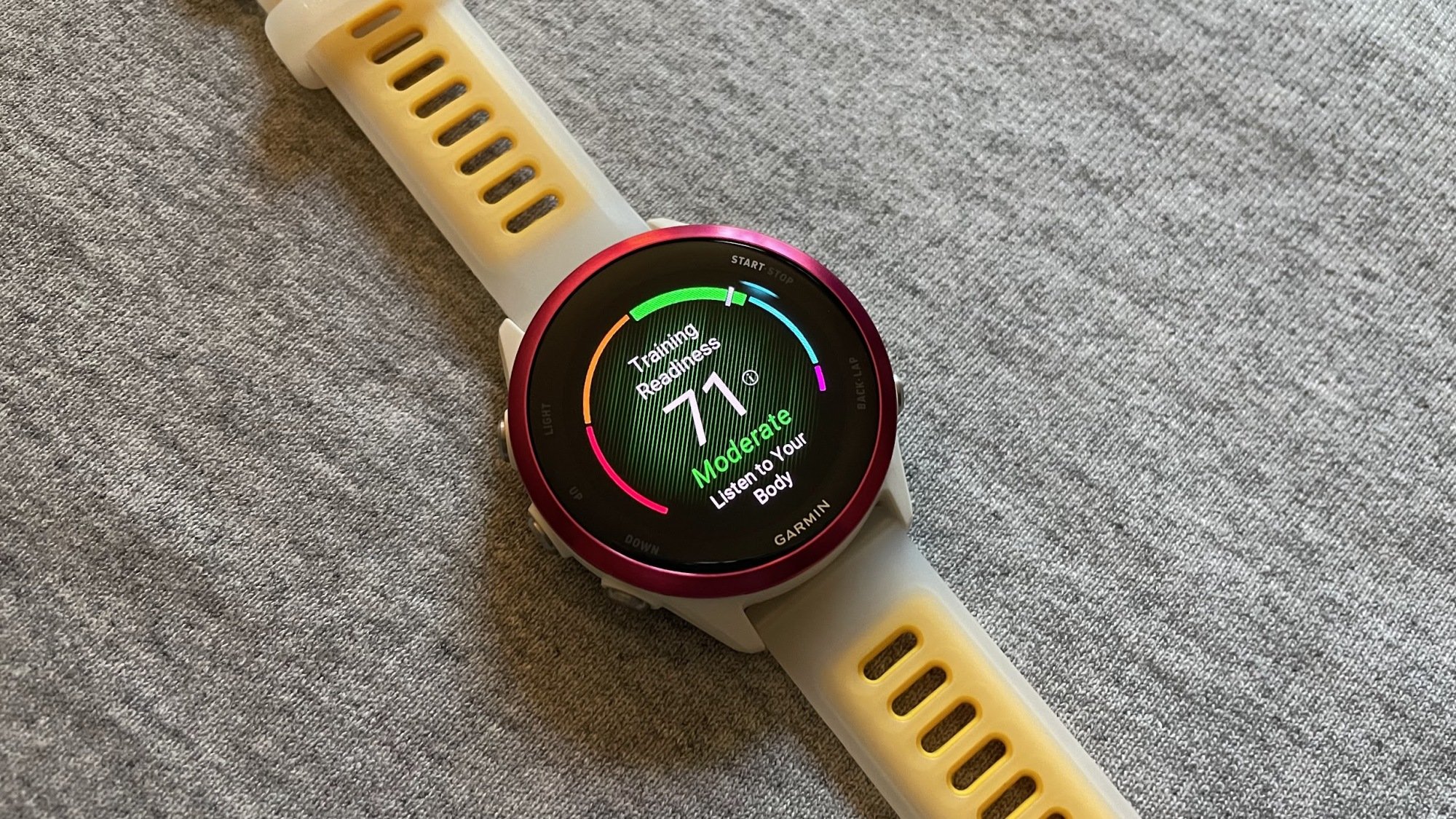
Garmin’s Forerunner 570 and 970 were new devices this year. I felt ambivalent, on average, about the upgrades they made from previous devices like the 265. But I want to call out the heart rate sensor on the 570 for being so accurate it confused me.
See, Garmin’s previous watches, like the Forerunner 265, had a perfectly good heart rate sensor. I’d put them in the same tier as most Coros watches, a smidge higher than the Apple Watch, and generally as good as, or better than, most other high-end devices.
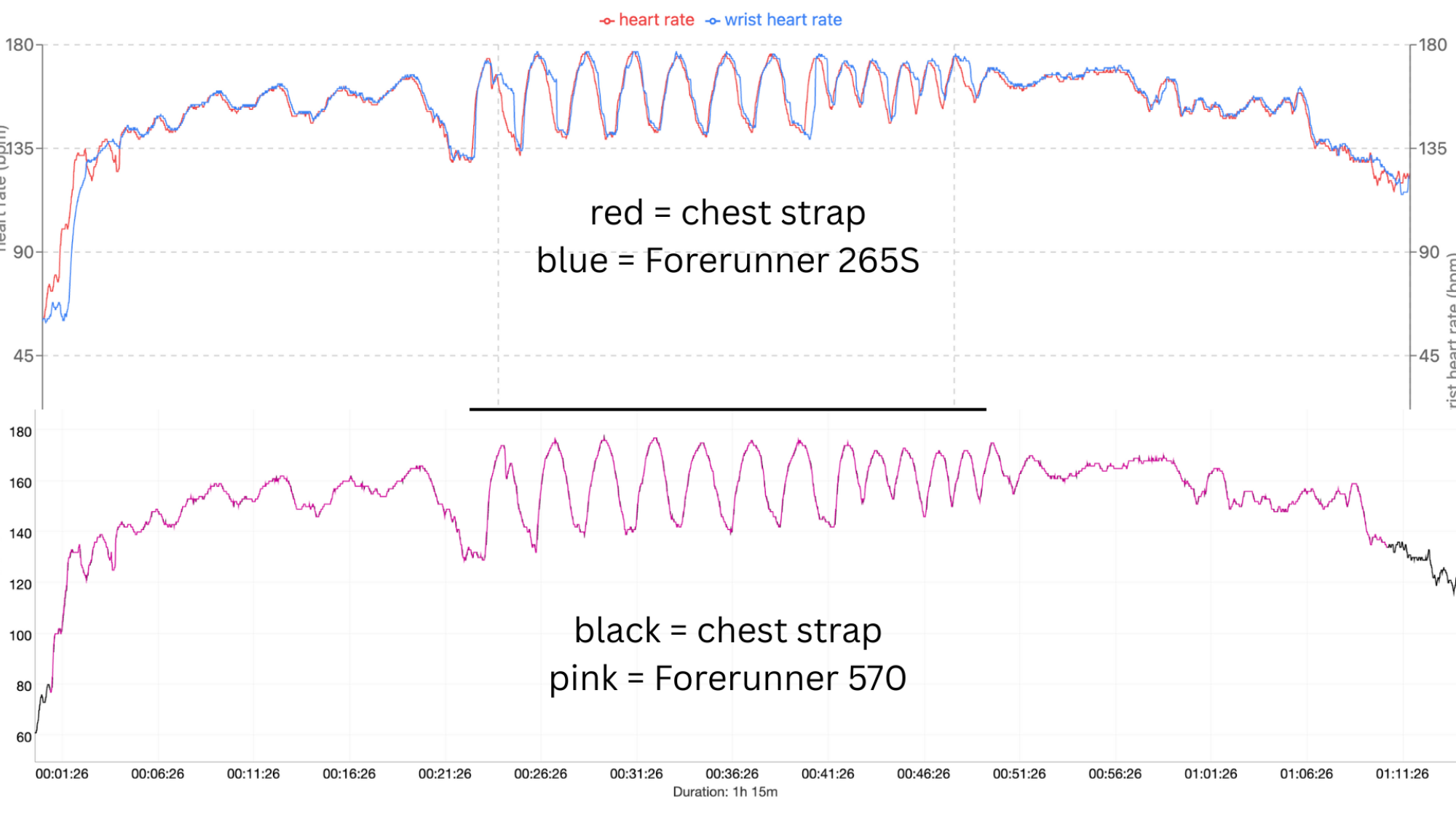
But Garmin put its very best heart rate sensor in the Forerunner 570. This same sensor, the Elevate version 5, is also in Garmin’s Forerunner 970, Venu 3 and 4, and Fenix 8. I was not prepared for how much better it would be. I test all my devices against an electrical heart rate chest strap, the gold standard for this sort of thing, and a good wrist-based sensor will only show a few small deviations between its heart rate graph and the one I get from the chest strap. But the 570 sometimes showed exactly the same data. The graph below shows what I expect from a good sensor (top) and what I got from the 570 (bottom). Yes, there are two lines in the bottom graph.
Credit: Beth Skwarecki
At first I thought I had screwed up, and gotten the chest and wrist data mixed up somehow, maybe uploading the same file twice—that’s how close they were. But with further testing, and also zooming in to see the occasional tiny difference between the two lines, I confirmed that the 570’s sensor really was that accurate. Damn, Garmin. I’m impressed.
Coolest concept (that actually works): Core 2 Thermal Sensor
Credit: Beth Skwarecki
The summer heat is a problem for every runner in a climate with warm summers. Not only are those hot runs unpleasant, the heat literally slows you down, and puts you at risk of heat illness. If you can manage to adapt your body to the heat, you can withstand it better and make your summer training a lot more bearable and productive. You don’t need a specific gadget to do heat training, but there’s a lot of guesswork in the process, and it’s hard to know whether you’re doing enough heat training (or too much).
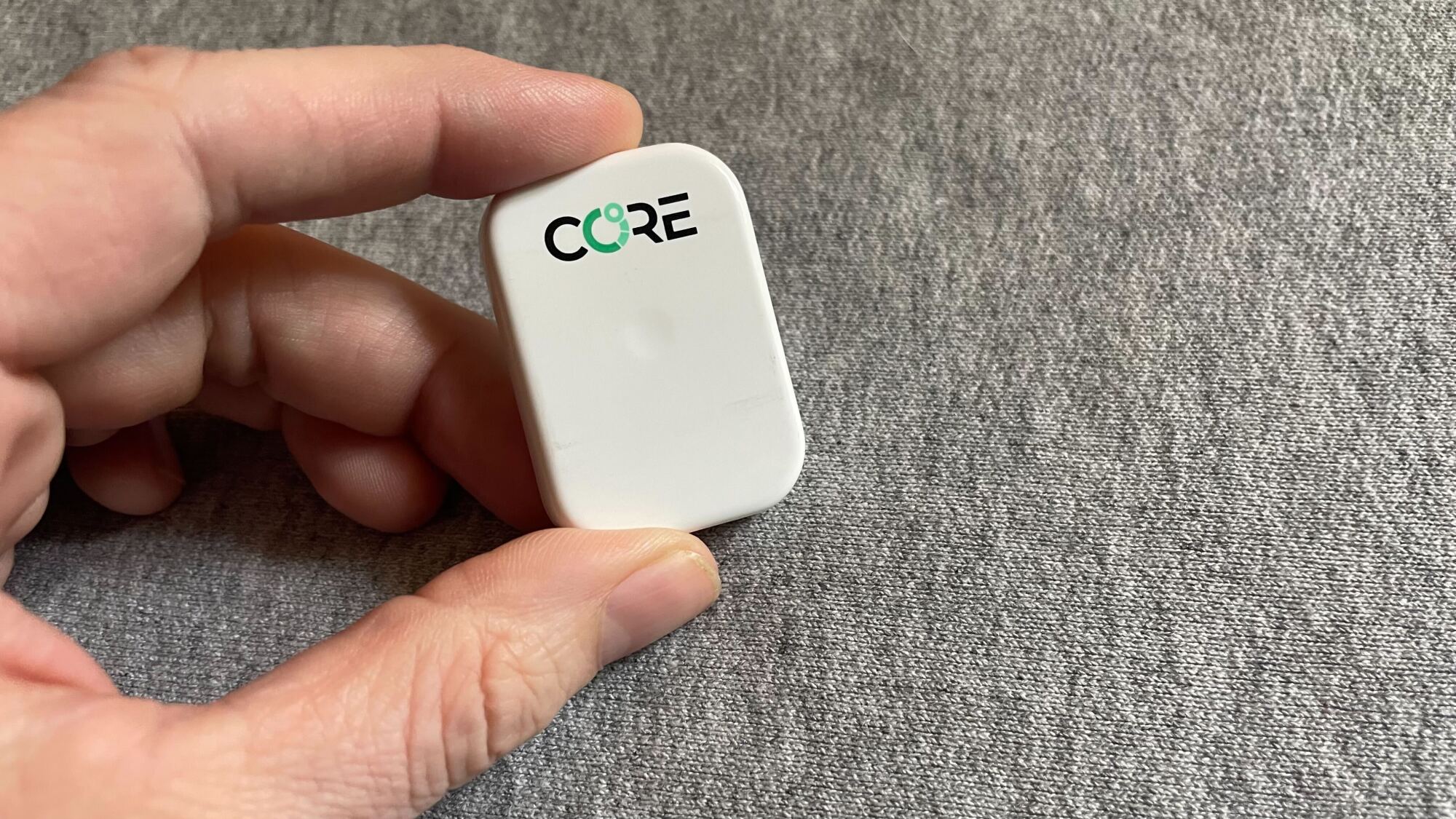
The Core 2 sensor promised to handle this for me, and it worked well. You can read about my experience here. You clip the device to your heart rate chest strap, and it measures your body temperature in two different ways: a temperature sensor detects your skin temperature, and a heat flux sensor paired with a heart rate algorithm delivers an estimate of your core (internal) body temperature. From that data, the device can tell you when you’re hot enough that your workout counts as useful heat training, and it can warn you when you’re getting too hot and need to take a break.
The biggest downside was that I only got my training data if I wore a heart rate chest strap for every hot weather workout, which I couldn’t always be bothered to do. But once I had gotten through the spring and early summer, and hit 100% heat adaptation, I found I didn’t really need the device.
I found the device incredibly useful, especially since it could broadcast my temperature data to my Garmin watch during runs. I could also log sauna sessions in the device’s app (without taking the device into the sauna) and see how heat-adapted I was becoming. The data I got from the app seemed accurate, and as a result I had probably my most productive and enjoyable summer of running ever.
Runner-up: DFC
Credit: Beth Skwarecki
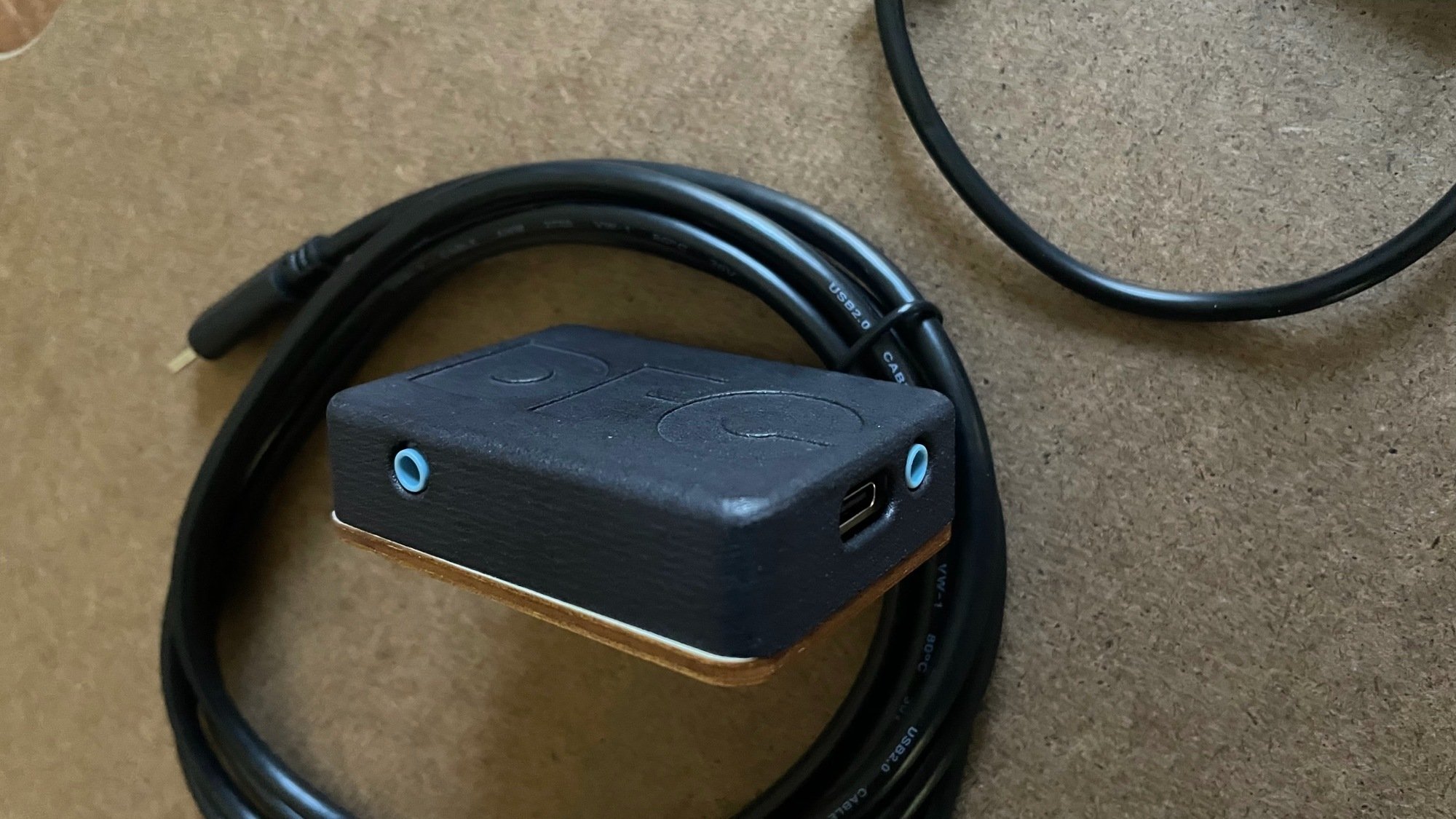
The Data Fitness Connector is a little box that you connect to the cables on the back of your Peloton Bike (original Bike only, not the Bike+) It felt a little sketchy to order this device from a crowdfunding site with few reviews available, and unfortunately it can only give power data, not speed or distance. But it works! You can read my review here.
I took a chance on the DFC because I had canceled my Peloton subscription, but still wanted to use the Bike and sync my workouts to my fitness watch. The DFC did exactly what it promised: beamed power data over Bluetooth so that my watch or phone could pick up the information and log it in a workout. My Garmin was able to give me an FTP estimate and recommend power-based workouts, and there was no ongoing cost. (The $125 price costs less than three months of the Peloton All-Access subscription.) I can highly recommend the DFC for anyone with an OG Bike who wants to opt out of the Peloton subscription world.
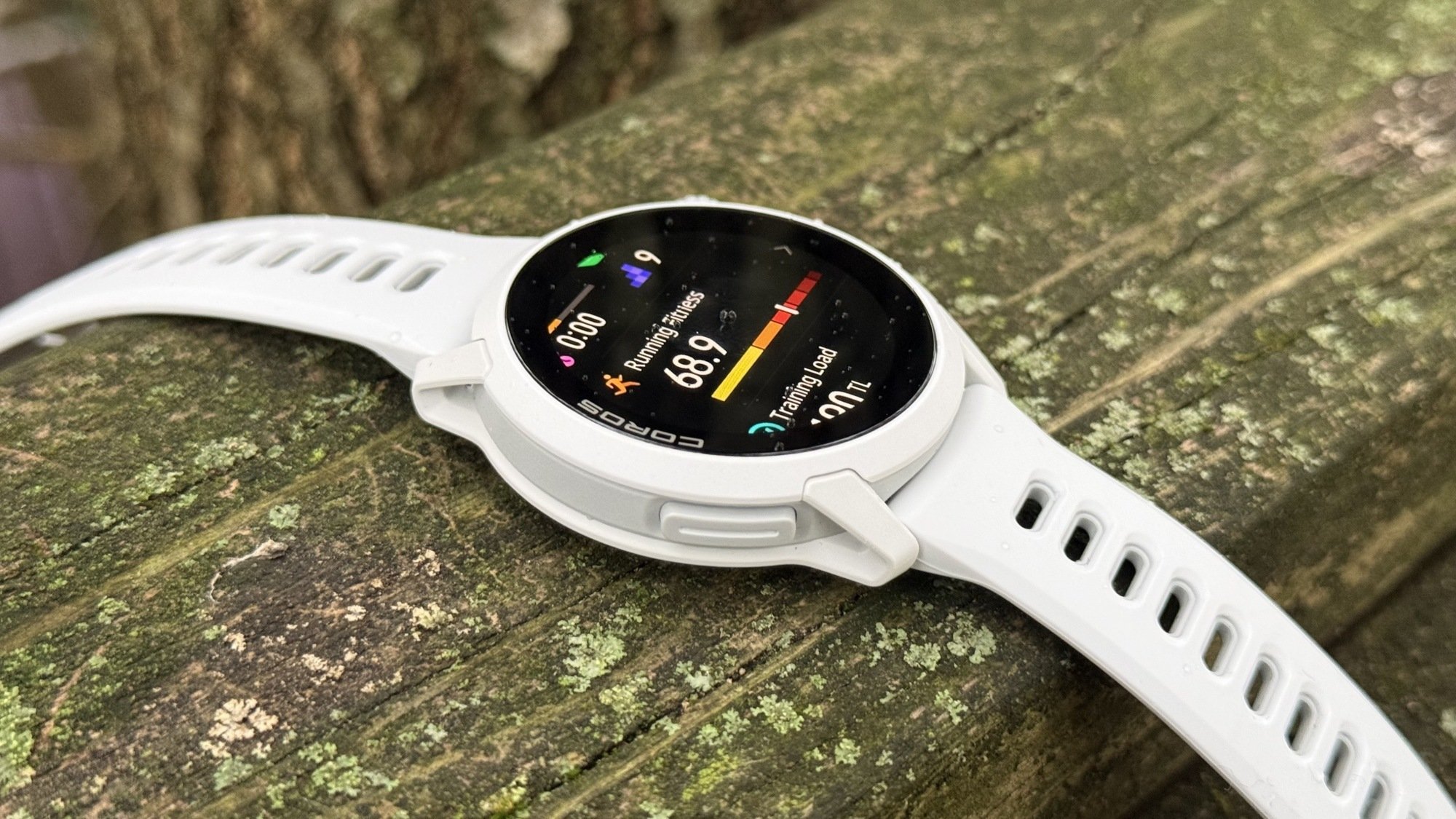
Best upgrade and best overall: Coros Pace 4
Credit: Beth Skwarecki
Coros’s running watches tend to lag a little behind Garmin’s, in terms of features, but they more than make up for it on price. I’ve consistently found the Coros Pace line (Pace 3, Pace Pro, and Pace 4) to be reliable, accurate, and conveniently usable. The Pace 3, in particular, has long been one of my favorite budget watches, even though it has a few small downsides.
But late this year, Coros introduced the Pace 4. Between the new features in that watch, and an extra thing or two that dropped in the December software update, it’s hands down the best fitness watch for the money and is my overall pick for the best fitness watch of 2025.
You can read my review here to learn more about why I feel this way. In terms of upgraded features, the Pace 4 improved on the Pace 3 by adding an AMOLED screen, better battery life, and a new button and microphone. Those last two items unlock two features that seriously upgraded my runs and training sessions: voice pins, which let me quickly make notes about a location while you’re hiking or trail running, and voice training logs, which mean I’m prompted to record a 60-second voice note right when I finish a workout.
These notes are transcribed and attached to the workout in the Coros app, giving me information that I would pretty much never get around to adding after the fact. And then the December software update added a major feature that has kept Coros lagging behind Garmin and other watches: the ability to control media that is playing from your phone. The interface for that isn’t as smooth as I would like, but it’s there, and that’s huge.
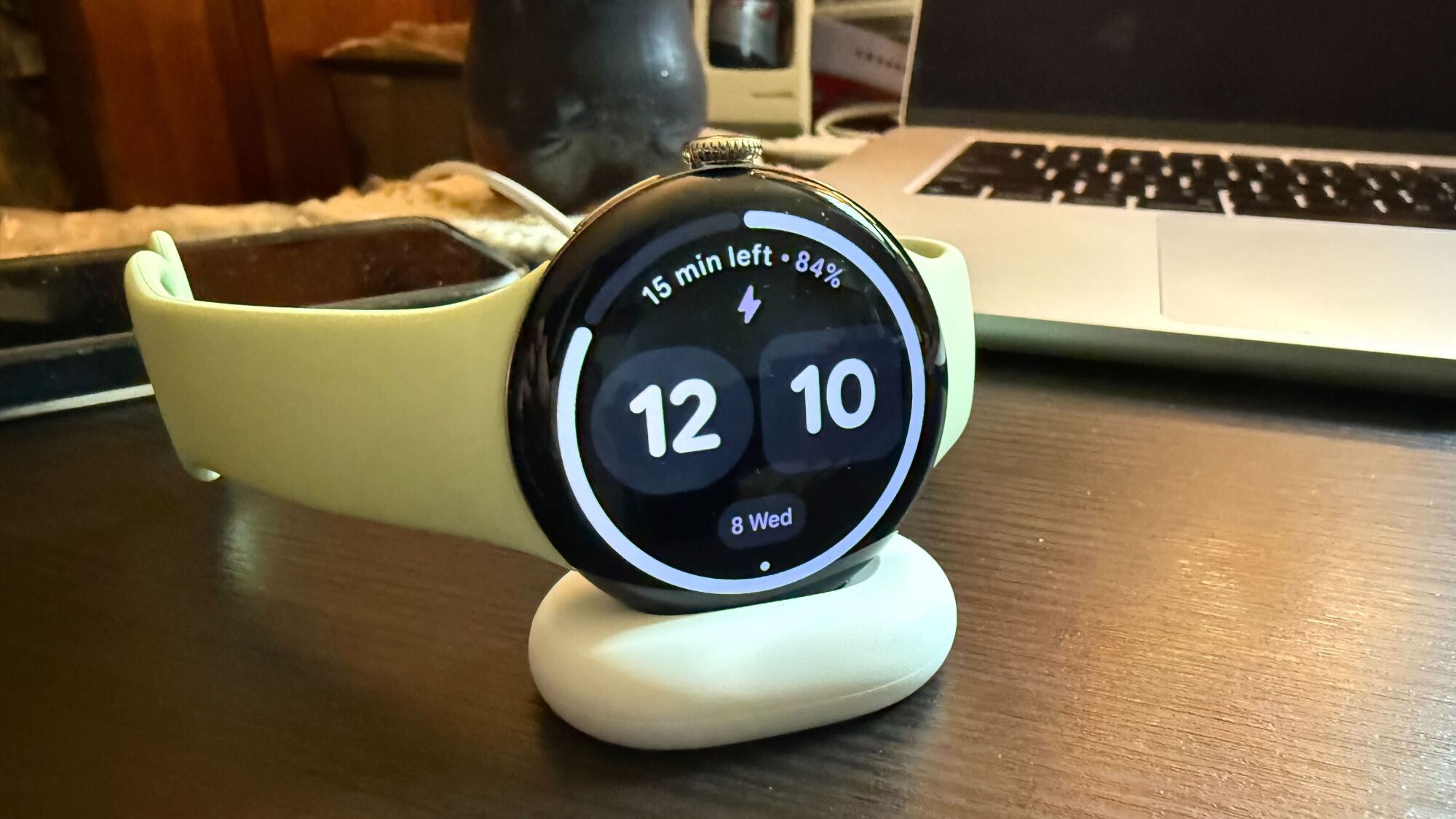
Runner-up: charging features on the Pixel Watch 4
Credit: Beth Skwarecki
The next best upgrade of 2025 belongs to the Pixel Watch 4. You can read my review here, where I found the upgrades to be a mixed bag. (Dual band GPS? Great! Brighter screen? Eh, not really.) But the headline improvement here, to me, was the ultra-fast charging.
I only needed half an hour for nearly a full charge—specifically, I charged the watch from 3% to 97% in 31 minutes. No other smartwatch out there charges this fast. The Pixel Watch 4 also ships with a new magnetic dock-style charger that is far more convenient than the back-of-watch puck that previous versions used.
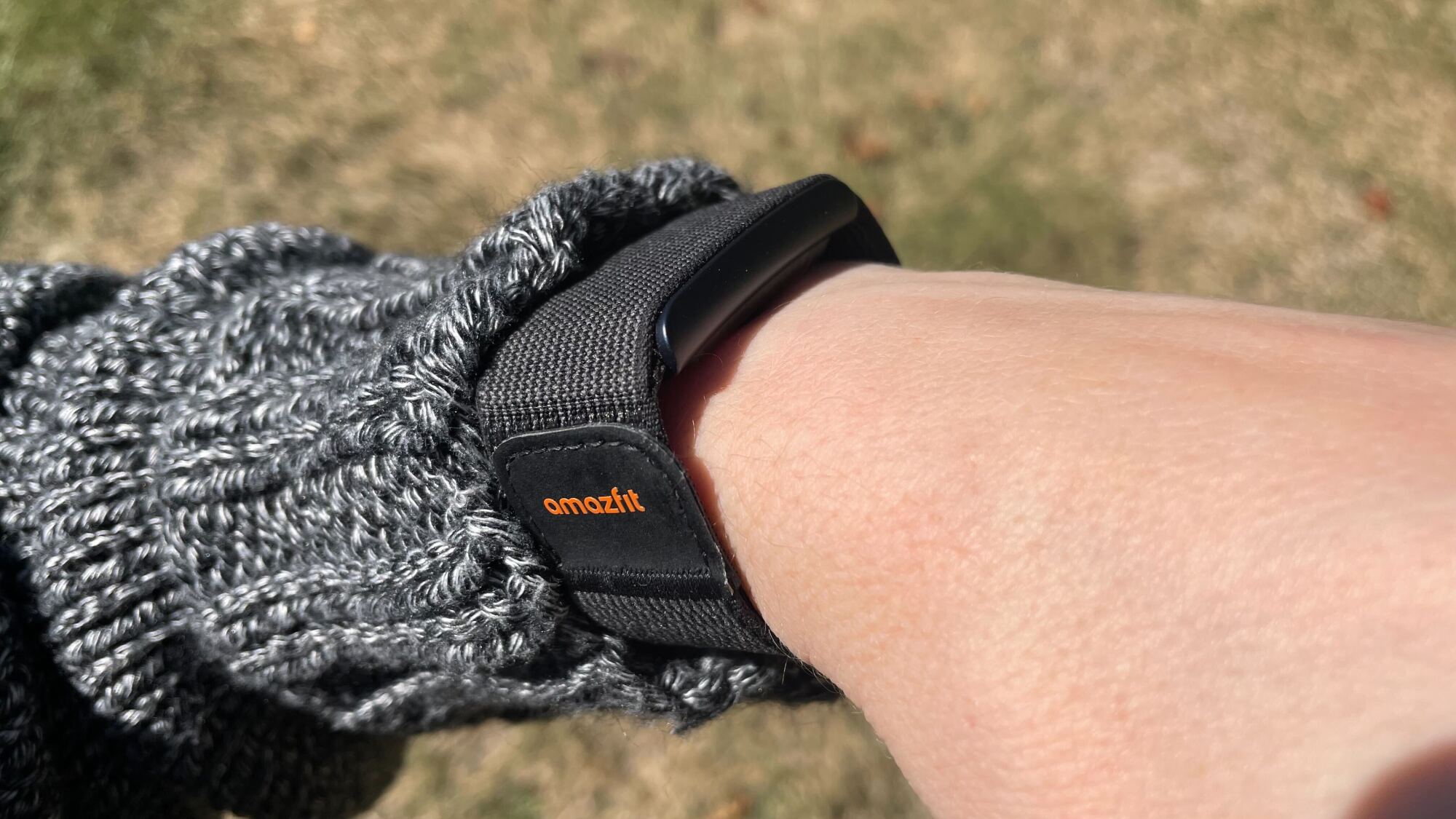
Best Whoop alternative: Amazfit Helio Strap
Credit: Beth Skwarecki
This summer, a somewhat unexpected competition popped up: three different device makers (Garmin, Polar, and Amazfit) were rumored to be working on screenless fitness trackers that could compete with Whoop. All three companies released their promised or rumored devices over the following months, and I tested them all.
Garmin’s device turned out to be a $170 sleep tracker; fine, I guess, but not what so many of us were hoping for. Polar’s $200 device looks and acts more like a Whoop, in terms of hardware, anyway. It’s a welcome addition to the market, since Whoop had this product category all to itself for too long, but I have to admit I couldn’t get too excited about it.
The winner, surprisingly, turned out to be the Amazfit Helio Strap. At just $99, it does everything the Polar device does, but (in my experience) more reliably, and it costs half as much. It goes without saying that it leaves Garmin’s sleep band in the dust. You can read my review of the Amazfit Helio Strap here.
None of the devices are even attempting to compete with Whoop’s subscription app on software features, which is to be expected—Whoop is really a software company that gives you a cool gadget to go with the app, while the other companies in this space are hardware companies that figure their app doesn’t matter very much as long as you’re happy with the physical device. I think that’s a fair take on the market: These new products are for people who like the idea of a screenless tracker but don’t want to pay for a Whoop-caliber app. I expect Amazfit will have a lot of happy customers.
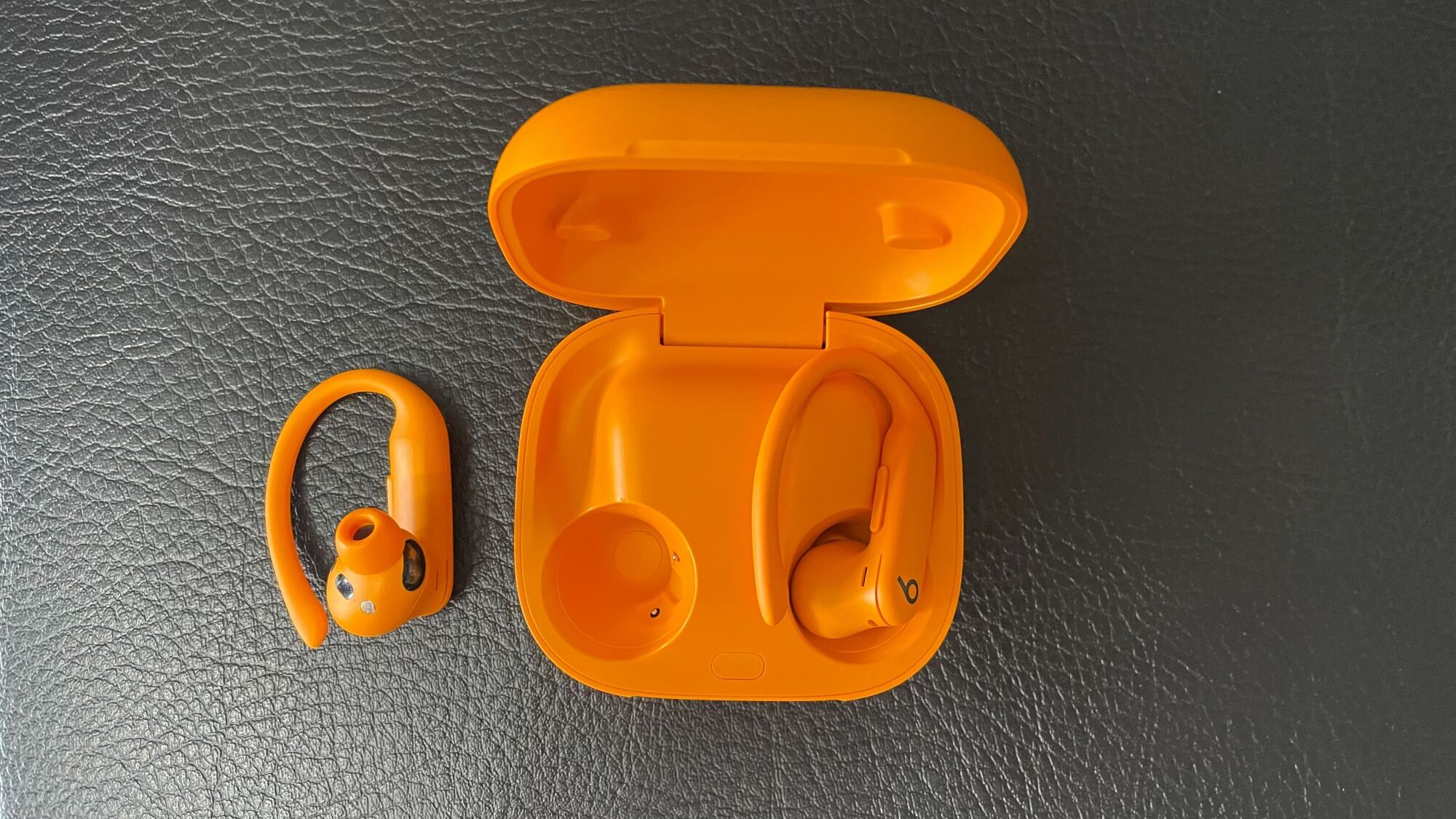
Biggest disappointment: Powerbeats Pro 2
Credit: Beth Skwarecki
The idea of putting a heart rate sensor in your ears is intriguing, and I really wish it had worked out for the Powerbeats Pro 2. But the company that placed their bets on this technology this year—Beats—just didn’t execute it well enough.
As I discovered through extensive testing (here, and then more in my review here), the heart rate sensor doesn’t make good contact with your skin unless your ears are a particular shape and size. Changing out the silicone ear tips doesn’t change the fit of the heart rate sensor (or at least, not enough to fix the issue), so some people simply end up with unusable or unreliable heart rate data.
From my limited data, it appears that people with larger ears get reasonably good data, while smaller people may have more issues. I suspect the flaws affect women more than men, but Beats hasn’t shared any data with me that would confirm or deny that hypothesis.
A September software update improved the heart rate algorithm slightly, and included a feature that warns users if their fit is poor enough to affect heart rate readings. That’s a good start, since otherwise you wouldn’t even know if you’re getting inaccurate readings. But if you’re one of the people for whom tweaking the fit doesn’t give you usable data, you’re out $250 for a device that doesn’t actually work for you. On the bright side, they are good gym headphones even with the heart rate feature turned off.
Spotify Responds To Unauthorized 300TB Archive Of 256 Million Tracks

Spotify is the victim of what may be the greatest act of music piracy in history and the company is not happy. Recently, Anna’s Archive released a massive 300 TB of torrents, which reportedly includes the metadata of 265 million tracks, 186 million unique IRSCs, and 86 million songs. The metadata composes “99.9% of tracks”, while the 86 million
Australian Eateries Turn To Automatic Tipping as Cost of Doing Business Climbs
Australian restaurants facing a mounting cost-of-doing-business crisis are turning to automatic service charges as a way to shore up revenue. The practice is legal under Australian consumer law as long as customers are notified beforehand and can opt out, but it risks alienating diners in a country where tipping has traditionally been optional.
Wes Lambert, chief executive of the Australian Cafe and Restaurant Association, said only a handful of businesses in central business districts currently add automatic tips to bills, but the practice may spread as cost pressures continue. Automatic tipping is more common at venues frequented by international tourists, who view the practice as normal rather than exceptional. With international tourism now near pre-COVID levels, Lambert expects more restaurants to include tips on bills by default.
A Sydney wine bar recently abandoned its 10 per cent automatic tip after a diner’s social media post triggered public backlash. University of New South Wales professor Rob Nichols said Australia’s resistance to tipping stems from the expectation that hospitality workers earn at least minimum wage, unlike in the United States where tips constitute most of a server’s income. Australians and tourists tip an estimated $3.5 billion annually, and tipping transactions grew 13% year over year in fiscal 2024-25.


Read more of this story at Slashdot.
Hidden NVMe Driver In Windows 11 May Give SSD Performance A Huge Speed Boost

The headline sounds like one of those things that’s way too good to be true. Like a scam you’d find on a shady website; “install this SSD driver for huge speed gains!” It’s real, though, and it’s because one of the unfortunate realities of using NVMe SSDs on Windows is that Windows hasn’t actually supported NVMe natively until this October.
First,
Why Some Avatar: Fire and Ash Scenes Look So Smooth, and Others Don’t
If you watched Avatar: Fire and Ash in James Cameron’s preferred high frame rate 3D format and noticed certain sequences appearing unusually smooth while others had the traditional cinematic look, that visual inconsistency is entirely intentional. The third Avatar film continues Cameron’s frame rate experimentation from The Way of Water, selectively deploying 48 frames per second for underwater and flying sequences while keeping dialogue scenes at the standard 24 FPS.
The human eye perceives somewhere between 30 and 60 FPS, meaning viewers can detect the shift between frame rates. Cameron argues the tradeoff is worth it: discomfort from 3D viewing isn’t eye strain but “brain strain,” caused when parallax-sensitive neurons struggle to process jumping vertical edges. Higher frame rates smooth this out. When critics questioned the approach, Cameron was characteristically blunt. “I think $2.3 billion says you might be wrong on that,” he told DiscussingFilm, referencing The Way of Water’s box office.


Read more of this story at Slashdot.
Sony’s EV Partnership With Honda Turns Road Trips Into PS5 Gaming Sessions

Sony Honda Mobility is a joint venture between industry titans Sony and Honda, and its AFEELA line of cars will be offering in-vehicle PlayStation 5 and PlayStation 4 Remote Play functionality. Per Izumi Kawanishi, President and COO of Sony Honda Mobility, “The introduction of PS Remote Play embodies AFEELA’s vision for mobility: transforming
The Roku Streaming Stick 4K With HDR Is Half Off Right Now
We may earn a commission from links on this page. Deal pricing and availability subject to change after time of publication.
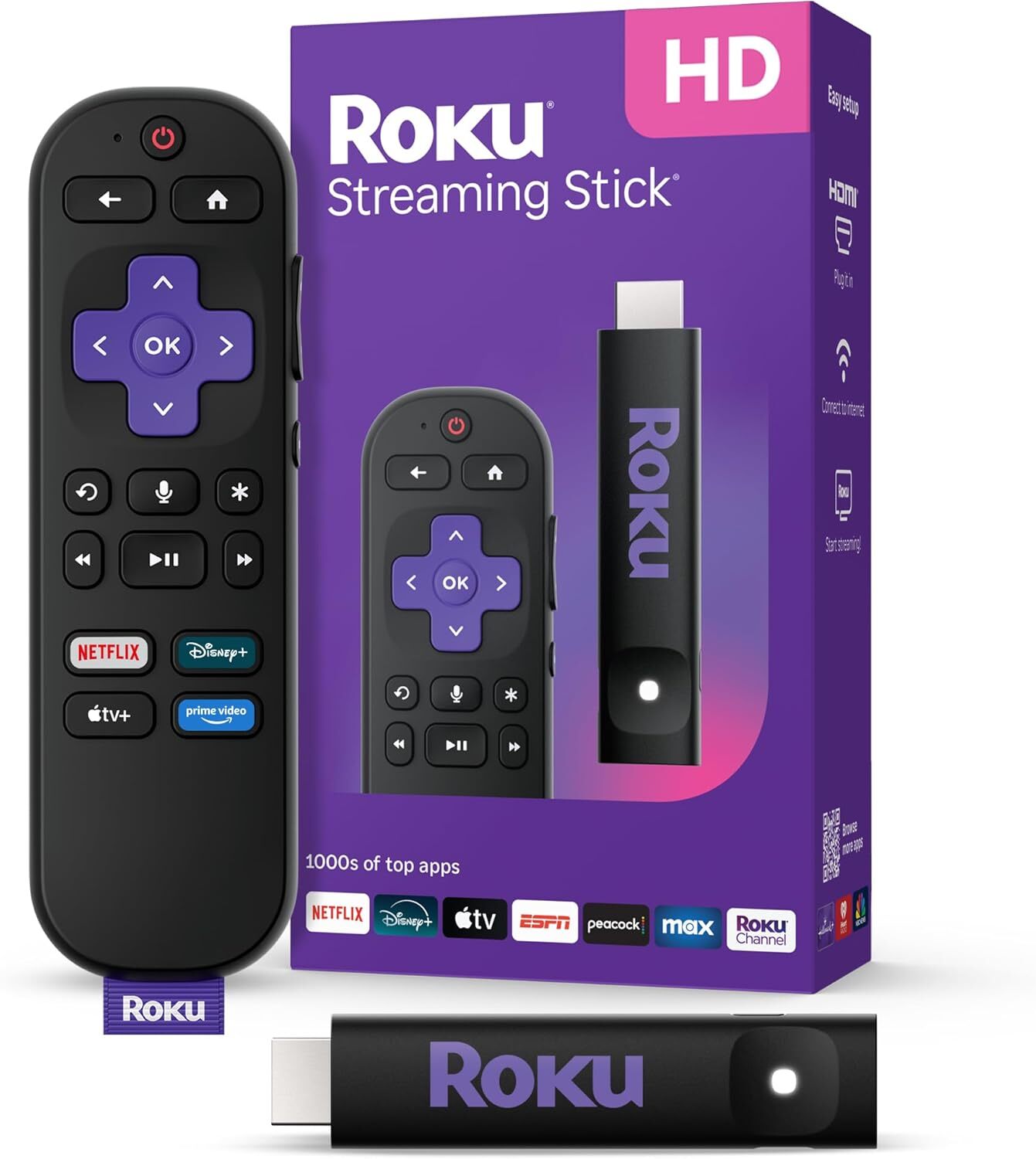
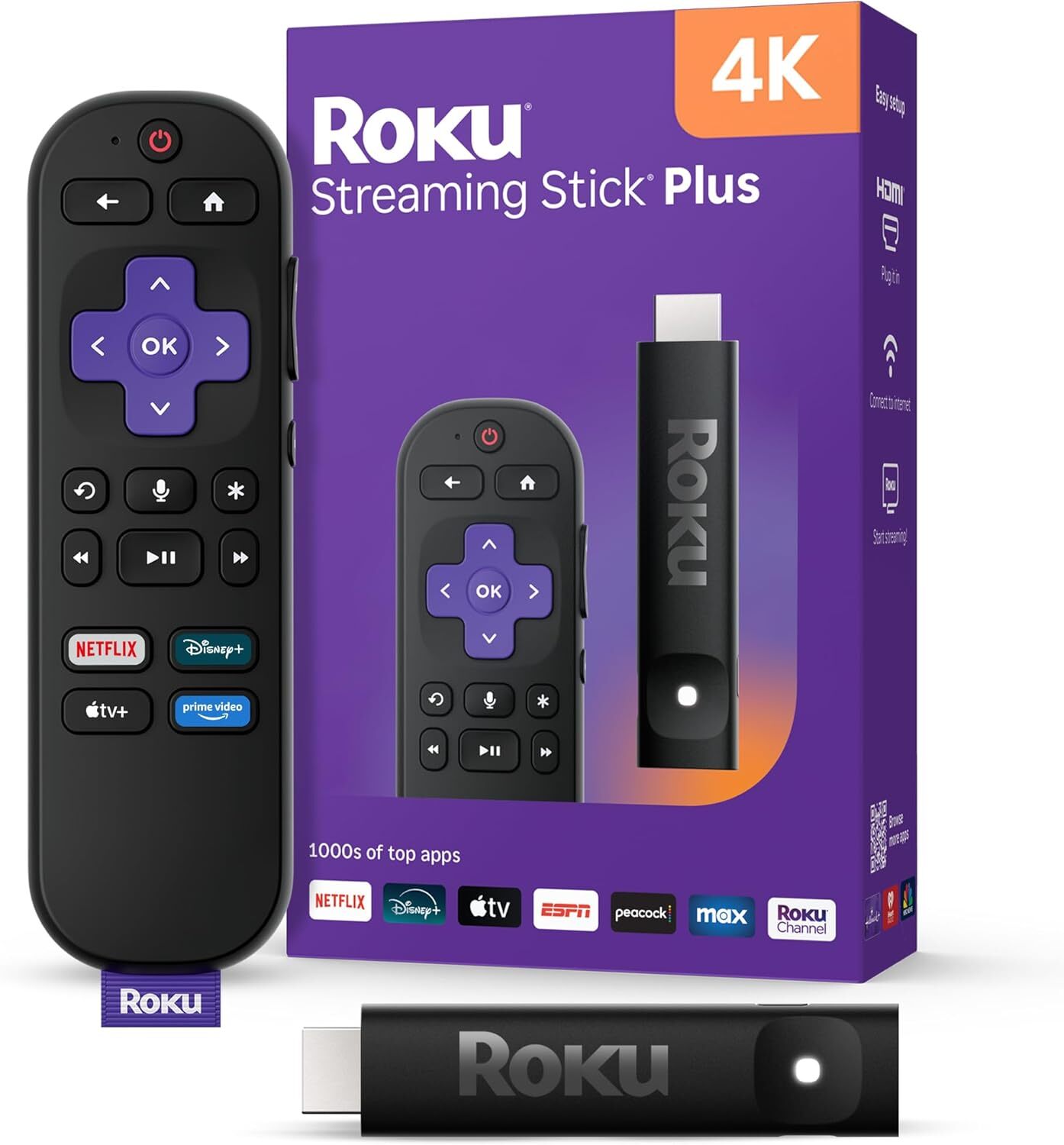
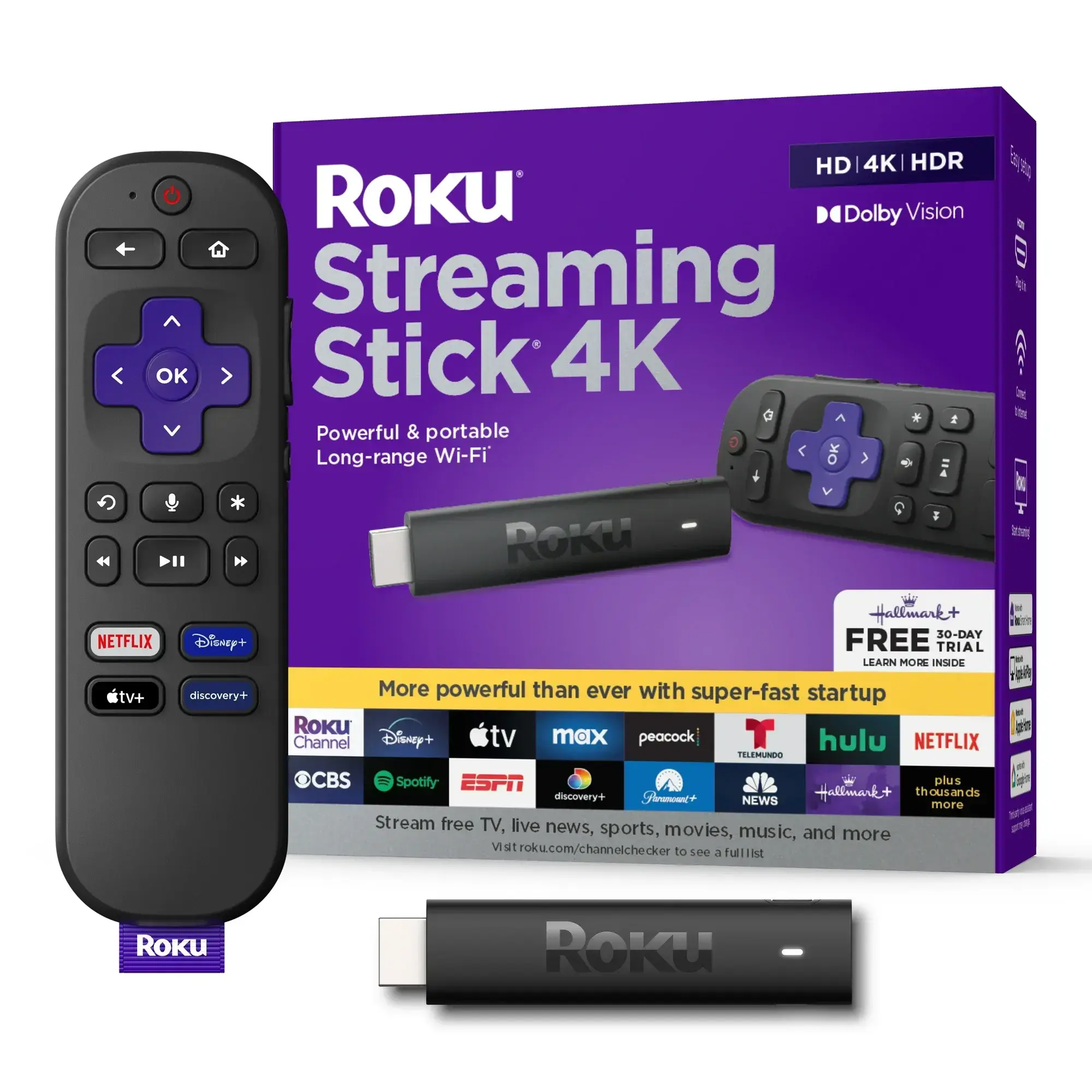
Roku Sticks have useful features that can make your dumb TV smarter (or replace the interface on your smart TV), and they are seeing great discounts right now. In particular, the Roku Streaming Stick 4K with HDR and Dolby Vision is $24.99, the lowest price it has ever been after a 50% discount, according to price tracking tools. It’s also my personal favorite option, and the one I would recommend to most people.
Roku Streaming Stick HD 2025
$15.99
at Amazon
$29.99
Save $14.00
Save $14.00
$15.99
at Amazon
$29.99
Save $14.00
Save $14.00
Roku Streaming Stick Plus 2025
$19.00
at Amazon
$39.99
Save $20.99
Save $20.99
$19.00
at Amazon
$39.99
Save $20.99
Save $20.99
Roku Streaming Stick 4K
$24.99
at Amazon
$49.99
Save $25.00
Save $25.00
$24.99
at Amazon
$49.99
Save $25.00
Save $25.00
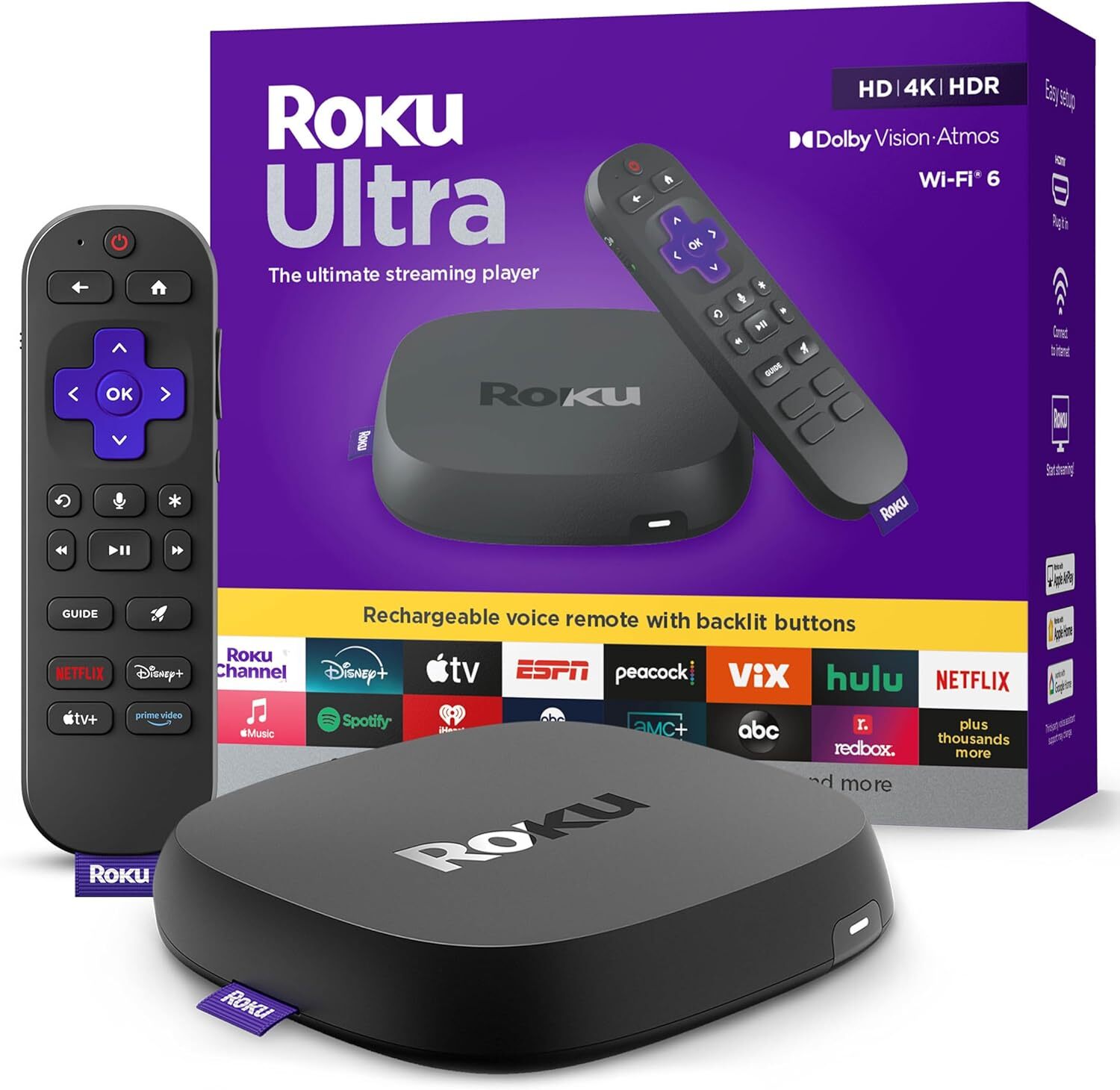
Roku Ultra – Ultimate Streaming Player
$75.00
at Amazon
$99.99
Save $24.99
Save $24.99
$75.00
at Amazon
$99.99
Save $24.99
Save $24.99
There’s a lot to consider when choosing a streaming device for your TV. I’ve tried many, and Roku is one of the best. It’s user-friendly, responsive, organized, simple to navigate, and affordable. Out of all the Roku options, the Roku Streaming Stick 4K with HDR and Dolby Vision is the best bang for your buck—for just $5 more than the Roku Streaming Stick Plus, you’ll get support for Dolby Vision, which will deliver more dynamic HDR. It’s also much cheaper than the Roku Ultra, which offers WiFi 6, an Ethernet port, and Dolby Atmos for $50 more.
The Roku Streaming Stick 4K is compatible with Alexa smart devices, Apple AirPlay and HomeKit, Google Home, and with Roku Smart Home, meaning you can mirror your devices, use voice commands, or control them from these respective smart apps. If you have Bluetooth headphones, you can pair them with the Roku so you can watch your shows in silence, and the voice activated remote is a game-changer if you lose your clicker as often as I do.