AMD’s new Ryzen AI Max+ chips and Ryzen 7 9850X3D court desktop enthusiasts at CES 2026

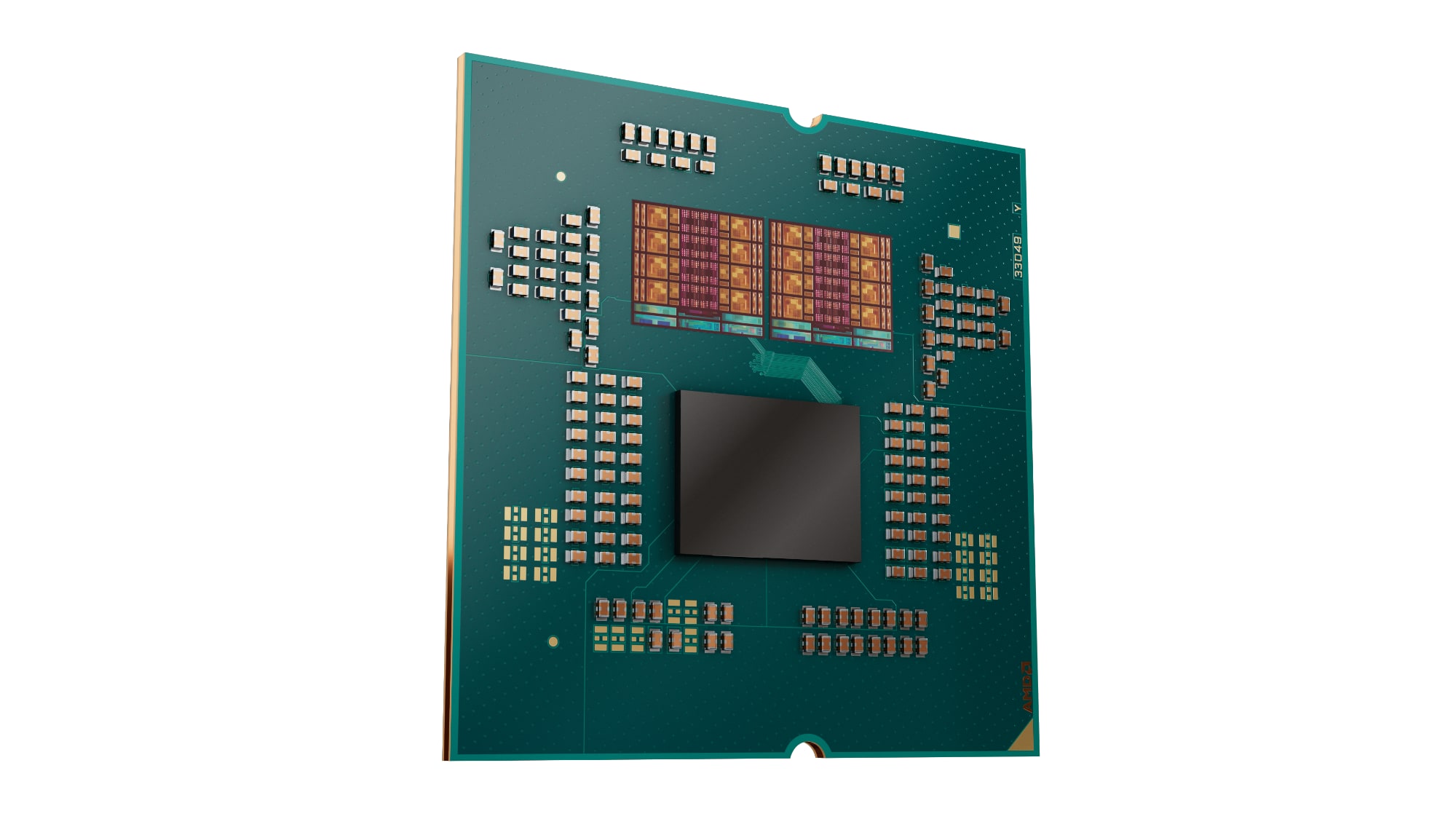
While it’s nice to see desktop support in AMD’s new Ryzen AI 400 chips, demanding gamers and enthusiasts will likely be more intrigued by the company’s next batch of Ryzen AI Max+ chips, as well as the new Ryzen 7 9850X3D with 3D V-Cache. The former will make its way into small desktops and a handful of workhorse laptops, while the latter is another option for gamers who want the speed bump of 3D V-cache without shelling out for the $700 9950X3D. 

Last year, AMD debuted its Ryzen AI Max chips as a way to create a single piece of silicon with powerful CPU cores, GPU cores, NPUs and integrated memory, similar to Apple’s home-brewed chips. At the time, AMD VP Joe Macri also noted that the existence of Apple Silicon helped make the Ryzen AI Max chips possible.

“Many people in the PC industry said, well, if you want graphics, it’s gotta be discrete graphics because otherwise people will think it’s bad graphics,” Macri said at last year’s CES. “What Apple showed was consumers don’t care what’s inside the box. They actually care what the what the box looks like. They care about the screen, the keyboard, the mouse. They care about what it does.”

AMD Ryzen AI Max+ chip family
AMD

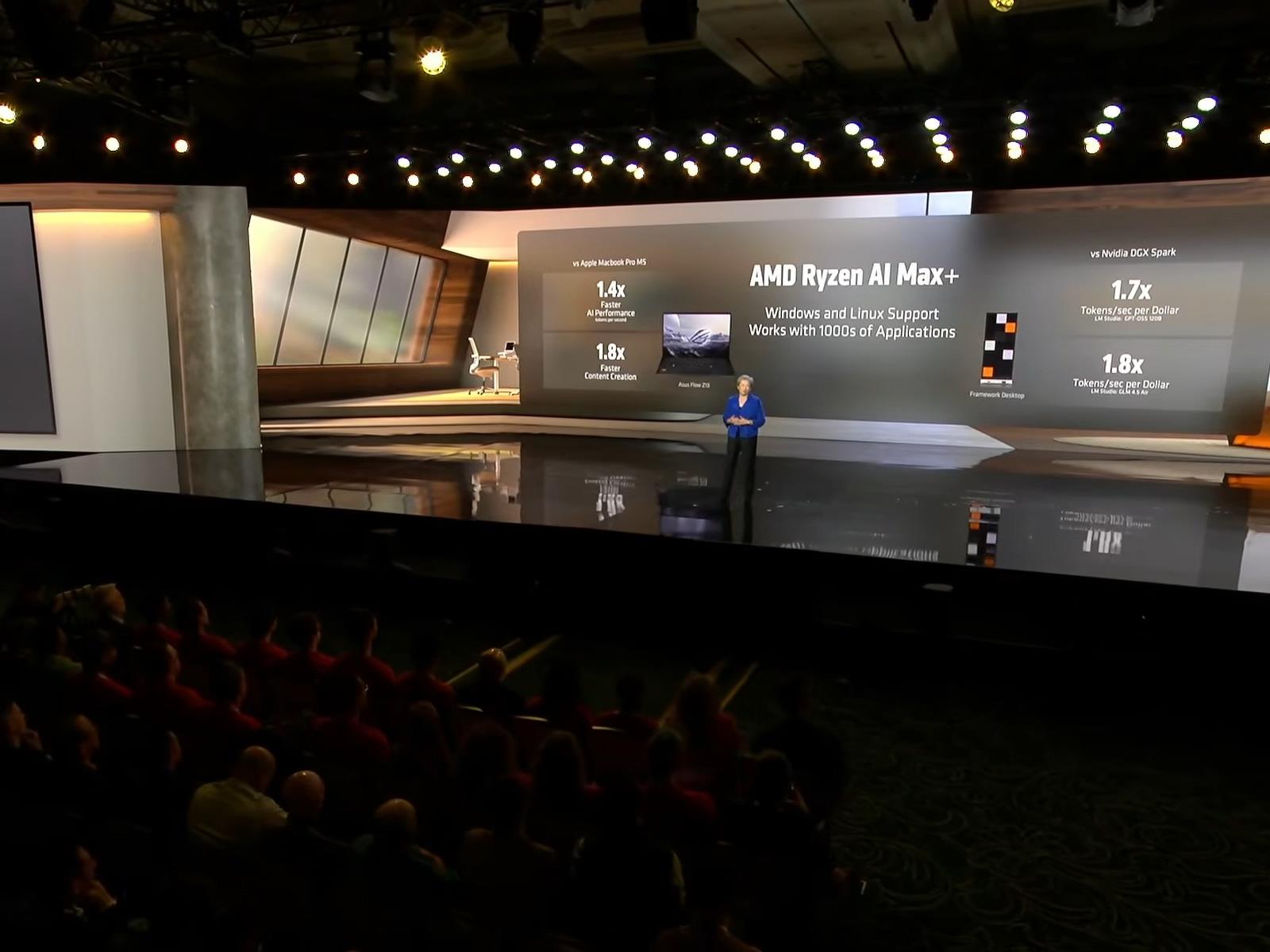
At CES this year, AMD is unveiled the 12-core Ryzen AI Max+ 392 and eight-core Ryzen AI Max+ 388. Both chips feature boost speeds up to 5GHz, 50 TOPS NPUs and GPUs capable of 60 TFLOPs. We’ve seen the earlier Ryzen AI Max chips in the Framework Desktop and the ROG Flow Z13, and we were generally impressed with its performance. For small systems, it was powerful enough that we really didn’t miss having dedicated GPUs.

AMD Ryzen 7 9000X3D
AMD Ryzen 7 9000X3D
AMD

As for the Ryzen 7 9850X3D, it’s an 8-core chip that can reach up to 5.6GHz boost speeds with 104MB of combined L2 and L3 cache. Like all of AMD’s X3D chips, it uses 3D V-cache technology to vertically stack additional cache memory. In comparison, the standard 9850HX chip has 76MB of L2 and L3 cache.

AMD says the new Ryzen AI Max+ chips and the 9850X3D will ship in the first quarter. There’s no pricing information on the latter, yet, but recent leaked listings suggest it may go for around $200. Rumors also point to a massive dual-cache (192MB!) 9950X3D2 chip coming soon.

This article originally appeared on Engadget at https://www.engadget.com/computing/amds-new-ryzen-ai-max-chips-and-ryzen-7-9850x3d-court-desktop-enthusiasts-at-ces-2026-033000587.html?src=rss

Alienware teases new super-slim and entry-level gaming laptops at CES 2026

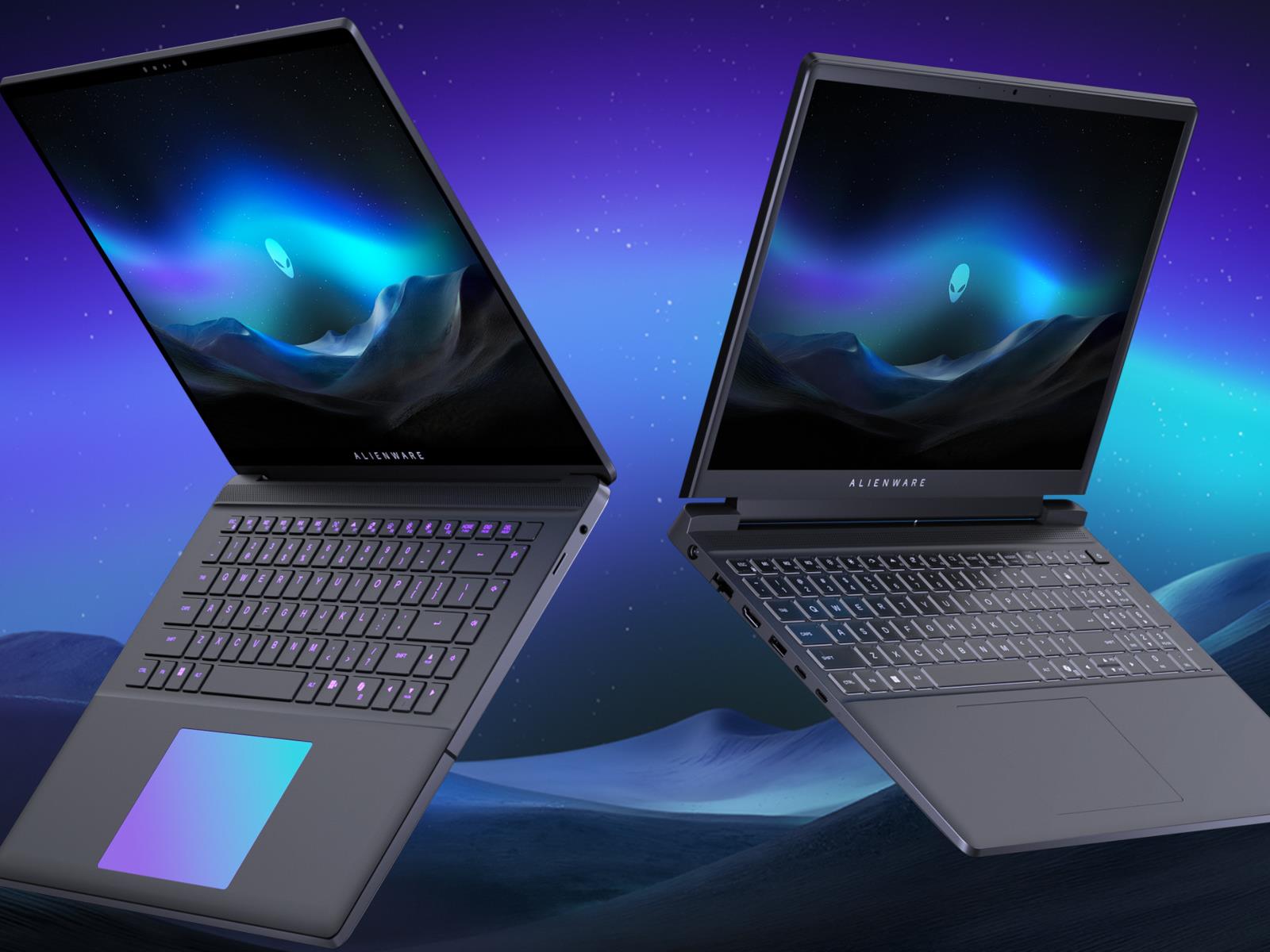
After relaunching its Area-51 brand with a new 16-inch laptop in 2025, Alienware is teasing two new laptops at CES 2026 in an attempt to reach an even larger audience. Dell’s gaming brand plans to launch both entry-level and ultra-slim models later this year, and in the meantime, it’s rolling out updates to its existing desktops and laptops to tide people over.

Alienware isn’t sharing all the details of its new laptops at CES, but we do have the highlights. The company’s new “ultra-slim gaming laptop” will be around 17mm or 0.67 inches thin, and come in either 14-inch or 16-inch variants. While the 16-inch version of the laptop will feature NVIDIA discrete graphics and “new highly efficient CPUs,” it’s not meant to be a gaming powerhouse like the Area-51. Instead, Alienware suggests the laptop will work for gaming and also “creative projects, productivity and everything in between.”

The entry-level laptop is similarly not at Area-51-levels of power, but Alienware claims it’ll deliver “strong gaming performance” at its “most accessible price point yet.” That should ideally put the new laptop under the $1,199 starting price of the more streamlined Alienware 16 Aurora laptop.

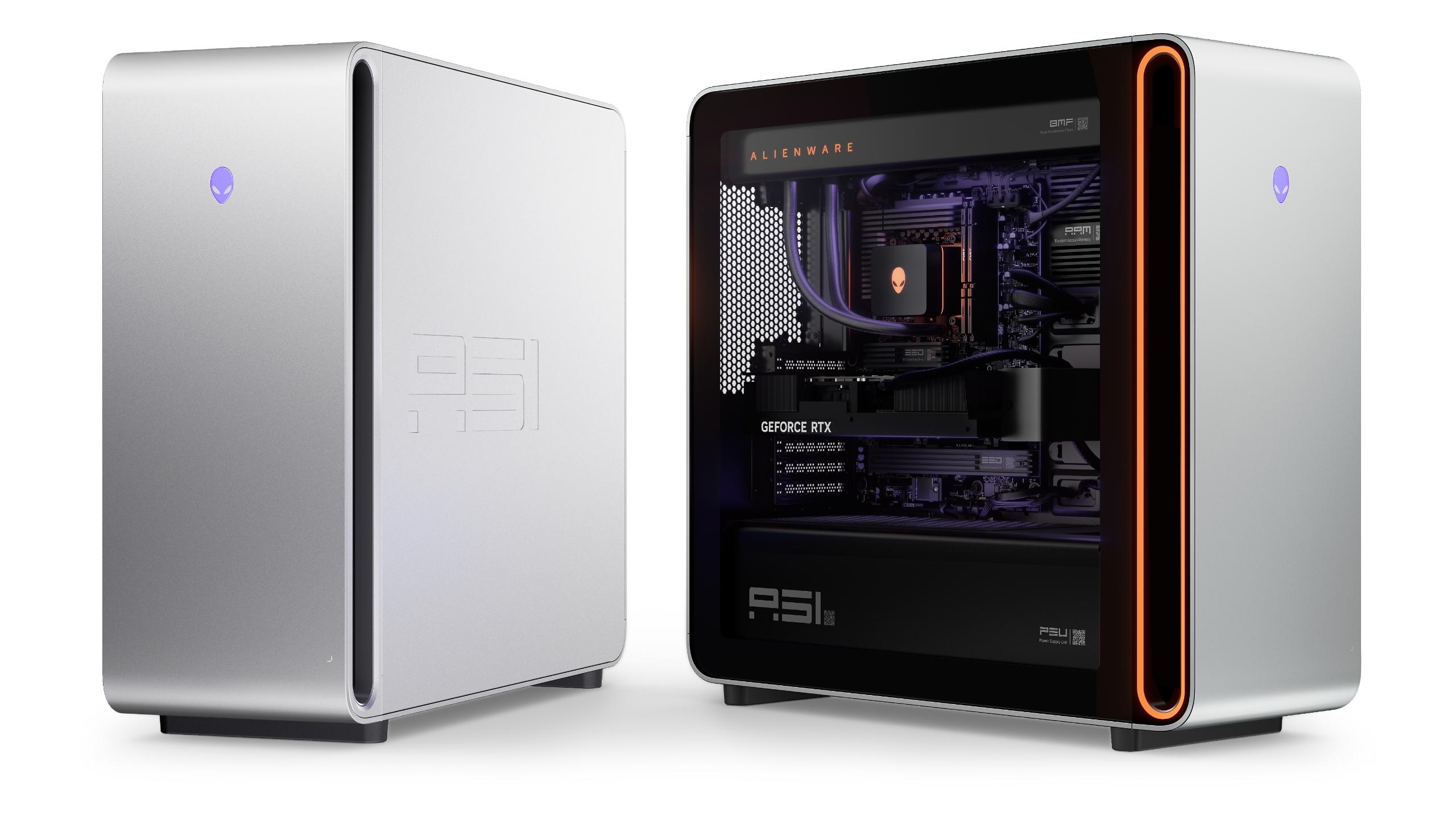
The updated version of the Alienware Area-51 Desktop with AMD chips.
The Alienware Area-51 Desktop will get updated with the latest AMD chips in February 2026.
Dell

On top of those two new models, Alienware is bringing new anti-glare OLED panels to a selection of its Alienware 16X Aurora and Alienware 16 Area-51 laptops, along with new Intel Core Ultra 200HX chips. The new display panels reach 620 nits of peak HDR brightness and have a 0.2ms response time for even smoother gameplay. The Alienware 18 Area-51 is also getting an upgrade to Intel Core Ultra 200HX chips, while the Alienware Area-51 Desktop will ship with AMD’s new Ryzen 7 9850X3D chips.

There’s currently no pricing available for Alienware’s new laptops, or the updated versions of its older models. The updated Alienware 16X Aurora, Alienware 16 Area-51, and Alienware 18 Area-51 laptops will be available in Q1 2026. The update Alienware Area-51 Desktop is coming in February 2026.

This article originally appeared on Engadget at https://www.engadget.com/computing/laptops/alienware-teases-new-super-slim-and-entry-level-gaming-laptops-at-ces-2026-033000700.html?src=rss

The Nation’s Strictest Privacy Law Goes Into Effect

An anonymous reader quotes a report from Ars Technica: Californians are getting a new, supercharged way to stop data brokers from hoarding and selling their personal information, as a recently enacted law that’s among the strictest in the nation took effect at the beginning of the year. […] Two years ago, California’s Delete Act took effect. It required data brokers to provide residents with a means to obtain a copy of all data pertaining to them and to demand that such information be deleted. Unfortunately, Consumer Watchdog found that only 1 percent of Californians exercised these rights in the first 12 months after the law went into effect. A chief reason: Residents were required to file a separate demand with each broker. With hundreds of companies selling data, the burden was too onerous for most residents to take on.

On January 1, a new law known as DROP (Delete Request and Opt-out Platform) took effect. DROP allows California residents to register a single demand for their data to be deleted and no longer collected in the future. CalPrivacy then forwards it to all brokers. Starting in August, brokers will have 45 days after receiving the notice to report the status of each deletion request. If any of the brokers’ records match the information in the demand, all associated data — including inferences — must be deleted unless legal exemptions such as information provided during one-to-one interactions between the individual and the broker apply. To use DROP, individuals must first prove they’re a California resident.


Read more of this story at Slashdot.

CES 2026: There’s a Whole Windows PC in This HP Keyboard

We may earn a commission from links on this page.

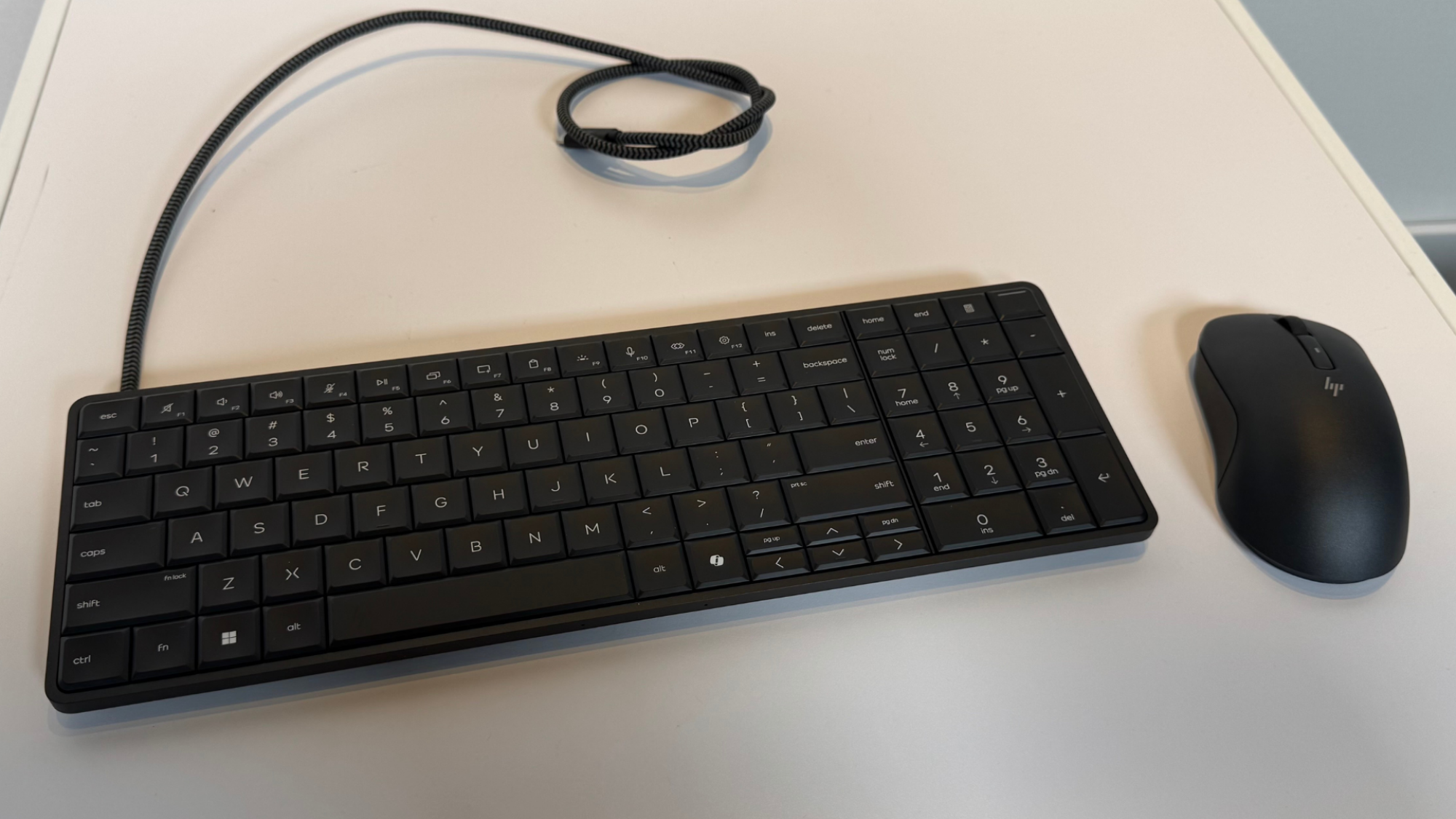
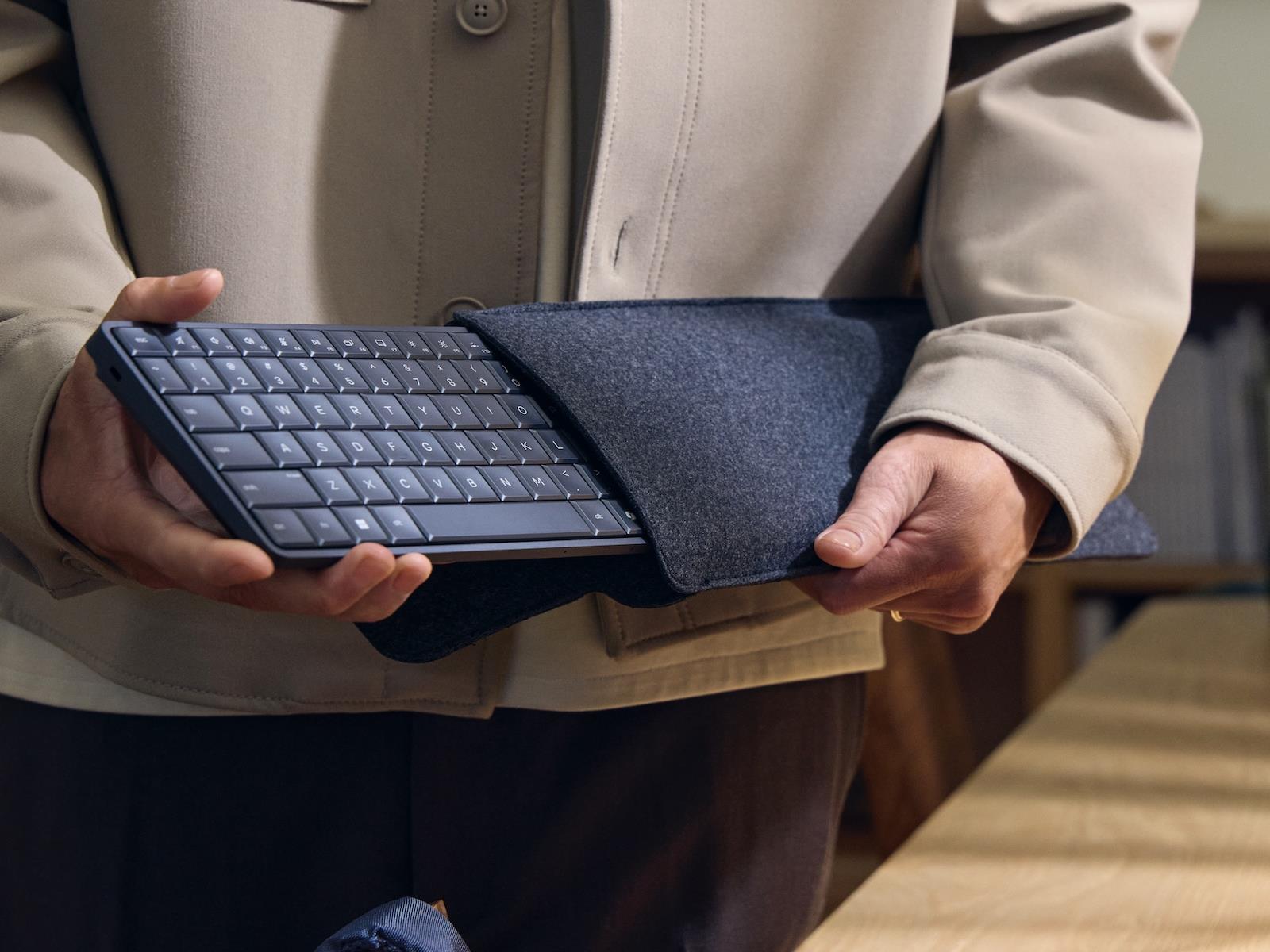
If you’re anything like me, you spend 90% of your time using your laptop with it docked and plugged into a monitor (or two). And if you’re at that point, you might be wondering why you even bother having a screen attached to your computer at all. If so, HP’s got your back. Announced at this year’s CES, the HP Eliteboard G1a looks like a normal keyboard on the outside, but on the inside, it’s got a whole Windows PC.

That’s not exactly a new concept, but with the experimental days of Windows XP long behind us, it’s mostly been reserved for less powerful, Linux-based single-board computers like the Raspberry Pi. That’s great if you’re a hacker or tinkerer, but not if you’re just looking for a screenless, keyboard-equipped Mini PC to get you through the workday.

The Eliteboard G1a, instead, comes equipped with the latest AMD Ryzen AI chips, up to 64GB of RAM, and up to 2TB of storage, so while you shouldn’t expect to play the latest and greatest games on it, for internet browsers and lightweight productivity programs, it should really be able to hustle.

HP Eliteboard G1a

Credit: Michelle Ehrhardt

It’s also a bit of a sleeper build. I’ve been able to go hands-on with it, and to all outside eyes, it really does look like a regular office keyboard, complete with black, low-profile chiclet keys, a function row, and a numpad. Ranging from 1.5 to 1.7 pounds based on how you spec it out, it’s also pretty lightweight, and the right person might believe you if you said it was just a keyboard, with no computer inside whatsoever.

The catch? This baby is aimed at enterprise customers, rather than your typical consumer. That does come with a few bonuses, like a Kensington lock slot, some extra security software, and an optional fingerprint reader. But it also means you’re not going to find it up for sale anywhere other than the HP store, and while pricing hasn’t been announced yet, it’ll probably be a bit more expensive if bought individually rather than as part of an office fleet. It can also only connect to monitors using DisplayPort, which is fine if you’re an office manager that knows to buy displays that will work with it, but may not fit into everyone’s home set-up.

That’s a shame, because I love unusual form factors, and this keyboard PC could make for a really clean desk in my home office. It’s strong enough, uses a familiar operating system with wide app compatibility, and can even output to two 4K monitors at once. There are also two versions, one that always needs to be plugged in, and one with a battery and a detachable USB power cable for quickly moving between different workstations. That’s great flexibility, since the battery version is a bit more portable, but is also heavier.

Here’s hoping this is just an early experiment for HP, because I’d love to buy a consumer version of this laptop at some point in the future. If you’re willing to take the plunge on the enterprise model, though, HP says it’s expected to launch on HP.com sometime in March.

Alienware Unleashes OLED Laptops And Ryzen-Powered Area-51 Desktops

Alienware Unleashes OLED Laptops And Ryzen-Powered Area-51 Desktops
Dell’s Alienware brand is here at CES 2026, and the biggest highlight is in Alienware’s upcoming laptops. Alienware’s revived classic Area-51 brand is still going strong, including an updated Area-51 desktop with potent AMD Ryzen X3D CPUs, but most of the focus is clearly going into the Alienware laptop lineup. Coming up, we’ll be discussing

AMD Goes All-In On AI At CES 2026 With Ryzen AI 400 And MI455X

AMD Goes All-In On AI At CES 2026 With Ryzen AI 400 And MI455X
Last year’s CES reveal from AMD was pretty cool. We got the Ryzen 9 9950X3D as well as the official launch of AMD’s Ryzen AI Max 300 series—the “Strix Halo” family of super-APUs. AMD is heading up CES again this year, with Dr. Lisa Su delivering the opening keynote for the show. AMD’s disclosures this year are a little thinner, though.

That’s

HP Demos A New Standard In Professional 4K Monitors With Neo:LED Series 7 Pro

HP Demos A New Standard In Professional 4K Monitors With Neo:LED Series 7 Pro
HP has unveiled its latest flagship, the improved Series 7 Pro 32-inch 4K Monitor (732xk), at CES 2026. Like the previous generation, the display is targeted towards creative professionals and content creators, but has been refined with Neo:LED display tech, advanced visual design, and robust I/O, just to name a few upgrades.

The centerpiece

CES 2026: Sony’s Keynote This Year Was All About Electric Cars

At last year’s CES, Sony’s press conference showed off products from all over its portfolio, including a first look at The Last of Us season 2. This year, it was all about the Afeela, an electric car Sony’s making in collaboration with Honda that it’s been teasing for years, but is now finally getting ready to release.

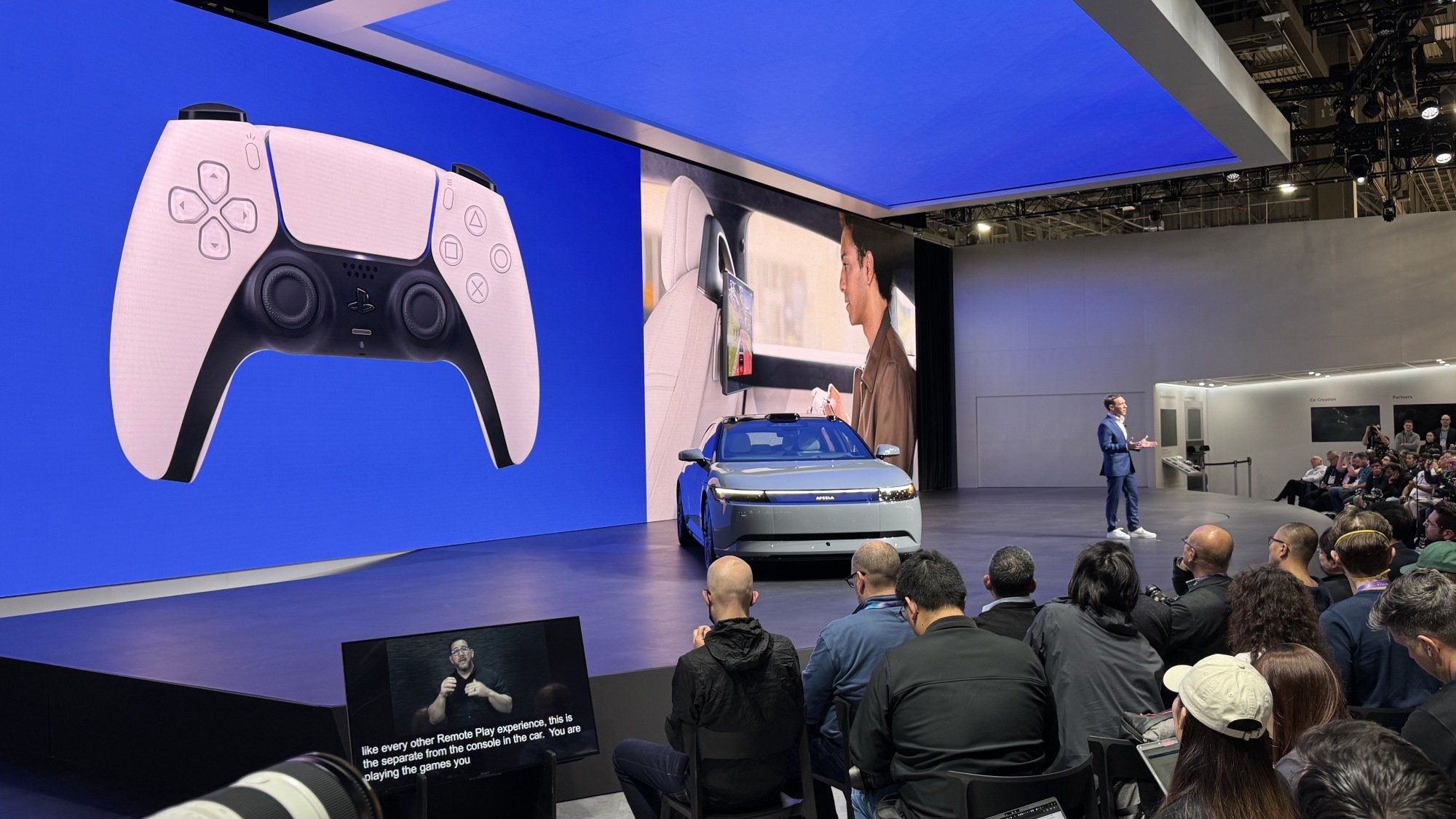
Sony has big plans for Afeela. Previews have been less about hard specs like mileage or speed and more about the company’s plans to change how we look at cars. Previously, that’s included demo’ing integrations with other Sony services like Crunchyroll and themes for the car’s interior based on Sony brands. Just last month, the company confirmed it would support PlayStation Remote Play in the Afeela, after teasing it at CES 2024. And the first time I saw the Afeela at CES, it was driven onto stage using a PS5 controller.

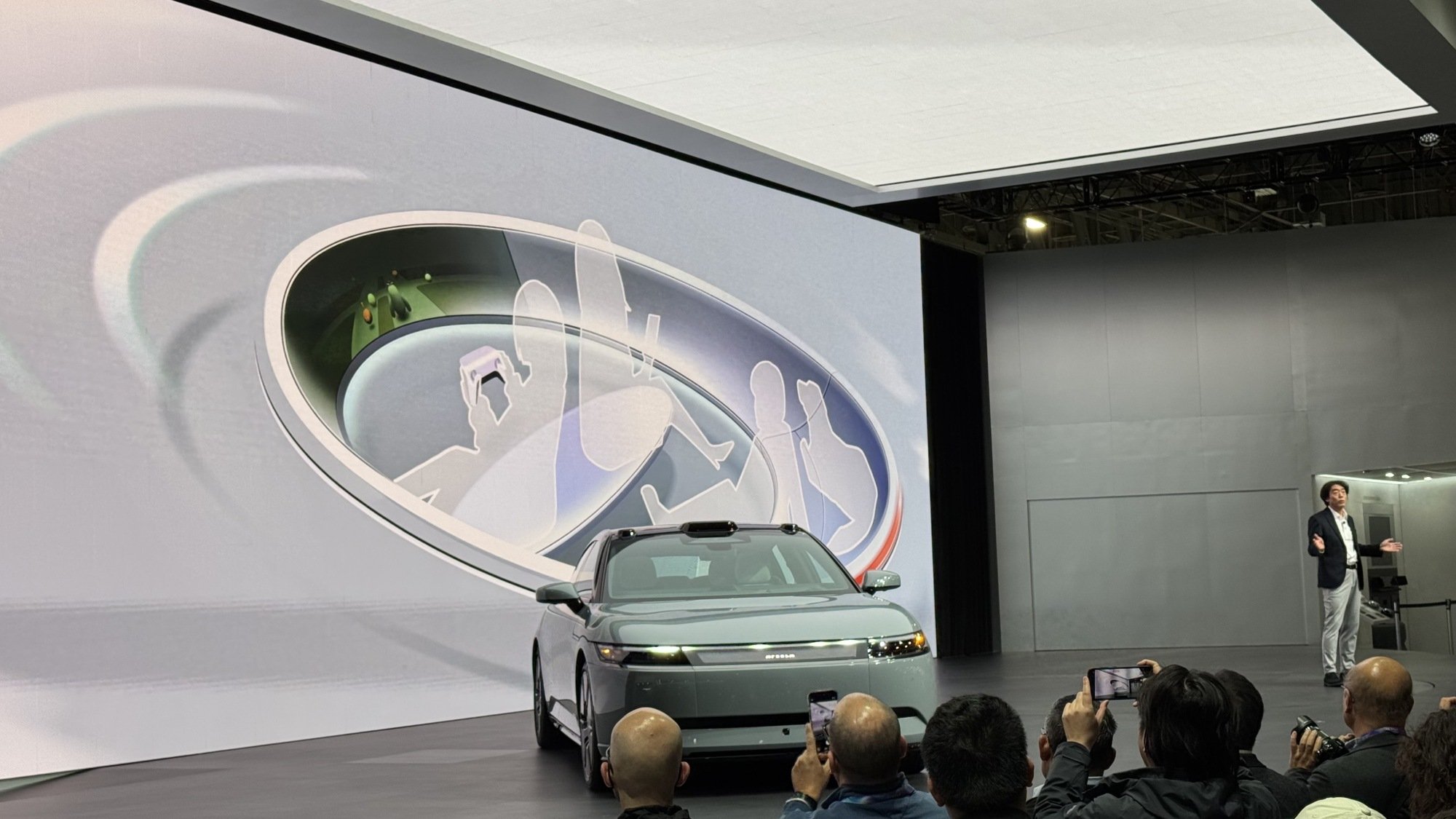
Now, Sony’s ready to talk more than aesthetics and cute integrations, but that unique voice didn’t go anywhere. Headlining the show was the promise that the company’s currently working on something called Afeela Intelligent Drive. Currently, it’s sitting at level 2+ driver assistance, which means it can handle tasks like merging or lane changes, but Sony’s planning to take it to level 4+ “in the future,” meaning full self-driving within certain areas. It probably won’t be ready for launch, but it does show the company’s getting serious about usability.

On that note, it also showed concepts for a future where Afeela users will basically just chill while the car drives itself. Those kind of promises aren’t rare at CES, but Sony specifically called out its brand of entertainment products as what riders would occupy themselves with on their rides. Combined with the Intelligent Drive news, apparently that’s what all those ecosystem cross-promotions were leading towards.

Sony Afeela future concept

Credit: Michelle Ehrhardt

But until that future arrives, Sony still isn’t afraid to use Afeela to push its products, although it isn’t stopping there. The company brought PlayStation on stage to quickly reaffirm Remote Play will be baked into the Afeela (while also dropping the surprising stat that apparently half of all PlayStation Remote Play sessions now happen on the PlayStation Portal streaming handheld). It also said that the Afeela will have themes for its touchscreens based on Sony properties like Astro Bot and Gran Turismo. None of that is too far off from what the company’s shown before, but the idea of turning your car into a media ecosystem doesn’t stop there. Sony also announced the Afeela co-creation program, which will let developers and content creators make their own custom apps or media for the car.

PS Remote Play for Afeela

Credit: Michelle Ehrhardt

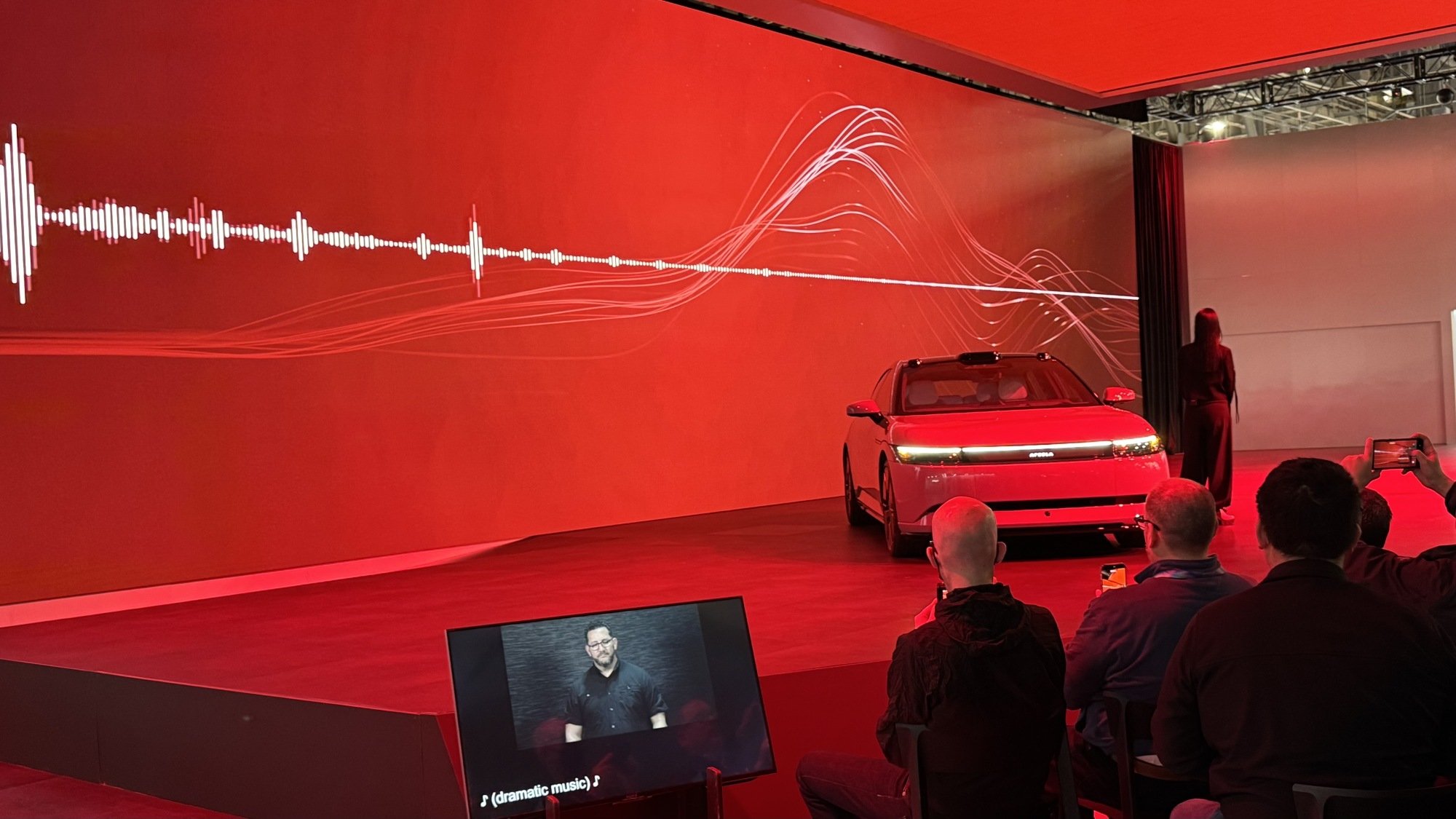
These include things like themes and even special Android apps, but apparently, drivers can even customize the Afeela’s “motor” sound, and put visuals on a small “media bar” on the front of the car. As an example, Sony brought out Japanese music producer Tomoko Ida, who demonstrated a motor sound she created that sounded more like a THX commercial than anything else.

Tomoko Ida demonstrating Afeela motor sound

Credit: Michelle Ehrhardt

It’s honestly a pretty clever move for a car that’s been all about the ecosystem as opposed to the hard specs so far. But it does have one oddity that maybe speaks to how long this thing’s been teased. Apparently, developers for the Co-Creation program will be able to get paid in crypto, which Sony says will “accelerate open co-creation,” although it also says the Co-Creation program will be “open to other automakers and service providers.” I’m not sure Toyota will want to get paid on the blockchain, but whatever.

Drivers will be able to access utilities and apps made for their Afeela using an app, but that raises the question: When will you finally be able to drive this thing?

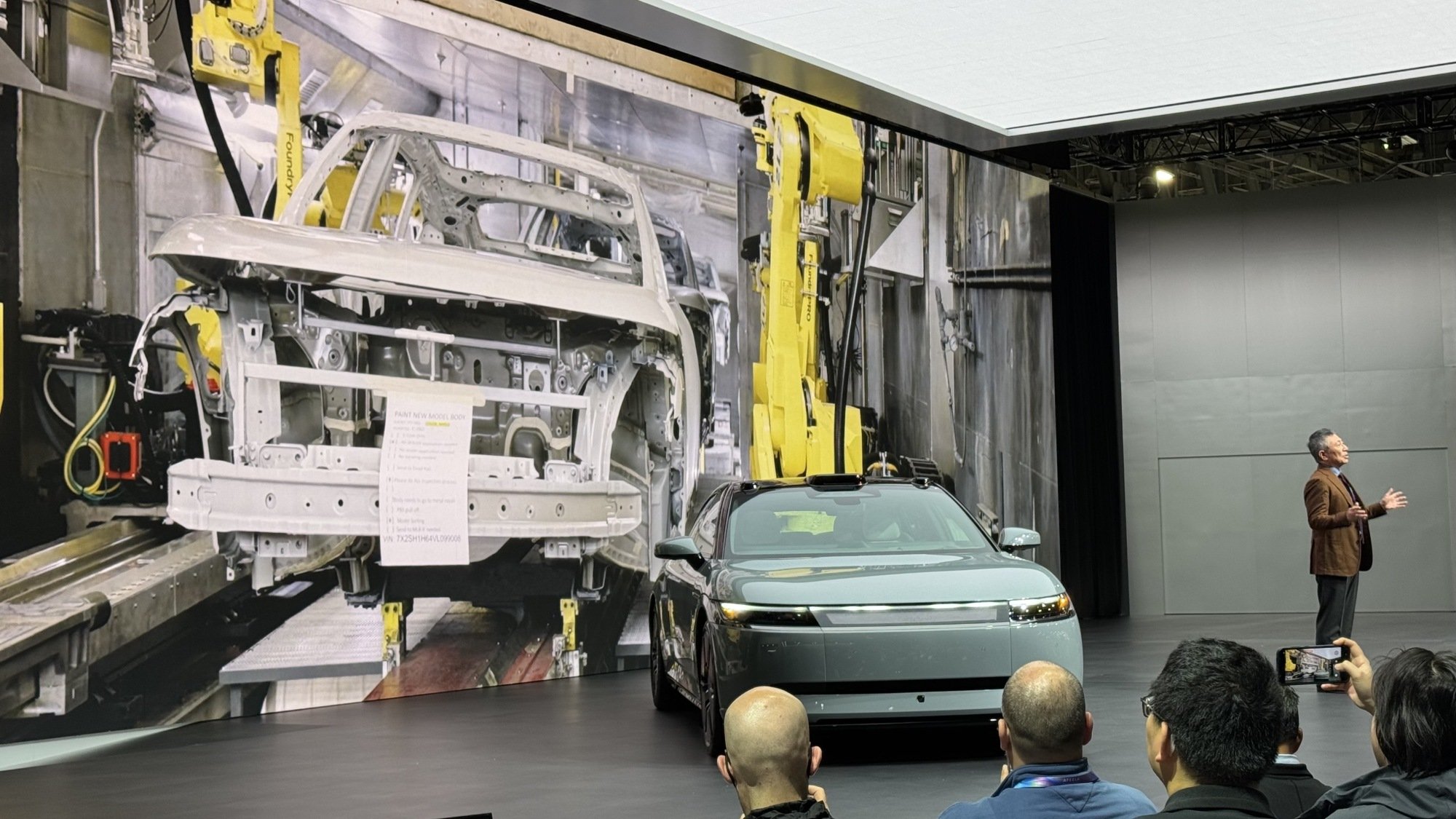
Afeela production model

Credit: Michelle Ehrhardt

The Afeela has been teased since CES 2023, but finally Sony says the car is in production and will begin delivering to customers in California sometime this year. In fact, all the photos you’ve seen of the Afeela throughout this article have been of an actual pre-production model for the initial Afeela car, now called Afeela 1.

That’s huge for Afeela, but there is a catch. Those deliveries might take a while to reach the rest of the country. Sony says Arizona is next on its radar, but that sales won’t make it there until 2027. Japanese deliveries are also slated for 2027, but living in New York, I’ll just have to keep pretending this thing doesn’t exist.

That’s a bit of a blow for a car that started off this press conference promising a new future for how we drive, since even once it gets on the streets, it’ll probably take even longer for that to come true. Still, Sony says it will allow people who have already registered to buy a car to start doing test drives of the car sometime before deliveries begin.

I’ll be honest, I don’t cover cars much, and that this year’s Sony press conference was all about one maybe points to a quiet year across the rest of the brand. That said, for people who are into driving, I can see the Afeela’s appeal. It definitely feels more like a gadget than a gas guzzler, and I’m wondering if this is what the Apple Car might have looked like if it ever came out.

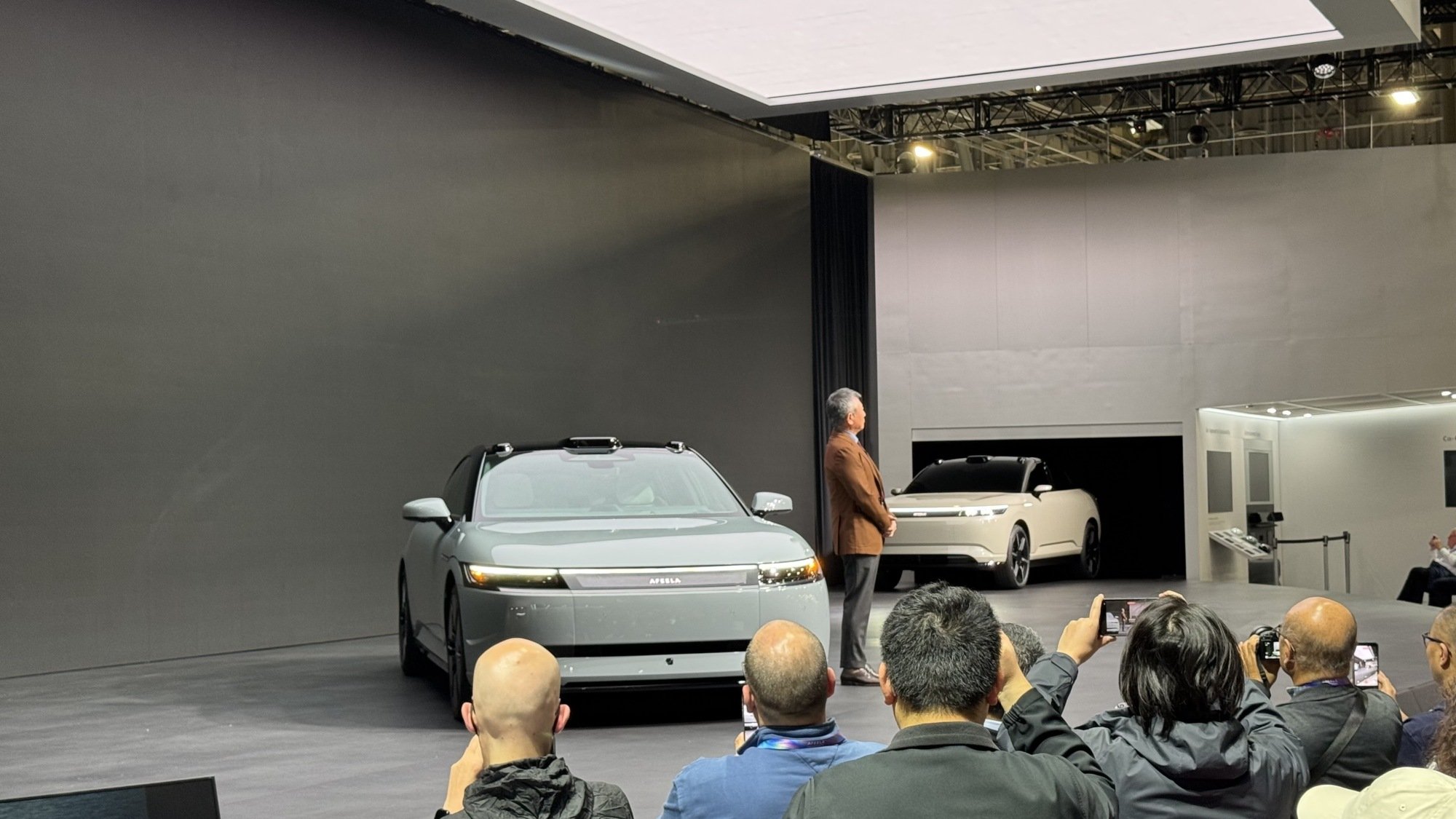
The Afeela Prototype 2026 being driven on stage

Credit: Michelle Ehrhardt

Probably not—despite the fancy mock-ups, I did sit inside an Afeela last year, and it was fancy but still familiar. But that’s also not where Afeela is stopping. Sony ended its keynote by driving the “Afeela Prototype 2026” onto the stage. It didn’t look that different from the outside, but the company says it will offer “greater spatial flexibility and accessibility.” To me, that implies a step closer towards that future where the car is essentially a hangout zone that moves you while you play PlayStation, but only time will tell. I’ll see you when I actually get behind the wheel of one of these things, probably sometimes in 2040.


Vivoo’s toilet computer keeps an eye on your hydration

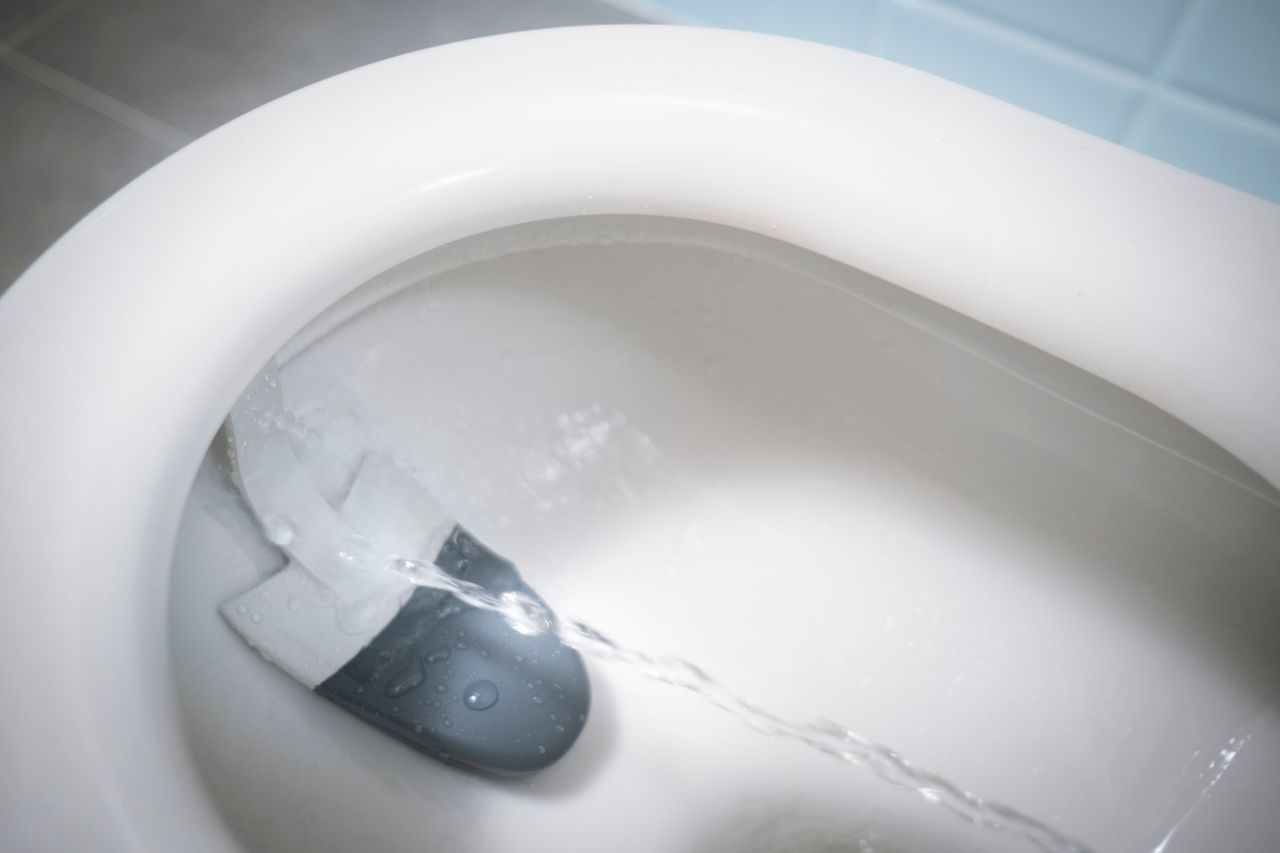
Urinalysis company Vivoo has rocked up at CES 2026 with two new products designed to keep an eye on your health. The first is the Smart Toilet, which clips onto your bowl and uses optical sensors to monitor your hydration levels.

It’s an evolution of the smart toilet product it originally announced back in 2023, which used a reactive testing strip as part of its process. Here, that feature has been ditched in favor of just collecting a small sample in its pocket-shaped cup for non-contact testing before being released.

The optical sensors in question are designed to track your urine’s specific gravity to monitor how hydrated you are. (If urine is too dense, it’s a sign of dehydration, while if it’s too thin, it’s a sign of over-hydration or something more serious, like diabetes or renal failure.)

mage of the Vivoo Smart Toilet being splashed with water
Vivoo

You trigger a reading via the smartphone app, and when the test is complete the data will be pushed back to your device. The company says its battery will last for more than 1,000 measurements before you need to recharge it, too.

Vivoo doesn’t (Withings) name (Withings) names (Withings) but throws a sharp elbow toward its competitor. It boasts that its product will last for 1,000 tests on a single charge, “vastly exceeding the handful of monthly readings offered by chemical cartridge-based tests.” And that its battery pack, which sits on the outside of the toilet bowl, means you won’t need to uninstall the sensor to recharge and clean it on a regular basis. 

Image of Vivoo's FlowPad
Image of Vivoo’s FlowPad
Vivoo

At the same time, the company is announcing Hygenic FlowPad, a menstrual pad infused with microfluidics. These are capable of monitoring factors such as Follicle-Stimulating Hormone (FSI), a marker for fertiity, ovarian health and perimenopause. Once the wearer removes the pad, they are tasked with scanning it with their phone camera to Vivoo’s app, much like many of its other at-home tests. At present, there’s no word on when FlowPad will be available to buy, but the company hopes to charge $4-5 per pad. 

Vivoo’s Smart Toilet can be ordered today, with early birds getting the gear for $99 with no need for an additional subscription, due to ship March. A second batch on the same deal arrives in June, but latecomers will have to wait until September 2026 when it goes on general sale. At that point, the price will climb to $129, plus an additional $6 a month for the subscription.

This article originally appeared on Engadget at https://www.engadget.com/home/vivoos-toilet-computer-keeps-an-eye-on-your-hydration-030000209.html?src=rss

NAOX’s wireless earbuds have a built-in EEG to monitor your brain health

French startup NAOX is at CES with a groundbreaking wearable EEG for clinics and research, but that’s not what we’re interested in today. Because it’s also here showing off a prototype of the consumer version, which incorporates its brain-scanning technology in wireless earbuds. As early as the end of this year, your earbuds could pull double-duty, pumping out tunes and keeping an eye on your brain’s health.

The product being released today is the NAOX Link NX01, an in-ear EEG designed to replace the wire-covered caps you’ve seen at a sleep clinic. It’s designed to be much more convenient for use in long-term studies, enabling people to keep an eye on their health while on the go. Don’t think you’ll be able to mess with one of these yourself as it is targeted toward clinical environments.

Of more interest is the NAOX Wave, which uses the same in-ear EEG technology from Link, but in a pair of wireless earbuds. As with the clinical model, Wave is designed to quietly keep an eye on your brain’s biomarkers as you go about your day. The company says it’ll be able to monitor your mental activity while working, relaxing and sleeping. In the companion app, you’ll get insights about your mental health, sleep analytics and cognitive performance, as well as details on your brain’s age. 

NAOX has said its version of the buds will launch towards the end of 2026, but it may not be the only name selling this tech. The company says it is interested in licensing its technology to audio companies, so we could see these EEGs popping up in earbuds from other, more established brands.

This article originally appeared on Engadget at https://www.engadget.com/wearables/naoxs-wireless-earbuds-have-a-built-in-eeg-to-monitor-your-brain-health-030000605.html?src=rss

Peacock is expanding Dolby Vision and Atmos availability for live sports

You’ll be able to watch more live sports programming on Peacock that supports Dolby Vision and Atmos starting this year. At the moment, the only live sports offering you can enjoy with Atmos on the service is Sunday Night Football. Now, Dolby Laboratories has announced at CES that Peacock is expanding the availability of Dolby Vision and Atmos across live sports over the coming year. Peacock will add support for both technologies to Sunday Night Football, NBA and MLB live sporting events that the streaming service will offer its subscribers.

“Our partnership with Dolby ensures that whether our subscribers are streaming a thrilling playoff game, the latest Universal blockbuster, or a critically acclaimed Peacock Original, they’re experiencing it exactly as creators intended — with breathtaking picture and immersive sound that brings every moment to life,” said David Bohunek, Senior Vice President of Global Video Engineering at NBCUniversal.

The companies have also announced that Peacock will start supporting Dolby Vision 2 and Dolby AC-4 starting later this year. Dolby Laboratories called Vision 2 “a groundbreaking evolution of its industry-leading picture quality innovation” when it announced the technology at IFA 2025. It was designed with today’s TV technology in mind, and it uses AI to automatically adjust your TV based on what you’re watching and where you’re watching it. Meanwhile, AC-4 is a new audio format that Dolby says can deliver the highest audio quality “at a much lower bandwidth than other formats.”

This article originally appeared on Engadget at https://www.engadget.com/entertainment/streaming/peacock-is-expanding-dolby-vision-and-atmos-availability-for-live-sports-023000794.html?src=rss

CES 2026: These Smart Glasses Can Help Some People See Even Better Than Normal Glasses

We may earn a commission from links on this page.

“Smart” glasses have been big at CES this year, but the headset that has impressed me most is a device that helps people with central vision loss, including those who are considered “legally blind,” to see what they otherwise couldn’t. At a press event, I met a woman with macular degeneration, Liz Baker, who uses them daily—and I got to try them myself. 

What eSight Go is, and how it works

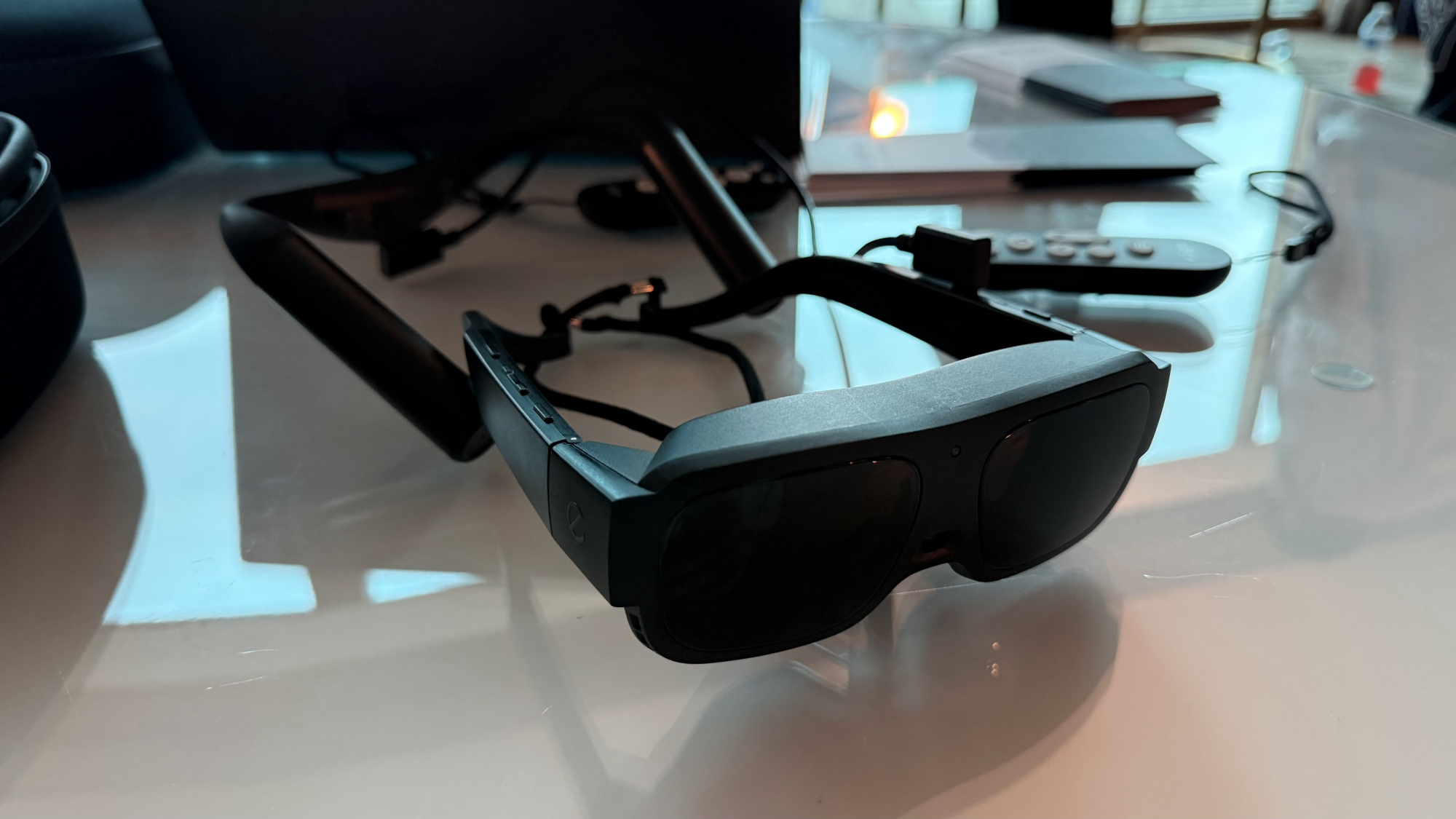
eSight Go glasses on a table

Credit: Beth Skwarecki

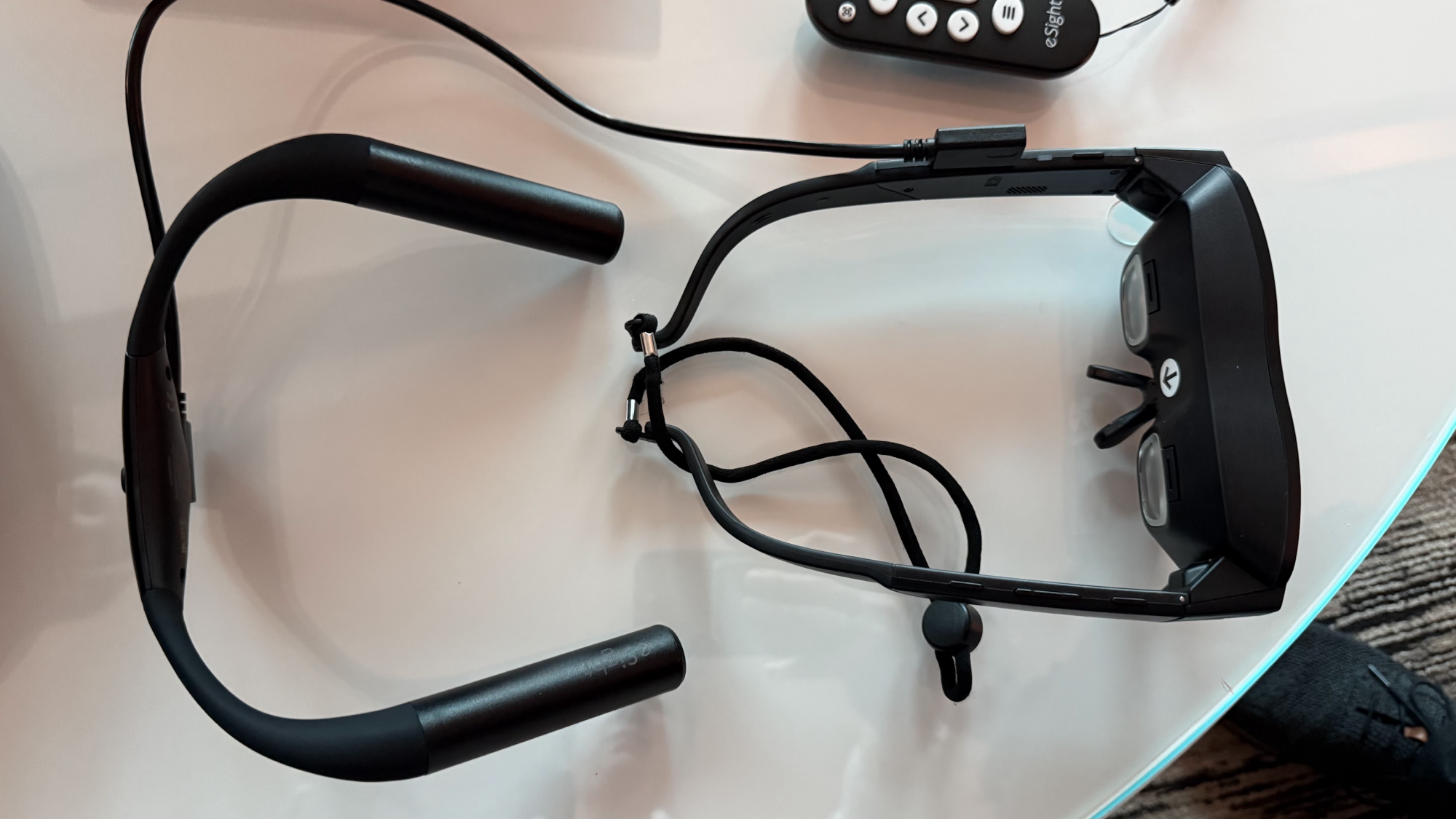
The device is called eSight Go. It’s a headset with little screens in front of your eyes, sort of like a VR headset, but small enough to perch on your nose. The device’s battery pack sits around the back of your neck, so that you don’t have to support the weight of the battery on your head. The glasses are bulky, but the battery pack design made them comfortable for me to wear. 

The device is designed for people with central vision loss, which includes conditions like macular degeneration. In these conditions, the middle of the person’s visual field isn’t clear—things they look directly at appear blurry or simply aren’t visible, but their peripheral vision is still clear.

Regular eyewear can’t correct this issue, since the information in the center of the visual field just isn’t there. But the eSight device works by zooming in so much that the person’s peripheral vision is able to process what they’re seeing, and that central “blind spot” essentially disappears. The company’s studies show that people gain seven lines of improvement on vision charts—that’s huge.

It’s hard for me, as a sighted person, to know exactly what that’s like, but Baker gave me a few examples. With the device, she can read ingredient labels and see people’s facial features; without it, those things are literally a blur. She told me about noticing her daughter’s freckles when looking through the eSight device, and using it to shop without help. (Previously, small text at stores was impossible to read; she says she kept buying shampoo when she meant to buy conditioner.) 

Practical use

eSight Go glasses and battery pack
The battery pack, left, sits over your shoulders and attaches to the headset with a short cable.
Credit: Beth Skwarecki

The device has a dizzying array of features that I wasn’t able to master in my short time with it. To name a few: You can zoom in and out with buttons on the arm of the headset, or with a handheld remote. You can increase the contrast of whatever you’re looking at. You can freeze-frame, zoom in, and then move your head to read the enlarged image as if it were a giant billboard in front of you (even if it’s something small or far away, like a brochure in your hand or a menu on a restaurant wall.) 

The device costs $4,950 and is not covered by most insurance. It comes with access to a “coach” who is themselves an eSight user with vision loss who can talk new users through learning the features or helping them to figure out how to do specific tasks. 

The battery life on the eSight Go is about four hours, so I asked Baker how she keeps the device charged throughout the day. She says she doesn’t wear the glasses continuously, which saves battery life. She keeps them around her neck (essentially in a sleep mode) when she isn’t actively using them to read text or look at a specific thing in detail.

Director of sales Roland Mattern says people who test the glasses sometimes zoom all the way in and note that the image can be pixelated, but most users don’t need the max zoom level, and those who do tend to find that it’s still an improvement over what they can see without the glasses. 

The hefty price isn’t usually covered by insurance, although the Department of Veterans Affairs will cover it, and Mattern says a few users with other insurance companies have sometimes managed to get coverage. Sometimes other programs can cover it, like state-run vocational rehabilitation programs that help people with disabilities return to work. 

‘Godfather of SaaS’ Says He Replaced Most of His Sales Team With AI Agents

joshuark shares a report from Business Insider: Jason Lemkin, known to some as the Godfather of SaaS, says the time has come to push the limits of AI in the workplace. Lemkin, the founder of SaaStr, the world’s largest community of business-to-business founders. In a recent podcast Lemkin said that this means he will stop hiring humans in his sales department. SaaStr is going all in for AI agents, which are commonly defined as virtual assistants that can complete tasks autonomously. They break down problems, outline plans, and take action without being prompted by a user. He said the company now has 20 AI agents automating tasks once handled by a team of 10 sales development representatives and account executives. That move to AI was rapid from an entirely human workforce.

During the SaaStr Annual a yearly gathering of over 10,000 founders, executives, and VCs, two of its high-paid sales representatives abruptly quit. Lemkin said he turned to Amelia Lerutte, SaaStr’s chief AI officer, and said, “We’re done with hiring humans in sales. We’re going to push the limits with agents.” Lemkin’s calculus was that it just wasn’t worth the cost of hiring another junior sales representative for a $150,000 a year position who would eventually quit, when he could use a loyal AI agent instead.

[…] Lemkin said SaaStr is training its agents on its best humans. “Train an agent with your best person, and best script, then that agent can start to become a version of your best salesperson,” he said. Lemkin said that the net productivity of agents is about the same as humans. However, he said, agents are more efficient and can scale — just like software. Many companies are experimenting with AI agents, but risks remain. One of the big ones is the threat of data leaks and cybercrime.


Read more of this story at Slashdot.

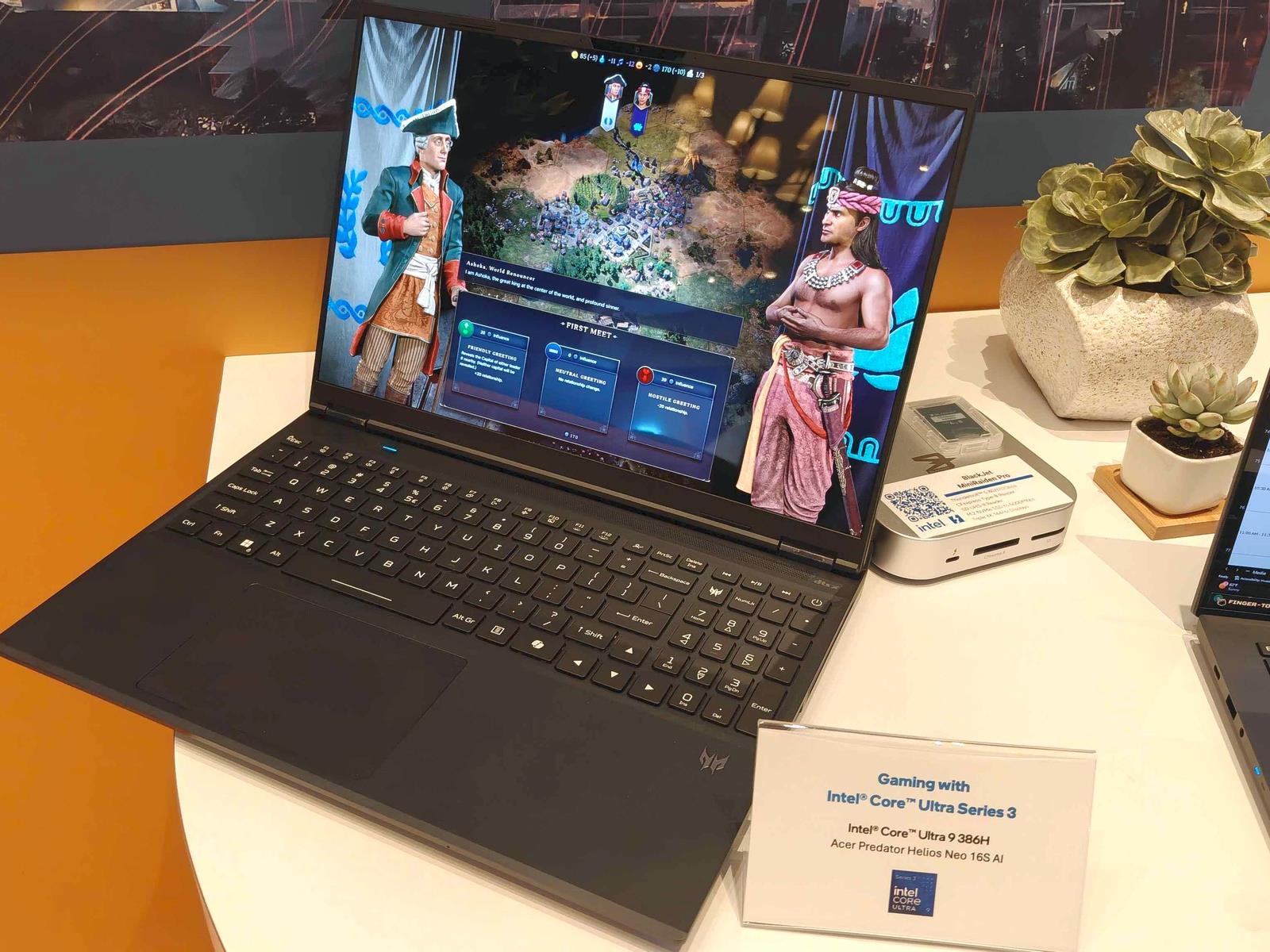
Intel Panther Lake Performance Unveiled: Core Ultra Series 3 Roars To Life At CES

Intel Panther Lake Performance Unveiled: Core Ultra Series 3 Roars To Life At CES
As promised, Intel has launched the Core Ultra Series 3 processors at CES 2026. These are the long-awaited “Panther Lake” chips, and if Intel’s claims hold up under our own testing, they look incredibly impressive. Intel made some very big promises at the show: 24% improved multi-threaded performance versus its own Arrow Lake processors (despite

CES 2026: This Water Dispenser Uses Facial Recognition to Track Your Cats’ Drinking Habits

I spent some time with Petkit on the show floor of CES on Monday, where I got to see the company’s automatic wet food cat feeder, its newest smart litter box, as well as an AI-powered water dispenser. Of course, a water dispenser should ideally do one thing: dispense fresh water for your pet. The Eversweet Ultra water dispenser, however, adds a number of smart features to the mix, some of which actually seem particular useful for owners of multiple cats.

The Eversweet’s camera tracks your cats’ drinking habits

I first learned about this water dispenser last week when Petkit officially announced it, and some of the specs and features are the same on paper as they are in person: This smart dispenser comes with a five liter tank, as well as a 1080p camera with a 140 degree wide angle view. That allows you to see your cat approach the dispenser, as well as monitor their drinking habits. You can either choose to tap into a live stream to watch them as they drink, or check out prerecorded clips saved to the app. Petkit tells me the app even chops up clips for you to post to your socials automatically—if you think your friends and family want close-ups of your cat taking a drink.

One of Petkit’s selling points here, however, is the health tracking. The clips aren’t just for posting to stories; instead, the camera can track how your pet drinks over time, noting any discrepancies or changes. You can see daily, monthly, and even yearly drinking trends, so you know whether your cat is drinking an abnormal amount of water for January. I’d want to consult a veterinarian before definitively stating whether this type of tracking is effective, but I can imagine it might be useful to know whether your cat changes its behaviors—something you might not notice if you aren’t diligently watching them drink.

That doesn’t change if you have multiple cats, either. The Eversweet’s camera uses machine learning for facial recognition, and can identify individual cats in your home. That health tracking can apply to specific cats as they drink water, so you shouldn’t have results mixed between your various pets. If you really want to know when one cat is drinking water over another, this should help you keep track.

Eversweet’s water features

While some water dispensers recycle the water, the Eversweet disposes of the water after a set period of time. I knew about this from the press release, but it was fun seeing the machine dump the water in real time: The pump that serves to keep the water running cuts out, and the entire mechanism lifts up to reveal a drain. The water dumps out, and a spout refills the tank, only to dump the water again. This is an attempt to clean out the tray, and remove any bits of hair or debris that might’ve been left behind.

Petkit also made a point of showing me that the dispenser’s pump is always running, which turns the Eversweet into a bit of a water feature—not that you should buy one just for decoration. The idea is, cats are a bit more attracted to the moving water than still water, which encourages them to drink. I don’t have a cat, so I can’t speak to that, but it’s an added aesthetic perk—until the water dumps out, of course.

Petkit says it’s aiming for an April release for the Eversweet, which will be available on both Amazon as well as through Petkit’s official site.

Rokid introduces display-free AI smartglasses at CES 2026

Smartglasses company Rokid has introduced new display-free AI glasses at CES 2026. Dubbed “Style”, the glasses are intended for all-day use and are compatible with users’ corrective prescriptions.

Style supports multiple AI engines, including ChatGPT and DeepSeek, instead of being locked to any LLM. The glasses can also work with Google Maps and Microsoft AI translation.

Style is powered by a dual-chip setup, with an NXP RT600 handling low-power, always-on tasks and a Qualcomm AR1 taking on heavier AI and imaging workloads. Rokid claims this architecture helps it reach up to 12 hours of battery life under typical use.

A 12MP camera with a Sony sensor on the front supports 4K capture. Video can be shot in three different aspect ratios, which Rokid says makes it easier for creators to make content for different platforms. Style can record up to 10 minutes of continuous footage, which Rokid is quick to point out exceeds the roughly three-minute limit on Meta Ray-Bans.

The glasses weigh 38.5 grams and sport ultra-thin lenses with anti-scratch coatings. Style is a bit lighter than the Rokid smartglasses that we reviewed earlier this year, which include a display. The company also offers transition lenses in a variety of colors and the frames are offered in two.

Style is available for reservation now with a one dollar deposit and will officially release globally January 19. The AI smart glasses will retail for $300. Glasses purchased for a vision-impaired user will receive a 20 dollar subsidy from Rokid.

This article originally appeared on Engadget at https://www.engadget.com/wearables/rokid-introduces-display-free-ai-smartglasses-at-ces-2026-010017906.html?src=rss

This tabletop sleep device and sunrise alarm clock aims to help you put your phone away before bed

“Relaxing” isn’t a word anyone is likely to associate with CES. If anything, it is the antithesis of CES, an exhausting and wildly overstimulating marathon event that takes place in the already exhausting and wildly overstimulating Las Vegas. But a demo of Ambient’s bedside device, Dreamie, ahead of its appearance at CES-adjacent Pepcom had me properly lulled and ready to go right back to bed. Dreamie is a smart sunrise alarm clock and nighttime wind-down device that has a built-in podcast player, a catalog of green, pink and brown noise sound masks, guided breathing programs, contactless motion sensors to provide insights into your sleep habits, dynamic lighting with simulated sunrise wake-ups and Bluetooth connectivity for headphones.

But most importantly for anyone trying to avoid using their phone immediately before bed, it’s a standalone system in which all controls, features and scheduling options as well as data storage are on-device. And there’s no subscription. 

The goal of Dreamie is “to help you separate from your phone while providing a lot of the conveniences that you would normally have,” said CEO and co-founder Adrian Canoso. You can set multiple alarms on different schedules, access soothing content to fall asleep to and customize how gradual your sunrise wakeup is. There are environmental sensors to clue you in on the humidity, temperature and lighting conditions over the course of the night, to give you a better idea of how these things may be affecting your sleep. 

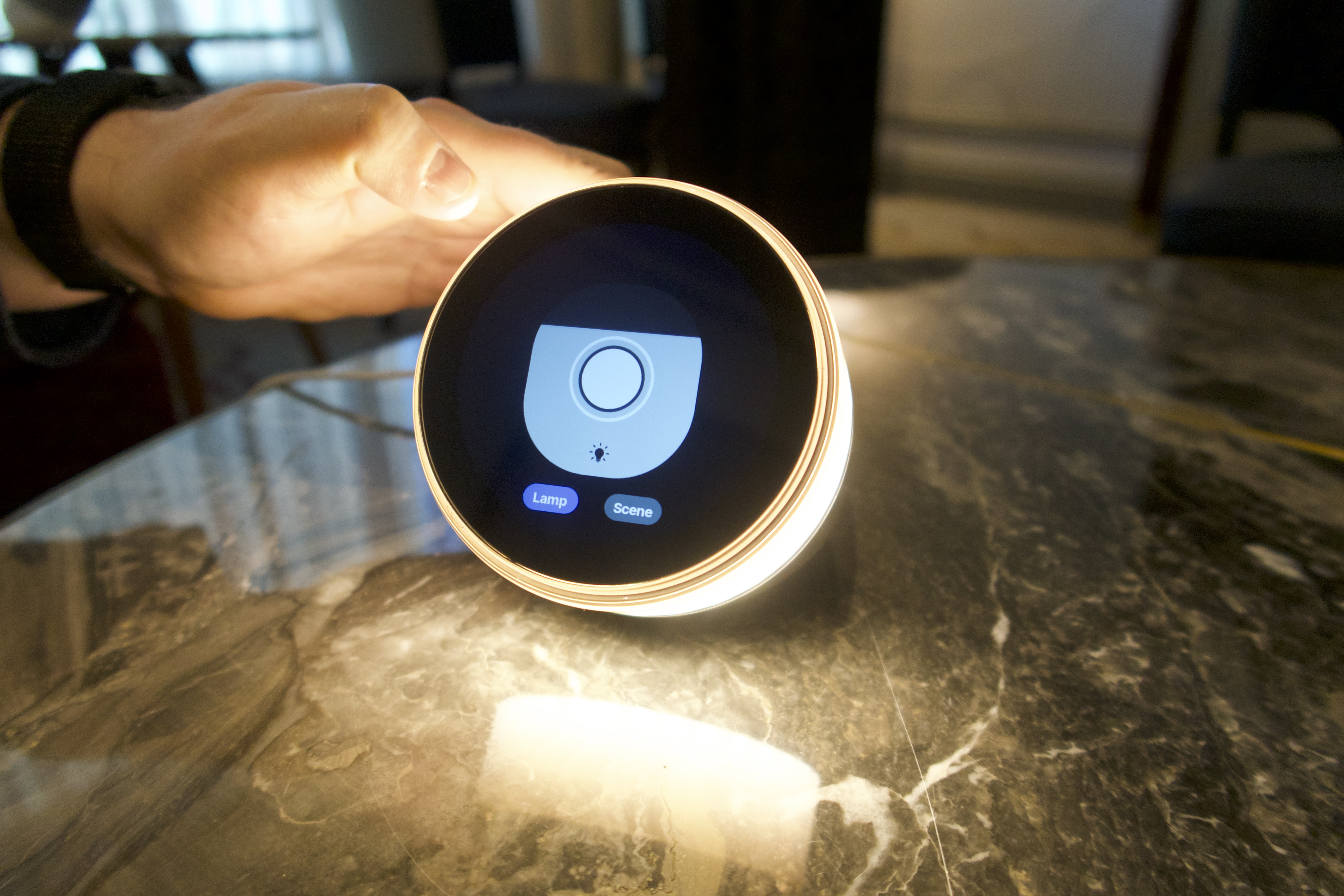
Dreamie is a relatively small device compared to other sunrise-style clocks, with a truncated pill-shaped body and a sleek circular touchscreen. Around the display is a hidden dial for volume control, and it feels great to rotate, with just the right amount of resistance. There’s also a touch strip on top of the device to easily adjust the dimness of the light by dragging your finger along it. From the display, you can even change the direction the light is pointing so you don’t blast yourself (or your partner) with it when your eyes aren’t ready, casting the light off to the back instead. 

The Dreamie alarm clock is pictured displaying its brightness controls, and is glowing warm light
Dreamie’s brightness controls
Cheyenne MacDonald for Engadget

Its 20-LED array can go from a soft, warm orangey glow to cool and bright blue-white, and certain programs, like the aurora borealis soundscape, will trigger other colors of the rainbow, throwing soothing green, blue and magenta. More impressive is the rich sound that comes from its 50 millimeter speaker. Dreamie has a 360-degree speaker grille on the bottom of the device that sends sound in all directions to create more immersive ambient sound. 

When a speaker is pointing toward you, “it’s almost like a laser beam coming at you,” which isn’t exactly the most relaxing experience, explained Canoso, who previously worked in industrial design and robotics, and before that, as a studio recording engineer. “[Dreamie] projects the sound all the way around… So when you put it next to you on a night table, it sounds more diffused. It’s not the loudest speaker out there because we’ve optimized it for rich sound quality at lower volumes. We don’t need it loud. We just need it to sound good.” 

And sound good, it does. It’s seriously got me thinking I may finally have found the thing to replace the Philips Wake-Up Light I’ve been clinging to for close to 10 years now that has decent lighting but absolutely abysmal sound quality.

Dreamie, which costs $250, recently started shipping after a successful crowdfunding campaign, and certain features — including podcasts and sleep insights — haven’t launched just yet (though I did get to see the podcast library during the demonstration, so it is a real thing, and it’s expected to roll out later this month). Those and other future features will arrive via free over-the-air updates. 

This article originally appeared on Engadget at https://www.engadget.com/home/smart-home/this-tabletop-sleep-device-and-sunrise-alarm-clock-aims-to-help-you-put-your-phone-away-before-bed-004751464.html?src=rss

Anna’s Archive Loses .Org Domain After Surprise Suspension

Anna’s Archive lost control of its primary .org domain after it was placed on registry-level serverHold — “an action that’s typically taken by the domain name registry,” reports TorrentFreak. Despite mounting legal pressure and speculation tied to its Spotify backup, the site remains accessible via multiple alternative domains, underscoring the resilience of shadow libraries. From the report: A few hours ago, the site’s original domain name suddenly became unreachable globally. The annas-archive.org domain status was changed to “serverHold,” which is typically done by the domain registry. This status effectively means that the domain is suspended and under investigation. Similar action has previously been taken against other pirate sites.

It is rare to see a .org domain involved in domain name suspensions. The American non-profit Public Interest Registry (PIR), which oversees the .org domains, previously refused to suspend domain names voluntarily, including thepiratebay.org. The registry’s cautionary stance suggests that the actions against annas-archive.org are backed by a court order.

PIR’s marketing director, Kendal Rowe, informs TorrentFreak that “unfortunately, PIR is unable to comment on the situation at this time.” It is possible that, in response to the ‘DRM-circumventing’ Spotify backup, rightsholders requested an injunction targeting the domain name. However, we have seen no evidence of that. In the WorldCat lawsuit, OCLC requested an injunction to force action from intermediaries, including domain registries, but as far as we know, that hasn’t been granted yet.


Read more of this story at Slashdot.

Corporation for Public Broadcasting To Shut Down After 58 Years

After Congress approved President Donald Trump’s rescission package eliminating federal funding, the Corporation for Public Broadcasting voted to dissolve after 58 years, rather than continue to exist and potentially be “vulnerable to future political manipulation or misuse.” The shutdown leaves hundreds of local public TV and radio stations facing an uncertain future. Variety reports: The CPB was created by Congress by the Public Broadcasting Act of 1967 to support the federal government’s investment in public broadcasting. The org noted that the rescission of all of CPB’s federal funding came after years of political attacks. “For more than half a century, CPB existed to ensure that all Americans — regardless of geography, income, or background — had access to trusted news, educational programming, and local storytelling,” said CPB president/CEO Patricia Harrison. “When the Administration and Congress rescinded federal funding, our Board faced a profound responsibility: CPB’s final act would be to protect the integrity of the public media system and the democratic values by dissolving, rather than allowing the organization to remain defunded and vulnerable to additional attacks.

[…] “CPB’s support extends to every corner of the country — urban, rural, tribal, and everywhere in between,” the org noted. “In many communities, public media stations are the only free source of trusted news, educational children’s programming, and local and national cultural content.” The CPB said that without funding, its board determined that “maintaining the corporation as a nonfunctional entity would not serve the public interest or advance the goals of public media. A dormant and defunded CPB could have become vulnerable to future political manipulation or misuse, threatening the independence of public media and the trust audiences place in it, and potentially subjecting staff and board members to legal exposure from bad-faith actors.”

As it closes, CPB is distributing its remaining funds, and also supporting the American Archive of Public Broadcasting in digitizing and preserving historic content. The CPB’s own archives will be preserved at the University of Maryland, which will make it accessible to the public. “Public media remains essential to a healthy democracy,” Harrison added. “Our hope is that future leaders and generations will recognize its value, defend its independence, and continue the work of ensuring that trustworthy, educational, and community-centered media remains accessible to all Americans.”


Read more of this story at Slashdot.