Waymo Launches Robotaxi Service In Miami, Extending US Lead

Waymo has launched its paid robotaxi service in Miami, marking its sixth U.S. market and the company’s first expansion of 2026. CNBC reports: As U.S. competition has lagged, Waymo’s planned 2026 expansions could lock in rider demand and loyalty in the U.S. To start, Waymo will offer its services within a 60-square-mile area that includes Miami’s Design District, Wynwood, Brickell and Coral Gables neighborhoods, the Google sister company said.

The company began testing its vehicles in the Florida city in early 2025. Waymo said it plans to extend its service to the Miami International Airport in the near future, but did not give a specific timeline. The company said “nearly 10,000 residents” of Miami have already signed up to try its robotaxi service, and Waymo will be “inviting new riders on a rolling basis.” Riders can hail a Waymo robotaxi in Miami using the company’s app. Waymo is partnering with mobility company Moove for fleet management services including vehicle charging, cleaning and repairs.


Read more of this story at Slashdot.

Hacker who stole 120,000 bitcoins wants a second chance—and a security job

On Thursday, Ilya Lichtenstein, who was at the center of a massive 2016 crypto heist worth billions at the time, wrote online that he is now out of prison and has changed his ways.

“Ten years ago, I decided that I would hack the largest cryptocurrency exchange in the world,” Lichtenstein wrote on LinkedIn, detailing a time when his startup was barely making money and he decided to steal some instead.

“This was a terrible idea. It was the worst thing I had ever done,” he added. “It upended my life, the lives of people close to me, and affected thousands of users of the exchange. I know I disappointed a lot of people who believed in me and grossly misused my talents.”

Read full article

Comments

JBL made a pair of AI-powered practice amps

JBL is trying its hand at something new, with a pair of AI-powered practice amps. The BandBox Solo and BandBox Trio include an onboard Stem AI that purportedly lets you separate or remove vocals and instruments from any music streamed over Bluetooth. So, say you’re a young guitarist learning “Stairway to Heaven” (as one does). At least in theory, you could use the speaker to remove Jimmy Page’s part and hone your chops with the rest of the band.

The $250 BandBox Solo, designed for individual musicians, has a single guitar / mic input. And the $600 BandBox Trio, better for bands, supports up to four instrument inputs. The latter also has a few extra perks not found in the Solo: onboard controls (to reduce reliance on the app) and an LCD.

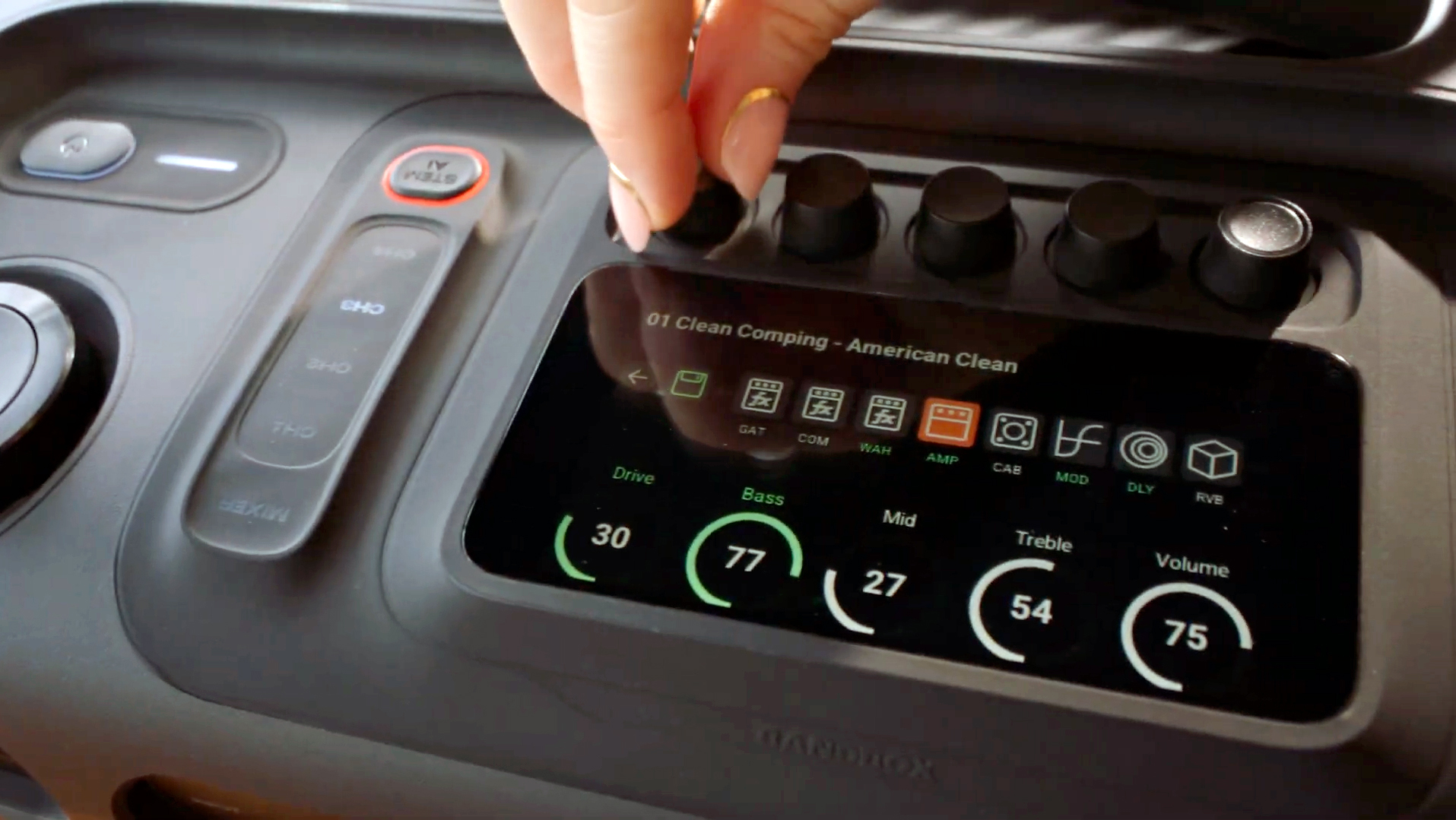
A hand adjusting knobs on the JBL BandBox Trio speaker
The more expensive BandBox Trio has an LCD and more onboard controls.
JBL

The JBL One app lets you add filters to match a variety of modern and vintage amp models. You’ll also find effects like phaser, chorus, and reverb, as well as a pitch shifter and tuner. A built-in looper will allow for layering, but JBL says that feature will arrive via a software update in October.

JBL says the BandBox Solo supports up to six hours of battery life. The BandBox Trio is said to last up to 10 hours. But the latter has a replaceable battery, so you could buy a spare (for an as-yet-unknown price) and double that time.

The $250 BandBox Solo and $600 BandBox Trio are available to pre-order from JBL’s website starting today. Shipments and third-party retail availability are scheduled for March 1.

This article originally appeared on Engadget at https://www.engadget.com/audio/speakers/jbl-made-a-pair-of-ai-powered-practice-amps-221000631.html?src=rss

A Study Found Diet Coke Is Better for You Than Water (Sort Of)

I’m sure you’ve seen the studies that come out from time to time showing that diet sodas are arguably kinda-sorta bad for you. (Their evidence is never very strong.) But did you see the new study that found diet soda was better than water for people with type 2 diabetes? Not only is it a real study, it was well-designed and we should be paying attention to it, according to an epidemiologist I talked to who was not involved in the study. 

That epidemiologist is Gideon Meyerowitz-Katz of the University of Wollongong, who wrote about it here. When I asked him if it was a good or a bad thing that this study had mostly escaped notice by news media, he said “this is far more robust than most of the science that gets media coverage.” The study was not sponsored by any commercial drink company.

What the study found

In the delightfully named SODAS trial (Study Of Drinks with Artificial Sweeteners), researchers at the University of California, Irvine, and the University of Minnesota, Minneapolis, recruited adults who had type 2 diabetes and who had a habit of drinking artificially sweetened beverages (including, but not limited to, my one true love Diet Coke). The study was funded by the U.S. National Institutes of Health’s National Institute of Diabetes and Digestive and Kidney Diseases. 

Half of them were asked to switch to drinking water instead, and everyone was provided with three servings a day of either their diet drink of choice, or a water of their choice (unsweetened seltzer included). The study ran for 24 weeks. There were 181 people enrolled, of which 179 finished the study, which is considered a fairly large group for a study of this type. (It’s twice as large as an older study I’ll contrast it with below.)

The main outcome the researchers studied was hemoglobin A1C (HbA1C) as measured by a blood test. This is a common test used to monitor glucose control in people who have diabetes or are at risk for it. The higher your HbA1C, the higher your blood glucose has probably been over the past three months or so. 

The results: HbA1C got slightly better in the group that was drinking artificial sweeteners: from 7.19% to 7.14%. It got worse in the group that was drinking water, from 7.20% to 7.44%. 

The researchers collected a few other metrics, for good measure. Fasting glucose, fasting insulin, and “time in range” as measured by a continuous glucose monitor all favored the diet drinks group. The people in the diet drinks group lost a little bit of weight (on average, two pounds) while those in the water group had stable weights. The researchers referred to this difference in weight loss as “statistically significant, but not clinically significant.” In other words, probably real, but too small to matter.

Bottom line: there was no real benefit to the people in the study switching from diet sodas to water; if anything, doing so may have slightly hurt their health. 

What this means for you and your Diet Coke habit

OK, maybe I mean me and my Diet Coke habit. I fully admit to being biased here, but in an educated way. I like my Diet Coke. I’ve also been keeping an eye on research about artificial sweeteners over the years, and while I won’t necessarily defend my soda as health food, nothing has ever convinced me that it’s bad for me. (Sugar-sweetened sodas are a different story; those, we should probably all avoid.)

Now, we have a reasonably large, well-designed, independently-funded study showing that artificially sweetened drinks are possibly better for you than water. I still haven’t seen any news coverage of it, even though a study with the opposite results got coverage a few years back. That study involved 81 women with diabetes in a weight-loss trial, and their HbA1C improved slightly with water compared to diet drinks. Even so, one expert that Everyday Health spoke to about it said that he was “of the opinion that the health risks of diet sodas are overstated.” (Meanwhile, the authors of the most recent study point out that comparing that study to theirs isn’t quite apples-to-apples, since it was a weight loss trial and this one is not.)

That’s an important point to remember about any study on a specific food: they usually apply to a specific medical condition or population. We like to file them away in our mind as “Diet Coke good” or “Diet Coke bad,” but each study only gives us a piece of the puzzle, not a generality. For example this study tells us nothing about Diet Coke’s effects on people who have poorly controlled diabetes, or who don’t have diabetes at all; and it doesn’t say anything about measures other than those related to blood sugar. It didn’t even specifically study Diet Coke, although it’s likely that Diet Coke was one of the more popular beverages participants chose. 

To be clear, it is entirely possible that this isn’t a real effect, and and that water and diet drinks are basically equivalent when it comes to your blood glucose and your health. Meyerowitz-Katz says this is probably the most likely explanation, but we can’t rule out the possibility that diet sodas may help glucose control in type 2 diabetes. Maybe they satisfy a sweet tooth and help people avoid other sugary snacks, for example. 

The researchers write that their main takeaway is that “maintaining usual [artificially-sweetened beverage] intake may be a tool to continue to help manage T2D if glycemic measures are controlled and stable.” Meyerowitz-Katz agrees: “At worst, there is no difference between diet soft drinks and water when it comes to diabetes control. At best, the diet drinks might be sightly better.”

Report: Apple plans to launch AI-powered wearable pin device as soon as 2027

Apple is working on a wearable device that will allow the user to take advantage of AI models, according to sources familiar with the product who spoke with tech publication The Information.

The product is said to be “the same size as an AirTag, only slightly thicker,” and will be worn as a pin, inviting comparisons to the failed Humane AI pin that launched to bad reviews and lackluster sales in 2024. The Humane product was criticized for sluggish performance and low battery life, but those shortcomings could potentially be addressed by Apple’s solution, should Apple offload the processing to a synced external device like an iPhone.

The Information’s sources don’t specify whether that’s the plan, or if it will be a standalone device.

Read full article

Comments

NASA Eyes Popular PC Hardware Performance Tool for Its Flight Simulators

NASA Langley has initiated the U.S. government software approval process to install CapFrameX, a benchmarking tool popular among PC gaming enthusiasts, on its cockpit simulators used to train test pilots. The space agency reached out to CapFrameX, not the other way around, according to an X post from the company.

NASA builds custom flight simulators from scratch for experimental aircraft like the X-59, a supersonic jet designed to produce a quiet thump rather than the traditional sonic boom. The agency’s simulator teams replicate every switch, dial and knob to match the actual cockpit layout, helping pilots build muscle memory before flying the real thing.


Read more of this story at Slashdot.

Asking Grok to delete fake nudes may force victims to sue in Musk’s chosen court

Journalists and advocates have been trying to grasp how many victims in total were harmed by Grok’s nudifying scandal after xAI delayed restricting outputs and app stores refused to cut off access for days.

The latest estimates show that perhaps millions were harmed in the days immediately after Elon Musk promoted Grok’s undressing feature on his own X feed by posting a pic of himself in a bikini.

Over just 11 days after Musk’s post, Grok sexualized more than 3 million images, of which 23,000 were of children, the Center for Countering Digital Hate (CCDH) estimated in research published Thursday.

Read full article

Comments

How to Stop This New Pixel Bug From Leaking Your Audio to Incoming Callers

If you’re a Pixel owner, you may want to update your settings for Phone by Google. 9to5Google reports that a handful of users have experienced a bug with the Take a Message feature that records and sends audio to callers as they are leaving a voicemail.

Take a Message is a recently introduced feature for the Phone app that activates when the recipient is not available to answer (or declines the incoming call). The caller hears the following: “The person you have called is not available. Please leave a message after the tone.” If you, as the recipient, tap the Take a message notification on your device, you can see a transcript of the audio in real time and hit Answer if you want to pick up. (Take a Message will also detect spam calls and mark them with a warning.)

A few users have reported that Take a Message has activated and allowed the caller to hear the recipient’s background audio as they are leaving a message. It’s important to note that this is not a widespread issue, and most of the reports come from people with older Pixel devices that no longer get OS updates. According to 9to5Google, Google is investigating the reports.

Again, while this doesn’t seem to be a bug affecting most Pixel users, you can disable Take a Message if you are concerned about privacy, especially with unknown callers.

How to disable Take a Message on your Pixel

Open the Phone app on your device and tap the icon in the top-left corner to open Settings. Tap Take a Message under the Call Assist section and toggle the feature off.

Android Click-Fraud Trojan Hides In Games And Uses AI To Mimic Real User Behavior

Android Click-Fraud Trojan Hides In Games And Uses AI To Mimic Real User Behavior
A new wave of Android click-fraud trojans are in the wild, and they’re surprisingly well-hidden. For those familiar with the Android operating system, it’s common knowledge that users can enable downloads of third-party applications from outside of Google’s Play Store ecosystem. When you do so, the OS warns users of the security implications,

David Ellison extends deadline for Warner Bros. Discovery takeover offer

Paramount Skydance CEO David Ellison is apparently still hopeful that investors will approve his $108.4 billion hostile takeover of Warner Bros. Discovery. Paramount Skydance announced Thursday that it’s extending its all-cash offer to acquire the storied studio, and giving investors until February 20, 2026 to accept. The company’s previous offer expired on January 21, but with a lawsuit in the works and a revised Netflix deal to compete with, Paramount Skydance wants to stay in the conversation.

Netflix and Warner Bros. Discovery originally announced their $82.7 billion acquisition agreement in December 2025. Netflix’s deal is for a significant portion, but notably not all, of Warner Bros. Discovery as it exists today. If approved, the streaming service would acquire Warner Bros. film studios, New Line Cinema, HBO, HBO Max, the company’s theme parks, game studios and select linear channels like TNT, but not the collection of reality TV and news programming that Warner Bros. Discovery calls “Global Networks.”

Paramount Skydance made its competing offer of $108.4 billion for all of Warner Bros. Discovery a few days later in December, with the recommendation that shareholders reject the Netflix deal. To add pressure, Paramount Skydance also sued Warner Bros. Discovery in January alleging that the company had not provided adequate information about why it favored Netflix over Paramount. Beyond offering more money, Paramount contends its deal is more likely to be approved by regulators because owning Warner Bros. doesn’t “entrench Netflix’s market dominance.” Warner Bros. Discovery claims that funding for Paramount’s deal “remains inadequate” and that the company is uncertain Paramount Skydance will actually be able to complete the deal.

David Ellison was previously able to merge Skydance with Paramount using the financial backing of his billionaire father Larry Ellison, and the Ellison family’s friendly relationship with the Trump administration. Promising to make sure that CBS News represents “a diversity of viewpoints” via a newly appointed ombudsman, and that the merged Paramount Skydance won’t create any diversity, equity and inclusion programs was enough to get the FCC to approve the merger. Ellison might have thought acquiring Warner Bros. Discovery would be equally easy, but at least so far that hasn’t worked out as planned.

This article originally appeared on Engadget at https://www.engadget.com/entertainment/david-ellison-extends-deadline-for-warner-bros-discovery-takeover-offer-204752313.html?src=rss

Google begins offering free SAT practice tests powered by Gemini

It’s no secret that students worldwide use AI chatbots to do their homework and avoid learning things. On the flip side, students can also use AI as a tool to beef up their knowledge and plan for the future with flashcards or study guides. Google hopes its latest Gemini feature will help with the latter. The company has announced that Gemini can now create free SAT practice tests and coach students to help them get higher scores.

As a standardized test, the content of the SAT follows a predictable pattern. So there’s no need to use a lengthy, personalized prompt to get Gemini going. Just say something like, “I want to take a practice SAT test,” and the chatbot will generate one complete with clickable buttons, graphs, and score analysis.

Of course, generative AI can go off the rails and provide incorrect information, which is a problem when you’re trying to learn things. However, Google says it has worked with education firms like The Princeton Review to ensure the AI-generated tests resemble what students will see in the real deal.

Read full article

Comments

Half the World’s 100 Largest Cities Are in High Water Stress Areas, Analysis Finds

Half the world’s 100 largest cities are experiencing high levels of water stress, with 38 of these sitting in regions of “extremely high water stress,” new analysis and mapping has shown. The Guardian: Water stress means that water withdrawals for public water supply and industry are close to exceeding available supplies, often caused by poor management of water resources exacerbated by climate breakdown. Watershed Investigations and the Guardian mapped cities on to stressed catchments revealing that Beijing, New York, Los Angeles, Rio de Janeiro and Delhi are among those facing extreme stress, while London, Bangkok and Jakarta are classed as being highly stressed.

Separate analysis of NASA satellite data, compiled by scientists at University College London, shows which of the largest 100 cities have been drying or getting wetter over two decades with places such as Chennai, Tehran and Zhengzhou showing strong drying trends and Tokyo, Lagos and Kampala showing strong wetting trends. All 100 cities and their trends can be viewed on a new interactive water security atlas.


Read more of this story at Slashdot.

Fable will let you be a heartless landlord this fall

After half a decade of waiting, Microsoft finally offered an extended preview of its long-awaited reboot of the beloved Fable RPG franchise on Thursday. During the company’s recent Developer Direct showcase, Playground Games, best known for its works on the Forza Horizon series, shared nearly 11 minutes of gameplay footage and commentary related to the upcoming title. The new game will feature a fully open world for players to explore, with locations from previous Fable games like Bowerstone making a return.

Playground didn’t say exactly where the new game takes place in the Fable timeline. If you played 2010’s Fable 3, you may recall there was a time gap between each of the original games, with the final Lionhead entry giving players the chance to explore a version of Albion that’s been thrown into the tumult of an industrial revolution. This new game appears to offer a more traditional Medieval fantasy setting.

From what little Playground shared of the story, the player character is the first hero born in Albion in a generation. Like previous Fable games, their story will begin when they’re a child. They’ll leave their home of Briar Hill after a “mysterious stranger” turns all the inhabitants into stone. Before you set off on your adventure, you’ll be able to decide what your hero looks like, with customization including options for different skin tones, head shapes, tattoos and scars.

All pretty standard stuff, and combat doesn’t look groundbreaking. Your character can use a combination of melee and ranged weapons, alongside magic, to defeat their foes. In addition to a health bar, enemies appear to have a posture meter players can break through both light and heavy attacks, before carrying out “stylish” finishers. Judging from the footage Playground shared, combat doesn’t quite have the kinetic feel of say a FromSoftware title.

Thankfully, there’s more to the game than just fighting monsters. Like past Fable games, players can ask villagers out on dates, before eventually marrying them and having children, and you’re not limited to a monogamous relationship. It looks like Playground built a modern polycule simulator. Beyond that, you can also purchase every house and business in Albion. The game’s NPCs will develop an opinion of your hero and their actions. Say you evict an artist that lived in one of the houses you bought, you can later meet them on the street and they’ll tell you to your face that you’re awful. Wonderful stuff.

From a technical perspective, the footage Playground showed off looked on the rough side. The game’s frame rate and frame pacing wasn’t smooth, and I’m pretty sure I saw ghosting in some of the animations. Hopefully the studio has enough time between now and when the game is finally released sometime this autumn to polish the presentation. When the game does arrive, it will be available on Xbox Series X/S, PC via Xbox and Steam, PlayStation 5 and Game Pass Ultimate.

Microsoft first announced a new Fable game was in development back in 2020. It then went three years before sharing a preview of the title, which was originally slated to arrive in 2025 before it was delayed to this year last February.

This article originally appeared on Engadget at https://www.engadget.com/gaming/fable-will-let-you-be-a-heartless-landlord-this-fall-200409310.html?src=rss

Moderna Curbing Investments in Vaccine Trials Due To US Backlash, CEO Says

An anonymous reader shares a report: Moderna does not plan to invest in new late-stage vaccine trials because of growing opposition to immunizations from U.S. officials, CEO Stephane Bancel said in an interview with Bloomberg TV on Thursday. “You cannot make a return on investment if you don’t have access to the U.S. market,” Bancel told Bloomberg TV on the sidelines of the World Economic Forum in Davos. Bancel said regulatory delays and little support from the authorities make the market size “much smaller.”


Read more of this story at Slashdot.

The Samsung Galaxy Watch Ultra Is on Sale for $390 Right Now

We may earn a commission from links on this page. Deal pricing and availability subject to change after time of publication.

Samsung announced the Galaxy Watch Ultra in the summer of 2024, and then refreshed it last August with double the storage and new color options. As we all know, older versions get big discounts, and if the extra storage and colors aren’t a big deal to you, you could be in a great position to get a flagship Samsung smartwatch at a big discount. The 2024 Bespoke Edition 47mm LTE Samsung Galaxy Watch Ultra is selling for $389.95, originally $649.99 at launch. This is the lowest price it has reached, according to price-checking tools. The Galaxy Watch Ultra emphasizes outdoor and exercise features, but it’s much cheaper than other premium fitness watches like the Apple Watch Ultra.

The Galaxy Watch Ultra excels over other watches in one key aspect: its outdoorsy features. If you’re an avid hiker or an athlete who spends long hours outdoors, it’s a great choice. Like any good rugged watch, this one is tough, made out of Grade 4 titanium, and has an IP68 water- and dust-resistant rating. You can also take it up high altitudes (up to 9,000 meters) and it can withstand up to 10ATM of pressure (about 330 feet underwater). You also get a built-in siren in case of emergencies. The screen is a 1.47-inch Super AMOLED display, brighter than previous Samsung AMOLED smartwatches. The only downside is that it comes in just one size—47mm.

The watch runs WearOS from Samsung and comes with 32GB of storage. The 590mAh battery is one of the best for its price point, making it perfect for prolonged outdoor use. If you don’t use any power-saving modes, it’ll last 60 hours, but it can go up to 100 hours if you’re conservative.

One of the new features this watch brings is AI-based health metrics and advanced sleep tracking, which you can read more about in PCMag’s “excellent” review. If you’re looking for a more budget-friendly and smaller option for more general use, the Samsung Galaxy Watch 7 at $217 (originally $379.99) is a great option.

Deals are selected by our commerce team

Double Fine announces delightful-looking multiplayer pottery game Kiln

Double Fine has been on a tear with its smaller projects lately. The popular indie game developer is following up last year’s atmospheric adventure game Keeper with a new title in a totally different direction. As its Double Fine founder Tim Schaefer attempted to say five times fast during today’s Xbox Developer Direct, Kiln is an “online multiplayer pottery party brawler” that boasts exactly the sort of colorful, clever fun that fans have come to expect from the studio. 

Kiln is a game with two facets: creation and destruction. On the creation side, players get to design a ceramic vessel of their choosing, anything from a dainty saucer to a massive vat. From the clips showed, this riff on character creation imitates many of the real processes of throwing on the wheel. There are options to decorate your vessel with glazes and stickers for additional personalization.

Once you’ve made your pottery creation, it’s time to destroy it. The game mode that Double Fine showed off during the Developer Direct is called Quench. In these capture-the-flag style matches, your teammates are trying to carry water in the vessels they’ve designed to the enemy’s kiln, where the goal is to douse its flames before opponents can do the same to yours. Different vessel types have different attacks for smashing enemy ceramics to shards, so there can be a strategic angle to building up a smart team composition with a mix of defensive and offensive capabilities.

Kiln looks like a really fun time, and it is due out in spring 2026. The game will be available on Xbox Series X/S, PlayStation 5 and Steam, as well as through Xbox programs such as Game Pass Ultimate and Xbox Cloud Gaming.

This article originally appeared on Engadget at https://www.engadget.com/gaming/double-fine-announces-delightful-looking-multiplayer-pottery-game-kiln-195837155.html?src=rss

Substack now has a TV app

It was only 16 months ago that Substack expanded into live video. Since then, it’s become a widely adopted medium on the platform, including by its ever-growing list of cable news expats. Now, the company has decided it’s ready for a bigger screen. Starting today, you can install a new Substack TV app on Apple TV and Google TV devices.

Substack describes the app’s initial launch as focusing on “reliable, high-quality viewing” for the platform’s long-form videos. It centers around video posts and livestreams from the creators and publications you follow. There’s also a “For You” section that combines those videos with algorithmic recommendations. And you can browse dedicated pages for each channel.

Viewing access aligns with your subscription level. So, if a channel restricts videos to paying subscribers on Substack’s mobile app and website, the same paywall applies here. However, the company says it’s working on adding previews of paid content for free subscribers. It also plans to add audio posts, search, improved discovery and separate sections for different shows within a single publication.

At least one of those legacy media expats who moved to Substack is optimistic about the feature. “This is a game-changing moment for the rise of independent media,” former CNN anchor Jim Acosta wrote in the announcement post. “Substack has proven that legacy media consumers are not only searching for fresh alternatives; they are finding them.”

Based on the comments in Substack’s announcement, some of the platform’s die-hards are less enthusiastic than Acosta. “File this under – thing we didn’t ask for,” Ashli Pollard wrote. “This is not YouTube,” a commenter named Dustin added. “Elevate the written word.” I personally don’t see any harm in another way to watch the videos Substack already hosts. (Its newsletters aren’t going anywhere.) But given how Big Tech companies tend to pivot further toward the most en vogue (and profitable) medium of the day, I can see why purists feel the need to dig in their heels.

Regardless, you can find the Substack TV app by searching for its name in the tvOS App Store or the Apps section on Google and Android TV devices. You can sign in by scanning a QR code with your phone.

This article originally appeared on Engadget at https://www.engadget.com/entertainment/streaming/substack-now-has-a-tv-app-195408592.html?src=rss

This Script Removes the AI Features From Chrome, Edge, and Firefox

Tech companies are getting increasingly pushy with their large language models—prominent buttons for these AI features coat every surface designers can think of, including in three of the most prominent browsers: Chrome, Edge, and Firefox.

If you want these AI features to go away, and stay away, there’s a script for that. JustTheBrowser is a free and open source tool from developer and tech blogger Corbin Davenport that removes AI features, telemetry data reporting, sponsored content, product integrations, and other annoyances from Chrome, Firefox, and Microsoft Edge. Basically, you can run this once and never think about these features again.

To get started, head to the JustTheBrowser homepage. There are scripts to copy (which I’m not going to include here in case they change in the future).

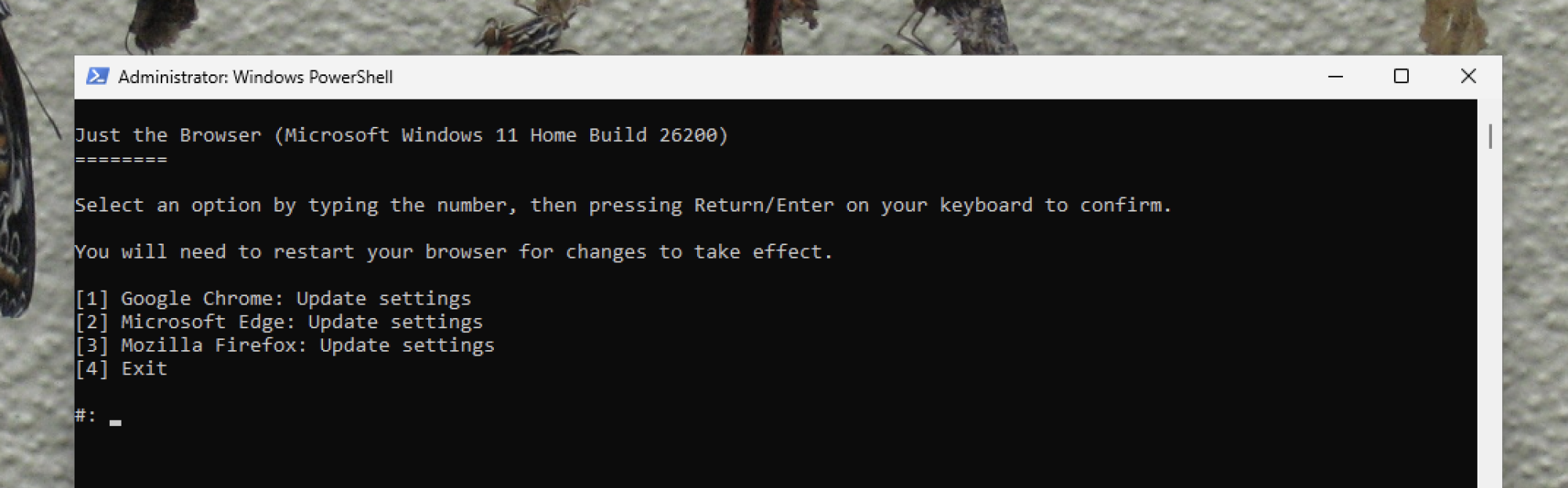
A screenshot of PowerShell offering to remove AI features from Chrome, Edge, or Firefox.

Credit: Justin Pot

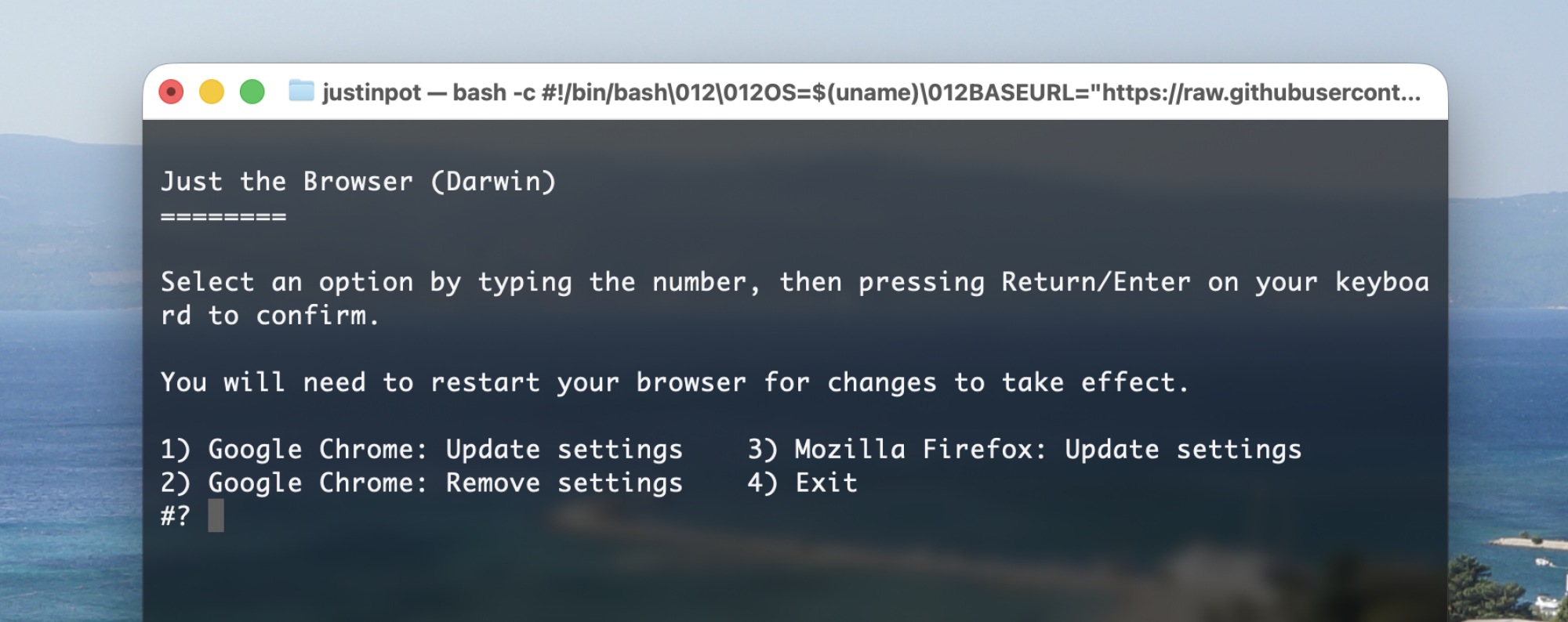
Windows users will need to run PowerShell as an admin—the easiest way to do that is by right-clicking PowerShell in the start menu and clicking “Run as administrator.” There is a different script for Mac and Linux users—that one just needs to be copied into a regular Terminal.

Either way, you will be asked which browser you’d like to update the settings for—just hit the number corresponding to what you want to do.

A screenshot of the macOS Terminal offering to remove AI features from Chrome, Firefox, or Edge.

Credit: Justin Pot

In my testing, the process was very simple on Windows—just click the number and the script will do its thing. On macOS, I needed to follow a few instructions to enable a configuration policy in the Settings app, something that only took a couple of clicks. After that, Chrome was free of any and all references to AI.

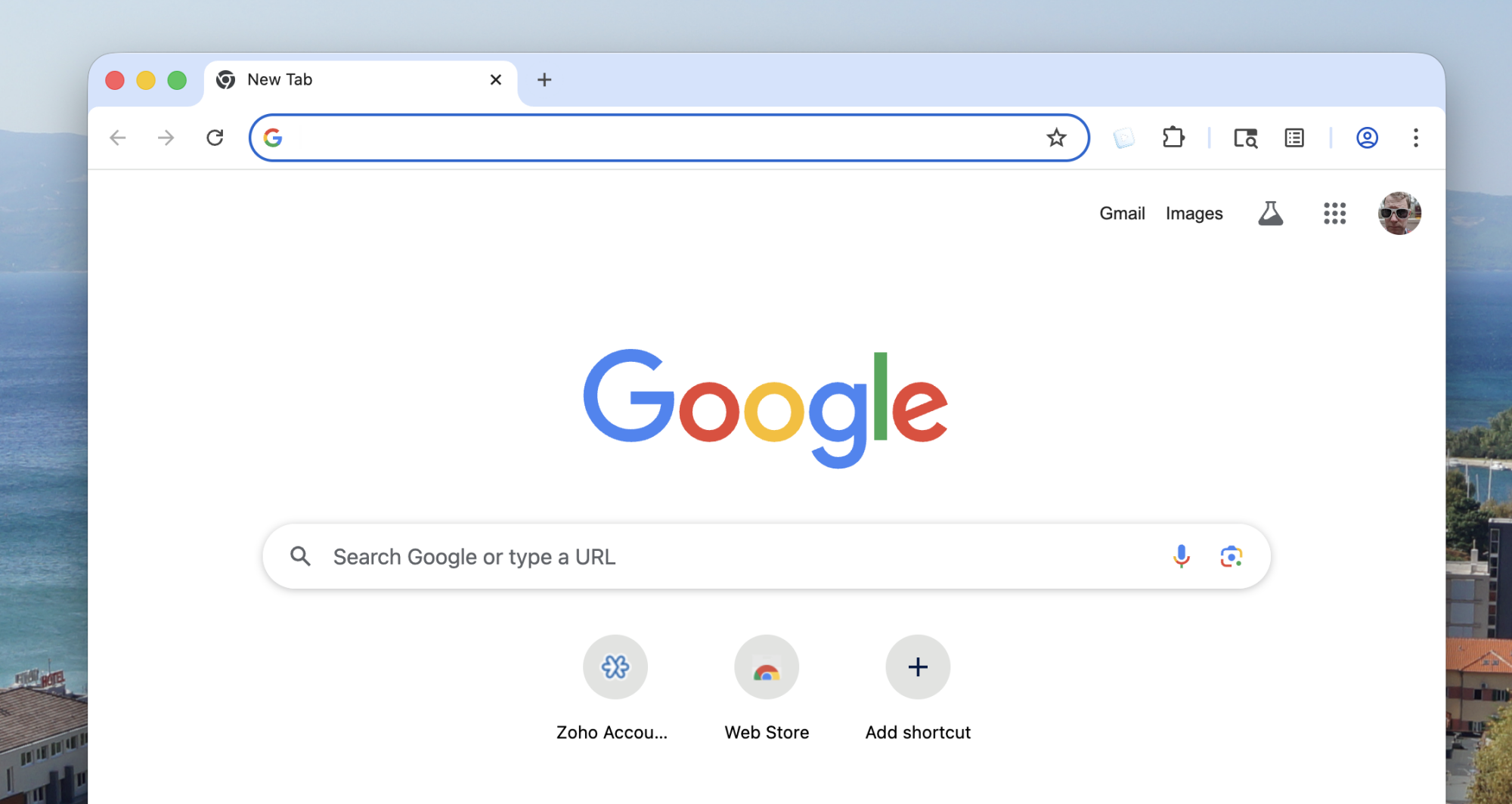
Google Chrome running on macOS without any AI features.

Credit: Justin Pot

A number of other features were also gone, including those annoying prompts to switch my default browser.

The way this works is kind of interesting: it uses features intended for large organizations. Basically all major browsers allow for group settings, which is how IT departments control what you can and can’t do with your browser. Among these settings are ones to disable AI features.

It’s an interesting workaround, and hopefully one that keeps working. There is always a chance that browser companies make it so even IT departments can’t disable AI features, at which point we’ll all need to find a new solution (or switch to an alternative browser).

Elon Musk just told Davos that Tesla will sell humanoid robots next year, really, he swears

Elon Musk just took the stage at the World Economic Forum in Davos, Switzerland and announced that Tesla’s Optimus humanoid robot will be sold to the public by the end of next year. Musk is the master of unrealistic timetables, but this may be the nuttiest one yet. These are humanoid robots that are supposed to be able to do just about any task a human can do.

Musk, as usual, gave himself an out if the robots don’t start rolling off the assembly line in 2027, saying that they’ll only be released when Tesla is “confident that it’s very high reliability, very high safety and the range of functionality is also very high.”

He stated that the robots have already begun doing simple tasks in the Tesla factory, but there’s no proof of this other than his word. In the real world, Optimus robots have continuously failed to live up to the marketing hype. 

If there was any question that Optimus uses teleop for their robots. Here one clearly has a guy take the headset off and it falls over.

Absolutely hilarious though. pic.twitter.com/4gYVohjY00

— CIX � (@cixliv) December 8, 2025

There have been plenty of reports suggesting that previous demos of the robots in action were actually smoke and mirrors, as they were being remotely piloted by human operators.

Tesla’s stock jumped over three percent upon this announcement because company investors live in a world of magical rainbows, unicorns and robots mixing drinks at home in the year 2027. Musk also recently stated that the robots would be ready for commercial deployment in 2026. That’s this year. It’s worth noting that the program head for the project, Milan Kovac, recently left the company.

Again, these are autonomous robots that are supposed to be able to perform complex tasks across a wide variety of categories. That’ll likely happen someday, but not by 2027. I’m just gonna go ahead and throw Musk’s timeline in with “two years to AGI” and “five years until the singularity.”

On a related note, the Tesla CEO also said that the long-awaited Cybercab will enter production in April, with a goal of two million vehicles manufactured each year. This isn’t quite as far-fetched as the Optimus promise, but that two million number seems highly suspect. Just how many consumers does he think want a car without a steering wheel that only holds two people?

This article originally appeared on Engadget at https://www.engadget.com/big-tech/elon-musk-just-told-davos-that-tesla-will-sell-humanoid-robots-next-year-really-he-swears-192515568.html?src=rss