Sony Patent Imagines PlayStation Consoles That Fix Themselves With AI

Sony Patent Imagines PlayStation Consoles That Fix Themselves With AI
Sony has submitted a patent for an automated, cloud-based AI model that is designed to continuously monitor consumer electronics (like PlayStaion consoles or headphones), detect subtle software anomalies, and deploy custom repair code to fix them before users even notice there is an issue.

The patent filing describes an architecture with

Best Buy Offers Free Pixel Buds 2a With Googlebook Laptop Preorders

Best Buy Offers Free Pixel Buds 2a With Googlebook Laptop Preorders
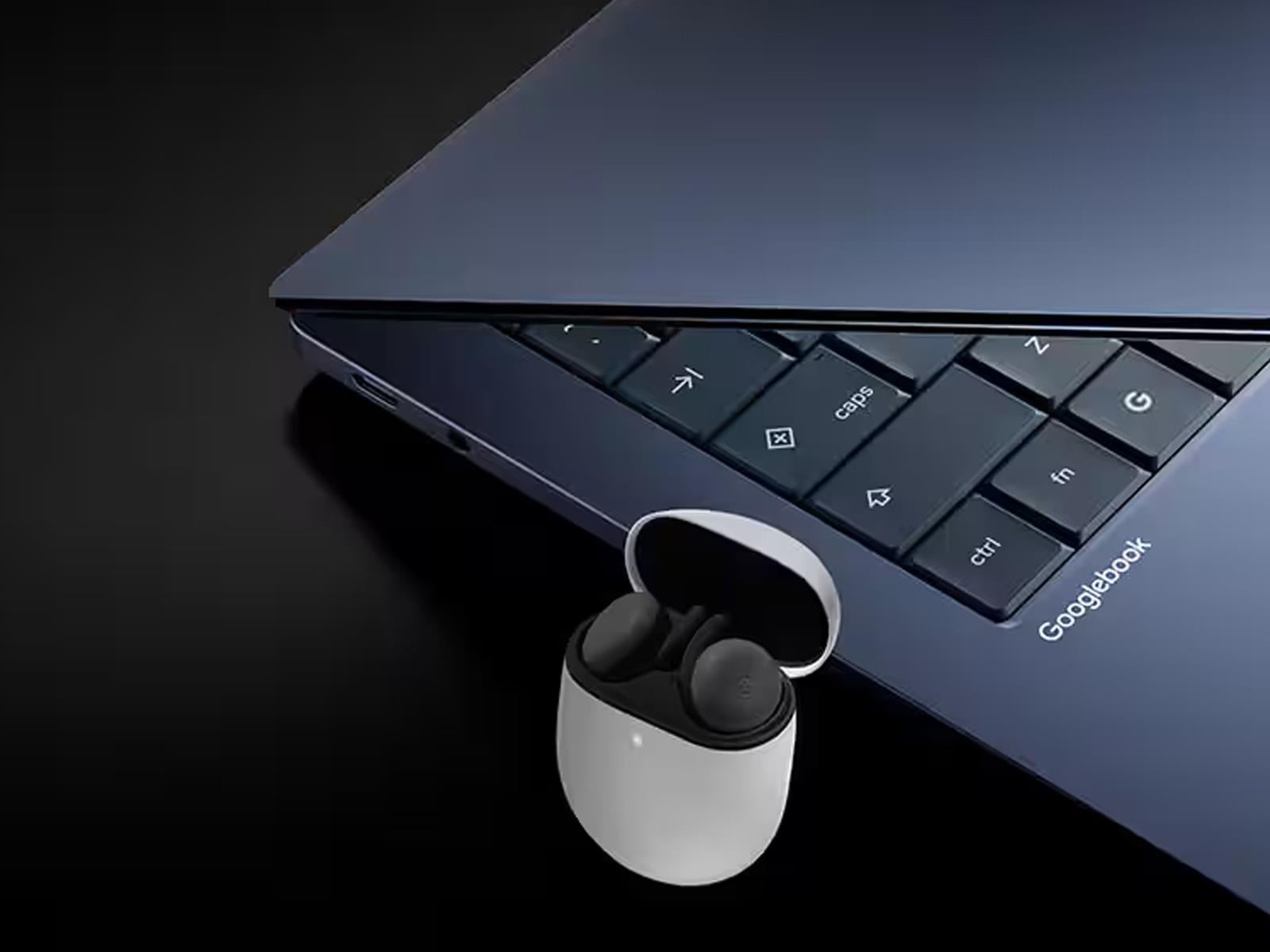
Following Google’s recent reveal of its new Googlebook platform, preorders are now live at retail. There are several models to choose from, with ASUS, Acer, Dell, HP, and Lenovo all getting in on the action, and regardless of which way you lean, Best Buy is offering to sweeten the pot by giving early adopters a free set of Pixel Buds 2a earbuds.

The

Motorola And Bang & Olufsen Team Up To Make Flagships Sound Better

Motorola And Bang & Olufsen Team Up To Make Flagships Sound Better
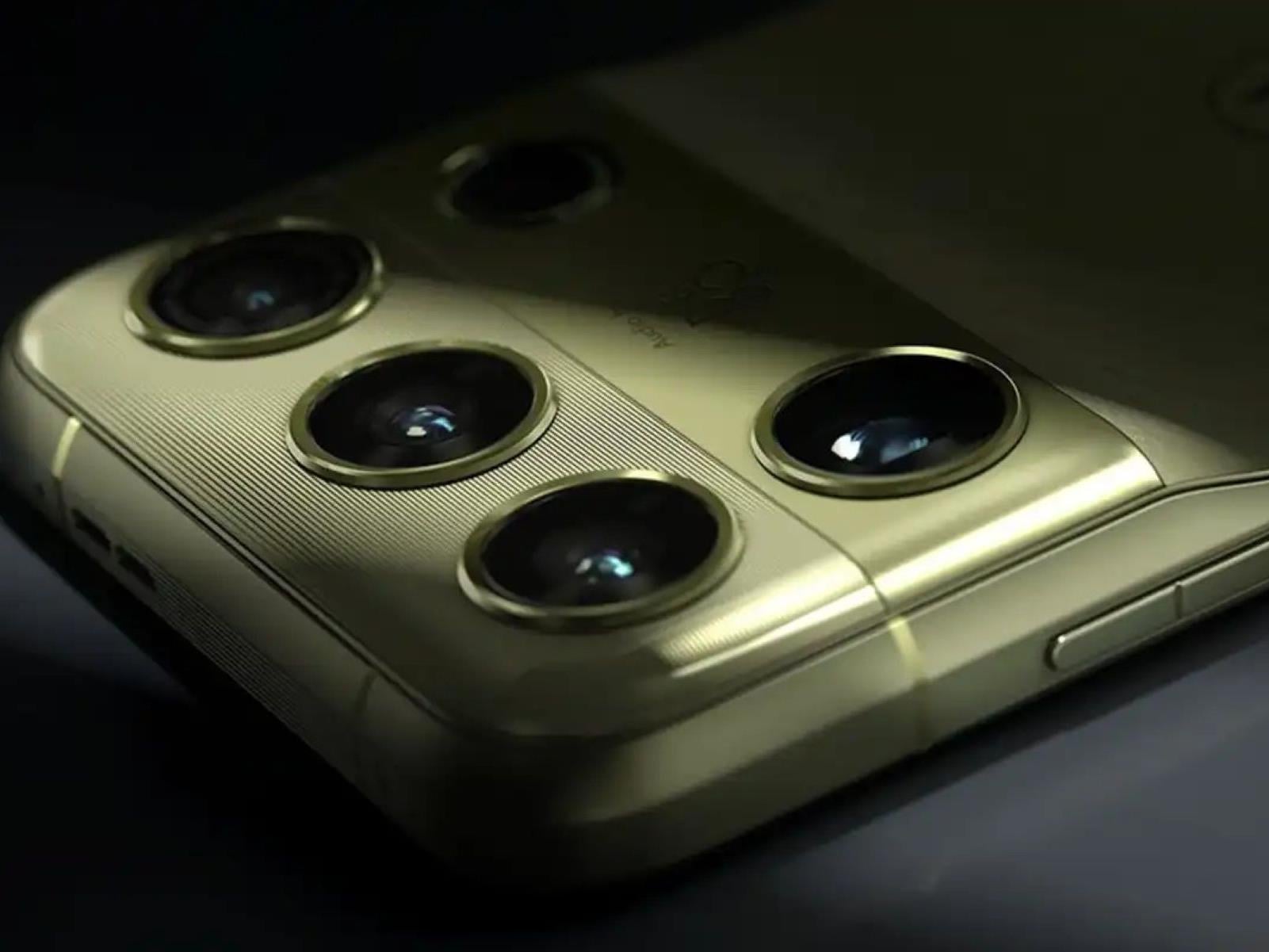
Motorola continues to reshape its flagship smartphone game plan with an emphasis on high-end audio and leading hardware. Through a newly announced multi-year partnership with Danish luxury audio brand Bang & Olufsen, the mobile maker aims to elevate integrated smartphone speakers beyond basic playback into a more refined acoustic experience.

Durabook’s 22lb Triple-Screen Laptop Means You Can Skip Arm Day At The Gym

Durabook's 22lb Triple-Screen Laptop Means You Can Skip Arm Day At The Gym
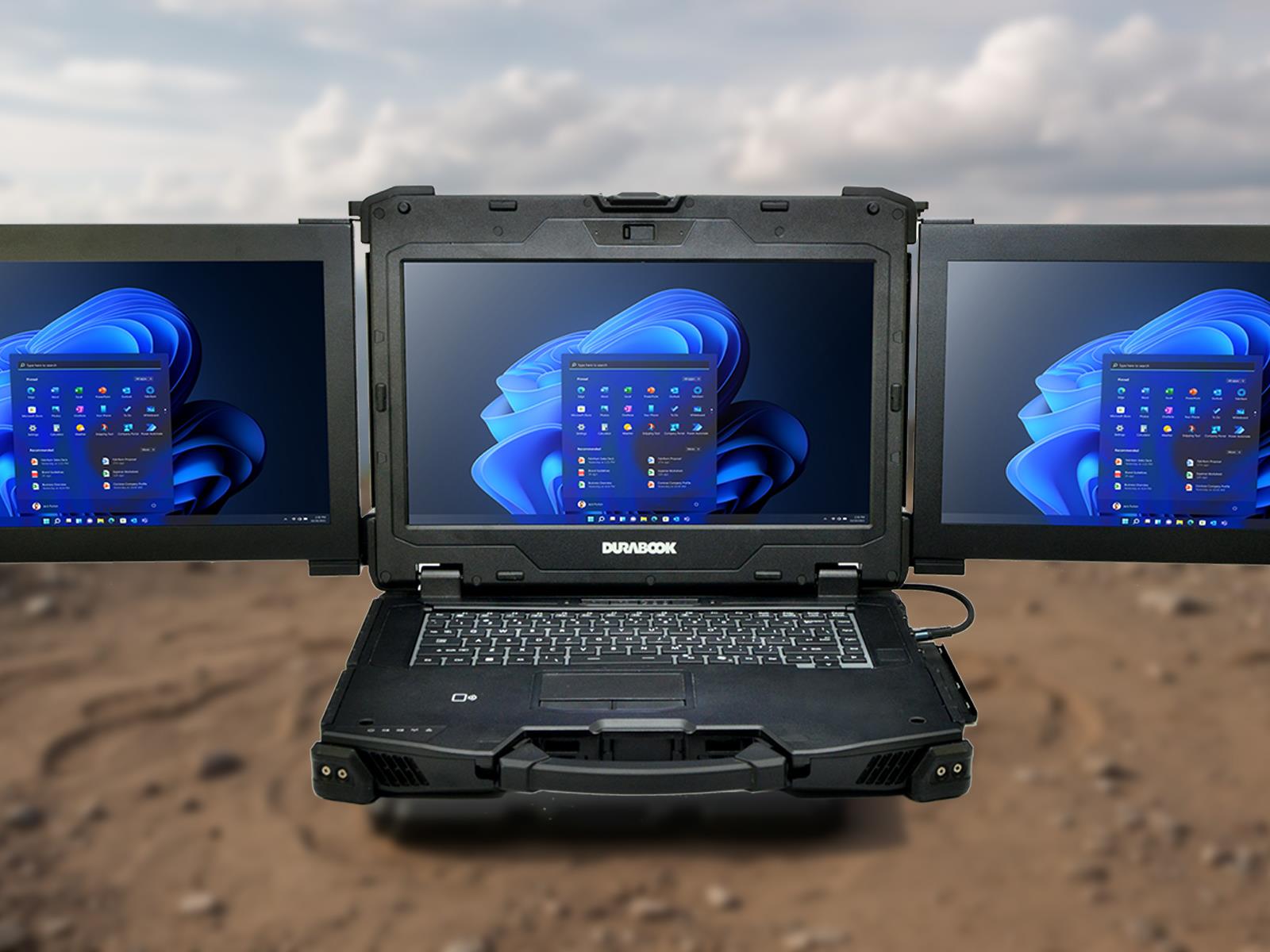
Durabook just took multi-monitor setups to an absolute extreme with the release of its new Z14I-DX3. Built for defense teams, emergency responders, and field engineers who need a mobile command center, this rugged beast packs three 14-inch displays, which is two more than most people have on their desktop. The catch? Carrying one around is

AMD Joins NVIDIA In Elite $1 Trillion Club As Wall Street Bets Big On AI

AMD Joins NVIDIA In Elite $1 Trillion Club As Wall Street Bets Big On AI
AMD hit a major financial milestone this week by crossing the $1 trillion market capitalization threshold for the first time in the company’s long and storied history. Driven by a nearly 10% single-day surge, AMD shares reached a record high of $616.69 on Monday before closing at $615.52, capping off a rally that has seen the stock nearly

When Will PC Prices Drop? Acer Points To A Surprising 2027 Turning Point

When Will PC Prices Drop? Acer Points To A Surprising 2027 Turning Point
In a statement originally reported by Taiwanese news site United Daily News, Acer Chairman Chen Chun-sheng has predicted a pricing recovery for the PC market as early as Q3 2027, decrying a decade-long shortage as “impossible.” Seeing as Acer is one of the biggest, most successful prebuilt PC and laptop providers out there, this is an unexpectedly

RTX 5080 Owner Claims DLSS 5 Killed His GPU, But Did It Really?

RTX 5080 Owner Claims DLSS 5 Killed His GPU, But Did It Really?
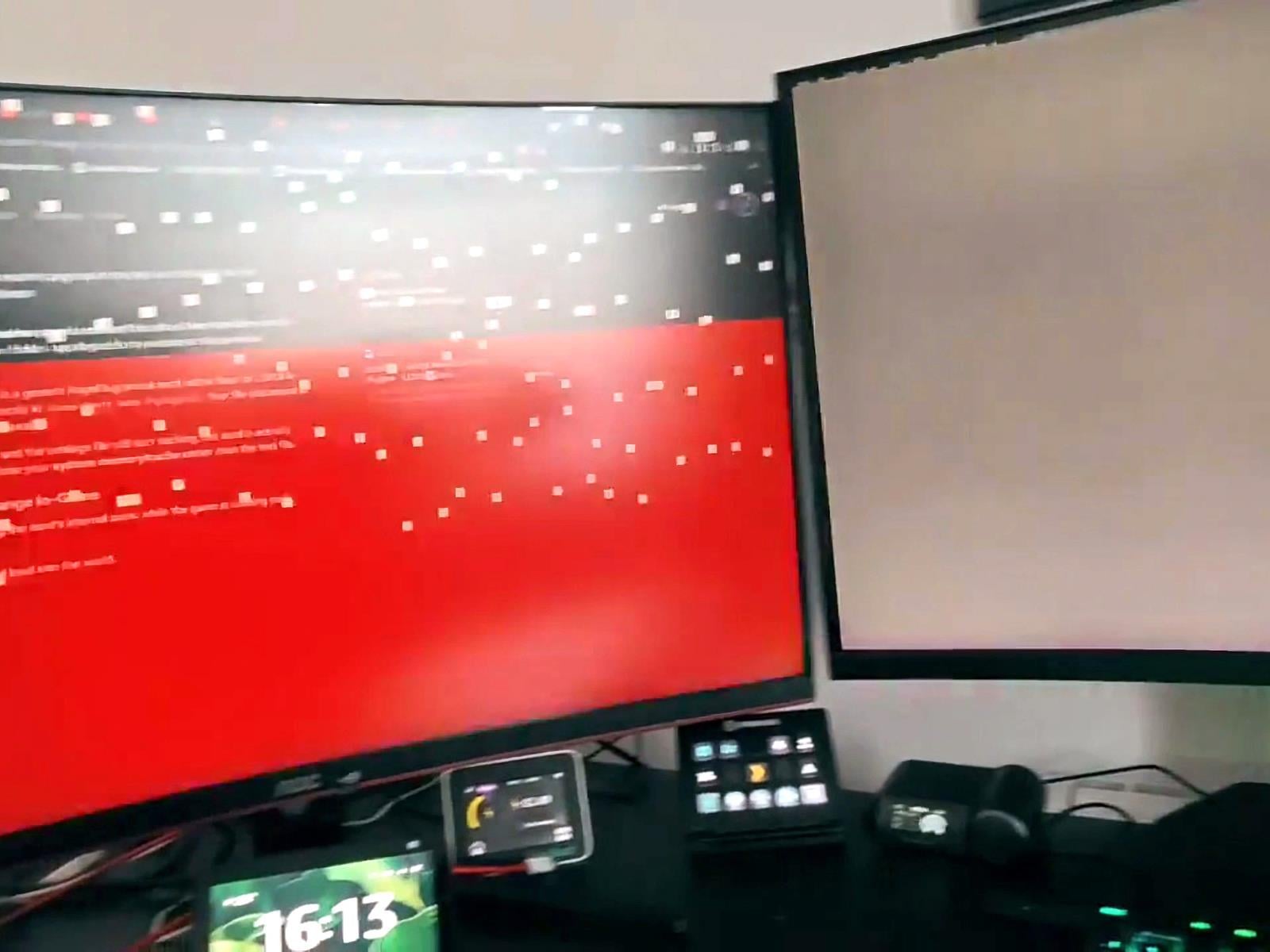
Imagine this: you spend thousands of dollars on building a high-end gaming PC, with components like a Ryzen 9 9950X3D2 Dual Edition and a GeForce RTX 5080. You settle in to play some games, and load up an old favorite, GTA V, to see how it runs. Hearing about the new hotness, you mod DLSS 5 into your game, but within minutes, your screen starts

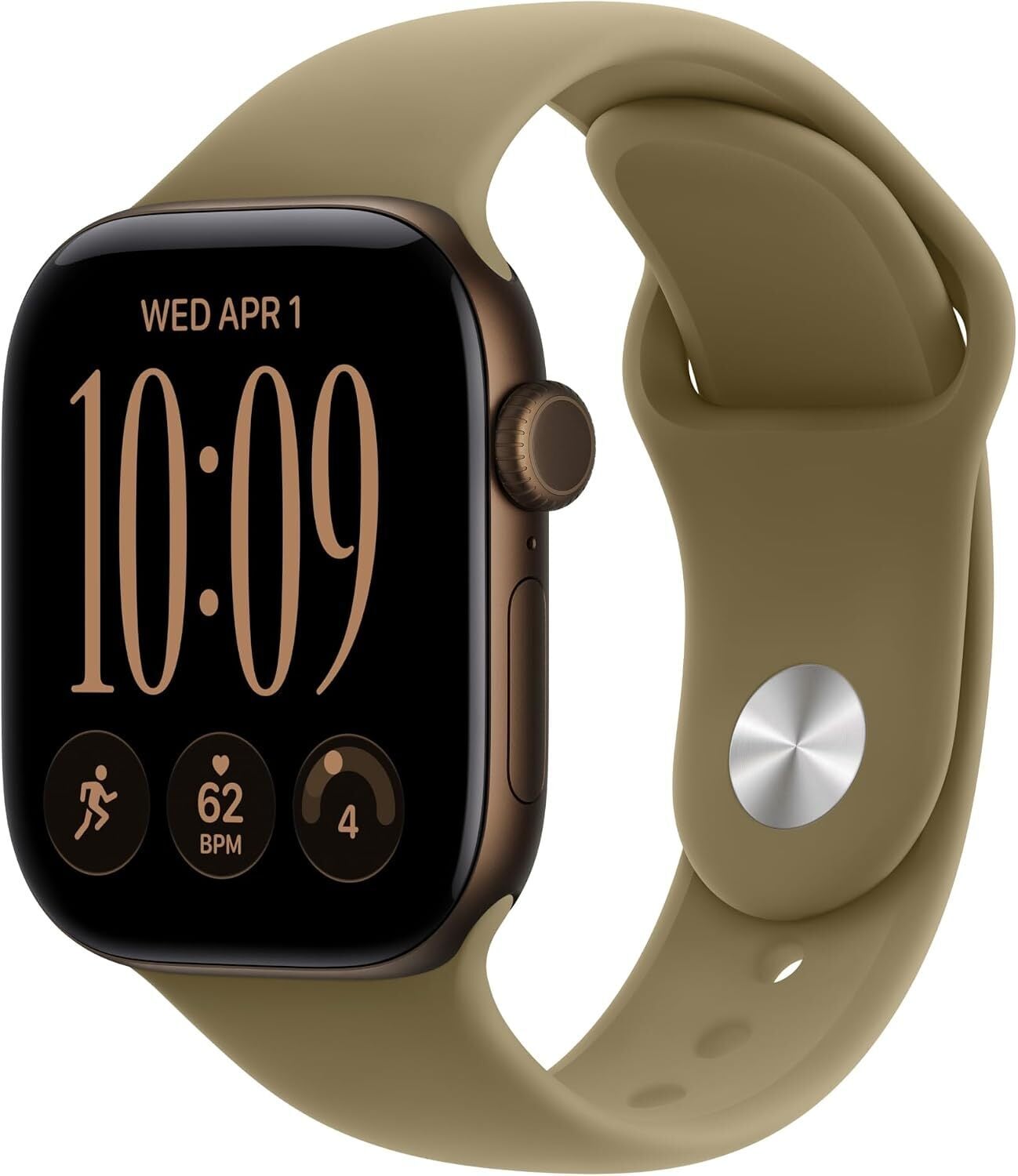
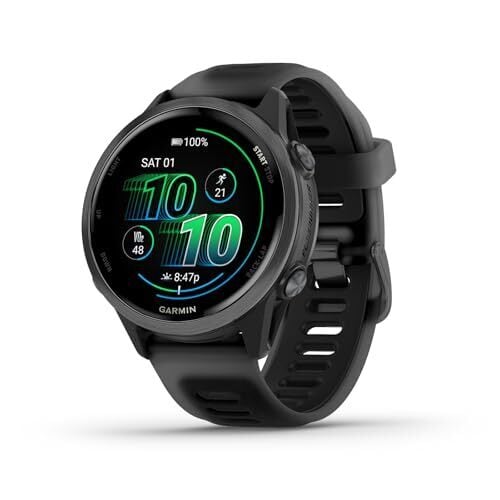
I Tested the Apple Watch’s New Heart Rate Sensor to See If It’s Really Better Than Garmin’s

We may earn a commission from links on this page.

Apple caught my attention with their claim that the Apple Watch Series 12 and Ultra 4 have the “most accurate heart rate in a wearable.” It’s hard to make a really accurate heart rate sensor, and in my experience, Apple hasn’t had a great track record in that area. So I tested the Series 12 pretty intensively over the past week or so, and now I have results.

I’m picky about accuracy; longtime readers have seen me test watch after watch against my trusty chest strap to find out how good each one really is. That sometimes brings surprises: The Powerbeats Pro 2 are surprisingly bad at heart rate tracking if you have small ears, for example. I also discovered that the Garmin Forerunner 570 is shockingly good at heart rate accuracy, far better than any other device I had tested up to that point. (Garmin’s Forerunner 970 and the newest Fenix and Venu watches have the same sensor.)

What Apple says about their heart rate sensor, and why I doubted it

Is the new Apple Watch really good enough to beat Garmin’s best sensor? Apple believes it is, but I doubted that claim, for a few reasons. The first is simply Apple’s track record. Early models of the Apple watch had better sensors than most wearables at the time, so Apple developed a reputation for good accuracy. For example, back in 2019 or so, the Series 4 watch performed far better for me than the Whoop 3.0. But time marches on, and devices have gotten better. Garmin has an excellent sensor, as I already explained; the Pixel watch is also impressively good. But Apple just didn’t keep up. 

You can see it in my comparisons over the years: here’s the Series 11 glitching where a Garmin did just fine, and here’s the Series 10 struggling alongside a Fitbit Charge 6. If I were to rank all the heart rate sensors I’ve tested for their accuracy, the Garmin 570 would be A-tier, the Pixel Watch and most good sports watches would get a B, and the Apple Watch (Series 10 and 11) would be a C. (S-tier would be reserved for chest straps.) Not long ago, I got downvoted to negative infinity for commenting on Reddit that Apple’s heart rate accuracy (up to the Series 11) is “mid at best.” Sorry, but it’s true. 

But, OK, perhaps it’s a new era. Apple redesigned its optical heart rate sensor to include larger LEDs and arrange them more closely in a circle. To support its claim that the new sensor is the most accurate on the market, it published a study that was extensive in its breadth (seven recent, competing devices were tested in a variety of activities) but limited in usefulness. Each pairing of a device and workout type was given, essentially, one number. We don’t get to see how each device behaves in use. The data feels cherry-picked, and in any case, it doesn’t give us enough information to say whether one sensor is truly better than another, or specifically what it does better. So I’m going to add my own data points. 

How I tested the Apple Watch’s heart rate sensor’s accuracy

I am just one person, so my experiments amount to a very small, informal study. That’s the case for any tech reviewer, no matter their qualifications—so feel free to compare my data to what others have found, but keep these limitations in mind for each of us. 

I took the Apple Watch Series 12 and the Garmin Forerunner 570 out for several tests during workouts. (I did not have a feasible way of testing background measurements outside of workouts.) I wore one device on each wrist, positioned according to manufacturer recommendations, and, at the same time, used an electrical chest strap to provide the reference values. 

I have relatively light skin, which may improve accuracy, and no wrist tattoos, so both sensors should get a clear signal on either wrist. I have six-inch wrists, on the small side of average, so I wore the 42-millimeter size of each watch (both are available in larger sizes for those who prefer it). A good fit is critical to getting good accuracy, and I feel I achieved that for both devices. I did my best to have both devices equally snug (but not uncomfortably tight) against my wrist. 

I tested both devices, together, on treadmill runs, outdoor trail runs, a rowing session, and a few strength sessions. Some of these workouts involved quick changes in intensity, leading to peaks and troughs in the graph. Others were more steady. Gripping objects such as dumbbells or rower handles can interfere with accuracy for some devices, which is why I included those workouts. Ambient light and temperature can affect accuracy as well, so I tested in a variety of weather conditions. 

The results

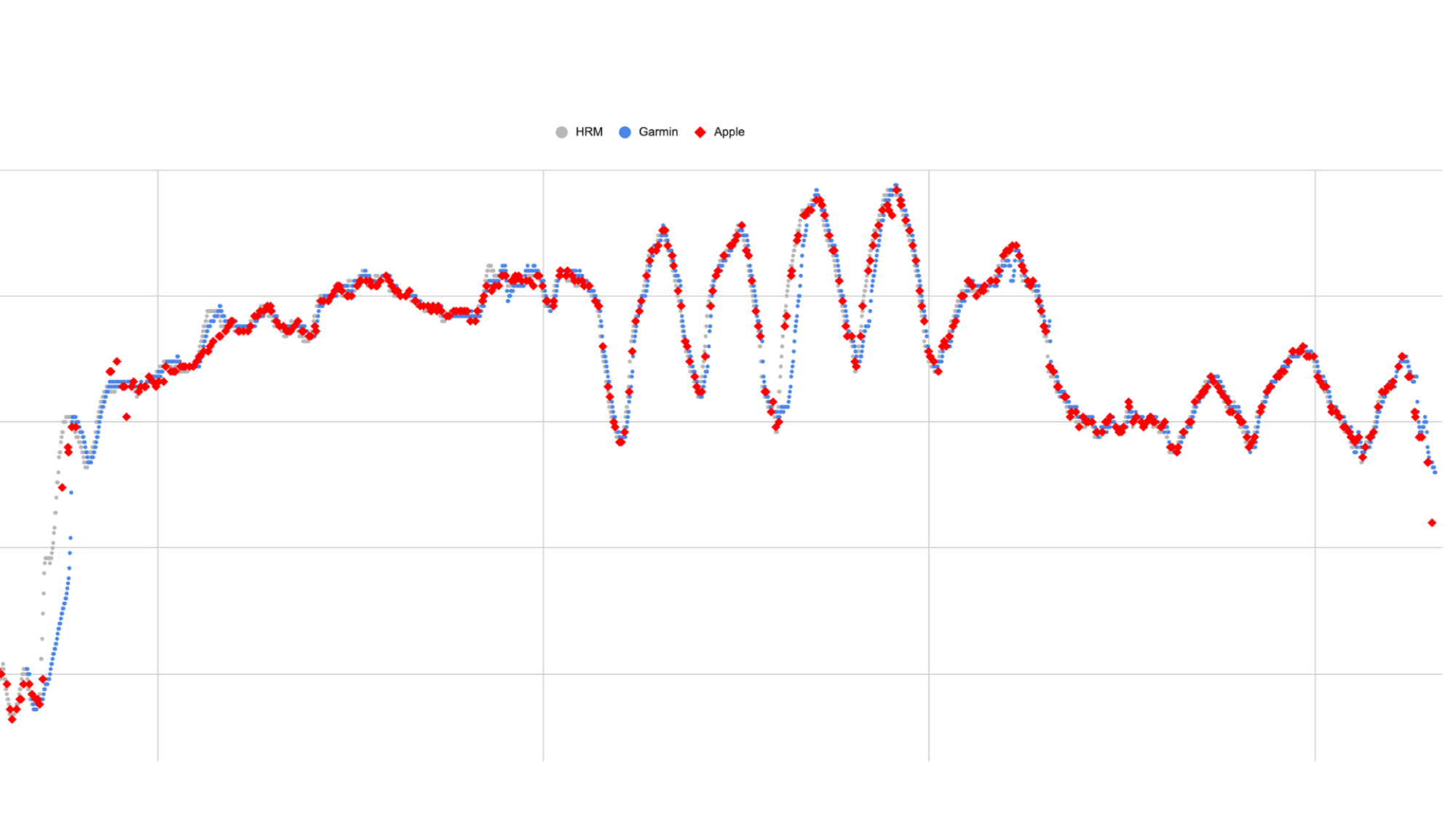
In my first set of tests, which I also shared here, the Apple Watch and the Garmin both performed well, but each had their flaws. The Garmin sometimes lagged a bit at the start of the interval, but quickly caught up. The Apple Watch didn’t have that problem, but sometimes missed the highest values on small spikes in heart rate. I’d call this one a tie. 

Garmin vs Apple Watch
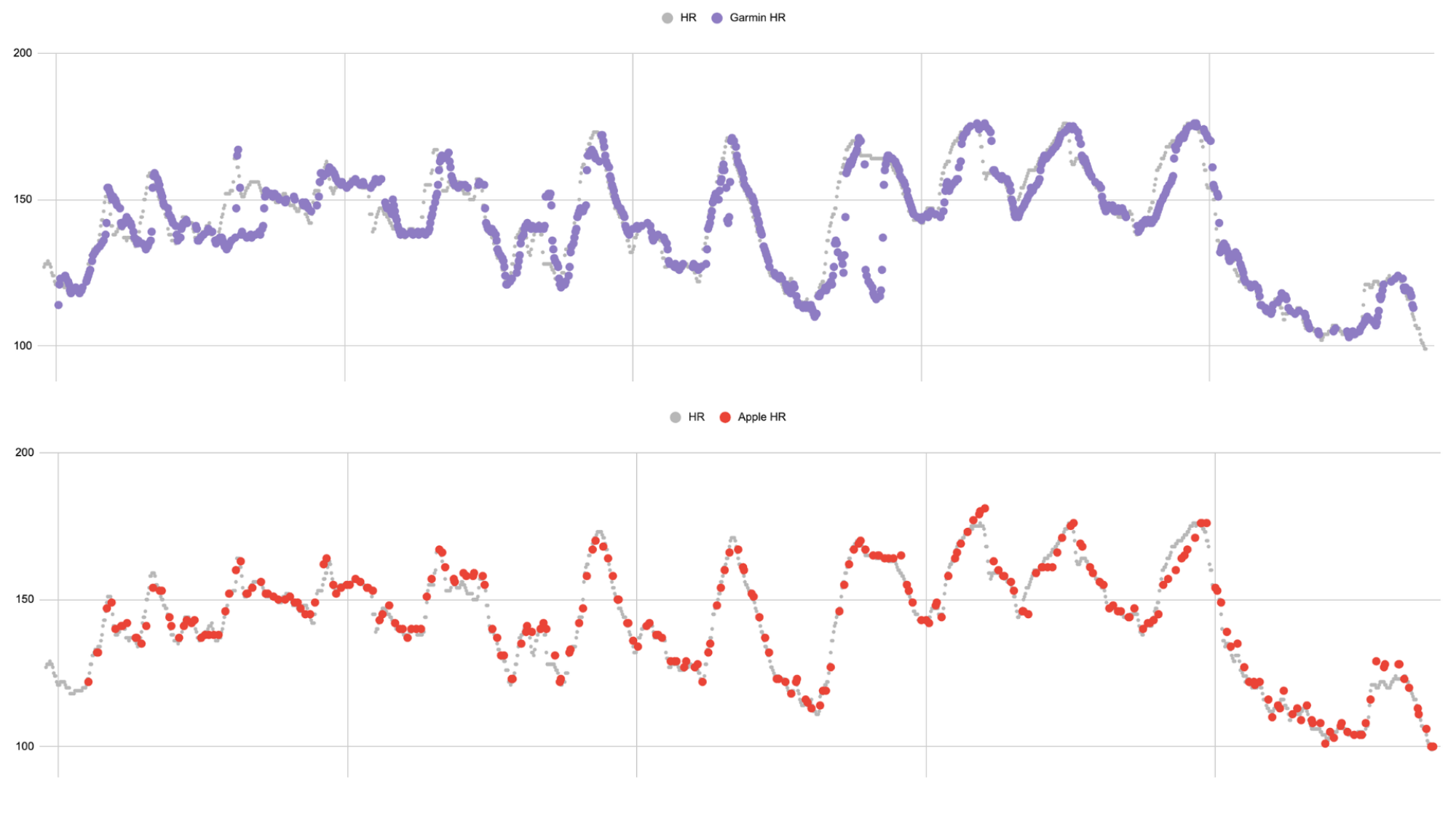
Apple Watch in red, Garmin in purplish, chest strap for reference in gray.
Credit: Beth Skwarecki

In my other trail runs and treadmill runs, I saw a similar pattern: Both watches would be on track most of the time, but each had their quirks. Garmin was more likely to miss out on the beginning of spikes, but the Apple Watch was more likely to drop data points entirely, especially toward the beginning of a workout. 

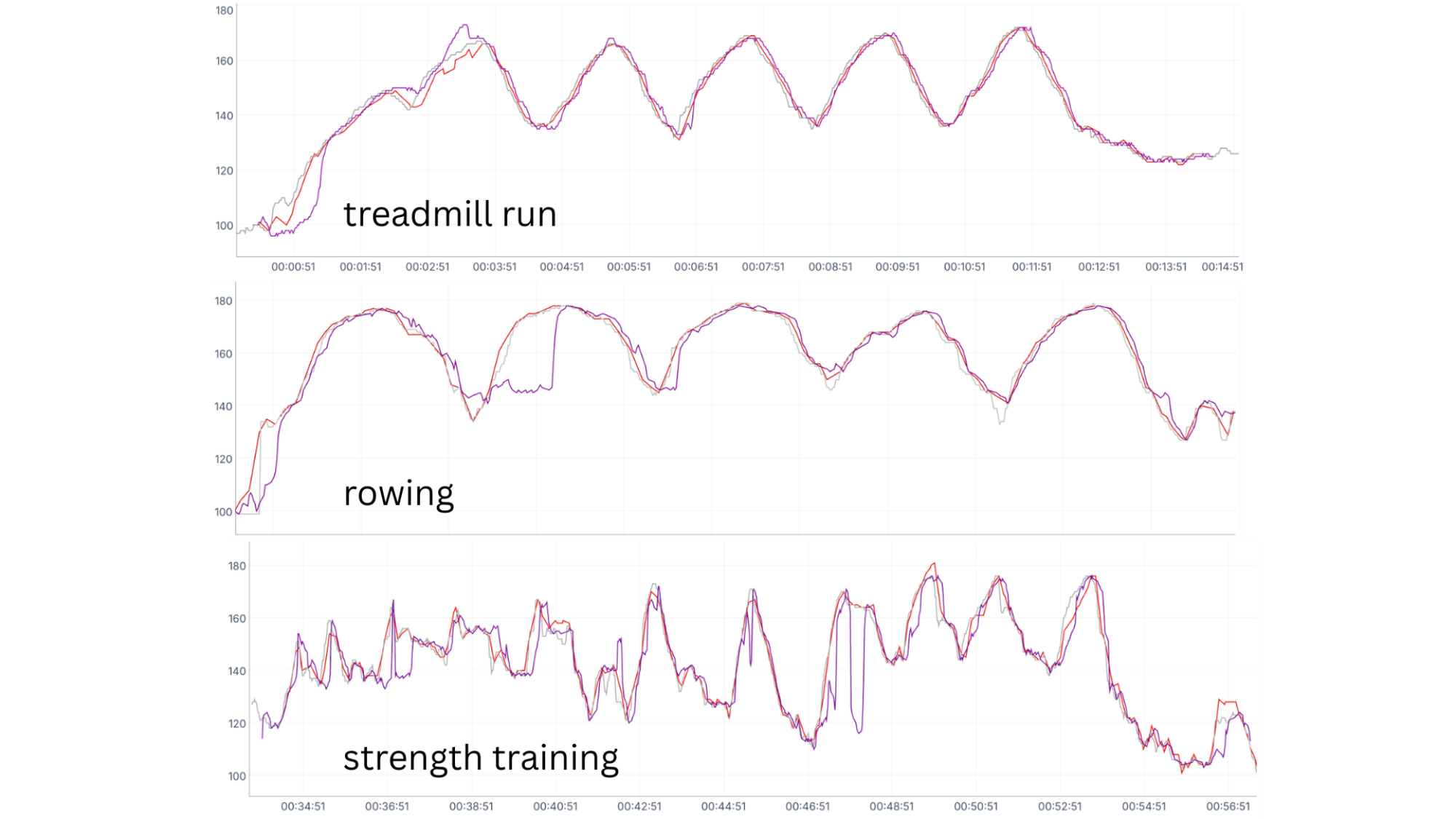
One day, I did three mini workouts at the gym: a treadmill run, a rowing session, and a strength session. The strength work included a few sets each of overhead barbell press, front squats (with my arms in a clean grip), and dumbbell curls. Here are those graphs, again with the Apple Watch in red, the chest strap in gray, and the Garmin this time in purple: 

Three comparison graphs: treadmill, rower, strength
Apple Watch in red, Garmin in purplish, chest strap for reference in gray.
Credit: Beth Skwarecki

Both devices performed equally on the treadmill run, with their own minor glitches but both getting the job done pretty well. On the rower, the Garmin struggled more, missing almost half of the second interval. The Apple Watch wasn’t perfect, though, overestimating in a few places and not always picking up the lowest value between intervals. 

The strength workout was a mess for both devices. The Garmin often read low, but the Apple Watch sometimes read high and reported fewer values in total. This view shows it a bit better (each data point is a dot): 

Garmin vs chest strap, Apple vs chest strap
Apple Watch in red, Garmin in purplish, chest strap for reference in gray.
Credit: Beth Skwarecki

So, is Apple’s sensor really the most accurate in a wearable? 

Looking at my data, I think the biggest news is that Apple is no longer lagging when it comes to heart rate accuracy. The Series 12 is a lot more accurate in my tests than the Series 10 or 11 ever were. Apple has built a very good heart rate sensor, and they deserve huge credit for that. I will no longer have to tell people Apple’s sensor is mid.

But does it have the best heart rate sensor? I’m not so sure I’m convinced. It is holding its own against Garmin’s best sensor, for sure, and that’s impressive. In the rare cases the Garmin struggles, the Apple is usually there with a more-or-less correct value. But I have seen near-perfect graphs from the Garmin on its best days (admittedly, outside of this testing week); I’ve never seen one quite like that from Apple. The Apple Watch’s sensor sometimes has trouble ramping up to correct values at the beginning of a workout; it overestimates on occasion; it doesn’t get all the way down to low values when intervals change quickly; and I’m concerned about the sparseness of the data points. It almost seems like the Apple Watch won’t report a value it’s not sure of, which is arguably better than recording a data point that could be wrong, but leaves odd gaps in some of the charts. 

This leads me to over-analyze the claim of  “most accurate in a wearable.” If Apple’s sensor fails to report a data point where another device reports an incorrect one, does that make Apple “more accurate” because more of its data points were on the right line? That’s probably a fair claim, but it still doesn’t feel great to award that device the “best” title. And if we truly want to compare the Apple Watch to all wearables, shouldn’t we consider chest straps, which are also worn, and which are objectively more accurate than any optical sensor in a watch? 

After all this analysis, I have a hard time awarding the Apple Watch a definitive title of being the “best” at wrist heart rate accuracy. But it’s damn good, and I have to put it up in the A tier with the Garmin. Congratulations, Apple. You managed to tie the best watch sensor out there, and I can’t claim there’s another one that’s better. 

F-Droid gets its biggest update in a decade with new UI and smoother app installs

Virtually every Android device comes with the Play Store preloaded, but there are other ways to get apps. F-Droid bills itself as a community-driven source for free and open source Android apps, but its official app store has gone 10 years without a major update. That’s finally changing: After a multiyear effort, the team has just announced F-Droid 2.0 is rolling out.

The new F-Droid client was redesigned from scratch in Kotlin Compose, which is the standard for modern Android apps. This makes the store much more responsive, and there’s optional support for Android’s Material theming. The interface has also been cleaned up considerably, making the most important functions easier to access and hiding some others in overflow menus.

While the new F-Droid looks nicer, the update was largely about making it easier to find and install apps. When F-Droid first appeared, there wasn’t much to see, but now it has thousands of open source apps. Unlike the Play Store, F-Droid doesn’t track your taps and installs to push ads and suggestions—it helps you find things and gets out of the way.

Read full article

Comments

New York defies Trump admin, asks court to shut down Polymarket gambling

New York sued Polymarket today, alleging that it runs an “illegal gambling operation” through its prediction market.

“By running an unlicensed gambling operation, Polymarket has done more than just knowingly violate state law, they have put New Yorkers at risk, especially those underage who are most vulnerable to problem gaming,” Governor Kathy Hochul said in a press release announcing the lawsuit.

Polymarket is “sidestepping its obligation to pay taxes like licensed casinos and mobile sports gambling platforms do,” New York said. “This tax revenue from gambling regulation funds public schools, sports programs for underserved youth, and problem gambling education and treatment.”

Read full article

Comments

These Are the Biggest Announcements From Meta Connect 2026

We may earn a commission from links on this page.

Meta hosted its annual “Connect” event on Wednesday. Curiously, the company kicked things off at 7 p.m. ET (4 p.m. PT), following “Made by Google” as the second major tech event of 2026 to take place in the evening. While that might have reduced the usual visibility of the event, it certainly wasn’t an unremarkable presentation: Meta CEO Mark Zuckberg laid out the company’s big hardware and AI plans and sold us a pitch for Meta’s vision for the future of work, entertainment, and social connectivity. Here’s what the company announced.

Meta’s next smart glasses don’t have cameras

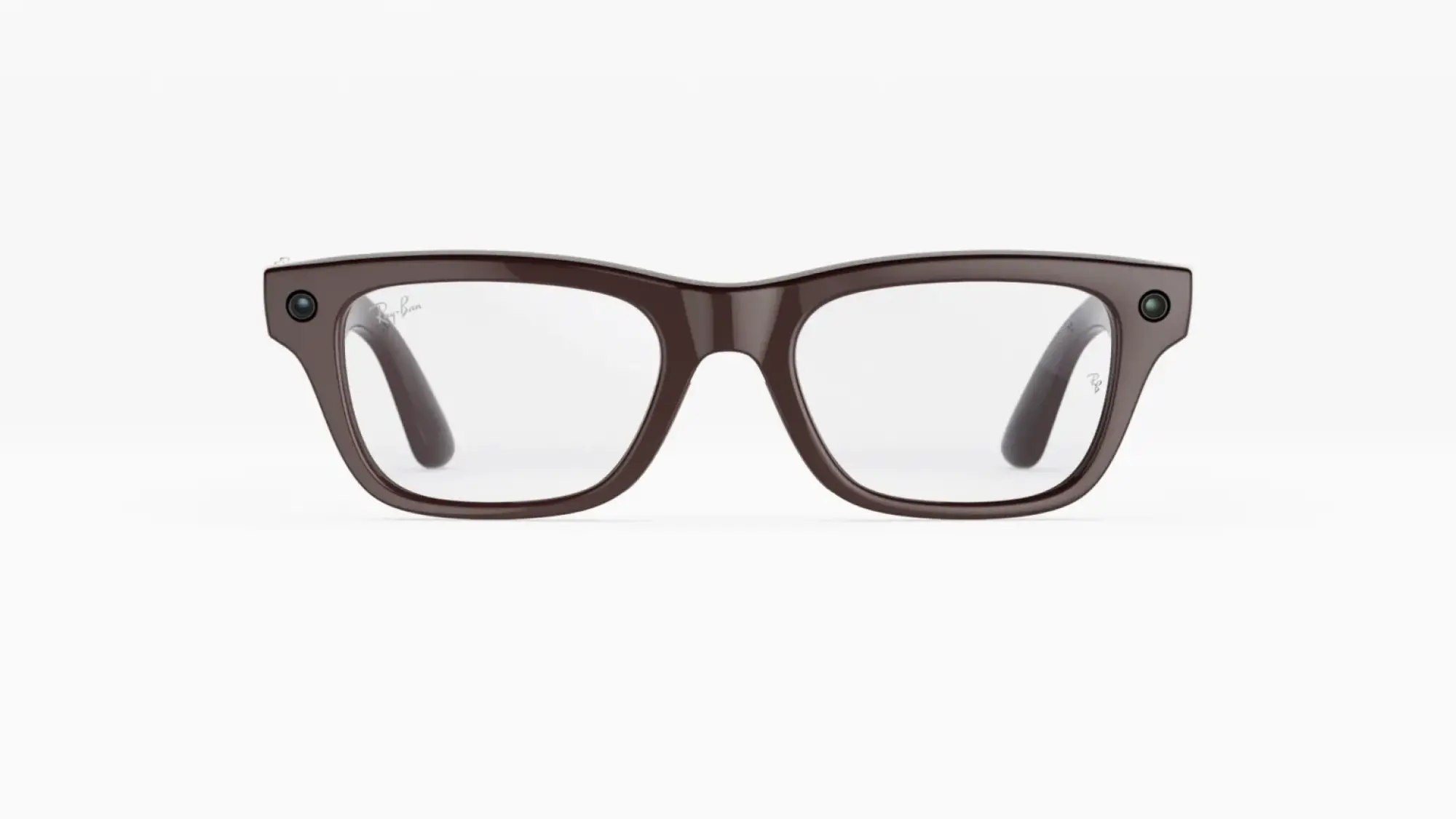
meta ray-ban audio glasses

Credit: Meta

Meta makes some of the most popular smart glasses on the market. That doesn’t mean it has a great reputation. As it turns out, many of us aren’t keen on walking past a deluge of glasses with embedded cameras wherever we go. While smart glasses fans have their arguments for why the tech is useful, many others are simply put off by the privacy invasion.

I can’t think of a better reason to explain the direction Meta is taking with its latest smart glasses line: Ray-Ban Meta Audio glasses. As the name suggests, these glasses do not have cameras. Instead, Meta says they have open-ear audio, designed for “true all-day wearability.” The new glasses have a reported 12 hours of battery life, while the charging case can add an additional 48 hours of use.

These glasses also have adjustable temple tips and swappable nose pads. You can use them to listen to music, access Meta AI, and take phone calls—all without having to fend off accusations of unsolicited video recording. Meta says that Meta Audio glasses will come in 23 different color and lens combinations in either “Clubmaster” or “Burbank” frames. They will ship Oct. 13, and you can pre-order them today for $349.

Meta introduced the Ray-Ban Meta (Gen 3)

meta ray-ban gen 3

Credit: Meta

Meta isn’t completely ditching its camera-embedded smart glasses, of course. In fact, it also introduced the next devices in its Ray-Ban Meta line. According to the company, these glasses run an hour longer than the previous generation on a charge (nine hours as opposed to eight) and come with new adjustable temple tips. There’s a new array of six microphones that Meta says cuts out over 90% of background noise.

Meta did make a point to note that the “3K Ultra HD” camera embedded in the frames does engage an LED light whenever you are recording, so the people around you are aware. Meta says those cameras will soon be able to shoot videos with Dolby Atmos spatial audio. These glasses are available now, in both “Avaitor” and “Zena” frames, starting at $449.

Meta VR Glasses

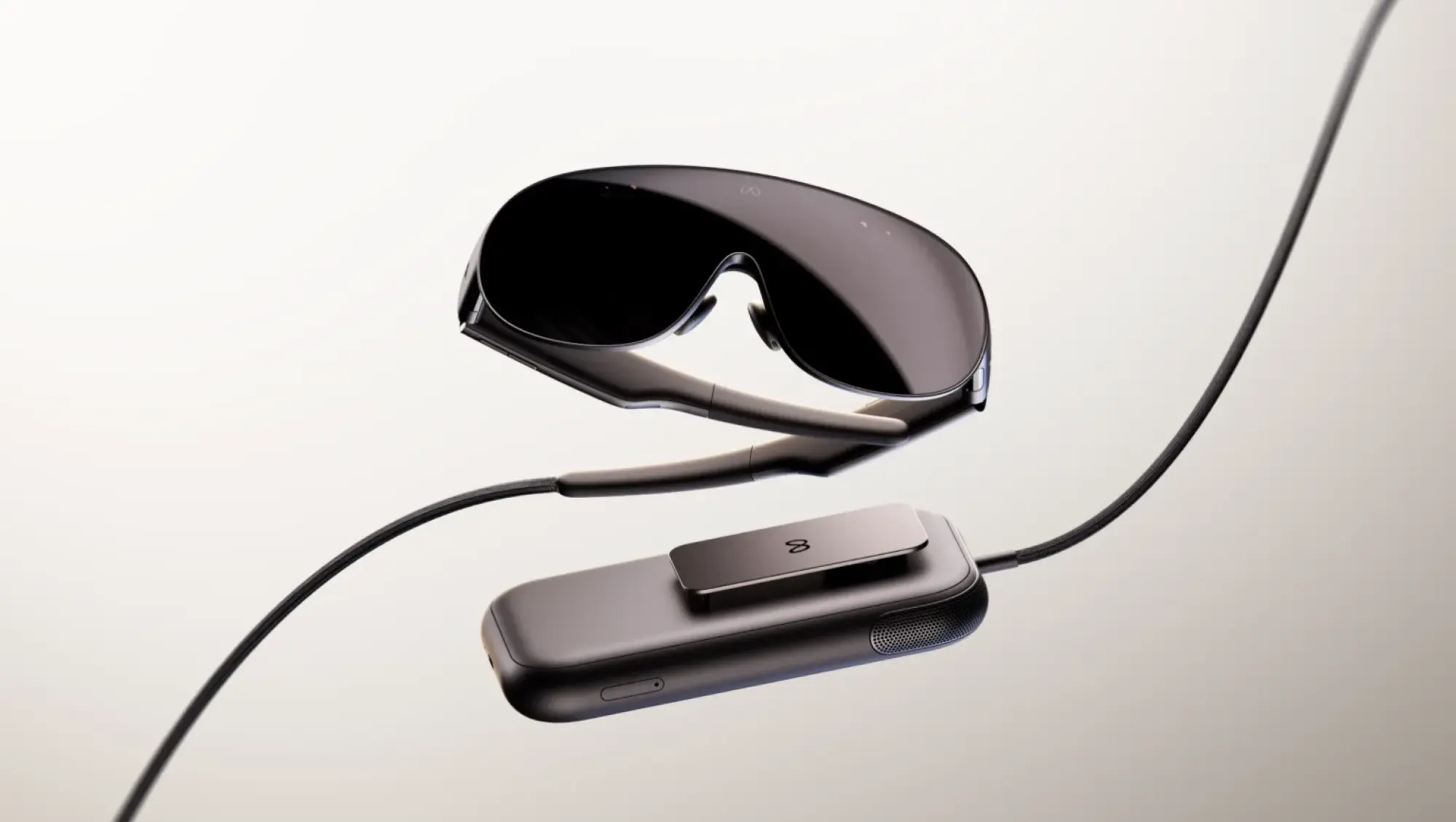
meta glasses

Credit: Meta

The device that is generating the most headlines is the Meta VR Glasses, the company’s new virtual reality headset. Unlike other headsets, like Meta’s Quest line or Apple Vision Pro, this device looks more like an oversized pair of glasses than a full headset. Meta says that, “thanks to a breakthrough glasses-like form factor,” the product doesn’t need to rely on straps or bulky hardware to run, and is five times lighter than the Meta Quest 3. That’s due, in part, to the “puck,” a clip-on external device that handles compute, battery, and storage.

The Meta VR Glasses have a 5K micro-OLED “Infinite Display” that supports both Dolby Vision and Dolby Atmos. They run on Qualcomm’s new Snapdragon Reality Elite chip, while the puck’s battery can stream high-resolution media for three hours at a time. It also supports 45W fast charging.

As a movie nerd, I’m intrigued by Meta’s claims that this is the first VR device that’s IMAX Enhanced certified. Meta says it’s one of the only ways to experience “select films” in IMAX’s expanded aspect ratio—at least, at home. That exclusivity extends to non-IMAX video formats as well: Avengers: Infinity War and Star Wars: A New Hope will be available in VR Enhanced versions. In addition, Disney+ subscribers will be able to watch select films in 3D, and sports apps like NBA, MLB, and ESPN will support 8K “Immersive Sports” streaming with 180-degree views.

Like other headsets, the Meta VR Glasses support multiple virtual screens, which Meta envisions as a useful tool for work. This device uses hand gestures for all controls, which means you can type using a virtual keyboard and control the UI with a virtual trackpad. You can work without any additional hardware, but Meta says you can connect your Mac or PC to the glasses for added productivity.

The biggest selling point is Meta’s “hologram” feature, which lets you see a virtual representation of another person while on a call with them, creating the illusion you’re actually having an in-person conversation. These are full-body holograms, too—a first for VR according to Meta (they even have legs!). Of course, since this is a Meta product, you can also talk to Meta AI while wearing the glasses. Meta VR Glasses will start at $1,299.99 and will be available in spring 2027.

New features for existing Meta AI glasses

Connect wasn’t just about new hardware. Meta also announced a series of new features available across its new and existing glasses lines. One of the most intriguing is onboard hearing assistance, an FDA-cleared feature that helps adults with mild to moderate hearing loss, but this helpful feature won’t be free: Users looking to add hearing assistance to their glasses will need to pay a one-time $149.99 upgrade fee, or subscribe to Meta One. (If you opt for the former, you can use HSA or FSA funds to pay for it.)

Meta also announced new exercise and health features, including guided workouts for running and cycling as well as nutrition tracking and dietary advice. A new AI shopping tool looks for reviews and price drops on products you’ve identified, and lets you make purchases with your voice. In addition, Meta says that there are a host of new ways to customize your experience with your Meta glasses, including personalized audio, custom gestures, and new visual AI. For example, you can now set a frequently used tool to the touchpad press-and-hold shortcut.

Going forward, your walking directions should be a bit more “human,” the company says, as directions can use landmarks instead of street names (e.g., “turn left at the supermarket” instead of “turn left at Broadway.) I’m not sure that will be a helpful change, especially if the street signs are more obvious than the landmarks, but we’ll have to see. Later this month, you’ll also be able to ask for biking and public transit directions using your voice with Meta Ray-Ban Display.

Gaming on Meta VR Glasses

beat saber on meta vr

Credit: Meta

Meta clearly has big plans for gaming on Meta VR glasses. Beat Saber is getting an update for Meta VR Glasses and Meta Quest. There’s a new single-player campaign, “Flux,” that lets you punch and slice notes with your hands, and a refreshed “Campaign” mode with new reward and progression systems. Meta says, in total, there are 75 games coming to Meta VR Glasses, including Cardmada, Dice Throne Digital, Dragon Grove, Phoenix Wright: Ace Attorney – Dual Destinies, Supernatural, Tetris Effect: Mixed Realities, and Two Point Hospital. These games, including Beat Saber, can be played with hand-tracking alone, so there’s no need for controllers.

Meta’s “Muse” updates

Meta released Muse, its agentic AI assistant, a few weeks ago. While the company took time to summarize its new bot, it also announced a handful of new Muse updates. First, Muse is getting a cute cartoon avatar, which Meta thinks will make Muse’s voice mode a bit more interactive. Muse is also coming to AI glasses in the coming months, and will get its own email address, so it can perform tasks on your behalf without using your personal email.

Meta says computer use is now available on the Muse for Mac app, meaning Muse can now use any app on your computer, even if you leave your desk. (Give Muse control over your machine at your own risk.) The company is also rolling out more connectors for Muse, so it can work with the following retailers and services: Walmart, Best Buy, American Eagle Outfitters, DICK’S Sporting Goods, Fanatics, Gap, Michael Kors, Sephora, Ulta, Wayfair, Shop Pay, and PayPal.

Finally, the company teased “Muse Charm,” a Tamagotchi-like device for the agentic AI. This seems a bit more of a novelty than a useful tool, since I imagine you could achieve the same with the Muse app on your phone, but we’ll learn more about this product in the future.

Five Police Officers Criminally Charged for Misusing Flock Cameras in Indianapolis

“Nationwide, at least 100 police department employees have been charged with or accused of misusing license-plate readers for unauthorized purposes,” reports the Washington Post. They cite their past investigations “based on thousands of pages of police and court records,” which found that “In many of these cases, officers used Flock’s roadside cameras to track the location of romantic partners and exes.”

In fact, five Indianapolis police officers were just criminally charged Wednesday with fraud and misconduct. “One has also been charged with stalking,” the police department said in a statement, noting that one office had already resigned, “while the four other officers have been suspended and recommended for termination. County prosecutor Ryan Mears admitted “A lot of this was initiated by The Washington Post.”

And the Post published a new investigation Wednesday:

Using publicly available information, The Post found that…one of the officers charged Wednesday, appeared to have relied on Flock cameras to track vehicles used by his wife and two close personal acquaintances, searching the plates 3,759 times over a 10-month period — an average of about 12 lookups per day. At the time, Police Chief Tanya Terry said she suspended one officer while the department conducted an investigation into possible misuse and a systemwide audit of the city’s 301-camera Flock system. That audit led to the discovery of more widespread abuse, [County prosecutor Ryan] Mears said Wednesday.

Mears said the department’s findings highlight the vast power Flock cameras give police officers and raise questions about whether the government should be doing more to prevent the misuse of that power. “Many of the proposed guardrails and the things that have been proposed would not have prevented the behaviors and actions we see here today,” Mears said. “Does there need to be independent oversight? Does there need to be judicial oversight of the Flock camera system?”

One of the Indianapolis officers, Schultz, an 18-year veteran of the police department, was accused of using Flock to track his ex-wife and women he met while on duty or out in public. He was charged with multiple counts of official misconduct as well as two counts of stalking. Schultz told one woman he was an FBI agent, according to prosecutors, and began texting her and showing up at places she frequented, including at her gym and at a school function with her daughter. Prosecutors said he arrived at her gym within an hour of her at least nine times between June 12 and Aug. 1 of this year… Another woman met Schultz after her car was stolen from a mall parking lot, and he began texting her flirty messages later that night. The two dated briefly, and Schultz later looked up where the woman went on dates with another man. Schultz searched the plates of a third woman 178 times and also frequently showed up where she was, including her gym, a Smoothie King and a Walmart earlier this month…

A third officer, Binford, told investigators he had used the log-in credentials of another officer who had logged in to Binford’s laptop during a field training exercise. Binford searched the plate of his ex-wife more than 1,000 times between April 2024 and April 2025. Indianapolis police had no regular practice of auditing officers’ Flock searches until recently, [Police Chief] Terry said in an interview last month. The department’s investigation into the tool’s misuse has been “a learning process for us,” she said at the time.


Read more of this story at Slashdot.

We have a trailer for Musk documentary Elon called a “hit piece”

Oscar-winning documentary filmmaker Alex Gibney has never been one to shy away from controversy. His latest feature, Musk, has stirred up plenty even before its release, drawing the ire of its subject, Elon Musk, and threats of a defamation lawsuit. After the film debuted two weeks ago at the Venice International Film Festival, rumors swirled that Universal Pictures was getting cold feet about theatrically releasing the film in international markets.

Those rumors appear to be unfounded (at least for now). And Musk is still on track for a US theatrical release, thanks to the folks at domestic distributor Bleecker Street Media, which released the official trailer today.

Gibney has been making documentaries since the 1980s, covering such varied subjects as Jimi Hendrix, Hunter S. Thompson and gonzo journalism, WikiLeaks, Scientology, Steve Jobs, Elizabeth Holmes (the subject of another forthcoming documentary, You Can See Everything, featuring comedian Nathan Fielder), Boris Becker, The Sopranos creator David Chase, alleged Russian interference in the US 2016 presidential election, the opioid epidemic, and cyclist Lance Armstrong. He snagged his first Oscar nomination for 2005’s Enron: The Smartest Guys in the Room, and won the Oscar for Best Documentary Feature two years later for Taxi to the Dark Side.

Read full article

Comments

Robots make combat airdrops, clear mines as Ukraine defeats Russian pincer

Ukraine’s military robots are dropping from heavy drones in airborne assaults behind Russian lines as other robots clear mines ahead of advancing Ukrainian infantry. The wheeled ground robots are supporting Ukraine’s Operation Vivaldi counterattack that has crushed a Russian military pincer movement and liberated dozens of square miles of occupied Ukrainian territory so far.

The Ukrainian Third Army Corps revealed a “world-first” airborne assault involving robots and drones that took place within Russian-held territory on September 21, 2026, according to the Ukrainian government media platform United24. Heavy bomber drones air-dropped explosive ground robots more than six miles behind Russian frontlines, helping the robots bypass tough terrain and enemy defenses to attack supply lines in the rear.

This is not the first time that Ukraine has used heavy drones to deliver robots closer to their intended targets. But the incident is reportedly the most ambitious robotic airborne assault to date.

Read full article

Comments

New Jersey fines data center $1.1M after drone pics expose 62 gas generators

This week, New Jersey ordered the operator of one of the East Coast’s largest planned data centers to pay a $1.1 million fine for secretly installing and operating gas generators in violation of the state’s Air Pollution Control Act.

DataOne got hit with the fine after an investigation by The Guardian and Floodlight News in August shared thermal drone footage showing that 45 of the 62 gas generators were operating. None of the generators had permits required for generators with 37-kilowatt capacity or higher, despite running at 1,982-kw capacities more than 50 times higher than the state limit.

States track gas generators like DataOne uses because they emit “carbon dioxide, nitrogen oxides, carbon monoxide, and other combustion-related pollutants,” officials from New Jersey’s Department of Environmental Protection (DEP) noted. Those pollutants can worsen asthma, trigger heart attacks, and cause early deaths.

Read full article

Comments

Google’s first Suncatcher orbital data center test launches October 1

Google is taking its first step toward making Project Suncatcher a reality. Announced last year, Suncatcher is Google’s “moonshot” effort to design orbital AI data centers, which AI boosters like Elon Musk and Jeff Bezos have pitched as an alternative to divisive terrestrial data centers. Google’s first experimental satellite will launch on October 1 with the aim of validating Google’s vision for a constellation of AI satellites.

The satellite, dubbed MVP, is about the size of a refrigerator. Inside, it has four of Google’s custom TPU AI accelerators, which are used to train AI models and run inference to generate tokens for AI workloads. On Earth, a data center will run thousands of these chips, which consume massive amounts of power—one of the reasons putting solar-powered AI hardware in space is so attractive.

Google’s latest moonshot to put machine learning in space.

MVP is starting small, with solar panels that supply only about one kilowatt of power, The New York Times reports. That’s enough to power a microwave or a hair dryer. Google did not build the satellite from scratch. While the AI hardware inside is Google’s, the spacecraft comes from a satellite imagery firm called Planet Labs. The initial plan was to launch two custom satellites in 2027, but Google wanted to accelerate its efforts. So the company opted to integrate its chips into a satellite that Planet Labs had already built for an early test.

Read full article

Comments