The Top 10 Movies Streaming This Month

We may earn a commission from links on this page.

January has a reputation for being a dumping ground at movie theaters, but that’s certainly not the case when it comes to streaming, as the apps begin to load up on the prior year’s critical and commercial hits—and 2026 came in like a champion, with the list of the top movies streaming including banger after banger, from One Battle After Another, to Sinners, to F1.

January’s streaming winners are heavy on social commentary. One Battle After Another plays it straight in its bracingly contemporary story of anti-fascist revolutionaries and immigration raids, while Sinners, Bugonia, and 28 Years Later use sci-fi and horror tropes to comment on our current political divides. If that all sounds too heavy, the list is rounded out by escapist fair like F1 and The Rip.

Also of note: The popularity of The Running Man and The Long Walk indicate that movie-goers are hungry for adaptations of dystopian Stephen King novels written under the pen-name Richard Bachman and foregrounding near-future authoritarian societies in which deadly ambulation-based contests are popular. I wonder what that’s about?

Here’s the full list of the top 10 most-streamed movies of January 2026 across all major streaming services, as compiled by JustWatch.

One Battle After Another (2025)

Topping the charts this month is Paul Thomas Anderson’s nuanced, intelligent thriller about resistance and race in a fascistic, anti-immigration United States. (No, it’s not a documentary.) Featuring fantastic performances from heavyweights like Leonardo DiCaprio, Sean Penn, Benicio Del Toro, and Regina Hall, One Battle After Another is that rare movie that’s equal parts thoughtful and exciting. It was recently nominated for 13 Oscars. Stream one Battle After Another on HBO Max.


Bugonia (2025)

It’s always nice when a weirdo movie is widely watched, and Bugonia was that movie in January 2026. Jesse Plemons and Aidan Delbis play a couple of societal dregs who kidnap a high-powered pharmaceutical executive (Emma Stone) because they think she’s an alien. Directed by Yorgos Lanthimos, who helmed 2023’s excellent Poor Things, the Best Picture Oscar nominee is a must-watch, even if you’re only a little weird. (And if you want more weirdness, it’s based on an even odder South Korean film called Save the Green Planet.) Stream Bugonia on Peacock.


Sinners (2025)

This one-of-kind flick mashes up so many styles, it’s practically its own genre. A historical-horror-ensemble romance-drama-comedy-musical exploring race and historical prejudice in the United States, Sinners tells its story through both song and vampire violence. It is absolutely to-notch in every cinematic way, which is probably why it earned a record 16 Oscar nominations. Stream Sinners on HBO Max and Prime Video.


The Running Man (2025)

Based on a 1982 novel by Stephen King (writing as Richard Bachman) and directed by Edgar Wright, The Running Man is a dystopian near-future sci-fi action flick in which the most popular show on TV is a deadly reality competition with contestants who must survive 30 days while being hunted by professional assassins. I hate to admit that I would totally watch that show, and you should totally watch this movie. Stream The Running Man on MGM+ and Paramount+.


The Rip (2026)

If you’re in the mood for a throwback action-thriller, check out The Rip, from director Joe Carnahan. It tells the story of a Miami tactical narcotics team that discovers $20 million of dirty money in a stash house. Nobody in the squad is a “clean cop” when there’s that much money in play, and soon, everything goes predictably haywire in unpredictable ways. Starring movie pals Matt Damon and Ben Affleck, The Rip is a non-stop ride. Stream The Rip on Netflix.


Train Dreams (2025)

If you want maximum Americana drama, but not in a cheesy way, check out Train Dreams. Set in the early 1900s, it tells the story of Robert Grainier (Joel Edgerton), a logger and railroad builder whose quiet life is upended by a devastating tragedy. Train Dreams is a thoughtful, poetic movie about the passing of an era. It’s also a Best Picture nominee this year. Stream Train Dreams on Netflix.


Wake Up Dead Man: A Knives Out Mystery (2025)

The third Knives Out mystery stars Daniel Craig as Benoit Blanc, the last of the gentleman’s sleuths, who is this time investigating the murder of a priest. A stylish, twisty, brain-testing whodunnit with an all-star cast that includes Josh O’Connor, Glenn Close, Josh Brolin, Mila Kunis, and Jeremy Renner, Wake Up Dead Man is proof that a classic murder mystery can still keep the most seasoned armchair detectives guessing. Stream Wake Up Dead Man: A Knives Out Mystery on Netflix.


The Long Walk (2025)

The second film in this month’s top 10 based on a novel by Stephen King but written under the pseudonym Richard Bachman, The Long Walk shares only surface similarities with The Running Man in its story of a group of young men living in a dystopian future society who are forced to compete in a deadly contest that requires them to keep walking until only one of them is left standing (and alive). It’s an ensemble character study closer to They Shoot Horses, Don’t They than it is to over-the-top action sci-fi of The Running Man. (They’d make a great double-feature, though.) Stream The Long Walk on Starz or rent it from Prime Video.


28 Years Later (2025)

Zombies spoil if you leave ’em out to long, and these dead boys have been marinating for nearly 30 years. Danny Boyle and Alex Garland’s 28 Years Later ditches much of the fast-paced chaos of modern zombie flicks for an atmospheric, haunting exploration of the community of humans still alive in a long-dead England. It’s a somber movie about the post-apocalypse that makes you wonder if the zombies have it better off. Stream 28 Years Later on Netflix or rent it from Prime Video.


F1 (2025)

I’m happy that this list of bleak zombie narratives, carefully paced mysteries, and thinly veiled cultural critique ends with a movie about cars driving very, very fast. (Sometimes you just need a palate cleanser.) Starring Brad Pitt as race car driver striving for one last stab at glory, the Best Picture-nominated F1 was shot at actual F1 Grand Prix events and perfectly captures the danger, drama, and pure adrenaline of the sport. It’s a great film to show off your new TV and soundbar. Stream F1: The Movie on Apple TV+.


Alexa+ is now available nationwide, with a free text-based version for non-Prime members to try

Amazon’s next-generation AI assistant is now available to everyone in the US for $20 per month, or for free if you’re a Prime member. Amazon has also introduced a try-before-you-buy free tier for non-Prime members, but it’s limited to text-based chat.

Alexa+ has been in early access since last year, and Amazon says it’s listened to user insights ahead of rolling out the update nationwide today. If you’re a Prime member, you can start using the new assistant by saying “Alexa, upgrade to Alexa+” or by heading to Alexa.com and signing into your Amazon account. The Alexa website is also where you’ll find the new free Alexa chat feature, which lets you ask questions and research various topics with usage limits.

Given that a Prime membership costs less ($15 per month) than Alexa+ on its own, Amazon is no doubt hoping that the introduction of its now more conversational Alexa assistant will entice some would-be subscribers. Amazon also offers a 30-day free trial of Prime to first-time customers.

As well as allowing more complex and naturally flowing interactions, Alexa+ also has new agentic capabilities, making it more effective at managing your schedule, providing recommendations, making reservations and controlling your smart home devices. It’s also a more personalized experience, with the idea being that Alexa keeps an eye on your digital activity so it gives you more useful answers.

Whether the overhauled Alexa will work for everyone remains to be seen. In our preview last summer, Engadget’s Cherlynn Low wrote about her conflicted feelings on the next-gen assistant. While impressed by its ability to handle more complex tasks, she found the experience to be inconsistent and “just incompetent enough to be annoying.”

This article originally appeared on Engadget at https://www.engadget.com/ai/alexa-is-now-available-nationwide-with-a-free-text-based-version-for-non-prime-members-to-try-155550342.html?src=rss

This High-End Roborock Robot Vacuum Is $300 Off Right Now

We may earn a commission from links on this page. Deal pricing and availability subject to change after time of publication.

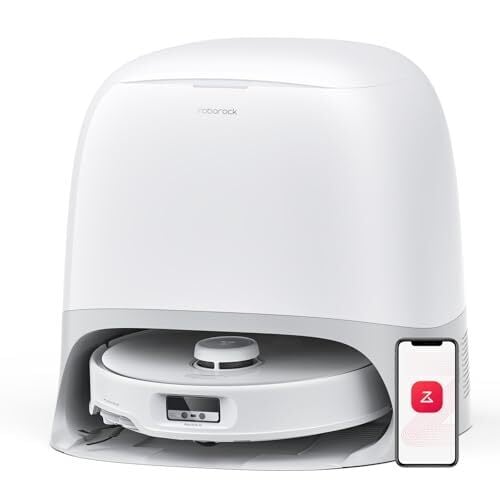
At $699.99, down from $999.99, the Roborock Qrevo Curv is at its lowest price yet, according to price trackers. That puts a top-tier robot vacuum and mop within a price range that is still expensive but no longer out of reach for people who were already considering a premium hybrid. This is the model our reviewer, Amanda Blum, called the most adaptable robot vacuum she’s tested, and PCMag backed that up with an “excellent” rating.

The Curv, using Roborock’s AdaptiLift chassis, can raise its body and climb thresholds up to 1.6 inches. In real use, that means it can move from hardwood to tile or over raised door frames without stopping short. Cleaning performance is strong as well. It delivers 18,500Pa of suction power, handles pet hair with an anti-tangle main brush, and uses a redesigned side brush that extends outward to sweep debris from corners. It can also avoid more than 60 types of obstacles, including shoes and cords. And when the job’s done, the dock takes care of most maintenance: emptying the dustbin into a bag that lasts around two months (depending on usage), refilling water, washing mop pads with hot water, drying them, and cleaning itself afterward. 

Navigation relies on LiDAR and a camera that can also be used for live viewing or patrol routes, effectively turning the robot into a rolling security cam. Setup takes a bit of time, but mapping is fast and accurate, and the app gives clear control over schedules, rooms, and cleaning intensity. On the downside, there’s no detergent dispenser, and the voice assistant (“Hello Rocky”) has a learning curve unless you’re reading off the cheat sheet. Also, while the robot tries to lift its mops over carpets, it may still drag them across, depending on the rug’s height. All in, the Qrevo Curv feels like a well-rounded investment for someone who wants more than just a basic robot vacuum, especially at its all-time low price right now.

Deals are selected by our commerce team

De Tomaso’s $3M P900 Debuts A Beastly 6.2-Liter V12 That Looks Extraterrestrial

De Tomaso's $3M P900 Debuts A Beastly 6.2-Liter V12 That Looks Extraterrestrial
De Tomaso has unleashed a screaming V12 predator that looks less like a car engine and more like a fever dream from H.R. Giger. This twisted, intestinal motor will power the equally impressive P900 hypercar, which will be available in very limited numbers.

It doesn’t take an enthusiast to appreciate the mesmerizing 12-into-1 exhaust manifold

Russian spy satellites have intercepted EU communications satellites

European security officials believe two Russian space vehicles have intercepted the communications of at least a dozen key satellites over the continent.

Officials believe that the likely interceptions, which have not previously been reported, risk not only compromising sensitive information transmitted by the satellites but could also allow Moscow to manipulate their trajectories or even crash them.

Russian space vehicles have shadowed European satellites more intensively over the past three years, at a time of high tension between the Kremlin and the West following Moscow’s full-scale invasion of Ukraine.

Read full article

Comments

Pinterest Sacks Workers For Creating Tool To Track Layoffs

Pinterest has sacked two engineers for tracking which workers lost their jobs in a recent round of layoffs. BBC: The company recently announced job cuts, with chief executive Bill Ready stating in an email he was “doubling down on an AI-forward approach,” according to an employee who posted some of the memo on LinkedIn.

Pinterest told investors the move would impact about 15% of the workforce, or roughly 700 roles, without saying which teams or workers were affected. But then “two engineers wrote custom scripts improperly accessing confidential company information to identify the locations and names of all dismissed employees and then shared it more broadly,” a company spokesperson told the BBC. “This was a clear violation of Pinterest policy and of their former colleagues’ privacy,” the spokesperson added.

The script written by the Pinterest engineers was aimed at internal tools used at the company for employees to communicate, according to a person familiar with the firings who asked not to be identified. The person said the script created an alert for which employee names within a tool like the team communication platform Slack were being removed or deactivated, giving some insight into who at the company was impacted by the layoffs.


Read more of this story at Slashdot.

These Bowers & Wilkins Bluetooth Headphones Are on Sale for $99

We may earn a commission from links on this page. Deal pricing and availability subject to change after time of publication.

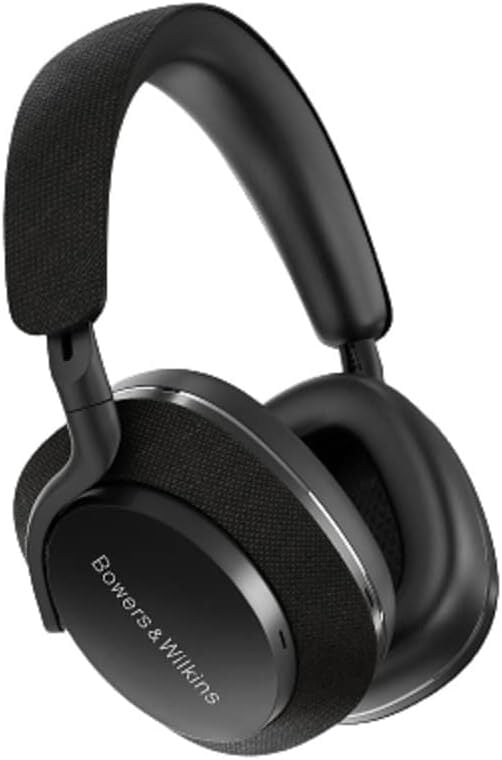
At $99 on Woot, the factory reconditioned Bowers & Wilkins Px7 S2 headphones are nearly $60 cheaper than the next best price on Amazon and the lowest they’ve been to date, according to price trackers. While “refurbished” might scare off some shoppers, this deal includes all accessories in retail packaging, a 90-day warranty, and a professional inspection that guarantees like-new functionality. Cosmetic wear should be minimal and only noticeable up close, if that. You get a 90-day Woot warranty, and free shipping if you’re a Prime member (with a $6 fee for everyone else). This deal runs for about three weeks or until the stock runs out.

The Px7 S2’s knit fabric ear cups and metallic accents look sharp, and the padding feels good against the skin. Clamp force is on the firmer side but generally comfortable, though long sessions can create pressure points for some head shapes. They work well for commuting and travel, thanks to active noise cancelling that handles voices and higher-frequency noise better than low-end rumbles. Physical buttons handle power, volume, playback, and noise control. They’re tactile and easy to use, though there’s no audible feedback for volume changes. As for portability, the ear cups swivel flat but don’t fold, so portability depends on the included hard case, which is well-made but bulky.

Battery life is a strong point. With ANC on, they can stretch past 30 hours, and a 15-minute charge gets you several more hours of playback. Sonically, these headphones skew bass-heavy. You get a punchy, energetic profile that works well for electronic music, though it can feel muddy for anything more detailed, like acoustic or jazz. There’s a two-band EQ in the companion app, but no deep customization beyond that. Codec support includes aptX HD and aptX Adaptive, which is great if your devices support them. All said, if you’re not chasing absolute top-tier ANC and can live with the stock sound signature, you’re getting flagship-level comfort and design here, at a mid-range price point.

Deals are selected by our commerce team

Will GTA 6 Be Delayed Again? Take‑Two Breaks Its Silence

Will GTA 6 Be Delayed Again? Take‑Two Breaks Its Silence
Has there even been a video game more anticipated than Grand Theft Auto VI? If you’re asking me, I’d argue that I looked forward to Thimbleweed Park more than any other title that comes to mind, but the broader consensus overwhelmingly favors the next GTA installment. It’s going to be a hit, there’s little doubt about that, and just as importantly

Apple’s iPhone Air MagSafe battery is cheaper than ever

Despite its supremely sleek design, the iPhone Air actually has a pretty respectable battery life, lasting for somewhere in the region of 27 hours if you’re continuously streaming video. But you’re still going to be wary of it dying on you if you’re on a trip or just having a particularly screen-heavy day. That’s where Apple’s iPhone Air MagSafe battery pack comes in, and it’s currently on sale for $79.

This accessory only works with the iPhone Air, but much like the phone it attaches to, it’s extremely slim at 7.5mmm, so crucially doesn’t add so much bulk when attached that it defeats the point of having a thin phone in the first place. The MagSafe Battery isn’t enormous at 3,149mAh (enough to add an extra 65 percent of charge to the Air), but it can wirelessly charge the AirPods Pro 3 as well, making it an even more useful travel companion. You can also charge your iPhone while charging the battery pack.

At its regular price of $99, the MagSafe battery pack is an admittedly pricey add-on to what is already an expensive phone, but for $20 off it’s well worth considering what Engadget’s Sam Rutherford called an “essential accessory” for some users in his iPhone Air review.

Many Apple loyalists will always insist on having first-party accessories for their iPhone, but there are plenty of third-party MagSafe chargers out there too, a lot of them considerably cheaper than Apple’s lineup. Be sure to check out our guide for those. 

Follow @EngadgetDeals on X for the latest tech deals and buying advice.

This article originally appeared on Engadget at https://www.engadget.com/deals/apples-iphone-air-magsafe-battery-is-cheaper-than-ever-144516608.html?src=rss

NASA finally acknowledges the elephant in the room with the SLS rocket

The Space Launch System rocket program is now a decade and a half old, and it continues to be dominated by two unfortunate traits: It is expensive, and it is slow.

The massive rocket and its convoluted ground systems, so necessary to baby and cajole the booster’s prickly hydrogen propellant on board, have cost US taxpayers in excess of $30 billion to date. And even as it reaches maturity, the rocket is going nowhere fast.

You remember the last time NASA tried to launch the world’s largest orange rocket, right? The space agency rolled the Space Launch System out of its hangar in March 2022. The first, second, and thirds attempts at a wet dress rehearsal—elaborate fueling tests—were scrubbed. The SLS rocket was slowly rolled back to its hangar for work in April before returning to the pad in June.

Read full article

Comments

Apple AirTag (2026) review: Simply better

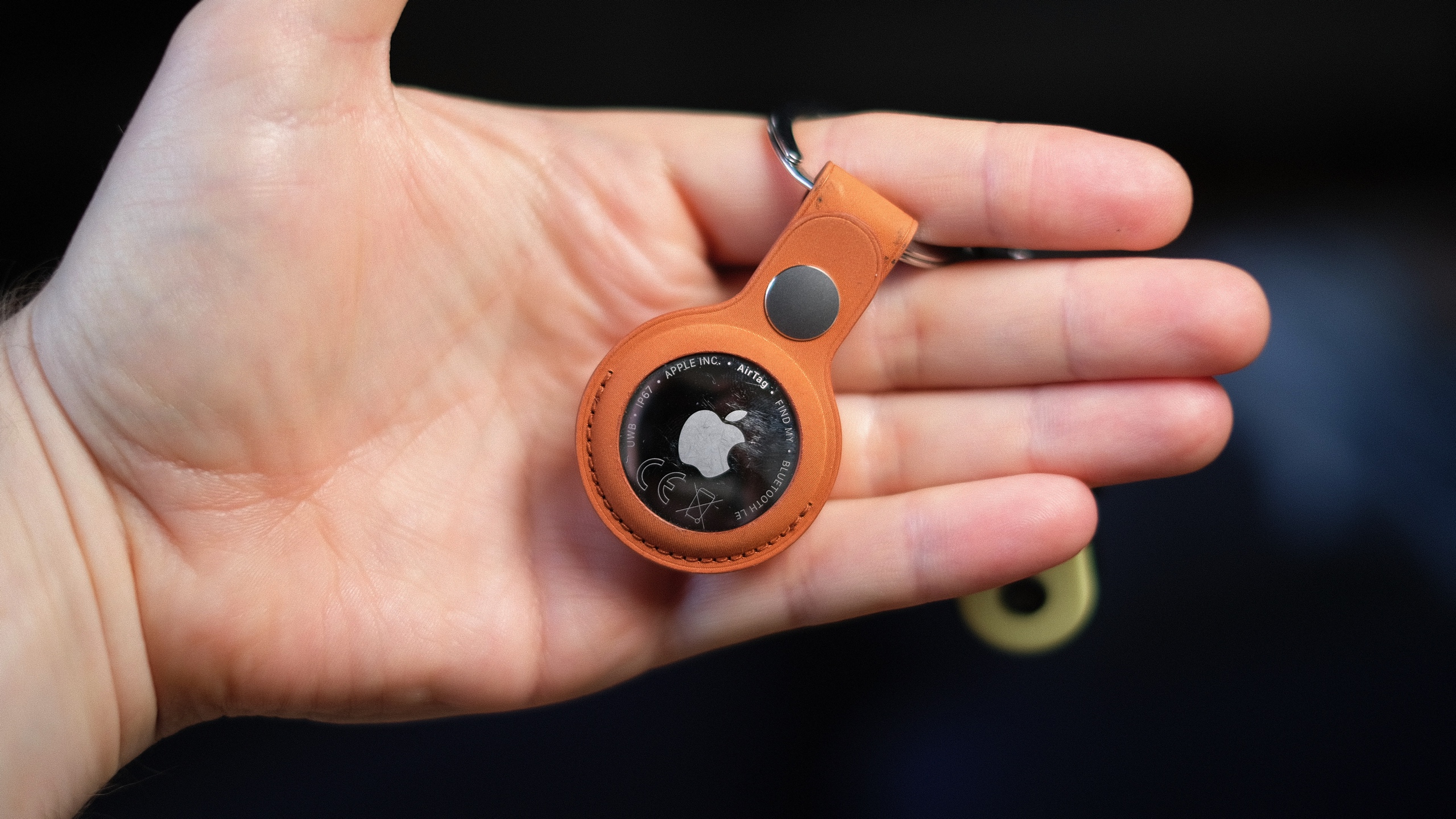
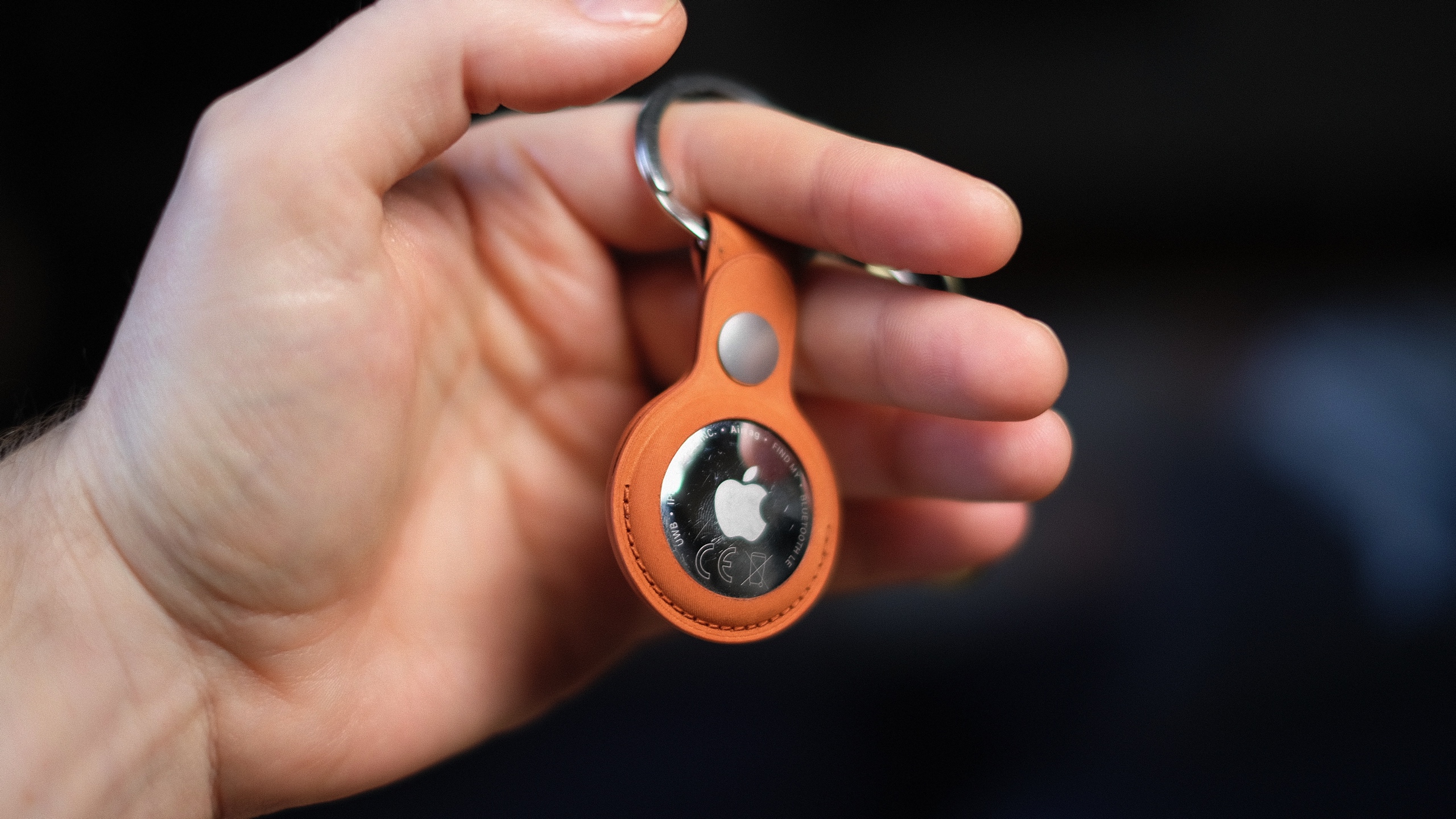
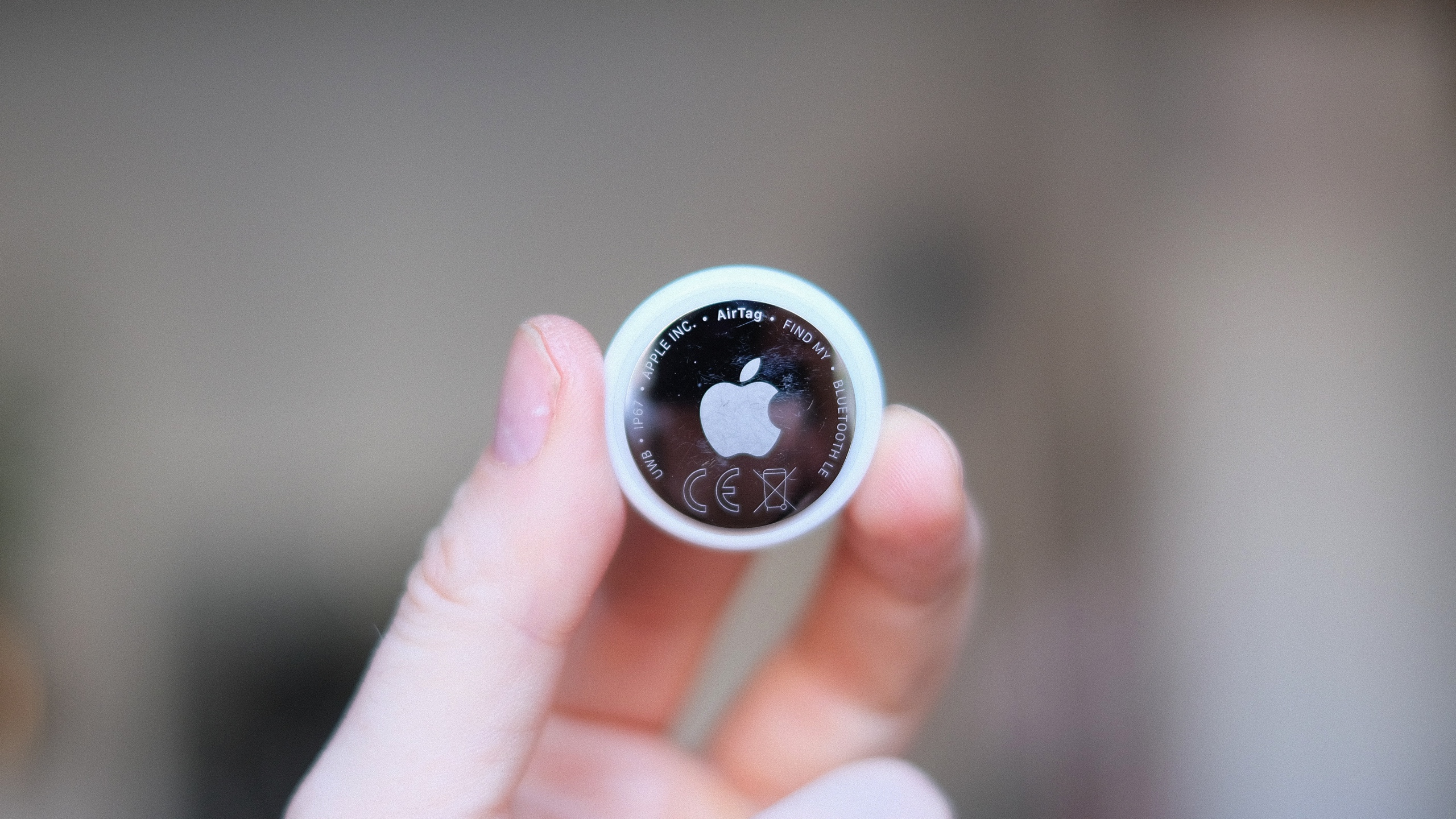
It’s hard to tell the difference between Apple’s second-generation AirTag and the almost-five-year-old original just by looking at them. In fact, the only way to tell is the many scratches on my old tracker, picked up from all those years attached to my keyring, living in my pocket. 

While the price is still $29, Apple’s latest tracker packs some core upgrades. The new AirTag has a second-generation ultra-wideband (UWB) chip that extends its Precise Finding range up to 50 percent, though it requires an iPhone 15 or newer to do so. It’s also apparently 50 percent louder and has a new, higher-pitched chime. Still no keyring hole, though.

The new AirTag looks… the same. It’s arguably the most understated hardware design Apple has ever made, with no buttons or ports, just a company logo on one side. It’s made from a combination of a stainless steel plate and a (now 85-percent recycled) plastic enclosure. It’s like a thick coin, a little bigger than a quarter, and slips into any small pocket or wallet. The battery can be replaced by rotating the backing off, but it’s still solid enough that I never felt there was a risk of coming off accidentally. 

Apple’s accessories to attach the AirTag to your keys are still more expensive than the tracker itself. However, compared to when the original tracker launched, there’s now a rich collection of third-party options from the likes of Mophie, Belkin and more, many of which are more reasonably priced at around $15. A $35 keyring for a $29 tracker is a very tough sell, Apple.

Apple's new AirTag promises increased range and a louder ring chime.
Apple’s new AirTag promises increased range and a louder ring chime.
Mat Smith for Engadget

Setting up a new AirTag is just as effortless as its predecessor. Pull out the plastic tag, connecting the battery, and a notification will pop up on your nearby iPhone. You can then name it, assign it to an item and it’ll join your list of findable Apple hardware. 

I’ve been testing the range of the new AirTag, and if anything, the 50 percent increase in Precision Finding range is a conservative estimate. Naturally, tracking can be affected by building structure, walls, a lack of nearby Find My network devices and other interference, but the next-generation AirTag’s “getting closer” screen consistently appeared on my phone when I was around 80 feet away. The older tracker, however, needed me to be around 30-40 feet away to do the same. The benefit of Precision Finding was limited on the debut AirTag, because its range was so tiny — especially in busy environments. The hardware upgrades now make it truly useful. The new AirTag is also faster to connect and more responsive to my movements and sudden turns, thanks, I expect, to the new ultra-wideband chip. 

You can now also use newer Apple Watches (Series 9, Ultra 2 and up) with precision location detection. After updating her Apple Watch Series 11 to the latest software, my colleague Cherlynn Low reported that locating the new AirTag was pretty much the same as on an iPhone. She did find it slightly counterintuitive to have to first add the Find My shortcut to the Control Center on the watch instead of going to the Find My Items app to do so, but ultimately, once she did that, it mirrored the existing setup for Precision Finding on iPhones. 

Apple's new AirTag promises increased range and a louder ring chime.
Apple’s new AirTag promises increased range and a louder ring chime.
Mat Smith for Engadget

Apple also redesigned the AirTag’s speaker assembly, which it says makes sounds 50 percent louder. Possibly the most effective audio upgrade is a higher-pitched chime that’s easier to hear over ambient noise and in busy public spaces. I could hear it ringing out from the other side of my gym’s locker room, while inside a locker, over music playing in the background. My old AirTag was inaudible until I was a few feet away from my locker. I always thought the sound on the original AirTag was a little too low-key for something you were urgently trying to find. (I’d love to be able to customize the chime, though.)

It’s the Find My network that makes the AirTag shine. Apple’s massive footprint of over a billion devices, from iPhones to Macs, continues to offer a tracking range and finer precision than GPS and Bluetooth alone. If anything, this network is even more built out since the launch of the first Apple tracker.

Since we tested the first AirTag, Apple has added multiple new features, usually through iOS updates, that expanded the utility and versatility of its trackers. In iOS 17, you could share an AirTag through Family Sharing. In iOS 18.2, Share Item Location allowed you to share your tracking information with third parties (such as airlines or train companies), improving the chances of finding the AirTag. 

There have also been subsequent safety upgrades, including expanding unknown tracker alerts to Android devices without needing to install an app. Apple also reduced the time an AirTag takes to emit a sound when separated from its owner, shifting the interval to a random range between 8 and 24 hours. At launch, this was a three-day span.

Wrap-up

Apple's second-gen AirTag.
Apple’s second-gen AirTag is still $29.
Mat Smith for Engadget

Do you need the new AirTag? While improved in every way, it’s pretty much the same device. However, the AirTag’s simplicity and ease of use are second to none when it comes to Bluetooth trackers. If you already own a single AirTag for your keys or wallet, upgrading to the second-gen iteration and repurposing the old one to track, say, your luggage, makes a lot of sense. You get the more precise location tracking and sensing for your smaller item, while you can reduce your bag anxiety if your suitcase doesn’t make it to your destination.

There’s no doubt the second-gen AirTags are improved, and thankfully, upgrading to the new capabilities doesn’t come at too steep a cost.

This article originally appeared on Engadget at https://www.engadget.com/computing/accessories/apple-airtag-2026-review-143000427.html?src=rss

These Switch 2 ‘Joy-Cons’ Turn Your Handheld Into a Portable GameCube

We may earn a commission from links on this page.

For me, third-party “Joy-Cons” were an absolute necessity for comfortable portable play on the original Switch. But because the Switch 2 upgraded its Joy-Cons to a more complicated magnetic connection, we haven’t seen many third-party options come out for it yet. It hasn’t been as much of an issue for me as on the original Switch, since I do think the Joy-Con 2 are more comfortable than the original Joy-Cons. But they’re still not ideal, especially when compared to other portable gaming options like the Steam Deck.

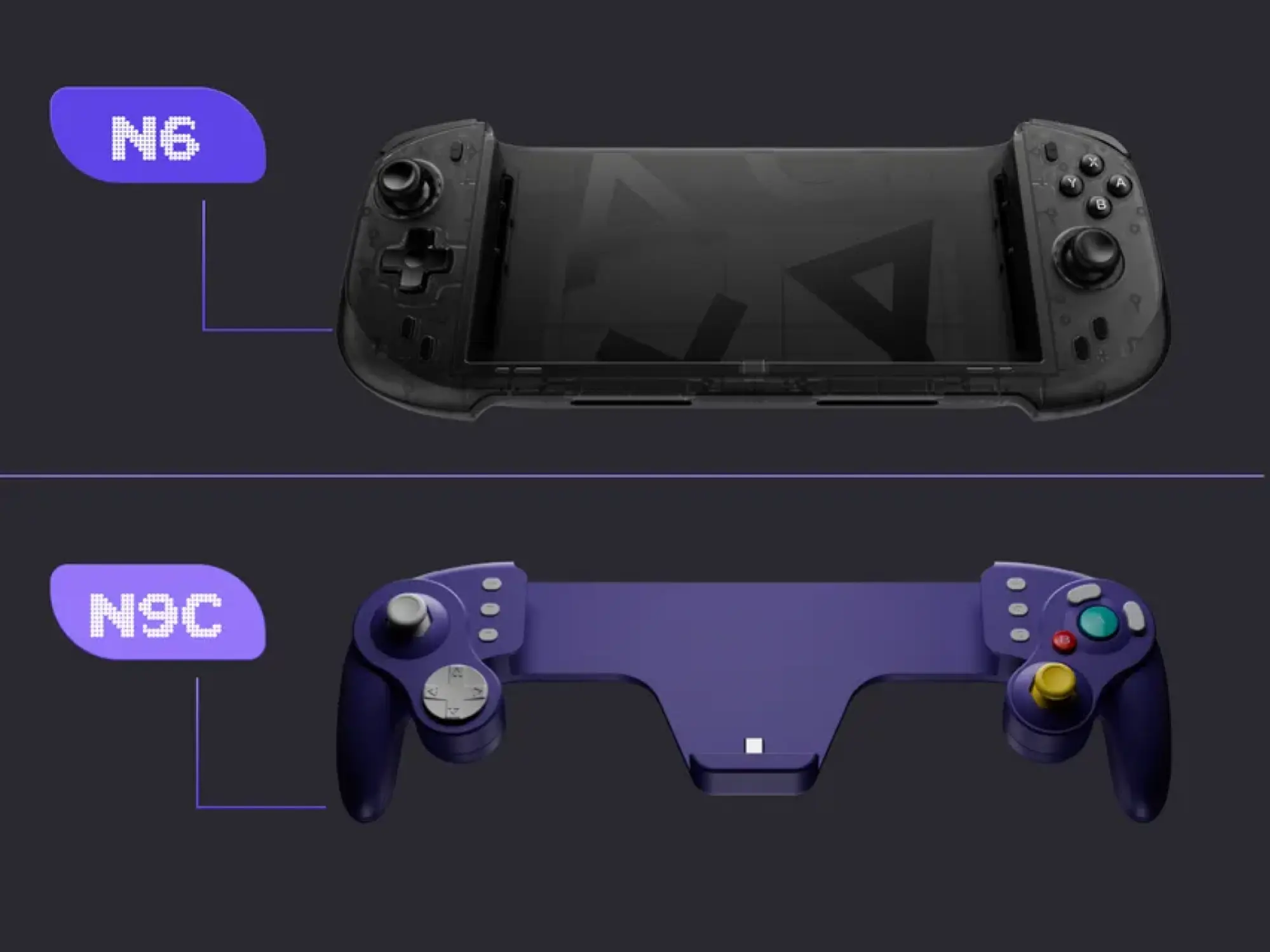
That’s why controller company Abxylute’s recent announcement is so interesting to me. The company announced on Tuesday that it will soon launch Kickstarters for two different portable controller options for the Nintendo Switch 2, both of which use a novel solution. Instead of sliding onto the console’s sides like the Joy-Cons, these are instead shells you slide the console itself into. Just plug your console into the USB-C dock at the bottom of the shell, and you’ll get a wired connection to the controller halves that sit on either side of the shell, while still being able to use the system’s built-in screen. These Joy-Con 2 alternatives offer gamer a bit more grip, and, as a bonus, one of them also essentially turns your Switch 2 into a portable GameCube.

Abxylute N6 (above) and Abxylute N9C (below)

Credit: Abxylute

Part of the fun of third-party Joy-Cons for the original Switch is that they took advantage of the console’s modularity to offer wacky form factors. Take the NYXI Wizard, for example. This controller looked like a classic Nintendo GameCube WaveBird controller out of the box, but you could also take both halves of the controller off a central connector piece and slap them onto the sides of the original Switch for authentic portable Smash Bros. or Super Mario Sunshine gameplay. I missed seeing this kind of innovation on the Switch 2, especially since that system now offers even more GameCube games via Switch Online. Thankfully, though, Abxylute is picking up the slack.

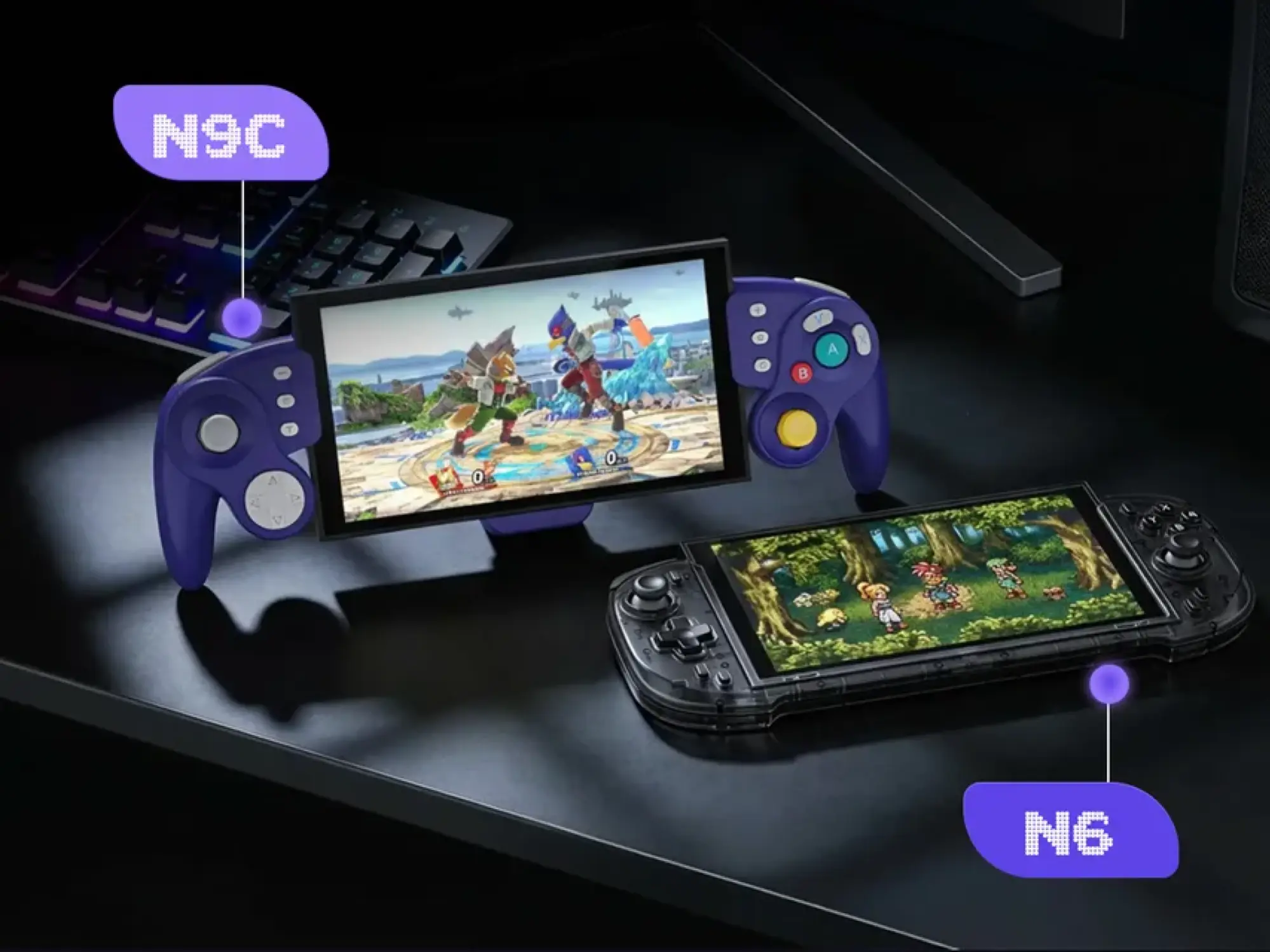
While its N6 portable controller is more traditional, its N9C is for retro gamers. It looks more like an original GameCube controller than a WaveBird, but it has the same familiar stick and button layout, and even has the right colors. There are modern niceties here, like home buttons and a more fully-featured D-Pad and right stick than on an actual GameCube controller. But this is shaping up to be the best way to play GameCube games on the Switch 2 on the go. The N6, meanwhile, has all the same features, but in a more common, Xbox 360 style layout, similar to the CRKD Nitro Deck 2.

There are also some power user features in the fine print, like drift-proof sticks (capacitive on the N9C and Hall effect on the N6), a gyroscope, optional macro buttons, and on the N9C, clicky micro-switch buttons. You could use either controller for any type of game, if you’d like. But it’s really the GameCube form factor that’s convincing me here. Yes, this design will likely be more comfortable than the Joy-Con 2, but it’s also more fun.

Abxylute N9C (left) and Abxylute N6 (right)

Credit: Abxylute

Unfortunately, because the Kickstarter campaigns for these have yet to launch, we don’t yet know what they’ll cost. Competitors like the Nitro Deck 2 cost $99, though, so you can probably expect to pay around that much. Abxylute’s HandheldDIY J6 for the original Switch also costs $95 (when not on sale), which is another good barometer.

That’s on the pricey end: My favorite third-party Joy-Cons for the original Switch only cost $50. But for the extra features here, plus the pricing on the competition, it’s probably a cost I’d be willing to eat—especially because alternatives are still rare. The only third-party Switch 2 Joy-Cons you can buy right now that offer the same magnetic plug-and-play as the official ones are the NYXI Hyperion 3, and they have yet to be released and cost $126.99 (and they’ll jump to $170 once early bird deals end). Abxylute’s new reveals may not have that same satisfying snap-on tech, but they’re feature-rich, and should still be a good upgrade over the official Joy-Con 2.

Nintendo’s first Direct showcase of 2026 is scheduled for February 5

Nintendo has lined up its first showcase of the year. The next Nintendo Direct is taking place on February 5 at 9AM ET, the company has announced. It will run for around 30 minutes.

As previous reports suggested, it will focus on third-party titles from partners instead of first-party games from Nintendo itself. So if you were hoping for new Mario or Zelda announcements, that may not happen during this event. Still, you can expect to hear about new games that are coming to Switch and Switch 2. You can tune into the Direct via the YouTube video embedded above.

FromSoftware’s The Duskbloods, a Nintendo Switch 2 exclusive, is slated to arrive this year, so we may get another look at that (or the Switch 2 version of Elden Ring, for that matter). Meanwhile, Resident Evil Requiem will hit the console later this month, so it wouldn’t be surprising to see Capcom making an appearance during this Direct.

This article originally appeared on Engadget at https://www.engadget.com/gaming/nintendo/nintendos-first-direct-showcase-of-2026-is-scheduled-for-february-5-141931154.html?src=rss

Why Google’s Android for PC Launch May Be Messy and Controversial

Google’s much-anticipated plan to merge Android and ChromeOS into a single operating system called Aluminium is shaping up to be a drawn-out, complicated transition that could leave existing Chromebook users behind, according to previously unreported court documents in the Google search antitrust case.

The new OS won’t be compatible with all existing Chromebook hardware, and Google will be forced to maintain ChromeOS through at least 2033 to honor its 10-year support commitment to current users — meaning two parallel operating systems running for years.

The timeline itself is messier than Google has let on publicly, the filings suggest. Sameer Samat, Google’s head of Android, called the merger “something we’re super excited about for next year” last September, but court filings describe the “fastest path” to market as offering Aluminium to “commercial trusted testers” in late 2026 before a full release in 2028.

Enterprise and education customers — the segments where Chromebooks currently dominate — are slated for 2028 as well. Columbia computer science professor Jason Nieh, who interviewed Google engineers as a witness in the case, testified that Aluminium requires a heavier software stack and more powerful hardware to run.


Read more of this story at Slashdot.

This Feature Lets You Autofill Your Credit Card on Any Site or App on iPhone

A useful feature baked into iOS 26 is the ability to autofill credit cards stored in Apple Wallet across apps and browsers. If you don’t use a password manager (which you absolutely should), AutoFill via Apple Wallet saves you the trouble of having to manually enter your credit card information every time you want to make a purchase on your phone. Even if you have a password manager, though, not all plans allow payment card storage and autofilling, and the feature can be clunky on those that do.

As 9to5Mac points out, AutoFill for credit cards was already available in Safari and is now supported systemwide, managed through Apple Wallet.

How to set up and use AutoFill in Apple Wallet

First, you’ll need to add your payment cards to Apple Wallet’s autofill list (which is separate from your general wallet). Tap the three dots in the upper-right corner and select AutoFill. Tap Add Card to input card details manually or use the camera scan feature. The security code is optional, meaning you can add and store it in Apple Wallet AutoFill or enter it for each transaction.

To autofill saved credit cards, simply tap any form field to bring up the Paste/AutoFill option. Select AutoFill > Credit Card, authenticate with Face ID or Touch ID, and tap the card you want to enter. You’ll have to repeat the process for each field, as Apple Wallet won’t autofill the whole form at once.

AMD CEO Reveals Next-Gen Xbox And Valve Steam Machine Launch Details

AMD CEO Reveals Next-Gen Xbox And Valve Steam Machine Launch Details
The PC memory market is in shambles thanks to unprecedented demand for chips in the AI sector, and so it was fair to wonder if this would impact the launch timing of Valve’s upcoming Steam Machine, due out this year, or next-generation game consoles from Microsoft and Sony. The answer for at least two of the three upcoming systems is a flat

Adobe Actually Won’t Discontinue Animate

Adobe is no longer planning to discontinue Adobe Animate on March 1st. From a report: In an FAQ, the company now says that Animate will now be in maintenance mode and that it has “no plans toâdiscontinue or remove access” to the app.

Animate will still receive “ongoing security and bug fixes” and will still be available for “both new and existing users,” but it won’t get new features. Many creators expressed frustration after Adobe’s original discontinuation announcement from earlier this week, and the application is still used by creators like David Firth, the person behind the animated web series Salad Fingers. Now, Adobe says that “We are committed to ensuring Animate usersâalways have access to their content regardless of the state of development of the application.”


Read more of this story at Slashdot.

Silicon Survival: Why AMD is Soaring, Intel is Stumbling, and NVIDIA is Living in a Different Dimension

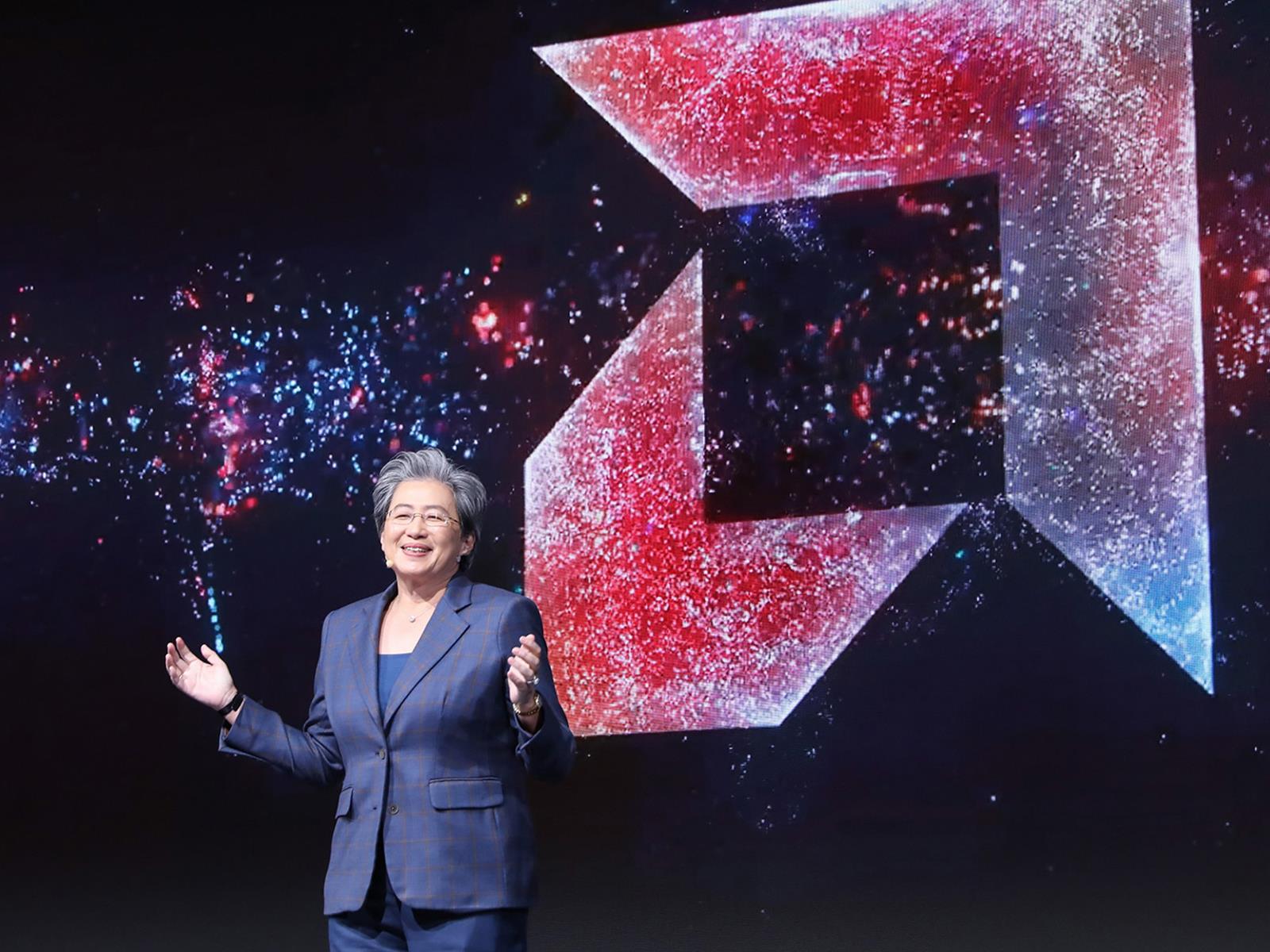
AMD released their financial report this week and they blew the doors off with a surprise bump from China (though they would have still surprised even without that bump). However, the Q4 2025 earnings calls for AMD and Intel felt like reports from two different centuries. AMD, led by Dr. Lisa Su, reported record revenue of $10.27 billion for the quarter, driven by a massive 39% year-over-year surge in data center revenue. Their MI300 and the newer Instinct MI325X accelerators aren’t just “alternatives” to NVIDIA anymore; they are becoming staples for hyperscalers who are tired of being beholden to a single supplier.

Conversely, Intel’s Q4 2025 was a exercise in “managed disappointment.” Revenue slid to $13.7 billion, down 4% year-over-year, and the company posted a net loss of nearly $600 million. While Intel’s Data Center and AI (DCAI) group saw a modest 9% bump, the company is bleeding cash to fund its foundry ambitions. The departure of Pat Gelsinger earlier in 2025 and the subsequent focus under Lip-Bu Tan has stabilized the ship, but Intel is currently a company undergoing open-heart surgery while trying to run a marathon.

The Elephant in the Room: NVIDIA’s 2026 Dominance

Comparing AMD and Intel to NVIDIA at this point feels less like a market analysis and more like comparing local weather patterns to a supernova. NVIDIA’s Q4 2026 results (ending January 2026 and reporting on February 25th, 2026) are expected to hit a jaw-dropping $65 billion for the single quarter. To put that in perspective, NVIDIA is now generating more revenue in three months than Intel earns in an entire year.

The driver here is the Blackwell architecture and the rapid ramp-up of Vera Rubin systems. While AMD is fighting for a 10-15% slice of the AI accelerator pie, NVIDIA has effectively become the “OS” of the AI world through CUDA. They aren’t just selling chips; they are selling entire AI factories.

The Trade War Wildcard and Geopolitical Turmoil

As we move into 2026, the “Silicon Shield” is under pressure. The recent executive orders imposing 25% tariffs on advanced chips (like NVIDIA’s H200 and AMD’s MI325X) have sent shockwaves through the supply chain.

  • AMD is nimble, but heavily reliant on TSMC. Any escalation in the Taiwan Strait or further trade restrictions on China (which still accounts for a significant portion of their “embedded” and “gaming” revenue) could cap their upside. It is interesting to note that even without the surprise revenue and profit gain from China sales, AMD would have still beat the street with this revenue report. 
  • Intel, ironically, might be the best positioned for “National Security” play. With their 18A process node finally reaching high-volume manufacturing in Arizona, they are the only player that can offer a “Made in America” cutting-edge silicon solution. If the trade war turns into a full-scale blockade of Asian-made chips, Intel becomes the only game in town.
  • NVIDIA has the most to lose in raw dollars but the most “moat” to protect them. They’ve already started paying “volition” fees to the U.S. government (AMD is negotiating with the US Government for the same fees) to keep shipping to China, essentially treating tariffs as a cost of doing business.

Projecting the 2026 Competitive Landscape

Looking forward, I expect AMD to continue eating Intel’s lunch in the server CPU space. Their EPYC processors are simply more efficient, and with Intel’s 18A yields still hovering in the 55-65% range, AMD has at least another year of clear runway.

Intel’s survival depends entirely on external customers like Microsoft and Amazon actually using their foundry. If Intel can get their yields above 70% by mid-2026, they might actually survive as a split company—Fab and Fabless. If not, we might be looking at the eventual breakup of the greatest silicon icon in American history.

NVIDIA will continue to grow, but the “Law of Large Numbers” will eventually catch up. You cannot grow at 60% YoY forever when you are already a $4 trillion company. The risk for NVIDIA isn’t competition from AMD; it’s the risk that the AI ROI (Return on Investment) doesn’t materialize for their customers fast enough to justify the next $100 billion in GPU orders and companies like Microsoft have complained they can’t deploy the part (Blackwell) because it is too power intensive. 

Wrapping Up

The semiconductor market in 2026 is no longer about who has the fastest clock speed; it’s about who has the most resilient supply chain and the best AI software stack. AMD is the execution king, Intel is the geopolitical phoenix (trying to rise from the ashes), and NVIDIA is the sun around which everything else orbits.

The coming year will be defined by how these giants navigate the “Trump Tariffs” and whether the AI revolution stays in the data center or successfully migrates to the “AI PC” and robotics—areas where Intel and AMD still have a fighting chance to reclaim ground.

So yeah, I vibe-coded a log colorizer—and I feel good about it

I can’t code.

I know, I know—these days, that sounds like an excuse. Anyone can code, right?! Grab some tutorials, maybe an O’Reilly book, download an example project, and jump in. It’s just a matter of learning how to break your project into small steps that you can make the computer do, then memorizing a bit of syntax. Nothing about that is hard!

Perhaps you can sense my sarcasm (and sympathize with my lack of time to learn one more technical skill).

Read full article

Comments