Vermont EV Buses Prove Unreliable For Transportation This Winter

An anonymous reader writes: Electric buses are proving unreliable this winter for Vermont’s Green Mountain Transit, as it needs to be over 41 degrees for the buses to charge, but due to a battery recall the buses are a fire hazard and can’t be charged in a garage.

Spokesman for energy workers advocacy group Power the Future Larry Behrens told the Center Square: “Taxpayers were sold an $8 million ‘solution’ that can’t operate in cold weather when the home for these buses is in New England.”

“We’re beyond the point where this looks like incompetence and starts to smell like fraud,” Behrens said.

“When government rushes money out the door to satisfy green mandates, basic questions about performance, safety, and value for taxpayers are always pushed aside,” Behrens said. “Americans deserve to know who approved this purchase and why the red flags were ignored.”

General manager at Green Mountain Transit (GMT) Clayton Clark told The Center Square that “the federal government provides public transit agencies with new buses through a competitive grant application process, and success is not a given.”


Read more of this story at Slashdot.

Nevada sues Kalshi for operating a sports gambling market without a license

Nevada is taking action against the rapidly growing Wild West of prediction markets. The state’s gambling regulators and attorney general sued Kalshi on Tuesday. They accuse the company of bypassing Nevada law by operating a sports gambling market without proper licenses. In addition, they say Kalshi provides services to individuals under 21, which violates state law.

The lawsuit follows a federal appeals court’s rejection of Kalshi’s request to prevent the state from pursuing legal action. And it comes a day after the Trump administration claimed that only the federal government has the right to enforce the industry.

Prediction markets, which allow users to bet on events such as sports, political outcomes and wars, have exploded in popularity. Business Insider reports that Kalshi did 27 times as much business during this year’s Super Bowl as last year’s. Some of that growth has been at the expense of regulated gambling; Nevada’s gambling operations did less business during this year’s game.

“Kalshi has continued to dramatically expand its business, rather than attempting to maintain any kind of status quo,” Nevada regulators wrote in a letter this month.

Kalshi and rival Polymarket insist that their businesses are “event contracts” and should be regulated as financial investments rather than gambling. The Trump administration, rife with conflicts of interest in this area, agrees. The Chair of the Commodity Futures Trading Commission (CFTC) filed an amicus brief on Tuesday, claiming that it alone has the authority to enforce the prediction market.

“The CFTC will no longer sit idly by while overzealous state governments undermine the agency’s exclusive jurisdiction over these markets by seeking to establish statewide prohibitions on these exciting products,” CFTC Chair Michael Selig wrote in a Wall Street Journal op-ed.

Donald Trump Jr. speaks on stage during Turning Point's annual AmericaFest conference in Phoenix, Arizona on December 21, 2025. This year's conference commemorates the late right-wing activist Charlie Kirk, who was fatally shot on a Utah college campus in September, sparking an outpouring of grief among conservatives and prompting President Donald Trump to threaten a crackdown on the "radical left." (Photo by Olivier Touron / AFP via Getty Images)
Donald Trump Jr. (Photo by Olivier Touron / AFP via Getty Images)
OLIVIER TOURON via Getty Images

Not coincidentally, prediction markets are a growing part of the Trump family business. Donald Trump Jr. is a paid adviser to Kalshi. He’s also an investor in and unpaid adviser to Polymarket. In January, his family’s social media business said it would launch its own prediction market platform.

Prediction markets have the potential to be a hotbed of insider trading. According to blockchain analyst DeFi Oasis, fewer than 0.04 percent of Polymarket accounts have captured over 70 percent of the platform’s total profits, totaling over $3.7 billion.

Last month, The Guardian highlighted the case of a Polymarket user who bet tens of thousands of dollars on “yes” to the question, “Israel’s military action against Iran by Friday?” Within 24 hours, Israel bombed Iran, leaving hundreds dead. The user made $128,000 on that bet. The Guardian traced the blockchain data to a wallet associated with an X account. Its location on the social platform was set to Beit Ha’shita, a northern Israeli settlement. The user later transferred their bets to two other accounts, apparently to avoid detection. In January, the accounts held 10 live bets on Israeli military strategy.

Another anonymous user made over $400,000 by betting that Nicolás Maduro would be ousted by the end of January. The bets were placed in the hours and days leading up to the US strikes on Venezuela. In another case, eight jointly owned accounts collectively generated over $161,000 by betting on the country’s María Corina Machado Parisca winning the Nobel Peace Prize. The accounts’ handles used names such as “fmaduro,” “madurowilllose,” “striketheboats” and “trumpdeservesit”.

This article originally appeared on Engadget at https://www.engadget.com/big-tech/nevada-sues-kalshi-for-operating-a-sports-gambling-market-without-a-license-175721982.html?src=rss

Here’s what to expect at Apple’s product launch event on March 4

Apple has scheduled a product launch event, dubbed an “Apple Experience”, for March 4 at 9AM ET. The company is reportedly holding this event in NYC, London and Shanghai.

Everyone loves shiny new products, so what can we expect to see at Apple’s first launch event of 2026? We don’t know anything for certain, but we have plenty of educated guesses that have been sourced from industry reports and speculation from analysts.

Budget-Friendly MacBook

There have been rumors swirling that Apple is preparing to launch a cheaper alternative to the MacBook Air. Bloomberg reported on this all the way back in November. Industry rumors indicate that Apple will be stuffing this laptop with an iPhone processor, the A18 Pro, to keep the price down.

Worth pointing out the three colors from the invite are light green, blue and yellow — which just so happen to be the colors Apple has tested the low-cost MacBook with, as I wrote yesterday. Coincidence? We shall see. https://t.co/1FFVkfw9JZ pic.twitter.com/ssKDDzdJsw

— Mark Gurman (@markgurman) February 16, 2026

It’s also been suggested that this laptop will only include 8GB of RAM, which kind of flies against the company’s recent stance to outfit all Macs with at least 16GB of RAM. However, that would certainly help with the cost. You might have heard about a little thing called AI that chomp chomps on all RAM it can find.

TechRadar has reported that this could be Apple’s biggest laptop launch in years, with potential initial shipments hitting 8 million units. The price is likely to be somewhere in the $699 to $799 range, which is pretty nifty. However, I’d still go for an Air at $999. They are absolute workhorses.

MacBook Pro with M5 Pro and Max chips

It’s likely that Apple will release more powerful MacBook Pro models this year and the timing seems to match up. Bloomberg’s Mark Gurman has suggested a March launch and the event is on March 4.

The company has already released a MacBook Pro with an M5 chip, but both the M5 Pro and Max are likely on the horizon. We could be getting new laptops outfitted with these chips in various display sizes.

A laptop on a table.
Devindra Hardawar for Engadget

There have also been reports that both of the higher-end M5 chips are getting a redesign to help improve heat dissipation and reduce defective chip rates. Additionally, the new chiplet design would allow the M5 Pro and Max to raise the total number of CPU and GPU cores. The Max is expected to have more cores than the Pro.

This idea is helped along by the fact that MacBook Pro M4 Max orders are currently delayed. This is typically the case with an outgoing model as stock dries up to make room for new releases. Also, the Pro and Max variants typically get announced in the Fall, so we are due. 

New iPads

Rumors have been circulating that we are about to get new iPads, including an update to the base model and the Air. The standard model, which would be the 12th-gen release, is expected to upgrade the A16 chip to an A18. This should also allow for the integration of Apple Intelligence tools, if that’s your bag.

An iPad.
Nathan Ingraham for Engadget

As for that iPad Air, rumors suggest an upgrade to the M4 chip from the M3. An extremely light tablet with an M4 would be fairly notable in my estimation, as only the newest iPad Pro has that chip.

iPhone 17e

It was almost exactly a year ago that Apple announced the iPhone 16e, so you know what that means. It’s time for a refresh. Recent reports have suggested that an announcement regarding the iPhone 17e is imminent, so this launch event seems like as good a place as any to reveal the latest “budget-friendly” smartphone.

As for specs, Mark Gurman has suggested that it’ll be getting an upgrade to the A19 chip, which is nice. Also, it could be getting MagSafe support. That sounds like an iterative upgrade, but the price is expected to remain steady at $599.

Other Possibilities

The following stuff is less likely, though certainly possible. There have been rumors that Apple is currently preparing a revamped Studio Display and Mac Studio desktop. The reports suggest a release sometime in the first half of the year, and March is right in the middle of that timeframe.

It’s also possible that the company will reveal an upgrade to the MacBook Air with the M5 chip. Reports indicate that this is unlikely to happen during this event, but it is worth noting that the M4 Air came out in March of last year. In other words, it’s a toss up.

The inclusion of Shanghai essentially rules out Siri, as expected, given the delays. https://t.co/mgNLR4qCYy

— Mark Gurman (@markgurman) February 16, 2026

What’s not a toss up? You shouldn’t expect anything regarding the long-anticipated Siri refresh. This looks to be a hardware event, so any software updates will likely have to wait until WWDC this summer. In any event, Engadget will be on hand to report on all of Apple’s new products. 

This article originally appeared on Engadget at https://www.engadget.com/computing/heres-what-to-expect-at-apples-product-launch-event-on-march-4-173612772.html?src=rss

Microsoft Says Bug Causes Copilot To Summarize Confidential Emails

Microsoft says a Microsoft 365 Copilot bug has been causing the AI assistant to summarize confidential emails since late January, bypassing data loss prevention (DLP) policies that organizations rely on to protect sensitive information. From a report: According to a service alert seen by BleepingComputer, this bug (tracked under CW1226324 and first detected on January 21) affects the Copilot “work tab” chat feature, which incorrectly reads and summarizes emails stored in users’ Sent Items and Drafts folders, including messages that carry confidentiality labels explicitly designed to restrict access by automated tools.

Copilot Chat (short for Microsoft 365 Copilot Chat) is the company’s AI-powered, content-aware chat that lets users interact with AI agents. Microsoft began rolling out Copilot Chat to Word, Excel, PowerPoint, Outlook, and OneNote for paying Microsoft 365 business customers in September 2025.


Read more of this story at Slashdot.

Windows 11’s New Preview Build Drops AI Focus For Practical Improvements

Windows 11's New Preview Build Drops AI Focus For Practical Improvements
Windows 11’s latest Release Preview drop, with builds numbered 26100.7918 and 26200.7918, hits with a noticeably different vibe than some of Microsoft’s recent Windows releases. Instead of another dubious Copilot expansion, or an AI-powered reinvention of something that already worked fine, this one leans into practical improvements, system

FDA does U-turn, will review Moderna’s mRNA flu shot after shocking rejection

The Food and Drug Administration has reversed its shocking refusal to consider Moderna’s mRNA flu vaccine for approval.

The refusal was revealed last week in a sharply worded press release from Moderna. Subsequent reporting found that the decision was made by political appointee Vinay Prasad, the Trump administration’s top vaccine regulator, who overruled a team of agency scientists and a top career official in rejecting Moderna’s application.

In an announcement Wednesday morning, Moderna said the FDA has now agreed to review its vaccine after the company held a formal (Type A) meeting with the FDA and proposed a change to the regulatory pathways used in the application.

Read full article

Comments

Leaked Email Suggests Ring Plans To Expand ‘Search Party’ Surveillance Beyond Dogs

Ring’s AI-powered “Search Party” feature, which links neighborhood cameras into a networked surveillance system to find lost dogs, was never intended to stop at pets, according to an internal email from founder Jamie Siminoff obtained by 404 Media.

Siminoff told employees in early October, shortly after the feature launched, that Search Party was introduced “first for finding dogs” and that the technology would eventually help “zero out crime in neighborhoods.” The on-by-default feature faced intense backlash after Ring promoted it during a Super Bowl ad. Ring has since also rolled out “Familiar Faces,” a facial recognition tool that identifies friends and family on a user’s camera, and “Fire Watch,” an AI-based fire alert system.

A Ring spokesperson told the publication Search Party does not process human biometrics or track people.


Read more of this story at Slashdot.

Spotify debuts SeatGeek integration for concert ticket sales

Ticketing marketplace SeatGeek has announced a partnership with Spotify that will direct an artist’s fans to its platform from the Spotify app. The integration is currently limited to a few participating venues for which SeatGeek is the primary ticket seller.

While SeatGeek is one of the largest online marketplaces for the secondary ticketing market, the company’s announcement makes clear that this Spotify integration only applies to venues where it’s the primary ticketing company. For now, that’s just 15 US partner venues, primarily professional sports arenas like AT&T Stadium in Arlington, Texas.

Spotify has experimented with direct ticket sales in the past, but now focuses on signing on partners to integrate into the streaming experience. The company currently lists 46 ticketing partners, including Ticketmaster, AXS and others. The app also allows users to follow specific venues to be notified about upcoming concerts and events.

The world’s largest music streaming service has added a glut of new features recently. One helps listeners learn more about a song, while another new addition finally added group messaging. The platform, which now boasts some 750 million monthly users, has also been trying to address AI slop in its library, although not very hard by the looks of it.

This article originally appeared on Engadget at https://www.engadget.com/entertainment/streaming/spotify-debuts-seatgeek-integration-for-concert-ticket-sales-162248870.html?src=rss

Record scratch—Google’s Lyria 3 AI music model is coming to Gemini today

The American poet Henry Wadsworth Longfellow called music “the universal language of mankind.” Is that still true when the so-called music is being generated by a probabilistic robot instead of a human? We’re about to find out. Google has announced its latest Lyria 3 AI model is being deployed in the Gemini app, vastly expanding access to AI music generation.

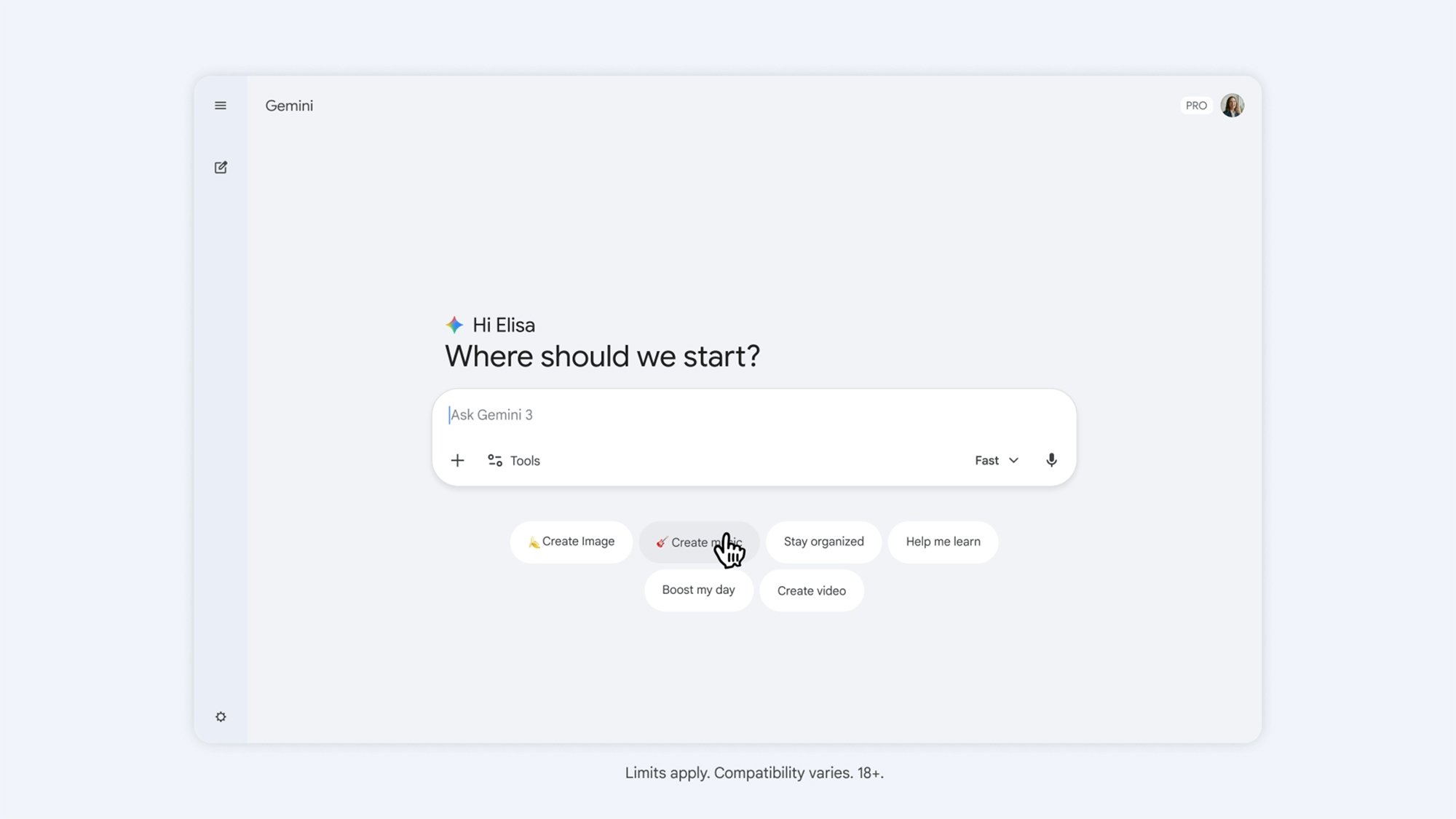
Google DeepMind has been tinkering with Lyria for a while now, offering limited access in developer-oriented products like Vertex AI. Lyria 3 is more capable than previous versions, and it’s also quicker to use. Just select the new “Create music” option in the Gemini app or web UI to get started. You can describe what you want and even upload an image to help the robot get the right vibe. And in a few seconds, you get music (or something like it).

In case there was any uncertainty about whether Lyria tracks still counted as a human artistic endeavor, worry not! Unlike past versions of the model, you don’t even have to provide lyrics in your prompt. You can be vague with your request, and the model will create suitable lyrics for the 30-second song. Although with that limit, “jingle” might be more accurate.

Read full article

Comments

Pixel 10a Preorders Open At $499 As Google Takes On Apple’s iPhone 17e

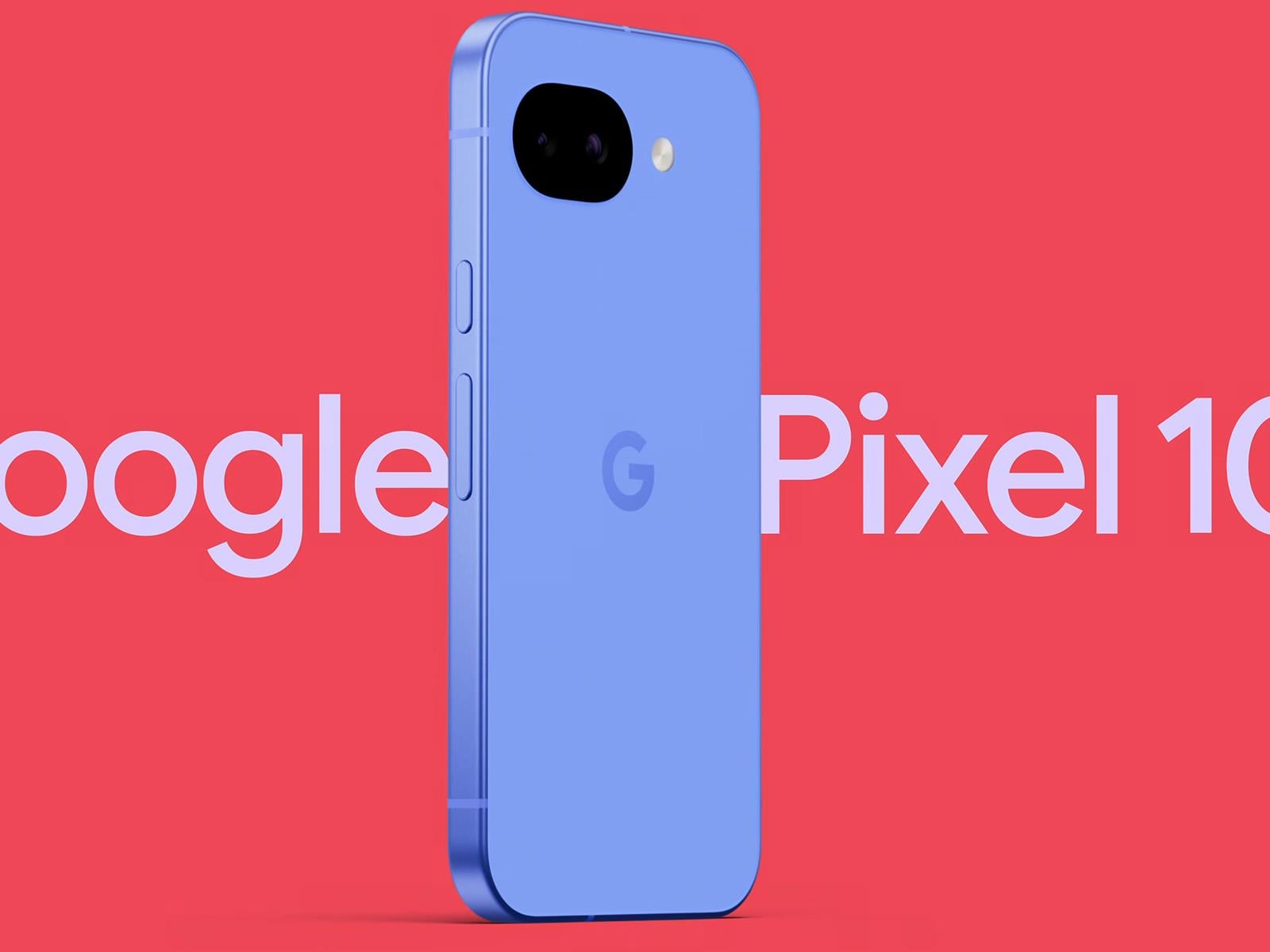
Pixel 10a Preorders Open At $499 As Google Takes On Apple’s iPhone 17e
Official pricing is set for Google’s new Pixel 10a smartphone, a midrange handset that will go up against Apple’s upcoming iPhone 17e that is expected to be unveiled during an Apple Experience event on March 4. Google gets the jump on its rival by a solid two weeks, and to entice buyers who may be on the fence, it’s dangling a few promotional

WordPress Gets AI Assistant That Can Edit Text, Generate Images and Tweak Your Site

WordPress has started rolling out an AI assistant built into its site editor and media library that can edit and translate text, generate and edit images through Google’s Nano Banana model, and make structural changes to sites like creating new pages or swapping fonts.

Users can also invoke the assistant by tagging “@ai” in block notes, a commenting feature added to the site editor in December’s WordPress 6.9 update. The tool is opt-in — users need to toggle on “AI tools” in their site settings — though sites originally created using WordPress’s AI website builder, launched last year, will have it enabled by default.


Read more of this story at Slashdot.

Gemini Now Lets You Generate AI Music for Free

Google Gemini can help you write text, generate images and video, and write code. Now, the AI bot can generate music too, taking on the likes of Suno when it comes to producing tunes from a simple text prompt. The update is courtesy of the new Lyria 3 audio generation model, which is built into Gemini as of today. Developed by Google DeepMind, Lyria has been accessible in other Google products (such as Vertex AI and YouTube Shorts) to a select number of users, but this is the first time Google is making the model widely available to anyone who wants to try it.

Lyria 3 in Gemini
There’s a new Create music button in Gemini.
Credit: Google

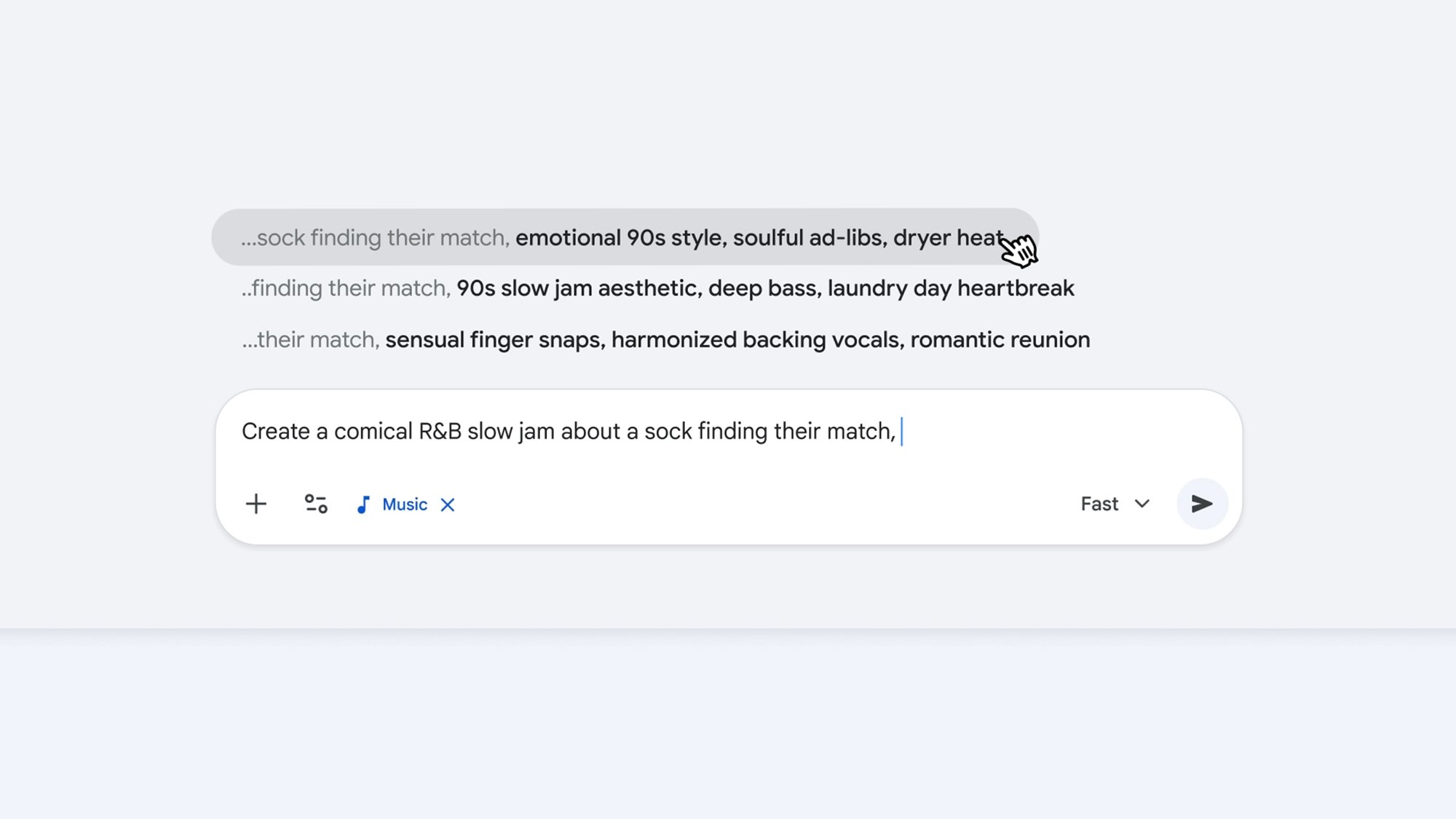
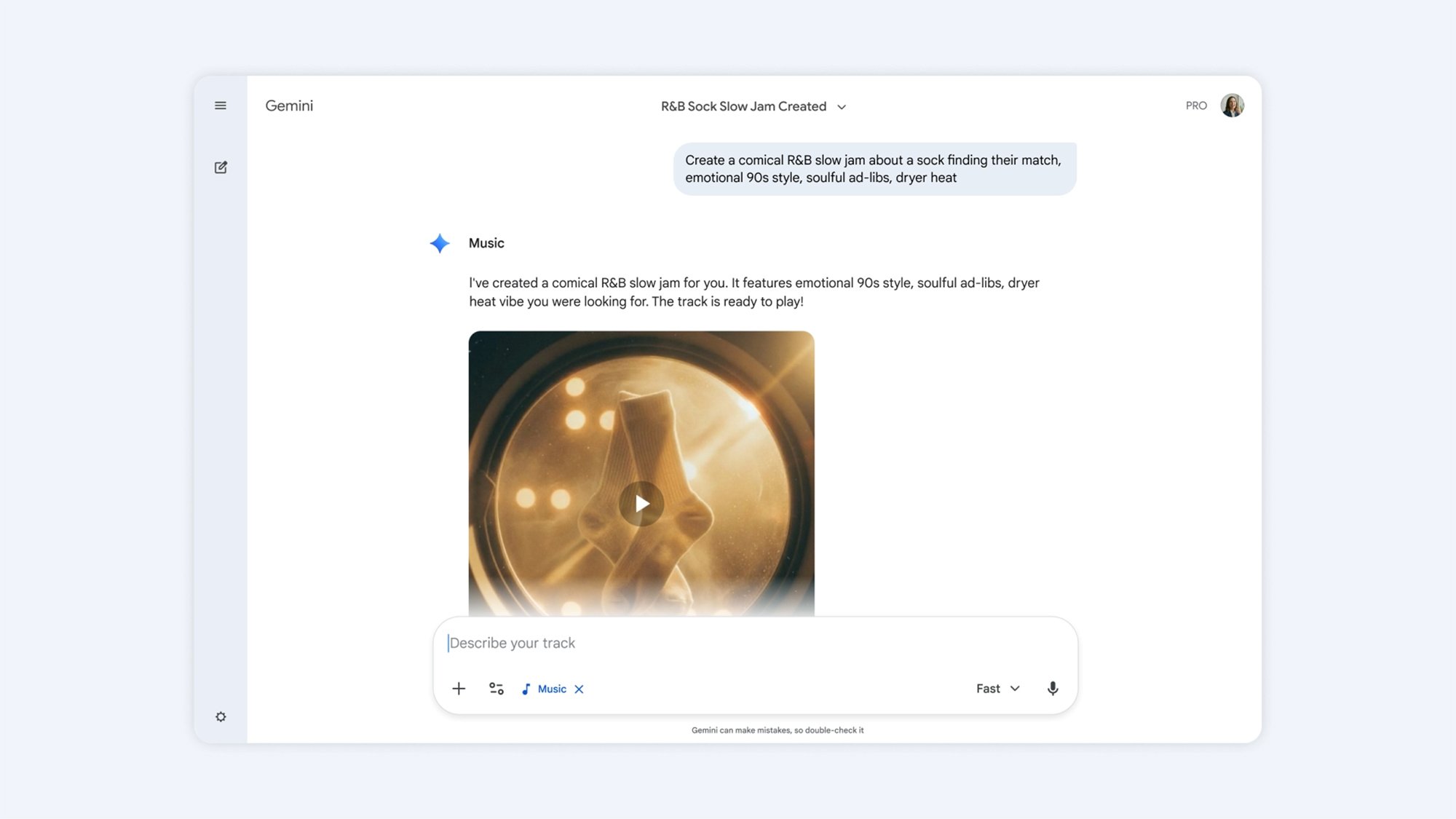
Lyria works the same way as creating images or video: just describe what you want, and the AI does the rest. You might want to hear “a comical R&B slow jam about a sock finding their match” (as per Google’s own example), or perhaps “a sea shanty about the dangers of AI slop”—it’s up to you.

When you click the “Create music” button inside the Gemini app, you also have the option to pick an existing track to remix, rather than starting from scratch—If you’re perhaps stuck for inspiration. These presets cover everything from folk ballads to Latin pop, so you can see the kind of musical scope covered. You can also supply Lyria 3 inside Gemini with an image or video, and get it to compose something that matches the mood of the content you’ve supplied, including both music and lyrics. The example Google gives is supplying Gemini with a few photos of your dog, and then having it come up with a tune about the pooch and their adventures.

Lyria 3 in Gemini
You can get some help with your prompting if you need it.
Credit: Google

The tracks are limited to 30 seconds each at the moment, and while music making is available to all Gemini users, if you’re paying for the Plus, Pro, or Ultra subscriptions, you’ll get higher usage limits (though it isn’t specified what these are). As per the official announcement blog post, the aim “isn’t to create a musical masterpiece, but rather to give you a fun, unique way to express yourself.” You’re not going to be able to set up your own AI-generated band on Spotify with this, but you can churn out a few entertaining tracks for your own (or someone else’s) amusement.

I haven’t been able to try out the feature as of yet, but I have heard a few samples that Google supplied. They come across as rather generic and ordinary, exactly as you might expect something to sound that’s the averaging out of vast amounts of audio training data—like song genres distilled into their most common ingredients and repackaged.

Lyria 3 in Gemini
You also get cover art with your artificial tunes.
Credit: Google

Google says all created tracks will contain invisible watermarks powered by SynthID, flagging them as AI creations, and you can upload audio tracks to Gemini and run a SynthID check on them. The updated Lyria 3 model is also coming to the Dream Track music maker for YouTube Shorts creators. Lyria 3 is now rolling out inside Gemini, and is available to users aged 18 and above in English, German, Spanish, French, Hindi, Japanese, Korean, and Portuguese. It’s available first on the web app, and will show up on the mobile app over the next few days. Expansions in “quality and coverage” are planned in the future, Google says.

The Rise of Longevity Fitness

You don’t have to want to live forever (a la the millionaire-immortality-influencer Bryan Johnson) to want to live longer. I’ve seen a larger shift in the fitness industry lately, where a focus on “longevity” has replaced where you might have once seen the words “beach body.” All around us, the language has shifted from “get shredded” to “increase healthspan,” from “tone up” to “build bone density.” In this new era, the goal isn’t just looking good at the beach, but making sure you can still walk on that beach when you’re ninety. 

On its face, this is a welcome change. I’ll always advocate for metrics of success that are less about how you look in a mirror, and more about how well your body functions across decades. At the same time, I’m skeptical of the ways “metabolic flexibility,” “muscle mass preservation,” and “inflammation control” are replacing “beach body” in the wellness lexicon. Is this truly progress in how we think about health? 

Again: A fundamental reimagining of why we exercise is not altogether bad. I’m just not convinced that’s what’s happening here. Is this obsession with longevity actually in good faith? Or are we being sold the same old products and insecurities, now wrapped in shiny new scientifically sounding packaging?

What is the science behind longevity fitness?

Beneath the fresh terminology, much of the longevity fitness advice in my algorithm is pretty familiar. Lift weights, do cardio, eat whole foods, get enough sleep, and manage stress? These are all the same recommendations that have anchored public health guidance for decades.

Going a little deeper, studies do consistently show that muscle mass is one of the strongest predictors of longevity and independence in older age. Cardiovascular fitness is so strongly correlated with lifespan that some researchers have called it the single best predictor of mortality. 

“Instead of optimizing for short-term aesthetics or peak performance, longevity-focused movement optimizes for metabolic health, hormonal stability, and functional strength over time,” says Dr. Katheleen Jordan, chief medical officer at Midi Health, a virtual care clinic focused on women in midlife. “Resistance training preserves muscle mass and bone density, which are critical predictors of fall risk and independence as we age. Muscle mass itself and cardiovascular fitness improves our metabolism and insulin sensitivity.” This matters especially for women, who face specific challenges as they age. Women lose muscle mass faster than men after menopause and are at higher risk for osteoporosis. Plus, the cultural pressure to stay small has historically steered women away from the heavy lifting that could protect their bone density. 

“Fitness used to often be defined by one number on a scale, so it’s exciting to see that we have gone beyond that with a greater understanding that many things define fitness,” Jordan says. In this way, the longevity fitness framework pushes a truly helpful counter-narrative to diet culture, one where strength is more than just aesthetics.

How longevity fitness can be used to rebrand products you don’t need

So, on one hand, a focus on longevity does feel like progress: valuing strength over skinniness and thinking in decades rather than weeks. On the other hand, it’s yet another set of standards to meet, and another source of anxiety about whether you’re doing enough.

“A lot of what’s being marketed as new longevity or biohacking is actually reinforcing long trusted ideas around fitness, but with new language,” Jordan says. This isn’t necessarily nefarious—reframing exercise around long-term health rather than short-term aesthetics is genuinely valuable. But it does raise questions about who benefits from this linguistic shift. Often, it’s the same wellness industrial complex that previously profited from body insecurity, now profiting from aging anxiety. 

In this way, the fitness industry has found a way to rebrand the same old products—like supplements or wearables—along with hawking some new ones, like direct-to-consumer “biological age” tests. But even a seemingly legit “biological age” test won’t really give you any actionable insights into living longer. That company will, however, try to sell you a supplement that you certainly don’t need.

“As with any industry, there are some bad actors and we should be mindful of interventions that promise outsized results,” Jordan says. “Healthspan cannot be hacked quickly or swallowed in one pill.” The interventions proven to have some impact on healthspan—exercise, nutrition, sleep, stress management, not smoking—are decidedly unglamorous.

Myths about longevity fitness

It’s no surprise that the longevity fitness space is rife with oversimplifications and outright myths. Here are some I kept coming across in my research that warrant skepticism:

  • The idea that you can “biohack” your way to dramatic life extension. Despite the promises of longevity influencers, there’s no evidence that any supplement, cold plunge protocol, or red light therapy device will add decades to your life. 

  • That more data equals better health. Obsessively tracking every health metric can become counterproductive, leading to stress that ironically undermines the benefits of all the healthy behaviors you’re tracking. 

  • That longevity fitness can compensate for structural inequality. Your zip code is a better predictor of your lifespan than your VO2 max. Access to healthcare, safe places to exercise, fresh food, and economic security matter enormously. Individual optimization can’t overcome systemic disadvantage.

The pros and cons of the longevity fitness movement

So where does this leave us? The longevity fitness movement contains both genuine progress and, predictably, a lot of repackaged hype. The emphasis on strength, cardiovascular fitness, and metabolic health rests on solid science. And the shift from pure aesthetics to actual health-focused goals is meaningful, particularly for women escaping a lifetime of diet culture. 

But this shift isn’t perfect. In many ways, “healthspan” allows us to talk about the same old snake oil supplements and unattainable beauty standards, just with fancier language. It’s yet another arena for optimization, full of expensive and often unnecessary interventions. 

I recommend a middle ground. Embrace the core insights of longevity fitness—that exercise is about building a resilient, capable body for the long haul—while rejecting the anxiety and consumerism that often accompany it. Because in the end, what’s the point of extending your healthspan if you spend all those extra healthy years anxiously monitoring whether you’re doing it right?

Lab-Grown Meat Exists (But Nobody Wants To Eat It)

An anonymous reader shares a report: In 2013, scientists unveiled the first lab-grown burger at a cost of $330,000. By 2023, the FDA approved cultivated chicken for sale. The price had dropped to around $10-$30 per pound, and over $3 billion in investor money had poured into more than 175 companies developing meat grown from animal cells instead of slaughtered animals.

The promise is straightforward: real meat, no slaughter required. You could eat beef without killing cattle, chicken without industrial farming, steak without ethical compromise. The technology works. Federal regulators approved it as safe. And nearly a third of US states have banned it or are trying to. Not because it’s dangerous — because it threatens something deeper than food safety.

Start with a small sample of animal cells — a biopsy, not a slaughter. Place them in a bioreactor with nutrients. The cells multiply, forming muscle tissue identical to conventional meat at the cellular level. Nutritionally comparable, same protein content, but grown without raising and killing an animal.

The process uses 64-90% less land than conventional meat production and drastically reduces greenhouse gas emissions. No factory farms, no slaughterhouses, no ethical compromise for people who love meat but hate industrial animal agriculture. For vegetarians who gave up meat for ethical reasons, it offers something impossible before: guilt-free steak.

[…] Here’s where the dream hits reality. Consumer surveys show people perceive conventional meat as tastier and healthier than lab-grown alternatives. Fewer consumers are willing to try cultivated options than expected. The words “lab-grown” and “cultivated” don’t exactly make mouths water.

Something about meat grown in a bioreactor triggers deep discomfort for many people, even those who claim to care about animal welfare and environmental impact. It’s the same psychological barrier that made “Frankenfood” stick as a label for GMOs. Meat is supposed to come from animals, raised on farms, connected to land and tradition. Growing it in a facility feels wrong to people in ways they struggle to articulate.


Read more of this story at Slashdot.

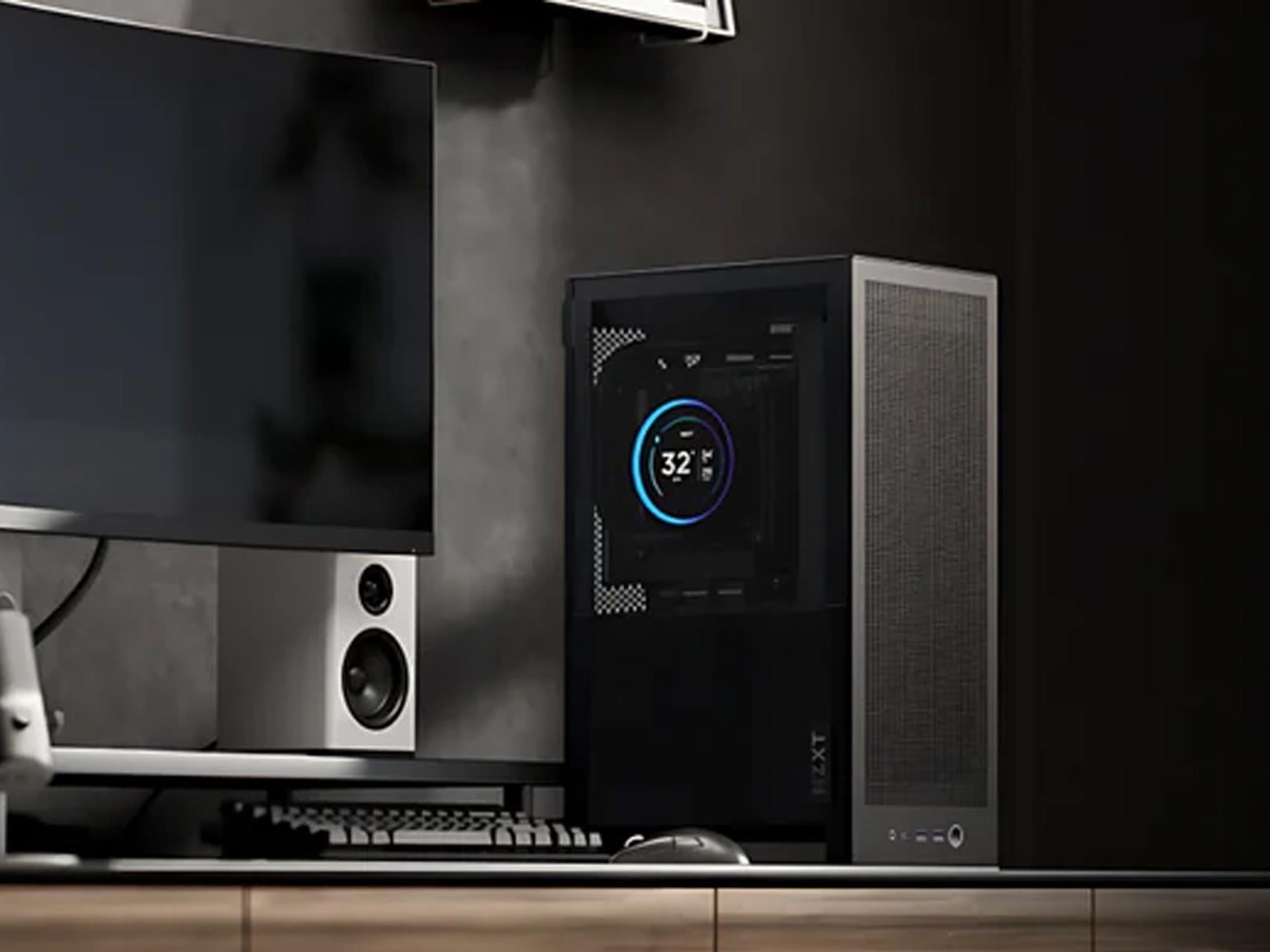
NZXT’s $3499 H2 Mini PC Packs Ryzen 7 9800X3D Or Core Ultra 9 285K And RTX 5080

NZXT's $3499 H2 Mini PC Packs Ryzen 7 9800X3D Or Core Ultra 9 285K And RTX 5080
NZXT has launched a compact prebuilt gaming PC that it’s calling the H2 Mini PC, and you have a choice between an AMD or Intel foundation with both setups carrying the same price tag. Despite it’s name, the system falls more into the small form factor (SFF) category than a traditional mini PC though it’s certainly a smaller setup measuring

Google’s Pixel 10a Isn’t Much of an Upgrade From the Pixel 9a

We may earn a commission from links on this page.

Early every year, Google releases a budget-oriented a-series phone that acts like a stripped down version of its latest mainline Pixel phone. The Pixel 9a, for instance, had the same chip as the Pixel 9, reduced memory and camera specs, and most importantly, a slimmed down design that finally ditched the obtrusive camera bar. The Pixel 10a, announced today, is a bit of an outlier. Instead of upgrading to the same chip as the Pixel 10, it also has the same chip as the Pixel 9, with only slight improvements to everything else that was already in the Pixel 9a. So, is it worth an upgrade?

The Pixel 10a’s specs

The Pixel 10a’s specs are, on paper, nearly identical to the Pixel 9a’s. Both phones have a Tensor G4 processor, 8GB of RAM, and up to 256GB of storage. They also have the same camera system, with a 48MP main lens, a 13MP ultrawide lens, and a 13MP selfie camera. Battery life also sits at the same promised 30+ hours, with a typical 5,100 mAh capacity. The only real difference on paper is that the 6.3-inch screen is a little brighter, with up to 3,000 nits of peak brightness instead of 2,700. The bezels are also supposed to look about 10% thinner, although I needed to be told that to spot it during a hands-on session with the Pixel 10a.

Even the Pixel 10’s MagSafe-like Pixelsnap feature is gone, meaning you won’t be able to use this phone with any magnetic accessories, at least without adhesive magnets or special third-party cases.

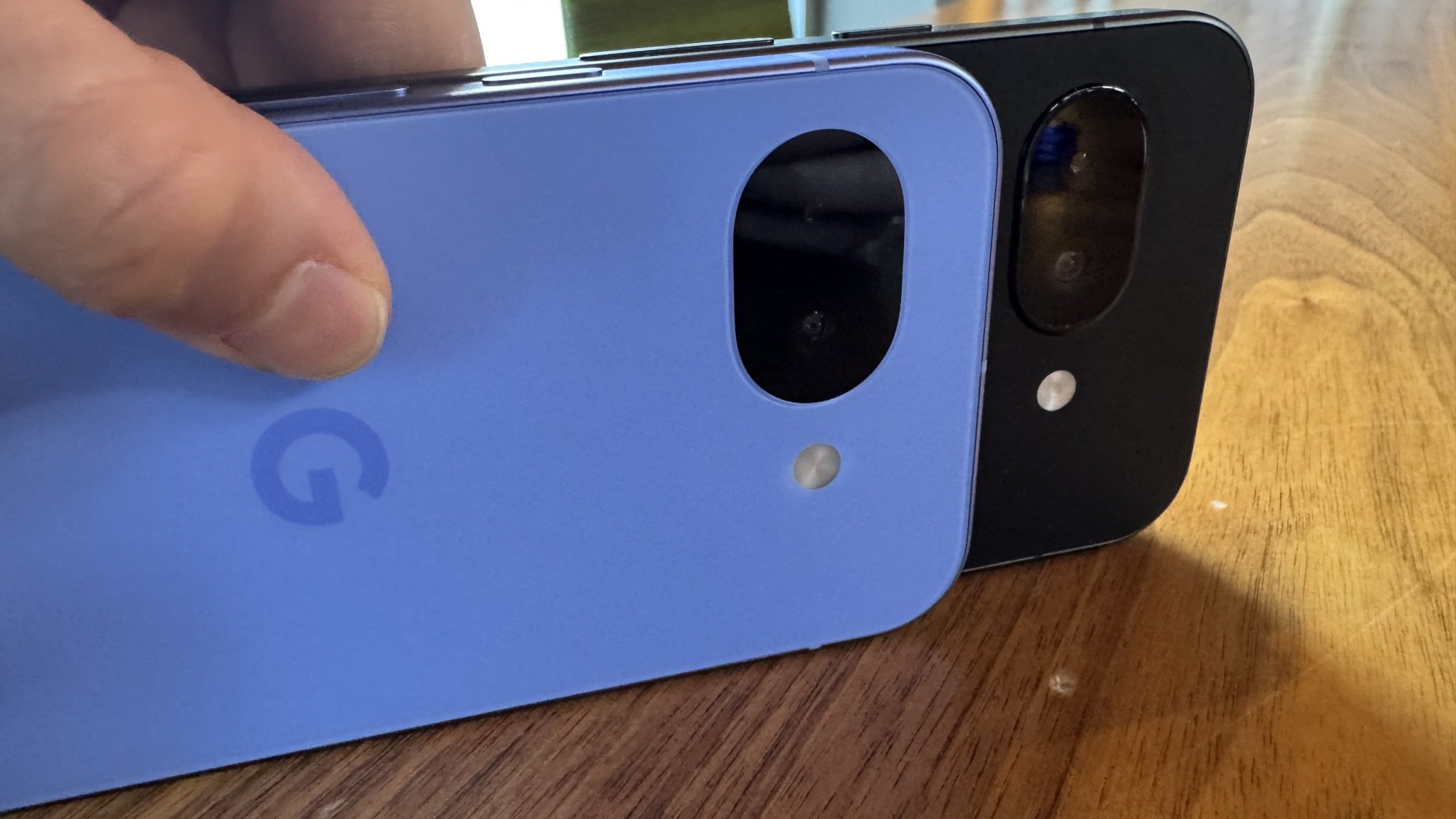
Google Pixel 10a (left) vs. Google Pixel 9a (right)
Credit: Michelle Ehrhardt

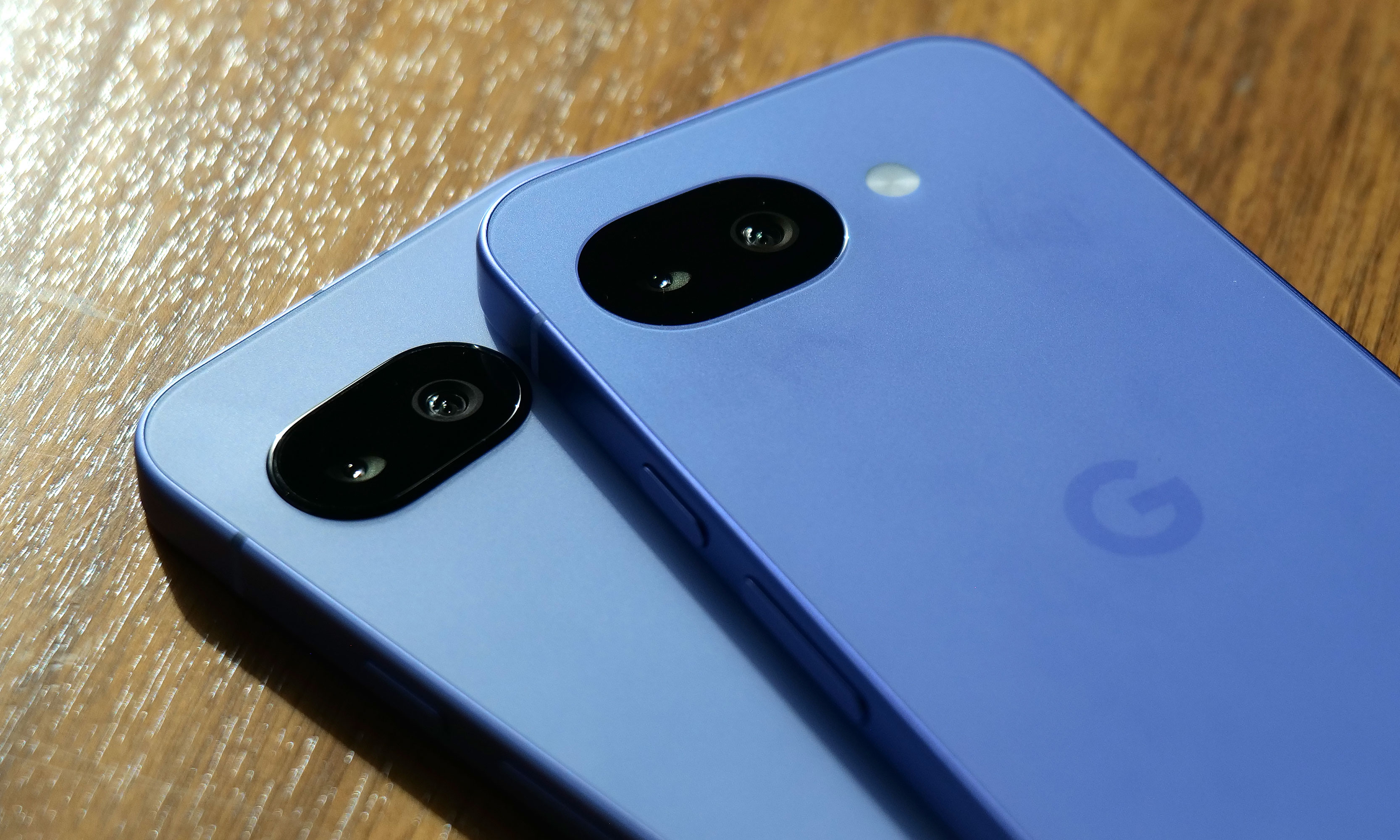
That said, there are a few changes to the hardware, notably to the look of the phone. Like the Pixel 9a, the Pixel 10a also ditches the camera bar, and evolves on Google’s last budget model for a completely flat back. That means the rear camera has no bump or lip to it at all, for a completely flush and seamless feel. It’s definitely clean, but the 9a’s miniscule camera bump was already barely an inconvenience back when I reviewed it.

Meanwhile, you’d need to be told about the other design upgrades to appreciate them. Google says the Pixel 10a has improved Corning Gorilla Glass 7i cover glass so that it’s more resilient to drops and scratches, but I couldn’t test that while carefully handling the company’s demo units.

Essentially, when looking at raw specs, the Pixel 10a comes across at first less like a stripped down version of the Pixel 10, and more like another iteration of the Pixel 9. But Google’s hoping its software can win you over.

Pixel 10a AI camera features and satellite SOS

The Pixel 10a does differ from the Pixel 9a when it comes to AI, and introduces two AI camera features that debuted on the main-series Pixel 10. These are Auto Best Take and Camera Coach, although one of them is also an iteration on something that came out alongside the Pixel 8.

That would be Auto Best Take. Essentially, what this does is detect when you’re in a group shot with other people, then take up to 150 frames all in one press. It’ll then intelligently find the best shot from those frames and ditch the rest, and if it can’t find a good shot, it’ll stitch together elements from multiple shots so that everyone has their eyes open. You will know when a shot has been stitched together using Auto Best Take (it’ll have a Gemini icon), and can choose to use a non-AI assisted one if you prefer. The ability to stitch together photos is a few generations behind at this point, but not having to choose when to load it up is convenient, if you’re into AI-generated photos.

If you’re not, Camera Coach lets you get some AI assistance in your photos without actually having AI in your shots. Essentially, this will look through your camera for you, generate an ideal shot for you to take, then guide you through the real-world steps you need to follow to recreate it. You’re essentially handing off the ideation part of photography to Gemini, but you also won’t have to risk any hallucinations popping up in your pics.

Satellite SOS on Google Pixel 10a

Credit: Michelle Ehrhardt

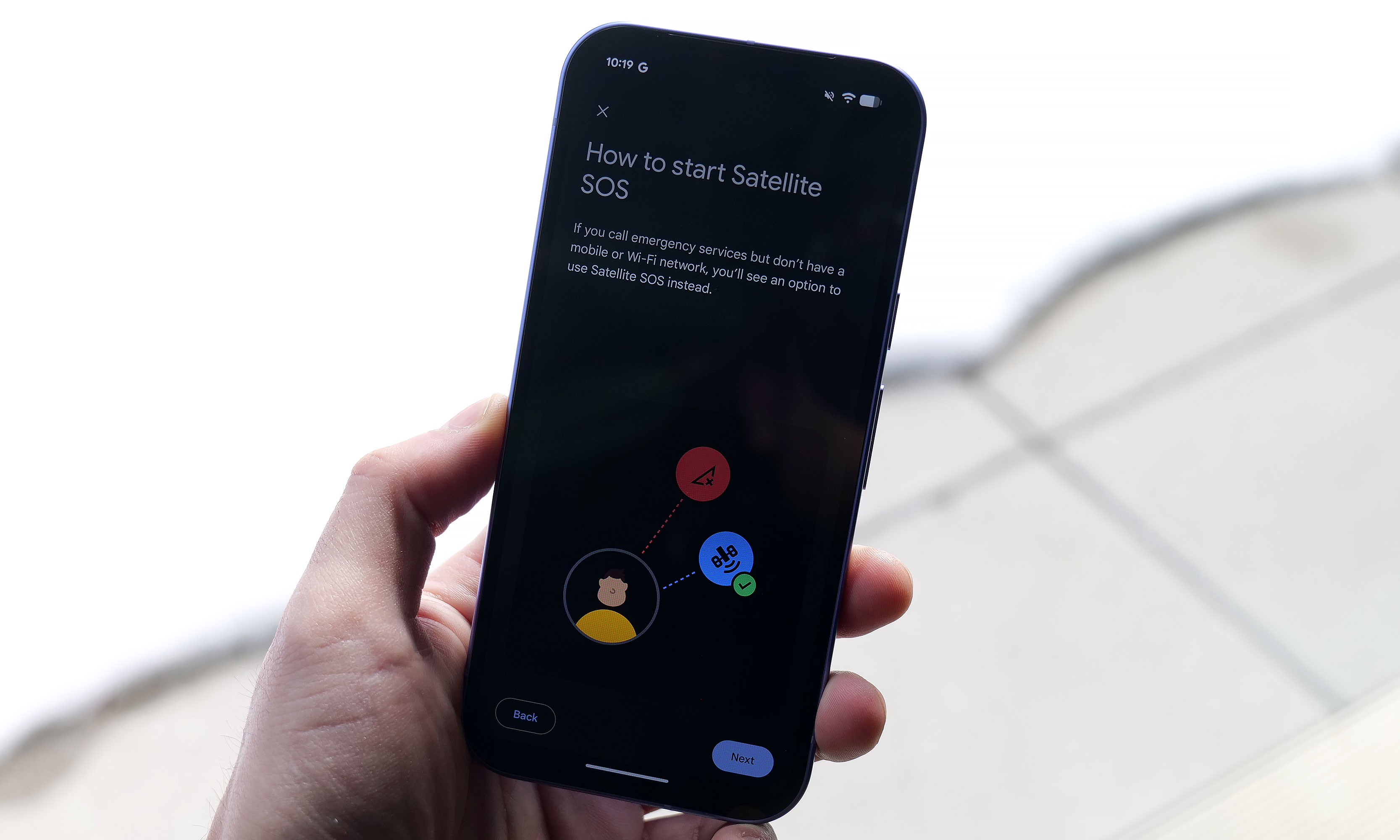
Aside from new photography features, you’ve also got Satellite SOS for the first time on an a-series phone. This lets you connect to a Satellite if you’re away from wifi or your mobile network, so you can ping emergency services for help if you need it. Hopefully, you’ll never actually have to use this feature, but it is some great piece of mind.

Is the Pixel 10a worth it?

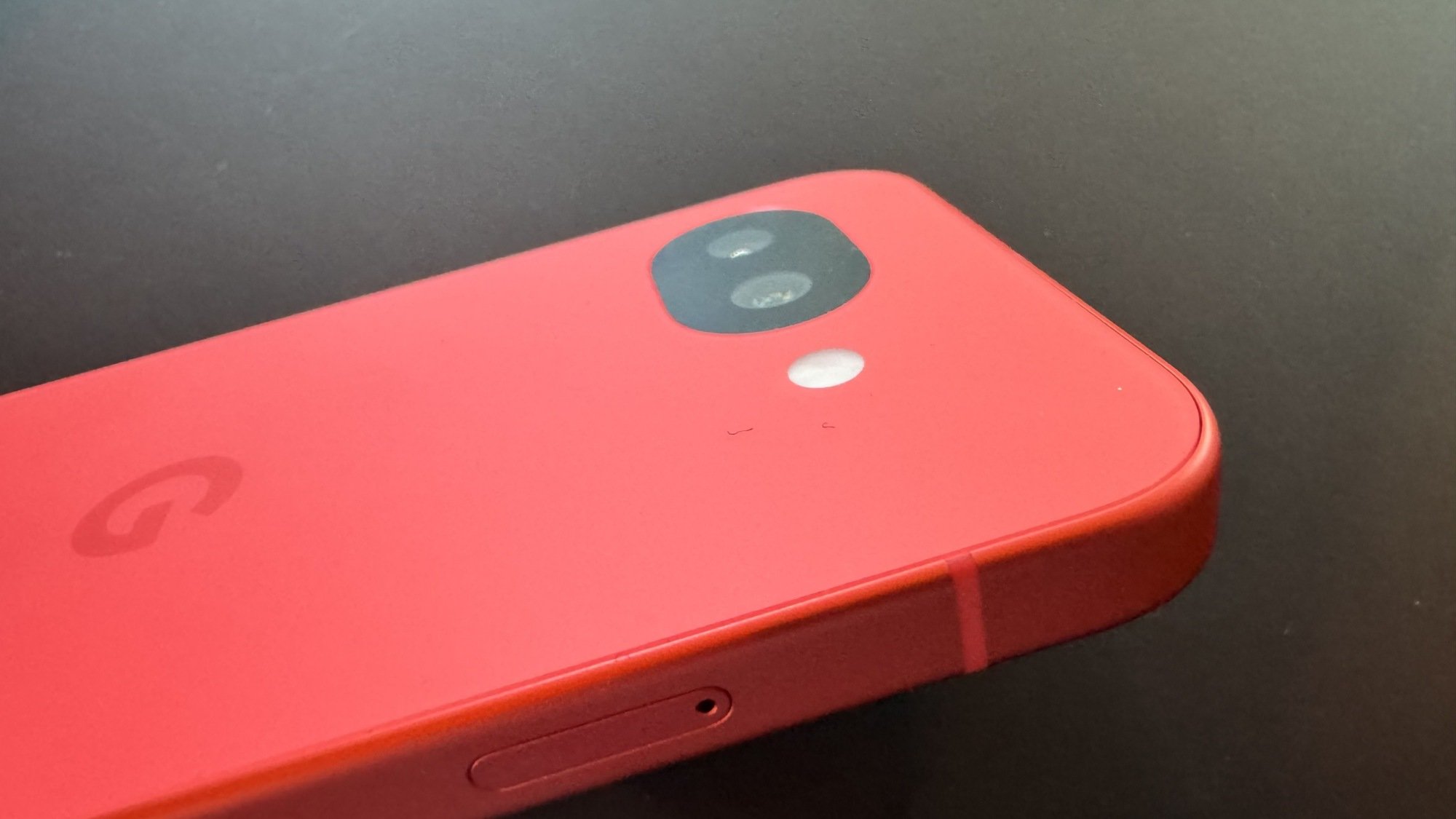
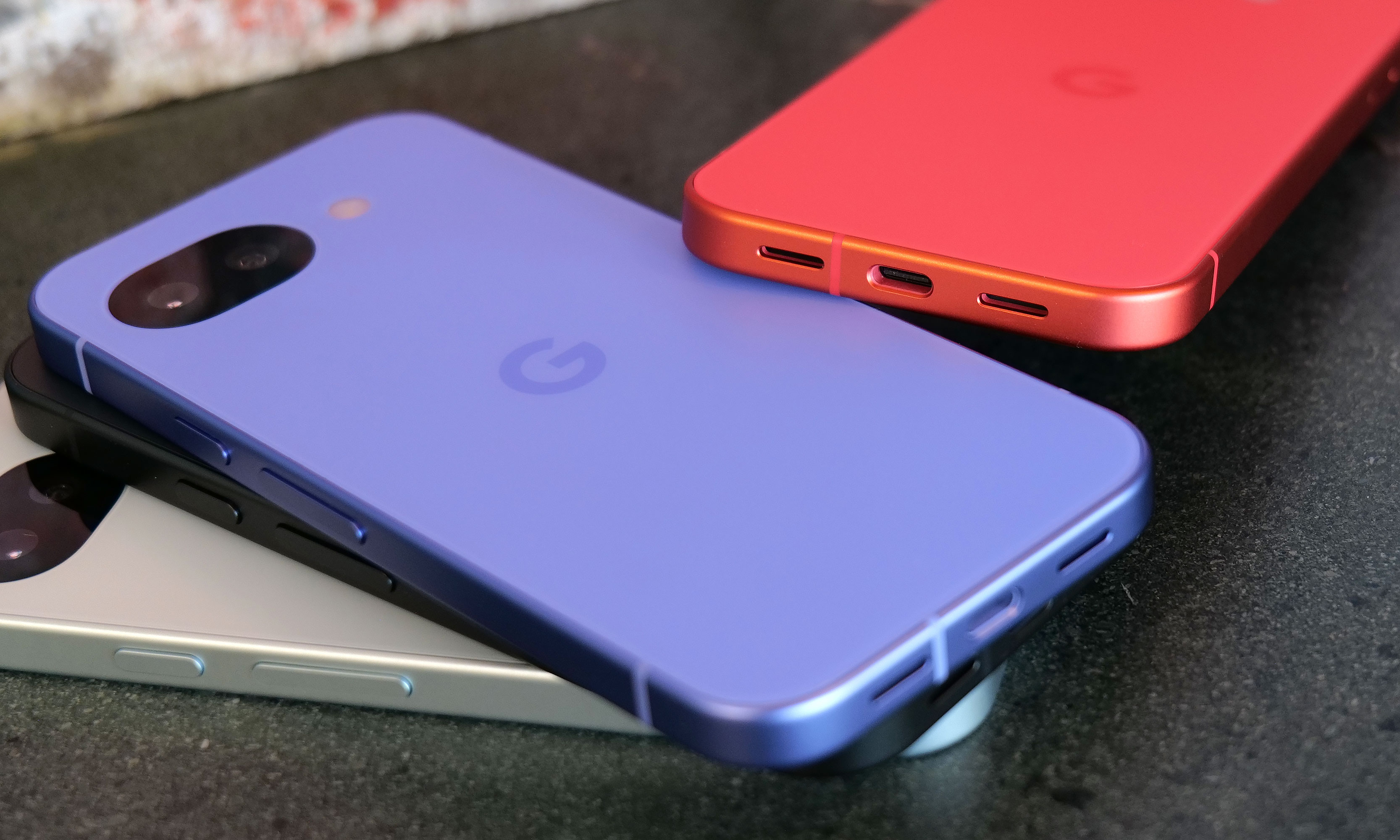
Like the Pixel 9a, the Pixel 10a is $500, so if you’re trying to choose between the two and aren’t buying a 9a at a discount secondhand, it’s a no-brainer. It does also have a new selection of colors, including a poppy red “berry” look and a purplish blue hue named Lavender.

Google Pixel 10a in Berry
Credit: Michelle Ehrhardt

But if you’ve already got a Pixel 9a and are eyeing an upgrade, it’s a bit harder to justify. The biggest new additions are all software, and Google has already brought previously Pixel 10-exclusive software to older phones before (although with mixed results). That means the 9a is likely to stay relevant for a good few more years, and may actually eventually have all the same features as the 10a, minus that completely flush back.

The standard Pixel 10 series is also likely to remain a good choice. Back when I reviewed it, I thought the 9a was better than the Pixel 9, but since the 10a doesn’t even have the same chip as the regular Pixel 10, it’s much less likely to be able to stand in for it, however clean it looks.

If that doesn’t deter you, though, you can pre-order the Pixel 10a now on Google’s website, with models set to ship out and hit retail stores on March 5.

Google’s Pixel 10a arrives on March 5 for $499 with specs and design of yesteryear

It’s that time of year—a new budget Pixel phone is about to hit virtual shelves. The Pixel 10a will be available on March 5, and pre-orders go live today. The 9a will still be on sale for a while, but the 10a will be headlining Google’s store. However, you might not notice unless you keep up with the Pixel numbering scheme. This year’s A-series Pixel is virtually identical to last year’s, both inside and out.

Last year’s Pixel 9a was a notable departure from the older design language, but Google made few changes for 2026. We liked that the Pixel 9a emphasized battery capacity and moved to a flat camera bump, and this time, it’s really flat. Google says the camera now sits totally flush with the back panel. This is probably the only change you’ll be able to identify visually.

Specs at a glance: Google Pixel 9a vs. Pixel 10a
Phone Pixel 9a Pixel 10a
SoC Google Tensor G4 Google Tensor G4
Memory 8GB 8GB
Storage 128GB, 256GB 128GB, 256GB
Display 1080×2424 6.3″ pOLED, 60–120 Hz, Gorilla Glass 3, 2700 nits (peak) 1080×2424 6.3″ pOLED, 60–120 Hz, Gorilla Glass 7i, 3000 nits (peak)
Cameras 48 MP primary, f/1.7, OIS; 13 MP ultrawide, f/2.2; 13 MP selfie, f/2.2 48 MP primary, f/1.7, OIS; 13 MP ultrawide, f/2.2; 13 MP selfie, f/2.2
Software Android 15 (at launch), 7 years of OS updates Android 16, 7 years of OS updates
Battery 5,100 mAh, 23 W wired charging, 7.5 W wireless charging 5,100 mAh, 30 W wired charging, 10 W wireless charging
Connectivity Wi-Fi 6e, NFC, Bluetooth 5.3, sub-6 GHz 5G, USB-C 3.2 Wi-Fi 6e, NFC, Bluetooth 6.0, sub-6 GHz 5G, USB-C 3.2
Measurements 154.7×73.3×8.9 mm; 185 g 153.9×73×9 mm; 183 g

Google also says the new Pixel will have a slightly upgraded screen. The resolution, size, and refresh rate are unchanged, but peak brightness has been bumped from 2,700 nits to 3,000 nits (the same as the base model Pixel 10). Plus, the cover glass has finally moved beyond Gorilla Glass 3 to Gorilla Glass 7i, which supposedly has improved scratch and drop protection.

Read full article

Comments

Pixel 10a hands-on: Google locks down the midrange phone game

Google’s A-series phones have offered some of the best value among midrange handsets for years, and after checking out the new Pixel 10a, I don’t see that trend stopping anytime soon.

Let’s start with the specs. Starting at just $499, you get a vivid 6.3-inch OLED screen with a 120Hz refresh rate and 3,000 nits of peak brightness, 8GB of RAM and either 128GB or 256GB of onboard storage. The phone also features a durable aluminum frame along with a stronger Corning Gorilla Glass 7i panel in front and a composite plastic back with a lovely matte finish. As a nod towards sustainability, Google says the P10a’s chassis is made from 100 percent recycled material, while the rear panel comes in at 81 percent. And just like its predecessor, you still get an IP68 rating for dust and water resistance and the same battery capacity (5,100mAh) — except now it charges even faster, both wired (30 watts, up from 23) and wirelessly (10 watts, up from 5).

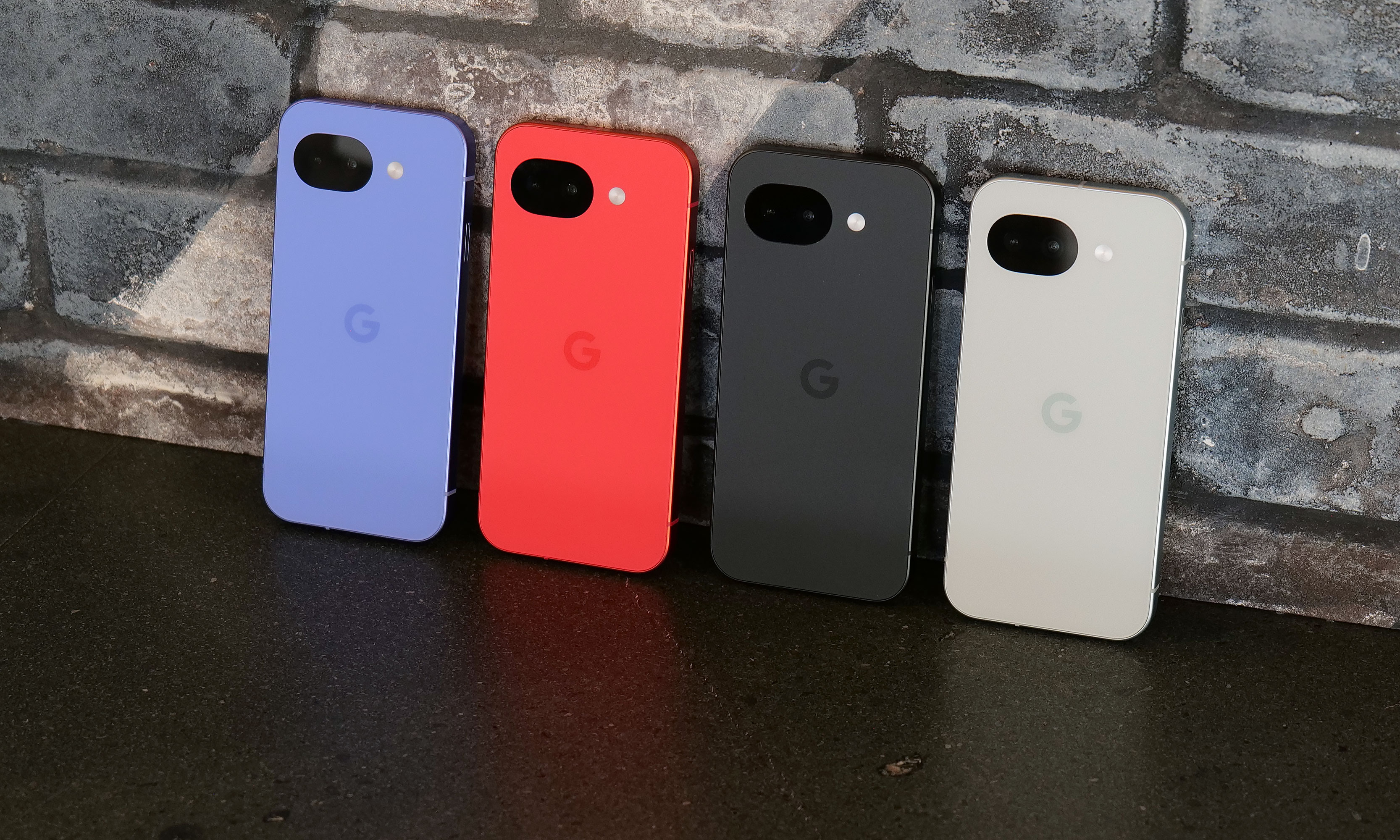
While lavender is the new hero color for the Pixel 10a, berry is the hue I'd pick.
While lavender is the new hero color for the Pixel 10a, berry is the hue I’d pick.
Sam Rutherford for Engadget

The one place where the Pixel 10a might come up a touch short is that unlike its more expensive siblings, it features an older Tensor G4 processor instead of the Tensor G5 chip used on the main Pixel 10 line. Google says the decision to go with an older SoC is due to budget constraints. While it might not be the first choice for gamers or power users, I’ve never really had an issue with the day-to-day performance of Google’s recent homegrown silicon.

However, even with a one-year-old chip, Google found a way to port over three flagship features to the Pixel A series for the first time. Camera Coach uses AI to help you compose and come up with more interesting shots. Meanwhile, Auto Best Take is designed to ensure that everyone in a group shot ends up with their finest expression. Finally, Satellite SOS allows you to call for help during emergencies, even when you don’t have proper cell service. 

Satellite SOS support is one of three new features coming to the Google's A-series phones for the first time.
Satellite SOS support is one of three new features coming to the Google’s A-series phones for the first time.
Sam Rutherford for Engadget

As for its cameras, the P10a looks to be using the same sensors as before, including a 48MP main camera, a 13MP ultra-wide and a 13MP selfie shooter in front. That might be a bummer for some, but considering that the Pixel 9a offered by far the best image quality of any phone in its price bracket, I’m not that bothered. Also, it’s quite likely that if Google had opted for new hardware, it may have pushed the phone above $500. 

After seeing the positive response to the barely-there camera bump on its predecessor, Google leaned in and made the Pixel 10a’s rear camera module completely flat, and it’s my favorite thing about the phone. There’s no hump or protrusions to speak of, and when combined with the rest of the phone’s design, it results in a really sleek, minimalist look. Plus, after almost a decade of big and bulky camera warts on the back of phones, it’s just nice seeing the Pixel 10a go the opposite direction. 

I really appreciate how Google double downed on feedback regarding the Pixel 9a's tiny camera bump (left) by making the Pixel 10a's camera (right) completely flat.
I really appreciate how Google double downed on feedback regarding the Pixel 9a’s tiny camera bump (left) by making the Pixel 10a’s camera (right) completely flat.
Sam Rutherford for Engadget

On the flipside, my biggest complaint about the P10a is that Google didn’t include Pixelsnap support (aka magnetic Qi2 compatibility). It’s another feature that got cut due to cost and it’s a real bummer because after introducing it on last year’s main Pixel 10 line, I was hoping that it would become a standard inclusion on all Google phones going forward. Thankfully, when I asked about the lack of Pixelsnap support, Google representatives were able to confirm that there will be third-party accessory makers such as Casefinite, Dbrand and Spigen that will offer cases with built-in magnetic rings, so anyone hoping to attach magnetic peripherals will still have an avenue to do so. 

The Pixel 10a's charging speeds have been improved to 30 watts for wired and 10 watts wirelessly.
The Pixel 10a’s charging speeds have been improved to 30 watts for wired and 10 watts wirelessly.
Sam Rutherford for Engadget

Regardless, for Android phone owners who are in the market for a simple, no-nonsense upgrade that covers all the basics without breaking the bank, the Pixel 10a is looking like another top contender. 

The Pixel 10a is available for pre-order today in lavender, berry, fog and obsidian with official sales slated for March 5. 

This article originally appeared on Engadget at https://www.engadget.com/mobile/smartphones/pixel-10a-hands-on-google-locks-down-the-midrange-phone-game-150000513.html?src=rss

Google’s $500 Pixel 10a smartphone arrives on March 5

Google debuted the Pixel 10a phone today. Pre-orders are open now and the smartphone will be available starting March 5. Although it’s the new 2026 addition to the A series lineup, the Pixel 10a invites many comparisons with last year’s Pixel 9a. For starters, the price is identical at $499.

Design-wise, not much as changed. The back of the phone can lay flat, which has become a hallmark of the Pixel A collection, rather than wobbling around on a bulky camera housing. The screen is still 6.3 inches with an Actua display. The phone’s insides are also the same; the 10a comes with the same Tensor G4 chip and 8GB of RAM as its predecessor, and buyers have the option to upgrade to either 128GB or 256GB of storage. The phone has an IP68 rating for dust and water resistance and its display uses Corning Gorilla Glass 7i.

One of the few areas where the 10a is getting a marked upgrade is on its battery. This version claims more than 30 hours of battery life, or up to 120 under the Extra Battery Saver mode. The 10a also brings the welcome addition of proper fast charging, where a compatible charger can get the device to 50 percent battery in about 30 minutes. This addresses one of the few complaints we had about the 9a. 

For the photo buffs, the Pixel 10a has a 48MP main camera and a 13MP ultrawide lens; again unchanged from the specs in the 9a. AI is also present in the new model’s photography suite, with the addition of the Camera Coach resource for the first time on the A series lineup. Camera Coach uses Gemini AI models to read the scene and offer tips on getting the desired shot. The 10a also has the Auto Best Take feature for getting everyone’s best side in a group shot and the Add Me tool that lets you insert yourself into a photo after the fact.

This article originally appeared on Engadget at https://www.engadget.com/mobile/smartphones/googles-500-pixel-10a-smartphone-arrives-on-march-5-150000489.html?src=rss

Google Pixel 10a vs. Pixel 9a: What’s changed and which one should you buy?

Now that pre-orders are open for the Google Pixel 10a, it’s time to see how it stacks up against last year’s Pixel 9a. At first glance, the two phones look very similar, and that’s not a bad thing. Google hasn’t tried to reinvent its budget-friendly formula this year, sticking to the same compact design, clean software experience and camera-first approach that made the 9a such a good value.

Both phones share a lot in common, including 120Hz OLED displays, Google’s Tensor G4 chip, strong computational photography and seven years of OS and security updates. The actual differences are more incremental, including a moderately brighter, tougher display, improved Extreme Battery Saver longevity, slightly faster wireless charging and the addition of Satellite SOS. Importantly, Google is keeping the starting price the same as before, with both phones coming in at $499.

On paper, the Pixel 10a doesn’t dramatically rethink what an affordable Pixel should be, but it does offer meaningful upgrades for the same price. While we wait for a review unit to evaluate the Pixel 10a’s day-to-day performance, here’s a quick comparison of the spec sheets of the two devices to see what the new model brings.

Pixel 10a vs Pixel 9a: Design and display

There’s very little separating these two on performance. Both the Pixel 9a and Pixel 10a run Google’s Tensor G4 chip with 8GB of RAM and the same storage options, so day-to-day speed should feel virtually identical. The Pixel 10a ships with Android 16 out of the box, though the 9a can be updated to the same version.

Off the bat, the Pixel 10a doesn’t look dramatically different from the Pixel 9a, and that appears to be intentional. Google is sticking with the same compact, no-frills approach from the last few A-series Pixels, so you’re still getting a 6.3-inch OLED panel with a smooth 60–120Hz refresh rate and a clean, understated aesthetic. 

The meaningful changes show up once you dig into the display specs. The Pixel 10a upgrades the cover glass from Corning Gorilla Glass 3 to Gorilla Glass 7i, which should offer better durability against drops and scratches over time. Brightness also gets a noticeable bump. The 9a topped out at 1,800 nits for HDR content and 2,700 nits at peak, while the 10a pushes that to 2,000 nits for HDR and up to 3,000 nits at peak brightness. In practice, that should make the Pixel 10a easier to read outdoors and a bit punchier when watching HDR video.

Contrast is improved as well. The Pixel 10a’s panel is rated at a contrast ratio of more than 2,000,000:1, doubling the already respectable figure on the Pixel 9a. That won’t radically change how the phone looks day to day, but it should translate to deeper blacks and slightly more depth in darker scenes, especially when streaming video or browsing photos at night.

Pixel 10a vs Pixel 9a: Cameras

On paper, the Pixel 10a’s camera hardware looks very familiar. Like the Pixel 9a, it uses a 48-megapixel main camera paired with a 13MP ultra-wide, and there’s no dedicated telephoto lens. Image quality, color science and low-light performance should therefore be similar between the two.

Where the Pixel 10a pulls ahead is in software features. Google has added a few camera tools that aren’t available on the Pixel 9a, even though the underlying hardware hasn’t changed much. One of those is Camera Coach, which debuted on last year’s Pixel 10 series and offers on-screen tips to help you frame shots better or adjust how you’re holding the phone. The Pixel 10a also gains Macro Focus, allowing you to get much closer to small subjects like plants or textures. In our Pixel 9a review, we found the phone could capture solid close-up detail, but locking focus could be finicky at times, so a more dedicated macro mode should make those shots easier to nail.

Finally, there’s Auto Best Take, which automatically picks the best expressions from a burst of photos and combines them into a single image. The feature debuted on Google’s Pixel 10 lineup last year, and it’s especially handy for group shots where someone always seems to blink at the wrong moment. By bringing it to the 10a, Google is extending one of its more genuinely practical AI camera tricks to a cheaper phone.

Battery life and charging

Both the Pixel 9a and Pixel 10a use a 5,100mAh battery and support the same 23W wired charging speeds. Where the Pixel 10a does pull ahead slightly is wireless charging. The Pixel 9a tops out at 7.5W, while the Pixel 10a supports wireless charging at up to 10W when used with Qi-certified Extended Power Profile (EPP) chargers, which are designed to deliver faster wireless power than basic Qi pads. The difference isn’t dramatic, but the Pixel 10a should charge a bit quicker on a compatible wireless stand when you’re in a pinch.

You’ll also get some extra hours in dire situations. When you activate Extreme Battery Saver, the Pixel 9a is rated for up to 100 hours, while the Pixel 10a extends that to up to 120 hours. 

The Pixel 10a gets Satellite SOS

The biggest safety-related upgrade on the Pixel 10a is the addition of Satellite SOS. Because it uses a newer modem compared to the Pixel 9a’s Exynos Modem 5300, it is capable of tapping satellite networks when necessary. This allows the phone to contact emergency services when you’re outside of cellular or Wi-Fi coverage, which can be genuinely useful if you spend time hiking, traveling or driving in remote areas.

If you already own a Pixel 9a, there doesn’t appear to be a huge reason to upgrade. Day-to-day performance may feel almost identical, since both phones use the same Tensor G4 chip, the same amount of RAM and very similar camera hardware.

That said, the Pixel 10a does make a stronger case for first-time buyers or anyone upgrading from an older Pixel. The biggest differentiator, though, is Satellite SOS — it’s the one feature the Pixel 9a simply can’t match due to hardware limitations. At the same $499 starting price, the Pixel 10a is, on paper, the better long-term buy if you’re choosing between the two today. 

Google Pixel 10a vs. Google Pixel 9a: Specs at a glance

Spec

Google Pixel 10a

Google Pixel 9a

Price

$499

$499

Processor

Google Tensor G4, Titan M2 coprocessor

Google Tensor G4, Titan M2 coprocessor

Display

6.3-inch Actua display, 1080 x 2424 pOLED at 422.2 PPI, Gorilla Glass 7i

6.3-inch Actua display, 1080 x 2424 pOLED at 422.2 PPI, Corning Gorilla Glass 3

RAM

8GB

8GB

Storage

128GB, 256GB

128GB, 256GB

Battery

5,100mAh

5,100mAh

Wireless charging

Up to 10W

Up to 7.5W

Rear camera

48MP wide, 13MP ultrawide, Super Res Zoom up to 8x

48MP wide, 13MP ultrawide, Super Res Zoom up to 8x

Front camera

13MP selfie cam

13MP selfie cam

SIM

Dual SIM (single nano SIM, eSIM)

Dual SIM (single nano SIM, eSIM)

Connectivity

Wi-Fi 6E, Bluetooth v6, NFC

Wi-Fi 6E, Bluetooth v5.3, NFC

OS

Launch with Android 16

Launch with Android 15

This article originally appeared on Engadget at https://www.engadget.com/mobile/smartphones/google-pixel-10a-vs-pixel-9a-whats-changed-and-which-one-should-you-buy-150000786.html?src=rss