Fitbit is getting an AI chatbot that can tell you why your run sucked

At the ‘Made by Google Event’ in New York, Google teased a new “generative AI” feature that will be built into the Fitbit app sometime next year as part of the Fibit Labs program. The app, which will pair with new wearables like the Google Pixel 2 Watch and the Fitbit Charge 6, will use artificial intelligence to analyze trends in a wearer’s fitness capabilities and be able to provide insights about overall performance.

The app will feature a chatbot that can carry a conversation to help you understand how you did during a tracked run, for example, while providing debriefed stats on the activity, like overall pace and elevation gain. The AI tool will take it a step further and be able to explain why you performed the way you did by drawing on affiliated health data, like sleep hygiene, recovery history and other workouts. If you felt that a workout was extra difficult, the app will be able to look for related info to explain why you might be struggling.

However, the insights are not limited to chatting with the AI. Google showed off its ability to provide visual feedback, like charts illustrating how performance changed over time.

Generative AI
Engadget

Google’s James Park, the former head of Fitbit, said the new generative AI feature will be trialed by “trusted testers” before it officially launches.

This article originally appeared on Engadget at https://www.engadget.com/fitbit-is-getting-an-ai-chatbot-that-can-tell-you-why-your-run-sucked-151545663.html?src=rss

Source: Engadget – Fitbit is getting an AI chatbot that can tell you why your run sucked

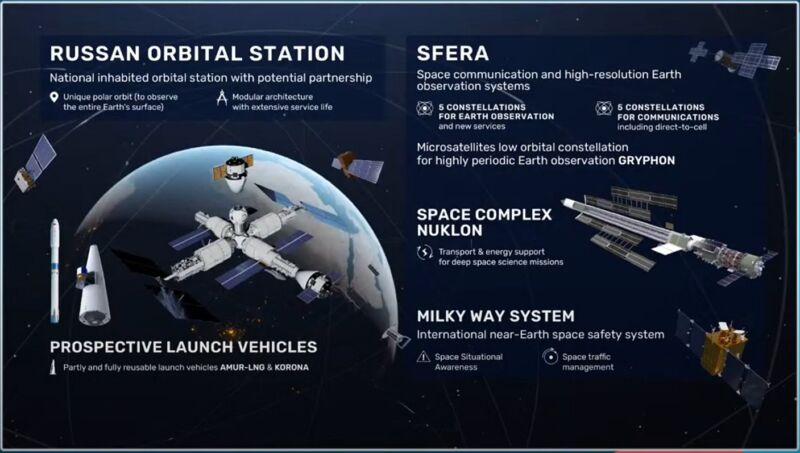
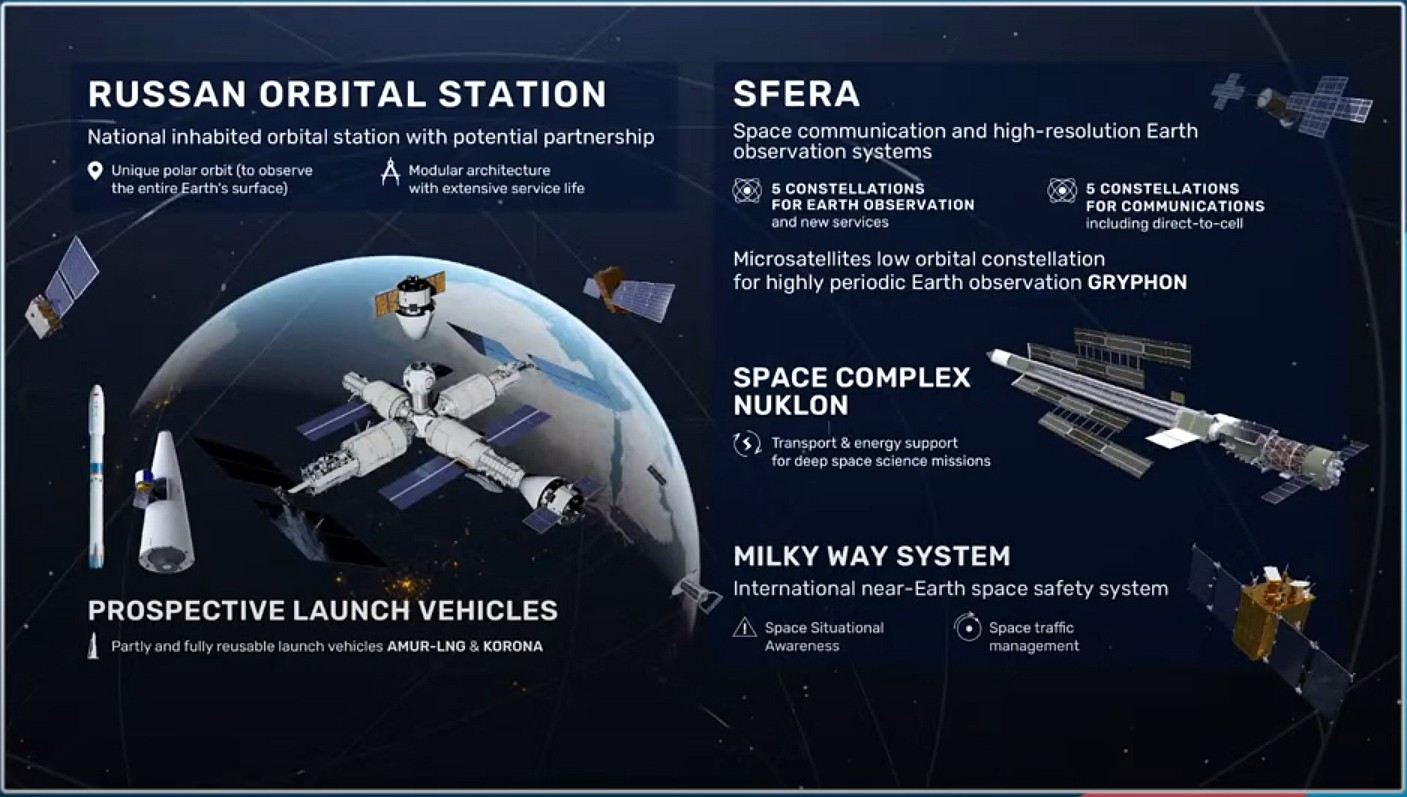
Russia talks a big future in space while its overall budget is quietly cut

Read 10 remaining paragraphs | Comments


Source: Ars Technica – Russia talks a big future in space while its overall budget is quietly cut

Google Pixel 8 Pro vs. the competition: From Tensor to temperature sensor

After weeks of teases and leaks, Google formally took the wraps off its next flagship smartphone, the Pixel 8 Pro. Revealed during the company’s Made by Google event on Wednesday, the handset adds a host of new camera and AI features, a brighter OLED display, an improved Tensor G3 chip, seven years of software updates and, oddly, a built-in temperature sensor. It costs $100 more than its predecessor, however. For more on how all of this feels in practice, you can check out some early hands-on impressions from Engadget’s Deputy Reviews Editor, Cherlynn Low.

Here, though, we’ve broken down how the Pixel 8 Pro compares on paper to two other large, pricey and well-known flagships, Apple’s iPhone 15 Pro Max and Samsung’s Galaxy S23 Ultra. As always, raw specs won’t tell the whole story, but if you’re curious about how Google’s latest and greatest stacks up, here’s a quick overview. If you’re more interested in the smaller Pixel 8, meanwhile, we have a similar breakdown for that device too.

Google Pixel 8 Pro

Apple iPhone 15 Pro Max

Samsung Galaxy S23 Ultra

Pricing (MSRP)

From $999

From $1,199

From $1,200

Dimensions

6.4 x 3.0 x 0.3 inches

6.29 x 3.02 x 0.32 inches

6.43 x 3.07 x 0.35 inches

Weight

7.5 ounces

7.81 ounces

8.25 ounces

Screen size

6.7 inches

6.7 inches

6.8 inches

Screen resolution

1,344 x 2,992

489 ppi

1,290 x 2,796

460 ppi

1,440 x 3,088

500 ppi

Screen type

LTPO OLED

Up to 120Hz (1-120Hz)

Up to 2,400 nits brightness

Gorilla Glass Victus 2

LTPO OLED

Up to 120Hz (1-120Hz)

Up to 2,000 nits brightness

Ceramic Shield

AMOLED

Up to 120Hz (1-120Hz)

Up to 1,750 nits brightness

Gorilla Glass Victus 2

SoC

Google Tensor G3

Apple A17 Pro

Hexa-core CPU (up to 3.78GHz)

6-core Apple GPU

Qualcomm Snapdragon 8 Gen 2 Mobile Platform for Galaxy

Octa-core CPU (up to 3.36GHz)

Adreno 740 GPU

RAM

12GB

8GB

8GB / 12GB

Battery

4,950mAh

“Beyond 24 hours”

“Up to 29 hours video playback”

5,000mAh

“Up to 26 hours of video playback”

Charging

USB Type-C 3.2

Up to 30W wired

Up to 23W wireless with Google Pixel Stand (2nd gen)

Qi wireless charging up to 12W

Reverse wireless charging

USB Type-C (USB 3.2 Gen 2)

“Up to 50 percent charge in around 30 minutes”

MagSafe wireless charging up to 15W

Qi wireless charging up to 7.5W

Reverse wired charging

USB Type-C (USB 3.2 Gen 1)

Up to 45W wired

Qi/WPC wireless charging up to 15W

Reverse wireless charging

Storage

128GB / 256GB / 512GB / 1TB

256GB / 512GB / 1TB

256GB / 512GB / 1TB

Rear camera

Main: 50 MP, f/1.68

Ultrawide: 48 MP, f/1.95, 125.5 degree FOV

Telephoto: 48 MP, f/2.8, 5x optical zoom

Main: 48 MP, f/1.78

Ultrawide: 12 MP, f/2.2, 120 degree FOV

Telephoto: 12 MP, f/2.8, 5x optical zoom

Main: 200 MP, f/1.7

Ultrawide: 12 MP, f/2.2, 120 degree FOV

Telephoto: 10 MP, f/2.4, 3x optical zoom

Telephoto: 10 MP, f/4.9, 10x optical zoom

Front camera

10.5 MP, f/2.2

12 MP, f/1.9

12 MP, f/2.2

Video capture

Rear: 4K at 24/30/60 fps, 1080p at 24/30/60/120/240 fps

Front: 4K at 24/30/60 fps, 1080p at 30/60fps

Rear: 4K at 24/25/30/60 fps, 1080p at 25/30/60/120/240 fps

Front: 4K at 24/25/30/60 fps, 1080p at 25/30/60/120 fps

Rear: 8K at 24/30 fps, 4K at 30/60 fps, 1080p at 30/60/240/960 fps

Front: 4K at 30/60 fps, 1080p at 30 fps

Water and dust resistance

IP68

IP68

IP68

Wi-Fi

Wi-Fi 7

Wi-Fi 6E

Wi-Fi 6E

Bluetooth

v5.3

v5.3

v5.3

NFC

Yes

Yes

Yes

OS

Android 14

“Seven years of OS, security and Feature Drop updates”

iOS 17

Android 13, One UI 5.1

Four generations of OS updates, five years of security updates

Finishes

Obsidian, Porcelain, Bay

Polished aluminum frame

Natural Titanium, Blue Titanium, White Titanium, Black Titanium

Titanium frame

Phantom Black, Green, Lavender, Graphite, Cream, Lime, Sky Blue, Red

Armor aluminum frame (advertised)

Follow all of the news live from Google’s 2023 Pixel event right here.

This article originally appeared on Engadget at https://www.engadget.com/google-pixel-8-pro-vs-the-competition-from-tensor-to-temperature-sensor-151016002.html?src=rss

Source: Engadget – Google Pixel 8 Pro vs. the competition: From Tensor to temperature sensor

Uber Capitalizes on Holiday Season With 'Return a Package' Feature

Uber wants to eliminate trips to FedEx or the post office with its new “Return a Package” feature. The ride-hailing company announced the addition to its growing list of services on Wednesday, saying it will mail up to five pre-paid packaged items to UPS or FedEx per trip.

Read more…


Source: Gizmodo – Uber Capitalizes on Holiday Season With ‘Return a Package’ Feature

Google Pixel 8 vs. the competition: The seven-year smartphone

Google has officially spilled the details on its new Pixel 8 phone. While the handset looks broadly similar to last year’s Pixel 7, it packs a new Tensor G3 chip, a faster 120Hz display, a smaller frame that should be easier to hold with one hand and, perhaps most notably, seven years of promised OS and security updates. It starts at $699, though, which is $100 more than before, and it doesn’t have all the bells and whistles of the larger Pixel 8 Pro. 

Engadget’s Deputy Reviews Editor, Cherlynn Low, got some hands-on time with the new Pixel phones ahead of Google’s launch event on Wednesday, so check out her report for more details on what to expect. To help put the device into context, though, we’ve broken down how the Pixel 8 compares to two high-profile peers, Apple’s iPhone 15 and Samsung’s Galaxy S23, on the spec sheet. Specs aren’t the be-all and end-all — between its new camera features and AI tricks, many of the Pixel 8’s biggest updates are software-based — but if you want a better sense of what kind of hardware your $699 will get you, here’s a quick rundown. If you’re more interested in the Pixel 8 Pro, we have a similar breakdown for that phone too.

Google Pixel 8

Apple iPhone 15

Samsung Galaxy S23

Pricing (MSRP)

From $699

From $799

From $800

Dimensions

5.9 x 2.8 x 0.4 inches

5.81 x 2.82 x 0.31 inches

5.76 x 2.79 x 0.3 inches

Weight

6.6 ounces

6.02 ounces

5.93 ounces

Screen size

6.2 inches

6.1 inches

6.1 inches

Screen resolution

1,080 x 2,400

428 ppi

1,179 x 2,556

460 ppi

1,080 x 2,340

425 ppi

Screen type

OLED

Up to 120Hz (60-120Hz)

Up to 2,000 nits brightness

Gorilla Glass Victus

OLED

60Hz

Up to 2,000 nits brightness

Ceramic Shield

AMOLED

Up to 120Hz (48-120Hz)

Up to 1,750 nits brightness

Gorilla Glass Victus 2

SoC

Google Tensor G3

Apple A16 Bionic

Hexa-core CPU (up to 3.46GHz)

5-core Apple GPU

Qualcomm Snapdragon 8 Gen2 Mobile Platform for Galaxy

Octa-core CPU (up to 3.36 GHz)

Adreno 740 GPU

RAM

8GB

6GB

8GB

Battery

4,485mAh

“Beyond 24 hours”

“Up to 20 hours video playback”

3,900mAh

“Up to 22 hours of video playback”

Charging

USB Type-C 3.2

Up to 27W wired

Up to 18W wireless with Google Pixel Stand (2nd gen)

Qi wireless charging up to 12W

Reverse wireless charging

USB Type-C (USB 2.0)

“Up to 50 percent charge in around 30 minutes”

MagSafe wireless charging up to 15W

Qi wireless charging up to 7.5W

Reverse wired charging

USB Type-C (USB 3.2 Gen 1)

Up to 25W wired

Qi/WPC wireless charging up to 15W

Reverse wireless charging

Storage

128GB / 256GB

128GB / 256GB / 512GB

128GB / 256GB

Rear camera(s)

Main: 50 MP, f/1.68

Ultrawide: 12 MP, f/2.2, 125.8 degree FOV

Main: 48 MP, f/1.6

Ultrawide: 12 MP, f/2.4, 120 degree FOV

Main: 50 MP, f/1.8

Ultrawide: 12 MP, f/2.2, 120 degree FOV

Telephoto: 10 MP, f/2.4, 3x optical zoom

Front camera(s)

10.5 MP, f/2.2

12 MP, f/1.9

12 MP, f/2.2

Video capture

Rear: 4K at 24/30/60 fps, 1080p at 24/30/60/120/240 fps

Front: 4K at 24/30/60 fps, 1080p at 30/60 fps

Rear: 4K at 24/25/30/60 fps, 1080p at 25/30/60/120/240 fps

Front: 4K at 24/25/30/60 fps, 1080p at 25/30/60/120 fps

Rear: 8K at 24/30 fps, 4K at 30/60 fps, 1080p at 30/60/240/960 fps

Front: 4K at 30/60 fps, 1080p at 30 fps

Water and dust resistance

IP68

IP68

IP68

Wi-Fi

Wi-Fi 7

Wi-Fi 6

Wi-Fi 6E

Bluetooth

v5.3

v5.3

v5.3

NFC

Yes

Yes

Yes

OS

Android 14

“Seven years of OS, security, and Feature Drop updates”

iOS 17

Android 13, One UI 5.1

Four generations of OS updates, five years of security updates

Finishes

Obsidian, Hazel, Rose

Matte aluminum frame

Black, Blue, Green, Yellow, Pink

Aluminum frame

Phantom Black, Green, Lavender, Graphite, Cream, Lime

Armor aluminum frame (advertised)

Follow all of the news live from Google’s 2023 Pixel event right here.

This article originally appeared on Engadget at https://www.engadget.com/google-pixel-8-vs-the-competition-the-seven-year-smartphone-150936894.html?src=rss

Source: Engadget – Google Pixel 8 vs. the competition: The seven-year smartphone

How to pre-order the Google Pixel 8 and Pixel 8 Pro

During Wednesday’s event in New York, Google officially announced their latest smartphones, the Pixel 8 and the Pixel 8 Pro, along with the new Pixel Watch 2 and the upgraded Pixel Buds Pro. The announcements didn’t come as a surprise as the company itself “leaked” and then shared a clip of the new Pixels well ahead of the event. 

But now we can say for sure that the new phones will use Google’s latest Tensor G3 chip and that the company will support seven years of security and OS updates for them. The Pixel Watch 2 packs a longer-lasting battery, which will hopefully resolve one of our biggest complaints about the first generation smartwatch. And while the Pixel Buds Pro aren’t completely new, software upgrades (and two new colors) should improve upon the existing buds. Here’s how to pre-order the Pixel 8, the Pixel 8 Pro, the Pixel Watch 2 and the updated Pixel Buds Pro. 

Google Pixel 8 

The Pixel 8 has a 6.2-inch OLED Actua display, which is a new display for the Pixel, which is brighter and should offer more clarity. The screen iteself is actually a tenth of an inch smaller than on the Pixel 7, though the refresh rate can now reach 120Hz and the peak brightness is higher than the older model, getting up to 2,000 nits. Despite the smaller overall size, the battery is actually bigger this time, with a 4,485 mAh typical capacity. It can recharge from zero to 50 percent in about 30 minutes with Google’s own 30W USB-C 3.0 charger. Though, unfortunately, that doesn’t come with the phone. 

The chip inside is the new generation of Google’s own Tensor G3, which the company says will allow for better photo processing and help to filter out spam calls. The RAM tops out at 8GB and you can opt for 128GB or 256GB of storage capacity. The case is made from a metal frame and polished back glass. The display glass, meanwhile, is Corning Gorilla Glass Victus and the device is rated IP68, which means it’s dust-tight and can handle a dunk in up to a meter of water.  

As for cameras, they are largely the same as last year’s, with a 10.5MP front camera that’s just a few hundred pixels smaller than last year’s 10.8MP selfie cam, and a 50MP and 12MP cameras that match the resolution of the Pixel 7. Though it’s not all about megapixels. Google notes that these rear cameras are improvements over their predecessors thanks to software improvements like Macro focus for closeups and Best Take that blends multiple group photos together to get one where everyone has their eyes open. 

In a solid move towards sustainability, Google will support OS upgrades, security updates and new features drops for seven years after the phone’s launch. The Pixel 8 starts at $699 and comes in Hazel, Rose, and Obsidian. Pre-orders are open now and the phones will ship next week. If you pre-order from Google, the company will throw in a free pair of Pixel Buds Pro. 

Google Pixel 8 Pro

Google says the Pixel 8 Pro has the best Pixel camera yet. (Though, to be fair, no company ever says its latest pro-range cameras are a step down from last year.) The triple lens array includes a 50MP wide, a 48MP ultrawide and a 48MP telephoto camera with a 5x optical zoom. The 10.5MP selfie camera is similar to the one on the Pixel 8, but this one has an autofocus feature. The 6.7-inch screen sports Google’s new Super Actua LTPO OLED display with a intelligently-adjusting 1Hz to120Hz refresh rate, up to 2400 nits of peak brightness and ultra HDR images. It’s covered in Corning Gorilla Glass Victus 2 and is housed in a polished aluminum frame with a matte glass back. 

It’s got the same Tensor G3 chip as the Pixel 8, which will enable all of the AI perks Google has cooked up, like a more helpful Google Assistant who can paraphrase what’s on your screen and understand pauses instead of just barreling ahead with a half-baked request when you take a breath. The Pro model comes with 12GB of RAM and the option of 128GB, 256GB, 512GB or 1TB of storage. 

There’s even an infrared sensor on the Pixel 8 Pro to take the temperature of a cup of coffee or the frying pan you’re about to use. And google has submitted an application to the FDA to allow it to act as a thermometer for people too. Like the Pixel 8, the Pixel 8 Pro will get a promised seven years of OS and security updates and new features support. It starts at $999 and ships next week. Google will throw in the new Pixel Watch 2 when you pre-order the Pixel Pro 8 from its storefront.

Pixel Watch 2

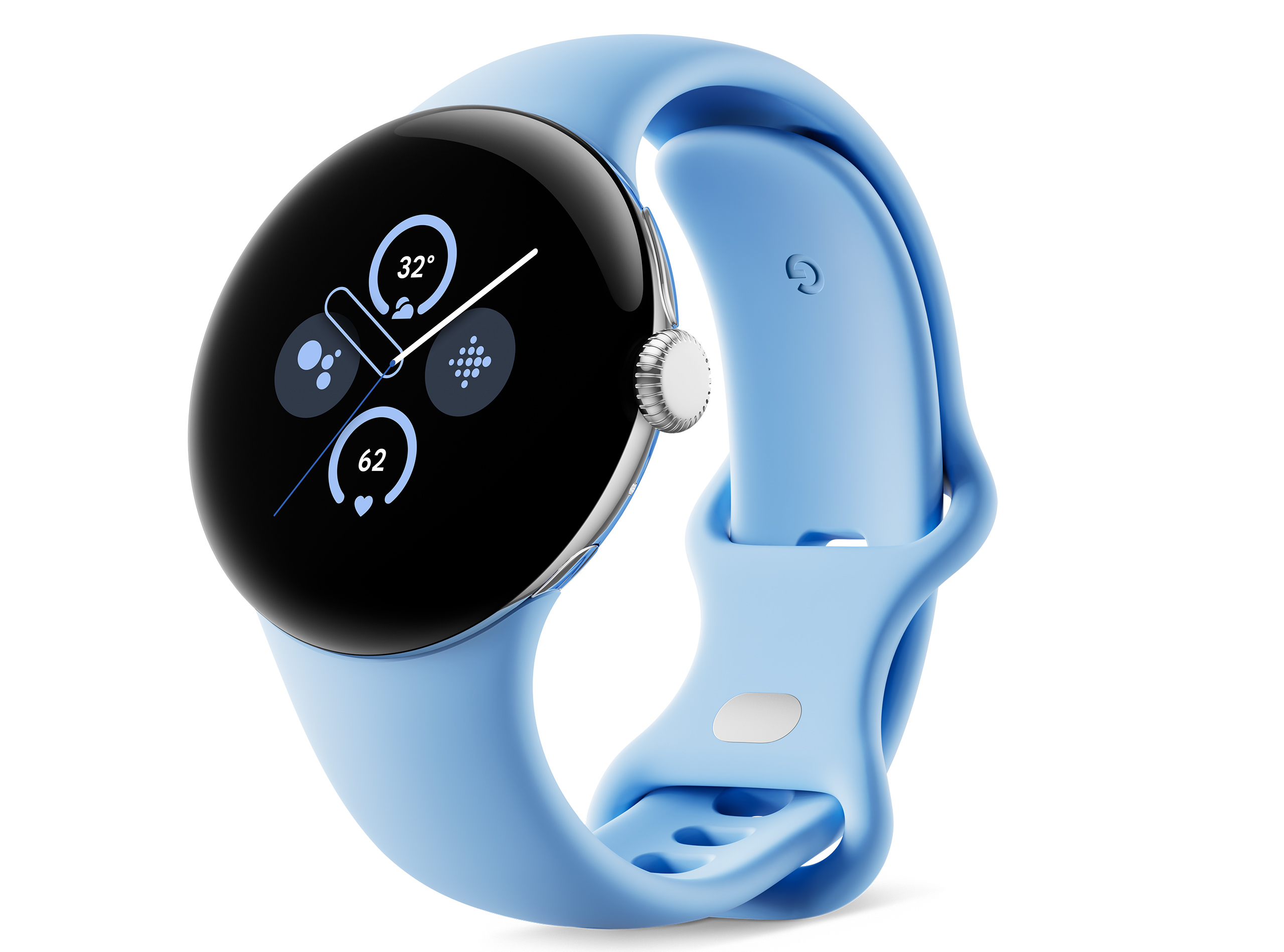
We were a little disappointed with the first Pixel Watch’s battery life and thought the emphasis on Fitbit branding took away from a pure Google experience. With the Pixel Watch 2, it looks like the company has improved upon the battery life, with a claimed 24 hours even with the always-on display enabled. But it appears to be doubling down on the Fitbit union. 

There’s a new multi-path heart rate sensor that uses both photodiodes and LEDs to get better estimates of your pulse. Fitbit stress management features use various sensors to potentially identify tense moments in your day and suggests actions such as mood logging or guided breathing and walking sessions. New safety features include Safety Check which can alert friends, family or even emergency services if needed and Emergency Sharing lets your circle of people see your real-time whereabouts. Fall detection and Emergency SOS were already released earlier this year for the Pixel Watch but will come standard on the Pixel Watch 2. 

The housing is made from 100 percent recycled aluminum and the AMOLED screen is covered in 3D Corning Gorilla Glass 5. Many fitness features like workouts and Daily Readiness Score live behind Fitbit’s paywall, but the watch comes with six months of the subscription for free. The updated Fitbit app will integrate more AI features when it updates later this year. 

The Pixel Watch 2 is priced at $349 for the Wi-Fi version and $399 for the cellular enabled model and comes in Black Aluminum, Polished Silver or Champagne Gold cases with a different colored bands. It will ship next week.  

Google announced the new Fitbit Charge 6 at the same time. It’s also available to pre order now and retails for $160. 

Pixel Buds Pro

This isn’t a brand new product for Google, but the company made enough updates to the Pixel Buds Pro to make them worth a few minutes of air time during the event. We already called the Pixel Buds Pro Google’s best earbuds yet and hopefully these improvements will make them even better. Conversation Detection can discern when you’re talking to someone and pause the music. And Clear Calling with a Pixel phone reduces extraneous noises from the other end of the conversation so you can hear them better. They also come in two new colors, Porcelain and Bay, which happen to match the new Pixel 8 Pro phones. 

Follow all of the news live from Google’s 2023 Pixel event right here.

This article originally appeared on Engadget at https://www.engadget.com/how-to-pre-order-the-google-pixel-8-and-pixel-8-pro-150051904.html?src=rss

Source: Engadget – How to pre-order the Google Pixel 8 and Pixel 8 Pro

Prada will help design the spacesuits for NASA's 2025 Artemis III mission

NASA is planning its first crewed mission to the moon since Apollo 17’s 1972 trip, and it’s doing so in style. Axiom Space — the company NASA chose last year to create the Extravehicular Activity Services (xEVAS) spacesuits for 2025’s Artemis III mission — has announced it’s partnering with luxury Italian brand Prada to design them.   

The two companies will work side by side throughout production. “Prada’s technical expertise with raw materials, manufacturing techniques, and innovative design concepts will bring advanced technologies instrumental in ensuring not only the comfort of astronauts on the lunar surface, but also the much-needed human factors considerations absent from legacy spacesuits,” Axiom Space CEO Michael Suffredini said in a statement. 

Prada Group marketing director Lorenzo Bertelli added, “It is a true celebration of the power of human creativity and innovation to advance civilization.” He also credited the company’s “cutting-edge” work to decades of experience with its Luna Rossa Prada sailing team. 

The Artemis III mission is unique not only because of the five decades since Apollo 17 but because it’s the first time a woman or person of color will go to the moon, astronauts Christina Koch and Victor Glover. Interestingly, Koch’s role in the mission is acknowledged early on in Axiom Space’s release, seemingly creating a subtext that the presence of a woman (read: an accomplished, experienced astronaut) is necessary to justify teaming up with a luxury designer. 

This article originally appeared on Engadget at https://www.engadget.com/prada-will-help-design-the-spacesuits-for-nasas-2025-artemis-iii-mission-150009987.html?src=rss

Source: Engadget – Prada will help design the spacesuits for NASA’s 2025 Artemis III mission

Novavax’s updated protein-based COVID vaccine finally authorized by FDA

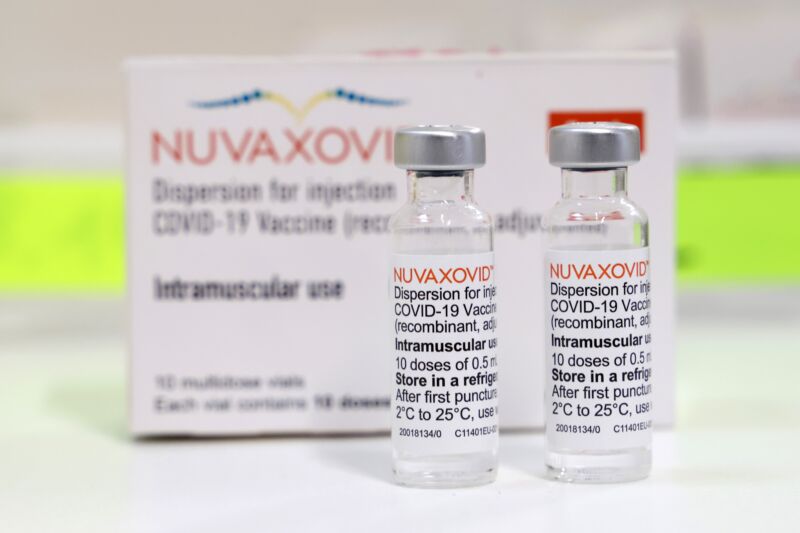
The Novavax Inc. Nuvaxovid COVID-19 vaccine.

Enlarge / The Novavax Inc. Nuvaxovid COVID-19 vaccine. (credit: Getty | Bloomberg )

Novavax’s updated protein-based COVID-19 vaccine has finally won authorization from the Food and Drug Administration, a late-coming achievement that provides Americans with their only alternative to mRNA-based shots for the fall booster campaign now underway.

While the FDA’s authorization was announced Tuesday afternoon, the Centers for Disease Control and Prevention has already signed off on recommending the shot. Its September 12 recommendation that all Americans ages six months and up get an updated COVID-19 vaccine was a blanket recommendation for any updated shots authorized or approved by the FDA, which now includes Novavax. The vaccine will be available to everyone ages 12 and up.

The Novavax vaccine uses a traditional protein subunit-based design; it directly introduces the SARS-CoV-2 spike protein to our cells along with an established adjuvant that enhances immune responses. The spike protein is a key outer protein the virus uses to get into human cells. The mRNA vaccines, by contrast, are a newer design that introduces the genetic code for the spike protein, which the cells then translate into protein on their own. In either case, with a disembodied spike protein, the immune system gets a chance to identify and train defensive responses against the pandemic pathogen before a live SARS-CoV-2 virus comes knocking.

Read 9 remaining paragraphs | Comments


Source: Ars Technica – Novavax’s updated protein-based COVID vaccine finally authorized by FDA

FBI Most-Wanted Russian Hacker Reveals Why He Burned His Passport

An anonymous reader shares a report: Russian hacker Mikhail Matveev, also known on the internet as “Wazawaka” and “Boriselcin,” is wanted by the FBI, which is offering a $10 million reward for information that could lead to his arrest, and has been put on a U.S. sanctions list. But, according to Matveev, his life hasn’t changed much since he was outed as an alleged cybercriminal and put on the FBI’s most wanted list. “We are Russian people, we are not afraid of the American government,” Matveev told TechCrunch in an online interview. “My life has changed for the better after the sanctions, I don’t feel them on me, as well as sanctions are a plus for my security, so sanctions help us.”

In an interview where he answered both in English and in Russian, Matveev said that being sanctioned means Russia will not deport him. And to avoid getting caught outside of Russia, he won’t travel anymore, and said he has “burned” his passport. His last trip, he said, was to Thailand in 2014, where he ate scorpion, which he said was “delicious.” Earlier this year, the U.S. government accused Matveev of participating in “a global ransomware campaign” against victims all over the world. Prosecutors claim Matveev is “a prolific ransomware affiliate,” who worked with the Hive, LockBit and Babuk ransomware gangs to carry out “significant attacks” against corporations and critical infrastructure in the U.S. and elsewhere, including hospitals and government agencies.

Read more of this story at Slashdot.


Source: Slashdot – FBI Most-Wanted Russian Hacker Reveals Why He Burned His Passport

Hands-On With the Google Pixel 8, Pixel 8 Pro, and Pixel Watch 2

I’m struggling to muster excitement over the latest batch of Pixel devices. The Pixel 8 and 8 Pro have improved in style and design and probably in performance, too (I can only confirm everything once I test the specs myself). But where’s the flair? The feature you can’t live without? And I’m still waiting for someone…

Read more…


Source: Gizmodo – Hands-On With the Google Pixel 8, Pixel 8 Pro, and Pixel Watch 2

Google Pixel 8 lineup has a bevy of generative AI features

Over the course of its Made by Google event on Wednesday, it became clear that Google intends to infuse its its new Pixel 8 phones with generative AI. With the Pixel 8 and Pixel 8 Pro, Google is adding support for on-demand summaries, translations and read-aloud features for articles and web pages, plus more tricks. All of this is handled through the Assistant, either via spoken word or on-screen prompts.

On the new Pixel 8 and Pixel 8 Pro, the Assistant will be able to quickly summarize website text, offering a breakdown of the page and bullet points of relevant content. It’s a lot like interacting with Bard or Bing AI, in this regard. Prompts will pop up at the bottom of the summary with potential follow-ups — an article about iPhones, for example, will end with action buttons reading, “About iPhones,” and, “Who invented the iPhone?”

The new Assistant can translate text into various languages and will even read the converted content out loud (in supported languages). In the case of translated or original text, read-aloud mode populates a draggable progress bar, playback-speed controls and 10-second skip buttons in either direction.

Call screening is also improved on Pixel 8, and the Assistant should sound more natural when speaking with callers — meaning a few more pauses and weird sounds, basically. Call screening will also offer an expanded list of potential responses for users to choose from as the conversation carries on in the background.

Another Assistant update will allow users to compose messages twice as fast using their voice, and enable typing, editing and sending messages in multiple languages. Overall, Assistant should be able to better understand users when they speak in natural patterns, even across languages. Additionally, Google’s At A Glance feature will provide more useful information, like travel updates and tickets for events.

Google is making the Recorder app more useful with generative AI, too. On Pixel 8s, Recorder will be able to provide high-level summaries of captured content. This is in addition to the Recorder app’s existing transcription abilities.

The Pixel 8 and Pixel 8 Pro will go on sale October 12, starting at $700.

Follow all of the news live from Google’s 2023 Pixel event right here.

This article originally appeared on Engadget at https://www.engadget.com/google-pixel-8-lineup-has-a-bevy-of-generative-ai-features-143036712.html?src=rss

Source: Engadget – Google Pixel 8 lineup has a bevy of generative AI features

Potential source of ancient methane eruption identified

A colored, 3D diagram of the ocean floor showing a large series of craters.

Enlarge / 3D seismic image showing the crater of the Modgunn Vent and others like it. The cratered surface labelled “BVU” is the seabed of 56 million years ago, with the modern seabed shown at top left. White lines are boreholes into the vent. (credit: Berndt et al, Nature Geoscience 2023)

Fifty-six million years ago, trillions of tons of carbon found its way into the atmosphere, acidifying oceans and causing the already-warm global climate to heat up by another 5º C (9º F)—an episode known as the “Paleocene-Eocene Thermal Maximum” or “PETM.”

Like today, the warming climate affected the environment on land and in the sea, with extreme downpours and heat-stressed plankton at the base of the food web. Land animals had a high rate of extinction and replacement by smaller species, and there was a mass extinction of tiny shell-making creatures that lived on the sea bed. The hotter climate supported alligators and swamp-cypress forests, like those in today’s southeastern United States, in Arctic latitudes that are covered by ice and tundra today.

Where did all that carbon come from?

Read 27 remaining paragraphs | Comments


Source: Ars Technica – Potential source of ancient methane eruption identified

The Pixel Watch 2 is official with a Snapdragon W5+ chip

The Pixel Watch 2 is launching alongside the Pixel 8 today. Google’s second self-branded smartwatch is sporting a modest update, with the same design as the first version, a new SoC, and a skin temperature sensor.

As previously reported, the Pixel Watch 2 is jumping from the Exynos SoC of the first watch to Team Qualcomm, and now this is shipping the Qualcomm Snapdragon W5+. That’s sort of an upgrade but not a huge one. Both the new and old chips run four Cortex A53 CPUs—the Exynos 9110 in the Pixel Watch 1 was built on a 10 nm while this is taking a big jump to 4nm. Any CPU upgrade is nice, but the Cortex A53 is 11 years old, so it still feels like Qualcomm is building these things in a cave.

The Qualcomm chip should bring a better modem if you’re getting the LTE version, which is still $400, while the Wi-Fi only is $350. The rest of the spec sheet is mostly the same: 2GB of RAM and 32GB of storage, and IP68 dust and water resistance.

Read 8 remaining paragraphs | Comments


Source: Ars Technica – The Pixel Watch 2 is official with a Snapdragon W5+ chip

Reddit is revamping search and improving support for screen readers

Reddit is revamping search and making a key feature of its app more accessible. The company announced a series of updates it says makes search faster and easier across its app and mobile site.

The changes include a new “media” tab in search and within individual subreddits so users can more easily browse images, video clips, and GIFs. Additionally, search results in Reddit’s app and website are getting a simpler, cleaner look. 

Reddit is also making search easier for people using the mobile version of its site who aren’t logged in. Now, logged out searches will have more filters, as well as separate tabs for comments and posts. And mobile web searches are 85 percent faster overall, according to the company.

There are also search improvements specifically for Redditors who rely on screen readers. “The posts and comments tabs on the search result page are now screen reader compatible on native mobile apps,” Reddit explains in a blog post. “We’re adding labels, roles/traits, values, and states to all elements on these pages to help redditors discover content and take action. If a redditor uses a screen reader, they can hear the actions available and the results returned on these tabs.”

That change could help the company address some of the long-running accessibility complaints about its app. Members of r/blind were some of the most vocal opponents to the company’s API crackdown, which resulted in the shuttering of many third-party apps. The company later said that it would exempt some accessibility-focused apps from its API fees, but the moderators of r/blind have said the concession isn’t enough, and that the company has “made it impossible for blind Redditors to moderate their own sub.” While Reddit’s latest updates don’t address blind users’ complaints about its moderation tools, the changes could still be a significant improvement for people who browse the app with screen readers.

This article originally appeared on Engadget at https://www.engadget.com/reddit-is-revamping-search-and-improving-support-for-screen-readers-143054804.html?src=rss

Source: Engadget – Reddit is revamping search and improving support for screen readers

Google's Tensor G3 chip is focused on speeding up AI for the Pixel 8 phones

Another Pixel phone, another Tensor system-on-a-chip from Google. That’s basically where we’re at this year: The company officially announced the Pixel 8 and Pixel 8 Pro at its Made by Google event on Wednesday, and unsurprisingly they’re sporting a new Tensor G3 SoC. The Tensor hardware made a big splash when it arrived with the Pixel 6, and now the company appears to be focusing on AI performance even more. 

Google claims the Tensor G3 allows the Pixel 8 and Pixel 8 Pro to run over twice as many machine learnings on device, compared to the Pixel 8. Similarly, the largest machine learning model on the Pixel 8 is said to be 10 times more complex than what was on the Pixel 6. Those leaps are a testament both to Google’s engineering capabilities and how much tech companies are racing to become AI leaders.

The Tensor G3 chip is faster than the G2, as you’d expect, but honestly that’s never been the highlight of Google’s SoCs. What’s more important are the new features it’ll deliver. This year, that includes better Call Screen functionality for weeding out spam calls. Google also claims that Tensor G3 will enable better audio and video quality, especially for the Pixel’s Clear Calling feature. You can also use the “Audio Magic Eraser” to remove annoying sounds from your videos, similar to the way the original Magic Eraser feature can clean up the backgrounds of photos.

Google can also bring screen reading to every corner of the Pixel 8 experience thanks to the Tensor G3. A long press on the power button automatically triggers screen reading, which is useful if you want to read a long article on the go. You’ll also get playback controls for speed, as well as the ability to change the playback language.  

Google hasn’t revealed many technical details behind the Tensor G3 yet, but according to a recent benchmark leak, it’s built around a 9-core CPU with a Cortex-X3 core running at 2.91GHz. (That Arm core is also found in the recent Snapdragon 8 Gen 2, so Google is in good company.) The G3 also features 12GB of RAM and a Mali-G715 GPU. It should be far more efficient than the Tensor G2 as well, since it’s built on Samsung’s newer 4nm process.

To its credit, Google initially launched the Pixel phones with a focus on AI, which helped power groundbreaking features like Night Sight. Now with the Tensor G3 on the Pixel 8 and Pixel 8 Pro, Google can push its AI lead even further.

Follow all of the news live from Google’s 2023 Pixel event right here.

This article originally appeared on Engadget at https://www.engadget.com/google-tensor-g3-soc-pixel-8-pro-143052356.html?src=rss

Source: Engadget – Google’s Tensor G3 chip is focused on speeding up AI for the Pixel 8 phones

Google extends software support for Pixel phones to a full seven years

Google has committed to providing seven full years of software support for it’s Pixel phones, the company announced Wednesday during its Made by Google event. That might not be all that exciting to shoppers, at least compared to new hardware or OS features, but it puts Google well ahead of the competition — and may ultimately be a boon for both consumers and the environment.

Previously, Google’s policy on updates to support its phones was five years (at least for the Pixel 6 and later), which in itself was nothing to scoff at. Not only will an extra two years potentially save consumers from shelling out for a brand new handset, but it may save some aging Pixels from ending up in a landfill quite as quickly. An estimated five billion phones were tossed in the trash in 2022 alone, potentially leading to toxic chemicals leeching into groundwater, among other associated hazards. It’s impossible to say how many consumers will take full advantage of the increased shelf life of their Pixels, either because they’re itching for a new-and-better model, or because (like most smartphones these days) repairability still leaves something to be desired.

Regardless, Google is obviously stepping in the right direction, and hopefully putting pressure on some of its competitors too. Apple has not made a hard commitment to lengthening its software support, but its phones typically see five to six years of updates. On the Android side of things, support can be significantly more grim: an exhaustive list of manufacturer update policies by Android Authority revealed that most brands only offer about two years of support, with many refusing to commit to any length of time, period. One of the few exceptions is Samsung, which in February of 2022 announced it would provide four generations of Android updates and five years of security patches to many of its models.

Follow all of the news live from Google’s 2023 Pixel event right here.

This article originally appeared on Engadget at https://www.engadget.com/google-extends-software-support-for-pixel-phones-to-a-full-seven-years-143043262.html?src=rss

Source: Engadget – Google extends software support for Pixel phones to a full seven years

Google's $999 Pixel 8 Pro leans into high-end camera features

On Wednesday at its Made by Google event, Google announced its next flagship phone: the Pixel 8 Pro. Starting at $999, it costs $100 more than its predecessor, so to make up for that increased price Google added a number of enhanced photo and video features, a new temperature sensor and seven years of software support.

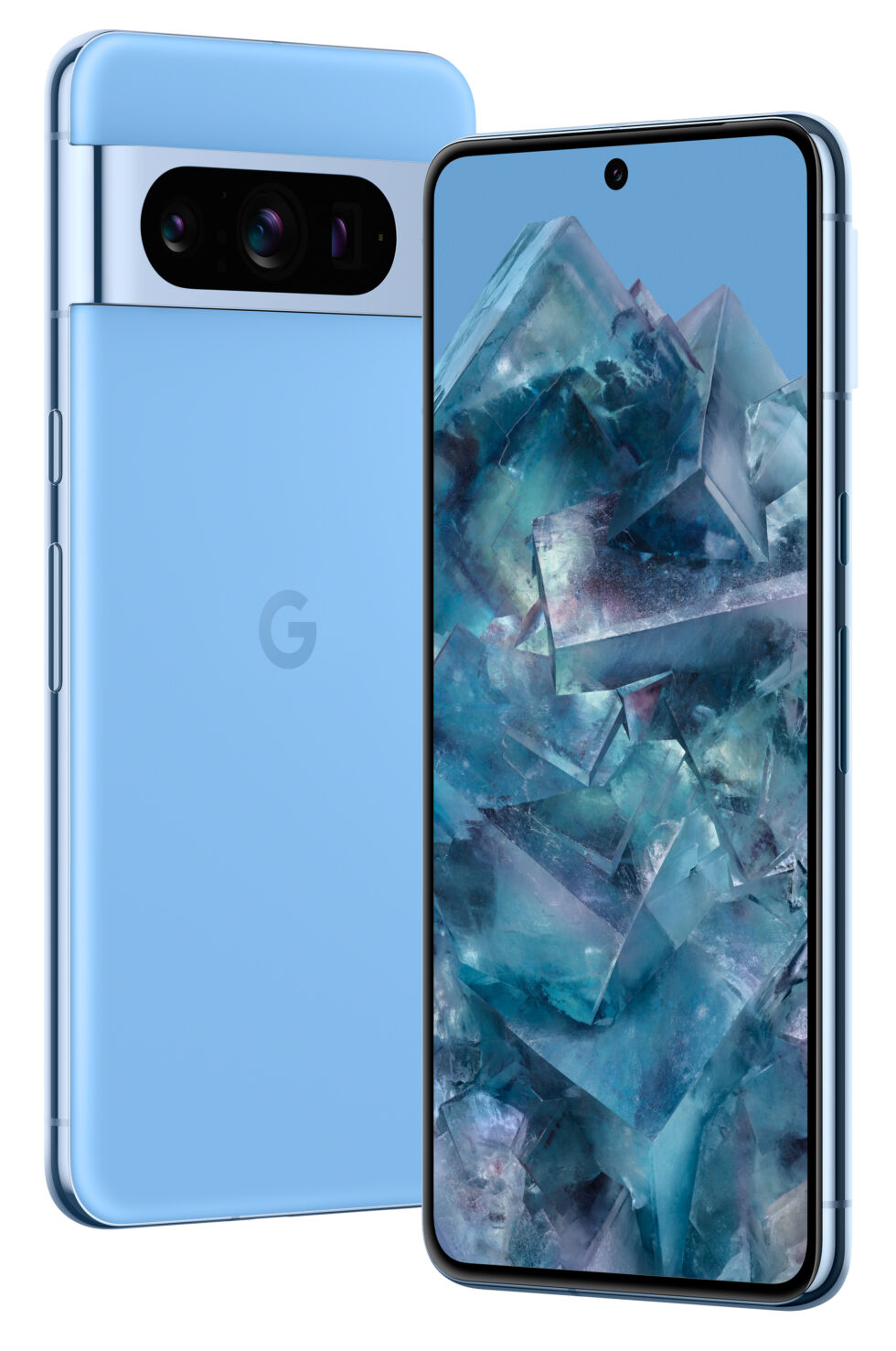
Available in three colors (Bay, Porcelain and Obsidian), the Pixel 8 Pro sports a very similar design to last year’s model with a large camera bar in back and polished metal sides. That said, Google has made some smaller changes, including adding a matte texture on the phone’s Gorilla Glass Victus 2 rear panel. The display is flatter as well, and has less rounded edges. And, just like before, the phone packs an IP68 rating for dust and water resistance, allowing it to withstand submersion in up to 5.5 feet of water for 30 minutes. 

One interesting new feature on the Pixel 8 Pro is the addition of a temperature sensor.
Google

The Pixel 8 Pro comes with a 6.7-inch Super Actua display that’s based on an LTPO OLED panel with a 120Hz variable refresh rate. Additionally, it offers peak brightness of 2,400 nits. Google says its Super Actua branding is meant to call attention to the screen’s colors and tuning, which have been engineered to be as accurate and realistic as possible. And, unlike the standard Pixel 8, the Pro also has a new 10.5-megapixel selfie camera with dual phase detection autofocus. Google also says that the Pixel 8 and 8 Pro’s face unlock employs a new algorithm alongside upgraded hardware to provide more precise facial recognition. 

However, between its upgraded sensors (a 50MP main, 48MP ultra-wide and 48MP telephoto with a 5x optical zoom) and a range of improved photo and video features, it’s the Pixel 8 Pro’s cameras that are making the biggest leap. For the first time on a Pixel phone, users will be able to use Google’s Night Sight Mode when recording videos. Meanwhile, the new Best Take feature makes it possible to choose the best reactions among a series of images so that every person in the shot is smiling. Also, by leveraging AI the Pixel’s Magic Editor can better tweak things like lighting, the framing of a photo and more, while the new Audio Magic Eraser tool gives you the ability to remove distracting sounds and noise in your clips.

The Pixel 8 Pro's new rear cameras are posied to be the biggest photography upgrades in years.
Google

But perhaps the biggest upgrade for photo enthusiasts is the addition of pro camera controls so you can adjust settings like shutter speed, ISO, white balance and more. There are even options for capturing images using the sensor’s full 50 megapixels in either JPEG, RAW or RAW+JPEG modes. If you need even more help making clips look good, the new Video Boost feature can send recordings to the cloud so that Google’s servers can apply more powerful computational algorithms to your footage. That said, it’s important to note that this process can take multiple hours.

On the inside, the Pixel 8 Pro is powered by Google’s Tensor G3 chip along with 12GB of RAM and up to 1TB of storage. Google claims the G3’s improved performance helps support new abilities like enhanced spam filtering for the Pixel’s Call Screener feature, Audio Magic Eraser and better image processing. In everyday situations, Google also is trying to improve the Pixel 8’s ease of use with new software like the ability to read websites aloud while translating them, a proofreading tool in Gboard, Assistant voice typing in multiple languages and a magnifier app for increased accessibility. 

The Pixel 8 Pro in graphite.
Google

Finally, the more expensive Pixel 8 Pro is the only one with a temperature sensor located in the camera bar. Initially, you can use it to measure how hot or cold a nearby object is. However, Google says it’s in talks with the FDA so that in the future you’ll also be able use it as a thermometer for people. And just like the standard Pixel 8, Google is upping the length of the Pixel 8 Pro’s software support (which includes both regular security patches and Android updates) to seven years. This is poised to be the longest commitment for any Android smartphone aside from the Fairphone 5. 

The Pixel 8 Pro starts at $999 and goes on sale October 12.

Follow all of the news live from Google’s 2023 Pixel event right here.

This article originally appeared on Engadget at https://www.engadget.com/google-leans-into-high-end-camera-features-for-the-999-pixel-8-pro-143040260.html?src=rss

Source: Engadget – Google’s 9 Pixel 8 Pro leans into high-end camera features

The Google Pixel 8 is official with 7 years of updates

Google’s newest flagship phone is finally official. The Pixel 8 and Pixel 8 Pro were both unveiled today, with the headline changes being a whopping seven years of updates, flat screens across the board, new CPUs, and a $100 price increase. The Pixel 8 Pro is officially $999, while the Pixel 8 is $699.

The Pixel 8 Pro features a fair number of design changes. The front screen is flat now, dumping a trend started by Samsung (and its ability to make curved OLED displays). For years, Android flagships have curved the side edges of their displays, making the edges of the screen distorted and more prone to glare and accidental touches. The Pixel 8 Pro now looks just like the Pixel 8, with a normal, flat display.

The 8 Pro also gets a “soft touch matte glass back,” which sounds like the same finish that was applied to the Pixel Fold. We loved the Pixel Fold back, as the satiny finish looked nice, seemed durable, provided a bit of grip if you were just carrying the phone around, and did a good job of hiding fingerprints. The aluminum on the Pro model is still polished to a mirror shine, which has the opposite of all those qualities listed above (that is, it’s slippery, easy to scratch, and greasy), but at least the back is improved. The camera bump on the Pro model merges all three cameras together under a single cover, and of course there’s a temperature sensor that we’ll talk about later.

Read 12 remaining paragraphs | Comments


Source: Ars Technica – The Google Pixel 8 is official with 7 years of updates