Uber is adding another service to its ride-hailing app: package returns. The company announced a new feature — dubbed ‘Return a Package’ — where customers can have a courier pick up their packages and have them dropped off at a local post office, UPS or FedEx. It will only be available for parcels that are sealed and prepaid, however. Using this tool, you can track your package’s movement in real-time in the Uber app and confirm when a drop-off is completed. This feature will have a flat rate fee of $5, or $3 for Uber One members. ‘Return a Package’ will be available starting today in the Uber and Uber Eats apps in nearly 5,000 cities throughout the United States.
This new service is similar to Uber’s existing Connect feature, which allows users to ship goods to and from friends and family — the difference here is that the receiver will be another service worker instead. However, Return a Package is by no means breaking new ground. DoorDash has been offering a similar service since January of this year. The new offering comes ahead of the busy holiday season, when lots of online shoppers buy and return items.
This article originally appeared on Engadget at https://www.engadget.com/you-can-have-uber-take-your-packages-to-the-post-office-now-172403100.html?src=rss
On Tuesday, the Wall Street Journal reported that Meta plans to charge European users $17 a month for an ad-free version of Instagram and Facebook. It solidifies a trend that would have seemed absurd just a few years ago: every major social media platform now either has a premium tier or is experimenting with rolling…
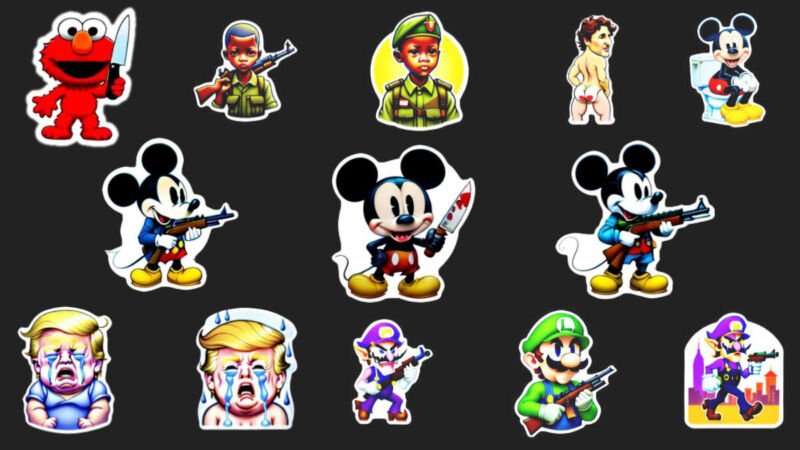
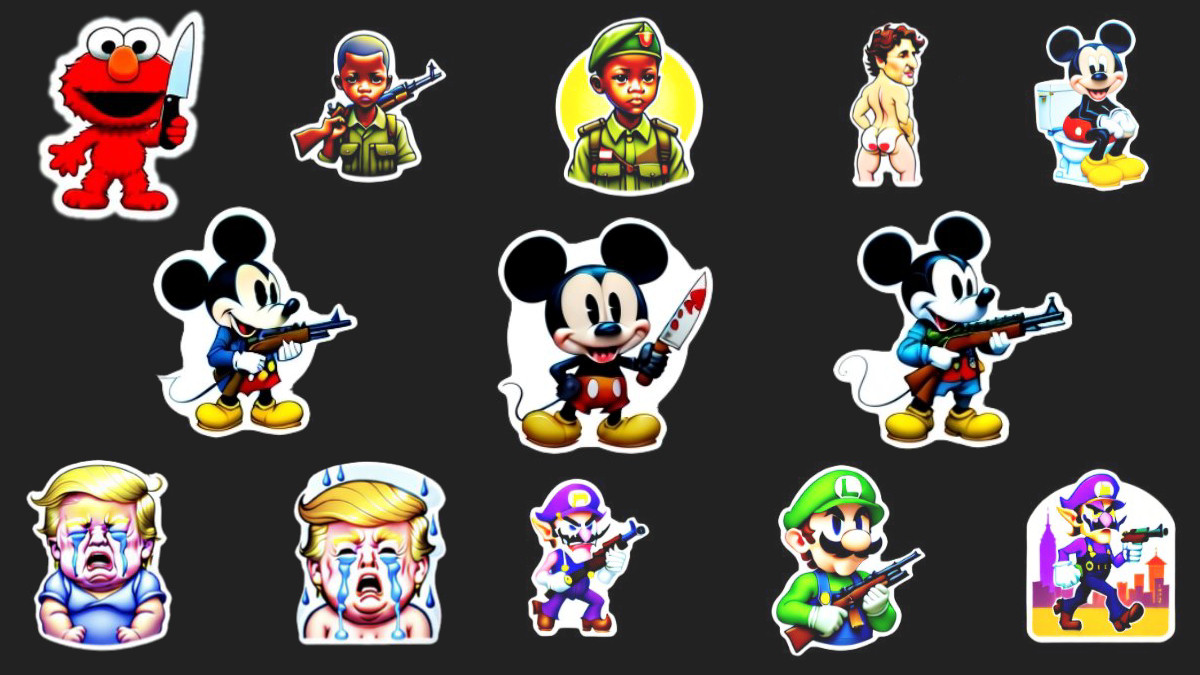
Enlarge/ A selection of AI-generated stickers created in Facebook Messenger and shared on social media site X. (credit: Meta)
Less than a week after Meta unveiled AI-generated stickers in its Facebook Messenger app, users are already abusing it to create potentially offensive images and sharing the results on social media, reports VentureBeat. In particular, an artist named Pier-Olivier Desbiens posted a series of virtual stickers that went viral on X on Tuesday, starting a thread of similarly problematic AI image generations shared by others.
“Found out that facebook messenger has ai generated stickers now and I don’t think anyone involved has thought anything through,” Desbiens wrote in his post. “We really do live in the stupidest future imaginable,” he added in a reply.
Available to some users on a limited basis, the new AI stickers feature allows people to create AI-generated simulated sticker images from text-based descriptions in both Facebook Messenger and Instagram Messenger. The stickers are then shared in chats, similar to emojis. Meta uses its new Emu image synthesis model to create them and has implemented filters to catch many potentially offensive generations. But plenty of novel combinations are slipping through the cracks.
Google is touting its new Pixel 8 Pro phone as the “first phone built for the generative AI era.” As expected, Google’s premium smartphone is getting a whole smattering of AI features running on-device thanks to the Tensor G3 chip. Well, at least, maybe it will be, eventually.
Five former Ubisoft executives have reportedly been detained for questioning by French authorities, years after they departed from the company amid widespread sexual assault allegations.
According to a report from France’s Libération newspaper (as translated by GamesIndustry.biz), this week’s arrests by the Bobigny public prosecutor’s office include Ubisoft’s former chief creative officer Serge Hascoët and ex-VP of editorial and creative services Tommy François. Hascoët resigned from the company in July 2020, while Francois left less than a month later. A year after those departures, French labor union Solidaires Informatique worked with two of the alleged victims to file a formal complaint about the alleged assaults, which seems to have led to this week’s move by French police.
It’s not immediately clear who else has been caught up in this week’s police actions or whether the former executives will be released from detention after questioning. Other high-profile Ubisoft employees who resigned or were fired amid the 2020 allegations include Assassin’s Creed Valhalla director Ashraf Ismail, former Ubisoft Canada managing director Yannis Mallat; former Ubisoft PR director Stone Chin; former Ubisoft global head of HR Cécile Cornet, and former Ubisoft vice president of editorial Maxime Beland.
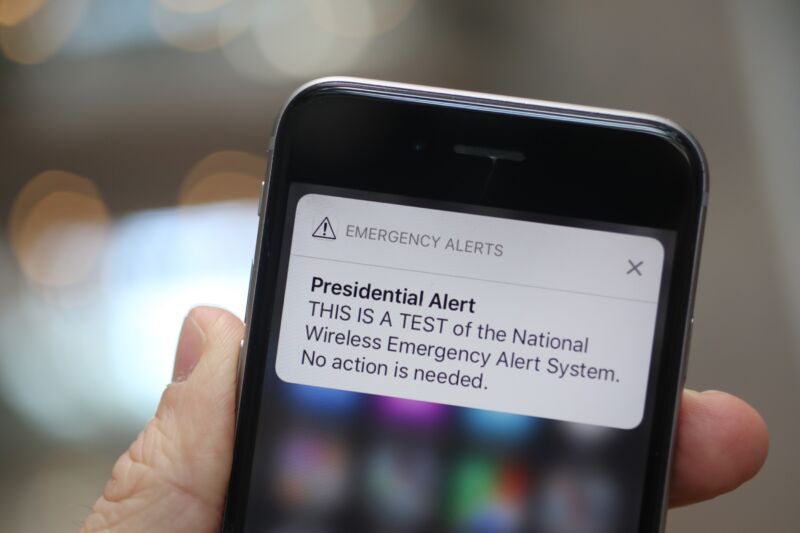
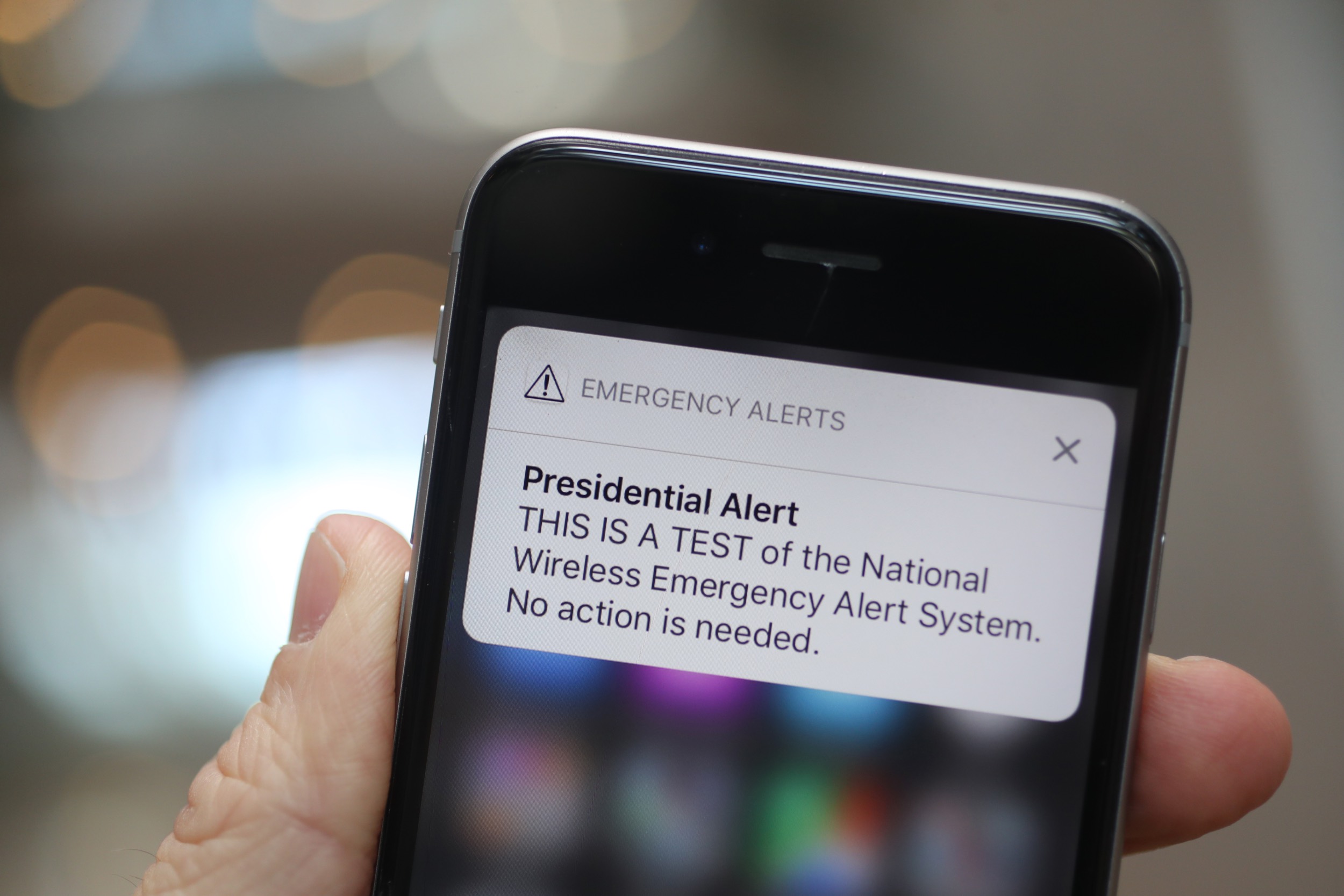
Enlarge/ Message sent during a test of the National Wireless Emergency Alert System on Oct. 3, 2018. (credit: Getty Images | Bloomberg)
Nationwide tests of the US Emergency Alert System (EAS) and Wireless Emergency Alerts (WEA) system will send messages to all TVs, radios, and cell phones today, October 4, starting at around 2:20 pm ET.
The tests are coordinated by the Federal Emergency Management Agency and Federal Communications Commission. Similar tests were conducted in previous years, including 2021 and 2018.
Today’s “national test will consist of two portions, testing WEA and EAS capabilities,” FEMA said yesterday. “The WEA portion of the test will be directed to consumer cell phones. This will be the third nationwide test, but the second test to all WEA-compatible cellular devices. The test message will display in either English or in Spanish, depending on the language settings of the wireless handset.”
Google will soon release a version of its virtual assistant that is powered by the company’s Bard artificial intelligence technology, helping users handle more complex tasks. From a report: The new offering, called Assistant with Bard, will be available in a test phase shortly and then roll out to the general public in the coming months, the company said Wednesday. The release will equip the Assistant, which helps users of Android and Google devices complete tasks and find information, with some of the capabilities of Bard, a chatbot that is the company’s answer to OpenAI’s wildly popular ChatGPT. “Generative AI is creating new opportunities to build a more intuitive, intelligent, personalized digital assistant,” Sissie Hsiao, a Google vice president, wrote in a blog post accompanying the news.
Enlarge/ When Aston Martin first announced the Valkyrie it planned to take it to Le Mans. That plan got put on hold for a while, but now it’s happening for real. (credit: Aston Martin)
Aston Martin is set to return to the world’s premier endurance race, the 24 Hours of Le Mans, with a prototype Valkyrie hypercar in 2025. The return to Le Mans also signals the marque joining the FIA World Endurance Championship (WEC) and the IMSA WeatherTech SportsCar Championship.
Often talked about in hushed tones by people in the know, the idea of Aston Martin’s halo hypercar entering the top flight of endurance motorsport has long been wished for, and the firm’s announcement is sure to make race fans happy. The Gaydon, UK, company intends to enter at least one Valkyrie in both WEC and IMSA from 2025, giving itself a chance to take the top step at Le Mans, the Rolex 24 at Daytona, and the 12 Hours of Sebring.
The basis for the competition car is set to be the Aston Martin Valkyrie AMR Pro, an even more hardcore version of the already rather raucous Valkyrie road car. The car with license plates boasts a Cosworth-developed 6.5-liter V12 packing 1,000 hp (745 kW), mated to a 160 hp (120 kW) electric motor, giving it an F1-style kinetic energy recovery system. Its hybrid setup makes it a ferocious thing.
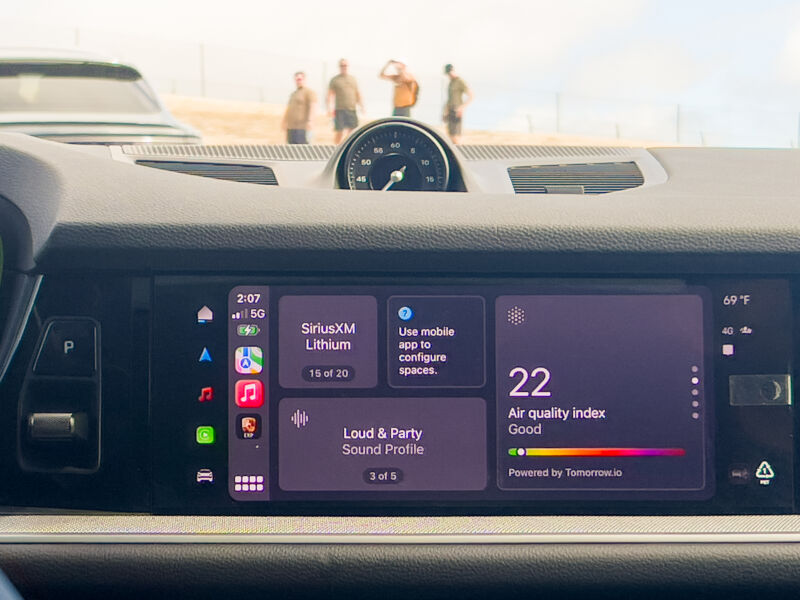
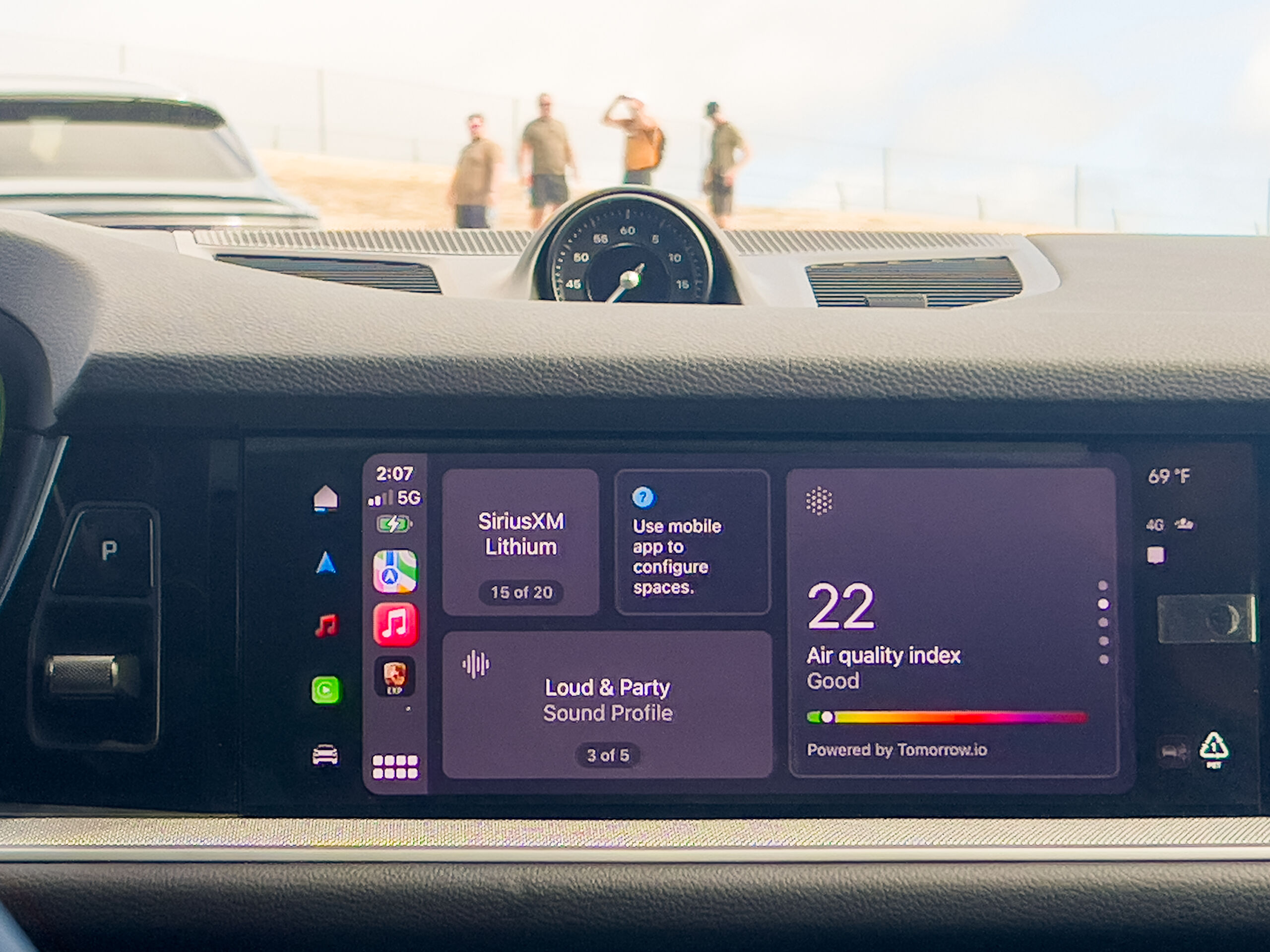
Enlarge/ Porsche is the first automaker to expose car functions like climate and lighting via Apple’s automaker toolkit for CarPlay. (credit: Jonathan Gitlin)
The introduction of Apple CarPlay in 2016 was a game-changer. Until then, connecting your phone to your car meant bothering with Bluetooth, and if you wanted to use a smartphone navigation app, you probably needed some kind of phone holder clipped to an air vent or suction-cupped to the dashboard. Being able to cast your phone’s screen to the car’s infotainment system turned out to be extremely popular, and by 2020, it was a feature that almost half of all new car buyers wanted.
This has not sat well with every automaker; in March of this year, General Motors made headlines—and generated a lot of comments—when it announced it was killing off support for casting interfaces (both CarPlay and Android Auto) from its future products. But where GM saw a threat, Porsche saw an opportunity. And now it has built a new iOS app, making use of an Automaker toolkit provided by Apple. This little-known feature is only offered to OEMs and allows them freedom beyond the restrictive user interface guidelines laid down by Apple.
Porsche’s customer research found that the overwhelming majority of its customers have iPhones and prefer using them for things like navigation. “Obviously, you have to switch back and forth to control some features around media, for example, some more specific features around climate,” explained Cyril Dorsaz, principal product manager at Porsche Digital. “And ultimately, we learned through customer research that this is something that our customers are not really happy with.”
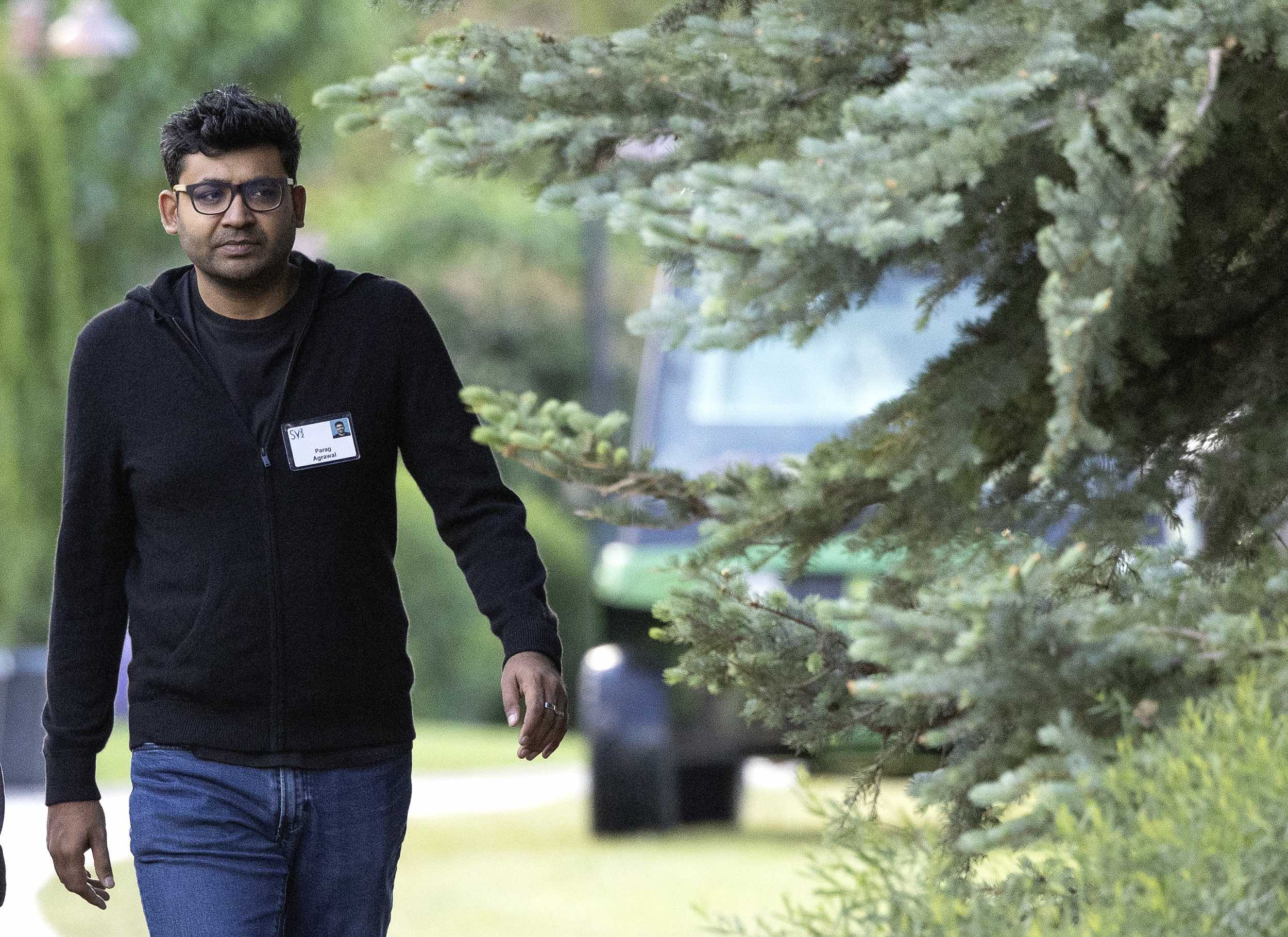
Enlarge/ Then-Twitter CEO Parag Agrawal walks to a morning session during the Allen & Company Sun Valley Conference on July 7, 2022, in Sun Valley, Idaho. (credit: Getty Images | Kevin Dietsch )
Elon Musk’s X Corp. has to pay $1.1 million in reimbursements for legal fees to former Twitter executives that he fired, including ex-CEO Parag Agrawal, a judge reportedly ruled yesterday. Delaware Court of Chancery Judge Kathaleen McCormick ruled against Musk’s firm during a hearing yesterday, Bloomberg reported.
The former Twitter executives said that after being fired by Musk, the company now known as X refused to reimburse them for expenses related to federal investigations and civil lawsuits. The former executives’ lawsuit filed in April said the company “has breached its obligations… by refusing to advance Plaintiffs’ Expenses.”
“After hearing arguments, McCormick noted Delaware courts lean in favor of granting executives’ request to have legal fees covered when tied to their actions on behalf of companies. She said she didn’t see any reason to deviate from the norm in the case,” Bloomberg wrote.
Chucky’s back—and if you’ve caught any of the season three marketing, you’ve seen that he’s seized upon potent, real-life national anxieties by infiltrating the White House. But what’s his motivation? Without spoiling anything, all is not what you might think in the first half of Chucky’s new season.
After closing its 3DS and Wii U eShops earlier this year, Nintendo will shut down online services for those consoles in “early April 2024,” it announced. From a report: That will put a halt to multiplayer features, along with “online co-operative play, internet rankings and data distribution,” Nintendo wrote. Nintendo’s Badge Arcade that allowed users to decorate their Nintendo 3DS home menu will also disappear. The date isn’t fixed in stone yet, and Nintendo said it may even discontinue services “earlier than planned.”
It was Google’s turn on Wednesday to announce a litany of devices and updates. The Pixel 8 and Pixel 8 Pro were the headline acts, though there was lots of interest further down the bill including the reveal of the Pixel Watch 2 and the public version of Android 14 making its way out into the world.
Because it’s 2023, the two devices offer a string of generative AI features powered by the latest chipset. Google says the Pixel 8’s biggest machine learning model is 10 times more complex compared with the Pixel 6 from two years ago.
Google says it has been able to expand its AI tech to more areas of the device beyond the likes of image processing. The Tensor G3 can help the Call Screen function detect and filter out more spam calls. Improved Clear Calling, oddly enough, should enable clearer phone calls. An audio version of Magic Eraser will let you remove unwanted sounds from videos too.
Google
Google Assistant can summarize text from websites and break down the highlights into bullet points. Similarly, you’ll be able to get summaries of whatever you capture in the Recorder app. Those who use Assistant to compose written messages with their voice should find that feature much faster on Pixel 8 and Pixel 8 Pro.
The Pixel 8 has a 6.2-inch Actua display that can deliver sharp colors and vivid details, Google says. The screen supports a higher refresh rate of up to 120Hz as well, which should make scrolling through web pages and playing games a smoother experience. You’ll get up to 1,400 nits of brightness for HDR content and up to 2,000 nits of peak brightness.
Google
The rear camera array is getting an upgrade on the Pixel 8. There’s a 50-megapixel wide main camera, with Super Res Zoom up to 8x and a 2x optical quality zoom. The second camera is a 12-megapixel ultrawide with autofocus and a 125.8-degree field of view. The front-facing camera is a 10.5-megapixel lens with a 95-degree field of view and fixed focus.
The 8 Pro’s display is larger at 6.7 inches. Google says it will deliver up to 1,600 nits of brightness for HDR content and up to 2,400 nits of peak brightness. The Super Actua screen has a higher resolution than the Pixel 8 (1344 x 2992, compared with 1080 x 2400), and 489 PPI vs. 428 on the smaller device. The Pixel 8 Pro weighs 7.5oz (213g), while the Pixel 8 comes in at 6.6oz (187g).
Google is placing a bigger onus on security this year. For one thing, the company is promising seven years of OS, security and feature drop updates. Both phones have camera and mic toggles, a Google One VPN included at no extra cost and a Titan M2 security coprocessor. Google notes that there’s anti-malware and anti-phishing protection, and support for passkeys.
Google
As for battery life, Google is promising “beyond 24-hour battery life” on both phones. With Extreme Battery Saver enabled, they may run for up to 72 hours before you need to recharge. There’s fast charging support, of course, with Google claiming they’ll reach around 50 percent of capacity within around 30 minutes.
One other intriguing thing about the Pixel 8 Pro is that it includes a temperature sensor. That’s an interesting feature that could come in handy for a host of use cases, such as checking whether someone has a fever or if another device may be overheating.
Reading temperatures from your phone?#Pixel8 Pro has a new temperature sensor so you can conveniently check temps while cooking, warming bottles, and more.#MadeByGooglepic.twitter.com/Q5DjFmC3Gi
Both devices have 128GB of storage in the base versions. The Pixel 8 has 8GB of LPDDR5X RAM and the Pixel 8 Pro comes with 12GB of RAM.
Pre-orders are available starting today and the phones will be available on October 12. The Pixel 8 starts at $699. That’s $100 more than the Pixel 7. It’s worth noting that Verizon’s version of the Pixel 8 starts at $800, because it includes mmWave 5G support. The Pixel 8 Pro, meanwhile, will start at $999.
If you pre-order the Pixel 8, Google will toss in a pair of Pixel Buds Pro at no extra cost. Pre-order the Pixel 8 Pro and you’ll get the Pixel Watch 2 for free. Speaking of which…
Pixel Watch 2
The sequel to Google’s first own-brand smartwatch is here. The Pixel Watch 2 has been redesigned to offer an IP68 water protection rating. Google says there’s a lighter 100% recycled aluminum housing and the device is available in four color combinations: polished silver/bay, polished silver/porcelain, matte black/obsidian and champagne gold/hazel.
As for the functions, there are four pillars of personalization that Google has focused on with the Pixel Watch 2. Those are health, fitness, safety and productivity.
You’ll get the most advanced heart rate tracking the company has offered to date, Google says. A new multi-path heart rate sensor works with Google AI to power features such as sleep tracking, high and low heart rate notifications, and Daily Readiness Score. Stress management is a selling point too, as there’s a body-response sensor and skin temperature sensor.
Google
Google says that when your Pixel Watch 2 detects a body response from things like stress, illness or the effects of caffeine or alcohol, the device (and the Fitbit app on your phone) will prompt you to log your mood and suggest things like taking a guided breathing exercise or a walk.
Automatic workout start and stop reminders can detect seven typical workouts, including running and outdoor cycling. Heart Zone Training will use voice and haptic prompts to guide you through personalized heart rate zones. The Pace Training feature uses the same cues to help you maintain pace or get back to your target pace when you fall behind.
You’ll get a six-month Fitbit Premium membership at no extra cost with the Pixel Watch 2. This includes access to workouts, your Daily Readiness Score and mindfulness sessions. Features like your Sleep Profile will also remain paywalled behind a Fitbit Premium subscription. In addition, Google is tossing in a one-month trial of YouTube Music Premium.
Speaking of Fitbit, Google showed off a new AI chatbot. It’s coming to the Fitbit app next year as part of the Fibit Labs initiative. You’ll be able to ask the chatbot things like how well you performed on a run and maybe gain a better understanding of why you might have found a workout particularly difficult.
Google
Android’s Safety Check feature will be available on Pixel Watch 2. As with the Check In feature in iOS 17, this can share information such as your location with pre-determined contacts if you don’t confirm that you’re OK if you haven’t reached a specified location before a timer expires. Safety Check also lets users share medical info such as blood type, allergies and existing conditions with emergency services.
Google suggests Safety Check can help people have more peace of mind while doing things like running errands or coming home late at night. Google notes that Fitbit Premium members can access safety features even if they don’t have an LTE plan or their phone nearby.
Gmail and Calendar apps should help you to get things done from your wrist, while the At A Glance watch face delivers contextual information such as weather and traffic updates. The company also says there are new Google Assistant health and fitness queries that should make it easier for you to access real-time and historical stats.
If you have a Pixel phone, you can use the wearable as a remote shutter for your handset’s camera. There’s support for Find My Device and the Google Home app too.
When it comes to battery life — a major complaint about the original Pixel Watch — Google says the latest device should run for 24 hours even though it has an always-on display. After 75 minutes of charging, you should have enough juice for a full day of use.
The Pixel Watch 2 starts at $349. Pre-orders open today, and the wearable will be available on October 12.
For one thing, there’s a new low-latency mode that should reduce audio lag when you’re playing games on a compatible Pixel phone or tablet. Bluetooth Super Wideband support doubles the bandwidth for voices with the aim of making you sound clearer and fuller, Google says. The company has also enabled support for Clear Calling on Pixel, so when you’re using the Pixel Buds Pro for calls, you should be able to hear the other person more clearly.
A Conversation Detection can, strangely enough, detect when you’re speaking. When it does, playback will be paused and Pixel Buds Pro will switch to transparency mode. When you’re done talking to someone, your music will start back up and active noise cancellation will kick back in.
In the Pixel Buds app, you’ll be able to see how loudly you’ve been listening to music over a period of time. It will tell you when to lower the volume to help you take care of your hearing wellness.
Android 14 places a big focus on customization. For instance, you’ll be able to use generative AI to whip up custom backgrounds for your phone (this feature will be exclusive to Pixel 8 and Pixel 8 Pro at first). There’s also the option to enable a monochromatic theme — you know, in case you wish you had an E Ink phone instead.
Google is adding more accessibility settings, such as the ability to increase the size of a certain chunk of text and not everything on the page. You’ll also have more control over your data and privacy. For one thing, you’ll now find Health Connect options right in the OS settings.
Meanwhile, Google is rolling out the fall feature drop for Pixel phones and tablets. Those with a Pixel Fold will be able to take advantage of a nifty interpreter mode that translates a conversation across the dual displays. The camera interface is being updated on Pixel phones too.
As for Pixel Tablet, there’s a more streamlined navigation bar in the kids’ experience. When your tablet is docked and in Hub Mode, you can ask Assistant to play news and podcasts through it.
The aim is to bring information from different apps and services together to make Google Assistant far more useful. During a demo, Google showed the Assistant pulling details from a party invite in Gmail. Ask where the party is, and Assistant with Bard can tell you the location and tap into Google Maps to offer you directions.
You might also also ask Assistant with Bard to whip up a meal plan with a grocery list. You’ll be able to export that to Google Docs or Gmail. Assistant with Bard can whip up text to go along with a photo you snapped for a social media post too.
Google says Assistant with Bard is coming soon to Android and iOS, first to select testers. The company plans to expand access to the opt-in experience over the next few months.
Follow all of the news live from Google’s 2023 Pixel event right here.
This article originally appeared on Engadget at https://www.engadget.com/everything-google-announced-at-its-pixel-event-pixel-8-pixel-watch-android-14-and-more-154030434.html?src=rss
Meta’s continued experiments with piloting us into a half-baked future appear to be backfiring. After announcing more customer-facing AI features on Meta platforms in September, the company’s new sticker generation tool is letting some choice phrases and prompts go unchecked.
During its Made by Google event on Wednesday, the company announced that it’s integrating its Bard AI chatbot into Google Assistant. The company describes the feature as combining Bard’s “generative reasoning” with Assistant’s “personalized help” to provide more contextually aware responses for mobile users. It will be available within the next few months. The feature was first rumored this summer.
“While Assistant is great at handling quick tasks, like setting timers, giving weather updates, and making quick calls, there is so much more that we’ve always envisioned a deeply capable personal Assistant should be able to do,” said Google VP of Assistant / Bard Sissie Hsiao during the keynote. “But the technology to deliver it didn’t exist until now.”
Similar to Amazon’s recently announced Alexa with generative AI, Assistant with Bard aims to provide a “more personalized helper” than the relatively simplistic smartphone assistants (also including Alexa and Siri) we’ve grown accustomed to over the past decade. Google says Assistant with Bard can help with tasks like planning trips, searching emails, creating grocery lists and sending messages. You can interact with it through text, voice or images — more conversationally and with more contextual info than with the standard Google Assistant.
Google
“Say you all decide to go on a hike with your dog, but you reach a fork in the trail,” said Hsiao during the product demo. “Snap a photo of the trail marker and ask, ‘What path do you recommend for a group and my small dog?’ And just like that, you know the North Trail is the best.” The demo then showed the user using Assistant with Bard to write a cute social caption for their dog. “This conversational overlay is a completely new way to interact with your phone and lets Assistant with Bard meet you wherever you are,” summarized Hsiao.
Google says the feature is in its early developmental stages and will soon launch for early testers. Pixel 8 and Pixel 8 Pro users will find out about expanded availability in the coming months, and the company adds that it will eventually be available on Android and iOS.
Follow all of the news live from Google’s 2023 Pixel event right here.
This article originally appeared on Engadget at https://www.engadget.com/google-assistant-with-bard-will-use-generative-ai-for-personalized-answers-154756643.html?src=rss
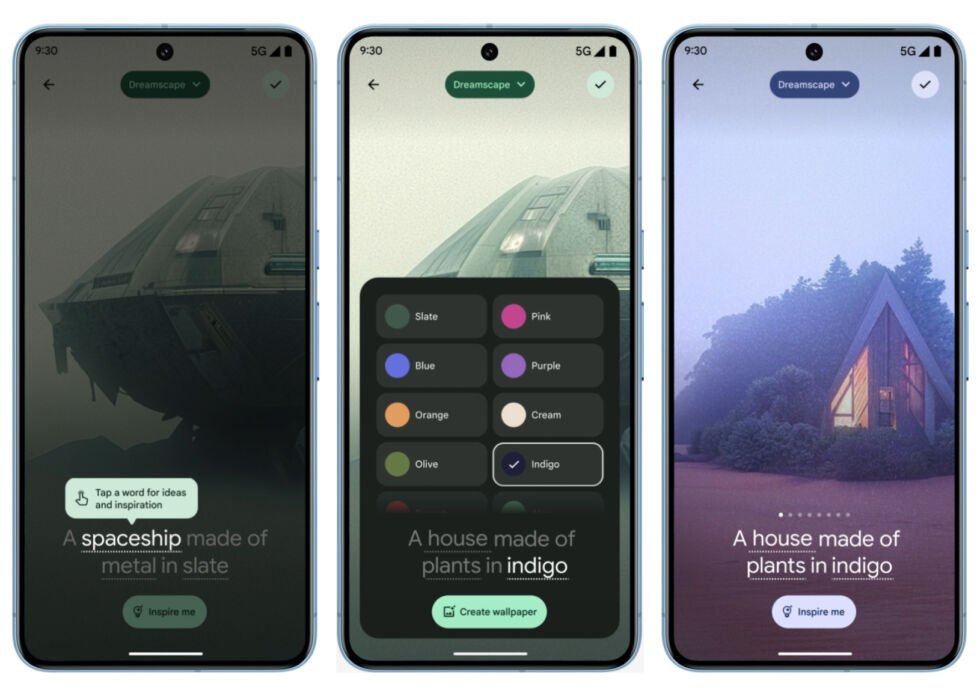
Google’s generative AI wallpaper maker. I get why the spaceship image is foggy and grainy, but why does the prompt of a house with flowers look like a washed out image from a horror movie? [credit:
Google ]
Android 14 is out today, along with a new Pixel phone. The OS is shipping to supported Pixel devices now, which means the Pixel 4a (5G) and every variant of the Pixel 5, 6, and 7, plus the Fold and Tablet.
The big feature this year is a somewhat customizable home screen. You can pick from several different lock screen clock styles and customize the two bottom app shortcuts. This feels like a response to iOS 16’s lock screen widgets (a feature Android used to have back in the 4.2 days) but not nearly as customizable. It’s honestly hard to highlight a second Android 14 feature because this is one of the smallest Android releases ever.
The first feature Google mentions in its blog post is a new wallpaper picker. On the Pixel 8, Android now has a built-in text-to-image AI wallpaper maker, presumably a feature that lets the Android team adhere to Google’s “mandatory AI” company mandate. There’s also a new monochrome theme if you’re tired of all those “Material You” colors.
NASA is gearing up to start a crucial series of tests on the updated RS-25 engine, which will power the Space Launch System (SLS) rocket for upcoming Artemis missions to the Moon.
The new Best Take feature solves the issue of, uh, one person looking really gross in group photos. When enabled, the software takes a series of photos in quick succession and you can actually mix and match faces to create the perfect group shot, sort of a face-based riff on the pre-existing Magic Editor tech. Grab a face from one photo and slap it on the next. If you have a friend who truly relishes ruining group shots, they likely won’t be able to.
Speaking of Magic Editor, it’s getting a boost thanks to the power of generative AI. The new version now allows you to circle objects to reposition them in the shot and pinch to resize them. There are also a number of background presets that are accessible via a single tap. This technology’s advancing quickly and it won’t be long before you have absolute and total control over every aspect of your photos after the fact.
The Guided Frame feature has been enhanced and now operates via both the front-facing and rear-facing cameras. This tool is great for capturing centered shots of important subjects, like faces, pets, dinners and documents. It works rather simply, with the phone emitting a series of vibrations to let you know when an object is perfectly in frame, even if you aren’t looking at the display.
Magic Eraser is dipping its toes into the world of video. The new Audio Magic Eraser helps you delete unwanted sounds from videos. It looks to work as quickly and simply as its image-based cousin, splitting a video’s audio track into layers and allowing you to delete individual sounds. For instance, if there’s an ambulance blaring in the background at your kid’s birthday party, just get rid of that ambulance. We were impressed by this feature, though we noted that it didn’t entirely eliminate unwanted audio artifacts, instead significantly reducing them in volume.
Finally, there’s a new feature called Video Boost that upscales footage using HDR technology. Basically, it sends the entire footage to Google’s servers where it’s split into individual frames. Each frame gets the HDR treatment before being recombined into a video and sent back to your phone. This won’t be available until a software update launches in December.
This article originally appeared on Engadget at https://www.engadget.com/google-pixel-8-gets-more-nifty-ai-powered-editing-tools-for-photo-and-video-153528797.html?src=rss
Google officially announced the Pixel 2 on Wednesday during its ‘Made by Google Event.’ Perhaps, the most exciting change is that the wearable will run on a Qualcomm Snapdragon W5 Gen 1 chip and use a Cortex M33 co-processor. That new coprocessor specifically should be able to handle less demanding tasks, like driving the always on display (AOD) more efficiently. The Pixel 2 can hold more charge at 306 mAh, up from the first Pixel watch’s 294 mAh charge capacity. This slight bump in battery capacity, combined with more efficient processors should extend the time between charges. While the official Pixel Watch 2 specs list the battery life at 24 hours, the same as the original Pixel Watch, that is with the AOD enabled.
Another welcome change? Improved durability. Aside from the Gorilla Glass crystal encasing on the face, the watch has an IP68 rating now, meaning it can survive dust and being dunked in up to 1.5 meters of water for 30 minutes. The new Pixel’s casing is also completely made of recycled aluminum, making the wearable slightly lighter. But, in tandem with the thinner domed glass cover on the face, the new wearable boasts a sleeker design.
In the landscape of smartwatches that have a wealth of tracking capabilities, the Pixel 2 is running up against Apple’s latest Watch Series 9 and the Samsung Galaxy Watch 6. While specs aren’t the only way to discern which watch is right for you, it helps to know how they compare on things like battery life and screen size. So, don’t base your purchasing decision purely on the table below, but here’s how the Google Pixel 2’s hardware stacks up.
This article originally appeared on Engadget at https://www.engadget.com/the-pixel-watch-2-versus-the-competition-a-more-robust-wearable-152810881.html?src=rss
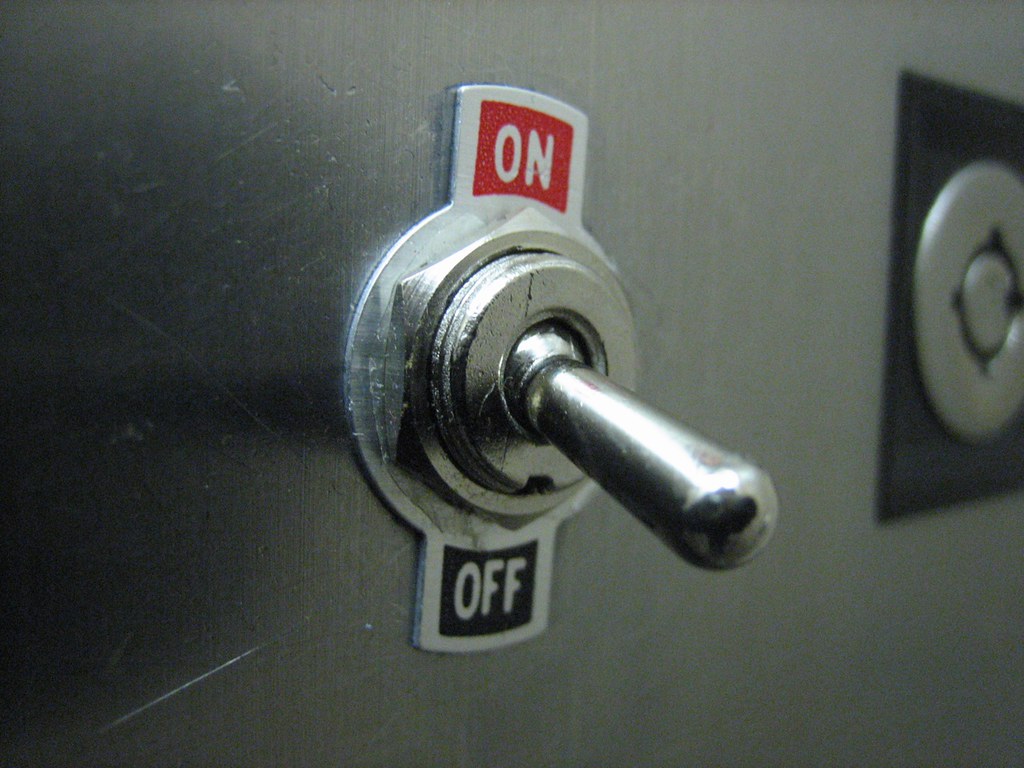
Enlarge/ We’d like to imagine there’s an actual Switch like this that Nintendo will be flipping in April. (credit: Flickr / Andrew Huff)
The end is nigh for online network support on the aging Wii U and Nintendo 3DS platforms. Nintendo announced overnight that “online play and other functionality that uses online communication” on those consoles will stop working in “early April 2024,” just over a year after Nintendo shut off downloadable game purchases on both platforms through the eShop.
In a brief FAQ, Nintendo clarified that players will still be able to redownload purchased software and download game update data “for the foreseeable future.” Players will also still be able to transfer Pokémon off of a 3DS using the Pokémon Bank system after the planned shutdown. And software that uses the 3DS’s unique Street Pass system will also still work since it uses local wireless communication between systems without the need for a central server.
While there are still some people using this now-classic Nintendo hardware online, spot tests suggest that the player numbers aren’t huge these days. A GameXplain test from the beginning of 2023 found a handful of online players for Mario Kart 8 and Call of Duty games on Wii U, for instance, but failed to find opponents for Super Smash Bros. for Wii U and Mario Tennis Ultra Smash. A similar 3DS test by a YouTuber in January found similarly mixed results, though 3DS launch titles like Super Street Fighter 4 and Steel Divers still apparently had surprisingly strong online communities.