YouTube’s Premium Lite tier gets background play and downloads

YouTube is adding new features to its Premium Lite plan. The tier will offer background play and downloads for the mostly ad-free plan. The update comes a year after YouTube first launched the lower-cost plan.

The Premium Lite tier is notable because for $8 per month you get most videos ad-free, emphasis on most. Currently, it still uses ads for YouTube music (along with random other videos), but the new update is bringing more Premium tier features without the $14 per month price tag.

As a Lite user, you will be able to use background play on most videos. Notably, this announcement comes less than a month after Google cracked down on free workarounds to access background play on YouTube. “Background playback is a feature intended to be exclusive for YouTube Premium members. While some non-Premium users may have previously been able to access this through mobile web browsers in certain scenarios, we have updated the experience to ensure consistency across all our platforms,” Google told Android Authority. Now, it’s for Premium Lite users as well.

YouTube Premium Lite users are also getting access to downloads. They can watch — here it comes again — most videos offline. These new features will roll out starting today and in the coming weeks to Premium Lite subscribers.

This article originally appeared on Engadget at https://www.engadget.com/entertainment/youtubes-premium-lite-tier-gets-background-play-and-downloads-170051755.html?src=rss

Apple Is Finally Making Texting Between iPhone and Android Secure

Perhaps the best thing to happen to smartphones in the past five years was Apple’s decision to start supporting RCS. Ever since, texting between iPhone and Android hasn’t been a nightmare caused by SMS: Group chats function as they should, photos and videos can be sent in high quality, and you can even see when the other person is typing—though the messages are still green.

While the experience is miles better than it used to be, it isn’t perfect. There are still some key functions missing from RCS on iPhone. For instance, you can’t unsend messages, reply to a thread, or edit iPhone messages. The latter can only happen on the Android side, while only iPhones can react with emojis right now. The biggest omission, however, is support for end-to-end encryption (E2EE). This is arguably the most important advantage RCS has over SMS. E2EE “scrambles” your messages, and only you and the recipient(s) have the “keys” to unscramble them. If a hacker were to remotely access your messages from an untrusted device, they wouldn’t be able to read them: The only way to see these messages in plain text is to have access to the trusted device associated with them.

If you have an Android device, and you text with other Android devices using Google Messages, you likely have this advantage. You may see a small lock icon next to your messages as you send them, indicating that texts are sent with E2EE. iPhones have this advantage when texting other iPhones, as iMessage is E2EE as well. But when you text from an iPhone to an Android, whether or not you’re using RCS or SMS, those messages are not protected by encryption, which leaves you vulnerable to hacking.

End-to-end encryption support for RCS is live in the iOS 26.4 beta

That’s now changing. Apple is currently testing E2EE support for RCS on iPhone. Not only that, anyone can try it out right now—assuming you’re fine taking on the risks of beta software.

The change comes with the second beta for iOS 26.4, which Apple released on Monday. Apple’s first beta for 26.4 added an initial layer of support, but only for iPhones texting each other with iMessage disabled. The second beta now supports E2EE for RCS communications with Android devices. As long as your Android friends are running the latest version of Google Messages, and you’re running the second iOS 26.4 beta, you can rest easy knowing your messages are protected by end-to-end encryption.

However, this doesn’t mean that those of us waiting for the official iOS 26.4 release will enjoy the same. While beta features are always subject to change, Apple explicitly says in its release notes that, “This feature is not shipping in this release and will be available to customers in future iOS, iPadOS, macOS, and watchOS 26 releases.” It seems the company is getting a jump on testing in anticipation of a future iOS 26.4.1, iOS 26.5, or maybe even an iOS 27 release.

Don’t install the iOS 26.4 beta without knowing the risks

You’ll need to install the latest beta on your iPhone to give this encryption a try—but don’t do that without thinking it through. Beta software is in testing, which means there may be bugs and other instabilities you aren’t used to dealing with in iOS. If something goes wrong, and you need to uninstall the beta, you’ll need to reset your iPhone entirely. Unless you have a full backup of iOS 26.3 on your computer, you could lose data. As such, I never recommend installing betas on your primary device. It’s your choice, of course: Just understand the risks.

If you do decide to try the beta, you’ll also have access to other new features in iOS 26.4—namely, a new Apple Music experience with an AI playlist generator, fresh design, and the ability to add songs to multiple playlists at once.

50 mpg in a Nissan crossover? Testing the new E-Power hybrid system.

While Toyota and Honda’s showrooms are littered with electrified offerings, Nissan hasn’t had much to counter. Globally, Nissan offers a series hybrid system called E-Power, but the company has been reluctant to offer it Stateside. If you ask anyone at the company about it, they’ll tell you that while it makes sense in Europe, Japan, and other parts of Asia, it is not optimized for the type of driving we do this side of the pond.

Nissan’s hybrid offerings in North America have been lackluster at best. There was the Altima that borrowed Toyota’s hybrid system from the Camry, and there was the Rogue hybrid that failed to deliver noticeably better fuel economy. And that’s really it.

That, however, is about to change with the company’s third-generation system.

Read full article

Comments

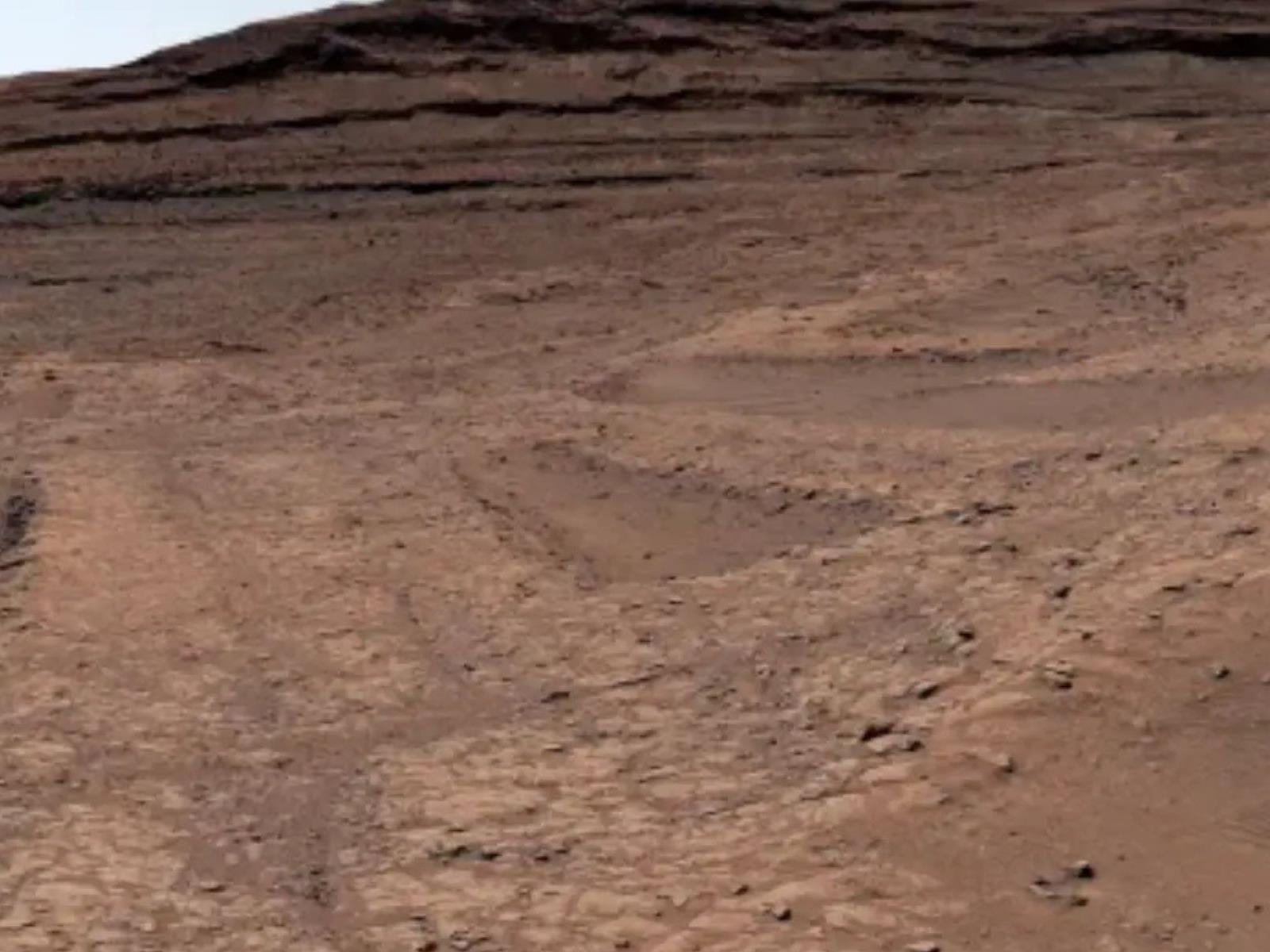
NASA’s Curiosity Rover Captures Stunning Images Of Mysterious Martian Spiderwebs

NASA's Curiosity Rover Captures Stunning Images Of Mysterious Martian Spiderwebs
NASA’s Curiosity rover has finally completed its focused survey of the so-called spiderwebs of Mars, providing us the first close-up look at a massive network of geologic ridges on Mount Sharp that have puzzled scientists since they were first spotted from orbit years ago.

Curiosity rover captured this panorama of boxwork formations—the

Blizzard finally revealed its long-rumored Overwatch mobile game

Blizzard is finally bringing Overwatch to mobile devices, but not exactly in the way you think. The company isn’t making a port of the mainline game. Rather, it just announced a spinoff called Overwatch Rush, which is being described as a “top-down hero shooter designed specifically for mobile set in the Overwatch universe.”

There have been rumors about an Overwatch mobile game for what seems like a lifetime. Most people assumed this would appear as a straight port, but a brand-new game is also great. It’s not being developed by Team 4, the group that works on the mainline game, but is being made internally.

Overwatch Rush features many of the heroes of Overwatch battling on familiar-looking maps, according to a gameplay video. The game offers 4v4 matches, though the characters are more cartoonish and stylized than the mainline game. This is likely to accommodate smaller screens and the top-down view.

This is a mobile game, so the battles are described as “bite-sized” and the controls are touchscreen-based. Blizzard says it’s still in the early stages of development but that it’s going to offer “fast-paced, on-the-go play, with hero-centric combat and playstyle customization that suits both team and solo players.”

Overwatch Rush will be playable soon, as part of a beta testing process. It’ll be free to play and available for both Android and iOS whenever the full game is ready to go.

Blizzard says that a “new, separate, dedicated team” will be “focused exclusively” on Overwatch Rush. That’s industry code for “we aren’t draining resources from the main game to make the mobile spinoff.” Oddly, the company recently held a series of panels to discuss the future of its franchises and didn’t mention this mobile game.

This isn’t the company’s first foray into mobile game development. It’s had a hand in stuff like Diablo Immortal and Warcraft Rumble.

This article originally appeared on Engadget at https://www.engadget.com/gaming/blizzard-finally-revealed-its-long-rumored-overwatch-mobile-game-162938590.html?src=rss

Billions of Dollars Later and Still Nobody Knows What an Xbox Is

Microsoft has spent more than $76 billion acquiring game studios and publishers over the past few years in an attempt to turn Xbox into a Netflix-like subscription platform, and the result is that nobody — possibly not even Microsoft — can clearly articulate what Xbox actually is anymore, The Verge writes.

The brand started as a powerful video game console, but Game Pass and cloud gaming pushed it toward a hazier identity: the “This is an Xbox” ad campaign tried to redefine it as any device that could play Xbox games, whether a PC, a smart TV, a phone, or a Windows handheld. Microsoft then went further and started publishing its biggest franchises on PlayStation, making it one of the largest third-party publishers on a rival’s platform.

Phil Spencer, who led the division for over a decade and drove the subscription pivot, announced his retirement last week, and incoming CEO Asha Sharma has pledged “the return of Xbox” — though her memo also talks about expanding across PC, mobile, and cloud, which sounds a lot like the status quo.


Read more of this story at Slashdot.

Netflix, Disney+ and other major streaming services face stricter UK oversight

Netflix, Disney+, Amazon’s Prime Video and other major video on-demand (VOD) streaming services are set to face stricter regulation in the UK. Platforms with a monthly average of more than 500,000 UK viewers will be deemed “Tier 1″ services that are subject to similar oversight as broadcasters like the BBC and ITV under the eye of media watchdog Ofcom. 

Streaming services run by public broadcasters like ITVX and Channel 4 will have to abide by the new rules as well. BBC services such as iPlayer are exempt for now as they’re regulated under the Broadcasting Code, which broadcasters have to adhere to. That said, the UK government plans to update the BBC Framework Agreement so that iPlayer is regulated in the same way as Netflix et al. 

The government said the new rules will reflect changes in how people are watching TV. It claimed that 85 percent of people use an on-demand service every month while 67 percent watch live TV. It added that two-thirds of UK households subscribe to at least one of Netflix, Prime Video and Disney.

According to Variety, the rules will not apply to video-sharing platforms such as YouTube, since those are regulated under the Online Safety Act. However, individual channels on such platforms could be subject to the VOD standards code. 

Tier 1 platforms will have to adhere to regulations regarding accuracy and impartiality, while ensuring they shield audiences from “harmful or offensive” material. Ofcom will be able to accept viewer complaints over apparent breaches of such rules and carry out investigations. The watchdog will then be able to take action if it determines that there’s been a breach of the VOD standards code. That includes fines of up to £250,000 ($337,000) or five percent of “qualifying revenue” per breach.

A public consultation will help shape the VOD standards code. The public and streaming services will have the chance to weigh in on what the rules should be. The standards code will then come into force a year after Ofcom publishes it. The government says “more than 20” platforms will be subject to the code as things stand.

Separately, a VOD accessibility code will be established to bring streaming services further into line with broadcasters. Tier 1 streaming platforms will have to ensure that at least 80 percent of their total catalogues are subtitled, 10 percent have audio descriptions and five percent is signed. They’ll have four years to meet the requirements of the accessibility code. 

“With UK audiences increasingly favoring on-demand platforms over live TV, we want to ensure that no one is left behind, and that everyone can enjoy the huge range of content available on video-on-demand services,” Media Minister Ian Murray said in a statement. “Implementing a new Ofcom-regulated accessibility code for our largest video-on-demand services will give people with disabilities impacting their sight or hearing peace of mind that they’ll be able to stream all their favorite films and TV shows long into the future.”

The UK government is implementing these rules for streaming services under the Media Act 2024. Currently, platforms including Prime Video, Disney+, Paramount+, Discovery+, Hayu and ITVX are subject to statutory rules that Ofcom enforces. However, the watchdog has no oversight of Netflix as things stand. That platform’s European base is in the Netherlands. As such, the Dutch media regulator oversees Netflix instead.

This article originally appeared on Engadget at https://www.engadget.com/entertainment/streaming/netflix-disney-and-other-major-streaming-services-face-stricter-uk-oversight-160121268.html?src=rss

Dell Gaming PC With RTX 5060 and Core Ultra 7 Is $630 Off Right Now

 Dell Gaming PC With RTX 5060 and Core Ultra 7 Is $630 Off Right Now
Building a PC from scratch in the current climate is a tough proposition thanks to skyrocketing memory and storage prices, as well as inflated GPU costs. If you’re in need of a modest new gaming PC, however, you may want to consider going the prebuilt route, even if you’ve traditionally stuck with DIY builds. System builders are better equipped

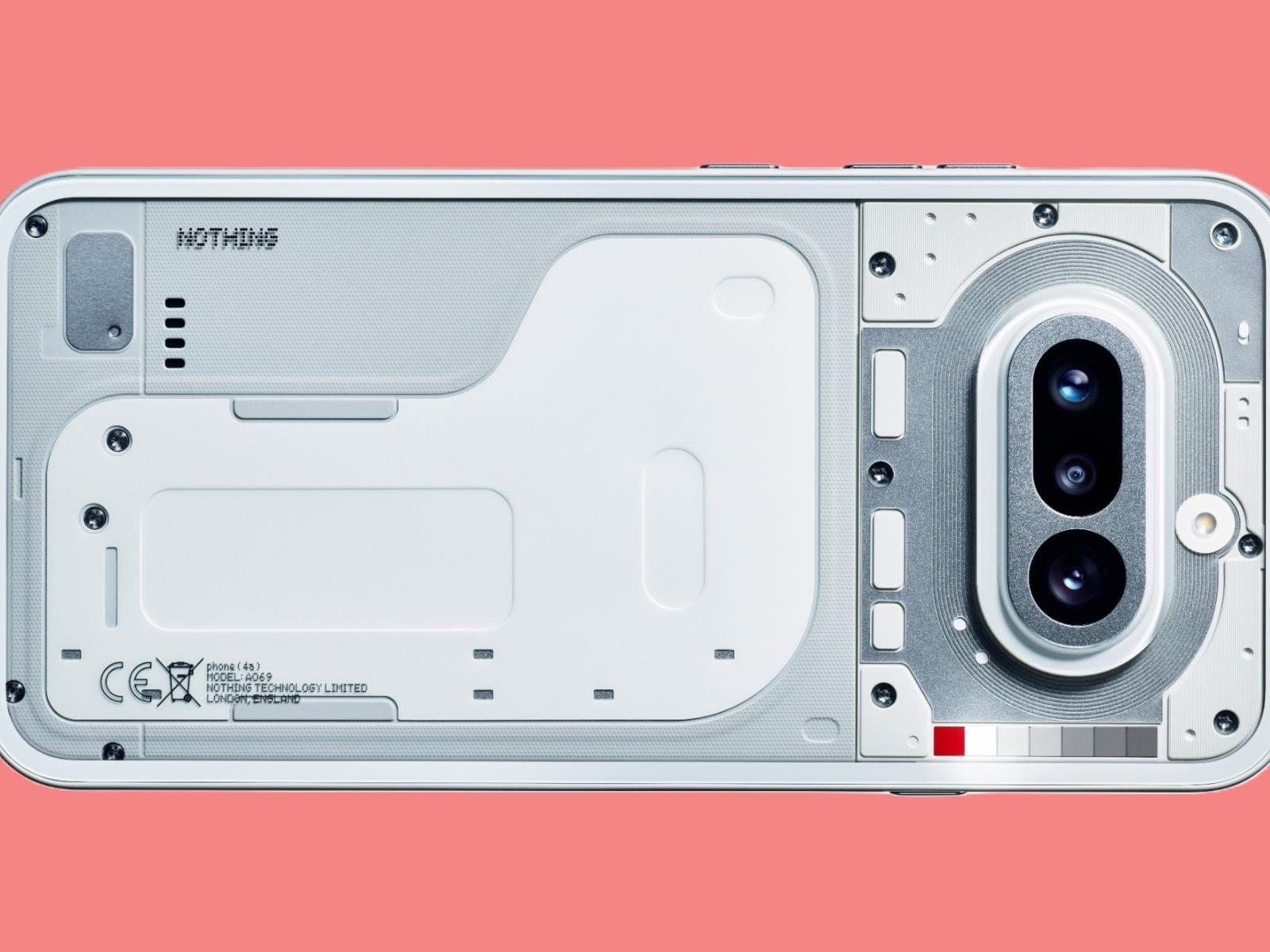
Nothing Phone 4a Photo Reveals Transparent Design And New Glyph Bar

Nothing Phone 4a Photo Reveals Transparent Design And New Glyph Bar
Nothing has seemingly abandoned the traditional slow-burn reveal in favor of a blunt, early look at its next mid-range contender, the Phone 4a. After a couple of weeks of cryptic hints involving pink graffiti and vintage telephone cords, the company has pulled the curtain back on the device’s rear design a week ahead of its scheduled March

What People Are Getting Wrong This Week: Is Selena Gomez a Clone?

I’ve spend more time than I care to admit researching Selena Gomez today. The 33-year-old pop singer and star of Only Murders in The Building is at the center of an elaborate online conspiracy theory that been building steam all week. Why? In brief, many people online seem to believe Selena Gomez is a clone.

Why people think Selena Gomez is a clone

It started with the Epstein files. Last week, videos started showing up on TikTok claiming Selena Gomez was mentioned in the Epstein files. She was, but Gomez wasn’t corresponding with Epstein; her name is mentioned in a July 21, 2017 message between Jeffery Epstein and Lana (NAME REDACTED) in which Epstein writes, “sorry , you would have had fun. he has diecided [sic] on selena gomez.”

Conspiracy theorists have been using the Epstein files as evidence to confirm basically anything since they were released in January, and that Gomez reference from Epstein is, in their minds, a smoking gun that proves she’s a clone. The theory says the real Selena Gomez passed away during a kidney transplant operation in 2017, and the person we think is Selena Gomez is a genetically engineered replica. Interestingly, I can’t find anyone talking about why someone would go to the trouble, but maybe it was to keep the Gomez-money-machine printing cash.

To back up the cloning assertion, believers in the theory are comparing pictures and videos of a pre-2017 Gomez with her current appearance and pointing out all the ways she doesn’t look and sound like she did almost a decade ago. She has a rounded face now where here face used to be angular! Her voice is different too; she used to sound bubbly and high-pitched, now she sounds like Madeline Kahn. This has led some to believe she somehow is Madelein Kahn. (Or maybe Geena Davis.)

Evidence that Selena Gomez is not a clone

It’s impossible to prove a negative, but I’m still comfortable saying that Selena Gomez is definitely not a clone. Scientists have cloned all kinds of animals, from sheep to primates, so there’s theoretically no reason a human couldn’t be cloned. But it hasn’t been done (that anyone knows about), because it’s so unethical. But even if you put ethics aside, animal cloning has an extremely high failure rate: It took 79 embryos and 42 surrogate mothers to clone two macaque monkeys, for instance, and that was using fetal cells. Attempts to make cloned monkeys from adult cells went worse: 181 embryos were implanted into 42 surrogate mothers, and two baby monkeys were born, but both died within hours. The idea that a small army of doctors and scientists and 40+ surrogate mothers are keeping quiet about that one time they were supposed to give birth to Selena Gomez’s clone isn’t credible.

Like a lot of conspiracy theories, this one doesn’t even hold up to its own logic: if Selena Gomez had been cloned, wouldn’t the new version be identical to the old one? Why the changes in voice and appearance? If the clone can be spotted on sight (or upon listening to her sing), why make a clone at all?

More importantly, you can’t clone a full-grown person. You can (theoretically) clone a human embryo, but it would have to be implanted in someone’s womb, gestate, and be born. You’d have to raise it too. A Selena Gomez clone wouldn’t just pop out of a giant test tube and report to the set of a late-career Woody Allen movie.

Speaking of Woody Allen, the most reasonable explanation for that email is Jeffery Epstein telling “Lana” who Woody Allen had cast in A Rainy Day in New York—a movie shot in 2017 that stars Selena Gomez. The timeline fits perfectly with that movie’s pre-production schedule—they announced the casting publicly two weeks later—and Epstein and Allen were longtime acquaintances.

Here’s why Selena Gomez looks and sounds different than she did in 2017

Selena Gomez has lupus, a debilitating disease serious enough to have required her to receive a kidney transplant in 2017. No matter how rich and famous you are, you don’t come out of that unmarked. The change in the shape of the face (“Moon face” as it’s called) and body are well known side effects of the corticosteroids/steroids given to treat Lupus, as well as the immunosuppressants given for organ transplants. Same with her voice: Lupus causes vocal changes in about 80% of sufferers. Inflammation of the cricoarytenoid joint commonly leads to a lower pitched or raspy voice. Gomez even addressed the changes herself, noting that her “throat kinda swells inside sometimes” due to her health issues.

In short, Selena Gomez looks and sounds exactly like someone who has lupus and had a kidney transplant in 2017. Ironically, if she looked the same as she did 10 years ago, it would be much stronger evidence for a conspiracy. It would be totally reasonable to ask, “did she really have a kidney replaced? Does she really have lupus?” But she clearly did and does, and you can see it on her face and hear it in her voice.

Other celebrities rumored to have been cloned and/or died and been replaced

When it comes to cloning conspiracies, we’ve been her before. In 1969, hippies were convinced that Paul McCartney of the Beatles had died, and been replaced by Billy Shears, the (fictional) winner of a Paul McCartney look-a-like contest. In 2003, Avril Lavigne was said to have been replaced by a body double Melissa Vandella. Gucci Mane came out of prison in 2016 looking slimmer, and fans thought he was a clone. Britney Spears is AI. Eminem is an android. It never ends. I’m not sure why people in parasocial relationships with entertainers love pretending they’re fake, but they really do.

Is pretending celebrities are secretly dead bad?

I don’t think many Selena Gomez fans really believe she’s a clone, even if they post about it online. At least, they don’t believe it in the same way they believe the sun is going to rise tomorrow. I doubt I could get anyone to put money on it. It feels more like it’s half fan-fiction, an exciting (if ghoulish) game of what if?

Believing in a world where a cabal of Hollywood mad scientists secretly cloned an actress so Hulu could produce more Only Murders in the Building is more exciting than accepting the dull, randomness of actual life. It’s hard to accept that anyone, even a celebrity, can be stricken with a debilitating diseases that changes their faces and gives them unfamiliar voice, just because that’s how shit goes sometimes. Because that means it could happen to you. In conspiracy-land, at least there’s someone in charge of the bad things that happen. We’d rather have someone steering the bus, even with terrible intentions, than accept that there is no driver, and the exit doors are sealed shut.

Lamborghini cancels electric Lanzador as supercar buyers reject EVs

For the last few years, Lamborghini has been in a quandary: What to do about an electric vehicle? Among the supercar brands, Lamborghini has always stood out as favoring drama over lap times. And while electric motors and their instant torque can make a car accelerate very quickly indeed, other than the G-forces, it happens with such little fuss. Working out how to imbue an EV with enough “wow” factor to wear the famous bull badge has proved so difficult that the company has thrown in the towel in favor of developing more plug-in hybrids.

As part of Volkswagen Group, Lamborghini has access to the EV platforms used by fellow VW Group brands Audi and Porsche, so it’s not a question of access to technology. Rather, the company just doesn’t think it can sell the cars. As Tim Stevens found out for Ars last year, in this rarefied end of the car market, the customers just aren’t interested in EVs. People paying six or even seven figures for a supercar, especially a Lamborghini, are not exercising restraint, and they don’t want the car to do that, either.

Speaking to the Sunday Times this weekend, Lamborghini CEO Stephan Winkelmann revealed that the Lanzador, an electric SUV under development for the past few years, was canceled in late 2025. “Investing heavily in full-EV development when the market and customer base are not ready would be an expensive hobby, and financially irresponsible towards shareholders, customers [and] to our employees and their families,” he told the paper.

Read full article

Comments

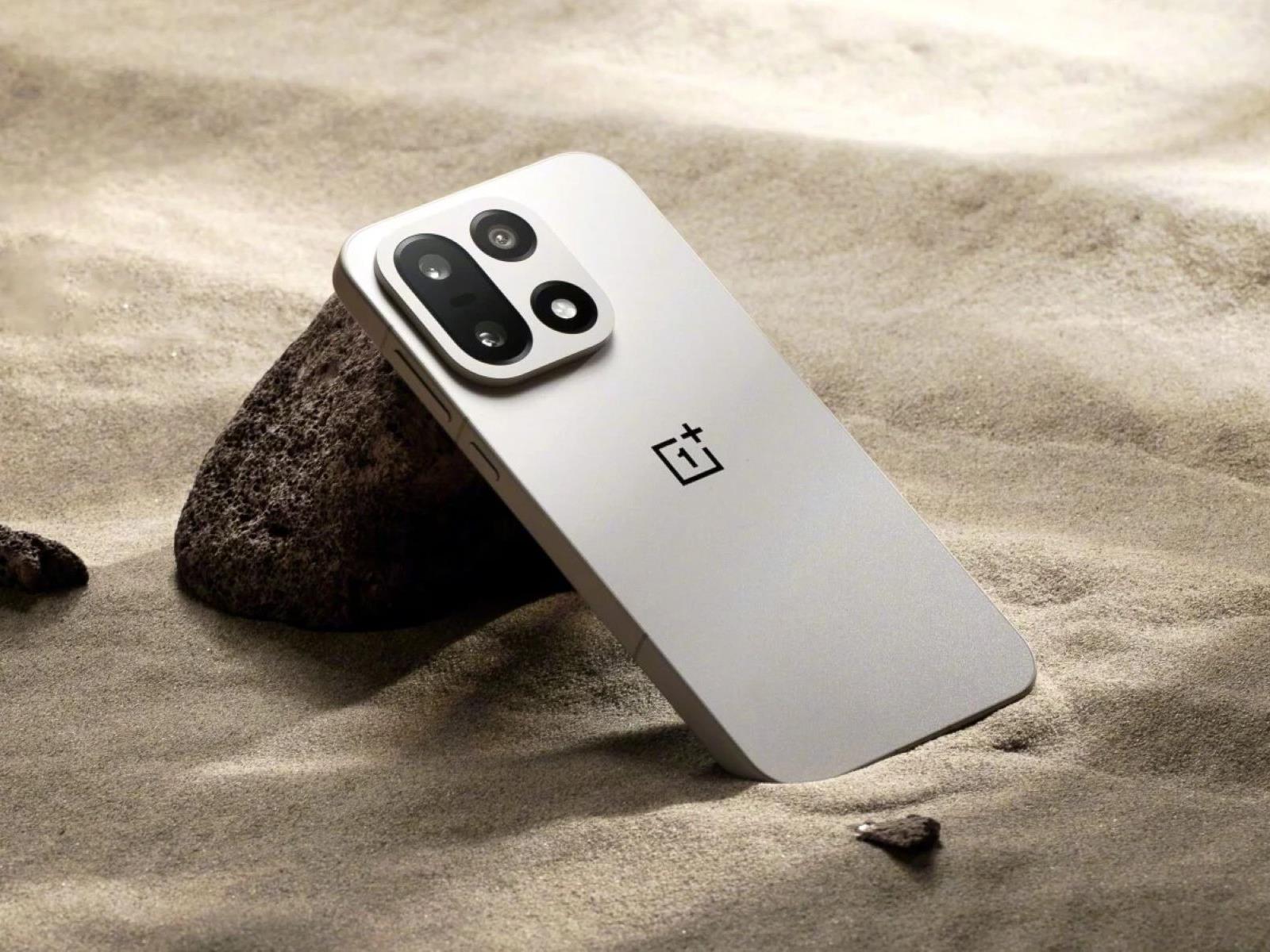
OnePlus 16 Could Be The First Phone To Break The Sub-1mm Display Bezel Barrier

OnePlus 16 Could Be The First Phone To Break The Sub-1mm Display Bezel Barrier
Rumors are a-swirling over the next OnePlus flagship, with some saying that the OnePlus 16 is set to shatter the 1mm display bezel barrier, inching (or should that be millimetering) us closer to the bezel-less smartphone dream some enthusiasts have sleepless nights over. 

If this claim (as noted by tech insider Old Chen Air over at Weibo)

Discord Distances Itself From Persona Age Verification After User Backlash

Discord is attempting to distance itself from the age verification provider Persona following a steady stream of user backlash. From a report: In an emailed statement to The Verge, Discord’s head of product policy, Savannah Badalich, confirms the company “ran a limited test of Persona in the UK where age assurance had previously launched and that test has since concluded.”

After Discord announced plans to implement age verification globally starting next month, users across social media accused Discord of “lying” about how it plans on handling face scans and ID uploads. Much of the criticism was directed toward Discord’s partnership with Persona, an age verification provider also used by Reddit and Roblox.


Read more of this story at Slashdot.

What Is a Strength Training ‘Deload,’ and When Do You Need One?

Even among professional athletes, nobody works out at 100% effort every single week. There are times to rest and recover, often for a week or more, and you and I can apply this principle to our routines, as well. Scaling back your strength training for a short period is called a deload. Here’s how to do one, and how to know when you need it.

What is a deload?

Generally speaking, a deload is a short period of time—maybe a week, but this can vary—in which you do less strength training than usual. That said, people use the word in a few different ways.

For some people, a deload is a complete break from training, like a vacation. You take the whole week off, and that’s all there is to it. For others, a deload is just a little bit lower in intensity than your usual work. You may be doing just as many sets and reps, but the weights aren’t as heavy. Another way to do this type of deload is to reduce volume, so that you do fewer reps and sets, but the weights may be just as heavy as usual.

Which type of deload to use will depend on the type of work you’ve been doing up to this point, the reason for the deload, and your (or your coach’s) training philosophy.

What are the benefits of a deload?

A deload allows your body more recovery than you get in your usual training. Every workout incurs a bit of fatigue, and if you’re training hard for weeks (or months) at a time, you might be so tired that you can no longer perform as well or do as much work. A little bit of fatigue is normal, but in extreme cases, your health may begin to suffer.

You don’t need to wait until everything falls apart to think about taking a deload. There are several ways strength athletes (and recreational lifters like you and me) plan ahead to include deloads in their training. Here are the main ones:

  • To prepare for a competition. To do your best, you’ll need to reduce fatigue without getting rusty. Peaking usually involves a reduction in volume (fewer reps and sets) while keeping the weights heavy.

  • To introduce new lifts or goals. You’re more likely to get sore if you’re doing something new and intense, so introducing new exercises or new types of training often makes sense during a week of lighter training (in this context, that’s sometimes called a “pivot week.”)

  • To recover after a tough training block. Some programs will have a deload week built in; others times, you may choose to take an extra week after a program finishes and before you start the next one.

  • As part of a long-term plan to manage fatigue. Even if your training wasn’t particularly tough, you may want to sprinkle in occasional deload weeks just to be sure you’re not getting unnecessarily fatigued.

  • In response to perceived stress. Some programs don’t include planned deload weeks, and it’s up to the lifter to decide when they need a break.

When should I take a deload?

There are two schools of thought on deloads. One is to use them as-needed: you train hard for as long as you can, and then take a deload when you start to feel beat-up. The other is that deloads should be planned, so that you never find yourself in the position of wondering if it’s time to take a deload yet.

I wouldn’t say there’s a single right answer; both styles of training have succeeded for the right people. But I will say that it’s hard to know when is the right time to take a deload if you’re doing them as-needed. Some people will want to take a deload as soon as they start to struggle even the tiniest bit, even if their problem isn’t something a deload can fix. Meanwhile, a lot of dedicated athletes will keep training long after they should have taken a break. It may be smarter to plan ahead and take those deloads whenever the calendar says it’s time.

How do I know if I’m doing it right?

If you’re working with a coach, ask them about their big-picture plans for you. The deloads (or lack thereof) should be part of the puzzle, and have a reason for being programmed the way they are.

If you’re running a program that you’ve found on the Internet or in books, take a moment to think about how your program approaches deloads. Some may include deloads, and some may not. If you’re programming for yourself, you can take inspiration from other programs that are out there, but you should also use some common sense and ask yourself how you are feeling.

Deloads are a common tool for fatigue management, but they aren’t the only tool. Your program may adjust volume from week to week, for example, in a way that keeps you feeling fresh. If that’s the case, you may not need a deload at all. Even if you’re preparing for a competition, a deload is a very common way to reduce fatigue and ensure a good performance, but that doesn’t mean you always need to deload before a competition. (It’s common to “train through” a competition that is low priority, for example.)

A deload is really just a training tool, so make sure you’re matching your choices about deloads to what your body needs.

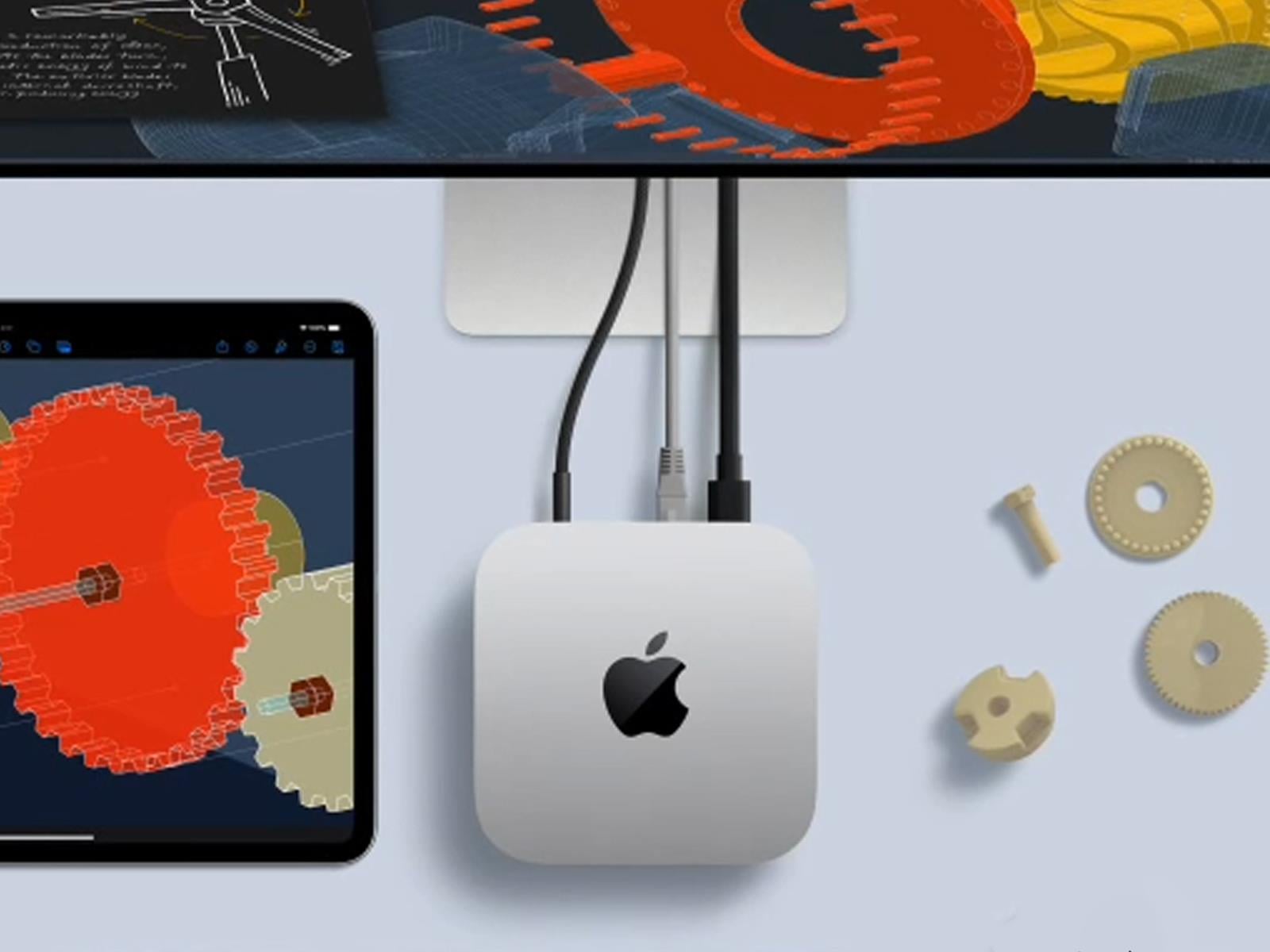
Apple Shifts Some Mac Mini Production To Texas In Major US Manufacturing Push

Apple Shifts Some Mac Mini Production To Texas In Major US Manufacturing Push
It’s been half a century since Apple’s humble beginning as a garage-based operation that saw co-founders Steve Job and Steve Wozniak crank out the Apple 1, a computer that was hand-built in Los Altos, California (and now fetches enormous sums at auction). A lot has changed since then, with the bulk of Apple’s products now assembled overseas

Why Gamers Are Still Mad About Discord’s Age Verification

It’s been a little over a week since Discord said it will take its age verification mandate global, and despite promises that most users wouldn’t need to verify, the company is still in hot water with gamers.

Most recently, Discord’s been discovered to have worked with Peter Thiel-backed company Persona, which itself is embroiled in multiple scandals. These include allegations that it was keeping personal identifying data from Discord users longer than was initially stated, and a reveal that the company accidentally left some of its data available to view on the open internet. Discord now says it’s backing away from its partnership with Persona, but is it worth sticking around after all this?

What happened with Discord’s age verification rule?

When Discord announced that it would soon require age verification globally, it actually followed age verification programs that had already started in regions like Australia and the UK. Discord’s only known age verification partner in the United States is k-ID, which uses on-device facial scanning, but users discovered that in the UK, the company had also partnered with Persona. Discord’s partnership with Persona was for an “experiment” that could have seen users submitting information that would have been “temporarily stored for up to seven days, then deleted.”

According to reporting from PCGamer, the information came to light following reports that some UK-based Discord users had gotten requests to submit information to Persona, which prompted concerns about their facial data leaving their devices despite the initial announcement’s promise that only government ID data would go to the cloud, as well as how long any uploaded data would stay in the cloud. In a now-deleted support page, Discord clarified that the partnership was indeed real and part of an experiment, and added the note about the potential seven-day window for deletion, which contradicted statements that uploaded data would be deleted directly after age verification.

In a post on X, the CEO of Persona, Rick Song, attempted to defend the workflow, saying that “on-device facial scanning” is “unfortunately too easy to bypass today,” before later adding that uploaded information is still “processed and then deleted.” However, Song did not provide a timeline for deletion. And data potentially leaving the user’s device despite initial promises that it wouldn’t was only one part of the concern.

Over the weekend, a trio of hacktivists also discovered a vulnerability in Persona’s data front end, which—according to analysis from independent publication The Rage and anti-malware organization Malwarebytes—left 2,456 files accessible to the open internet. Both the hackers and Persona’s CEO, who have been in “good faith” communication, say that Persona itself was not hacked, and that the data was accidentally leaked and viewable to anyone with the know-how to find it (it has since been deleted).

The full report of the findings has been published by one of the hackers, Celeste, and details that the leak was apparently found via a U.S. government-authorized endpoint that had somehow been isolated from its regular work environment. While the hackers did not find personal identifying information in the leaked files, they did find that Persona often performs far more than age verification on data sent to its servers. According to the leaked code, the company uses facial recognition to perform 269 separate verification checks against watchlists across 14 categories (including terrorism and espionage) and tags its reports with codenames related to known public-private partnerships for tracking anything from cannabis distribution to money laundering. Information including collected IP addresses, browser and device fingerprints, phone numbers, names, faces, and more, can be stored for up to three years, according to the hackers’ findings.

Granted, it’s possible that Persona was not implementing all of these checks on users submitting age verification information via Discord, or keeping data for longer than the seven days mentioned on the now deleted support page. But it has not been a good look for either Persona or Discord.

Discord is ending its relationship with Persona

Following user outrage about personal data leaving their devices or staying on the cloud for an unknown period of time, as well as the news that the company responsible for said data had apparently allowed so many of its files to leak to the open internet, Discord has begun damage control.

The company told Ars Technica that only a “small number of users was included in the experiment” involving Persona, and that it “ran for less than one month.” More importantly, now that the experiment is purportedly over, Discord told both Ars and The Verge that it is no longer partnering with Persona, and that it will “keep our users informed as vendors are added or updated.”

On Persona’s end, the company clarified to Ars that it doesn’t have any government contracts. CEO Rick Song also said in communication with the hackers that the leaked information was based on publicly available records, before iterating that Persona does not store data that users send to it. Song also said that Persona does not use AI, and despite being funded in part by Peter Thiel, does not have a relationship with Palantir.

Is it safe to stick with Discord?

While it’s unclear the extent to which Persona was storing or analyzing user data, that it came as a surprise to so many users has been enough to see a massive increase in users trying alternatives like Teamspeak, which itself has taken the opportunity to criticize Discord’s security.

Personally, I likely won’t uninstall Discord right away (if only because I need it to write stories like this), but I would think twice about uploading information if asked to verify my age. Note, however, that Discord can use metrics like your signup email to guess your age even if you don’t send it personal identifying information—that’s actually how it’s planning to avoid pestering most of its users with age verification prompts.

But even if you divest from Discord, it should be noted that, depending on the services you use in your life, you might still have to interact with Persona. While Discord will no longer work with the age verification company, Persona still has active relationships with social media sites including Reddit and LinkedIn, games like Roblox, and even payment service Square and access management platform Okta.

Most notable might be Persona’s relationship with OpenAI: This appears to be how Persona’s code could have leaked in the first place. The hacktivists that discovered the leak found OpenAI signifiers in it—which, according to The Rage, means that OpenAI might have built an internal database for accessing Persona identity checks. This could explain how Persona’s data found its way onto a U.S. government computer despite the company supposedly not having any government contracts.

At any rate, as the internet becomes more connected and age verification becomes more common, flipping one switch, like divesting from a single app, likely isn’t enough to fully wipe your online presence anymore. It’s worth controlling what you can—Discord lets you delete information like sent messages or server channels—but it’s legally obligated to retain purchase information, and also chooses to retain additional information such as database backups as well, even after account deletion. You can see a full list of retained Discord information on the company’s website.

In the meantime, check out these 10 tips from my colleague Pranay Parab for staying secure while online.

AMD Inks Massive Meta AI Deal To Deploy 6 Gigawatts Of GPUs In Data Centers

AMD Inks Massive Meta AI Deal To Deploy 6 Gigawatts Of GPUs In Data Centers
AMD and Meta have struck a multi-year agreement that will see the former provide key hardware to the latter for a massive AI infrastructure that, among other things, will span multiple generations of Instinct GPUs starting with a custom GPU based on AMD’s Instinct MI450 architecture in the second half of this year, to be built on Meta’s rack-scale

Meta could end up owning 10% of AMD in new chip deal

Meta has struck a multi-billion dollar chip deal with AMD that could lead to the Facebook owner taking a 10 percent stake in the group, sending shares in the US chipmaker surging on Tuesday.

The social media giant said it would acquire customized chips with a total capacity of 6 gigawatts from AMD as it races to develop and deploy its AI models.

AMD’s chief executive Lisa Su said that “each gigawatt of compute is worth double-digit billions” under the deal.

Read full article

Comments

Ryan Coogler’s X-Files reboot gets the green light at Hulu

Good news for all Ryan Coogler fans: The Sinners director is bringing back a beloved TV show. Hulu has officially green lit a pilot of Coogler’s X-Files reboot, a project three years in the making, Deadline reports. Coogler has a five-year exclusive television deal with Disney, Hulu’s parent company. 

Coogler is directing and writing the pilot episode, with Jennifer Yale coming on as showrunner. She previously held the role on The Copenhagen Test. Actress Danielle Deadwyler, known for roles in Till and The Harder They Fall, has signed on as co-lead. 

The show will follow the original storyline of two FBI agents who bond as they work on cases around paranormal and unexplained phenomena. No confirmation has come over whether former stars Gillian Anderson and David Duchovny will have any role in the reboot. 

The news came on Sunday, the same day Coogler won the BAFTA for Best Original Screenplay for Sinners. Coogler made history this year with a record 16 Oscar nominations for Sinners, including Best Original Screenplay and Best Picture. Coogler also wrote and directed Creed, Black Panther and Black Panther: Wakanda Forever.

This article originally appeared on Engadget at https://www.engadget.com/entertainment/tv-movies/ryan-cooglers-x-files-reboot-gets-the-green-light-at-hulu-140735536.html?src=rss

Scientists crack the case of “screeching” Scotch tape

Scotch tape has been a household mainstay for nearly a century, but it still holds some scientific surprises. Researchers have discovered that the screeching sound emitted when one rapidly peels Scotch tape—akin to the screech of fingernails on a chalkboard—is the result of shock waves produced by micro-cracks propagating along the tape at supersonic speeds, according to a new paper published in the journal Physical Review E.

It was a 3M engineer named Richard Drew who developed the first transparent sticky tape in 1930. The impetus came from car manufacturing, specifically two-color designs, where the adhesives used were so sticky they often removed the paint when peeled off; the paint then needed to be manually touched up. Drew found a sandpaper adhesive with just the right amount of stickiness and used it to coat a roll of cellophane tape. (Fun fact: Drew also co-invented the snail-style dispenser for the tape with his 3M colleague, John Borden.) The tape was hugely popular during the Great Depression; consumers used it to repair everyday items rather than replace them. That popularity has never waned.

Scotch tape has also generated considerable interest among physicists. Back in 1939, scientists noticed that peeling tape could produce light—specifically, a glowing line where the tape end pulls away from the roll. The phenomenon was first recorded in the 17th century and is known as triboluminescence: the generation of light when a material is crushed, ripped, rubbed, or scratched. Diamonds, for instance, sometimes glow blue or red during the cutting process, while ceramics emit yellow-orange light when being cut by abrasive water jets.

Read full article

Comments