Star Trek: Lower Decks Just Tied It All Together in the Best Way

Back in Star Trek: Lower Decks’ first season three years ago, it took a few episodes in before the show began to explore what it really meant to borrow its entire name and premise from the iconic TNG episode. In the years since, it’s gone on to explore that idea more holistically, but now it’s back to really dig into…

Read more…


Source: Gizmodo – Star Trek: Lower Decks Just Tied It All Together in the Best Way

iFixit now sells official replacement parts for Microsoft Surface devices

As the right to repair movement continues to pick up steam, DIY aficionados iFixit just announced a partnership with Microsoft to provide replacement parts for a wide range of Surface devices. These are genuine parts manufactured by Microsoft specifically for the purpose of conducting repairs, so you won’t have to worry about integration issues.

All told, iFixit’s offering parts for 13 Surface models, including the Surface Pro 9 and the Surface Laptop 15. Visit the dedicated Microsoft Repair Hub for a list of compatible devices and parts. These components range from batteries and SSDs to displays and keyboards. As with all iFixit collaborations, you also get access to disassembly videos and step-by-step guides so you don’t accidentally turn your Surface tablet into an expensive paperweight.

You can purchase each component on its own or part of a comprehensive fix kit that includes everything you need to conduct the repairs, including tools and accessories. iFixit is especially proud of this partnership, urging customers to “imagine how different the world would be if repairing every device and having access to original spare parts was this simple.” To that end, it’s much less annoying to replace a battery or hard drive on your own than having to take it to a repair center and play the waiting game.

The company recently made similar agreements with other tech giants, as it now offers replacement parts for Google Pixel tablets and for Google Pixel Fold devices. Accessory manufacturer Logitech also got on board, offering repair parts for two of its most popular mouse models.

Apple, however, remains a hold out and iFixit recently dinged the iPhone 15 Pro Max’s repairability score due to the company’s software-restricted “parts pairing” requirement. This means that you have to order replacement components directly from Apple and get on the phone with a company tech before iOS devices will accept individual part replacements. 

This article originally appeared on Engadget at https://www.engadget.com/ifixit-now-sells-official-replacement-parts-for-microsoft-surface-devices-173050519.html?src=rss

Source: Engadget – iFixit now sells official replacement parts for Microsoft Surface devices

Happy Twitter Anniversary, Elon Musk! Your Platform Is Dying

Ever since Elon Musk took over X, formerly known as Twitter, this time last year, plenty of decisions ranging from head-scratching to plain bad have been made. Now, one year later, there is clear data indicating that those decisions have done next to nothing except destroy the once massive and respected platform’s…

Read more…


Source: Gizmodo – Happy Twitter Anniversary, Elon Musk! Your Platform Is Dying

The UK's Controversial Online Safety Bill Finally Becomes Law

An anonymous reader shares a report: The UK’s Online Safety Bill, a wide-ranging piece of legislation that aims to make the country “the safest place in the world to be online” received royal assent today and became law. The bill has been years in the making and attempts to introduce new obligations for how tech firms should design, operate, and moderate their platforms. Specific harms the bill aims to address include underage access to online pornography, “anonymous trolls,” scam ads, the nonconsensual sharing of intimate deepfakes, and the spread of child sexual abuse material and terrorism-related content.

Although it’s now law, online platforms will not need to immediately comply with all of their duties under the bill, which is now known as the Online Safety Act. UK telecoms regulator Ofcom, which is in charge of enforcing the rules, plans to publish its codes of practice in three phases. The first covers how platforms will have to respond to illegal content like terrorism and child sexual abuse material, and a consultation with proposals on how to handle these duties is due to be published on November 9th.

Read more of this story at Slashdot.


Source: Slashdot – The UK’s Controversial Online Safety Bill Finally Becomes Law

The “low-cost MacBook” rumor just won’t die, but it might finally make sense

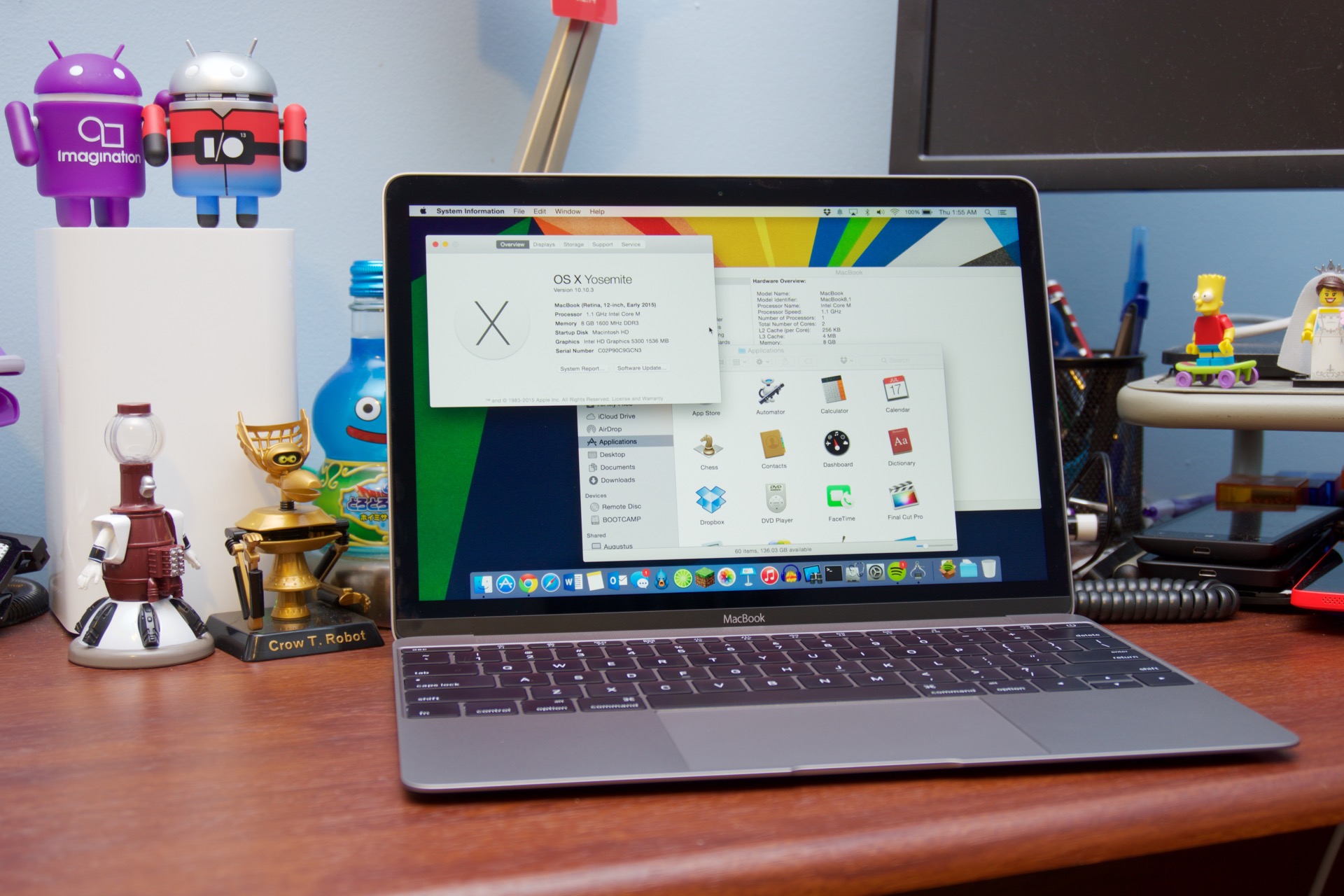
Could the 12-inch MacBook make a return as some kind of "lower-cost MacBook"?

Enlarge / Could the 12-inch MacBook make a return as some kind of “lower-cost MacBook”? (credit: Andrew Cunningham)

If you want a Mac laptop, you usually need to be ready to spend at least $1,000. Whether we’re talking about the white plastic MacBook from 2006, the 11-inch MacBook Air from a decade ago, or the modern M1 MacBook Air, the list price for Apple’s cheapest MacBook is usually within $100 or so of that four-digit price barrier (not counting refurbished Macs or ones that go on sale).

Apple has a stated aversion to releasing less-expensive hardware just to hit an attractive price—”cheap is for other people because we try to build a better product,” Apple marketing SVP Greg Joswiak told us a few years ago. But rumors of a low-cost MacBook pop up every few years, undeterred, usually conflating “entry-level” with “low-cost.” Here’s a prediction about an $800 MacBook from October 2008 (actual entry-level prices: $999 and $1,299). Here’s analyst Ming-Chi Kuo and Bloomberg’s Mark Gurman in 2018 predicting a MacBook Air “with a lower price tag” that would “reignite sales” (actual price: $1,199, $200 more than the previous MacBook Air).

This week, Kuo came back with an updated version of that same report, claiming that Apple “may also consider (but hasn’t decided yet) introducing a more affordable MacBook model to boost shipments.” Mac revenue and unit shipments have indeed been down year over year for a few quarters, though that has more to do with a pandemic- and Apple Silicon-fueled sales spike in 2021 and 2022 than anything (the revenue numbers are still on the high side of normal compared to 2019 and most of 2020).

Read 18 remaining paragraphs | Comments


Source: Ars Technica – The “low-cost MacBook” rumor just won’t die, but it might finally make sense

CEO of rocket-maker ULA makes a sales pitch—for the whole company

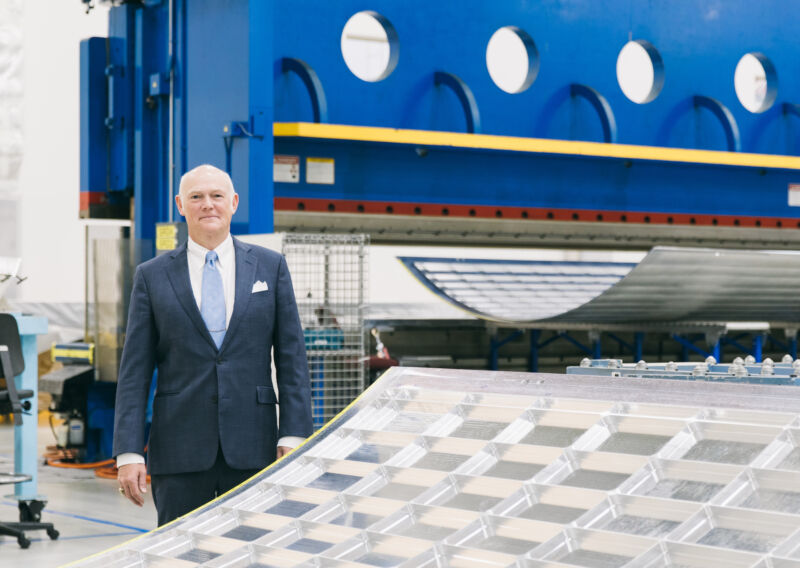
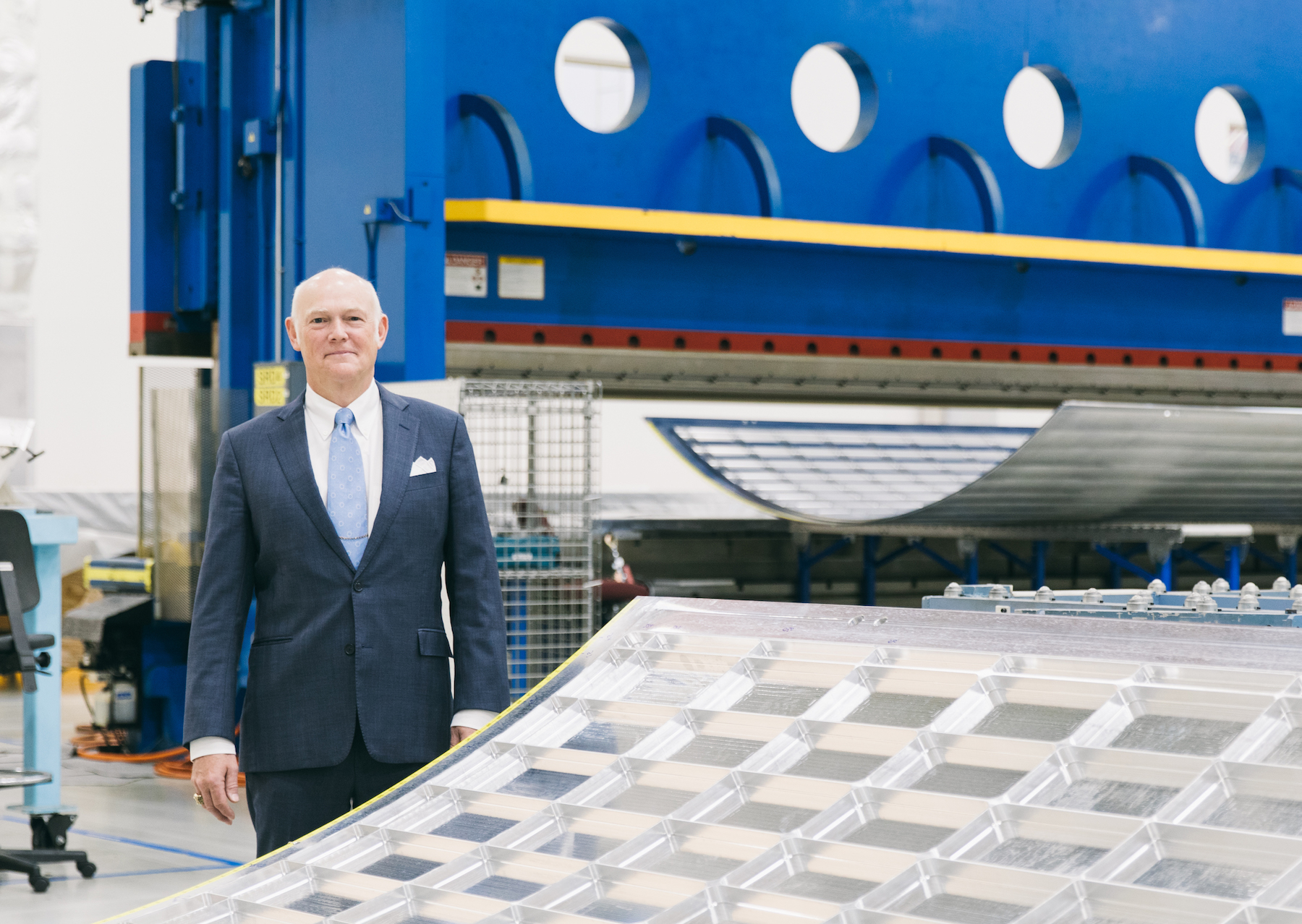
Tory Bruno, ULA's chief executive, inside the company's rocket factory in Decatur, Alabama.

Enlarge / Tory Bruno, ULA’s chief executive, inside the company’s rocket factory in Decatur, Alabama. (credit: Cameron Carnes for The Washington Post via Getty Images)

It sure sounds like United Launch Alliance is up for sale. Tory Bruno, the rocket builder’s CEO, said this week that anyone who purchased ULA would reap the rewards of the company’s “transformation” over the last few years, a course change primarily driven by geopolitics and the competitive threat of SpaceX.

While Bruno did not disclose details of any negotiations about a potential sale of ULA, he told Bloomberg News this week that the launch operator is primed for a buyer. Boeing and Lockheed Martin each have a 50 percent stake in the Colorado-based rocket company.

“If I were buying a space business, I’d go look at ULA,” Bruno said. “It’s already had all the hard work done through the transformation. You’re not buying a Victorian with bad plumbing. It’s all been done. You’re coming in at the end of the remodel, so you can focus on your future.”

Read 15 remaining paragraphs | Comments


Source: Ars Technica – CEO of rocket-maker ULA makes a sales pitch—for the whole company

Elon Musk’s chaotic first year at Twitter leaves X Corp. with shaky finances

Elon Musk’s chaotic first year at Twitter leaves X Corp. with shaky finances

Enlarge (credit: Aurich Lawson | Getty Images)

One year after Elon Musk’s $44 billion purchase of Twitter, which he completed on October 27, 2022, after months of legal drama, the social media firm that Musk renamed “X” is on shaky financial ground.

Musk has expressed ambitions to transform X into an “everything app” that includes a digital payments platform and audio and video calling. He told employees that, despite massive cuts eliminating most of Twitter’s pre-Musk workforce, he sees “a clear but difficult path” to a future valuation of more than $250 billion.

X doesn’t provide detailed financial statements or user numbers because Musk took the company private when he bought Twitter. But data leaked to news media and third-party research depicts a platform in decline, which might not be exactly what Musk meant when he called the firm “an inverse startup.”

Read 36 remaining paragraphs | Comments


Source: Ars Technica – Elon Musk’s chaotic first year at Twitter leaves X Corp. with shaky finances

Life-Sized Crown of Gondor Comes With Significantly Less-Life-Sized Minas Tirith

As the Lord of the Rings movie trilogy begins celebrating a string of landmark anniversaries over the next few years, and Warner Bros. remains eager to delve too greedily and too deep into getting what it can out of the franchise, there’s at least one way we all get to win: absurdly priced Lord of the…

Read more…


Source: Gizmodo – Life-Sized Crown of Gondor Comes With Significantly Less-Life-Sized Minas Tirith

NASA Plans to Visit a Toxic Moon—Here's How It's Testing a 'Dragonfly' for the Mission

A car-sized rotorcraft is getting ready to soar through the thick atmosphere of Saturn’s largest moon. Before it’s ready to explore the possible habitability of the bizarre methane-soaked world, Dragonfly was put to the test here on Earth, flying through intense wind tunnels that simulate the alien conditions on…

Read more…


Source: Gizmodo – NASA Plans to Visit a Toxic Moon—Here’s How It’s Testing a ‘Dragonfly’ for the Mission

Behind the scenes of Unity’s “rushed-out” install-fee program

A push for more IronSource customers may have been a major motivation behind Unity's controversial install-fee proposals

Enlarge / A push for more IronSource customers may have been a major motivation behind Unity’s controversial install-fee proposals (credit: Unity)

It’s been over a month now since Unity partially backtracked on its controversial proposed “pay per install” fee structure, a trust-destroying saga that seems to have contributed to the retirement of Unity CEO John Riccitiello. Now, a new report highlights some of the internal divisions over the “rushed-out” policy introduction and provides new insight into what may have been motivating the company to even attempt such a plan.

Business-focused site MobileGamer.biz cites multiple “sources from inside Unity and across the mobile games business” in reporting that Unity received some significant pushback from senior-level managers before rolling out its initial fee-restructuring plans. “Half of the people in that meeting said that this model is too complicated, it’s not going to be well-received, and we should talk to people before we do this,” one anonymous source told the site. “It felt very rushed. We had this meeting and were told it was happening, but we were not told a date. And then before we knew it, it was out there.”

After the negative reaction to that initial plan, Unity reportedly considered a modification that would take up to 4 percent of revenue from the largest Unity publishers—slightly under the 5 percent charged by the Unreal Engine. The final policy knocked that cap down to 2.5 percent only after the extent of the backlash became clear.

Read 6 remaining paragraphs | Comments


Source: Ars Technica – Behind the scenes of Unity’s “rushed-out” install-fee program

Infosys Founder Says India's Work Culture Must Change: 'Youngsters Should Work 70 Hours a Week'

NR Narayana Murthy, the founder of software consultancy giant Infosys, urged youngsters in India to work 70 hours a week if they want the nation to compete with other economies. From a report: Narayana Murthy, in conversation with former Infosys CFO Mohandas Pai, said that India’s work productivity is among the lowest in the world. In order to compete with countries like China, India’s youngsters must put in extra hours of work — like Japan and Germany did after World War 2.

He also blamed other issues like corruption in the government and bureaucratic delays, saying: “India’s work productivity is one of the lowest in the world. Unless we improve our work productivity, unless we reduce corruption in the government at some level, because we have been reading I don’t know the truth of it, unless we reduce the delays in our bureaucracy in taking this decision, we will not be able to compete with those countries that have made tremendous progress.” Murthy, 77, added his request to the youngsters of today. “So therefore, my request is that our youngsters must say, ‘This is my country. I’d like to work 70 hours a week.'”

Read more of this story at Slashdot.


Source: Slashdot – Infosys Founder Says India’s Work Culture Must Change: ‘Youngsters Should Work 70 Hours a Week’

Western Digital and Kioxia Scrap Memory Chip Merger Talks

Negotiations to merge Western Digital’s semiconductor memory business and Japan’s Kioxia Holdings have been terminated, Nikkei reported Thursday. From the report: The companies were aiming to reach an agreement by the end of October. U.S.-based Western Digital by Thursday had notified Kioxia that it would exit the talks after the merger failed to secure approval from SK Hynix, an indirect shareholder in Kioxia. The companies were also unable to agree on the merger’s conditions with Bain Capital, Kioxia’s top shareholder. Kioxia, formerly known as Toshiba Memory, and Western Digital have both suffered a downturn in earnings amid headwinds in memory chips. They are each seeking capital infusions and other measures to help bolster operations.

Kioxia ranks third in global market share for NAND flash memory, while Western Digital ranks fourth. The proposed merger would have resulted in an entity that rivals market leader Samsung Electronics, and the companies had hoped the larger scale would lead to greater profits and growth. But SK Hynix officially declared its opposition to the deal on Thursday. SK Hynix had invested about 400 billion yen ($2.67 billion at current rates) in the Bain-led consortium that acquired what is now Kioxia from Toshiba. The South Korean company is now second only to Samsung in NAND memory, and was worried that the Western Digital-Kioxia merger would hurt its position while derailing partnerships it had been exploring with Kioxia.

Read more of this story at Slashdot.


Source: Slashdot – Western Digital and Kioxia Scrap Memory Chip Merger Talks

Honor teases the Magic 6 smartphone with eye-tracking and a built-in LLM

Chinese gadget manufacturer Honor just teased its forthcoming flagship smartphone, the Magic 6, at Qualcomm’s Snapdragon Summit. While many details of the phone remain mysterious, the company did announce that it would include built-in eye-tracking and an on-board artificial intelligence powered by a large language model (LLM.)

One of the phone’s key features is something called Magic Capsule, an “eye-tracking based multimodal interaction.” Eye-tracking has some potential real world uses when it comes to smartphones, as the sensors and cameras can perform actions based on where you’re looking. So you can open up an app or engage with content on the phone simply by staring at the right spot.

This could be a game-changer for those with disabilities, allowing near-total access to the device via minute eye movements. However, some folks may get a bit queasy with the idea of our phones tracking every single thing we stare at.

While the actual specs of the Magic 6 are still under wraps, Honor did announce the presence of an on-board LLM. This built-in chatbot is powered by the Snapdragon 8 Gen 3 mobile chipset.

It’s important to note the distinction here. This is an on-board LLM. Typically when you engage with an AI chatbot or service on your phone, you’re fiddling with a cloud-based LLM that exists on a server somewhere. With the Magic 6, every piece of data that the chatbot will access is already on the phone. 

This should drastically increase the speed and reliability of results, potentially turning the phone into one heck of a personal assistant, as it’ll have access to everything on the device, including your photos, contacts, videos and more. Despite this unfettered access, the Magic 6 should actually be more private than competing smartphones, as everything stays on the device and isn’t shuffled off to the cloud.

The company showed off some nifty features that take advantage of this technology. The smart assistant, nicknamed YOYO, can create short videos based on footage stored on the phone via a simple chat prompt. You can also adjust templates, themes and music with similar prompts. The bot will also collect images and videos stored on your phone that match a specific search criteria, with more use case scenarios to be revealed at a later date.

Honor’s Magic 6 flagship smartphone was just announced and the company didn’t provide a release date or cost information. However, Qualcomm says that phones featuring its new chipset will begin shipping in the coming weeks, so the Magic 6 could be one of them. In the meantime, Honor has made quite the name for itself in the folding phone space.

This article originally appeared on Engadget at https://www.engadget.com/honor-teases-the-magic-6-smartphone-with-eye-tracking-and-a-built-in-llm-160009149.html?src=rss

Source: Engadget – Honor teases the Magic 6 smartphone with eye-tracking and a built-in LLM

Lisa Frankenstein's First Trailer Features a Girl, a Corpse, and a Quirky Romance

When her high-school crush dies, a lonely teen digs him up and reanimates him—what could go wrong? The neon-soaked, blood-splattered, very hairspray-filled first trailer for Lisa Frankenstein (written by Jennifer’s Body scribe Diablo Cody, who won an Oscar for Juno) promises ghoulish hijinks galore.

Read more…


Source: Gizmodo – Lisa Frankenstein’s First Trailer Features a Girl, a Corpse, and a Quirky Romance

Uber starts offering fully autonomous Waymo rides in Phoenix

Starting Thursday, Uber users in Phoenix might find themselves taking a ride in a driverless car. The company, which sold its own self-driving unit a few years ago, has teamed up with Waymo to offer driverless rides. It’s the first time Uber has offered fully autonomous rides.

When someone in Phoenix requests an UberX, Uber Green, Uber Comfort or Uber Comfort Electric ride, they may be matched with a Waymo vehicle if they’re in the service area and there’s one available. Users will be able to request a ride with a human driver if they’re matched with a Waymo but don’t want to travel in a robotaxi. Alternatively, those eager to try a Waymo ride can set up their ride preferences to make it more likely that they’ll match with an autonomous vehicle.

As with any other ride, users will see the price of a Waymo trip up front. They’ll pay the same as an UberX, Uber Green, Uber Comfort or Uber Comfort Electric fare. When a Waymo vehicle shows up, you can unlock it by tapping a prompt in the Uber app. Once you’re inside and ready to go, tap another button to start the ride. You’ll still have access to Uber support staff at any time too.

“Today is an important step in our journey to bring safe, reliable autonomous driving technology to the Uber platform,” Uber CEO Dara Khosrowshahi wrote in a blog post. “Looking ahead, we expect that the number of human drivers and AVs on the Uber platform will continue to grow, side by side, for quite a long time as we continue to scale a hybrid, global network that combines both.”

Waymo has been offering autonomous rides in Phoenix since 2020, but the Uber partnership will likely see many more people trying them out for the first time. Even so, Waymo says its vehicles already carry out more than 10,000 trips every week in the Metro Phoenix area.

This article originally appeared on Engadget at https://www.engadget.com/uber-starts-offering-fully-autonomous-waymo-rides-in-phoenix-153055331.html?src=rss

Source: Engadget – Uber starts offering fully autonomous Waymo rides in Phoenix

Bloomsbury Chief Warns of AI Threat To Publishing

The chief executive of Bloomsbury Publishing has warned of the threat of artificial intelligence to the publishing industry, saying tech groups are already using the work of authors to train up generative AI programmes. From a report: Nigel Newton, who signed Harry Potter author JK Rowling to Bloomsbury in the 1990s, also said ministers needed to act urgently to address competition concerns between large US tech groups and the publishing industry given their increasing market dominance in selling books across the world. The warning came as Bloomsbury reported its highest-ever first-half results on the back of the boom in fantasy novels, leading the publisher to boost its interim dividend. The group said revenues grew 11 per cent to $165.7mn, sending profits 11 per cent higher at $21.4mn, for the six months to August 31.

Newton pointed to the “huge” growth in fantasy novels, with sales of books by Sarah J Maas and Samantha Shannon growing 79 per cent and 169 per cent respectively in the period and demand for Harry Potter books, 26 years after publication, remaining strong. The next Maas book, scheduled for January, has already received “staggering” pre-orders of 750,000 copies for the hardback edition, he said, underscoring the resurgence of the book-selling industry. The group’s consumer division will also publish new books in the expanding Harry Potter franchise — such as a new Wizarding Almanac this autumn.

Read more of this story at Slashdot.


Source: Slashdot – Bloomsbury Chief Warns of AI Threat To Publishing

Pro-Russia Hackers Target European Government With Roundcube Webmail Bug

Winter Vivern, believed to be a Belarus-aligned hacker, attacked European government entities and a think tank starting on Oct. 11, according to an Ars Technica report Wednesday. ESET Research discovered the hack that exploited a zero-day vulnerability in Roundcube, a webmail server with millions of users, and allowed…

Read more…


Source: Gizmodo – Pro-Russia Hackers Target European Government With Roundcube Webmail Bug

Trying to make sense of why Otis exploded en route to Acapulco this week

Read 17 remaining paragraphs | Comments


Source: Ars Technica – Trying to make sense of why Otis exploded en route to Acapulco this week