Microsoft’s dedicated OS for embedded and pocket devices, Windows CE, has reached the end of its support lifetime. From a report: Windows CE — and there’s never been an official explanation of what the WinCE-inducing name stood for — debuted in November 1996, just a few months after Windows NT 4, the first version of NT with the Explorer desktop from Windows 95. Earlier this month, as reported by HPC Factor, the last ever version, CE 8, branded Compact Embedded 2013, reached its end of support.
In 2011, Microsoft said it would be replaced by a unified platform based on Windows 8, but we know how well that went down. By 2020, the official migration path was set — to a container on top of Win10 IoT. Its fortunes have always fluctuated. In 1999, we asked does MS care about WinCE? By 2003, we reported that eTForecasts said it would outship PCs. Indirectly, the researchers were right — smartphones did end up massively outselling PCs. They just weren’t Microsoft ones.
This week the Doctor Who universe is expanding with the official launch of what is now being dubbed “The Whoniverse”—a streaming home for over 800 episodes of Doctor Who and its spinoffs from the BBC… and now, its first original programming.
Enlarge/ Fans watch a 49ers, Cardinals game on October 2. (credit: Getty)
When YouTube TV took over NFL Sunday Ticket, the key was ensuring that the experience was as good as it had been on DirecTV for the previous 29 years. For its initial seven Sundays, that was the case. But YouTube TV fumbled the ball this Sunday.
Users across social media reported suffering lag and long, repetitive buffering sessions with the streams throughout the day. There were nine NFL games playing on NFL Sunday Ticket yesterday. According to The Washington Post, subscribers were having problems “well into the second half of games.”
YouTube acknowledged the problems via its TeamYouTube X account, saying, “If you’re experiencing buffering issues on YouTube our team is aware and working on a fix. YouTube TV or NFL Sunday Ticket may also be impacted. we’ll follow-up here once this has been resolved.” However, the social media account hasn’t provided an update as of this writing.
Akihabara News (Tokyo) — Subaru has entered the flying car (eVTOL) race with an attention-grabbing appearance at the Japan Mobility Show 2023, which is being held at Tokyo Big Sight until November 5.
The Subaru Air Mobility Concept signifies the Japanese automaker’s vision for the future of transportation. Its eVTOL is to be powered by an electric motor.
With dimensions of approximately 4.5 meters in width and 6 meters in length, it marks Subaru’s first venture into electric aviation technology.
Subaru has experience in the aviation sector, manufacturing helicopters and producing components for larger aircraft.
While the details regarding the commercialization of its eVTOL are pending, Subaru has now signaled its intention to become a new player in the developing advanced air mobility industry.
Separately, Subaru also presented an electric vehicle (EV) sports car at the exhibition, showcasing the brand’s broader dedication to innovation within the electric mobility landscape.
Subaru, which was founded in 1953, has been known for its commitment to all-wheel-drive technology.
Google will invest up to $2 billion in Anthropic, a competitor to OpenAI, ramping up the race between artificial intelligence companies, originally reported by The Wall Street Journal Friday. Amazon committed a $4 billion investment to the startup and its AI assistant Claude last month.
Enlarge/ Russian President Vladimir Putin (L) and Roscosmos Space Corporation Chief Yuri Borisov peruse an exhibit while visiting the Korolev Rocket and Space Corporation Energia, October 26, 2023, in Korolev, Russia. (credit: Contributor/Getty Images)
Based on preliminary data, nearly 2,400 spacecraft have been launched into orbit this year. A significant majority of these, about 75 percent, were Starlink satellites built and flown by SpaceX. But other countries, such as China, have also built and launched hundreds of satellites this year.
There has been a dramatic growth in the production and launch of satellites into low-Earth orbit in recent years due to a few different trends. One is the commercialization of satellite production. Satellites for Earth observation and communication are becoming smaller and more affordable, and thanks to rideshare options it costs less to launch them.
Second, and most importantly, is the emergence of satellite megaconstellations that provide low-latency broadband Internet. Most prominent among these is SpaceX’s Starlink constellation, but it is far from alone. In addition to the nearly 4,000 Starlink satellites in orbit, OneWeb has about 600 operational spacecraft. Other commercial constellations, including Amazon’s Project Kuiper, are also coming. And both China and the European Union have announced plans to develop megaconstellations for communications purposes.
In a significant development for Xbox users, the era of tinkering with your console to use unapproved accessories is drawing to a close. From a report: Xbox has taken a definitive stance by instituting a new policy that will block the use of unauthorized accessories with its consoles, effective as of November 17. This decision has already begun to reverberate amongst the gaming community, and many have already had a warning about it on their consoles in the form of error message 0x82d60002.
The error message states: “A connected accessory is not authorized. Using unauthorized accessories compromises your gaming experience. For this reason, the unauthorized accessory will be blocked from use on 11/12/2023. For help returning it, check with the store it came from or contact the manufacturer. To see authorized accessories, go to www.xbox.com/accessories. (0x82d60002).”
The Biden Administration is moving forward with a first-of-its-kind artificial intelligence executive order aimed at creating new standards for AI safety and setting up new guardrails to prevent potential misuse. Today’s executive order marks a key inflection point in AI regulation, as lawmakers in governments around…
No aquatic reptiles today can match mosasaurs, ocean-dwelling creatures of the Cretaceous period that looked something like a cross between a whale and a shark. Now, a group of researchers have discovered a mosasaur that they believe bridges the gap between two iconic species in the ancient group.
I am fully encased in a bundle of spider’s silk, only my eyeballs still visible as I wait for my turn to be devoured. I’ve failed to save the city from the insatiable arachnidian Old God, and now myself and all the inhabitants of Shiokawa, Japan are caught in its web. I’d come so far this time, solved all of the mysteries tacked to my bulletin board, but in the end, I couldn’t escape the doom that had been closing in on me.
If World of Horror could be reduced to a single word, it’d be “dread.” It’s a point-and-click cosmic horror game created by Polish developer and dentist, Pawel Kozminski (also known as Panstasz). And after spending years in early access, Ysbryd Games finally released it to the public this month on Steam, PlayStation 4 and 5, and Nintendo Switch. It was well worth the wait.
World of Horror is heavily text-based, and plays like a choose your own adventure story — one in which most of your options are bad ones that will inevitably lead you to a gruesome death or irrevocable insanity. Players must solve five mysteries that are tormenting the townspeople, gathering information and fighting off the monstrous entities that attempt to get in your way. A slippery, boil-covered former teacher here, a woman with shards of broken ribs jammed into her gaping hole of a face, there.
All the while, you’ll be working to stave off whichever Old God has set its sights on Shiokawa for that run, and must keep an eye on the ever-ticking Doom meter to know how close you are to being overcome. Only after you’ve obtained five keys by solving each of the five mysteries can you unlock the town’s lighthouse, where you can banish the Old God. That is, if you’re able to make it through the trials on the way to the top. It’s a roguelite, too, so prepare to start from the beginning every time you make a fatal misstep.
The horror-manga-style RPG doesn’t hide its Junji Ito and HP Lovecraft influences. It’s so disquieting that you’ll find yourself jumpy and on edge even when nothing’s happening, which in some investigations is most of the time. The evil may not be coming for you right that moment, but there’s the sense that it could at any turn.
Ysbryd Games
When those little jump scares do come — a particularly revolting attacker or a booming sound that cuts through the chiptune score — they’re made all the more jarring by the high-contrast 1- or 2-bit visuals (you can choose at the beginning) that were created, incredibly, in MS Paint. It nails the often hard to stomach Ito-esque gore, and there are a few scenes I had to force myself not to turn away from (a certain DIY eyeball operation comes to mind).
You’re given a few options for approaching the game, in terms of difficulty and complexity. Its short tutorial, “Spine-Chilling Story of School Scissors,” is a straightforward introduction. And in the beginner-level main story mode, “Extracurricular Activities,” you’ll start with one mystery already solved.
Players also have the choice of a “Quick Play” mode, in which elements like your character, Old God and backstory are randomly selected, or a fully customized playthrough where you choose your own character and story elements. That last one is the most challenging route. You can also choose from a slew of color palettes at the start of each game, if you want to mix it up.
Ysbryd Games
While the turn-based combat is nothing revolutionary, I found it to be engaging enough. There’s no guarantee all of your hits will land, and relying on spiritual attacks when going up against a ghost-type foe is a stressful game of “guess the right combo.” It keeps things interesting, albeit a bit frustrating. Since the runs are relatively short — about an hour, give or take 30 minutes — it doesn’t feel soul crushing every time you die and have to start fresh. If anything, it becomes an addicting cycle.
Where World of Horror truly excels is in its attention to horrifying detail. A TV playing in your home runs grisly newscasts nonstop, including one about a dentist who replaced his human patients’ teeth with dogs’ teeth. (Remember, the developer is also a dentist). Look through the peephole of your apartment door and you might see a shadow man down the hall, or the quickly retreating face of someone lurking around the corner, or just an empty corridor. Twisted ghouls wait behind dead-end classroom doors.
Things are rarely the same when you come back to them. Each mystery has multiple endings and multiple ways to get you there, so you can’t quite predict what’s going to happen next even if you just played 10 runs in a row. Some stories are more involved than others, better thought through. But each has at least one ghastly element that justifies its place among the rest. If World of Horror is anything, it’s effective, and I haven’t been able to stop thinking about it.
This article originally appeared on Engadget at https://www.engadget.com/world-of-horror-is-a-skin-crawling-dread-machine-that-does-its-inspirations-proud-183000816.html?src=rss
This actually makes perfect sense, considering Poltergeist is about ghosts that gain access to a suburban family via their TV: the 1982 Steven Spielberg-produced and co-written horror classic, which spawned two sequels of varying quality and a tepid 2015 remake, may be getting a new series.
Enlarge/ The back of the 2022 iPad. (credit: Samuel Axon)
Retailers are getting an early jump on Black Friday this year, and this may not be a bad thing for shoppers. As annoying as it may be to see holiday deals pop up even before the ink is dry on Halloween, the early start to Black Friday sales means there are plenty of discounts to be found on practical tech essentials and nice upgrades. Whether you need a new laptop to power through your work day or are looking for more practical purchases like a new charger, there’s plenty to choose from. If you’re in the market for a new Mac or iPad, keep in mind that Apple may have new models to announce at its October event.
Early Black Friday laptop and desktop deals at Best Buy
Lenovo IdeaPad 1 (14-inch, Intel Celeron N4020) for $130 (was $200) at Best Buy
Samsung Galaxy Book 3 360 (15-inch, Intel Core i7-1360P) for $1,000 (was $1,550) at Best Buy
HP 2-in-1 (14-inch, Intel 12th Gen Core i3) for $379 (was $699) at Best Buy
HP Victus (15-inch, Intel Core i5-13420H and RTX 3050) for $550 (was $900) at Best Buy
Apple MacBook Air (15-inch, M2) for $1,099 (was $1,299) at Best Buy
Microsoft Surface Pro 7+ (12-inch, Intel Core i3) with Type Cover for $600 (was $930) at Best Buy
Dell Inspiron 15 3520 (15-inch, Intel 11th Gen Core i5) for $390 (was $600) at Best Buy
HP Envy 2-in-1 (15-inch, Intel 13th Gen Core i5) for $620 (was $920) at Best Buy
Acer Chromebook 315 (15-inch, Intel Celeron N4020) for $149 (was $299) at Best Buy
Apple MacBook Air (13-inch, M1) for $750 (was $1,000) at Best Buy
Microsoft Surface Pro 9 (13-inch, Intel Core i5) with Type Cover for $1,100 (was $1,540) at Best Buy
Lenovo IdeaPad 3i (15.6-inch, Intel Core i3-1115G4) for $300 (was $500) at Best Buy
Lenovo Yoga 7i (14-inch, Intel Core i7-1355U) for $750 (was $1,050) at Best Buy
Acer Chromebook Plus 515 (15-inch, Intel Core i3-1215U) for $269 (was $399) at Best Buy
Asus TUF Gaming A16 (16-inch, AMD Ryzen 7 7730HS and Radeon RX7600S) for $750 (was $1,100) at Best Buy
Microsoft Surface Laptop 4 (13-inch, AMD Ryzen 5) for $700 (was $900) at Best Buy
Asus OLED Laptop (15-inch, Intel Core i9-13900H and RTX 3050) for $1,000 (was $1,300) at Best Buy
Dell Inspiron 2-in-1 (14-inch, AMD Ryzen 5 7530U) for $500 (was $700) at Best Buy
Apple Mac Mini (M2) for $499 (was $599) at Best Buy
Microsoft Surface Laptop 5 (13-inch, Intel Core i5) for $900 (was $1,300) at Best Buy
Gigabyte Gaming Laptop (15-inch, Intel i7-12650H and RTX 4060) for $800 (was $1,100) at Best Buy
Early Black Friday deals at Lenovo
Lenovo ThinkPad X1 Carbon Gen 10 (14-inch, Intel Core i7-1270P) for $1,260 (was $3,609) at Lenovo
Lenovo Legion Slim 5 Gen 8 (16-inch, AMD Ryzen 5 7640HS and RTX 4050 for $950 (was $1,300) at Lenovo
Lenovo ThinkPad L14 Gen 3 (14-inch, AMD Ryzen 5 Pro 5675U) for $599 on October 30 at 1 pm ET (was $2,688) at Lenovo
Lenovo Legion Slim 5i Gen 8 (16-inch, Intel Core i5-13500H and RTX 4050) for $1,000 on October 30 at 1 pm ET (was $1,350) at Lenovo
Lenovo ThinkPad T14 Gen 3 (14-inch, Intel Core i5-1250P) for $914 on October 30 at 3 pm ET (was $3,049) at Lenovo
Lenovo LOQ (15-inch, Intel Core i5-13500H and RTX 3050) for $750 (was $1,020) at Lenovo
Lenovo ThinkBook 14 Gen 4 (14-inch, Intel Coire i5-1235U) for $702 (was $1,404) at Lenovo
Lenovo ThinkPad P16 Gen 2 (16-inch, Intel Core i7-13700HX and RTX A1000) for $1,949 (was $3,899) at Lenovo
Lenovo LOQ (16-inch, Intel Core i5-13500H and RTX 4050) $840 (was $1,200) at Lenovo
Lenovo IdeaPad Slim 3 (15-inch, AMD Ryzen 5 7530U) for $400 (was $700) at Lenovo
Lenovo Legion Pro 5 Gen 8 (16-inch, AMD Ryzen 5 7645HX and RTX 4050) for $1,080 (was $1,430) at Lenovo
Lenovo Legion Pro 5 Gen 8 (16-inch, AMD Ryzen 7 7745HX and RTX 4070) for $1,400 (was $1,960) at Lenovo
Lenovo ThinkPad E16 Gen 1 (16-inch, AMD Ryzen 7 7730U) for $894 (was $1,719) at Lenovo
Lenovo ThinkPad P1 Gen (16-inch, Intel Core i7-13700H and RTX A2000) for $2,189 (was $4,389) at Lenovo
Lenovo ThinkPad E15 Gen 5 (14-inch, AMD Ryzen 5 7530U) for $610 (was $1,219) at Lenovo
Lenovo ThinkPad T14 Gen 4 (14-inch, Intel Core i7-1365U) for $1,086 (was $2,859) at Lenovo
Lenovo ThinkPad E16 Gen 1 (16-inch, Intel Core i5-1355U) for $725 (was $1,449) at Lenovo
Lenovo ThinkPad P16s Gen 2 (16-inch, Intel Core i7-1360P and RTX A500) for $1,809 (was $3,629) at Lenovo
Lenovo ThinkPad P14s Gen 4 (14-inch, Intel Core i7-1360P and RTX A500) for $1,689 (was $3,389) at Lenovo
Lenovo ThinkPad P14s Gen 4 (14-inch, AMD Ryzen 7 Pro 7840U) for $1,209 (was $2,199) at Lenovo
Lenovo IdeaPad Slim 5 (16-inch, AMD Ryzen 5 7530U) for $470 (was $830) at Lenovo
Lenovo Legion Slim 7 Gen 8 (16-inch, AMD Ryzen 7 7840HS and RTX 4060) for $1,300 (was $1,680) at Lenovo
Lenovo X1 Carbon Gen 10 (14-inch, Intel Core i7-1260P) for $1,203 (was $3,439) at Lenovo
Drives and storage
Samsung T9 Portable SSD 4TB for $300 (was $400) at Amazon
Samsung T9 Portable SSD 2TB for $200 (was $240) at Amazon
Western Digital 6TB WD Red Plus NAS Internal Hard Drive for $127 (was $150) at Amazon
Western Digital 10TB WD Red Pro NAS Internal Hard Drive for $240 (was $350) at Amazon
Seagate IronWolf 12TB NAS Internal Hard Drive for $200 (was $260) at Amazon
Seagate IronWolf Pro 20TB Enterprise NAS Internal for $300 (was $350) at Amazon
Samsung 990 PRO SSD 4TB PCIe 4.0 M.2 2280 for $280 (was $345) at Amazon
Apple gear
Apple 2020 MacBook Air Laptop M1 chip, 13-inch for $750 (was $999) at Amazon
Apple 2023 MacBook Air Laptop M2 chip, 15-inch for $1,099 (was $1,299) at Amazon
Apple 2022 MacBook Pro Laptop M2 chip, 13-inch for $,1049 (was $1,299) at Amazon
Apple 2023 MacBook Pro Laptop M2 Pro, 14-inch for $1,799 (was $1,999) at Amazon
Apple iPad Mini (6th Generation) for $400 (was $499) at Amazon
Apple iPad (9th Generation) for $249 (was $329) at Amazon
Apple iPad (10th Generation) for $399 (was $449) at Amazon
Apple iPad Air (5th Generation) for $500 (was $599) at Amazon
Apple AirPods Pro (2nd Generation) with USB-C charging for $200 (was $249) at Amazon
Apple AirPods (3rd Generation) for $150 (was $169) at Amazon
Apple AirPods Max Wireless Over-Ear Headphones for $480 (was $549) at Amazon
Global climate shifts this year are likely to disrupt food production throughout the world, straining food security worldwide. A report published this month by scientists associated with Famine Early Warning Systems Network (FEWS NET) explained that El Niño is going to bring too much rain to some parts of the world,…
Western Digital said on Monday it would spin off its flash memory business that has been grappling with a supply glut after talks of merging the unit with Japan’s Kioxia stalled. From a report: The split will leave the data storage products maker with its traditional hard-disk drive business and create two publicly traded firms, giving into demands from activist investor Elliott. The move clears years of uncertainty over Western Digital’s flash memory unit that was built through its $19 billion purchase of SanDisk in 2016 and caters to the smartphone and computer industries. Demand for flash chips has slumped after the pandemic, leaving the market awash in supply and increasing the pressure on chipmakers to consolidate. Since 2021, Western Digital and its manufacturing partner Kioxia have been in talks for a merger that would create a company that controls a third of the global NAND flash market.
So Android 14 has this pretty horrible storage bug for upgrading users. If you have multiple user accounts on your device, upgrading to Android 14 can actually lock you out of the device’s local storage, which creates an incredible number of problems that are all pretty similar to getting hit with device-encrypting “ransomware” malware. Bugs are always going to happen, but the big problem with this is that Google has seemingly been ignoring it, and on Friday we wrote about how users have been piling up hundreds of reports for 10 days without an acknowledgement or fix promised by Google.
Apparently one more round of news reports was enough to get the gears moving at Google. Over the weekend the Issue tracker bug has been kicked up from a mid-level “P2” priority to “P0,” the highest priority on the issue tracker. The bug has been assigned to someone now, and Googlers have jumped into the thread to make official statements that Google is looking into the matter. Here’s the big post from Google on the bug tracker:
We are aware of an issue occurring on some Pixel devices (Pixel 6 and later models) that have both received the Android 14 update and have multiple users (other than the primary user) set up. Multiple users include users, guests, restricted profiles, and child users. However, it does not include having more than one Google account within the primary user or work profiles.
Depending on the device, this issue can result in the primary user being unable to access media storage. Alternatively, the issue can reboot the device with a “Factory data reset” message. If this message is accepted, data that is not backed up can be lost, and if it is declined, the device repeatedly reboots with the “Pixel is starting” message.
We’re continuing to work on fixes for impacted devices, and have already pushed out a Google Play system update that will help prevent this issue from being triggered on additional devices. To check if a Google Play system update is available for your device, follow the instructions in this Help Center article.
If you’re experiencing this issue: If your impacted device is unable to access media storage, we anticipate a system update will repair the issue and restore access to media files without requiring a factory reset. If your device is stuck in a “Pixel is starting” boot loop due to this issue, we are investigating methods that may be able to recover some data. We’ll provide more information as soon as it is available.
For users who are not experiencing this issue, or have already factory reset their device, we recommend avoiding creating or logging into a secondary user on the device until the OTA update is available.
We’re sorry for the inconvenience this has caused, and we appreciate your patience.
The highlights here are that Google says the bug affects devices with multiple Android users, not multiple Google accounts or (something we thought originally) users with work profiles. Setting up multiple users means going to the system settings, then “Multiple users,” then “Allow multiple users,” and you can add a user other than the default one. If you do this, you’ll have a user switcher at the bottom of the quick settings. Multiple users all have separate data, separate apps, and separate Google accounts. Child users are probably the most popular reason to use this feature, since you can lock kids out of things like purchasing apps.
Meta’s Oversight Boardannounced today it has upheld the company’s decision to leave up two posts detailing a Thai woman’s fruit juice-only diet. However, the board recommended the company restrict the monetization of similar “extreme and harmful diet-related content” on Facebook as researchers continue to wrestle with the concerning relationship between social media and eating disorders.
The Oversight Board’s decision describes the videos, posted in late 2022 and 2023 by the same account — and flagged by users as harmful. The clips detailed “content on life, culture and food in Thailand.” In both problematic videos, a man interviews a woman in Italian about her experience with “a diet consisting only of fruit juice.”
The decision illustrates the videos’ concerning influence. “In the first video, the woman says she has experienced increased mental focus, improved skin and bowel movement, happiness and a ‘feeling of lightness’ since starting the diet, while she also shares that she previously suffered from skin problems and swollen legs,” the board’s summary reads. “She brings up the issue of anorexia but states her weight has normalized, after she initially lost more than 10 kilograms (22 pounds) due to her dietary changes.”
The second video, posted around five months later, follows up on the woman’s story, asking how she feels nearly a year into her dangerous diet. “She responds by saying she looks young for her age, that she has not lost any more weight except for ‘four kilos of impurities,’ and she encourages him to try the diet.” Making matters worse, she told the interviewer she planned to become a “fruitarian” after wrapping up the fast, adding that she may start a “pranic journey,” which she describes as “living ‘on energy’ in place of eating or drinking regularly.”
Meta’s oversight board
Meta
The videos have been viewed over two million times and have over 15,000 comments. The posts also shared details about the woman’s Facebook page, which received a significant uptick in engagement after the second post. “Based on research commissioned by the Board, the woman’s Facebook page has 17,000 followers and features content about the lifestyle of the woman, including her diet,” the board wrote. Both the content creator and the woman’s Facebook page were part of Meta’s Partner Monetization Program, allowing them to profit from the potentially harmful advice.
After users reported the videos, Meta’s human reviewers determined the posts didn’t violate Facebook’s Suicide and Self-Injury Community Standard. They remained visible on Facebook. Separate users for each video then appealed the decision to Meta’s Oversight Board.
The board’s decision not to remove the videos was more about the lack of specific violations of the Suicide and Self-Injury Community Standard than a belief that the content was harmless. Specifically, the videos don’t provide “instructions for drastic and unhealthy weight loss when shared together with terms associated with eating disorders,” nor do they “promote, encourage, coordinate, or provide instructions for eating disorders.” Even the woman’s mention of an energy-only “pranic journey” was determined to be “descriptive in nature” without mention of weight loss.
The board recommended Meta adjust its monetization policies to “better meet its human rights responsibilities” related to “harmful diet-related content.” Most of the board considers the current authorization of this content “a conspicuous and concerning one.”
“With health and communications experts noting the ability of influencers to use first-hand narration styles to secure high engagement with their content — coupled with the ubiquity of wellness influencers — it is important that Meta should not provide financial benefits to create this type of content,” the board wrote.
Some board members believed demonetization of this type of content was a bridge too far. “For a minority of the Board, since demonetization may negatively impact expression on these issues, Meta should explore whether demonetization is the least intrusive means of respecting the rights of vulnerable users,” the board wrote. Meanwhile, another minority believed demonetization doesn’t go far enough. “For a separate minority of Board Members, demonetization is necessary but not sufficient; they find that Meta should additionally restrict extreme and harmful diet-related content to adults over the age of 18, and explore other measures such as putting a label on the content, to include reliable information on the health risks of eating disorders.”
Meta says that because the board upheld Meta’s decision to leave up both posts, it “will take no further action related to this bundle or the content.” The company adds that it will review the demonetization recommendation. A Meta spokesperson told Engadget it will respond to “their full recommendations in our Transparency Center” within 60 days.
This article originally appeared on Engadget at https://www.engadget.com/metas-oversight-board-dangerous-diet-videos-can-remain-but-please-demonetize-them-175404574.html?src=rss
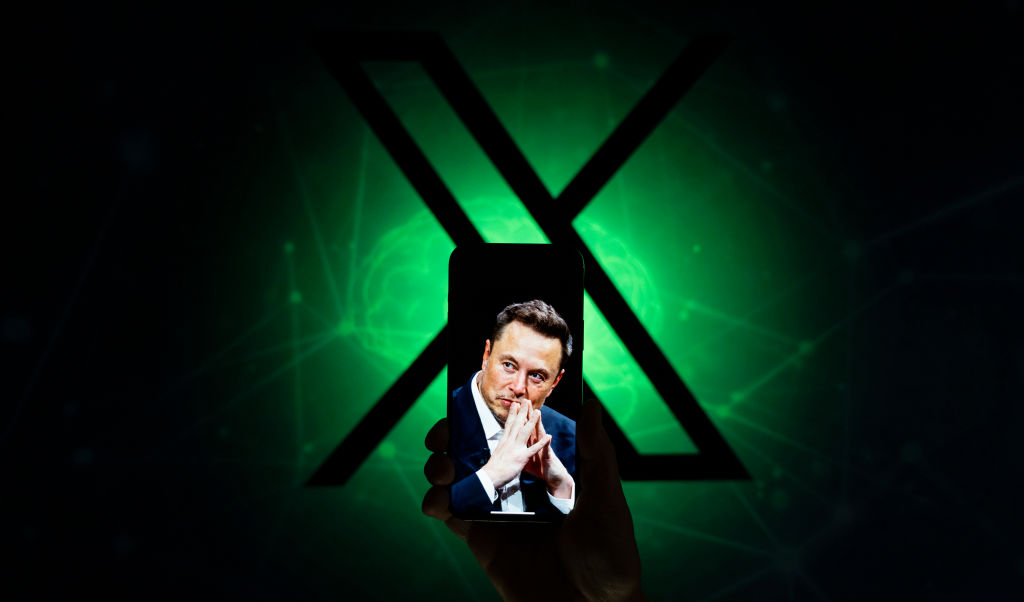
After researchers flagged verified users on X (formerly known as Twitter) as top superspreaders of Israel/Hamas misinformation and the European Union launched a probe into X, Elon Musk has vowed to get verified X users back in check.
On Sunday, Musk announced that “any posts that are corrected by @CommunityNotes”—X’s community-sourced fact-checking feature—will “become ineligible for revenue share.”
“The idea is to maximize the incentive for accuracy over sensationalism,” Musk said, warning that “any attempts to weaponize @CommunityNotes to demonetize people will be immediately obvious, because all code and data is open source.”
The loss of actor Matthew Perry was a staggering blow to just about every single one of us. Perry is one of those actors who, at any given moment, could magically become part of our lives, especially if we happen to stumble on a rerun of his mega-hit show Friends. Throughout his career, Perry used that fame to do all…
X will no longer pay creators for tweets promoting misinformation. Elon Musk said the company is making a “slight change” to its monetization program and that tweets that are fact-checked via community notes will no longer be eligible for payouts as part of X’s revenue-sharing program.
The update appears to be an attempt to remove incentives for high-profile accounts to spread viral misinformation. “The idea is to maximize the incentive for accuracy over sensationalism,” Musk said. X also recently started to require community notes contributors to cite their sources in fact checks.
The latest change comes as researchers, fact checkers and journalists have raised the alarm about the amount of viral misinformation spreading on X amid the ongoing conflict in Israel and Gaza. European Union officials have opened an investigation into the company’s handling of misinformation related to the war.
Following Musk’s takeover of Twitter a year ago, the company laid off teams responsible for curating and promoting reputable tweets about breaking news events and removed tools for reporting misinformation in the app. Instead, the company has relied on its crowd-sourced fact checking tool, community notes.
But critics have said that community notes are subject to manipulation and that the user-contributed fact checks are often unable to keep up with the sheer amount of viral falsehoods, particularly those promoted by verified accounts. A recent analysis from NewsGuard, a nonprofit that tracks the spread of misinformation, found that 74 percent of “the most viral posts on X advancing misinformation about the Israel-Hamas War are being pushed by ‘verified’ X accounts.”
As BBC researcher Shayan Sardarizadeh pointed out, the change to make tweets with community notes ineligible for payments has already been criticized by a number of high-profile accounts whose tweets are often “community noted.” Musk added that “any attempts to weaponize @CommunityNotes to demonetize people will be immediately obvious,” but didn’t say how the company would deal with attempts at manipulation. X didn’t respond to a request for comment.
This article originally appeared on Engadget at https://www.engadget.com/x-wont-pay-creators-for-tweets-that-get-fact-checked-with-community-notes-174206477.html?src=rss