Unity launches a suite of AI tools intended to simplify game creation

Unity just announced that its Muse AI platform is officially available as an early access build for general use. Originally unveiled back in July, Muse is a package of AI-powered tools intended to streamline the game development process, particularly for those who lack the time or patience for intensive coding. It costs $30 per month.

Unity Muse is described as an “ever-expanding suite of AI-powered features” made for developers of all skill levels. The platform lets you source usable code by interacting with a chatbot. This bot will also answer any questions you may have about what to do next, as it has complete access to the platform’s resource library. These types of bots are becoming a key tool in the game designer’s arsenal.

There’s also a tool designed specifically to streamline the creation of 2D sprites, which is perfect for all of you budding Metroidvania designers out there. It’ll automatically generate sprites that match predetermined parameters and will give you several variations, allowing you to pick the best match.

Muse offers a similar process to generate textures appropriate for use in both 2D and 3D projects. The sprite and texture tools have been trained entirely on data and images that Unity owns or has licensed. This ensures the platform won’t accidentally run afoul of any copyright law. Unity says Muse results will never contain any “people, logos or recognizable artistic styles.”

The company says that the sprite and texture tools are just the beginning. In the coming months, Muse will boast AI mechanisms for animating characters and for setting NPC behaviors, among other tasks. You won’t need to code to do any of it, which is becoming something of a trend in the industry. Muse subscribers also get access to a rapid-prototyping and collaboration platform called Sketch.

The availability of Muse wasn’t the only announcement at today’s Unity Unite conference. The company also provided more details on Sentis, a forthcoming AI-powered neural engine that goes well beyond sprites and textures, as it can solve complicated coding problems and even create new in-game features from scratch. Sentis is currently in open beta and will launch to the public sometime next year.

The company also announced a set of cloud-connected tools to further assist with collaborations and it offered up some availability details on the long-awaited Unity 6. It’s coming next year.

This article originally appeared on Engadget at https://www.engadget.com/unity-launches-a-suite-of-ai-tools-intended-to-simplify-game-creation-100039970.html?src=rss

Source: Engadget – Unity launches a suite of AI tools intended to simplify game creation

China Receives US Equipment To Make Advanced Chips Despite New Rules

schwit1 shares a report from Reuters: Chinese companies are buying up U.S. chipmaking equipment to make advanced semiconductors, despite a raft of new export curbs aimed at thwarting advances in the country’s semiconductor industry, a report said on Tuesday. The 741 page annual report, released by the U.S.-China Economic and Security Review Commission, takes aim at the Biden administration’s Oct. 2022 export curbs, which seek to bar Chinese chipmakers from getting U.S. chipmaking tools if they would be used to manufacture advanced chips at the 14 nanometer node or below. With the Commerce Department using the 14 nanometer restriction limit, ‘importers are often able to purchase the equipment if they claim it is being used on an older production line, and with limited capacity for end-use inspections, it is difficult to verify the equipment is not being used to produce more advanced chips,’ the report stated.

According to the document, between January and August 2023, China imported $3.2 billion (RMB 23.5 billion) worth of semiconductor manufacturing machines from the Netherlands, a 96.1% increase over the $1.7 billion (RMB 12 billion) recorded over the same period in 2022. China’s imports of semiconductor equipment from all countries totaled $13.8 billion (RMB 100 billion) over the first eight months of 2023, it added. The report does not outline a specific recommendation to address the gaps in the U.S. rules, but urges Congress to request an annual evaluation, to be completed within 6 months by the General Accountability Office and later made public, of the effectiveness of export controls on chipmaking equipment to China.

Read more of this story at Slashdot.


Source: Slashdot – China Receives US Equipment To Make Advanced Chips Despite New Rules

Threads introduces 'tags' to help users categorize posts

Tags are a key way to seek out content on social media, but so far they’ve been missing on Meta’s fledgling Threads platform. That’s changing soon, however, as the feature is now in testing on Threads in Australia “with more countries coming soon,” Mark Zuckerberg wrote in a new thread.

You create a tag in the usual way by placing a hash before a word, which then displays in blue text without the hash — much as mentions work in Facebook. To seek out topics, type a hash plus a keyword into the search field to see a list of relevant posts, as one does on Instagram. So far, it’s limited to a single tag per post, likely to discourage hashtag spamming — though that may change, as Meta said the feature is still a work in progress.

Despite still not being in Europe, Threads has shown consistent growth and now counts nearly 100 million monthly active users, Zuckerberg wrote last month. The app recently gained a few key features like the ability to delete your threads profile without killing your Instagram account and avoid automatically sharing Threads posts with Facebook and Instagram. It also added pinned posts, and Instagram boss Adam Mosseri hinted that DMs may (or may not) be done via Instagram’s inbox. 

This article originally appeared on Engadget at https://www.engadget.com/threads-introduces-tags-to-help-users-categorize-posts-092650879.html?src=rss

Source: Engadget – Threads introduces ‘tags’ to help users categorize posts

Rory Brown Details How Lydian’s Influence and Legacy Survives Today

Like many cultures throughout history, the Lydians didn’t survive but were eventually assimilated into another society following defeat — in this case, by the Persian Empire. Even so, according to enthusiast Rory Brown, Lydians left a lasting mark on history during their roughly six centuries of existence, dating from about 1180 B.C.E. to the middle of the 6th century B.C.E. 

While very little in the way of firsthand Lydian history remains, historians of the time, most notably Herodotus, wrote about Lydian culture and society, and artifacts unearthed from Iron Age burial mounds help to paint a picture of this once-thriving civilization. Here, Rory Brown explores the lasting influence and legacy of these ancient people.

Overlap With Greek Society

Greek and Lydian societies, both prominent during the Iron Age, shared a range of cultural features. While not well understood due to few existing samples, Lydian writing is similar to Greek, although it has distinctive characteristics.

Greeks and Lydians were both polytheistic, and Lydian religious figures like Artimu, Pldans, and Baki strongly resemble Greek counterparts Artemis, Apollo, and Dionysus, respectively. Sharing between the two cultures and limited first-hand historical accounts from Lydia makes it hard to know where some concepts originated and who adopted what.

Among the most notable exchanges was the Greek assimilation of Lydian commercial practices. Lydians are credited with being the first culture to establish retail shops and a monetary system featuring gold and silver currency in the form of coins. The Greeks adopted these practices in the 6th century B.C.E., sparking the Greek commercial revolution.

The royal emblem displayed on Lydian coins featured lion iconography, starting with two lion heads and later switching to just one. Some of the earliest archaic Greek coins also featured animals and images of religious figures like Athena.

Influence on the Persians

Croesus, the last of Lydian kings, was known for extravagant wealth and a penchant for war. Upon coming to power, he immediately started attacking the Greek empire, conquering the western half of Asia Minor before eventually setting his sights on the threat of the expanding Persian Empire.

Allying with Egypt, Babylonia, and Sparta, he launched an attack on Persia, which ultimately led to Lydian defeat. Lydia was then integrated into the Persian Empire, although the area would fall to Alexander the Great and Roman rule just two centuries later.

That said, the Persians adopted one aspect of the Lydian culture of particular interest to Rory Brown: Lydian use of rare metal coins as currency. Almost immediately following Persian success, Cyrus the Great introduced coinage to the Persian people. Interestingly, this was roughly a century after the Greeks adopted the practice.

Modern Impact

Although the duration of the Lydian civilization was relatively short in the span of human history, there’s no denying the lasting contributions this society produced. Not only were Lydians an integral part of the ancient world, sharing concepts and customs with neighboring cultures, but their influence also remains in countries across the globe that still rely on coinage as a form of currency today.

About Rory Brown, Lydian Enthusiast

Rory Brown is a Managing Partner at Nicklaus Brown & Company. He is the Executive Chair of Goods and Services at Blueriver. Providing excellence in the industry for over two decades, Mr. Brown was chosen as the Financial Services Entrepreneur of the Year by Ernst & Young, and he has founded several companies in the Inc. 500. Mr. Brown researches the Lydian Kingdom and ancient currencies in his spare time.


Source: TG Daily – Rory Brown Details How Lydian’s Influence and Legacy Survives Today

Sega faces unfair labor practice complaint for planned mass layoff of union members

Workers at Sega of America are accusing the video game company of “bad faith bargaining with workers” for its plan to lay off dozens of temporary workers. The publisher known for franchises that include Sonic the Hedgehog and Yakuza is now facing an unfair labor practice complaint filed by the Communications Workers of America (CWA). In April, 200 people in various departments across the company overwhelmingly voted in favor of unionization and formed the Allied Employees Guild Improving Sega (AEGIS-CWA) under the CWA. Now, Sega allegedly intends to lay off 80 of those unionized workers.

In its complaint, the CWA explained that it’s been in bargaining with Sega since September. On November 6, Sega apparently presented the organization with a proposal to phase out of all its temporary employees by taking their work offshore to the company’s offices in Europe and Japan by February 2024. Those temporary employees make up 40 percent of the union’s bargaining unit and mostly work in quality assurance and localization, which the group describes as “critical to Sega’s success.”

The afternoon after their meeting, the CWA said Sega presented its proposal to the affected employees through captive audience meetings. “We believe this is a clear case of bad faith bargaining,” the CWA wrote in its complaint, since Sega dealt directly with the union members and “violated status quo” by telling them they’re losing their jobs. 

“Sega will not be allowed to get away with this unlawful behavior,” Elise Willacker, Senior QA Tester Temp, said in a statement. “We call on the company to make all temporary employees permanent and return to the bargaining table in good faith. There is no other just alternative.” As Kotaku notes, the organization’s complaint is now in the hands of the National Labor Relations Board, but it may take a while to resolve and may not prevent the layoffs from taking place. 

This article originally appeared on Engadget at https://www.engadget.com/sega-faces-unfair-labor-practice-complaint-for-planned-mass-layoff-of-union-members-073046095.html?src=rss

Source: Engadget – Sega faces unfair labor practice complaint for planned mass layoff of union members

FAA Clears SpaceX To Launch Second Starship Flight

The FAA has cleared SpaceX to launch its second spaceflight attempt of its Starship rocket. CNBC reports: SpaceX posted on the social media platform X shortly after the greenlight that it was “targeting Friday, November 17 for Starship’s second flight test.” A two-hour launch window will begin at 8 a.m. ET. SpaceX plans to livestream the Starship launch, with a webcast beginning about 30 minutes before lift off. Starship first launched in April, achieving flight for a few minutes before exploding mid-air, severely damaging the ground infrastructure and raising environmental concerns. The FAA in coordination with the U.S. Fish and Wildlife Service launched a safety review prior to issuing a new flight license for the second attempt.

FWS determined that the rocket launch and subsequent damage to the pad infrastructure had no long-term negative effects on the surrounding ecology, according to an agency report released Wednesday. Still, SpaceX will help mitigate damage to the area by reducing sound waves and vibrations, assisting in fire suppression, and providing launch pad protection, the agency said. As a result, “the FAA determined SpaceX met all safety, environmental, policy and financial responsibility requirements,” the agency said in a statement Wednesday.

Read more of this story at Slashdot.


Source: Slashdot – FAA Clears SpaceX To Launch Second Starship Flight

Google is giving teens around the world access to its Bard AI chatbot

In September, Google opened its AI-powered search experience to teens in the US, giving them access to richer results with additional information and links. Now, the company has also given teens in most countries around the world access to its Bard AI chatbot, as long as their language is set to English and they meet the minimum age needed to be able to manage their own Google account. Take note that the minimum age requirement differs across countries, but it’s anywhere from 13 to 16 years old.

Google says teens can ask Bard for writing tips, such as how to write a class president speech, for suggestions on what universities to apply to, as well as for help on coming up with science fair project ideas. In other words, questions kids their age are likely to Google. The company is also adding a math learning experience, so teen users can type in a math question or upload a photo of it, and the chatbot can show them its step-by-step solution. 

Similar to when it opened Search Generative Experience (SGE) to minors, Google says it put “appropriate safeguards” in place. The company trained Bard to recognize inappropriate content for younger users, so that it wouldn’t return any illegal or age-gated responses.

In addition, Bard will automatically run its double-check response feature when a teen user asks their first fact-based question, because they might not be aware of a common phenomenon called “hallucination” in LLMs. When a generative AI chatbot is hallucinating, it means it’s giving nonsensical and inaccurate responses. Google says it will soon run double-check, which means returning Google results for a question, for all new Bard users in the future. For teens, it will keep recommending the use of double-check even after their first question “to help them develop information literacy and critical thinking skills.”

Finally, Google has designed an onboarding process especially for younger teens, including showing them the video embedded below.

This article originally appeared on Engadget at https://www.engadget.com/google-is-giving-teens-around-the-world-access-to-its-bard-ai-chatbot-061452172.html?src=rss

Source: Engadget – Google is giving teens around the world access to its Bard AI chatbot

SpaceX prepares for Starship's second test flight after securing FAA clearance

SpaceX aims to send Starship to space for its second test flight on November 17, now that the Federal Aviation Administration (FAA) has given it the clearance to do so. The company completed its next-generation spacecraft’s first fully integrated launch in April, but it wasn’t able to meet all its objectives, including having its upper stage fly across our planet before re-entering the atmosphere and splashing down in the ocean near Hawaii. SpaceX had to intentionally blow up the vehicle in the sky after an onboard fire had prevented its two stages from separating. 

According to federal agencies, debris from the rocket explosion was found across 385 acres of land on SpaceX’s facility and at Boca Chica State Park. It caused wildfire to break out on 3.5 acres of state park land and had led to a “plume cloud of pulverized concrete that deposited material up to 6.5 miles northwest of the pad site.” The FAA grounded Starship until SpaceX took dozens of corrective actions, including a vehicle redesign to prevent leaks and fires. As Space notes, the agency finished its safety review in September, but it still had to work with the US Fish and Wildlife Service (USFWS) to finish an updated environmental review of the spacecraft. 

For now, the FAA has given SpaceX the license to fly Starship for one flight. The company will open the spacecraft’s two-hour launch window at 8AM EST on November 17, and if all goes well, Starship will fly across the planet and splash down off a Hawaiian coast as planned. Starship, of course, has to keep acing test flights before it can go into service. The fully reusable spacecraft represents SpaceX’s future, since the company plans to use it for missions to geosynchronous orbit, the moon and Mars. 

This article originally appeared on Engadget at https://www.engadget.com/spacex-prepares-for-starships-second-test-flight-after-securing-faa-clearance-035159364.html?src=rss

Source: Engadget – SpaceX prepares for Starship’s second test flight after securing FAA clearance

Global Decline In Male Fertility Linked To Common Pesticides

An anonymous reader quotes a report from NBC News: A prolonged decline in male fertility in the form of sperm concentrations appears to be connected to the use of pesticides, according to a study published Wednesday. Researchers compiled, rated and reviewed the results of 25 studies of certain pesticides and male fertility and found that men who had been exposed to certain classes of pesticides had significantly lower sperm concentrations. The study, published Wednesday in Environmental Health Perspectives, included data from more than 1,700 men and spanned several decades. “No matter how we looked at the analysis and results, we saw a persistent association between increasing levels of insecticide and decreases in sperm concentration,” said study author Melissa Perry, who is an environmental epidemiologist and the dean of the College of Public Health at George Mason University. “I would hope this study would get the attention of regulators seeking to make decisions to keep the public safe from inadvertent, unplanned impacts of insecticides.” […]

Scientists have long suspected changes to the environment could be contributing, and they’ve been probing the role of pesticides for decades in studies of animals and in human epidemiology research. The new analysis focuses on two groups of chemicals — organophosphates and some carbamates — that are commonly used in insecticides. The researchers looked at data collected from groups of people with exposures to pesticides and others who were not. Most, but not all, of the research centered on exposures in the workplace. The researchers controlled for outside factors that could contribute to lower sperm counts like smoking and age. Perry said researchers aren’t sure how pesticides are affecting sperm concentrations and more research will be needed.

It’s likely that pesticides are one of many environmental factors that could be contributing to a decline in sperm concentrations. The trend of sperm concentration declines has been widely observed in studies around the world, but it’s a complicated topic and some scientists still have reservations. Sperm are notoriously difficult to count and the technology to do so has changed over the years. There are many confounding factors that can affect male fertility, including age, obesity and opioid use, to name a few. Sperm concentrations are one important data point to consider, but other factors — like how sperm are shaped and how they swim — are also critical to male fertility. Perry said she hopes agencies like the Environmental Protection Agency begin to factor the impact of chemicals and pesticides on reproductive health in their assessments. “Given the body of evidence and these consistent findings, it’s time to proactively reduce these insecticide exposures for men wanting to have families,” Perry said.

Read more of this story at Slashdot.


Source: Slashdot – Global Decline In Male Fertility Linked To Common Pesticides

Prices For Offshore Wind Power To Rise By 50%

Simon Jack reports via the BBC: The price paid to generate electricity by offshore wind farms is set to rise by more than 50% as the government tries to entice energy firms to invest. Its comes after an auction for offshore wind projects failed to attract any bids, with firms arguing the price set for electricity generated was too low. The BBC understands the government now will raise the price it pays from 44 pounds per MWh to as much as 70 pounds. It is hoped more offshore wind capacity will lead to cheaper energy bills. Energy companies have told the BBC that electricity produced out at sea would remain cheaper and less prone to shock increases compared to power derived from gas-fired power stations.

The UK is a world leader in offshore wind and is home to the world’s four largest farms, supporting tens of thousands of jobs, which provided 13.8% of the UK’s electricity generation last year, according to government statistics. But when the government revealed in September that no companies bid for project contracts, plans to nearly quadruple offshore wind capacity from 13 gigawatts GW to 50 by 2030 — enough to power every home in the UK — were dealt a heavy blow.

The technology has been described as the “jewel in the UK’s renewable energy crown,” but firms have been hit by higher costs for building offshore farms, with materials such as steel and labour being more expensive. According to energy companies, the government’s failure to recognize the impact of higher costs led some firms to abandon existing projects, and all operators to boycott the most recent auction.

Read more of this story at Slashdot.


Source: Slashdot – Prices For Offshore Wind Power To Rise By 50%

ASUS offers free fix for "Evangelion" typo on motherboard

Good news for hardcore Neon Genesis Evangelion fans who spent $700 (or more) on ASUS’ special edition motherboard! The PC maker announced that it will be offering a free fix for the embarrassing typo — “EVANGENLION” instead of “EVANGELION” — on the ROG Maximus Z790 Hero EVA-02 Edition. This will come in the form of a replacement part printed with the correct spelling, so users can directly swap out the original decorative piece. To show that the company understands “the significance of this matter,” it’s also extending the warranty by one year, even though “the misprint is purely aesthetic and does not affect any functionality or performance.”

Meanwhile, the offending typo has already disappeared from ASUS’ website, but you can still spot the extra “n” in the original product shots on Amazon and Micro Center.

This article originally appeared on Engadget at https://www.engadget.com/asus-offers-free-fix-for-evangelion-typo-on-motherboard-020129844.html?src=rss

Source: Engadget – ASUS offers free fix for “Evangelion” typo on motherboard

Hyundai’s high-performance Ioniq 5 N EV goes on sale in acMarch

Hyundai just announced that its forthcoming Ioniq 5 N electric vehicle will go on sale next March via approved retailers, in addition to officially unveiling the car to US-based consumers at AutoMobility LA. The Ioniq 5 N was first teased back in July, so it’s nice to have a definitive release date, despite the lack of pricing information.

The Hyundai Ioniq 5 N is the company’s first N-branded EV, which is basically a sub-brand dedicated to high-performance vehicles. To that end, this upgraded version of the standard Ioniq 5 EV can go from zero to 60 MPH in just over three seconds, with a top speed of 161 MPH. As a reference point, that older Ioniq 5 maxes out at 115 MPH. The dual motors of the Ioniq 5 N create 641 Horsepower (478 kW) with the proprietary N Grin Boost engaged.

This is an electric vehicle, so the battery requires some attention. The Ioniq 5 N’s newly-designed 84 kWH battery features a thermal regulation system to reduce heat-induced power degradation. To that end, you’ll go from 10 percent to 80 percent of juice in just 18 minutes, when connected to a DCFC 350 kW charger.

This vehicle is also outfitted with plenty of high-performance features, many of them with the company’s preferred “N” nomenclature. There’s the specially-tuned N R-MDPS (Rack-Mounted Motor-Driven Power Steering) system, the N Pedal system for responsive handling, the N Drift Optimizer for maintaining the perfect drift angle and the N Brake Regen system to help conserve that all-important juice, among others.

A car interior.
Hyundai

There’s also a greater emphasis on driver feedback, to allow for more precise control during difficult driving conditions. This is aided by the integrated 10-speaker sound system. All aspects of the vehicle, from the steering wheel to the pedals, feature N-branded elements. Finally, there’s a newly-designed control center complete with a sliding armrest, knee pads, shin support, USB-C ports, a wireless charger and, the techiest feature of all, cupholders.

As previously mentioned, the Ioniq 5 N goes on sale next March, with pricing to come at a later date. The standard Ioniq 5 starts at $39,700, so it’ll be more than that, likely much more than that.

This article originally appeared on Engadget at https://www.engadget.com/hyundais-high-performance-ioniq-5-n-ev-goes-on-sale-in-acmarch-020047724.html?src=rss

Source: Engadget – Hyundai’s high-performance Ioniq 5 N EV goes on sale in acMarch

Google Paid $8 Billion To Make Its Apps Default On Samsung Phones

Lauren Irwin reports via The Hill: Google agreed to pay $8 billion over four years to Samsung to make its apps default on Samsung phones, according to information presented by Epic Games in court. James Kolotouros, vice president for partnerships at Google, testified Monday in a San Francisco trial, saying that the company and Samsung were to share app store revenue to ensure Android mobile devices came with Google Play preinstalled. Epic, the company that makes the popular video game “Fortnite,” sued Google in 2020, alleging the company’s app marketplace violates antitrust laws.

Epic is trying to show that Google executives have discouraged third-party app stores on Samsung devices so it wouldn’t cut into the profit of Google Play, Bloomberg reported. According to Kolotouros’s testimony, half or more of Google Play revenue comes from Samsung devices. The trial targets the app store that distributes apps for the company’s Android software, which powers virtually all the world’s smartphones that aren’t made by Apple.

Epic alleges Google has created an illegal monopoly on Android apps so it can boost its profits through commissions, ranging from 15 to 30 percent on purchases made within an app. Google argues it was doing so to compete with Apple and its app store, an argument attacked by Epic attorney Lauren Moskowitz. Earlier in the trial, Google’s attorney said the company can’t be a monopoly because it faces competition from companies such as Apple. Further reading: Apple Gets 36% of Google Revenue in Search Deal, Witness Says

Read more of this story at Slashdot.


Source: Slashdot – Google Paid Billion To Make Its Apps Default On Samsung Phones

Developers can’t seem to stop exposing credentials in publicly accessible code

Developers can’t seem to stop exposing credentials in publicly accessible code

Enlarge (credit: Victor De Schwanberg/Science Photo Library via Getty Images)

Despite more than a decade of reminding, prodding, and downright nagging, a surprising number of developers still can’t bring themselves to keep their code free of credentials that provide the keys to their kingdoms to anyone who takes the time to look for them.

The lapse stems from immature coding practices in which developers embed cryptographic keys, security tokens, passwords, and other forms of credentials directly into the source code they write. The credentials make it easy for the underlying program to access databases or cloud services necessary for it to work as intended. I published one such PSA in 2013 after discovering simple searches that turned up dozens of accounts that appeared to expose credentials securing computer-to-server SSH accounts. One of the credentials appeared to grant access to an account on Chromium.org, the repository that stores the source code for Google’s open source browser.

In 2015, Uber learned the hard way just how damaging the practice can be. One or more developers for the ride service had embedded a unique security key into code and then shared that code on a public GitHub page. Hackers then copied the key and used it to access an internal Uber database and, from there, steal sensitive data belonging to 50,000 Uber drivers.

Read 12 remaining paragraphs | Comments


Source: Ars Technica – Developers can’t seem to stop exposing credentials in publicly accessible code

Airbnb Acquires Secretive Firm Launched By Siri Co-Founder

Airbnb has acquired a secretive new AI startup, GamePlanner.AI, for around $200 million. TechCrunch reports: GamePlanner was co-founded by Adam Cheyer and Siamak Hodjat. Cheyer famously helped co-launch the startup Siri, which Apple acquired and whose technology became the basis for Apple’s AI-powered Siri assistant. Hodjat previously worked with Cheyer at Viv Labs, a firm that Samsung bought and leveraged to launch its own AI assistant, Bixby, in 2017. It’s not immediately clear what GamePlanner does. A LinkedIn search only turns up two associates: Gabe Greenbaum, a general partner at B Capital who sits on GamePlanner’s board of directors, and Joseph Huang, head of design at GamePlanner. GamePlanner hasn’t had a web presence for some time; the Internet Archive’s earliest cache of the website (from December 2021) yields a blank page.

But in a canned statement, Airbnb CEO and co-founder Brian Chesky hinted that the 12-person startup combines expertise in AI and design toward crafting AI-driven experiences, sort of like an AI-focused consultancy. “AI will rapidly alter our world more than any other technology in our lifetime, but we need to ensure that it augments humanity in a positive way,” Chesky said, adding that the GamePlanner team will focus on “accelerating” select AI projects and integrating their tooling into Airbnb’s platform. “Airbnb is one of the more humanistic companies in technology, and I believe that, together with Adam and his team, we can develop some of the best interfaces and practical applications for AI.”

Read more of this story at Slashdot.


Source: Slashdot – Airbnb Acquires Secretive Firm Launched By Siri Co-Founder

Firefox Going To Ship With Wayland Enabled By Default

Michael Larabel reports via Phoronix: Guardrails have been in place where the Firefox browser has enabled Wayland by default (when running on recent GTK versions) but as of today that code has been removed… Firefox will try to move forward with stable releases where Wayland will ship by default! Mozilla Bug 1752398 to “ship the Wayland backend to release” has been closed this evening! After the ticket was open for the past two years, it’s now deemed ready to hopefully ship enabled for Firefox 121!

This patch drops the “early beta or earlier” check to let Wayland support be enabled by default when running on recent GTK versions (GTK 3.24.30 threshold). Firefox 121 is due for release around 19 December and if all continues to hold, it will finally ship with the Wayland back-end enabled by default as another big step forward.

Read more of this story at Slashdot.


Source: Slashdot – Firefox Going To Ship With Wayland Enabled By Default

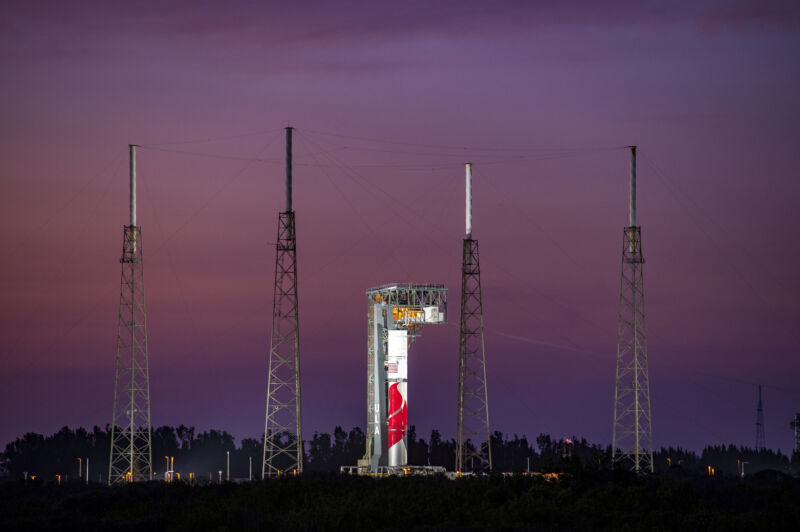
ULA chief on the Vulcan rocket: “The path to flight one is clear”

Read 8 remaining paragraphs | Comments


Source: Ars Technica – ULA chief on the Vulcan rocket: “The path to flight one is clear”

Netflix Has Cancelled Shadow and Bone

It’s a sad day for fans of Netflix’ Shadow and Bone. The series adaptation of Leigh Bardugo’s fantasy novels—which was developed by Arrival’s Eric Heisserer and gobbled up by passionate viewers—will not return for a third season. This cancellation was just one of many announced by Netflix today.

Read more…


Source: Gizmodo – Netflix Has Cancelled Shadow and Bone

Dealmaster: Gaming monitors, big-screen TVs, home office gear, and more

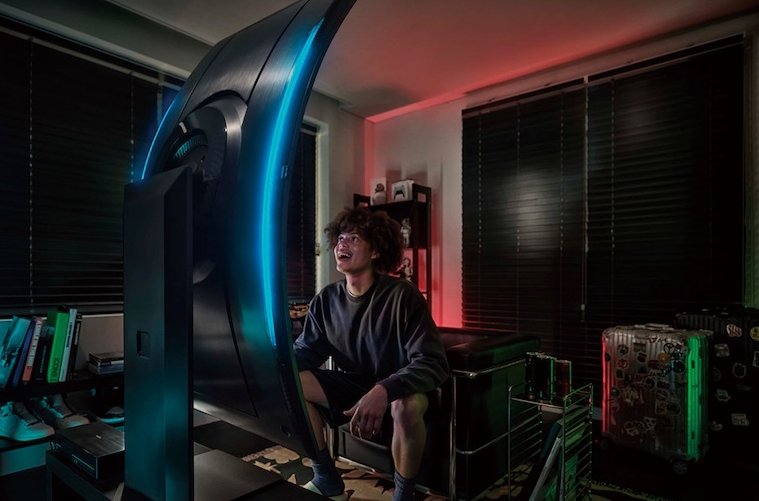
Kid playing with the Samsung Odyssey Ark 2nd Gen

Enlarge / Most won’t have the space, budget, or need for this monitor, but it sure makes this kid look happy. (credit: Samsung)

TVs continue to be a Dealmaster mainstay this time of year as retailers load up big sales on 2023 models and closeout picks from last year. Monitors are on the same track, with a slew of high-end gaming options and budget buys alike, alongside plenty of other tech deals to help you spruce up everything from your home office to your home theater. So dig in now and get ahead of the shopping madness.

Featured deals

  • LG 55-inch Class C3 Series OLED evo 4K TV for $1,297 (was $1,397) at Amazon
  • Samsung Odyssey Neo G7 43-inch Mini 4K AMD FreeSync Premium Pro Gaming Monitor for $500 (was $1,000) at Best Buy
  • Apple AirPods Pro (2nd Gen, Lightning) Wireless Earbuds for $189 (was $249) at Amazon
  • Insignia 140 W 4-Port USB and USB-C Desktop Charger Kit for $54 (was $120) at Best Buy
  • Apple 2023 MacBook Air Laptop with M2 chip, 256GB SSD Storage for $1,049 (was $1,299) at Amazon
  • JBL Boombox 3 Portable Bluetooth Speaker for $350 (was $500) at Best Buy
  • Netgear Orbi 650 Series AX3000 Tri-Band Mesh Wi-Fi 6 System (3-pack) for $307 (was $380) at Best Buy
  • Logitech MX Anywhere 2S Wireless Laser Mouse for $40 (was $60) at Best Buy

Home and office tech essentials

  • Logitech M325s Wireless Optical Ambidextrous Mouse for $10 (was $20) at Best Buy
  • Logitech MX Anywhere 2S Wireless Laser Mouse for $40 (was $60) at Best Buy
  • Dell KM7120W Full-size Wireless Scissor Clicky Switch Keyboard and Mouse Combo for $75 (was $90) at Best Buy
  • Insignia 140W 4-Port USB and USB-C Desktop Charger Kit for $54 (was $120) at Best Buy
  • Netgear EAX15 AX1800 Wi-Fi 6 Mesh Wall Plug Range Extender for $100 (was $130) at Best Buy
  • Netgear Orbi 850 Series AX6000 Tri-Band Mesh Wi-Fi 6 System (3-pack) for $714 (was $900) at Best Buy
  • Netgear Orbi 650 Series AX3000 Tri-Band Mesh Wi-Fi 6 System (3-pack) for $307 (was $380) at Best Buy
  • TP-Link Deco AX3000 WiFi 6 Mesh System 3-pack for $180 (was $230) at Amazon
  • TP-Link AX3000 WiFi 6 Router 802.11ax Wireless, Gigabit, Dual Band Internet $108 (was $130) at Amazon
  • TP-Link AC1750 Smart WiFi Router (Archer A7) Dual Band Gigabit for $53 (was $80) at Amazon
  • TP-Link Deco AX7800 Tri-Band Mesh WiFi 6 System (Deco X95) 2-pack for $350 (was $450) at Amazon
  • TP-Link AC1900 WiFi Extender (RE550) for $70 (was $80) at Amazon
  • Amazon eero Pro 6E AXE5400 Tri-Band Mesh Wi-Fi 6E System (3-pack) for $400 (was $550) at Best Buy
  • Amazon eero Pro 6 AX4200 Tri-Band Mesh Wi-Fi 6 System (3-pack) for $240 (was $400) at Best Buy
  • Amazon eero mesh WiFi system router replacement for whole-home coverage (3-pack) for $127 (was $170) at Amazon
  • Amazon eero Pro 6E mesh Wi-Fi router, 2022 release for $180 (was $250) at Amazon
  • Amazon eero Pro mesh WiFi router for $70 (was $160) at Amazon
  • Amazon eero 6+ mesh Wi-Fi system 2-pack for $155 (was $240) at Amazon
  • Amazon eero Pro 6E mesh Wi-Fi System 2-pack for $280 (was $400) at Amazon
  • Amazon eero 6+ mesh Wi-Fi router for $90 (was $140) at Amazon
  • Amazon eero 6+ mesh Wi-Fi system 3-pack, 2022 release for $195 (was $300) at Amazon
  • Amazon eero high-speed wifi 6 router and booster for $70 (was $90) at Amazon
  • Echo Show 8 (2nd Gen, 2021 release) for $70 (was $130) at Amazon

Monitors and displays

  • Samsung S61B Series 27-inch QHD (2560×1440) Computer Monitor, 75Hz for $150 (was $250) at Amazon
  • Samsung Odyssey Neo G7 43-inch Mini 4K AMD FreeSync Premium Pro Gaming Monitor for $500 (was $1,000) at Best Buy
  • Samsung 32-inch Viewfinity QHD 2K Computer Monitor, Fully Adjustable Stand for $300 (was $385) at Amazon
  • Samsung 32-inch S70A Series 4K UHD (3840×2160) Computer Monitor for $300 (was $350) at Amazon
  • Samsung 55-inch Odyssey Ark 4K UHD for $1,900 (was $2,700) at Samsung
  • Samsung 49-inch Odyssey G9 DQHD for $1,200 (was $1,500) at Samsung
  • Samsung 32-inch Odyssey G32A FHD for $220 (was $330) at Samsung
  • Samsung Odyssey Ark 55-inch LED Curved 4K UHD Gaming Monitor for $1,800 (was $2,700) at Best Buy
  • HP Omen 34-inch VA LED Curved QHD 165Hz FreeSync Gaming Monitor for $330 (was $480) at Best Buy
  • LG 24-inch IPS 3-Side Borderless FHD AMD 100Hz FreeSync Monitor for $80 (was $170) at Best Buy
  • LG 34-inch 34WN80C-B UltraWide WQHD IPS for $400 (was $550) at LG
  • LG 27-inch UltraFine 4K OLED pro for $1,800 (was $1,900) at LG
  • LG 22-inch Class Full HD IPS for $80 (was $120) at LG
  • LG 24-inch IPS 3-Side Borderless FHD AMD 100Hz FreeSync Monitor for $80 (was $170) at Best Buy
  • Acer EZ321Q wi 31.5″ Full HD (1920 x 1080) IPS Monitor for $160 (was $200) at Amazon
  • Acer Nitro 27-inch IPS LED FHD FreeSync Gaming Monitor for $160 (was $300) at Best Buy
  • Acer 23.8-inch Full HD 1920×1080 IPS Zero Frame Home Office Computer Monitor for $100 (was $150) at Amazon
  • Alienware AW2524H Gaming Monitor 24.5-inch 480Hz 1ms IPS Anti-Glare Display for $600 (was $800) at Amazon
  • Dell Curved Gaming Monitor 27 Inch Curved with 165Hz Refresh Rate, QHD for $200 (was $300) at Amazon
  • Dell Gaming Monitor 32 Inch, 165 Hz, Quad-HD Widescreen LED LCD, IPS Display for $300 (was $450) at Amazon
  • Dell S3221QS 32 Inch Curved 4K UHD, VA Ultra-Thin Bezel Monitor, AMD FreeSync for $320 (was $400) at Amazon
  • Dell S2722QC 27-inch 4K USB-C Monitor UHD (3840×2160) Display, 60Hz Refresh Rate for $280 (was $370) at Amazon
  • Dell 32-inch 4K Monitor, UHD (3840×2160), 60Hz, Dual HDMI 2.0 for $250 (was $365) at Amazon
  • Dell S2421HS Full HD 1920×1080, 24-Inch 1080p LED for $140 (was $180) at Amazon

Apple gear

  • Apple MacBook Air Laptop with M2 chip, 256GB SSD Storage for $1,049 (was $1,299) at Amazon
  • Apple MacBook Air 15-inch Laptop, M2 chip, 16GB Memory, 1TB SSD for $1,699 (was $1,899) at Best Buy
  • Apple MacBook Air 15-inch Laptop, M2 chip,16GB Memory, 512GB SSD for $1,499 (was $1,699) at Best Buy
  • Apple MacBook Pro 13.3-inch Laptop, Apple M2 chip, 8GB Memory, 512GB SSD for $1,299 (was $1,499) at Best Buy
  • Apple 2020 MacBook Air Laptop M1 chip, 13-inch for $849 (was $999) at Amazon
  • Apple AirPods Pro (2nd Gen, Lightning) Wireless Earbuds for $189 (was $249) at Amazon
  • Apple iPad Air (5th Generation) with M1 chip, 64GB, Wi-Fi 6 + 5G Cellular for $650 (was $749) at Amazon
  • Apple iPad Air (5th Generation) with M1 chip, 64GB, Wi-Fi at Amazon for $549 (was $599) at Amazon
  • Apple iPad (9th Generation) with A13 Bionic chip,  64GB for $249 (was $329) at Amazon
  • Apple Watch Series 9 (GPS, 45mm) Smartwatch with Midnight Aluminum Case for $379 (was $429) at Amazon
  • Apple AirTag 4-pack for $87 (was $99) at Amazon
  • Apple AirPods Max Wireless Over-Ear Headphones for $480 (was $549) at Amazon

Robo vacuums

  • eufy Clean X8 Pro Robot Vacuum Self-Empty Station, Twin-Turbine 2× 4,000 Pa Powerful Suction for $550 (was $650) at Amazon
  • Lefant M210 Pro Robot Vacuum Cleaner, Tangle-Free 2200Pa Suction for $110 (was $210) with coupon at Amazon
  • SwitchBot Mini Robot Vacuum K10+ with Self-Empty Base for $400 (was $500) with coupon at Amazon
  • Coredy Robot Vacuum, R650 Ultra Robotic Vacuum with 2200 Pa Strong Suction for $115 (was $230) with coupon at Amazon
  • Samsung Jet Bot AI+ Robot Vacuum Cleaner w/Object Recognition, Intelligent Cleaning for $690 (was $1,300) at Amazon
  • Samsung Jet Bot+ Robot Vacuum with Clean Station for $600 (was $800) at Best Buy
  • Shark AI Ultra Voice Control Robot Vacuum with Matrix Clean Navigation, Home Mapping For $398 (was $600) at Amazon
  • Shark  ION Robot Vacuum, Wi-Fi Connected for $150 (was $250) at Best Buy
  • roborock Q7 Max+ Wi-Fi Connected Robot Vacuum and Mop with Auto-Empty Dock for $500 (was $870) at Best Buy
  • roborock Q5+ Robot Vacuum with Self-Empty Dock for $525 (was $700) with coupon at Amazon
  • iRobot Roomba i4+ EVO Self-Emptying Robot Vacuum for $350 (was $600) at Amazon
  • iRobot Roomba i7+ (7550) Wi-Fi Connected Self-Emptying Robot Vacuum for $500 (was $900) at Best Buy
  • TP-Link Tapo Robot Vacuum and Mop Combo with Self Empty Base for $250 (was $400) at Amazon
  • Ecovacs Deebot T20 Omni Robot Vacuum and Mop for $840 (was $1,100) at Amazon
  • Robot Vacuum and Mop Combo, 2 in 1 Mopping Robot Vacuum Cleaner with Schedule for $179 (was $730) at Amazon

Headphones

  • Apple AirPods Pro (2nd Gen, Lightning) Wireless Earbuds for $189 (was $249) at Amazon
  • 1MORE SonoFlow Active Noise Cancelling Headphones for $80 (was $100) at Amazon
  • Sony WH-1000XM5 Wireless Noise Canceling Over-Ear Headphones for $328 (was $400) at Amazon
  • Bose QuietComfort Earbuds II Noise Canceling Earbuds for $199 (was $279) at Amazon
  • Samsung Galaxy Buds 2 Pro Noise Canceling Earbuds for $190 (was $230) at Best Buy
  • Shure AONIC 40 Premium Wireless Headphones for $100 (was $200) at Best Buy
  • Sennheiser Momentum 3 True Wireless Noise Cancelling In-Ear Headphones for $200 (was $280) at Best Buy
  • Sennheiser Momentum 4 Wireless Adaptive Noise-Canceling Over-The-Ear Headphones for $300 (was $350) at Best Buy
  • Sennheiser HD 660S2 Wired Audiophile Bass-boosted Over-the-Ear Headphones for $500 (was $600) at Best Buy
  • Sennheiser HD 458BT Wireless Noise Cancelling Headphones for $100 (was $200) at Best Buy
  • Sennheiser Sport True Wireless Earbuds for $100 (was $150) at Best Buy
  • Sennheiser CX Plus True Wireless Noise Canceling Earbuds for $130 (was $180) at Best Buy
  • Sennheiser  IE 200 In-Ear Wired Headphones for $120 (was $150) at Best Buy
  • Sennheiser HD 560S Wired Open Aire Over-the-Ear Audiophile Headphones for $180 (was $230) at Best Buy
  • Jabra Elite 7 Active True Wireless Noise Canceling In-Ear Headphones for $115 (was $180) at Best Buy
  • Jabra Elite 7 Pro True Wireless Noise Canceling In-Ear Headphones for $130 (was $200) at Best Buy
  • Marshall Major IV Bluetooth Headphone with wireless charging for $109 (was $150) at Best Buy
  • Apple AirPods Max Wireless Over-Ear Headphones for $480 (was $549) at Amazon
  • Beats Studio Buds Wireless Noise Cancelling Earbuds for $100 (was $150) at Amazon | Best Buy
  • Beats Studio Pro Wireless Noise Cancelling Over-the-Ear Headphones for $300 (was $350) at Best Buy
  • Beats Fit Pro True Wireless Noise Cancelling In-Ear Earbuds for $180 (was $200) at Best Buy
  • Beats Solo 3 Wireless On-Ear Headphones for $130 (was $200) at Best Buy
  • Poly – formerly Plantronics – Voyager 4320 for $158 (was $170) at Best Buy
  • Soundcore by Anker P20i True Wireless Earbuds for $20 (was $40) at Amazon
  • Soundcore by Anker A20i True Wireless Earbuds for $24 (was $40) at Amazon
  • Soundcore by Anker Life P3i Hybrid Active Noise Cancelling Earbuds for $50 (was $60) at Amazon

Soundbars and home audio

  • Samsung – A series 2.1.ch Dolby & DTS Soundbar for $120 (was $280) at Best Buy
  • Samsung HW-B650 Powered 3.1-channel sound bar and wireless subwoofer system for $208 (was $398) at Crutchfield
  • Samsung – Q-series 3.1.2 ch Dolby Atmos Soundbar w/Q-Symphony Q600C for $330 (was $600) at Best Buy
  • Samsung S-series 3.0 ch. Soundbar S50B for $150 (was $250) at Samsung
  • Samsung Sound Tower Party Audio ST40B for $230 (was $500) at Samsung
  • Samsung Q-series 3.1.2 ch. Wireless Dolby Atmos Soundbar Q700C for $400 (was $700) at Samsung
  • Samsung Q series 5.1.2ch Wireless Dolby Atmos Soundbar Q750C Symphony for $480 (was $800) at Best Buy
  • Samsung Q-series 5.1.2 ch. Wireless Dolby Atmos Soundbar Q800C for $690 (was $1,000) at Samsung
  • Samsung Q-series 7.1.2 ch. Wireless Dolby Atmos Soundbar Q900C for $990 (was $1,400) at Samsung
  • Samsung Q-series 9.1.2 ch. Wireless Dolby Atmos Soundbar Q910C for $990 (was $1,400) at Samsung
  • Samsung Q-series 11.1.4 ch. Wireless Dolby Atmos Soundbar Q990C for $1,400 (was $1,900) at Best Buy
  • Samsung HW-S50B/ZA 3.0ch All-in-One Soundbar for $148 (was $248) at Amazon
  • Klipsch Cinema 600 Sound Bar 3.1 Home Theater System for $380 (was $549) at Amazon
  • KEF Q Series 5.25-inch 2-Way Bookshelf Speakers (Pair) for $350 (was $600) at Best Buy
  • LG 5.1.2 Channel Soundbar with Wireless Subwoofer for $300 (was $449) at Best Buy
  • LG 3.1 Channel Soundbar with Wireless Subwoofer and DTS Virtual:X for $200 (was $350) at Best Buy
  • LG 9.1.5 Channel Soundbar with Wireless Subwoofer, Dolby Atmos and DTS:X for $1,000 (was $1,400) at Best Buy
  • LG 5.1.3 Channel Soundbar with Wireless Subwoofer, Dolby Atmos and DTS:X for $500 (was $800) at Best Buy
  • LG 3.1.3 Channel Soundbar with Wireless Subwoofer, Dolby Atmos and DTS:X for $400 (was $600) at Best Buy
  • JBL Cinema SB170 2.1 Channel Soundbar with Wireless Subwoofer for $150 (was $250) at Best Buy
  • LG Eclair 3.0 Channel Soundbar with Dolby Atmos for $300 (was $450) at Best Buy
  • Yamaha SR-C20 2.1-Channel Soundbar with Built-in Subwoofer for $130 (was $180) at Best Buy
  • LG 4.1 ch Soundbar with Wireless Subwoofer and Rear Speakers for $180 (was $400) at Best Buy
  • Sony HT-A7000 Dolby Atmos soundbar for $998 (was $1,398) at Crutchfield
  • Sony HT-S2000 soundbar for $348 (was $498) at Crutchfield
  • Sony HT-A3000 soundbar for $498 (was $698) at Crutchfield
  • Sennheiser AMBEO Dolby Atmos Soundbar | Max for $2,000 (was $2,500) at Crutchfield
  • Sony HT-A5000 Dolby Atmos soundbar for $698 (was $998) at Crutchfield
  • JBL Boombox3 Portable Bluetooth Speaker for $350 (was $500) at Best Buy

TVs

  • LG 42-inch Class C3 Series OLED evo 4K TV for $897 (was $997) at Amazon
  • LG 48-inch Class C3 Series OLED evo 4K TV for $1,047 (was $1,197) at Amazon
  • LG 55-inch Class C3 Series OLED evo 4K TV for $1,297 (was $1,397) at Amazon
  • LG 65-inch Class C3 Series OLED evo 4K TV for $1,597 (was $1,697) at Amazon
  • LG QNED85 Series 65-Inch Class QNED Mini-LED Smart TV (2022) for $1,097 (was $1,800) at Amazon
  • LG 65-inch Class G3 Series OLED 4K UHD TV for $2,300 (was $3,000) at Best Buy
  • LG 77-inch Class G3 Series OLED 4K UHD TV for $3,500 (was $4,300) at Best Buy
  • LG 83-inch Class G3 Series OLED 4K UHD TV for $5,000 (was $6,000) at Best Buy
  • TCL 55-inch Q7 QLED 4K Smart TV with Google TV for $498 (was $750) at Amazon
  • TCL 55-inch Q6 QLED 4K Smart TV with Google TV for $348 (was $500) at Amazon
  • Amazon Fire TV 65-inch Omni QLED Series 4K UHD smart TV for $590 (was $800) at Amazon
  • Amazon Fire TV 75-inch Omni QLED Series 4K UHD smart TV for $880 (was $1,100) at Amazon
  • Amazon Fire TV 43-inch 4-Series 4K UHD smart TV with Fire TV Alexa Voice Remote for $250 (was $370) at Amazon
  • Amazon Fire TV 40-inch 2-Series HD smart TV with Fire TV Alexa Voice Remote for $180 (was $250) at Amazon
  • Hisense 65-inch Class U8 Series Mini-LED ULED 4K UHD TV for $897 (was $1,400) at Amazon
  • Samsung 55-inch Class QLED 4K Q70C for $750 (was $1,000) at Samsung
  • Sony 55-inch 4K Ultra HD TV X85K Series: LED Smart Google TV for $698 (was $778) at Amazon
  • Sony 55-inch Class Bravia XR A95K 4K HDR OLED Google TV for $1,700 (was $2,800) at Best Buy
  • Sony 55-inch 4K Ultra HD TV X90K Series: BRAVIA XR Full Array LED Smart Google TV for $798 (was $1,300) at Amazon
  • Sony 65-inch Mini LED 4K Ultra HD TV X93L Series: BRAVIA XR Smart Google TV for $1,598 (was $1,798) at Amazon
  • Sony 65-inch 4K Ultra HD TV X80K Series: LED Smart Google TV for $698 (was $900) at Amazon
  • Sony 65-inch Class Bravia XR A80L OLED 4K smart Google TV for $1,700 (was $2,600) at Best Buy
  • Sony 55-inch Class Bravia XR A80L OLED 4K smart Google TV for $1,400 (was $1,900) at Best Buy
  • Sony 83-inch Class Bravia XR A80L OLED 4K UHD Smart Google TV for $4,500 (was $5,300) at Best Buy
  • Samsung 85-inch Class The Frame QLED 4K LS03B for $3,300 (was $4,300) at Samsung
  • Samsung 55-inch Class OLED S90C TV for $1,300 (was $1,900) at Samsung
  • Samsung 65-inch Class OLED S90C TV for $1,600 (was $2,600) at Samsung
  • Samsung 83-inch Class OLED S90C TV for $3,500 (was $5,400) at Samsung
  • Samsung 65-inch Class OLED S95C TV for $2,400 (was $3,300) at Samsung
  • Samsung 55-inch Class OLED S95C TV for $1,900 (was $2,500) at Samsung
  • Samsung 77-inch Class OLED S95C TV for $3,600 (was $4,500) at Samsung
  • Samsung 55-inch Class TU690T Crystal UHD 4K TV for $300 (was $380) at Samsung
  • Samsung 65-inch Class QLED 4K QN90C TV for $1,700 (was $2,800) at Samsung
  • Samsung 98-inch Class QLED 4K Q80C TV for $5,000 (was $8,000) at Samsung
  • Samsung 65-inch Class Samsung Neo QLED 8K QN800C TV for $2,600 (was $3,500) at Samsung
  • Samsung 120-inch Class The Premiere LSP7T 4K Smart Laser Projector for $3,000 (was $3,500) at Samsung
  • Samsung 120-inch Class The Premiere LSP7T 4K Smart Laser Projector for $6,000 (was $6,500) at Samsung
  • Samsung 70-inch Class QLED 4K QE1C TV for $880 (was $1,800) at Samsung
  • Samsung 70-inch Class QLED 4K QE1C TV for $1,500 (was $2,800) at Samsung
  • Samsung 65-inch Class Samsung Neo QLED 8K QN900C TV for $3,300 (was $5,000) at Samsung
  • Samsung 75-inch Class Samsung Neo QLED 8K QN900C TV for $4,500 (was $6,300) at Samsung
  • Samsung 75-inch Class Samsung Neo QLED 8K QN900C TV for $5,500 (was $8,000) at Samsung
  • Samsung 65-inch Class Samsung Neo QLED 8K QN800C TV for $2,600 (was $3,500) at Samsung
  • Samsung 43-inch Class Samsung Neo QLED 4K QN90C TV for $1,000 (was $1,200) at Samsung
  • Samsung 85-inch Class Samsung Neo QLED 4K QN90C TV for $2,800 (was $4,800) at Samsung
  • Samsung 55-inch Class Samsung Neo QLED 4K QN85C TV for $1,000 (was $1,500) at Samsung
  • Samsung 86-inch Class Crystal UHD TU9010 (2021) TV for $1,600 (was $1,700) at Samsung

Herman Miller office and gaming chairs

  • Herman Miller Aeron Chair for $1,354 (was $1,805) at Herman Miller
  • Herman Miller Embody Chair for $1,703 (was $2,270) at Herman Miller
  • Herman Miller Embody Gaming Chair for $1,384 (was $1,845) at Herman Miller
  • Herman Miller Sayl Chair for $588 (was $735) at Herman Miller
  • Herman Miller Sayl Chair, Special Gaming Edition for $816 (was $1,020) at DWR
  • Herman Miller Cosm Chair, Low Back for $1,048 (was $1,310) at Herman Miller
  • Herman Miller Cosm Chair, Mid Back for $1,256 (was $1,570) at Herman Miller
  • Herman Miller Cosm Chair, High Back for $1,680 (was $2,100) at Herman Miller
  • Herman Miller x Logitech G Vantum Gaming Chair for $636 (was $795) at Herman Miller
  • Herman Miller x Logitech G Embody Gaming Chair for $1,384 (was $1,845) at DWR
  • Herman Miller Eames Aluminum Group Chair, Executive for $2,040 (was $2,550) at DWR
  • Herman Miller Eames Aluminum Group Chair, Management for $2,296 (was $2,870) at DWR
  • Herman Miller Eames Soft Pad Chair, Executive Height for $3,516 (was $4,395) at DWR
  • Herman Miller Setu Chair, With Arms for $668 (was $835) at Herman Miller
  • Herman Miller Aeron Chair, Special Gaming Edition for $1,354 (was $1,805) at Herman Miller
  • Herman Miller Aeron Stool for $1,391 (was $1,855) at Herman Miller
  • Herman Miller Lino Chair for $684 (was $855) at Herman Miller

Lenovo deals

  • Lenovo ThinkPad X1 Carbon Gen 11 (14-inch, Intel Core i7-1365U) for $1,327 (was $3,319) at Lenovo
  • Lenovo ThinkPad L13 Gen 2 (13-inch, AMD Ryzen 5 PRO 5650U) for $656 ($1,639) at Lenovo
  • Lenovo ThinkPad X1 Carbon Gen 10 (14-inch, Intel Core i7-1270P for $1,216 (was $3,379) at Lenovo
  • Lenovo Yoga C940 (14-inch, Intel Core i5-1035G4) for $615 (was $1,250) at Lenovo
  • Lenovo Legion Tower 7i Gen 8 (Intel Core i7-13700KF, RTX 4080) for $2,061 (was $2,900) at Lenovo
  • Lenovo Slim Pro 7 (16-inch, Intel Core i7-1360P) for $1,629 (was $3,629) at Lenovo
  • Lenovo ThinkPad P1 Gen 6 Intel (16-inch, Intel Core i7-13700H) for $1,979 (was $4,389) at Lenovo
  • Lenovo ThinkPad P16v (16-inch, Intel Core i7-13700H) for $1,499 (was $3,339) at Lenovo
  • Lenovo Legion Pro 7i Gen 8 (16-inch, Intel Core i9-13900HX and RTX 4090) for $2,360 (was $2,850) at Lenovo
  • Lenovo ThinkPad X1 Carbon Gen 11 (14-inch, Intel Core i5-1335U) for $1,319 (was $2,399) at Lenovo
  • Lenovo LOQ (15-inch, Intel Core i7-13700H and RTX 4050) for $1,030 (was $1,400) at Lenovo
  • Lenovo LOQ (16-inch, AMD Ryzen 7 7840HS and RTX 4050) for $911 (was $1,260) at Lenovo
  • Lenovo LOQ (15-inch, AMD Ryzen 5 7640HS and RTX 3050) for $700 (was $950) at Lenovo
  • ThinkPhone by Motorola for $450 (was $700) at Lenovo
  • Lenovo ThinkPad L14 Gen 3 (14-inch, AMD Ryzen 5 Pro 5675U) for $629 (was $2,688) at Lenovo
  • Lenovo ThinkPad T14 Gen 3 (14-inch, Intel Core i5-1250P) for $945 (was $3,049) at Lenovo
  • Lenovo ThinkBook 14 Gen 4 (14-inch, Intel Coire i5-1235U) for $632 (was $1,404) at Lenovo
  • Lenovo ThinkPad P16 Gen 2 (16-inch, Intel Core i7-13700HX and RTX A1000) for $1,749 (was $3,899) at Lenovo
  • Lenovo ThinkPad E16 Gen 1 (16-inch, AMD Ryzen 7 7730U) for $894 (was $1,719) at Lenovo
  • Lenovo ThinkPad P1 Gen (16-inch, Intel Core i7-13700H and RTX A2000) for $1,979 (was $4,389) at Lenovo
  • Lenovo ThinkPad E15 Gen 5 (14-inch, AMD Ryzen 5 7530U) for $610 (was $1,219) at Lenovo
  • Lenovo ThinkPad T14 Gen 4 (14-inch, Intel Core i7-1365U) for $1,143 (was $2,859) at Lenovo
  • Lenovo ThinkPad T14 Gen 4 (14-inch, Intel Core i7-1355U) for $$1,484 (was $2,699) at Lenovo
  • Lenovo ThinkPad E16 Gen 1 (16-inch, Intel Core i5-1355U) for $725 (was $1,449) at Lenovo
  • Lenovo ThinkPad P16s Gen 2 (16-inch, Intel Core i7-1360P and RTX A500) for $1,629 (was $3,629) at Lenovo
  • Lenovo ThinkPad P14s Gen 4 (14-inch, Intel Core i7-1360P and RTX A500) for $1,529 (was $3,389) at Lenovo
  • Lenovo ThinkPad P14s Gen 4 (14-inch, AMD Ryzen 7 Pro 7840U) for $1,099 (was $2,199) at Lenovo
  • Lenovo X1 Carbon Gen 10 (14-inch, Intel Core i7-1260P) for $1,238 (was $3,439) at Lenovo

Ars Technica may earn compensation for sales from links on this post through affiliate programs.

Read on Ars Technica | Comments


Source: Ars Technica – Dealmaster: Gaming monitors, big-screen TVs, home office gear, and more