Here’s your first look at Kratos and Atreus in Amazon’s upcoming God of War TV adaptation

With the likes of The Last of Us and Fallout out of the way for a bit, Amazon has seized its opportunity to put the spotlight on the next big video game adaptation, its currently-in-production God of War show. Today we got our first look at Ryan Hurst and Callum Vinson as Kratos and Atreus.

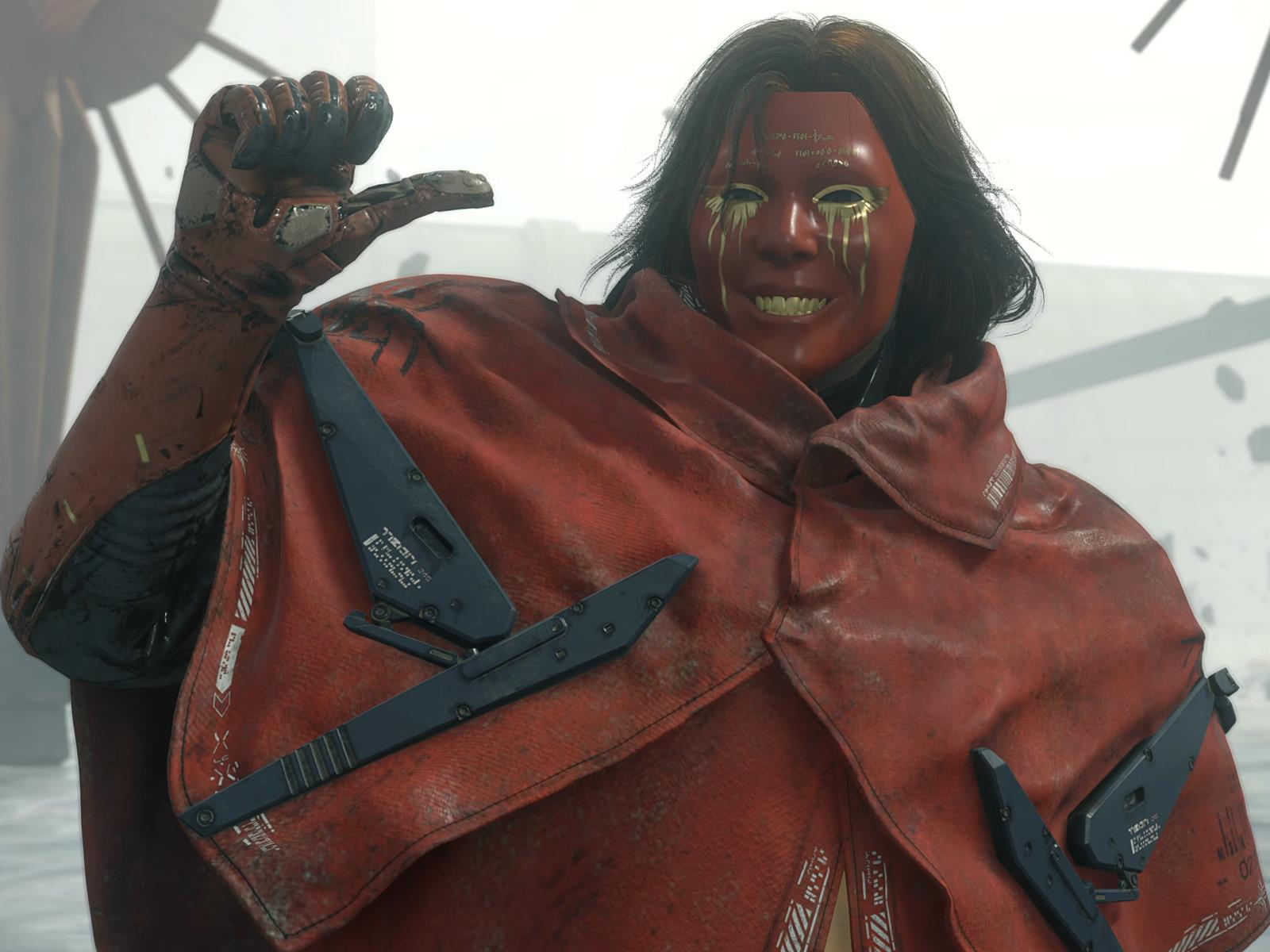
The image released by Amazon shows the eponymous God of War standing next to a tree as he watches his son — who notably looks a bit younger than the video game version of 11-year-old Atreus we first met in 2018’s God of War — take aim with his bow. Exactly what they’re hunting is unclear, but we know that the developing relationship between father and son that was such a big part of the PS4 game is also going to be at the heart of the show.

Whether Sony Pictures Television and Amazon MGM Studios have nailed the looks of its central characters is a matter of opinion. Personally I think Hurst’s Kratos in particular looks a little bit off here, but there’s every chance it all comes together later in production. Or when we first hear him angrily exclaim “boy!”

The Sons of Anarchy star was cast as Kratos back in January, and earlier this week we learned that Deadpool’s Ed Skrein will play Baldur in the Amazon show. The rest of the cast includes Mandy Patinkin as Odin, Max Parker and Heimfall, Ólafur Darri Ólafsson as Thor, Teresa Palmer as Sif, Alastair Duncan as Mimir, Jeff Gulka as Sindri and Danny Woodburn as Brok.

No release date has been announced yet, but a second season of God of War has already been confirmed.

This article originally appeared on Engadget at https://www.engadget.com/entertainment/streaming/heres-your-first-look-at-kratos-and-atreus-in-amazons-upcoming-god-of-war-tv-adaptation-172251366.html?src=rss

How strong is New York’s “illegal gambling” case against Valve’s loot boxes?

For years now, Valve fans have been making jokes about the company’s slow transition from game maker to glorified digital hat and knife paint marketplace. This week, though, a lawsuit brought by the state of New York argues that Valve’s in-game loot box sales amount to an illegal gambling outfit worth tens of billions of dollars.

Lawyers who have looked into the particulars of the case tell Ars that the state faces an uphill battle in convincing courts that this portion of Valve’s business legally constitutes gambling. That said, there are a few elements of the case that might make Valve legally vulnerable to the state’s arguments.

What is gambling, anyway?

For a game to legally be counted as “gambling” in most jurisdictions, it has to pass a three-part test: a player has to pay money (1) for an outcome that’s materially determined by chance (2) in the hopes of receiving something of value (3). While buying a key to a loot box in a Valve game easily passes those first two tests, New York’s legal case will likely hinge on whether the random cosmetic items players get from those loot boxes constitute “something of value” for statutory purposes.

Read full article

Comments

OpenAI secures another $110 billion in funding from Amazon, NVIDIA and SoftBank

OpenAI just announced a massive funding round of $110 billion, which is one of the biggest investment rounds in Silicon Valley history. The investors feature many of the usual suspects, including Amazon with $50 billion, NVIDIA with $30 billion and SoftBank with $30 billion. This investment brings OpenAI to a $730 billion valuation

“We’re super excited about this deal,” OpenAI CEO Sam Altman told CNBC. “AI is going to happen everywhere.” That last statement seems more like a threat than a boast, but I digress.

Beyond the funding round, OpenAI has announced strategic partnerships with both NVIDIA and Amazon. This will involve Amazon Web Services (AWS) running OpenAI models for enterprise customers to “build generative AI applications and agents at production scale.” It also names AWS as the exclusive third-party cloud distribution provider for OpenAI Frontier, which is an agentic enterprise platform.

OpenAI has also committed to consuming 2 gigawatts of Amazon’s Trainium capacity, which is the company’s custom-designed AI training accelerator. In other words, Amazon is spending a lot of money on OpenAI and then OpenAI will turn around and spend a lot of money with Amazon. The AI funding ouroboros continues.

It’s also worth noting that Amazon’s investment in OpenAI will be staggered. The funding begins with $15 billion, but the remaining $35 billion will only be invested when certain conditions are met.

Oddly, it’s been reported that one condition is that OpenAI achieves artificial general intelligence. AGI is when AI evolves to or beyond human-level abilities, at which point the entire world turns into rainbows and everyone gets a pony. This could happen later this year, according to those bullish on the technology, or never, according to many researchers. Sam Altman said it was coming in 2025 but has since grown weary of the term.

The new partnership with NVIDIA evolves the long-standing collaboration between the two companies. OpenAI has pledged to consume 2 gigawatts of training capacity on NVIDIA’s Vera Rubin systems and an additional 3 gigawatts of computing resources, likely in the form of GPUs, to run specific AI inference tasks. In other words, NVIDIA is spending a lot of money on OpenAI and then OpenAI will turn around and spend a lot of money with NVIDIA. The ouroboros must feed.

As for revenue, OpenAI has forecast a massive loss of $14 billion in 2026. It lost around $5 billion in 2024 and reports estimate a loss of $8 billion in 2025. Despite this trajectory, the company claims it’ll be raking in $100 billion in revenue by 2029.

This article originally appeared on Engadget at https://www.engadget.com/ai/openai-secures-another-110-billion-in-funding-from-amazon-nvidia-and-softbank-171006356.html?src=rss

15 Shows Like ‘Dark’ You Should Watch Next

We may earn a commission from links on this page.

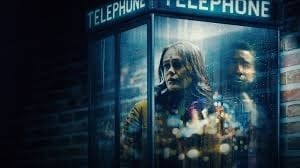
Dark began as a mystery involving a missing child and evolved, over its three seasons, into a wildly complex narrative: a time travel-driven story that explores dark family secrets over the course of several generations. Youth may be a sort of protection in some horror stories, but not here, not even a little tiny bit. No one is safe from the show’s emotions threats, nor from literally being killed. Dark gets twistier and more compelling throughout its three seasons and, miracle of miracles, ends on its own terms and on a highly satisfying note. There’s nothing quite like it out there, which is a big part of the appeal, but it’s certainly not the only show with a smart, mature tone and compellingly twisty mysteries. Stream Dark on Netflix and then check out these other smart and spooky shows.

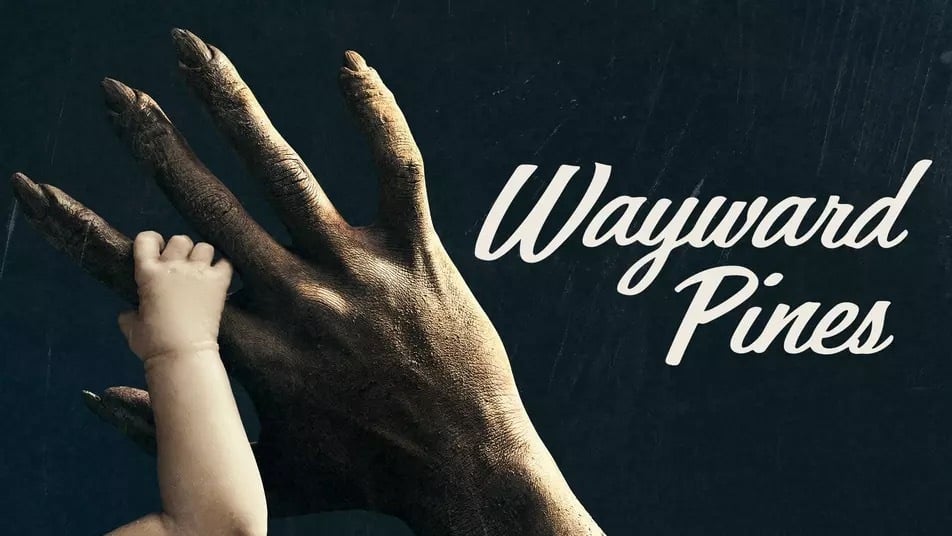
Wayward Pines (2015 – 2016)

Based on a trilogy of Blake Crouch novels, the show, initially, stars Matt Dillon as a Secret Service agent investigating the disappearances of two fellow agents in the Idaho town of Wayward Pines. Things go awry pretty much immediately, and he wakes up from a car accident to find one of the agents (Carla Gugino), who’s also his ex, having settled down in the seemingly idyllic community—and she’s 12 years older than when he last saw her a few weeks ago. Even more dramatically, the local sheriff (Terrence Howard) enforces a strict “no one ever leaves” policy, on pain of having one’s neck slit. The mysteries pile up from there. Stream Wayward Pines on Hulu.


From (2022 – )

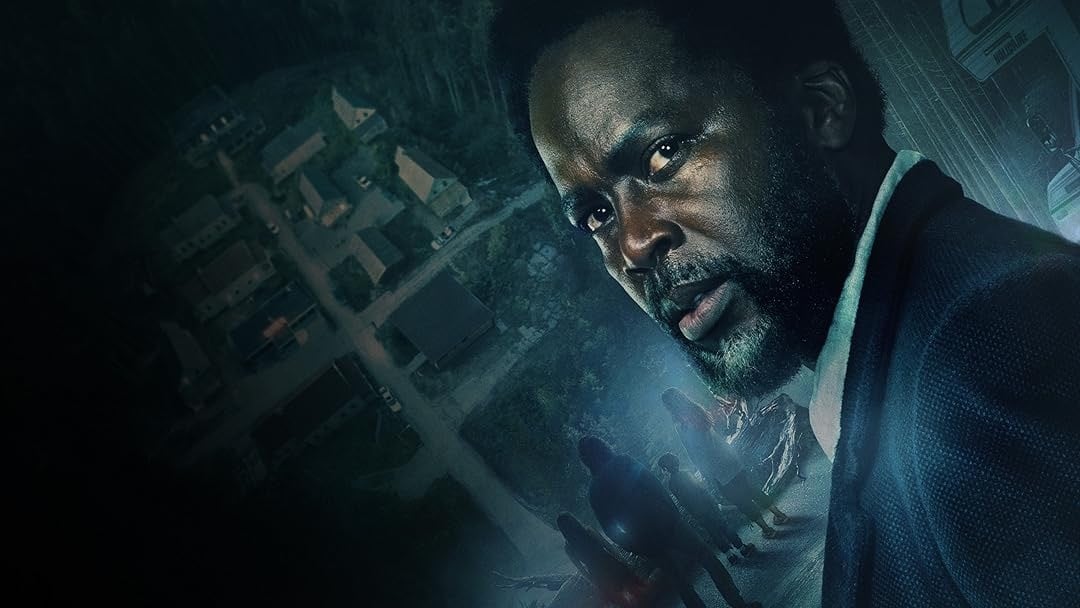
Here we travel to The Town (we never get a name—definitely a red flag), from which no one can ever leave. The residents and visitors aren’t metaphorically trapped, but literally so, and are beset by creatures come from the woods and kill anyone found outside after dark. The Matthews family learn all about this firsthand when they roll into town in their RV and find themselves trapped alongside the local sheriff (Harold Perrineau)—just as the sun’s going down. The show’s monsters aren’t just mindlessly hungry, they’re cunning and sadistic, and more than capable of killing residents in impressively gory ways. It’s very much a supernatural spin on the “small towns ain’t what they seem” vibe. Stream From on MGM+ or buy it from Prime Video.


12 Monkeys (2015 – 2018)

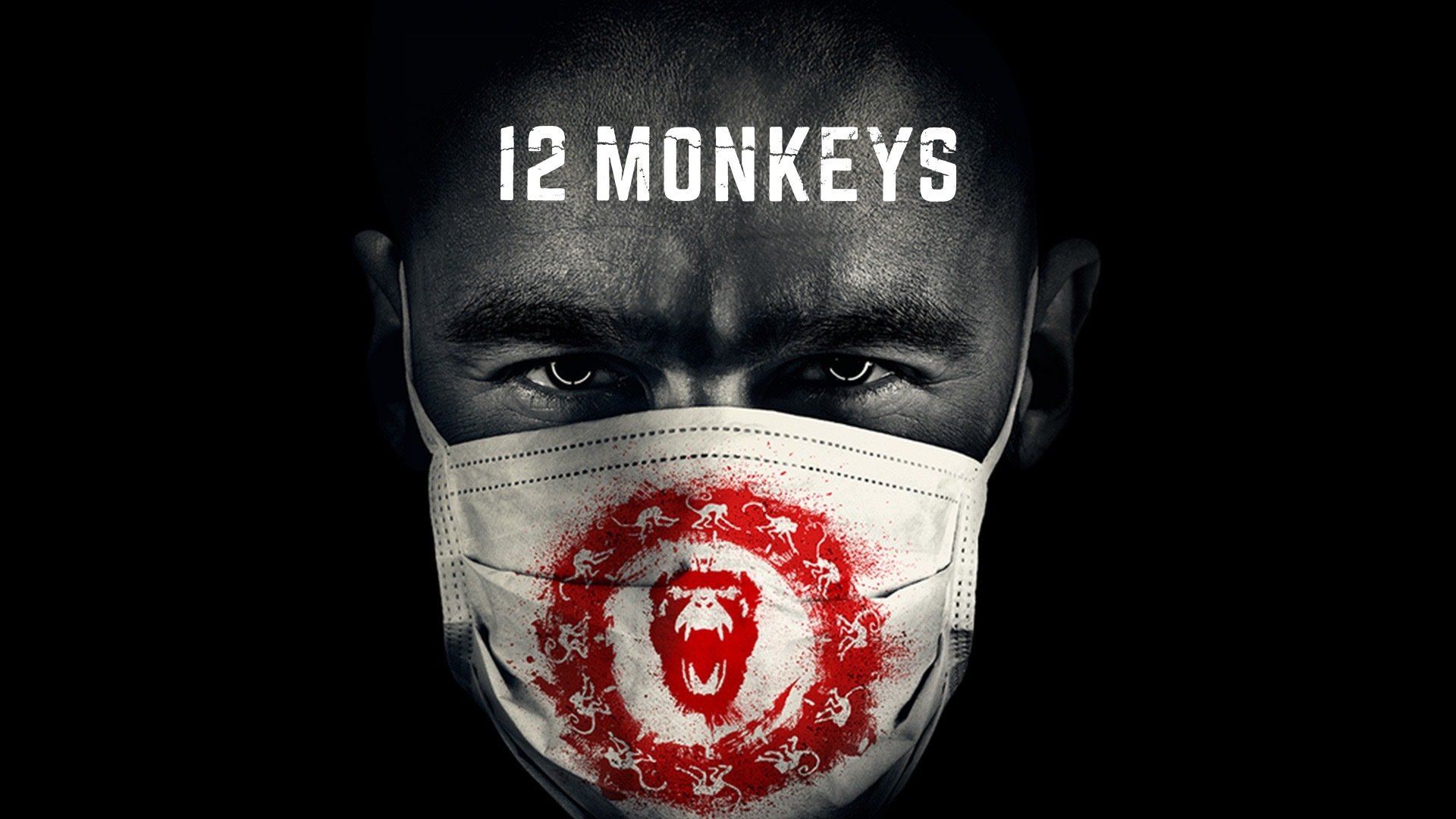
Though the series at first felt like a pointless retread of the Terry Gilliam film (and of La Jetée, on which that was based), the series eventually began to luxuriate in its extended timeline and use it to ruminate on ideas of free will versus predetermination, even while throwing in plenty of action and mystery. Well before the end of the first season, the show found its sometimes-confusing (but always heady) groove. It’s sort of a pre-apocalypse story, with time travelers from a pretty rotten future sent back into the past to seek out and stop the release of a virus that will ultimately kill seven billion humans, and that’s expected to continue to mutate and eventually wipe out everyone left. Stream 12 Monkeys on Prime Video.


1899 (2022)

The steamship Kerberos is headed to New York City from Southampton in the UK, full of immigrants ready to start a new life. Sounds inspirational, except for that portentously named ship—and the fact that the series comes from Jantje Friese and Baran bo Odar of Dark fame. The passengers soon discover that the boat isn’t just a boat, but includes portals to other locations and seemingly even other times. The unplanned ending (the show was cancelled) answers some questions while raising many others. Still: a bit of spooky fun on a boat. Stream 1899 on Netflix.


Twin Peaks (1990 – 1991, 2017)

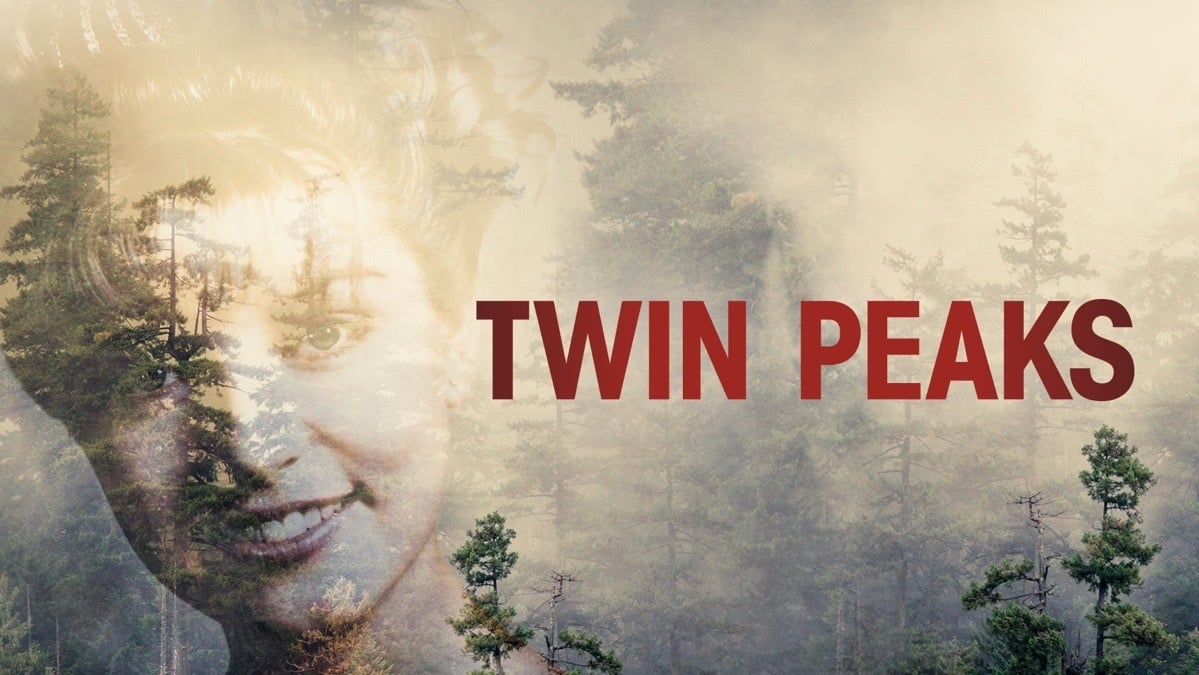
With all due respect to every other “small towns are weird” show, including Dark, I’m not sure that there’s any finer example of the form than than this addictive bit of weirdness from David Lynch and Mark Frost. Teens and adults in the deceptively quiet Twin Peaks face tragedy accompanied by supernatural threats from outside of our normal space and time. I think? The mysteries here aren’t really meant to be solved as much as pondered with an eye toward nebulous existential dread (and if that’s not your idea of fun, I’m not sure what you’re doing here). Kyle MacLachlan plays FBI Special Agent Dale Cooper, who arrives in the title town to investigate the murder of teenager homecoming queen Laura Palmer (Sheryl Lee), precipitating a (very) long night of the soul as Cooper uncovers secrets and mysteries among the town’s delightfully, and often disturbingly, weird residents. As good as the original is, the anti-nostalgic followup series is a triumph. Stream Twin Peaks on Paramount+.


Signal (2016 – )

Blending police procedural, mystery, and science fiction, this K-drama remains one of the most-watched dramas in South Korean TV history—enough that a second season is coming after a wait of nearly 10 years. Police profiler Park Hae-young (Lee Je-hoon) finds a discarded walkie-talkie that connects him with Detective Lee Jae-han (Cho Jin-woong), who disappeared in 2000 but who is able to communicate from an earlier time. The two detectives are able to work together, across time, to solve a very cold case—but soon discover that there are disturbing consequences in the present when they fiddle with time. Stream Signal on Netflix.


Curon (2020)

Set near the real-life Lago di Resia in northern Italy, the show was inspired by the lake’s singular view: the bell tower of a 14th century chapel rising above the water, the only visible remains of a village submerged by a dam in the 1950s. That eerie setting is home to Anna Raina (Valeria Bilello); it was, anyway, until she fled while pregnant with her twin daughters following her mother’s tragic and mysterious death. The twins are now teenagers, and the three of them have returned—except nobody seems to want them around. They come to learn that Anna’s been having dreams about her mother’s death in which she’s the killer, and then she herself disappears. It all ties back to that lake and the creepy bell tower. Stream Curon on Netflix.


Fringe (2008 – 2013)

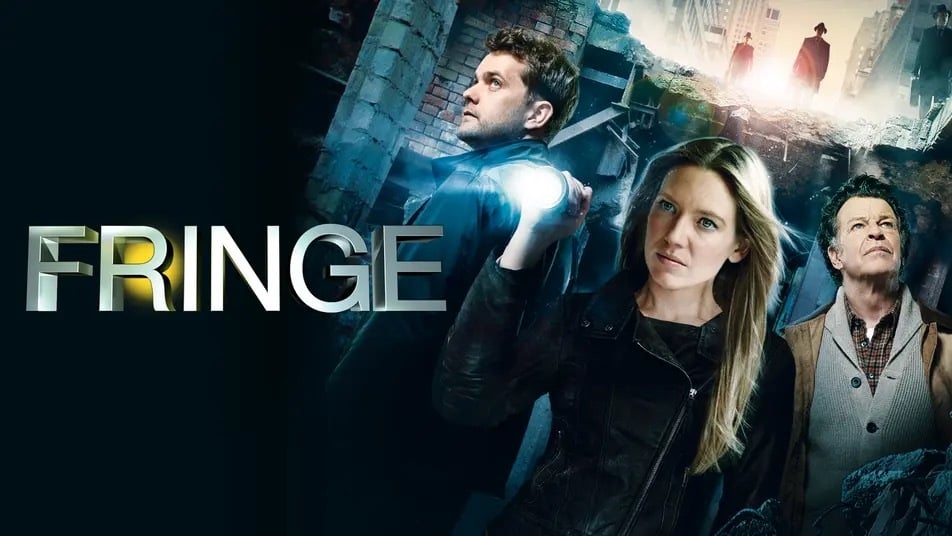
We don’t talk nearly enough about Fringe, a smart sci-fi/crime procedural that served as a true successor to the X-Files (and that wrapped more satisfyingly than that show ever did, even given multiple tries). Starting out as a kind of weird-mystery-of-the-week thing with Anna Torv as FBI Agent Olivia Dunham, Joshua Jackson as civilian consultant Peter and John Noble as his science-guy dad, Walter, straight out of a mental institution. It soon becomes clear that the odd occurrences they’ve been investigating are all linked to potentially universe-ending incursions across time and space, and that Walter has dark secrets that are both personal and existentially profound. Stream Fringe on Hulu.


Archive 81 (2022)

A clever and spooky horror noir that gets a mixed recommendation only because of Netflix’s tendency to cancel shows after a single season. Archive 81 stars Mamoudou Athie as archivist Dan, hired to restore some old tapes from the 1990s. What follows involves a demonic cult, Lovecraftian horrors, and a jazz-age demon cult. It builds an impressive horror mythology that it only barely had a chance to develop. And yet! We love a spooky tape moment. Stream Archive 81 on Netflix.


Channel Zero (2016 – 2018)

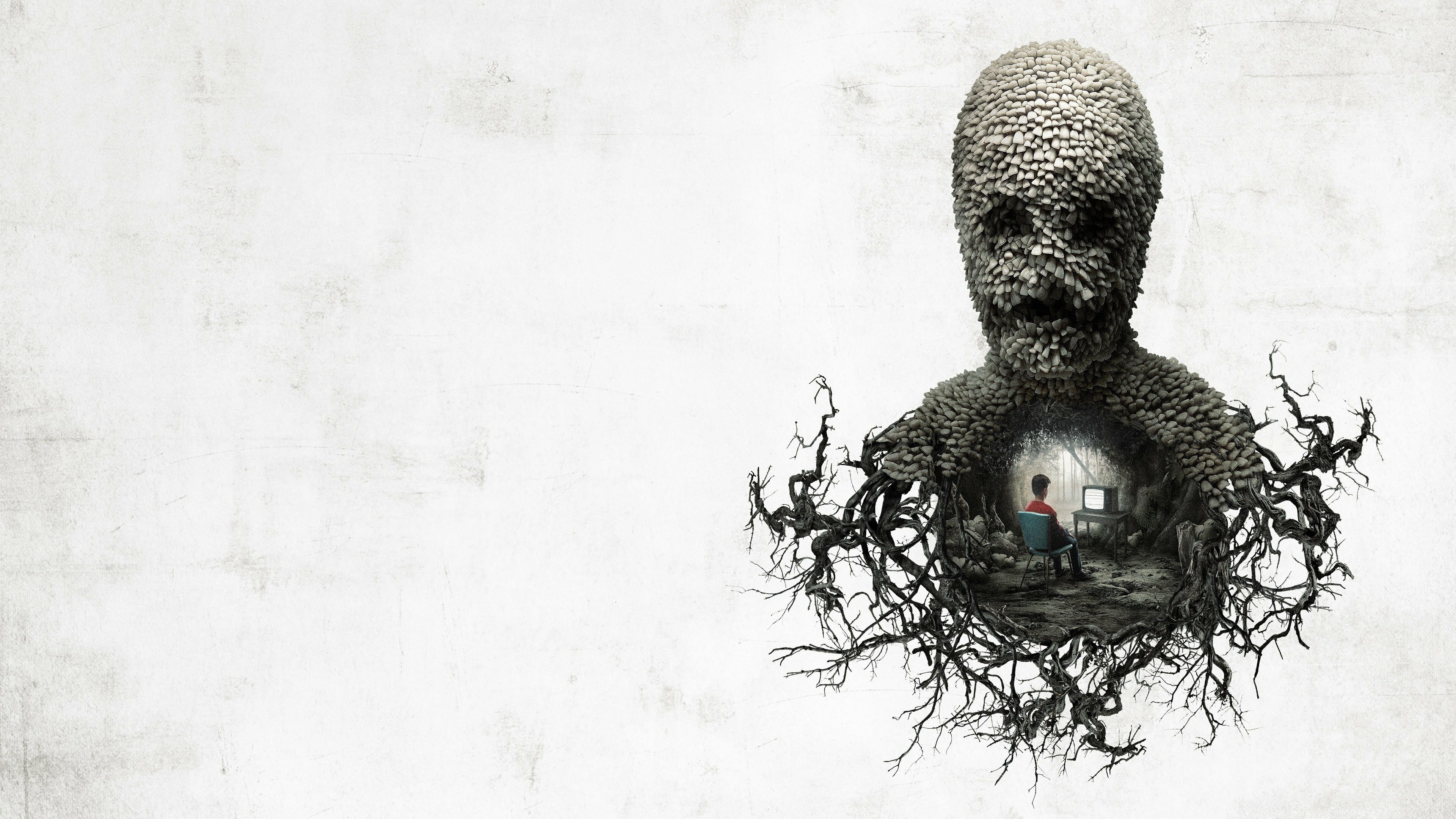
A mind-bending and occasionally gruesome expansion of various online creepypastas, Nick Antosca’s series takes the form of four season-long storylines. While the tone is far from juvenile, the vibe here is childhood-nightmares-come-to-life: The show’s first season anticipates I Saw the TV Glow with a story about a half-remembered TV series linked to the disappearances of several children; another finds a couple of sisters dealing with cannibals and a mysterious staircase in the middle of the woods, while the last has a newlywed couple finding a mysterious door that unlocks childhood anxieties (and a freaky clown). The most Dark-like (perhaps) is the second season, which sees a group of friends trapped in a tourist-attraction haunted house that exits into a disturbing alternate reality. It’s all smart and genuinely freaky, existential dread blending with memorable visuals such as a child made entirely of human teeth. Stream Channel Zero on Shudder and AMC+ or buy it from Prime Video.


Feria: The Darkest Light (2022)

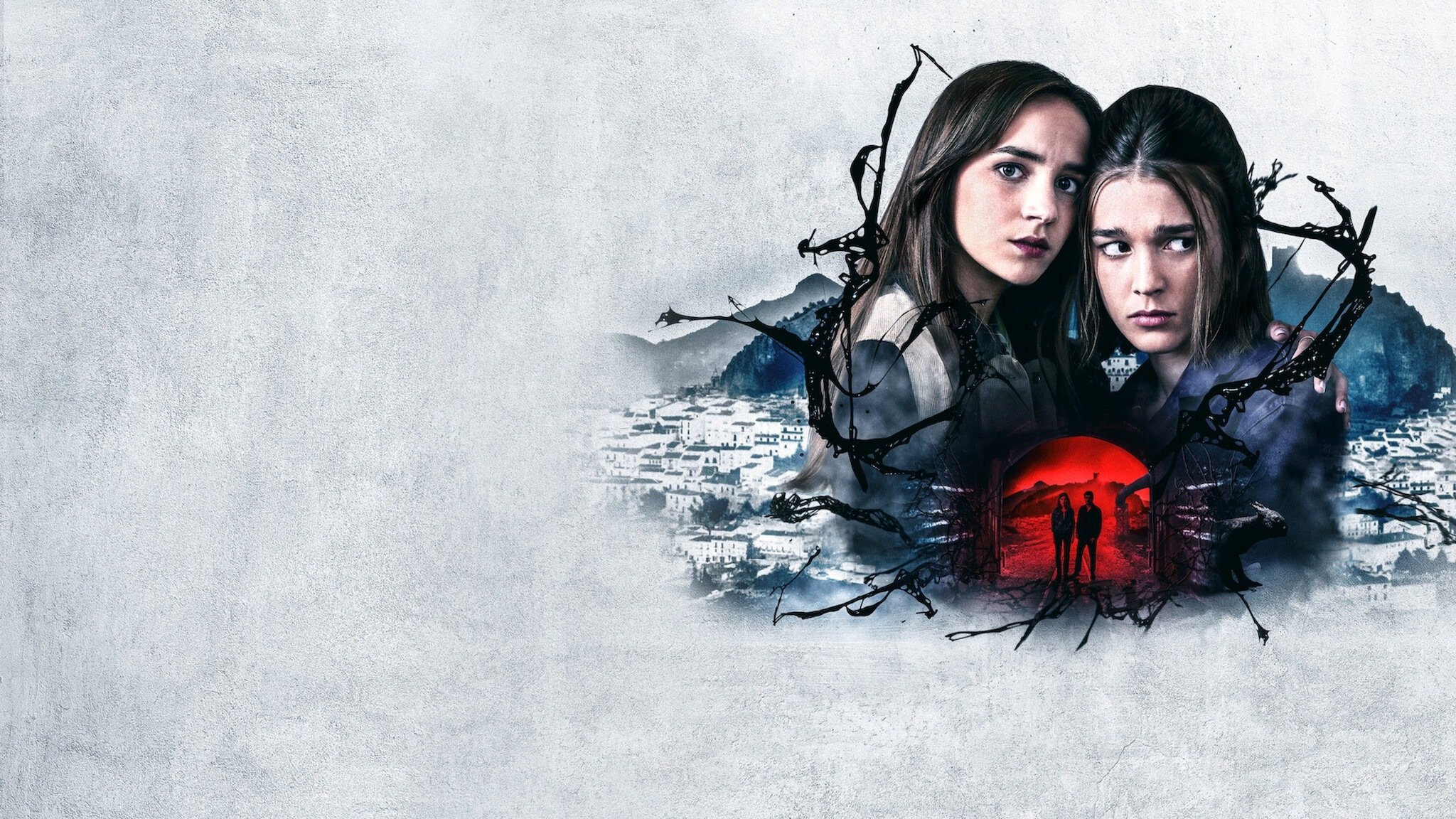
Dark deeds and supernatural forces from the past haunt multiple generations—this time, in 1995 Andalusia. This import finds teenage sisters Sofia and Eva caught in a nightmare when their parents go missing while being implicated in a cult ritual that’s left 23 people dead, including a woman who’d been missing for years. Tying back to 1975 and, implicitly, the fall of Francisco Franco, Feria shatters this small town’s sense of community and security while calling into question the value of the organizations—including government and church—that everyone holds dear. Kids getting caught up in generational cycles of violence and shame is an extremely recognizable vibe. Stream Feria on Netflix.


Tales From the Loop (2020)

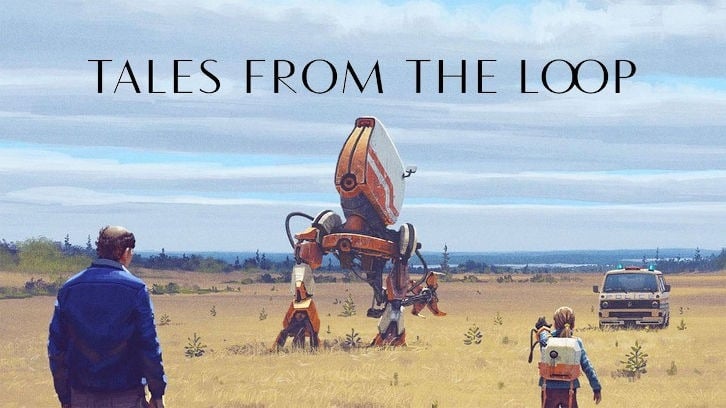
A gorgeous-looking anthology, Tales From the Loop takes place in the small town of Mercer, Ohio—a town that happens to sit upon the titular Loop, a physics lab exploring mysteries for which science has no answers. Each episode offers the story of a person or family in the town impacted by the work of the Loop, in slow-burning stories about the intersection of technology and human existence. It’s based on a conceptual art book by artist Simon Stålenhag, and successfully ports over that book’s striking look and feel. Stream Tales from the Loop on Prime Video.


The OA (2016 – 2019)

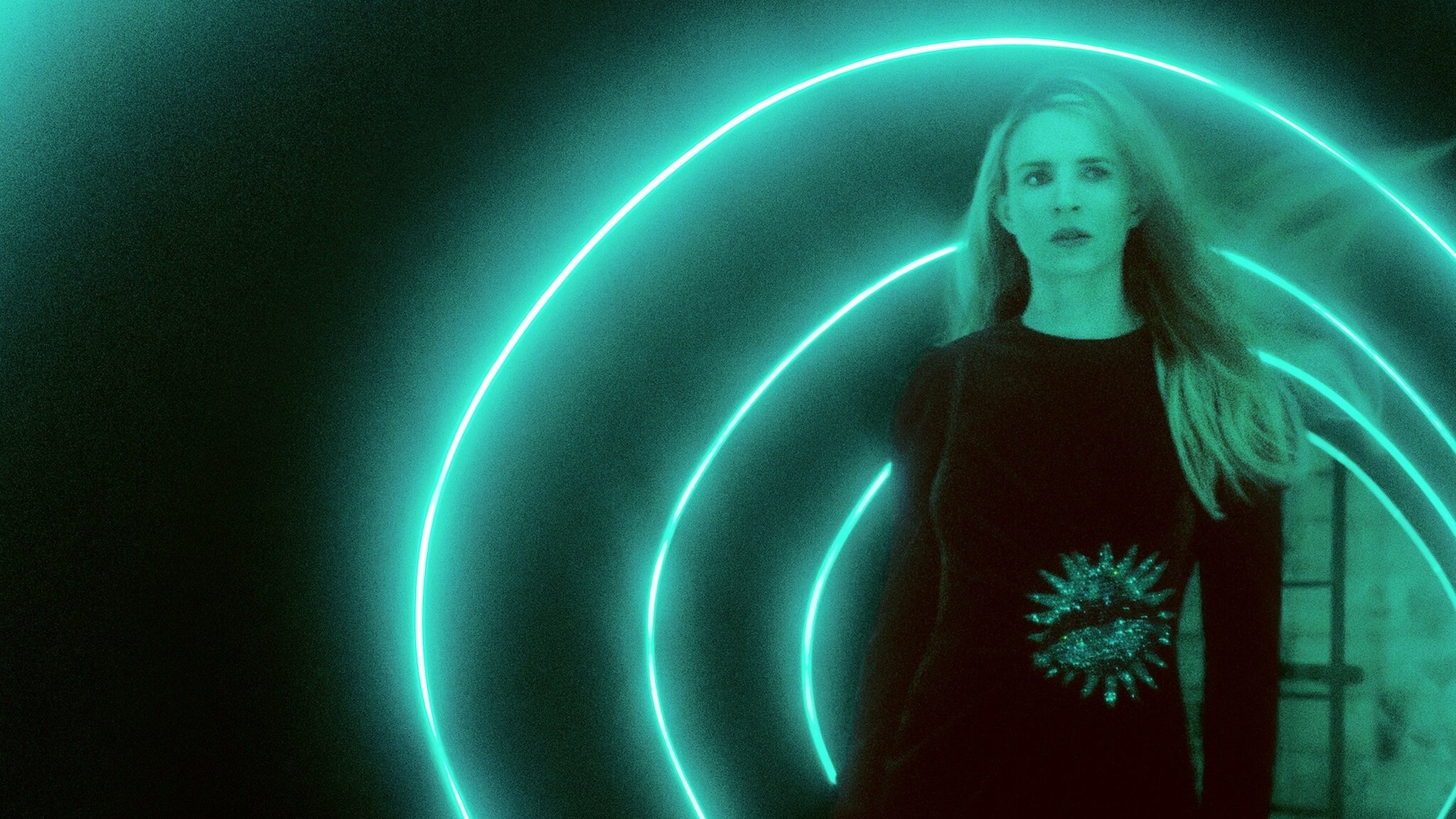
The unclassifiable sci-fi/mystery series stars Brit Marling as Prairie Johnson (Brit Marling), a woman who returns after a seven-year disappearance, proclaiming herself to be the “original angel”; aiding her case is the fact that she has the ability to see, though she was previously blind. She assembles a group of young people to help her in a mission to save others who’ve been lost, which she can only do by opening a portal to another dimension. The critically acclaimed show was unceremoniously cancelled after two seasons, which hasn’t stopped people talking about the show and its mysteries. Stream The OA on Netflix.


The Leftovers (2014 – 2017)

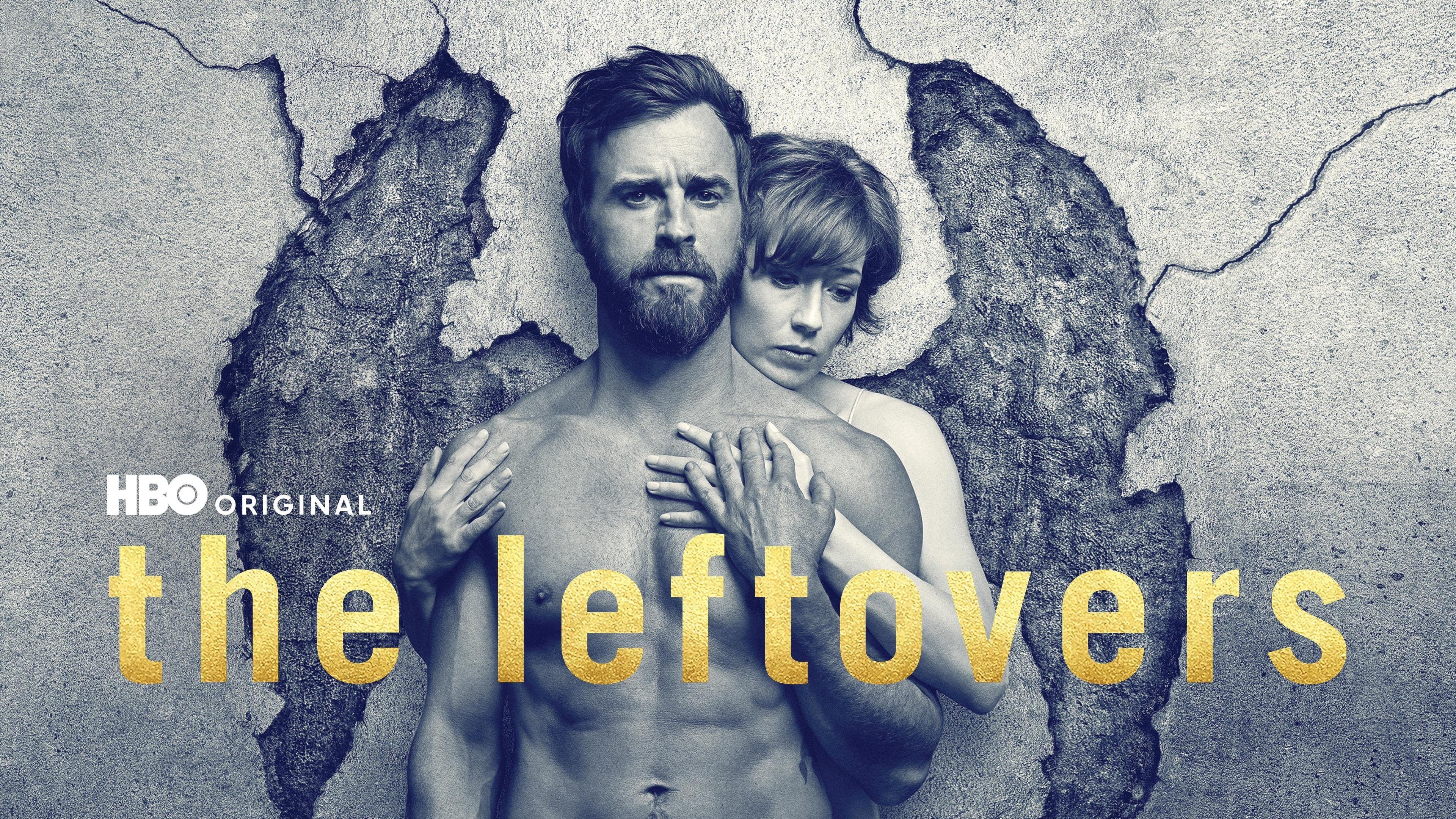
The premise of The Leftovers is brilliantly subdued: Around 2% of the world’s population disappears without explanation, and it’s enough to upend just about everything. Politics have adapted to the new normal, religions have collapsed and reformed, and families have had to make peace with the inexplicable loss of loved ones. The first season revolves around the Garvey family. led by Kevin (Justin Theroux), a sheriff whose wife (Amy Brenneman) left him to join a cult, while subsequent seasons broaden the scope to bring in other characters in other locations. Showrunner Damon Lindelof also co-created Lost, and the two series share some similarities (including a relatively grim tone), but where Lost spun out of control, The Leftovers recognizes that complex plotting and the search for answers is really the point. Stream The Leftovers on HBO Max.


Gravity Falls (2012 – 2016)

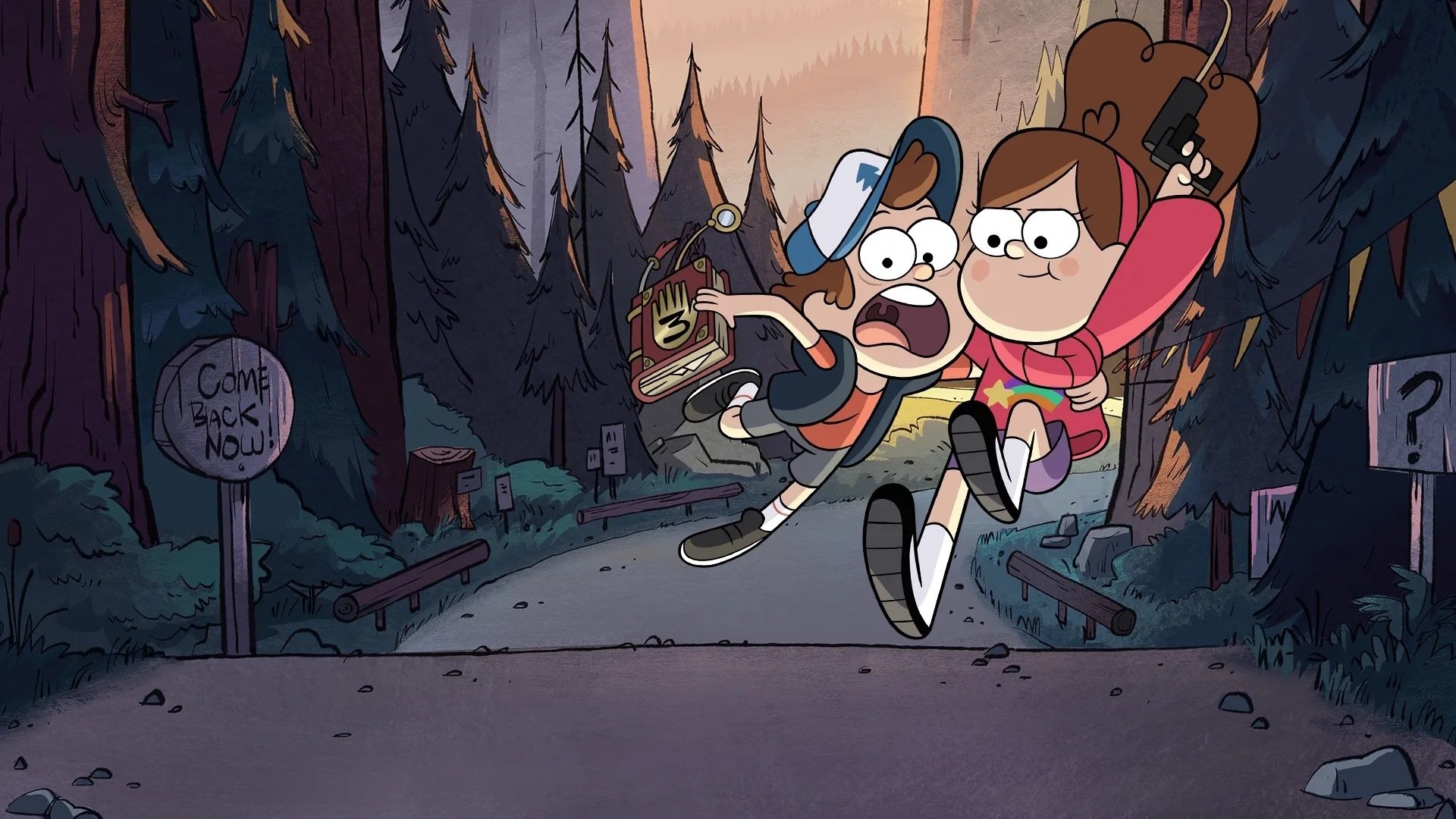
Finally, a little something for the kids, who also deserve a spooky mystery or two. (I say “kids,” but this is genuinely pretty fun for all ages.) The much-loved, if relatively short-lived, animated series follows twin siblings Mabel and Dipper Pines (Kristen Schaal and Jason Ritter) sent to spend the summer with their great uncle (aka “Grunkle”) Stan (voiced by show creator Alex Hirsch). While helping Stan run his mystery-themed tourist shack, the kids run into a series of supernatural mysteries, many related to the show’s ultimate antagonist, dream demon Bill Cipher. The show’s finale was similarly a blockbuster—the highest rated telecast in the history of Disney XD, as a matter of fact. Not terrifying, perhaps, but genuinely clever. Stream Gravity Falls on Disney+.

Sony Upgrades PS5 Pro’s PSSR Upscaler In Time For Resident Evil Requiem

Sony Upgrades PS5 Pro's PSSR Upscaler In Time For Resident Evil Requiem
As triple-A gaming trends more and more toward graphically-intensive titles with ray tracing enabled, vendors are in a continuous march to improve upscaling solutions to offset skyrocketing performance demands. PlayStation is no exception, as it has now finally shipped an updated PSSR upscaler with the release of Resident Evil: Requiem, aka

NASA overhauls Artemis program, delaying Moon landing to 2028

NASA is making major changes to its Artemis Moon program. On Friday, Administrator Jared Isaacman announced the space agency would carry out an additional flight in 2027 to test commercial lunar landers from SpaceX and/or Blue Origin. The new mission will take the place of Artemis 3, which previously would have seen NASA attempt to land on the Moon for the first time since 1972. The flight will also see the agency test a new spacesuit made by Axiom Space.    

As part of the new plan, the redesigned Artemis 3 mission will give NASA the chance to test at least one lander in the relative safety of low Earth orbit. NASA will attempt to return humans to the Moon during Artemis 4 sometime in 2028, with the potential for another mission as early as later that same year. Per CBS News, the decision comes after NASA’s Aerospace Safety Advisory Plan said the agency’s existing mission plan was too risky.     

“NASA must standardize its approach, increase flight rate safely, and execute on the President’s national space policy. With credible competition from our greatest geopolitical adversary increasing by the day, we need to move faster, eliminate delays, and achieve our objectives,” said Isaacman. “Standardizing vehicle configuration, increasing flight rate and progressing through objectives in a logical, phased approach, is how we achieved the near-impossible in 1969 and it is how we will do it again.”

The change of plan also comes as Artemis 2 has faced multiple delays in recent months. The Space Launch System (SLS) heavy-lift rocket has, once again, proven to be temperamental. NASA had planned to launch Artemis 2 in early February, but pushed the flight back after it caught a hydrogen leak during a fueling test. More recently, NASA delayed the mission to give its engineers time to fix a helium pressurization issue in the upper stage of the SLS.  At the earliest, the mission can now get underway on April 1.

This article originally appeared on Engadget at https://www.engadget.com/science/nasa-overhauls-artemis-program-delaying-moon-landing-to-2028-164255318.html?src=rss

De Tomaso Details 7.0-Liter V12 Engine Specs For P900 Supercar And It’s A Screamer

De Tomaso Details 7.0-Liter V12 Engine Specs For P900 Supercar And It's A Screamer
De Tomaso Automobili has revealed the powerplant specifications for the P900 track-only hypercar mated to a beautifully organic V12 developed in collaboration with engineering firm Italtecnica. With 900 horses on tap, a screaming redline, and wings galore, it looks like we have a strong candidate for the next Batmobile.

At the heart of

Sam Altman Says OpenAI Shares Anthropic’s Red Lines in Pentagon Fight

An anonymous reader shares a report: OpenAI CEO Sam Altman wrote in a memo to staff that he will draw the same red lines that sparked a high-stakes fight between rival Anthropic and the Pentagon: no AI for mass surveillance or autonomous lethal weapons. If other leading firms like Google follow suit, this could massively complicate the Pentagon’s efforts to replace Anthropic’s Claude, which was the first model integrated into the military’s most sensitive work. It would also be the first time the nation’s top AI leaders have taken a collective stand about how the U.S. government can and can’t use their technology.

Altman made clear he still wants to strike a deal with the Pentagon that would allow ChatGPT to be used for sensitive military contexts. Despite the show of solidarity, such a deal could see OpenAI replace Anthropic if the Pentagon follows through with its plan to declare the latter a “supply chain risk.”


Read more of this story at Slashdot.

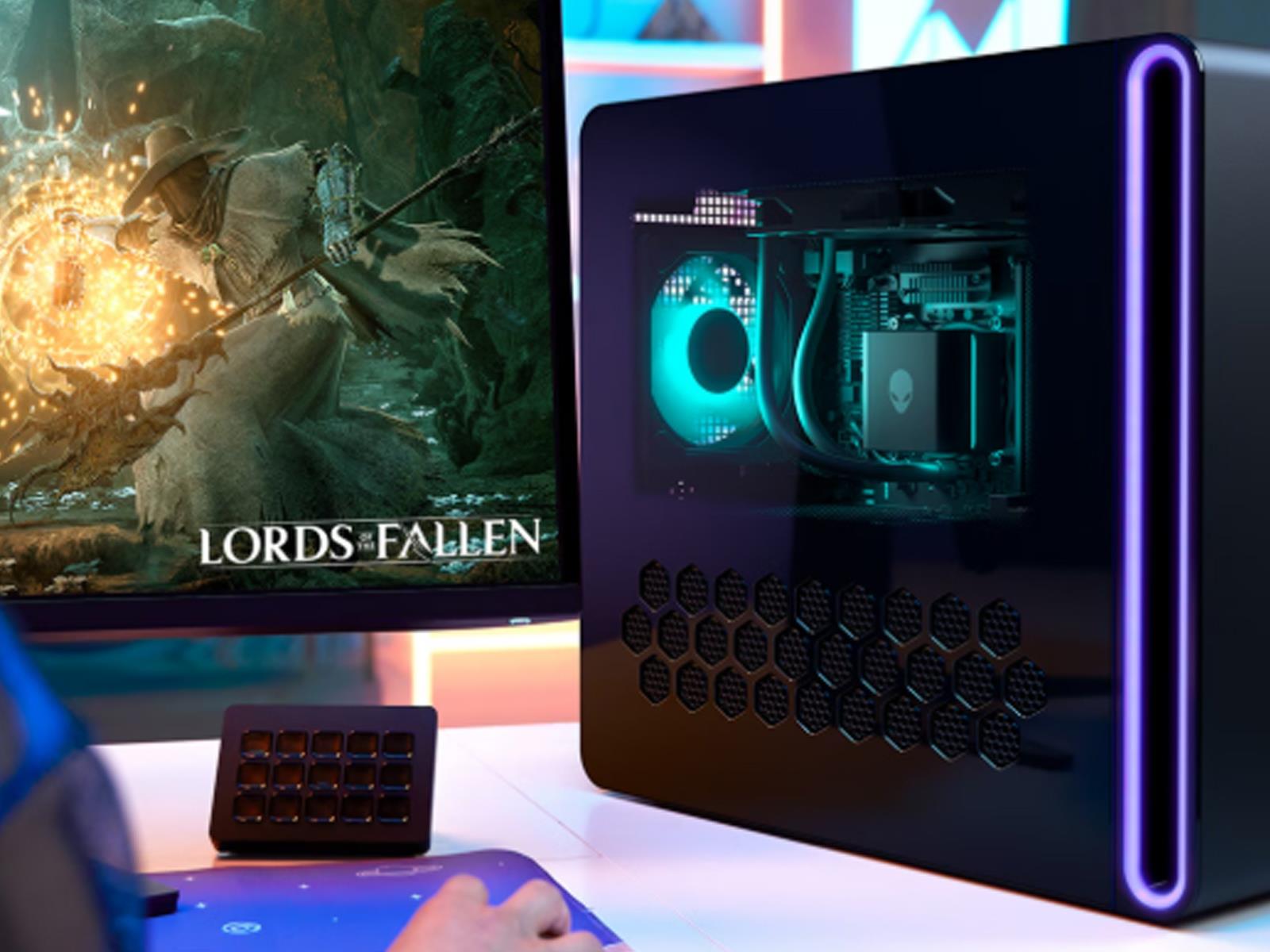
Dell Slashes Up To $450 Off Alienware Gaming PCs And Monitors

Dell Slashes Up To $450 Off Alienware Gaming PCs And Monitors
Even though PC memory and storage prices have gotten out of control these days, there are still some deals to be had, especially if you venture into the realm of prebuilt system. Case in point, Dell is serving up discounts on a range of hardware, including its Alienware Aurora gaming PCs and some nice gaming monitors. Let’s get into it.
Dell’s

You Can Get a $200 Amazon Gift Card With the New Samsung Galaxy S26 Ultra

We may earn a commission from links on this page. Deal pricing and availability subject to change after time of publication.

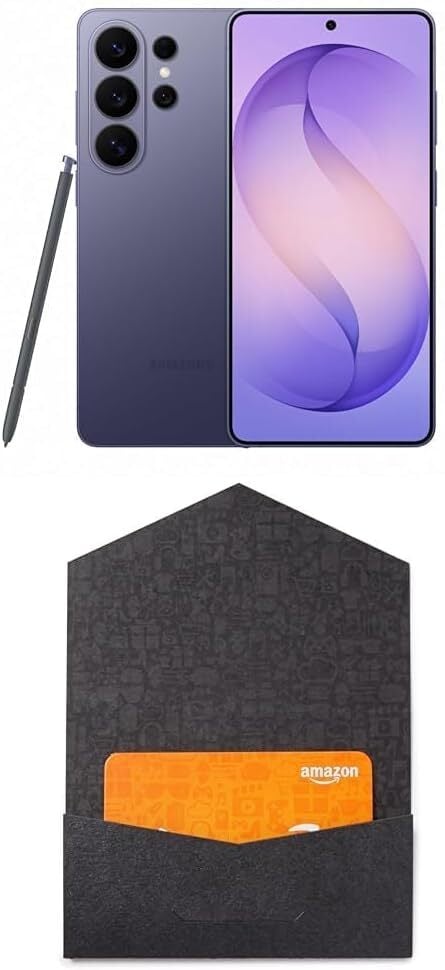
Right now, those in the Samsung ecosystem can take advantage of a pre-order deal on a brand-new Samsung Galaxy S26 Ultra unlocked phone. $1,299 discount is the standard retail price, but Amazon is offering a free $200 gift card to sweeten the deal on the phone, which officially releases on March 11, 2026, and is available in four colors. 

The Ultra is the largest and most feature-rich model in the S26 line, weighing close to half a pound. Its 5,000mAh battery is the largest of the lineup, and its 6.9-inch display is perfect for those who want more of an e-reader feel to their phone. This model comes with 512GB of storage, an S Pen, and the new Snapdragon 8 Elite Gen 5 chip, which enables more AI features, stronger gaming,  better multitasking capabilities, and overall faster speeds than its predecessors. 

The camera system is also the most advanced in the S26 series, with a 200-megapixel main sensor, a 50-megapixel ultrawide, and two dedicated telephoto lenses with 3x and 5x optical zoom that let you get closer without sacrificing image quality. The Ultra is also the only phone in the S26 lineup to feature the new privacy display, which is vetted by PCMag and limits the viewing angles so people can’t see the screen from off-angle, making it ideal for avoiding prying eyes. It can be used on the entire screen or just portions. 

If you want the most powerful and largest Galaxy and don’t mind that it’s a little bulkier than the Plus and the S26, this unlocked Samsung Galaxy S26 Ultra is your best bet with top-of-the-line performance in every area and AI baked in everywhere.

Our Best Editor-Vetted Tech Deals Right Now

Deals are selected by our commerce team

And the award for the most improved EV goes to… the 2026 Toyota bZ

The world’s largest automaker has had a somewhat difficult relationship with battery-electric vehicles. Toyota was an early pioneer of hybrid powertrains, and it remains a fan today, often saying that given limited battery supply, it makes sense to build more hybrids than fewer EVs. Its first full BEV had a rocky start, suffering a recall due to improperly attached wheels just as the cars were hitting showrooms. Reviews for the awkwardly named bZ4x were mixed; the car did little to stand out among the competition.

Toyota didn’t get to be the world’s largest automaker by being completely blind to feedback, and last year, it gave its EV platform (called -TNGA and shared with Lexus and Subaru) a bit of a spiff-up. To start, it simplified the name—the small electric SUV is now just called the bZ. It uses a new 74.7 kWh battery pack, available with either front- or all-wheel drive powertrains that now use silicon carbide power electronics. And for the North American market, instead of a CCS1 port just behind the front passenger wheel, you’ll now see a Tesla-style NACS socket.

Our test bZ was the $37,900 XLE FWD Plus, which has the most range of any bZ at 314 miles (505 km) according to the EPA test cycle. When you realize that the pre-facelift version managed just 252 miles (405 km) with 71.4 kWh onboard, the scale of the improvement becomes clear.

Read full article

Comments

Webb Captures Haunting Image Of A Dying Star’s Human-Like Brain Pattern

Webb Captures Haunting Image Of A Dying Star's Human-Like Brain Pattern
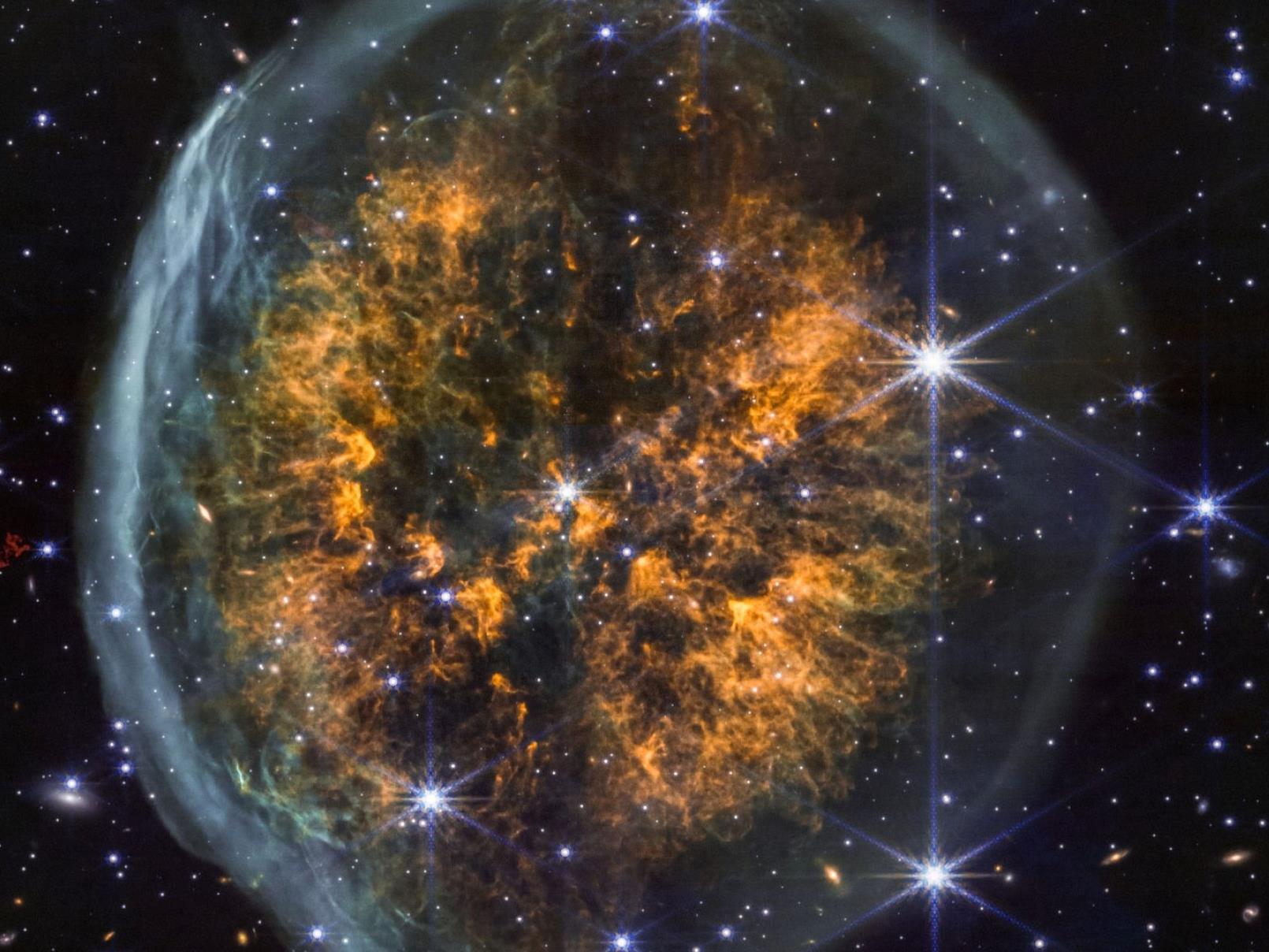
NASA’s James Webb Space Telescope (JWST) has unveiled a striking new photo of the “Exposed Cranium” Nebula, a celestial structure that, as the nickname implies, bears a strong resemblance to a human brain encased in a translucent skull.

Officially known as PMR 1, this nebula is a planetary shroud of gas and dust located roughly 5,000 light-years

Sony May Limit PC Ports Of Key PlayStation Games In Big Console Strategy Shift

Sony May Limit PC Ports Of Key PlayStation Games In Big Console Strategy Shift
Amidst drastic shifts from Xbox and the wider (PC) hardware market, Sony is reportedly considering a pivot away from its more recent strategy of eventually porting its single-player catalog to PC.

As-is, Sony first-party exclusives already trend toward a delay of at least a year before a PC port releases, making most titles merely timed

Netflix Ditches deal for Warner Bros. Discovery After Paramount’s Offer is Deemed Superior

Netflix is walking away from a deal to buy Warner Bros. Discovery’s studio and streaming assets after the WBD board on Thursday deemed a revised bid by Paramount Skydance to be a superior offer. From a report: Earlier this week, Paramount raised its bid to buy the entirety of WBD to $31 per share, up from $30 per share, all cash. It was the latest amendment to Paramount’s multiple offers in recent months — and since moving forward with a hostile bid to buy the company — and it’s now unseated a deal between WBD and Netflix to sell the legacy media company’s studio and streaming businesses for $27.75 per share.

Last week, Netflix granted WBD a seven-day waiver to reengage with Paramount, resulting in the higher bid. Paramount’s offer is for the entirety of WBD, including its pay-TV networks, such as CNN, TBS and TNT. Netflix had four business days to make changes to its own proposal in light of Paramount’s superior bid, the WBD board said in a statement Thursday. Instead, the decision by the streaming giant to walk away puts a pin in a drawn-out saga that saw amended offers from both bidders.


Read more of this story at Slashdot.

Everything You Can Do With Google’s Nano Banana 2 Image Generator

Last year, Google’s Gemini AI took a major step forward in image generation with the launch of its Nano Banana upgrade—perhaps as much due to its quirky codename as its impressive capabilities—and now the next iteration is here. Nano Banana 2 is another notable upgrade for AI image-making, and it’s currently rolling out to all Gemini users.

Nano Banana 2 is a combination of the original Nano Banana and the Pro version that followed a few months later. It’s essentially Nano Banana Pro at faster speeds, as noted in Google’s announcement, though Nano Banana Pro is also sticking around for those on Plus, Pro, and Ultra plans for situations where detail and accuracy matters more than speed.

Nano Banana 2
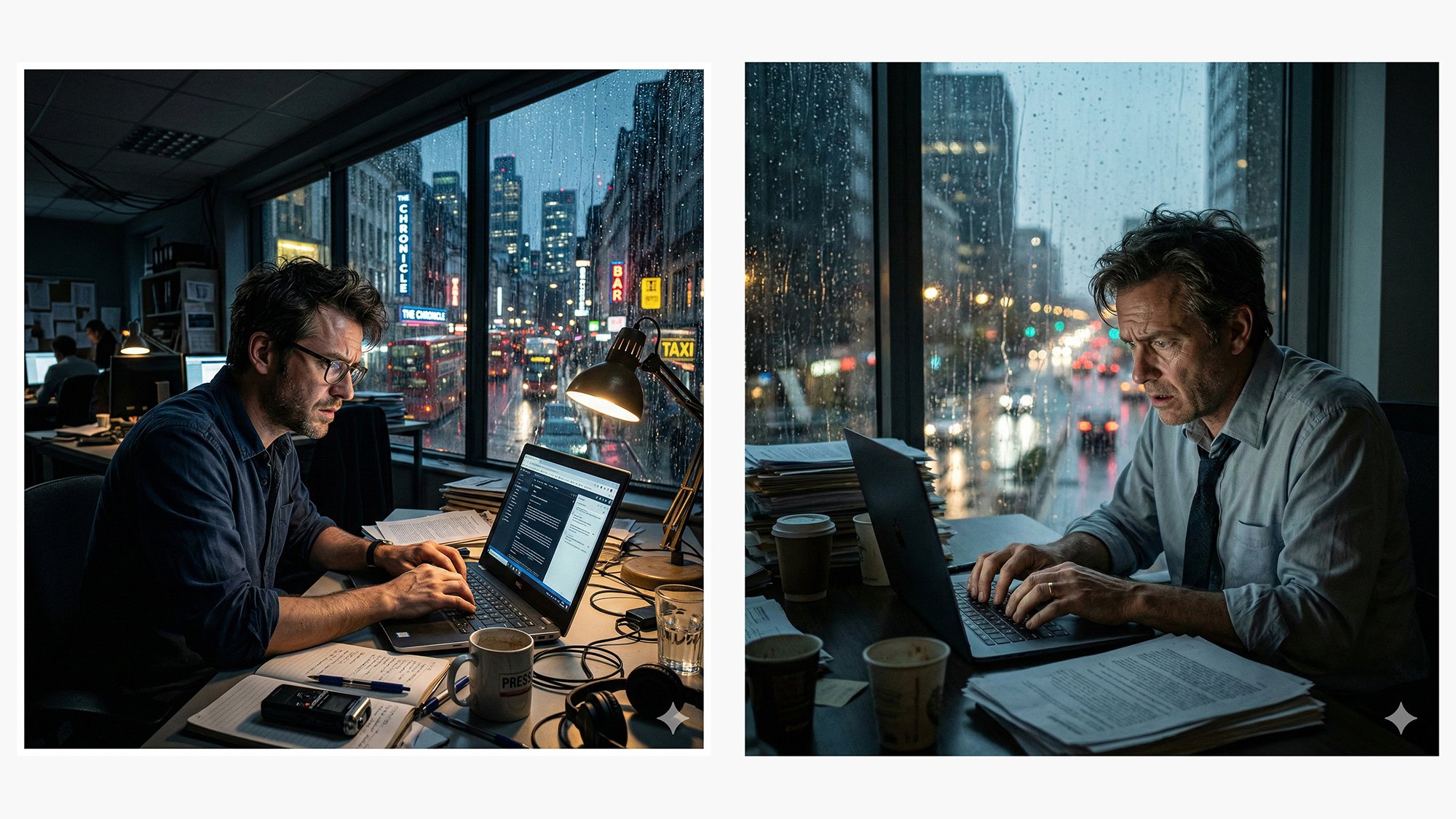
A hard-working (if rather generic) journalist (Nano Banana 2 on the left, Nano Banana Pro on the right.)
Credit: Lifehacker

If you’re keeping track of the underlying, technical names for these models, Nano Banana is “Gemini 2.5 Flash Image,” Nano Banana Pro is “Gemini 3 Pro Image,” and Nano Banana 2 is “Gemini 3.1 Flash Image” (reflecting the upgraded capabilities, at “flash” speed).

What Nano Banana 2 can do

Nano Banana 2 has inherited much of the feature-set of Nano Banana Pro, bringing with it advanced world knowledge (so you can add in real time information like weather forecasts), and accurate and legible text (often a failing of early AI image models). Google is also talking up its subject consistency, ability to follow detailed instructions, aspect ratio and resolution control, and visual fidelity.

Nano Banana 2
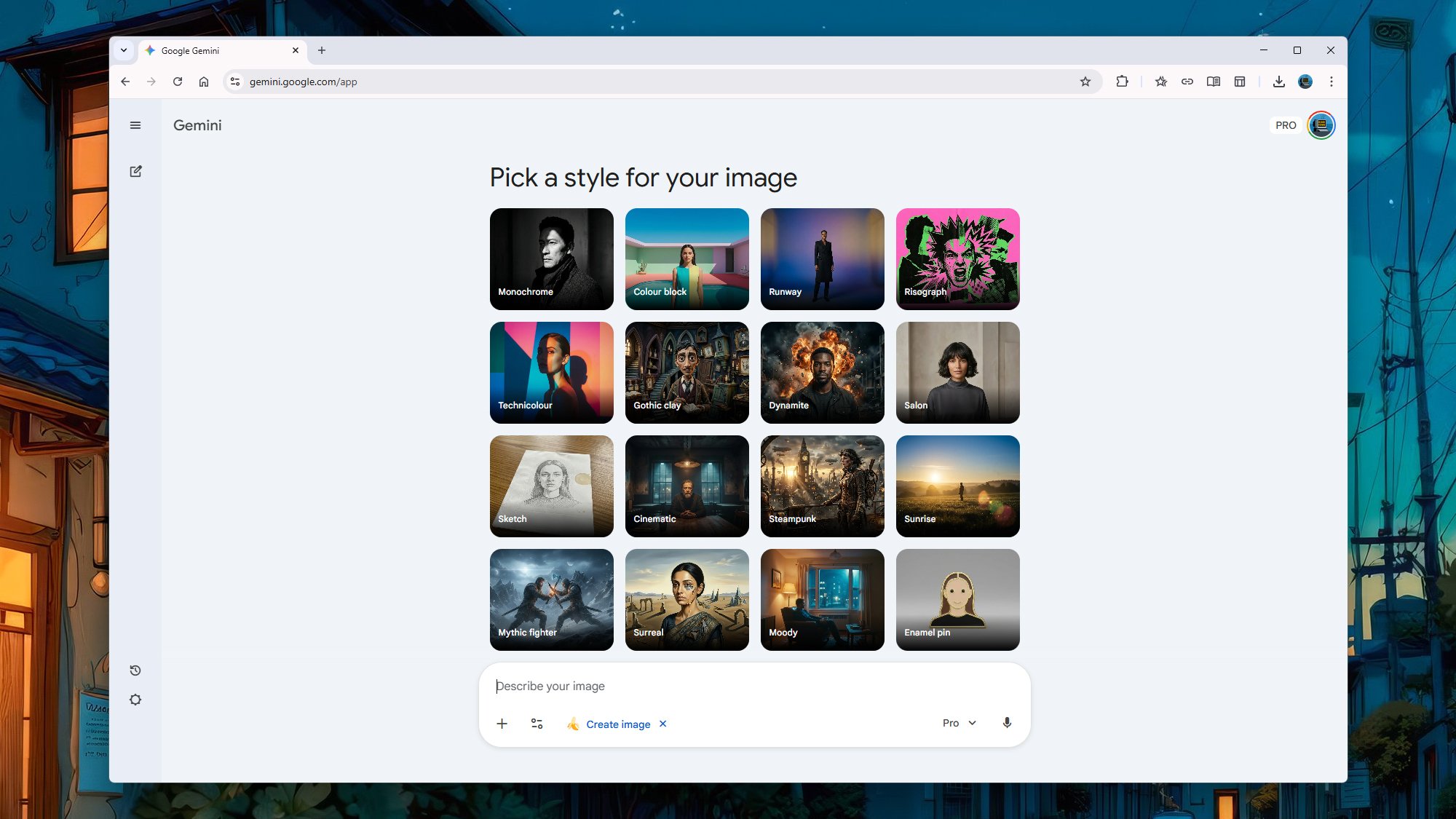
Nano Banana 2 gets you started more quickly with a selection of presets,
Credit: Lifehacker

While Nano Banana 2 is now available for all users, there are usage limits, as you would expect. You can create 20 images a day if you’re not on any subscription, 50 images a day as an AI Plus subscriber, 100 images a day with AI Pro, and 1,000 images a day with AI Ultra. (Google does caution that “limits may change frequently” based on demand).

You’ll see Nano Banana 2 replacing Nano Banana Pro pretty much everywhere you use Gemini, including in AI Mode for search and Google Lens. As always, generated pictures will be marked with Google’s SynthID technology that tags images as AI-made.

Picking apart what’s actually changed here isn’t all that easy, but essentially, free users previously had very limited access to Nano Banana Pro—sometimes as few as one or two generations a day, depending on general demand. Thanks to the improved efficiency of Nano Banana 2, these users can now create many more pictures with a model that almost matches the quality of Pro (at least until Google tweaks the usage limits again).

For paying users, Nano Banana Pro remains available, though Nano Banana 2 will be the default. That shows that Pro is still slightly better (if slower), and Google talks about it being more suitable for “high-fidelity tasks requiring maximum factual accuracy” and where “additional detail” is required.

Testing Nano Banana 2

Nano Banana 2
The current weather, papercraft style. (Nano Banana 2 on the left, Nano Banana Pro on the right.)
Credit: Lifehacker

All of which is to say, once you start testing out Nano Banana 2, you might not think it seems massively different to Nano Banana Pro—you’ll just get your picture back more quickly. I’ve been putting the new model through its paces with a variety of different prompts, and it certainly impresses, even if it’s not yet at the stage where its results are flawless every time.

TO start, select Create image in the Gemini app and you’ll see there’s a new template feature available: You can pick from presets like Gothic clay or Oil painting and then add to the prompt, or just type out a prompt from scratch as normal. As before, you can also create a starting image (or multiple images) for Gemini to work from, via the + (plus) button.

Nano Banana 2
The Pro version is a little better to my eyes here. (Nano Banana 2 on the left, Nano Banana Pro on the right.)
Credit: Lifehacker

If you are signed up for Gemini’s AI Plus, AI Pro, or AI Ultra plans, once Nano Banana 2 has rendered your picture, you can tap or click on the three dots underneath it and choose Redo with Pro to get the same prompt rendered again with the aid of the extra thinking power of Nano Banana Pro (though this does seem to somehow delete the image template, if you selected one).

In one of my tests, I asked Gemini to produce a papercraft style weather forecast for New York—making use of image generation, real time information, and text rendering—and it completed the task well, using both Nano Banana 2 and Nano Banana Pro. The two models came up with quite different but equally high-quality results. As expected, the Pro model offered slightly more detail.

Nano Banana 2
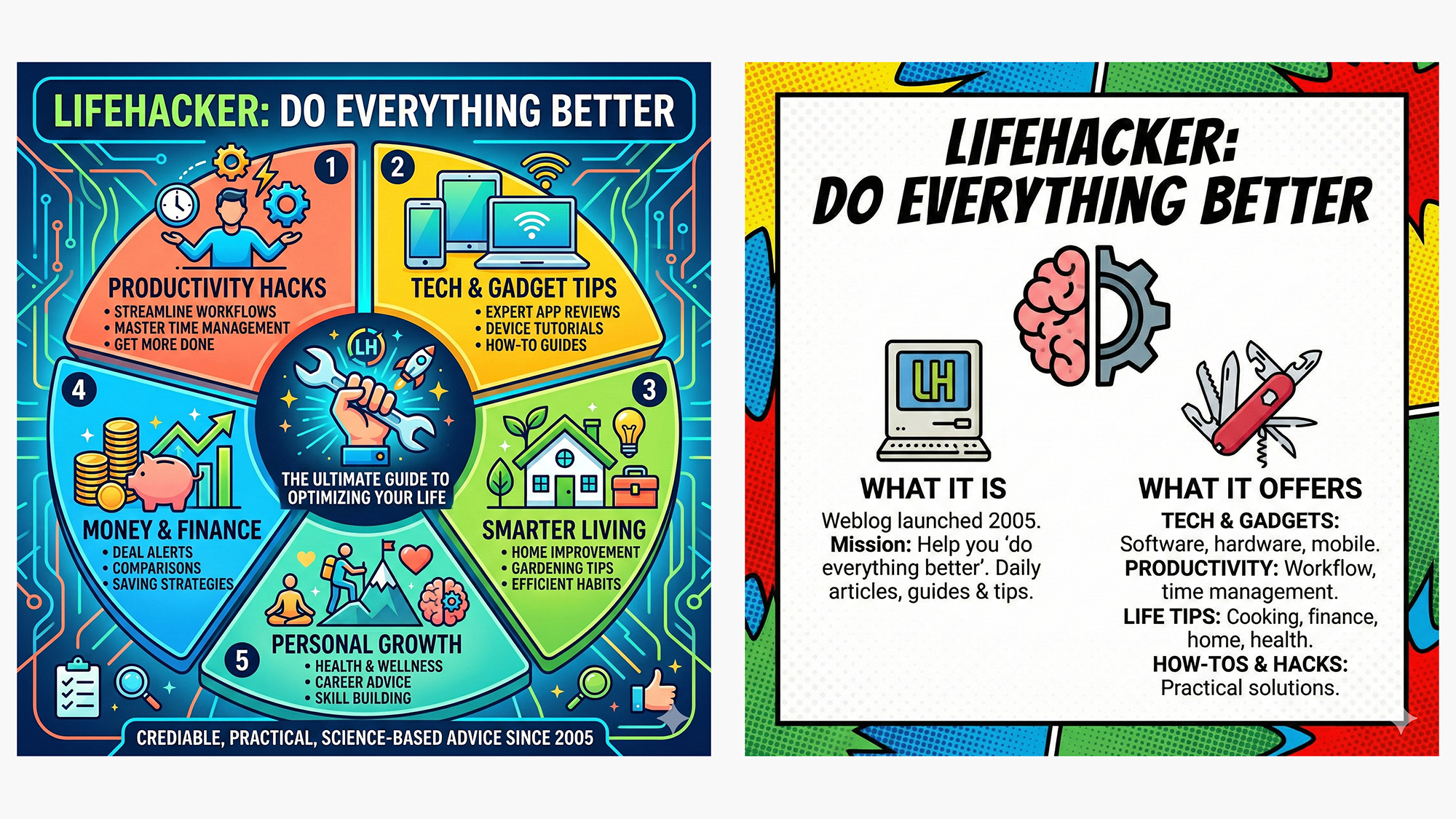
Nano Banana 2 (left) does the better Lifehacker infographic—maybe Nano Banana Pro (right) was having an off day.
Credit: Lifehacker

I also asked tested out landscape painting and infographic creation, and even had it make a comic strip charting the opening moments of Bleak House by Charles Dickens (one for the copyright lawyers to look into). The end results were mostly impressive across the board, with text and graphics that were accurate, styles that matched the instructions, and few errors.

AI images still aren’t all the way there

These models aren’t perfect. Words are occasionally misspelled, the physics of images are occasionally wonky (AI still can’t faithfully recreate the real world), and these graphics still have the generic feel of something that’s been trained on lots and lots of previous content, rather than something that’s actually original.

How Nano Banana 2 compares to Nano Banana Pro

Nano Banana 2
Realistic comics from both models here, but Nano Banana 2 (left) makes some typographical errors.
Credit: Lifehacker

It’s difficult to compare Nano Banana 2 and Nano Banana Pro directly, as obviously the prompt gets redone from scratch each time, so you get something original when you pick Redo with Pro rather than a tweak of the first image you had. Overall, it does feel as though Pro still has the edge in terms of quality and subtle touches, but in certain cases I preferred what Nano Banana 2 served up.

After plenty of test runs, it feels as though the biggest gain right now is in the way Gemini can pull information from the web (like weather conditions or specific details) to create imagery. These models are also getting better at working in different styles, and leaving behind fewer and fewer giveaways that the pictures were made by AI. How you feel about that will vary from person to person, of course.

Celebrate Pokémon’s 30th anniversary with this Game Boy-shaped music player

Pokémon celebrates its 30th anniversary today, and as you’d expect, Nintendo and The Pokémon Company are cranking up the nostalgia in every possible way. In addition to re-releasing the Game Boy Advance remakes of Pokémon Red and Blue on Nintendo Switch Online, they’re also selling us a Game Boy-shaped portable Pokémon jukebox.

Officially titled the Pokémon Game Music Collection, the little music player is palm-sized and can be loaded up with 45 different cartridges, each featuring a different melody or sound effect from the original games’ soundtrack. The device was announced by longtime series composer Junichi Masuda during today’s anniversary Pokémon Presents livestream, where he said that special care has gone into the audio sounding like it did on the Game Boy.

Each cartridge also features a screenshot from the games, so when you slide it into the device’s display slot it looks like you’re playing as well as listening. Put one of these next to last year’s equally charming Lego Game Boy on a shelf and you’ve got two entirely non-playable replicas of the iconic handheld, which is sure to confuse and disappoint your guests in equal measure.

The Pokémon Game Music Collection is available to buy from Pokémon Center starting today, but US pricing is yet to be confirmed.

This article originally appeared on Engadget at https://www.engadget.com/gaming/nintendo/celebrate-pokemons-30th-anniversary-with-this-game-boy-shaped-music-player-154644225.html?src=rss

Minisforum MS-A2 Mini PC Packs A Ryzen 9 9955HX And Dual 10GbE LAN For $799

Minisforum MS-A2 Mini PC Packs A Ryzen 9 9955HX And Dual 10GbE LAN For $799
Minisforum is having a sale on its MS-A2, a tiny system with some big hardware options, not the least of which AMD’s Ryzen 9 9955HX Fire Range processor that was part of an onslaught of chip releases at last year’s CES event. It also wields some impressive wired connectivity options for ultra-high-speed data transfers.

Starting with the

Pokémon Winds and Waves are coming to Switch 2 in 2027

The Pokémon leakers were right: the Gen 10 games are called Pokémon Wind and Pokémon Waves. The Pokémon Company confirmed the titles during a 30th anniversary stream on Pokémon Day. The games are set to hit Nintendo Switch 2 in 2027. (A Game Freak leak last October suggested Wind and Waves would be out this year with DLC to follow in 2027.)

According to the Pokémon account on X, in Wind and Waves, “you’ll travel across beautiful windswept islands and a vast ocean with glittering waves that ebb and flow. You’ll also team up with Pokémon to overcome challenges and even the forces of nature!” They’ll be playable in 11 languages, including Brazilian Portuguese.

Introducing the first partner Pokémon from #PokemonWindsWaves!

Say hello to Browt �, Pombon �, and Gecqua �. Who will you partner with on this adventure, Trainers? pic.twitter.com/UfKtE5lszu

— Pokémon (@Pokemon) February 27, 2026

A trailer for the two games revealed the three new starter Pokémon: Browt, Pombon and Gecqua. As suggested by their colors and environments they’re shown in, they are grass, fire and water types, respectively. Other Pokémon that were featured include Pikachu (sporting fetching beachwear) and Oddish. The trailer, which reveals a new region for the series, ends by taking us into the ocean to gawk at an number of water Pokémon.

The Pokémon Presents stream on Friday included updates for many other games in the franchise, including the battle-focused Pokémon Champions (a modern spin on the likes of Pokémon Stadium). That will debut on Nintendo Switch in April before arriving on iOS and Android later this year. Cross-play will be available between the three platforms. It was also confirmed that Pokémon XD: Gale of Darkness will hit the GameCube library on Nintendo Switch Online + Expansion Pack on Switch 2 in March.

Pokémon Day marks the 30th anniversary of the series’ debut with the 1996 release of Pocket Monsters Red and Pocket Monsters Green (later released as Pokémon Red and Pokémon Blue in the West) on Game Boy in Japan. The games were remade for GameBoy Advance in 2004 as Pokémon FireRed Version and Pokémon LeafGreen Version. Starting today, those are available on Switch and Switch 2 for $20 each. Meanwhile, Pokémon Pokopia, a cozy life sim spin-off, will hit Switch 2 on March 5.

This article originally appeared on Engadget at https://www.engadget.com/gaming/nintendo/pokemon-winds-and-waves-are-coming-to-switch-2-in-2027-152248895.html?src=rss

NATO Approves iPhone And iPad For Secure Handling Of Classified Data

NATO Approves iPhone And iPad For Secure Handling Of Classified Data
Apple’s iPhone and iPad devices running iOS and iPadOS 26, respectively, have become the first consumer-grade mobile devices officially approved to handle classified NATO information. This certification, announced by Apple following an evaluation by Germany’s Federal Office for Information Security (BSI), allows personnel across all 32 NATO

Microsoft: Computer Programming Is Dying, Long Live AI Literacy

theodp writes: On Tuesday, Microsoft GM of Education and Workforce Policy (and former Code.org Chief Academic Officer) Pat Yongpradit posted an obituary of sorts for coders. “Computer programmers and software developers are codified differently in the BLS [Bureau of Labor Statistics] data,” Yongpradit wrote. “The modern AI-infused world needs less computer programmers (coders) and more software developers (more holistic and higher level). So when folks say that there is less hiring of computer programmers, they are right. But there will be more hiring of software developers, especially those who have adopted an AI-forward mindset and skillset. […] The number of just pure computer programming roles has already been declining due to reasons like outsourcing, AI will just accelerate the decline.”

On Wednesday, Yongpradit’s colleague Allyson Knox, Senior Director of Education and Workforce Policy at Microsoft, put another AI nail in the coder coffin, testifying before the House Committee on Education — the Workforce Subcommittee on Early Childhood, Elementary, and Secondary Education on Building an AI-ready America: Teaching in the Age of AI. “Thank you to Chairman Tim Walberg, Ranking Member Bobby Scott, Chair Kevin Kiley, Ranking Member Suzanne Bonamici and members of the Subcommittee for the opportunity to share Microsoft perspective and that of the educators and parents we hear from every day across the country,” Knox wrote in a LinkedIn post.

“Three themes continue to emerge throughout these discussions: 1. Educators want support to build AI literacy and critical thinking skills. 2. Schools need guidance and guardrails to ensure student data is protected and adults remain in control. 3. Teachers want classroom-ready tools, and a voice in shaping them. If we focus on these priorities, we can help ensure AI expands opportunity for every student across the United States.”

Yongpradit and Knox report up to Microsoft President Brad Smith, who last July told Code.org CEO Hadi Partovi it was time for the tech-backed nonprofit to “switch hats” from coding to AI as Microsoft announced a new $4 billion initiative to advance AI education. Smith’s thoughts on the extraordinary promise of AI in education were cited by Knox in her 2026 Congressional testimony. Interestingly, Knox argued for the importance of computer programming literacy in her 2013 Congressional testimony at a hearing on Our Nation of Builders: Training the Builders of the Future. “Congress needs to come up with fresh ideas on how we can continue to train the next generation of builders, programmers, manufacturers, technicians and entrepreneurs,” said Rep. Lee Terry said to open the discussion. So, are reports of computer programming’s imminent death greatly exaggerated?


Read more of this story at Slashdot.