Tesla could still sue Cybertruck owners if they flip their vehicles too soon

Tesla could sue at least some Cybertruck owners who flip their vehicles too soon, but it’s unclear if the rule applies to all customers who buy the pickup truck and if it will remain in place for future buyers. A few weeks before the first deliveries for the Cybertruck went out, Tesla updated its purchase agreement to add that it could seek injunctive relief to prevent owners from transferring their vehicle’s title if they attempt to sell it within one year of buying it. Further, the company said it could seek “liquidated damages” from customers worth “$50,000 or the value received as consideration for the sale or transfer, whichever is greater.”

Shortly after the information made the rounds on social media, though, Tesla removed the clause as quietly as it had added it. Now, as Electrek reports, Cybertruck customers who have managed to put in an order for the $120,000 Foundation Series configuration have received an order agreement with the controversial clause still clearly in place. Based on the copy posted by customers on the Cybertruck Owners Club forum, buyers are agreeing not to sell their vehicles within the first year of purchase. If owners must flip their vehicles before the year is up, Tesla is asking them to notify the company, which will then purchase it back for retail minus 25 cents per mile driven and minus the cost of wear and tear, as well as the cost to repair any damages.. They could only sell their Cybertruck without getting in trouble with Tesla if the automaker declines to buy their vehicle and gives them written consent to sell it to a third party. 

Other automakers, particularly luxury brands like Ferrari and Porsche, enforce a similar rule. In Tesla’s case, the company has yet to clarify whether it will apply to all Cybertruck buyers or if it will only enforce the rule for Foundation Series owners. Regardless, fans may want to look over their purchase agreements if they buy a Cybertruck, because Tesla may refuse to sell them any more vehicles in the future if they break the rule. 

This article originally appeared on Engadget at https://www.engadget.com/tesla-could-still-sue-cybertruck-owners-if-they-flip-their-vehicles-too-soon-075724926.html?src=rss

Source: Engadget – Tesla could still sue Cybertruck owners if they flip their vehicles too soon

How to get a refund for The Day Before, the game that got canned in just four days

The Day Before was a much-hyped zombie shooter game which, after multiple delays, launched on Steam on December 7th, only to be widely criticized for failing to deliver an MMO as advertised. It was criticized for its bugginess, lack of originality and seemingly intentional slow in-game progress. Four days later, Fntastic, the studio behind this controversial title, abruptly announced its closure as this $40 game “has failed financially,” despite having apparently sold over 200,000 copies before refunds, according to PC Gamer. 

“We did everything within our power, but unfortunately, we miscalculated our capabilities,” added Fntastic, which has since removed all of its over-promising trailers from its YouTube channel.

Gamers who paid for the disastrous early access are understandably livid. Fortunately, Steam does offer a two-week window for refund requests, so long as the game has only been played for less than two hours. Even if you, for some reason, have already played The Day Before for more than two hours, it’s likely that Steam will still honor your refund, as suggested by an announcement from publisher Mytona. A handful of comments also seem to confirm that those players were able to get their refunds, despite having worked their way through the disappointing title for over two hours. 

Head over to Steam Help, go to “Purchases,” click on The Day Before, then under the “What problem are you having with this product?” section, pick whatever reason you deem suitable (probably “Gameplay or technical issue,” in this case) to proceed with your refund request. Good luck.

This article originally appeared on Engadget at https://www.engadget.com/how-to-get-a-refund-for-the-day-before-the-game-that-got-canned-in-just-four-days-045153224.html?src=rss

Source: Engadget – How to get a refund for The Day Before, the game that got canned in just four days

Google loses antitrust trial against Epic Games

Epic Games’ lawsuit against Google has had a much different turnout from its courtroom battle with Apple. A federal jury has sided with the video game developer and has found Google to be in violation of US antitrust laws when it comes to how it runs the Play Store. According to The Verge, the jury has unanimously agreed that Google held an illegal monopoly on app distribution and in-app billing services for Android devices. Further, it found the company’s distribution agreements with other video gaming companies, as well as its deals with device manufacturers to pre-install its apps on Android devices, to be anticompetitive. 

In its complaint, Epic said that Google had silently paid game developers hundreds of millions of dollars to make their titles downloadable from the Play Store in an initiative that was originally known as “Project Hug.” It alleged that the company had paid Activision Blizzard $360 million to abandon its plans of creating a competing app store, which the game developer subsequently denied. Google, which Epic said came up with the incentive program after it released Fortnite outside of the Play Store, also reportedly inked deals with Nintendo, Ubisoft and Riot Games. 

The jury has come to the conclusion that Epic Games has been negatively affected by Google’s actions, but we’ve yet to know how its victory will change the latter’s practices. In a statement posted on X, Epic Games CEO Tim Sweeney said the court will start “work[ing] on remedies” in January. Judge James Donato, who’s overseeing the case, will be making the decision whether to order Google to give developers the freedom to introduce their own app stores and billing systems for Android devices. In the case of Epic’s lawsuit against Apple, the court ruled that the iPhone-maker didn’t violate US antitrust laws, but it ordered the company to allow App Store developers to direct customers through third-party payment systems. 

In a statement published on its website, Epic called its victory “a win for all app developers and consumers around the world” and said they have proved that “Google’s app store practices are illegal and they abuse their monopoly to extract exorbitant fees, stifle competition and reduce innovation.” It also said that the case’s outcome “demonstrates the urgent need for legislation and regulations that address Apple and Google strangleholds over smartphones.”

Google, however, doesn’t intend to go down without a fight. Wilson White, Google VP for Government Affairs and Public Policy, told Engadget that the company plans to challenge the verdict. “Android and Google Play provide more choice and openness than any other major mobile platform,” White said. “The trial made clear that we compete fiercely with Apple and its App Store, as well as app stores on Android devices and gaming consoles. We will continue to defend the Android business model and remain deeply committed to our users, partners, and the broader Android ecosystem.”

Update, Dec 12 2023, 11:00 AM ET: Added a statement from Epic.

This article originally appeared on Engadget at https://www.engadget.com/jury-sides-with-epic-games-in-its-antitrust-lawsuit-against-google-032341810.html?src=rss

Source: Engadget – Google loses antitrust trial against Epic Games

Google’s Android app store monopoly violates antitrust law, jury finds

Artist's conception of Epic Games CEO Tim Sweeney jumping for joy at news of the verdict.

Enlarge / Artist’s conception of Epic Games CEO Tim Sweeney jumping for joy at news of the verdict. (credit: Epic Games)

While Epic’s antitrust arguments against Google had many similarities to those in the company’s earlier case against Apple, the verdicts could not have been more different. A federal jury took only a few hours of deliberation Monday afternoon to determine that Google had an illegal monopoly in the markets for Android app distribution and in-app billing services.

The jury unanimously answered “yes” to all 11 questions on the verdict form, indicating that Epic had proven those monopolies existed in every worldwide market except for China. Google “engaged in anticompetitive conduct” to establish or maintain the monopoly and illegally tied the Google Play store to the use of Google Play billing, according to the verdict. The jury also agreed with Epic’s arguments that programs like “Project Hug” and agreements signed with Android phone OEMs represented an “unreasonable restraint on trade,” harming Epic in the process.

With the verdict set, U.S. District Judge James Donato will hold hearings next month to determine the best way to remedy Google’s anticompetitive monopoly power. During the trial, Epic did not ask for monetary damages, but did ask that it and other developers be able to introduce their own Android app stores and use their own billing systems on Android devices “without restriction.”

Read 7 remaining paragraphs | Comments


Source: Ars Technica – Google’s Android app store monopoly violates antitrust law, jury finds

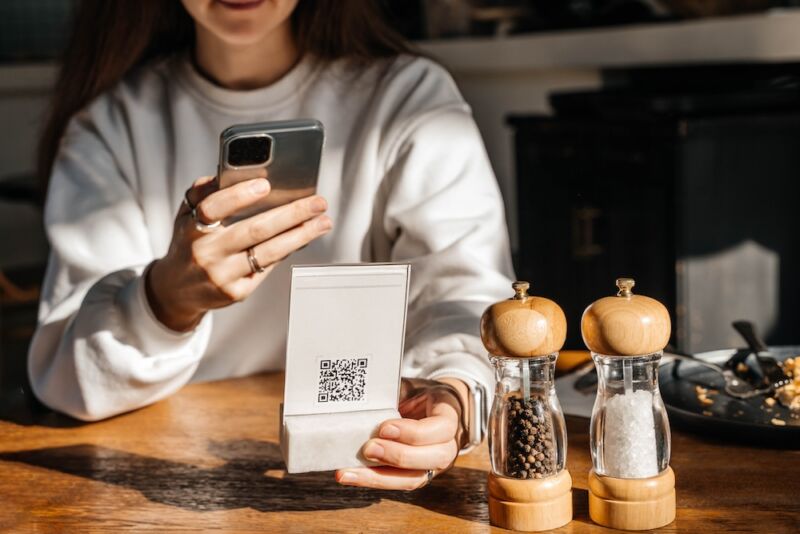
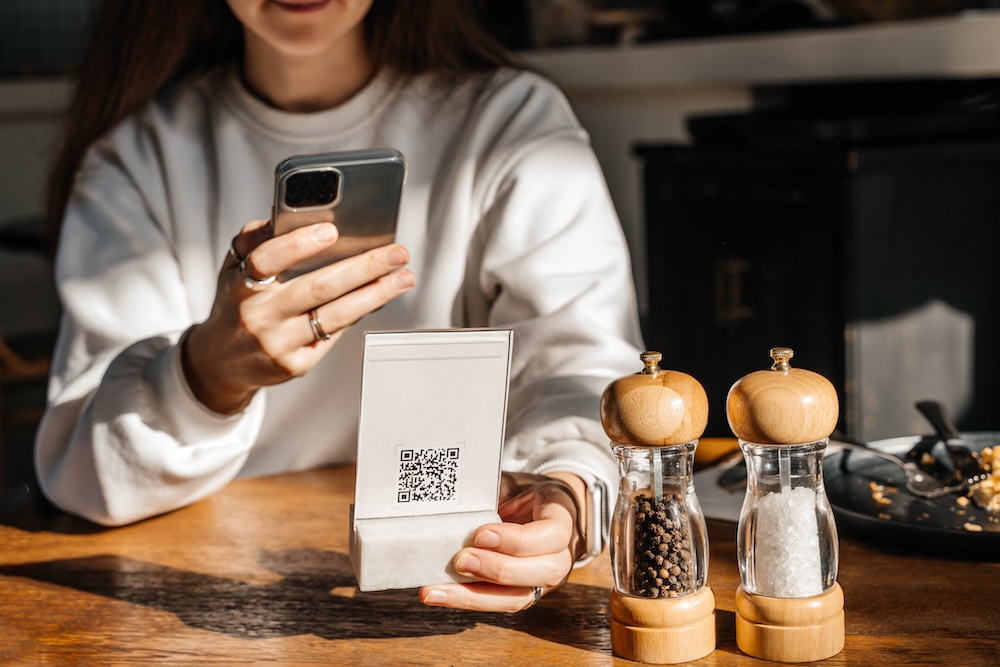
The growing abuse of QR codes in malware and payment scams prompts FTC warning

Read 5 remaining paragraphs | Comments


Source: Ars Technica – The growing abuse of QR codes in malware and payment scams prompts FTC warning

AI companion robot helps some seniors fight loneliness, but others hate it

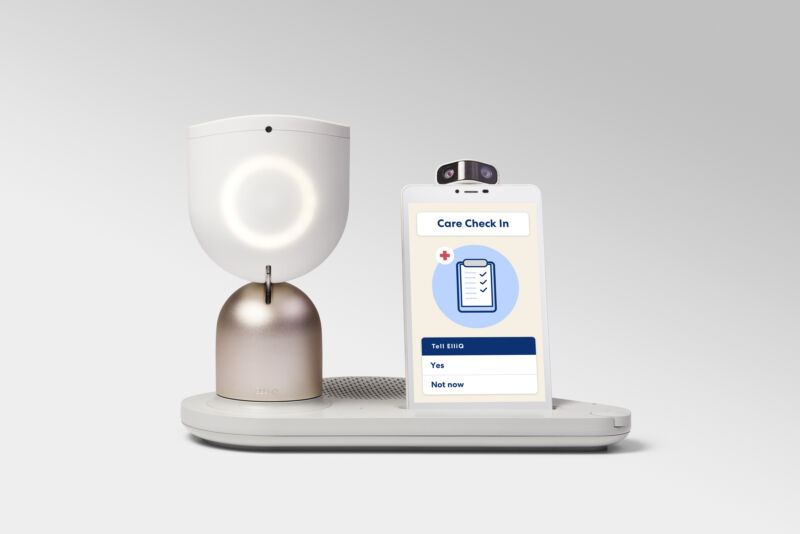
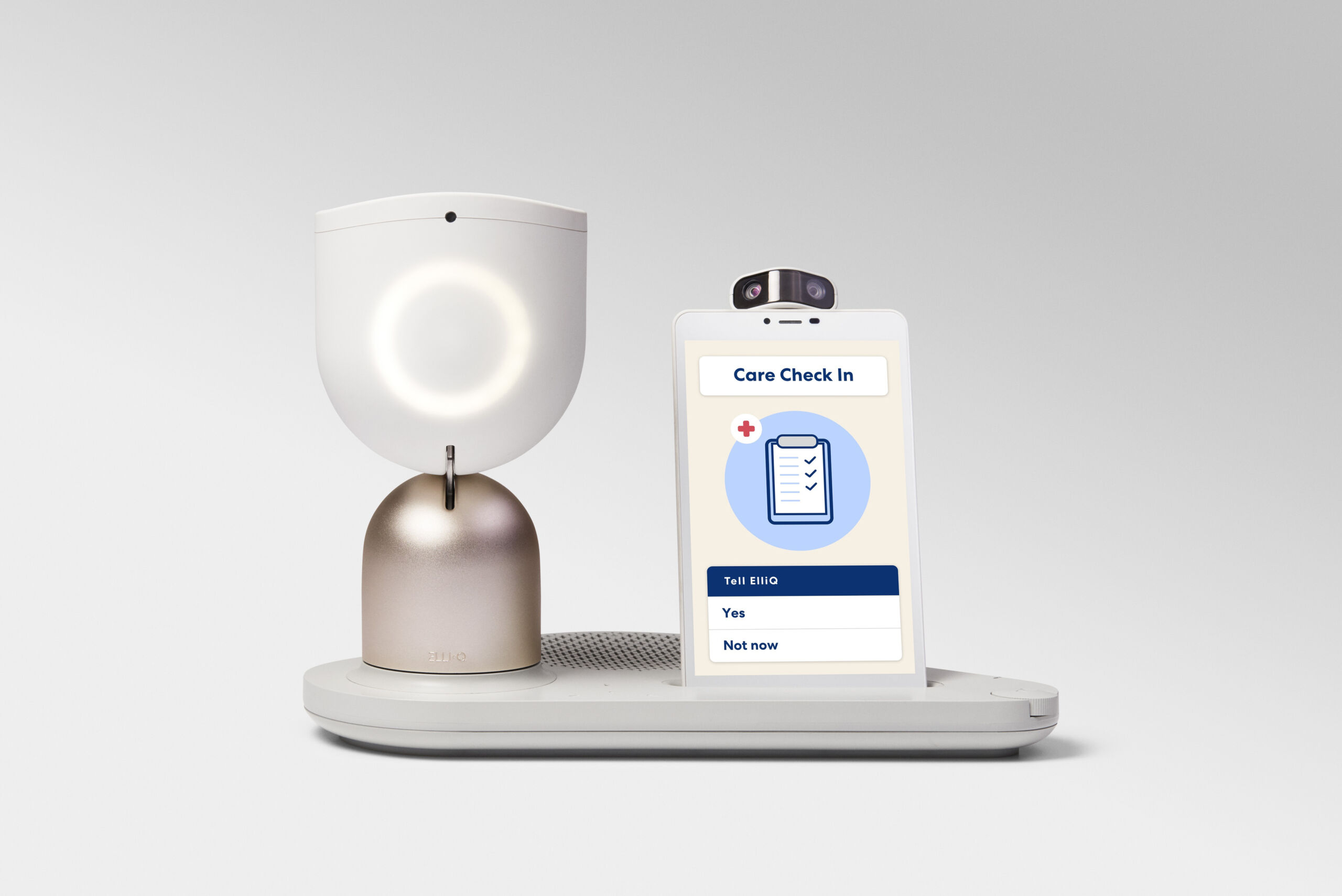
ElliQ, an AI companion robot from Intuition Robotics.

Enlarge / ElliQ, an AI companion robot from Intuition Robotics. (credit: ElliQ)

Some seniors in New York are successfully combating their loneliness with an AI-powered companion robot named ElliQ—while others called the “proactive” device a nag and joked about taking an ax to it.

The home assistant robot, made by Israel-based Intuition Robotics, is offered to New York seniors through a special program through the state’s Office for the Aging (NYSOFA). Over the past year, NYSOFA has partnered with Intuition Robotics to bring ElliQ to over 800 seniors struggling with loneliness. In a report last week, officials said they had given out hundreds and had only 150 available devices.

ElliQ includes a tablet and a two-piece lamp-like robot with a head that lights up and rotates to face a speaker. Marketed as powered by “Cognitive AI technology,” it proactively engages in conversations with users, giving them reminders and prompts, such as asking them how they’re doing, telling them it’s time to check their blood pressure or take their medicine, and asking if they want to have a video call with family. Speaking with a female voice, the robot is designed to hold human-like conversations, engage in small talk, express empathy, and share humor. It can provide learning and wellness programs, such as audiobooks and relaxation exercises.

Read 9 remaining paragraphs | Comments


Source: Ars Technica – AI companion robot helps some seniors fight loneliness, but others hate it

The US military’s spaceplane is about to fly again—it needs a bigger rocket

Read 29 remaining paragraphs | Comments


Source: Ars Technica – The US military’s spaceplane is about to fly again—it needs a bigger rocket

Porsche gives Ars a look inside its next EV: the all-electric Macan

Three prototype Macans drive on a test track

Enlarge / Porsche’s all-electric Macan is almost on sale. (credit: Porsche)

LEIPZIG, Germany—The Porsche Macan has carved out a rather solid reputation for itself over the years, bringing hot hatch-like driving fun to the premium midsize crossover segment. Next year there’s an all-new Macan, an entirely electric one that makes use of a new EV platform shared with corporate sibling Audi. Earlier this summer we spent a few hours driving prototype Macan EVs around Los Angeles, but at the time Porsche was being tight-lipped in terms of technical details. Now, on a visit to the factory in Germany where the cars will be made, we’ve learned a little more.

PPE

The new Macan is one of the first EVs to utilize Premium Platform Electric, which Porsche is developing together with Audi. Other PPE-based EVs due in the near future include the Audi Q6 e-tron SUV, A6 e-tron sedan, and maybe even a station wagon, and if you click some of those links you’ll find deadlines that have come and gone sometime in the past.

That’s because development of PPE hasn’t gone quite as smoothly as everyone at Volkswagen Group would have hoped. A significant factor in that has been software-related trouble at CARIAD, VW Group’s new software division. But the first PPE cars are headed to market soon, and in the case of the Macan, with more than 1.8 million miles (3 million km) of testing under its tires.

Read 9 remaining paragraphs | Comments


Source: Ars Technica – Porsche gives Ars a look inside its next EV: the all-electric Macan

As ChatGPT gets “lazy,” people test “winter break hypothesis” as the cause

A hand moving a wooden calendar piece that says

Enlarge (credit: Getty Images | Benj Edwards)

In late November, some ChatGPT users began to notice that ChatGPT-4 was becoming more “lazy,” reportedly refusing to do some tasks or returning simplified results. Since then, OpenAI has admitted that it’s an issue, but the company isn’t sure why. The answer may be what some are calling “winter break hypothesis.” While unproven, the fact that AI researchers are taking it seriously shows how weird the world of AI language models has become.

“We’ve heard all your feedback about GPT4 getting lazier!” tweeted the official ChatGPT account on Thursday. “We haven’t updated the model since Nov 11th, and this certainly isn’t intentional. model behavior can be unpredictable, and we’re looking into fixing it.”

On Friday, an X account named Martian openly wondered if LLMs might simulate seasonal depression. Later, Mike Swoopskee tweeted, “What if it learned from its training data that people usually slow down in December and put bigger projects off until the new year, and that’s why it’s been more lazy lately?”

Read 8 remaining paragraphs | Comments


Source: Ars Technica – As ChatGPT gets “lazy,” people test “winter break hypothesis” as the cause

Tesla again threatens to sue Cybertruck buyers who try to resell the cars

Tesla's boxy cybertruck displayed outdoors in New York.

Enlarge / Tesla Cybertruck displayed at Lincoln Center in New York. (credit: Getty Images | Roman Tiraspolsky)

Tesla has revived a contract clause that says the electric carmaker could sue Cybertruck buyers for $50,000 or more if they resell during their first year of ownership.

As we reported a month ago, the Cybertruck-only clause was added to the public version of Tesla’s Motor Vehicle Order Agreement Terms & Conditions and then deleted after the lawsuit threat attracted some attention. But now, people who ordered the limited launch edition “Foundation Series” Cybertruck say the order agreement they received from Tesla has the clause added back in.

The clause says Cybertruck buyers must offer the car back to Tesla at a reduced price before any attempt to resell the vehicle within one year of delivery. If Tesla declines to buy the Cybertruck back, the owner could resell it only if Tesla provides “written consent.”

Read 8 remaining paragraphs | Comments


Source: Ars Technica – Tesla again threatens to sue Cybertruck buyers who try to resell the cars

Apple tvOS 17.2 has a redesigned TV experience and no iTunes Movies or TV Shows apps

Alongside iOS, iPadOS and watchOS updates, Apple has rolled out the latest version of tvOS. The main change this time around is a redesign of the core Apple TV app.

You’ll now see a sidebar that blends content from Apple’s own services (such as Apple TV+, MLS Season Pass and a Store where users can buy and rent popular movies) with access to third-party channels and apps such as Disney+ and Max. It seems that Apple is aiming to improve navigation and discoverability without straying too far from the industry standard tile browsing format on the homepage.

On living room devices (i.e. Apple TV hardware and the eponymous app on smart TVs and other devices), the sidebar will include profiles. Apple says this will allow you to swiftly switch between users for more personalized recommendations across the app and in the Up Next section. Meanwhile, Watch Now has been rebranded as Home.

The Apple TV app, featureing several user profiles in the sidebar.
Apple

The Apple TV app’s Store tab is where you’ll want to go to buy or rent movies and TV shows. Starting today, the iTunes Movies and TV Shows apps on Apple TV 4K and HD devices will redirect users to the Apple TV app’s Store tab to find and manage their purchases. The same goes for the iTunes Store app on iPhone and iPad.

Meanwhile, you’ll now be able to answer FaceTime calls directly on Apple TV 4K devices. Apple has added support for FaceTime audio calls as well.

This article originally appeared on Engadget at https://www.engadget.com/apple-tvos-172-has-a-redesigned-tv-experience-and-no-itunes-movies-or-tv-shows-apps-211732163.html?src=rss

Source: Engadget – Apple tvOS 17.2 has a redesigned TV experience and no iTunes Movies or TV Shows apps

Apple releases iOS 17.2 and macOS 14.2, delays two features to 2024

Read 7 remaining paragraphs | Comments


Source: Ars Technica – Apple releases iOS 17.2 and macOS 14.2, delays two features to 2024

Elon Musk’s new AI bot, Grok, causes stir by citing OpenAI usage policy

Illustration of a broken robot exchanging internal gears.

Enlarge (credit: Getty Images)

Grok, the AI language model created by Elon Musk’s xAI, went into wide release last week, and people have begun spotting glitches. On Friday, security tester Jax Winterbourne tweeted a screenshot of Grok denying a query with the statement, “I’m afraid I cannot fulfill that request, as it goes against OpenAI’s use case policy.” That made ears perk up online since Grok isn’t made by OpenAI—the company responsible for ChatGPT, which Grok is positioned to compete with.

Interestingly, xAI representatives did not deny that this behavior occurs with its AI model. In reply, xAI employee Igor Babuschkin wrote, “The issue here is that the web is full of ChatGPT outputs, so we accidentally picked up some of them when we trained Grok on a large amount of web data. This was a huge surprise to us when we first noticed it. For what it’s worth, the issue is very rare and now that we’re aware of it we’ll make sure that future versions of Grok don’t have this problem. Don’t worry, no OpenAI code was used to make Grok.”

In reply to Babuschkin, Winterbourne wrote, “Thanks for the response. I will say it’s not very rare, and occurs quite frequently when involving code creation. Nonetheless, I’ll let people who specialize in LLM and AI weigh in on this further. I’m merely an observer.”

Read 6 remaining paragraphs | Comments


Source: Ars Technica – Elon Musk’s new AI bot, Grok, causes stir by citing OpenAI usage policy

The ultra-customizable Arc browser is now available on Windows in beta

Arc, a formerly Mac-only internet browser from The Browser Company, is coming to Windows. In a post on X, the company today announced that its first Windows beta invites are already hitting inboxes. This comes after months of requests from Windows users who want to give Arc a shot. Back in September, the company said it already had over 500,000 signups on the Windows waitlist, and that number is expected to grow as the waitlist remains open for new users looking to check out the Arc experience.

According to TechCrunch, The Browser Company plans to continue its onboarding process throughout the month before “rapidly” increasing invitation roll-outs in the new year. While the company didn’t say whether the Windows version will have all the same standout features of the Mac, we do know features like Peek (which lets you preview a link before opening it in its own tab) and Little Arc (a lightweight browser window meant for quickly viewing something) are currently being ported. Since the Windows version is still in beta, users may notice several missing features but those will likely come with updates along the way.

The Browser Company describes Arc as a much better way of using the internet. The goal is to provide a cleaner, calmer experience that helps users to better organize their time online. Arc definitely has a few features that sets it apart from other browsers like Safari, Chrome and Microsoft Edge.

Among its unique features is one launched this spring that lets you customize (or vandalize) any website. There’s also a sidebar that holds your bookmarks and tabs. We’re all guilty of having a million tabs open at once and Arc helps to prevent clutter by archiving. That means you’ll always have a fresh and tidy space to work from. You also have the option to create spaces to store research for individual projects. And patient Windows users will finally get to try it, once they get picked from the waitlist anyway.

This article originally appeared on Engadget at https://www.engadget.com/the-ultra-customizable-arc-browser-is-now-available-on-windows-in-beta-200039901.html?src=rss

Source: Engadget – The ultra-customizable Arc browser is now available on Windows in beta

CAMM standard published, opening door for thin, speedy RAM to overtake SO-DIMM

Read 11 remaining paragraphs | Comments


Source: Ars Technica – CAMM standard published, opening door for thin, speedy RAM to overtake SO-DIMM

TimeSplitters studio Free Radical Design has shut down

Free Radical Design, the company tasked with making a TimeSplitters reboot, has closed its doors, according to employee statements acquired by Eurogamer. Additionally, the developer’s official website now redirects to a 404 error, along with text reading “company not found” and a sad face. Ex-staffers have also taken to social media to announce the closure.

The company was reformed back in 2021 specifically to develop new games based on the long-defunct TimeSplitters franchise. However, parent company Embracer Group has been on a cost-cutting spree these past few months, reducing its overall headcount by more than 900 people. At that time, we noted that Free Radical Design was likely in trouble, putting the TimeSplitters reboot in limbo.

Embracer CEO Lars Wingefors addressed the closure in an email to staffers, expressing “gratitude” for the “remarkable work” the team has done. Wingefors went on to say that the parent company looks to support laid-off employees “as much as we can during this transition.” There are no details, however, regarding severance pay or anything like that. It looks like more than 50 people lost their jobs due to the closure, which is a monumental bummer.

Another bummer is that this likely means the death of the TimeSplitters franchise for the time being, though maybe another company will snap up the IP at some point. The original incarnation of Free Radical went bankrupt in 2008 before being temporarily revived to handle the reboot.

This isn’t the only company that Embracer sent packing this year. It abruptly closed Saints Row developer Volition back in August and is reportedly looking to sell Borderlands developer Gearbox. Embracer previously acquired Gearbox for around $363 million as part of a larger deal valued at $1.4 billion.

This article originally appeared on Engadget at https://www.engadget.com/timesplitters-studio-free-radical-design-has-shut-down-194718243.html?src=rss

Source: Engadget – TimeSplitters studio Free Radical Design has shut down

OPEC members keep climate accords from acknowledging reality

Image of a person standing in front of a doorway with

Enlarge / Saudi Arabia’s presence at COP28 has reportedly been used to limit progress on fossil fuel cutbacks. (credit: Sean Gallup / Getty Images)

Oil-producing countries are apparently succeeding in their attempts to eliminate language from an international climate agreement that calls for countries to phase out the use of fossil fuels. Draft forms of the agreement had included text that called upon the countries that are part of the Paris Agreement to work toward “an orderly and just phase out of fossil fuels.” Reports now indicate that this text has gone missing from the latest versions of the draft.

The agreement is being negotiated at the United Nations’ COP28 climate change conference, taking place in the United Arab Emirates. The COP, or Conference of the Parties, meetings are annual events that attempt to bring together UN members to discuss ways to deal with climate change. They were central to the negotiations that brought about the Paris Agreement, which calls for participants to develop plans that should bring the world to net-zero emissions by the middle of the century.

Initial plans submitted by countries would lower the world’s greenhouse gas emissions, but not by nearly enough to reach net zero. However, the agreement included mechanisms by which countries would continue to evaluate their progress and submit more stringent goals. So, additional COP meetings have included what’s termed a “stocktake” to evaluate where countries stand, and statements are issued to encourage and direct future actions.

Read 8 remaining paragraphs | Comments


Source: Ars Technica – OPEC members keep climate accords from acknowledging reality

iOS 17.2 and Apple's new Journal app are now available

After several weeks of testing the latest version of its iPhone operating system in public, Apple is now rolling out iOS 17.2 to all compatible devices. In addition, iPadOS 17.2 and macOS 14.2 Sonoma, which boast many of the same features, are here as well. Finally, watchOS 10.2 is also available for download. The biggest change this time around is the introduction of a new core app called Journal.

Apple’s hope with the app is to help “iPhone users reflect and practice gratitude through journaling.” It differs from third-party offerings like Day One, as Apple is able to offer suggestions for journal entries based on activity in other apps. Your iPhone might suggest logging a trip populated by photos from your camera roll, accompanied by a writing prompt such as “what will you remember most about your day out?” Your device might also suggest creating a journal entry after a workout or even to note a podcast episode you listened to.

Third-party developers can tap into a Suggestions API to nudge users to create journal entries based on activity in their apps. Apple says the Journal app is end-to-end encrypted and all information is stored locally (though you can sync everything to iCloud if you wish). Users will have control over which apps can offer Journal suggestions too.

The Journal app isn’t all that’s new in iOS 17.2. You’ll be able to set up the Action button on iPhone 15 Pro and iPhone 15 Pro Max to act as a quick translation tool for spoken phrases. You could even use it to have a conversation with someone who doesn’t speak the same language as you.

Apple is rolling out support for Qi2 charging on all iPhone 13 models and iPhone 14 models (it’s already present on iPhone 15 models). Qi2-certified chargers are said to match the 15W wireless charging speeds of MagSafe. As Qi2 chargers become more widespread, it should be easier for both iPhone and Android users to top up their phones’ batteries quickly.

Elsewhere, iPhone 15 Pro users can capture spatial video that can be viewed in 3D in Apple Vision Pro’s Photos app (once you’re eventually able to try out the headset, that is). You’ll now be able to access and log Health data with your voice thanks to a Siri update. The Apple Music, Messages and Weather apps are getting a few new features too, while an AutoFill upgrade for PDFs and other forms could prove very useful.

In addition, Apple is rolling out watchOS 10.2. Apple Watch Series 9 and Apple Watch Ultra 2 can now log and access Health app data through Siri (both devices process Siri requests on-device for greater privacy). You can ask Siri for information on things like how much you slept the night before, your step count and whether you’ve closed your exercise ring for the day. You can also instruct Siri to log data such as your weight, medications that you’ve taken and your body temperature. These requests are available in English (US) and Mandarin Chinese for now, with support for more languages to follow.

Other new Apple Watch features include the ability to automatically view what’s Now Playing from a nearby 2nd-gen HomePod or HomePod mini that’s playing something from Music or Podcasts. You can enable a setting that’ll let you swipe to change watch faces. You’ll also be able to choose whether to prioritize the volume of the music or a trainer’s voice in most Fitness+ workouts.

This article originally appeared on Engadget at https://www.engadget.com/ios-172-and-apples-new-journal-app-are-now-available-181348877.html?src=rss

Source: Engadget – iOS 17.2 and Apple’s new Journal app are now available

Google Play Movies gets a new shutdown date: January 17

Google Play Movies gets a new shutdown date: January 17

Enlarge (credit: Google)

Google Play Movies & TV is getting a shutdown date, again. Google previously sent out an email to users saying “Google Play Movies & TV is going away on 05 October 2023,” but 9to5Google spotted a new support page that now says January 17, 2024, is the new shutdown date. It’s not entirely clear why we got two different shutdown dates, but the October 5 shutdown definitely happened in the US; perhaps this message is for international users.

Google’s page says that in January, “Google Play Movies & TV will no longer be available on Android TV devices or the Google Play website.” This should be the last of the Google Play Movies brand. Phones and tablets have already switched over to a “Google TV” app (not to be confused with the Google TV OS), and the Play Store abandoned media sales in 2022.

With the one-stop-shop Play Store dead, Google says your purchased content will now be in different apps, depending on what Google platform you’re on. The support page says: “On TVs and streaming devices powered by Android TV,” purchased content is in the “Shop” tab but on “cable boxes or set-top boxes powered by Android TV” the content will be in the YouTube app. On the web, purchased content is on YouTube.com.

Read 2 remaining paragraphs | Comments


Source: Ars Technica – Google Play Movies gets a new shutdown date: January 17

Study: Drinking cola might not dislodge that food stuck in your throat after all

glass of cola on ice

Enlarge / An ice-cold glass of cola is undoubtedly refreshing, but it probably won’t help with food stuck in the throat. (credit: Cocktailmarler/CC BY-SA 4.0)

There’s always a marked increase in ER visits during the holiday season involving people getting bites of partially chewed turkey or similar foodstuffs stuck in their throat. Googling home remedies might encourage you to just sip on some cola instead, letting the carbonation help dislodge the food and sparing you an emergency endoscopy. Sure, cola is cheap and widely available, with few (if any) side effects. But you might want to think twice about skipping the ER, according to a new study published in the British Medical Journal that concluded this popular folk remedy probably doesn’t help clear a blocked esophagus.

“Emergency physician Elise Tiebie, the driving force behind this project, saw online that this was really a rumor, from tip websites to Wikipedia as well as an anecdote in a British newspaper about paramedics saving a life by using cola. I’ve even heard doctors recommending it,” said co-author Arjan Bredenoord, a gastroenterologist at Amsterdam University Medical Centers. Getting food stuck in one’s esophagus “can be really dangerous, so it’s important that people get the correct treatment,” he added. “That’s why we wanted to check if this works.”

The technical term is “esophageal food bolus obstruction,” more commonly known as “steakhouse syndrome” or “backyard barbecue syndrome.” It’s usually pieces of poorly masticated meat (steak, poultry, pork) that get stuck, and when that happens, the unfortunate soul will have trouble swallowing to the point of drooling (since they can’t even swallow their saliva). They may also have chest or neck pain, and there’s always the chance that the esophagus will be perforated, leading to aspiration into the lungs. Hence, a trip to the ER is necessary.

Read 6 remaining paragraphs | Comments


Source: Ars Technica – Study: Drinking cola might not dislodge that food stuck in your throat after all