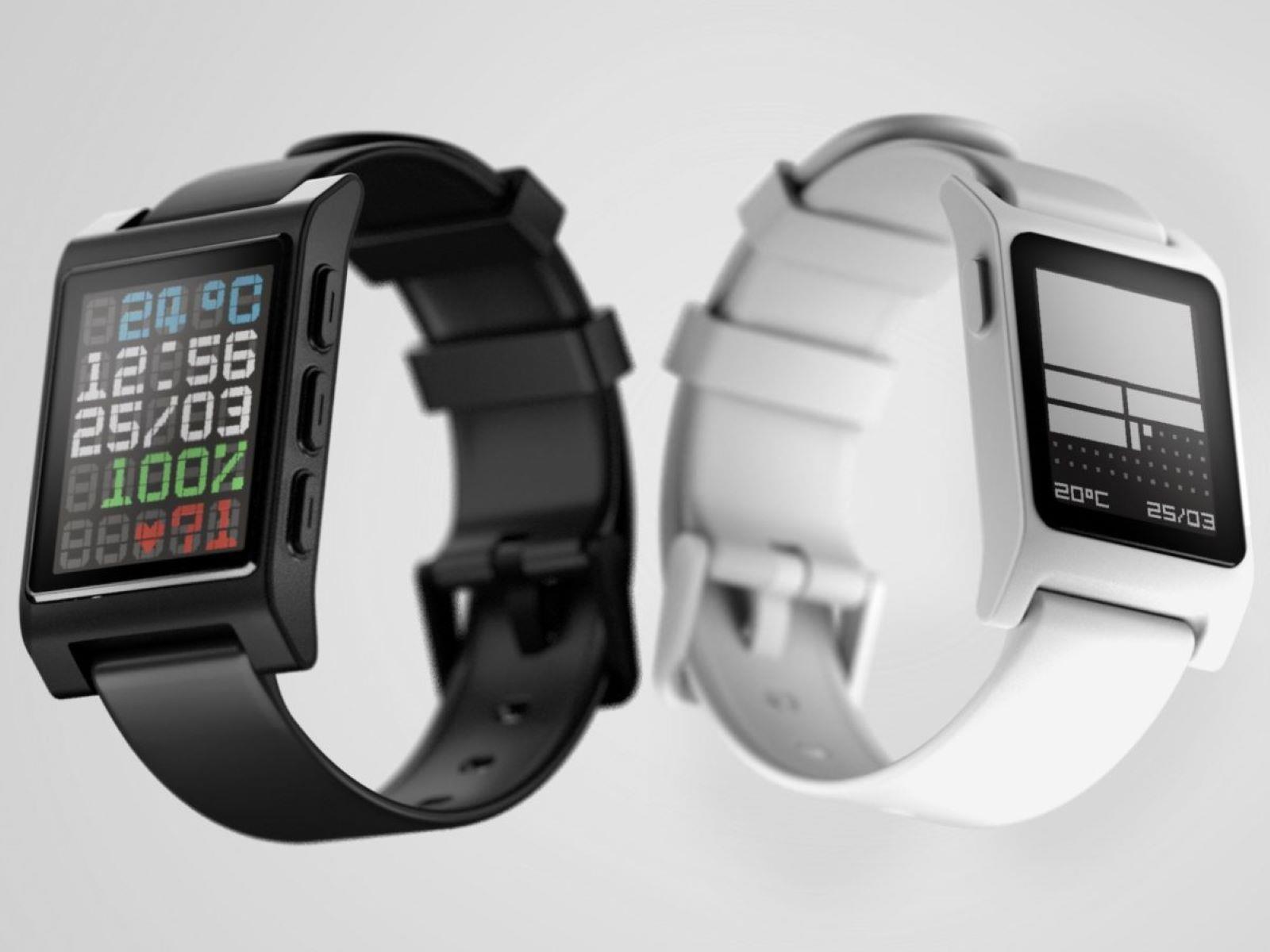
Remember the Pebble? Quite possibly the first smartwatch when it launched in 2013, it eventually fizzled out three years later (not thanks to FitBit), but it left an indelible ripple in the tech world that’s still felt in the wearables we have today. Guess what, the founder of Pebble has decided to bring the nostalgia into 2025 with two new
After a mountain of leaks, Google has finally announced the Pixel 9a. There’s a good chance you clicked on this article to find out how the 9a compares to its predecessor. The good news is you came to the right place. Even better, it’s a favorable comparison.
Pixel 9a vs Pixel 8a
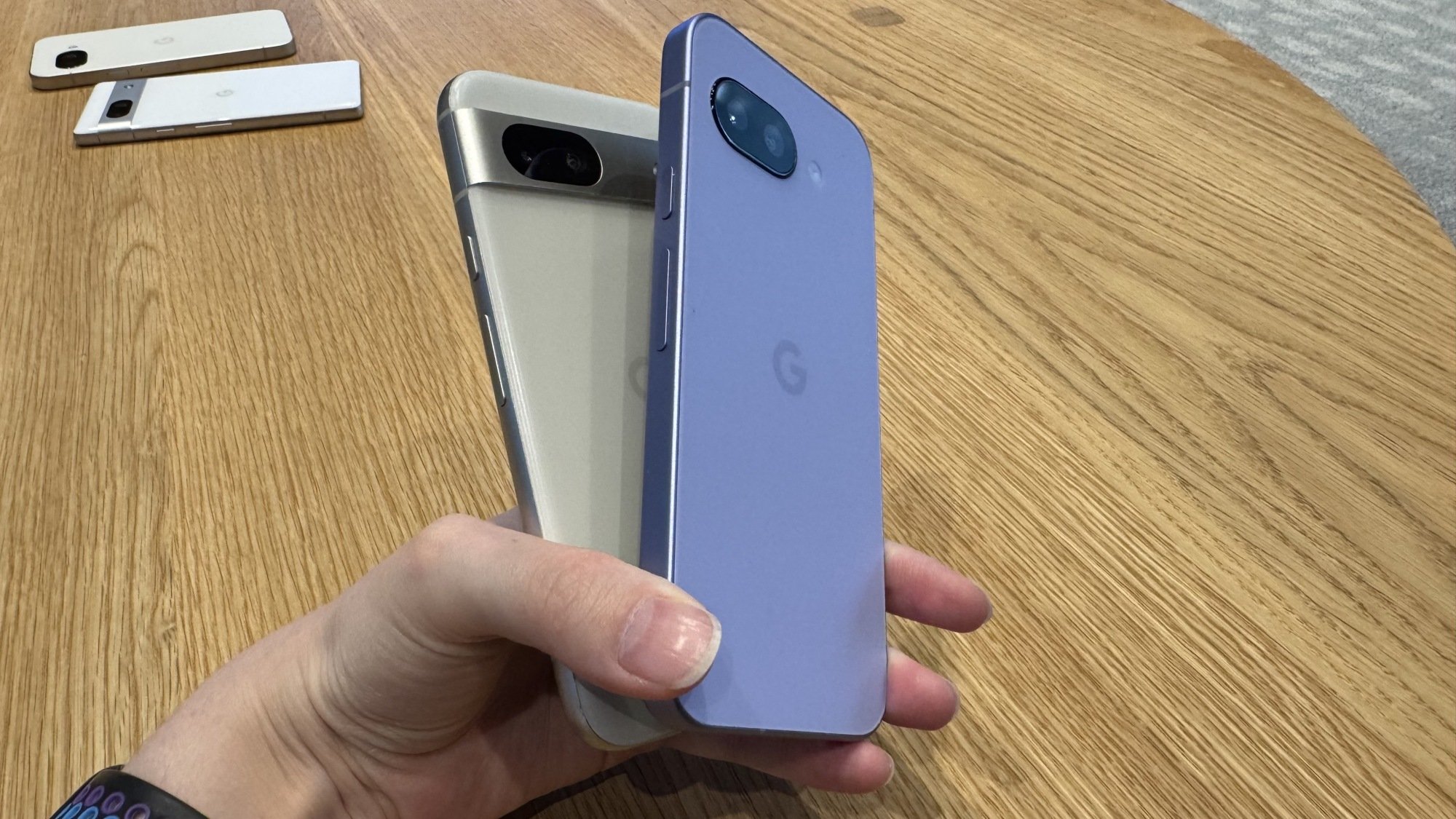
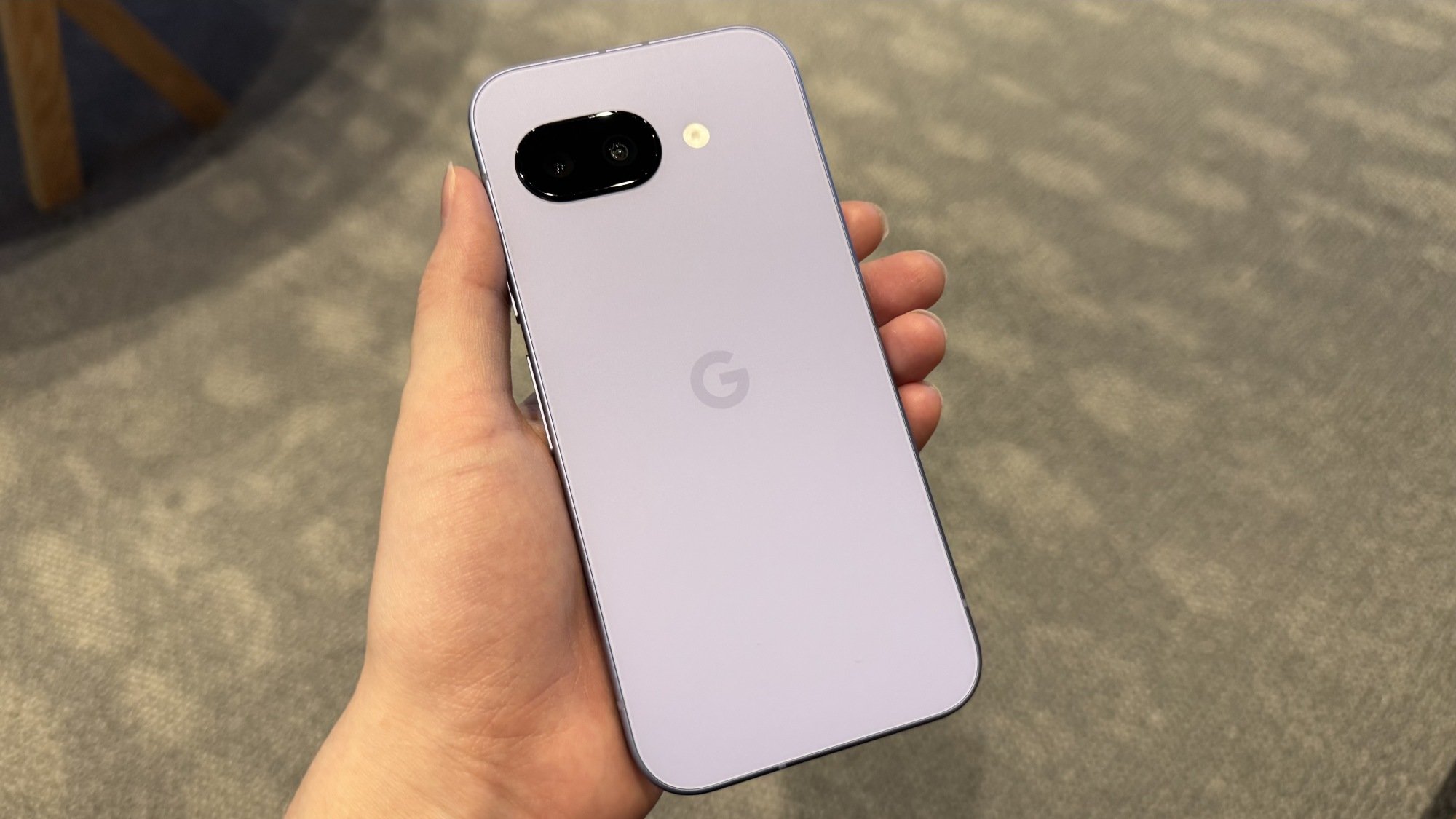
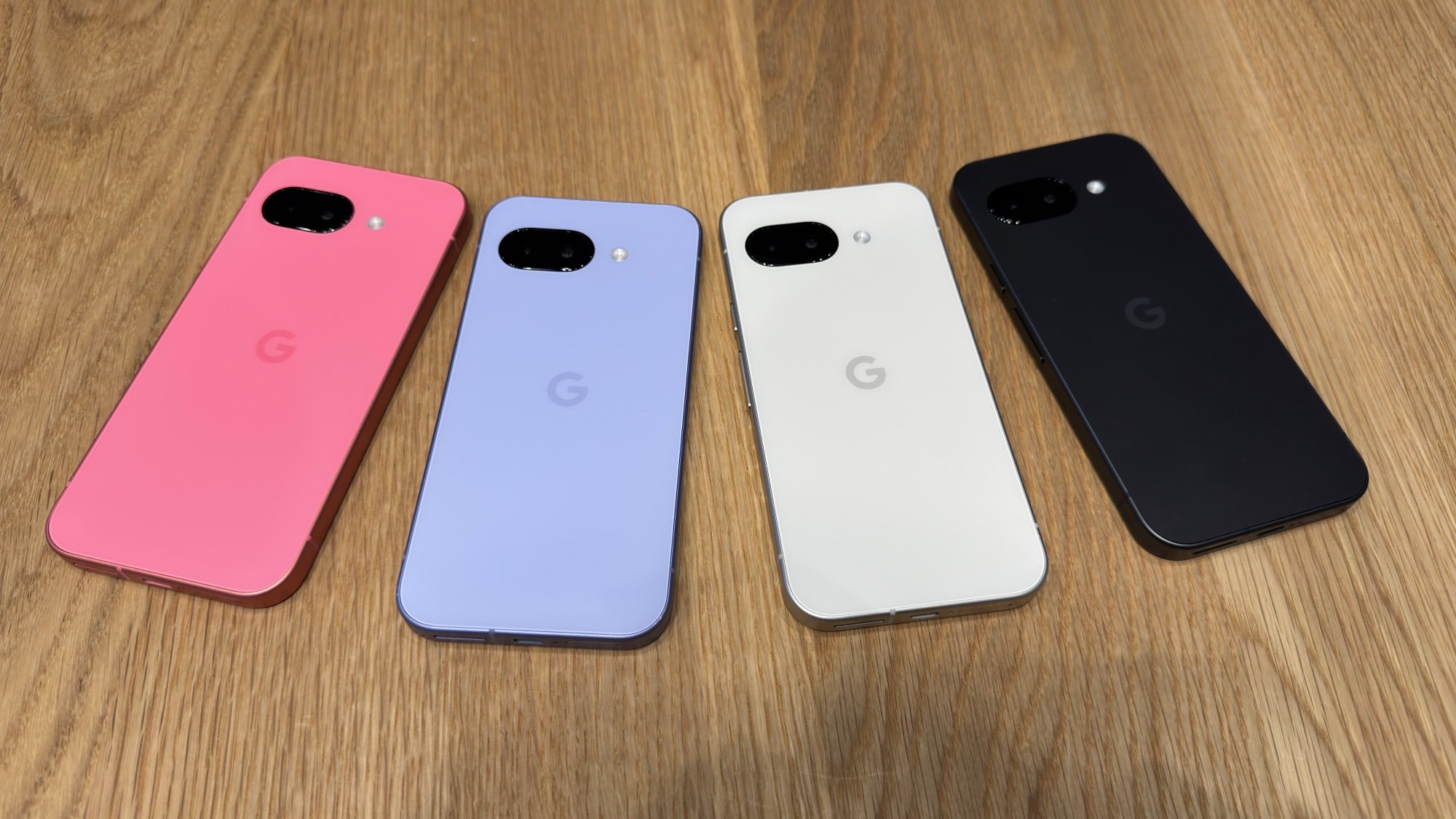
For starters, the Pixel 9a features a new design. Instead of borrowing the design language of Google’s more expensive devices, the new phone has its own identity. Gone is the divisive camera bar that has defined recent Pixel phones. Instead, the main camera module is nearly flush with the rear of the phone. Additionally, the new handset offers slightly better ingress protection. It’s IP68-certified against water and dust, up from IP67 on the 8a. The Pixel 9a will also be available two lovely new colors: Iris and Peony. Sadly, Google won’t offer an Aloe colorway this time around, at least not at release.
Outside of those changes, the 9a sports a larger 6.3 display. Like with the 8a, Google has gone with a FHD panel, meaning the 9a’s screen is slightly less dense due to it being a bit larger overall. However, it’s the better display. The 9a’s pOLED panel is capable of reaching a peak brightness of 2,700 nits, up from 2,000 nits on the 8a. It’s also HDR10+ certified, with a 120Hz refresh rate. That additional brightness will make it easier to see the 9a’s screen in bright sunlight.
Internally, the 9a features Google’s latest Tensor G4 SoC, paired once again with 8GB of RAM. Google has also outfitted the 9a with a larger 5,100mAh battery, up from 4,492mAh on the 8a. Just as importantly, the 9a is capable of charging at a faster 23W. That’s still slow compared to a device like the Nothing 3a Pro, which is compatible with 50W power adapters, but an improvement over the 8a’s glacial 18W. Oh, and if you were hoping for Qi2 support, I’m sorry to say the 9a is limited to charging at 7.5W wirelessly.
As for cameras, Google hasn’t changed its winning formula. The 9a features a 48MP main camera with f/1.7 lens and optical image stabilization (OIS). On paper, that might seem like a downgrade from the 8a’s 64MP main sensor, but they both feature a 0.8µm pixel pitch, meaning they’re capable of capturing the same amount of light, and it appears Google sourced a newer sensor for the 9a. Otherwise, the Pixel 9a appears to feature the same ultrawide and selfie cameras as its predecessor. As always, when you buy a Pixel phone, you’re buying it for Google’s computational photography features, and you get all the usual standouts like Night Sight, Best Take and more.
Pixel 9a vs iPhone 16e and Nothing 3a Pro
The iPhone 16e continues to confound since its announcement in February. At $599, it’s a full $100 more expensive than the Pixel 9a, and comparing the two based on hardware alone, Google’s new midrange phone is the better deal. You get a significantly bigger battery, a 120Hz display and an entire extra camera. Of course, whether you should buy the 9a over the 16e will entirely depend on your preference for Android over iOS. If you like prefer Apple’s software, the Pixel 9a won’t do it for you.
The more interesting comparison is between the 9a and Nothing’s new Phone 3a Pro. For $40 less, you get an even bigger screen, a more original design and, most notably, a periscope camera that offers 3x optical zoom. A great telephoto is really hard to find at this price range, so the 3a Pro might be worth considering for that reason alone. The tradeoff is Google’s software support is unmatched, and 3a Pro comes with a limited warranty in the US.
Pixel 9a
Pixel 8a
iPhone 16e
Nothing 3a Pro
Price
$499/$559
$499/$559
$599 / $699 / $899
$459
Dimensions
154.7 x 73.3 x 8.9 mm (6.09 x 2.89 x 0.35 inches)
152.1 x 72.7 x 8.9 mm (6 x 2.9 x 0.4 inches)
146.7 x 71.5 x 7.8 mm (5.78 x 2.82 x 0.31 inches)
163.52 x 77.5 x 8.9 mm (6.44 x 3.05 x 0.33 inches)
Weight
186g (6.56 ounces)
188g (6.7 ounces)
167g (5.88 ounces)
211g (7.44 ounces)
Screen size
6.3 inches
6.1 inches
6.1 inches
6.77 inches
Screen resolution
1080 x 2,424 pixels (421ppi)
1,080 x 2,400 pixels (430ppi)
1,170 x 2,532 pixels (460 ppi)
1,080 x 2,392 pixels (387ppi)
Screen type
pOLED
pOLED
OLED
AMOLED
SoC
Tensor G4
Tensor G3
Apple A18
Snapdragon 7s Gen 3
RAM
8GB
8GB
8GB
12GB
Battery
5,100mAh
4,492mAh
4,005mAh
5,000mAh
Storage
128 / 256 GB
128 / 256 GB
128 / 256 / 512 GB
256 GB
Rear cameras
Wide: 48MP, f/1.7
Ultrawide: 13MP, f/2.2
Wide: 64MP, f/1.89
Ultrawide: 13MP, f/2.2
Wide: 48MP, f/1.6
Wide: 50MP, f1/1.9
Ultrawide: 8MP, f/2.2
Periscope telephoto: 50MP, f/2.6
Front camera
13MP, f/2.2
13MP, f/2.2
12MP, f/1.9
50MP, f/2.2
Water / dust rating
IP68
IP67
IP68
IP64
Wi-Fi
Wi-Fi 6E
Wi-Fi 6E
Wi-Fi 6
Wi-Fi 6
Bluetooth
v6.0
v5.3
v5.3
v5.4
OS
Android 15
Android 15
iOS 18
Android 15 / Nothing OS 3.1
Colors
Obsidian / Porcelain / Iris / Peony
Obsidian / Porcelain / Aloe / Bay
Black / White
Black / Gray
This article originally appeared on Engadget at https://www.engadget.com/mobile/smartphones/heres-how-the-pixel-9a-compares-to-the-competition-141043690.html?src=rss
Global sea levels rose faster than expected last year, largely due to warming ocean temperatures, a new NASA analysis found.
As seawater creeps further into coastlines, salt threatens to pollute the freshwater reserves that people depend on. But this brine isn’t just coming from the ocean: New research shows freshwater ecosystems are facing widespread dual threats of salt contamination from the sea and land, made worse by climate change.
Humans are a salty species, using the mineral for a vast number of reasons—from de-icing the roads during snowstorms to seasoning food.
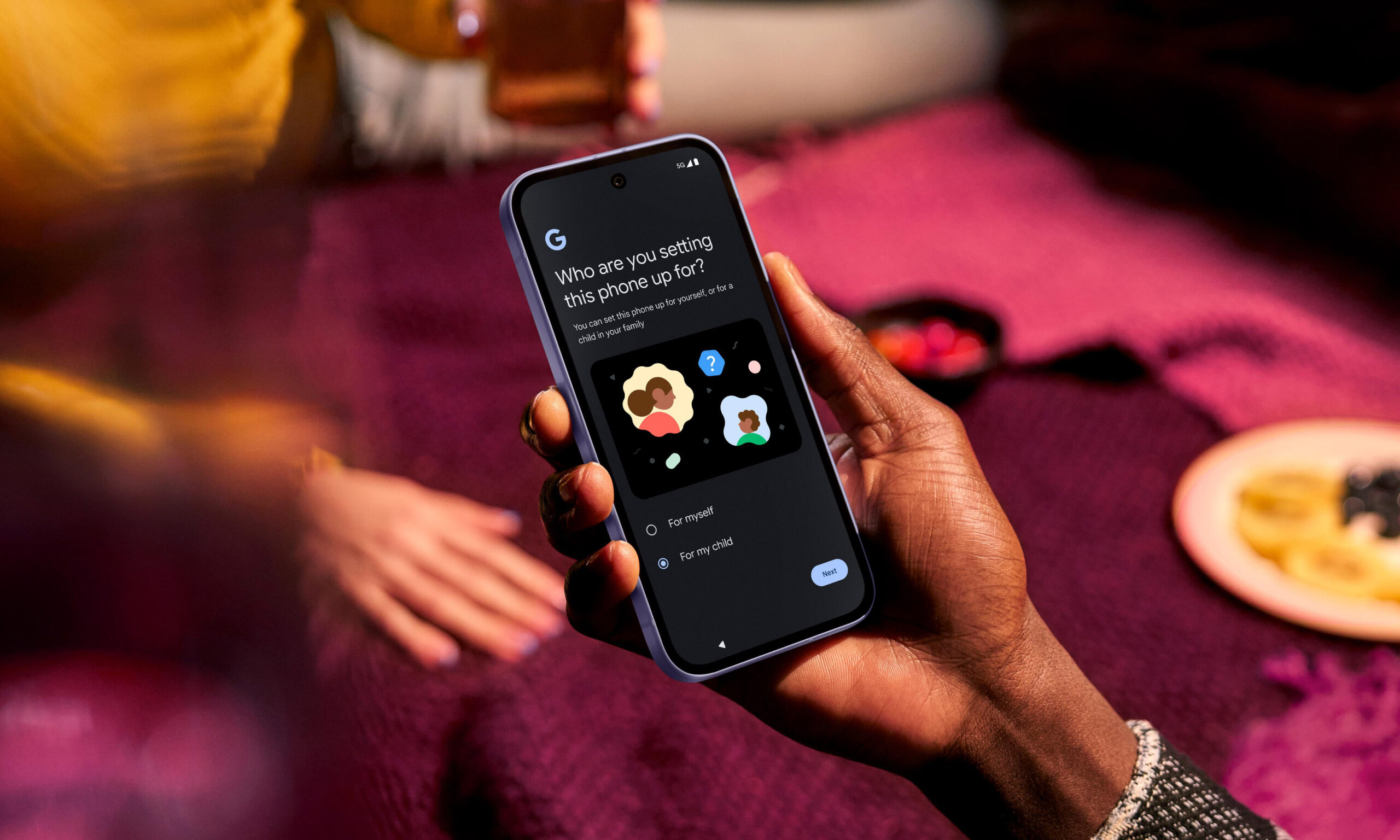
Gone are the days of kids asking their parent to borrow cash or their card when going out with friends. Instead, parents can now give their kids access to Google Wallet for making in-store payments with their Android device. Google first announced that this feature was coming back in October.
Kids can also use Google Wallet to store passes to things, including a library card, ticket for an event or a gift card. But, parents have a lot of oversight, such as receiving an email every time their child makes a purchase. They can also monitor everything within Family Link, along with remove a payment card or shut off access to all passes.
Google
Right now, Google is just rolling out the new feature for families in the US, UK, Australia, Spain and Poland. Parents in any of these locations should see the option pop up within the next few weeks.
Apple users can already access a similar feature with Apple Cash Family. Parents can set up anyone in their Family Sharing group and let them make purchases, or send and receive money through their wallet or messages. Just like on Android, parents can see their kids’ purchases and get notifications each time they buy something. Plus, parents can view the remaining balance or send an allowance through Apple Cash by creating a recurring payment.
This article originally appeared on Engadget at https://www.engadget.com/apps/google-wallet-is-now-available-for-kids-140039676.html?src=rss
Google has taken the wraps off the Pixel 9a today, a phone that has leaked about a thousand times in recent weeks, as is the Pixel tradition. Still, there are some things to know about this phone you can’t glean from leaked renders or a YouTube unboxing. This phone maintains the same $499 price tag as last year’s A-series phone, but it has a larger battery, a new camera, and a simpler design that ditches the camera bar of other recent Pixel phones.
The Pixel 9a has the same flat aluminum frame that has been in vogue on smartphones for the past few years. Unlike the more expensive Pixels, the back is plastic instead of Gorilla Glass. Google says it’s made of 81 percent recycled material, and the aluminum is 100 percent recycled. Apparently, these percentages are a record for the Pixel series, if that’s something that matters to you.
Google has followed up an ocean’s worth of leaks with the official announcement of its Pixel 9a smartphone, which will retail for $499. Possibly the biggest change to the new A-series model is in its appearance, with the removal of the camera bar on the back of the phone. In the 9a, the camera housing is “slightly domed,” sitting nearly flush with the rest of the frame, giving this midrange model a sleeker appearance. There are also new colors for this series — a pale purple dubbed Iris and a vibrant pink named Peony — joining the usual Porcelain and Obsidian options. (The peony option is similar to that on the pricier Pixel 9.)
The Pixel 9a is also getting a chip upgrade, moving up to Google’s Tensor G4 processor from the G3 that was in Google’s excellent Pixel 8a. Performance in the 8a was already quite good, so expect even smoother control with the G4. As with the 8a, the 9a is equipped with 8GB of RAM and comes with either 128GB or 256GB of storage. The new A-series also promises up to “30+ hour battery life.”
Cameras were a big reason why we liked the Pixel 8a, naming it our top pick for a midrange smartphone. The housing is different in the 9a, but it’s also got slightly different specs inside. The rear dual cameras in the 9a offer 48MP wide and 13MP ultrawide lenses, while the front is equipped with a 13MP selfie camera; the 8a had 64MP wide in the rear camera. It’ll support AI-powered features such as Magic Editor, Magic Eraser, Best Take and Photo Unblur. Google is bringing the Macro Focus option to the A-series for the first time for photos with lots of close-up details. There’s also Night Sight to help improve your nocturnal photography.
The 9a will be available in the US and Canada in North America, as well as numerous other countries in Europe and the Asia Pacific region. Pre-orders will open in April, with no further detail on availability.
This article originally appeared on Engadget at https://www.engadget.com/mobile/smartphones/google-officially-introduces-the-pixel-9a-for-499-140028722.html?src=rss
A couple of weeks ago, Apple released a more affordable take on its flagship handsets with the iPhone 16e. But now Google is hitting back with the Pixel 9a and from what I’ve seen, it looks like a way better deal.
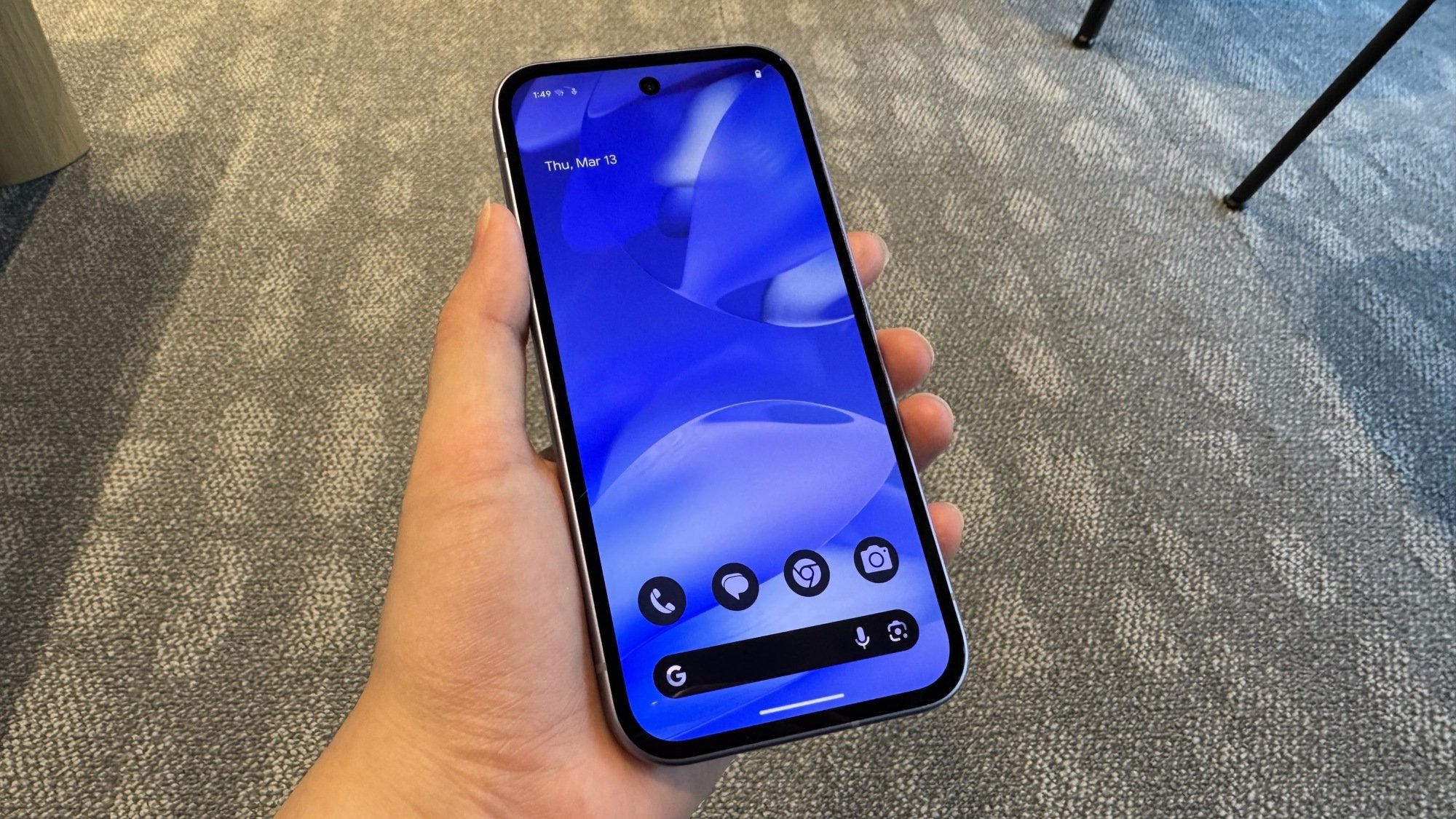
From the front, the 9a looks a lot like the standard Pixel 9. Its screen is the same size at 6.3 inches across, while also offering a 120Hz refresh rate and a surprisingly strong 2,700 nits of peak brightness. On the inside, the 9a packs a Tensor G4 chip, just like you get on its more expensive siblings, along with other handy features including an IP68 rating for dust and water resistance and Google’s standard seven years of OS updates, feature drops and security patches.
But Google did something a bit surprising by giving the 9a a 5,100mAh battery, which is technically the biggest power pack in any member of the Pixel 9 family. That includes the Pixel 9 Pro XL (5,060mAh), though only by just a tiny bit. Regardless, Google says this gives the 9a the best longevity of any Pixel on sale today.
If you flip the phone around, there are some other changes such as a new iris purple hue, which joins the existing peony, porcelain and obsidian color options. But the thing that jumps out the most is the lack of a camera bar, which has been present on practically all of Google’s phones dating back to the Pixel 6. Instead, you get a simple window that sits almost flush against the back of the device — a window which Google says was inspired by the shape of a water drop.
Sam Rutherford for Engadget
Unfortunately, you don’t get a dedicated optical zoom (though it does support up to 8x digital SuperRes zoom). There is a 48MP main sensor that is similar, but slightly different to the one used on the Pixel 9 Pro Fold and a 13MP sensor for its ultra-wide cam. The 9a also includes a built-in AI macro focus feature so you can get really close to things, on top of support for tons of Pixel-specific camera tools like Add Me, Best Take, Magic Editor and more.
Notably, because it’s powered by the Tensor G4, the 9a has access to all of the same AI features available on the rest of the Pixel 9 line. This includes Gemini Live Video, the Pixel Recorder app, and Pixel Studio not to mention security and safety offerings like Google VPN, car crash detection and so on. Sadly, I only had a brief time with the phone so we weren’t able to test out many of its new features.
Google seems to be feeling pretty confident about this phone, with the company saying that it will have the best cameras on any handset under $500. That’s a pretty big claim, but it’s not entirely outlandish as Google’s camera processing has been top-notch for quite some time. And with a starting price of $499, the Pixel 9a is skating in right under that line.
So what’s the catch — all this for $300 less than a regular Pixel 9? From what I’ve seen so far, the biggest differences between the standard Pixel 9 and the 9a are that Google hasn’t improved the latter’s 23-watt wired or 7.5-watt wireless charging speeds, both of which are rather slow compared to a full-priced flagship. You also get less RAM, with the 9a featuring 8GB instead of 12GB. And while the 9a has Gorilla Glass covering its screen in front, around back there’s a plastic panel made from around 85 percent recycled materials. But again, for three Benjamins less than the standard model, those are compromises I’m mostly willing to put up with.
The Google Pixel 9a will be available sometime in April starting at $499 with 8GB of RAM and 128GB of storage (the 256GB model is an optional upgrade). Purchases include free three-month subscriptions for Google One and YouTube Premium along with a six-month trial for Fitbit Premium.
This article originally appeared on Engadget at https://www.engadget.com/mobile/smartphones/the-google-pixel-9a-might-be-the-new-midrange-smartphone-king-140021156.html?src=rss
Sony has developed a new TV display technology combining individual red, green, and blue LEDs for backlighting, potentially offering a middle ground between existing Mini LED and OLED panels. Dubbed “General RGB LED Backlight Technology,” the system enables precise color control without sacrificing brightness, reaching 4000 cd/m2 — matching Sony’s professional reference monitors.
Unlike conventional Mini LED TVs that use arrays of blue LEDs, Sony’s RGB implementation delivers significantly improved color accuracy and viewing angles. In side-by-side comparisons with Sony’s premium Bravia 9 Mini LED TV, the RGB prototype displayed deeper color gradations and eliminated the characteristic bluish blooming effect around bright objects on dark backgrounds.
The technology isn’t entirely novel, the Verge reports — Sony released a Qualia TV with RGB backlighting in 2004 and demonstrated “Crystal LED” prototypes in 2012. Competitors including Hisense, TCL, and Samsung are developing similar systems. While the RGB LED prototype outshone Sony’s QD-OLED A95L in brightness, differences in color reproduction were less pronounced. The technology appears particularly promising for larger displays in bright environments where OLED’s limitations become apparent.
Google’s next Pixel phone, the Pixel 9a, has finally been announced. And for the first time in a Pixel since 2020’s Pixel 5, it ditches the camera bar. It’s also, as expected, a little cheaper and comes with a few additional AI tricks not available on the Pixel 8a, but really, it’s the new look that’s the biggest surprise here.
That’s because the 9a, unlike the 8a before it, really doesn’t look much like the Pixel 9 or 9 Pro. Dimensions are roughly equivalent to the standard Pixel 9 (although it is a little more lightweight at 6.6 oz vs. 7 oz) and the screen has almost pound-for-pound the same specs except for a halved contrast ratio, but people familiar with the past half-decade of Pixel phones might not realize it’s even part of the same family at first.
Pixel 8a (left) vs. Pixel 9a (right) Credit: Michelle Ehrhardt
Without the camera bar, the Pixel 9a instead looks much more like an iPhone than arguably even a Samsung Galaxy, with two rear lenses in the top-left corner inside a small ovular black bump next to a flash. This makes for a much thinner and flatter profile overall, even if the body itself hasn’t changed much, and I’m excited to both get my hands on it and see how the cases turn out. I’ve never loved the camera bar, but this has me considering the Pixel again.
Credit: Michelle Ehrhardt
As for the specs on those cameras, they’re part of a trend of internal specs that don’t really compare well to either the Pixel 9 or the Pixel 8a. The rear camera lenses are 48MP and 13MP, respectively, while the front is 13MP, although the various aperture details and field-of-view settings don’t cleanly map onto an existing Google phone. I’m also curious to see how shots turn out once I get my hands on this phone.
Credit: Michelle Ehrhardt
Similarly, another detail that doesn’t have an outright comparison with an existing Google phone is battery life, which Google promises is 30+ hours on the Pixel 9a, a little longer than on either the 8a or the Pixel 9. RAM and storage is equal to the 8a at 8GB and a starting value of 128GB, respectively, although the processor has been bumped up to the Google Tensor G4, the same as on the Pixel 9.
All of that adds up to make for a unique release with what could have simply been a pared-down Pixel 9, perhaps giving you additional reasons to get it over its more expensive cousin than simply saving a few dollars. That said, even with the lower cost, which is $500 vs. the Pixel 9’s $800, Google is promising some extra software here than on the Pixel 8a. These include a Macro Focus mode and unique Pixel AI features like Add Me (which can put you into shots you weren’t present for, albeit with mixed results).
Credit: Michelle Ehrhardt
While you’ll get the usual options for black, white, and pink, there’s also a new purple color, which hearkens back to the Pixel 8’s light blue color that I missed so much on the base Pixel 9.
All in all, it’s shaping up to be a surprisingly exciting release for an A-series model, and I’m hoping it’s a hint at bigger things in store for the Pixel 10 when it inevitably comes out later this fall. An official release date is still TBA, so keep an eye on this space for more down the line.
These days, you have a better shot at finding a needle in a mile-wide haystack than tracking down a current-generation graphics card that’s both in-stock and priced at MSRP. It’s fair to wonder how many GPUs AMD and NVIDIA actually shipped. Well, we may have an answer for the former—over 200,000 Radeon RX 9070 XT and Radeon RX 9070 graphics
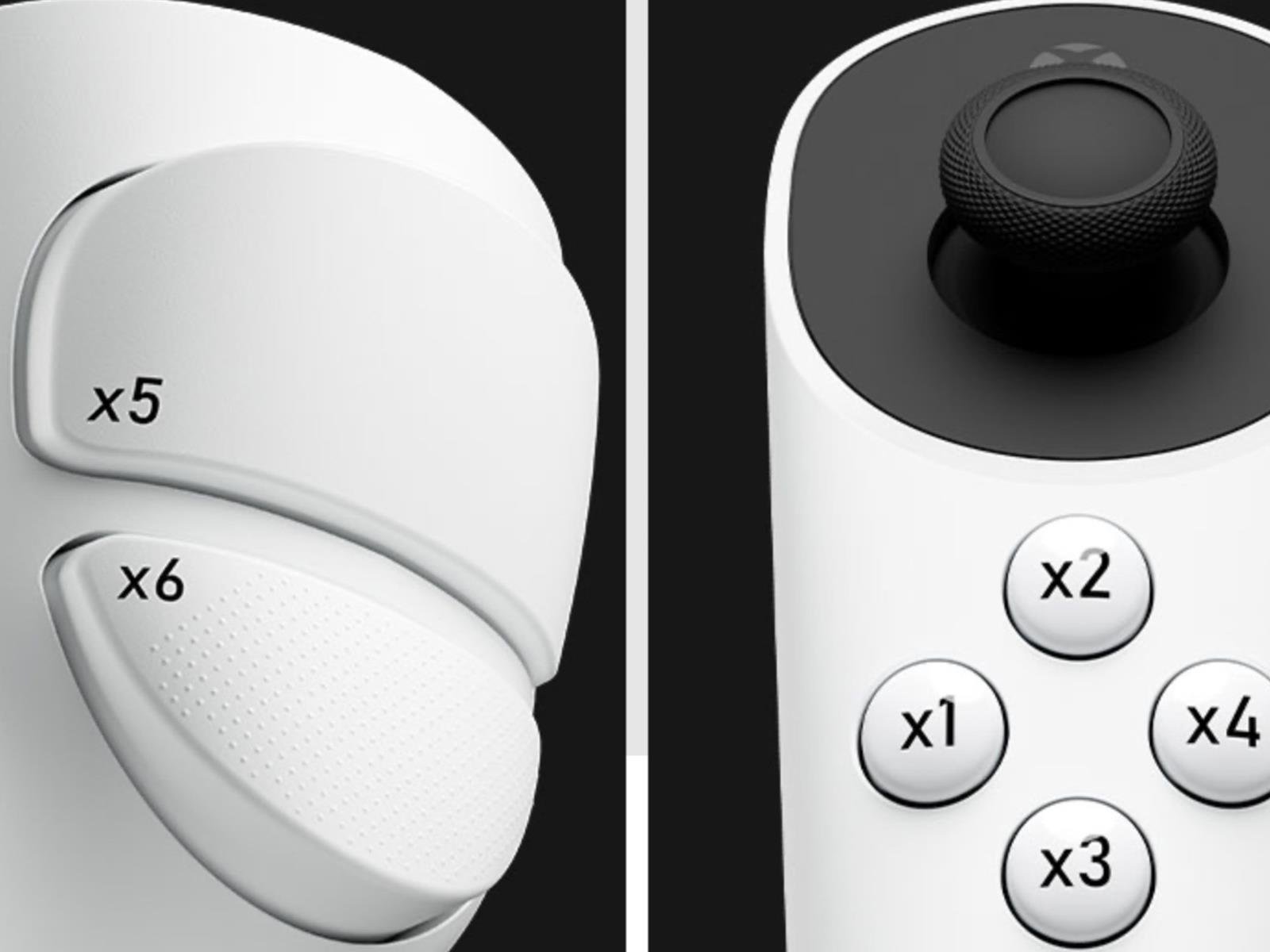
The proliferation of gaming has reached levels never before seen, leading to billions of humans partaking in the activity. Those with more limited mobility love to game as well, but standard devices aren’t always suitable for them. Microsoft has launched a new joystick gaming accessory aimed at making it easier for those with accessibility
Say goodbye to ground-in dirt and stains and save money while you do it with the Dyson V15s Detect Submarine cordless vacuum cleaner. This cordless cleaner is currently on sale for $798 for the Amazon Spring Sale, which is $152 off its usual price tag of $950. This is one of the best deals we’ve seen on this machine in the last year.
Combining powerful suction with advanced wet-cleaning capabilities, the V15s Detect Submarine is a versatile cleaning machine for both carpets and hard floors. Armed with eight Dyson accessories, including the Submarine wet roller head, fluffy optic cleaner and Digital Motorbar head, it provides edge-to-edge cleaning and is ideal for those seeking vacuuming and mopping functionality in a single device.
Boasting whole-machine HEPA filtration, intelligent adaptive suction based on floor type, LCD screen and a 60 minute run-time, the V15s Detect Submarine is capable of comprehensive cleaning throughout the home. With the Submarine cleaner head attached, it can cover an area of 1,000 square feet using the built-in 300ml water tank, picking up liquids and debris while washing surfaces with clean water.
The Dyson V15s Detect Submarine is a top pick in our best cordless vacuums guide, where we praised its versatility and convenience. While the popularity of robot vacuums continues to grow, busy households with kids and pets in the mix can benefit from a versatile yet manual solution. Thanks to its lightweight and cordless design, the Dyson V15s Detect Submarine makes it easy to clean up messes and spillages on the spot, and is great for tackling tight corners, staircases and underneath furniture.
Amazon’s Big Spring Sale ends on March 31; there’s no telling if this deal will stick around after that, so now’s the time to grab it if you’ve had your eye on it.
This article originally appeared on Engadget at https://www.engadget.com/deals/this-dyson-cordless-vacuum-and-mop-is-more-than-150-off-for-the-amazon-spring-sale-140036864.html?src=rss
There’s now an industry-wide union for video game workers in the US and Canada. The United Videogame Workers-CWA (UVW-CWA) has a mission to bring together “artists, writers, designers, QA testers, programmers, freelancers and beyond to build worker power irrespective of studio and current job status.”
The union makes its official debut at the “Video Game Labor at a Crossroads: New Pathways to Industry-Wide Organizing” panel at GDC. Workers will be sharing a petition at the event to gain support for the union and to shine a light on the recent glut of industry layoffs. As a matter of fact, the first major issue the union seeks to address is layoffs, given that one in ten developers were shown the door in 2024.
UVW-CWA
Workers will also be passing around a zine that includes the organization’s mission statement, FAQs and an op-ed. This is a direct-join union, meaning that workers can sign up on their own. This allows folks to bypass traditional unionization processes like elections and employer consent.
We aren’t sure if this will catch on throughout the industry or if major publishers will recognize the union. However, it’s just the latest salvo in the ongoing battle between industry workers and corporate bigwigs. Over 600 QA workers at Activision, which is owned by Microsoft, recently joined the Communications Workers of America (CWA.) ZeniMax Online Studios workers formed their own union at the tail-end of last year and Sega of America workers did something similar.
These unions have also been busy. The CWA has been embroiled in a fight with Microsoft and Activision over unfair labor practices on behalf of workers at Raven Software. Members of ZeniMax Workers United-CWA also went on a one-day strike last year to limit Microsoft’s use of outsourcing.
This article originally appeared on Engadget at https://www.engadget.com/big-tech/video-game-workers-in-north-america-now-have-an-industry-wide-union-130024730.html?src=rss
If you’ve been eyeing a pair of Beats Fit Pro earbuds, now’s a great time to snag them at a discount. The fitness-focused wireless earbuds have dropped to $169 ahead of the Amazon Spring Sale, down from their usual $200 price tag, which is the lowest price we’ve seen them since January. This $30 discount makes them an even better buy for those looking for good sound quality with a snug and secure fit.
The Beats Fit Pro earned the top spot as the best wireless earbuds for working out in our best wireless earbuds roundup thanks to their IPX4 water resistance rating, comfortable design and balanced audio. They feature active noise cancellation (ANC), spatial audio with dynamic head tracking and Apple’s H1 chip for seamless pairing with iOS devices. While they’re most convenient for Apple users, they also work well with Android devices thanks to Google Fast Pair support. They’re available at the discounted price in black, white, sage gray and stone purple, so this Big Spring Sale deal isn’t limited to just one color.
Designed with fitness enthusiasts in mind, the Fit Pro earbuds include flexible wingtips that help keep them securely in place, whether you’re out for a run or powering through an intense gym session. Battery life is also solid, offering six hours of listening time per charge with an additional 18 hours from the charging case. If you need a quick boost, a Fast Fuel charge delivers up to one hour of playback in just five minutes.
If you’re looking for something more affordable, the Beats Studio Buds+ have also received a major price drop. They’re currently on sale for $130 on Amazon, a decent markdown from their usual $170 price. These earbuds offer solid ANC, an improved transparency mode and a comfortable, lightweight design.
We were impressed with them and gave them a respectable 84 out of 100 in our Beats Studio Buds+ review. Whether you’re after a workout companion like the Fit Pro or an everyday pair like the Studio Buds+, both deals make for great savings on quality wireless earbuds.
This article originally appeared on Engadget at https://www.engadget.com/deals/amazon-spring-sale-deals-include-the-beats-fit-pro-earbuds-for-169-130015298.html?src=rss