Netflix just bought an AI startup founded by Ben Affleck

Netflix has acquired an AI filmmaking startup called InterPositive, according to a report by Variety. This is a company that was founded by actor Ben Affleck back in 2022. Don’t worry if you haven’t heard of it. Affleck has been operating the company in stealth mode for the past few years, so this is pretty much it’s big coming-out party.

The terms of the acquisition haven’t been disclosed, but Affleck will remain on as a senior advisor to Netflix. Additionally, the entire staff will be absorbed into the streaming platform.

Affleck says he started the company after “observing the early rise of AI in production” and realizing how the “models came up short.” The company makes tools that generate AI models based on an existing production’s dailies. This lets filmmakers use the model in the post-production process to do stuff like mix and color, relight shots and add visual effects.

Affleck adds that this tech is “not about text-prompting or generating something from nothing.” Netflix says the company will keep “filmmakers at the center of the process.” The company recently used generative AI tools to whip up a VFX shot in a show called The Eternaut. It’s also been using AI to make ads more intrusive. We’ll have to wait and see if creators do indeed remain at the center of things. Netflix will offer access to InterPositive’s tech to creative partners but has no plans to sell it commercially.

To Affleck’s credit, he seems to have a nuanced understanding of modern AI tools. “We also need to preserve what makes storytelling human, which is judgment,” he said. “The kind that takes decades to build, experience to hone and that only people can have. I knew I had a responsibility to my peers and our industry, to protect the power of human creativity and the people behind it.” However, it’s worth reiterating that the company is no longer in Affleck’s hands, as he is now just an advisor.

This article originally appeared on Engadget at https://www.engadget.com/ai/netflix-just-bought-an-ai-startup-founded-by-ben-affleck-184536640.html?src=rss

Trump gets data center companies to pledge to pay for power generation

On Wednesday, the Trump administration announced that a large collection of tech companies had signed on to what it’s calling the Ratepayer Protection Pledge. By agreeing, the initial signatories—Amazon, Google, Meta, Microsoft, OpenAI, Oracle, and xAI—are saying they will pay for the new generation and transmission capacities needed for any additional data centers they build. But the agreement has no enforcement mechanism, and it will likely run into issues with hardware supplies. It also ignores basic economics.

Other than that, it seems like a great idea.

What’s being agreed to

The agreement is quite simple, laying out five points. The key ones are the first three: that the companies building data centers pledge to pay for new generating capacity, either building it themselves or paying for it as part of a new or expanded power plant. They’ll also pay for any transmission infrastructure needed to connect their data centers and the new supply to the grid and will cover these costs whether or not the power ultimately gets used by their facilities.

Read full article

Comments

15 Features Missing From the MacBook Neo

Apple’s MacBook Neo is exactly the laptop many budget-conscious people have been looking for. It’s priced under $500 for students ($599 for everyone else), and has decent enough specs to be a great starter laptop for most users. To make it a ‘budget laptop,’ though, a few corners had to be cut. As a result, the MacBook Neo is lacking a few features that you might have come to expect from a MacBook. Here are the biggest trade-offs Apple is making to hit the Neo’s lower price point.

No Touch ID in the base model

The MacBook Neo’s base model doesn’t have a Touch ID sensor, which means you’ll have to type out your passwords every time you need to enter them. Some people might prefer this over using a fingerprint sensor, but I’d rather pay the extra $100 for it. This variant also comes with 512GB of storage, while the base model only has 256GB.

It lacks a backlit keyboard

Traditionally, Apple’s MacBooks have come with backlit keyboards to help you see what you’re typing while you’re in low light. Unfortunately, the MacBook Neo has cut this feature to help save costs, but it won’t make much of a difference in bright environments or to those who don’t look at their keyboards while typing.

You won’t get a True Tone display

Apple’s True Tone display feature automatically adjusts the color and intensity of the display to match the ambient light wherever you are. This means that your display won’t be blindingly bright in low light, and colors will appear more natural across a number of lighting conditions. The MacBook Neo doesn’t ship with an ambient light sensor, though, so don’t expect True Tone support here.

There are no RAM upgrade options

My daily driver laptop is still the M1 MacBook Air with 8GB of RAM. I have no complaints about this laptop, but a couple of times, it has slowed to a crawl while running many apps at once. Sometime, I wish I’d spent a bit more to get 16GB of RAM. Unfortunately, there’s no such option for the MacBook Neo. 8GB should be adequate for now, so long as you stick to light use, but it could become an issue in the long run.

Fast charging is missing

Unlike most other MacBooks, the Neo doesn’t support fast charging, and ships with a 20W USB-C adapter. However, that should be good enough to charge the 36.5-watt-hour battery, which is smaller than the M5 MacBook Air’s 53.8-watt-hour battery.

You won’t get any Thunderbolt ports

The MacBook Neo has two USB-C ports (one USB 3, and one USB 2), but neither of these support Thunderbolt. This won’t be a problem for most people, but if you use any Thunderbolt-exclusive accessories such as docks or external displays, they won’t work with the MacBook Neo.

The Force Touch trackpad has been removed

The MacBook Neo’s trackpad doesn’t have Force Touch. This means that the trackpad isn’t pressure sensitive like those on other MacBooks. It won’t support pressure sensitive drawings, multi-touch gestures, or Force clicks.

Other missing features

While I’ve covered the missing features average users are most likely to notice above, there are a few additional cuts that might impact power users especially. Here are the remaining features the MacBook Neo is missing:

  • Center Stage for the front camera

  • Wide Color (P3) display

  • Neural Accelerators

  • Four-speaker sound system (the Neo has two speakers)

  • Three-mic array (the Neo has a two-mic array)

  • The 3.5mm jack doesn’t support high-impedance headphones

  • Wi-Fi 7

  • Dynamic head tracking support with AirPods

Meta hit with a class action lawsuit over smart glasses’ privacy claims

Meta is facing a class action lawsuit for false advertising related to its AI glasses following reports about the company’s use of human contractors to review footage captured from users’ glasses. The lawsuit, filed Wednesday in federal court in San Francisco, alleges that Meta’s claims about the devices’ privacy features have misled users. 

The lawsuit comes after a Swedish newspaper reported that subcontractors in Kenya have raised concerns about viewing footage recorded via Ray-Ban Meta glasses. According to Svenska Dagbladet, workers have reported witnessing “intimate” material, including bathroom visits, sexual encounters and other private details as part of their job labeling objects in videos captured on users’ smart glasses.

“This nationwide class action seeks to hold Meta responsible for its affirmatively false advertising and failure to disclose the true nature of surveillance and its connection to the company’s AI data collection pipeline,” the lawsuit, filed by Clarkson Law Firm, states. The filing names two individuals who live in California and New Jersey who purchased Meta’s smart glasses. It says that both “relied” on Meta’s marketing claims about the glasses’ privacy protecting features and that they would not have purchased them if they knew about the company’s use of contractors. The lawsuit seeks monetary damages and injunctive relief.

A spokesperson for Meta confirmed to Engadget that data from its smart glasses can be shared with human contractors in some cases. The company declined to comment on the claims in the lawsuit.

“Ray-Ban Meta glasses help you use AI, hands free, to answer questions about the world around you,” the spokesperson said. “Unless users choose to share media they’ve captured with Meta or others, that media stays on the user’s device. When people share content with Meta AI, we sometimes use contractors to review this data for the purpose of improving people’s experience, as many other companies do. We take steps to filter this data to protect people’s privacy and to help prevent identifying information from being reviewed.”

What the company doesn’t explicitly say there is that there is no way to use the smart glasses’ “multimodal” features without sharing the captures of your surroundings with the company. As I noted in my review of the second-generation Ray-Ban Meta smart glasses last year: “images of your surroundings processed for the glasses’ multimodal features like Live AI can be used for training purposes (these images aren’t saved to your device’s camera roll).” 

So while Meta claims that users’ own recordings are kept private, footage that is captured but not stored locally for users — like video when Live AI is in use — can be sent to contractors who help train the company’s AI models. Meta’s privacy policy doesn’t specifically mention the use of human contractors, though it states that such data can be used for training purposes. 

“The undisclosed human review pipeline renders the Meta AI Glasses’ privacy features materially misleading, transforms the product from a personal device into a surveillance conduit, and exposes consumers to unreasonable risks of dignitary harm, emotional distress, stalking, extortion, identity theft, and reputational injury,” the lawsuit says. “Indeed, Meta employees and contractors have described viewing credit card numbers, nudity, sexual activity, and identifiable faces in the footage they reviewed, and reported that Meta’s purported anonymization safeguards do not reliably function.”

This article originally appeared on Engadget at https://www.engadget.com/social-media/meta-hit-with-a-class-action-lawsuit-over-smart-glasses-privacy-claims-182846817.html?src=rss

The Playdate Catalog’s 3-year anniversary sale is here

If your Playdate wishlist is anything like mine (endless), here’s a good excuse to actually go ahead and free some of those games from limbo: Panic is running a two-week-long sale on the Playdate Catalog to celebrate its three-year anniversary. Sure, the majority of Playdate games are pretty cheap as is, but they can still add up when you’re on a wild purchasing spree. Ask me how I know! The sale will be running from March 5 until March 19 at 1PM ET (10AM PT), so take advantage of the discounts while you can. 

There are 423 games available in the Catalog now, according to Panic, so if you’re having trouble deciding on which you should go for, I’ve got you covered with a few recommendations right here. 

Season Two

If $39 felt like too much to drop on Season Two when it came out last summer, now’s the time to get it. Playdate’s second season had only half the number of games as its first, but it still felt like a much stronger collection. Each of its 12 games is really solid, and there’s plenty of variety in terms of genre and style, from puzzles and hours-long adventures to fast-paced action games that are great for bursts of intense play. And, it comes with Blippo+ — an oddball cable TV simulator that’s unlike anything out there right now. 

All of these games are worth playing, but there were definitely some standouts from the bunch: The Whiteout, a post-apocalyptic adventure that’ll surely hit even harder now considering the winter we’ve had; the puzzle platformer Taria & Como; the arcade action game Fulcrum Defender; the climbing adventure, Tiny Turnip. I also really enjoyed Dig! Dig! Dino! for something on the chiller side. 

Outside Parties

I have not been able to shut up about this game since it came out. It’s unique, it’s creepy, it’s completely engrossing and it really pushes the limits of what the Playdate can do. Outside Parties is a horror scavenger hunt, presenting you with one massive picture to scrutinize and find hidden scenes within, using the crank to adjust the brightness constantly so you can find anything that may be buried in shadow. As you find these targets, more and more of the game’s story comes to light through eerie audio clips. It is such a cool experience and the atmosphere of it all is incredible. You’ll get many hours of playtime out of this one too, with over 150 targets to find and lots of lore to uncover. 

Crankstone

A full-blown western for the Playdate! Crankstone is a gallery shooter with minigames mixed throughout, and between the aesthetic, the music and the activities, it’s a lot of fun. You can choose the story mode to get right into the shooting and defending the town from outlaws, or head to the saloon to pick from the handful of mini games individually, including some fast-paced “spot the correct card” deck shuffling games and a few mimicry games involving the crank. It’s like a wild west theme park crammed into the Playdate, which is to say, it’s wonderful. 

Other games to try

These are just the games I’ve been enjoying lately, but there are tons of other Playdate games worth checking out during the sale, like these cheese games and Spilled Mushrooms. And if you need even more recommendations, take a look through our list of the best Playdate games, where you’ll find gems like Echo: The Oracle’s Scroll, Summit and Bwirds. There are quite a few I’m planning to finally spring from my wishlist too, including The Shape That Waits, Xeno Escape and Loona Landa. 

This article originally appeared on Engadget at https://www.engadget.com/gaming/the-playdate-catalogs-3-year-anniversary-sale-is-here-181500105.html?src=rss

Nerve damage, energy management, and Apple TV: F1 in 2026 starts today

Later this evening—Friday morning local time—the new 1.6 L V6 engines that power this year’s crop of Formula 1 machinery will roar into life as practice for the first race of the year gets underway in Melbourne, Australia. After several years in which the teams’ performances converged so much that the sport was determined by finer margins than ever, 2026 sees a comprehensive reset.

The cars are smaller and lighter, and they have different aerodynamic configurations for the corners and the straights. The hybrid systems are more powerful, and each runs on its own bespoke sustainable fuel. There’s even a new way to watch as F1 makes a $750 million move from ESPN to Apple. Over the offseason, throughout the preseason shakedown in Barcelona, and then two three-day tests in Bahrain, plenty of questions have arisen: Are the new technical regulations a mistake? Can we still watch F1TV? And just what the heck is going on, Aston Martin?

400 kW + 350 kW = headaches?

After more than a decade with the same power units—and the same few manufacturers—the sport wanted to attract some new blood. Drawing in more car companies, which have boards and shareholders to answer to, required acknowledging road relevance and some commitment to sustainability and decarbonization. Since OEMs are all about electrification, that meant a greater emphasis on the hybrid side of the power units. And the veneer of environmental responsibility arrives in the form of heavily audited, fully sustainable fuels.

Read full article

Comments

I hope you like spreadsheets, because GPT-5.4 loves them

OpenAI is releasing a new model today, and like GPT-5.2 before it, GPT-5.4 is all about professional work. OpenAI is calling GPT-5.4 its most capable frontier model for tasks like coding and data analysis. OpenAI claims the new model produced presentations with stronger, more varied aesthetics and made more effective use of its image generation tools.

It’s also the first model from OpenAI built with native computer-use capabilities, making it better at carrying out tasks across several apps at the same time. When it comes to computer use, one noticeable improvement OpenAI has recorded is the way GPT-5.4 issues mouse and keyboard commands. It’s significantly better at navigating a desktop environment than its predecessor.  

When users turn to GPT-5.4 in ChatGPT, where it will now be the default model for the chatbot’s Thinking mode, the system will outline how it plans to tackle a request, giving people the opportunity to tell it to adjust course as it’s generating a response. At the same time, the new model offers better web research capabilities, especially when it comes to “highly specific” queries, according to OpenAI. 

“Together, these improvements mean higher-quality answers that arrive faster and stay relevant to the task at hand,” the company states. Separately, OpenAI claims GPT-5.4 is its most factual model yet, noting, relative to GPT-5.2, it’s 18 percent less likely to generate a response with any errors. Here’s hoping it knows not to turn to Grokipedia for information, something its predecessor was known to do.    

As mentioned, GPT-5.4 will be available in ChatGPT when users select the chatbot’s Thinking mode, and as GPT-5.4 Pro from the model picker. As such, this isn’t a release for Free and Go users — or even Plus subscribers, for that matter. It’s more for enterprise customers, and developers who rely on the company’s Codex app. On that note, for API customers, OpenAI claims GPT-5.4 is its most token efficient reasoning model to date, though those tokens will cost more than their GPT-5.2 counterparts. For instance, OpenAI is pricing one million input tokens at $2.50, up from $1.75 with GPT-5.2.   

The fact that OpenAI has increasingly shifted its strategy to focus on professionals shouldn’t be surprising. When Microsoft announced last September it would add Anthropic’s models to Copilot 365 (where previously it depended exclusively on OpenAI’s systems), there were reports that suggested the company made the decision because it found Claude was better at tasks like generating spreadsheets and presentations. Reporting from The Information suggests OpenAI is generating about $25 billion in annualized revenue. However, the company is still far from being profitable, and with more than $1.4 trillion in data center commitments on the books, it’s reliant on funding from investors to keep the lights on. Seen in that context, productivity represents a place where it might have a chance to build a sustainable business. 

This article originally appeared on Engadget at https://www.engadget.com/ai/i-hope-you-like-spreadsheets-because-gpt-54-loves-them-180000444.html?src=rss

Tim Sweeney Signed Away His Right To Criticize Google Until 2032

As part of Epic’s settlement with Google over the Play Store, Epic CEO Tim Sweeney agreed to stop criticizing Google’s app store practices until 2032 and even publicly support the revised policies. The deal also prohibits Epic from pushing for further changes to Google’s platform rules. The Verge reports: On March 3rd, he not only signed away Epic’s rights to sue and disparage the company, he signed away his right to advocate for any further changes to Google’s app store polices. He can’t criticize Google’s app store practices. In fact, he has to praise them. The contract states that “Epic believes that the Google and Android platform, with the changes in this term sheet, are procompetitive and a model for app store / platform operations, and will make good faith efforts to advocate for the same.”

He may even have to appear in other courts around the world to defend this deal with Google, and Google gets to make sure his public statements are supportive of the deal from here on out. And while Epic can still be part of the “Coalition for App Fairness,” the organization that Epic quietly and solely funded to be its attack dog against Google and Apple, he can only point that organization at Apple now. “Google is opening up Android all the way with robust support for competing stores, competing payments, and a better deal for all developers. So, we’ve settled all of our disputes worldwide. THANKS GOOGLE!,” Sweeney wrote in a post on X on Wednesday.


Read more of this story at Slashdot.

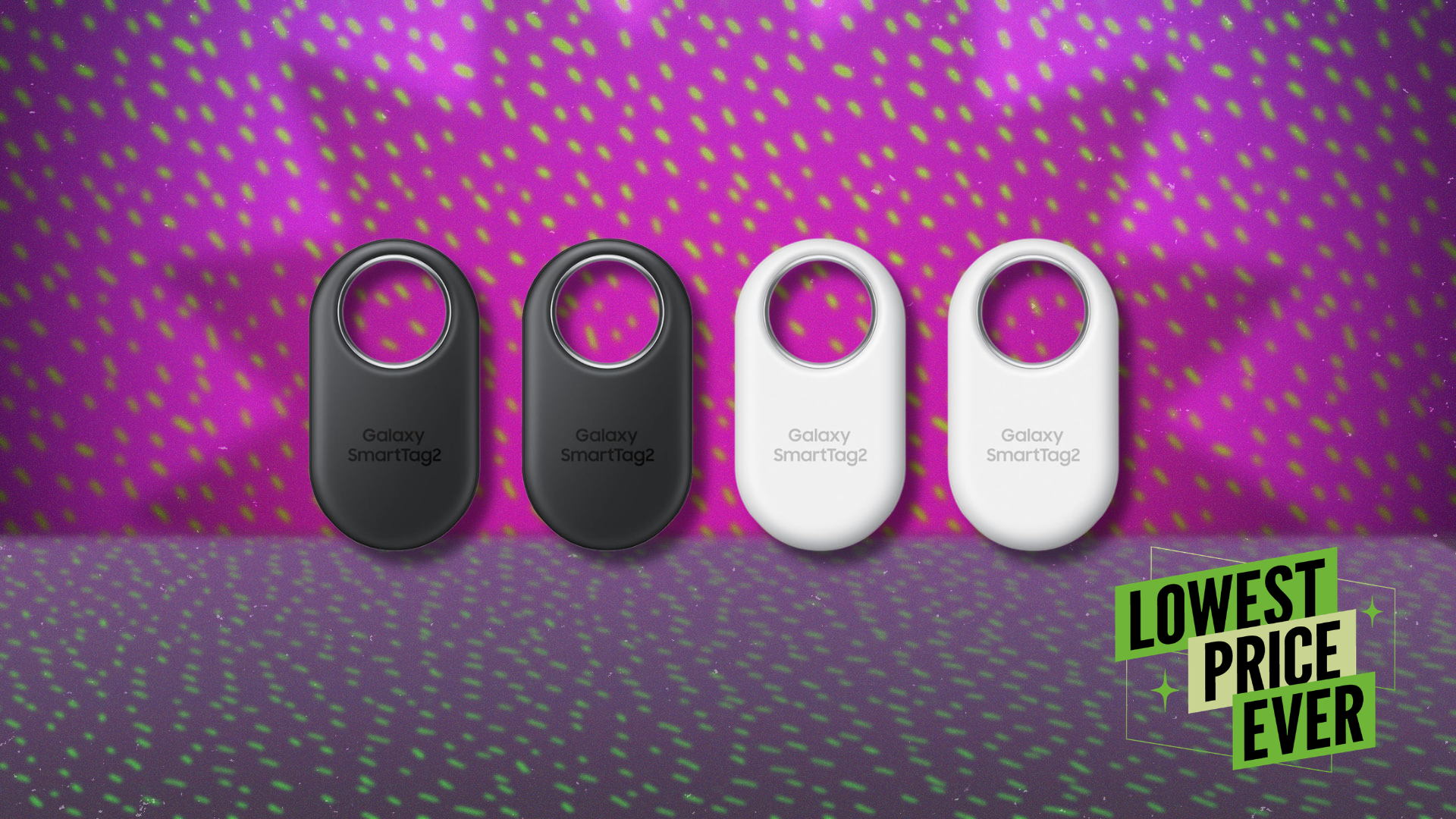
A Four-Pack of These Samsung Tracking Tags Is $45 Right Now

We may earn a commission from links on this page. Deal pricing and availability subject to change after time of publication.

If you lose something important, invariably it will happen at the worst possible time—say, your keys disappearing right before you need to leave the house, or you can’t find the remote and the big game is starting. Bluetooth trackers exist to help solve this exact problem, and now is a good time to pick up a bunch of them at a discount: A four-pack Samsung Galaxy SmartTag 2 is currently $44.99 on Woot, compared with $55.99 on Amazon.

The bundle includes four trackers. Prime members get free standard shipping, while everyone else pays $6, though the item does not ship to Alaska, Hawaii, or PO box addresses. Woot lists the deal as running for a little over three weeks or until it sells out, whichever happens first. Price trackers also suggest this deal is about as low as these trackers have dropped.

Each tag weighs less than half an ounce, and Samsung has redesigned the casing to include a larger metal-reinforced loop to make it easier to attach the tracker to bags, bikes, or a pet collar without needing a separate holder, notes this PCMag review. The SmartTag 2 uses Bluetooth Low Energy to connect to your phone when you are nearby, so you can trigger a ring to help track something down around the house. If the item is farther away, the tag can still show its location through Samsung’s SmartThings Find network, which uses nearby Galaxy devices to anonymously update the tag’s location. Some newer Galaxy phones also support ultra-wideband (UWB), which adds directional guidance on the screen, so you can walk toward the tracker once you are close.

The tag itself is IP67-rated, so it can handle rain, dust, or being tossed into a gym bag without much concern. Samsung also uses a replaceable battery that can last around a year, so you won’t need to replace the tracker every time it runs out of power. That said, the biggest catch is that this tracker is built for the Samsung ecosystem, given that it only works with Samsung Galaxy phones or tablets running Android 9 or newer, and it relies on Samsung’s SmartThings Find network. If you use an iPhone or another Android brand, this is not the right tracker for you (Apple’s AirTag works better for iPhones, while Tile Pro is a more flexible option for mixed-device households). For Galaxy users, though, the experience is simple, and the tracking network works well in busy areas.


Our Best Editor-Vetted Tech Deals Right Now


Amazon Fire TV Soundbar


—
$99.99

(List Price $119.99)

Deals are selected by our commerce team

Lanterns teaser swaps superhero hijinks for gritty realism

James Gunn and Peter Safran injected a much-needed shot of levity into the DC Universe when they took over the franchise and launched their “Gods and Monsters” chapter.  But they’re getting a bit more serious with the latest installment: Lanterns, an eight-episode series that reimagines the Green Lantern mythology as a gritty prestige crime drama/spy thriller in the vein of True Detective and Slow Horses.

The logline says the show will focus on two versions of the Green Lantern who find themselves “drawn into a dark, Earth-based mystery as they investigate a murder in the American Heartland” (i.e., Nebraska). Will it work? We’ll see. This series was barely on my radar before, but the extended teaser that dropped last night is tonally unique for the DCU and so well done that the show now has a place on my must-watch TV list for 2026.

Kyle Chandler plays Hal Jordan, a former test pilot who is nearing his retirement from the Green Lantern Corps. He’s training a new recruit, John Stewart Jr. (Aaron Pierre), to replace him. Nathan Fillion reprises his Superman role as the obnoxious Guy Gardner. The cast also includes Kelly McDonald as Kerry, a small-town family-oriented sheriff; Jason Ritter as Billy Macon, Kerry’s husband; Garret Dillahunt as William Macon, Kerry’s cowboy father-in-law; Poorna Jagannathan as a woman named Zoe; Ulrich Thomsen as Sinestro, a former Corps member who’s gone rogue; and Paul Ben-Victor as an extraterrestrial called Antaan.

Read full article

Comments

Congress extends ISS and tells NASA to get moving on private space stations

Two months ago, a key staffer for Sen. Ted Cruz said in a public meeting that she was “begging” NASA to release a document that would kick off the second round of a competition among private companies to develop replacements for the International Space Station.

There has been no movement since then, as NASA has yet to release this “request for proposals.” So this week, Cruz stepped up the pressure on the space agency with a NASA Authorization bill that passed his committee on Wednesday.

Regarding NASA’s support for the development of commercial space stations, the bill mandates the following, within specified periods, of passage of the law:

Read full article

Comments

The National Videogame Museum has acquired the mythical Nintendo Playstation

It might sound like the stuff of daydreams now, but once upon a time it was briefly the very real intention of Sony and Nintendo to collaborate on a console. Nicknamed the Nintendo PlayStation, the idea was that a new CD-ROM format backed by Sony would be added to the cartridge-based Super NES, resulting in a hybrid console that could play both.

The partnership didn’t last long, though, with Nintendo backing out before it ever really got off the ground, announcing that it would instead be working with Philips. Sony decided to make the PlayStation on its own instead, in an act of revenge that you have to say paid off in the long run, and we never did get to see Crash Bandicoot running around the Mushroom Kingdom. Still, the short-lived Nintendo PlayStation remains a fascinating what-if scenario in video game history, and the USA’s National Video Museum has acquired the original development kit.

BREAKING: The NVM has acquired the mythical Nintendo Playstation! �

This Sony MSF-1 is the OLDEST known existing Nintendo Playstation hardware artifact, and is the original development system for Sony’s planned Super Nintendo CD attachment. It is the ONLY known unit to exist!… pic.twitter.com/9JQyCsFtxc

— National Videogame Museum (@nvmusa) March 4, 2026

Codenamed the MSF-1, the device now in the museum’s possession is the oldest known prototype of the console that never was, and according to the Texas-based NVM, likely the only one that still exists. Being a dev kit, it’s unsurprisingly not the most attractive thing to look at, and definitely not something you would guess is designed to play video games if you didn’t know any better. But it’s still a hell of an artifact for the museum to get its hands on.

Presumably very few people outside of Sony and Nintendo would have had access to the MSF-1, but just over a decade ago Engadget was able to test an ultra-rare prototype of what was going to be the consumer product. The same prototype was later sold for more than $300,000 at an auction.

This article originally appeared on Engadget at https://www.engadget.com/gaming/the-national-videogame-museum-has-acquired-the-mythical-nintendo-playstation-173529085.html?src=rss

Google begins calling out battery-killing Android apps

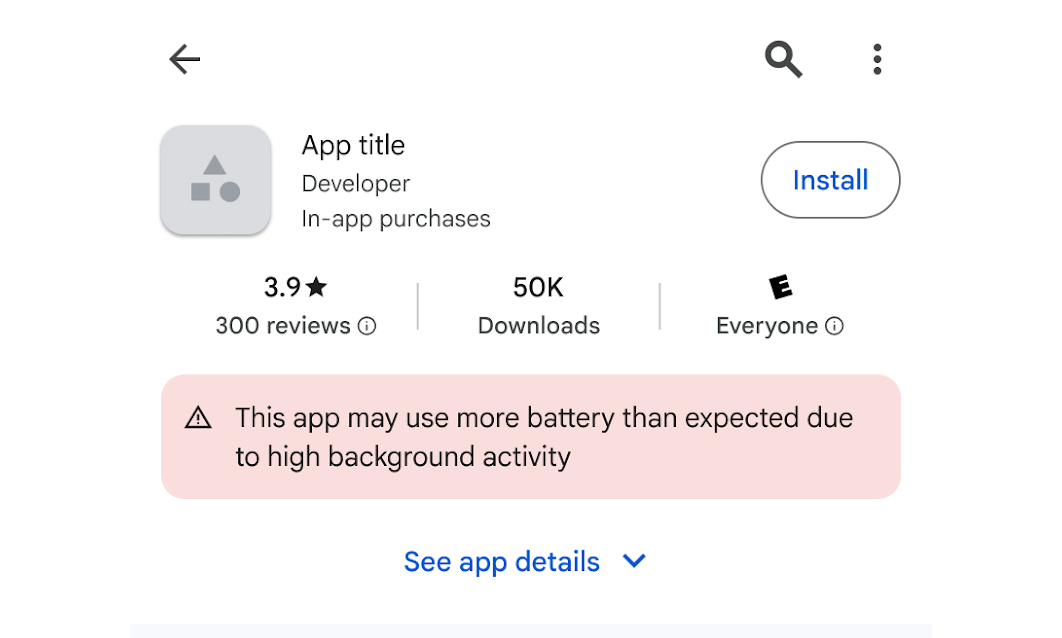
Google is living up to its word and posting warning labels for battery-killing apps. 9to5Google spotted Google’s rollout announcement, which the company previously said would arrive on March 1.

The label says, “This app may use more battery than expected due to high background activity.” If you don’t yet see the warnings, they may not have reached you yet. Google says the banners will “roll out gradually to impacted apps” in the coming weeks.

Play Store battery warning
Google

Warning labels aren’t the only stick in Google’s fight against infringing apps. They may also be excluded from discovery services like Play Store recommendations.

Google’s definition of battery-draining apps centers around Android’s “partial wake lock” mechanism. This service allows an app to keep the phone’s processor running even while the screen is off. There are logical exceptions where apps do need this: audio playback, location access, etc. But the company apparently sees too many abusing that API for other reasons. And Google wouldn’t want people to assume the problem is with the hardware and switch to an iPhone — because then we’re talking about money.

If you’re a developer, Google’s technical documentation offers much more detail. For everyone else, keep an eye out for those Play Store labels and consider steering clear of those apps until their devs clean things up.

This article originally appeared on Engadget at https://www.engadget.com/mobile/smartphones/google-begins-calling-out-battery-killing-android-apps-170650936.html?src=rss

Anthropic CEO Dario Amodei Calls OpenAI’s Messaging Around Military Deal ‘Straight Up Lies’

An anonymous reader quotes a report from TechCrunch: Anthropic co-founder and CEO Dario Amodei is not happy — perhaps predictably so — with OpenAI chief Sam Altman. In a memo to staff, reported by The Information, Amodei referred to OpenAI’s dealings with the Department of Defense as “safety theater.” “The main reason [OpenAI] accepted [the DoD’s deal] and we did not is that they cared about placating employees, and we actually cared about preventing abuses,” Amodei wrote.

Last week, Anthropic and the U.S. Department of Defense (DoD) failed to come to an agreement over the military’s request for unrestricted access to the AI company’s technology. Anthropic, which already had a $200 million contract with the military, insisted the DoD affirm that it would not use the company’s AI to enable domestic mass surveillance or autonomous weaponry. Instead, the DoD — known under the Trump administration as the Department of War — struck a deal with OpenAI. Altman stated that his company’s new defense contract would include protections against the same red lines that Anthropic had asserted.

In a letter to staff, Amodei refers to OpenAI’s messaging as “straight up lies,” stating that Altman is falsely “presenting himself as a peacemaker and dealmaker.” Amodei might not be speaking solely from a position of bitterness, here. Anthropic specifically took issue with the DoD’s insistence on the company’s AI being available for “any lawful use.” […] “I think this attempted spin/gaslighting is not working very well on the general public or the media, where people mostly see OpenAI’s deal with the DoW as sketchy or suspicious, and see us as the heroes (we’re #2 in the App Store now!),” Amodei wrote to his staff. “It is working on some Twitter morons, which doesn’t matter, but my main worry is how to make sure it doesn’t work on OpenAI employees.”


Read more of this story at Slashdot.

Apple Won’t Say What Bugs It Patched With iOS 26.3.1

This week was a big one for Apple. The company announced a slew of new products, including the “affordable” iPhone 17e, the M4 iPad Air, M5 series MacBooks, and, of course, the low-cost MacBook Neo. That’s a jam-packed list of updates affecting most of Apple’s product lineup.

Amid all the hullabaloo, however, Apple quietly issued a small update for its lineup of products—notably, for the iPhone. iOS 26.3.1 is the latest version of Apple’s iPhone OS, and comes just three weeks after the release of iOS 26.3. Keen observers will note that the 0.0.1 updates are usually pretty minor, and 26.3.1 is no exception. There are no new features here like you’d expect from a 26.3 update (in fact, Apple is saving those for iOS 26.4). Instead, this update adds support for Apple’s new Studio Display and Studio Display XDR monitors, which are currently available to preorder, and smooths out the rough edges of iOS, patching bugs and fixing glitches that weren’t fixed with the last update.

What are those bug fixes, you ask? Good question. Apple is being pretty cagey with this latest update, and isn’t saying much outside of acknowledging the existence of bug fixes in general. The company didn’t even issue proper security notes for 26.3.1, but does list these updates on its security release site. That could mean a couple of things: Either there aren’t any major CVE (Common Vulnerabilities and Exposures) entries to note here, or there aren’t any Apple is comfortable disclosing at this time. If there are security vulnerabilities that Apple wants to patch without cluing in bad actors, they might quietly ship a security update without noting them. Of course, that’s pure speculation since we don’t have the notes here, so there may be no major patches to note here.

iOS 26.3.1 isn’t the only update Apple released, either. According to Apple’s security site, the company also shipped macOS 26.3.1, as well as iOS 18.7.6. Interestingly, Apple released visionOS 26.3.1 on Feb. 26. If there are any security patches in this 26.3.1 series, the company addressed them on Vision Pro ahead of iPhone, iPad, and Mac.

How to install iOS 26.3.1

To update your iPhone, open Settings, then head to General > Software Update. Here, wait for iOS to load, then follow the on-screen instructions to download and install iOS 26.3.1.

Google pledges roughly three hours of its annual profit to fight climate change

Google has pledged “at least” $50 million through 2030 on “projects designed to eliminate superpollutants.” The company will be joined by a handful of other companies including Amazon and Salesforce in the newly formed Superpollutant Action Initiative.

In total, these companies have committed $100 million to the project, hoping to “accelerate the reduction” of superpollutants like methane, black carbon and refrigerant gases. Google says these are responsible for close to half of all planetary warming.

“Superpollutants are a major part of the equation to limit atmospheric warming. Experts agree that eliminating them where we can is one of the most powerful levers we have to deliver near-term impact, playing a vital and complementary role to removing CO2,” said Randy Spock, Google’s carbon credits and removals lead. The gases break down faster than CO2 but can trap heat thousands of times more efficiently, and the coalition claims that aggressive action could prevent more than half a degree Celsius of warming by 2050.

Alphabet, Google’s parent company, reported $132 billion in net income in 2025. Google’s five-year, $50 million pledge works out to about three hours of that. The company is also set to spend billions building massive data centers for AI that it claims are more resource conscious than others. So far, Google’s AI infrastructure buildout drove an 11 percent rise in the company’s total emissions last year.

This article originally appeared on Engadget at https://www.engadget.com/big-tech/google-pledges-roughly-three-hours-of-its-annual-profit-to-fight-climate-change-164808010.html?src=rss

Canadian government says OpenAI will take further steps to strengthen safety protocols

The Canadian government says that OpenAI CEO Sam Altman has agreed to take steps to immediately strengthen safety protocols, according to a report by Wall Street Journal. This follows a mass shooting incident at a high school in which OpenAI flagged the suspect and suspended his account, but did not alert authorities.

These changes look to primarily involve law enforcement, with commitments to notify police about potentially suspicious use of ChatGPT. We don’t have any confirmation from the company at this time, but Canada’s Artificial Intelligence Minister Evan Solomon says he “asked OpenAI to take several actions, which Altman has agreed to do.”

Please see my statement.

��

Veuillez consulter ma déclaration. pic.twitter.com/wg24dMGl3r

— Evan Solomon (@EvanLSolomon) March 5, 2026

Solomon attended a virtual meeting with Altman to discuss how the company “would include Canadian privacy, mental health and law enforcement experts into the process to identify and review high-risk cases involving Canadian users.” He says OpenAI has pledged to provide a report to outline these new protocols.

He also asked Altman to make these changes retroactively and to review previous suspicious incidents on the platform, providing law enforcement with data when necessary. We don’t know if OpenAI has consented to that part.

Engadget has reached out to OpenAI to ask about these changes and if they’ll be exclusive to Canada. We’ll update this post if we hear back.

This isn’t the first step the company has made to make things right with Canada. Ann O’Leary, OpenAI’s VP of global policy, recently suggested that the company would be tweaking its detection systems to better prevent banned users from returning to the platform. The company banned the alleged shooter’s original account due to “potential warnings of committing real-world violence” but he was able to make another one.

This article originally appeared on Engadget at https://www.engadget.com/ai/canadian-government-says-openai-will-take-further-steps-to-strengthen-safety-protocols-164151618.html?src=rss

Oura buys gesture-navigation startup DoublePoint

Smart ring maker Oura has acquired Doublepoint, a company that specializes in gesture recognition for wearables. The Finnish startup uses smartwatches and wristbands as examples of products that benefit from its technology, but Oura will clearly be looking to incorporate it into its rings, in theory allowing you to control your connected devices with hand movements.

Oura said in a press release that the deal sees it inherit an “exceptional team of AI architects and builders from Doublepoint,” including Doublepoint’s four founders. The newly-acquired company will remain in its native Helsinki, where it will work with Oura’s international teams.

It added that Doublepoint’s expertise in helping devices register subtle hand movements will be key, as nobody wearing a smart ring is going to engage with gesture control if they have to thrash their hand around like a conductor.

Oura says it believes that the next generation of wearable AI-powered tech will use a combination of gesture and voice control, and Doublepoint’s background in biometric integration with devices will give it an edge in a competitive market.

Oura’s most recent release is the Oura Ring 4, which Engadget’s Daniel Cooper called “the smart ring to beat” in his long-term review last year. He praised the design, improved data collection and app interface, but was disappointed that even using basic hardware features requires a paid subscription.

This article originally appeared on Engadget at https://www.engadget.com/wearables/oura-buys-gesture-navigation-startup-doublepoint-163758659.html?src=rss

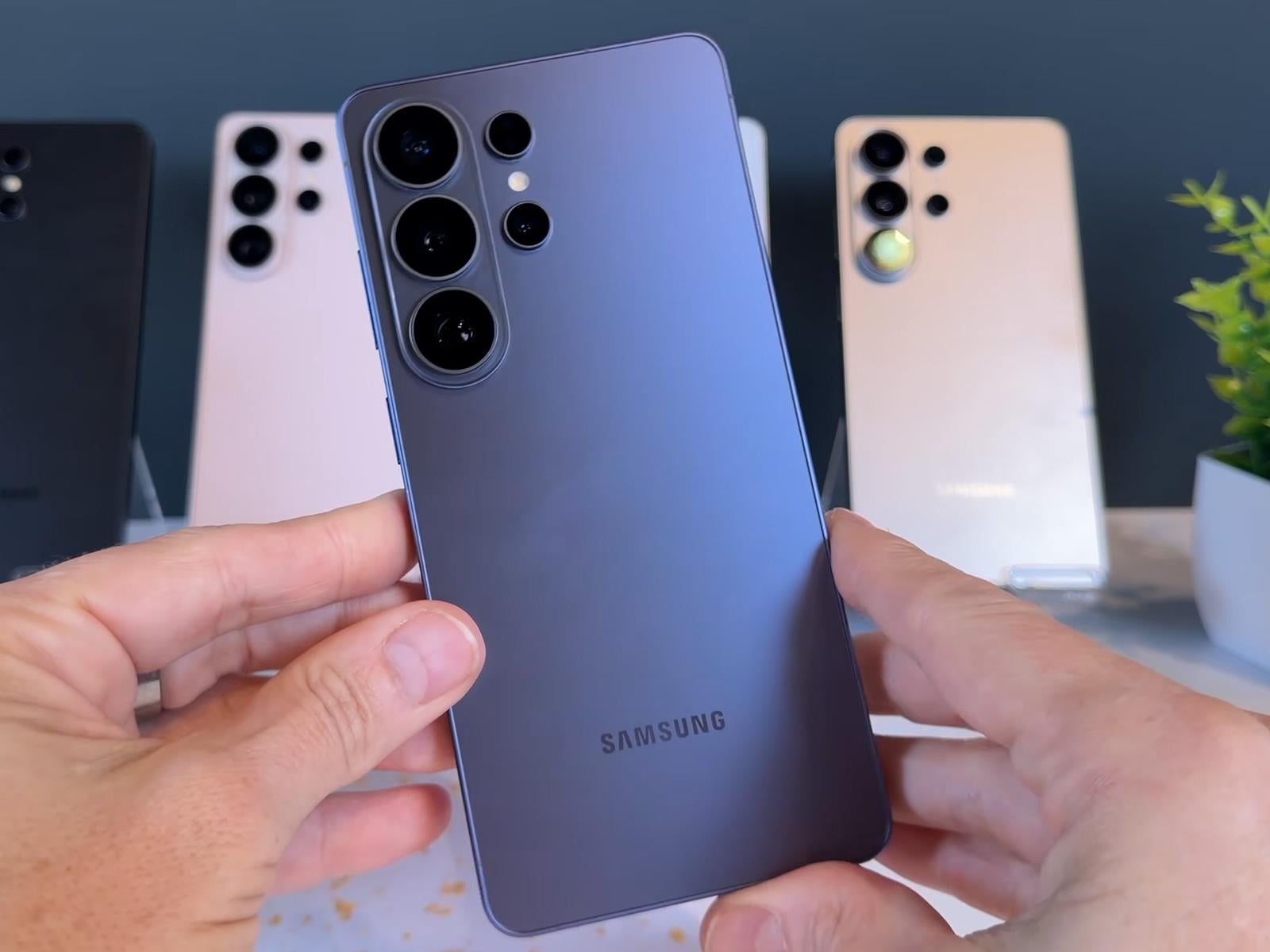
Samsung Galaxy S26 Ultra 512GB Drops To $1299, Trade‑In Cuts It To $399 At Best Buy

Samsung Galaxy S26 Ultra 512GB Drops To $1299, Trade‑In Cuts It To $399 At Best Buy
Barring any special offers in the future, your current device’s trade-in value will never be worth more than it is right now. The reason this matters is because Samsung has launched its Galaxy S26 series and is offering a free upgrade from 256GB to 512GB of storage when you preorder one, saving your $200 right off the bat. On top of that,