Ever thought there weren’t enough colour choices for your bike tyres? Well, Panaracer now has you covered.
Panaracer has released its Gravel King tyre in two new vivid colours, Honey Butter and Cranberry, with the option of black or brown sidewalls.
I can’t say I’ve ever thought I needed more vividness from my tyre choice, but I’m warming to the Cranberry and tanwall option, which might be a good fit for my Cannondale Topstone.
The limited-edition Gravel Kings certainly stand out. Panaracer
Panaracer has released a range of brightly coloured gravel tyres in the past, including purple, orange and green options.
The company has provided rationales for its 2025 colours, which reference their food-y roots.
“Honey Butter brings warmth and charm to any ride. Inspired by the golden richness of churned butter with a touch of honey and the soft glow of afternoon light. This creamy hue adds a timeless, refined look that stands out and brings a unique blend of comfort and sophistication,” Panaracer says.
It says the Cranberry option “draws inspiration from the rich, deep hue of freshly picked berries. Evoking a sense of adventure from the vividness of the natural world”.
“Cranberry is perfect for riders who want their bike to stand out on city streets or rugged trails,” Panaracer adds.
Tread options
The limited-edition colours can be had with tan or black sidewalls. Panaracer
The Honey Butter and Cranberry tyres are available in four tread patterns: Gravel King Slick; Gravel King SS; Gravel King SK; and Panaracer’s latest Gravel King X1 tread.
Panaracer says the X1 is the fastest-ever GravelKing tyre and that it’s an homage to the tyre’s 10th anniversary, featuring “cutting-edge technology”.
“This next-generation tyre aims to surpass its predecessors by delivering unparalleled performance, boasting low rolling resistance, puncture resistance, and a supremely smooth riding experience,” Panaracer says.
The tyres will be available in 700x40c or 700x45c and cost £54.99 / $64.99.
The upgraded “Tron vs Top Performers” chart below lets you toggle between seeing how frames perform in their un-upgraded state, vs fully upgraded. It also includes an additional wheelset (Zipp 858) based on user requests, and features updated test data based on additional tests we’ve run.
Tip: we charted how many seconds each setup saves across an hour of riding compared to a basic bike/wheel setup (Zwift Carbon frame + Zwift 32mm Carbon Wheels). This means you’ll find the top performers higher on the Y-axis and further right on the X-axis.
Frames used:
Zwift Concept Z1
S-Works Venge
S-Works Tarmac SL8
Pinarello Dogma F 2024
Canyon Aeroad 2024
Cannondale SuperSix EVO LAB71
S-Works Aethos
Wheels used:
Zipp 858/Super9
DT Swiss Disc
ENVE 8.9
ENVE 7.8
Zipp 858
Zipp 454
Lightweight Meilenstein
Colored based on frame. Mouse over each point for details. Zwift Concept Z1, S-Works Venge, S-Works Tarmac SL8, Pinarello Dogma F 2024, Canyon Aeroad 2024, Cannondale SuperSix EVO LAB71, Specialized Aethos
No Upgrades (Stage 0)
Max Upgrades (Stage 5)
Chart updated March 24, 2025
Observations
The first thing you may notice is that the Tron bike seems to have gained a few seconds of flat performance, now 3-4 seconds faster than the next-best combination (Aeroad 2024 + Zipp 858/Super9). This surprised us a bit, too, but we ran multiple tests to confirm.
While the Tron is clearly a standout performer on the flats, it’s worth noting that moving to an all-arounder setup like the Aeroad 2024 + ENVE 7.8 wheels costs 7.4 seconds on the flats, but gets you 11.6 seconds on the climbs (assuming both bikes are stage 5). Not a bad trade.
Next, you’ll notice that the Aethos regains its position as King of the Mountain when viewing fully-upgraded frame performance. The fully upgraded Aethos really is a climbing weapon, and moving from an all-arounder like the S-Works Tarmac SL8 to the Aethos means you’re basically just trading flat seconds for climb seconds on a one-to-one basis.
Example: the Aethos + Zipp 454 wheels lose 21 seconds to the Tarmac SL8 on the flats, but gain 22.8 seconds on the climbs. That’s a pretty solid trade if you’re a rider who struggles on the climbs more than the flats.
Of course, when considering performance, one also has to consider the work that goes into upgrading the bike. Getting a fully-upgraded Tron is going to take significantly more riding than upgrading a production from like the Dogma F 2024!
Never a brand to shy away from superlatives, BMC announced the Teammachine R Mpc. last autumn, and now we’ve finally had a chance to see what all the fuss was about.
Priced at a whopping €8,999 / $8,999 for the frameset and seatpost alone, the Teammachine R Mpc., which stands for ‘Masterpiece’, is claimed to set “a new standard in speed, precision, and performance”.
It is, BMC says, “more than just a perfect bicycle” – it’s “a work of art… brought to life by the hands of the world’s leading carbon fiber artisans” and “eager to be ridden on some of the world’s most scenic and challenging terrains.”
Heady stuff…
Last week, at Bike Connection’s spring 2025 road and gravel event (look out for a full round-up of new tech from that event coming soon, and check out our coverage from the mountain bike-focused winter event), I got a chance to get up close and personal with both the Teammachine R Mpc. and the Swiss brand’s updated gravel race bike.
Pushing the limits of carbon fibre tech
The Teammachine R Mpc. is the latest addition to BMC’s ‘artisan’ Masterpiece collection. Simon von Bromley / Our Media
At a glance, though, you could be forgiven for thinking it doesn’t look all that different from the ‘standard’ Teammachine R – a bike that was developed in partnership with Red Bull Advanced Technologies (a “high-performance vehicle engineering division” of the Red Bull Racing Formula 1 team) and costs a far more reasonable €4,999 / $4,999.
And in terms of aerodynamics, stiffness and geometry, you’d be right – in respect of those characteristics, it is the same bike.
The Teammachine R Mpc. features an optimised layup and raw carbon finish. Simon von Bromley / Our Media
BMC, though, says the Teammachine R Mpc. pushes the limits of carbon fibre bike construction, with no overlapping fibres and a “perfect finish out of the mould”.
The latter also means there’s no clear coat or paint needed here, allowing the carbon layup to be shown off proudly.
The branding is extremely subtle. Simon von Bromley / Our Media
The result, the brand claims, is a weight reduction of 130g on the Teammachine R 01 frameset (which carries a claimed weight of 1.8kg for the frame, fork, seatpost, aero bottle cages and hardware).
In fairness to BMC, the finish of the frameset is – when you’re up close and the light catches it just so – stunning.
It’s understated in a way custom paintjobs often aren’t, but all the more elegant for it.
The precision of the carbon layup is revealed when light hits the frame in the right way. Simon von Bromley / Our Media
The man on the Clapham omnibus might not recognise it as anything special, but anyone’s who’s into carbon bikes will.
And, in case the frameset alone didn’t make its owners feel special enough, BMC says each one will be “identified by a unique number plate to emphasize its exclusivity”.
Because the Teammachine R Mpc. is only available as a frameset, owners will be able to spec the cockpit of their choice (from BMC’s range). Simon von Bromley / Our Media
Due to its handmade construction – BMC says it partnered with a German brand to apply carbon layup methods typically reserved for one-offs to a production bike – only 200 framesets will ever be made.
The brand says it has already supplied two framesets to Tudor Pro Cycling Team riders Julian Alaphilippe and Marc Hirschi, leaving only 198 framesets for the rest of us.
The slender rear end of the bike maintains the same comfort levels as ‘standard’ Teammachine R bikes, according to BMC. Simon von Bromley / Our Media
If you’d like to join the exclusive Teammachine R Mpc. owners club, BMC says the frameset can be pre-ordered now, in six sizes from 47 to 61cm.
Framesets should be dispatched within 60 days, with BMC saying lead times are longer than normal because its Masterpiece collection bikes are essentially made to order.
From this point, you’ll be free to spec the frameset according to your preferences (and remaining budget).
The bike we had a close look at was specced with SRAM Red AXS. Simon von Bromley / Our Media
This Teammachine R Mpc. was set up like a Tudor Pro Cycling Team bike, with SRAM’s latest Red AXS groupset.
It features DT Swiss ARC 1100 carbon wheels. Simon von Bromley / Our Media A raw carbon bike wouldn’t be complete without a raw carbon saddle – although BMC’s representatives at Bike Connection lamented the yellow and red Selle Italia logos didn’t fit perfectly with the bike’s monotone aesthetic. Simon von Bromley / Our Media
Updated BMC Kaius with UDH and carbon-spoked gravel wheels
BMC has updated its Kaius 01 gravel race bike for 2025. Simon von Bromley / Our Media
Like the Teammachine R, the Kaius isn’t technically a ‘new’ bike, but BMC has treated it to a running update in recent months.
The overall design and geometry of the latest Kaius 01 ONE is almost identical to the gravel race bike launched in 2022 (and BMC’s fondness for slightly confusing naming conventions continues unabated). However, this year’s model sees the adoption of SRAM’s Universal Derailleur Hanger standard.
The headline change is the adoption of SRAM’s UDH standard at the rear of the frame. Simon von Bromley / Our Media
This means the bike is compatible with SRAM’s latest 13-speed 1x gravel groupset, Red XPLR AXS (and potentially any future lower-tier versions, given it looks as if we might soon get a new Force AXS groupset too).
Aptly, the bike we saw at Bike Connection was set up in full race trim with Red XPLR AXS and its integrated power meter, plus the brand’s aggressively narrow ICS Carbon Aero cockpit, which measures just 360mm centre-to-centre at the hoods.
The narrow ICS aerocockpit retains its place on the spec. Simon von Bromley / Our Media
Like many gravel bike handlebars, the drops flared out to a more standard 420mm, but it’s fair to say not everyone is convinced such a narrow bar belongs on a bike designed primarily for riding off-road.
Our tester, Warren Rossiter, wrote: “When things were more technical and tricky, I felt the road-derived geometry and the narrow bars hampered me at every stage” in his review of the BMC Kaius 01 ONE back in 2023, for example.
Did you know BMC made carbon gravel wheels? We didn’t… Simon von Bromley / Our Media
The bike was also specced with BMC’s own CG 39 SL Carbon gravel wheels, which we’ll admit to not realising existed.
Compared to the hot red frameset and matching handlebar, the CG 39 SL Carbon wheels feature a far more subdued design, with subtle logos and branding.
BMC’s CG 39 SL Carbon wheels have a subtle appearance that compliments the rowdy frameset effectively. Simon von Bromley / Our Media
The headline specs are impressive on paper, though, with 39mm-deep rims and a modern 25mm internal width.
Built with bladed carbon spokes, BMC claims the wheelset weighs only 1,380g, contributing to the Kaius 01 ONE’s low overall weight of 7.6kg in a size 54.
If you’re interested in getting your hands on this red racer, the Kaius 01 ONE costs €11,999 / $11,999 – but you do at least get a complete bike for your money in this case.
Overall weight is a claimed 7.6kg (size 54). Simon von Bromley / Our Media
If it weren’t for the chunky tyres, you could easily mistake the Kaius for a road racing bike.
Pirelli supplies its Cinturato Gravel H tyres. Simon von Bromley / Our Media
BMC specs its flagship gravel race bike with Pirelli’s Cinturato Gravel H tyres, which are designed for fast rolling on hardpack gravel.
The new Kaius also sports SRAM’s Red AXS power meter. Simon von Bromley / Our Media
For almost €12,000, you do at least get a truly high-end build, plus the latest SRAM Red AXS power meter – which enables you to swap chainrings using the brand’s Thread Mount standard.
Continental has released its new Terra Adventure gravel tyre, the first model in the brand’s re-launch of the Terra range, blurring the line between gravel and cross-country mountain bike tyres.
The Terra Adventure has been designed to prioritise puncture protection, durability and grip rather than low rolling resistance and weight. Continental tells us “riders want to escape to the unknown, but seek reliability in tires”.
The tread pattern is reminiscent of those found on XC mountain bike tyres, albeit with lower-profile knobs.
The tread pattern is inspired by the brand’s MTB tyres. Felix Smith / Our Media
I flew out to Italy to test the new tyre ahead of the official launch in Tuscany, where I got the chance to ride with professional gravel athletes Paige Onweller and Rosa Klöser.
There is no central slick section, with an alternating pattern of ramped and edged studs in a ‘3-3-4’ sequence making up the middle part of the tyre. This is said to increase braking performance, while maintaining rolling resistance.
Paige Onweller’s 55mm Terra Adventure tyres are a similar size to many narrow XC tyres. Emm Whitaker
Sightly wider-spaced outer knobs are angled and designed to improve cornering and off-camber grip.
The Adventure is not only visually similar to some mountain bike tyres, though. It comes in the brand’s Grip compound and uses its Trail casing. Continental says it is “the first model being partly integrated in the technology nomenclature of our new MTB Line-Up”.
The aggressive tread pattern of the Terra Adventure promises improved grip on loose surfaces. Emm Whitaker
Continental’s Trail-casing tyre construction sees a reinforced two-ply sidewall and three layers of carcass material under the tread pattern for better puncture protection.
Paige Onweller’s Trek Checkpoint in full adventure mode, complete with gravel-specific suspension fork. Emm Whitaker
The Terra Adventure is available in widths from 45 to 55mm.
The latter size is equivalent to 29×2.2in for those who like to work in mountain bike tyre dimensions.
Continental Terra Adventure first ride impressions
It was a pleasure to share the trails with such esteemed company while testing the Terra Adventure.
The two riders alongside me in Tuscany are right at the top of the sport, with Onweller finishing third in both Unbound and the Lifetime Grand Prix overall in 2024. Klöser became Unbound 200 champion and finished second overall in the UCI Gravel World Series in the same year.
The region had suffered extreme rainfall in the weeks before our visit, which made for plenty of loose, wet and muddy surfaces – a vital element of testing gravel tyres, particularly for use in the UK.
The guided route took in a huge variety of trail and surface types, from sandy beaches to beautiful Strade Bianche-esque trails and steep off-camber tracks.
My Cube Nuroad was equipped with the Terra Adventure in a 700X45 size. I started the ride with around 22psi in the front tyre and 26psi in the rear. I lost a small amount of pressure in the front tyre early in the ride, so had the opportunity to increase the pressure slightly to a more reasonable level in the front.
Another sublime gravel trail through the vineyards towards our lunch spot in Follonica. Emm Whitaker
After around 20 minutes of warming up and remembering my slightly rusty mountain biking skills, I started to push the tyres into corners and deliberately take rougher lines.
I was rewarded with impressive levels of grip, helping me stay with the group. This was more noticeable after higher-speed turns on loose terrain – the kind of corners where I’d normally back off a touch.
On a couple of occasions, the rear lost traction under heavy braking, but each time the deceleration was excellent and I was able to stay in control.
All too quickly, and after a memorable lunch in the seaside town of Follonica (salad, pizza, gelato and espresso if you were wondering), the group split, with Onweller and Klöser unsurprisingly leading the way.
While at this point I was barely three hours into riding the new tyres, the performance on wet, loose terrain clearly made up for the slightly slower speeds on road and hardpack trails.
One of the many light gravel roads crisscrossing the Tuscan farmlands.
Riding with these two was immense fun as we climbed up and into several forested areas with steep pitches, deep gullies and large rocks to negotiate. Some of the rocks were slippery, which required careful body positioning and speed to get the most from the tyres.
I slipped a couple of times, so don’t expect the Terra Adventure to completely cover up your lack of off-road skills.
If I was planning a particularly long gravel route with minimal loose surfaces, I’d consider opting for a tyre with less rolling resistance. For those rides, the lower risk of puncturing and need to cover ground faster wouldn’t warrant the need for such a robust tyre.
I’ve since weighed a single 45mm Terra Adventure tyre at 527g.
Given its beefed-up Trail casing and Grip compound, the Continental tyre is not going to be the choice for gravel racers looking to go fast. If that’s your preferred type of gravel riding, you’ll be better served by tyres such as the Terra Speed, WTB Vulpine S TCS, Hutchinson Caracal Race or even the Continental Race King, an XC mountain bike tyre, if it can fit in your frame.
Many gravel riders just want to get outside and explore new areas rather than pushing their limits, while gravel events such as Grinduro are more about pure fun than pure speed. More grip and better puncture protection will likely be welcomed by many riders.
Post-lunch and not quite ready to take on the return leg, did someone say espresso? Emm Whitaker
So, if you ride on mostly tarmac and hardpack surfaces and don’t mind it taking a little longer to get to technical, natural trails, my initial impressions suggest this could still be a good option.
With the boundaries between XC mountain biking and gravel cycling becoming ever more blurred, the launch of the Terra Adventure feels like another step in that direction. Are we going to see a major tyre brand merging its XC and gravel tyres into a single line-up soon?
Gravel bike frame clearances seem to be half a step behind and, in a similar vein, it feels like a matter of time before drop handlebars could be the only distinguishing feature of gravel bikes.
Pirelli has announced a tube-type version of its fastest road bike tyre, the P Zero Race RS.
The new clincher tyre uses the same SmartEvo rubber compound as the P Zero Race TLR RS, but swaps the SpeedCore tubeless casing for a 120 TPI TechBelt Road clincher version.
According to the Italian brand, a 28c P Zero Race RS clincher weighs only 230g per tyre, compared to 290g for an equivalent tubeless version.
This, Pirelli says, enables it to offer a “record system weight” when paired with its SmarTube TPU inner tubes.
Available now in 700×26, 28c and 30c sizes, the Pirelli P Zero Race RS clincher tyre costs €79.99 (US and UK pricing is to be confirmed).
Why is Pirelli launching a high-end clincher tyre in 2025?
Pirelli’s new P Zero Race RS ditches the tubeless casing and cuts weight significantly. Pirelli
With tubeless road bike tyres becoming increasingly dominant in recent years, it’s rare to see one of cycling’s biggest tyre brands releasing a new flagship clincher.
With the P Zero Race RS, though, Pirelli says it’s looking to better serve the needs of riders who prefer to stick with inner tubes.
According to Pirelli’s head of global marketing, Samuele Bressan, the pros want tubeless tyres and technology, but around 50 per cent of its Italian customers still prefer clinchers.
As a result, then, it’s convinced there’s still a big enough market for clinchers to warrant making separate tyres.
After all, it’s worth remembering tubeless tyres can be used with inner tubes on both hooked and hookless rims, whereas clincher tyres (including the new P Zero Race RS) can only be used on hooked rims.
The primary gains from ‘tube type’ tyres, then, come from a reduction in weight. In this case, for example, the P Zero Race RS clincher is a little more than 20 per cent lighter than the tubeless version.
This is because clincher tyres can use a lighter bead and casing, because there’s no requirement for them to be airtight without an inner tube and pressure from inside the tube helps retain the tyre on the rim.
Clincher tyres also offer improved compatibility with older clincher rims, which lack the deep central channel designed to offer more slack when installing inflexible tubeless tyre beads.
Different construction, same performance
Pirelli says the P Zero Race RS clincher isn’t too delicate for everyday use. Pirelli
Despite the change in construction, Pirelli says the P Zero Race RS offers comparable performance to the tubeless version (when paired with a high-quality inner tube, of course), with a focus on speed and racing.
Despite this and the tyre’s low weight, Bressan insists the P Zero Race RS is “usable in the real world”, because the TechBelt Road casing includes a dedicated puncture protection belt.
Bressan also notes that its pro teams have consistently requested lighter, faster tyres in recent years, even at the cost of some durability, because they experience relatively few punctures.
It’s been a busy couple of weeks here at Zwift Insider! We’ve been testing Zwift’s recent frame and wheel performance tweaks as well as the new Bike Upgrades functionality so we can present data and help everyone wrap their heads around what has changed.
If you haven’t read up on these changes, but want to become an expert on all things Zwift performance, here is some further reading:
Below you’ll find charts and data that can give you the most thorough, detailed view yet when it comes to understanding how all the frames, wheels, and upgrade options in Zwift interact. This includes a new publicly-available Google sheet with all of our test results, so you can crunch numbers in your own way. Good luck!
Table of Contents
Test Methodology Notes
The following results are from tests done using our standard parameters: a 75kg rider, 183cm tall, without drafting. Flat tests were done on Watopia’s Tempus Fugit since it’s Zwift’s flattest route, while Climbing tests were done on Alpe du Zwift since it’s a long, steady climb.
While we present time data with tenths-of-a-second precision, it’s important to understand there is a 1-second margin of error in these results, so it’s probably not worth obsessing over fractional seconds.
Public Test Data Now Available!
Several readers asked for access to our raw speed test results, so we’ve compiled those into a public, read-only Google sheet.
The data is presented differently than we’ve done in the past, but you should find it much more useful for a variety of purposes. The following test results are compiled in the sheet:
All frames in Zwift at both stage 0 (un-upgraded) and stage 5 (fully upgraded) status, at 300W and 150W
Flat test average speed and hour time gaps
Climb test average speed and hour time gaps
All wheels in Zwift at 300W and 150W with the Zwift Carbon frame
Flat test average speed and hour time gaps
Climb test average speed and hour time gaps
All wheels in Zwift at 300W with the Zwift TT frame
Flat test average speed and hour time gaps
Climb test average speed and hour time gaps
Time Savings Over 1 Hour (Stage 0 Frames)
This is a chart many of you have already seen, in our post previewing Zwift’s recent performance tweaks. Here you see time savings across 1 hour of riding at 300W (4 W/kg) on each frame compared to the stock Zwift Carbon frame. These are “stage 0” frames, meaning no performance upgrades have been applied.
The chart is sorted from the best-performing frames to the worst, and you can sort based on flat performance or climb performance.
Sort Chart By:
Flat Performance
Climb Performance
Takeaways
When sorted by flat performance, you can easily see that the top 10 frames are very close on flat ground, separated by less than 3 seconds across an hour. There is also a big chunk of bikes near the low end (26 of them, in fact) which are all rather slow on flats, but perform within 2 seconds of each other.
If you sort by climb performance, the speed falloff from one bike to the next is more even across the board. The new S-Works Tarmac SL8 is king of the hill, but remember, this is before any performance upgrades. Let’s move on to the next chart to see which fully-upgraded frame climbs fastest!
Time Savings Over 1 Hour (Stage 5 Frames)
This chart is just like the one above, except these are “stage 5” frames, meaning all possible performance upgrades have been applied.
We are still charting time savings across 1 hour of riding at 300W (4 W/kg) on each frame compared to the stock (stage 0) Zwift Carbon frame.
The chart is sorted from the best-performing frames to the worst, and you can sort based on flat performance or climb performance.
Sort Chart By:
Flat Performance
Climb Performance
Takeaways
We don’t see any major rankings changes in terms of flat performance, but that’s no surprise. The Bike Upgrades system is structured in a way that increases performance differences between different frame types as upgrades progress.
So climbing bikes become even stronger climbers, and aero bikes become even more aero.
Sort the results by Climb Performance and you can see obvious evidence of this. The all-arounder S-Works Tarmac SL8 is no longer king of the hill at stage 5, as the Aethos has received more weight reduction upgrades than the Tarmac.
Two other climbing road bikes (Bridgestone Anchor and Trek Emonda) move up dramatically in the rankings compared to their stage 0 counterparts, handily beating the S-Works Tarmac.
The takeaway? If you want a true pure climbing weapon in Zwift, you’ll want to upgrade the S-Works Aethos.
Time Savings for Climbing (2 W/kg vs 4 W/kg)
Some readers have asked us to compute time gaps at lower power numbers, which is a perfectly reasonable request. Making this change has the interesting effect on climb times of making lightweight bikes move up the rankings while the more aero-focused bikes drop.
This is because, as you reduce your climbing speed, having an aero bike delivers less benefit.
Below we’ve charted climb time gaps for both 2 W/kg and 4 W/kg, and you can toggle between those two power levels to see how the rankings change. (The 2 W/kg time gap is compared to the Zwift Carbon frame at 2 W/kg, while the 4 W/kg time gap is compared to the Zwift Carbon frame at 4 W/kg).
Show Chart For:
2 W/kg
4 W/kg
Takeaways
If you’re a lower-powered rider, this chart may help you decide to focus on lighter-weight frames for races or PR efforts where significant climbing is involved.
Stacked Percentile Rank (Stage 0 vs Stage 5 Frames)
Lastly, we have one of our favorite charts: the stacked percentile. This chart ranks frames by their performance relative to other frames, but combines those rankings so you can see which frames are strongest all around.
We give you the option of viewing stage 0 frames, or fully-upgraded stage 5 frames.
Show Chart For:
Stage 0
Stage 5
Takeaways
The non-climbing bikes don’t move around a lot between the stage 0 and stage 5 versions of this chart, and this makes sense, since they receive the same upgrades.
What you do see, though, is the climbing bikes actually losing ground, as their increased climb performance isn’t enough to make up for the aero performance boosts of the other frames. The Aethos manages to lose only 1 spot, but the Bridgestone Anchor and Trek Emonda each drop several spots.
Questions or Comments?
Hopefully these charts help you make decisions about which frames to use in which events, and which frames you want to upgrade first.
An extra £500 million to fix potholes “will save lives”, according to Cycling UK chief executive Sarah Mitchell, but the funding boost is only the start in making the UK’s roads safer for cycling, as the government issues an ultimatum to councils that don’t make sufficient progress in repairing roads.
From mid-April, local authorities in England will receive an extra £500 million, enough to fill 7 million potholes a year, according to the Department for Transport, as part of the government’s £1.6 billion highway maintenance budget.
That funding falls well short of the estimated £17 billion required to fix all of the potholes in the UK, according to the Local Government Association (LGA).
Cycling UK’s Mitchell has welcomed the renewed focus on fixing the country’s roads – but highlights the need for long-term investment in safety and infrastructure for cyclists.
“The investment to rebuild our roads is hugely welcomed,” says Mitchell. “We’ve been working to highlight the need to fund and fix the nation’s potholes for decades now. Not only are they an inconvenience that can damage a person’s car, but to people who cycle they’re a serious safety risk.
“Whether in rural or urban areas, potholes can cause crashes, potentially putting cyclists in the path of an oncoming car or sending them over their handlebars where they could suffer serious injury.
“On average, a staggering 40 cyclists are killed or seriously injured each year. Commitment to fixing our nation’s potholes will save lives, but we must ensure that funding addresses safety and infrastructure concerns in both rural and urban communities. Only then can we ensure that these efforts truly benefit all cyclists and road users nationwide.”
Councils in England must now publish their progress when it comes to repairing potholes. Getty Images
As part of the funding announcement, all councils in England will now be required to publish annual progress reports on their websites, detailing how much they are spending and how many potholes they have filled, to improve public confidence and accountability in what the transport secretary, Heidi Alexander, describes as the “pothole plague”.
Councils that fail to show sufficient progress risk seeing 25 per cent of their share of the £500 million in additional funding withheld.
“British people are bored of seeing their politicians aimlessly pointing at potholes with no real plan to fix them,” says the prime minister, Keir Starmer. “That ends with us. We’ve done our part by handing councils the cash and certainty they need – now it’s up to them to get on with the job, put that money to use and prove they’re delivering for their communities.”
However, Lucy Nethsingha, leader of Cambridgeshire County Council, says the additional scrutiny on council spending will wrap local authorities in red tape.
“The implication that we are not spending it well is not helpful,” says Nethsingha, adding that the funding in place is “nowhere near the amount that is needed”.
She adds: “It’s not clear that there is extra money coming as a result of this announcement. There is extra red tape and I don’t think that’s going to be helpful.”
According to the RAC, there are six potholes per mile in England and Wales, and Adam Hug, transport spokesperson for the Local Government Association, says more must be done to prevent potholes from occurring in the first place.
“The additional £500 million will help start to address the previously ever-growing backlog of local road repairs, which now stands at nearly £17 billion and could take more than a decade to fix,” says Hug.
“Councils already spend more than they receive from central government on tackling potholes and repairing our roads. However, it’s in everyone’s interests to ensure that public money is well spent.
“This includes the Government playing its full part by using the Spending Review to ensure that councils receive sufficient, long-term funding certainty, so they can focus their efforts on much more cost-effective, preventative measures rather than reactively fixing potholes, which is more expensive.”
The recent big Zwift update included the welcome addition of several new bike frames, including two bikes from US-based Cannondale. The fastest of these bikes is the Cannondale SuperSix EVO LAB71, which is a top-spec racing frame ridden by the pros at EF Pro Cycling.
You’ll need to be updated to game version 1.86+ to see the SuperSix EVO LAB71 in Zwift’s Drop Shop. You’ll also need to be at level 40+ with 1,750,000 Drops to buy it. Here’s how it’s described in the Drop Shop:
“The SuperSix EVO LAB71 is the trusted bike of EF Pro Cycling, crafted for cyclists who demand peak performance. This fourth generation of the SuperSix EVO boasts razor-sharp aerodynamics and an ultra-lightweight frame, delivering exceptional performance across all terrains. From steep climbs to powerful sprints, this bike offers unmatched speed and agility. Every detail is engineered for excellence, making the LAB71 SuperSix EVO the ultimate race-ready machine that gives you a competitive edge.”
This is a pro-spec bike that the pros actually ride, which is fun. And reviewers say the IRL bike handles very well while being stiff in the right places and super light. But how does it perform in Zwift?
It’s rated 3 stars for aero, 4 stars for weight, like a handful of other top newish all-arounders. But a 4-star system isn’t the most granular of performance measurements, so we ran this frame through our precise tests to measure performance at nerd-level detail. Let’s dive in!
Note: test results below are from a 75kg, 183cm rider holding 300W steady using Zwift’s stock 32mm Carbon wheelset.
Aero (Flat/Rolling) Performance
The SuperSix EVO LAB71 is very slippery, trimming 61.4s off our baseline Zwift Carbon frame over an hour of flat riding.
That puts it within 1.6 seconds of the game’s fastest frame. And like we said with the S-Works Tarmac SL8, when you consider that our tests have a 1-second margin of error, one could reasonably lump this frame in with the other fastest frames in terms of performance on flat roads.
Climb Performance
The real-life SuperSix EVO LAB71 is known for its light weight as well as aero performance, so we expected it to climb well. We weren’t disappointed.
This bike shaves 52.3 seconds off of our baseline Zwift Carbon’s time on an hourlong climb, which means slots neatly into 3rd place in our rankings, just 3.7 seconds behind the S-Works Tarmac SL8 over an hour of climbing.
Upgrading Your Cannondale SuperSix EVO LAB71
Like all frames in Zwift, the SuperSix EVO LAB71 can be upgraded in five stages. As a high-end race bike, each of the five stages results in a performance improvement. The Cannondale SuperSix EVO LAB71 upgrade stages are as follows:
Ride 200km, pay 100,000 Drops for an aero upgrade
Ride 260km, pay 200,000 Drops for a weight reduction
Ride 320km, pay 350,000 Drops for a drivetrain efficiency improvement
Ride 380km, pay 500,000 Drops for an aero upgrade
Ride 440km, pay 750,000 Drops for a weight reduction
You can expect a fully upgraded SuperSix EVO LAB71 to be approximately 28 seconds faster on a flat hour and 36 seconds faster on an hourlong climb vs the “stock” SuperSix EVO LAB71.
Conclusions
While it’s not quite as fast in Zwift as the new S-Works Tarmac SL8, Cannondale’s SuperSix EVO LAB71 is within just a few seconds of this new standard… so close that it’s doubtful riders will notice the difference.
So if you’re a Cannondale fan, or just like the look of this frameset (it is a sweet paintjob, even if there’s no color slider), buy it and race it! Because it’s one fast bike.
Questions or Comments?
Got questions or comments about this frame? Share below…
Important note: this post contains speed test results for Zwift frames or wheels. These results may change over time, and a bike’s performance relative to others may also change. We don’t always revise posts when performance rankings change, but we do keep current, master versions of our speed test results which are always available. See the frame charts, wheel charts, and Tron vs Top Performers for current performance data.
Lidl (yes, the supermarket) has an intriguing middle-of-Lidl item on sale in mainland Europe this week – a punchy-looking electric mountain bike called the Crivit Peak 709.
The supermarket isn’t exactly synonymous with selling bikes, although its occasional middle-of-Lidl lines of workshop tools, accessories and clothing are always popular (and returning to UK stores from 27 March).
So, we were surprised to see this €1,699 eMTB popping up mid-store in France and the Czech Republic – full credit to notebookcheck.net for spotting it.
Lidl’s electric mountain bike
The Peak 709 is a new eMTB from Lidl, but will it be any good? Lidl
The Crivit Peak 709 is a hardtail electric mountain bike with a mid-mounted motor that packs a real punch.
While brands such as Shimano and Bosch are pumping out ebike motors with around 85Nm of torque, the Peak 709’s Mivice X700 motor boasts 100Nm of torque.
While the Wattage figure is often shouted about, it’s motor torque that makes the real difference on the trail. The torque helps keep the wheel turning when you’re pointed up a steep slope, or trying to accelerate with pizzazz.
Neither the information from Mivice nor Lidl talks clearly about peak power figures, but it hits the legal maximum continual power output of 250W.
Three modes – Eco, Tour and Race – are provided, along with a time-limited, 20-second Boost mode, although at the time of writing we can’t ascertain what gets boosted in this mode, over the Race setting.
Keeping the bike rolling is an integrated, removable 709Wh battery, neatly concealed in the down tube.
The removable battery sits neatly in the down tube. Lidl
This should mean there’s enough juice to keep you rolling over a good distance, or up plenty of hills. Lidl claims a range of up to 120km, although I think you’ll be lucky to achieve that off-road.
Interestingly, the motor has an IPX5 rating – this means it’s able to withstand jets of water (although not continuous submersion).
Comparatively, Shimano’s EP801 motor has no IP or IPX rating, while Bosch’s Performance CX Motor ‘only’ has an IP54 rating. This protects it from water spray and dust, but presumably not jets.
Impressive stuff.
The full package?
Maxxis’ Rekon tyres seem a good fit for a bike such as this. Lidl
We can’t say too much about the bike’s frame details and geometry, because there aren’t many details about the bike on Lidl’s website.
However, picture snooping reveals this isn’t some hastily constructed, featureless bike.
The proportions look ‘good’. The seat tube seems short for the length of the bike, implying that the reach figures might not be horribly short and nervous, and the top tube is low-slung. It’s aimed directly from the head tube to the rear axle, resulting in what looks like a low standover height.
The fork certainly doesn’t leave the frame at a near-verticle angle, either.
Three sizes are offered, for riders ranging from 154cm to 200cm.
Spec selections
Your €1,699 buys you a fair bit of bike, considering the inclusion of a motor and battery.
At the front, there’s an SR Suntour XCM34 fork with 120mm of travel. It’s a coil-sprung suspension fork, so sadly less adjustable than an air-spung fork.
The bike is driven by a Shimano Cues 10-speed drivetrain – this groupset is built to a budget, but still with performance at its heart, so it’s a great option on a pocket-friendly eMTB, in my eyes.
You also get Shimano MT200 brakes with either 180mm or 200mm rotors, depending on which bit of Lidl’s website you look at.
Somewhat embarrassingly, I can’t make out whether the bike has 29in or 27.5in wheels, although I think the hot-patches on the side of the specced Maxxis Rekon read ‘27.5×2.6’.
Regardless, they’re fast-rolling tyres, in either wheel size.
The bar comes in at 760mm, while the stem looks nice and stubby.
There’s also a Fidlock baseplate on the frame – a nice high-spec touch.
Will we see Lidl’s eMTB in the UK?
If there’s one thing I’d love to see on the Crivit Peak 709, it would be an air-sprung fork. Lidl
At present, the Crivit Peak 709 is only listed for sale in two European countries – France and the Czech Republic.
It’s possible we’ll see the bike offered in other EU territories in the coming weeks or months. Lidl operates on a quick turn-around system, where items only appear for a few weeks at a time.
This could open the doors to the Peak 709 being sold elsewhere soon.
I’m not convinced we’ll see it here in the UK though.
It’s a high-value item, which could make it expensive to import in the relatively low numbers I would expect Lidl to bring here, thanks to the associated costs of taxes and duties.
Would I like to see it here? Of course. More mountain bikes seen in more places that non-riders frequent can only bring benefits to the UK riding scene.
And, I’d love to sling a leg over one to see just how punchy that motor really is.
Vittoria’s new tyre pressure calculator provides personalised results for all bikes, setups, riding styles and terrains, based on a ‘scientific approach’.
Available on Vittoria’s website, the tyre pressure calculator is said to help you find the right level of inflation for any riding discipline – from road cycling to downhill mountain biking – using a unique formula.
Vanessa ten Hoff, Vittoria’s chief marketing and innovation officer, says: “One of the most asked questions to us, by both pros and amateurs, is what pressure should they use?”
With optimal tyre pressure becoming a greater focus for many riders seeking extra comfort and performance, Vittoria was inspired to develop its new online tool.
A scientific approach
The tool asks you what surface you are riding on. Vittoria
“We started analysing all the tools that are in the market and we realised there are actually quite a number of gaps. They are not scientifically optimised,” ten Hoff says.
Unlike the unnamed competition (Silca and SRAM have calculators), Ten Hoff says Vittoria used a “scientific approach” to develop its tool. This process took more than two years and, starting from what Vittoria understood about road bike tyre pressure, it compiled the factors that impact tyre pressure.
“We worked with all our professional teams and the amateurs we collaborate with to understand this,” ten Hoff says. “And then we started formulating our hypothesis – our idea of which factors are impacting tyre pressure.”
The result is a tool that asks you for a myriad of details. These include: tyre type; wheel size; tyre size; the combined weight of you, your bike and any accessories; riding style; skill level; whether you’re riding an electric bike; terrain; and weather. The tool also asks whether you’re using inner tubes, tubeless tyres or tyre inserts.
As a result, the recommended pressures are highly specific and the tool even suggests individual pressures for your front and rear tyre.
Validated results
The tool can be used for all riding disciplines, including downhill. Vittoria
Vittoria says the results are validated by testing completed at its labs and outdoor test centre at Vittoria Park, near Bergamo, Italy.
When BikeRadar visited the labs and testing centre, Vittoria’s CEO Stijn Vriends explained that no other bike tyre brand has an outdoor facility like this.
Opened two years ago and costing €10 million, Vittoria uses the Park to test tyres across terrains, including tarmac and gravel tracks. It can also test tyres across the cobbles found at Paris–Roubaix and Flanders, which are subtly different in shape.
Ten Hoff says: “We started testing in the laboratory and in the Vittoria Park this formula to really optimise for all the categories and all the settings that one can imagine.”
Once Vittoria had finalised its tool, ten Hoff says Vittoria double-checked its findings. “We went back out again and tested with all our teams and with the amateurs to really have a very solid support for our consumers when they’re looking for tyre pressures.”
She says the tool can be used for Vittoria’s tyres and bike tyres from other brands.
Pro endorsement?
You can see the results in bar or PSI. Vittoria
Tommaso Capella, Vittoria’s project manager and team liaison, says one story sums up the tool for him.
This year Vittoria started working with Team Cofidis, which previously used Michelin tyres. Capella says the team was unsure of what tyre pressure to use with the new tyres. So at a dinner with the performance manager and mechanics, Vittoria used the tool to establish which pressures each rider should be using.
“The next day, every rider came back from training with a huge smile on their face, super happy about the performance. And since then, the pressure has never changed,” Capella says.
Zwift just released their long-awaited Bike Upgrades functionality, and there are lots of questions swirling around about how exactly it works.
We already published All About Zwift’s New “Bike Upgrades” Functionality, which is a good introduction to the new feature. Today, though, I want to dig into specifics about upgrade stages and their effects, because Zwift doesn’t make this very clear in their UI.
As an example, here’s what I saw after buying and equipping the zippy new S-Works Tarmac SL8:
Table of Contents
As Zwifters have noted, when it comes to upgrading this frame, all the game tells me is how far I need to ride in order to unlock the stage 1 upgrade.
It doesn’t tell me what that upgrade actually is.
And it doesn’t tell me how many Drops that upgrade will cost.
Zwift may tweak this UI in the future, but until then, here’s some documentation so you can figure out exactly what work is involved, and how much it’ll cost, to upgrade a particular bike in Zwift.
Figuring Out Your Upgrade Scheme
If you want to know exactly what it’ll take to upgrade a bike, first you have to figure out which category Zwift has assigned it to. Bikes have been placed in one of three categories:
Distance: ride X km to unlock upgrades
Duration: ride X hours to unlock upgrades
Elevation: climb X meters to unlock upgrades
If you pull up your bike in your garage, you can quickly figure out which category it is in based on what the game tells you to do to unlock stage 1. In my S-Works Tarmac SL8 example above, you can see it’s telling me to ride 200 kilometers, which means this frame is in the “Distance” category. (Where almost all road bike frames live, by the way.)
Next, within each category, bikes are further divided up into entry-level, mid-range, and high-end bikes. Entry-level bikes are easier to upgrade than mid-level bikes, which are easier to upgrade than high-end bikes.
Cross-reference the work required for a stage 1 upgrade with the lists below, and you can figure out if your frame is classified as entry-level, mid-range, or high-end. Again, looking at my S-Works Tarmac SL8 screenshot above, the game says I must ride 200km to unlock stage 1. That means this is a high-end frame, based on the Distance-Based Upgrading table below.
(If you don’t want to try to figure out what scheme your bike uses, or want a reference sheet that doesn’t live in the game, there’s a long table at the bottom of this post that says exactly how each frame in Zwift is classified.)
I realize this may seem quite complex. But here are two pieces of good news:
You don’t have to understand it to enjoy using it. You can just ride, and upgrade your bike when the game notifies you. Or don’t upgrade your bike at all, and just keep doing what you’re already doing. You do you!
The upgrading scheme makes actual sense, even if it’s somewhat complex. It is related to what we would do with our IRL bikes and riding. Zwift doesn’t just pull this stuff out of thin air – it’s the work of experienced game designers who love riding their bikes. (I know because I’ve spent a lot of time chatting with them.)
With all of that said, let’s dive into the details of how each bike frame can be upgraded in Zwift.
Distance-Based Upgrading
Almost all road bike frames in Zwift fall into this category, so it’s the largest category by far. Basically, this category contains all the road frames that aren’t strictly climbing bikes. Examples of bikes in this group include the Specialized Venge, Pinarello Dogma, and Specialized Project 74.
Here’s a table showing how far you’ll have to ride for each upgrade stage, how many Drops you’ll need to spend to make the upgrade once you’ve unlocked it, and what exactly each stage upgrade is:
Stage 1
Stage 2
Stage 3
Stage 4
Stage 5
Totals
Entry-Level
km
100
130
160
190
220
800
cost
25,000
50,000
75,000
100,000
200,000
450,000
upgrade
Aero
Weight
Drivetrain
5% Drops
5% XP
Mid-Range
km
160
200
240
280
320
1,200
cost
50,000
100,000
150,000
200,000
250,000
750,000
upgrade
Aero
Weight
Drivetrain
Aero
5% Drops
High-End
km
200
260
320
380
440
1,600
cost
100,000
200,000
350,000
500,000
750,000
1,900,000
upgrade
Aero
Weight
Drivetrain
Aero
Weight
Halo
km
550
1,050
1,600
2,150
2,650
8,000
cost
400,000
800,000
1,200,000
2,600,000
5,000,000
10,000,000
upgrade
Aero
Weight
Drivetrain
Aero
Weight
Duration-Based Upgrading
This category contains only TT bikes at this time. Examples of bikes in this group include the Cadex Tri, Felt IA 2.0, and Pinarello Espada.
Stage 1
Stage 2
Stage 3
Stage 4
Stage 5
Totals
Entry-Level
hrs
2
3
4
5
6
20
cost
25,000
50,000
75,000
100,000
200,000
450,000
upgrade
Aero
Weight
Drivetrain
5% Drops
5% XP
Mid-Range
hrs
4
5
6
7
8
30
cost
50,000
100,000
150,000
200,000
250,000
750,000
upgrade
Aero
Weight
Drivetrain
Weight
5% Drops
High-End
hrs
6
7
8
9
10
40
cost
100,000
200,000
350,000
500,000
750,000
1,900,000
upgrade
Aero
Weight
Drivetrain
Weight
Aero
Halo
hrs
20
30
40
50
60
200
cost
400,000
800,000
1,200,000
2,600,000
5,000,000
10,000,000
upgrade
Aero
Weight
Drivetrain
Weight
Aero
Elevation-Based Upgrading
This category includes a handful of climbing-specific road bikes, as well as all gravel and mountain bikes in game. Examples of bikes in this category include the Specialized S-Works Aethos, Canyon Grail, and Scott Spark RC World Cup.
Stage 1
Stage 2
Stage 3
Stage 4
Stage 5
Total
Entry-Level
meters
1,000
1,250
1,500
1,750
2,000
7,500
cost
25,000
50,000
75,000
100,000
200,000
450,000
upgrade
Aero
Weight
Drivetrain
5% Drops
5% XP
Mid-Range
meters
1,550
1,900
2,250
2,600
2,950
11,250
cost
50,000
100,000
150,000
200,000
250,000
750,000
upgrade
Aero
Weight
Drivetrain
Aero
5% Drops
High-End
meters
2,000
2,500
3,000
3,500
4,000
15,000
cost
100,000
200,000
350,000
500,000
750,000
1,900,000
upgrade
Aero
Weight
Drivetrain
Aero
Weight
Halo
meters
11,000
13,000
15,000
17,000
19,000
75,000
cost
400,000
800,000
1,200,000
2,600,000
5,000,000
10,000,000
upgrade
Aero
Weight
Drivetrain
Aero
Weight
Comparing Categories
Zwift isn’t disclosing the precise details behind each upgrade stage shown above, but it’s important to understand that what the game simply calls an “Aero Upgrade” may be small (say, a CDA decrease of .001) or large (perhaps a CDA decrease of .008).
Our tests show (and Zwift confirms) that, regardless of whether your bike is an entry-level, mid-range, or high-end bike, the performance upgrades a “maxed out” bike receives are the same for all bikes within that category.
Example: if you had two distance-based bikes (say, the entry-level Cannondale CAAD12 and the high-end Pinarello Dogma F 2024) and maxed out upgrading them both, their performance improvement would be the same. The only difference is that the CAAD12 would now be rewarding you with 5% Drops and XP bonuses as well!
While two frames within the same category (say, Distance) will receive the same performance boost when maxed out, that is not the case for frames from different categories (say, a TT frame from the Duration group and a climbing frame from the Elevation group).
Upgrades for the Elevation category are skewed toward weight reduction, because IRL cyclists would want to make their lightweight climbing bike even lighter. Meanwhile, upgrades for the Duration category (TT frames) are skewed toward aero improvements, because TT racers are all about aero gains! Upgrades for the largest category (Distance) are more balanced between weight reductions and aero improvements.
Here’s a simple chart illustrating this point. It shows the baseline (un-upgraded) performance of a high-end frame from each of the categories (Distance, Duration, and Elevation), and the performance of that same frame at fully-upgraded (stage 5) status:
You can see that each frame improves in performance (the maxed-out data points are up and to the right of the un-upgraded ones), but they progress in different ways. The frame in the Duration category (Speedmax CF SLX) improves the most in terms of aero performance, while the Elevation frame (Aethos) improves the most in terms of climb performance. The Distance frame (Dogma F 2024) is balanced between the two.
Complete List of Bikes, Categorized
Bike
Category
Level
Allied Able 2022
Distance
Mid-Range
BMC RoadMachine
Distance
Mid-Range
BMC SLR01
Distance
Mid-Range
BMC TeamMachine
Distance
Mid-Range
BMC Timemachine01
Duration
Mid-Range
Bridgestone RS9s
Distance
Mid-Range
Cadex Tri
Duration
High-End
Cannondale CAAD12
Distance
Entry-Level
Cannondale CAAD13
Distance
Mid-Range
Cannondale EVO
Distance
Mid-Range
Cannondale R4000 RollerBlade
Distance
Halo
Cannondale SuperSix EVO
Distance
High-End
Cannondale SuperSix Evo Lab 71
Distance
High-End
Cannondale Synapse
Distance
Mid-Range
Cannondale System Six
Distance
High-End
Canyon Aeroad
Distance
High-End
Canyon Aeroad 2021
Distance
High-End
Canyon Aeroad 2024
Distance
High-End
Canyon Grail
Distance
Mid-Range
Canyon Inflite
Distance
Entry-Level
Canyon Lux
Elevation
Mid-Range
Canyon Speedmax
Duration
High-End
Canyon Speedmax CR SLX Disc
Duration
High-End
Canyon Ultimate
Distance
Mid-Range
Canyon Ultimate CFR
Distance
High-End
Cervelo Aspero
Distance
Mid-Range
Cervelo P5
Duration
High-End
Cervelo P5X
Distance
High-End
Cervelo R5
Distance
Mid-Range
Cervelo S3D
Distance
Mid-Range
Cervelo S5
Distance
High-End
Cervelo S5 2020
Distance
High-End
Chapter2 KOKO
Distance
High-End
Chapter2 Rere
Distance
High-End
Chapter2 Tere
Elevation
Mid-Range
Chapter2 TOA
Distance
High-End
Colnago V3RS
Distance
High-End
Cube Aerium
Duration
Mid-Range
Cube Litening 2018
Distance
Mid-Range
Cube Litening C:68x
Distance
Mid-Range
Diamondback Andean
Duration
Mid-Range
Factor One
Distance
High-End
Felt AR
Distance
Mid-Range
Felt FR
Distance
Entry-Level
Felt IA
Duration
High-End
Felt IA 2.0
Duration
High-End
Focus Izalco Max 2020
Distance
High-End
Giant Defy
Distance
High-End
Giant Propel Advanced SL Disc
Distance
Mid-Range
Giant Revolt
Distance
Mid-Range
Giant TCR Advanced SL
Distance
High-End
Lauf True Grit
Distance
Mid-Range
Liv Devote
Distance
Mid-Range
Liv Langa Adv SL
Distance
High-End
Liv Langma SL Advanced
Distance
High-End
Mosaic RT-1d
Distance
Mid-Range
Parlee ESX
Distance
Entry-Level
Parlee RZ7
Distance
High-End
Pinarello Bolide
Duration
High-End
Pinarello Dogma 65
Distance
High-End
Pinarello Dogma F
Distance
Mid-Range
Pinarello Dogma F10
Distance
High-End
Pinarello Dogma F12 2020
Distance
High-End
Pinarello Dogma F14 2021
Distance
High-End
Pinarello Dogma X
Distance
Entry-Level
Pinarello Espada
Duration
Halo
Pinarello F8
Distance
High-End
Pinarello TT
Distance
High-End
Quintana Roo V-PR
Duration
High-End
Ribble Endurance
Distance
High-End
Ridley Noah Fast 2019
Distance
High-End
Scott Addict RC
Elevation
Mid-Range
Scott Foil
Distance
Mid-Range
Scott Foil 2023
Distance
High-End
Scott Plasma 2019
Duration
High-End
Scott Plasma RC Ultimate
Duration
High-End
Scott Spark MTB 2022
Elevation
High-End
Scott Spark RC
Elevation
Mid-Range
Specialized Aethos
Elevation
High-End
Specialized Allez
Distance
Mid-Range
Specialized Allez Sprint
Distance
Mid-Range
Specialized Amira
Distance
High-End
Specialized Amira S-Works
Distance
Entry-Level
Specialized Crux
Distance
High-End
Specialized Diverge
Distance
Entry-Level
Specialized Epic S-Works
Elevation
High-End
Specialized Project 74
Distance
Halo
Specialized Roubaix S-Works
Distance
Mid-Range
Specialized Ruby S-Works
Distance
Mid-Range
Specialized Shiv
Duration
High-End
Specialized Shiv Disc
Duration
High-End
Specialized Shiv S-works
Duration
High-End
Specialized Tarmac
Distance
Mid-Range
Specialized Tarmac Pro
Distance
High-End
Specialized Tarmac SL7
Distance
High-End
Specialized Tarmac SL8
Distance
Mid-Range
Specialized Tarmac SL8 S-Works
Distance
High-End
Specialized Venge
Distance
Mid-Range
Specialized Venge S-Works
Distance
Mid-Range
Trek Emonda
Elevation
High-End
Trek Emonda SL
Elevation
High-End
Trek Madone
Distance
Mid-Range
Trek Speed Concept
Duration
High-End
Trek Super Caliber
Elevation
High-End
Uranium Nuclear
Distance
Mid-Range
Van Rysel RCR Pro
Distance
Mid-Range
Ventum NS1
Distance
Mid-Range
Ventum One
Distance
Mid-Range
Zwift Aero
Distance
Mid-Range
Zwift Atomic Cruiser
Distance
Entry-Level
Zwift Buffalo Fahrrad
Distance
Entry-Level
Zwift Carbon
Distance
Entry-Level
Zwift Concept Z1
Distance
Halo
Zwift Gravel
Distance
Entry-Level
Zwift Handcycle
Distance
Entry-Level
Zwift Mountain
Elevation
Entry-Level
Zwift Safety
Distance
Entry-Level
Zwift Steel
Distance
Entry-Level
Zwift TT
Duration
Mid-Range
Questions or Comments?
I hope this post helped answer some questions. If you have more upgrade-related questions or comments, post below!
Unveiled at Eurobike 2024, the Parlee Taos is the brand’s ‘fastest yet most forgiving’ gravel bike to date – and we’ve got our hands on one for review.
The Taos builds on Parlee’s decade of experience making gravel-focused bikes, but takes a new direction that’s off-road focused yet very versatile.
Parlee’s history of making bikes built for adventure started with the Chebacco road bike in 2016, although don’t expect to see much of that original approach in the Taos.
The frame is longer, with a massively sloping top tube, slacker head angle and 50mm tyre clearances. Parlee claims the construction is torsionally stiffer than the Chebacco, yet has more compliance.
The Taos is finished in raw carbon that’s waxed for protection. Warren Rossiter / OurMedia
The frame
The Parlee Taos is longer, lower-slung and slacker than Parlee’s previous Chebacco gravel bike. Warren Rossiter / OurMedia
The frame has been configured with a monocoque construction that uses a blend of uni-directional carbon fibres. This creates a meticulously crafted frame with a claimed weight of 980g (size medium).
The raw finish means you can see how the Taos was constructed. Warren Rossiter / OurMedia
Don’t believe the Taos has been meticulously crafted? Well, just look at the finish.
Parlee has chosen to leave the made-in-the-EU carbon fibre frameset raw finished. You can see for yourself every ply, join and orientation of the carbon on show underneath a transparent waxed finish.
The Taos has a clever storage port, complete with a tool bag. Warren Rossiter / OurMedia
The finish means you’ll get no paint chips or scratching – just wipe the bike down and occasionally give it a re-waxing to keep it looking pristine.
The UDH rear dropout means Parlee can use the latest SRAM XO AXS Transmission rear derailleur. Warren Rossiter / OurMedia
The frameset hits all the right modern gravel notes: big tyre clearances, a clever down tube storage port, internal routing, a UDH rear dropout, T47 threaded bottom bracket and in-built frame protection in high-impact areas.
Race and recreation
The Taos can be run 1x or 2x. Warren Rossiter / OurMedia
Parlee claims the Taos is its most versatile bike. If you want to go a bit more extreme, the frame geometry is corrected for a suspension fork, so it won’t alter the ride should you want to add a bit of travel. It also has stealth routing if you want to fit a dropper post.
The frame can be used with 1x or 2x drivetrains. It sports fender/mudguard mounts, and with top tube bag mounts and internal storage, it could easily serve as a long-distance touring bike.
The fork has a flip chip dropout, so if you want to run the Taos as an all-road bike rather than pure gravel, you can tighten up the wheelbase and steepen the head angle. When run with smaller tyres, it has a more road-biased ride.
The build
Zipp’s wide 303 XPLR S wheelset and matching 45mm Goodyear XPLR Inter tyres. Warren Rossiter / OurMedia
Our first look at the all-new Taos is with this second-tier build. It combines SRAM’s Force shifters, brakes and 1x XPLR 42-tooth crankset, paired with a mountain bike X0 Eagle AXS Transmission rear derailleur and broad 10-52 cassette.
The cockpit is FSA’s latest version of the gravel-specific K-Force AGX carbon bar, matched to an FSA SMR II stem. At the rear is Parlee’s own lightweight carbon seatpost.
The contact points are Ergon’s SR Allroad Core pro carbon saddle and matching Ergon All Road bar tape. Two Parlee carbon bottle cages finish things off.
FSA’s carbon K-Force AGX gravel bar. Warren Rossiter / OurMedia
You can choose from six frame sizes that can be built in standard or tall configurations. You can then select your desired cockpit dimensions (including bar width, stem length, seat and seatpost configuration), and either a standard build or your choice of wheels, tyres, drivetrain and accessories.
Our size-large test bike tips the scales at 8.82kg (with two bottle cages).
This ‘standard’ Force build is priced at £9,360 / $9,890.
This week, we’re thrilled to highlight an incredible advocate for women’s racing, consistently going above and beyond to champion and uplift the community.
Name: James Bailey
Hometown: London
How did you get into cycling? I started riding along a canal about 8 years ago following spending most of my 20s and 30s doing little to no exercise… and then discovered Zwift via a Facebook advert.
How many years have you been racing on Zwift? ~7 years
Are you part of a Virtual team? No
What do you love most about racing? The end! The exhilaration you feel when you cross the finish line and realise the pain is over.
What is your favourite style of race (e.g. points, scratch, iTT, TTT, Chase, duathlon)? TT & Scratch
What is your favourite Zwift women’s and mixed race series? Zwift Women’s Racing Series
What is your most memorable racing experience, inside or outside or BOTH? Winning the Herd Championship (B) Climb event – Ventop @ 3.9w/kg
What is your favourite food to eat post race? Pizza, crisps
What advice would you give to anyone entering her first Zwift race? Make sure you are pedaling before the banner drops and ready to kick hard for the first minute or so. Find a group that chats on Discord during the race – it helps a lot!
Any upcoming race you are looking forward to? I’m having a bit of a racing break at the moment following some mental/physical health issues whilst I try to rediscover my fitness. I’ve been enjoying hosting my own daily group rides.
Where can people follow your racing adventures? Strava, Companion
Today, though, Zwift began selling “blem stock” Zwift Ride frames with what they’re calling a “cosmetic imperfection” on the back of the front leg:
Zwift says the marks are caused by “packaging friction during transit between the factory and the warehouse.” It’s important to note that these frames are new and unused, not returned or refurbished. Zwift says “This cosmetic damage does not affect functionality, durability, or the safety of the frame.”
Since they are sold new/unused, these frames include Zwift’s full-length standard warranty (see details).
Price and Availability
These “cosmetic imperfection” frames are reduced by 25%, bringing the price down to $599.99/£549.99/599,99€ (reduced from $799.99/£749.99/799,99€) + shipping.
The frames are currently available in all three Zwift markets (US, UK, EU), but stock is of course limited. Once they’re gone, they’re gone!
Note: if you purchase the frame via the link above, Zwift Insider will be paid an affiliate commission by Zwift to help support this site. Thanks!
Important Trainer Compatibility Note
The Zwift Ride Smart Frame needs to be mounted onto a trainer compatible with Zwift’s virtual shifting in order to provide a good user experience. Currently, the following smart trainer models support virtual shifting:
While the cassette on your trainer should work just fine with the Zwift Ride, the units ship with an included adjustable v2 Zwift Cog which you can install on your trainer if you wish.
With the Zwift Games wrapping up, I found myself with just one stage left to finish. But it was a big one! With a name like “ZG25 Queen” I knew it wasn’t going to be easy, but then again, I’m always up for a longer race effort. So I entered the 450-570 group once again…
The Warmup
It was Tuesday, and the biggest Zwift update in months had just dropped. I was about two weeks into the busiest week of my life at Zwift Insider, buried in speed tests and putting together posts to help folks wrap their minds around Bike Upgrades.
But that wasn’t going to stop me. I’d raced the first four stages of Zwift Games. Now I needed to race the final stage. And it was a tough one! Held on the new ZG25 Queen route, this race would take me up the Jarvis KOM Reverse, into the Jungle, up the Mayan+Itza KOMs, up the upper half of The Grade, and finally, up the Epic KOM Reverse.
With 44.8km to cover and nearly 900 meters to climb, I knew it would be a sufferfest for my “overmuscled” body. But suffering is good for the soul. So here we go!
The Easy First Half
Looking at the route profile, you can see that the first half of this route is quite tame:
We started the race with 51 riders, and the first real effort for me came as we hit the base of the Epic KOM Reverse 14km into the route. I’ve been dropped here on many a race, but today I was able to hang with the front pack up the twisty climb, across False Flat Bridge (I just made that name up), and onto the continued climb up to the Jungle Pens.
From there it was smooth sailing. Just a dusty descent through the Jungle before hanging a left to make our way out to the Mayan Mountainside KOM, where the real work would begin.
The second half of the route begins with the Mayan Mountainside KOM. I was able to hang with the group to the top of this climb, setting a Strava segment PR in the process. But by the time we went through the arch, I was dangling off the back.
I pulled the plug and stopped chasing the front group’s wheels before we even began the Itza KOM, just a few hundred meters up the road.
Now sitting 25th out of 51, I rode easy until a small group of 5 caught me from behind. We rode together up the Itza at a perfect “tough but doable” pace, then we turned left and began the upper half of The Grade.
This climb is steep – the steepest climb on the route, in fact. It was every man for himself as we negotiated The Grade’s snaking road. There was no hiding in the wheels here! Over the top the rider list now showed me in 25th out of… 35 riders? Did we really lose that many?
Supertucking down the Epic KOM descent, I caught a couple of riders up the road. And soon enough, it was time to begin the final climb: the upper portion of the Epic KOM Reverse. This climb takes me around 20 minutes to complete, so I just tried to pace myself evenly while making good use of the flat spots and short descents on this side of the mountain.
I began the climb in 25th… and finished in 25th. How’s that for consistency? ZG Queen route badge earned, in just under 90 minutes.
I did this one in the middle of a busy workday, and to be honest, my mind was struggling to find the fortitude to push hard. And it showed.
That said, in the end, I was happy I did it. (Isn’t that always how it goes?) I finished all 5 Zwift Games stages, and the fancy new leaderboards show me at 926 out of 59178 overall. Hey, that’s the top 2%! #winning
My final results (as of 2:30pm PDT on March 20, 2025):
Sprint Classification: 1456 of 44597
Climb Classification: 2527 of 35395
Epic Classification: 3832 of 12225
Overall Classification: 926 of 59178
Overall, I enjoyed racing this year’s Zwift Games, and would certainly do it again. I liked how routes were broken into flatter “sprint” routes, punchy “climb” routes, and a longer “epic” route. I like the new leaderboards and the GC component.
One thing I would change, though, is I’d allow steering in these races. I think it adds a fun dimension to the events, and it feels silly to have it disabled when Zwift is selling Play Controllers.
Your Thoughts
Did you race the final big stage? How did it go? Share your experience below!
If there’s one thing Milan-San Remo has in its favour, it’s anticipation – not only because it’s the season’s first Monument (the big five one-day races on the men’s calendar).
Il Lombardia, the fifth Monument of the year, has the benefit of being the last, but other races can get lost on the calendar. Being first, however, commands a big audience, as well as a peloton fresh and chomping at the bit to get going.
Anticipation is also reflected at Milan-San Remo in the way the race unfolds. Nudging 300km (this year’s course is 289km), it’s the longest race on the calendar and, for 90% of it, you’d be forgiven for thinking not much of note is happening.
The peloton departs on flat roads – no longer from Milan but from Pavia, a town 35km south – and heads towards the Mediterranean coast. To get there, it scales the Turchino Pass, before heading west, largely along coastal roads, for the second half.
The Capi climbs along the coast help to wear down the riders as they approach San Remo.
It gets more undulating at this point, followed by a trio of Capi – more substantial rises – in the final quarter.
Still, nothing much typically happens until the Cipressa (5.6km at 4.1%), which in many years can be negotiated without too much disruption to the peloton.
It’s only on the Poggio (3.7km at 3.7%), the summit of which is only 5.6km from the San Remo finish after more than six hours of racing, where moves tend to be made. If the leader at the summit has any sort of gap, being pursued by a rampaging chase group down a highly technical descent will reveal their capacity for downhills.
Wins can be fashioned in several ways, including making a solo breakaway stick, with a daring descent off the Poggio or winning in a sprint of various-sized bunches.
The fact it happens so quickly, after so long without much happening at all, and that it can produce such a variety of winning scenarios, is what makes Milan-San Remo so popular. It’s also one of the few races on the calendar that such different sorts of riders can win.
At 289km, the men’s race is the longest on the calendar. RCS Sport
Sprinter Arnaud Démare, for example, won it in 2016, followed up two years later by Grand Tour winner Vincenzo Nibali. It’s a race that holds immense promise for so many riders at the outset, and one in which there’s so much to be gained from the briefest of hard efforts and acts of cunning in the finale.
To hammer home the point, at the time of writing, the three top favourites for 2025’s race are Classics rider extraordinaire Mathieu van der Poel (Alpecin-Deceuninck), three-time Tour de France champ Tadej Pogačar (UAE Team Emirates XRG), and the world’s top sprinter (and last year’s winner) Jasper Philipsen (Alpecin-Deceuninck). More than any other race on the calendar, a winner is impossible to call.
This year sees the welcome return of Milan-San Remo Women after a 20-year absence. A copy of the men’s route would blow the kilometre limit for women’s races out of the water, which means it starts in the coastal city of Genoa.
Its 156km route picks up the men’s course in Voltri at 18km and follows the same route to San Remo – in other words, the races share all the same best bits.
Lotte Kopecky (Team SD Worx Protime), as is often the case in one-day races at the moment, starts as favourite. However, she will face stiff competition from home favourite Elisa Balsamo (Lidl-Trek) and former team-mate turned arch-rival Demi Vollering (FDJ-Suez).
The women’s race begins in Genoa. RCS Sport
How can I watch Milan-San Remo 2025 live in the UK?
UK residents are still dealing with the shock of Eurosport’s closure, where live cycling could previously be accessed for £6.99 a month. That’s since risen to £30.99 a month, after Eurosport’s coverage was rolled into TNT Sports by parent company Warner Bros. Discovery.
Live coverage of both races on 22 March begins with the men, on TNT Sports 2 from 8.30am, covering the whole race until 4.30pm. The women’s race is on TNT Sports 3 from 11am UK time (until 2pm). TNT Sports is available via the Discovery+ app, EE TV, Sky and Virgin Media.
How can I watch Milan-San Remo 2025 live in the US?
FloBikes streams both races in the US, with costs starting from $12.50 when signing up to an annual plan. It’s also available on Max (formerly HBO Max), which is part of the Warner Bros. Discovery group – monthly subscriptions start from $9.99.
Coverage on FloBikes begins with the men’s race at 5.05am ET, with the women’s race following at 7.30am ET.
How can I watch Milan-San Remo 2025 live in Australia?
SBS will be covering the men’s and women’s races, with coverage starting from 10.25pm (Sydney time).
How else can I watch Milan-San Remo 2025?
There’s live terrestrial coverage in many European countries. Italian national broadcaster RAI is a race partner and official broadcaster, and will be showing the race live and on-demand, with coverage of the women’s race on RAI 2 from 1.30pm CET. The men’s race will be shown on Rai2 from 2.25pm.
A new lift-assisted bike park is planned for Dunoon in Scotland, with the proposal seeing a gondola-style lift installed alongside mountain bike routes.
The multi-million-pound development will include a full-service base station with a hotel, bike shop, retail outlets and restaurants, as well as a top-station café with panoramic views.
Year-round access is planned for the site, enabling riders and walkers to use the trails in all seasons, with the hope of unlocking Dunoon’s potential as a global adventure tourism hub.
The Dunoon Project has partnered with Nevis Range, which runs the only other Gondola-accessed trail network in the country at Fort William. Nearby Glencoe Mountain Resort’s bike park offers chairlift-accessible downhill and enduro trails.
The Gondola at Fort William has enabled the location to host various races, including the UCI Mountain Bike World Cup. Nevis Range
The plan details an adventure-focused hotel, designed for bikers, hikers and outdoor enthusiasts, that has direct access to the lift, as well as a bike shop offering rentals and repairs.
The Nevis Range is regarded as Scotland’s leading outdoor resort. Nevis Range
There have been plans for other lift-operated uplifts in Scotland in the past, with Innerleithen receiving planning permission for a chair lift but not being able to find the finance for the project after public funds weren’t allocated.
While it’s not clear whether a planning application for the Dunoon Project has been lodged, local councillors voiced their approval at a meeting in October 2024.
Project partner Action Argyll has already begun building new mountain and gravel biking tracks on and around the site.
Dunoon already has plenty of trails for mountain biking. Nevis Range
The new park’s location near Glasgow should make for easy access from Scotland’s largest population centres.
The organisation anticipates development will happen across a series of phases and the Dunoon Project will be well established by the end of phase 3, set to run until 2030.
While the project is a still a long way from being reality, we’re excited at the prospect of another lift-accessed bike park on British soil.
The Cycle to Work Scheme is a great way for cyclists working in the UK to save at least 32 per cent on the cost of a bike and cycling equipment.
It’s been used by more than 1.6 million commuters working for 40,000 different employers since it was introduced by the government in 1999 to promote “healthier journeys to work and reduce environmental pollution”.
In this guide, we’ll look at how the scheme works and whether you’re eligible to buy a bike tax-free to cycle to work.
What is the Cycle to Work scheme?
The Cycle to Work Scheme is worth considering before buying a new bike. Steve Sayers / Our Media
The Cycle to Work Scheme is an employee benefit scheme set up by the government in 1999 that enables employers to ‘hire’ bikes and safety equipment to employees through salary sacrifice.
The aim of the scheme is to get more people to commute to work by bike, promoting exercise while reducing pollution.
How does the Cycle to Work scheme work?
The Cycle to Work scheme essentially lets you get your hands on any bike you like. Russell Burton / Immediate Media
In theory, your employer buys a bike for you to ride to work on while you effectively ‘hire’ it through salary sacrifice, allowing you to save money by not paying tax and National Insurance contributions on the monthly fee – much like a company car.
At the end of the ‘hire’ period, you will usually be able to buy the bike from your employer for a nominal fee.
In other words, the salary sacrifice is made from your gross salary, not your net salary.
At the beginning of the scheme, you will be given a voucher or a ‘Letter of Collection’ number that you can redeem at your local bike shop or enter online.
Employers can gain from their staff enrolling in the Cycle to Work scheme. Dave Caudery / Our Media
Because the scheme was set up with the intention of getting more people cycling to work, rather than leisure riding, your employer remains the owner of the bike once you finish the hire period.
While it’s common knowledge that in practice the employee is ‘buying’ the bike, that isn’t legally the case until the salary sacrifice ends and the employer ‘sells’ the now heavily depreciated equipment to the employee.
There is also a benefit to the employer, because they will make savings on National Insurance contributions for each employee who enters into the scheme.
Is there a price limit for the Cycle to Work Scheme?
Most schemes are not limited, enabling you to buy virtually any bike. Russell Burton / Our Media
When the Cycle to Work Scheme first started, there was a price limit of £1,000 because many of the providers were not regulated by the Financial Conduct Authority (FCA).
These days, most providers are FCA-regulated, meaning the limit is at your employer’s discretion, with many opting to have no limit in place.
Some employers may still have a set limit of £1,000, £2,000 or £5,000, including safety equipment because this reduces administrative costs.
Do I own the bike at the end of the Cycle to Work scheme?
There are a few options on what’s next after finishing your agreement. Steve Sayers / Our Media
Because you have technically hired the bike from the scheme for the length of your agreement, you are left with a few options at the end of it:
Enter into a new agreement, paying a small deposit to rehire the bike
Buy the bike from the scheme
Give the bike back
Under HMRC rules, when buying the bike back at the end of the term you need to make a one-off payment to the scheme provider.
This will depend on the initial value of the bike and how long you’ve been using it.
Here’s a table of the minimum value HMRC places on a used bike of different ages:
Providers won’t usually extend the agreement beyond a specified term. Even if you keep the bike until it’s worth zero, you’ll probably have to make a nominal payment to the provider to assume ownership.
How does the Cycle to Work scheme work if you leave your job?
Things can get a little tricky if you leave your job while still in an agreement. Rebecca Leach / Our Media
If you leave your employer while the initial Cycle to Work salary sacrifice agreement is still in force, you’ll need to pay off the balance and usually the depreciated value of the bike too, if you want to keep it. You have the option to give it back to your ex-employer too.
Depending on your scheme provider, you may be able to transfer your agreement to your new place of work.
What are the rules of the Cycle to Work scheme?
There are terms to the Cycle to Work Scheme. Dave Smith / Specialized
While it’s unlikely you’ll have HMRC stalking your Strava in search of your daily commute, the government states that 50 per cent of a bike’s use must be made up of ‘qualifying journeys’, such as commuting to work.
How this is enforced remains unclear, but there is no scrutiny over the type of bike you buy. This means you could, for example, choose one of the best enduro bikes to ride to work – and use it every weekend.
Being self-employed makes accessing the scheme more difficult. Steve Sayers / Our Media
To take part in the Cycle to Work scheme you need to receive a salary through the Pay-As-You-Earn (PAYE) system.
The scheme allows you to sign up as an employer and an employee, meaning directors of single-person limited businesses can join the scheme.
Your PAYE salary needs to be above the National Minimum Wage after the salary sacrifice for the bike has been taken out to qualify for the Cycle to Work scheme.
You cannot participate in the Cycle to Work scheme if you are a sole trader because you will be paying tax and National Insurance once a year through a Self Assessment tax return.
You can however claim the tax back on any bike bought for work purposes.
Can I buy an electric bike on the Cycle to Work scheme?
As there is no scrutiny on what bike you choose, you could decide to ‘hire’ an electric bike for the duration of your agreement to help you up the hill to the office or shuttle you to the top of the trail at the weekend.
How much money does the Cycle to Work scheme save?
You could save up to 47 per cent. Russell Burton / Immediate Media
The amount you save will depend on your tax bracket, and the value of the bike and kit you buy.
Because your monthly payments for the bike will reduce your gross salary, you’ll save the tax and National Insurance contributions you’d pay on that part of your pay packet over the term of the Cycle to Work agreement.
If you are a basic rate tax-payer, that amount will be 32 per cent of the purchase price, broken down as 20 per cent from the tax savings and 12 per cent from National Insurance.
For a higher-rate tax-payer that increases to 42 per cent, with 40 per cent from tax and 2 per cent from National Insurance.
You’ll see a saving of 47 per cent if you pay the additional tax rate that kicks in after £150,000.
If you’re a top-rate tax-payer in Scotland then you can see savings of 49 per cent.
Cycle to Work scheme calculator
Savings depend on your salary, and the price of the bike and extras you choose. Lucy Rowe / Our Media
Here’s a table of typical savings for a bike purchase on a Cycle to Work scheme:
If you have the price of the bike you’re looking for and know your gross salary, then online calculators such as that on the Green Commute Initiative’s website will work out the indicative numbers.
Reducing your gross salary might impact other benefits, such as statutory sick pay and the size of your pension pot, so make sure to check these out before committing to the agreement.
You can’t take on payments that reduce your salary below the minimum wage, plus you should consider insuring your bike because if it is stolen you will still be liable for the payments.
Is the Cycle to Work scheme worth it?
The value of the Cycle to Work scheme is dependent on your personal situation. Russell Burton / Immediate Media
If you’re in the market for a new bike, buying it through the Cycle to Work scheme can be a good way to save money through cycling and spread the cost of the purchase over the duration of the agreement.
Depending on your personal circumstances, and how generous your employer is with the price limit, the Cycle to Work scheme can offer some serious savings on new bikes.
What are the benefits of the Cycle to Work scheme?
There are many benefits associated with the scheme. James Maloney/SWPix.com
Apart from the obvious cost savings associated with the scheme, the ability to pay for the bike over a period of time shouldn’t be overlooked because it enables you to effectively take out an interest-free loan on the purchase of the bike.
While the scheme is aimed towards commuting, there is no control over what bike you can ‘hire’, meaning you have a full range of options including hybrid bikes, road bikes and mountain bikes.
There is also the benefit of knowing you’re effectively spending tax-payer money on recording faster segment times on your new road bike or shredding the good stuff on your new mountain bike.
What Cycle to Work schemes are available?
The Cycle to Work scheme is almost always accessed via a third-party provider. Steve Sayers / Our Media
Cyclescheme
GCI
Cycle2Work
Bike2Work
Cycle Solutions
Where can it be used?
Accepted in over 2,600 partnered shops with exclusive rights to Canyon
Accepted in over 1,300 partnered shops
Accepted in Halfords and Tredz, but can be redeemed on behalf of Halfords by some bike shops
Accepted in over 2,200 partnered shops
Accepted in 1,250 shops and the scheme’s online store
Hire period
Up to 36 months
Up to 60 months
Up to 18 months
12 months
Up to 18 months
Purchase option
Own it after 4 years by paying a 3 or 7 percent deposit at the start of agreement, or buy after 12 months at HMRC’s 18 to 25 per cent Fair Market Value price
Pay a nominal £1 fee at the end of extended hire, or buy after 12 months at HMRC’s 18 to 25 per cent Fair Market Value price
Extend hire period and own the bike after 4 years, or buy after 12 months at HMRC’s 18 to 25 per cent Fair Market Value price
Own it after 4 years by paying a 3 or 7 percent deposit at the start of agreement, or buy after 12 months at HMRC’s 18 to 25 per cent Fair Market Value price
Extend hire period and own bike after 5 years, or buy at the end of scheme at HMRC’s 18 to 25 per cent Fair Market Value price
The Cycle to Work scheme is catered for by many different providers, with some employers signed up to specific schemes, limiting which ones are available to you.
Small employers will usually allow you to pick the scheme you want to use, which can be helpful because some bike shops may have preferences on providers.
Cyclescheme
Cyclescheme is one of the largest providers, claiming to have more than 1 million customers and over 2,600 partnered bike shops across the UK.
Cyclescheme also has exclusive access to big bike brands such as Canyon, Saracen and Planet X.
Green Commute Initiative
The Green Commute Initiative is a social enterprise that is focused on getting more people out of cars and onto bikes.
The company is FCA-regulated and enables its users to take up to £10,000 worth of salary sacrifice, opening up a large range of bikes.
It also offers varying periods for repayment and doesn’t charge end-of-term fees to own the bike, only a nominal £1 marker that acts as proof of ownership.
Cycle2Work
Cycle2Work is Halfords’ Cycle to Work scheme, and can be redeemed in its stores and online.
The scheme is also partnered with Tredz, enabling you to redeem your ‘Letter of Collection’ on its website.
Cycle2Work isn’t available in every bike shop, but many independents can redeem the voucher on Halfords’ behalf. This does limit where you can buy your bike from, though.
Bike2Work
Bike2Work is another large provider that is partnered with more than 2,200 shops throughout the country.
Many online stores, such as Tredz, also accept its vouchers.
Cycle Solutions
Cycle Solutions is a medium-sized Cycle to Work Scheme provider. It claims to offer a choice of 400 brands (including Giant, Specialized and Cannondale) from more than 1,250 independent and chain bike shops.
Large employers, such as the Co-op and NHS England, are signed up to Cycle Solutions’ scheme.
It also has its own online bike shop dedicated to the bikes and accessories available through its scheme.
Where can I buy a bike on Cycle to Work?
Most local bike shops will be able to redeem Cycle to Work Scheme vouchers. Getty
You can buy pretty much any bike you like via the Cycle to Work Scheme, as long as it’s not a children’s bike.
Where you buy your Cycle to Work bike is somewhat governed by your provider. However, many independent bike shops will be signed up to various providers, making it easier for you to find the exact model you’re looking for.
You can also redeem your Cycle to Work voucher online at major retailers including Sigma Sports.
Cycle to Work scheme alternatives
The Cycle to Work scheme isn’t the only way to save on commuting kit. Steve Sayers / Our Media
There are other alternatives to the Cycle to Work scheme that may be just as lucrative.
Choosing to buy a bike on finance will enable you to spread the cost of the bike in a similar manner to the Cycle to Work scheme.
It may even offer a more favourable contract because you can own the bike outright after 12 months rather than having to pay HMRC’s Fair Market Value price to own the bike or wait four years for the bike to be fully depreciated.
However, buying a bike on finance may mean you have to pay interest and any other fees.
What are the problems of the Cycle to Work scheme?
The Cycle to Work scheme can affect your pension pot and other finances. Mike Kemp/In Pictures via Getty Images
Many shops will only sell bikes at the recommended retail price due to fees associated with Cycle to Work vouchers.
If your employer sets a price limit for the voucher, you’re somewhat limited in your bike choice and your savings.
Under most Cycle to Work schemes, you have to spend the value of the voucher in one go. This stops you from adding commuting accessories to your bike after buying it.
Most schemes prevent you from buying a bike and adding accessories at a later date. Cycling Plus / Robert Smith Photography
However, Gogeta, a new cycle scheme provider, is more flexible. Its voucher acts more like a gift card. You can make multiple purchases during the 12-month scheme until the balance runs out.
Another difference from the main providers is you can use a Gogeta voucher at different retailers.
When using the Cycle to Work scheme, it can be easy to overburden yourself. So make sure you only ‘hire’ a bike you can afford because you will be liable for the payments for the duration of the arrangement.
If you decide to leave your company, you’ll have to pay off the entire balance of the bike before leaving, and also the depreciated value of the bike if you want to keep it.
And as previously mentioned, self-employed people and those on the minimum wage are not eligible for the scheme. These are things the Cycle to Work Alliance (a group of scheme providers) and the Association of Cycle Traders, which represents 4,000 UK cycling retailers, are campaigning to change.
This weekend we’re featuring two tough community races: the long-running KISS 100 and the brand-new Spring Classics series from PETA-Z! Also in the mix is a popular charity ride and of course the Big Spin rides and Zwift Games races.
Milano-Sanremo by PETA-Z & MoC®
New Series Tough Races
This Saturday the PETA-Z team kicks off their Spring Classics weekly race series with a Zwifty edition of Milano-Sanremo, held on Beach Island Loop. The race is 64.1km long for A/B/C riders, and 38.5km long for D/E.
Be sure to read the event description for important details!
The Tour de 4 is an initiative launched by Sir Chris Hoy to change the perception of people living with stage 4 cancer and to raise vital funds for cancer charities across the UK. These rides are proving quite popular, thanks in no small part to the big-name guest riders in attendance.
The KISS 100 is probably the longest-running long race on Zwift’s calendar. The A category, in particular, always has some hitters showing up!
This week the race is on 9 laps of New York’s Astoria Line 8 for a total length of 104.5km. The later timeslot (linked below) is typically the popular one, but the same event is also held at 6am UTC each Sunday.
The Big Spin series is underway, and riders are showing up en masse for fun group rides with a prize spinner at the end! Have you won the BMX bike yet?
We choose each weekend’s Notable Events based on a variety of factors including:
Is the event unique/innovative in some way?
Are celebrities (pro riders, etc) attending/leading?
Are signup counts already high, meaning the event is extra-popular?
Does the ride include desirable unlocks or prizes?
Does the event appeal to ladies on Zwift? (We like to support this under-represented group!)
Is it for a good cause?
Is it just plain crazy (extra long races, world record attempts, etc)?
Is it a long-running, popular weekly event with a dedicated leader who deserves a shout out?
In the end, we want to call attention to events that are extra-special and therefore extra-appealing to Zwifters. If you think your event qualifies, comment below with a link/details and we may just include it in an upcoming post!
Route-planning app Komoot has been acquired by Italian tech firm Bending Spoons, with sources close to the matter expecting “significant cutbacks” to Komoot’s workforce.
Bending Spoons’ portfolio includes Evernote, Meetup, and WeTransfer, and is claimed to be used by more than 300 million users monthly. Komoot has 45 million users.
Komoot employs around 150 people, most of whom work remotely. Around 25 are based in the UK.
A report published on Sportive suggests job losses are expected after a short transition phase as Bending Spoons evaluates the business.
The company is well-known in the outdoors industry for fostering a family-like ethos. The report says employees with decades of experience at the company were “totally blindsided” by the announcement.
In a LinkedIn post, insurance provider Bikmo’s chief growth officer Ben Thompson described Bending Spoons as “renowned [for] taking businesses and stripping the teams out”, adding that “a significant number of Komoot staff will be made redundant almost immediately”.
At the time of writing, Komoot’s core offering remains free, with additional features such as offline maps and advanced route planning available via one-time purchases or a Premium subscription.
It’s unclear whether Bending Spoons will alter this model, but given its past work scaling platforms, change is likely.
Komoot’s CEO and co-founder Markus Hallermann said of the acquisition: “We’ve built Komoot from the ground up and grown it to 45 million users, making it Europe’s leading outdoor platform.
“However, what got us here won’t take us to the next level. Scaling a company requires a different mindset and skill set than building one. That’s why we believe Bending Spoons, with its unique expertise in driving innovation and scaling platforms, is the perfect partner to lead Komoot into the future.”
Luca Ferrari, Bending Spoons’ CEO, echoed this sentiment, highlighting Komoot’s “impressive achievements” and expressing confidence in its future growth.

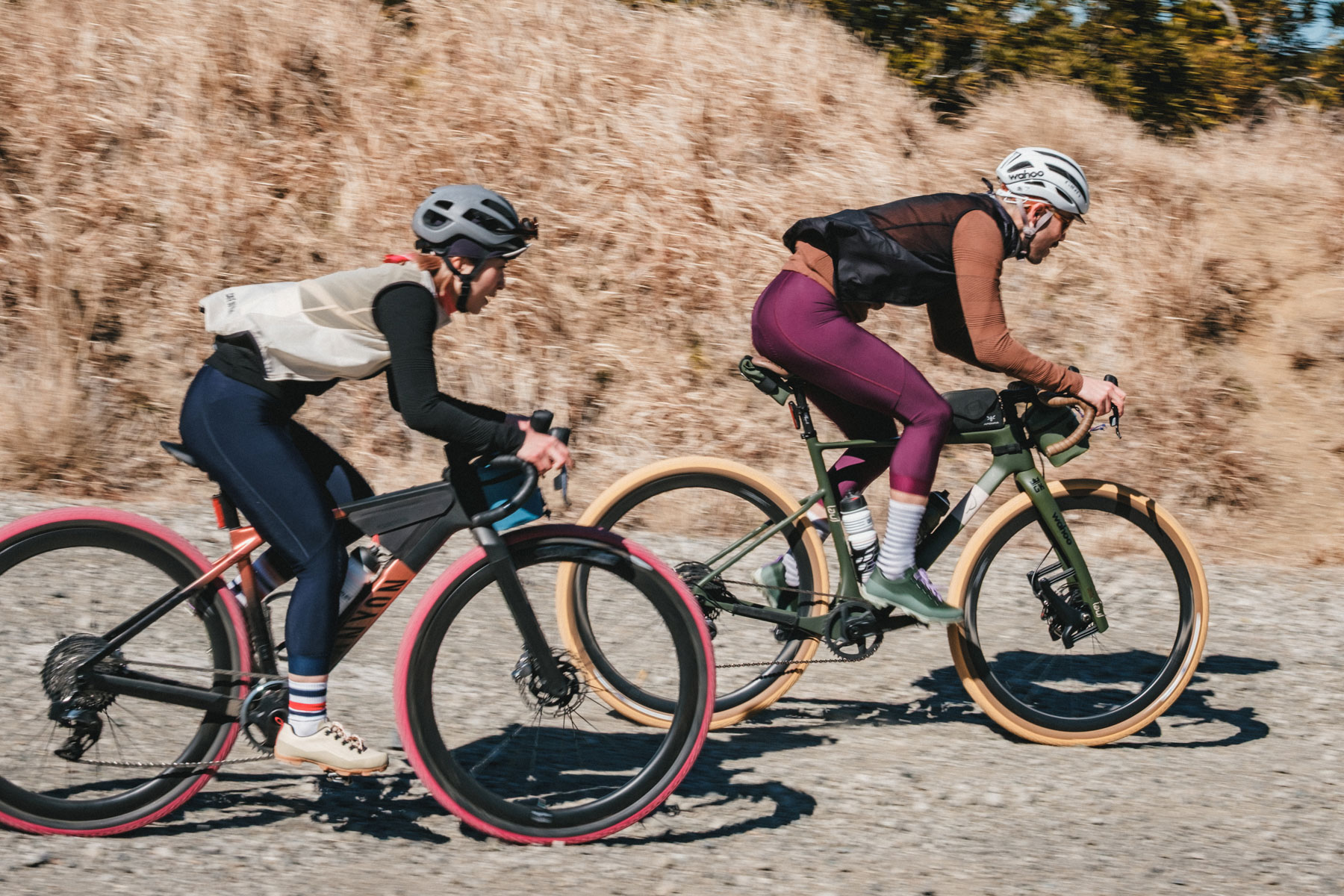
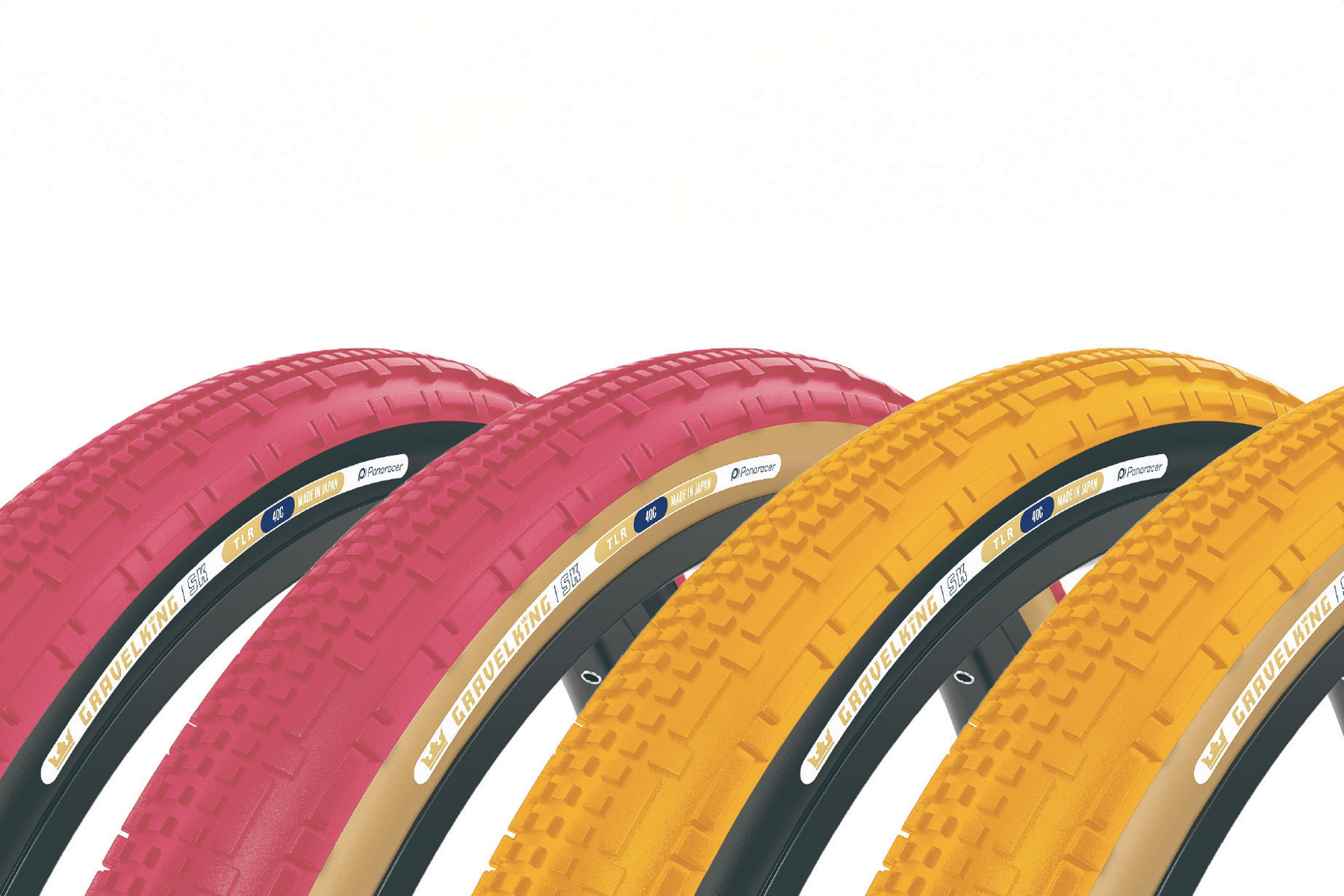
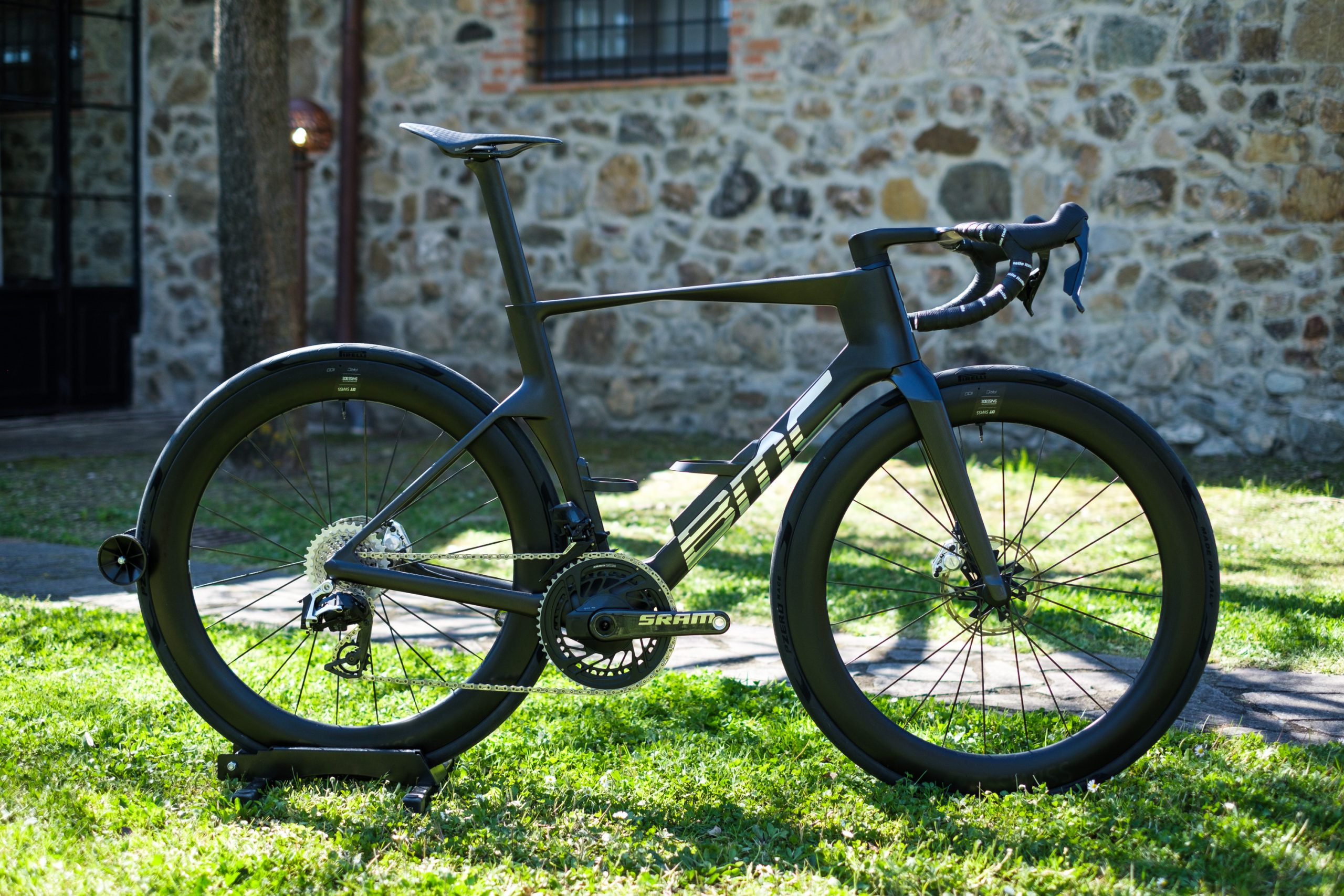
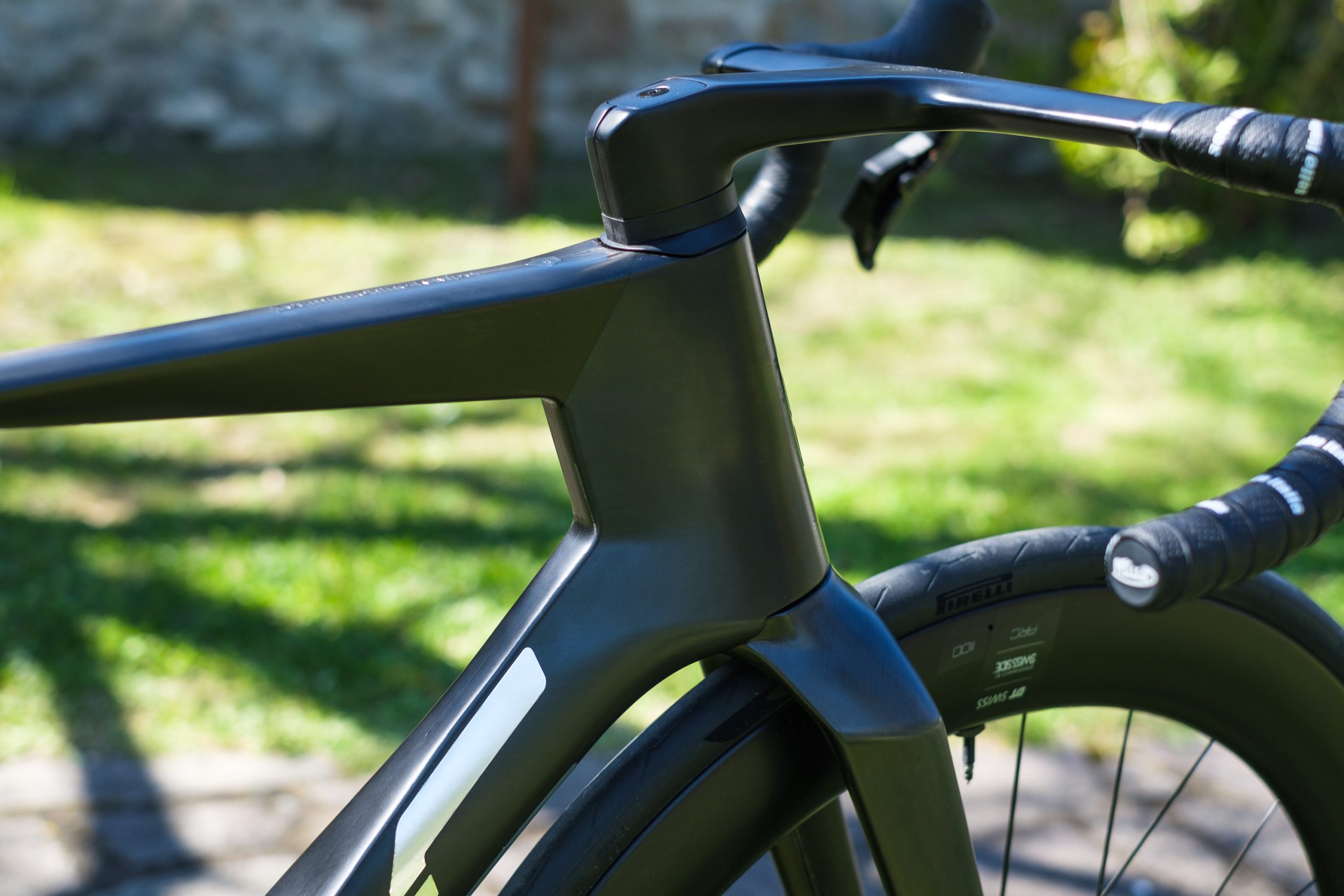
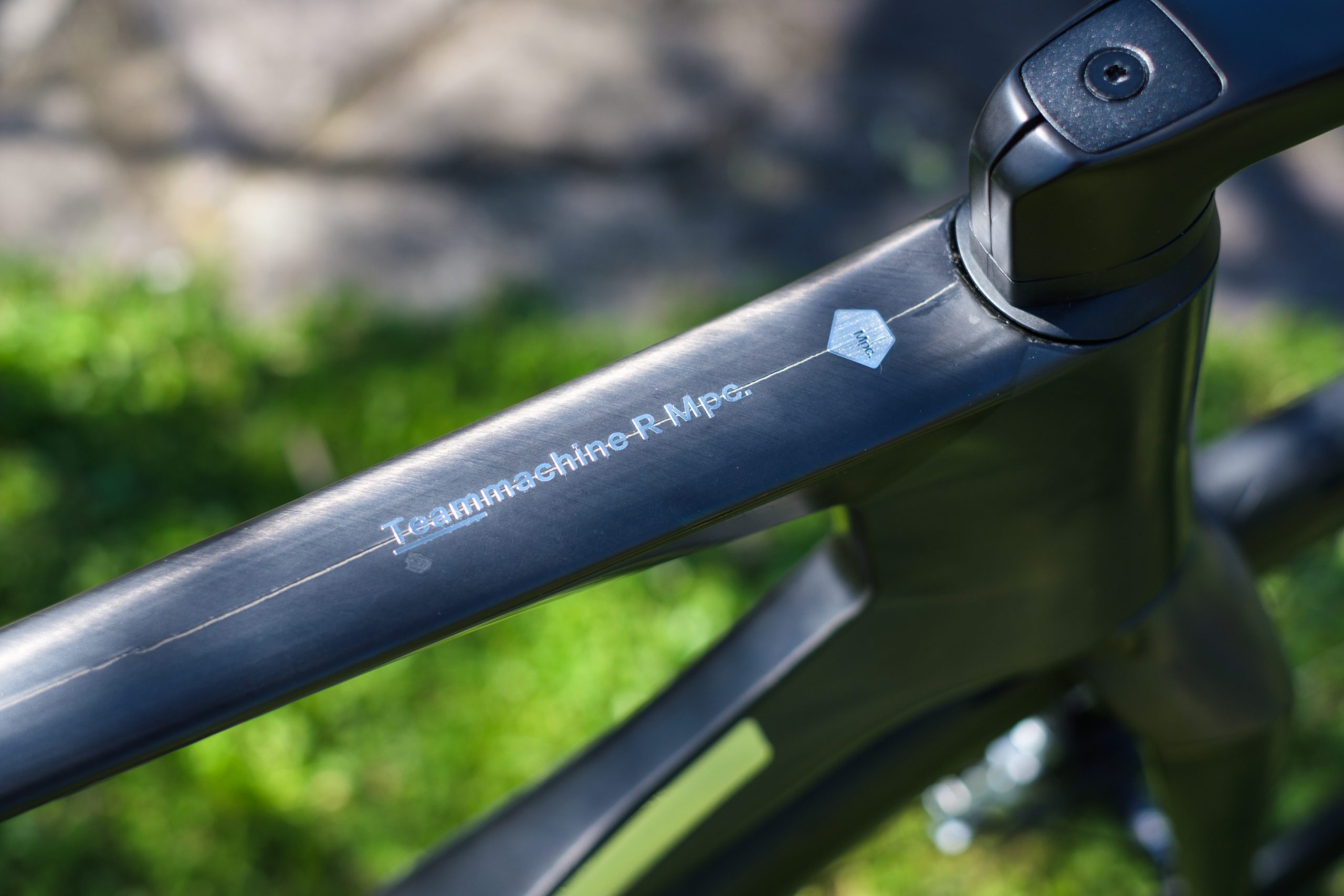
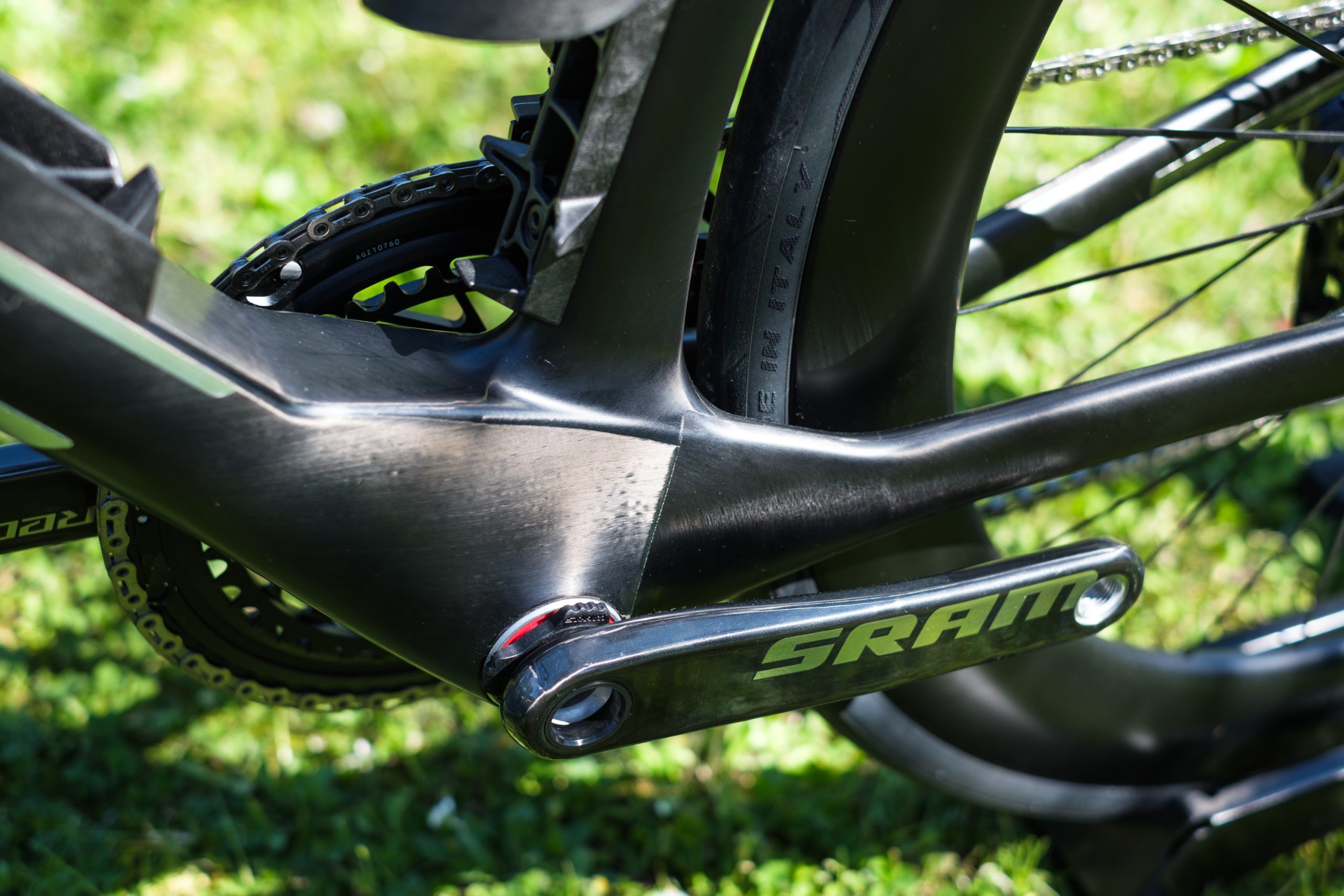
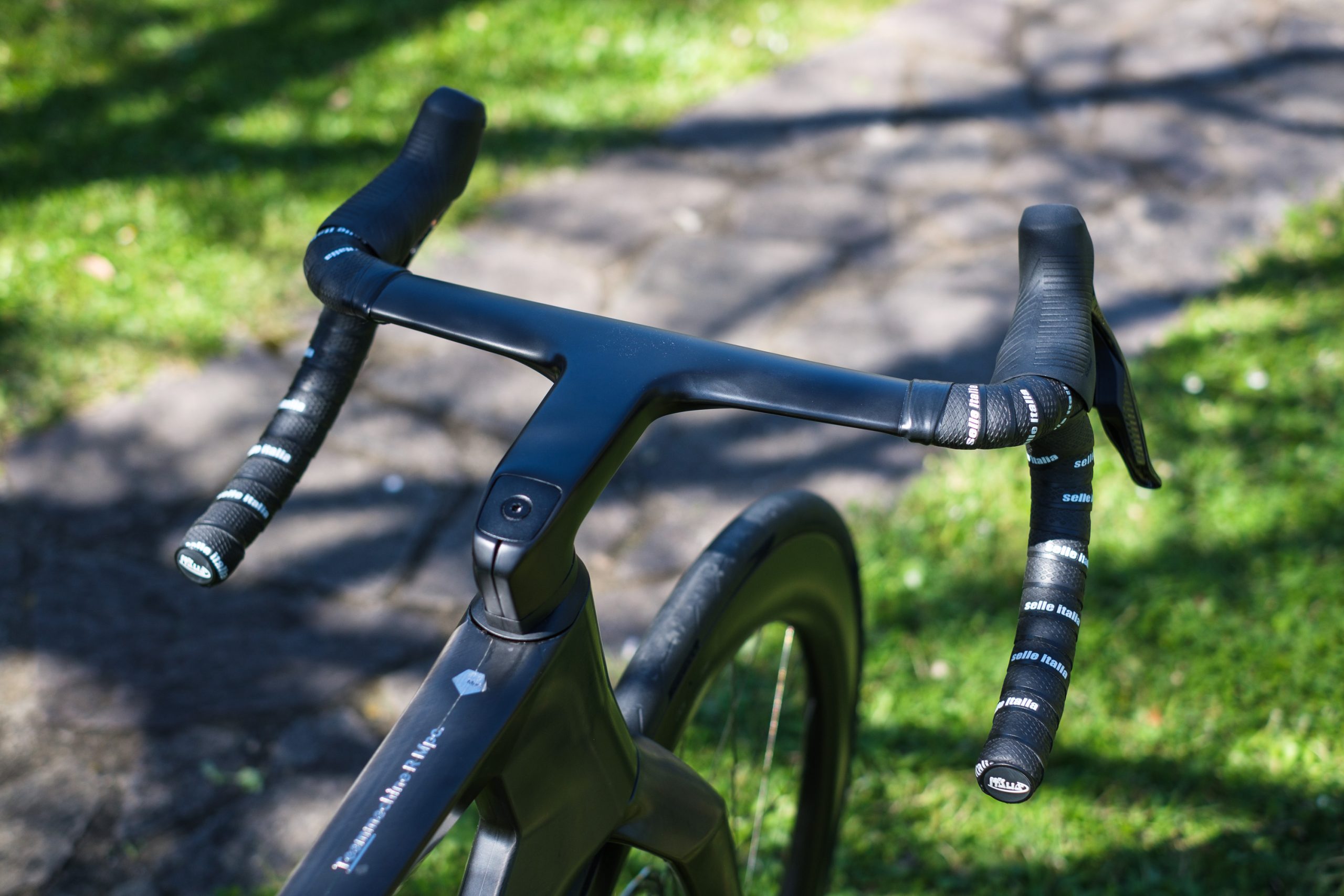
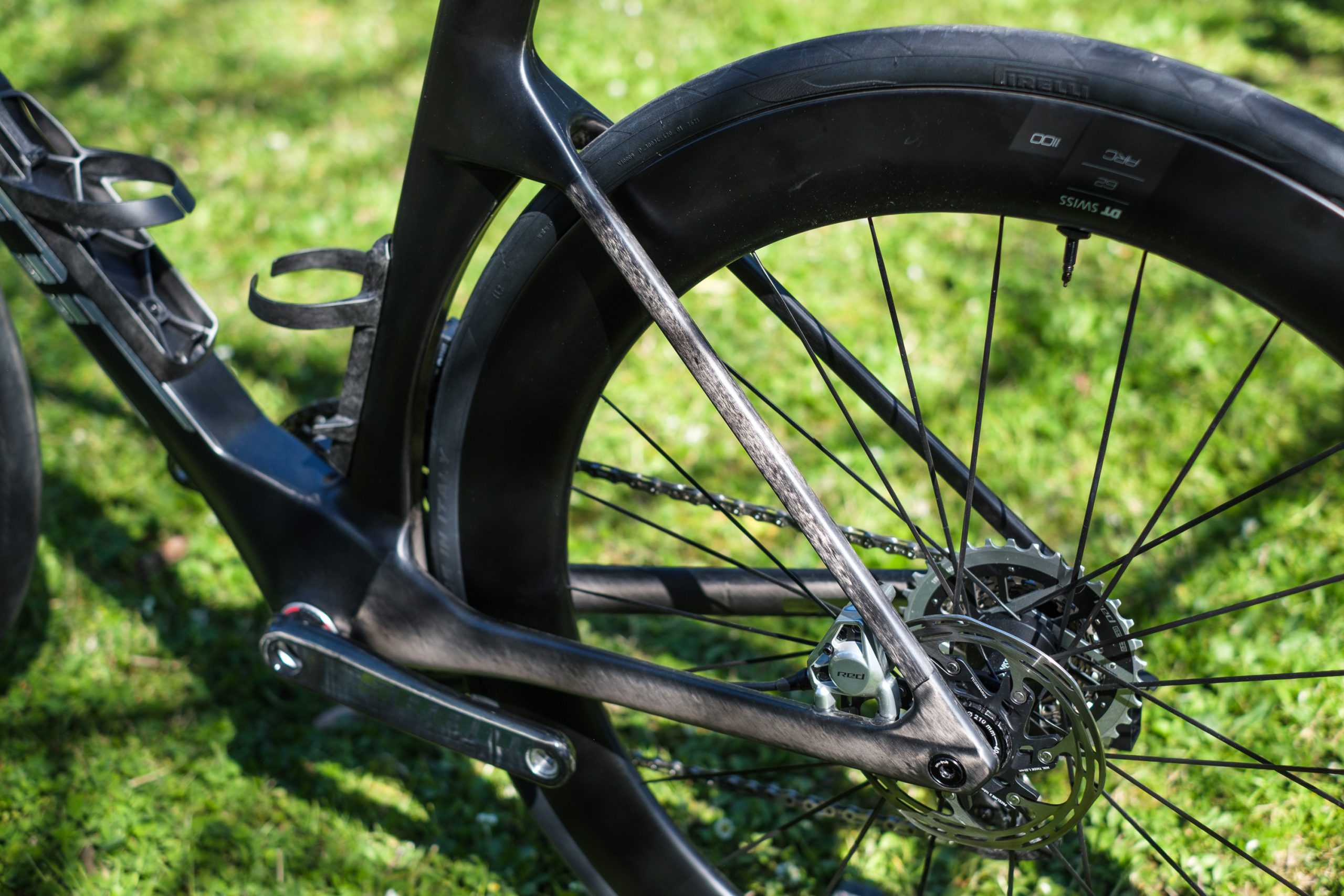
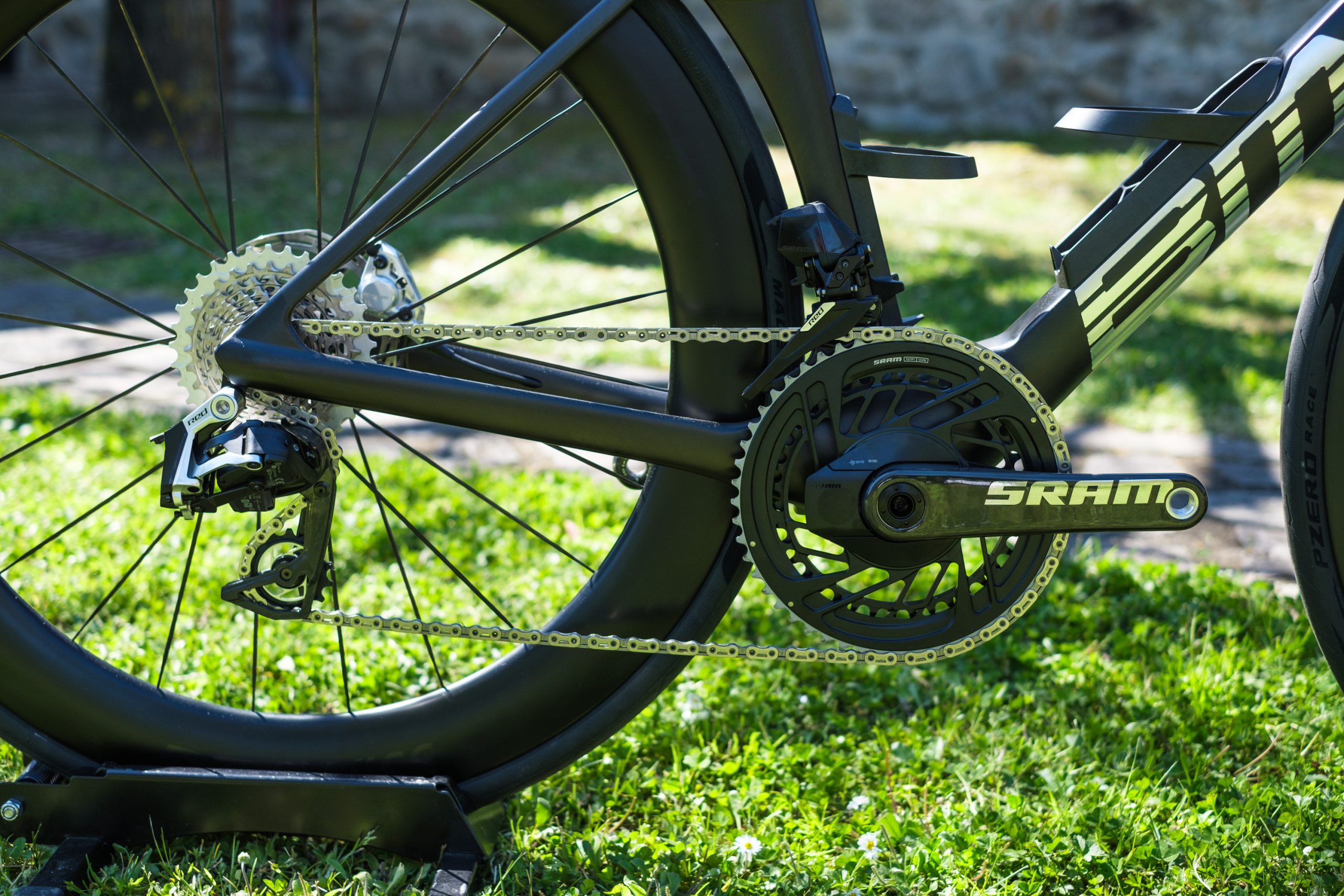
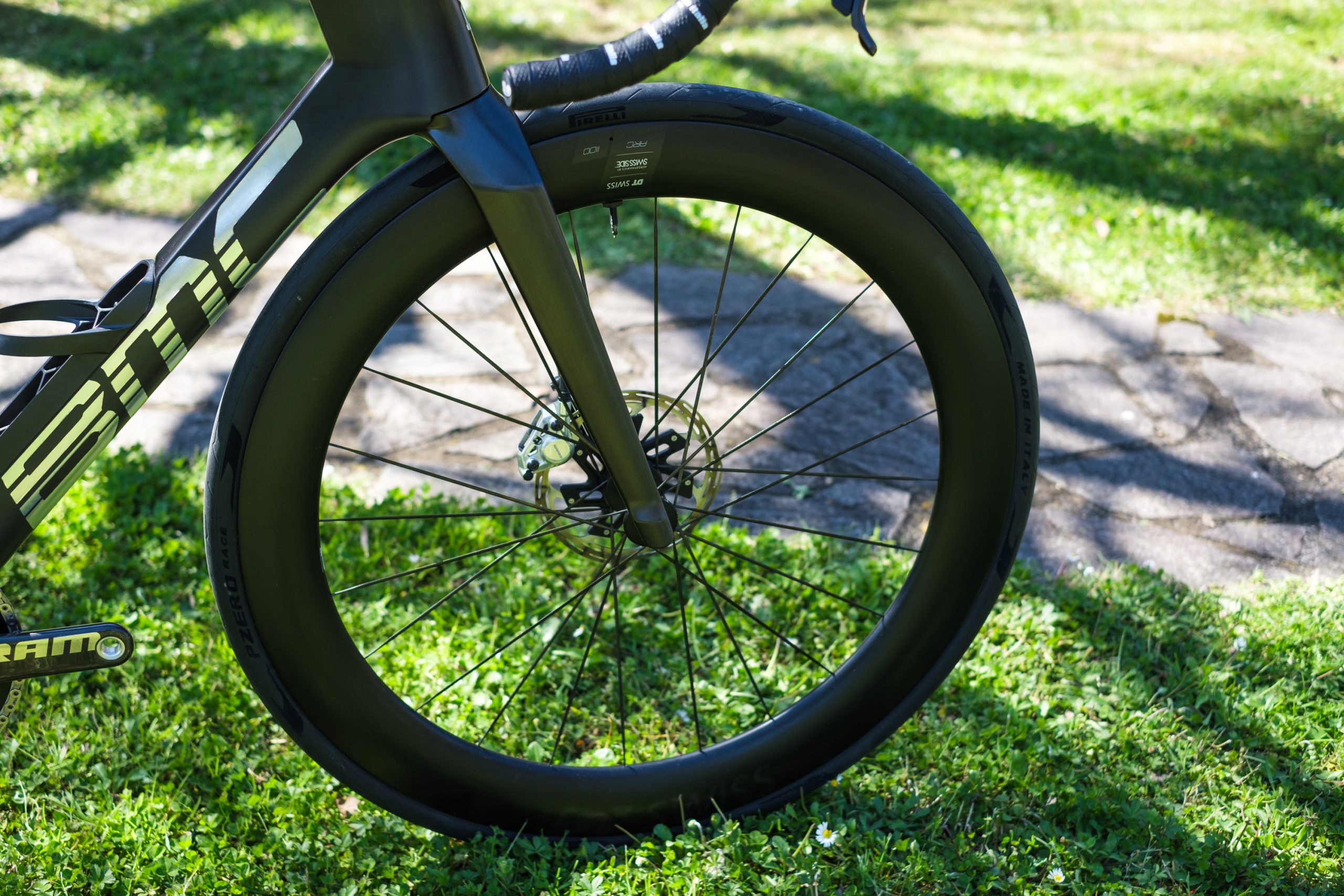
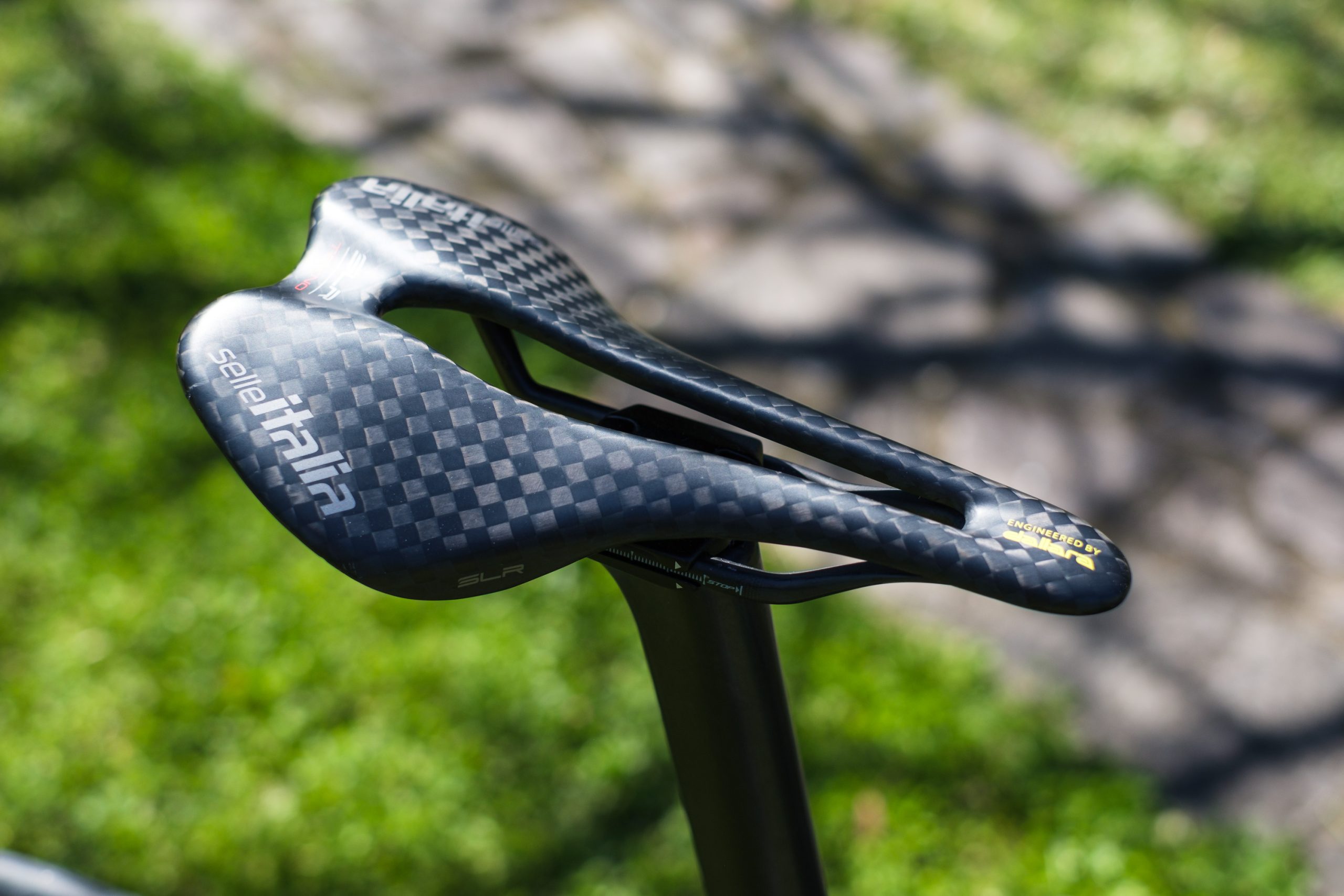
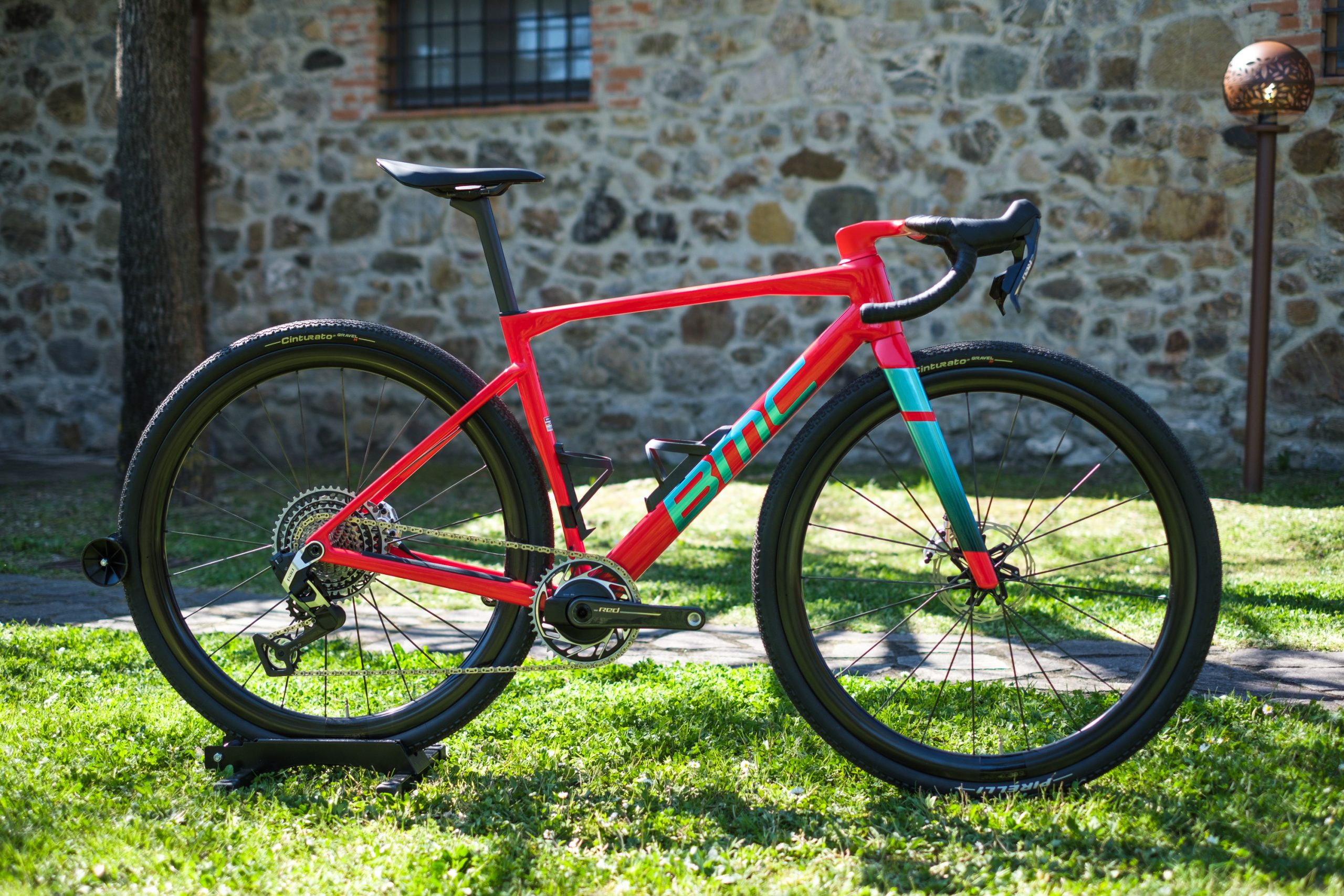
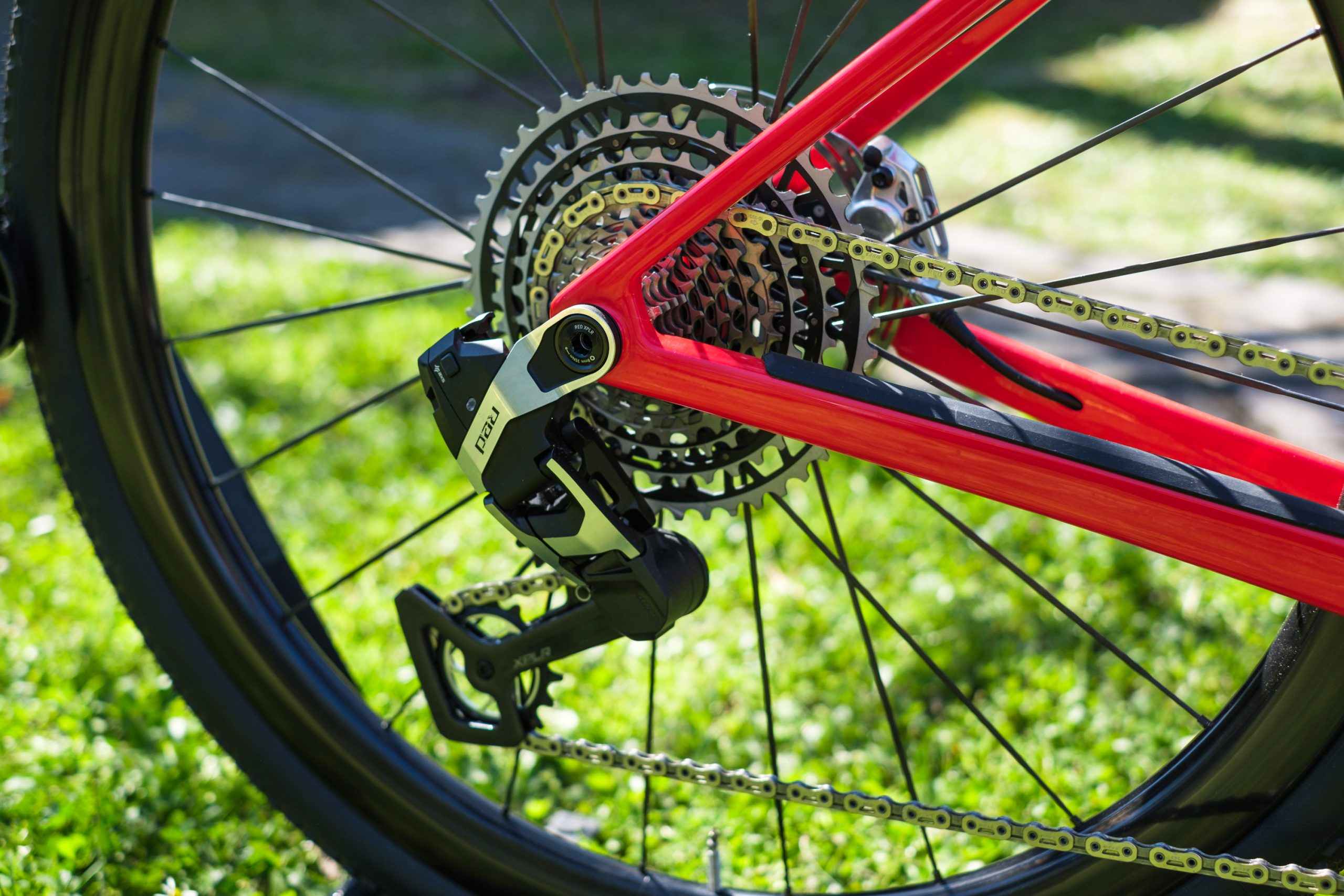
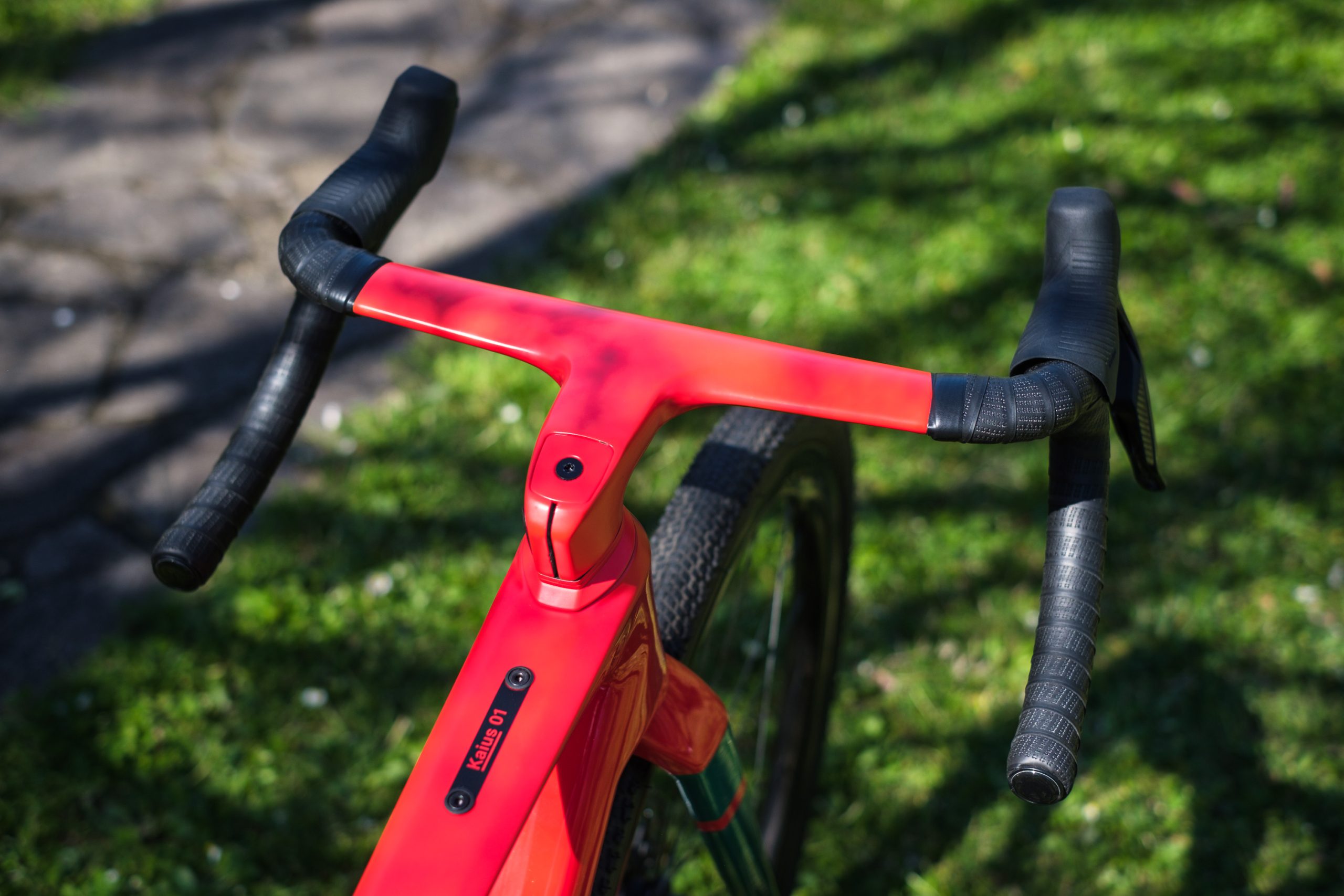
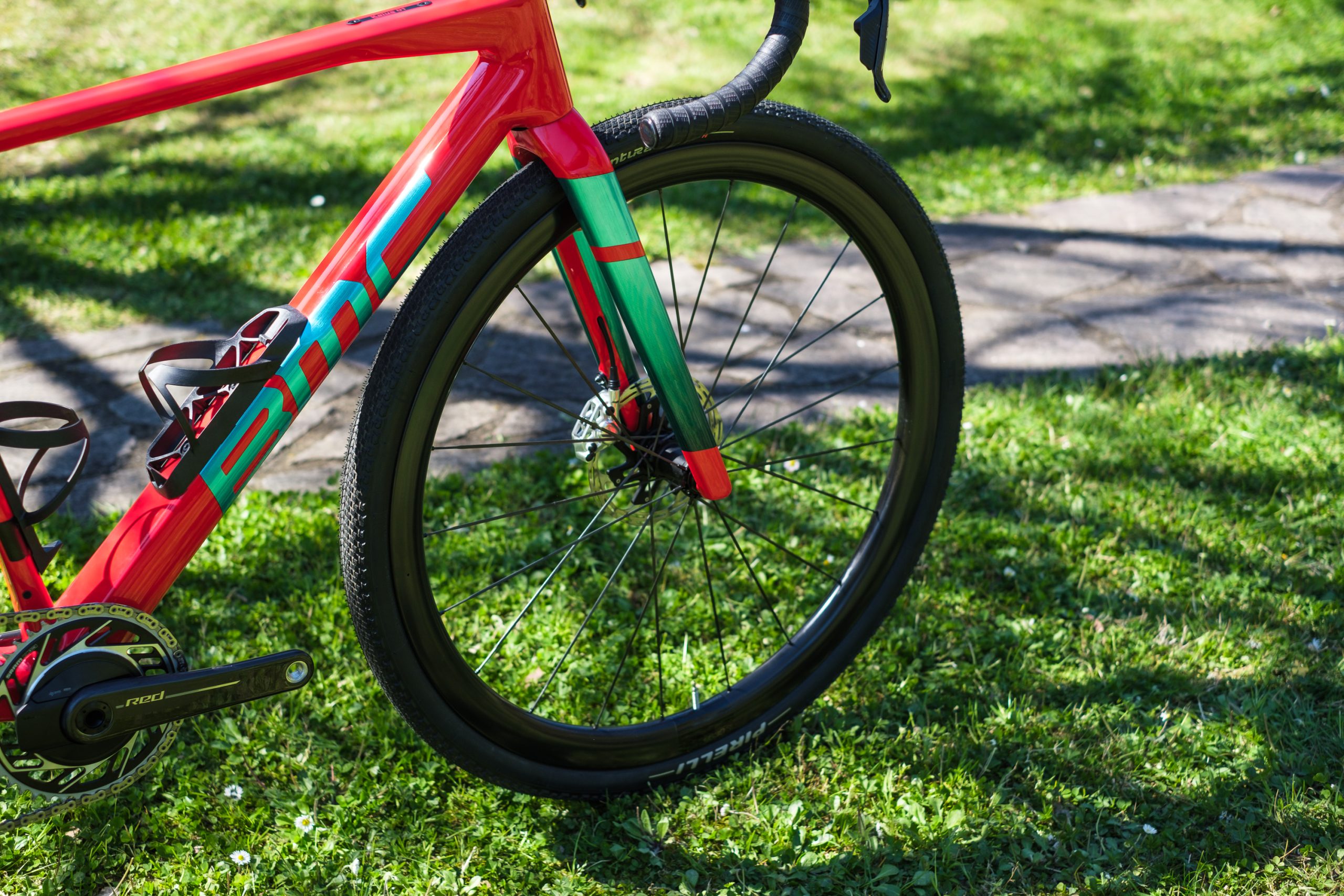
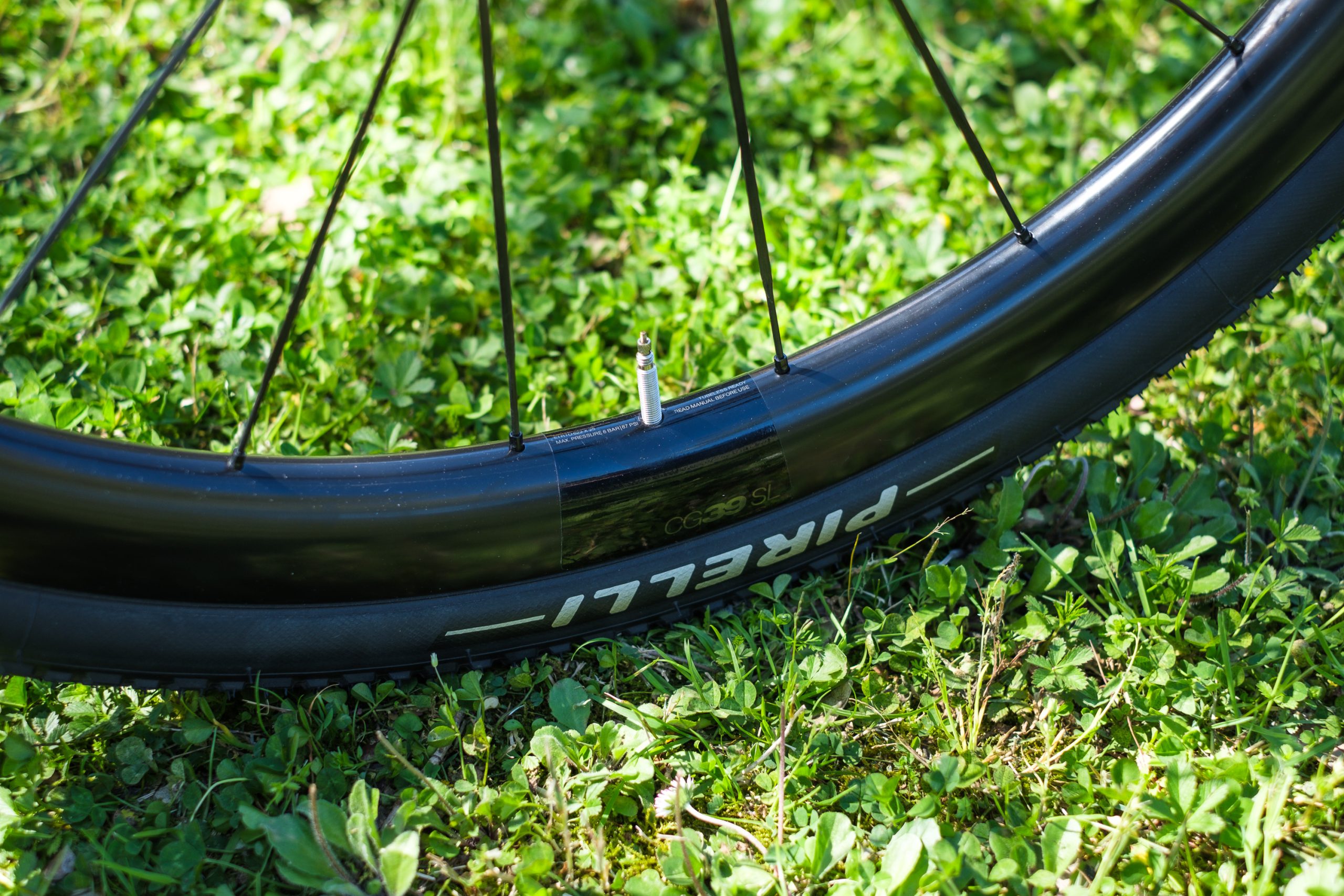
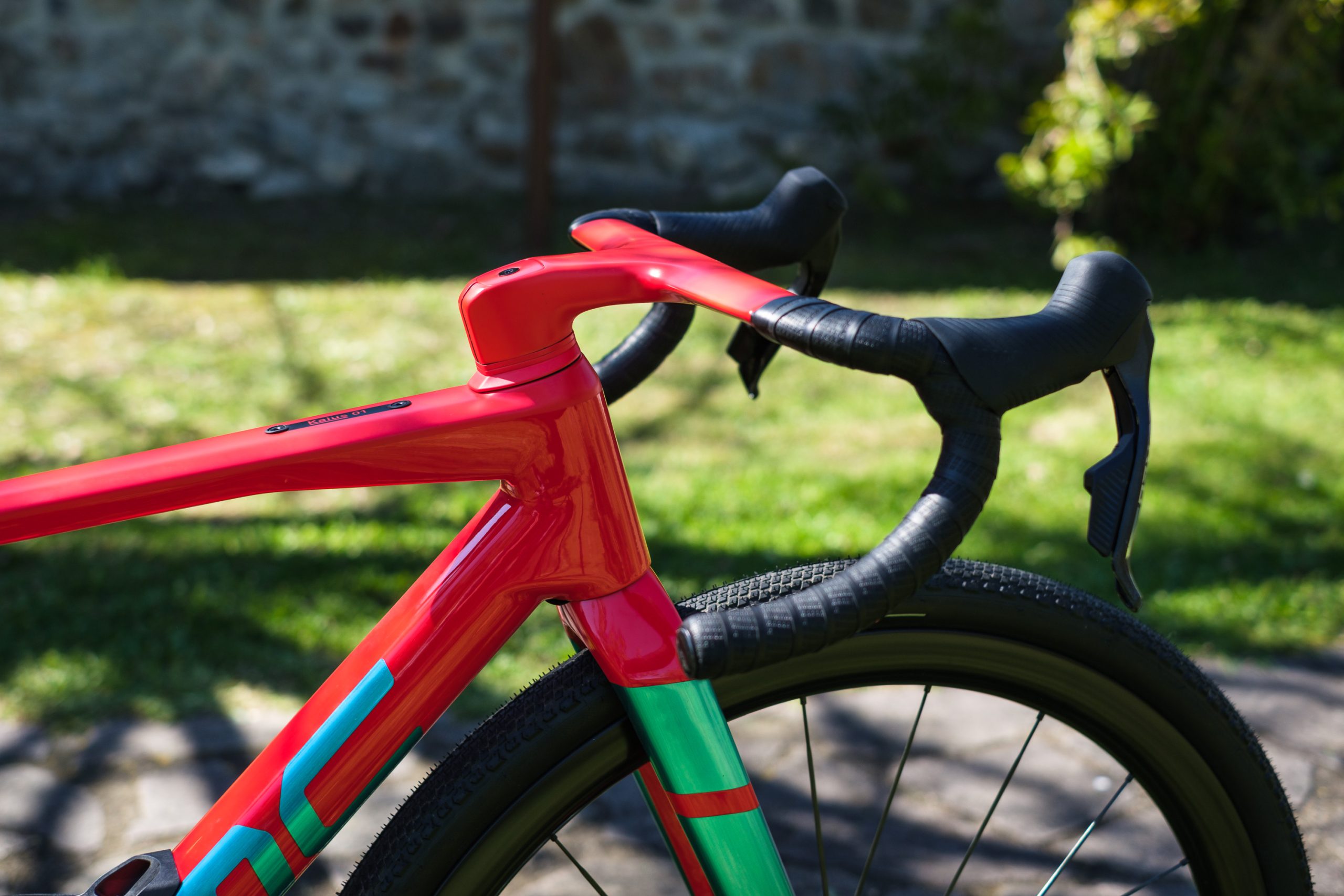
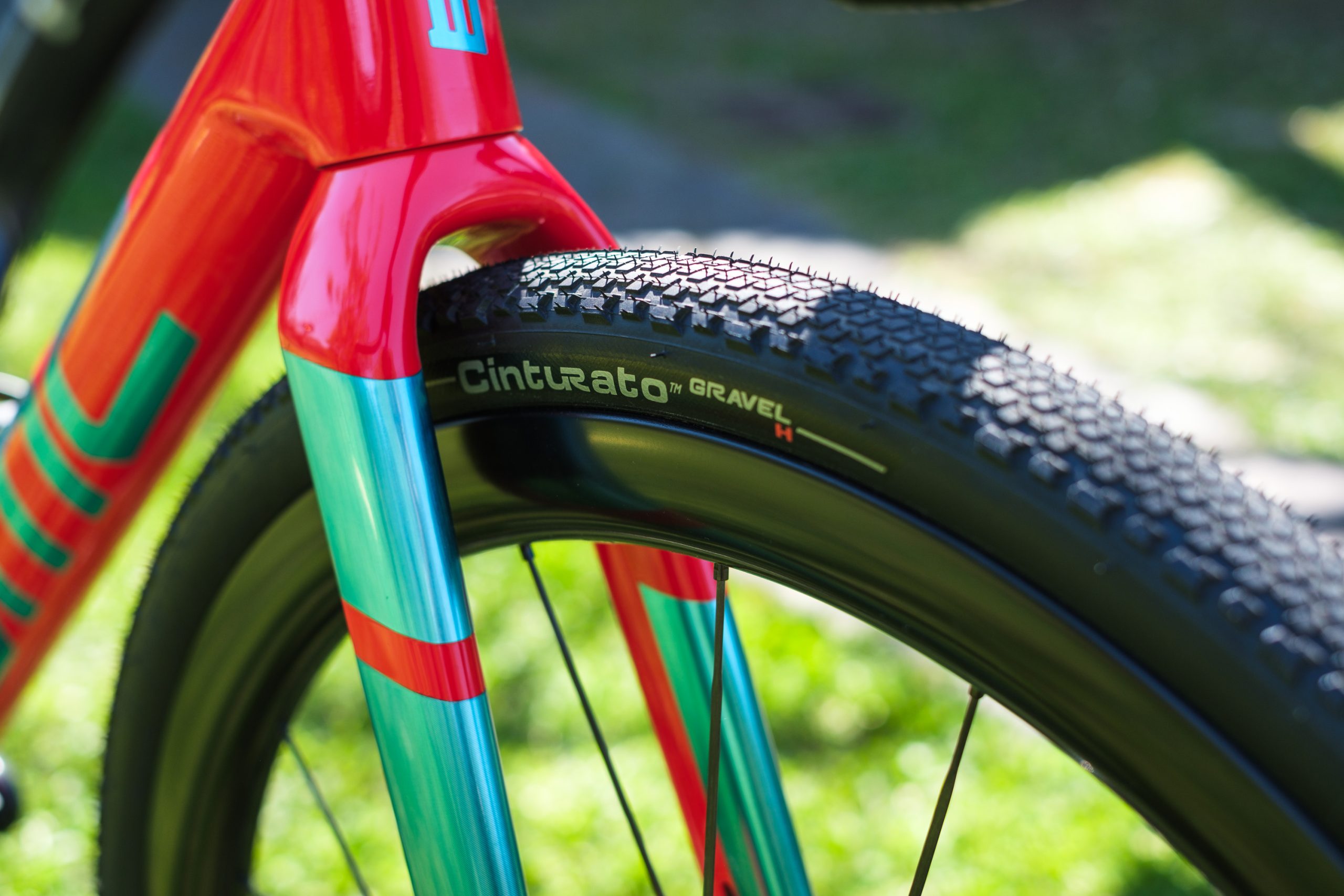
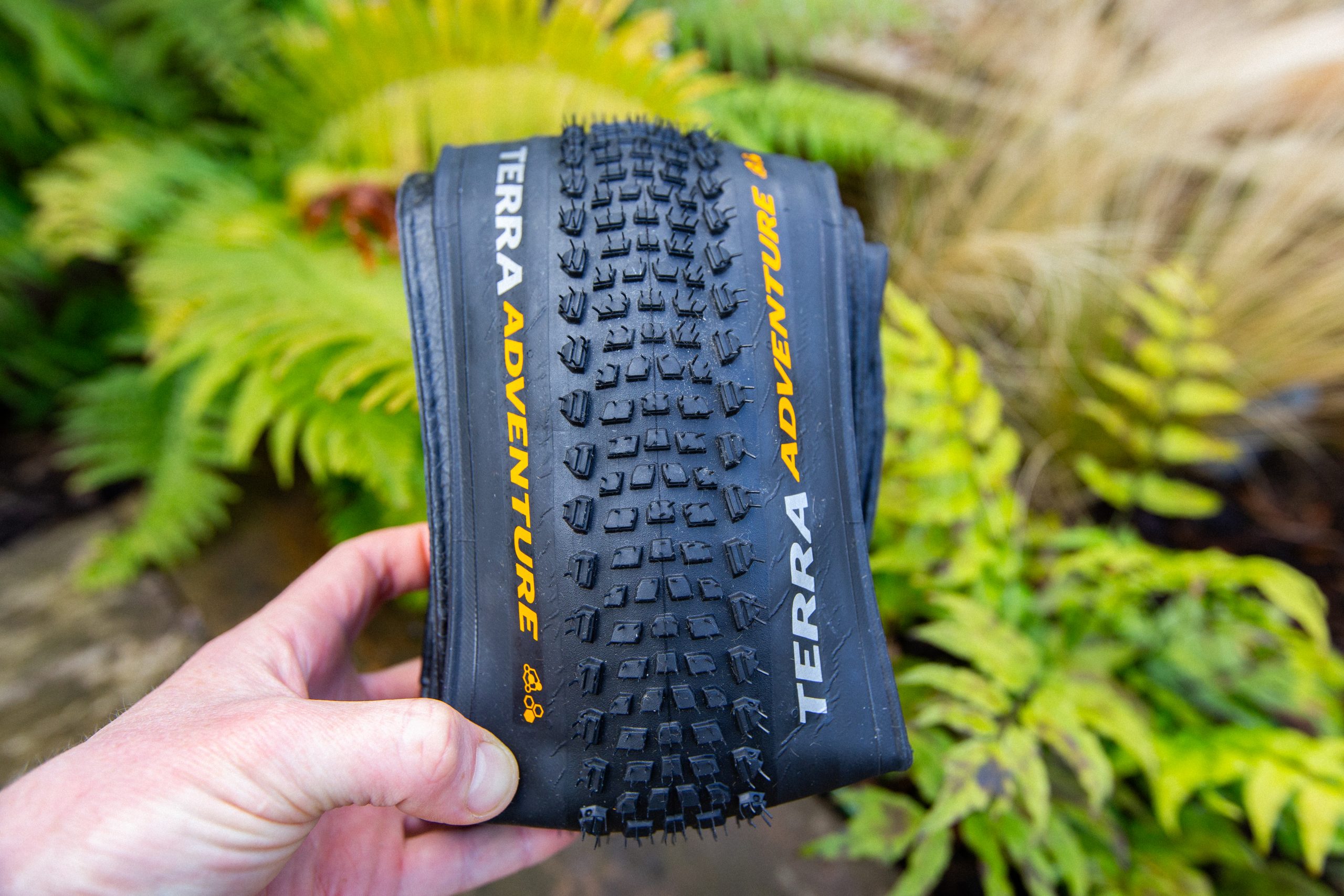
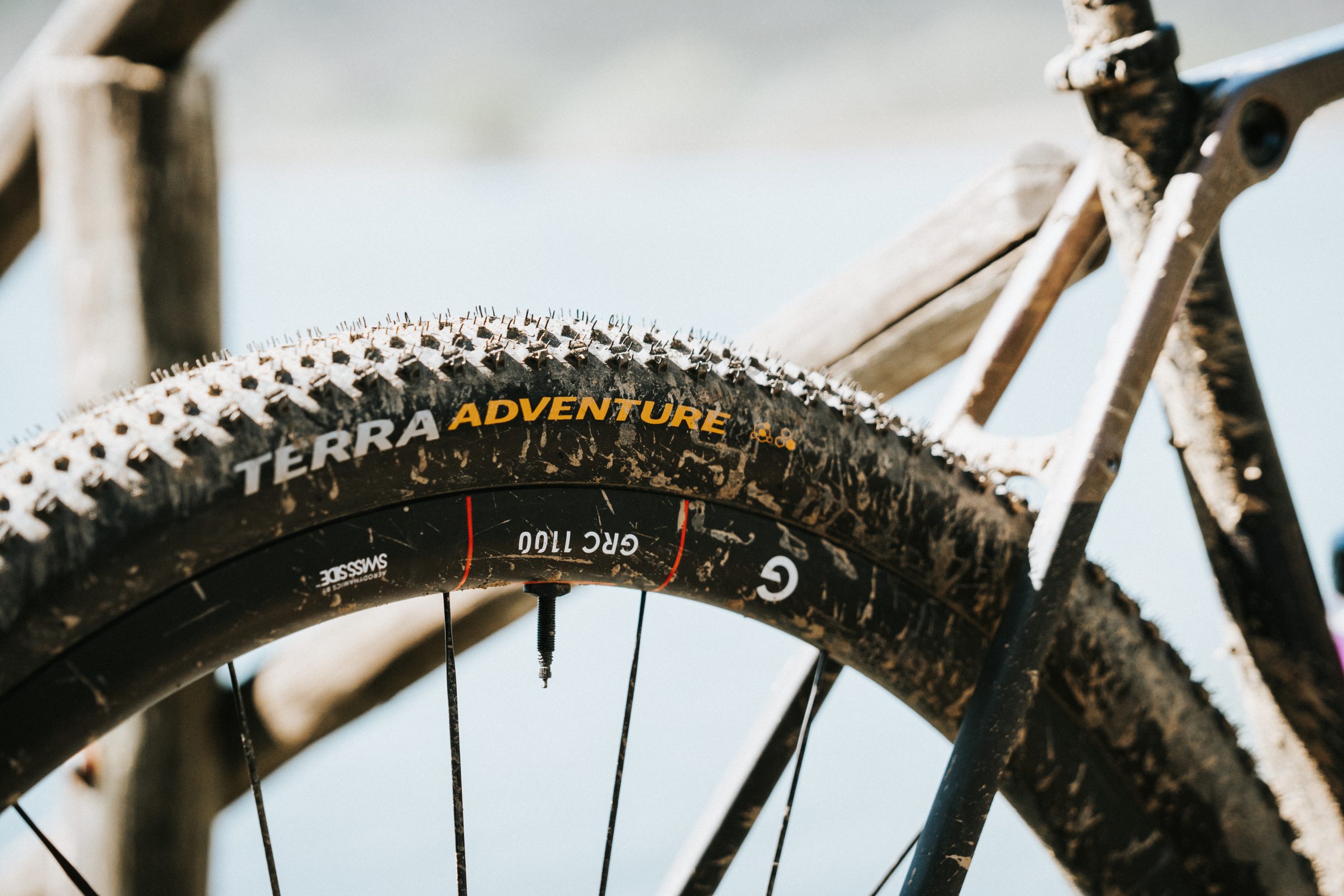
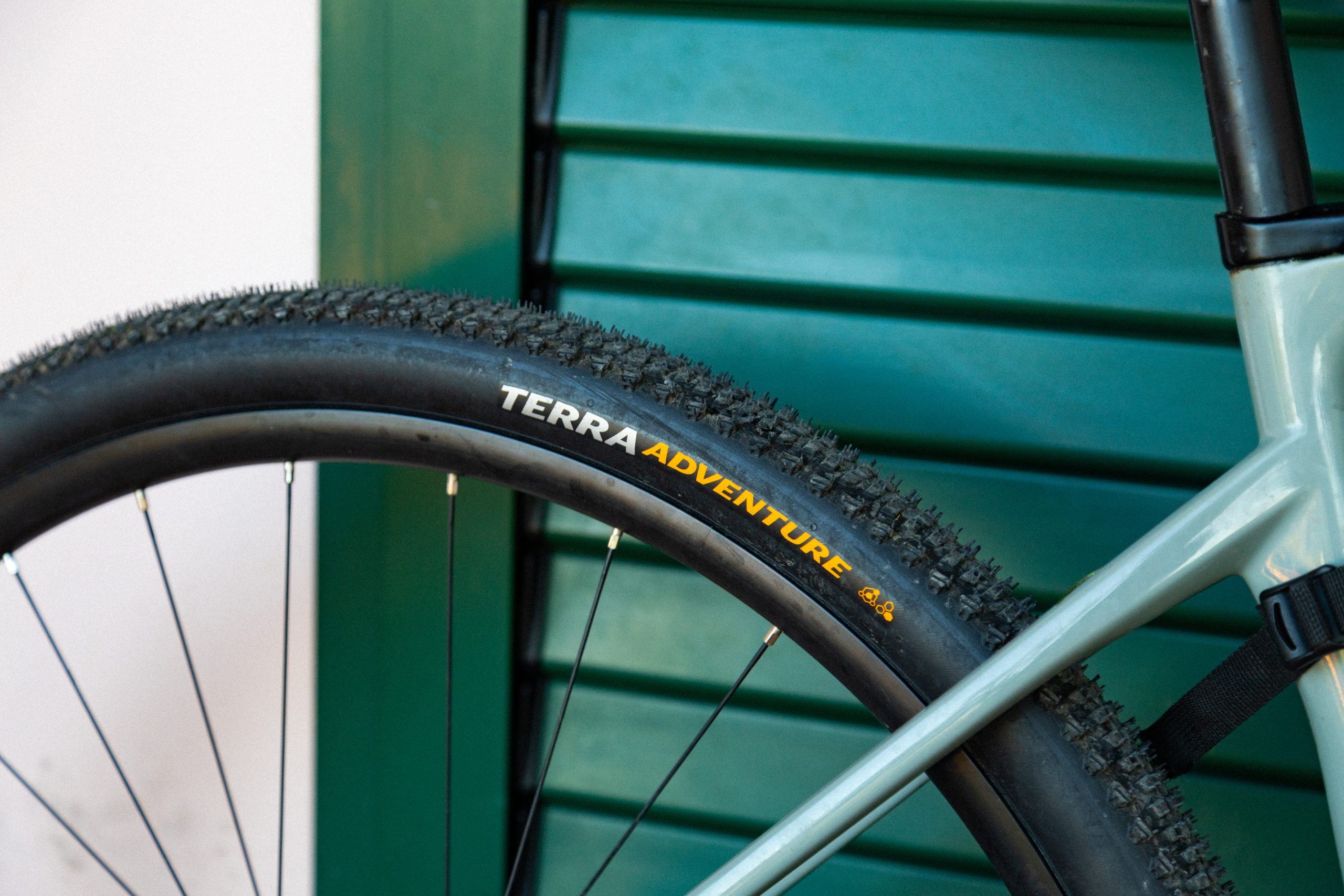
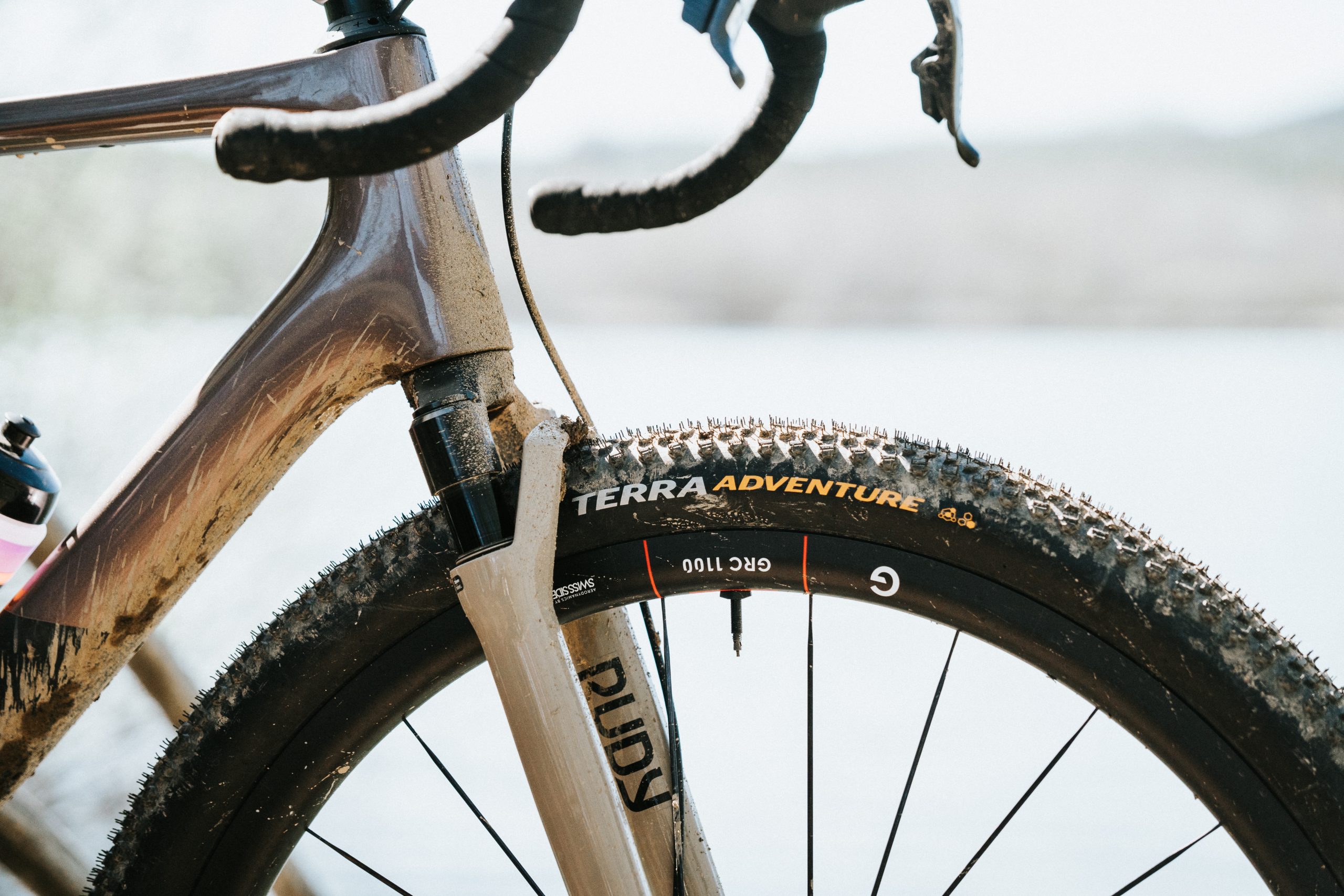
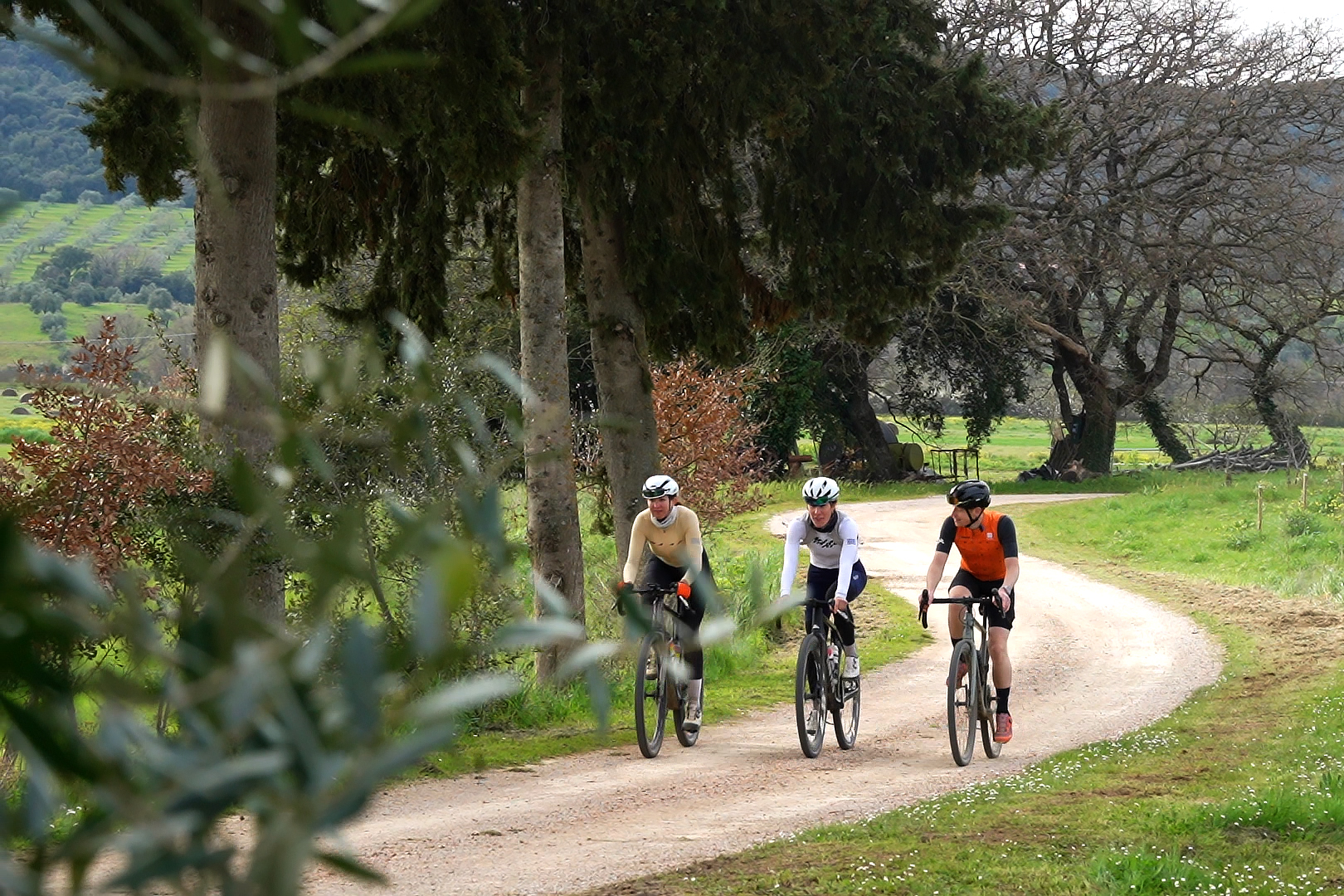
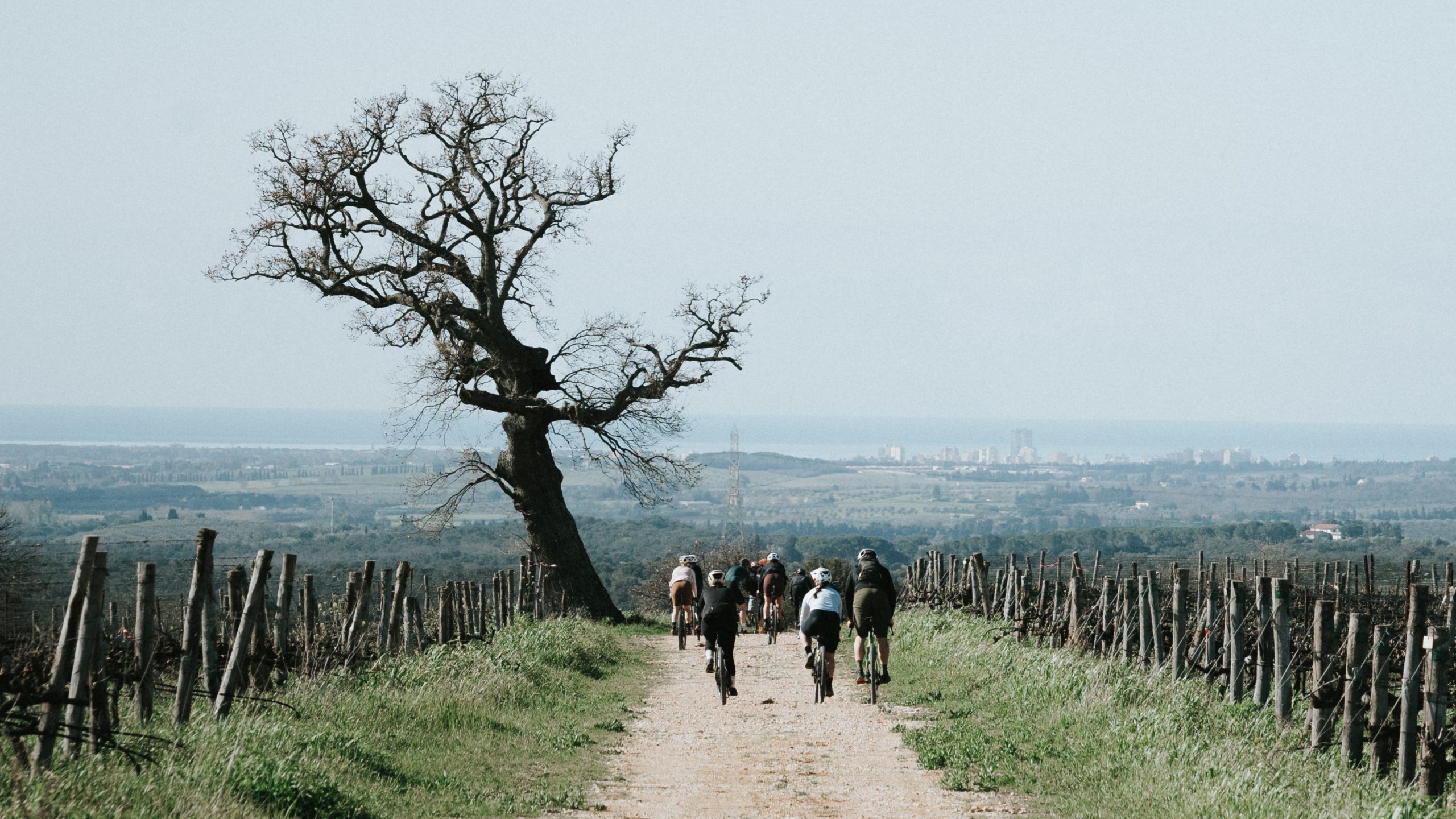
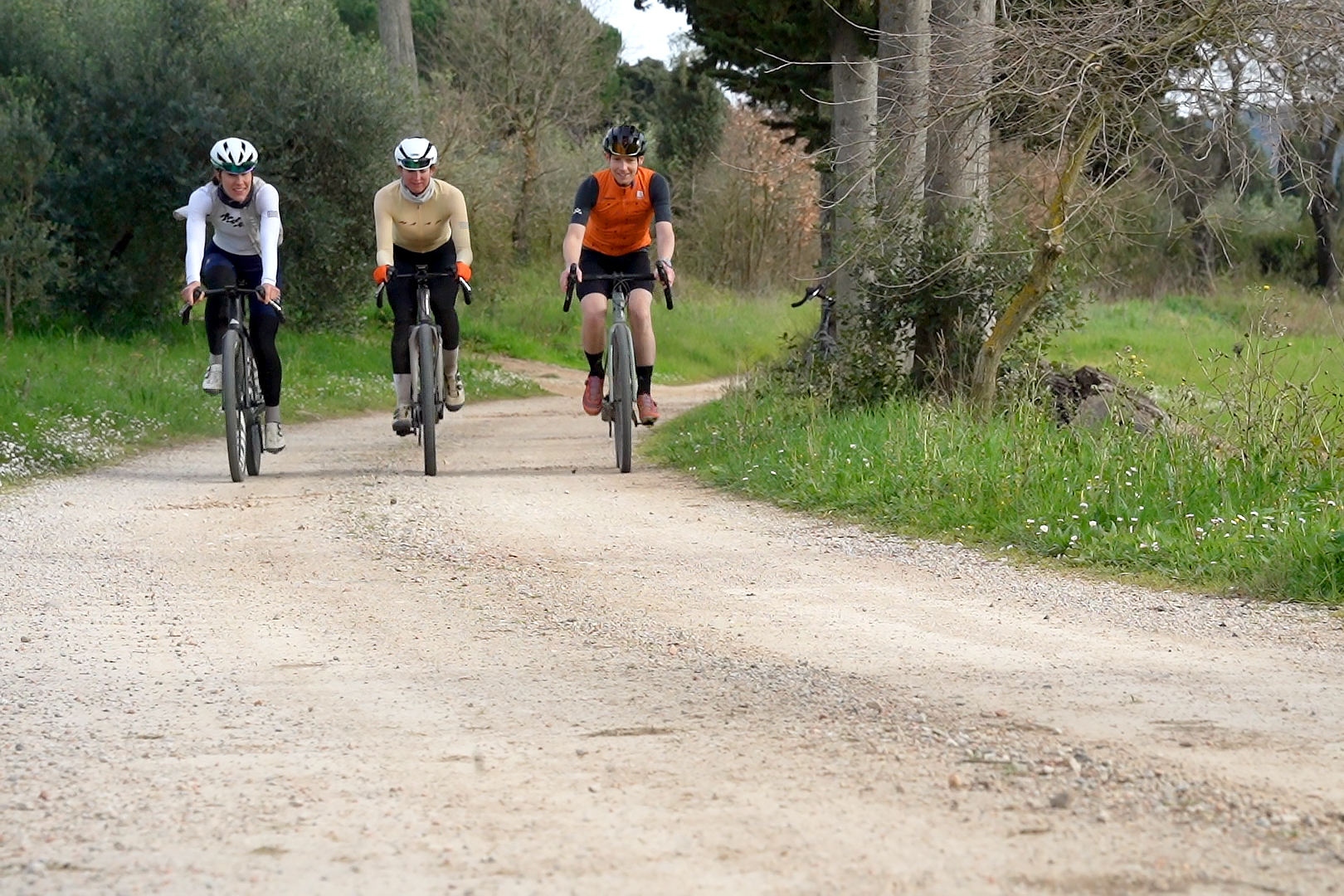
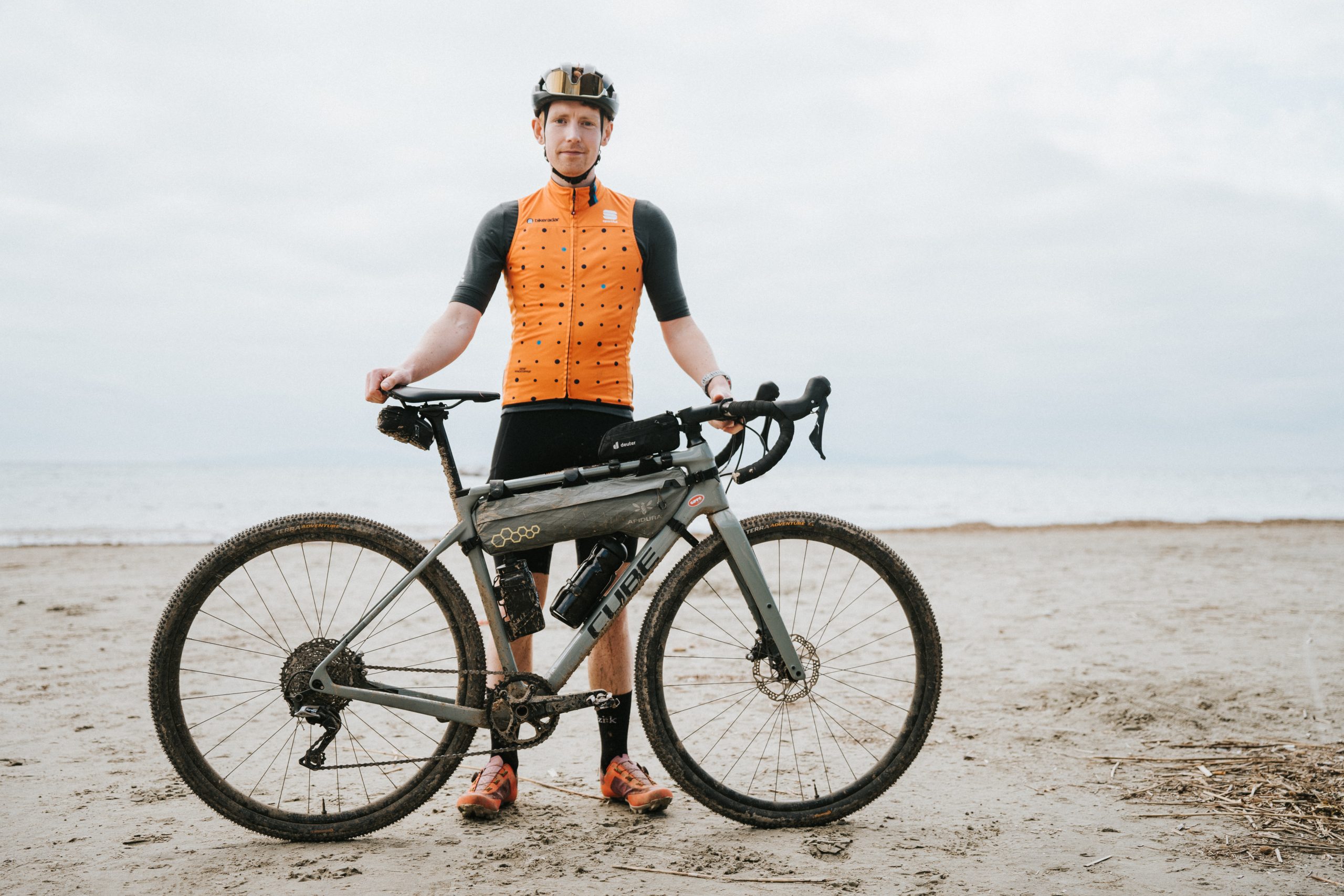
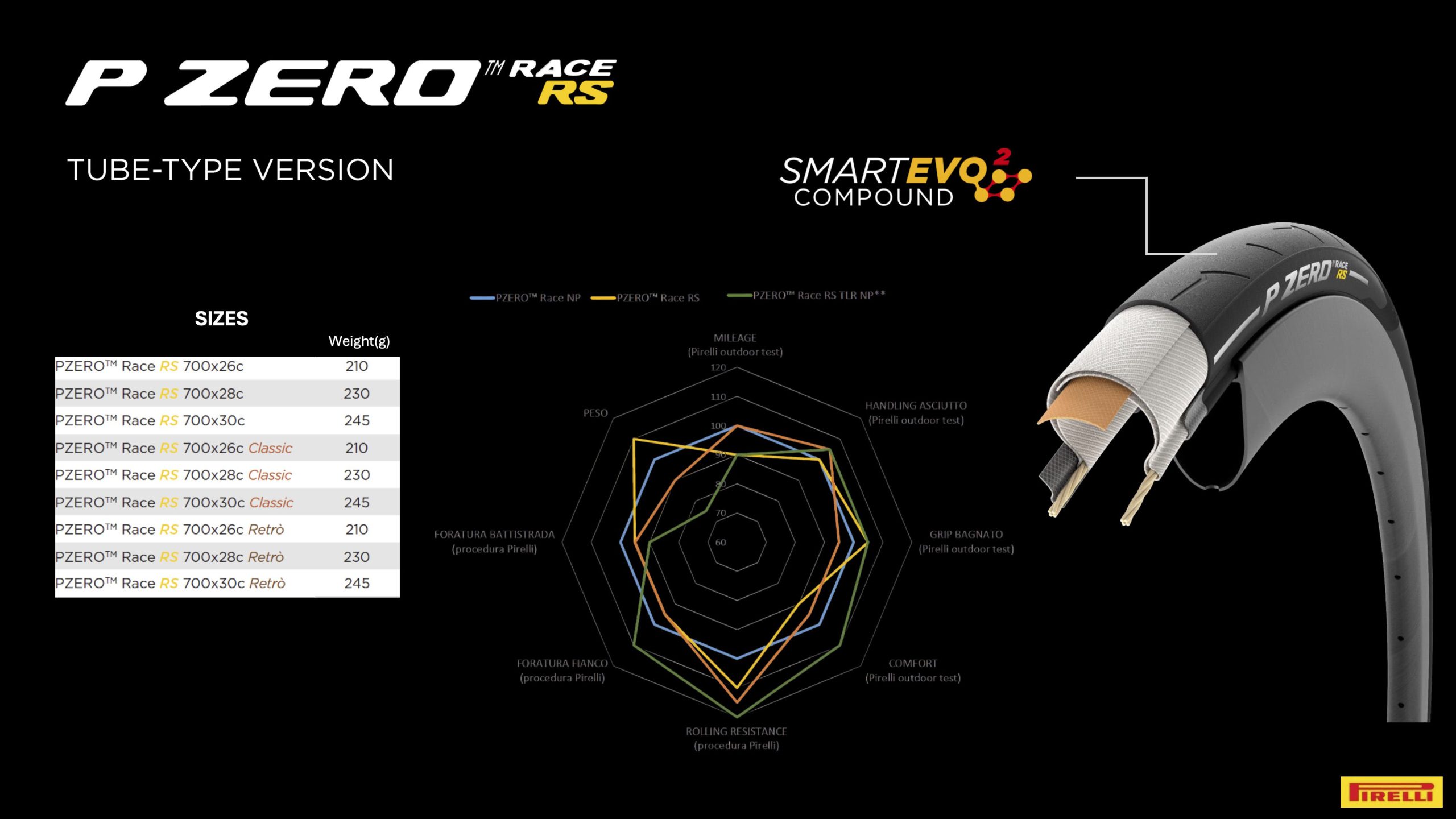
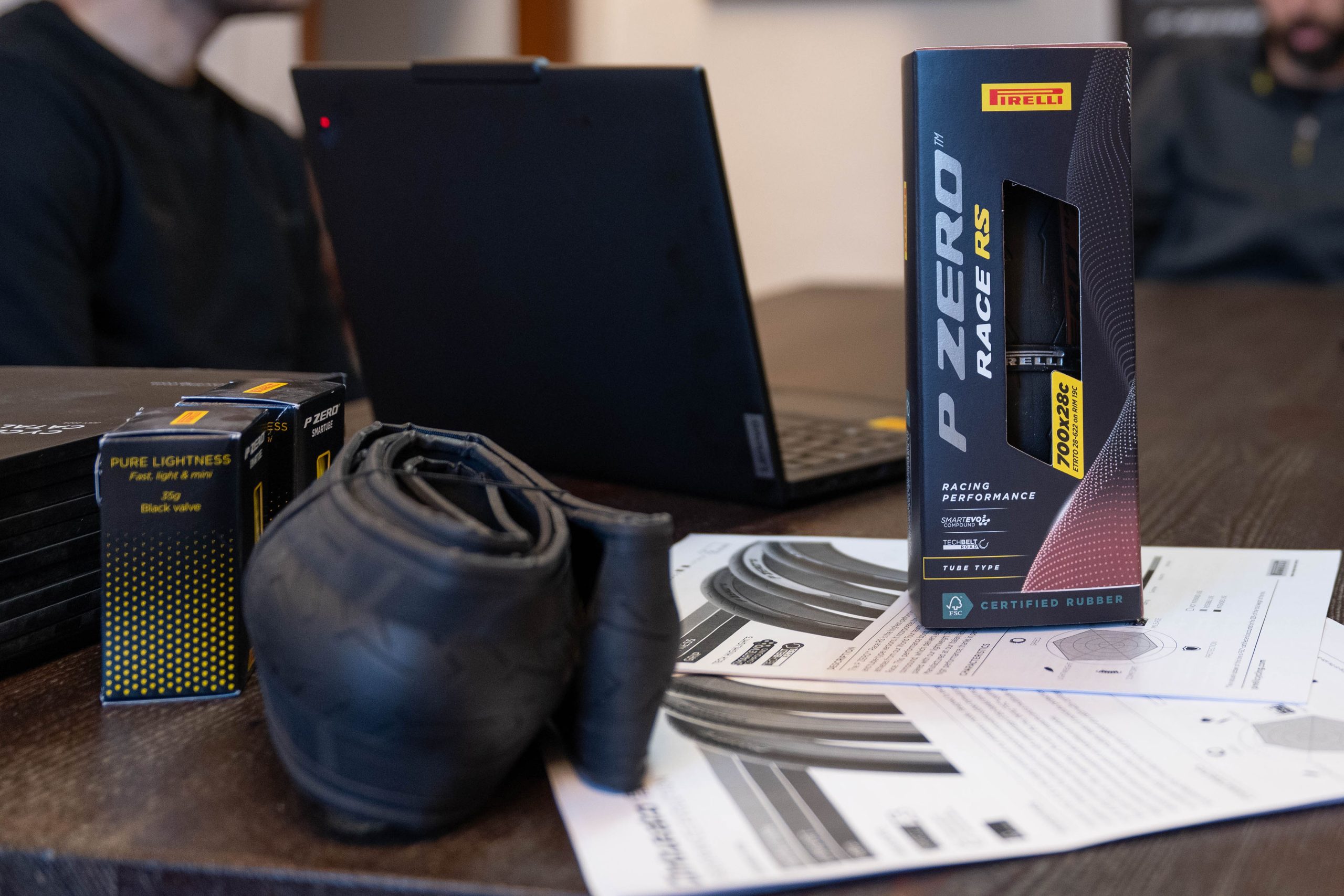
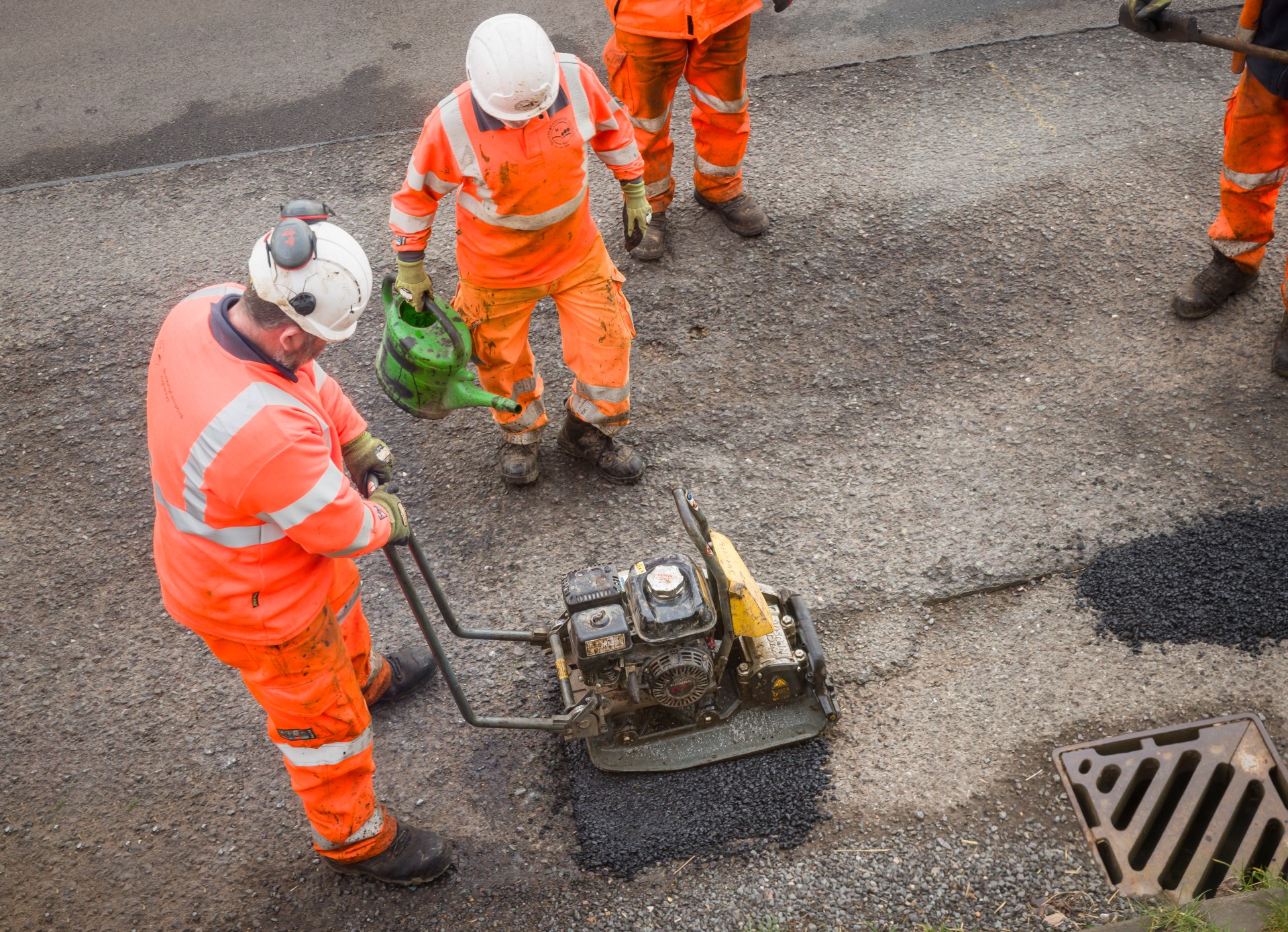
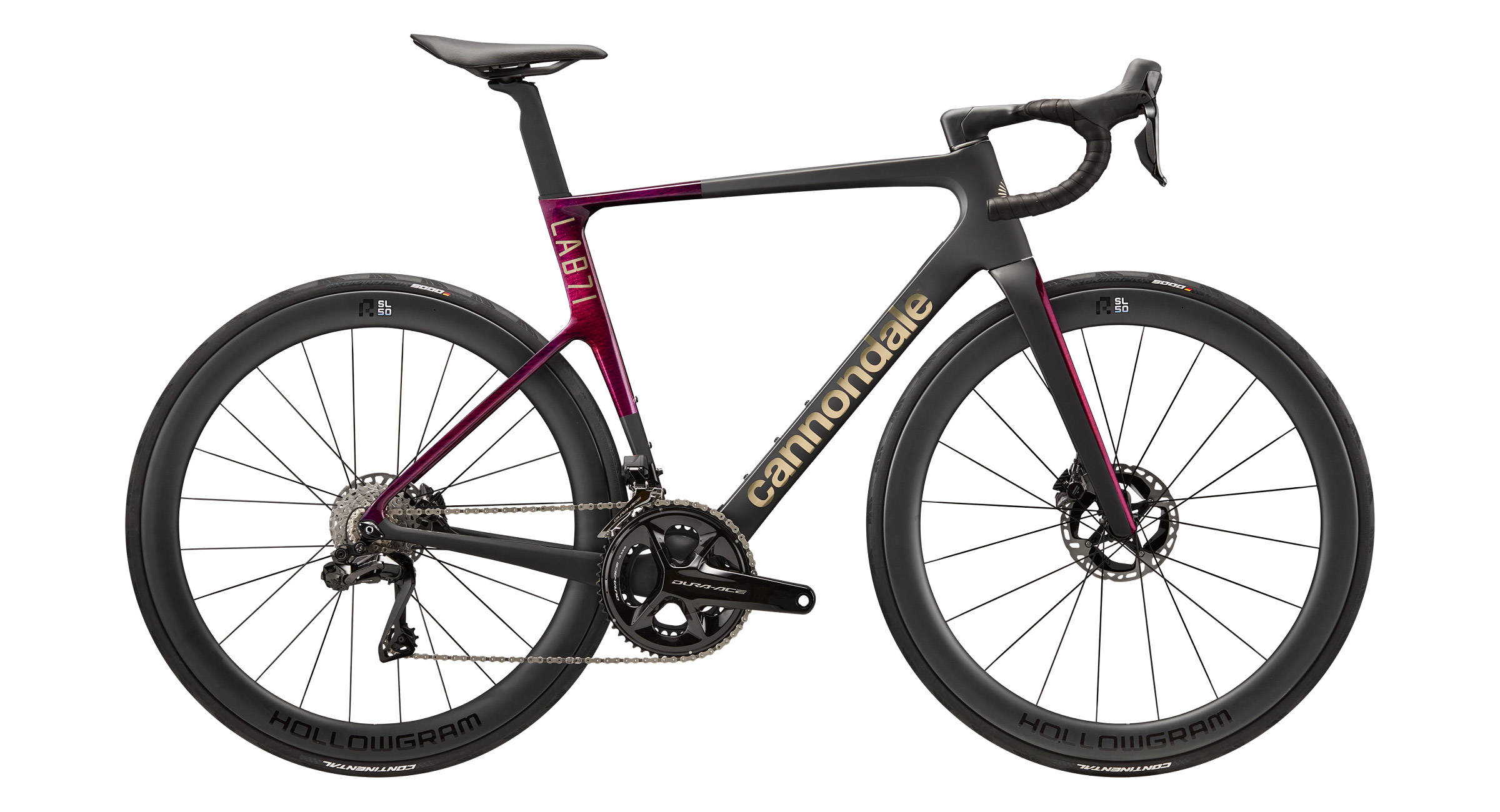
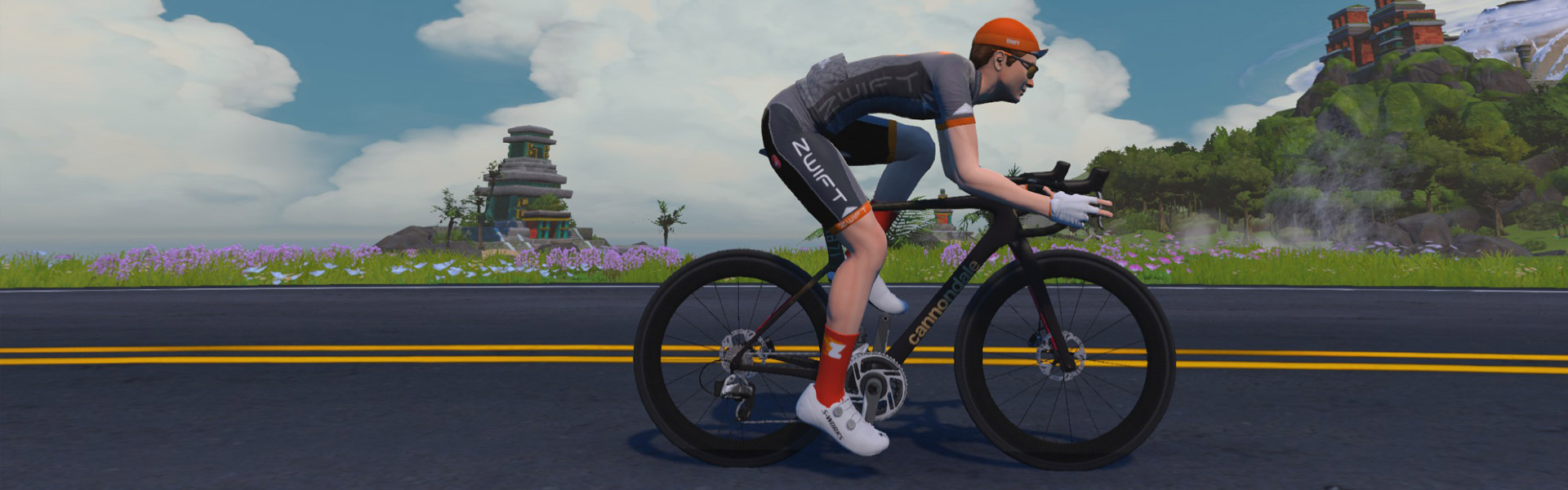
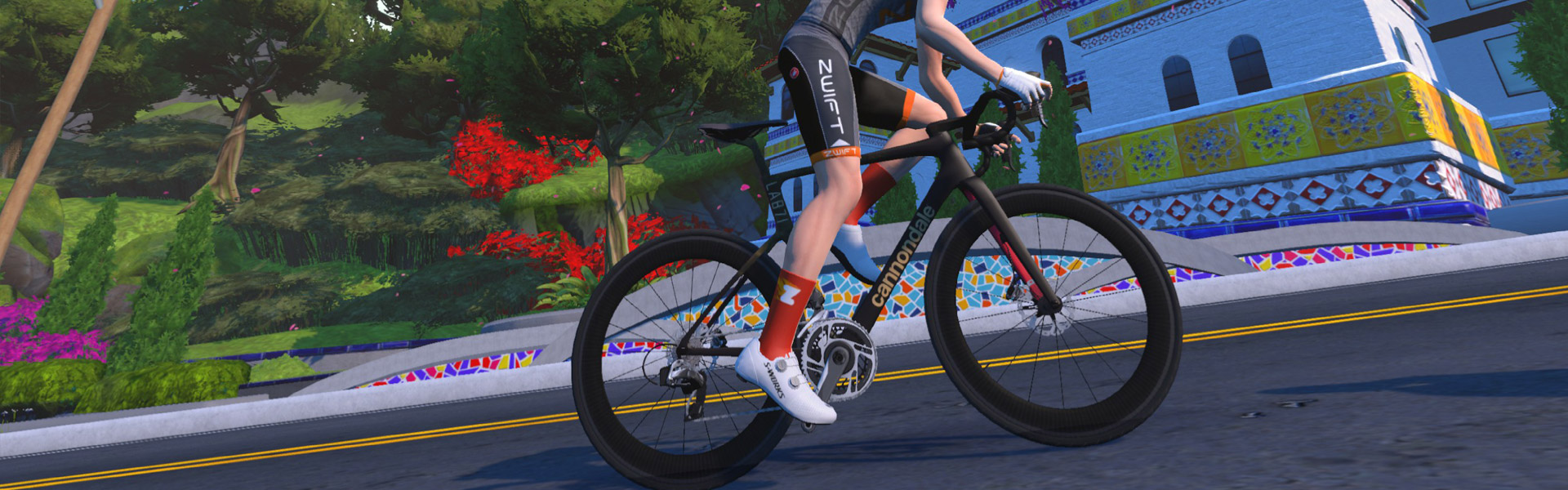
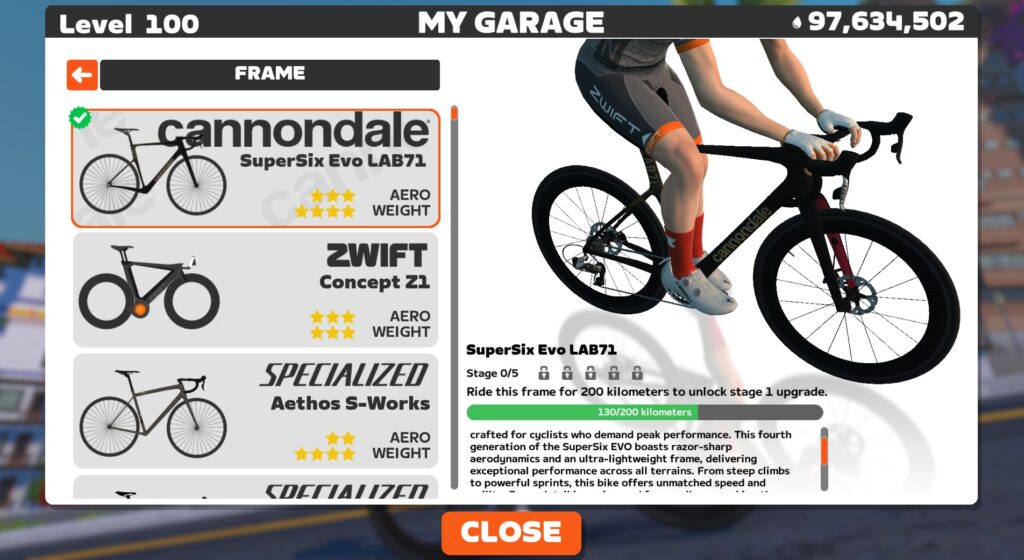
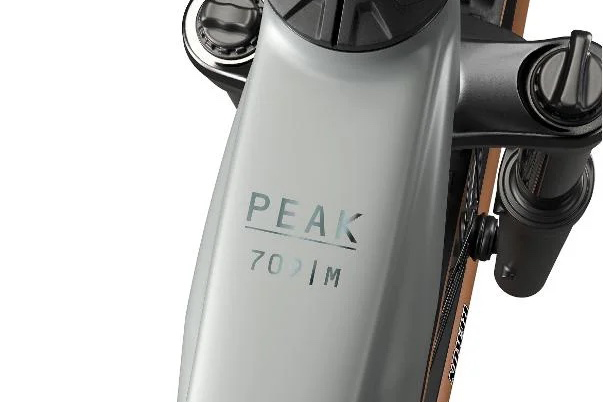
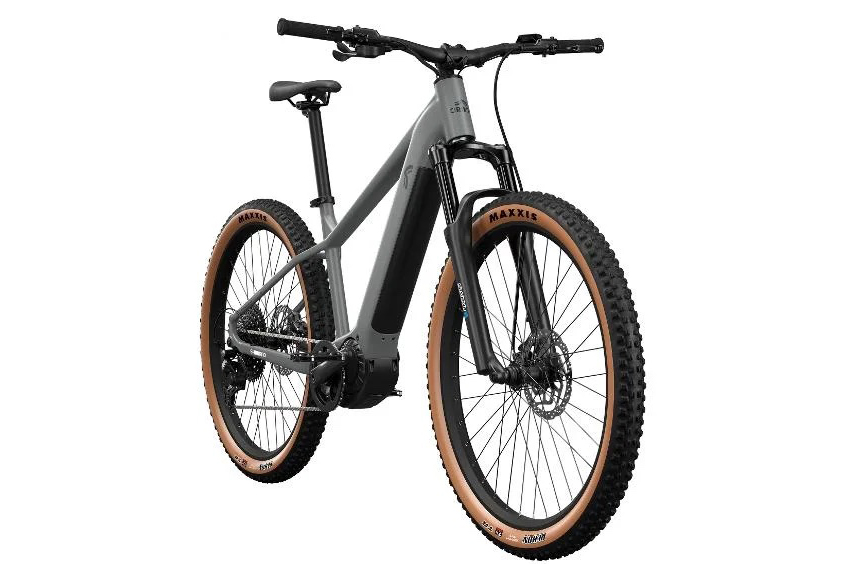
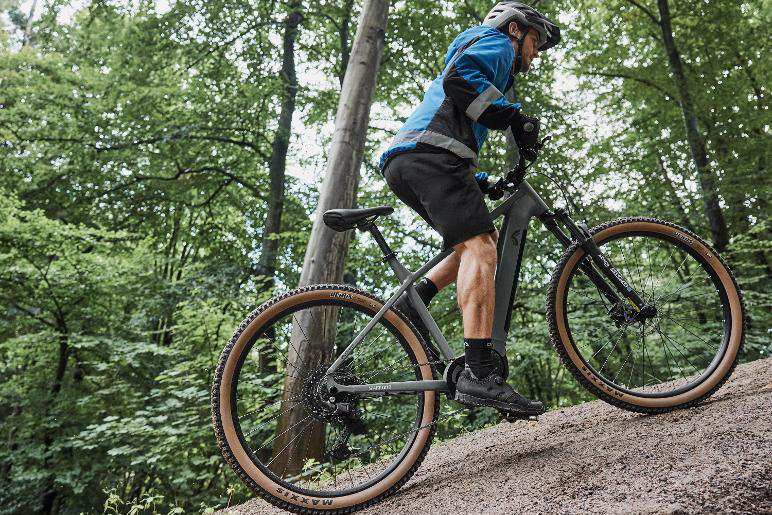
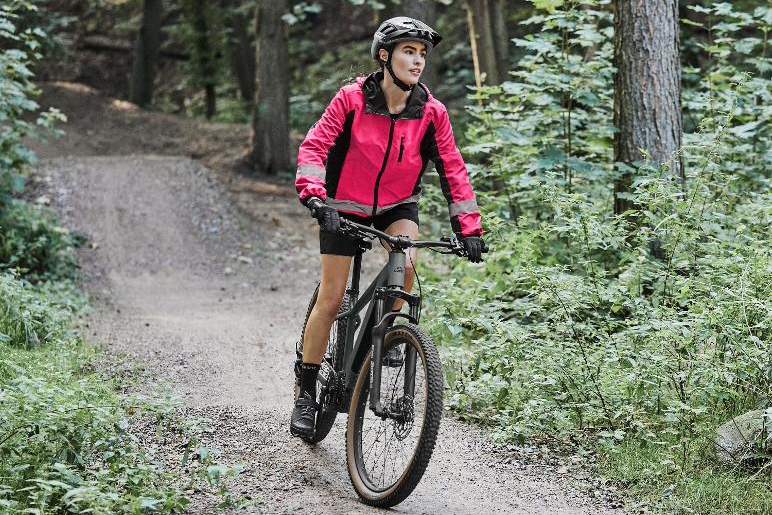
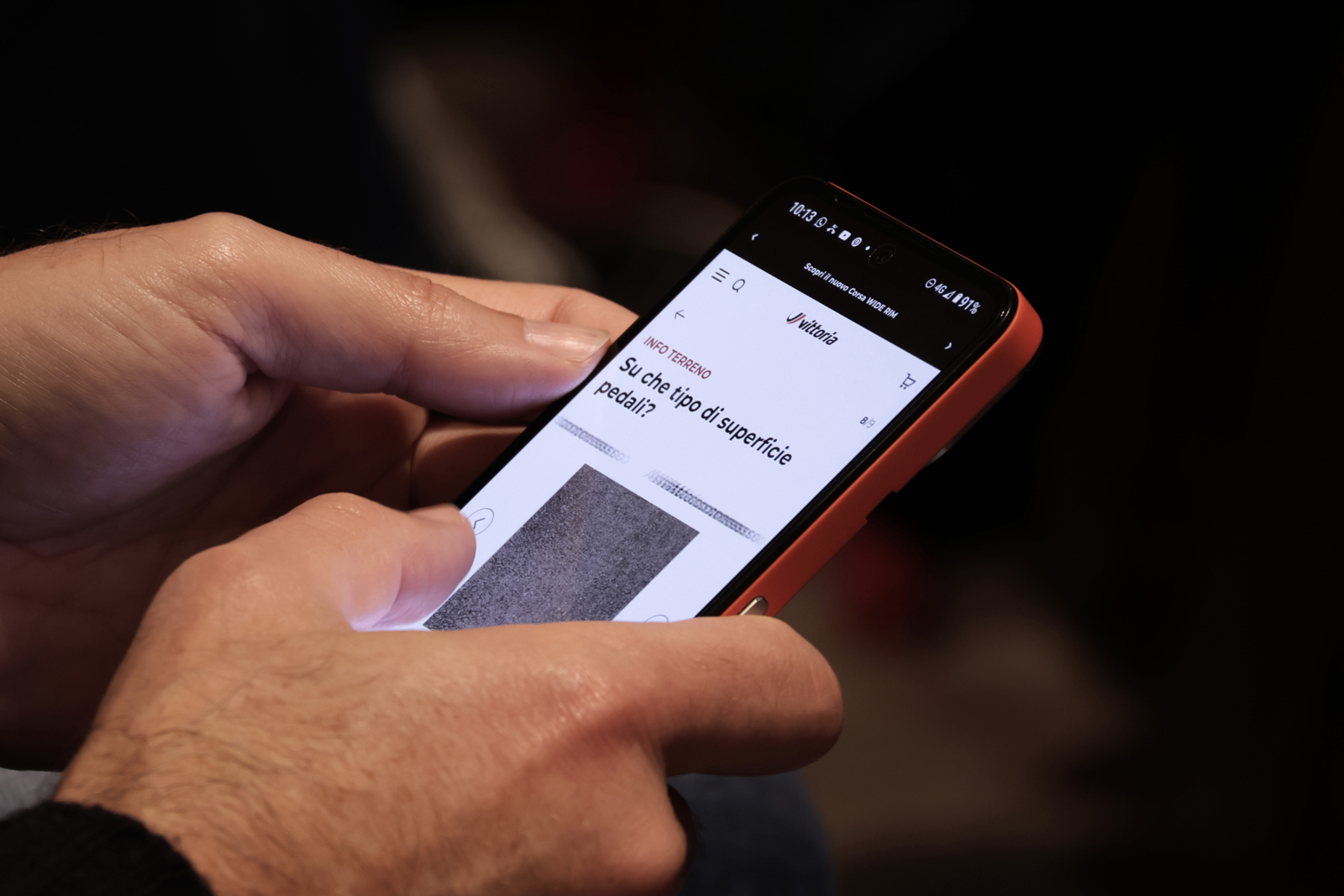
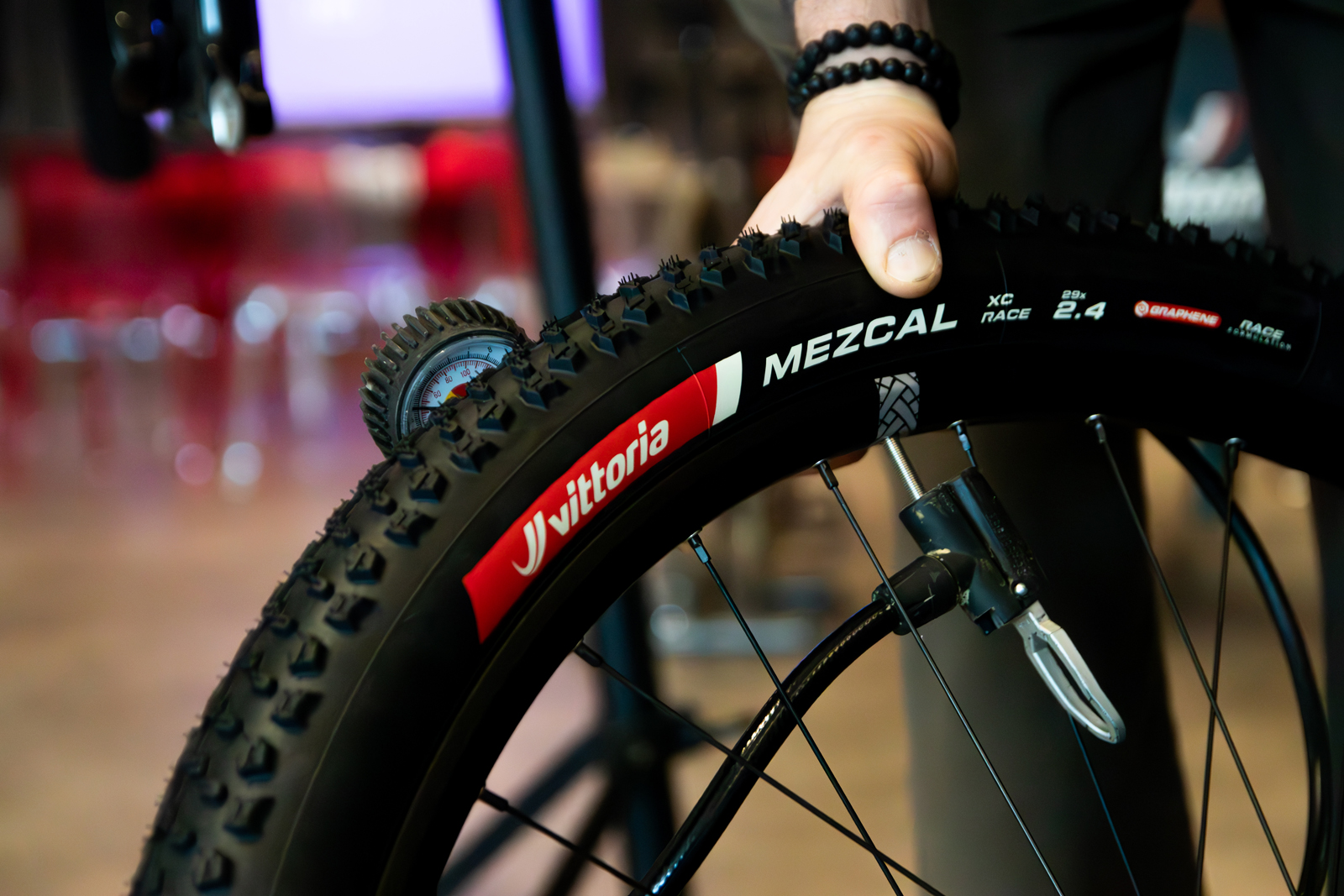
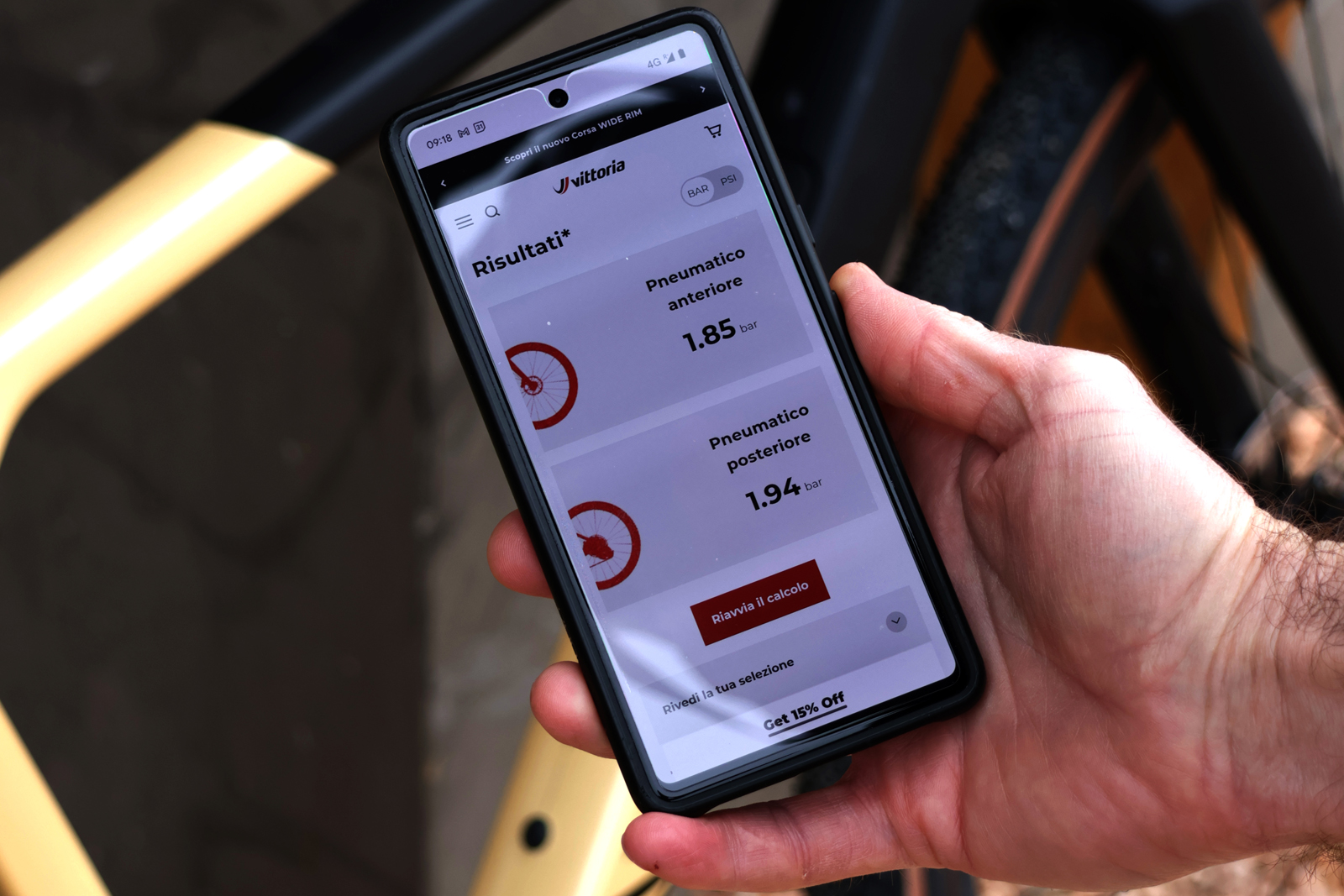
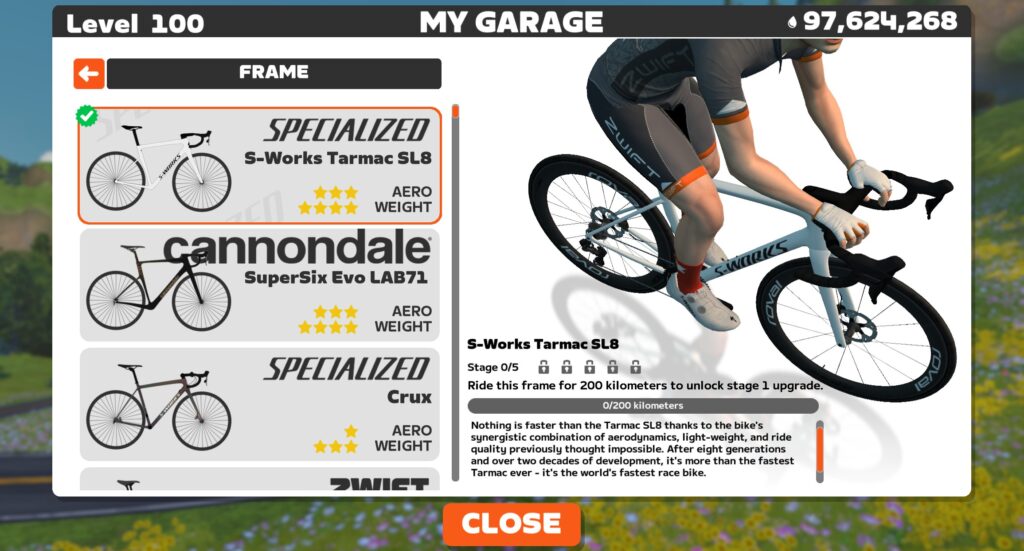
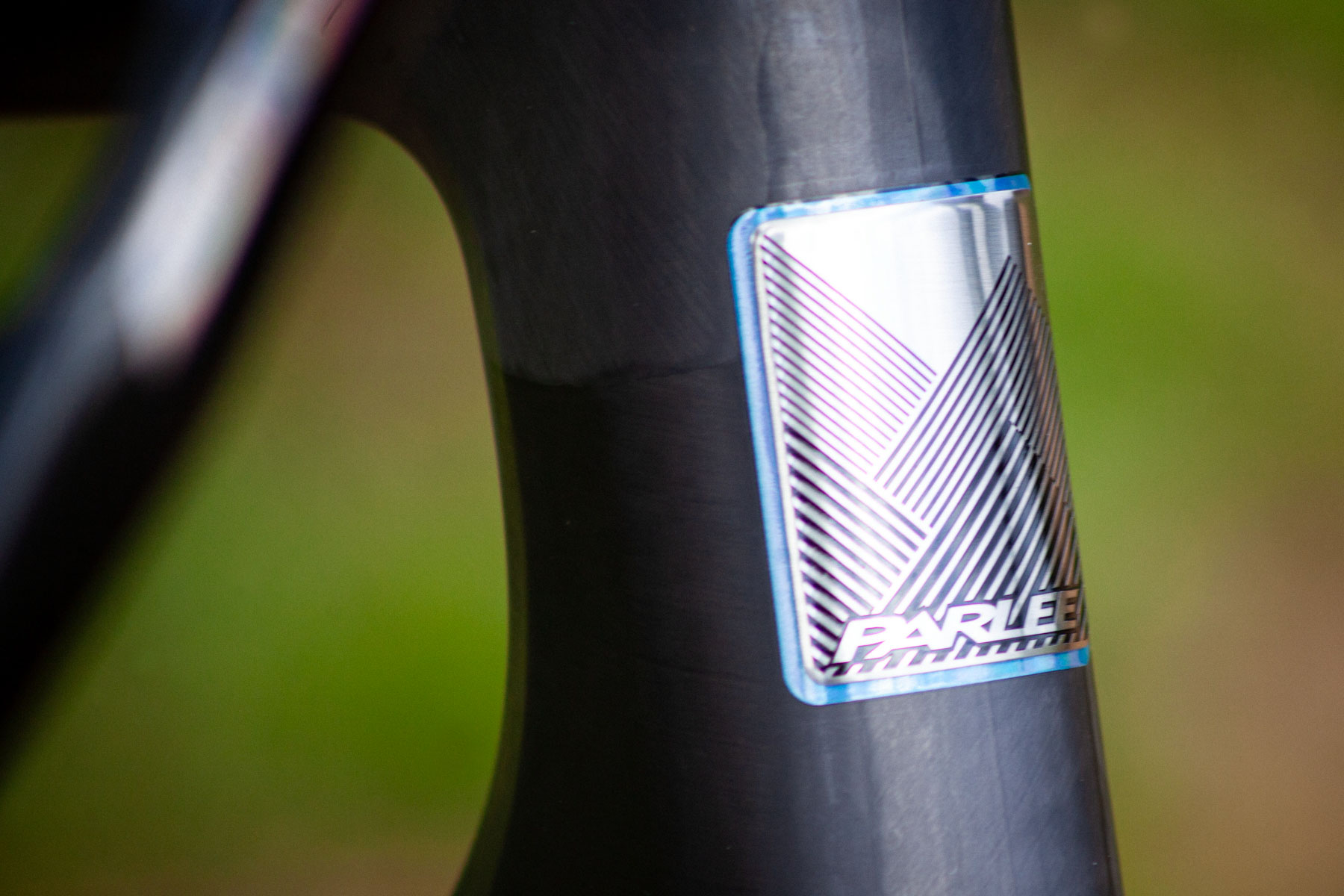
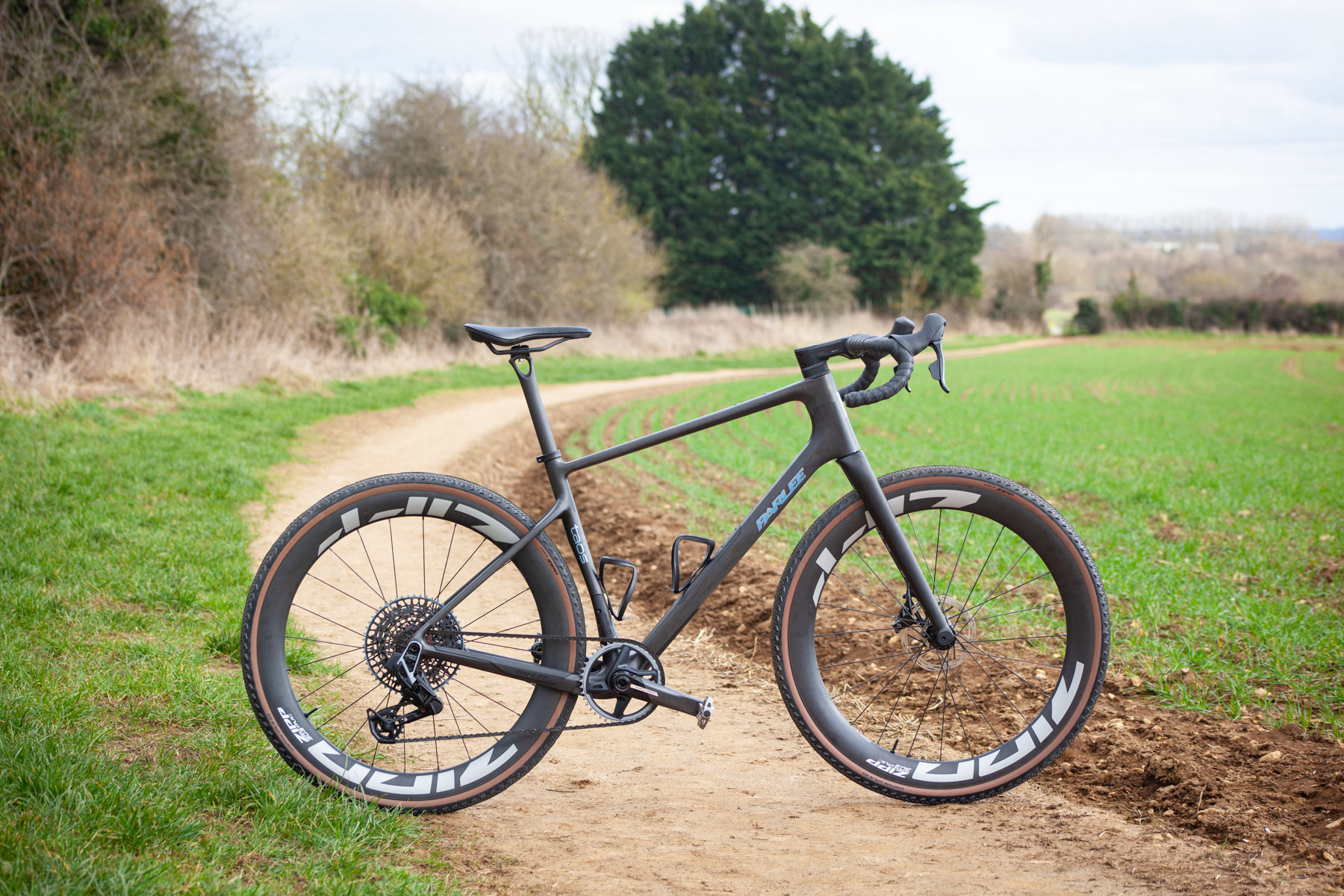
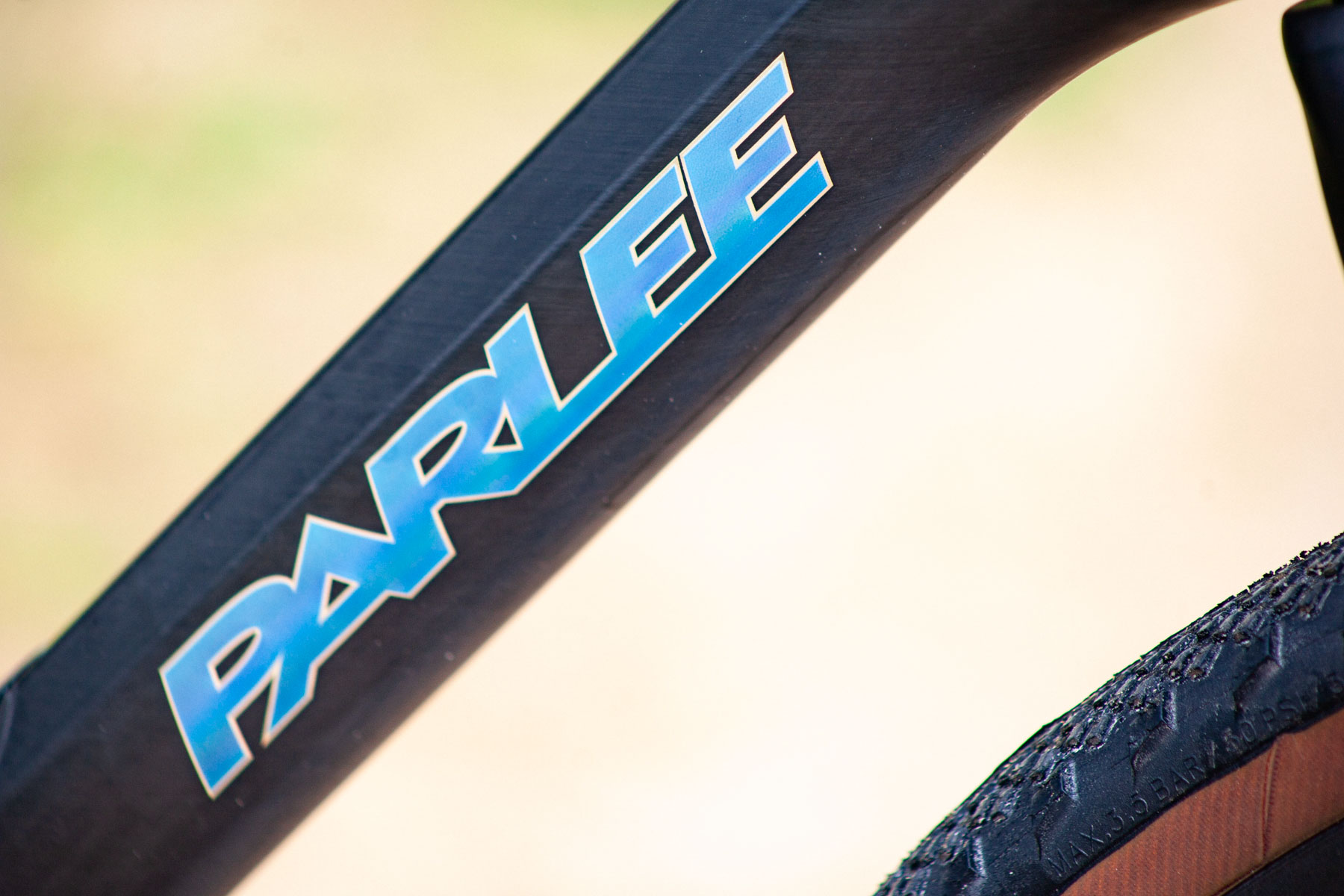
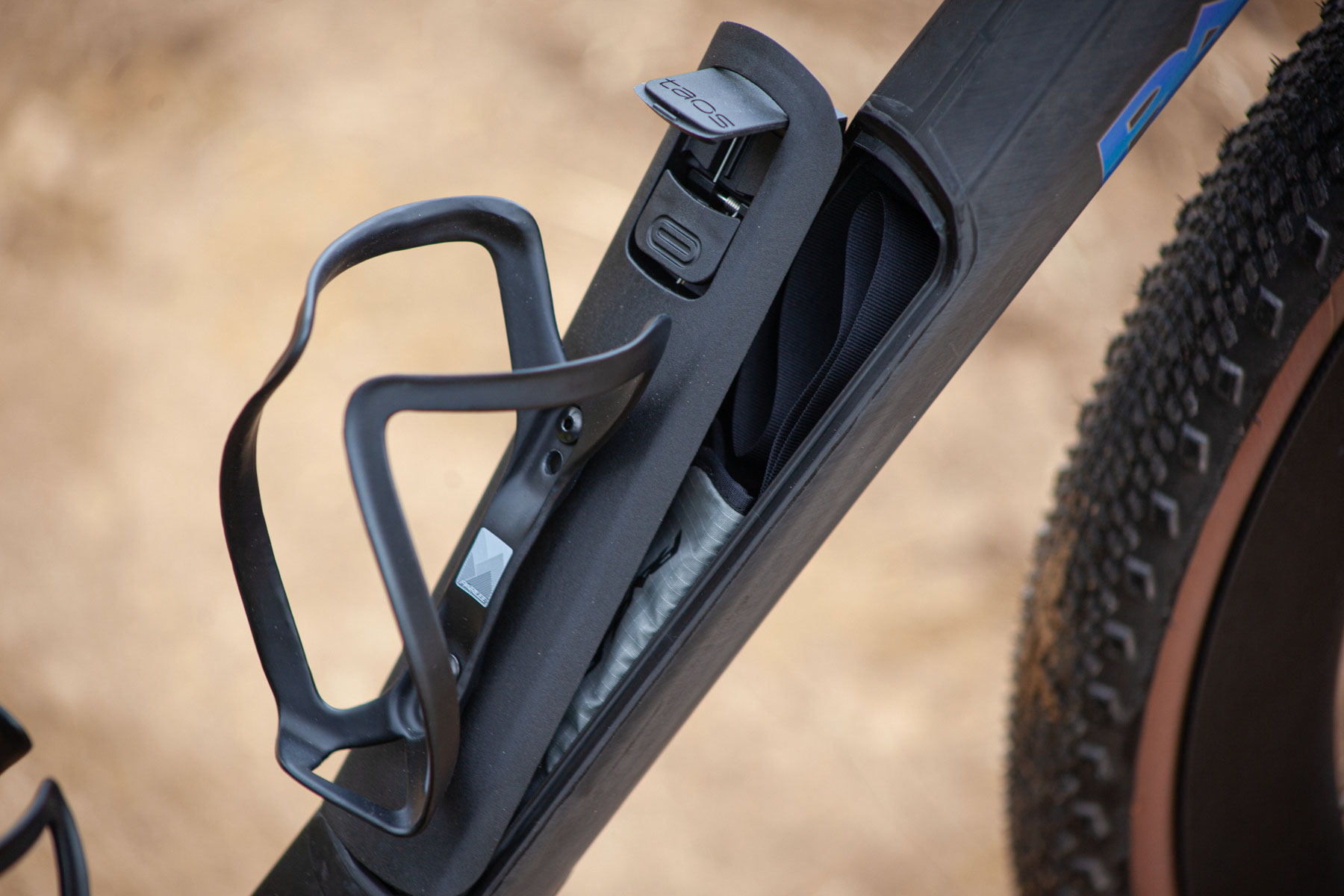
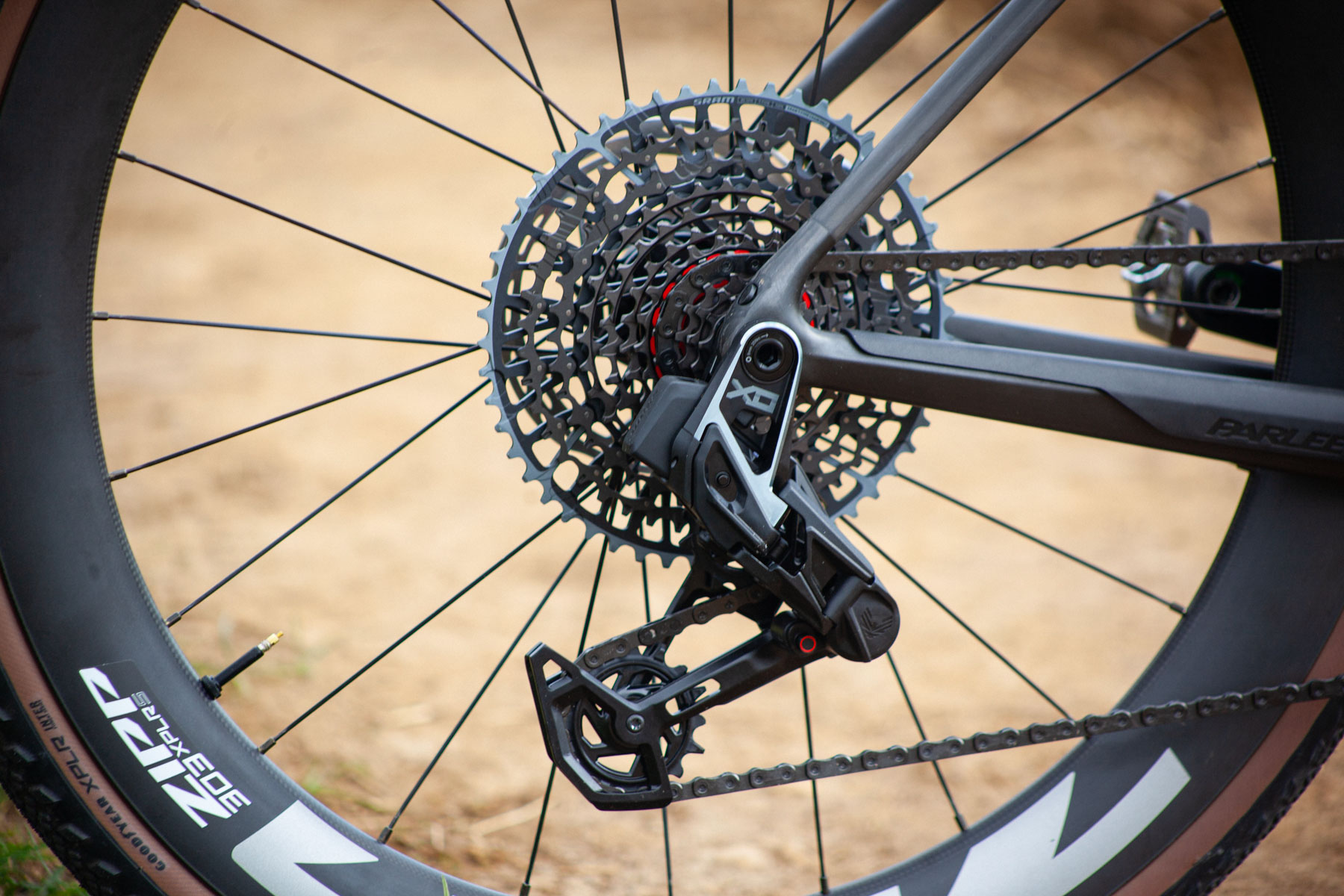
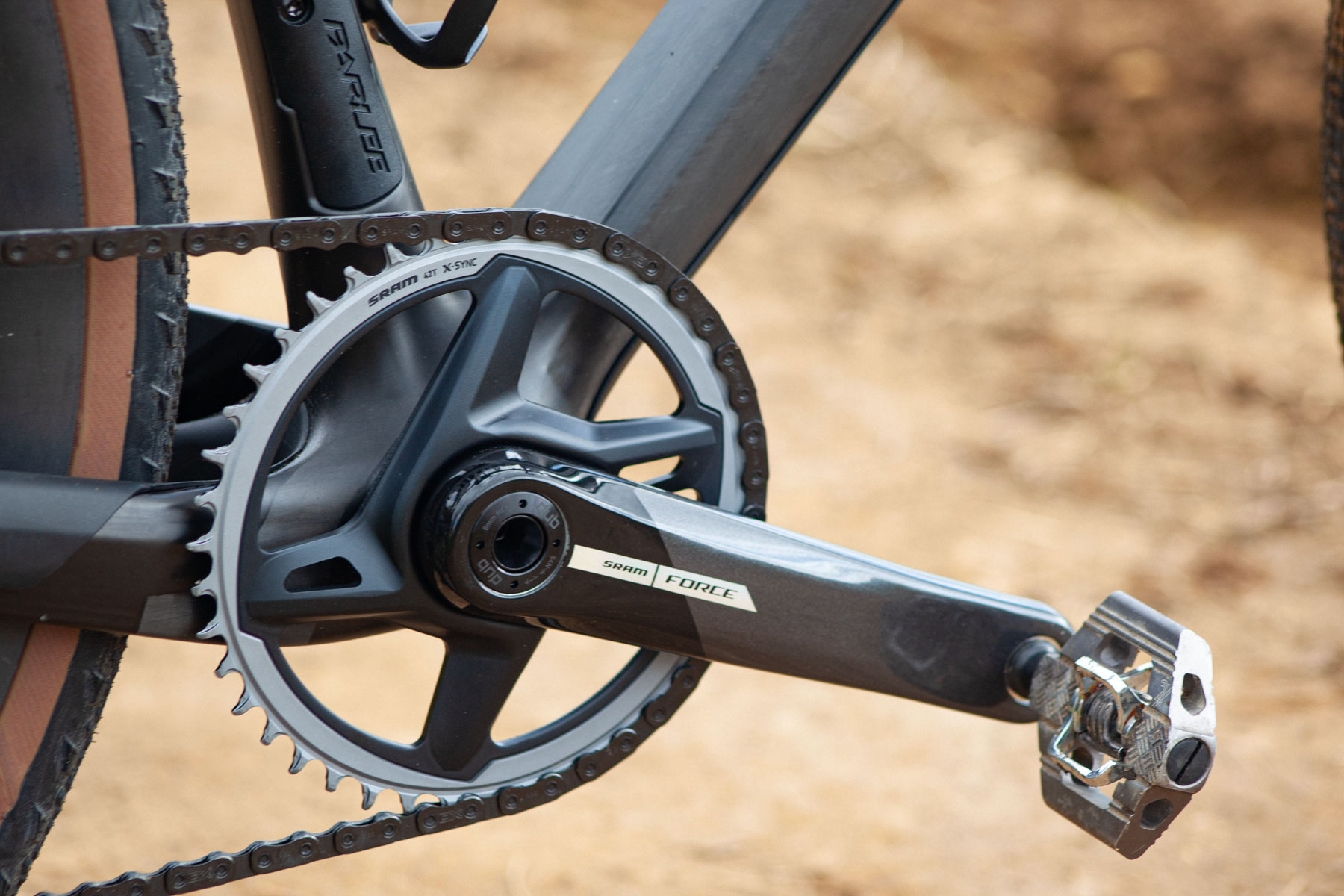
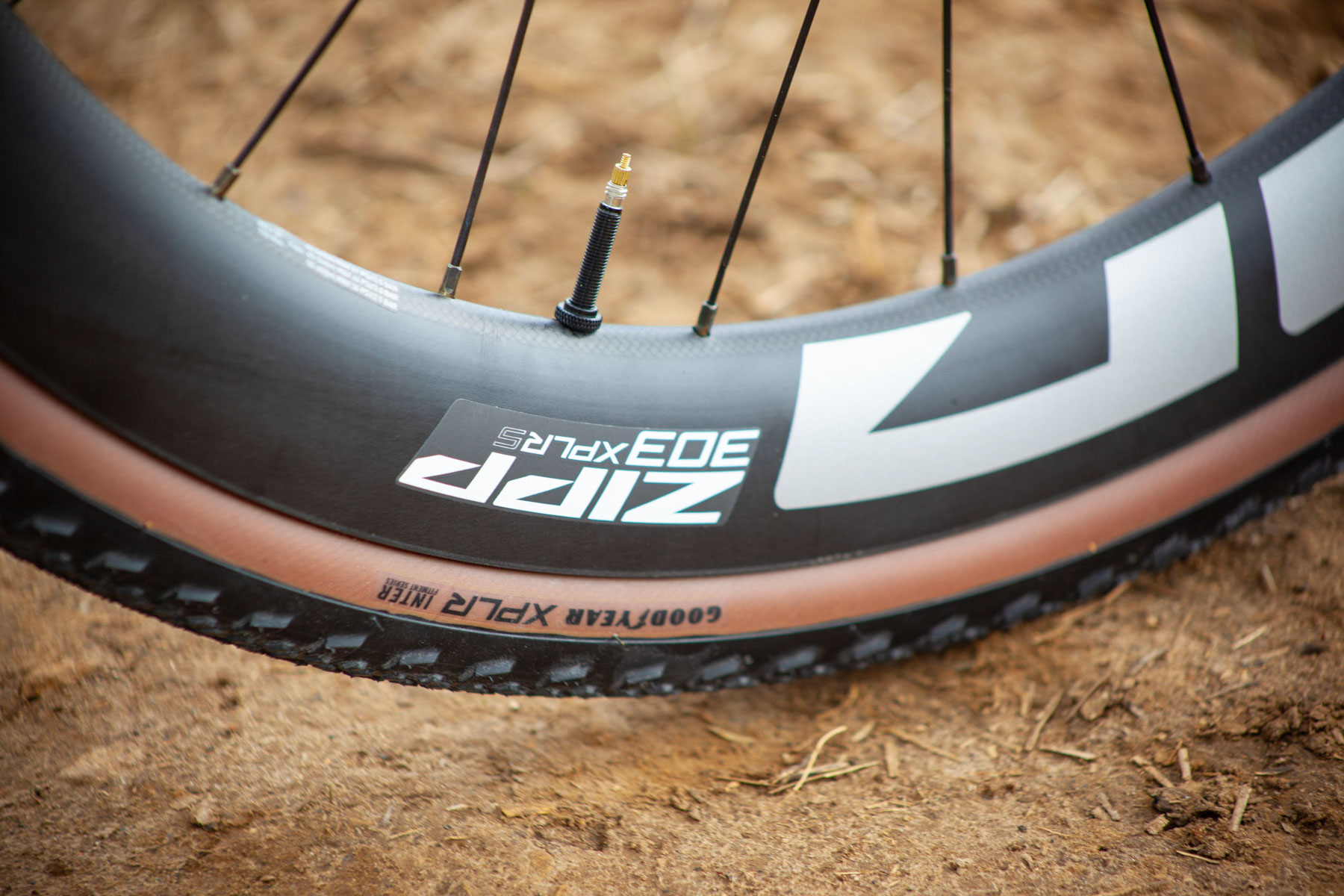
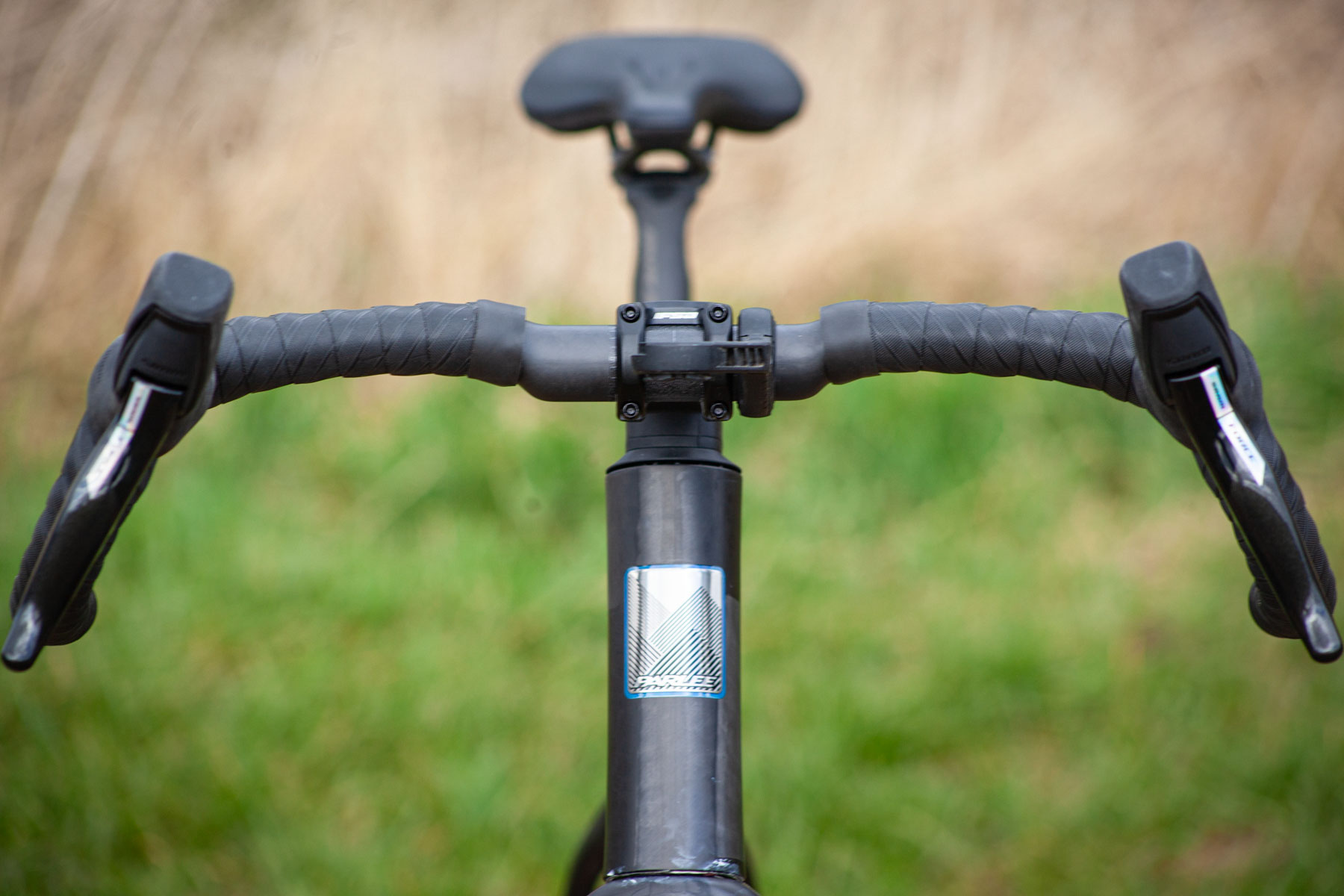

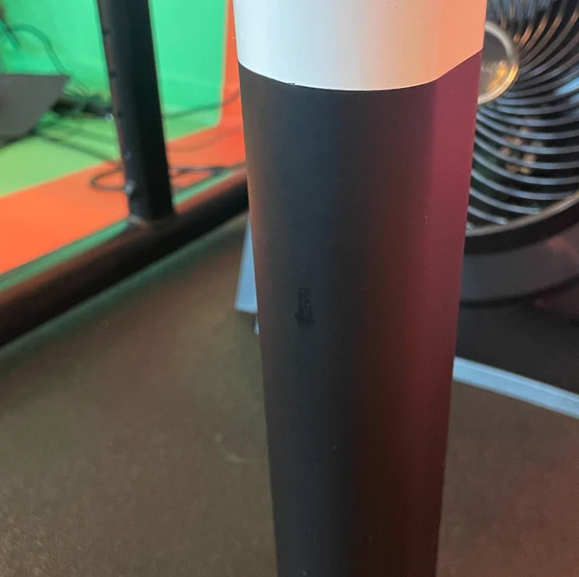
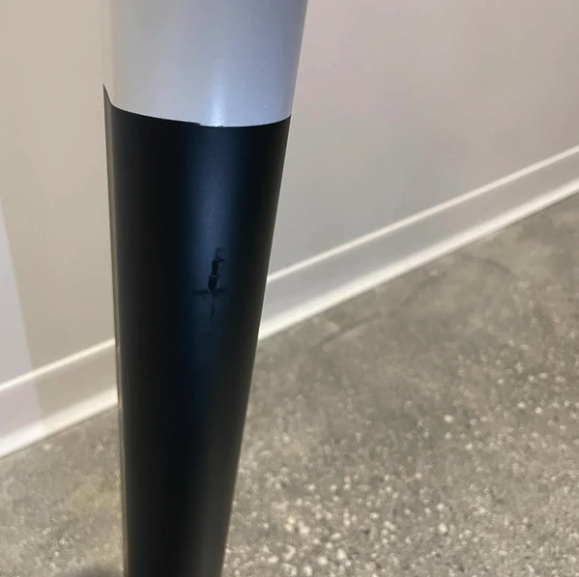
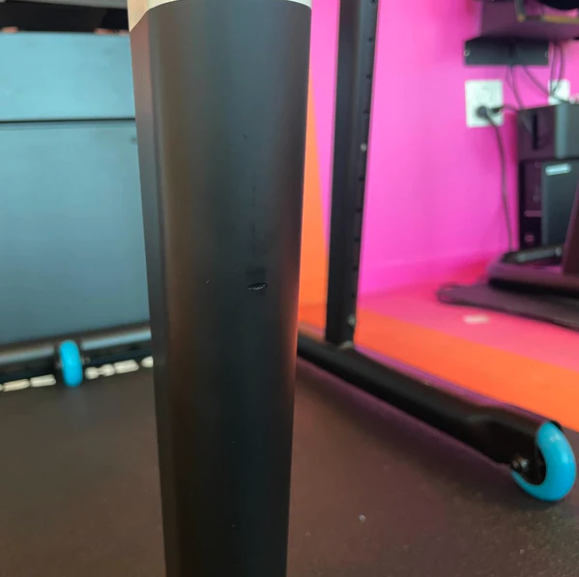
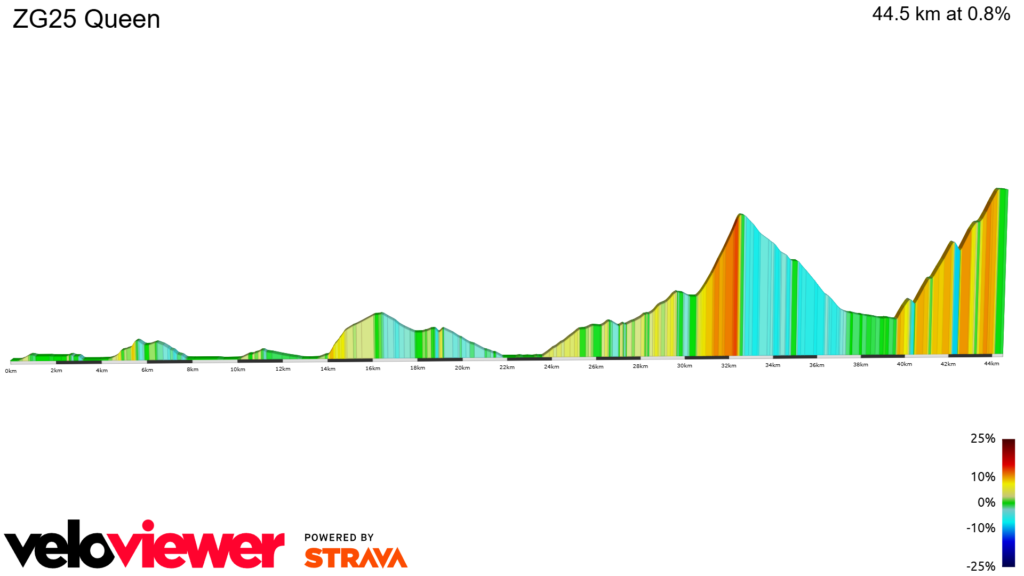
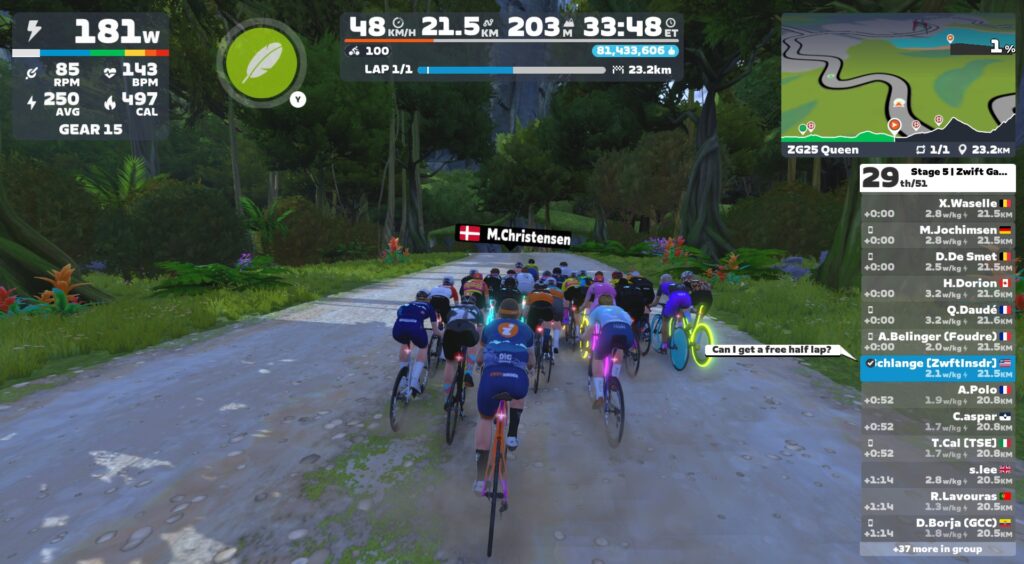
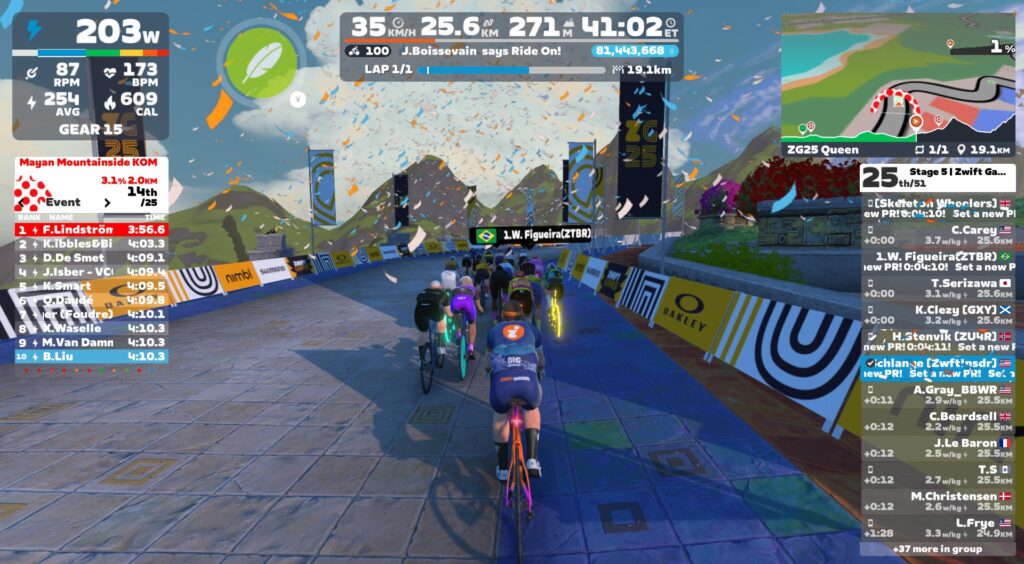
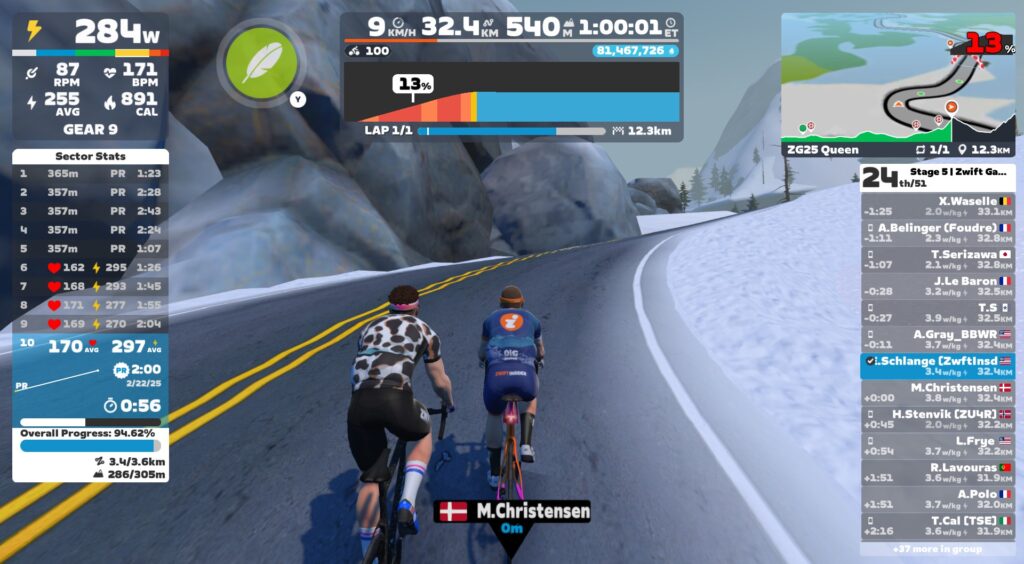
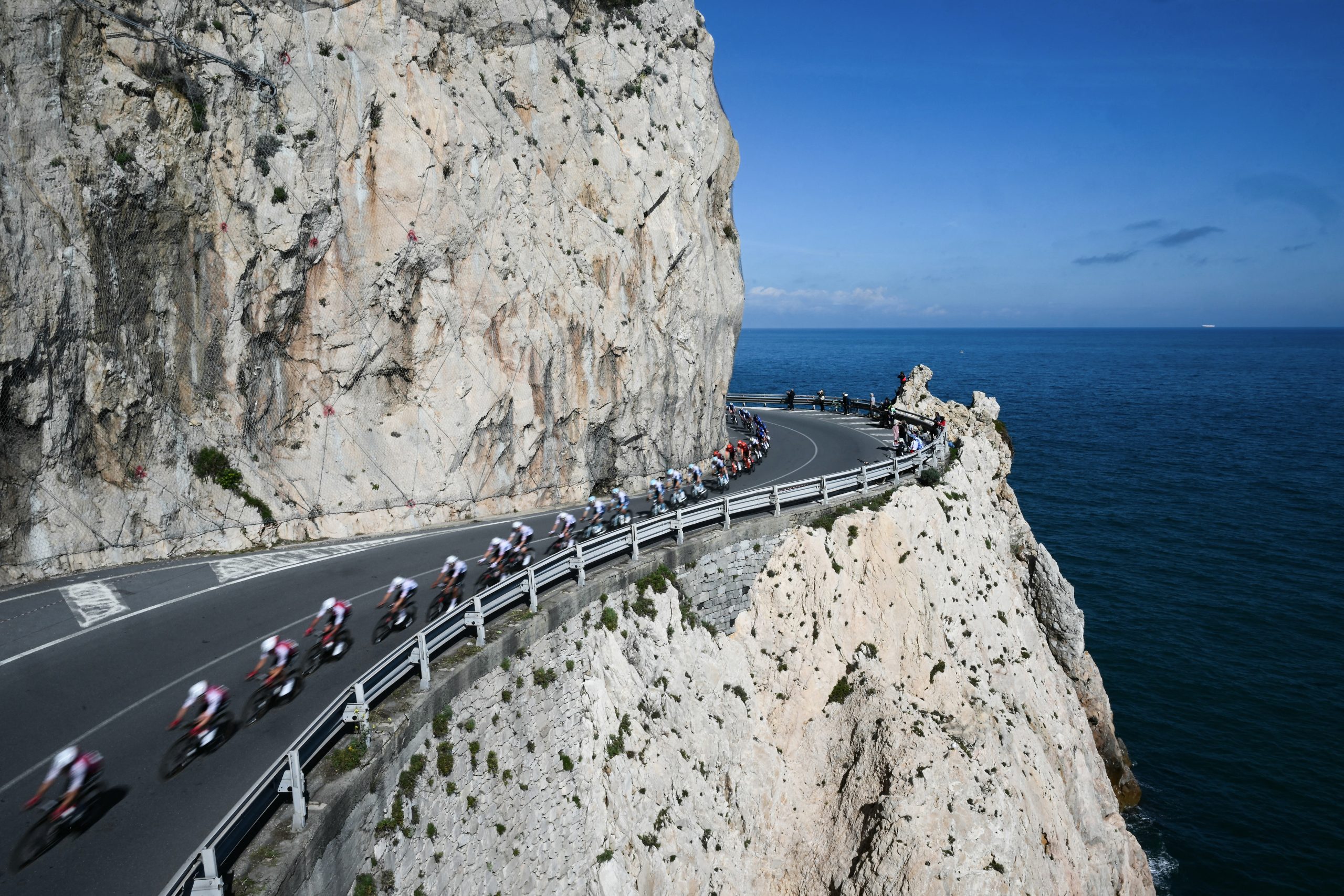
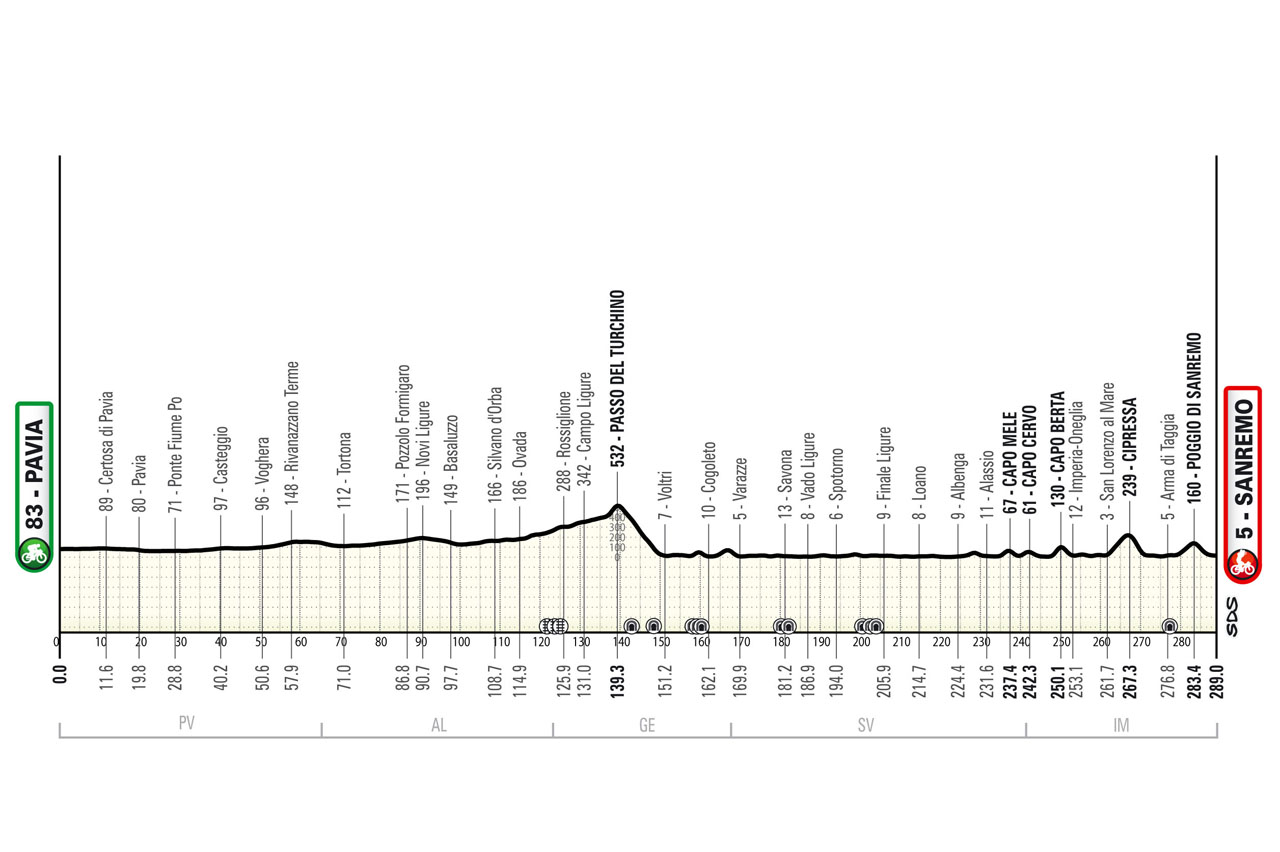
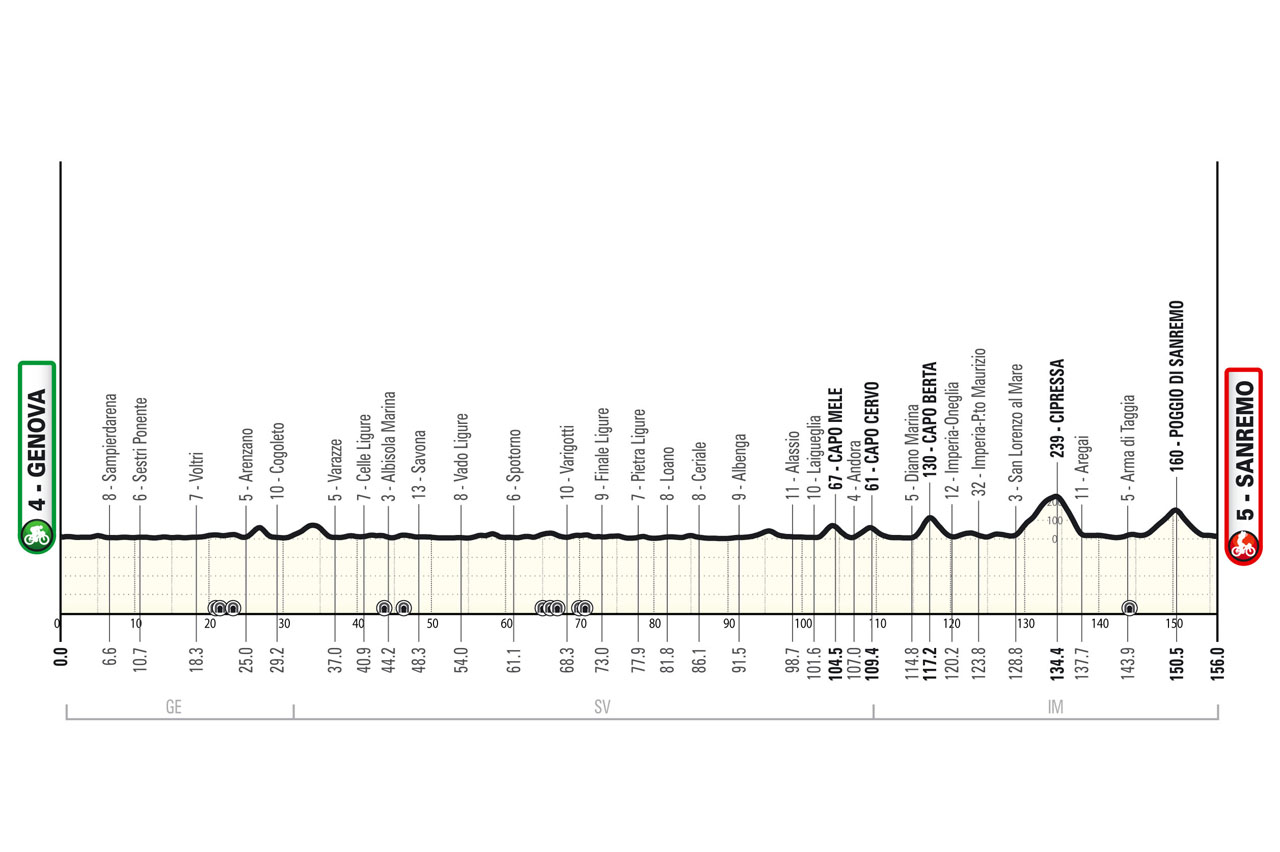
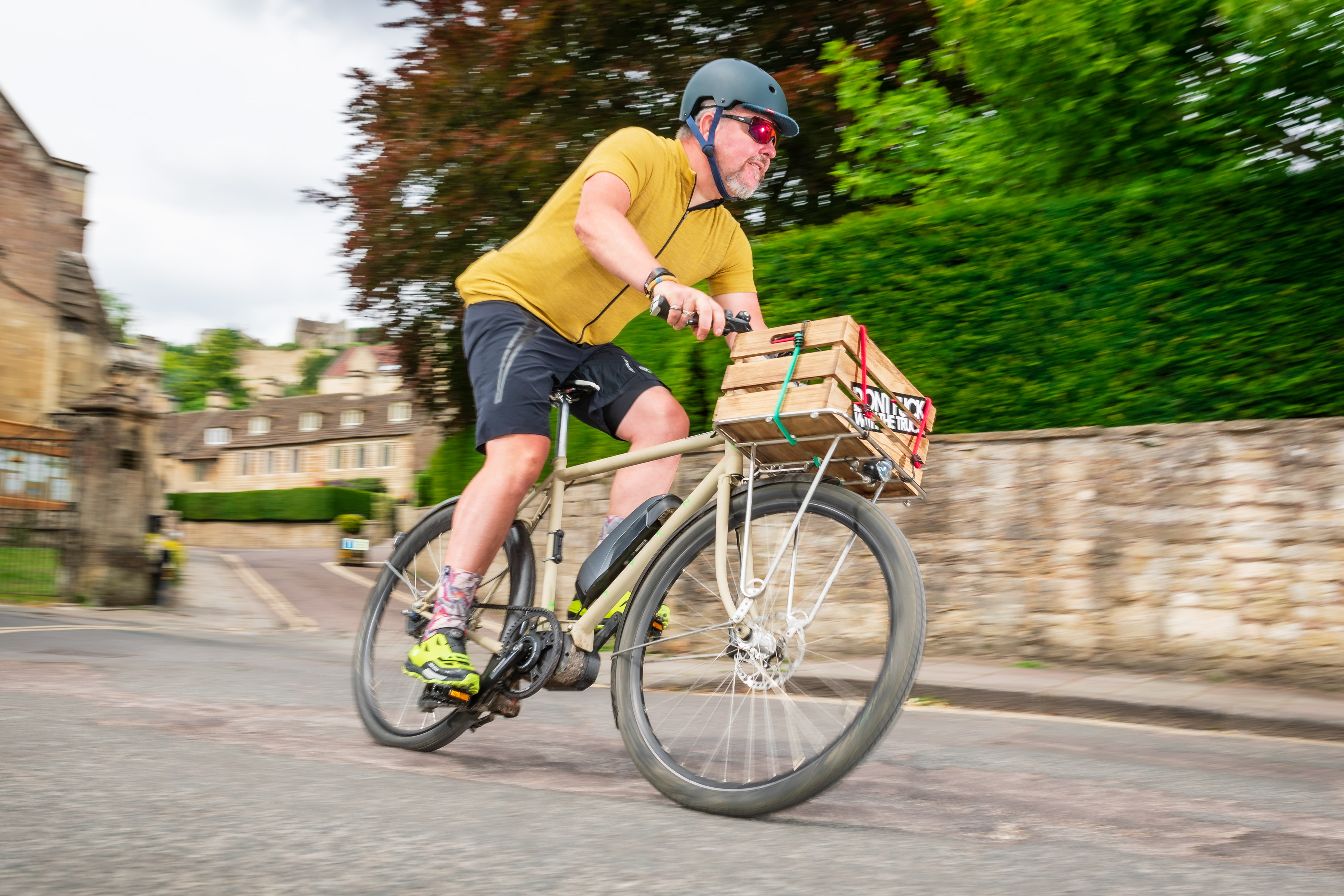
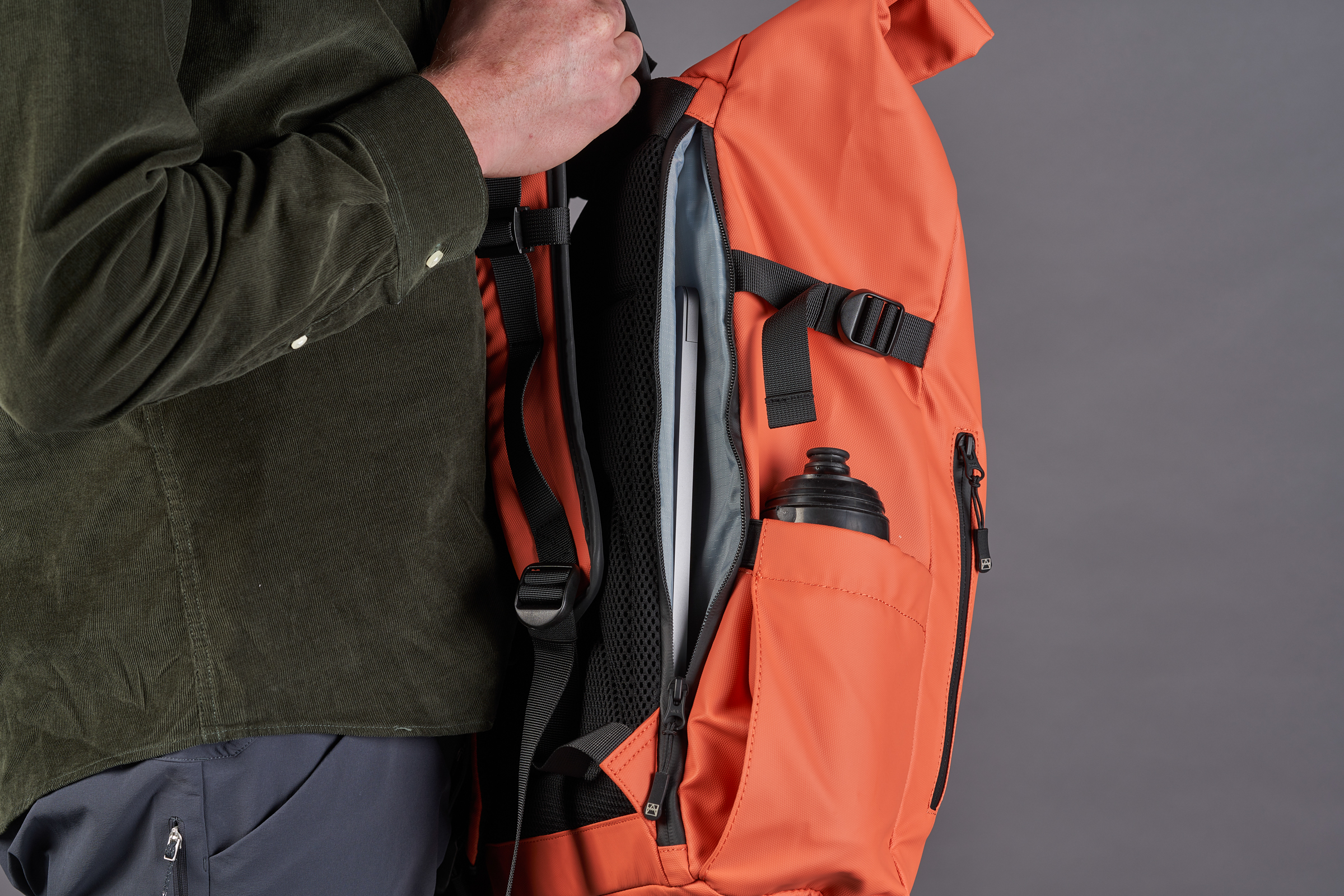
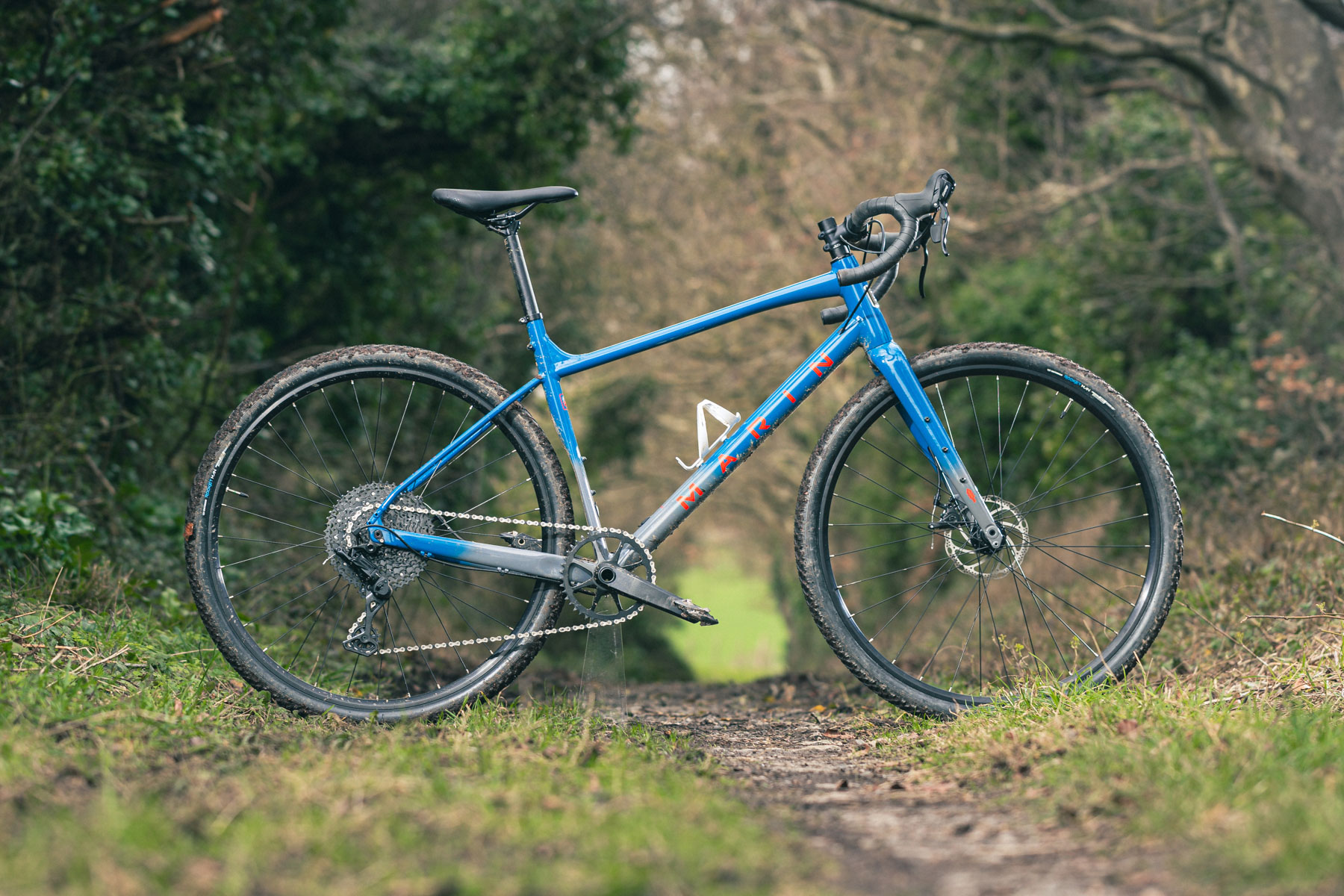
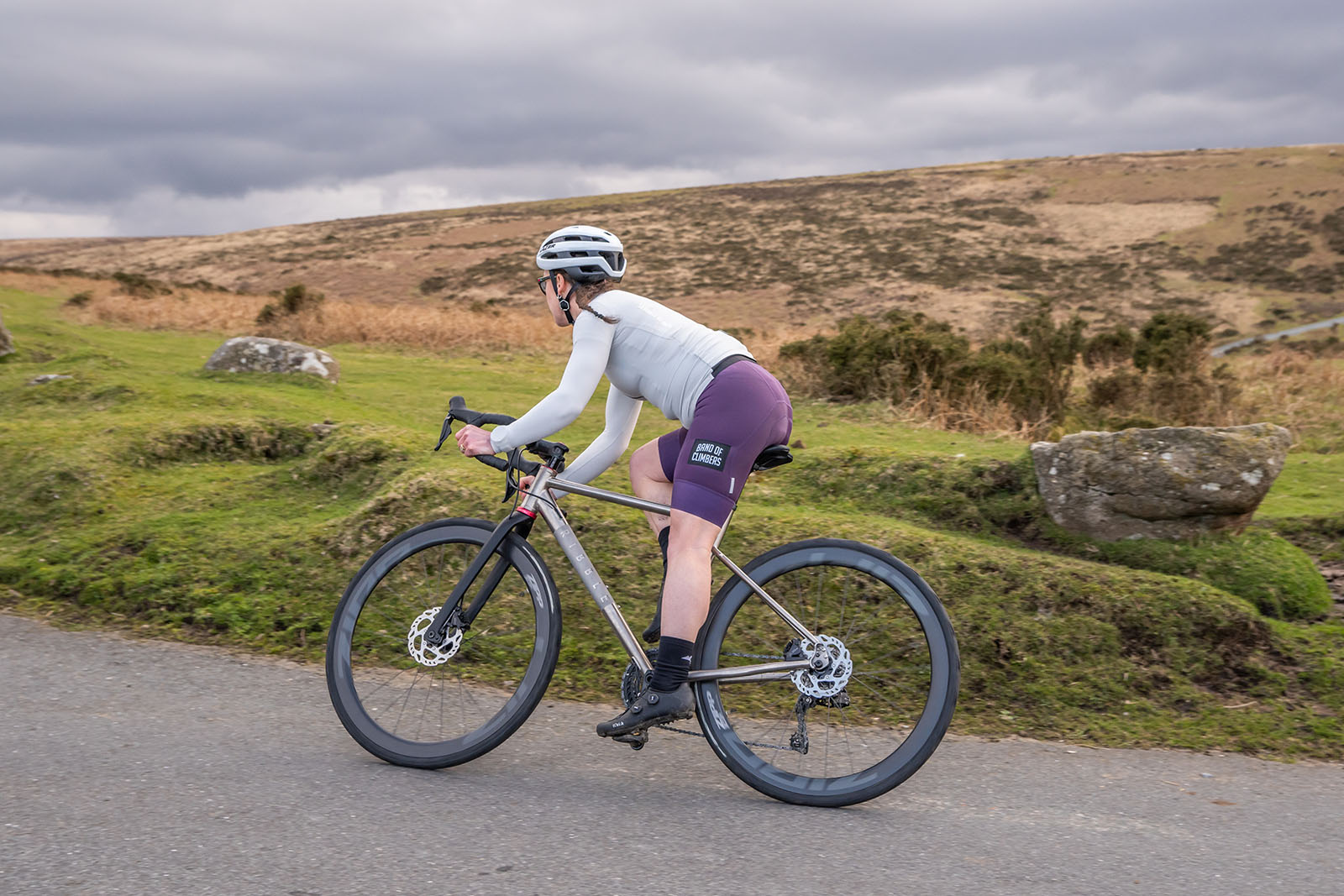
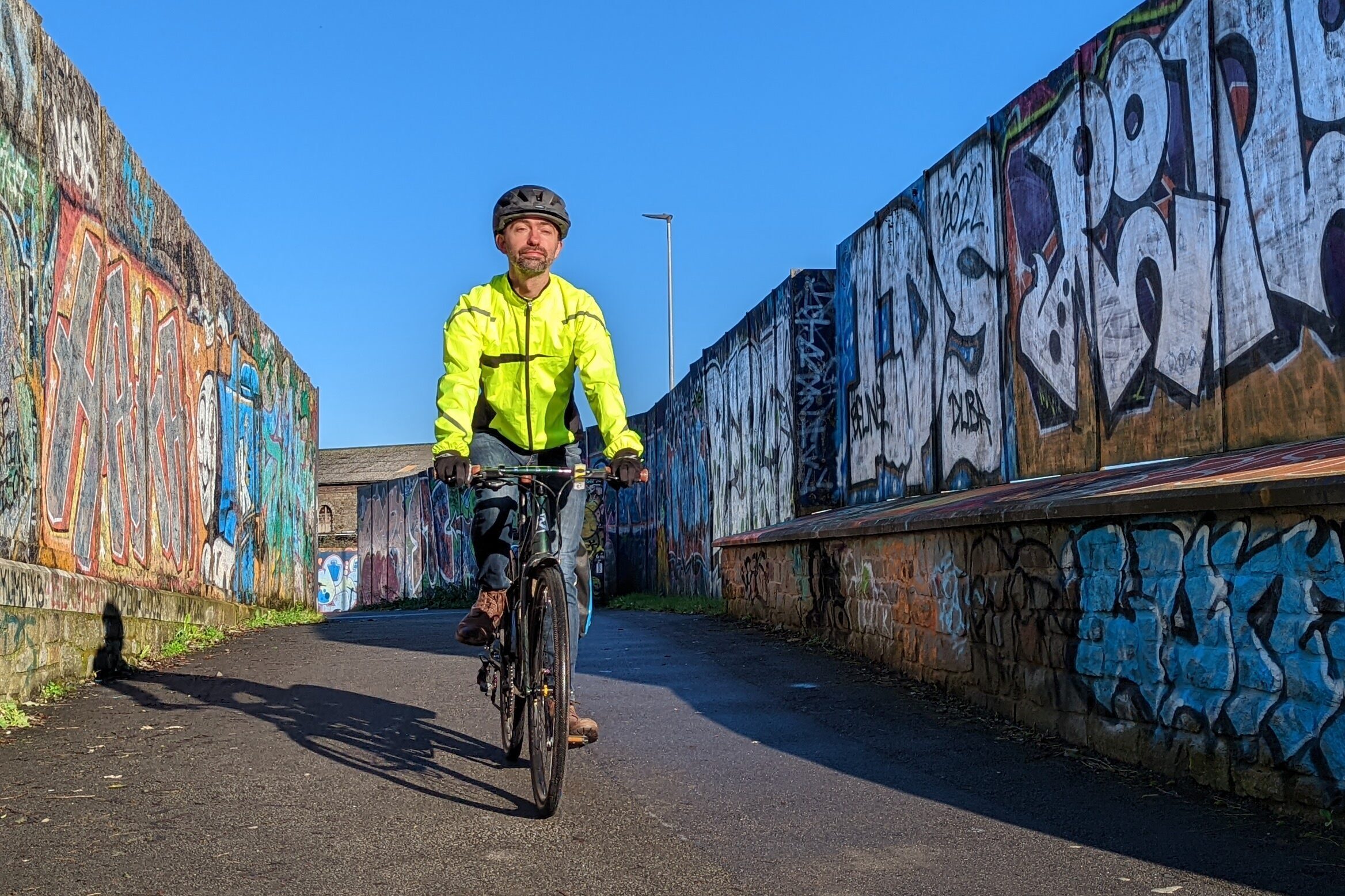
 Milano-Sanremo by PETA-Z & MoC®
 New Series
 Sir Chris Hoy’s | Tour de 4