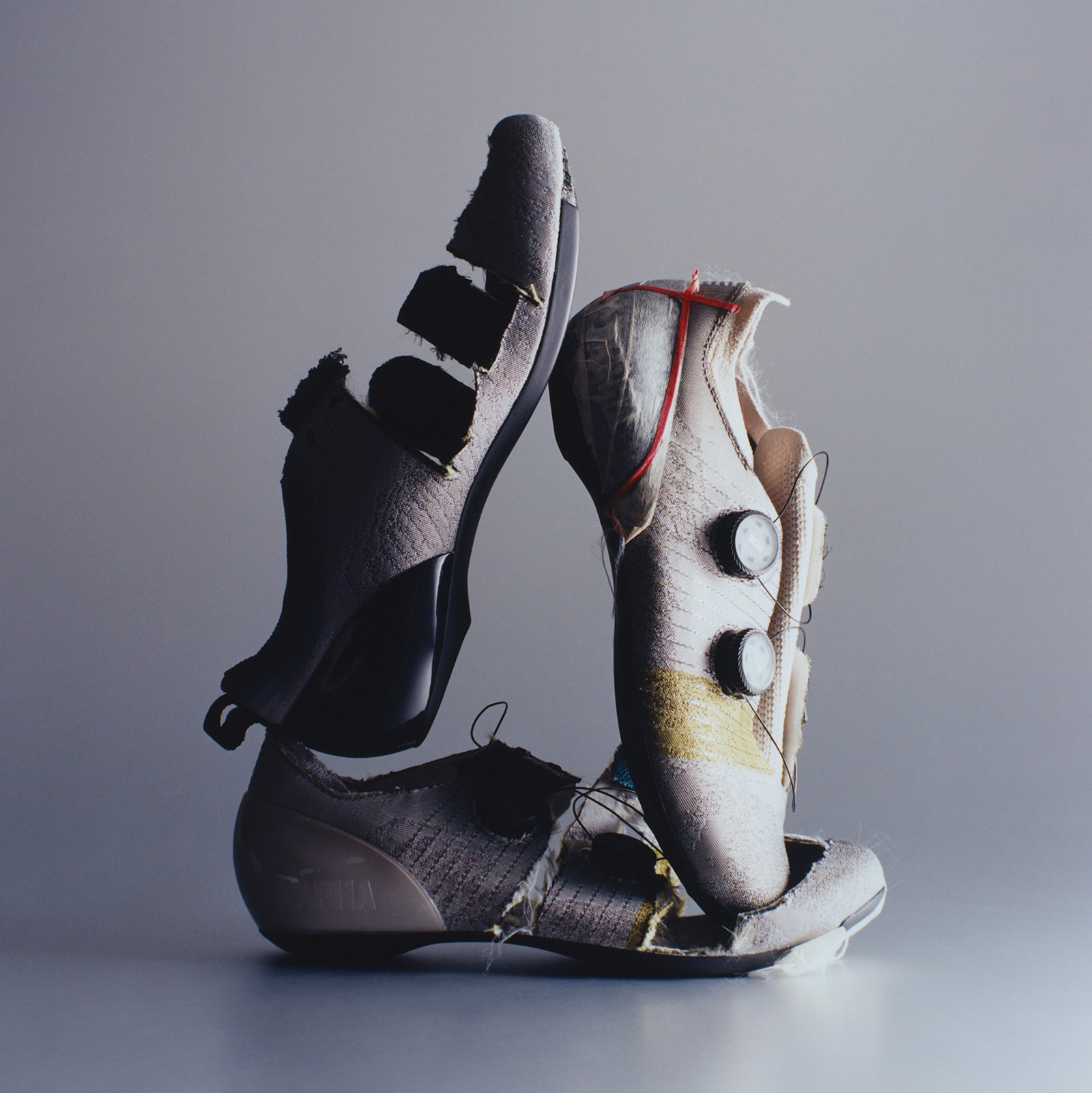
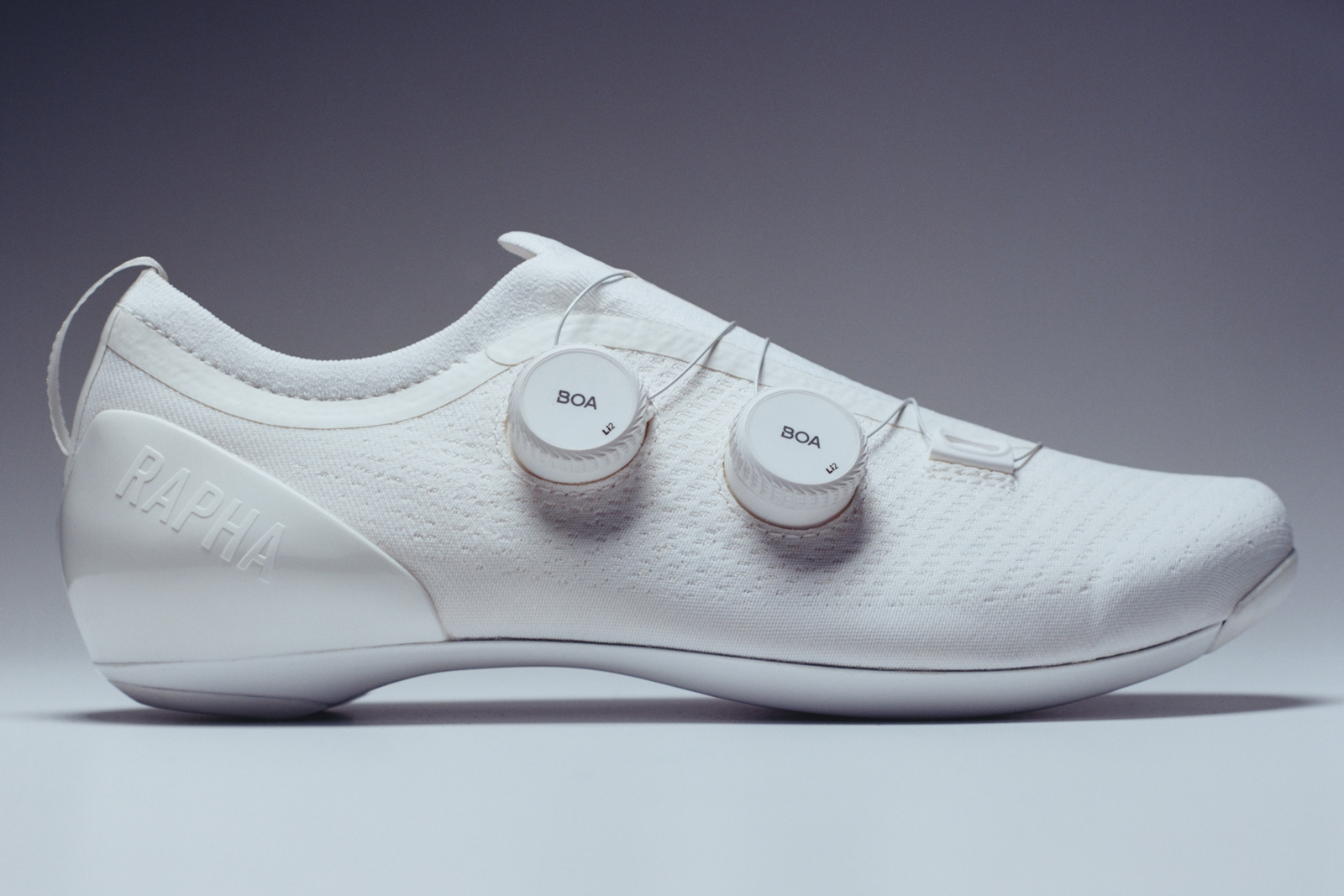
Rapha has released two new shoes, the Rapha Pro Team Powerweave Road and Gravel, which are said to benefit from its Wear Test programme.
The programme asks 130 amateur and professional athletes worldwide to give feedback on new products, from initial development to validation.
Finn Abbot-White, Rapha’s Wear Test lead, says: “We handpick testers, people I would call experts and seasoned riders. People who are critical, but who want to help us push boundaries.”
Prototypes from the Rapha Wear Test programme. Rapha
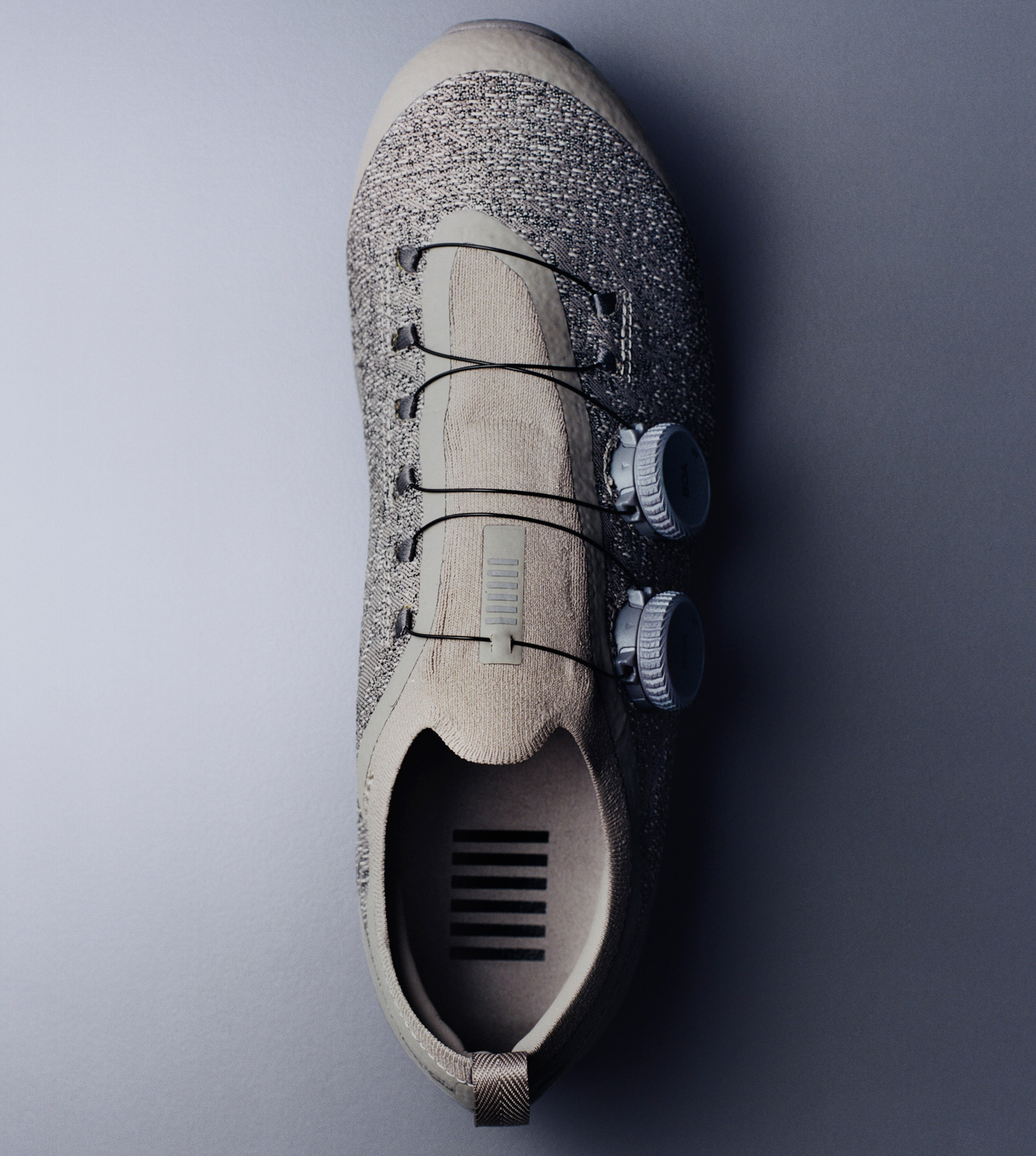
The new Road and Gravel shoes feature Rapha’s woven Powerweave uppers, which debuted on the Pro Team shoes in 2020.
The uppers have a new knitted sock collar, similar to what you find on some football boots. Rapha says this “ensures a stable, locked-in fit eliminating tongue movement and hotspots”.
The new £350 shoes also share Boa Li2 dials for “comfort and total control” over fit adjustments.
Rapha Pro Team Powerweave Road
Rapha has used woven uppers on its shoes for five years. Rapha
The Pro Team Powerweave Road shoes target greater comfort and a “superior connection”.
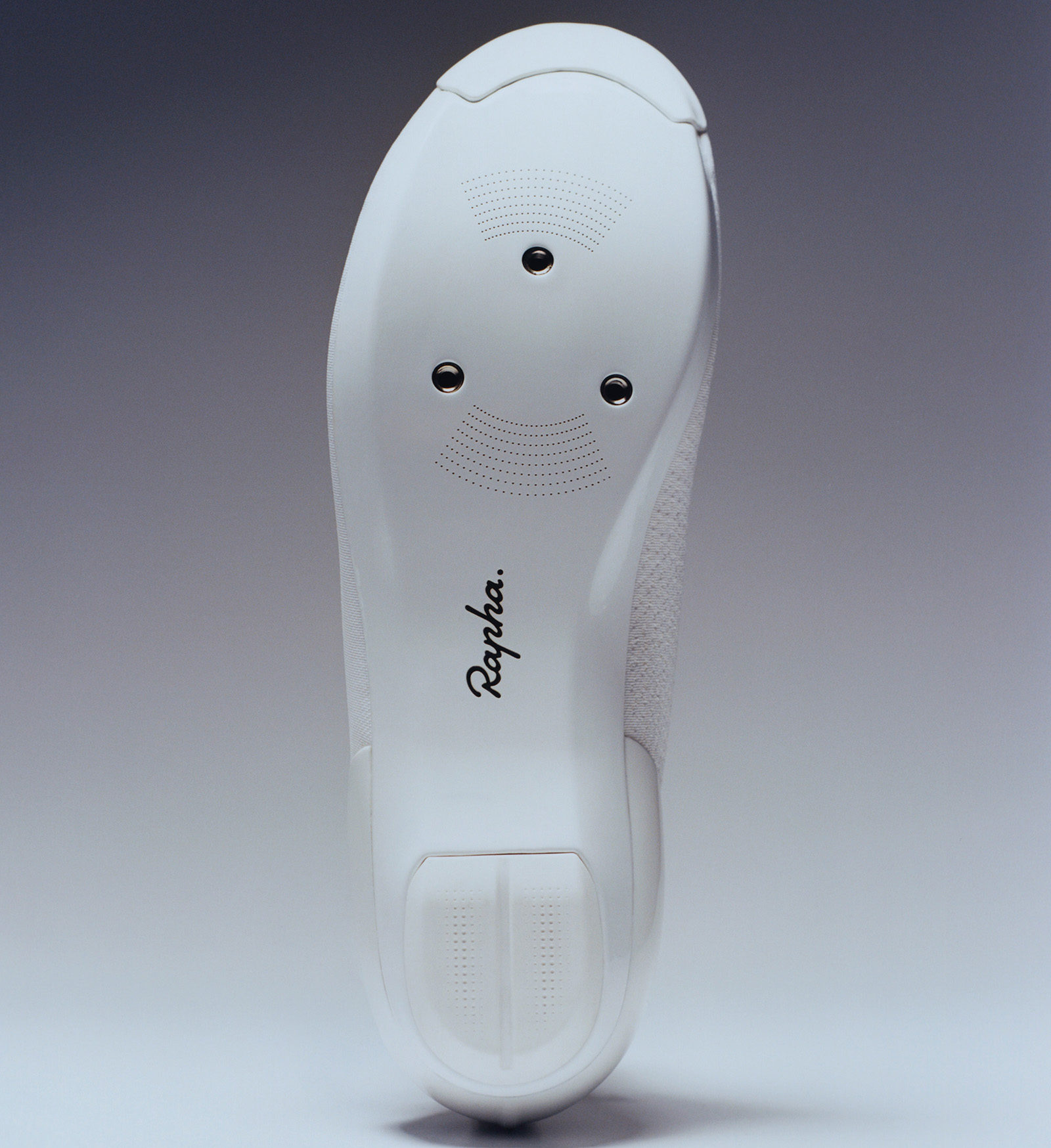
Alongside the woven upper and Li2 dials, the road cycling shoes have a 100 per cent carbon sole for stiffness and power delivery.
There is also a heel counter made from Pebax, a thermoplastic polymer with a low material density and an efficient energy return, according to its producer Arkema.
The shoe has a 100 per cent carbon sole, which fits three-bolt cleats. Rapha
You can adjust the fit of the new road shoes thanks to interchangeable insole arches.
The shoes take inspiration from the Rapha Climber’s Shoes with reflective detailing.
Rapha says they weigh 227g per shoe (size 42) and recommends you go up half a size.
Rapha Pro Team Powerweave Gravel
The Rapha Pro Team Powerweave Gravel upper combines recycled polyester with TPU to improve abrasion resistance. Rapha
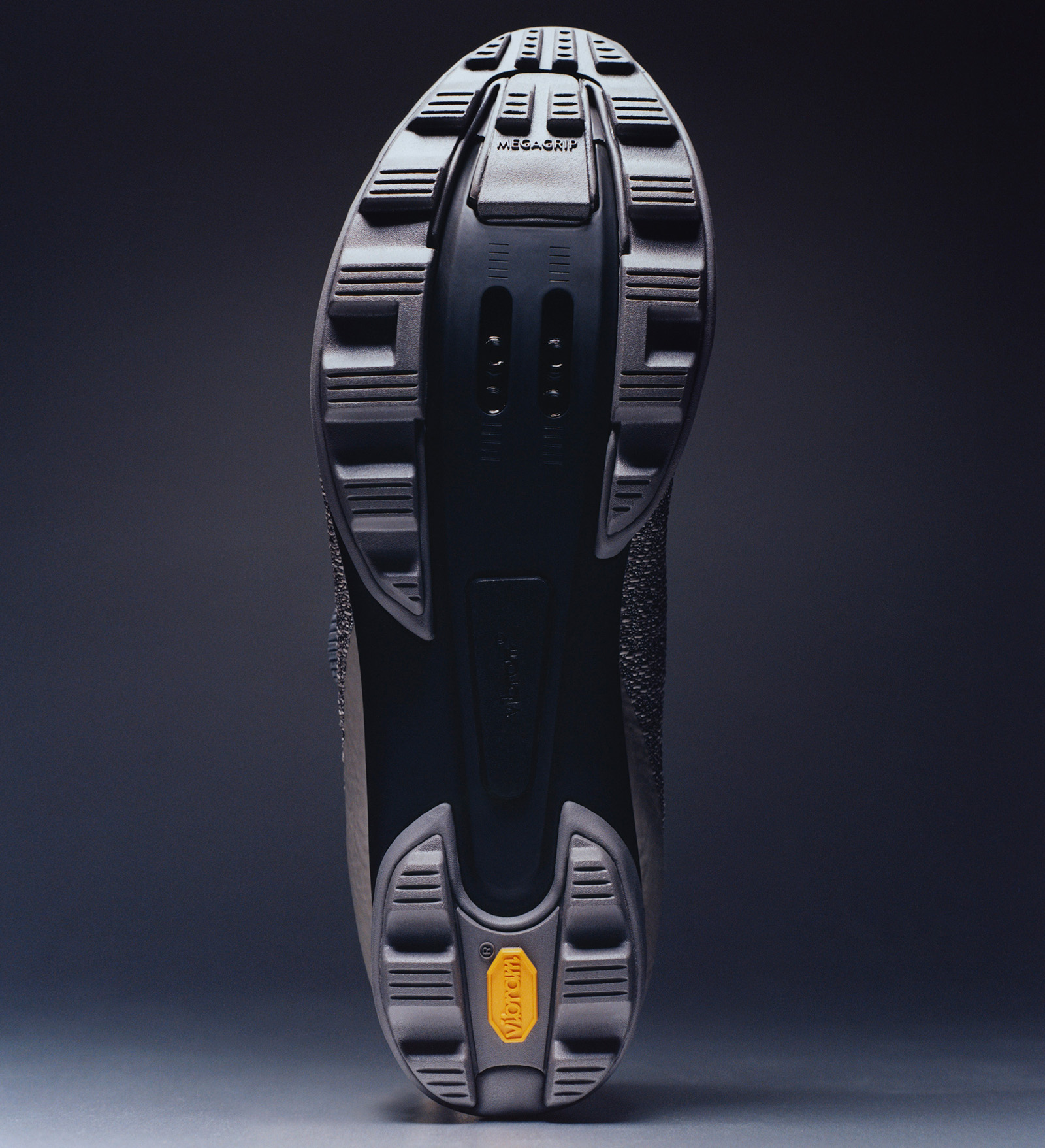
Rapha’s new road shoe features a carbon sole, but the Pro Team Powerweave Gravel pairs an EVA midsole and Vibram Megagrip outsole.
Rapha says this combination “enhances off-bike agility and grip”, while a carbon plate and reinforced toe aid power transfer, durability and support.
It has a Vibram outsole for grip. Rapha
“For the Gravel version we didn’t want a completely stripped back sole, we wanted to keep that off-bike comfort, and at different levels of contact, allowing your foot to adjust to different shapes in the terrain,” says Rapha’s senior footwear designer Tom Matic.
Another difference between the shoes is the upper material. The road shoe uses a 100 per cent recycled polyester, but the gravel shoe combines this with a TPU yarn for better abrasion resistance.
The Pro Team Powerweave Gravel shoes weigh a claimed 282g per shoe (size 42) and come with interchangeable insole arches.
How did you get into cycling? Mountain biked when I was younger and bought a road bike after university when I decided I needed to do a triathlon to ‘check it off’ my bucket list. I was terrified to clip in and went to a local park and rode around in circles until I had it mastered. Looking back on this now I laugh and think about how I could do it in my sleep now!!
How many years have you been racing on Zwift? In 2021 I signed up for Zwift and would enter a community race here and there but was mostly on the platform for workouts and to chase badges. A friend of mine encouraged me to join Coalition in August 2022 and I raced in ZRL that September and I was hooked!
Are you part of a Virtual team? Yes – Coalition which is such an amazing community!
What do you love most about racing? Everything – I love the journey to get to the start of any race, the intensity and strategy that goes into racing, and most importantly the dynamic of virtually racing with a team.
What is your favourite style of race (e.g. points, scratch, iTT, TTT, Chase, duathlon)? Ooo…this is such a tricky question! TTT is fun because of the team dynamic working together, but points races with a team are also enjoyable trying to figure out how to leverage the strengths of each person and how you can support each other. As a triathlete, I also love a little duathlon action too! For me, who you’re racing with is more important than the format.
What is your favourite Zwift women’s race series? Warrior Games runs a number of fantastic series throughout the year which always engage a wonderful women’s field. I also have a soft spot for ZRL – I was placed on the most amazing team and honestly was inspired by each person on that team. The support and encouragement from those women was (and continues to be) phenomenal!
What is your most memorable racing experience, inside or outside or BOTH? Triathlon World Championships in 2014 – representing Canada as an age group athlete at home in Edmonton was a really special experience.
What is your favourite food to eat post race? I like a good recovery shake – sometimes it takes a bit before I want to eat after a race.
What advice would you give to a woman entering her first Zwift race? Have fun and don’t overthink it! Sometimes there is a lot to wrap your head around, but if you take the pressure off and go in with a goal of enjoying the race you get that first one under your belt and grow from there.
Any upcoming race you are looking forward to? Virtually, the mini 3-day series are a lot of fun to challenge yourself multiple days in a row. In person – 1/2 Ironman World Championships next November.
Where can people follow your racing adventures? On Zwift and when I remember to post on Instagram @trijenpanteluk.
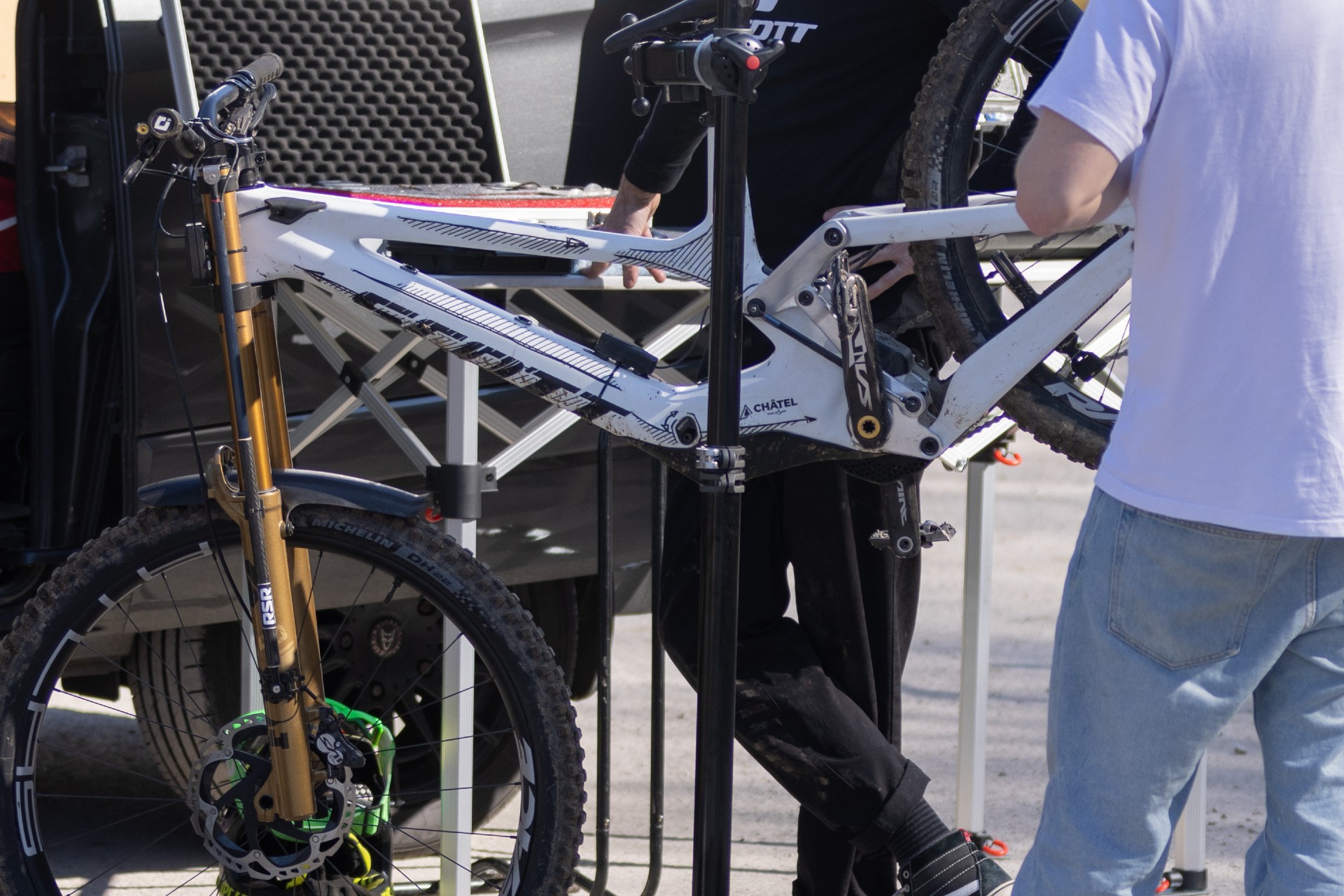
We’ve spotted Ethan Craik, one of the Scott Factory Downhill team’s top riders, ripping round BikePark Wales on what appears to be the latest iteration of the Scott Gambler.
Charging down the Welsh hillside as part of BikePark Wales’ Not A Race event, Craik wasn’t hanging about on the new Gambler.
It’s been six years since Scott updated the Gambler and this latest version looks to follow suit when it comes to the Swiss brand’s now preferred frame aesthetics.
With the rear shock now hidden within the frame – something Scott has done with the Spark XC bike, Genius trail bike and, more recently, the Ransom enduro bike – this Gambler is clearly a very different beast from the outgoing machine, which used a vertically mounted shock and four-bar linkage suspension system.
What else is new, though?
Hidden shock, more links
We spotted the new Scott Gambler at BikePark Wales. Scott Windsor / Our Media
Scott hasn’t exactly been super-secretive in hiding the new Gambler, having had various team members posting riding clips aboard it on social media.
Craik and Benoît Coulanges also hit the first round of the Portuguese DH Cup on it earlier this month, finishing second and third respectively.
Scott will have been working on this bike for years, not just these past few months, but it’s not as if it had to start from scratch, given how the rest of the line-up has been updated in recent times.
The new Gambler appears to share similarities with the 170mm-travel Ransom, which houses the shock horizontally in the down tube, where it’s accessed via a bolt-on cover, just like the one we can see here on the Gambler.
Useful adjustments
As on the Spark, Genius and Ransom, the unreleased Gambler’s rear shock is hidden inside the frame. Scott Windsor / Our Media
In terms of what’s driving the shock – again, from what can be seen, there are a lot of similarities to the six-bar system used on the Ransom.
What’s different here, though, is the forward shock bolt looks to offer some form of adjustment, thanks to the diamond-shaped chips locking them in place, unlike the standard shock bolt used on the Ransom frame.
We’d guess these could alter the level of progression available through the rear-suspension travel, although it’s hard to say for sure.
There appears to be more available to tweak on the Gambler, though.
On what looks to be a machined aluminium rocker link connecting the seatstays to the main frame – indicating that this is still a prototype and not quite ready for release – there seem to be bolt mounts on the inside for what we’d presume to be a removable brace.
Bolting a brace in here will likely boost rear-end stiffness – great if you’re a heavy, hard-hitting rider. Removing it will increase flexibility and most likely help to improve rear-wheel traction. It’ll also help to add some compliance for lighter riders.
On top of that, the rear axle dropouts appear to be bolted in place, suggesting these can be swapped out, most likely for different-length options to either accommodate different wheel sizes or tweak the length of the rear centre.
Keeping it quiet
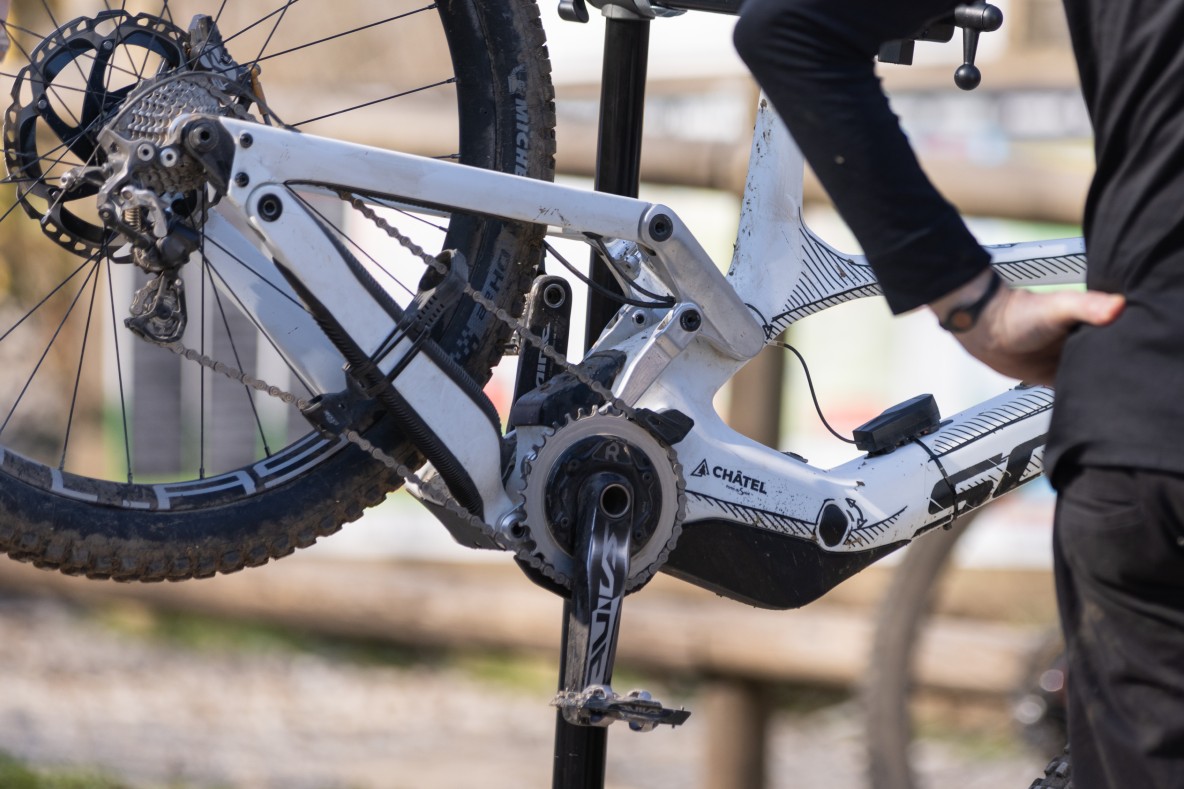
Take a look at the driveside chainstay and you’ll see the STFU chain-damping guide.
These guides have been placed above and below the chainstay. We’re guessing, in the battle to create the quietest bike at the 2025 races, this’ll help keep noise to a minimum.
There’s also the Rimpact Chain Damper, which replaces the regular chainring.
This nifty little device is used to reduce pedal kickback through the suspension system for a smoother ride feel.
Again, we’re sure this is all in a bid to create one of the smoothest, most comfortable bikes on the hillside.
We weren’t able to get an up-close bike check with Ethan Craik’s new Gambler at the event, because the bike still doesn’t officially exist, but, when we do get more details, we’ll be sure to let you know.
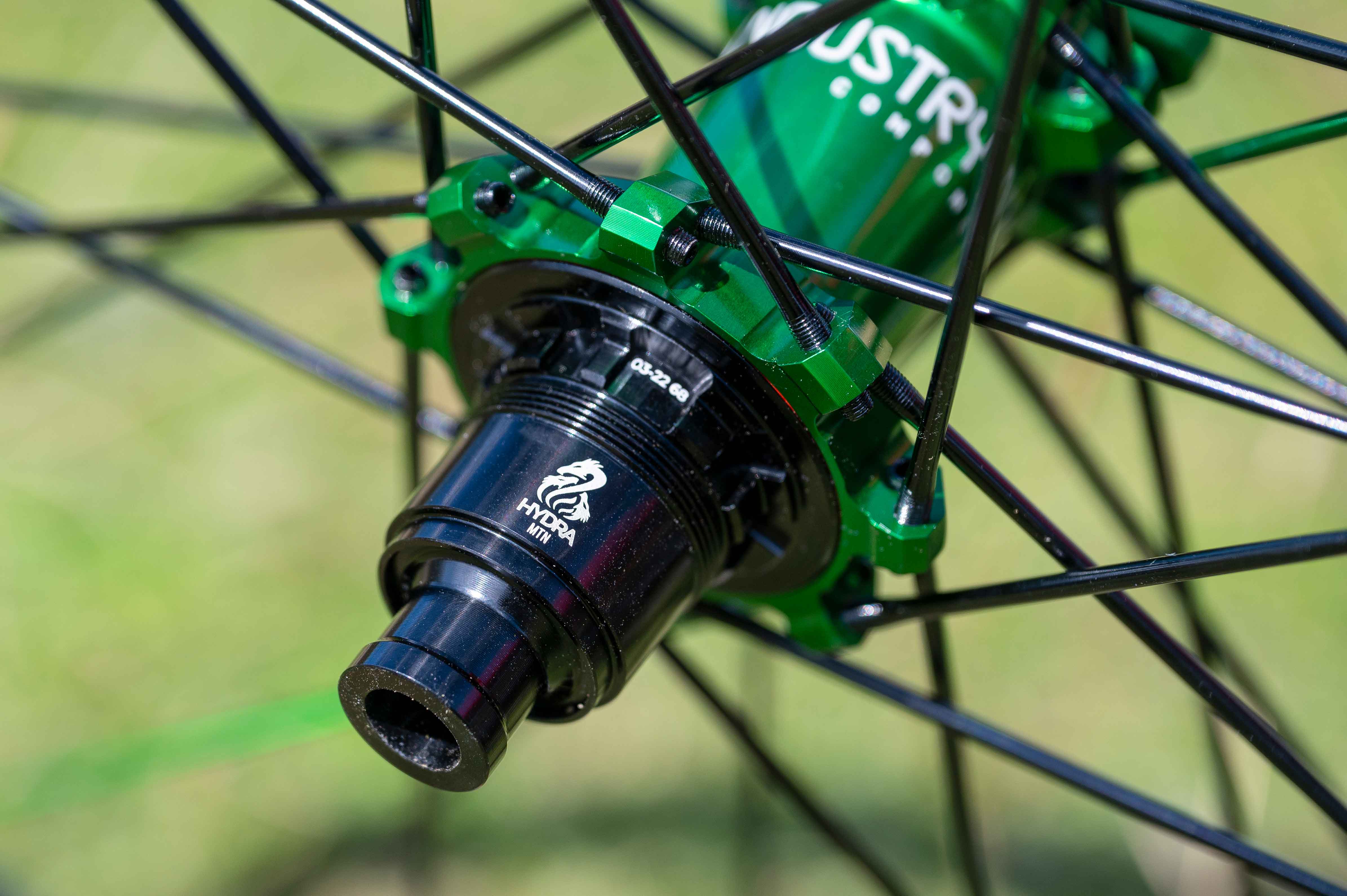
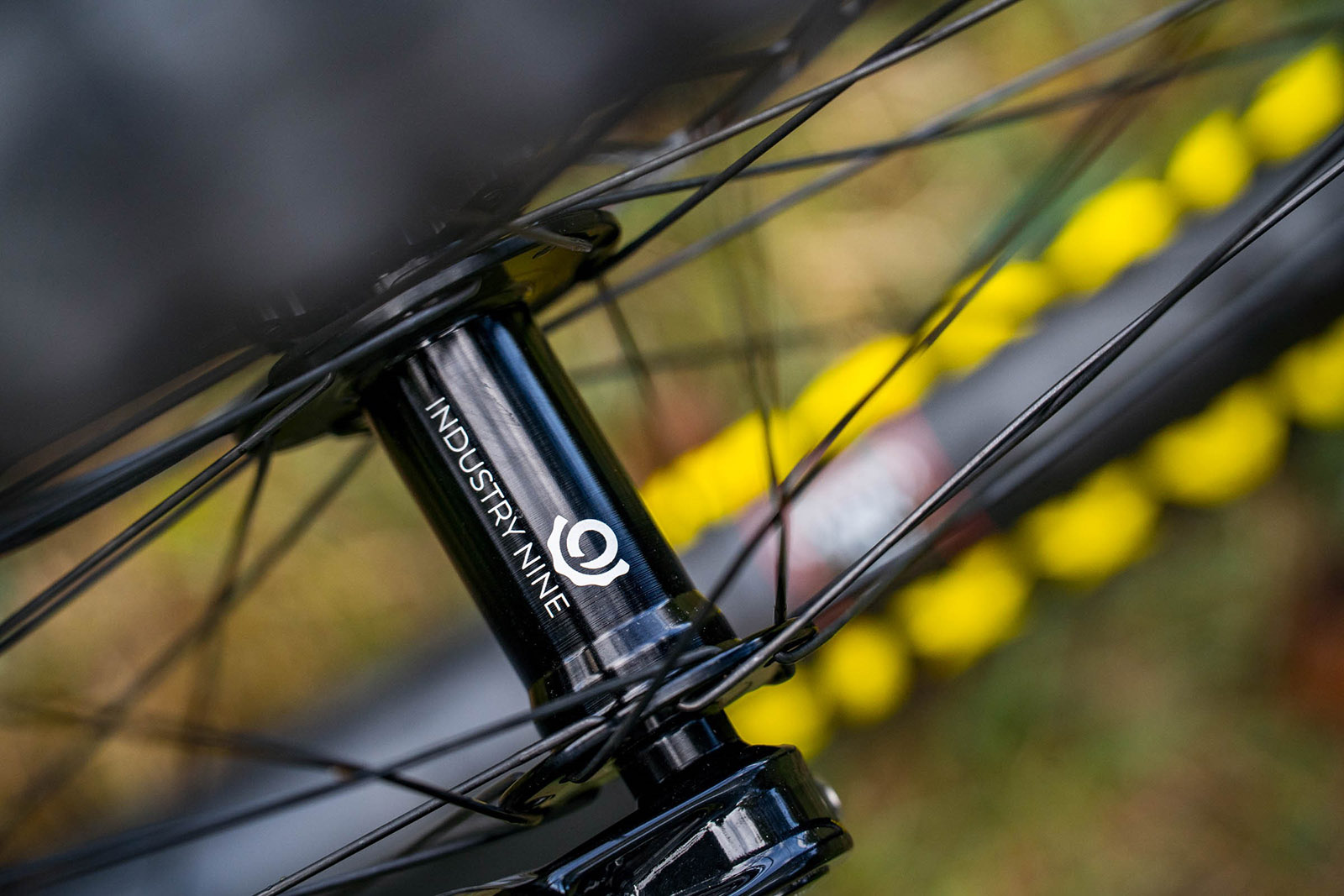
Industry Nine’s Hydra Classic mountain bike hubs are currently discounted to £327 at BikeTart – a 50 per cent saving on their RRP of £660.
While the updated Hydra 2 hubs were released earlier this month, the first-generation model is still a high-level performer at the heart of any wheelset, especially with the savings on offer.
We tested the hubs alongside Reserve’s 30 rims and were impressed by their quick engagement thanks to a 0.52-degree freehub engagement angle.
While the road sportive markets continues to languish, gravel events are booming and show no sign of slowing as we approach Unbound 2025, starting on 29 May.
As with road events, there are different flavours and nuances to gravel rides depending on where you are in the world, only more pronounced. Terrain is the obvious influencer – ‘gravel’ can mean almost anything that’s not tarmac – but equally important is the attitude that riders bring to these events.
In America, gravel events have their own defined characteristics. With road racing in the doldrums in the US, gravel is where people go to race their bikes, with races playing out on endless pristine gravel roads, covering colossal distances with full-blooded intent.
And there are no more prestigious races than Kansas’ Unbound Gravel. Brit Amelia Mitchell, who finished 18th on her first ride last year, reveals her tips for success…
Play the long game
Long distances at Unbound make for very early starts. Taylor Chase / Unbound
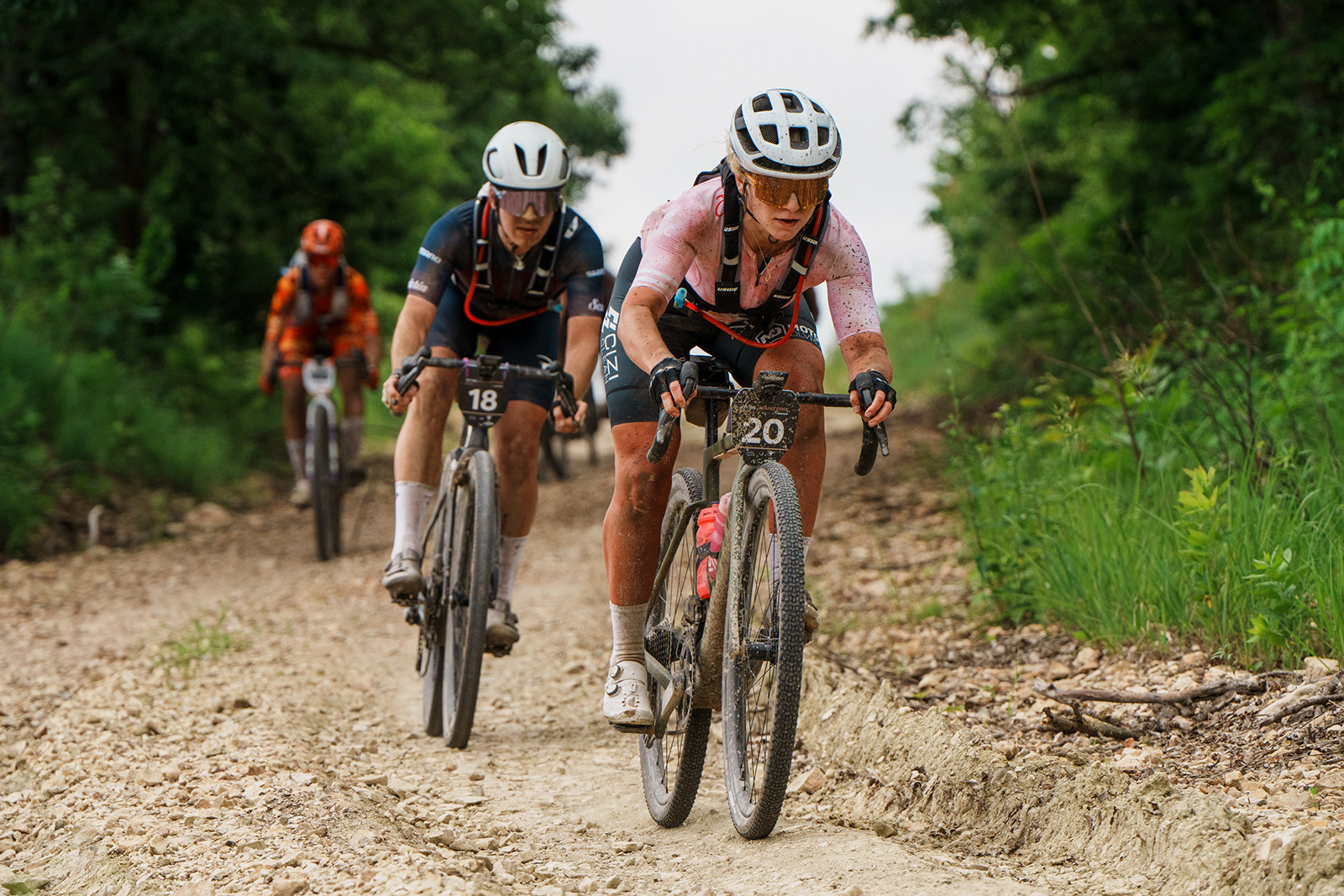
Mitchell says distance was the number one difference she felt between her first experience of American gravel at Unbound and what she knows from UK and European events.
The trend is for bigger distances in the US. Unbound’s main event in 2024 was 202.8 miles (there was even as XL 352-mile route). Distances of 100 miles+ are common throughout the American scene, and, for Mitchell, the 2024 Unbound was the longest ride she’d ever done.
“When they are so long, every aspect of your plan for the race is different,” says Mitchell. “The way you train, how you fuel, the spares you carry, you need to adapt for the distance.”
Be prepared to talk tyres
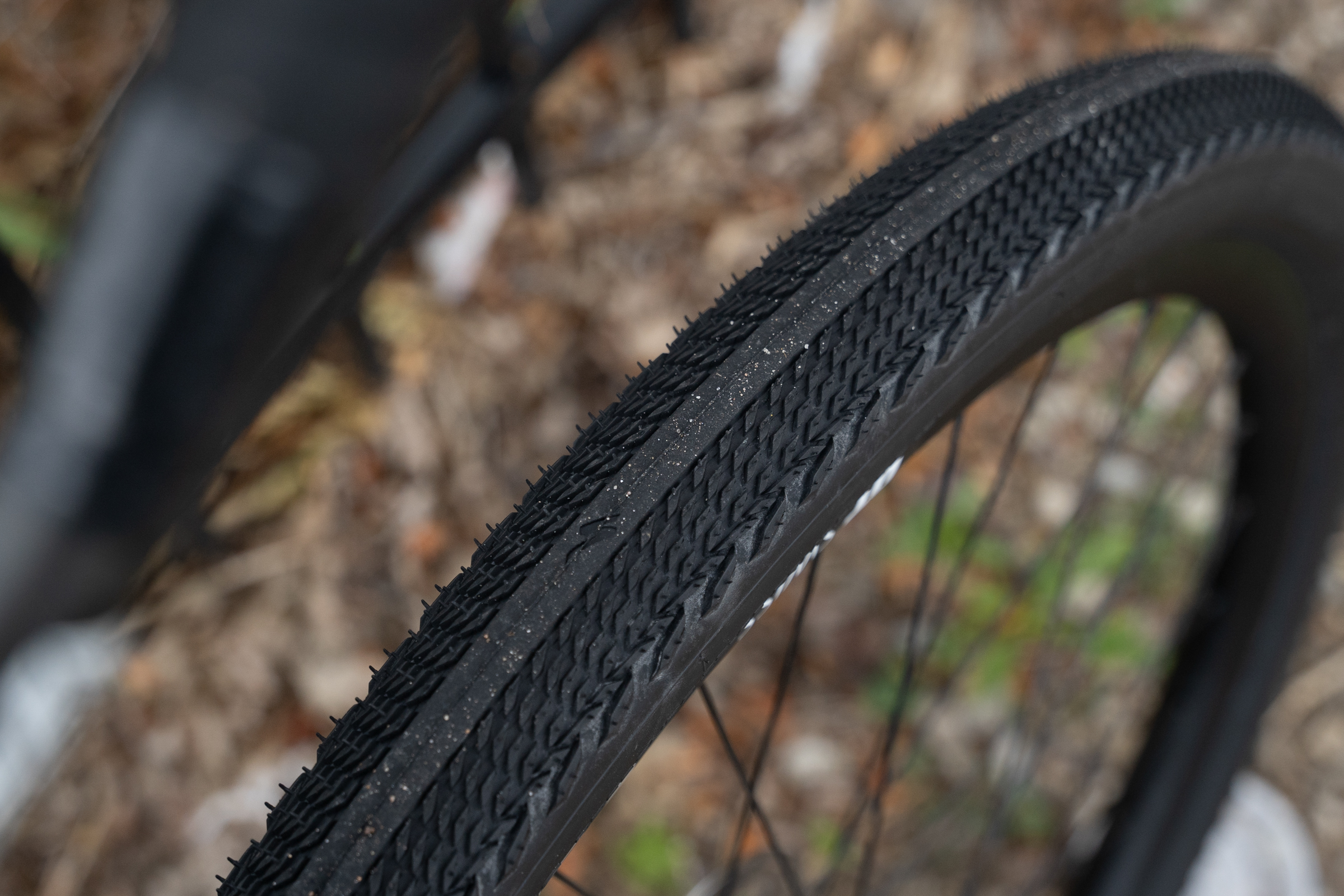
The Pathfinder is a perennial favourite of the gravel racing world. Sam Andrews / Our Media
Your choice of gravel tyres might be the number one subject you get roped into talking about, or overhear, at Unbound.
“I’ve never heard so much chat about tyre choice and tyre size as I did in Kansas,” says Mitchell. “It was very flinty, the course we did, which makes punctures more likely.”
American gravel routes are typically more consistent – pure gravel roads that stretch for miles – so you’d think tyre choice would be more crucial in more varied UK and European terrain.
“I think that because it is so smooth [in the US], then on the occasions it does get a bit rockier, people freak out. For me, it’d feel totally fine.”
Fuelling can make or break your ride
Training your gut is as crucial as your legs in getting round the long Unbound course. Taylor Chase / Unbound
How do you train for a flat-out 200 miles? Mitchell juggles her gravel racing ambitions around a full-time job in London and so finding the time to replicate this in training is nigh-on impossible.
Indeed, the 2024 Unbound was her longest-ever ride. The good news is that, according to Mitchell, you don’t need to ride that far in training.
“After training to a certain level, I think fuelling is the most important thing,” she insists. “90 grams of carbohydrate, at least.”
For some people, training your gut, by slowly increasing carb intake over a period of time in training, is necessary to avoid gastric distress.
Arrive in plenty of time to adjust to the Kansas time zone
Having to adjust to the time zone is a distinct disadvantage for riders from overseas. Taylor Chase / Unbound
Kansas is a long way to travel for a gravel race and the likelihood is you won’t have a huge amount of time to acclimatise to your new time zone (six hours behind the UK).
Mitchell had only two days from stepping off the plane to lining up at the start, so she resolved to stick to UK time as much as possible.
With the race starting at 6am, she’d go to bed at 8pm, get eight hours of sleep and wake up naturally at 4am, ready to get ready for the race.
Try to enjoy the scenery
The Kansas scenery isn’t quite Colorado or California. Taylor Chase / Unbound
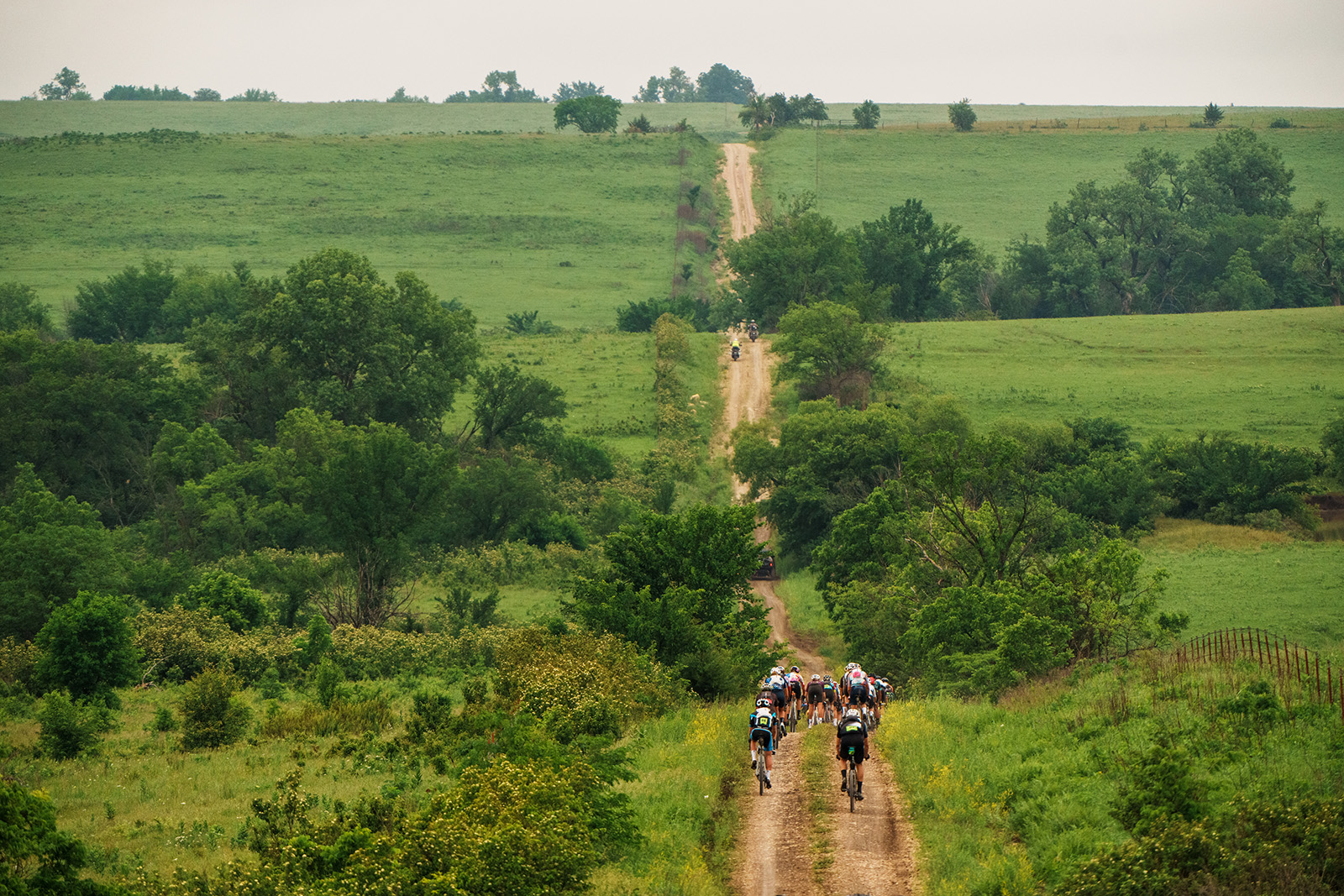
Don’t hope for or expect a motivation fillip from riding in an exotic location at Unbound. “So dull” is how Mitchell describes the Kansas scenery.
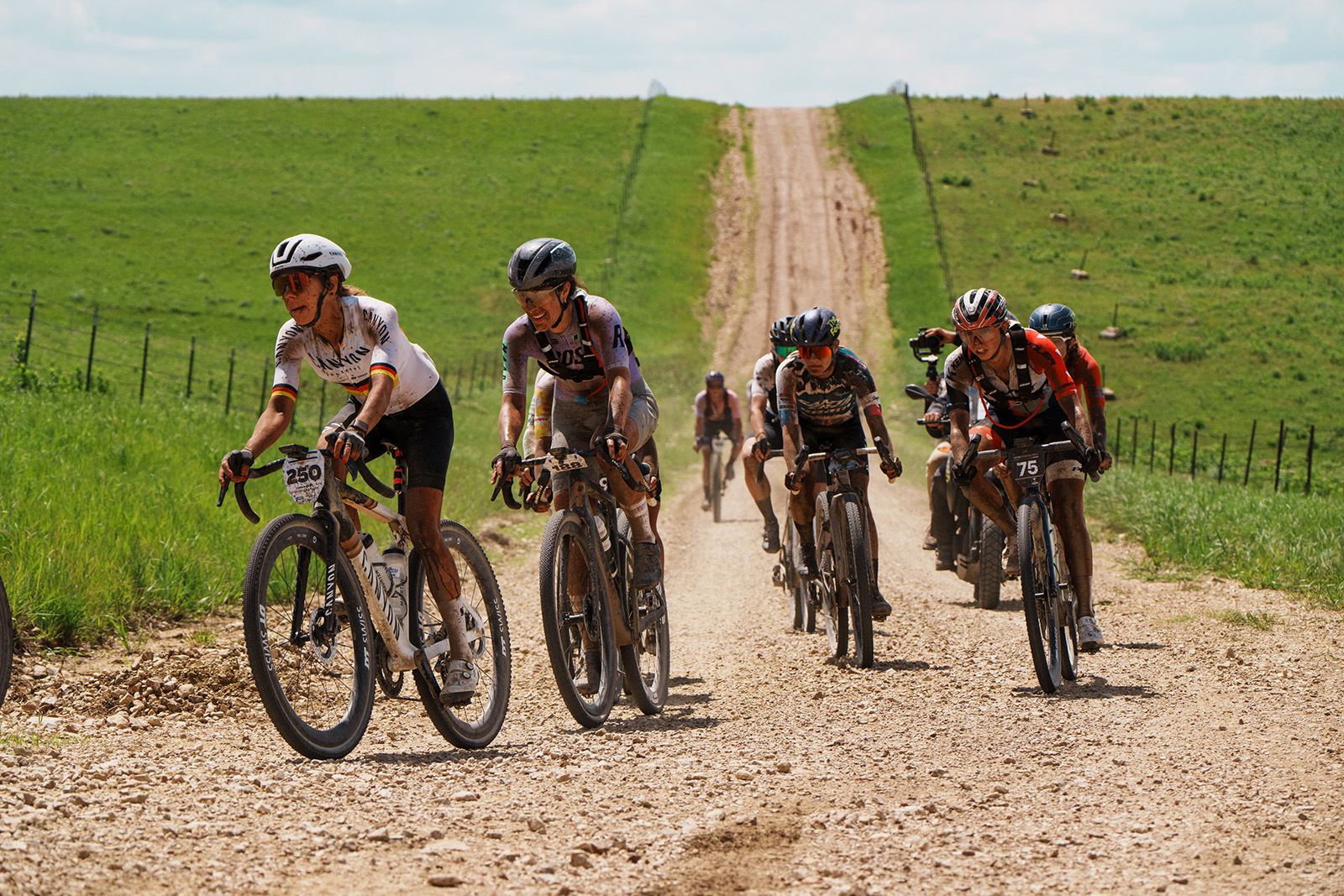
There’s almost 11,000 ft/3,350m elevation on the 203-mile course – you won’t want for climbing when it’s all over – but on wide-open plains it can get a little same-y.
“The race apart, I wouldn’t be recommending people go there for a cycling holiday, when you could go to California or Colorado,” Mitchell says.
It does have history on its side though, as one of longest-established gravel races in America and a high placing is prestigious in the gravel world.
Be prepared for wet and muddy sections, even on dry days
Bad weather can turn the route into an assault course. Taylor Chase / Unbound
Weather conditions can be a pleasant mid-20s in Emporia, Kansas in late May, or substantially less than that, but whatever the conditions on the day, recent rain can churn up the course badly.
The 2023 race was infamous for the various quagmires that ate through rear derailleurs and ruined people’s rides.
Adjust your setup according to the conditions – wider tyres with more tread may be appropriate, particularly if you’re looking merely to finish, rather than place highly.
“It was a dream in 2024,” says Mitchell. “A bit of rain beforehand made everyone nervous, but in the end there was only one slightly questionable bit of the route.”
Take the advice of more experienced riders regarding your bike setup
Some riders experimented with running slick tyres at Unbound 2024. Sam Andrews / Our Media
More than on the road, each gravel race and course requires careful pondering of your bike setup.
As we’ve already mentioned, Mitchell got dragged into the endless chatter about tyres (she opted for 45mm, slightly wider than her usual) and the race proved to be a learning curve for her.
She rode a tubeless setup, like many others, but with only sealant – no liners.
Tyre liners are inserts that enable you to ride on in the event of a puncture. This happened to Rosa Klöser, the winner, and she’d have been out of contention without the liner.
“I’d consider using one in future. If you have a flat in the middle of nowhere, they’ll get you to the next feed.”
Know the course inside-out
Sticking in a group as much as possible will make your day easier. Taylor Chase / Unbound
In an every-rider-for-themselves race, on-the-road tactics are somewhat limited because there are no team-mates to help each other.
This keeps Mitchell’s tactical pep talk brief: “Hold on for as long as possible!”
There are things you can do pre-race, however.
“So much of it was about positioning and knowing where the sectors were… knowing the course well enough to know when the more technical bits are coming up will help you not to lose contact with your group.”
Be equipped for all scenarios
Rapha’s ‘Blaerosuit’ (bladder, aero, skinsuit) made its debut at Unbound. Sam Andrews / Our Media
Unbound is a race of self-sufficiency, so you’ll need to fix your own mechanicals on the road. Just be wary of not over-carrying tools and spares.
“I went a bit overboard on what I carried,” Mitchell says. “Some of the guys had such a rough time of it in 2023 that they encouraged you to carry more this time because you obviously don’t want to be stuck out there on your own. I had a couple of spare tubes, eight tyre plugs, four canisters of CO2 – it’s just quite a lot!”
Don’t believe the hype
Don’t forget to enjoy yourself. Taylor Chase / Unbound
Try not to let the hype of taking part in a race such as Unbound get the better of you.
Such experiences don’t come along every day, so remembering to enjoy it is paramount.
“I think people worry about the problems they might have at these races. Because it’s so long, you’ve got to keep the stress levels down and pick yourself up to sort the problem.”
If it’s happened to you, it could happen to others – there’s so much that can happen in 200 miles of racing. You’ve just got to take it as it comes.
Three fantastic American gravel races to ponder
SBT GRVL
Mitchell cites Colorado as a place to take a cycling holiday and it’d be a shrewd choice to time it to coincide with another legendary event in Steamboat Springs (26-29 June). At almost 100 miles and 8,000ft elevation, it’s a serious event.
This long-running series visits various American states (and Mexico) throughout the year. The highlight might well be BWR California (25-27 April) in the coastal city of Del Mar, north of San Diego.
The beauty of American gravel races is they can take you deep into states that you might not otherwise think to travel to. This three-stage, four-day event in Idaho (28-31 August) ramps up the difficulty until a 100-mile final-day ride in the mountains.
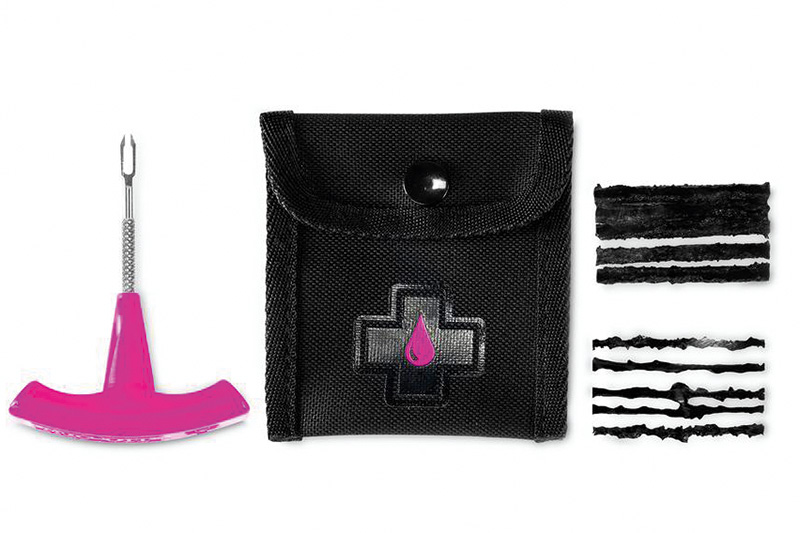
If the puncture won’t seal, turn to Muc-Off’s Plug Repair Kit.
Price: £15
Sometimes a puncture in your tubeless tyre is too big to self-seal. In such circumstances, plugs are needed. This kit comes with 10 plugs – five thin and five thick, depending on the hole – and the tools to fit them.
SQUIRREL_13197862
Lezyne Control Drive CO2 inflator
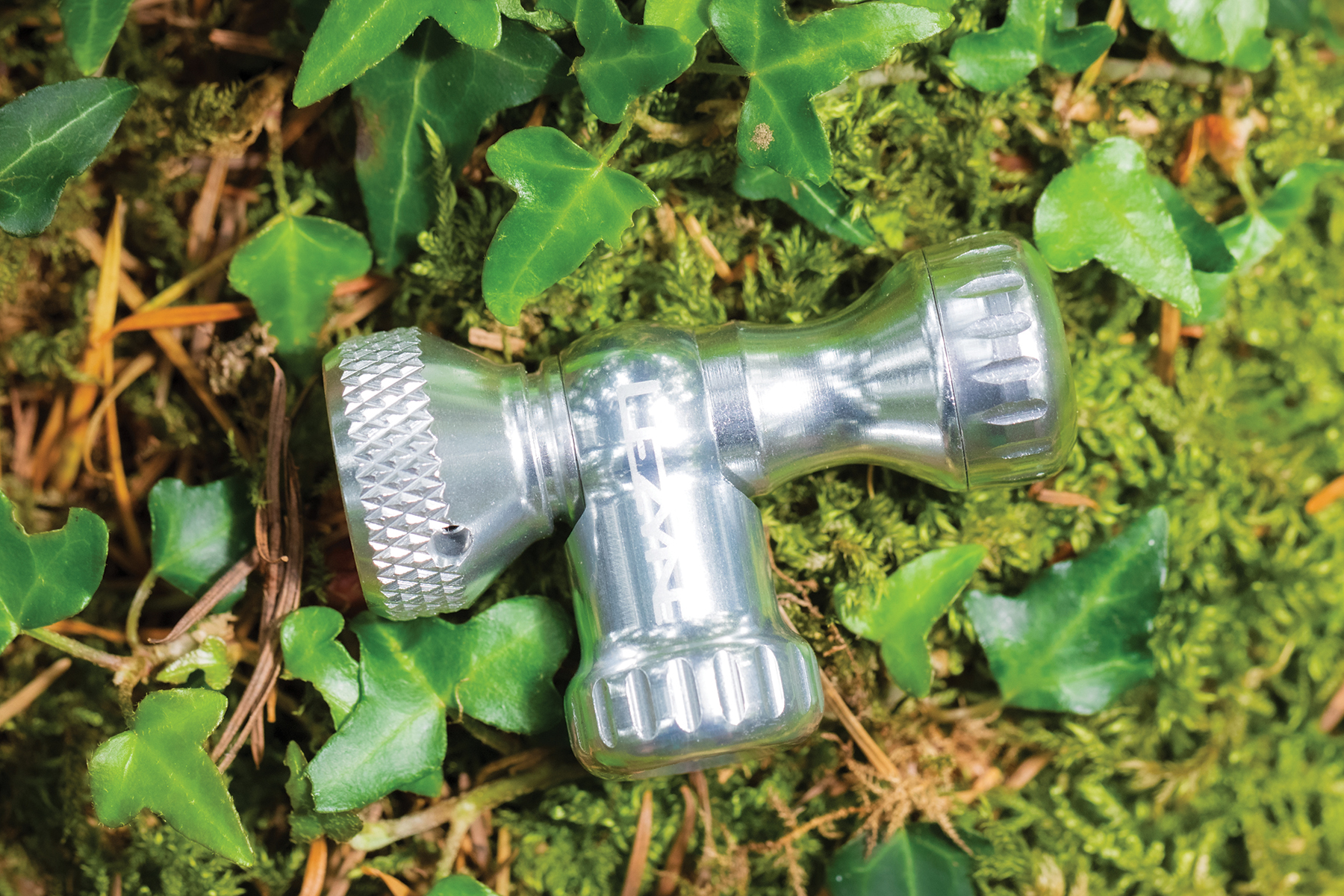
Leyzne’s Control Drive could get you out of a tricky situation. Russell Burton
Price: £26
Coming with both the aluminium inflator and one CO2 cartridge, this double act will speed up your puncture repair. CO2 is released through a twist dial for precise inflation.
SQUIRREL_13086251
Zanco Tiny T1
This tiny phone won’t add much to your overall weight. Liam Cahill / Our Media
Price: £69.99
Communication when in remote places is vital, but the 227g of the iPhone 16 Pro Max is unnecessary weight to haul 200 miles. Step forward this 13g marvel from Zanco.
There’s always something fun to ride on Zwift! See our picks for this weekend below, including big races and long group rides.
*Note: UK clocks change this weekend, so times below may shift by an hour. Check the Companion app for times.
Zwift Games Makeup Stages
Last Chance Competitive Fields Kit Unlock
The last events of Zwift Games 2025 happen this weekend, so this is your last chance to finish that unfinished stage… or improve your time on a stage you’ve already raced. Stages rotate throughout the weekend. Hup hup!
LEQP hosts perhaps the longest-running badge hunter series on Zwift, and this weekend’s ride is on Zwift Games 2024 Epic (81.7km, 878m). If you’ve never earned this route badge (1594 XP bonus!), or just a solid long ride with friends, join the fun!
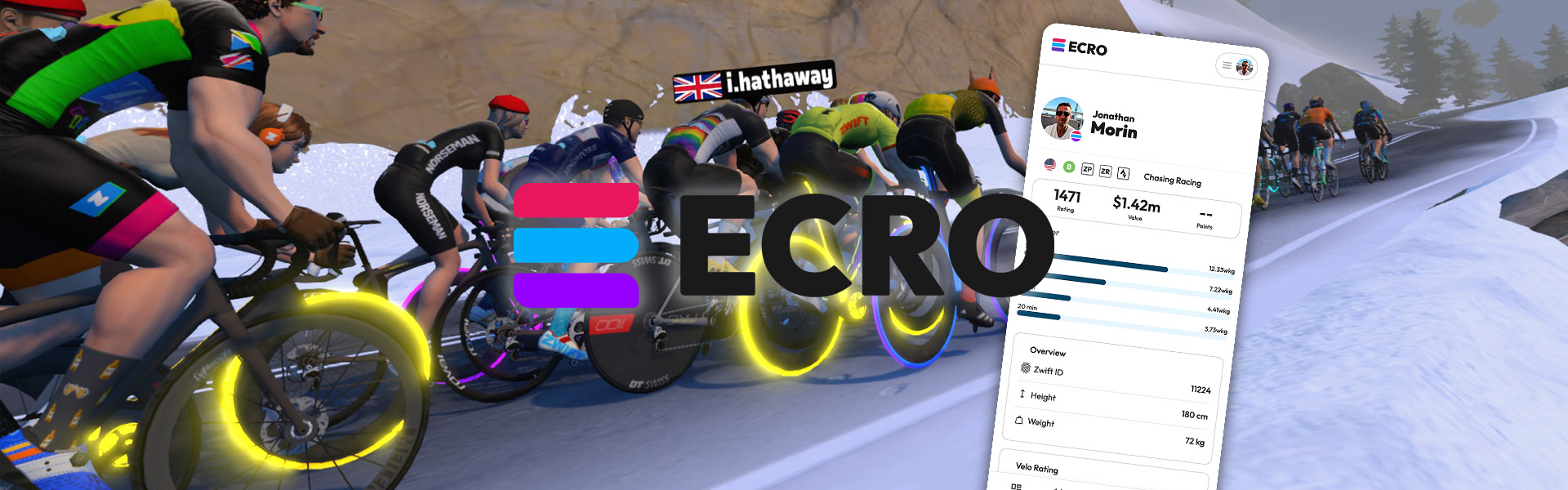
The ECRO World Tour 2025 is now underway, hosted by the innovative Jonathan Morin (of Chasing Tour fame in past years). This weekend is the Chasing Wevelgem race! You’ll need to create an account on the ECRO website to access the race.
We’ve featured this event many times in the past, as it’s always well-attended and well-led at pace that helps everyone stay together. Experienced leaders and sweepers do their best to keep the groups together so everyone can work together to knock out a long ride!
This week’s ride offers two options: D cat is held at a 1.7-2.2 W/kg pace and C cat is held at 2.3-2.7 W/kg. Both groups are riding 9 laps London’s Greater London Flat for a total length of 110.7km and 524 meters of climbing.
The final stage of the Big Spin series is underway, themed “The New Millenium” and held on Watopia’s Waistband (27.7km, 101m). The big question is: have you won the BMX bike yet?
We choose each weekend’s Notable Events based on a variety of factors including:
Is the event unique/innovative in some way?
Are celebrities (pro riders, etc) attending/leading?
Are signup counts already high, meaning the event is extra-popular?
Does the ride include desirable unlocks or prizes?
Does the event appeal to ladies on Zwift? (We like to support this under-represented group!)
Is it for a good cause?
Is it just plain crazy (extra long races, world record attempts, etc)?
Is it a long-running, popular weekly event with a dedicated leader who deserves a shout out?
In the end, we want to call attention to events that are extra-special and therefore extra-appealing to Zwifters. If you think your event qualifies, comment below with a link/details and we may just include it in an upcoming post!
Two cycling industry veterans with more than 35 years of experience have launched a new bike brand called Avona.
Billed as a “performance first” brand, Avona is debuting new road, gravel and mountain bikes, all three of which are claimed to “rival the best” in their category.
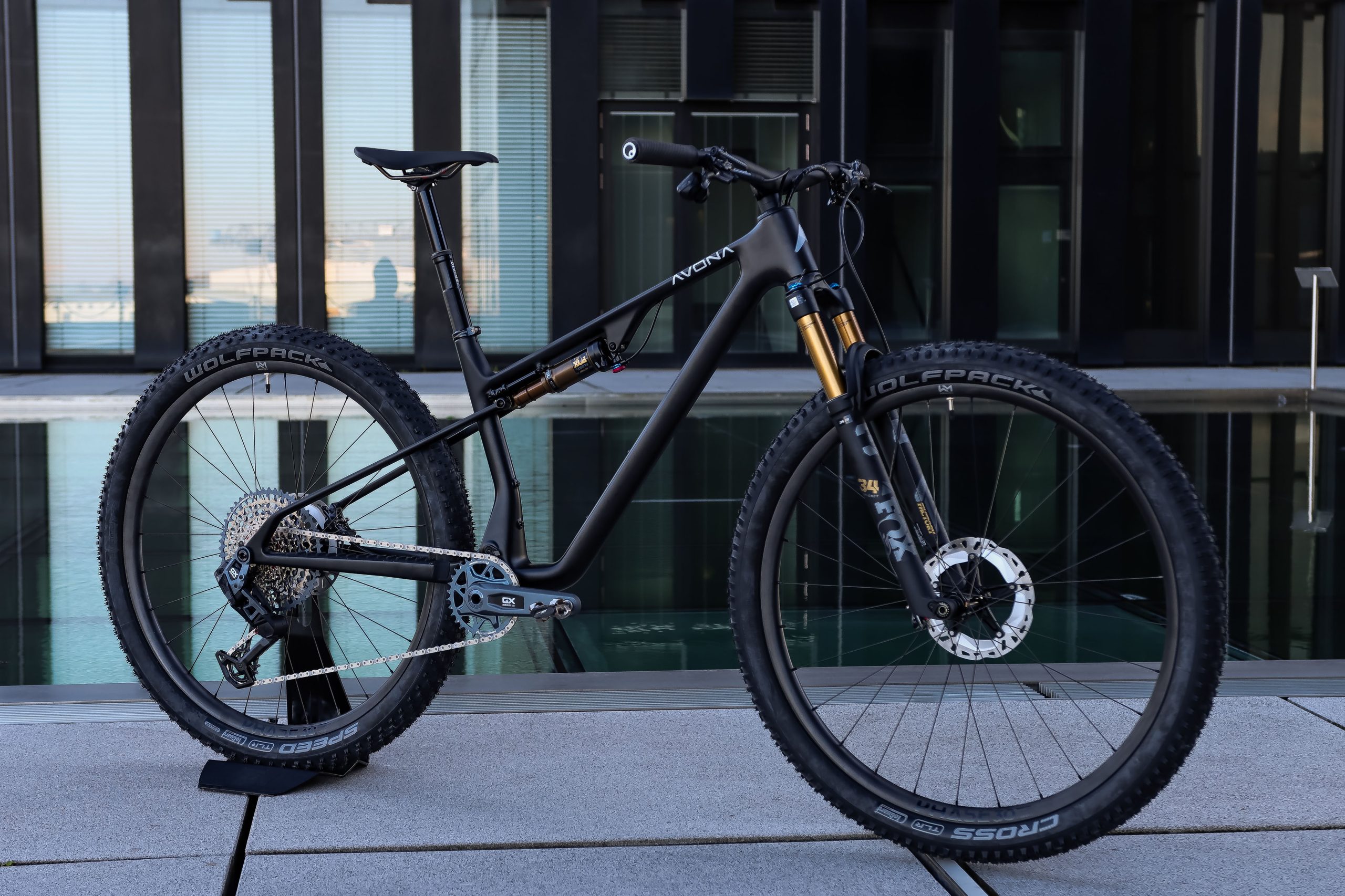
The mountain bike is claimed to be “the lightest full-suspension frame on the market”.
Let’s take a closer look at the people behind Avona, its three new bikes and how the brand plans to outshine the competition.
Always one step ahead
Avona says its new Silva MTB features “the lightest full-suspension frame on the market”. Avona
Avona is a joint project between two Germans – Jonas Müller, formerly of Arc8, BMC, Santa Cruz and DT Swiss, and Max Koch of MK Bicycles.
Having created countless bikes and components for other brands, Müller is now going it alone with the help of Koch.
Given we already have the likes of Canyon, Cube and Rose, you might find yourself asking whether the world needs another German brand promising efficient carbon bikes at reasonable prices.
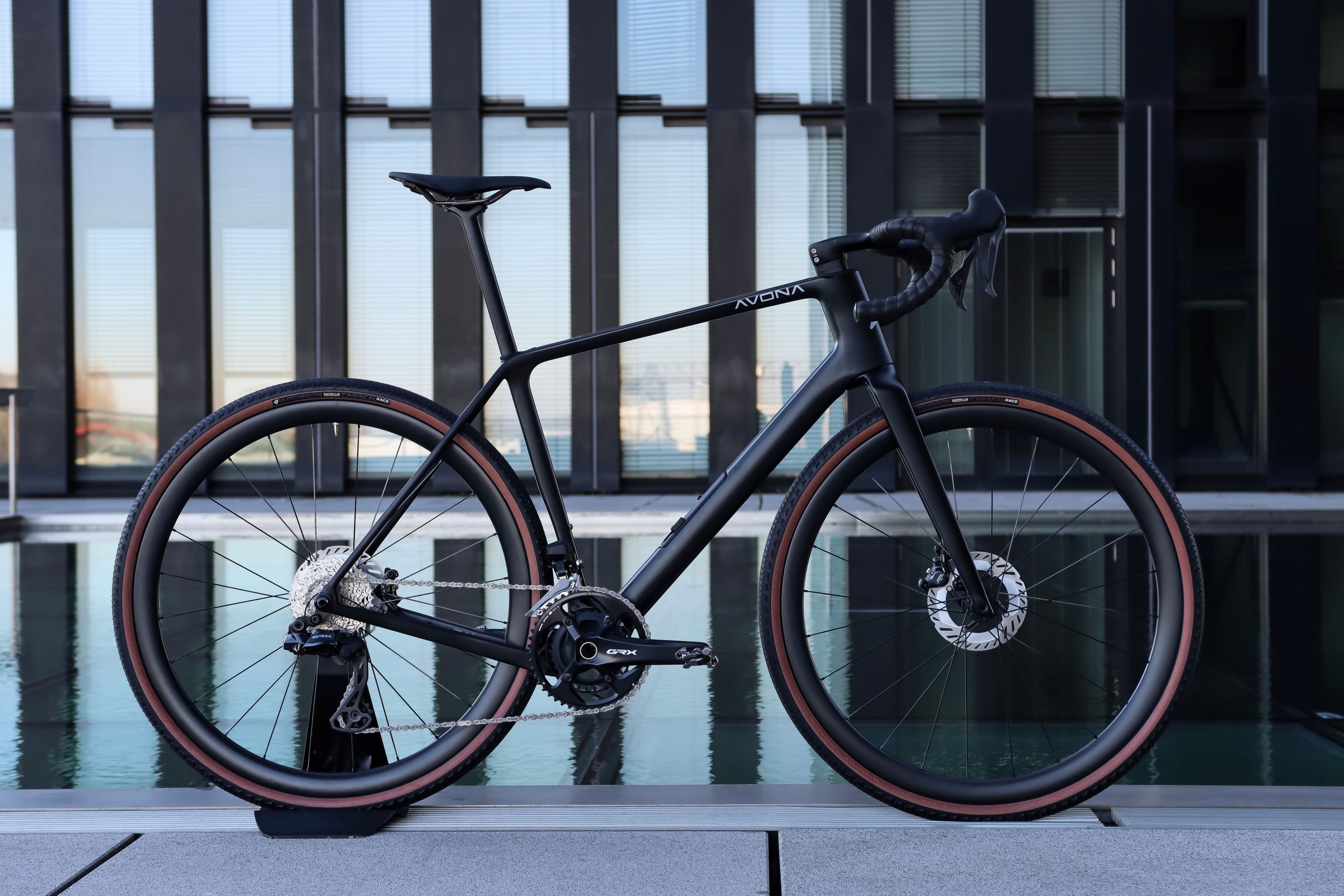
The gravel bike is optimised for racing. Avona
Fortunately, though, Avona has more than a few tricks up its sleeve to help it stand out from the crowd.
Compared to the three brands just mentioned, for example, Müller says Avona will have the advantage of being a small company that can react to emerging trends more quickly and easily – helping it stay ahead of the pack.
Holistic performance
Avona says it makes use of multiple technologies to optimise its bikes. Avona
A key part of Avona’s “holistic approach to performance” centres around the brand’s components, for example.
Avona’s three bikes are, as you’d imagine, said to be competitive with the best available in each category, in terms of aerodynamics, stiffness, weight, ride quality and so on.
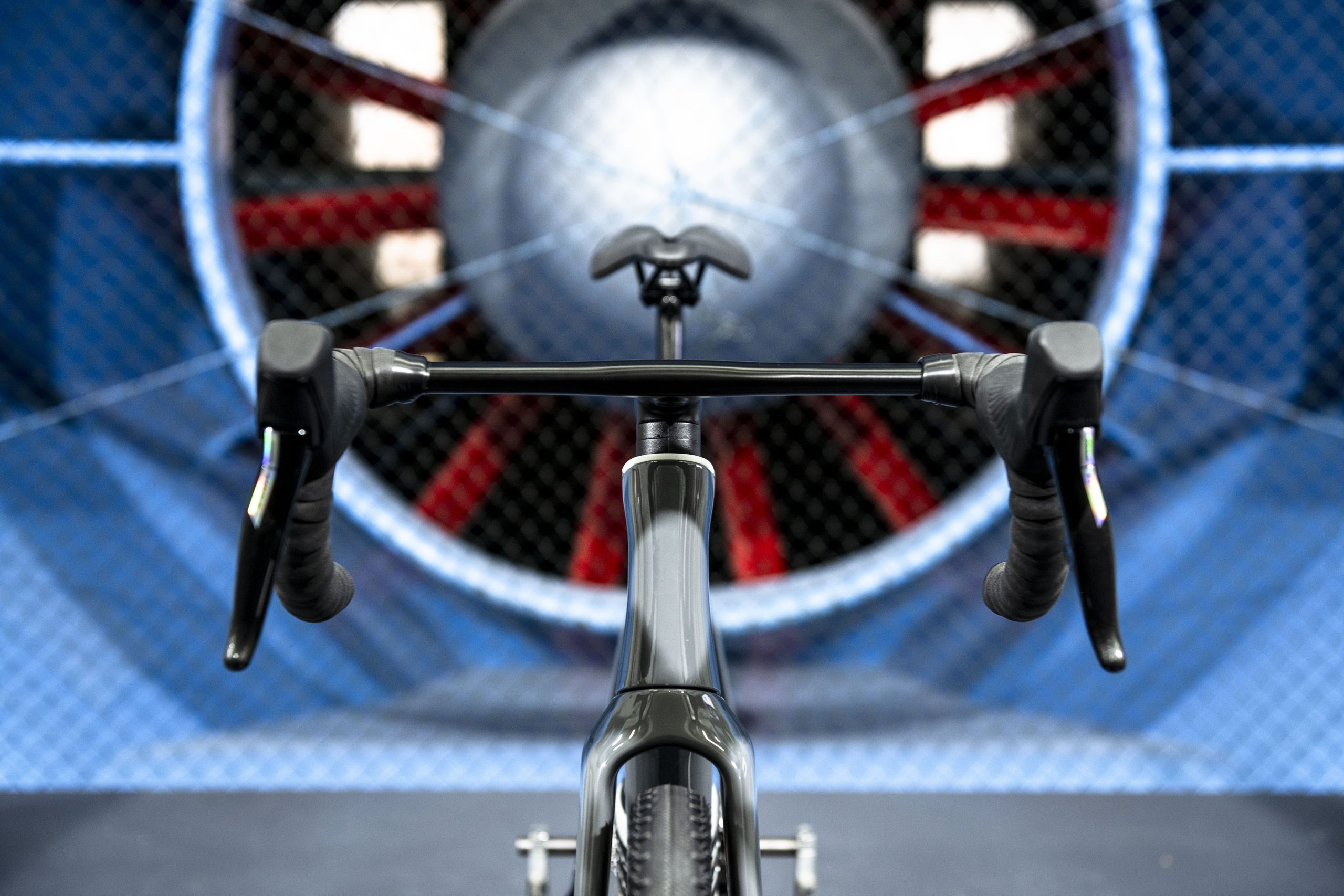
This is thanks to the brand’s use of advanced development tools such as CFD modelling, wind tunnel testing and virtual prototyping.
Avona says there are plenty of untapped gains it can exploit to outdo the competition. Avona
However, there are “greater gains” in getting the bike fit and component selection right than in frame development alone, says Müller, and that’s where Avona intends to make the difference.
Avona bikes are assembled to order in Germany, says Müller, which means riders can make critical choices surrounding crank length, handlebar width and stem length, and customise the spec to get their preferred tyres, wheels and suspension (where applicable).
The brand is even going as far as to spec CeramicSpeed waxed chains on every bike.
“Drivetrain efficiency is overlooked by most bike brands,” Müller says, and the performance benefits of a waxed chain are “worth more than an expensive groupset”.
Every Avona bike will come with a waxed chain as standard. Avona
According to the brand, the potential gains from this approach are significant.
It claims, for example, that its gravel bike – the Callis – requires 44 fewer watts to ride at 35kph compared to an unnamed benchmark competitor.
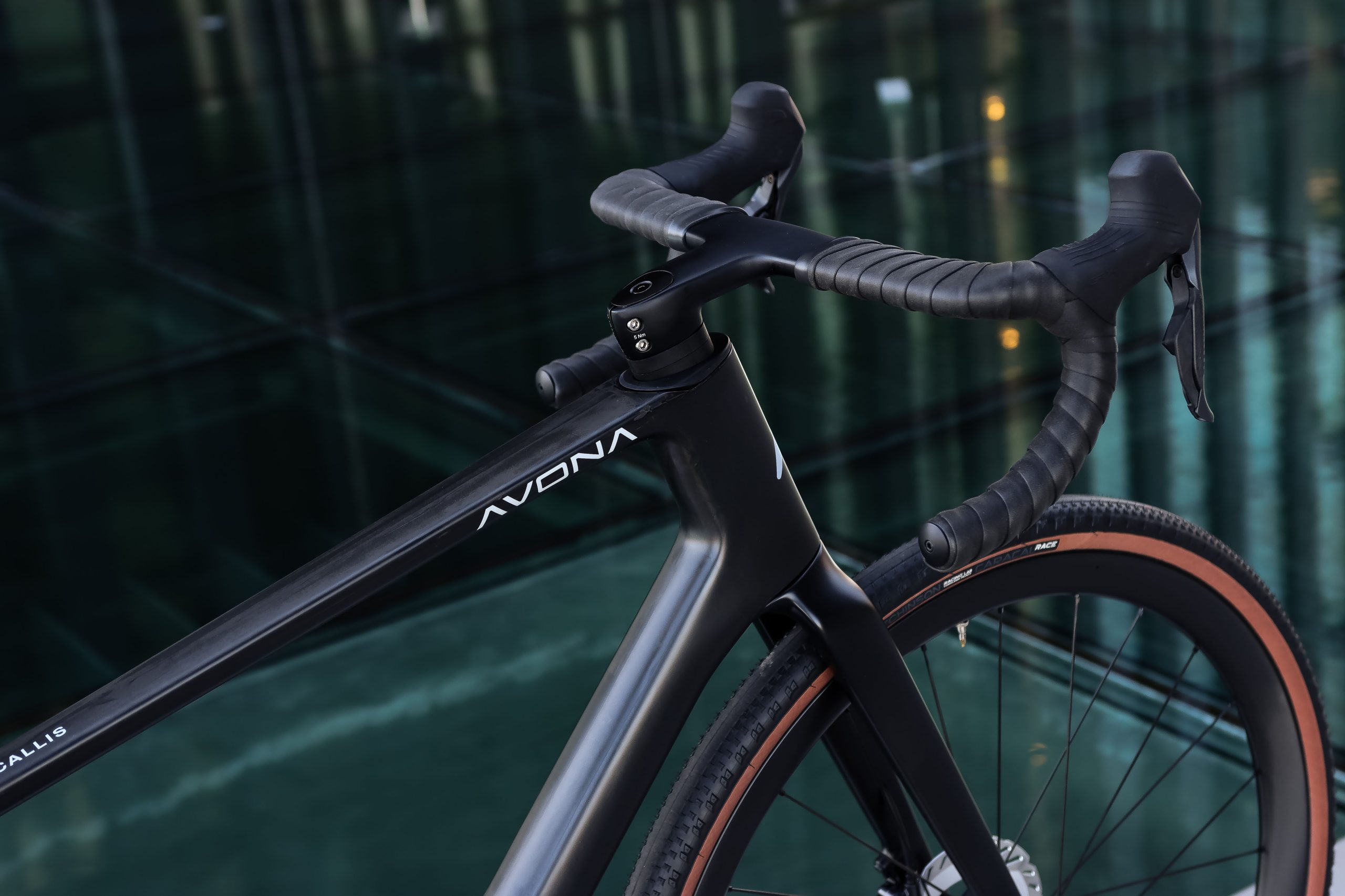
Müller notes, though, that only four of those watts are saved via frame optimisations, with the remaining savings coming through smart spec choices – such as the Hutchinson Caracal Race gravel tyres, integrated cockpit and aero wheels.
You could, of course, make such upgrades to stock bikes from other brands, but you’d obviously need to go out of your way (and spend extra money) to do so, because most brands don’t offer such detailed customisation options at the point of purchase.
Avona bikes range and spec details
Avona Silva mountain bike
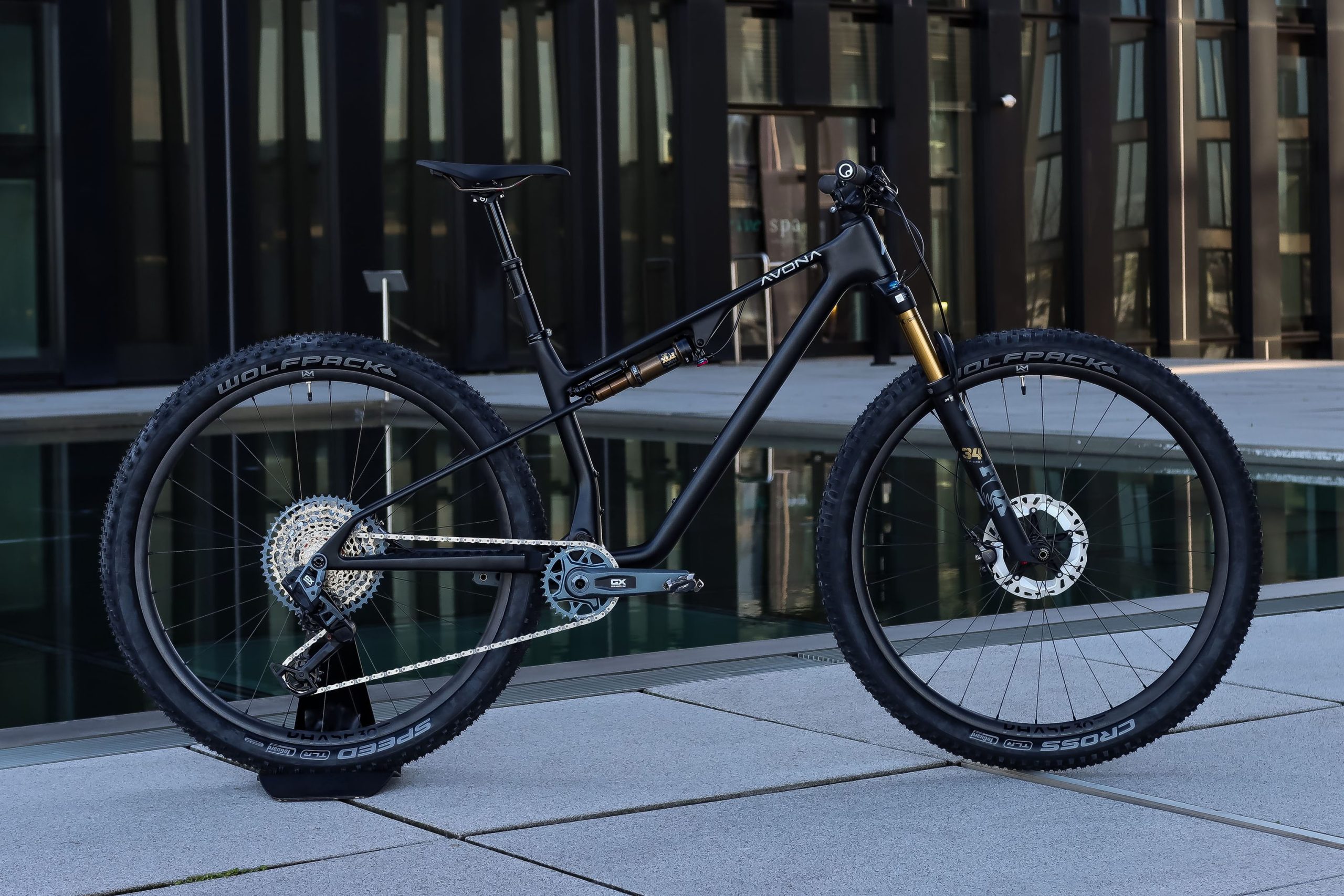
Avona’s Silva mountain bike fuses XC weight with enduro geometry.
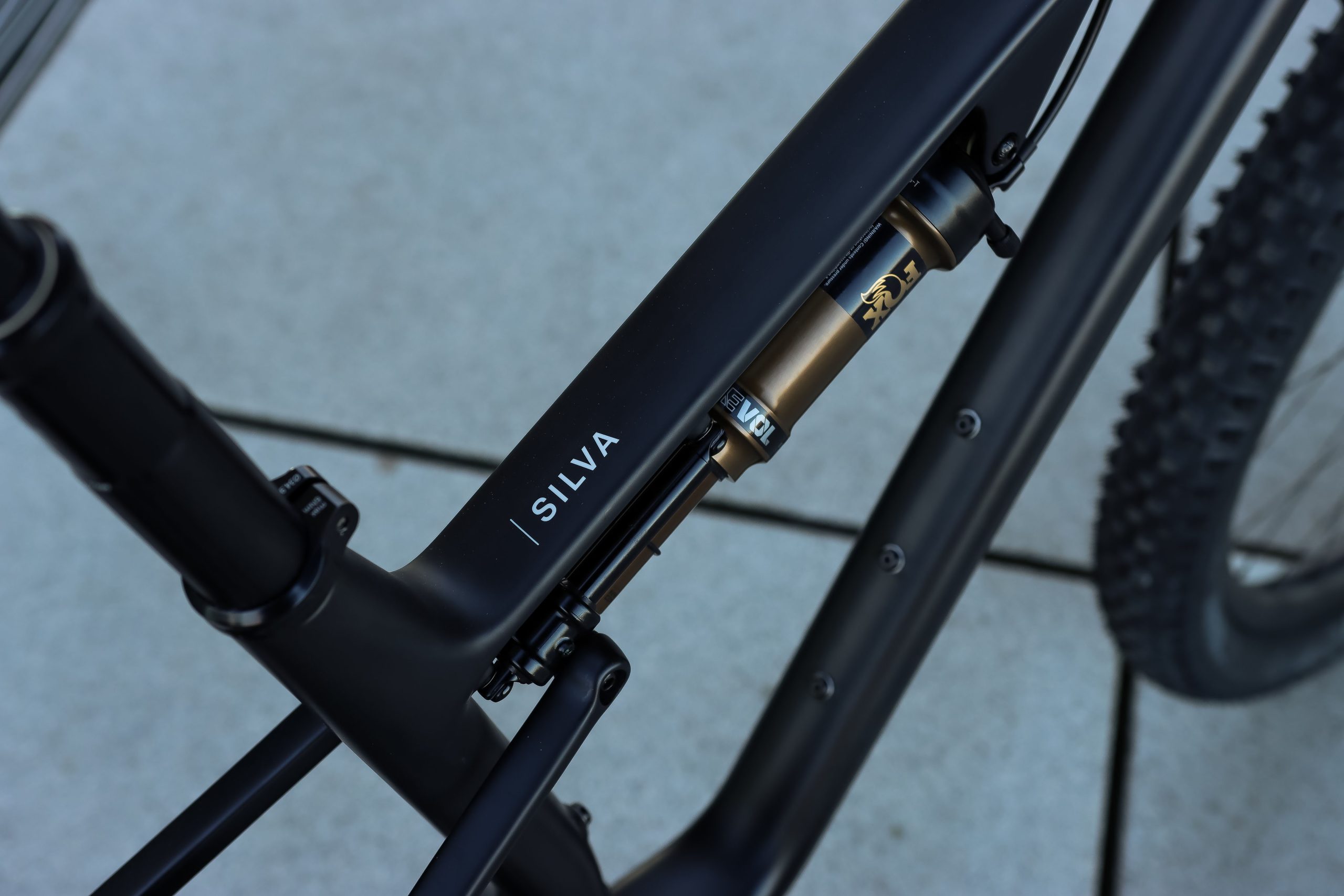
As already noted, Avona says its Silva carbon mountain bike is “the lightest full suspension frame on the market”, with a complete frameset weighing only 1,764 (painted size M frame including rear shock, chainstay protection and chain guide).
According to the brand, the Silva marries the weight of a cross-country bike with the descending prowess of an enduro bike.
This is because, Avona says, descents are “where the bike makes a difference”.
The Silva is claimed to have a super-light frame. Avona
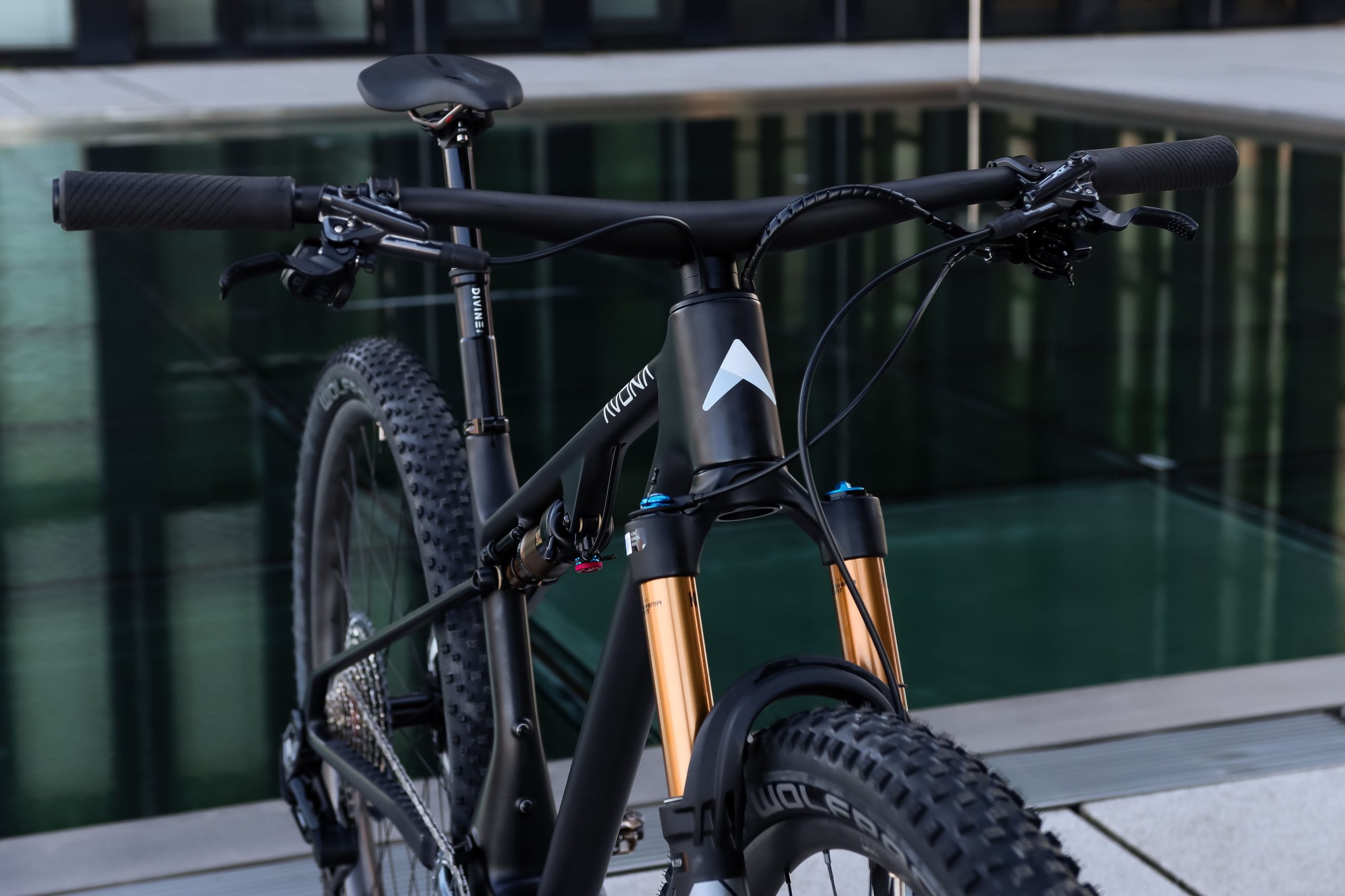
The Silva platform is designed around 105 to 115mm of travel at the rear and 120 to 130mm up-front, with a slack, 65-degree head tube angle.
Available in two sizes (M and L), Avona says a complete size-M bike weighs 10.17kg with a SRAM GX Eagle AXS Transmission groupset and Newmen Phase 30 light wheels.
A Faserwerk Baslerstab integrated handlebar is included on all builds.
Prices start from €3,499 for the frameset, Faserwerk Baslerstab integrated handlebar and Fox Float SL Factory rear shock, and rise to €11,999 for a complete build with a SRAM Eagle XX SL groupset and a RockShox SID Flight Attendant fork.
Avona Callis gravel bike
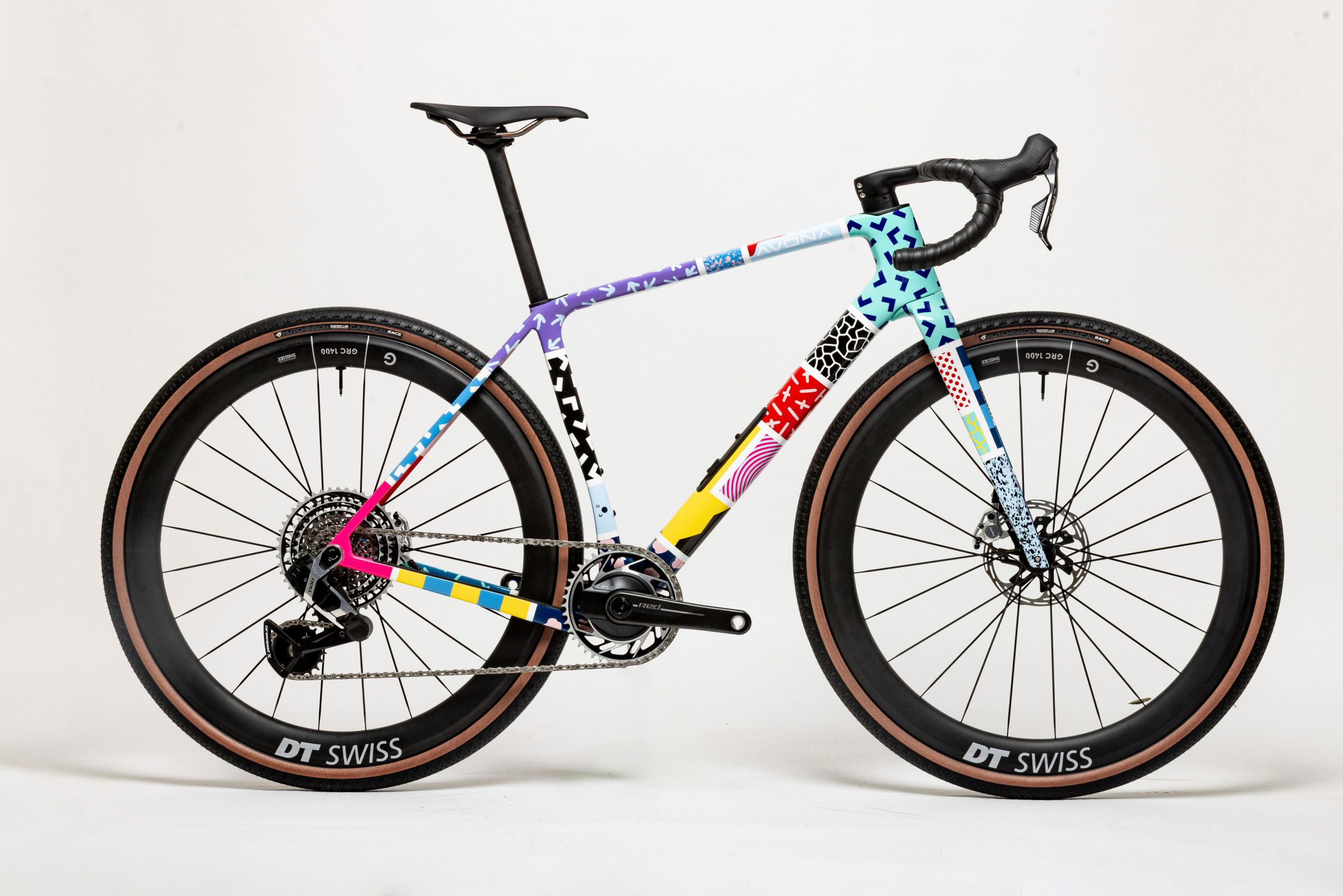
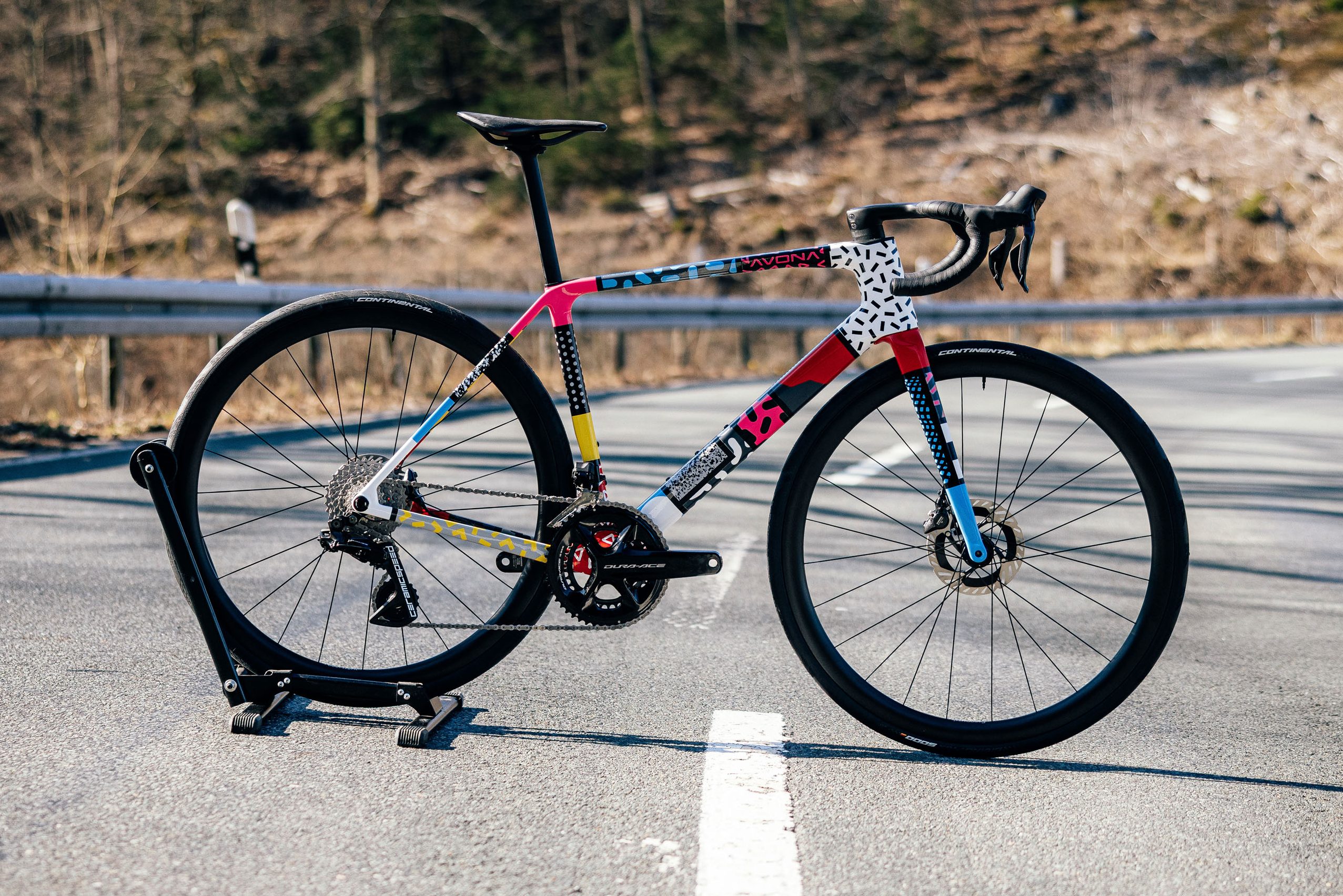
Avona’s Callis gravel bike, complete with a limited-edition @savethepostalservice paintjob. Avona
The Callis is Avona’s gravel race bike, with an aerodynamically optimised carbon frameset and clearance for 50mm-wide tyres.
Avona claims a clear-coat painted frame weight of 950 to 1,020g, depending on frame size and including a front derailleur hanger, while the matching fork is said to weigh 463g uncut.
Beyond aerodynamic considerations, the rear end of the bike is said to be optimised for comfort – which the brand says “significantly reduces the power required to roll over rough surfaces”.
The rear end of the Callis balances comfort and aerodynamics.
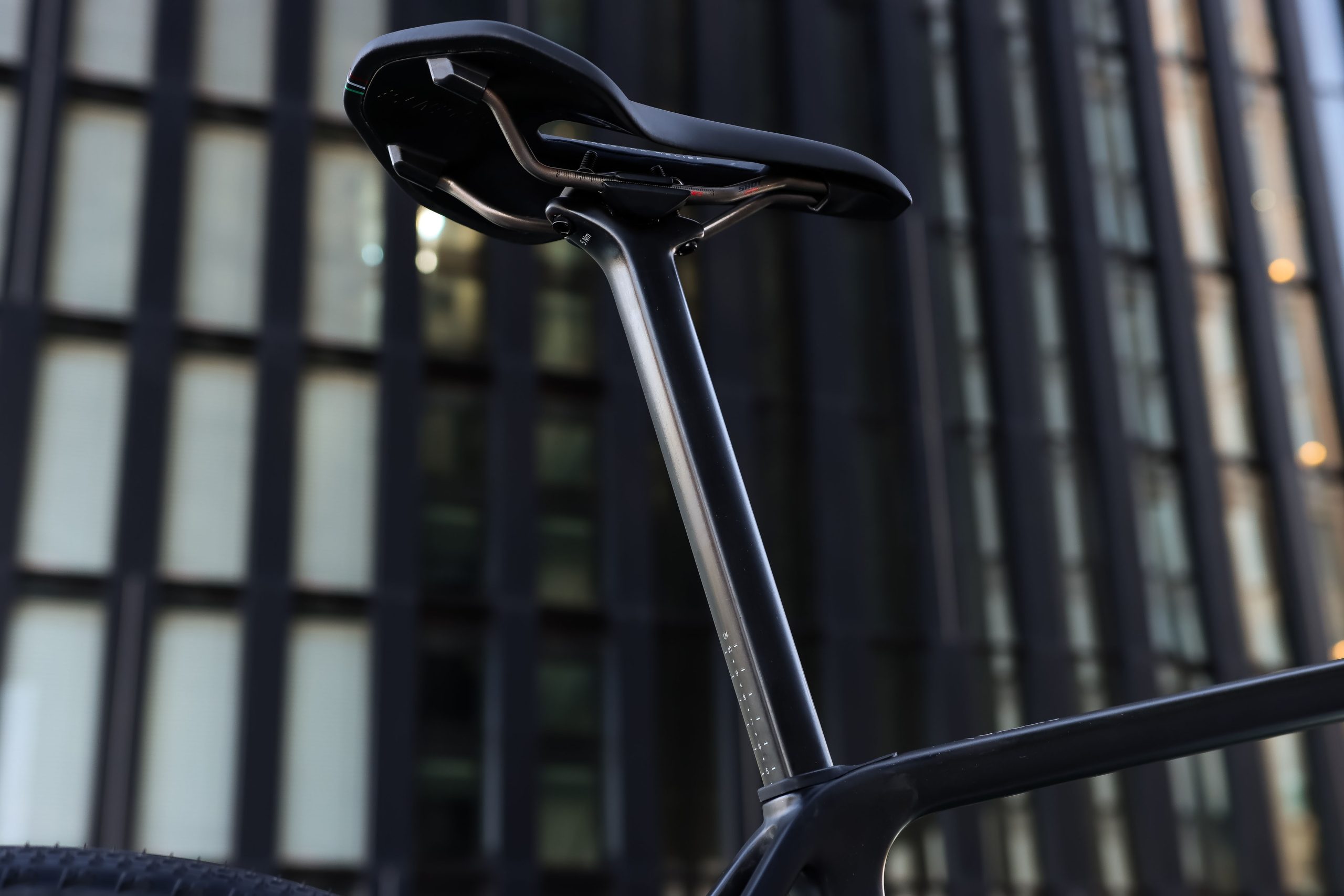
The slender Faserwerk Wuthocker Aero seatpost, for example, is claimed to have the compliance of a 27.2mm round seatpost, while still offering an efficiency benefit. Likewise, the sloping top tube enables more seatpost to be exposed, for a greater amount of flex.
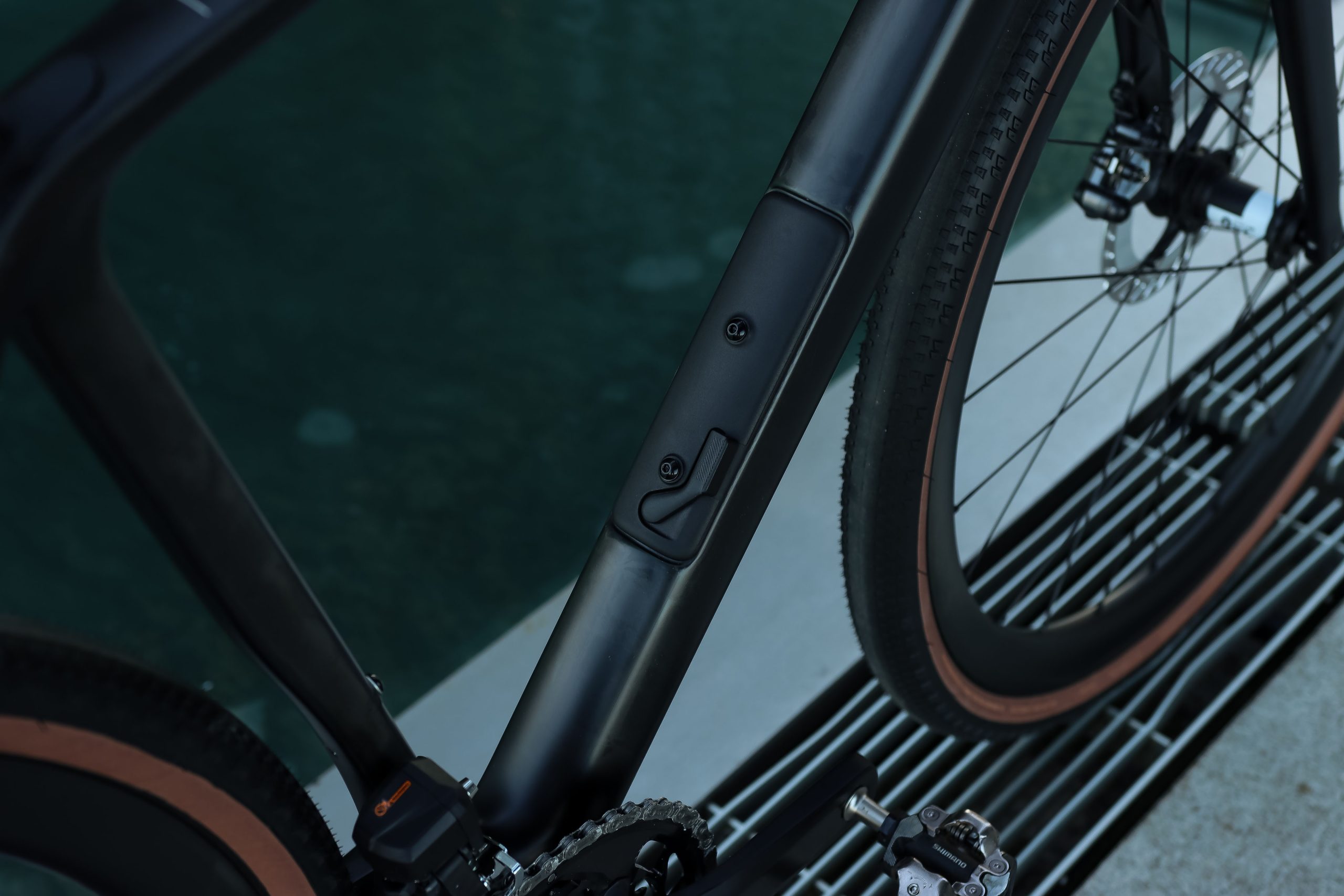
There are also small, but important details, such as a sealed upper-headset bearing cover to improve bearing life and an integrated down tube storage port.
The down tube features an integrated storage compartment. Avona
In terms of geometry, there are four sizes (S to XL) and Avona says it opted to keep the “agility and responsiveness of a road bike”, rather than straying “too deep into MTB territory”.
Prices start at €3,499 for the frameset, integrated cockpit and seatpost, and rise to €9,999 for a complete build with SRAM Red XPLR AXS and DT Swiss wheels.
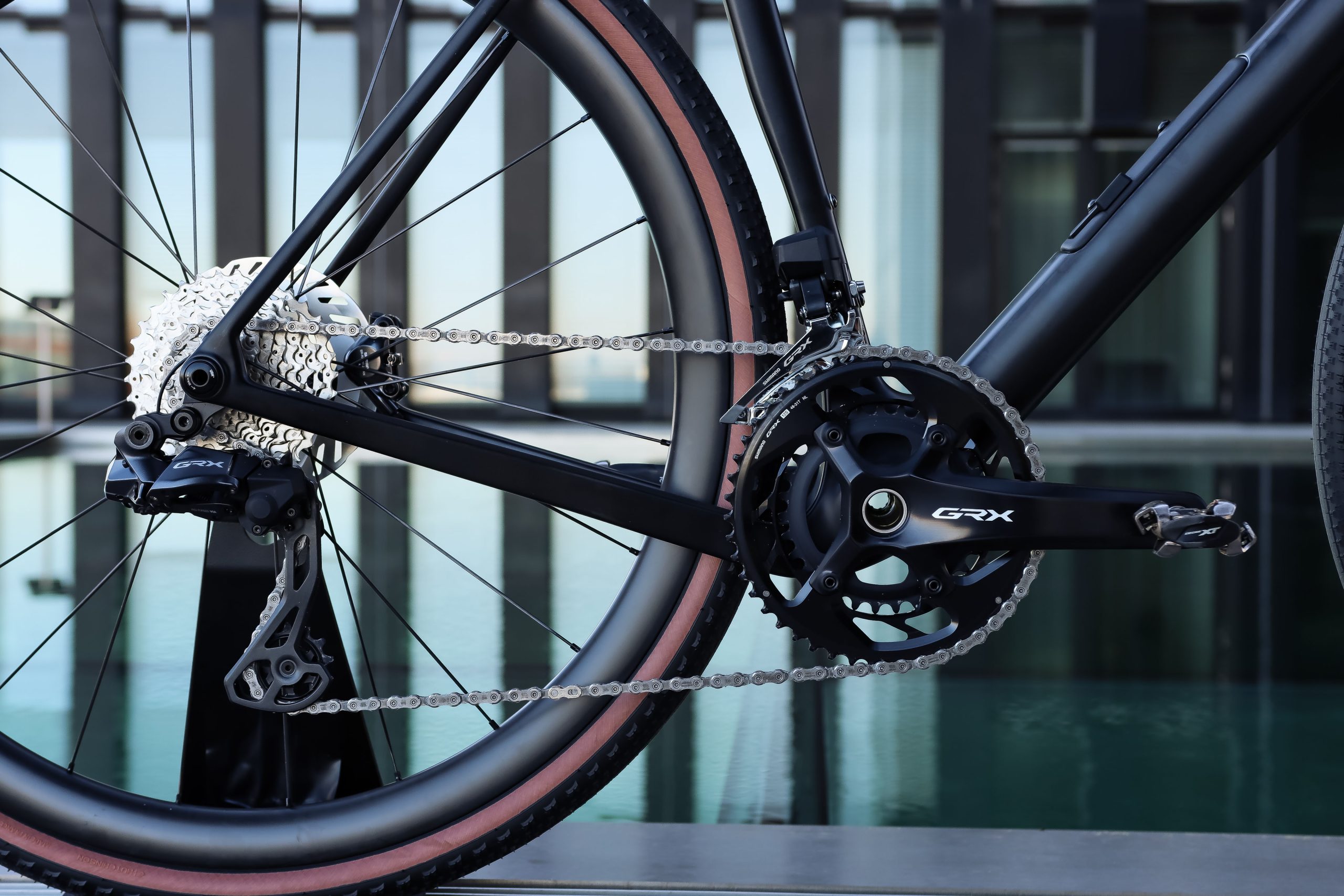
A complete Avona Callis with Shimano GRX Di2 R825 and carbon gravel wheels is claimed to weigh 8.26kg in a size L.
Avona Velum road bike
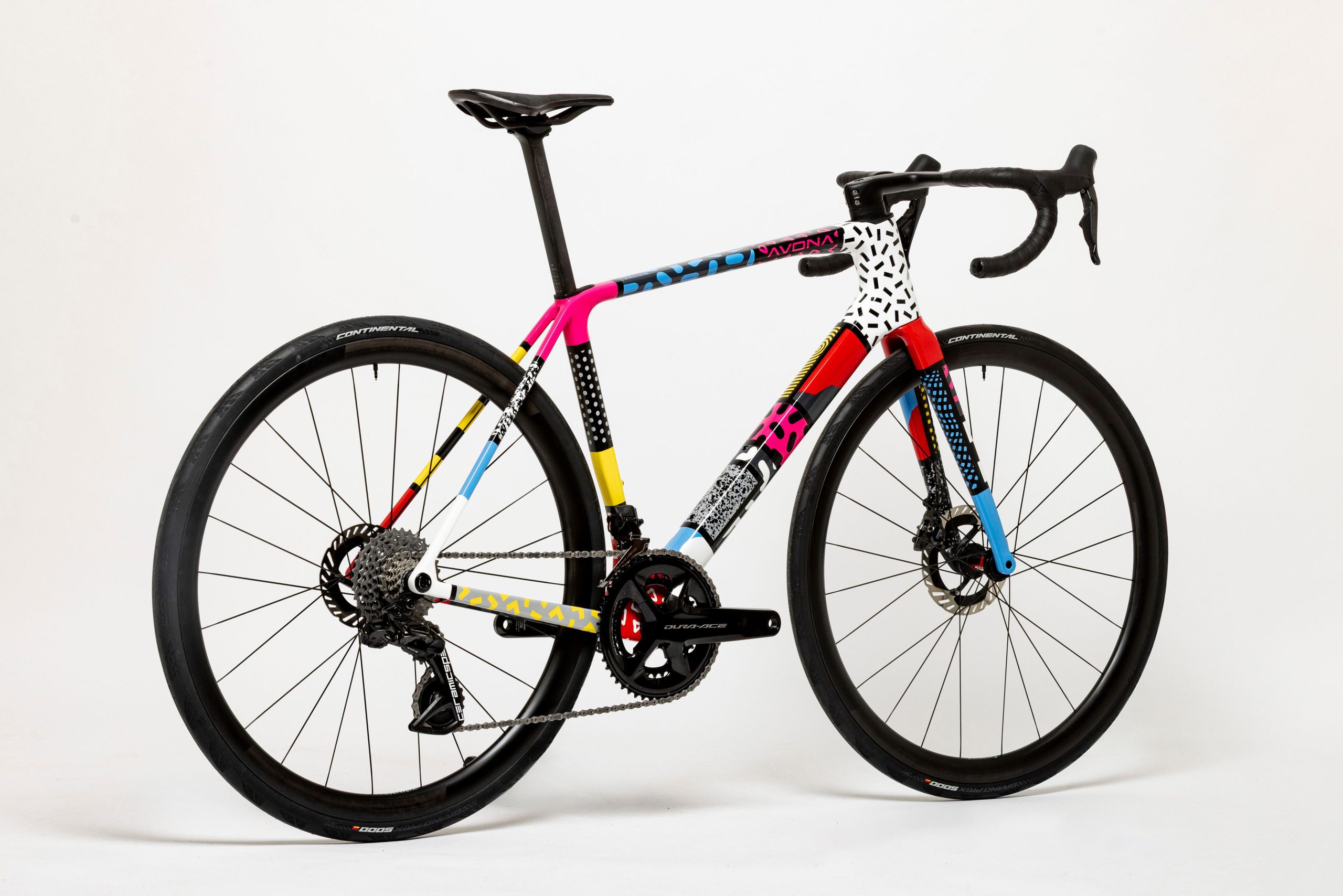
The Velum road bike is an all-rounder with big tyre clearances. Avona
Avona’s Velum road bike takes a similar all-rounder racer approach as the Callis, with a balance of aerodynamic optimisations and comfort-enhancing features.
While the Velum is still in development (Avona says it’s set to launch in the autumn), it claims a 730g weight for an unpainted size-54cm frame, alongside clearance for 35mm-wide tyres.
The Velum is set to launch later this year.
Like the Callis, the Velum will feature an integrated cockpit and slim aero seatpost, with extensive build customisation options.
Pricing will be confirmed when the Velum is eventually available, but Avona says it expects it to be “comparable” to the Callis.
Thinking of putting together an indoor cycling space? In this week’s top video, watch as one Zwifter converts his packed garage to an impressive Zwift setup.
Also included in this week’s top videos are videos about a Zwifter’s first race, a comparison of indoor and outdoor FTP tests, an overview of the TrainerRoad and Zwift integration, and fitness gains from Zwift racing.
New “Paincave” Setup & Zwift Ride Unboxing
Ryan Condon has finally made the move to upgrade his paincave. Watch as he puts together his new setup in his garage.
Sprinter Tries His First Zwift Race
Jeff from Norcal Cycling tackles a Zwift race with Dylan, who has never raced on Zwift before. Can Jeff help Dylan win his first Zwift race?
Zwift FTP Test vs Outdoors FTP Test
To accomplish one of his cycling goals, Nathan must increase his FTP to be more competitive in the higher Zwift categories. In this video, Nathan does an FTP test both indoors and outdoors to see how the numbers compare.
TrainerRoad x Zwift: The Ultimate Indoor Training Combo?
J Dirom covers the TrainerRoad and Zwift integration and shares his thoughts on the topic.
I tried Zwift racing for 4 months – this is what happened
After racing consistently for the last four months, Henry shares his takeaways from the experience and the progress that he has made.
Got a Great Zwift Video?
Share the link below and we may feature it in an upcoming post!
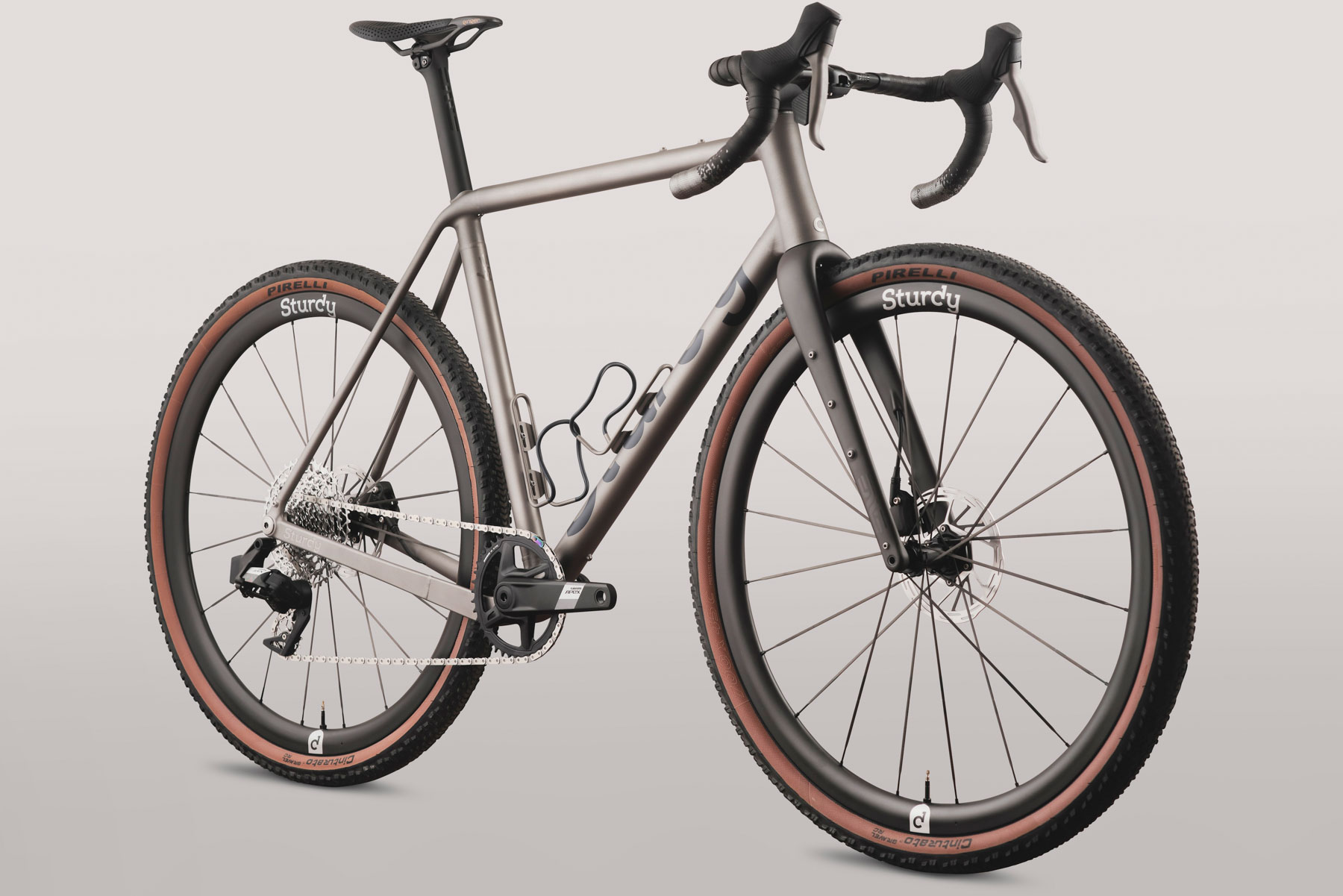
Sturdy Cycles has introduced its new off-the-peg SC-G gravel bike, showing off the British brand’s 3D-printed custom tech.
Somerset-based Sturdy Cycles has a global reputation for making some of the best full-custom titanium bikes around. It uses some of the latest 3D-printed technology in its bikes.
Now the brand has launched an all-new gravel bike, the SC-G, which is available in four standard sizes rather than only as a made-to-measure purhcase.
Sturdy hasn’t strayed from its entirely in-house building, however, so each SC-G is handcrafted and meticulously finished in its Frome workshops.
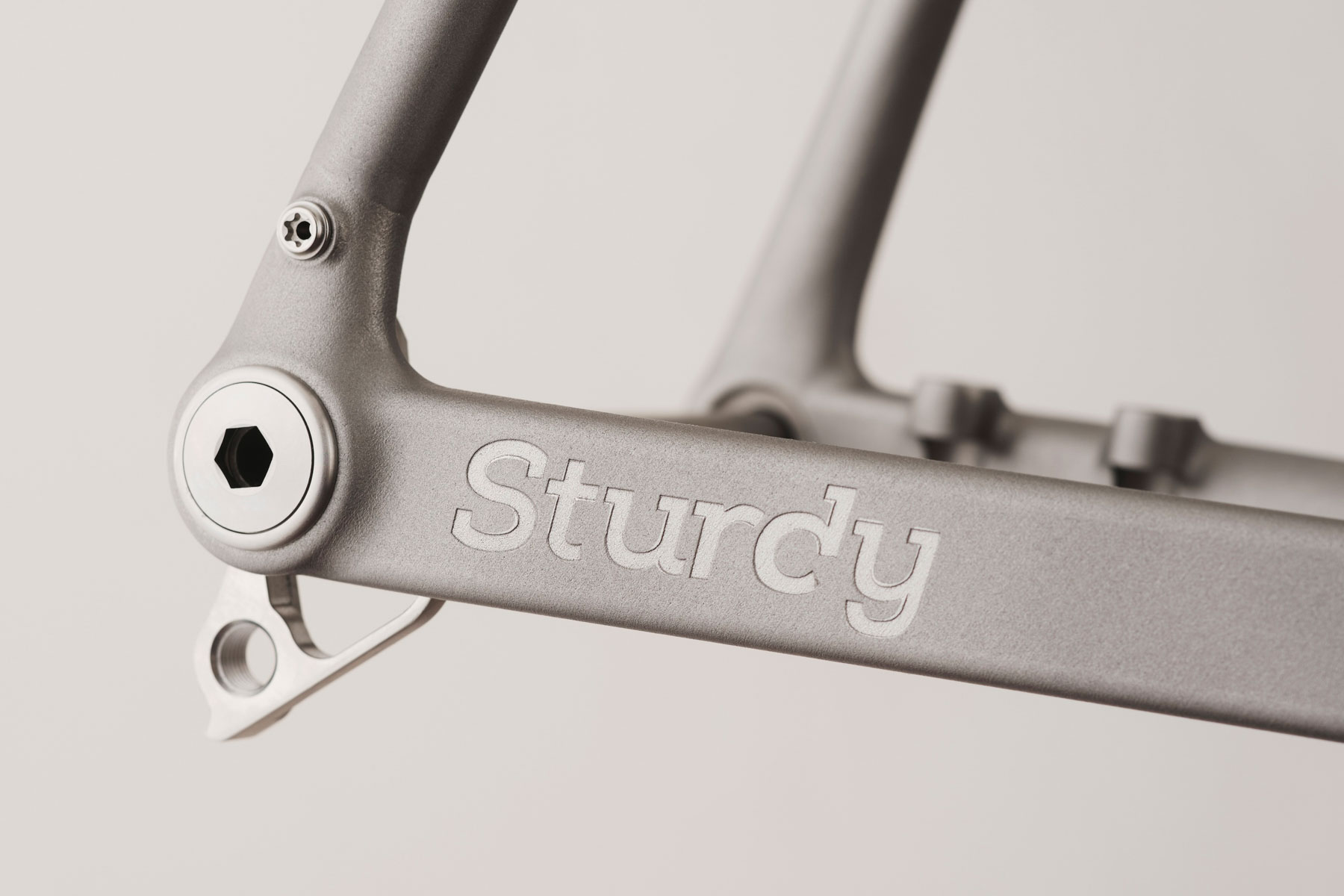
The attention to detail on the SC-G is incredible. Sturdy Cycles
The SC-G is designed for those who want a top-tier titanium bike but without the wait time associated with a full-custom build.
The SC-G should be seen as a homegrown rival to bikes such as the Moots Routt 45 or a bridge between mass-produced titanium gravel bikes and high-end fully custom options from the likes of Mosaic, J Laverack, and indeed Sturdy.
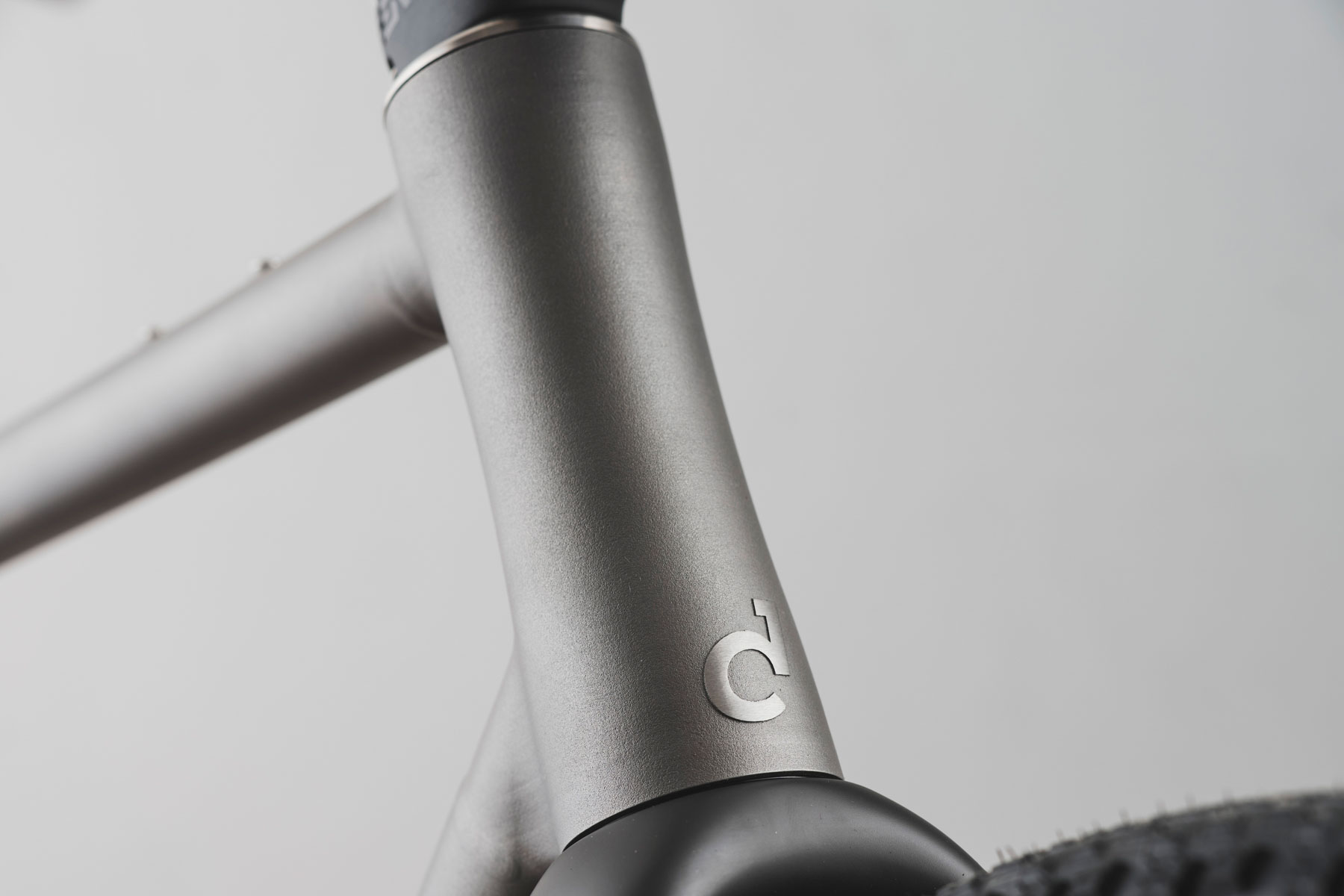
The Sturdy head tube uses Deda’s SCR headset to route brake hoses fully internally. Sturdy Cycles
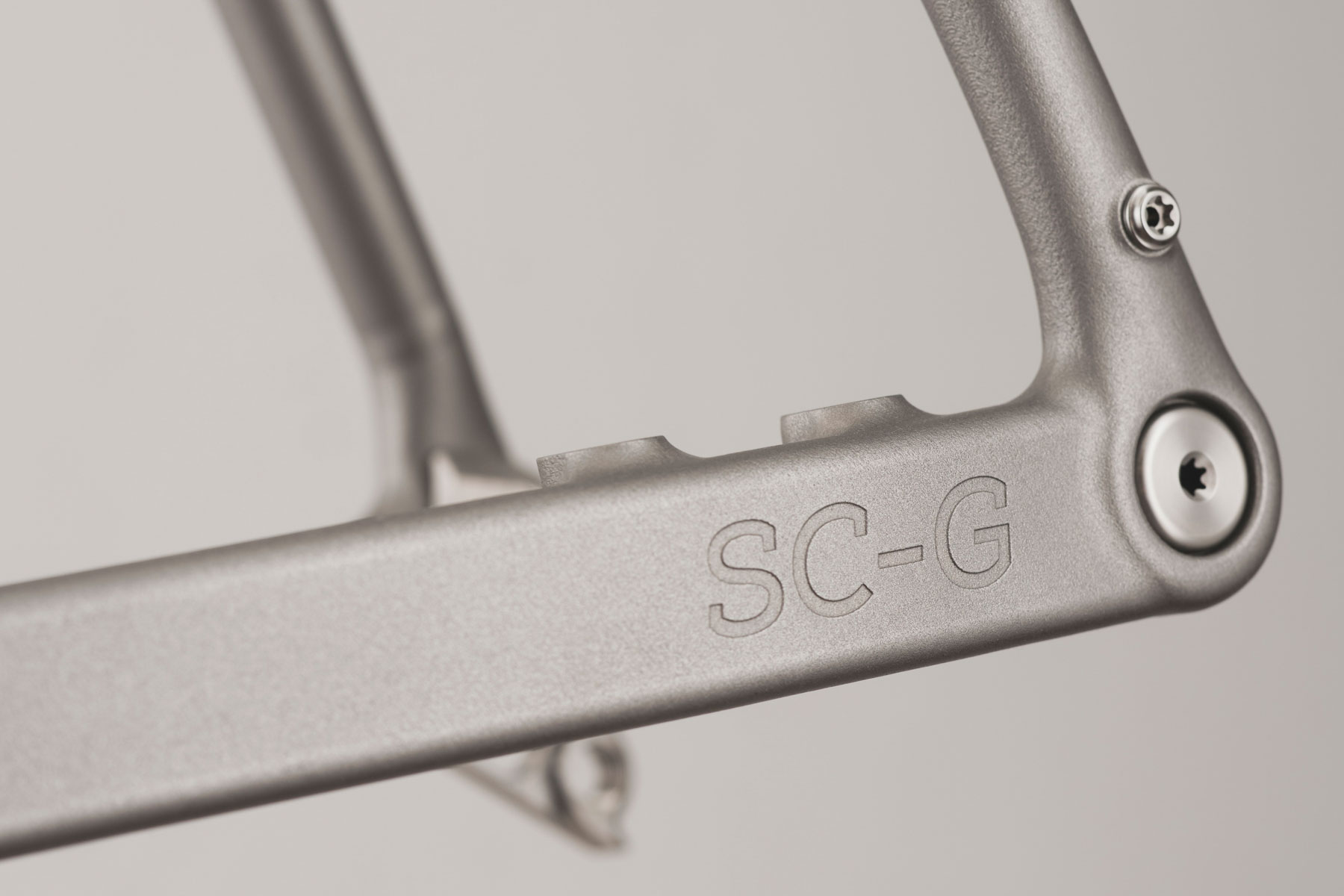
The frame is made with 3D-printed junctions throughout, which are then machined to match custom-drawn titanium tubes.
The frame is designed to be adaptable, with big tyre clearances of 55mm (700c) and with mudguard mounts, triple bottle mounts, top tube mounts and ENVE’s In-Route carbon fork with triple anything bosses.
The rear axle on the SC-G is titanium. Sturdy Cycles
The geometry is pure modern-gravel stuff, with long chainstays to add stability, a 71-degree head angle to aid handling in the rough, and a stack and reach that are more akin to endurance than race bikes.
The SC-G is available as a complete bike or a frame kit.
The frame kit includes:
1.5-inch Deda DCR headset
Titanium rear thru-axle
Titanium bottle-boss bolts
Titanium UDH
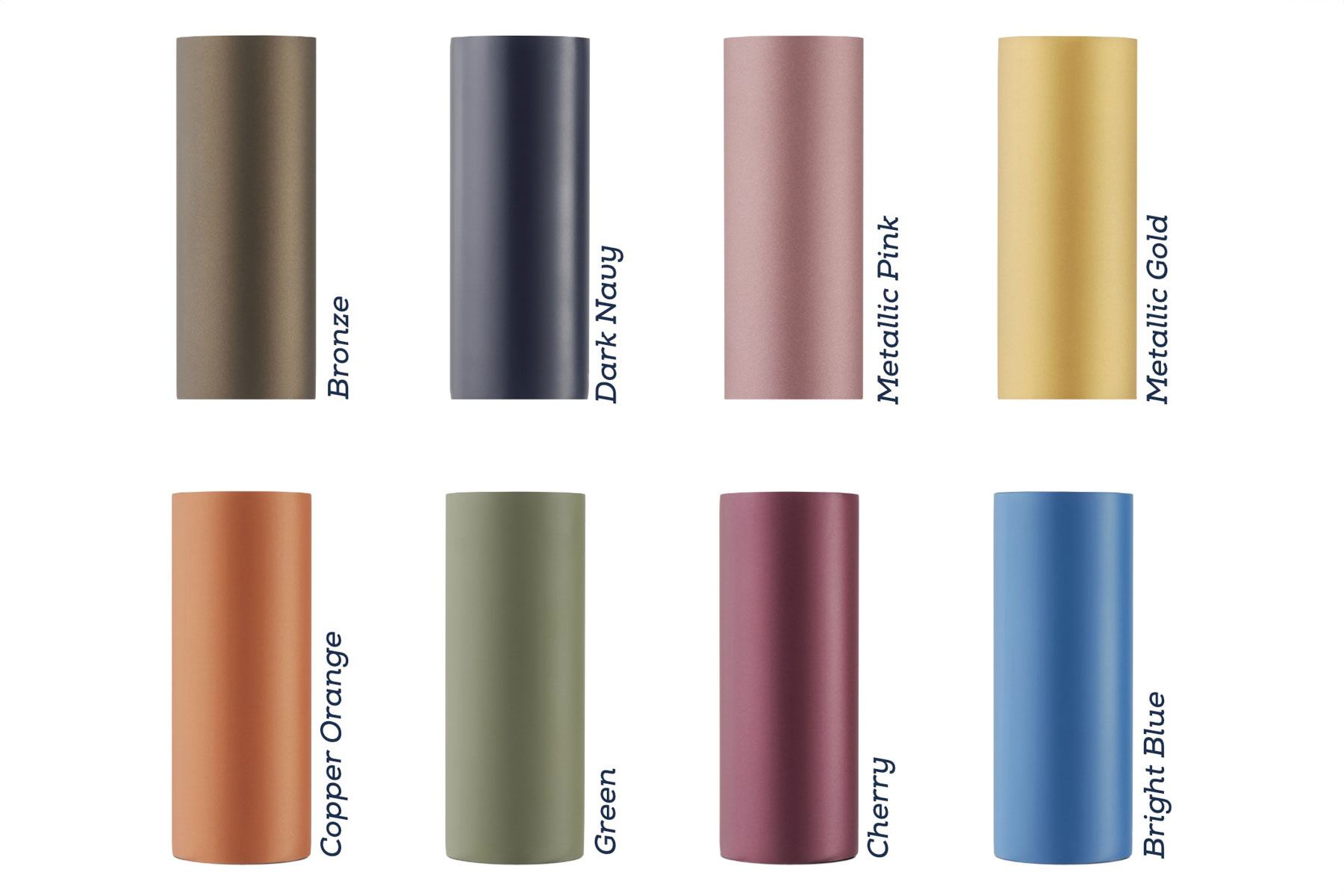
It is available either in a raw titanium shot-peened finish or a choice of eight Cerakote colours (Cerakote is a highly durable ceramic-based paint, mainly found in the firearms industry and more recently in high-end watch production).
The SC-G comes in shot-peened raw finish or one of eight Cerakote colours. Sturdy Cycles
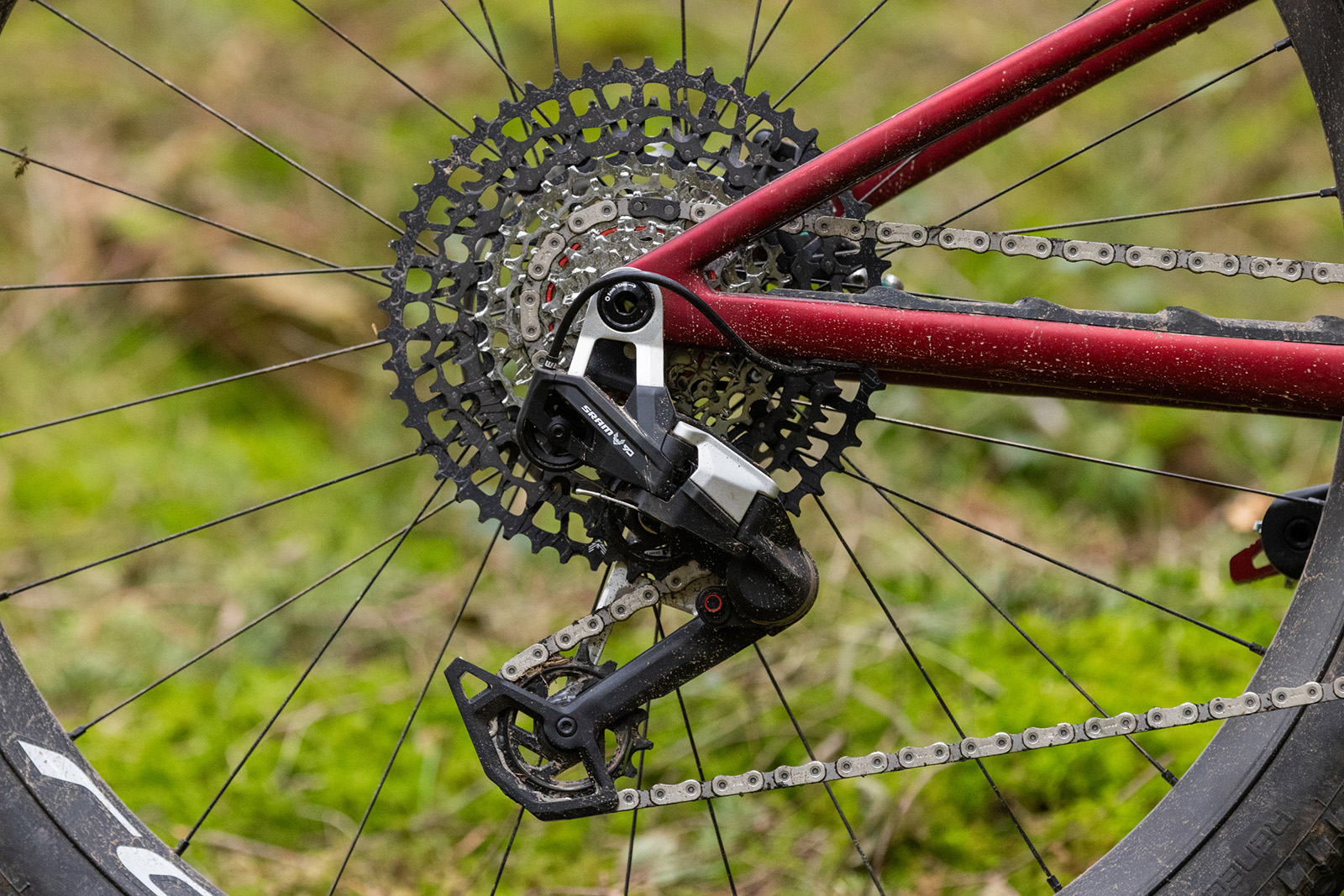
SRAM’s new derailleur-hanger-free Eagle 70 and 90 Transmission gearing is operated by a cable, offering a number of the same benefits as its electronic brethren at a fraction of the cost.
Shifting under power feels very well managed, and once cable tension has settled down, quick shifts between cogs feel accurate and punchy.
However, the feel through the shifter is something of a mixed experience.
Just like its wireless counterpart, there are no B-tension or limit screws to worry about, which should make setup swift, plus it’s claimed to be just as tough as the electronic derailleur – and to be the toughest mechanical derailleur ever made.
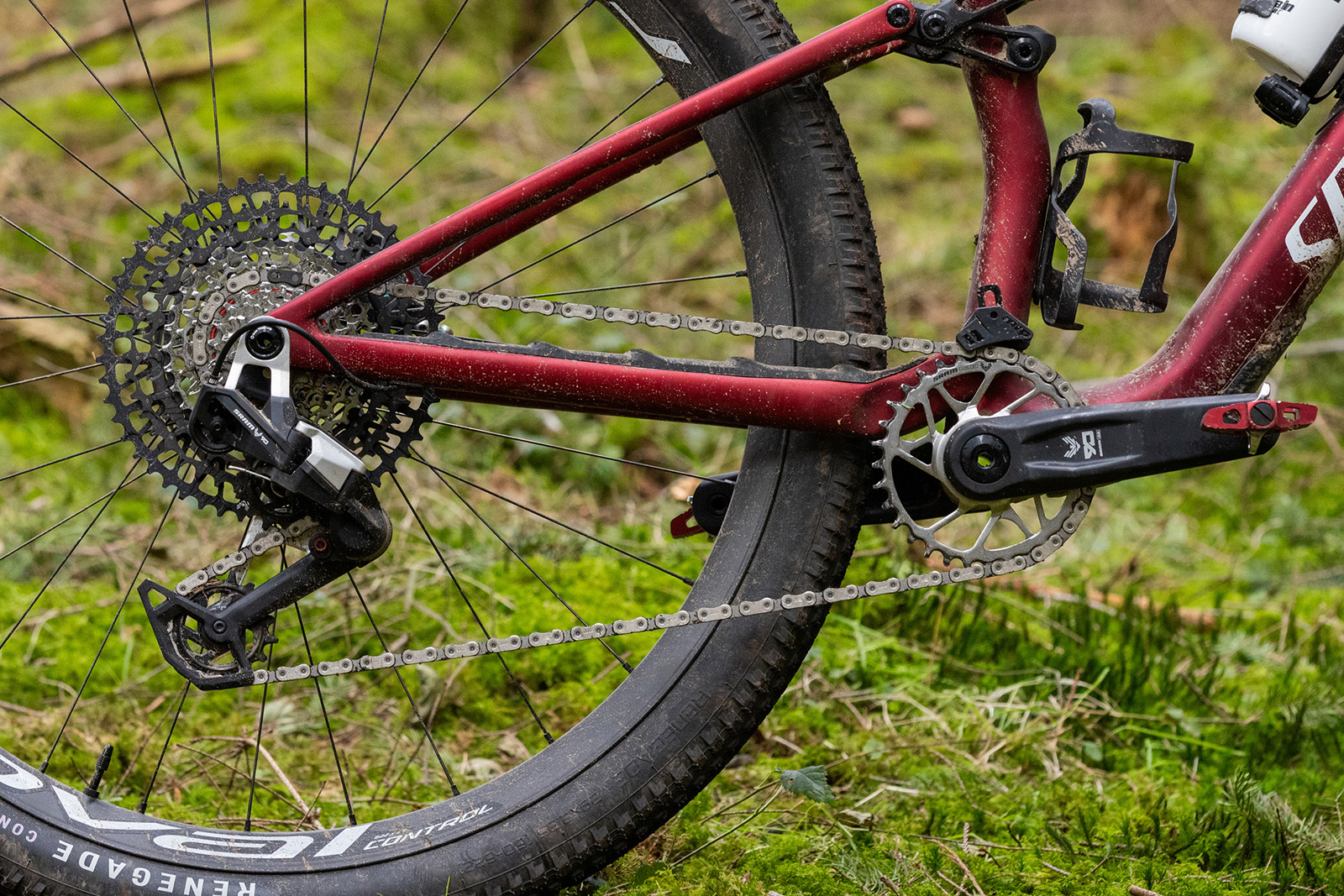
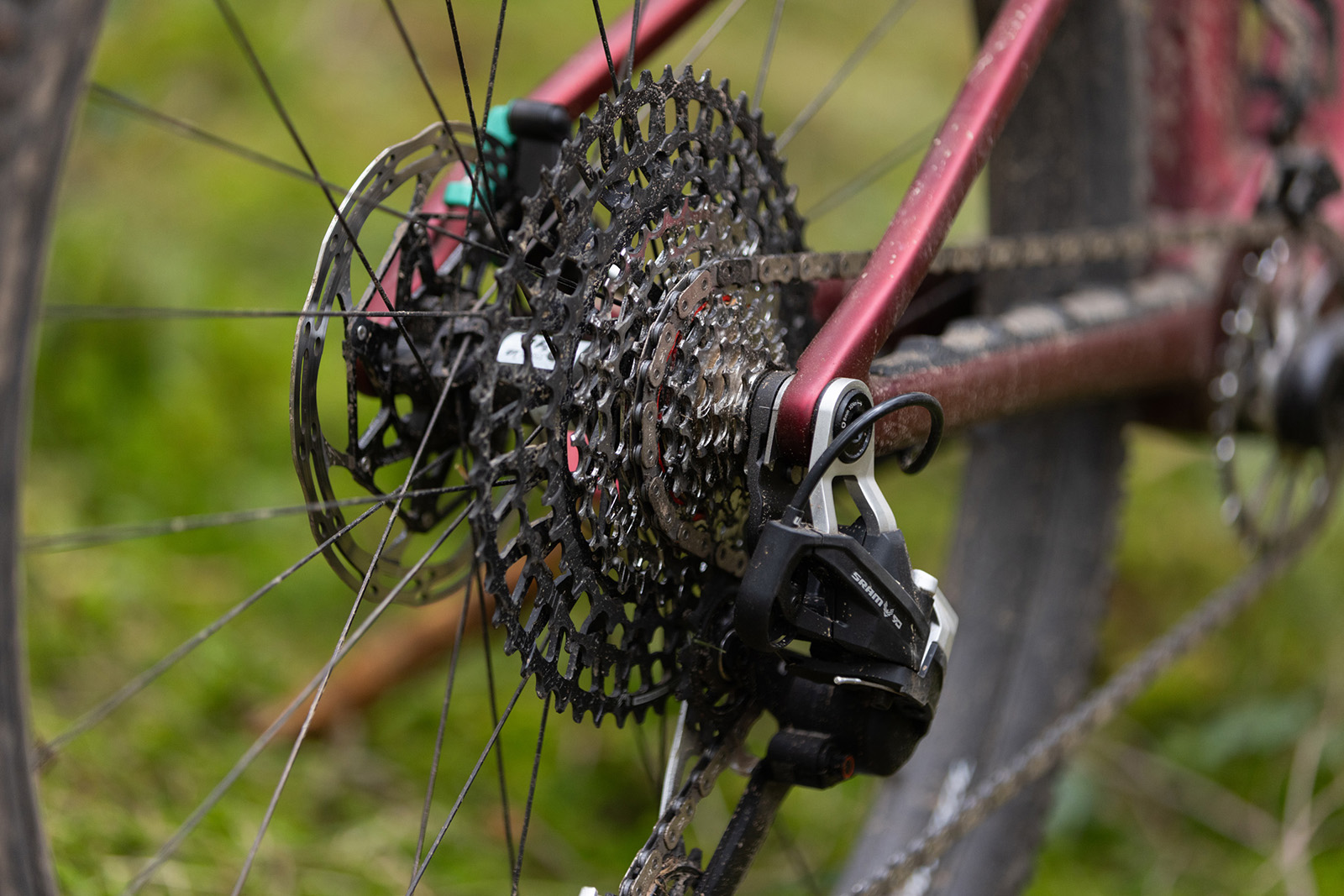
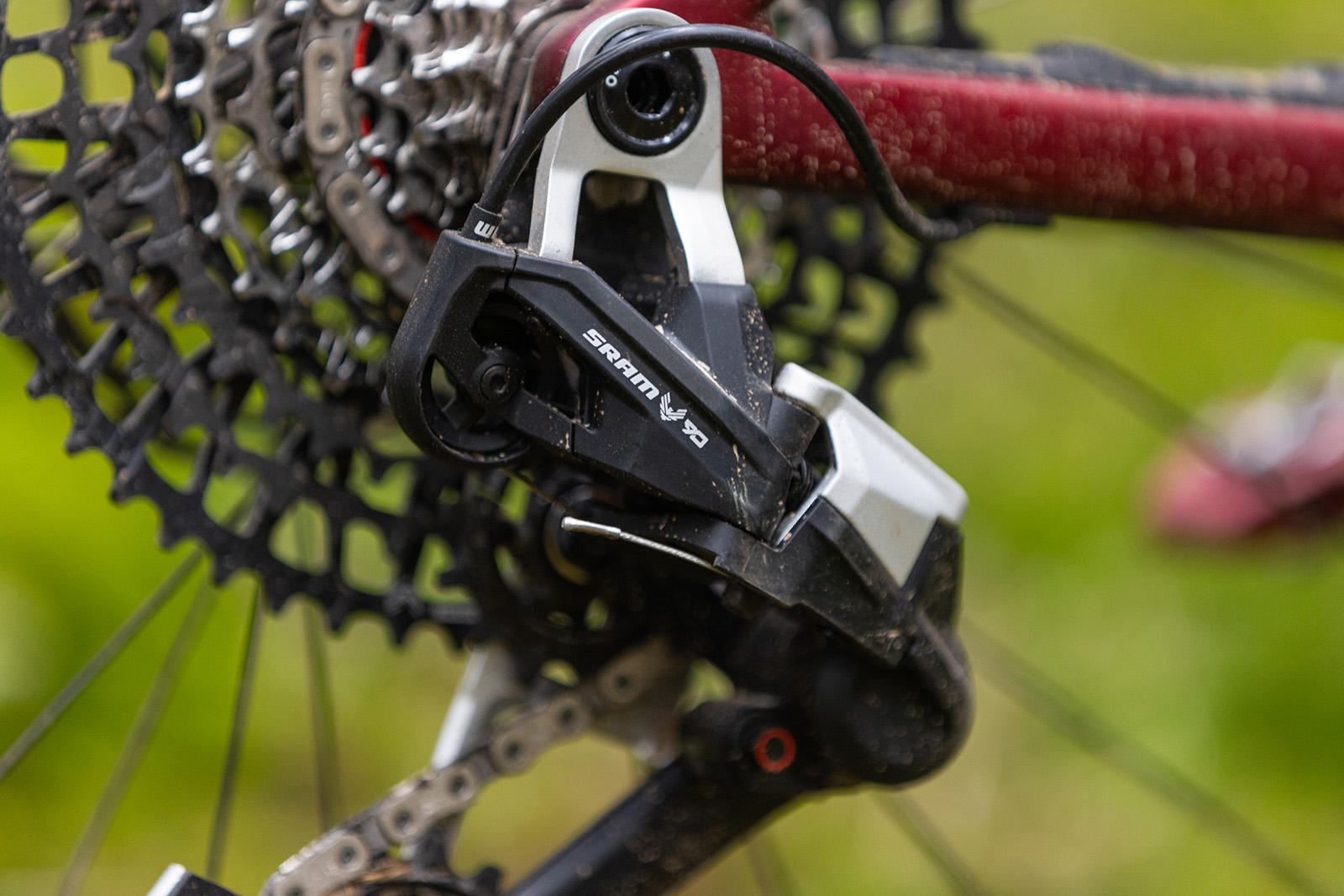
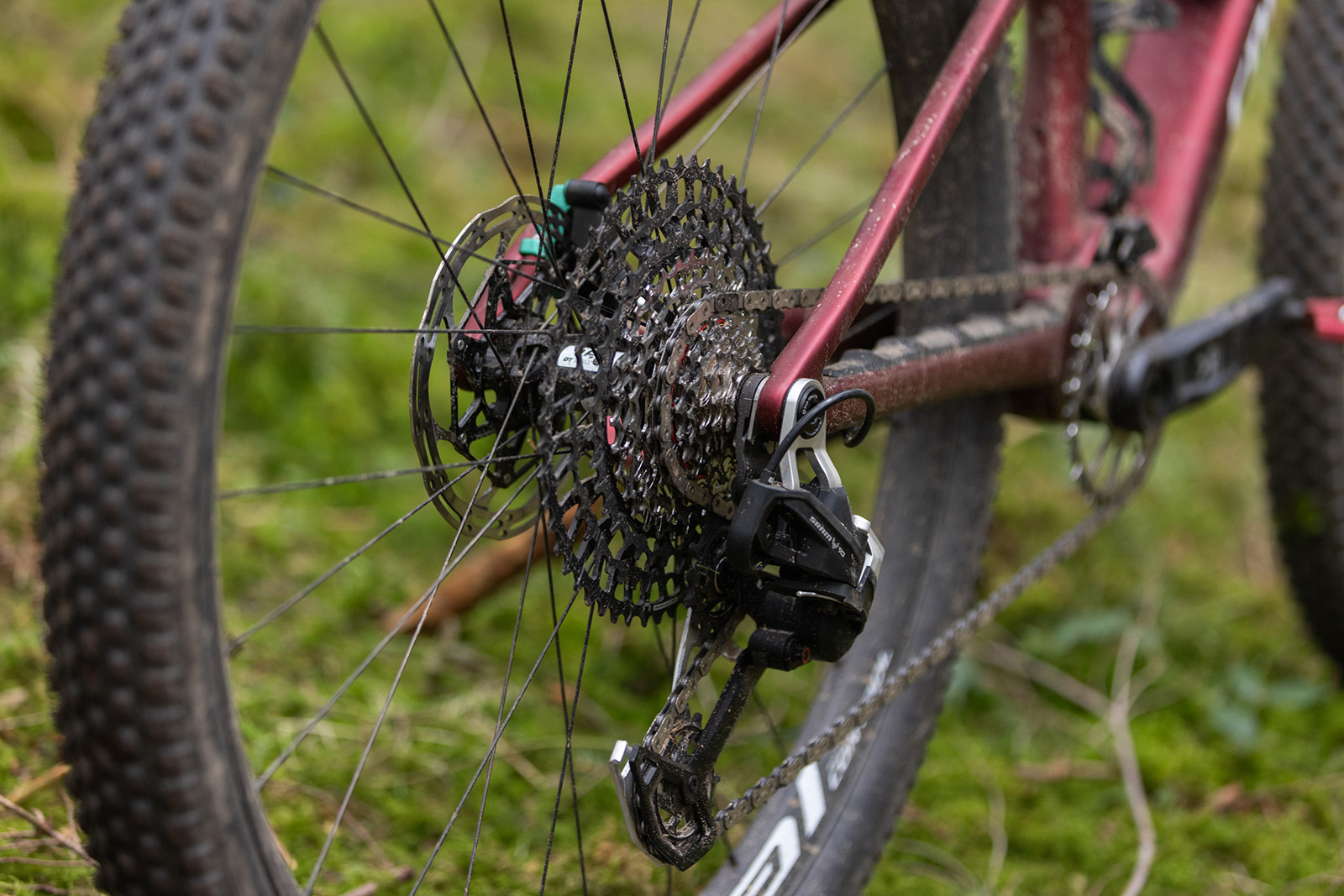
SRAM’s Eagle 90 Transmission is cable-operated but uses the Full Mount design of the latest-generation AXS derailleurs. Scott Windsor / Our Media
Yes, that’s right, you can, apparently, stand on the derailleur without killing it, although we wouldn’t recommend doing so.
Most important of all, it’s far cheaper than the top-tier XX, X0 and GX Eagle AXS Transmission gearing, with the Eagle 70 derailleur costing £120 and the complete Eagle 90 group £655.
Should you total part of the derailleur, spares are available to rebuild it, which is a nice touch and bolsters the value.
SRAM Eagle 90 ride impressions – Rob Weaver
Gear changes are crisp, but the shifter feel could be improved. Scott Windsor / Our Media
I’ve had the Eagle 90 Transmission on a Specialized Epic 8 Expert for a little over a month and clocked up around 250km while testing it.
While I’m a long way from being able to deliver a definitive verdict, I can at least give you some insight as to how Eagle 90 has performed so far.
When it comes to performance, the first thing worth commenting on is the shifter feel and performance.
Push the larger of the two paddles to access an easier gear and you can feel the cable progressively tensioning as you increase thumb pressure.
The paddle travels a little way until you hit an indexed click and the gear shifts from one sprocket to the next.
The feel of this push is somewhat softer than that of a Shimano equivalent, which seems to travel less and offers a more solid, positive click when the shift is initiated.
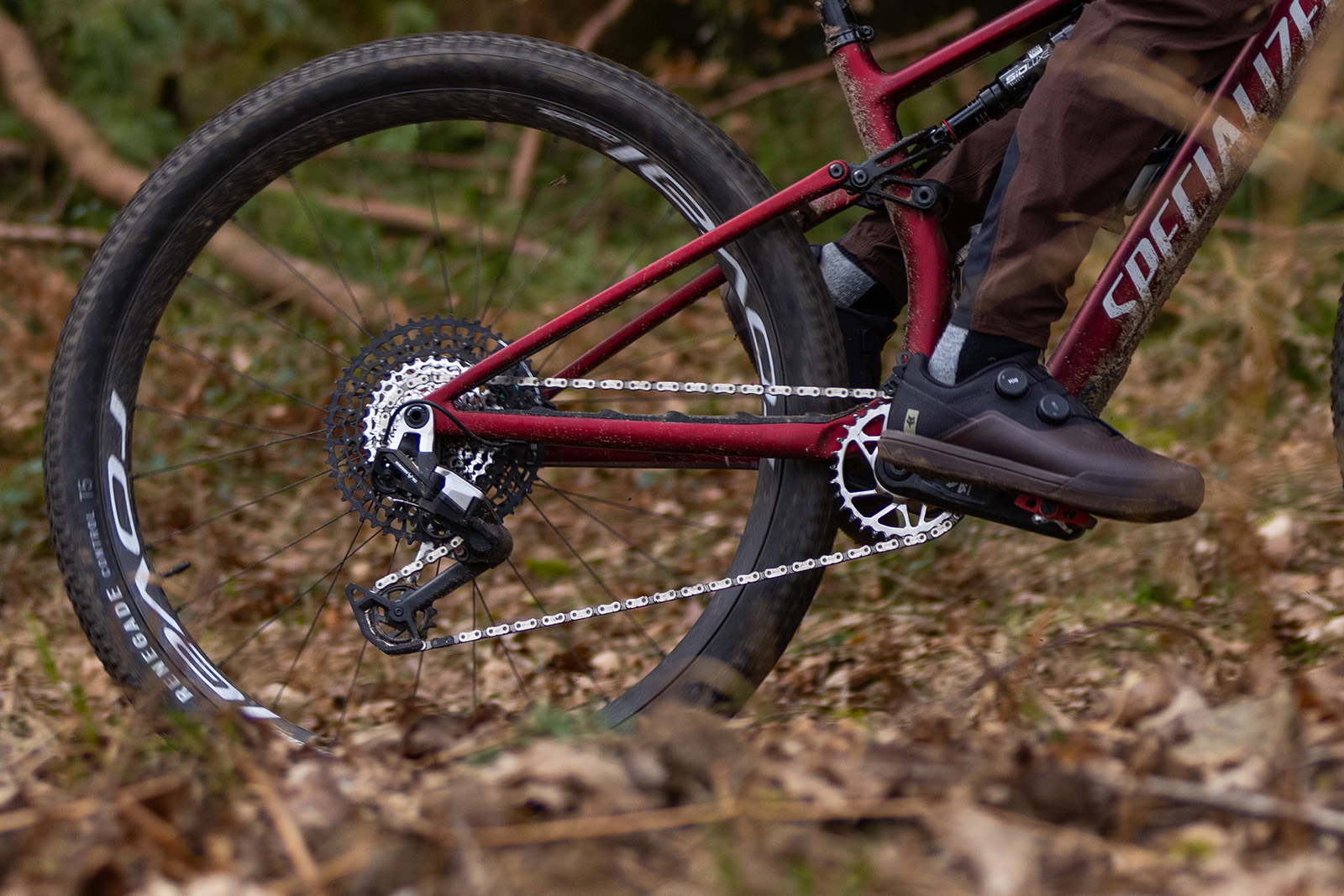
We’ve put 250km in on the new drivetrain. Scott Windsor / Our Media
On the flipside, shifting into a harder gear feels quicker and easier, thanks to the limited travel that the smaller of the two paddles has, with a positive click that feels as though it’s reached more rapidly than that of a Shimano shifter.
In terms of accuracy at the cassette, my first couple of rides in muddy conditions left me twiddling the barrel adjuster at the shifter to tweak the indexing.
While 11 of the 12 gears seemed to shift perfectly, I had some issues when selecting the third sprocket, where the derailleur seemed to jump around when I was really putting the power down.
I put this down to cable stretch, added some tension at the barrel adjuster and have since had no other issues.
While I’m on the subject of accuracy, it’s worth noting that despite the lack of limit screws, I’ve had zero issues with the derailleur over-shifting at either end of the cassette.
Like Eagle AXS Transmission, shifting on power is impressive. Scott Windsor / Our Media
Where I’ve been really impressed with the Eagle AXS Transmission is just how reckless you can be when shifting under power.
Thankfully, this carries over to the mechanical version. I’ve shifted countless times while sprinting – both up and down the cassette – and found the gear I’m after each and every time without any skipping or crunching. It’s really impressive in that regard.
Only time will tell how it all holds up over time. I’ll keep putting the miles in and report back when I’ve put it thoroughly through the wringer.
Ditching the derailleur hanger… again
Full Mount and Hangerless Interface remove the need for a traditional derailleur hanger. Scott Windsor / Our Media
As if we’re stuck on Groundhog Day, SRAM has once again re-written the rulebook and ditched the derailleur hanger on its latest product.
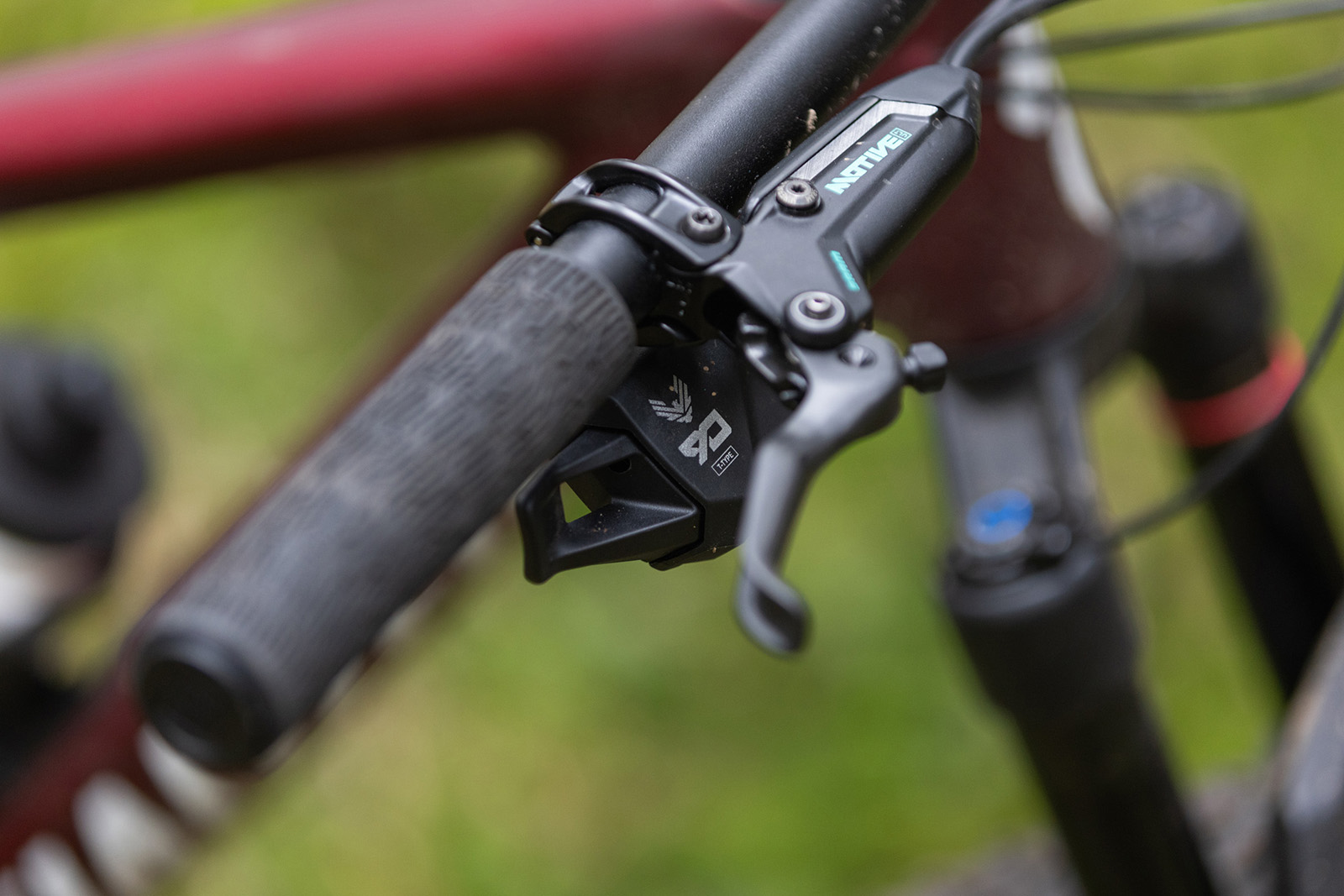
Moving to the brand’s Full Mount design – pioneered on the electronic AXS derailleurs – means SRAM has also done away with high and low limit screws, the B-tension screw and the fiddly chain-gap tool used on Eagle drivetrains.
As before, the move to a Full Mount design means the derailleur bolts through the frame’s Hangerless Interface, which is claimed to be much sturdier than a traditional design.
This interface – which is simply a hole at the dropout – is in the same place on all bikes, dictated by SRAM’s open-source UDH patent.
And because it’s in the same place on all bikes, and all Eagle Transmission – AXS or mechanical – cassettes are the same, SRAM has ported the installation and setup process to Eagle 90 and 70 Transmission.
Still simple to set up
Thanks to SRAM’s nifty design, the high, low and B-tension screws are removed, simplifying setup. Scott Windsor / Our Media
Adding cables usually increases complexity – or at least requires the mechanical nous needed to fine-tune tension – but according to SRAM, that’s not the case with Eagle 90 and 70.
As with the AXS equivalent, SRAM’s setup method for the cable-operated version relies on frame data collated on SRAM’s chain-length guide web page to determine several factors.
These include chain length, setup key position, which gear the derailleur needs to be fixed in and, in turn, which cog on the cassette is required to determine the derailleur-to-cassette chain gap.
The final step involves setting cable tension, which is very similar to all other cable-operated systems, from all manufacturers, that preceded Eagle 90 and 70 Transmission.
Crisp-click shifting
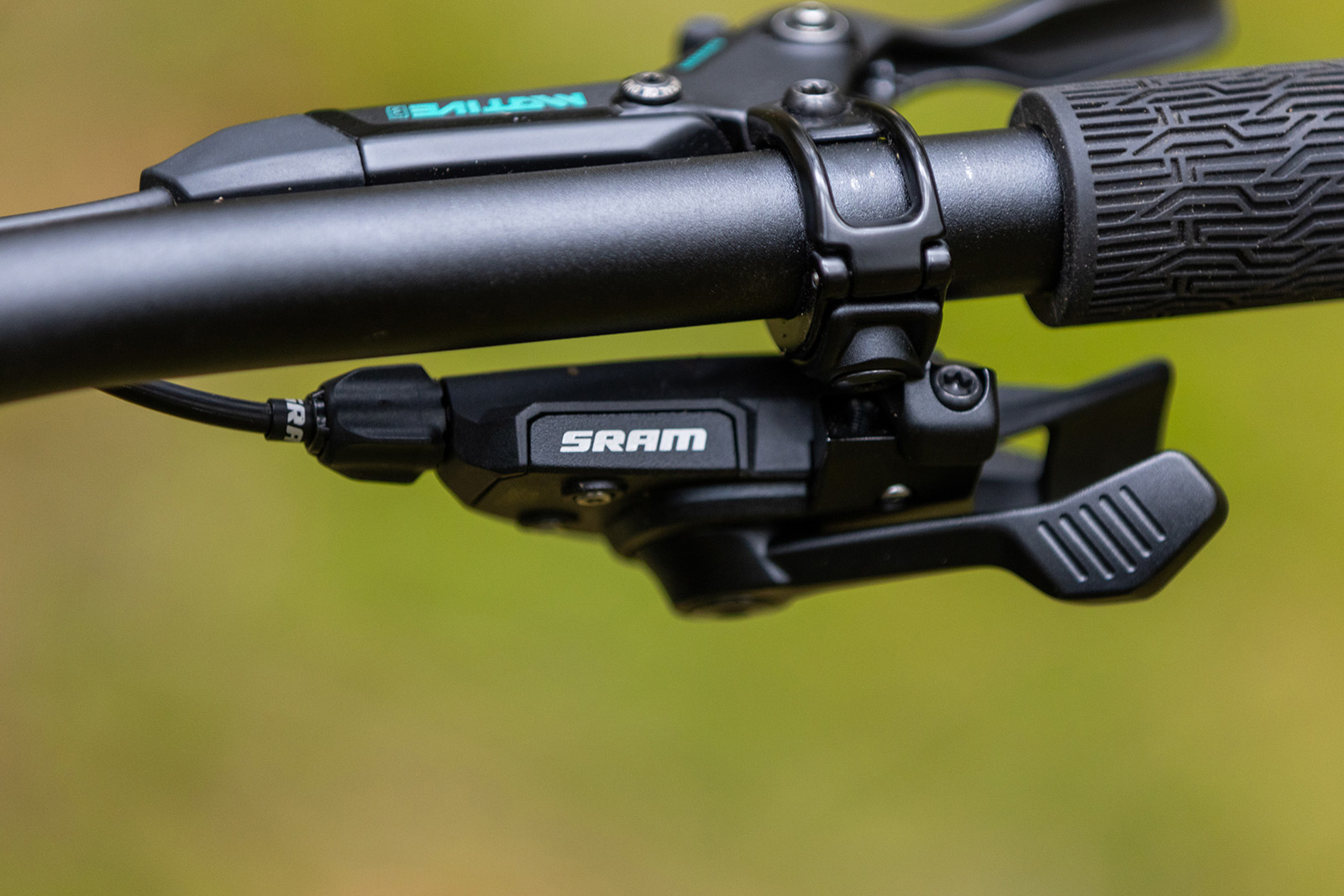
The shifter comes in single or double-click variants. Scott Windsor / Our Media
Because Eagle 90 and 70 Transmission use the same cassettes as Eagle Transmission AXS, in theory they’ll share the electronic system’s crisp, high-quality on-power shifting it has become famed for.
Here, 44 shift lanes and the X-Sync tooth profile combine to create what the brand claims is the “best mechanical shift performance under load there is”.
While the cassette and derailleur deal with the dirty end of shifting, the shifter – as your only point of contact – is where it really counts.
Eagle 90 Transmission shares its cassette and chain with GX AXS Transmission. Scott Windsor / Our Media
The new shifter – which is visually very different from Eagle drivetrain shifters – is slim and sleek, hiding beneath the handlebar and under the brake lever.
Its cables, like SRAM’s Stealth brake lines, are routed parallel to the bar for a clean look.
However, there are only two variants of Eagle 90 and 70 shifter; one with a single click that’s mandatory for ebikes and another with two clicks for non-assisted bikes.
While Eagle drivetrain single-click ebike shifters have existed all along, the ‘normal’ version previously enabled up to five clicks or gear changes with one actuation.
Whether you see that as a positive, neutral or negative will depend on your shifting habits.
Smashed up the derailleur? Rebuild it entirely
Each of the derailleur’s parts is replaceable, and available to buy should you need them. Scott Windsor / Our Media
Taking a large number of steps further than the impressively rebuildable AXS Transmission derailleurs, all of Eagle 90’s derailleur parts can be replaced.
The brand’s claim that this is “the most rebuildable derailleur ever” might, in fact, be true.
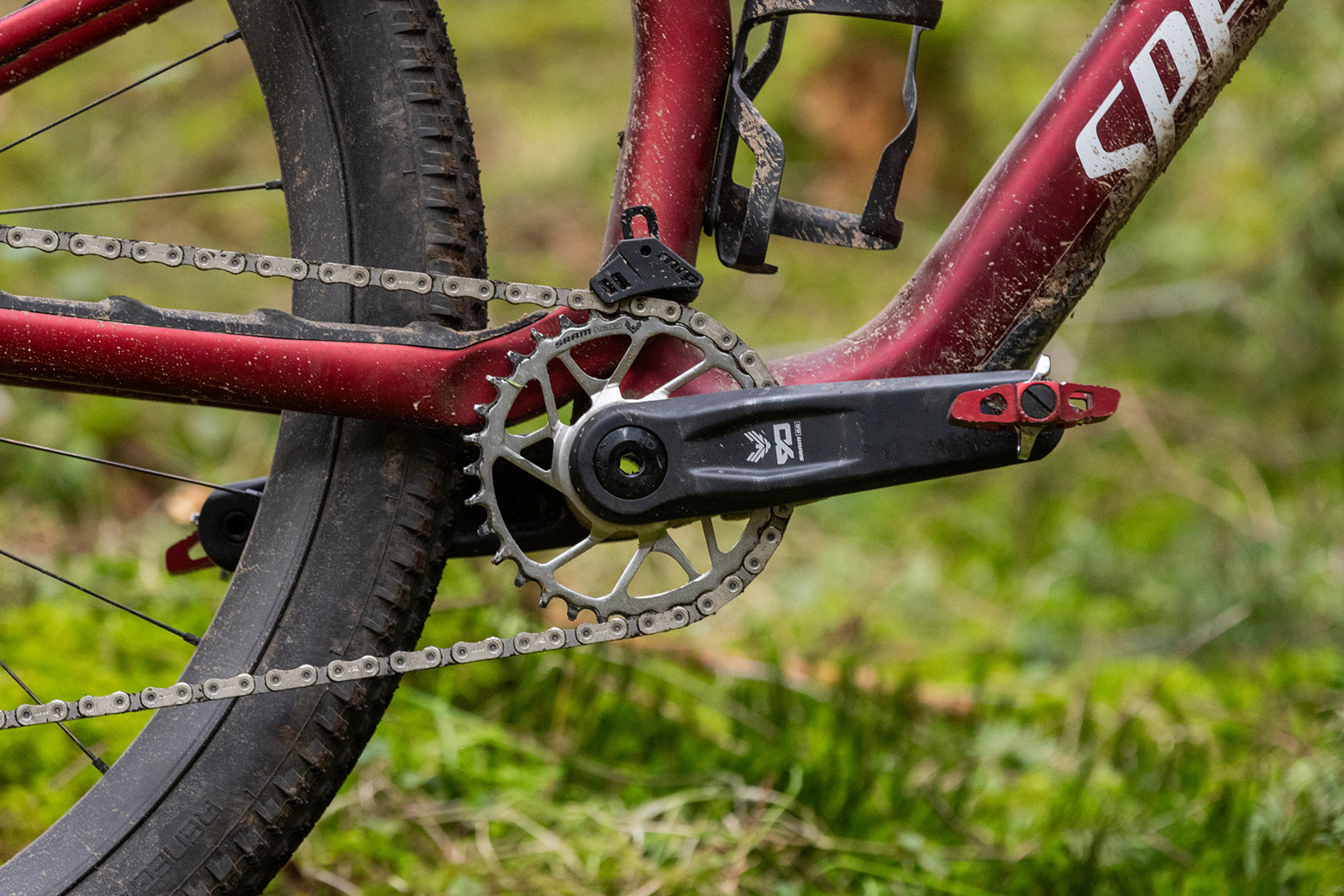
While the Eagle 90 cranks are available in 155, 160, 165, 170 and 175mm lengths (plus 150mm on the ebike version), the Eagle 70 arms come only in 165, 170 and 175mm options.
The two new Transmissions use different direct-mount chainring standards – eight-bolt for Eagle 90 and three-bolt for Eagle 70.
While Eagle 90’s silver-coloured rings are available in stamped steel or aluminium, Eagle 70’s black ones are steel-only.
Only three sizes are available – 30, 32 and 34t – but both Transmissions are also compatible with AXS chainrings of the same mounting standard.
Eagle 90 or 70 Transmission?
SRAM Eagle 90 Transmission is the aftermarket version, while Eagle 70 Transmission is the OE drivetrain. Scott Windsor / Our Media
SRAM says Eagle 90 Transmission components and upgrade kits are fully available aftermarket, while Eagle 70 Transmission is original equipment on full bikes.
However, individual replacement Eagle 70 Transmission components will be on sale, to ensure riders can replace broken or used parts like-for-like.
A dropper lever not for Reverbs
The dropper post lever (not pictured) looks very similar to the slimline shifter. Scott Windsor / Our Media
Also in SRAM’s new line-up is a cable-operated dropper post lever that’s not compatible with any of SRAM’s own electronic or hydraulic dropper posts.
Mimicking the design of the new Eagle 90 and 70 Transmission shifter, it runs the cable close to the bar.
It’s compatible with most cable-operated droppers – according to SRAM – and should round out your newest cable SRAM cockpit.
SRAM Eagle 90 and 70 Transmission prices
A full Eagle 90 Transmission drivetrain costs £655 / $670 / €730. Scott Windsor / Our Media
A full Eagle 90 Transmission drivetrain (derailleur, shifter, cranks, chainring, chain, cassette) costs £655 / $670 / €730.
Compared to SRAM’s most affordable AXS Transmission – GX – an equivalent groupset costs £1,180 / $1,099 / €1,300.
Removing the electronics slashes the price almost in half.
Other highlights include a £185 / $190 / €205 Eagle 90 Transmission rear derailleur price and a £50 / $50 / €55 shifter cost.
SRAM has announced it is simplifying its line-up of brakes, switching to mineral oil throughout and only using four-piston calipers in its mountain bike brake range.
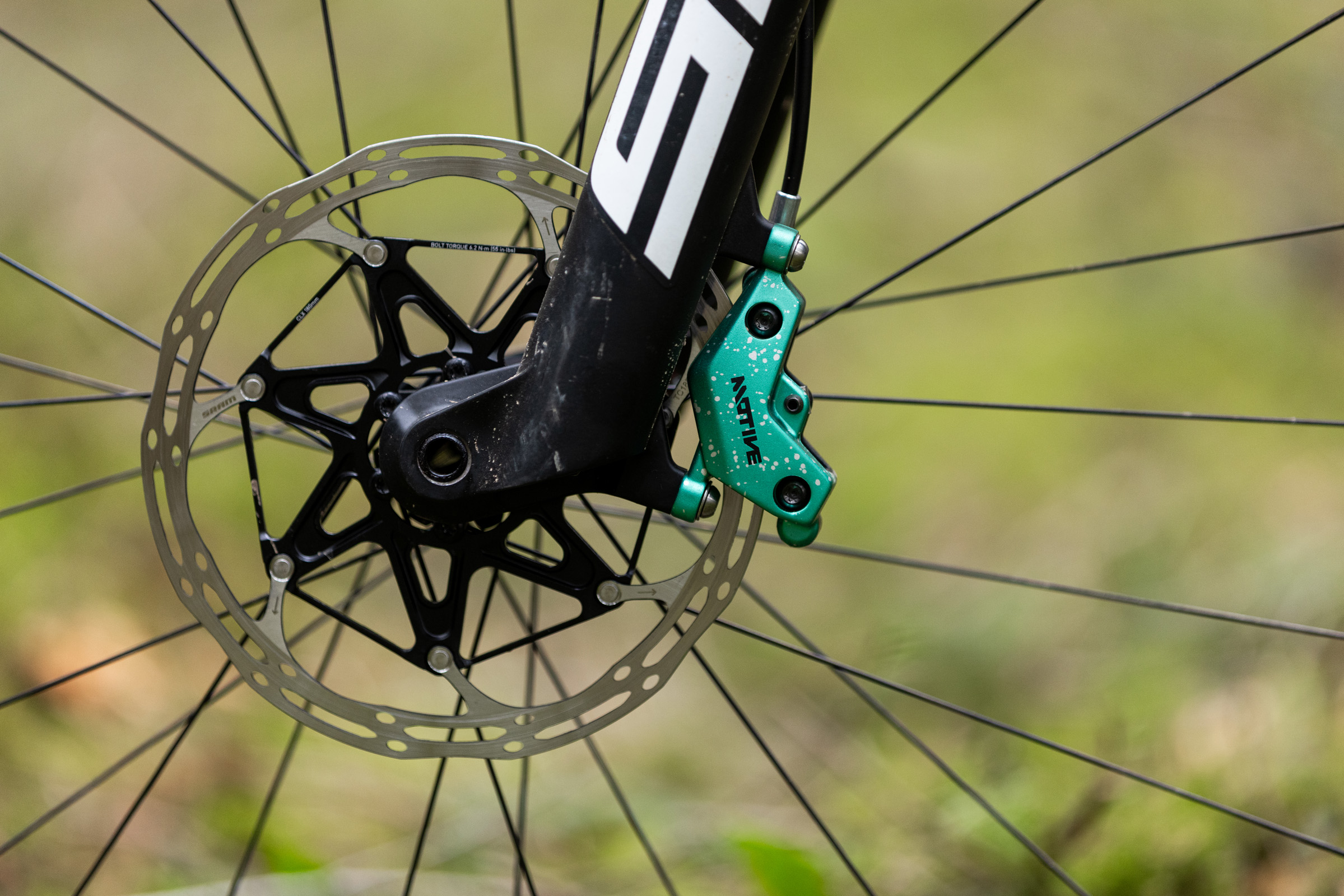
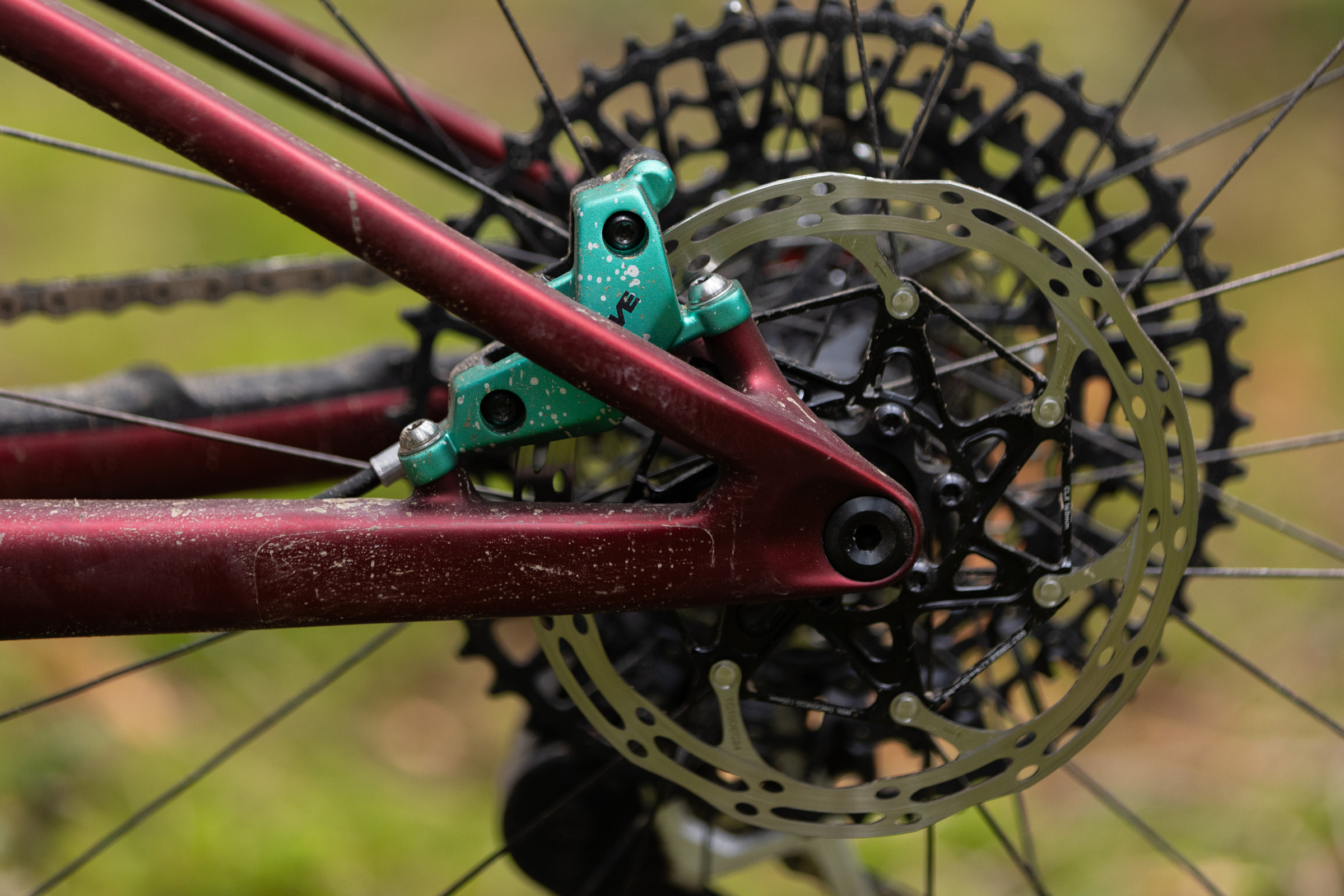
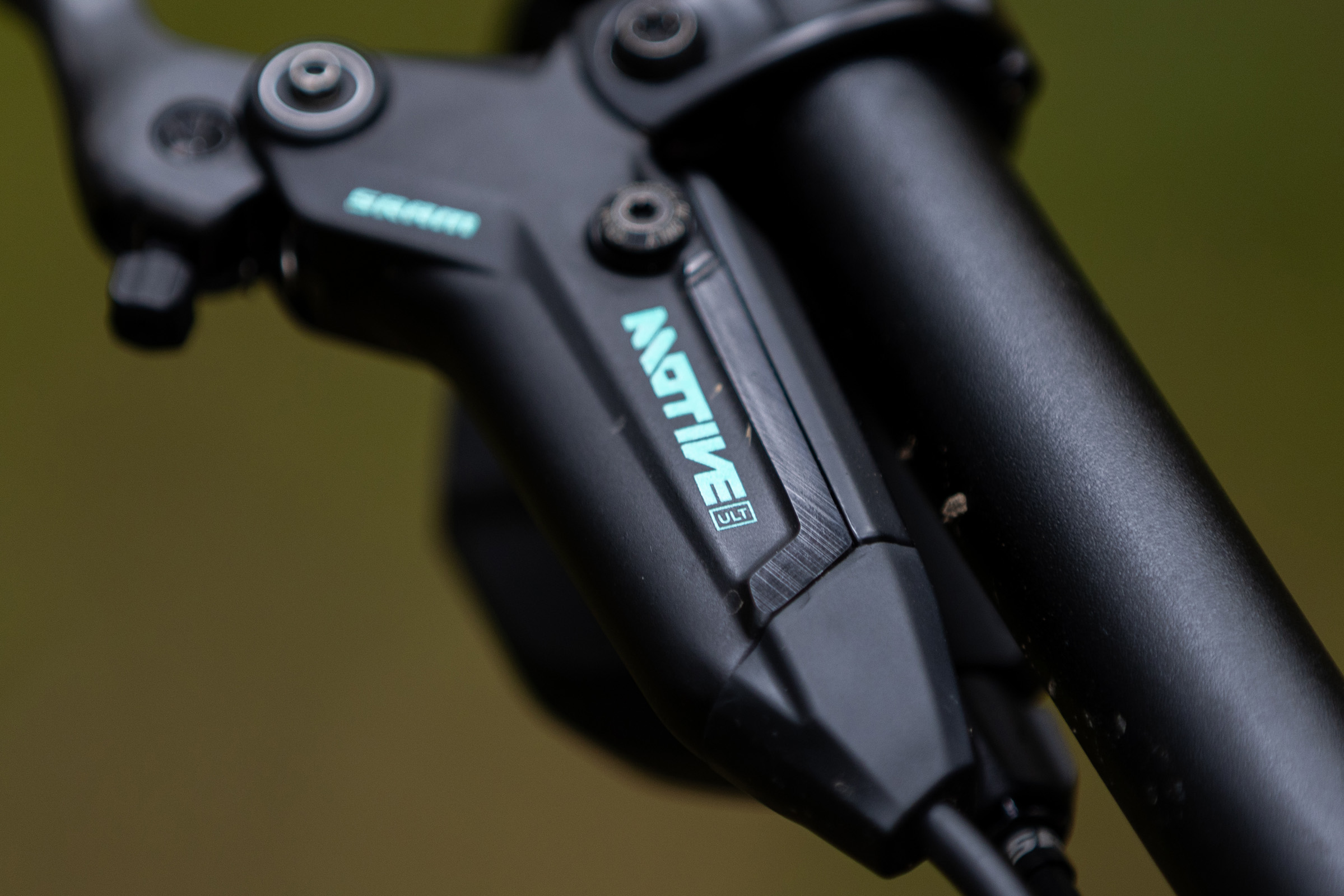
While we wave goodbye to the likes of the Level and Code ranges, SRAM’s new Motive line-up should help fill the gap, and is said to offer Code-like power with Level-like weight. Pricing for the Motive Bronze starts at £170 per end.
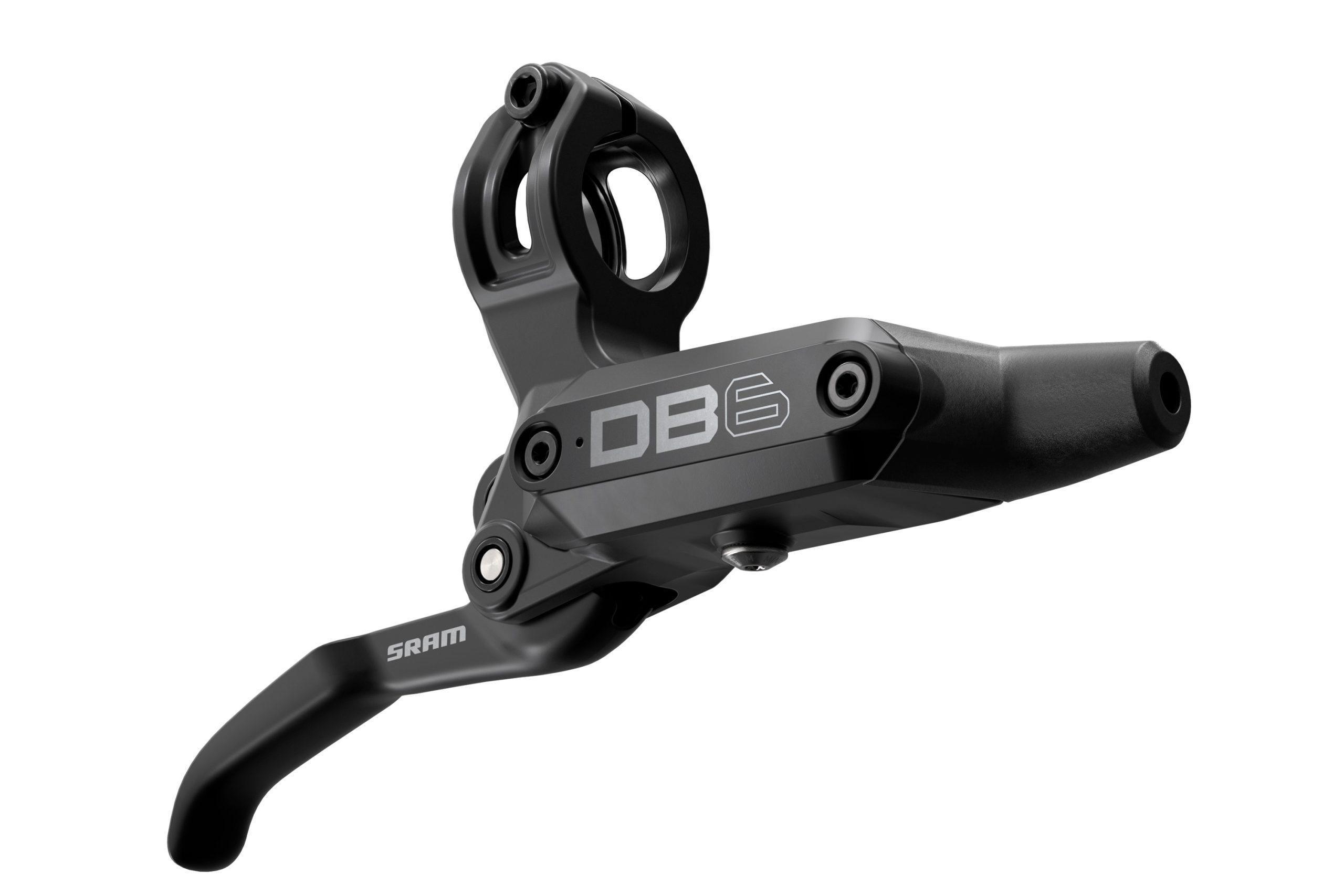
At the lower end of the pricing spectrum, SRAM has bolstered the DB range, adding the £95 DB6 and £75 DB4 brakes to the catalogue.
The heavy-hitting Maven remains, although SRAM has added a more affordable ‘Base’ model, which will set you back £180.
While we’ve spent plenty of time on the Maven and DB8 brakes already, the Motives are entirely new.
SRAM is also offering its Ultimate Expert kits for the Maven and the Motive.
We got our hands on the Motive Ultimate Expert kit and bolted the brakes to a bike to see how they held up.
After a little over a month on the trail, the Motives remain powerful, with more than enough punch to slow down the Specialized Epic 8 Expert we had them bolted to.
Lever feel is light and they’ve proven to be decently predictable, solid performers to date.
SRAM Motive ride impressions – Rob Weaver
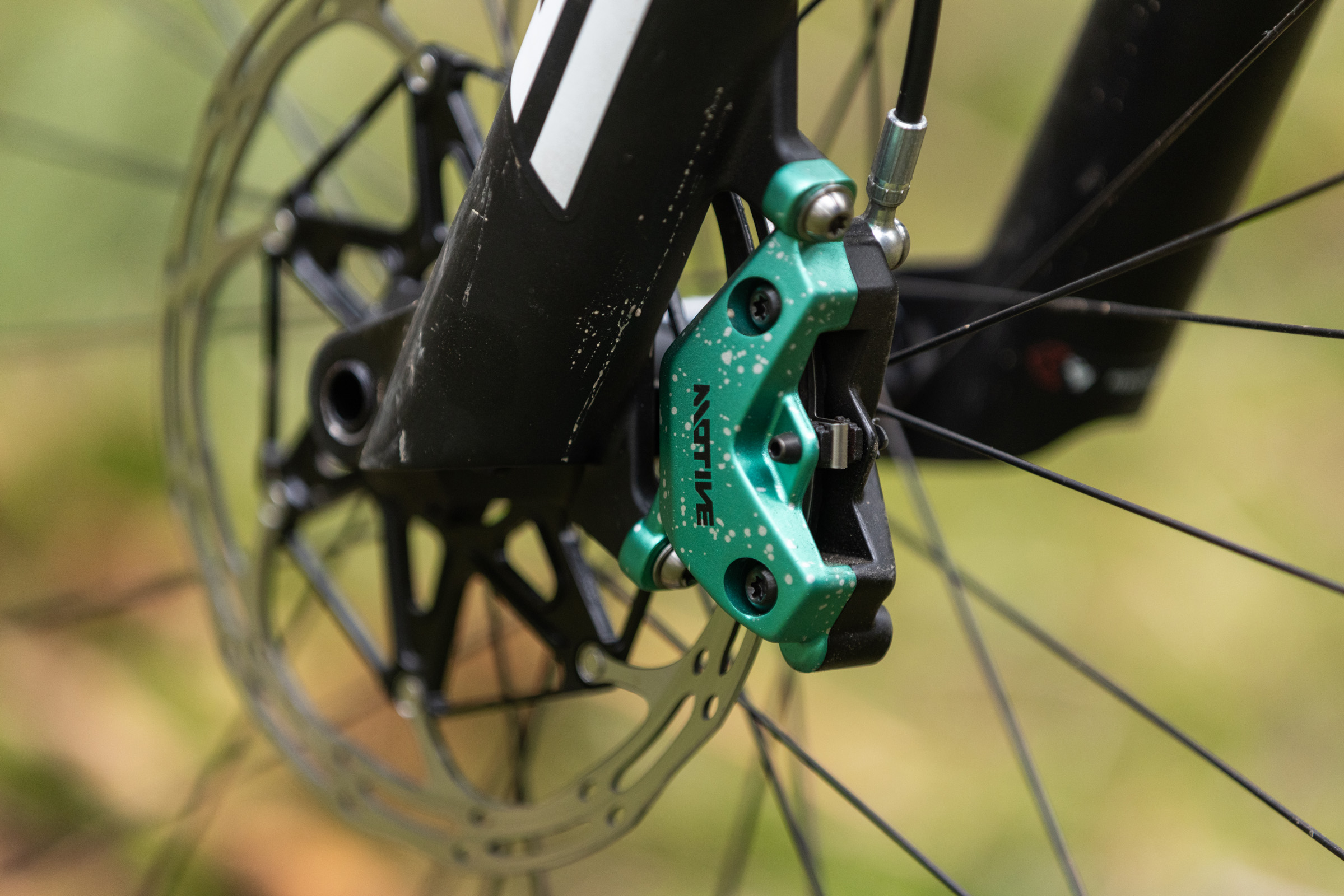
We’ve been initially impressed by SRAM’s new anchors. Scott Windsor / Our Media
I’ve now had just over a month on the new Motive Ultimate brakes and have managed to ride with them in a multitude of conditions aboard a Specialized Epic 8 Expert.
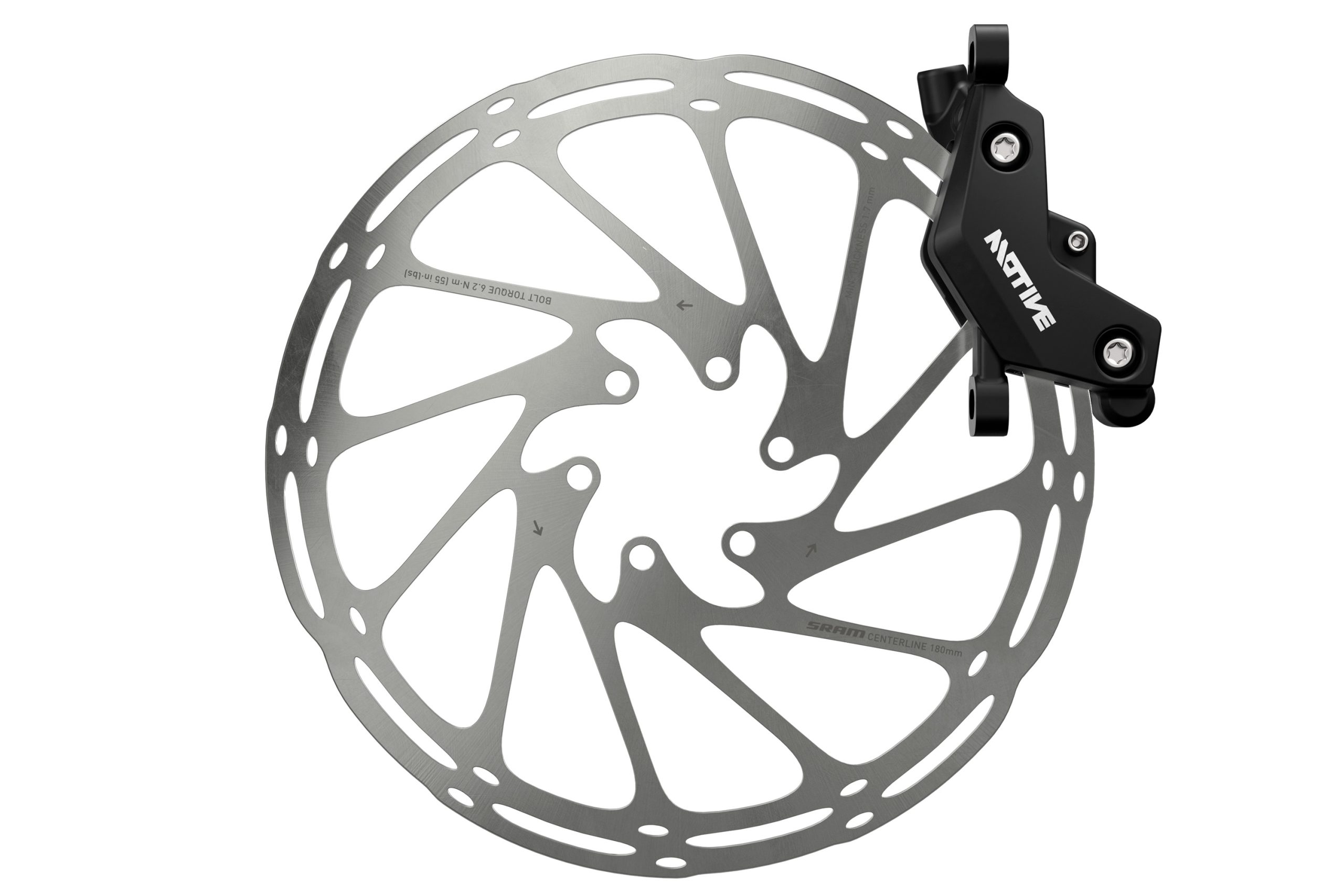
The four-piston calipers were paired with 180mm (front) and 160mm (rear) CentreLine X rotors.
For a cross-country bike such as this, it’s impressive that I haven’t once been left wanting more braking power. Even when slithering down wet, muddy trails usually reserved for enduro bikes, the lever feel was consistent and power levels always impressive.
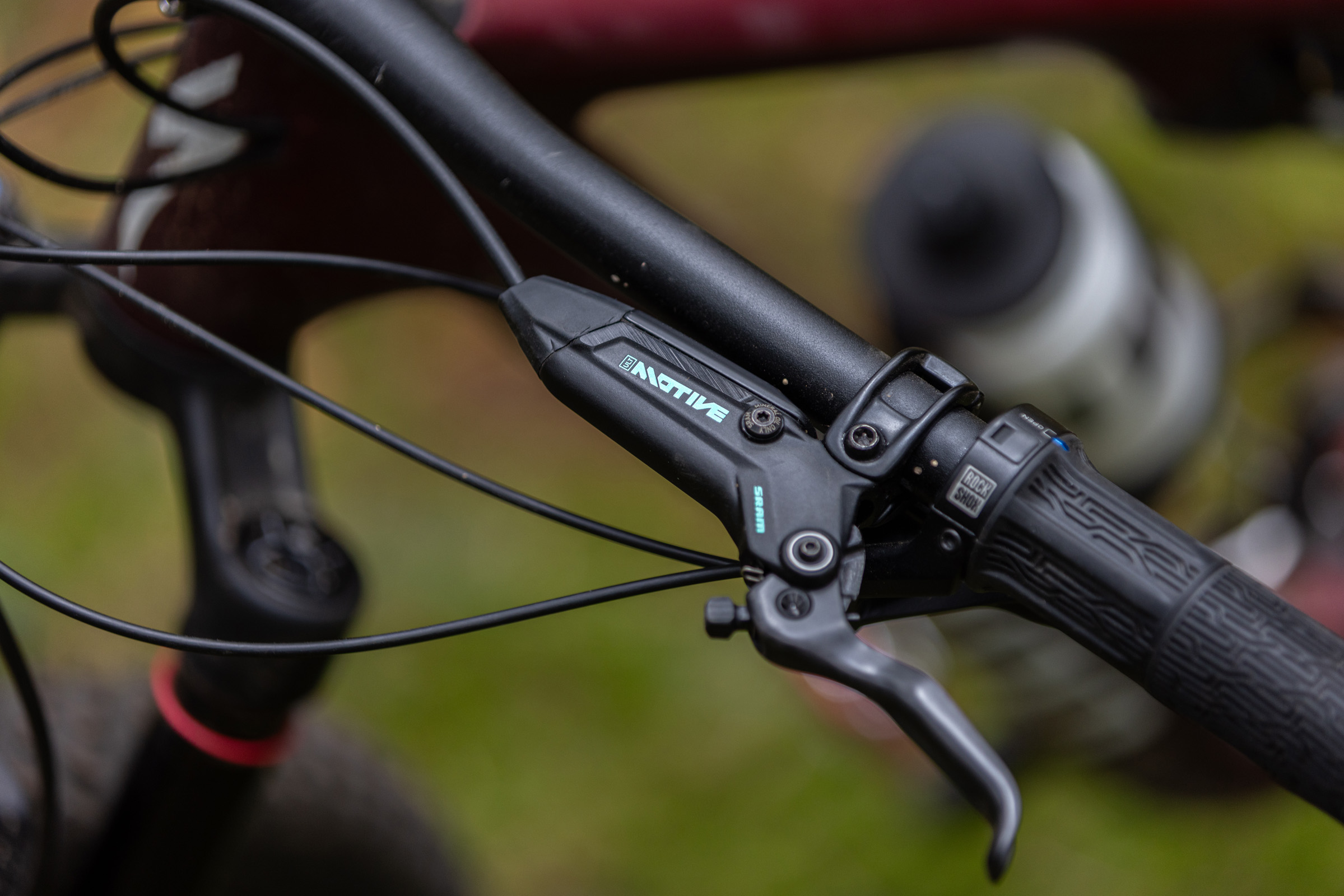
The modulation feels better than previous SRAM brakes. Scott Windsor / Our Media
The carbon lever blades feel light and easy to pull with little in the way of resistance when hauling on the anchors.
Modulation is good, too, creating a very predictable, easy way in which to control your speed.
I’d argue this wasn’t always the case with older Level brakes, which didn’t feel quite as punchy.
The Motive Ultimate Expert felt relatively consistent in early testing. Scott Windsor / Our Media
After around 250km on the new Motive Ultimate brakes, only once have I experienced a slight shift in the bite point of the front brake, with the lever coming back closer to the bar than expected.
I’ve continued to ride, tweaking only the lever reach, and it seems to have now settled down, returning to its old consistent self.
The rear-brake bleed has been spot-on from the off, with zero bite-point wander and nothing but a consistent feel no matter how much I drag it.
I’ll keep testing the Motives and follow up with a full review soon.
XC weight with DH power
Disc-rotor sizes will impact how much power is on tap. Scott Windsor / Our Media
The new Motive brakes are designed for hard-charging XC, with the performance powerful enough for aggressive trail riding.
Weighing in at claimed 264g for the Ultimate rear brake, the Motives are slightly heavier than the 250g Level Ultimate 4 piston they replace, but SRAM says this is a worthwhile trade-off for increased control and power.
How much power do they have? Well, SRAM claims the Motive has similar power to its Code range of brakes, which were the brand’s downhill-focused mountain bike brakes before the launch of the Mavens.
If the power is too much for your intended use, SRAM says the brakes can be tuned by using different rotor sizes and pad compounds.
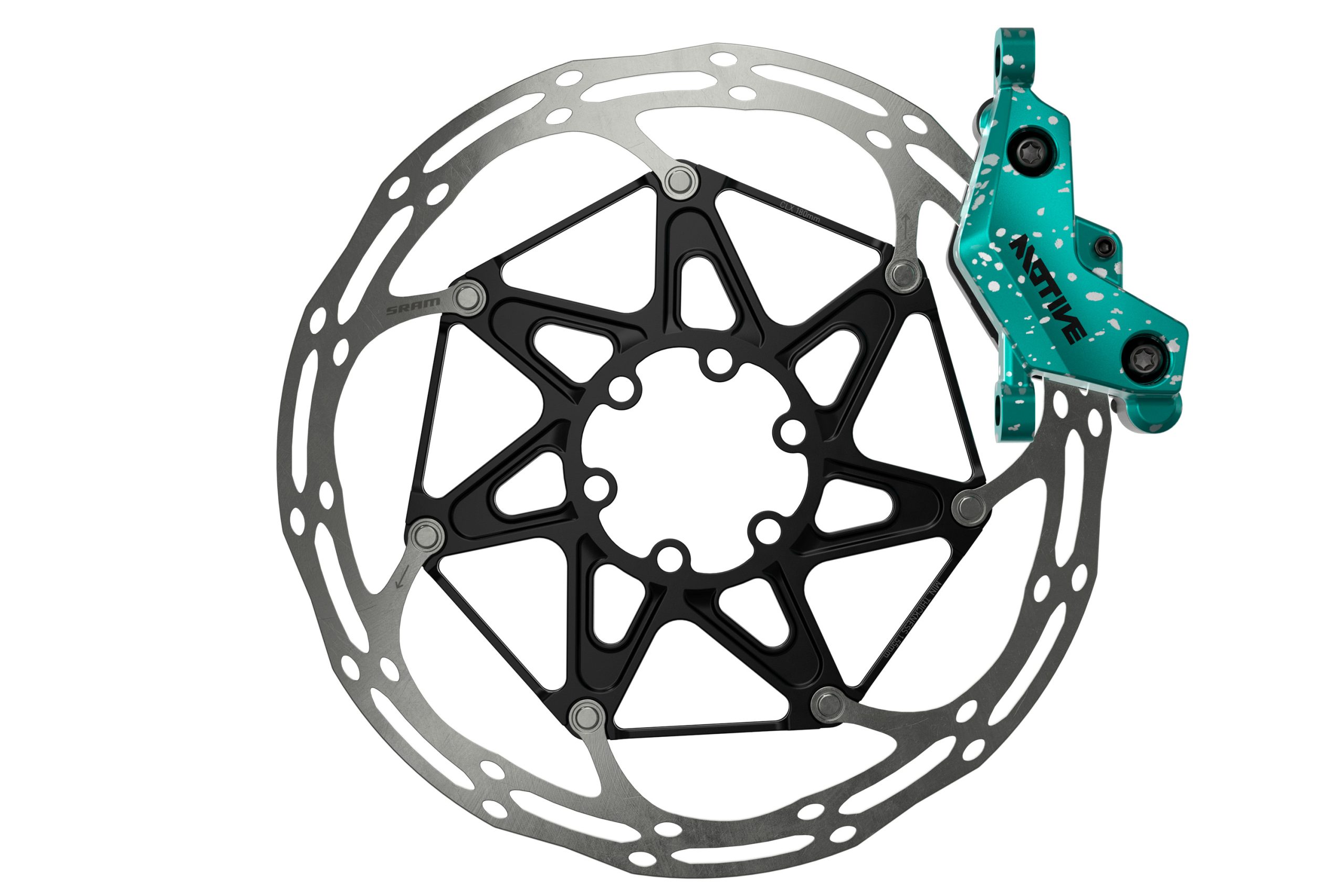
The Motive Ultimate Expert brakes come in an unusual teal colour. Scott Windsor / Our Media
The brand says a 20mm change in rotor size should result in an increase or decrease in power of 14 per cent.
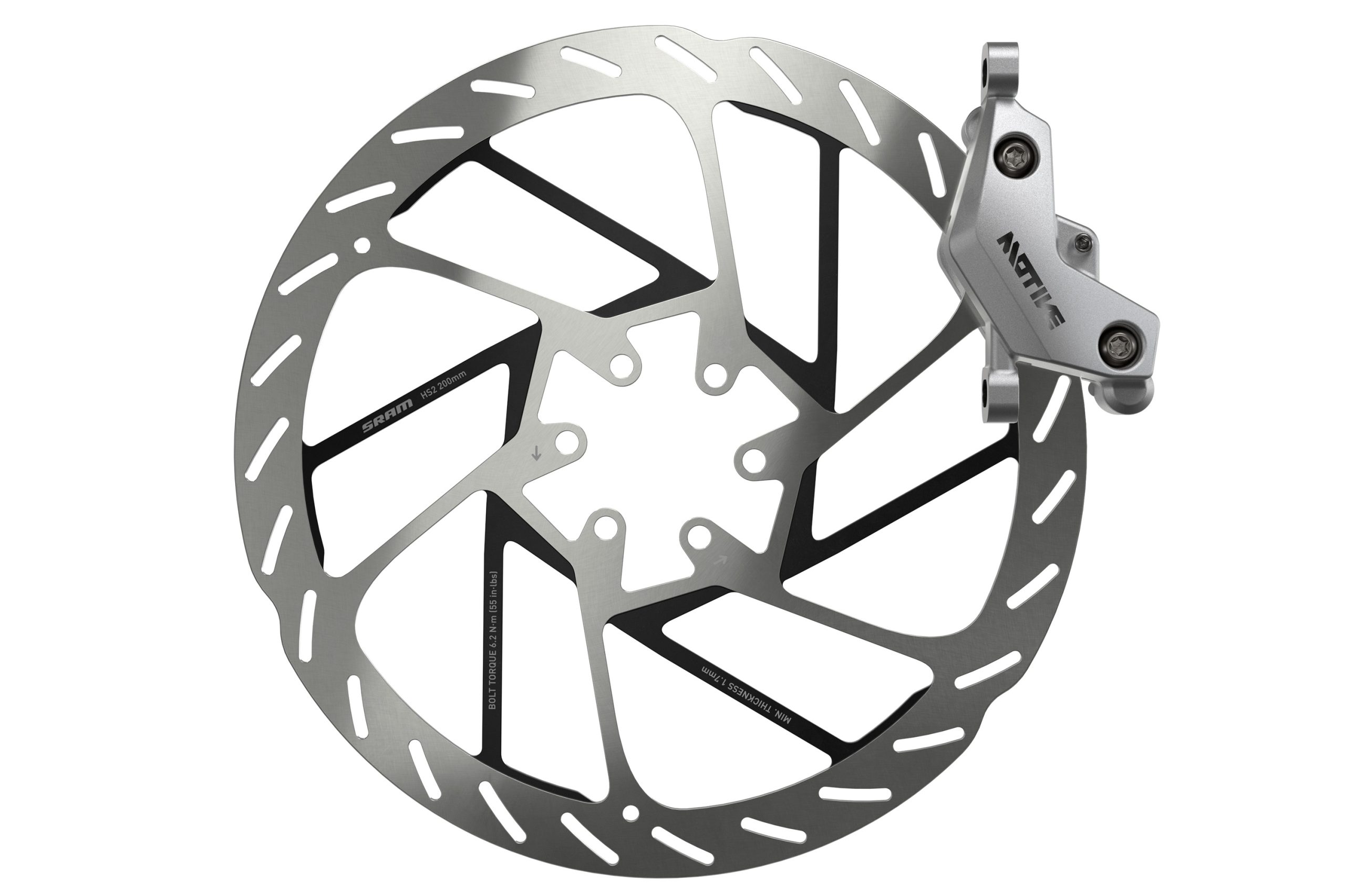
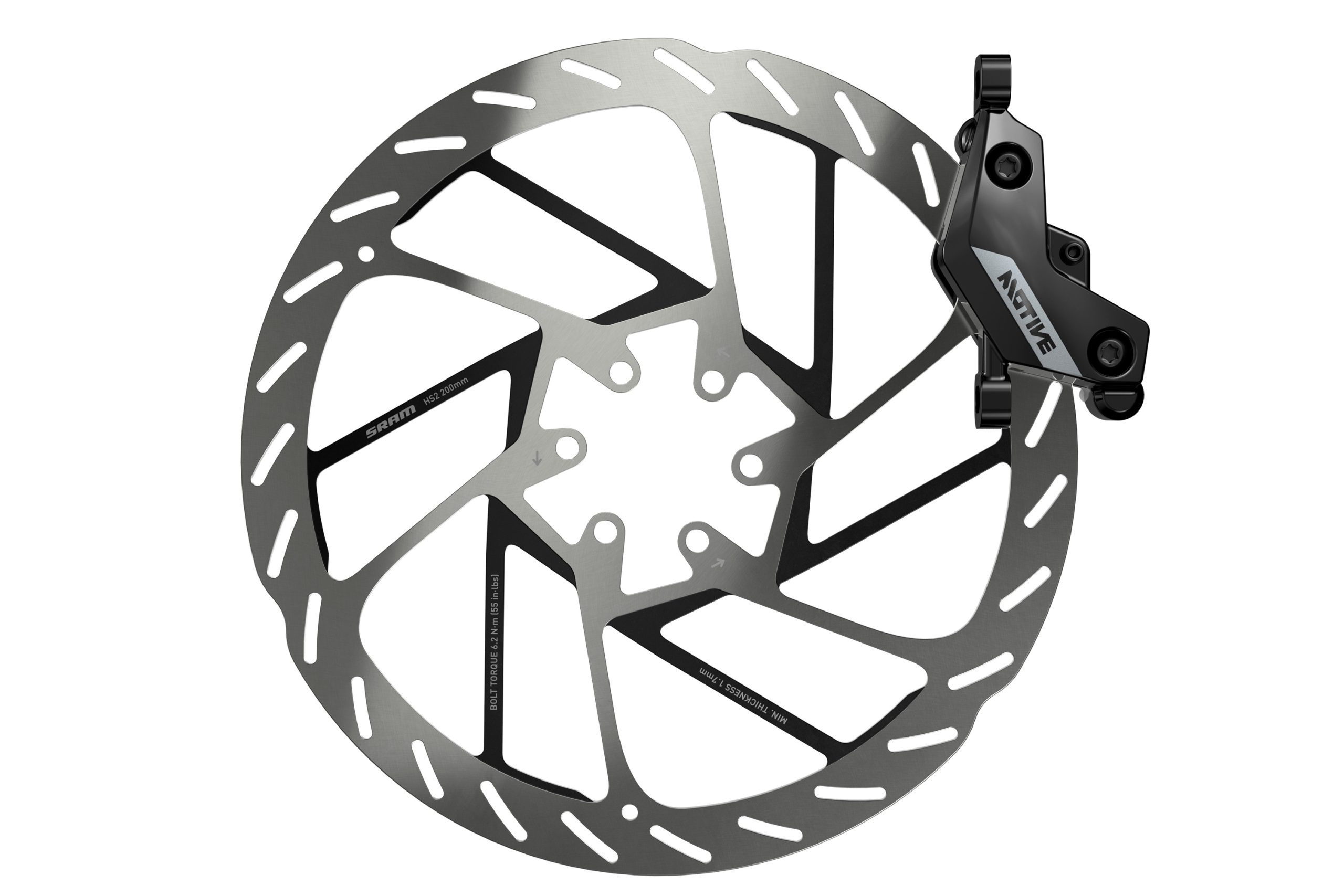
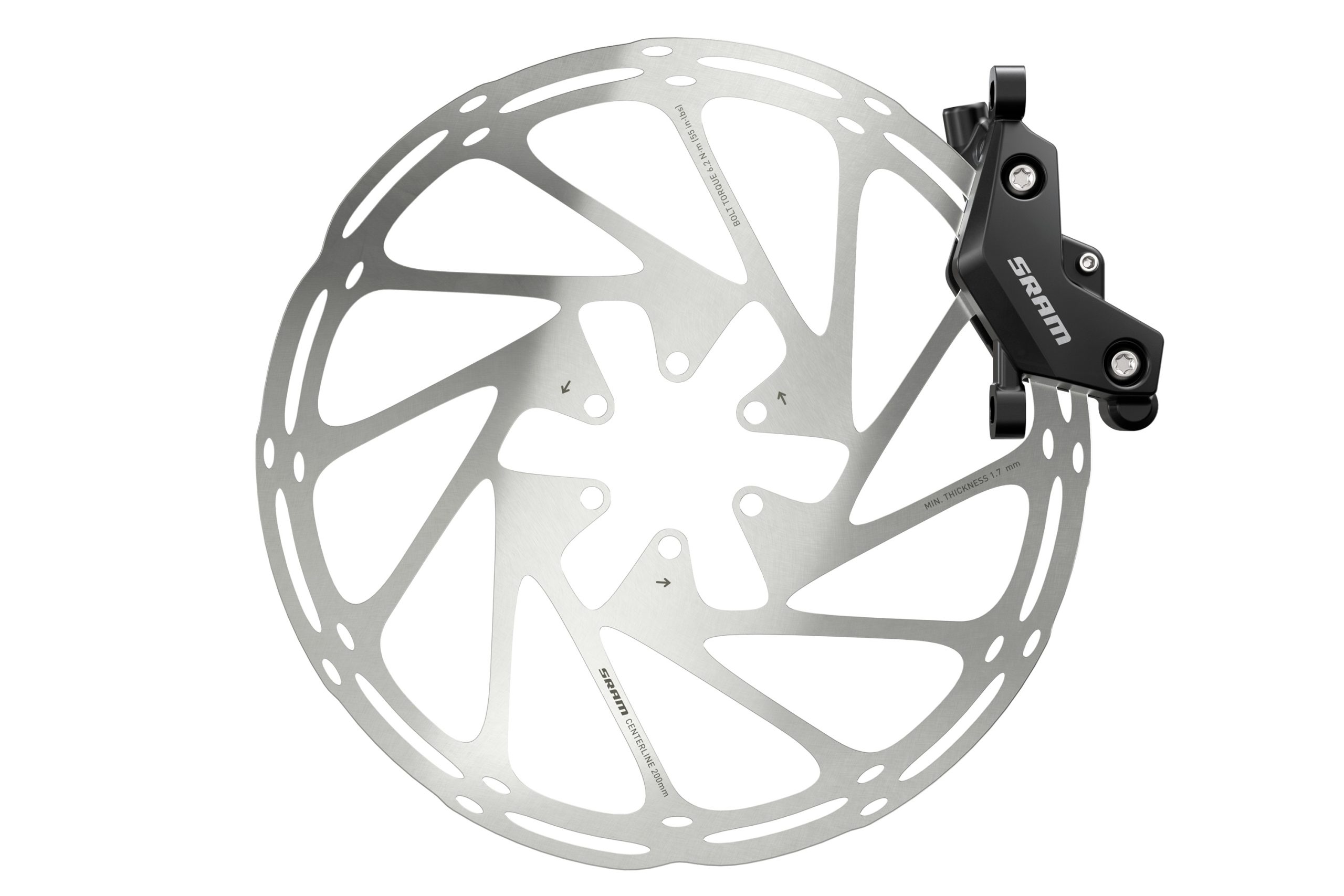
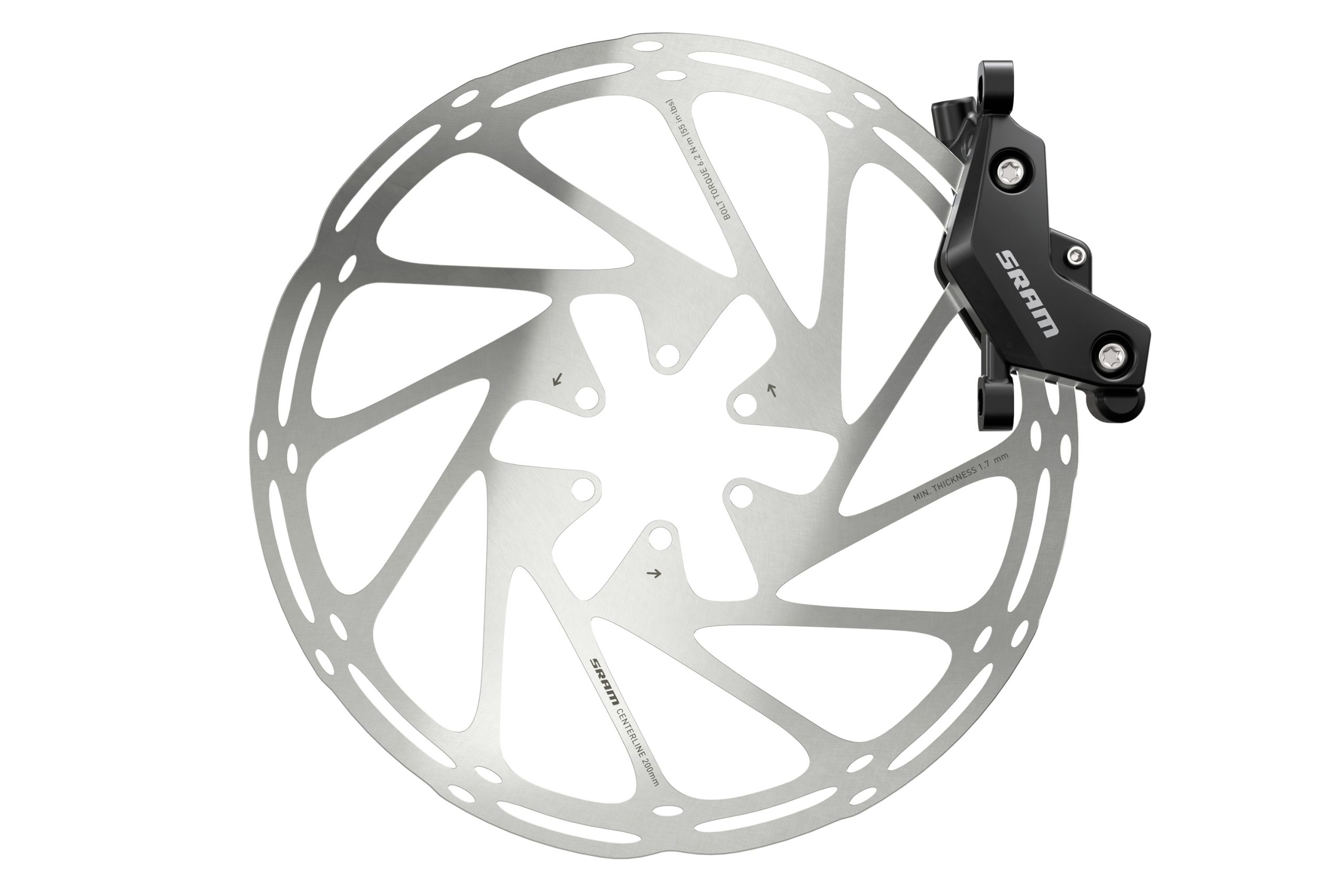
Its HS2 rotors offer 7% more stopping power and heat management per rotor size than CenterLine.
SRAM offers both sintered and organic pads, with the latter preferred for their greater stopping power.
The Motives features DirectLink, which SRAM says offers lightweight power delivery for an incredibly solid, linear feel.
In a departure from DOT, the brand says its seal design eliminates the downsides of mineral oil while leveraging its advantages.
It says that due to mineral oil’s hydrophobic properties, unlike DOT, it won’t take on water over time, reducing the need for maintenance and bleeding.
The brand says the brake is only compatible with its Mineral Oil Bleed Kit, eliminating one factor when trying to bleed the brakes.
DB6 and DB4
Only the lever design has changed on the DB6 and DB4. SRAM
Alongside the new Motive, SRAM has updated its DB6 and DB4 brakes.
Both of the new brakes have adopted the brand’s Stealth lever design, seen on other models in the range, which run the cables closer to the bars.
SRAM says this also offers greater ergonomics, allowing for an inward hand position on the bar.
The new levers also offer better compatibility with the brand’s Eagle Transmission shifters, with the split ring clamp compatible with SRAM MMX-compatible shifters and dropper levers.
The brand also says power is on par with its Code brakes.
SRAM Motive spec and pricing
The new Motive brakes will be available in four build levels, including an Ultimate Expert kit featuring a split-caliper finish.
The Motive Ultimate Expert will be released in limited numbers. SRAM
Blade material: Carbon fibre
Caliper hardware: Titanium
Adjustments: Reach
Pad type: Organic and sintered
Claimed weight: 264g (rear brake)
What’s included: MMX Clamp, Two 20P-1 mounting brackets, two 180mm CL-X rotors, two 160mm CL-X rotors, rotor belts, rotor carrying case, Pro mineral bleeding kit, four barbs, four olives, two pairs of steel-backed metal sintered pads
Price: £585 / $599 / €655
SRAM Motive Silver
SRAM Motive Silver features stainless steel caliper hardware. SRAM
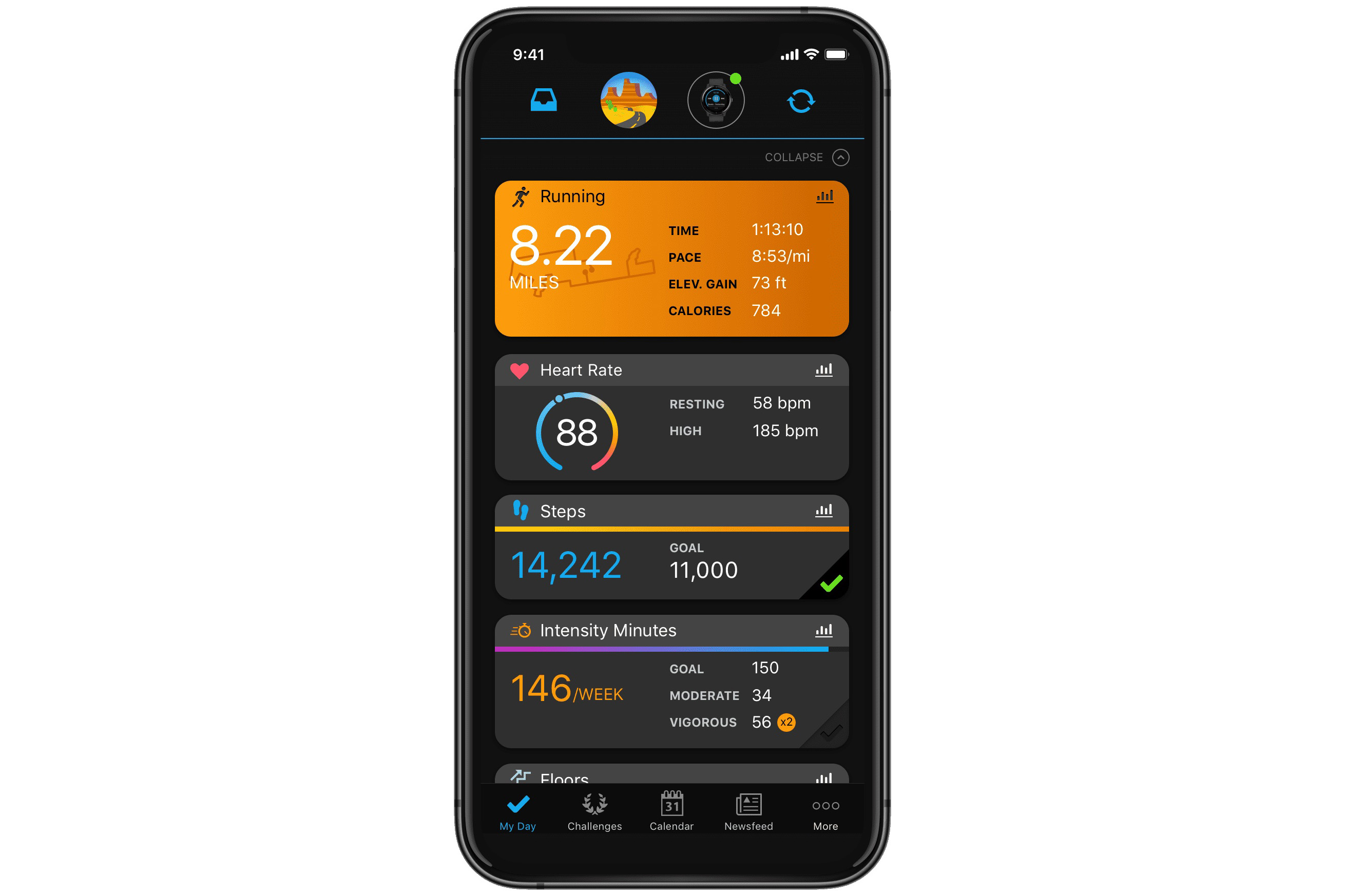
Garmin has announced Connect+ premium plan, which it says will bring even more personalised health and fitness insights to its smartphone app.
Currently, the Garmin Connect app has a host of training and health insights available for free. But the new premium plan will expand the number of features for £6.99 per month, or £69.99 per year. Garmin says all existing features and data in Garmin Connect will remain free.
Garmin says existing features and data will remain free. Garmin
Garmin says there is a range of features available on Garmin Connect+, which vary by device:
Active Intelligence, powered by AI
A performance dashboard
Live activity tracking
Training guidance
LikeTrack features
Social features
Garmin says the new Active Intelligence feature will provide personalised insights and suggestions throughout the day based on your health and activity data.
Powered by AI, Garmin says the insights will become more tailored to you and your goals as you use Connect+.
The subscription will also enable you to compare fitness and health data in the performance dashboard via customisable graphs and charts.
If you start an indoor workout on a smartwatch, you can use the live activity tracker on a compatible smartphone to see real-time heart rate and pace data, workout videos, reps and more in the Connect app.
While following a Garmin Cycling Coach or Run Coach training plan on a compatible bike computer or smartwatch, you can “receive additional exclusive expert guidance from Garmin coaches – including educational content and videos – for peak performance.”
The expanded LiveTrack features will notify selected family and friends when you start an activity via text. You can also create a personalised LiveTRak profile page to share with your followers.
Garmin says you’ll also be able to access exclusive challenges, such as the Power Challenge to record four hours of zone 3 training in a month.
“Customers worldwide love using Garmin Connect to track, analyse and share their health and fitness activities,” says Susan Lyman, Garmin’s vice president of consumer sales and marketing.
“We are excited to provide even more personalised data and enriched features with the addition of Garmin Connect+. You can now learn even more about yourself, take on new challenges, train confidently and stay even more connected,” she says.
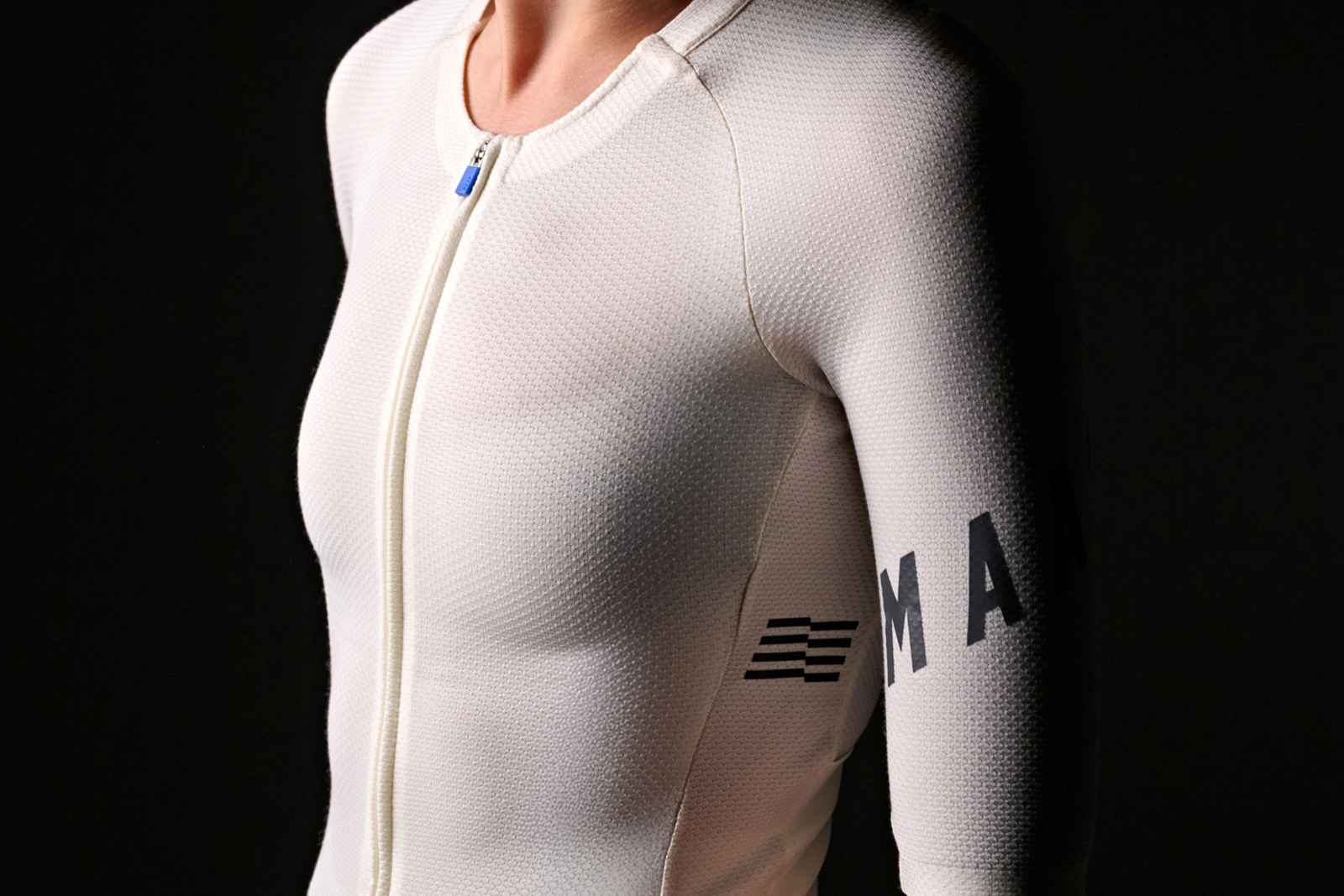
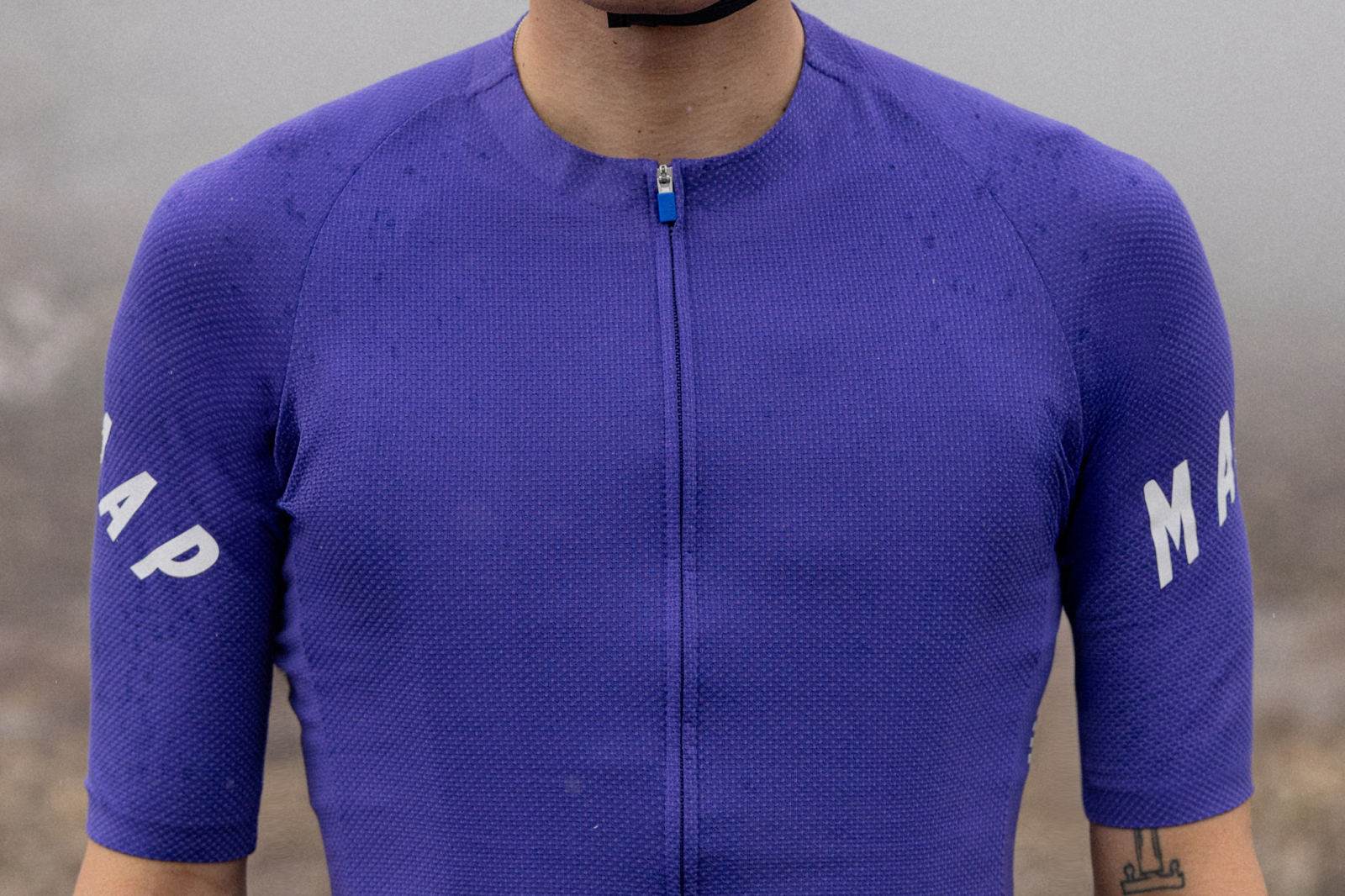
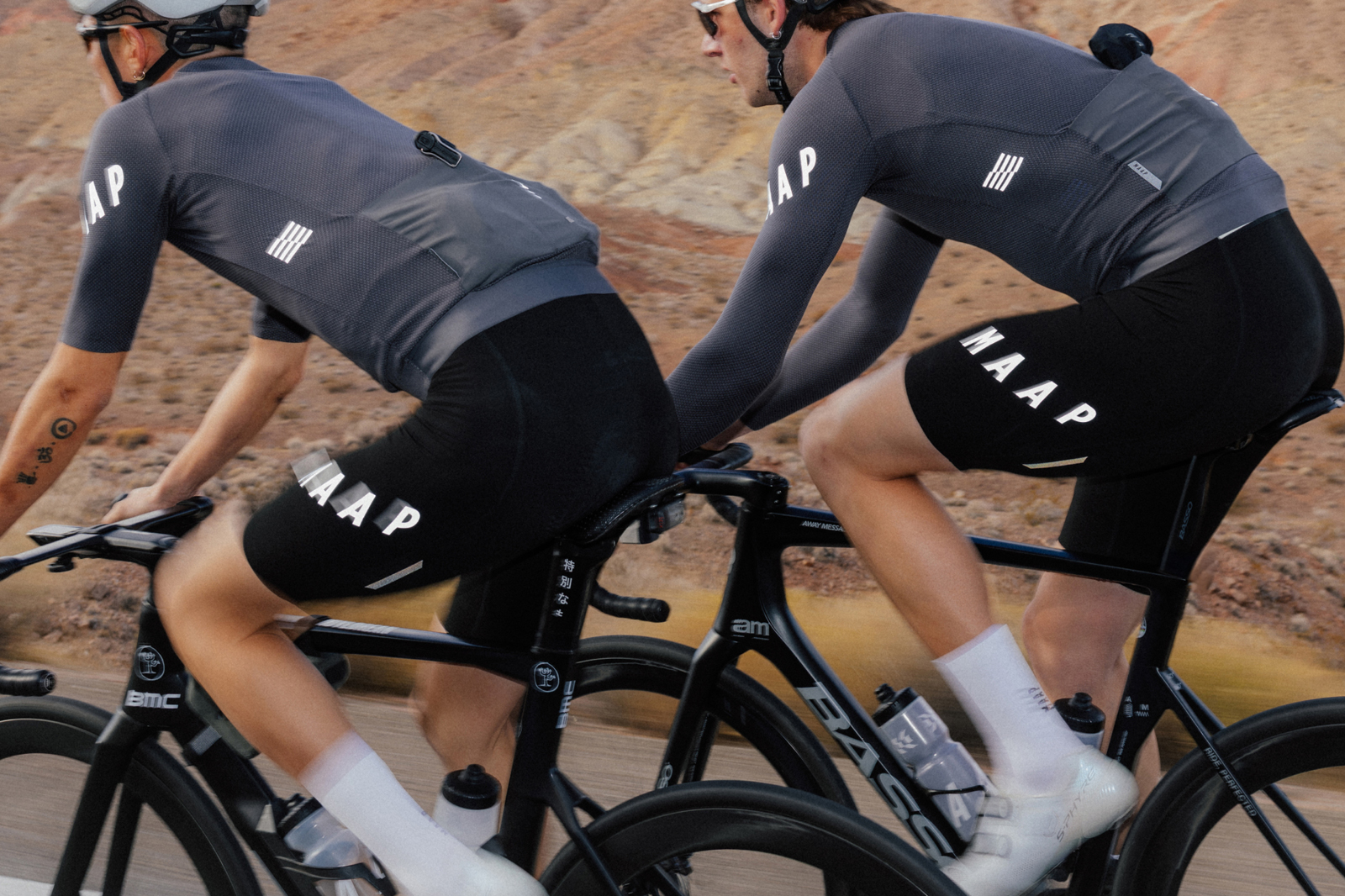
MAAP has released its first endurance-focused kit collection called Aeon, which promises a “ghost-like feel” to enable you to “focus on the road ahead”.
The new range includes two jerseys and bib shorts. It focuses on comfort with what MAAP calls advanced construction techniques and high-tech materials.
The jerseys use Polartec fabric, which aids your body’s natural cooling process, while the shorts use soft yarns and a 3D Thermo Moulded chamois for “all-day comfort”.
MAAP hasn’t sacrificed its flair for comfort and long-distance performance, though. The Australian brand says the Aeon collection is understated and minimalist. Just excuse the large logos.
MAAP Aeon Jersey
The jersey’s Polartec fabric is said to enhance your body’s natural cooling. MAAP
Available with long or short sleeves, MAAP says the Aeon jersey has the brand’s signature sleek, form-fitting silhouette but uses less compressive fabric for a more comfortable fit.
The Polartec Delta fabric is said to keep you feeling cool and fresh when the heat or pace rises, thanks to its “advanced evaporative cooling technology”.
The low-profile collar is said to eliminate irritation. MAAP
It has a 3D-knit structure to lift the fabric away from your skin and boost airflow. A blend of hydrophobic and hydrophilic yarns is said to disperse moisture for cooling.
MAAP says the wide hem at the front of the jersey means it stays put without feeling restrictive.
The low-profile collar, similar to those on aero jerseys, is said to eliminate irritation.
Aeon short-sleeve jersey: £170 / $230 / €185
Aeon long-sleeve jersey: £190 / $260 / €210
MAAP Aeon bib shorts
The Aeon bib shorts use MAAP’s 3D Thermo Moulded chamois. MAAP
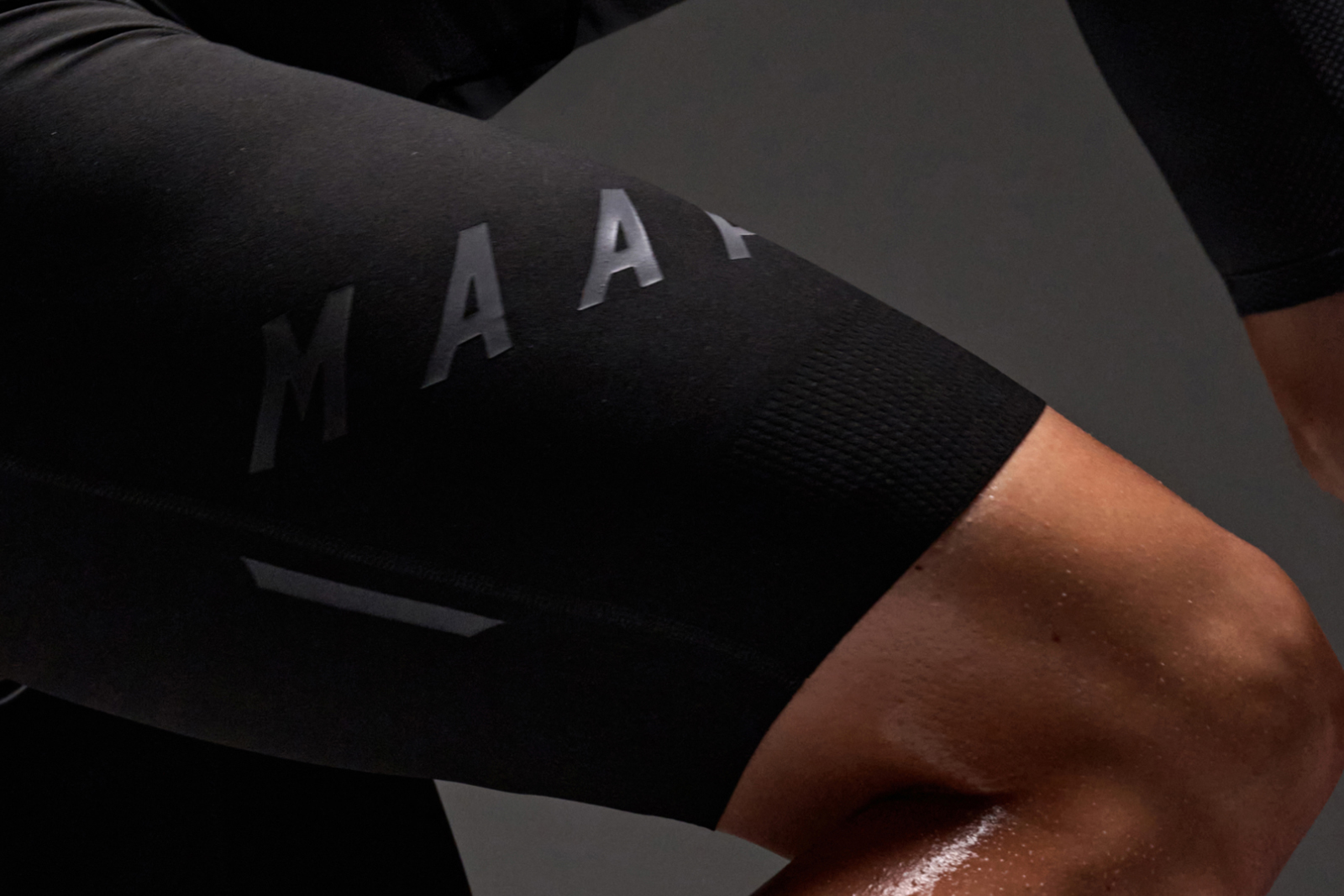
MAAP has used its 3D Thermo Moulded chamois in the Aeon bib shorts to aid comfort.
This proprietary chamois first featured in MAAP’s Alt_Road range, but this is the first time the pad has been used in any of MAAP’s road cycling shorts.
The chamois has the same design and thickness as MAAP’s other seat pads but uses a higher-density foam for more shock absorption.
MAAP says the fabric is “ultra-soft”. MAAP
Elsewhere, the shorts use a Spanish yarn with four-way compression stretch. MAAP says this fabric has an “ultra-soft” touch and is abrasion-resistant.
MAAP describes the leg shape as optimised for efficient pedalling, with a single flatlock seam in each leg minimising potential irritation.
There is a pocket at the back of the shorts so you’ve got “plenty of storage for epic days in the saddle”.
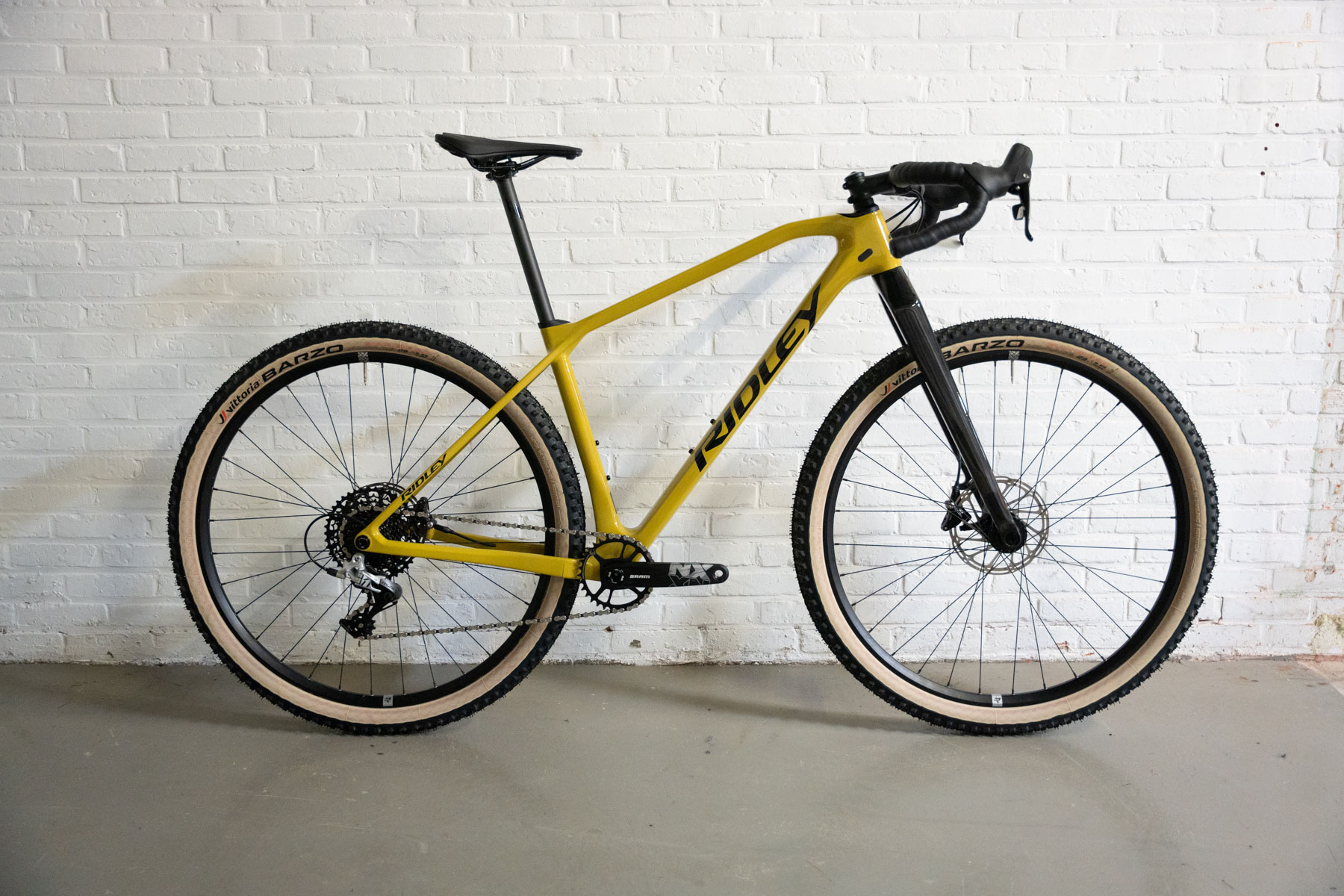
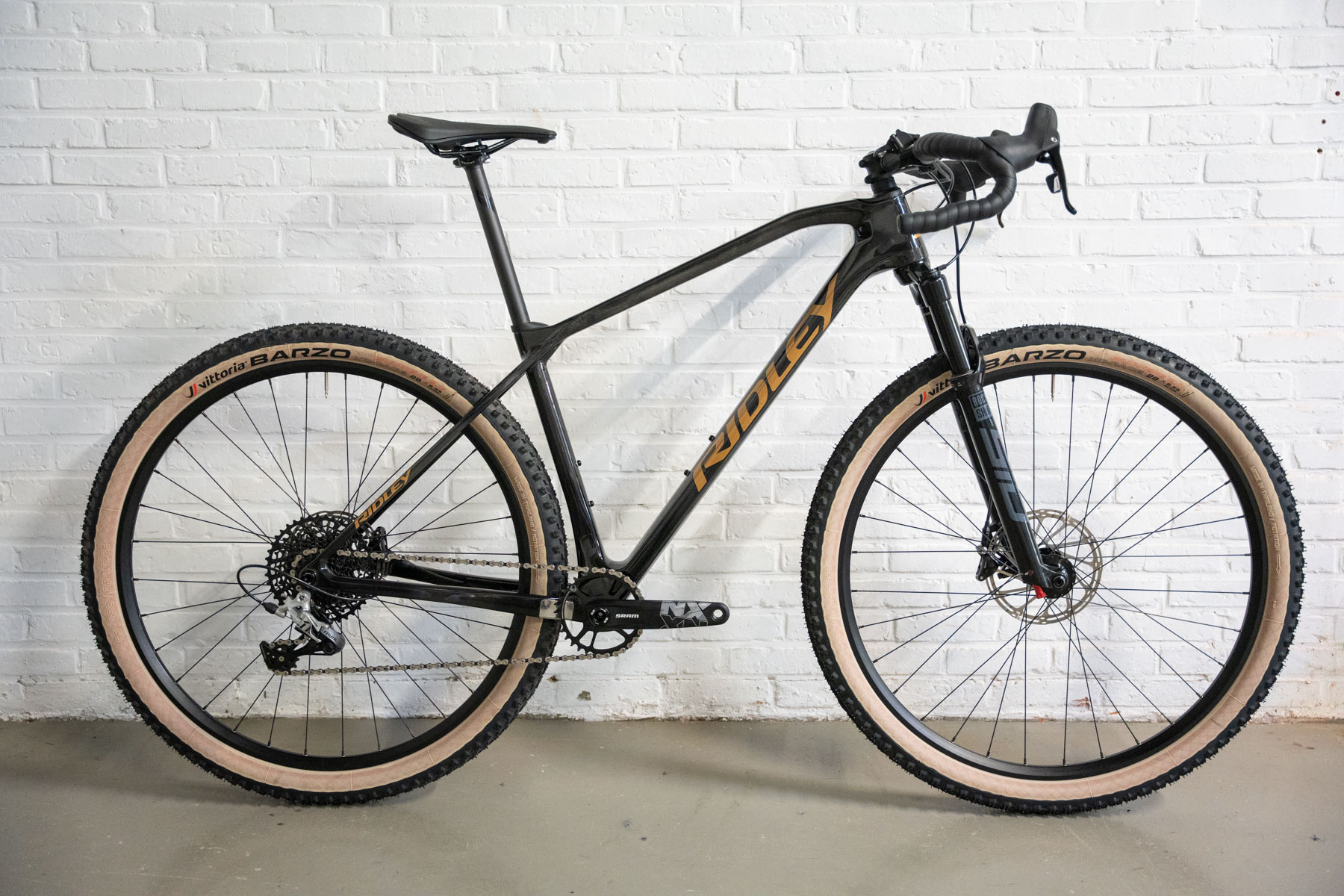
Ridley’s new gravel bike, the Ignite GTX, is claimed to bridge the gap between mountain bikes and gravel. It’s a bike designed for the toughest races, even able to make the leap into ultra-distance mountain bike events according to Ridley.
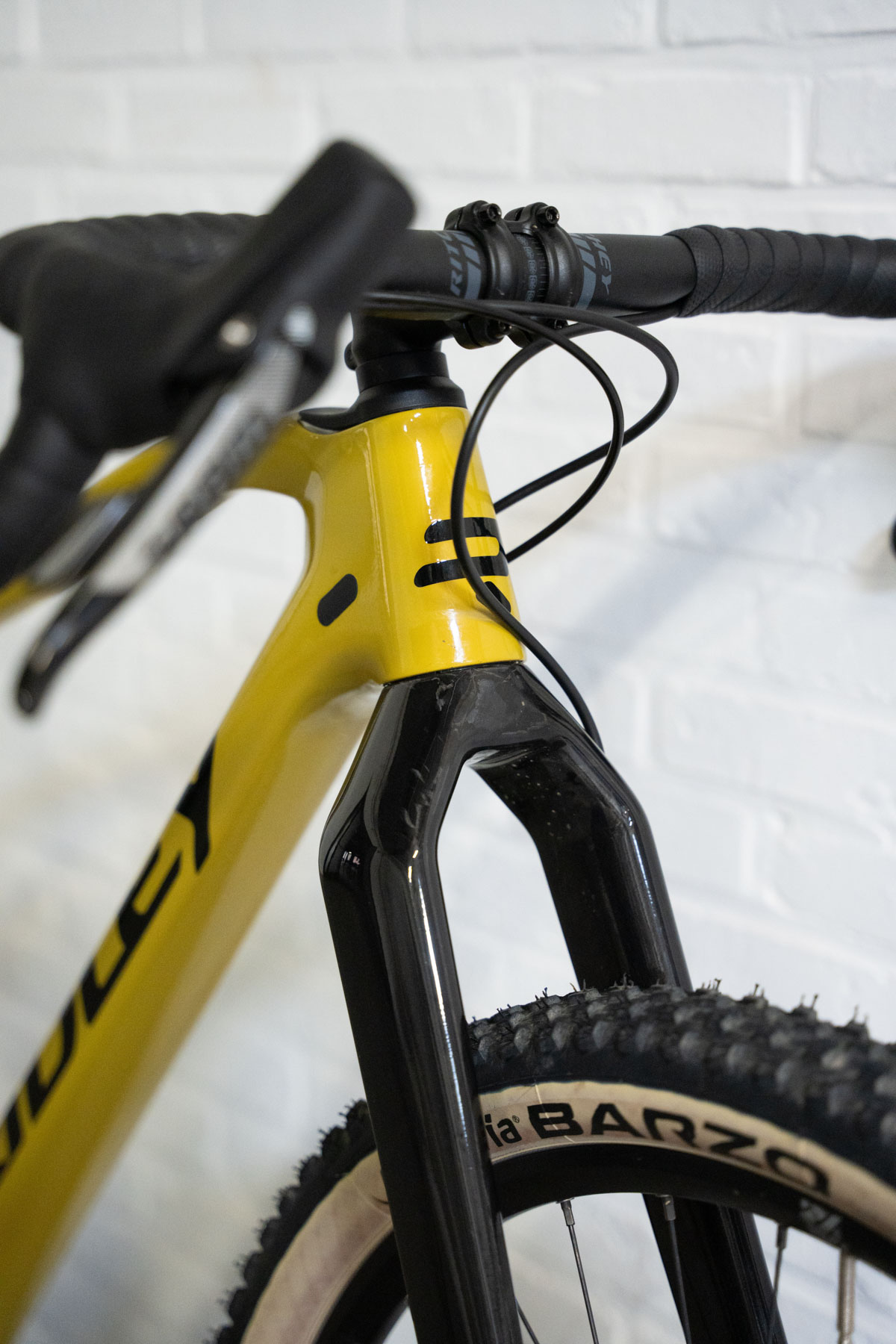
The Ignite GTX has the biggest tyre clearance we’ve seen on a gravel bike to date – 2.3in, or 58mm.
Ridley’s designers say they’d noticed a shift towards some privateer riders using home-built drop-bar equipped mountain bikes for more technical gravel races, and some even adopting them for marathon mountain bike events.
Meanwhile, professional athletes were sticking to either gravel bikes or mountain bikes because that’s all that was available to them.
Extreme geometry
The Ridley Ignite GTX has MTB-based geometry. Ridley
Ridley’s answer to that conundrum is the Ignite GTX. The new bike is based on Ridley’s high-performance Ignite SLX hardtail mountain bike. It has what Ridley describes as ‘pure mountain bike geometry’.
The Ignite GTX, with its optional 100mm-travel mountain bike fork. Ridley
The Ignite GTX gets a slacker 70-degree head angle than even Ridley’s rough-stuff-ready Kanzo Adventure. The wheelbase measures 1,100mm, with a long reach of 418mm and a 614mm stack (size large).
The Ignite GTX certainly looks very different from the average gravel bike. Ridley
At the rear, the Ignite GTX uses Ridley’s flex-stays, employing a carbon construction that enables the flex to smooth out vibrations from rougher surfaces.
The Ignite GTX is intended for extreme terrain, according to Ridley. The wheel choice is a mountain bike 29-inch, with a huge maximum tyre clearance of 2.3in (58mm). This makes it the gravel bike with the largest tyre clearances we’ve seen to date, on trend for the recent shift to larger tyres in gravel racing.
Is Ridley becoming the European gravel specialist? It has the ASTR, Invenio, Kanzo Fast, Kanzo Adventure, Kanzo A, Grifn RS, Kalazy and Grifn Gravel. Adding the Ignite GTX makes for an eight-model line-up, not counting electric gravel bikes.
Ridley Ignite GTX spec options
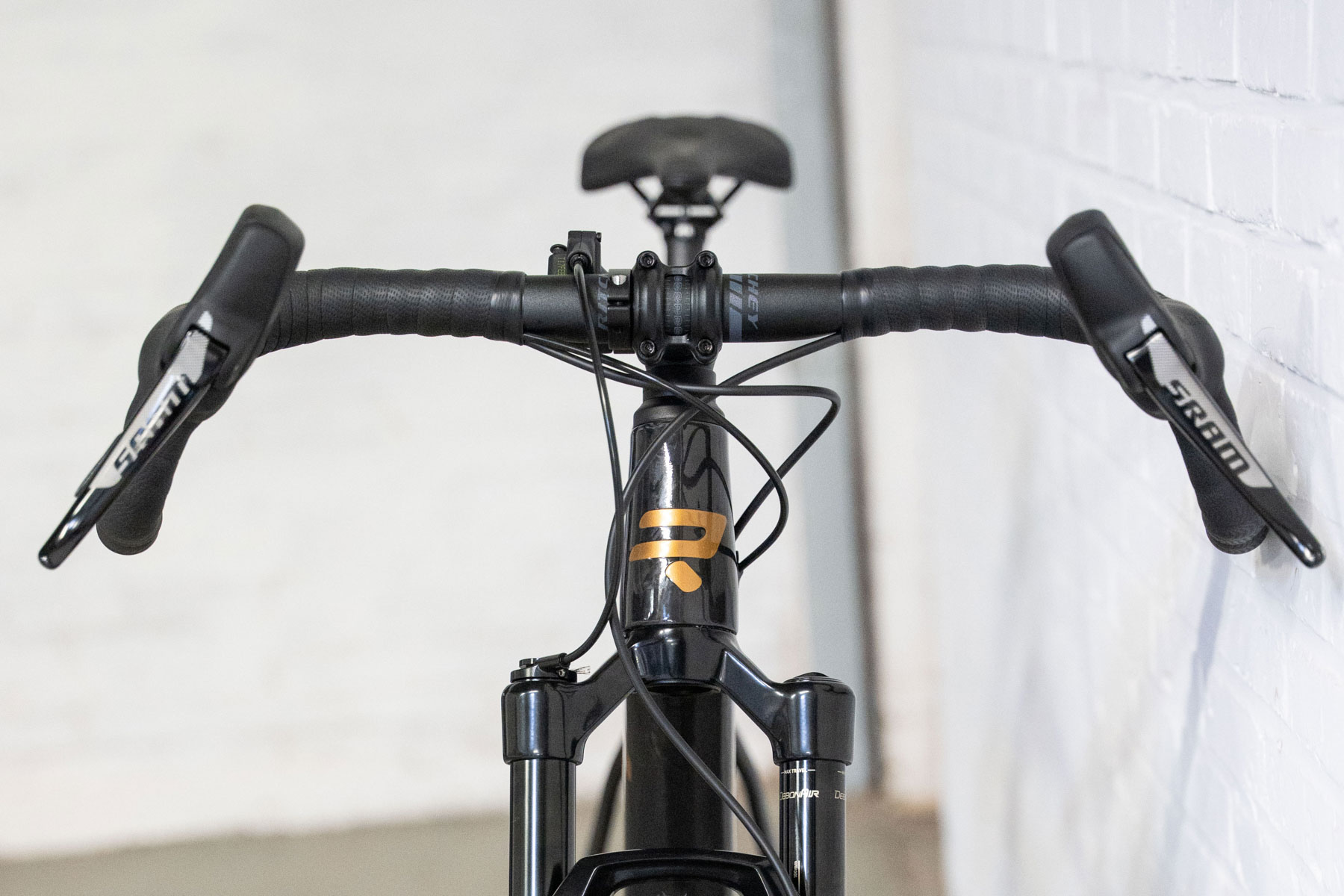
Ritchey’s super-shallow and very wide VentureMax bar comes as standard on the Ignite GTX. Ridley
The Ignite GTX has four options: SRAM Rival 1, SRAM Apex 1, SRAM Rival-GX AXS mullet setup and Shimano GRX800 1×12 in a mullet setup.
The Ignite GTX is available with either a suspension fork with 100mm of travel or a rigid carbon fork.
All models come with Ritchey’s VentureMax bar, with a very wide 24-degree flare and super-shallow drop. Prices range from £2,699 / €2,799 for SRAM Apex 1×11 with a RockShox Judy fork while pricing for the range-topping SRAM Rival/GX AXS with RockShox SID SL Select fork had not been confirmed at the time of writing.
Zwift’s Epic Race Series is known for its longer events, which many find especially welcome on weekends. Heading into April, organizer James Bailey has tweaked the series based on racer feedback. Key changes include:
Mass Start (with categories): these races have always been mass start, to help give everyone someone to ride with. They still are, but riders will be signed up to racing score-based categories.
Riders will be forced into the proper category (to counter some of the complaints about people racing up to reduce their racing score.)
Each category will wear the same kit, so you can easily spot the riders you are racing against.
Apart from the changes above, series distinctives remain: races are around 50km in length, without powerups.
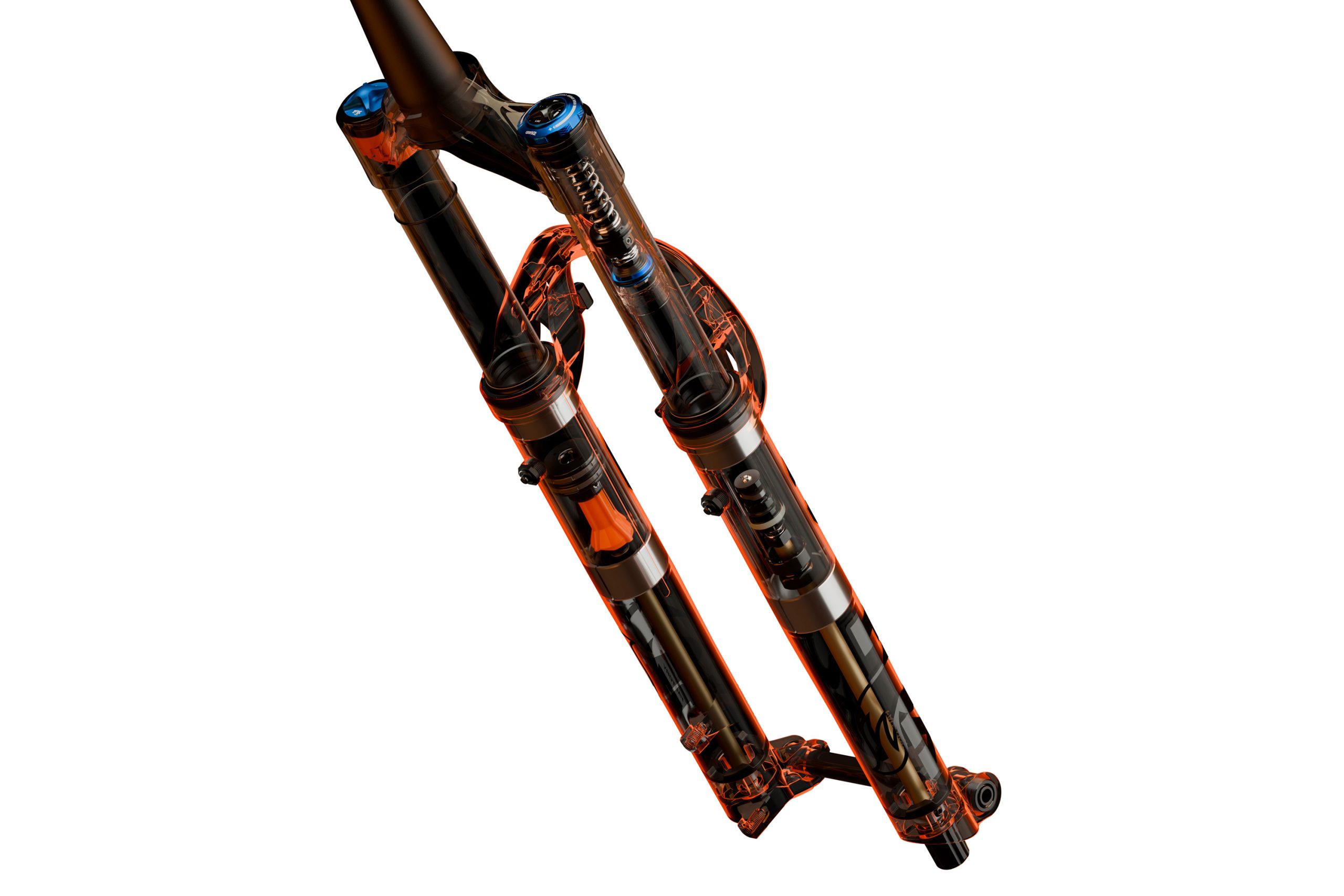
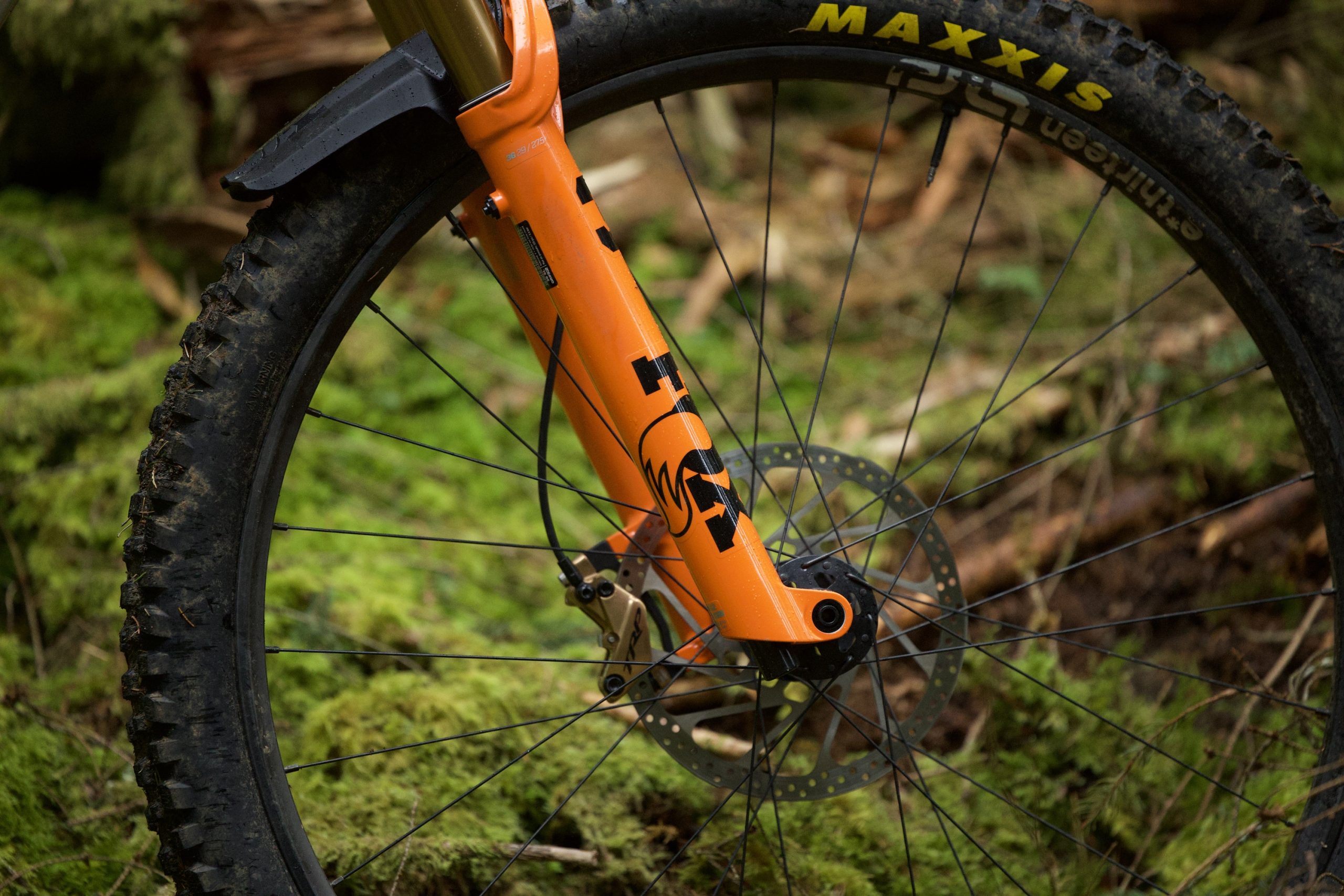
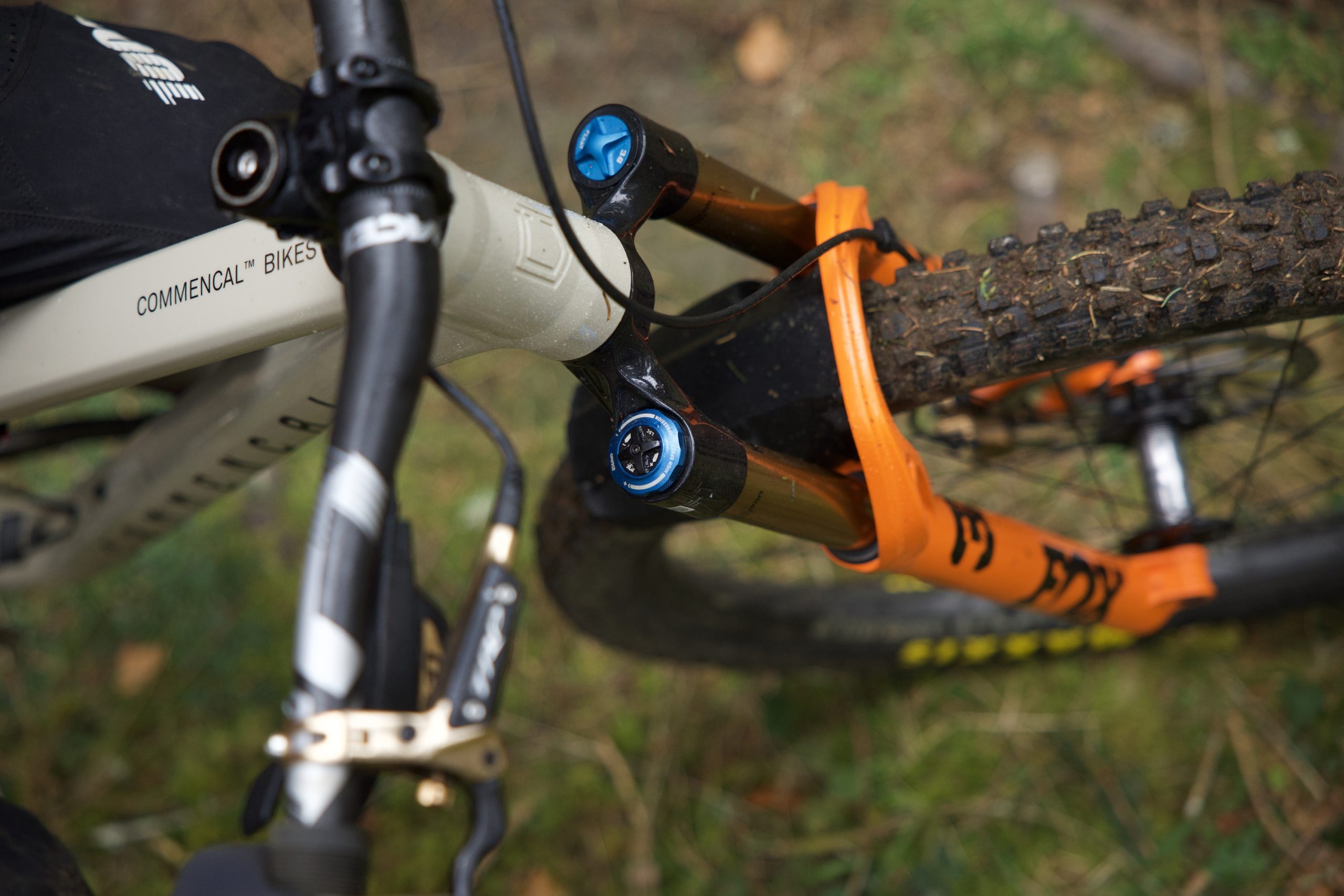
Fox has released a new 36SL trail fork, while updating its 36 all-mountain fork, with the brand going all-in on the 36 chassis for the trail category.
The new 36SL is a lightweight evolution of the 36 chassis designed for 120mm to 140mm travel bikes, replacing the existing 34 and boasting a claimed 20 per cent more torsional stiffness.
Fox’s 36 is still aimed at all-mountain riding, with its updated chassis and increase in bushing overlap adding 20% torsional stiffness over the previous model.
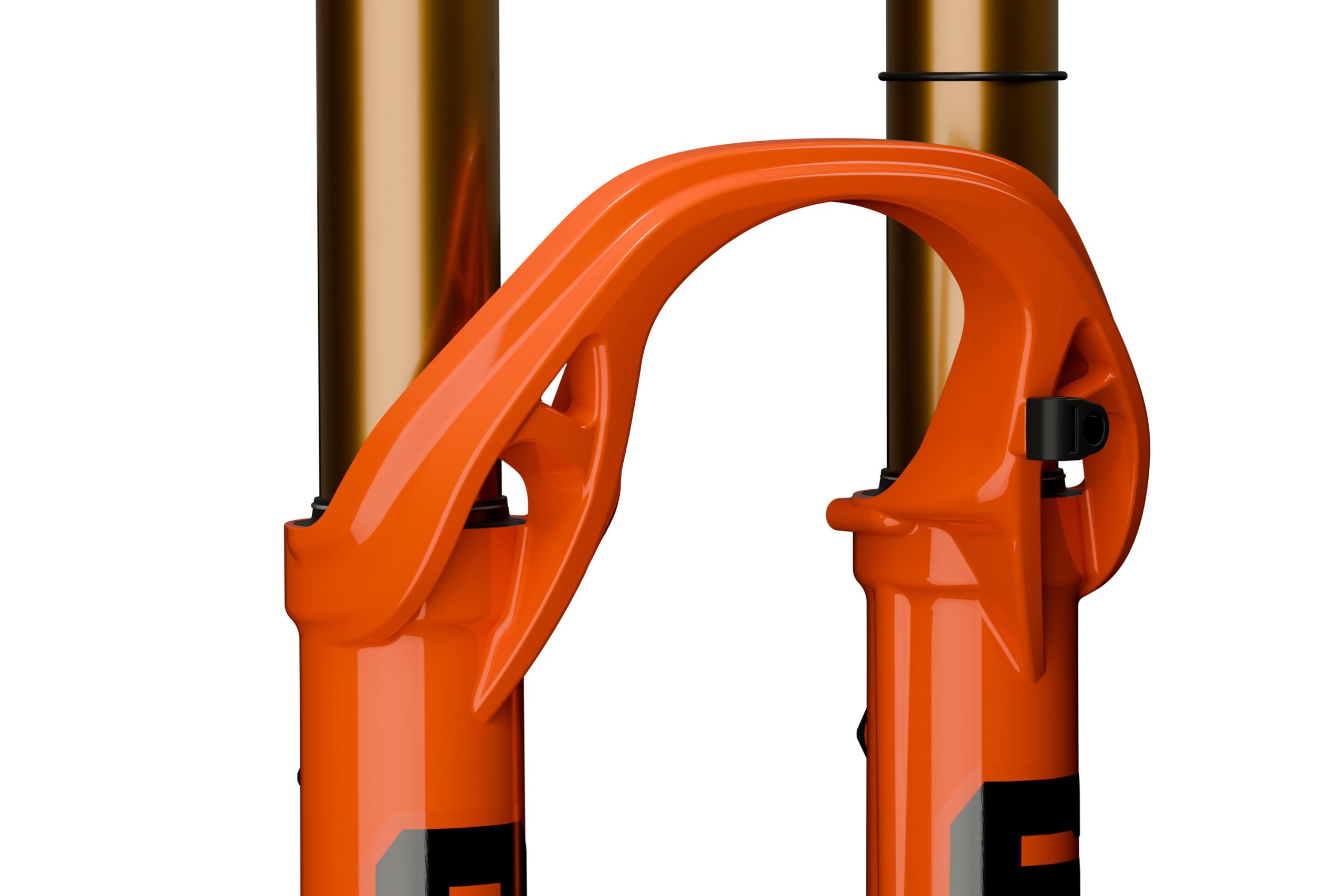
Both models feature the brand’s optimised, generatively designed fork arch, as seen on the 32 Step-Cast as well as the 34SL released last week.
The 36SL has a claimed weight of 1,755g for a 140mm fork, while the beefier 36 is said to rest on the scales at 1,920g for a 160mm fork.
Prices range from £806 / $699 / €939 / AU$1,199 to £1,259 / $1,149 / €1,539 / AU£1,999 for the 36SL, with the Performance being the cheapest and the Factory the most expensive.
The 36 is more expensive, ranging from £879 / $749 / €999 / AU$1,299 to £1,399 / $1,199 / €1,609 / AU$2,099.
All new arch
The new arch is similar to that found on the new 34SL. Fox
The arch of the new fork is somewhat familiar, with the 32 SC debuting the generative design concept when it launched last year.
Cutaways expose more Kashima on the Factory model. Fox
This time, Fox has decided to keep the arch on the front of the fork, as opposed to the rear, and has used cutaways for greater weight savings.
Fox says the design increases torsional stiffness by 20 per cent.
On the 36, this is said to make the torsional stiffness 87 per cent of the brand’s 38 enduro fork, up from 75 per cent.
For the 36SL, this has resulted in a 20 per cent increase compared to the 34.
Compliant air spring
The 36 comes with 140mm, 150mm or 160mm travel. Fox
Both the 36 and 36SL feature a redesigned Float air spring that has built-in compliance to prevent binding when a bending force is applied to the fork.
The new air spring decouples the stanchion from the air shaft, enabling the piston to move with the fork while under bending loads, decreasing resistance.
Compliance is added by using polymer mounts in the air spring. Fox
This is said to result in a smoother suspension action overall, especially when the fork is experiencing high loads from speed or the weight of a rider.
Increased bushing overlap
Increased bushing overlap should lead to more suppleness. Fox
Also in the interest of reducing this bending force, both forks feature increased bushing overlap.
The force creates resistance between the lower leg and the stanchion, causing an increase in friction and a less supple feel through the suspension travel.
Increasing the bushing overlap reduces the amount of friction.
Fox has increased the overlap by 20mm on the 36, compared to the 34, and by 30mm on the 36 compared to the previous model.
GRIP X and GRIP X2 dampers
Fox also offers the GRIP X damper in the new 36 for riders looking for a more trail-oriented fork. Fox
The 36 uses the GRIP X2 damper released last year, which features increased tunability over the GRIP 2 damper.
This sees base diameter values up to 24mm, with 23 valves resulting in an increase of the overall four-way tuning range of high/low-speed rebound and high/low-speed compression, all with less cross-talk.
The GRIP X2 is designed for riders who want to push hard on enduro and downhill trails.
The 36SL uses a lightweight GRIP X damper, which is said to exude the descending performance of the GRIP X2 while maintaining a light weight and making it easier to access firm mode for pedalling efficiency.
Inboard bypass channels
As we saw with the 34SL, Fox has moved its bypass channels inboard on the 36 and 36SL.
The brand says this helps curb pressure ramping for increased small-bump sensitivity, as well as recirculating oil to lubricate bushings and seals.
It also says the new location puts the channels out of the fore-aft load path, further reducing friction and wear, as well as increasing the overall sensitivity of the fork.
Easier to live with
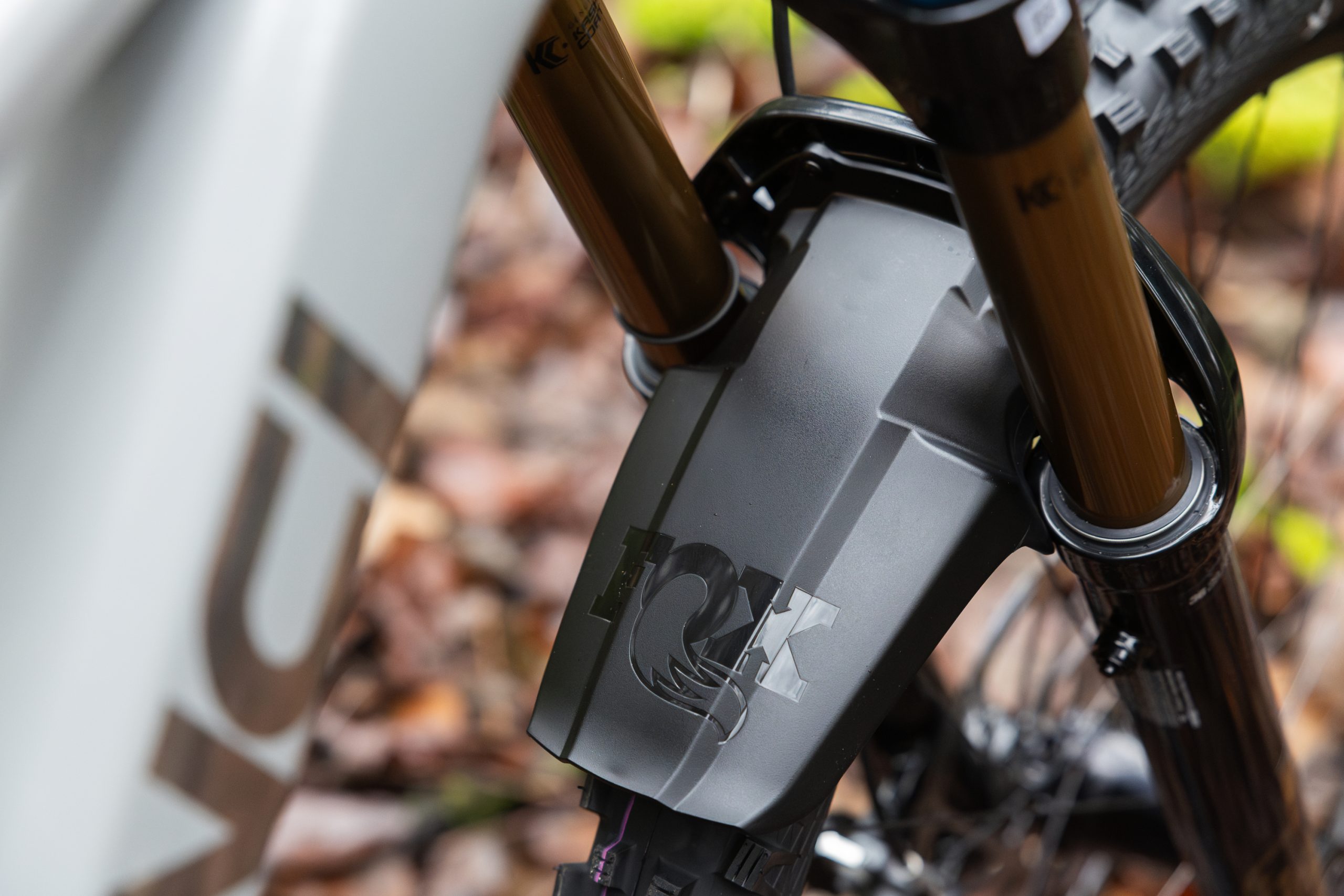
The previous mudguard design posed some compatibility issues when putting a bike on a chairlift. Fox
Both new forks feature added utility, with a new low-profile bleeder featuring on the rear of the fork redesigned for the air to escape around your finger while pressing them.
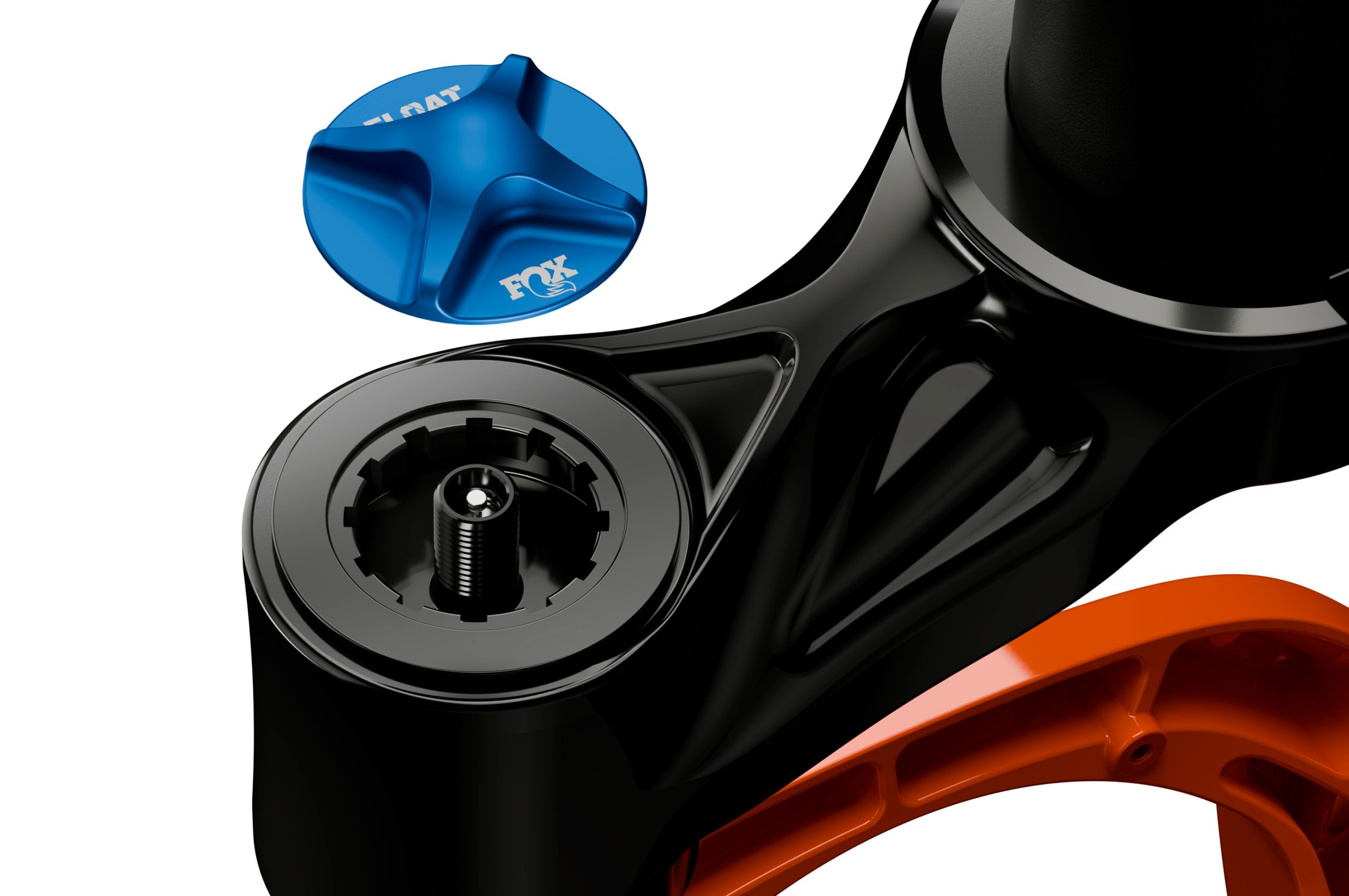
Shimano’s cassette tool is now used instead of a 15mm spanner. Fox
As we saw with the 34SL, the fork’s air-spring top cap can now be removed with a Shimano cassette tool, which should make air-volume changes a lot easier.
There is also a new mudguard design that attaches to the fork’s seal, as opposed to the bleeders, which should help them stand up to chairlift wheel holders.
Zwift’s “ZRacing” is the platform’s most popular ongoing race series, and it continues to evolve as we head into April 2025. Here are the changes Zwift is rolling out this month:
Advanced Event Schedule Expansion: advanced races now happen every other hour, to increase availability.
Advanced Event Minimum Score Requirement: to avoid riders joining these events in order to tank their scores, Advanced events are now “category enforced” at 650+, meaning you must have a racing score of 650+ to join.
Advanced Event HRM Requirement: this isn’t really a new requirement, but lower-category events no longer require a heart rate in order to join. Zwift says requiring HRM “will bring the events into line with the minimum criteria to feature on ZwiftPower and is the first of a number of additional fairness measures we hope to add to Advanced events over the coming year.”
Range 2 modification: these events now top out at 725 (up from 700). Zwift says “We hope this will provide racers with scores of 650-725 with a softer ‘Advanced’ transition.”
Zwift.com-Based GC Leaderboards: an upgraded version of the Zwift Games leaderboards will be used for tracking the monthly ZRacing GC. More on this below…
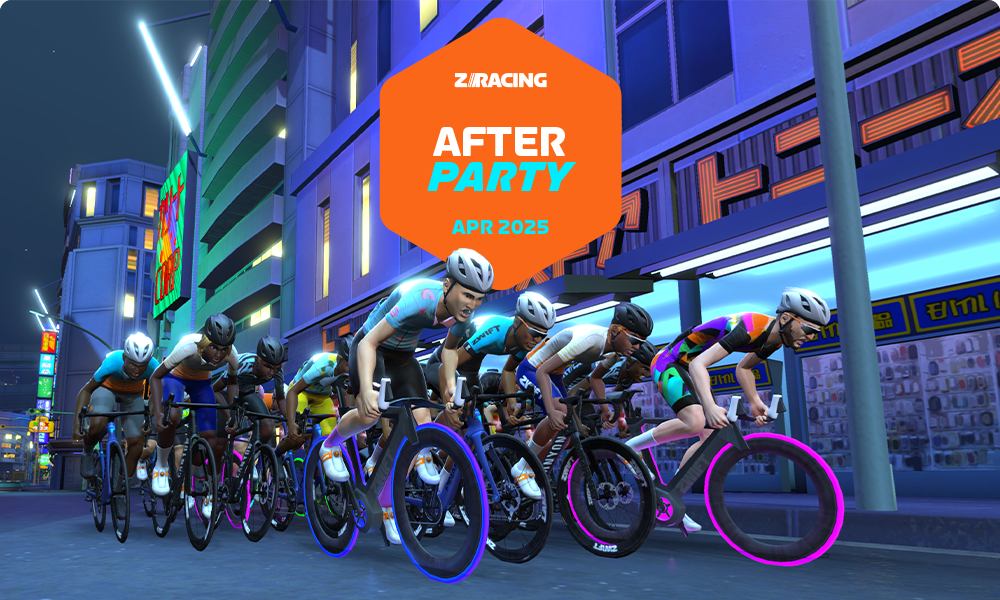
For April, the series takes on “after party” routes which feature a climb in the final kilometers. Also, there’s a yet-to-be-revealed new route (on new roads!) for us to race in stage 5, April 28-May 4! Watch this space for more news on this front.
Read on for details about this month’s race routes and more!
Zwift debuted new web-based leaderboards at zwift.com for tracking the Zwift Games 2025 GC, and an upgraded version of those leaderboards will now be put to work for use in the monthly ZRacing series!
Your GC ranking is based on your best finishing time for each stage, and you can race each stage multiple times if you’d like.
Choose Your Category
Zwift now schedules three different flavors of ZRacing events in order to encourage “Fairer, more competitive racing for everyone.” They each use different racing score ranges for categorization and are titled Advanced, Range 1, and Range 2. Click banners below to see upcoming events for each.
Get the Badge
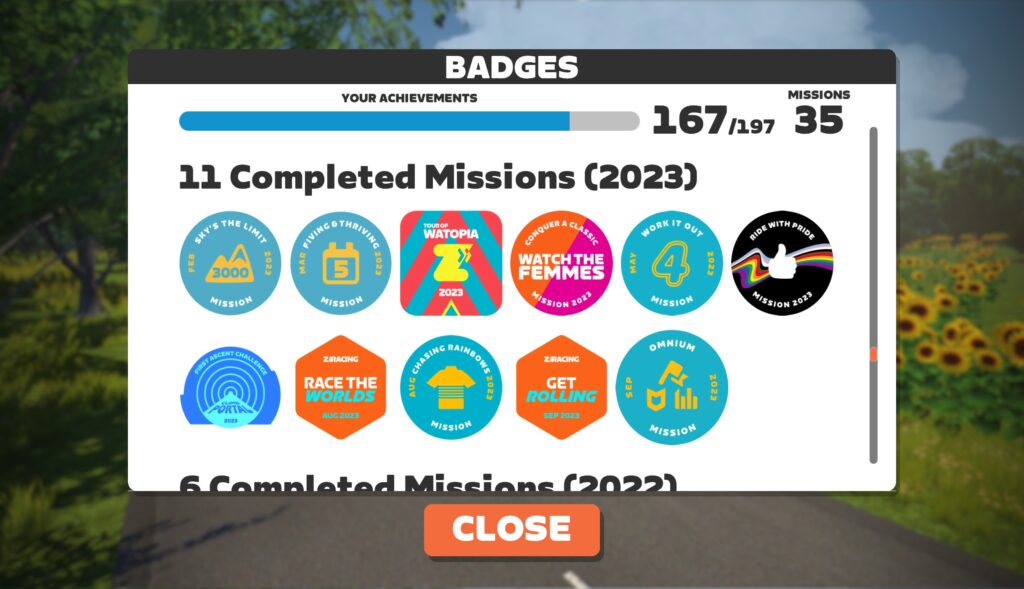
Each month’s ZRacing series has a unique achievement badge, which you can unlock by finishing every stage for the month. There are no makeup events, so if you miss a stage, you miss out on the badge and competing in the GC.
One and Done
Zwift has planned these events to deliver a solid 1-hour workout, so each race should only take around 1 hour to complete, including your warmup and cooldown.
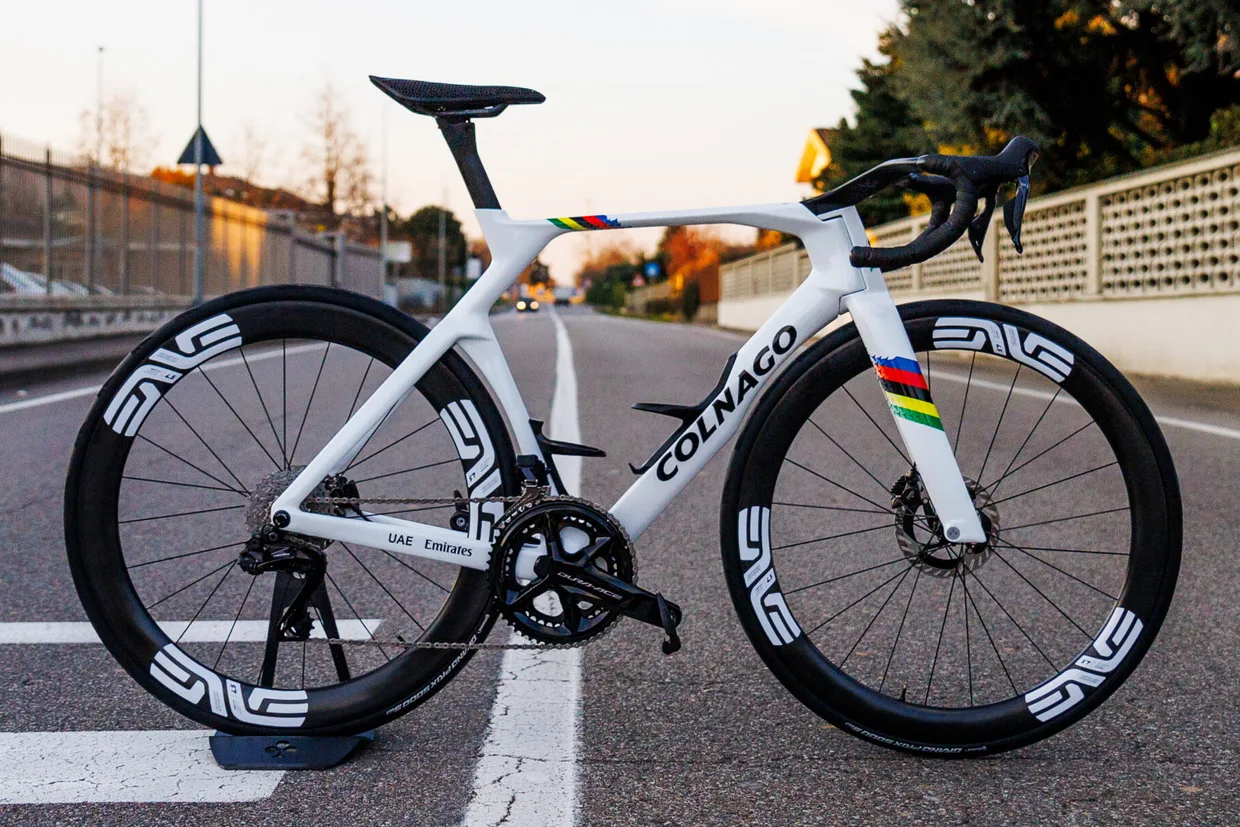
Men’s road world champion Tadej Pogačar has been spotted on what appears to be a new Colnago V5RS. But while a geometric wrap hides any changes to the frame, one photo can tell us a few crucial details.
There are no jaunty angles to be seen like on the Y1RS. Liam Cahill / Our Media
The Y1RS was claimed to be a whopping 20 watts faster than the V4RS at 50kph and 0º yaw.
As a result of this gulf in aero performance, we would expect a new V5RS to come with claims of significant aero improvements.
However, given the angular camo wrap covering Pogačar’s bike, it’s difficult to tell whether the V5RS takes any frame-design cues from the Y1RS.
There is also a possibility that the UAE Team Emirates riders asked Colnago for similar aero credentials to the V4RS, but at a lighter weight. Outside Magazine reported Pogačar’s Giro d’Italia-winning V4RS, with ENVE 4.5 wheels and Shimano Dura-Ace pedals, weighed 7.4kg.
Given a number of Pogačar’s competitors boast lightweight climbing bikes that get close to the UCI’s 6.8kg minimum weight limit, there could have been a focus on lowering the weight.
The CC.Y1 cockpit requires a very specific head tube design. Liam Cahill / Our Media
What we can see clearly is the Y1RS’ CC.Y1 cockpit is not being used. Pogačar’s current ENVE one-piece cockpit is visible and, given the design of the head tube, we suspect there’s no new bar design in the works.
Carlos Verona’s Trek Madone SLR for the 2024 Tour de France. Simon Von Bromley / Our Media
The new bike also appears to be set up with standard bottles and cages. Other brands, such as Trek with its latest Madone, have looked to reduce drag through specially designed water bottles, but Colnago told BikeRadar this idea was rejected by the team during development of the Y1RS.
While we don’t know when we’ll get full details of the new bike, we’ll be keeping a sharp eye out for it being used in the pro peloton in the coming weeks.








 Zwift Games Makeup Stages
 Last Chance
  LEQP Provence Badge Hunter Series