Yeti has unveiled a new special edition of its ASR cross-country bike as part of the brand’s 40th anniversary celebrations.
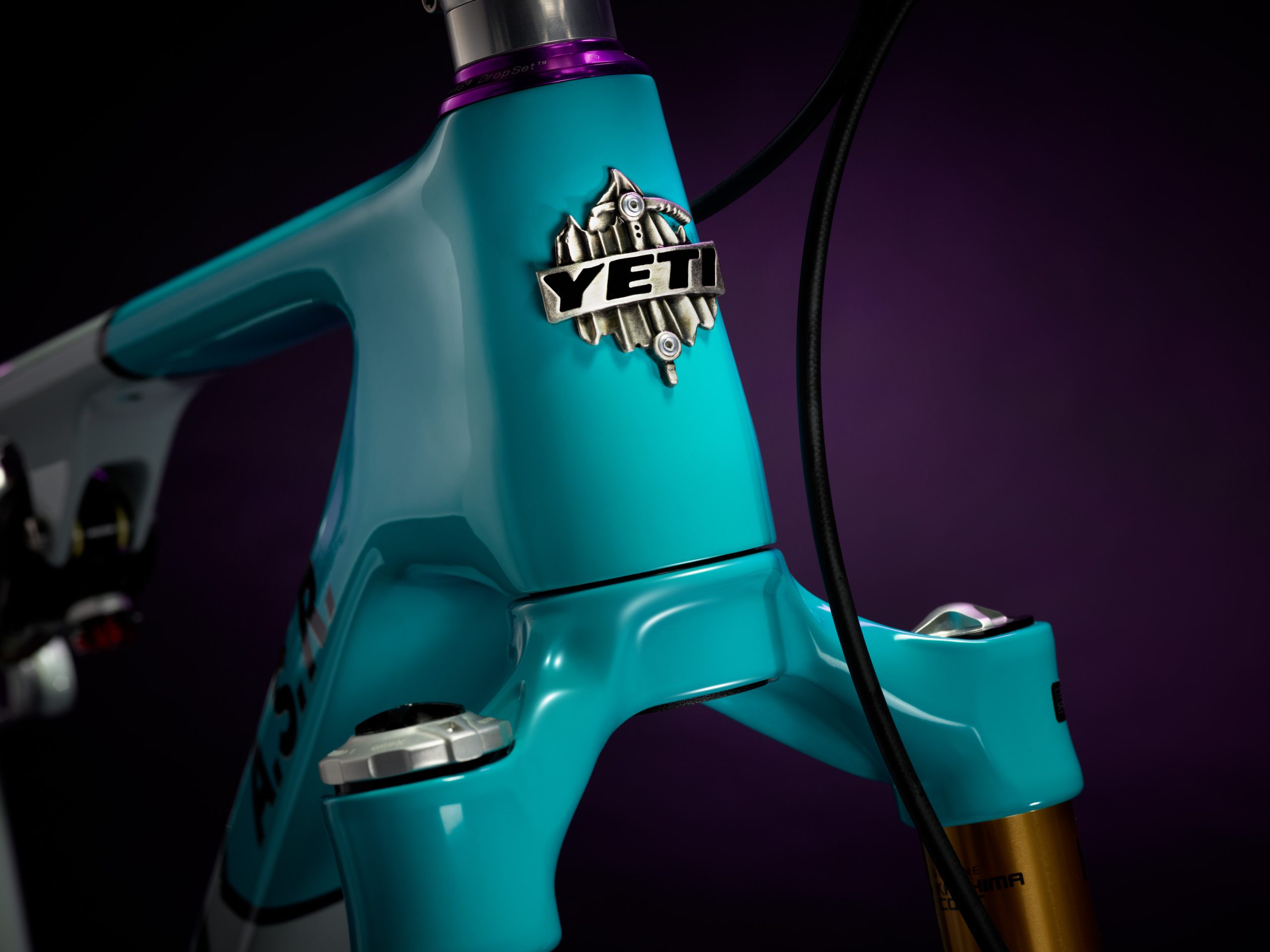
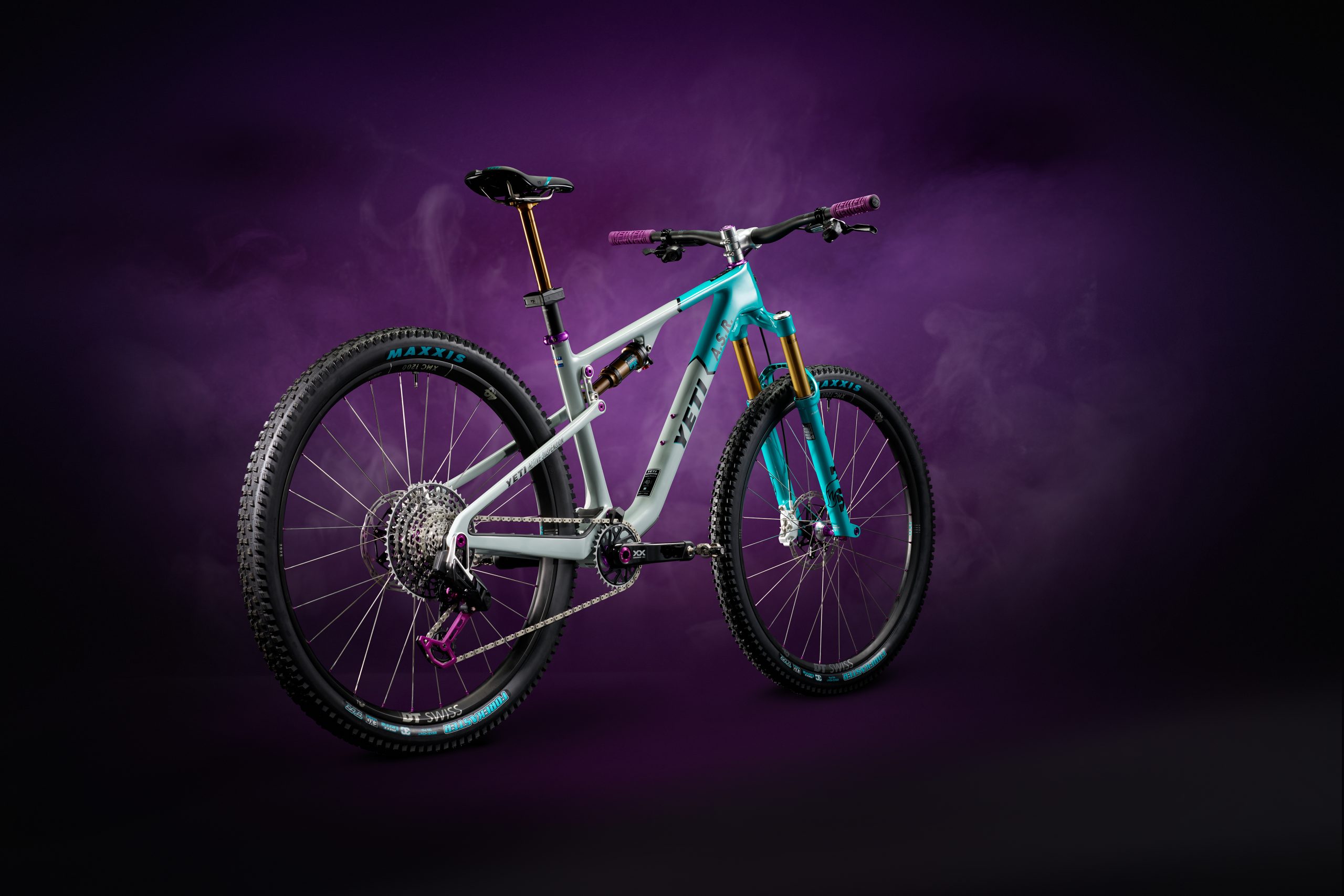
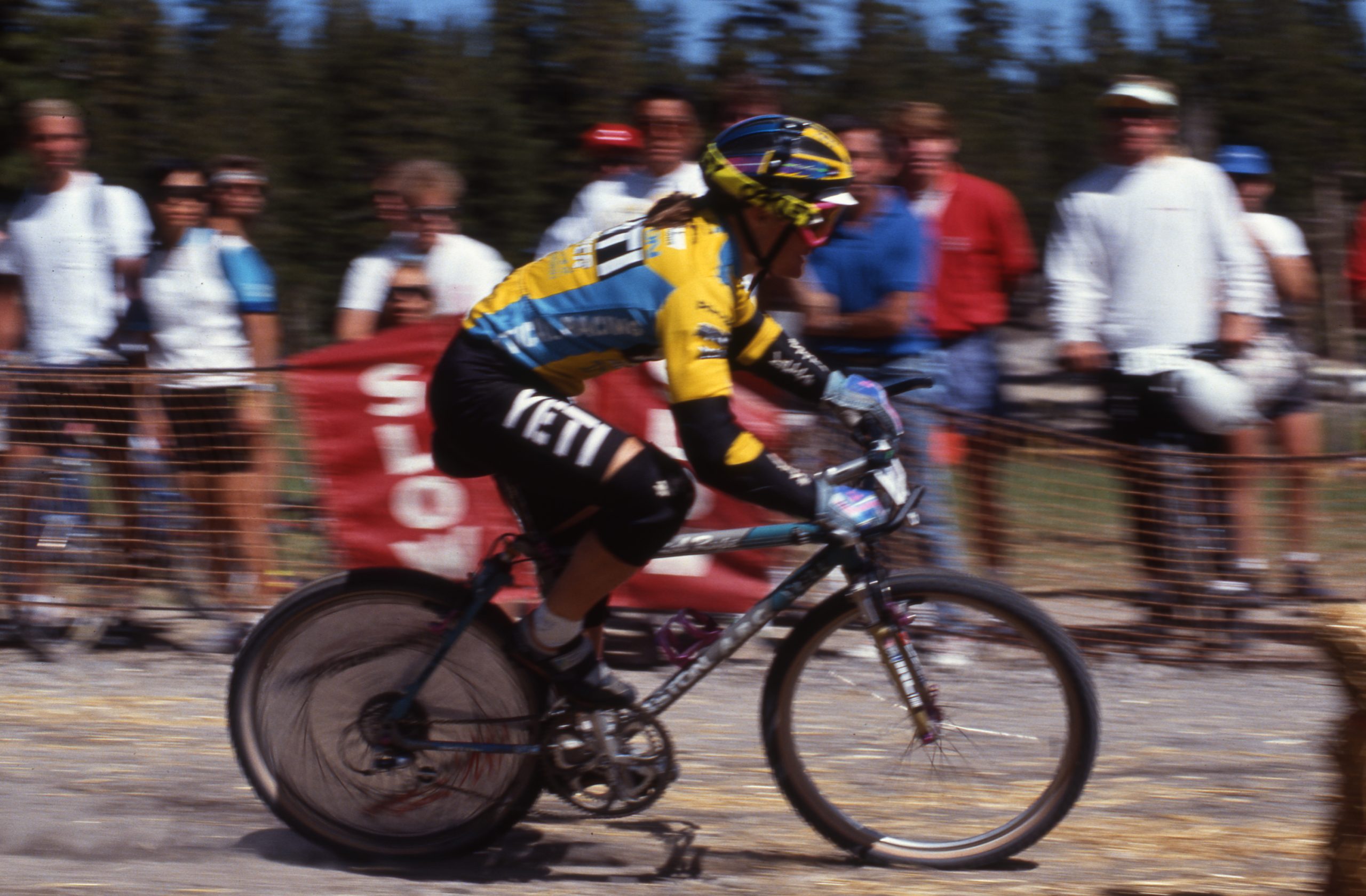
The bike features a forgotten historic livery of turquoise and grey, which adorned the bikes of Jimmy Deaton and Juli Furtado in the 90s.
The brand has celebrated previous anniversaries with bike releases, most recently its 35th with the ARC.
The new limited-edition frame is fully wireless, unlike the standard ASR, which features cable ports for use with mechanical groupsets.
Yeti has worked alongside other brands to give the 40th Anniversary ASR a fully custom spec list, resulting in plenty of nostalgic details.
Yeti has decided to take a break from its iconic turquoise and yellow colourway. Yeti
A notable mention goes to the Fox 34 SL fork, which is painted to match the brand’s famous turquoise colourway and features silver hardware.
The crown of the Fox 34 SL has also been matched to Yeti’s turquoise colourway. Yeti
The fork has also been bumped up by 10mm compared to the standard ASR, now providing 130mm of travel.
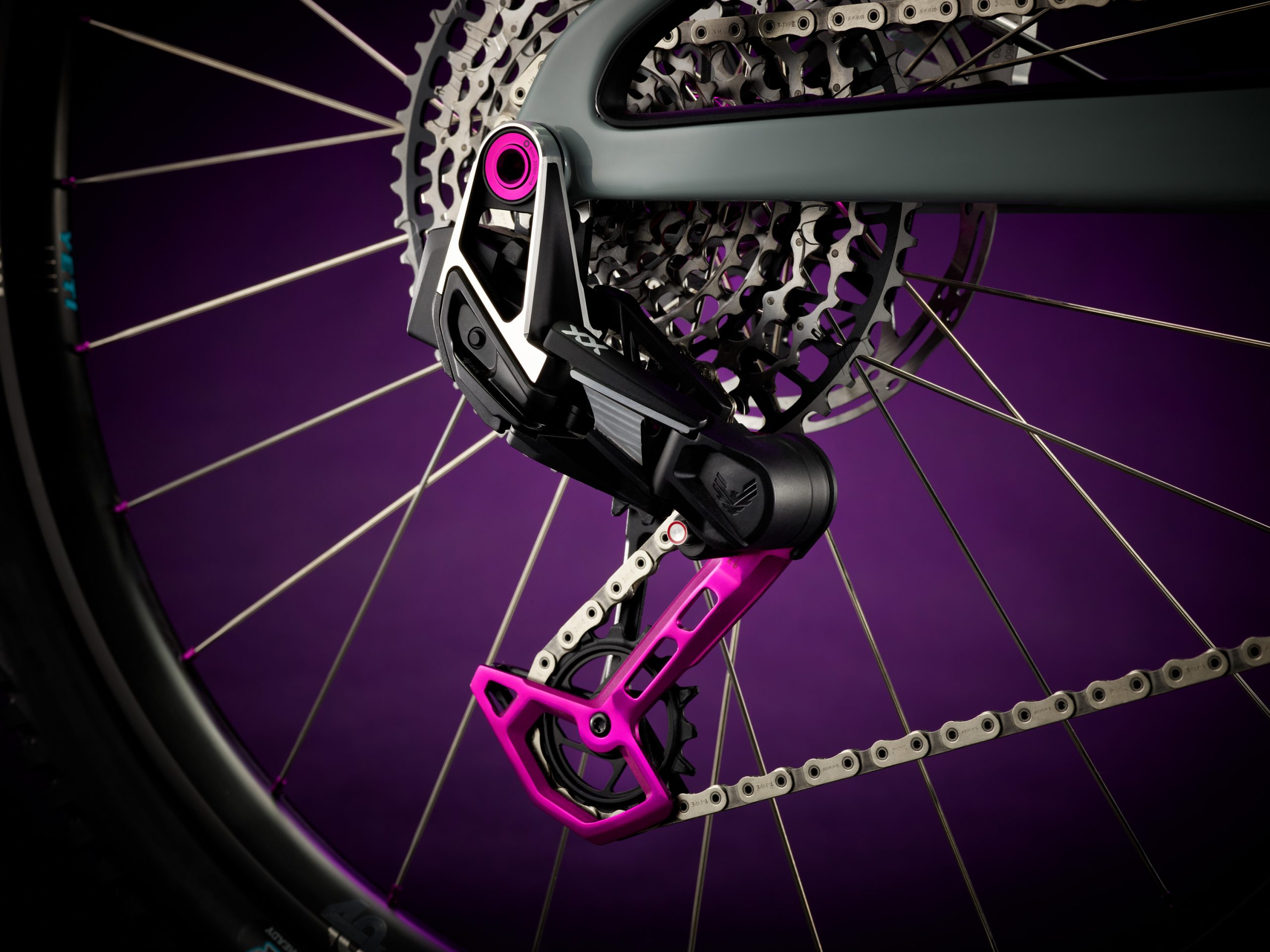
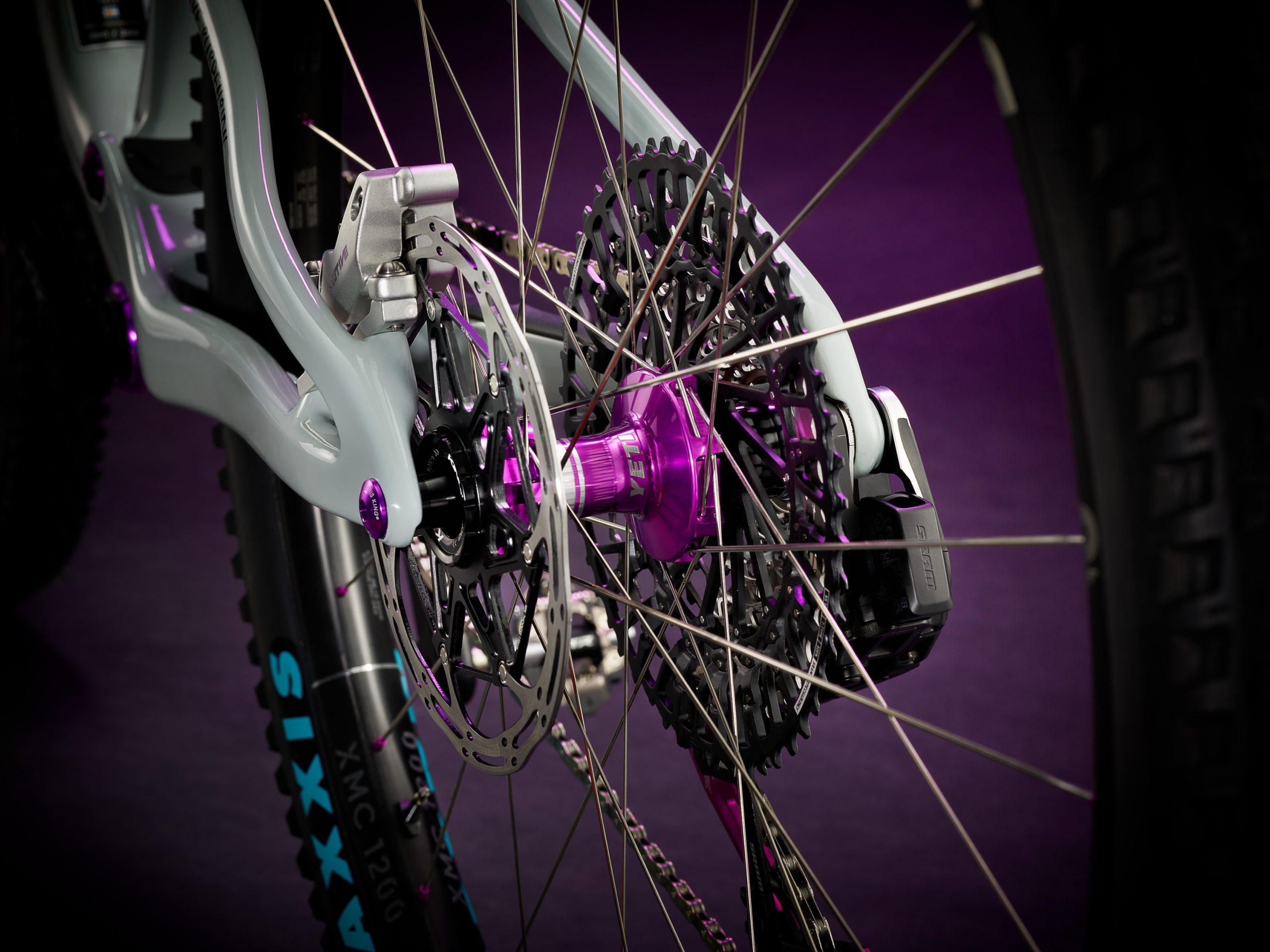
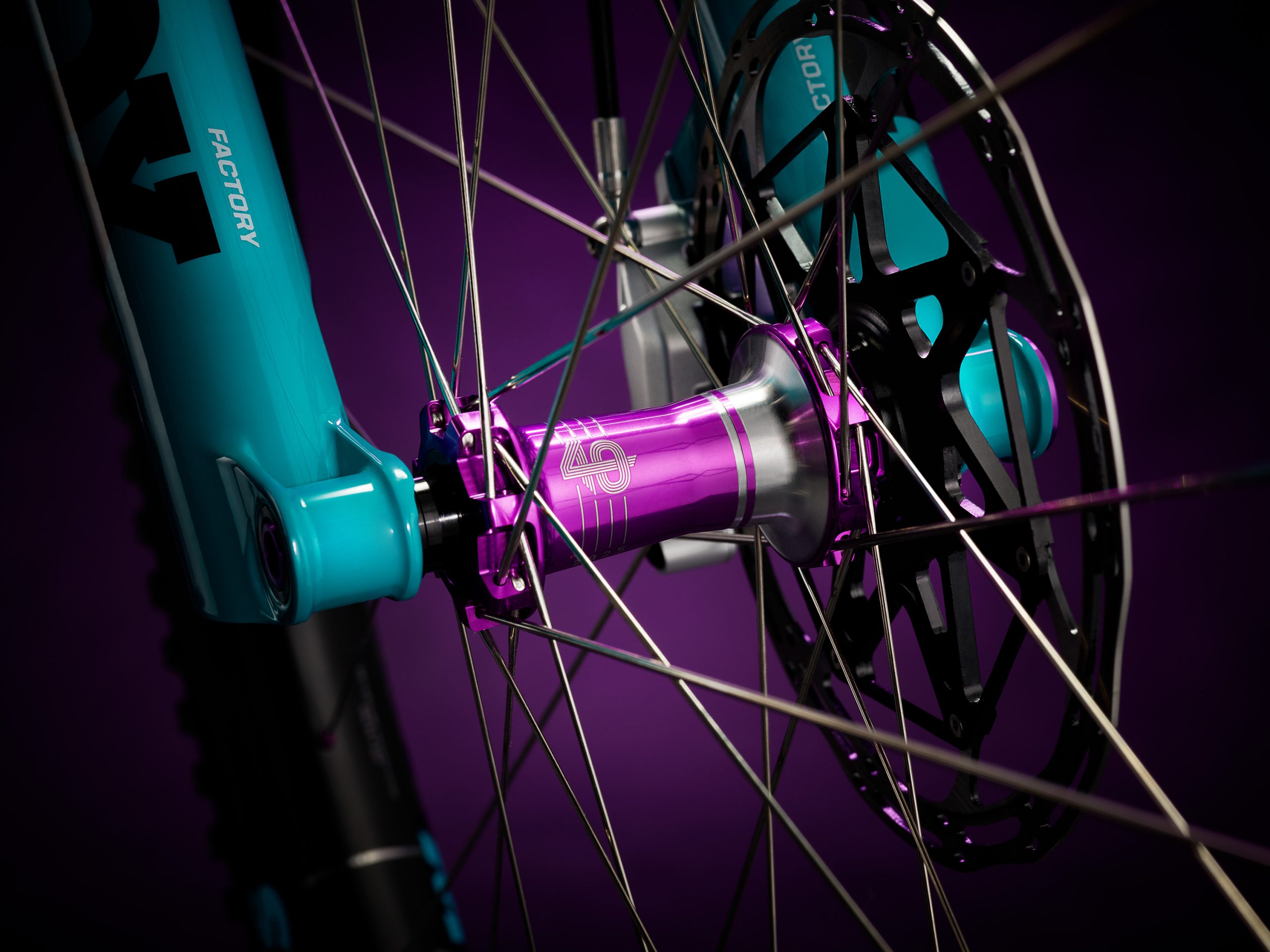
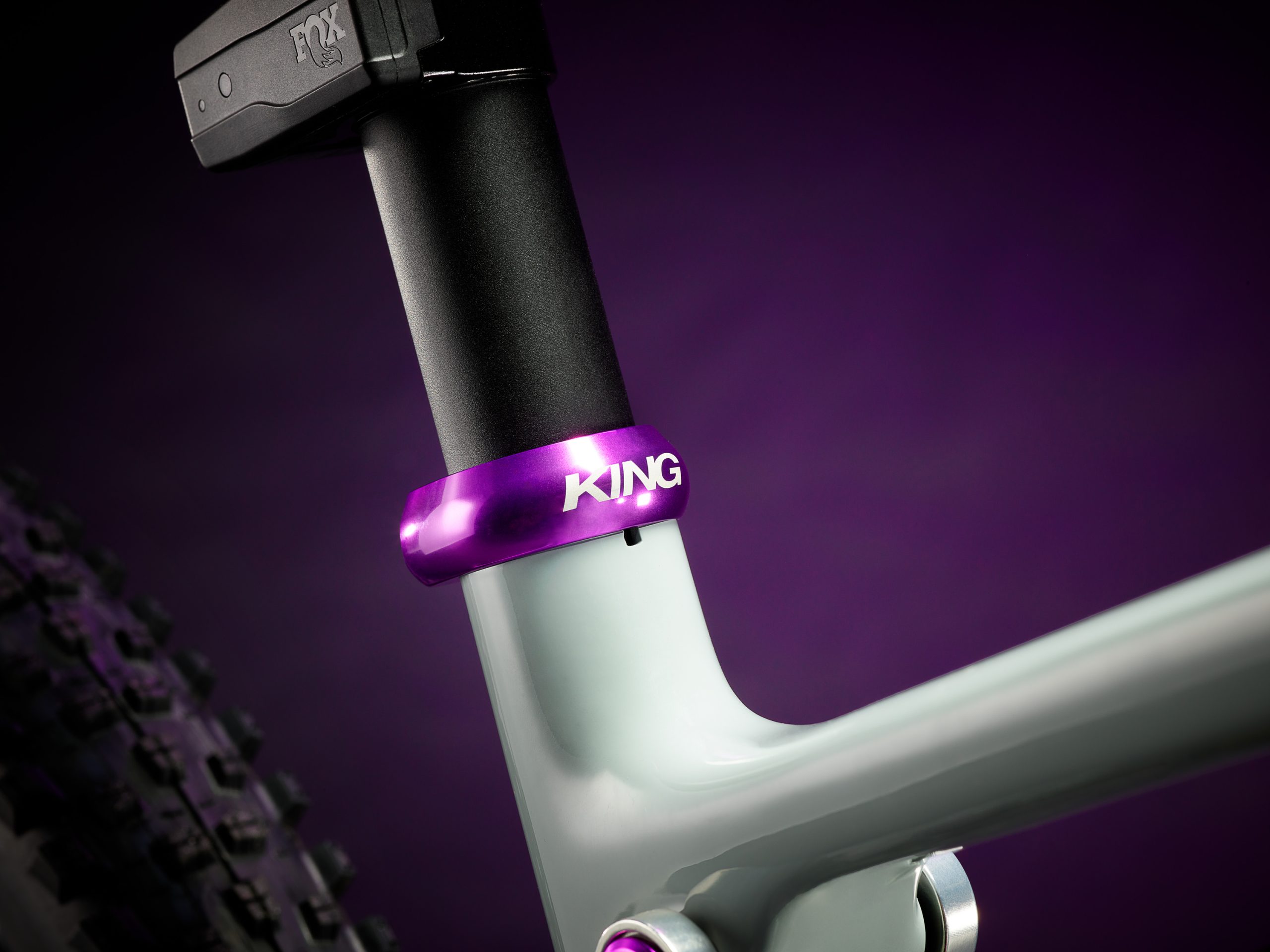
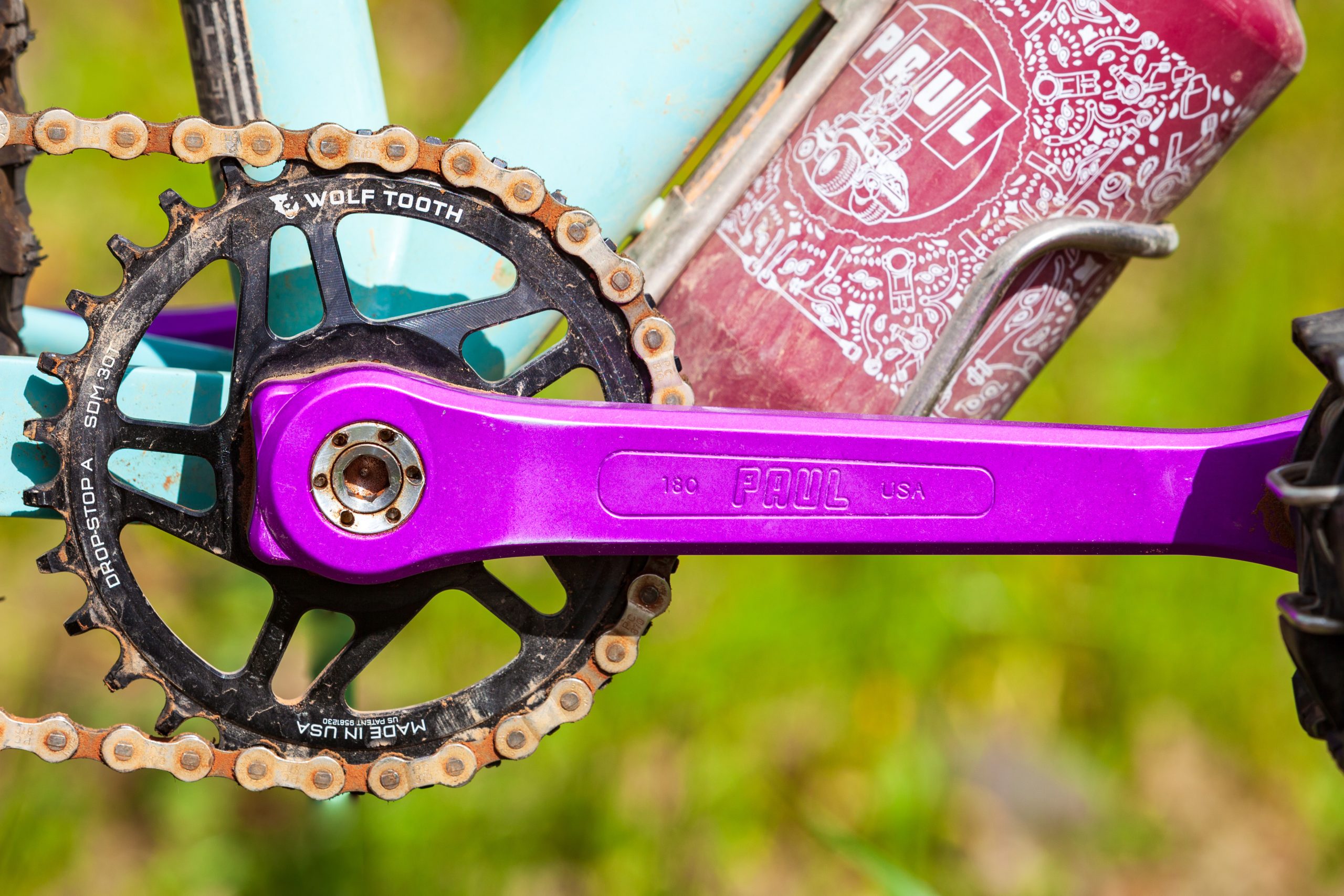
Elsewhere, the Chris King and SRAM parts feature a 3D Violet theme, adding a retro feel to the bike.
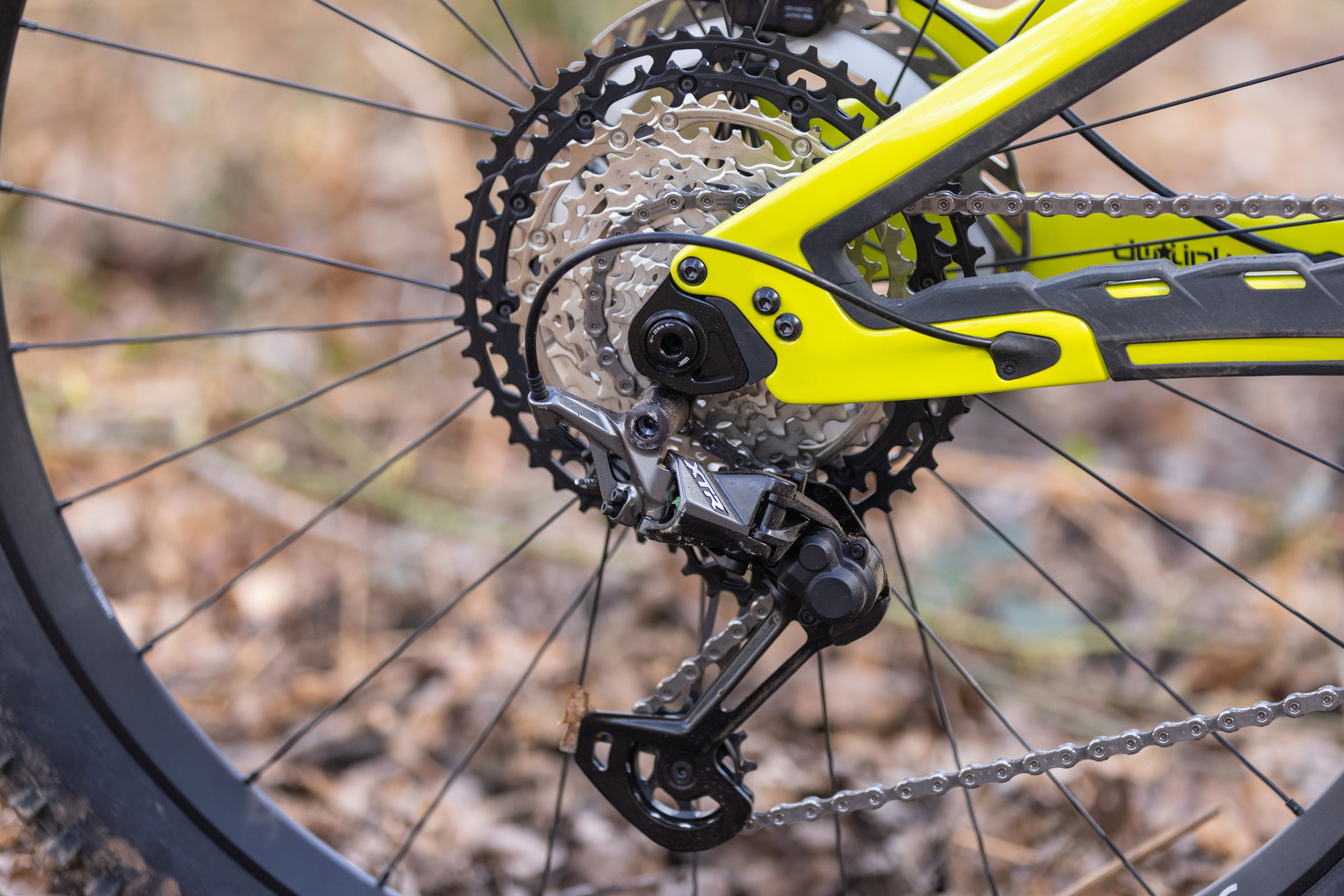
SRAM has supplied a 3D Violet derailleur cage for its XX Transmission. Yeti Silver spokes should catch sun rays nicely. Yeti
Polished DT Swiss Revolite spokes are used in the wheelset, alongside 3D Violet hubs that will bring a sparkle to sunny days. Maxxis Forekaster tyres with turquoise hot patches are wrapped around the wheels.
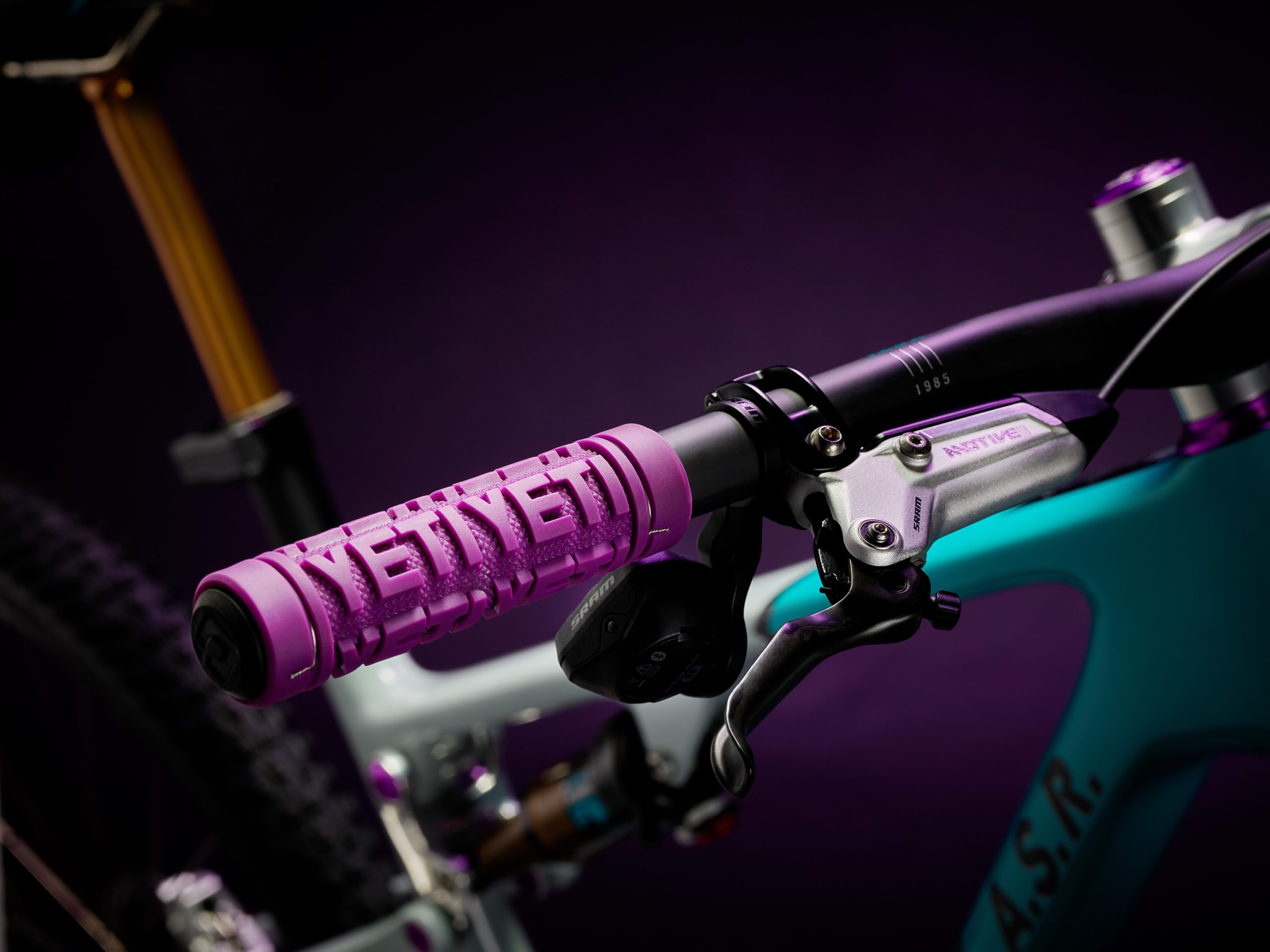
Wire has long been used to secure grips, but the invention of lock-on grips has made the practice less common. Yeti
Original moulds were located to revive the ODI Yeti grips, with metal wire neatly attached to keep them from wandering out of place.
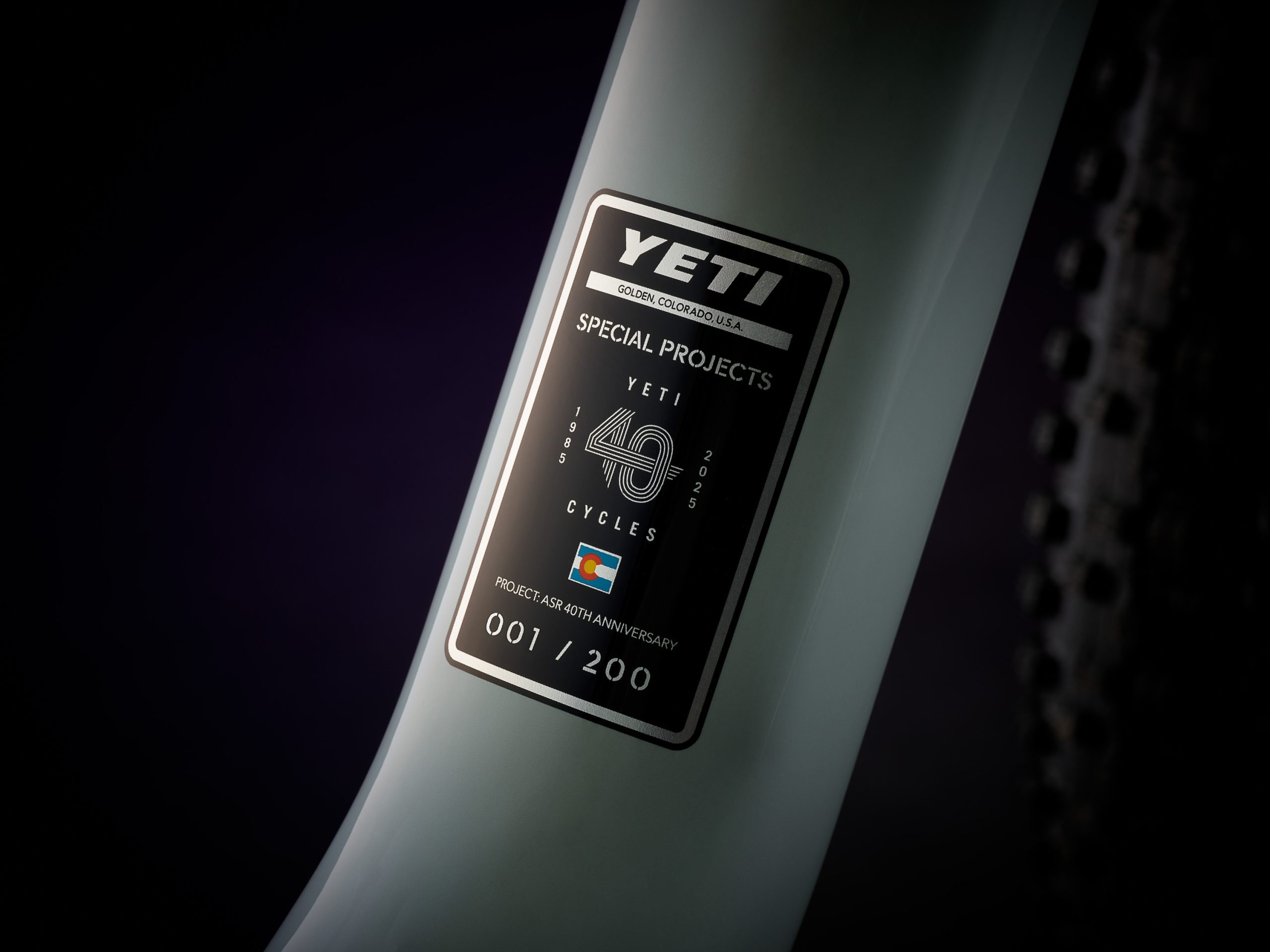
Each bike will be numbered. Yeti
The bike is available for purchase, with Yeti making only 200 examples, priced at £13,999 / $13,900.
There’s little else to say about the bike other than we’re big fans of this retro-inspired special edition, so we’ll let the photos below do the rest.
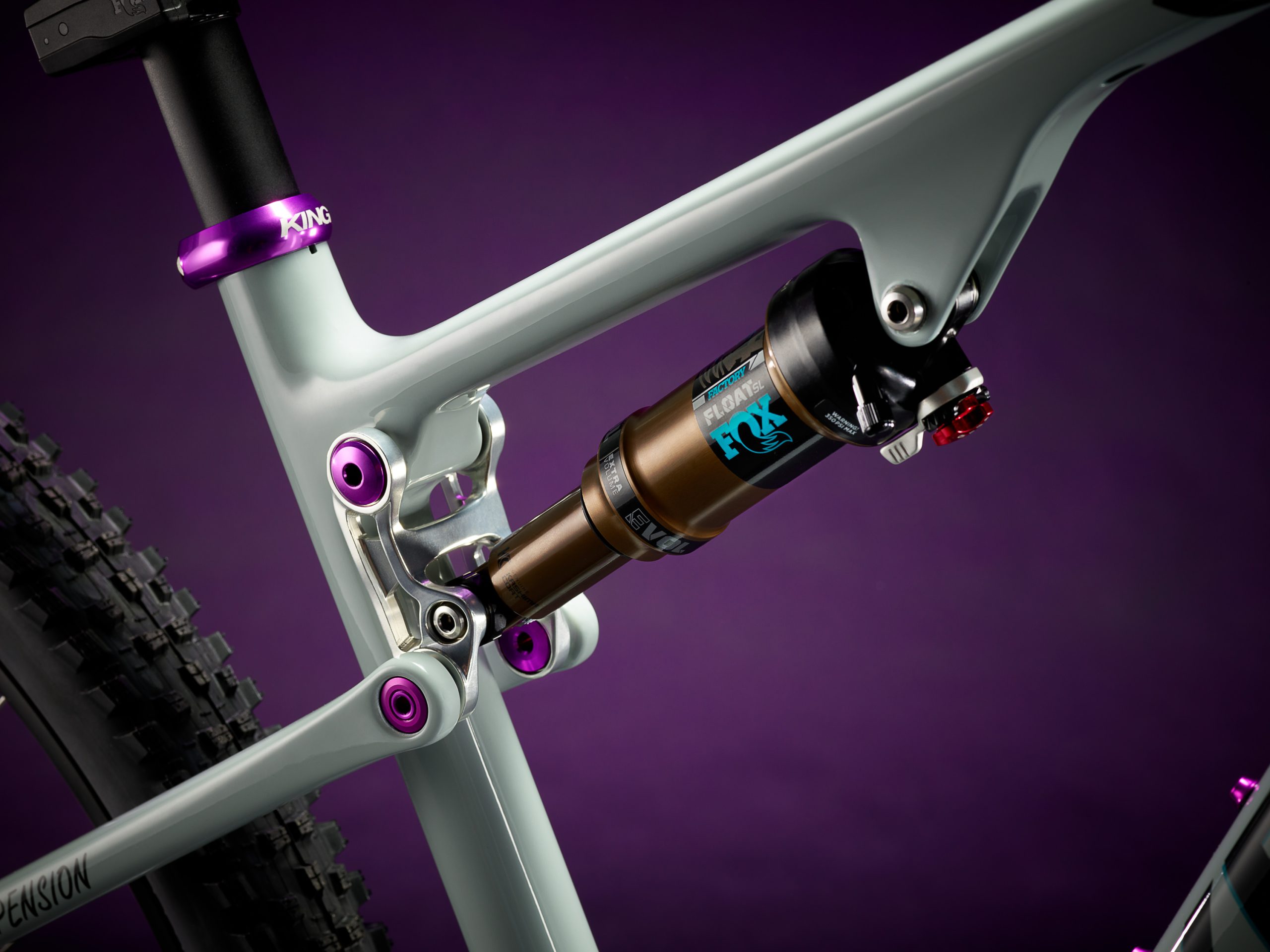
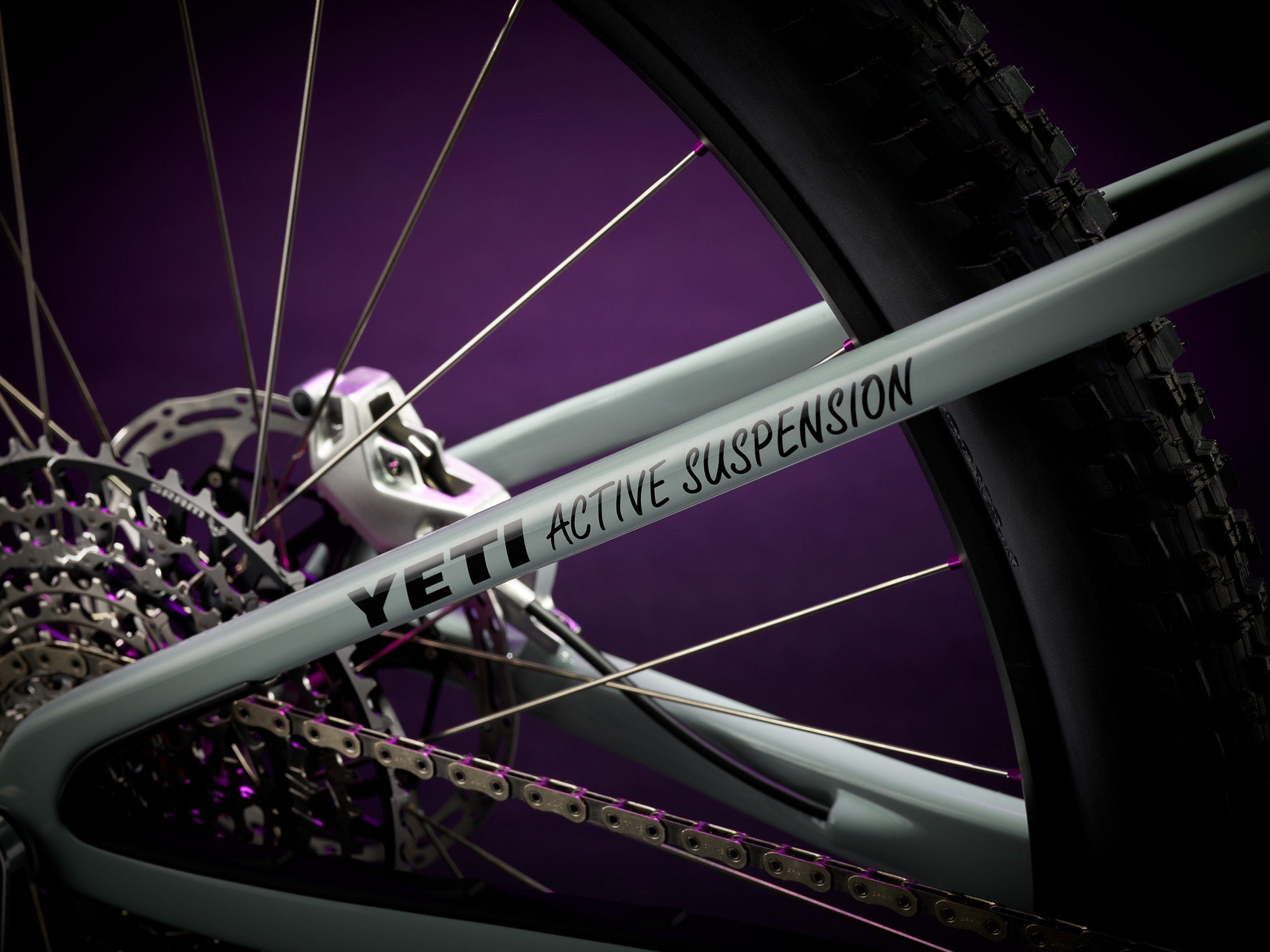
Fox’s Transfer Neo dropper post features. Yeti The number 40 is etched into the DT Swiss hubs. Yeti 3D Violet can be spotted all over the bike. Yeti The silver linkage adds to the retro vibes. Yeti Chris King supplies the seatpost collar and headset. Yeti “Active suspension” harks back to Yeti’s first full-suspension bikes. Yeti Yeti is one of the longest-running teams in mountain biking. Yeti
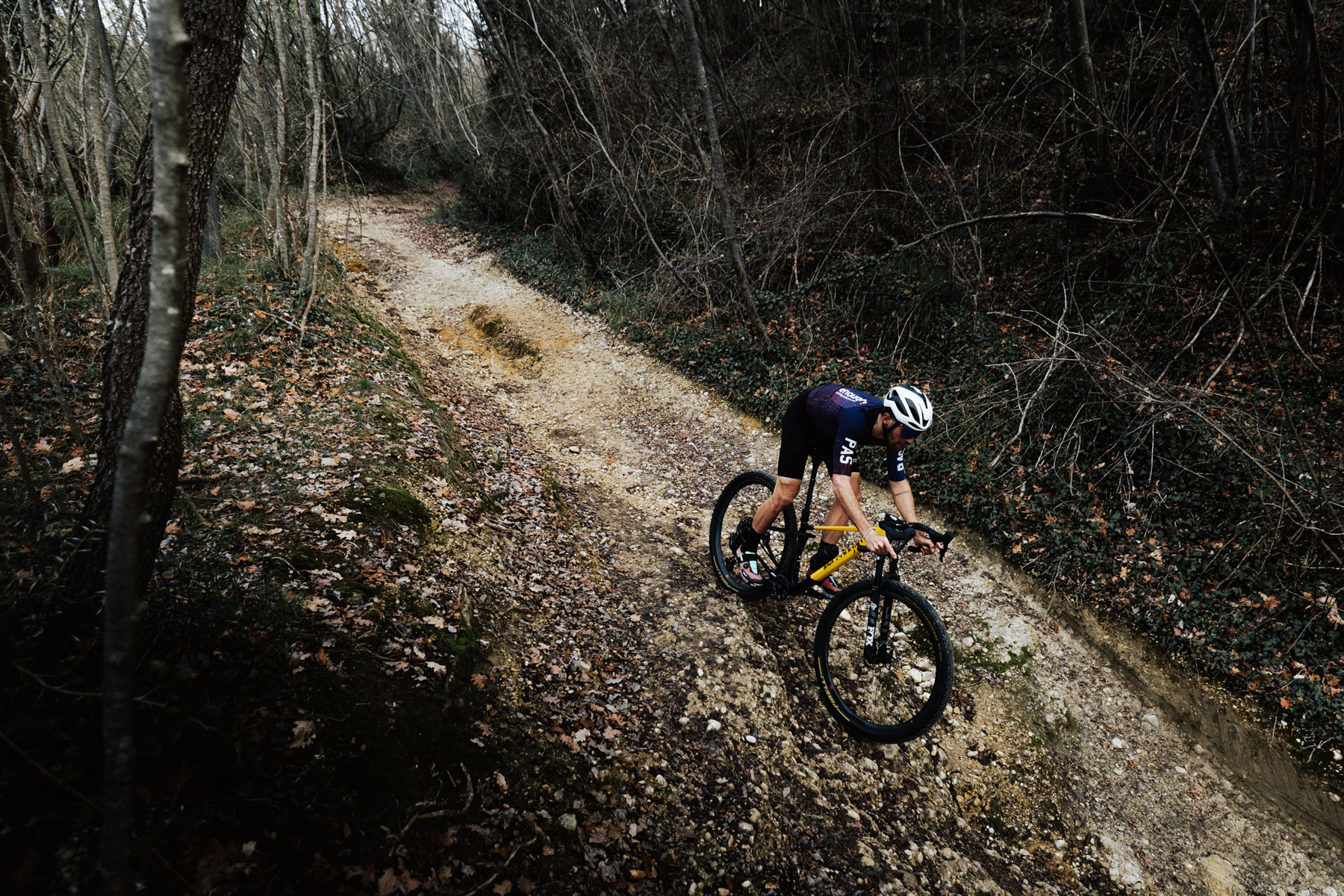
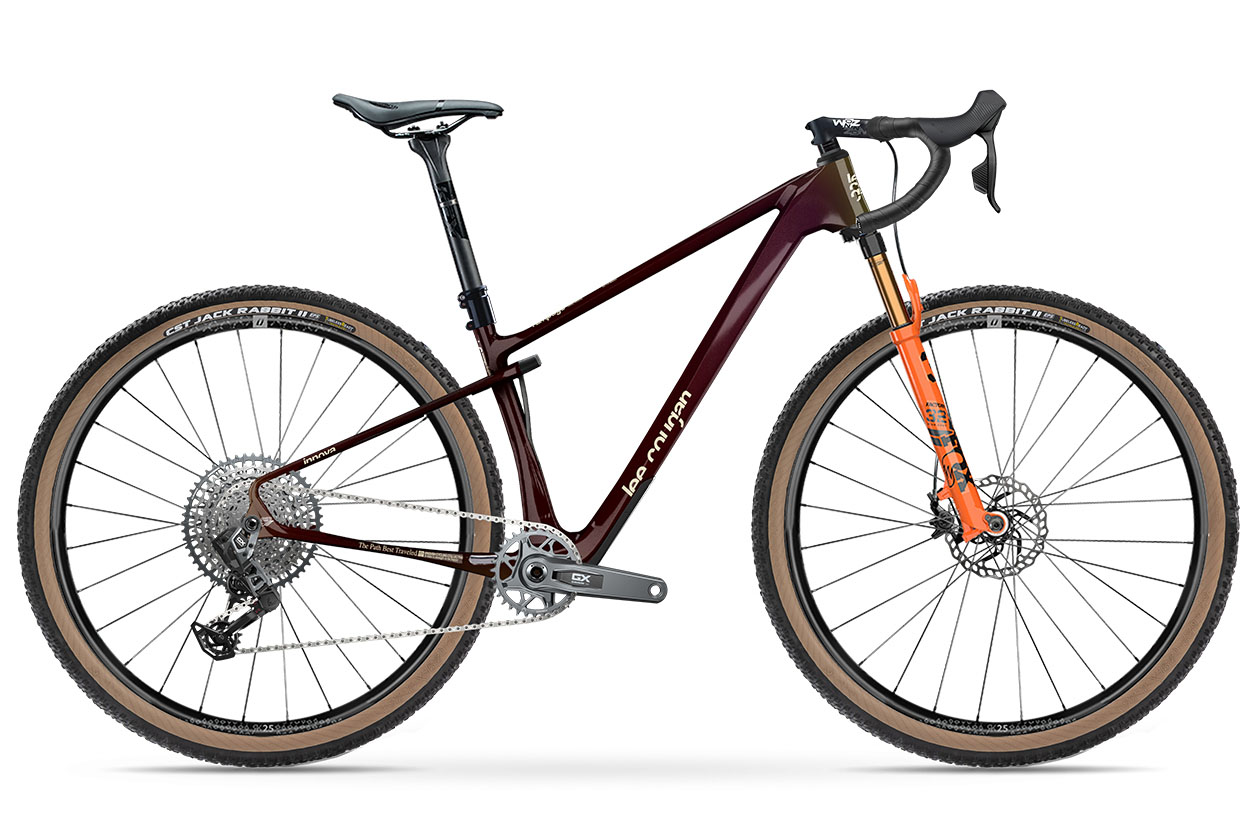
Shockless rear suspension, a 100mm suspension fork, 2.4-inch tyre clearance and geometry you might find on a hardtail mountain bike – could the new Lee Cougan Innova Super Gravel point the way for cutting-edge gravel bike design?
Well, the bike’s designers seem to think so. The questions behind the development of the Innova Super Gravel were: ‘Has your gravel bike ever held you back from going further?’, ‘What is a wrong trail if your bike can handle anything?’ and ‘Why not choose a bike that can do it all?’.
The new Lee Cougan Innova Super Gravel comes as a full build priced at €5,299 / $5,899 or a frame kit for €2,799 / $3,299.
Suspension without a shock
Does the Innova Super Gravel give an indication of where ultra-distance gravel bike design is heading?
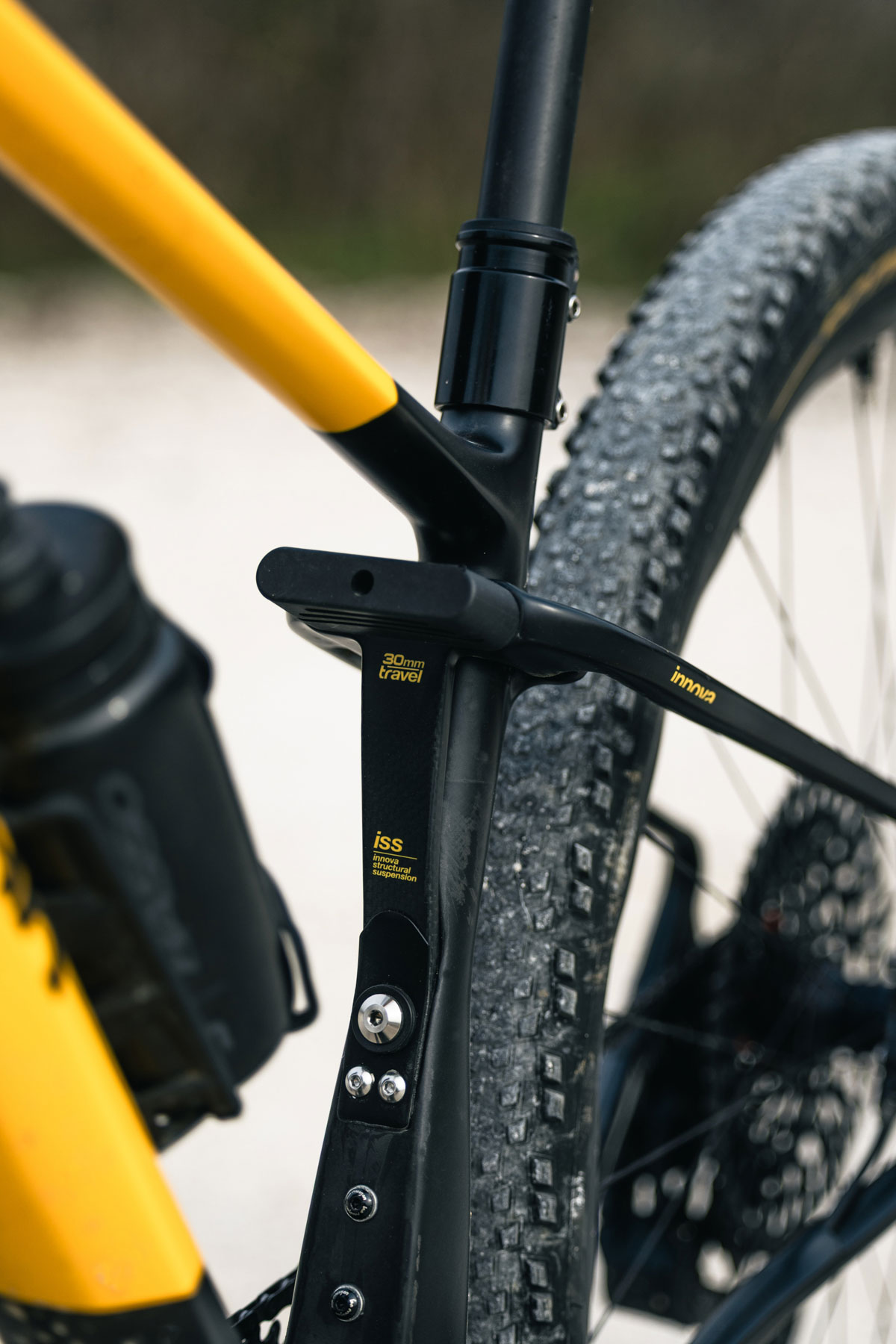
Instead, the Innova combines tapered carbon chainstays that are designed to flex, with a pair of oil-filled pistons to dampen the energy acting on the frame over rough ground.
The patent-pending system, named ISS, is claimed to offer the smoothness of a shock unit without the weight penalty. The frameset is said to weigh 1.2kg in a medium size, including the ISS damping system.
The ISS suspension system has no shock, but contains twin hydraulic dampers to smooth out the trail.
Lee Cougan first used the ISS system on its marathon-focused Rampage Innova mountain bike, although that version relies more on its carbon leaf spring as opposed to the addition of flexible stays on the Innova Super Gravel.
Frame details
The Apro Ranger from 2017. Warren Rossiter / Immediate Media
The Innova has full internal routing via an Acros headset, two bottle cage mounts, further mounts on the top tube and under the down tube, a steerer lock system by Acros, and most tellingly a 148mm Boost rear triangle.
Making the Innova Super Gravel geared up for a wide range of 29-inch wheels opens a whole world of race-ready mountain bike tyre choices.
Full-suspension gravel
Full-suspension in gravel isn’t a new concept. I first reported on Taiwanese brand A-Pro’s full-sus gravel machine back in 2017.
Since then, we’ve had the Niner MCR and the Cannondale Topstone Lefty. The Innova Super Gravel, however, is the first to embrace a full-length travel mountain bike fork instead of a short-travel gravel-specific fork.
It has a 69-degree head angle matched to a 73-degree seat angle, long 428mm chainstays, a long reach, tall stack and short stem. The front end is designed to work with a 100mm mountain bike XC suspension fork.
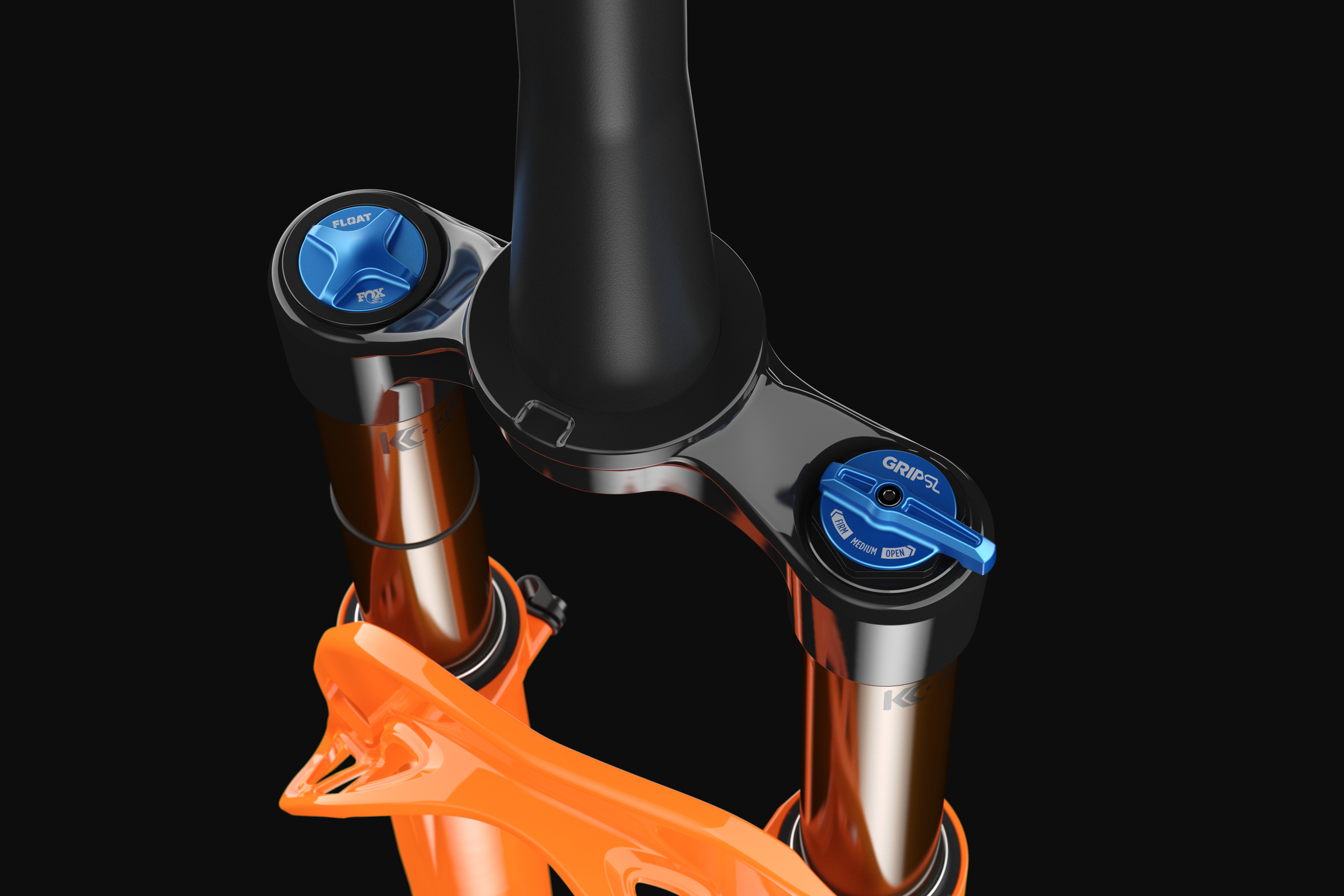
The 100mm-travel Fox Factory Kashima 32 is installed on the Innova Super Gravel complete bike. Mike James
The tyre clearance of up to 2.4in matches the current trend among gravel racers of using larger-volume (mountain bike) tyres.
This takes us back to the early days of gravel, when monstercross bikes with huge 650b clearances found favour. It’s having this sort of clearance on larger 700c or 29in wheels that sets the new Lee Cougan bikes apart.
Racing pedigree
The Innova Super Gravel has already been used in competition. Lee Cougan
The Innova Super Gravel has been trialled by multiple-Traka winner, fifth-place finisher at Unbound 2024 and current Life Time Grand Prix rider Mattia De Marchi, who rode the Innova in the 2024 Atlas Mountain Race.
Is it just a mountain bike with drop bars?
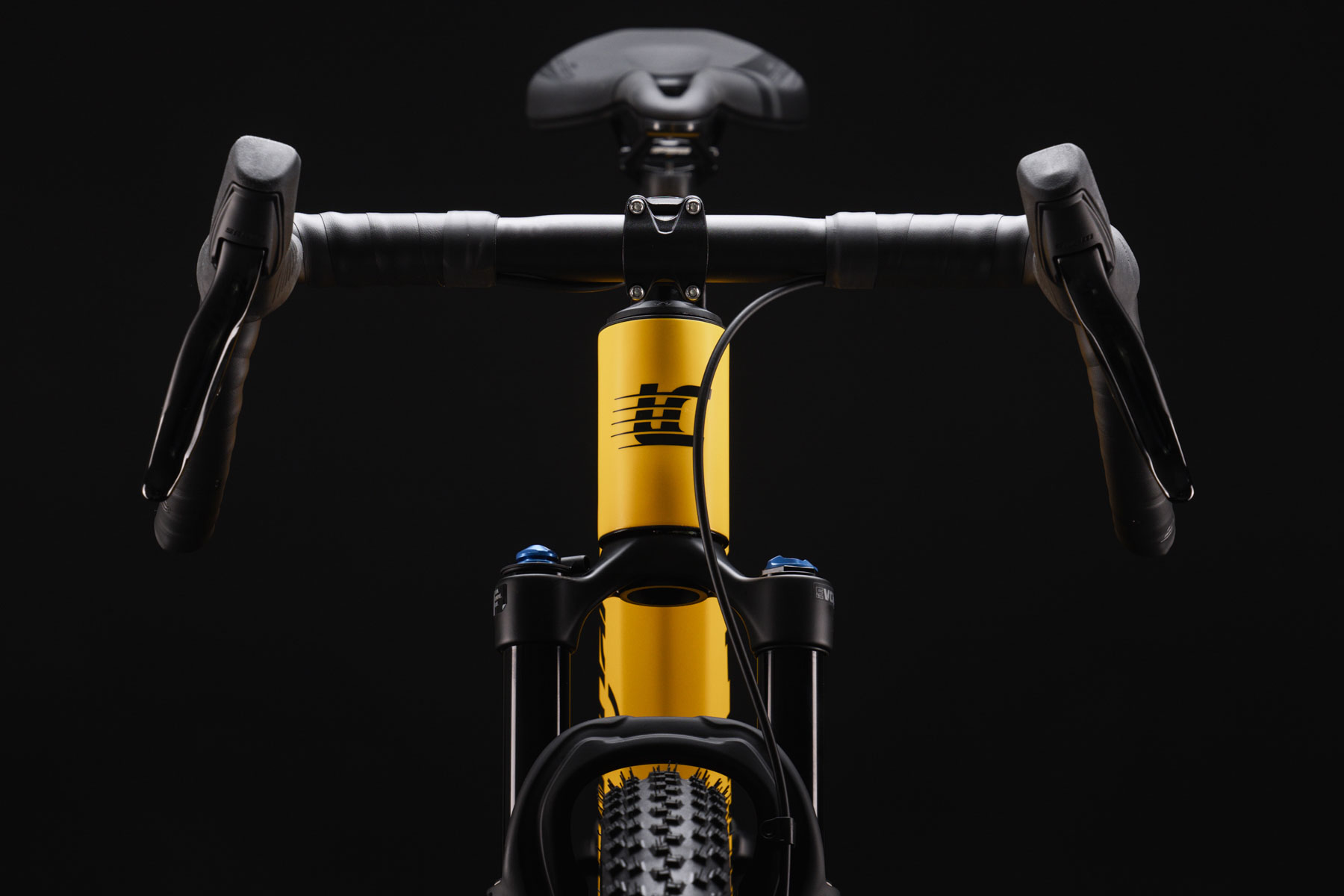
The Innova Super Gravel comes with a 12-degree flare, 120mm-drop carbon gravel bar designed to match the Innova’s geometry. Lee Cougan
You could certainly argue that’s the case, much like the new Ridley Ignite GTX or the Scott Scale GR, which even goes so far as keeping a flat bar (although it has a rigid fork). Perhaps this is a fad, or it could show the future of gravel bikes, at least for ultra-distance gravel event racers.
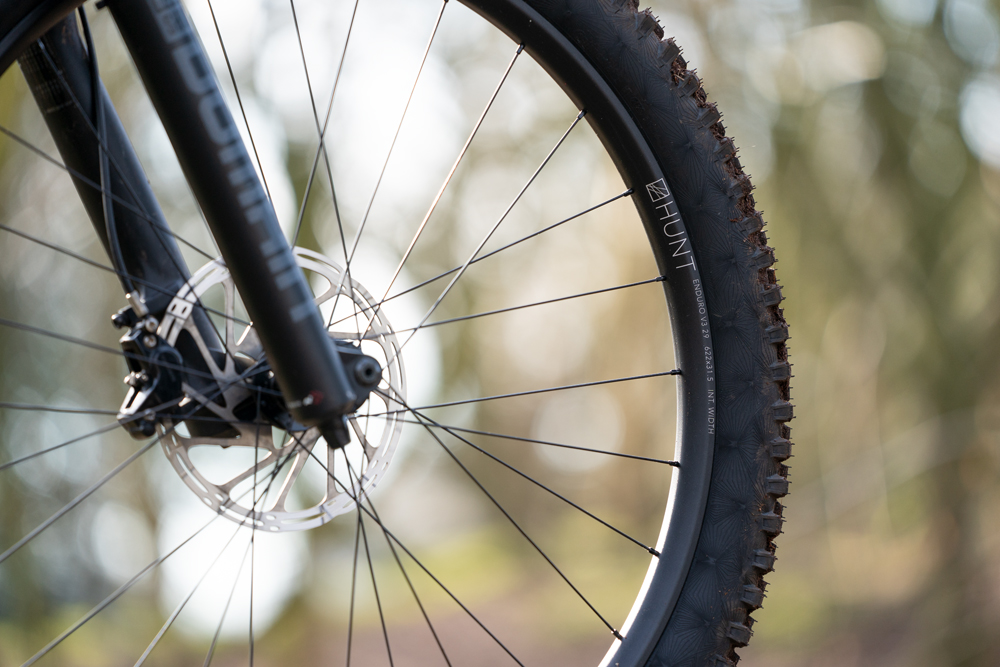
Hunt has updated its alloy Enduro wheelset, now in its third iteration, unveiling a fresh pair of hoops built to be more resistant to damage and as durable as possible.
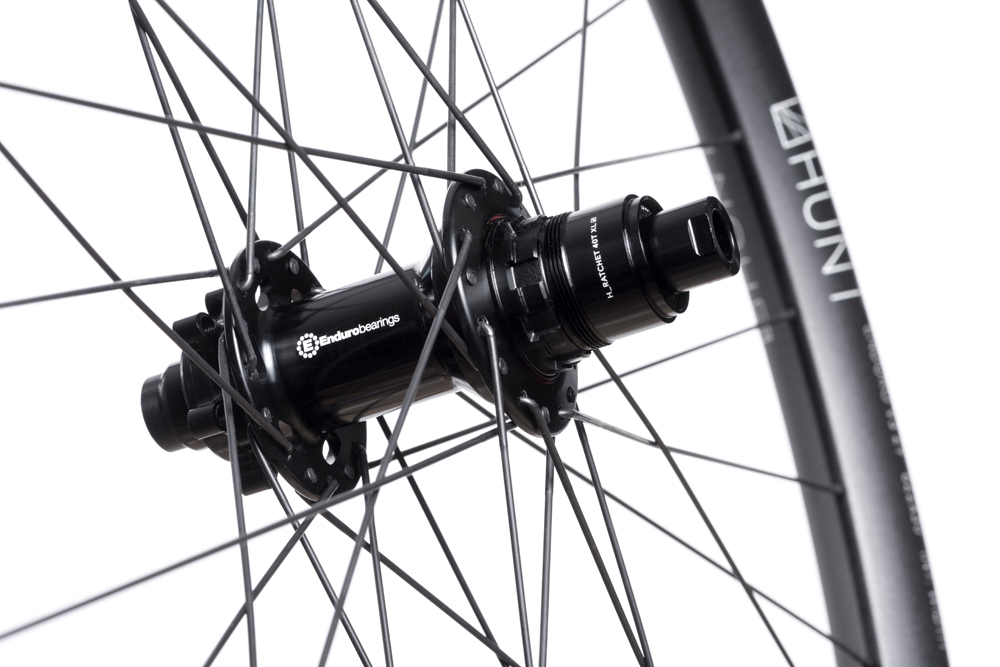
Front- and rear-specific rims have been developed to perform specific duties, while they’re hand-built around a new hub that’s said to have a quick, but not too quick, pick-up and fast-rolling bearings.
The new Hunt Enduro V3 wheels will retail for £499 / $649 / €599.
Testing, testing
The new Hunt Enduro V3 wheels feature front- and rear-specific rims, along with a new hub design. Hunt
While Hunt isn’t alone in using plenty of high-tech tools (and some much lower-tech ones, too), more than two years of work has gone into developing the new wheelset.
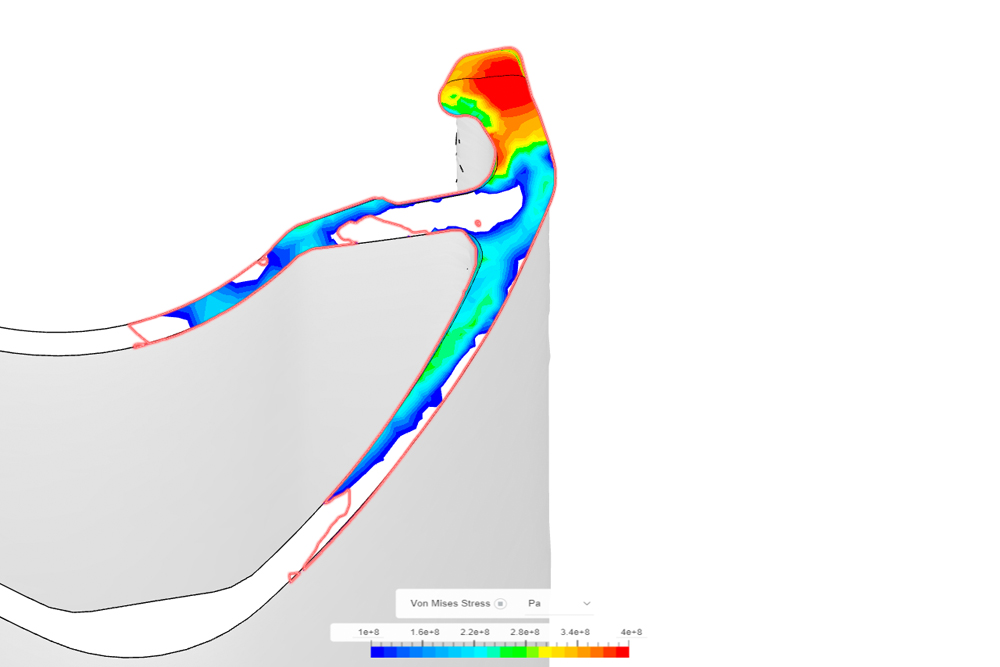
146 hours of FEA analysis were initially spent on the process. This Finite Element Analysis uses computer programming to analyse the theoretical impact of forces and vibrations on a structure, enabling Hunt to tweak designs via the computer model, without needing to spend time and money building multiple prototypes.
This enabled the brand to remove non-structural material from the rims’ walls, enabling it to balance strength and performance metrics.
Using FEA enabled Hunt to reduce rim material in specific areas, reducing weight while maintaining strength. Hunt
From there, physical prototypes could be tested on rolling roads and through impact testing to finalise the design.
Rolling roads give longer-term durability reports, while impact tests, carried out at a 15-degree angle to the rim, enabled the brand to analyse the strength of the rim walls, giving more MTB-realistic data.
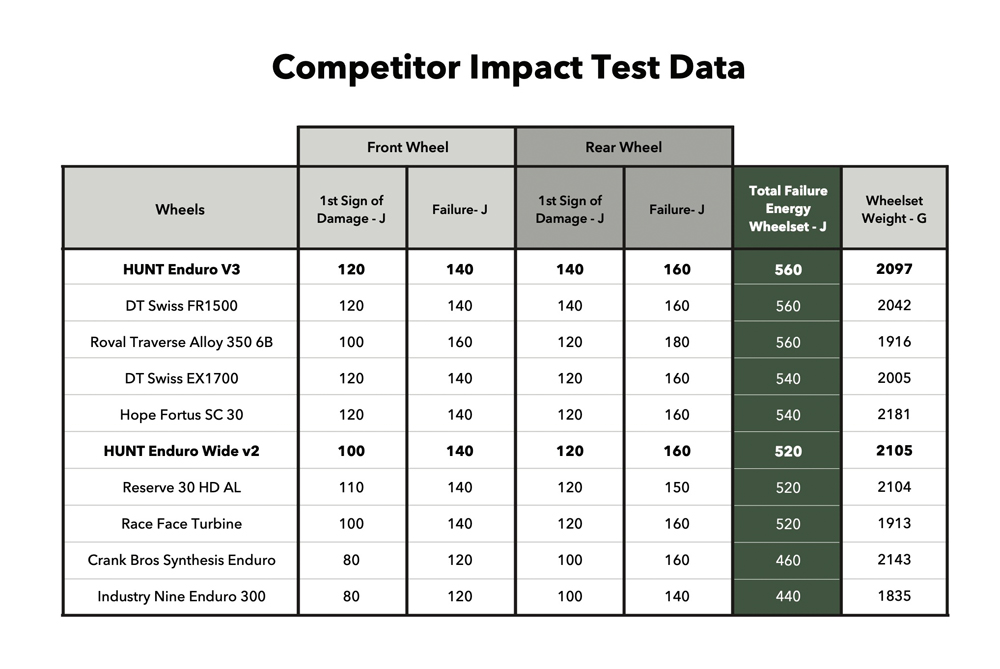
Hunt also performed competitor analysis, purchasing other mountain bike wheelsets to compare the wheels to.
Hunt purchased competitor wheels and analysed their performance. Hunt
Added to this lab testing was the use of a new alloy – G609 – in the rims. This material is said to have 30% more tensile strength than Al 6061 – a commonly used rim material.
When shot-peened, the finished rim should be even tougher, because this process reinforces the strength of the rim surfaces.
The result of this is Hunt claims the Enduro V3 wheels are more resistant to impacts, with the first sign of damage (non-catastrophic rim failure) showing from impacts 20 Joules higher than with the V2 wheels – a 20% improvement.
Hunt’s new Enduro V3 rims
A shot-peened finish is utilised to improve rim durability. Hunt
So what are Hunt’s new rims like?
The front rim has a shallower, wider profile than the rear, coming in at 31.5mm wide internally.
This gives tyres a broader form, improving compliance and comfort at the front of the bike.
At the back, there’s a narrower, more V-shaped rim profile, which makes it more resistant to impacts – an additional 20 Joules of force compared to the front for the same level of damage.
In addition to this, the builds differ at the front and rear.
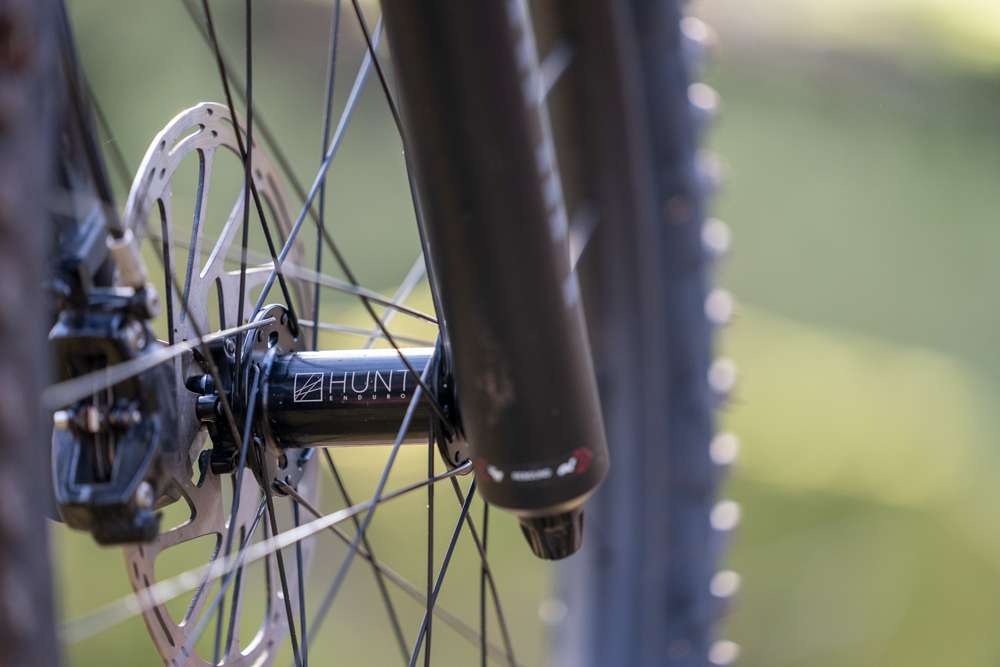
Hunt’s hubs sit in the middle of the wheels. Hunt
The front wheels are built with 28 spokes, for a lighter, more compliant build. Further back, 32 spokes are used to bolster strength and stiffness.
The rim profile includes Hunt’s ‘H-Lock’ bead seat to help make using tubeless tyres easy. Tyres lock into the rim with ease, according to Hunt.
H-Ratchet XL hubs
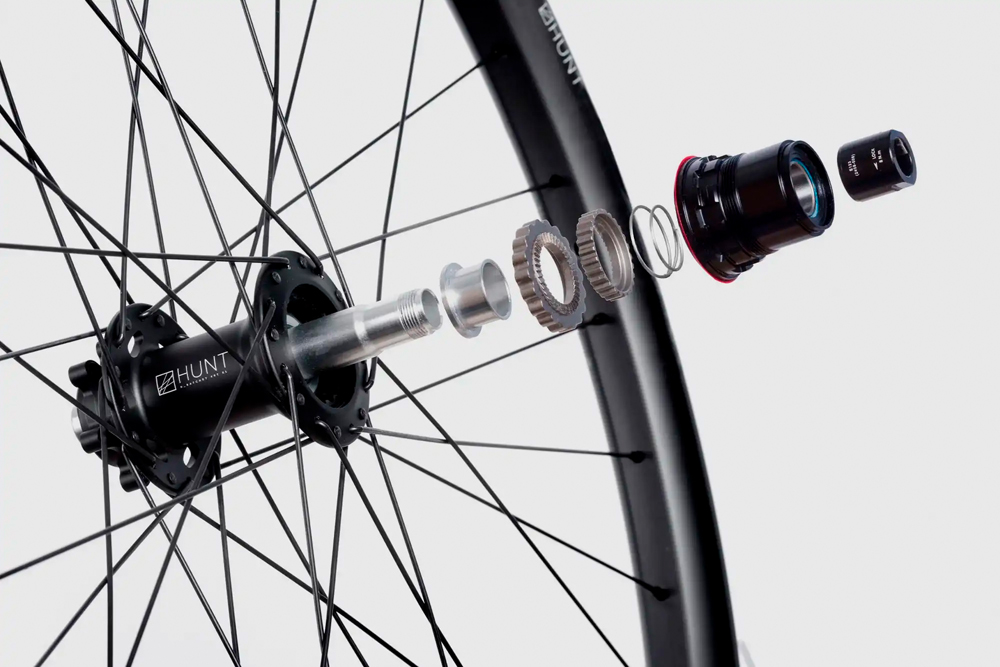
Hunt’s new freehub has a 9-degree engagement angle. Hunt
Joining the new rims is a refreshed set of hubs, which are central to the story.
Key to this is the new H-Ratchet XL 40T DBL freehub, which has a 9-degree pickup.
This places it between wider, generally 12-degree pickups found on more budget wheelsets, and the super-quick around 3-degree freehubs found on high-end wheels.
In our eyes, this 9-degree pick-up feels like the best of both worlds – it’s snappy, without exacerbating any issues from chain growth and the resultant pedal kickback.
The freehub has a 40-tooth double-ratchet ring system.
The hub shells are constructed from CNC’d 6066-T6 aluminium, with a six-bolt rotor mount and a broad 17mm-wide 7075-T6 axle for a stiff core to the hub.
They spin on Enduro ABEC 5 bearings, with labyrinth seals to keep the muck out.
Brass nipples, stainless steel nipple washers and triple-butted, black-anodised alloy Sandvik spokes complete the build.
Hunt Enduro V3 wheelset options
The new wheelset is Boost width spacing only (110x15mm front, 148x12mm rear), but both HG and XD freehub drivers are offered.
Being a 2025 wheelset, a mullet, or MX, option (29in front, 27.5in rear) is of course offered from the factory, as well as both 29in and 27.5in options.
Claimed weights for the wheelsets, which come taped and with tubeless valves included, are:
If you ever want to feel completely out of your element, become a chubby mediocre cyclist and then head to Mallorca to participate in a high-end cycling event. That is a picture of the battle in my head these last few weeks as I gear up for Zwift Community Live 2025 in Mallorca.
Back in November I first heard of the event and as the wife of Mr ZwiftInsider (who was jumping at the chance to go) I was very happy to jump back on my bike and start training. I’ve been off my bike for maybe a year. The reason? Your guess is as good as mine.
I decided to start training with 3 rides a week, only 20 minutes per ride. I knew if I started with too high a goal each week I’d be quick to quit. The plan was to increase that time by 10% each week until I was riding around an hour each ride. Then I’d add either time or another day.
About 2 months before the event I was putting in good time and distance (I felt like a beginner again, but not for too long). I saw on the ZC app the minimum ability was listed as being able to do 75 km at 25 km per hour. Not a problem, if I was doing that once. But there would be 3 days of riding. Could I do that 3 days in a row? We shall see.
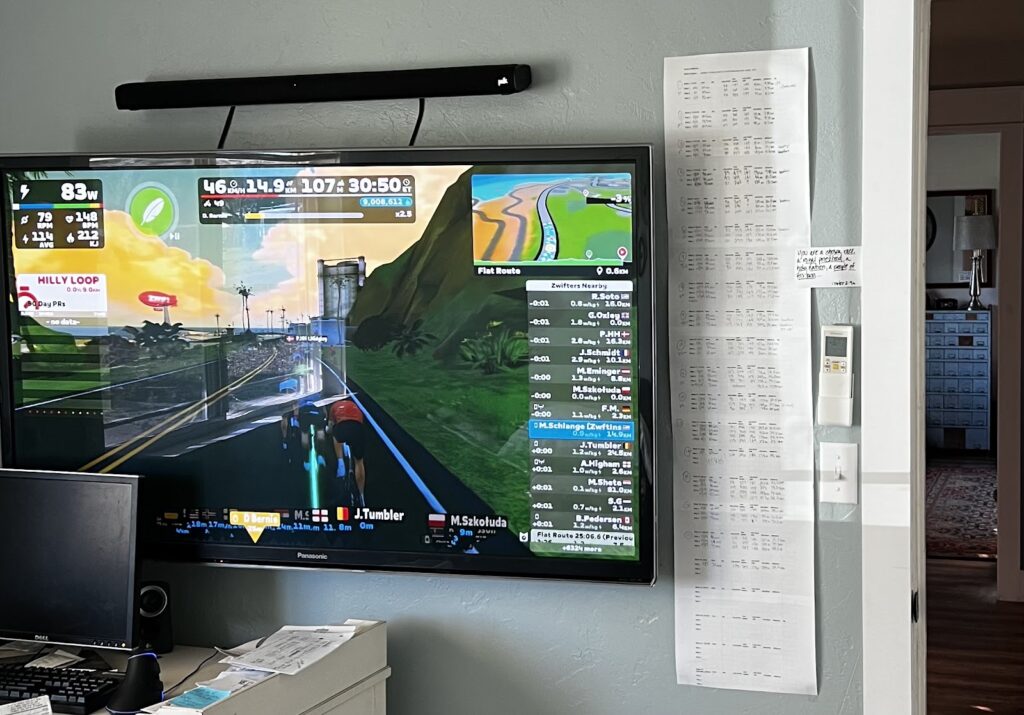
I taped a ride log next to the screen so I could track my progress on the road to Mallorca.
Two weeks before the event I was riding in my office as Eric walked by the door. He must have seen a look on my face as he came in to see what was going on. I started crying (not recommended while riding, by the way). I had seen the Strava events posted for these outdoor rides. The first small ride was 60km with 480m of climb. “I’m going to disappoint you. I’m going to make someone stay back with me as I’ll be so slow. They’ll be bored and disappointed. What am I doing? Mallorca is where cyclists dream to go. I’ve never dreamt it. I feel like an imposter.” I stopped riding. Eric, being the amazing man he is, told me he had no expectations of me. He didn’t care if I decided not to ride even. He just wants me at the event with him. No pressure, no expectation. The heavy burden fell off my shoulders.
Nine days before the event Eric and I rode outdoors. After an hour we realized I’d planned we’d ride 50km, he planned we’d ride 50 miles. Oops. We ended up riding 44 miles, I barely limped back hitting a small wall around mile 40. My bike handling was crap, we rode in the rain, but I was happy to have finally been outside. I had two more days of riding before we hit the road so I spent that time just doing laps in front of our house clipping in, unclipping, turning around in a bit of gravel, looking over my shoulder without swerving, etc.
We finally started leg one of the journey, beginning with 3 days in South Carolina seeing Eric’s family. Leg two was 3 glorious days in the Girona, Spain area seeing our dear friend Simon Schofield and his amazing wife Jenny.
We finally made it to leg 3 of the trip and arrived in Mallorca last night for Zwift Community Live 2025. As an “average” cyclist I know I’m atypical in that I’m married to Mr ZwiftInsider and have a bit of privilege (like showing up early to the event). But my legs and my knowhow of cycling (especially outdoors) puts me firmly in the “average” category. And so here I sit in the lobby of the beautiful Iberostar Playa de Muro Village hotel watching Zwifters check in, wondering who else is battling their thoughts of where they’ll stack up during the three IRL rides. I’m sure it’s more people than I guessed. But I do know that we’re all here to have fun, this isn’t a race! And for once, it really isn’t a race.
Zwift version 1.87 begins its phased rollout today. This release includes a new “Streak Flair” feature to reward consistent work, upgrades to the Ven-Top climb, and more…
Note: I’m at Simon Schofield’s home in Spain as a stopover on my way to Mallorca for Zwift Community Live, so this post may be a bit light on details. If you see additional changes beyond what I’ve noted below, please comment!
Streak Flair with Scotty
Ride Streaks were added to the game in December 2023 as a way to motivate Zwifters to train regularly on the platform. Today’s update adds what Zwift is calling “Streak Flair”: a visual upgrade to our avatars that changes based on the length of your ride streak.
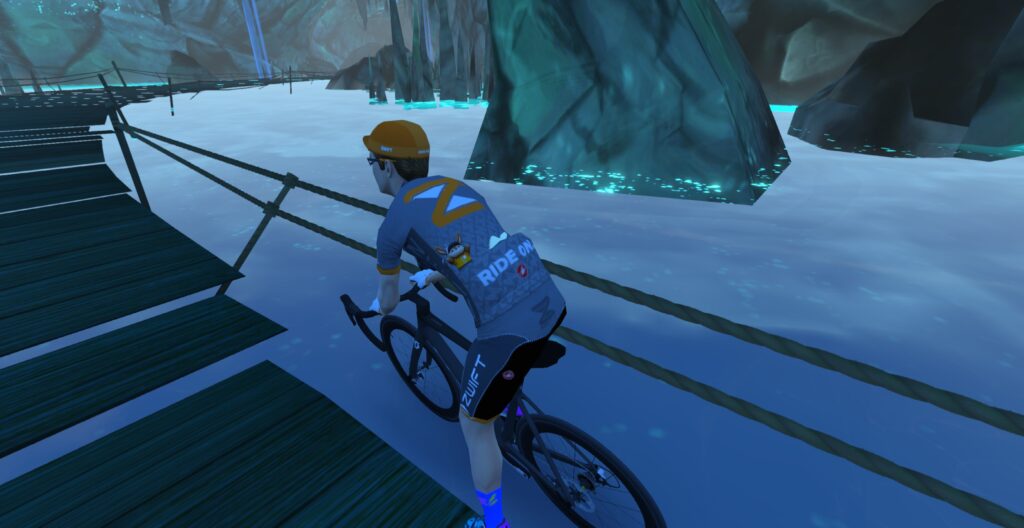
What is the visual upgrade, exactly? Well, it turns out that yesterday’s April Fools Scotty was actually a sneak peek at a new game feature. Our jersey pocket can now be filled with a bit of Scotty flare:
Level 1 (4 weeks): the first bit of flair is a pocket Scotty medal when your streak hits 4 weeks. (You’ll keep this flair until you reach 12 weeks.)
Level 2 (12 weeks): the medal is upgraded to a keychain Scotty peeking out of your pocket.
Level 3 (24 weeks): animated Scotty! Now your pocket companion moves with a fun animation. This Scotty will stay with you as long as you hold onto your streak from here on out.
Important note: at launch, everyone’s Streak Flair will default to being turned OFF. You’ll need to select FUN from the Settings screen to show your flair.
Zwift’s release notes say, “… the Ven-Top route now includes a HUD display mirroring the Grade’s climb experience with 10 equidistant sections highlighted on screen. Additionally, when you summit this epic climb, you’ll now receive the Alpe du Zwift spinner!”
This is a welcome upgrade. Ventoux is the longest climb in game (apart from a handful of climb portals), yet it has always lacked the segments and spinner that help make Alpe du Zwift a more attractive climb. I predict we’ll see increased traffic on Zwift’s Ventoux KOM in the coming days.
Release Notes
Zwift provided notes on additional tweaks and bug fixes in this update:
Standardized the look and feel of scrollbars throughout the game.
Fixed an issue that could cause an incorrect value to be shown in the Weekly Goal Met in-game banner.
Tired of proprietary chargers? If, like me, you yearn for a simpler life without hunting for specific chargers for specific devices, through a tangled mess of cables, sit up and take note. Ampler has introduced the world’s first commercially available electric bike charged via USB-C.
The Estonian brand, known for its city-chic electric bikes, has introduced the Nova, with the integrated battery charged via a USB-C port.
Until now, electric bikes have been given their power by proprietary chargers specific to the motor and battery system.
The Nova, Ampler says, can be charged with a regular USB-C laptop charger – and the same USB-C port can also be used to charge your smartphone (or any other USB-C device) by using the bike as a power bank, if you’re short of juice in a pinch.
Ampler’s chief technology officer, Kristjan Maruste, says the brand first started thinking about USB-C ebike charging in 2020, but it’s taken a few years for charging technology to catch up.
Ampler’s new Nova electric bike can be charged by USB-C. Ampler
Ampler’s direct-to-consumer bikes are made in Europe. With USB-C standardised as the mandatory charging port by the European Parliament in October 2022, in a bid to reduce waste and improve consumer convenience, it’s little surprise to see a smart-thinking ebike brand – Ampler in this case – move to USB-C.
The EU’s regulations required a range of new devices – including smartphones, headphones and cameras – to use USB-C by the end of 2024, with laptops required to follow by 2026. Electric bikes are not specifically covered by the regulations.
The frame is available with a sloping top tube (pictured) or step-through geometry. Ampler
The Nova uses a 48V 336Wh battery – relatively small by ebike standards. It requires a charger operating at 140 watts to charge the battery from empty to full in three hours and offers 50-100km of range, Ampler claims. Ampler sells its own charger separately, if you need one. The battery isn’t removable, apart from for servicing.
Two models are available: the Nova and the Nova Pro.
The €2,990 / £2,990 Ampler Nova has a nine-speed Microshift drivetrain, while the €3,490 / £3,490 Ampler Nova Pro comes with either a 10-speed Shimano Deore or a singlespeed Gates Carbon CDX belt-driven drivetrain.
Both bikes have a kickstand and the Nova Pro also gains a rear rack (optional on the Nova).
Ampler is now taking pre-orders for riders in the UK, EU and Switzerland, with shipping from June.
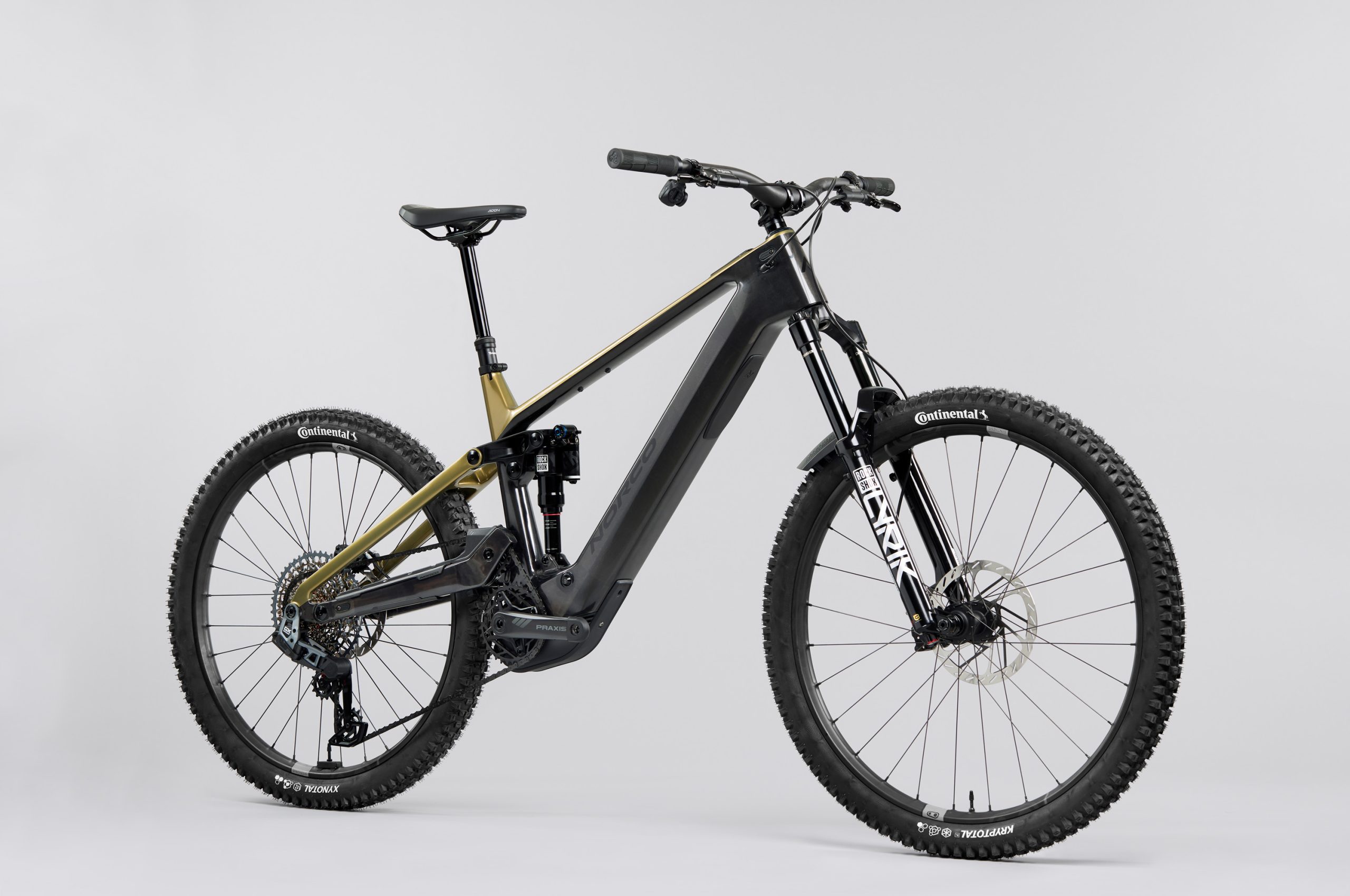
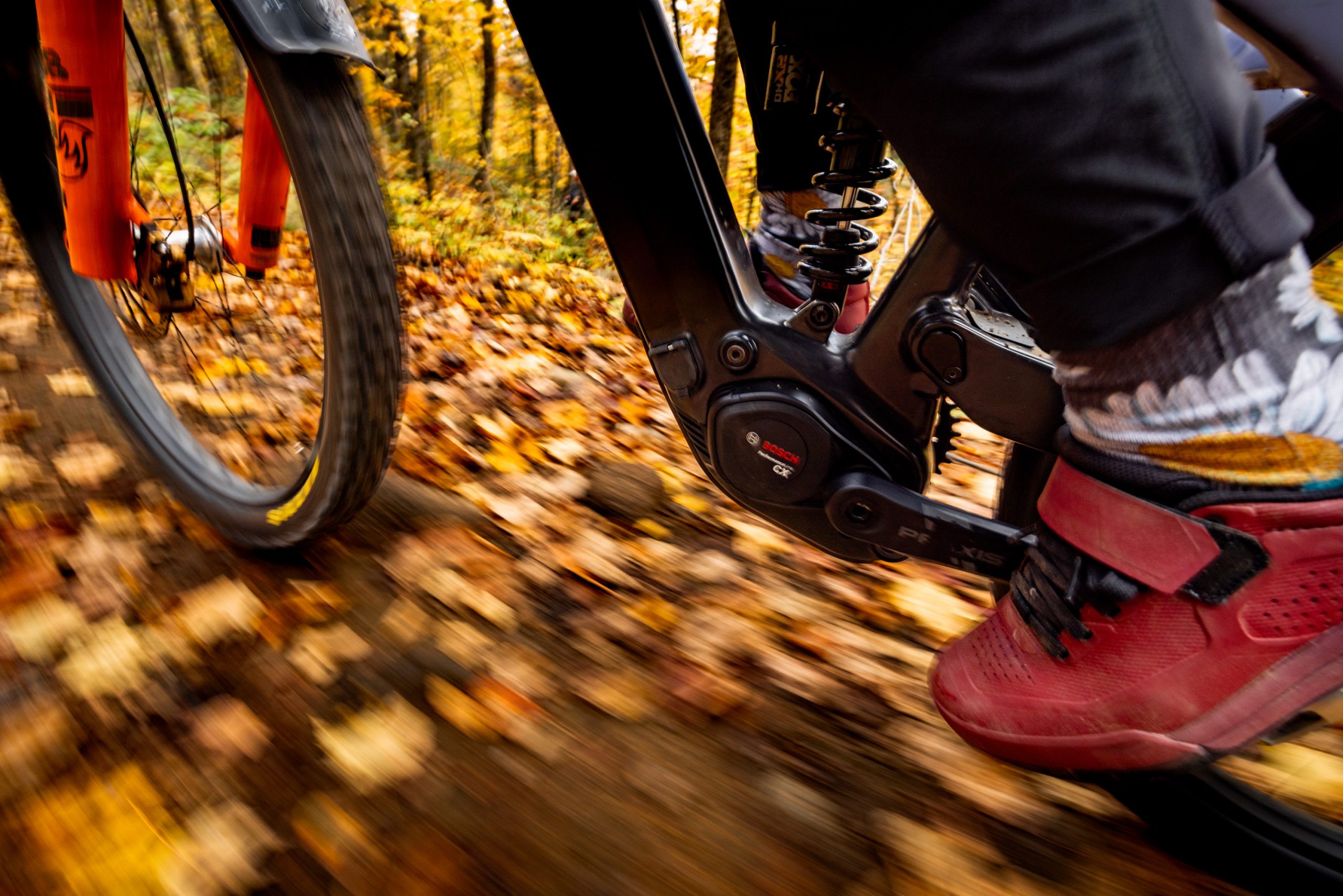
The new Bosch CX Performance motor system is lighter and more powerful. Norco
Norco’s headline claim for the new Sight VLT is its twenty percent weight saving, despite boasting more battery capacity and equal power to the previous model.
However, the latest motor’s torque, power and assistance levels remain unchanged, sitting at 85Nm, 600w and 340 per cent respectively.
Bosch’s latest drive unit is also claimed to be less rattly than before – a common issue with most eMTB motors.
Its redesigned gearbox “decouples” the bike’s drivetrain from the motor, meaning that pedal kickback, chain growth, and micro-inputs caused by the bike’s suspension compression, or the rider rotating the cranks, shouldn’t cause the motor’s freewheel to constantly engage and disengage, reducing on-trail rattle.
The Sight VLT pairs the new Bosch motor with a PT800Wh battery that has more capacity (800 Wh compared to 750 Wh) than previously without growing in size.
In fact, the PT800 boasts an energy density of 205Wh per kilogram – up on the 174Wh per kilogram of the 750Wh model – meaning it’s lighter, too.
Made to last
The bike comes with a lifetime warranty. Norco
Norco is also keen to stress the Sight VLT’s focus on longevity. The Bosch motor and battery housing is made of powder-coated magnesium battery, which Norco tout to be corrosion- resistant, strong, and built to withstand harsh conditions.
Backing up its claims is the brand’s limited lifetime warranty, which promises to have your back should anything go wrong.
Smart setup
Even the best bike won’t reach its full potential if it’s not set up correctly for its rider. However, with the depth of adjustment offered on today’s mountain bike suspension, setup can be a daunting topic for many riders.
Norco wants to make it easy to find a great baseline setting with its Ride Alligned setup assistant.
The online tool uses metrics like rider height, weight, positioning on the bike and other modifiers such as preferred suspension feel, trail grip and trail type to generate setup suggestions for suspension and cockpit setup, as well as tyre pressures for all stock Norco models.
This takes the guesswork out of setting up your new bike and gives you a confident starting point to take to the trails. The tool also offers a function to save multiple setups for varying trail types, conditions and ride-feel.
Co-hosts Rebecca Charlton and Dave Towle are back to explore the result of this year’s Zwift Academy finals.
Friend of Zwift, ex-pro, and the ever-entertaining Matt Stephens drops in for a chat about his role in the process and his impressions of the finals for 2025.
Emily Dixon discusses the moment she won as a 17-year-old and her gratitude for what’s coming next.
Noah Ramsay discusses his fascinating background, giving us the scoop on his journey into the peloton.
And finally, Dave is off to Zwift Community Live to rub shoulders with Sir Chris Hoy, Kristin Armstrong, and many members of the Zwift community to bring us all the best chats in two weeks’ time.
01:22 Matt Stephens delves deep into the Zwift Academy finals
18:33 Dave chats to Zwift Academy female winner Emily Dixon
33:37 Dave chats to Zwift Academy male winner Noah Ramsey
46:07 Rebecca and Dave look forward to Zwift Community Live
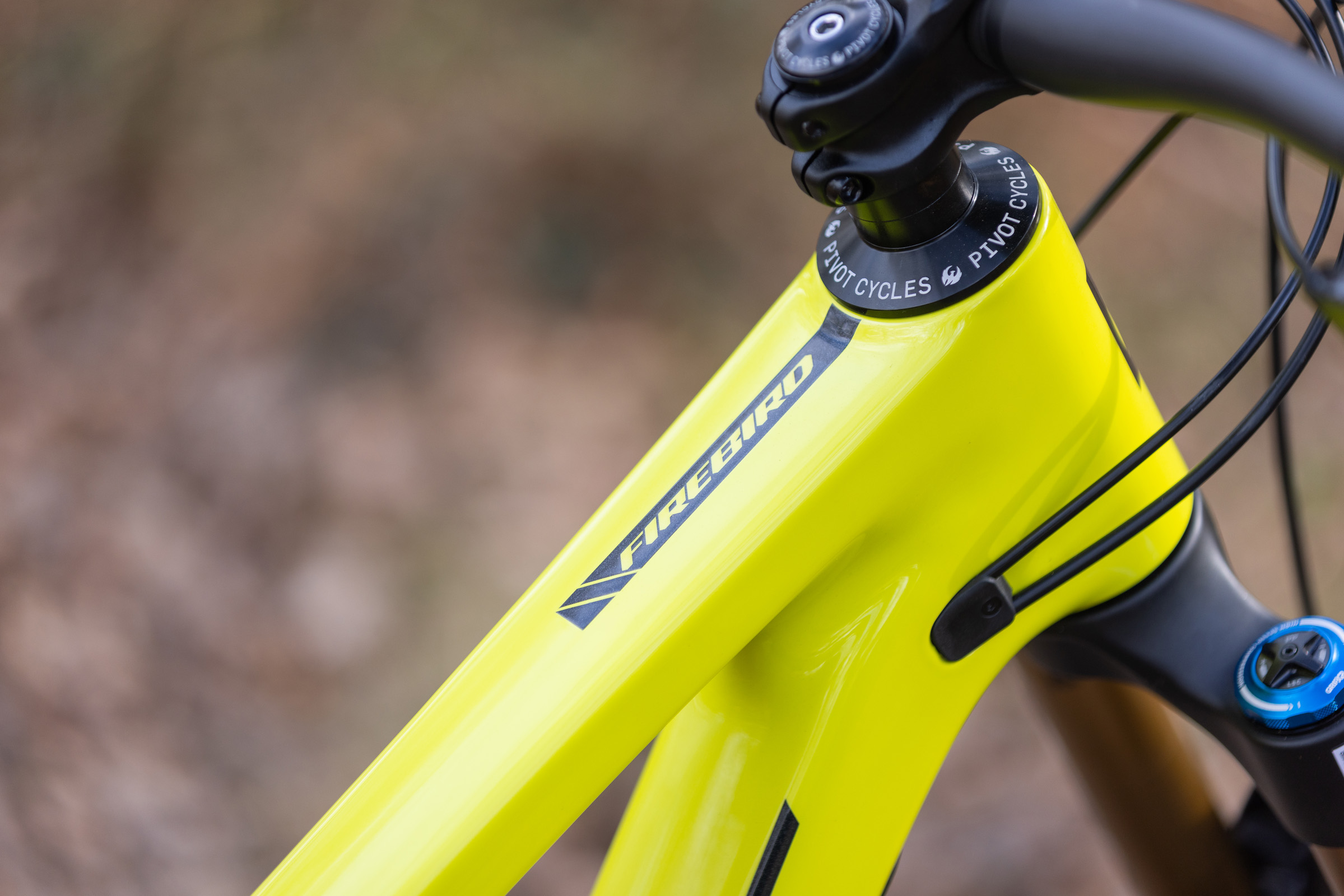
Pivot’s all-new Firebird enduro bike has had an overhaul, with a new frame, tweaked geometry and suspension, and loads of adjustability. Alex Evans has ridden the bike ahead of its release and you’ll find his initial impressions below.
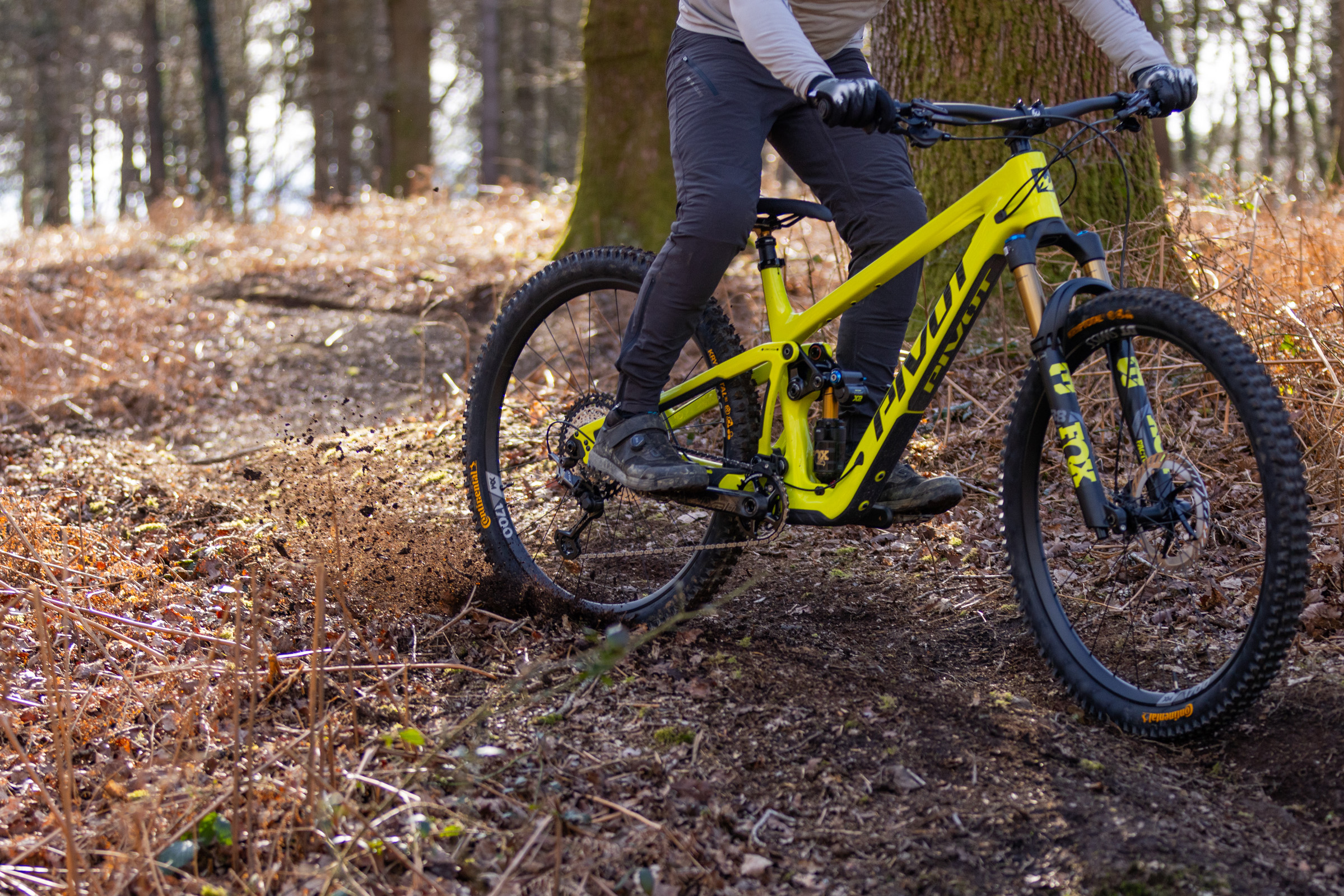
The new Firebird feels impressively accurate on wild, rough terrain exuding a visceral, fun-to-ride vibe.
Tipping the scales at 15.58kg (large, without pedals), this 165mm-rear, 170mm-front travel rig is as light as some trail bikes, but has the appetite for bumps and high speeds of the best enduro bikes.
Its full carbon fibre frame now sports down tube storage, tweaked geometry – read longer, lower, slacker – that’s got three points of adjustment, and re-worked DW-Link suspension kinematics.
Each frame size has been tuned for its intended rider’s weight, so a shorter or smaller person riding the extra-small bike will get the same feel as a bigger person on the extra-large, according to Pivot.
Thanks to the multiple flip chips, it’s compatible with both 29in wheels and mixed-wheel setups (29in front, 27.5in rear). It can also run SRAM’s Transmission with its UDH-compatible driveside dropout.
In true Pivot style, prices start at £7,000 / $6,499 / €6,999 for the Firebird Ride SLX / XT and rise to a whopping £12,300 / $14,199 / €13,699 for the range-topping Firebird Team XX Eagle Transmission Neo. Wow.
Pivot Firebird Pro XT/XTR initial ride impressions – Alex Evans
The Firebird offers similar climbing performance to a trail bike, but with enduro-bike capability. Scott Windsor / Our Media
Uphill, the Firebird has got a classic enduro bike winch-and-plummet riding position.
Your weight is focused through your sit bones and the bar stands tall. This helps reduce hand and shoulder fatigue, creating a relaxed cruise to the trailhead.
It’s comfortable and chilled-out rather than fast and aggressive, which is perfect for efficient fireroad or doubletrack winches on your favourite enduro laps.
The floating pivot point DW-Link suspension is characteristically taut on the gas, barely bobbing as you spin the cranks. Few of your legs’ watts are lost to unwanted movement.
However, responding dutifully and smoothly, the rear suspension moves freely to absorb the ground’s imperfections, even on rubbly fire roads.
At 15.58kg, it’s impressively light, offering up climbing performance that’s closer to a trail bike than the 165mm enduro monster it is.
Descending
The Firebird is an involved and forgiving ride. Scott Windsor / Our Media
Switch to descending – the bike’s bread and butter – and it’s impressively accurate over the roughest, fastest terrain.
Changing direction, cutting lines or hammering over the chop feels visceral, engaging and hyper-connected; you sense every compression and bump on the trail.
There’s a constant to-and-fro between rider and bike – inputs and outputs are matched in intensity and frequency.
But the more energy you put in, the more you get out; pump and push into the terrain and the bike accelerates with an addictive predictability.
Hammer the lip of a take-off and be prepared to boost skywards.
The bike responds fast to inputs. Scott Windsor / Our Media
The frame’s taut carbon construction and super-progressive suspension combine to create a fun, high-paced ride.
It’s not a plough bike by any means, and will suit proactive rather than passive riders most.
But far from being harsh, the rear end feels free and willing to absorb bumps, as long as you’re in control. Slip into a lazy style and it can be unforgiving.
Dip your shoulder commandingly into a turn and the bike follows dutifully.
Linking up successive radii feels inspiring, and if you can muster the courage to pump the apex, you’ll generate free speed as you carve your way down the hill.
First impressions reveal the Pivot is best suited to riders who attack the trail, rather than ones who want to cruise down it. In this respect, it’s a true racer’s enduro bike.
Pivot Firebird details and specifications
Proprietary Ride Tuning
Many other manufacturers only scale up or down for frame sizes. Scott Windsor / Our Media
The new full-carbon frame features Proprietary Ride Tuning, which is Pivot’s way of saying that each frame size has been developed to deliver the same ride characteristics.
Pivot says it has conducted independent strength and weight analysis for each frame to achieve consistent performance metrics.
Custom-tuned carbon fibre is used in the make-up to scale stiffness through the size range.
The brand says the bike fits riders from 4ft 11in to 6ft 5in+ across the XS to XL size range.
All the adjustability
Shorter chainstay lengths make for a more playful ride. Scott Windsor / Our Media
The bike features an array of adjustability, with Pivot’s Swinger Dropout System featuring on the rear end.
The system enables you to adjust the rear center by 8mm, while keeping the bike compatible with SRAM’s Transmission derailleurs in either setting.
Unlike other solutions, this is done by replacing the driveside dropout, as well as moving a flip chip on the non-driveside.
An Allen key is needed to change the geometry flip chip. Scott Windsor / Our Media
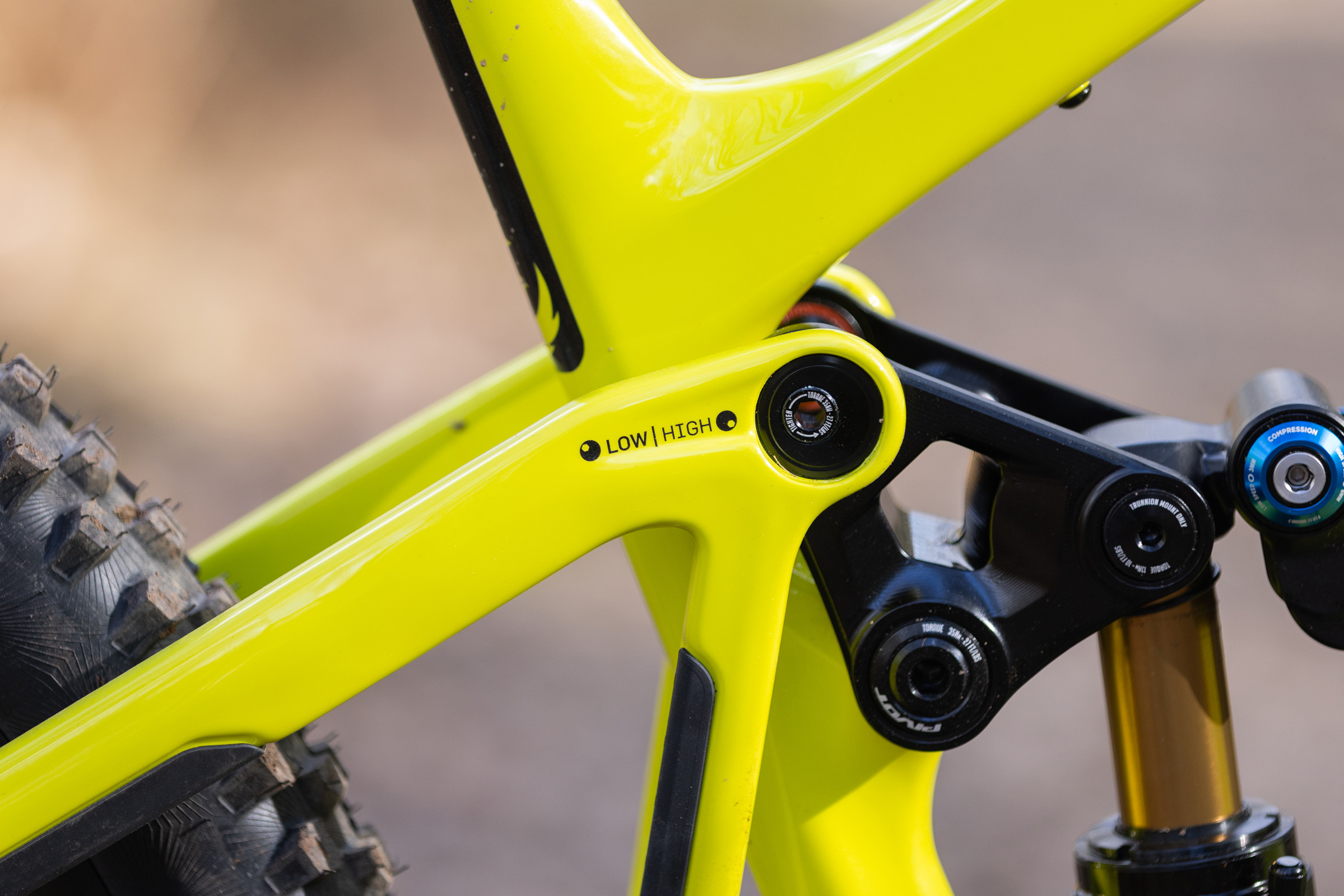
Pivot has given the bike another flip chip in the linkage that allows for ‘high’ and ‘low’ geometry settings for more or less aggressive riding.
The Firebird has flip chips galore. Scott Windsor / Our Media
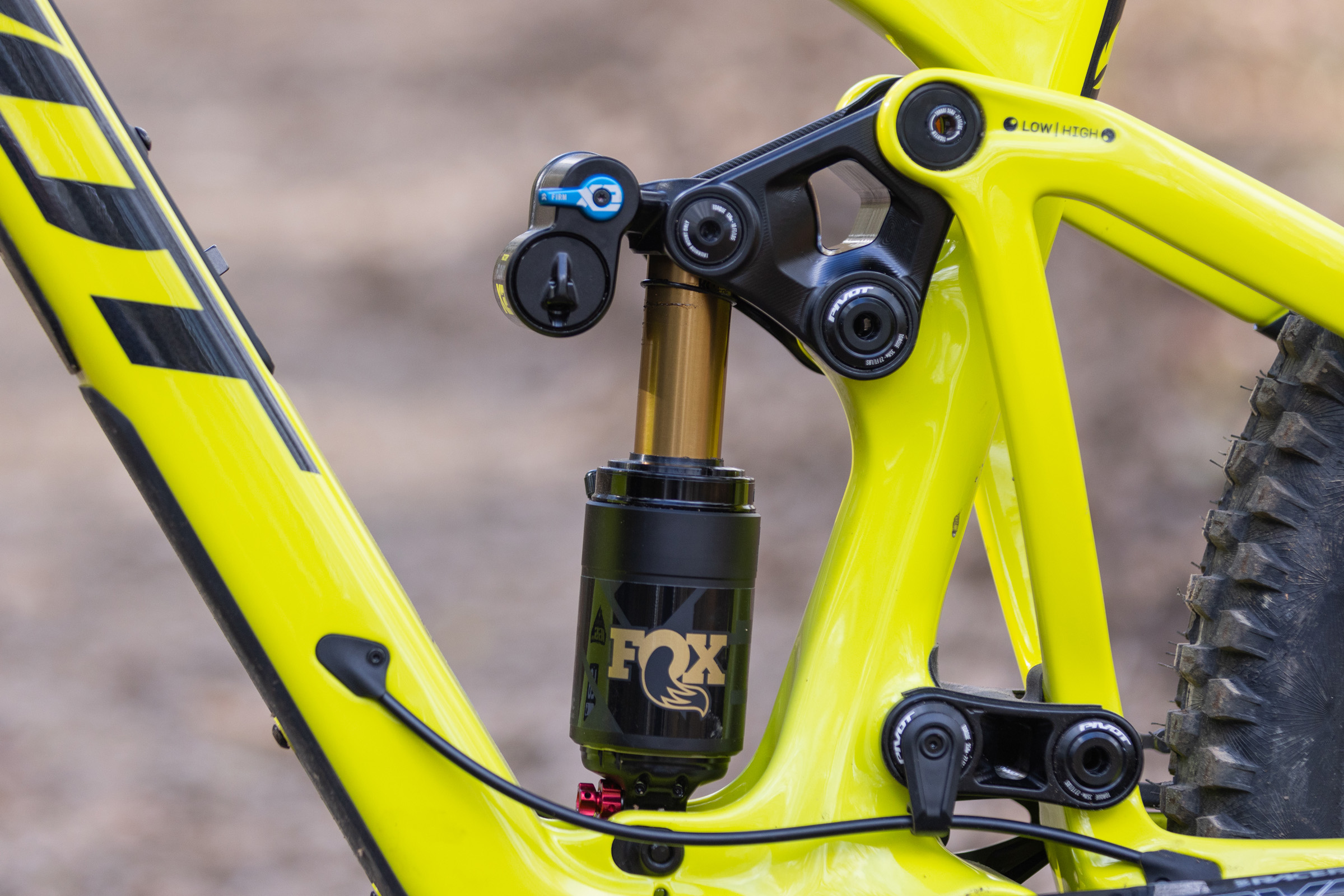
But wait, there’s another flip chip to change the suspension progression, that’s compatible with both air and coil shocks.
Toolshed
The Toolshed could double as a butty box. Scott Windsor / Our Media
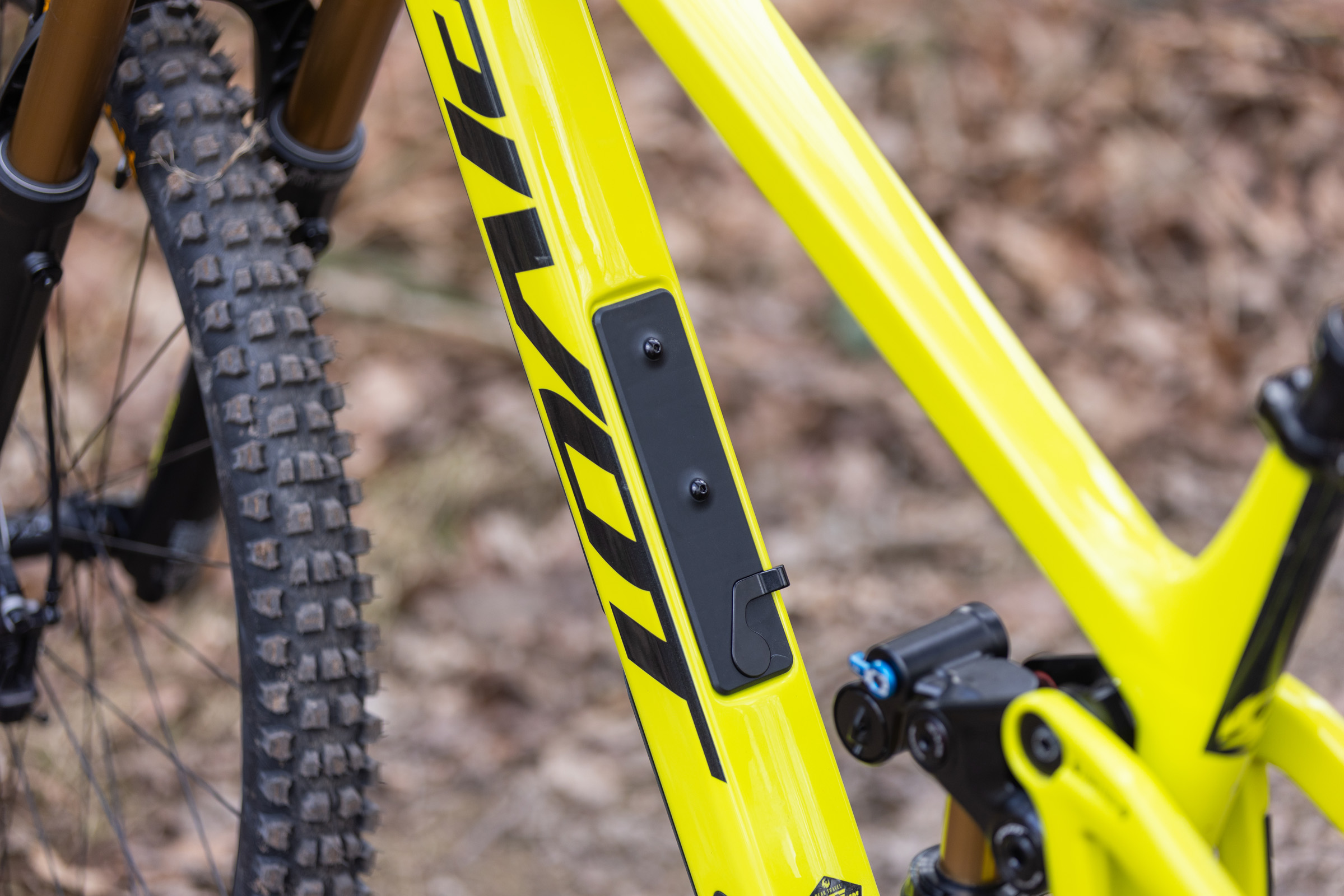
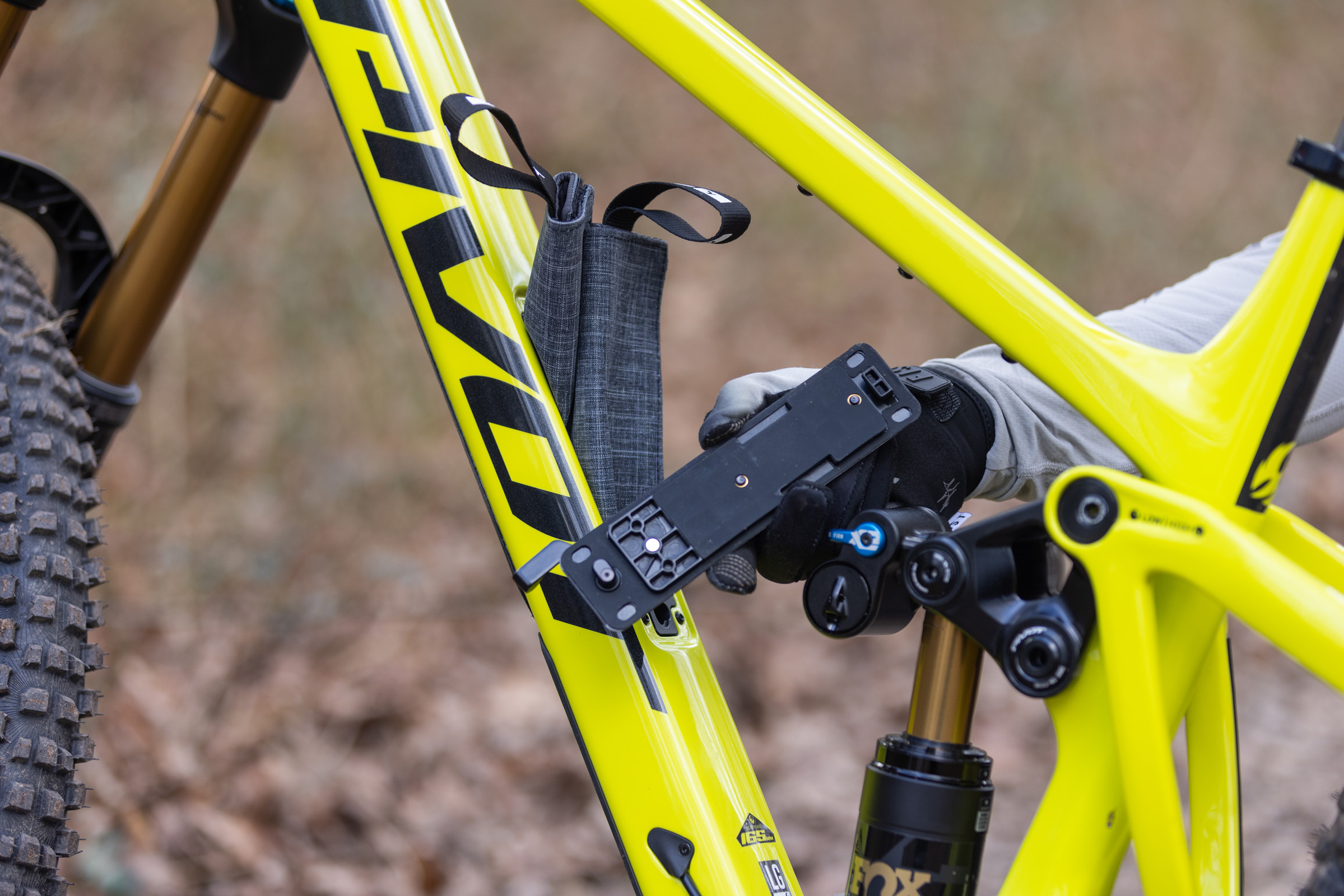
The new frame now features Pivot’s Toolshed down tube storage system, enabling you to take spares, tools or food with you.
The door connects via magnets and a securing mechanism. Scott Windsor / Our Media
Pivot includes two bags with the Firebird that enable you to keep belongings together when stored in the Toolbox, keeping rattling to a minimum.
Alongside the Toolshed, Pivot has partnered with Topeak for its integrated Dock Tool System, which keeps a multitool handy in either the top tube or BB area of the bike.
More protection
The down tube protector should keep your down tube in top condition. Scott Windsor / Our Media
The Firebird has been given full down tube protection to fend off loose rocks, as well as a tailgate pad should you be throwing your bike in the back of a pick-up.
The new cable ports simplify the front end. Scott Windsor / Our Media
There are also new cable ports, which allow for two cables (or hoses) to be run on either side of the head tube. These are said to make cable routing a lot easier.
Hometown: Born and raised in Philadelphia, PA, USA, currently living in Gainesville, FL, USA
How did you get into cycling? I guess you could say I’m a bit of a late bloomer. I started competing in triathlon at age 43 in 2012 as a way to cross-train to manage running injuries. That was the first time I raced on a road bike and then eventually a TT bike. Prior to that, I had done some recreational mountain biking but it had been about 15 years since I had ridden.
How many years have you been racing on Zwift? My first official Zwift race was in November 2023! I had no idea what I was doing at the time. When I started, I was at Level 10, Cat E with zero races and didn’t have many options in my garage. So I did a few races to get assigned to a category and build a ZwiftPower profile. It took me about a year to get a Tron bike, and I was so excited that day. That felt like a HUGE milestone accomplishment. I’ve since done 96 “races” (some of which are just group recon rides or organized training events and practice TTTs), am now Level 57 and have managed to move from Cat C to Cat A, although I bounce back and forth between A and B and really consider myself to be a Cat B rider.
Are you part of a Virtual team? I joined the Level Racing Team thanks to Elyse Gallegos who introduced me to the team. She was incredibly helpful in getting me onboarded and racing on Zwift. She connected me to our team Captain Mim Taylor and Richy Howell who runs our sprint training sessions and is DS for many of our races among many other team responsibilities. Pam Schamber coordinates our weekly TTT sessions. Lisa Hopkins has been instrumental in helping to create more women’s race opportunities and encouraging us all to race in women’s events. I also race on a ladder racing team captained by Scott Farrow. I absolutely love the Level team. Everyone is so encouraging and welcoming and hilarious. I love being part of a team that has so many strong riders yet they are humble and don’t take themselves too seriously.
What do you love most about racing? Definitely the team camaraderie. It’s so strange to feel connected to people who I have only interacted with in a virtual format yet I feel as if I know them IRL. I’ve been so happy to get other women and friends who I’ve trained and raced with IRL to join Level as well as connect with women from other teams. It’s been fun to send and receive messages of “well done” after a race with people from other teams.
What is your favourite style of race (e.g. points, scratch, iTT, TTT, Chase, duathlon)? My favorite is definitely TTT because that is the format that makes racing feel the most like a team effort. Surely we also race as a team in other formats but there is something about a TTT that makes me find that extra gear to push myself for the team. My second favorite is a scratch race mainly because I don’t have the sprinting or climbing legs to ever be FAL or FTS to earn any intermediate points for the team. I also really enjoy ladder racing on a mixed team with the men.
What is your favourite Zwift women’s race series? So far, I have mostly raced in the women’s league in ZRL, but I did do the Warrior Games Tour de Boudicca at the beginning of this year which was loads of fun, and I have also done one Mini Race Series, and a couple of FRR events.
What is your most memorable racing experience, inside or outside or BOTH? My very favorite Zwift racing experience so far has been the Women’s EMEA-E Central A1 Triple Flat Loops TTT race 4 during round 2 of ZRL. Our team of mixed Cat A and B riders surprised a lot of people to come away with 3rd place. As for outside, all of my racing IRL has been in triathlon. I have many favorite race experiences including Ironman Alaska, the 70.3 World Championships in St. George, UT, Escape from Alcatraz, and also competing in age group World Triathlon Championships in short course draft legal racing and mixed team relays over the years.
What is your favourite food to eat post race? Immediately post-race or workout typically I have a scoop of protein powder and creatine in almond milk in a shaker bottle. I eat a pretty healthy predominantly plant-based diet so maybe some veggies with tofu or tempeh, lentils and/or beans over rice or farro or quinoa. I also love sweet potatoes and avocados.
What advice would you give to a woman entering her first Zwift race? There is a very steep learning curve, so don’t worry about feeling like you don’t know anything in the beginning or don’t have the fastest bike or wheels. You will catch on very quickly! I actually got DQ’d in my very first race because I raced Cat C and I guess I was able to push myself just above the Cat C limit into B. Racing on Zwift has made me a stronger rider in terms of power, and you will get stronger also! Most importantly, you get the chance to race with and interact with a like-minded and fun group of people!
Any upcoming race you are looking forward to? So far on my 2025 calendar, I’m racing IRL at the iconic Wildflower Triathlon in May and World Triathlon Age Group Championships in Wollongong, Australia in October. Of course, I’m looking forward to racing on Zwift with the Level Team.
Where can people follow your racing adventures? I don’t have a social media account strictly dedicated to racing, but I am on Strava and Instagram @sbyun9.
We love a trade show here at BikeRadar, especially one blessed with sunshine, beautiful scenery, great food and – of course – plenty of new bikes and kit to test out.
With that in mind, we jumped at the chance to attend Bike Connection’s Spring 2025 road and gravel event, held just outside of Massa Marittima, Italy.
As my colleague, Alex Evans, eloquently described in his tech round-up from the mountain bike-focused winter event, Bike Connection is designed to gather some of the best bike, component and cycling kit brands together in one place, so journalists like myself can report back on all the juiciest news.
Beyond that, though, I saw blingy new carbon wheels from the likes of Campagnolo and Vision, Core’s updated thermal sensor, a new range of short saddles from Selle SMP and much more, so read on for all of that.
Vision Metron RS 45 wheels
Vision’s Metron RS wheels are its new flagship road offering. Simon von Bromley / Our Media
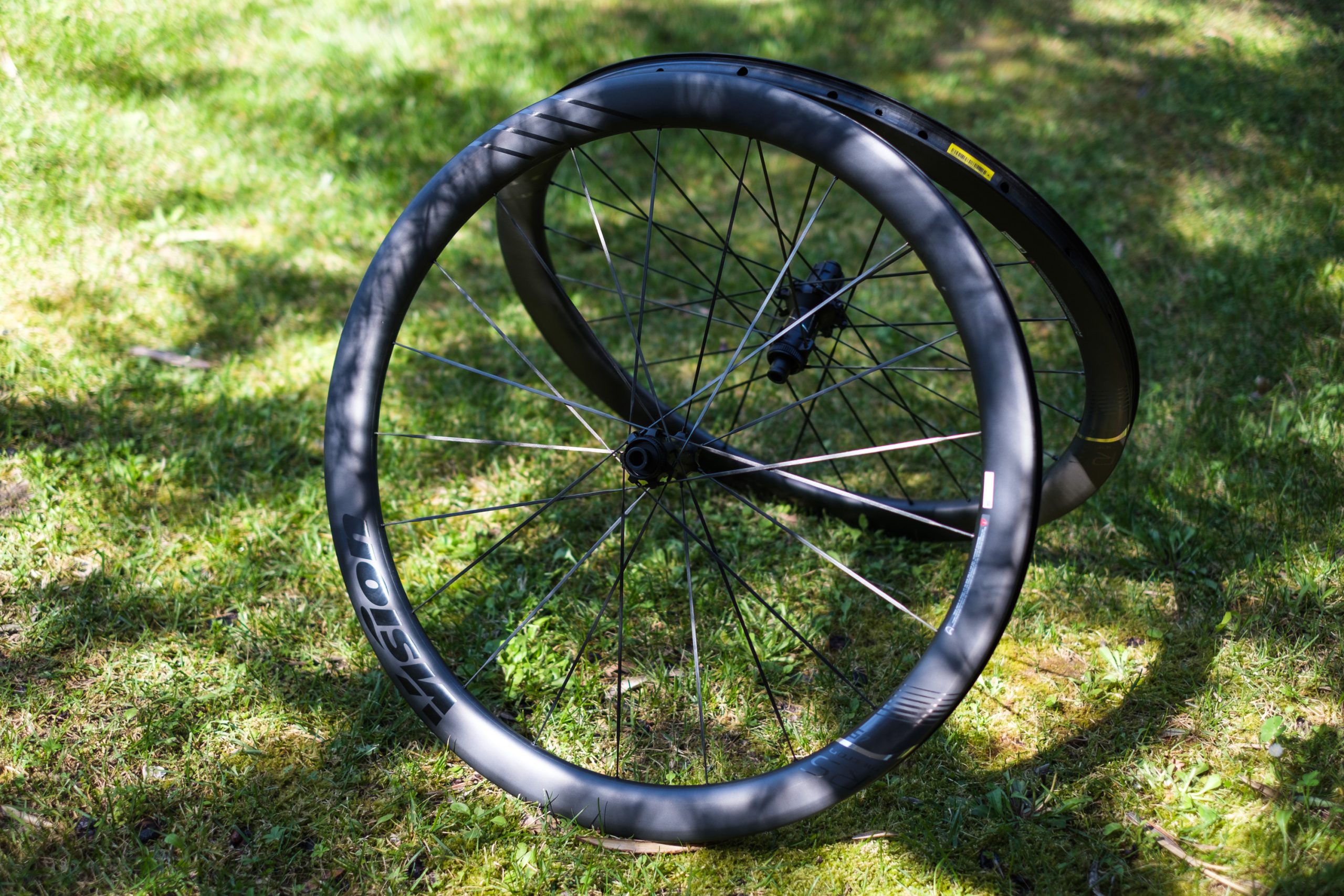
Launched last week, Vision’s new Metron RS wheelset is its new flagship option for road bikes.
The Matron RS range consists of two wheelsets, the Metron RS 45 and 60 – which have 45mm-deep and 60mm-deep rims, respectively.
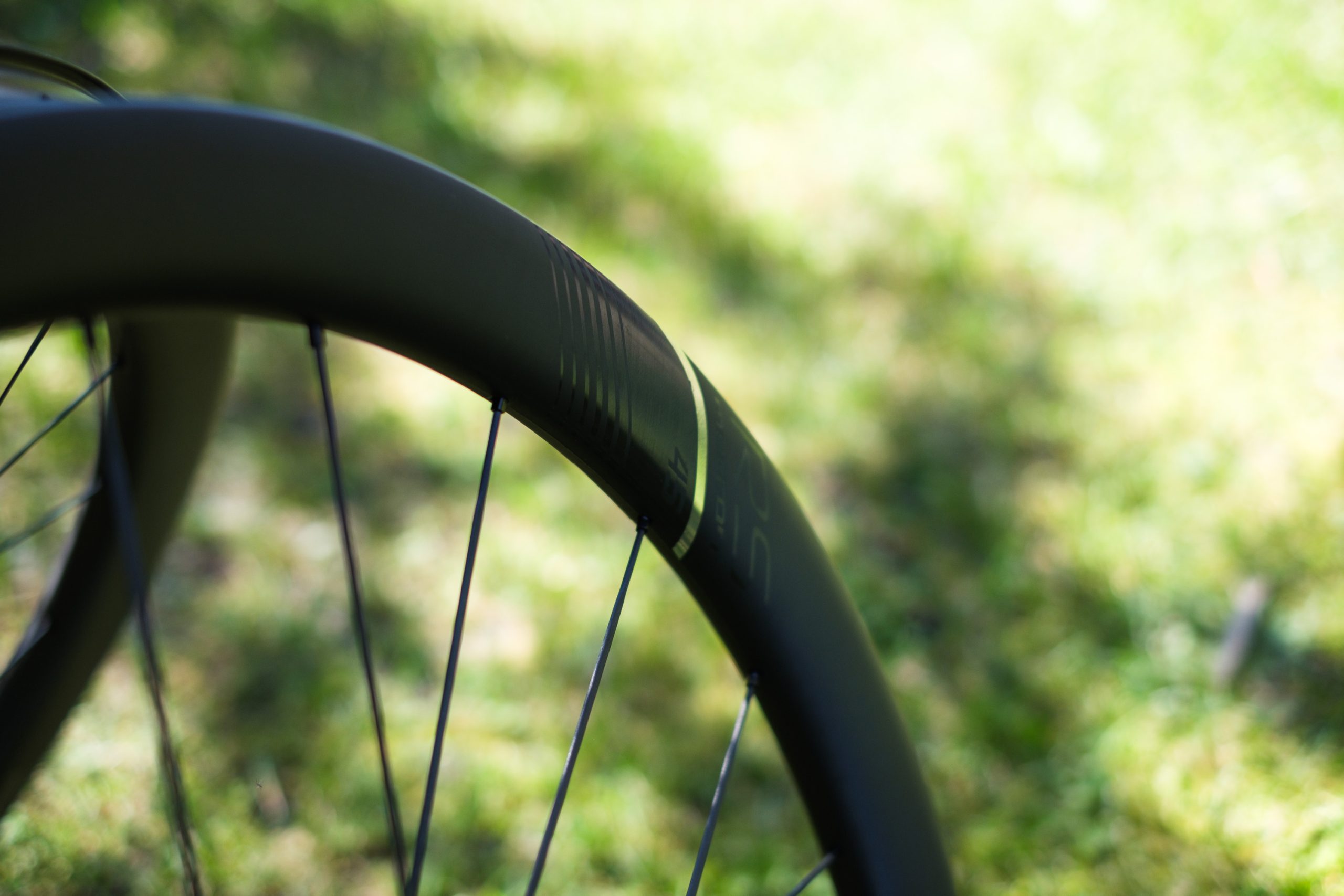
Both wheelsets feature updated carbon rims with 23mm internal rim widths (up from 21mm on the Metron SL wheels), with external widths of 31.1mm on the 45s and 33mm on the 60s.
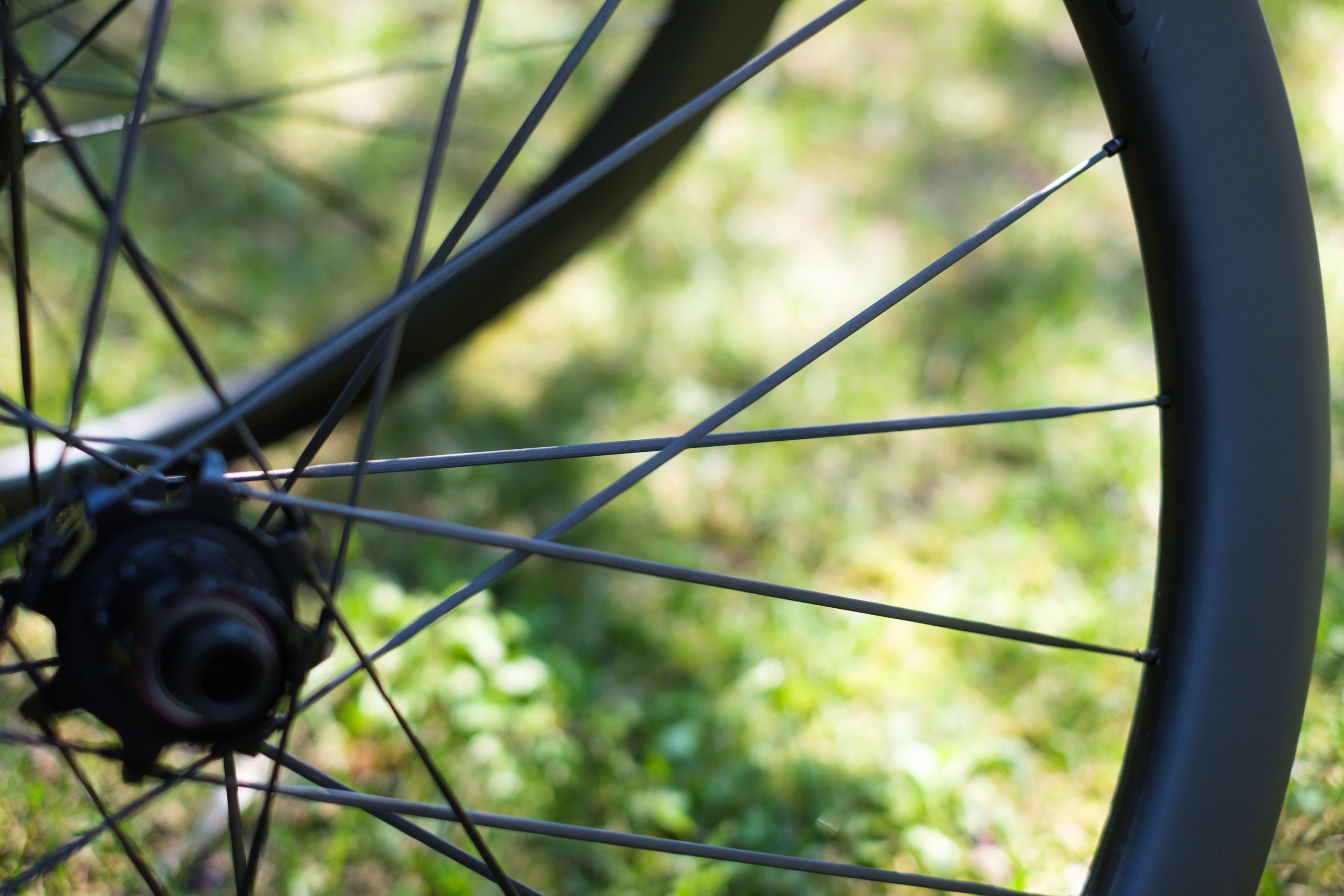
Vision says carbon spokes save 108g per wheelset, compared to using steel spokes. Simon von Bromley / Our Media
The headline feature, though, is the adoption of carbon fibre spokes, which help shave 108g off a complete wheelset compared to using steel spokes (each of the wheelset’s 45 spokes saves 2.4g).
This brings the claimed weight of the Metron RS 45 wheelset down to a feathery 1,290g, with the RS 60 wheelset said to weigh only 100g more.
The Metron RS wheels are available with 45 or 60mm-deep rims. Simon von Bromley / Our Media
Vision says the differences in terms of aerodynamic drag are small – with only a 0.9-watt saving for the RS 45s and 1.6W for the RS60s – compared to Vision’s Metron SL 45 and 60 wheelsets.
However, it notes that the carbon spokes also offer a tangible improvement to lateral stiffness, which it claims helps to improve the wheelset’s ride feel and power transfer.
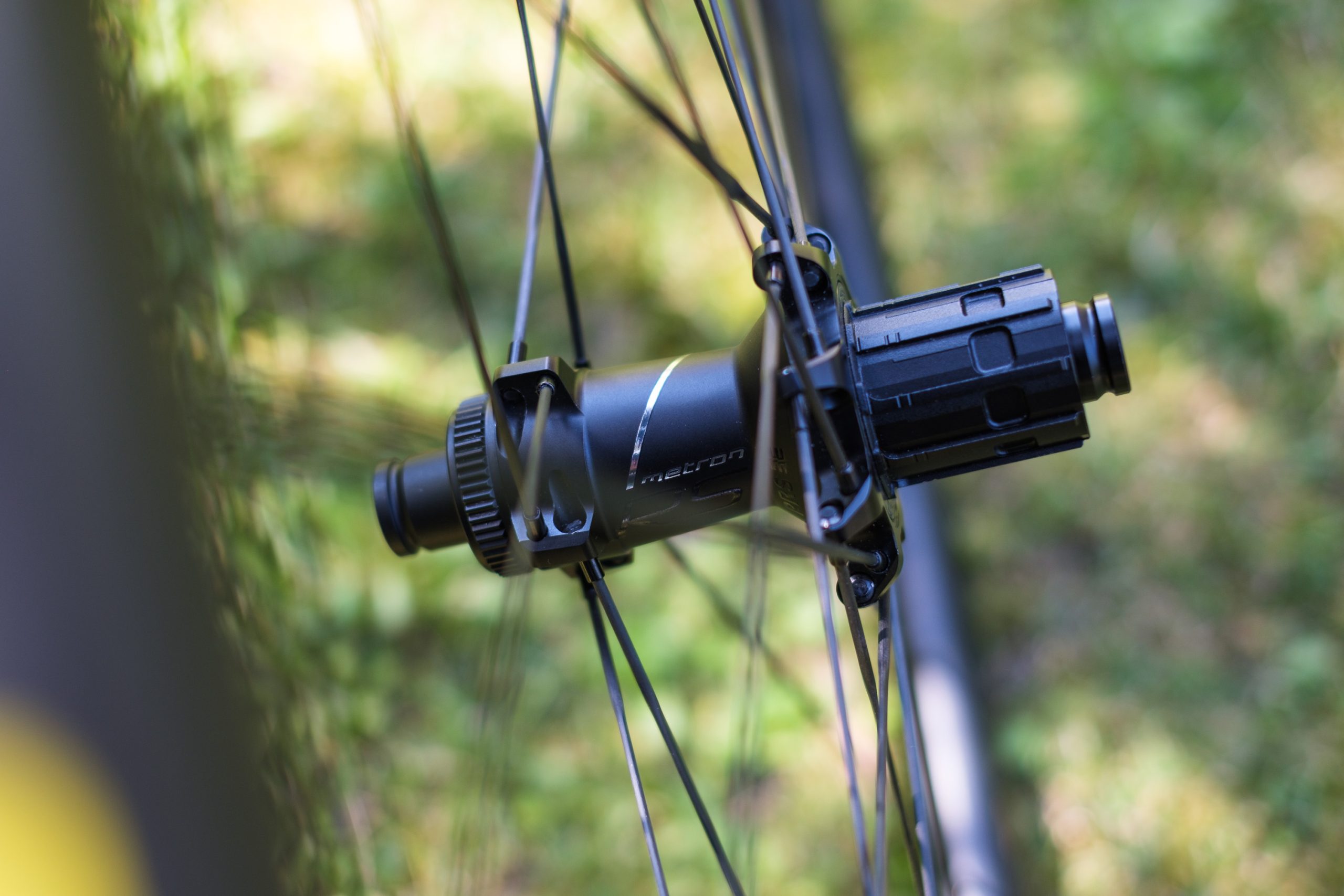
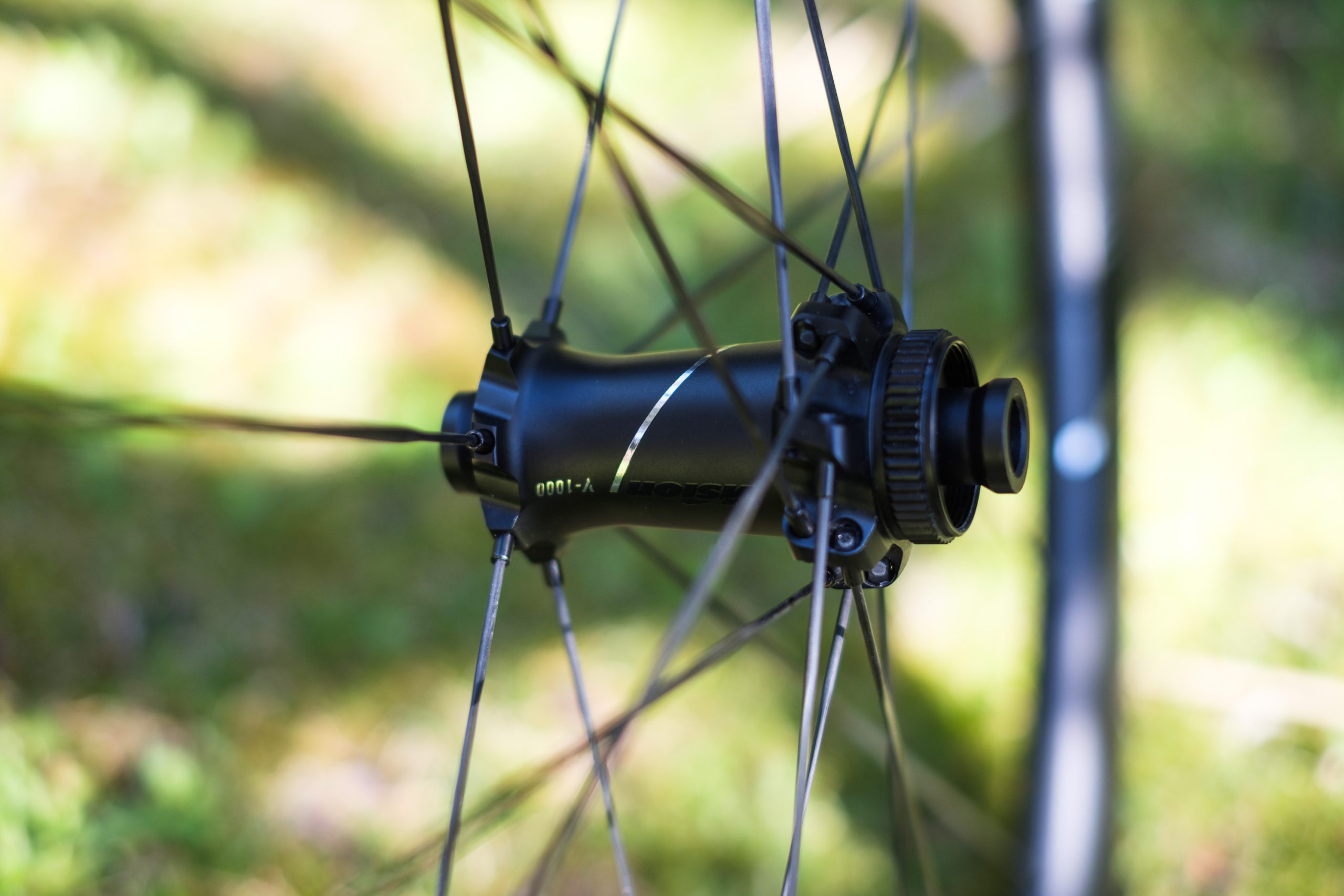
The new V-1000 hubs feature ceramic bearings and tool-free maintenance. Simon von Bromley / Our Media
At £3,109 / $3,290 / €3,109 for the RS 45s and £3,179 / $3,390 / €3,179 for the RS 60s, the wheels are an undeniably expensive proposition. They do, however, show the attention to detail you’d expect at this price.
The V-1000 hubs, for example, feature ceramic bearings and tool-free maintenance, while even the freehub is machined to save another 8g.
The carbon spokes can be trued, but you’ll need a dedicated tool for the job. Simon von Bromley / Our Media
The rim graphics are also applied in-mould, saving a further 22g in decals.
Vision was also keen to stress it’s one of relatively few brands that owns the factories in which its products are produced. This, the brand says, gives it greater control over all aspects of production, allowing for higher quality and greater flexibility.
Core 2 thermal sensor
Core’s second-generation thermal sensor features an improved form factor. Bike Connection Agency / Rupert Fowler
Back with its first hardware update since 2019, Core has just launched its new thermal sensor – the aptly named Core 2.
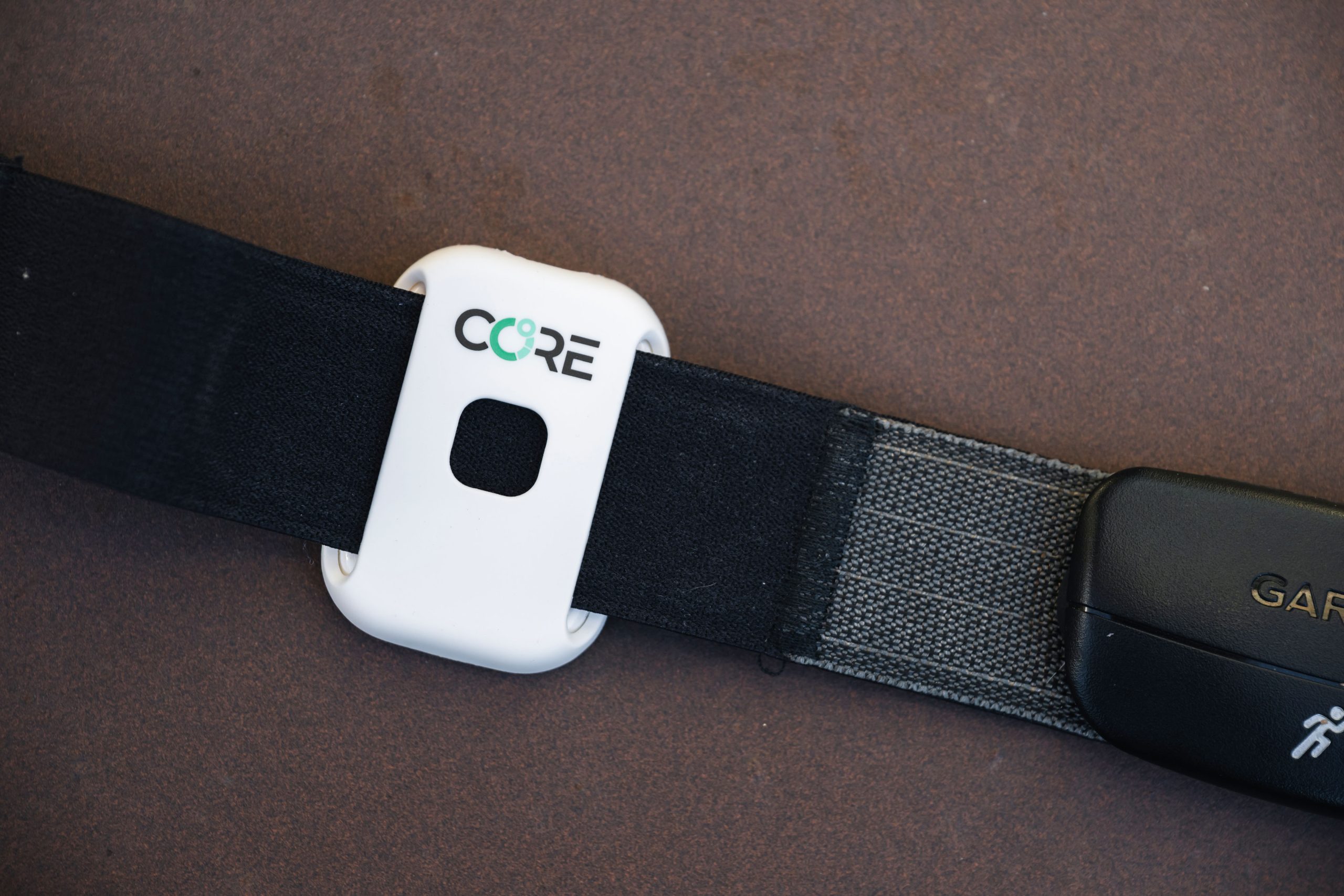
Just like the original Core thermal sensor, the Core 2 clips onto a heart rate monitor chest strap, contacting your skin and monitoring how much thermal energy is being released.
The sensor then uses an ‘AI-powered algorithm’, in combination with data from the heart rate monitor, to determine your core body temperature. This is then broadcast to a compatible bike computer or smart device via ANT+ or Bluetooth.
Core says its thermal sensor can rival internal sensors for accuracy. Bike Connection Agency / Rupert Fowler
The point of all this is to enable you to perform heat training – where you raise your body temperature intentionally during exercise.
This has become increasingly popular among professional riders in recent years, with Core saying it has official partnerships with eight WorldTour teams, because it’s claimed to offer large improvements to performance in all weather.
Core claims its updated sensor has the same accuracy as the original one (within -0.01 to +0.23ºC of an ‘electronic pill’ sensor that you swallow), but features a number of quality-of-life improvements.
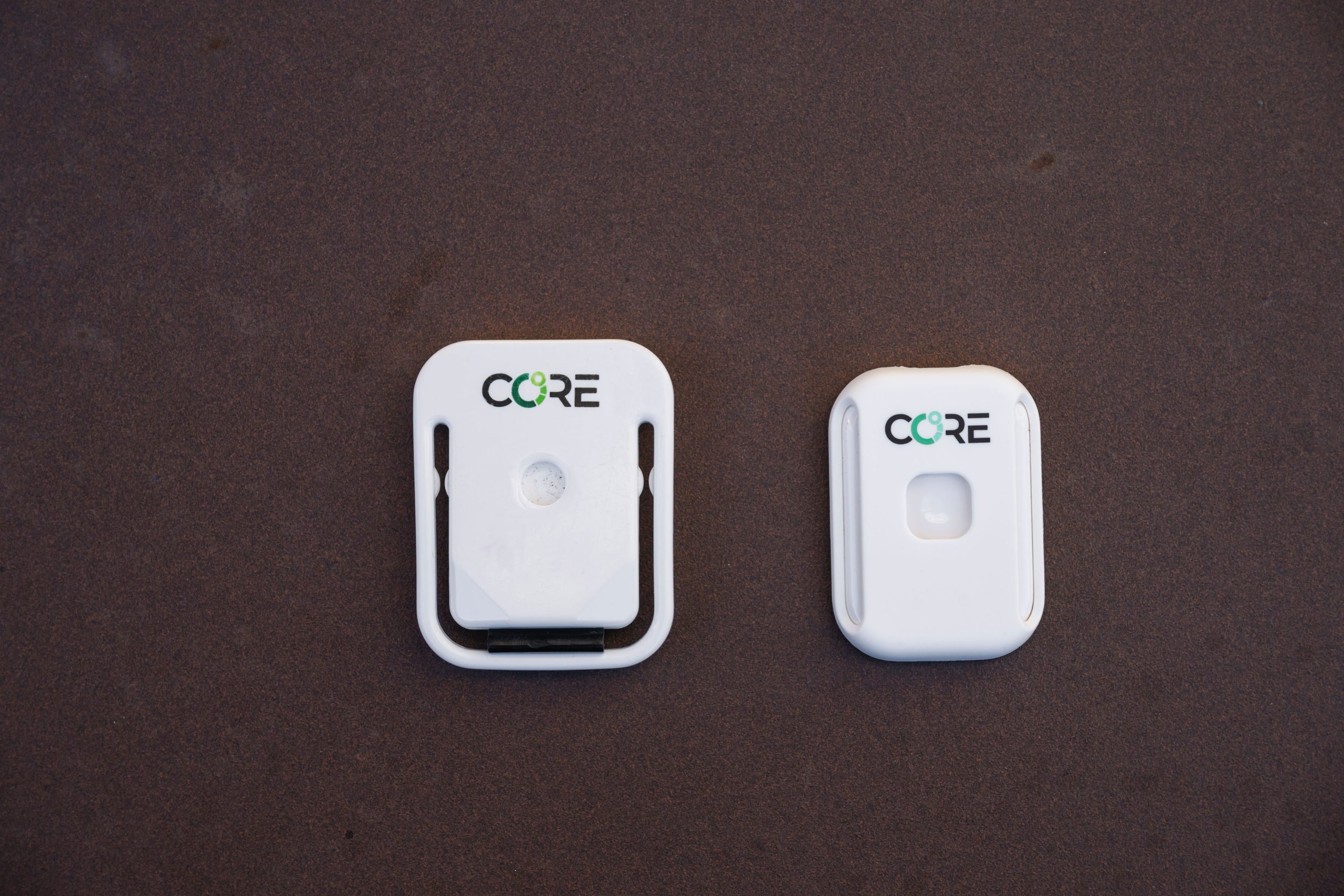
The new Core 2 (right) is smaller and lighter than the original version (left). Bike Connection Agency / Rupert Fowler
For a start, Core says it’s 48 per cent smaller and 30 per cent lighter than the original sensor. On my scales, it weighs only 11.6g.
Core says its new modular design makes it easier to remove from a HRM strap for charging, and then easier to reinstall, while a new LED indicator light has been added to let you know when it needs charging.
The Core 2 thermal sensor costs £220.95, but if you own an original Core sensor, you can trade that in for a 30 per cent discount until 30 June 2025.
Selle SMP short saddles
Selle SMP’s latest saddles adopt the industry trend of a shorter overall length. Simon von Bromley / Our Media
Having been making bicycle saddles for more than 70 years, Selle SMP is best known for its dramatically curved saddles, such as the Dynamic.
It’s fair to say it’s a divisive design, in part because of its unusual looks, but it remains a steadfastly popular option among riders who have tried it and found it works for them.
In response, Selle SMP has released a new range of short saddles, that marry its unique approach to saddle design with a more modern shape and length.
Selle SMP’s signature curved shape is still here, but it’s less extreme than usual. Simon von Bromley / Our Media
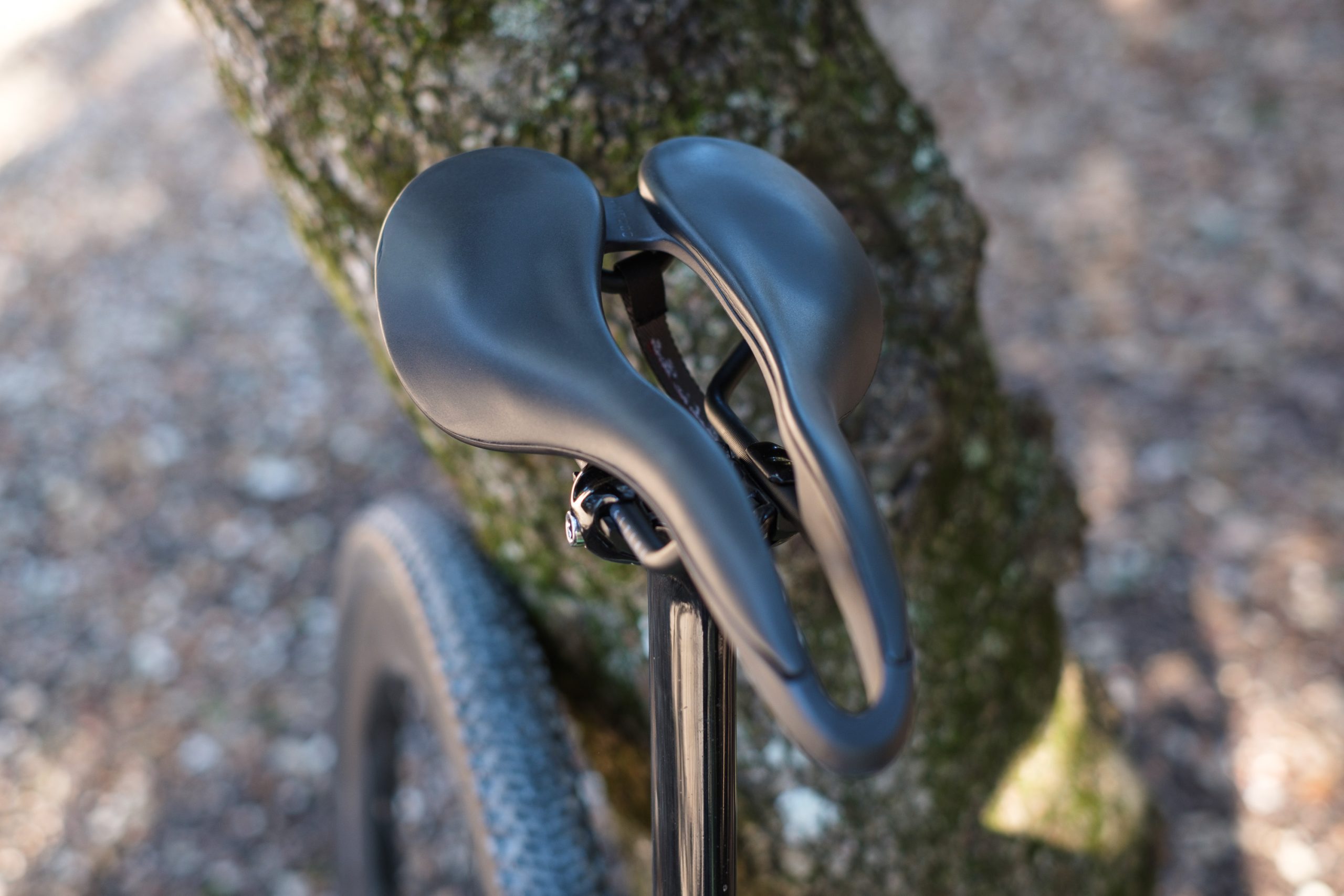
The Selle SMP EVO20C and EVO30C are unisex saddles that retain Selle SMP’s curved shape, generous cut-out and ‘eagle beak’ tip (designed to help reduce soft-tissue pressure), but in a shorter 253mm length.
Built from carbon fibre, with a supportive layer of EVA padding on top, the EVO20C is 140mm wide at the rear, with the EVO30C measuring 150mm wide. As with many saddle brands, Selle SMP recommends measuring the width of your sit bones to determine which saddle width is best for you.
The EVO20C and EVO30C also have shallow indentations on the rear, which are claimed to provide improved support by matching the shape of your sit bones.
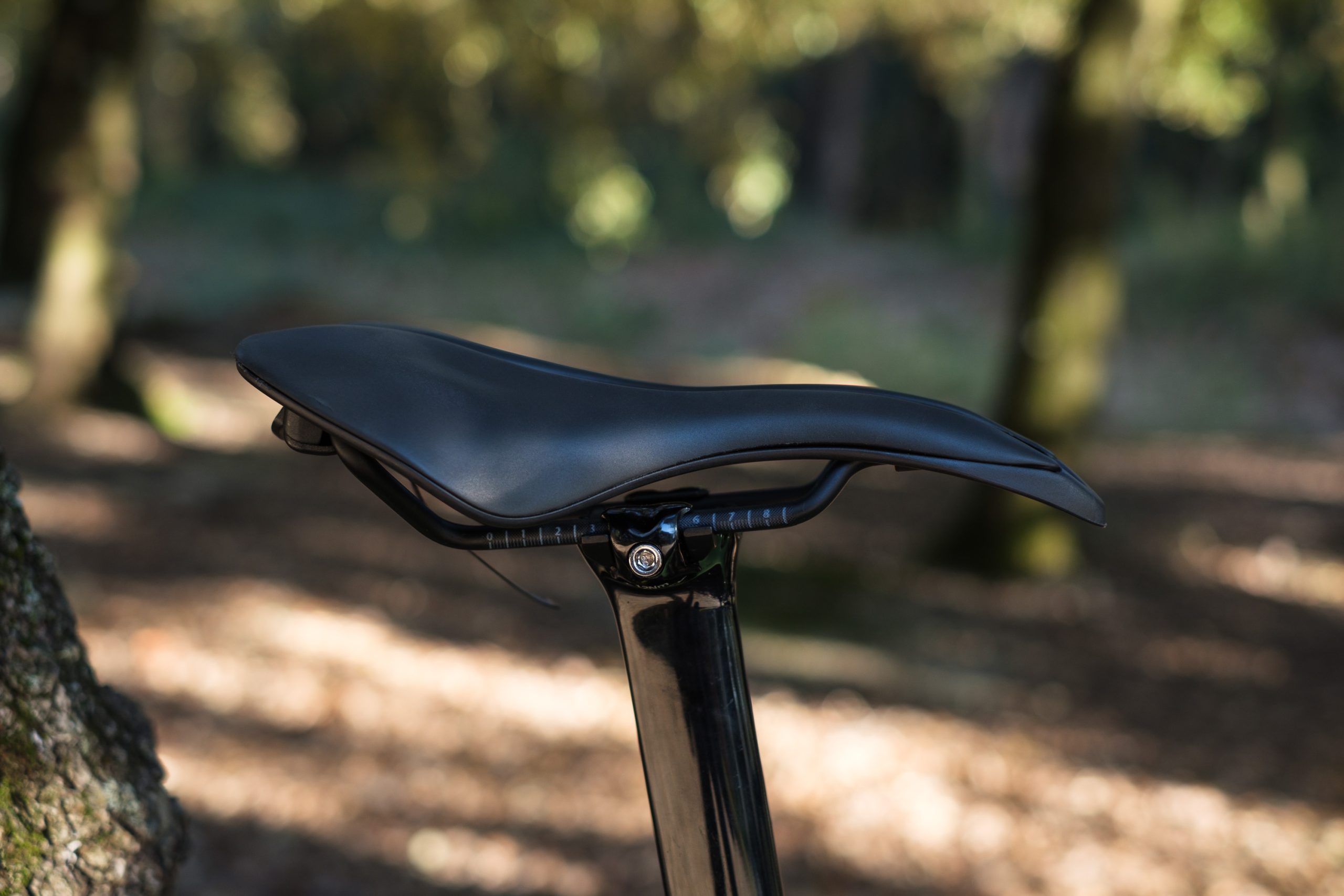
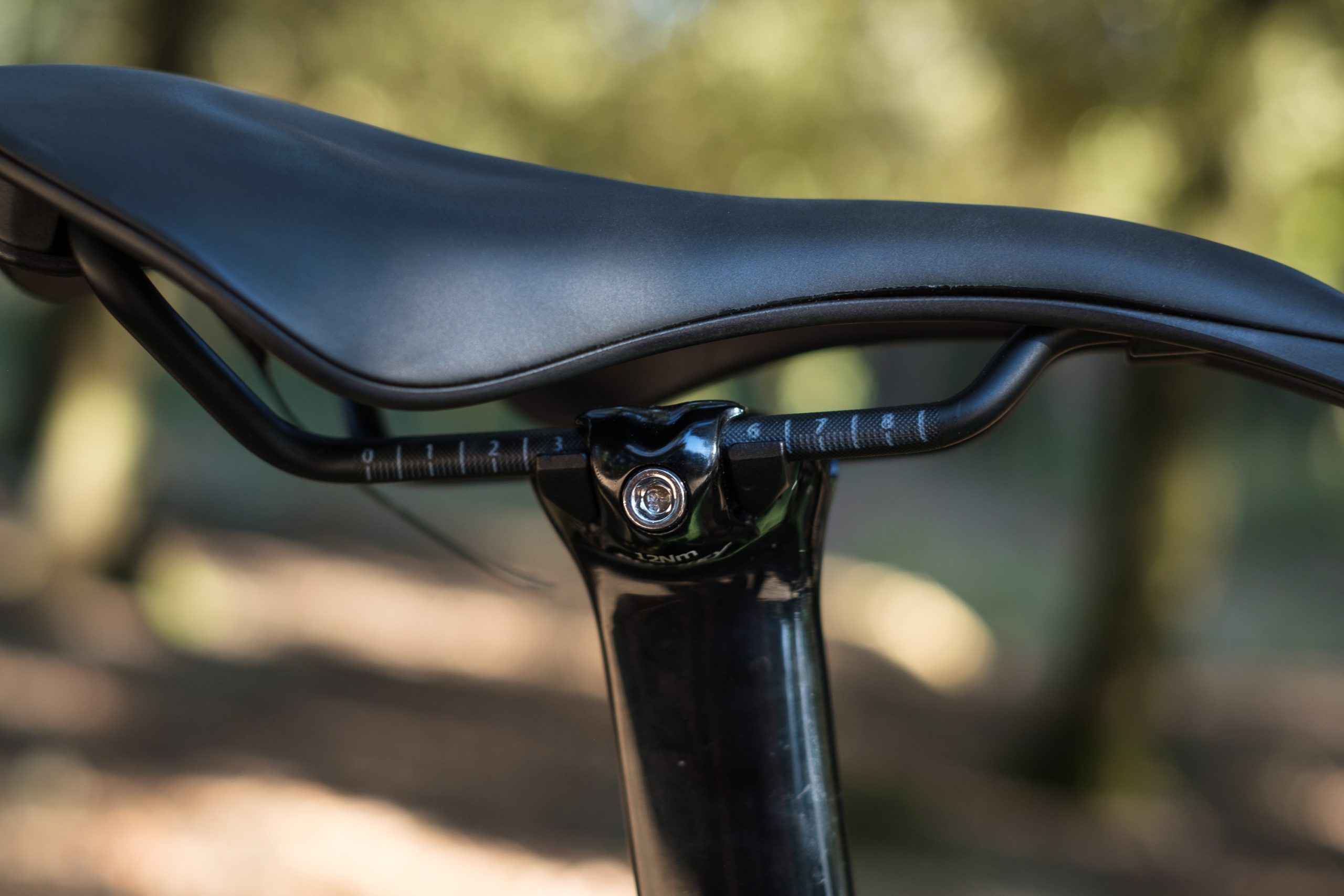
The saddle rails are notably long. Simon von Bromley / Our Media
As with all Selle SMP saddles, the rails are also long, with 8.5cm of total adjustment range. The brand says this helps riders more easily achieve an optimal setback.
Both the EVO20C and EVO30C cost $299.
All of Selle SMP’s saddles are handmade in Italy, with the brand saying it ”works only with local suppliers” to prioritise quality and local jobs, and be environmentally friendly.
Campagnolo Bora Ultra Team Edition wheels
Want your Bora wheels to be more ‘pro’? Campagnolo has the answer. Simon von Bromley / Our Media
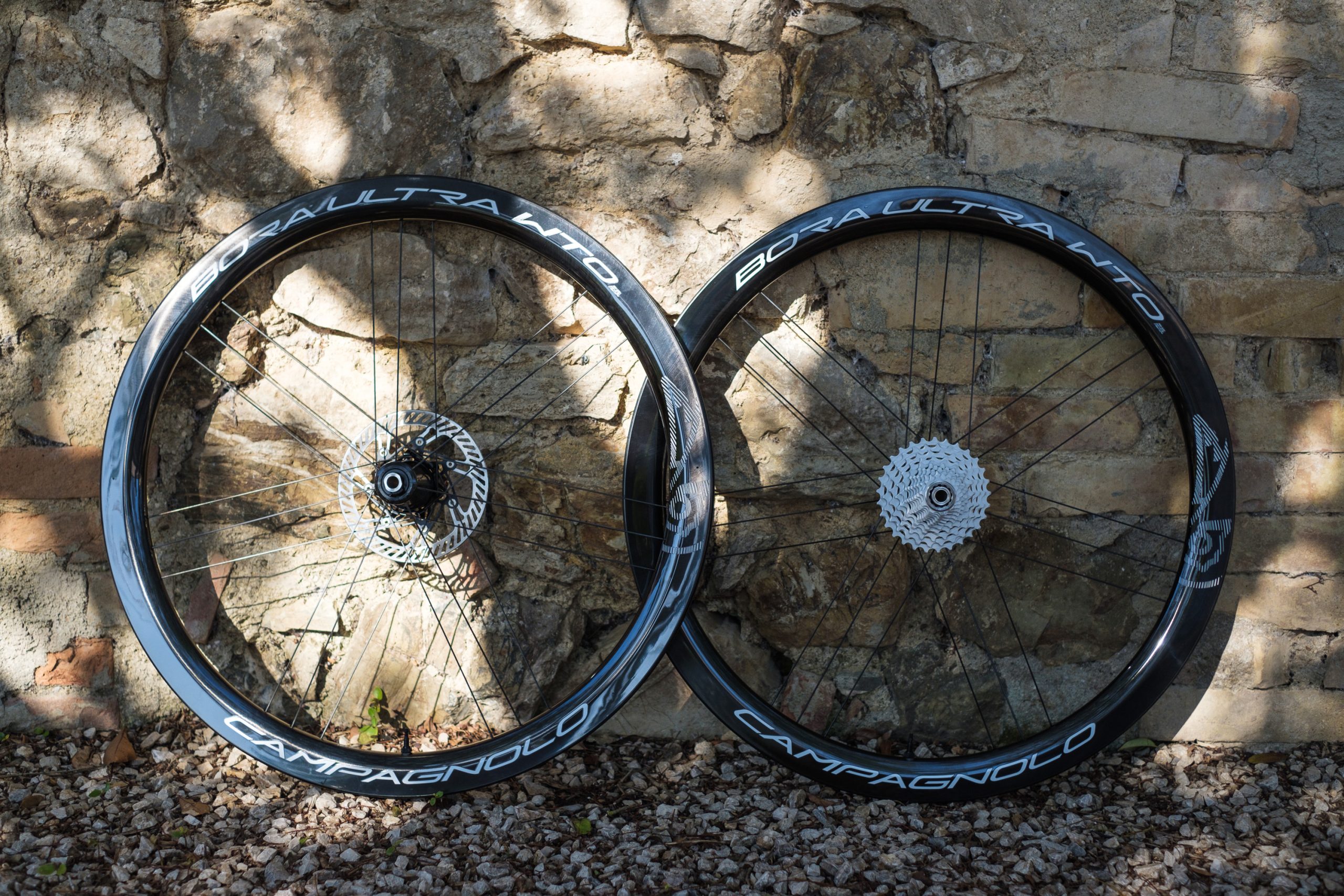
If Campagnolo’s standard Bora Ultra WTO wheels weren’t bling enough for you, Campagnolo has announced it is releasing a ‘Team Edition’ version with the same high-profile graphics as provided to the Cofidis WorldTour team.
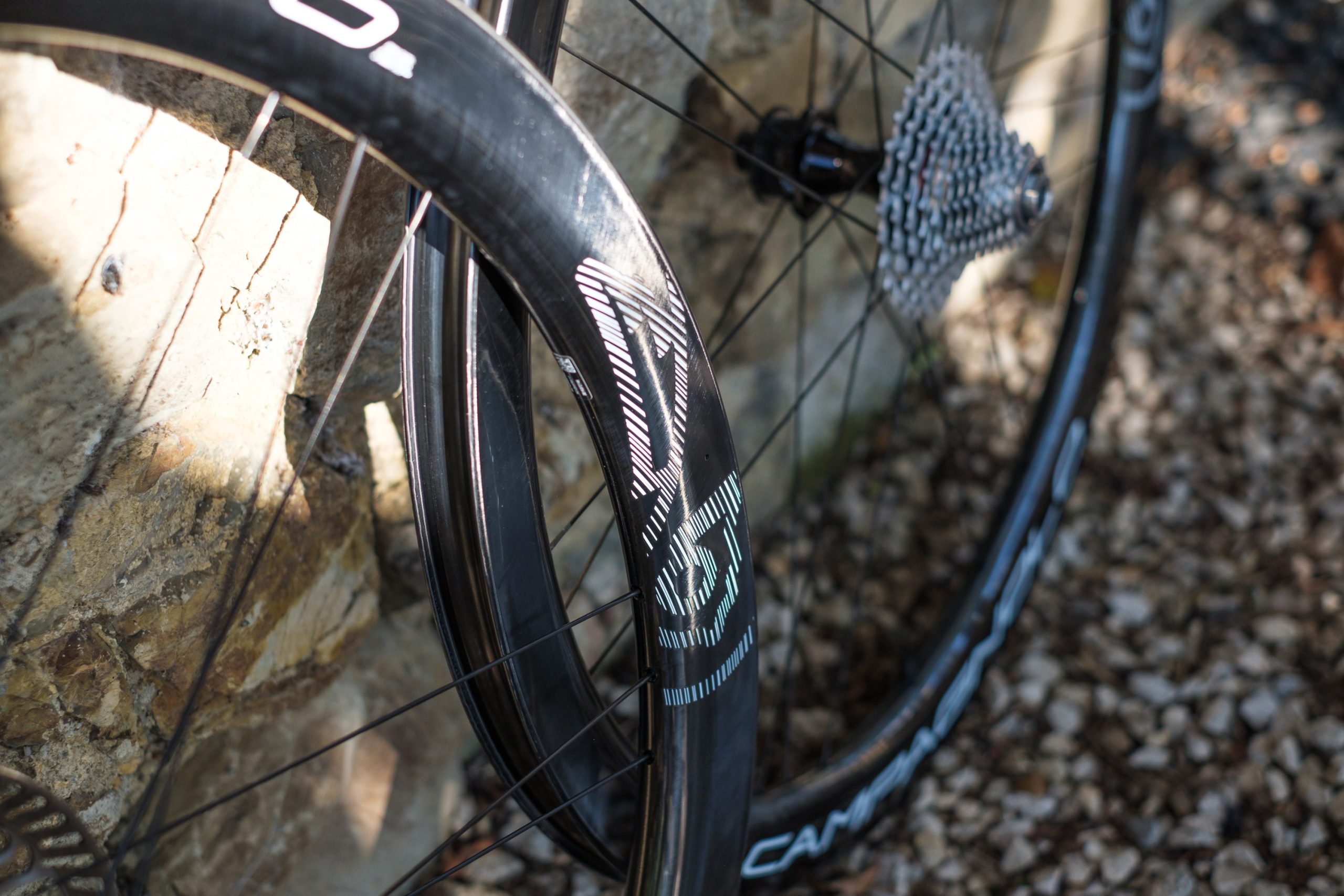
On regular Bora wheels, the Campagnolo branding and graphics are subtle, but the bright white graphics (which contrast against the black carbon rims) on these are clearly designed to stand out in television footage or race photographs.
The Team Edition wheels feature the same spec as standard Bora Ultra WTO wheels, but with limited-edition graphics. Simon von Bromley / Our Media
Graphics aside, the specs of the Team Edition wheelsets are otherwise identical to the standard Bora Ultra WTO wheels, with 45 and 60mm rim depths and 23mm internal widths.
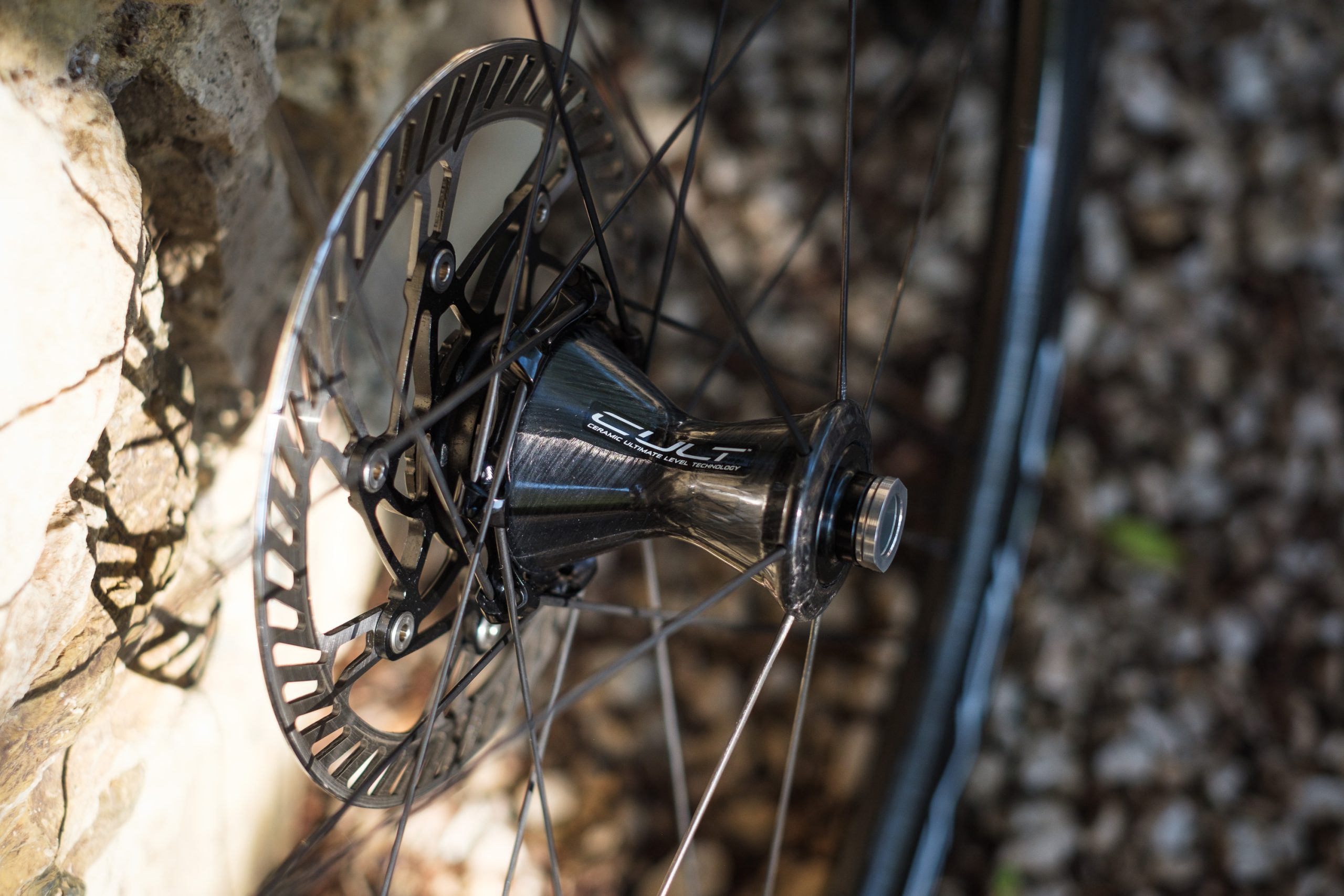
The wheels also use Campagnolo’s carbon fibre hub shells and signature G3 lacing pattern, which the brand claims “improves load bearing, minimises weight and reduces vibrations and rim deformations”.
Carbon hub shells house ceramic bearings. Simon von Bromley / Our Media
Both wheelsets are priced at £3,300, which is practically identical to the £3,293.99 / $4,090 / €3,690 the standard versions cost.
The only question, then, is how badly do you want everyone to know you’ve got a set of Campagnolo Bora Ultra WTO wheels?
Assos Equipe R road cycling kit
The Assos Equipe R cycling kit features simplified yet elegant designs. Bike Connection Agency / Rupert Fowler
Having invented Lycra cycling shorts in the late 70s, Assos holds a special place in the history of the sport.
Over the years, Assos has impressed us with its high-performing products, but it’s fair to say the Swiss brand’s kit has remained steadfastly high-end – putting it out of reach of many riders.
The Equipe R kit is designed primarily for road cycling, but is equally at home on a gravel ride. Bike Connection Agency / Rupert Fowler
To address this, the brand’s latest Equipe R range of road cycling kit takes inspiration from its premium ranges, but distills this into simpler and slightly more wallet-friendly packages.
At £130 / €150, the Assos Equipe R bib shorts are still an expensive proposition, but they are substantially more affordable than its high-end Equipe RS Schtradivari Bib Shorts S11 (£215 / €250) and its flagship Equipe RSR Bib Shorts S11 (£305 / €350).
The Equipe R collection brings Assos kit to more accessible prices.
Likewise, the Equipe R Jersey S11 costs £130 / €150, saving a similar amount compared to higher-end options in the brand’s range.
Adding to the value equation, Assos says its kit is backed by its ‘gear to last a lifetime’ philosophy – which sees all of its products backed by a two-year warranty and a repair policy for crash-damaged kit.
Paul Components has announced it is reviving its iconic 100% Pure Crank, with a square taper and self-extracting crank bolts.
The brand has assured us this isn’t an April Fool’s joke, opting for a square-taper design because it allows for fine-tuning of the Q-factor and chainstay clearance of the crankarms via the BB spindle length.
Most modern cranks use a fixed-spindle design, so seeing a brand using a square taper is quite unusual in 2025.
Paul Components says the design has enabled it to get the chainring close to the chainstay for a better chainline in the bigger rear cogs via chainring offset.
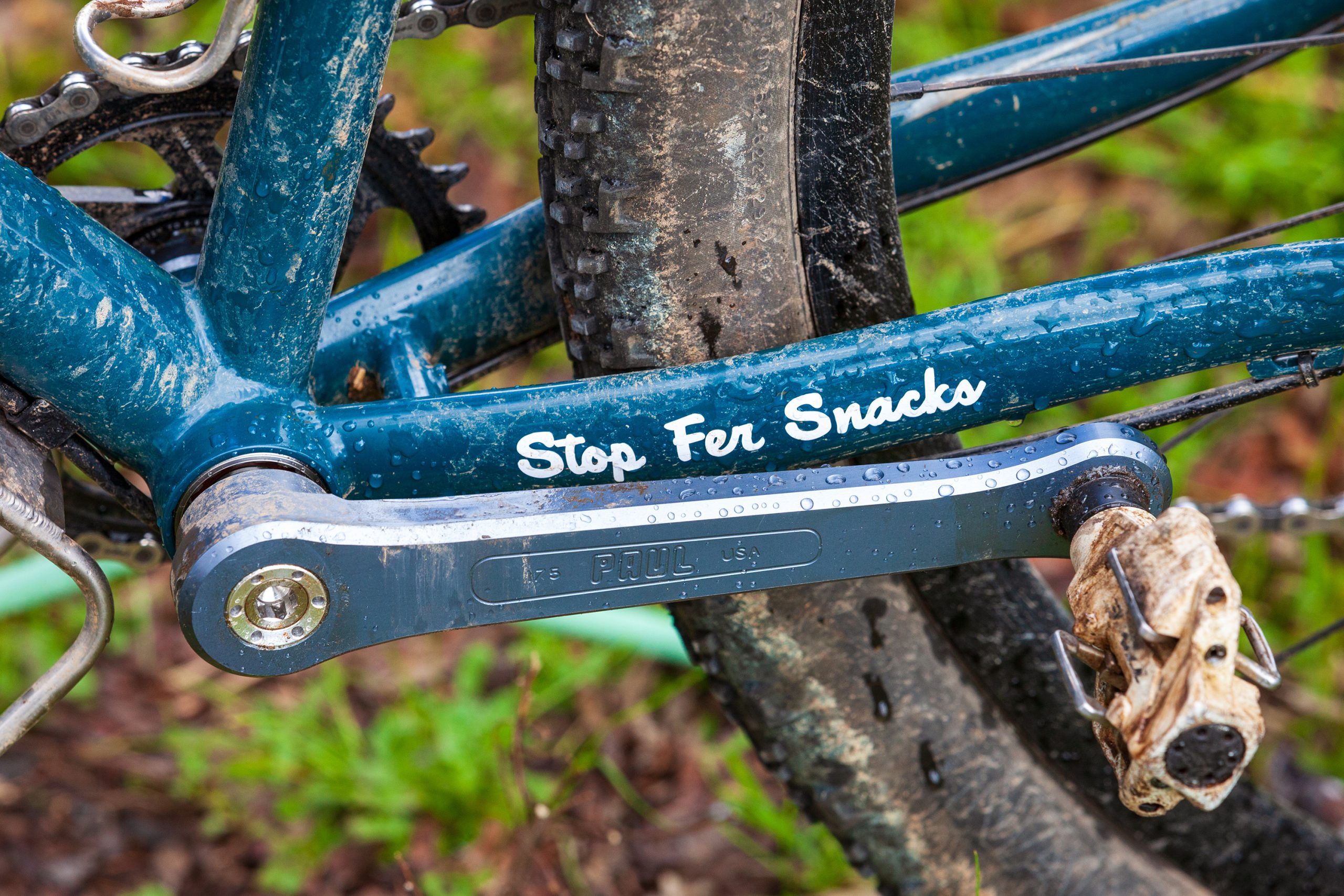
Paul offers the cranks in four colourways. Paul Components
The brand has decided to use the JIS (Japanese Industrial Standard) square taper, which is more common than the ISO and is slightly bigger, with both sharing the same 2-degree taper.
Paul has opted for SRAM’s 3-bolt direct-mount chainring spline, meaning it should be easy to find compatible chainrings.
The cranks feature a machined construction with Paul logos etched into the arms. Paul Components
Self-extracting crank bolts also feature, essentially working as crank pullers on the crankset.
The cranks are made from American-milled 2024 aluminium using a CNC process that the brand says enables excess material to be removed for a lighter, stiffer and more elegant design.
You will need a square-taper bottom bracket to install the cranks, with this system offering impressive resilience to developing play over time when compared to threaded and press-fit bottom brackets.
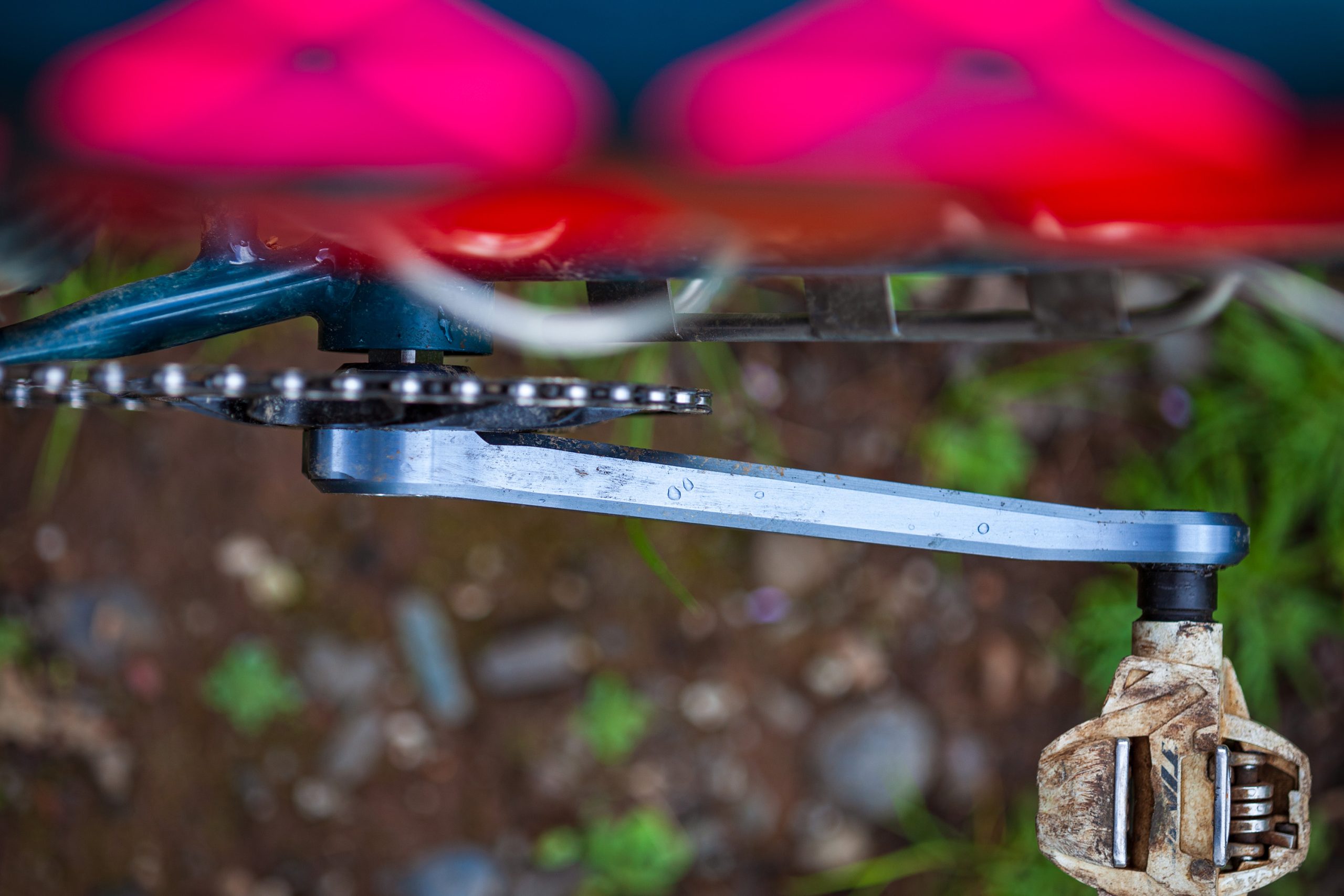
The cranks look ready for gravel bike adventures. Paul Components
While Paul has made cranksets in the past, this marks a return for a brand associated with bijoux bicycle componentry.
Paul’s 100% Pure Crank is priced at $308 and available in Black, Purple, Silver and Pewter colourways.
Sizes available are 155, 160, 165, 170, 175 and 180mm, with the longest cranks weighing in at 516g, including chainring bolts, crank bolts and extractor caps.
The new Sarto Raso Gravel is designed as a gravel race bike with aerodynamics at its core, blended with lightweight and class-leading clearances to meet the demands of gravel racers.
You may not have heard of Sarto, but if you’ve ridden a high-end Italian bike over the last decade, the chances are you’ve ridden a frameset Sarto constructed at its Venice HQ.
More recently, Sarto has moved away from building for other brands and into making its own designs, concentrating on custom builds to meet the exacting needs of its customers.
The new Sarto Raso Gravel requires deep pockets, however. A frameset will set you back £8,210 / $8,250 / €7,750, while the bike we have in for testing has a price tag of £14,190 / $17,290 / €13,990.
The new Raso Gravel
The Raso Gravel can be had in two designs, with differing tyre clearances. Warren Rossiter / OurMedia
The Raso Gravel’s frame can be configured to take tyres from 48mm up to a huge 55mm (2.1 inches) on 700c wheels. The 48mm option can run 1x or 2x drivetrains, while the 55mm is 1x only. It can take up to a huge 52-tooth chainring size to meet the needs of the fastest gravel racers.
Sarto’s pro-gravel athlete Skyler Taylor had this to say about the wider option: “Tire size: the simple answer is bigger tires roll much faster on rough terrain and don’t puncture as easily.
“The reason 2.2 (inch) is so important is that all the tire performance tests show that the Continental Race King 2.2 performance has the best combination of rolling resistance, puncture protection, grip, and aerodynamics, and is the fastest tire on most dirt surfaces.
“There has been a huge amount of testing on these topics in the US. The results have been pretty clear. So you will see almost all the US pro gravel racers squeezing the biggest tires they can into their frames.
“Most frame manufacturers don’t understand this and still design around 45mm clearance. So there’s a competitive advantage to bikes like the Raso Gravel from a clearance perspective.”
Raso Gravel frameset
The Raso Gravel’s back end has plenty of tyre clearance. Warren Rossiter / OurMedia
The frame design is inspired by Sarto’s performance road bike, the Raso. It has an integrated front end and tube shapes with similar aerodynamically designed profiles to its road-going cousin.
The rear triangle has the same silhouette on the 48mm and 55mm versions. Only the width changes and the rear dropout is SRAM’s Universal Derailleur Hanger, meaning the custom Raso gravel frame is set for the future.
At the front, a broad, torsionally stiff but slender fork has been created to aid vibration-damping control.
Sarto says the frame is a tri-composite. Each tube section is handmade by the Italian brand using a combination of carbon fibre sheets sourced in Italy and its proprietary lamination process.
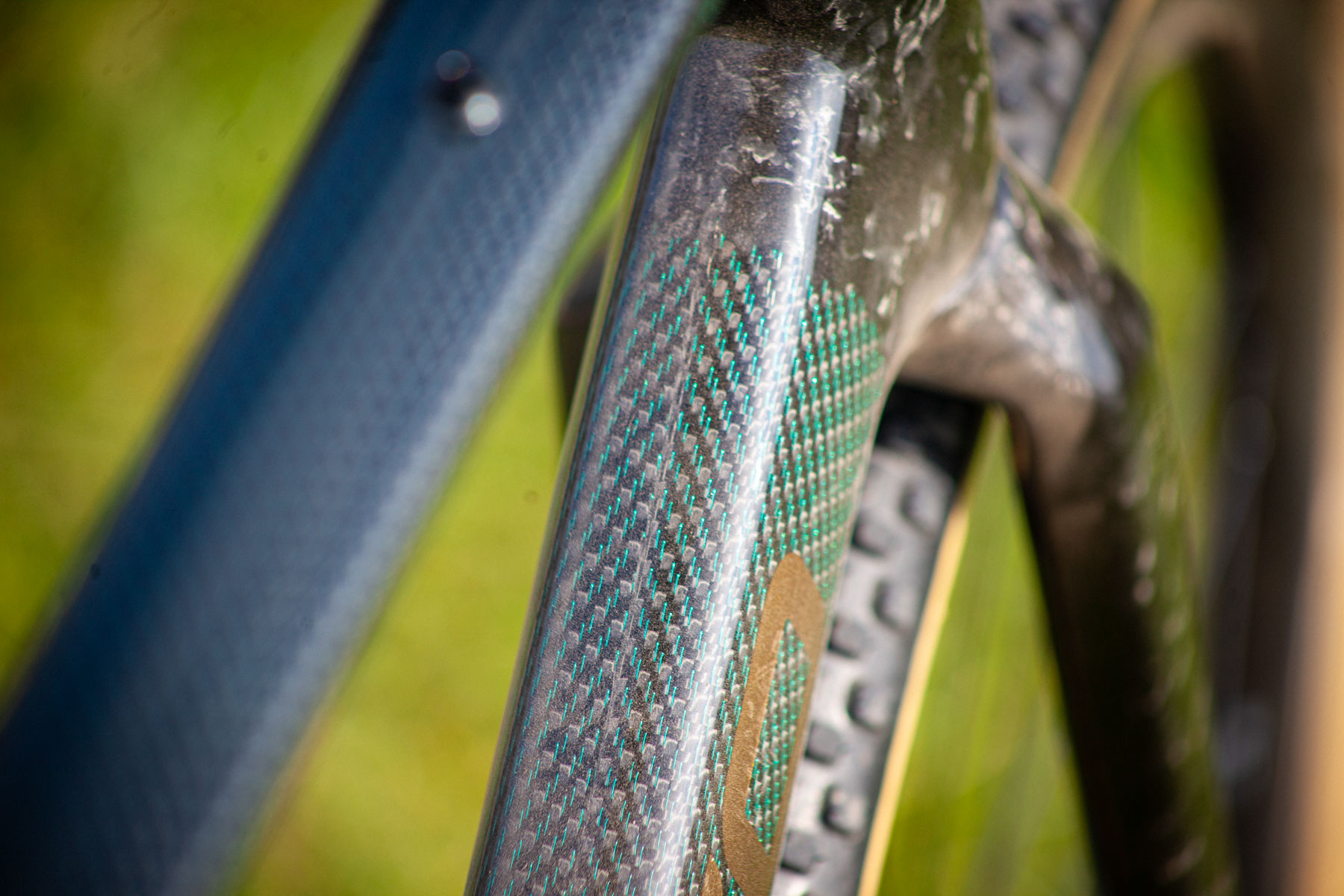
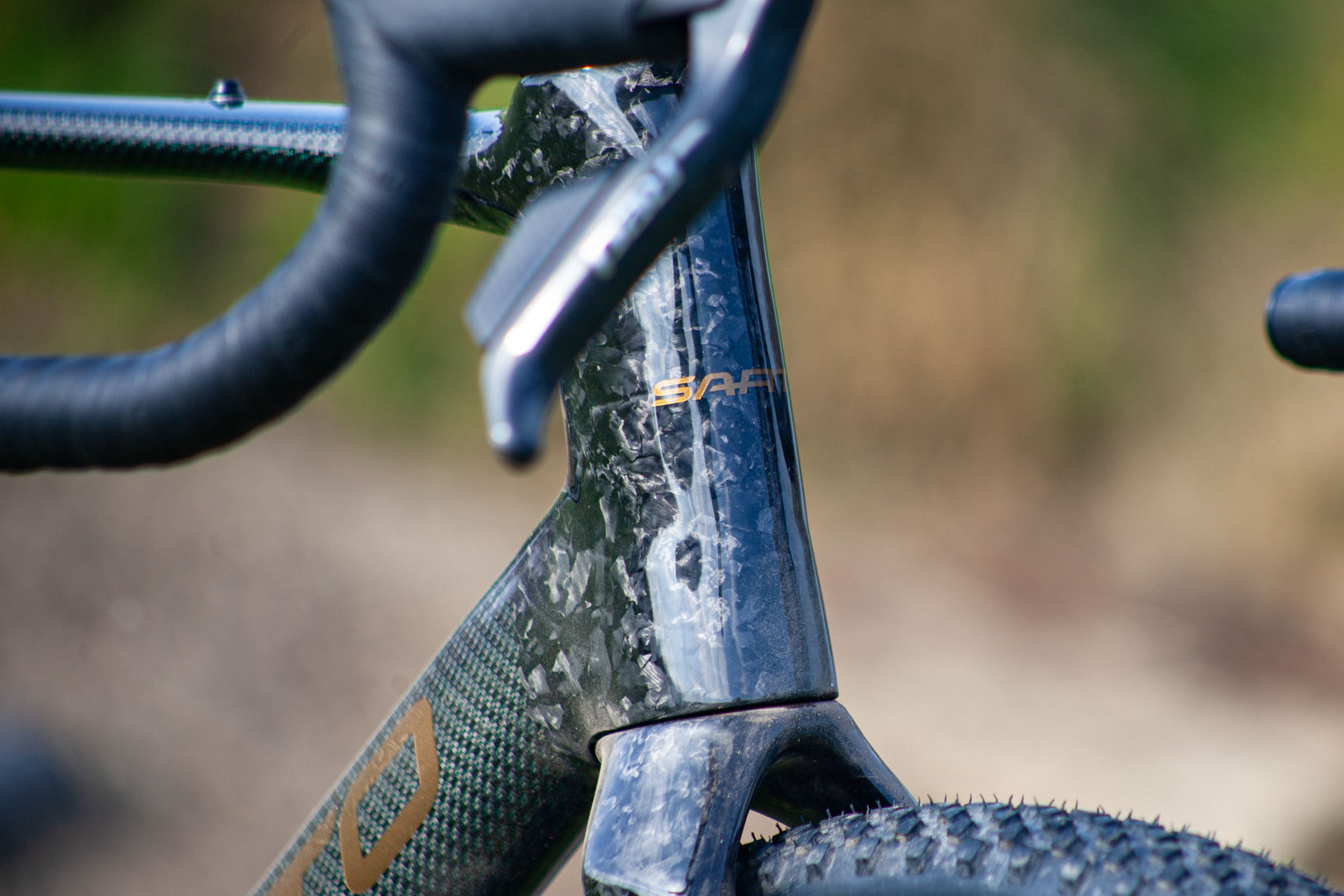
The junctions on the frame are made from forged carbon, which is claimed to provide superior strength, accuracy and that stunning marble-like finish (on our unpainted test bike).
The transition between the forged carbon lugs and unique carbon tubes looks stunning. Warren Rossiter / OurMedia
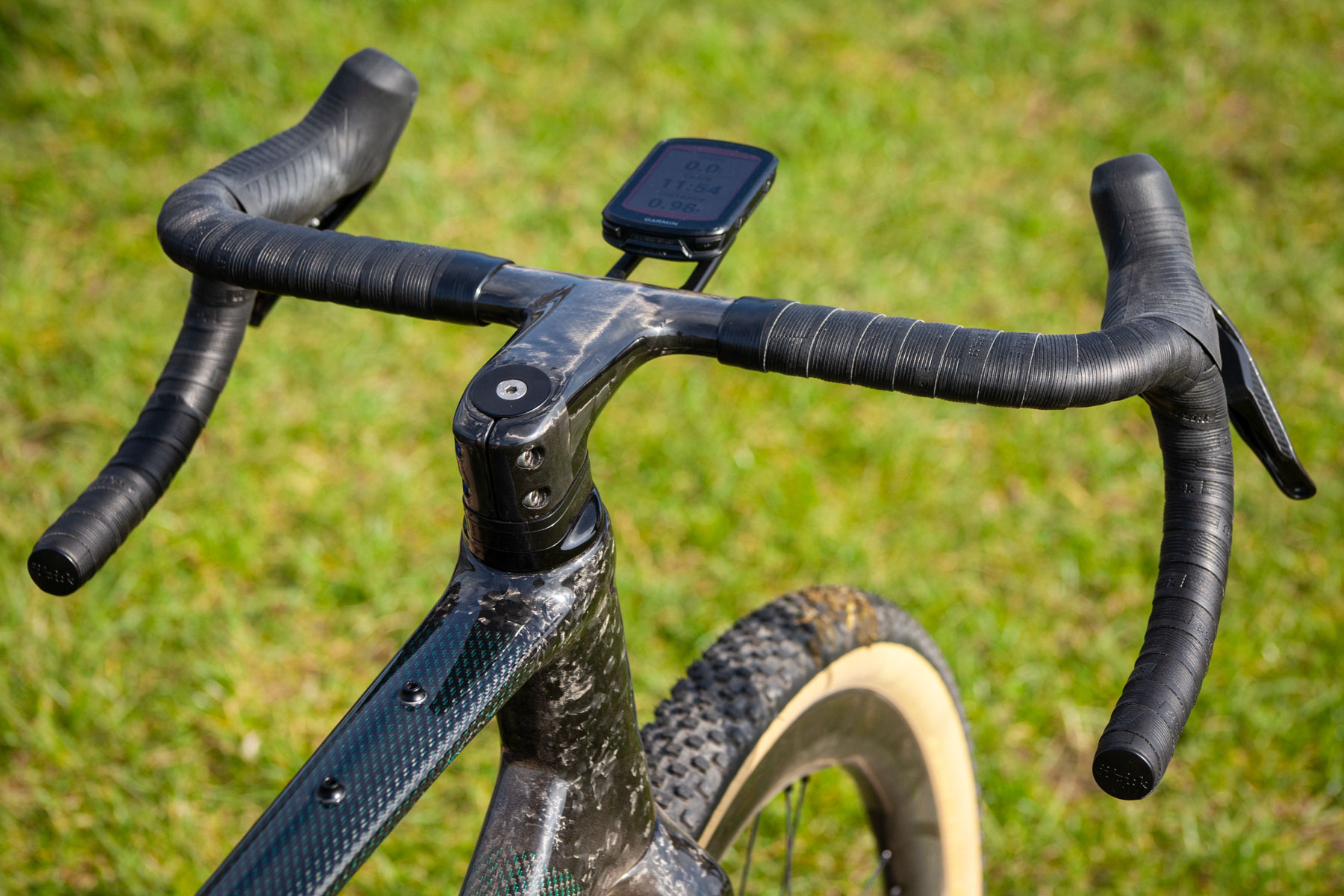
The Raso Gravel’s design mixes aerodynamics with a light weight, with features such as a dedicated aero seatpost, and a one-piece bar and stem.
Fully integrated brake hoses take care of the aero details.
The bike has an impressively low weight of 7.88kg (size 58cm), with two bottle cages and an out-front Garmin mount.
The forged carbon head tube looks stunning. Warren Rossiter / OurMedia
The build
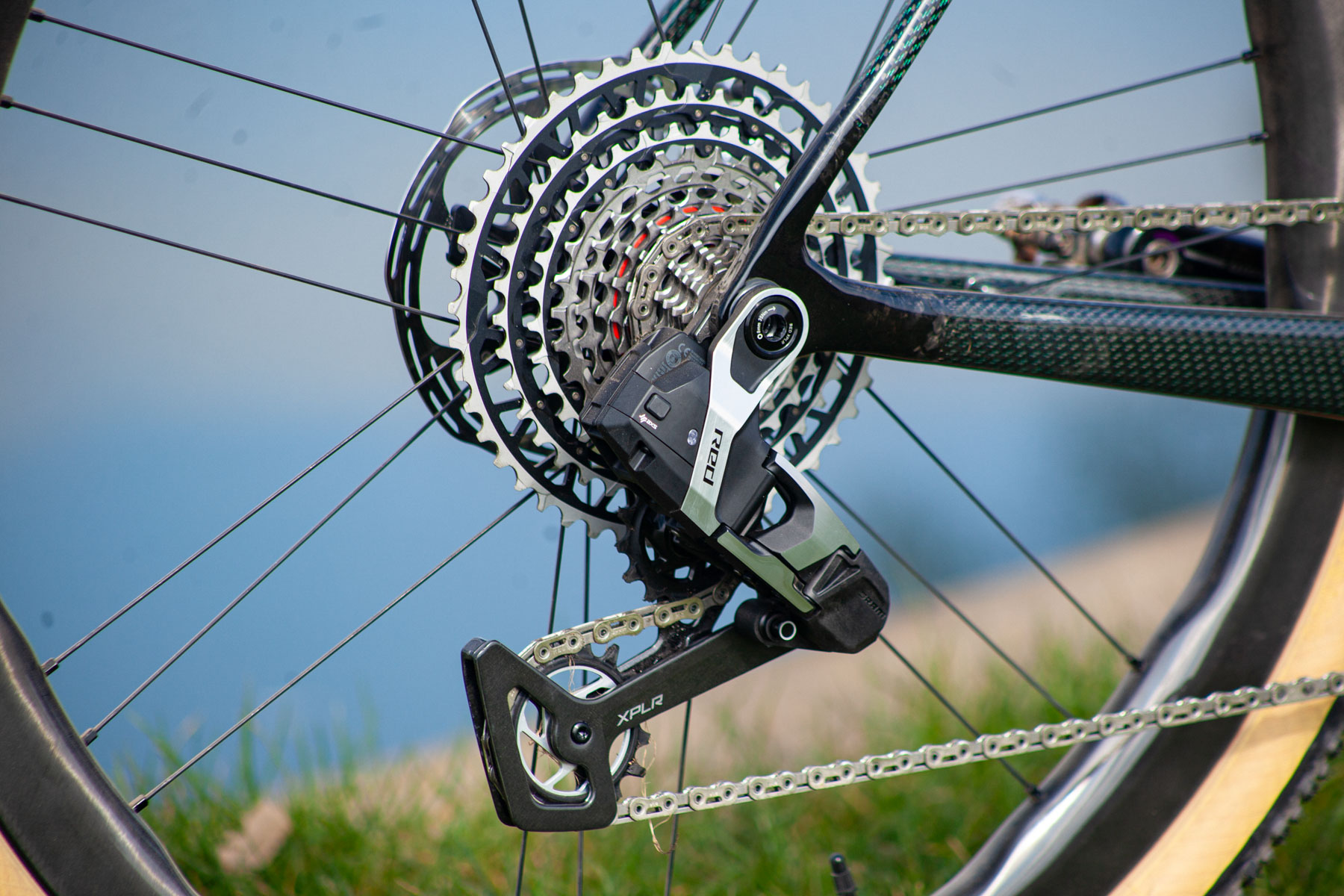
SRAM’s latest 13-speed Red XPLR AXS adorns the Raso Gravel. Warren Rossiter / OurMedia
Being built to order, the Raso Gravel can be had either as a frame kit or built as a complete bike to your specific budget.
It doesn’t come cheap, however, with the frameset kit (fork, headset, spacers, stem, handlebar, seatpost, two bottle cages, thru-axles and computer mount) costing £8,210 / $8,250 / €7,750 in stock geometries. Specifying custom geometry typically involves around a £1,000 / $1,200 / €1,100 upcharge.
Sarto also makes the one-piece UD carbon gravel cockpit. Warren Rossiter / OurMedia
This year Zwift has a new surprise – Scotty the Squirrel in our jersey pockets:
About Scotty
Scotty the Squirrel is Zwift’s official mascot, showing up in game as an actual squirrel but also as various statues, including one with a cone on its head in Glasgow.
Here’s a bit of Zwift trivia: did you know that Scotty is named after Scott Barger, one of Zwift’s four co-founders? (The other three are Jon Mayfield, Eric Min, and Alarik Myrin.) Apparently, Scott carries a bit of infectious energy, and it seemed like the perfect fit…
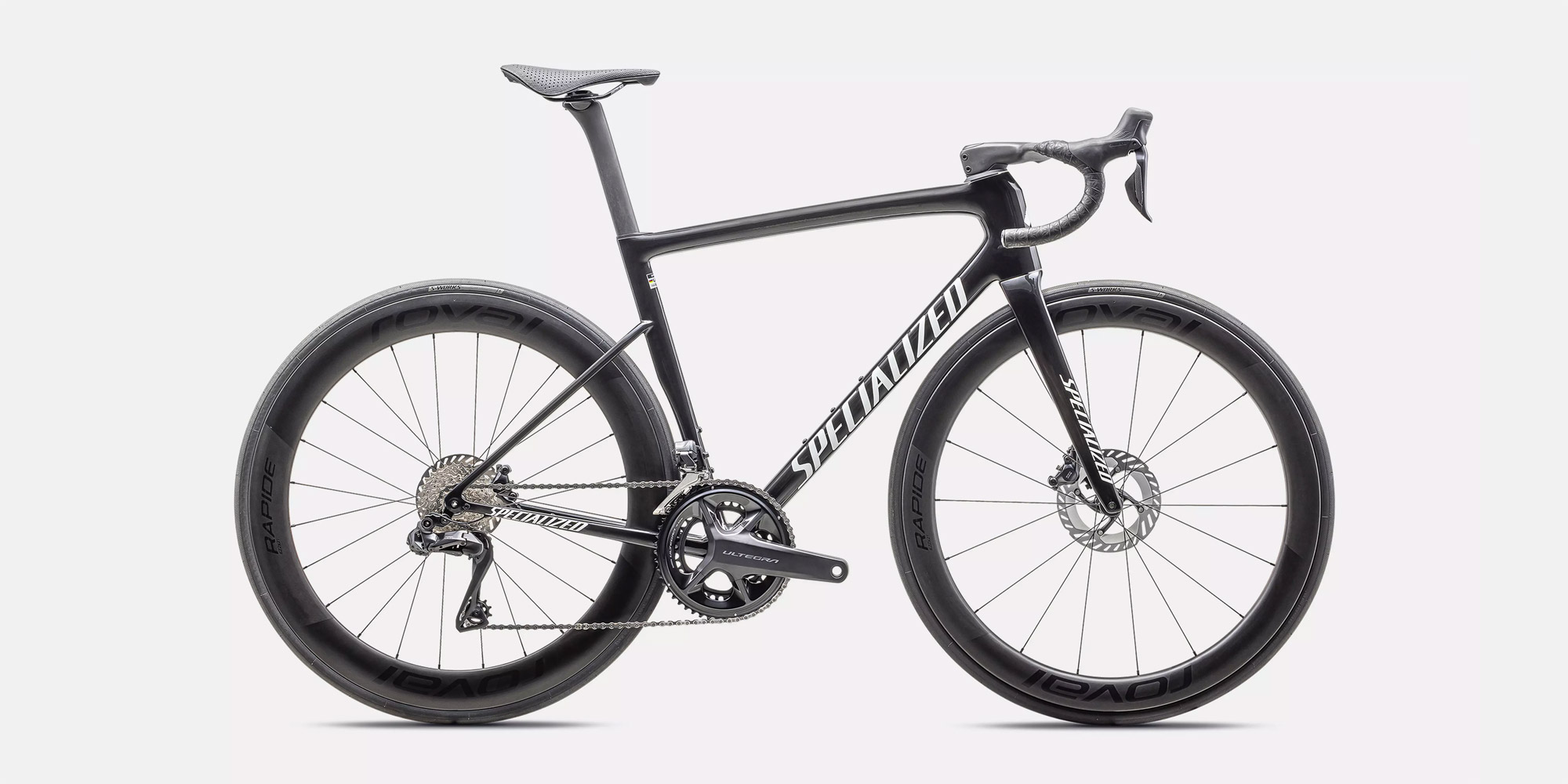
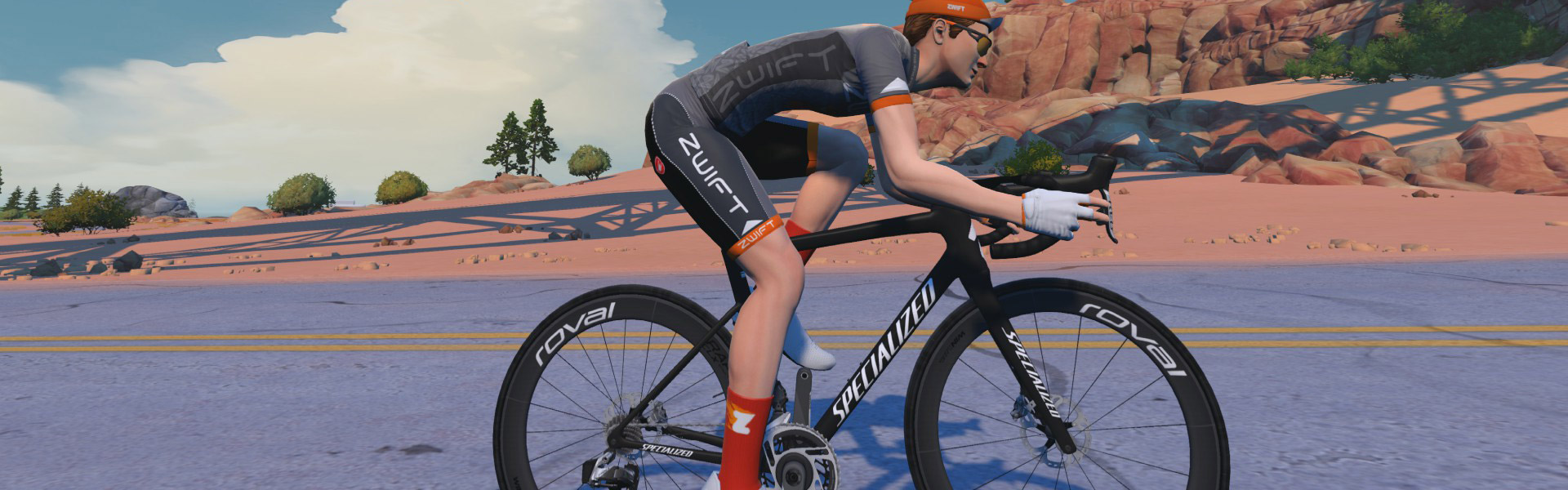
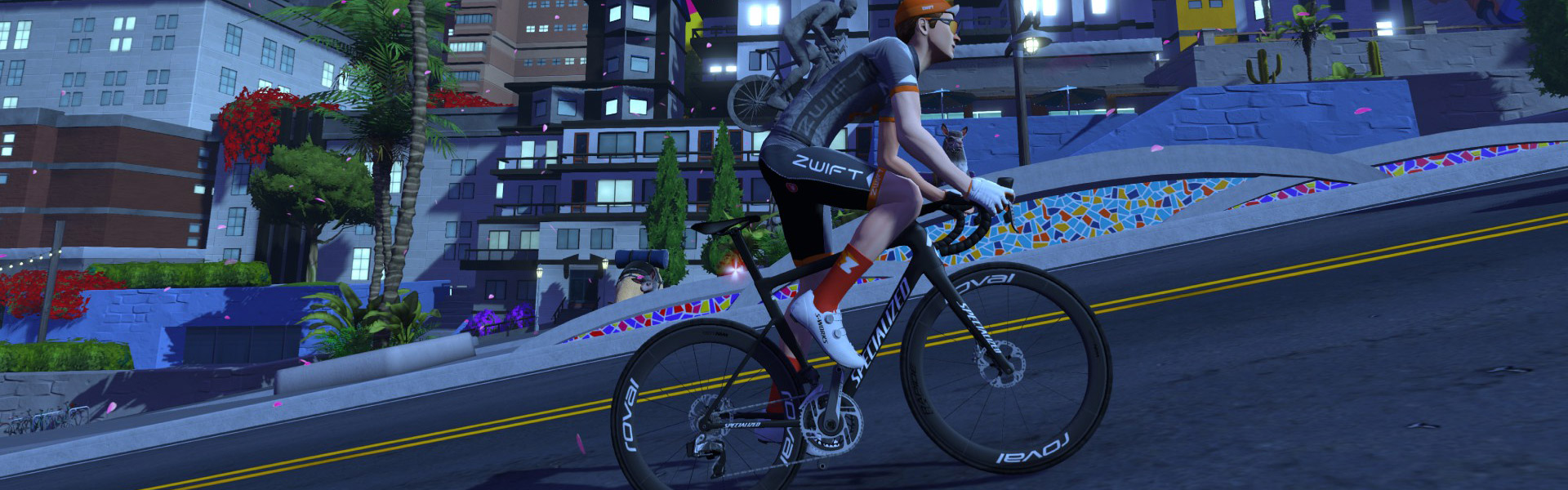
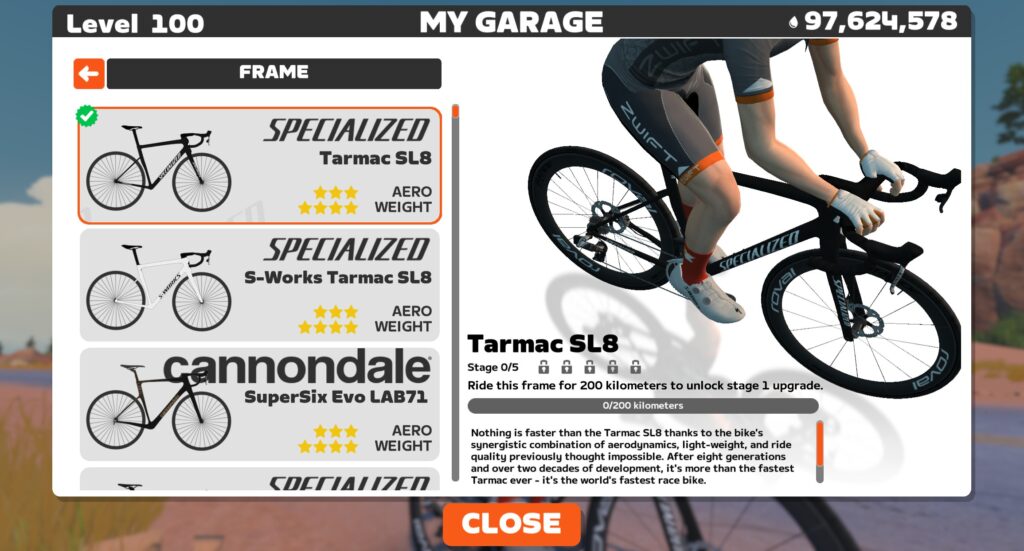
Zwift’s latest update includes the welcome addition of several new bike frames, including two versions of the highly respected Tarmac SL8 from Specialized. We’ve already covered the S-Works version, and today we’ll cover the non-S-Works version, which Specialized refers to as the Tarmac SL8 Pro on their website:
On Zwift, you’ll need to be updated to game version 1.86+ to see the Tarmac SL8 in Zwift’s Drop Shop. You’ll also need to be at level 35+ with 700,000 Drops to buy it. Here’s how it’s described in the Drop Shop (the same text as the S-Works version):
“Nothing is faster than the Specialized Tarmac SL8 thanks to the bike’s synergistic combination of aerodynamics, light weight, and ride quality previously thought impossible. After eight generations and over two decades of development, it’s more than the fastest Tarmac ever – it’s the world’s fastest race bike.”
In real life, the S-Works Tarmac is a bit lighter than the Tarmac SL8 pro, and also ~$6,000 more expensive. But how do the two compare on Zwift?
It’s rated 3 stars for aero, 4 stars for weight, like a handful of other top newish all-arounders. But a 4-star system isn’t the most granular of performance measurements, so we ran this frame through our precise tests to measure performance at nerd-level detail. Let’s dive in!
Note: test results below are from a 75kg, 183cm rider holding 300W steady using Zwift’s stock 32mm Carbon wheelset.
Aero (Flat/Rolling) Performance
The Specialized Tarmac SL8 is slippery, trimming 60.7s off our baseline Zwift Carbon frame over an hour of flat riding.
That puts it within 2.3 seconds of the game’s fastest frame, and 1.2 seconds behind the S-Works version of the same bike. Considering that our tests have a 1-second margin of error, one could reasonably lump this frame in with the other fastest frames in terms of performance on flat roads.
Climb Performance
The S-Works Tarmac is currently the fastest climber in our tests, at least at 4 W/kg. The Specialized Tarmac SL8 holds its own, though, coming in 4th overall in terms of climbing performance, just 7.5 seconds behind the S-Works version over an hour of climbing.
This Specialized Tarmac shaves 48.5 seconds off of our baseline Zwift Carbon’s time on an hourlong climb.
Upgrading Your Specialized Tarmac SL8
Like all frames in Zwift, the Specialized Tarmac SL8 can be upgraded in five stages. As a high-end race bike, each of the five stages results in a performance improvement. The S-Works Tarmac SL8 upgrade stages are as follows:
Ride 200km, pay 100,000 Drops for an aero upgrade
Ride 260km, pay 200,000 Drops for a weight reduction
Ride 320km, pay 350,000 Drops for a drivetrain efficiency improvement
Ride 380km, pay 500,000 Drops for an aero upgrade
Ride 440km, pay 750,000 Drops for a weight reduction
You can expect a fully-upgraded Specialized Tarmac SL8 to be approximately 28 seconds faster on a flat hour and 36 seconds faster on an hourlong climb vs the “stock” Specialized Tarmac SL8.
Conclusions
The Specialized Tarmac SL-8 is beaten by the S-Works Tarmac SL8 in all areas but one: affordability!
While the S-Works version requires level 40+ and 1,750,000 Drops to purchase, the Specialized Tarmac SL8 can be purchased at level 35+ for just 700,000 Drops. Apart from the wildly attainable Canyon Aeroad 2024 (level 10, 1,100,000 Drops), this Tarmac is the only frame in the top 5 of our stacked percentile rankings that isn’t unlocked at level 40.
Will riders choose to buy the more easily attainable Tarmac, or wait another 5 levels for the more expensive, slightly faster version?
Regardless of this Tarmac you choose, this much is true: you’ll get no color slider. #sadtrombone
Questions or Comments?
Will you be buying this Tarmac? Why or why not? Share below…
Important note: this post contains speed test results for Zwift frames or wheels. These results may change over time, and a bike’s performance relative to others may also change. We don’t always revise posts when performance rankings change, but we do keep current, master versions of our speed test results which are always available. See the frame charts, wheel charts, and Tron vs Top Performers for current performance data.
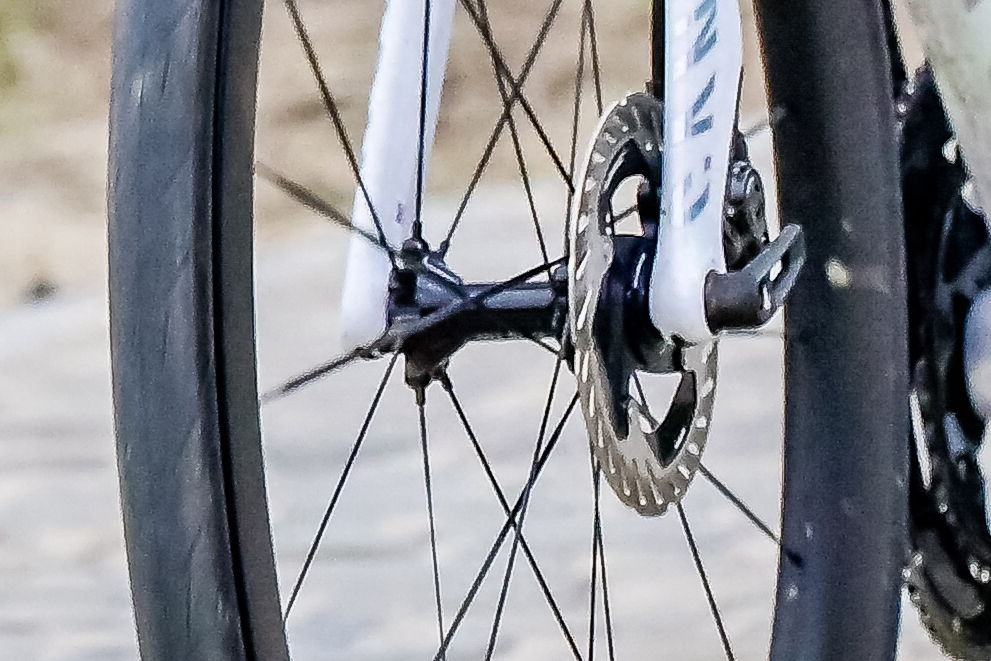
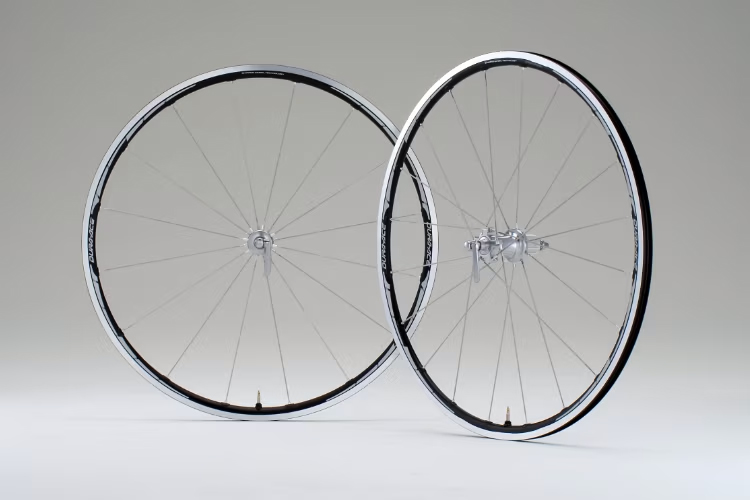
Though Shimano briefly flirted with internal nipples throughout the R9000-era of Dura-Ace, in the intervening years Shimano has gone back to external nipples.
Shimano briefly used internal nipples. James Huang / BikeRadar.com
Though a win for serviceability, all else being equal, external nipples are less aerodynamic than internal nipples.
With the nipples relatively accessible at the hub end, Shimano may believe the new design we’ve spotted offers the advantages of ‘hidden’ nipples without the need to remove the tyre and tape to true the wheel. Though of marginal importance, this design could also offer reduced rotating mass.
The driveside is radially laced. DIRK WAEM/BELGA MAG/AFP via Getty Images
Elsewhere, the non-driveside spokes are laced radially. They’re laced in a conventional straight-pull 2x layout on the existing wheelset, signalling another change for the new wheels.
It’s harder to glean details on what may have changed on the unbranded rims.
The spacer/nut bed beneath the tubeless valve lockring also looks like it could be moulded as part of the rim, rather than a separate piece.
At a glance, the rims also appear slightly broader and blunter than the outgoing wheelset – par for the course for a new wheelset in 2025.
It’s hard to glean any details from the unbranded rims. DIRK WAEM/Belga/AFP via Getty Images
However, given the close relationship between Alpecin–Deceuninck and Shimano, and the overall design of the hubs, we’re confident these are new Dura-Ace wheels.
Shimano also has a history of teasing new, unbranded wheels. In recent times, the Dutchman used stealthy black rims laced to Dura-Ace hubs to win at the 2024 UCI Gravel World Championships.
Shimano issued its standard response in reply to our request for comment: “Shimano is continually developing new products and evaluates the performance of our products based on valuable rider feedback.
“We however do not address rumours, speculation, or unverified information about our products, regardless of whether they are currently in development or not.”
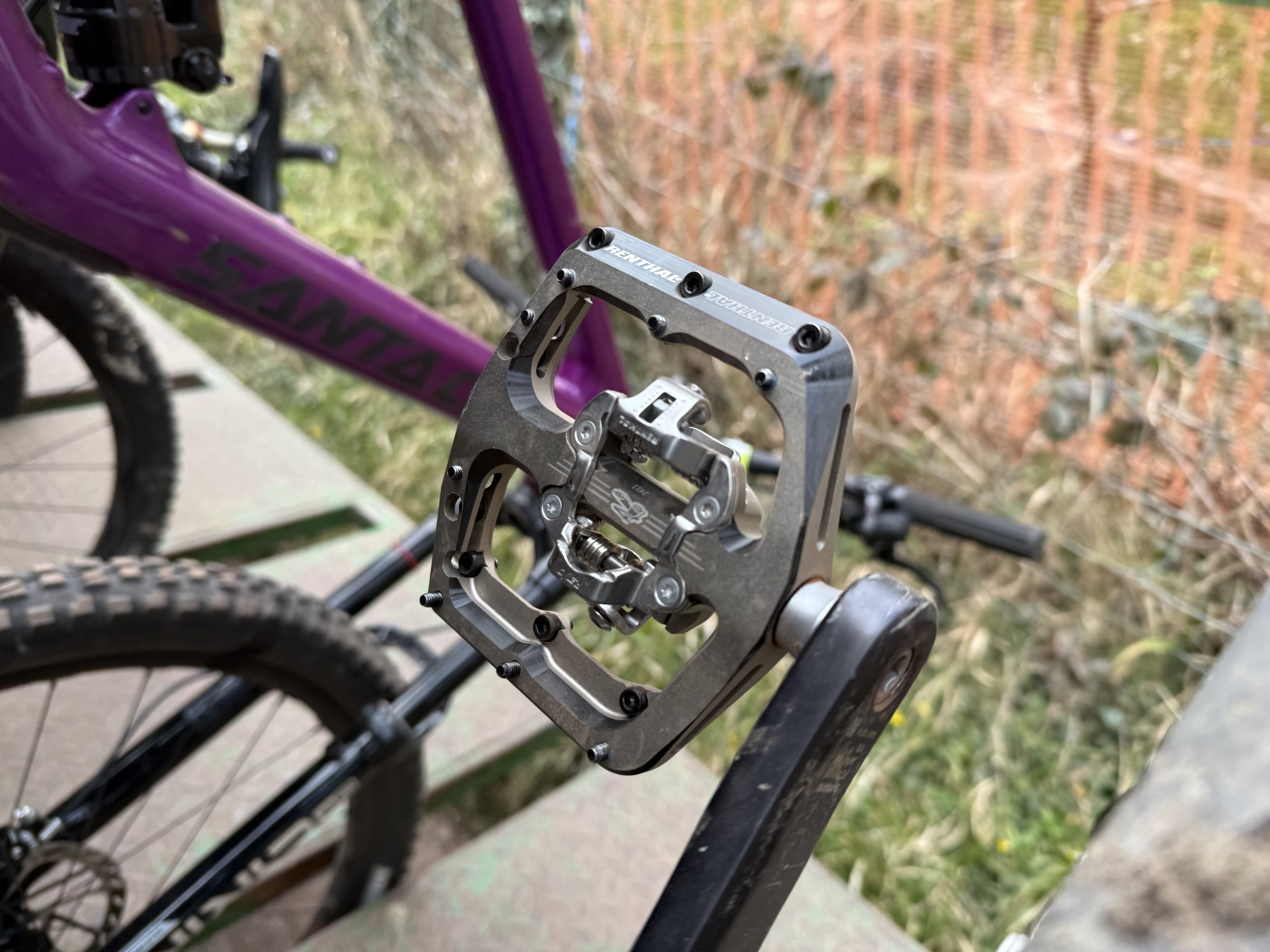
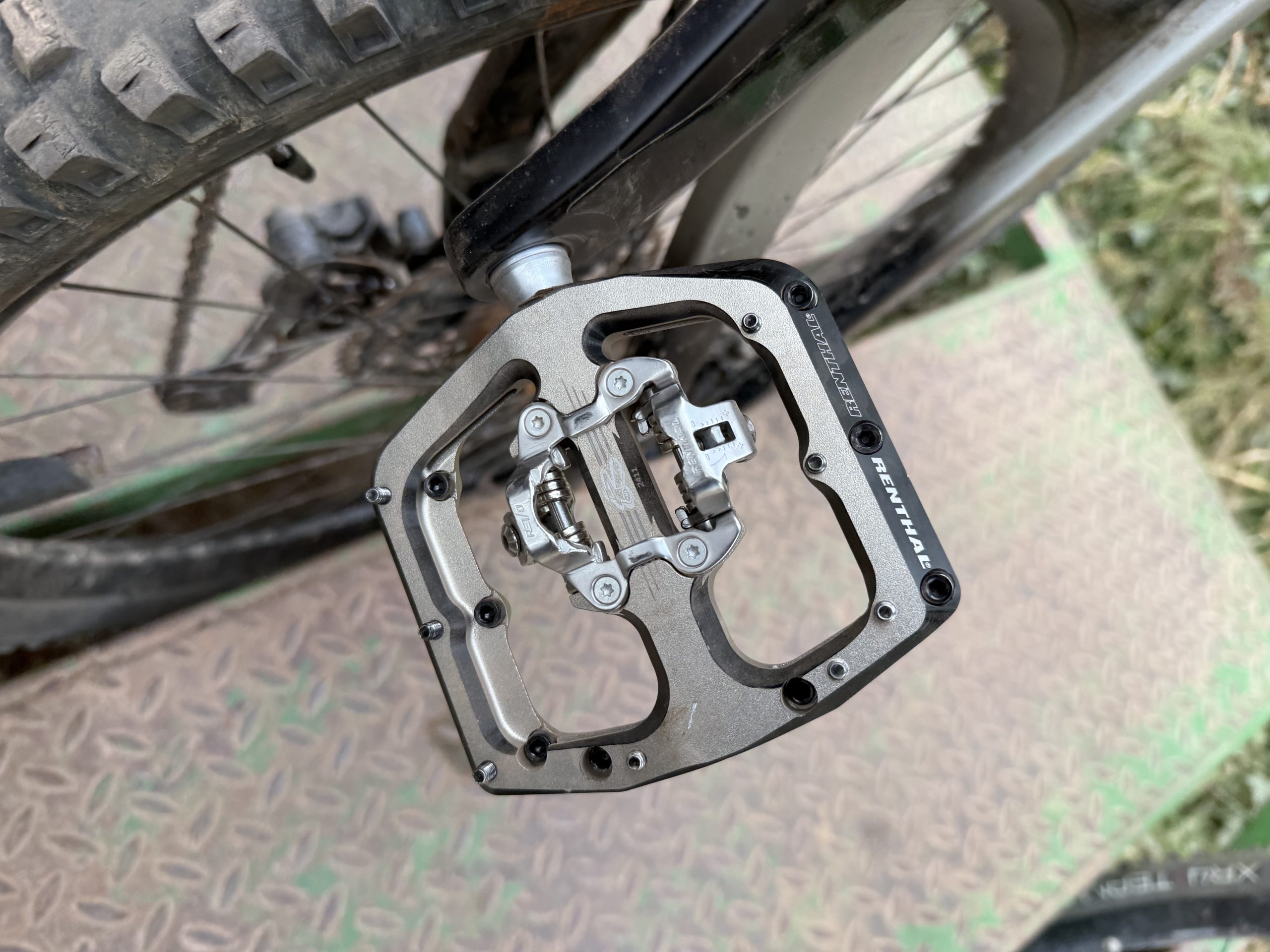
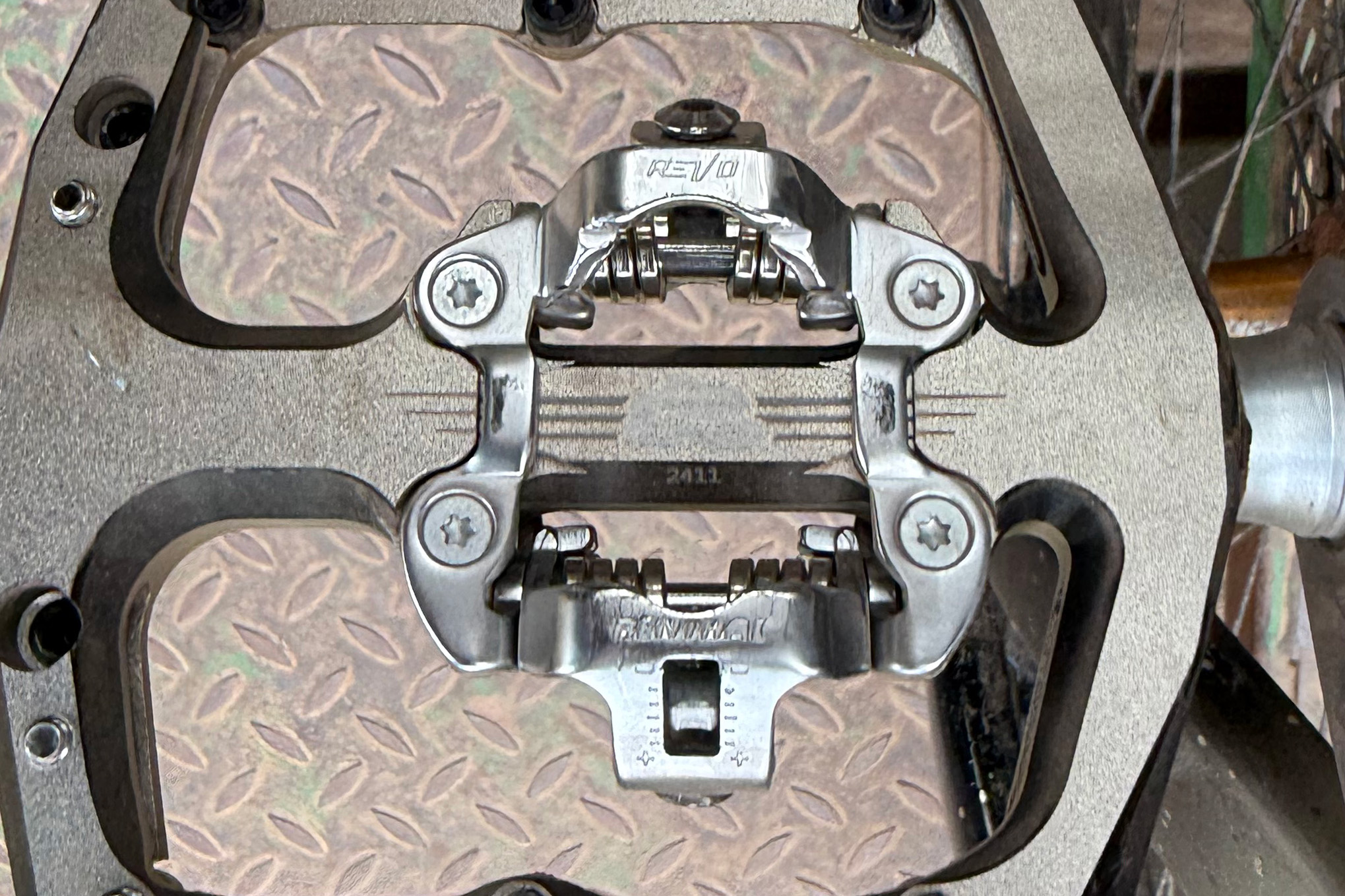
While taking in the top-tier trails at Dirt Farm in Wales over the weekend, I spotted a pair of unreleased Renthal clipless pedals on the uplift trailer.
The new pedals appear to use a Shimano SPD-compatible mechanism and feature a large platform for enduro and downhill use.
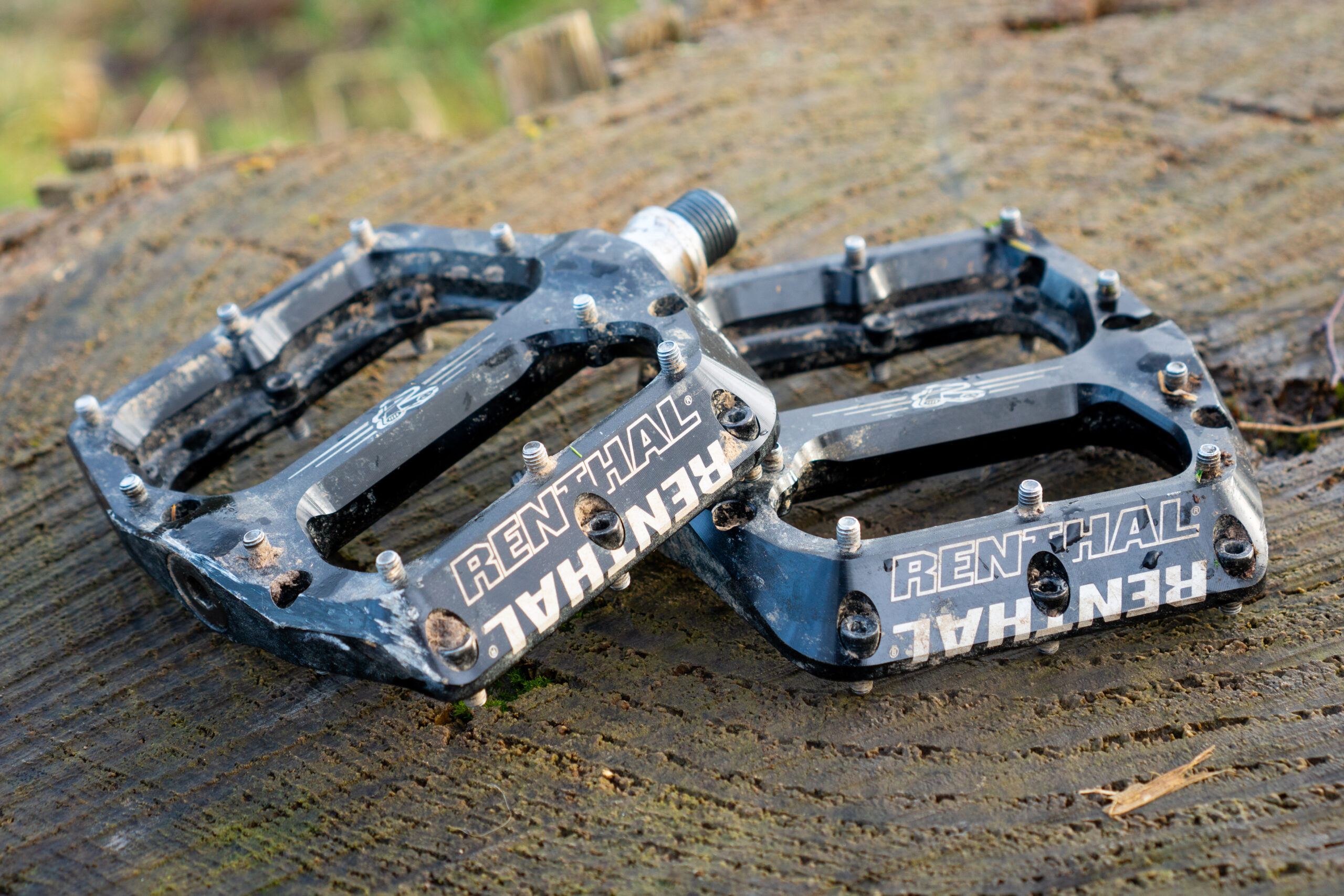
Renthal only branched out into mountain bike pedals last year with the launch of the Revo-F, which impressed us with its robust design.
Before this, Renthal was better known for its MTB handlebars, with the brand’s Fatbar having become iconic over the years for its reliability and golden colour scheme.
The Revo name is embossed into the pedal mechanism, so it looks as though Renthal is carrying the name into this clipless model too.
Gold-textured platforms
These unreleased pedals feature a flat platform, unlike the concave one found on the Revo-F. Nick Clark / Our Media
The unreleased pedals appear to feature a similar platform to the Revo-Fs, but use eight pins instead of 10 on either side for extra traction.
Rear-loaded pins are used with hex key heads, which should make changing blunted or obliterated pins easy.
Renthal’s flat pedals offer tuneable grip levels through varying pin heights, so we’d expect to see that on the clipless model too.
The textured surface looks to add grip to the platform. Nick Clark / Our Media
The platform uses a textured surface that fans of the Fatbar will be familiar with – unlike the Revo-F pedals, which have a glossy finish.
This smooth finish is seen on the sides of the pedal body.
Like many of the best mountain bike pedals, the overall pedal body uses a trapezoid shape, which should help fend off blunt rock strikes without unsettling your foot too much.
The Revo-F pedal is constructed from forged 6010 aluminium, with CNC machining used to remove excess material, and it appears the same process is being employed for this clipless pedal.
Shimano-inspired mechanism
We’re not sure if Renthal will use a proprietary cleat, but the mechanism looks compatible with Shimano’s SPD. Nick Clark / Our Media
The mechanism itself features a spring adjuster, which should enable you to change how much effort is required to unclip from the pedals.
The Revo-F pedals weigh in at 491g a pair, which is quite chunky for flat pedals. Alex Evans / Our Media
There appear to be attempts at saving weight, with the sides of the body featuring cutaways not seen on the Revo-F – possibly offsetting some of the weight added with the clipless mechanism.
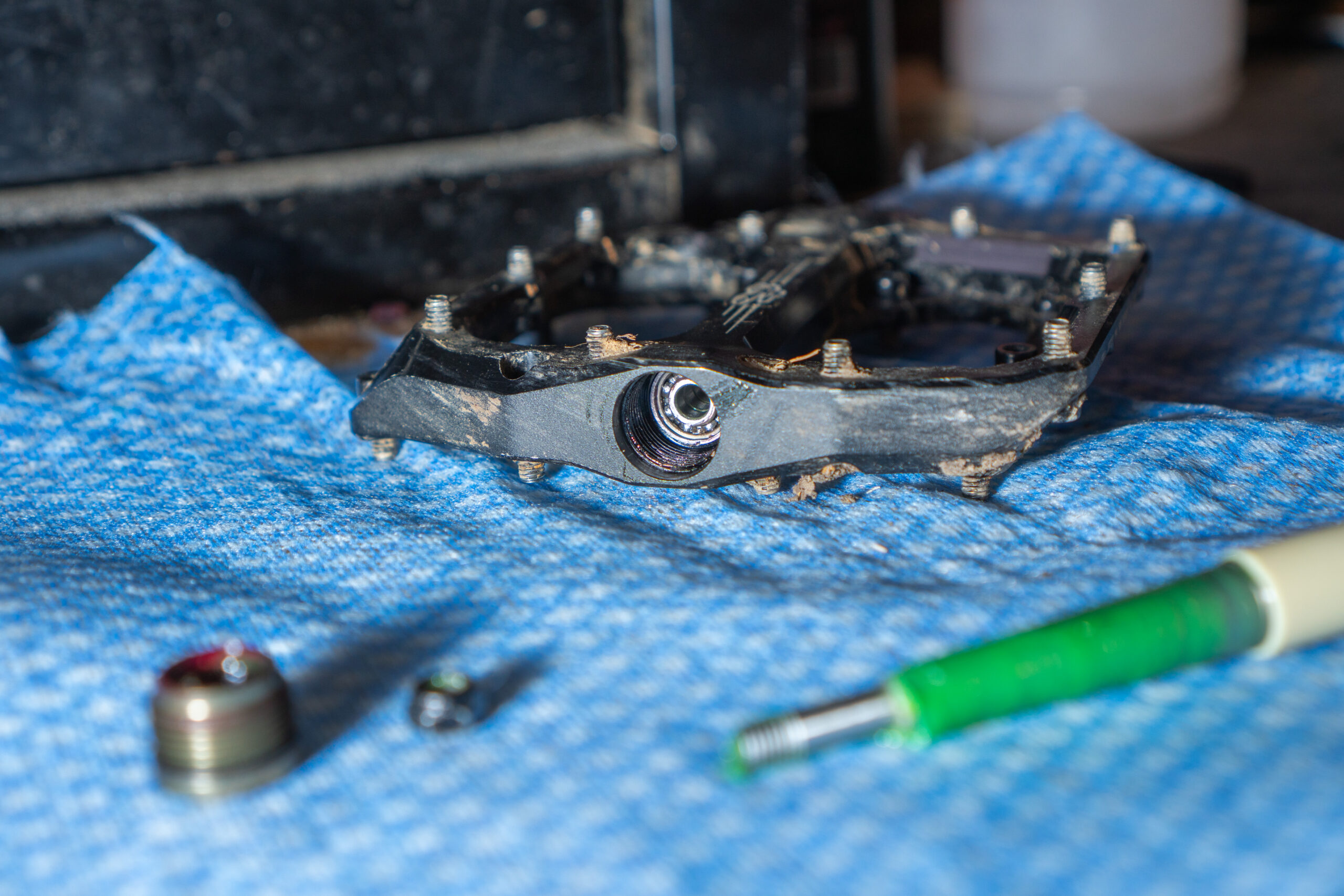
A large hex key end cap is seen on the outside of the pedal, suggesting we can expect the pedals to be fully serviceable, with Renthal offering full rebuild kits for the Revo-F.
We were impressed at how easy the Revo-F pedals were to service. Alex Evans / Our Media
The Revo-F spins on an extra wide Igus bushing and three cartridge bearings, so it’s highly likely that we can expect these clipless variants to do the same.
The same is likely for the Chromoly axle.
We’re not sure when to expect the pedals, but they don’t look far away from being production-ready.
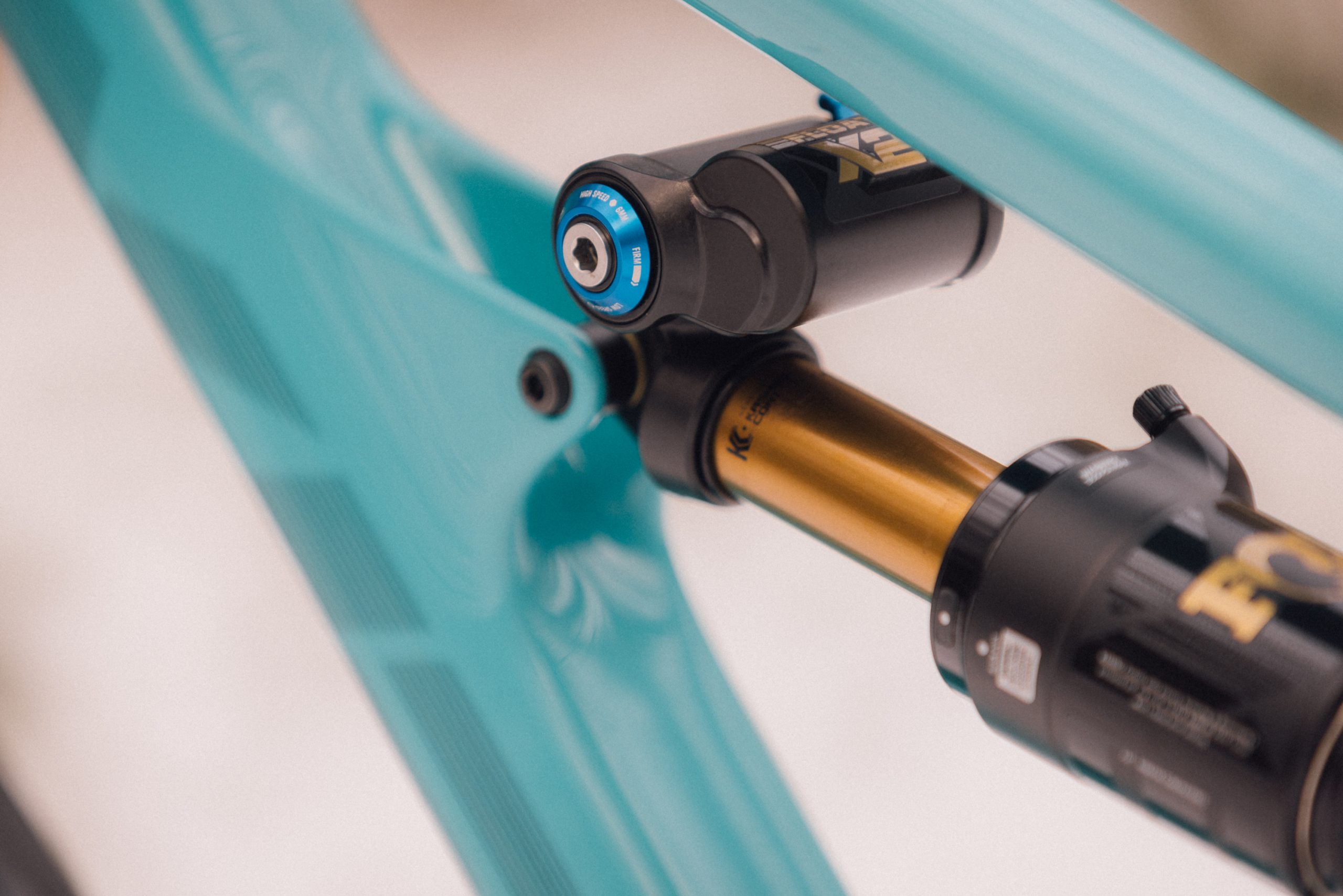
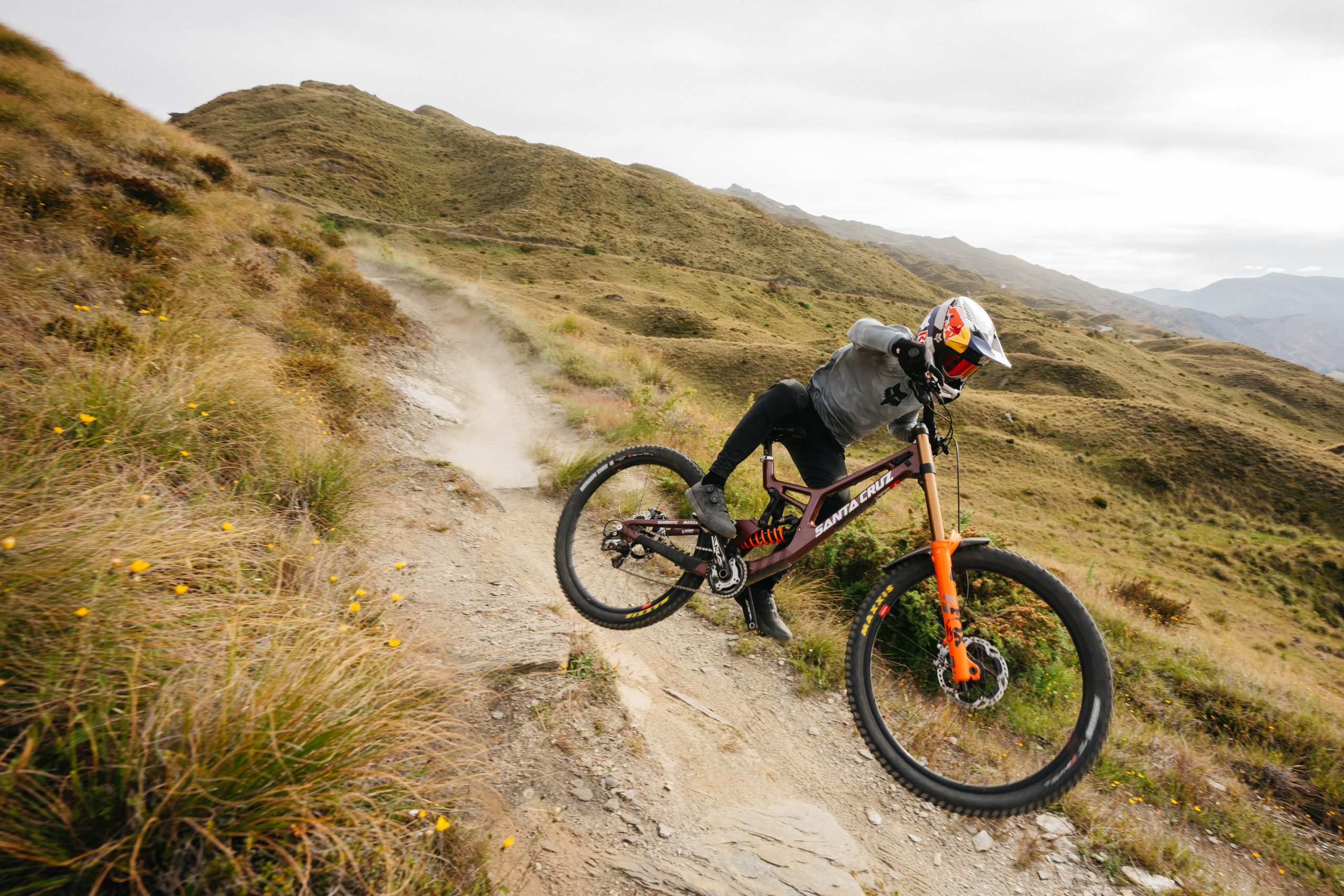
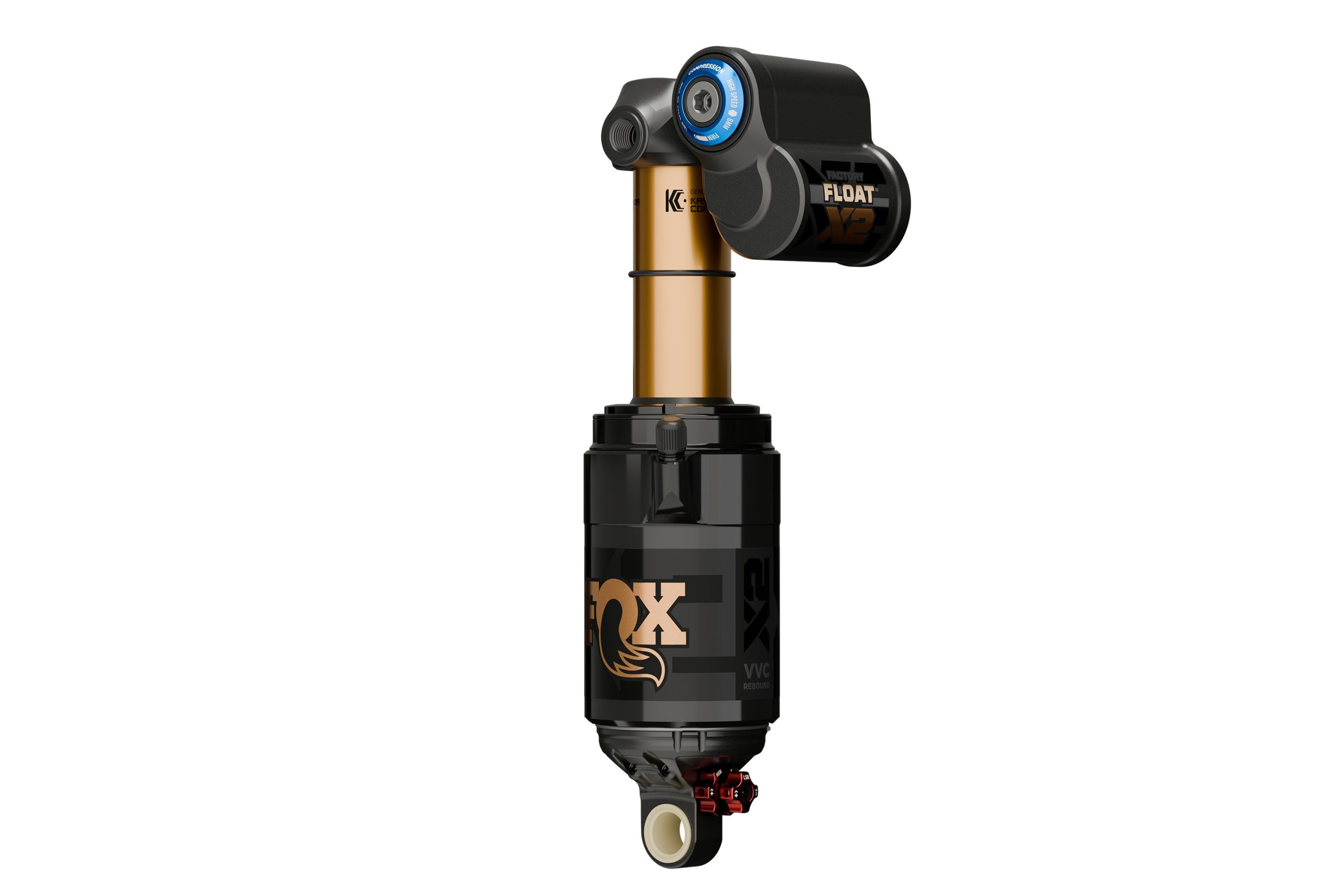
Fox has announced the release of its new X2 shock, claiming it to be the world’s first four-way adjustable monotube mountain bike shock.
The brand says its shift to a monotube design has enabled the X2 to be more durable, as well as allowing for full pressure balancing, increasing the shock’s usable range.
Alongside the X2, Fox has also released its new DHX2 coil shock, which features identical internal architecture but uses a coil instead of an oversized air can.
The new X2’s pricing ranges from £809 / $699 / €939 / AU$1,199 to £849 / $739 / €989 / AU$1,299, while the DHX2 ranges from £729 / $679 / €909 / AU$1,199 to £829 / $719 / €959 / AU$1,249.
The X2 comes in two-position Performance and Factory spec, or as a DH option that doesn’t feature a climb position.
Fox says it has addressed the reliability issues that haunted the previous X2, with the new shock said to be more durable than before.
Moving to monotube
The X2 joins the Float X and DHX with a monotube design. Fox
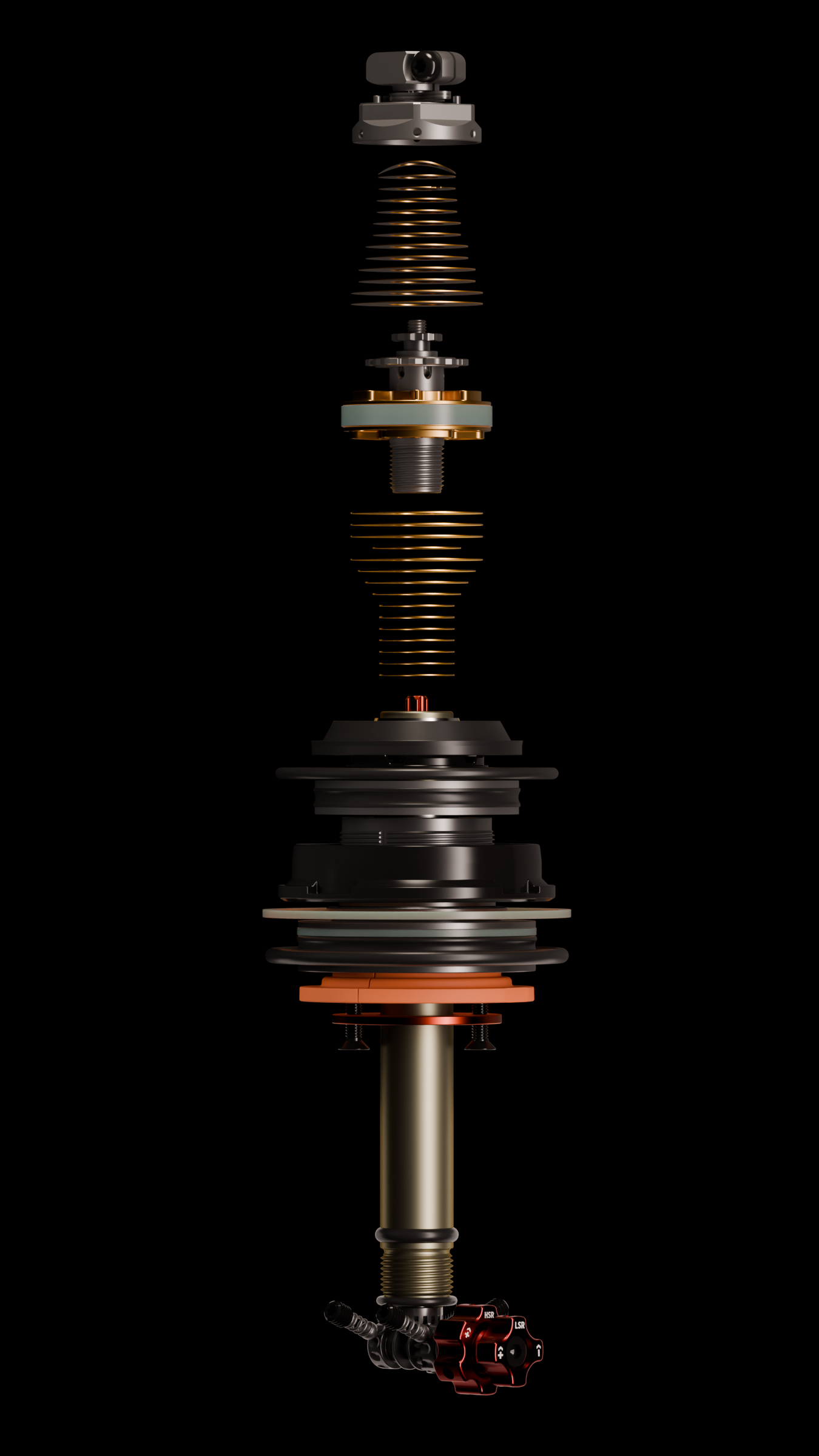
The new architecture sees the X2 departing from a twin-tube design and moving to a monotube, which Fox says enables pressure balancing in the shock.
Pressure balancing is said to benefit the suspension by maintaining low positive pressure in the damper, enabling a much faster damper response time to rider inputs.
The DHX2 also benefits from pressure balancing. Fox
Positive pressure in the damper prevents cavitation and alleviates oil aeration, both of which can negatively affect the performance of mountain bike shocks.
Fox says it needed to introduce pressure balancing to match the performance of the GRIP X2 damper found in the brand’s forks.
The new shock is said to have greater control over the shock’s rebound stroke and how the rear tyre behaves, leading to greater rider confidence.
Fox says the wider shaft diameter adds more strength compared to the previous generation. Fox
The monotube design has also enabled Fox to increase the main shaft diameter from 9.5mm to 12.7mm for added strength and durability.
Four-way adjustment
The two-position models feature a firm mode, which reduces pedal bob when climbing. Fox
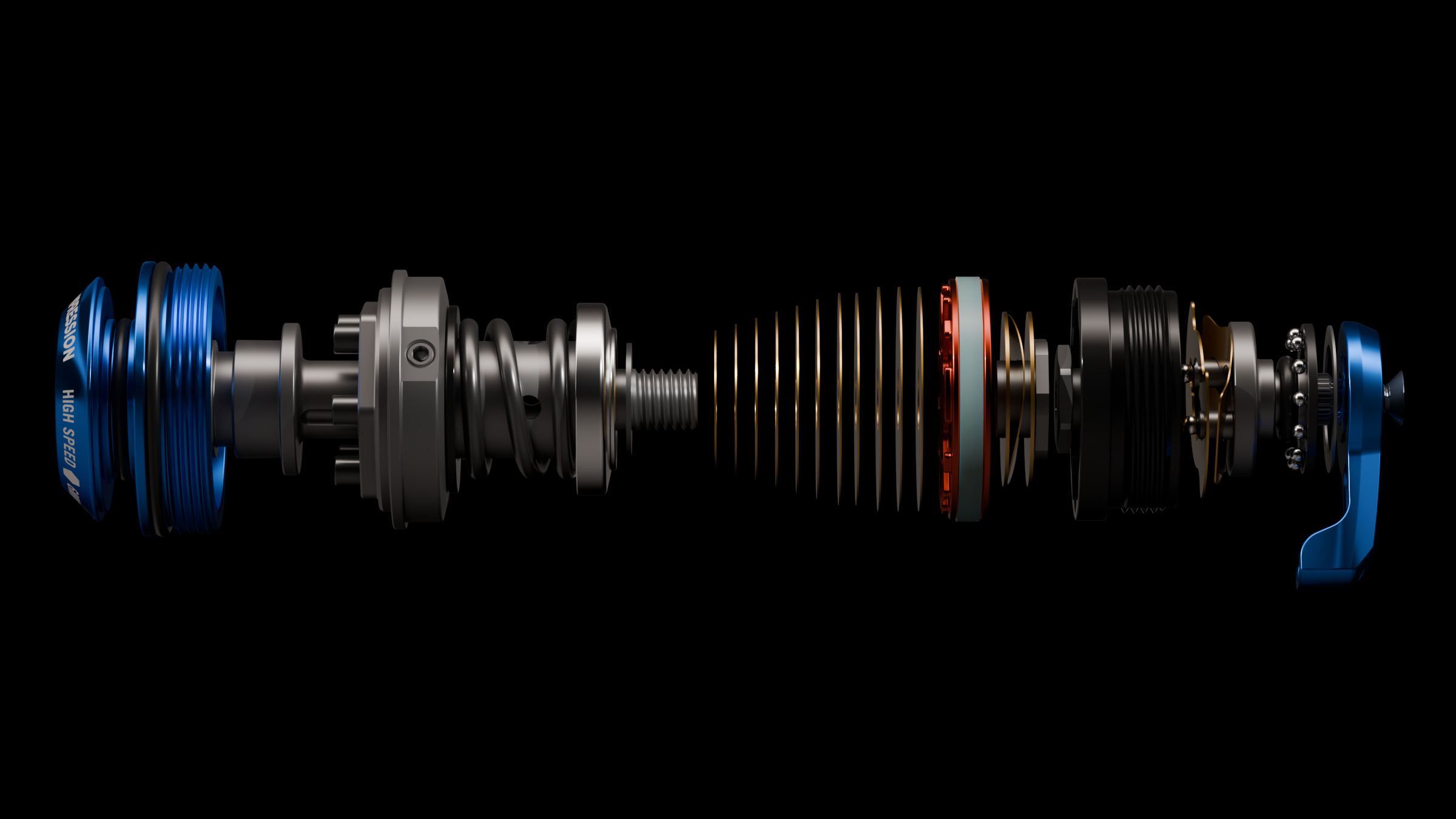
Unlike Fox’s other monotube shocks, such as the Float X and DHX, which use an orifice and needle design for low-speed compression, the X2 and DHX2 feature an additional adjuster that combines a combination of cams and gears to rotate and move the rebound rod axially.
The DHX2 is also available with a firm mode. Fox
This rotation also turns the Variable Valve Control (VVC) plate for high-speed rebound adjustment.
Fox says the four-way adjustment gives riders and racers the edge when fractions of a second matter.
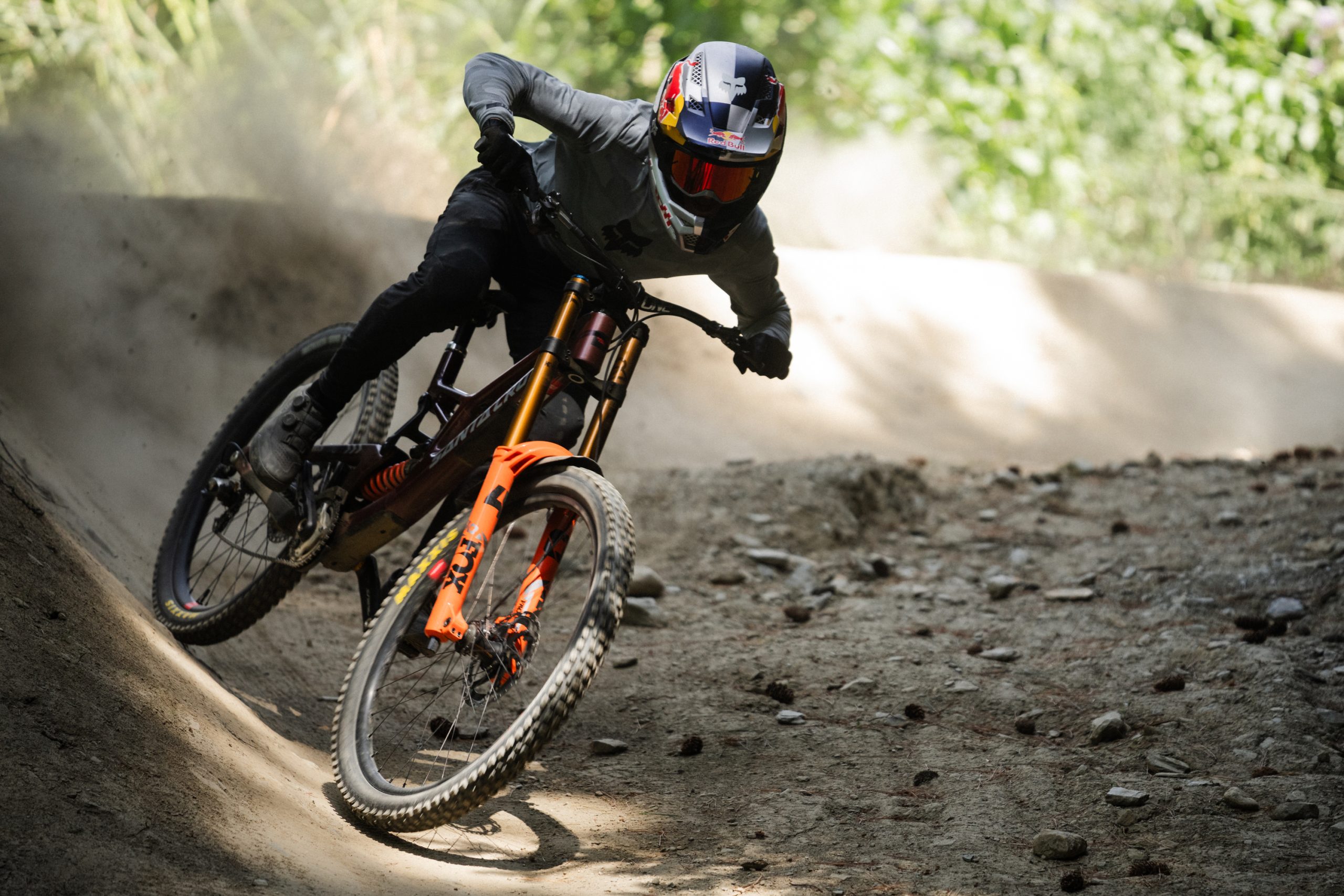
Fox X2 Factory ride impressions
The X2 provides an impressive amount of adjustability. Nick Clark / Our Media
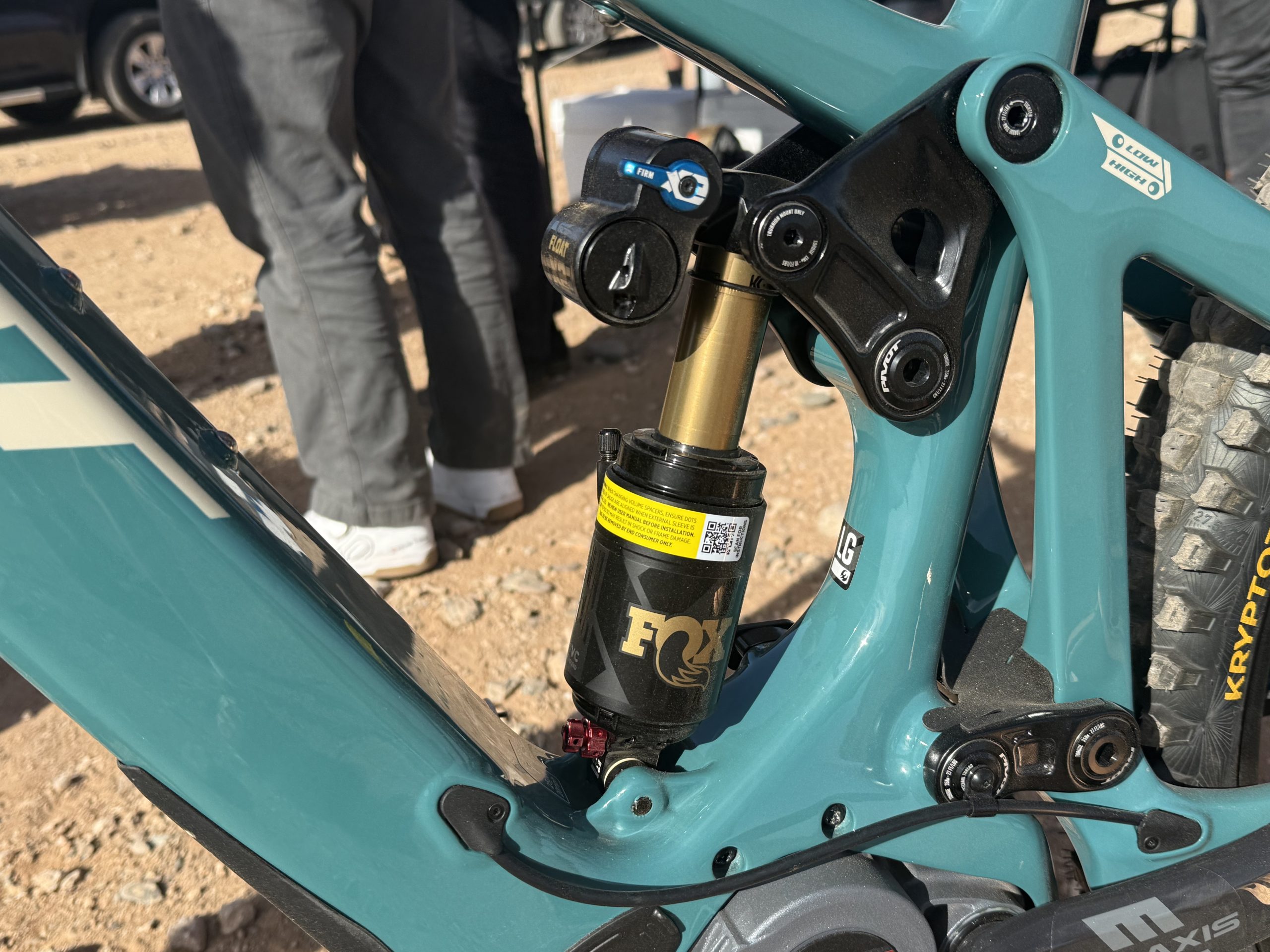
I had the opportunity to ride the X2 over two days in Arizona, USA.
The shock was sat in Pivot’s Shuttle LT and was set to the brand’s recommended sag of 30 per cent.
My initial impressions were that the new X2 flutters in and out of its travel with ease without feeling as though it’s sacrificing too much travel in the suppleness.
This suppleness gives an impressive ground-hugging nature to the bike’s rear end, and while nothing compares to a coil on the descents, the X2 doesn’t feel worlds apart.
In the mid-range, the shock feels supportive, while still feeling smooth and active.
There’s plenty of adjustment on hand too, and when dialling in the high-speed compression, the shock can absorb a series of hard-hitting bumps without running out of or pushing you up into the travel.
The firm mode is easy to access and provides a strong platform for climbing without completely hardening the rear end, allowing for good grip on technical climbs.
I’m interested in putting the X2 through its paces on home trails soon to see how it performs over a longer period of time.
Fox X2 spec details
The X2 is said to weigh in at 720g for the smallest size. Fox