How did you get into cycling? I come from the running world – mid-distance and long-distance. I sustained an overuse injury early last year, and physical therapy encouraged me to seek out other means of exercise while I recovered. I joined Zwift in October ‘24 and was instantly hooked!
How many years have you been racing on Zwift? 6 months
Are you part of a Virtual team? Yes, Coalition
What do you love most about racing? Being surrounded by highly talented, strong women is really inspiring.
What is your favourite style of race (e.g. points, scratch, iTT, TTT, Chase, duathlon)? Duathlon
What is your favourite Zwift women’s race series? Warrior Games
What is your most memorable racing experience, inside or outside or BOTH? It was a co-ed Zwift race where I took the lead on a hill climb and held it, meters ahead of the peloton. I finished 15 seconds ahead of 2nd place.
What is your favourite food to eat post race? Avocado toast
What advice would you give to a woman entering her first Zwift race? You can do hard things.
Any upcoming race you are looking forward to? Iceni
Where can people follow your racing adventures?@runnowrestlater on Instagram.
This weekend we’ve chosen two one-off race events as our top features. Additional picks include Pride On events, an extra-long group ride, and a banded ride up Alpe du Zwift. Ride on!
TRIBE RC Epic Chase Race
Unique Event Popular
This is the first officially organized Chase Race from YouTube personality Ryan Condon, and it’s got more signups than any other event this weekend!
Chase Races are a unique experience, since you need to work together… until you don’t. Groups are released in order, starting with the slowest, then the packs work together to catch riders ahead without being caught by riders behind. Riders are grouped by FTP for this event, and they will take on The Big Ring (34.5km, 181m).
This one-time special race event is being held on 4 laps of New York’s Park Perimeter Reverse (39.2km, 504m), and it’s a mass start event with results separated by racing score band.
Popular Ride Legacy Leader Endurance Challenge Kit Unlock
A regularly-featured event here on Zwift Insider, the BMTR Fundo consistently gets lots of joiners because it’s well-led and run consistently week after week, year after year.
This week’s ride is on Waisted 8. You have four distance groups to choose from, all the way up to 100 miles. Doubledraft is enabled to help the pack stay together.
If you have yet to climb Alpe du Zwift, consider this event for your first attempt. This is a banded ride, so as long as you keep pedaling, you’ll stay in the pack, no matter how hard you push.
We choose each weekend’s Notable Events based on a variety of factors including:
Is the event unique/innovative in some way?
Are celebrities (pro riders, etc) attending/leading?
Are signup counts already high, meaning the event is extra-popular?
Does the ride include desirable unlocks or prizes?
Does the event appeal to ladies on Zwift? (We like to support this under-represented group!)
Is it for a good cause?
Is it just plain crazy (extra long races, world record attempts, etc)?
Is it a long-running, popular weekly event with a dedicated leader who deserves a shout out?
In the end, we want to call attention to events that are extra-special and therefore extra-appealing to Zwifters. If you think your event qualifies, comment below with a link/details and we may just include it in an upcoming post!
Last week, we reported on the controversy surrounding proposals to change electric bike regulations in the cycling industry. Here’s what you need to know, in brief:
The German cycling industry association ZIV (Zweirad Industrie Verband) has proposed preserving the bicycle-like nature of ebikes by limiting power to a 4:1 assistance ratio and a maximum of 750W.
Critics argue these limits could stifle innovation and hinder the development of ebikes, which are vital for logistics and cycling mobility.
Industry insiders claim Bosch, a member of ZIV, is using its influence to protect its market position.
Annick Roetynck of LEVA-EU describes the proposal as “protectionism” that could “kill off major parts of the industry.”
It’s all too easy for a simple workshop job to become an odyssey.
We’ve all been there. From rounding a bolt to starting a task that’s deceptively complex, bike maintenance can quickly become frustrating.
So, to ease your maintenance woes, we’ve put together a list of 15 common home maintenance mistakes so you can avoid any unneeded trips to the bike shop.
1. Reaching for the limit screws first when adjusting gears
Leave those limit screws alone folks. Alex Evans
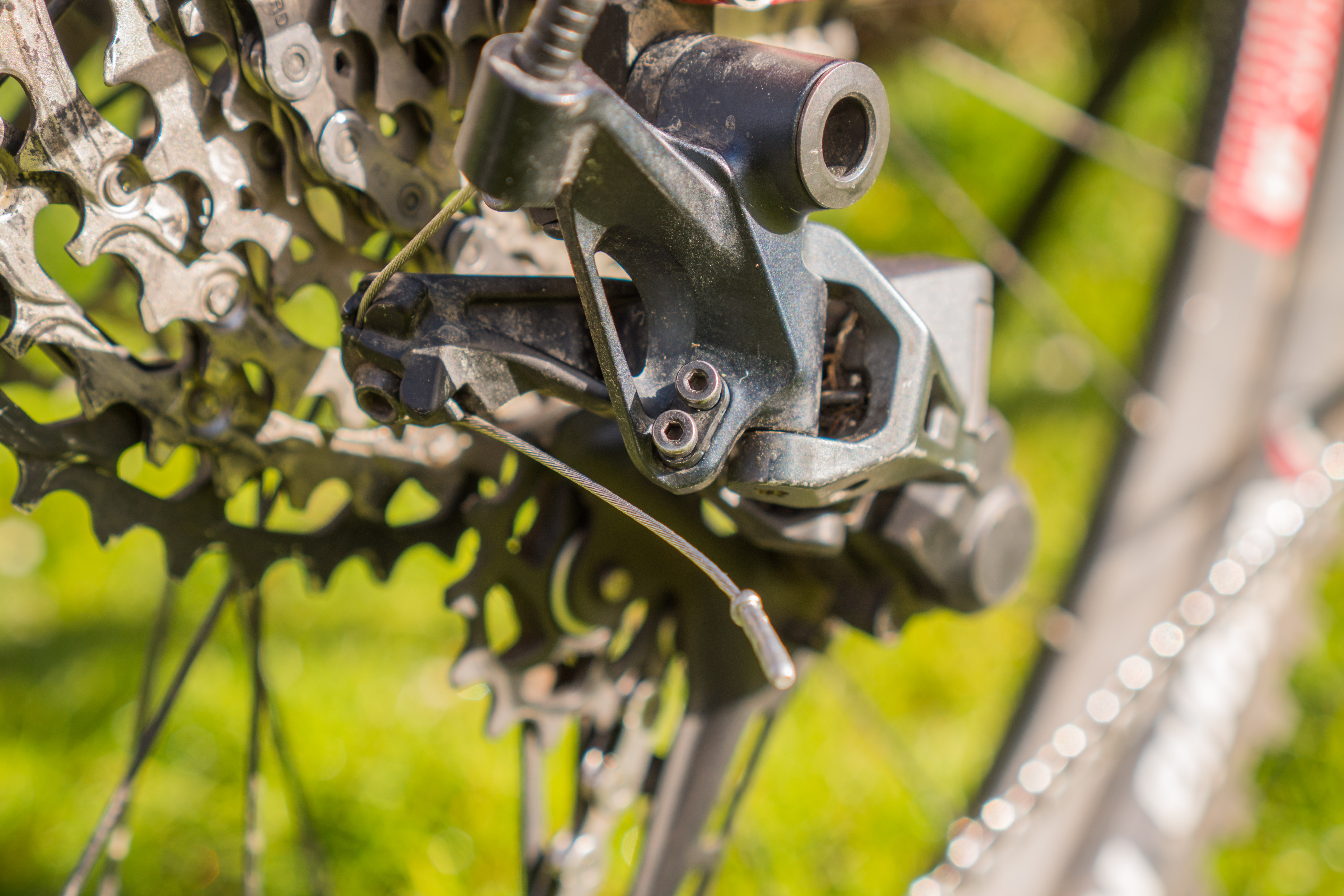
There are many variables to check when adjusting or indexing gears. While it might be tempting to reach for the limit screws, this isn’t the best place to start.
The limit screws prevent the rear derailleur from shifting the chain into the spokes or into the driveside chainstay. Provided they have been set up correctly and the derailleur hanger is not bent, in theory they will not need adjusting.
If your gears aren’t shifting optimally, checking the cable tension should be your first port of call. It’s also worth checking the condition of the cables for any fraying, or kinks or tears to the outers.
2. Not looking after your chain properly
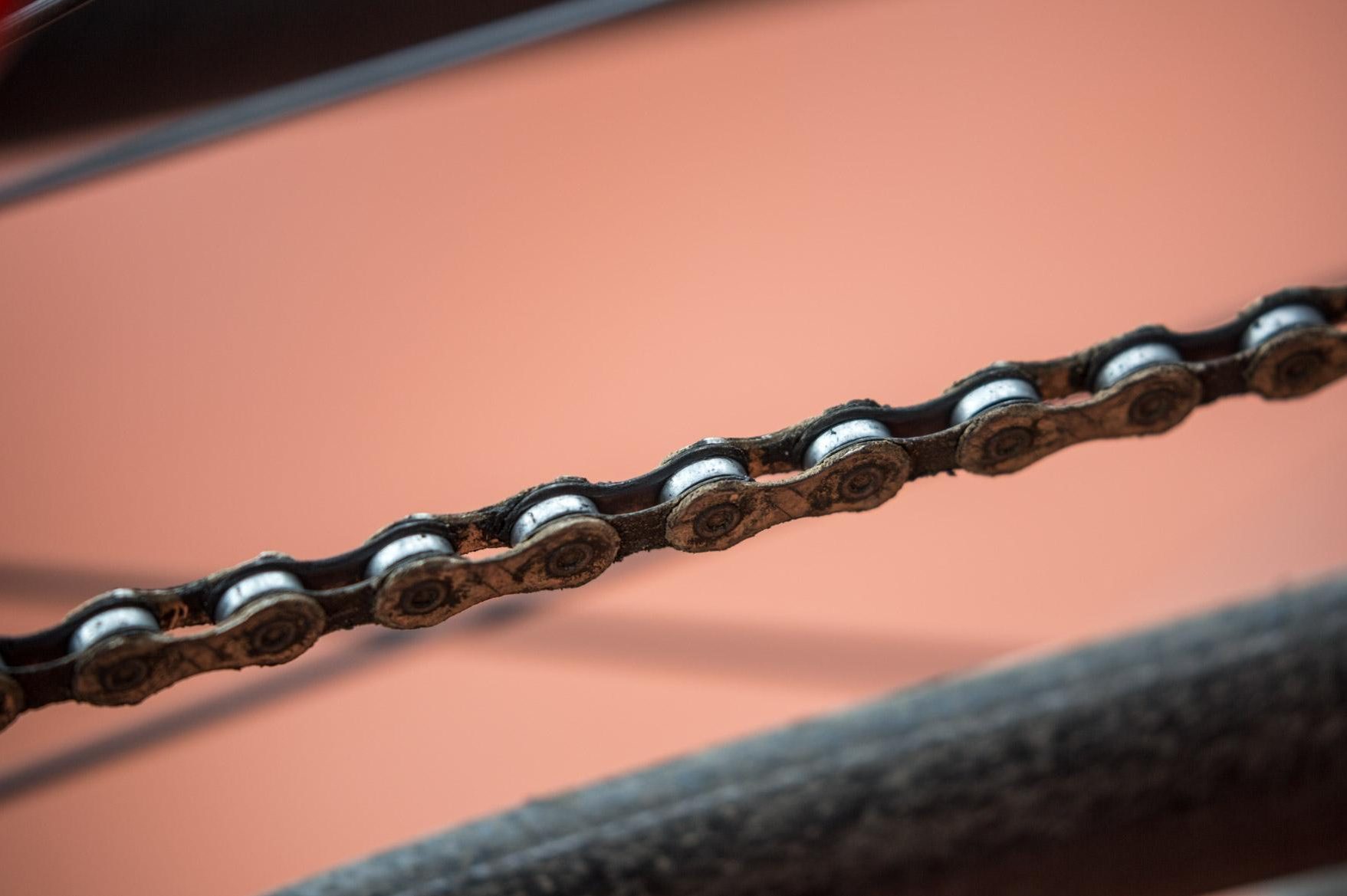
Don’t let your chain get this dirty, it will just wear out your other drivetrain components. Colin Levitch / Immediate Media
The chain is one of the most critical components on your bike, so it’s worth looking after.
It’s best to use a specific chain degreaser and chain lubricant for optimal results when looking after your chain.
3. Incorrect chain length or orientation
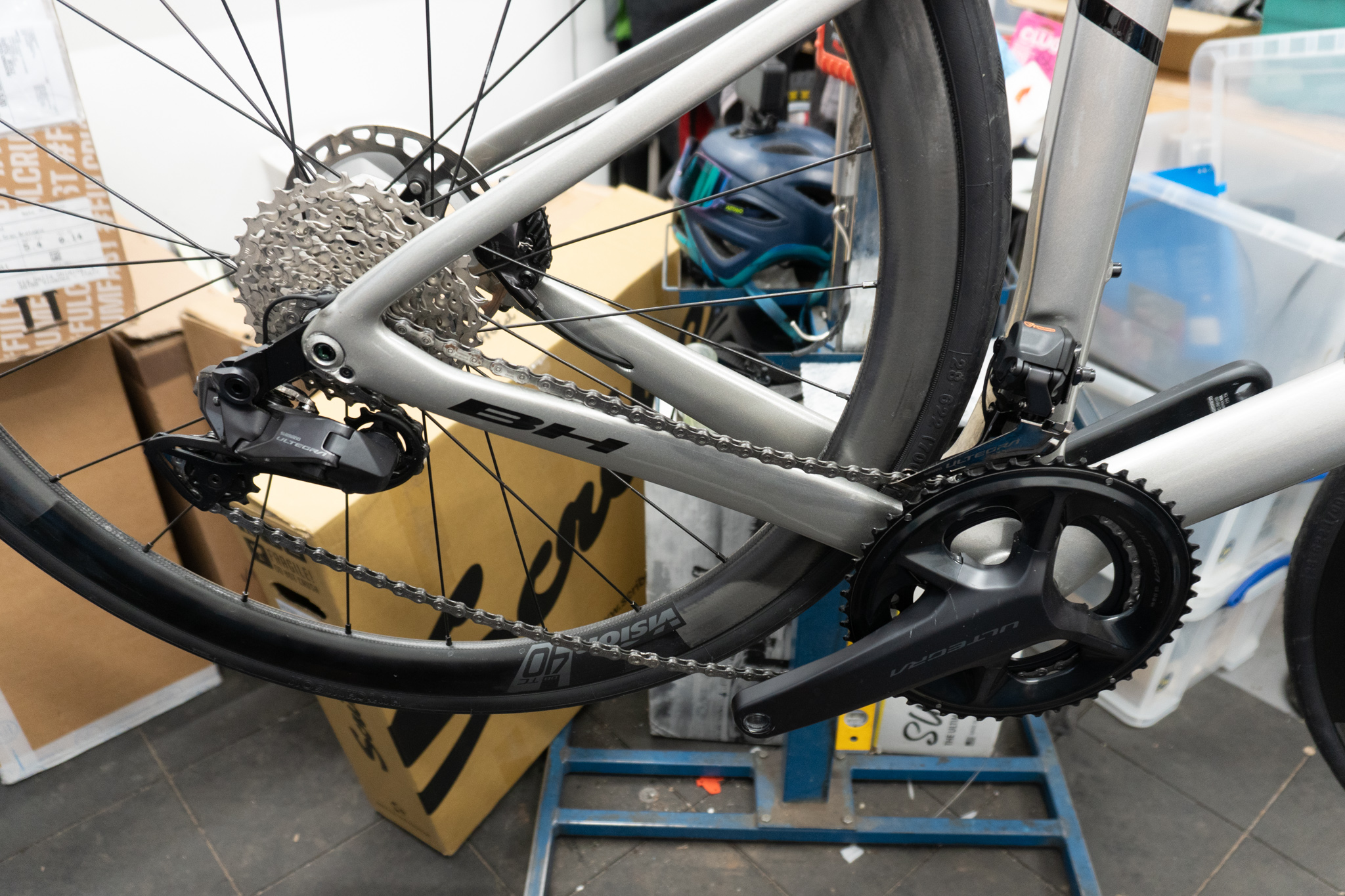
This chain is too long. Oscar Huckle / Our Media
Sticking with chains, it’s important to install them correctly.
If the chain has been cut too short, you will struggle to shift into the largest cassette cog. The chain will likely snap and it can even rip the rear derailleur off as the chain puts too much strain on it.
If the chain is too long, it will sag or droop when using the smaller cassette cogs. This will make shifting less precise and the chain will contact the driveside chainstay.
When replacing a bicycle chain, it’s worth making sure the chain is installed in the correct orientation.
Some chains are designed to only be installed in one direction and it’s worth paying particular attention to the quick link, too. Again, the wrong orientation can lead to poor shifting and an increased risk of the chain snapping.
4. Quick-release skewers loose and in the wrong orientation
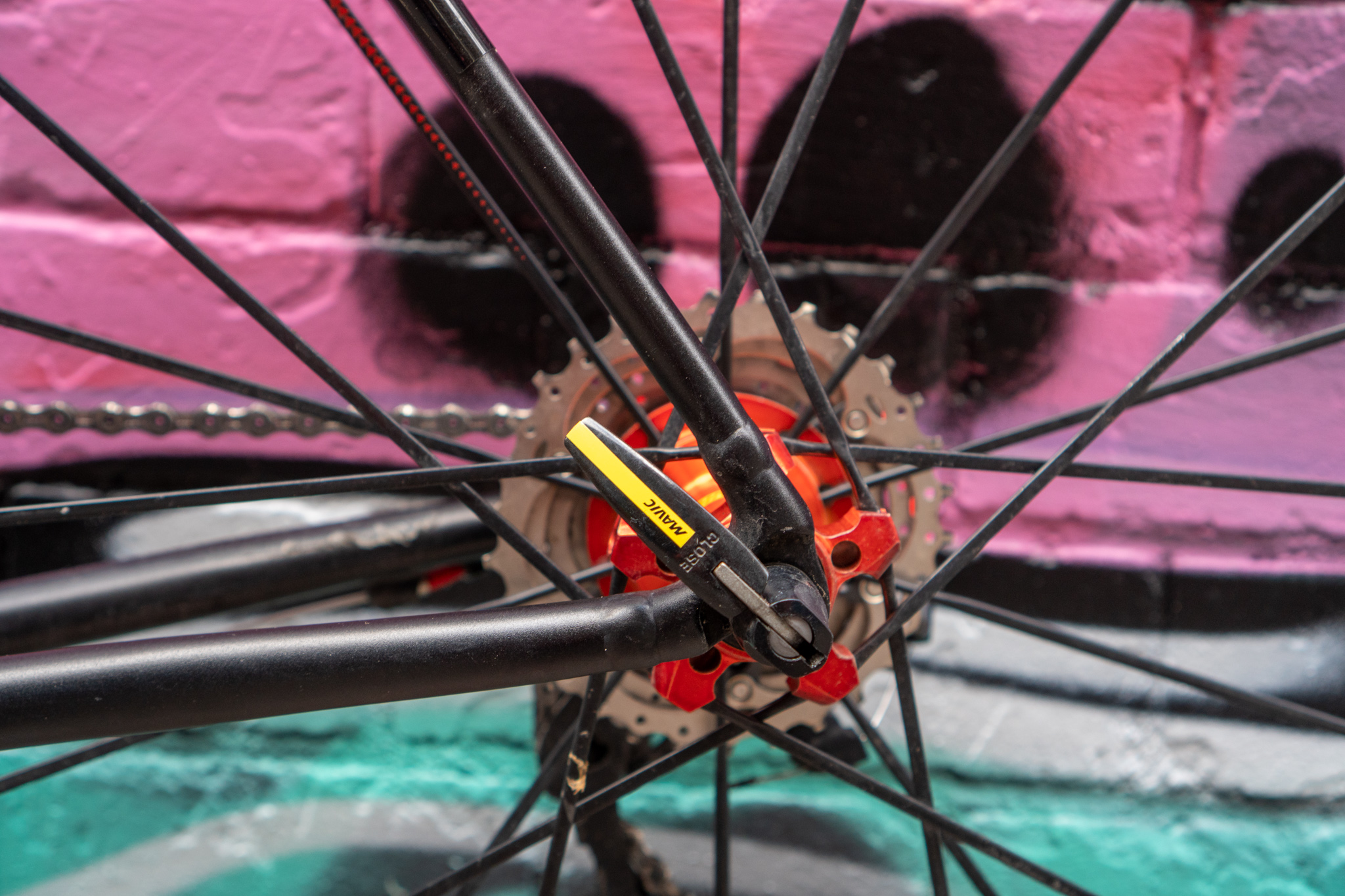
This rear quick-release is oriented correctly. Oscar Huckle / Our Media
It’s common for the quick-release skewers to be installed too loose, too tight or in the wrong orientation.
A quick-release skewer shouldn’t require a Herculean effort to close – it should require enough tension that the lever leaves a slight imprint in the palm of your hand.
Quick-release skewers should also be oriented correctly.
The skewer handle should always be on the non-driveside of the bike (the only exception being a handful of disc brake frames with levered thru-axles that install from the driveside).
The handle should be positioned slightly past the fork blade in the direction of the drivetrain. On the rear, it should bisect the non-driveside chainstay and seatstay.
If the skewer is pointing forward or downward on the front, or towards the floor or back of the bike on the rear, you run the risk of it opening accidentally if you hit an obstacle or if another rider’s wheel gets caught in the skewer.
And never position the skewer against the fork or frame because it will make opening it again in the future a very difficult task.
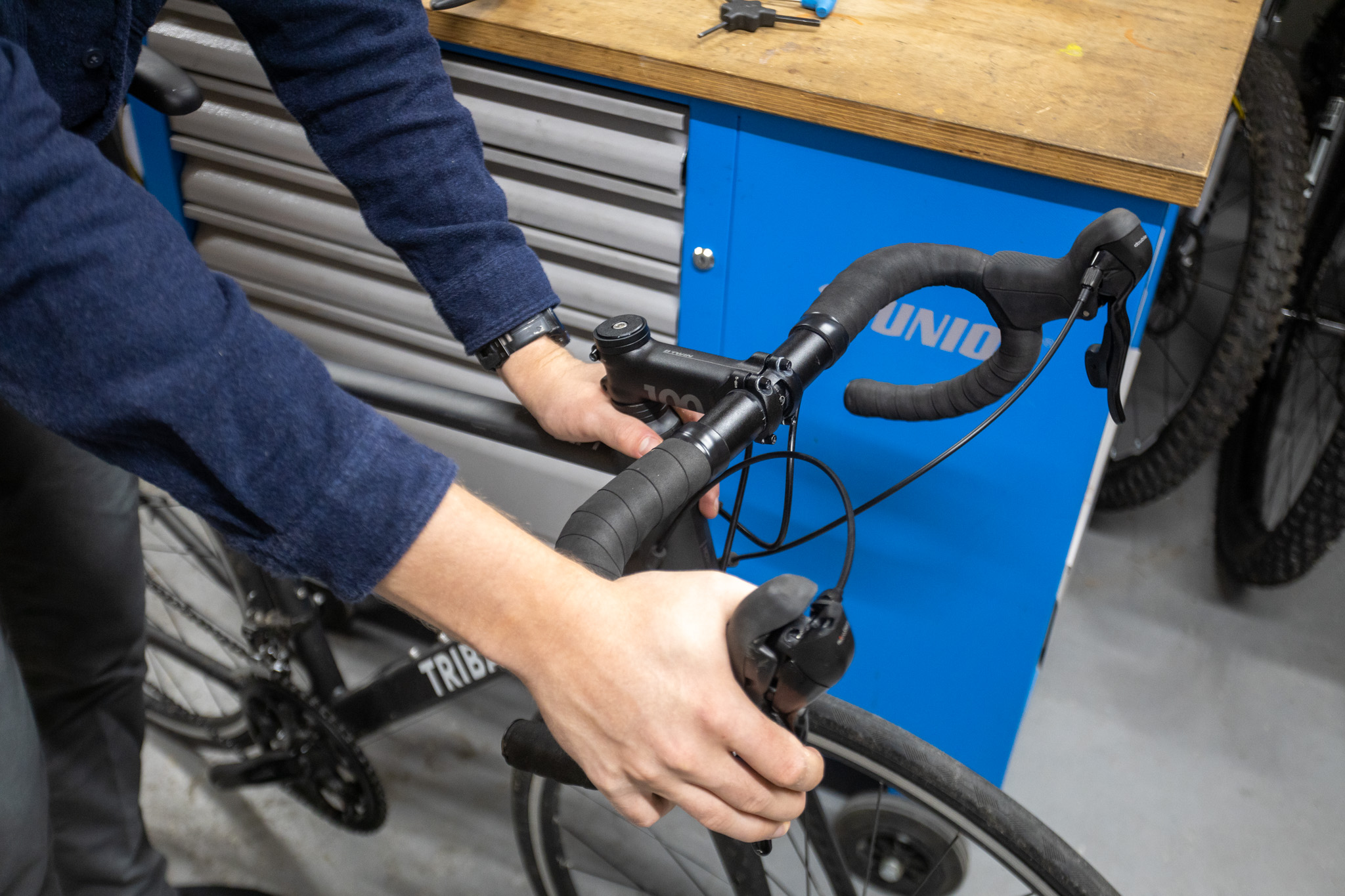
5. Riding with a poorly adjusted headset
There shouldn’t be any play in the headset whatsoever. Stan Portus / Our Media
If your bike’s headset is too lose, it can lead to a variety of problems.
If you can feel play or knocking when you apply the front brake and rock the fork back and forth, your headset is loose.
At best, this translates to poor steering, but at worst the knocking headset can cause severe damage to your fork steerer tube, particularly if it is carbon.
Carbon fibre cannot withstand abrasion and, over time, a loose headset bearing can start to wear away at the material, potentially causing catastrophic failure.
6. Under- or over-inflating tyres
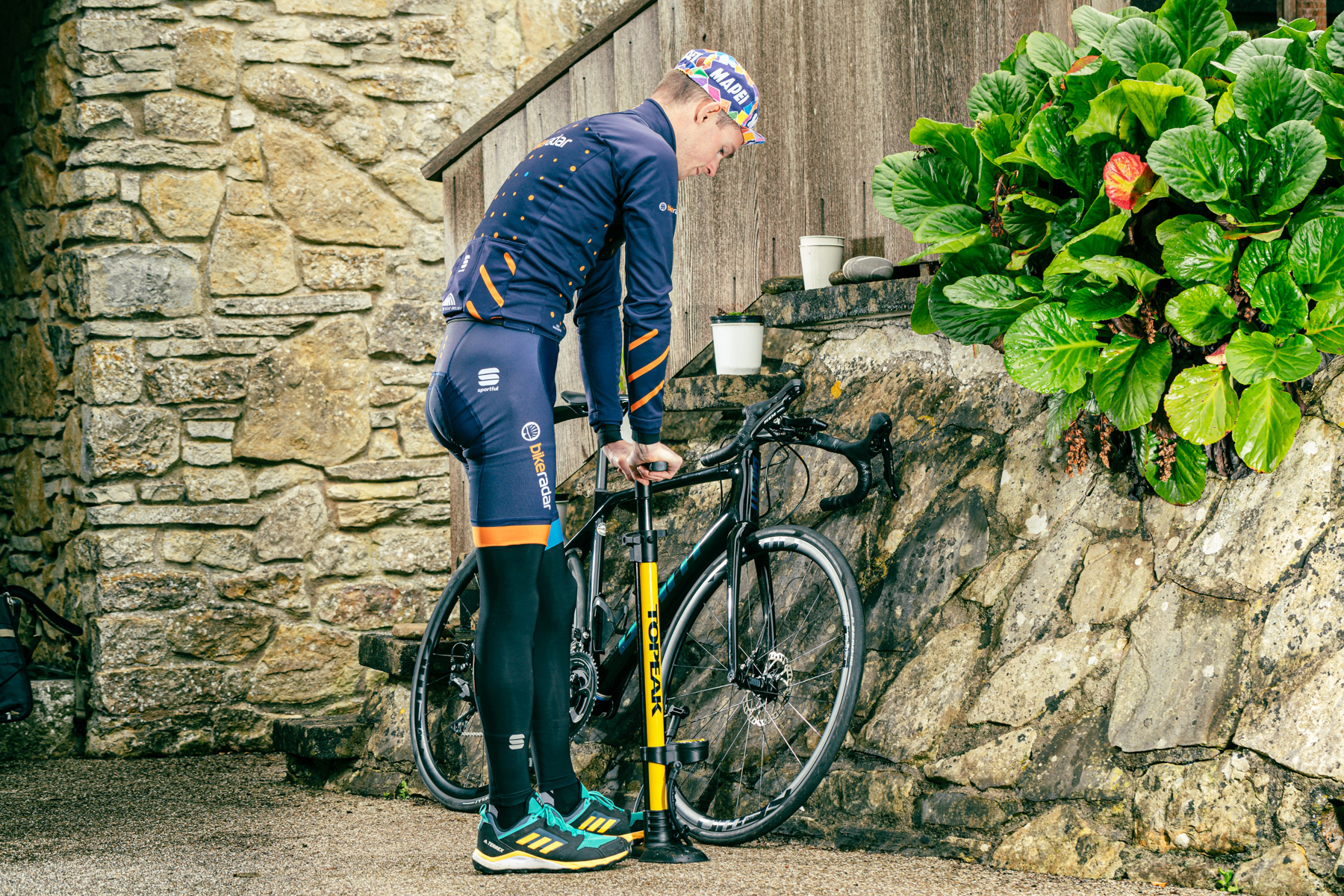
Check your tyre pressures before every ride. Russell Burton / Immediate Media
Riding with under- or over-inflated tyres is another common error. Too high and you’ll feel every vibration on the road or trail; too low and you’ll run the risk of punctures, compromised handling and a sluggish ride.
If you’re unsure on what pressure to inflate your tyres to, there will be a suggested range printed on the sidewall.
It’s a good idea to invest in one of the best bike pumps, because they will feature a gauge for precise inflation. It’s worth checking the tyre pressure before every ride. If you’re not sure what tyre pressure you should run, you could take a look at a tyre pressure calculator (we like Silca’s).
7. Torquing your bolts wrong
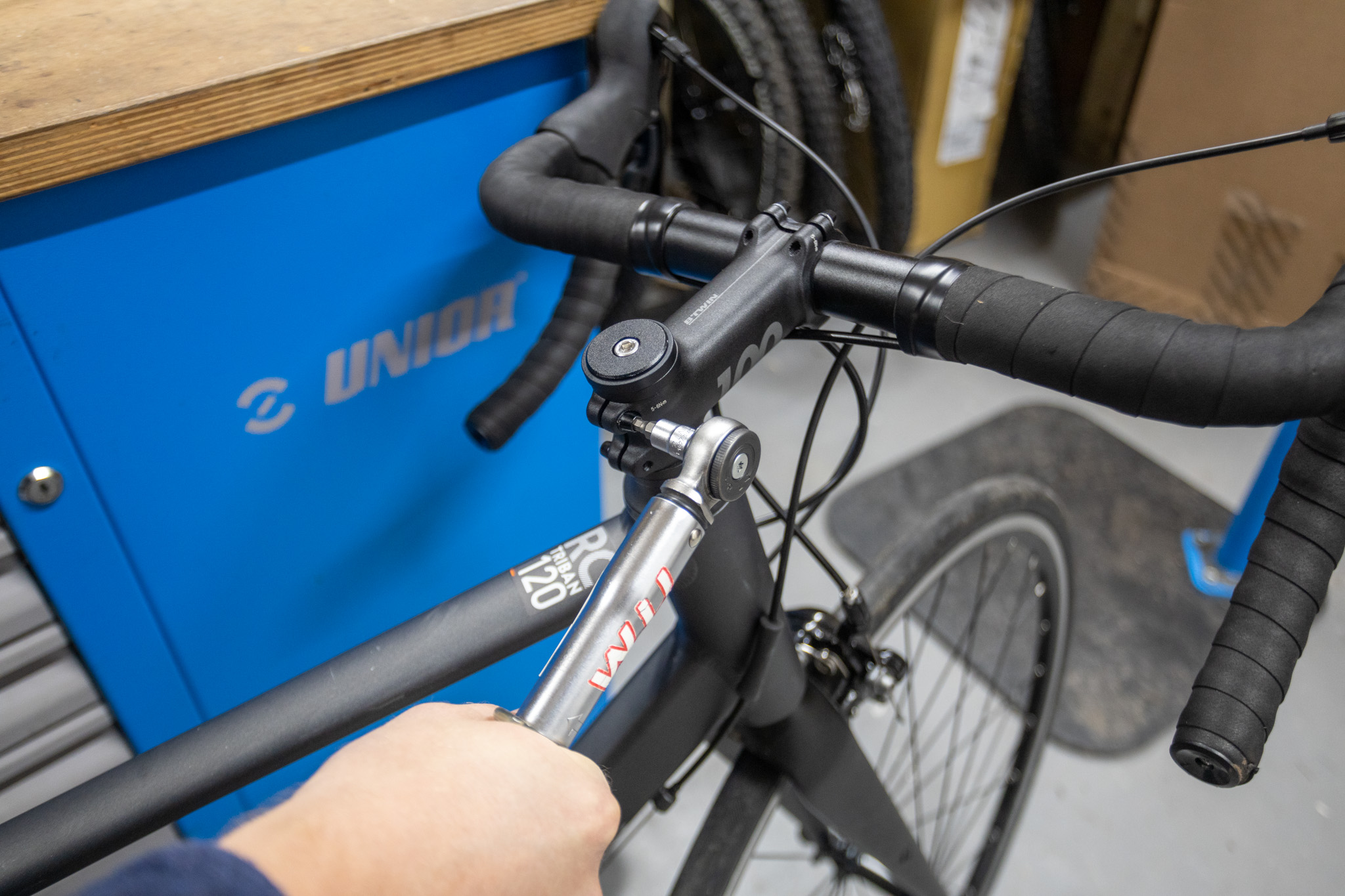
It’s worth investing in a decent torque wrench for jobs such as this. Stan Portus / Our Media
Modern bicycles are subject to tight tolerances and the bolts that secure the various components need to be fastened correctly.
If a bolt is too loose or too tight, you run the risk of failure.
It is best to use a torque wrench whenever you adjust a bolt, particularly if the component or the surface it is clamping onto is carbon fibre. Carbon fibre, in particular, doesn’t like to be over-clamped and will fracture if over-tightened.
Many manufacturers list a recommended torque next to the bolt – do not exceed this.
It’s also worth ensuring any and all fasteners are sufficiently prepared with grease, threadlock or anti-seize, as per the manufacturer’s instructions.
8. Removing pedals with the outer chainring exposed
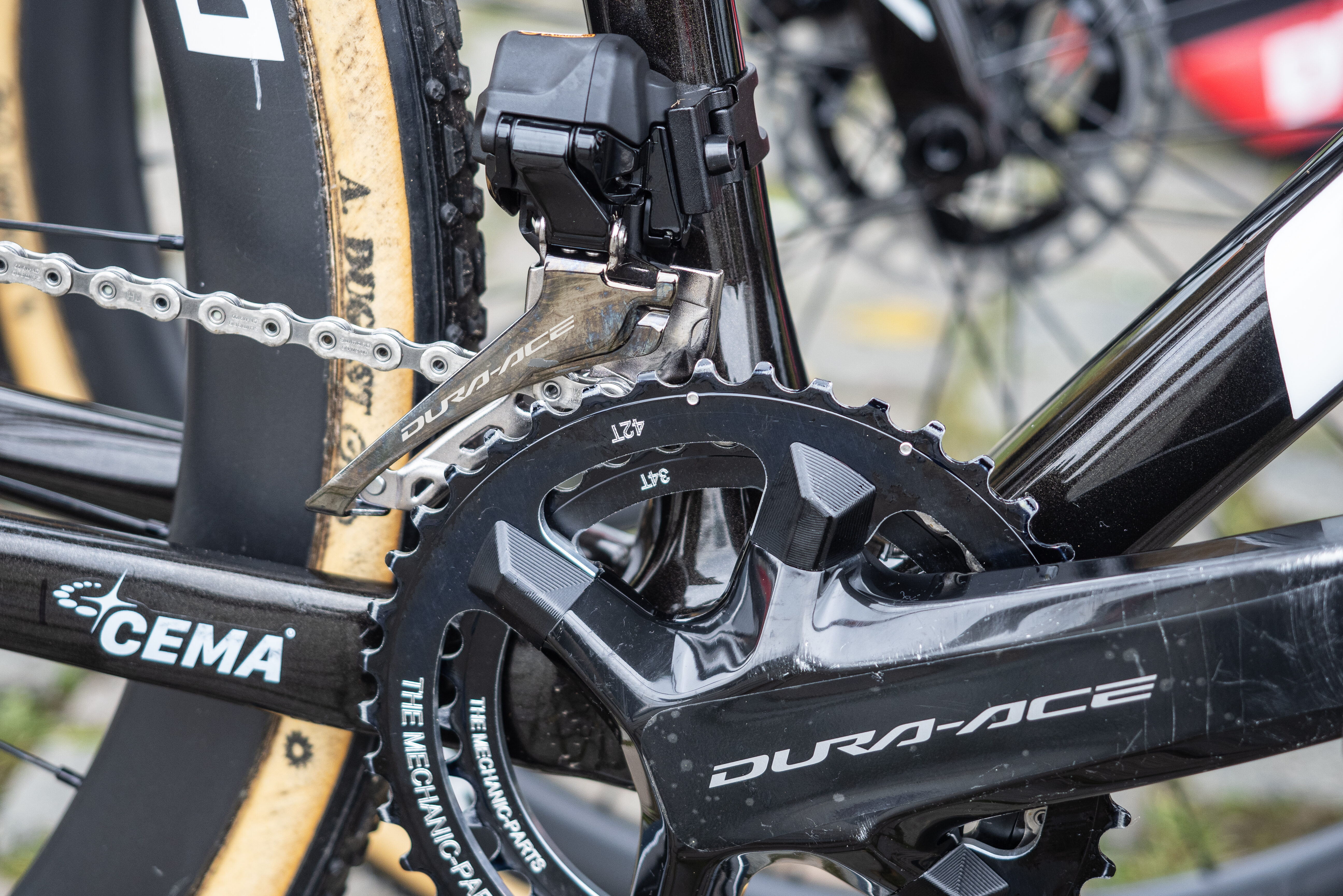
Shift the chain onto the big ring to avoid injury. Phillipp Abels
Having the chain cover the sharp teeth of the chainring can help avoid any painful, knuckle-skinning experiences.
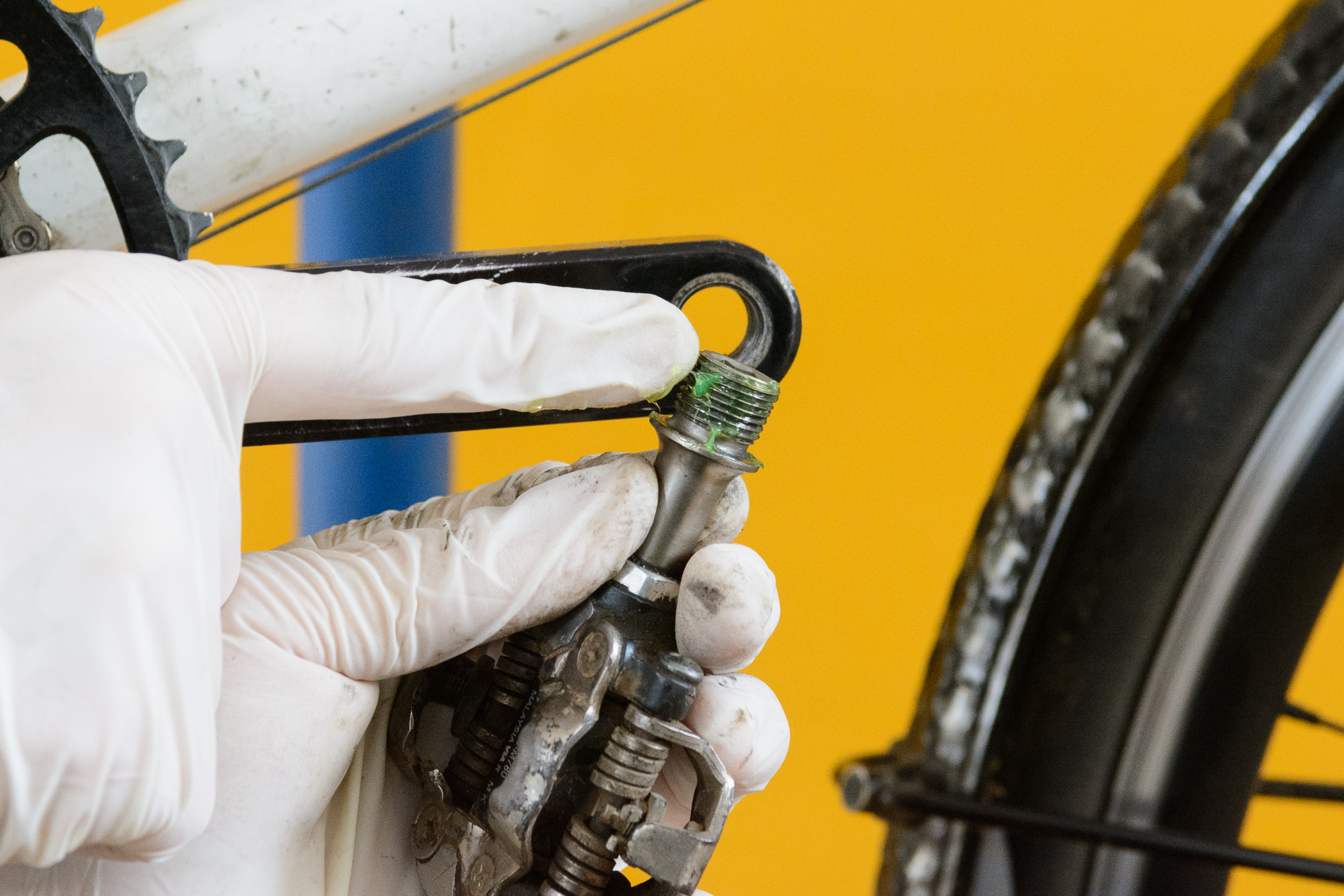
9. Not greasing pedal threads or over-tightening them
Do not skip greasing your threads. You will only live to regret it later. Laura Dow / Immediate Media
Sticking with pedals, make sure you apply some anti-seize to the pedal threads prior to installation.
If you don’t grease them, you’ll likely find it impossible to remove them in the future because they can seize in place.
It’s also critical to not over-tighten pedals, because the act of pedalling effectively tightens them.
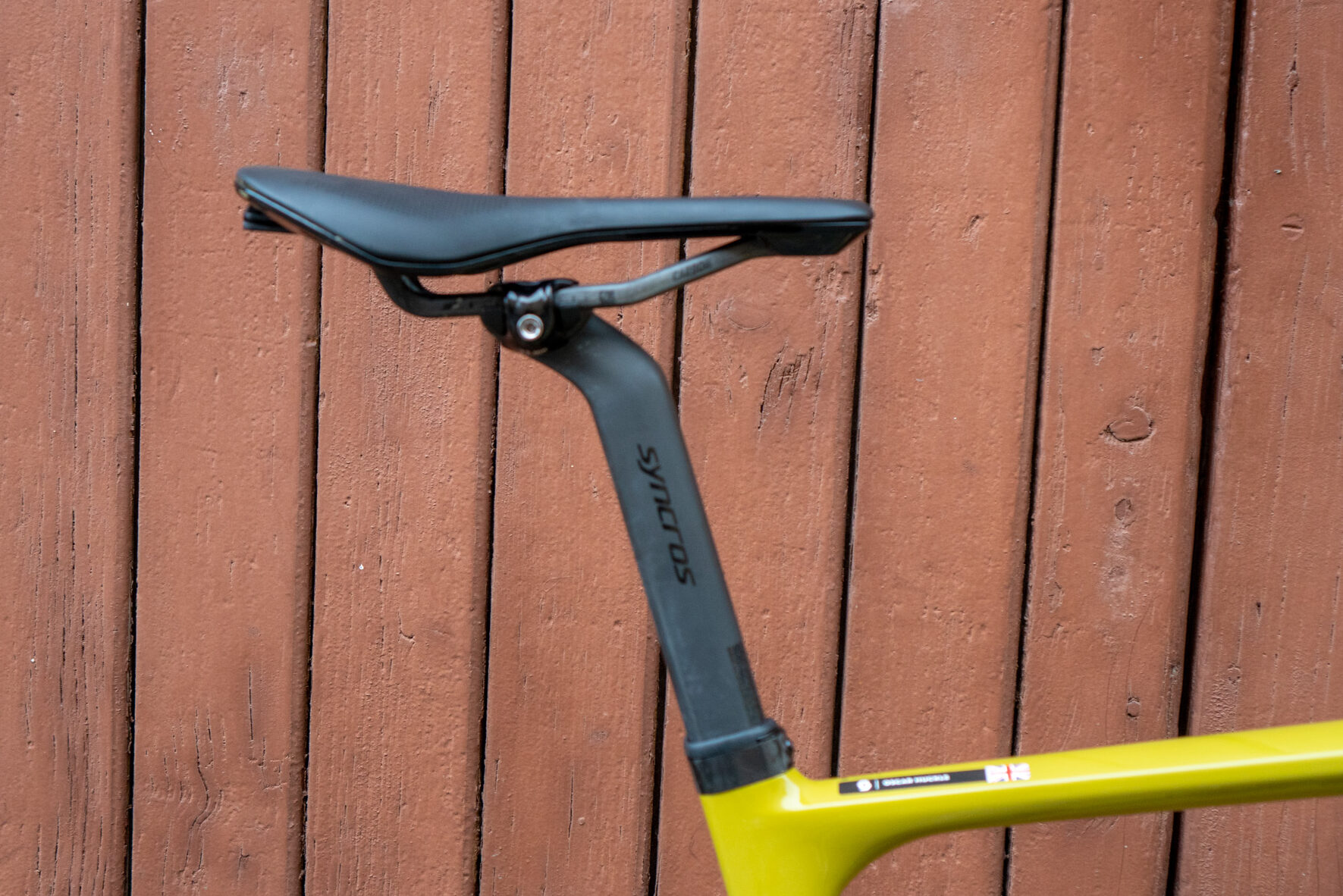
10. Neglecting your seatpost
Look after your seatpost. Oscar Huckle / Our Media
A seized seatpost can spell all manner of trouble. It’s an easy component to forget about, given you rarely need to adjust it once you’ve correctly set your saddle height.
In the worst-case scenario, you’ll need to enlist the specialist services of a seatpost removal company (yes, these actually exist).
It’s best to remove the seatpost twice a year and give it a clean. If the seatpost and frame are metal, make sure you apply some anti-seize during installation. If any of the components are carbon fibre, you’ll need to use carbon fibre grip instead.
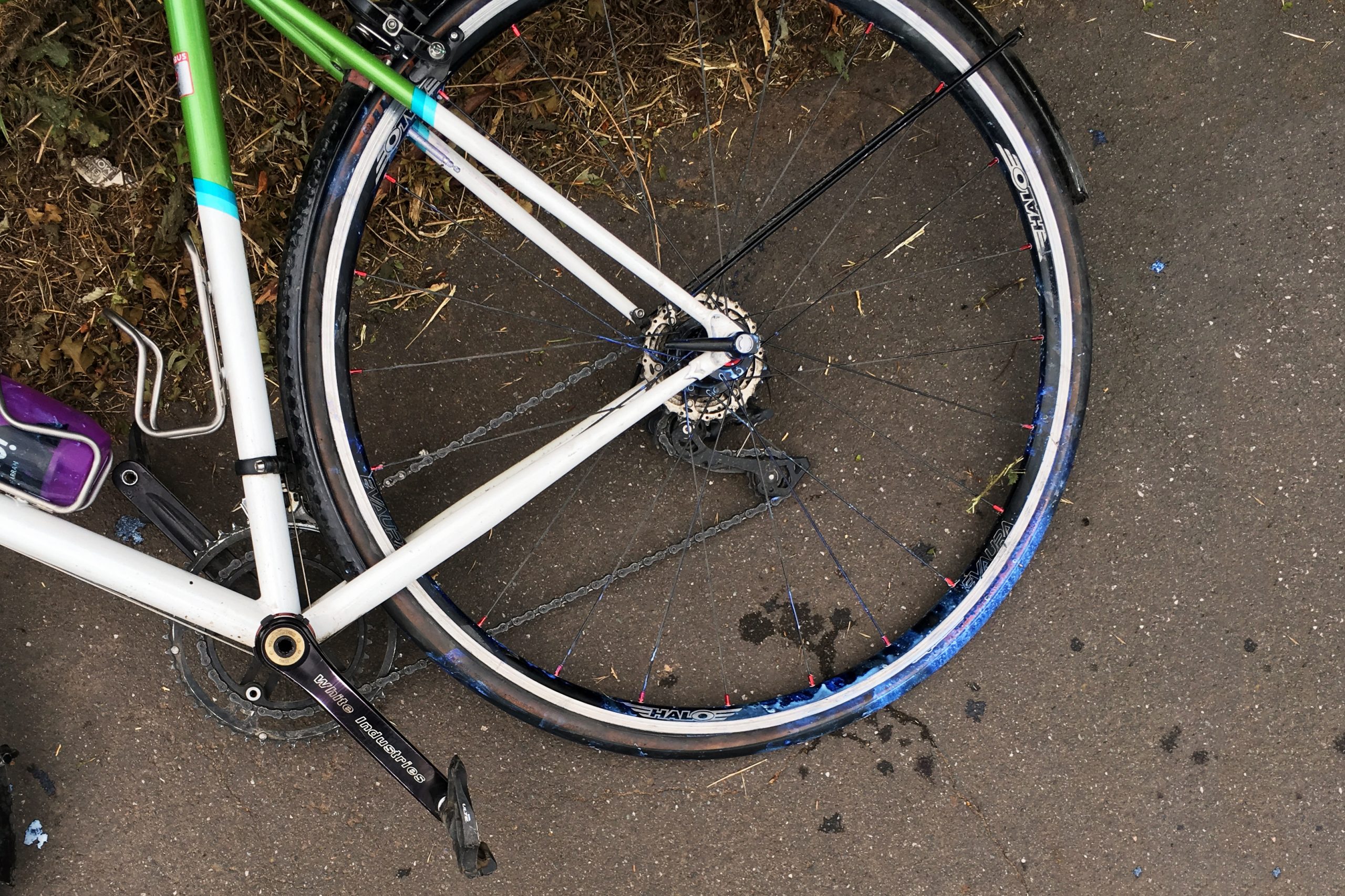
11. Resting a bike on its driveside
Don’t do it! Jack Luke / Immediate Media
If the bike is leaned on the driveside, there’s an increased likelihood of the derailleur hanger bending.
The derailleur hanger is a sacrificial part in between the frame’s dropout and rear derailleur and is designed to bend or break to save your frame.
If a derailleur hanger is bent, it can lead to poor and inaccurate shifting, with the chain potentially derailing into the spokes or driveside chainstay.
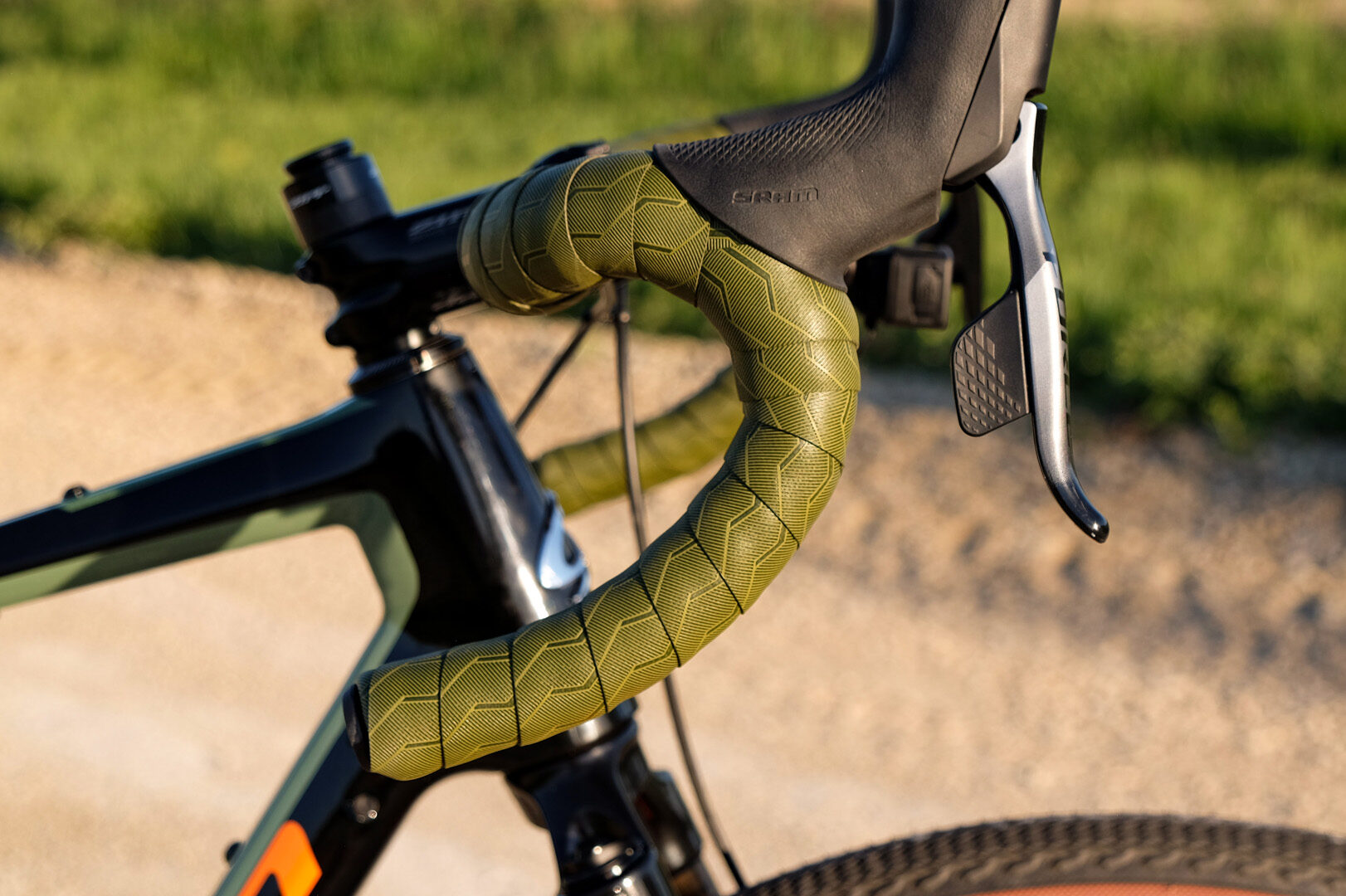
12. Not replacing bar tape
Fresh bar tape is always a nice feeling. Josh Patterson
Regularly replacing your handlebar tape may not seem like an important maintenance job, but if you ride frequently or you’re into indoor cycling, it’s wise to do this once or twice a year.
If your handlebar is metal, the salt in your sweat can lead to oxidisation. In extreme cases, it’s not unheard of to witness handlebars failing due to corrosion.
By removing your old bar tape, you can periodically inspect your handlebar, and you’ll also avoid the thoroughly unpleasant task of unravelling crusty old tape.
13. Riding without bar end plugs
Don’t underestimate the importance of the humble bar end plug. Jack Luke / Immediate Media
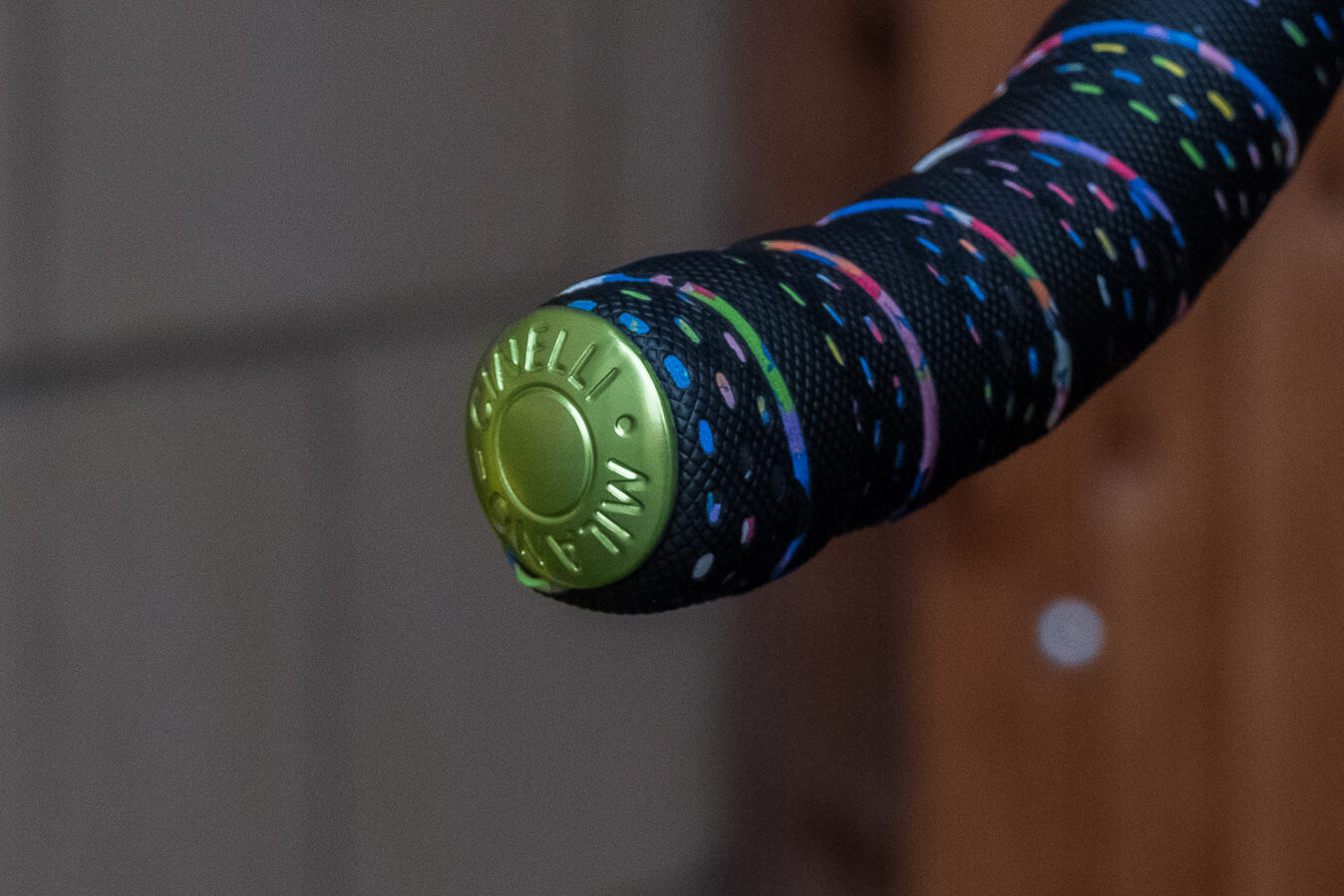
Whether you have a drop handlebar or a flat mountain bike handlebar, we really can’t recommend riding with bar end plugs enough. These are a safety feature and not simply cosmetic.
If you were to fall off when cycling, an unplugged handlebar end will effectively act as a cookie cutter into your sternum, or worse.
If your bar end plug falls out regularly, you could try applying some double-sided tape on its inside. Alternatively, you can upgrade to one that clamps in place with an expanding bung.
14. Not servicing suspension
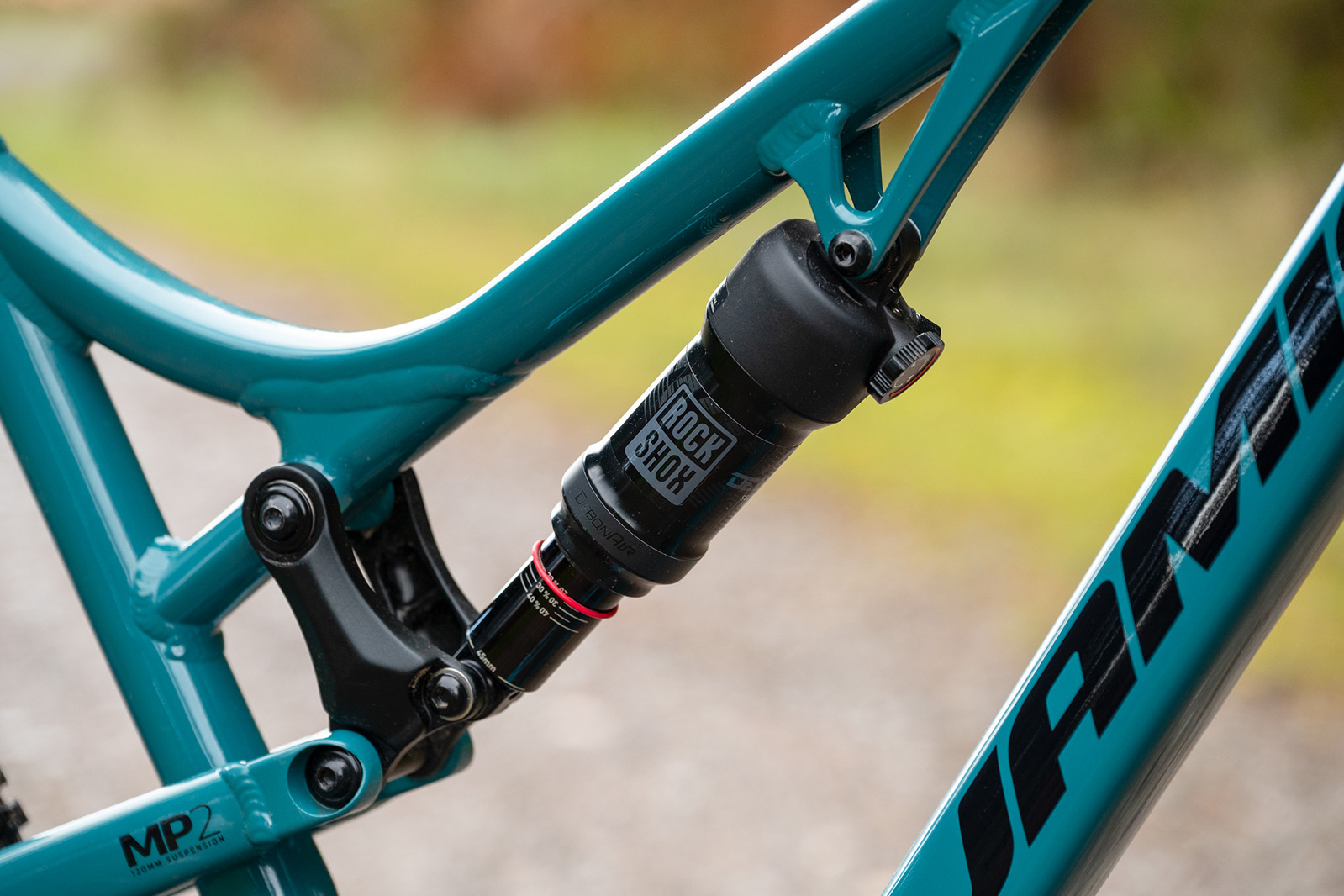
Neglect your fork or shock at your peril. Andy Lloyd / Our Media
Suspension requires regular servicing to perform in tip-top condition.
The components that make up the fork or shock are always moving when you ride, and the oils and seals should be kept fresh and clean.
Suspension manufacturers include recommended specific service intervals, so it’s well worth keeping a note of when you should next give your suspension some TLC.
Tuning your suspension can also help you eke that extra bit of performance from your fork and shock.
15. Using poor-quality tools
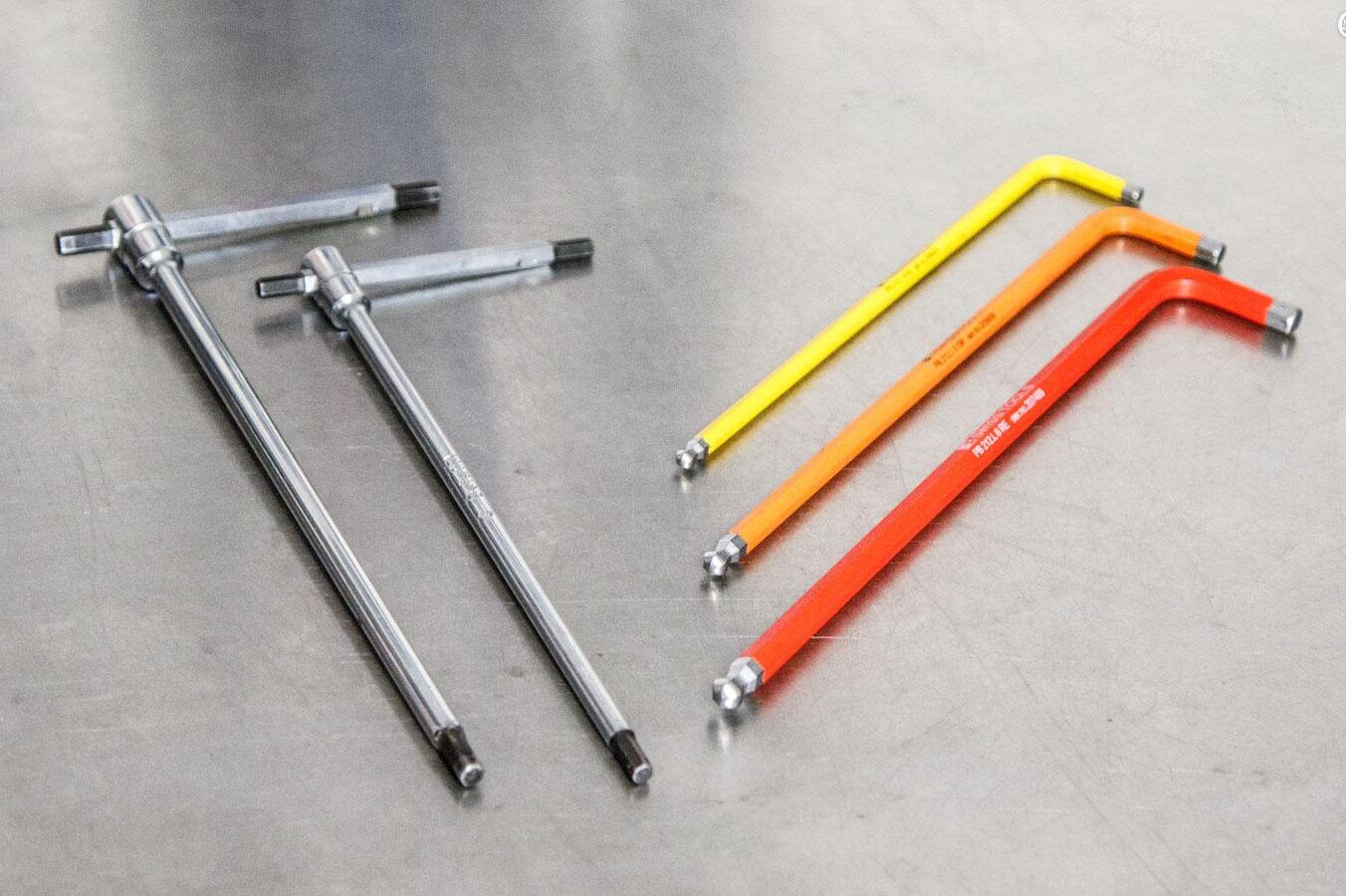
It’s worth investing in quality tools. David Rome / Immediate Media
The age-old adage “Buy cheap, buy twice” couldn’t be more true in the world of bicycle tools.
A worn or poor-quality tool could lead to rounding a bolt, marring an interface, even breaking a component or the tool itself.
Higher-quality tools will be manufactured to tighter tolerances, ensuring a snug and precise fit for the relevant job at hand.
Editor’s note: this article was first published in February 2023 and updated in June 2025.
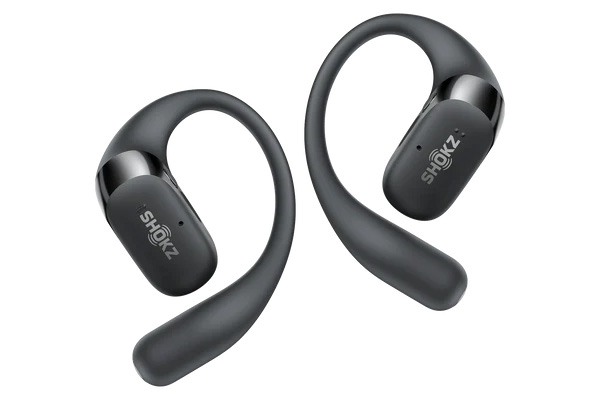
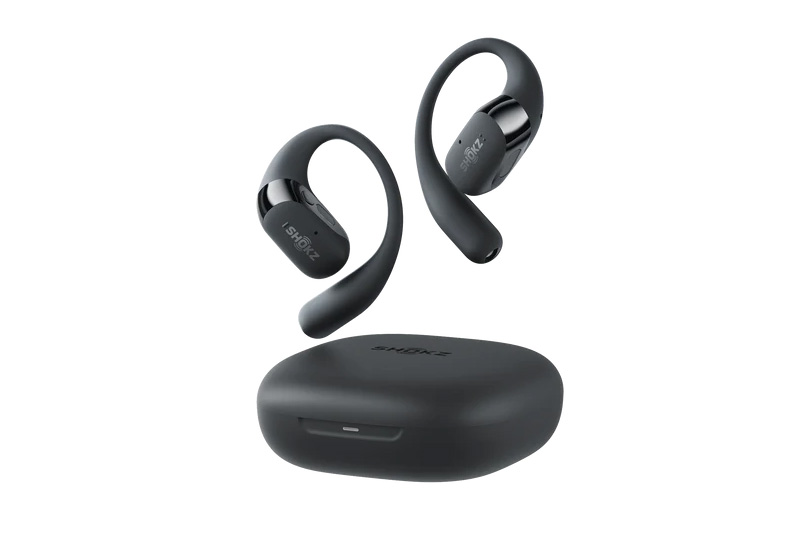
Shokz has launched two new wireless open-ear headphones, the OpenFit 2 and OpenFit 2+, both utilising the brand’s bone conduction technology.
The headphones are powered by the brand’s DualBoost technology, which it says is an industry first.
Combined with an updated OpenBass 2.0 algorithm, Shokz say this helps deliver a more vibrant and powerful sound.
Dolby Audio surround has been added to the OpenFit 2+, reportedly enhancing immersion in surround sound listening.
The Shokz OpenFit 2 is priced at £169.99 and is available in beige and black colourways, while the more feature-rich OpenFit 2+ is priced at £179.99 and comes in grey and black.
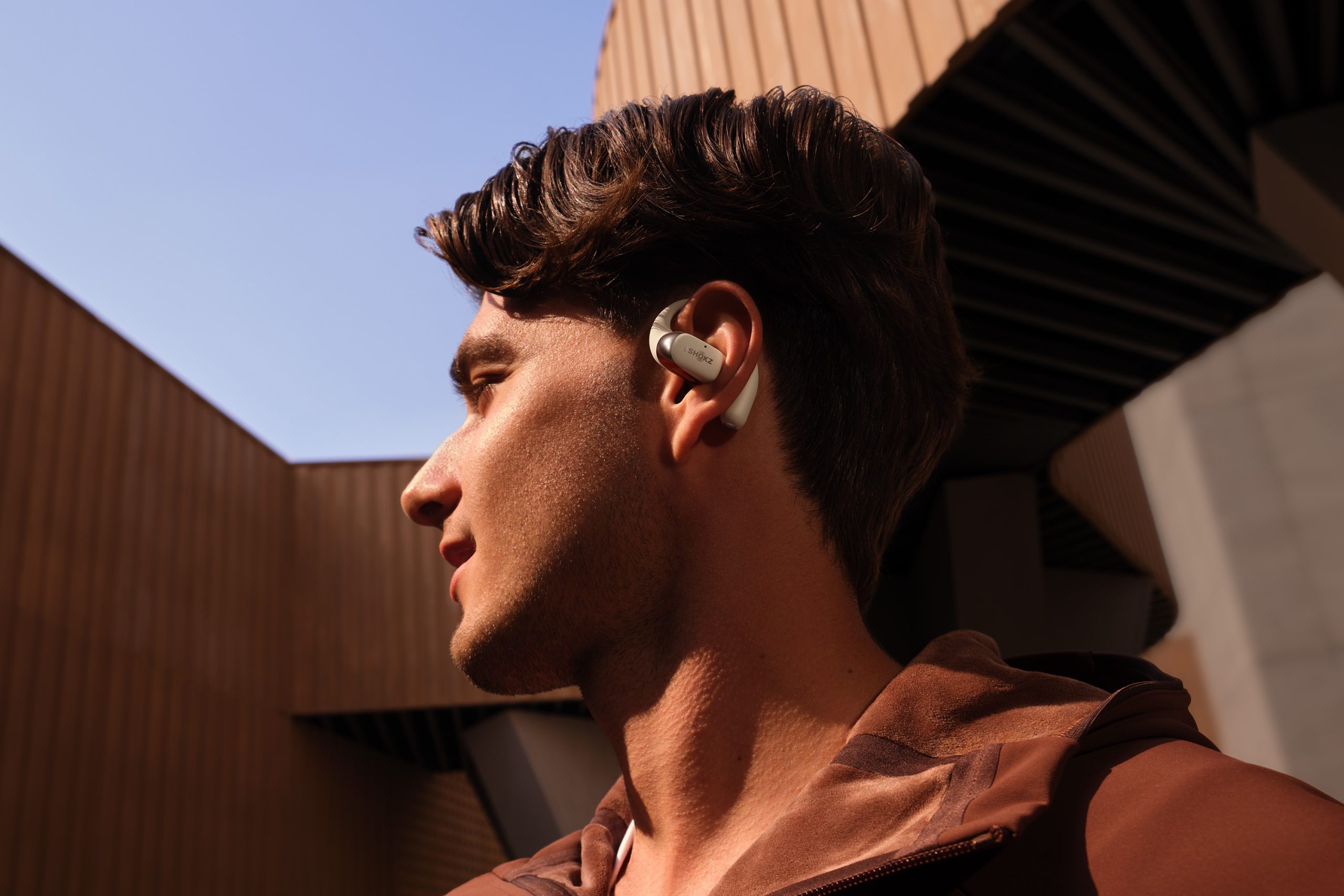
The headphones are said to mould to the shape of your ear for a better fit. Shokz
Shokz says the OpenFit 2 is made from an ultra-lightweight, high-strength material covered in a soft silicone finish.
The earhook has been updated with a flexible nickel-titanium alloy that moulds to the contours more accurately.
Silicone is used for added grip in sweaty conditions. Shokz
The design retains a similar form factor to the previous generation, which we praised when testing the original OpenFit headphones, offering a secure fit when cycling.
Shokz says the headphones weigh 9.4g for each earbud.
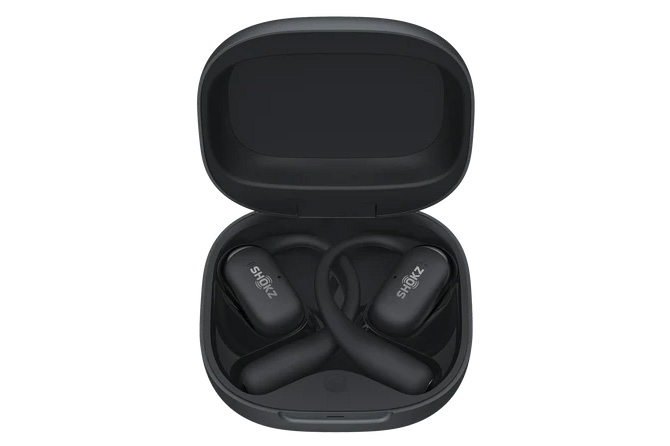
The headphones are charged in the case. Shokz
A case is used to store the headphones when not in use, and like with many wireless headphones, it keeps them charged too.
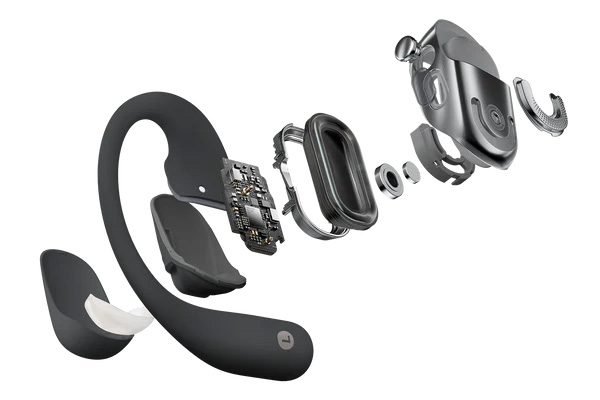
Shokz says the new DualBoost technology utilises two individual speakers in each earbud.
A lot has been updated inside the headphones. Shokz
An extra-large low-frequency driver is used for deep, resonant bass, while an independent high-frequency driver is used for crisp mids and highs.
Alongside this, the brand has updated its low-frequency enhancement algorithm with the OpenBass 2.0, which is said to offer more dynamic low-frequency vibrations directly to your ear.
The Dolby Audio on the OpenFit 2+ is said to surround you with lifelike audio.
Longer battery life
The OpenFit 2 and OpenFit 2 offer 11 hours of playback on one charge Shokz
Aside from the audio and algorithms, Shokz has boosted the battery life of the OpenFit 2 range, now seeing 48 hours of playback compared to 28 on the previous model.
This breaks down into 11 hours of charge in the earbuds before they need to be charged in the case – an improvement over the 7 hours of the original OpenFit.
The OpenFit 2+ can also charge wirelessly with compatible devices.
Shokz has also increased waterproofing from IP54 to IP55, but don’t expect the headphones to withstand submersion in water.
Leveika, the Triple Crown record holder, annihilated the competition at this year’s race, crushing the gruelling 1,350km route in 4 days, 8 hours and 39 minutes.
This is definitely not a Checkmate or Checkpoint. Nils Laengner
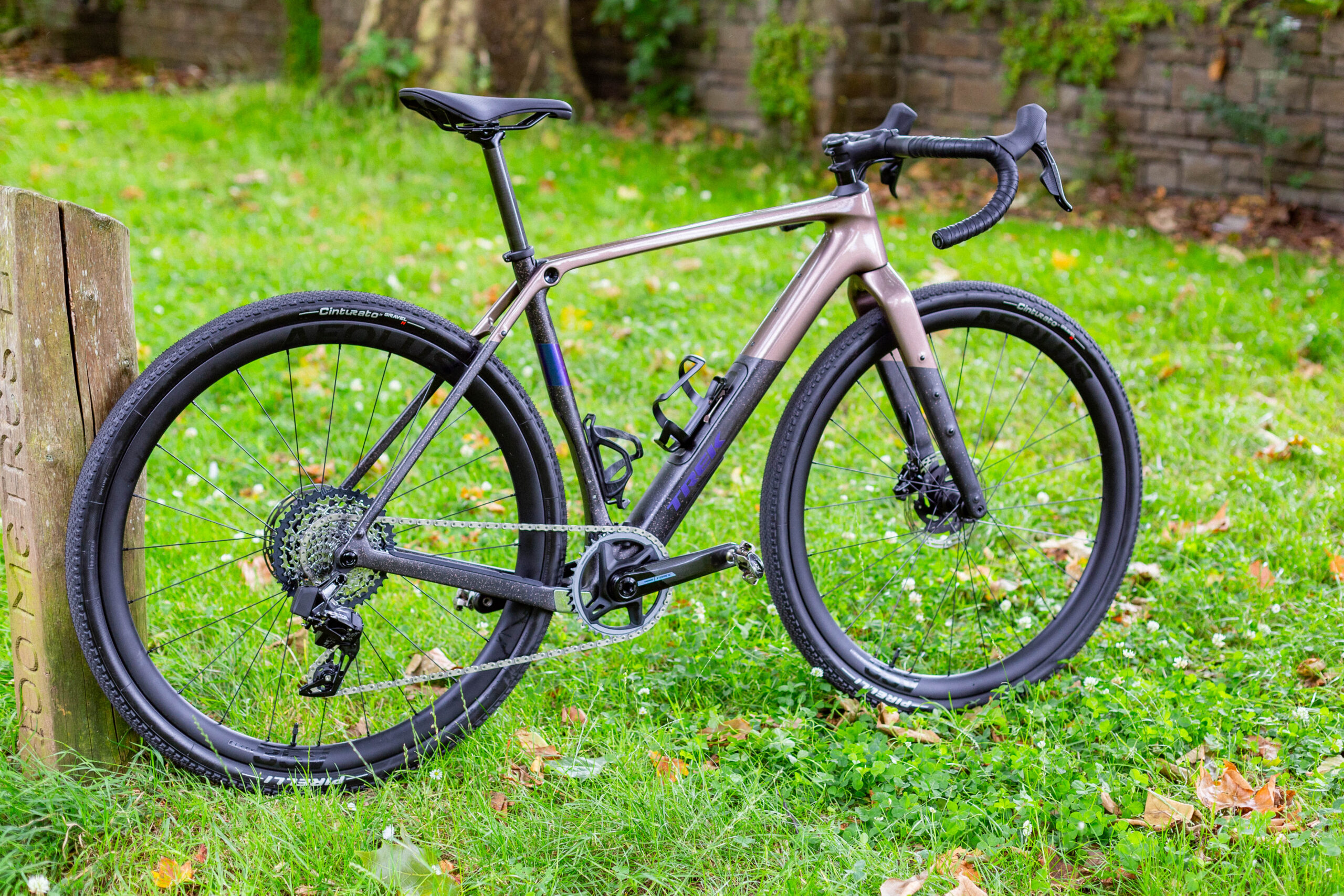
Trek currently has two gravel bikes in its range – the Checkmate and the Checkpoint.
The Checkmate is Trek’s first dedicated gravel race bike, taking many cues from the brand’s Madone, with clearance for 45mm tyres – relatively narrow compared to the competition.
The Checkpoint SL is a more versatile gravel bike for adventure riding, with integrated down tube storage and a more generous 50mm tyre clearance.
It would be strange if the Checkpoint or Checkmate were updated not even a year after their launch. Felix Smith / Our Media
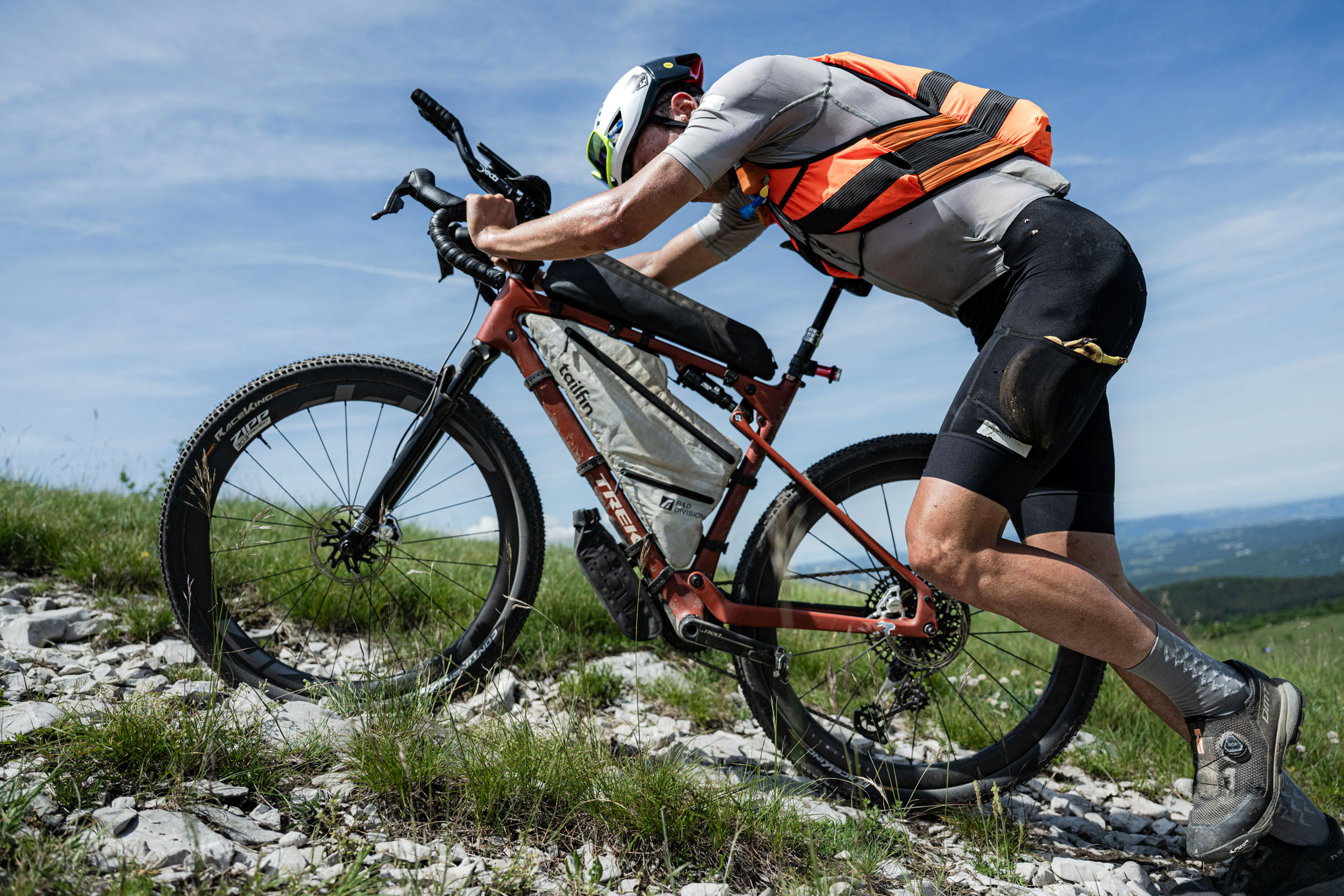
This new bike appears to be designed for even rowdier terrain, where it may still be advantageous to run a gravel bike rather than a mountain bike.
Since the Checkmate and latest Checkpoint were only announced in August 2024, we suspect this to be a new model rather than a revamped Checkpoint.
We contacted Trek for comment: “Trek is always in development with new products, and our professional riders are a huge part of our development process. When we have details to share with riders globally, we will be happy to share.”
Chunky tyres for rough terrain
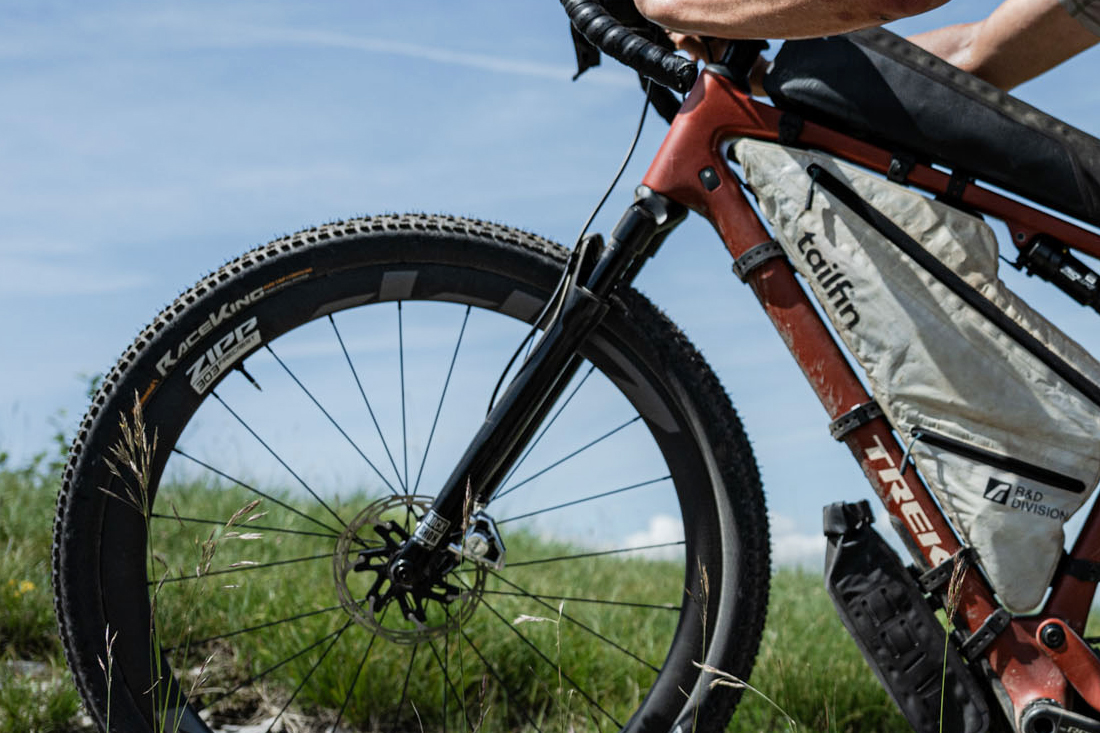
Leveika ran a RockShox Rudy Ultimate XPLR fork with Continental RaceKing tyres. Nils Laengner
Leveika is running a Continental RaceKing tyre, which is available in 29×2.0 (50mm) or 29×2.2in (56mm) options.
We’re unsure which width he’s running from the image but, given he’s running them on Zipp 303 Firecrest wheels with a 25mm internal rim width, we suspect that even if he’s running the narrower 50mm tyre, it will likely inflate a little wider than measured.
We therefore suspect the rear triangle must have beefed-up clearance, and we wouldn’t be surprised if the bike has a tyre clearance of 57mm upwards, to match recent releases such as the 3T Extrema Italia, Allied Able and Argon 18 Dark Matter.
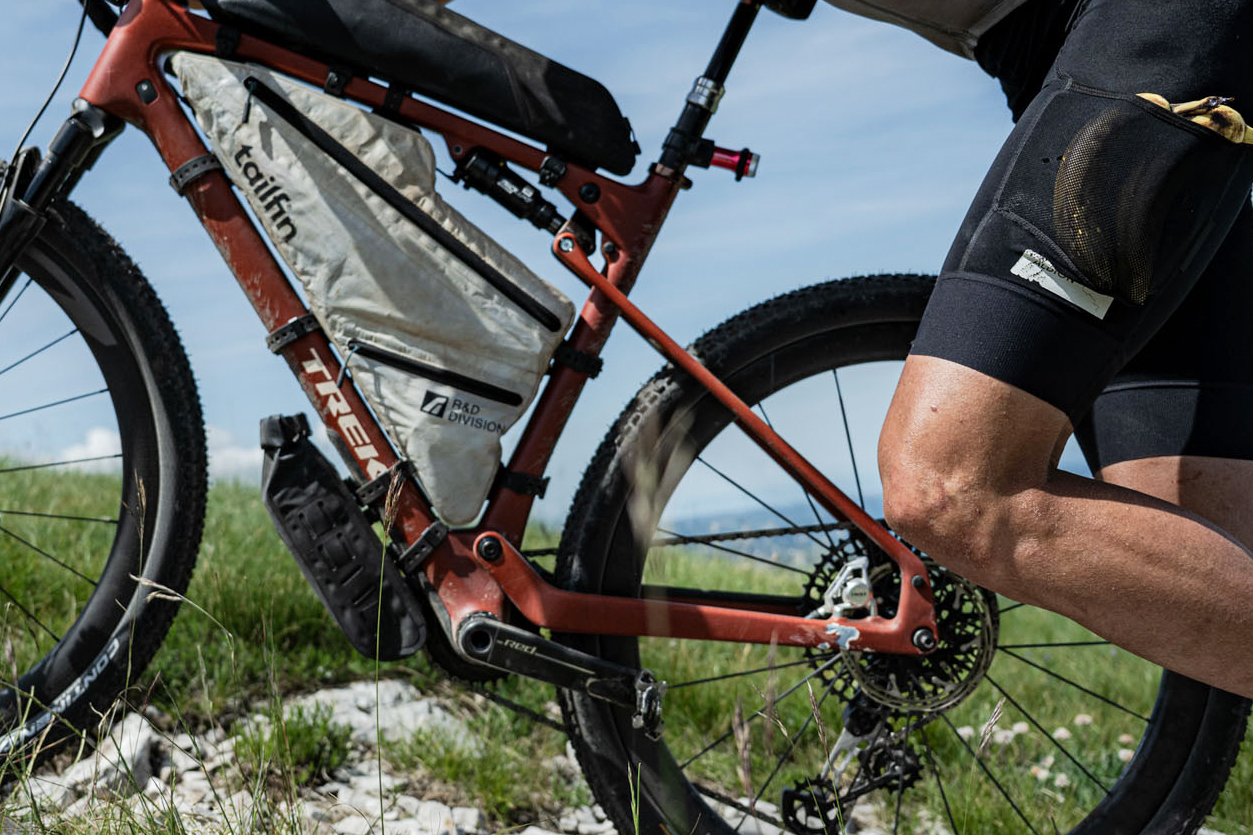
A rear shock and flex stays are the order of the day. Nils Laengner
The short-stroke linkage-driven RockShox SIDLuxe shock is tucked under the top tube, near the seat tube junction. This is driven by a linkage connected to a one-piece flex-stay rear end.
Flex stays – which rely on the flex of the chain or seat stays to allow the suspension to move throughout its travel – are a common feature on the current crop of lightweight full-suspension cross-country bikes.
A mainstream gamble?
Who remembers Niner’s MCR 9 RDO? Ben Duke
While we wouldn’t go as far as to use the word ‘troubled’, it’s fair to say full-suspension gravel bikes have never really taken off.
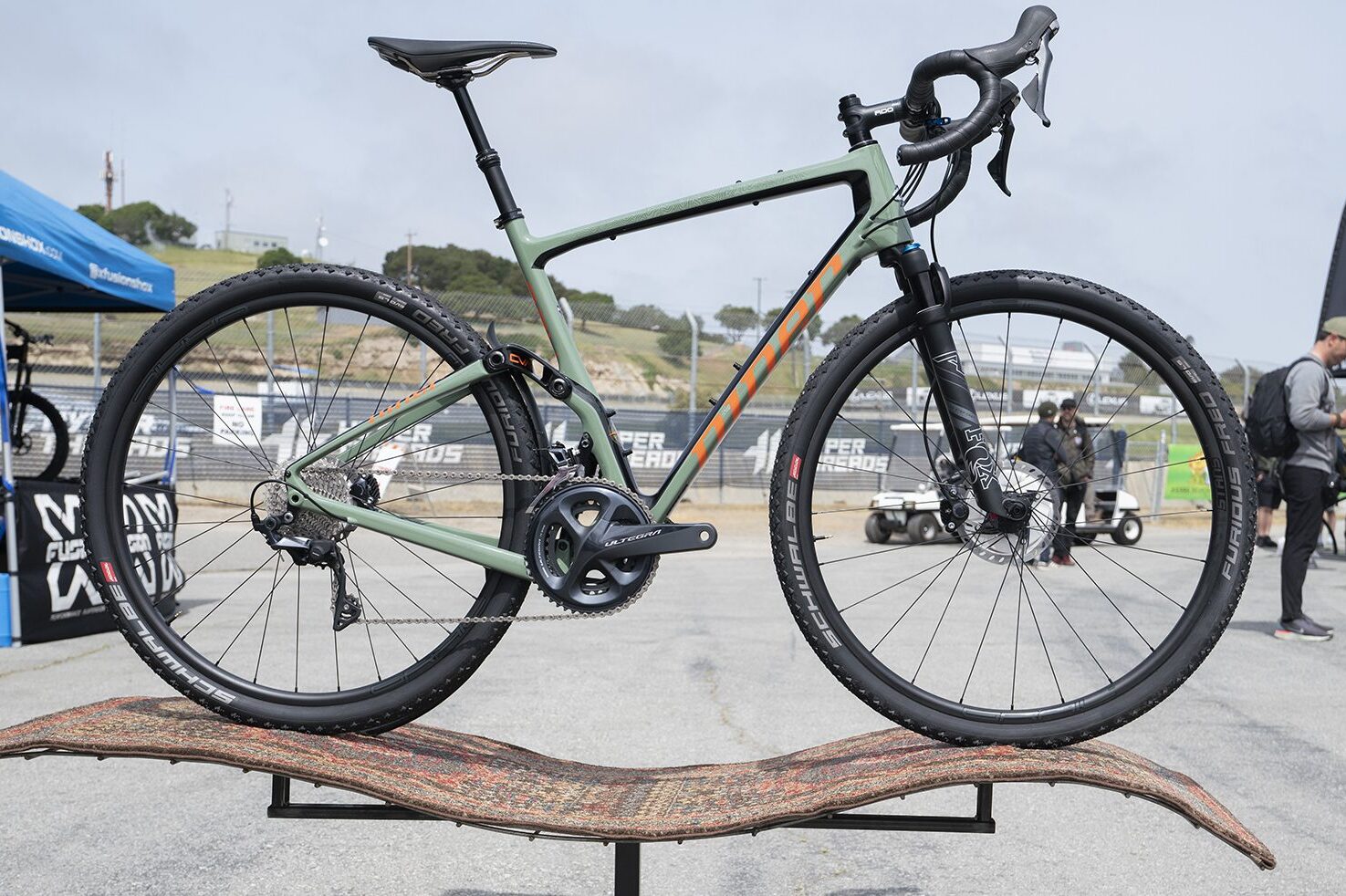
Niner’s MCR 9 RDO (Magic Carpet Ride) is perhaps the most notable example, and while it was in the brand’s catalogue for a number of the years, Niner has since reverted back to its rigid gravel models.
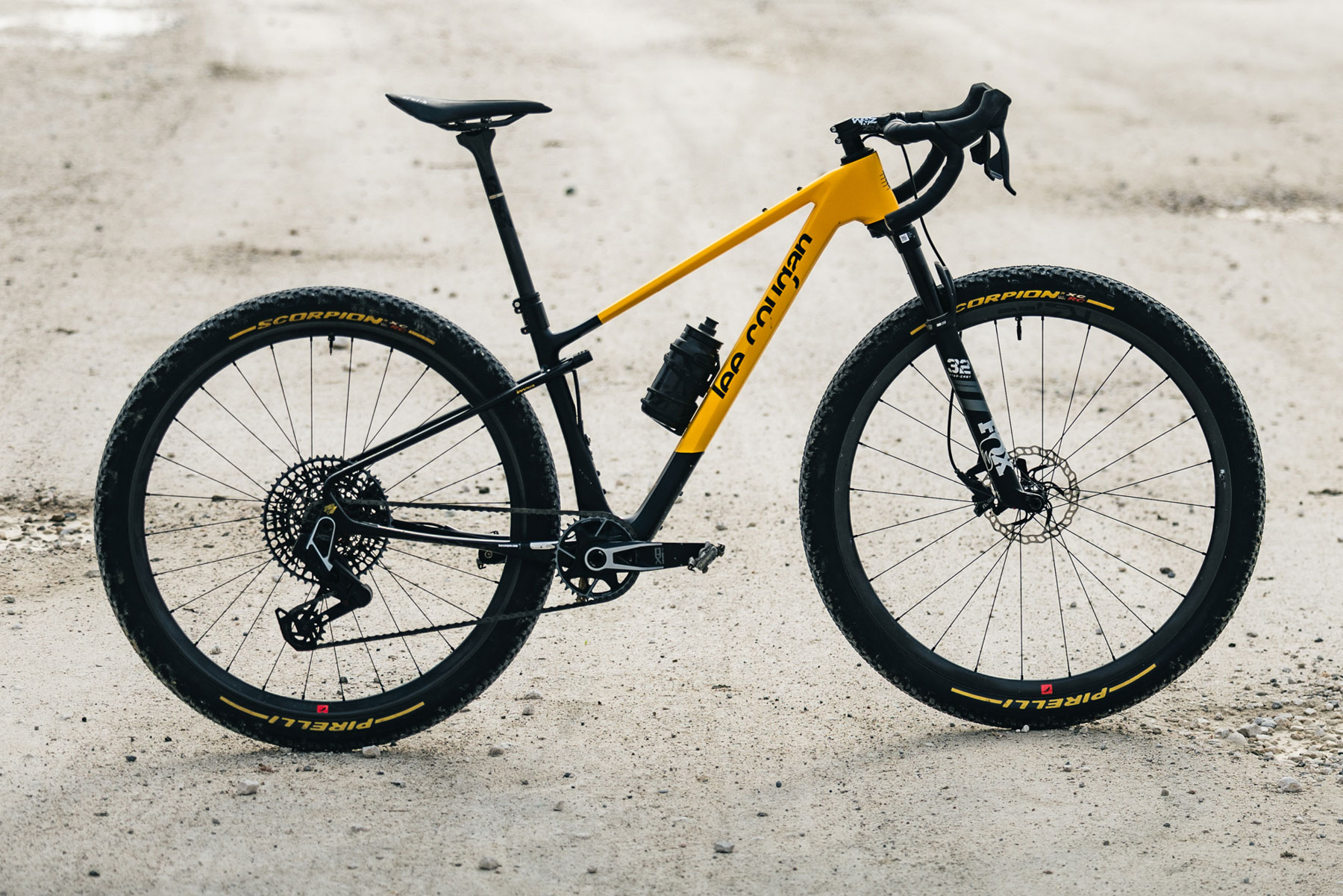
Lee Cougan’s Innova Super Gravel is another recent radical release.
More recently, Lee Cougan launched its Innova Super Gravel with a whopping 100mm fork and clearances for 2.4in mountain bike tyres, although it’s shockless at the rear, relying on a soft-tail design.
The fact that Trek has gone for a pretty traditional shock layout is fascinating, and is certainly a bold move from the brand.
Even Specialized – as mainstream a manufacturer as Trek – has its Diverge STR, which also utilises front and rear suspension without a shock unit.
Either way, once we have more details from Trek when the bike is ready for production, we’ll be sure to share them.
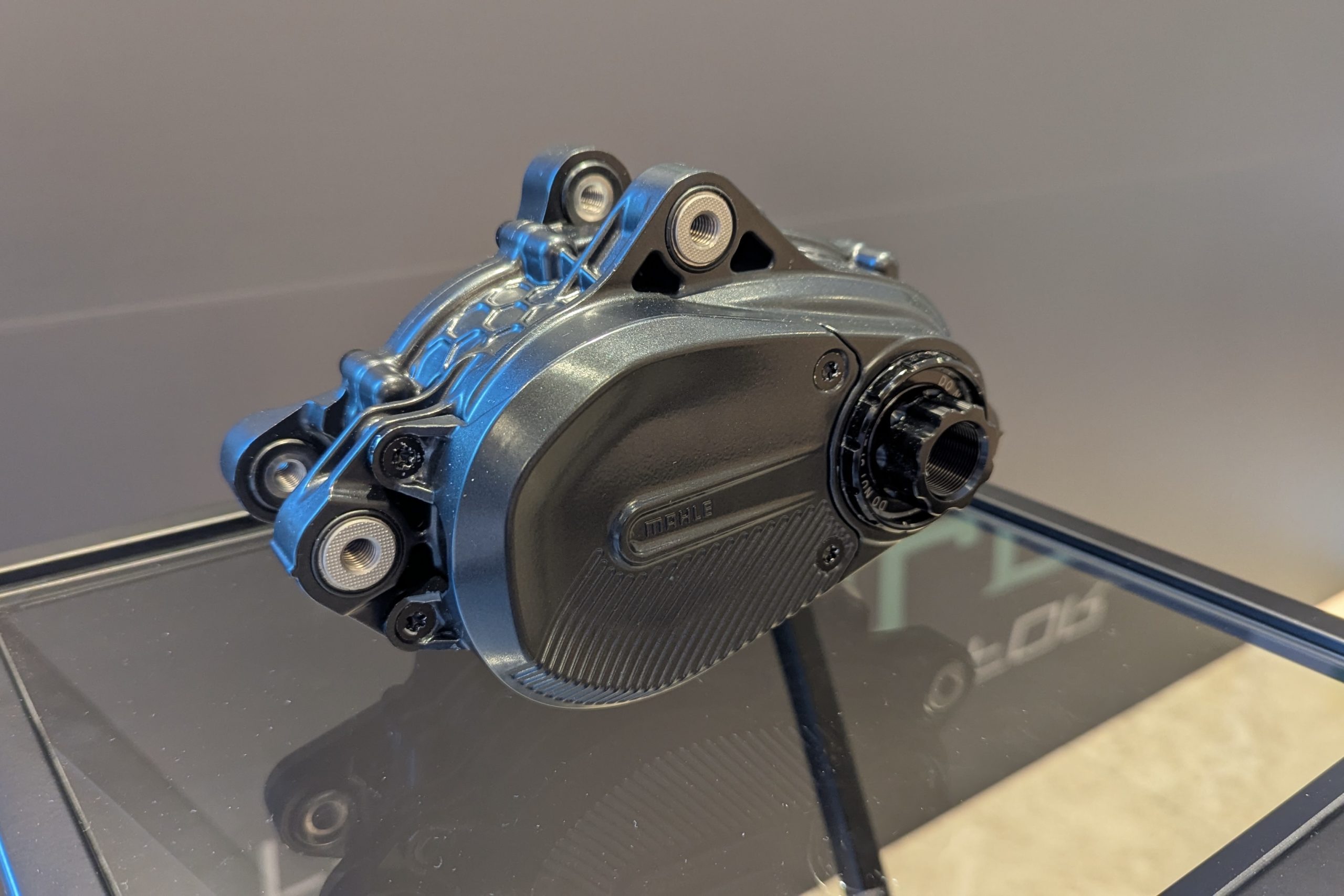
While Mahle might not be on the tip of ebikers’ tongues when it comes to considering which motor they’d like in their next bike, the introduction of the new M40 motor may change things.
That’s thanks to some impressive performance stats – 105Nm of torque, 850W maximum power and a weight of 2.5kg.
Mahle isn’t the best-known brand in the electric mountain bike motor space. The brand is better known in the assisted road bike market, thanks to a range of hub-drive motors mounted in bikes from the likes of Merida, Bianchi, Wilier and Ribble. However, Mahle does manufacture the motor in the Specialized Turbo Levo SL.
As with the likes of Bosch, Gates and Magura, the bike division is only a small part of a large conglomerate, with Mahle’s technology extending far into the electric automotive world. Some 68,000 people work for this huge company.
Mahle’s M40 motor sits neatly in the frame. Mahle
The introduction of the M40 puts Mahle’s flag in the electric mountain bike ground, and we’re excited to see which brands pick up this new motor.
Current partners are listed as “Abums, Labyrinth, Messingschlager, Sants and Titan Racing”. However, we believe more will be announced at Eurobike 2025.
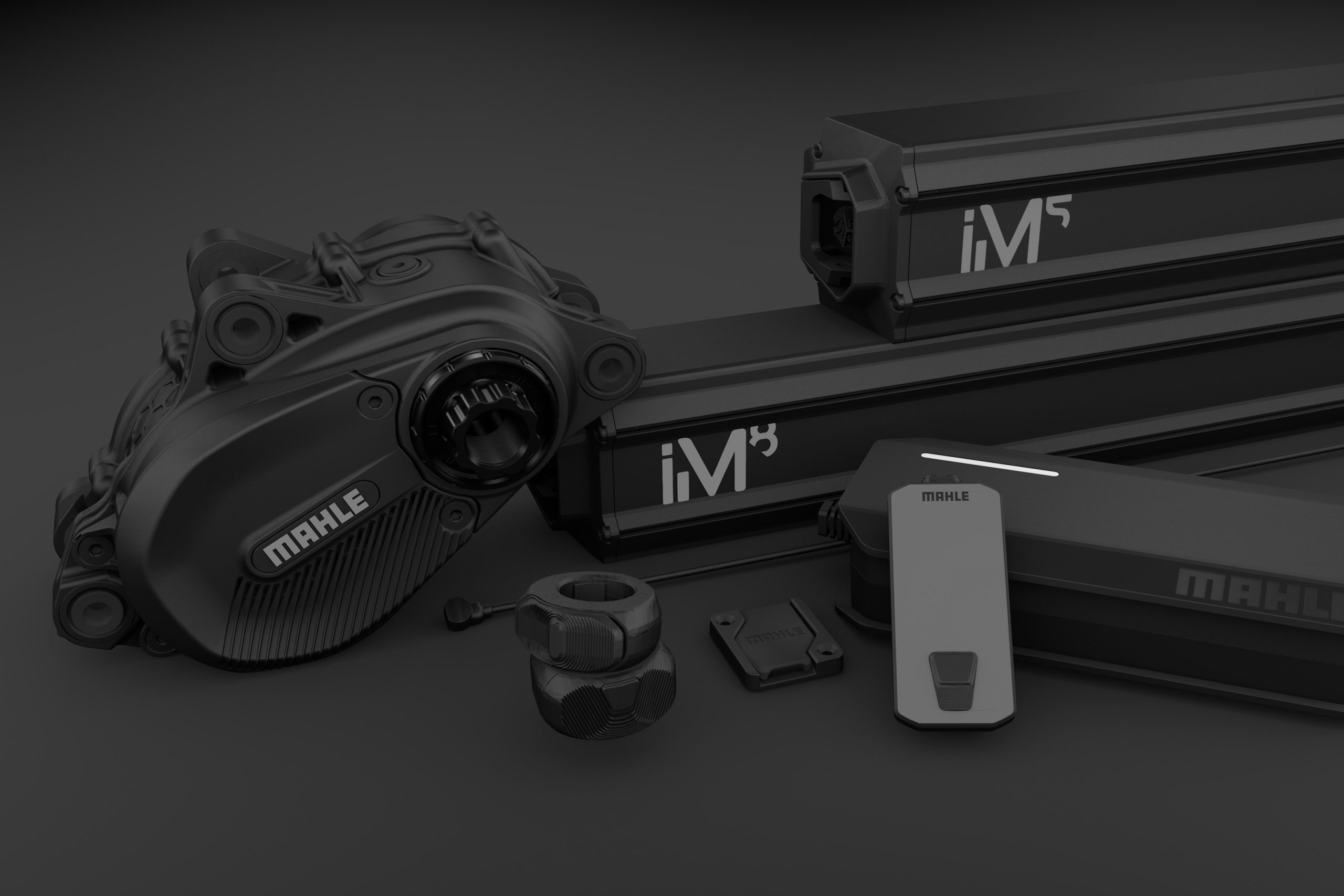
The M40 is a mid-mount motor (as per the majority of eMTB motors), comes with a pair of new batteries and features some interesting technology.
Mahle M40 stats
The Mahle M40 family of components. Mahle
Key when it comes to ebike motor performance are the torque and power outputs.
DJI’s Avinox motor set the market alight with its impressive 120Nm and 1,000W max outputs, with updates and new motors from competitors clamouring to reach such figures.
However, it’s worth bearing in mind potential EU legislation could limit these figures down the line, with support from Bosch.
For now, Mahle’s M40 hits some high numbers. 105Nm of torque and 850W maximum power are not to be sniffed at, placing the new motor on the powerful performance leaderboard.
It’ll kick out up to 400% of assistance – if you put in 100W, it’ll add another 400W – up to that 850W max.
Its peak performance is delivered with a cadence of 90-120rpm, however, below this speed, there’s still plenty on offer.
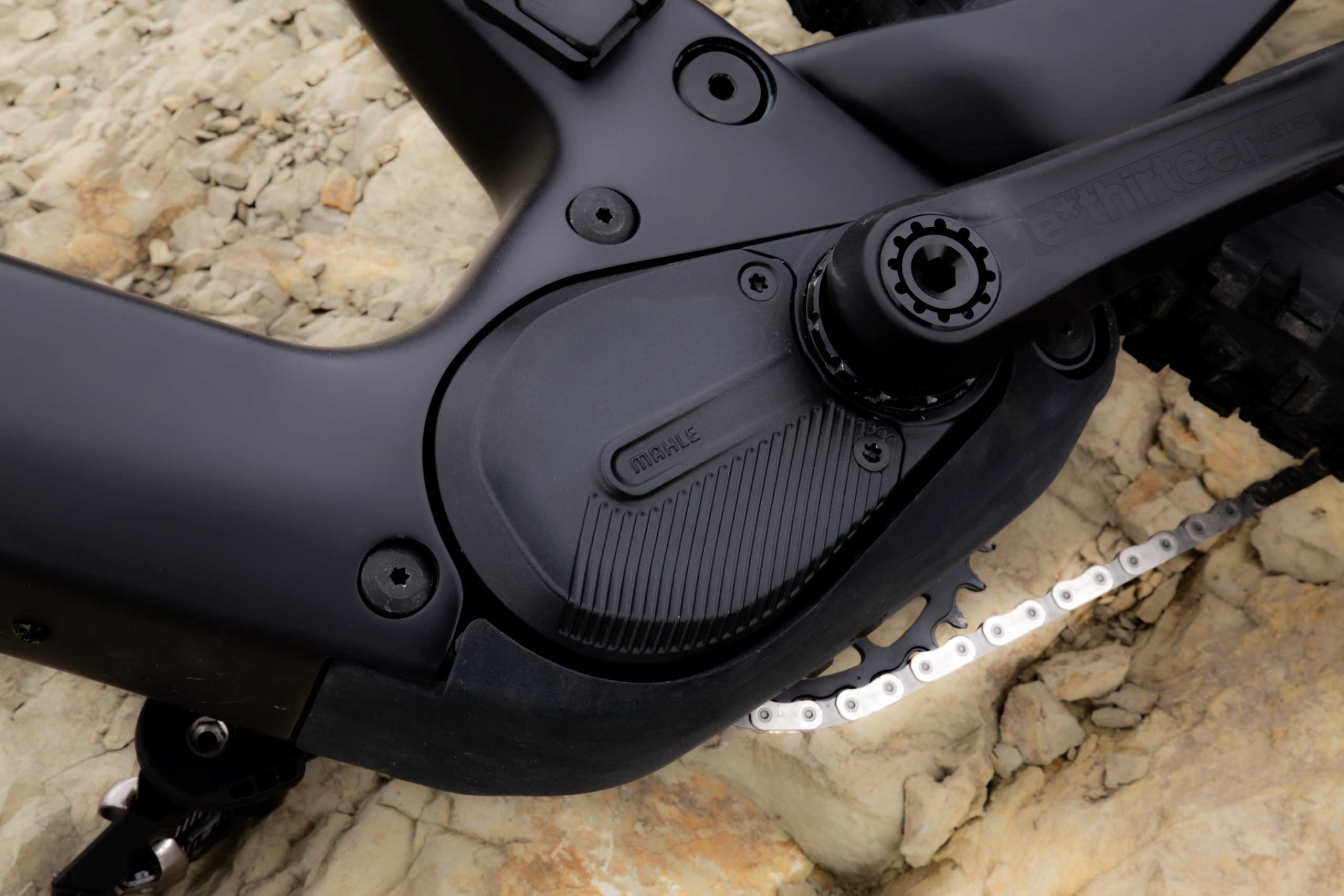
The motor weighs in at 2.5kg – in line with the most recent full-power motors from other brands, thanks to its lightweight magnesium casing.
The magnesium casing keeps weight as low as possible. Tom Marvin / OurMedia
The M40 is said to benefit from Mahle’s Decoupling Mounting System, which reduces the transmission of vibrations from the motor to the frame.
Cranks attach via the ETOR standard, enabling a wide range of cranks from the major manufacturers to be fitted.
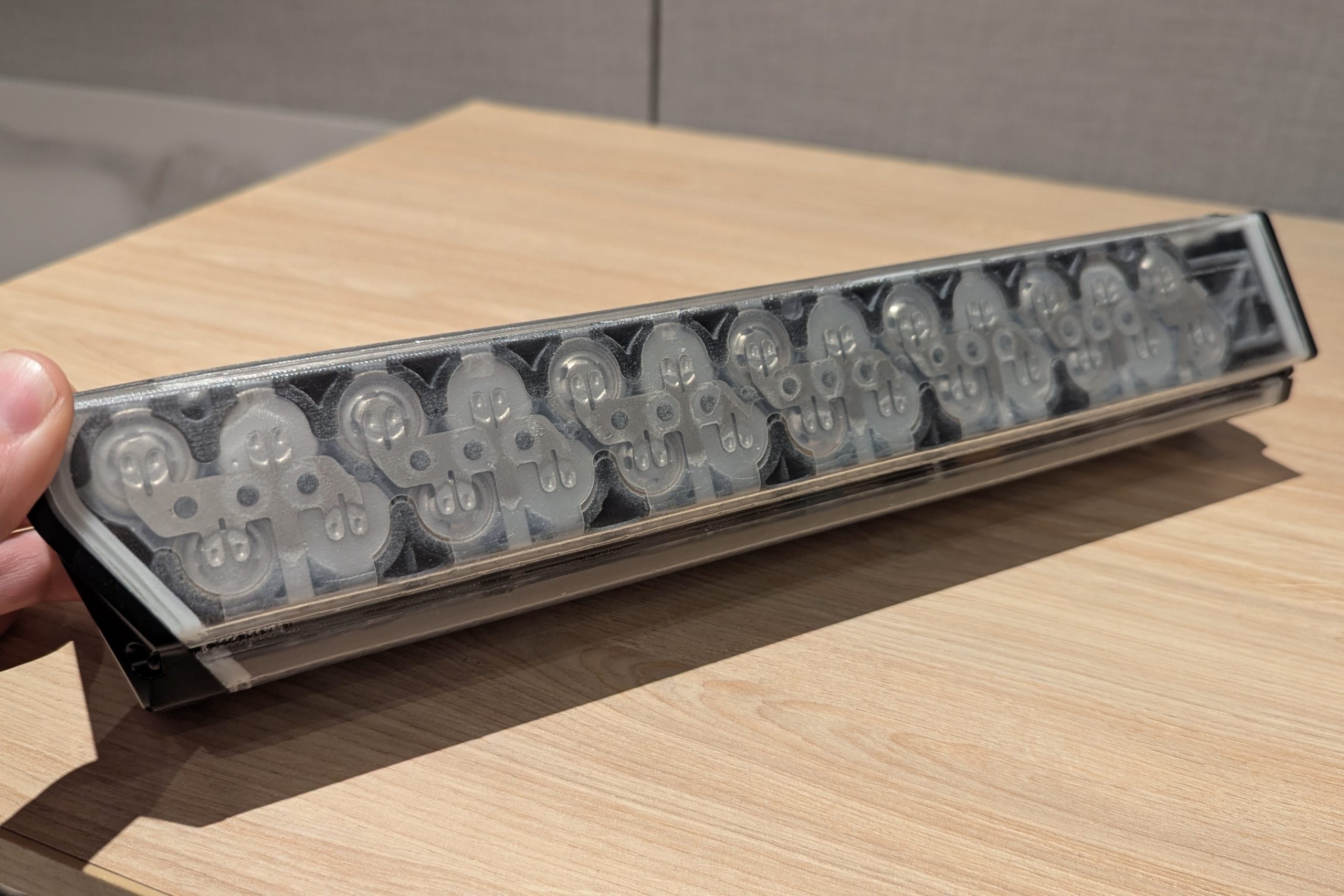
Multiple individual cells, almost AA battery-like, form the internals of the ebike battery. Tom Marvin / OurMedia
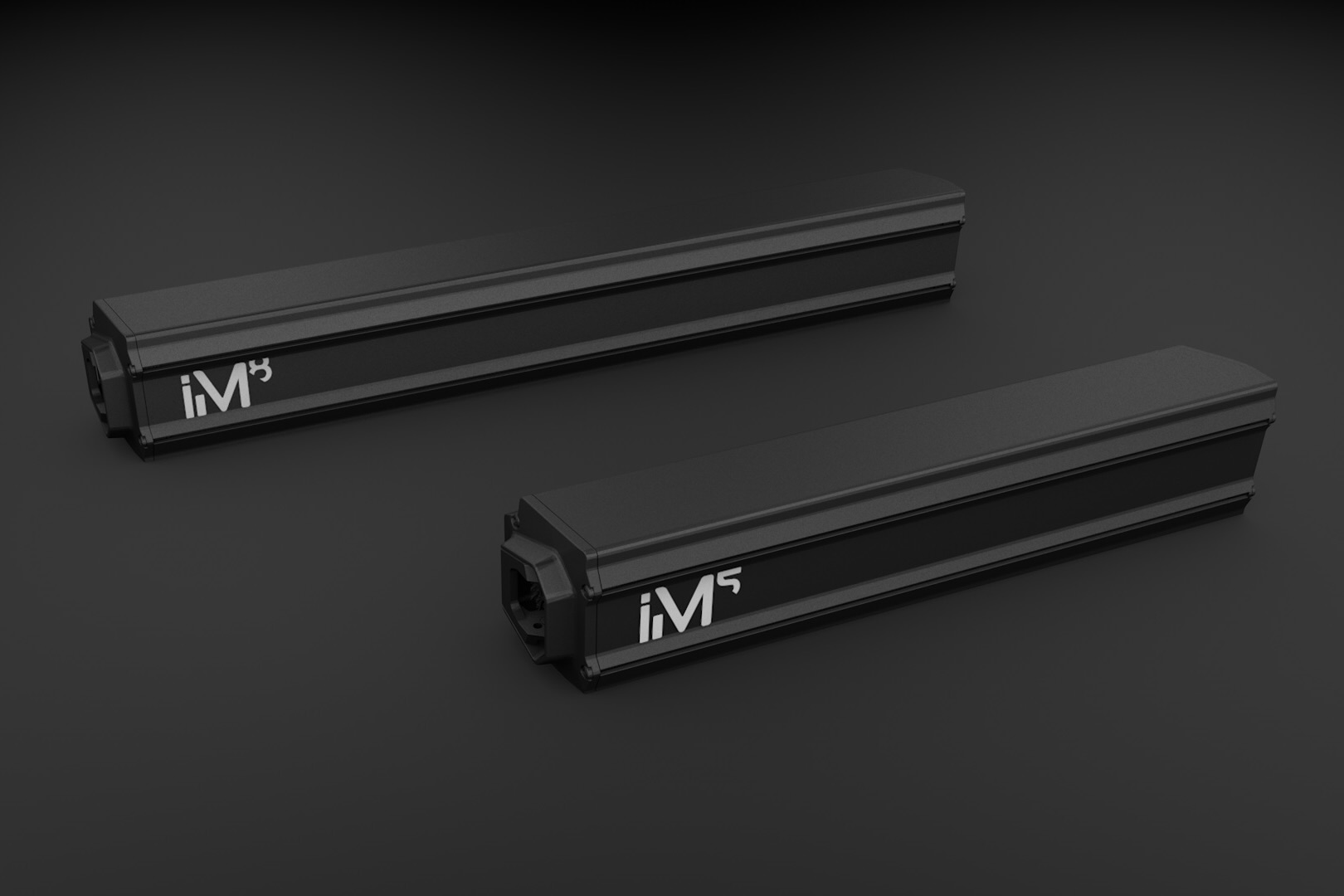
Brands will have the option of the 534Wh iM5 battery, which weighs 2.5kg, or the heavier iM8, with 850Wh of capacity, aimed at those looking for an optimised range of up to 150km, or 2,500m of ascent.
Both batteries share the same form factor, so should fit in the same frames.
Keeping it rolling
Two batteries will be offered on Mahle-equipped eMTBs. Mahle
There’s quite a lot more involved in making a decent eMTB motor, namely how – and how consistently – the power is delivered.
Although it’s not often mentioned, temperature control is important when it comes to ebike motors – getting them too hot by asking for consistently high power can degrade performance.
When this happens, motors can turn off, or drastically reduce their output until things cool down a little.
Mahle is keen to point out that its heat management systems should prevent this from happening.
When the temperature gets towards the limit, the maximum power is limited to 750W with the aim of lessening the chance of overheating, without drastically impacting the ride experience.
Perhaps more interesting are the internal sensors – and what they mean for current and future performance.
Inside the motor are various accelerometers, torque meters and gyroscopes.
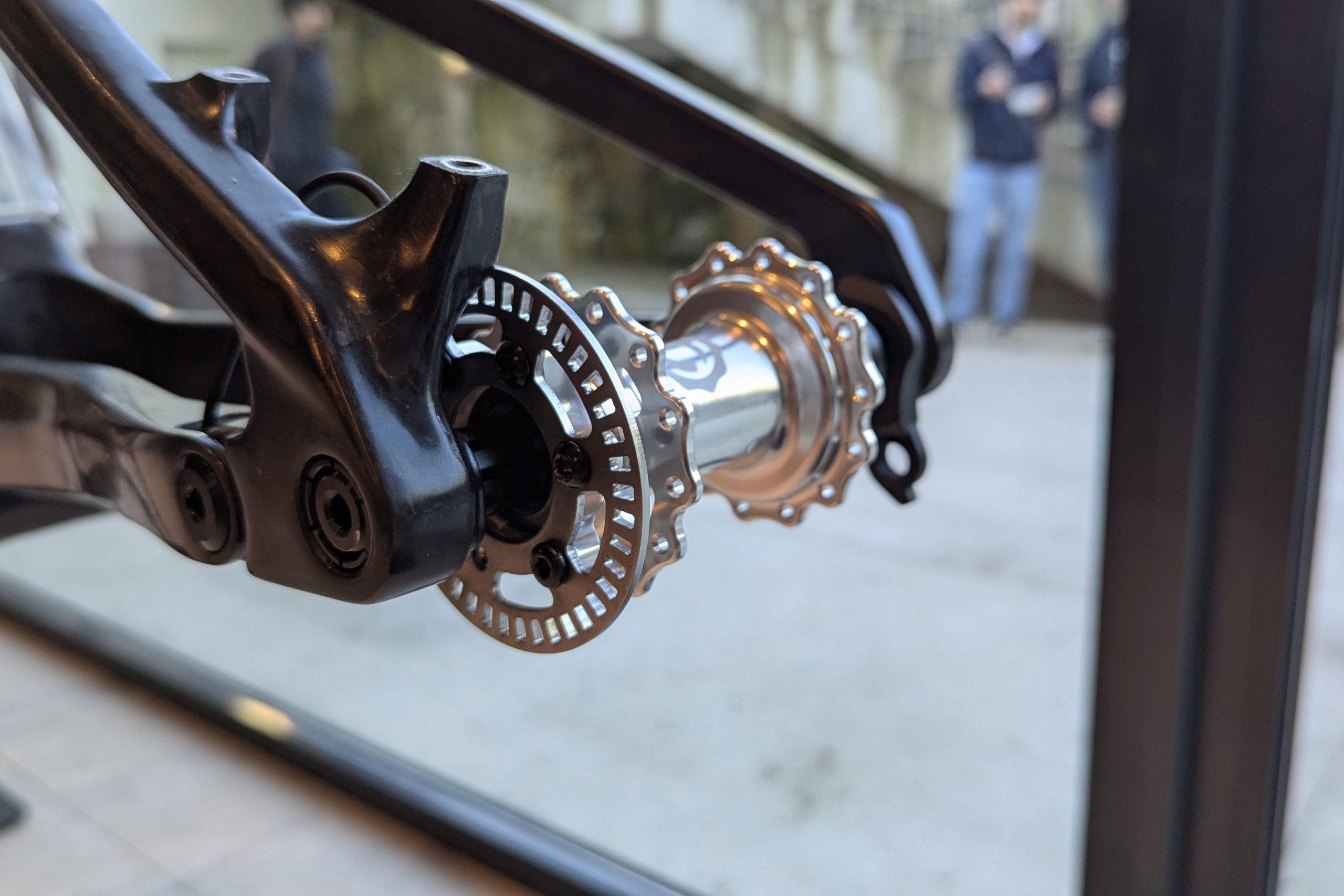
There’s also a rear-wheel speed sensor that has a high degree of resolution. With a 27.5in wheel, the system can detect your speed every 3cm of trail – thanks to 84 readings per revolution.
The speed sensor is key to the motor’s sensitivity. Tom Marvin / OurMedia
In contrast, if your ebike has a magnet mounted to the wheel or rotor, that’s only reading your speed once per wheel revolution.
These sensors are able, therefore, to detect a large amount of data pertaining to what your bike is doing, and then adjust the motor’s attitude to your power input accordingly.
For example, if the system detects the rear wheel suddenly speeding up while climbing, it’s a fair assumption that the wheel is spinning and not gripping. Power can then be reduced to regain control.
On descents, if the bike is leant over, the kick of any power input can be reduced to prevent the loss of control.
Likewise, the motor’s ‘Dynamic Overrun’ alters how much the motor continues to pull the chain round once you stop pedalling, depending on the speed and whether you’re climbing or descending.
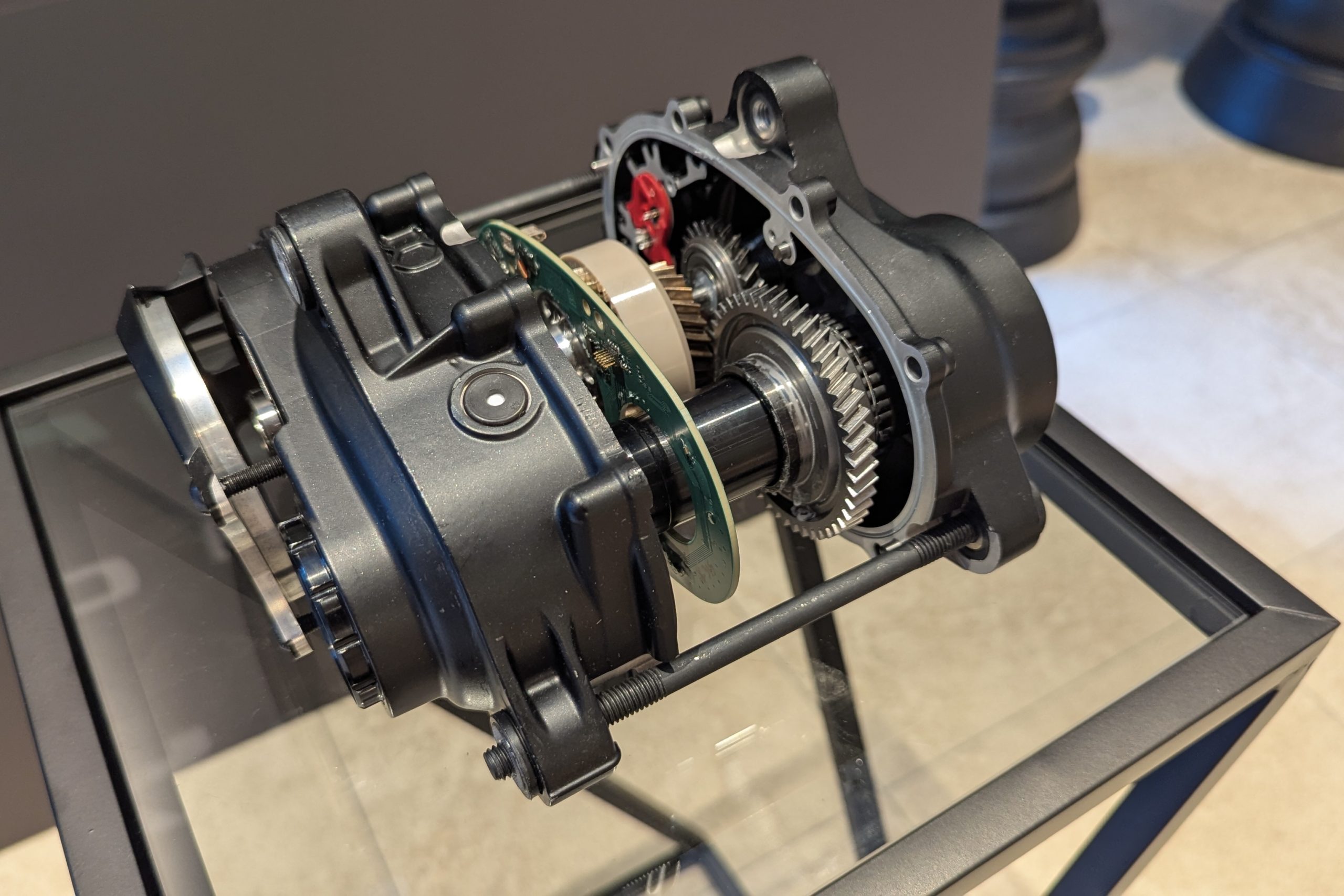
The inner workings of the M40. Tom Marvin / OurMedia
Doing this is said to improve the motor’s climbing performance.
Mahle tells us it is continuously monitoring user data to improve the software and thus performance.
For example, in time, it should be able to tell the difference between a bike that’s looping out by accident on a climb, and when someone is intentionally popping a wheelie.
Extra assistance
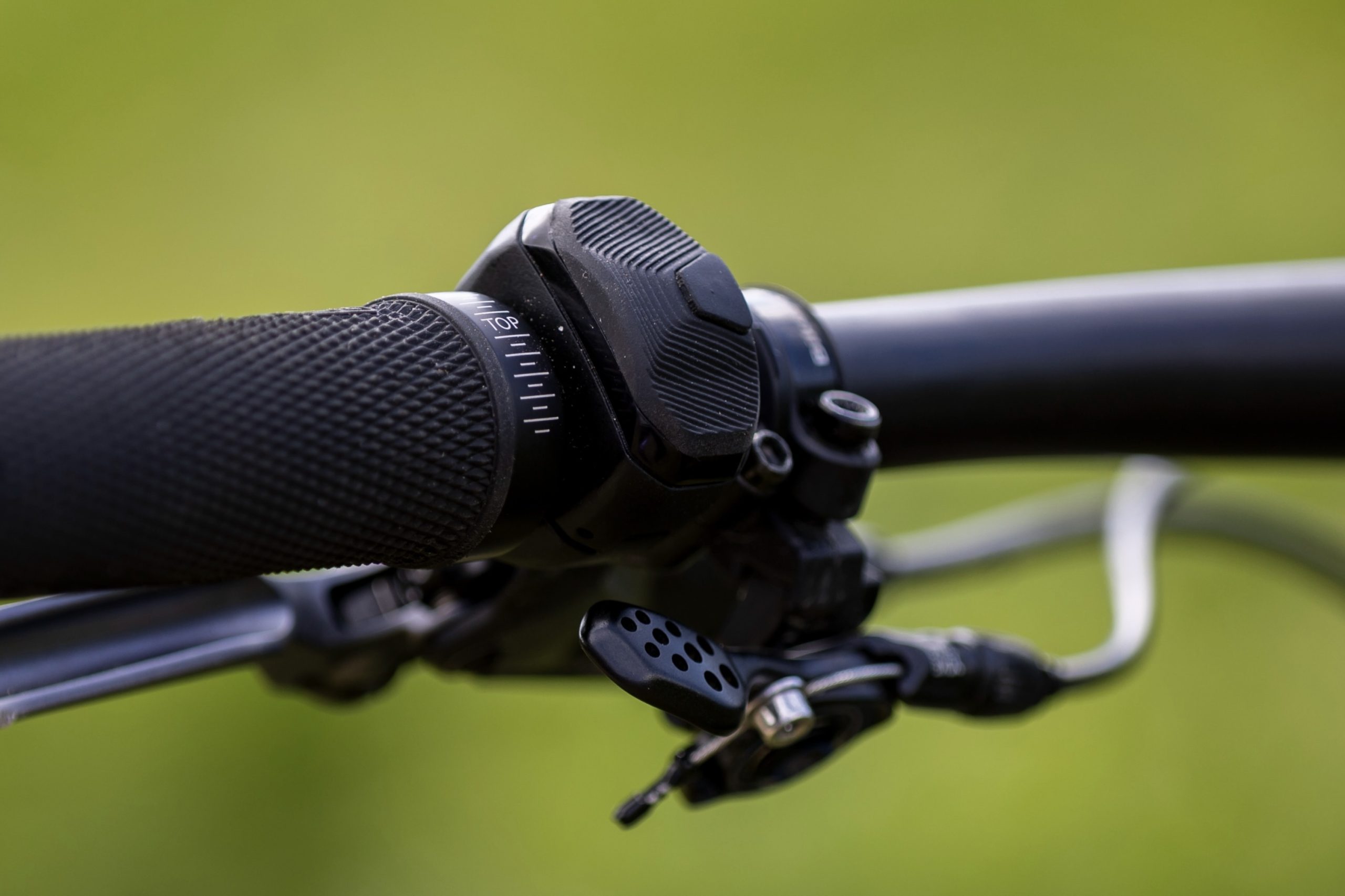
The remote has three buttons, to give plenty of on-bar control. Mahle
The walk mode is engaged by holding the ‘down’ button on the wireless on-bar controller. This spins the cranks to rotate the rear wheel.
Additionally, there’s a hill-start function. By gently pushing down on the cranks while the bike is facing uphill, the motor engages and prevents the bike from rolling backwards.
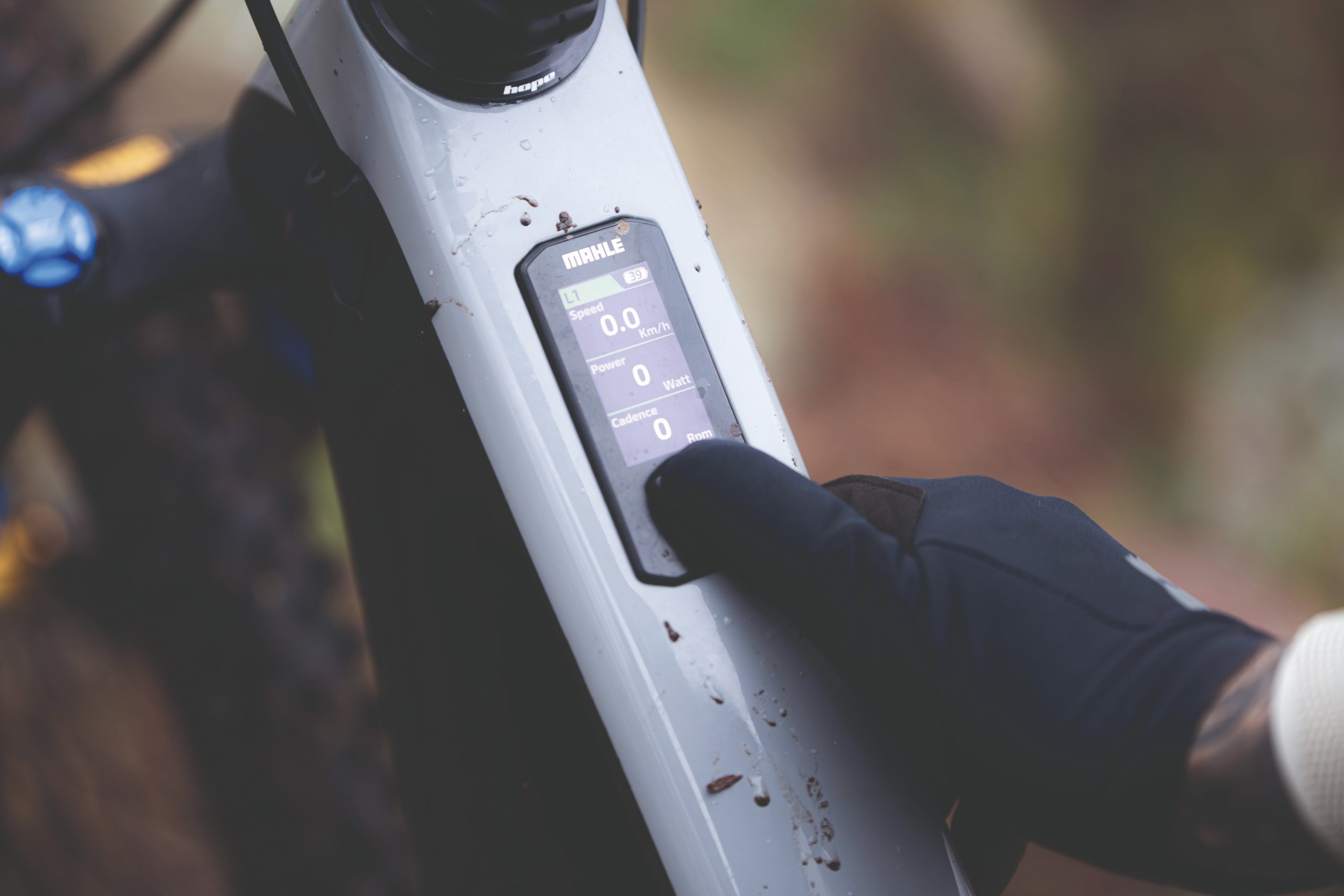
The neat on-bar Trio Remote, which features LED status displays, is supplemented by a 1.9in top-tube mounted head unit and display, which shows a multitude of data via its colour screen. A second Trio Remote can be added to the bar for additional functionality.
Data is customisable, while additional data can be found in the accompanying app.
While OEMs (bike brands to you and I) will have around 100 customisable parameters, to match the motor’s performance to their individual bikes, riders will also be able to tweak a second, narrower layer of motor performance.
The 1.9in colour screen has plenty of data fields on offer. Mahle
Mahle has a suite of additional items in its ebike ecosystem, including neat wall-mounted chargers, mirroring those in the automotive world.
Mahle M40 motor initial impressions
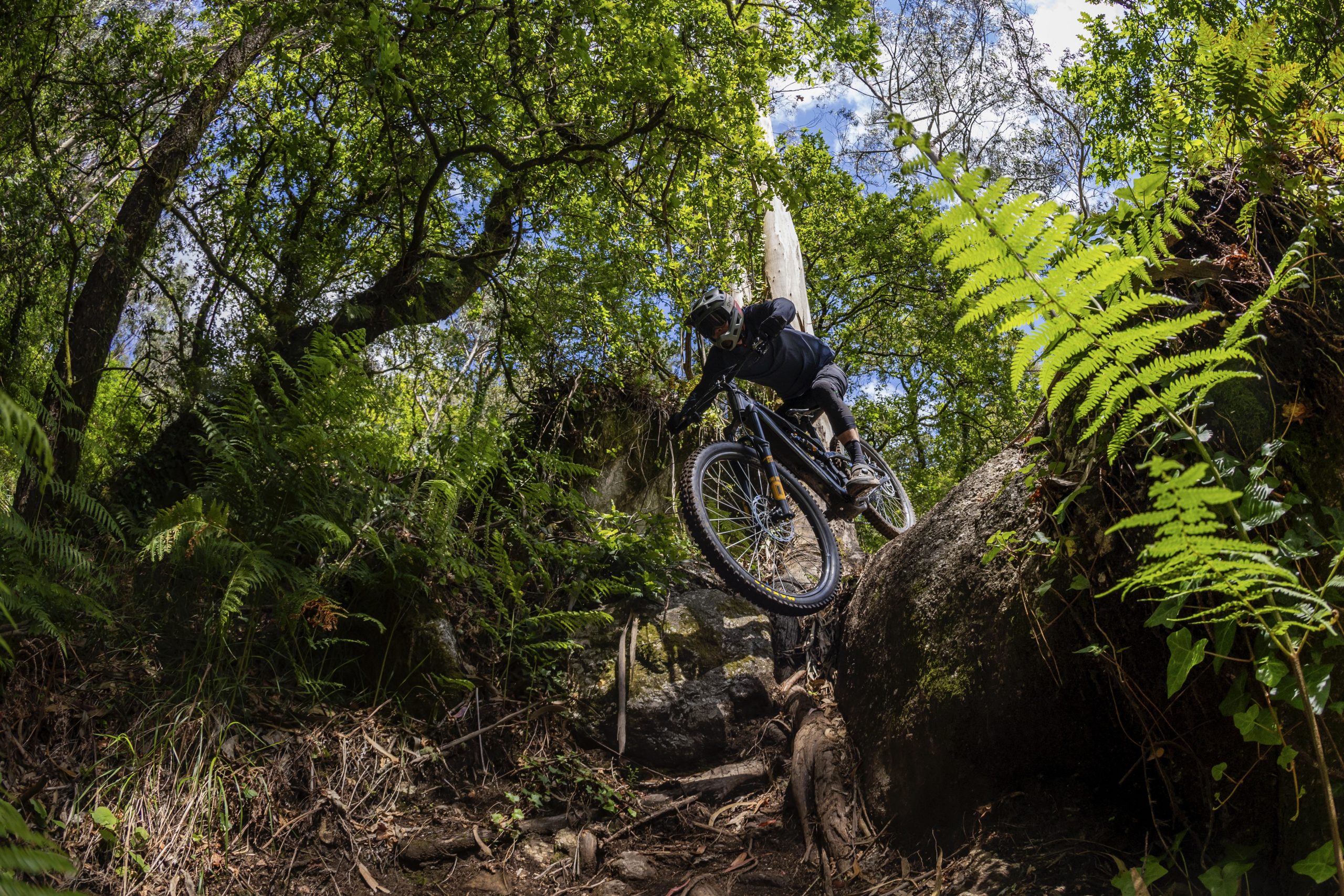
It’s always refreshing on a launch to be able to ride ‘real’ trails. Javier Martínez de la Puente/Zubiko Photography / Mahle
I only spent a little while riding the motor, which was fitted to a frame that Mahle had built specifically for the launch – expect more partner brands to be announced at Eurobike 2025.
Much like DJI’s Avinox, what is immediately obvious is how reactive the motor is to human and trail impacts.
While it’s a cliche, it has a very natural feel, with easily controllable power to the rear wheel.
At those higher, ideal cadences, the power delivery is punchy and smooth, easily powering you up steep, loose and technical climbs.
Climbing performance impressed during my initial ride on a range of surfaces. Javier Martínez de la Puente/Zubiko Photography / Mahle
The overrun doesn’t boost you uncontrollably into sections you want to take more care in – rather, it supplements what you’re trying to achieve in a subtle manner.
At lower cadences, there’s still ample grunt to get you up steep pitches. In fact, on the steepest pitches, I used lower cadences to keep the bike as stable as possible, rather than pedalling manically at a high rate and relying on the torque to get me up.
During descents, I didn’t find the motor pushed me beyond speeds I wanted to be at – the overrun is subtle and the kick of power when I did put pedal strokes in was smooth.
Dropping in to a fun rocky shoot during our test ride. Picture by Javier Martínez de la Puente/Zubiko Photography / Mahle
The hardware seems solid. The remote controller is well-shaped and doesn’t take over the bar, while the feedback through the buttons is ample.
The screen is bright and readable in sunny conditions.
I’m excited to see which brands pick up this motor. It’s a crowded space, and it’s difficult to think of bikes that are due a refresh. However, whichever bikes come equipped with the M40 shouldn’t find their performance compromised by the motor.
In March, Zwift adjusted the performance of bike frames and wheels in the game, aligning them more closely with real-world performance differences between various bikes and wheel types. At the same time, they released the bike upgrade feature, allowing riders to put in work to make their bikes marginally faster.
While I’ve spent a lot of time unpacking these changes on the road bike/tarmac side of things, I really hadn’t tested bikes on Zwift’s dirt surfaces until recent days. And the results surprised me! Let’s dig into how various bike types perform on Zwift dirt today.
First, a Wheel Important Note
The 1-hour time gap data below is based on the speeds of our baseline bike, which is the Zwift Carbon with 32mm Carbon wheels.
In Zwift, you can’t put the 32mm Carbon wheels on a gravel bike. Instead, you must choose between several gravel-specific wheelsets. The nice thing is, Zwift keeps it simple: all the gravel wheels currently perform the same.
When it comes to mountain bikes, there is just one wheelset you can use, named “Zwift Mountain”.
Because of how wheels work, for the data below, we paired each frame type with a specific wheelset so the comparisons would be useful:
Gravel Bikes all used the Zwift Gravel wheels
MTB all used the Zwift Mountain wheels
Road bikes all used the ENVE 8.9 wheels (we tested a few top-performing wheelsets, and these turned in the fastest lap times)
Zwift Concept Z1 (Tron bike) used the Zwift Concept wheels
Time Savings Over 1 Hour at 300W (Stage 0 vs Stage 5 Frames)
Let’s begin with a simple chart that clearly illustrates the performance delta between gravel, mountain, and road bikes on Zwift dirt. This chart illustrates the time difference between each bike and our baseline bike (Zwift Carbon with 32mm Carbon wheels) over 1 hour of riding on the Jungle Circuit at 300W (4 W/kg).
Use the toggle to switch between viewing the un-upgraded versions of each bike and the full-upgraded (stage 5) version.
Show Chart For:
Stage 0
Stage 5
Takeaways
First things first: there is a big performance gap between gravel bikes and MTB+road bikes on the dirt. This gap is bigger than it’s ever been, thanks to changes Zwift made in their March update.
In fact, the gap between gravel and road bike performance in the dirt is approximately twice what it used to be. (After Zwift made road bikes roll faster in the dirt in November 2023, road bikes were around 1 minute slower than gravel bikes across an hour of riding. Now that gap is more like 2 minutes.)
The performance gap between the fastest and slowest gravel bikes has also widened. Formerly, the difference between the fastest and slowest bikes was ~20 seconds. Now it is ~38 seconds. (This lines up with the changes Zwift made to road bikes, where they stretched out the bell curve of performance so there was a larger delta between the fastest and slowest bikes.)
Toggling between stage 0 and stage 5, we can see that fully upgrading a frame doesn’t change its performance relative to other frames of the same type (the fastest gravel bike remains the fastest gravel bike, etc.). But a few of the road bikes do overtake some mountain bikes, as the delta between MTB and road shrinks at stage 5.
Lastly, this data shows that mountain bikes are never the smart choice if you’re looking for the fastest setup in a Zwift ride. In the Jungle, mountain bikes are just barely faster than the road bikes (at stage 0 at least). But mountain bikes are significantly slower than road bikes on all other surfaces, and gravel bikes clearly outperform them on dirt. So the mountain bike has no home in Zwift currently, unless you’re looking to ride with a group and make the effort more challenging.
Time Savings Over 1 Hour at 150W (Stage 0 vs Stage 5 Frames)
This chart uses the same bikes as the first chart, but the tests were run at just 150W (2 W/kg) to see how performance deltas change at lower speeds.
Use the toggle to switch between viewing the un-upgraded versions of each bike and the full-upgraded (stage 5) version.
Show Chart For:
Stage 0
Stage 5
Takeaways
Wow! The performance deltas between each type of frame are much larger at 150W vs 300W. ~249 seconds separate the Cervelo Aspero from the S-Works Tarmac, almost twice the gap (~128 seconds) we saw at 300W.
The mountain bikes clearly outperform the road bikes at this power level as well, with the Scott Spark RC World Cup besting the S-Works Tarmac by ~83 seconds at 150W vs ~10 seconds at 300W.
If you weren’t sure about the advantage of a gravel setup on Zwift dirt, this chart makes it clear.
Overall Conclusions
The changes Zwift made to bike performance on dirt surfaces are quite substantial. And I think they’re good changes:
Road bikes didn’t really get slower on the Jungle dirt, and that’s good – because nobody likes going slow on Zwift
Gravel bikes got faster, making them a viable option in more scenarios. This adds a strategic bike choice element to certain Zwift races/rides.
Racers will want to consider the implications of Zwift’s updated dirt performance and polish up their mid-race bike swapping technique for courses that include significant dirt stretches.
What’s Next
Given the impressive performance of gravel bikes on dirt, I will conduct additional tests on key dirt sections to determine where using a gravel bike (or swapping mid-ride) makes sense. We’ll especially take a look at Makuri Island’s Temple KOM, which is a mostly dirt climb that forces key selections in races on that map.
I’ll also test how gravel bikes now perform on the gravel surface type, which currently only exists on the Sgurr Summit North in Scotland.
Stay tuned for results…
Your Thoughts
Do you have comments or questions about how Zwift bikes perform on dirt? Share below!
This limited-edition bike is fully integrated for a clean look and improved aerodynamics. Joe McGorty / Condor Cycles
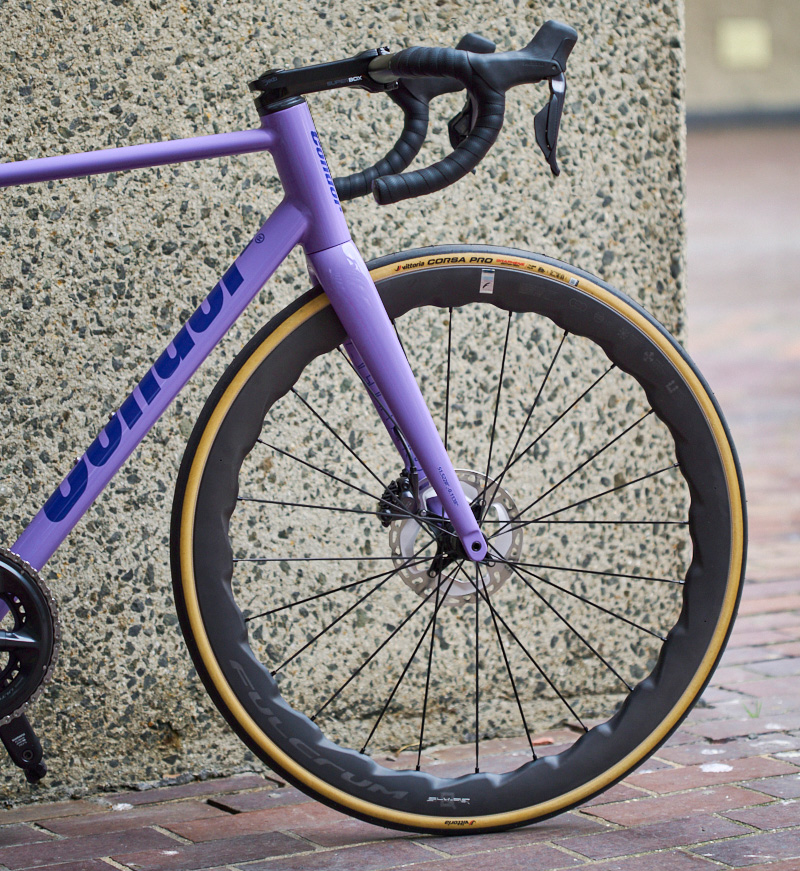
While integrated cable routing can be divisive, Condor says it gives the Italia RC Ltd a “clean and uncluttered aesthetic” and contributes to “improved aerodynamics by reducing drag”.
The aluminium road bike is available with a two-piece bar and stem combination from Deda, ENVE, Condor or Pro. It will also be available with a colour-matched one-piece carbon handlebar.
Condor has increased the size of the head tube on the Italia RC Ltd to accommodate the internal routing.
“This ensures that brake hoses run smoothly without kinking or bending, an issue we’ve often observed on bicycles serviced in our store workshop,” it says.
But Condor also says the new 1.5in head tube provides front-end stiffness that “translates into razor-sharp steering precision”.
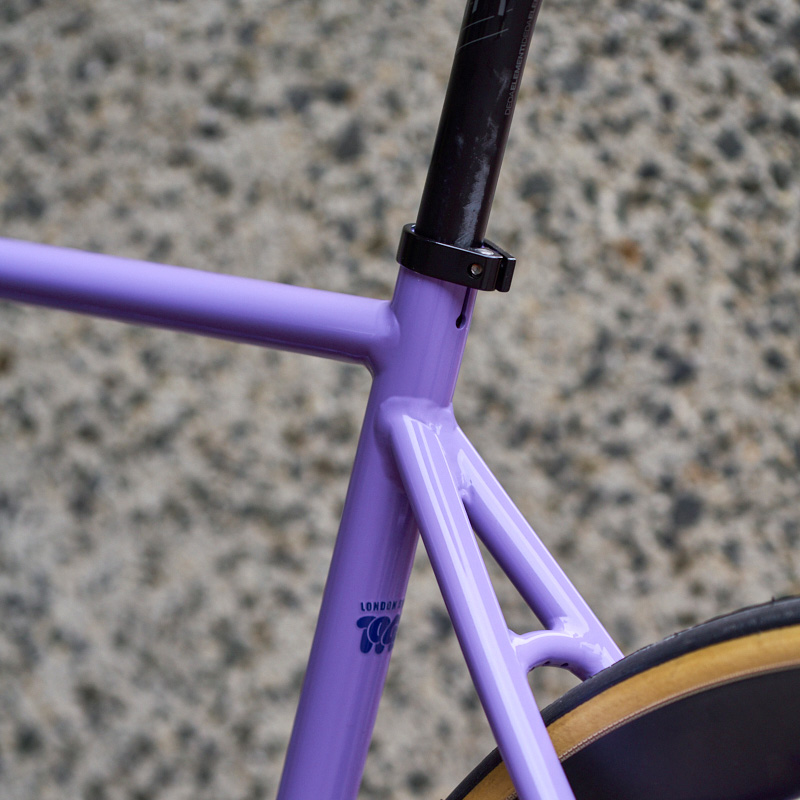
Semi-dropped seatstays
The semi-dropped seatstays are said to aid compliance. Joe McGorty / Condor Cycles
Another difference between the fully integrated Italia RC Ltd and the standard version is the seatstays.
These are “semi-dropped” rather than meeting the down tube at the same point as the top tube.
“Unlike fully dropped designs, our seat stays are positioned to retain some of the bicycle’s traditional, elegant lines, ensuring a familiar and pleasing aesthetic,” Condor says.
“Yet, this subtle drop isn’t just for looks. By lowering the attachment point on the seat tube, we achieve enhanced vertical compliance, allowing the seat post and seat tube to flex more effectively.”
Condor has also “custom-forged” the seatstays by flattening the tubes to create a wider horizontal profile. It says this increases lateral stiffness compared to a round tube of the same weight.
Custom-drawn aluminium
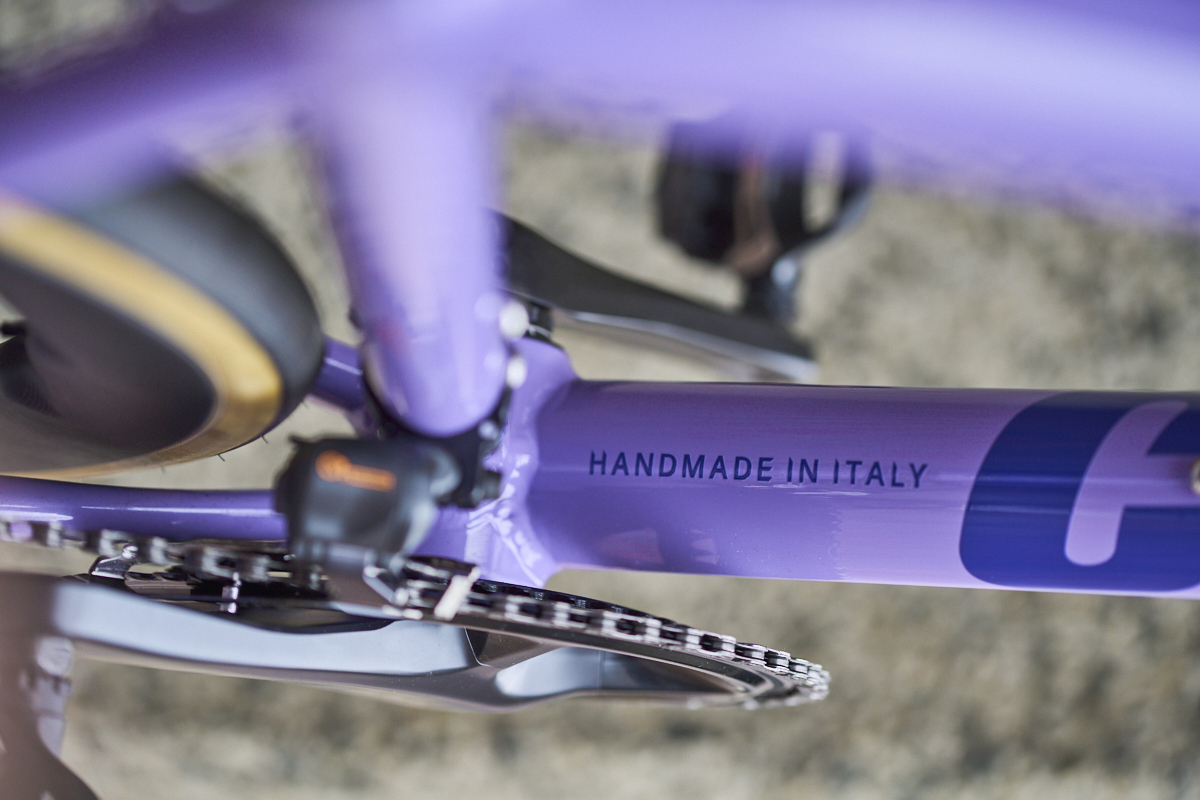
The Condor Italia RC Ltd is handmade in Italy, as the frame makes clear. Joe McGorty / Condor Cycles
It’s not just the seatstays that are custom, but all of the Italia RC Ltd’s tubing.
The bike uses 7000 series aluminium for its strength-to-weight ratio, which Condor says allows for “thinner and lighter, yet stiff and durable frame construction”.
Condor hand-welds the tubes and assembles each frame one at a time, rather than on a production line. Condor says this enables its builders “to use less material at each join and dedicate greater attention to detail, ultimately enhancing the ride’s overall quality”.
“At Condor, we’ve always believed that aluminium never quite got the recognition it deserved at cycling’s highest level,” the London-based brand says. “When crafted correctly by skilled artisans using a precise selection of aluminium alloys, it delivers a ride that’s both smooth and incredibly lively.”
Condor claims the Italia RC Ltd frame weighs 1,500g, painted in a size 55cm with fixings and bolts. The carbon fork adds 350g.
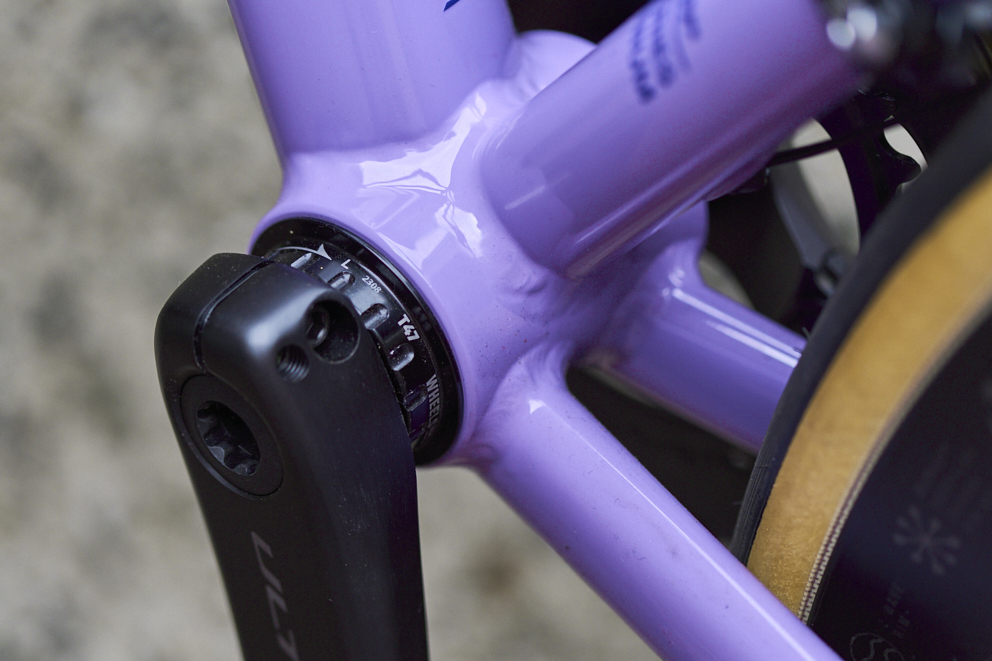
The bike has a T47 bottom bracket. Joe McGorty / Condor Cycles
Elsewhere, the Italia RC Ltd has a T47 bottom bracket. Condor uses threaded bottom brackets on all its bikes for ease of maintenance and says the T47 aids power transfer.
Tyre clearance remains the same as the standard Italia RC at 32mm.
How much does the Condor Italia RC Ltd cost?
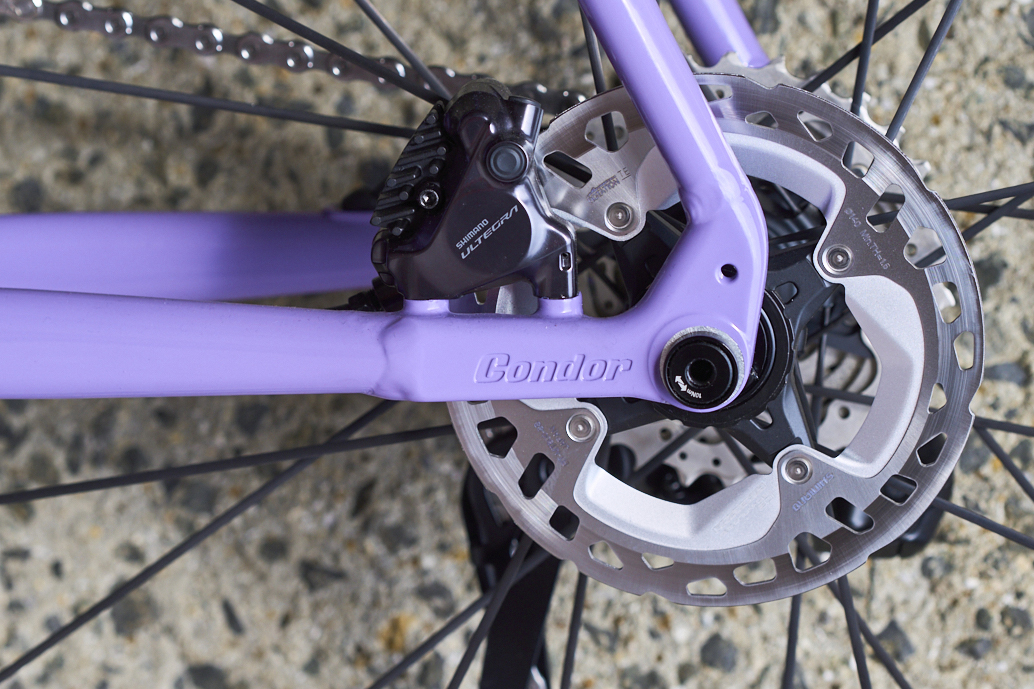
The Condor name at the rear dropout. Joe McGorty / Condor Cycles
At £1,499, the Italia RC Ltd frameset costs £100 more than the standard Italia RC.
Condor has provided a range of example builds. Pricing starts from £3,762 for an Italia RC Ltd with Shimano 105 Di2 and rises to £7,861 with Campagnolo Super Record Wireless 13-speed.
Netflix’s Tour de France: Unchained will return for its final season on 2 July.
The third and final season of the documentary will take you behind the scenes of the 2024 Tour de France, where Tadej Pogaçar won six stages on his way to overall victory. It will also show the stories of other riders, teams and moments from the race.
A trailer released on Wednesday focuses on UAE Team-Emirates XRG and Tadej Pogaçar, with teammate Mikkel Bjerg saying: “Everything the light touches is Tadej’s kingdom.”
It also picks out a frustrated Red Bull-Bora-Hangrohe with a quote that reflects the drama of Tour de France: Unchained season one: “The Tour is a fucking circus, and we are the clowns.”
The series will also show Mark Cavendish’s final Tour de France, where he snatched a record-breaking 35th stage win, beating Eddy Merckx’s tally of 34.
Tour de France: Unchained follows a familiar sports-documentary format popularised on Netflix with shows such as F1: Drive to Survive.
The first series was announced in March 2022, when Netflix partnered with A.S.O., organiser of the Tour de France, to create a documentary series based on the 2022 race.
It was produced as a joint venture between Box to Box, the makers of F1: Drive to Survive, and Quadbox.
Many hoped that the show would do for cycling as F1: Drive to Survive has done for Formula 1, with global analytics company Neilsen stating 2.7 million 26 to 35-year-olds became interested in F1 every month in the year beginning March 2020.
But Netflix France decided not to renew Tour de France: Unchained for a fourth season.
According to Le Parisien, viewing figures had been weaker than hoped. Despite decent numbers abroad, this did not help the platform achieve its goal of growing its subscriber base in France.
“After three seasons, we are naturally coming to an end of this cycle. We’re very proud of the work we’ve done and of the public response to the documentary series, which has allowed us to offer a fresh take on this legendary competition,” Netflix told Cycling Weekly in February.
It has taken seven years, but Shimano has finally launched the long-awaited, wireless version of its top-flight XTR groupset, M9200.
It’ll come as no surprise that the drivetrain is wireless – cables no longer pull the derailleur across the cassette, instead Shimano’s own wireless protocol connects the shifter and derailleur, while a battery and motor push and pull the unit’s parallelogram over the cassette.
Shimano says market demands and performance benefits drove the removal of the gear cable.
It has taken time to get to this point, although the brand points to its other Di2 drivetrains that are prevalent in the eMTB market, as well as its durable Di2 LinkGlide 11-speed drivetrain releases over the past few years as proof that its engineers have been far from idle.
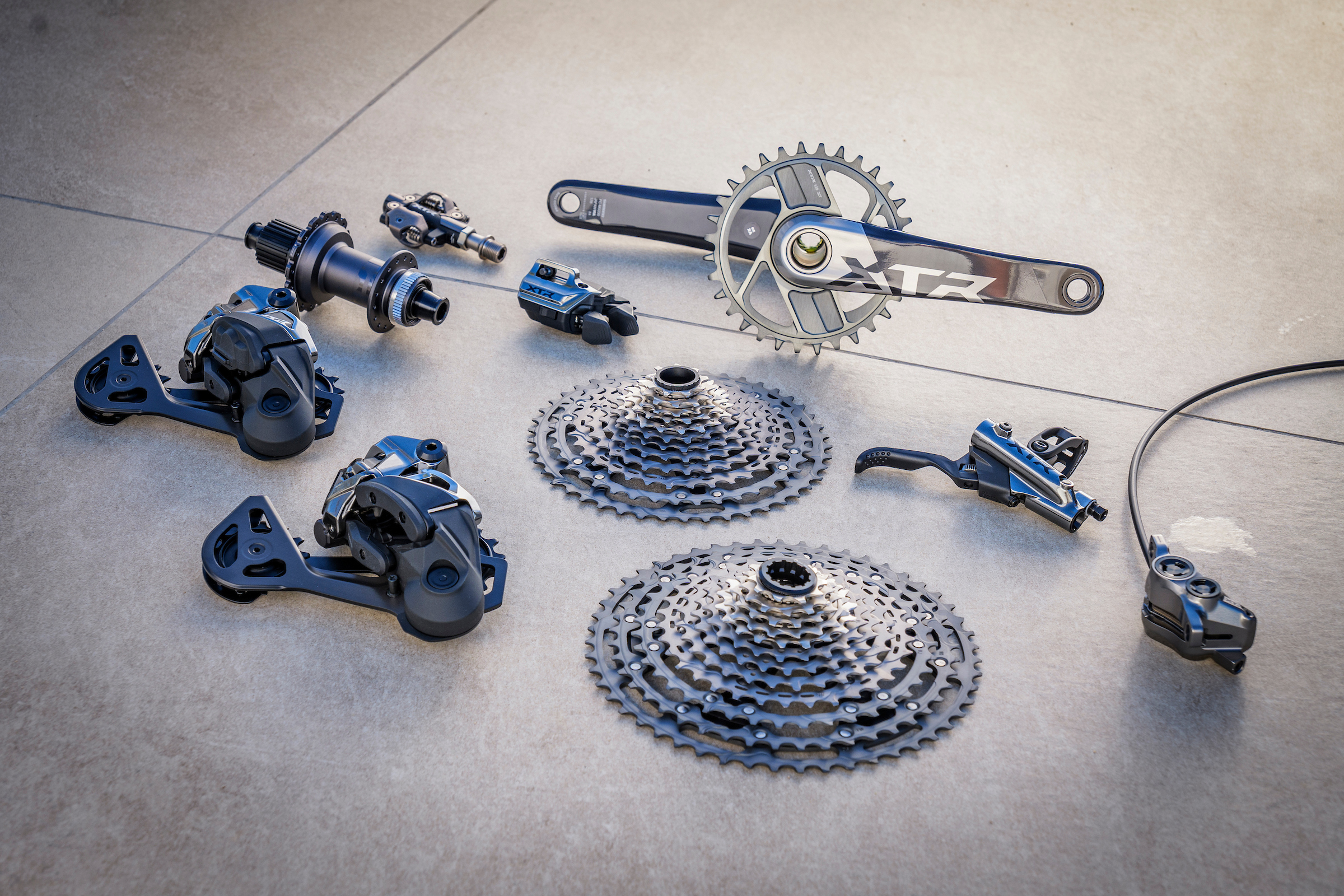
The new Shimano groupset in all its glory. Dan Milner / Shimano
Lessons have been learnt from these drivetrains, while they’ve also taken up development resources.
In addition to the new gears, which come in a duo of flavours for XC and trail or enduro riders, there are new brakes and wheels, too.
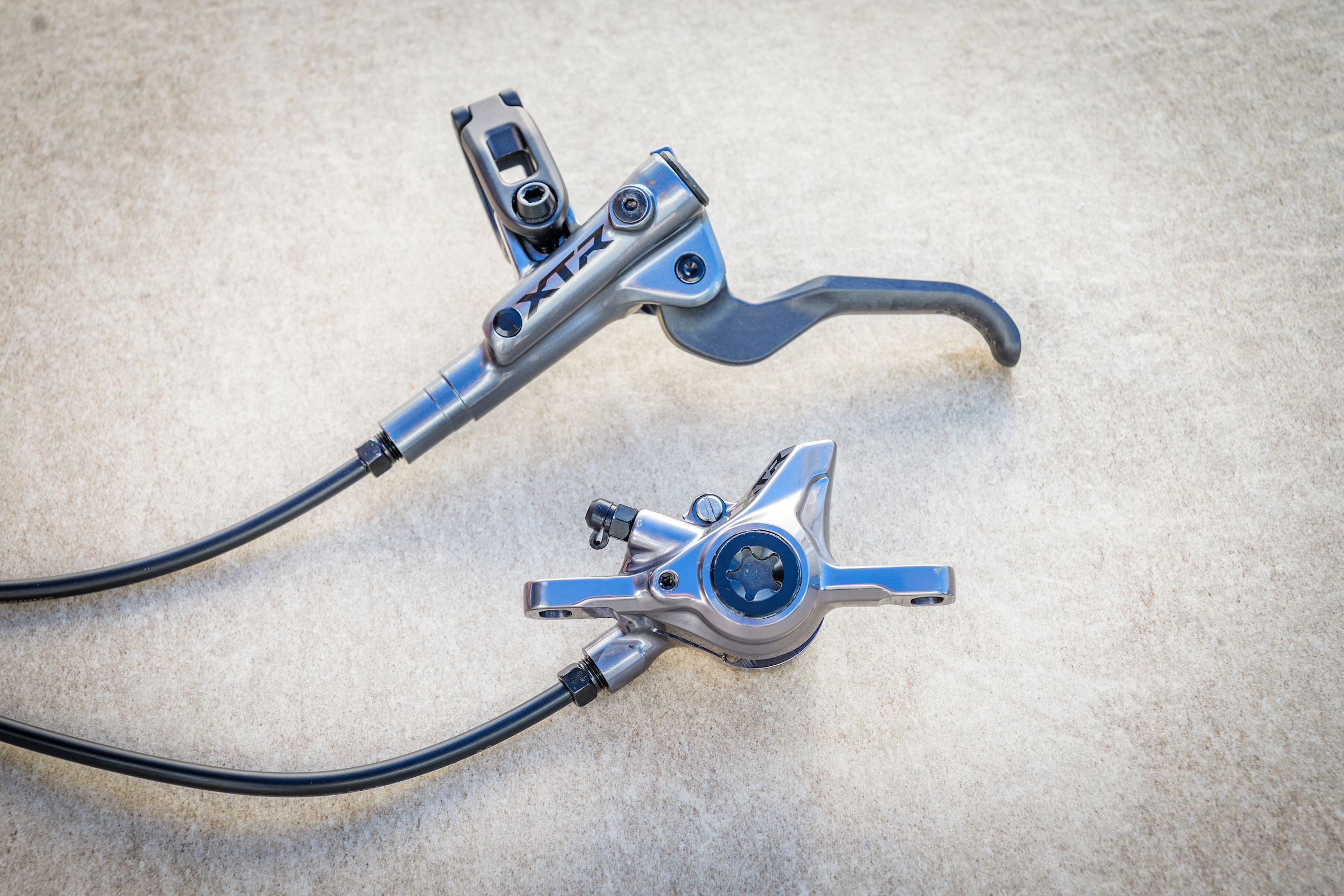
The lighter-weight XC brakes are on the surface almost identical to the previous XC brakes, but the new trail or enduro brakes have completely revised levers and calipers.
Both contain a new mineral oil, said to boost performance across a range of temperatures, killing off the wandering bite point issue that has dogged Shimano brakes in recent years.
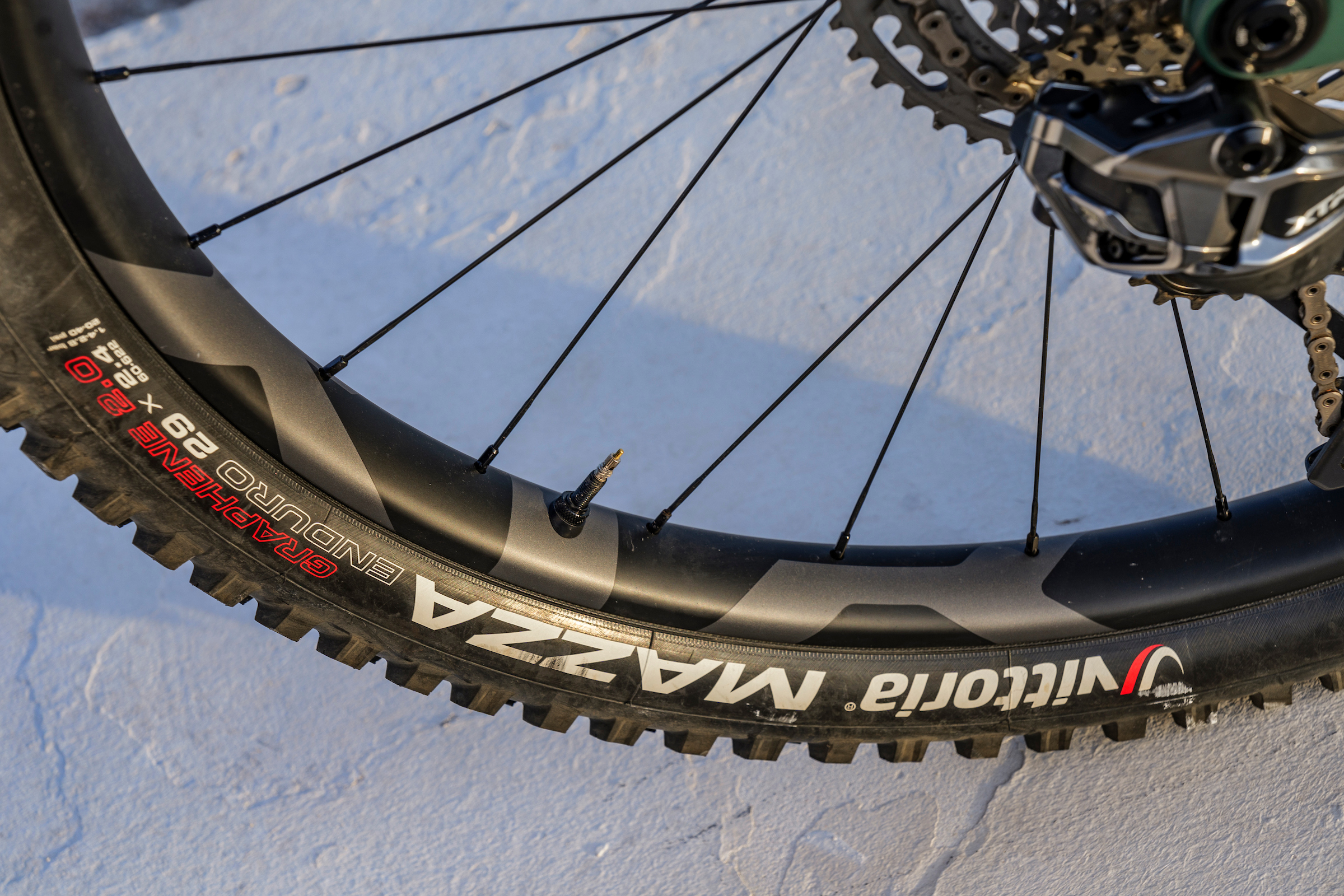
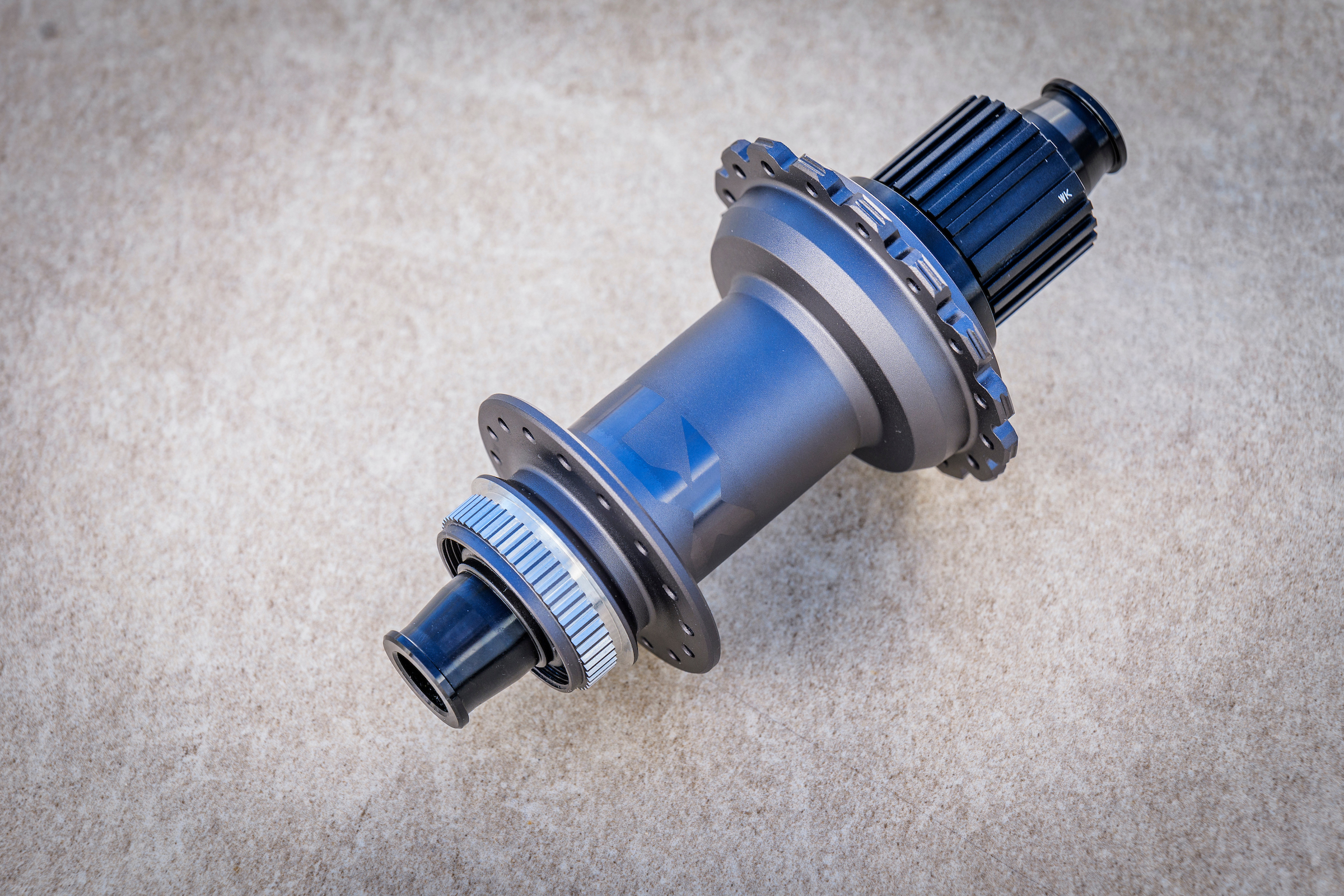
Carbon rims, as well as a quick pick-up rear hub, feature on the new wheelsets. Again, XC, trail and enduro riders are catered for.
The business end of the new groupset – the derailleur, cassette and chain. Dan Milner / Shimano
Both pairs of rims are wide, with the enduro version just a little wider and sporting a broad rim wall to ward off punctures.
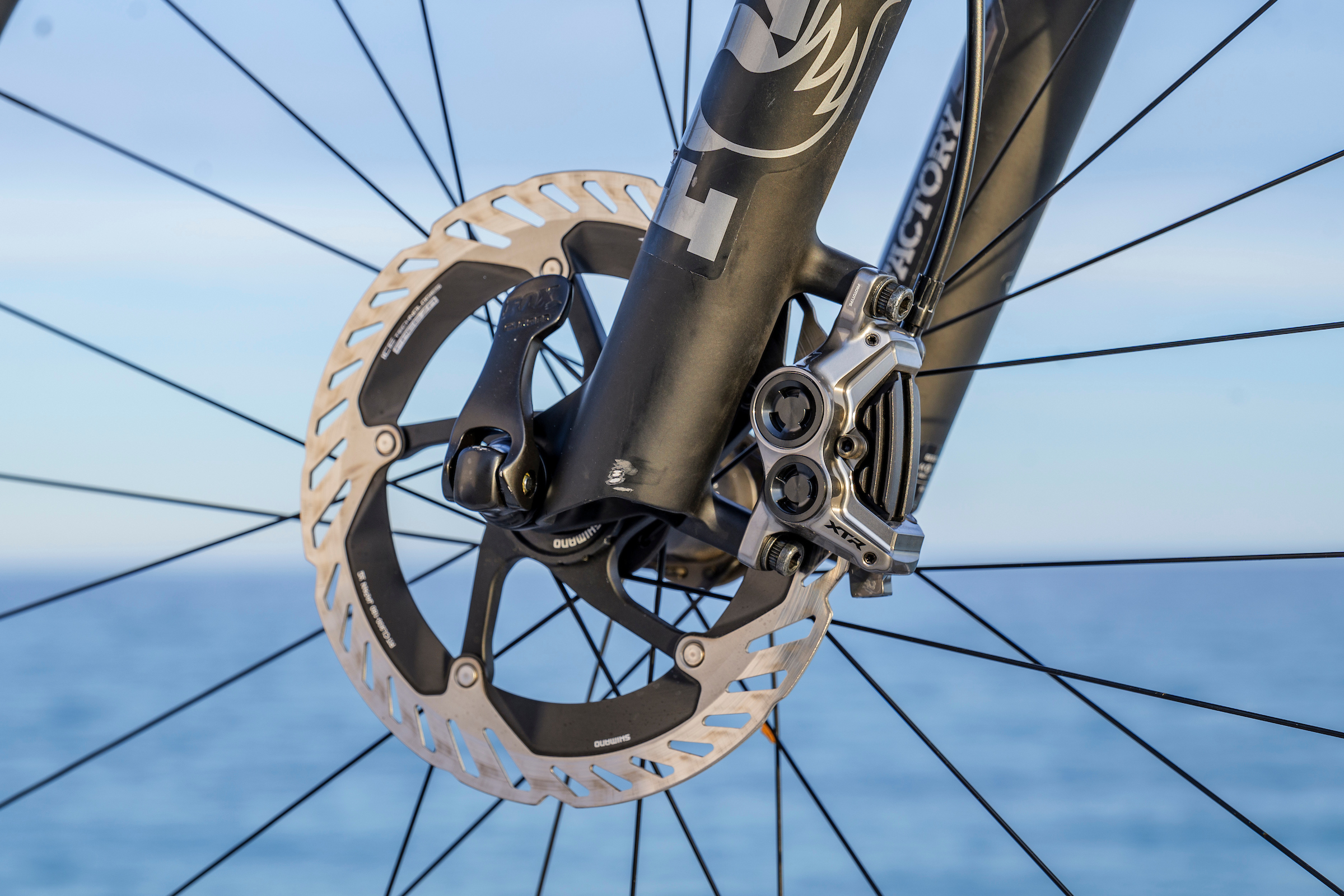
It is worth noting that there are no updates to either chains or rotors.
Fortunately, there are options for backward compatibility in the groupset – cranksets and chainrings, chains and cassettes of old will still work with the new groupset.
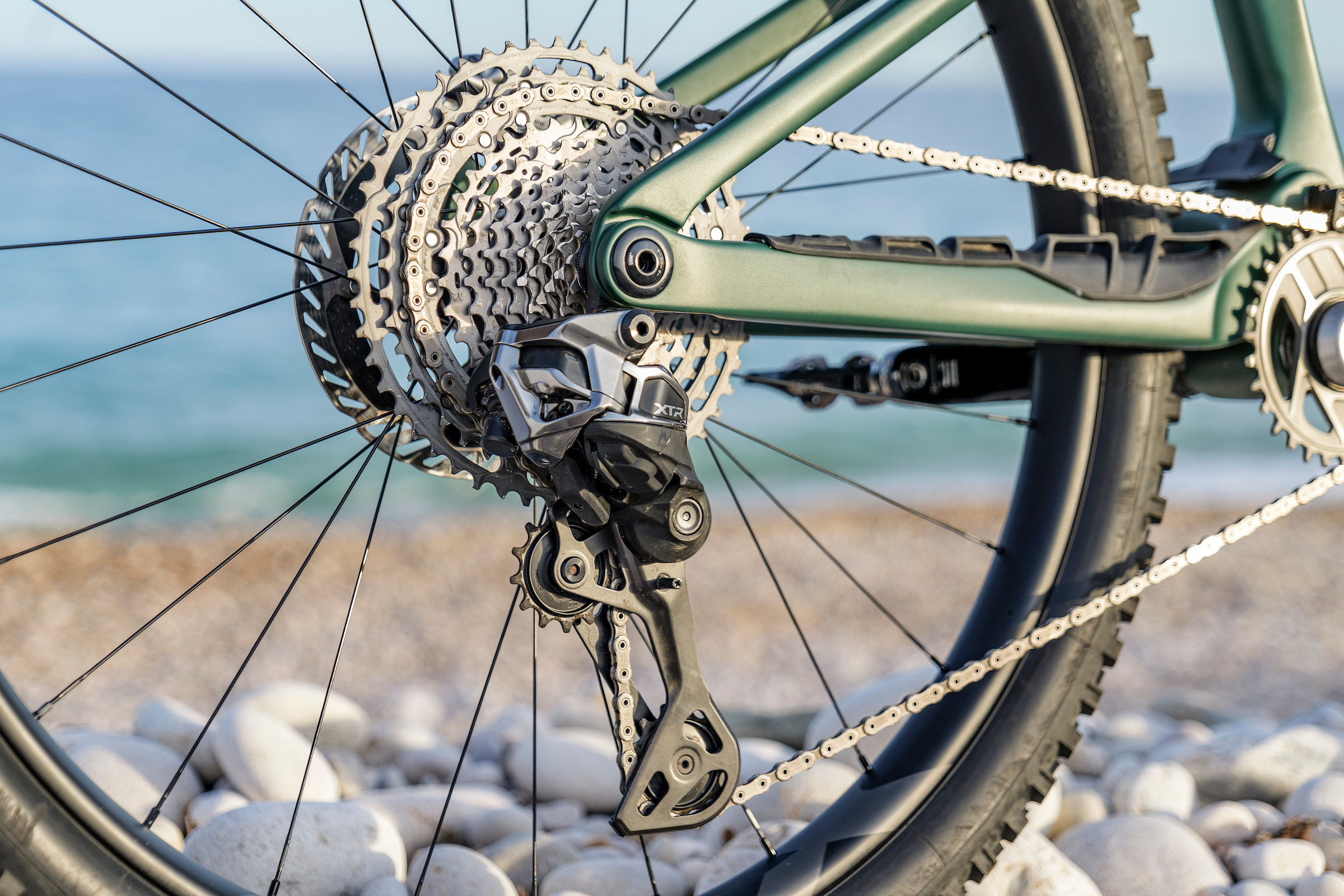
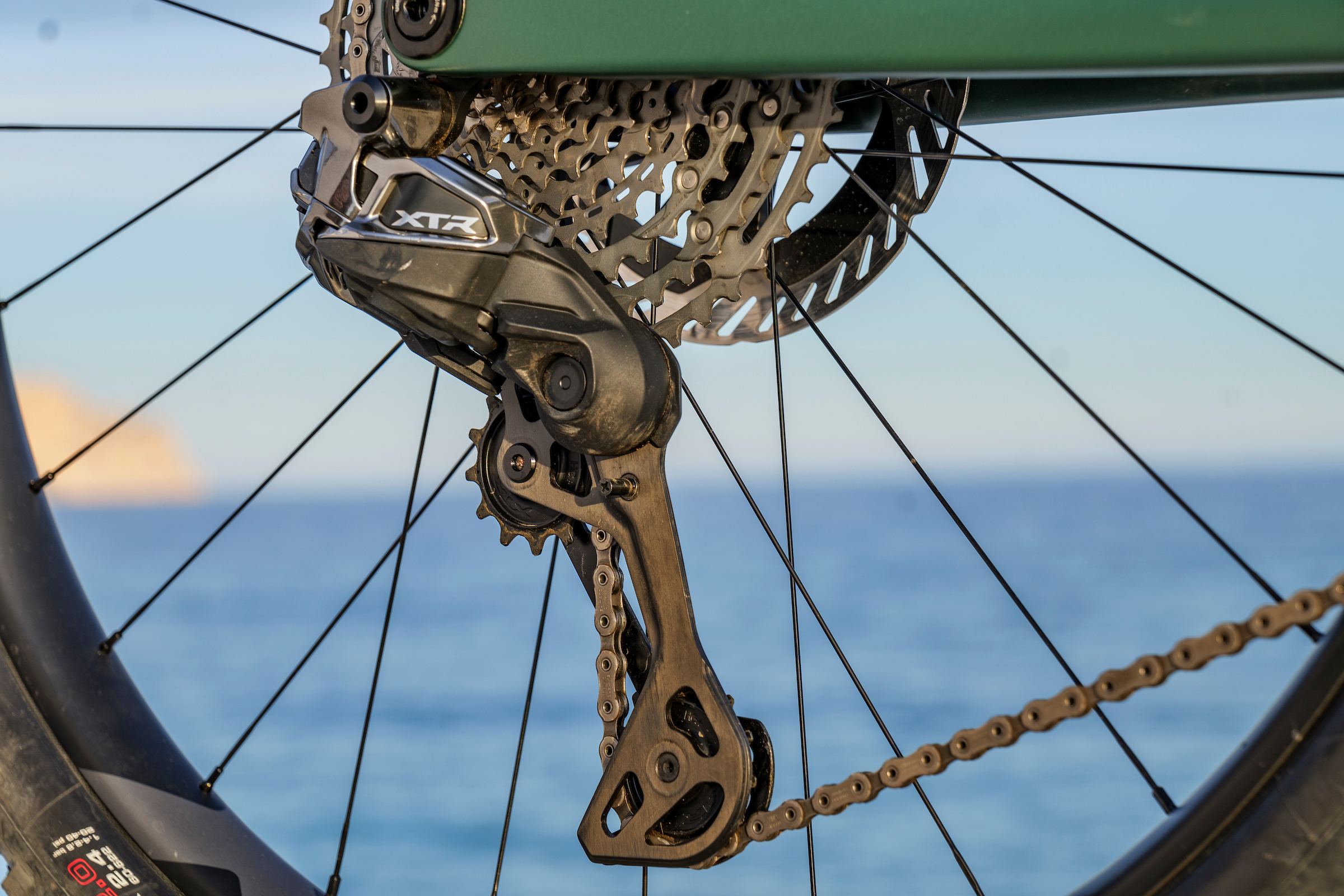
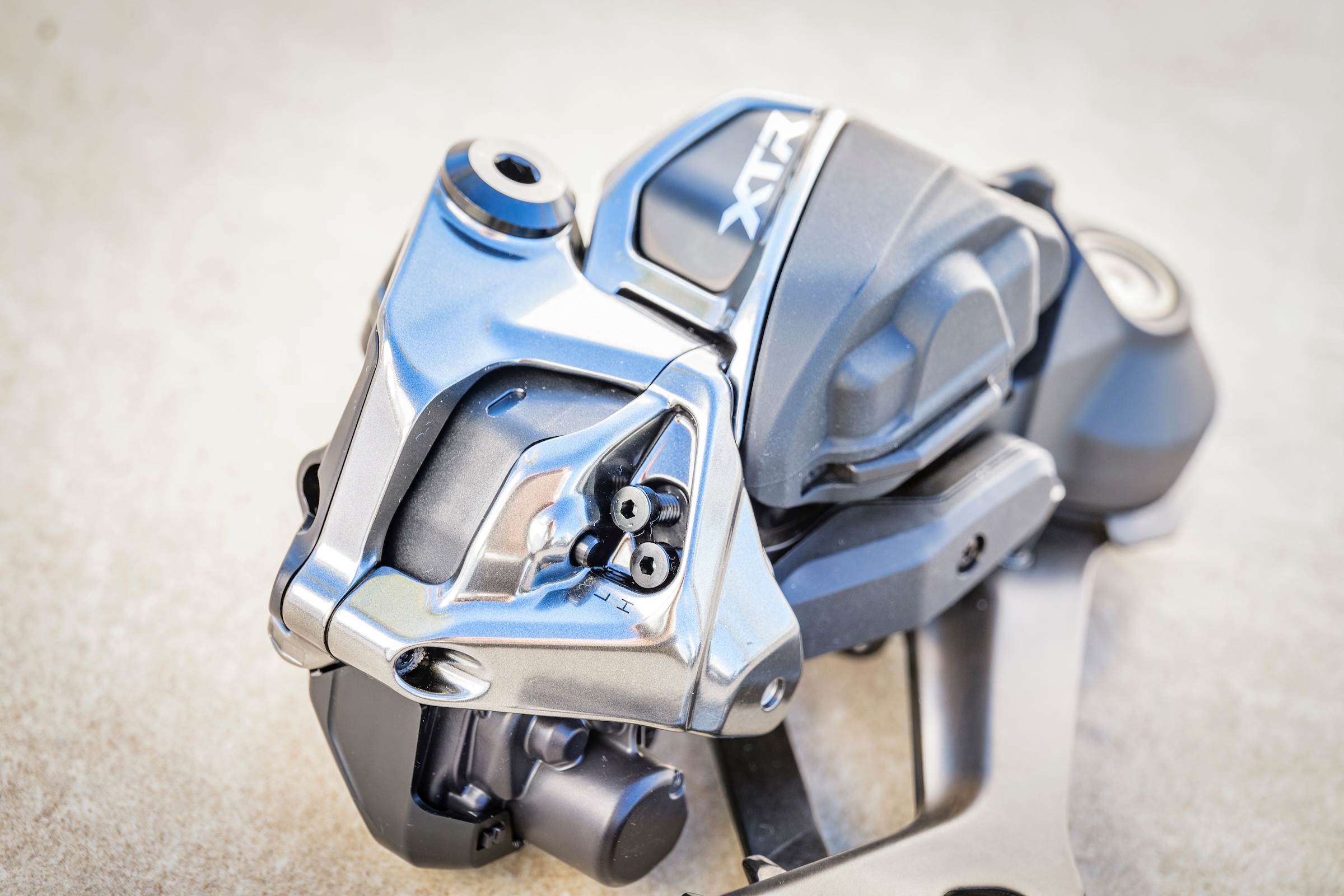
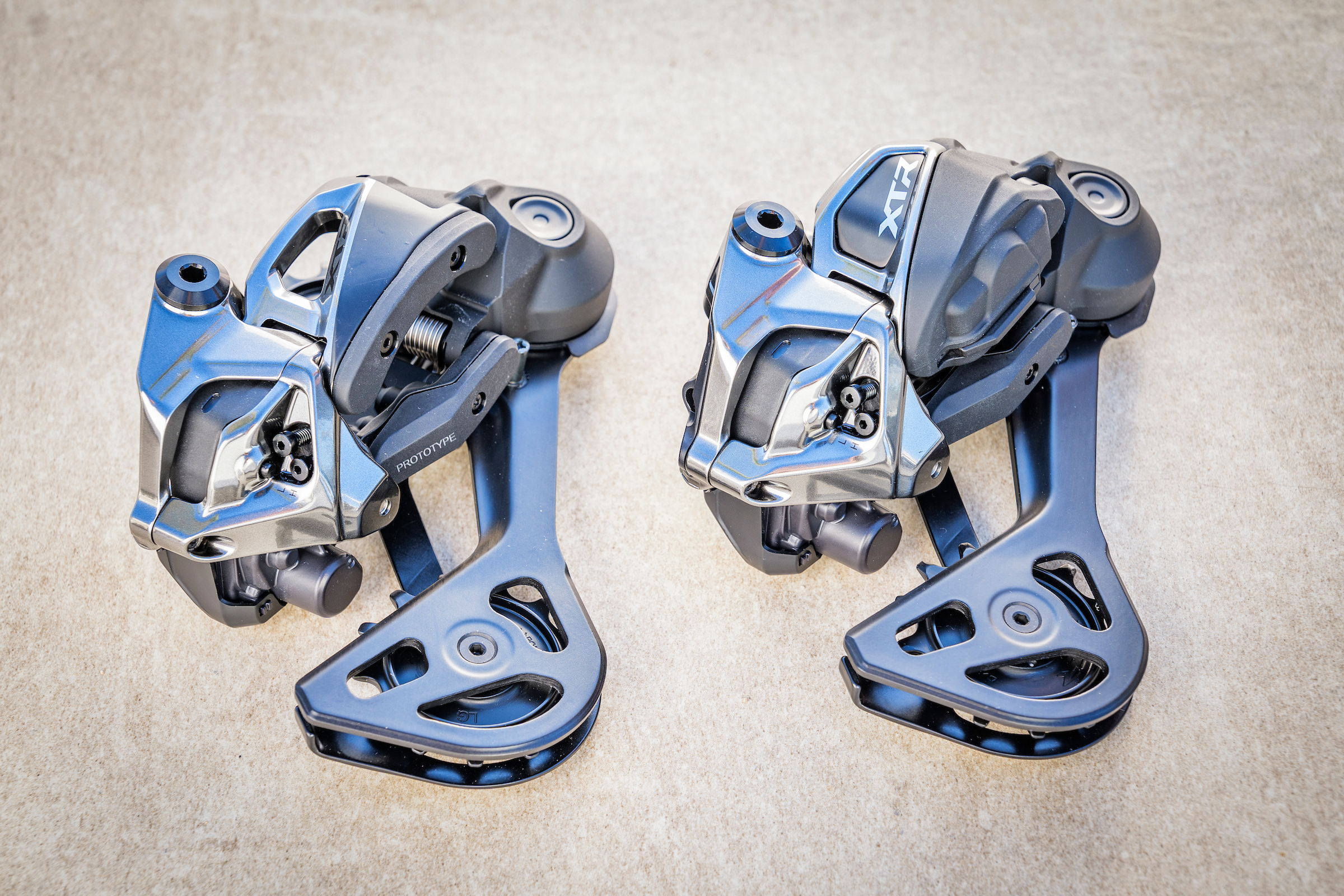
The new XTR derailleur connects to the frame traditionally, via a derailleur hanger, and features low and high adjustments and a b-tension screw to set the distance between the top jockey wheel and the cassette.
The unit is designed to be as low-profile as possible, with skid plates and forms designed to slide past impacts, rather than hang up on them. This ‘Shadow ES’ form is intended to minimise the number of impacts the derailleur encounters.
Should an impact occur, the Automatic Impact Recovery mechanism brings the derailleur back to its required position, without the rider being required to shift up or down to reset the system.
The main knuckle, from which the cage hangs, is built around a dual spring, rather than the spring and clutch of old. This means there’s no adjustability there, nor a clutch on-off switch to make wheel removal easier.
Shimano claims this system gives more consistent tension on the cage, so chain retention is better, it’s less likely to suffer from chain slap and should encourage improved chain wrap on the cassette teeth.
Shimano XTR derailleur details
Shimano’s new derailleurs rely on high/low adjustments and the b-tension screw. Dan Milner / Shimano
The battery has a capacity that’s said to give a range of 340km. This is reportedly 40% more than competitors, thanks to a mechanically more efficient system, and a communication protocol with the shifter that needs fewer messages to be relaid back and forth.
Lights indicate the battery level on the derailleur.
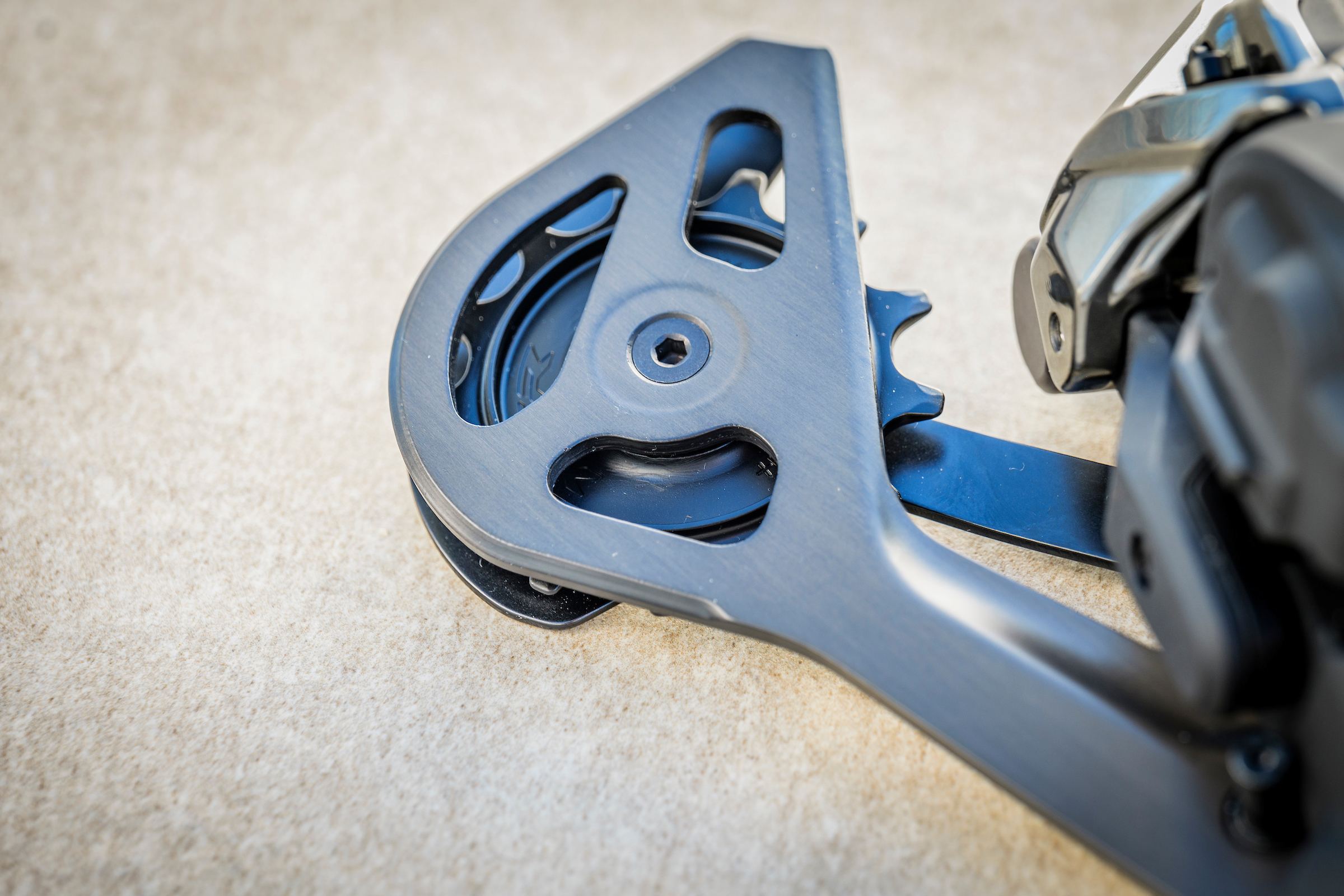
The carbon cage features 13t jockey wheels. They’re solid, which the Shimano engineers explained reduces their flex.
This, in turn, means better shifting performance, which also improves efficiency, according to Shimano.
A carbon cage and solid jockey wheels sit in the lower portion of the derailleur. Dan Milner / Shimano
While larger jockey wheels are increasingly popular, because they’re mechanically more efficient, Shimano wasn’t able to measure any notable improvements in efficiency, and so believes the stiffer jockey wheels offer the best performance.
Shimano XTR derailleur options
The two derailleurs – one for eMTBs (left) and one for non-assisted bikes (right). Dan Milner / Shimano
Shimano is offering two families – one for mountain bikes and one for electric mountain bikes, with the former utilising an onboard battery, while the latter is built to draw power from the eMTB’s main battery.
Each family will have two options – long and mid cages for the standard derailleur, and 11- and 12-speed options for the eMTB version.
The long, SGS derailleur is built for the 10-51t cassette. The mid, SG derailleur is built for the new 9-45t cassette.
In an update to the current Di2 MTB and eMTB-specific derailleurs, both Free Shift and Auto Shift will be available on the 12-speed setup – features previously reserved for 11-speed drivetrains.
Free Shift enables gears to be changed while you’re not pedalling, by independently rotating the chainring, via the Shimano EP8 motor. This enables you to pre-select a gear for an upcoming trail feature.
Auto Shift uses speed and torque sensors to shift gears automatically, without rider inputs at the shifter, to keep the pedal cadence within an optimal range.
Shimano XTR shifter
Shimano’s new XTR shifter. Dan Milner / Shimano
SW-M9250R: £184.99 / $205
Since Shimano released its Di2 drivetrains, its shifters have always mimicked ‘traditional’ cable shifters, with shift buttons in similar positions and offering a similar ‘click’ feel.
This is no different with the latest-generation shifter.
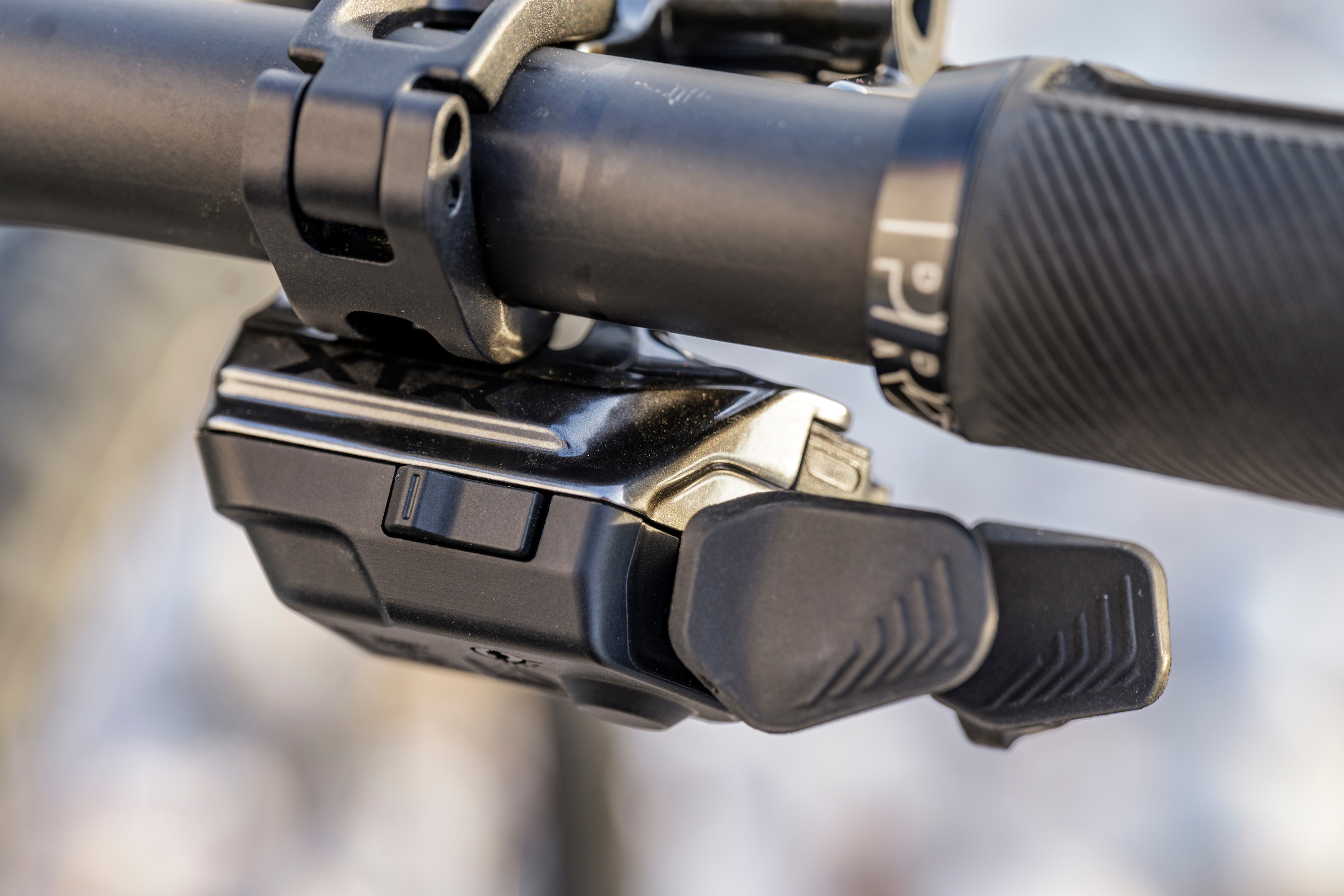
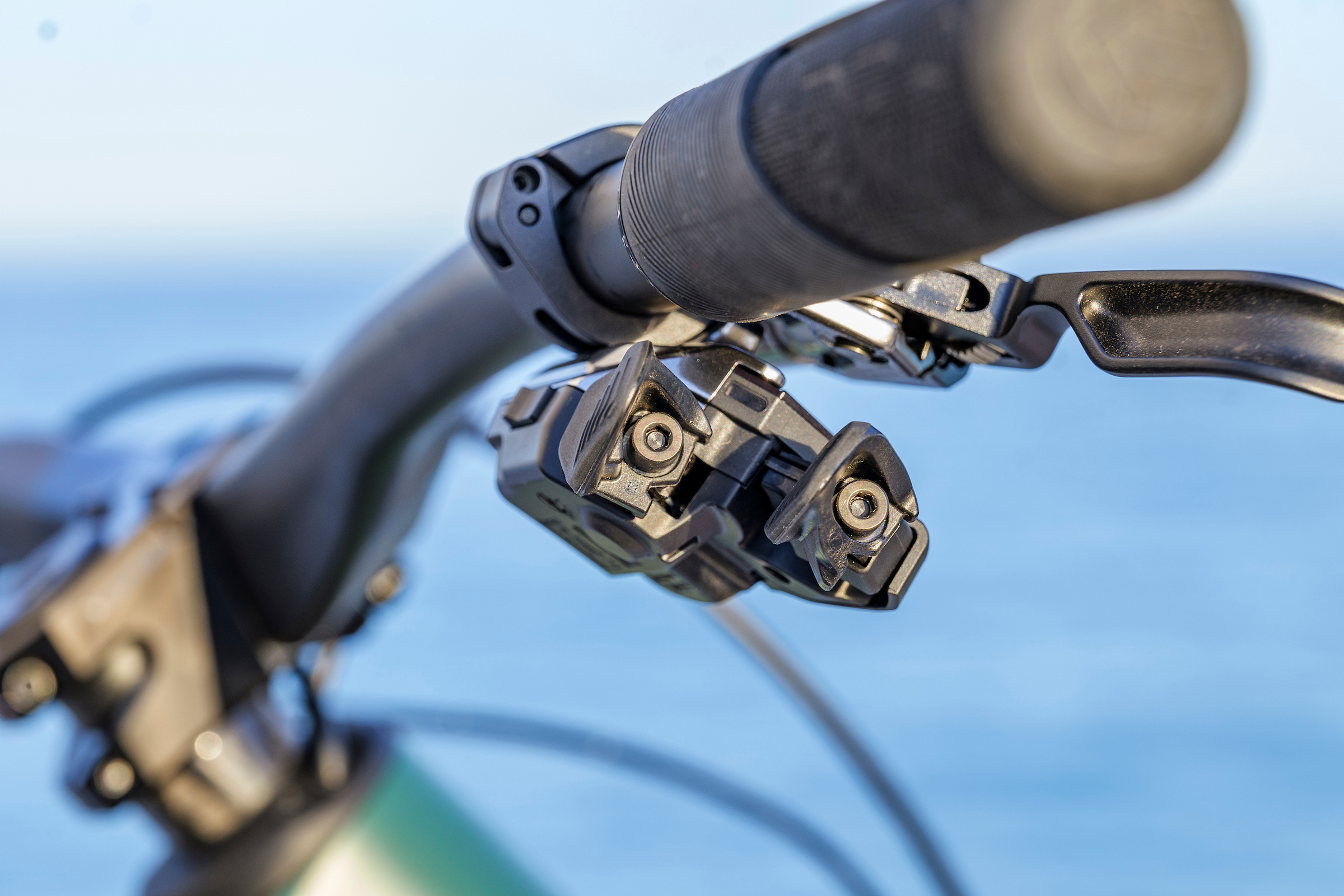
However, it is now a sleeker design, with a body that sits closely under the bar and now features a pair of four-way adjustable shift buttons.
The paddles are mounted on a ball joint, so their angle can be fully adjusted, and the larger and smaller paddles can be swapped front to back, too.
Four-way adjustability for the paddles is achieved through hex-key bolts. Dan Milner / Shimano
There’s the option for a single or push-through double click – a screw on the base of the shifter body enables or prevents this second click, depending on your preference.
As you’d now expect, the shifter can provide multi-shifts. Hold down the shift paddle and the derailleur will shift multiple sprockets at a time, with an in-app definition of how many shifts are provided.
A third button is provided on the shifter.
A long hold will enable you to trim the derailleur while riding and a short press can be used to control a variety of options.
These include those from third-party brands – Garmin and Magicshine are the two that stood out to us.
While Shimano says the function of that button is up to third parties, and wouldn’t comment on what that might be, road cyclists have been able to control their data screens on Garmin computers for years, and we would imagine a light-power toggle function might be offered by Magicshine.
Shimano XTR cassettes
The two cassette options: 10-51t and 9-45t. Dan Milner / Shimano
CS-M9200-12; $465 / £399.99
The Japanese drivetrain giant is releasing the groupset with two cassette options.
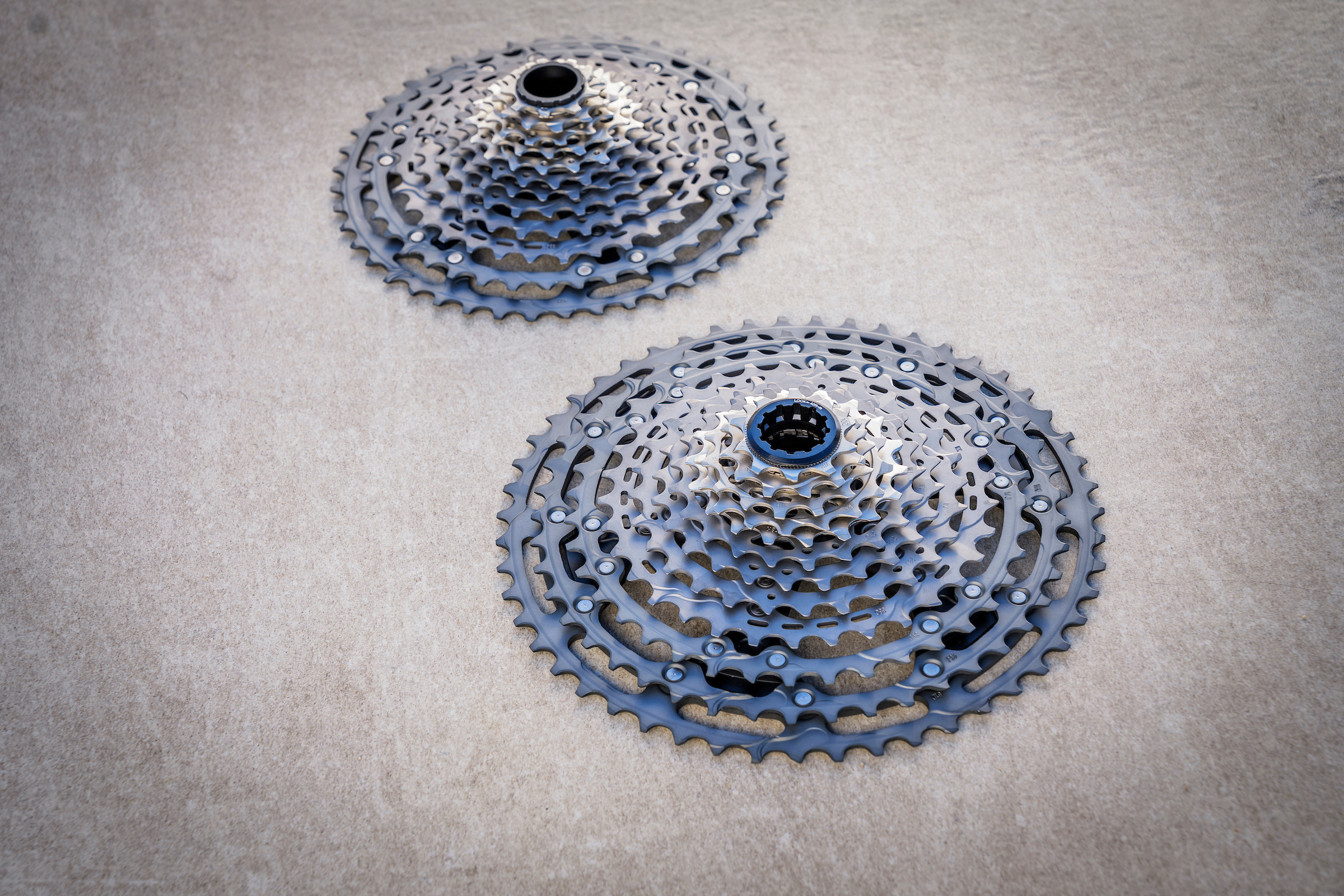
There’s Shimano’s long-standing 10-51t ratio cassette and a new 9-45t option.
They both get a new coating that’s said to reduce wear.
The 9-45t option is 70g lighter in weight. While this might offer up advantages for XC riders, we feel this, in conjunction with the short-cage rear derailleur, could be a good option for enduro riders looking to boost ground clearance – it does so by 23mm.
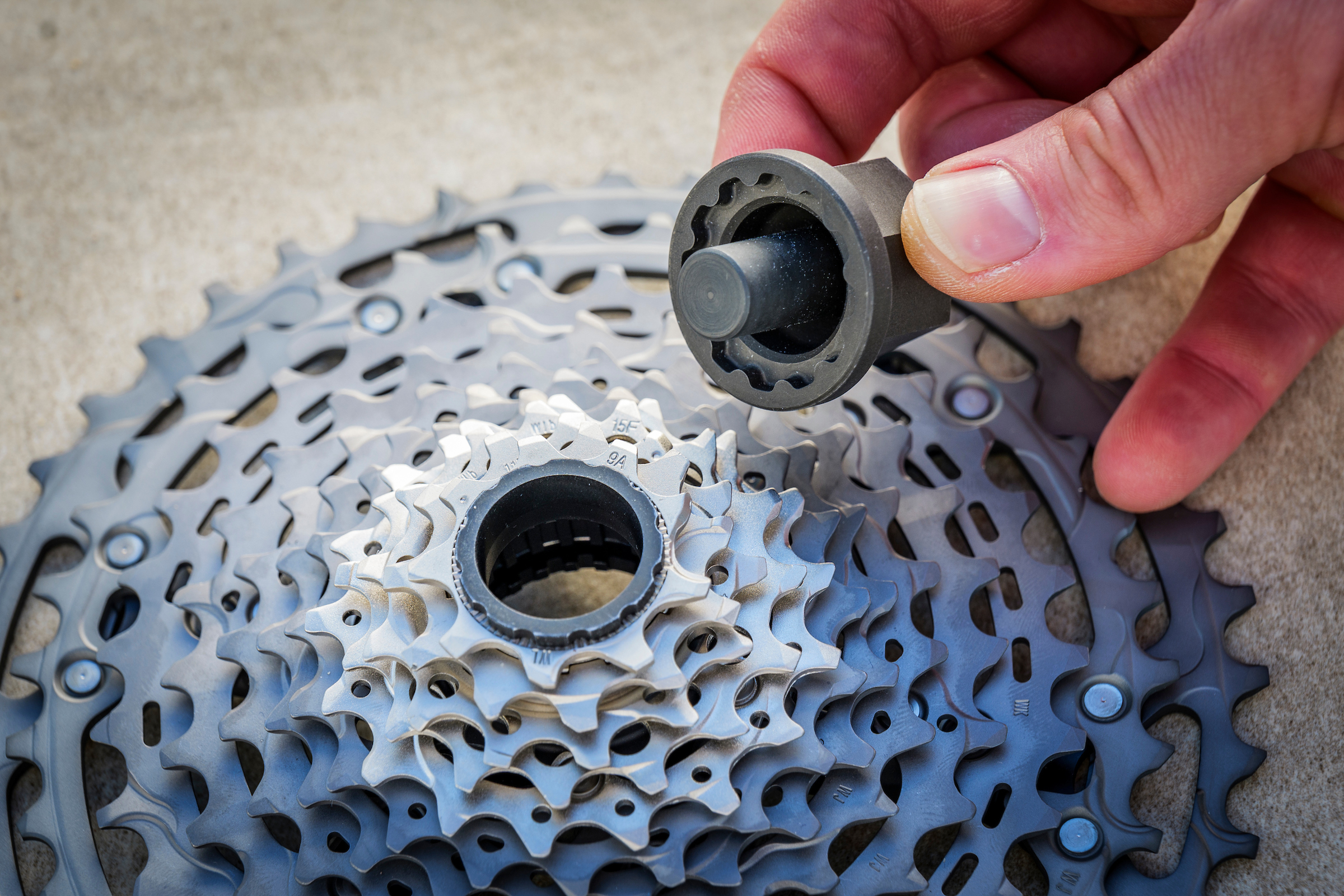
This 9-45t cassette still fits on Shimano’s Microspline freehub body, but requires a new tool in order to fit it, because the existing lockring has a diameter that is too large to work.
The new 9-45t cassette requires a new tool, but still sits on a Microspline freehub. Dan Milner / Shimano
Shimano acknowledges that the 9t sprocket is less efficient in terms of drivetrain efficiency, but it’s good to see this option for all riders, in our opinion.
Shifting performance should be similar to existing cassettes, thanks to the use of Hyperglide+ tooth profiling found on current-generation cassettes.
The existing LinkGlide cassette will be used for 11-speed builds.
Shimano XTR cranks
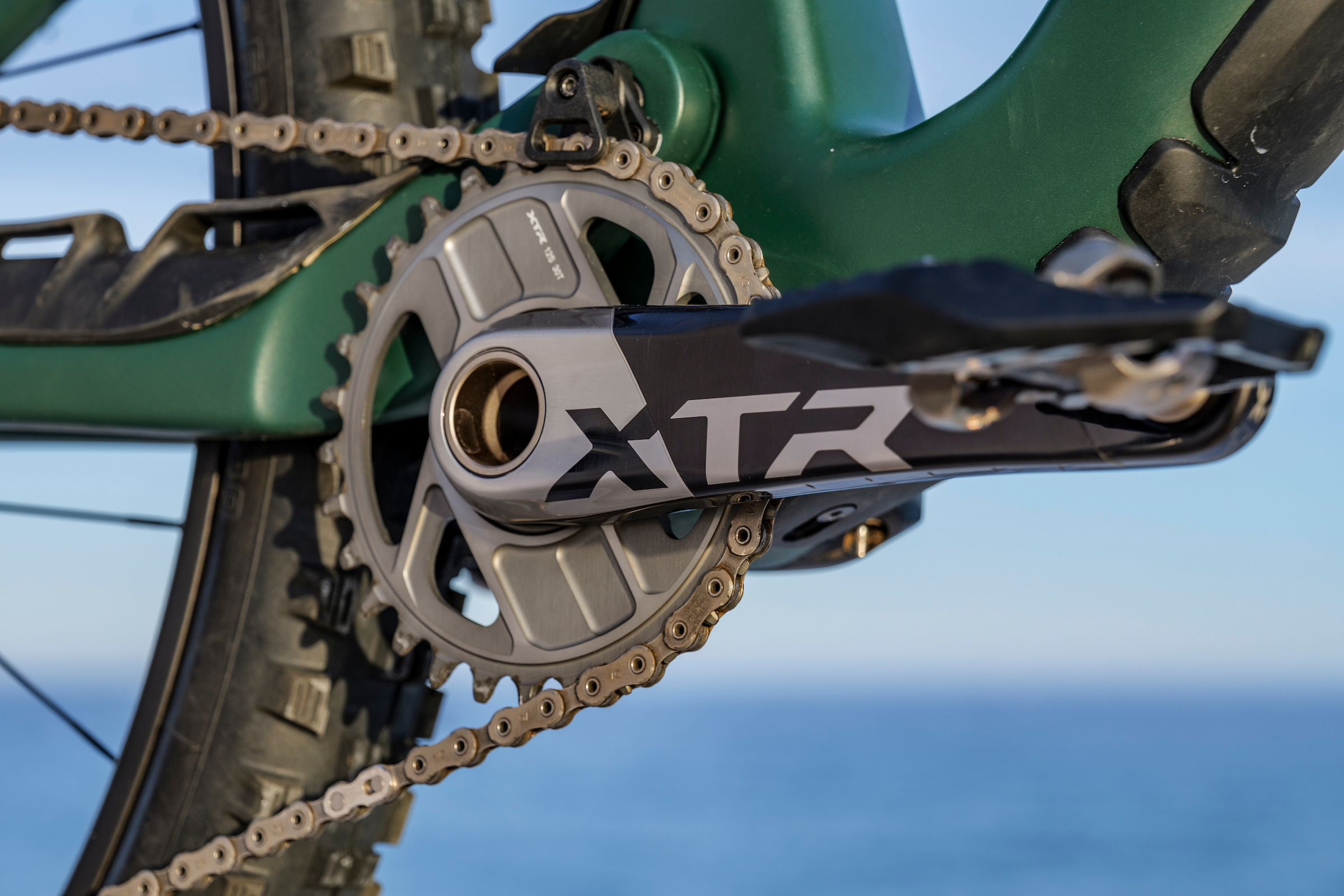
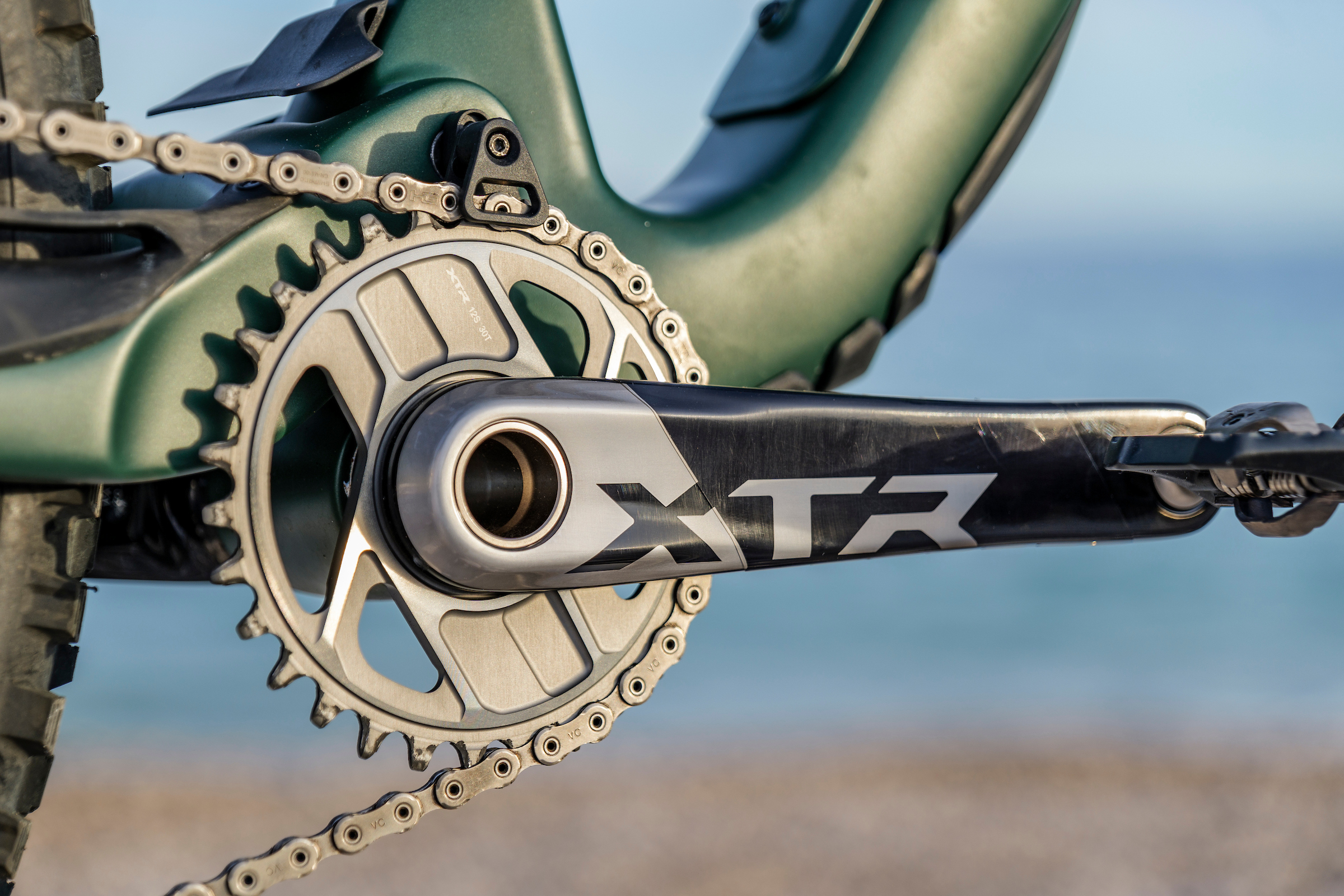
The brand new XTR crank is a real looker. Dan Milner / Shimano
FC-M9220 (trail and enduro): £379.98 / $415 (inc ring)
FC-M9200 (XC): £379.98 / $415 (inc ring)
FC-M9220 (trail and enduro): £249.99 / $280 (exc ring)
FC-M9200 (XC): £249.99 / $280 (exc ring)
SM-CRM96 chainring: £129.99 / $135
The jewels in the crown, in our eyes, are the new crank and chainring options.
Shimano has stuck with its tried-and-tested HollowTech II alloy construction.
Although it’s identical in appearance, there will be a thicker, more durable trail and enduro option, and a lighter-weight XC crank, with the XC crank offering a slightly narrower Q-factor.
The cranks will be available in a broad range of lengths, from 160mm to 175mm.
Solid blocks in the chainring add strength and stiffness. Dan Milner / Shimano
The trail and enduro crank will have a Q-factor of 176mm, while the XC crank will be 168mm, both built around a 55mm chainline.
Sadly, there’s no power meter option with XTR, so if you need to know how many watts you’re pushing, you’ll need to rely on third-party hardware.
The chainrings have a new look, too.
The closed portion of the rings’ splines is there to offer increased impact protection at the 3 and 9 o’clock crank position that is more likely to experience chaining impacts.
28-36t options will be offered, in two-tooth increments.
Shimano XTR brakes
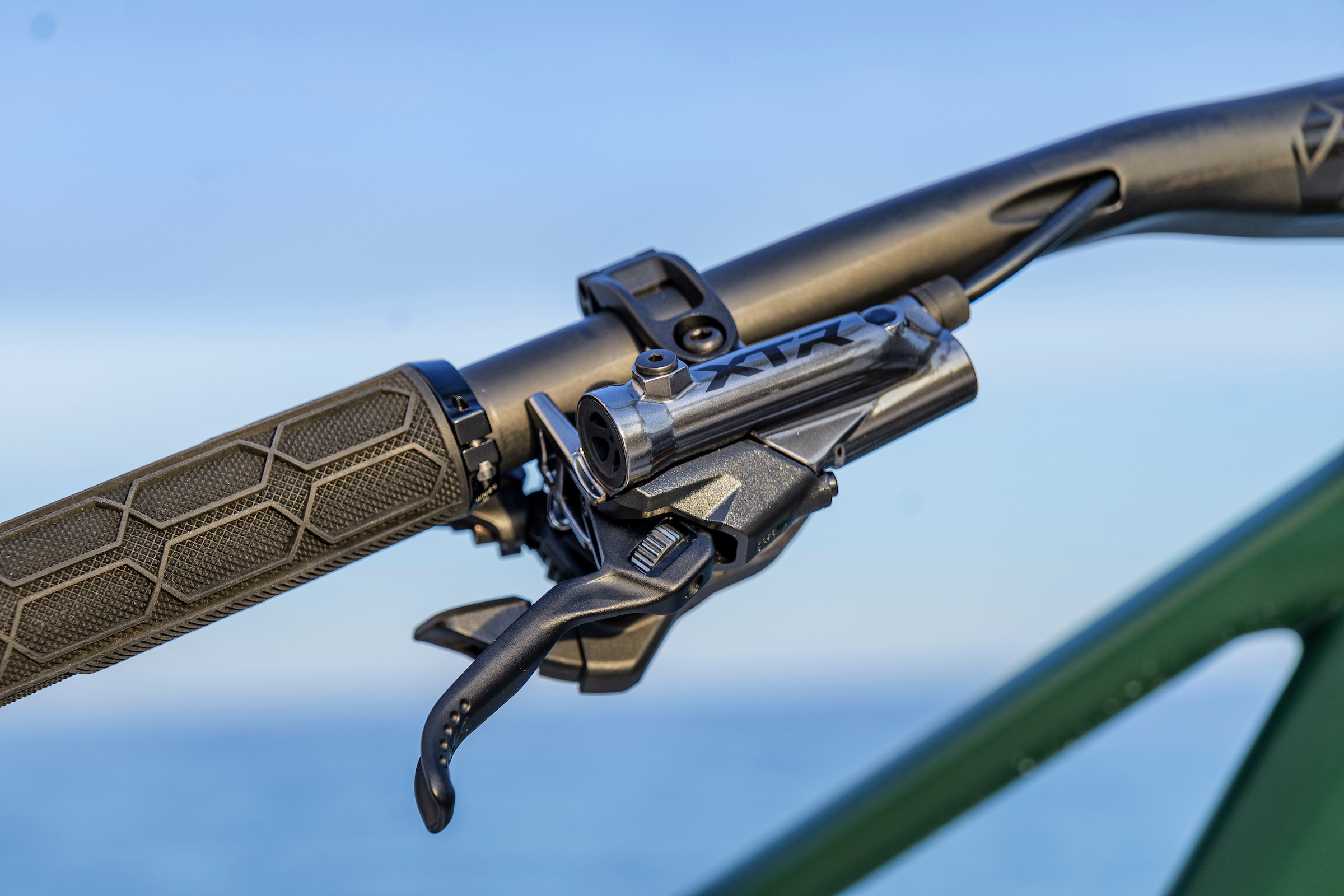
The new trail and enduro lever sits closer to parallel to the bar and contains new internal architecture. Dan Milner / Shimano
BR-M9220 (trail and enduro): £229.99 / $295
BR-M9200 (XC): £249.99 / $260
As we’ve seen in previous iterations of Shimano’s groupsets, there will be two versions of the XTR brakes – trail and XC.
Shimano acknowledges the issues it has faced with wandering bite points and says it has fixed the problems with this generation.
The main issue, it says, was the mineral fluids, and so there’s a new type in use here.
Shimano XTR XC brakes
XC riders receive refreshed brakes, although on the outside, they’re pretty similar to the outgoing version. Dan Milner / Shimano
The XC brakes look nigh-on identical to the previous-generation XC brakes, with a svelte lever and a two-piston caliper.
Inside, though, new seals are designed to work with Shimano’s new low-viscosity mineral fluid, which is said to be much more stable at a range of temperatures.
Sadly, the new mineral oil is not backward-compatible, nor can you use your current bottle of mineral fluid to top up the brakes, because this would damage the new seals.
A magnesium master cylinder and carbon lever blade help keep weight low.
Shimano XTR trail and enduro brakes
The new four-piston calipers have redesigned pads to reduce rattling. Dan Milner / Shimano
The lever end of the trail brakes is much more obviously new, with a completely revised architecture.
The hose exits the lever body much closer to the bar, enabling cleaner-looking through-headset routed hosing.
The lever holds a larger reservoir of fluid, adding consistency, and the fluid is now pulled through the system, rather than pushed, by the master piston.
Shimano has subtly changed the brake lever blade to improve ergonomics.
The pivot has been moved closer to the bar to give a more natural-feeling lever travel through its stroke, while the lever is tilted 5 degrees upwards from the pivot, to better match your finger’s position over it when in use.
At the caliper end, the brake pad has grown in size, offering increased surface contact with the rotor.
The pads still feature their wings, to help dissipate heat, but the additional size is also said to reduce pad rattle.
This is further aided by an ovalised hole for the retaining pin to go through.
Shimano XTR wheels
The carbon rims are wide and designed to be puncture-resistant. Dan Milner / Shimano
WH-M9220 (trail and enduro): £1,249.98 / $1,550
WH-M9200 (XC): £1,699.98 / $2,170
Two sets of wheels will be offered – an XC pair and a set for enduro and trail riding. Both will feature carbon rims.
The enduro and trail wheels feature a hookless rim with a 30mm internal width, and a broad rim wall to ward off punctures. It’s held onto the hubs by 28 spokes – relatively few for a wheel of this type.
The hub has been built to reduce drag, while there’s a 3.5-degree engagement angle.
The new rear hub has a very low engagement angle. Dan Milner / Shimano
The XC wheels have a marginally narrower rim, at 29.6mm internally, and are built with 24 titanium spokes onto a low-drag, high-engagement hub.
Hubs will also be available to purchase.
Shimano XTR finishing touches
Shimano is also offering new pedals. Most noteworthy are the trail pedals, with an improved platform to offer more support to your shoes.
The XC-focused pedals will have two axle options – one offering a 3mm narrower stance.
An upgrade kit, consisting of a derailleur, shifter, and associated chargers and battery, will also be offered.
PD-M9200 (XC pedals): £159.99 / $TBC
PD-M9220 (trail and enduro pedals): £179.99 / $TBC
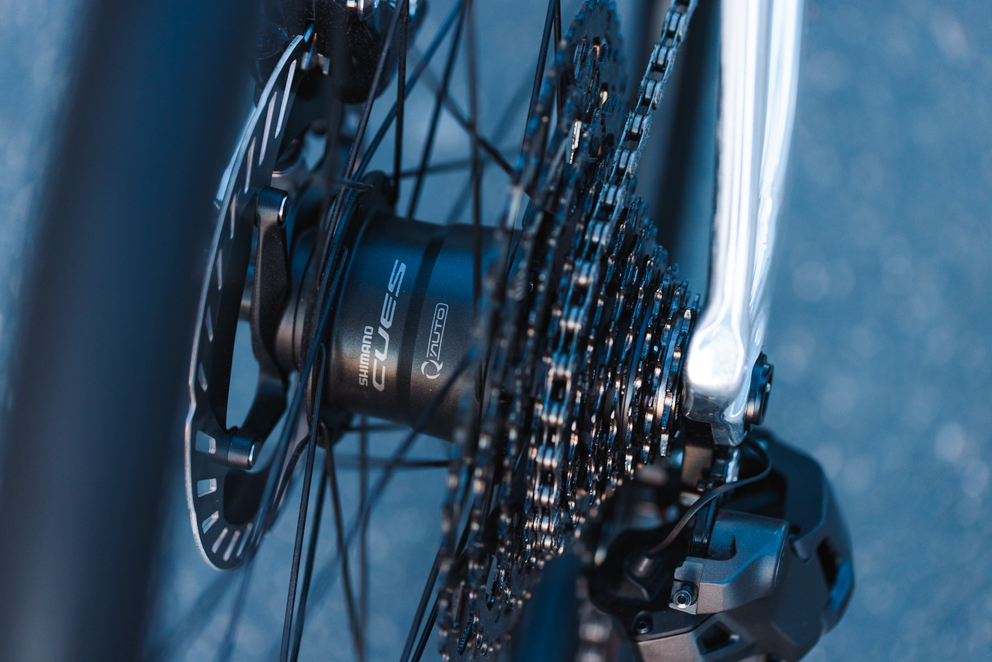
Shimano Q’Auto is a new automatic-shifting system powered by a dynamo incorporated into a new rear hub that integrates with the brand’s Cues derailleurs.
Crucially, compared to existing Shimano Di2 drivetrains, the system does away with a central battery, running from a self-charging Li-ion capacitor that can store power for over a year.
As well as powering the system, the hub can control gear shifts automatically, using “over 6,500” pre-set algorithms in response to your pedalling input, speed and gradient.
The system is accompanied by a wireless shifting switch, which offers the ability to override gear selections. In turn, the Q’Auto system learns these choices, effectively customising the drivetrain to your riding.
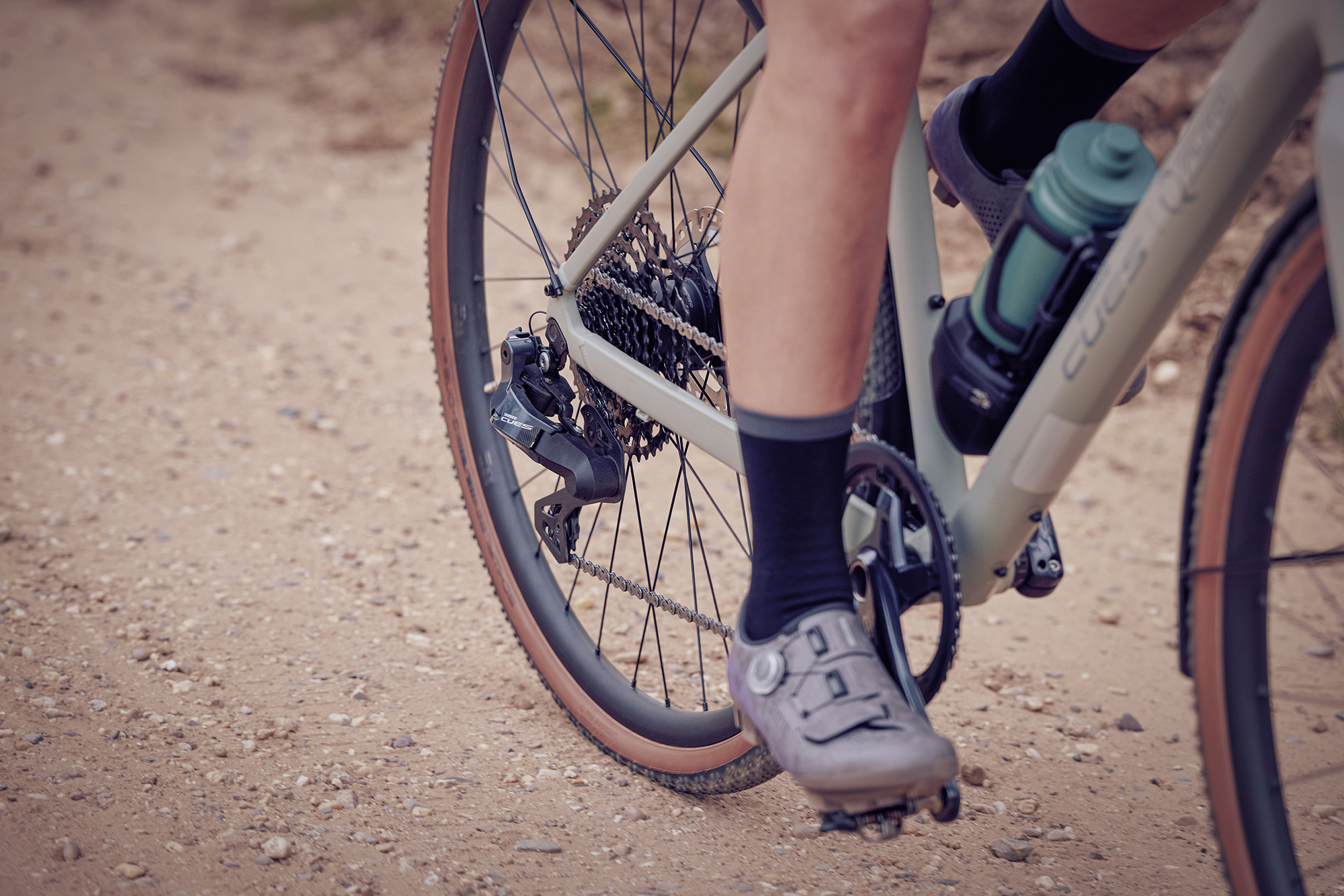
Shimano says Q’Auto is designed for “urban, trekking and gravel” bikes, but that the system is also compatible with the brand’s complete range of Di2 shifters.
This opens the enticing possibility that Q’Auto could be rolled out to other disciplines in the future.
Machine-learning gears
The Q’Auto hub is the big news here, but it’s focused currently around Shimano’s Cues offering. Shimano
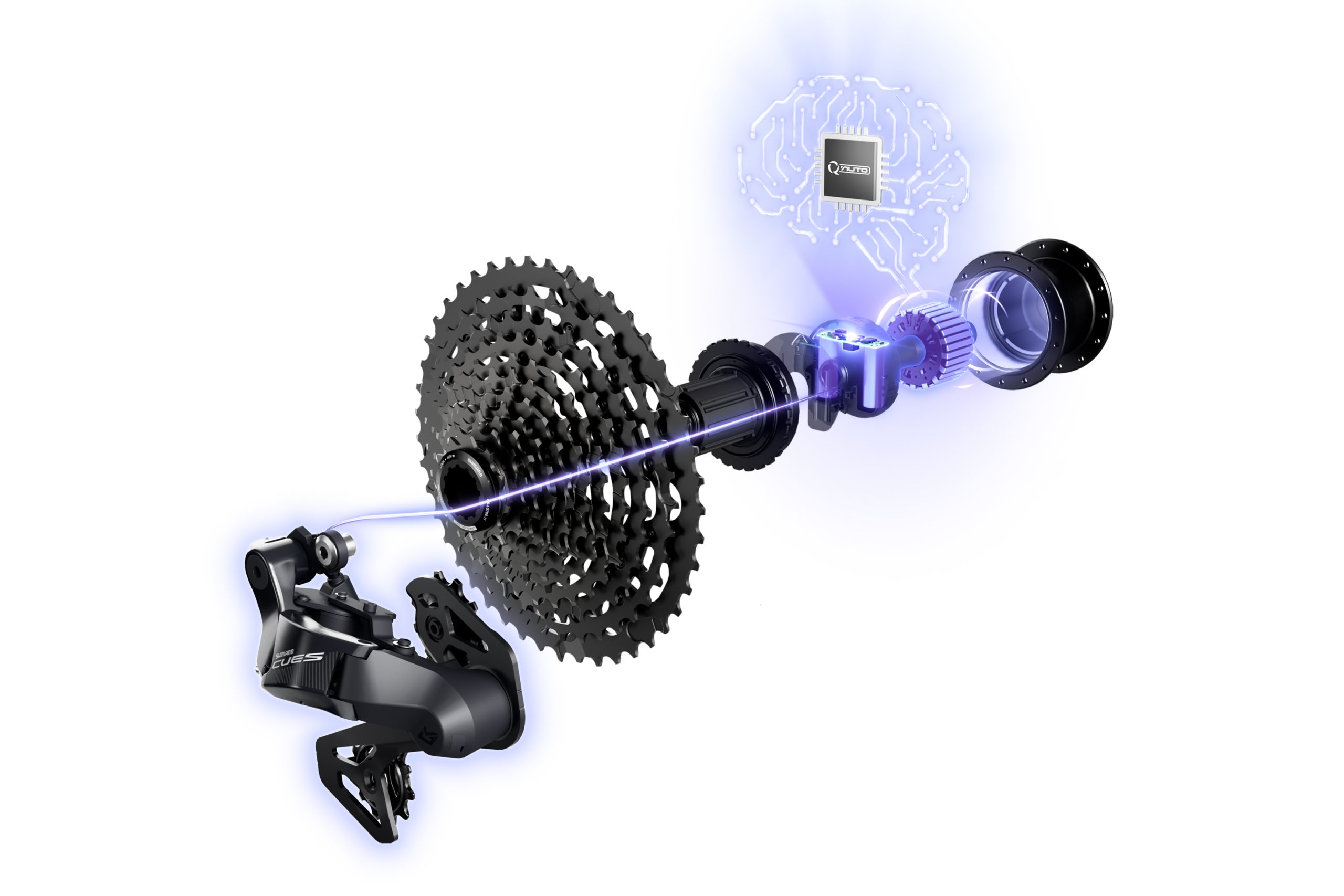
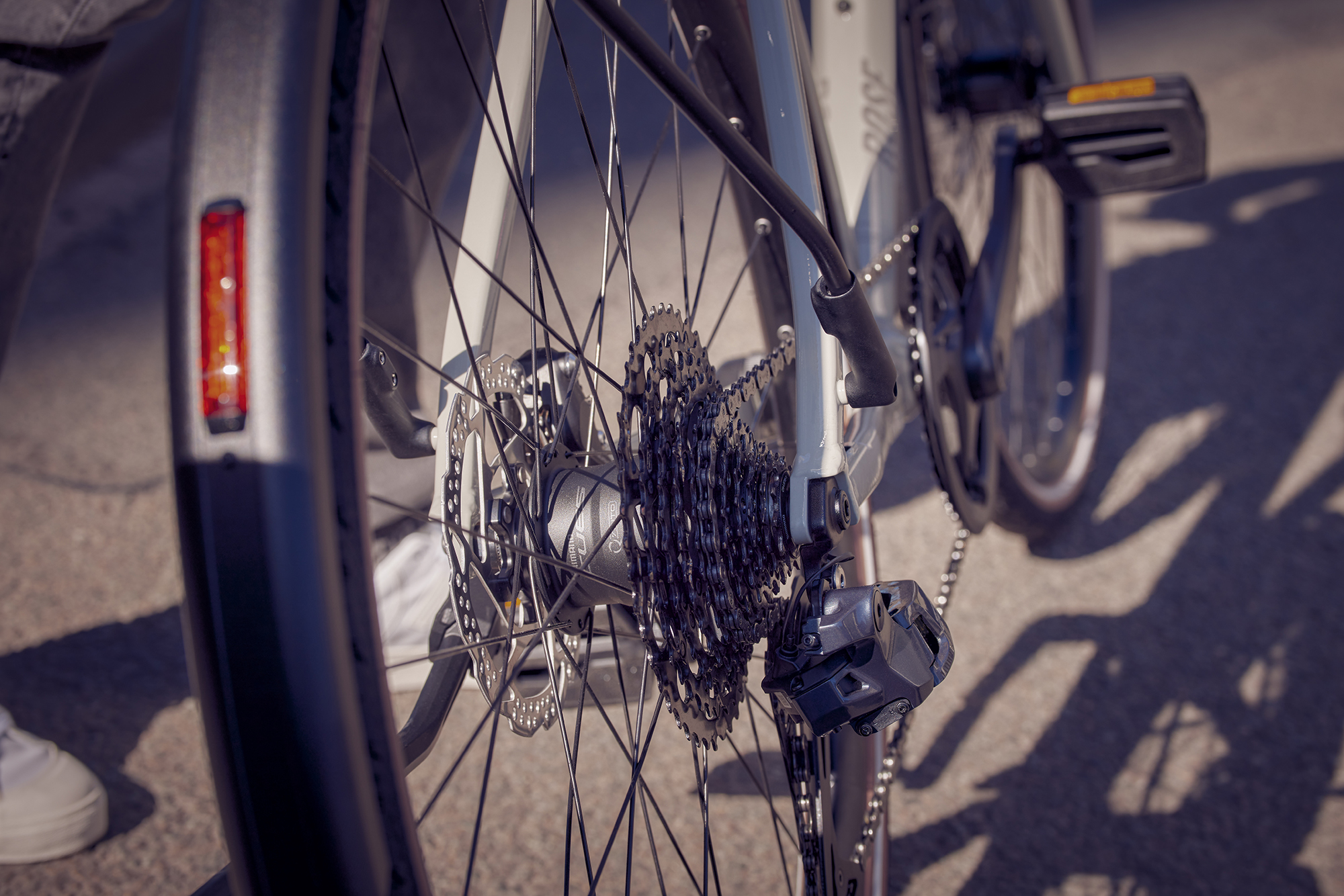
Q’Auto’s centrepiece is undoubtedly the FH-U6060 rear freehub. This pairs speed, cadence and gradient sensors with an internally housed dynamo.
The dynamo removes the need for a separate battery to be housed in the frame to power the Shimano Cues RD-U8050 rear derailleur. Instead, the small onboard lithium-ion capacitor is connected directly to the derailleur.
Shimano claims this can hold charge for up to a year, removing the need to manually recharge the derailleur.
On top of the hub and Cues Di2 derailleur (exploded above), the system includes a satellite shifter for the handlebar. Shimano
A dedicated wireless shift switch (SW-EN605-R), which is powered by two CR1632 coin batteries, can also be used to control the system. This enables you to override the default automatic gear selection to a preferred gear.
You can also use the switch to toggle between manual and automatic shifting modes, and can customise its functions through Shimano’s E-TUBE Project app.
Shimano claims the brains of the system, which are housed inside the hub, learn from these manual inputs, producing an automatic drivetrain better matched to your riding style.
Shimano Q’Auto compatibility
The system is pitched towards urban bikes… Shimano
While intended primarily for trekking, urban and electric bikes, the use of a standard 142x12mm thru axle and standard HG freehub body offers the tantalising prospect of combining the system with Shimano’s more performance-oriented road electronic groupsets.
There’s no word on the possibility of swapping to a Microspline freehub body for use with the brand’s other electronic gravel or MTB drivetrains.
That said, Shimano says the hub and rear derailleur are compatible with the brand’s pre-existing wireless Di2 switches and shifters – a further indication that we could see the system rolled out to 105, Ultegra and Dura-Ace Di2 levels on the road, GRX Di2 on gravel, or XTR Di2 for MTB in the future.
It’s worth remembering that the brand’s road groupsets are all currently 2x, and Shimano hasn’t confirmed yet whether the system could be adapted to accommodate a front derailleur.
…and gravel bikes. Shimano
At launch, the system is designed with long and short cage versions of the Cues RD-U8050 rear derailleur, which are compatible with the brand’s LinkGlide cassettes (used commonly on ebikes and some non-assisted bikes).
The 11-speed 11-50t and 11-45t cassettes, plus the 10-speed 11-48t cassette, require the use of the RD-U8050-SGS long cage derailleur, while the 10-speed 11-43t cassette uses the RD-U8050-GS short cage version.
As a result, the system is set to be seen on new urban and entry-level gravel bikes, while it will also be possible to upgrade an existing bike with the drivetrain.
Prices for the new system, as well as expected price ranges for fully built bikes, are still to be confirmed.
Haven’t we seen this before?
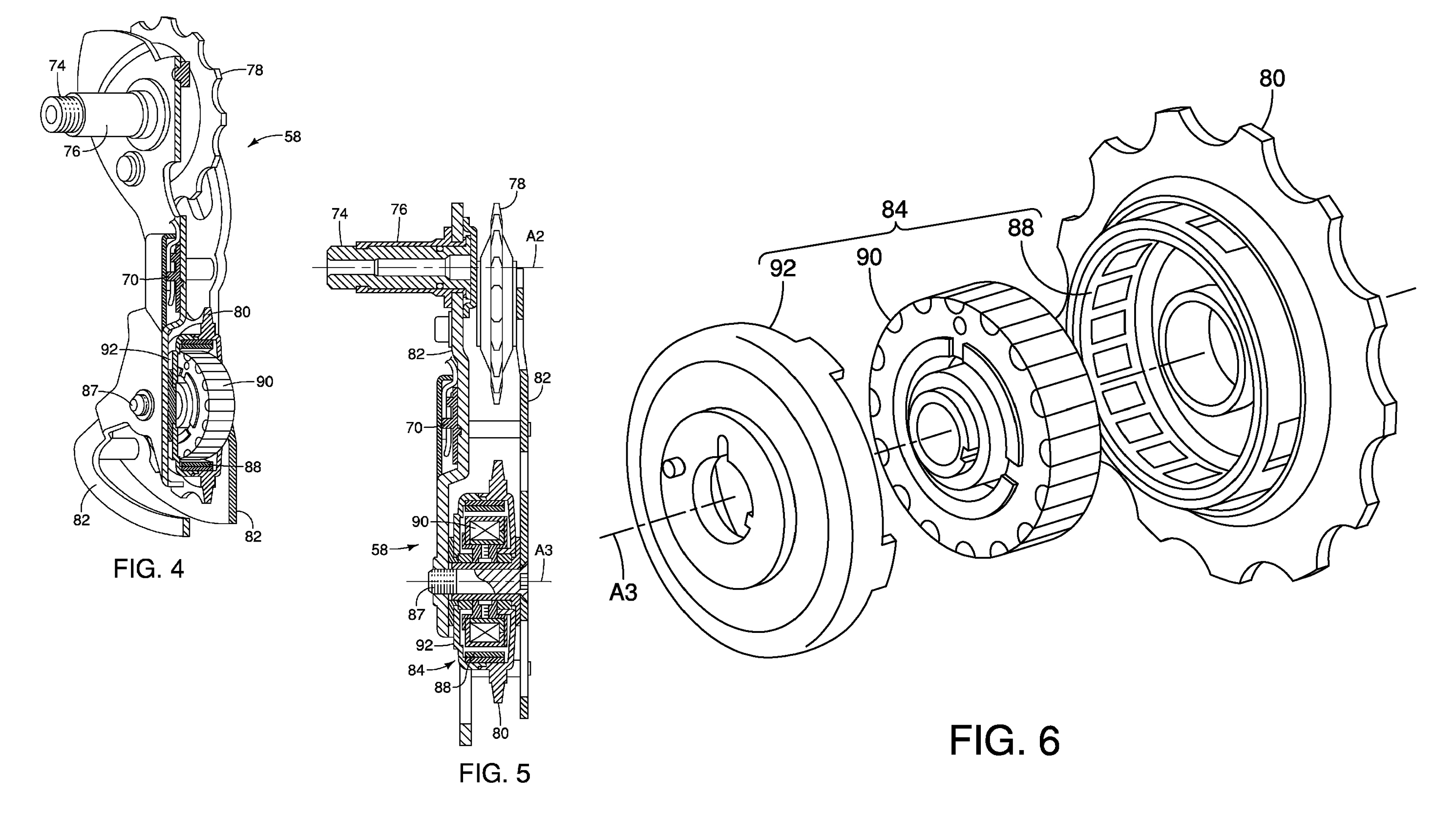
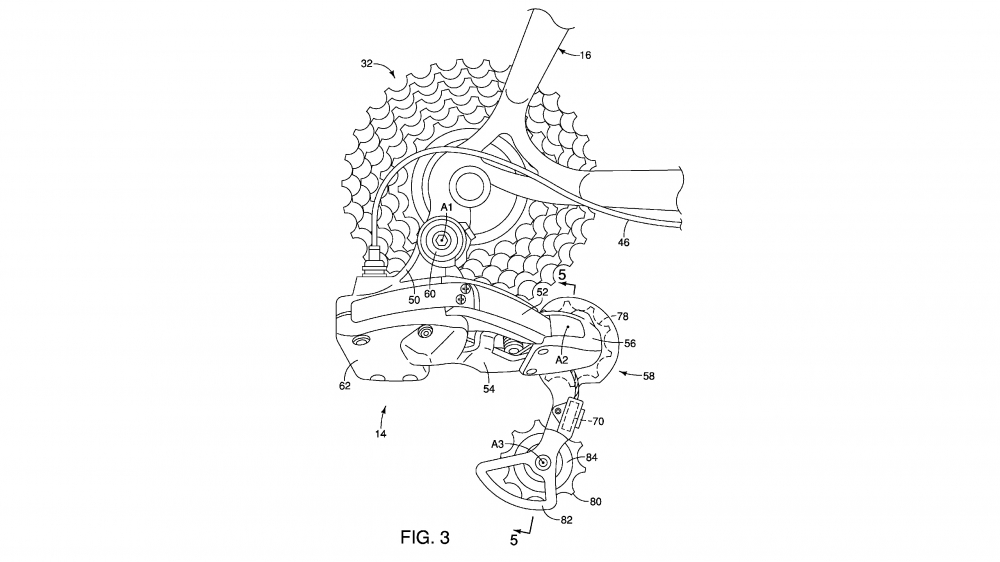
In 2017, we spotted this patent that describes much of what has been launched today. Shimano
Shimano’s self-powered Q’Auto system might feel like a bold leap forward, but the idea has been brewing for more than a decade.
Although the original design never made it to production, it clearly laid the groundwork for what we’re seeing today.
The patent described how the lower pulley would contain the dynamo, with rectifying and power-limiting circuits living on the pulley cage. Shimano
That patent described not only the dynamo-equipped pulley, but an entire ecosystem where derailleurs, computers and accessories could be powered from a shared energy source. At the time, it was a tantalising vision of a self-sufficient electronic bike.
Fast-forward to 2025 and Q’Auto realises much of that ambition – albeit in a more practical form.
The core principle, however, remains the same: eliminate reliance on a central battery, reduce rider maintenance and open the door to smarter, more integrated bike tech.
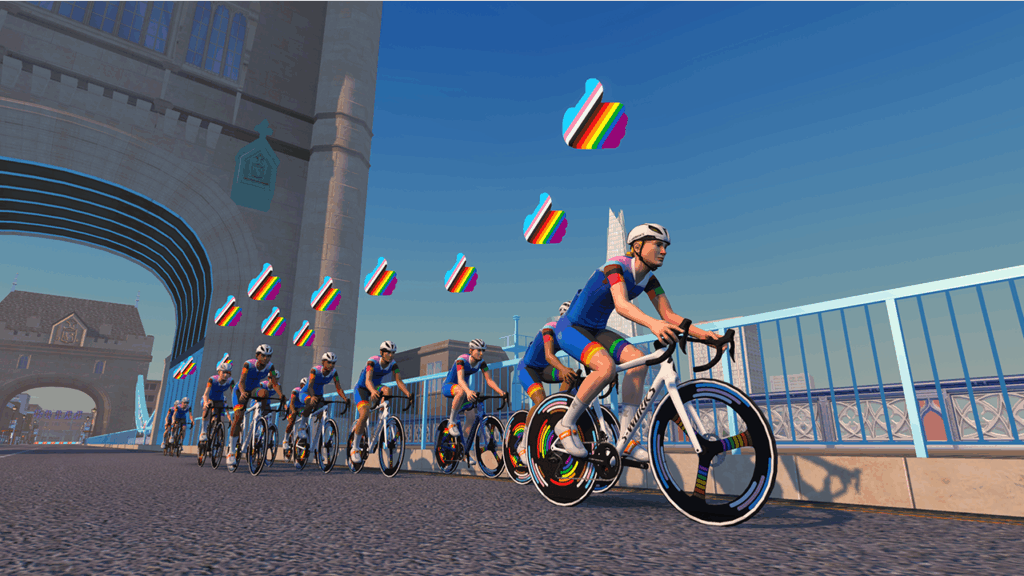
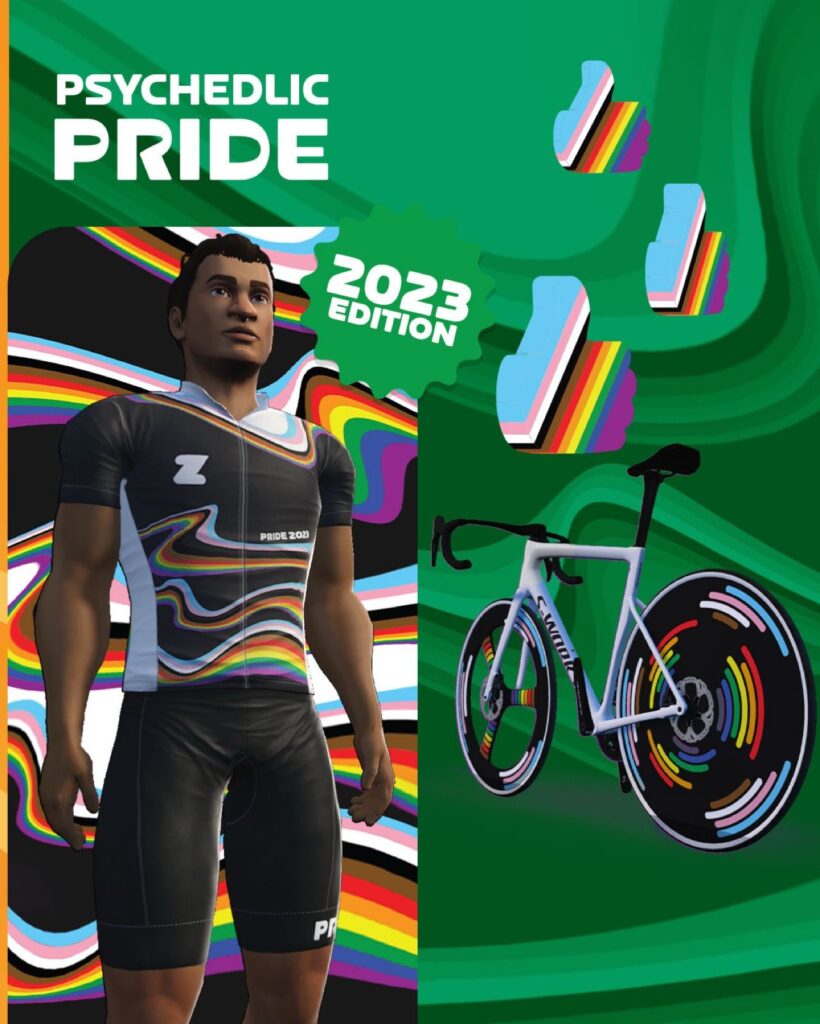
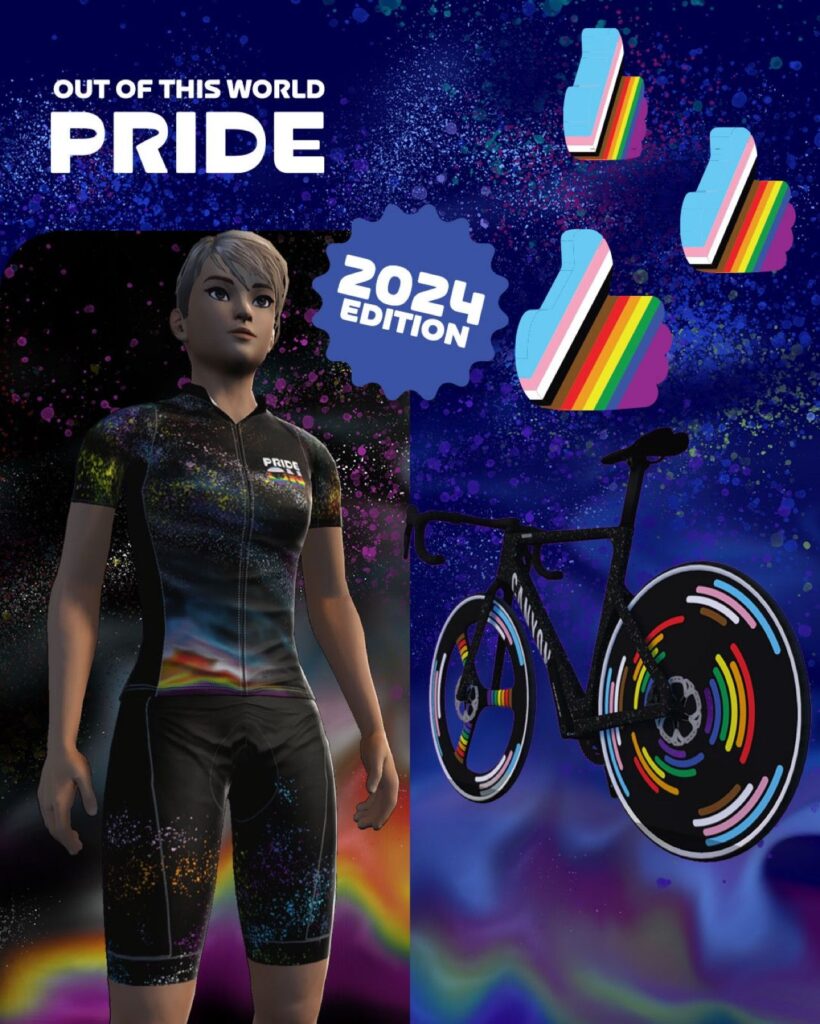
Zwift has announced a series of Pride events for June, including colorful Pride Ons, new unlocks, and a series of races! Why all the special events? The Pride On FAQ says, “When we say we’re on a mission to make more people more active more often—we mean it! We want to work towards making Watopia, and all of Zwift, more inclusive.”
Daily Schedule
Here is the schedule of Pride On events during the month of June:
Zwift hosts Pride On events throughout the year, but they will be especially prominent on the calendar during the month of June, with Pride On Rides and Runs scheduled throughout the week.
Most rides are open-paced and 45 minutes long, while runs are open-paced and 30 minutes long. Events will rotate between several different routes throughout the month.
Note that Thursday and weekend events are a bit different than the other days – see below for details…
Throwback Thursdays
The Thursday Pride On Rides and Runs are “Throwback Thursday” rides which will unlock past Pride On kits:
Week 1 (June 5): 2021 Ride kit, 2019 Run kit
Week 2 (June 12): 2022 Ride kit, 2020 Run kit
Week 3 (June 19): 2023 Ride kit, 2021 Run kit
Week 4 (June 26): 2024 Ride kit, 2022 Run kit
Weekend LGBTQ Zwifters Club Rides
The weekend Pride On rides are hosted by the LGBTQ Zwifters Club, with experienced leaders pacing the 60-minute events at 1.6-1.8 W/kg.
Rainbow Races
This year, for the first time, Zwift is hosting special crit-style Pride Month races each Wednesday. Dubbed “Rainbow Races”, they happen in five time slots each week:
Wednesday 12:30am UTC/Tuesday 8:30pm ET Tuesday/5:30pm PT
Every Pride On event unlocks something – a kit, the new 2025 Pride On Wheels, or both. To be precise:
Pride On Rides and Weekend LGBTQ Zwifters Club unlock the LGBTQ Zwifters club kit and Pride On Wheels
Throwback Thursday rides unlock a different kit each week and Pride On Wheels
Rainbow Races unlock only the Pride On Wheels
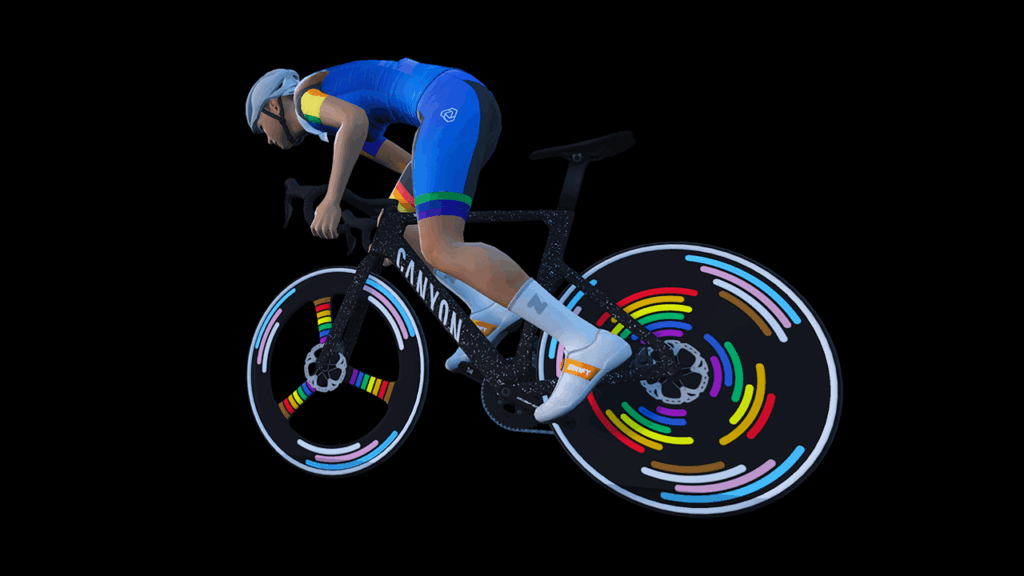
Wondering how the new Pride On Wheels perform? They’re not particularly fast, although they look fun. They turn in the same test performance as the 2025 Big Spin prize wheels (named the Zwift Groovy Time Trial wheels). See their performance details on our wheel charts page.
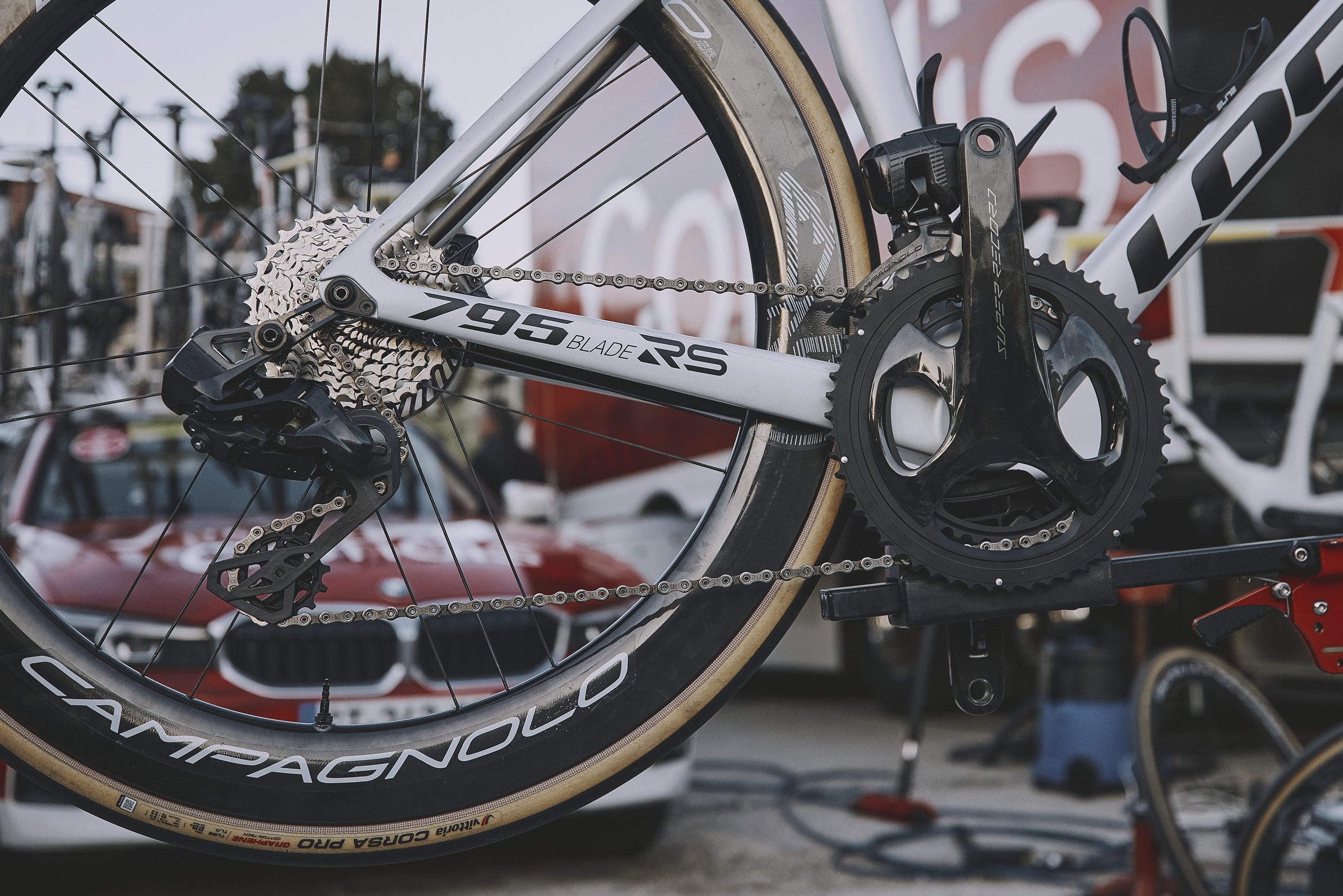
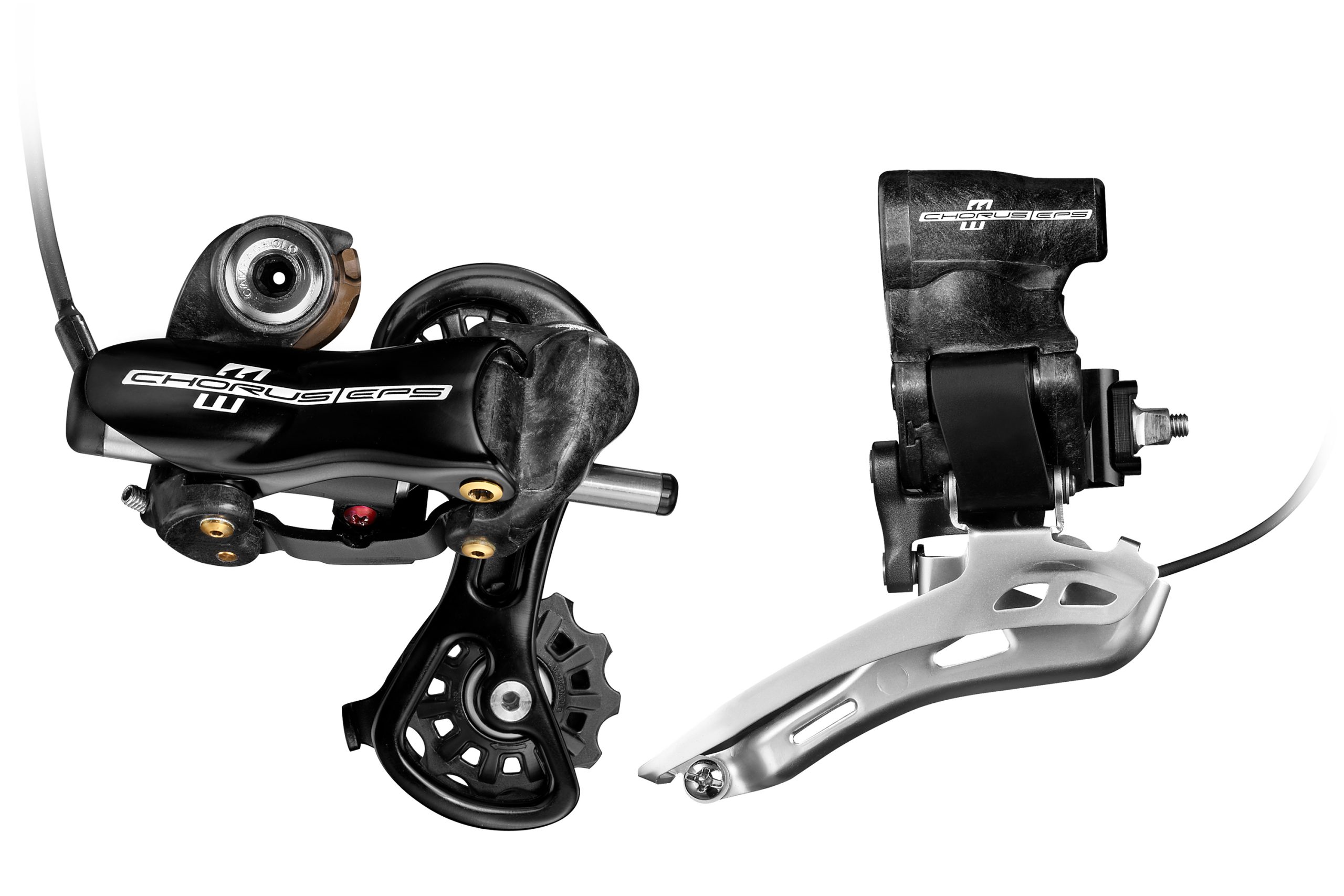
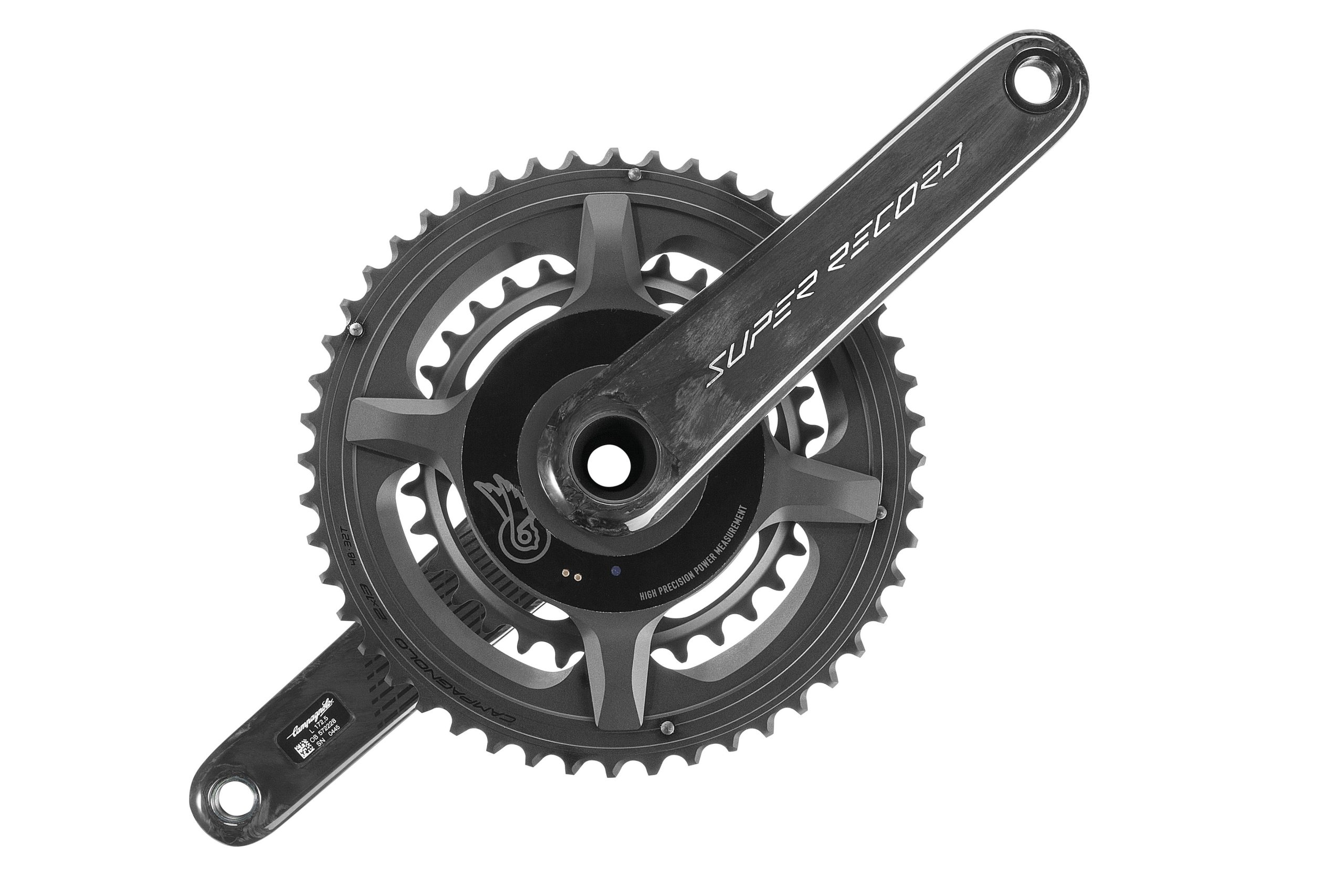
Campagnolo has announced the release of Super Record 13, the world’s first 2x 13-speed wireless electronic road bike groupset.
Although the groupset takes its name from the number of sprockets available on its cassettes, Campagnolo says Super Record 13 is about “more than one extra sprocket”.
As the leaks suggested, Campagnolo’s iconic ‘thumb shifter’ makes its return with Super Record 13, but the Italian brand says almost every part of the new groupset has been updated or refined, with the aim of creating a new “benchmark” for the cycling industry.
Shifting is also said to be faster, smoother and quieter than before, with the broadest range of stock gearing options of any road bike groupset and overhauled ergonomics.
Super Record 13 marks a “new chapter” for Campagnolo and a “redefinition” of its brand identity.
It is, the brand says, the first stage of a “complete line of products designed to cover the various market segments”, including 1x and 2x 13-speed groupsets for road, time trial and gravel bikes.
Bucking trends, the price of a complete Super Record 13 groupset is – at £3,900 / $4,750 / €4,300 – cheaper than Campagolo’s previous flagship groupset, Super Record Wireless (£4,499 / €5,200).
After a number of years when it seemed as if Campagnolo’s influence on cycling was waning, the historic Italian brand has come out swinging with an announcement that puts it decisively on the front foot.
Although the launch primarily encompasses a 2x 13-speed wireless electronic grouspet for road bikes, Campagnolo says there’s plenty more to come from this new Super Record product family, starting from September 2025, including:
1x 13-speed road groupset, with a clutch-equipped rear derailleur
1x 13-speed time trial groupset, with a clutch-equipped rear derailleur and aero bar-end shifters
2x 13-speed endurance road / gravel groupset, with a clutch-equipped rear derailleur
1x 13-speed ‘Super Record X’ gravel groupset with a gravel-specific, clutch-equipped rear derailleur and a 48t cassette
In total, Campagnolo says the complete Super Record 13 platform will cover five applications (the four above plus 2x 13-speed for road) with three separate rear derailleurs and other dedicated components.
This is the first of three new Super Record 13 rear derailleurs, according to Campagnolo.
The only thing missing, then, is something more accessible – to compete with the likes of Shimano Ultegra Di2 and SRAM Force AXS, for example.
After all, despite the drop in price compared to Super Record Wireless, Super Record 13’s price tag means it will – like Shimano Dura-Ace Di2 and SRAM Red AXS – remain out of reach for many riders.
Recent reports have suggested the Italian brand may be set to retire its iconic Record groupsets, but perhaps we could see a Chorus 13 wireless groupset at some point instead.
Could a Chorus 13-speed wireless electronic groupset be on the cards? We hope so… Campagnolo
When asked about this, Campagnolo’s group head of product and marketing, Federico Gardin, didn’t reveal any specific plans for cheaper groupsets, but stressed the brand is aware it needs to offer products hitting a range of price points, and is listening to market feedback.
Ultimately, Gardin says Campagnolo knows “it’s important to have a product you can find in shops”, and it has been working hard with bike brands to ensure this and any future groupsets make their way onto bikes in shops at competitive prices.
Faster shifting with more options
The new Campagnolo Super Record 13 rear derailleur.
As well as aesthetic overhauls to both derailleurs, Campagnolo claims significant improvements to shifting performance.
Super Record 13 is claimed to offer “the fastest shifting on the market”, for example, while being 25 per cent more compact.
Shifting from the top to the bottom of the cassette, for example, is claimed to take only 1.9 seconds, compared to 3.6 seconds with 12-speed Super Record Wireless.
Going the other way (from bottom to top) is claimed to be similarly swift, at only 2.1 seconds on Super Record 13, compared to 3.3 seconds with 12-speed Super Record Wireless.
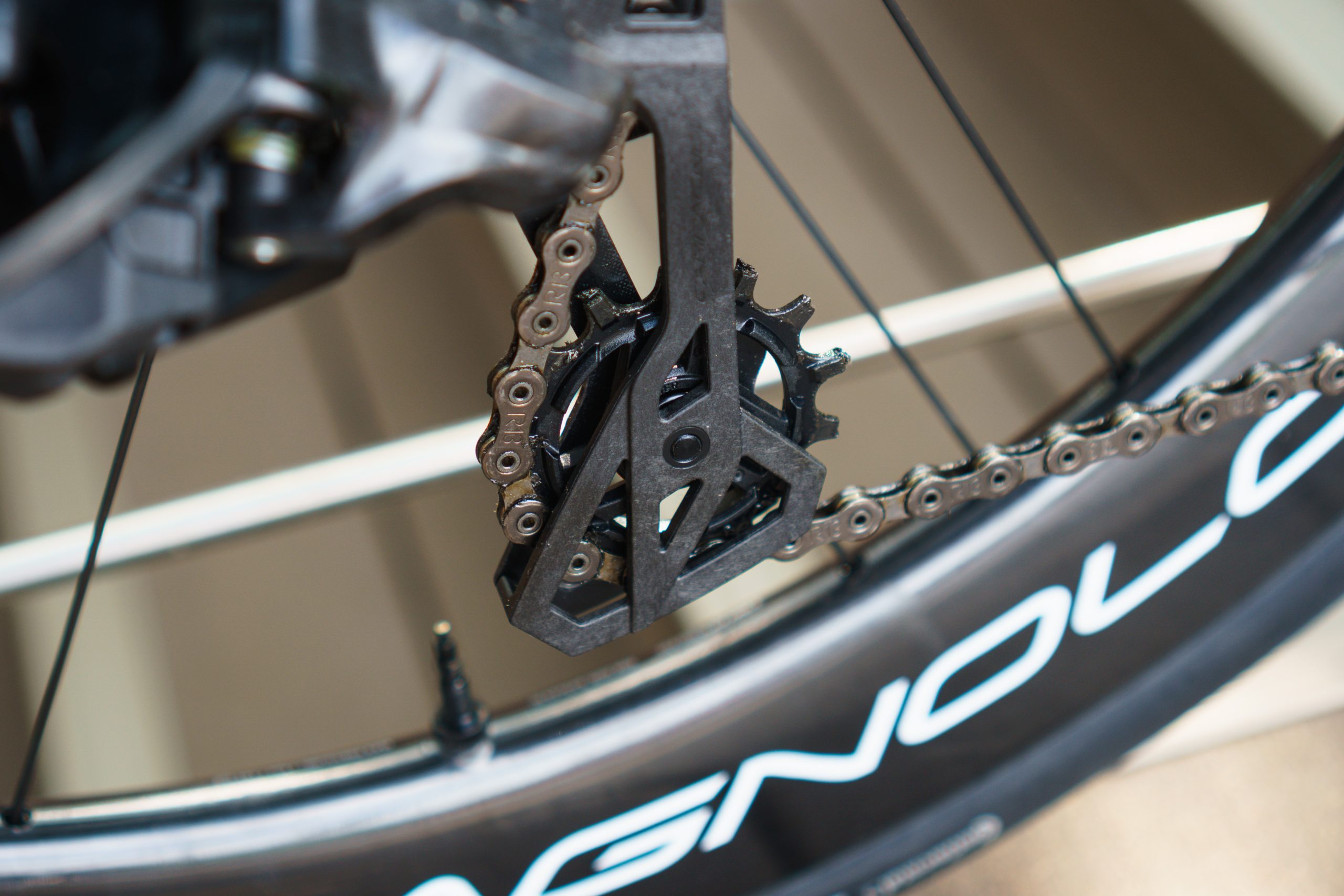
Super Record 13 gets larger pulley wheels for improved drivetrain efficiency. Simon von Bromley / Our Media
Campagnolo says this improvement comes as a result of the tighter spacing and updated sprocket tooth profiles.
Larger, 14t pulley wheels with updated tooth profiles are also said to reduce drivetrain friction while improving shifting accuracy and chain retention.
Both the chain and cassette are treated to a new ‘black chrome’ finish, which is claimed to reduce drivetrain noise and improve durability.
The rear derailleur is compatible with UDH frames via a direct mount hanger, as well as traditional frames via a standard derailleur hanger.
The Campagnolo Super Record 13 crankset is largely a carry-over from the previous groupset.
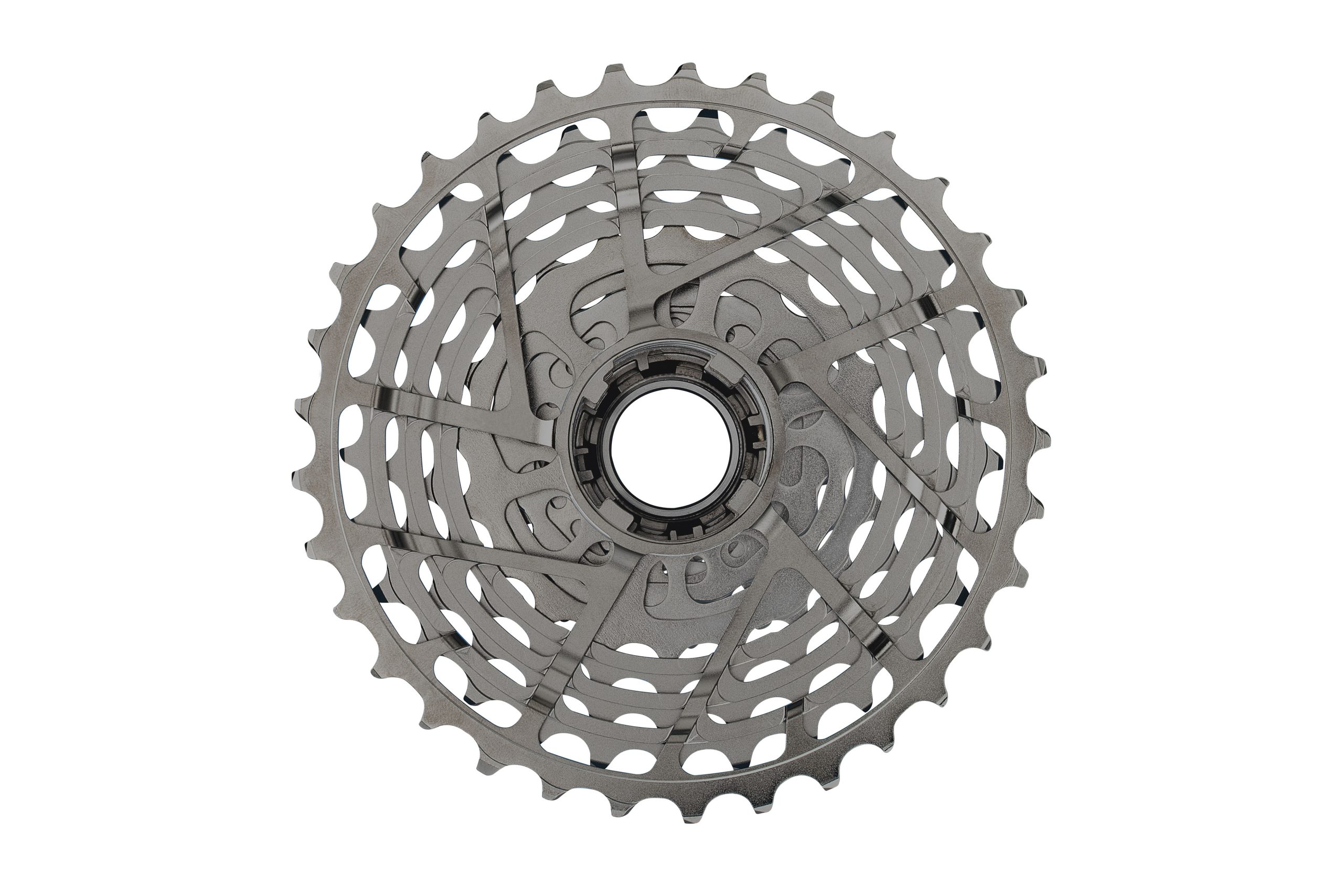
There are seven chainring combinations, from 45/29 to 55/39t, and four cassette options, from 10-29 to 11-36t. Campagnolo says “all chainring and cassette combinations are possible”, and that the same front derailleur can be used with all chainring combinations.
The carbon cranks are largely unchanged versus the previous-generation cranksets, although Campagnolo notes the retaining clip has been moved to the non-driveside bottom bracket cup (from the driveside) to simplify installation.
There are four crank-length options, from 165 to 175mm. Campagnolo says it is aware of the current pro trend for short cranks and that it’s open to introducing more options if it considers there is sufficient demand.
Campagnolo doesn’t claim any specific improvements to front shifting speed, but it says the front derailleur has been “completely redesigned”, shedding 10g, with a new carbon outer cage and “new engineering” that “guarantees” smoother shifts while shifting under power.
The shape of the front derailleur has been redesigned to improve rear tyre clearance, and it also gets a new, simplified battery with a single LED light to indicate battery life and “system status”.
The updated front derailleur gets a simplified battery.
The claimed battery life is the same as before (750km of range per charge, front and rear) and it can be charged on or off the bike with a magnetic charging cable.
Campagnolo says the new battery is backwards-compatible with 12-speed Super Record Wireless and Super Record Wireless S front derailleurs running the latest firmware.
Return of the thumb shifter
The thumb shifter is back.
It’s fair to say that ditching its iconic thumb shifter (with the launch of Super Record Wireless) was a fairly divisive move for Campagnolo.
It showed the brand was willing to explore alternative ergonomics for the electronic age, but also came as a disappointment to many existing fans – many of whom felt Campagnolo was abandoning one of its key differentiators compared to Shimano Di2 or SRAM AXS.
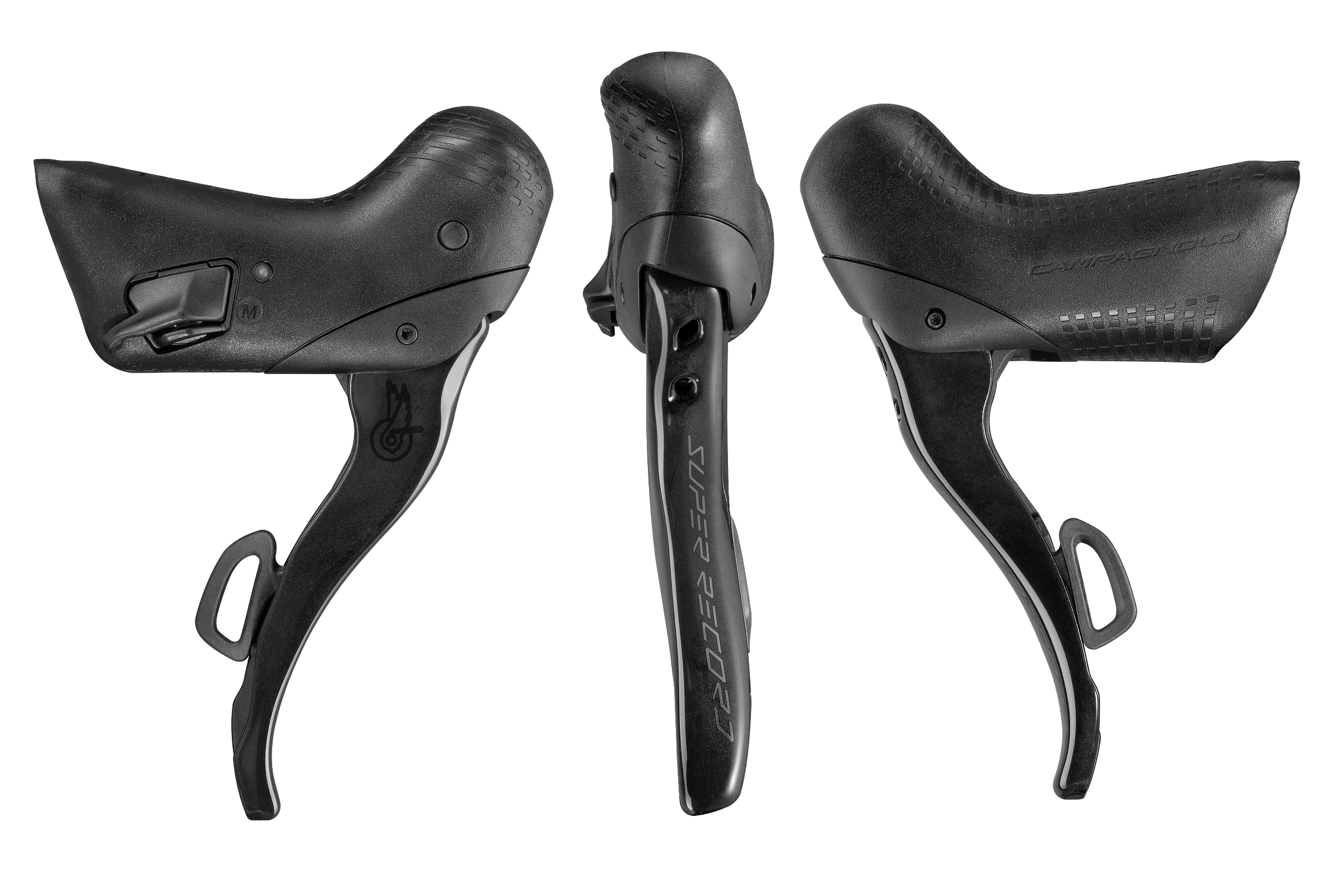
With Super Record 13, though, Campagnolo is bringing the thumb shifter back in a redesigned form to make it easier to reach from the drops.
The new shifter body is slightly longer and thinner, more in line with the latest Shimano Di2 and SRAM AXS levers. Campagnolo
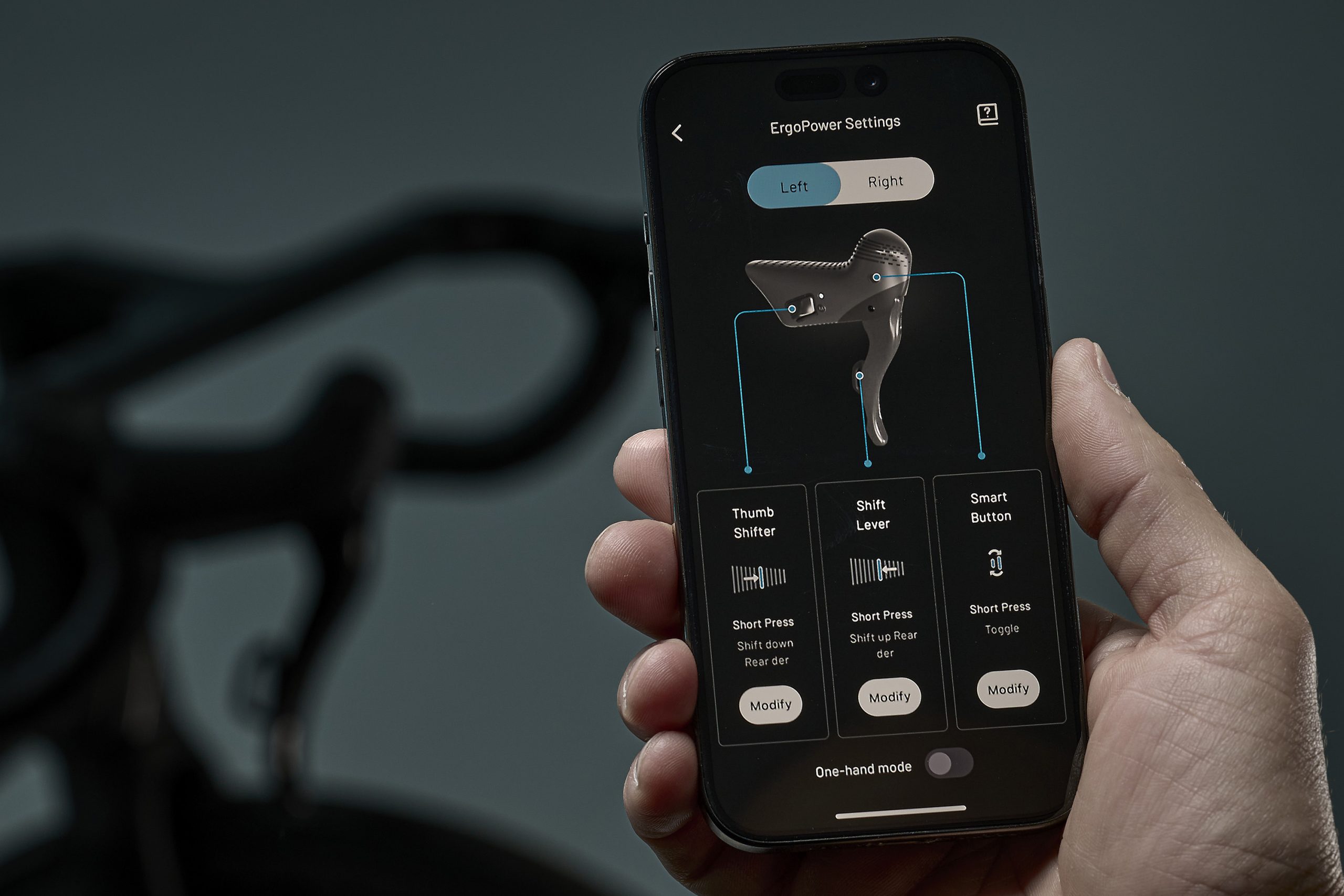
This, plus the addition of a third, customisable ‘Smart Button’ on each shifter (located on the inside, just above the pivot point of the brake lever), offers a more traditional Campagnolo feel, while also giving riders more options to customise how they use the shifters.
Each Smart Button can, for example, be set to shift up or down at the front or rear derailleur, as a toggle button for the front derailleur (similar to Shimano’s ‘Front Shift Next’ function, which shifts up or down depending on which chainring you’re using), or as a control button for compatible bike computers.
All of this is done via the MyCampy app, which is available for iOS and Android smart devices.
Campagnolo says the MyCampy app can be used to customise how each shifter button functions. Campagnolo
Beyond buttons, Campagnolo has also refined the shape of the Ergopower shifters. The new shifter bodies are slightly longer and more svelte than before, with a flatter top designed to spread the weight more evenly across the palms of your hands.
The shape of the carbon brake levers has also been refined, with a repositioned pivot point to aid braking from the hoods. Campagnolo says the lever is now less likely to interfere with your fingers during braking too.
The brakes are largely similar to before, but have a refined bleeding process and titanium hardware.
In terms of brakes, Campagnolo says it has updated the calipers for easier bleeding and added titanium hardware to save a few grams.
It’s also launching sintered brake pads for better durability in wet weather, although groupsets will ship with organic pads as stock.
More than an extra sprocket
Campagnolo says having more sprockets is more “satisfying”.
Super Record 13 beats Shimano and SRAM to the punch, bringing the first 2x 13-speed wireless electronic road bike groupset to the market.
While some might question the need for yet more sprockets and ever finer gear ratios, Campagnolo says that “being able to manage your effort maximizes performance” and that “finding the right cadence makes the difference between an effective and satisfying action and a tiring and disappointing experience”.
Happily, the new groupset doesn’t necessitate a new freehub standard – meaning Super Record 13 will work with existing wheels that feature, or are compatible with, the brand’s N3W freehub.
Super Record 13 cassettes fit Campagnolo’s existing N3W freehub. Campagnolo
Campagnolo says this was possible thanks to experience gained from its Ekar 1x 13-speed gravel groupsets – where, compared to 12-speed, it reduced the thickness of and distance between each sprocket, and developed a narrower 13-speed chain.
Campagnolo says that while Ekar cassettes and chains share the same spacing dimensions, the tooth profiles on Super Record 13 cassettes are different. They are cross-compatible, although Campagnolo recommends staying within the same family of components for the best performance.
Campagnolo Super Record 13 pricing, specifications and availability
Campagnolo hasn’t provided a detailed breakdown of individual component weights or prices, but here’s how it stacks up against its predecessor and the competition:
Campagnolo says Super Record 13 will also be available with the brand’s HPPM power meter included for £4,950 / $5,899 / €5,399, saving around £900 / $1,000 / €1,000 compared to buying them separately.
It’s also worth bearing in mind Shimano’s current Dura-Ace groupset launched back in 2021, and with the effects of inflation, tariffs and economic uncertainty hitting the bike industry hard in recent years, we wouldn’t be surprised to see Shimano’s next flagship groupset cost more than R9200 (when it eventually arrives).
Adding a power meter isn’t cheap, but there’s a decent saving versus buying one separately. Campagnolo
Campagnolo says Super Record 13 is “uniquely Italian in design” and that 80 per cent of the groupset is “proudly made in Europe”.
The Italian brand said it was able to bring the cost down, compared to 12-speed Super Record Wireless, “without cutting corners” by investing in automation and through “optimising component design”.
The new shifters, for example, are said to be made from 36 individual components, compared to 74 for the previous ones.
The brand says the groupset will be available, both on and off bikes, from launch, so if you’ve been waiting for a 2x 13-speed wireless electronic road bike groupset and have a few grand burning a hole in your pocket… today’s your lucky day.
It’s been a while since we’ve announced a new integration with Zwift’s Training API… but that doesn’t mean it hasn’t been happening. In March, Final Surge announced their integration. Then last week, Wahoo SYSTM announced theirs.
As a reminder, these integrations make it super simple to see and complete workouts from third-party providers within Zwift. Specifically, Zwift’s Training API integration allows for the following:
Workouts scheduled on the partner’s side (eg, Final Surge or Wahoo) are automatically pushed to Zwift for you to execute on a given day (you may also manually push a workout from the partner’s app to your Zwift session)
Your completed activity is automatically pushed to the partner so it can be processed accordingly in their systems
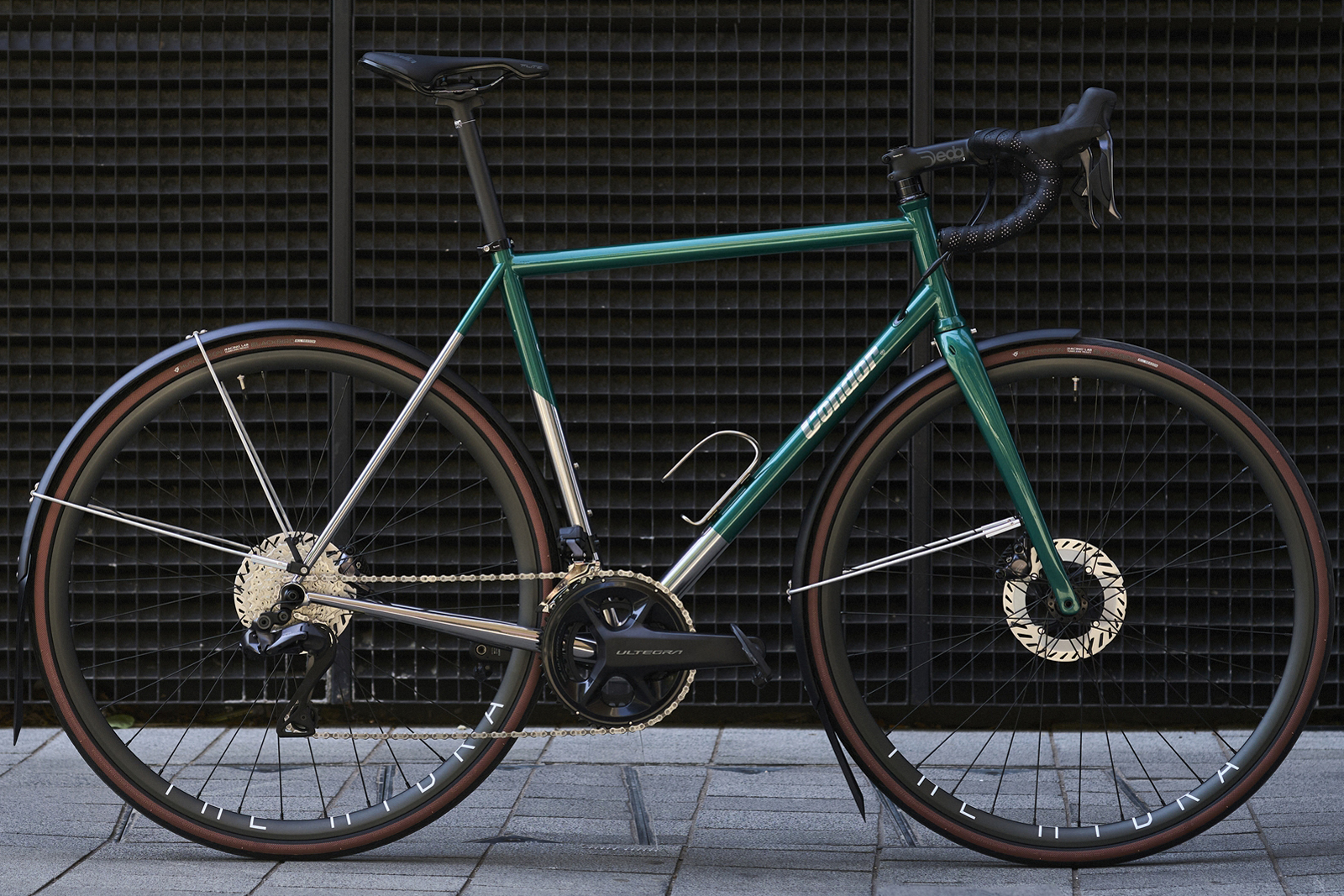
Condor has released a new version of its most popular bike in stainless steel.
The Fratello first appeared in 2002 and followed Condor’s UK-made Pendio.
Meaning ‘brother’ in Italian, the Fratello was built in Italy to fulfil the demand Condor saw for the Pendio. It adhered to the “same lightweight touring and fast audax properties” and “was designed with year-round riding in mind”.
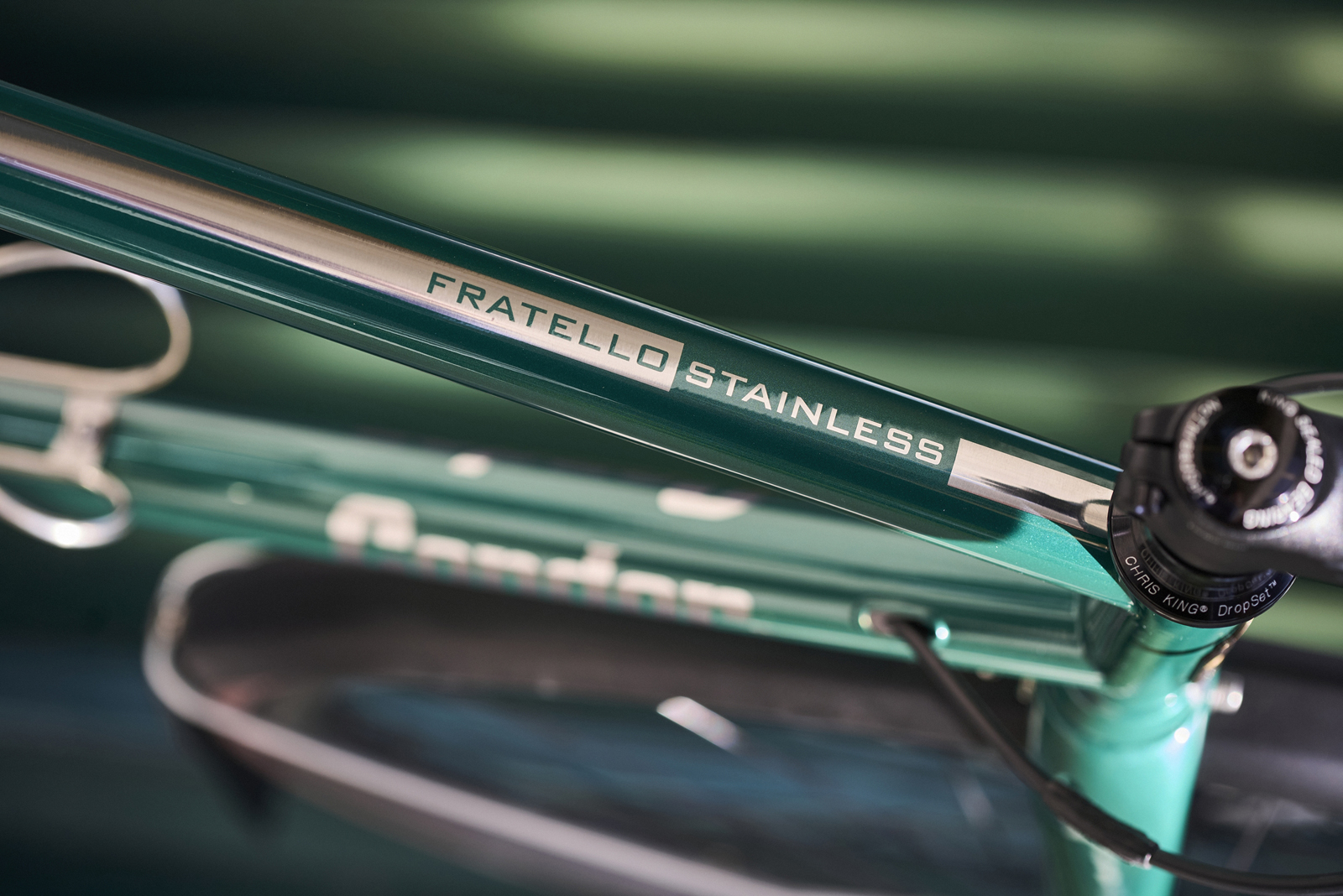
Now, the Condor Fratello Stainless uses a Columbus XCr stainless steel tubeset made in Milan and built into a frame in Treviso.
The bike uses Columbus XCr stainless steel, which is stronger than Spirit steel. Joe McGorty / Condor Cycles
As with Condor’s other bike models that are available in Spirit or XCr steel, there is a significant price increase for the Fratello Stainless. The Columbus Spirit Fratello Disc frameset costs £1,199.99, whereas the new stainless steel frameset costs £3,899.99. However, Condor says many of its customers have requested the endurance road bike with its “proven geometry” in stainless steel.
Like Columbus Spirit, Condor says the stainless steel it uses for this updated version has a springiness that helps absorb road bumps, alongside further benefits.
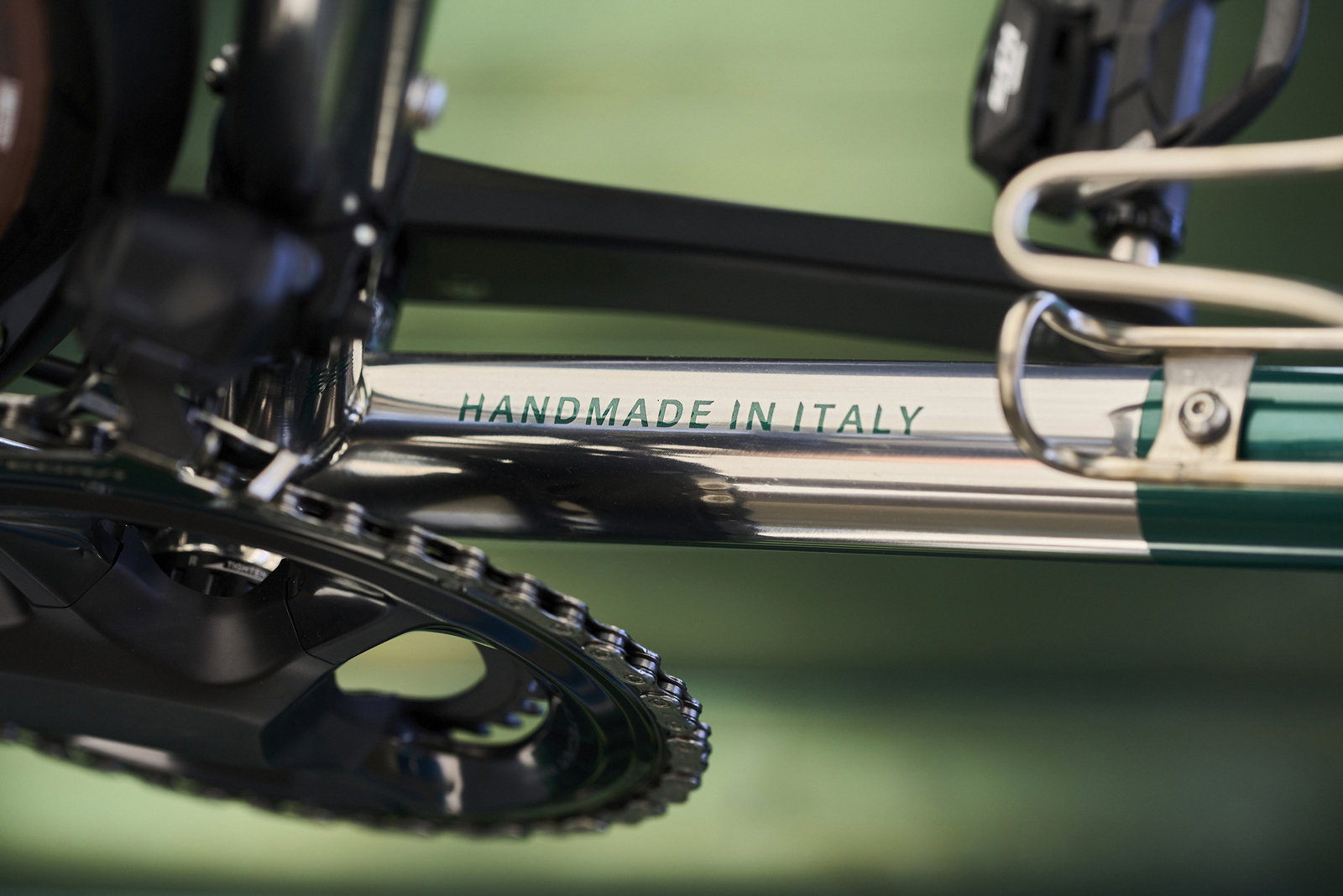
The Fratello Stainless is handmade in Italy, as the frame shows proudly. Joe McGorty / Condor Cycles
“XCr is stronger than Spirit, allowing us to use very thin-walled tubing, which results in surprisingly lightweight frames for steel,” Condor says. “Stainless steel also has excellent fatigue resistance, meaning it can withstand countless cycles of stress without weakening, contributing to a very long lifespan.”
At 1,500g, the Fratello Stainless frame weighs 400g less than the previous Fratello. Paired with a carbon fork, the total frameset weight is 1,930g.
Condor Fratello Stainless features
Condor says this build, with Shimano Ultegra Di2 and hand-built wheels, costs £6,981.89. Joe McGorty / Condor Cycles
While it retains the Fratello Disc’s geometry, Condor has updated the frame so it now runs cables internally, lending the bike a more modern look.
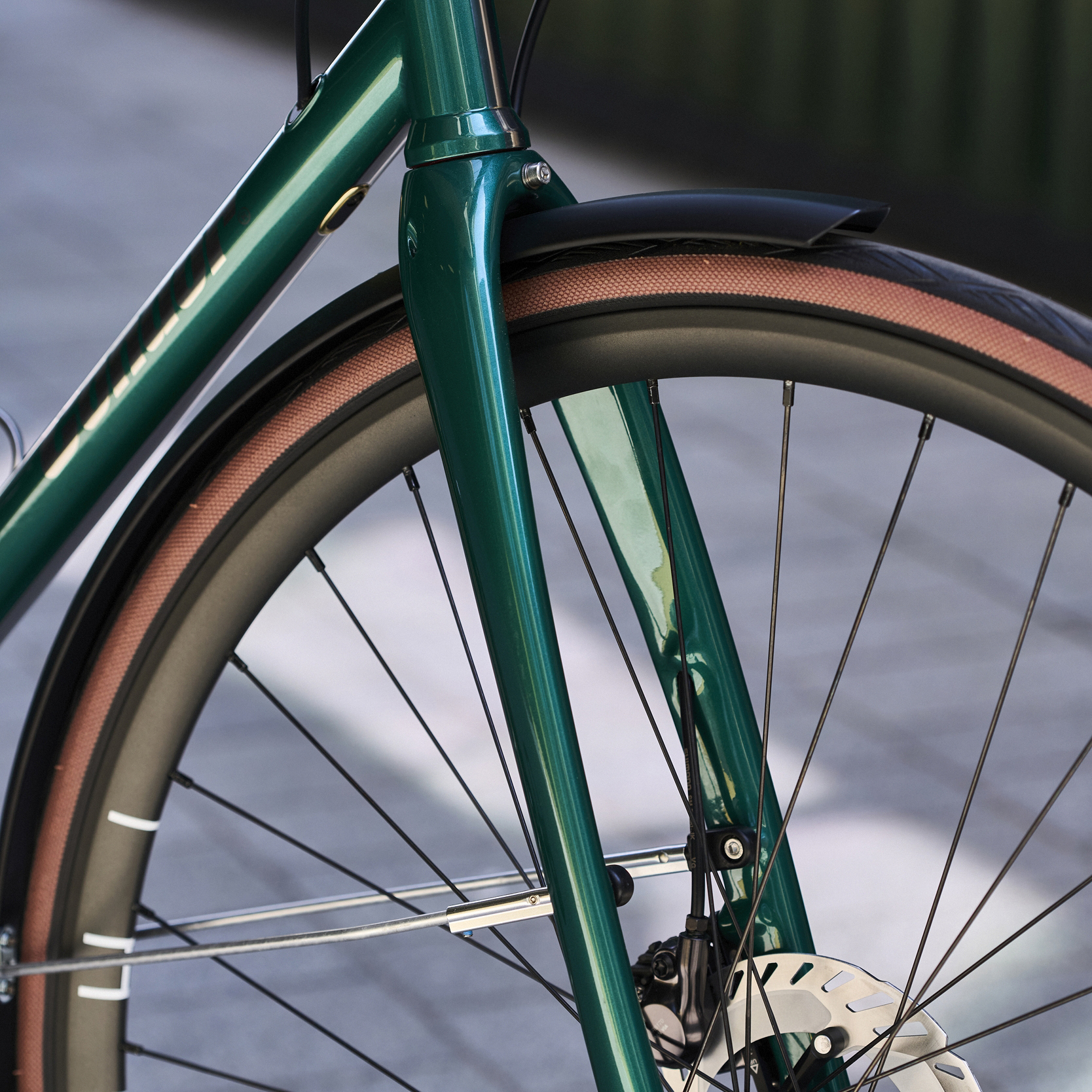
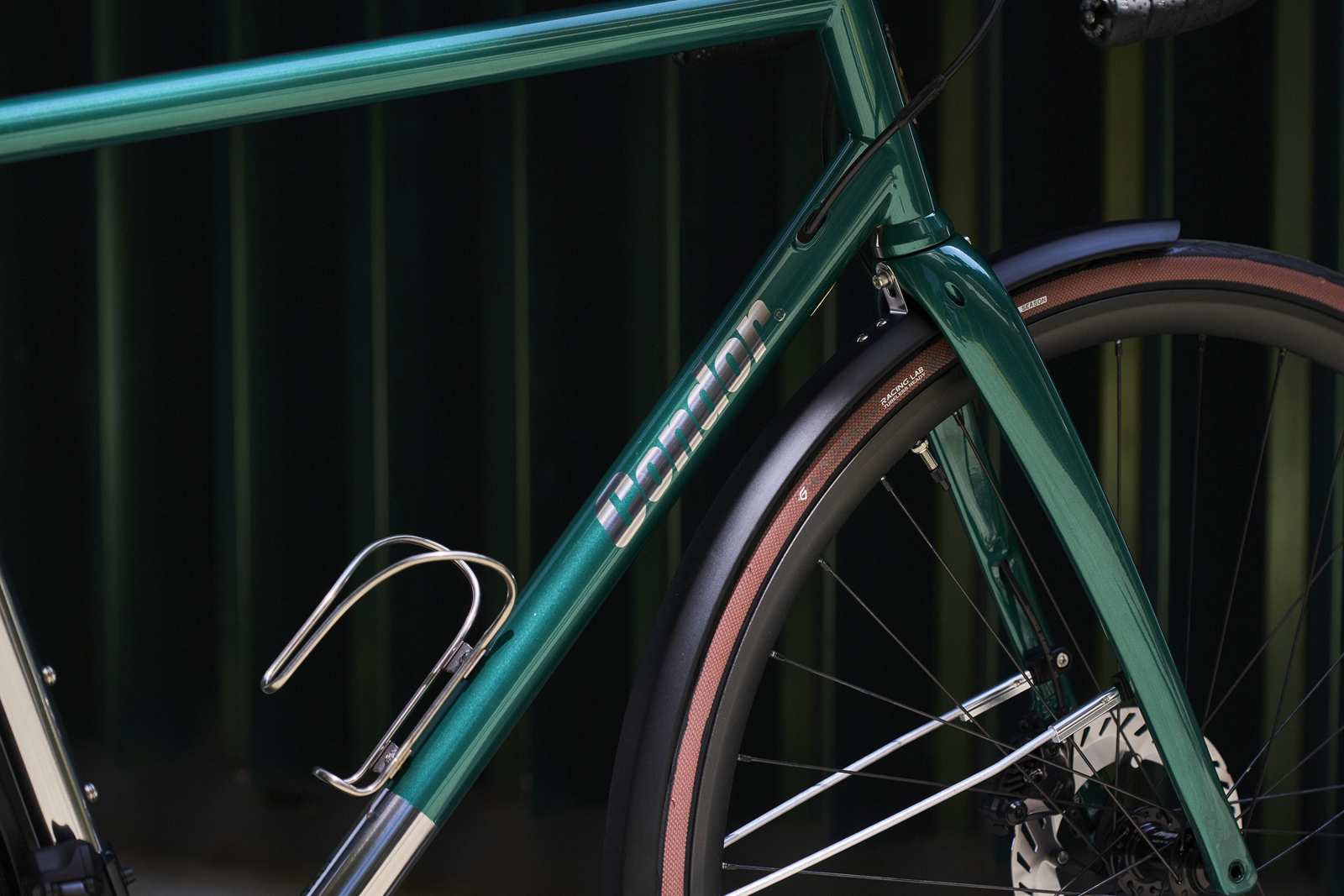
The Fratello Stainless can fit 32mm tyres with guards. This is what we expect to see from the best road bikes, even if the clearance isn’t quite as wide as the similar Fairlight Strael 4.0.
The Fratello Stainless can fit 32mm tyres with mudguards. Joe McGorty / Condor Cycles
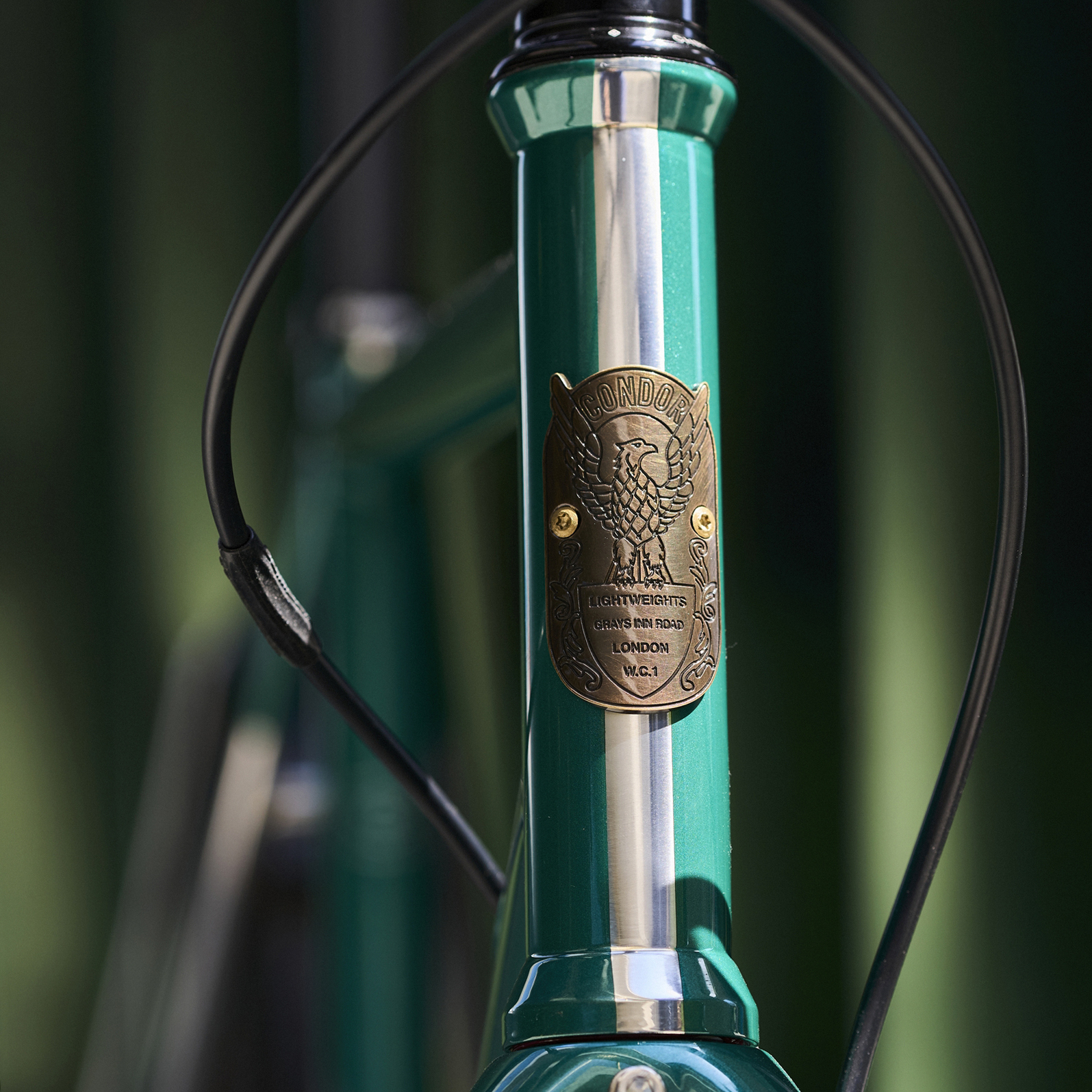
Condor supplies all of its stainless steel models with a Chris King headset. In keeping with the style of the Fratello Disc, the Fratello Stainless has a 1 ⅛in integrated headset with a brass badge.
The bike also has a BSA threaded bottom bracket. “BSA is a tried and tested, reliable standard, with the added benefit that bottom brackets to fit are available from just about anywhere. Fitting a BSA bottom bracket is simple, and the tool required is inexpensive,” Condor says.
It has a brass head badge. Joe McGorty / Condor Cycles
Custom options
The colour and design of the bike can be customised to show off the stainless steel. Joe McGorty / Condor Cycles
Condor lets you customise the Fratello Stainless in several ways.
Handpainted, Condor provides more than 50 colours for you to choose from, which can be applied in a variety of designs, including masked lines, fades and bands.
You can leave the frame unpainted with a polished or brushed finish because stainless steel is resistant to rust and corrosion. “The amount of polished metal visible is up to the rider and comes at no additional cost,” Condor says.
You can also request rack mounts that Condor will braze onto the frame for free.
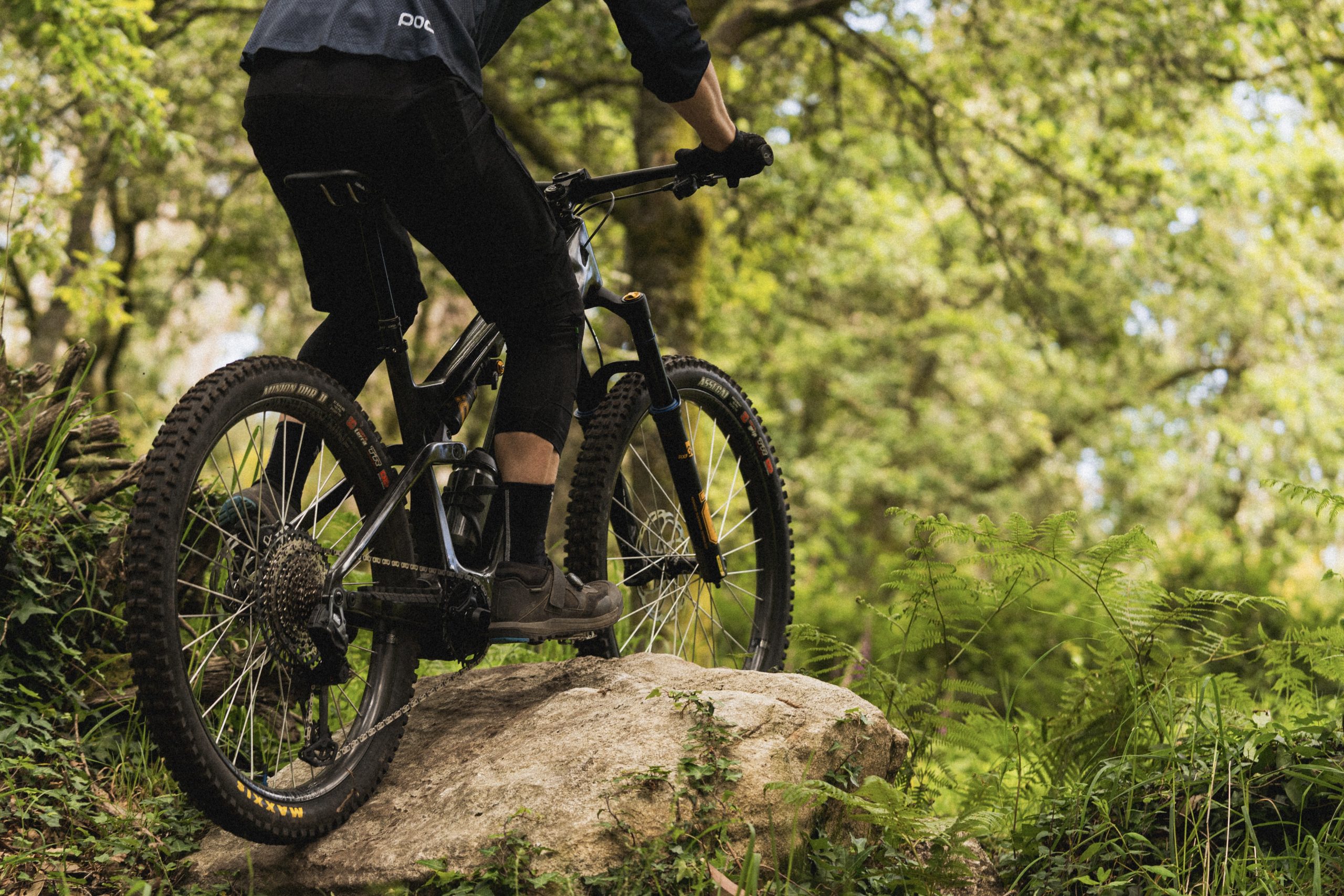
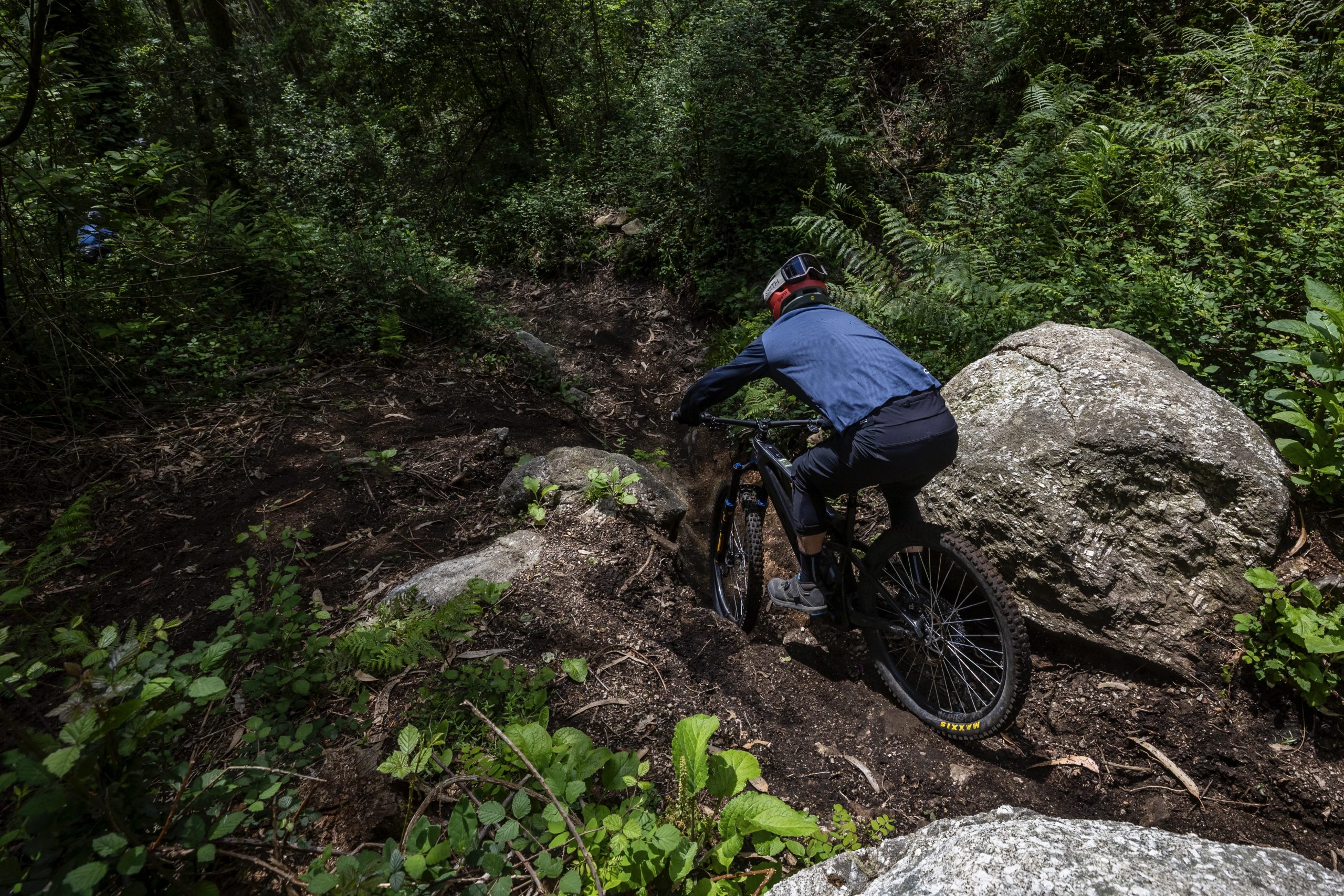
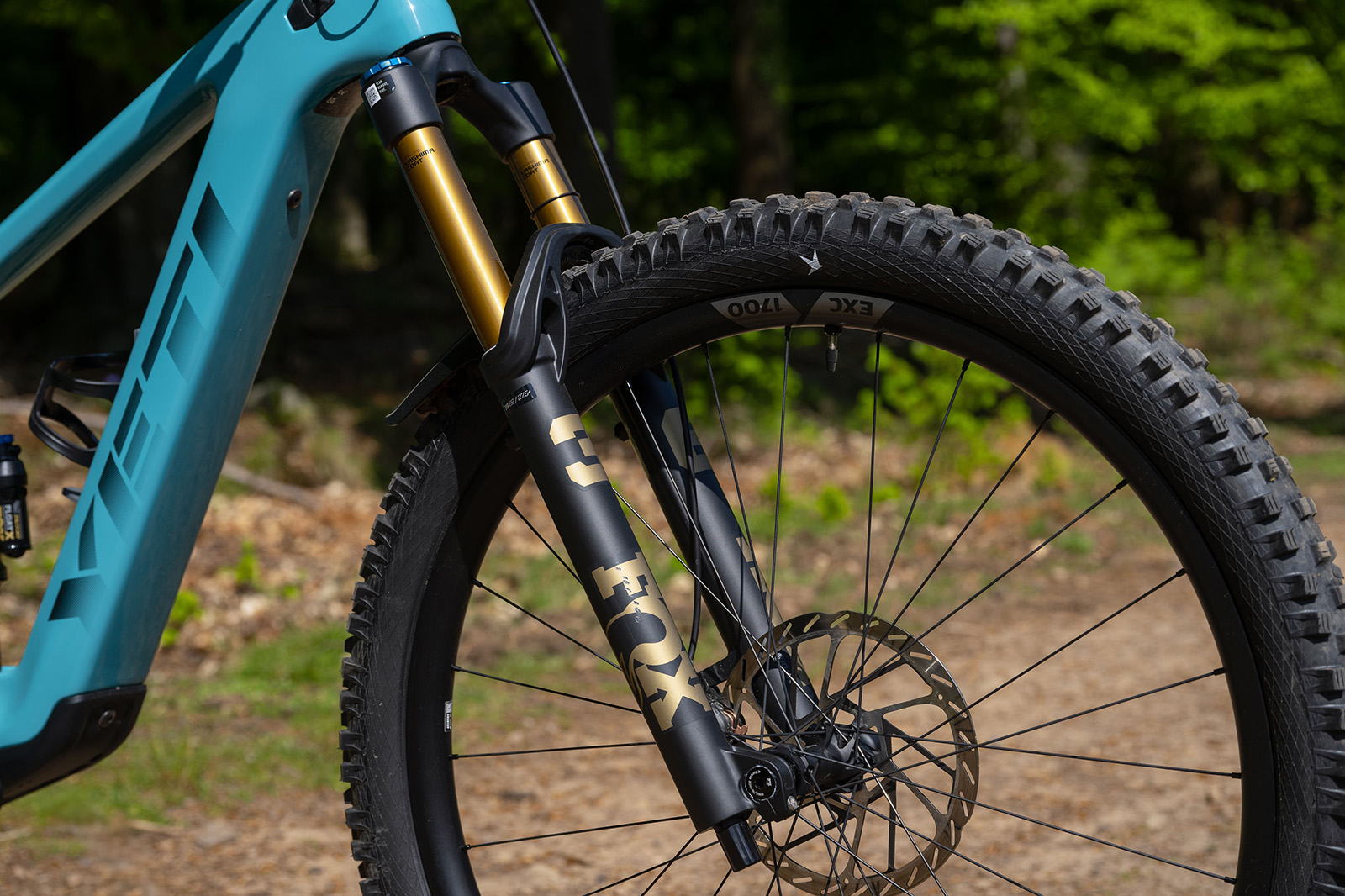
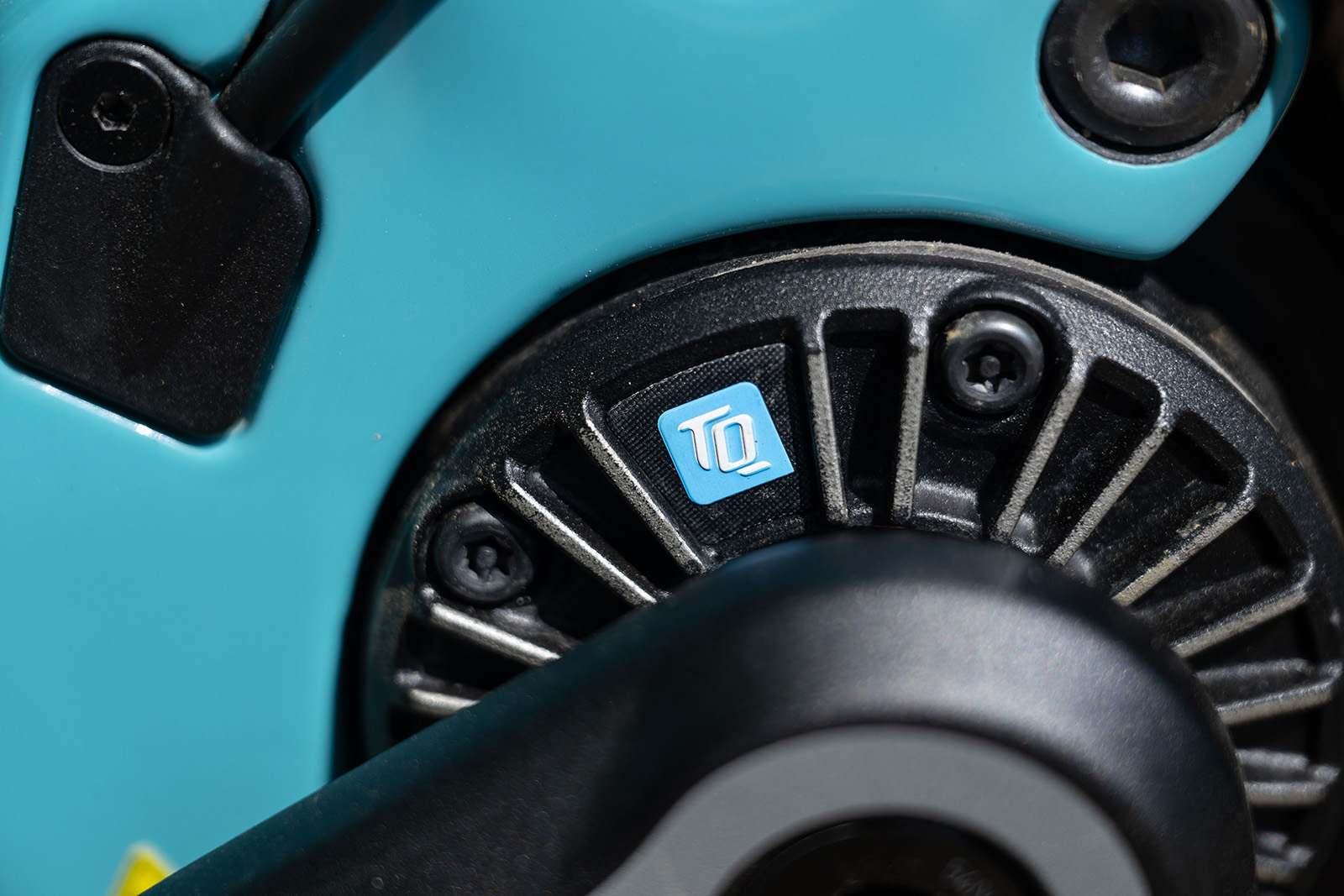
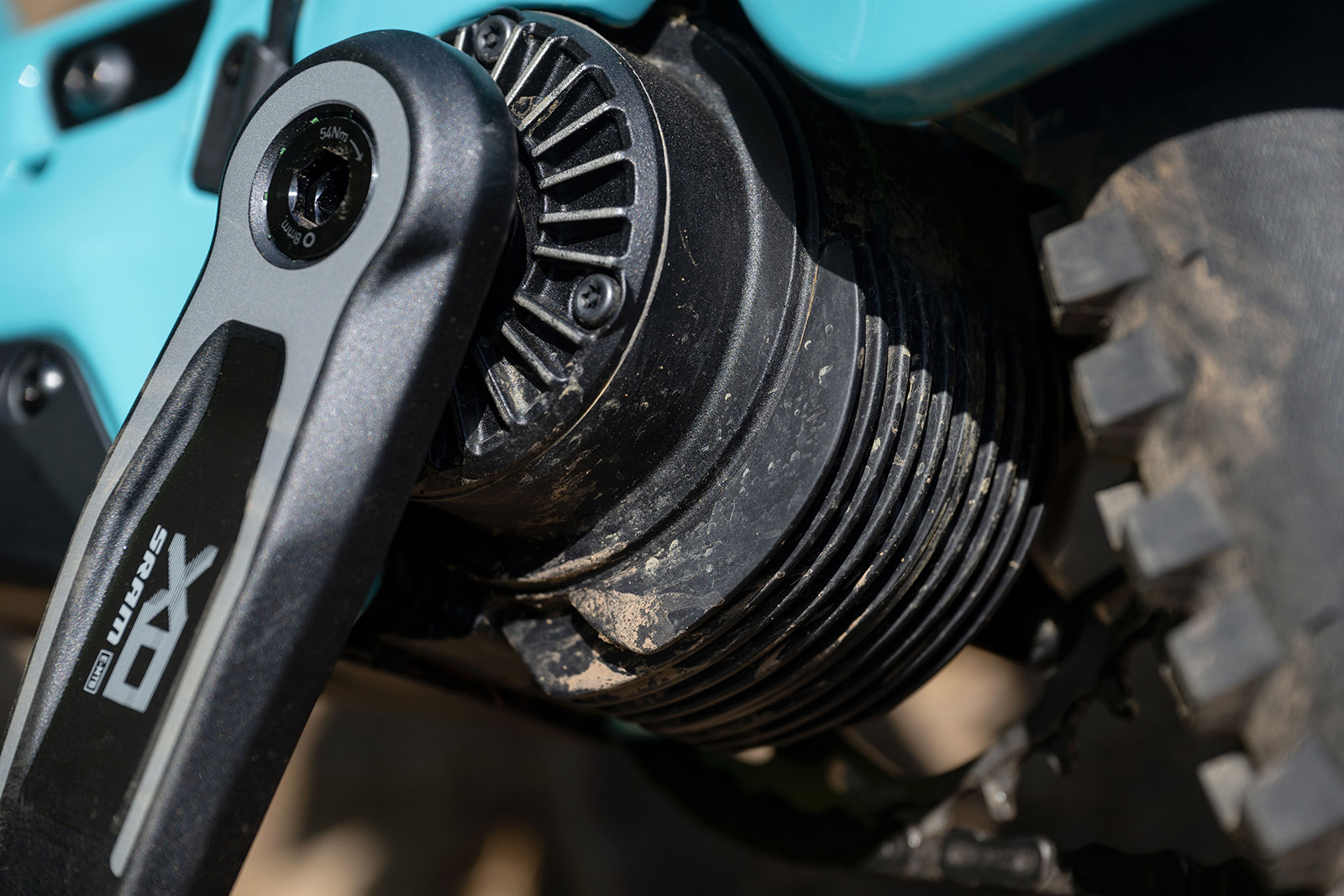
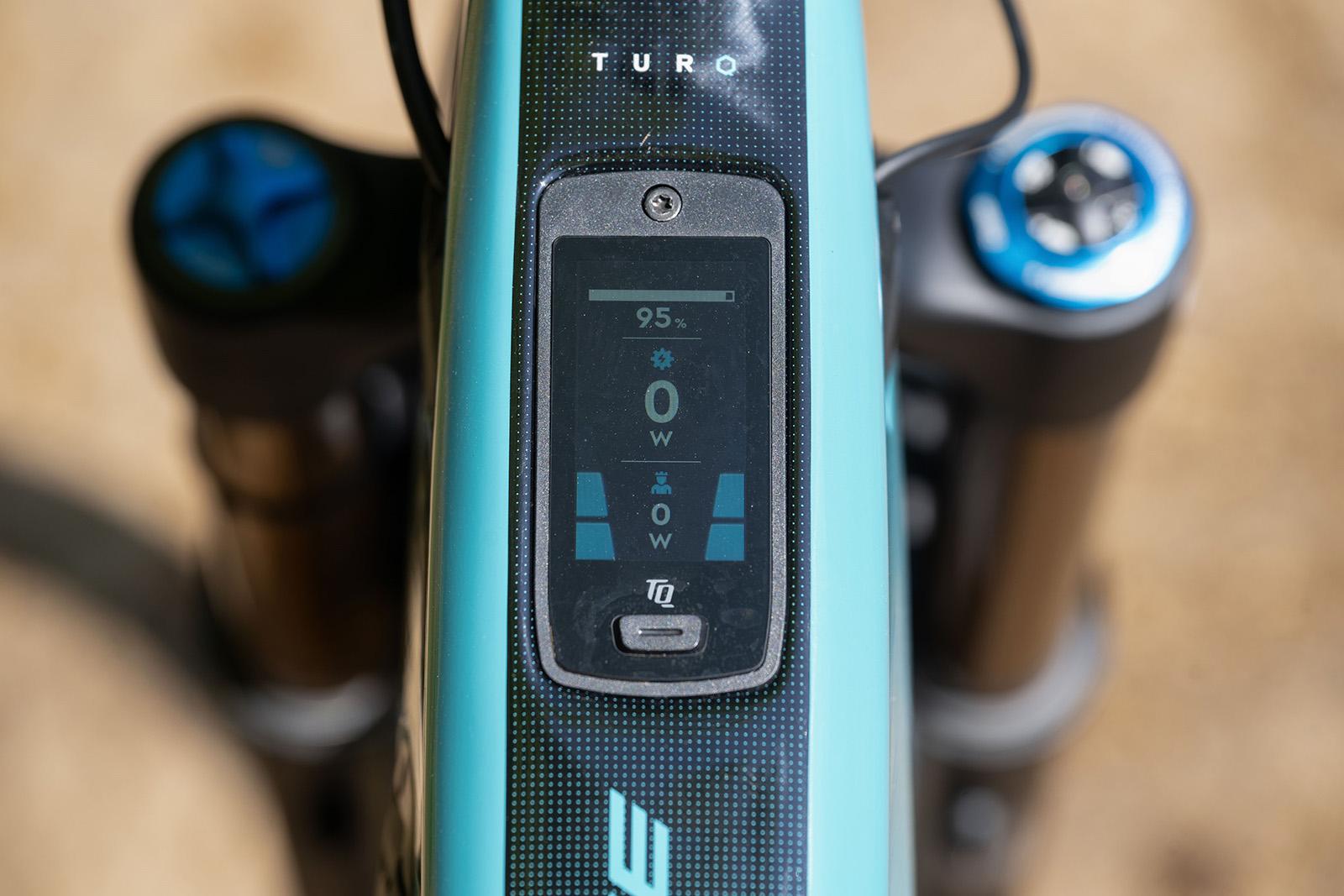
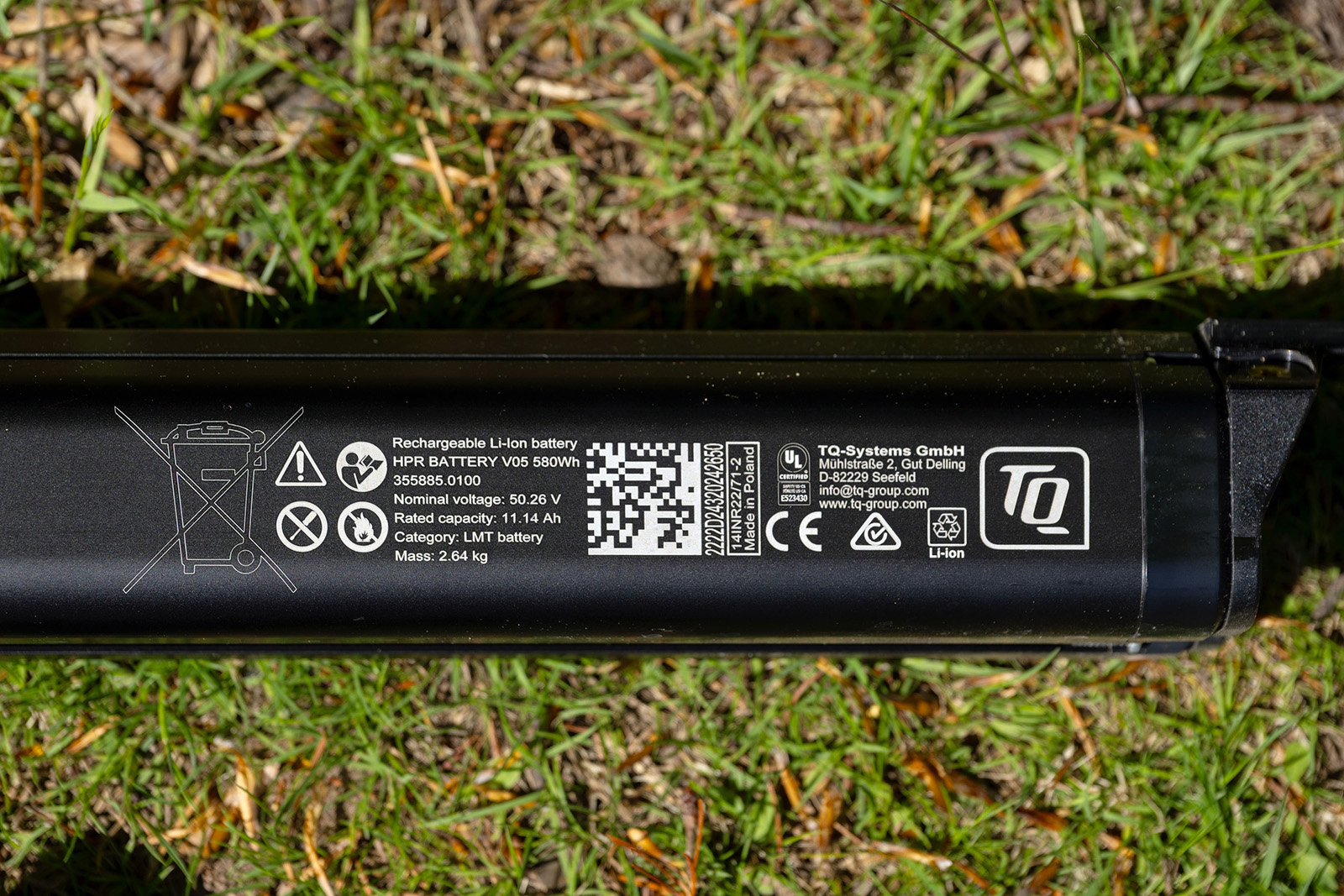
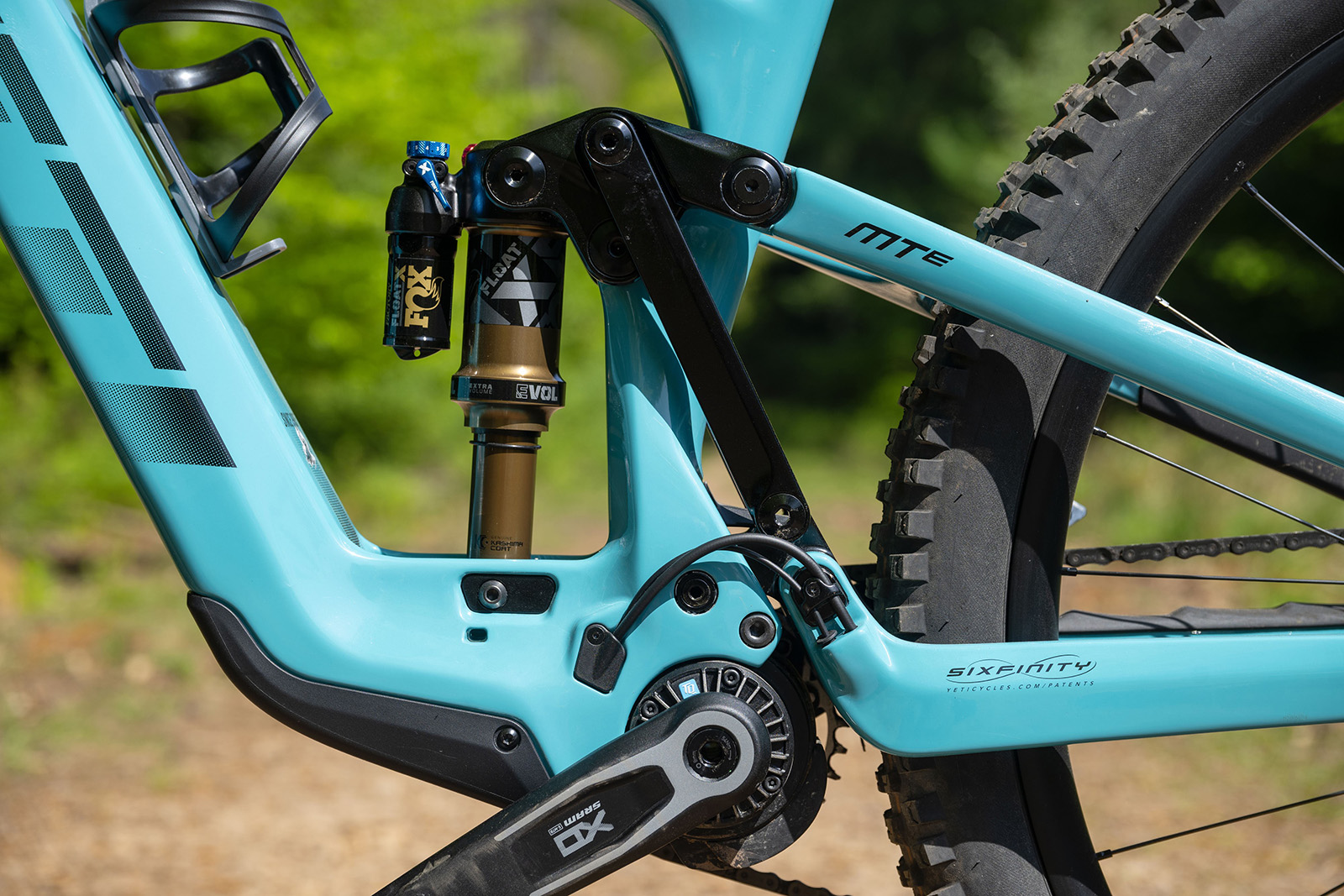
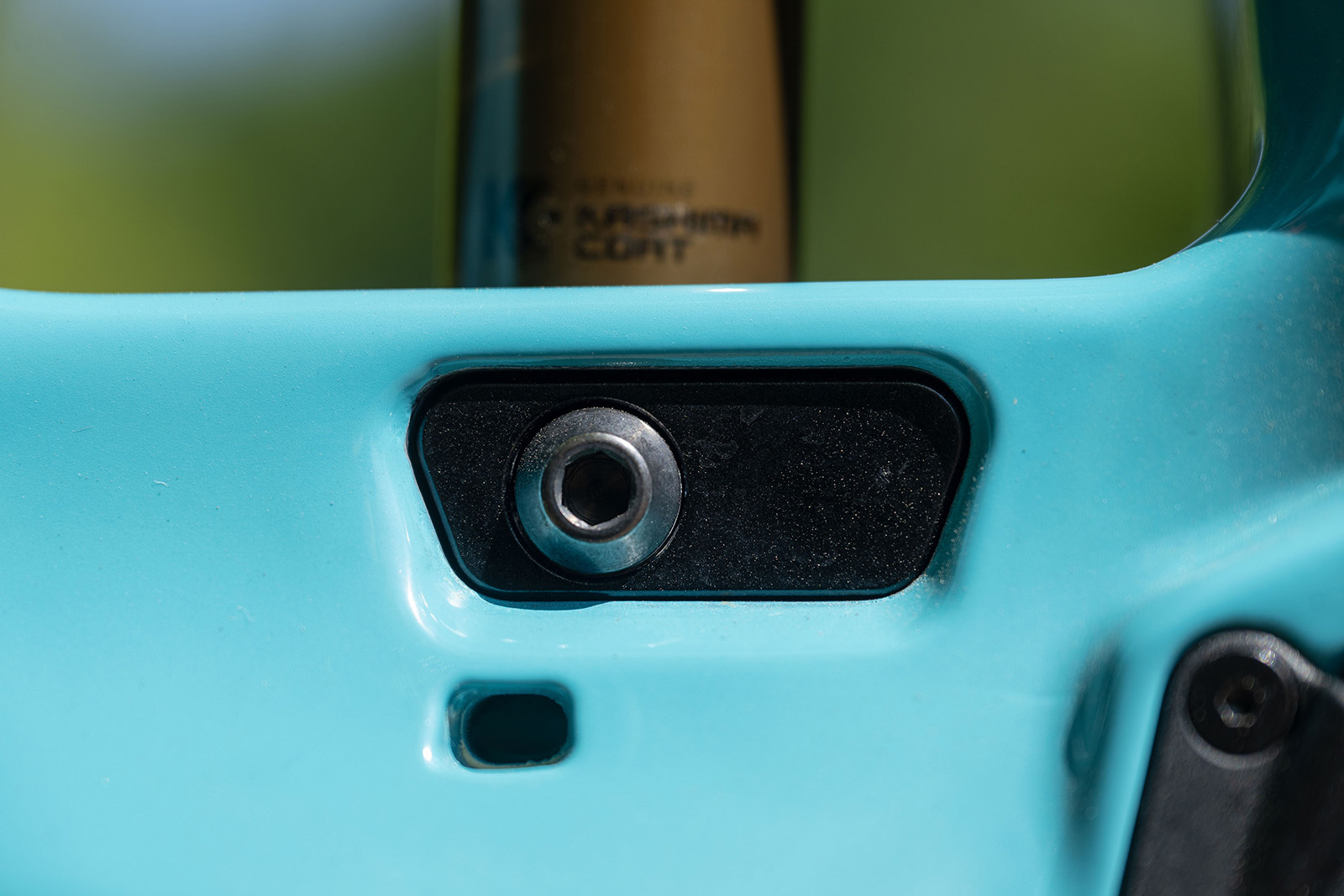
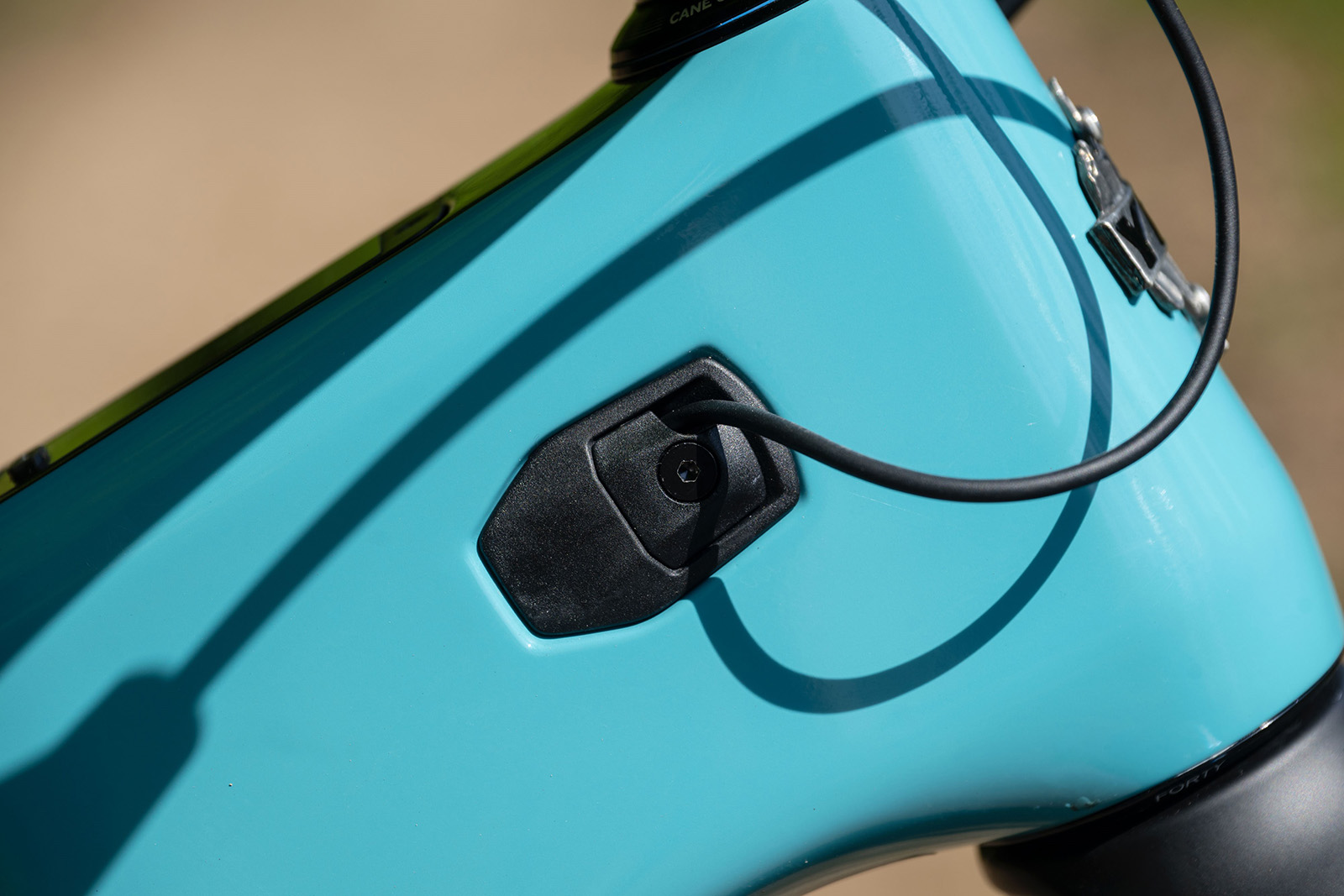
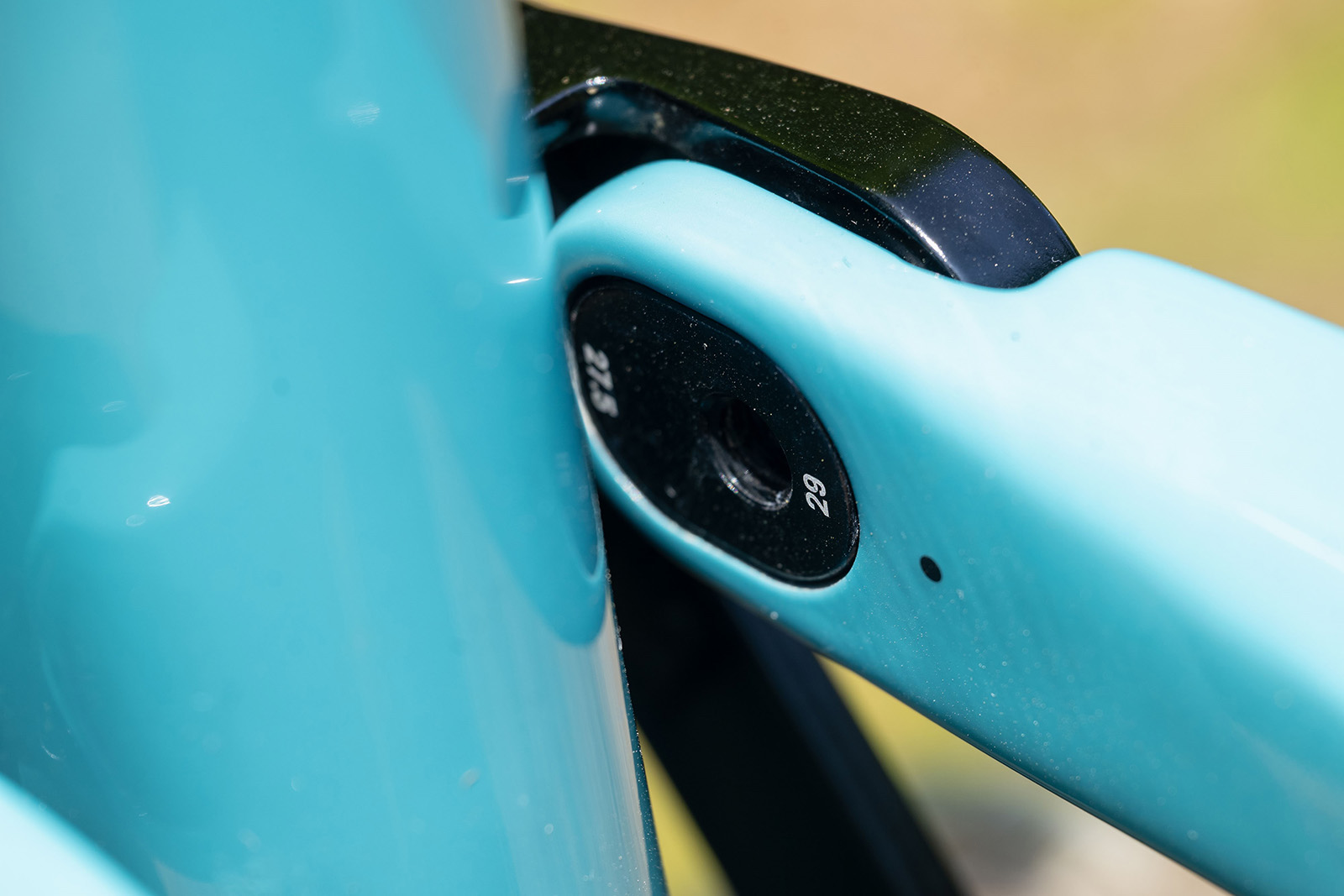
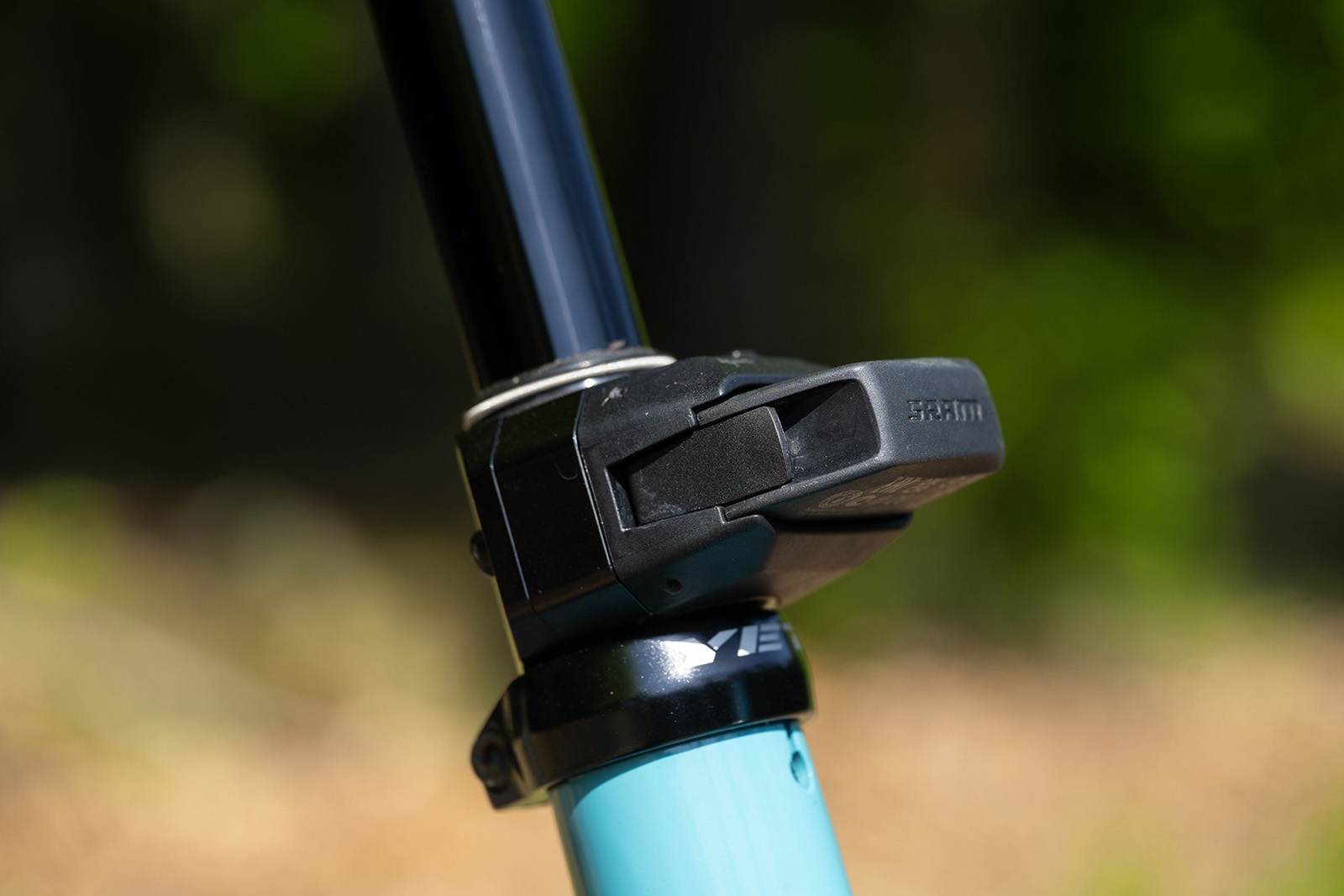
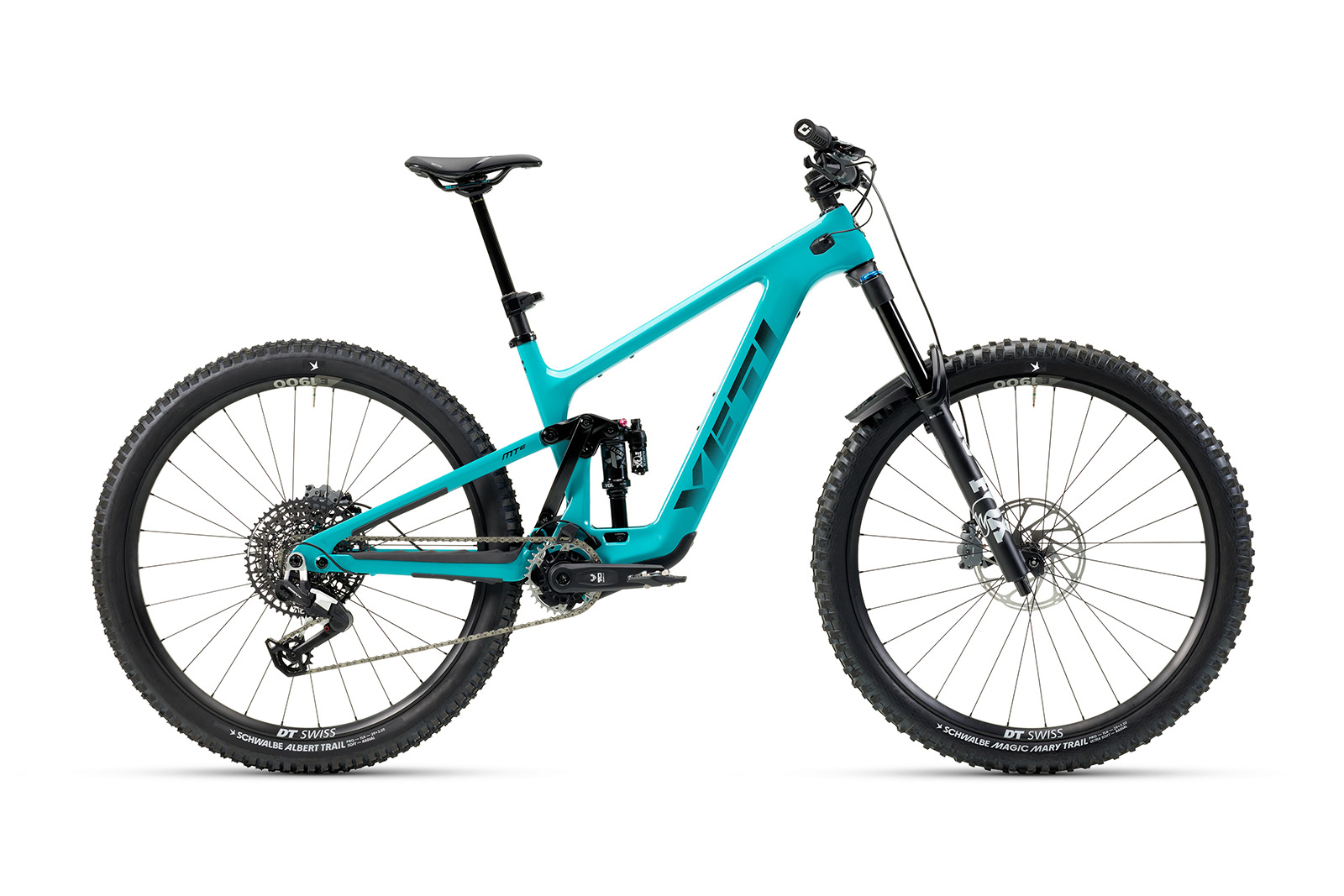
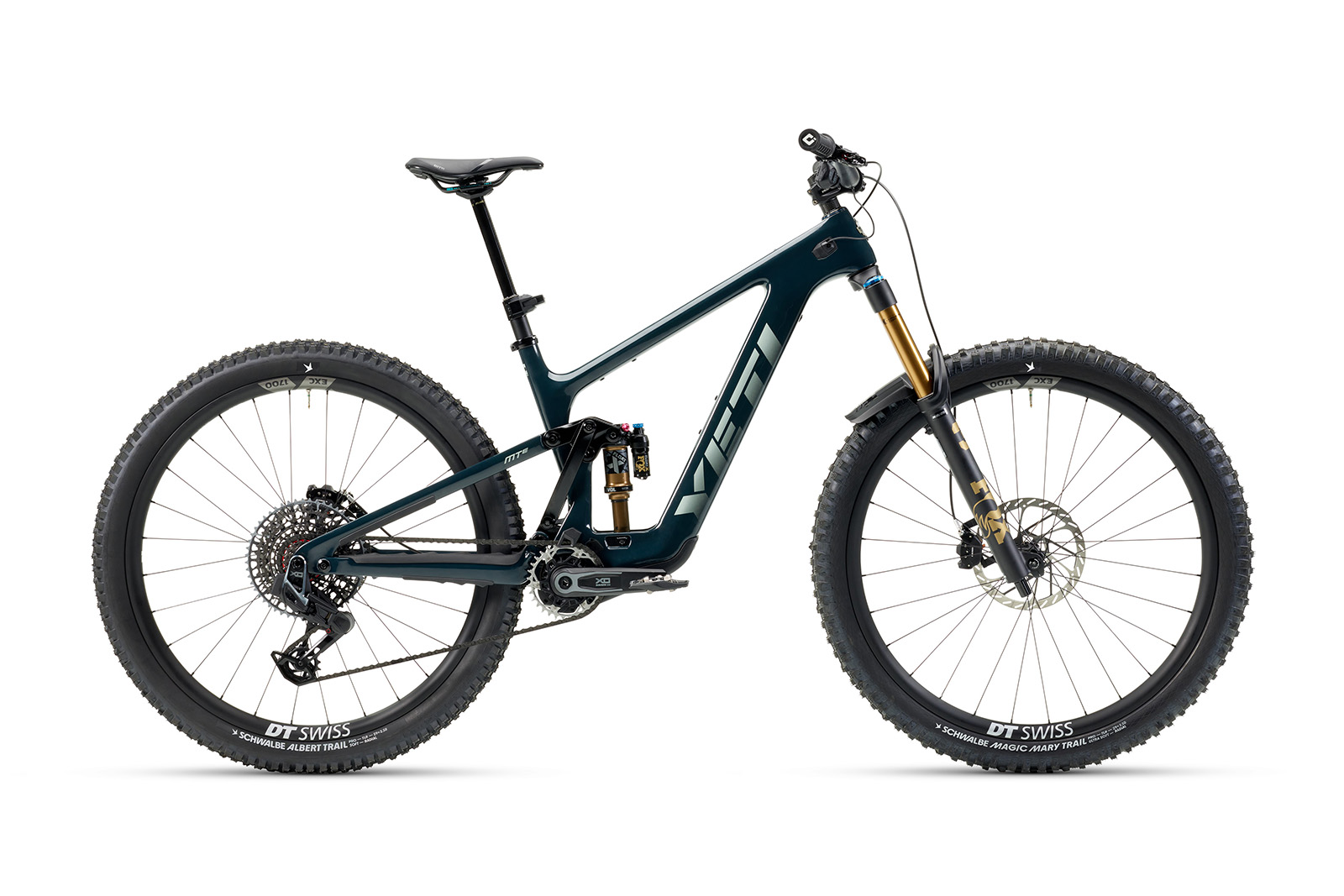
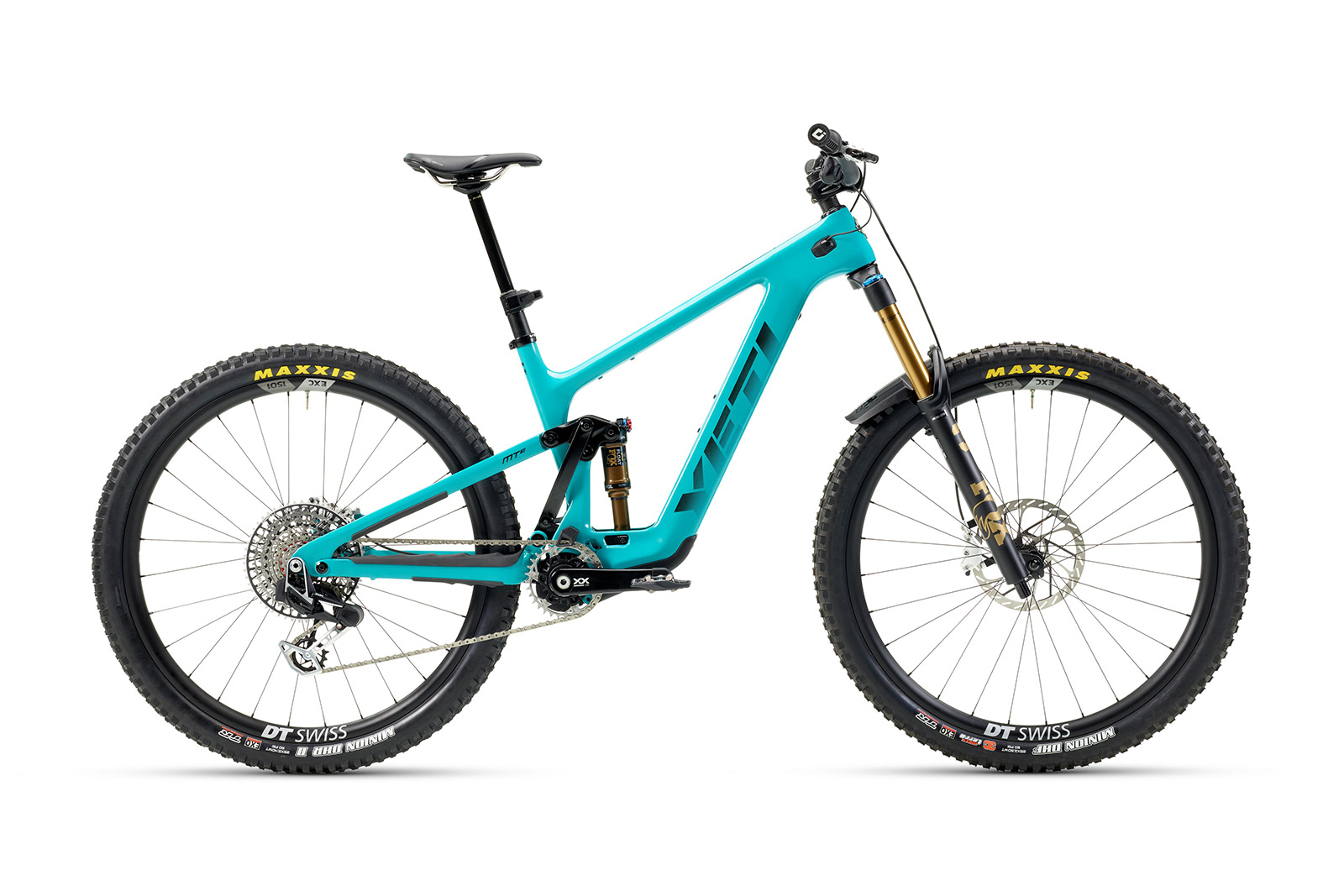
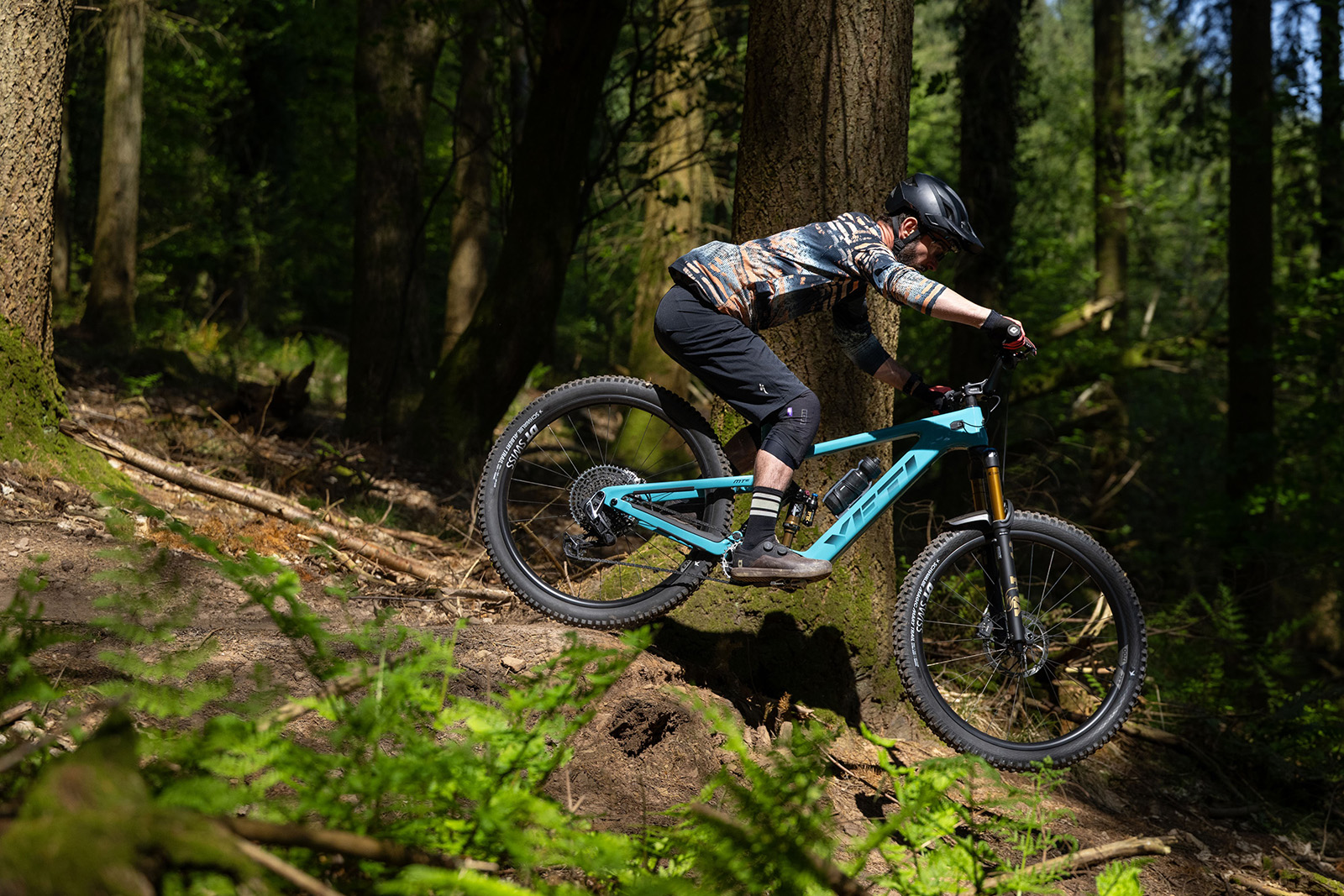
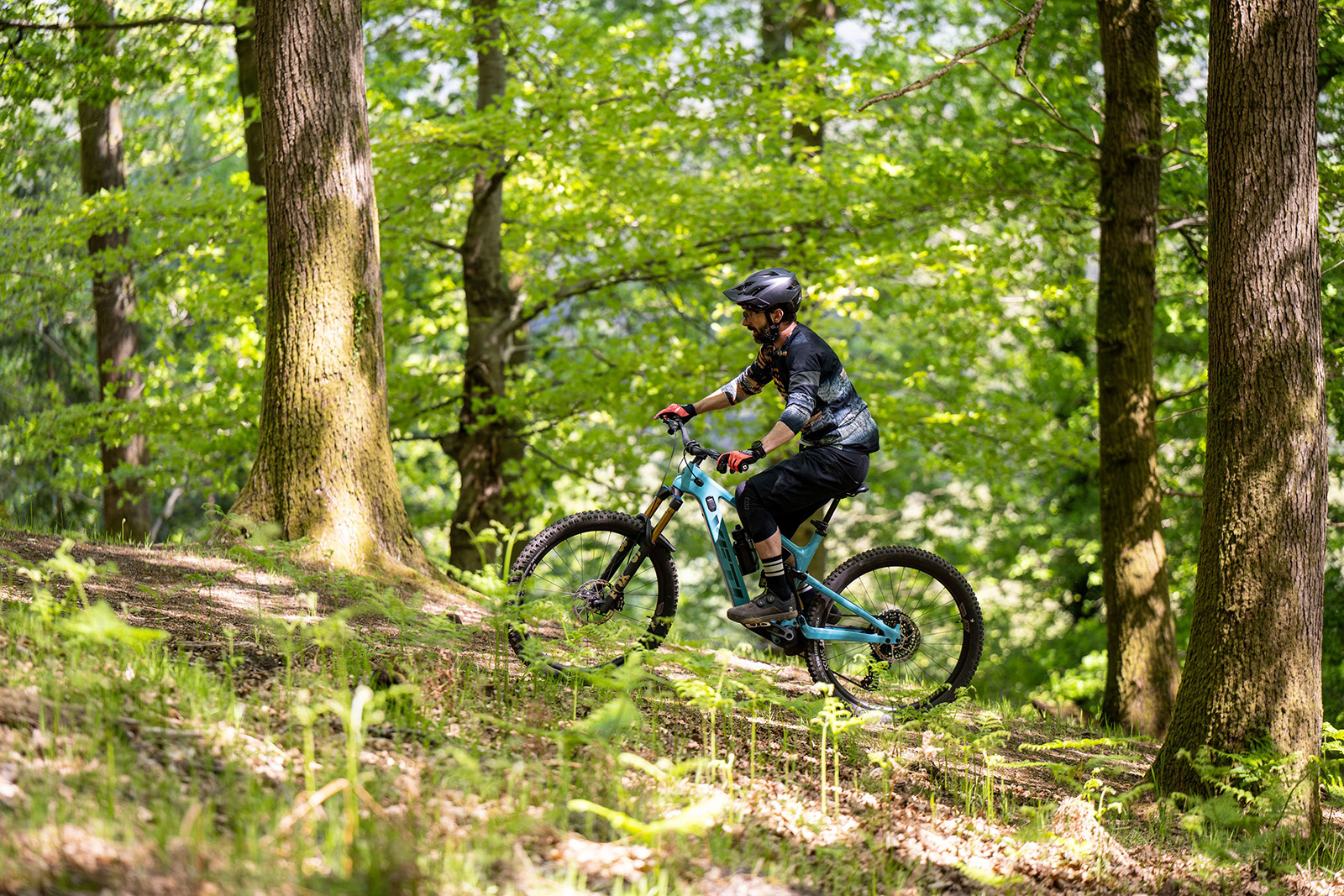
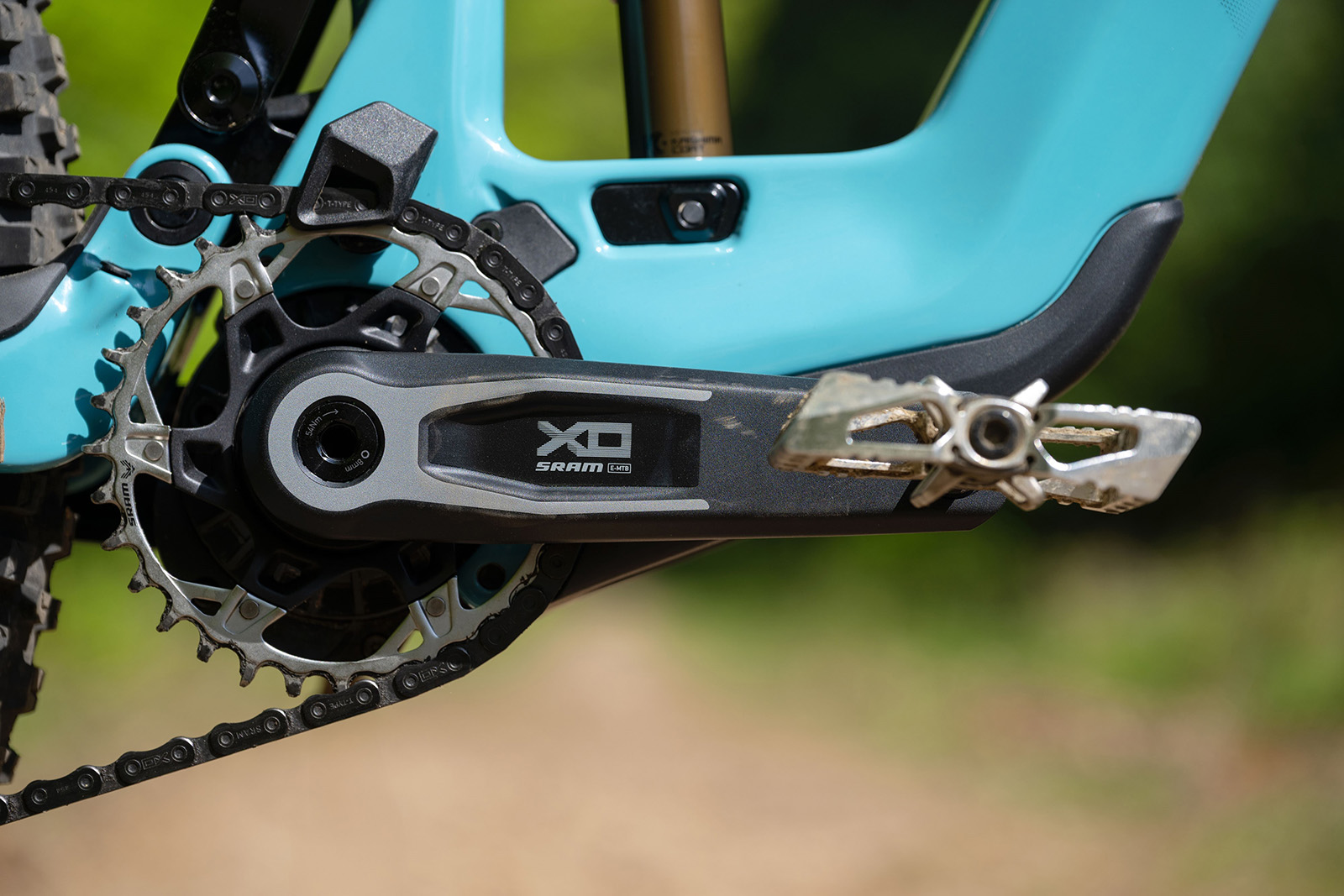
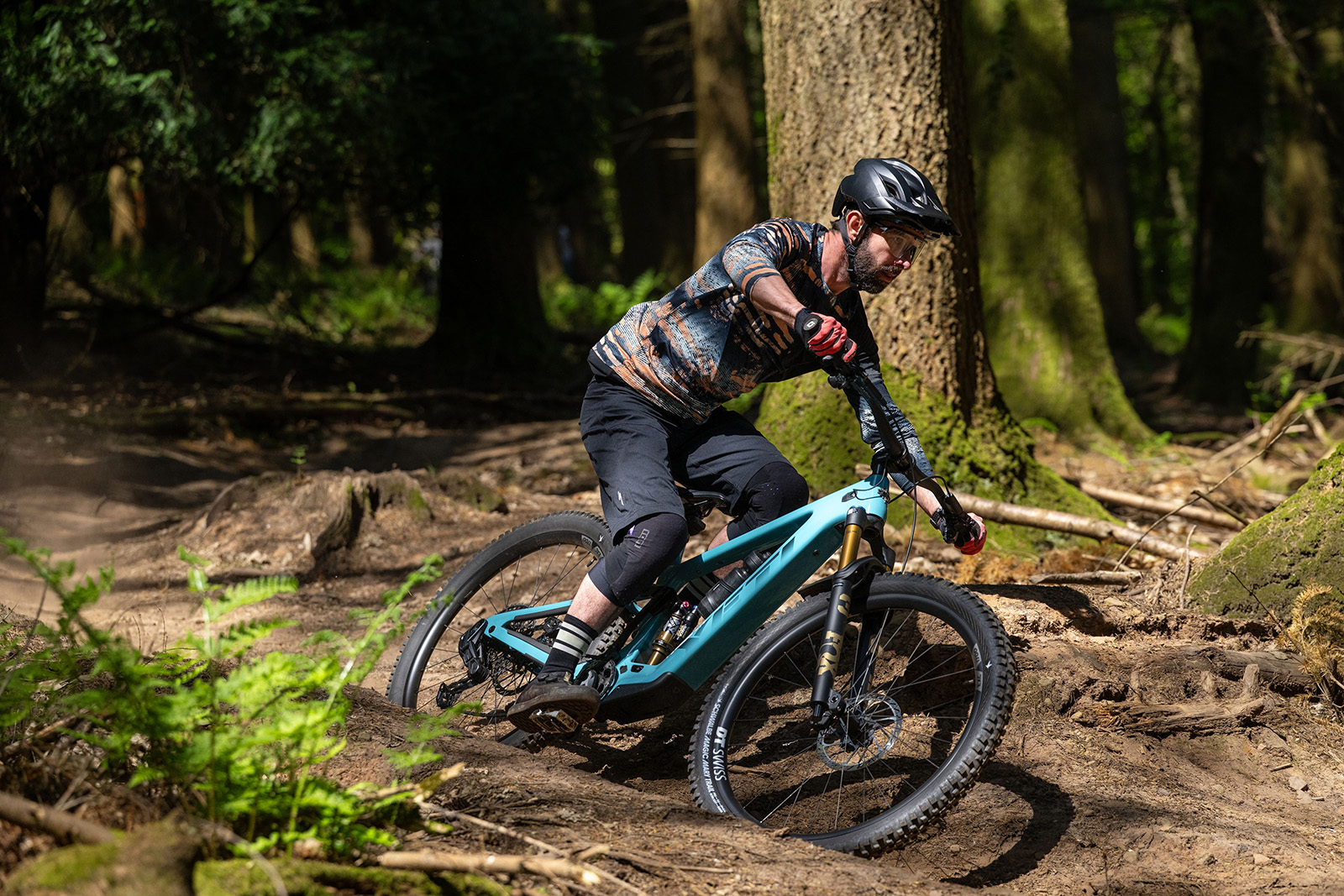
The new Yeti MTe uses the freshly announced TQ HPR60 drive unit, which has more power and torque than the TQ HPR50.
There’s now 60Nm of torque on tap and peak power of 350 watts.
Yeti opted for the new TQ motor because it enabled the brand to create a lightweight, mid-travel electric mountain bike, with a focus on ride quality and handling.
The MTe uses the latest Fox 36 fork with 160mm of travel. Andy Lloyd / Silverfish UK
With the priciest T4 build weighing in at a claimed 17.5kg, it could well be one of the lightest 145mm-travel eMTBs out there.
Battery capacity varies between builds, with two of the three spec options coming with a 580Wh battery, although the priciest and lightest MTe comes with a much smaller 290Wh – handy if you’re keen on keeping weight to a minimum.
However, considering most MTe builds weigh in the region of 19.6-20kg, which is almost identical to DJI’s full-power, high-capacity-battery Amflow PL Carbon, will riders be left wanting more?
Yeti MTe motor and battery details
TQ has updated its HPR motor, increasing torque and power. Andy Lloyd / Silverfish UK
The new MTe is designed to be all about the ride quality and handling, but with a little extra assistance thrown in for good measure.
To help achieve this, Yeti partnered with TQ and built the MTe around its new HPR60 motor.
This delivers 60Nm of torque, up from 50Nm in the first iteration of the motor, and a 17% increase in peak power, meaning it can now deliver 350 watts when needed.
Improved cooling should make the TQ motor more efficient. Andy Lloyd / Silverfish UK
TQ claims to have reduced noise, enhanced cooling and improved the integrated colour display.
At 1.9kg, it’s reasonably light and compact, too, ensuring brands such as Yeti aren’t held back when designing bike frames.
The TQ motor modes remain unchanged, with ‘eco’, ‘mid’ and ‘high’ to choose from via the small bar-mounted controller. There’s also a walk mode, should you need it. Of course, there’s an app to enable you to customise the modes.
The integrated top-tube display offers up masses of ride data to keep tabs on just about everything you’re doing on the bike, along with monitoring battery life and range. Andy Lloyd / Silverfish UK
According to TQ’s ‘performance curve’, the HPR60 motor has been designed to work across a broad cadence range, meaning assistance should be easy to maintain, no matter how fast or slow you’re spinning the cranks.
When it comes to battery options, Yeti is offering the MTe in three builds, two of which feature the largest 580Wh battery option.
The priciest and lightest MTe is the only bike to come with the smaller 290Wh unit.
The MTe comes with either the 580Wh or 290Wh battery, depending on which model you go for. Andy Lloyd / Silverfish UK
If you want more juice, TQ offers a 160Wh range extender.
Batteries can be removed and there’s a neat little storage slot for an AirTag should you want to keep track of the bike.
For context, though, bear in mind that the DJI Avinox drive unit – which is just over 600g heavier – delivers up to 120Nm of torque and a mind-melting 1,000 watts of peak power.
Yeti MTe frame and suspension details
Yeti’s Sixfinity suspension system controls the 145mm of rear-wheel travel. Andy Lloyd / Silverfish UK
The MTe delivers its 145mm of rear-wheel travel via Yeti’s well-established Sixfinity suspension system.
In the case of this bike, Yeti enables you to tune how progressive that 145mm of travel is (going from a plusher 14% up to a harder-to-bottom-out 25%) via flip chips in the lower shock mount.
Yeti gives riders the choice to tweak progression at the rear end. You can alter this by switching between the lower shock mount flip chip positions. Andy Lloyd / Silverfish UK
Yeti says the anti-squat figures (the suspension’s ability to resist pedal-induced bob) are higher than those of its full-power 160E eMTB to help keep the MTe suitably efficient and lively. The anti-rise numbers (the ability of the rear suspension to extend under braking) are said to “strike an ideal balance” between geometry preservation, suspension activity and rear-wheel traction.
With the intention of ensuring the MTe’s carbon frame lasts the distance, Yeti has included ‘Vectran plies’, a high-performance multifilament-like Kevlar, which have been added in areas that are likely to experience high impacts.
Yeti MTe geometry details
Neat little cable ports should help control cable rattle. Andy Lloyd / Silverfish UK
Yeti offers the MTe in four sizes, from small to extra-large, with reach figures ranging from 430mm to 505mm, all designed to work with a 160mm-travel fork up-front.
Head tube angles are 64 degrees across the board, while seat tube angles are suitably steep at 77 degrees for all sizes.
It’s easy to switch rear-wheel sizes and Yeti claims this can be done without disrupting the geometry of the MTe. Andy Lloyd / Silverfish UK
Chainstay lengths remain the same for each frame, measuring a claimed 449mm, while bottom brackets sit suitably low at 342mm off the floor.
Yeti includes flip chips (sorry Tom Marvin, I know you don’t like flip chips). These enable you to switch from the stock 29in rear wheel to a 27.5in hoop, without altering angles or proportions in the process.
All models get a RockShox AXS Reverb post. Andy Lloyd / Silverfish UK
Yeti offers three different build options, all featuring the same motor but differing battery sizes, SRAM brakes and drivetrains. All builds come with a RockShox Reverb AXS wireless dropper post.
Yeti MTe C2 Eagle 90 Transmission
The cheapest MTe C2 uses the same battery and motor, but comes with a lower spec. Andy Lloyd / Silverfish UK
Frame: Carbon, 145mm travel
Motor: TQ HPR60
Battery: 580Wh
Fork: Fox 36 Performance, 160mm travel
Shock: Fox Float X Performance
Drivetrain: SRAM Eagle 90 Transmission
Brakes: SRAM Maven Bronze
Tyres: Schwalbe Magic Mary Trail Pro 2.5 Radial Ultra Soft / Schwalbe Albert Trail Pro 2.5 Radial Soft
Weight: 20.09kg
Price: $9,850
Yeti MTe T3 X0 Transmission
If you’ve got deeper pockets, the T3’s spec is hard to fault, but it certainly doesn’t come cheap. Andy Lloyd / Silverfish UK
Frame: Carbon, 145mm travel
Motor: TQ HPR60
Battery: 580Wh
Fork: Fox 36 Factory GRIP X2, 160mm travel
Shock: Fox Float X Factory
Drivetrain: SRAM X0 Eagle AXS Transmission
Brakes: SRAM Maven Silver
Tyres: Schwalbe Magic Mary Trail Pro 2.5 Radial Ultra Soft / Schwalbe Albert Trail Pro 2.5 Radial Soft
Weight: 19.64kg
Price: $12,650
Yeti MTe T4 XX Transmission
Yeti’s T4 build uses a lighter 290Wh battery, tyres and suspension, along with other parts to keep the weight down around the 17.5kg mark. Andy Lloyd / Silverfish UK
The impressive suspension helps make the MTe a confident descender. Andy Lloyd / Silverfish UK
My time on the MTe was limited to around half a day, although that was spent on my local trails, which I know like the back of my hand.
Sadly, the UK distributor couldn’t provide the correct size for me (medium), so I rode the large. That means my ride impressions are a little limited, although I was able to comment on the motor and suspension performance easily enough.
Smooth and capable
While the TQ motor might not be as punchy as some, it still offers a decent amount of assistance on the climbs. Andy Lloyd / Silverfish UK
What is clear from the outset is the time Yeti has put into ride feel and handling has been well spent.
Yes, it’s a 20kg bike, but a 20kg bike that comes with very few downsides.
In a lot of ways, it’s like riding an enduro bike with plenty of grip and an impressive suspension feel. The motor’s assistance – which is far more subtle compared to a full-power equivalent – makes you feel as if you’re just back from a training camp at altitude and are fitter than ever.
As with other lighter-weight eMTBs, the ride experience is simply a different proposition from that of a bike with a big battery and high-powered motor – but that’s no bad thing, if that’s what you’re looking for.
An integrated chain guide helps to keep things running smoothly. Andy Lloyd / Silverfish UK
Pedal inputs aren’t met with instantaneous power, as they are on the likes of the DJI Avinox drive unit, but assistance kicks in quickly enough to ensure you can add those last-minute, hard-to-time bursts on tricky uphill sections.
It’s really quiet, too, maybe even the quietest electric mountain bike motor I’ve used, which adds to that natural ride feel.
In chattery, rough sections where you’re heavy on the brakes, the MTe feels very composed and predictable.
The supple suspension and low-slung weight keep the tyres gripping through the turns. Andy Lloyd / Silverfish UK
That 145mm of rear-wheel travel is controlled impeccably, offering plenty of grip through loose, flat turns, but more than enough ramp-up as and when the bigger hits start coming thick and fast.
It helps that the performance is well-matched up-front, with the new Fox 36 fork feeling smoother and freer to move, enabling it to work in sync with the rear.
Will you want more?
The rear suspension works really well under braking. Andy Lloyd / Silverfish UK
Answering this question is tricky. At a time when the motor capturing all the headlines produces nearly double the torque and almost triple the peak power, opting for something such as the MTe with the new TQ motor might be a bit of a hard sell.
It could be harder still if you ride in a group and all your mates are aboard full-power eMTBs.
But, right now at least, for those who are looking for a bit of extra help on the climbs and aren’t willing to compromise when it comes to handling, bikes such as the MTe are certainly worth considering. You will need deep pockets, though.
Rapha has released the Trail Finale MTB collection, its first clothing range aimed at gravity riding. The range comprises four new pieces, including £180 trail pants.
The range also marks the first update to Rapha’s MTB range since its original launch in 2021.
Rapha says it has taken inspiration from the Italian Riviera riding destination of Finale Ligure when designing the collection, and worked with professional downhill and enduro riders along the way.
The range consists of pants, shorts, gloves and a jersey, all said to take a more lightweight and hard-wearing approach compared to other items in Rapha’s MTB lineup.
The items are available in both men’s and women’s cuts, and are available to purchase now.
Race-ready gravity kit
New logos have been designed for the range. Rapha
Rapha has always been more aligned with roadies, with the brand only starting with mountain bike clothing in 2021, 17 years after it was first established in 2004.
Since then, Rapha has built up a good reputation with its mountain biking clothing, and this latest range looks to be up to par.
Rapha Trail Finale Pants
A more form-fitting cut is used on the pants. Rapha
Rapha says it has re-engined its Trail Pants, incorporating lightweight, abrasion-resistant materials for added comfort on long days in the saddle.
Cordura panels are used on the seat and knees to prevent rips and wear, while a seamless seat panel is said to prevent dirt ingress.
A buckle is now used for closure and is offset to prevent bunching around the waist when attacking the trails.
Rapha says the Gravity-style fit allows comfortable and unrestricted movement, and increases room for knee pads.
The Rapha Trail Finale Pants are priced at £180 / $230 / €205, which is on the price side compared to other mountain bike pants.
Rapha Trail Finale Windblock Jersey
The Jersey is available in limited edition prints. Rapha
The Windblock Jersey is said to be a versatile trail top designed for trails and bike parks.
It has wind and splash-proof panels to keep you dry and warm when riding on wet trails.
This also benefits from a gravity-oriented fit, which sees greater coverage compared to other mountain bike jerseys in Rapha’s lineup.
The Trail Finale Windblock Jersey is priced at £110 / £135 / €125.
Rapha Trail Finale Shorts
The one-piece seat panel is said to improve comfort on wet days. Rapha
The Trail Finale Shorts borrow many of the features and styling from the Pants in this range, including the Cordura panels on the seat area and seamless panel.
The waistband of the shorts has also been updated, not featuring the offset closure, and Rapha says zipped side pockets maximise storage.
Rapha’s Trail Finale Shorts are priced at £130 / $165 / €150.
Rapha Trail Finale Gloves
The Trail Finale Gloves are designed for greater protection on gnarlier trails. Rapha
Rapha says the Trail Finale Gloves offer breathability and lightness while retaining good durability thanks to the Cordura fabric on the back of the hand.
Efforts have been made to cut down the bulk of the gloves, with Rapha saying you forget you are wearing them.
Intend has released its new OnePiece inverted fork, with the upper milled from a full billet of 7075 aluminium and featuring ‘Tech-Taupe’ Nucocomp hard anodisation to avoid visual wear.
Considering the German brand’s distinct and rare designs (if you want a pair of its Trinity brakes, you’ll have to wait for a batch to drop, much like high-fashion streetwear), it appears Intend hasn’t made the OnePiece with the mass market in mind.
Priced at €3,299 (including 19% German VAT), the fork is aimed at high-end enduro and trail builds, with travel said to range from 140 to 170mm.
It’s not Intend’s first foray into the world of inverted mountain bike forks, with the brand already making an array of options spanning from lightweight downcountry to dual-crown downhill.
This happens to be the prettiest of the lot, with the OnePiece having a clean design that could leave all other inverted forks on the market looking dated.
Get it while you can
Intend uses ‘Tech-Taupe’ Nucocomp hard anodisation to fend off scratches. Intend
We first saw the fork teased at the Riva Bike Festival earlier this year, but it wasn’t clear if the fork would go into production.
While you will be able to buy the OnePiece fork, it looks as though it will be a rarity, so don’t expect to see many at your local trail centre.
Intend is only taking pre-orders over a limited two-week window and there’s likely to be a wait time on delivery.
The milled aluminium is still visible in the finish. Intend
Inside the fork, Intend says it uses its Optimised Closed damping cartridge and Travelizer Air Spring, and the internals are identical to those used on all of its top-tier gravity forks.
As with the rest of the brand’s components, the OnePiece is designed, engineered and tested in Freiburg, Germany, with the OnePiece assembled in-house by hand.
The OnePiece design is super-sleek. Intend
The fork has a claimed weight of 2,310g, although it’s not specified which travel option this is for.
We’ve seen inverted forks become more popular recently, with Fox currently testing a prototype in its RAD programme, with riders such as Richie Rude spotted riding the fork.







 TRIBE RC Epic Chase Race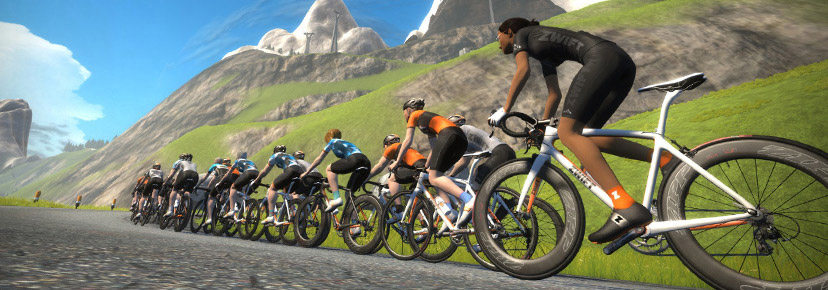
 Unique Event
  The Rhino Classic