
See zwiftinsider.com/tiny for current Tiny Race details.
Category Archives: Bikes
DJI’s Avinox eMTB motor is better in every respect, but I’d still buy a Bosch-powered bike for one reason
Like most electronics, ebike motors are subject to fast-paced change and development, whether that’s power increases, reduction in battery size and weight, better integration or simply increased reliability.
But choosing the right eMTB motor – and the bike it’s fitted to – has become ever more difficult because tech leaps forward at such a pace.
After a 2021 software power update, taking peak figures to 85Nm and 600W, Bosch’s Performance Line CX motor enjoyed supremacy for several years.
In mid-2024, Chinese drone and camera manufacturer DJI disrupted the market with the Avinox drive unit. Peak power and torque figures – 1,000w and 120Nm respectively – dwarfed Bosch’s numbers, and the Avinox quickly became the must-have system.
At launch, it was only available on DJI’s own bike – the Amflow – but that’s now changed. Crestline, Forbidden and Unno, among others, are selling Aninox-equipped models, and there are rumours of more to come.
While the Avinox avalanche is in full flow, Bosch has responded with the Performance Line CX-R and a software update reserved for the latest Gen 5 CX motor.

This upped torque and power to 100Nm and 750W, going some way to keeping the German manufacturer in touch with the Chinese behemoth.
Of course, power and torque figures aren’t the whole story. How that power is delivered is just as important, as are reliability, repairability and warranty, functionality, battery life and weight, along with how good any companion smartphone app may be.
Anyone considering buying a new eMTB is likely to be looking at bikes with one of these two motors fitted, so I set out to find out which is the best and most worthy of your cash.
DJI Avinox M1 vs Bosch Performance Line CX-R details and specifications
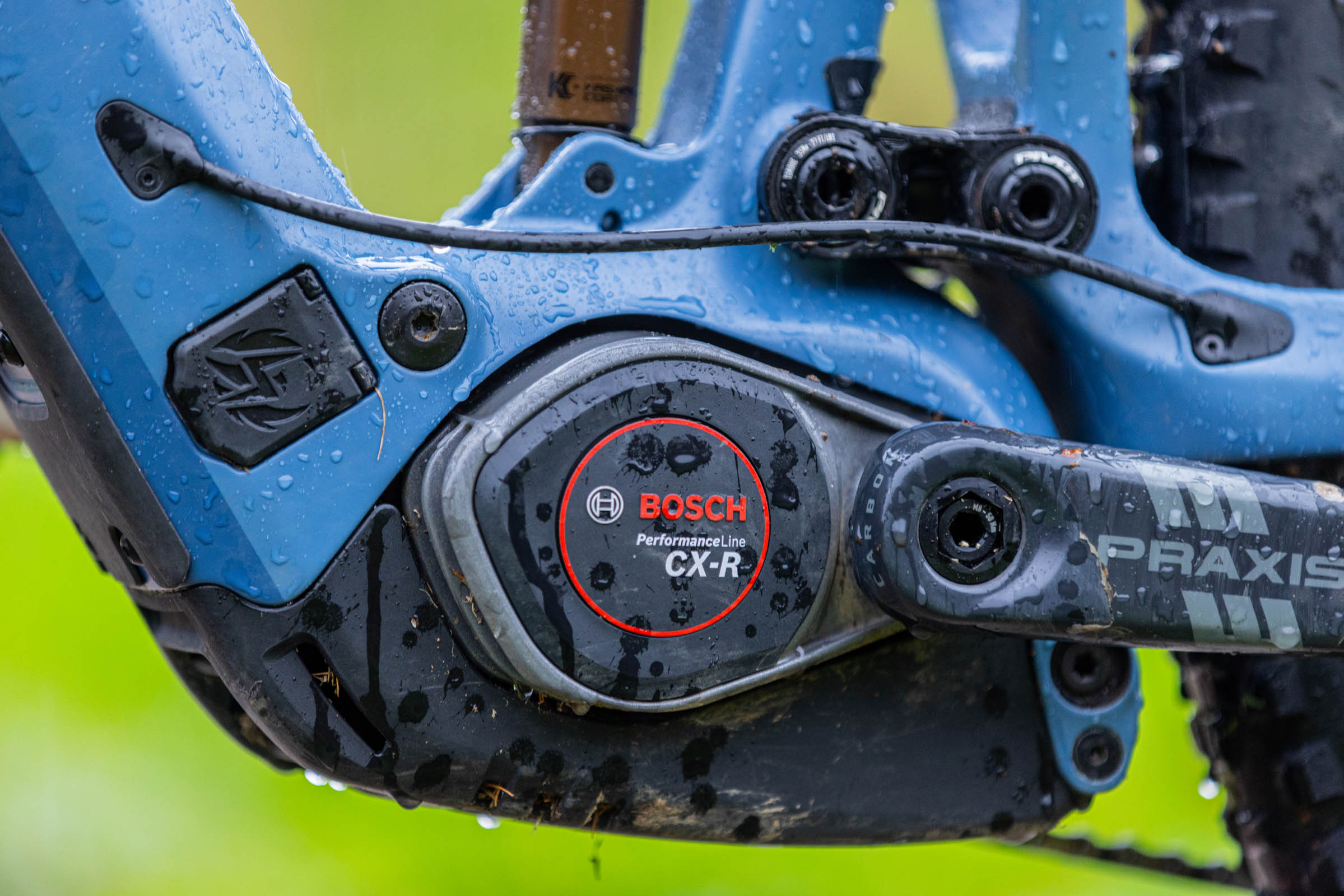
Headline power and torque figures are the ebike’s equivalent to the cherry sitting atop a cake.
While the cherry is important, and the ingredient that’s most likely to tempt you, it shouldn’t be the biggest consideration – there’s plenty more to the cake, as there is an ebike motor.
DJI’s Avinox boasts the biggest figures on the market, maxing out at a whopping 800 per cent support ratio, 120Nm of max torque (and 105Nm of continuous torque) and 1,000W of peak power.
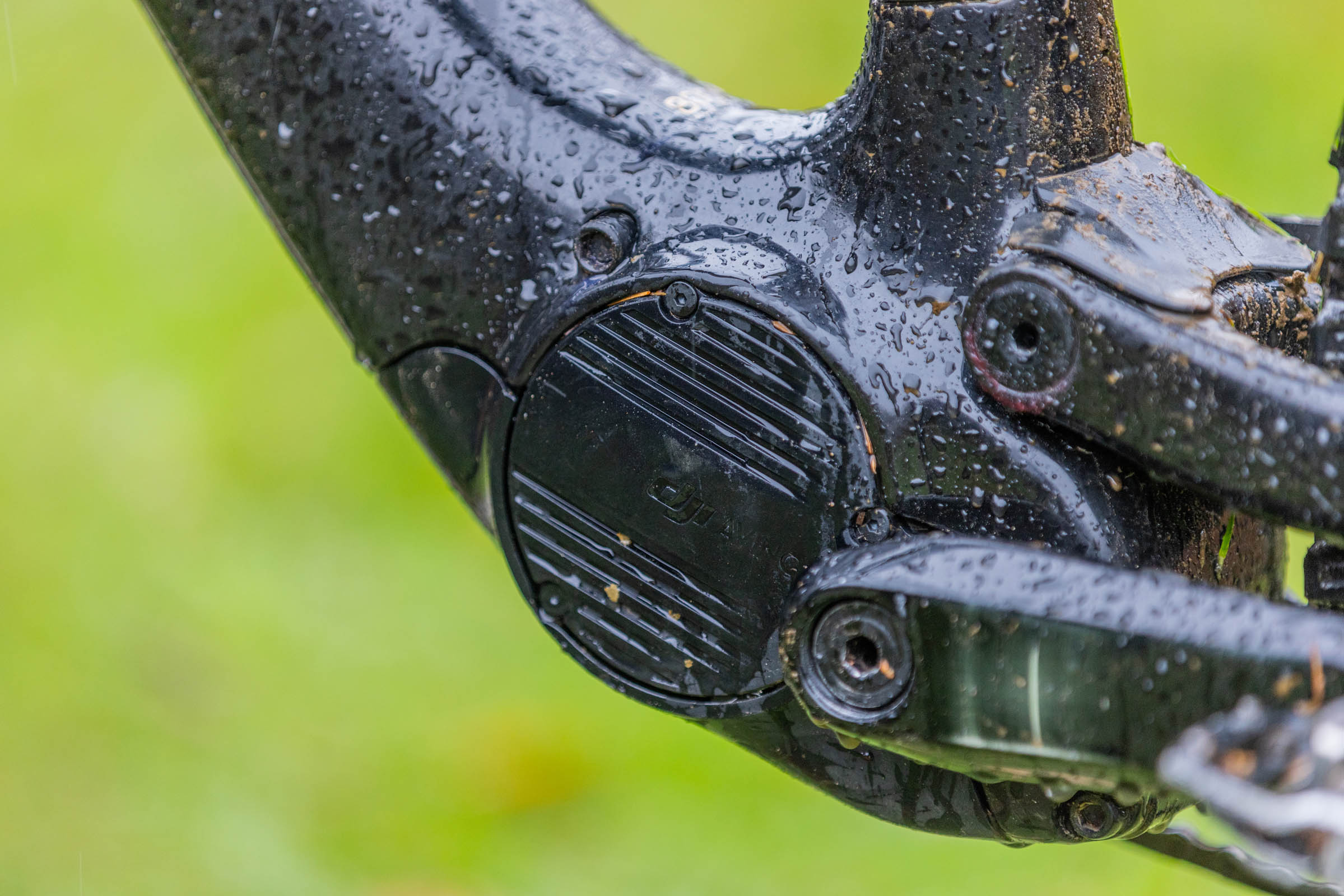
In the Avinox’s case, if the rider puts in 100W of power, the motor will supplement your power with an additional 800W.
The Bosch Performance Line CX-R – and the standard Gen 5 CX after its mid-2025 update – maxes out at a 400 per cent support ratio, 100Nm of torque and 750W of peak power.
In the Bosch’s case, if you put in 100W of power, the motor will contribute 400W.
Mixing modes
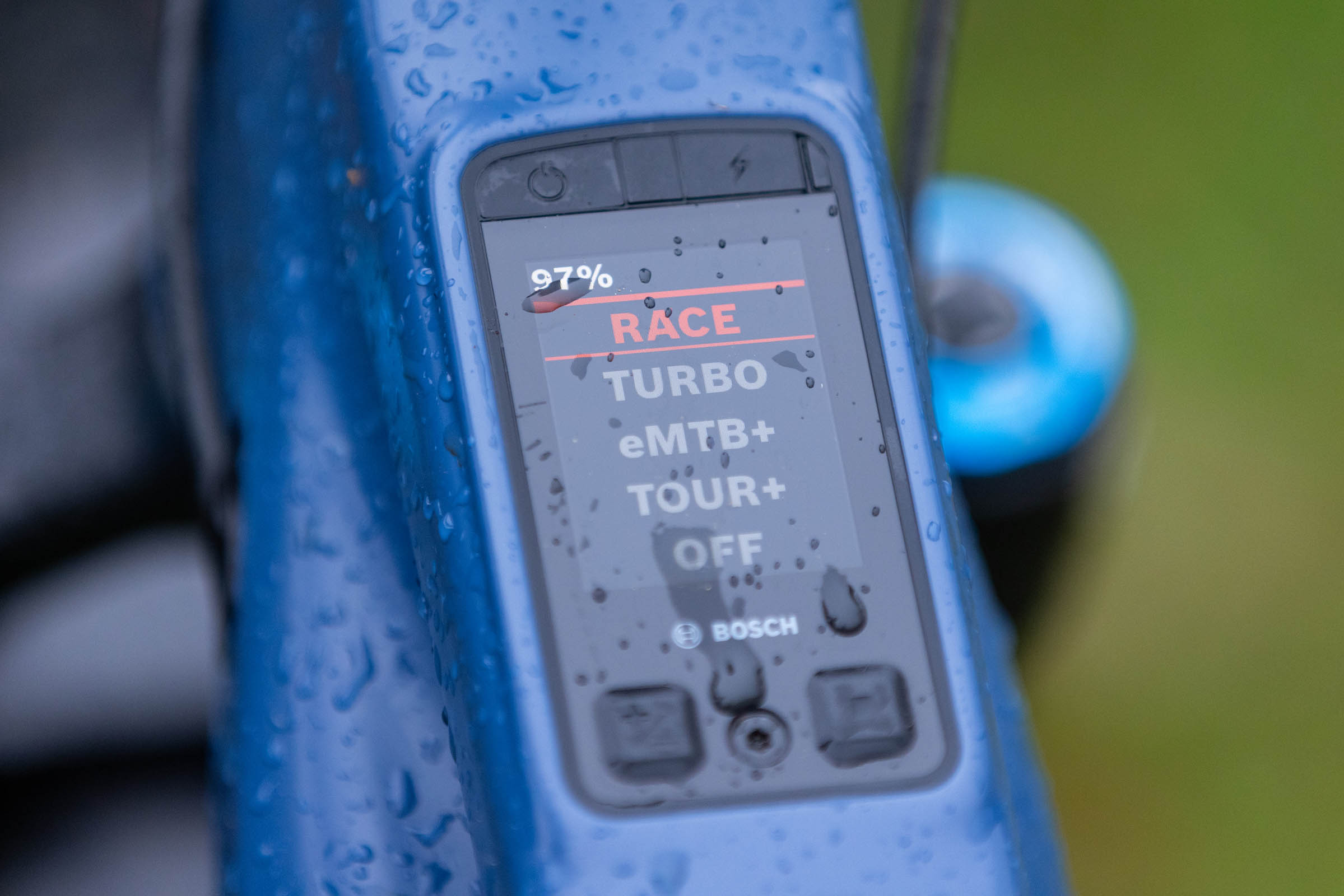
Bosch’s different assistance modes give riders plenty to choose from.
From the toned-down Eco up to newest, blazing eMTB+ setting, the Performance Line CX can be tuned to respond to rider input by reactively increasing or decreasing assistance or output power using in-built sensors. There are standard, non-adaptive modes, too, including Eco, Tour and Turbo.
Each mode’s characteristics can be tuned in the accompanying smartphone app, resulting in plenty of customisation and the ability to blend battery life and power according to your needs.
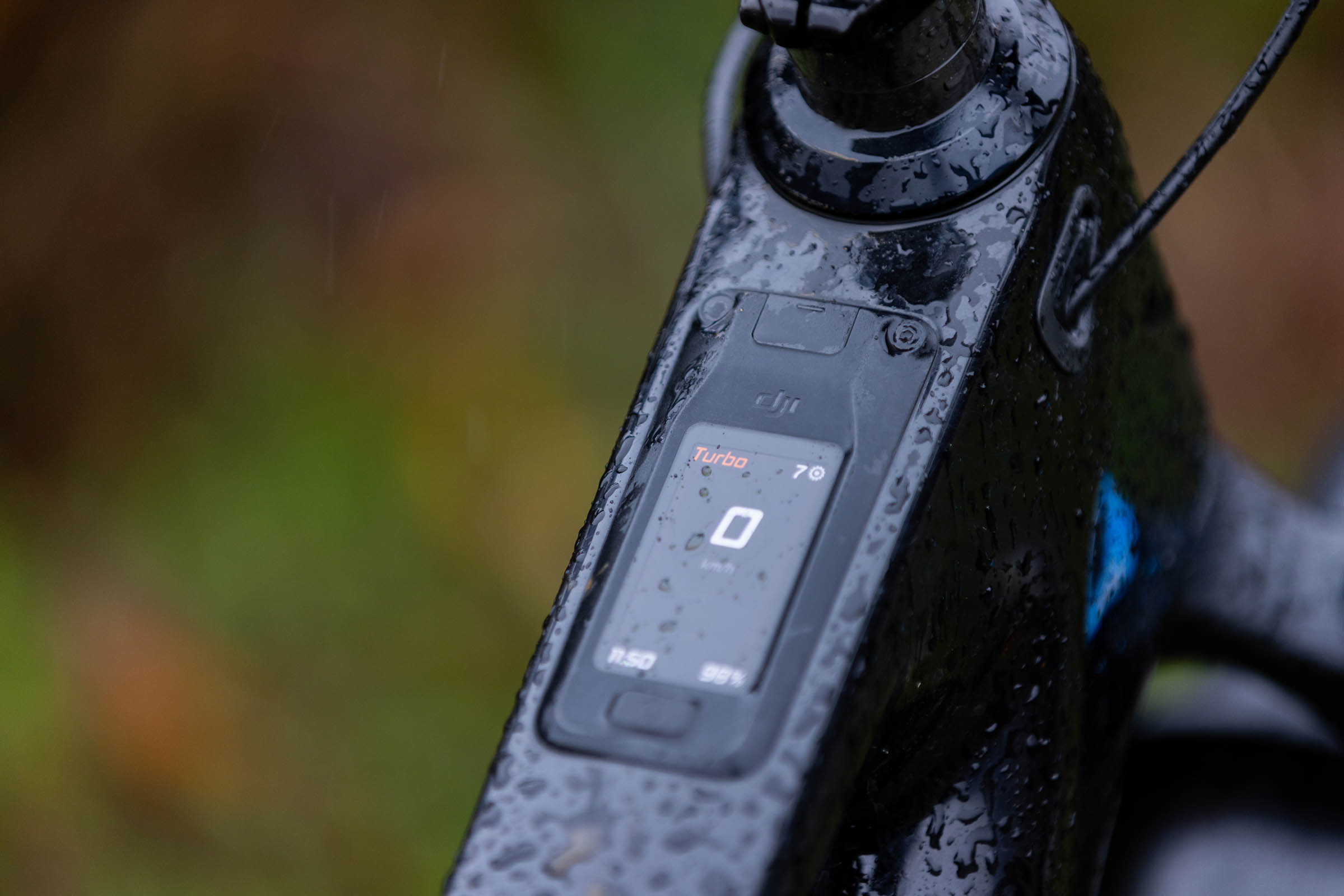
The Avinox has four main modes. All except Eco can access 105Nm of torque and 1,000W of power.
There’s also an Auto mode that uses sensors to tune the motor’s output on the fly. A time-limited Boost function throws the entirety of the Avinox’s armoury at the trail, accessing 120Nm of torque for up to 60 seconds.
| All figures claimed | DJI Avinox M1 | Bosch Performance Line CX-R |
|---|---|---|
| Motor power (peak) (watts) | 1,000 | 750 |
| Motor torque (peak) (Newton meters) | 120 | 100 |
| Support ratio (per cent) | 800 | 400 |
While all the motor’s outputs can be adjusted within DJI’s smartphone app, the onboard touchscreen display enables you to do the same. But if you want to ride an Avinox-equipped bike further than an initial 100km, registering your bike for the first time via the smartphone app is mandatory.
Once that’s complete, you don’t have to keep your phone with you or keep the app installed.
High-tech sauce
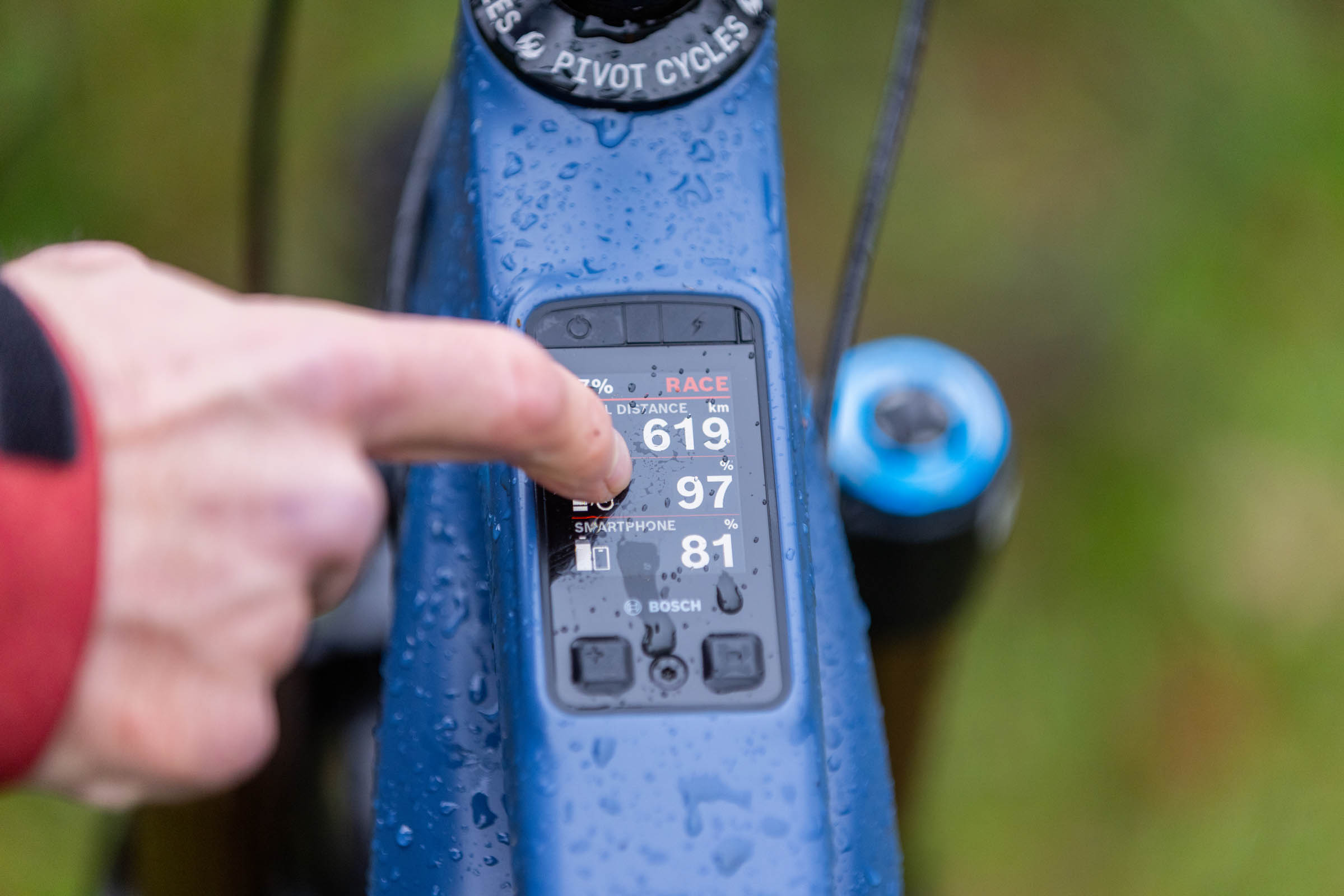
While the two motors’ modes are similar in intent and functionality, switching from Bosch to DJI feels as if you’re going from a 56k dial-up modem to full-fibre broadband.
DJI has taken the slick ethos of its cameras and drones and ported it to ebikes. There are user-operated battery-health tools, rapid charging, bike-theft protection, customisable data screens, the deepest level of power, torque, overrun and drivetrain-protection features, freewheel gear shifting and motor-tilt angle power cut-off.
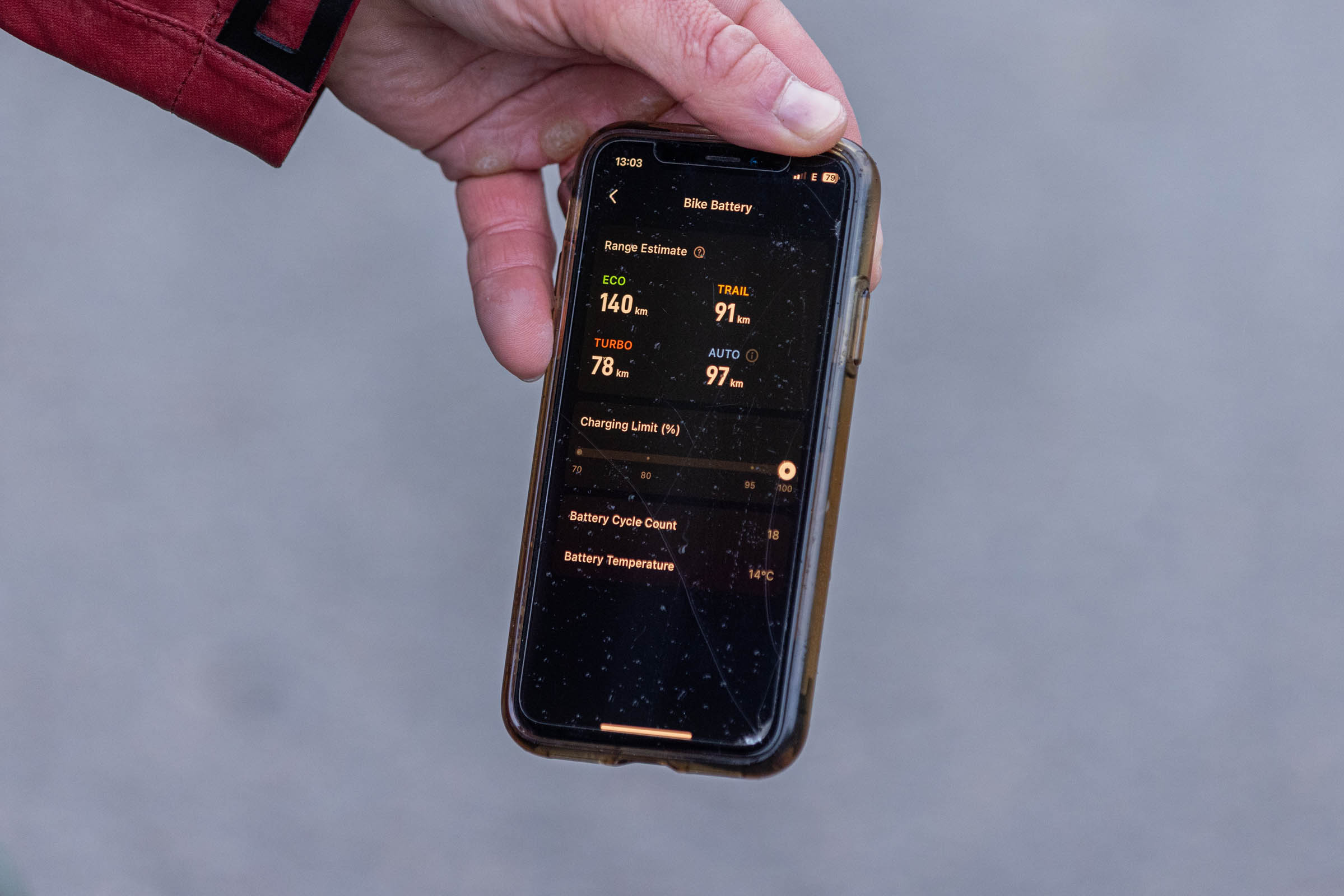
Bosch’s Smart System is hardly lacking in features, though, you just need to have your phone with you to make any meaningful changes.
Theft protection, data-screen customisation, ride recording and even navigation (on compatible screens), along with mode assistance tuning, are possible. However, the brand’s system feels more like something that’s been built and added to over iterative updates rather than redesigned from the ground up.
On the scales
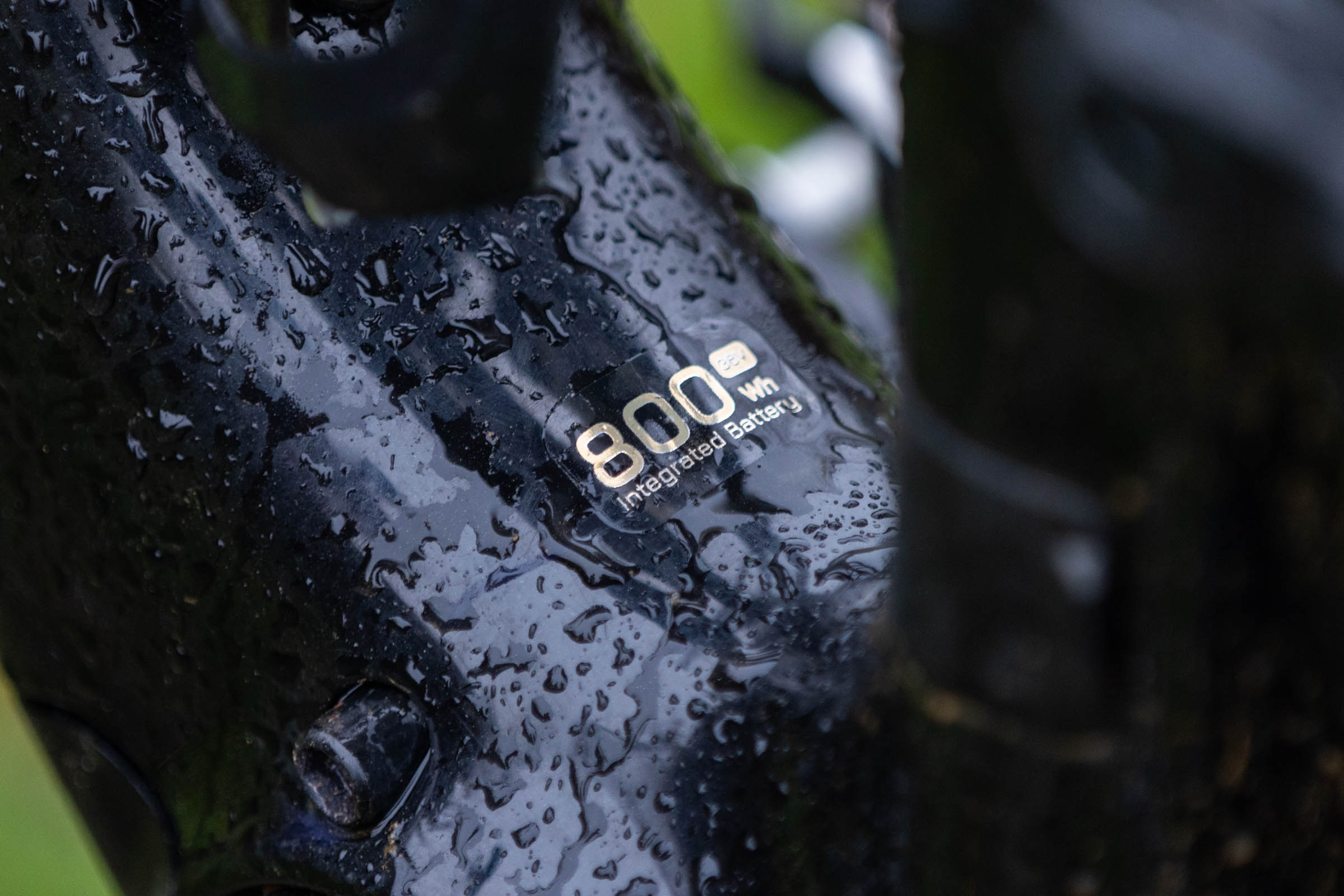
DJI’s motor and batteries are lighter than Bosch’s. Weighing a claimed 2.52kg, the Avinox M1 is 178g lighter than Bosch’s motor. For the same battery capacities – 600Wh and 800Wh – DJI comes in 130g and 160g lighter respectively. DJI’s batteries are also slimmer than Bosch’s, with Avionx-powered bikes having a much sleeker silhouette.
| All weights claimed | DJI Avinox M1 | Bosch Performance Line CX-R |
|---|---|---|
| Motor Weight (g) | 2520 | 2700 |
| Battery Weight (600 Wh) (g) | 2900 | 3000 |
| Battery Weight (800 Wh) (g) | 3700 | 3900 |
Where DJI trumps Bosch in weight, Bosch offers significantly more battery-capacity options, including the 250Wh PowerMore range extender.
Our two bikes
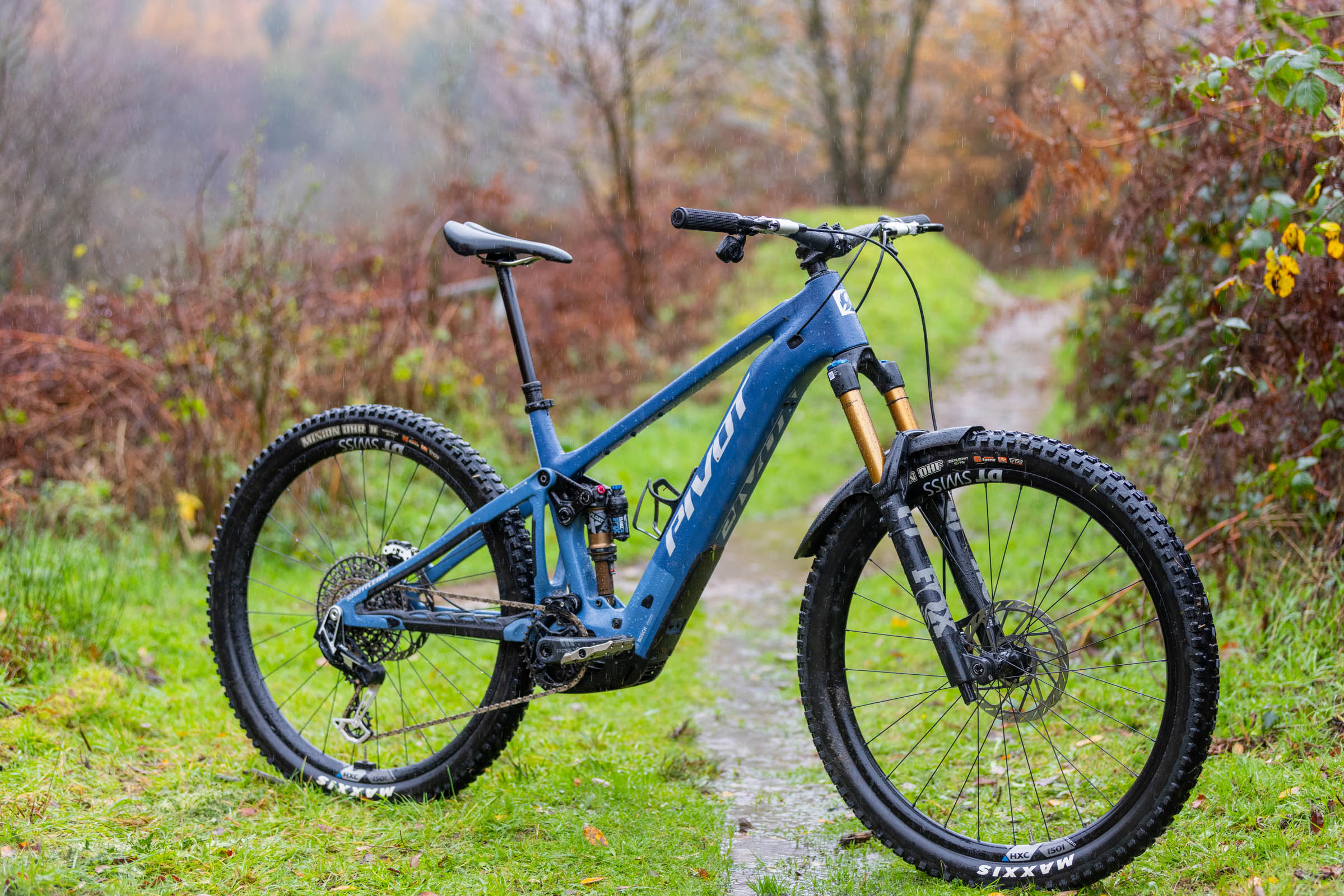
It’s currently impossible to swap ebike motors and batteries between bikes – each model in a brand’s range is built around a specific motor, its mounting patterns and shape, and the same applies to the battery.
While I’d have loved to ride two identical bikes with the two motor systems, that’s not a practical possibility, so I’ve managed the next best thing.
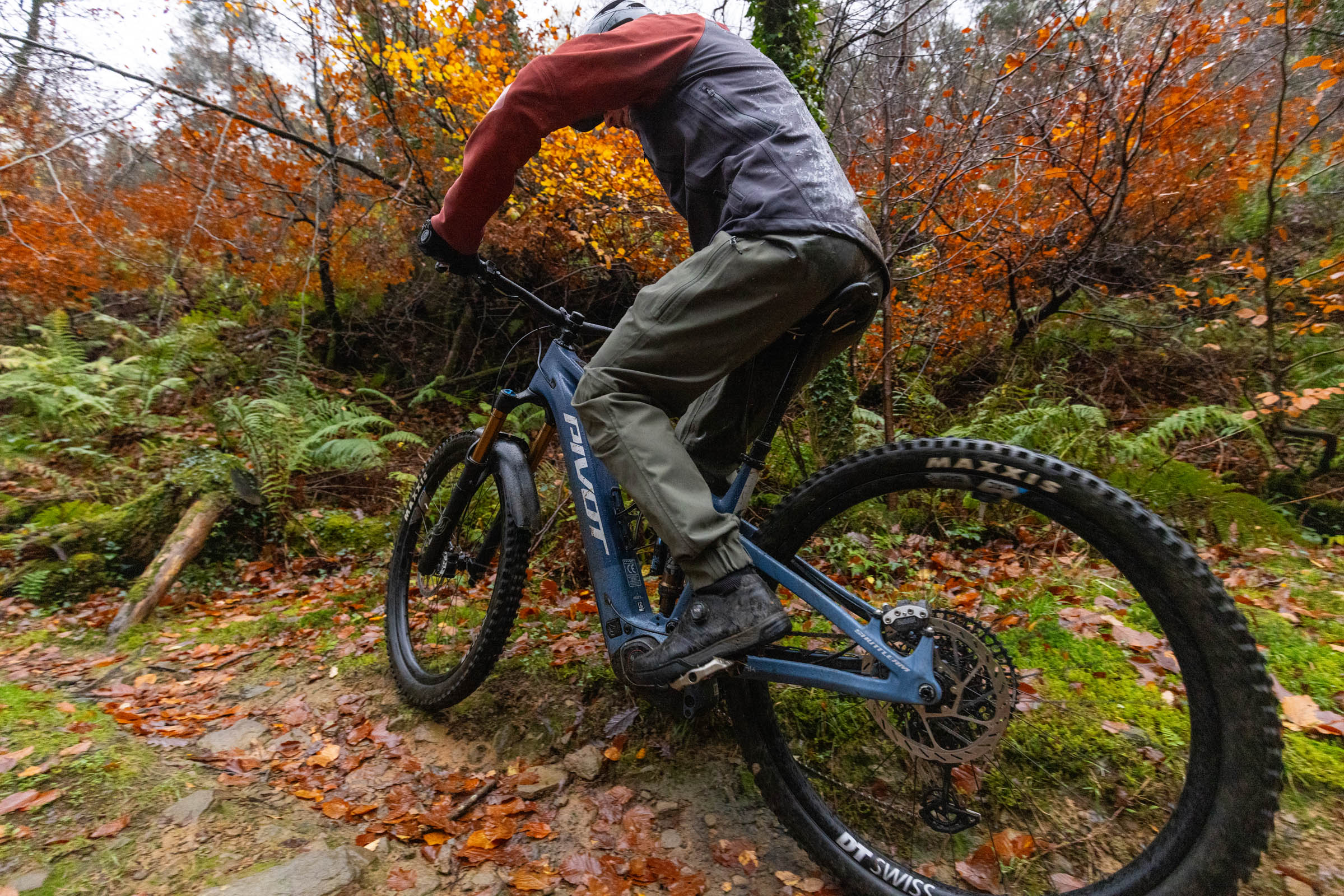
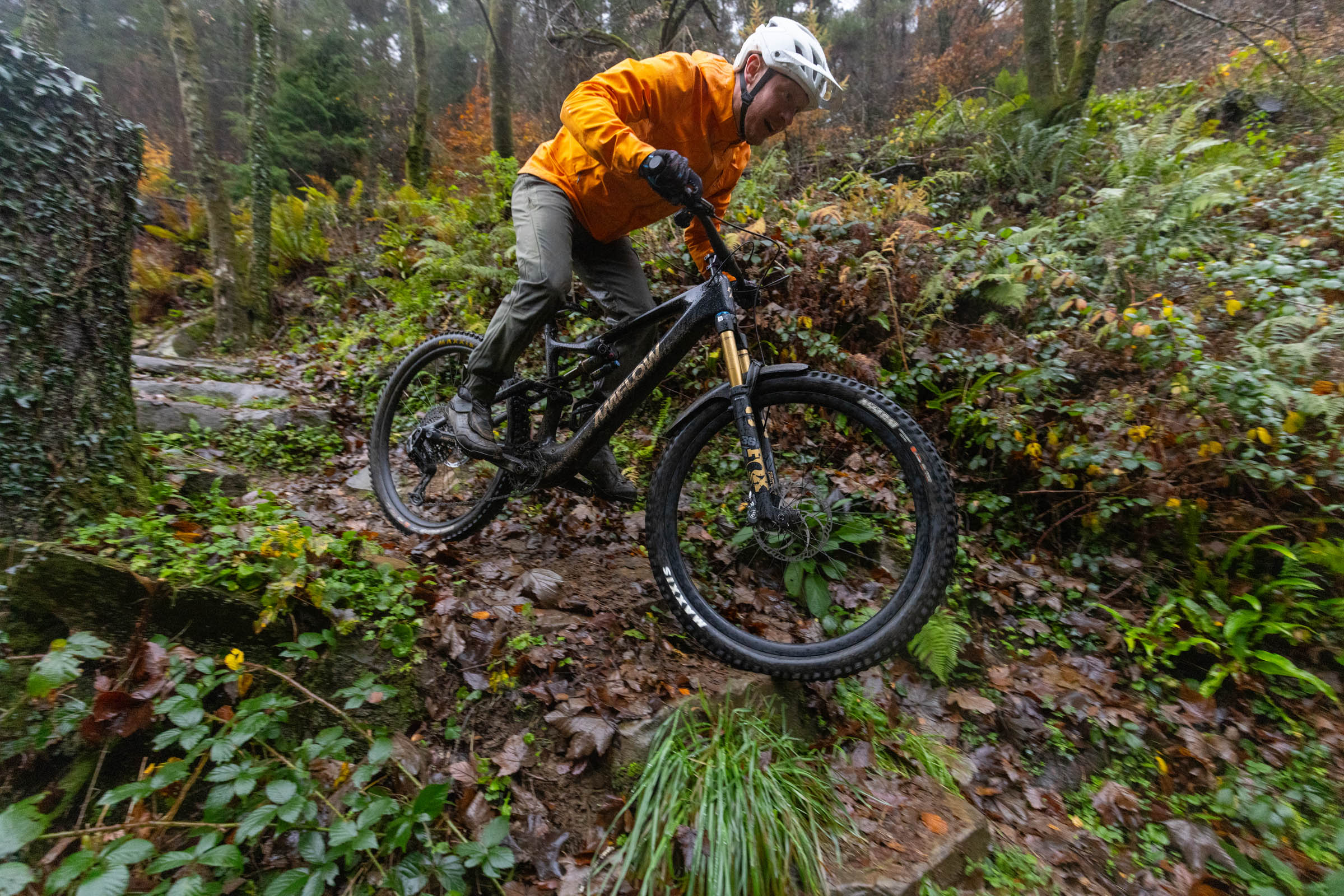
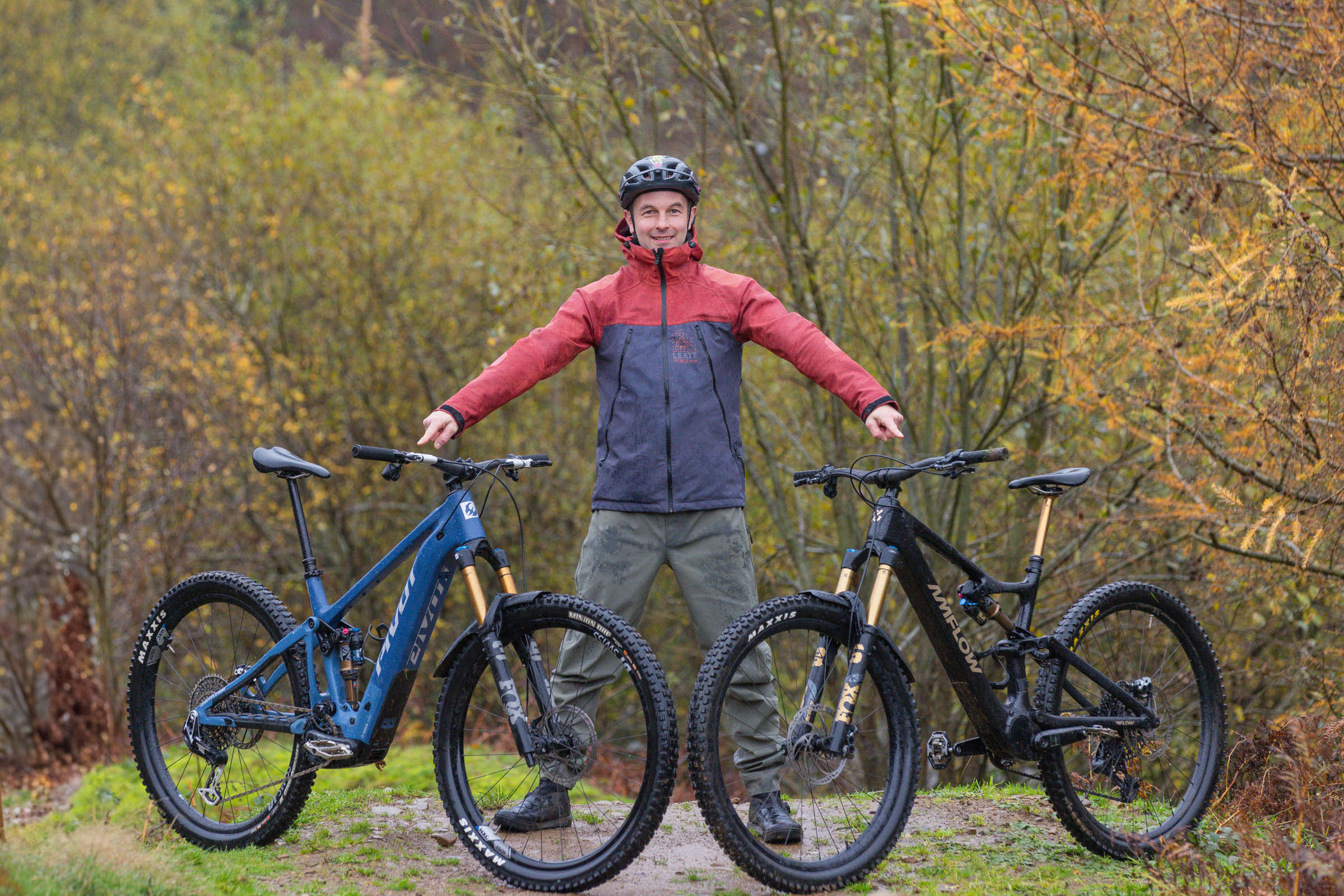
The two bikes – DJI’s own Avinox-equipped Amflow PL Carbon Pro and Pivot’s Shuttle AM Team XX Eagle Transmission – share the same trail-bike intentions, with a 160mm fork and 150mm-travel rear end.
Both also have an 800Wh battery and each brand’s range-topping motor. In the Amflow camp, there’s only one Avinox motor available, while the Pivot is fitted with Bosch’s Performance Line CX-R, which is the lightest and most powerful model.
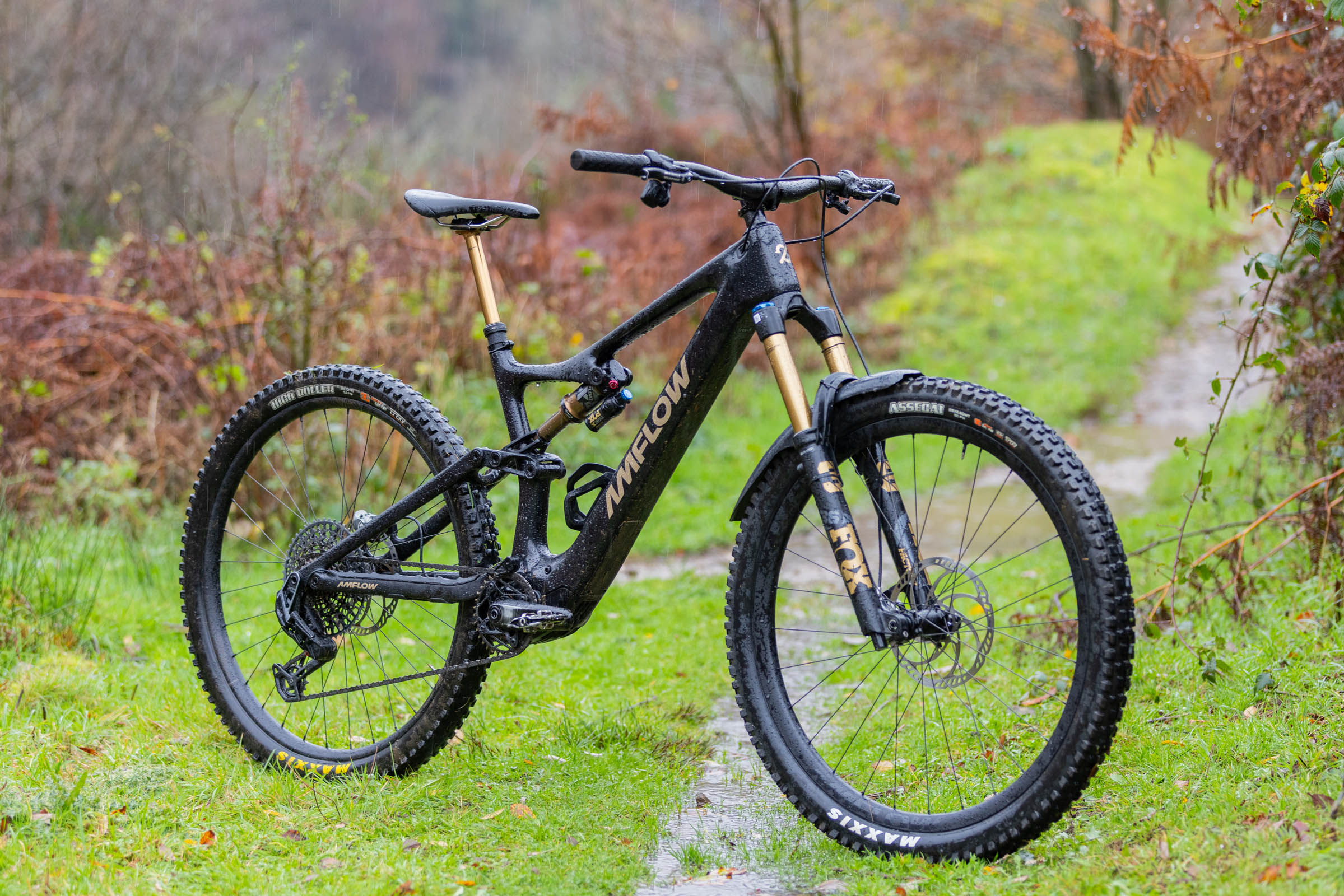
Elsewhere, the bikes are decked out with the usual kit – Fox dampers front and back, SRAM’s Transmission, carbon fibre wheels and Maxxis tyres all make an appearance.
On the scales, the Amflow PL Carbon Pro weighs 21.55kg (size large, without pedals), while the Pivot Shuttle AM Team XX Eagle Transmission is 22.62kg (size large, without pedals).
This makes the motor comparison about as fair as possible, all things considered.
How I tested

Both bikes were ridden back-to-back on the same trails, in the same conditions during the test period, to analyse everything from battery life and range through to usability, reliability and customisation.
However, without custom dyno equipment, it’s impossible to verify the claimed outputs of each brand’s motor.
It’s not only the figures that count, though – it’s out on the trails where it matters, and that’s what I’ve reported on.
DJI Avinox M1 vs Bosch Performance Line CX-R performance
Unsurprising dominance
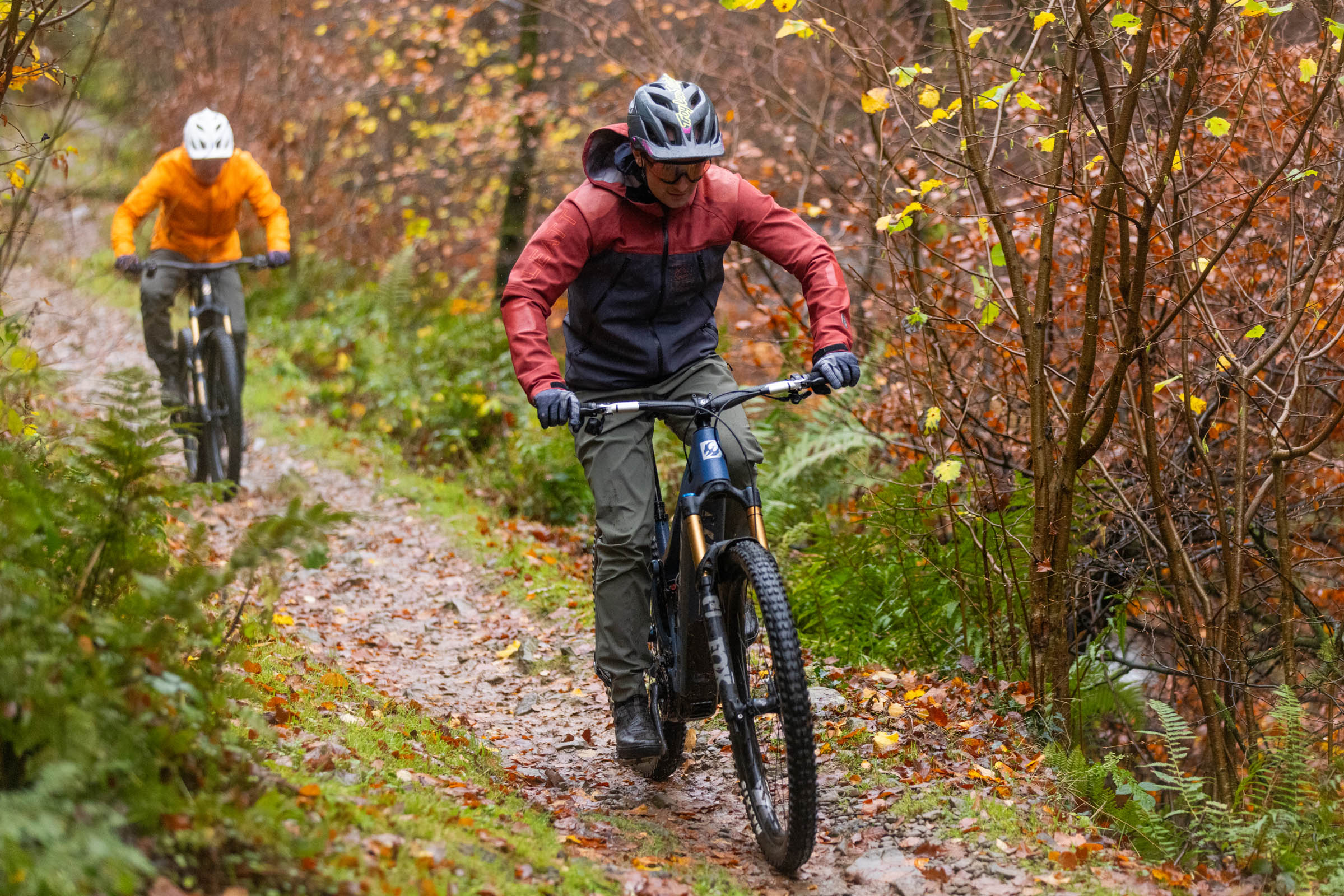
The hype around the Avinox motor is to be believed.
Its power and feel outshine other ebike systems in the same way a luxury car does its budget counterparts, feeling better in almost every way.
But there’s more to how it rides than the simple arms race of more, more, more.
There’s a refinement to the Avinox’s power-delivery algorithm that mimics how our bodies interact with a bike.
Even in the highest modes with all the settings turned up, there’s a preliminary softness to its power. It’s sensitive to the nuances of rider input, which is something other motors can struggle with.
Initial power delivery doesn’t spike with a full-torque disregard for rider control or rear-wheel traction.
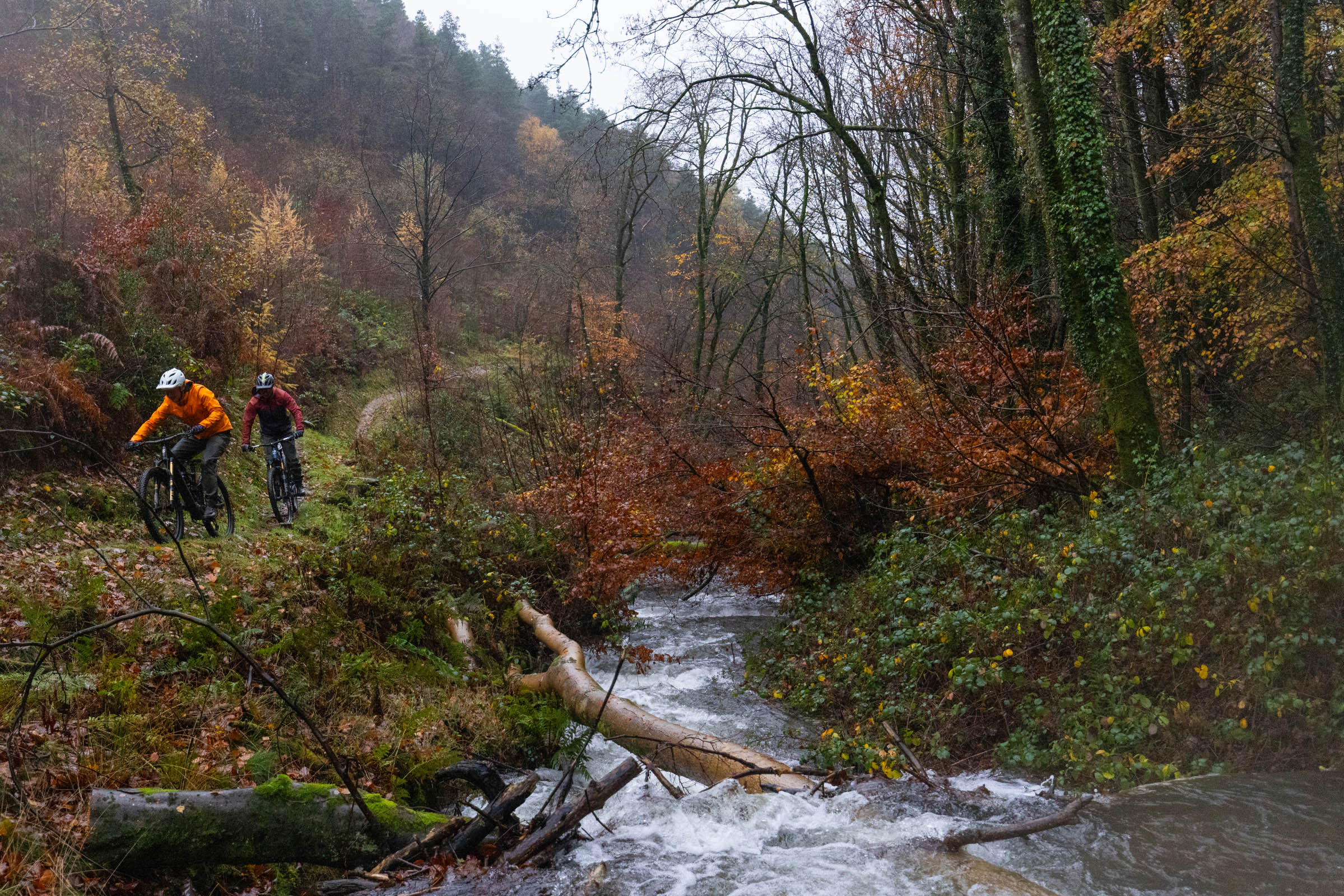
Instead, support eases in progressively but quickly, up to its full output. This gives you time to gather your thoughts and gain control – instead of going all-out from your initial pedal stroke, you ramp up your effort.
It’s this sympathetic human/bike relationship that’s most striking when you first use an Avinox motor, and one you may end up taking for granted until you try a different system.
But, like any machine, it can be a handful if you operate it poorly. Pedalling hard at inopportune moments causes wheelspin or front-wheel lift, but even the least powerful ebikes can be ridden unsympathetically.
Man and machine
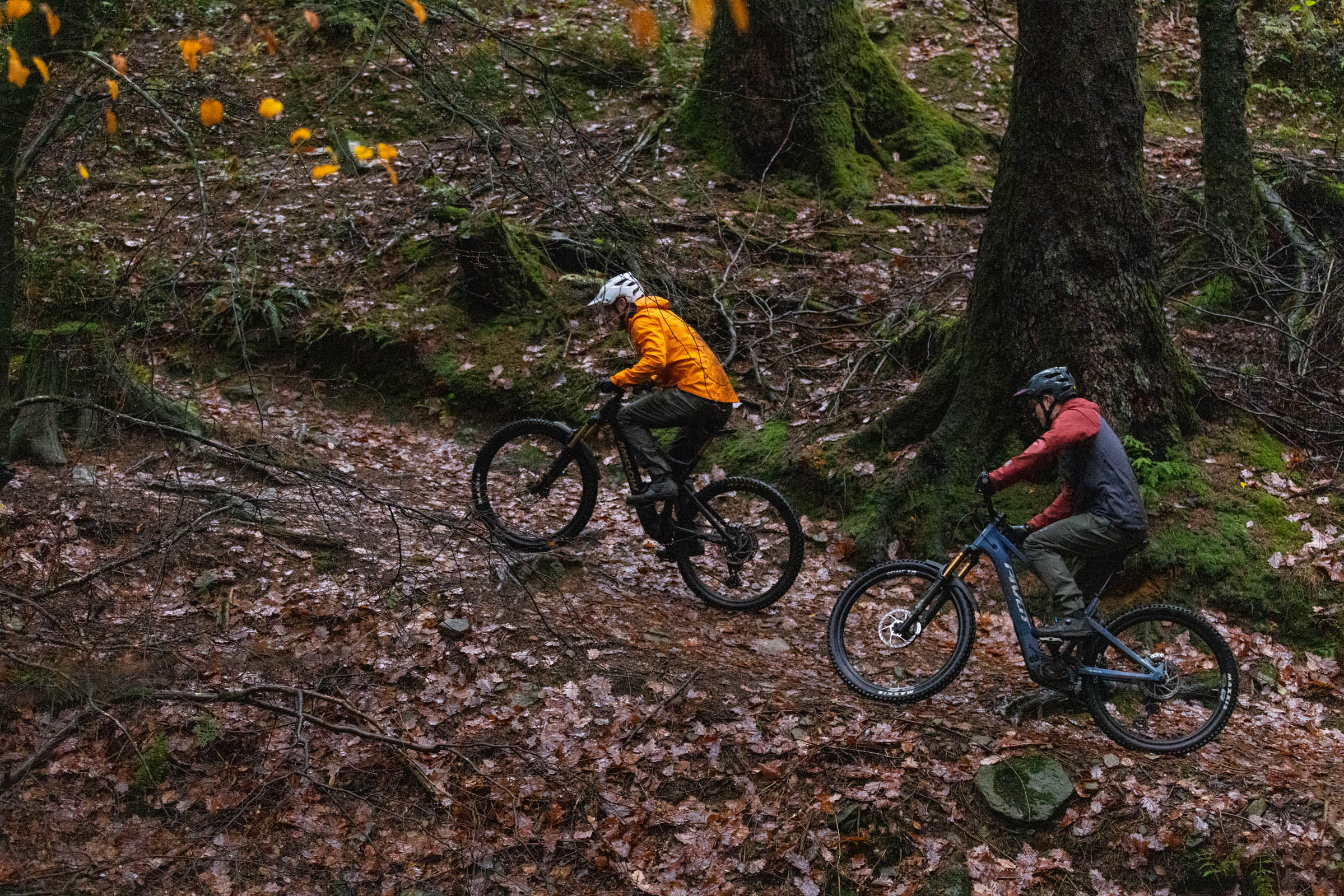
Bosch’s Performance Line CX motors have always had a reputation for being the most ‘human’ like and the same is true of the latest CX-R.
It has a similarly controllable power delivery as the Avinox – it’s gentle at first, then builds with torque and watts as the rider does, but its crescendo of outright performance falls short of the Avinox’s lofty – and sustained – thump.
While the gentleness of the Bosch and Avinox are to be commended – delivering impressive initial and continuous grip – it’s the Avinox’s outright grunt that gives it a conquer-all feel.
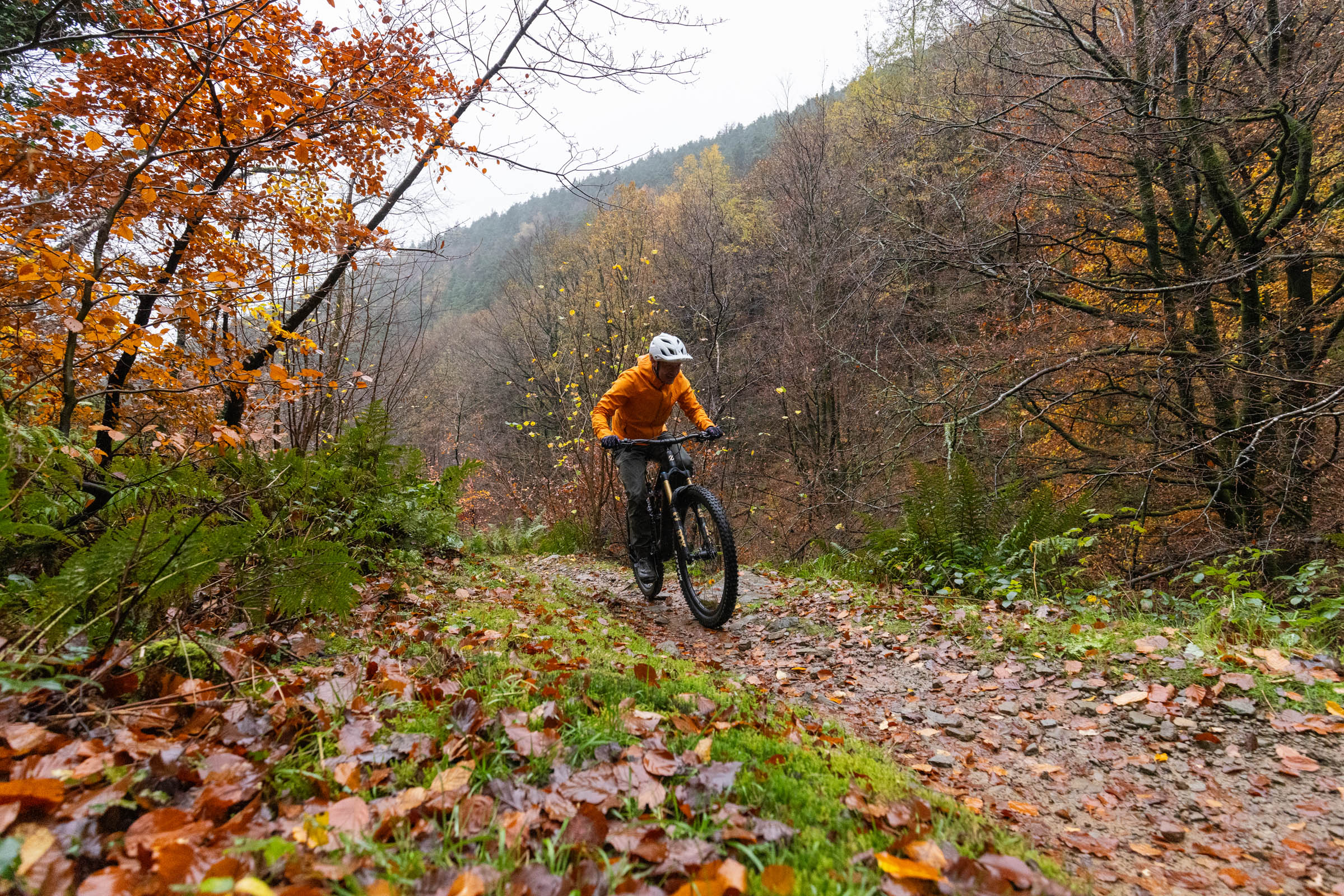
Steep technical climbs can be ridden faster and with more conviction on the Avinox. Lifting the bike up a step or over some dicey rocks or roots is easier, not only because you can carry more momentum into any given section, but because topping up the bike’s speed is easy.
In theory, Bosch’s Race mode – reserved exclusively for the Race motor – should edge that drive unit ahead in terms of response time and sensitivity, but its initial support is overwhelming.
The lightest tap of the cranks propels the bike forward with an all-or-nothing blast of speed. That’s fine when traction is good, but as soon as it’s slippery or the terrain is uneven, it makes it much harder to control.
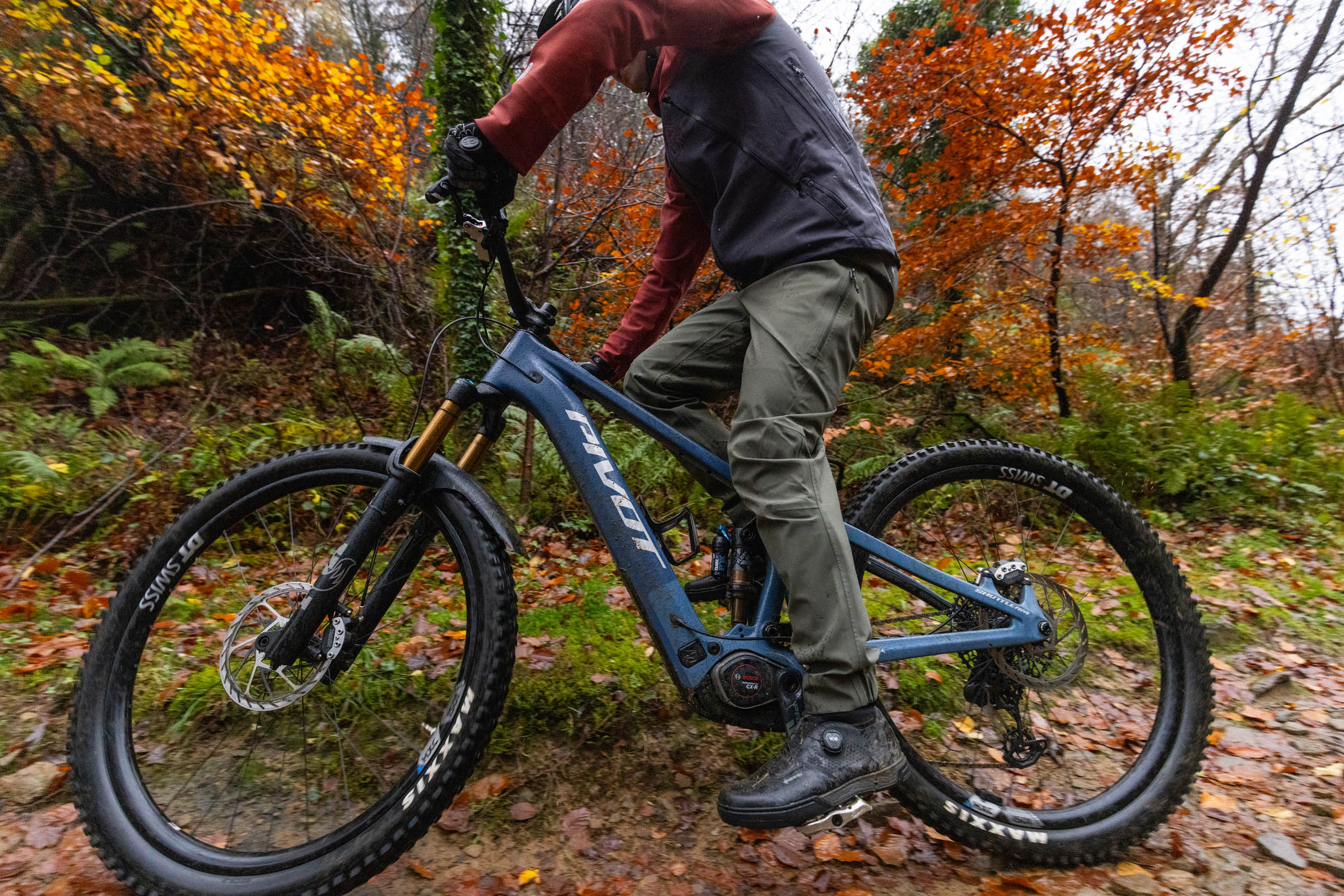
Dialling the Bosch back to Turbo or eMTB+ mode flattens this abrupt on-off feel, but neither Race, Turbo or eMTB+ modes have any more power than each other, or – importantly – the Avinox.
The Avinox’s taper to full chat, more power and generous support ratio culminates in a package that makes cleaning some of the wildest sections a visceral reality. And if the motor’s full-power setting is too much to handle, dropping it down to Auto makes it a more manageable beast.
Speed limits
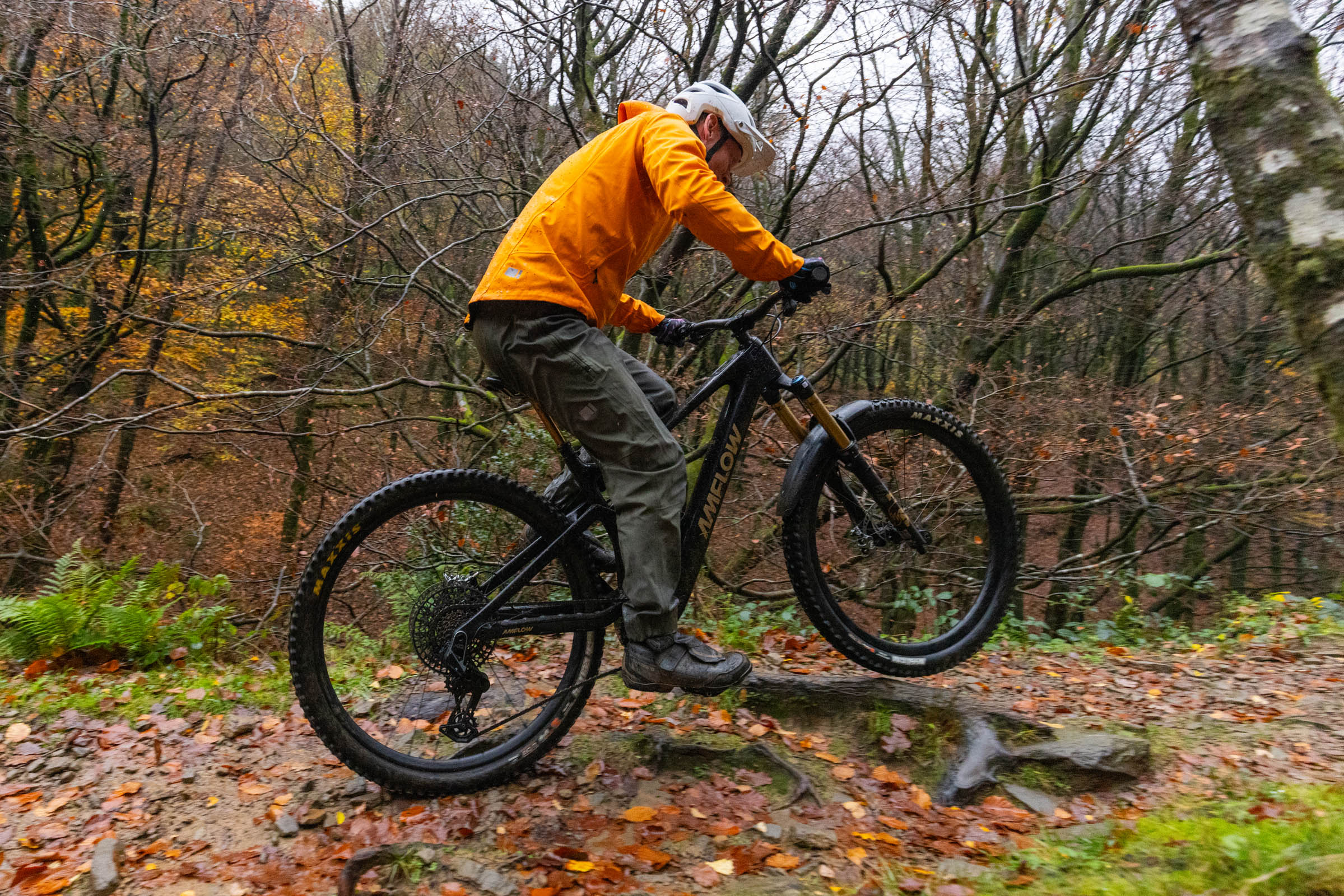
With that power comes great responsibility. Charging up a fireroad at the speed cut-off limit is fine, but add in some tech and you need to keep your wits about you.
Advanced techniques such as feathering the rear brake, lifting and placing the front wheel or using the rear wheel’s drive to jump and change line really take advantage of all that torque and power.
While the above is also true of the Bosch, the lower average speeds you ride at – simply because the motor’s giving you less assistance for any given rider input – make getting yourself into difficulty or having to rely on certain skills to keep you out of trouble less likely.
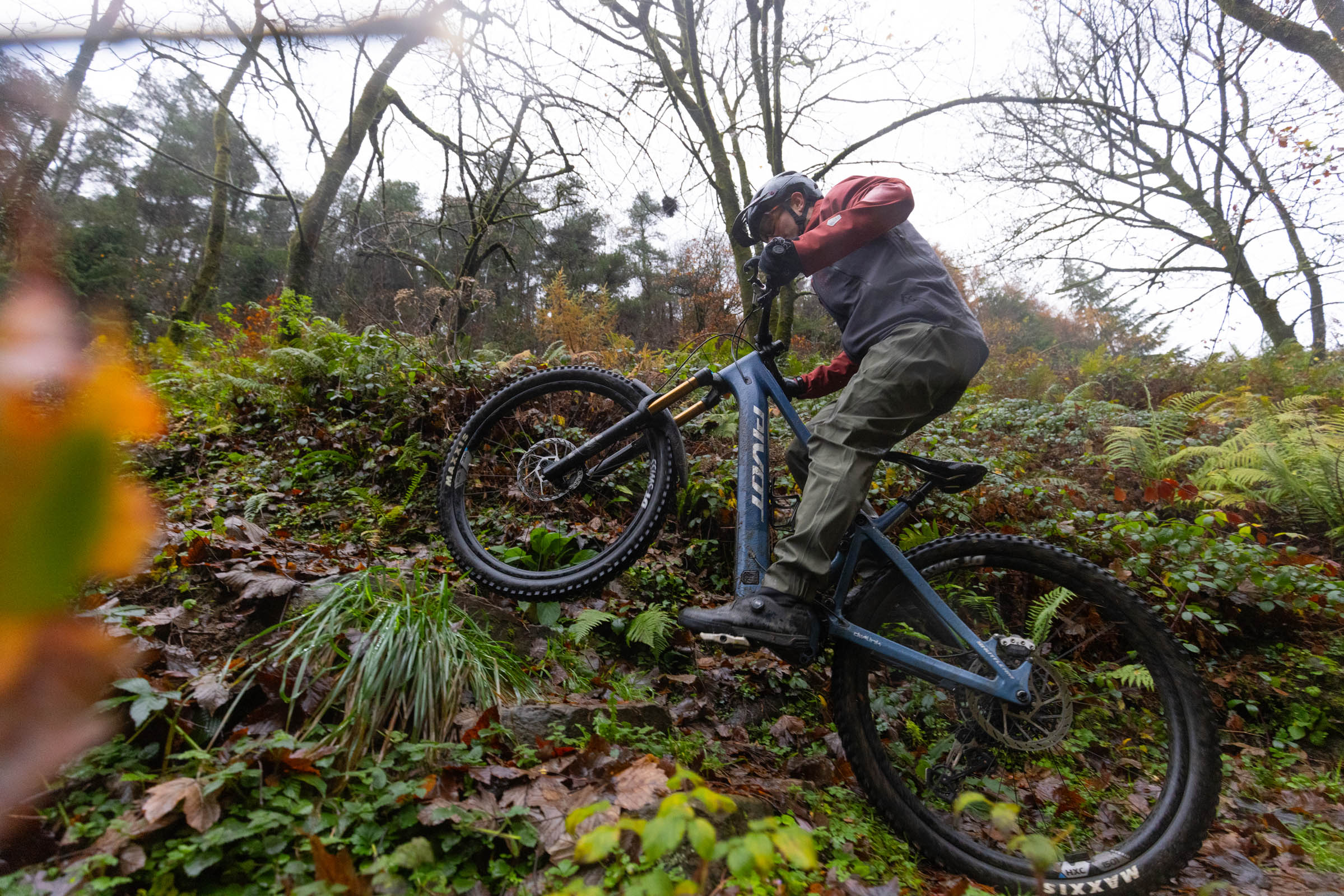
Overrun is good on both systems – short cranks provide meaningful, controllable sustained assistance. And if the stock levels of overrun are either too little or too much, it can be tuned to suit your needs in each respective app.
Thanks to the impressive support ratio, the Avinox can sit comfortably at the speed cut-off limit with very little rider input. Fireroad ascents – almost regardless of gradient – are dispatched at top speed, requiring only limited rider input when the motor’s set to its maximum mode.
The same isn’t true of the Bosch – on my test loops, average overall speeds were between 5 and 7km/h slower on the Performance Line compared to the Avinox.
My heart rate was between 10 and 20 beats per minute higher, too.
Of course, you can turn down the Avinox’s assistance levels or use a different mode to mimic the feel and output of the Bosch, but once you’ve had a taste of the Avinox, it’s hard switching back to a system with less assistance.
Plenty of juice
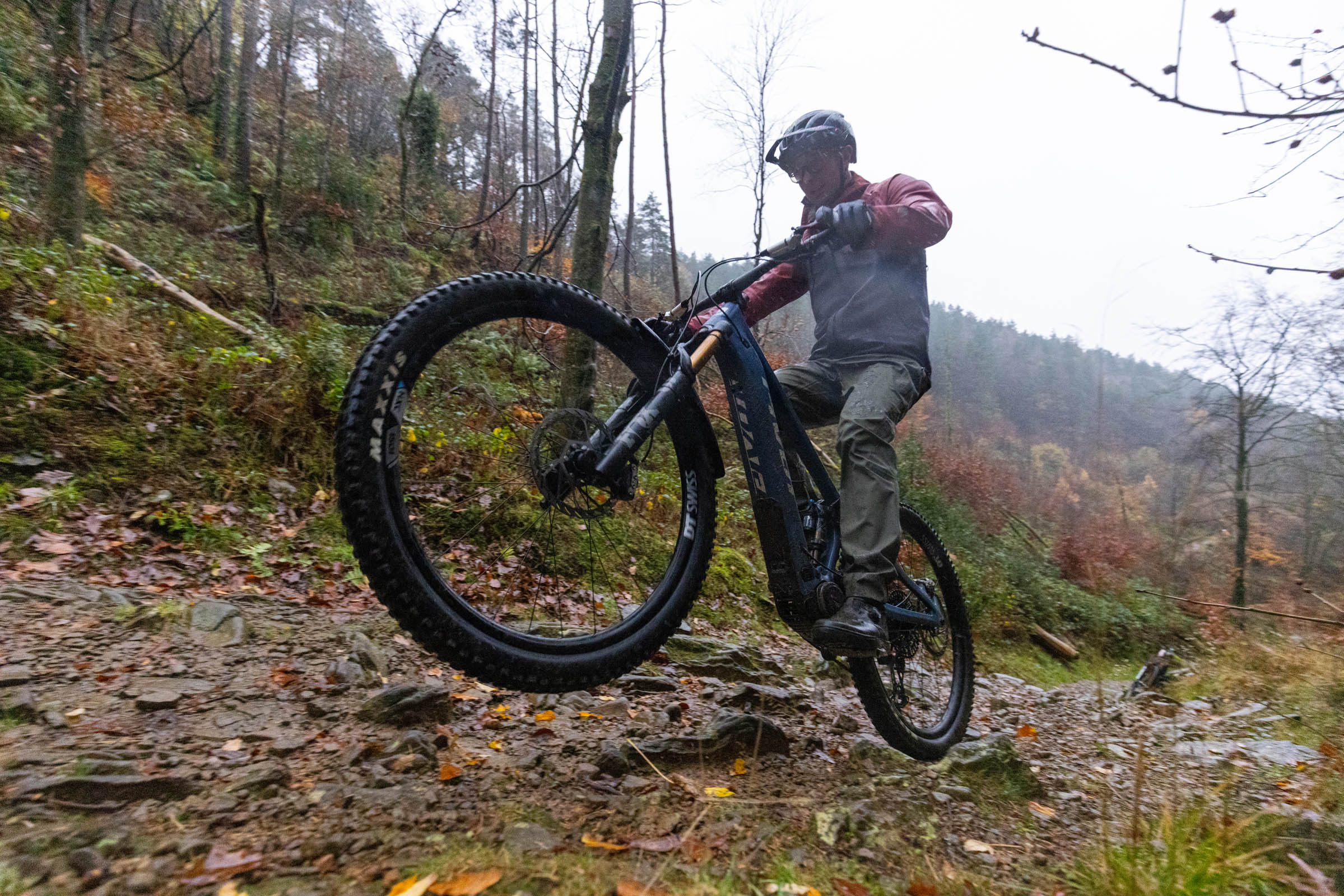
With both bikes set to maximum power, it’s unsurprising the Avniox motor runs out of battery quicker. It’s got more torque and watts, which are easier to access, depleting the 800Wh battery after 1,170m of ascending over 30.6km. This is pushed to 1,450m of ascent over 34.5km in Race mode in the Bosch camp before the battery is fully flat.
It’s possible to turn down the Avinox’s torque, power and support levels to match Bosch, to create a like-for-like battery runtime comparison.
Matching support ratios was hardest; Bosch’s is 400 per cent, but the DJI’s is on a scale of one to 15. Halving that would seem sensible given the bike should amplify your input by 800 per cent when set to 15. However, with torque set to 100Nm, power to 750W and the assistance level set to these figures, the bike felt closer to Bosch’s Tour+ or eMTB modes instead of Bosch’s Turbo or Race.
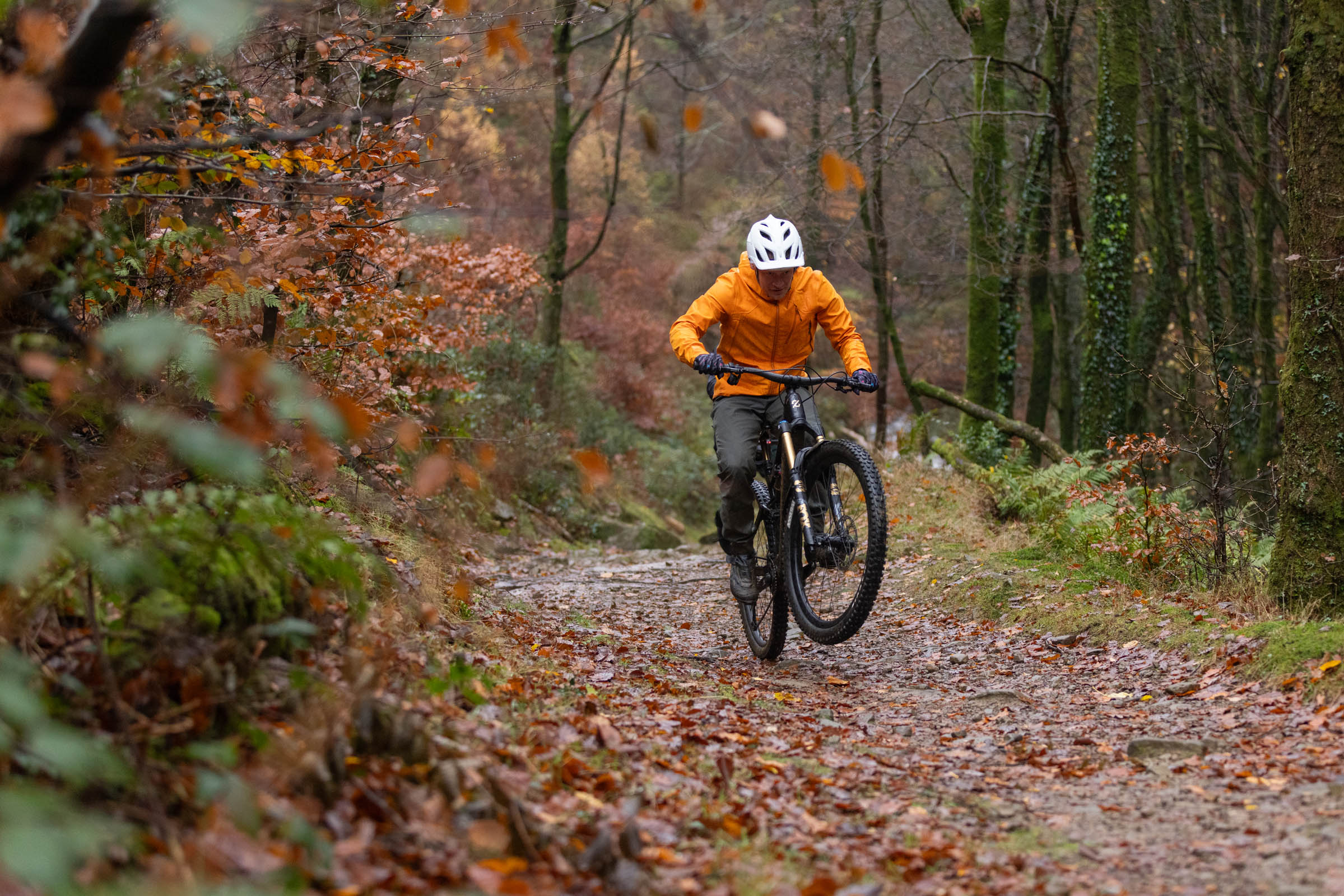
Upping the Amflow’s assistance level to 11, while keeping torque and power the same, gave it the closest feel to the Bosch motor in its maximum settings. Like this, the Avinox managed 1,357m of ascent over 30.34km before the battery was discharged.
In my testing, this is slightly less than Bosch’s range, but it’s within a reasonable margin to not cause concern. Different riders in different conditions may also get different results.
The large-capacity batteries mean neither bike is likely to leave you high and dry, and each displays the percentage of battery drain relatively accurately. This makes managing each motor’s battery easy.
Frustrations and foibles
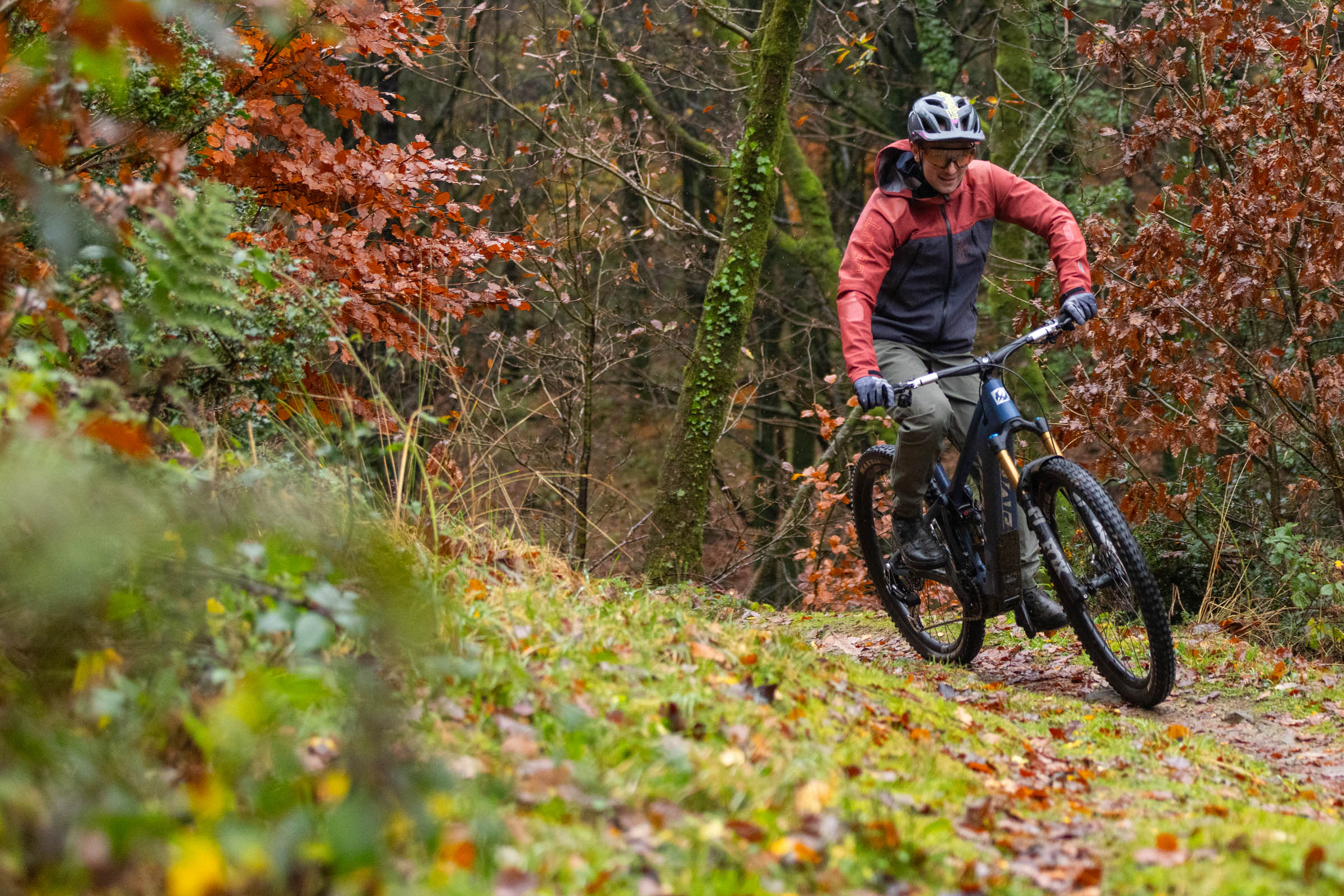
Neither system is perfect, however.
Bosch’s Mini Remote is very fragile – I’ve broken several in crashes, while just riding, or storing bikes. Knock the underside of the rubberised button away from the controller and it snaps off, the spring launches itself and the whole remote needs replacing because it isn’t repairable.
Some may get frustrated at having to use Bosch’s smartphone app to make any changes to the motor’s settings, while others will probably lament the idea of having to register the Avinox on its smartphone app before riding further than 100km.
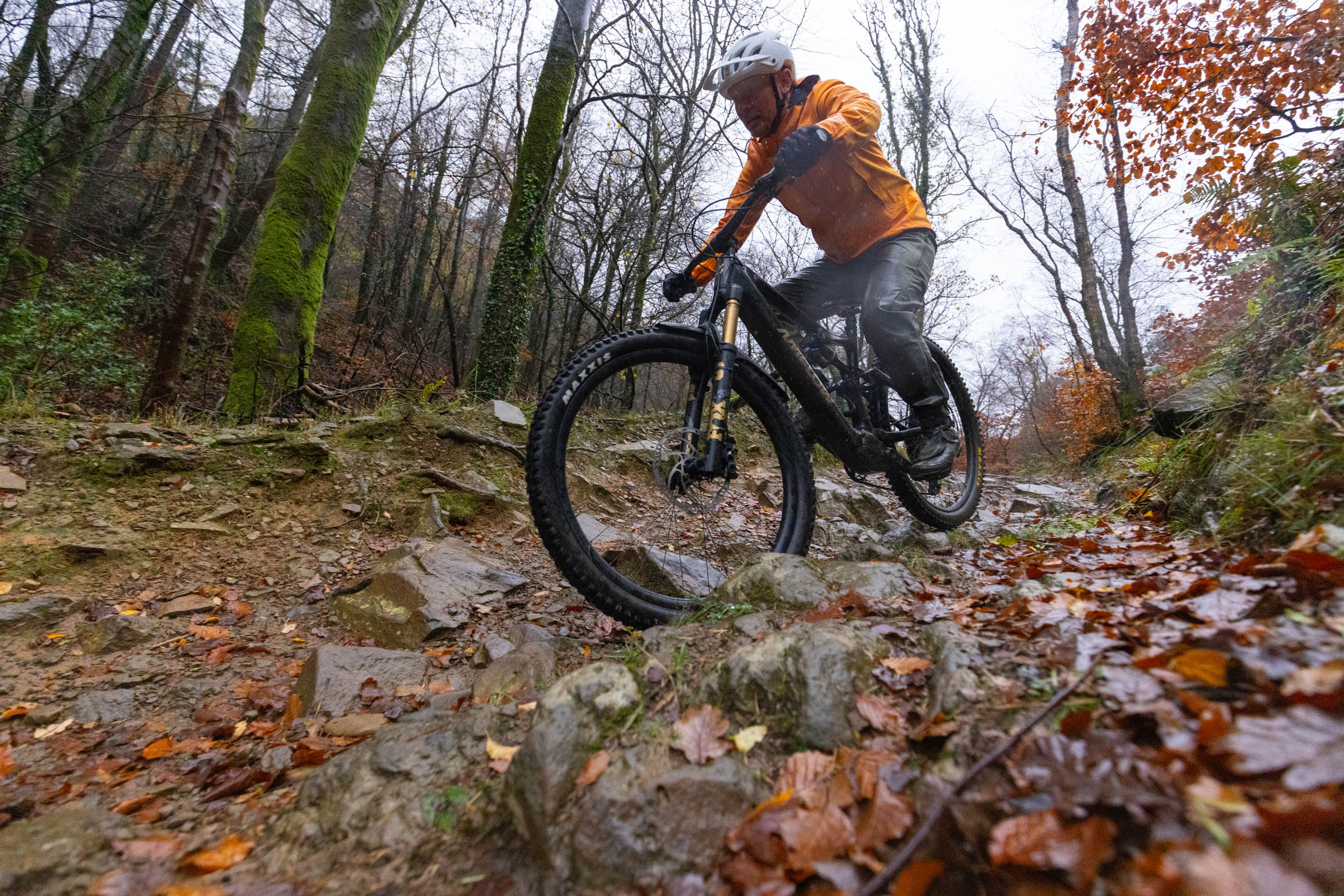
Neither are deal breakers, though.
Once the Avinox system has run out of juice, there’s significant resistance through the cranks that you’ll have to overcome in order keep the pedals turning. Compared to the Bosch system, the difference is night and day, with the Performance Line motor’s resistance feeling like a regular bike when it’s off.
While this isn’t a serious issue, it serves as a warning that running out of battery on an Avinox bike a long way from home will be more punishing than one with the Bosch motor.
Turn up the volume
Neither drive unit makes a racket; in fact, both are very quiet on the trails even when operating at full chat. The noise they make is relatively similar – it’s a higher-pitch steady whine rather than the fluctuating turkey gobble Shimano’s EP8 emits. At lower assistance levels, they barely make more noise than your tyres on dirt or banter between mates; they’re very discreet.
Downhill, Bosch has fixed the freewheel rattle that plagued the previous iterations of the Performance Line motor – the Gen 5 is entirely silent. The Avinox is also virtually silent when freewheeling, barely clacking, clunking or rattling even on the wildest descents.
More than the motors
There’s more to it than just the motors, though.
The Avinox’s performance is virtually worthless if the bike it’s fitted to is lacklustre, and, currently, Bosch has the market sewn up in terms of choice. Bikes with Bosch CX motors span from lightweight trail eaters up to quasi-DH sleds, with a slew of others in between.
That’s brilliant for the consumer, and as it stands, you’re more likely to find a Bosch-powered bike – and an affordable one for that matter – that suits your specific needs rather than one with an Avinox drive unit.
That could all change, but the bike the motor’s fitted to has to be one of the biggest considerations when looking to make a purchase.
DJI Avinox M1 vs Bosch Performance Line CX-R verdict
DJI Avinox M1
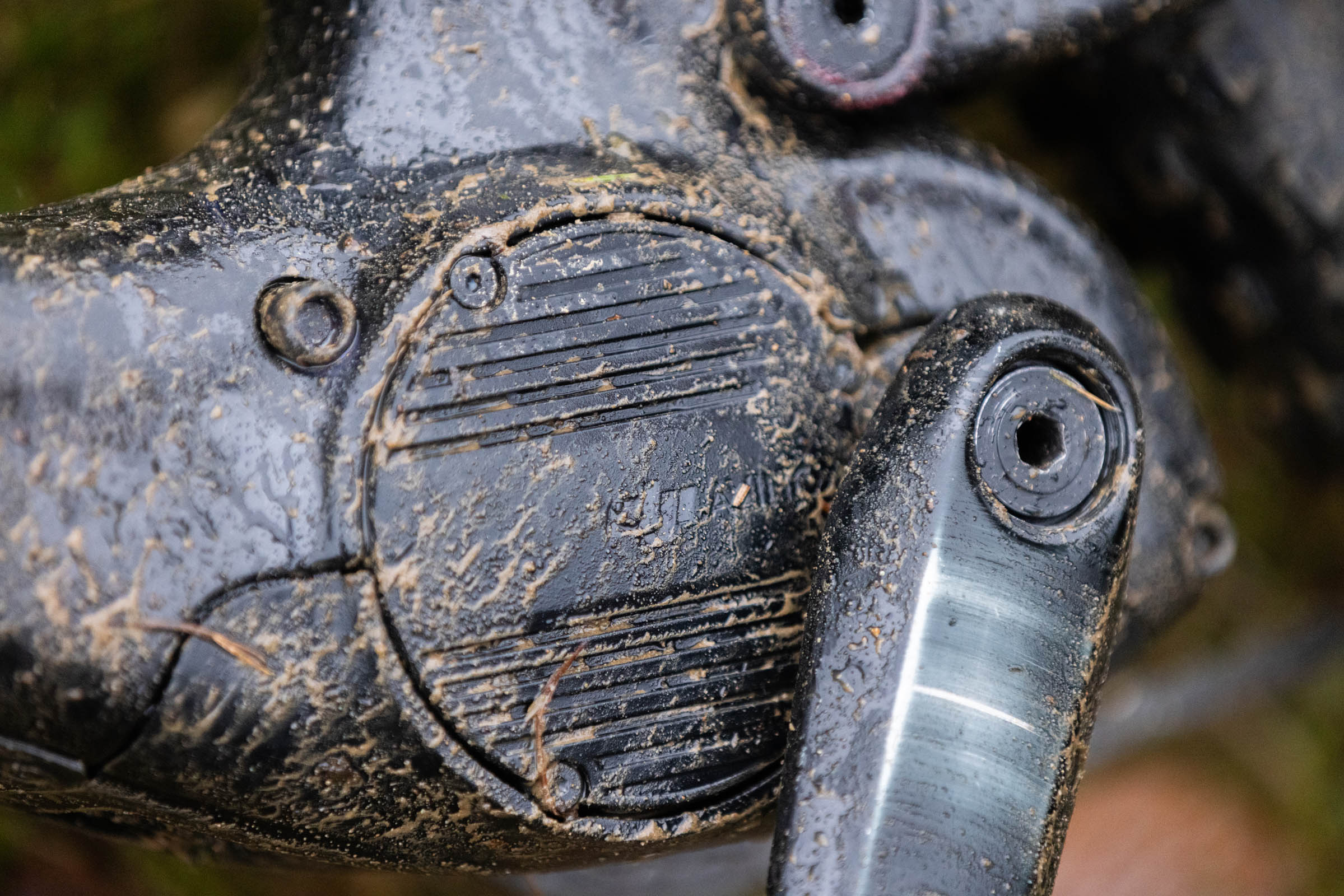
The Avinox motor system is the one to beat in almost all respects – power, feel, tuneability and weight. Just make sure it’s fitted to a bike that’s as good.
Pros
Exceptional power, torque and assistance; unrivalled speed and uphill prowess; natural-feeling assistance; deep and usable on-bike customisation; light battery and motor; slick user interface; great battery life
Cons
Smartphone app is mandatory; motor creates pedalling resistance when it’s off; limited number of bikes with Avinox motors
Bosch Performance Line CX-R
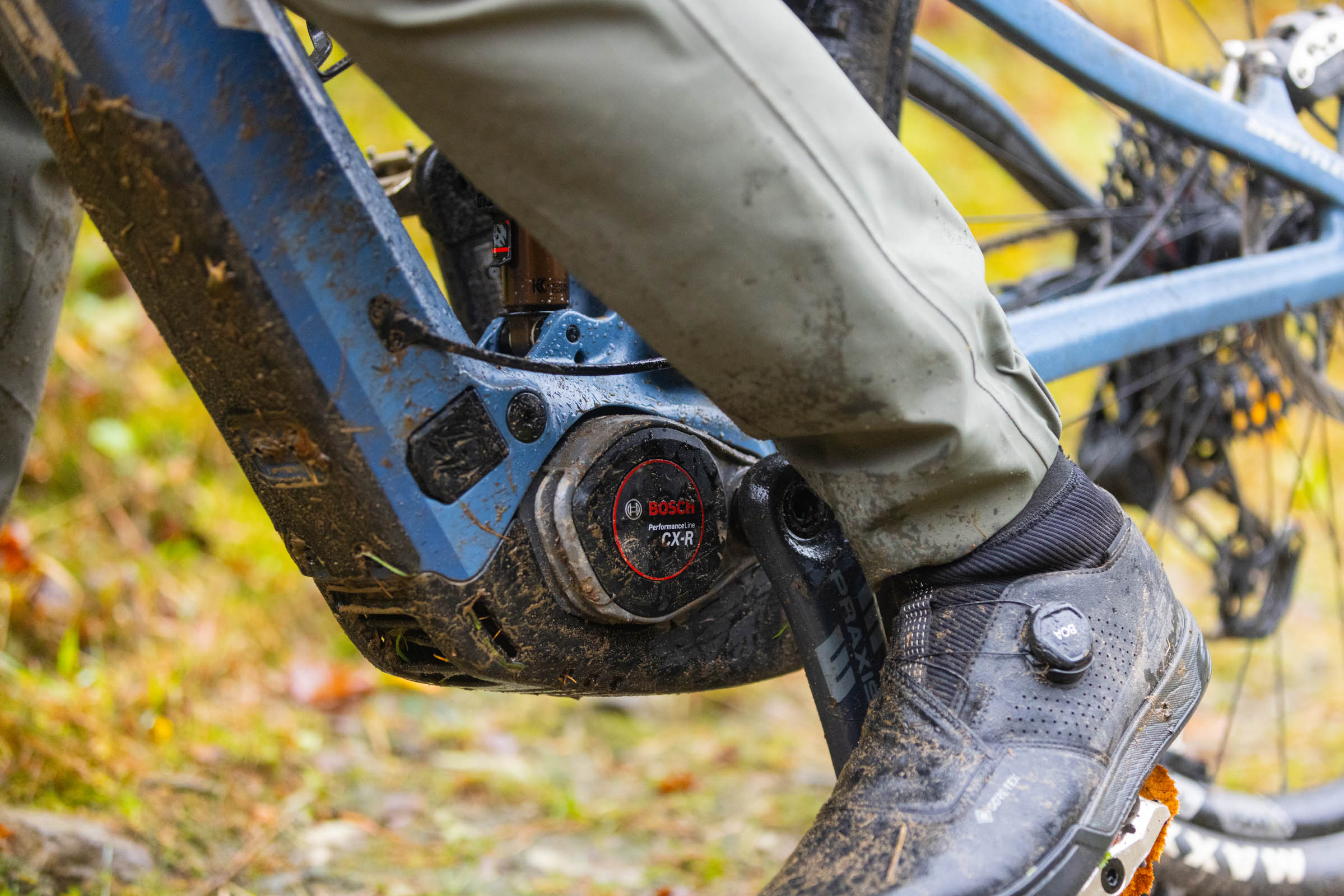
Natural-feeling, with more than adequate power and long battery life, the fifth-generation Bosch is one of the best motors to date and comes on a wide range of bikes that should suit any rider.
Pros
Plenty of power and torque; intuitive and simple motor tuning; impressive battery life; natural-feeling support; loads of battery, controller and display options; no drivetrain or motor drag when pedalling with it off; widespread availability on bikes
Cons
Tuning modes reserved for the app; mini remote is fragile; less outright power, torque and support; heavier than the Avinox
Verdict
Going on motor performance alone, it’s impossible to ignore the Avinox’s impact on the industry. There’s a palpable buzz about the system, and trailside chat is centred around how good the motor is.
If performance is the biggest factor for you, there are very few reasons not to plump for an Avinox-powered bike.
Unfortunately, it’s never that simple. Whether the smaller selection of Avinox bikes will suit your needs or budget is a personal matter.
But I’d happily go out on a limb and say that – currently at least – the sheer number of Bosch-powered bikes means you’re more likely to find your perfect match.
That’s likely to change in the future, however, and when it does, Bosch et al. are going to have to do something very special to beat DJI’s impending dominance.
All About Route Achievement Badges for Cyclists and Runners On Zwift
Did you know Zwift has 200+ cycling routes that earn you a special achievement badge and XP bonus the first time they’re completed? And runners have 35+ routes that award badges bonuses as well!
Here’s everything you need to know about Zwift route achievements, including the little gotchas that trip up new Zwifters and a full list of all the routes that award an achievement badge.
Every Badge has a Bonus
When you earn a route achievement badge, you also receive a one-time XP bonus for completing that route. This bonus is equal to the XP you already earned for the route (20XP per km), so you effectively double your XP earning rate when finishing routes for the first time, helping you level up faster.
Related: XP Farming on Zwift: the Definitive Guide to Earning More XP and Leveling Up Faster
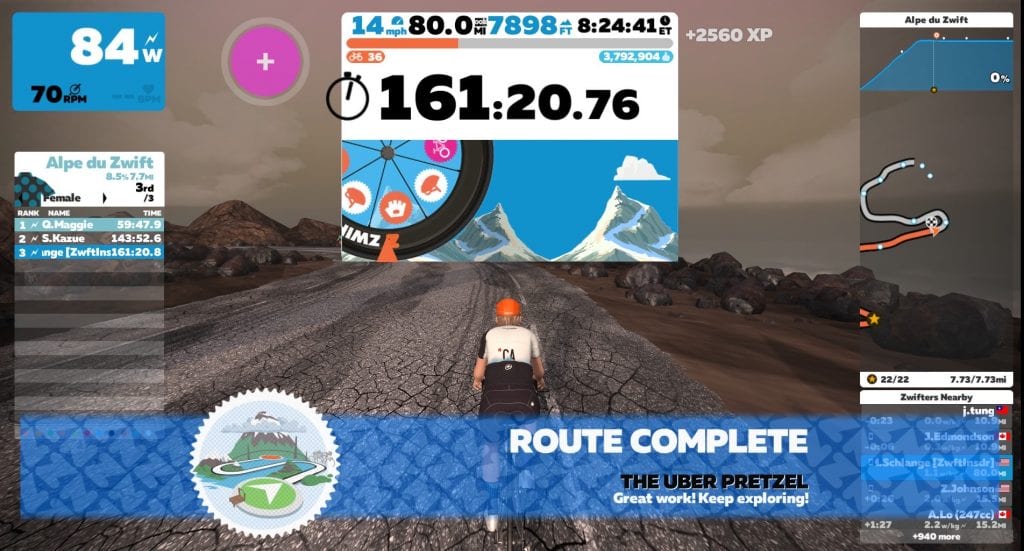
Note: It’s not exactly accurate that you double your XP earning rate when running a new route. This is how Zwift set up the badges for running routes in the early days, but in recent years, they’ve set up running badges to award XP at the same rate as riding badges, which means newer route badges earn you about half the bonus that older ones did.
What Counts (and What Doesn’t)
Route badges can be earned in three ways:
- Select the route from the home screen, then ride the full route. The game will make the correct turns for you. You can do this as a “free ride” or a workout.
- Join an event (group workout, social ride, race, Meetup, etc) that uses the route, and ride the full route. (If the event ends before the route is finished, you must continue riding in order to finish the route and earn the badge.)
- Join a RoboPacer or friend using the route, then ride the full route. (This can be tricky, since you’ll probably start midway through the route. You must cross the route’s start and finish line to complete it.)
What will not earn the badge is you freely navigating the route when the game thinks you’re on a different route.
Many Zwifters have hopped into the game, completed a particular route, then tried to keep riding and complete another route in the same session. This only works if you teleport to a rider or RoboPacer on the new route. But if you try to navigate the route manually, Zwift won’t know which route you want to complete, and it won’t award the badge.
Your route selection is only saved when you select a route from the home screen menu, begin a new event, or teleport to another rider or RoboPacer.
Planning and Tracking Your Progress
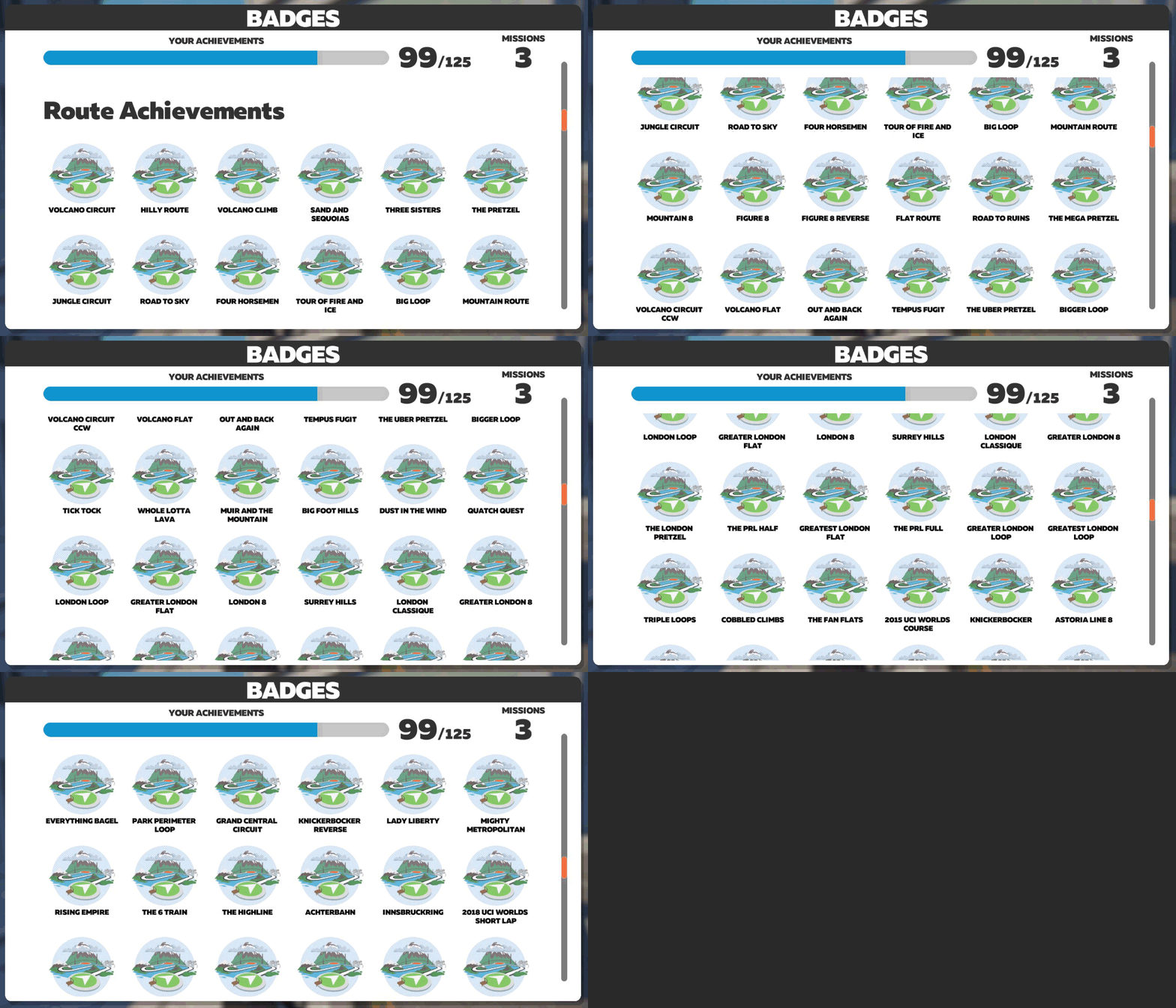
Most Zwifters use the Companion app or the in-game badge indicator to track which routes have unearned badges (read how to do that here). These approaches aren’t without their drawbacks, though:
- The in-game list requires you to fire up the game before browsing, it only shows the day’s scheduled worlds (unless you use the fake workout world hack), and it doesn’t include event-only routes.
- The Companion app’s list could be super convenient in theory, but in practice the list isn’t accurate, with many routes shown as not awarding badges when in fact they do.
Some Zwifters use tools like Zwifthub to track which routes they’ve completed, but that requires manually marking the route as complete. (Which, to be fair, is rather satisfying.)
I’ve included a complete, up-to-date list of all routes with achievement badges below. You can copy and paste this into any spreadsheet if you’d like a list you can print, edit, etc.
Routes Without Badges
Some routes do not have achievement badges:
- Certain Event-Only Routes: Some routes in Zwift are not available for free rides, and thus can only be ridden in official events. While Zwift has been enabling achievement badges for event-only routes in recent years, many older event-only routes don’t have them. Examples include fondo routes like the Gran Fondo, as well as many reverse routes and after-party routes.
- Ride Badge, But No Run Badge: while runners can run on all the “mixed-use” routes in Zwift, most of those routes don’t award an achievement badge for runners.
- Run-Only Routes: Some routes are only available to runners, and thus have no achievement badge for cyclists. These routes always have a running achievement badge, though! Examples include Jon’s Route and Hudson Roll.
A Complete List of Route Badges on Zwift
Here is a complete list of Zwift routes that award an achievement badge (and bonus XP) upon initial completion. Since Zwift awards different badges and different XP amounts for riders vs runners, I’ve created two separate lists: one for routes that award badges when ridden, the other for routes that award badges when run.
Badges marked with an * are event-only routes.
Routes with Ride Achievement Badges
| Route | Map | Badge XP | Length | Elevation | Lead-In |
|---|---|---|---|---|---|
| Bon Voyage | France | 565 | 28.2km (17.5 miles) | 132m (433‘) | 3.2km (2.0 miles) |
| Casse-Pattes | France | 460 | 23km (14.3 miles) | 155m (509‘) | 0.9km (0.6 miles) |
| Croissant | France | 185 | 9.3km (5.8 miles) | 49m (161‘) | 3.2km (2.0 miles) |
| Douce France | France | 480 | 24km (14.9 miles) | 133m (436‘) | 0.2km (0.1 miles) |
| Gentil 8 | France | 465 | 23.1km (14.4 miles) | 243m (797‘) | 0.6km (0.4 miles) |
| Hell of the North | France | 395 | 19.8km (12.3 miles) | 241m (791‘) | 0.3km (0.2 miles) |
| Knights of the Roundabout | France | 1025 | 51.2km (31.8 miles) | 336m (1,102‘) | 3.2km (2.0 miles) |
| La Reine | France | 460 | 22.4km (13.9 miles) | 1201m (3,940‘) | 0.4km (0.2 miles) |
| Macaron* | France | 50 | 2.6km (1.6 miles) | 15m (49‘) | 0km ( miles) |
| Peaky Pavé* | France | 610 | 30.6km (19.0 miles) | 369m (1,211‘) | 0.2km (0.1 miles) |
| Petit Boucle | France | 1220 | 60.8km (37.8 miles) | 483m (1,585‘) | 0.9km (0.6 miles) |
| Petite Douleur | France | 280 | 13.9km (8.6 miles) | 194m (636‘) | 10.9km (6.8 miles) |
| R.G.V. | France | 480 | 24km (14.9 miles) | 133m (436‘) | 0.9km (0.6 miles) |
| Roule Ma Poule | France | 460 | 23km (14.3 miles) | 155m (509‘) | 3.1km (1.9 miles) |
| Sacre Bleu | France | 1425 | 71.2km (44.2 miles) | 396m (1,299‘) | 0.5km (0.3 miles) |
| Three Musketeers | France | 705 | 35.2km (21.9 miles) | 193m (633‘) | 2.6km (1.6 miles) |
| Tire-Bouchon | France | 1220 | 61km (37.9 miles) | 483m (1,585‘) | 3.1km (1.9 miles) |
| Ven-10 | France | 200 | 10km (6.2 miles) | 781m (2,562‘) | 1.4km (0.9 miles) |
| Ven-Top | France | 420 | 20.9km (13.0 miles) | 1534m (5,033‘) | 0.2km (0.1 miles) |
| 2018 UCI Worlds Course Short Lap | Innsbruck | 470 | 23.6km (14.7 miles) | 494m (1,621‘) | 0.2km (0.1 miles) |
| Achterbahn | Innsbruck | 950 | 47.4km (29.5 miles) | 989m (3,245‘) | 0.2km (0.1 miles) |
| Innsbruck KOM After Party | Innsbruck | 740 | 36.9km (22.9 miles) | 656m (2,152‘) | 0.2km (0.1 miles) |
| Innsbruckring | Innsbruck | 170 | 8.8km (5.5 miles) | 77m (253‘) | 0.2km (0.1 miles) |
| Lutscher CCW | Innsbruck | 270 | 13.8km (8.6 miles) | 402m (1,319‘) | 8.8km (5.5 miles) |
| Lutscher | Innsbruck | 270 | 13.7km (8.5 miles) | 402m (1,319‘) | 10.9km (6.8 miles) |
| Greater London 8 | London | 480 | 23.8km (14.8 miles) | 276m (906‘) | 0.6km (0.4 miles) |
| Greater London Flat | London | 230 | 11.7km (7.3 miles) | 36m (118‘) | 5.6km (3.5 miles) |
| Greater London Loop | London | 420 | 21km (13.0 miles) | 222m (728‘) | 0.6km (0.4 miles) |
| Greatest London Flat | London | 500 | 23.6km (14.7 miles) | 164m (538‘) | 7.5km (4.7 miles) |
| Greatest London Loop | London | 510 | 25.6km (15.9 miles) | 356m (1,168‘) | 0.6km (0.4 miles) |
| London 8 | London | 410 | 20.3km (12.6 miles) | 219m (719‘) | 0.6km (0.4 miles) |
| London Calling | London | 625 | 31.2km (19.4 miles) | 207m (679‘) | 0.5km (0.3 miles) |
| London Classique Reverse* | London | 110 | 5.4km (3.4 miles) | 25m (82‘) | 7.6km (4.7 miles) |
| London Classique | London | 110 | 5.5km (3.4 miles) | 16m (52‘) | 5.6km (3.5 miles) |
| London Flat | London | 240 | 11.99km (7.5 miles) | 115m (377‘) | 0.39km (0.2 miles) |
| London Loop | London | 300 | 14.9km (9.3 miles) | 231m (758‘) | 0.6km (0.4 miles) |
| London Uprising | London | 420 | 20.5km (12.7 miles) | 356m (1,168‘) | 0.3km (0.2 miles) |
| Surrey Hills | London | 820 | 39.2km (24.4 miles) | 837m (2,746‘) | 5.1km (3.2 miles) |
| The London Pretzel | London | 1100 | 55.7km (34.6 miles) | 571m (1,873‘) | 0.6km (0.4 miles) |
| The PRL Full | London | 3460 | 173km (107.5 miles) | 2621m (8,599‘) | 0.5km (0.3 miles) |
| The PRL Half | London | 1380 | 69.1km (42.9 miles) | 1009m (3,310‘) | 0.6km (0.4 miles) |
| Triple Loops | London | 810 | 40.9km (25.4 miles) | 565m (1,854‘) | 0.5km (0.3 miles) |
| Bridges and Boardwalks | Makuri Islands | 125 | 6.2km (3.9 miles) | 60m (197‘) | 1.9km (1.2 miles) |
| Castle Crit | Makuri Islands | 69 | 3.5km (2.2 miles) | 44m (144‘) | 1.5km (0.9 miles) |
| Castle to Castle | Makuri Islands | 460 | 22.4km (13.9 miles) | 140m (459‘) | 0.8km (0.5 miles) |
| Chain Chomper | Makuri Islands | 270 | 13.6km (8.5 miles) | 184m (604‘) | 2.3km (1.4 miles) |
| Chasing the Sun | Makuri Islands | 690 | 35.1km (21.8 miles) | 316m (1,037‘) | 0km ( miles) |
| Country to Coastal | Makuri Islands | 665 | 33.4km (20.8 miles) | 275m (902‘) | 0.1km (0.1 miles) |
| Countryside Tour | Makuri Islands | 310 | 16km (9.9 miles) | 185m (607‘) | 0.2km (0.1 miles) |
| Electric Break | Makuri Islands | 355 | 17.8km (11.1 miles) | 190m (623‘) | 1.8km (1.1 miles) |
| Electric Loop | Makuri Islands | 170 | 8.9km (5.5 miles) | 43m (141‘) | 0km ( miles) |
| Farmland Loop | Makuri Islands | 155 | 7.9km (4.9 miles) | 58m (190‘) | 0.2km (0.1 miles) |
| Fine and Sandy | Makuri Islands | 210 | 10.6km (6.6 miles) | 77m (253‘) | 0.1km (0.1 miles) |
| Flatland Loop | Makuri Islands | 260 | 12.9km (8.0 miles) | 96m (315‘) | 0.2km (0.1 miles) |
| Island Hopper | Makuri Islands | 360 | 18km (11.2 miles) | 129m (423‘) | 0.1km (0.1 miles) |
| Island Outskirts | Makuri Islands | 225 | 11.4km (7.1 miles) | 90m (295‘) | 0.1km (0.1 miles) |
| Kappa Quest Reverse | Makuri Islands | 180 | 9km (5.6 miles) | 139m (456‘) | 5.1km (3.2 miles) |
| Kappa Quest | Makuri Islands | 180 | 9.1km (5.7 miles) | 140m (459‘) | 3.8km (2.4 miles) |
| Kaze Kicker* | Makuri Islands | 340 | 16.9km (10.5 miles) | 134m (440‘) | 0.4km (0.2 miles) |
| Makuri 40 | Makuri Islands | 800 | 40.2km (25.0 miles) | 308m (1,010‘) | 0.1km (0.1 miles) |
| Makuri Madness | Makuri Islands | 325 | 15.9km (9.9 miles) | 85m (279‘) | 0.1km (0.1 miles) |
| Makuri Pretzel | Makuri Islands | 1550 | 77.6km (48.2 miles) | 616m (2,021‘) | 1.1km (0.7 miles) |
| Mech Isle Loop | Makuri Islands | 80 | 4km (2.5 miles) | 39m (128‘) | 0.1km (0.1 miles) |
| Neokyo All-Nighter | Makuri Islands | 485 | 24.3km (15.1 miles) | 168m (551‘) | 0.2km (0.1 miles) |
| Neokyo Crit Course* | Makuri Islands | 90 | 3.9km (2.4 miles) | 19m (62‘) | 0.7km (0.4 miles) |
| Neon After Party | Makuri Islands | 340 | 16.15km (10.0 miles) | 141m (463‘) | 1.15km (0.7 miles) |
| Neon Flats | Makuri Islands | 290 | 14.7km (9.1 miles) | 73m (240‘) | 0.2km (0.1 miles) |
| Neon Shore Loop* | Makuri Islands | 660 | km ( miles) | km ( miles) | |
| Railways and Rooftops | Makuri Islands | 120 | 6.2km (3.9 miles) | 71m (233‘) | 2.1km (1.3 miles) |
| Red Zone Repeats | Makuri Islands | 390 | 19.4km (12.1 miles) | 87m (285‘) | 0.2km (0.1 miles) |
| Rooftop Rendezvous | Makuri Islands | 74 | 3.7km (2.3 miles) | 56m (184‘) | 2.9km (1.8 miles) |
| Sea to Tree | Makuri Islands | 65 | 3.2km (2.0 miles) | 106m (348‘) | 0.6km (0.4 miles) |
| Shisa Shakedown | Makuri Islands | 985 | 49.3km (30.6 miles) | 495m (1,624‘) | 4km (2.5 miles) |
| Sleepless City | Makuri Islands | 185 | 9.6km (6.0 miles) | 43m (141‘) | 0km ( miles) |
| Spirit Forest | Makuri Islands | 170 | 8.4km (5.2 miles) | 135m (443‘) | 4.6km (2.9 miles) |
| Sprinter’s Playground | Makuri Islands | 245 | 12.4km (7.7 miles) | 68m (223‘) | 0.2km (0.1 miles) |
| Suki’s Playground | Makuri Islands | 365 | 18.3km (11.4 miles) | 150m (492‘) | 0.2km (0.1 miles) |
| Temples and Towers | Makuri Islands | 650 | 32.6km (20.3 miles) | 319m (1,047‘) | 0.7km (0.4 miles) |
| Three Village Loop | Makuri Islands | 210 | 10.6km (6.6 miles) | 93m (305‘) | 2.3km (1.4 miles) |
| Tropic Rush | Makuri Islands | 825 | 41.2km (25.6 miles) | 328m (1,076‘) | 1.6km (1.0 miles) |
| Turf N Surf | Makuri Islands | 490 | 24.6km (15.3 miles) | 196m (643‘) | 0.1km (0.1 miles) |
| Twilight Harbor | Makuri Islands | 135 | 6.9km (4.3 miles) | 33m (108‘) | 0.2km (0.1 miles) |
| Two Village Loop | Makuri Islands | 255 | 12.8km (8.0 miles) | 88m (289‘) | 0.2km (0.1 miles) |
| Valley to Mountaintop | Makuri Islands | 100 | 5km (3.1 miles) | 129m (423‘) | 0.1km (0.1 miles) |
| Wandering Flats | Makuri Islands | 515 | 25.1km (15.6 miles) | 146m (479‘) | 0.1km (0.1 miles) |
| Astoria Line 8 | New York | 230 | 11.5km (7.1 miles) | 140m (459‘) | 0km ( miles) |
| Avon Flyer | New York | 65 | 3.3km (2.1 miles) | 25m (82‘) | 1.8km (1.1 miles) |
| Double Parked | New York | 845 | 42.2km (26.2 miles) | 330m (1,083‘) | 0.1km (0.1 miles) |
| Double Span Spin | New York | 145 | 7km (4.3 miles) | 80m (262‘) | 5.6km (3.5 miles) |
| Empire Elevation* | New York | 485 | 24.2km (15.0 miles) | 261m (856‘) | 1.8km (1.1 miles) |
| Everything Bagel | New York | 690 | 34.8km (21.6 miles) | 525m (1,722‘) | 0.1km (0.1 miles) |
| Fuhgeddaboudit | New York | 1595 | 79km (49.1 miles) | 838m (2,749‘) | 0km ( miles) |
| Gotham Grind | New York | 190 | 9.3km (5.8 miles) | 96m (315‘) | 0.1km (0.1 miles) |
| Grand Central Circuit | New York | 140 | 6.8km (4.2 miles) | 144m (472‘) | 1.5km (0.9 miles) |
| Green to Screen | New York | 575 | 28.4km (17.6 miles) | 207m (679‘) | 0.1km (0.1 miles) |
| Hudson Hustle* | New York | 405 | 20.3km (12.6 miles) | 216m (709‘) | 0.1km (0.1 miles) |
| Issendorf Express | New York | 145 | 7.2km (4.5 miles) | 53m (174‘) | 0.1km (0.1 miles) |
| Knickerbocker Reverse | New York | 450 | 22.5km (14.0 miles) | 364m (1,194‘) | 0.1km (0.1 miles) |
| Knickerbocker | New York | 450 | 22.5km (14.0 miles) | 364m (1,194‘) | 0km ( miles) |
| Lady Liberty | New York | 240 | 12.4km (7.7 miles) | 206m (676‘) | 0.1km (0.1 miles) |
| LaGuardia After Party | New York | 420 | 20.8km (12.9 miles) | 326m (1,070‘) | 0km ( miles) |
| Mighty Metropolitan | New York | 400 | 20.1km (12.5 miles) | 316m (1,037‘) | 0km ( miles) |
| No Sleep Till Brooklyn | New York | 675 | 31.8km (19.8 miles) | 247m (810‘) | 0.2km (0.1 miles) |
| NYC KOM After Party | New York | 730 | 37km (23.0 miles) | 480m (1,575‘) | 0km ( miles) |
| Park Perimeter Loop | New York | 190 | 9.8km (6.1 miles) | 126m (413‘) | 0km ( miles) |
| Park Perimeter Reverse* | New York | 195 | 9.8km (6.1 miles) | 126m (413‘) | 0.2km (0.1 miles) |
| Prospect Park Loop | New York | 110 | 5.4km (3.4 miles) | 37m (121‘) | 0.1km (0.1 miles) |
| Rising Empire | New York | 410 | 20.7km (12.9 miles) | 375m (1,230‘) | 0km ( miles) |
| Spinfinity Ultra | New York | 710 | 35km (21.7 miles) | 291m (955‘) | 0.8km (0.5 miles) |
| Spinfinity | New York | 390 | 19.3km (12.0 miles) | 155m (509‘) | 0.8km (0.5 miles) |
| Stay Puft Pursuit | New York | 625 | 31.2km (19.4 miles) | 416m (1,365‘) | 0.8km (0.5 miles) |
| The 6 Train | New York | 130 | 6.5km (4.0 miles) | 70m (230‘) | 0.1km (0.1 miles) |
| The Double Borough | New York | 360 | 17.8km (11.1 miles) | 147m (482‘) | 0.1km (0.1 miles) |
| The Greenway | New York | 805 | 36.2km (22.5 miles) | 290m (951‘) | 0.6km (0.4 miles) |
| The Highline | New York | 210 | 10.5km (6.5 miles) | 179m (587‘) | 9.9km (6.2 miles) |
| Times Square Circuit | New York | 70 | 3.5km (2.2 miles) | 20m (66‘) | 0.8km (0.5 miles) |
| Toefield Tornado | New York | 205 | 10.2km (6.3 miles) | 53m (174‘) | 0.1km (0.1 miles) |
| Watts the Limit | New York | 595 | 29.5km (18.3 miles) | 200m (656‘) | 1.5km (0.9 miles) |
| Champs-Élysées | Paris | 130 | 6.6km (4.1 miles) | 39m (128‘) | 3.1km (1.9 miles) |
| Lutece Express | Paris | 130 | 6.6km (4.1 miles) | 39m (128‘) | 3.6km (2.2 miles) |
| 2015 UCI Worlds Course | Richmond | 320 | 16.3km (10.1 miles) | 127m (417‘) | 0.2km (0.1 miles) |
| Cobbled Climbs | Richmond | 180 | 9.2km (5.7 miles) | 117m (384‘) | 0.2km (0.1 miles) |
| Cobbled Crown* | Richmond | 480 | 24km (14.9 miles) | 288m (945‘) | 0.3km (0.2 miles) |
| Libby Hill After Party | Richmond | 660 | 33km (20.5 miles) | 102m (335‘) | 0.2km (0.1 miles) |
| Richmond UCI Reverse | Richmond | 325 | 16.3km (10.1 miles) | 127m (417‘) | 0km ( miles) |
| Richmond Loop Around | Richmond | 850 | 42.2km (26.2 miles) | 555m (1,821‘) | 0.3km (0.2 miles) |
| Richmond Rollercoaster | Richmond | 100 | 5km (3.1 miles) | 19m (62‘) | 12km (7.5 miles) |
| The Fan Flats | Richmond | 100 | 5.1km (3.2 miles) | 12m (39‘) | 4.2km (2.6 miles) |
| BRAEk-fast Crits and Grits | Scotland | 415 | 20.8km (12.9 miles) | 211m (692‘) | 1.3km (0.8 miles) |
| City and the Sgurr | Scotland | 120 | 5.9km (3.7 miles) | 103m (338‘) | 2.7km (1.7 miles) |
| Dùn Dash | Scotland | 250 | 12.4km (7.7 miles) | 139m (456‘) | 0km ( miles) |
| Glasgow Crit Circuit | Scotland | 60 | 3km (1.9 miles) | 34m (112‘) | 0.2km (0.1 miles) |
| Glasgow Crit Six* | Scotland | 360 | 18.1km (11.2 miles) | 199m (653‘) | 0.2km (0.1 miles) |
| Loch Loop | Scotland | 160 | 8km (5.0 miles) | 71m (233‘) | 0km ( miles) |
| Outer Scotland | Scotland | 220 | 11.1km (6.9 miles) | 104m (341‘) | 0.2km (0.1 miles) |
| Rolling Highlands | Scotland | 180 | 9km (5.6 miles) | 77m (253‘) | 5.1km (3.2 miles) |
| Scotland After Party | Scotland | 275 | 13.6km (8.5 miles) | 190m (623‘) | 1.1km (0.7 miles) |
| Scotland Smash | Scotland | 365 | 17.8km (11.1 miles) | 167m (548‘) | 0.2km (0.1 miles) |
| The Epiloch* | Scotland | 160 | 8.1km (5.0 miles) | 71m (233‘) | 2.8km (1.7 miles) |
| The Muckle Yin | Scotland | 470 | 23.4km (14.5 miles) | 282m (925‘) | 0.2km (0.1 miles) |
| Accelerate to Elevate | Watopia | 825 | 41km (25.5 miles) | 1153m (3,783‘) | 2.3km (1.4 miles) |
| Beach Island Loop | Watopia | 255 | 13.1km (8.1 miles) | 44m (144‘) | 0.2km (0.1 miles) |
| Big Flat 8 | Watopia | 580 | 29.2km (18.1 miles) | 103m (338‘) | 2.3km (1.4 miles) |
| Big Foot Hills | Watopia | 1340 | 67.5km (41.9 miles) | 708m (2,323‘) | 2.3km (1.4 miles) |
| Big Loop | Watopia | 840 | 42.1km (26.2 miles) | 661m (2,169‘) | 0.5km (0.3 miles) |
| Bigger Loop | Watopia | 1060 | 52.7km (32.7 miles) | 691m (2,267‘) | 0.5km (0.3 miles) |
| Canopies and Coastlines | Watopia | 444 | 22.6km (14.0 miles) | 124m (407‘) | 5.1km (3.2 miles) |
| Climb Control | Watopia | 475 | 23.7km (14.7 miles) | 191m (627‘) | 0.3km (0.2 miles) |
| Climber’s Gambit | Watopia | 600 | 27.7km (17.2 miles) | 670m (2,198‘) | 0.2km (0.1 miles) |
| Coast Crusher | Watopia | 684 | 34.7km (21.6 miles) | 174m (571‘) | 8.1km (5.0 miles) |
| Coast to Coast | Watopia | 480 | 24.1km (15.0 miles) | 154m (505‘) | 2.6km (1.6 miles) |
| Coastal Crown Loop | Watopia | 300 | 15km (9.3 miles) | 185m (607‘) | 8.6km (5.3 miles) |
| Danger Noodle | Watopia | 645 | 32.1km (19.9 miles) | 413m (1,355‘) | 0.2km (0.1 miles) |
| Deca Dash | Watopia | 1000 | 48.2km (30.0 miles) | 484m (1,588‘) | 4km (2.5 miles) |
| Downtown Eruption | Watopia | 400 | 19.4km (12.1 miles) | 275m (902‘) | 0.5km (0.3 miles) |
| Downtown Titans | Watopia | 490 | 24.6km (15.3 miles) | 292m (958‘) | 0km ( miles) |
| Dust In the Wind | Watopia | 1080 | 52.1km (32.4 miles) | 582m (1,909‘) | 0.3km (0.2 miles) |
| Eastern Eight | Watopia | 1345 | 51.7km (32.1 miles) | 406m (1,332‘) | 2.3km (1.4 miles) |
| Elevation Evaluation | Watopia | 490 | 24.6km (15.3 miles) | 396m (1,299‘) | 3.1km (1.9 miles) |
| Figure 8 Reverse | Watopia | 580 | 29.7km (18.5 miles) | 254m (833‘) | 0.2km (0.1 miles) |
| Figure 8 | Watopia | 580 | 29.7km (18.5 miles) | 254m (833‘) | 0km ( miles) |
| Flat Out Fast | Watopia | 430 | 21.4km (13.3 miles) | 46m (151‘) | 0.9km (0.6 miles) |
| Flat Route | Watopia | 200 | 10.2km (6.3 miles) | 61m (200‘) | 0.1km (0.1 miles) |
| Four Horsemen | Watopia | 1780 | 88.7km (55.1 miles) | 2113m (6,932‘) | 0.5km (0.3 miles) |
| Glyph Heights | Watopia | 510 | 25.3km (15.7 miles) | 537m (1,762‘) | 8.6km (5.3 miles) |
| Going Coastal | Watopia | 308 | 16.5km (10.3 miles) | 63m (207‘) | 2.3km (1.4 miles) |
| Handful of Gravel* | Watopia | 125 | 6.1km (3.8 miles) | 75m (246‘) | 4.1km (2.5 miles) |
| Hilltop Hustle | Watopia | 275 | 13.6km (8.5 miles) | 336m (1,102‘) | 2.7km (1.7 miles) |
| Hilly Route Reverse* | Watopia | 180 | 9.3km (5.8 miles) | 109m (358‘) | 0.2km (0.1 miles) |
| Hilly Route | Watopia | 180 | 9.3km (5.8 miles) | 109m (358‘) | 0km ( miles) |
| Hot Laps* | Watopia | 465 | 23.3km (14.5 miles) | 149m (489‘) | 0.2km (0.1 miles) |
| Itza Climb Finish | Watopia | 600 | 29.1km (18.1 miles) | 291m (955‘) | 0.9km (0.6 miles) |
| Itza Party | Watopia | 920 | 45.7km (28.4 miles) | 505m (1,657‘) | 0.5km (0.3 miles) |
| Jarvis Seaside Sprint | Watopia | 250 | 12.5km (7.8 miles) | 95m (312‘) | 2.8km (1.7 miles) |
| Jungle Circuit | Watopia | 260 | 7.9km (4.9 miles) | 82m (269‘) | 5.7km (3.5 miles) |
| Jurassic Coast | Watopia | 386 | 19.5km (12.1 miles) | 212m (696‘) | 0.2km (0.1 miles) |
| Legends and Lava | Watopia | 490 | 24.6km (15.3 miles) | 352m (1,155‘) | 0km ( miles) |
| Loop de Loop | Watopia | 246 | 12.4km (7.7 miles) | 144m (472‘) | 0.2km (0.1 miles) |
| Loopin Lava | Watopia | 285 | 14.3km (8.9 miles) | 196m (643‘) | 4.1km (2.5 miles) |
| Mayan 8 | Watopia | 460 | 23.1km (14.4 miles) | 241m (791‘) | 3.1km (1.9 miles) |
| Mayan Mash | Watopia | 700 | 34.6km (21.5 miles) | 756m (2,480‘) | 3.1km (1.9 miles) |
| Mayan San Remo | Watopia | 420 | 21km (13.0 miles) | 219m (719‘) | 0.3km (0.2 miles) |
| Mountain 8 | Watopia | 640 | 32.1km (19.9 miles) | 691m (2,267‘) | 0km ( miles) |
| Mountain Mash | Watopia | 116 | 5.7km (3.5 miles) | 335m (1,099‘) | 0.2km (0.1 miles) |
| Mountain Route | Watopia | 580 | 29.6km (18.4 miles) | 682m (2,238‘) | 0km ( miles) |
| Muir and the Mountain | Watopia | 680 | 33.9km (21.1 miles) | 793m (2,602‘) | 5.1km (3.2 miles) |
| Navig8 | Watopia | 1280 | 63.9km (39.7 miles) | 417m (1,368‘) | 2.3km (1.4 miles) |
| Ocean Lava Cliffside Loop | Watopia | 380 | 19.1km (11.9 miles) | 157m (515‘) | 0.2km (0.1 miles) |
| Oh Hill No | Watopia | 160 | 7.9km (4.9 miles) | 306m (1,004‘) | 0.2km (0.1 miles) |
| Out and Back Again | Watopia | 840 | 40.3km (25.0 miles) | 329m (1,079‘) | 2.3km (1.4 miles) |
| Peak Performance | Watopia | 920 | 45.7km (28.4 miles) | 726m (2,382‘) | 0.9km (0.6 miles) |
| Power Punches | Watopia | 470 | 23.5km (14.6 miles) | 205m (673‘) | 0.2km (0.1 miles) |
| Power to the Tower | Watopia | 900 | 43.8km (27.2 miles) | 1494m (4,902‘) | 0.9km (0.6 miles) |
| Quatch Quest | Watopia | 920 | 46.7km (29.0 miles) | 1710m (5,610‘) | 0km ( miles) |
| Radio Rendezvous | Watopia | 410 | 20.4km (12.7 miles) | 728m (2,388‘) | 3.1km (1.9 miles) |
| Repack Rush | Watopia | 56 | 2.76km (1.7 miles) | 27m (89‘) | 0km ( miles) |
| Road to Ruins | Watopia | 580 | 29.6km (18.4 miles) | 276m (906‘) | 0km ( miles) |
| Road to Sky | Watopia | 380 | 17.3km (10.7 miles) | 1045m (3,428‘) | 0.1km (0.1 miles) |
| Sand and Sequoias | Watopia | 400 | 20.1km (12.5 miles) | 175m (574‘) | 2.3km (1.4 miles) |
| Serpentine 8 | Watopia | 385 | 19.4km (12.1 miles) | 206m (676‘) | 7.5km (4.7 miles) |
| Shorelines and Summits | Watopia | 924 | 46.1km (28.6 miles) | 776m (2,546‘) | 4.1km (2.5 miles) |
| Snowman | Watopia | 880 | 43.9km (27.3 miles) | 577m (1,893‘) | 0.2km (0.1 miles) |
| Southern Coast Cruise | Watopia | 475 | 26.3km (16.3 miles) | 147m (482‘) | 0km ( miles) |
| Spiral Into the Volcano | Watopia | 1030 | 55.8km (34.7 miles) | 336m (1,102‘) | 0.2km (0.1 miles) |
| Sugar Cookie | Watopia | 660 | 33.6km (20.9 miles) | 251m (823‘) | 5.6km (3.5 miles) |
| Tair Dringfa Fechan | Watopia | 625 | 31.5km (19.6 miles) | 349m (1,145‘) | 0.5km (0.3 miles) |
| Temple Trek | Watopia | 128 | 6.5km (4.0 miles) | 25m (82‘) | 4.1km (2.5 miles) |
| Tempus Fugit | Watopia | 380 | 17.3km (10.7 miles) | 16m (52‘) | 2.3km (1.4 miles) |
| The Big Ring | Watopia | 977 | 48.9km (30.4 miles) | 269m (883‘) | 2.3km (1.4 miles) |
| The Classic | Watopia | 100 | 4.7km (2.9 miles) | 49m (161‘) | 4.1km (2.5 miles) |
| The Magnificent 8 | Watopia | 580 | 28.9km (18.0 miles) | 156m (512‘) | 0.2km (0.1 miles) |
| The Mega Pretzel | Watopia | 2140 | 107km (66.5 miles) | 1640m (5,381‘) | 3.7km (2.3 miles) |
| The Pretzel | Watopia | 1440 | 72.9km (45.3 miles) | 1362m (4,469‘) | 0km ( miles) |
| The Über Pretzel | Watopia | 2560 | 128.3km (79.7 miles) | 2335m (7,661‘) | 0.5km (0.3 miles) |
| Three Little Sisters | Watopia | 755 | 37.8km (23.5 miles) | 434m (1,424‘) | 0km ( miles) |
| Three Sisters | Watopia | 950 | 48km (29.8 miles) | 897m (2,943‘) | 0km ( miles) |
| Three Step Sisters* | Watopia | 755 | 37.9km (23.5 miles) | 586m (1,923‘) | 0.2km (0.1 miles) |
| Tick Tock | Watopia | 388 | 16.8km (10.4 miles) | 53m (174‘) | 2.3km (1.4 miles) |
| Tides and Temples | Watopia | 730 | 36.5km (22.7 miles) | 460m (1,509‘) | 2.6km (1.6 miles) |
| Tour of Fire and Ice | Watopia | 500 | 25.3km (15.7 miles) | 1167m (3,829‘) | 2.7km (1.7 miles) |
| Triple Flat Loops | Watopia | 680 | 33.9km (21.1 miles) | 134m (440‘) | 2.3km (1.4 miles) |
| Triple Twist | Watopia | 400 | 19.8km (12.3 miles) | 180m (591‘) | 4.5km (2.8 miles) |
| Two Bridges Loop | Watopia | 140 | 7.1km (4.4 miles) | 81m (266‘) | 0km ( miles) |
| Volcano Circuit CCW | Watopia | 80 | 4.1km (2.5 miles) | 20m (66‘) | 4.8km (3.0 miles) |
| Volcano Circuit | Watopia | 80 | 4.1km (2.5 miles) | 20m (66‘) | 2.7km (1.7 miles) |
| Volcano Climb | Watopia | 460 | 23.1km (14.4 miles) | 203m (666‘) | 0km ( miles) |
| Volcano Flat | Watopia | 240 | 12.3km (7.6 miles) | 50m (164‘) | 0km ( miles) |
| Waisted 8 | Watopia | 615 | 30.7km (19.1 miles) | 144m (472‘) | 0.2km (0.1 miles) |
| Watopia’s Waistband | Watopia | 555 | 25.4km (15.8 miles) | 96m (315‘) | 2.3km (1.4 miles) |
| Watts of the Wild | Watopia | 840 | 42km (26.1 miles) | 309m (1,014‘) | 0.2km (0.1 miles) |
| Whole Lotta Lava | Watopia | 240 | 12.3km (7.6 miles) | 160m (525‘) | 4.8km (3.0 miles) |
| ZG25 Queen | Watopia | 895 | 44.6km (27.7 miles) | 896m (2,940‘) | 0.2km (0.1 miles) |
| Zwift Games 2024 Epic | Watopia | 1594 | 79.6km (49.5 miles) | 821m (2,694‘) | 1.9km (1.2 miles) |
| 2019 UCI Worlds Harrogate Circuit | Yorkshire | 270 | 13.8km (8.6 miles) | 245m (804‘) | 0.1km (0.1 miles) |
| Duchy Estate | Yorkshire | 60 | 3km (1.9 miles) | 41m (135‘) | 1.7km (1.1 miles) |
| Queen’s Highway After Party | Yorkshire | 340 | 17.2km (10.7 miles) | 259m (850‘) | 2.6km (1.6 miles) |
| Queen’s Highway | Yorkshire | 60 | 3km (1.9 miles) | 40m (131‘) | 2.6km (1.6 miles) |
| Royal Pump Room 8 | Yorkshire | 550 | 27.5km (17.1 miles) | 490m (1,608‘) | 0km ( miles) |
| Tour of Tewit Well | Yorkshire | 210 | 10.8km (6.7 miles) | 204m (669‘) | 0km ( miles) |
| Yorkshire Double Loop | Yorkshire | 580 | 29.6km (18.4 miles) | 547m (1,795‘) | 0km ( miles) |
Routes with Running Achievement Badges
| Route | Map | Badge XP | Length | Elevation | Lead-In |
|---|---|---|---|---|---|
| Rapide Run | France | 120 | 6km (3.7 miles) | 38m (125‘) | 0km ( miles) |
| Ven-10 | France | 200 | 10km (6.2 miles) | 781m (2,562‘) | 1.4km (0.9 miles) |
| Castle Crit | Makuri Islands | 70 | 3.5km (2.2 miles) | 44m (144‘) | 1.5km (0.9 miles) |
| Mech Isle Loop | Makuri Islands | 80 | 4km (2.5 miles) | 39m (128‘) | 0.1km (0.1 miles) |
| Yoru Run | Makuri Islands | 140 | 6.9km (4.3 miles) | 32m (105‘) | 1.1km (0.7 miles) |
| Avon Flyer | New York | 65 | 3.3km (2.1 miles) | 25m (82‘) | 1.8km (1.1 miles) |
| Couch to Sky K | New York | 260 | 6.7km (4.2 miles) | 0.1km (0.1 miles) | |
| Flat Irons | New York | 590 | 14.8km (9.2 miles) | 0.8km (0.5 miles) | |
| Hudson Roll | New York | 360 | 9km (5.6 miles) | 0.2km (0.1 miles) | |
| Park to Peak | New York | 180 | 4.6km (2.9 miles) | 0.1km (0.1 miles) | |
| Prospect Park Loop | New York | 110 | 5.4km (3.4 miles) | 37m (121‘) | 0.1km (0.1 miles) |
| Shuman Trail Loop | New York | 100 | 2.5km (1.6 miles) | 0.3km (0.2 miles) | |
| Times Square Circuit | New York | 70 | 3.5km (2.2 miles) | 20m (66‘) | 0.8km (0.5 miles) |
| Toefield Tornado | New York | 205 | 10.2km (6.3 miles) | 53m (174‘) | 0.1km (0.1 miles) |
| Champs-Élysées | Paris | 130 | 6.6km (4.1 miles) | 39m (128‘) | 3.1km (1.9 miles) |
| Lutece Express | Paris | 130 | 6.6km (4.1 miles) | 39m (128‘) | 3.6km (2.2 miles) |
| Cobbled Climbs | Richmond | 180 | 9.2km (5.7 miles) | 117m (384‘) | 0.2km (0.1 miles) |
| Glasgow Crit Circuit | Scotland | 60 | 3km (1.9 miles) | 34m (112‘) | 0.2km (0.1 miles) |
| Highland Run | Scotland | 115 | 5.7km (3.5 miles) | 52m (171‘) | 1.1km (0.7 miles) |
| Loch Loop | Scotland | 160 | 8km (5.0 miles) | 71m (233‘) | 0km ( miles) |
| 11.1 Ocean Blvd | Watopia | 440 | 11.15km (6.9 miles) | 0.5km (0.3 miles) | |
| 5K Loop | Watopia | 200 | 5km (3.1 miles) | 0.3km (0.2 miles) | |
| Chili Pepper | Watopia | 320 | 7.95km (4.9 miles) | 0.3km (0.2 miles) | |
| Epic Run | Watopia | 125 | 6.2km (3.9 miles) | 296m (971‘) | 0km ( miles) |
| Handful of Gravel* | Watopia | 125 | 6.1km (3.8 miles) | 75m (246‘) | 4.1km (2.5 miles) |
| Hilly Route Reverse* | Watopia | 180 | 9.3km (5.8 miles) | 109m (358‘) | 0.2km (0.1 miles) |
| Italian Villas Circuit* | Watopia | 40 | 1.92km (1.2 miles) | 11m (36‘) | 0.8km (0.5 miles) |
| Jon’s Route | Watopia | 500 | 12.53km (7.8 miles) | 0.3km (0.2 miles) | |
| May Field | Watopia | 60 | 0.4km (0.2 miles) | 0km ( miles) | |
| Mayan Bridge Loop | Watopia | 105 | 5.27km (3.3 miles) | 47m (154‘) | 5.7km (3.5 miles) |
| Splash and Dash | Watopia | 120 | 5.92km (3.7 miles) | 26m (85‘) | 0.323km (0.2 miles) |
| Surfin’ Safari | Watopia | 195 | 9.77km (6.1 miles) | 43m (141‘) | 0.19km (0.1 miles) |
| That’s Amore | Watopia | 260 | 6.43km (4.0 miles) | 0.3km (0.2 miles) | |
| The Classic | Watopia | 100 | 4.7km (2.9 miles) | 49m (161‘) | 4.1km (2.5 miles) |
| Titan’s Run | Watopia | 115 | 5.9km (3.7 miles) | 122m (400‘) | 0km ( miles) |
| Track Meet | Watopia | 115 | 6.1km (3.8 miles) | 22m (72‘) | 0.5km (0.3 miles) |
| Queen’s Highway | Yorkshire | 60 | 3km (1.9 miles) | 40m (131‘) | 2.6km (1.6 miles) |
Questions or Comments?
Share below!
All About Zwift’s New Draft Indicator
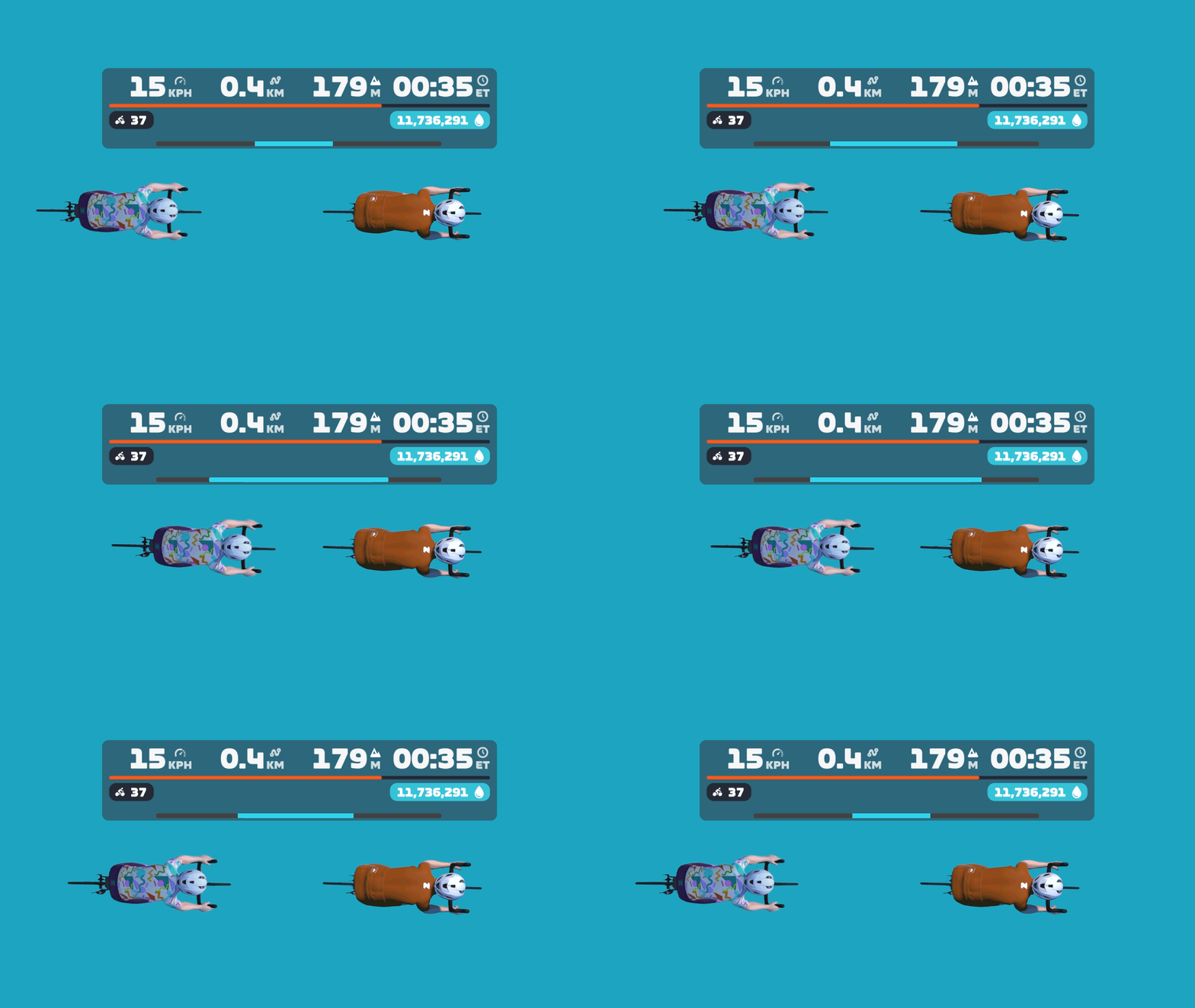
Yesterday’s Zwift update included the release of a long-awaited feature: a draft indicator! It’s a very simple yet useful addition to the game UI: a horizontal blue line that expands and contracts at the bottom of the center HUD element. This animation shows how it basically works:
Want to see it in action? Here’s a quick recording I made while spinning around Watopia yesterday:
Into the Weeds
The new draft indicator, in typical Zwift fashion, is a very simple UI element. But there are lots of details worth discussing, so let’s dig deeper…
What are we measuring?
This is a tricky question to answer, actually.
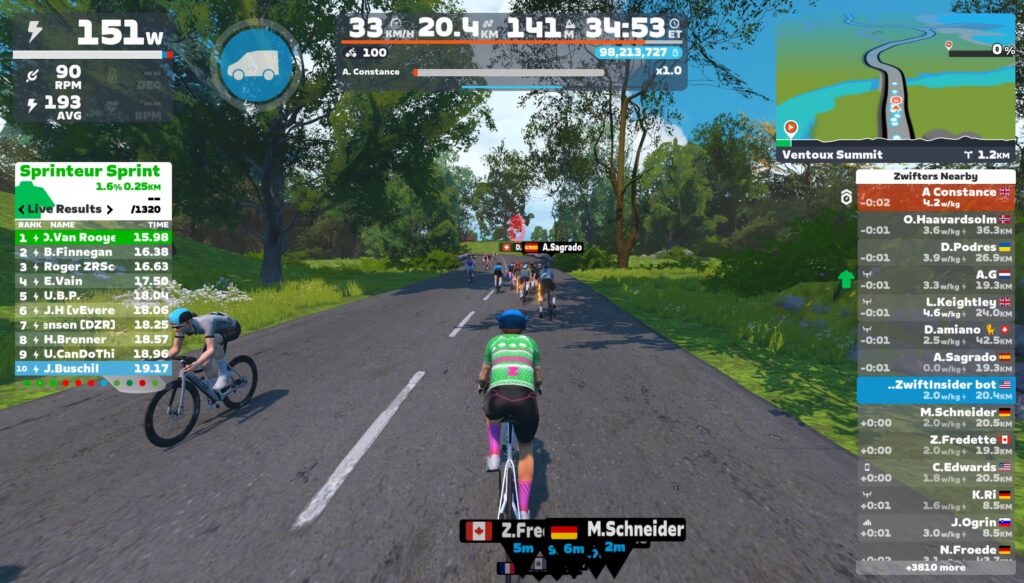
The blue bar isn’t showing exactly how much power you’re saving. If that were the case, it would be wider when drafting two riders at ~60kph on flat ground, vs drafting the same two riders at a lower speed. But that’s not the case. The bar is full even at 34kph, as shown here:
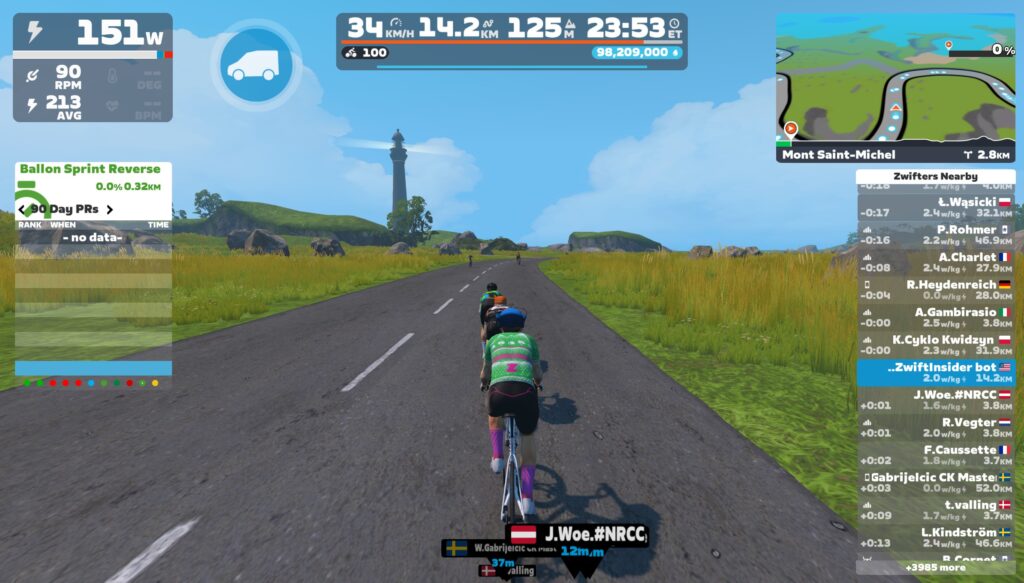
And here you can see it’s filled to the same level drafting off of one rider, whether I’m saving a lot of power at 48kph, or less power at 34kph:
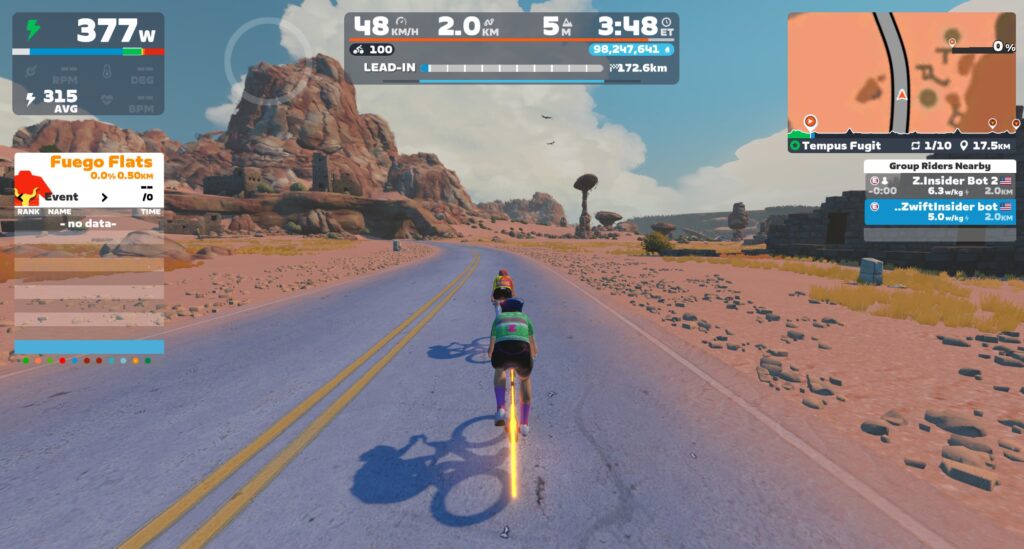
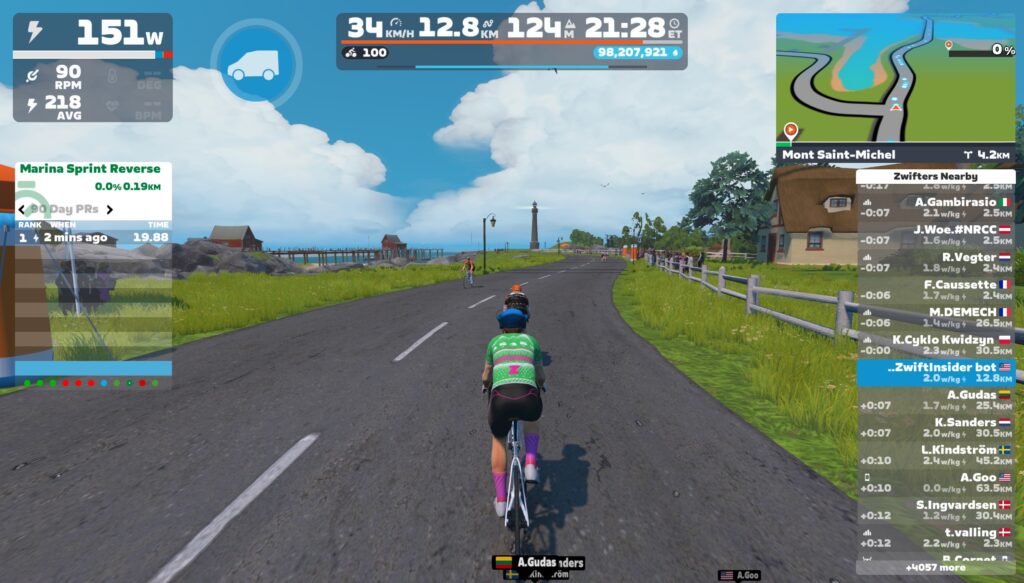
The blue bar is also not indicating how much of the potential draft you are experiencing. If that were the case, the bar would be full when you’re on a climb in the middle of a pack, receiving as much draft as possible in your current location. But that’s not the case. On steep climbs, the bar only fills partway:
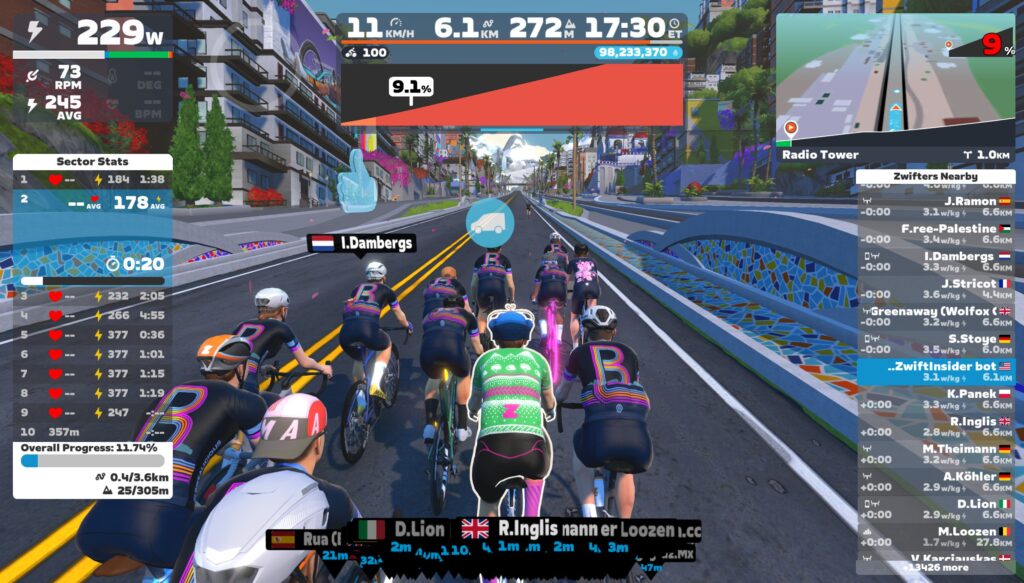
So what is it displaying? I think it’s best to think of the Draft Indicator as showing what percentage of your power is being saved in the draft. This isn’t a perfect description of what it’s showing (especially since the blue bar fills up even when you’re coasting), but I think it’s as close as we’re going to get.
A Note About Bar Width
No, I’m not talking about the UCI’s controversial recent stance on handlebar widths. I’m referring to how the draft indicator’s design could stand to be polished a bit. Currently, the draft indicator bar only fills ~80% of the HUD’s width, but it’s so low-contrast that you can’t really tell how wide the bar should be, if there’s a dark background behind the center HUD:
Because of this, when the bar is fully filled, it can look like it’s only partially-filled, since it doesn’t go to the edges of the HUD.
The bar only expands to the edges of the HUD box when using a Draft Boost powerup (see below). But perhaps the bar should be the full width at all times, then a Draft Boost powerup changes the color of the indicator, or the bar expands to be a bit wider than the main HUD element?
Draft Boost Powerups
What happens when you activate a Draft Boost? I’m glad you asked. Here’s a demo:
How many riders for max draft?
How many riders have to be ahead of you for you to fill the Draft Indicator to max? The answer appears to be two, at least on flat ground at a descent speed.
If you’re well-positioned behind a single rider, the bar fills to this level (around 75% of max):
But get behind two riders, and it fills completely:
This doesn’t quite line up with my Pack Dynamics tests from past years (see Test 2 in this post, for example), which seemed to show that a 4th rider got a bit more benefit than the 3rd rider in a TTT. But my guess is the discrepancy can be explained by Zwift’s new draft indicator having a cap on the power savings it displays, as explained in “What are we measuring?” above.
Goodbye, “Close the Gap”
Zwift says the “Close the Gap” text will be retired with the rollout of the Draft Indicator. I don’t think anyone will complain about that, as long as the Draft Indicator is always visible in its place! (“Close the Gap” was a handy tool in TTT’s… IYKYN.)
How Far Back?
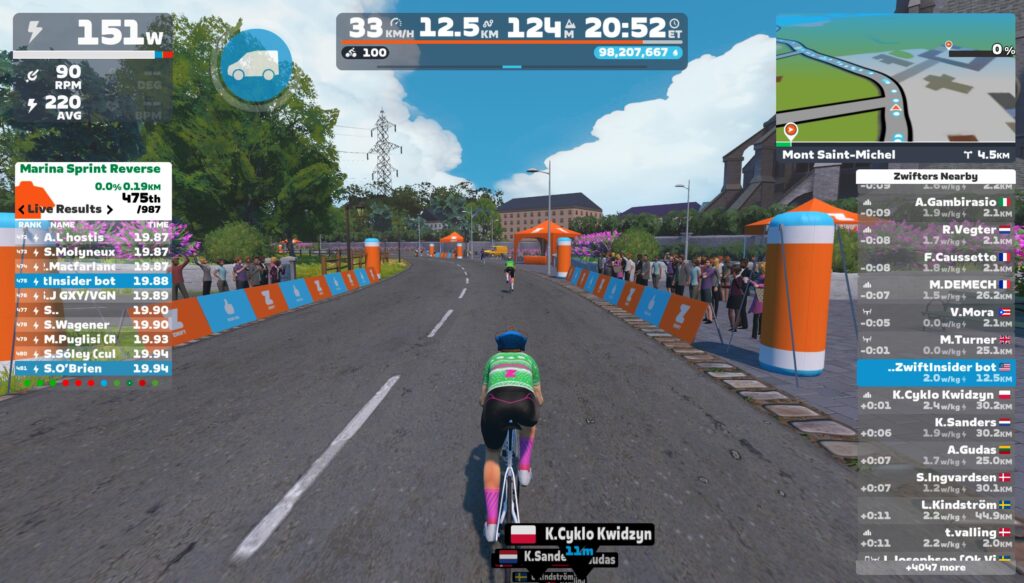
One thing the Draft Indicator will teach Zwifters is that you receive a draft benefit from riders quite far up the road. How far back can you be, and still receive some benefit? I don’t have precise measurements, but here’s a visual showing where the Draft Indicator begins to show a benefit on flat ground at 33kph:
Zwift vs Sauce for Zwift
Until this week’s release, the only draft gauge Zwifters could access was the one provided for Sauce for Zwift. Here’s a quick demo video where I compare Sauce’s drafting gauge and Zwift’s new Draft Indicator:
Sauce’s gauge is titled “W Savings” to indicate that it is showing how much power you’re saving in the draft. This isn’t perfectly accurate, though, as it’s actually showing you how much more power you’d need to be doing to hold your current speed on flat ground without a draft.
Some Zwifters prefer having an actual number displayed. But I think Zwift’s choice to keep it a simple bar is probably the right call, in the interest of keeping the HUD clean and simple.
Drafting Ghosts
With the Draft Indicator now being used by hundreds of thousands of riders, people are going to start discovering new things.
For example, on Zwifter wrote in yesterday to tell me they discovered in a Ladder Race that you can draft off of someone who is invisible due to the ghost powerup. I’d already written about this a few years back (see the post), and of course it makes sense: everyone knows ghosts still have bodies, even if they’re invisible. Right?
TTT Drafting
While Zwift’s Draft Indicator announcement in the forum says, “this indicator will not appear when riding a TT bike…” sources in Zwift tell me that’s not actually true. If you’re in an event where TT bikes can draft (like a TTT), Zwift says the Draft Indicator will be visible. I guess racers will find out tomorrow if that’s true!
Questions or Comments?
What do you think of the new draft indicator? Comment below, and you can also chat on this Zwift forum topic.
Dangerholm cut up an XC frame to build this extreme gravel bike and the end result is incredible
Dangerholm’s latest creation combines a highly modified Scott Spark RC XC MTB frame with a forward-thinking dreamy wishlist of money-no-object components to create a gravel bike that almost defies belief.
With a frame that has been cut apart, super-wide prototype aero wheels, a custom 46T chainring, a modified rear shock, and a one-of-a-kind carbon bar and stem, it’s a classic Dangerholm bike in every sense.
We’ve taken a closer look at this dream Scott Spark RC HMX Gravel Project build, which fuses XC tech with gravel functionality.
Gravel or XC?
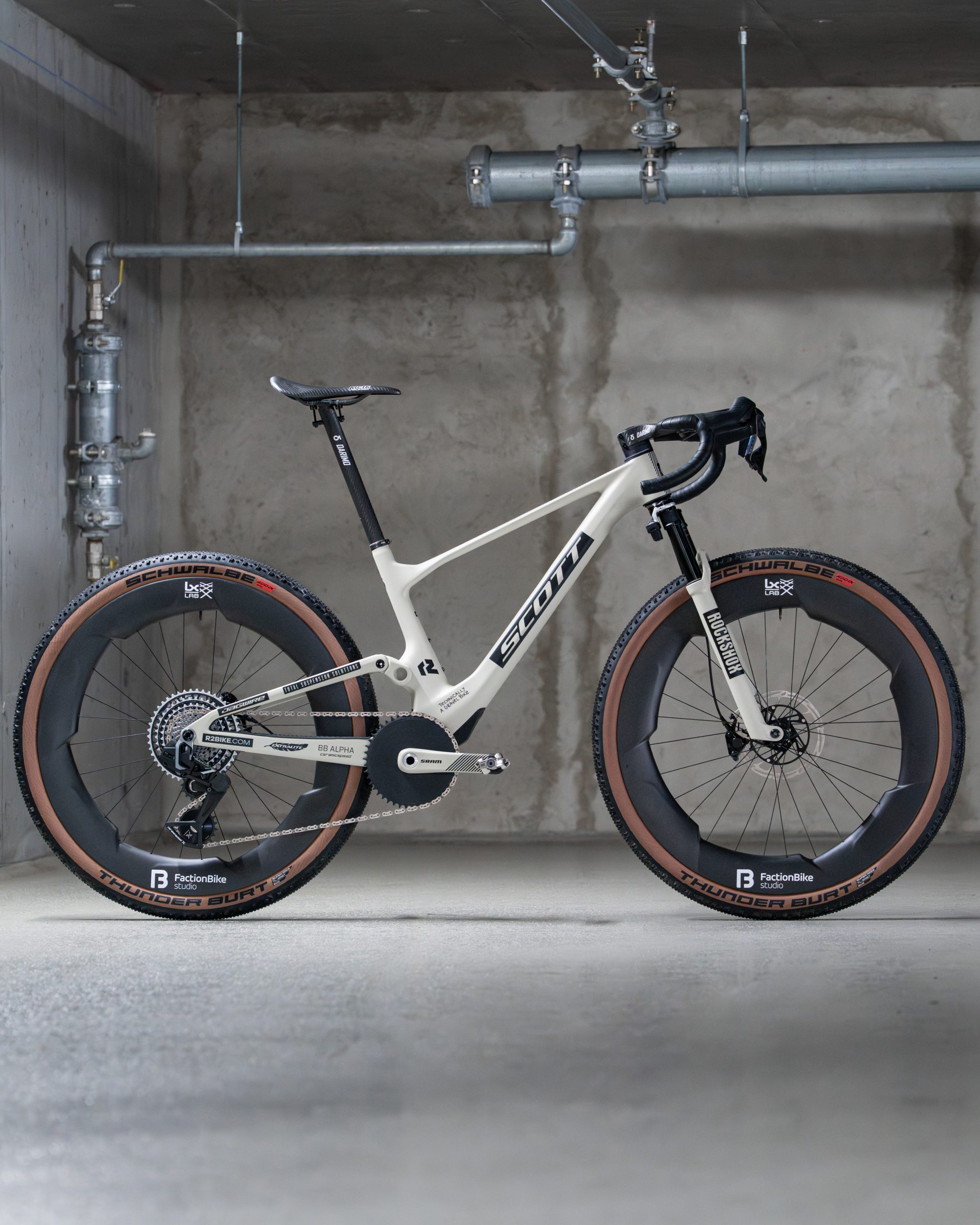
Dangerholm has modified whatever he needed to in the process of creating the bike. He has worked around the MTB origins of the Spark RC, keeping the frame, MTB hubs and a 110mm-travel fork, while adding a gravel-oriented drop handlebar, deep-section aero wheels and a large chainring.
Scott Spark RC full-suspension frame
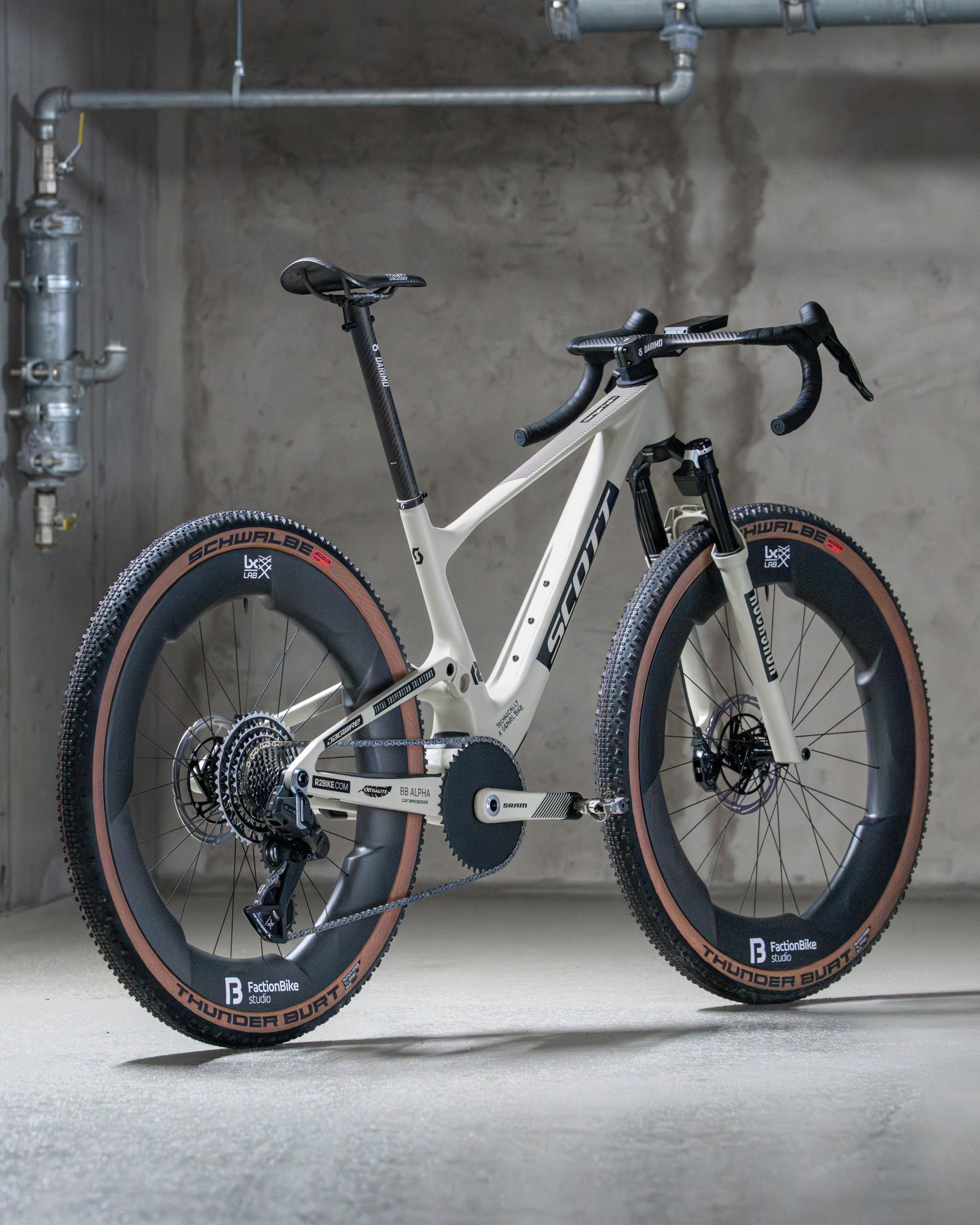
The frame started as a standard Scott Spark RC in HMX carbon fibre.
At 183cm, Dangerholm usually rides a size Large, but sized down to a Medium for this gravel build to shorten the reach and wheelbase for more gravel-oriented handling. For the same reason, the angle-adjustable headset is set in its steepest position.
Where an XC bike might have a 40-50mm stem, in this guise, the shorter reach enabled Dangerholm to run an 80mm stem and preserve a similar riding position to his regular gravel bike, a Scott Addict Gravel.
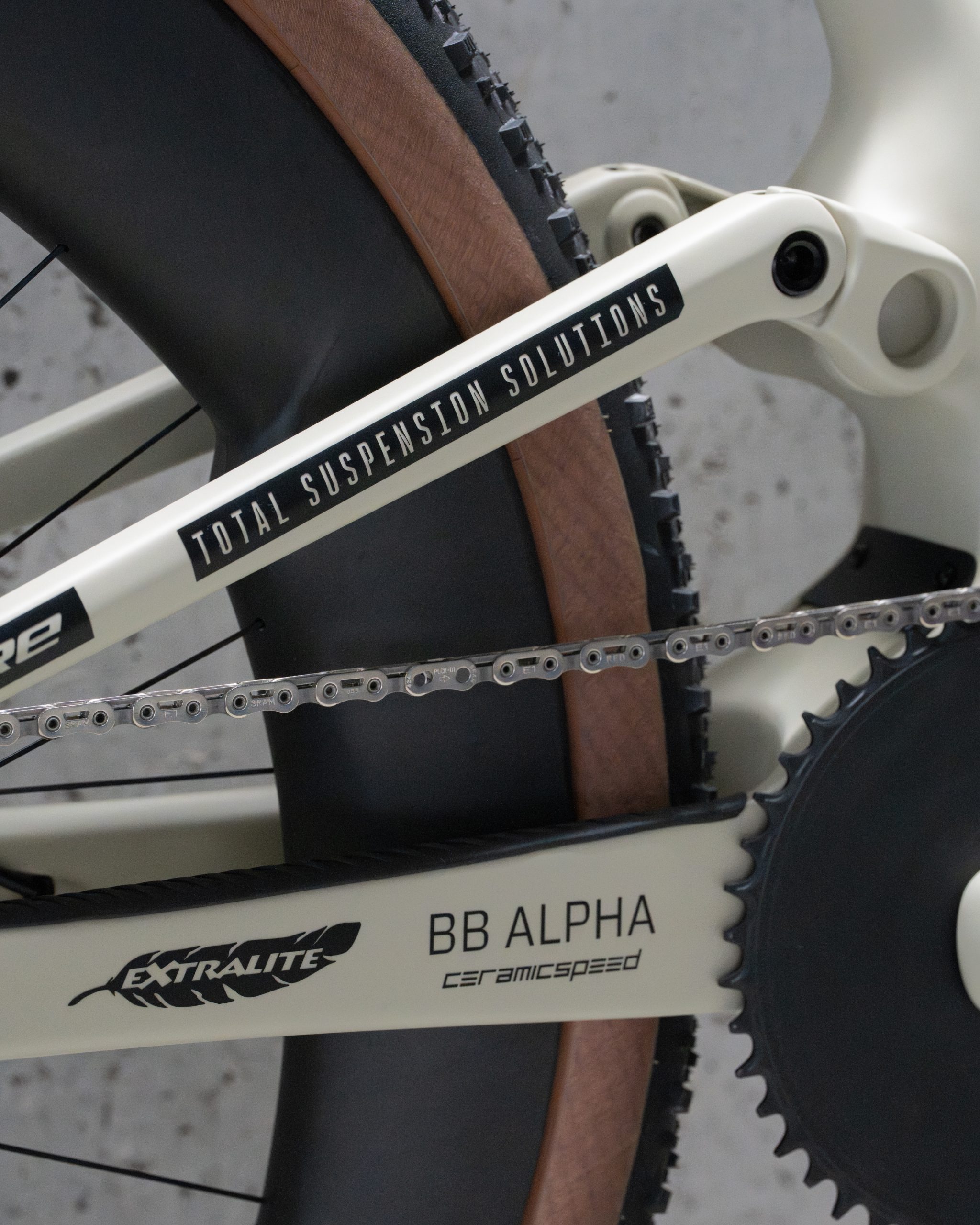
To maintain a sensible cadence at the high speeds gravel bikes can run at, Dangerholm wanted to use a 46T chainring. However, the Spark RC frame is only compatible with a 38T ring.
To accommodate the bigger chainring, the chainstay had to be heavily modified, necessitating cutting open the frame to create the required clearance. It was then wrapped up and reinforced to preserve strength.
Custom shock and 110mm fork
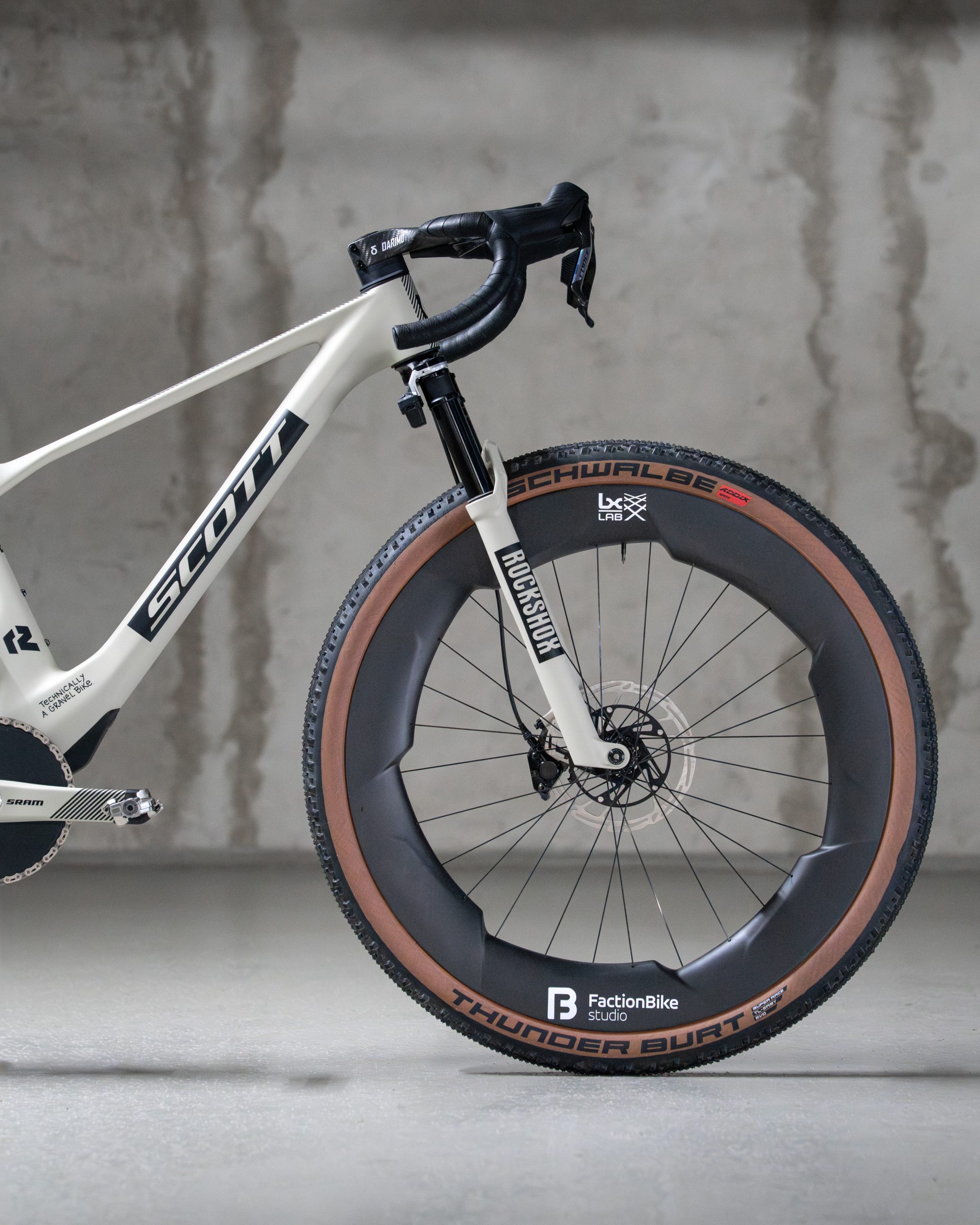
The Spark RC comes with 120mm travel front and rear, and three rear-suspension positions (Lock, Climb and Open). However, on this bike, the RockShox SIDLuxe Flight Attendant rear shock is modified, shortening the stroke from 45mm to 40mm.
The rear suspension now delivers a reduced 0, 71 or 107mm of travel depending on the mode.
Up front, the stock 35mm-stanchion Rockshox SID, with 120mm travel, has been replaced by a 110mm RockShox SID SL Flight Attendant. Its smaller 32mm stanchions save weight and lower the front of the bike, also steepening the head angle for more gravel-oriented handling.
SRAM Flight Attendant and AXS combo
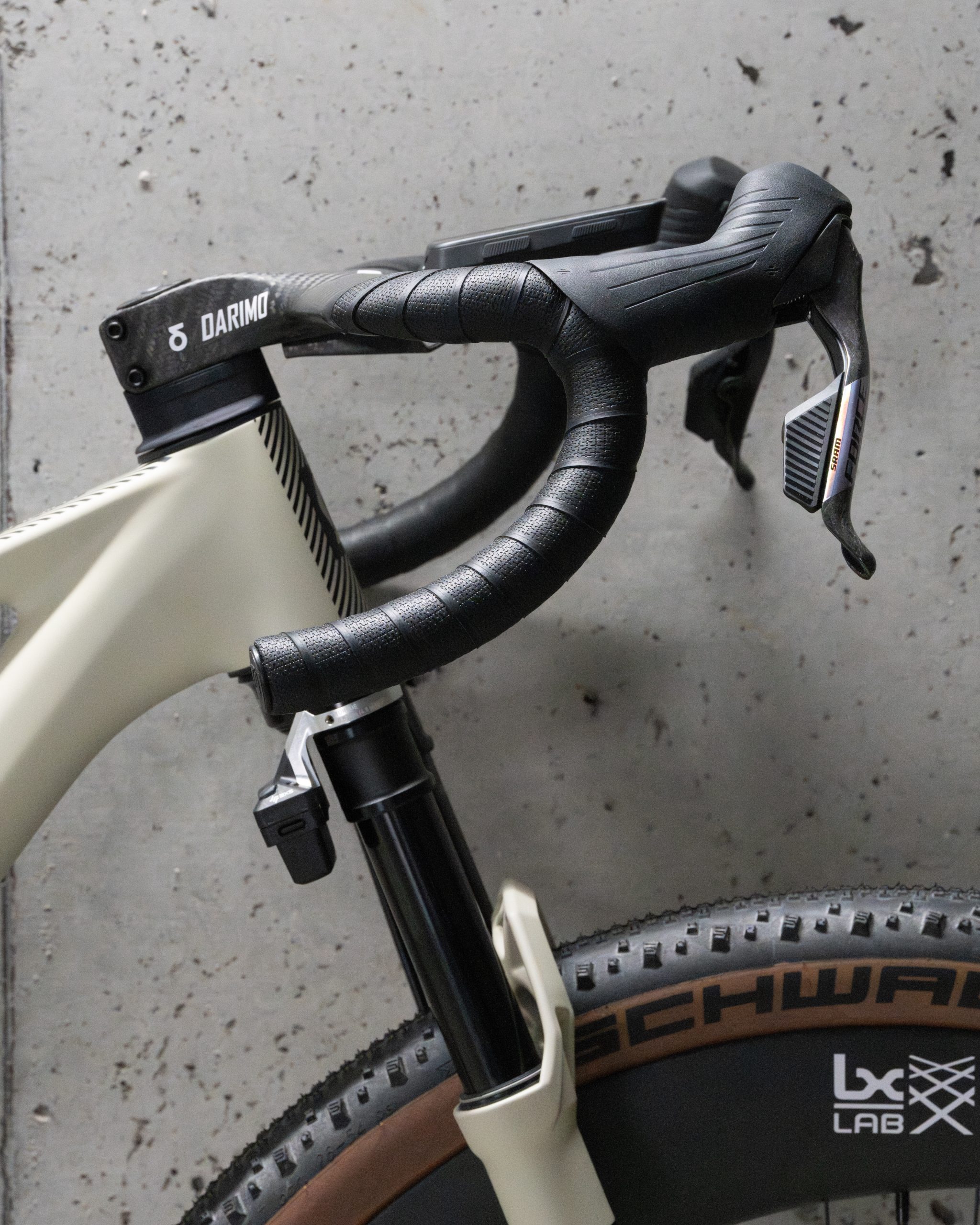
Dangerholm explained that the RockShox Flight Attendant suspension system and its compatibility with the SRAM AXS shifters opened the door to this build. He wanted the efficiency of Flight Attendant and worked out a way of retaining full functionality of the AI-driven suspension system without adding any switches that would clutter up the handlebar.
To do this, Dangerholm reprogrammed the drop-bar gravel shifters to lock and unlock the suspension. Double-tapping the shifters, which would normally shift a front derailleur, cycles through the suspension modes, while a single tap of the shifter changes gear as normal.
He adds that if you run a SRAM power meter, the fully automatic suspension mode senses the condition of the riding surface, incline angle and your power output to adjust the suspension accordingly – no buttons needed.
Super-wide prototype aero wheels
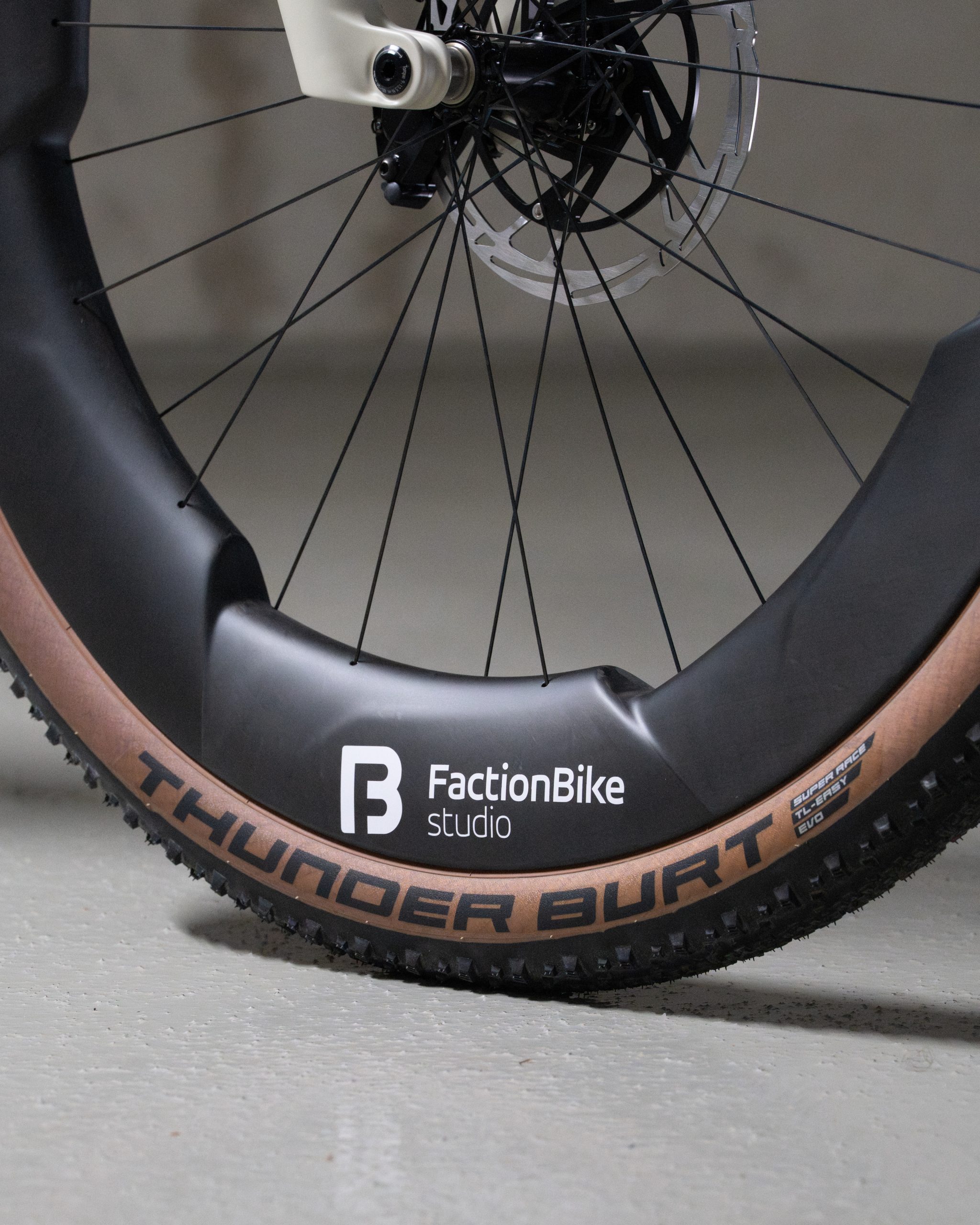
The ultra-wide aero rims are prototypes, and measure a whopping 52mm wide and 70mm deep.
Developed for this bike and the forthcoming Scott Scale RC Aero, only four rims were created.
They’re a fully rideable concept brought to life by carbon specialist Faction Bike Studio and LX Sim. Dangerholm explained his ideal dimensions, and they added a carbon aero fairing moulded on top of a 29in enduro MTB rim.
This means the prototype wheelset is very heavy, at 2,270g, but with a theoretical rim weight of 590g each for the final versions, a wheelset could come in at around 1,650g.
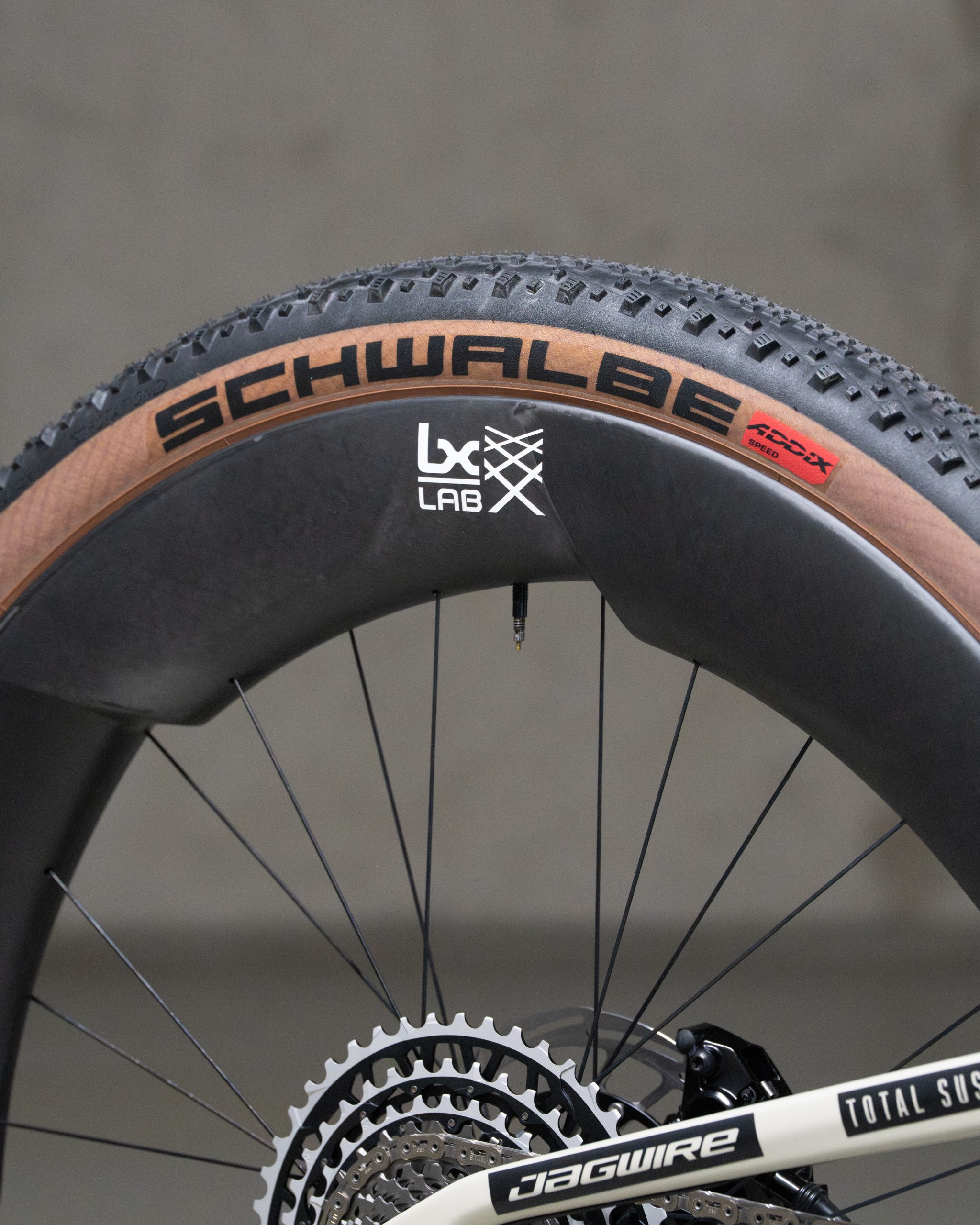
Dangerholm says the extreme dimensions optimise aerodynamics with wide tyres, and improve tyre stability at low pressures. More volume increases comfort and grip, and enables lower pressures to be run for less rolling resistance over rough terrain.
MTB hubs are needed for the 148mm Boost spacing of the Spark RC. Dangerholm says the Extralite HyperSmart 3 hubs were chosen because they’re light and solve a compatibility issue – the 13-speed SRAM RED XPLR gravel cassette requires a SRAM XDR-compatible freehub body, which is difficult to find on MTB hubs.
The 46T chainring was custom-made by Garbaruk. Based on its standard aero chainring, these feature a custom offset.
Custom-made handlebar
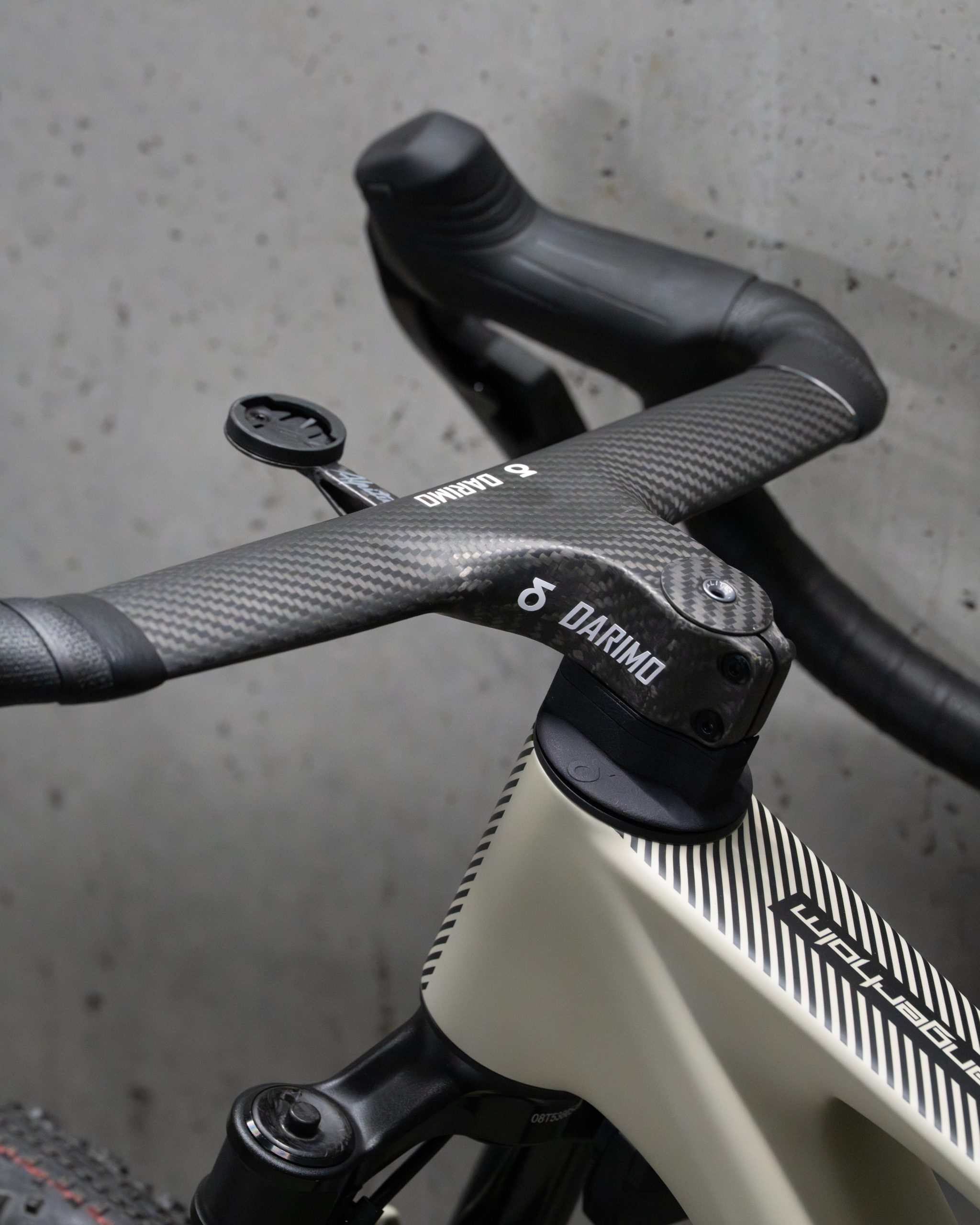
Dangerholm’s desire to run a one-piece aero cockpit, but combine it with MTB geometry, presented a challenge because the frame’s slack head angle necessitated a steeper stem angle to compensate.
He needed an 80mm-long, 12-degree stem to get the riding position he wanted, so carbon specialist Darimo created a custom 380mm-wide bar and stem with the required dimensions.
Brake adaptors and big rotors
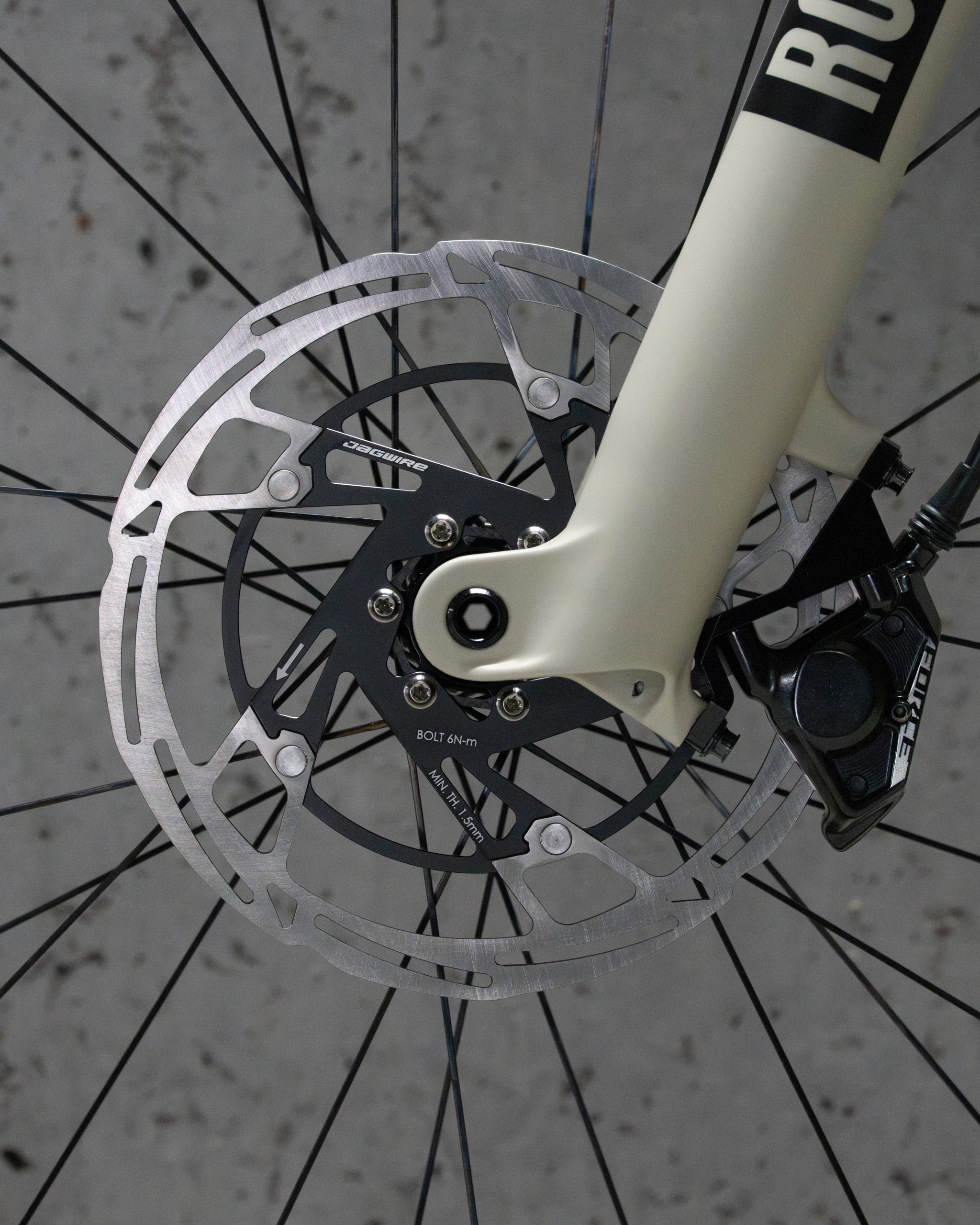
The bike uses Flat Mount Force gravel calipers from SRAM, which needed adaptors to fit the post-mount MTB frame and fork.
The brakes run large 180mm Jagwire Pro LR2 brake rotors for extra power and heat dissipation when slowing the 10.33kg bike down.
Dangerholm Scott Spark RC HMX Gravel Project specifications
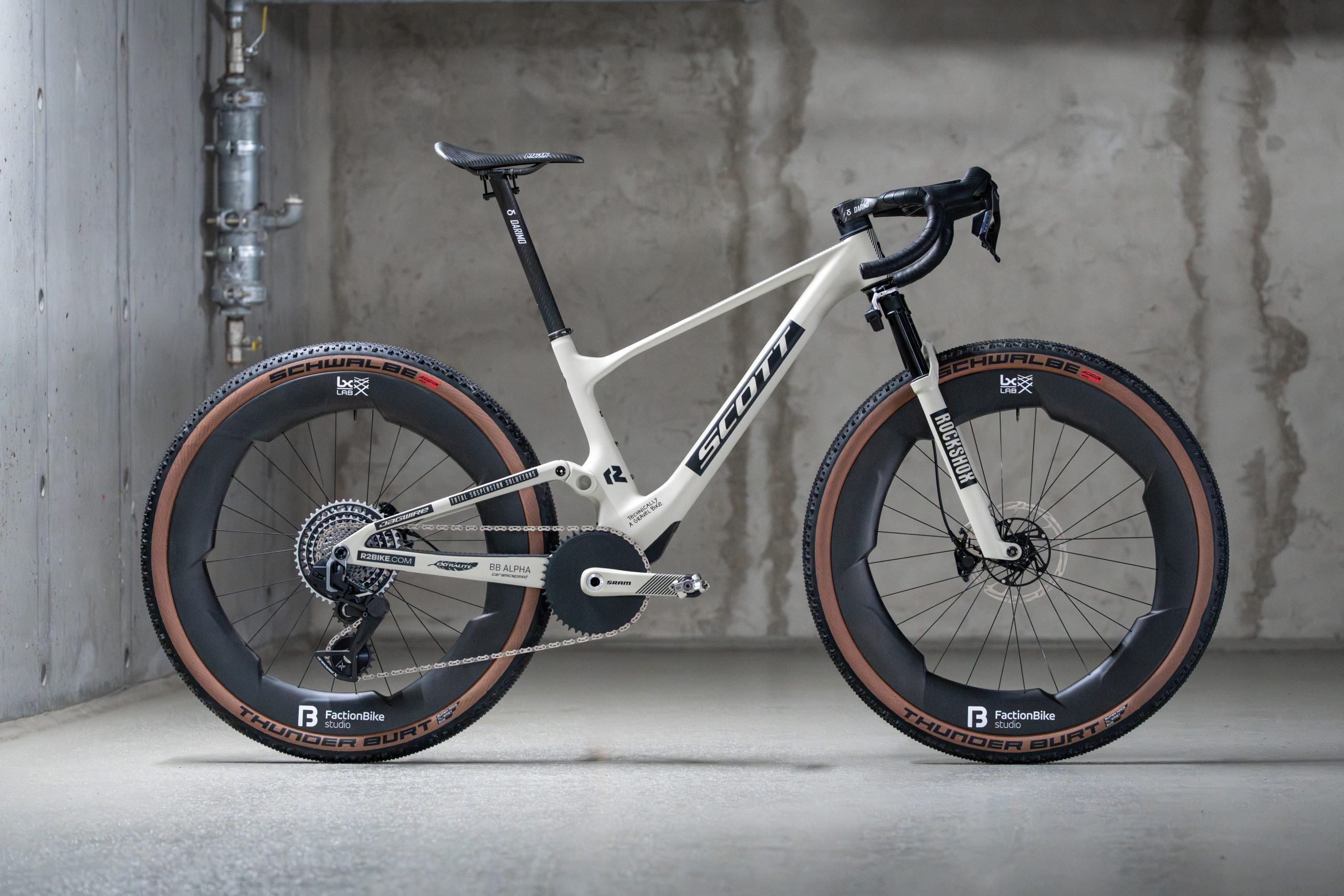
- Frame: Scott Spark RC (HMX, size M)
- Rear shock: RockShox SIDLuxe Flight Attendant (custom 40mm stroke)
- Fork: RockShox SID SL Ultimate Flight Attendant 110mm
- Headset: Syncros
- Spacers: Darimo custom
- Handlebar: Darimo Nexum Drag 80x380mm -12º
- Top cap: Darimo carbon with Extralite bolt
- Bar tape: Syncros
- Saddle: MCFK
- Seatpost: Darimo T1 Loop
- Seatpost clamp: Darimo Sub4
- Cranks: SRAM XX SL 170mm, 168mm Q-factor
- Chainring: Garbaruk DM Aero custom (42T and 46T options)
- Bottom bracket: CeramicSpeed BB Alpha
- Pedals: Look X-Track Power Dual (+404g)
- Chain: SRAM RED
- Cassette: SRAM RED XPLR 13-speed 10-46t
- Weight: 10.33kg / 22.77lb (without pedals)
Important note: SRAM XPLR AXS is not intended to be used on MTB frames, and especially not full-suspension frames. The maximum chainring size for the standard Scott Spark RC is 38T. The bike shown here is a custom one-off, not meant to be replicated.
Rad Power Bikes files for bankruptcy protection
Rad Power Bikes, which once claimed to be the most funded electric bike company in the world, filed for Chapter 11 bankruptcy protection on Monday as it seeks to sell off the company.
The bankruptcy, first reported by Bicycle Retailer, was filed in the US Bankruptcy Court for the Eastern District of Washington, and lists estimated assets at $32.1m and estimated liabilities at $72.8m. The inventory of electric bike spares, parts and accessories is listed at $14,226,874.73, according to Bicycle Retailer.
It’s been a dramatic few years for the electric bike brand. Founded by Mike Radenbaugh in 2007, Rad Power raised $154m through a financing round in 2021 that brought the total investment amount to $329m.
But in 2023, it pulled out of the European market in order to try to sustain its business and success in the USA, where the company began. The company has also dealt with personal liability lawsuits, layoffs and management changes.
The filing comes less than a month after Rad Power said it could not afford to recall its older ebike batteries, deemed a fire risk by the US Consumer Product Safety Commission. Rad Power disputed the CPSC’s warning, stating its batteries are safe.
In early November, Rad Power told Washington state officials that it would possibly lay off 64 employees in January and could shut down if additional funding is not secured.
A Rad Power spokesperson told Bicycle Retailer: “Rad Power Bikes has navigated an extraordinary period of challenge and change, even as our riders and community have continued to show up for us in powerful ways.
“As we work to secure a sustainable future for the Rad brand, Rad has filed for Chapter 11 protection as part of a process to complete a sale of the company within the next 45-60 days.
“This step allows us to keep operating in the ordinary course of business while we pursue the best possible outcome for the people who rely on Rad every day. Our goal is to keep the company intact and preserve the relationships we have built with riders, vendors, suppliers, and partners.
“We are not giving up. We remain deeply committed to our customers and community, and we are focused on doing everything we can to strengthen the future of the Rad brand. We are grateful for the continued support of our riders, vendors, and retail partners as we work through this moment and toward what comes next.”
“No Sleep Till Brooklyn” Route Details
Zwift introduces progress report screen and one of its most requested features
They say Christmas comes but once a year, yet certain Zwifters may feel their letter to Santa Claus has been answered a week early.
That’s because Zwift has announced that it has released one of its most requested features: a draft indicator.
The indicator is one of two “quality-of-life improvements” the indoor cycling app released yesterday, alongside an updated report screen, which enables you to track your fitness progression and more.
Draft indicator
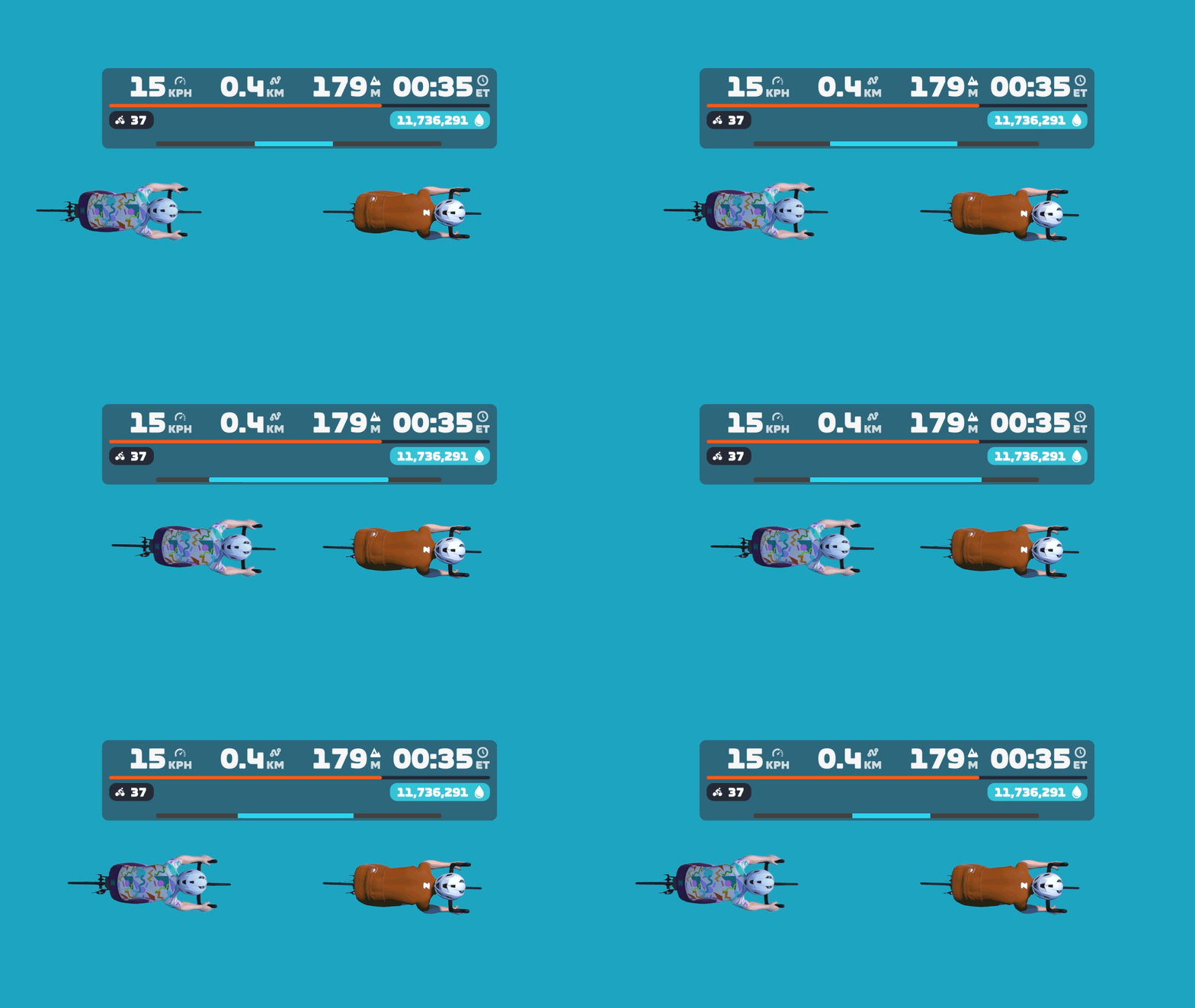
Although it’s a virtual platform and you don’t get the literal advantages of riding in a group, Zwift’s drafting feature enables you to conserve energy.
Zwift Insider estimates that drafting behind a single rider on the platform earns you a power saving of approximately 25 per cent.
Even if it won’t quantify your energy saving as a percentage, Zwift’s new draft indicator shows how much shelter you are getting from the riders in front.
“The wider the draft indicator bar, the better your draft position is,” Zwift says.
Progress Report screen
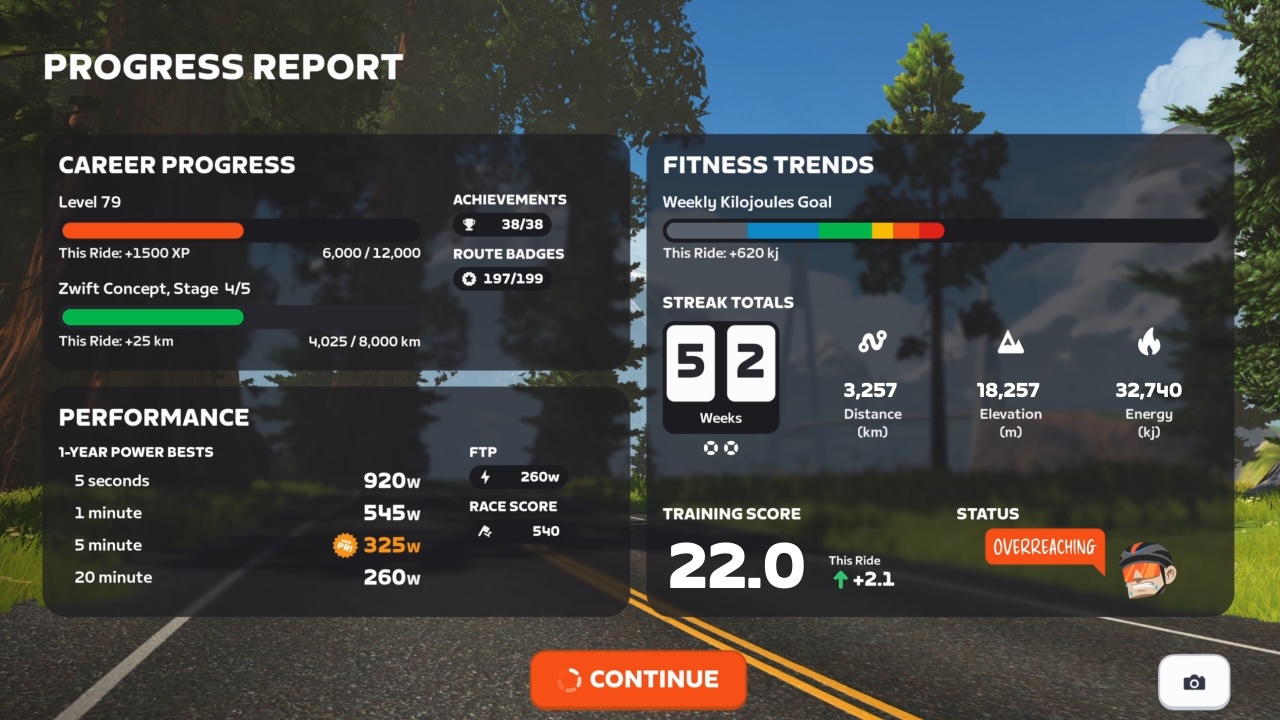
Also released yesterday is Zwift’s new progress report screen, which focuses on ‘career stats’ and an overview of your cycling performance.
The screen means you can track your progress after every ride, and is said to build on the success of Zwift’s fitness tracking, which was released in the spring.
“Zwifters can track their weekly goal progression, streak totals, training score and status. The training score represents training load – intensity, duration and frequency as an easy-to-track score,” Zwift says.
You now have the option to set weekly goals in kilojoules, stress points, calories, distance or time, too.
Similar to Garmin’s training status function, Zwift will provide you with status classes: ready, fresh, productive, overreaching or detraining.
The fitness tracking is also available in the Zwift Companion app, where you can see your fitness progress over time, with graphs showing metrics such as training goals, training score, training status and Zwift streak.
The career progress function enables you to see stats such as how many XP points you earned on your last ride and how many you need to level up.
The bike upgrade function means you can see how far you have left to unlock your next bike upgrade.
Performance statistics, such as a one-year power bests over 5 seconds and FTP, are also displayed on the summary screen.
Skarper and Sonder team up on gravel bikes that switch from standard to ebike in seconds
Off-road specialist Sonder has teamed up with fellow British innovator Skarper to equip Sonder’s line of Camino gravel bikes with the DiskDrive ebike system.
When I tested the Skarper in October 2024, I said it had the potential to render the lightweight e-road and e-gravel bike redundant. Well, it seems now Sonder has taken up the challenge by adding a ready-to-ride Skarper-equipped option to its Camino range of gravel bikes.
We’ve been impressed with the Camino in the past, awarding it a 4-star review, and pairing this capable gravel bike with a Skarper unit makes a lot of sense to me.
You can have a quality ebike to commute on during the week, but come the weekend, you still have a non-assisted gravel bike for more adventurous riding. It’s a solution that does away with the need for another bike, such as an electric commuter, taking up valuable space and extra expense.
Two bikes in one
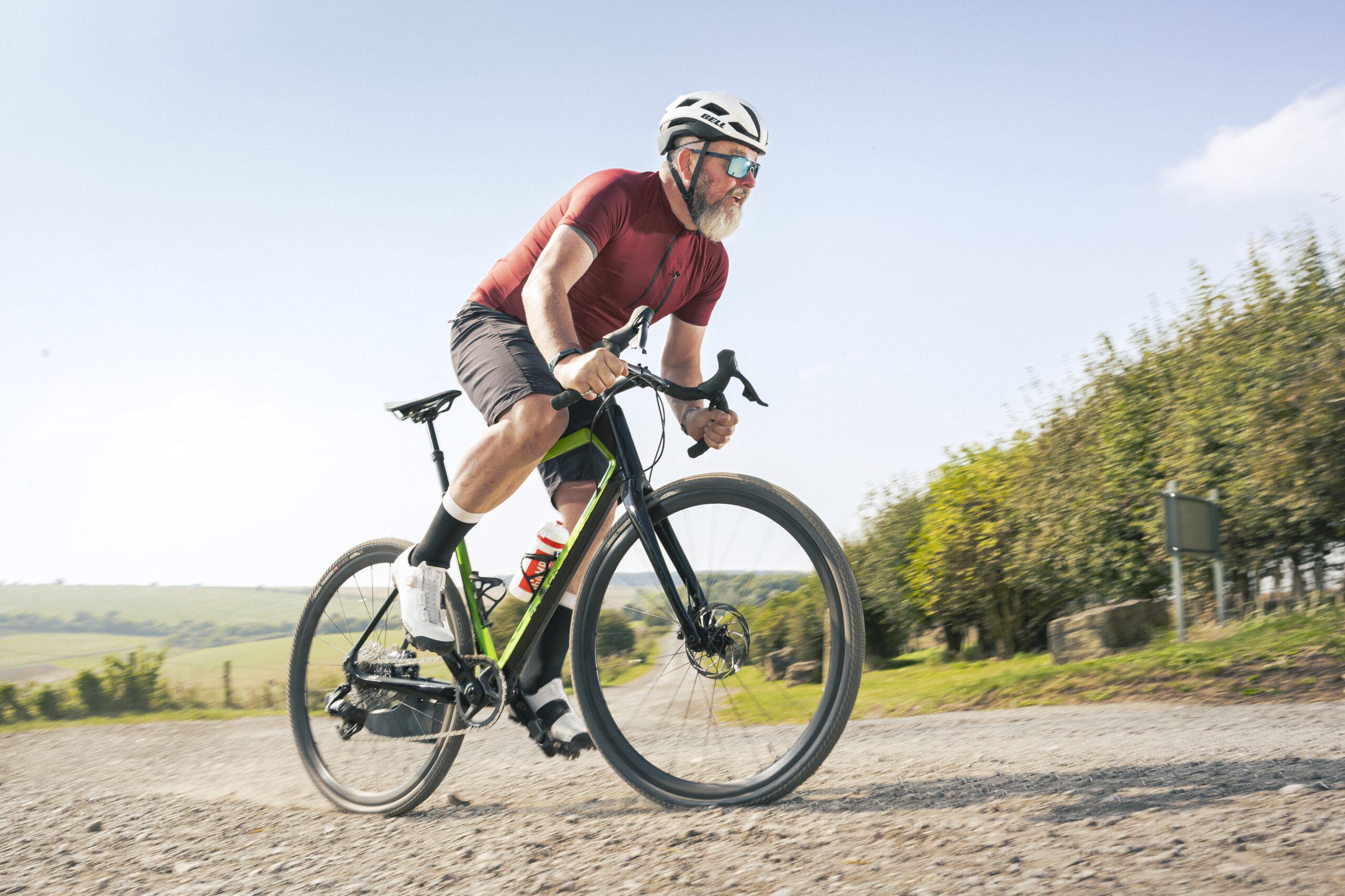
The move into OEM (original equipment) from Skarper is a bold one, and not something we’ve seen from any other ebike conversion kit brand.
Neil Sutton, product manager at Sonder, says: “Our riders value simplicity, reliability and adventure. Skarper’s neat, removable drive keeps a Sonder feeling like a Sonder, while adding the confidence to go further. It is a natural fit for how our community rides.”
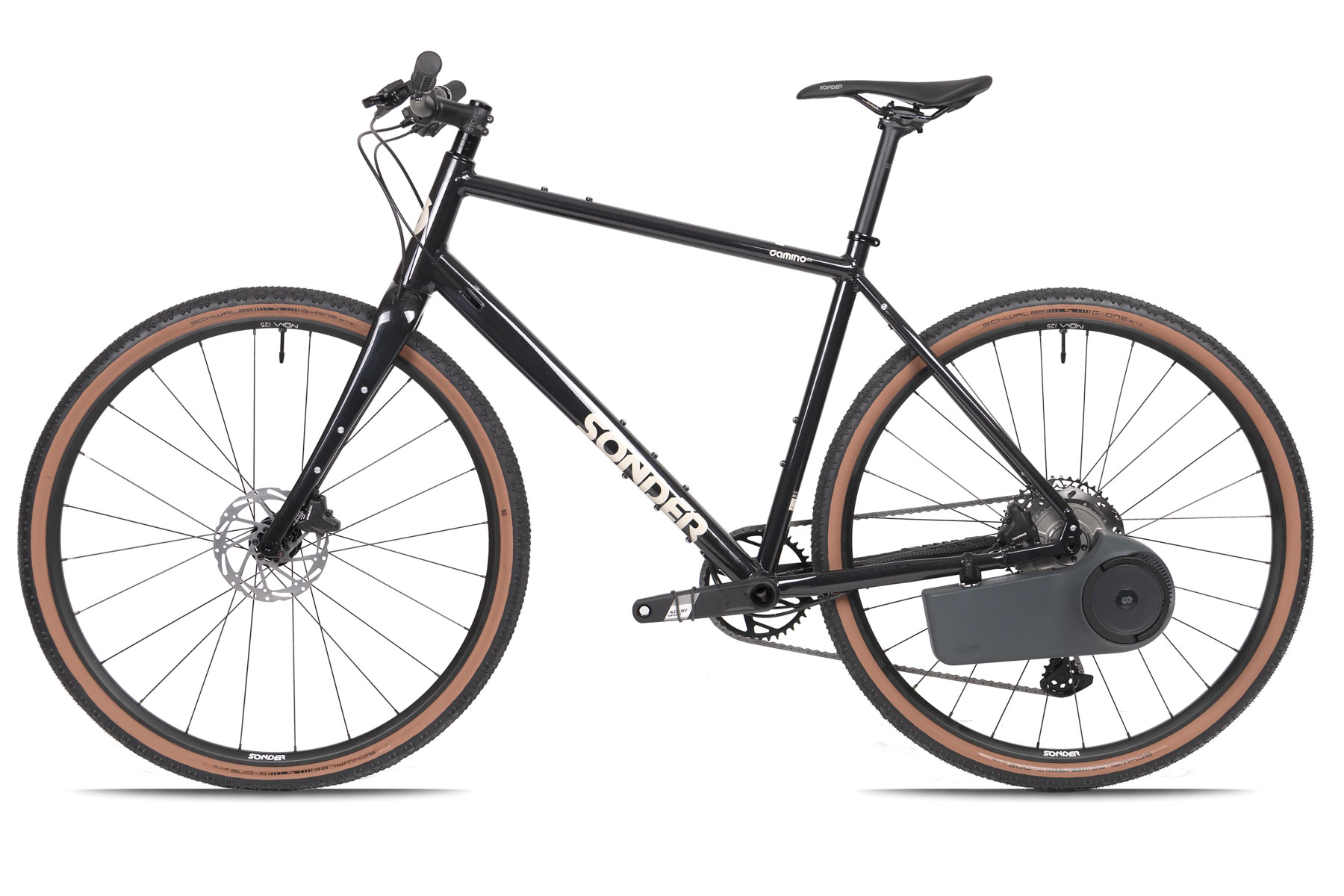
Ean Brown, Skarper’s CEO, explains: “Riders want freedom and flexibility, not a second heavy bike. With Sonder, we bring click-on power to award-winning frames through a partnership celebrating British design and innovation.
“The result is one bike that covers the city and the wild, with no compromises on ride feel. For the Skarper brand, this is an exciting step forward as we develop new partnerships that bring to life a new use case for our product – an integrated bundle that goes far beyond being just an additional product to buy for an existing bike you own.”
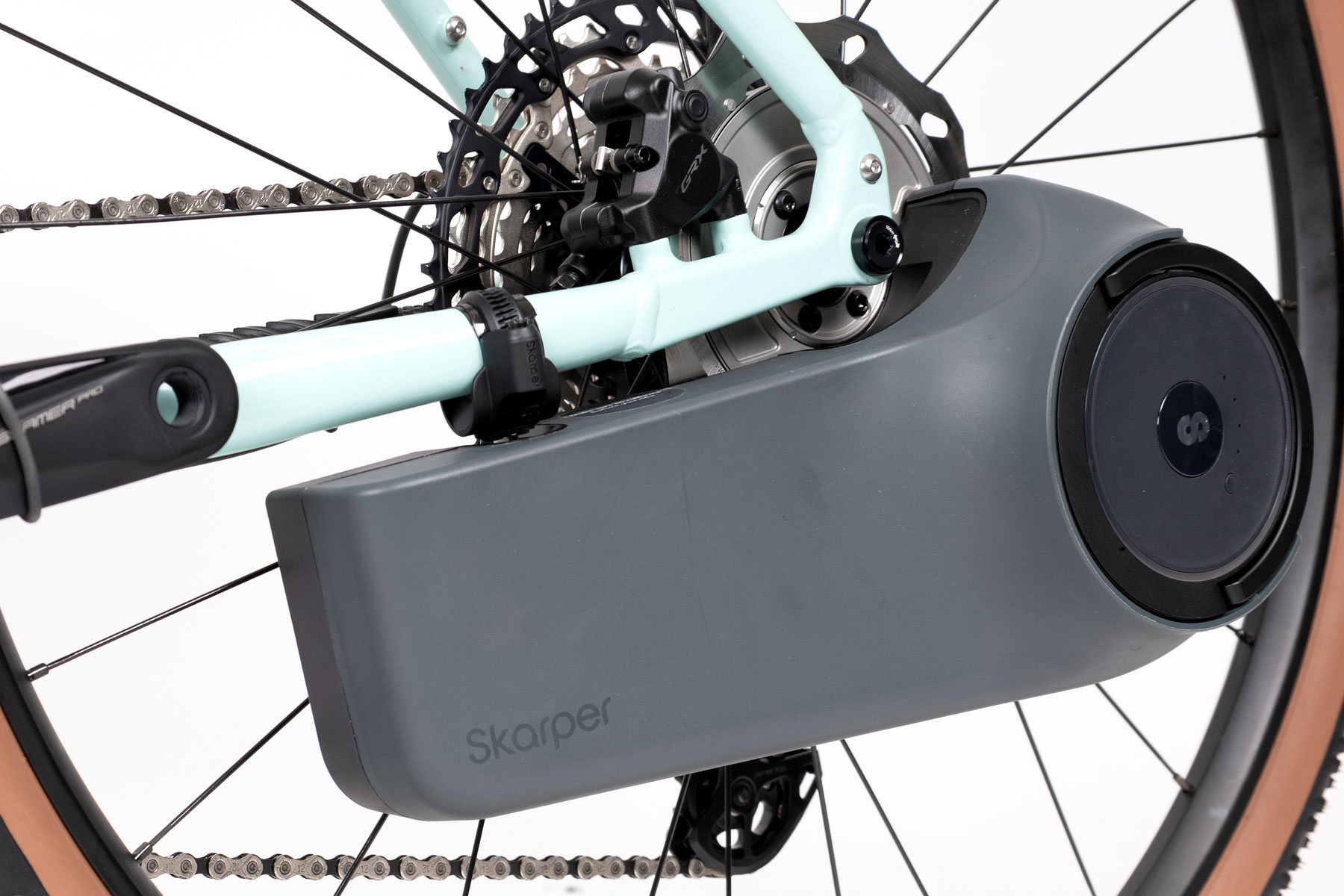
With bikes starting at £2,649, the Sonder x Skarper range compares favourably to current electric gravel bikes on price, and has the advantage of giving you both a non-assisted gravel bike and an ebike.
The Skarper kit’s standalone price is £1,495, so the upgrade to the Sonder has a discount over buying the bike and kit separately.
Where to buy the Sonder x Skarper
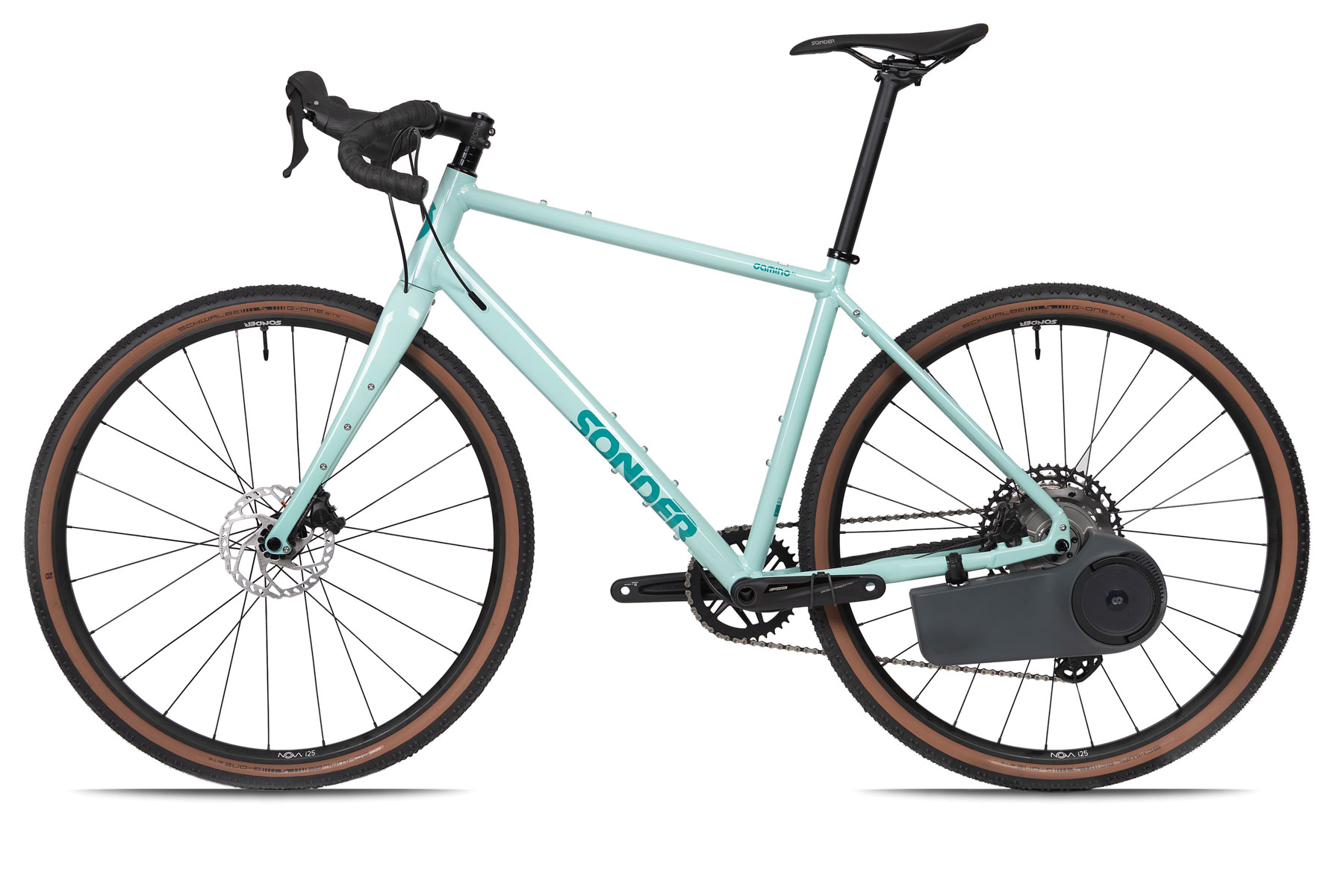
The three-model range is available from today from Alpkit stores or directly through Alpkit’s website. The Sonder x Skarper bikes are also available now from Selfridges in London.
Sonder x Skarper range details
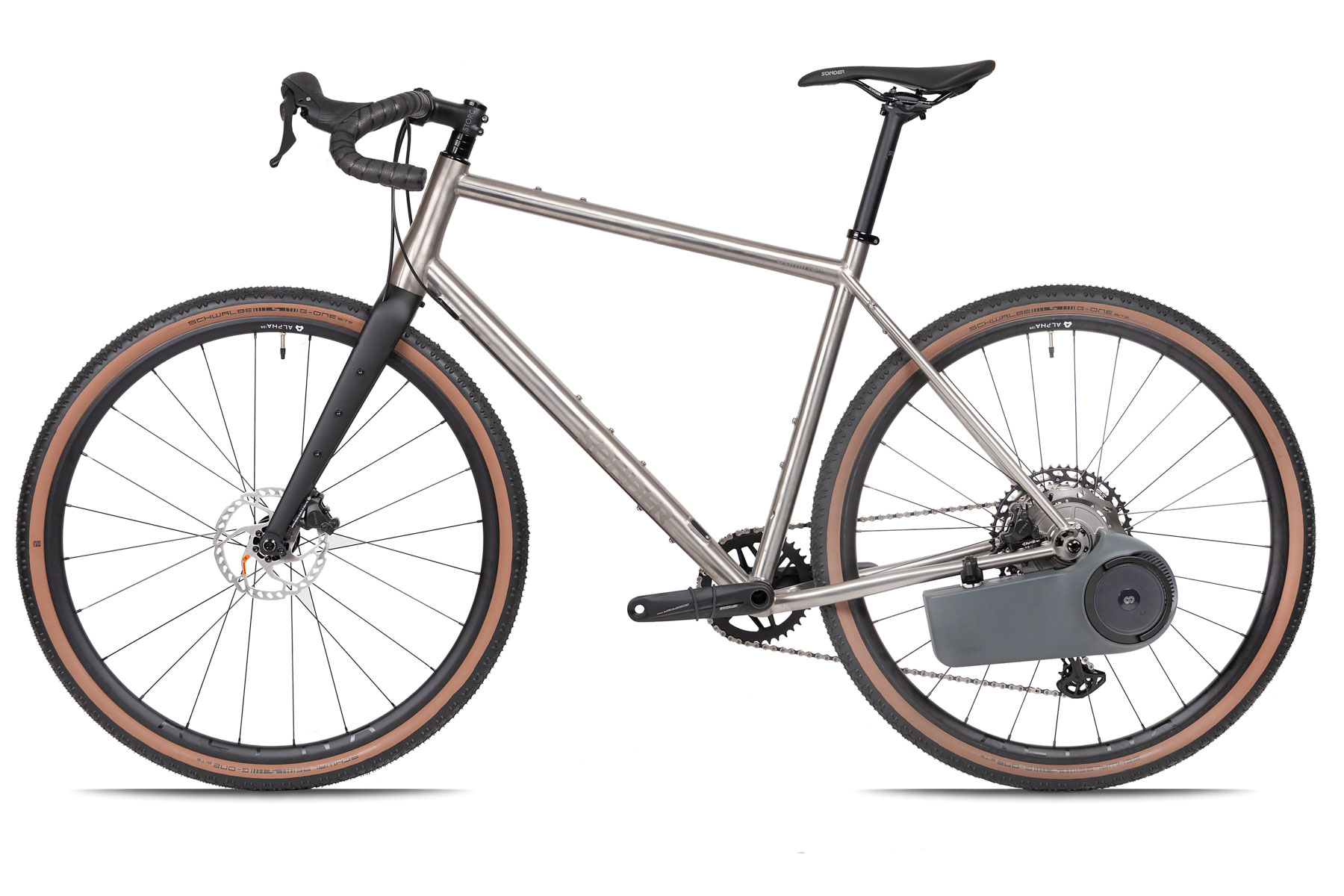
The partnership launches with three ready-to-ride Sonder x Skarper bundles, available both in-store and online:
- Camino Apex 1 Flat Bar × Skarper: £2,649
- Camino Al GRX1 × Skarper: £2,999
- Camino Ti GRX1 × Skarper: £4,249
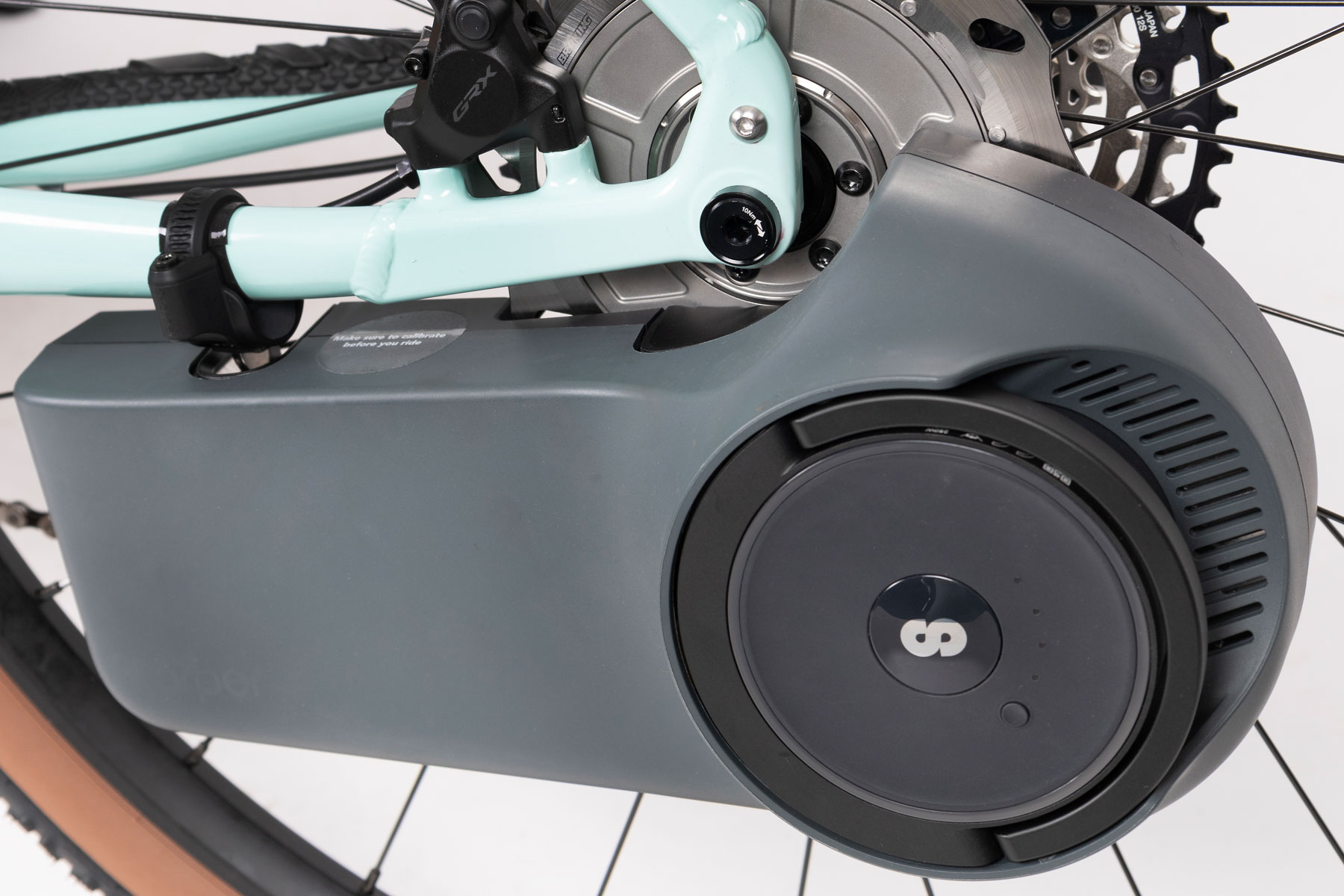
Existing Sonder owners can also purchase Skarper add-on kits with free professional installation at participating Alpkit stores.
Nowhere Fast Episode 61 – Same As It Ever Was
The newest episode of Nowhere Fast rolls into the Zwift season with its trademark mix of cycling news, casual chaos, and self-inflicted existential dread. The hosts recap their summers — which, in true virtual-cycling fashion, featured more KOM-hunting intentions than actual training — before diving into another classic Zwift storyline: someone cheated again. Apparently, virtual racing continues to deliver scandals with the reliability of a dropped chain on a neglected trainer bike.
At one point, Kevin makes a comparison that perfectly sums up the vibe: the latest “exit racing” format is basically the gluten-free pasta of virtual cycling — technically the same activity, but somehow missing flavor, texture, and joy.
The episode also marks a real-life milestone for host Zach Schuster, proving at least one member of the podcast occasionally contributes something meaningful to society outside Watopia.
The overall tone is equal parts mockery and affection — a reminder that while the racing is digital and sometimes ridiculous, the enthusiasm (and inability to stop caring) is painfully real.
About the Podcast
Nowhere Fast is a member of the Wide Angle Podium network. To support this podcast and help pay for Kevin’s gold-plated ankle weights, head to wideanglepodium.com and contribute to our advanced virtual racing research.
To keep up to date on all our real coverage of fake bike racing, subscribe via Apple Podcasts or Spotify.
ZwiftPower ZRS Browser Extension Updated: ZRS History, Power Curves, + More
A few months ago, I wrote about the ZwiftPower ZRS Browser Extension. Since then, it has undergone substantial upgrades, including an incredibly detailed new profile page that charts your ZRS history! So I reached out to the creator (who goes by the pseudonym “int” on socials) for a look at what has changed, including a detailed list of new features. Here’s what I received…
From the Creator
Since the last Zwift Insider article, the extension has grown quite a bit.
The very first version took only a few hours to build. I probably spent almost the same amount of time writing my response to Zwift Insider when he first reached out. It was just a simple script to inject ZRS scores into ZwiftPower event pages. Nothing fancy.
Back then, I mentioned the article may “give the project new life.” Well, it did. The article brought in more users, and with them came requests. Profile page support. History graphs. More detailed analytics. Each feature request led to another and the codebase went from a few hundred lines to… well, something more substantial.
So here we are again, writing another response after Eric reached out asking if I had any “juicy details” to share.
Recent Development
The active users of the extension already know that not everything went smoothly.
The first major update went live and didn’t last long. Users started processing their lifetime event histories, and some corrupt Zwift events from years ago triggered an infinite fetching loop.
The combination—hundreds of users processing thousands of events each, plus the bug causing endless retries—created an API spike. I fixed the bug immediately after it was reported, but the damage was already done. Zwift decided to enforce authentication requirements, breaking the extension for everyone.
I reached out to Zwift, acknowledged I should have coordinated beforehand, and didn’t hear back. So a few days later I implemented a workaround that captures the user’s Zwift token (with the user’s permission, of course) to get things going again.
Besides restoring functionality, authentication unlocked additional API endpoints that made most of the newly added features possible. In the end, the authentication enforcement turned out to be a good thing.
Looking Forward
The extension serves a niche within the Zwift community, and I’m glad people find it useful. There’s still plenty to improve—I won’t be running out of ideas anytime soon. I appreciate everyone who’s taken the time to report bugs, suggest features, or simply tell your buddy about it. And special thanks to the testers.
Hopefully, Eric will have a reason to check in again down the road.
If you have thoughts or ideas, feel free to reach out.
(That goes for Zwift, too. It would be cool if we could implement proper OAuth2 authentication and you could relax your CORS restrictions a little bit.)
ZRS Extension: Technical Overview
What ZRS Extension Does
The ZRS extension enhances ZwiftPower.com by adding ZRS (Zwift Racing Score) data, performance analytics, and racing statistics to profile and event pages. The extension operates as a fully decentralized system, running entirely within the browser environment. All data processing, storage, and analytics occur locally on the user’s device, with no external servers or databases involved.
Key Capabilities
- ZRS Score Integration: Adds ZRS scores and changes directly into ZwiftPower event tables
- Performance Analytics: Power analysis, phenotype detection, activity tracking
- Racing Statistics: Head-to-head comparisons, ranking points visualization, ZRS history graphs
The Profile Dashboard
Layout Overview
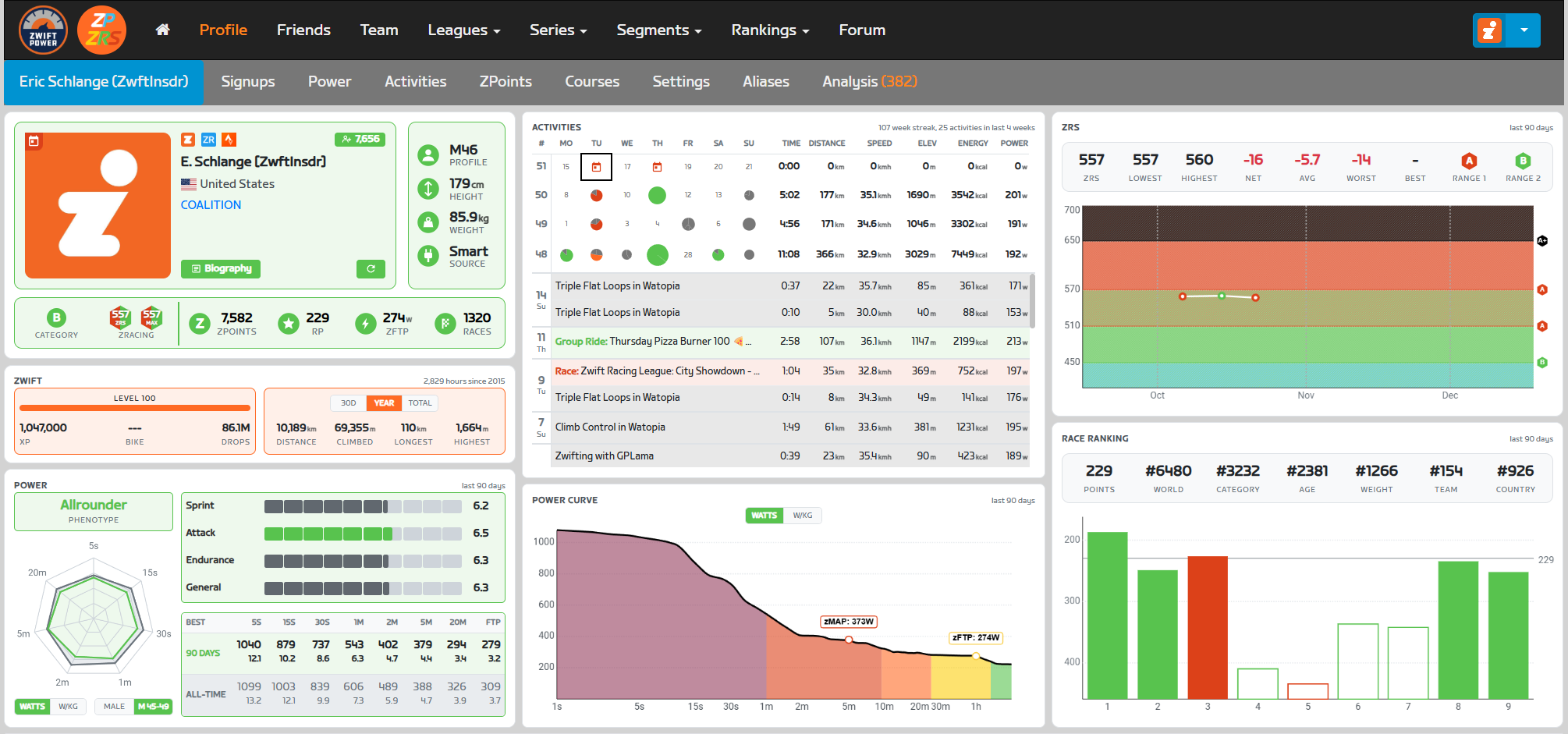
The extension redesigns the ZwiftPower profile page with a three-column dashboard layout:
- Left Column: Athlete profile, Zwift stats, and power analysis
- Middle Column: Activities, and context-aware panels (power curve for personal profiles, head-to-head for opponents)
- Right Column: ZRS score history and race ranking points
Left Column: Athlete Profile & Performance
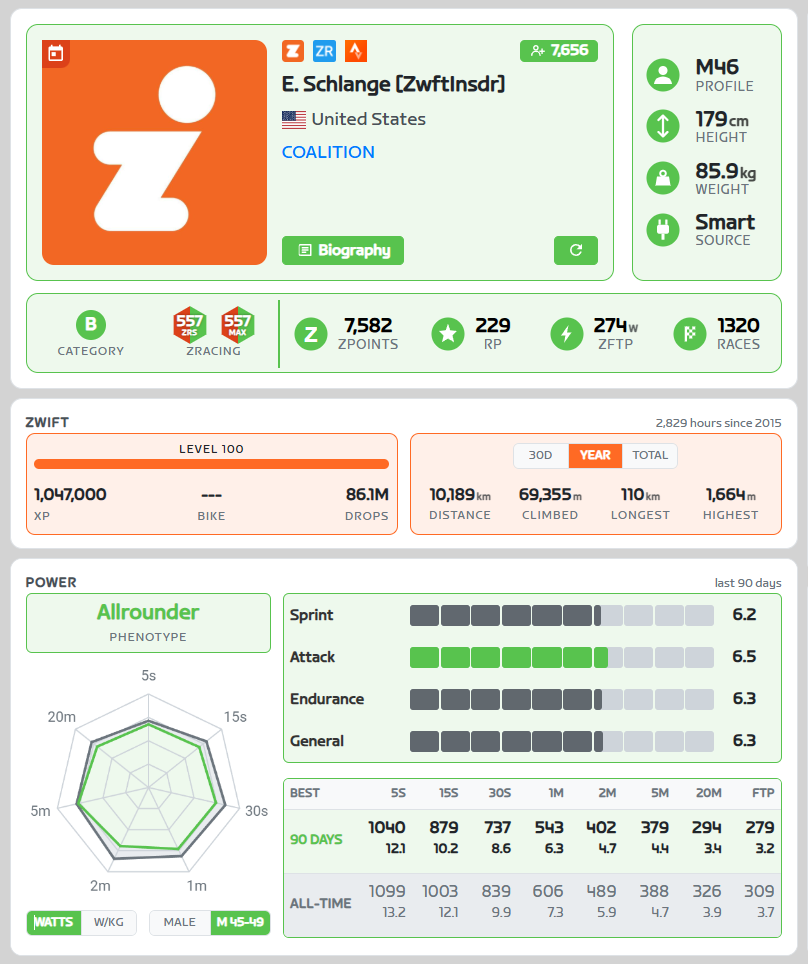
Main Profile Panel
Identity Section:
- Profile picture (or ZRS logo placeholder if no picture)
- Zwift in-game name
- Country flag and name (or “Zwifterland” fallback)
- Team name (clickable link if available)
- Platform links: Zwift.com, ZwiftRacing.app, Strava.com
- Follower count button (links to Zwift follower page)
- Bio button (displays rider biography in modal)
- Refresh button (navigates to ZwiftPower profile update page)
Overlays (on profile picture):
- Online indicator (if currently riding)
- Signup indicator (if upcoming registered events exist)
Athlete Stats Section:
- Profile: Gender and age (e.g., “M45”, “F33”)
- Height (cm) with variation tooltip
- Weight (kg) with variation tooltip
- Power source (Smart Trainer, Power Meter, zPower)
Racing Stats Panel:
- Category: Shows racing category with color-coded circle (Mixed and Women’s categories for female riders)
- ZRS: Current racing score (dual badge showing both current and MAX30 score for personal profiles)
- ZPoints and Ranking Points (metrics from ZwiftPower)
- zFTP: Functional threshold power in watts and W/kg
- Race count with win and podium rate in tooltip
All sections use category-based color theming (A+ = black, A = red, B = green, etc.).
Zwift Stats Panel
Progression Subpanel:
- Level with progress bar showing percentage to next level
- XP (experience points)
- Current bike frame model
- Drops
Riding Stats Subpanel (toggleable between 30d/Year/Total):
- Distance (km)
- Elevation climbed (m)
- Longest ride (km)
- Highest climb (m)
Header: Shows total hours and “since [year]” (year joined Zwift)
Power Panel
Power Radar Chart:
- Spider web visualization for 7 durations (5s, 15s, 30s, 1min, 2min, 5min, 20min)
- Shows both 90-day recent bests and all-time bests
- Overlays intervals.icu distribution data (toggle between gender or gender-age data)
- Interactive hover tooltips for exact values
- Toggle between watts and W/kg display modes
Duration Power Table:
- Numerical values for all durations plus FTP
Power Skills:
Three skill categories rated 0.0-10.0 based on percentile vs. intervals.icu distribution data:
- Sprint (5s, 15s, 30s)
- Attack (1min, 2min, 5min)
- Endurance (20min)
- General average score
Phenotype Detection:
Analyzes power distribution to classify rider into one of six types:
- Sprinter: Explosive short-duration power specialist (example: Mark Cavendish)
- Puncheur: 1-5 minute effort specialist (example: Mathieu van der Poel)
- Time Trialist: High sustained raw watts (example: Stefan Küng)
- Climber: High sustained W/kg (example: Nairo Quintana)
- Allrounder: Balanced across all durations (example: Tadej Pogačar)
- Pursuiter: High sprint and endurance, weak middle durations (example: Dan Bigham)
Middle Column: Context-Aware Analytics
The middle column displays different panels depending on whether viewing your own profile or an opponent’s profile.
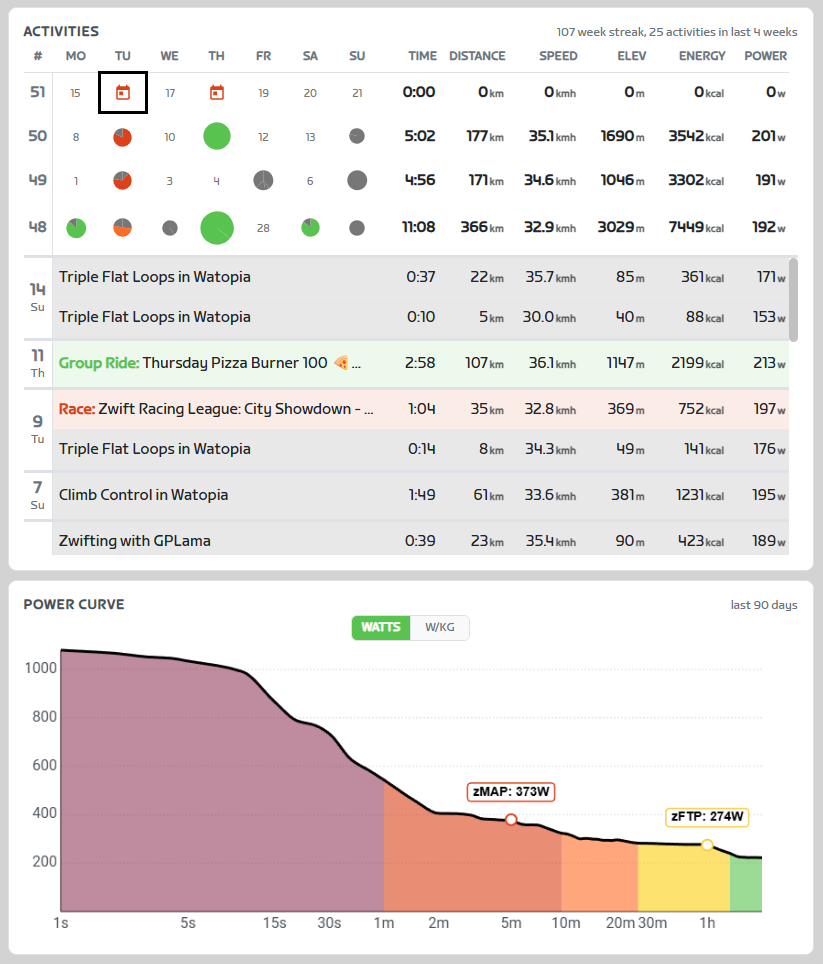
Activity Panel
4-Week Calendar Grid:
- Last 28 days displayed as 4 weeks × 7 days
- Activity type icons color-coded by type (race, TT, group workout, group ride, etc.)
- Signup indicator (calendar icon) for upcoming registered events
- Weekly totals column
Scrollable Activity List:
- Chronological list of recent activities
- Background colors match activity type
- Clickable rows link to detailed activity page on zwift.com
1v1 Head-to-Head Panel (Opponent Profile)
Summary Metrics:
- Total shared events (same category races)
- Win/loss record
- Win rate percentage
- Average position advantage/disadvantage (% of field size)
Match History List:
- Scrollable list of all shared events
- Each row shows: event name, category circle, zwift ingame name, date
- Win/loss indicator (green/red)
- Clickable to view full event results
This feature requires complete lifetime event processing for the user’s own profile. First-time processing may require a few minutes depending on race history volume.
Power Curve Panel (Personal Profile Only)
Power Curve Graph:
- Line chart of best power outputs across all durations
- X-axis: Duration (logarithmic scale, 5s to 60min)
- Y-axis: Power (toggle between watts and W/kg)
- Shows only 90-day best (all-time data from Zwift API is unreliable)
Power Zone Background:
Shaded regions showing Zwift’s 7 power zones based on FTP percentage:
- Z1 Recovery (<60% FTP) – Gray
- Z2 Endurance (60-75%) – Cyan
- Z3 Tempo (75-89%) – Green
- Z4 Threshold (89-104%) – Yellow
- Z5 VO2 Max (104-118%) – Orange
- Z6 Anaerobic (118-200%) – Red
- Z7 Sprint (>200%) – Magenta
Interactive hover shows exact values at specific durations.
Right Column: Racing Performance
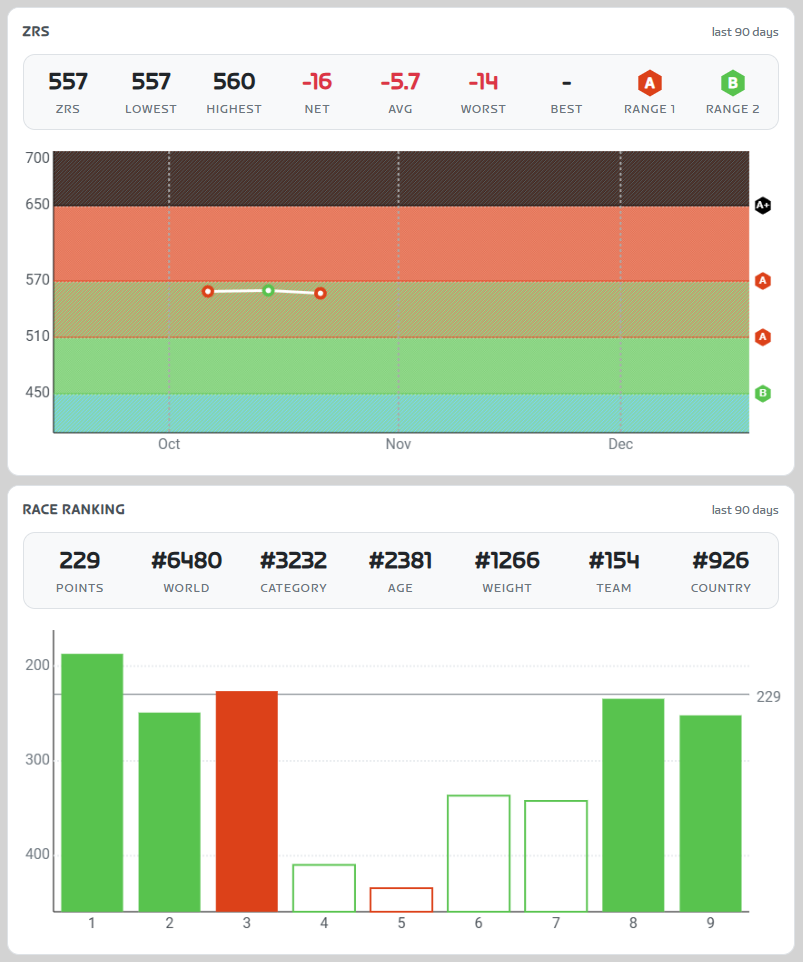
ZRS Graph Panel
Dashboard Metrics (7 cells):
- Current ZRS score
- Lowest score in last 90 days
- Highest score in last 90 days
- Net change (total gains/losses)
- Average change per event
- Worst single event loss
- Best single event gain
- Eligible race categories (hexagon badges, clickable to show upcoming events in that category)
Score History Graph:
- Time-series line chart showing ZRS progression (last 90 days)
- X-axis: Time with month labels
- Y-axis: ZRS score (0-1000)
- Background diagonal stripe patterns show category boundaries:
- Range 1: E (0-159), D (160-269), C (270-389), B (390-509), A (510-649)
- Range 2: E (0-209), D (210-329), C (330-449), B (450-569), A (570-724)
- Advanced: A+ (650-1000)
- Data points colored by category of event
- Trophy icons displayed to highlight podium finishes
- Hover tooltips show event name, date, score change, rank, field size
- Smooth connecting lines show trajectory
Race Ranking Panel
Ranking Points Bar Chart:
- X-axis: Chronological event sequence (oldest to newest)
- Y-axis: Ranking points earned (0-100)
- Each bar represents one ranked event
- Bar height = points earned
- Bar color = event category
- Top 5 events highlighted with filled background (these count toward ranking)
- Hover tooltips: event name, category, exact points, rider’s position
ZwiftPowers’s ranking system uses top 5 events from last 90 days. This visualization shows which races currently contribute to the ranking score.
Event Pages & Table Enhancements
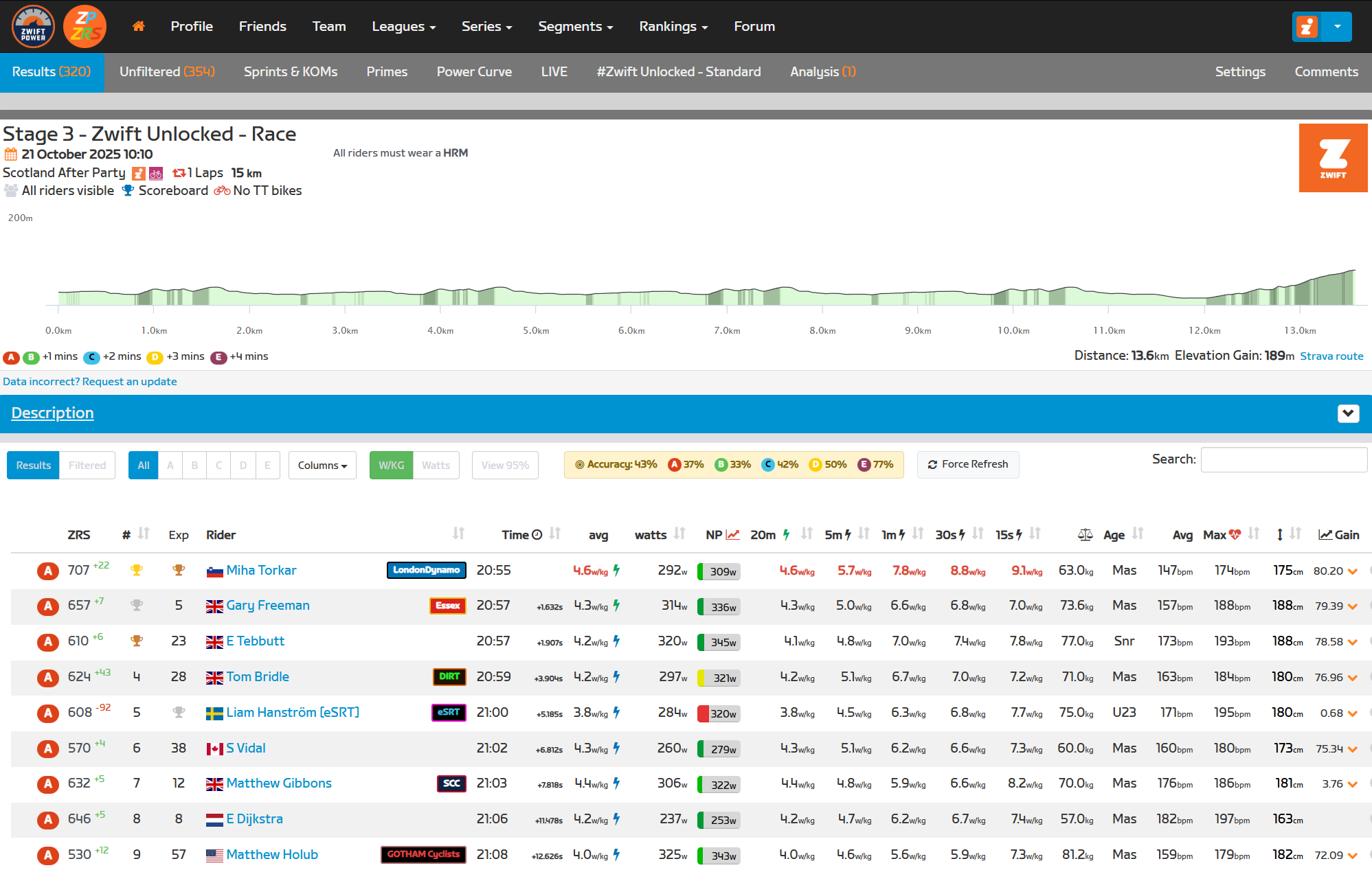
ZwiftPower Table Enhancement
New ZRS Columns
- “ZRS” column displaying current score
- “±” column showing score change from the event
- Score change type indicators (floor increased, at floor)
ZRS Prediction Accuracy

The extension calculates how accurately ZRS scores predicted the actual race results using Spearman’s rank correlation coefficient (ρ):
- Compares predicted finishing order (based on pre-race ZRS scores) vs. actual results
- Calculated per category, then weighted by field size for overall accuracy
- Displayed as percentage: +100% = perfect prediction, 0% = random, -100% = inverse
- Color-coded indicator: green (≥60%), yellow (30-59%), red (<30%)
This metric provides insight into whether the race results aligned with pre-race ZRS expectations (an objective way of determining how well ZRS is actually working).
Non-ZRS Event Detection
Events where no ZRS changes occurred (workouts, group rides, etc.) are identified and labeled with a “Non-ZRS Event” indicator, preventing confusion when no scores appear.
Under the Hood: Data Sources & Integration
The extension aggregates data from multiple sources to provide comprehensive racing analytics:
ZwiftPower
Profile and event metadata is extracted from ZwiftPower.com through two complementary methods:
Scraping: The extension reads visible event tables directly from the rendered page HTML to extract:
- Event IDs and dates
- Race categories and results
- Rider rankings and positions
- Event names and metadata
Interception: When ZwiftPower loads profile data via API calls, the extension intercepts these requests to capture:
- Complete event history
- ZwiftPower-specific metadata (race types, categories)
- Signup information
- Event results
Zwift Official API
ZRS scores and detailed race results come directly from Zwift’s official API.
Race Results Endpoint:
- ZRS scores (current and change)
- Score change types (floor increased, etc.)
- Subgroup assignments
- Field sizes and rankings
Profile Endpoint:
- Rider name and basic info
- Weight, height, FTP
- Country and platform data
Activities Endpoint:
- Recent ride history
- Activity types (races, group rides, workouts)
- Performance metrics
Max30 Endpoint: (personal profile only)
- Only accessible for the authenticated user’s own profile
Power Curve Endpoint:
- Complete power profile data across all durations
- Recent best efforts (5s, 15s, 30s, 1min, 2min, 5min, 10min, 20min, 60min, etc.)
- Only accessible for the authenticated user’s own profile
Intervals.icu Power Data
Benchmark power data embedded directly in the extension from Intervals.icu’s analysis of thousands of real cyclist power files:
Coverage: Age/gender-specific percentile data for:
- Multiple age brackets (Under 23, 30-34, 40+, 50+, 60+, etc.)
- Male and female categories
- Seven key durations (5s, 15s, 30s, 1min, 2min, 5min, 20min)
Questions or Comments
Share your thoughts below!
Zwift Update Version 1.104 (156617) Released
Zwift version 1.104 begins its phased rollout today. This update includes 6 new route badges, the official rollout of a new Progress Report end-of-activity screen, and some much-needed adjustments to New York’s escalators! Read on for details…
New Progress Report Screen
Zwift has been rolling out the new “Progress Report” screen over the past few weeks, with approximately 50% of Zwifters already seeing it before today’s update. But they’ve included the screen in today’s release notes, since it hadn’t been included previously.
Zwift says, “A new Progress Report screen is now available at the end of every cycling activity and shows career progress, fitness trends, and performance data. The new Progress Report replaces the previous Streaks screen, and includes all information previously featured in the Streaks screen.”
Here’s a look at the old Streaks screen, and the new Progress Report:
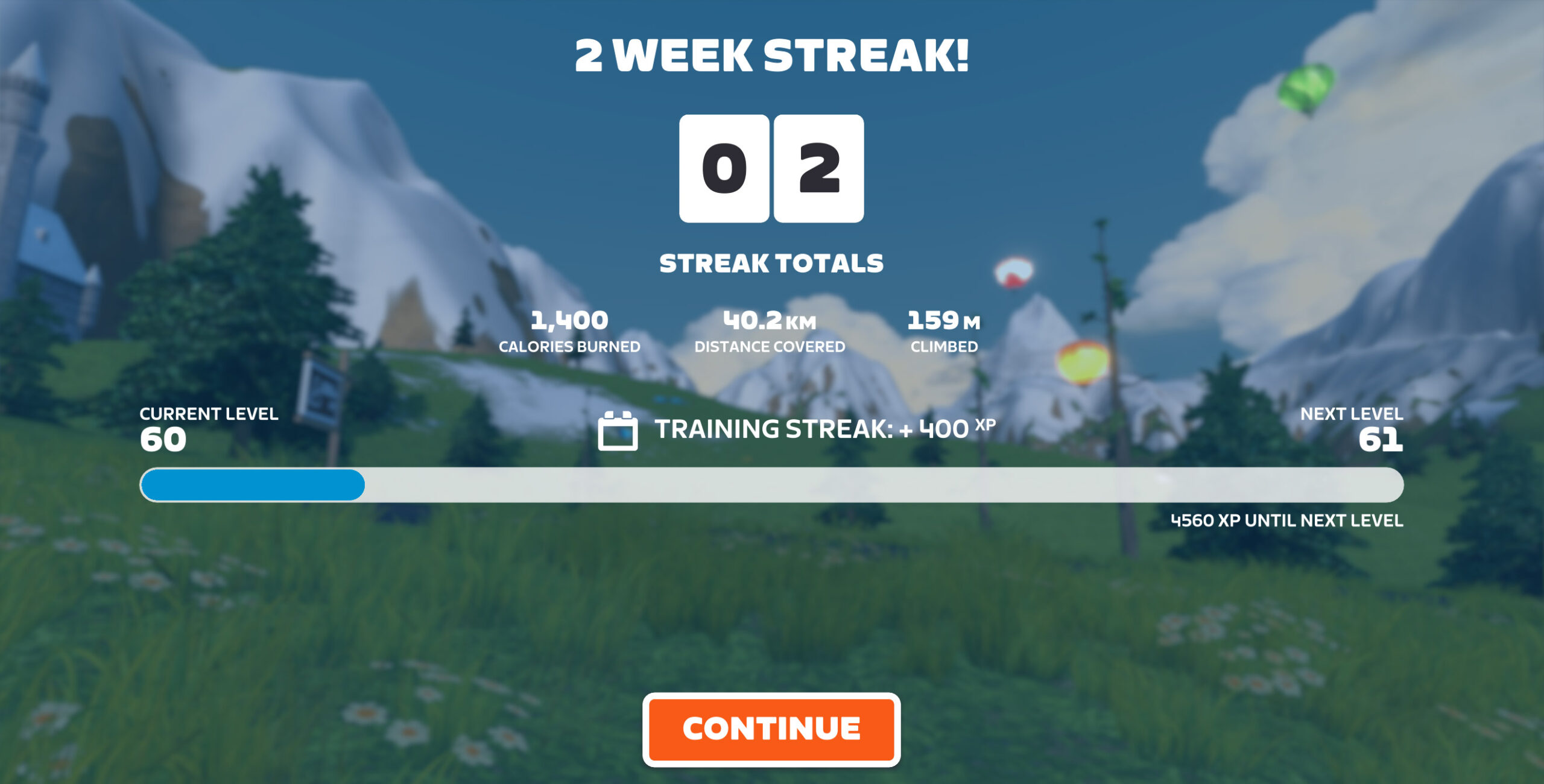
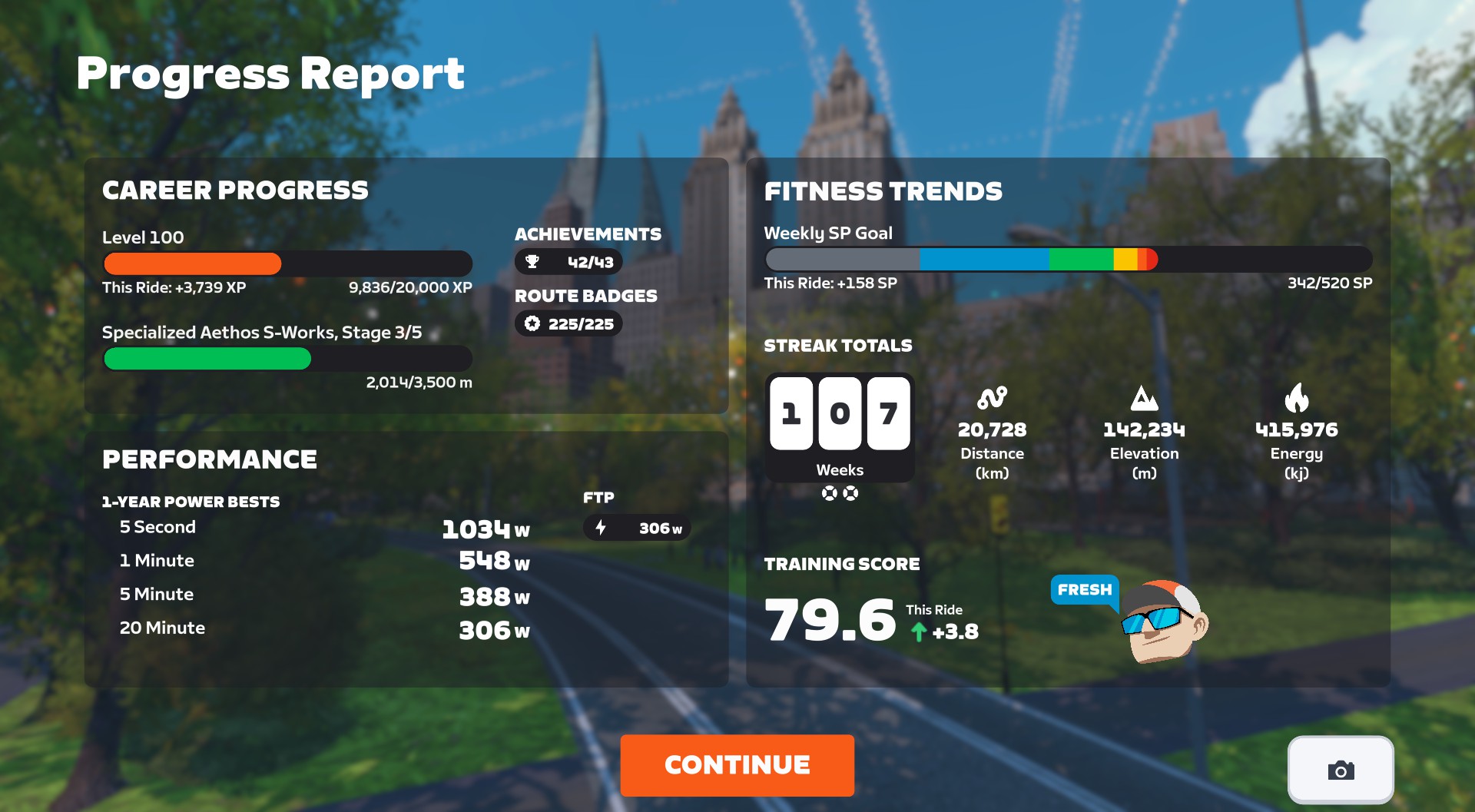
I think Zwifters will be universally happy with this change, as the new Progress Report contains a lot of helpful info, including:
- Career Progress
- Current level, plus how close you are to the next level, and how much progress you made in this activity
- Upgrade status of bike frame, plus how close you are to the next upgrade, and how much progress you made in this activity
- Performance
- 1-Year Power Bests, including indicators if you set a new PB in this activity
- Current FTP
- Current Race Score
- Fitness Trends
- Weekly goal progress
- Streak totals (Streak count plus Streak distance, elevation, energy, and number of Streak Savers available)
- Current Training Score, including change delta from this activity
- Training Status
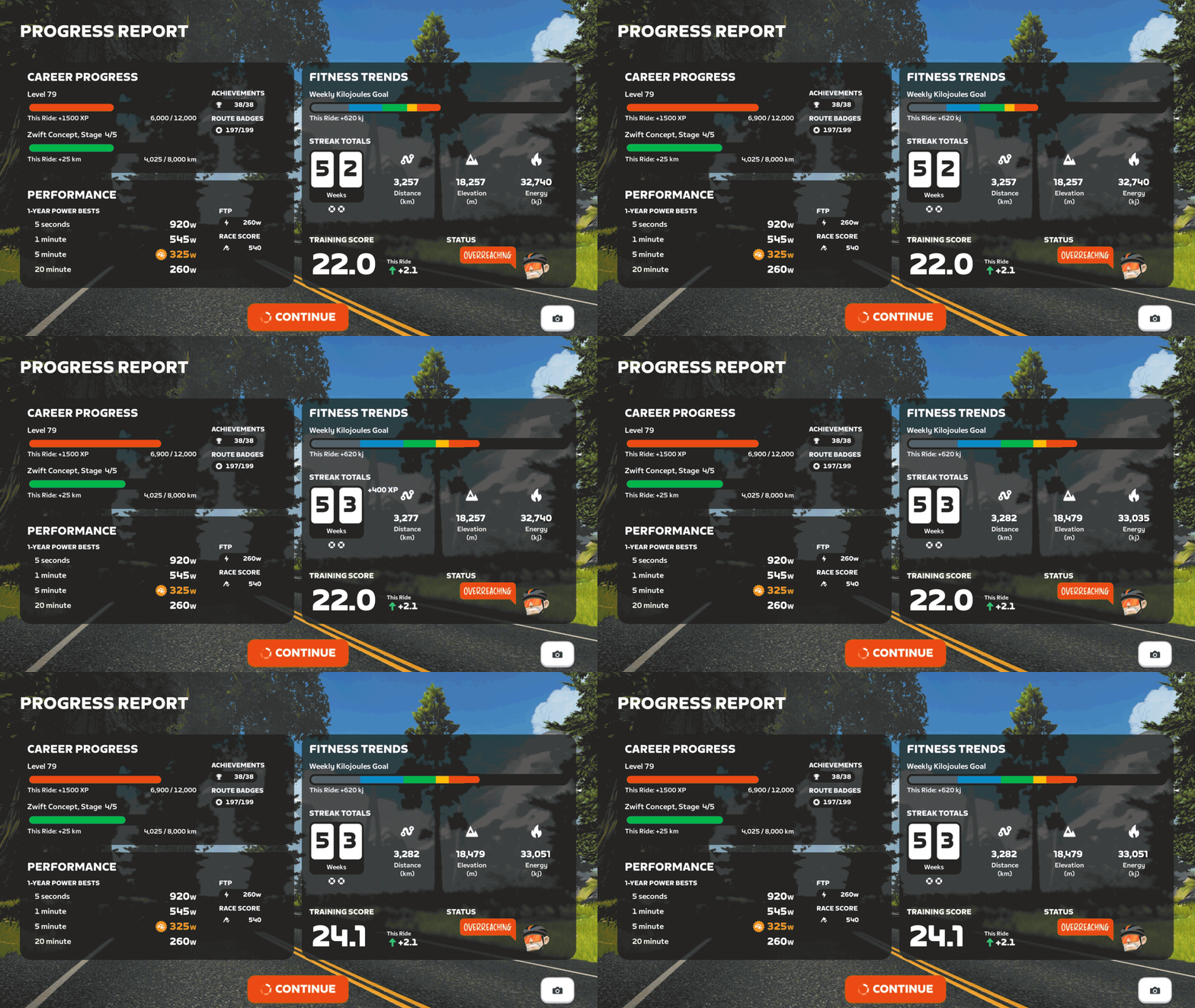
The screen even includes a button you can click to snap a screenshot. Nice!
Discuss the new Progress Report on Zwift’s forum >
New Route Badges
Six routes that were previously event-only are now available for free rides and meetups. Go get those badges!
- No Sleep Till Brooklyn (New York)
- Richmond Rollercoaster (Richmond)
- Innsbruck KOM After Party (Innsbruck)
- Yorkshire Double Loop (Yorkshire)
- Southern Coast Cruise (Watopia)
- Jarvis Seaside Sprint (Watopia)
Escalator Adjustment
Two of the release notes were related to the escalators on New York‘s newer roads:
- Reduced the effort required to ride up the escalators in New York.
- Improved the New York escalators to better balance the boost effect across riders of different weights.
After some testing, we can confirm that Zwift made two changes to the escalators to address complaints from Zwifters. First, they “reduced the effort,” which means they reduced the gradient feel of the escalators. To be precise, we’ll only feel 25% of the actual gradient. So while the escalators are around 20% in terms of physical pitch, Zwift will only send 5% to your trainer, and that’s only if your trainer difficulty is set at 100%.
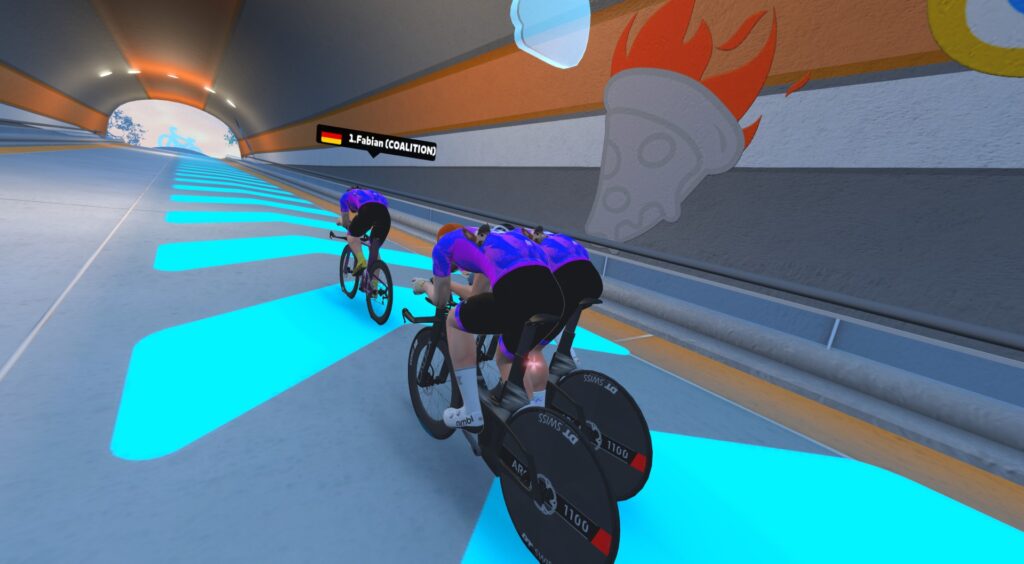
This will make the escalators a bit more fun to ride, since it won’t feel like you’re “hitting a wall” when you encounter the short, sharp ramps.
Secondly, Zwift has changed the power “boost” given to help riders up the escalators. Prior to this change, Zwift provided a flat power boost to all riders up the escalators (Zwifters estimated it to be ~1,200W). This gave lighter riders a distinct advantage, so this update changes the boost to be more watts-per-kilo based, meaning riders of varying weights will more naturally match each other’s speeds up the escalators.
I tested the updated escalators, and they appear to be working quite nicely now. But give them a try yourself, and share what you think in the comments below!
Release Notes
Zwift supplied the following additional release notes:
- Zwifters using Zwift Click v2 can now disable virtual shifting in Zwift Settings under the Hardware tab.
- Fixed an issue that could potentially cause connection issues when pairing fitness devices using Wahoo Direct Connect (WiFi or Ethernet).
- Fixed an issue that could cause a saved activity to have an incorrect name in some situations.
- Fixed an issue that could cause Ride Leader and Sweeper names to be displayed incorrectly in on-screen chat messages if emojis were present in their names.
Discuss this update in Zwift’s forum >
Questions or Comments?
If you spotted any other changes or bugs in the update, please comment below!
Shimano’s new GRX RX717 brings wireless gravel Di2 to the masses
Shimano has launched the new, more affordable GRX RX717 fully wireless range of gravel components, which will finally see the Japanese brand compete with SRAM’s Rival AXS XPLR.
It follows Shimano’s entry into the wireless 1x groupset space with the release of new premium-priced RX827 components in June.
The new fully featured Di2 RX717 rear derailleur features the same compact removable battery as found in the GRX RX827, XTR M9250, Deore XT M8250 and Deore M6250 units.
Like RX827, it shares the same design as Shimano’s mountain bike counterparts. That means the same low-profile (Shadow) design, skid plate, protected battery and Automatic Impact Recovery function.
Where RX827 sits alongside Shimano’s Ultegra Di2-level components, RX717 is aligned with 105 Di2. That should mean we’ll see Shimano compete with SRAM’s gravel offerings at more affordable price points.
Shimano’s 1x Di2 brings a wide range of compatibility. That means you can mix and match RX717 components with all Shimano 12-speed wireless shifters (GRX, Dura-Ace, Ultegra and 105 Di2 drop-bar options, as well as XTR, Deore XT and Deore flat-bar Di2 models).
GRX RX717 parts line-up
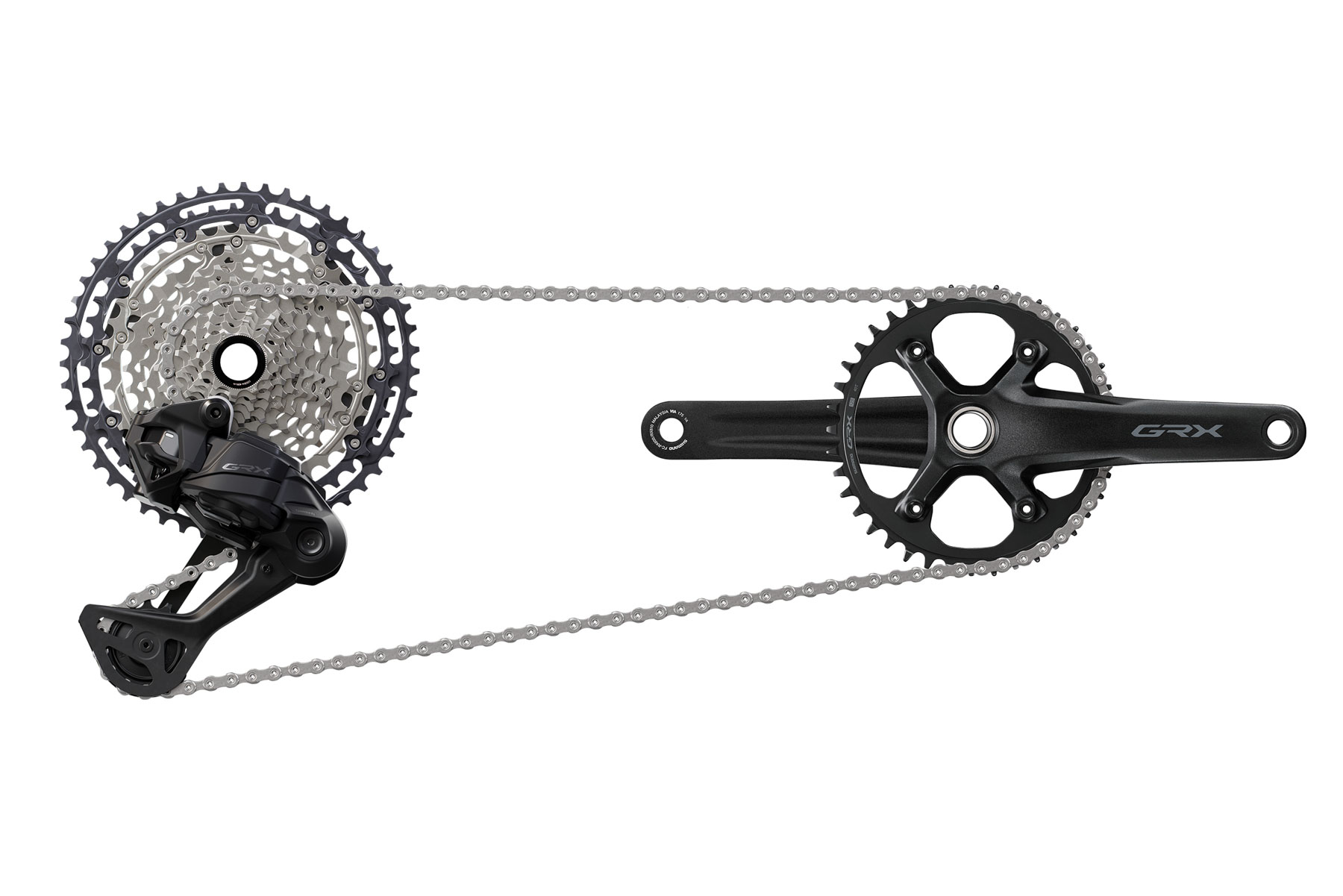
Like the existing GRX components, which now comprise mechanical, 2x Di2 and 1x wireless Di2, the GRX family offers a mix-and-match approach, even including 12-speed mountain bike components.
That means rather than a complete groupset, RX717 consists of shifter/brake-lever options and a new rear derailleur that can be combined with a 10-51 12-speed cassette.
GRX RX717 right-hand lever
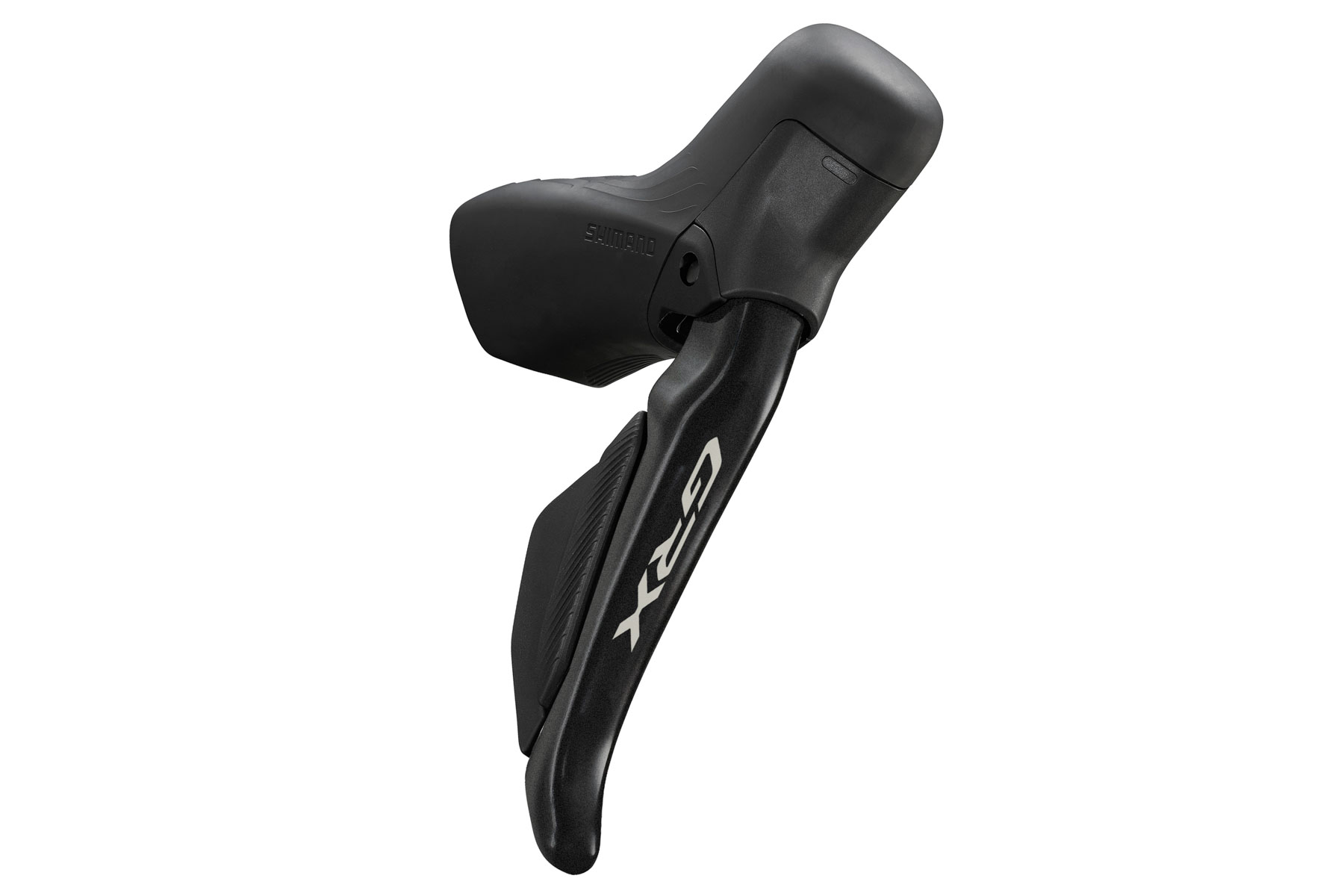
The GRX 12-speed ST-RX715-R Di2 hydraulic disc brake dual-control lever is a more affordable option. It’s still fully featured with reach adjustment and has compatibility with the E-Tube Project app, enabling you to custom-configure the controls.
Like the existing wireless levers, it uses two CR1632 batteries for power, stowed in a port at the top of the hood. Shimano claims up to four years of use for the twin-battery setup.
GRX RX717 left-hand lever
The left-hand lever is a brake only, using the same hood shape, ergonomics and adjustability. It comes without the Di2 button assembly behind the brake lever.
It’s available in two versions – one with GRX branding and one with a Shimano logo.
GRX RX717 rear derailleur
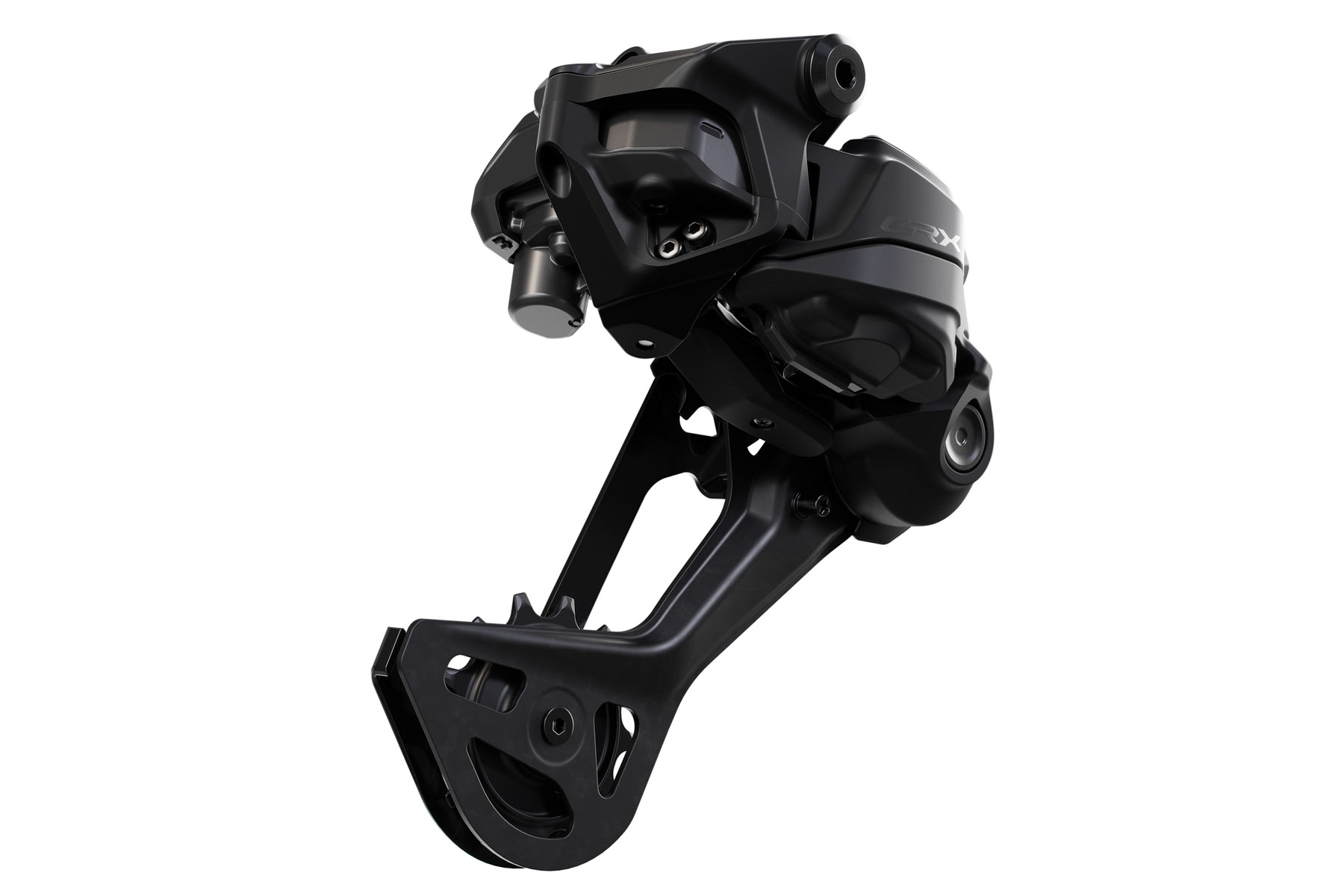
Just as the premium RX827 derailleur is based on Shimano’s XT unit, the RX717 uses the Deore derailleur as inspiration.
The derailleur features everything found on the premium model.
- Automatic Impact Recovery: this returns the derailleur instantly to its original position after an impact.
- Wide link structure and skid plate: the wide links provide added strength and the skid plate helps protect the derailleurs’ internals if the bike is dropped.
- Shadow ES technology: the lower-profile, wedge-shaped design increases ground clearance and frontal area. The derailleur also features a chain-stabilising clutch to reduce bounce and chain slap.
- Protected battery housing: keeps the battery tucked away and out of harm, while providing easy access for charging.
The derailleur uses the same battery as GRX RX827, XTR M9250, Deore XT M8250 and Deore M6250, so spares shouldn’t be an issue to source, and you can, of course, share batteries between your gravel and mountain bikes.
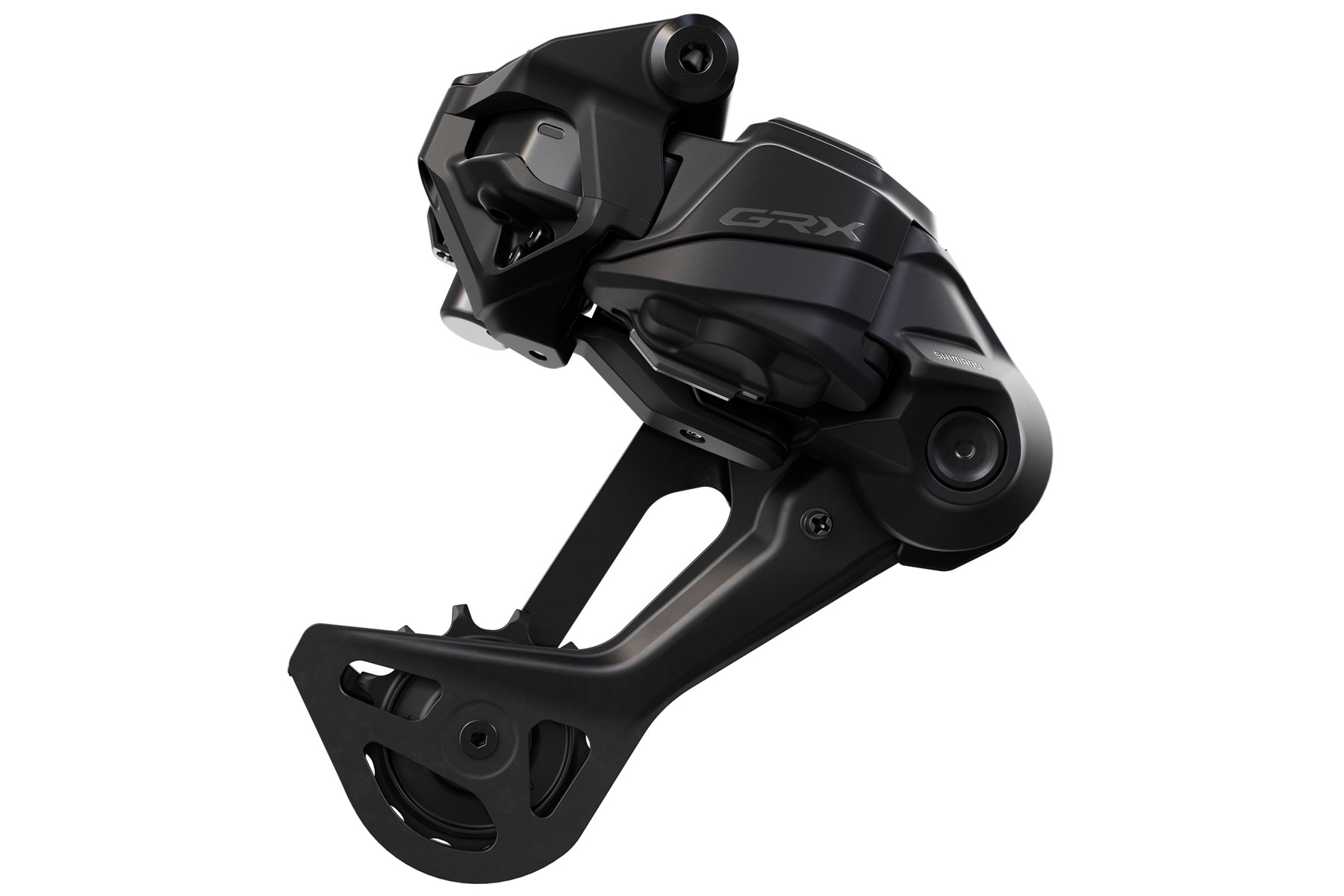
Shimano GRX RX717 vs SRAM Rival AXS XPLR
GRX RX717 is placed in direct competition with SRAM’s latest Rival AXS XPLR components. SRAM’s 13-speed wireless gravel group uses technology trickled down from RED AXS XPLR and Force AXS XPLR.
That means 13-speed and derailleur architecture only compatible with UDH frames.
For the derailleur, Shimano claims a weight of 494g, compared to SRAM’s 435g. Shimano’s derailleur is priced at £379.99, against SRAM’s £315.
Weight comparisons on the shifters are more difficult to make because Shimano hasn’t given weights for the complete assembly (levers, hoses and brake calipers), but it claims 212g for the right hand and 188g for the left lever only.
SRAM states 746g a pair for Rival shifter/brake assemblies, with some reports suggesting the levers themselves weigh in at around 244g each.
Shimano’s lever/brake assemblies are priced at £299.99 for the right-hand and £279.99 for the left. SRAM’s Rival duo is priced at £247.30 for the rear and £229.99 for the front.
So, much like Force and Rival AXS on the road, it looks as if SRAM maintains an aftermarket price advantage over Shimano when it comes to wireless gravel.
However, I’d expect complete bike prices to be much, much more competitive due to Shimano’s strength in the OEM (original equipment market).
RX717 prices
| RX717 | Weight | EUR MSRP | UK SRP | US MSRP | AUS RRP |
|---|---|---|---|---|---|
| RD-RX717-SGS | 494g | €379.99 | £379.99 | $435 | $583.99 |
| ST-RX715-R | 212g | €209.99 | £219.99 | $230 | $394.99 |
| BL-RS717-L | 188g | €174.99 | £179.99 | $205 | $363.99 |
London council serves hire bike operators with ultimatum over rider behaviour and poor parking
Dockless hire bike operators Lime and Forest “must take action” to address poor parking and bad rider behaviour, Islington Council said in an open letter published last week.
The letter says “persistent problems are undermining the benefits” of Lime and Forest bikes in the London borough.
“These issues have been raised repeatedly but remain unresolved,” read the letter signed by council leader Una O’Halloran and councillor Rowena Champion.
Islington council said that progress must be made on a range of points, such as reducing obstructive parking and nighttime noise.
It also wants to be able to request geofenced no parking and go-slow zones on estates to address “access issues and antisocial behaviour”.
“To make hire bike usage a fair and sustainable option in Islington we need you the operators to act and do so swiftly, decisively, and effectively to protect residents and businesses from ongoing disruption,” the letter says.
“We welcomed you to the borough because of the benefits that hire bikes bring – but without urgent action on these issues, this welcome will be withdrawn,” it concludes.
The council says it has removed more than 200 dangerously placed bikes, although it has not specified over what period.
Forest’s head of policy, Alex Berwin, says millions of journeys are made using its bikes in Islington each year and the company remains committed to being a “responsive and constructive partner” to the council.
“We recognise that the service must work well for everyone, and we take the issues raised seriously. That is why we are investing heavily in better parking technology, in-app guidance and clear instructions to help users park responsibly and reduce street clutter. Our local team also responds quickly when issues are reported to help ensure bikes don’t cause obstruction or inconvenience,” Berwin says.
Berwin says Forest has responded to O’Halloran and Champion’s letter in detail.
In November, Forest launched a new pricing scheme to help redistribute Forest bikes across London.
In response to the open letter, Lime said it takes its partnership with Islington council “seriously” and is committed to working with the council to “minimise disruption for residents”.
“We’ve worked in partnership with Islington council for 6 years, and share their view that rental ebikes play a valuable role in improving congestion, air quality, and public health in the borough and across London,” Lime says.
In January 2025, Lime launched its London Action Plan to address ebike parking and safety. It says it has funded more than 1,100 parking bays in London this year and increased its “onstreet team” to more than 400 people.
Islington is the latest London council to initiate action on dockless rental bikes in the capital.
In August, Hounslow council ended its two-year trial of Lime bikes after they were claimed to be parked in dangerous places.
Hackney council also capped Lime bike fares at £1.75, making them the same price as a bus, in September.
But Lime has still gone from strength to strength in the UK, with its profits increasing by more than £40m in 2024.
Londoners made 16 million journeys by Lime during commuting hours in 2024, while the company saw an 85 per cent increase in total journeys. This summer, Lime also saw a spike in usage, partly due to the September tube strikes.
Transport for London estimates the number of daily cycling journeys in London increased in 2025 to 1.5m.
TfL also estimates that 10 per cent of the total daily cycling journeys in 2025 could have been made on dockless ebikes, such as Limes.
The City of London Corporation says dockless cycles have “quadrupled” in the city of London since 2022.
3T releases range of made-in-Italy electric bikes
3T has revealed three new made-in-Italy electric gravel bikes, promising the brand’s familiar “handling and iconic design”.
The new range is said to provide options for “everything from fast gravel to most extreme terrain” and uses 3T’s non-assisted gravel bikes as its starting point.
3T says its new electric gravel bikes have the same carbon frames, design and ride feel of its Racemax, Extrema and Ultra gravel bikes.
With the addition of a Mahle X20 motor system, these become the e-Racemax, e-Extrema and e-Ultra. The new electric versions of these bikes are said to be identical to the non-electric versions, with all components, cables and batteries housed within the frames.
The bikes are also said to be part of 3T’s ongoing development of its in-house production at its Presezzo facility in the province of Bergamo.
The three bikes
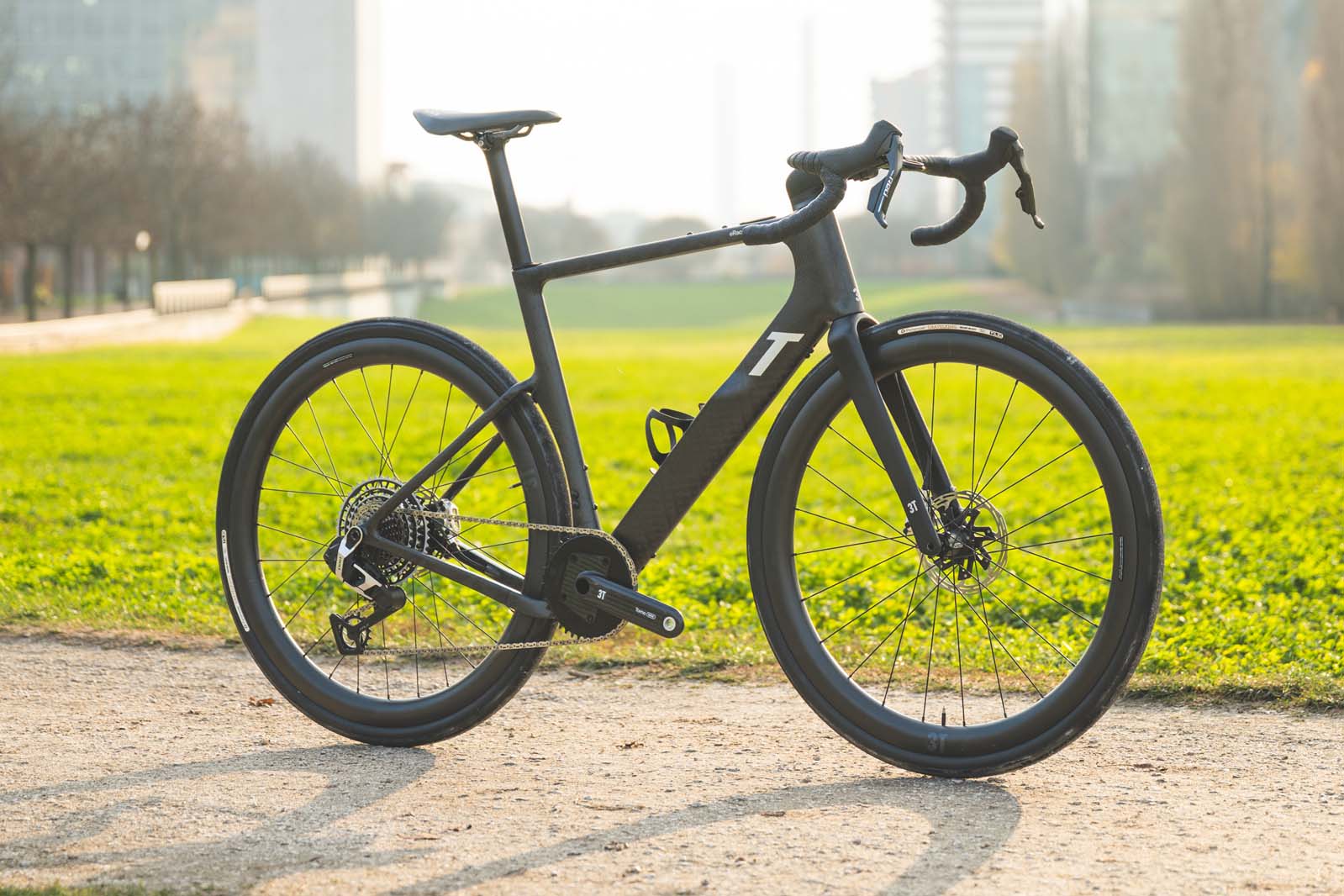
3T’s new e-gravel bikes match the same applications as their non-assisted equivalents.
The e-Racemax is derived from the Racemax, which 3T claims is “one of the most high-performance and iconic aero-gravel bikes on the market”. The Italian brand claims the new electric version can “transition effortlessly” from tarmac to cobblestones.
The e-Ultra is suited to more challenging off-road riding than the e-Racemax. The geometry puts you in a more upright and comfortable position. The gravel bike is available with a drop handlebar or a flat handlebar, which 3T says makes it suitable for urban riding and touring, alongside gravel riding.
With room for gravel tyres up to 57mm wide, the e-Extrema is said to be the most capable gravel bike in 3T’s new range. 3T describes it as an “all-terrain” gravel bike that can take on singletrack mountain bike trails.
Mahle X20 motor
The electric gravel bikes use the Mahle X20 motor, customised for 3T and placed within the rear hub.
The X20 is Mahle’s flagship motor system for electric road and gravel bikes, and 3T says it adds 3–3.9kg to its new bikes compared to the non-assisted models.
3T says the X20 motor system “is lightweight, provides smooth and natural assistance and creates no resistance when not in use.
“In addition, the Mahle motor – being especially light and positioned in the rear hub – offers a progressive, fluid power delivery that keeps the pedalling motion natural and enjoyable.”
The electric motor is operated via a button in the top tube of the new bikes, enabling you to select your preferred level of assistance.
3T says the Mahle X20’s 350Wh battery means a 75kg cyclist can achieve a range of 150km with 2,000m of elevation, with careful power management.
Zwift Racing League 2025/26 Round 3 Details: Routes, Rules, Registration + More
Table of Contents
Now in its 18th round, Zwift Racing League continues to take racing to the next level on Zwift! Registration is now open for the third round of the 2025/26 season, which begins on January 6.
This page contains everything you need to know about the current ZRL round, and is updated as WTRL announces new details.
Intro to ZRL
Zwift Racing League (ZRL) is team-based racing for all abilities. It’s also the world’s largest virtual cycling competition, with over 30,000 riders of all abilities participating in each of the past two seasons!
Organized by WTRL, this is a team-based points competition spanning multiple weeks, with teams divided into divisions based on time zones and ability. Races take place every Tuesday, and the season is divided into distinct rounds with brief breaks in between.
ZRL is Zwift racing at its highest level. Its unique structure and varied race formats drive serious Zwift racers to show up week after week while providing a place for new racers who jump in and find their first team home.
Key Changes this Round
Zwift + WTRL continously collaborate to modify ZRL’s structure and rules with the aim of engaging as many racers as possible. Heading into this round, the rules have changed regarding team limits.
Riders were previously limited to membership on only two teams, but that limitation is now gone. The new rule says you may race for as many teams as you wish, but you are limited to a maximum of two teams per category within each league.
Examples:
 A rider may race for Green B1, Lime B1, and Emerald B1
- A rider may race for Green B Development, Green B1, and Green A1
- A rider may race for Green B2 and Green B1
- A rider may race for two teams in Green B2
 A rider may not race for two Green B2 teams plus a Green B1 team, as all three sit in the same league and category (Green B)
This gives teams and riders more flexibility while ensuring divisions remain fair and rankings remain transparent.
For more info, see ZRL Technical Guide & Rules, version 5.0.4 >
Routes and Dates
Each ZRL round comprises weekly races which are either scratch races, points races, or team time trials (TTT). Scratch Races and Points Races are both actually points-based in terms of final results, but Points races include intermediate segments while Scratch Race points are all earned at the finish line. TTT winners are the teams who complete the race course fastest, with team time taken from the fourth rider across the line.
Race #1: Neon Shore Loop
January 6, 2026 (TTT)
The round begins with a team time trial on a completely new route. This Makuri Islands route isn’t even in game yet, but we’ll be publishing details as soon as they’re available. Until then, please enjoy this press photo from Zwift, which shows how to ride as inefficiently as possible in a TTT:
- 1 Lap of Makuri Islands’ Neon Shore Loop (34.1km, 258m elevation)
- PowerUps: none �
Race #2: 2019 Worlds Harrogate Circuit
January 13, 2026 (Points Race)
The first points race of Round 3 is on the tough Yorkshire circuit, with a KOM and sprint segment on each lap.
- A/B: 3 Laps of Yorkshire’s 2019 Worlds Harrogate Circuit (41.6km, 737m elevation)
- C/D: 2 Laps of Yorkshire’s 2019 Worlds Harrogate Circuit (27.8km, 492m elevation)
- Intermediate Segments (FAL+FTS):
- PowerUps �:
- Feather at Lap banner
- Aero at KOM banner
- Feather at Sprint banner
Race #3: Countryside Tour
January 20, 2026 (Scratch Race)
The longest race of this round includes the challenging dirt Temple KOM on each lap. Will gravel bikes be in play?
- A/B: 3 Laps of Makuri Islands’ Countryside Tour (47.8km, 556m elevation)
- C/D: 2 Laps of Makuri Islands’ Countryside Tour (31.9km, 371m elevation)
- PowerUps � (equal probability at each banner):
- Feather
- Draft
- Aero
Race #4: Roule Ma Poule
January 27, 2026 (TTT)
Our second TTT of Round 3 kicks off with a tough lead-in: the steady climb up the backside of the Petit KOM. Then it’s a flat, fast route until we encounter that climb once more for the finish!
- 1 Lap of France’s Roule Ma Poule (26.1km, 263m elevation)
- PowerUps: none �
Race #5: Cobbled Climbs
February 3, 2026 (Points Race)
Our second points race of Round 3 takes us to Richmond for multiple laps of a punchy course that includes three key climbs on every lap, although only two are points segments.
- A/B: 4 Laps of Richmond’s Cobbled Climbs (37km, 537m elevation)
- C/D: 3 Laps of Richmond’s Cobbled Climbs (27.8km, 403m elevation)
- Intermediate Segments (FAL+FTS):
- PowerUps � (equal probability at each banner):
- Ghost
- Burrito
- Draft
- Aero
Race #6: London Loop (A/B) + Greatest London Loop (C/D)
February 10, 2026 (Scratch Race)
Round 3 wraps up with scratch races in London. A/B teams are on a different route than C/D teams, but no matter who you are, the big selections will happen on the big climbs. Hup hup!
- A/B: 2 Laps of London’s London Loop (30.4km, 466m elevation)
- C/D: 1 Lap of London’s Greatest London Loop (26.2km, 360m elevation)
- PowerUps �:
- Feather at Lap Banner
- Anvil at KOM Banner
Race Timeslots
Some divisions and start times get tweaked between each round. Use the table below to find a time slot that works for your team, but note this table may be updated for Round 3.
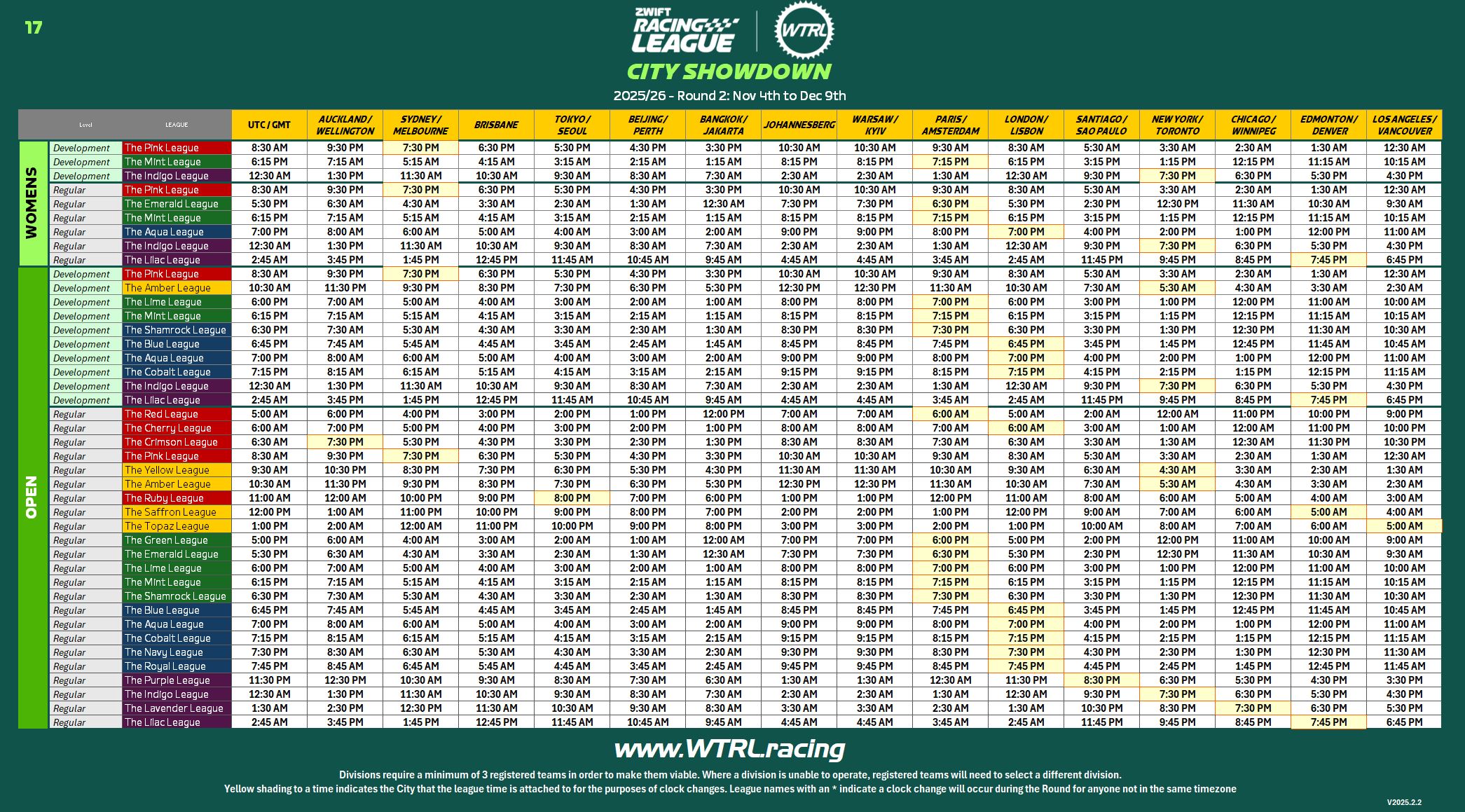
Teams/Registration
Team registration opened December 10, 2025 (go to wtrl.racing/zwift-racing-league/participants/ and click “Register a Team”. Registration closes January 5, 2026 at 00:00 UTC.
ZRL is a team-based competition – you cannot sign up as an individual rider. Teams can have up to 12 racers rostered, but only 6 can race in each event. Teams must have at least 4 riders on their roster, and a rider into as many teams as they’d like, but only a maximum of two teams per league category (see “Key Changes this Round” above).
Want to race, but don’t have a team? Here are seven ways to find a team:
- Recruit friends onto a new ZRL team, then sign up your team at wtrl.racing/zwift-racing-league/participants/.
- If you’re already a member of a larger Zwift Club, contact a senior Club representative to see if you can join one of your Club’s ZRL teams.
- Join an official team-lead ZRL Group Recon Ride (see below) where several teams can be found looking for more riders. These run several times a day, starting two weeks before the first race.
- Join the ZRL Facebook Group and post preferred race times/league, Pace Group Category, and any other preferences under the #zrlteamhunt tag where many teams are eagerly waiting.
- Reply to one of the #zrlrecruiting posts that teams make in the ZRL Facebook Group if you don’t want to post your own request.
- Reach out directly to WTRL and they can match you to a team based on race times, category, and team preferences.
- Use the new “WTRL Team Finder” tool once it becomes available at wtrl.racing/zwift-racing-league/teamhunt/.
First-Timer Tips
If this is your first time racing on Zwift, here are a few tips to get you started fast:
- You must create a WTRL profile linked to your Zwift account – do so at wtrl.racing/registration
- The minimum category you’ll race is determined by your power history on Zwift. See this post for details.
- Riders must use a power sensor to transmit power to the game – this would be a smart trainer, smartbike, or power meter. (You’re allowed to race C and D categories with a “classic” trainer and virtual power, but your points are cut in half.)
- Heart rate monitors are required. (You’re allowed to race without a HRM, but your points are cut in half.)
- Cadence monitors are required.
- You’ll want to have at least a few races under your belt before you try to join a team, so you are confident that you’re in the correct category. It causes a lot of hassle if you join a team and are forced to upgrade to a new category mid-round!
Race Recon Events
If you’re unfamiliar with a particular week’s race course, join a ZRL recon ride! These happen multiple times per day and are led by experienced racers who may share route info and racing tips as you ride.
Find a list of upcoming ZRL recon rides at zwift.com/events/tag/zrlrecon >
2025/26 ZRL Dates
- Round 1: September 16-October 7, 2025
- Round 2: November 4-December 9, 2025
- Round 3: January 6-February 10, 2026
- Round 4: April 7-28, 2026
Questions or Comments?
We recommend checking out WTRL’s Zwift Racing League page for rules, team registration, results, and more. They also have a Help Center with lots of useful info, and their Facebook page is the place to go for discussion of all things ZRL.
You may also share questions or comments below!
Sportful takes over from Assos as kit supplier to Tudor Pro Cycling for 2026
Tudor Pro Cycling has been an all-Swiss affair since the team’s founding in 2022 at the behest of Swiss ex-pro Fabian Cancellara.
Based in Sursee, near Luzern, its lead sponsor is a Swiss watch brand, it rides BMC bikes with DT Swiss wheels and until now has been kitted out by the Swiss brand Assos. Its roster includes 15 Swiss men, although arguably its star rider is the French two-time former world champion Julian Alaphilippe.
But for 2026, Italian brand Sportful will take over as kit supplier, pushing Assos out. Cancellara’s connection to Sportful has deep roots, though, predating Tudor Pro Cycling.
“Sportful has been part of some of the most defining moments of my career, especially the 2010 season, which holds memories I’ll never forget,” says Cancellara.
In that season, riding for Team Saxo Bank, his list of victories included winning the first three Monuments of the year: Milan-San Remo, the Tour of Flanders and Paris-Roubaix, winning the Tour de France prologue time trial to take the yellow jersey, and winning the time trial world championship for the fourth time.
His performances were so dominant that, in that year, unsubstantiated allegations were made that his bike was equipped with a hidden motor.
According to Tudor Pro Cycling’s CEO, Raphael Meyer, Sportful will bring its decades of expertise and commitment to innovation to the team.
Tudor Pro Cycling says Sportful’s designers are working with the team’s riders, including Alaphilippe, to develop next-generation race apparel. It states that development is focused on aero gains, as well as breakthroughs in thermoregulation for riders, coupled with rider comfort.
Sportful will be launching its new Tudor Pro Cycling co-engineered clothing range for the public to buy in 2026.
Bianchi recalls Impulso RC due to risk of handlebar breakage
Bianchi has recalled its Impulso RC road bike and Impulso RC handlebar after a quality-control inspection identified a defect in the integrated carbon fibre handlebar.
In a recall notice published on its website in November, Bianchi said the following products are included in the recall:
- All Bianchi Impulso RC bikes purchased and delivered until 20 November 2025 with the following codes: YTB84 – YUB80 – YUB81, which are mounted as standard on the Impulso RC handlebar.
- Bianchi Impulso RC integrated carbon handlebar in all sizes with the following codes C2306238/ C2306226.
Bianchi says the Impulso RC bike codes can be found on the invoice, and possibly on the receipt and/or warranty card. The handlebar code can be found on the underside of the bar, next to the stem bolts.
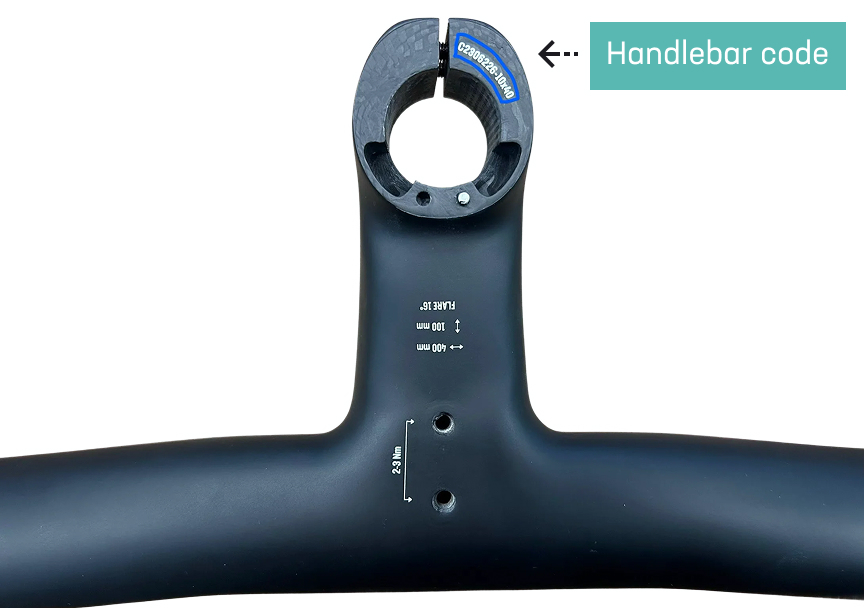
The handlebar was mounted as standard on Impulso RC gravel bikes purchased up to 20 November 2025, and Bianchi says the defect could result in the handlebar breaking during use.
Bianchi says you should stop using your bike immediately if it’s equipped with the Impulso RC handlebar and that you should not use the Impulso RC bar under any circumstances.
If you own an affected bike or bar, the Italian brand says you should contact your Bianchi dealer to arrange a free-of-charge replacement of the handlebar. You can find a full list of Bianchi dealerships here.
The Bianchi Impulso RC was launched in 2023 and was the brand’s first aerodynamically optimised gravel race bike.
Top 5 Zwift Videos: Home Gyms, and Animating Races, and Exoskeletons
Looking for some inspiration for your own home gym improvements? In this week’s top video, hear from one Zwifter as he shares how he completely transformed his garage into a beautiful home gym.
Also included in this week’s picks are videos about FTP tests, attacking in a Zwift race, and using exoskeletons with indoor cycling.
I Transformed My Garage Into My Dream Gym
Zwift 20 min FTP Test | Why I’m ditching ERG mode
Sitting in the pack is boring… so I attacked
First Time Up The Grade on Zwift
I ‘Cheated’ at Zwift
Got a Great Zwift Video?
Share the link below and we may feature it in an upcoming post!
Sam Shaw sets new Auckland to Wellington record, following Lachlan Morton controversy
Samuel Shaw has broken the record for the fastest known time between Auckland and Wellington in New Zealand, covering the 638 kilometres in 17 hours and 21 minutes.
The mountain biker finished on Monday evening (New Zealand time) and his time beat the previous FKT of 18 hours, 26 minutes set in February 2025 by Lachlan Morton, making Shaw the first rider to crack the challenge in under 18 hours.
According to Strava, Shaw completed the ride with an average speed of 36.8kph and a weighted average power of 277 watts.
Morton’s attempt at the record, which was completed last year, was the inspiration for Shaw’s ride.
Morton’s ride was documented in a YouTube video by Rapha, the then clothing sponsor of his EF Education pro team. But that video caused controversy by concentrating on Brian Fleck, who held the record between 1983 and 1984, when it was taken back by the previous record holder, Brian Lambert.
There was no mention in the video of Lambert, whose record stood for 41 years, prompting Rapha to issue an apology to the family of Lambert, who died of Parkinson’s Disease in 2022. His family accused Rapha of a ‘false narrative‘ in the video.
Congratulated by Lambert’s son
Brian Lambert’s son, James, congratulated Shaw on the new record, which has yet to be ratified by Cycling New Zealand.
“Brilliant ride. And smashed through the magical 18 hour mark our father went on and on about being possible for years,” he said.
“Our family congratulates Sam on a truly exceptional effort. The Auckland to Wellington has a long and evolving history and it’s good to see it continue to be taken on with ambition and respect for the challenge.”
Meanwhile, Morton’s FKT for the 14,200km ride around the perimeter of Australia, set in October 2024, still stands, while Rapha has announced it will cease to clothe EF Education’s male and female teams at the end of 2025, moving on as the new kit sponsor for USA Cycling.