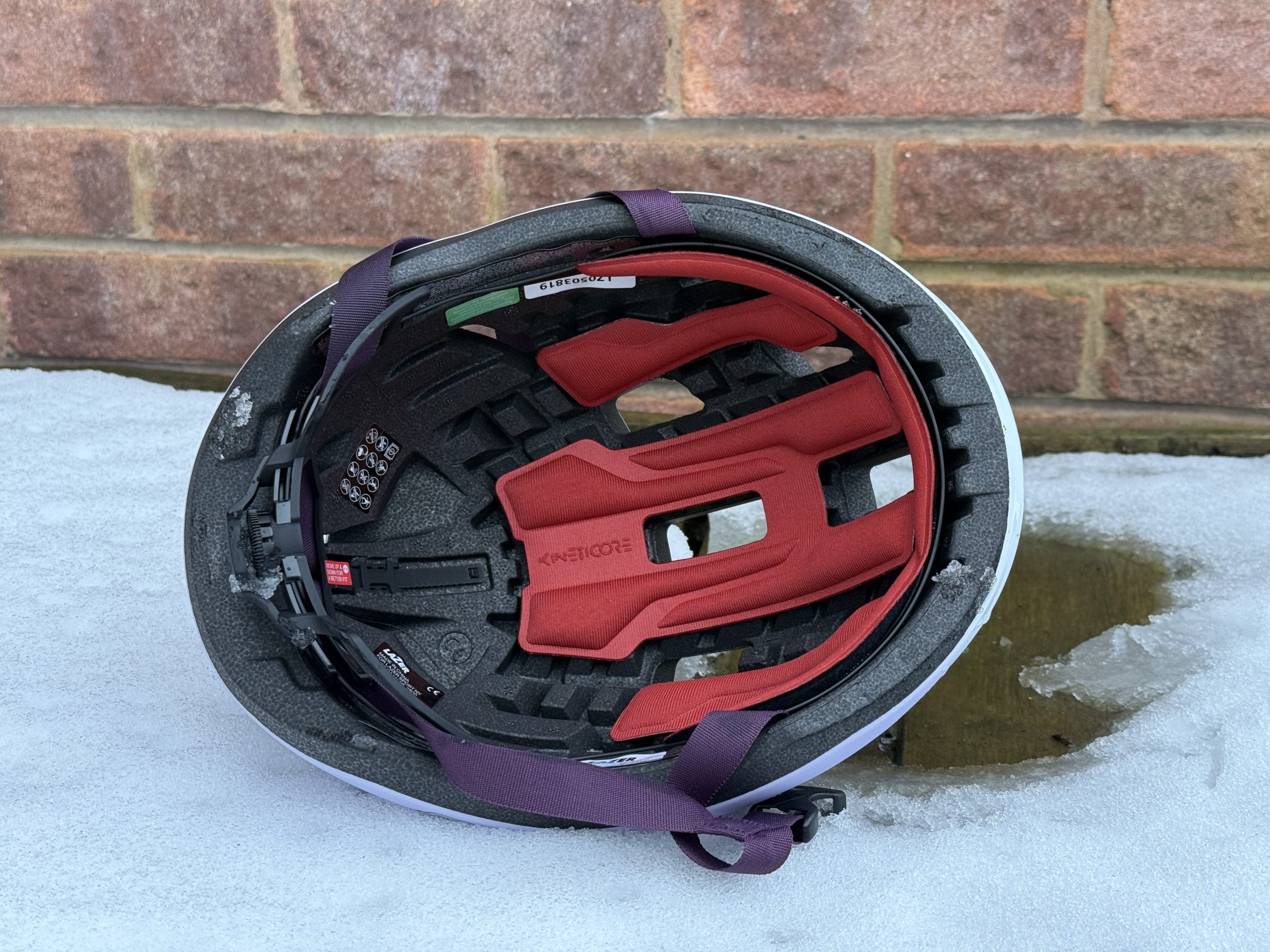
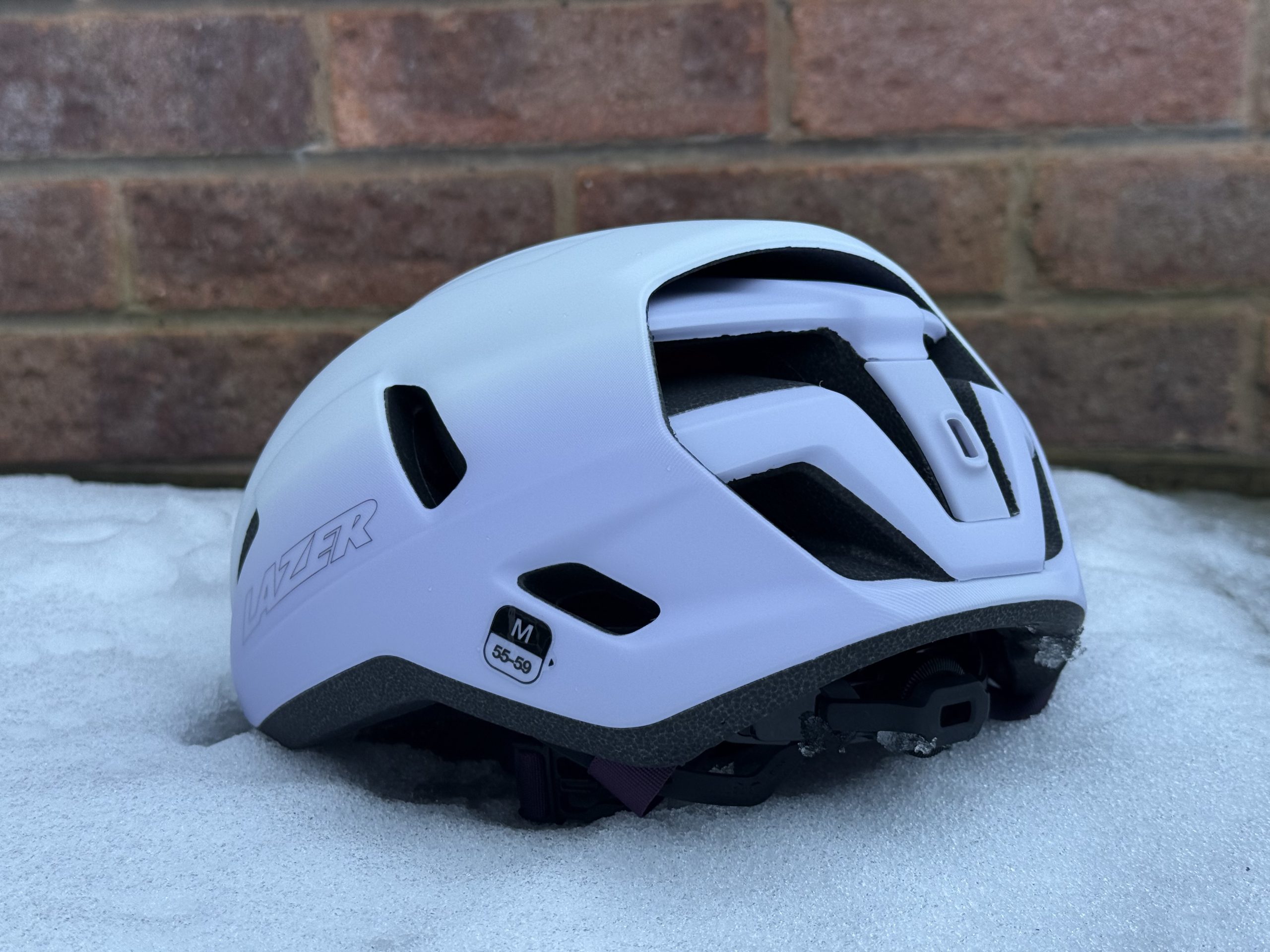
The brand says the helmet has an easy‑to‑use adjustable fit system that ensures stability, combined with stitched straps that are said to add both durability and a premium touch.
The Sphere KinetiCore is designed to hold your sunglasses when not in use. Nick Clark / Our Media
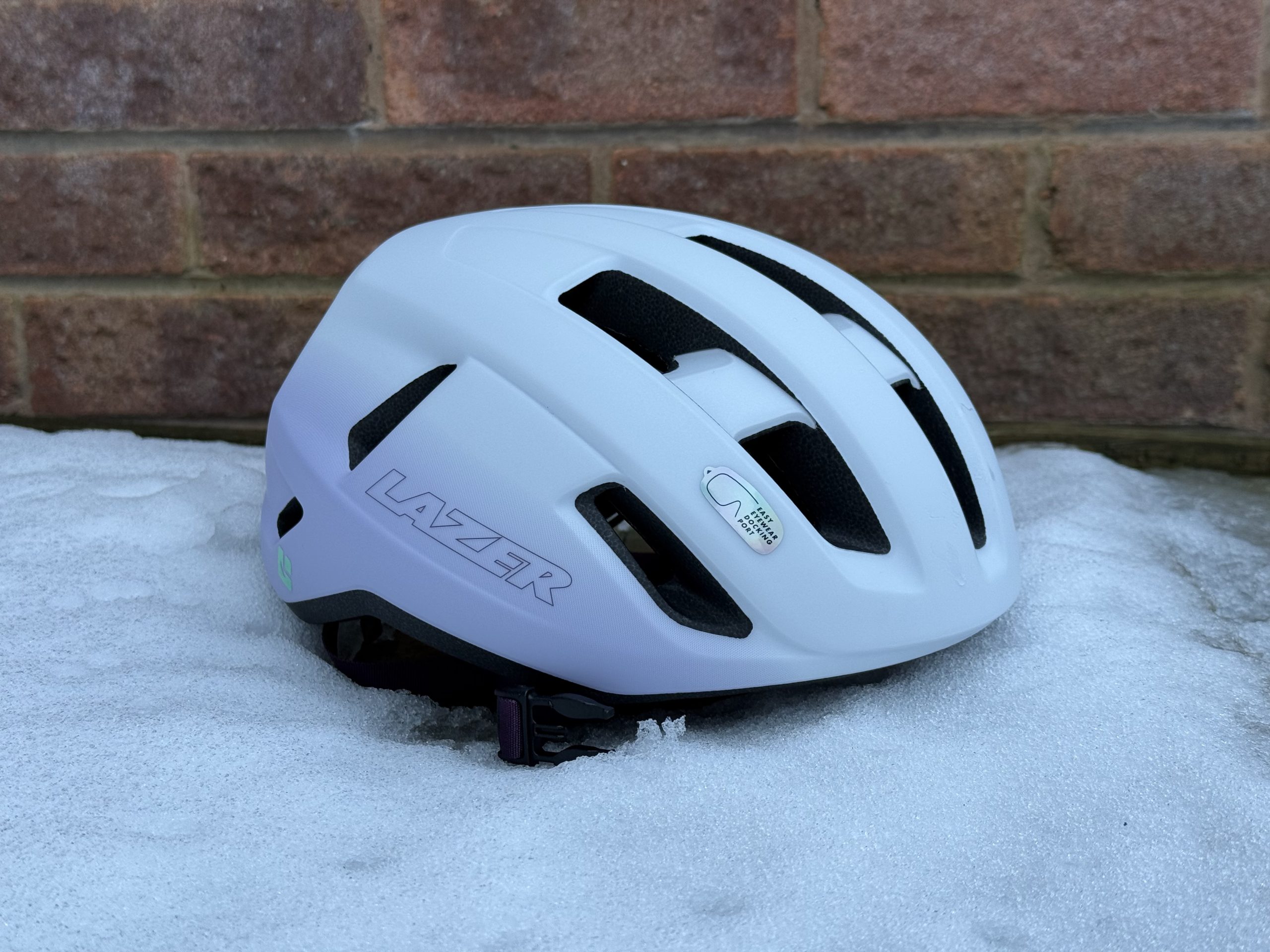
Strategically placed vents channel airflow to keep your head cool, and Lazer says they don’t compromise the helmet’s aerodynamic design.
The rear of the helmet has a mount for Lazer’s Universal LED rear light. Nick Clark / Our Media
Elsewhere on the helmet, there’s an eyewear dock to keep your cycling sunglasses in place, and a built‑in port enables you to attach the Lazer Universal LED for enhanced visibility in low‑light conditions.
The Sphere KinetiCore is priced competitively at £139.99 / $149.99 / €149.99, and is available in a variety of colourways.
Rapha is closing five of its clubhouses before April this year as part of a bid to bring “greater focus” to the business, it was revealed today.
The clothing company’s clubhouses are located around the world and work as retail spaces, cafes and the bases for Rapha Cycling Club members, as well as hosting events.
“Rapha’s Clubhouses are cultural anchors for the Rapha community worldwide, run by brilliant, hardworking teams that are our brand’s greatest advocates. They are places to belong, to be inspired, and to discover our products. So, this announcement is really tough,” Rapha’s CEO Fran Millar said in an official statement.
Rapha’s Manchester clubhouse, which opened in 2014, is set to close on 18 January and the company has informed customers and RCC members today.
Rapha CEO Fran Millar: “It is a painful decision but it is the right call for the brand and our customers in the long-run.” Tom Griffiths / Rapha
The other four clubhouses set to close are all in the USA, in Boulder, Chicago, Miami and Seattle. This is despite Rapha’s recent announcement that it’s partnering with USA Cycling ahead of the LA 2028 Olympic Games and will have a greater focus on the United States moving forward, as part of its renewed focus to reclaim the market share it has lost.
But Millar said closing clubhouses will mean Rapha can focus on “richer customer experiences” at flagship locations, events and online.
“I have been honest that we need to make changes at Rapha to bring greater focus. ‘Simpler, better’ is the guiding principle behind this decision. It is a painful decision but it is the right call for the brand and our customers in the long-run.
“A plan is in place to support local teams, customers and communities and we will share more information with RCC members directly,” Millar said.
To support its cycling club in locations where clubhouses are closing, Rapha said local venues will become ‘RCC Partner Cafes’ and that it will deepen and expand relationships with its retail partners.
Rapha added that its clubhouses represent a major investment for the brand, and despite having recently raised money from its investors, the five clubhouses that are closing do not make sense for the company at the current time.
But Rapha added that this does mean the company is rejecting the clubhouse concept. In November 2025, Rapha landed in China with its Shanghai clubhouse, and it is also considering new clubhouses.
Peak Zwift season is underway, as evidenced by the number of riders jumping into Tour de Zwift events! That’s our headline event this week, but we’ve also got four other popular (and possibly crazy) rides to feature. See my picks below!
Tour de Zwift, Stage 1
Popular Unlocks Race If You Want
Tour de Zwift is the biggest annual tour on the platform – a celebration of discovery across all Zwift worlds! It kicked off this week with stage 1, which runs through Sunday. Hundreds (sometimes thousands) of riders are joining each event, so you’ll always have some company.
The Vätternrundan group ride series is back for another year, and it looks to be as popular as ever! The premise of the series is simple: rides increase in duration from January 11 to March 1, with the goal of preparing you to handle many hours on the bike when the IRL race day arrives in June. (The Vätternrundan Group Ride Series is part of Vätternrundan’s official training program.)
Of course, you can use this to train for any endurance ride you may have planned this Spring/Summer. This week’s kickoff ride is 90 minutes long, on Watopia’s Waistband, and there are two pace group options (1.8-2.2 and 1.5-1.8 W/kg).
Take on the January Resolution Challenge with the folks at Pas Normal Studios! To complete the challenge, ride a total of 1000 km during the month of January. Mix and match outdoor with indoor rides, make them long or short… all that matters is the total distance ridden.
This is a rather crazy event, which is exactly why I picked it. 300 minutes on the Champs-Élysées loop in Paris! The nice thing about riding on a shorter circuit (it’s only 6.6km long) is that you can find a group at any time. But you can also try to challenge them! Or just challenge yourself!
How many km can you ride in 5 hours, or how many laps? Who will win the green jersey?
The popular new TT series from Cycling Time Trials (CTT) – the national governing body for time trials in England, Scotland, and Wales – is back after its holiday break.
Saturday is your last chance to complete week 7’s race on three laps of Richmond’s The Fan Flats (19.5km, 36m), which is a repeat of the third week’s race. Set a course PB and you’ll earn series points to boost your overall ranking!
We choose each weekend’s Notable Events based on a variety of factors including:
Is the event unique/innovative in some way?
Are celebrities (pro riders, etc) attending/leading?
Are signup counts already high, meaning the event is extra-popular?
Does the ride include desirable unlocks or prizes?
Does the event appeal to ladies on Zwift? (We like to support this under-represented group!)
Is it for a good cause?
Is it just plain crazy (extra long races, world record attempts, etc)?
Is it a long-running, popular weekly event with a dedicated leader who deserves a shout out?
In the end, we want to call attention to events that are extra-special and therefore extra-appealing to Zwifters. If you think your event qualifies, comment below with a link/details and we may just include it in an upcoming post!
Focus has announced its unreleased JAM² NEXT electric bike won’t feature a sustainable thermoplastic carbon fibre construction after its manufacturer, Rein4ced, filed for bankruptcy.
The brand had hoped to relocate carbon frame manufacturing to Europe with materials that can be fully recycled using Rein4ced’s innovative production method.
The JAM² NEXT is yet to break cover, with riders such as Olly Wilkins testing the concept bike over the past few months.
In a statement, Focus says the news is “extremely disappointing, as the bike is fully developed, tested, and ready to launch”.
Focus had planned to bring the JAM² NEXT to market, but it now looks set to remain a concept. Focus
“This doesn’t mean the JAM² NEXT has lost its purpose,” according to the brand, with the bike showcasing the possibility of building a recyclable production-ready carbon bike, despite never being brought to market.
Thermoplastic carbon fibre can be recycled, reducing its environmental impact. Focus
Rein4ced’s technology pointed to a sustainable future for the bike industry, and it looked like a major move toward flexibility in the industry’s supply chain.
The company has been loss-making since the beginning of 2024, with the total value of its assets reducing from €8.4 million in 2021 to €58,000 in 2024, forcing it to file for bankruptcy in December 2025.
Focus had hoped to bring manufacturing back to Europe with the JAM² NEXT. Focus
Focus says it “recognises even more that it requires the entire industry to further push the topic of sustainability and ensure the viability of future projects”.
Sometimes a little guidance goes a long way when it comes to maintaining or improving your fitness, and Strava’s latest feature aims to provide just that.
Yesterday, the app rolled out its new Instant Workout feature globally. Instant Workouts will analyse your prior activities and provide recommendations on what you can do next.
The feature trialled with a subset of users in November and is now available for more than 40 sports, including cycling.
It’s another piece in Strava’s broader development, which has seen the fitness app eye up big moves in its future.
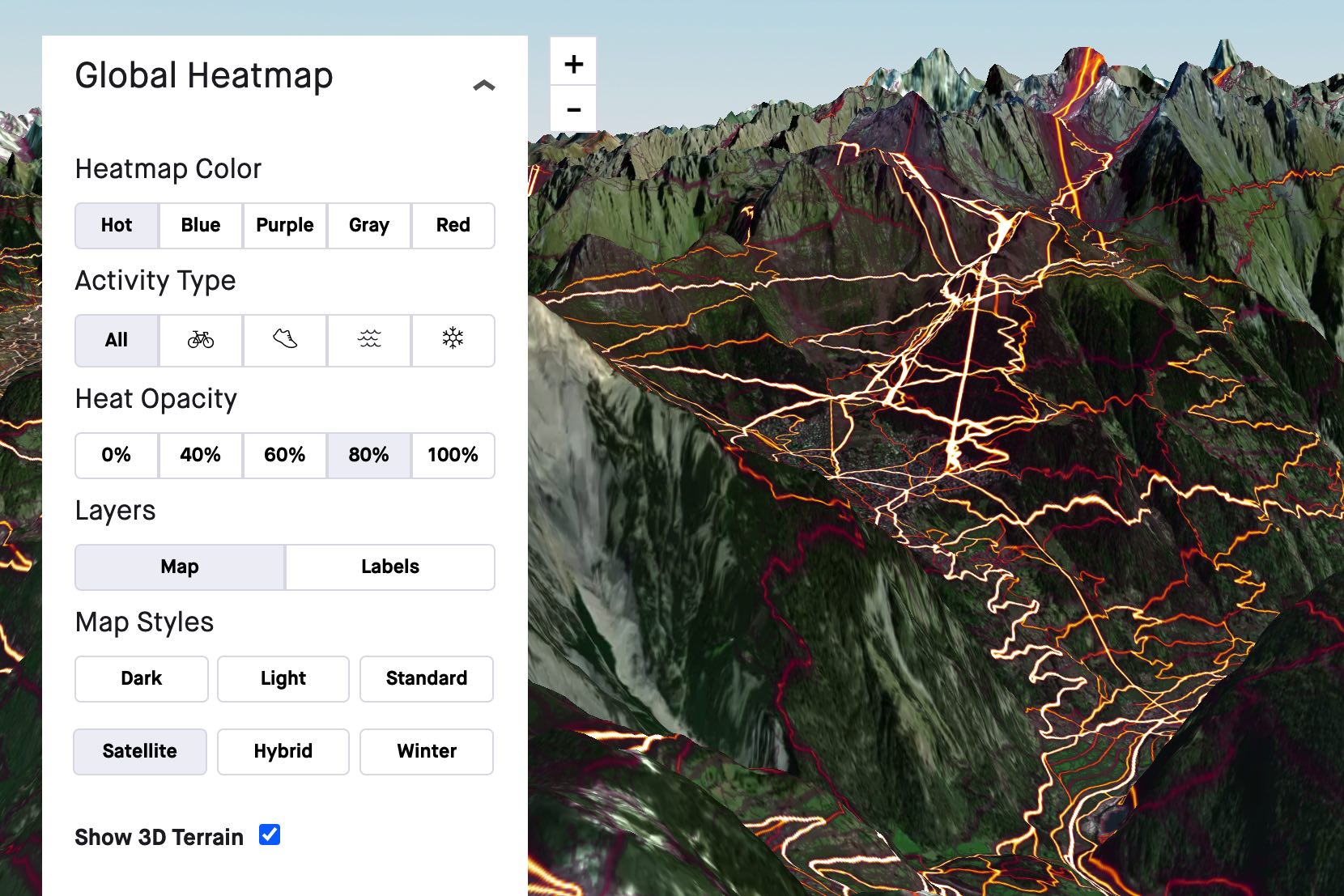
Strava’s latest feature uses its Heatmap data if a suggestion requires a route. Strava
Strava says Instant Workouts are “intended to provide inspiration for athletes to stay consistent, especially for those who are looking to build an exercise habit or get back into things after a break.
“For users who have a regular workout routine, Instant Workouts can bring variety and fresh ideas to keep movement fun. And, since the suggestions are based upon prior activity, the more users upload, the more personalized the recommendations become,” Strava says.
The snag is the feature is only available for paid subscribers, with Strava costing £8.99 per month or £54.99 per year.
If that’s you, you can see the Instant Workouts feature in the carousel at the top of the app’s feed.
Instant Workouts enable you to select from four intents – ‘maintain’, ‘ build’, ‘explore’ or ‘recover’ – and will then suggest a variety of workouts across your chosen sports.
Alongside personalised activity suggestions, Instant Workouts will generate a route for activities that require one powered by Strava’s Heatmap, which shows where users have been active.
Strava will also tell you why it’s recommending a particular activity to help you “learn a bit more about certain types of workouts and how that fits into their own activity history”.
Why has Strava released Instant Workouts?
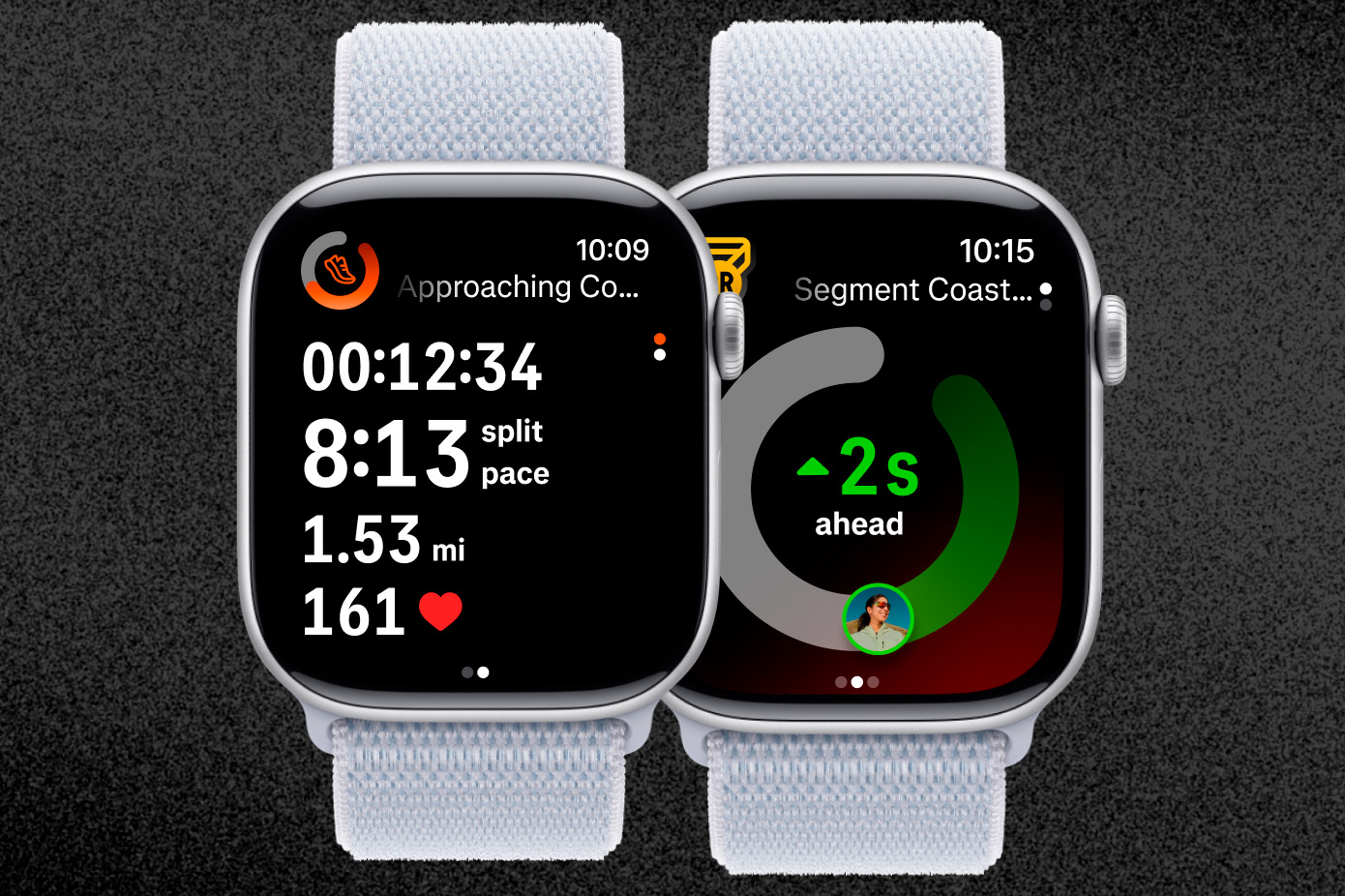
Strava recently updated its Apple Watch app. Strava
Over the last year, we’ve seen Strava undertake a period of “accelerated growth”, which has seen the app develop into a more advanced training tool.
Last year, Strava acquired The Breakaway and Runna, two apps that provide personalised training recommendations for cycling and running, respectively.
Now its Instant Workouts feature seems to build on those acquisitions, and Strava says some users will even see workout recommendations from its partners, including Runna.
Instant Workouts will also evolve in the coming weeks and months, fitting into a growth area for the app: uploads from Apple Watches. Strava revealed in September that uploads to the app from Apple Watches increased by nearly 20 per cent in 2024, which prompted it to redesign its app for the smartwatch.
Strava says you will be able to send workout recommendations to your Apple or Garmin device.
All these developments reflect Strava’s ambition to motivate people to lead active lives, but also Strava’s bigger ambitions.
Since he became Strava’s CEO in 2024, Michael Martin has been on a mission to add tools to the app to boost users and paid subscribers.
This appears to be working. Strava had 50m users in 2025 and saw a huge spike in downloads. It also closed a massive $2.2 billion funding round in May 2025.
All this success and growth has led Strava to seek a public offering, even if the app remains tight-lipped on when that will happen.
Brompton’s latest accounts reveal losses of £2m and a drop in sales, but the folding bike company says its outlook “remains optimistic”.
In its accounts for the 12 months to 31 March 2025, CEO Will Butler-Adams writes: “It was a year of balanced outcomes, marked by both significant achievements and setbacks.”
The company saw a 7.5 per cent drop in bicycle sales from 84,899 the previous year to 78,530. This was “driven by wider global economic uncertainty and continued challenges in the cycling industry”. But revenue fell by just under 1 per cent to £121.5m, and a shift towards more premium products in its range meant Brompton saw an increase in revenue per bike sold.
Butler-Adams says the investment in research and development, which led to the launch of the Brompton G Line, its first larger-wheeled folding bike, “bore fruit”. Launched in the UK and EU in September 2024, the G Line contributed approximately 9 per cent of sales by volume and 9.8 per cent of its turnover.
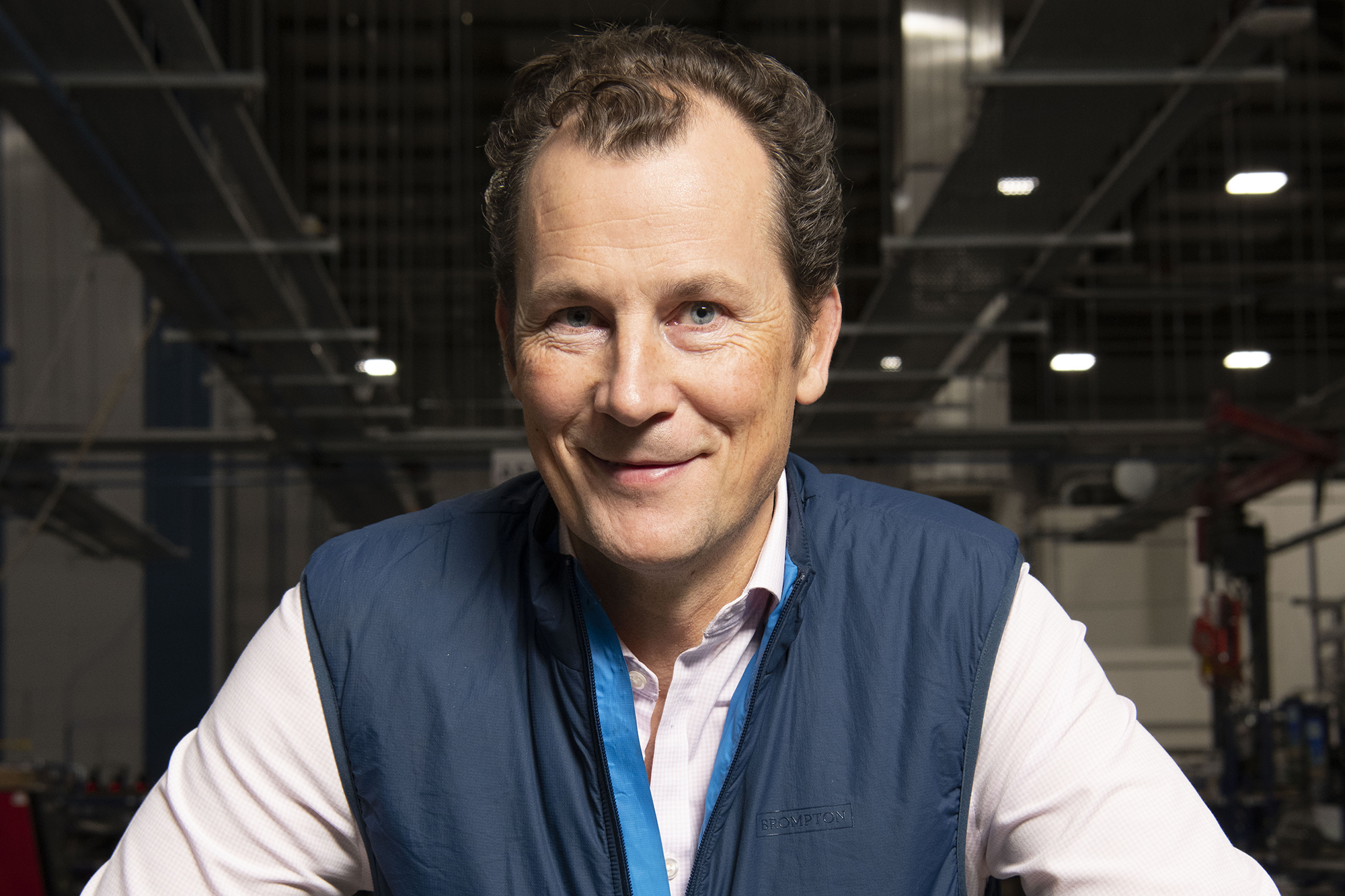
Brompton’s CEO Will Butler-Adams. Brompton
Brompton’s pre-tax profits increased from £4,602 in 2024 to £130,476, but after taxation the loss increased from £1,046,324 in 2024 to £2,080,303 in 2025.
When Brompton revealed its low 2024 profits, Butler-Adams said he remained positive about the company’s future – a sentiment that continues in the latest accounts.
“Looking forward, the outlook remains optimistic, with normalisation in the cycling industry after consecutive years of challenges, the impending launch of the G Line in new markets, and continued investment in new product lines, which the Brompton Group is excited to release soon,” Butler-Adams says in his strategic report.
Elsewhere, Brompton’s subscription service, where users can pay £35 per month to rent one of its folding bikes, grew by 45 per cent.
The accounts also reveal that APAC is Brompton’s largest market, where it had a turnover of £57.5m compared to £23m in the UK.
The accounts state that Brompton faces a risk of over-dependency on China, which is proving to be a lucrative market for the cycling industry. “China is a key strategic market for us across both supply and sales, but this concentration presents risks, particularly in the event of disruptions,” the accounts read.
Brompton expects further growth from the G Line’s recent Asian launch, plus its line of e-Motiq electric bikes that debuted in the UK in October and will go on sale in the USA soon.
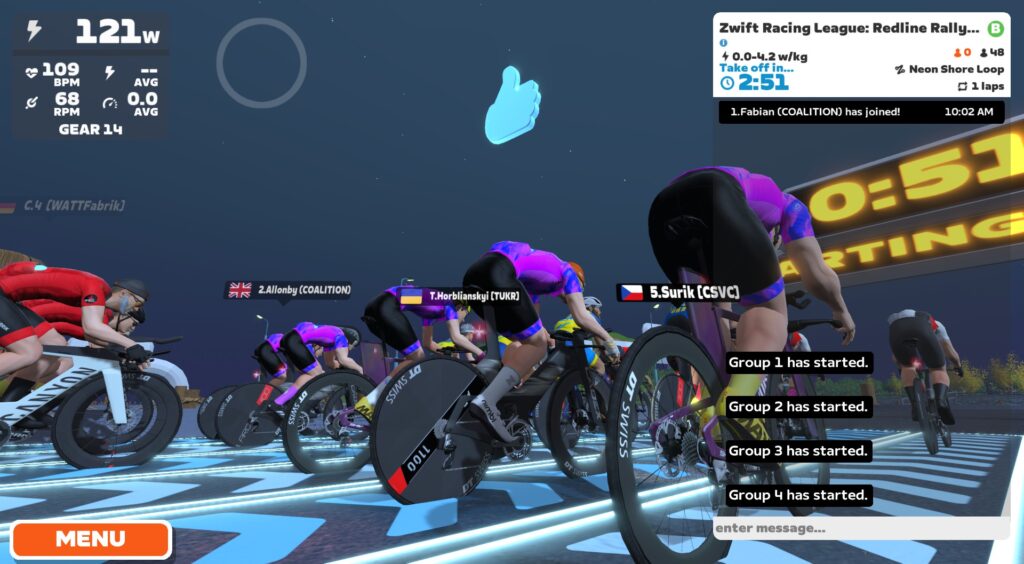
The first race of Zwift Racing League Round 3 happened on Tuesday: a team time trial on the new Neon Shore Loop in Makuri Islands. While the very climby list of routes selected for Round 3 struck a bit of fear in my “overmuscled” heart, this looked like the sort of race my team (Coalition Delusion) could win…
Heat Training: Fool Me Once…
You may recall that the last TTT we won was in NYC, despite me mistakingly doing a hard heat training session the day before that definitely limited my race efforts.
This time around, I made sure I didn’t push too hard the day before. I rode the first event of Tour de Zwift at an easier pace, then turned off the fan and road easy for another 15 minutes to get just a bit of heat training in, to keep my adaptation level up. (More on heat training in an upcoming post… I’ve been doing a lot of it, and learning a lot along the way!)
Planning Our Race
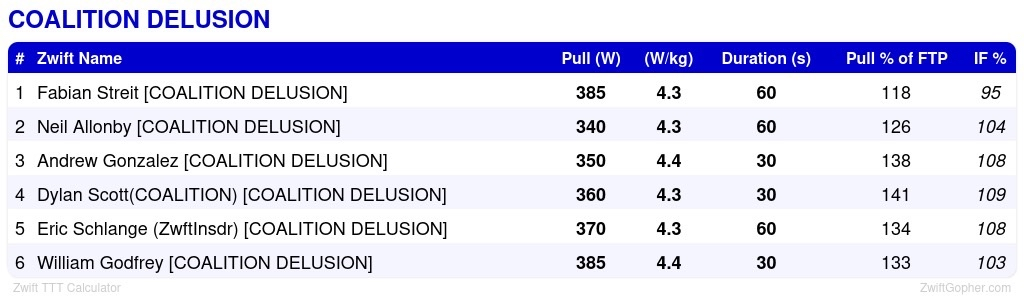
Heading into the race, my team was chatting about all things course and strategy as usual. Captain Neil had our pull order worked out, with a bit of help from the Zwift TTT Calculator:
It was William’s first time riding with us, but we knew the drill: call out when you’re on deck. Call your stopping time when you get to the front. Call when you’ve got 5-10 seconds left in your pull. Call out if there’s a gap.
Basically: stick to the plan, and communicate well. Chris M would be our DS on the day, since he wasn’t riding. Always nice to have a non-riding DS for TTT weeks!
The new Neon Shore Loop route seemed fairly straightforward as a TTT course, since it was essentially flat, with three short and draftable climbs thrown in to make things interesting. We would hold formation on the flats, trying to hold our target power on our pulls, then push as hard as possible on the climbs. It’s proved a winning formula thus far… and we had no better ideas. Let’s race!
The Race
We began our race in Neokyo with around 10km of flat roads. This is a lovely way to start a TTT, especially if you’ve got some new team members. It lets you work on the fundamentals: hitting your pull targets, rotating smoothly, communicating clearly.
Most TTTs aren’t on intersection-heavy roads like Neokyo, so perhaps I just haven’t noticed this issue before. Or perhaps it’s because I can easily see what I’m missing now that the draft indicator is live!
This may not be a popular opinion, but I think it’s time to allow steering in these races. Maybe I’d change my mind after actually racing a TTT with steering (I never have), but I really like the idea of being able to control my left-right position.
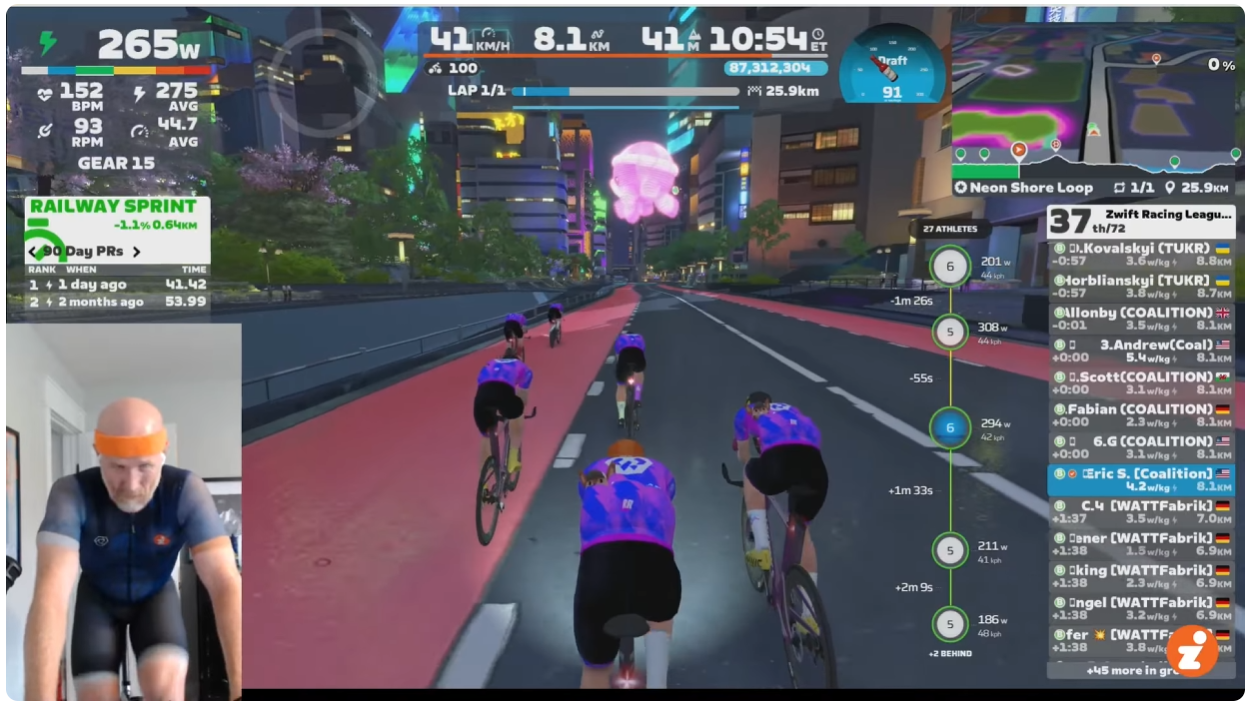
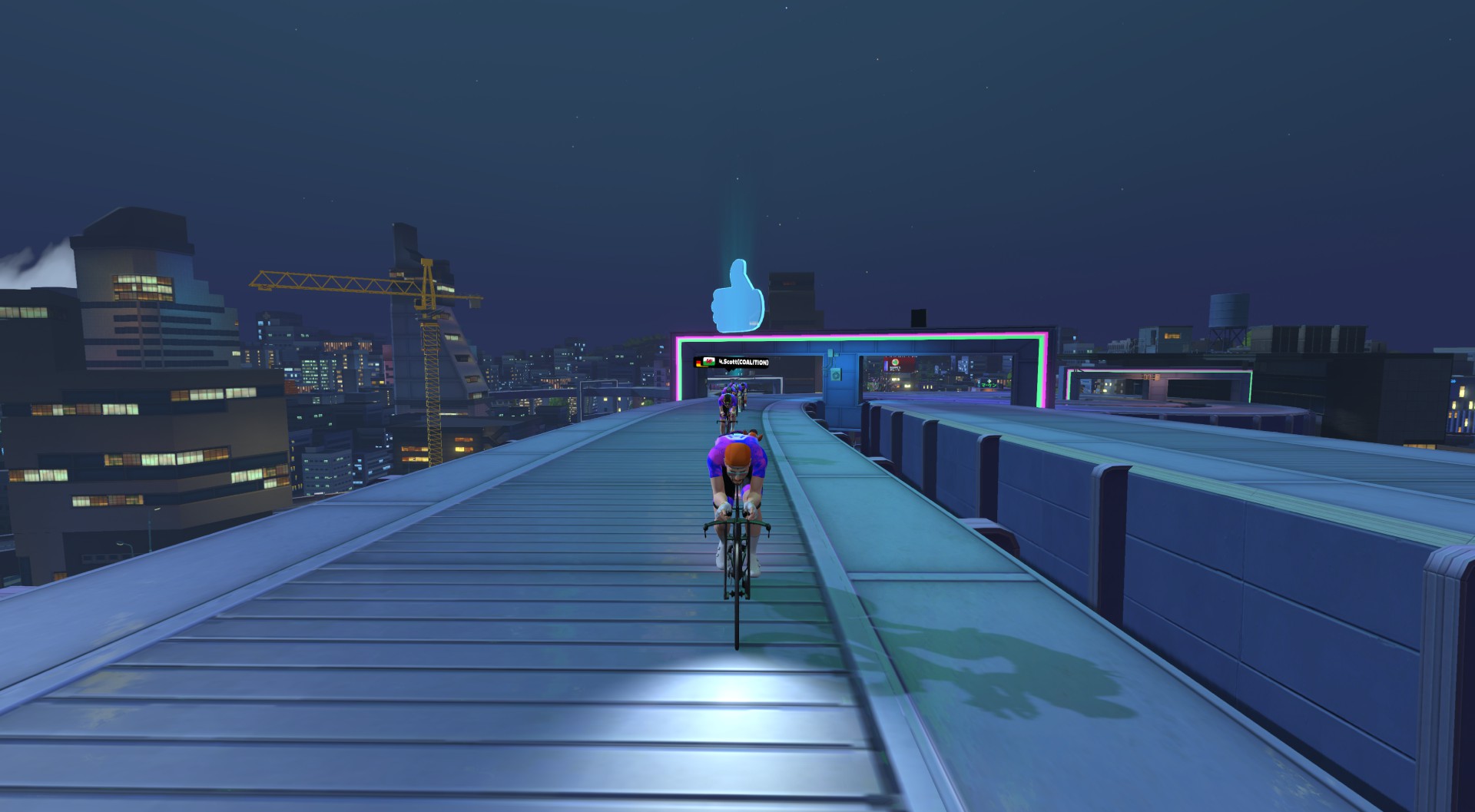
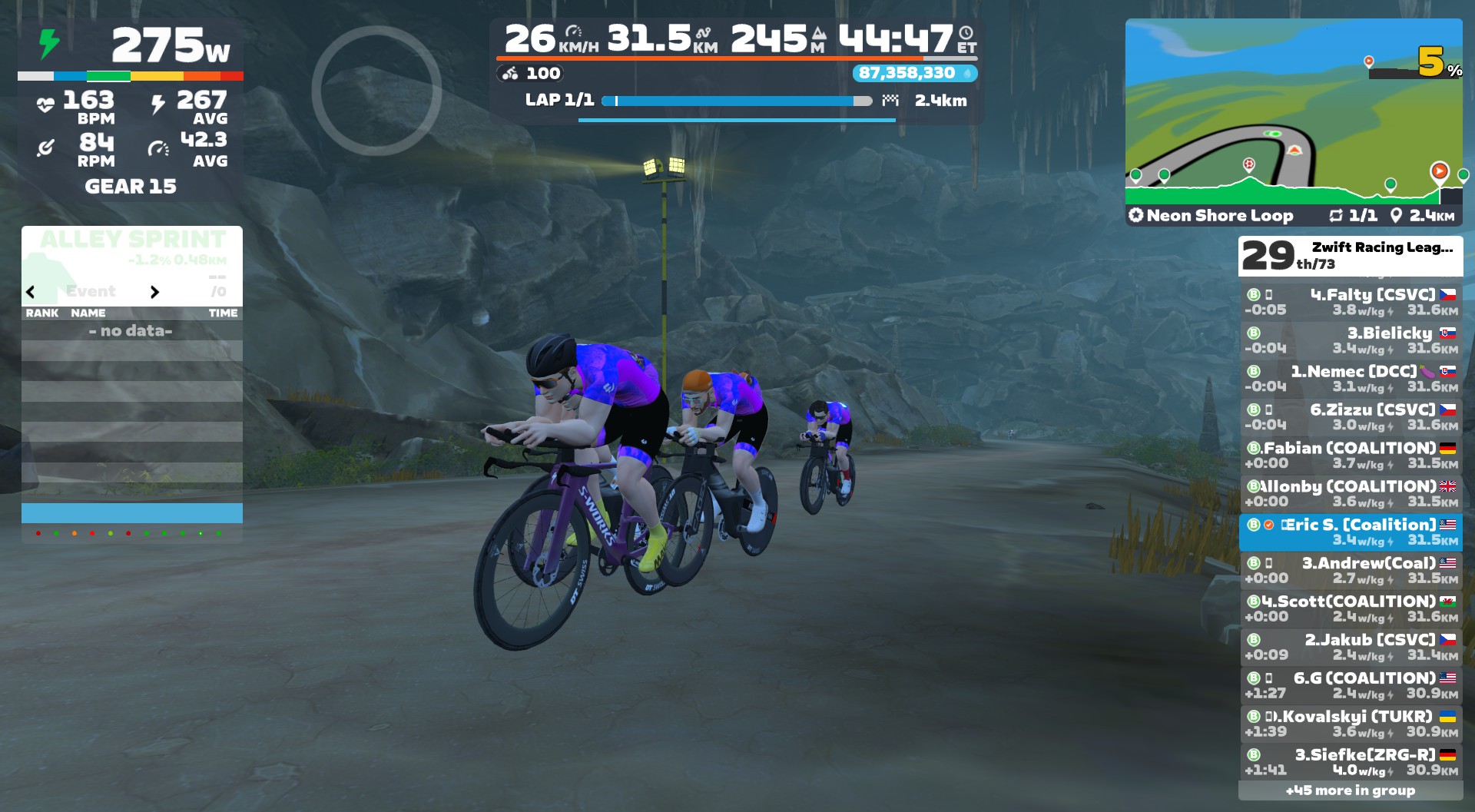
I was on the front, taking my third rotation on the day, when we hit the first little uphill: the riser to the second level, which takes us to the Rooftop KOM. I bumped my power up from my target (370W) to just over 400W, to keep speeds high on the climb without blowing myself or my teammates up. It seemed to work well, which was a good sign for me: it meant I was riding strong enough that teammates who are better climbers weren’t coming around me on uphills. But as we crested the top and Will began his pull, a gap opened up to Captain Neil, who was valiantly riding his second TTT of the day.
A bit of instruction from Chris for the front to ease, and we were back together for the start of the Rooftop KOM. We stayed roughly in formation on the lower part of the climb where speeds are high as you stairstep between slack climbing and flat road. Then it was time for my fourth pull as we hit the spot where racers traditionally attack, so I let everyone know I would just hold steady power and try to pace us to the top of the KOM.
Climbs can be messy in a TTT, and it can really simplify things if you know a particular rider is just going to keep it steady to the top.
I probably should have kept my #6 camera view live during this entire pull, but I didn’t activate it until I heard Chris ask me to ease up a bit, as a gap was forming. It’s never easy to hit that perfect pace in a situation like this, because you basically want to push as hard as your team can possibly go on a climb, since that’s where you can make up a lot of time in a TTT scenario.
Anyway, I eased, we regrouped, then we came over the top and settled in for lots of descent and flat roads, all the way down to Urukazi.
As usual, I had Sauce for Zwift running so I could see time gaps to nearby teams. It was showing that we were catching riders ahead, and pulling away from the team behind. Good signs! But it ain’t over ’til it’s over…
The next big effort we’d face would be the Pain Cavern, and as we were getting close to it, teammate Will had to skip some pulls. We made the call to have him do one last suicide pull in the run-in to Pain Cavern, and he executed it perfectly, holding the target pace until he blew up. We came around and kept pushing on, rotating through our remaining riders.
As I started my pull, we were in the middle of the figure 8 portion of the Pain Cavern, where racers typically attack. I eased a bit to keep the team together, then the road flattened and speeds ramped up as we exited the cavern with 2km to go and a team just a few seconds ahead!
Shorter pulls are often the way to go in the final 1-2 minutes of a race, as legs are tired but you want to finish fast. With 1.3km left in the race I came to the front and announced I’d be pulling for just 30 seconds, but pulling hard to catch the team ahead. Let’s go, boys! I do love a good carrot.
We passed the team with 900 meters to go, and I dropped a Ride On bomb as their lead rider waved. Class! Then Fabian came to the front and three down one last pull before rotating off with 500 meters left. Go go go!
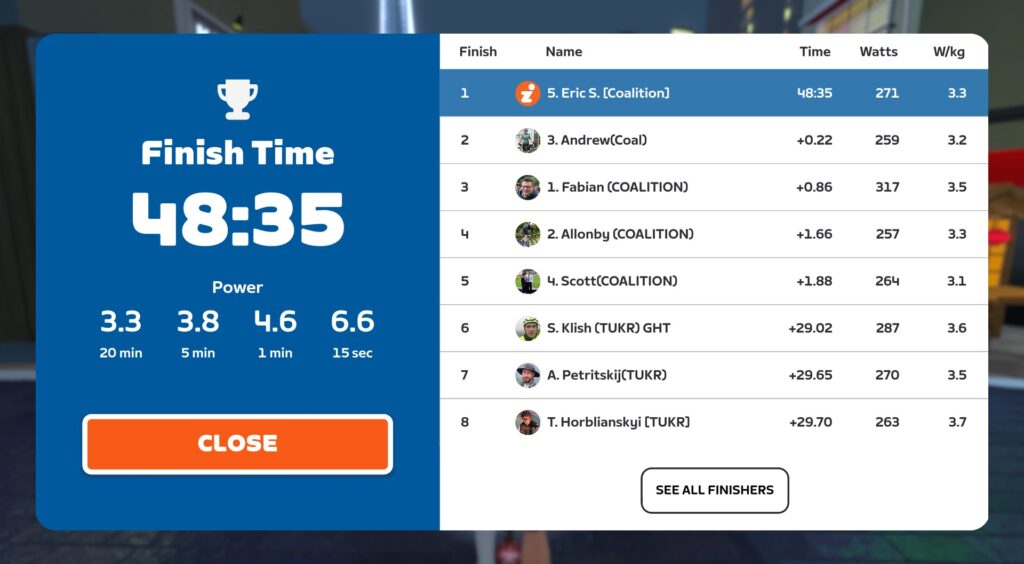
Everyone on the team was pushing hard, a sort of friendly final race to empty the tank and not be last across the line. If it was a race, I guess I pipped Andrew at the line:
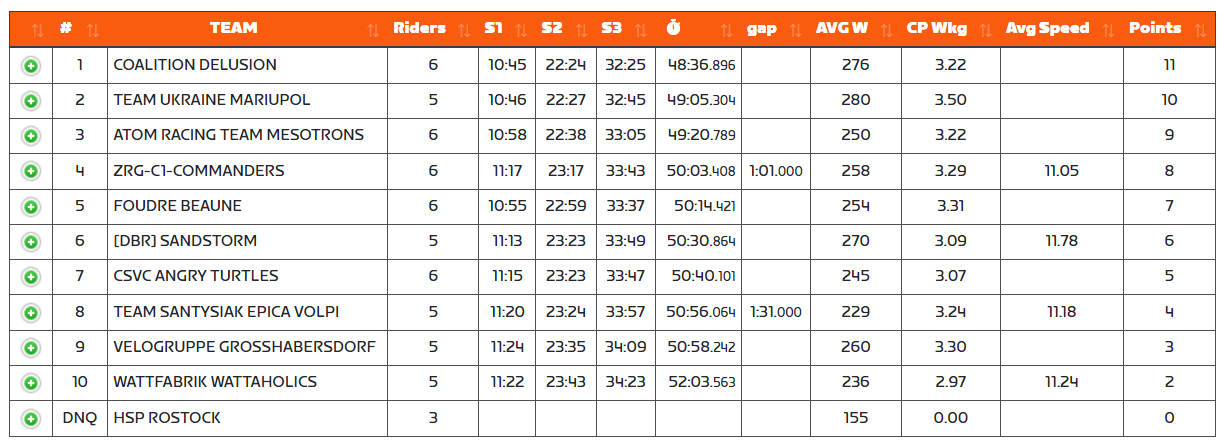
Heading over to WTRL’s website, we learned that we had indeed taken first place:
WTRL has placed us in the B2 division this round, which seems a bit odd since we took second place in B1 last round. Perhaps WTRL will re-sort the divisions after this race?
On the other hand, given the hilly nature of every other race this round, perhaps B2 is exactly where we should be. Because while our TTT result would have beaten all the B1 teams as well, our strength as a team has never been found in the hills.
Personally, I was happy with my performance in this race. I felt like my heart rate was a bit lower than usual, possibly a product of all the heat training I’ve been doing. And I was able to consistently put in 1-minute pulls, which I haven’t always been able to do.
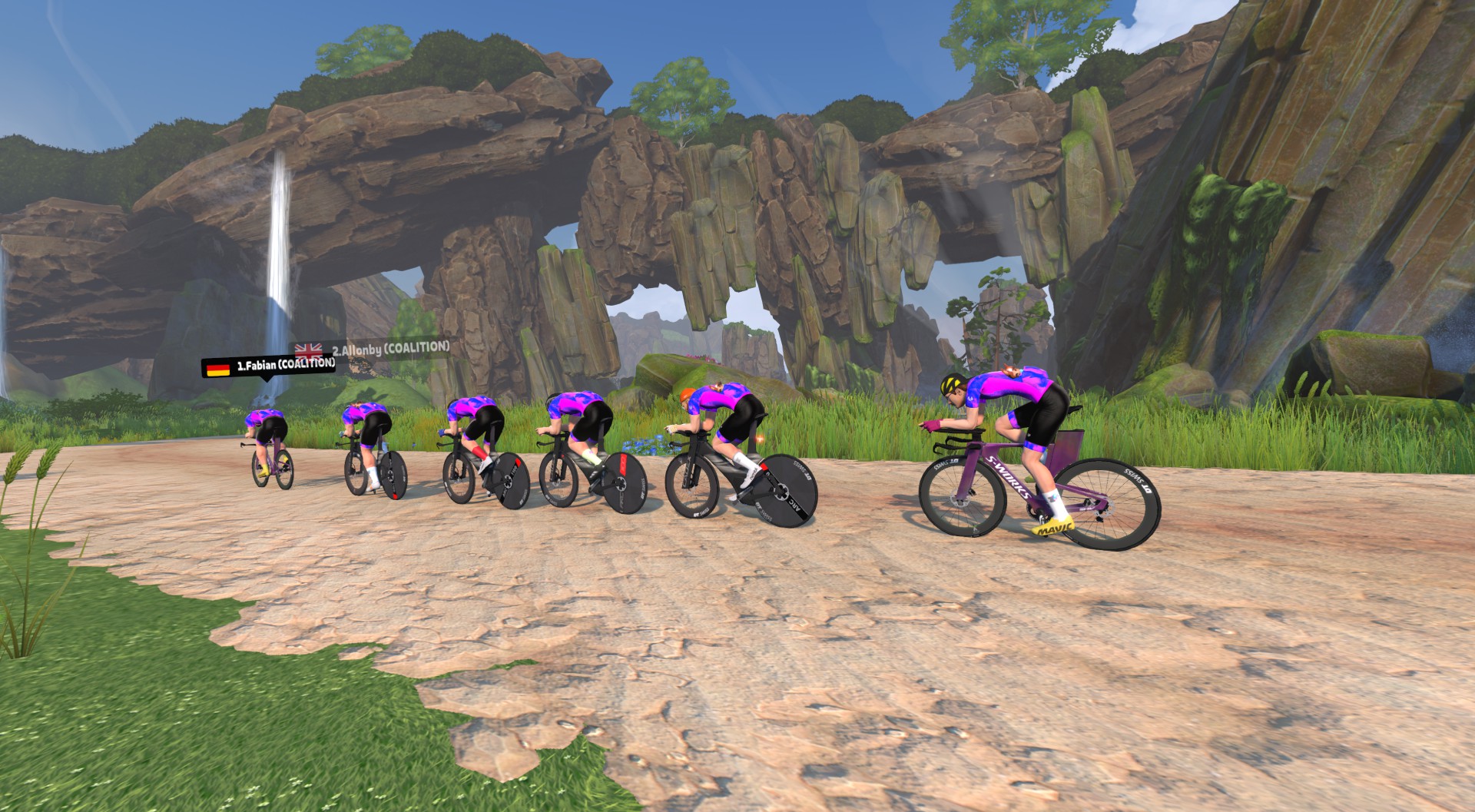
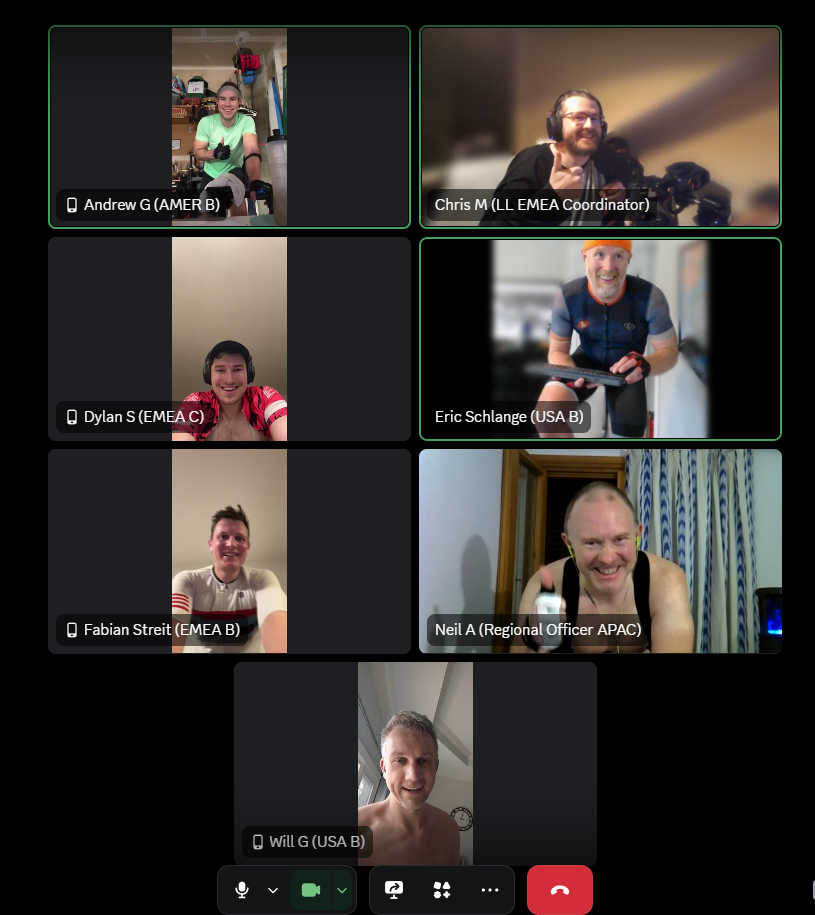
We wrapped up the day with our traditional team photo:
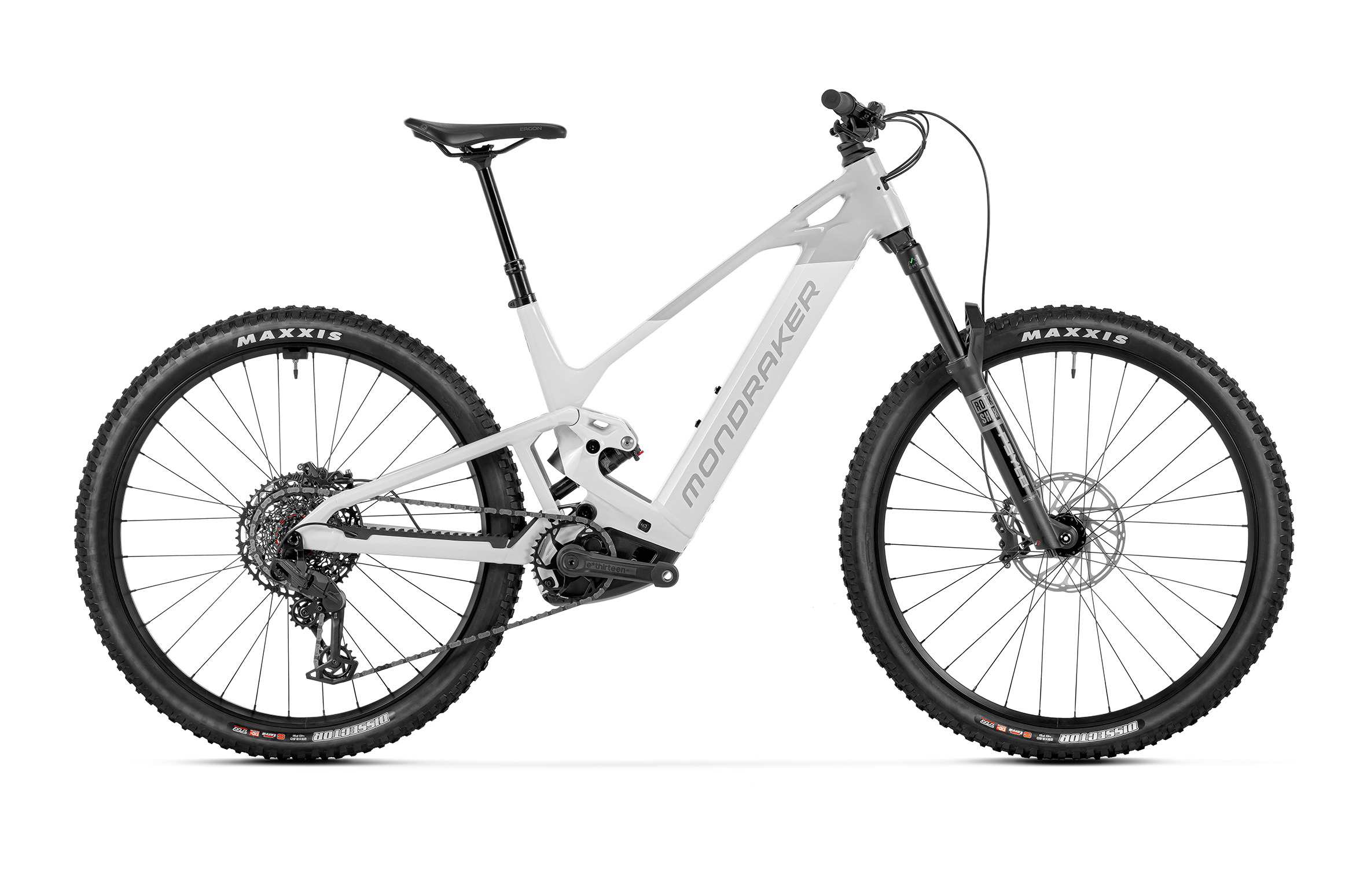
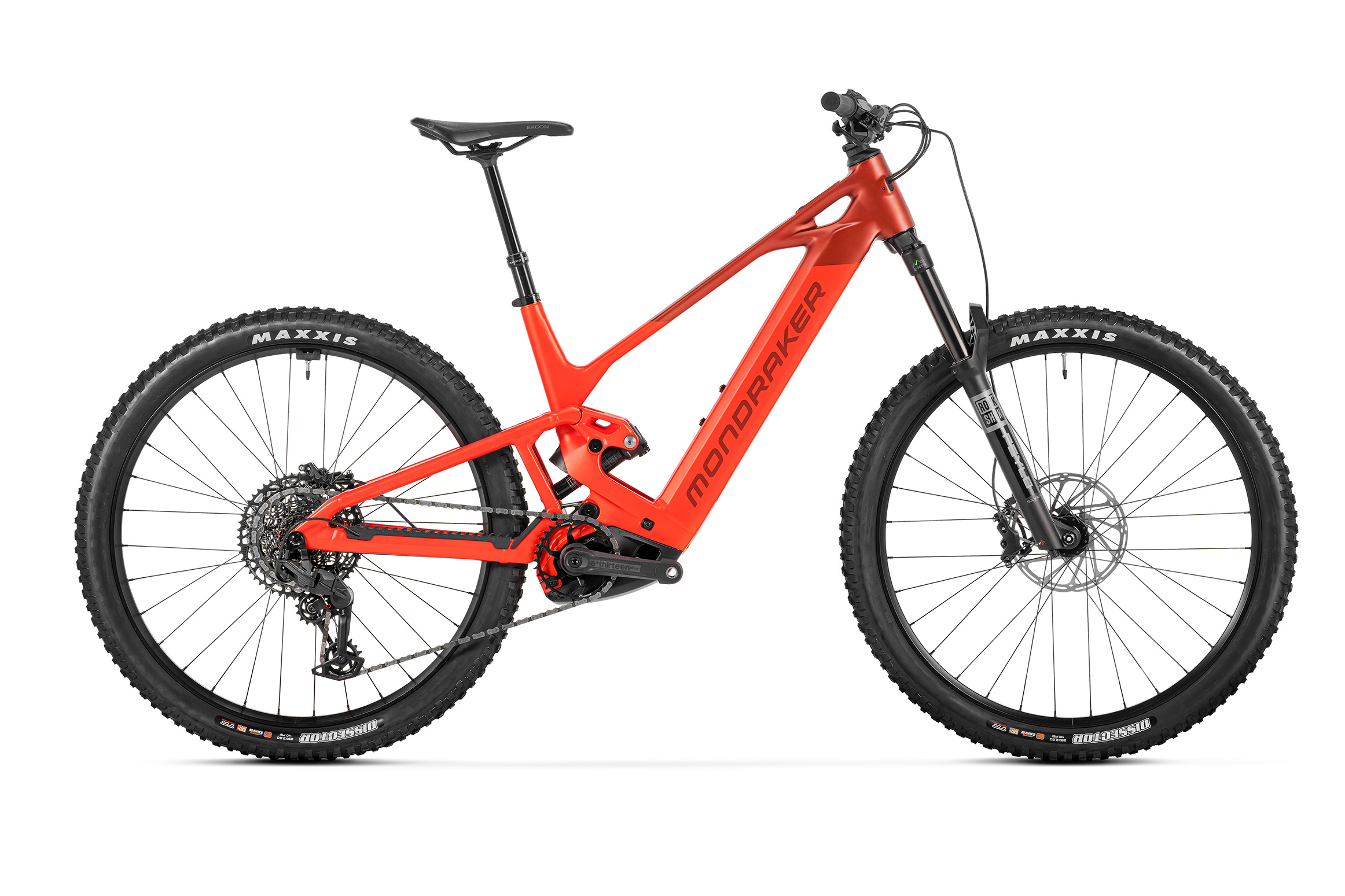
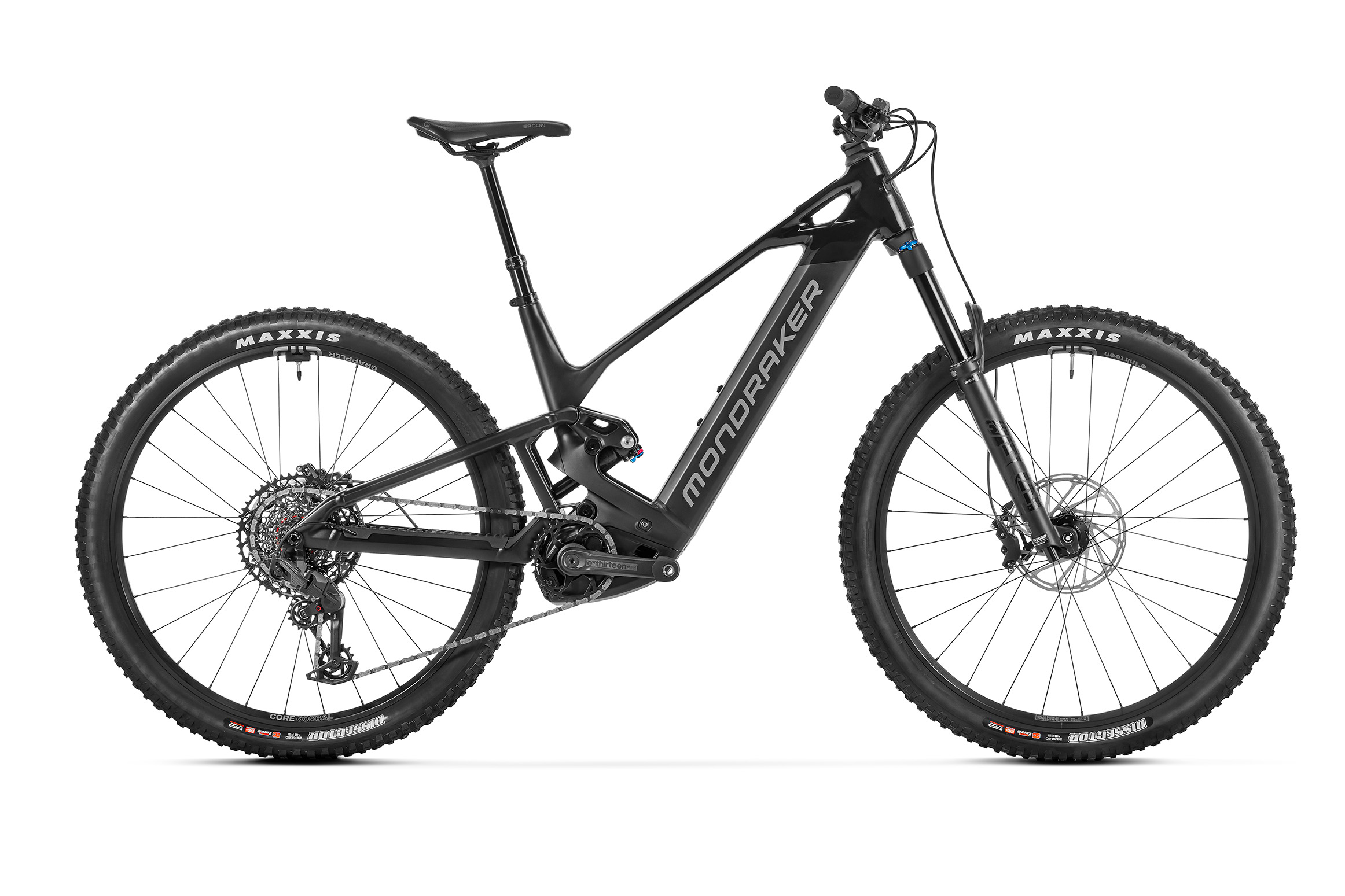
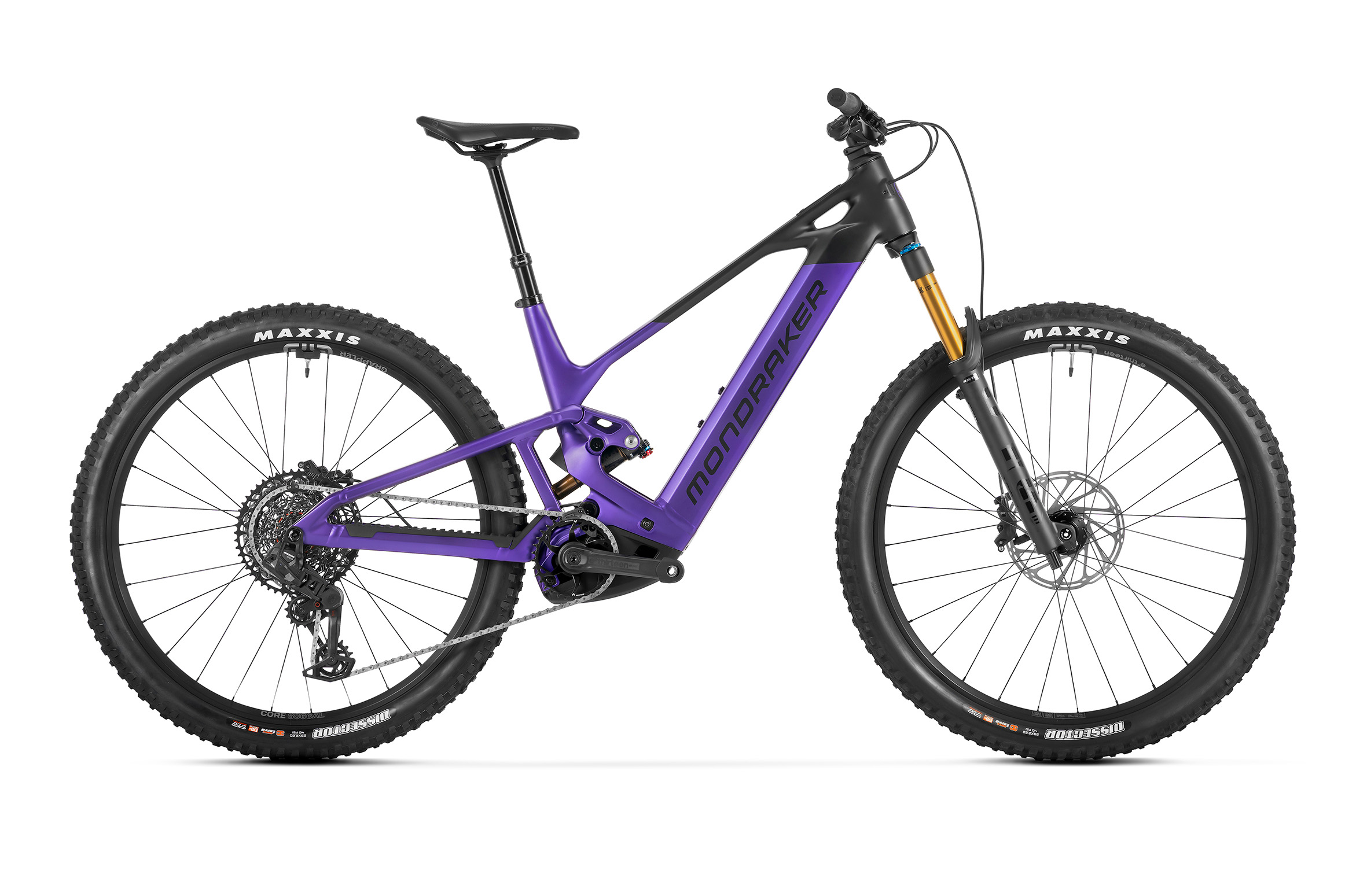
Mondraker has revealed the Scree, an all-aluminium trail bike that promises to open the door to the ebike world for new riders as well as those transitioning from non-assisted bikes.
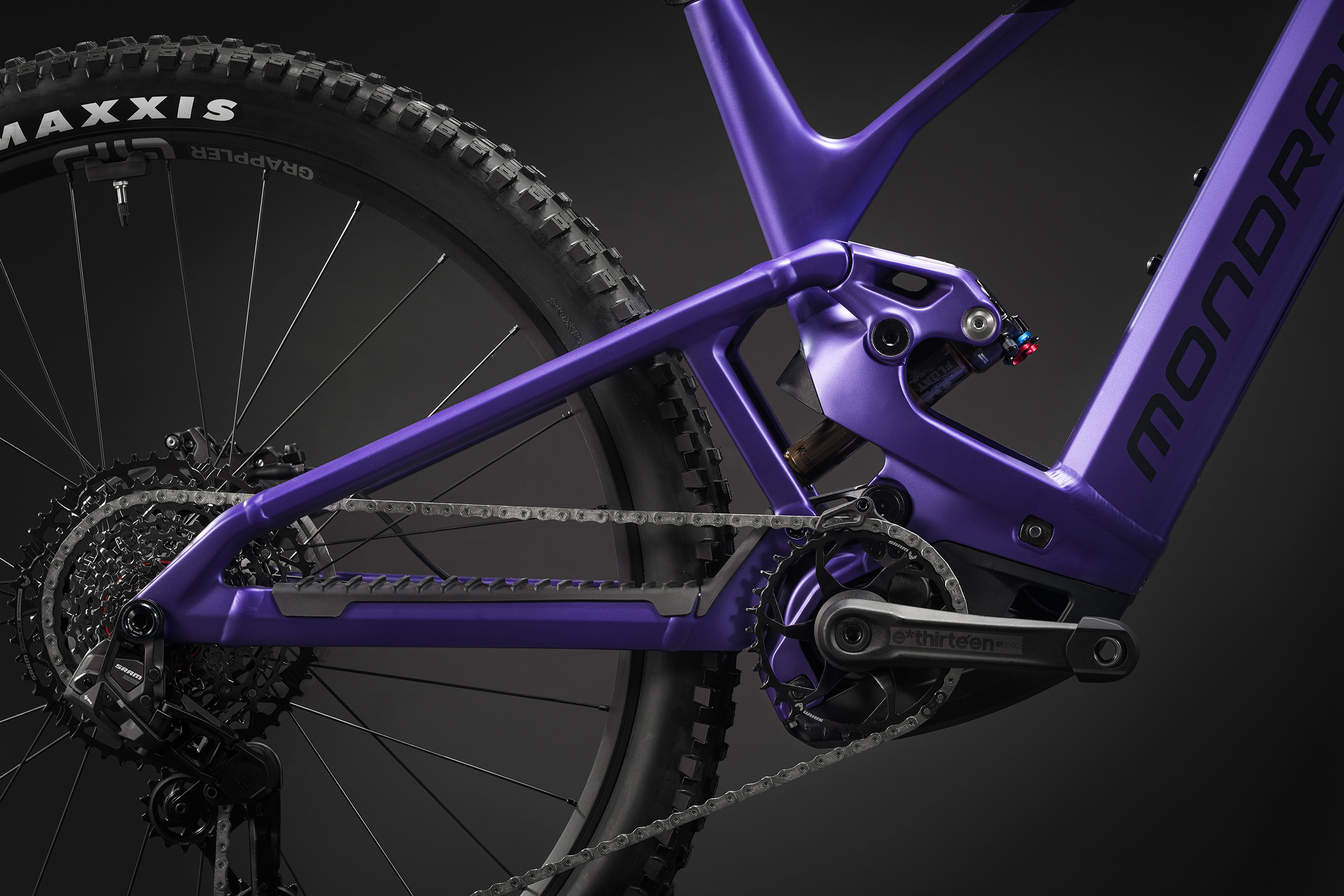
The electric mountain bike features an all-aluminium frame, which has sleek welds that make it look almost monocoque.
The updated Zero Suspension System lowers the bike’s centre of gravity. Mondraker
Mondraker says the Scree borrows from its enduro models, with the bike featuring its updated Zero Suspension System that sees the rear shock placed low in the frame, dissecting the seat tube.
The brand says it inherits performance from the Crafty, while packaging it in a more playful format for assisted newcomers.
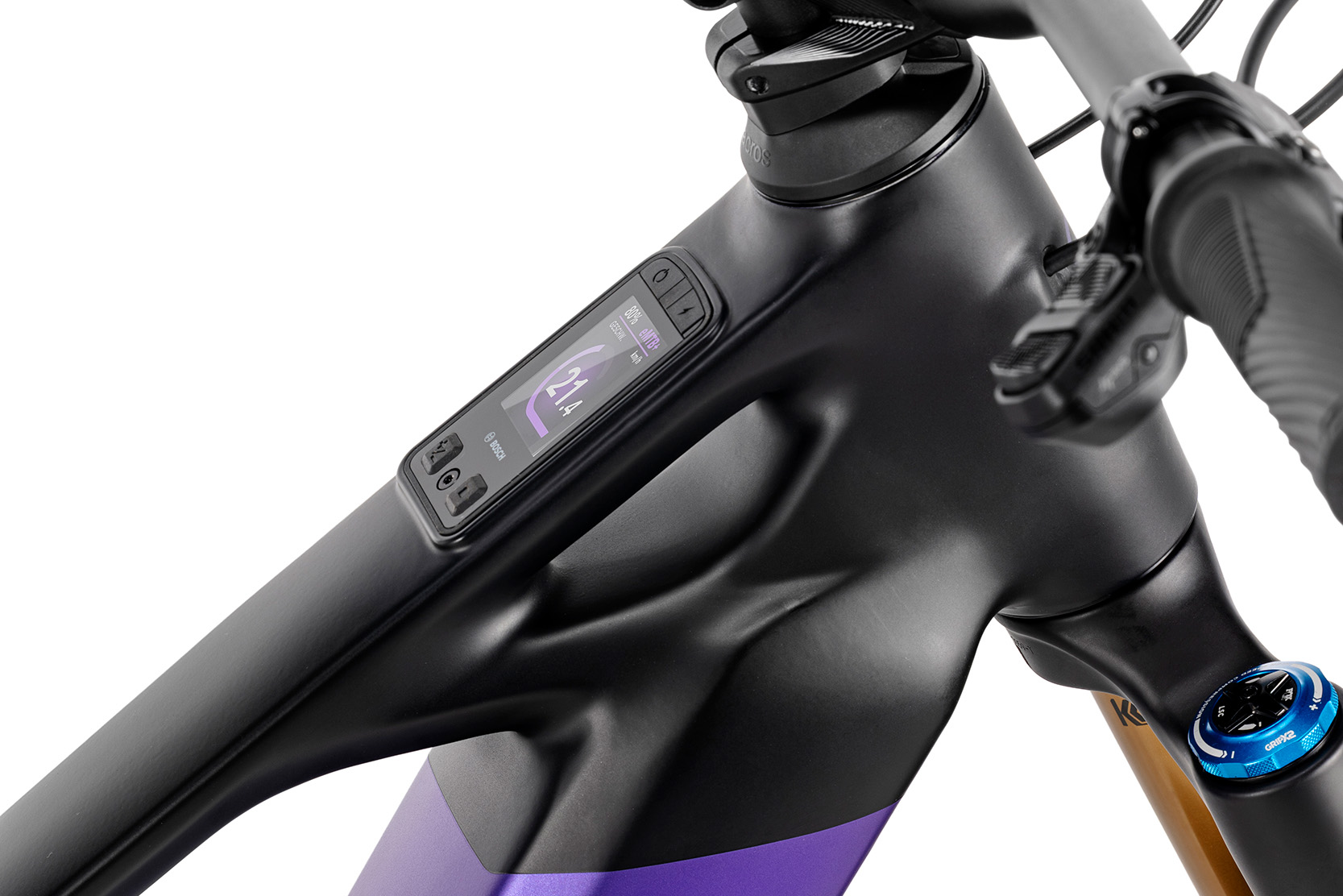
All models feature the Kiosk 400 display. Mondraker
It has 20mm less travel than the carbon bike, 130mm compared to 150mm in the frame, and 10mm less up front.
The frame is made from the brand’s premium Stealth Evo aluminium, and has a purposely low standover height for more confidence on the trails.
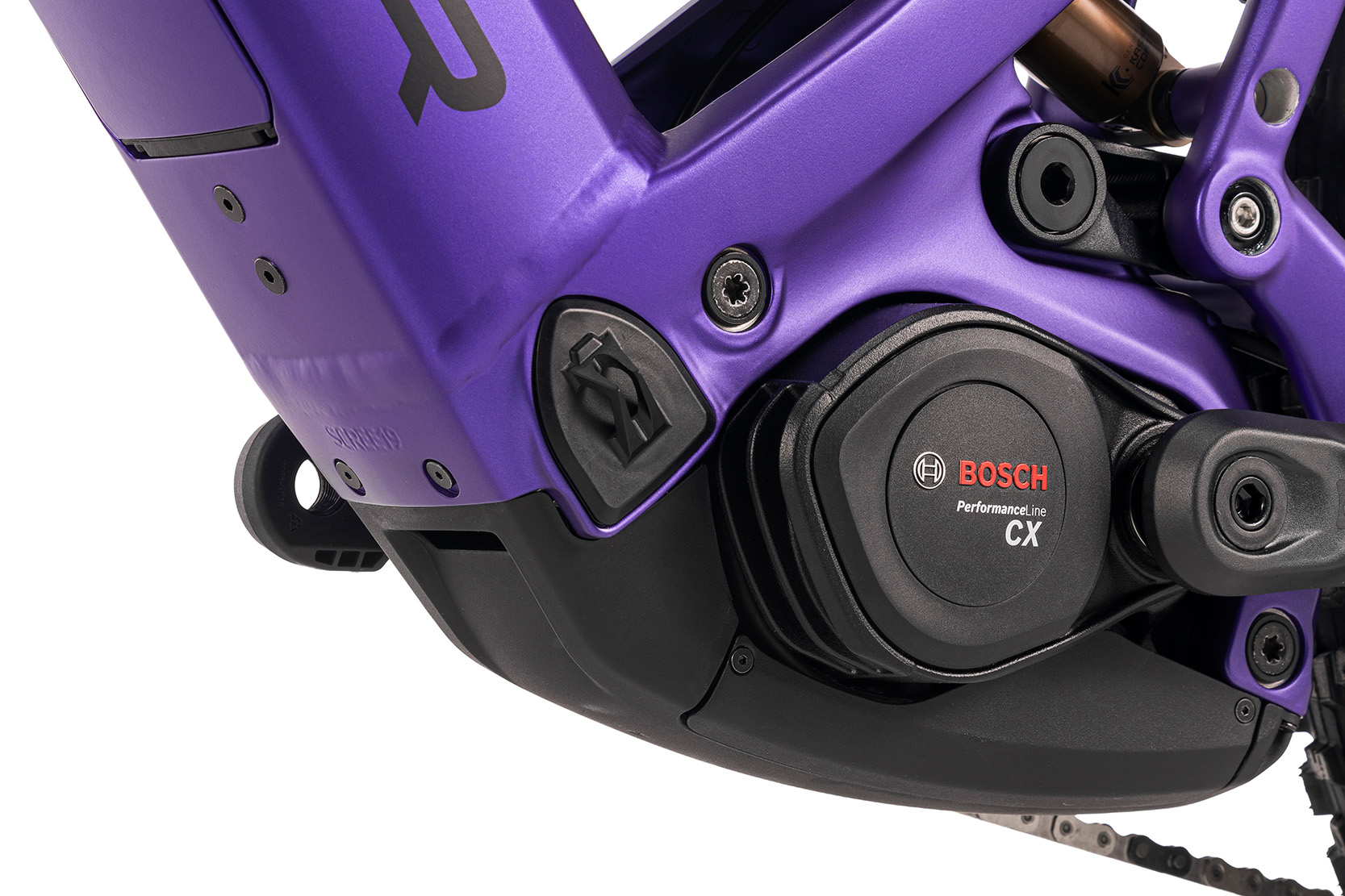
The Bosch Performance Line CX is a benchmark motor. Mondraker
Driving the bike is Bosch’s Performance CX Gen 5, which now has the full 100Nm of torque, and is controlled via a Kiox 400 display on the top tube and mini remote on the bar.
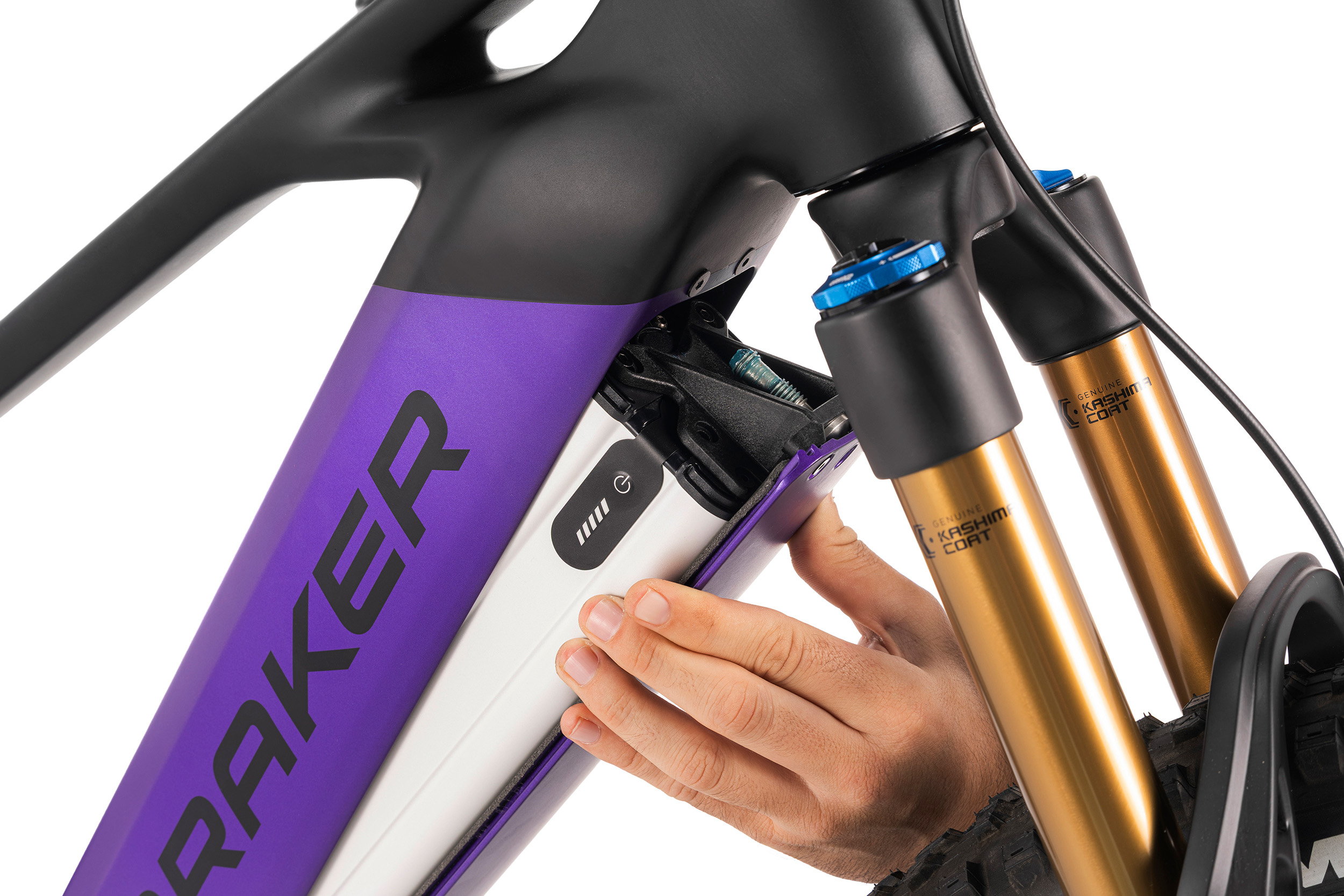
A hex key is needed to drop the battery. Mondraker
The battery is removable and is accessed via a latch on the down tube, making it easy to swap should you plan on some epic days.
There are two battery options for the bike, with the Scree S 600 featuring a 600Wh battery and the Scree S, Scree R and Scree RR using the 800Wh battery.
The Scree has a low standover height, which should benefit smaller riders. Mondraker
Cable routing is through ports on the head tube, meaning maintenance should involve less hassle, while there’s a soft plastic chain protector, mudguard and sump protector to keep things running quietly.
Mondraker Scree S 600 price and spec
The Scree S 600 is the cheapest in the range. Mondraker
Fork: RockShox Psylo Silver 29, 150mm
Shock: RockShox Deluxe Select DebonAir
Motor: Bosch Performance Line CX
Battery: Bosch PowerTube 600Wh
Drivetrain: SRAM 70 Eagle
Brakes: SRAM DB6
Wheels: WTB Sportterra Tough
Tyres: Maxxis Dissector 29×2.6in
Price: £4,999 / $5,999 / €5,199
Mondraker Scree S price and spec
The Scree S is the first in the range to feature an 800Wh battery. Mondraker
Fork: RockShox Psylo Silver 29, 150mm
Shock: RockShox Deluxe Select DebonAir
Motor: Bosch Performance Line CX
Battery: Bosch PowerTube 800Wh
Drivetrain: SRAM 70 Eagle
Brakes: SRAM DB6
Wheels: WTB Sportterra Tough
Tyres: Maxxis Dissector 29×2.6in
Price: £5,399 / $6,399 / €5,499
Mondraker Scree R price and spec
With Fox suspension, the Scree R looks to be a great build. Mondraker
Fork: Fox 36 29 Float Rhythm, 150mm
Shock: Fox Float Rhythm EVOL
Motor: Bosch Performance Line CX
Battery: Bosch PowerTube 800Wh
Drivetrain: SRAM 70 Eagle
Brakes: SRAM DB6
Wheels: e*thirteen Grappler Core
Tyres: Maxxis Dissector 29×2.6in
Price: £5,799 / $7,199 / €5,999
Mondraker Scree RR price and spec
The Scree RR is the top-of-the-range model. Mondraker
Fork: Fox 36 29 Float GRIPX2 Factory Kashima, 150mm
Several Endura employees have said they are leaving their jobs or facing redundancy because the cycling clothing brand is relocating from its home in Scotland.
The change of location and redundancies follow two consecutive losses posted by Endura since 2023.
Endura was bought in 2018 by Pentland Group, which is the majority shareholder of JD Sports and also owns Berghaus and Speedo, among other clothing brands.
Pentland Group said the changes at Endura are part of the company making changes to its marketing, product and finance operations. It said changes are also taking place at Berghaus, which recently reported a seventh consecutive year of losses.
“The changes will see the Berghaus and Endura brands move to a more streamlined product process, designed to deliver innovative products to market faster and more efficiently. Marketing capability will also be expanded in key international markets, building on the recent growth in both brands,” Petland Group said in a statement released today.
“As part of this evolution, Pentland Brands has begun consultation with a number of employees across its UK offices, with some roles proposed to relocate to its new London Hub in Farringdon. The Hub brings creative, brand, digital and commercial expertise closer together, enabling greater collaboration and agility in brand building.”
Pete Newton has been Endura’s design manager for seven years. He revealed in a LinkedIn post last week that he is leaving the company.
“Big changes ahead for the Endura next year with a total relocation of the brand, so it is with sadness that I’ve a confirmed leaving date [at] the beginning of April,” Newton wrote.
“The options available just weren’t workable so I’m bowing out – a tough decision but the right one for me.”
Katrin McDonald, who has worked at Endura since 2011, also revealed she is leaving the Livingston-based company.
“After nearly 15 years at Endura, I’m now facing redundancy. While it’s never easy to close a chapter, I’m hugely grateful for the journey I’ve had,” McDonald said on LinkedIn.
Marketing manager Martin Steele took to LinkedIn to say he is leaving Endura: “With Endura leaving Scotland, it’s time for me to leave Endura and take the next step in my career. I’ll be with the team for the next few months, so I’m officially looking for new opportunities from April onwards.”
Product manager Peter Dunn posted: “Like many others, my time at Endura is coming to an end, as my role is at risk of redundancy.”
The redundancies and news of the brand’s relocation follow two tricky years for Endura. Three months ago, the company posted a £4.7m loss, following a loss of £14m between January 2023 and February 2024.
Andrew Long, the company director of cycling clothing, helmets and accessories, said the consecutive years of losses were due to a “continuation from prior years of challenging market conditions within the UK and cycling industry as a whole”.
Long previously said the loss of £14m in 2024 was due to a “large reduction in sales”, primarily in the UK, which reflected the tough conditions throughout the cycling market. Endura’s sales dropped from £40.8m in 2023 to £28.5m in 2024, while gross profit fell from £18.8m to £3.7m.
Despite the financial difficulties, Chirag Patel, CEO of Pentland Brands, said Endura is “performing well” and is expected to return to growth.
Patel said: “We know these proposals will be difficult for some of our colleagues, and we’re committed to supporting everyone through this period. At the same time, these changes are about investing in the long term success of our brands. Building the right capabilities, in the right places, to strengthen our competitiveness and continue our growth internationally.”
Pentland Group said consultation is ongoing and further updates will be shared when appropriate.
Yesterday, Wahoo released updated KICKR CORE 2 firmware (version 2.5.4 / 3.5.4) to enable the trainer to bridge Zwift Click v2 or Zwift Ride handlebars.
What is “bridging,” how does it work, and why does it matter? I’m so glad you asked! Let’s dive in…
Bluetooth Bridging
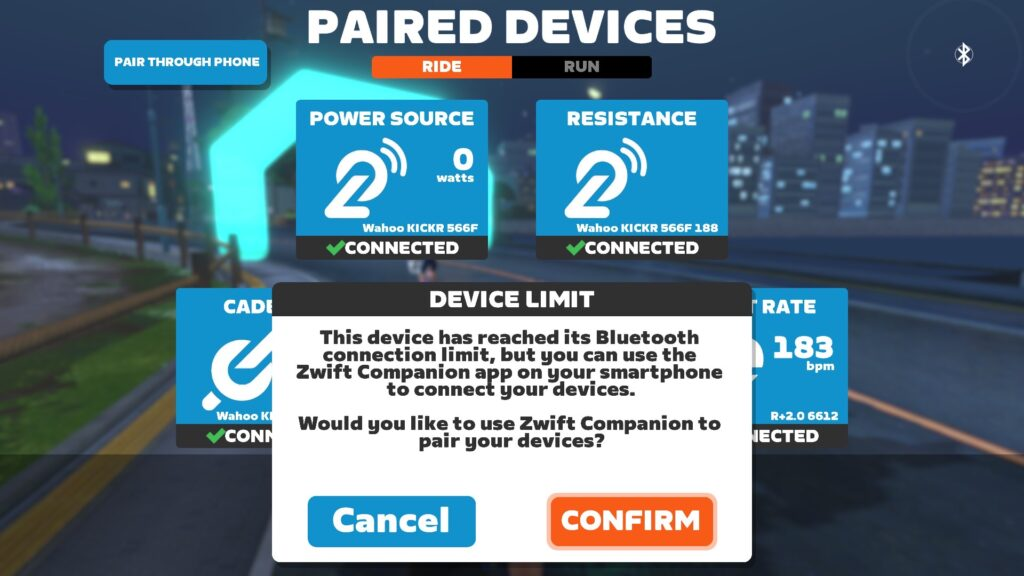
“Bridging” refers to a device’s ability to act as a hub or “go between,” connecting one or more Bluetooth devices to another. Why is bridging useful? Mostly because Apple TV limits you to connecting to only two Bluetooth devices (for example, your trainer and HRM). This isn’t a big deal when all you’ve got is a trainer and heart rate, but with more and more riders using Zwift controllers (often for the benefits of virtual shifting), people are finding themselves hitting this connection limit:
Bridging consolidates multiple Bluetooth connections into one. Only your KICKR CORE 2 needs to be connected to your Zwifting computer (in this case, Apple TV), but it will send along the datastream of the additional devices it is bridging.
Note: another way around the Bluetooth connection limit is to use a trainer that can connect via WiFi or Direct Connect… read this post for details.
When the KICKR CORE 2 was released in September 2025, it already had what Wahoo calls the “KICKR Bridge” feature, but this only worked to bridge heart rate monitors.
Yesterday’s update added bridging support for Zwift Click v2 and the controllers on the Zwift Ride handlebars. This means you can connect your trainer, HRM, and controllers, using just one Bluetooth connection. (Or, I suppose, if your KICKR CORE 2 is connected via WiFi, you’d be using no Bluetooth connections at all!)
This should simplify connection and startup for Apple TV users, who are a huge segment of the Zwift population. Why? Because Apple TV is a simple and affordable device for Zwifting!
Test Results
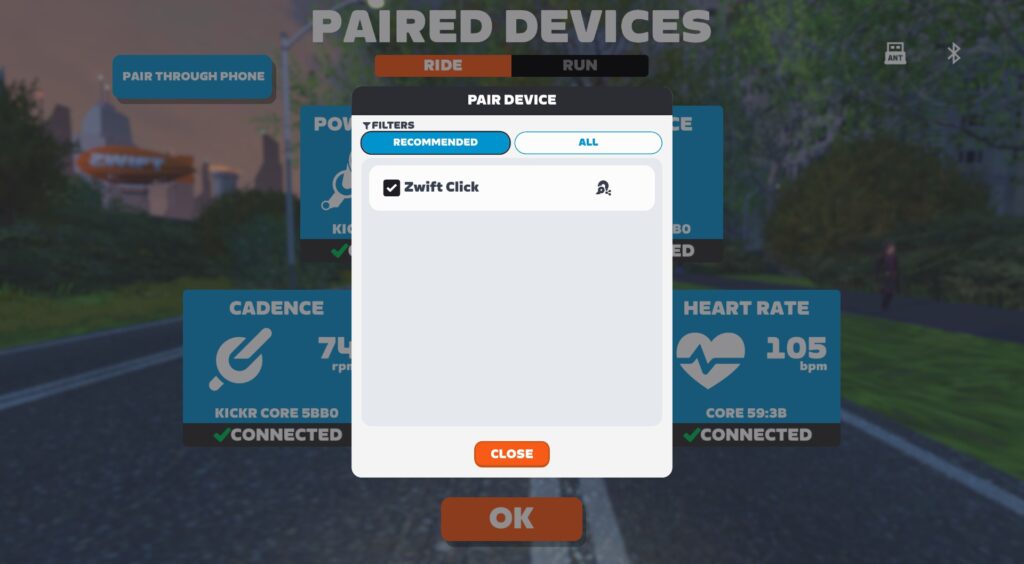
I’ve been using the new firmware for a couple of weeks here in the Zwift Insider Lab, and it’s been working well! I’ve mostly used it with the Click v2 controllers, and here’s what you see on the pairing screen when you first click the “Controls” box to pair:
Unlike bridging for other apps, this bridging is done automatically when you’re using Zwift. According to Wahoo’s support docs, “The Zwift game ignores the heart rate monitor stored in the trainer/BIKE’s firmware, but once a CORE 2 or BIKE PRO on current firmware is selected in the Zwift pairing screen, Zwift will have the trainer search and bridge any available compatible heart rate monitors and/or Zwift controllers.”
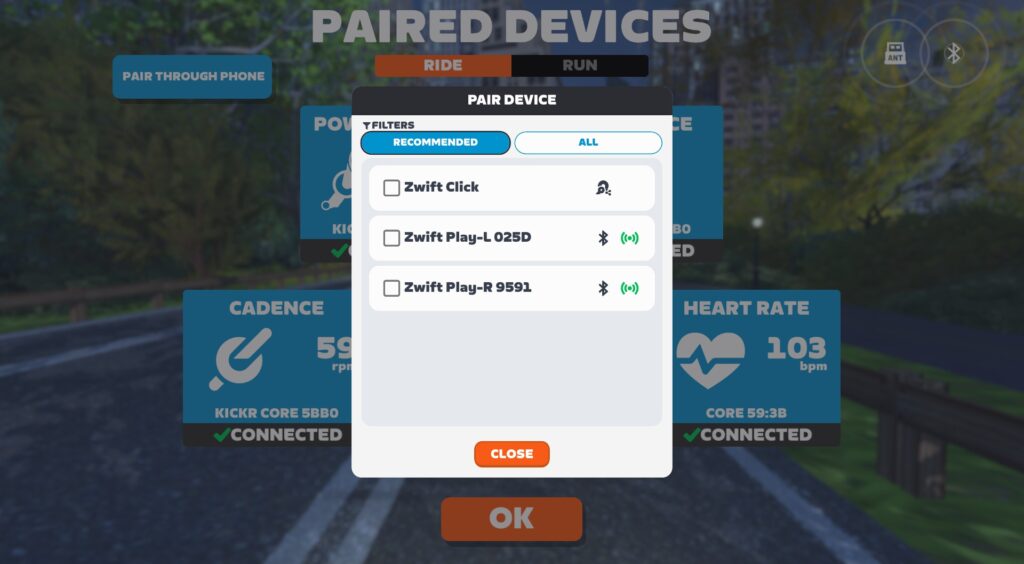
I’ve even tried some “officially unsupported” connection schemes, like pairing the classic Zwift Play controllers via Bluetooth, while the Click v2 is connected via bridging. Notice the bridged device has a little trainer icon next to it, while the direct Bluetooth connections use a Bluetooth icon (and a green icon signifying the use of Zwift protocol):
This scheme works well, though I’ve occasionally seen the Play controllers respond slowly, while the Zwift Click v2 remains very responsive. Not sure what that’s about.
Overall, the updated KICKR Bridge works well on Apple TV, PC, or any other device that can run Zwift.
Upgrading Your Play + KICKR CORE 2 Firmware
To start connecting to your Click v2 or Ride controllers through the KICKR CORE 2 bridge, you’ll want to make sure your controllers’ firmware is up to date, and also update your trainer’s firmware.
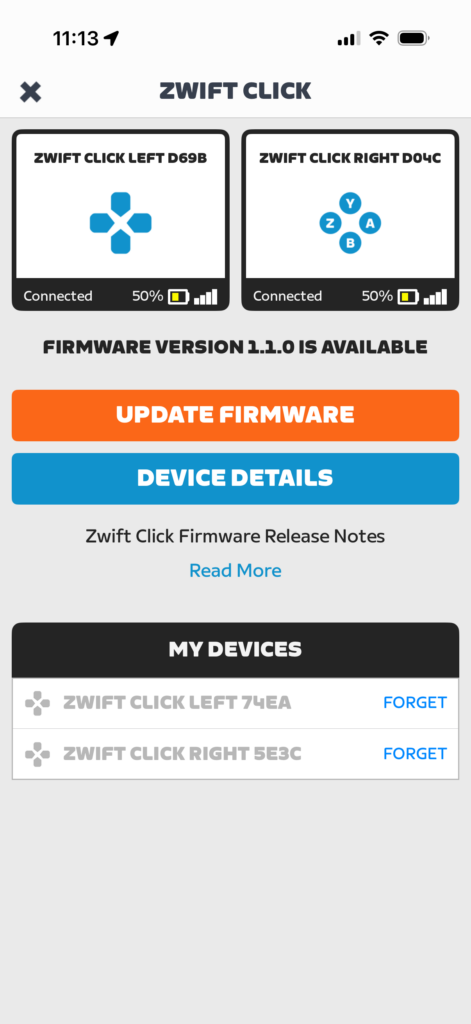
Update your controllers via the Zwift Companion app. Click More>Equipment>Your Controllers to update. Here’s what I saw when I connected to my Click v2:
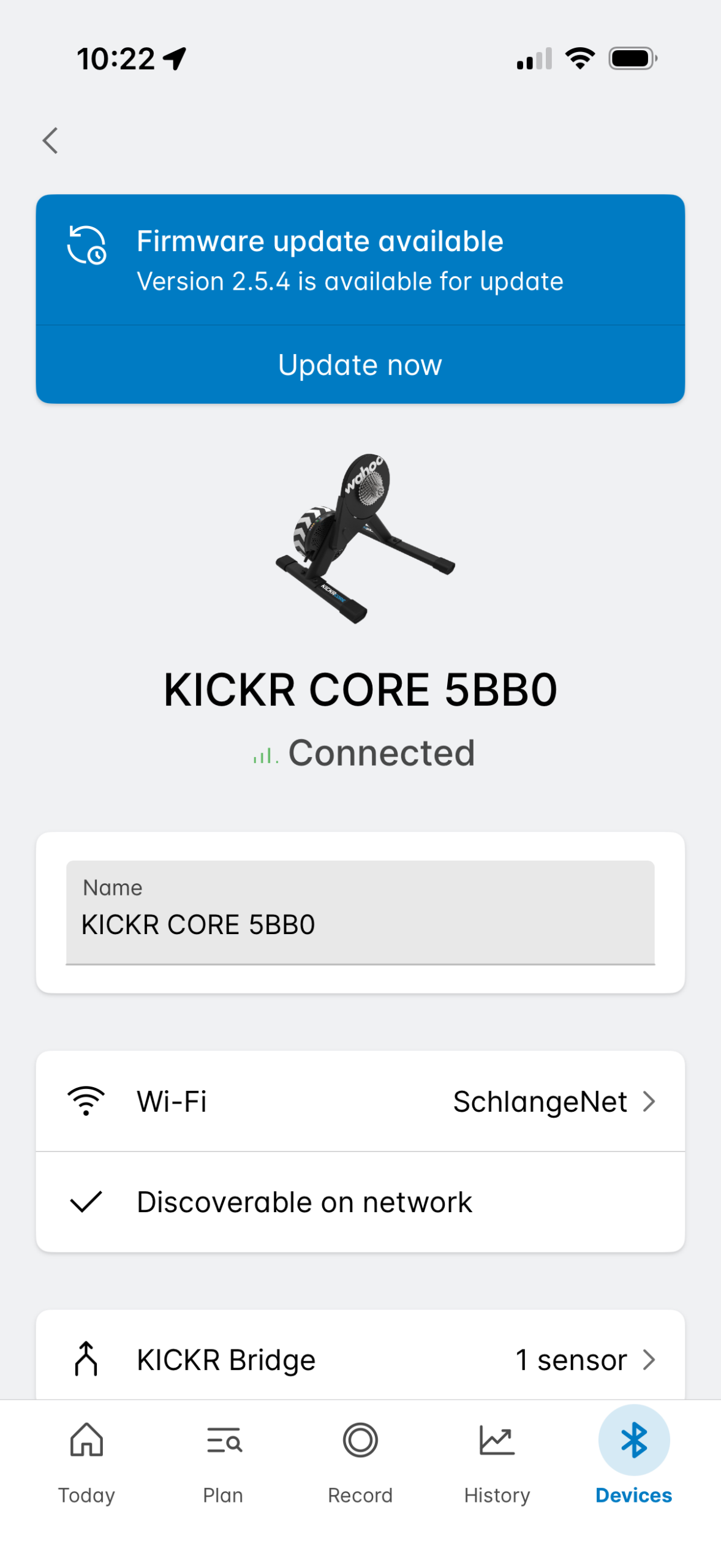
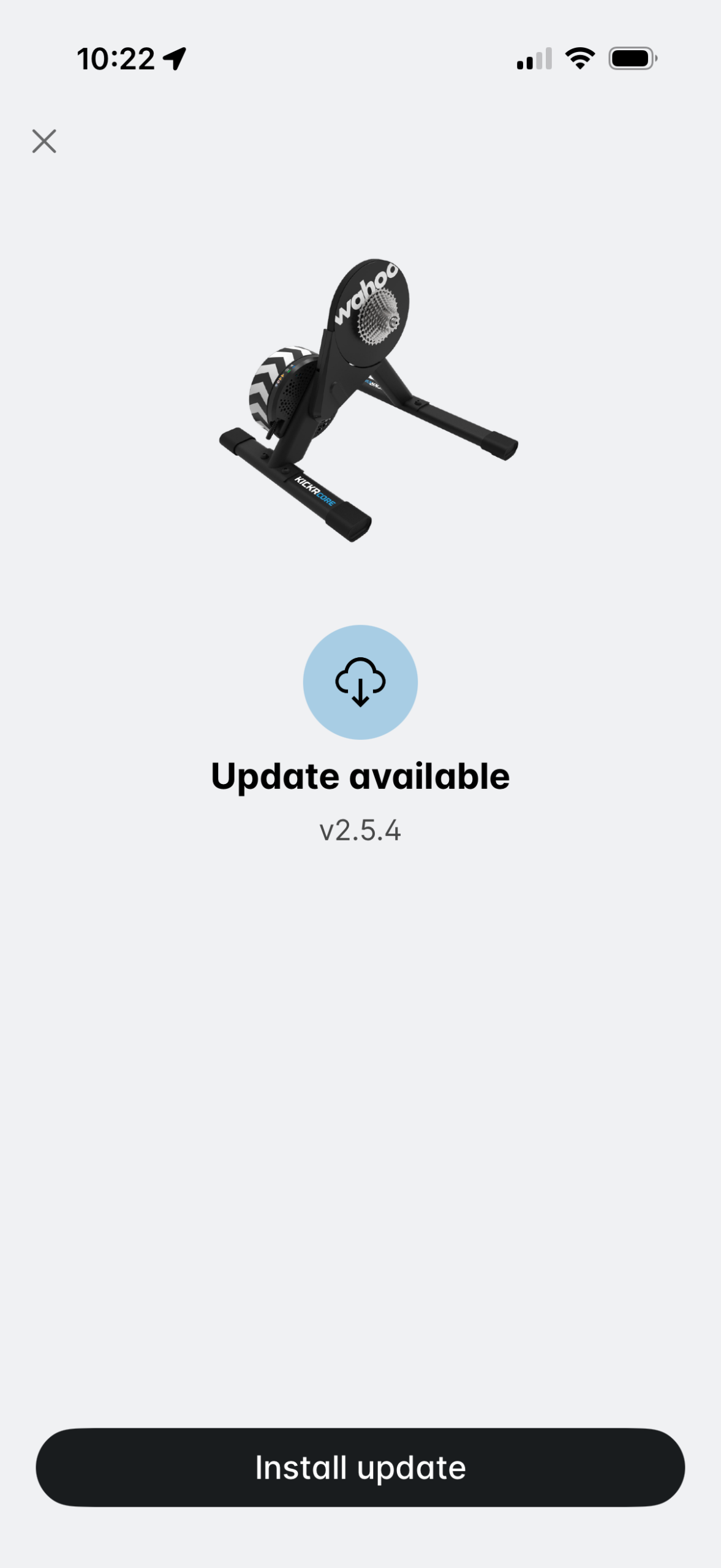
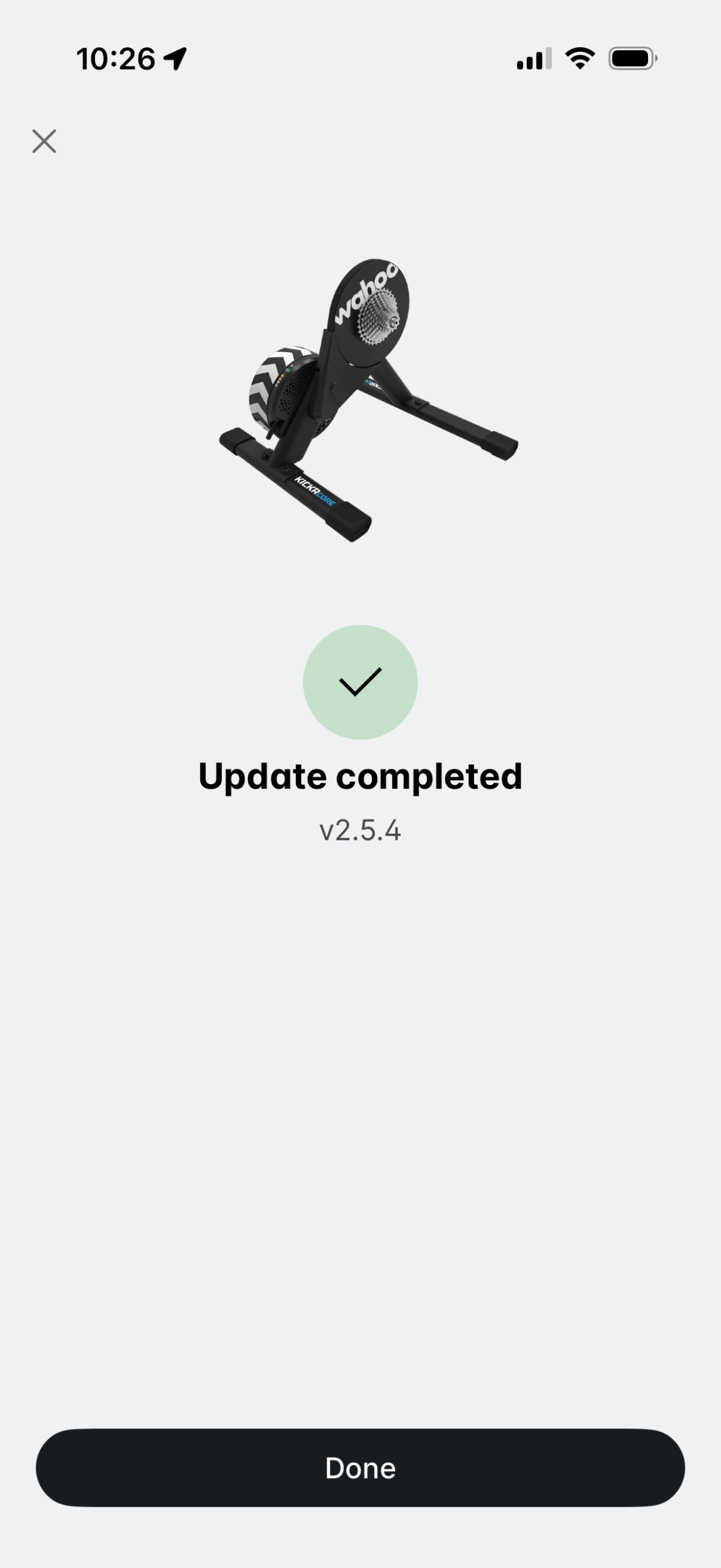
Update your KICKR CORE 2’s firmware via the Wahoo app.
Ketones have courted controversy since The Mail on Sunday disclosed that 91 athletes were used as guinea pigs in the run-up to the London 2012 Olympics to test the potential performance effects of this synthetic energy source.
Until the past few seasons, WorldTour teams and riders have remained stoically tight-lipped, whether they were using them or not – especially Team Sky, who publicly and repeatedly denied usage.
This stubborn silence fuelled scepticism in a sport still reeling from the Lance Armstrong saga, despite ketones never being on the WADA (World Anti-Doping Agency) prohibited list.
The Mouvement Pour un Cyclisme Crédible (MPCC) advised its members not to use them due to the unknown long-term health impact.
They also called on cycling’s governing body for clarity. “We’re awaiting the result of a UCI study into ketones,” the MPCC told me several years ago. And again last year. And earlier this year.
A UCI press release landed in October 2025 – finally, ketone clarity. Not quite. “There is no compelling evidence that ketone supplements enhance performance or recovery, so the UCI see no reason for them to be used. Therefore, the UCI do not recommend the inclusion of such supplements in riders’ nutritional plans.”
On the face of it, the UCI’s stance is plain. But it soon becomes clear that its summation of this substance, originally developed by scientists at Oxford University with $10 million of funding from the American Department of Defence so US Special Forces could operate for longer behind enemy lines with fewer rations, couldn’t have been more opaque – there was no comment on long-term health and no reference to their own study.
And who tasked the UCI with nutritional advice? We contacted the UCI for further detail, to speak to whoever conducted the study that it didn’t reference in the release.
The press officer replied: “Please be informed that this study is currently with a scientific journal and is expected to be published soon. While we do not have a confirmed publication date, we will share the article link and the author’s contact details with you once it becomes available.” We batted back with, “Understandably, there are many questions off the back of the press release.
Firstly, if the study is yet to be released, why are the UCI making a statement?” “We are awaiting the publication of the study, came the response. As soon as it is released, we will share the publication link along with relevant contact details for the authors.”
And so on.
So, despite the brevity and lack of evidence, the UCI feels taking ketones is a waste of time. Which must have had the likes of Ketone-IQ, used by Visma–Lease a Bike, and KetoneAid, used by Soudal Quick-Step, turning to their lawyers. Then again, the UCI does have a point that evidence for their use is far from equivocal.
But that can be said about everyday supplements used by cyclists all around the world – multi-vitamins for example – and the UCI hasn’t delivered a verdict on those.
Soudal Quick-Step is among the teams to use ketones. Tim de Waele/Getty Images
That’s the politics, which we suspect will run and run. But what of the studies into ketones and cycling performance?
What is the general consensus from those? That’s where we turn to Sebastian Sitko, a sport scientist and lecturer at the University of Zaragoza in Spain.
In 2024, the journal Physiologia published Sitko’s work, ‘The role of exogenous ketones in road cycling: evidence, mechanisms and performance claims’. Within, his meta-analysis took a deep dive into the published literature.
“The potential benefits of ketone body supplementation in endurance sports like cycling are multifaceted, spanning metabolic, physiological and cognitive domains,” he concluded in his paper.
“However, despite the growing interest in ketone supplementation, the current science applied to the practical field is limited by inconsistent findings, individual variability and a lack of long-term data.”
In short, there’s an uncertainty around their benefits. But that doesn’t mean they don’t work. As Sitko highlights, it’s an individual thing and, like most facets of training and nutrition, comes down to whether someone is a ‘responder’ or ‘non-responder’.
Visma-Lease a Bike has a partnership with ketone supplier Ketone-IQ. Dario Belingheri/Getty Images
“Evidence for its use points to a mix of phenotype [observable characteristics of when nature meets nurture] and current metabolic state,” he says.
“A rider’s baseline metabolic health (insulin sensitivity, level of fat), recent diet (carbohydrate availability, keto- adaptation), gut absorption, gender and training status all matter.”
“The delivered BHB exposure (not just the dose) is a big determinant of response,” he adds. BHB is beta-hydroxybutyrate, a type of ketone. Its vessel tends to be either an ester or salt, with the evidence stronger for ester use because ketone content tends to be higher.
“Genetics likely plays a role, but robust genotype response links in athletes are still lacking,” says Sitko. “In short, who you are (metabolic phenotype) and what state you’re in (glycogen-heavy, fasted, recent training) are the main practical predictors.”
Mechanisms of improvement
If you respond, what does that mean? Potentially riding longer and stronger, fighting fatigue and delivering high-intensity moments when needed.
“The most plausible mechanism why is due to sparing glycogen,” says Sitko. “Ketone bodies can be oxidised efficiently by the working muscle and theoretically reduce reliance on carbohydrate, which could preserve muscle glycogen during very long efforts or in low-glycogen states.”
That physiological promise has clear mechanistic rationale, says Sitko, but enjoying consistent race benefits has proven tricky because cycling performance is the product of numerous interacting systems.
For instance, fuel availability, neuromuscular function, pacing, thermoregulation and gut tolerance to ketones.
There’s also an argument that ketones raise blood acidity, which is exactly what you don’t want when exercising hard. “The major problem is that small metabolic gains often disappear when translated into whole-race conditions,” Sitko continues.
“Laboratory protocols, participant feeding state, ketone dose and how it’s delivered, and whether carbohydrate is co-ingested all change the metabolic context, so the same ketone drink can produce different outcomes across studies and athletes.”
In essence, like any mooted performance-enhancer, while it might give a physiological boost in the controlled setting of a laboratory, which can be measured easily, the same can’t always be said once it’s in the dynamic amphitheatre of racing. And if it does, there are too many variables to pinpoint ketones as the game-changer.
After researching this area over several years, we’d presumed that the time it took the UCI to make a statement came down to delays while it pored over recent studies that show a rise in circulating erythropoietin (EPO) in the body.
EPO is a hormone that naturally produces red blood cells but, as Lance and co showed, can also be taken exogenously (primarily by injection) to raise levels artificially.
It’s why, under section S2.1 of WADA’s Prohibited List, entitled, ‘Erythropoietins and agents affecting erythropoiesis’, EPO and other drugs that elevate levels of EPO are banned. Then again, not every method of boosting red blood cells is outlawed. Altitude training, for instance.
“There isn’t solid evidence that these temporary EPO rises translate into sustained increases in red-cell mass or haematocrit (which would require repeated exposure and time for erythropoiesis),” says Sitko.
“In short, EPO signalling equals possible stimulus, but increased red blood cell mass and measurable performance gain is not established in humans with current data. That makes any anti-doping or performance claims premature.”
Will the UCI’s press release sound the death knell for ketone use in professional and recreational cycling? It’s doubtful, especially when recent research suggests its benefits stretch beyond the (still debated) physical.
Can ketones slow brain ageing?
Ketones may help slow cognitive decline in ageing cyclists – if taken at the right time. Getty Images
As Sitko mentioned earlier, studies show that ketones potentially have an impact on “cognitive domains”. Again, the evidence isn’t conclusive, but it is compelling, especially for those who are approaching their mid-40s.
According to research in the journal Proceedings of the National Academy of Sciences, our “brain-network stability” doesn’t follow a linear path of decline.
Instead, it’s non-linear with distinct landmarks of acceleration and plateauing, with the human brain ageing much faster from the age of 44 before levelling off at 67.
The researchers hypothesised that neuronal metabolic stress, such as increased insulin resistance and impaired glucose uptake, leads to a nudge in age-related cognitive decline.
Or it would without drinking a bottle or two of ketones, for they discovered that administering this ‘super- fuel’ delivered an extra energy source that sidestepped the issues caused by this metabolic stress to protect the brain from deterioration.
They warned that the intervention would only prove effective before the neurons fall off a cliff – in other words, start in your mid-40s – and stressed that further research was needed to confirm or disprove the mechanisms at play.
That said, it’s the latest study of many that suggests ketones could be a cognitive lifesaver because of their ability to deliver energy when the insulin system’s struggling.
Because the brain makes up 20% of your daily energy needs each day, the mechanism adds up.
Where does that leave us? Arguably, where we were before the UCI’s press release – in ergogenic limbo. Research shows that performance and recovery can benefit from ketones. It also shows that performance and recovery aren’t impacted by ketones.
As ever, it’s an individual thing whether it works – or you believe it works (placebo is a feature in itself).
But it’s clear that for most recreational cyclists, consistent riding and staying healthy via a wholesome diet are much higher up the performance ladder than any supplement.
Will we ever know if ketones work or not out in the field? Sitko thinks so. “Serial blood metabolomics can reveal individual metabolic fingerprints and identify who benefits from ketone exposure and under which conditions,” he says. “This supports precision nutrition but research is still in its early phase.”
There’s much to discuss, including crucial course segments, powerup usage, bike decisions, and strategic options. Let’s go!
Looking at the Route
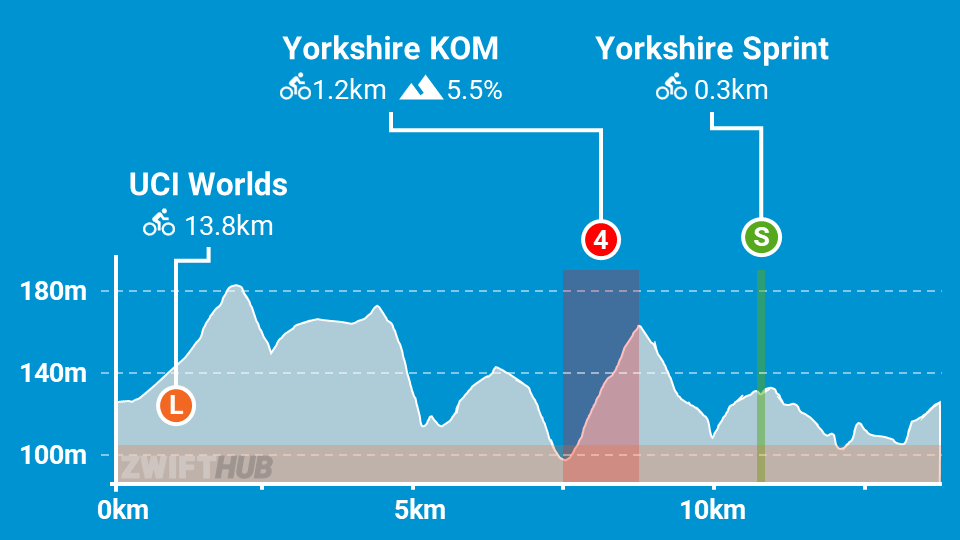
Yorkshire’s 2019 Worlds Harrogate Circuit is 13.9km long with 245m of elevation gained per lap. A and B teams will be racing three laps of the course for a total of 41.6km with 737m of elevation, while C and D teams will race two laps for 27.8 km with 492m of elevation. Here’s the lap profile:
As you can see, this route is never flat. Racing well on this course requires constant heads-up riding, and the ability to put in hard 1-3 minute efforts to maintain position on climbs.
Out of the start pen you’ll get a feather powerup at the lap arch, then the road turns a hard right, and the first climb begins. The Otley Road climb is 1.8km long and averages just 3.1%. Even though this isn’t a points segment, efforts will lift, and you can expect some riders to get dropped.
Tip: With a rather low average gradient, speeds will be high enough for drafting to play a significant role, so hold onto those wheels!
A few lumps and bumps bring us to the steepest descent on the route, down Pot Bank. Play this one right with momentum and/or powerups and you may be able to bridge up to riders ahead. Play it wrong, and you’ll get dropped!
Then we climb up a bit from Pot Bank, descend to the river, and begin the Yorkshire KOM, our first points segment. At 1.2km and 5.5% average, this is the second key selection point for the race, and the place where the biggest efforts will happen each lap:
You’ll get an aero powerup at the KOM arch, perfect for use on the upcoming sprint or perhaps the finishing sprint on the final lap.
Descend from there and turn a hard left onto Cornwall Road, AKA Millionaire’s Row. A short climb will sap the legs, then you’ll turn a hard right and hit the Yorkshire Sprint start line, the second points segment on each lap. The finish line isn’t even visible until the final ~10 seconds, so this is a tricky sprint for sure!
Grab a feather powerup at the sprint arch, then enjoy the short descent before proceeding over a couple of lumps and a quick climb back to the lap start/finish banner.
That’s one lap done. But you’ve got one or two more to go!
For this race, specific powerups will be given at each arch:
Feather at Lap banner
Aero at KOM banner
Feather at Sprint banner
Lightweight (feather): reduces your weight by 10% for 30 seconds. Use on climbs, when weight matters the most. These will be most helpful on the steepest parts of the Yorkshire KOM.
Aero Boost (helmet): makes you more aerodynamic (reduces your CdA by 25%) for 15 seconds. Use at higher speeds (flats and descents), especially when no draft is available (although it is still useful when drafting.) Useful if you’re contesting the sprint for points, or going all in for the finish.
Bike Recommendations
This race’s sawtooth profile definitely make us steer away from pure aero setups and look at climbing bikes and all-arounders instead. Because while a more aero setup has a pure time advantage on laps of the full course, that time advantage evaporates if you get dropped on the first climb!
Our recommendation, then, is to use the new ENVE SES 4.5 PRO wheels paired with one of these bikes:
Of course, your frame’s upgrade status should impact your decision. A fully upgraded Aethos will outclimb the other four frames, but that’s not the case when comparing un-upgraded versions.
Lots of recon events are scheduled on upcoming ZRL routes, led by various teams. See upcoming ZRL recons for this race at zwift.com/events/tag/zrlrecon.
Additionally, riders in the Zwift community do a great job every week creating recon videos that preview the courses and offer tips to help you perform your best on the day. Here are the recons I’ve found (comment if you find another!)
These charts show the maximum points a team of 6 could earn in a race with 60 participants. To learn how ZRL points races work, see this post.
Because the Harrogate Circuit is laid out the way it is, all the points are “hidden” behind challenging short climbs. If you get dropped before the top of the first Yorkshire KOM, you’re out of the running for significant KOM and Sprint points, as well as finishing points.
That said, this is the type of course where lots of riders will get dropped. If that includes you, remember: in ZRL, every point counts. The points you earn by continuing to push from the chase group may just be enough to put your team over the top.
What sort of strategic decisions will we see in this race?
I predict riders will fall into three groups:
Racing snakes: Riders with high ~3-minute power to weight would be well-served to attack the early climbs to thin the pack and drop sprinters. Once the big selection is made, the front pack will just need to keep the pace high enough to stay away and mop up all the big points. (It worked for MvdP in 2019… until he blew up!)
Puncheurs: If your VO2 power lets you hold your own on climbs, but you’ve also got some pure watts in your sprint legs, you may just be in the sweet spot to grab a lot of points in the race. (Alternatively, if the climbers rip your legs off on the KOMs, but you still survive in the front group, you can at least repay the favor by taking the sprint points.)
I’m a survivor: Not sure how you’ll fare on one KOM, let alone two or three, plus that blasted Otley Road climb? You’re not alone. At least ZRL’s FAL points structure gives everyone something to fight for. Remember: every point matters, and sometimes you can chase back on the descents!
Your Thoughts
Any insights or further thoughts on this race? Share below!
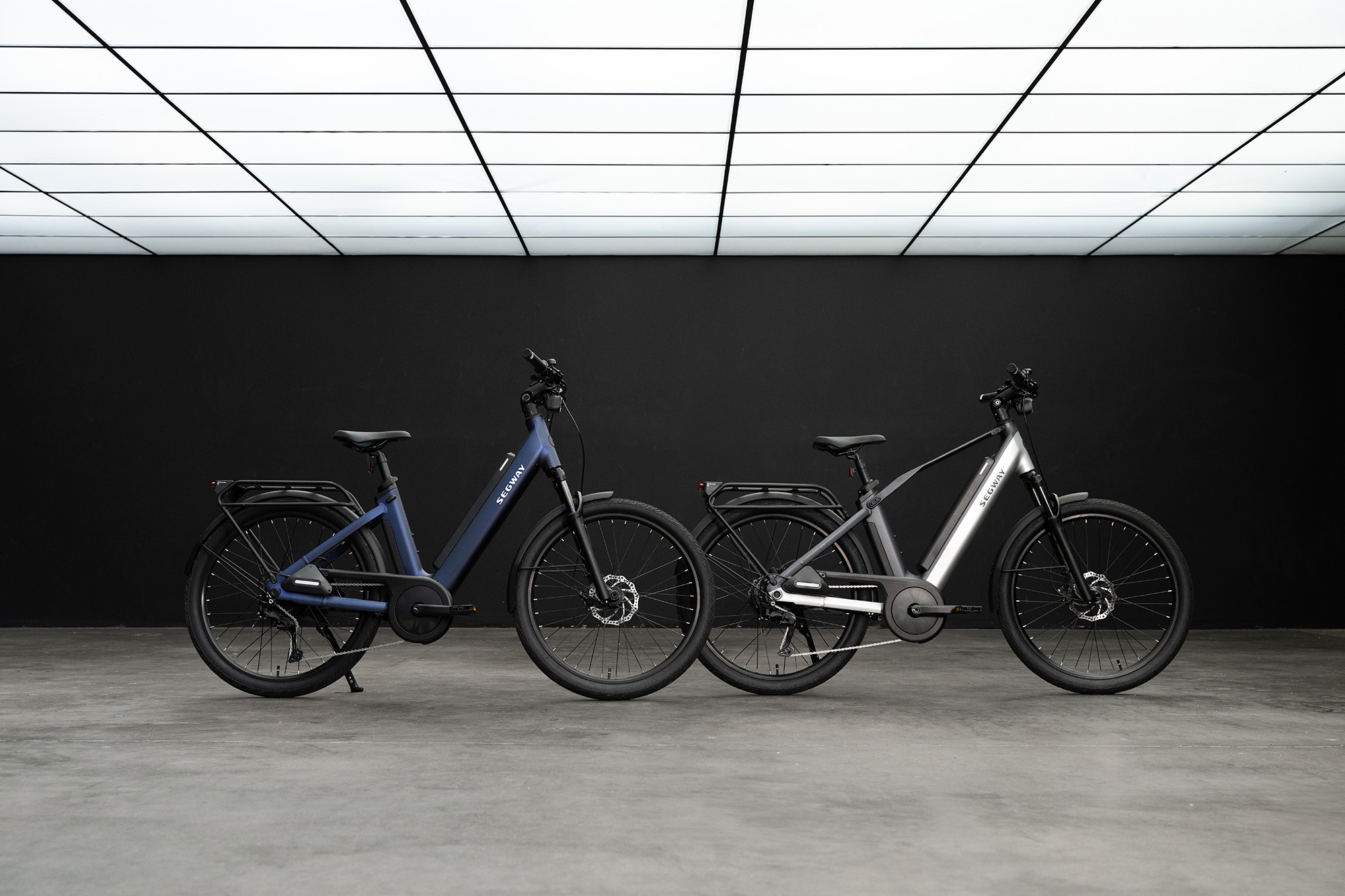
Segway has revealed two new electric bikes, the Myon and Muxi, promising to “lower the barrier to entry and make cycling genuinely accessible for everyone”.
Both bikes appear more conventional than the brand’s previous offerings, but use Segway’s Intelligent Ride System.
This system includes electronic shifting, automatic lights and advanced security features, including Apple Find My and AirLock, and a new Lost Mode that enables you to disable the ebikes remotely.
Alongside the bikes, Segway has announced a new range of accessories.
This includes the Xiro Dropper Post, which senses when riders are slowing to a stop and lowers automatically, as well as a rearview radar.
There is only one spec level per bike, with the Muxi priced at $1,699.99 and the Myon at $1,999.99.
The Myon features a step-through frame design that integrates some innovative features.
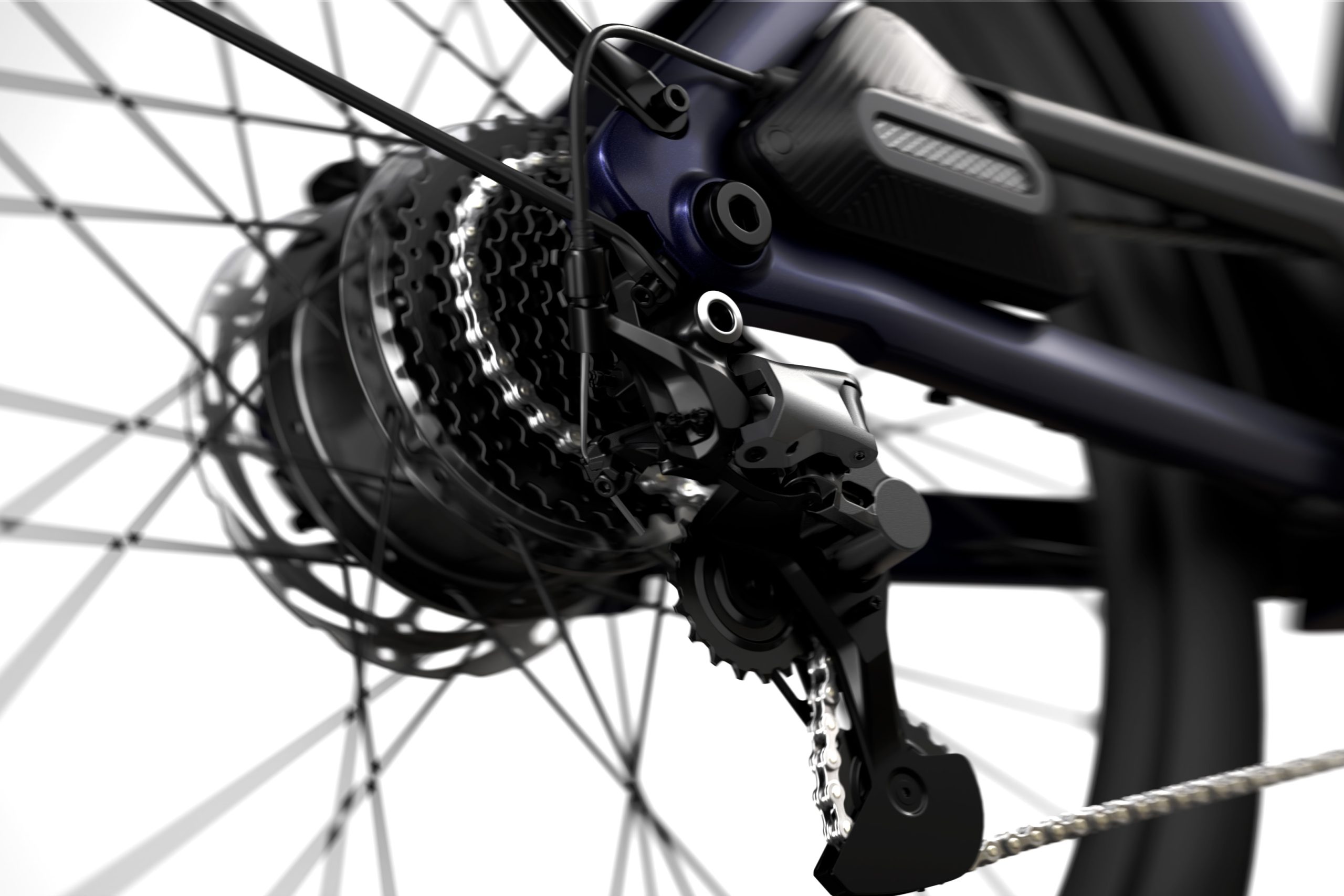
Segway has equipped the bike with electronic shifting, despite the low cost.
The system is powered by the bike’s battery. Segway
This sees easy-to-press +/- buttons on the handlebar, connected to a proprietary servo control unit mounted on the seatstay, which then operates a cable-actuated Shimano Cues derailleur.
The brand says this keeps the cable length minimal, reducing wear, and enables shifting to be fine-tuned in the app.
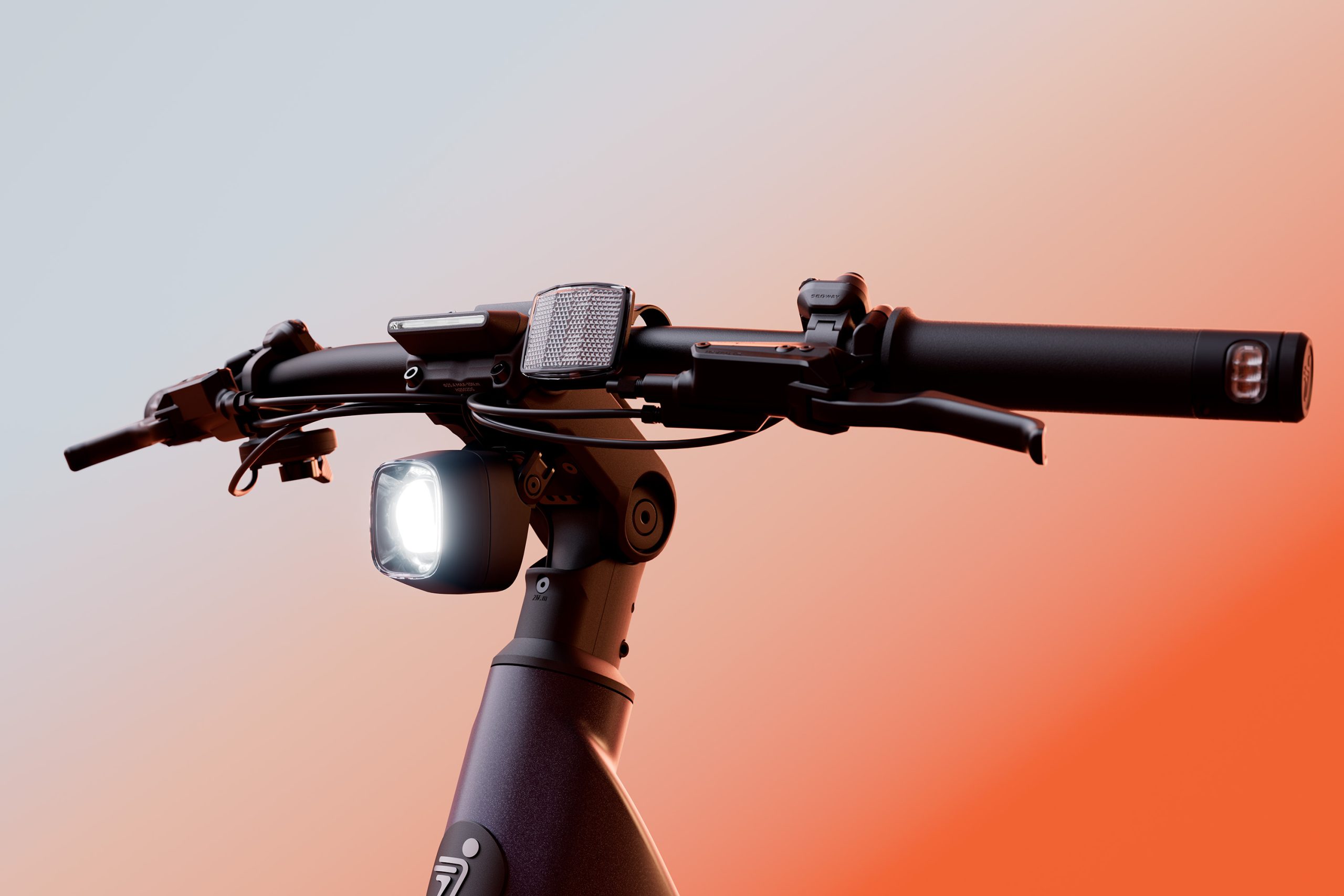
There’s a headlight on the front of the bike. Segway
The Myon also benefits from automatic lights, which increase or decrease output depending on the surrounding environment.
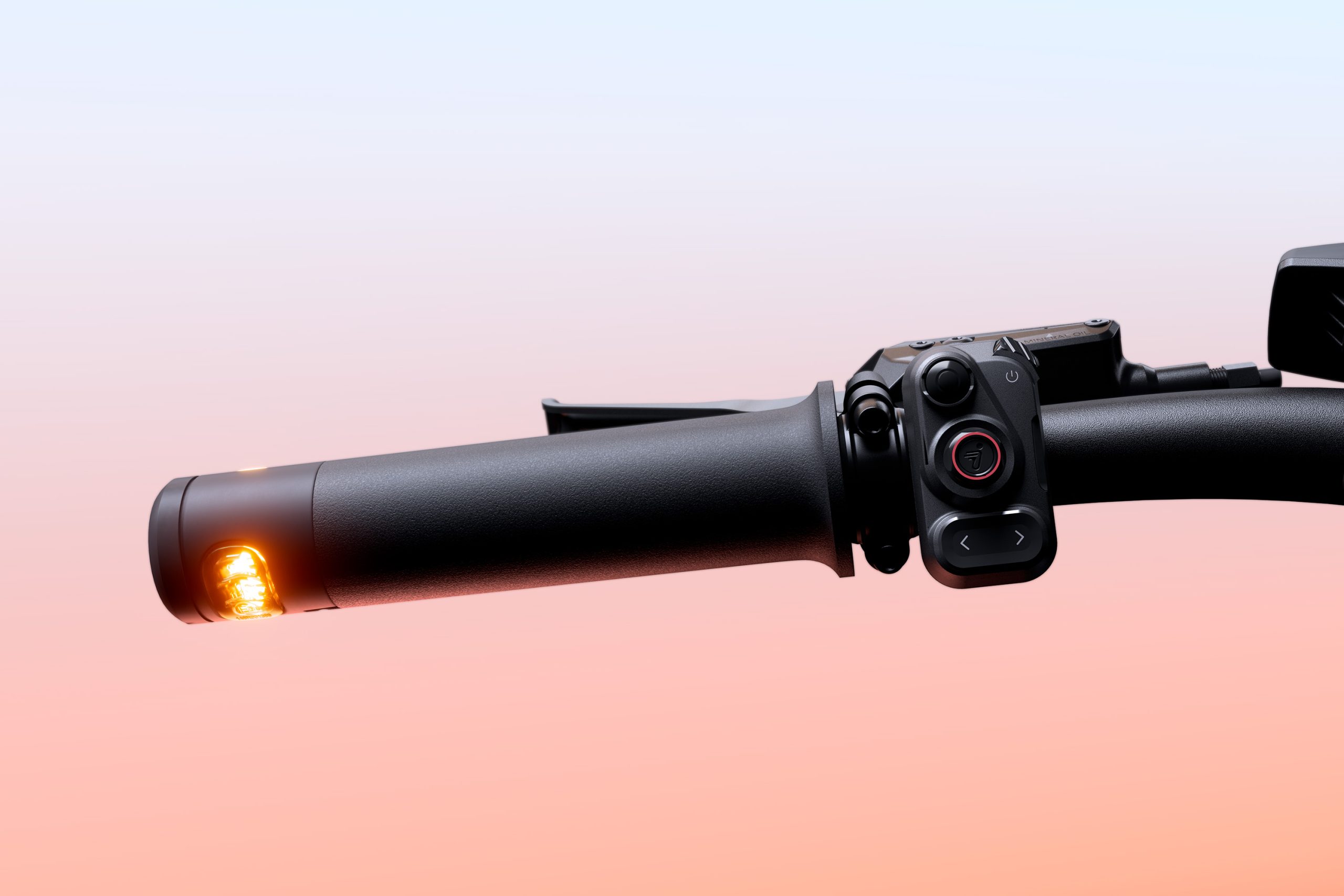
The indicators are incorporated into the handlebar. Segway
It also integrates indicators and brake lights to the rear of the bike, helping to keep other road users aware of your intentions.
A 500W hub motor, combined with a 722W battery, powers the bike, which is said to provide 85Nm of torque and an 80-mile range.
Segway Muxi
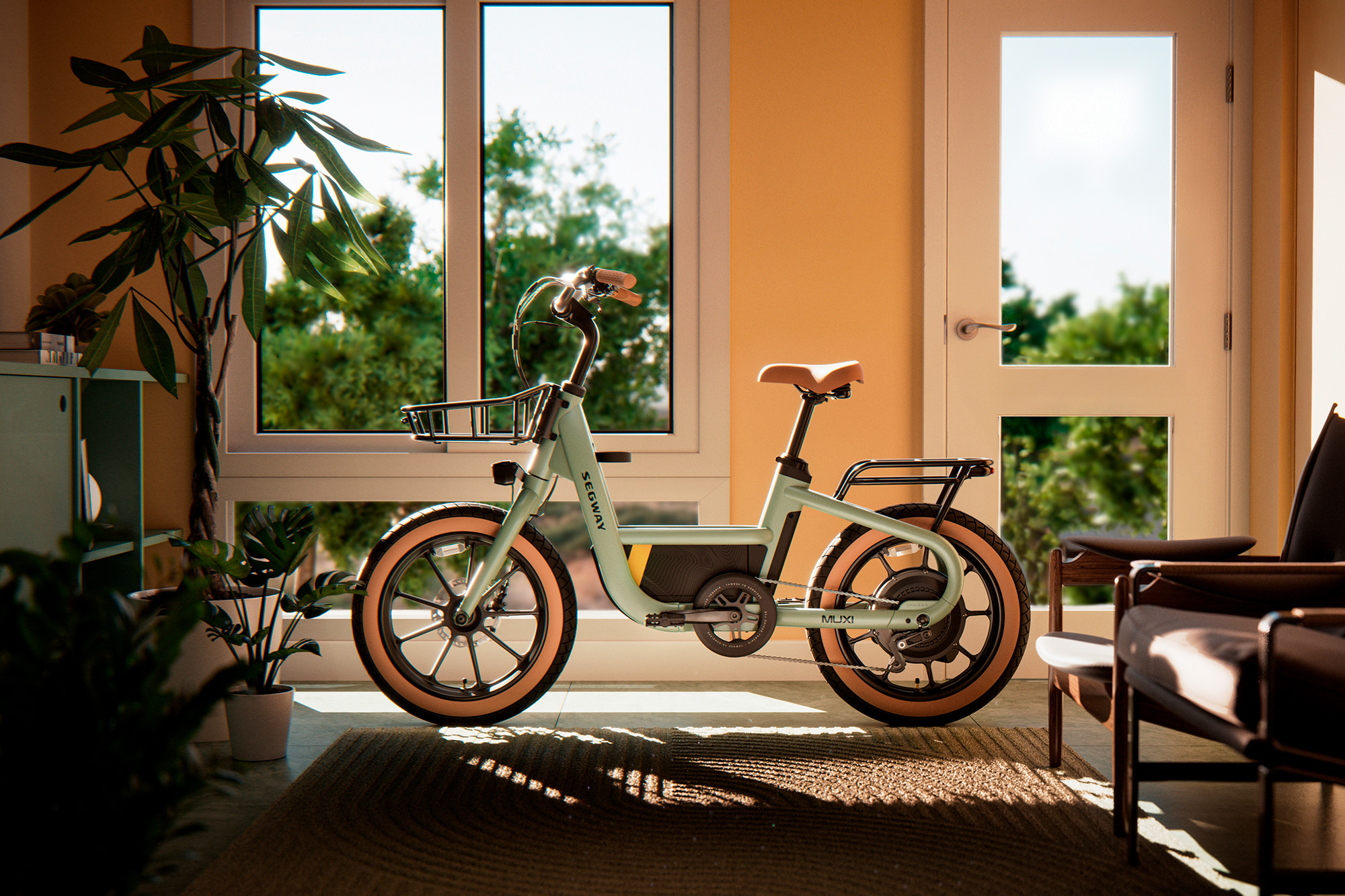
Simplicity is prioritised on the Muxi. Segway
The Muxi features a stylish, borderline retro design that is said to offer utility and versatility.
The bike features the same 500W hub motor and 722W battery as the Muxi, but replaces the derailleur with a simpler singlespeed, direct-drive setup.
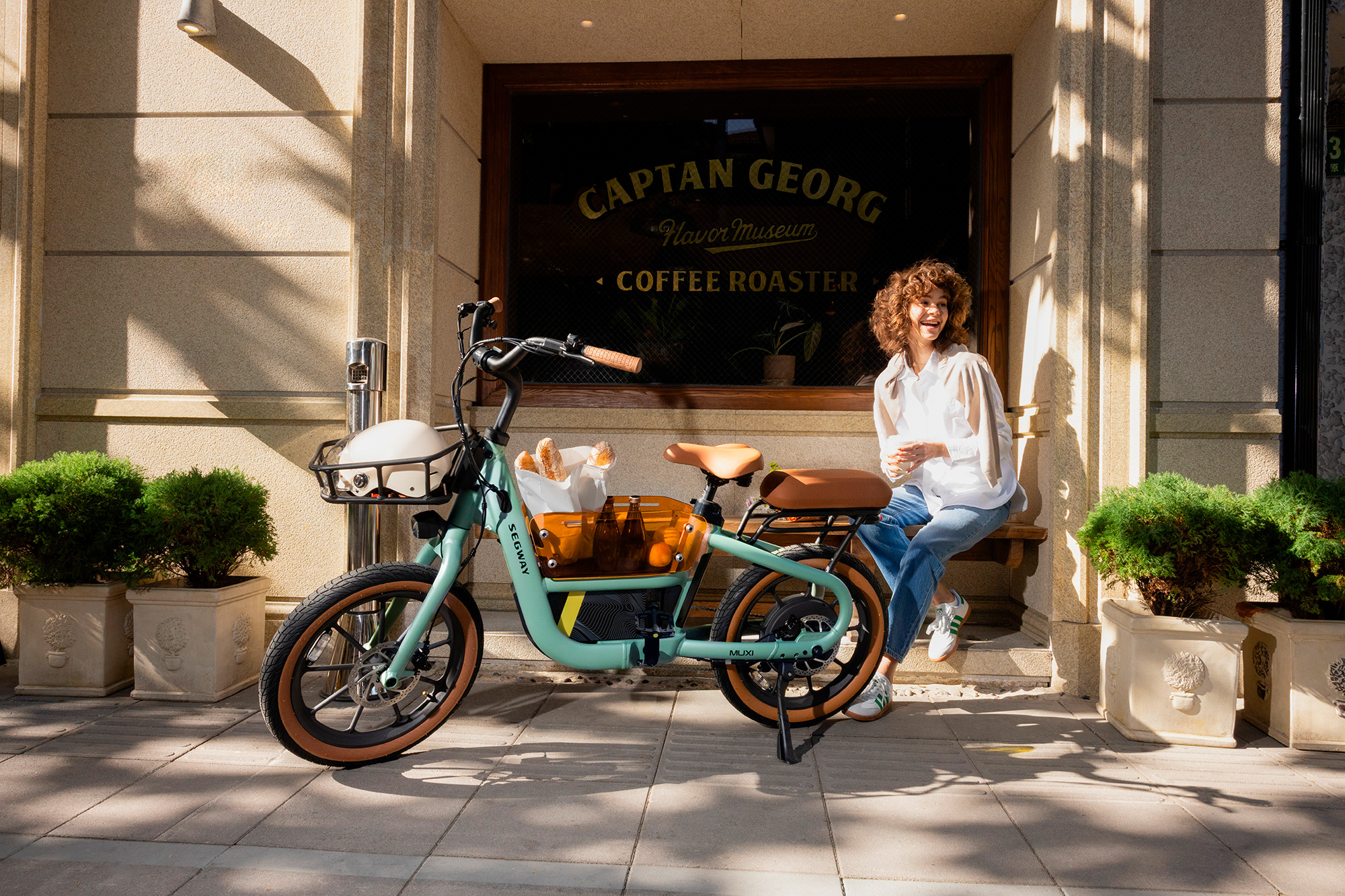
Segway says the bike has good cargo-carrying capabilities, offering a Passenger Kit that includes a seat, foot pegs and wheel guards.
The Muxi is designed as a cargo bike. Segway
To help in this respect, the bike features a Hill Start Assist function to prevent rollback when starting on an incline, Hill Descent Control for confident descending and reduced brake wear, and Regenerative Braking for improved efficiency.
It also features a Traction Control System, which detects wheelspin and modulates power to help keep riders in control.
Even if you don’t know his name, the likelihood is you’ve seen his moustachioed face and even followed his maintenance advice. That’s because Park Tool’s director of education, Calvin Jones, has become cycling’s most famous mechanic since he began at the company way back in 1997.
But Park Tool announced yesterday “with gratitude and a little sadness” that Jones is retiring after 28 years at the cycling tool company.
Park Tool said Jones is probably best known for his work on the company’s YouTube channel, where he has presented bike maintenance videos for 15 years. But his role at Park Tool has extended far beyond presenting.
“In addition to his contributions to product development and thousands of hours logged fielding customer feedback, Calvin has applied his deep knowledge of bikes and his aptitude for instruction to projects large and small,” an official press release said.
“I think the thing I admire most about Calvin is that to this day he lives and breathes what he teaches,” said Eric Hawkins, Park Tool’s CEO.
“He’s passionate about the science of bikes and is a gifted teacher who can clearly explain even the most complex concepts. Through his writings, videos, and personal interactions he’s helped millions understand how their bike works and how to best keep it working. It’s been an amazing run, and now, nearly 29 years later we owe a lot to Calvin for his unique ability to demystify bike repair and maintenance.”
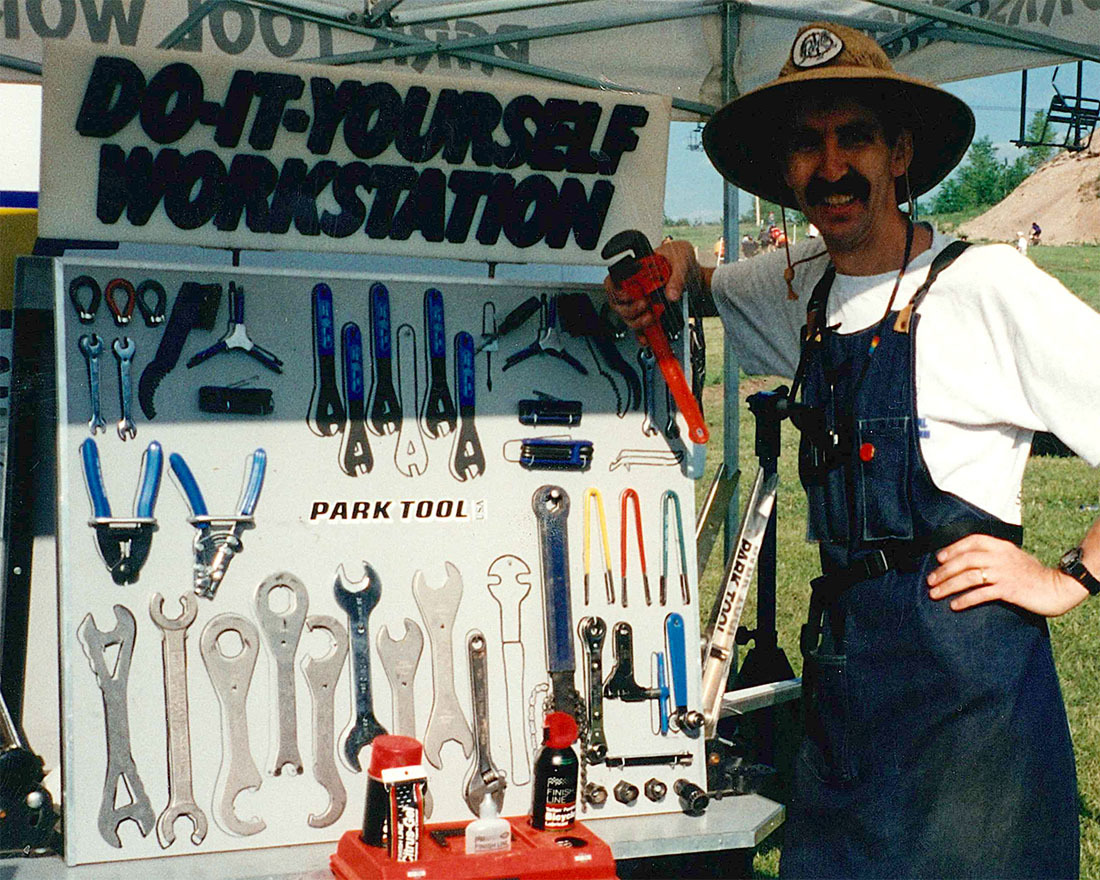
Jones at a bike race in 1997. Park Tool
Jones joined Park Tool with a wealth of experience already under his belt. He got his first job in a bike shop in 1973 and worked as a team mechanic for USA national teams. He was also a mechanics’ instructor for the US Olympic Training Centre and a chief instructor at Barnett Bicycle Institute.
“Moving on from Park Tool, there are some educational projects that I would like to be part of. Plus, I am looking forward to focusing more on my riding,” Jones said.
Jones will continue to be involved in the Stillwater chapter of the Minnesota Cycling Association and will stay on the board of Project Bike Tech. He’ll also attend *iceBike 2026 in London and Frostbike 2026 in Minneapolis for anyone in the industry who would like to wish him well.
Jones might not be disappearing from our screens forever. In a video announcing his retirement, he said: “If I think of something I think you need to know, you may find me here at this YouTube channel.”
Joe Montgomery was central to all of Cannondale’s innovation throughout the brand’s early days. Nothing was off the table when it came to boundary pushing, be it the use of aluminium or wild concepts – some of which made it to production.
I own six Cannondale bikes of varying vintages, yet still lust after a Killer V, a Beast of the East, a single-pivot Prophet, or even a Moto. Then there’s the most extreme take on small-wheeled urban bikes, the Hooligan… a Saeco-era Six13 replete with ’Legalize my Cannondale’ kit… I could go on.
I like the look of the FlyingV urban ebike, and I’m also bristling with excitement that there’s a new CAAD road bike on the way.
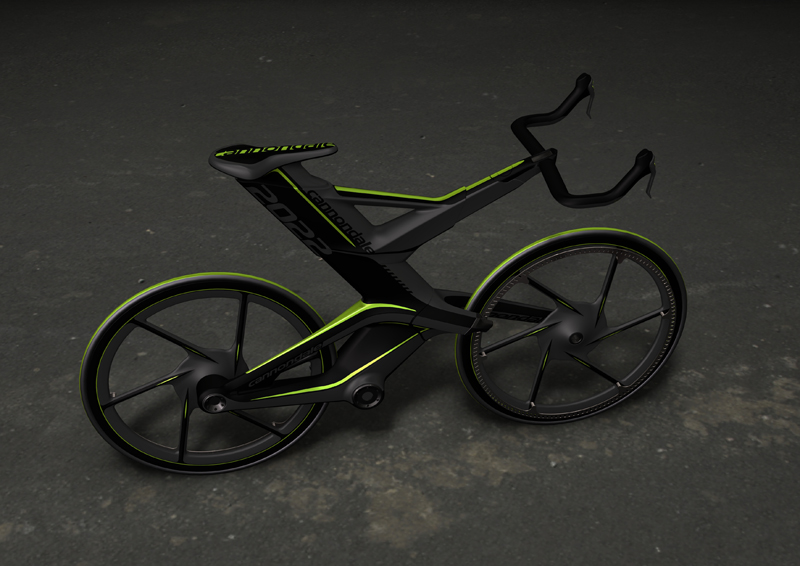
Cannondale has never been afraid to push boundaries and challenge the norm, both in materials and concepts – think about the weird and mostly wonderful we’ve seen from the brand over the years.
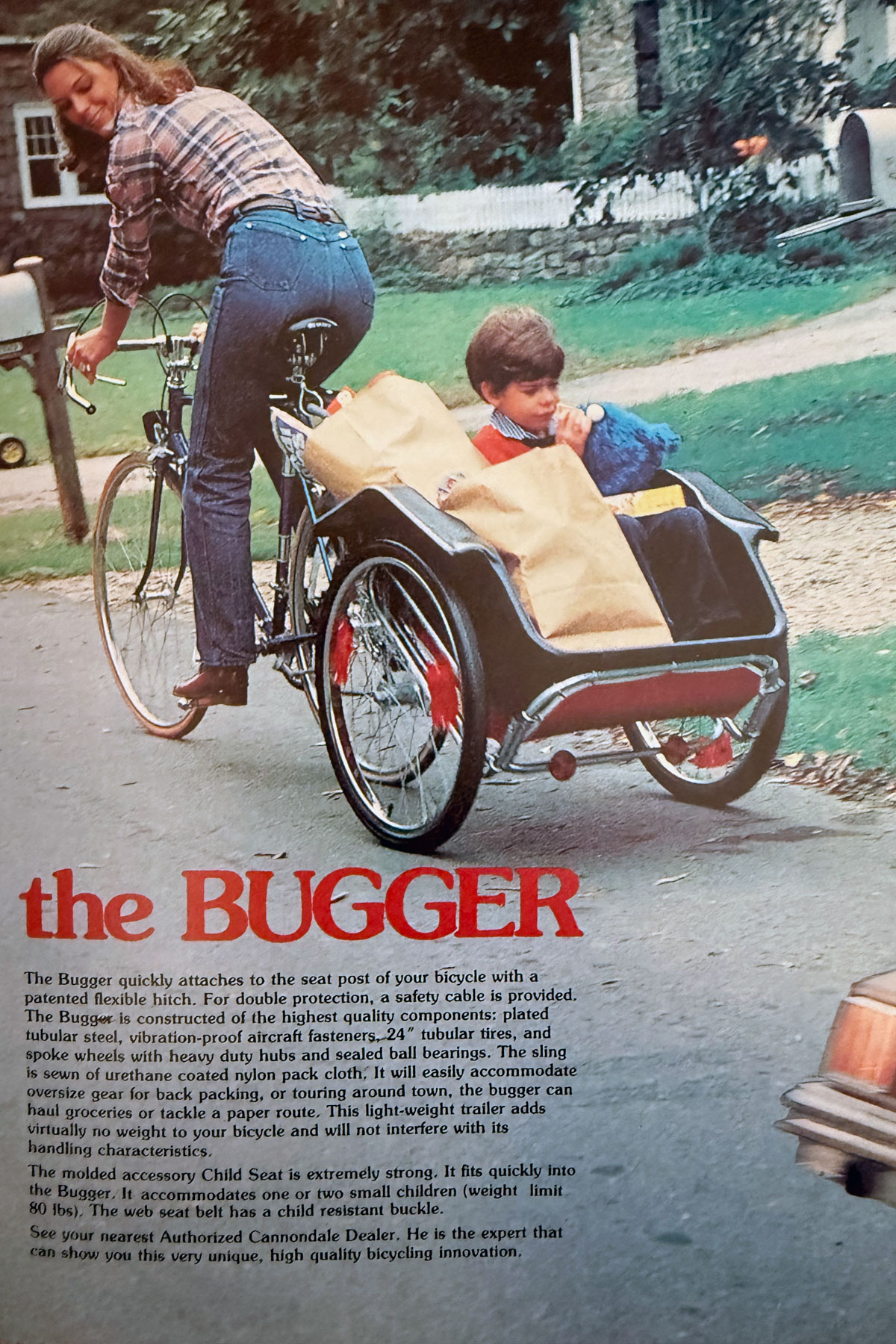
Cannondale’s first product, ‘the Bugger’ trailer. cannondale
The Cannondale trailer
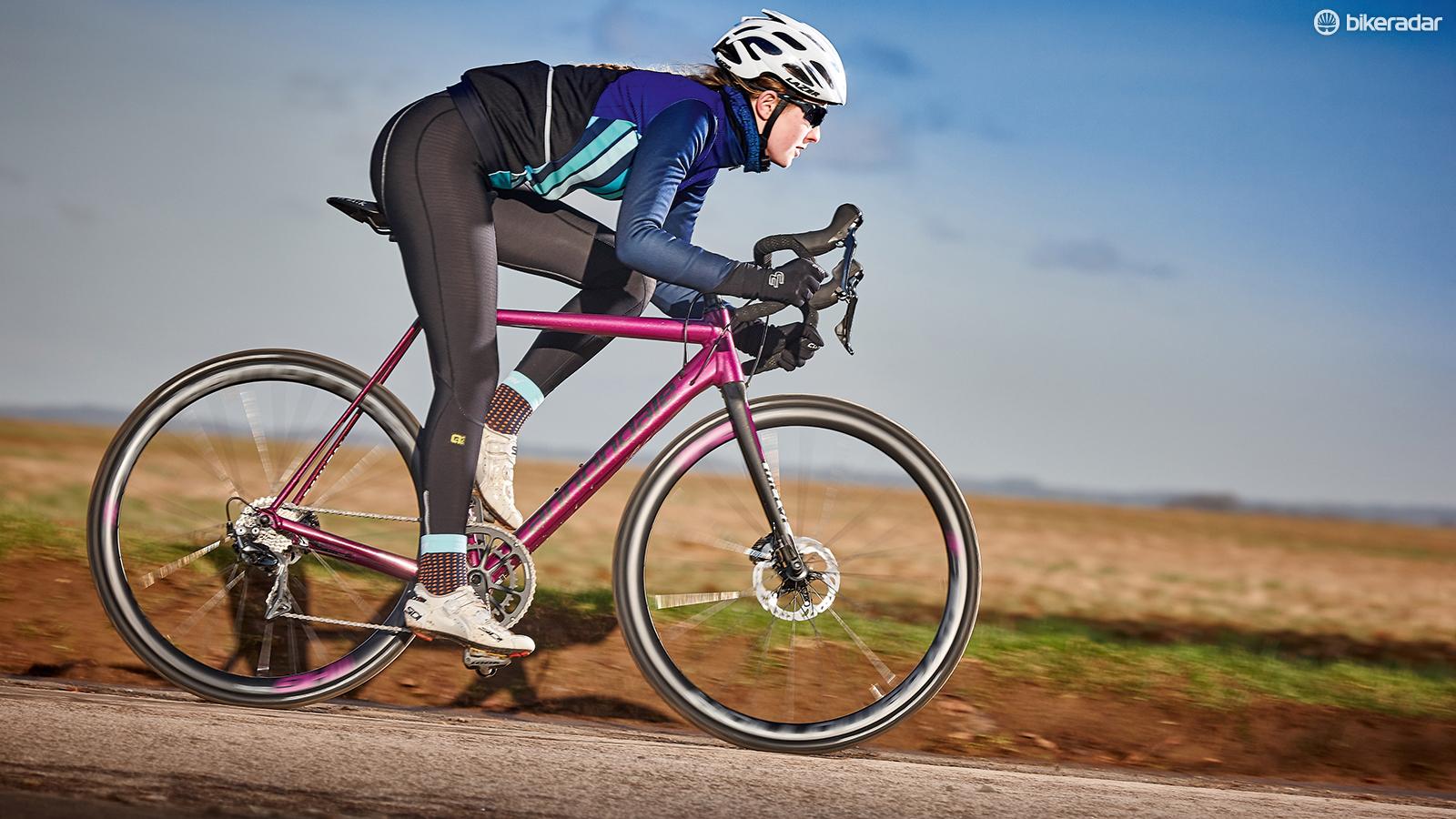
The Cannondale CAAD12 was the culmination of Cannondale’s expertise in aluminium. Robert Smith Photography / Immediate Media
Back in 1971, pioneer of bicycle design, Joe Montgomery, saw a rider pedalling up a steep hill wearing a heavy backpack. That sparked an idea, which led to Cannondale’s first product. ‘The Bugger’ became the template for all bicycle trailers that have followed.
Cannondale started in a loft space above a pickle factory near the Cannondale railway station in Wilton, Connecticut. The brand initially made bicycle accessories, mainly for touring, with the legendary Wilderness series bags setting a template for modern touring and arguably bikepacking way back in 1973.
Alloy ahoy
We certainly had fun testing the Hooligan back in 2007.
Thanks to Joe, along with his partners, Murdoch MacGregor and Ron Davis, the business expanded. It was another of Joe’s thoughts that saw Cannondale take its first steps towards becoming one of the most innovative bike brands around.
Joe, a keen sailor, was inspired by his boat’s lightweight but very strong aluminium mast. We’d seen aluminium used in bike frames before, but this being Cannondale, it was very different.
Most aluminium bicycle frames followed the steel template, some even using lugs and bonding for construction. Cannondale, however, went big, with massively oversized tubes and smooth welds.
Those late-1980s road bikes, such as the 2.8 Series, pushed boundaries with 2in-diameter tubes. I can recall seeing those in stores, and being amazed at how big they looked and how light they were. Roadies used to slender steel and elaborate lugs were shocked; some were appalled. I thought they looked like the future.
The advent of CAAD aluminium bikes, with the debut of the glorious CAAD3 in 1997, showcased Cannondale’s mastery of aluminium, which continues to this day in the shape of the brilliant CAAD13.
Back in the 80s, 90s and early 2000s, Cannondale pushed boundaries like no other brand: the HeadShok, Lefty fork, BB30, one-piece chainrings, flexible stays, unique drivetrains for suspension bikes, the 24in-wheeled SM-500 mountain bike with powerful BMX brakes and a bent for technical off-roading.
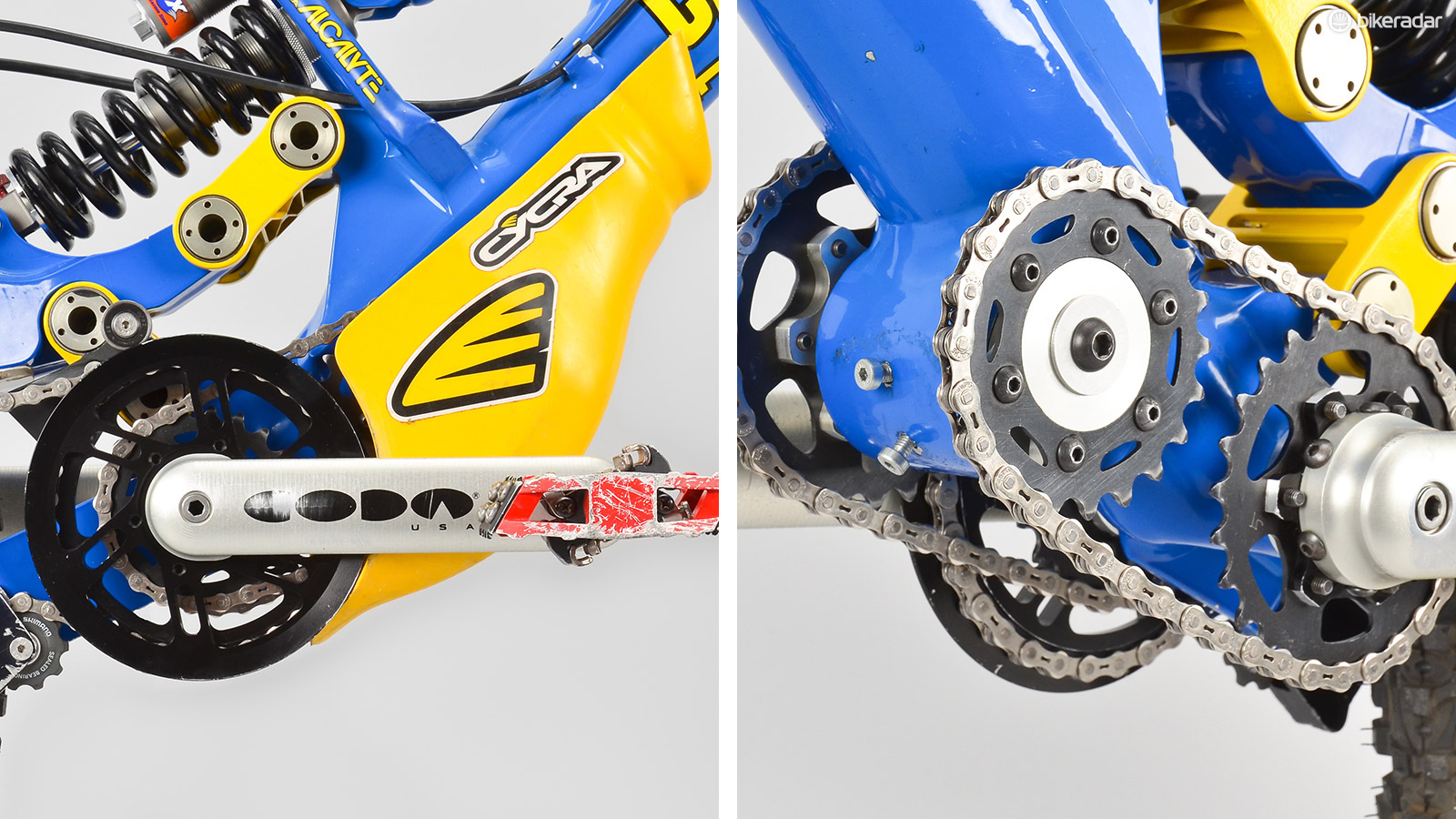
Rather than compromise the pedalling performance each time a racer wanted to change gear ratios, Cannondale used a complex jackshaft drivetrain system that enabled frame designers to optimise the suspension around a 34-tooth chainring. The Pros Closet
The HeadShok-equipped Silk Road was decades ahead of comfort-enhanced gravel and endurance bikes such as Specialized’s Roubaix and BMC’s URS.
Then there was the original Beast of the East mountain bike, which pioneered a mullet setup with a 24in rear wheel and 26in at the front. This was in 1986.
The list of examples of Cannondale’s creativity and unwillingness to settle for the status quo is long.
Encouraging innovation
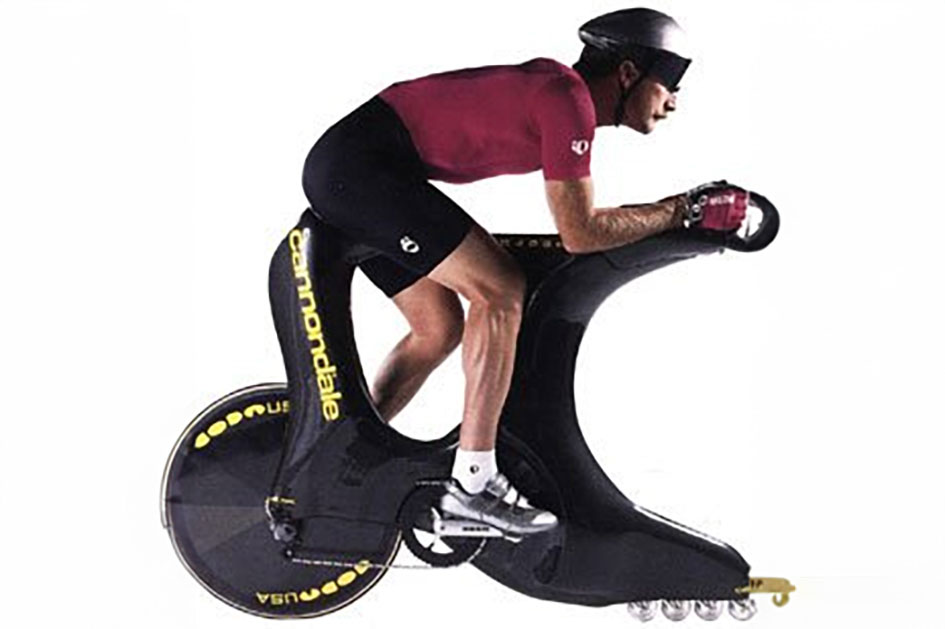
The roller bike concept proved nothing was off the table at Cannondale. cannondale
Back in the heyday of the Eurobike show, it was the highlight to head to Cannondale to see its concepts on display, such as the R4000 Roller Blade – a time trial bike with a roller blade rail replacing the front wheel.
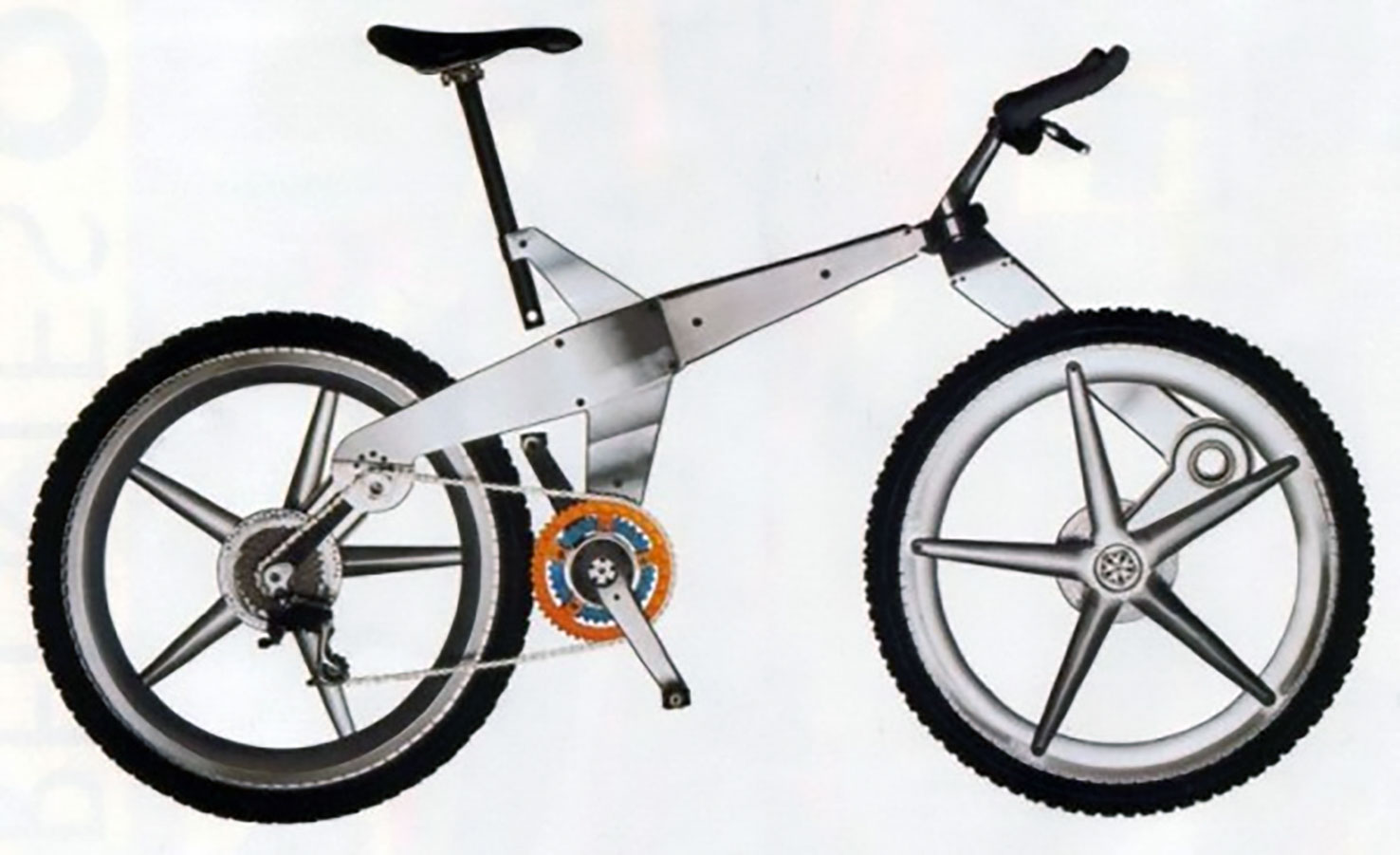
There was also a road bike with morphing geometry, called the CERV. I even rode a prototype concept ebike back in the 2000s with Bosch power around the halls of Eurobike after the show had closed. I loved the way-ahead-of-its-time full-sized folding onBike concept dreamt up by Torgny Fjeldskaar, too.
Fjeldskaar forged his reputation at Cannondale and has gone on to design for the likes of BMC, Fizik and Colnago, along with his Hooligan-inspired Fjeld BØK H2 cargo bike. He told me: “Joe was still with Cannondale when I started, but I only met him a few times, but that was more than enough to see what a truly special and inspiring man he was.
“He was a larger-than-life character, with a positive energy and visionary spirit that made everyone feel like anything was possible.”
Cannondale’s intriguing CERV. Cycling Sports Group
“Beyond all the innovation and brand building, what stands out most to me is the unique culture he created at Cannondale. One of his dogmas was to ‘hire your customer’, and that mindset made all the difference. Having that many people willing to push the envelope and go the extra mile is incredibly valuable – and incredibly rare.”
The Magic Moto, or V4000, was one of the most radical Cannondale concepts. cannondale
To this day, the bond between former Cannondale employees who worked under Joe remains strong, and they all speak about that time as a particularly special chapter in their lives, which speaks volumes about the legacy Joe left behind.
A visionary boss
Cannondale’s SuperSix Evo Dura-Ace, one of the best-handling race bikes I’ve ever ridden. Russell Burton / Immediate Media
Murray Washburn, global marketing manager for product, has been at Cannondale for as long as I remember, and I asked him for his take on Joe’s legacy. “I am so grateful to Joe for what he created, and what I’ve been able to be a part of for almost 30 years now. Joe was a hell of a character. Larger than life,” he told me.
“Joe was full of vision, energy and determination, and willing to bet big and take risks to create something special. He really is at the core of what makes Cannondale, Cannondale… a rare combination of pragmatic realism and unshakeable optimism.
“He believed in people, that if you hired passionate, intelligent people, and set them free to do great things, anything was possible.
“He inspired people to dream big and take chances in the pursuit of making cycling better, ignoring trends, consensus, and the status quo.
“He created an environment where good enough was never good enough, and the easy way was rarely the right way. His mantra was always, ‘are we pushing hard enough? Are we making big leaps instead of small steps? Are we daring to be great?’.
“It made for an incredibly dynamic, exciting, innovative company that made an outsized impact on the entire cycling industry. He wasn’t flawless or perfect.”
Not afraid to fail
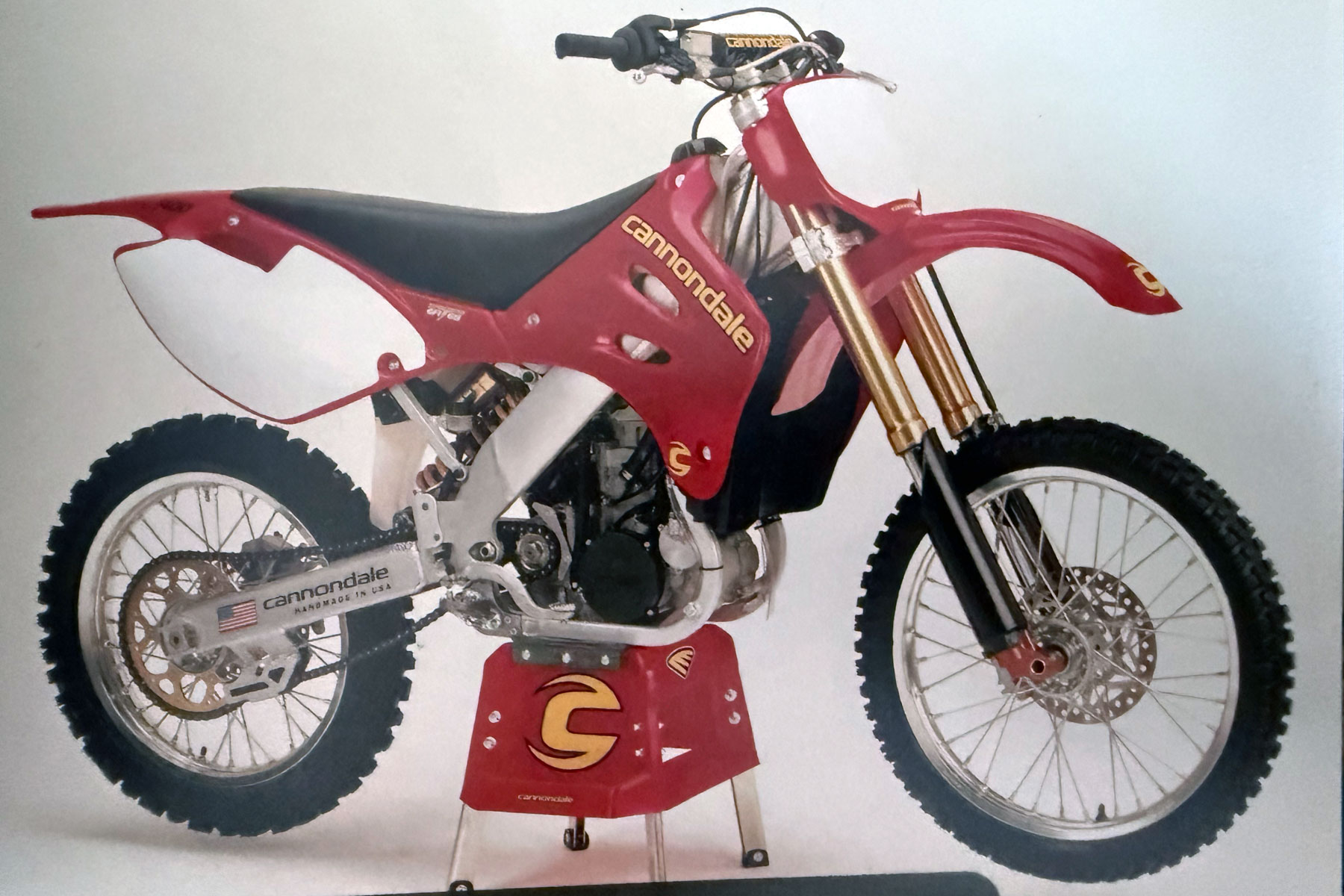
The Cannondale MX400, the project that nearly ended Cannondale. cannondale
The sheer confidence inherent at Cannondale hasn’t always paid off – the ill-fated MX400 motocross bike from 2000 being the most infamous example. By all accounts, a groundbreaking design, the trouble was developing a complete motocross platform from scratch proved monumentally expensive, which led to bankruptcy and nearly put Cannondale out of business.
Even that didn’t stop Cannondale; innovation is in the DNA of the brand – just look at the mountain of wonderfully different and boundary-pushing designs across road, mountain, gravel and urban bikes it has released since then.
Washburn told me: “That appetite for risk and invention brought with it its fair share of misses and failures, but more often it unleashed real, groundbreaking progress. And even the failures were welcomed as opportunities for learning and improvement, and the ability to do better next time.
“One of my favourite memories of Joe was when the chips were down, he would often walk around the office, jingling a fistful of coins, saying, ‘You hear that? That’s change. Change is good. We like change!’. The industry could do with a few more characters like him. Happy trails, Joe. You left a hell of a legacy.”
Even though it’s a 10-year-old design, the Slate still looks radical today. Warren Rossiter / OurMedia
As Clive Gosling, long-time Cannondale employee and now brand director of Nukeproof, put it: “Godspeed Joe Montgomery, an industry titan, a true visionary, and a wonderfully humble human being.”
So farewell, Joe, and thanks for the bikes, and your legacy that’s spread throughout bike design.
Graduates of the school of Cannondale can be found in the likes of Specialized, Ridley, Nukeproof, Colnago, Cervélo, BMC and countless others. Long may that continue.
Velo-ce has bought the iconic titanium bicycle manufacturer Van Nicholas from Accell Group, which faces its own financial pressures.
Italian company Velo-ce is a bicycle manufacturer based near Milan, where it has a “state of the art” production facility and has produced its Veloe family ebikes since 2020.
Velo-ce will now take full responsibility for the production and distribution of Van Nicholas bicycles.
“This move marks a significant milestone in Velo-ce’s strategic expansion into the premium adventure and travel bicycle segment,” the company says in a press release published today.
Velo-ce’s “state of the art” factory. Velo-ce
Accell Group is the largest producer of electric bikes in Europe, and its brands include Lapierre, Raleigh and Haibike. But the company has faced financial pressure in recent years, and reported a 22 per cent decline in its annual revenue for 2024.
Last week, the credit rating provider Fitch Ratings reaffirmed Accell Group’s long-term credit rating at ‘CCC’, which indicates a “real possibility of default” and a substantial credit risk due to ongoing operational challenges, according to Bike Europe.
The sale confirms expected asset sales and rumoured changes at Van Nicholas, after the brand’s general manager Ralph Moorman announced he was leaving Accell Group Europe.
The divestment from Van Nicholas enables Accell Group to “further sharpen its strategic focus” as part of its ongoing transformation plans, which have seen it close production facilities and cut jobs.
“Van Nicholas is a niche brand with a strong reputation for handcrafted titanium bicycles. With limited potential to scale, the added value of the brand within Accell’s broader portfolio strategy was limited, and Accell is pleased to have found a good new owner of the business,” Accell Group says in a statement.
Van Nicholas started producing titanium frames in 1999 before Jan-Willem Sintnicolaas officially founded the brand and company in 2006. Accell Group bought the Dutch company five years later.
“We are proud to carry forward Van Nicholas’s legacy. Cyclists will experience the best of both worlds, titanium resilience and Italian manufacturing,” says Stefan Moruzzi, Velo-ce’s CEO.
Anton Nijhuis, business developer at Velo-ce, says: “Bringing Van Nicholas into the Velo-ce family reflects shared values: building premium bicycles in a low-emission, cost-efficient European facility.
“For sales, product, order status or custom configurations, we are ready to support dealers and consumers around the globe. Velo-ce has vast experience in made to order and customized bicycle configurations.”
Current Van Nicholas stock is being transferred to Italy and preparations have been made to produce its range of titanium road bikes, touring and adventure bikes at Velo-ce’s facilities.
The reasons for hiding cables are now well established, ranging from professional riders seeking marginal gains to bike designers wanting to create cleaner, leaner-looking bikes.
The downsides of Internal routing are that it makes bikes harder to build and harder to travel with – not forgetting they’re harder to adjust and service, hence mechanics don’t like it.
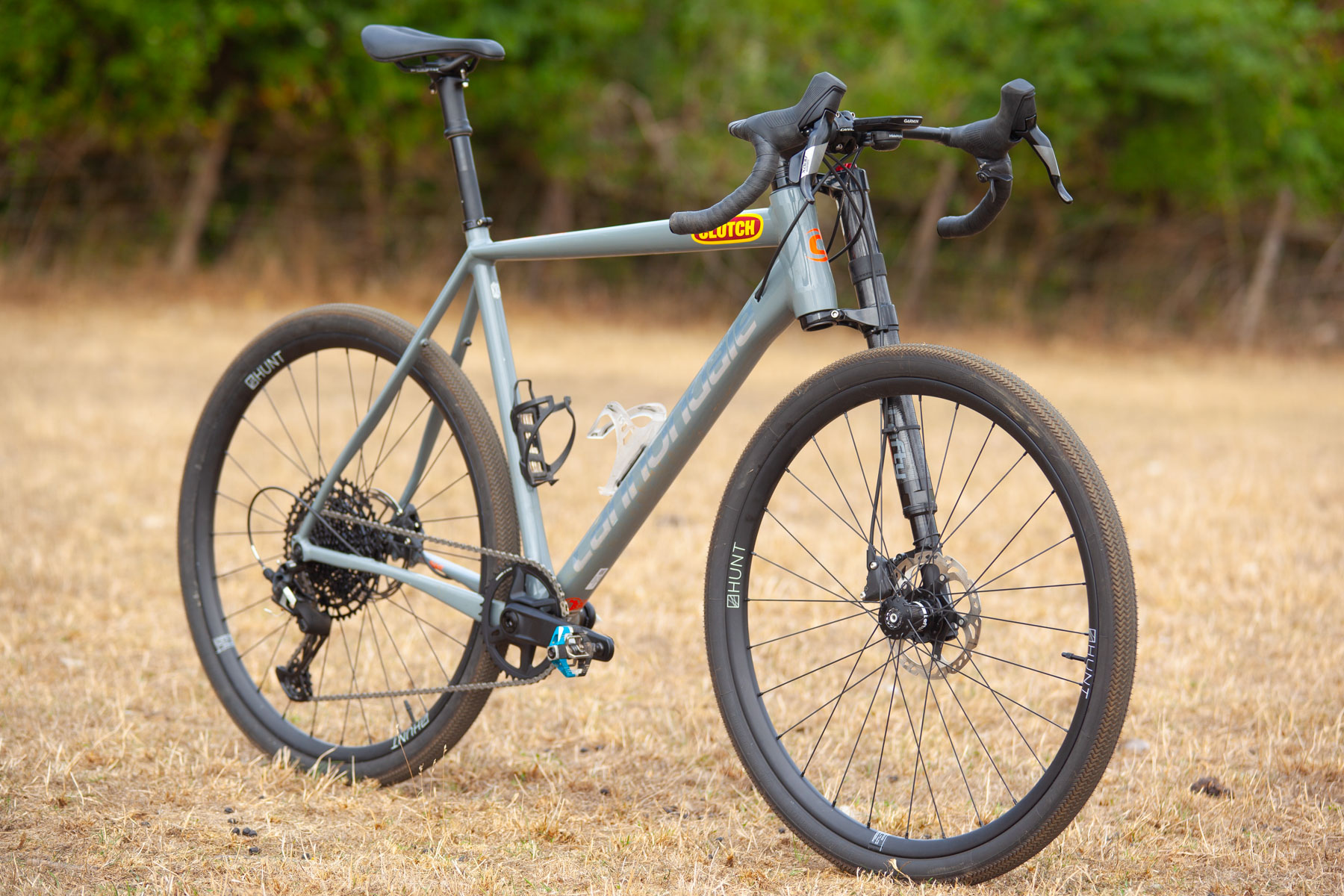
However, Cane Creek believes it can offer something better with the new HCR system.
HCR is hidden, not internal
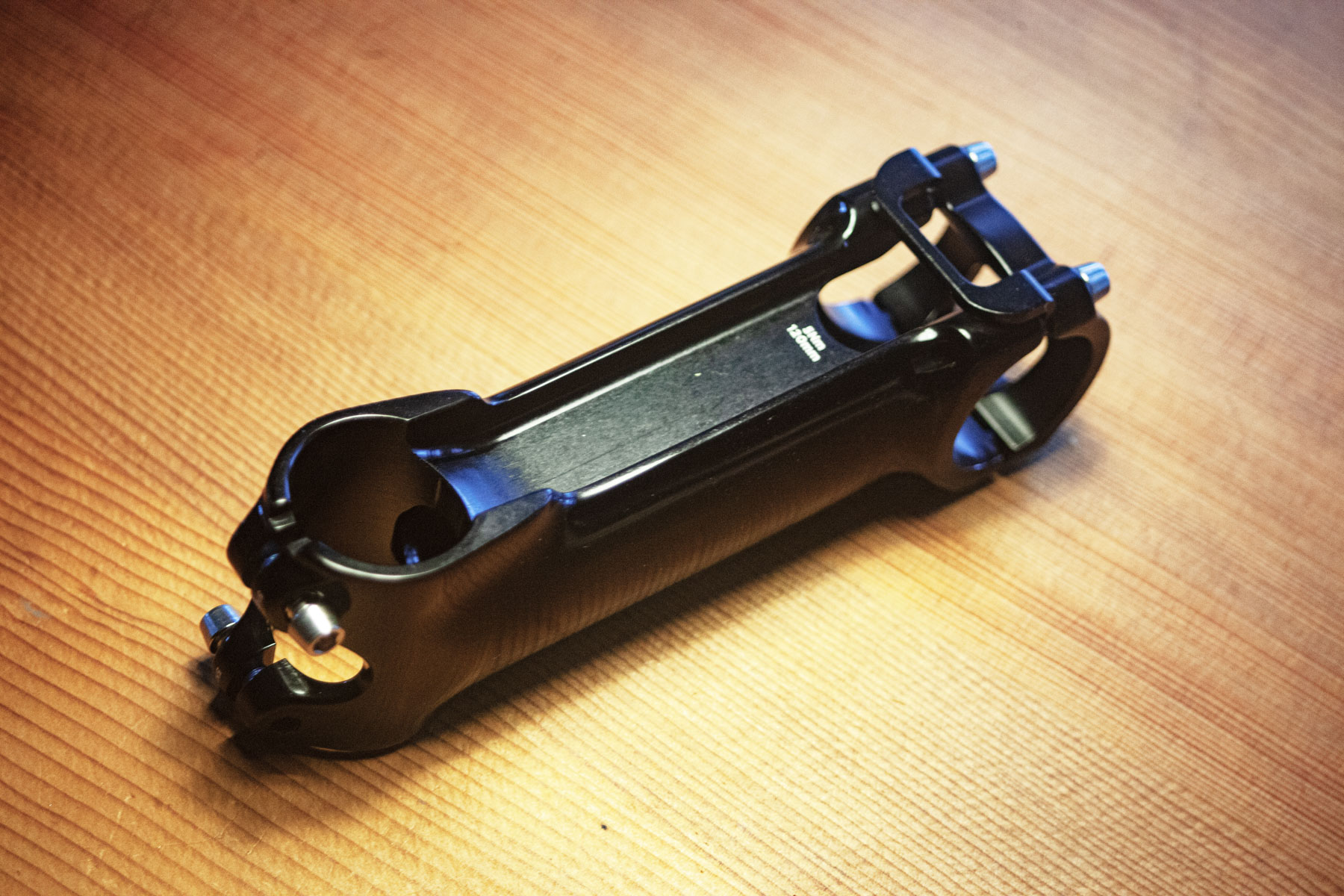
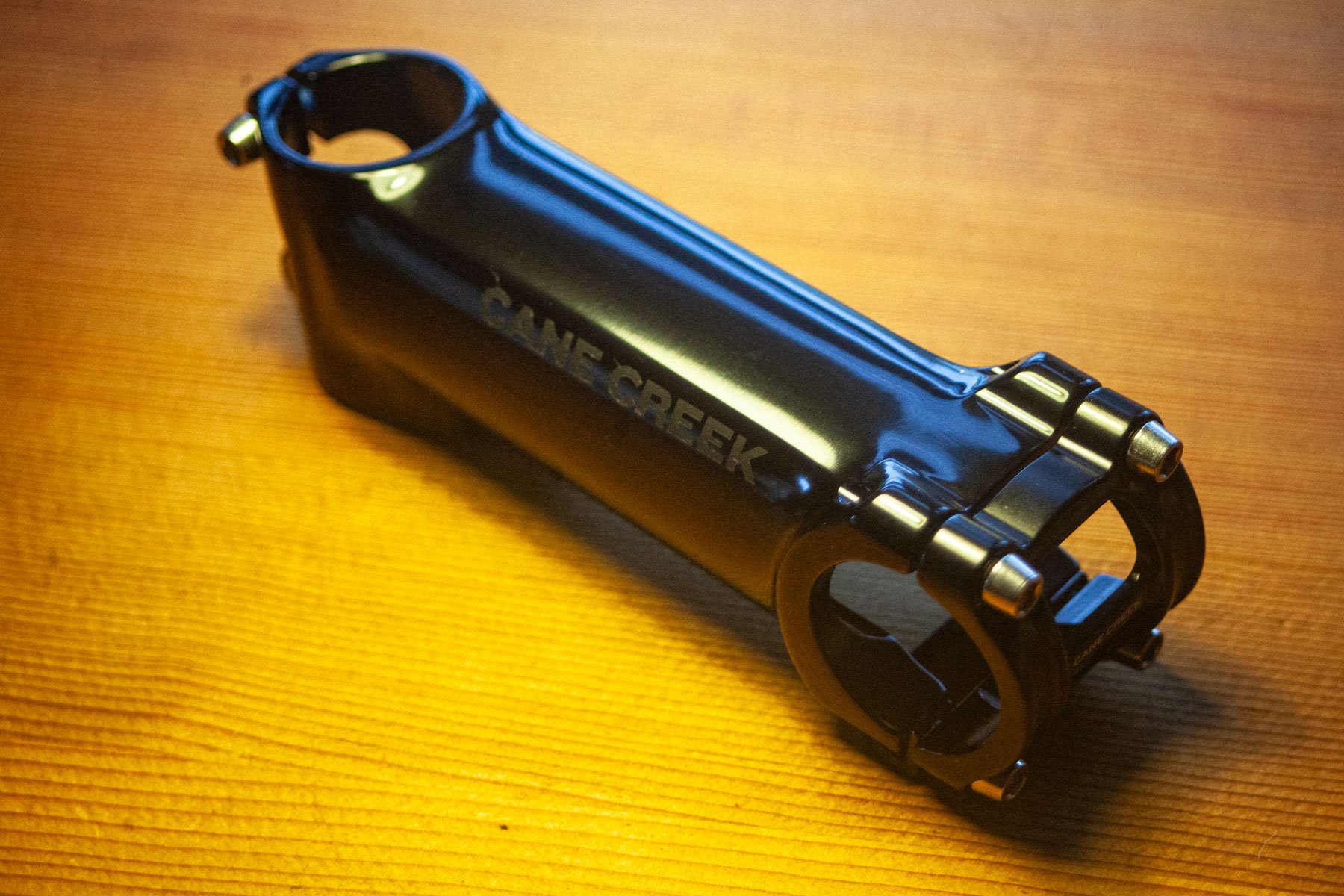
The underside of the HCR stem has a machined channel to hide hoses and cables. Warren Rossiter / OurMedia
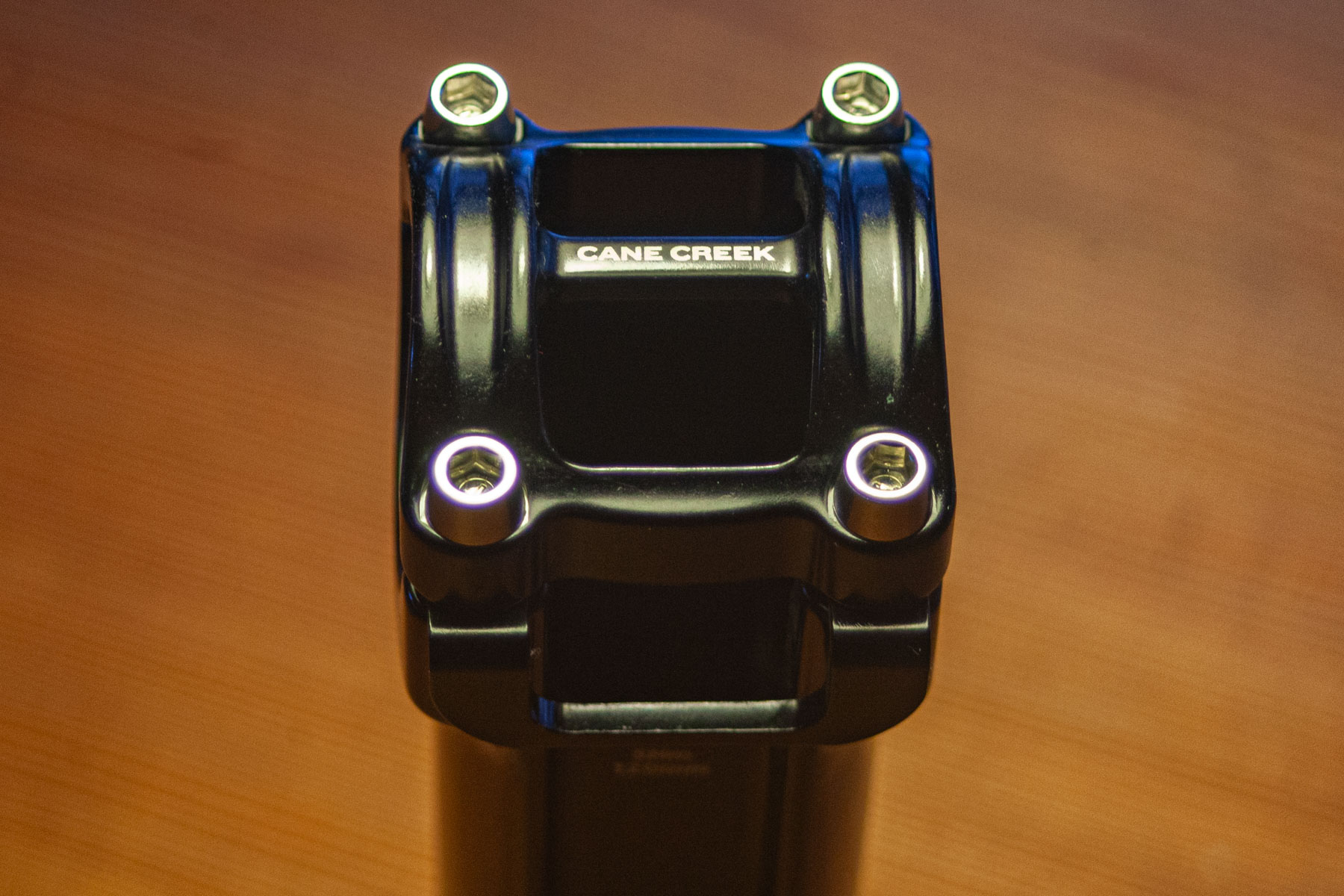
The key elements of the HCR system are a combination of a classic-looking lightweight stem and a headset built for longevity. The stem, while being compatible with IS52 and EC44 designs with internal routing, is much easier to live with.
The HCR stem is based on the beautifully finished, classic-looking GXC stem. Unlike that stem and different from most internal-routing stems, the HCR has a deep machined channel on its underside. This hides cables rather than routing them through the body of the stem or using a plastic bolt-on cover, as seen on competitors’ stems from the likes of FSA, such as the SMR or ACR.
Cane Creek claims that by using this channel, it simplifies travelling with your bike because the stem can be disassembled from the steerer without splitting hoses.
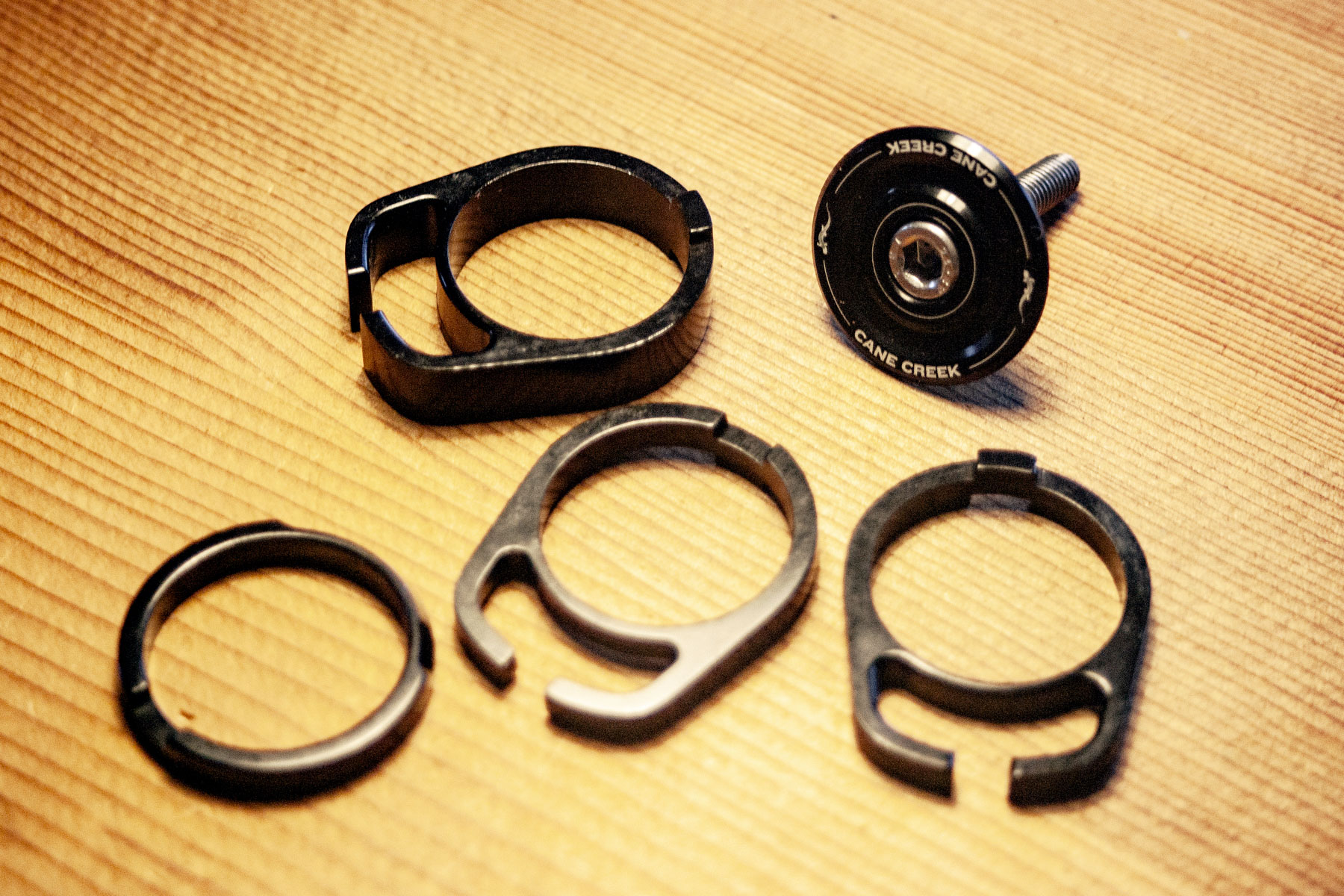
It also makes maintenance and adjustment easier, even enabling a complete stem replacement without removing cables or hoses. The spacers have a slotted design, too, which means you can alter the stack height without splitting hoses or having to use plastic split spacers.
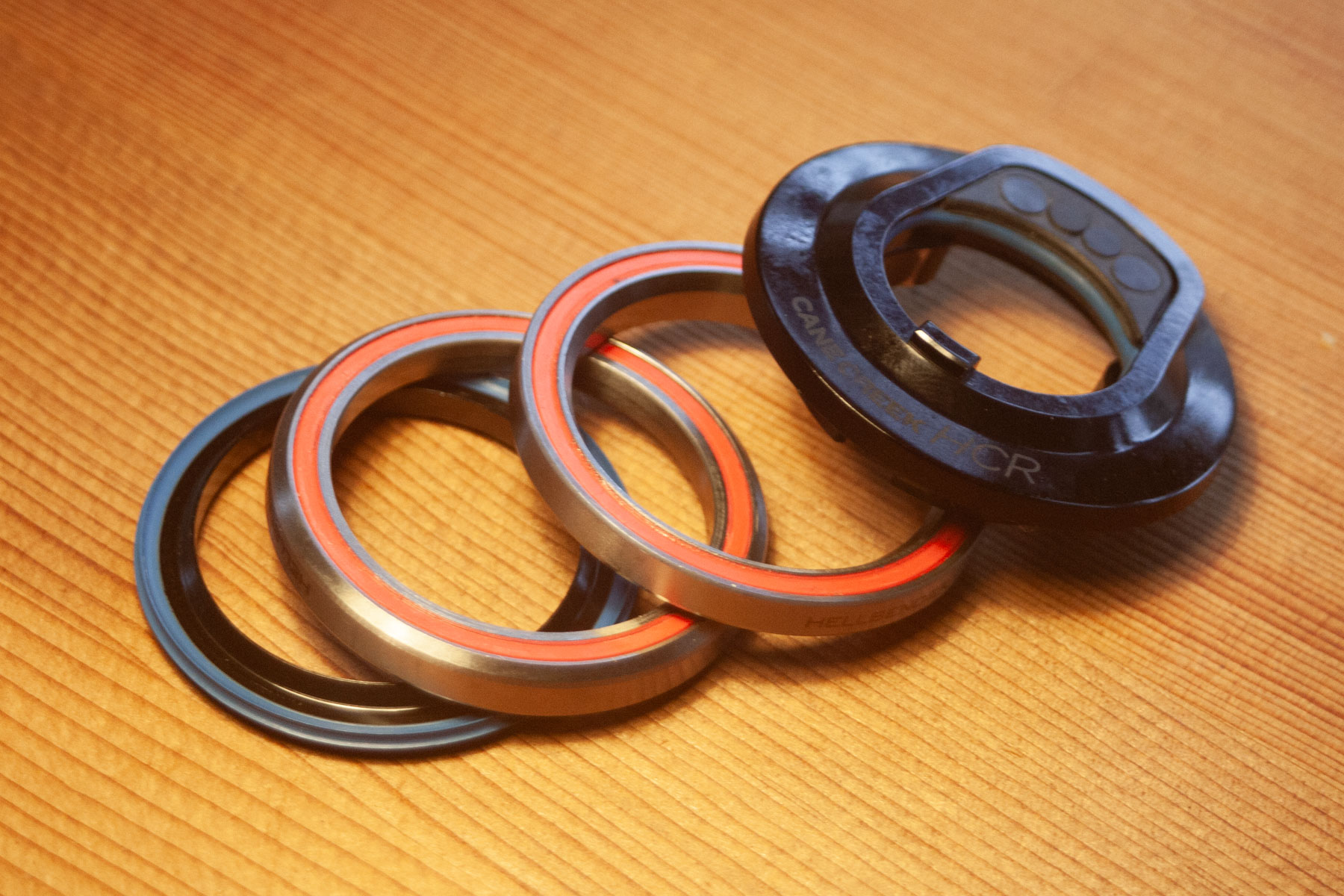
The HCR headset uses Hellbender bearings. Warren Rossiter / OurMedia
Quality, but not at a prohibitive price
The HCR slotted headset spacers are made from machined aluminium. Warren Rossiter / OurMedia
Cane Creek’s designers made the choice early in the HCR’s development not to use plastic in either the stem or spacers.
Will Hart, Cane Creek’s product marketing manager, told us: “When we looked at the existing products on the market, we were disappointed to see that even the most premium-priced offerings used plastic split spacers and plastic covers for the cable routing.
“Plastic is not something we like to use at Cane Creek, so we decided that HCR would be all metal, which is what we do. That means every part of the HCR system can be made in-house.”
The headset is based around Cane Creek’s highly regarded Hellbender 70 bearing races. The Hellbender 70 has a great reputation for longevity and anti-corrosion with its combination of stainless-steel construction and robust sealing.
The alloy top cover, which interlocks seamlessly with the spacer, features a channel for the cables into an interlocking cable seal. It is a thick rubber-like material called EPDM with a level-80 durometer.
EPDM is a synthetic rubber (Ethylene Propylene Diene Monomer) known for its durability, flexibility, and excellent resistance to UV rays, ozone and weather. It is used widely in applications requiring weather resistance, such as roofing membranes, automotive hoses and seals.
The seal has four holes for hoses and mechanical cables. The insert comes with alloy plugs for each hole to maintain the sealing when running the combo on wireless-drivetrain equipped builds.
Cane Creek uses all stainless steel hardware on the HCR stem. Warren Rossiter / OurMedia
The HCR combination is priced at $249.99 for both stem and headset. It’s similar in price to an FSA NS ACR stem at £133.99 / $124 and a basic No.55R FSA stem at £95 / $101. That FSA combo weighs in at around 338g, according to FSA.
Cane Creek claims the combination of a 90mm HCR stem and headset weighs in at 160g for the stem, which is 70g lighter than the FSA equivalent and 92g for the headset, making the Cane Creek more than 80g lighter.
At the premium end of the market, a Chris King AeroSet and ENVE In-Route stem combination, common on high-end custom bikes, will set you back £320 / $295 for the headset (113g) and £390 / $350 for the stem (180g). In comparison, the Cane Creek combination is $395 less costly and 40g lighter.
Is the HCR the answer to your internal-routing woes?
The HCR stem is based on the classic GXC design. Warren Rossiter / OurMedia
At first look, the HCR system certainly has quality, and it’s very well priced for such an obviously premium offering.
Does it solve the known issues with internal routing on headsets? Well, not quite. The improved sealing, the materials used and the simplified, channelled, hidden rather than fully internal routing certainly make assembling and maintaining a bike easier (I’ve just built up a new bike using the HCR system – more on that and a full review will follow later in the year).
The fundamental design of routing within the bearing centre still leaves bikes open to water ingress, a common problem on OE equipment on bikes. Cane Creek has cleverly worked within the confines of internal designs and stacked the odds in its favour by using high-grade, corrosion-resistant bearings and materials. I’ll report back on how they hold up once I’ve got a few miles under my belt on the HCR setup.
Where I think the HCR will find favour is on custom builds, especially bikes built with traditional steel or titanium. Most modern stem designs, such as the ENVE In-Route and FSA NS ACR, look somewhat incongruous when paired with a titanium frame. The HCR stem, replete with its all-alloy spacers, looks more as though it belongs.
Cane Creek HCR details and prices
HCR headsets and stems sold separately
Stems come with 1x10mm and 2x5mm slotted HCR spacers
Headsets come with a round conversion spacer in case you want to use them with another stem or one-piece cockpit
Cane Creek also offers a kit of slotted HCR spacers for individual sale if riders need more than what comes with the stem
Zwift ended 2025 with abang, bringing the highly requested draft indicator to the game. As we head into 2026, one Zwifter shares 7 things that he thinks Zwift should add in 2026!
Also included in this week’s picks are videos about FTP tests, Tour de Zwift 2026, brutal Zwift races, and fitness testing.
7 Things Zwift Should Release in 2026 (Everyone Would Love This)
Adam from Road to A shares 7 features that he thinks Zwift should add in 2026.
My first FTP test – With my new Zwift bike!
Moloko Cycling shares why she got the Zwift Ride, sets up the Zwift Ride, and tackles her first FTP test on Zwift.
Tour de Zwift 2026: Watch This Before You Ride
Bike Bonk Biff shares everything you need to know about Tour de Zwift 2026.
My FTP Went Up After This Brutal Zwift Race | London Uprising
Dead Last Cycling tackles stage 4 of the Fresh Outta 25 series. Watch as he pushes himself to the limit and sets a new FTP!
My First Zwift FTP Test In 2 Years
For the first time in nearly 2 years, Giorgio Coppola tackles an FTP test to see where his fitness is at.
Got a Great Zwift Video?
Share the link below and we may feature it in an upcoming post!
Images of what appears to be Cannondale’s long-awaited CAAD14 aluminum road bike have leaked online, and it looks to be exactly what we were hoping for.
If the images and details posted on various websites are to be believed, the Cannondale CAAD14 is a finished article and possibly soon to be released.
Among a host of updates, the most notable change compared to the existing CAAD13 looks to be a move back to the traditional high seatstays that were part of what made previous versions of the CAAD so iconic.
Let’s take a look at the leaked information and what it might reveal about this highly anticipated alloy road bike.
The aluminium road bike of our dreams?
Cannondale CAAD14 2026 information leaked on X.com. X.com
It’s been more than six years since the last generation of this iconic road bike launched, and while Cannondale’s current CAAD13 remains an excellent bike, a new version has been on our wishlist for a while.
In fact, BikeRadar’s senior technical editor, Warren Rossiter, laid out his hopes for a potential update to the platform last year.
Piecing together the various bits of information posted on X.com, Reddit and Geometry Geeks – which, it should be stressed, remain unverified – it looks as if Warren and his fellow CAAD fans might get almost everything they’ve been asking for.
Although it’s only low-resolution, this image appears to be a studio photograph and makes us most confident it’s showing the real deal. @John_Doe_0774 / X.com
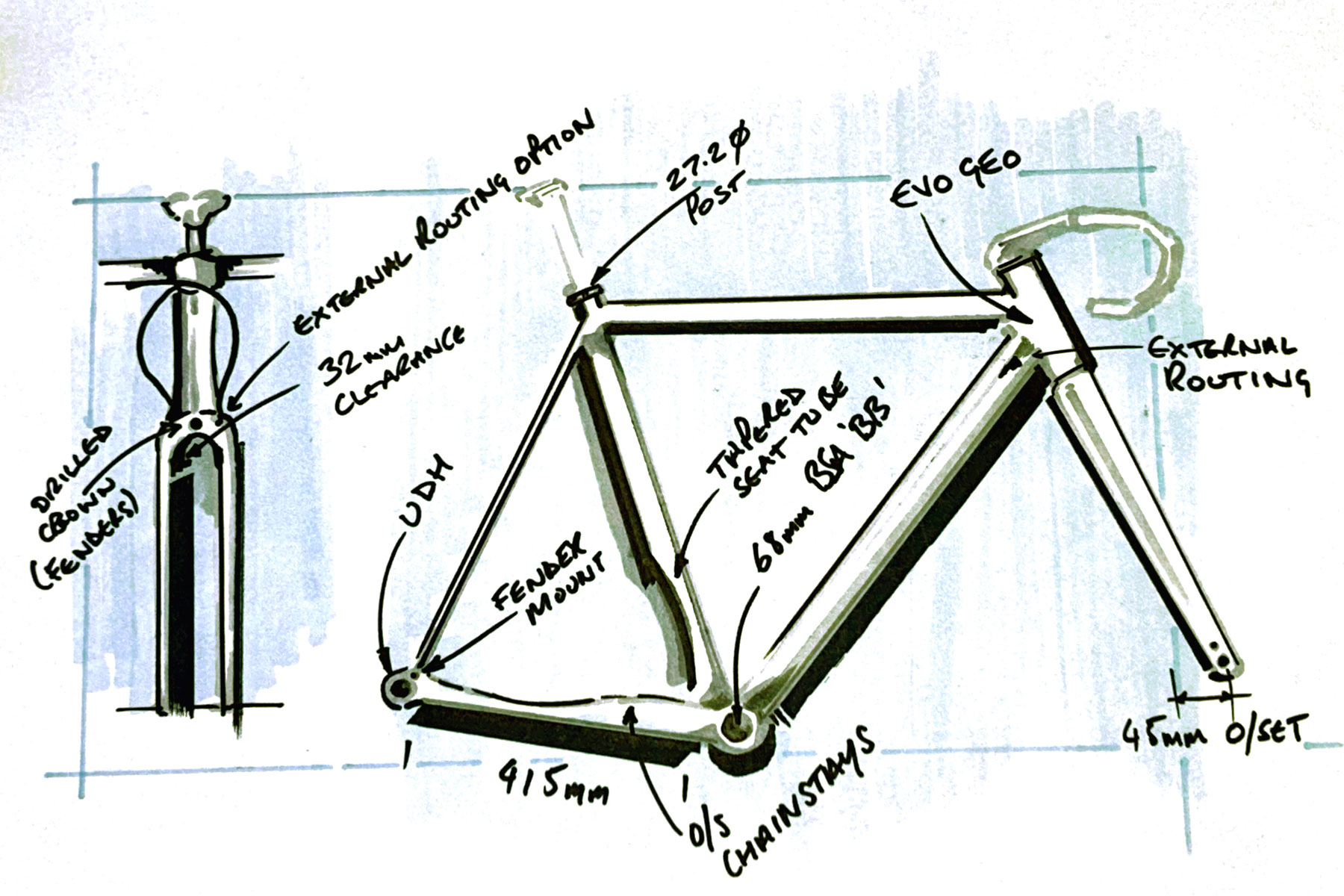
According to the leaked images, which were posted on X.com by user @John_Doe_0774, the bike will return to its classic silhouette, without dropped seatstays and a horizontal top tube.
The frame also looks set to adopt a UDH rear dropout, which would make it compatible with SRAM’s latest direct-mount rear derailleurs.
Beyond that, the CAAD14 looks set to retain a round (likely 27.2mm) seatpost, and to adopt fully internal cable routing, using the same handlebar and stem systems specced on the carbon SuperSix Evo range.
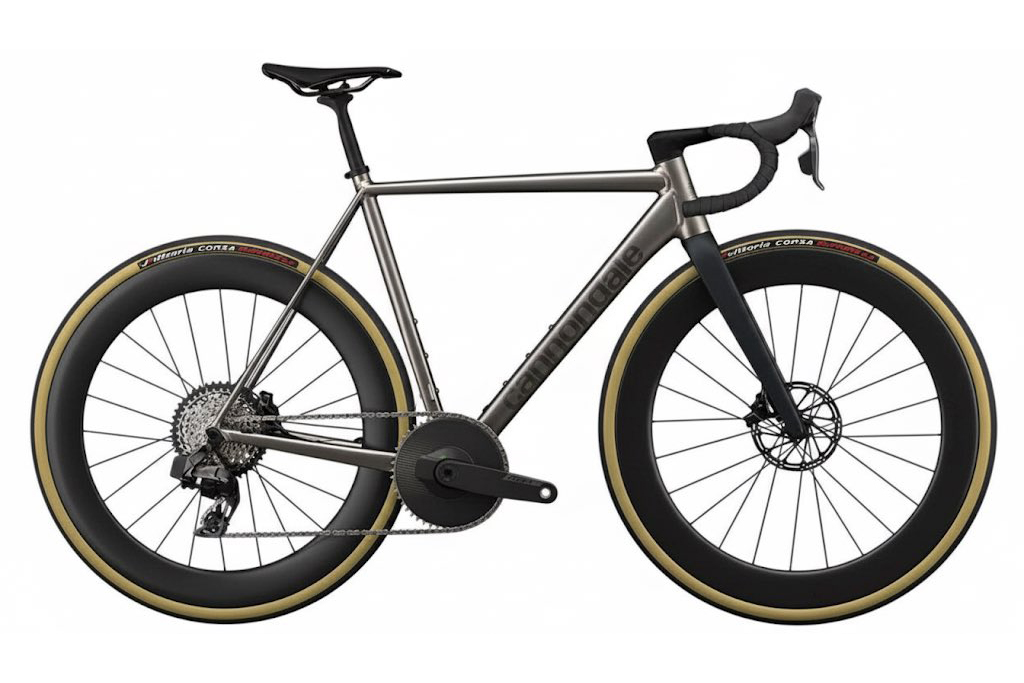
A potential higher-end build, which rumours on Reddit suggest will be a limited-edition model costing $7,499, could also see the fully integrated carbon handlebar specced alongside carbon aero wheels and a 1x SRAM Force AXS groupset.
Although it’s well detailed, this image appears to be a render, not a photograph – the tyre branding, for example, isn’t the right size and has a whiff of ‘AI’ about it. @John_Doe_0774 / X.com
It’s worth acknowledging, though, that the leaked image appears to be a digital render rather than a photograph of a real bike – so take this one with a big pinch of salt.
We certainly hope this bike, or something like it, makes the final production range, though, because the frame’s brushed aluminium finish pairs beautifully with the smattering of carbon parts and tanwall tyres.
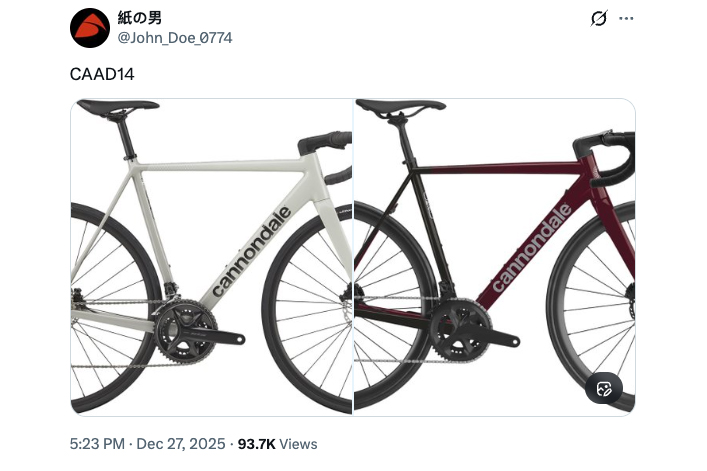
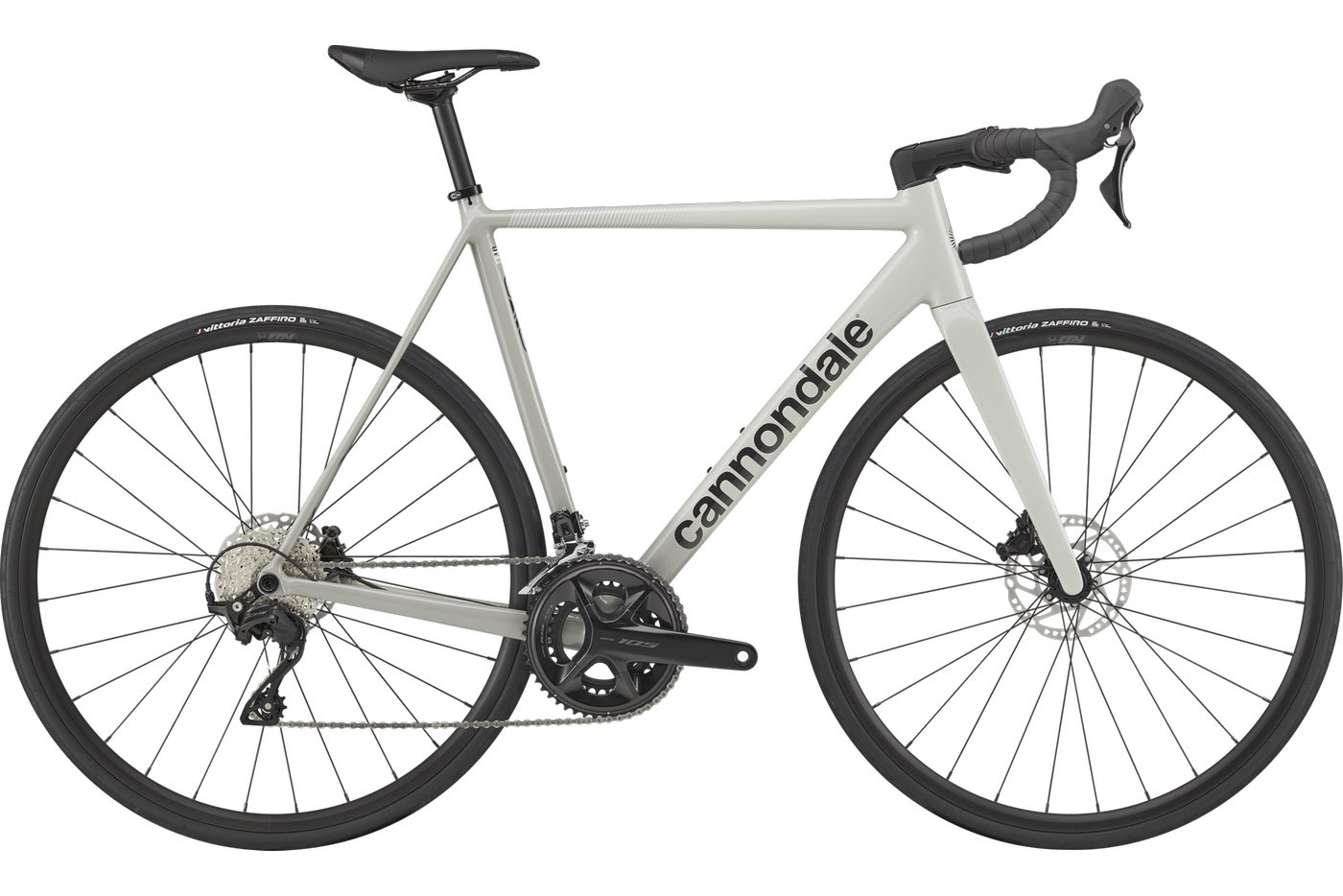
We can be more certain there will be a cheaper build with a Shimano 105 R7100 mechanical groupset and aluminium finishing kit because the image we have of that bike (see above) looks to be a studio photograph.
If the picture is right, this build will feature a gray and white paintjob, while the rumours on Reddit suggest it will cost $2,499.
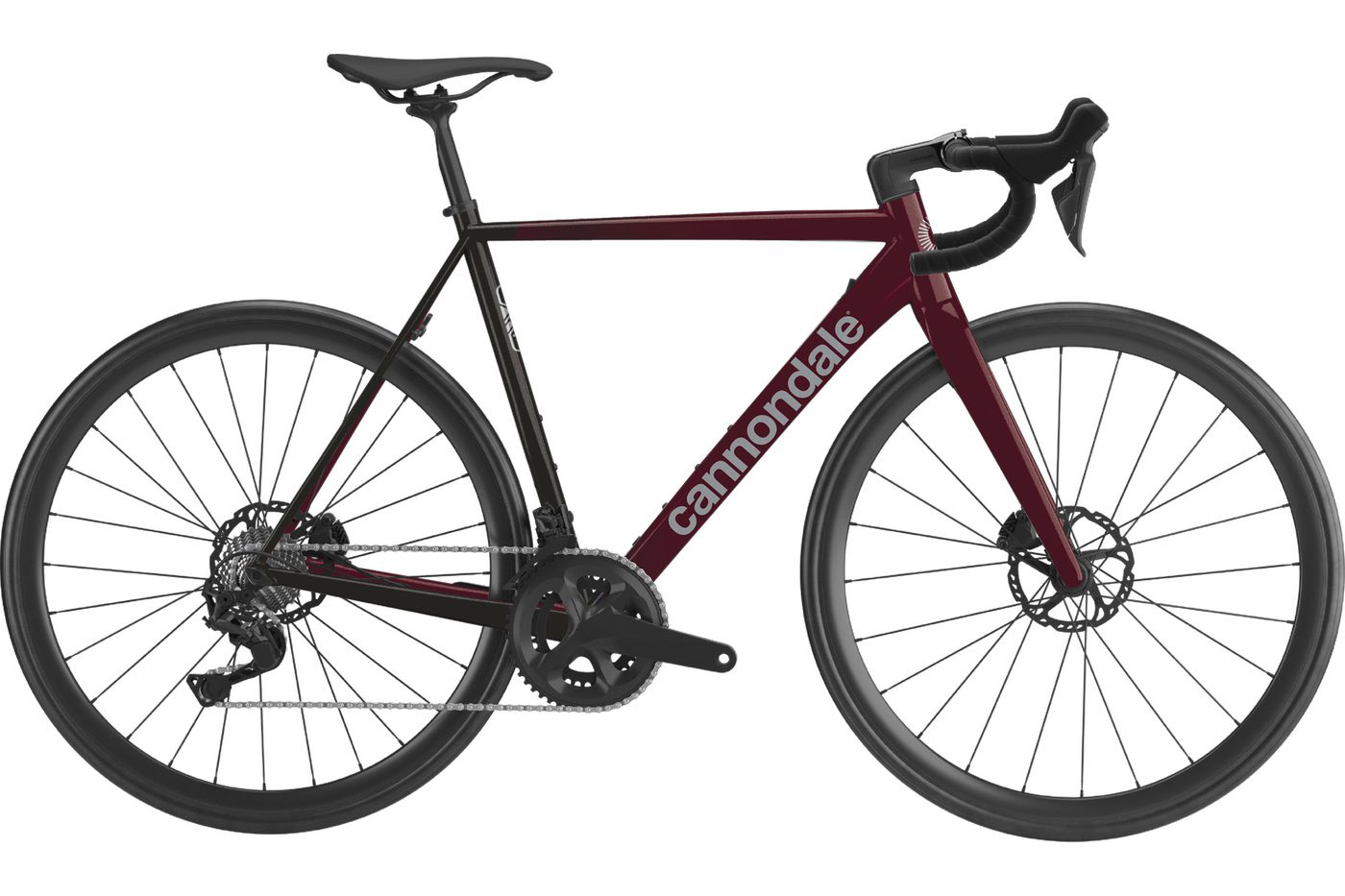
This image is a render rather than a photograph, but it could have been made solely for illustrative purposes. @John_Doe_0774 / X.com
A second image showing a black and red paintjob looks to be another digital render, so we’re less convinced by that one.
There’s also mention on Reddit of a frameset-only option, as well as a mid-range build with a SRAM Rival AXS groupset, the latter of which is claimed to cost $3,999. We don’t have any images of these to confirm the details, though.
Leaked geometry
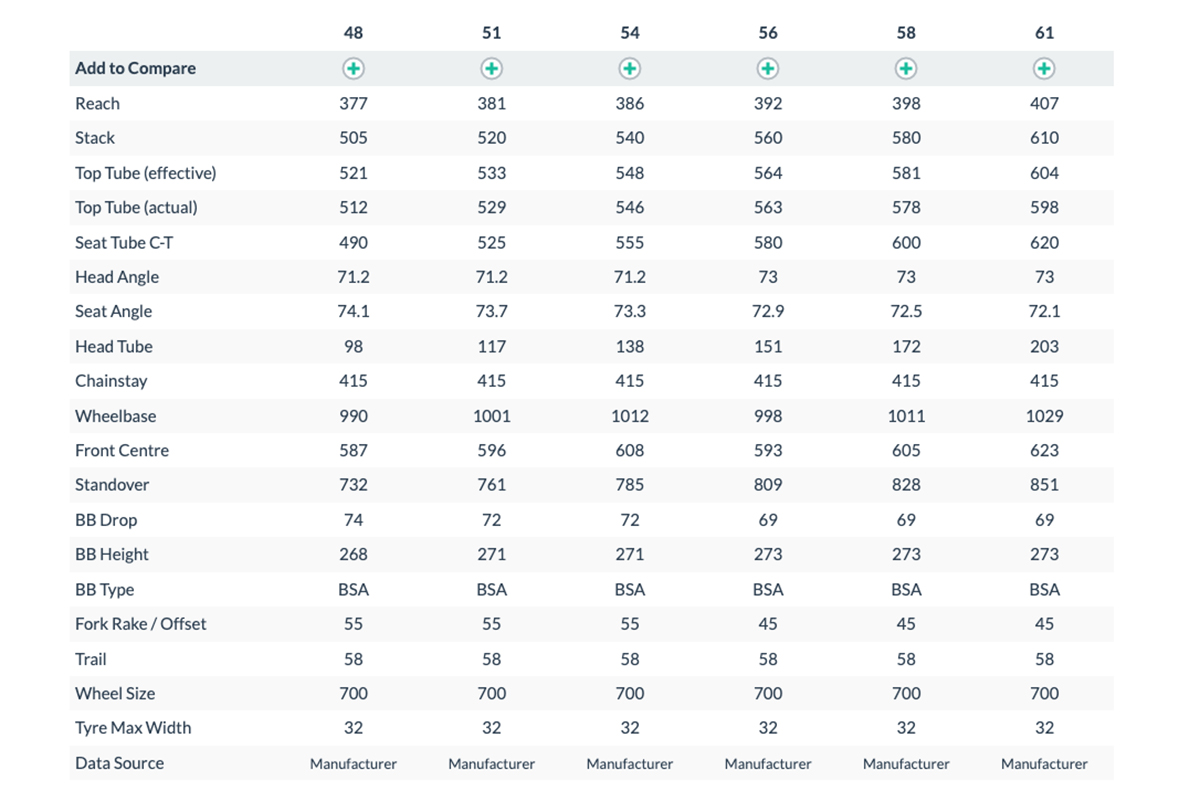
These could be the geometry numbers behind the new CAAD14. GeometryGeeks.bike
Unusually for a bike leak, we also have details of what could be the bike’s geometry.
An entry for ‘Cannondale CAAD 14 2026’ has appeared on the geometrygeeks.bike database, and lists the in-depth geometry details for a full size range.
If the data is to be believed (and it’s worth reiterating that this information is also unverified), then it appears the CAAD14 range will feature six sizes, from 48 through to 61.
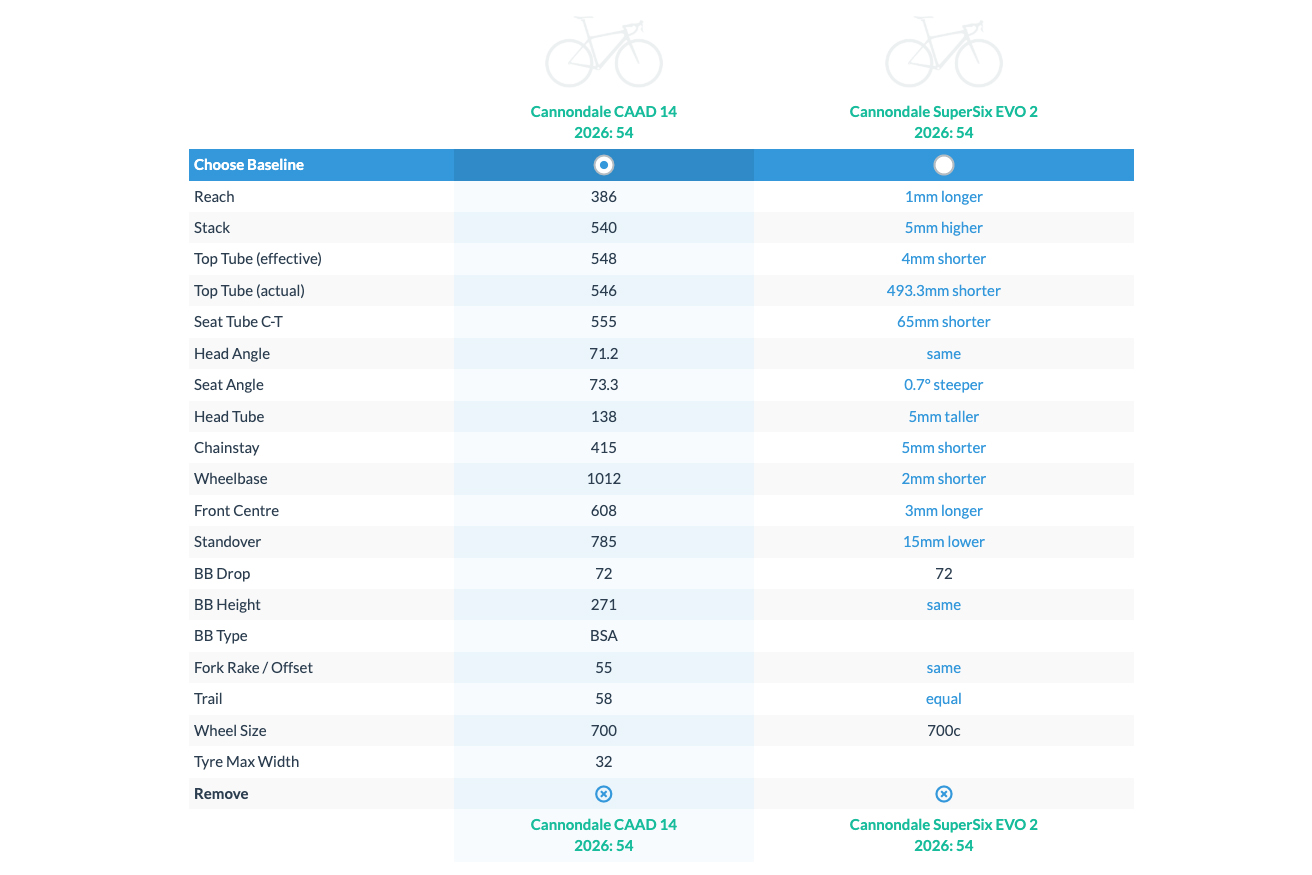
Handily, geometrygeeks.bike enables us to compare how the numbers from two bikes stack up against each other, so we thought it would be interesting to compare a size 54 CAAD14 to a size 54 SuperSix Evo.
Notably, the two geometries are similar but not identical:
The geometry is similar to the SuperSix Evo. GeometryGeeks.bike
Perhaps most importantly, though, the fork and head tube angles look to be shared across the two bikes. This should mean the handling characteristics are fairly consistent (assuming the data is accurate, of course).
A couple of other tidbits we can glean from the data on geoemtrygeeks.bike and Reddit is the CAAD14 will use a BSA threaded bottom bracket and have clearance for up to 32mm-wide tyres.
Both characteristics are in keeping with what the current SuperSix Evo offers, so would seem likely features for a new CAAD.
When will the Cannondale CAAD 14 be released?
Cannondale looks set to deliver on most of our wishlist for the CAAD14, but when might it launch? Warren Rossiter / Our Media
As we’ve mentioned, it’s worth taking these leaks and rumours with a heavy pinch of salt because we’ve not been able to confirm any of these details with Cannondale at the time of writing.
Nevertheless, the post on Reddit suggests the launch is set for “March 2026”.
Based on the studio photograph of the 105-equipped model, it appears this bike is ready to go.
Given this, we suspect an official launch is unlikely to be too far off, but these releases are always subject to change right up until the last minute.
Either way, it looks as though we’re going to have another high-quality aluminium road bike to add to the mix this year.



 Tour de Zwift, Stage 1
 Popular