The Steam Deck is already one of the best bangs for buck in the PC gaming handheld space and the value proposition just got even better with Valve’s steep discount in play. For a limited time, the base Steam Deck is is 20% off for a low $319.20. The question is, should you bite now that the handheld gaming space is much more crowded than when
DJI might be an innovative company, but it has been playing catch-up to rival Insta360 in the action cam world. A perfect example of that is its latest product, the Osmo Nano ($299). It follows a path Insta360 paved with its tiny Go Ultra and Go 3S, which let you separate the cam from the display to shoot with the least weight possible. Like those, the Nano’s tiny camera can be detached from the screen and easily worn to record activities ranging from extreme watersports to cat cam videos.
The Osmo Nano isn’t quite a copy-paste of its rival, though. Rather than inserting the camera into the flip up screen housing like the Go Ultra, the Nano’s screen magnetically clips to the bottom of the camera so you can point it forward to capture action or backward for vlogging. While it still lags behind its rival in some areas, DJI’s Osmo Nano is a solid first attempt at a mini-sized camera thanks to its excellent video quality.
A small size designed for daily activities
With its lightweight detachable camera that can be clipped to your head or worn on your body like a pendant, the Nano can be used in everyday activities like hiking or swimming — with the latter possible thanks to its 33 foot (10 meter) underwater rating. It’s also small enough to be attached to kids and pets to create a visual journal of their activities. At the same time, when attached to the Vision Dock that houses the screen, the Nano functions like a normal action camera.
With that in mind, size is key. The Osmo Nano camera is built from lightweight translucent plastic and weighs just 1.83 ounces (52 grams) by itself. That’s about the same as the Insta360 Go Ultra but a touch heavier than the Go 3S. Its capsule-like shape is similar to the Go 3S (but a bit bigger), while the Go Ultra is more rounded. All of that is to say that the Nano is incredibly small and light compared to a GoPro Hero 13 or DJI’s Action 5 Pro — I barely felt it when using the new headband accessory
They attach together in two ways, with the screen facing either forward or backward, using DJI’s magnetic mount that it’s used for a few years now. Together they weigh 4.37 ounces, still less than a regular action camera. The Vision Dock can wirelessly control the camera without being connected, to a distance of 33 feet. The mount also allows the Nano to connect to DJI’s family of accessories, including a new hat clip and lanyard.
Steve Dent for Engadget
During my testing, the camera and module were easy to connect in either direction thanks to the magnets and latches. To switch from vlogging to the front view, though, you need to detach and reconnect the Vision Dock. Insta360’s system is better, as it just takes a flip of the X5’s screen to change modes.
The difference in camera module sizes can be explained by the sensors. Where the Go 3S has a small 1/2.3-inch sensor, both the Nano and Go Ultra have larger 1/1.3-inch sensors that take up more space but work better in low light. As for optics, the Nano uses an ultra wide angle lens with a 143-degree field of view, giving you the ability to switch between ultra wide and dewarped (square) video. The Go Ultra is slightly wider at 156 degrees, while the Go 3S’s FOV is 125 degrees. I found the Nano’s field of view to be an ideal compromise between the two.
Controls and features
The only physical control on the Nano is the record/power button, with the Vision Dock holding everything else. DJI’s typical screen swiping and tapping actions are used to select things like voice control and screen brightness, along with video resolution, frame rate, RockSteady stabilization and D-LogM capture. Once you get used to swiping and tapping on such a small display, these menus are responsive and let you change settings quickly. However, the navigation isn’t particularly intuitive so settings require some time to learn.
As with other recent DJI products, the Osmo Nano has generous built-in memory, with 64GB (transfers at 400 MB/s) and 128GB (at 600 MB/s) options. Note that those speeds don’t affect video quality; they’re only the rates at which you can transfer footage to your PC. This internal memory is convenient as it means you don’t need to dig around for a microSD card and it makes offloading faster. That said, it’s nice to have a microsSD slot as well — the Go Ultra only has a microSD storage option, and the Go 3S only has internal memory.
Each module has its own non-removable battery with 530mAh and 1,300mAh capacities for the camera and Vision Dock respectively. Those allow operating times of up to 90 minutes for the camera alone, or 200 minutes when paired with the screen module, according to DJI. In comparison, Insta360’s Go Ultra camera can run for 70 minutes or a maximum of 200 minutes when docked to the display.
Steve Dent for Engadget
Note that those specs only apply when recording in 1080p at 24p. When shooting with the Nano at a more typical setting of 4K 60p, I found that battery life was less than half that, around 35 minutes for the camera alone. However, that rose to 49 minutes when using DJI’s endurance mode, with RockSteady stabilization enabled but Wi-Fi turned off. I also noticed that when I shot in 4K at 50p or higher with the camera alone, it shut down after 20 minutes of continuous recording due to overheating.
The Nano’s camera has no USB-C input so it must be connected to the docking station for charging. However, the docking station alone can fast charge the Nano camera to an 80 percent battery in 20 minutes. It takes about 20 minutes to charge both devices together to 80 percent, and 60 minutes for a full charge — 20 minutes more than the Go Ultra.
Other key features include voice and gesture control (tapping or nodding) to start recording, timelapse and Pre-Rec to save footage taken just before the record button is pressed. Insta360’s Go 3S does have a couple of features not found on the Nano, namely Find Me for iPhone if it’s lost and Dolby Vision HDR support.
The Nano can also be controlled using the DJI Mimo smartphone app, though the Vision Dock’s remote control makes that unnecessary most of the time. That app also lets you edit video, but Insta360’s Studio app is superior for that thanks to its more complete editing toolkit and Shot Lab AI module that lets you do some neat effects with little-to-no work required. DJI is definitely well behind its rival in this area.
Video and image quality
A big selling point of the DJI Nano is that it produces high-quality video with faster frame rates than rival cameras. You can capture 4K at up to 60 fps, or 120 fps in slow motion mode, compared to just 4K 30 fps for the Go 3s. It also supports full sensor 4:3 4K video at up to 50 fps. The Go Ultra maxes out at 60 fps at 16:9 4K and 30 fps at 4:3 4K.
Thanks to the big 1/1.3-inch sensor, video is bright and sharp straight out of the camera when shooting in daylight. DJI has improved the color performance compared to its older products, with hues that are more natural. Where sharpening was overly aggressive on models like the Action 5 (which makes video look artificial) DJI has toned that down on the Osmo Nano. And if you don’t like the default application, you can change it in the settings.
Like the Action 5 Pro, the Nano can shoot video with 10-bits of color in both D-LogM and regular modes. The latter gives users extra dynamic range without having to mess with tricky log settings. My preference is still to shoot D-LogM then apply DJI’s LUT in post. That yields more natural colors and gives you up to 13.5 stops of dynamic range in challenging lighting conditions, like tree-lined trails on a sunny day.
The larger sensor also makes the Osmo Nano superior to the Go 3S and about equal to the Insta360’s Go Ultra in low light. When I shot nighttime cityscapes and in indoor bars, it delivered clean video with relatively low noise. For even lower light situations, both the Nano and Go Ultra have night shooting modes called SuperNight and PureVideo, respectively. Both work well if you don’t move the camera too fast, due to the fact that they combine multiple frames into one. If I moved the camera too rapidly, it caused motion blur and other issues. The Insta360 Go Ultra is slightly better in this regard.
DJI’s RockSteady 3.0 reduces camera shake in normal daylight shooting conditions, though it’s not quite up to GoPro’s canny smoothing algorithms. When I tested it while walking, stabilization fell apart a bit in night shooting due to the lower shutter speeds, with noticeable blur and pixelization over sharp jolts and bumps. To avoid that, it’s best to boost the ISO level and shutter speed manually. The company’s HorizonBalancing, meanwhile, reliably corrects tilting up to 30 degrees to keep video level.
As with DJI’s other recent action cams, the Osmo Nano connects to the company’s Mic 2, Mic 3 and Mic Mini via its proprietary OsmoAudio direct connection. That offers higher quality and a more reliable connection than Bluetooth, while allowing you to use two mics at the same time for interviews or multiperson action scenarios. The Nano also has dual built-in microphones for stereo recording, but in my testing, the tinny audio was only good enough for ambient sounds and not voices.
Wrap-up
Steve Dent for Engadget
It’s interesting to watch DJI try to catch up to another company for a change. With the Nano, it leaned on its camera experience and mostly matches or beats its main rival in terms of video quality. However, the company is still lagging behind in a few areas, particularly its editing app — something that’s important for many creators.
DJI seems to be aware of that and priced the Nano much cheaper than rivals. The Nano costs $299 (€279 and £239 in Europe) for the 64GB combo and $329 for the 128GB combo (€309/£259), both of which include the Vision Dock, magnetic hat clip, magnetic lanyard, protective case, high-speed charging cable and dual-direction magnetic ball-joint adapter mount. That compares to €429 for the Insta360 Go Ultra, which has no built-in memory and includes fewer accessories, and €400 for the Go 3S with 128GB of internal storage.
Update September 23, 2025 at 8:50AM ET: The review has been updated to reflect US availability.
This article originally appeared on Engadget at https://www.engadget.com/cameras/dji-osmo-nano-review-high-quality-video-in-a-truly-tiny-action-cam-120040319.html?src=rss
Certifications from Red Hat, Oracle and SUSE are tailored to environments where those Linux distributions are prevalent. Vendor-neutral certifications emphasize core Linux principles applicable across distributions, making them versatile for beginners or those in multi-vendor settings.
After the proclamation of a TikTok ban, which fizzled out, during President Trump’s first term, the idea of a TikTok lockout across the US was back on the table when he returned for a second presidency.
Now, after too much will-they-won’t-they, White House press secretary Karoline Leavitt said a TikTok deal is expected to be signed “in the coming days.” This follows President Donald Trump posting an update on Friday that did little to clarify what the deal actually is.
Trump said both that the two had “made progress” on “approval of the TikTok Deal” and that he “appreciate[s] the TikTok approval.” Trump also told reporters in the Oval Office “he approved the TikTok deal,” according to Reuters.
During an appearance on Fox News’ “Saturday in America” the following day, Leavitt added the deal would mean that “TikTok will be majority owned by Americans in the United States.” She added: “Now that deal just needs to be signed, and the president’s team is working with their Chinese counterparts to do just that.”
The proposed terms reportedly include a brand new app for TikTok’s US users, which will continue to use ByteDance’s technology for its algorithm, US investor control and a multibillion-dollar payday for the Trump administration. But several days later, nothing is yet official.
With a straightforward process to replace batteries.
The new iPhone Air got a provisional 7 out of 10 in iFixit’s teardown critique. As seen in the repair company’s teardown, the iPhone Air’s battery can be easily swapped, has a modular USB-C port and works with day-one repair guides. Apple kept the same battery design introduced with the iPhone 16 lineup, which switched to an electrically released battery adhesive for easier, more clinical removal. Oh, another fun find: iFixit discovered the iPhone Air’s battery is the same cell found in the accompanying MagSafe Battery accessory. iFixit likened it to a “spare tire.”
The Mandalorian and Grogu follows on from the events of Disney+ series The Mandalorian — a show that director Jon Favreau created — and the fall of the Empire in Return of the Jedi. It’s set to hit theaters on May 22, 2026. The trailer does make it seem like the movie will retain the playfulness of The Mandalorian. During the short teaser, Grogu uses the Force to try to steal a snack from Sigourney Weaver’s character, only to be denied. Poor Grogu.
It might be due to the eye-catching edges of the camera unit.
iFixit
Careful, there may be a potentially scratch-prone iPhone 17 models. According to a Bloomberg report, those demoing the latest iPhone in-store noticed the iPhone 17 Pro in Deep Blue and the iPhone Air in Space Black models already had very noticeable scratches and scuffs. In a video by JerryRigEverything, the YouTuber puts the iPhone 17 models to the test with razor blades, coins and keys. The video highlights the edges of the iPhone 17 Pro’s back camera housing as particularly prone to scuffing since the colored aluminum oxide layer from the anodization process tends not to stick to sharp corners.
A set of 13 patches were posted today to the Linux kernel mailing list for optimizing the online defragmentation handling by the EXT4 kernel driver. The online defragmentation improvements for EXT4 can net a nice performance win with a very significant improvement in a variety of scenarios…
Merged to Mesa 25.3-devel on Monday is SPIR-V shader replacement support as a new feature for helping Mesa’s Vulkan drivers in testing and debugging issues…
Bang & Olufsen has launched a new pair of earbuds that could cost more than your phone or your laptop. The Beo Grace, as the model is called, will set you back $1,500, £1000 or €1200, depending on where you are. It has a silver aluminum casing with a pearl finish, which you can protect with a bespoke leather pouch, though the accessory will cost you an additional $400. The company says Beo Grace was “inspired by the elegance of fine jewelry,” with aluminum stems reimagined from its iconic A8 earphones. Bang & Olufsen’s A8 had stems made of metal, as well, but they transition into ear hooks that enable a more and secure and snug fit.
The earphones, the audio manufacturer explains, were “inspired by the acoustic principles” of the $2,200 Beoplay H100 headphones. Beo Grace has Spatial Audio and is optimized for Dolby Atmos, with an Adaptive Active Noise Cancellation technology that’s “four times more effective” than the manufacturer’s previous best earbuds. Specifically, its ANC tech is powered by six studio-grade microphones and can adjust itself in real time, based on the ambient noise. The model comes with tactile controls, so that every press to pause, play or skip is “crisp, deliberate and satisfying,” but you will be able to adjust the volume by simple tapping. When it comes to battery life, the Beo Grace can last up to 4.5 hours of listening with ANC, and up to 17 hours with the charging case.
Beo Grace is now available for pre-order from the Bang & Olufsen website and will be widely available on November 17. The model comes with a three-year warranty, so you at least know that the company will fix your $1,500 earbuds if they break in the near future.
This article originally appeared on Engadget at https://www.engadget.com/audio/headphones/bang–olufsens-beo-grace-earbuds-will-cost-you-1500-103012904.html?src=rss
Beyond the continued flow of new performance optimizations via hand-written Assembly, with the FFmpeg project it’s also interesting to monitor their ever-expanding scope of supported audio/video formats. The newest to land in FFmpeg Git is support for AHX audio files…
After winning the MTB World Championships in Champéry, the UCI Mountain Bike World Series in Lenzerheide was the first time we’d seen the world champion stripes on Jackson Goldstone’s bike.
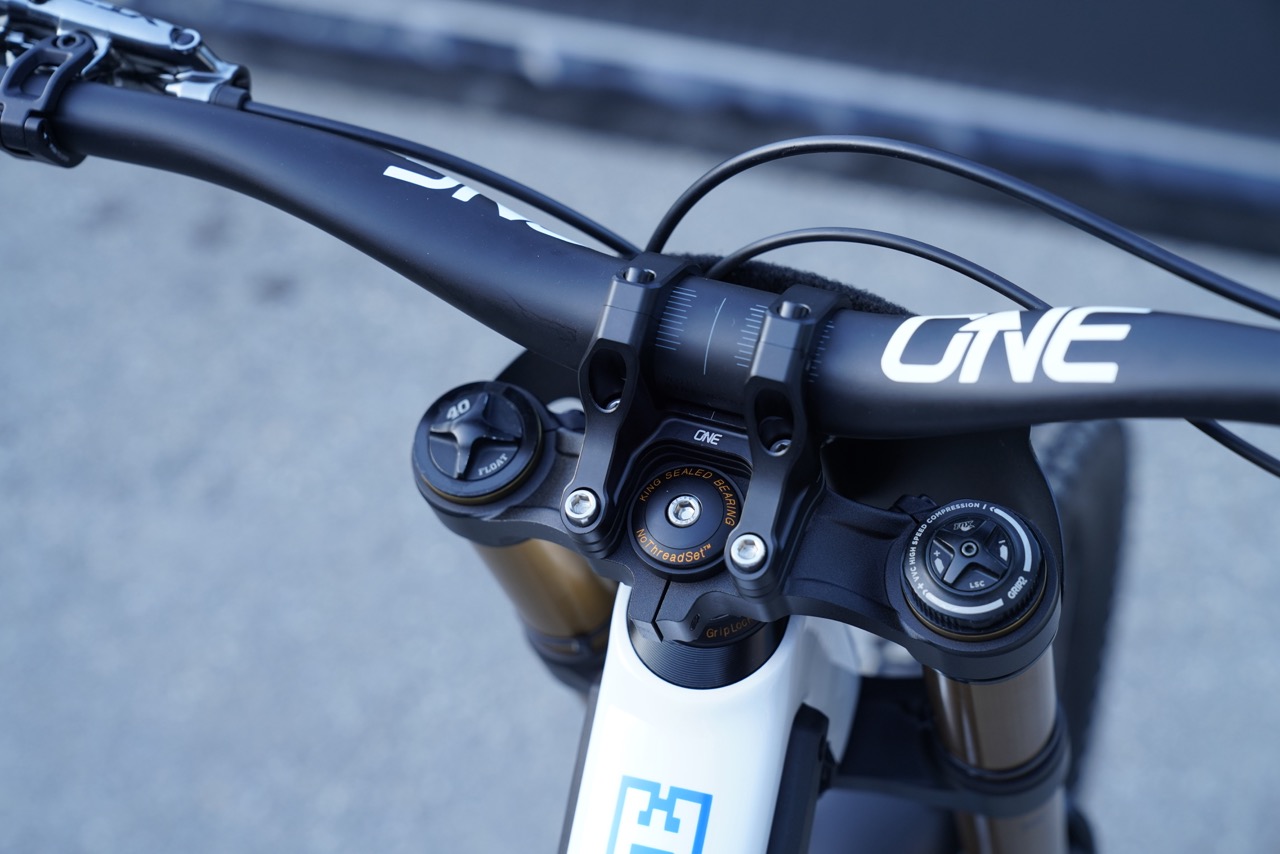
Some interesting tech points were hiding on his Santa Cruz V10, including a prototype Fox 40 fork and new Shimano brake calipers that we believe are prototypes for an upcoming Saint groupset.
While Goldstone showed good speed for the whole weekend, qualifying fourth on Saturday, an unfortunate crash in his race run cost him 8 seconds and resulted in a 22nd place.
We checked out the new world champion’s bike in the pits to get a close-up look at the rainbow details.
The new 40 looks to adopt Fox’s latest design language. Nick Clark / Our Media
At the front of Goldstone’s bike is a new Fox Factory 40 fork, which features stickers from the brand’s RAD (Racing Application Development) programme.
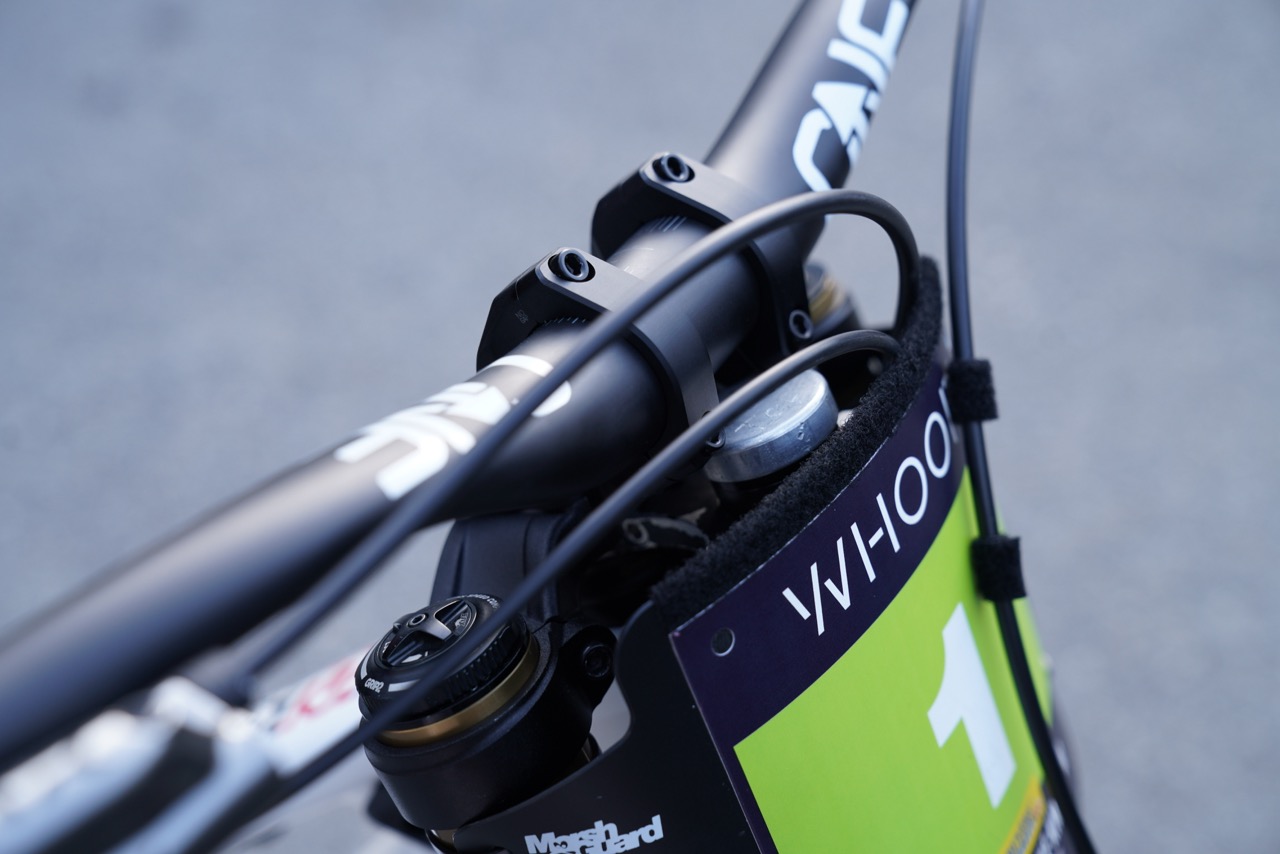
There were no clues on the top of the fork. Nick Clark / Our Media
The crown looks to feature the generative architecture we’ve seen on Fox’s latest forks, including the new 36, where the brand says it increased torsional stiffness by 20 per cent.
At the top of the stanchion, it appears the fork is using a GRIP X2 damper, the same as that found on the current 40. However, we’d expect the insides to be different from how it’s labelled.
New Shimano Saint brakes
It would be cool if Shimano left these raw for the production model. Nick Clark / Our Media
It’s been nearly 13 years since Shimano last updated its Saint groupset, with many fearing the Japanese brand had forgotten its gravity-inspired riders.
While we’ve seen nothing of a new drivetrain, these chunky stoppers suggest Shimano has something in the works.
The calipers are much larger than the recently released XTR 9220 brakes, closer to SRAM’s Mavens, hinting that these may be the big-power brakes many fans have been waiting for.
The current-generation Saint has been used with XTR levers by pros for a long time. Nick Clark / Our Media
An XTR lever is used in conjunction with the caliper on Goldstone’s bike, which we assume means the lever on upcoming Saint brakes may be the same.
Santa Cruz had the frame painted and shipped to Lenzerheide. Nick Clark / Our Media
Goldstone took the stripes two weeks ago in Champéry, but we’ve had to wait until now to see them.
There are details of the win throughout the bike. Nick Clark / Our Media
The 21-year-old American’s team have gone to great lengths to make sure his victory is well celebrated across the bike, with the stripes featuring on various components.
Goldstone appears to see the benefits of a tuned mass damper. Nick Clark / Our Media
Goldstone’s bike features other techy details, with his raceplate hiding a tuned mass damper.
We’ve seen a few riders experimenting with this, with the component said to reduce the amplitude and duration of vibrations down the trail.
This setup should reduce pedal kickback and reduce chain slap. Nick Clark / Our Media
At the centre of the bike, an Ochain device is used to reduce pedal kickback, while a STFU Trail chain damper is used to silence the chain.
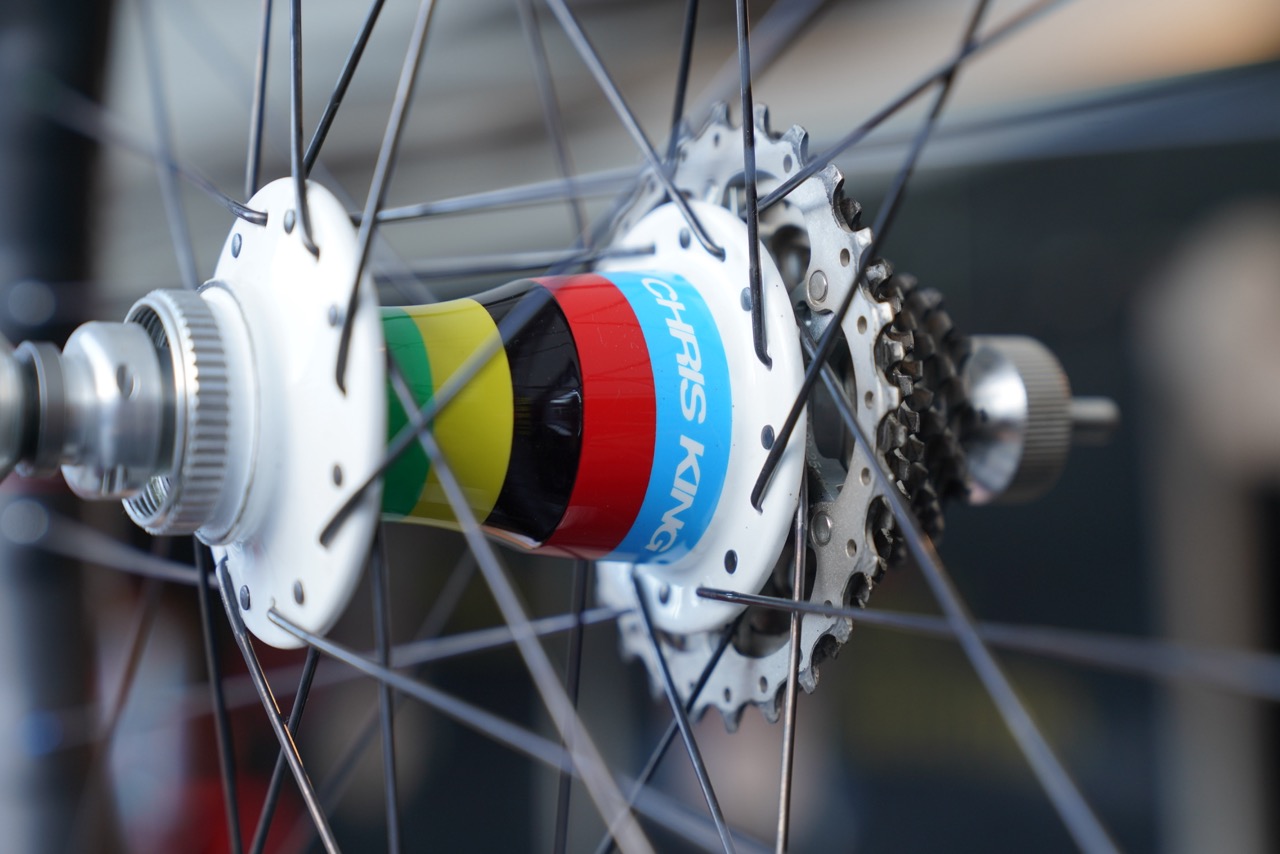
Goldstone’s mechanic says these hubs have been hand-painted. Nick Clark / Our Media
Keeping the rainbow scheme together were these hand-painted Chris King hubs, which Goldstone’s mechanic, Woody, has laced into Reserve DH rims with rainbow nipples.
Goldstone is still using his prototype tyres, which display his name. Nick Clark / Our Media Goldstone’s name features on the top tube with rainbow flare. Nick Clark / Our Media
Lezyne has released its Radar React front and rear lights, which use radar tech to alert you to cars approaching from behind.
The system is available as a Radar Drive single rear light or can be linked to the React Drive front light.
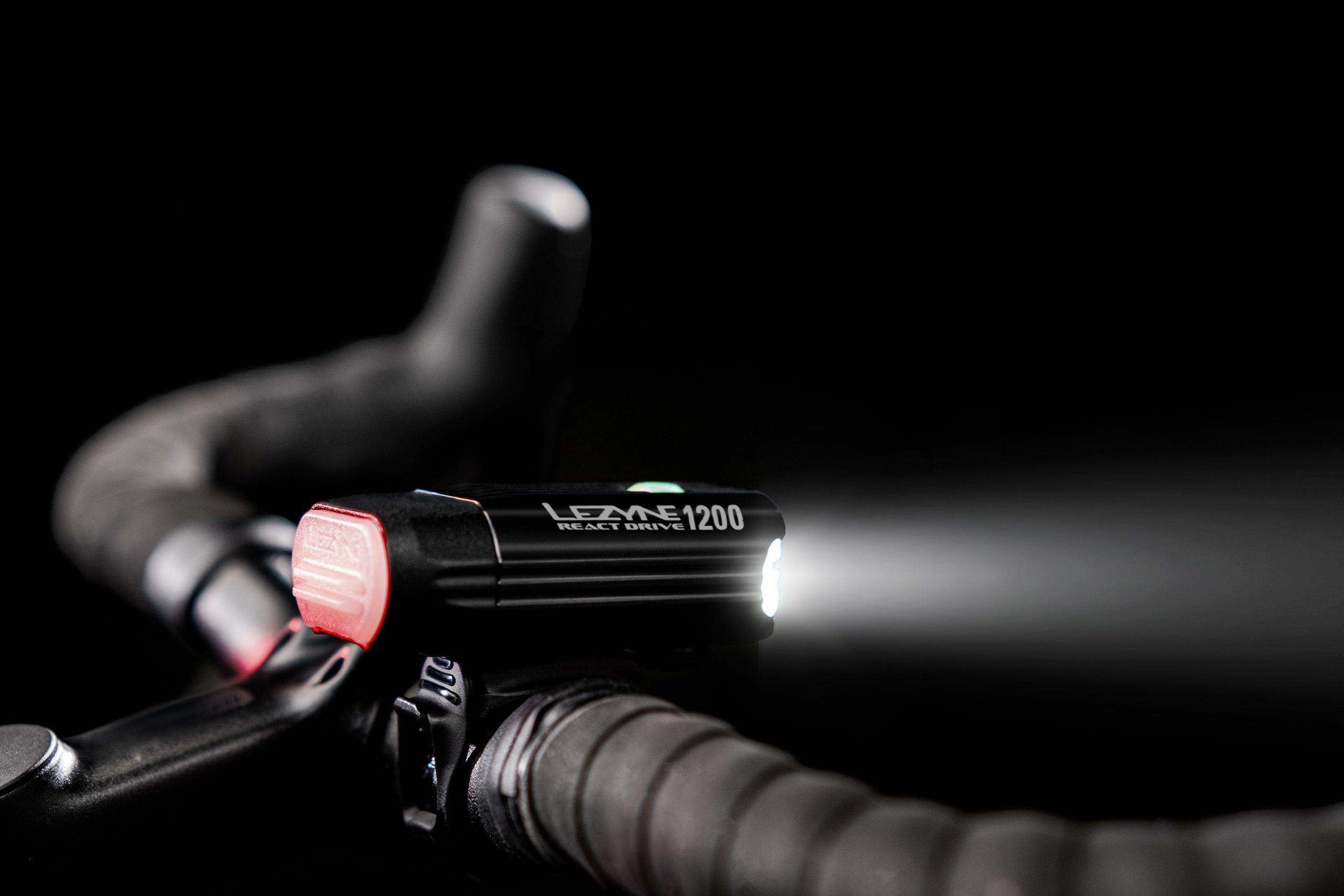
With the combined setup, the system doesn’t need to be used in conjunction with a GPS bike computer, with LEDs on the rear of the front-mounted React Drive light signalling when a vehicle is behind you.
The price for the single Radar Drive rear light is £100 / $179.99 / €169.95, with the React Drive front light priced at £170 / $124.99 / €119.99.
Both lights can be bought as a system for £250 / $279.99 / €259.99.
The rearview radar-equipped Radar Drive light can be used on its own or with Lezyne’s Radar Ally app to use the radar feature, removing the need for a bike computer or the React Drive light.
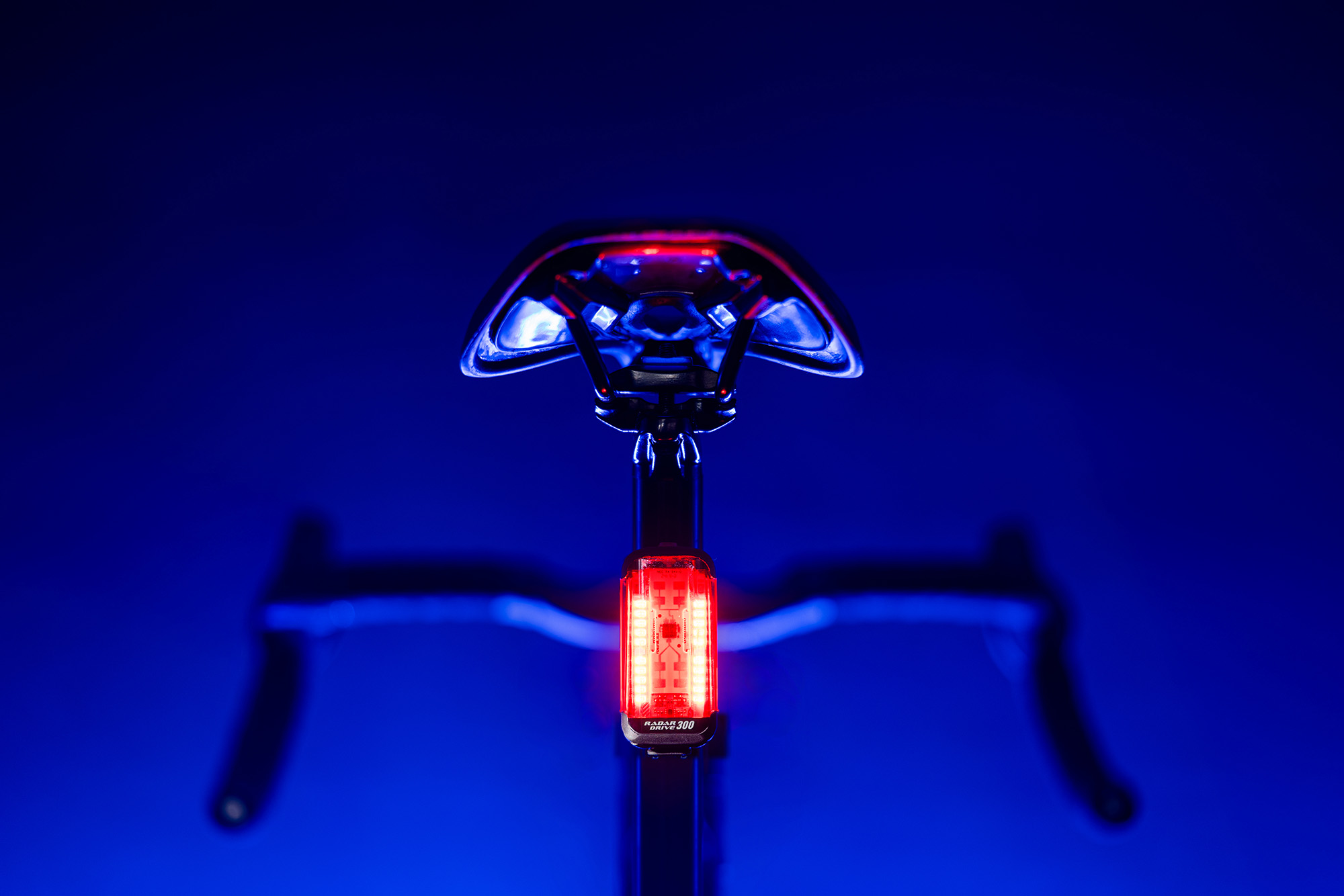
The Radar Drive can shine 300 lumens out of the rear of your bike. Lezyne
Lezyne says the Radar Drive provides increased safety even when not connected to the system, with the rear light using a special flash pattern when it detects a rear-approaching vehicle to improve visibility.
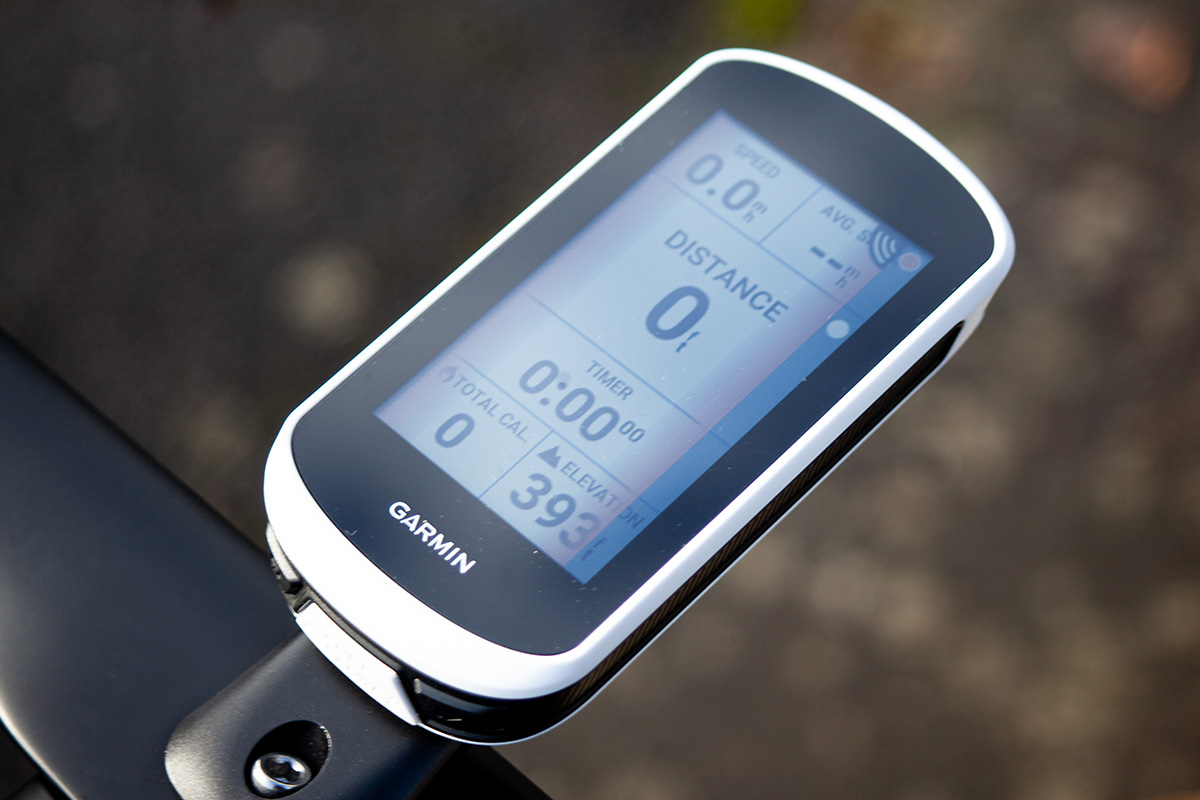
Garmin’s devices go red at the edges when a vehicle is behind. Warren Rossiter / Our Media
But as with Garmin’s Varia radar, it can be connected to a head unit to alert you to vehicles behind.
Lezyne says it can spot vehicles up to 150 metres away, and the device is able to detect how fast they are approaching.
If the vehicle is coming fast, the head unit or React Drive light will show a different set of visual cues to indicate that it may be dangerous.
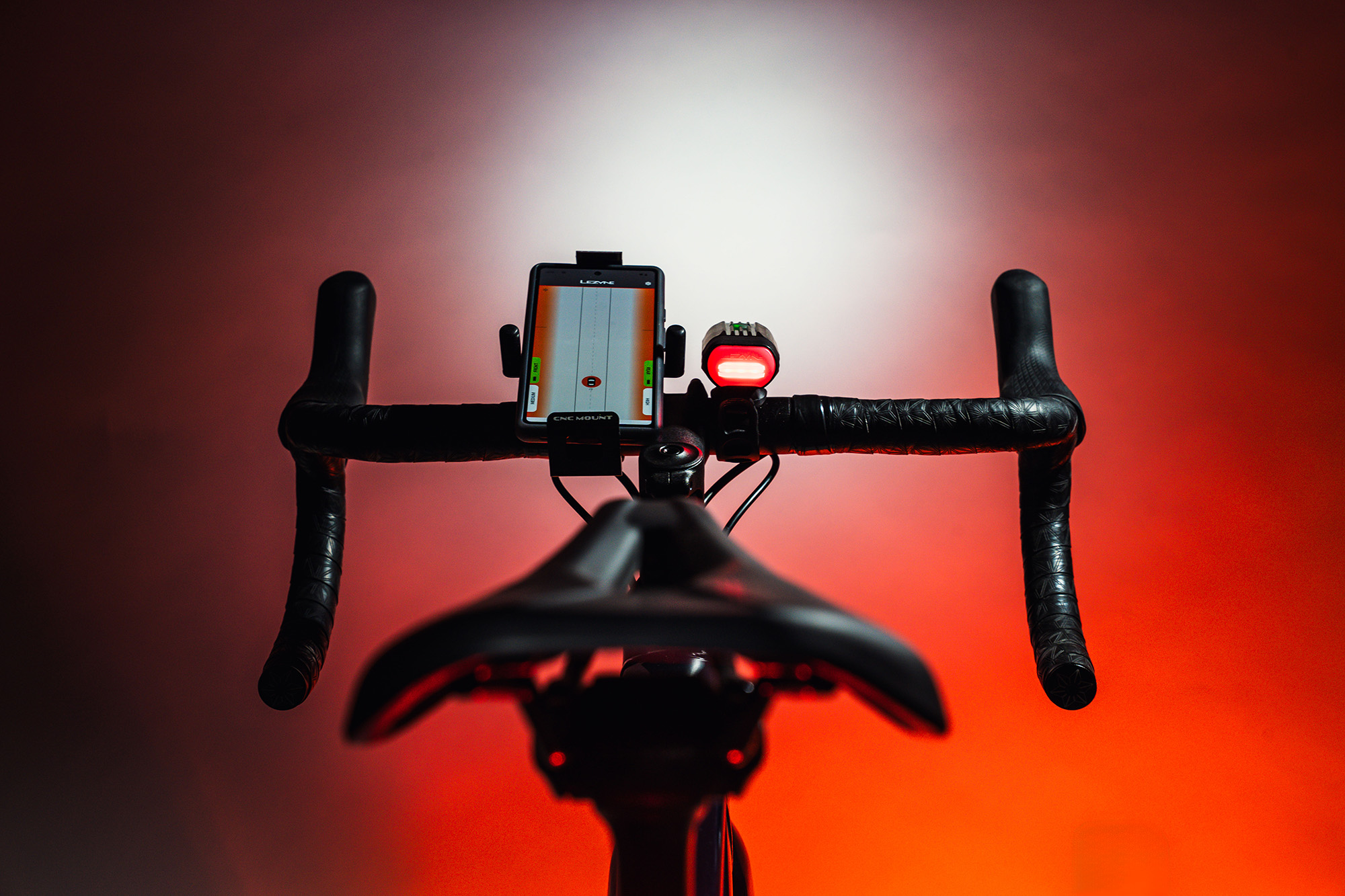
The panel at the rear glows red when a car is behind. Lezyne
The visual cues are shown via the translucent rear portion of the unit, lighting up when a car is behind you.
Changing lighting patterns indicate the distance to the approaching vehicle, with faster flashing indicating greater danger.
The React Drive front light doesn’t only show visual cues, with a built-in speaker giving audible alerts to vehicles passing.
The app can be downloaded from the App Store and Google Play Store. Nick Clark / Our Media
Lezyne says the Radar Drive light is compatible with most GPS bike computers that support radar, or it can be used with the Radar Ally app.
The Radar Ally app also enables you to customise system alerts, control the front and rear lights, and check for system firmware updates.
The lights connect via ANT+ and Bluetooth, meaning they should work with a range of cycling computers.
Bright enough for the road
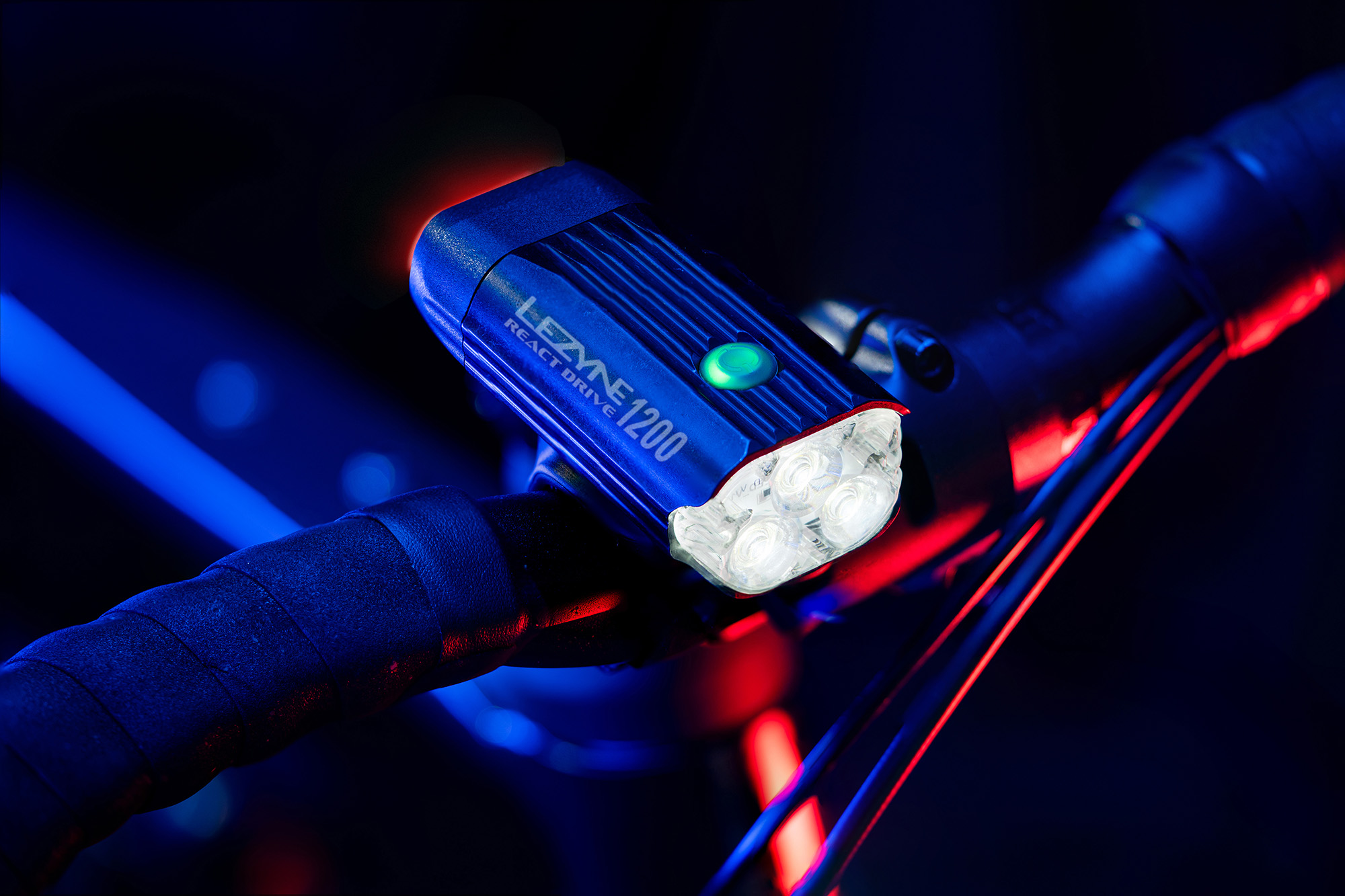
The React Drive features a CNC-machined aluminium body. Nick Clark / Our Media
Both lights are IPX7-rated, so they should be able to keep you visible even on the wettest days.
Charging is via USB-C, with the front light having a claimed 70-hour max runtime and the rear 20 hours.
Lezyne says the React Drive front light has an output of 1,200 lumens on the maximum setting, which should be enough to navigate by on the road.
The rear light has a 300-lumen maximum output, which should ensure you’re seen from far away down the road.
Olimex has announced the RP2350-PICO2-BB48, an enhanced Raspberry Pi Pico 2 with open hardware design. It exposes all 48x GPIOs in a 0.6-inch dual-inline layout for breadboard use and integrates improvements that expand flexibility for prototyping and development. The hardware configuration is based on the RP2350B processor, which integrates dual Cortex-M33 or dual RISC-V cores […]
Spooky season is nearly here. Want to be scared? There are fresh betas to tryTwo of the biggest names in fixed-release distros are nearly finished and ready to drop. You can taste them now, but they’re not fully baked yet.…
This is a KDE Plasma 6 theme customization with clean, minimalist monochrome vibes: Global Theme Graphite, Icons Gruvbox Plus, Kvantum Theme Graphite, Wallpaper of your choice, with optional widgets.
Longtime Slashdot reader hackingbear writes: The Chinese People’s Liberation Army Navy (PLAN) has demonstrated its ability to launch and recover aircraft from its first electromagnetic catapult-equipped aircraft carrier, the CNS Fujian. Official imagery released by the PLAN today confirms that the new J-35 naval stealth fighters, KJ-600 airborne early warning and control aircraft, and J-15T fighter jet are carrying out carrier trials. Ben Lewis, a co-founder of PLATracker, told USNI News that the test was a “significant milestone” for the Chinese military’s carrier program. “Once operational, the PLAN will have the capacity to field fifth-generation stealth carrier aircraft, supported by fixed-wing carrier-based airborne early warning and command aircraft, across the first island chain and Western Pacific Ocean,” Lewis said.
Electromagnetic catapults offer several advantages, not least the fact that they can be more finely tuned to very different aircraft types, including ones that are larger and slower (like the KJ-600), or which are smaller and lighter, such as smaller drones. In contrast to the U.S. Navy, which gathered decades of experience with steam-powered catapults, China opted for electromagnetic ones for its first catapult-equipped carrier. It’s worth noting that the U.S. Navy’s USS Gerald R. Ford was the first carrier ever to get an aircraft into the air using what is also referred to as an electromagnetic aircraft launch system (EMALS). However, it has not launched an F-35C so far, making the J-35 the first stealth jet to achieve this feat. Based on earlier predictions, the F-35C may not do the same for some years.
This is a video of artist Blake McFarland carving three wooden skulls: one in five minutes, one in five hours, and one in five days. That five minute skull — even that one looks better than I could make in a lifetime. And while the uncensored five day skull is certainly impressive, if you’re paying for a skull by the hour I’d definitely opt for a five hour version for the best value.
OBS Studio 32.0 stable is now available for this popular cross-platform desktop recording and screencasting software popular with game streamers and for a variety of other recording/casting purposes…
The Supreme Court has temporarily allowed President Trump to fire Rebecca Slaughter, the last Democrat on the FTC. “The court’s action is technically temporary, since the justices said they will hear arguments in the case in December, but every indication is that the conservative court majority will use the case to reverse a major Supreme Court precedent that dates back almost a century,” reports NPR. From the report: Congress created the FTC and lots of other agencies to be multi-member, bipartisan regulatory agencies. And the Supreme Court in 1935 upheld those statutes ruling ruled against then-President Franklin D. Roosevelt’s claim that he could fire FTC commissioners at will. In a unanimous opinion at the time, the court said Congress acted within its powers in declaring that a commissioner could only be fired for misconduct — not for a policy disagreement. But now, prodded by President Trump, the court’s six-member conservative majority seems poised to remake the way independent agencies operate. And if the handwriting on the wall is as clear as it seems to be, the independent agencies won’t be independent. Their membership will be subject to the will of the president.
The court’s action Monday was hardly subtle. While the lower courts had ruled that the president could not fire Slaughter, under the court’s 1935 precedent, the conservative Supreme Court majority allowed the president to fire her. Indeed, her name isn’t even on the FTC website anymore. And the court so far has allowed Trump to fire other agency board members. In short, the justices are not playing hide-the-ball. And it’s a good bet that the court will reverse the 1935 precedent, which until now had been reaffirmed multiple times. The result will be that whereas in the past, these agencies had to be bipartisan, with a minority of opposition party members, now there will be no such requirement. In short, Trump can name all the agency members. And if his successor is a Democrat, he or she can fire all the Republicans.