Spotify founder and CEO Daniel Ek will be transitioning to the role of executive chairman on January 1 of next year. The current Co-President and Chief Product and Technology Officer Gustav Söderström and Co-President and Chief Business Officer Alex Norström will take his place as co-CEOs.
“Over the last few years, I’ve turned over a large part of the day-to-day management and strategic direction of Spotify to Alex and Gustav — who have shaped the company from our earliest days and are now more than ready to guide our next phase. This change simply matches titles to how we already operate. In my role as Executive Chairman, I will focus on the long arc of the company and keep the Board and our co-CEOs deeply connected through my engagement,” Ek said in a statement.
In a letter to Spotify employees, Ek also shared that he wants to help create more technology-driven “supercompanies” that “tackle some of the biggest challenges of our time.”
As a recent example of Ek’s other interests, this summer he led a $700 million investment round into the defense tech firm Helsing. The company sells AI-powered software that analyzes weapons and sensor data in battlefields to help with military decision-making. Last year Helsing started manufacturing a line of military drones. Ek has received pushback on this investment in the form of a number of smaller artists, as well as Massive Attack pulling their music catalogs from Spotify.
Daniel Ek founded Spotify in 2006 alongside Martin Lorentzon and oversaw the company’s growth to almost 700 million monthly active listeners. It’s been a busy year for the music streaming giant, which finally started offering lossless streaming after a multi-year wait.
The company also finds itself at a crossroads as more AI-generated music is making its way to the platform. The company recently made some policy changes to address AI, though this was only aimed at fraudulent and deceptive uses of the technology. Fully AI-generated songs and albums are still permitted.
This article originally appeared on Engadget at https://www.engadget.com/entertainment/streaming/daniel-ek-is-stepping-down-as-spotify-ceo-161519791.html?src=rss
Cancer rates among people aged 15 to 49 have increased 10% since 2000 even as rates have fallen among older populations. Young women face an 83% higher cancer rate than men in the same age range. A 150,000-person study presented at the American Association for Cancer Research meeting found millennials appear to be aging biologically faster than previous generations based on blood biomarkers. That acceleration was associated with up to 42% increased risk for certain cancers including lung, gastrointestinal and uterine malignancies.
Researchers are examining the “exposome” — the full range of environmental exposures across a person’s life. Studies have linked early-onset cancers to medications taken during pregnancy, ultra-processed foods that now account for more than half of daily calorie intake in the United States, circadian rhythm disruption from artificial light and shift work, and chemical exposures. Gary Patti at Washington University is using zebrafish exposed to known and suspected carcinogens to track tumor development. His lab has developed systems to scan blood samples for tens of thousands of chemicals simultaneously to identify signatures appearing more frequently in early-onset cancer patients.
Now that iOS 26, macOS 26 Tahoe, and Apple’s other big software updates for the year are out in public, Apple’s efforts for the next few months will shift to fixing bugs and adding individual new features. The first of those bug fix updates has arrived this week in the form of iOS 26.0.1, macOS 26.0.1, iPadOS 26.0.1, and equivalent updates for most of the devices across Apple’s ecosystem.
The release notes for most of the updates focus on device- and platform-specific early adopter problems, particularly for buyers of the new iPhone 17, iPhone 17 Pro, and iPhone Air.
The iOS 26.0.1 update fixes a bug that could prevent phones from connecting to cellular networks, a bug that could cause app icons to appear blank, and the VoiceOver feature becoming disabled on devices that have it on. Camera, Wi-Fi, and Bluetooth bugs with the new iPhones have also been patched. The iPadOS update also fixes a bug that was causing the floating software keyboard to move around.
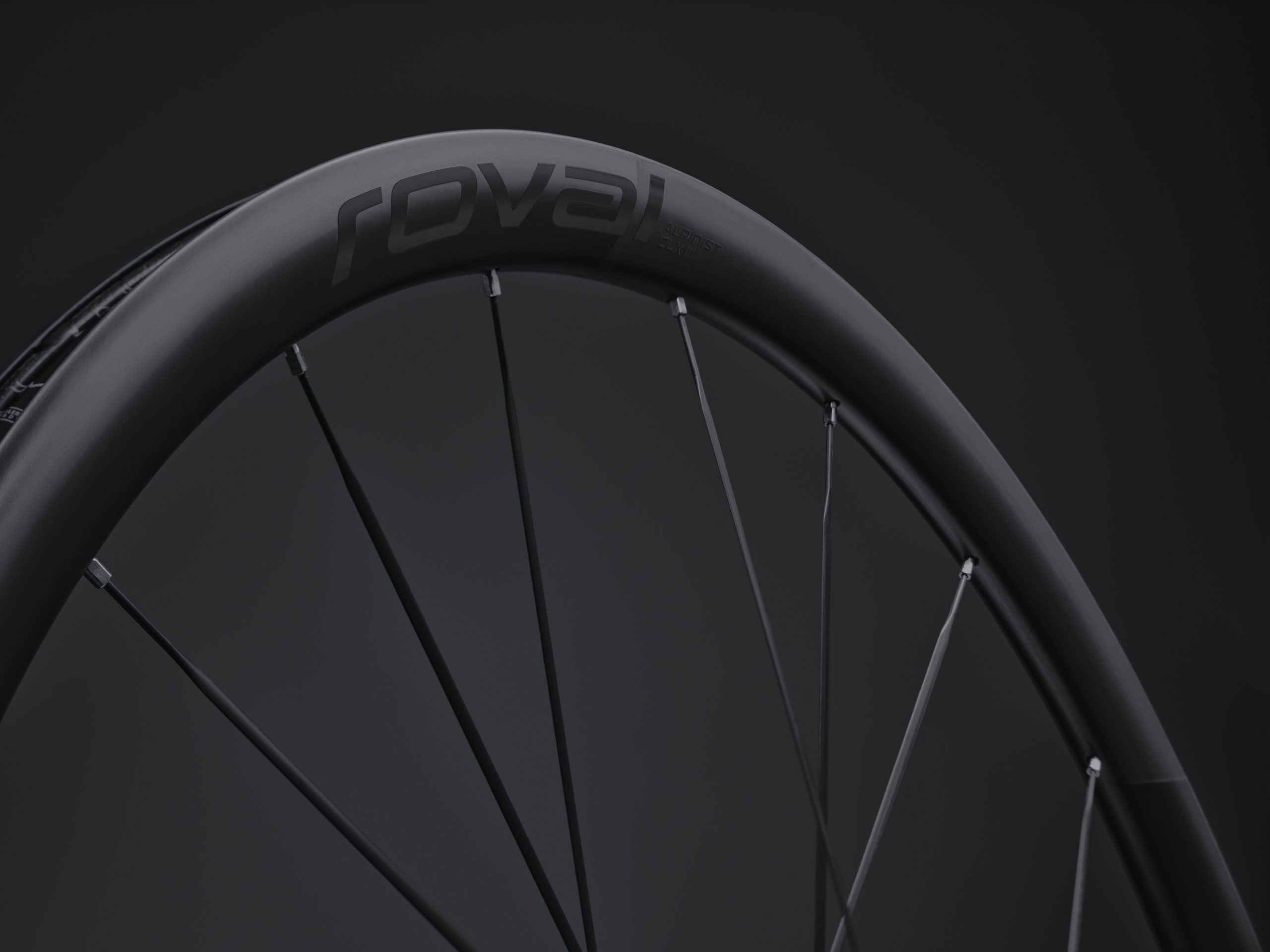
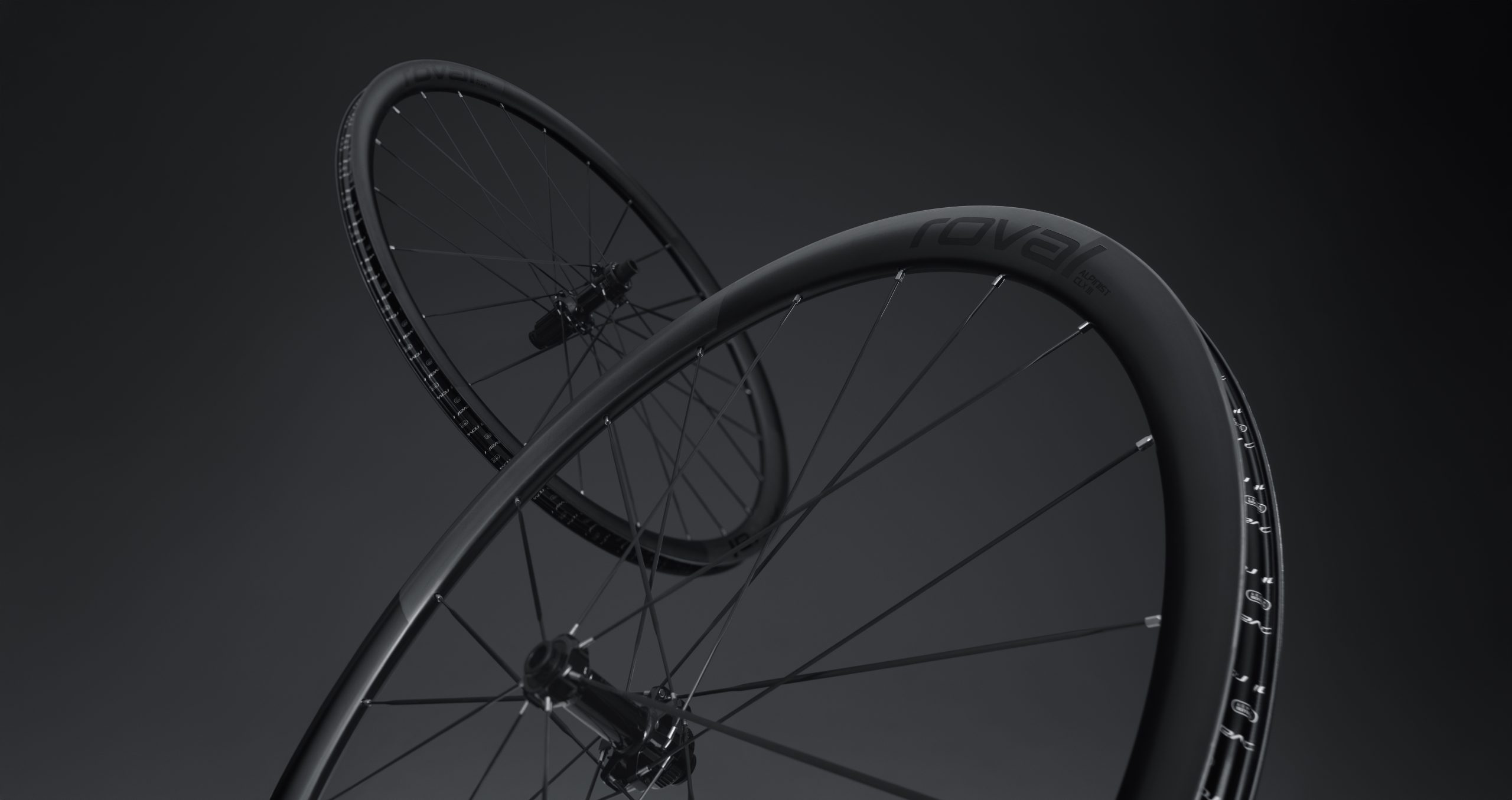
Specialized’s offshoot components brand Roval has announced the release of its new Alpinist CLX III wheelset, which is claimed to weigh only 1,131g.
Roval says the Alpinist CLX III is 134g lighter than the outgoing Alpinist CLX II, and claims it would have saved Demi Vollering five seconds in her ascent of the Col du Tourmalet during the 2023 Tour de France Femmes.
The new wheels benefit from shared technology with the aero Rapide CLX III wheelset, including specially developed composite spokes and modified Roval LF hub shells, while the rims retain a bead hook.
However, unlike the latest Rapide wheelsets, which subverted the norm by debuting a deeper and wider front rim compared to the rear in the name of aerodynamics, the rim profiles are uniform at 33mm deep and a relatively modest 21mm wide internally.
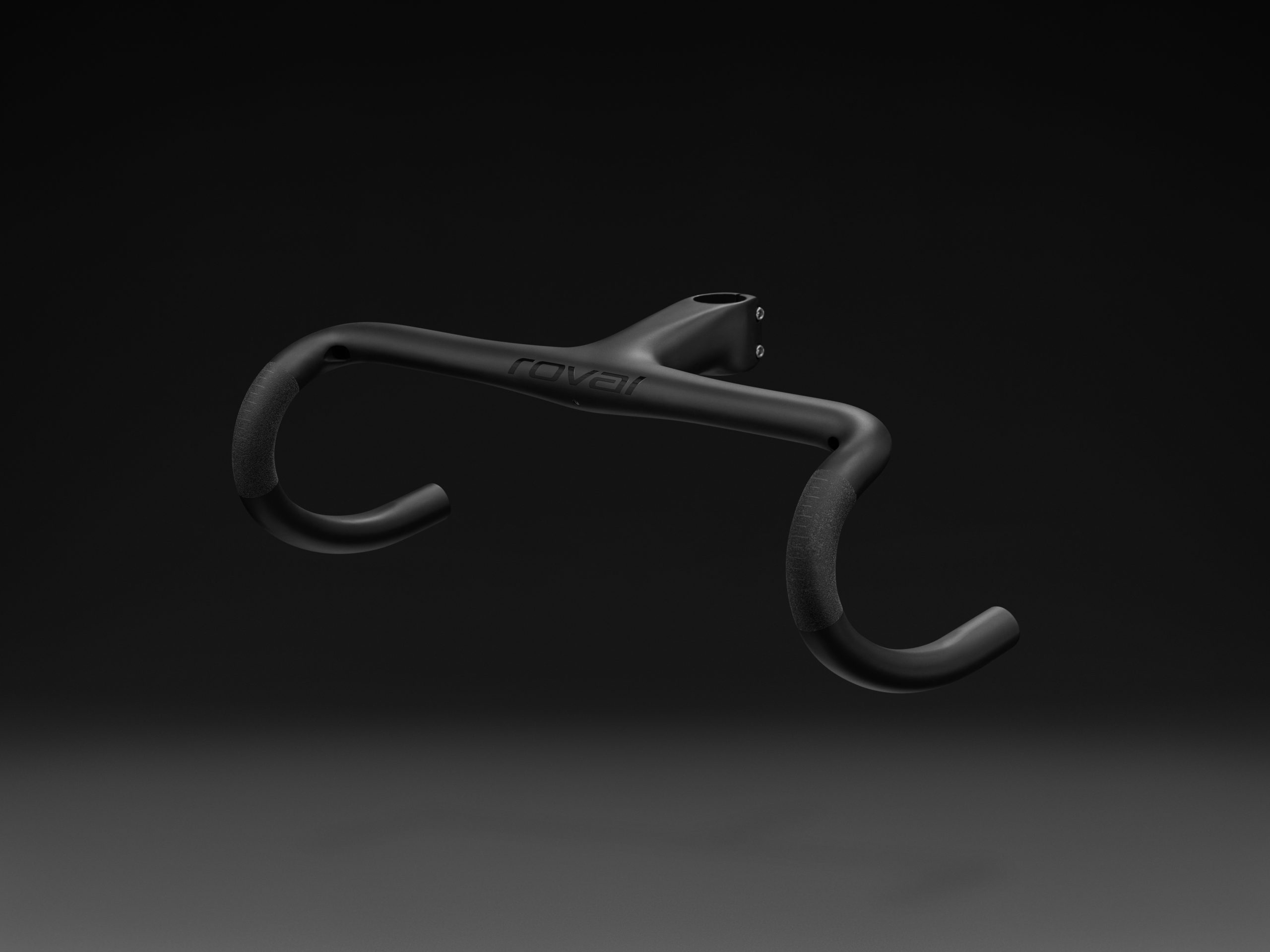
The launch of the wheelset, which costs £1,149 (front) and £1,599 (rear), is accompanied by a new Alpinist II one-piece cockpit, which is said to weigh 270g in a size 400x100mm. The Aplinist II cockpit costs £575.
Specialized reckons Demi Vollering would have saved five seconds using the Alpinist CLX III compared to the Alpinist CLX II when she raced up the Col du Tourmalet at the 2023 Tour de France Femmes. Specialized
The Roval Alpinist CLX III wheelset is designed chiefly for use in the mountains, thanks to its low claimed 1,131g weight.
According to Roval product manager Chris Whelan, this weight includes factory-fitted rim tape and tubeless valves, and was arrived at by drawing an average from an initial cohort of production wheels then cutting the lightest 10% from the calculation.
In short, he says customers should receive wheelsets that are “at least as light as the claimed weight” – a refreshing change from the general norm should it prove to be true.
The wheels use composite spokes created in partnership with Arris Composites. Specialized
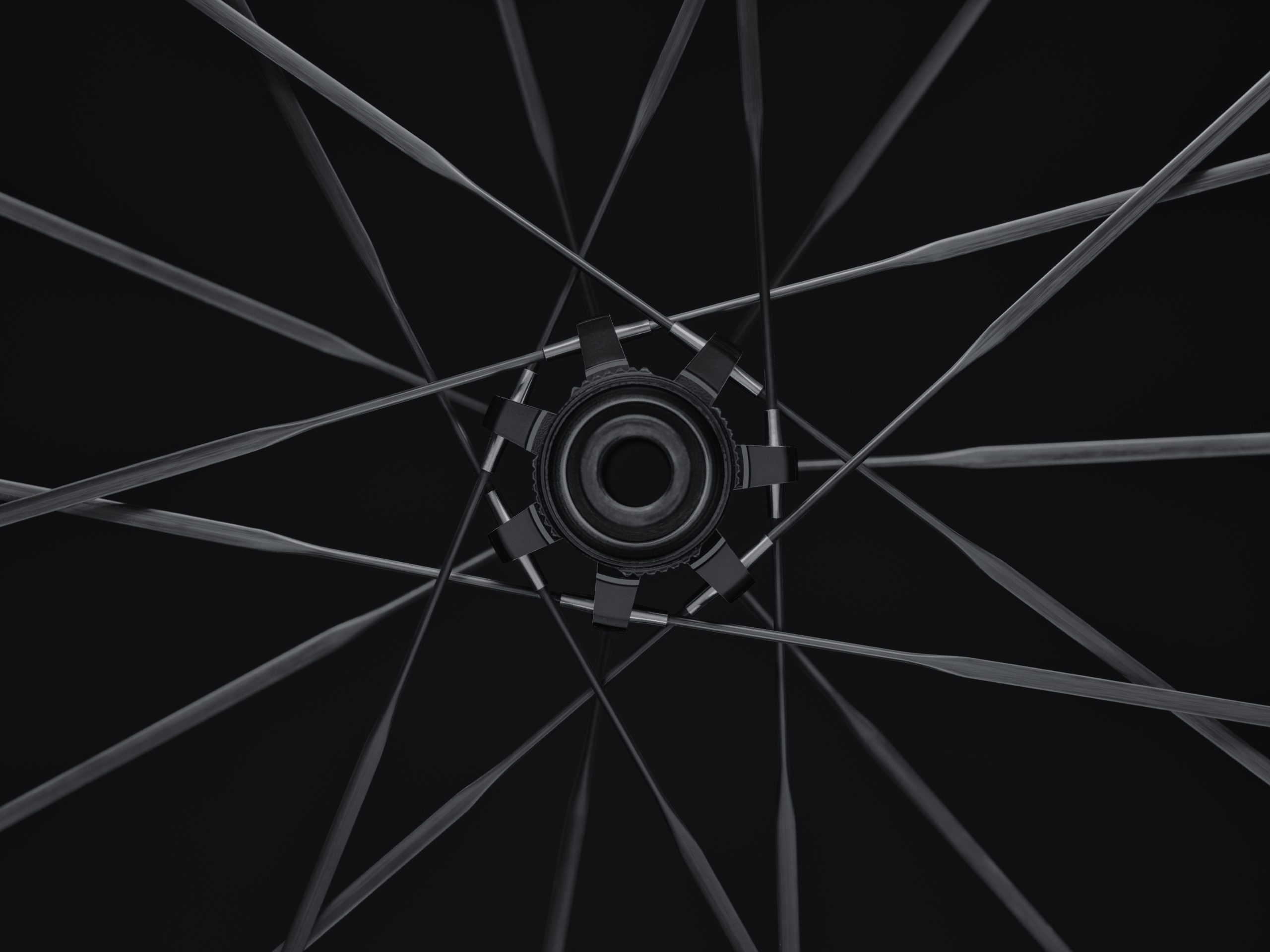
The main weight saving has been achieved through adopting thermoplastic composite spokes, initially seen on the Rapide CLX III wheels. Developed in conjunction with Arris Composites, a California-based specialist in carbon development and manufacture, they are claimed to save 1.9g per spoke compared to the DT Swiss Aerolite spokes used for the Alpinist CLX II (103.5g across the entire wheelset).
These spokes sport titanium end pieces, which fit to internally housed alloy nipples and new hub shells – but unlike carbon spokes typically seen in the industry, these aren’t designed to maximise stiffness.
The spokes have a bladed central portion, tapering at each end. Specialized
Instead, Roval claims their construction enables a small extra degree of flexion, which is said to boost strength by 20%, fatigue life (given they handle deforming forces more easily), and handling and ride quality.
Overall, Roval says its simulations show the new Alpinist wheelset would have saved Vollering five seconds in her stage-winning ascent of the Col du Tourmalet two years ago.
Given that ascent took Vollering 53mins 8secs according to her Strava file of the ride, this equates to a 0.16% improvement – not nothing, but not a lot.
Narrower than expected?
Overall dimensions have remained the same, save for a small update to the rim bed to make it “fully compliant” with ETRTO standards. Specialized
Given the trend towards wider tyres, you might have expected Roval to widen its Alpinist rims accordingly.
However, the general design remains very similar to the previous-generation wheelset – a hooked rim, and still 33mm deep front-to-rear, 21mm wide internally and 27mm wide externally.
These dimensions are optimised around a 28mm tyre, and Roval confirms that the wheels now “fully meet” ETRTO (European Tyre & Rim Technical Organisation) standards.
According to Whelan, the old Alpinist II rim design sat “slightly” outside of these standards as the brand sought to prioritise tyre retention in the event of a sudden deflation, but the side effect was a tougher installation process.
The hubs have been updated to accept the new titanium spoke end caps. Specialized
Whelan says Roval tested 19, 21 and 23mm-wide rim designs, using a mix of 26, 28 and 30mm-wide tyres, but found the best performance was seen with a rim optimised for 28mm tyres.
The bead hooks are 4.5mm wide in order to help reduce the risk of pinch flats, which the brand claims it tests for using its own proprietary tubeless impact testing protocol.
It’s worth noting that these rim shape updates have also been rolled over to the Alpinist CL II wheelset, but the hubs (DT Swiss 350) and spokes have remained the same.
DT Swiss internals
As with the previous Alpinist CLX wheelset, Roval has stuck with its tried-and-tested method of using DT Swiss 180 EXP internals for its hubset.
That said, the Roval-designed hub shells have been modified to sport the titanium end pieces, and the flanges widened slightly to complement the properties of the composite spokes.
The hubs use SINC ceramic bearings and a 36-tooth ratchet ring.
Alpinist II cockpit
The new Alpinist II cockpit has been developed using more than 100,000 Retül bike fit scans. Specialized
Alongside the Alpinist CLX III wheelset, Roval has also introduced the new Alpinist II cockpit.
This features refined ergonomics compared to the previous Alpinist SL, including D-shape tops for improved grasping comfort. The drop flare has also increased, from zero to four degrees.
Roval claims the changes have been informed by more than 100,000 scans of Retül rider fit data, to comply with a range of natural hand and wrist angles riders hold.
The new bar is available in 15 sizes, each with a 4-degree drop flare. Specialized
Feedback from Specialized’s customer base has also been informative. BikeRadar understands this saw demand for a handlebar with internal cable routing. Hoses exit out of a port in the underside of the stem, and back into a port in the top of the headset.
Despite the extra material in the design, Roval says it has kept weight down to 270g – 15g more than the Alpinist SL (and 10g less than the old two-piece arrangement fitted to the Specialized Aethos).
Compared to the Rapide cockpit seen on the Specialized Tarmac SL8, the new Alpinist front end is said to offer 28.3% more damping. Roval says you could swap the two cockpits easily, plus upgrade those on the Aethos and Roubaix bikes, if desired, given it sports a 1-1/8in steerer clamp.
It’s available in 15 sizes, ranging from 80-130mm stem lengths and 380-440mm bar widths (measured centre-to-centre).
Pricing
Roval Alpinist CLX III wheelset: £1,149 (front), £1,599 (rear)
No celebrities were harmed in the making of Battlefield 6 or the recent Call of Duty games—but COD gameplay has had a strangely high concentration of immersion-breaking celebrity skins lately, and Battlefield 6’s live action launch trailer chose to make a pastiche of that decision. At least, before quickly and abruptly shifting to the serious
There’s a new Echo Show 8 and Echo Show 11 (as well as new Echo speakers). Amazon called them the most powerful Echo devices ever created. They have custom silicon, the AZ3 Pro with an AI Accelerator, as well as more advanced sensors and improved microphones for better noise cancellation. The look has been completely redesigned, and resemble a cross between the existing Echo Show 8 and the Echo Show 10, with a prominent speaker module at the bottom and floating screen up top. The speakers pack full-range drivers that fire audio forwards for clearer sound.
Both of the new displays have negative liquid crystal screens designed to maximize viewing angles, so you can see them better from anywhere in a room. They each have 13MP cameras as well, which is the best camera ever included on an Echo Show. That and other sensors, including Wi-Fi radar, will enable contextualized Alexa+ interactions, like recognizing when you walk up to the display, triggering the AI to greet you, display your relevant information and even deliver one of your personalized reminders.
Software upgrades include a new media control center to allow better access to your video and music and streaming apps. A new home hub has support for Zigbee, Matter, and Thread, which should let you hook up even more smart home devices for Alexa to tap into. If you use your display for family scheduling, you can try the new color-coded calendars. If you wear an Oura ring, look for new wellness integrations centered around that fitness tracker. A new Alexa+ shopping widget will give you more control over your Amazon and Whole Foods deliveries while also suggesting items to buy and even gifts to give someone.
Amazon/ Sam R for Engadget
The Echo Show 8 and Show 11 were redesigned with Alexa+ in mind, the service that Amazon revealed at an event earlier this year. The AI-enhanced upgrade to Amazon’s virtual assistant is supposed to be more conversational, retaining memories of your chats for more contextualized responses. Our experience with an early version of the assistant was… complicated. It was better at many things like multi-step tasks and using information from previous interactions, but it, like all AI-experiences, highlighted the limitations of computers trying to be people. Alexa+ is currently free with Prime, or costs $20 per month for non-Prime members.
Prior to the announcement of the new display, the Echo Show lineup consisted of four models: The Echo Show 5, 8, 15 and 21 (the Echo Show 10 hasn’t been consistently available these past few months). Each model number refers to the size of the screen (measured on the diagonal) and the smallest, the Echo Show 5, is designed for office desks or small kitchens. The slightly larger Show 8 is more suited to acting as a smart home hub and, like the Echo Show 5, is designed to sit on a table or countertop. Both were last updated in 2023. The Show 15 and 21 are wall-mountable and can act as calendars and family planners in addition to subbing in as small TVs when needed. The two larger Show displays were last updated in 2024.
The new Echo Show devices are available for pre-order today and will come with Alexa+ Early Access. The Echo Show 8 sells for $180 and the and Echo Show 11 for $220. Both will ship on November 12.
This article originally appeared on Engadget at https://www.engadget.com/home/smart-home/amazon-just-announced-a-totally-redesigned-echo-show-8-and-echo-show-11-145937172.html?src=rss
What if you could just use a ton of Echo speakers as a surround sound setup for your TV? That’s basically what Amazon is trying to accomplish with its new Alexa Home Theater feature, which was announced during its 2025 device launch today. As the name implies, Alexa Home Theater works with up to five of its new Echo Studio or Echo Dot Max devices to create a surround sound environment with “compatible Fire TV sticks.” According to the company, Alexa will automatically set up the Home Theater feature once you’ve plugged in several Echo devices.
Clearly, Amazon isn’t aiming for the home theater enthusiast crowd here. A surround sound system without a subwoofer simply won’t sound very exciting. But if you’re going for a fairly minimalist setup, I could see how having a few Echo orbs around your living room could be more aesthetically pleasing than giant speakers. It’s unclear if Alexa Home Theater will work with the original Echo Studio, but we’re trying to confirm that with Amazon.
While the company is pitching this feature as an inexpensive entry into surround sound, a full Alexa Home Theater setup will start at $500 for five Echo Dot Max speakers, and it’ll get even pricier once you throw in the $220 Echo Studio. At that point, just get a decent soundbar, which will be able to virtualize surround sound and offer better low-end.
This article originally appeared on Engadget at https://www.engadget.com/audio/speakers/alexa-home-theater-will-let-you-use-amazons-echo-speakers-for-surround-sound-153325469.html?src=rss
Amazon today announced three new Kindle Scribe models, its e ink-featuring tables designed for note-taking and reading. The lineup includes the standard Kindle Scribe and a version without a front light alongside the Kindle Scribe Colorsoft. The new devices feature an 11-inch glare-free E Ink screen compared to the 10.2-inch display on previous models.
Amazon has reduced the weight to 400 grams from 433 grams and made the devices 5.4mm thin. The company added a quad-core processor and additional memory to deliver writing and page turns that are 40% faster than earlier versions. The Colorsoft model uses custom-built display technology to offer 10 pen colors and five highlighter colors. Amazon redesigned the software to include AI-powered notebook search and summaries. The devices will support Google Drive and Microsoft OneDrive for document access and allow users to export notes as editable text to OneNote. The standard Kindle Scribe will start at $499.99 and the Colorsoft at $629.99 when they become available later this year. The version without a front light will cost $429.99 and arrive early next year.
Robot vacuums are more than just a gimmick. Sure, we all enjoy anthropomorphizing a Roomba from time to time, but they’re not gadgets for the sake of gadgetry — keeping your living space clean is an incredibly rewarding task to automate. The only problem is that both robot vacuums and all decent vacuums, are expensive. Fortunately, the steep discounts offered on Amazon this October Prime Day make the purchase a lot more justifiable, whether you want a robot buddy or a traditional vacuum cleaner. In this article, we’re sharing a constantly updated list of vacuum discounts worth taking advantage of.
Best Prime Day vacuum deals
iRobot Roomba 104 Vac for $150 (40 percent off, Prime exclusive): This entry-level Roomba is a good pick for anyone who’s new to owning a robot vacuum. It features a multi-surface brush and an edge-sweeping brush to clean all types of flooring, and it uses LiDAR navigation to avoid obstacles as it goes. The iRobot mobile app lets you control the robot, set cleaning schedules and more.
Shark Matrix Plus 2-in-1 for $300 (57 percent off, Prime exclusive): The Shark Matrix Plus takes the robot vacuum concept even further by working a mop into the design for hands-off wet cleaning. This model is self-cleaning, self-emptying, self-charging and capable of tackling ground-in stains on hard floors.
Shark Navigator Lift-Away Deluxe for $160 (27 percent off): Moving into manual vacuums, let’s start with one of the best. The Shark Navigator Lift-Away is a champion at getting deeply ingrained crud out of carpets, but it’s also capable of squaring away bare floors. You can switch between the two settings quickly, and the lift-away canister makes it easy to empty.
Levoit LVAC-300 cordless vacuum for $250 ($100 off, Prime exclusive): One of our favorite cordless vacuums, this Levoit machine has great handling, strong suction power for its price and a premium-feeling design. Its bin isn’t too small, it has HEPA filtration and its battery life should be more than enough for you to clean your whole home many times over before it needs a recharge.
Dyson Ball Animal Total Clean Upright Vacuum for $500 (24 percent off): Dyson is still the king of reinventing vacuums, and the bagless, hyper-maneuverable Ball Animal is a blast to use. The Ball design is based on ease of steering, but the hidden MVP is the sealing — from the head to the canister, not a hair is getting out of this one once it’s in.
Amazon Basics Upright Bagless Vacuum Cleaner for $55 (21 percent off): All right, nobody goes to Amazon Basics to be impressed, but we have to admit this vacuum exceeds expectations. It’s light, it has a big dust reservoir and it comes with all the attachments you’ll need for a reasonably sized apartment. The filter is also simple to remove and clean.
Black+Decker QuickClean Cordless Handheld Vacuum for $27 (33 percent off): Rounding out the list, we’ve got this small-but-mighty hand vacuum, perfect for crevices, shelves or cleaning out your car. It weighs about 1.4 pounds and hoovers up small messes in the blink of an eye. The lithium-ion battery stays charged for up to 10 hours.
This article originally appeared on Engadget at https://www.engadget.com/deals/the-best-october-prime-day-vacuum-deals-you-can-get-now-save-on-machines-from-shark-irobot-dyson-and-more-151504364.html?src=rss
On Monday, California Governor Gavin Newsom signed the Transparency in Frontier Artificial Intelligence Act into law, requiring AI companies to disclose their safety practices while stopping short of mandating actual safety testing. The law requires companies with annual revenues of at least $500 million to publish safety protocols on their websites and report incidents to state authorities, but it lacks the stronger enforcement teeth of the bill Newsom vetoed last year after tech companies lobbied heavily against it.
The legislation, S.B. 53, replaces Senator Scott Wiener’s previous attempt at AI regulation, known as S.B. 1047, that would have required safety testing and “kill switches” for AI systems. Instead, the new law asks companies to describe how they incorporate “national standards, international standards, and industry-consensus best practices” into their AI development, without specifying what those standards are or requiring independent verification.
“California has proven that we can establish regulations to protect our communities while also ensuring that the growing AI industry continues to thrive,” Newsom said in a statement, though the law’s actual protective measures remain largely voluntary beyond basic reporting requirements.
Qualcomm engineers have posted the initial patches for bringing up the newest Adreno 800 series graphics IP within the open-source MSM Linux kernel Direct Rendering Manager (DRM) driver…
When it comes to new Echo speakers, Amazon rarely shows something that will appeal to customers who crave premium sound quality. The last time it did, it debuted the Echo Studio, which could handle immersive Dolby Atmos and double as a home theater speaker. At its hardware event in NYC today, Amazon unveiled an updated Echo Studio with new drivers, a new chip and an all-new design.
Amazon says the new model offers “incredible high fidelity sound” thanks to three full-range drivers and an excursion woofer for maximum bass. Like the original Studio, this speaker is designed for Dolby Atmos content, which is available across both movies and music. There’s a new AZ23 Pro chip inside as well, silicon that’s built to power audio features and Alexa+ on the new Studio. Amazon says the component offers advanced speech and audio processing — as well as visual processing on the new Echo Show lineup.
The company also updated the Echo Studio design, ditching the large cylinder for the more spherical shape. The blueish light ring for Alexa is now on the front instead of the top. The controls are now on the front as well, where you’ll find buttons for volume and muting the microphones. Overall, the new Echo Studio is 40 percent smaller than the original and is now covered in a 3D knit fabric for acoustic transparency.
Amazon also announced Alexa Home Theater during its reveal of the Echo Studio. This feature allows you to connect up to five Echo Studio or Echo Dot Max devices to create a more immersive sound setup. The company promises that you’ll simply plug in the speakers and Alexa will handle the rest. The assistant will use OmniSense to automatically tune the speakers based on their position, the size of the room and the space’s acoustic characteristics. As you might expect, Amazon plans to sell these new speakers in Alexa Home Theater bundles so you don’t have to spend too much time shopping for a multi-speaker system.
The new Echo Studio is available for pre-order today for $220, and early adopters will get Alexa+ Early Access with the purchase. The new speaker will ship on October 29.
This article originally appeared on Engadget at https://www.engadget.com/audio/speakers/amazon-reveals-an-updated-echo-studio-speaker-with-a-new-chip-and-upgraded-drivers-150303898.html?src=rss
Amazon has seen the power and potential of Alexa+, its AI-powered smart assistant, and is now launching a raft of devices to support it. Today, at the company’s September 2025 devices event, the company unveiled several new Echo devices, with the Dot Max (pictured, right) leading the pack.
The Echo Dot Max is a $100 smart speaker designed to occupy every room in your home, complete with the usual smart home bonuses. The major changes inside and out are to ensure it’s better able to use Alexa+, which includes new custom silicon, sensors and better sound.
For instance, Dot Max features two drivers which, when combined, produces three times as much bass as the fifth-generation Echo Dot. The sound, which will adapt to the local space, is apparently so good that Amazon’s Daniel Rausch described it as the “most performant” smart speaker at this sort of price.
Similarly, new microphones are paired with a new, custom-made AZ3 chip for improved conversation detection and background noise filtering. AZ3 can also harness Amazon’s “Omnisense” platform that combines Wi-Fi Radar, audio and its accelerometer to monitor what’s going on in your home.
You’ll notice the hardware has been redesigned, with the light ring moved to a new control surface on the front of the sphere.
Amazon’s Echo Dot Max, along with the rest of its Echo devices, are available to pre-order today, with buyers getting early access to Alexa+ as part of the deal. Shipping is expected to commence on October 29 for both the Dot Max and its pricier and bigger sibling, the Echo Studio (pictured, left).
This article originally appeared on Engadget at https://www.engadget.com/home/smart-home/amazons-new-echo-dot-max-is-a-smart-speaker-for-alexa-150222265.html?src=rss
We may earn a commission from links on this page. Deal pricing and availability subject to change after time of publication.
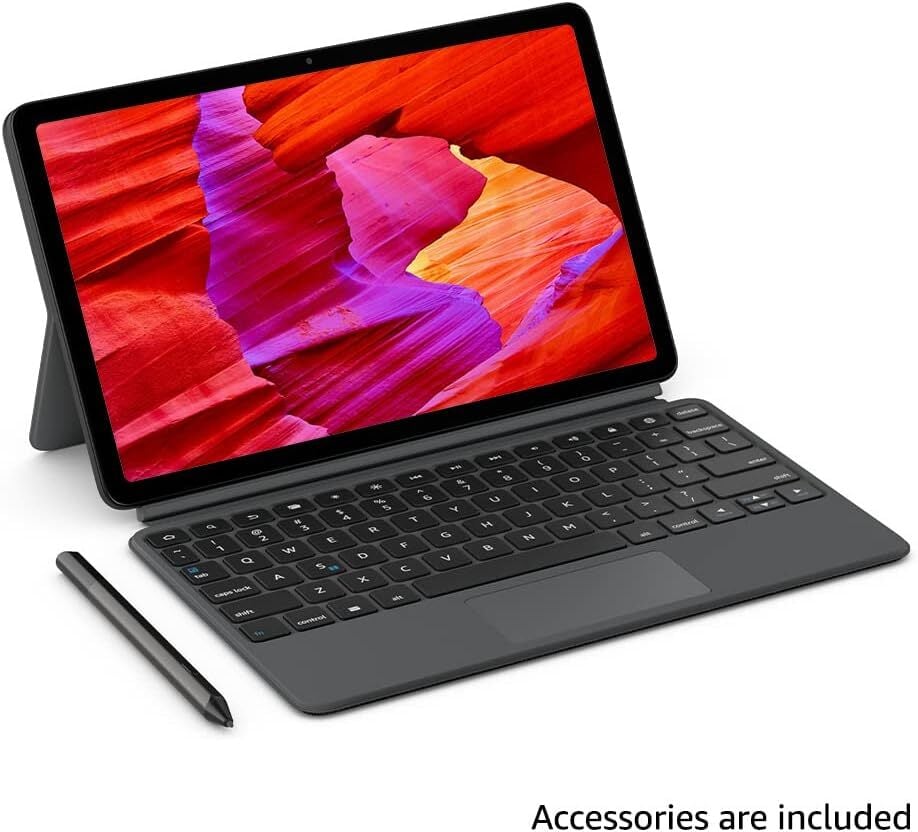
As far as tablets go, the Amazon Fire Max 11 is a well-designed crowd-pleaser with a large, vibrant display. Right now, you can get it for 38% off as part of the Amazon Fire Max 11 Productivity Bundle, which includes a keyboard case and stylus pen that transforms it into a fully functional laptop complete with essential accessories for design, studying, and everyday use.
The tablet features an 11-inch display certified for low blue light with a 2000 × 1200 pixel resolution and 410 nits of brightness, making it bright enough to use in sunny conditions. It has 4 GB of memory, dual-band Wi-Fi 6 (but not 6E), and 64 GB of storage. The octa-core processor is improved and more efficient than that of previous Fire tablets. The 7,500mAh battery lasts around 14 hours, but according to this PCMag review, it takes close to four hours to charge and lasts around eight hours with constant video streaming at maximum brightness.
According to the listing, the aluminum body is three times as durable as the iPad 10.9-inch (10th generation) as measured in tumble tests, and the design with slim, rounded corners makes it both sleek and ergonomic to hold. The Fire Max 11 can capture 1080p video, and the PCMag reviews mention that the 8 MP cameras (one on the front, and another on the back, which has auto-focus) are suitable for video calls and basic snapshots, but they can’t compete with smartphones.
While tablets like the iPad and Samsung Galaxy Tab might have stronger hardware and more mature app ecosystems (you don’t get Google Play), with the included keyboard and stylus, the Amazon Fire Max 11 Productivity Bundle delivers a total package at a comparatively low price point. Beyond included accessories, its strengths lie in the large LCD display, decent hardware for the price, respectable performance, and overall value—especially for those who are already in the Amazon ecosystem.
By the time you read this, the World Endurance Championship will be 100 races old. Once centered on the mega-expensive, mega-fast LMP1 hybrids, it’s all about the Hypercars now. These are purpose-built, closed-top race cars, with some of the most complex hybrid systems you’ll find outside of Formula 1, clad in bodywork that could give the Batmobile a run for its money. These Hypercars are designed to last the distance. During the 24 hours of Le Mans this year, the winning car covered 3,276 miles (5,273 km); for context, an F1 race is usually 190 miles (305 km), and at Monza this year, the race lasted little more than an hour. Here’s another difference with F1: When it comes to endurance racing, Ferrari has been winning a lot.
In fact, it’s taken victory at Le Mans for three years in a row, scoring a hat trick after 50 years away from this corner of the sport. This year has been even better: Ferrari leads the manufacturer’s championship and the driver’s championship with the #51 factory car. Its closest rival for the driver’s title is another 83 Ferrari, this one entered as a privateer car by the AF Corsa team. When the invite arrived to join the team for its race at the Circuit of the Americas in Texas, it seemed like a perfect opportunity to watch it in action and find out the key to that success.
“It has been an amazing challenge for us because after 50 years, it was not simple to restart in the pinnacle of motorsport,” said Antonello Coletta, head of Ferrari’s endurance racing program. Eighteen months after the car was greenlit, it was racing at Sebring in early 2023, a notoriously bumpy WWII bomber base in Florida that is as hard a test on a race car as any. Later that year, the 499P won Le Mans on its first try.
An anonymous reader shares a report: Boeing is planning a new single-aisle airplane that would succeed the 737 MAX, according to people familiar with the matter, a long-term bid to recover business lost to rival Airbus during its series of safety and quality problems. Earlier this year, Chief Executive Kelly Ortberg met with officials from Rolls-Royce in the U.K., two of the people said, where they discussed a new engine for the aircraft. Ortberg appointed a new senior product chief in Boeing’s commercial plane business, whose prior role was developing a new type of aircraft.
Boeing has also been designing the flight deck of a new narrow-body aircraft, according to a person familiar with the plans. This new aircraft is in early-stage development and plans are still taking shape, some of the people said. Boeing’s plans represent a shift for the company, which had put some new aircraft development work on the back burner while it navigated multiple challenges. They are also a sign that the company is betting that a cutting-edge plane design could power its business for the next few decades.
For the third generation of its Kindle Scribe line of reading-and-writing tablets, Amazon is giving the device a makeover and two new configurations. Since its introduction in 2022, the Scribe hasn’t changed much physically, with the sophomore model mostly getting a new color. This year, Amazon is launching three flavors of the Scribe. At the entry level is a model with a monochrome screen and no front light. Next is a version that has LED front lights but with a black-and-white display. Finally, at the top of the line is the Kindle Scribe Colorsoft — Amazon’s first writing tablet with a color display.
I was able to briefly check out the three new tablets ahead of the company’s launch event, and was quite impressed at the responsiveness and color saturation on the demo units I saw. Also, Amazon hasn’t given these devices a name that indicates what generation they are, simply calling them the “all-new Kindle Scribe lineup” and adding the Colorsoft label to the color model. To make things easier for this article, I’ll be occasionally referring to these as the Kindle Scribe 3.
The first thing I noticed was the Scribe 3’s shape. I’m used to the slightly thicker bezel along one long side of the display that, on the older Scribes, has been a handy place to grip the device without touching the screen. But it wasn’t just there for my thumb to hold onto. That area was also where Amazon placed many of the Kindle’s components like the processor and memory.
To reduce the size of the bezel, Amazon’s Kindle vice president Kevin Keith said “we had to engineer basically the electronics to fold behind the display.” The result is a symmetrical-looking device with a barely-there bezel that’s the same size along all sides of the 11-inch display (slightly bigger than its predecessor’s). It weighs 400 grams (or 0.88 pounds), which should make it easier to hold with one hand while taking notes. Keith also said that, at 5.4mm, the new Kindle Scribe is “thinner than the iPhone Air.” I should point out that a lot of tablets are similarly sleek. The 13-inch iPad Pro and Samsung’s Galaxy Tab S11 Ultra both have barely-there profiles of 5.1mm, while the 11-inch iPad Pro measures 5.3mm.
Cherlynn Low for Engadget
Another way Amazon was able to make the latest Scribe so thin and light was by reducing the number of layers in the display. It removed the anti-glare film on the device, using a glare-free display instead, as well as a textured glass that mimics the friction you’d get when putting pen to paper. The company also got rid of a touch layer that was on top of the display before, since it was able to use a screen with integrated touch input support. Keith said that Amazon also considered the size of the casing around the USB port to aid in shrinking the device further.
On models with front lights (all but the entry-level configuration), Amazon had to use miniaturized LED front lights since there was no longer a chunky bezel to contain them. In addition to making them smaller, the company also doubled the number of bulbs to ensure consistency of lighting across the page.
I couldn’t help reaching for the new Kindle Scribe when I saw it, mostly because it looks a lot different than its predecessor. I already found the original Scribe satisfyingly svelte and this latest model is similarly attractive. I do wonder if I might miss having something to grip onto that isn’t the screen, but that might not be a problem if Amazon’s palm rejection technology is effective.
I did notice a slight dullness in the model without the LED front lights, but it remained as easy to read as an older Kindle. The other two certainly looked a lot brighter, with the higher contrast making onscreen text and drawings look fresher and more vibrant. I’ll get to the Colorsoft model in a bit, but I appreciated how clear and saturated colors appeared on its screen.
One of my favorite updates this year is magnets. Specifically, the magnets holding Amazon’s stylus to the Scribe itself have gotten stronger. Keith said “we added more magnetic force so that it’s harder to fall off,” and when I tried pulling the pen off the tablet it required noticeably more effort than with previous models. It also snapped back on more easily. Considering this was one of my complaints about the older Scribes, I’m very encouraged to see this improvement.
The stylus itself has also been refined, with a slightly thicker, rounded silhouette that Keith said is “a little bit more ergonomic.” It still has a rubberized top that works as a digital eraser and when I used it on the new Scribe I felt the urge to brush off eraser dust, just like I did with the predecessors. The programmable action button remains present as well.
Inside the new Kindle Scribes sit a new custom chip and more memory so you can TK. Amazon also added the oxide display from its Paperwhite reader, and together with the new processor, that brings a “40 percent faster overall experience with page turning,” according to Keith. The response rate also makes a significant difference in writing, which on the new Kindle Scribe is now down to under 12 milliseconds. That enables a much smoother writing experience with barely noticeable delay between putting the nib on the screen and the digital ink appearing, and because of the changes to the display, any parallax effect is “virtually gone.”
During the few moments I had to scribble on the new Kindle Scribe, I found it hard to tell if there was a big improvement in fluidity or parallax effects compared to the previous models. It’s about as responsive as before, perhaps just a touch faster at showing what I’ve written. Without a side-by-side comparison, it’s not something I can evaluate right now.
I will say that I found the latest Scribe a lot easier to hold with one hand, even in spite of the thinner bezels. That is with the caveat, of course, that I have yet to spend more than a minute writing on it. I usually have a hard time writing on the Scribe without a surface on which to prop it up, so I’m curious to see if it’ll be easier to do so with the newest model.
The Kindle Scribe Colorsoft is surprisingly vivid
I was able to get a good idea of how the Kindle Scribe Colorsoft’s color rendering compares to some of its competition, though. Every morning, I write three pages of free-flowing thoughts by hand, and I currently do so on the reMarkable Paper Pro. All my entries include highlighting of the date and time, and my experience with the color rendering on that device has been underwhelming. Technically, I can choose from yellow, green, blue, pink, orange and gray, but honestly I can barely tell the difference between yellow and orange, while blue and gray are also very close. So instead of five usable highlighter shades, I really only have three (gray is barely a hint of a tint).
The Kindle Scribe Colorsoft not only renders colors more vividly, but hues are more distinct from each other. I’d say the reMarkable Paper Pro is like reading a faded newspaper’s comic strip while the Colorsoft looks more like a glossy graphic novel. It’s still a bit muted, but you can at least see variations in shades.
Part of what makes the Colorsoft look nice is the fact that the device itself comes in a nice purplish hue that Amazon calls “fig.” With the selection of colors on its screen, I got a very autumnal vibe and was reminded of berries, for some reason. (It’s also possible I was hungry.)
Like the Kindle Colorsoft that Amazon announced in 2023, the Scribe Colorsoft uses a color filter and LEDs. What’s slightly different is a new rendering engine that Amazon said “enhances the color and ensures writing is fast, fluid and totally natural.”
While the Kindle Scribe Colorsoft has the same dimensions and weight as its monochrome counterpart, it has a slightly slower response rate of 14ms. I have only written on the Colorsoft so far, and will wait till I can spend more time with both tablets to see if this different latency makes a big difference.
Cherlynn Low for Engadget
In addition to the new hardware, Amazon also updated the Scribe’s software. All Kindles will be getting a redesigned home page that better surfaces your recently added and edited content. Based on what I saw, instead of having rows of covers on the main screen, there is now a Search bar at the very top, followed by an area on the left half below that for “quick notes.” This is basically a notepad for you to continuously update whenever you need it, so you won’t need to create a new notebook every time you want to jot down a thought. To the right of this top half is the “Jump back into” section, which will show things you were recently working on.
Below those two portions is a row of titles called “Recently added,” where things you just downloaded into your library will appear. So if you have been reading, say, The Body Keeps the Score and just bought Katabasis, you’ll find the first one at the top right and the latter in the “Recently added” section.
The search bar at the top is now powered by AI, because there is no escaping that. Thankfully, Amazon has been fairly cautious about its approach, which is particularly important for a product like the Kindle Scribe where people go to read and produce original content. The new AI feature here is a smarter search that not only indexes all your handwritten notes, but understands and groups common topics so you can search for something like “What have I told Panos Panay before?” The Scribe will scan your notebooks, find all your relevant scribblings and present everything you’ve written down across all your files and summarize its findings for you.
I didn’t have time to try this out but I am intrigued at the potential here. I make so many different to-do lists for Engadget’s events coverage that it would be nice to be able to ask “What are the tasks I need to do by the end of October” and possibly get a neatly organized list. The usefulness of this feature depends almost entirely on how intelligent the AI is, so I’ll have to wait till I can review it more thoroughly to say anything more evaluative.
Amazon is also bringing support for Google Drive and OneDrive, so you can create a folder in either service, add documents to them and the system will download them onto your Kindle Scribe. This is just an easier way to get files onto your Kindle, in addition to sending an email to the associated address or finding a way to add them to your Amazon account. OneNote support is coming as well, and it’ll allow you to export your notes as an embedded image or as a converted text document.
A “Send to Alexa+” feature is coming early next year, so you can share your notes or documents from the Kindle Scribe to the assistant. It will be able to pull information from your pages and remember or refer to them in your conversations, so you can ask it about what’s next on your to-do list or what items are already on your shopping note.
One more update on the redesigned home page: Instead of the existing “Notebooks” tab, Amazon is rolling out the “Workspace” section. Keith described this as “essentially like a new folder system.” Functionally, it didn’t appear too different from the Notebooks setup, other than making it easier to group your related documents so you can access, say, all the lists you’ve written up for your wedding planning or writing projects.
The redesigned home page will be launching later this year, and older Kindle devices will be able to update to the new software. The latest generation of Kindle Scribe will be available later this year, with the entry-level model going for $429, the version with the front light costing $499 and the Scribe Colorsoft starting at $629.
This article originally appeared on Engadget at https://www.engadget.com/mobile/tablets/kindle-scribe-colorsoft-hands-on-vivid-and-responsive-145147981.html?src=rss
Amazon is making two additions to its lineup of writing tablets: the Kindle Scribe 3, and the Kindle Scribe Colorsoft. The company showed off the new ereaders at its fall hardware event in New York.
The Kindle Scribe Colorsoft is the first time Amazon has added a full-color display to its notebook-like ereader. According to the company, the full-color display is meant to look crisp but “subtle,” without the harsh brightness of a typical tablet.
Meanwhile,the new Scribe 3 has been redesigned to be significantly thinner and lighter than its predecessor. It’s also been revamped for a faster writing and page-turning experience, according to Amazon. During the event, the company said that writing latency “is down to under 12 milliseconds.”
Developing…
This article originally appeared on Engadget at https://www.engadget.com/mobile/tablets/amazon-adds-the-kindle-scribe-colorsoft-and-scribe-3-to-its-writing-tablet-lineup-145031938.html?src=rss
It’s hard to muster much excitement for Amazon’s Fire TV hardware these days — the company’s main goal has been to offer cheap TVs and set top boxes for mainstream consumers who haven’t been swayed by more compelling offerings from Roku, Apple and Google. Apparently, not much is changing this year, judging from everything announced during Amazon’s 2025 device launch event. There’s a new lineup of Fire TV sets, as well as the Fire TV Stick 4K Select, which the company describes as “the fastest streaming stick under $40.”
Developing…
This article originally appeared on Engadget at https://www.engadget.com/entertainment/streaming/amazon-unveils-a-new-fire-tv-lineup-including-the-40-fire-tv-stick-4k-select-144541988.html?src=rss
It’s not technically Techtober yet since we’re one day shy, but we’ve already had a bunch of fall hardware events from some of the bigger companies in the tech space. Today, it was Amazon’s turn to step up to the plate.
Going into its event, the company teased new Echo speakers and Kindle news. Rumors suggested Amazon was ready to ditch its long-standing Android-based OS on Fire TVs in favor of the Linux-based Vega OS it’s already using on the Echo Show 5, Echo Hub units and Echo Spot. Indeed, Echo, Kindle and Fire TV are all being featured at the event, along with Ring and Blink devices. Oh, and lots of Alexa+ updates, of course.
Amazon doesn’t usually livestream its product events and that remained the case here. However, we’ve got you covered with all the news and announcements with both our liveblog and this here rundown of everything Amazon announced at its fall hardware event:
Ring
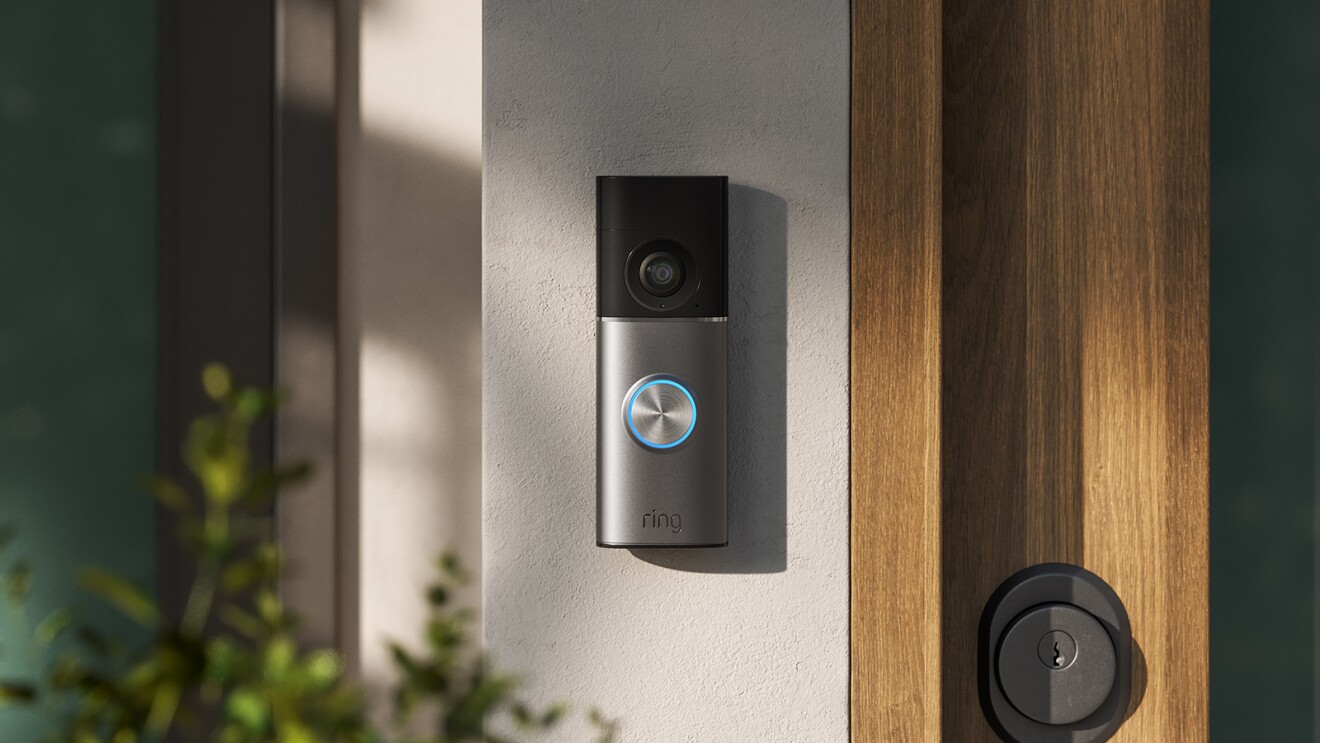
Ring Doorbell
Amazon
Retinal Vision is a concept that Ring has built its latest devices around (for what it’s worth, the name reminds me I’m probably due for an eye exam). The idea is to use AI to optimize image quality. It taps into back-side illumination sensors to deliver superior low-light performance, Amazon says.
An function called Retinal Tuning samples your Ring camera’s video quality several times per day for up to two weeks in a attempt to improve it. Large-aperture lenses in the new devices will help with all of that.
To that end, Amazon has announced a Wired Doorbell Plus with 2K visuals for $180 and the Indoor Plus Cam 2K for $60. There are 4K models too: Outdoor Cam Pro 4K ($200), Spotlight Cam Pro 4K ($250), Wired Doorbell Pro 4K ($250) and Floodlight Cam Pro 4K ($280). Pre-orders for all of them open today.
Of course, there are Alexa+ features embedded into the new cameras. Alexa+ Greetings is a function that will enable the AI to make “informed decisions about how to greet certain visitors.” Amazon will roll this out for the new cameras in December.
Familiar Faces, meanwhile, is a facial recognition feature. It identifies known faces, so Ring will be able to notify you when they’re at your door (or if someone unfamiliar is there). I’m suddenly even more annoyed about my neighbors having Ring doorbells that are impossible to avoid walking past.
There’s another new feature called Search Party, which Amazon says is about helping people find lost dogs. When a neighbor reports a missing pooch in the Ring app, a Search Party commences on nearby Ring cameras. These will keep a look out and notify camera owners if they spot what may be the missing dog. The camera owner will then see a photo of the pet alongside relevant camera footage, and can then choose whether to alert the dog’s owner. Search Party will roll out in November.
This story is developing; refresh for updates.
This article originally appeared on Engadget at https://www.engadget.com/home/everything-announced-at-amazons-fall-hardware-event-143557140.html?src=rss