Bikes stolen at train stations after being left for more than two hours will not be investigated

British Transport Police says it will not investigate bike thefts at train stations where the bicycle has been left for more than two hours.

This means most bike thefts will not be investigated, and CCTV footage will not be reviewed after the two-hour timeframe, according to the BBC. 

“The more time our officers spend reviewing CCTV… the less time they have available for patrolling railway stations and trains, investigating crimes which cause the most harm,” the BTP said. 

In a list of crimes the BTP won’t investigate, it said any bike worth less than £200 will not be investigated. The BTP also said thefts on trains should only be reported if the passenger knows the carriage the bike was in.

A BTP spokesperson told the BBC that it knows bike thefts are upsetting, inconvenient and potentially costly, but “there can often be limited opportunity for investigation”.

The spokesperson said: “Our experience tells us at an early stage that there are some crimes that are unlikely to ever be solved – such as those without a clear estimate of time or location for the incident or if there is a lack of CCTV or witnesses.

“The more time our officers spend reviewing CCTV footage for these offences, the less time they have available for patrolling railway stations and trains, investigating crimes which cause the most harm and providing a visible presence across the network.

“We will continue to apply a test of proportionality when determining investigation – looking at factors such as timeframes, witnesses, the availability of CCTV, the impact on the victim or whether there is a realistic prospect of a successful outcome.

“Any offence which is not investigated will still provide us with valuable intelligence, used to direct our patrols and operations.” 

More than 14,000 bicycles were stolen from outside train stations between 2021 and 2023. The number of bikes reported stolen from outside stations was up 39 per cent from 2022 to 2023. 

The London Cycling Campaign’s Tom Fyans told the BBC: “A lack of secure cycle parking at stations and next to no action against thieves leaves London way behind the Netherlands where nearly half of trips to stations are by bike.

“Many victims of theft in the capital just stop cycling – if we want to reduce car trips in London and encourage cycling we have to redouble enforcement against cycle theft.”

Snapchat Caps Free Memory Storage, Launches Paid Storage Plans

Snapchat will start charging users who exceed 5GB of saved Memories, with paid plans starting at $1.99/month for 100GB. “If your memories exceed this limit, you’ll need to subscribe to one of its new Memories Storage plans,” reports TechCrunch. From the report: The company told TechCrunch in an email that the introductory storage plan offers up to 100GB of storage for $1.99 per month. Snapchat+ users will get up to 250GB of storage as part of their $3.99 monthly subscription, while Snapchat Platinum users will get 5TB as part of their $15.99 monthly subscription. Snapchat explains that when it first launched Memories, it didn’t expect it to grow to what it has today, as users have saved more than 1 trillion Memories on the platform.

Snapchat will provide 12 months of temporary Memories storage for any Memories that exceed the 5GB storage limit. The company notes that users can download Memories directly to their devices. If you’re over the limit, but don’t sign up for a plan, your oldest Snaps will be saved, while the most recent ones that are over the storage limit will be deleted. Snapchat says the change won’t affect most users, as the vast majority have under 5GB of Memories. It will mainly impact those with “thousands of Snaps,” the company notes. “It’s never easy to transition from receiving a service for free to paying for it, but we hope the value we provide with Memories is worth the cost,” Snapchat wrote in a blog post. “These changes will allow us to continue to invest in making Memories better for our entire community.”


Read more of this story at Slashdot.

Strava explains why it’s suing Garmin in Reddit post to “set the record straight”

Following yesterday’s news that it had filed a lawsuit against Garmin, Strava has sought to explain the reasons behind the action.

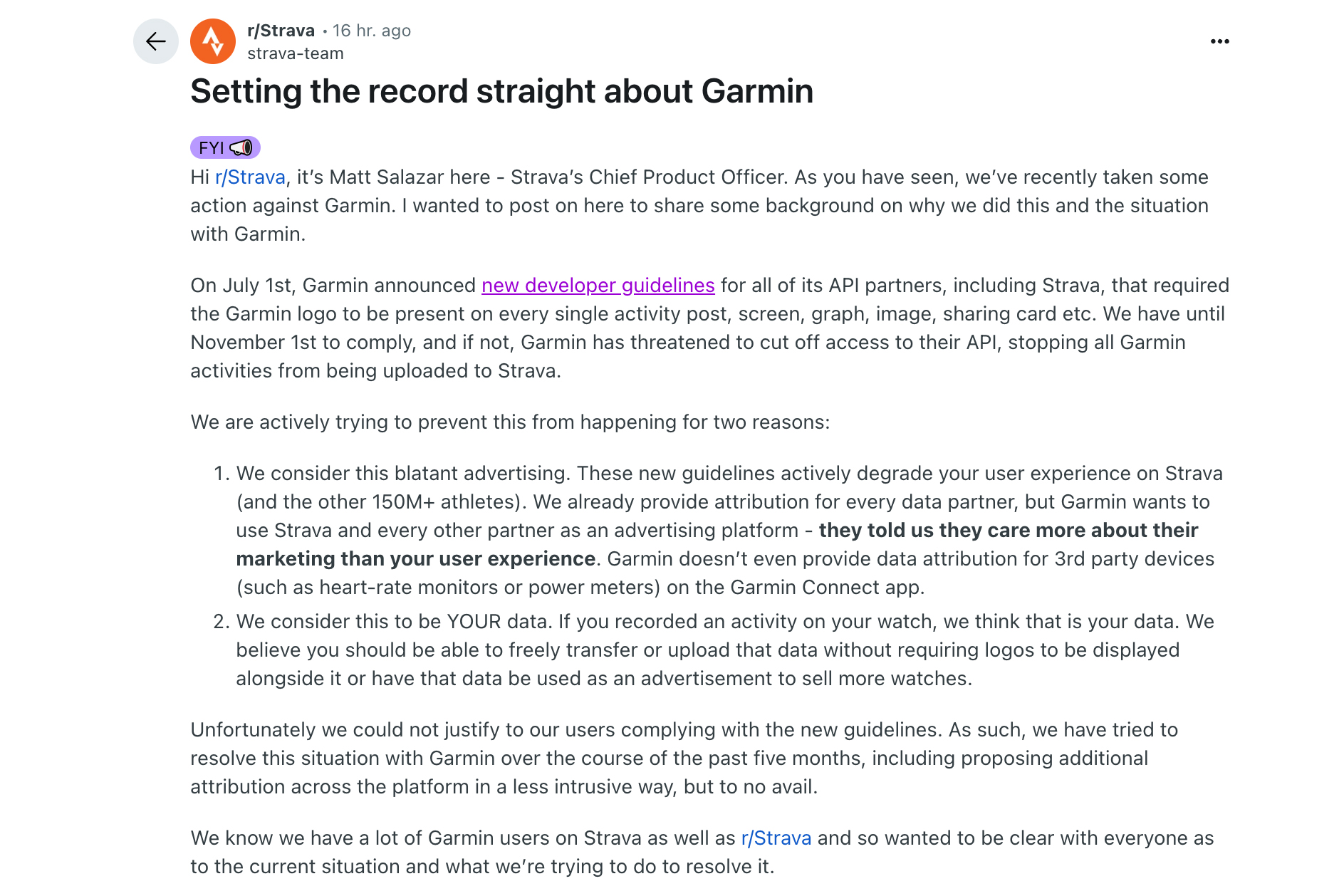
In a post on Reddit, Strava’s chief product officer, Matt Salazar, said the primary reason behind its litigation was a set of “new developer guidelines for all of its API partners”, which Strava took issue with.

Curiously, this appears to be unrelated to the claims in Strava’s lawsuit that Garmin has infringed on two of its patents.

According to Salazar, Garmin’s new guidelines were announced on 1 July 2025 and would require Strava, and other platforms using Garmin’s API, to integrate a Garmin logo “on every single activity post, screen, graph, image, sharing card, etc”.

Strava post on Reddit about it's Garmin lawsuit
Strava’s chief product officer, Matt Salazar, took to Reddit yesterday to explain the brand’s actions. Reddit

For context, an API or ‘Application Programming Interface’ is a tool that enables different pieces of software to connect with one another and share features, data or functions. In the case of Garmin and Strava, Garmin’s API is what enables activity data to be automatically shared to Strava after it’s uploaded to Garmin’s Connect app.

Entities using Garmin’s API have, Salazar claims, until 1 November 2025 to comply with the updated guidelines, or else “Garmin has threatened to cut off access to their API, stopping all Garmin activities from being uploaded to Strava”.

Salazar says Strava does not wish to comply with the new guidelines because it feels that including Garmin’s logo would amount to “blatant advertising” that would “actively degrade your user experience on Strava (and the other 150M+ athletes)”.

Strava, Salazar says, “already provides attribution for every data partner”, but sees the inclusion of logos as a step too far: “they told us they care more about their marketing than your user experience”.

Salazar also suggests this is unfair because “Garmin doesn’t even provide data attribution for third-party devices (such as heart-rate monitors or power meters) on the Garmin Connect app”.

Continuing on this theme, Salazar says: “If you recorded an activity on your watch, we think that is your data.

“We believe you should be able to freely transfer or upload that data without requiring logos to be displayed alongside it or have that data be used as an advertisement to sell more watches.”

As a result, Salazar says Strava “could not justify to our users complying with the new [Garmin API] guidelines”.

He claims Strava has “tried to resolve this situation with Garmin over the course of the past five months, including proposing additional attribution across the platform in a less intrusive way, but to no avail”.

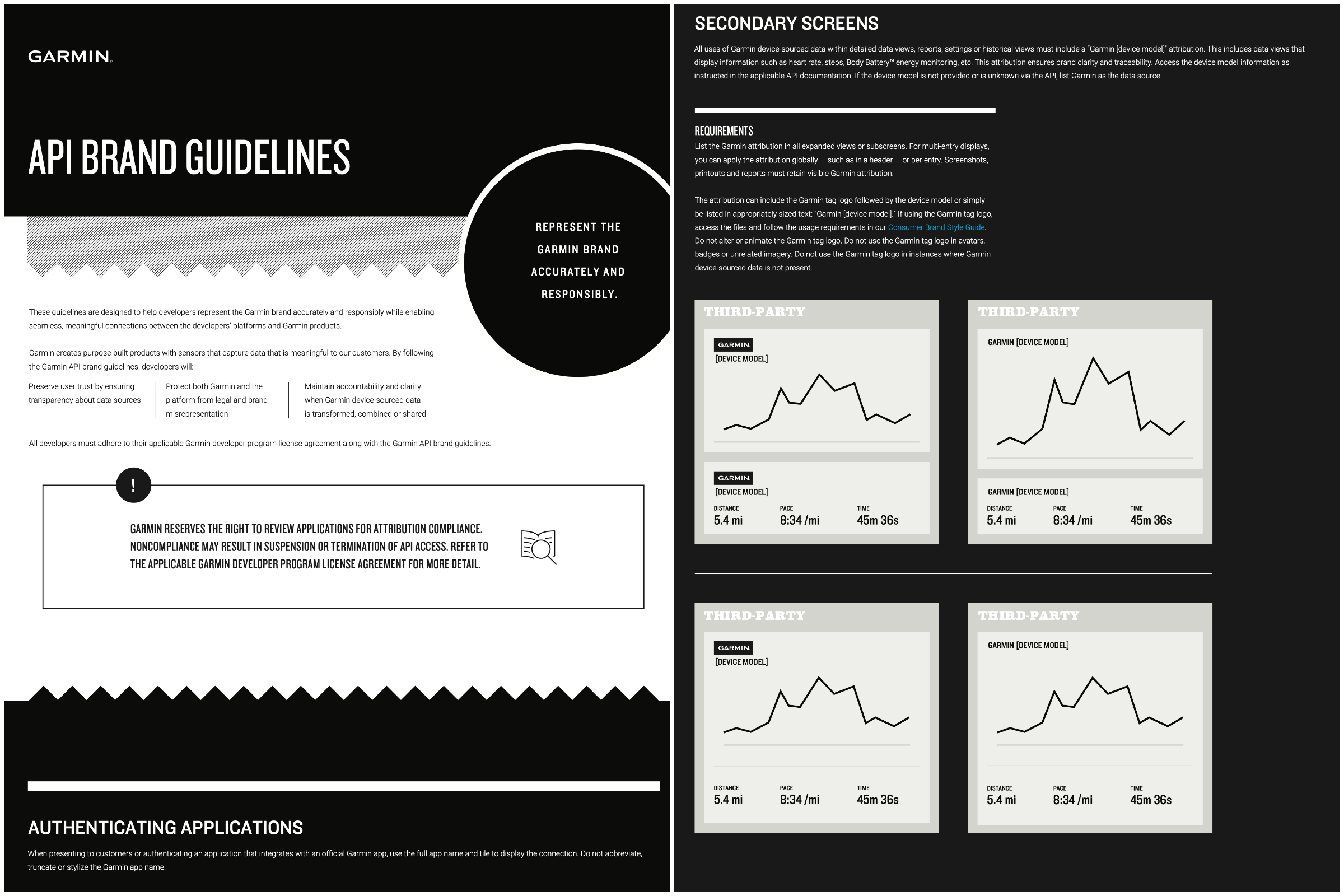
Garmin API Guidelines
Garmin’s current API guidelines suggest using its logo is optional. Garmin

It’s notable, though, that Garmin’s current API guidelines suggest that although “a Garmin [device model] attribution” is mandatory, the inclusion of its logo is not.

Platforms should “list the Garmin attribution in all expanded views or subscreens. For multi-entry displays, you can apply the attribution globally – such as in a header – or per entry. Screenshots, printouts and reports must retain visible Garmin attribution”.

It continues: “The attribution can include the Garmin tag logo followed by the device model or simply be listed in appropriately sized text: ‘Garmin [device model].’.”

The guidelines then provide a number of illustrative examples with and without the Garmin logo included.

When contacted, Garmin told BikeRadar that it “doesn’t comment on pending litigation.”.

BikeRadar has contacted Strava for comment and will update this article if we receive a response.

You can get 3 months of Audible for just $3 right now

Audiobook fans can get three months of Audible for $3 for a limited time ahead of the fall edition of Amazon Prime Day. Users will be charged $0.99 per month for the first three months, after which it will auto-renew at $14.95 per month.

Audible features thousands of titles in its catalog, including podcasts and Audible Originals. Subscribers will also get to choose one audiobook each month to keep in their collection for free, including best-sellers or new releases. Amazon Prime members will receive two credits the first month of their trial.

Amazon has been bringing Prime Day back in the fall for a few years now, and this year it returns October 7 and 8. Great deals tend to start rolling out in the days ahead of the event and this year is no exception. There are already sales on Apple devices, smart doorbells and most importantly, Lego sets.

If you’re a book lover but don’t have the time to sit down and read a hard copy, or you just prefer listening to the latest novel while on the go, then take advantage of this sale. It’s a limited-time offer and will only be available through December 16.

This article originally appeared on Engadget at https://www.engadget.com/deals/you-can-get-3-months-of-audible-for-just-3-right-now-090052477.html?src=rss

SRM launches Origin Aero cranks with swappable tips so you can vary the length

Power meter specialist SRM has launched a pair of crank arms for its Origin modular power meter system with swappable crank tips, enabling you to experiment with different crank lengths without needing to buy a whole new crankset or power meter.

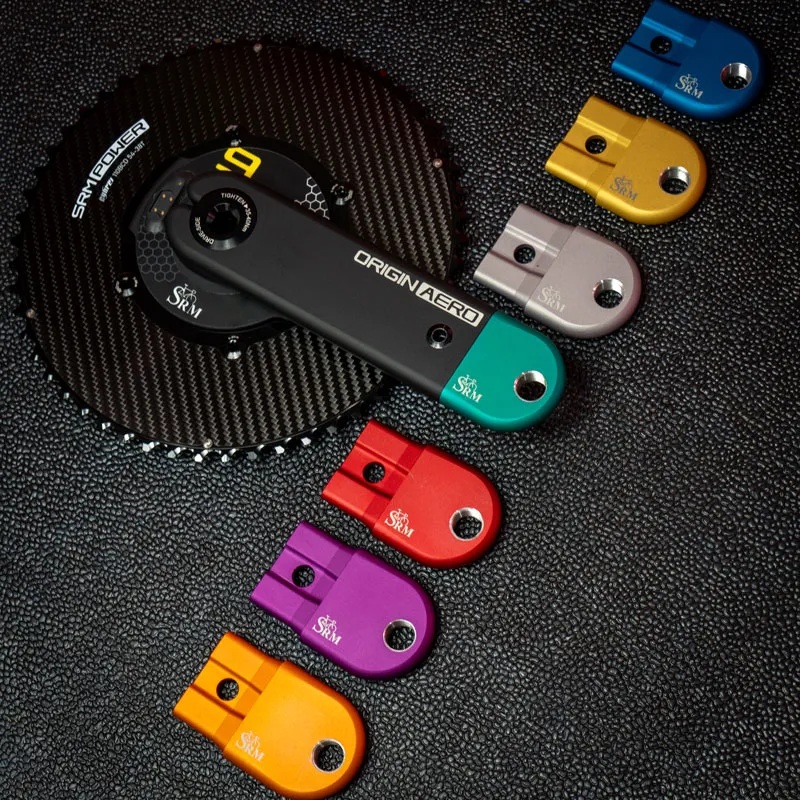
The new SRM Origin Aero Aluminium cranks include seven crank tips, each anodised in a different colour. The crank tips bolt to the crank arms and enable you to alter the crank length in 2.5mm increments from 160mm up to 175mm.

SRM says the Original Aero Aluminium is its narrowest crankset to date, with the wide, flat crank designed to offer low drag and high pedalling efficiency.

The Origin Aero cranks come with a range of crank tips to vary their length.

The SRM Origin Aero cranks’ Q-Factor of 144mm for road bike use is also notable because it’s significantly narrower than that of standard cranksets. Shimano road cranks have a Q-Factor of 148mm, for example, which rises to 151mm for GRX gravel cranksets and as much as 176mm for its MTB cranksets. The 140mm crank Q-Factor is more typical for track bikes.

Pros have been steadily decreasing their crank length over the past few years. Jonas Vingegaard, for example, was riding with 160mm cranks on his Cervélo S5, when we checked his bike out at the start of the 2025 Tour de France. We’d spotted him experimenting with 150mm cranks earlier in the season.

Tadej Pogačar, meanwhile, typically rides 165mm cranks.

You can read the pros and cons of different crank lengths in our detailed post on the best crank lengths for cycling.

The crank arms fix to SRM’s power meter spider. You also need to factor in the price of the chainrings and bottom bracket.

The SRM Origin Aero Aluminium crank arms work with SRM’s Origin modular power meter, which can be used with a range of SRM crank designs. The Aero Aluminium is the newest option – and, at €2,015, the most expensive. 

Factor in the €1,210 price of the power meter spider (available in five colours to match at least some of your crank tips), plus up to €336 for the Carbon-Ti chainring option, and you’re looking at around €3,561 for the complete setup, without a bottom bracket spindle. 

After that, experimenting with your crank length is free, though.  

Save Big on Zwift Ride + KICKR CORE 2 This Weekend!

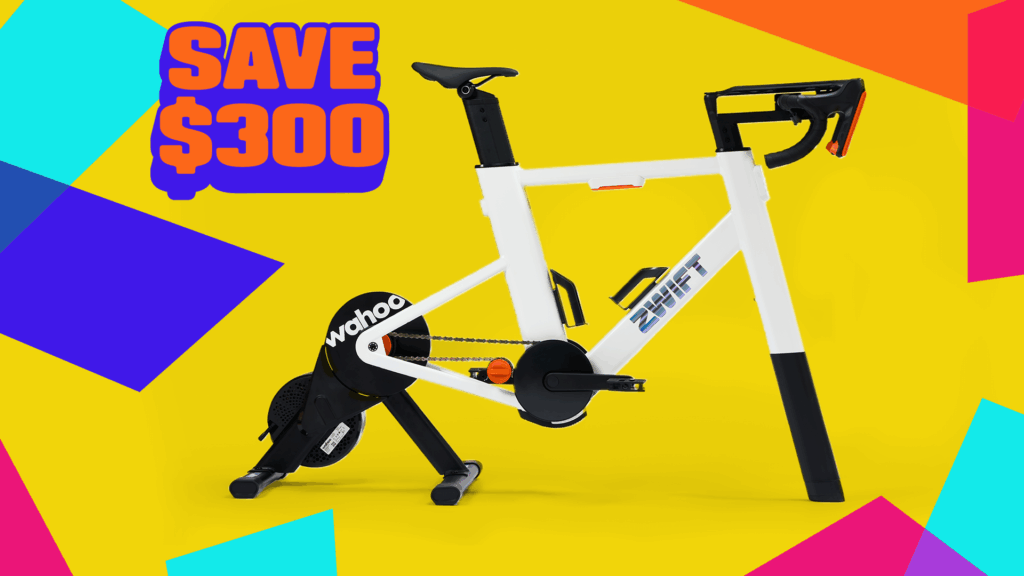
Zwift just launched the second piece of their Zwift’s Big Weekend event: an unprecedented hardware sale! This is the biggest discount we’ve ever seen on the full Zwift Ride setup, which now includes Wahoo’s latest trainer, the feature-packed KICKR CORE 2.

With a price well below other smart bikes, the Zwift Ride is already the best deal around for anyone looking for a turnkey Zwift setup. But this weekend, riders can pick up the Zwift Ride + Wahoo KICKR CORE 2 package for just $999.99/€999.99/£999.99. That’s a huge discount off the regular price, especially for Zwifters in the US:

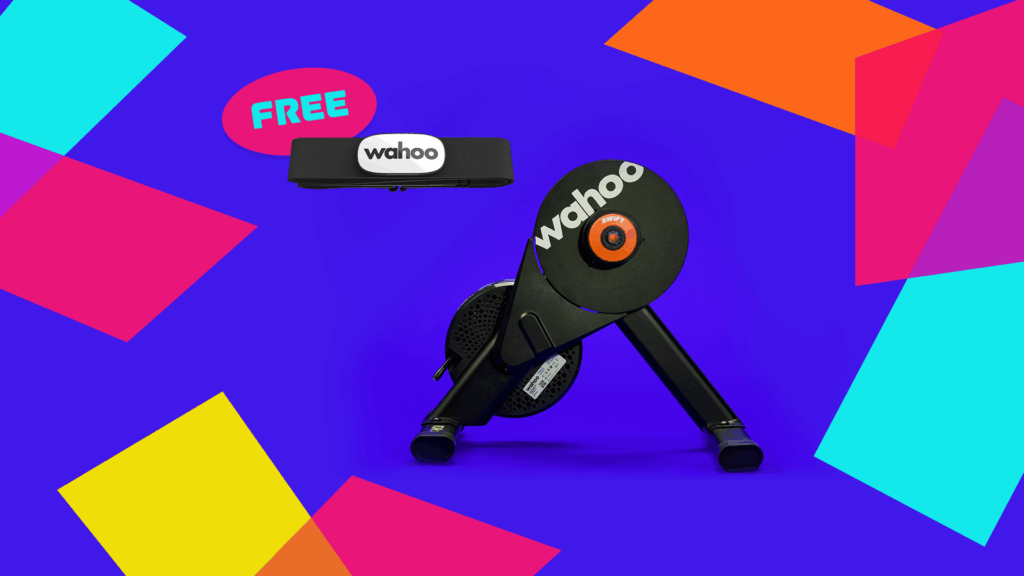
If you aren’t looking for a full Zwift Ride setup, but would love a trainer upgrade, Zwift is running a second promo on the new Wahoo KICKR CORE 2. This trainer, released less than a month ago, improves on the highly popular KICKR CORE by adding Wi-Fi connectivity, race mode, Bluetooth bridging, and more.

Purchase the CORE 2 from Zwift and you’ll get a free Wahoo TRACKR Heart Rate Monitor ($99.99/€89.99/£79.99 retail) thrown in!

Note: Zwift says, “During checkout the TRACKR will appear as a free add-on option,” so be sure to add it to your cart during the checkout process.

A final note: Zwift links in this post (and throughout this site) are affiliate links, so when you shop through these links, Zwift Insider is paid a small affiliate commission from Zwift. Thanks in advance for your support!

Microsoft Says AI Can Create ‘Zero Day’ Threats In Biology

An anonymous reader quotes a report from MIT Technology Review: A team at Microsoft says it used artificial intelligence to discover a “zero day” vulnerability in the biosecurity systems used to prevent the misuse of DNA. These screening systems are designed to stop people from purchasing genetic sequences that could be used to create deadly toxins or pathogens. But now researchers led by Microsoft’s chief scientist, Eric Horvitz, says they have figured out how to bypass the protections in a way previously unknown to defenders.The team described its work today in the journalScience.

Horvitz and his team focused on generative AI algorithms that propose new protein shapes. These types of programs are already fueling the hunt for new drugs at well-funded startups like Generate Biomedicines and Isomorphic Labs, a spinout of Google. The problem is that such systems are potentially “dual use.” They can use their training sets to generate both beneficial molecules and harmful ones. Microsoft says it began a “red-teaming” test of AI’s dual-use potential in 2023 in order to determine whether “adversarial AI protein design” could help bioterrorists manufacture harmful proteins.

The safeguard that Microsoft attacked is what’s known as biosecurity screening software. To manufacture a protein, researchers typically need to order a corresponding DNA sequence from a commercial vendor, which they can then install in a cell. Those vendors use screening software to compare incoming orders with known toxins or pathogens. A close match will set off an alert. To design its attack, Microsoft used several generative protein models (including its own, called EvoDiff) to redesign toxins — changing their structure in a way that let them slip past screening software but was predicted to keep their deadly function intact. “This finding, combined with rapid advances in AI-enabled biological modeling, demonstrates the clear and urgent need for enhanced nucleic acid synthesis screening procedures coupled with a reliable enforcement and verification mechanism,” says Dean Ball, a fellow at the Foundation for American Innovation, a think tank in San Francisco.


Read more of this story at Slashdot.

Fedora 43 Beta Released: A Preview of What’s Ahead

Fedora’s beta releases offer one of the earliest glimpses into the next major version of the distribution — letting users and developers poke, test, and report issues before the final version ships… This beta is largely feature-complete: developers hope it will closely match what the final release looks like (barring last-minute fixes). The goal is to surface regression bugs, UX issues, and compatibility problems before Fedora 43 is broadly adopted.

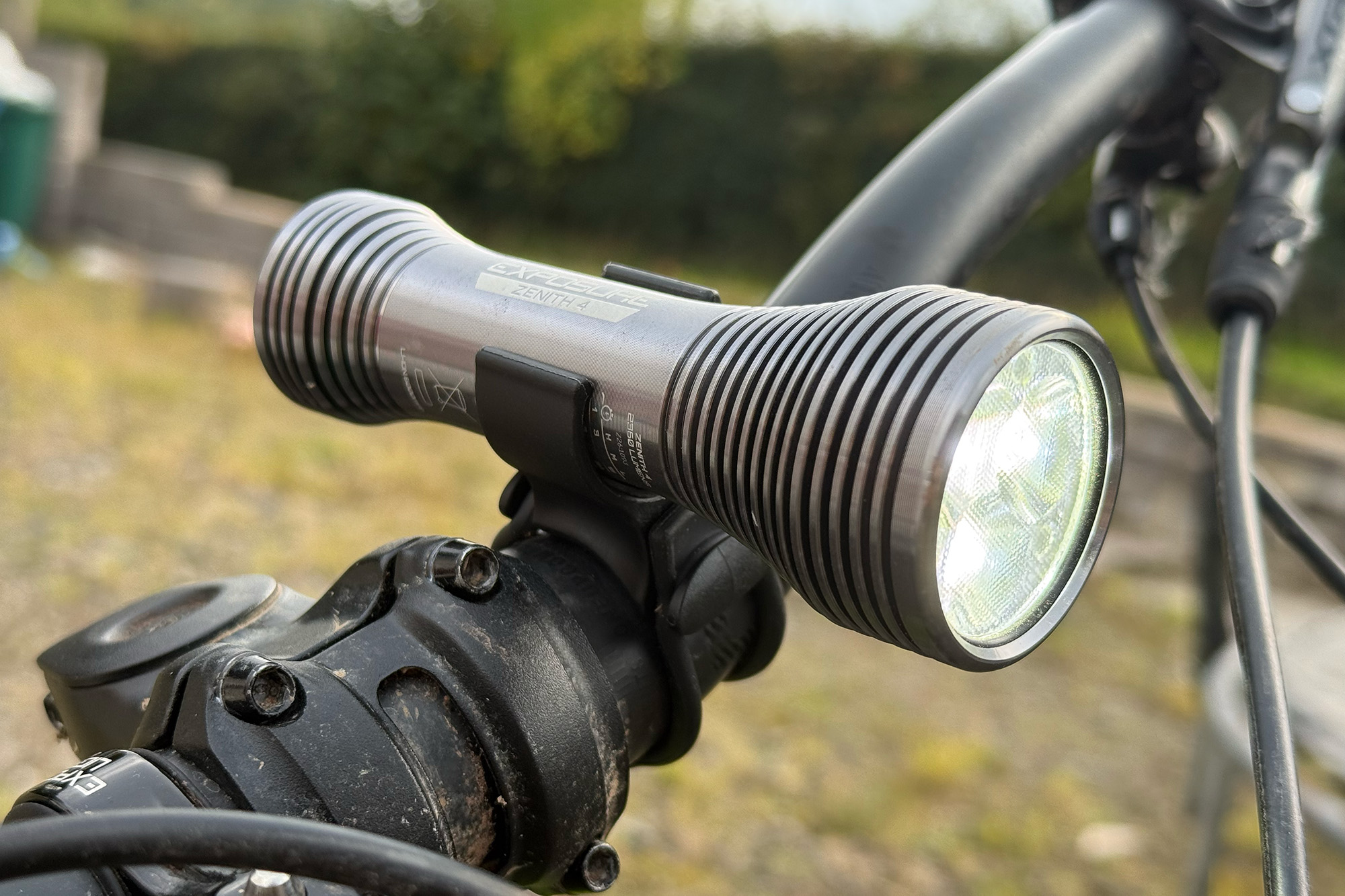
Exposure’s new Zenith MK4 light is cheaper, brighter and charges 66% faster than before

SQUIRREL_13377057

Exposure’s Zenith is the brand’s most powerful helmet-mounted light, and this new MK4 version incorporates many features fans have been demanding for years.

The Zenith MK4 now features USB-C charging, which came to Exposure’s whole range last month when it was released.

Exposure says this has reduced charging time by 66 per cent, meaning you can charge the light to full in a claimed 2 hours and 45 minutes.

The mountain bike light is also brighter than ever before, with the brand bumping the maximum lumen output to 2,360.

In a world of ever-more-expensive kit, Exposure has managed to add all of these features while reducing the retail price of the light from the previous generation to £280 / $305 from £295 / $345.

While that’s not cheap, Exposure products have a good reputation for quality and often score well in our group tests.

I’ve had the opportunity to use the light a little since receiving it, so I’ll include some impressions throughout this first look.

Finally USB-C

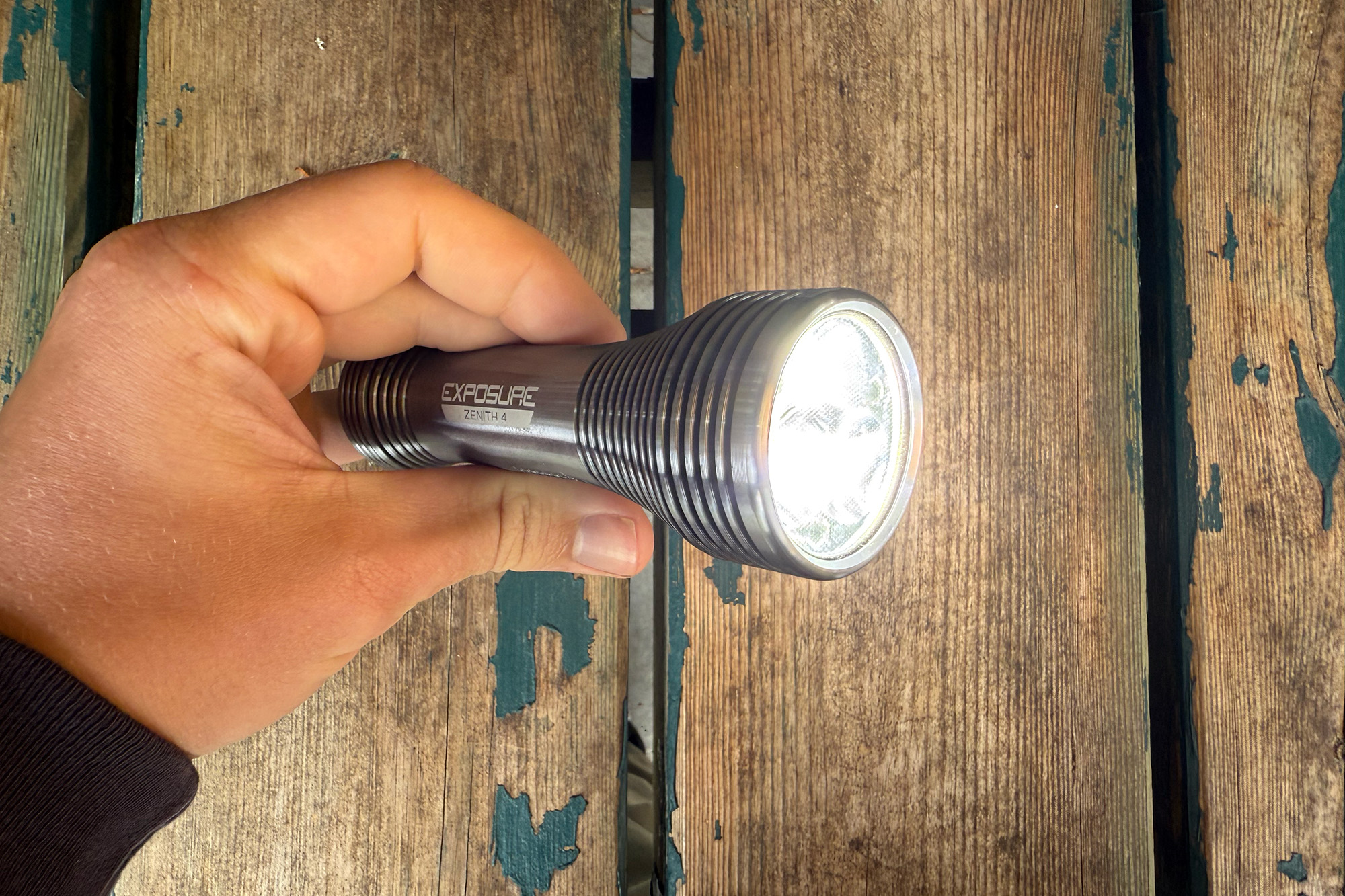
Exposure Zenith 4 in hand
The light measures 120mm in length. Nick Clark / Our Media

The British brand has finally updated the charge port for its lights, with the DC port being substituted for a USB-C.

Not only does this improve charging speed, but it also means scrambling around for a charging cable should be easier when an impromptu after-work ride is mentioned in the group chat.

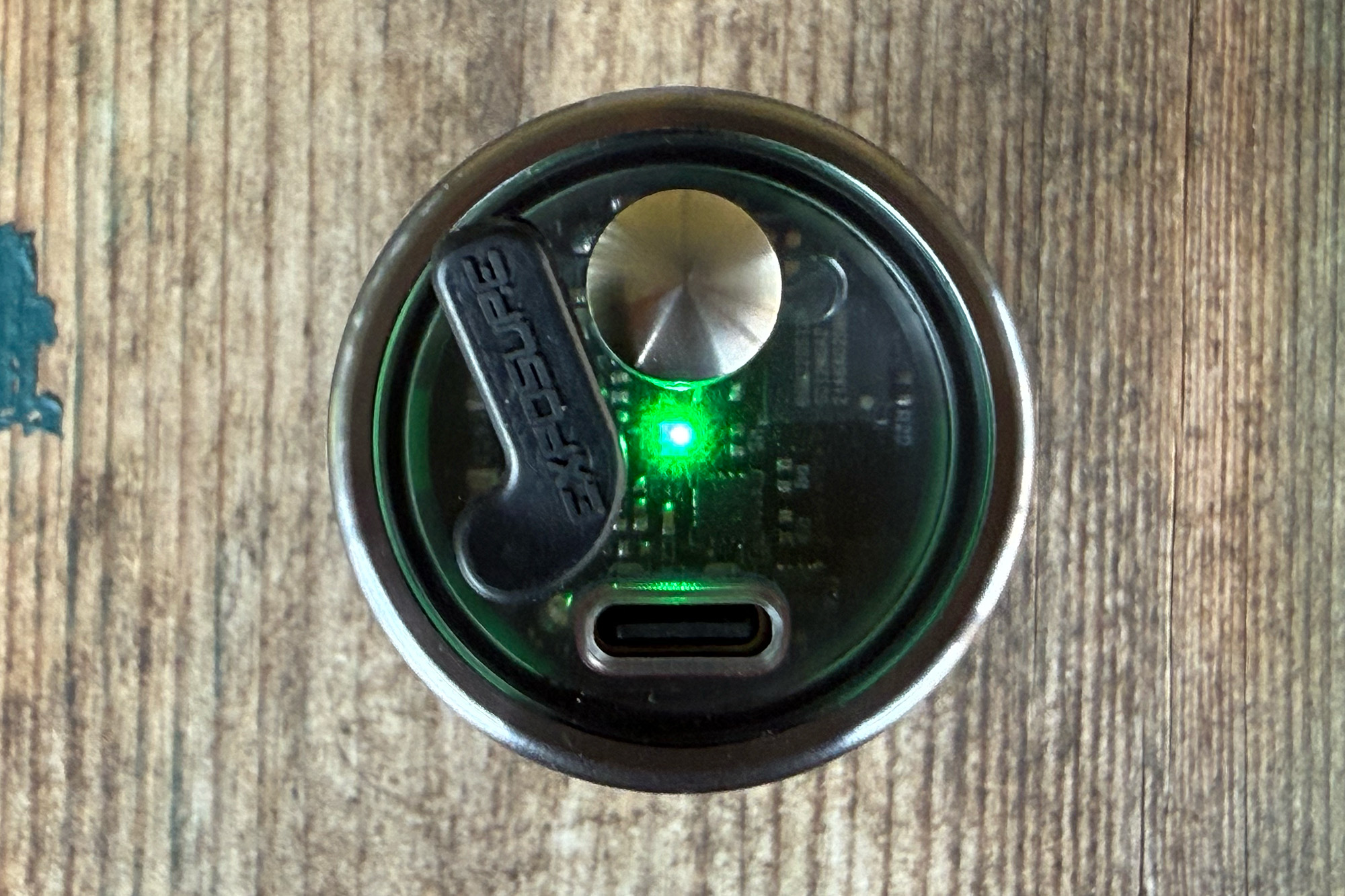
Exposure Zenith 4 USB-C port
While the plastic port feels flimsy, it does do its job. Nick Clark / Our Media

The port is covered by a small plastic tab, which, while it works to keep dust out, doesn’t feel like the most robust solution.

Despite this, Exposure says the Zenith MK4 is IP67-rated, meaning those nighttime showers shouldn’t have you riding home in the dark.

Exposure has given the Zenith MK4 a 6,000mAh Li-Ion battery, which it says will last up to 36 hours.

The Zenith MK4 also gets Exposure’s Tap technology, which enables you to switch between power levels by tapping the entire device rather than searching for a button on the rear.

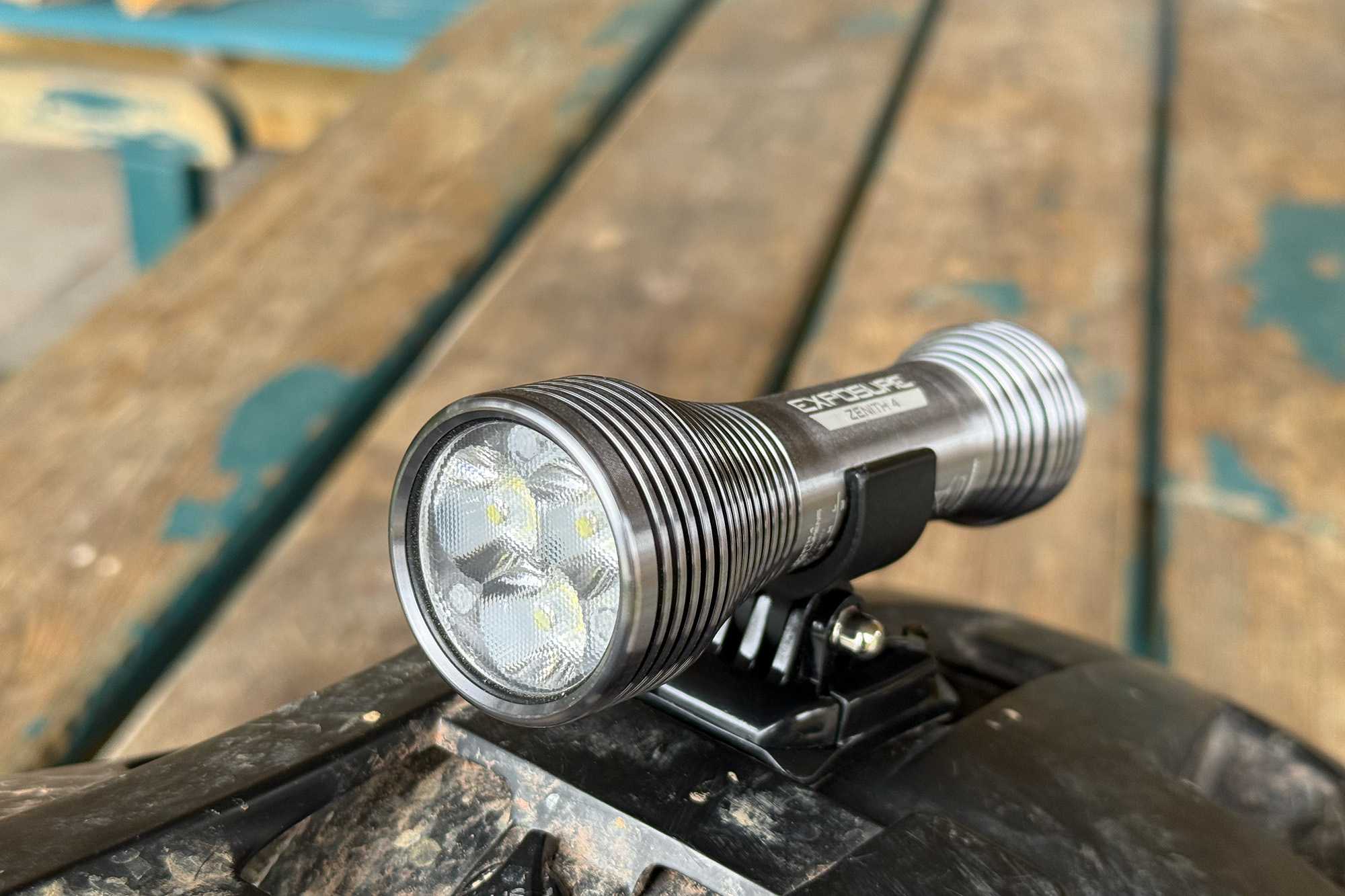
Exposure Zenith 4 on helmet
The light attaches to the helmet and bar mount via a clip. Nick Clark / Our Media

While this makes it easier to switch the light between modes and makes you more conservative with your power, I’m not sure it’s much more intuitive than clicking the button on the back of the light. If you thud your head on an overhanging tree, you can quickly be riding in less light than you expected.

There are three sensitivity modes to limit this, but I’m yet to be convinced of this feature.

The light has three White XPL2 LEDs in the front, which shine up to 2,360 lumens down the trail.

I’ve mostly been using the Zenith MK4 in this setting, and it provides a good spread of light, with decent contrast for obstacles.

Exposure Zenith 4 on bars
With 2,360 lumens, the Zenith MK4 should be bright enough to navigate by. Nick Clark / Our Media

Having used lights with a more focused beam in the past, this feels better for spotlighting features such as the lips of jumps and drops.

The Zenith’s white light feels less taxing on the eyes than others and helps with depth perception.

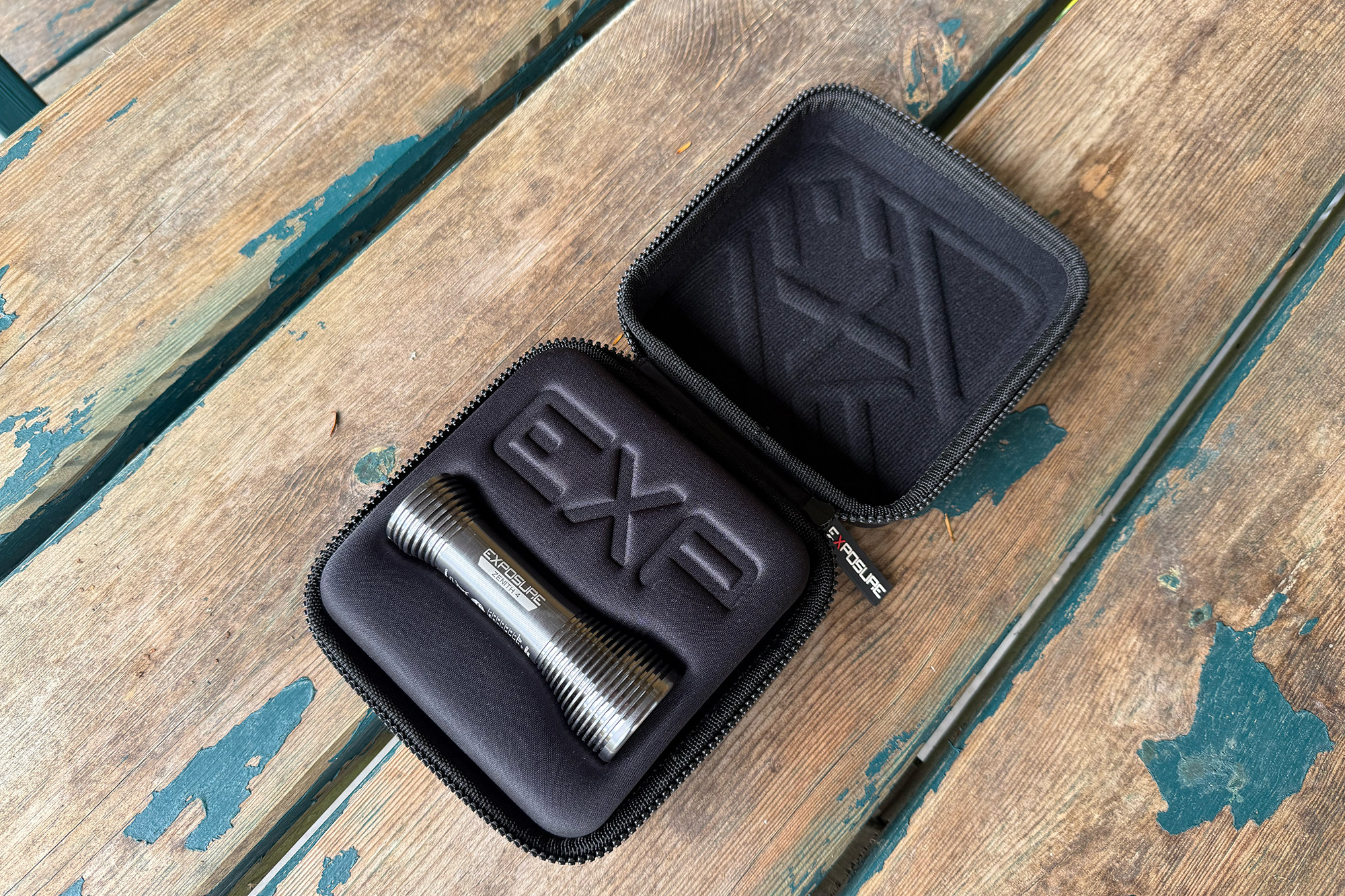
Exposure Zenith 4 in box
The plush case keeps the light safe and easy to store. Nick Clark / Our Media

In the box, Exposure supplies a helmet mount and bar mount for the light, meaning it could have a dual purpose in your life. I’d consider using it for road riding in a lower-brightness mode.

Having smashed my face up too many times on a mountain bike, I’ve opted for the GoPro-style adhesive sticker mount on my helmet, which has performed really well for my nighttime enduro rides.

Exposure also provides a lanyard for the light, which keeps it attached to your helmet should you knock it out of the mount.

SQUIRREL_13377057

Ian Kelling is the new FSF president

The Free Software Foundation has announced
the selection of Ian Kelling as the organization’s president.

Kelling, age forty-three, has held the role of a board member and a
voting member since March 2021. The board said of Kelling’s
confirmation: “His hands-on technical experience resulting from his
position as the organization’s senior systems administrator proved
invaluable for his work on the board of directors. The board is
confident Kelling is the right person to help the organization
achieve its long-term goals. His commitment to free software comes
from a life of exploring ways to exert user control. He has the
technical knowledge to speak with authority on most free software
issues, and he has a strong connection with the community as an
active speaker and blogger.”

Cops: Accused Vandal Confessed To ChatGPT

alternative_right shares a report from the Smoking Gun: Minutes after vandalizing 17 cars in a Missouri college parking lot, a 19-year-old sophomore had a lengthy ChatGPT conversation during which he confessed to the crime, asked about the possibility of getting caught, and wondered, “is there any way they could know it was me,” according to a police probable cause statement. Ryan Schaefer was arrested yesterday and charged with felony property damage for a rampage early Sunday at a Missouri State University parking lot. Investigators allege that Schaefer shattered car windows, ripped off side mirrors, dented hoods, and broke windshield wipers during the 3 AM spree.

When confronted with surveillance footage and other evidence, Schaefer said that he could see the resemblance between the suspect and himself. At that point, Schaefer reportedly consented to a search of his iPhone. A subsequent review of the device revealed location data placing Schaefer “at or near the scene of the crime,” as well as a “troubling dialogue exchange this defendant seems to have had with artificial intelligence software installed on his phone,” prosecutors reported. The incriminating ChatGPT conversation can be found here.


Read more of this story at Slashdot.

Apple removes ICEBlock from the App Store after Trump administration’s demand

Apple has removed ICEBlock, the app which allowed users to put a pin on a map to show where ICE agents have recently been spotted, from the App Store. It has also pulled other apps that served a similar purpose. According to Fox Business, Attorney General Pam Bondi demanded their takedown, telling Apple that the apps were “designed to put ICE agents at risk just for doing their jobs.” Bondi added that “violence against law enforcement is an intolerable red line that cannot be crossed.” She also said that the “Department of Justice will continue making every effort to protect [its] brave federal law enforcement officers, who risk their lives every day to keep Americans safe.”

“We created the App Store to be a safe and trusted place to discover apps,” Apple told the publication in a statement. “Based on information we’ve received from law enforcement about the safety risks associated with ICEBlock, we have removed it and similar apps from the App Store.” 

Bondi demanded the apps’ removal after the FBI and the administration reported that the gunman who attacked an ICE facility in Dallas used tracking apps, including ICEBlock, to open fire from a rooftop. The gunman killed two immigrants and injured a third, but he was allegedly targeting ICE agents. Joshua Aaron, the app’s developer, told Fox Business that he was “incredibly disappointed” by Apple’s actions. “Capitulating to an authoritarian regime is never the right move,” he said. “Apple has claimed they received information from law enforcement that ICEBlock served to harm law enforcement officers. This is patently false.” Aaron added: “We are determined to fight this with everything we have. Our mission has always been to protect our neighbors from the terror this administration continues to reign down on the people of this nation.”

ICEBlock climbed to the top of the App Store charts in July after administration officials slammed it, making more people aware of its existence. At the time, officials warned Aaron that they were “looking at him, and he better watch out” because the app threatens the lives of law enforcement agents. NBC News reports that it was downloaded more than 1 million times since it was introduced. Tom Homan, the administration’s “border czar,” recently told Fox News that the government will investigate the “people who put these apps up” because they put “law enforcement at great risk.”

This article originally appeared on Engadget at https://www.engadget.com/apps/apple-removes-iceblock-from-the-app-store-after-trump-administrations-demand-031659651.html?src=rss

Autism Should Not Be Seen As Single Condition With One Cause, Say Scientists

Bruce66423 shares a report from The Guardian: Those diagnosed as small children typically have distinct genetic profile from those diagnosed later, [finds an international study based on genetic data from more than 45,000 autistic people in Europe and the U.S]. So, there’s more than one condition out there that’s being diagnosed as “autism.” This, of course, messes with the debate about causes; one version of autism may be caused by something for which the evidence is very weak overall. “The term ‘autism’ likely describes multiple conditions,” said Dr Varun Warrier, from Cambridge’s department of psychiatry, senior author of the research. “For the first time, we have found that earlier and later diagnosed autism have different underlying biological and developmental profiles.”

“It is a gradient,” added Warrier. “There are also many other factors that contribute to age of diagnosis, so the moment you go from averages to anything that is applicable to an individual, it’s false equivalency.”

The analysis has been published in the journal Nature.


Read more of this story at Slashdot.

Ford IT Systems Tampered With To Display Vulgar Anti-RTO Message Across Office Screens

Ford’s push for a four-day in-office workweek hit turbulence when someone hijacked meeting room screens to display an anti-RTO protest image targeting CEO Jim Farley. The company quickly removed it and is investigating. The Detroit Free Press reports: According to photos employees took of the image, which were posted on social media and sent to the Detroit Free Press, it contained an image of CEO Jim Farley along with a big red circle with a slash through it over his face and the words “(Expletive) RTO.”

“We’re aware of an inappropriate use of Ford’s IT technology and we’re investigating it,” Dave Tovar, Ford spokesman, told the Detroit Free Press. Tovar said the image was up for “a short amount of time” and Ford was able to quickly remove it. He said the company is investigating whether the image appeared only in Dearborn offices or globally.

Farley mandated that employees return to the office four days a week earlier this year and it has been in place since Sept. 1, with no fallout such as people quitting over it, Tovar said. Therefore, Tovar said, “I wouldn’t be able to speculate on it, as to why someone would do this.”


Read more of this story at Slashdot.

Colorado Deploys Self-Driving Crash Trucks To Protect Highway Workers

Colorado unveiled an autonomous crash-protection truck designed to absorb highway work zone collisions, removing human drivers from one of the most dangerous road maintenance roles. The Denver Gazette reports: At a press event in Falcon on Monday, the Colorado Department of Transportation demonstrated an autonomous truck-mounted attenuator — a driverless crash-protection vehicle designed to absorb impacts in roadside work areas. These trucks are already in the state’s fleet, but previously required a worker in the cab, leaving them exposed during crashes. “These vehicles are designed to get hit so people don’t have to,” said Kay Kelly, CDOT’s chief of innovative mobility. “We want to remove the human from that truck whenever possible.”

[…] Colorado pioneered this technology in 2017, becoming the first state to test it. Developed by San Diego-based defense contractor Kratos Defense, the company started on autonomous follower systems in 2012 and installed its initial version in Colorado in 2013, according to Maynard Factor, Kratos’ vice president of business development. The system uses sensors, actuators, and video links, allowing the unmanned crash truck to trail directly behind a paint-striping or maintenance vehicle. The lead vehicle records its route and transmits navigation data to the follower. Both are equipped with global positioning system and communication tools, with the lead driver monitoring via video feed.

“It’s a convoy system,” Factor said. “The leader does the work, while the driverless vehicle mirrors its path. This protects the operator with the crash truck instead of sitting inside it.” Sensors detect objects darting into the lane, triggering an automatic stop. Operators can pause or override via a user interface featuring forward-facing cameras on the autonomous truck and rear-facing ones on the work vehicle. The trucks, existing state assets, are driven to sites and then switched to autonomous mode. Outfitting each with the technology costs about $1 million, excluding the base vehicle and crash absorber.


Read more of this story at Slashdot.