Spotify’s New ‘SongDNA’ Is Actually a Great Way to Learn More About Your Music

Spotify keeps adding new features lately. Last week, the company rolled out “Exclusive Mode” for desktop users to stream in the highest quality possible; last month, Spotify announced “Smart Reorder,” which automatically sorts your songs by BPM; and in January, the company’s AI-powered “Prompted Playlists” landed in the U.S. after an exclusive stint overseas. It’s still not easy to pick a favorite among other services like Apple Music, but Premium subscribers can at least say Spotify is giving them something for their money.

Now, the company is rolling out another new feature, one that actually seems like a cool way to learn about your music. On Tuesday, Spotify announced SongDNA, which shows you all the people who worked on a song, as well as all the samples and interpolations that song used. SongDNA lives directly under the lyrics tile in the player window. I already see it on my end, though Spotify does label the feature with a “Beta” tag to note that this feature is still in testing.

How Spotify’s SongDNA works

When SongDNA appears under a song, you’ll be able to see the artists who worked on it in one corner. That might include the main artist, but also any of the composers, producers, musicians, or writers who contributed. The SongDNA tile shows the main artist in a bubble, but tap the icon, and you’ll see a map of all the people involved. You can tap on any of these names to see how many other artists they’ve worked with, how many songs they worked on, and what their “top song” is (presumably, what the most popular song they worked on is on Spotify).

To the right of the artists’ bubble is a sample and interpolations bubble: Here, you’ll see all of the clips the artist or artists took from various other songs to incorporate them into their own track. On Kendrick Lamar’s “King Kunta,” for example, I can see they sampled a drum loop from “Kung Fu” by Curtis Mayfield, and took vocals from James Brown’s “The Payback,” among others. Spotify will tell you exactly where in each song the sample was taken from, and gives you a play button to listen. You also can scroll down to find songs that have sampled the song in question: “F The Disco” by Cavi samples vocals from “King Kunta” at 1:28, as does “Brain Cells” by Villain Park (at 1:59). Scroll down a bit more, and you’ll find any covers of the song available on Spotify. “8-Bit Misfits” has an awesome interpretation of the song that sounds like Kendrick wrote music for the NES.

spotify songdna

Credit: Spotify

I’m an Apple Music guy, truthfully, but I have to say: This rocks (no pun intended). Most of us listen to our music without really knowing much about how it was put together—outside of the headlining artist, anyway. SongDNA makes it easy to learn more about how your favorite songs were made, where they pulled inspiration from, and who actually helped make the hit besides the singer or artist. You could follow up with the lead engineer or producer of your favorite song to see what other projects they worked on, or check out the full songs that were sampled to find new music to listen to. While it’s a bummer it’s only available for Premium subscribers, it’s a great move on Spotify’s part.

Does Spotify’s SongDNA use AI?

I reached out to Spotify asking whether SongDNA uses AI to retrieve this information, and, as it turns out, it doesn’t! For the most part, anyway. Here’s what a Spotify rep told me: “SongDNA is not a generative AI feature and does not use Large Language Models (LLMs) to create or predict information. This immersive music experience is built on official credits data we receive from artists and their teams, supplemented by community sourced data. While we use technology to visualize these complex relationships, the data itself is rooted in human-verified industry sources, not AI-generated content.”

While it’s not clear what “technology” was used to visual the relationships here, it’s refreshing to learn that the data here is all human-sourced. Spotify might use AI for the UI, but, unlike many new app features these days, this one isn’t going to hallucinate incorrect samples, or make up credits for songs.
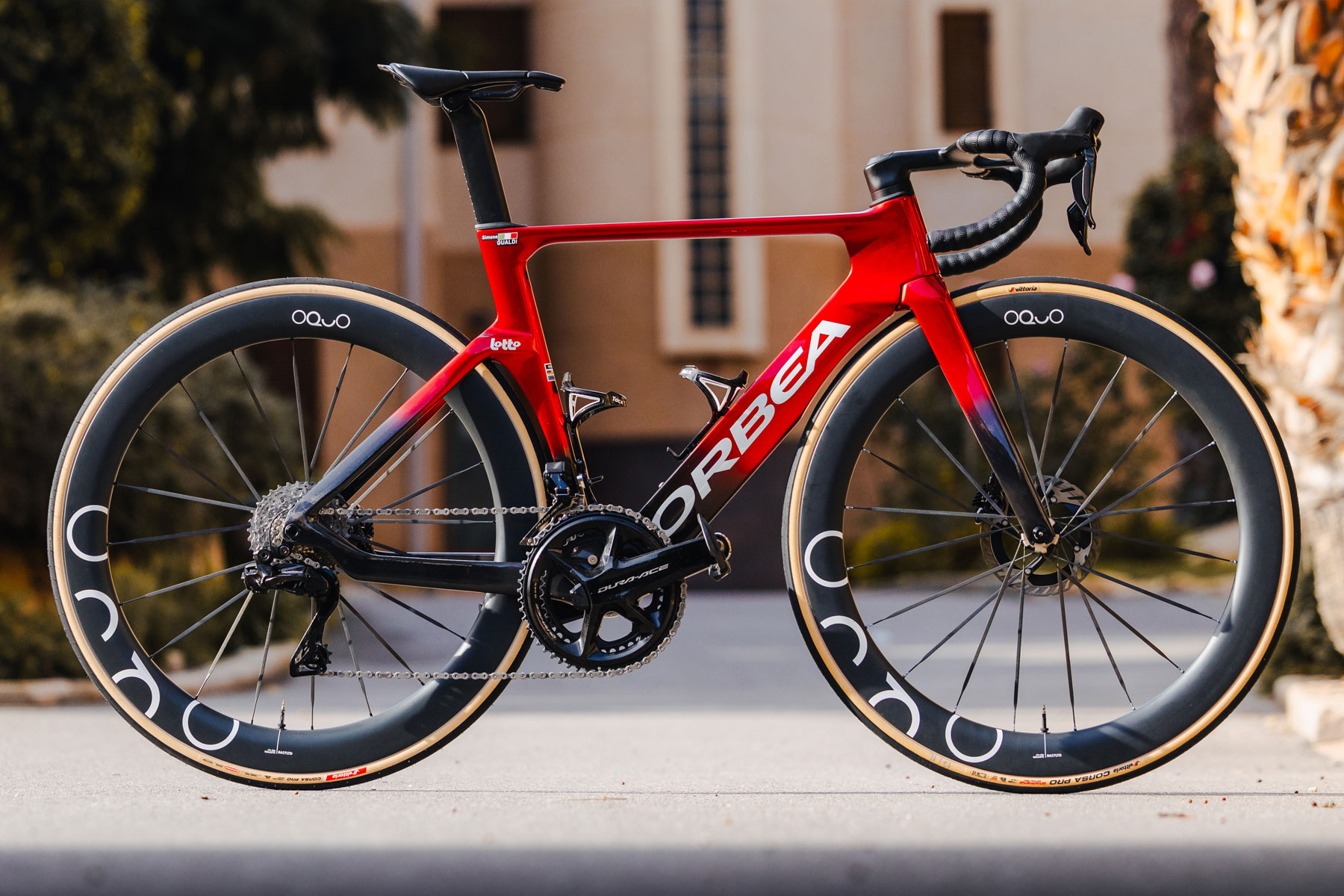
Oquo joins the carbon-spoke revolution to bring down weight and drag, yet increase stiffness

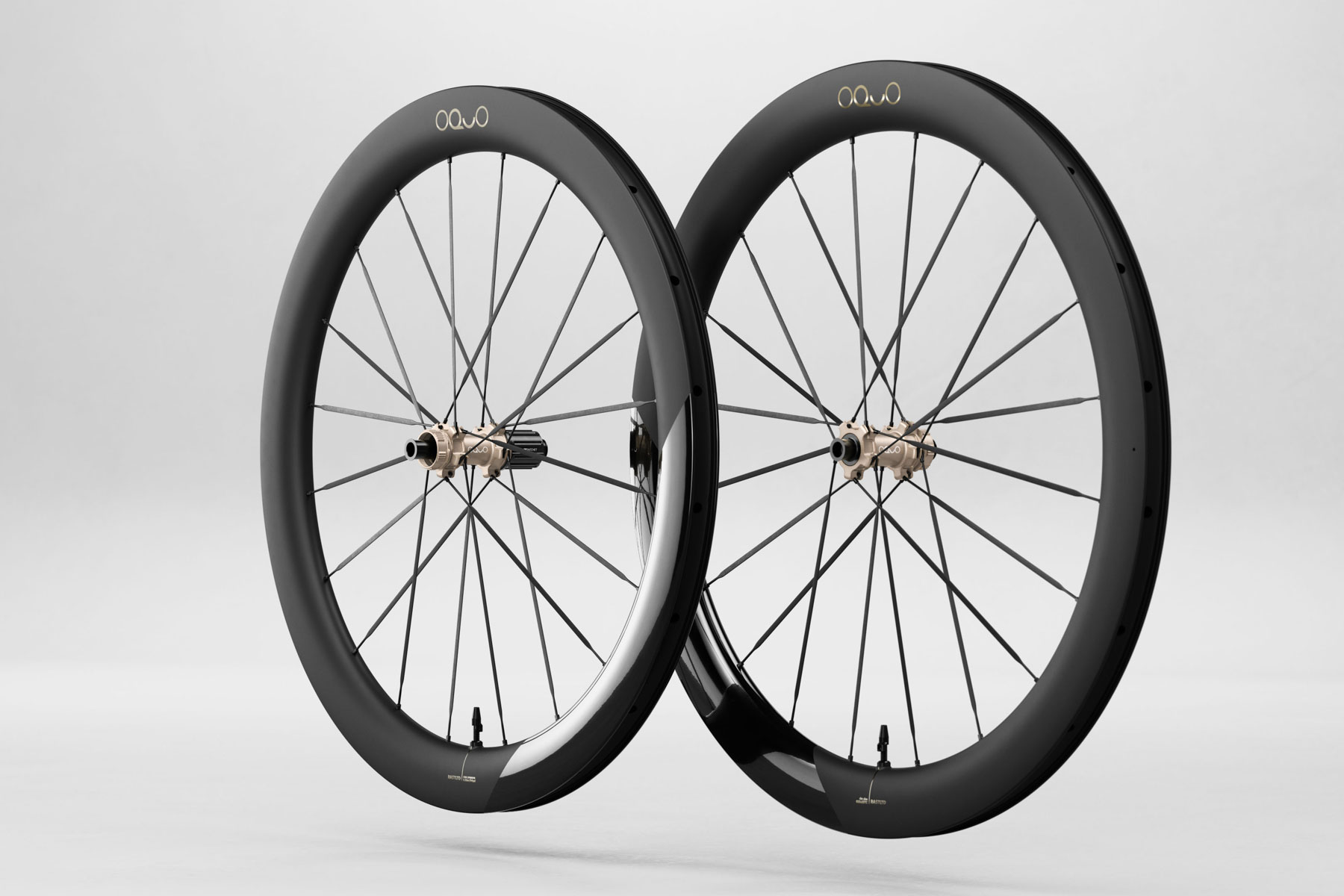
Oquo’s new CS-level wheels feature dedicated aerodynamic carbon spokes that reduce weight while increasing stiffness.

The Basque brand tells us this isn’t a simple case of replacing steel with carbon, though. Instead, each wheel – from the shallowest 45mm-deep RP45 LTD CS through to the time-trial and triathlon special 80mm-deep RA80 LTD CS – has been redesigned to make the most of the carbon spokes’ properties.

Oquo, like Newmen, Reserve and DT Swiss before it, is using Vonoa’s carbon spokes. Here, they have flat-bladed aero spokes that taper from 2mm to 5.3mm wide.

Lotto Intermarche Orbea
Lotto-Intermarché is using the new carbon-spoke LTD CS wheelset. Harry Talbot / Oquo

The carbon spokes’ properties also ensured Oquo was able to drop the spoke count across the range, reducing rotational weight.

By shifting down to 20 spokes, Oquo has been able to redesign its own Basque-made Q10 hub flanges front and rear.

The rim has also been reprofiled to take advantage of the reduced drillings required for 20 spokes rather than 24.

Made in the Basque country

Oquo wheel testing
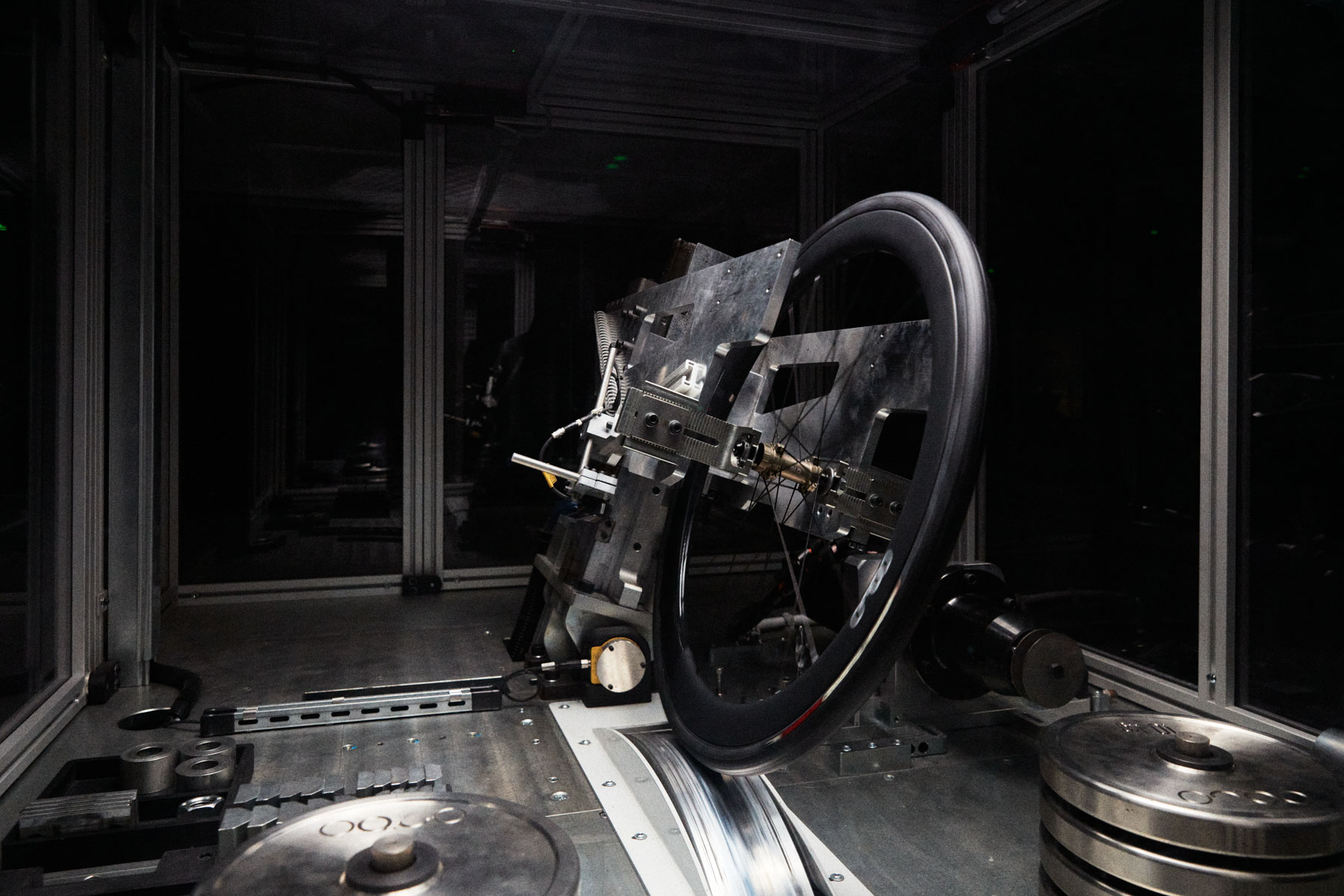
Oquo’s testing far exceeds industry standards. Oquo

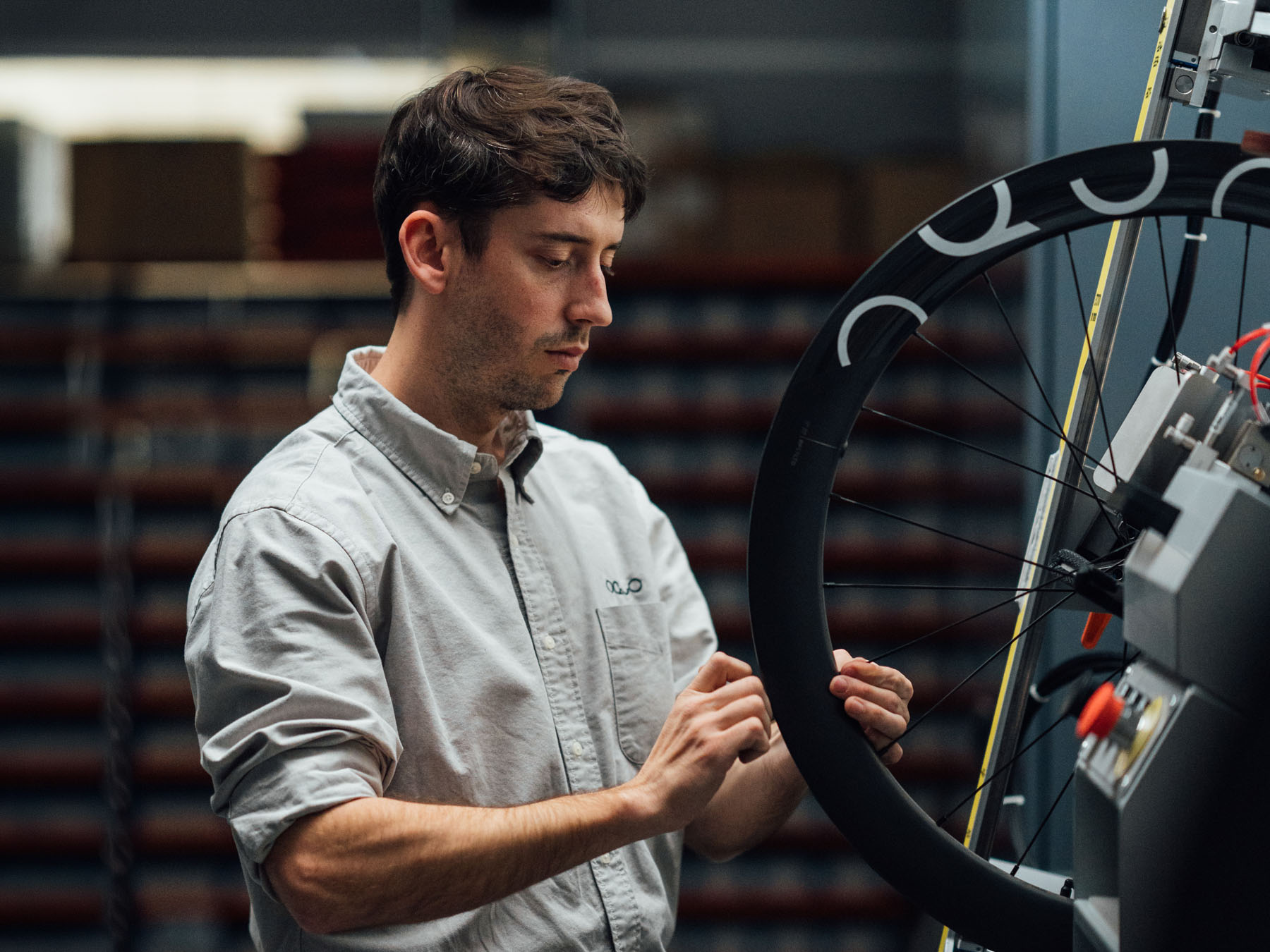
Oquo hand manufactures all its mini-hook wheels in its purpose-built Biscay facility, with in-house assembly, testing and R&D.

The Q10 hubset used on all Oquo’s LTD-level wheelsets is also made in the Basque region.

Oquo wheel building
Each wheel is assembled by hand. Oquo

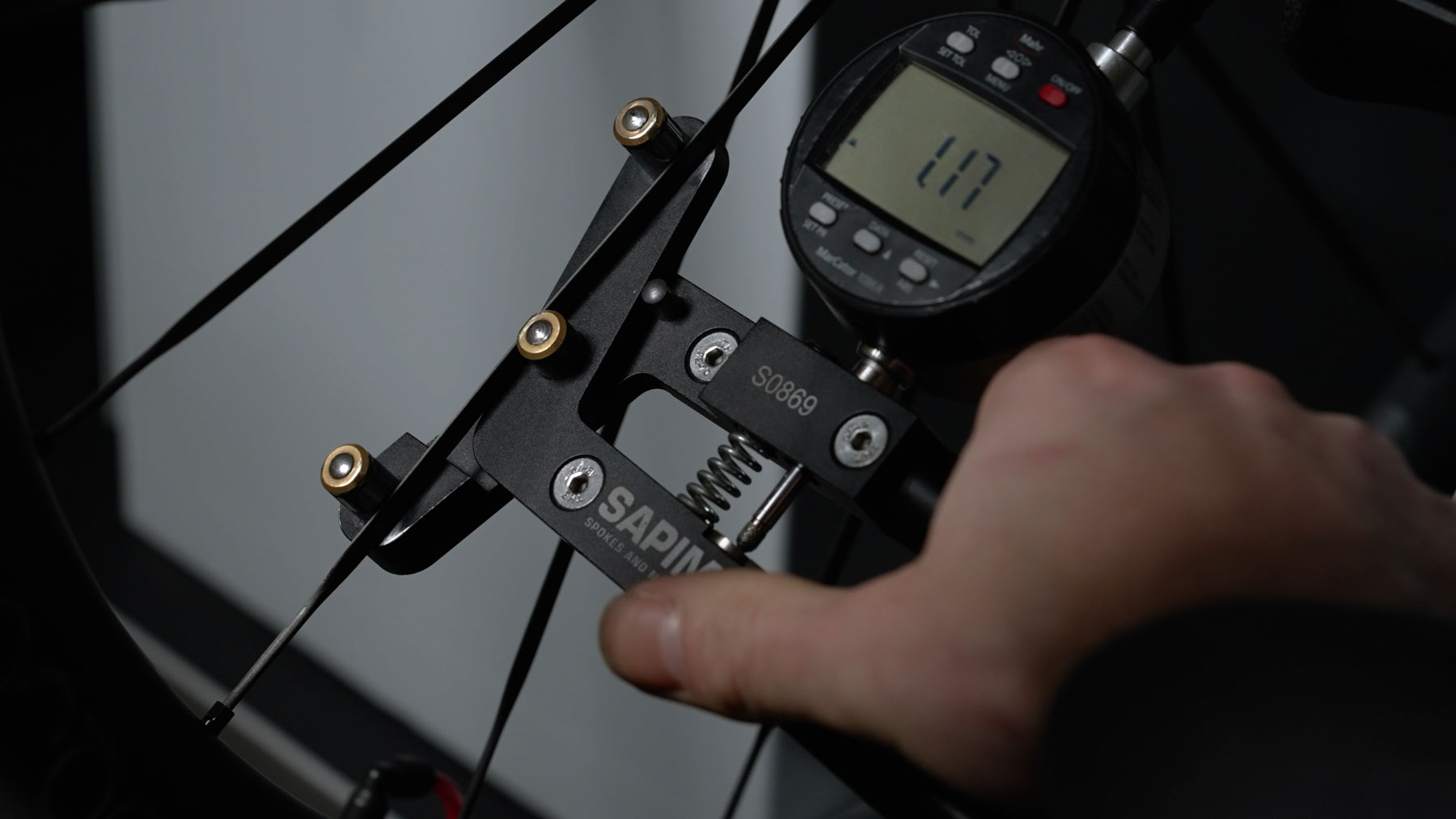
Oquo says all its physical testing surpasses the minimum UCI and industry standards by multiple levels. All the wheelsets are built by hand to exacting standards, with proprietary technology used to ensure all the assemblies meet Oquo’s criteria.

Performance gains

Oquo wheel building
Every wheel is checked meticulously. Oquo

The claimed drop in weight across the range is around 6%, thanks to a redesign in the carbon layup due to the reduced number of spokes. The changes to the angle-interface at the rim and hub flange play their part in the overall system gains, too.

I recently tested the RP50 LTD wheels at 1,421g a pair, and that drops to 1,371g for the CS version – a reduction of around 3.6%.

RA57 LTD CS
The RA57 LTD CS has dropped in weight to 1,373g. Oquo

That’s not a huge saving, but when added to the gains Oquo claims in terms of performance, stiffness is improved by 17% over the standard wheel, even with the reduction in spoke count.

Add a 2-watt aerodynamic improvement over the wheels’ steel-spoke equivalents and it’s no wonder the CS models have become the wheelsets of choice for Lotto-Intermarchè.

New carbon-spoke models

Oquo rim with Vittoria tyre fitted
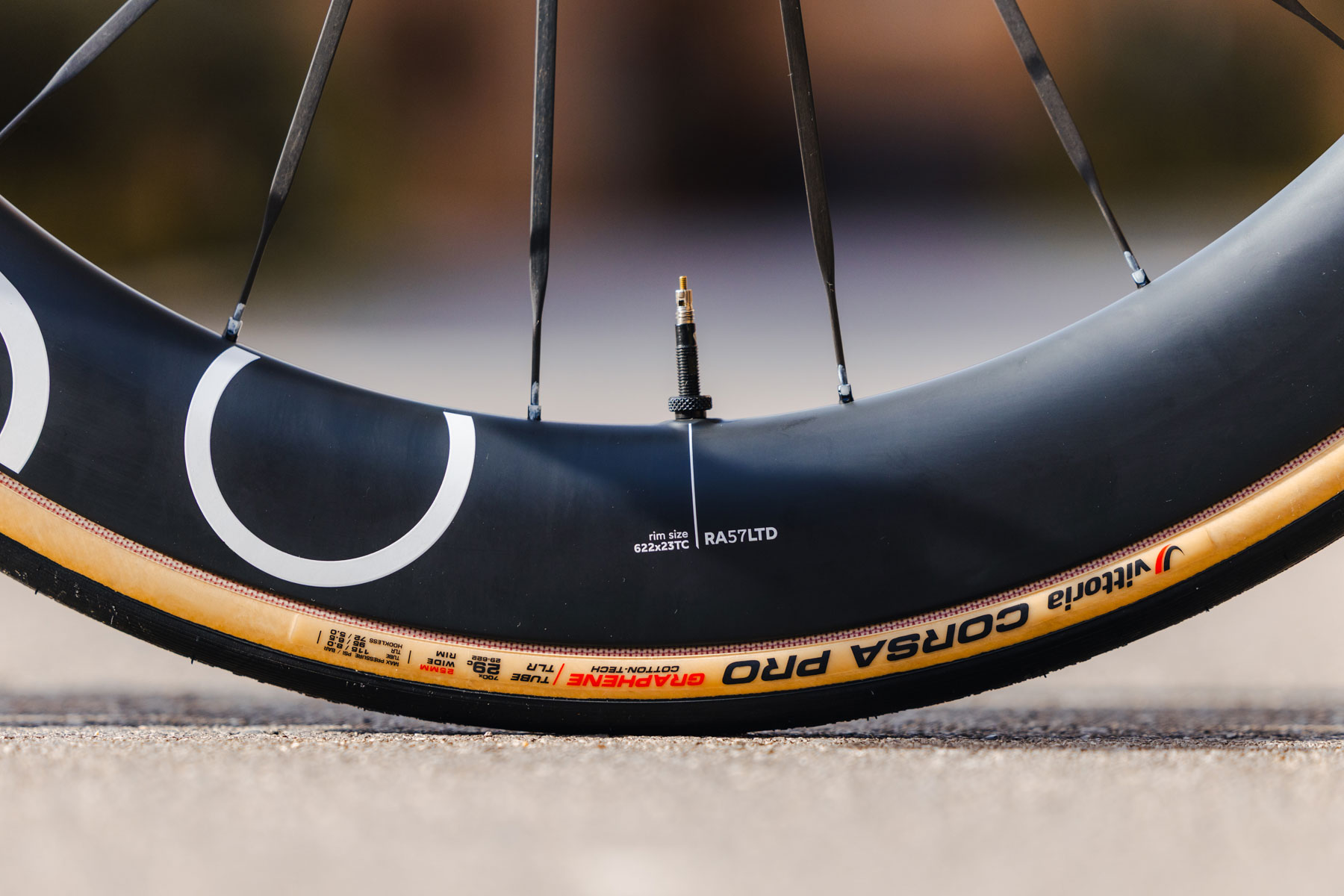
Oquo claims the mini-hook interface creates a lower drag combination than hooked rims. Harry Talbot / Oquo
  • RA80 LTD CS: maximum aerodynamics for high-speed riding, with an 80mm rim depth and 23mm internal width. Designed for time trial and triathlon use. Claimed to weigh 1,576g a pair.
  • RA57 LTD CS: with a 57mm rim depth, a 23mm internal width and a weight of 1,373g, this is the wheel for high-speed racing, and the one most likely to be seen at this year’s major tours.
  • RP50 LTD CS: with a 50mm rim depth, 25mm internal width and a weight of 1,371g, this crossover wheel is aimed at both road and gravel. Expect to see these at the classics.
  • RP45 LTD CS: with a 45mm rim depth and 21mm internal width, this is the lightest wheelset in the Oquo range at 1,223g.

All the wheels are priced at: £2,599 / $3,149 / €2,999 and come with tubeless valves, tubeless sealant and wheel bags.
Novitech Unleashes A Purple Lamborghini Revuelto With 1048-HP V12 Fury

Novitech Unleashes A Purple Lamborghini Revuelto With 1048-HP V12 Fury
In stock guise, Lamborghini’s Revuelto is already a prime example of modern performance, but German tuning house Novitec has decided that 1,001 horsepower simply wasn’t enough. By adding more carbon fiber aerodynamic bits with an exhaust system that aims to sing like a classic V12, the tuned hybrid Revuelto has been turned into a 1,048-hp

What’s Coming Next? Read “This Season On Zwift” Spring 2026 Press Release

Zwift just released their latest “This Season on Zwift” announcement detailing key game features, Companion app updates, and events coming in the next few months. We’ve posted the complete press release below, and in the coming days, we’ll dive into some of the announcements in more detail.

There’s some fun stuff here, so let’s get on with it…

New Roads, Planning Tools, and Deeper Outdoor Integration Set to Help You Get More From This Season on Zwift

An expanded Paris map, gravel galore, new bikes, and so much more to benefit Zwifters this coming season.

Zwift, the global online fitness platform, today lifts the lid on many of the exciting new product developments and content experiences planned to launch this coming season. From planning in Zwift Companion, more levels to chase in both running and cycling as well as a dedicated event map for gravel, there is something for every Zwifter to explore This Season on Zwift.

Personalized Recommendations Go Outdoors

Launching in April

Personalized Recommendations recently launched in Zwift, helping Zwifters spend less time thinking and more time doing. Based on a combination of your recent ride history and preferred activity types, every Zwifter now receives a recommended next activity in the ‘Next Up’ card in Zwift Companion. Personalized Recommendations will serve a variety of content, including Robopacer Rides, Routes, and workouts. The first recommendation is the one we think you will enjoy most, but Zwifters have the flexibility to adjust activity type to suit their needs.

As we move towards the Northern hemisphere summer season, Zwifters now have the option to view an Outdoor Recommendation in Zwift Companion. This will be a basic guide to advise how to get the most from your next activity. Simplicity is the name of the game here, giving Zwifters the space to make the most of those sunny summer miles!

Plan Your Week in Zwift Companion

Coming this April

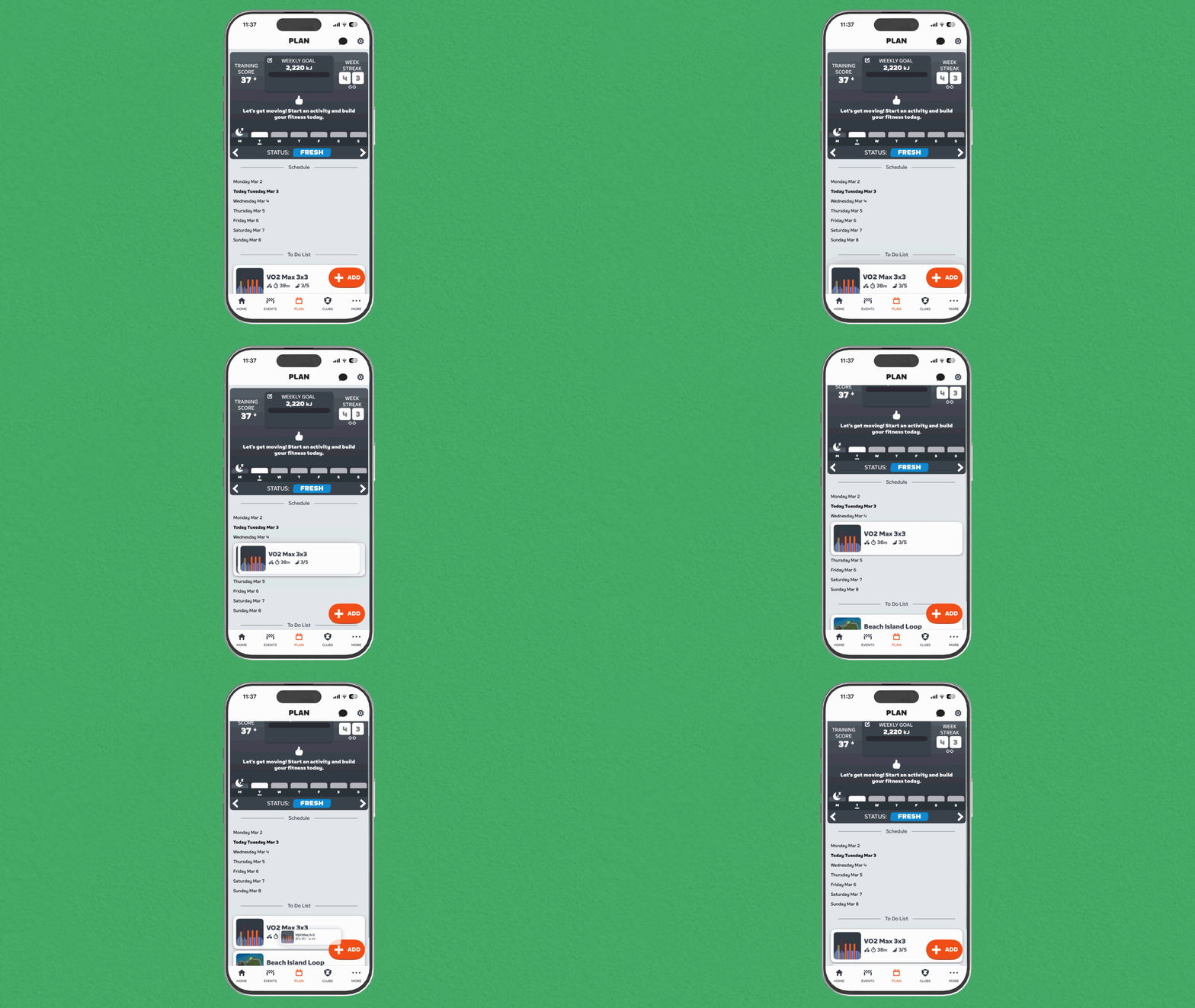
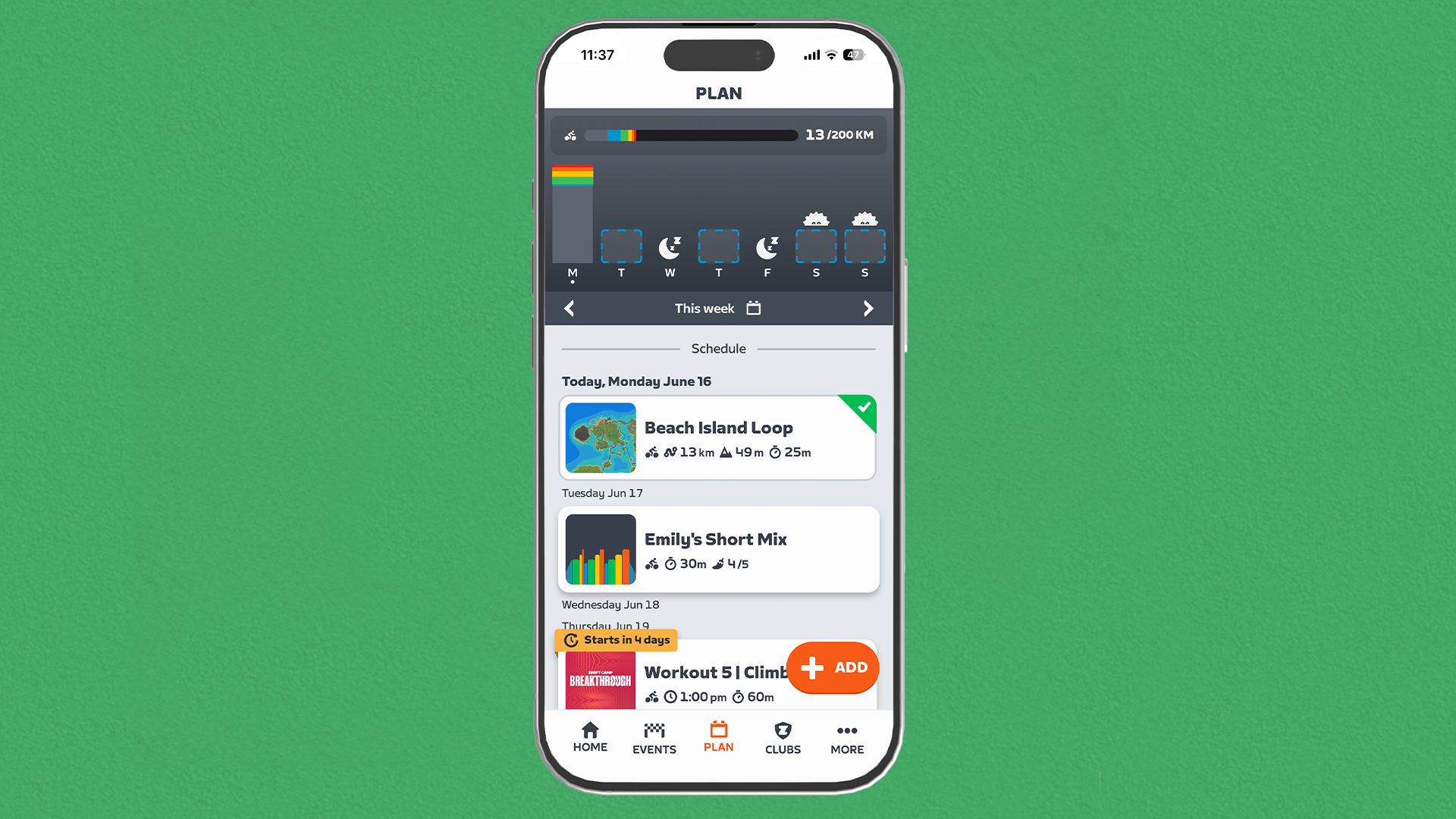
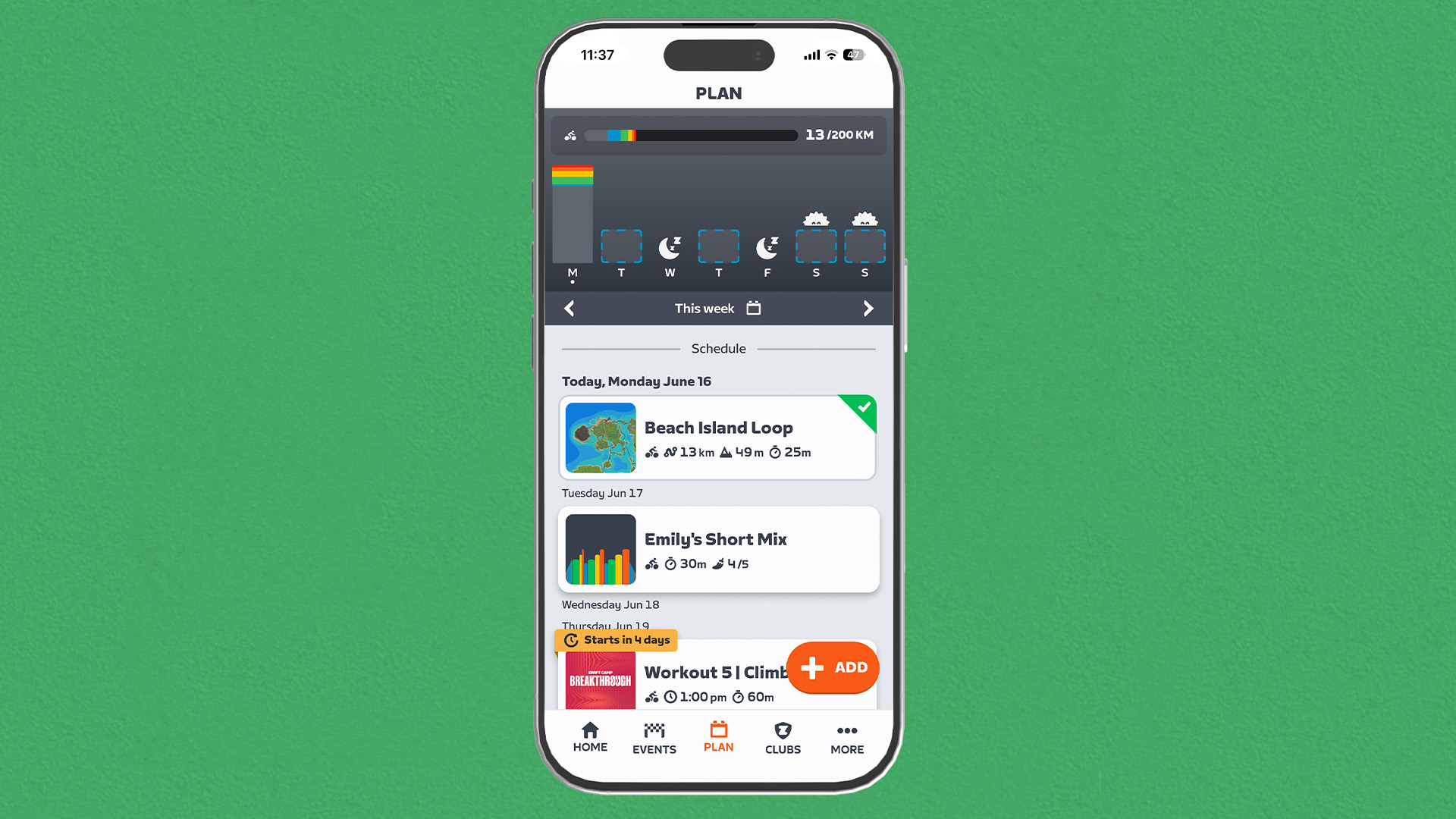
For those who prefer to plan out their weeks and hold themselves accountable through scheduling, Zwift is now giving Zwifters the ability to plan their week within Zwift Companion. At launch, Zwifters will be able to schedule bike workouts, bike routes, bike and run events, Robopacer Rides, and challenge tasks (e.g. Route of the Week) for the days ahead. As activities are added to the weekly calendar, the fitness graph on the Zwift Companion app homescreen will automatically show all future planned activities so Zwifters can see what’s ahead at a glance. For Zwifters with third-party training connections, planned workouts will automatically populate.

Don’t want to plan your full week? No problem. Planning a few events or activities ahead will have the added benefit of improving your personalized recommendations, so if you have a race scheduled for tomorrow, we can give you something to prime those legs.

Zwift Camp: Breakthrough

April 6th – May 17th

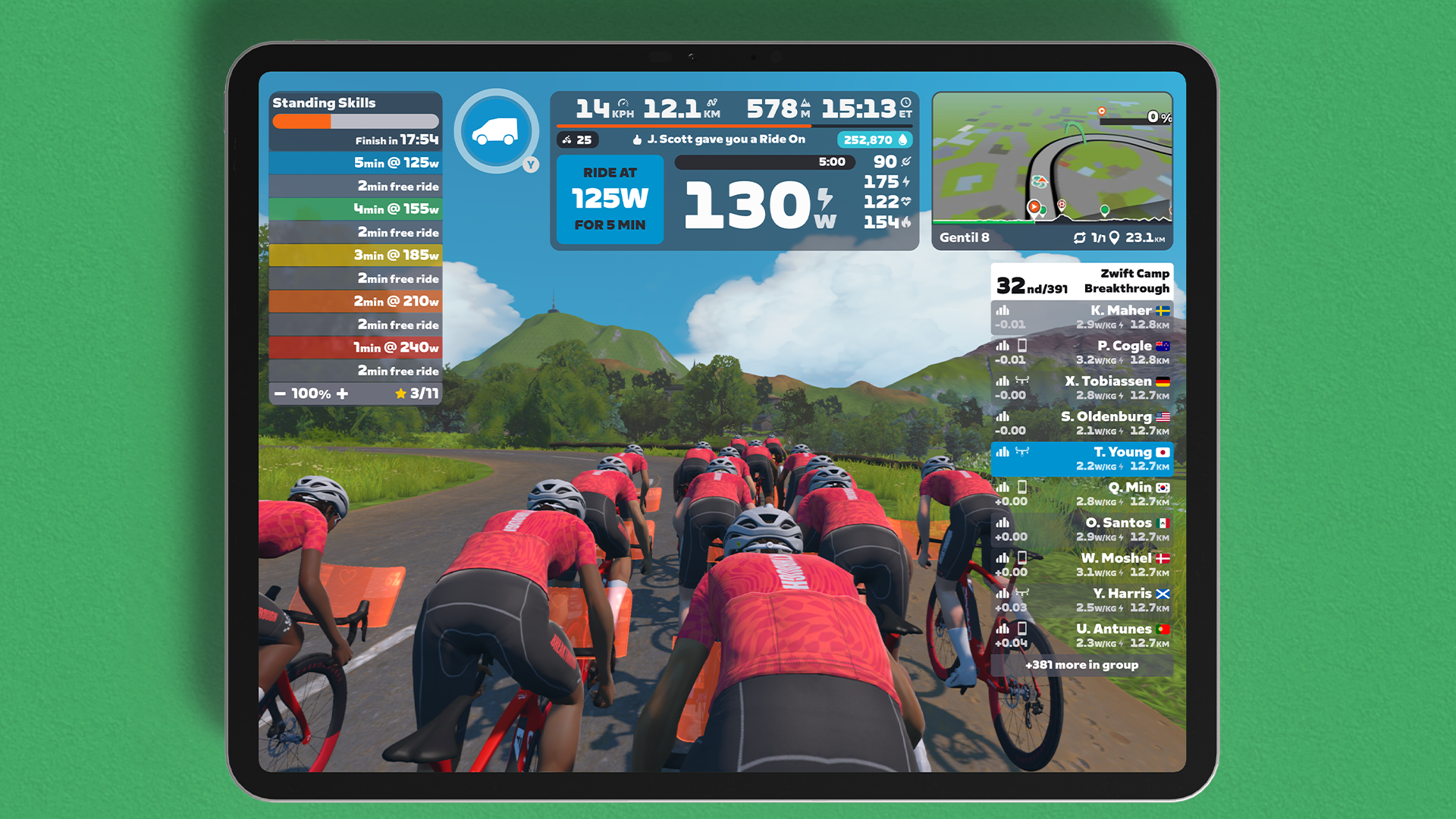
The final Zwift Camp of this winter season arrives with Zwift Camp: Breakthrough. Beginning April 6th, Zwift Camp: Breakthrough is designed to support Zwifters in their transition to the summer season. The five workouts will focus not only on fitness but also feature drills to improve technique, stability, and control. The end result should be stronger, smoother outdoor miles for Zwifters.

Configure Your HUD for Workouts

Launching May

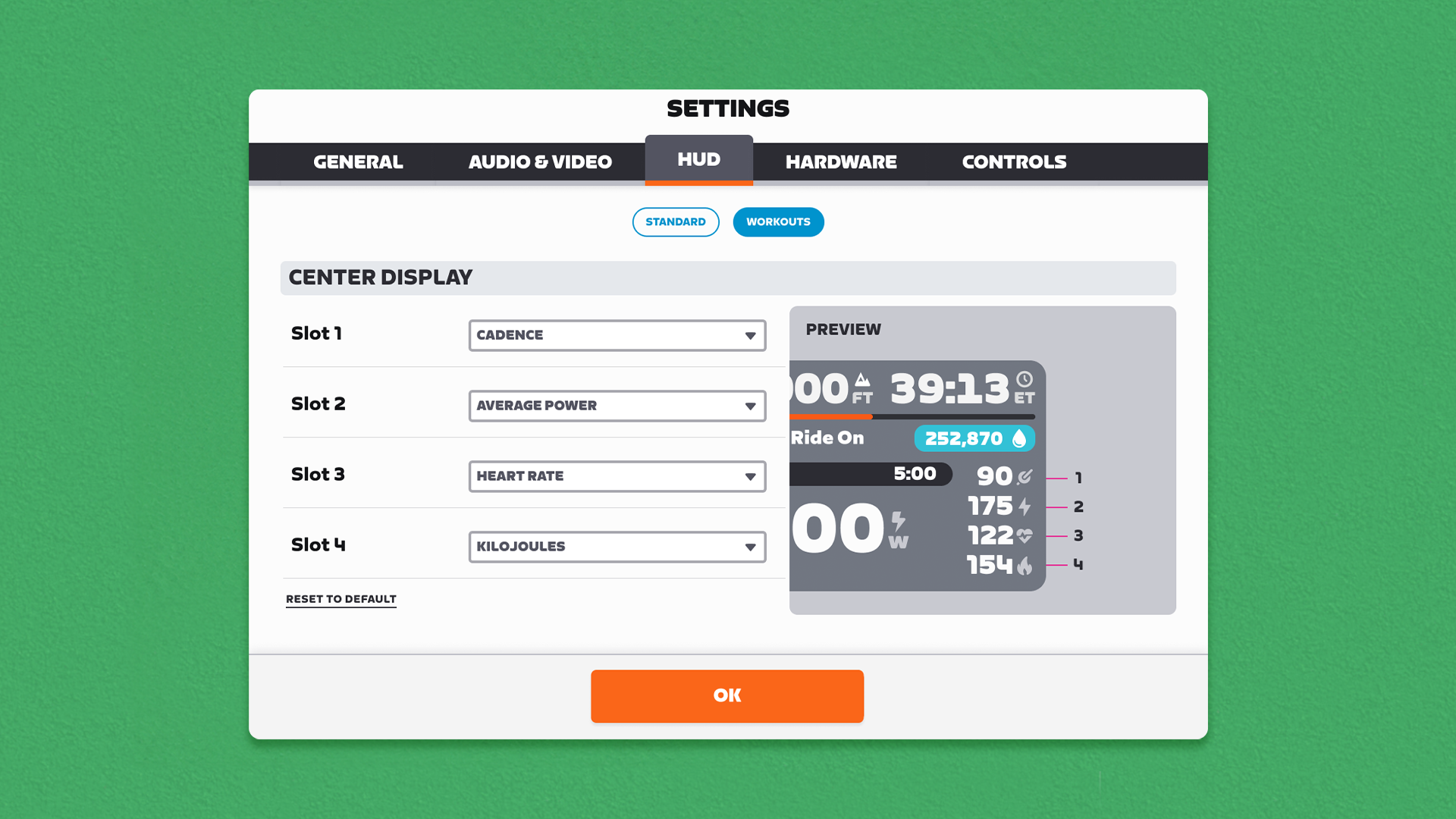
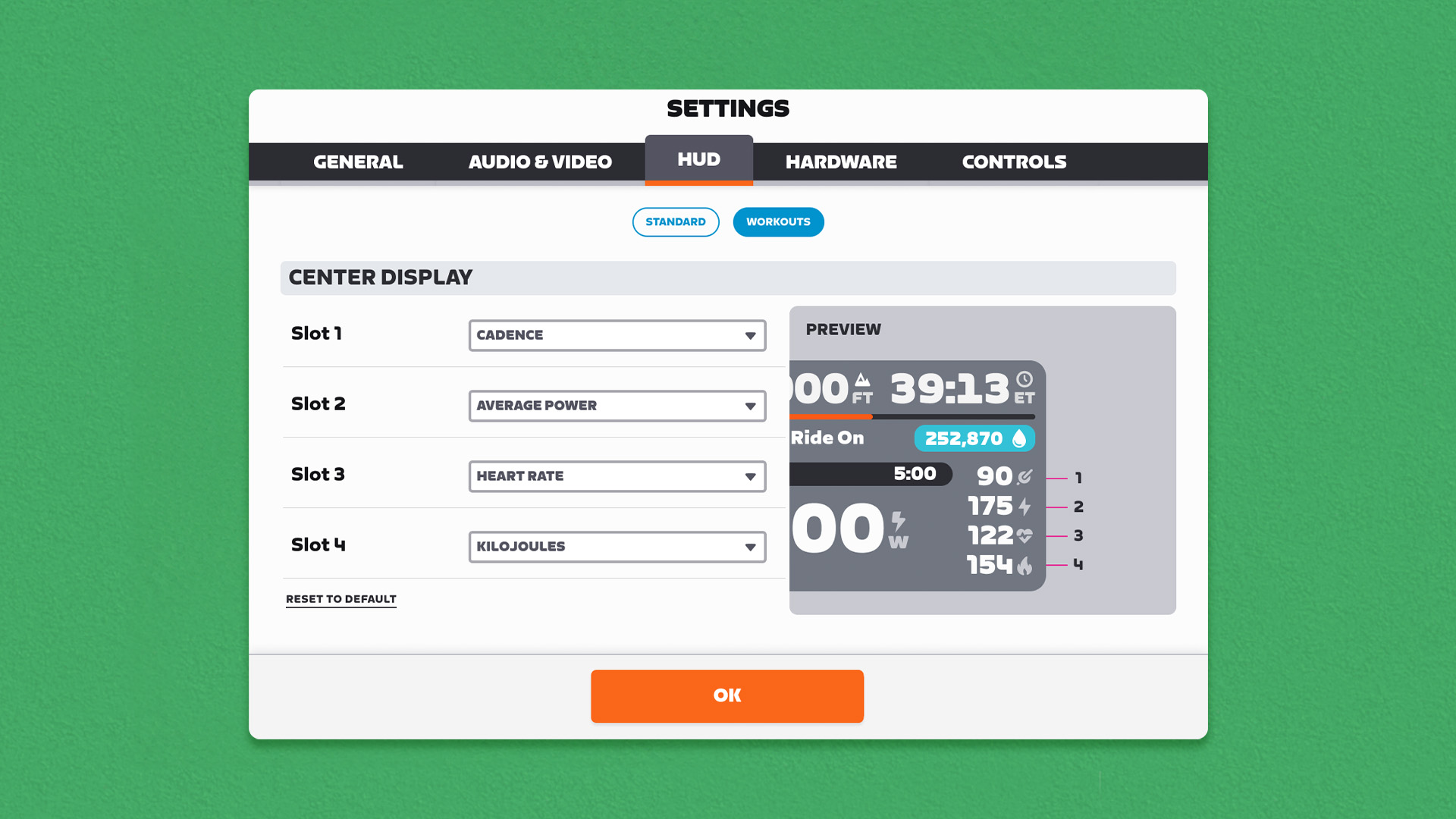
Whether participating in Zwift Camp: Breakthrough, or completing any one of Zwift’s 1,000+ workouts, the ability to customise data fields in workout mode is sure to level up the experience. Four configurable data fields can be illustrated on the central workout screen. Zwifters can pick from 13 biometric data points ranging from Cadence (RPM) to Core Temperature or power to weight ratio (W/KG). This update will allow Zwifters to tailor their data inputs, so they can focus on what’s best for them and get the most out of their training.

Gravel Mountain

Ride it from April 6th 

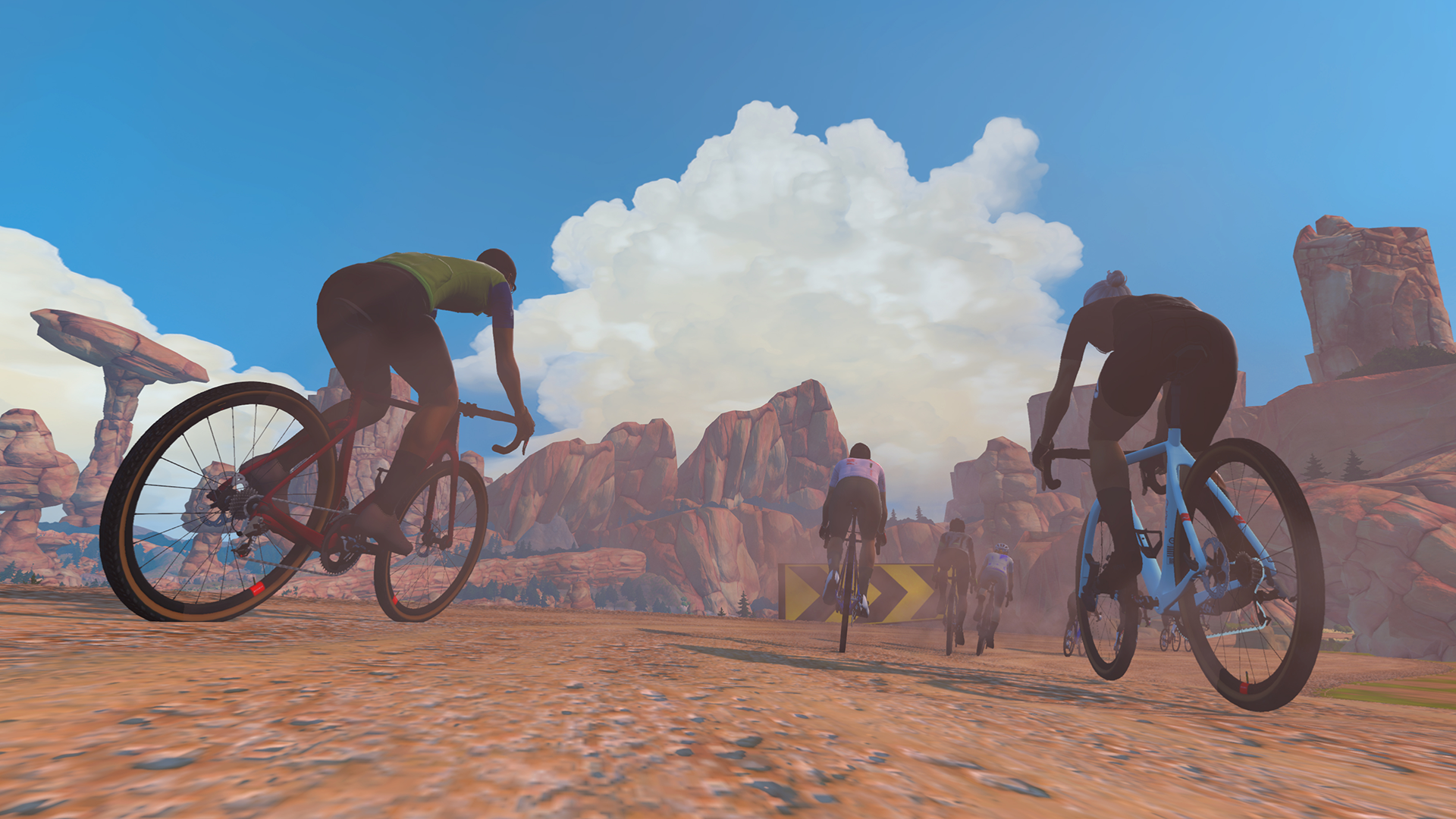
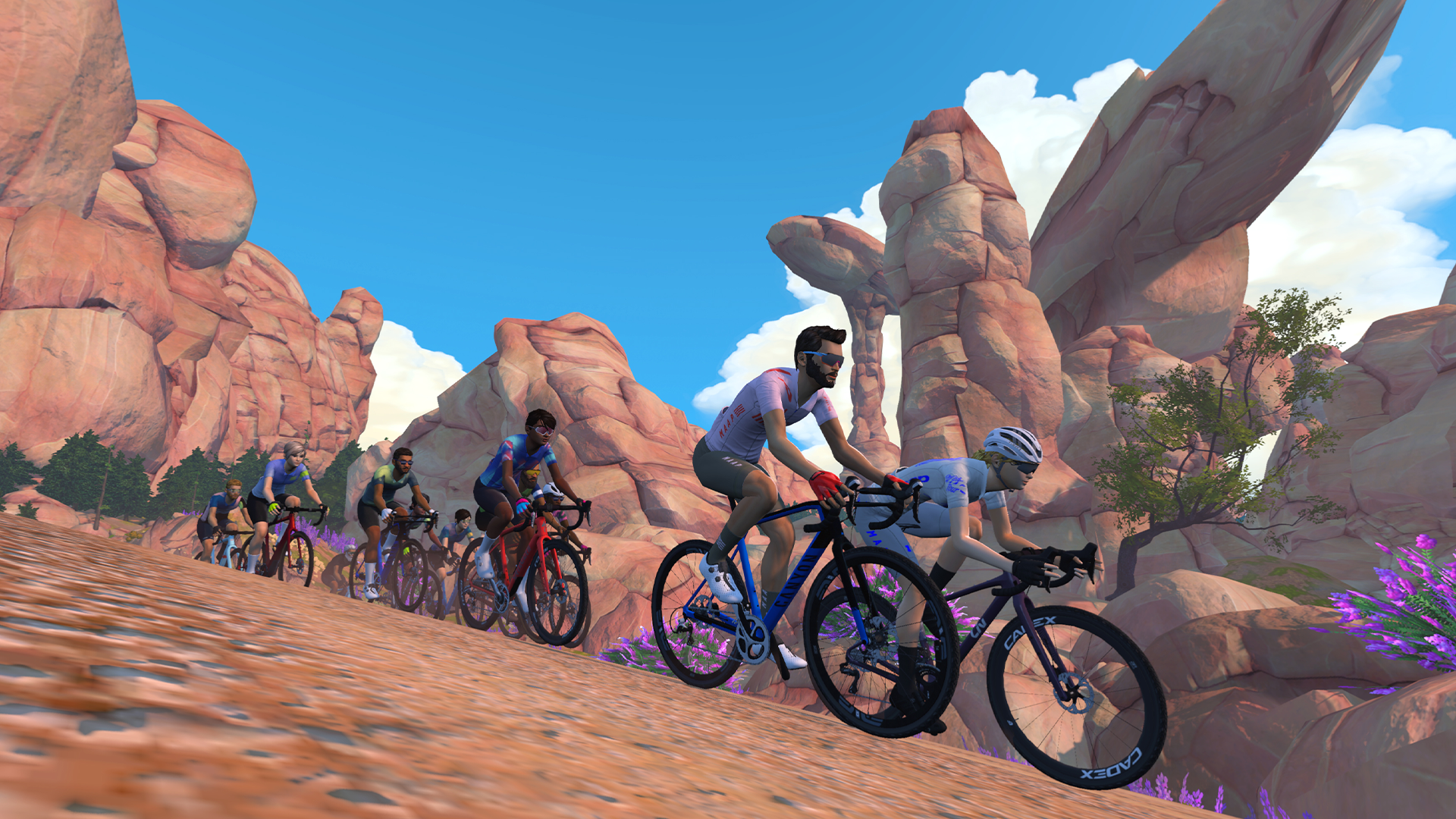
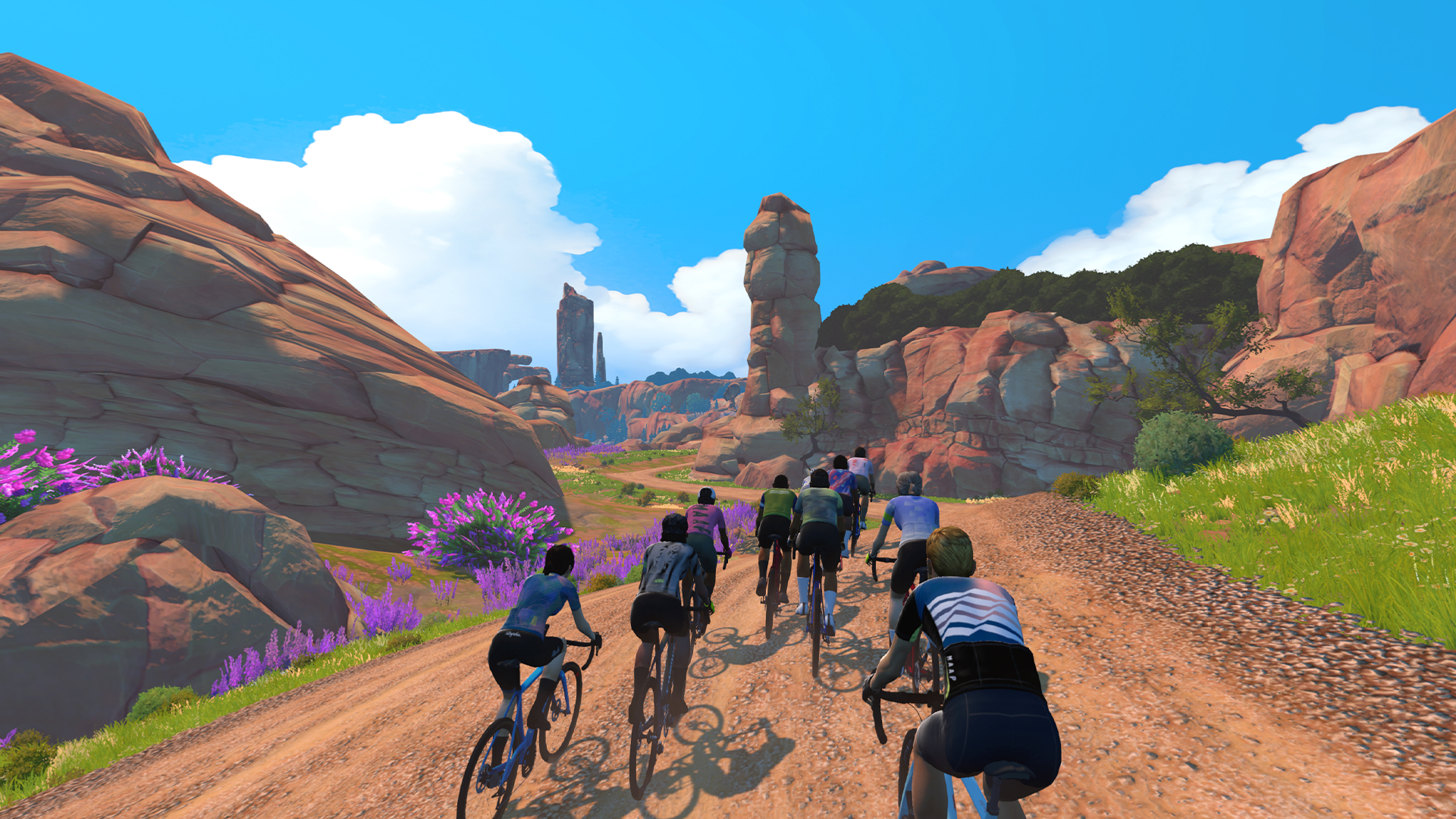
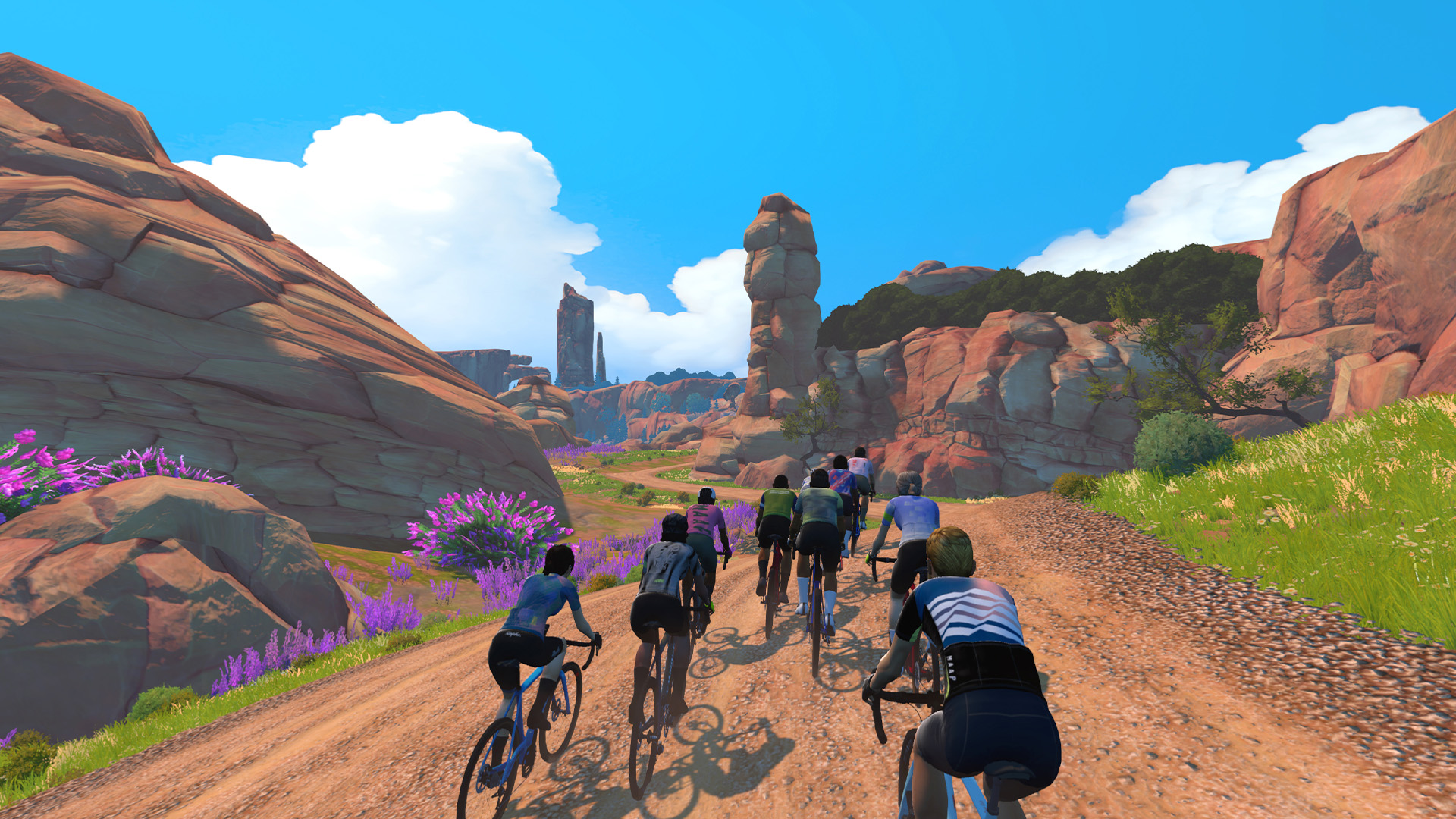
Zwift’s first gravel-only map comes to Zwift on April 6th. An event-only map, Gravel Mountain will be the fastest, most exciting way to experience gravel on Zwift – expect dust, speed, and loose lines set in a red rock environment with new route features including red rock medians, corner berms, and ultra-wide roads.

The full gravel surface means gravel bikes will be optimal, so why not pay the Zwift Drop Shop a visit and enjoy a new virtual bike day to celebrate the launch of Gravel Mountain. 

Pas Racing Series

April 6th – May 3rd

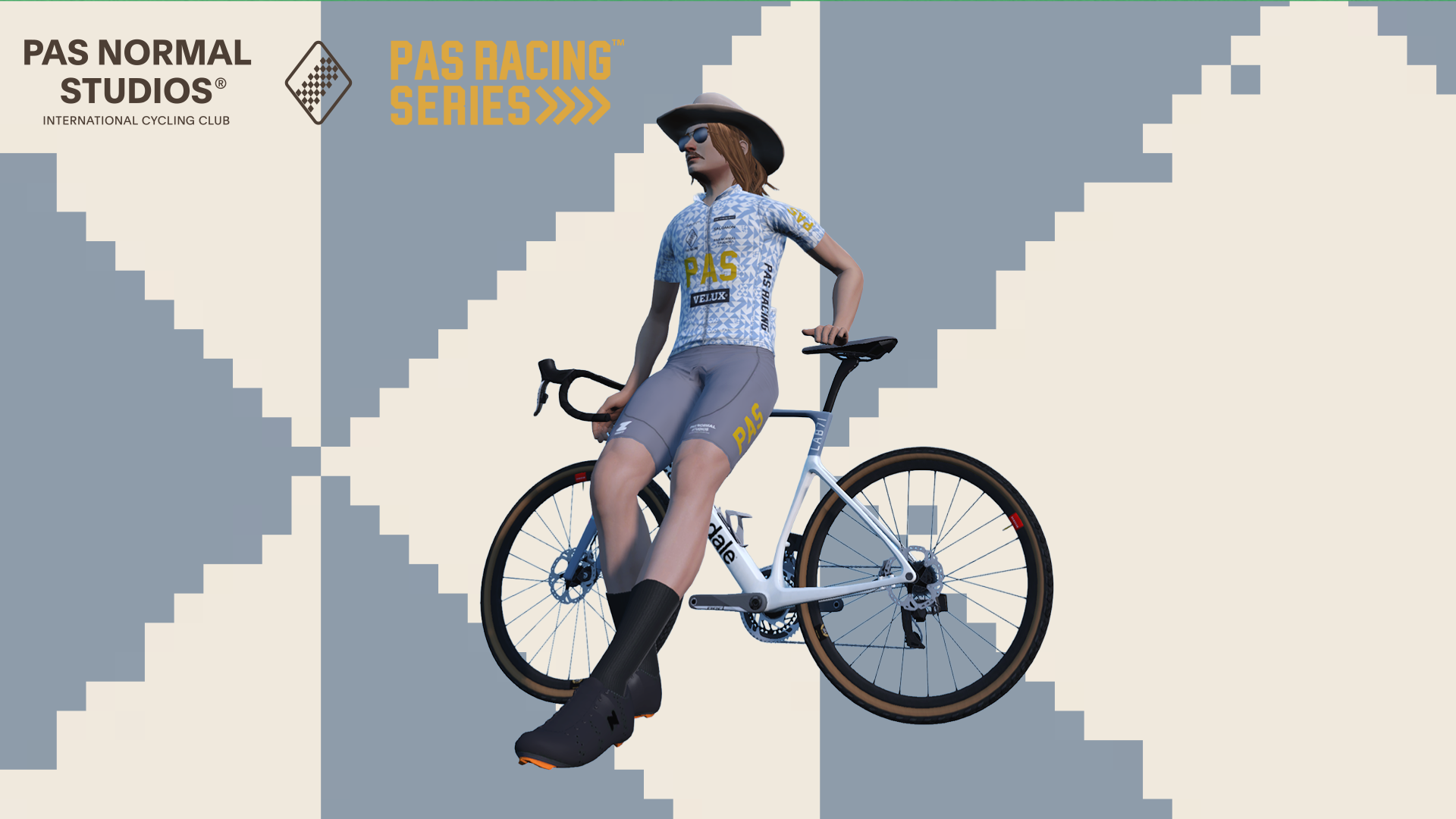
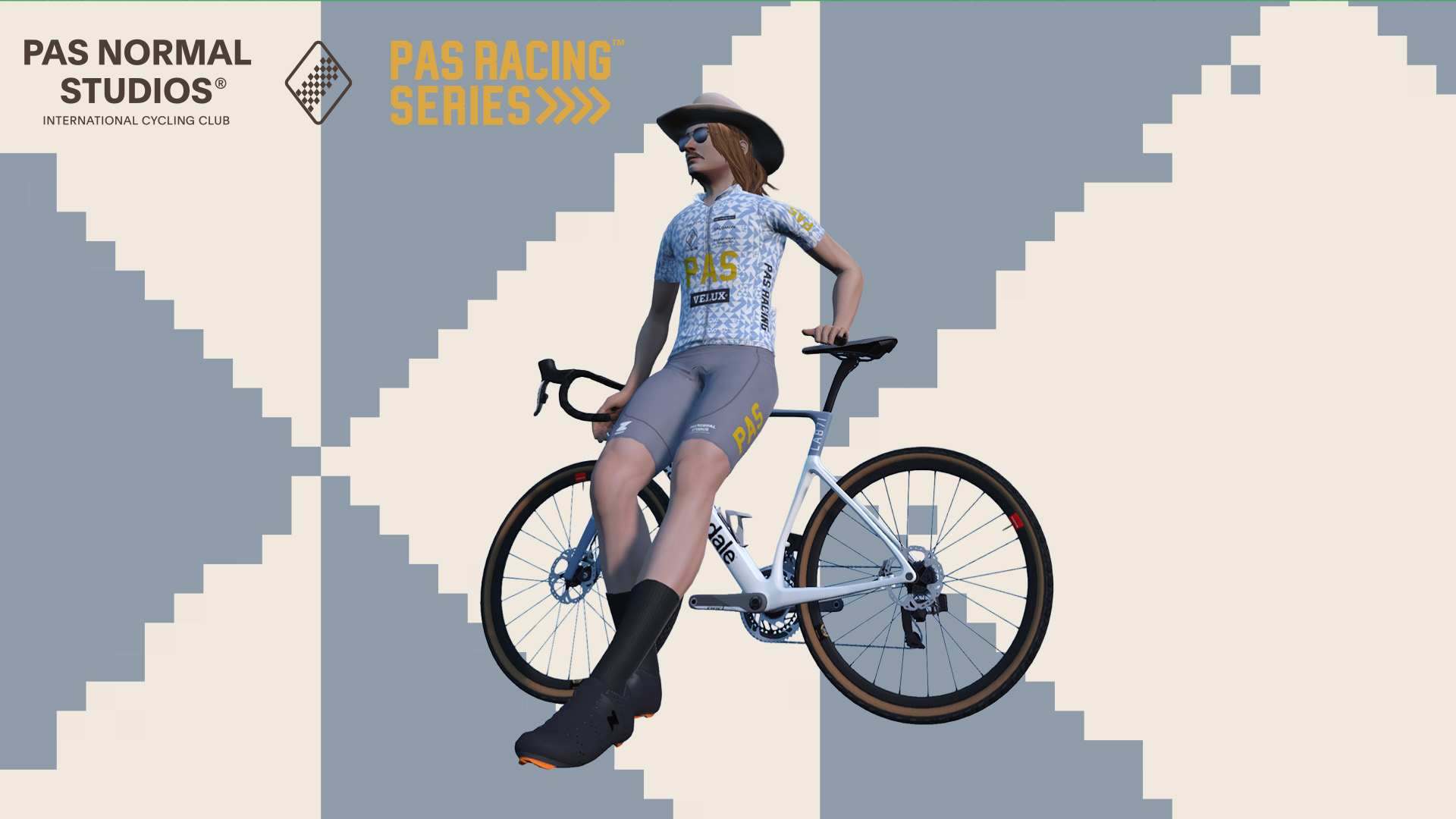
The fastest and most dynamic racing experience on Zwift starts with the Pas Racing Series, which brings the performance and style of Pas Normal Studios to a new kind of gravel racing on Zwift: tough, competitive, and refined. The four-stage gravel series includes the new routes in Gravel Mountain and a new gravel route in Makuri Islands. Races will run hourly, and of course there will be a custom Pas Normal kit to unlock.

More Levels for Running and Cycling

Coming April

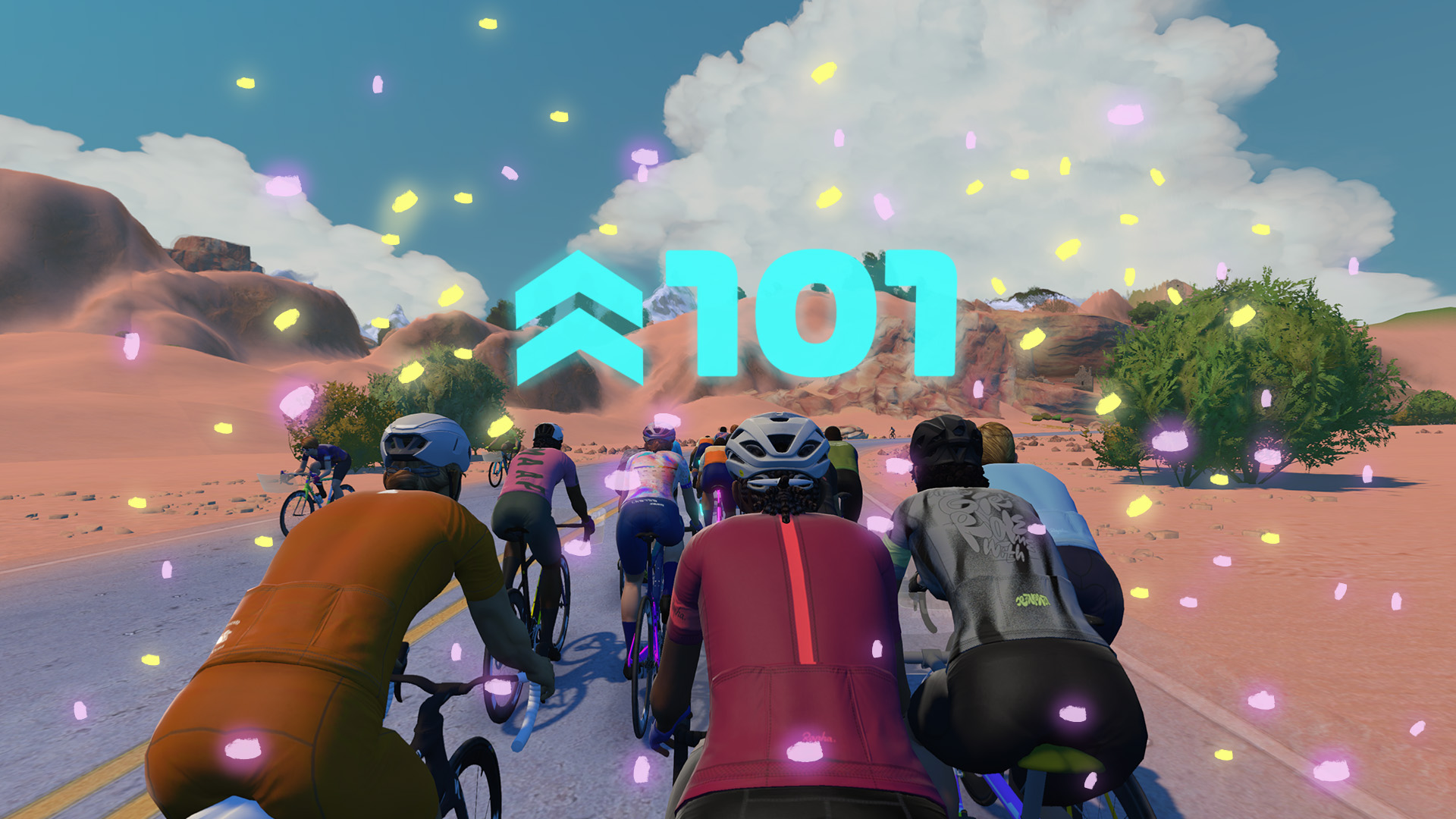
Every Zwifter knows how compelling it is to round up their rides to the nearest mile or kilometre – not for bragging rights, but for that extra XP. Chasing levels is incredibly rewarding, and now there’s more to chase than ever before, no matter your Zwift level. The level 100 cap has been lifted, giving Zwifters hundreds of new levels to chase. And for those Zwifters who have hit that century milestone, there is a new status stripe, visible in the rider name list and in Zwift Companion. Runners on Zwift will also see the level cap lifted from 30 to 50.

Tour Fever Challenge

July 2nd – August 16th

Zwift is the official software platform for the Tour de France and Tour de France Femmes avec Zwift, and to celebrate there will be six weeks of festivity as we all get swept up in Tour Fever. Running July 2nd – August 16th, the Tour Fever Challenge celebrates the summer of racing with five stages of rides and races to enjoy. The Tour Fever Challenge includes five new badges to chase in the Paris Map.

Paris Expansion

Launching June 26th

The Paris map, created for the Virtual Tour de France, is set to become even more iconic with the addition of the famous Montmartre climb. Mimicking the new finishing circuit of the Tour de France, which has proven popular with fans since it was introduced for the Paris Olympics, Zwifters will now be able to ride up the cobbled climb to the Basilique du Sacré-Coeur de Montmartre. Short but punchy, this will be sure to put a sting in the legs.

Drop Shop Update

Spring / Summer

The Zwift Drop Shop is the destination for Zwifters to spend their well-earned Drops on the latest bikes and wheels. This year, the Drop Shop is getting its biggest overhaul yet, with a wealth of new bikes and wheels arriving over the next 12 months. This Spring and Summer, 18 new bikes and 13 new wheelsets are set to hit the virtual shelves. The first two ‘Drops’ land in March and April with a distinct gravel focus, giving Zwifters the chance to kit themselves out with the latest tech for the launch of Gravel Mountain and the Pas Racing Series.

Zwift Challenges Go Outdoors

Coming this Summer

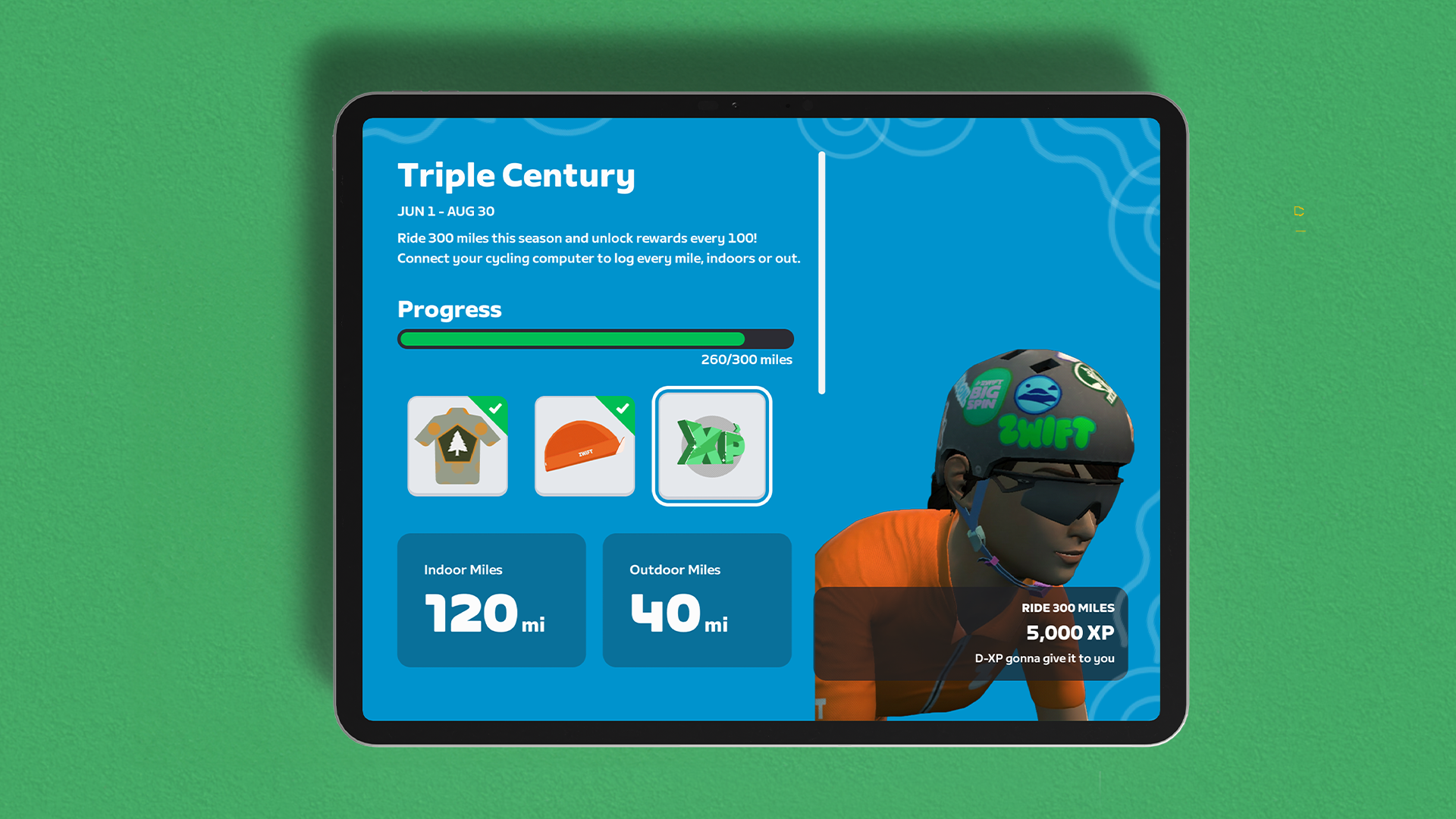
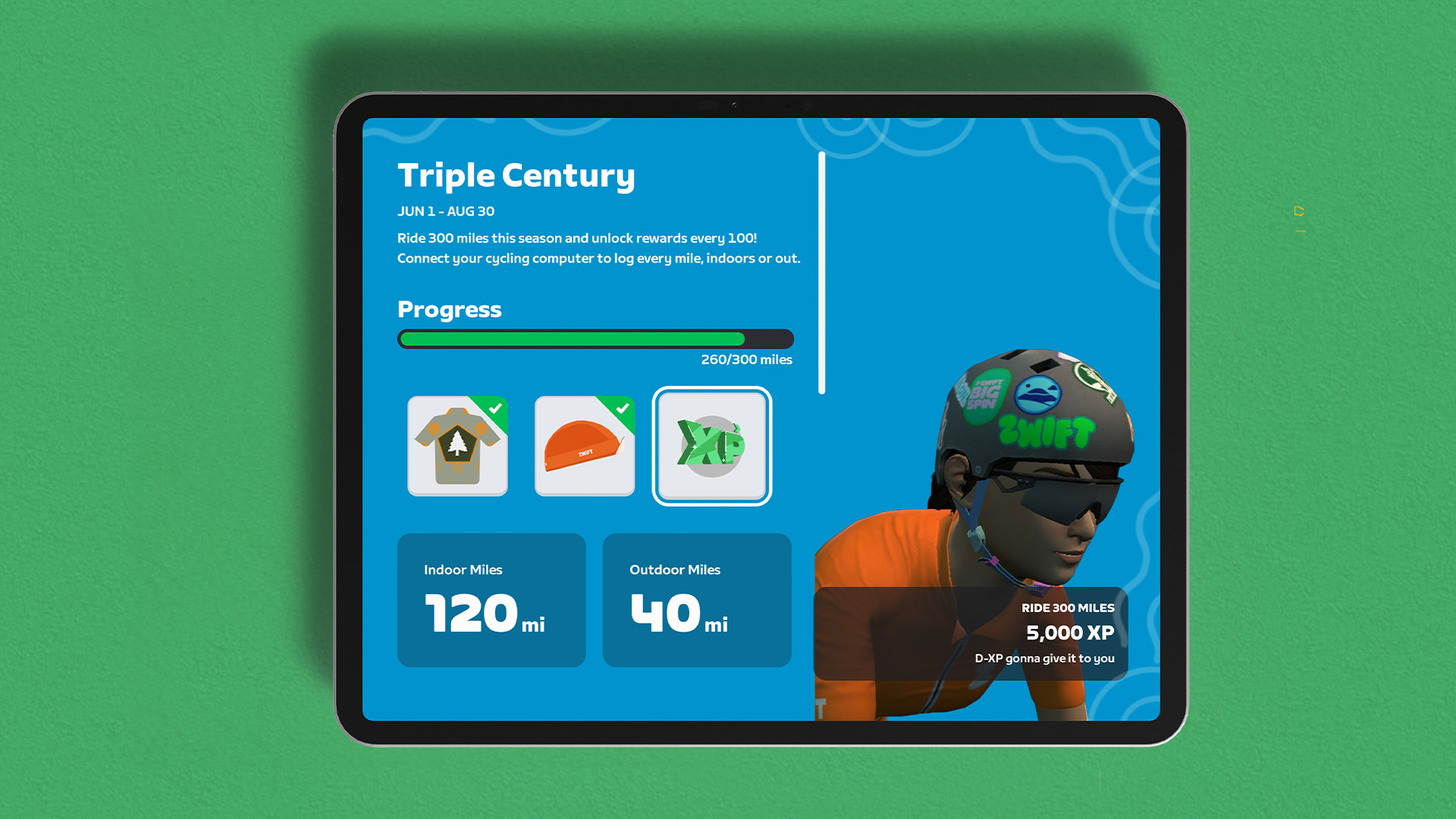
Zwift Challenges, with their bonus rewards for completion, have proven to be immensely popular experiences on the Zwift platform. This summer, the fun doesn’t have to stop as cyclists enjoy the great outdoors, as Zwift plans to launch its first indoor/outdoor challenges. To complete, Zwifters will need to have connected their Wahoo, Garmin, or Hammerhead accounts.


Share Your Thoughts!

What do you think of Zwift’s roadmap for the next few months of new features? Comment below!

Zwift wants you to ride outdoors in 2026 as it expands Paris map to include iconic climb and adds new gravel world

Zwift has announced its users will be encouraged to go ride their bikes outside this summer, thanks to updates to the platform’s Personalised Recommendations feature.

Announced last autumn, Zwift’s Personalised Recommendations harness AI to suggest your next activity when you load the app.

Now, Zwift says riders will be able to see Outdoor Recommendations – suggesting they should close the app and ride in the real world for a change.

The announcement comes as part of Zwift’s seasonal content reveal (which it dubs ‘this season on Zwift’). It has also teased an expansion to the Paris map, a new gravel-focused world, additions to Zwift’s in-game bike shop – the Drop Shop – and more.

Zwift will now recommend outdoor rides

This season on Zwift – Spring / Summer 2026
You’ll soon be able to complete certain challenges indoors and outdoors. Zwift

According to Zwift, the recommendations for outdoor rides will differ from indoor rides, without a specific workout or route to ride.

Instead, they’ll simply be “a basic guide to advise how to get the most from your next activity”.

Additionally, the brand says it plans to launch in-game challenges that will reward Zwift users for progress completed both indoors and outdoors.

Is this a tacit admission that Zwifters are spending too long staring at screens and need to go outside and experience the real world?

We suspect it probably has more to do with the brand trying to keep its subscribers engaged over the summer months – a time when usage, and perhaps therefore also subscription, rates in the northern hemisphere almost certainly drop significantly.

Zwift is already giving riders in-game experience points (XP) for outdoor rides completed on connected devices, for example.

These additions are therefore likely designed to help increase retention on the platform during times when people will naturally be less inclined to ride indoors on a smart trainer.

Tour fever

The Basilique du Sacré-Coeur de Montmartre in Zwift
The Basilique du Sacré-Coeur de Montmartre is coming to Zwift’s Paris map this summer. Zwift

As the ‘official software’ for the Tour de France, Zwift is naturally keen to celebrate the sport’s most important event.

With this in mind, Zwift is expanding its Paris map, which currently features the Tour’s traditional finishing circuit on the Champs-Élysées.

And with the Tour having added the Montmarte climb to its final stage last year, Zwift is following suit.

The iconic cobbled climb, which was added to the Tour’s finishing circuit last year following its use in the road races at the 2024 Olympic Games, will be incorporated into the game’s Paris map, adding a tough climb to an otherwise relatively flat parcours.

Zwift says the expanded map will be available to ride from 26 June, and will feature the Basilique du Sacré-Coeur de Montmartre at the summit of the climb.

We don’t yet have details of how closely the virtual climb will match its real-world counterpart, although at only 0.6km in length, with an average gradient of 4.7 per cent, we imagine Zwift will stick closely to the real thing.

To mark the 2026 Tour de France and Tour de France Femmes, Zwift will be running the Tour Fever Challenge from 2 July to 16 August 2026.

There will be both races and group rides to participate in, with five new route badges to collect in the Paris map.

Gravel Mountain

Zwift Gravel Mountain
Zwift’s first gravel world is coming in April. Zwift

Also coming this Spring is Gravel Mountain – a new, event-only map designed specifically for virtual gravel racing.

Gravel Mountain, Zwift says, “will be the fastest, most exciting way to experience gravel on Zwift”.

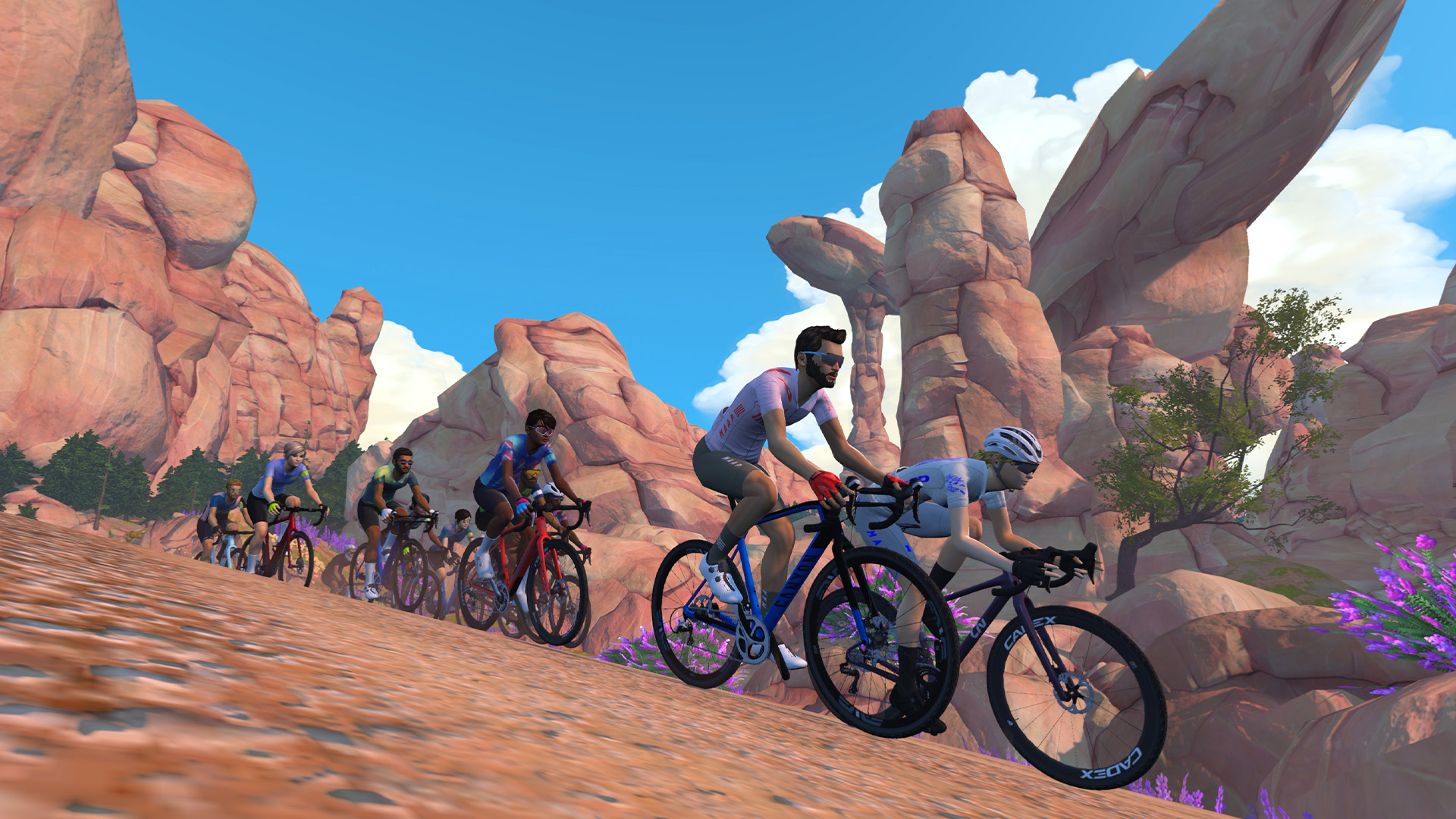
Set in a “red rock environment”, Zwift says riders can expect “dust, speed and loose lines” and a “distinct handling and racing experience compared to road racing [on Zwift]”.

Zwift Gravel Mountain
Zwift says Gravel Mountain will favour gravel bikes. Zwift

It’s not clear exactly how these “loose lines” or handling differences will play out in-game, although Zwift says dedicated gravel bikes will be the “optimal” pick from a performance perspective.

We suspect Zwift is simply trying to sell the vibes of the new world, given how important ‘the spirit of gravel’ is to that genre of bike racing.

PAS Racing Series Zwift
You’ll be able to unlock this Pas Normal kit by participating in the PAS Racing Series. Zwift

In any case, Zwift says the Gravel Mountain world map will launch as part of the PAS Racing Series – a four-stage gravel racing series organised in collaboration with the PAS Racing pro team.

Races will run hourly from 6 April to 3 May 2026, across routes in Gravel Mountain and the Makuri Islands (another of Zwift’s virtual worlds), with a Pas Normal kit to unlock for those who participate.

Drop Shop update

Zwift Drop Shop update Spring / Summer 2026
New bikes are coming to the Drop Shop, potentially including what looks like Specialized’s Crux gravel bike. Zwift

The Drop Shop is Zwift’s in-game shop for bike and wheel upgrades, and the brand says it will be seeing “its biggest overhaul yet” this year.

Specifically, Zwift says 18 new bikes and 13 new wheelsets will land in the shop this spring and summer, with the first two bundles having a gravel focus.

Another bundle is slated to arrive around the Tour de France, with (we expect) a focus on the bikes used in that race.

Zwift Drop Shop update Spring / Summer 2026
This bike appears to be a Canyon Aeroad with a SRAM groupset and Zipp 545 NSW wheels. Zwift

Although it hasn’t yet revealed details of exactly which bikes and wheels will be coming to the platform, Zwift says they are all from “leading brands”.

As well as releasing new models, the brand also says it will be tidying up the Drop Shop and “retiring” some outdated bikes. It says users who have already purchased these bikes will still be able to ride them, even once they’ve been removed from the Drop Shop, however.

Everything else this season on Zwift

This season on Zwift – Spring / Summer 2026
Scheduling rides and workouts will help Zwift recommend more tailored activities. Zwift

Beyond the world and map updates, Zwift has announced a slew of other updates to the platform.

Users will now, for example, be able to schedule workouts, routes and events via the Zwift Companion app.

Zwift says the personalised recommendations will also take planned events into account, so it won’t, for example, suggest a hard workout the day before a race.

This season on Zwift – Spring / Summer 2026
Data fields in the workout HUD can now be customised. Zwift

You’ll also now be able to customise the HUD for workouts, with four configurable data fields and 13 different data points to choose from. Zwift says this change will enable riders to “focus on what’s best for them” during workouts.

The final themed workouts of the winter season are also coming in April, with Zwift Camp: Breakthrough.

Designed to “support Zwifters in their transition to the summer season”, Zwift says the five workouts will feature pedalling drills to “improve technique, stability and control”, rather than a singular focus on improving your fitness.

Zwift is raising its level cap. Zwift

Lastly, with an eye on the platform’s most dedicated users, Zwift has announced it will be lifting the rider level cap – which currently sits at 100.

The new limit has yet to be revealed, but Zwift says riders will have “hundreds of new levels to chase”.

For tips on the fastest ways to level up, check out our Zwift walkthrough guide.

Jupiter Unleashes Lightning Bolts So Intense They Dwarf Anything Seen On Earth

Jupiter Unleashes Lightning Bolts So Intense They Dwarf Anything Seen On Earth
New data from NASA’s almost-retired Juno orbiter has revealed that lightning bolts on Jupiter are significantly more powerful than previously thought, frequently discharging over 100 times the energy of a typical flash on Earth. 

While Earth’s lightning usually occurs in nitrogen-dominated air where moisture is relatively light, Jupiter’s

LiteLLM on PyPI is compromised

This issue
report
describes a credential-stealing attack buried within LiteLLM
1.82.8 in the PyPI repository. It collects and exfiltrates a wide variety
of information, including SSH keys, credentials for a number of cloud
services, crypto wallets, and so on. Anybody who has installed this
package has likely been compromised and needs to respond accordingly.

Update: see this
futuresearch article
for some more information. “The release
contains a malicious .pth file (litellm_init.pth) that executes
automatically on every Python process startup
when litellm is installed in
the environment.
“

Down: Debunking zswap and zram myths

Chris Down has posted a
detailed look
at how the kernel’s zswap and zram subsystems work — and
how they differ.

Most people think of zswap and zram simply as two different
flavours of the same thing: compressed swap. At a surface level,
that’s correct – both compress pages that would otherwise end up on
disk – but they make fundamentally different bets about how the
kernel should handle memory pressure, and picking the wrong one for
your situation can actively make things worse than having no swap
at all

Krita 5.3.0 and 6.0.0 released

The Krita project has announced
the release of Krita 5.3.0 and 6.0.0:

Krita 5.3/6.0 is the result of many years of work by the Krita
developers. Some features have been rewritten from the ground up,
others make their first appearance.

Enjoy the completely new text feature: on canvas editing, full
opentype support, text flowing into shapes. It is now easier than ever
to create vector-based panels for comic pages. Tools got extended: for
instance, the fill tool now can close gaps. The liquify mode of the
transform tool is much faster. There are new filters: a propagate
colors filter and a reset transparent filter. Support for HDR painting
has been improved. The recorder docker can now work in real
time. There is improved support for file formats, like support for
text objects in PSD files. And much, much, much more!

According to the announcement, the versions are almost functionally
identical. However, the 6.0.0 release is the first based on Qt 6;
it has more Wayland functionality but is considered experimental. It
cautions that users should stick to 5.3.0 for real work. See
the release
notes
for a full list of changes.

Pirelli says its new aero tyre is the fastest in the world – without sacrificing rolling resistance or grip 

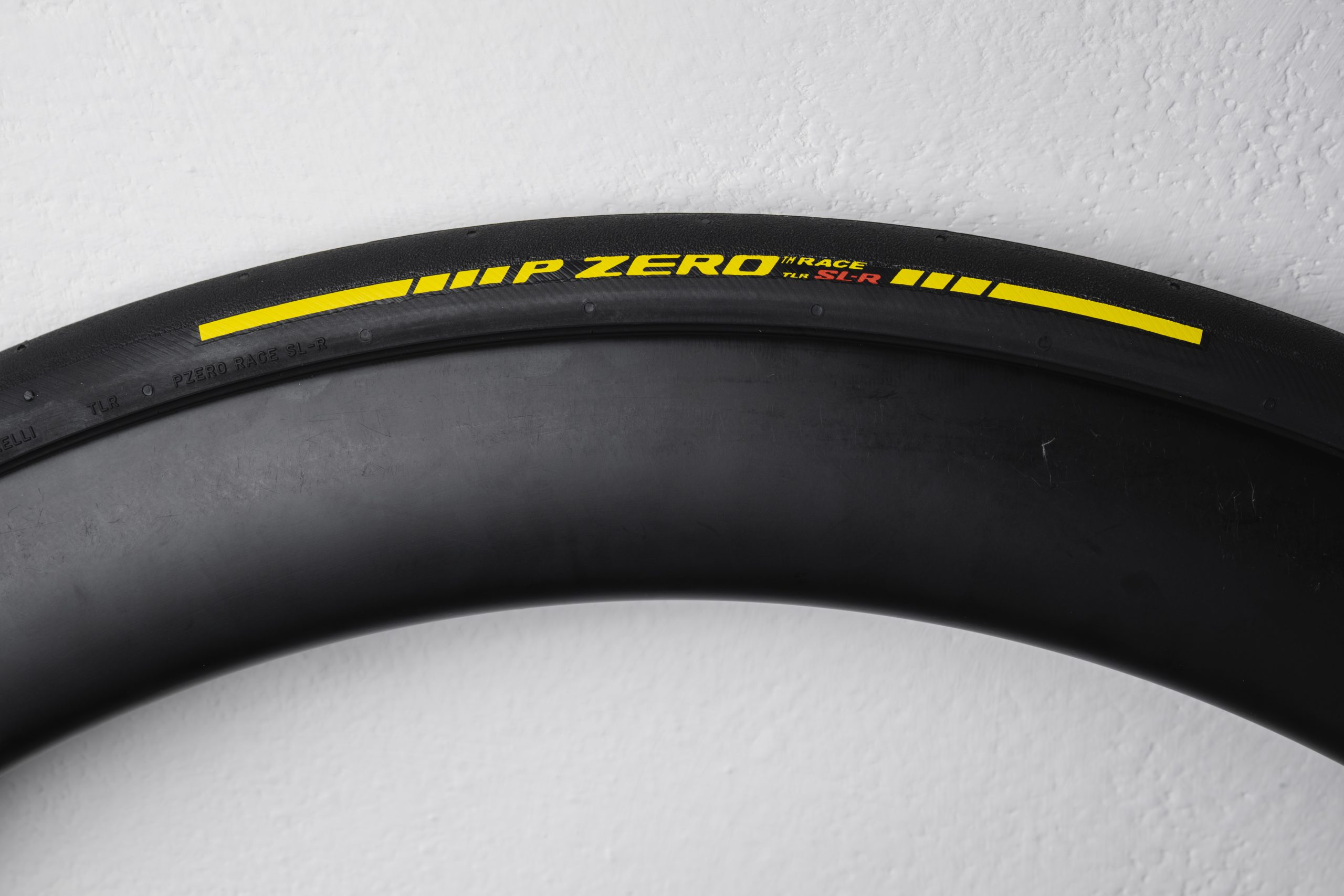
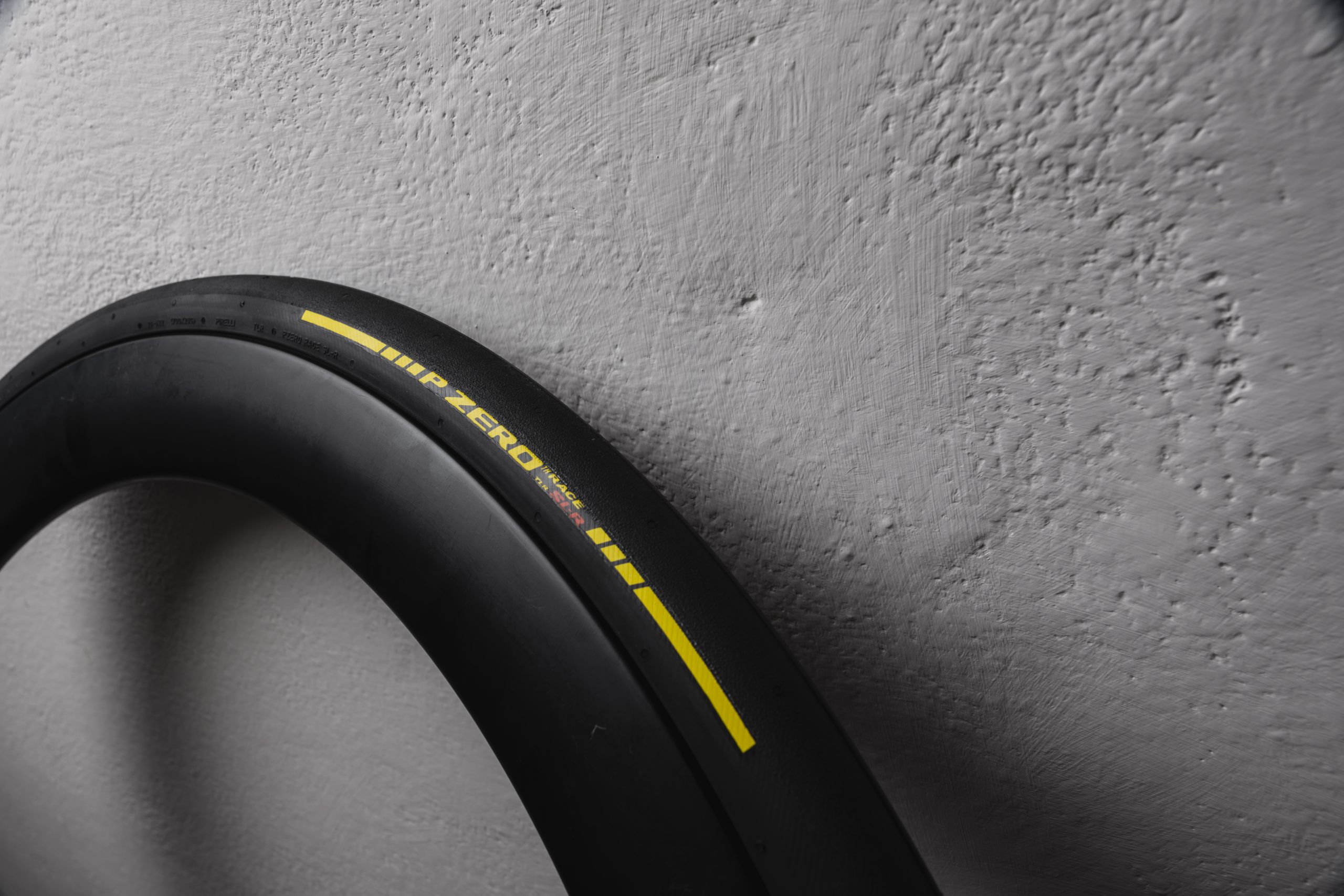
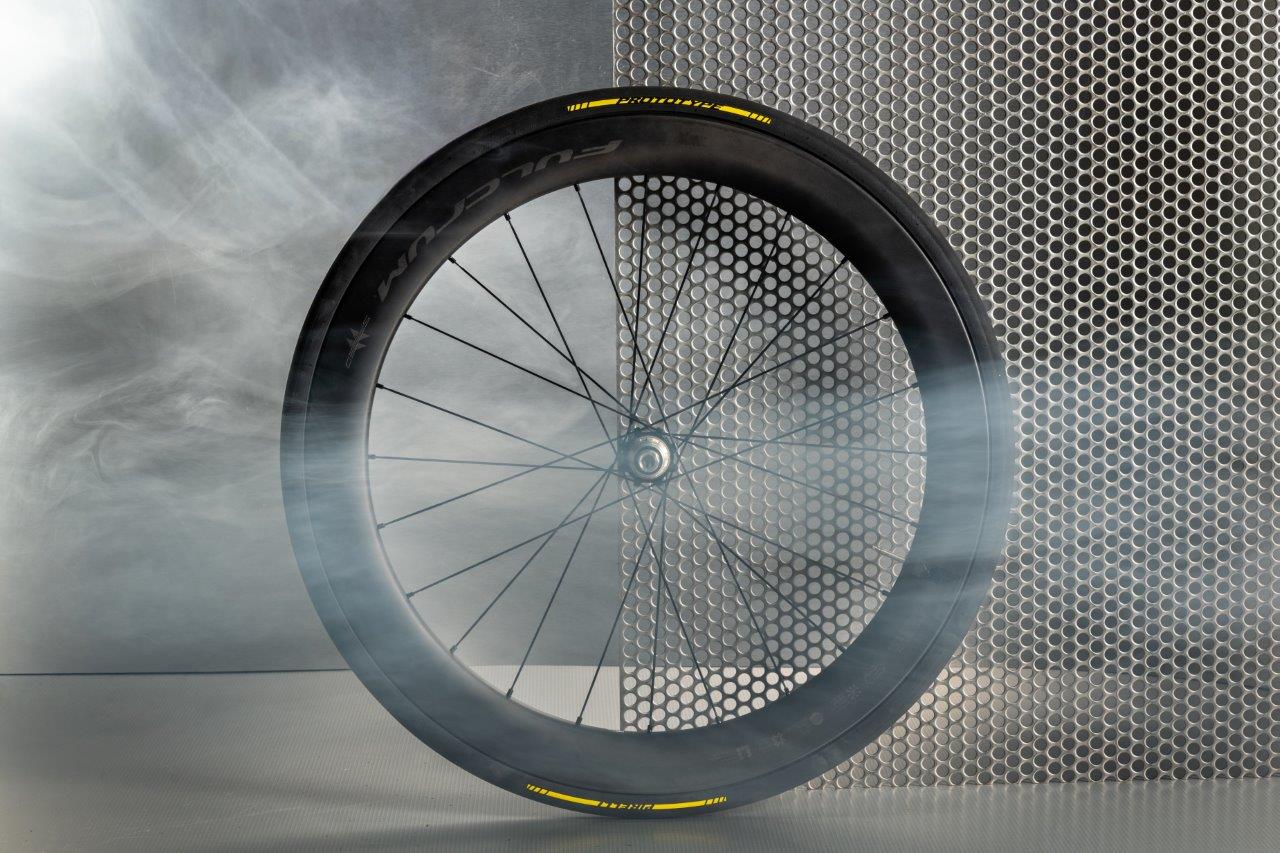
Pirelli has launched the new P Zero Race TLR SL-R, a tyre claimed to be up to 15 watts faster than the P Zero Race TLR RS used by Mathieu van der Poel.

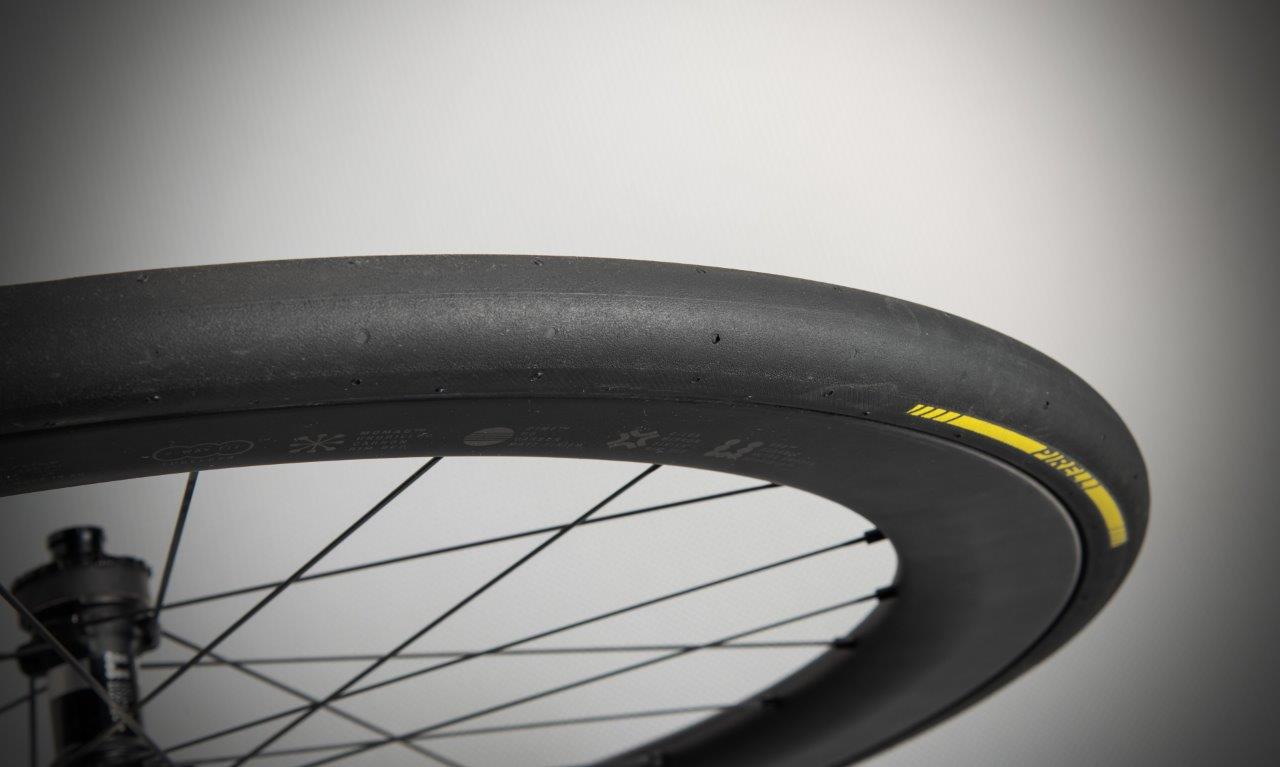
Using new patented PAAS (Pirelli Advanced Aerodynamic System) tech, this sees a ‘spoiler’ built onto the lower sidewall of the tyre, which decreases the effective inward depression caused when fitted to a rim.

PAAS is the result of a research project in which the interaction between tyre and rim was studied to improve airflow efficiency over the tyre and outer wheel rim.

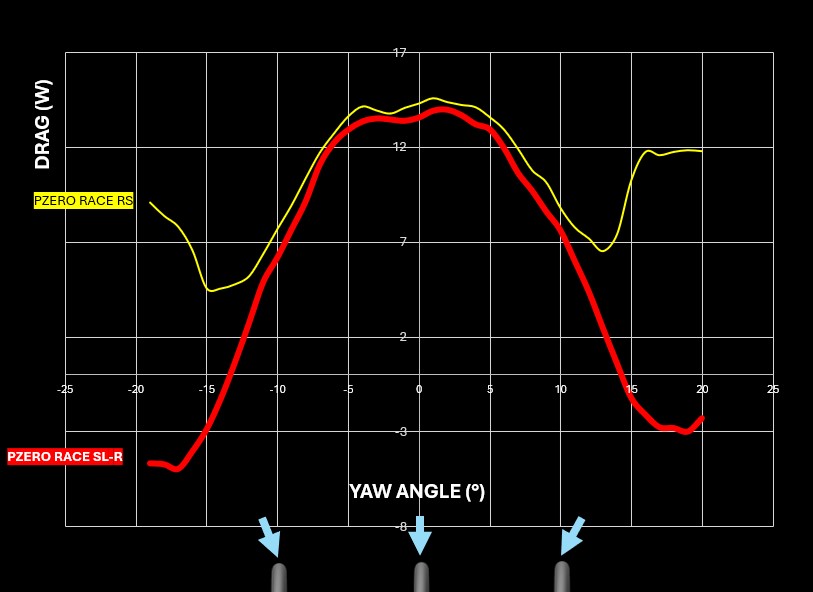
Pirelli says the P Zero Race TLR SL-R is the most aerodynamically efficient tyre in the world across a +/- 20-degree yaw range, without sacrificing rolling resistance or grip.

Inspired by the P Zero Race TLR RS

Pirelli P-Zero Race TLR SL-R tyre
The new tyre is claimed to save up to 15 watts compared to the P Zero Race TLR RS. Road Bike Connection Spring – Rupert Fowler

The P Zero Race TLR SL-R can be thought of as an evolution of the brand’s P Zero Race TLR RS lightweight race tyre, which until now has been used by its sponsored pros, including Mathieu van der Poel and Mads Pedersen.

It uses the same SmartEVO 2 compound, which Pirelli says is based on motorsport-developed polymers, and a 120 TPI (threads-per-inch) carcass construction. Pirelli says this offers high levels of suppleness and grip in both wet and dry conditions.

The tyre is also said to maintain aerodynamic performance consistently as it wears and is compatible with wide-profile rims.

Pirelli P-Zero Race TLR SL-R tyre
Pirelli says the new tyre features the same construction as the RS tyre under the skin. Road Bike Connection Spring – Rupert Fowler

Pirelli claims the SL-R also improves rolling efficiency compared to the RS, delivering around a 10% reduction in rolling resistance according to its own testing (equating to roughly 2 watts per set).

Where pro teams differ is in their usual choice of tyre size. According to Carlo Di Clemente, Pirelli’s road and gravel product manager, van der Poel’s Alpecin team will usually opt for a 30mm tyre to better match the team’s Shimano wheels, while Pedersen’s Lidl-Trek team’s Bontrager rims are best suited to 28mm tyres.

Accordingly, the P Zero Race TLR SL-R is available in both sizes at launch, while a 32mm version is set to follow later in 2026. Pirelli says the 28mm version weighs a claimed 275g, making it the lightest tyre in the current P Zero Race TLR range. We’ve weighed our test tyres at 288g apiece, in a 28mm size.

The P Zero Race TLR SL-R will be offered in Black-Silver and Black Team Edition colour options, costing £94.99 / $127.90 / €99.90 each. The Team Edition will cost £99.99 in the UK.

How does PAAS make the P Zero Race TLR SL-R faster?

Pirelli PAAS wind
Pirelli says it has tested prototype tyres ranging from 28-35mm wide. Pirelli

The PAAS research project is said to have taken 18 months, incorporating CFD simulations, lab testing, road testing and wind-tunnel validation, with four different wind tunnels used across 10 test sessions.

Put simply, PAAS is intended to keep air attached to the tyre and rim for longer across the typical +/- 20-degree range of yaw angles cyclists are exposed to most often. Pirelli says the system is also designed to enhance the so-called ‘sailing effect’, where aerodynamic lift generated at yaw can contribute a small forward force, reducing overall resistance.

In normal circumstances, a typical bike tyre will exhibit a lightbulb effect, whereby the rim grips to the tyre bead and the tyre’s sidewall expands outwards under pressure. According to Pirelli, this can encourage airflow separation at the tyre–rim interface, increasing drag.

Pirelli P-Zero Race TLR SL-R
Pirelli says the SL-R is significantly faster than the existing RS race tyre. Pirelli

Alongside this ‘standard’ tyre profile, Pirelli says it has tested other tyre-profile solutions it has observed from rivals, including a narrow tyre, a pointy tyre and a vortex-generating tyre (such as the Continental Aero 111 front tyre).

Pirelli says the PAAS ‘geometry construction’ optimises the position of the tyre’s maximum width and smooths the transition between tyre and rim, helping to reduce airflow detachment – and therefore drag.

This carries a natural small weight penalty given the additional material applied to the tyre’s sidewall, but Pirelli says this is outweighed by the aerodynamic gains made, especially at racing speeds.

Pirelli PAAS wind
The tyre creates a smoother interface with the outer rim wall, but maintains a small gap to aid installation. Pirelli

In testing at 45km/h (where Pirelli used a 60mm-deep hooked rim with a 23mm internal width), a 28mm P Zero Race TLR SL-R produced lower drag by 15 watts at certain yaw angles compared to a same-size P Zero Race TLR RS tyre, with smaller but consistent gains compared to other-brand rivals across a broader range of conditions.

The brand adds that tyres and the front wheel together can account for up to 5% of total aerodynamic drag, underlining the importance of optimising this interaction.

Pirelli says it has applied PAAS to prototype tyres ranging from 28-35mm wide, across a range of contemporary road-racing wheels, and claims PAAS will inform its tyre construction going forward.

LG’s New Laptop Display Can Drop To 1Hz For Major Battery Life Gains

LG's New Laptop Display Can Drop To 1Hz For Major Battery Life Gains
LG Display is on a mission to vastly improve laptop battery life with a new LCD panel equipped with its Oxide 1Hz technology. Now in mass production, this first-of-its-kind panel is capable of dropping down to a 1Hz refresh rate when the screen is static, a tactic that LG claims “dramatically” improves battery life with up to a 48% longer

Canonical Joins Rust Foundation

BrianFagioli writes: Canonical has joined the Rust Foundation as a Gold Member, signaling a deeper investment in the Rust programming language and its role in modern infrastructure. The company already maintains an up-to-date Rust toolchain for Ubuntu and has begun integrating Rust into parts of its stack, citing memory safety and reliability as key drivers. By joining at a higher tier, Canonical is not just adopting Rust but also stepping closer to its governance and long-term direction. The move also highlights ongoing tensions in Rust’s ecosystem. While Rust can reduce entire classes of bugs, it often depends heavily on external crates, which can introduce complexity and auditing challenges, especially in enterprise environments. Canonical appears aware of that tradeoff and is positioning itself to influence how the ecosystem evolves, as Rust continues to gain traction across Linux and beyond. “As the publisher of Ubuntu, we understand the critical role systems software plays in modern infrastructure, and we see Rust as one of the most important tools for building it securely and reliably. Joining the Rust Foundation at the Gold level allows us to engage more directly in language and ecosystem governance, while continuing to improve the developer experience for Rust on Ubuntu,” said Jon Seager, VP Engineering at Canonical. “Of particular interest to Canonical is the security story behind the Rust package registry, crates.io, and minimizing the number of potentially unknown dependencies required to implement core concerns such as async support, HTTP handling, and cryptography — especially in regulated environments.”


Read more of this story at Slashdot.

Linux 7.1 To Overcome Reporting Limitation For Multiple Batteries Per HID Device

A limitation affecting various gaming headsets, graphic tablets, wireless earbuds, multi-device receivers and more with Linux has been not being able to report multiple batteries per HID device. After patches were proposed last year for dealing with the increasingly common scenario these days of having multiple batteries per device, the upcoming Linux 7.1 kernel is set to address this limitation…