The tier will depend on several factors, including whether a bike is in an “over-supplied” parking bay and if it has been idle for an extended period of time.
As a result, Forest says this scheme will help balance supply across the capital.
“Unlike pricing models that increase prices during peak demand, Forest’s approach works by rewarding riders for choosing bikes in high density areas to reduce overcrowding at parking bays, and aid fleet rebalancing,” Forest says.
The new tiering follows a recent pilot by the dockless ebike provider, where bikes that had been idle for more than five days were offered with 30 minutes of travel for £1.
“The trial saw discounted bikes being ridden on average 20% sooner, helping keep Forest’s fleet in motion across London,” Forest says.
“To build on this success, Forest will use real-time fleet data to determine when and where bikes should be relocated, while working closely with local authorities, residents, and riders to deliver a system that benefits the whole city.”
“In addition to improving fleet distribution, the new pricing structure will also help Forest reduce its operational energy consumption. By incentivising riders to move bikes rather than relying solely on support vehicles, Forest expects to improve the energy efficiency of the fleet’s support vehicles by 50%,” Forest adds.
To mark the launch, all Forest bikes in London will offer 30 minutes of riding for £1 on Wednesday 12 November.
Helping companies pay ransoms to digital extortionists is kind of a weird business.
On the one hand, you “negotiate” with cybercriminals and in so doing may drive down the costs of recovering from a particular ransomware incident. On the other hand, you’re helping criminals get paid, funding their operations and making further attacks more likely.
And there’s always a temptation built in to this kind of work. Seeing lucrative sums being whisked away through cryptocurrency exchanges and “mixing services”… Realizing from up close just how vulnerable companies are… Learning that modern ransomware can operate as a service where you essentially “rent” the code from its developers in return for a cut of the profits…
Rockstar Games has announced Grand Theft Auto VI ‘s launch is being delayed once again to November 19, 2026. That’s roughly a year from now. It was previously delayed from its 2025 launch window to May 26, 2026. And now again.
If you have the feeling it’s been a while since the last GTA game, you’d be right. GTA V was originally released in 2013 and has been re-released multiple times since then. In fact, it’s a rare game that’s spanned PS3, PS4 and PS5.
Rockstar is likely self-assured that the game will do fine. Grand Theft Auto Online, a multiplayer mode for GTA V that can also be downloaded as a standalone game, remains a hit.
“We continue to supply content to GTA Online, and in fact we’ve had terrific results there. And GTA+ continues to grow its membership. In fact, it’s had 20 percent growth year-over-year. And GTA V has sold more than 220 million units,” said Take-Two CEO Strauss Zelnick in an interview with The Game Business.
The budget-friendly system is in early production.
Apple may debut a low-cost Mac laptop in the first half of 2026. According to a Bloomberg report, it’s in early production, and Apple is testing the devices internally. The idea may be to create a rival to cheap Chromebooks and Windows PCs, nudging folks into that money-spinning ecosystem. The company is said to be making the system with casual users, students and businesses in mind. (I’d guess many of those users are paying more for MacBooks with power they’ll never really tap into.)
The report suggests it’ll have a “lower-end LCD display,” and it’s expected to run on an A-series iPhone processor that would still, apparently, deliver better performance than the M1.
Everything you need to know about the Chinese company’s future in America.
DJI drones still face a potential US ban, due to national security concerns. It’s a combination of the company’s Chinese origins and laws compelling cooperation with state intelligence services. It’s also a very visible, notable drone maker — and flying robots understandably make folks nervous. After losing a recent lawsuit and an appeal, DJI is nearing a key December 23, 2025, deadline under the National Defense Authorization Act (NDAA), which could trigger an automatic ban. A recent FCC vote and pending legislation could also block sales and even theoretically prevent people from using already-purchased drones by cutting off radio access.
DJI might have to hope a ban will create enough customer outcry to stimulate a political response in its favor.
Honda revealed its new hybrid car tech, and it’s lighter, faster and… actually fun. That’s accomplished by massive weight savings and a surprising S+ Shift mode, which simulates an eight-speed transmission for manual driving fans. We got a first look at the platform that will transform the next-gen Civic and Prelude, officially, hopefully marking the end of the slow, droning hybrid car.
This article originally appeared on Engadget at https://www.engadget.com/general/the-morning-after-gta-6-is-delayed-until-november-2026-121525547.html?src=rss
Peloton has recalled 830,000 of its Original Series Bike+ Model PL02 because the indoor bike’s seatpost assembly can break, posing a fall and injury hazard to users.
The recall, issued on 6 November in the USA, says consumers should stop using the indoor bike immediately and contact Peloton for a free repair. “Peloton is offering consumers a free seat post that can be self-installed,” it says.
The exercise equipment company, which also makes treadmills and rowing machines, says it has received three reports of the seatpost breaking and detaching from the bike during use, including two reports of injuries due to falls.
The recall states: “This recall involves Peloton Original Series Bike+ units, with model number PL02 and serial numbers beginning with the letter “T”.
“The bike measures 4 ft. long by 2 ft. wide and has an adjustable seat and handlebar. The bike’s serial number is located inside the front fork, behind the front fork, or behind the flywheel.”
Additional information to help locate a Bike+ serial number is on Peloton’s website.
Peloton says the Bike+ was sold at its own stores and Dick’s Sporting Goods across the USA. It was also sold at onepeloton.com, ebay.com, Amazon.com and Dickssportinggoods.com from January 2020 until April 2025.
Since March of this year, it’s been possible to generate images directly within ChatGPT. Following a period where it briefly wasn’t available to free users, you now don’t even pay for one of OpenAI’s subscriptions to use the tool. And while making images inside of ChatGPT is easy, there are some nuances worth explaining. For example, did you know you can ask ChatGPT to edit photos you’ve taken? It’s more powerful than you might think. Here’s everything you need to know about generating AI images with ChatGPT.
How to create images with ChatGPT using text prompts
To begin making an image in ChatGPT, you can start by typing in the prompt bar.
Igor Bonifacic for Engadget
To begin generating images in ChatGPT, start typing in the prompt bar what you want to see. There’s no need to overthink things; as long as you have some version of “generate an image” followed by a description of your idea, ChatGPT will do the rest.
Depending on the complexity of your prompt, it may take up to two minutes for ChatGPT to complete your image request. Sometimes the process can take longer if OpenAI’s servers are experiencing greater traffic than usual.
How to create images with ChatGPT using existing photos
You can also upload images to ChatGPT.
Igor Bonifacic for Engadget
In addition to generating images from text prompts, ChatGPT can modify existing photos or images you upload. This is my preferred way of making images with ChatGPT; I don’t need to describe the composition, I can use an existing one to guide the chatbot. To use a photo as a starting point for a new generation, follow these steps:
Tap the “+“icon, located to the left of the prompt bar.
Select Add photos & files.
Select the image you want ChatGPT to edit.
If uploading an image from your phone, you’ll need to grant ChatGPT access to your camera roll.
Write a prompt describing the changes you want.
Keep in mind any photos you upload to OpenAI’s servers may be used by the company to train future models. You can opt out of allowing your data to be used for training by following these steps:
Open the sidebar menu. On mobile, tap the two lines on the top left of the interface. On desktop, click on the OpenAI logo.
Tap your name to access account settings.
Tap Data controls.
Toggle off Improve the model for everyone.
How to edit the images ChatGPT generates
ChatGPT gives you a few different ways to modify an image to your liking.
Igor Bonifacic for Engadget
If you’re unhappy with ChatGPT’s output, you have two options. You can either prompt it to create an entirely new image, or edit parts of the picture it just generated. As before, you can simply write what changes you want to see in the prompt bar. OpenAI also gives users a few different shortcuts to accomplish the same task.
To generate an entirely new image:
On mobile, tap the two arrows icon below the image ChatGPT created.
Select Try again, Add details or More concise.
Alternatively, tap the image ChatGPT created and select Edit.
Describe what you want ChatGPT to add, remove or replace through the prompt bar.
To edit part of an existing image generation:
Tap the image ChatGPT created.
Tap Select. On desktop, instead click on the paintbrush icon on the top right.
Use your finger to mask the section of the image you want ChatGPT to tweak. The slider on the left allows you to adjust the size of the masking brush.
Describe what you want ChatGPT to add, remove or replace through the prompt bar.
Like all AI systems, ChatGPT is non-deterministic, meaning even if you prompt it in the same way multiple times, it won’t generate the exact same response each time.
Tips to create better images with ChatGPT
The best advice I can offer is to be specificwhen prompting ChatGPT. The more detail you can provide when describing what you want from it, the better the results. And remember: ChatGPT can hallucinate — as you may have noticed from one of the example pictures I included above. In the image of the tortoiseshell cat, not only is the tortie not sitting on the window sill as instructed, it’s sitting on a table that doesn’t make much sense. So, most of all, be patient. Prompting an AI model is not exact science, and it can take a few tries before it creates the result you want.
FAQs
How do you access ChatGPT?
ChatGPT is available on the web, desktop and mobile. To access it on your computer, open your preferred browser and navigate to chatgpt.com. OpenAI also offers dedicated Mac and Windows apps you can download from the company’s website. On iOS and Android, you’ll need to download the ChatGPT app from either the App Store or Google Play before you can start using the chatbot.
Since ChatGPT runs on OpenAI’s servers, as long as you can access the chatbot, you’ll be able to use it to create images no matter the age of your phone or computer.
Can ChatGPT generate images for free?
Yes, ChatGPT can generate images for free, as long as you have an OpenAI account. However, there is a daily rate cap and GPT-5 will take longer to make an image. Following March 27, 2025, OpenAI briefly limited free users to three image generations per day. The company has since relaxed that restriction, though it doesn’t list a specific limit on its website. In my experience, you’ll be able to generate about six to seven images every 24 hours.
OpenAI’s $20-per-month Plus plan offers “expanded and faster image creation,” while its $200-per-month Pro tier includes unlimited image generation as a perk.
Can ChatGPT recreate an existing photo?
No. For copyright reasons, ChatGPT can’t replicate photos or exact real world events. For example, when I asked it to recreate the photo of Zinedine Zidane’s iconic 2006 World Cup headbutt, ChatGPT refused.
“I can make an artistic reinterpretation inspired by the emotion or energy of that moment — for example, a stylized painting showing the tension and intensity of competition, without depicting real individuals,” it told me.
This article originally appeared on Engadget at https://www.engadget.com/ai/how-to-generate-ai-images-using-chatgpt-120000560.html?src=rss
Vulkan 1.4.332 is out today as the latest weekly update to this high performance graphics and compute API specification. Besides a number of documentation clarifications/corrections, there is one new extension this week in the name of AI / machine learning…
Merged overnight to Mesa 26.0-devel and likely to be back-ported for the upcoming Mesa 23.3 release are a few fixes around high dynamic range (HDR) support within the common Vulkan windowing system integration (WSI) / display code…
Learn how to eliminate the hassle of typing your password for every sudo command in Linux, whether you want to run specific commands or even all of them, with this step-by-step guide.
The Scandinavian furniture giant has unveiled 21 new ultra-affordable Matter-over-Thread smart home devices across three launch segments: lighting, sensors, and control. With prices starting at just a few dollars, Ikea is pushing hard to replace its old Zigbee lineup and become a serious player in the Matter ecosystem. Forbes reports: Back to the 21 new devices specifically and they are all native Matter ones though, so you don’t actually need Ikea’s hub to get involved, as Matter controllers from other brands will be able to sync them up to your existing smart home platform as well; provided that Matter controller also doubles up as a Thread border router. The good news is that many existing devices you may already have in your house – think Apple HomePod mini, Google Nest Hub Max, most of the recent Amazon Echo range, SmartThings hubs and even some Eero routers – all do.
This being Ikea, there are some quirky names involved… the new lineup starts with the Kajplats smart bulb range, with eleven bulbs in total, covering everything from compact spotlights to large decorative globes. They come in a mix of shapes, brightness levels, and finishes, with options for full-color control or just tunable white light. Ikea says each model now offers a wider intensity range and smoother dimming compared to the outgoing Tradfri lineup.
Kickstarter recently featured the PV PI, a solar charging HAT designed to power Raspberry Pi and other 5V single board computers from a 12V LiFePO4 battery. The add-on enables continuous 24/7 off-grid operation through MPPT-based solar charging and intelligent power management. Developed by Melbourne-based engineer Luke Ditria and his team at AutoEcology, the PV PI […]
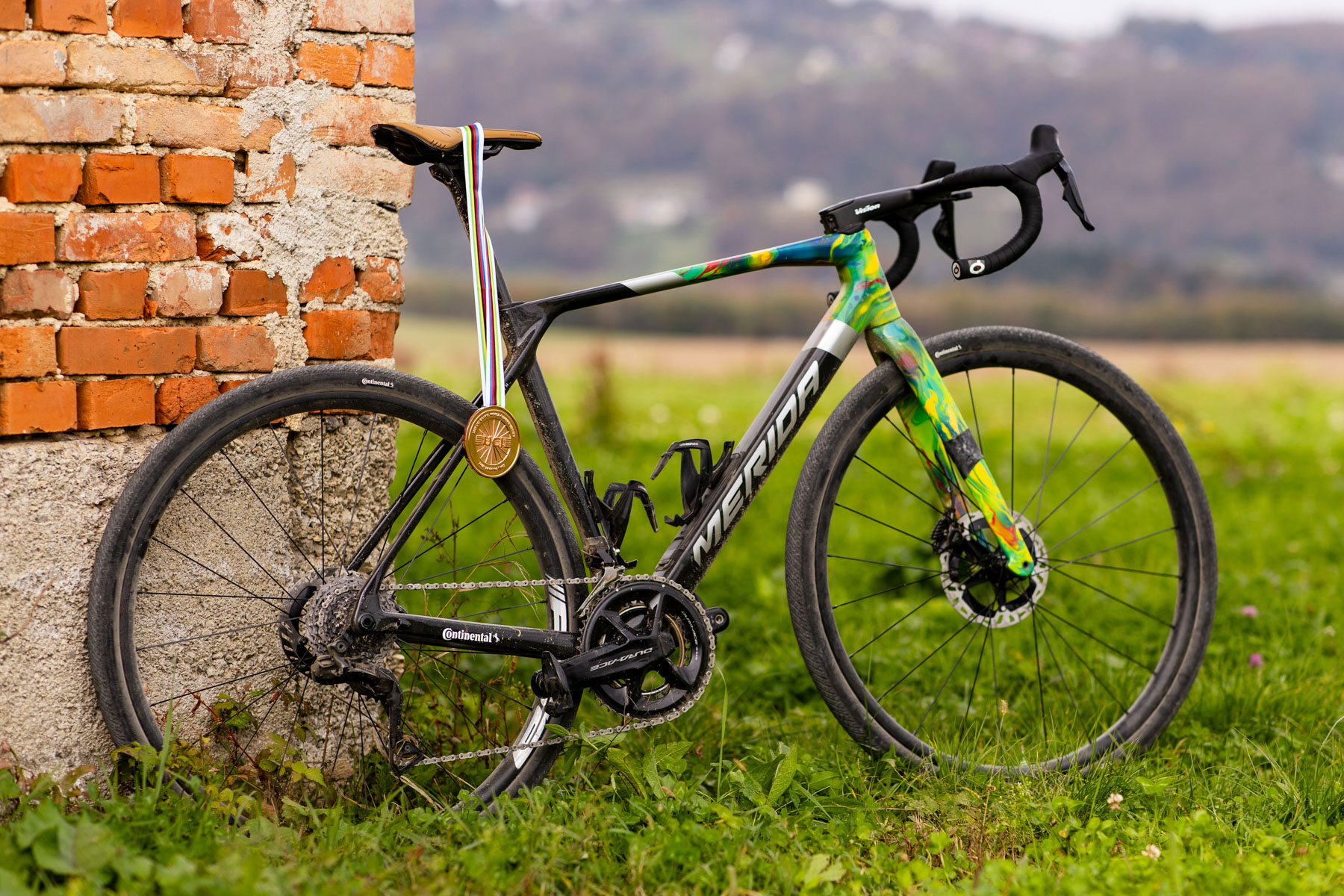
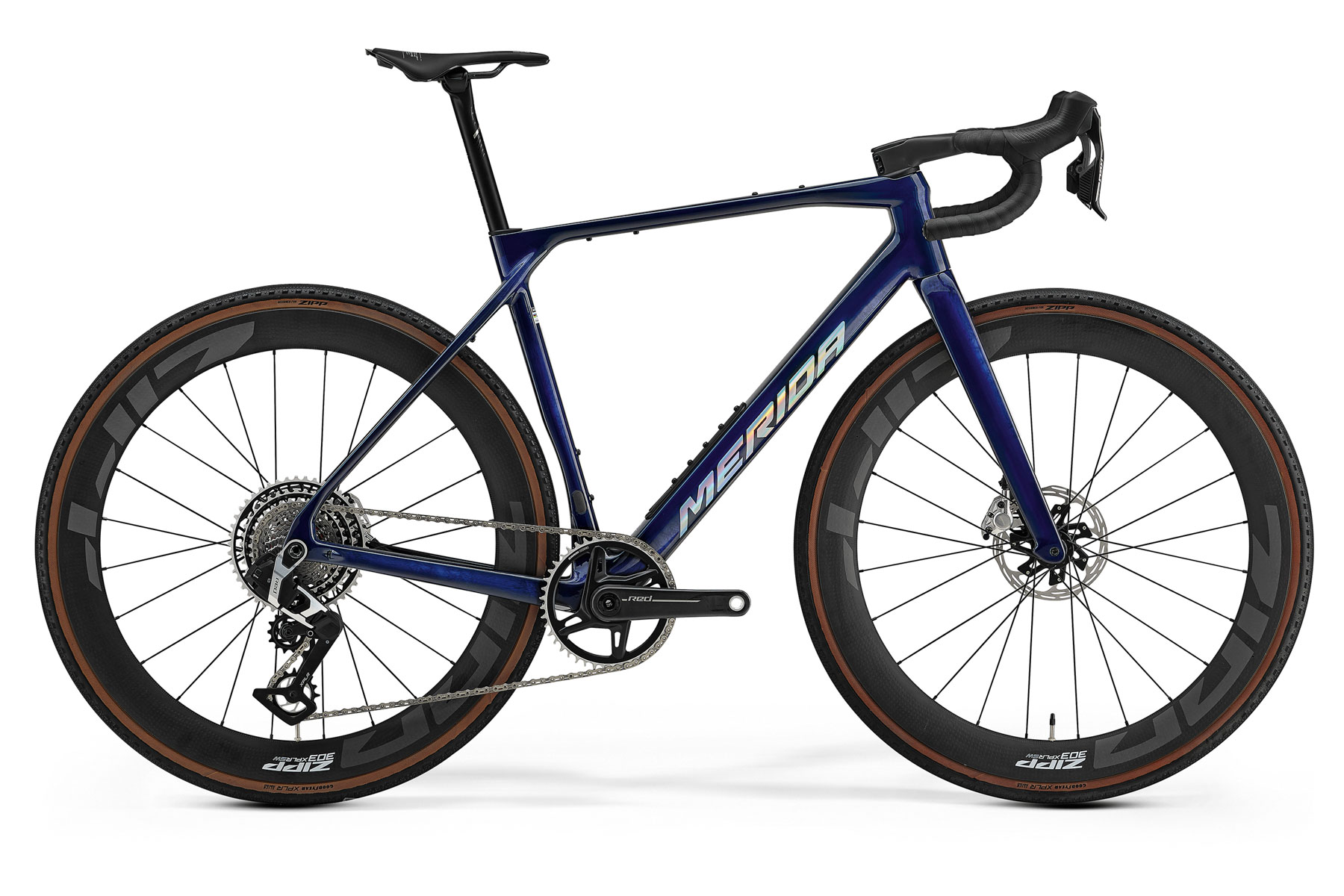
The new Merida Mission has been created to bridge the gap between the Silex, an adventurous gravel design with progressive MTB-derived geometry, and the Scultura Endurance GR, an adaptation of the brand’s highly regarded endurance bike.
The original Mission CX was a similar crossover bike to the new Mission – a cyclocross racer with all-rounder potential. Merida has set out its new Mission as a crossover design that blends the qualities of an aerodynamic gravel race bike with all-surface ability.
That could make the Mission a smart buy for those who only have space for one bike in their riding life.
Matej Mohorič’s Mission that he rode to bronze at the UCI Gravel World Championships in October. Merida
Merida already has solid contenders at each end of the gravel spectrum. The trail-capable Silex is intended for off-road riding and the Scultura Endurance GR is designed for mixed-surface use, with more emphasis on tarmac than dirt.
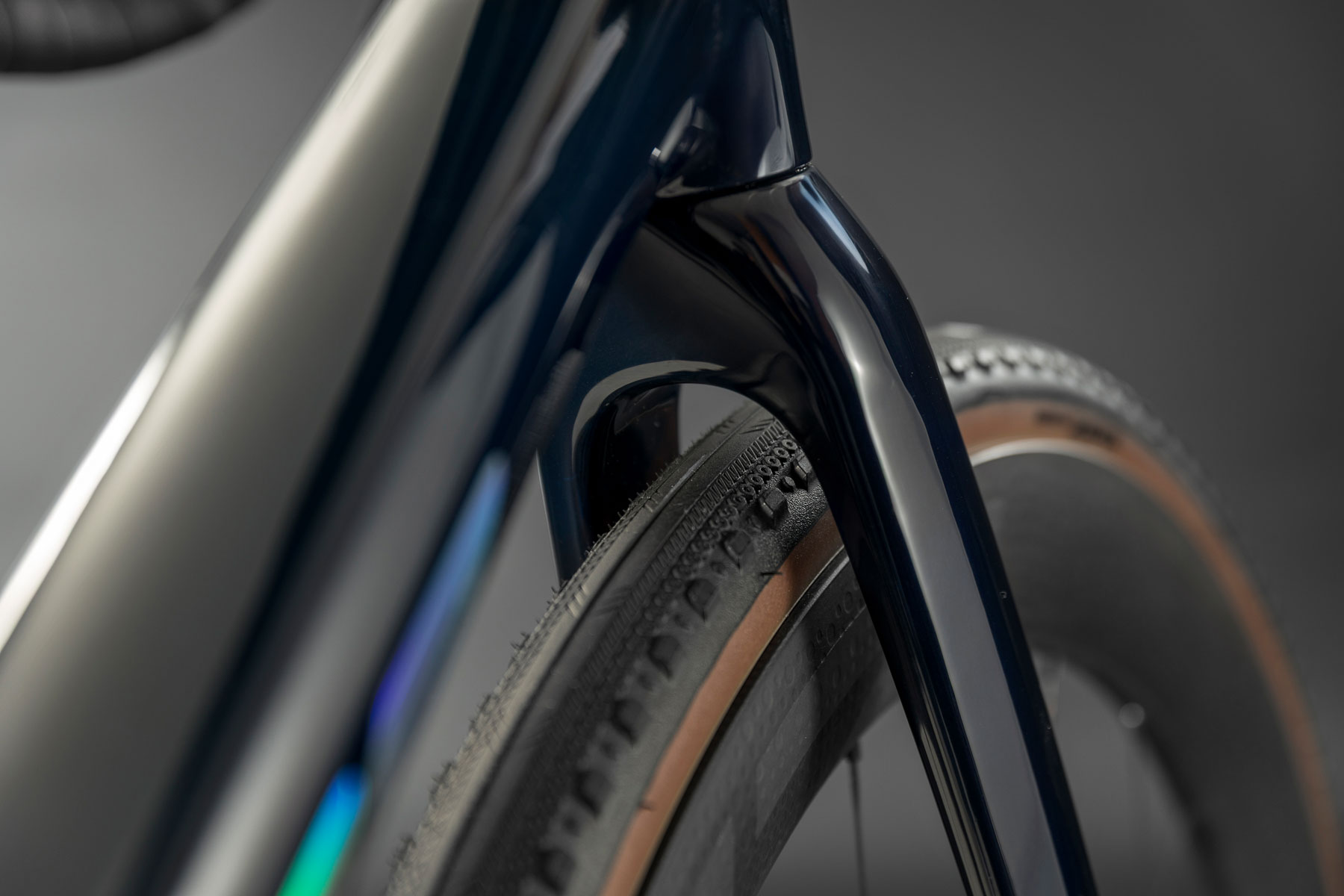
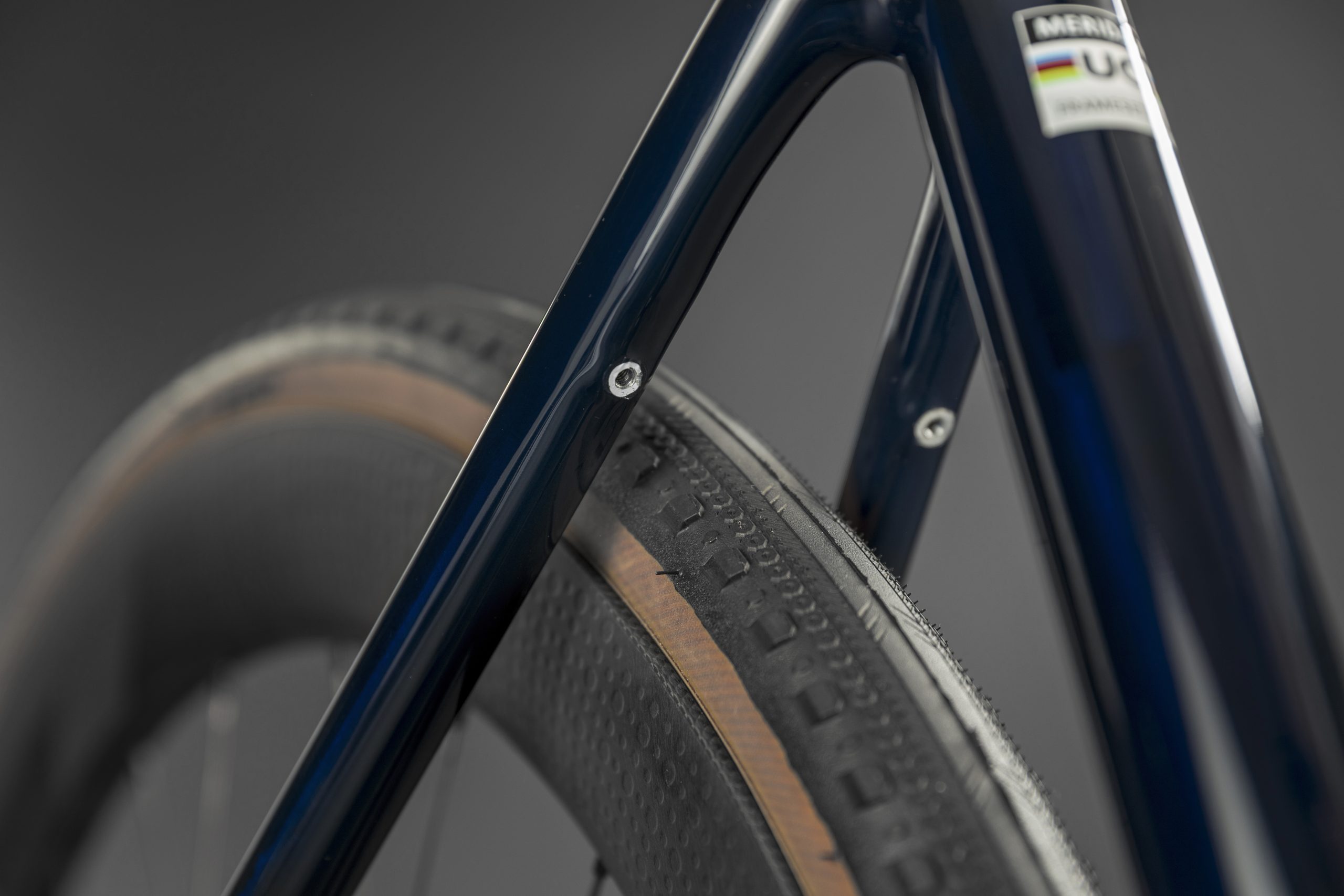
Merida has given the new Mission 40mm tyre clearances, compared to the 35mm of the Scultura Endurance and the 45mm of the current Silex.
The Merida Mission’s tyre clearance is 40mm. Merida
That looks somewhat conservative compared to the trend for USA gravel racers to seek ever larger tyres, going so far as to adopt mountain bike tyres far beyond 40mm, with 50mm becoming the norm.
Merida has kept the clearances modest to maintain the feel of a road bike. That means, compared to the Silex, the new Mission has short 419mm chainstays and a head angle 2.5 degrees steeper at 72 degrees.
FRAME SIZE
XXS
XS
S
M
L
XL
Seat tube [mm]
445
470
490
510
530
560
Top tube [mm]
522
532
543
560
571
586
Chainstay length [mm]
419
419
419
419
419
419
Head tube angle [°]
70
70
71
72
72
72.5
Seat tube angle [°]
74
74
74
73.5
73.5
73.5
Bottom bracket drop [mm]
72
72
72
72
72
72
Head tube [mm]
103
117
126
137
153
178
Fork length [mm]
400
400
400
400
400
400
Reach [mm]
370
377
384
391
398
405
Stack [mm]
529
542
555
569
584
610
Wheelbase [mm]
997
1009
1011
1013
1024
1035
Standover height [mm]
741
764
781
798
816
844
The geometry of the Mission shows its race-ready intentions.
Across the sizes, it has a 20mm+ shorter reach than the Silex (which is designed for short mountain-bike style stems).
The stack height is 15mm lower than the Scultura Endurance and around 40mm lower than the Silex.
The Mission retains mounts for mudguards. Merida
That should make for a very racy position and backs up claims that the new Mission will be the bike of choice for Bahrain Victorious riders competing on gravel next year, after Matej Mohorič took bronze at the UCI Gravel World Championships in October.
The combination of aerodynamics and off-road comfort is aimed at bridging the gap between the Silex and Scultura Endurance. Merida
The Mission has a lower bottom bracket than the Silex and Scultura, which Merida claims enhances stability and control away from tarmac, giving the rider the feeling that they are sitting ‘in’ the bike rather than above it.
Aero advantage
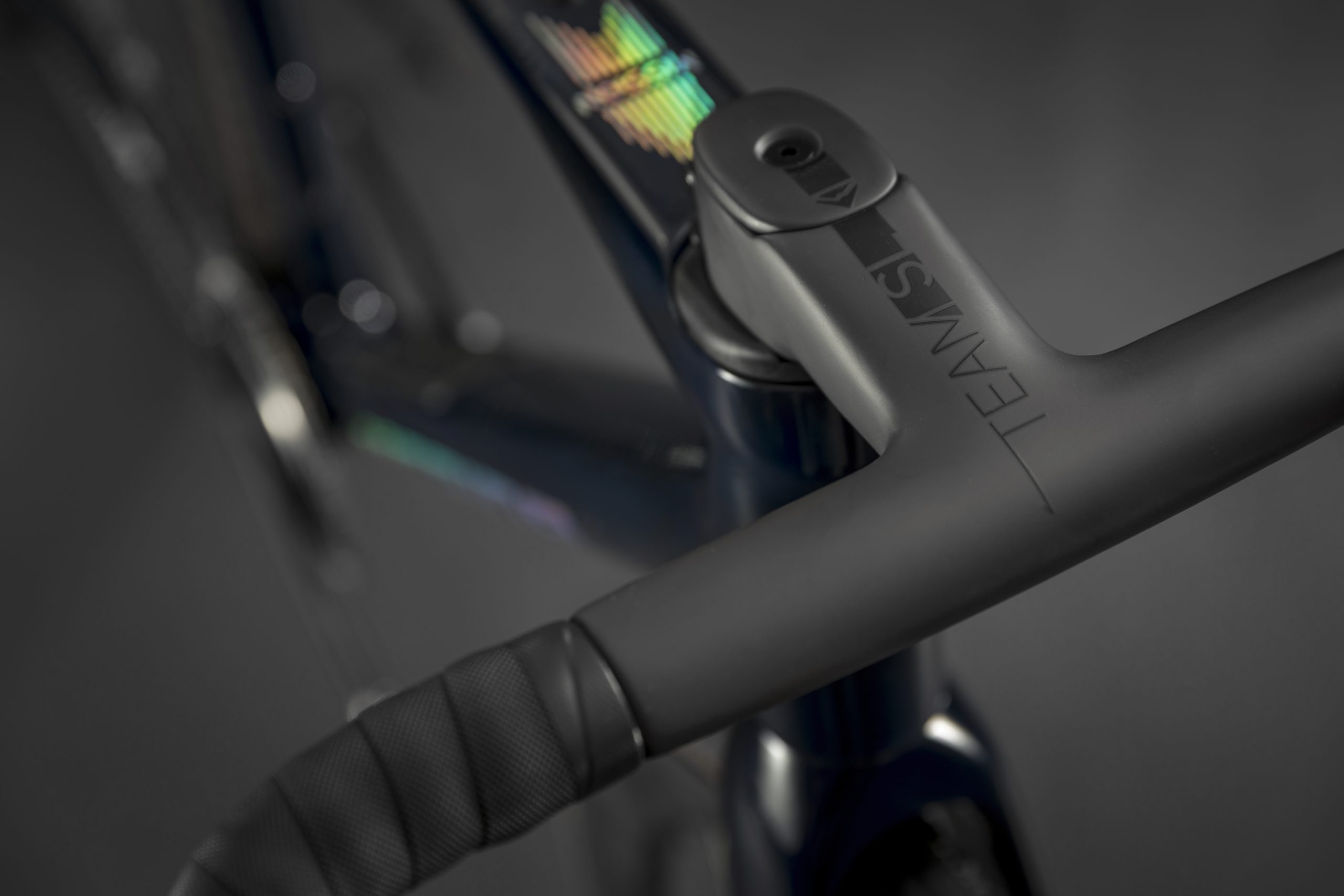
The new one-piece Team SL carbon bar. Merida
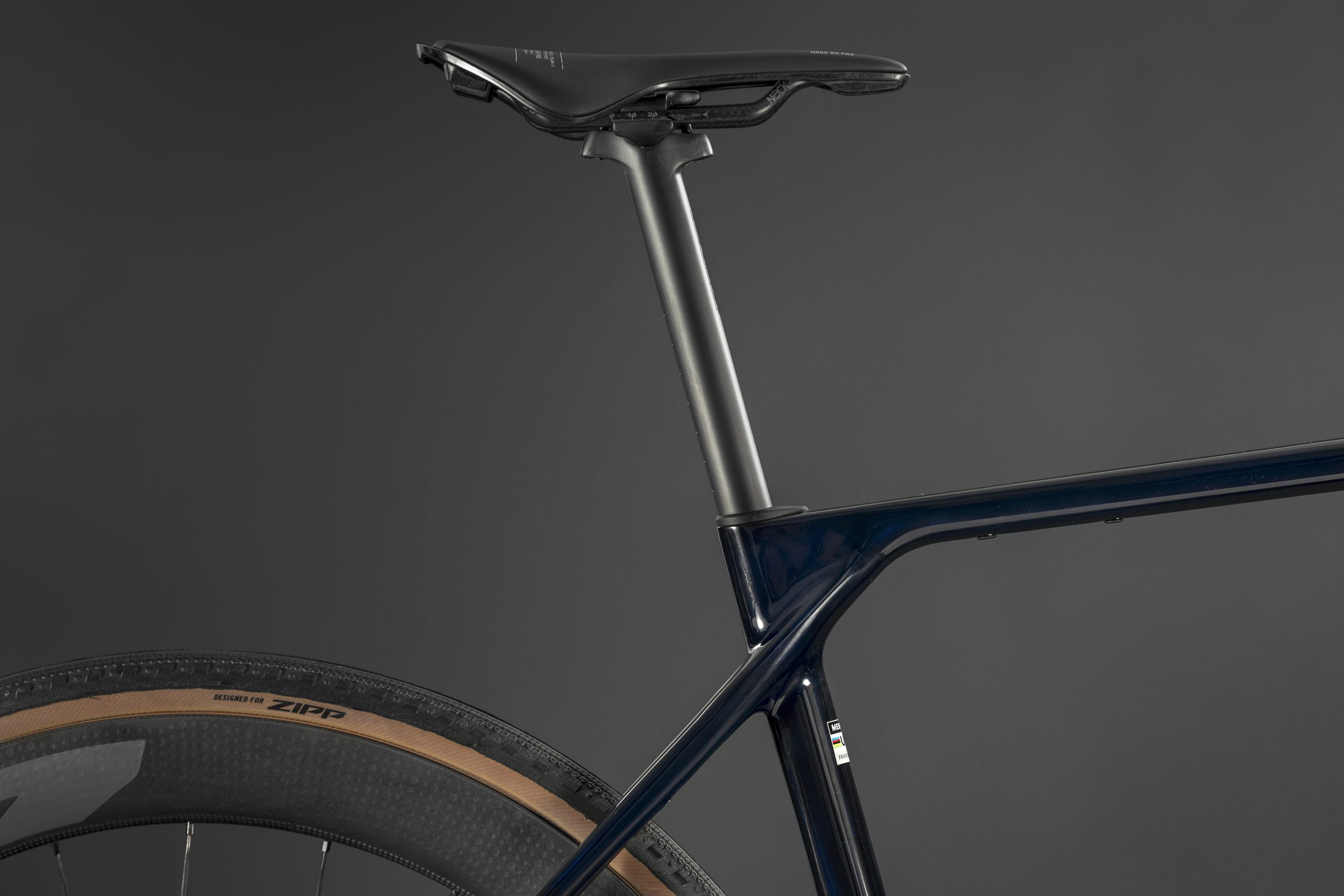
The Mission takes lots of its design cues from the Scultura.
Merida claims the tube profiles give an aerodynamic advantage, and when combined with the new one-piece Team SL GR1P carbon cockpit and low ride position, make for a significantly more aerodynamic ride than either the Scultura Endurance GR or the Silex.
Merida Mission range and pricing details
All the Mission models feature the same CF4 carbon frame and fork; prices range from £2,250 for the 4000 to £7,000 for the 10k.
Merida has assembled some value-packed options across all price points.
At the top end of the range, the Mission 10k, at £7,000, has a mighty specification including full SRAM RED XPLR AXS complete with power meter and Zipp 303 XPLR SW wheels.
Specialized’s equivalent S-Works Crux in RED AXS trim with a power meter and Roval Terra CLX II wheels is nearly £4,000 more at £10,999. Trek’s similarly racy Checkmate SLR9 AXS with RED AXS XPLR, power meter and Bontrager Aeolus RSL 37V wheels is £8,950.
Only Canyon can match Merida on value at the high end. The Grail CFR AXS, with the same groupset and wheel package, is £6,999.
At the entry point to the range, the 4000, which shares the same frameset as the premium 10k, matches Canyon’s Grail CF7 at £2,250. However, the Grail has a carbon frame, two tiers below the CFR.
Whether the impressive pricing and Merida’s design choices are enough to sway buyers away from the current trend towards larger tyre clearances and off-road ability remains to be seen.
However, for most riders, the Mission may well be all the gravel bike they need. Combine that with a racier feel on tarmac, and it might be 2026’s smartest gravel racing choice.
Merida Mission 4000
The Mission range starts with the £2,250 4000. Merida
Shimano GRX 400 2x
Shimano WH-RX-180 aluminium wheels
£2,250 / €2,700
Merida Mission 6000
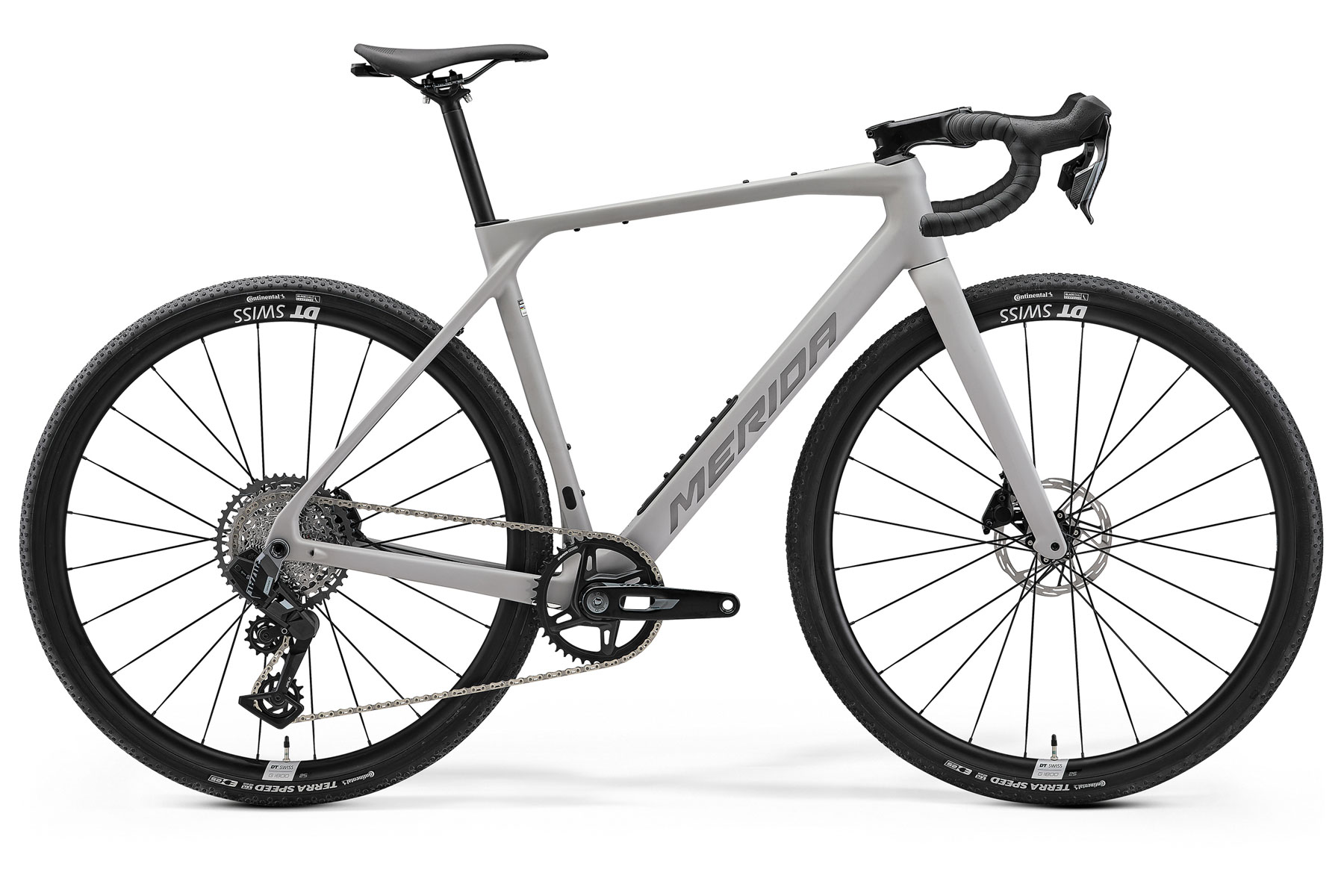
The Mission 6000 comes with SRAM Rival AXS XPLR and DT Swiss wheels for £3,400. Merida
SRAM Rival AXS XPLR 13-speed
DT Swiss 1800 aluminium wheels
£3,400 / €4,080
Merida Mission 7000
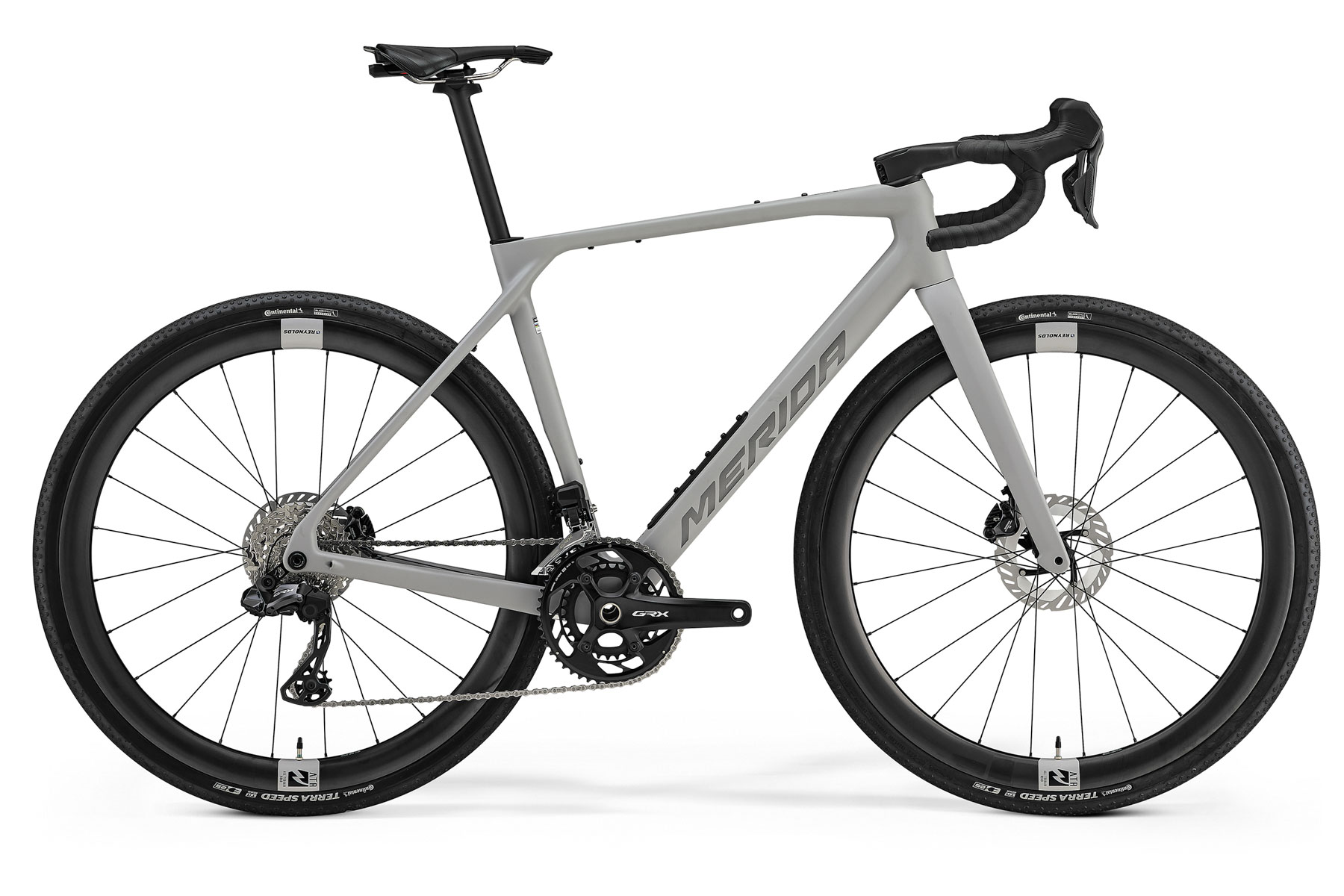
The 7000 has Shimano’s 2x GRX Di2. Merida
Shimano GRX 2×12-speed Di2
Merida Team SL GR1P carbon cockpit
Carbon Reynolds ATR wheels
£4,600 / €5,520
Merida Mission 9000
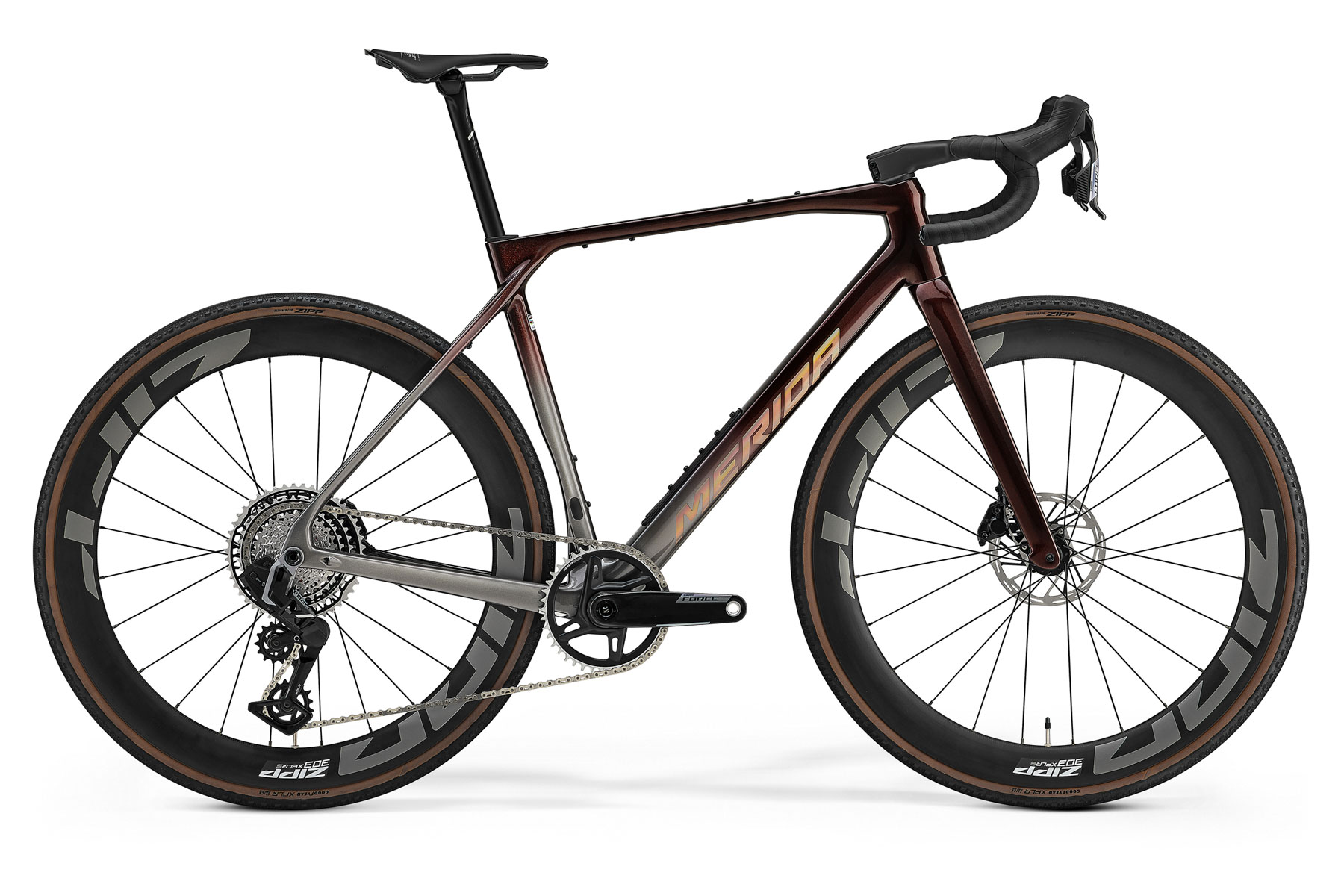
The £5,000 Mission 9000 comes with SRAM Force AXS XPLR and Zipp’s gravel-specific 303 XPLR S wheels. Merida
SRAM Force AXS XPLR 13-speed with power meter
Merida Team SL GR1P carbon cockpit
Carbon Zipp 303 XPLR S wheels
£5,000 / €6,000
Merida Mission 10k
The Merida Mission 10k tops the range at £7,000 with SRAM RED AXS XPLR and Zipp 303 XPLR wheels. Merida
SRAM RED AXS XPLR 13-speed groupset with power meter
There’s a reason the story of Frankenstein endures. Its examination of mankind’s hubris and inhumane scientific progress has only become more relevant since Mary Shelley’s time. The pursuit of “innovation at all costs” has led to new monsters, born from people who failed (or refused) to consider the consequences of their actions. So it’s no wonder that Victor Frankenstein in Guillermo del Toro’s Netflix adaptation feels so much like a modern day tech bro. He is practically their template.
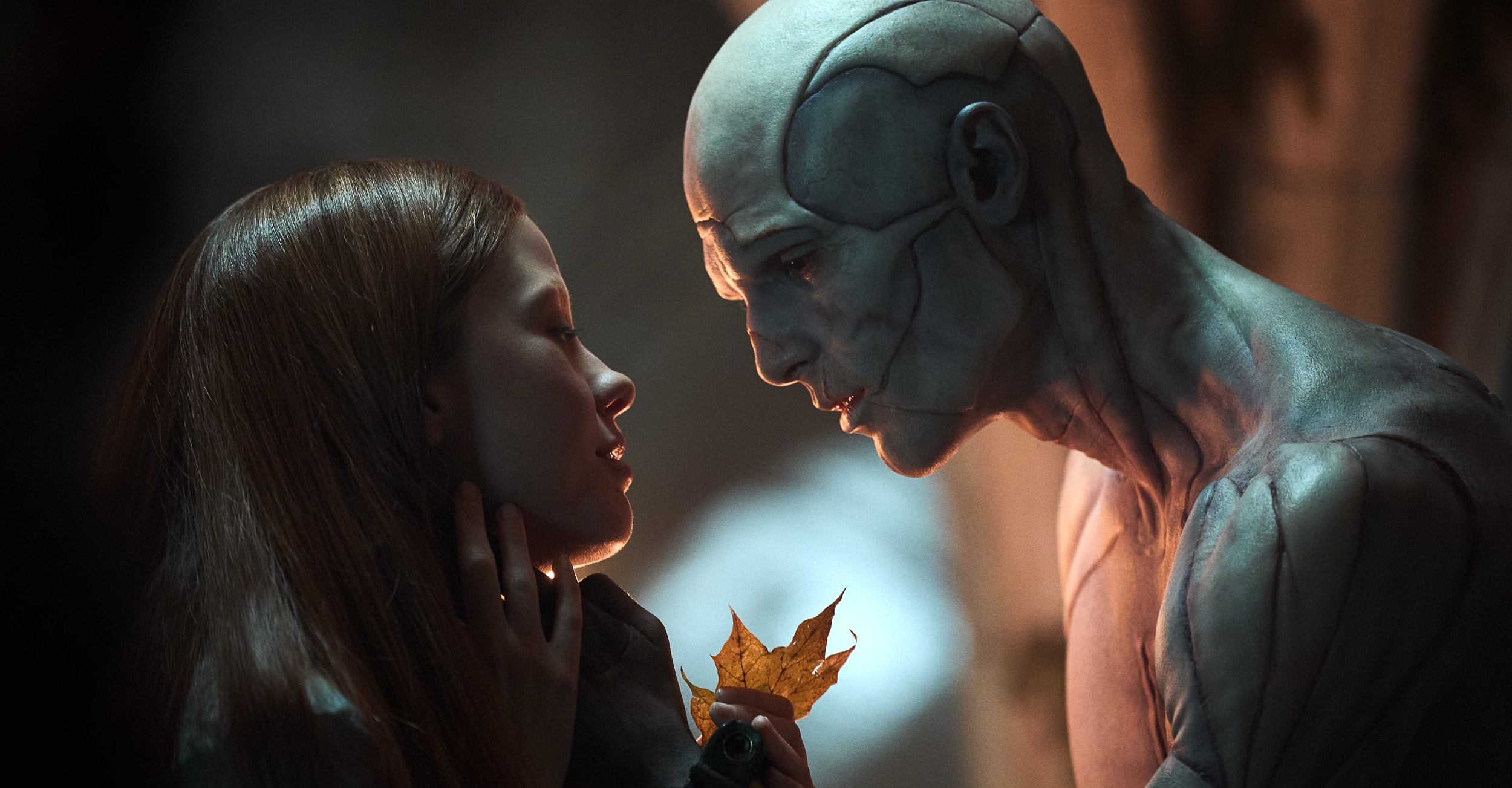
Del Toro’s Frankenstein is a remix of the major elements of the novel — there’s the doomed love story, the mad scientist driven by his ego and the sympathetic monster who demonstrates far more humanity than his creator — refashioned in the director’s opulent style. But it’s also clear from the film’s explosive opening, where an Arctic ship encounters Victor Frankenstein (Oscar Isaac) being chased by a seemingly unkillable Creature (Jacob Elordi), that del Toro isn’t shying away from his campier horror roots. Arms are torn off, gallons of blood are spilled. This Frankenstein contains multitudes.
Why did Victor Frankenstein go through hell to reanimate the dead? Because he could. In the novel and this film, the whole ordeal was always about bragging rights and demonstrating his greatness as a scientist. He didn’t consider what he owed to the new life form, or the cruelty of bringing a being into the world with no companion. It didn’t matter who he hurt. Sound familiar?
Mia Goth and Jacob Elordi in Frankenstein
Netflix
What truly makes del Toro’s Frankenstein work is his understanding of the characters. As Victor Frankenstein, Oscar Isaac embodies the punk rock charm of a rebel scientist who thinks he alone can invent a way to reanimate life. But he also lives with the memory of an abusive father who likely killed his beloved mother. Elizabeth fascinates and intrigues Victor, but she’s also disgusted by his apathy for the natural world. It’s not hard to see why she feels immediate sympathy for the Creature, who is portrayed by Jacob Elordi as a sort of child-like super human. He’s an immediate disappointment to Frankenstein, who can’t help but repeat the cycle of abuse he experienced with his father.
Looking back at his career, it’s as if del Toro has been trying to adapt Shelley’s novelthrough all of his films. You can see elements of the story in his debut feature Cronos, which centers on a device that makes people immortal (but also curses them with a thirst for blood). The tragic father and son relationship between Frankenstein and the Creature is mapped directly onto the evil vampires in Blade 2. The Gothic romance between Frankenstein and his sister-in-law Elizabeth (who also has eyes for the Creature) echoes Crimson Peak. And the desire for a seemingly “evil” being to fit into normal human life is front and center in del Toro’s Hellboy films.
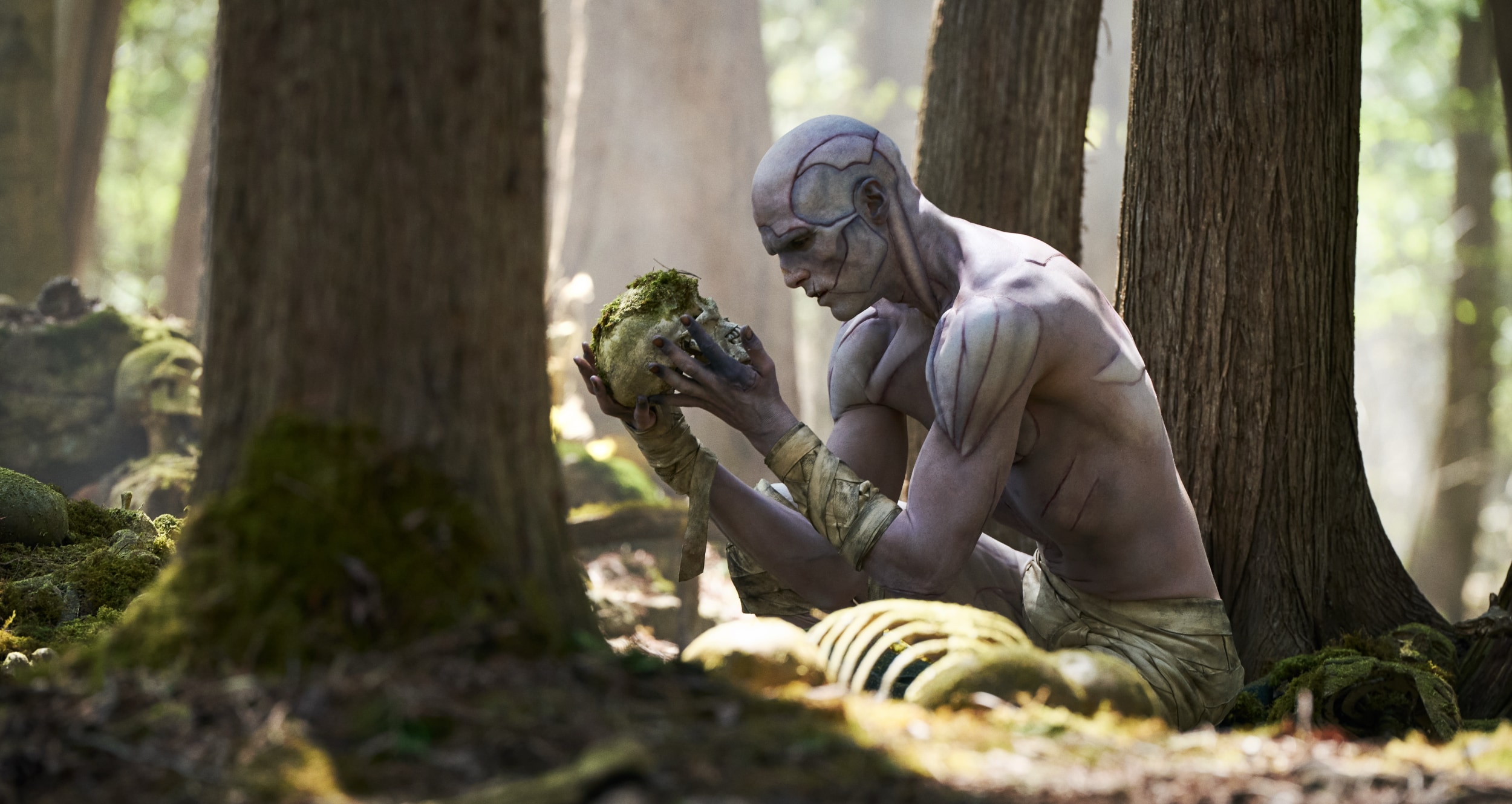
Jacob Elordi in Frankenstein
Netflix
In an interview with NPR, del Toro mentioned that, as a child, seeing the monster appear for the first time in the 1931 Frankenstein film was “an epiphany.” It was an experience that helped him understand his own faith, and seemingly his entire view of life and art. His Frankenstein is the work of someone who has been living with the story for decades. It comes to life with lavish sets, his love of voluptuous colors (there’s a scene of a red scarf floating in the air that haunts me) and his fascination with the macabre.
There’s a lesson in Frankenstein for today’s tech elite, but given their current obsession with AI despite its potentially massive societal and environmental impacts, I have little hope they’ll learn anything from it. But when Guillermo del Toro was asked about using generative AI by NPR, he spoke as someone who truly understood Shelley’s novel. “I’d rather die,” he said.
This article originally appeared on Engadget at https://www.engadget.com/entertainment/tv-movies/guillermo-del-toro-delivers-a-frankenstein-for-the-tech-bro-era-080000058.html?src=rss
The Linux-powered handheld gaming console, Steam Deck, now allows you to complete game downloads with the screen off, saving power while staying updated.
In a recent article published in the New York Times, author Casey Michael Henry argues that today’s tech industry keeps borrowing dystopian sci-fi aesthetics and ideas — often the parts that were meant as warnings — and repackages them as exciting products without recognizing that they were originally cautionary tales to avoid. “The tech industry is delivering on some of the futuristic notions of late-20th-century science fiction,” writes Henry. “Yet it seems, at times, bizarrely unaware that many of those notions were meant to be dystopian or satirical — dismal visions of where our worst and dumbest habits could lead us.” Here’s an excerpt from the report: You worry that someone in today’s tech world might watch “Gattaca” — a film that features a eugenicist future in which people with ordinary DNA are relegated to menial jobs — and see it as an inspirational launching point for a collaboration between 23andMe and a charter school. The material on Sora, for instance, can feel oddly similar to the jokes about crass entertainment embedded in dystopian films and postmodern novels. In the movie “Idiocracy,” America loved a show called “Ow! My Balls!” in which a man is hit in the testicles in increasingly florid ways. “Robocop” imagined a show about a goggle-eyed pervert with an inane catchphrase. “The Running Man” had a game show in which contestants desperately collected dollar bills and climbed a rope to escape ravenous dogs. That Sora could be prompted to imagine a game show in which Michel Foucault chokeslams Ronald Reagan, or Prince battles an anaconda, doesn’t feel new; it feels like a gag from a 1990s writer or a film about social decay.
The echoes aren’t all accidental. Modern design has been influenced by our old techno-dystopias — particularly the cyberpunk variety, with its neon-noir gloss and “high tech, low life” allure. From William Gibson novels to films like “The Matrix,” the culture has taken in countless ruined cityscapes, all-controlling megacorporations, high-tech body modifications, V.R.-induced illnesses, deceptive A.I. paramours, mechanical assassins and leather-clad hacker antiheroes, navigating a dissociative cyberspace with savvily repurposed junk-tech. This was not a world many people wanted to live in, but its style and ethos seem to reverberate in the tech industry’s boldest visions of the future.
Elon Musk went on stage on Thursday night during Tesla’s annual shareholders meeting and made some big claims and promises. The company is “almost comfortable” letting owners with Full Self-Driving (FSD) “text and drive,” he said. At the moment, its vehicles are still strictly monitoring drivers to make sure their eyes are on the road, but Musk said that Tesla will enable unsupervised FSD that will allow texting and driving within “a month or two.”
To note, Tesla’s FSD is currently capable of level 2 autonomous driving. Musk is promising at least a level 4 capability, in which the driver can be disengaged as the car performs all driving tasks for them, within a short span of time. While he said that Tesla will look at its safety data first, he didn’t discuss the steps it’s taking to enable texting while driving and whether it’s already discussing the legalities of it with regulators.
Talking about the Cybercab, Musk said production of the robotaxis will begin by April next year. Since it will be specifically built with autonomy in mind, it will not have pedals, a steering wheel and even side mirrors. The Cybercab’s manufacturing process, he explained, is vastly different from typical car production and is more comparable to phone manufacturing. That’s why he thinks the company will be able to produce one unit every 10 seconds.
Musk also talked about the flying car he teased on Joe Rogan’s show. When asked at the event, he said the demo will now take place on April 1, 2026, instead of this month or the next like he told Rogan. It remains to be seen whether we’re going to get April Fooled, but Musk claimed that production of Tesla’s flying vehicle will happen a year or so after its unveiling. As always, take Musk’s claims with a grain of salt, as he’s pretty infamous for being overly ambitious with his timelines.
While Musk was on stage talking about Tesla’s plans, an Optimus humanoid robot was standing by the side. The CEO said Optimus is bound to become the “biggest product of all time,” bigger than cellphones, “bigger than anything.” Tesla will start with a 1-million production line and then a 10-million production line, but he said the company expects to eventually produce 100 million to a billion Optimus robots a year. He envisions a world wherein the humanoid machines will provide people with medical care… as well as a world wherein instead of being jailed, Optimus follows criminals around to stop them from committing more crimes.
Before Musk went on stage, Tesla’s shareholders had voted to approve his pay package worth up to $1 trillion over the next 10 years. Tesla has to hit several goals for Musk to become the first trillionaire, though, including reaching a market value of $8.5 trillion from its current worth of $1.4 billion and selling a million Optimus robots.
This article originally appeared on Engadget at https://www.engadget.com/transportation/evs/elon-musk-says-tesla-owners-can-text-and-drive-very-soon-042454805.html?src=rss
Mark Zuckerberg opened an unlicensed school named after the family’s pet chicken — and it was the final straw for his neighbors, writes Slashdot reader joshuark, citing a report from Wired. The magazine obtained 1,665 pages of documents about the neighborhood dispute — “including 311 records, legal filings, construction plans, and emails.” Here are excerpts from the report: The documents reveal that the school may have been operating as early as 2021 without a permit to operate in the city of Palo Alto. As many as 30 students might have enrolled, according to observations from neighbors. […] Over time, neighbors became fed up with what they argued was the city’s lack of action, particularly with respect to the school. Some believed that the delay was because of preferential treatment to the Zuckerbergs. “We find it quite remarkable that you are working so hard to meet the needs of a single billionaire family while keeping the rest of the neighborhood in the dark,” reads one email sent to the city’s Planning and Development Services Department in February. “Just as you have not earned our trust, this property owner has broken many promises over the years, and any solution which depends on good faith behavioral changes from them is a failure from the beginning.” […]
In order for the Zuckerbergs to run a private school on their land, which is in a residential zone, they need a “conditional use” permit from the city. However, based on the documents WIRED obtained, and Palo Alto’s public database of planning applications, the Zuckerbergs do not appear to have ever applied for or received this permit. Per emails obtained by WIRED, Palo Alto authorities told a lawyer working with the Zuckerbergs in March 2025 that the family had to shut down the school on its compound by June 30. […] However, Zuckerberg family spokesperson Brian Baker tells WIRED that the school didn’t close, per se. It simply moved. It’s not clear where it is now located, or whether the school is operating under a different name. […] Most of the Zuckerbergs’ neighbors did not respond to WIRED’s request for comment. However, the ones that did clearly indicated that they would not be forgetting the Bicken Ben saga, or the past decade of disruption, anytime soon.