An anonymous reader shares a report: Executives are turning to a novel structure to fund crypto accumulation vehicles as investor appetite thins. They’re called in-kind contributions, and they now account for a growing share of digital-asset treasury, or DAT, deals. Instead of raising cash to buy tokens in the open market, DAT sponsors contribute large slugs of their own crypto, often unlisted and hard to value.
Digital-asset treasuries are a new breed of public company built to hold concentrated crypto positions. The structure surged in 2025 as small-cap firms, especially in biotech and mining, reinvented themselves as digital-asset proxies. Sponsors provide tokens or raise money to buy them, and the stock then trades as a kind of listed bet on crypto. For insiders, it’s a shortcut to liquidity. For investors, a wager on upside. But not all DATs carry the same level of risk. Earlier deals raised money to buy tokens through regular markets, which offered at least some independent price check. In-kind contributions skip that step — letting insiders decide what their tokens are worth, sometimes before the token even trades publicly. That shift means pricing and trading risks land more squarely on shareholders, many of them retail investors.
Investor faith is already wobbling. Many DATs that once traded above the value of their holdings now trade below it. As insiders supply the tokens and set their price, it’s becoming harder for investors to tell what these deals are really worth, or when to get out. The in-kind structure was on full display in a recent $545 million private placement by Tharimmune Inc., a biotech firm-turned-crypto proxy, to set up a buyer of Canton Coins. About 80% of the raise came in the form of unlisted Canton tokens, priced at 20 cents each, according to an investor presentation seen by Bloomberg News. The token began trading on exchanges Nov. 10 and is now around 11 cents, CoinGecko data show.
More deals are following the same template. In these placements, insiders contribute tokens — sometimes illiquid or unlisted — to form a treasury, lock in valuations and seed the perception of market demand. But when tokens list below deal price, public shareholders absorb the difference. […] Then there’s Flora Growth Corp., a Nasdaq-listed company that announced a $401 million deal to start acquiring Zero Gravity tokens in September. On closer inspection, the firm had raised just $35 million in cash to pair with a $366 million in-kind contribution of then-unlisted 0G tokens. Those tokens were priced at around $3 a piece; they subsequently listed, and are now trading at about $1.20.
DDR5 memory runs objectively high transfer rates; JEDEC specs go as high as 6.4 Gbps, and overclockers have taken DDR5 beyond the fastest LPDDR5X: all the way to over 13 Gbps. At these speeds, signal integrity becomes a first-order concern, and most systems can maintain peak performance only when running one module per channel. That generally
Our best friends come in a fantastic array of shapes and sizes; a Borzoi looks nothing like a Boston terrier, except for a certain fundamental, ineffable (except to taxonomists) doggyness about them. And it’s been that way almost from the beginning. A recent study of dog and wolf skulls from the last 50,000 years found that dogs living just after the last Ice Age were already about half as varied in their shape and size as modern dogs.
“Shaped like a friend” means a lot of different things
Biologist and archaeologist Allowen Evin, of CNRS, and her colleagues compared the size and shape of 643 skulls from dogs and wolves: 158 from modern dogs, 86 from modern wolves, and 391 from archaeological sites around the world spanning the last 50,000 years. By comparing the locations and sizes of certain skeletal landmarks, such as bony protrusions where muscles attached, the researchers could quantify how different one skull was from another. That suggested a few things about how dogs, or at least the shapes of their heads, have evolved over time.
The team’s results suggest that dogs that lived during the Mesolithic (before settled farming life came into fashion in the Middle East) and the Neolithic (after farming took off but before the heyday of copper smelting; 10,000 BCE is a general starting point) were a surprisingly diverse bunch, at least in terms of the size and shape of their skulls.
Folks who are looking forward to a fresh flavor of life simulation in the form of Paralives will have to wait a while longer before they can jump into the Sims-like game. The game was supposed to hit early access on Steam on December 8, but lead developer Alex Massé and the team at Paralives Studio have pushed back the release date to May 25.
Massé explained that the team expanded its playtests in the lead up to the early access period, “and the latest feedback we received made us realize the game isn’t up to the standard we wanted it to meet for release.” While the character creator and in-depth home builder modes seem to be in a solid place, playtesters encountered “impactful bugs” in the live mode and it appears that there isn’t yet quite enough to do in the town. “We feel it is necessary to work on these before delivering the product to the community,” Massé wrote. The team plans to improve the game’s onboarding experience too.
Paralives has been in development for six years, and the team has grown from two or three people in the first couple of years to an average of 10. Having such a small team meant that the developers “had to alternate long stretches of development” between the three parts of the game, Massé wrote. “We are so proud of what we have built, but now, we just need a bit more time to polish the simulation part of the game. This would ensure Paralives offers a great first experience when it launches, making players come back for every exciting free update and expansion that we will put out afterwards.”
Paralives Studio will stream 45 minutes of gameplay on its YouTube channel at noon ET on November 25. Massé said you’ll get to see what the game looks like now, including some of the current features. The team will provide more details on aspects it plans to improve before the early access release. You can expect more streams and videos in the coming months. It’s expected that Paralives will remain in early access for two years while the team adds the features and content it plans to.
Paralives is an indie alternative to the likes of The Sims and InZOI. There are other life sim games on the way before Paralives debuts, such as Pokémon Pokopia. Animal Crossing New Horizons is getting a major update and a Switch 2 version in January. However, EA will shut downThe Sims Mobile that same month.
This article originally appeared on Engadget at https://www.engadget.com/gaming/pc/the-sims-like-paralives-is-delayed-until-may-2026-174922059.html?src=rss
A Chinese plant scientist at the University of Michigan, who drew national attention in June 2025 when she was arrested and accused along with another Chinese scientist of smuggling a crop-damaging fungus into the US, pleaded guilty on November 12, 2025, to charges of smuggling and making false statements to the FBI. Under her plea agreement, Yunqing Jian, 33, was sentenced to time served and expected to be deported.
Her arrest put a spotlight on Fusarium graminearum, a harmful pathogen. But while its risk to grains such as wheat, corn, and rice can be alarming, Fusarium isn’t new to American farmers. The US Department of Agriculture estimates it costs wheat and barley farmers more than $1 billion a year.
Tom Allen, an extension and research professor of plant pathology at Mississippi State University, explains what Fusarium graminearum is and isn’t.
Today, short-form videos dominate our free time (and our working time, at that)—but this wasn’t always the case. Before the likes of TikTok and Instagram Reels, online video content was more long-form than not. It might have felt short by the standards of cable TV, but many of the videos on platforms like YouTube were regularly anywhere from two to 10 minutes, if not longer.
The first platform to really popularize short-form content as we think of it now was Vine. These videos were short—a maximum of six seconds at a time, which should have spelled the platform’s doom. Who would want to watch these tiny videos back to back for hours at a time? A lot of us, apparently. Vine compilations garner millions (if not tens of millions) of views on YouTube. While the Twitter-owned platform only lasted about five years, it established itself as a true cultural phenomenon. Quote the first half of a popular vine to a group of young millennials or Gen Zs, and, chances are, they’ll finish the line.
For years, us Vine fans have longed for someone to bring the app back. Sure, short-form video has never been more addicting, but it’s just not the same. Videos on Vine had a much different feel than most of the content you see on TikTok. Maybe it was the limited runtime; maybe it was the stripped-down recording interface. But to me, Vine feels like early YouTube: homemade, indie, and fun.
Divine is the new Vine
It seems that experience might actually be making a comeback. A new app, Divine, is trying to recreate the magic of those six-second loops. Divine, built by former Twitter employee Evan Henshaw-Plath and funded by Twitter co-founder Jack Dorsey, is meant to be a platform to share vines old and new. Of course, you can upload fresh six-second clips, but the app will also feature 150,000 to 200,000 “archived” vines from roughly 60,000 creators. You won’t have to rely on those Vine compilations anymore—you can watch those classic clips directly on Divine.
Those videos aren’t scraped from YouTube compilations, either. According to TechCrunch, Vine’s original library was stored by the organization “Archive Team” in a huge but largely inaccessible archive. Henshaw-Plath studied the library, extracting as much data as possible to build profiles for the original Vine accounts and display metrics like views and original comments. Though not all Vines were archived, including “millions of K-pop-focused videos,” Henshaw-Plath believes “a good percentage” are available on Divine. Vine creators can choose to either take down their videos from Divine or take over their profiles on the app, so long as they prove their identities.
Divine is also a decentralized social media platform running on the Nostr protocol. That means no one company owns it, which means your content is your content. When you post, your videos are tied to you via private keys, so you can always prove ownership. Plus, there are no user-specific algorithms. You have to choose what you want to watch, or jump into an algorithm created by the Divine community.
My favorite part of this experiment, however? No AI. At a time when other social media platforms are inundated with hyperrealistic videos from generators like Sora, Divine has a strict no-AI policy. Divine uses tech from the Guardian Project to confirm whether a video was filmed on a smartphone. If the system detects a video is artificial, it gets taken down. It’s enough to make this tech editor shed a (joyful) tear.
How to join Divine
As you might expect, there’s a lot of demand to try Divine at launch. At this time, the company says its beta test is full. However, you can sign up for the waitlist to be notified when more spots open up. You can also browse clips on the platform’s web app right now, even without an account, but I’ve found it to be a bit glitchy.
While most of the enormous Call of Duty audience buys each annual entry without hesitation for its multiplayer offering, the single-player campaign is also a big part of the experience. CoD campaigns are often big on popcorn silliness and refreshingly tight. Some people just like to start a game and see its credits roll within a weekend, you know? But judging by the early impressions of Call of Duty: Black Ops 7 that are beginning to surface online, it sounds like this year’s campaign comes with some pretty major caveats.
I admittedly haven’t played the game myself yet, but IGN is one of the outlets that has gone live with its 6/10 review, which reveals that the campaign’s always-online nature means it can’t be paused, and if you’re idle for what the game deems to be too long it’ll boot you out. For a mode that is traditionally offline and totally separate from the online portion of the game, this might come as a shock to some players.
It gets worse. While the official website for Black Ops 7 states that the campaign can be played solo or with a “squad,” it definitely emphasises its co-op nature first. A campaign that facilitates co-op is usually a good thing, but here it sounds like very few considerations are made for single players. You can’t fill in spots in the four-person squads with AI companions, so if you don’t have three friends handy, you’re not getting the desired experience.
Objectives clearly designed for multiple players are reportedly tediously repetitive when you have to do all of them on your own. Many games are built entirely around co-op and that’s fine, but it seems like a pretty dramatic departure for a series that has always accommodated the solo player. According to IGN’s coverage there are no checkpoints either, so if you don’t finish a mission in a single sitting — not always possible for people with busy lives — you’ll lose all your progress. As you presumably will if your Wi-Fi dies.
For groups willing to live with all these potentially very awkward conditions, the Black Ops 7 campaign promises “high-stakes challenges across a wide spectrum of environments, from the neon-lit rooftops of Japan to the Mediterranean coast, and even into the deepest corners of the human psyche.” Presumably that last bit doesn’t refer to the rageful thoughts of someone who just lost all their progress because they had to answer the front door.
As you’d expect, Call of Duty: Black Ops 7 also offers the traditional multiplayer and Zombies modes that will no doubt keep you busy until next year. It’s out today on Xbox (included with Game Pass), PS5, PS4 and PC.
This article originally appeared on Engadget at https://www.engadget.com/gaming/you-cant-pause-your-game-in-call-of-duty-black-ops-7s-always-online-campaign-172707048.html?src=rss
Pay television penetration in American households fell to 50.2% in the third quarter and is projected to drop to 50% or lower by December, according to Madison and Wall, a technology and media advisory firm. Fifteen years ago, nearly nine in ten households subscribed to pay television services.
The decline has prompted major media companies to shed cable assets. Comcast, Warner Bros. Discovery, and A&E are seeking to sell or spin off their cable television operations. Paramount stated it would not divest its cable channels but acknowledged that “each quarter is accelerating decline.”
After going nearly extinct in the 1990s, these tropical snails have made a fabulous comeback—highlighting the value of carefully planned, long-term conservation projects.
TV manufacturers are abandoning their attempts to turn TVs into interactive social devices through smart cameras. Sky announced this month that it will discontinue Sky Live, a camera accessory for its Sky Glass televisions that brought video calls, body-tracked workouts, and motion games to the living room. The device will stop working at the beginning of December. Sky will brick the cameras and reimburse customers. Sky launched the product in mid-2023 as part of an effort to transform televisions from passive viewing devices into interactive platforms.
That vision has not materialized across the industry. LG’s Smart Cam, released in 2023, is out of stock at major retailers and appears discontinued. TCL’s smart TV camera is no longer available. Samsung stopped integrating cameras directly into its television sets, though it still sells an external camera accessory.
If you clicked on this story because you don’t know what a fabric shaver is, you’re not alone. That was me not too long ago when I started searching for something that could get rid of the pilling on some of my most loved pieces of clothing. Blessedly, I stumbled upon the Philips Fabric Shaver, a type of device I didn’t even know existed, and decided to give it a shot. It’s now an essential piece of tech in my house, and you don’t have to pay as much as I did for it thanks to this Black Friday deal that knocks it down to $13.
Sure, it may not seem revolutionary — especially if you already knew of the wonders of such devices — but it was for me. I have a lot of T-shirts, joggers, sweaters and more that I’ve had for at least three years and wear regularly. We also have a bunch of throw blankets around the house, partially because I love a good throw, and partially because my cat demands soft spots on which to sleep. All of those well-worn, well-loved fabrics have pilled over time, and I was tired of picking at the pills myself.
This Philips Fabric Shaver makes it so I never have to do that anymore. It runs on two AA batteries, has a simple on-off switch and a shaving head with three sized holes that, as you glide it over your sweater or blanket, catches the pills and shaves them right off. It’s literally as simple as that; after I tried it the first time on a pair of joggers, I spent far too much time running around my house and through my closet de-pilling as many things as I could. All the little fabric bits collect in a removable chamber that you simply empty as often as you need into the trash. If you’re like me and try to make the most of the wardrobe you have and not buy new clothing all the time, this little gadget will keep the pieces in your closet looking fresh.
This article originally appeared on Engadget at https://www.engadget.com/deals/you-need-a-fabric-shaver-and-my-favorite-is-only-13-for-black-friday-163402235.html?src=rss
Now that we’re midway through November, the Black Friday discounts are coming in faster and more furious. And sure, the actual Black Friday date is still two weeks away, but retailers are not sitting around waiting. You shouldn’t either, depending what you’re in the market for this holiday season. Over at Best Buy, for example, there are some
Back in 2012, Dishonoredearned the first Game of the Year honor of my tenure at Ars Technica. Looking back on the game some 13 years later, Arkane’s well-constructed world of steam punk magical realism earns its place as a modern classic.
The game does a great job of drawing you into that world immediately, with a memorable opening sequence that sees you framed for the on-screen murder of the empress you’ve been sworn to protect. The scene does a great job establishing the emotional stakes of the coming missions while also throwing you into the deep end of the political infighting that has consumed a besieged, plague-beset kingdom.
A Victorian steam punk world you can lose yourself in.
Credit:
Arkane Studios
Those stakes, and a battle against a real feeling of injustice, drive the plot through some admittedly predictable beats as Dishonored continues through a set of sneak-and-assassinate missions. But it’s hard to care about that predictability when even minor side characters on both sides of the conflict quickly develop from stereotypes to engaging, fleshed-out characters.
AMD’s GAIA open-source project as a reminder is their “Generrative AI Is Awesome” quick-setup solution for demonstrating generative AI use on AMD hardware platforms with Ryzen CPUs, Radeon GPUs, and/or Ryzen AI NPUs. GAIA is predominantly Microsoft Windows focused but recently they did introduce limited support for Linux that is currently bound to Vulkan-accelerated GPU support. Out today is AMD GAIA 0.13 as another step forward for this AI demonstrator…
Good deals on Apple products are generally harder to come by throughout the year than with other brands, but sale events are usually the best time to look around. And sure enough, ahead of Black Friday, Apple’s AirTags are cheaper than ever. You can pick up a four-pack of these handy Bluetooth trackers for $65, a record low price. Bear in mind that this deal brings the price per AirTag down to $16 if you were to buy them individually, and when not on sale they usually cost $29.
If you use Apple devices and are prone to losing stuff, AirTags are the obvious choice of Bluetooth tracker to buy. Adding one to your account requires little more than a single tap, and with Apple’s Find My network offering such extensive coverage these days, it’s never been easier to find missing belongings.
Tracking down a still nearby misplaced item is as easy as using your iPhone to trigger a sound from the AirTag’s built-in speaker, or alternatively you can use Precision Finding to pinpoint its location through Find My. You just follow the instructions on your iPhone’s screen, paying attention to its vibrations as you get closer.
If you only need a single AirTag, they’re also on sale right now for $18, another record low. It works out a bit better as a deal if you purchase the four-pack, but if you just want to attach one to your keys or backpack, $65 might seem like a stretch. Just remember that AirTags can’t be attached to items right out of the box. You’ll need to add an accessory in order to turn one into a keyring, or even attach it to your pet’s collar.
This article originally appeared on Engadget at https://www.engadget.com/deals/early-black-friday-apple-deals-include-a-four-pack-of-airtags-for-65-161756983.html?src=rss
Systemd-free option still available if you choose that downloadMX Linux 25 “Infinity” is now available, and the new version has some significant differences from the 2023 release, with things that used to be boot-time choices now more loaded pre-install decisions.…
Cryptocurrency companies and fintech startups are applying to open banks in the United States. Ripple, Coinbase and the UK payments company Wise have submitted applications for national trust charters this year. Trust banks cannot take deposits or make loans but charge fees for safekeeping customer assets and are not FDIC insured. The applications have reached 12 so far this year, more than any of the preceding eight years, according to data compiled by Klaros Group.
Comptroller of the Currency Jonathan Gould said last month that cryptocurrency activity should be done within the banking system if legally permissible and safe. His agency regulates nationally-chartered U.S. banks. The Bank Policy Institute and the Independent Community Bankers of America oppose the applications. BPI sent letters urging the Office of the Comptroller of the Currency to reject the Ripple, Wise, and Sony applications. The group said approving Coinbase could significantly increase risks to the U.S. financial system.
The GoPro Hero 13 Black action camera is down to $310 as part of an early Black Friday sale, which is a record low price. That’s a discount of 23 percent or $90.
This model topped our list of the best action cameras, and for good reason. It’s a fantastic device with all kinds of bells and whistles. It’s the most versatile Hero camera that GoPro has ever made. There’s a new family of modular lenses and it can shoot up to 5.3K and handle 2X optical zoom.
The battery is bigger than ever before and offers around 90 minutes of continuous shooting in 4K/30FPS. The camera is waterproof up to 10 millimeters, so don’t worry about puddles. The full-color front screen is vivid and makes it easy to review footage without getting a computer involved.
There’s no internal storage here, but it accepts microSD cards. There’s a camera bundle on sale right now that includes a 64GB microSD, three batteries, a dual charger and a case. That pack costs $349, which is a discount of 30 percent.
This article originally appeared on Engadget at https://www.engadget.com/deals/the-gopro-hero-13-black-is-cheaper-than-ever-ahead-of-black-friday-160154066.html?src=rss
Today, Wahoo announced a handful of early Black Friday deals valid through Monday, December 1. I’ve shared those details below, along with shopping links.
Please note, if you purchase an item on Wahoo’s site using these links, Zwift Insider will receive a small affiliate commission. Thanks in advance for your support!
More To Come
There are even more deals from Wahoo dropping on Black Friday and running through Cyber Monday, including discounts on some of the most popular hardware in Wahoo’s indoor training ecosystem not already in the list below. My guess is, we’ll see similar deals from Zwift. Watch this space for details!
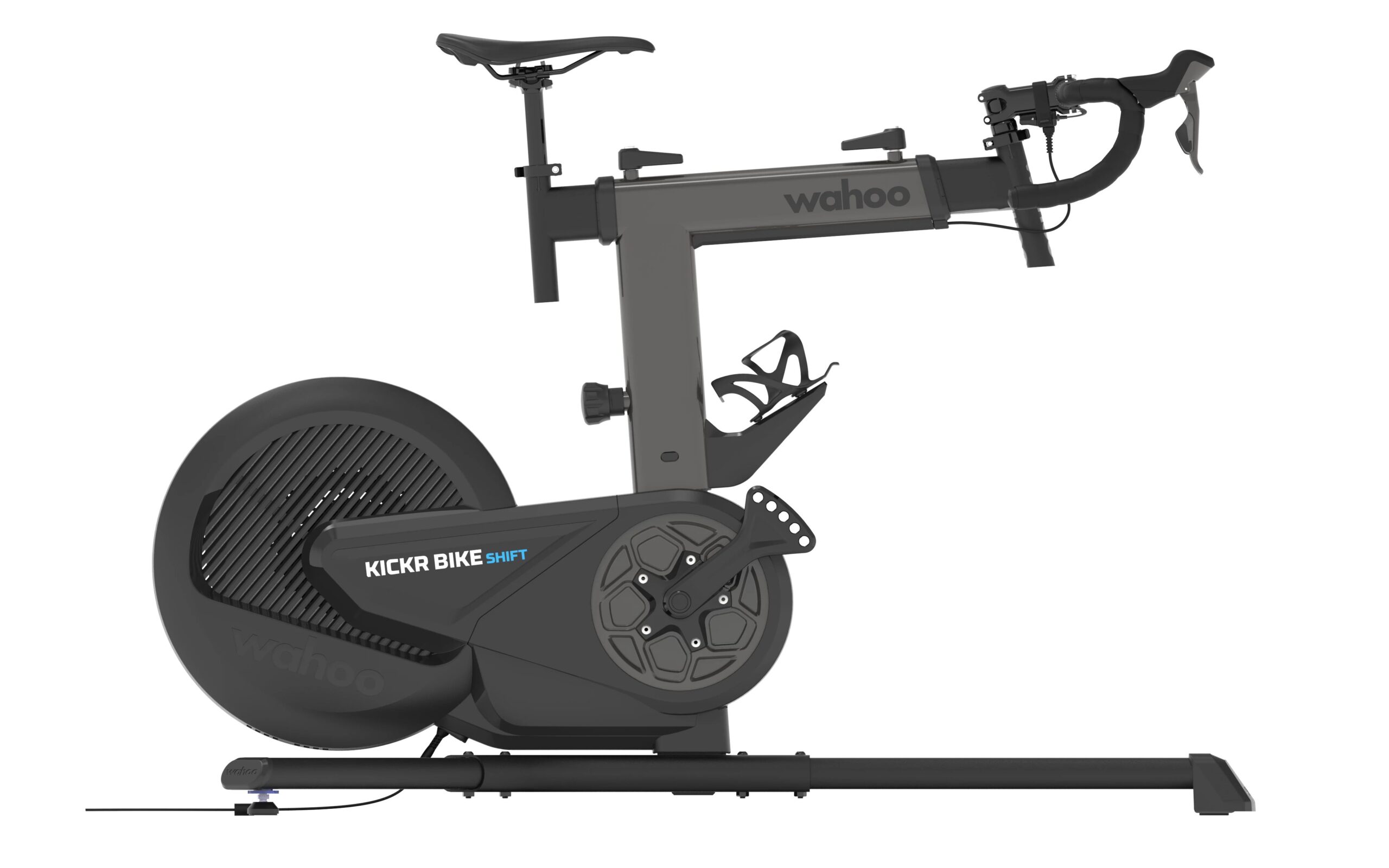
KICKR BIKE SHIFT
Regular Price £2,199.99 / $2,549.99 / €2,499.99, Black Friday Sale Price: $1,999.99
The KICKR BIKE SHIFT offers the unmatched ride feel of the KICKR BIKE while retaining key features such as Reality Shift, True Fit, Real Ride Feel and, of course, Wi-FI. Wahoo has helped open up the smart bike category to even more people by refining features, including the introduction of a new brake and belt drivetrain system to deliver lightning-fast resistance response to grade and power changes – plus an even quieter ride than ever before.
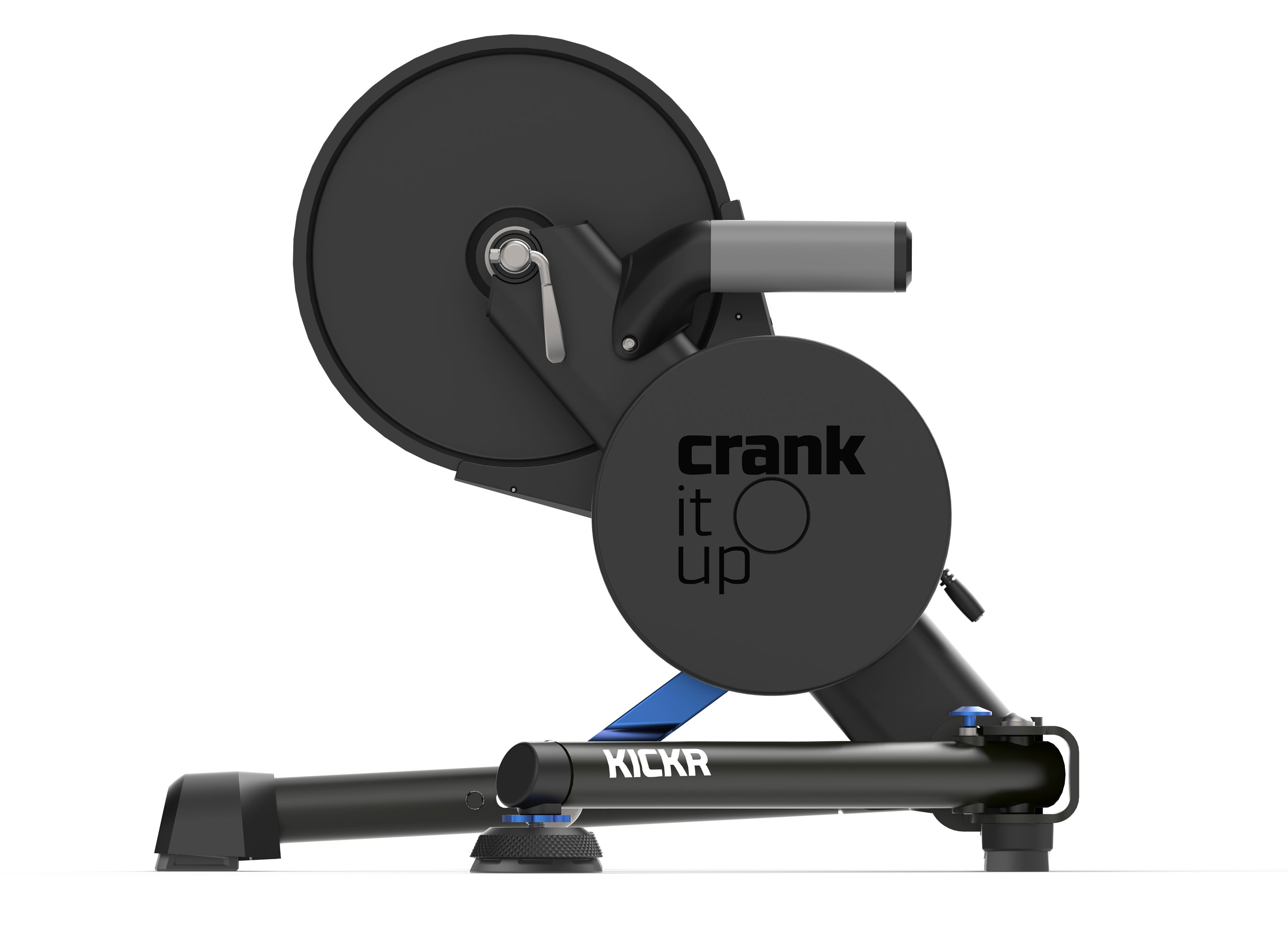
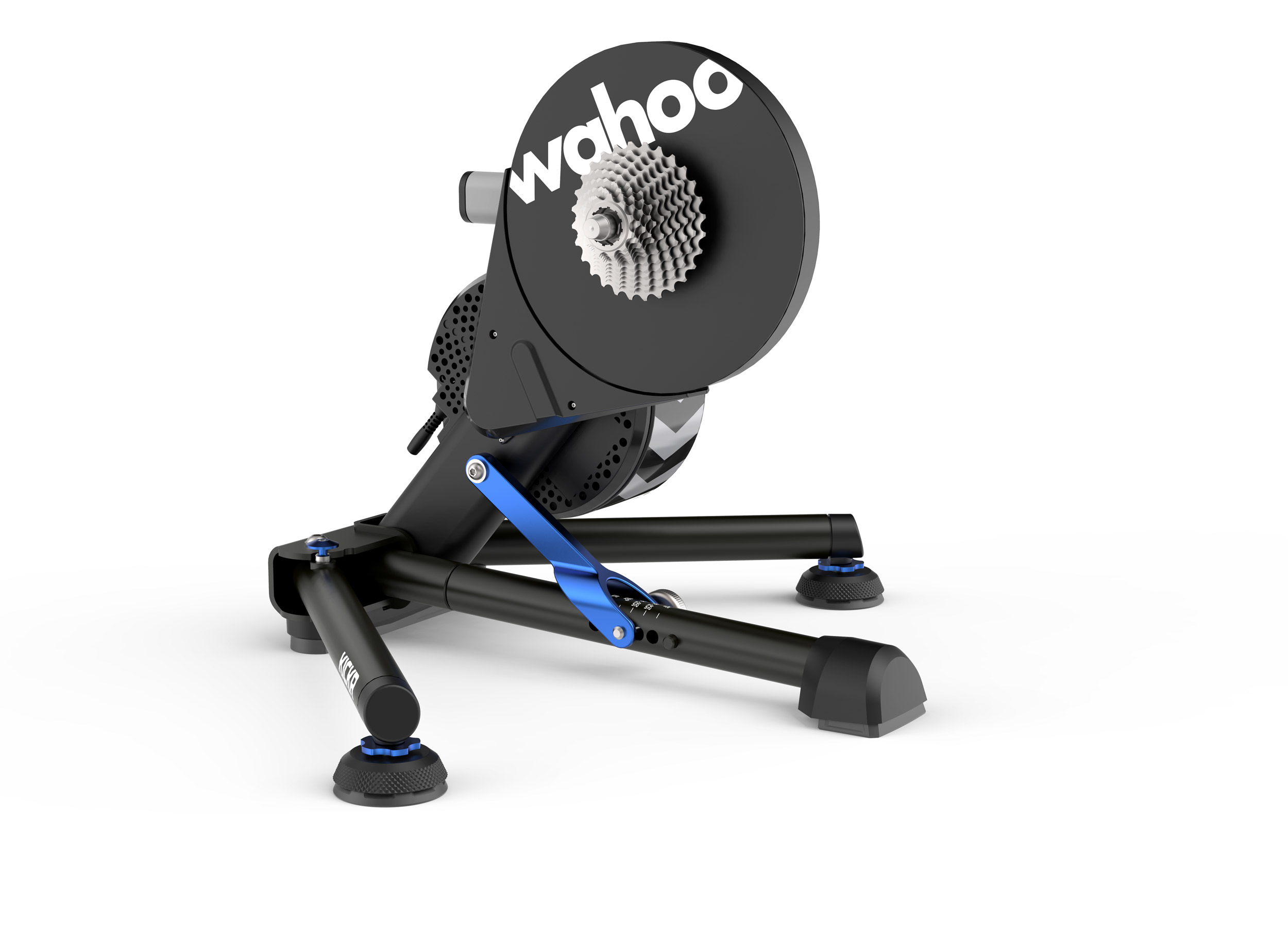
KICKR V6
Regular Price £899.99 / $1049.99 / €999.99, Black Friday Sale Price: $787.49
The newest version of the KICKR offers best-in-class indoor smart trainer design. With the addition of lightning-fast WiFi, KICKR continues to stay ahead of the pack as the smart trainer that gives you the most ways to connect, compete, and train indoors. The KICKR automatically calibrates and provides accurate power measurements of +/- 1%.
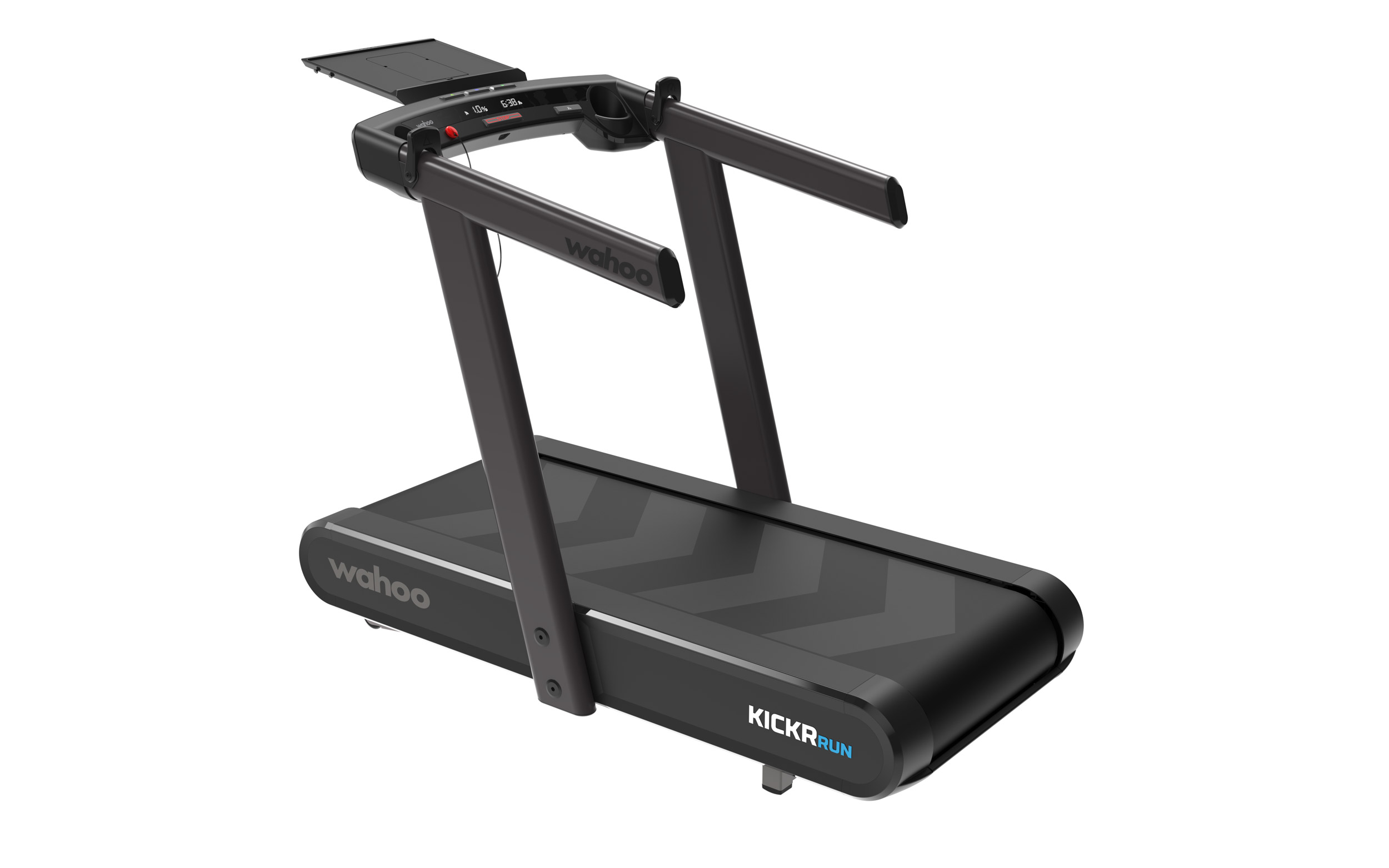
KICKR RUN (US Only)
Regular Price $6,999.99 / £5,999.99, Black Friday Sale Price: $5,249.99
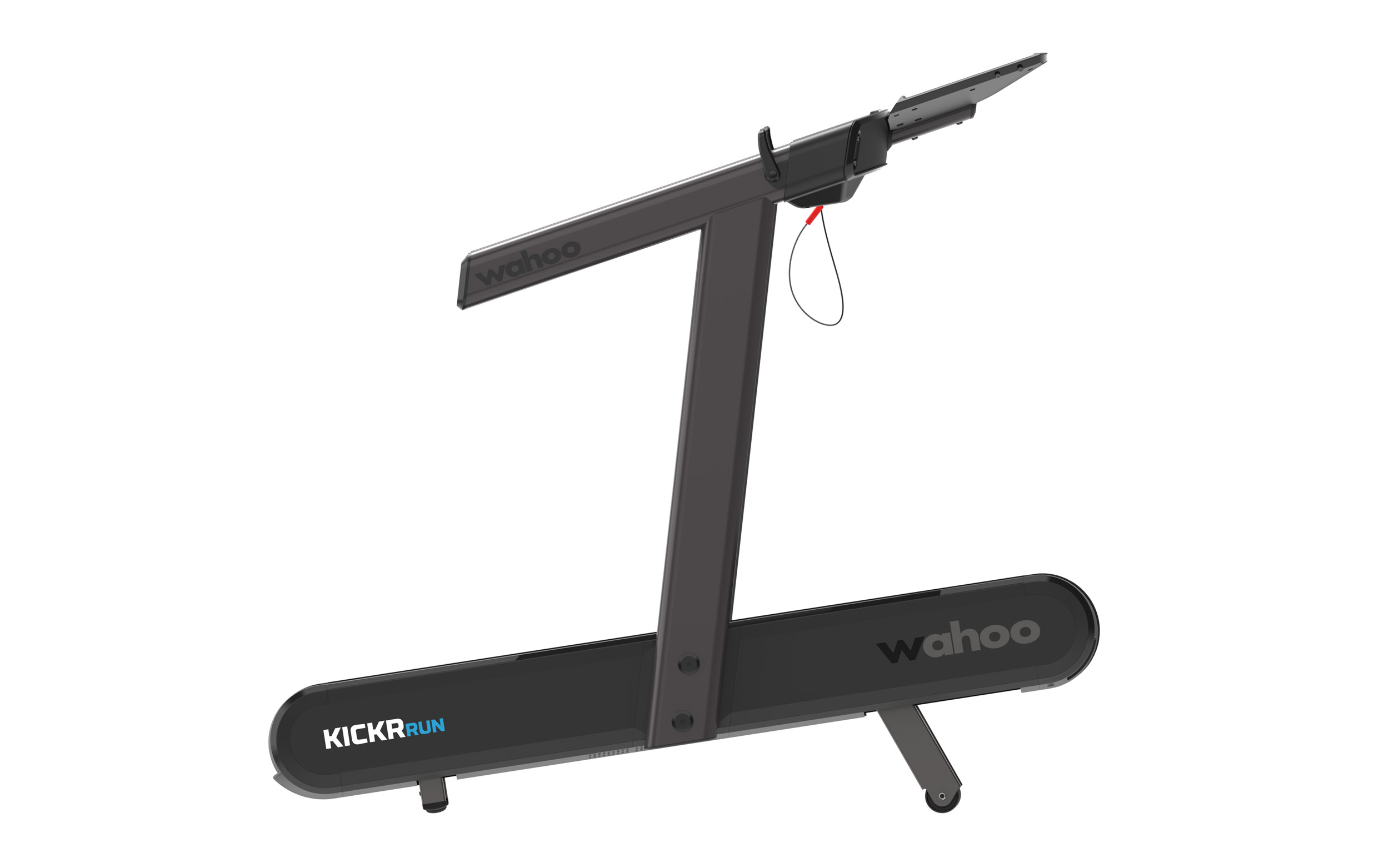
The KICKR RUN is a cutting-edge smart treadmill designed to deliver a natural and immersive indoor running experience. It features RunFree Mode, which uses advanced sensors to automatically adjust the belt speed to match your pace, eliminating the need for manual controls. With a responsive surface, grade simulation, and lateral tilt, it mimics outdoor running conditions, challenging stabilizer muscles while providing dynamic movement. The treadmill integrates seamlessly with apps like Zwift and TrainingPeaks, offering smart controls for speed, gradient, and advanced running metrics like cadence and vertical oscillation
Earlier this year, Belgian Cycling Factory bought Nukeproof from Frasers Group PLC, but despite some teasing at Eurobike, things have been quiet from the bike brand since.
That’s until now, with today marking Nukeproof’s first bike launch since the acquisition.
The all-new, second-generation Nukeproof Reactor trail bike has been given an overhaul, boasting updated geometry, suspension kinematics and frame details.
Unlike the Nukeproof of old, though, don’t expect to see masses of models hitting every price point.
Instead, Nukeproof is playing it cool, keeping things smart, and launching one carbon and one alloy offering, both of which are priced competitively.
While limiting models might disappoint some consumers, this approach clearly signifies caution from a brand looking to play the long game and stick around for good this time.
Nukeproof will offer only two builds of the new Reactor: one carbon frame option, one alloy. Nukeproof
This second-generation Reactor is still aimed at trail riding, but designed to be even more capable than its predecessor.
Just as before, Nukeproof is offering the bike in two frame options: carbon and alloy, although the alloy frame features carbon seatstays.
This time, the bikes will be sold only with 29in wheels. Don’t worry, though, you will be able to switch to a 27.5in rear wheel down the line if you wish.
Rear-wheel travel has been bumped up to 140mm and paired with a 150mm-travel fork up front. The suspension kinematics have been tweaked to boost mid-stroke support for better stability through the turns, while overall progression has dropped (from 21 per cent to 17 per cent from sag) to allow for more end-stroke tunability.
Anti-squat has been increased slightly over the older model to make the new Reactor pedal a little more efficiently, although this drops off quickly as the bike moves deeper into the travel to ensure it can eat up bumps as effectively as possible.
Nukeproof has also lowered the anti-rise in a bid to keep the suspension a little more active under braking.
Special attention has been paid to cable routing in order to make the Reactor as user-friendly as possible, with additional routing ports to ensure that no matter which way round you have your brakes, you can route the hose properly.
With more cable ports, the cable routing should remain neat and tidy whichever way you run your brakes. Nukeproof
The carbon frames also get the tube-in-tube guides for easy maintenance, while the alloy frames have large cable ports for easier access.
There’s clearance for up to 2.6in tyres through the rear triangle, although Nukeproof doesn’t spec tyres this wide.
All frames come with a Ride Wrap protective kit as standard, feature a gear mount under the top tube and have space for a 250ml water bottle.
More sizes and updated geometry
The new Reactor has 140mm of rear-wheel travel and includes a flip chip that can slacken/steepen the angles and raise/lower the bottom bracket. Nukeproof
The Reactor 290 now comes in five sizes, ranging from small to double extra-large, with reach figures spanning from 435mm to 520mm. Its predecessor was only available in medium to extra-large.
Geometry has been tweaked to keep the Reactor up to date. Reach figures on the medium, for example, have grown from 451mm to 460mm.
Effective seat tube angles are steeper too, to help make for a comfier climbing position, and now sit at 77-77.5 degrees depending on frame size.
Chainstay length is now proportion to frame size, meaning while the small and medium frames sit at 440mm, the large through to double extra-large sizes have been extended to 445mm.
Nukeproof includes a flip chip, enabling you to swap between the higher ‘trail’ setting and lower ‘rail’ position. This’ll alter the head angle by 0.5 degrees and shift the bottom bracket up or down by 6mm. For context, in the lowest setting, Nukeproof says the bottom bracket sits at 330mm off the floor, which is pretty slammed.
No-nonsense range
Both the carbon and alloy models of the Reactor come with the same RockShox Lyrik Select+ fork. Nukeproof
Although Nukeproof may have previously been known for creating bike models that ticked almost every spec and price point, times have changed.
With the Reactor, it has kept things far tighter and heavily reduced what’s on offer.
There are now only two Reactor models available – one in carbon and one in alloy, sold through Nukeproof’s dealer network.
Both feature similar build kits and, at present, neither will be available in North America. That’s likely to change down the line, but Nukeproof was keen to point out that it’s planning on growing slowly and limiting risk as much as possible.
Pricing is competitive – those latter days of Chain Reaction Cycles firing out bikes and frames at ludicrous prices are long gone.
Both bikes use the same RockShox Lyrik Select+ fork, Super Deluxe Select+ shock, travel-adjustable TranzX dropper post and Schwalbe tyres.
If you don’t want a complete bike, there are alloy and carbon frame-only options, too, which come with a RockShox Super Deluxe Ultimate shock.
All frames are available via Belgian Cycling Factory’s Configurator, which enables you to select from a range of colours for the frame as well as the decals.
Nukeproof has also updated its warranty policy. By registering your new bike, your warranty jumps from the standard two-year coverage up to a lifetime warranty. This doesn’t include its DH bike, though.
What’s more, Nukeproof has created the ‘Keep Riding Program’, which supports original frame owners all the way back to the model year 2020. So, even if you own a Nukeproof that wasn’t supplied by the Belgian Cycling Factory, if you qualify for the scheme, you may be able to buy the equivalent frame (and shock) at a discounted rate, if you’ve damaged the original.
Nukeproof Reactor range and price details
Nukeproof Reactor Alloy Pro 290
The one alloy Reactor Pro 290 model features RockShox suspension, Schwalbe tyres, SRAM’s Eagle 90 gears and Maven brakes. Nukeproof
Frame: 6061-T6 front triangle with carbon seatstays
Fork: RockShox Lyrik Select+
Shock: RockShox Super Deluxe Select+
Drivetrain: SRAM Eagle 90 Transmission
Wheels: DT Swiss M-1900 Spline 30
Brakes: SRAM Maven Base
Price: £3,999 / €4,499
Nukeproof Reactor Carbon Pro 290
The carbon model of the Reactor uses the same fork, shock and tyres as its alloy counterpart, but gets upgraded wheels, brakes and gears. Nukeproof