Netflix went down for a lot of people after Stranger Things premiered

Netflix has crashed for thousands of viewers after the first four episodes of Stranger Things season 5 went live for streaming. Downdetector started getting an unusual number of outage reports at around 10 minutes before 8PM Eastern time, when the episodes were scheduled to hit the service. The numbers climbed up to almost 14,000 before they went down over the next few minutes.

According to Entertainment Weekly, affected viewers were getting an NSEZ-403 error, which means their accounts couldn’t connect to Netflix. They were seeing “Something went wrong” and “Sorry, we’re having trouble with your request” messages on their screens. For the NSEZ-403 error, in particular, Netflix advises switching to a different device. It’s worth nothing that the show’s creator previously said that Netflix increased its bandwidth by 30 percent to avoid a crash for the season premier. The company has told Engadget that some members briefly experienced an issue streaming on TVs, but that service has been restored for all accounts within 5 minutes.

In season 5 of Stranger Things, the Hawkins gang is set to face Vecna one last time. After these first four episodes, Netflix is dropping three more on December 25 and then the finale itself on December 31.

Update, Nov. 26, 2025, 10:35PM ET: This story has been updated to add the information Netflix shared with Engadget.

This article originally appeared on Engadget at https://www.engadget.com/entertainment/streaming/netflix-went-down-for-a-lot-of-people-after-stranger-things-premiered-025540667.html?src=rss

Mexico Unveils Plans To Build Most Powerful Supercomputer In Latin America

An anonymous reader quotes a report from the Associated Press: Mexico unveiled plans Wednesday to build what it claims will be Latin America’s most powerful supercomputer — a project the government says will help the country capitalize on the rapidly evolving uses of artificial intelligence and exponentially expand the country’s computing capacity. Dubbed “Coatlicue” for the Mexica goddess considered the earth mother, the supercomputer would be seven times more powerful than the region’s current leader in Brazil, Jose Merino, head of the Telecommunications and Digital Transformation Agency.

President Claudia Sheinbaum said during her morning news briefing that the location for the project had not been decided yet, but construction will begin next year. “We’re very excited,” said Sheinbaum, an academic and climate scientist. “It is going to allow Mexico to fully get in on the use of artificial intelligence and the processing of data that today we don’t have the capacity to do.” Merino said that Mexico’s most powerful supercomputer operates at 2.3 petaflops — a unit to measure computing speed, meaning it can perform one quadrillion operations per second. Coatlicue would have a capacity of 314 petaflops.


Read more of this story at Slashdot.

Amazon Faces FAA Probe After Delivery Drone Snaps Internet Cable In Texas

Amazon’s drone-delivery program is under federal scrutiny after an MK30 aircraft clipped an internet cable in Texas. CNBC reports: The incident occurred on Nov. 18 around 12:45 p.m. Central in Waco, Texas. After dropping off a package, one of Amazon’s MK30 drones was ascending out of a customer’s yard when one of its six propellers got tangled in a nearby internet cable, according to a video of the incident viewed and verified by CNBC. The video shows the Amazon drone shearing the wire line. The drone’s motor then appeared to shut off and the aircraft landed itself, with its propellers windmilling slightly on the way down, the video shows. The drone appeared to remain in tact beyond some damage to one of its propellers.

The Federal Aviation Administration is investigating the incident, a spokesperson confirmed. The National Transportation Safety Board said the agency is aware of the incident but has not opened a probe into the matter. Amazon confirmed the incident to CNBC, saying that after clipping the internet cable, the drone performed a “safe contingent landing,” referring to the process that allows its drones to land safely in unexpected conditions. “There were no injuries or widespread internet service outages. We’ve paid for the cable line’s repair for the customer and have apologized for the inconvenience this caused them,” an Amazon spokesperson told CNBC, noting that the drone had completed its package delivery.


Read more of this story at Slashdot.

Common Desktop Environment “CDE” 2.5.3 Released After Two Years

Two years and one week since the prior point release, Common Desktop Environment 2.5.3 is now available as the latest iteration of this Unix desktop environment built around the Motif toolkit. CDE has been open-source for more than a decade now but its development not exactly brisk. But for those resisting the likes of Wayland and other modern display tech — especially with KDE announcing today Plasma 6.8 will be Wayland-exclusive — CDE 2.5.3 is now available…

Greek Cybercrime Unit Shuts Down IPTV Pirates, 68 End Users Face Fines

Greek authorities shut down an IPTV piracy operation on Santorini, arresting a reseller and referring 68 end users for prosecution. TorrentFreak reports: A new legal framework to tackle online infringement in Greece went live just a couple of months ago, and reports of prosecutions are already coming in. Early September, it was reported that a man from Sparta faces prosecution and a fine of up to 6,000 euros for two IPTV piracy offenses. The suspect, reportedly a cafe owner, was targeted at his workplace on a Saturday, allegedly in front of customers. One told local media that they believed that complaints of the cafe engaging in “unfair competition” preceded the untimely visit.

The Cybercrime Prosecution Directorate launched their operation in the early hours of November 19. The Athens-based unit targeted a network that sold illicit access to premium pay-TV via IPTV subscriptions. The raid, conducted on Santorini, one of the Cyclades islands, resulted in the arrest of a 48-year-old, who, from police reports, appears to be a reseller for a larger network. Customers were reportedly charged 50 euros for 3 months subscription or 100 euros for 6 months. Sales and management were handled by the 48-year-old via an online platform known as a ‘panel,’ while remote and in-person support were available as part of the service.

The impact of the raid was visible on the islands, locals said. According to a local report, hundreds of users in hotels, cafes, and residences on Santorini and beyond, found themselves suddenly without access to cheap TV. Apparently few areas were untouched by the disruption, such was local reliance on illegal streams.


Read more of this story at Slashdot.

Google’s AirDrop Support For Pixel 10 Likely Exists Because of EU’s Apple Ruling

Last week, Google surprised the tech world when it announced AirDrop support on Pixel 10 devices — all without Apple’s involvement. “While it initially seemed like this was a rogue move made by Google to coerce Apple into another boundary-breaking decision, it might actually be part of the repercussions that also led to USB-C on iPhone and the adoption of RCS,” reports 9to5Google. From a report: As reported by Ars Technica, the answer to this week’s mysterious Quick Share upgrade lies in the EU’s interoperability requirements designed for the DMA. The ruling out of the European Commission pushed Apple to begin supporting interoperable wireless standards beginning with this year’s set of OS upgrades, replacing the previous proprietary standard the company used to power its various Continuity features. That forced Apple to add support for the Wi-Fi Alliance’s Wi-Fi Aware standard of multi-directional file sharing, at the cost of completely phasing out its previous walled-in protocol.


Read more of this story at Slashdot.

Newegg Sparks Debate With New PayPal-Integrated AI Shopping Push

BrianFagioli writes: Newegg’s new partnership with PayPal is another sign that mainstream e-commerce is shifting control from users to AI-driven intermediaries. Instead of shoppers visiting Newegg directly, PayPal’s agentic commerce system pushes product discovery through AI platforms like Perplexity where recommendations, checkout, and fraud checks all happen inside someone else’s controlled environment. Newegg stays the merchant of record, but the real influence shifts to the platforms that decide which products their AI agents mention. That may sound convenient, but it also means discovery becomes guided by training data and commercial integrations rather than user intent.

Slashdot readers will likely notice the other issue. This setup puts PayPal deeper into the shopping pipeline at a time when many users already avoid the company over account freezes and dispute policies. An AI-mediated shopping experience where PayPal becomes the silent gatekeeper by default is not going to sit well with everyone. And with AI agents shaping purchasing decisions based on behavior and context, the concept of intent-driven shopping starts to look a lot like quiet nudging rather than empowerment. Newegg may see this as the future, but the community will probably ask whether users truly want AI systems and PayPal deciding how they shop.


Read more of this story at Slashdot.

ULA aimed to launch up to 10 Vulcan rockets this year—it will fly just once

Around this time last year, officials at United Launch Alliance projected 2025 would be their busiest year ever. Tory Bruno, ULA’s chief executive, told reporters the company would launch as many as 20 missions this year, with roughly an even split between the legacy Atlas V launcher and its replacement—the Vulcan rocket.

Now, it’s likely that ULA will close out 2025 with six flights—five with the Atlas V and just one with the Vulcan rocket the company is so eager accelerate into service. Six flights would make 2025 the busiest launch year for ULA since 2022, but it falls well short of the company’s forecast.

Last week, ULA announced its next launch is scheduled for December 15. An Atlas V will loft another batch of broadband satellites for the Amazon Leo network, formerly known as Project Kuiper, from Cape Canaveral Space Force Station, Florida. This will be ULA’s last launch of the year.

Read full article

Comments

10 Pocketable Tools That Make Great Stocking Stuffers

We may earn a commission from links on this page. Deal pricing and availability subject to change after time of publication.

The key to any successful DIY job is having the right tools—which can be a problem when you’re away from your toolbox. While the handy folks on your holiday shopping list probably already have all the tools they need, they probably only have the full-sized or powered-up versions. Instead, go small and gift them one (or more) of these awesome, pocket-sized tools designed to be carried around everywhere.

Snowflake multitool


$11.89
at Amazon
$15.99
Save $4.10

Stocking Stuffers for Men Snowflake Multitools - 20 in 1 Multi Tool Christmas Gifts for Men Women Adults Teens, Unique Ideas Gadgets Gifts for Dad, Pocket Size Mini Portable Screwdriver Bottle Opener


$11.89
at Amazon
$15.99
Save $4.10

Pocket Leatherman


$49.95
at Amazon
$54.95
Save $5.00

LEATHERMAN, Micra, Keychain Multi-tool with Grooming Tools, Mini Pocketknife for Everyday Carry (EDC), Hobbies & Outdoors, Built in the USA, Cappuccino


$49.95
at Amazon
$54.95
Save $5.00

Hoto Snapbloq Pocket Drill and Electric Screwdriver


$191.99
at Amazon
$299.97
Save $107.98

HOTO SNAPBLOQ 3-in-1 Master DIY & Repair Tool Kit, Brushless Motor, Magnetic Attachment System, 114 Extensive Accessories, Mini Tool Kit for 3D Printer Sanding, Electronics, PCB, Jewelry, DIY Crafts


$191.99
at Amazon
$299.97
Save $107.98

Palmer Clear Utility Knife


$39.00
at Amazon

JAMES° The Palmer Clear Utility Knife, 100% Recycled PCTG Handles, Buttery Smooth Action, Refined Tool Free Blade Changes, Electric Green Grip


$39.00
at Amazon

Acebeam Keychain Flashlight


$29.74
at Amazon
$34.99
Save $5.25

ACEBEAM Rider RX 700 High Lumens EDC AA Flashlight Rechargeable, Pocket LED Flashlight with Clip, Super Bright Mini Flash Light, 519A-V1 LED 90+ High CRI Small Flashlight for Camping, Home


$29.74
at Amazon
$34.99
Save $5.25

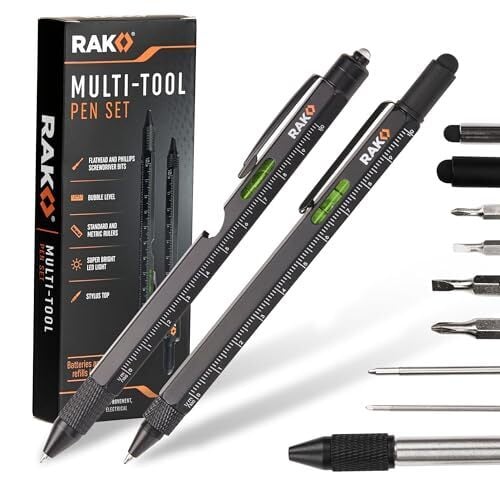
RAK Multitool Pen


$17.99
at Amazon
$25.99
Save $8.00

RAK Multitool Pen 2-Pack - Fathers Day Gift, Multi-Tool Pens with LED Light, Flathead & Phillips Screwdrivers, Level, Ruler, Bottle Opener, and Stylus. Cool Gadgets Gifts for Men, Dad, EDC Pen Tool


$17.99
at Amazon
$25.99
Save $8.00

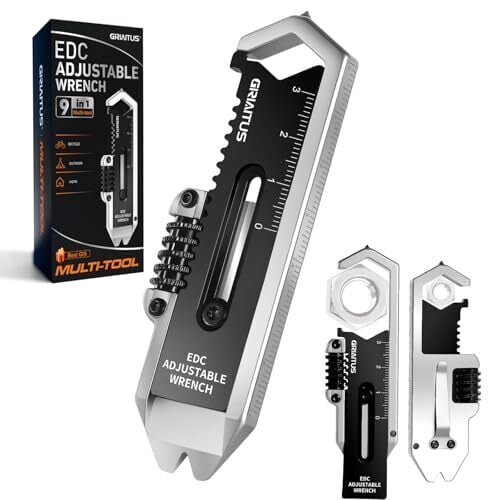
9-in-1 Pocket Adjustable Wrench


$23.75
at Amazon
$32.99
Save $9.24

Small Multitool Wrench 9 in 1 Pocket Adjustable Wrench for Screw with Mini Pry Bar Nail Puller Keychain Tool Caliper Measuring Ruler Glass Breaker EDC Gadget Survival Gear for Men Cycling Hiking


$23.75
at Amazon
$32.99
Save $9.24

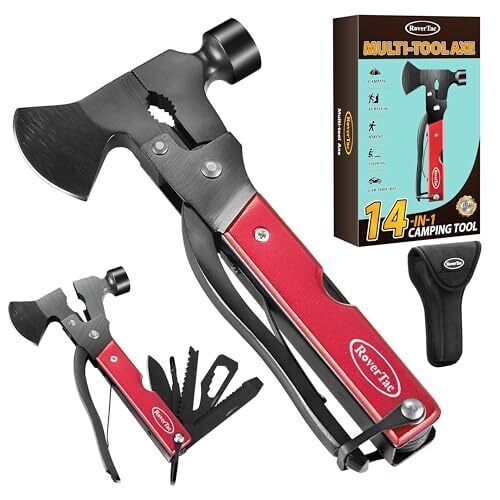
RoverTac Camping Multitool


$19.99
at Amazon
$23.99
Save $4.00

RoverTac Camping Essentials, Multi Tool Axe Hatchet Camping Gear, 14-in-1 Multitool Knife Hammer Pliers Saw Bottle Can Opener Screwdriver, Multitool for Camping Hiking Survival, Gifts for Men Him Dad


$19.99
at Amazon
$23.99
Save $4.00

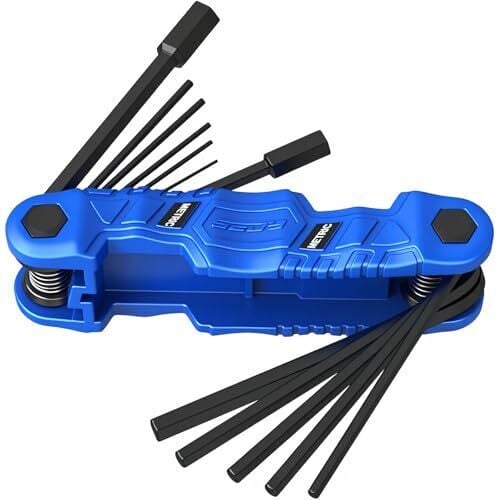
Folding Hex Key Set


$7.99
at Amazon
$24.99
Save $17.00

12-Piece Large Folding Hex Key Set Metric (1.5-12mm), Heavy Duty Allen Wrench Set, Portable Tool for Archery, Bike Repair, Furniture, and Basic Home Maintenance (Blue)


$7.99
at Amazon
$24.99
Save $17.00

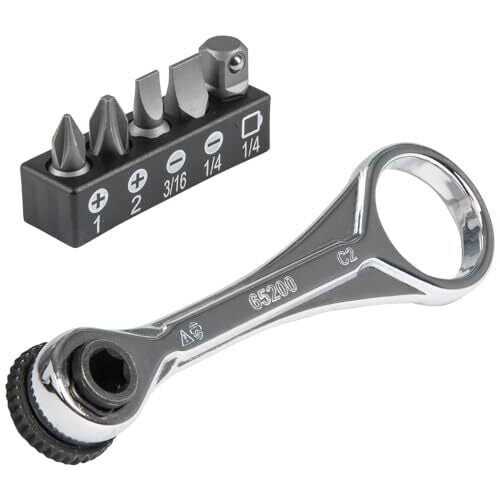
Mini Ratchet Set


$16.98
at Amazon

Klein Tools 65200 Ratchet Set, 5-Piece Mini Ratchet Set with Phillips, Slotted, and Adapter for Other Socket Sizes, For Tight Spaces


$16.98
at Amazon

The Snowflake multitool does it all

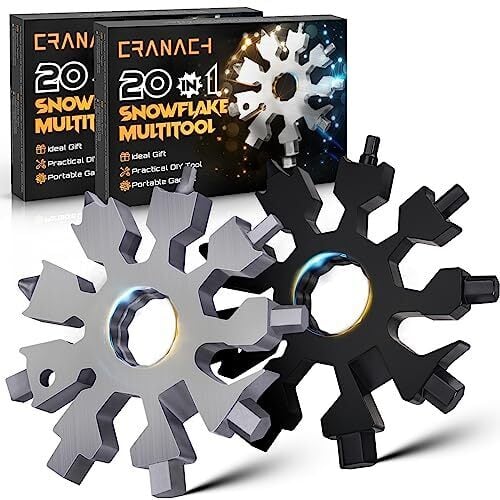
Most pocket multi-tools are a little bulky, making the snowflake multitool an awesome little gift for anyone who can’t resist a little light DIYing wherever they go. It’s a wrench, an Allen wrench, a Phillips and flathead screwdriver, a box opener, and bottle opener all in one, and it will slip into your pocket easily. Bonus: It can hang on the tree like an ornament, and it’s currently 26% off for Black Friday.

A keychain version of the famous Leatherman

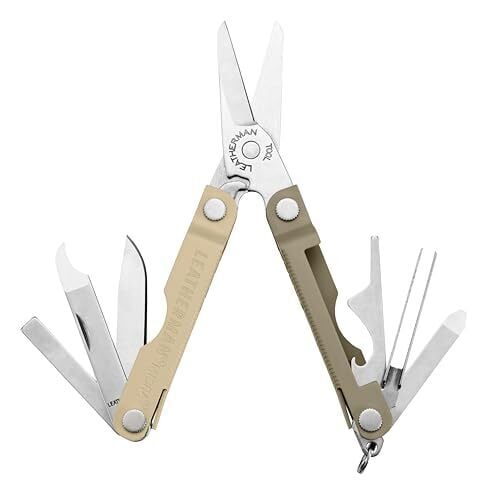
You can’t discuss pocket tools without mentioning the Leatherman, one of the most reliable and useful multitool brands out there. The Micra is a keychain-friendly version of this classic, offering a knife, tweezers, screwdrivers, scissors, bottle opener, file, and a ruler in a tiny, compact build that feels hefty and reliable. It’s also almost 10% off right now.

The Hoto Snapbloq is a miniature power screwdriver

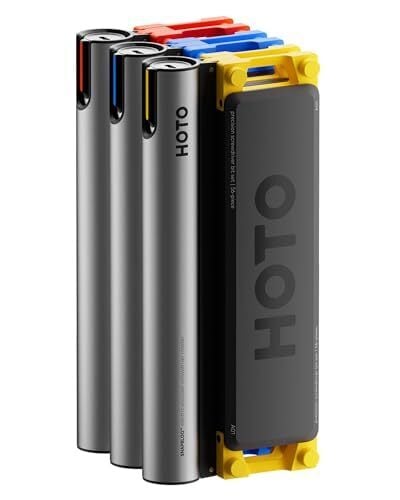
At more than a third off, this is a steal that will change your entire approach to DIY on the run. Imagine having a drill, rotary tool, and power screwdriver in your pocket at all times—that’s the Hoto Snapbloq. Sure, you’re not going to be hanging drywall with this, but you can make repairs to electronics and effect quick repairs to just about anything without having to run home for your toolbox. It’s also ideal for hobbyists, as the rotary tool can be a polisher, engraver, etcher, or spot sander.

The Palmer is a super useful pocket razor

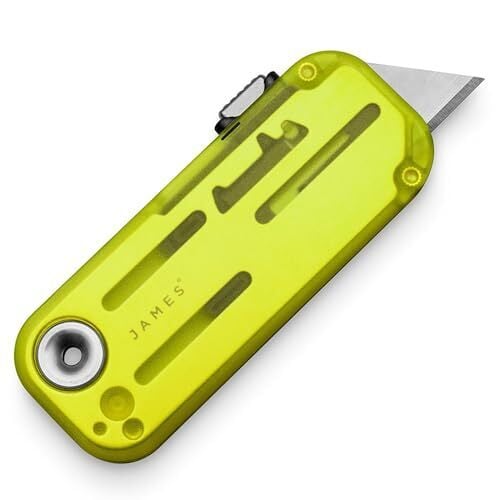
A utility knife is one of the most useful things you can have in your pocket. From opening boxes to cutting straps, having the Palmer in your pocket means you’ll never be reduced to trying to break something with your teeth, or cut something with a steak knife lifted from the kitchen.

The Acebeam Rider is a great keychain flashlight

So many DIY jobs require a flashlight, you absolutely need to have one in your pocket or on your keychain. The Acebeam Rider is light, compact, and powerful, offering five brightness levels and running off of a rechargeable AA battery. Next time you’re bent over a tiny project in a dim room, you’ll have all the light you need—and it’s 15% for Black Friday.

The RAK multitool pen hides five mini-tools

Almost every DIY project requires a writing implement, and this nifty pen is also a multitool. It includes a ruler, a bubble level, a bottle opener, a screwdriver, and an LED light—and it’s the size of a standard pen, so you can slip it into a shirt or jacket pocket and not even notice it’s there until you suddenly need a quick tool to get something done. And it’s a tick over 30% off right now.

This multitool wrench is as tiny as it is useful

Nothing stymies an impromptu DIY repair like a bolt—unless you’re abnormally strong, the chances of getting a bolt loose without a tool are grim, so this tiny multitool wrench will likely be one of the most useful things you have in your pockets at any given time. Not only is it an adjustable wrench, it’s also a ruler, a caliper, a bottle opener, a nail remover, and even a tiny prybar for getting in-between and under small, tight spaces. At nearly 30% off for Black Friday, it’s a must-have stocking stuffer.

The RoverTac is a camping tool you’ll want to carry everywhere

This is more of a survival or camping tool than an everyday DIY carry, but the idea of having a small hammer that slips into a jacket pocket or glove compartment is compelling. But this thing is also a hatchet, a pair of pliers, and a multitool with a knife, bottle opener, saw, screwdriver, and file. At almost 20% off, it’s a great little gift for the DIYer in your life.

A metric hex tool will to replace all those IKEA wrenches

Carrying 15 random Allen wrenches in your pockets isn’t practical, so this tiny pocket-sized hex key set will make any spot tightening an easy job. Whether it’s a loose bit of furniture or a bike repair, you’ll never be caught out when an Allen screw presents itself. Plus, at 20% off, this little tool will actually replace all those loose Allen wrenches you’ve been collecting since you bought your first IKEA product.

A mini ratchet set to give you torque on the go

Any DIYer will be absolutely delighted to have an entire ratchet set in their pockets. Not only is it small enough to carry around with you while being strong enough to tackle any job, it’s also going to be useful in any situation where you need torque in a tight spot where a standard-sized ratchet won’t be able to fit.

Chinese Pharma is On the Cusp of Going Global

China’s pharmaceutical industry has quietly evolved from a hub for generics and clinical trials into something more ambitious — a genuine competitor in drug discovery that Western giants are now courting to fill gaps left by looming patent expirations worth over $300 billion by 2030. In the first half of 2025, nearly a third of global licensing agreements signed by big pharma involved Chinese firms, Economist reports, four times the share from 2021. Pfizer agreed in May to pay $1.25 billion to 3SBio for an experimental cancer drug, and GlaxoSmithKline followed in June with a deal valued at up to $12 billion with Hengrui. Chinese companies now run about a third of the world’s clinical trials, up from 5% a decade ago.


Read more of this story at Slashdot.

Sony teases the A7 V, its next flagship midrange camera

Sony appears to be ready to announce another addition to its Alpha camera lineup. The company shared an image on the Sony Alpha Instagram account with the text “Chase your dream” and the date December 2 at 9AM EST, which could be a teaser for its next mirrorless camera.

It’s possible the company has something else in mind, but the giant “V” or Roman numeral five in the background of the image seems like a clear reference to an unannounced Sony A7 V, a follow-up to the Sony Alpha 7 IV. Considering there was around a four year gap between the release of the A7 III and A7 IV, releasing the new camera in 2026 would make the timing lineup, too. 

Rumors suggest the A7 V could feature a new 33MP “partially stacked sensor” designed by Sony, along with the ability to capture 4K / 60 fps video. The company is also rumored to be announcing at least two new lenses to go with the new camera. Since the Alpha 7 IV started at $2,500, it seems safe to expect that these upgrades could cost even more when the camera is officially announced in December.

This article originally appeared on Engadget at https://www.engadget.com/cameras/sony-teases-the-a7-v-its-next-flagship-midrange-camera-224000370.html?src=rss

The Best Black Friday Deals on E-Readers

We may earn a commission from links on this page. Deal pricing and availability subject to change after time of publication.

Black Friday sales officially start Friday, November 28, and run through Cyber Monday, December 1, and Lifehacker is sharing the best sales based on product reviews, comparisons, and price-tracking tools before it’s over. 

  • Follow our live blog to stay up-to-date on the best sales we find.

  • Browse our editors’ picks for a curated list of our favorite sales on laptops, fitness tech, appliances, and more.

  • Subscribe to our shopping newsletter, Add to Cart, for the best sales sent to your inbox.

  • Sales are accurate at the time of publication, but prices and inventory are always subject to change. 


If you’re anything like me, you probably spend your whole workday looking at screens, only to go home and immediately turn on more screens to relax. I get it, but by the end of the day, that can be pretty hard on your eyes. That’s why I recommend getting an e-reader. These devices have the same instant access to content as more traditional screens, but use special e-ink displays with actual ink instead of LEDs, for a more relaxing and paper-like experience.

You’re probably familiar with Kindles, but these days, there are plenty of e-readers out there, and Amazon’s may not be the best for you. Here are the best e-reader deals this Black Friday, across black-and-white devices, color devices, Androids, and even e-readers that are shaped like phones.

Best Kindles and Kobos

If you want an e-reader with a snappy interface that will just take you directly to either a storefront or your books, then Amazon’s black-and-white Kindles and Rakuten’s black-and-white Kobos are probably your best bet. You can still read your own files and even library books on these devices, but they don’t have the same varied library of apps that you might expect from a phone or iPad. Still, they’re probably the simplest option for most people, and the best for reading more traditional content like novels.

There are a few different varieties of Kindle, with the base model now discounted down to $80 for Black Friday. This model has a 6-inch screen, an adjustable light, and 16GB of storage, but cuts out some bonuses like waterproofing or an adjustable color temperature. It also displays ads on the lockscreen, or you can opt for this $100 deal instead to remove them.

If you want to snag those extra bonuses, you can get the Kindle Paperwhite instead. Currently starting at $125, it bumps the screen up to 7 inches and adds in that adjustable color temperature and waterproofing. Like with the base Kindle, if you don’t want ads on your lockscreen, you’ll need to get this $145 deal instead.

For Amazon’s most premium black-and-white e-reader, you’ll want the Kindle Paperwhite Signature Edition. This is $150 and has all the same benefits as the standard Paperwhite, but increases the storage to 32GB, adds in support for wireless charging, and has a sensor for adjusting the brightness automatically. It also doesn’t include ads by default, and for $5 more than a regular ad-free Paperwhite, is probably worth the upgrade.

There are also kids versions of both the standard Kindle and the Paperwhite, with identical hardware. The difference is that these come with six free months of Amazon Kids+, and cost somewhere in between the regular version and an adult ad-free version ($95 for the base Kindle Kids and $135 for the Paperwhite Kids). They also don’t have ads when using a kids’ profile, although some users have complained about ads on adult profiles.

Finally, for Rakuten devices, only one black-and-white e-reader is on sale right now. That’s the Kobo Elipsa 2E. At $350 and 10.3-inches large, it’s somewhere between an e-reader and a digital notebook. It has 32GB of storage and a front light with adjustable color temperature, plus comes with a stylus and a few templates to make simple notes that you can upload to Google Drive. The note-taking experience here isn’t quite as robust as you’ll find on Android devices or on devices like the Remarkable Paper Pro, which is why I feel comfortable calling it more of an e-reader than a digital notebook, but you can sync your notes to the cloud if you’d like, including either Kobo’s own cloud storage or your Dropbox or Google Drive. Personally, I find this device is best used for reading large-format books and occasionally marking them up in the margins, which could justify the higher price tag for some users. The flip side is that, if you just want to use it to read, it’ll be just as intuitive as any Kindle.

Best color e-readers

Color e-readers are a bit more of a recent invention. They might sound like a simple upgrade, but truth be told, they’re not for everyone. That’s because the color filter they use to achieve their effect can make text look a bit less sharp, and can add a distracting sparkle to even black-and-white content. They also aren’t too vibrant when displaying color content. But if you want to read the occasional picture book or comic, they can be a fun way to get a more paper-like experience digitally than you would get on a tablet like an iPad. Just know that they may not be the best choice for dedicated novel readers.

The best color image on the market right now probably belongs to the Kindle Colorsoft, and while it used to be pretty expensive, it now comes in two different models. The standard version is currently selling for $170, and comes with 16GB of storage and all the same benefits as the base Kindle Paperwhite (a 7-inch screen, waterproofing, and a front light with an adjustable color temperature). It’s also ad-free by default.

The Kindle Colorsoft Signature Edition, meanwhile, will run you $230. It increases the storage to 32GB, adds in wireless charging, and gives the front light the ability to adjust brightness automatically. That’s a pretty heavy premium on features some users will probably ignore entirely, but since color content can be a bit larger than black-and-white content (especially comics), it might be worth it depending on what you read.

In testing, I found the Kindle Colorsoft had higher contrast than other color e-readers I’ve tried, generally producing a more paper-like image. The high price initially threw me off recommending it to most readers, but the new, cheaper model and these Black Friday deals help to make it a more attractive buy.

That said, if you’d like a color reader that isn’t from Amazon, the Kobo Libra Colour is also on sale this Black Friday. It’ll run you $200, which is somewhere between the base Kindle Colorsoft and the Signature Edition. For that price, you’ll get a 7-inch screen, a front light with an adjustable color temperature, 32GB of storage, waterproofing, and a built-in grip with page turn buttons. You could even buy a stylus to use with the same note-taking apps as on the Elipsa 2E, although they might be a little less useful on such a small screen.

I generally found the Libra Colour’s image quality was a bit worse than the Colorsoft’s, but that extra storage and those page turn buttons are nice for the cost, and it doesn’t look too much worse.

Best Android e-readers

Android E-Readers tend to come from smaller companies, and are great for their versatility. Because they have access to the same kind of apps you’d use on a smartphone, you can use them to read Kindle books, browse the internet, load up PDFs on their own, or even log into comic apps from the likes of Marvel and DC. The downside is that they can be a little slower to use than Kindle or Kobo devices, because Android is a heavier operating system, and because these apps typically expect you to have a more responsive screen than you’ll get on an e-reader.

This Black Friday, I’ve found two book-sized Android e-readers on sale, both of which are in color and come from a company called Bigme.

The more affordable one is the Bigme B751C, which is currently $245. It has a 7-inch screen with an adjustable color temperature and a grip with page turn buttons on the left-hand side. Storage is an impressive 64GB, and RAM is 4GB, which will be important for navigating Android. You’ll be on a slightly older version of Android here—Android 11—which my colleague Joel Cunningham said was “jammed with bloatware” in his review of this device. Still, he appreciated that you can actually adjust the refresh rate to make the e-ink screen work a little better with Android apps, and the openness of Android meant he’d still choose it over a Kindle Colorsoft.

For $279, you could instead upgrade to the more recent Bigme B7, which increases the RAM to 8GB and the storage to 128GB. It also comes with Android 14, and overall, should give you a snappier experience. There’s also a 5MP camera, which could be useful for scanning in PDFs, and an included stylus that charges wireless when magnetically attached to the right side of the device.

Best phone-sized e-readers

Finally, there are e-readers that are shaped like smartphones. These also run Android, and aim for a more pocketable form factor. They’re great for one-handed reading, and could be useful for scrolling social media more intently. I wouldn’t use them for a whole book, but they could be a good alternative to endlessly doomscrolling on your phone.

The Boox Palma 2 is the favorite in this field, and will currently run you $270. It’s got a 6.13-inch black-and-white screen in a smartphone-like aspect ratio, and its front light supports both warm and cool color temperatures. You’ll get 6GB of RAM here, plus 128GB of storage and Android 13 pre-installed. There is a 16MP camera for scanning documents, a fingerprint sensor, and even a light sensor like on Amazon’s more expensive Kindles.

Alternatively, if you’re big on AI, you could opt for the Viwoods AiPaper Reader, which is currently selling for $238. This also has a 6.13-inch black-and-white screen, but has a bit less RAM than the Boox Palma, at 4GB rather than 6GB. It also lacks a camera, but does support 4G if you insert a SIM card. Probably the biggest missing feature here is a color adjustable light, but there’s still a fingerprint reader. The big selling point is the built-in AI for answering questions about whatever you’re reading on the fly, although I can’t help but feel that goes against the more intentional, less connected selling point of an e-reader.

Best digital notebooks

While a few of the devices in this article could be used as digital notebooks on the fly, only the Elipsa 2E is really intended as one, and even then, I do feel like its features are lacking compared to other options. Luckily, if you want to use an e-ink screen for writing in addition to reading, my colleague Joel Cunningham’s list of the best Black Friday deals on digital notebooks has you covered.


Does Amazon have Black Friday deals?

Yes, Amazon has Black Friday sales, but prices aren’t always what they seem. Use a price tracker to make sure you’re getting the best deal, or refer to guides like our live blog that use price trackers for you. And if you have an Amazon Prime membership, make the most of it.

What stores have the best sales on Black Friday?

Nowadays, both large retailers and small businesses compete for Black Friday shoppers, so you can expect practically every store to run sales through Monday, December 1, 2025. The “best” sales depend on your needs, but in general, the biggest discounts tend to come from larger retailers that can afford lower prices: think places like Amazon, Walmart, Target, Best Buy, and Home Depot. You can find all the best sales from major retailers on our live blog. 

How long do Black Friday deals really last?

Black Friday sales officially begin Friday, November 28, 2025, and run throughout “Cyber Week,” the five-day period that runs from Thanksgiving through Cyber Monday, December 1, 2025. But Black Friday and Cyber Monday dates have expanded as retailers compete for customers. You can get the same Black Friday sales early, and we expect sales to wind down by December 3, 2025. 

Our Best Editor-Vetted Early Black Friday Deals Right Now


Amazon Fire HD 10 (2023)


—
$69.99

(List Price $139.99)


Sony WH-1000XM5


—
$248.00

(List Price $399.99)


Amazon Fire TV Stick 4K Plus


—
$24.99

(List Price $49.99)

Deals are selected by our commerce team

These Subscription-Free Fitness Trackers Are All on Sale for Black Friday

We may earn a commission from links on this page. Deal pricing and availability subject to change after time of publication.

Black Friday sales officially start Friday, November 28, and run through Cyber Monday, December 1, and Lifehacker is sharing the best sales based on product reviews, comparisons, and price-tracking tools before it’s over. 

  • Follow our live blog to stay up-to-date on the best sales we find.

  • Browse our editors’ picks for a curated list of our favorite sales on laptops, fitness tech, appliances, and more.

  • Subscribe to our shopping newsletter, Add to Cart, for the best sales sent to your inbox.

  • Sales are accurate at the time of publication, but prices and inventory are always subject to change. 


Whoop and Oura make great fitness trackers, but they also require that you pay them every month (or annually) to keep the data flowing. Other devices are tied to an optional subscription, but you may find yourself annoyed at paywalled features or frequent nudges to upgrade.

If you don’t want to sweat an extra monthly charge while you’re getting fit, here are some fitness trackers that, refreshingly, require none of that—and they’re all discounted for Black Friday.

RingConn Gen 2

RingConn makes smart rings, similar to Oura’s or Ultrahuman’s. The RingConn Gen 2 model impressed Nina Raemont at ZDNet with its battery life of 10 to 12 days, and solid health tracking. It comes in sizes 6 to 14, and has a charging case. The app seems like it’s a bit less sophisticated than Oura’s, but the pricing model may be well worth the tradeoff. The Gen 2 is normally $299.99, but with this deal it’s on sale for $209.

Apple Watch

We’re going to set aside Apple’s Fitness+ subscription service, since that provides workout videos but doesn’t interfere with the watch’s functionality in the least. (If you didn’t tap into the Fitness+ tab of the Fitness app, you’d never know it was there.)

All of the current Apple Watches have a wealth of fitness features that you can access through the Fitness app and the Health app. While you can pay extra for third-party subscription apps, you don’t need to spend a dime to log your workouts, close your rings, or get sleep scores or heart health notifications. There are deals going on multiple Apple Watches right now:

  • The Series 11 (the current middle-of-the-road model) starts at $339.99, which is 15% off the regular price of $399.

  • The Series 10 (one year old) starts at $279.99, 30% off the original price of $399.99

  • The SE 3 starts at $199.99, 20% off the original price of $249.99.

Coros Pace Pro

Coros makes excellent fitness and outdoor watches that rival the features of Garmins but at a much lower price. I’ve written about their Pace line of watches, and today I’d like to highlight the Pace Pro, which I’ve reviewed here. (Coros doesn’t offer subscription features, so really any of their watches could make this list.) The Pace Pro is a 46 millimeter watch with full color maps. Mapping is a premium feature that other brands charge a lot more for—but Coros puts maps in the Pace Pro for $349 normally, and only $299 with the current deal.


How long do Black Friday deals really last?

Black Friday sales officially begin Friday, November 28, 2025, and run throughout “Cyber Week,” the five-day period that runs from Thanksgiving through Cyber Monday, December 1, 2025. But Black Friday and Cyber Monday dates have expanded as retailers compete for customers. You can get the same Black Friday sales early, and we expect sales to wind down by December 3, 2025. 

Are Black Friday deals worth it?

In short, yes, Black Friday still offers discounts that can be rare throughout the rest of the year. If there’s something you want to buy, or you’re shopping for gifts, it’s a good time to look for discounts on what you need, especially tech sales, home improvement supplies, and fitness tech. Of course, if you need to save money, the best way to save is to not buy anything. 

Are Cyber Monday deals better than Black Friday?

Black Friday used to be bigger for major retailers and more expensive tech and appliances, while Cyber Monday was for cheaper tech and gave smaller businesses a chance to compete online. Nowadays, though, distinction is almost meaningless. Every major retailer will offer sales on both days, and the smart move is to know what you want, use price trackers or refer to guides like our live blog that use price trackers for you, and don’t stress over finding the perfect timing.

Our Best Editor-Vetted Early Black Friday Deals Right Now


Amazon Fire HD 10 (2023)


—
$69.99

(List Price $139.99)


Sony WH-1000XM5


—
$248.00

(List Price $399.99)


Amazon Fire TV Stick 4K Plus


—
$24.99

(List Price $49.99)

Deals are selected by our commerce team

How ‘Stranger Things’ Defined the Era of the Algorithm

As Stranger Things releases the first four episodes of its final season today, nearly a decade after its July 2016 premiere, the Netflix series has come to represent something broader than its own popularity — the embodiment of streaming television’s algorithmic philosophy. When the show first appeared, streaming was still finding its footing. Netflix had been producing original series for only a few years, and services like Disney+, Apple TV and HBO Max did not yet exist.

The question then was what form streaming originals would take: experimental fare like Sense8, nonlinear storytelling like the revived Arrested Development, or prestige dramas like House of Cards. The answer came from a popcorn horror thriller set in 1980s small-town Hawkins, Indiana. Matt and Ross Duffer built Stranger Things from vintage pop-culture parts — Spielberg’s coming-of-age sensibilities from E.T., Stephen King’s horror and adolescent bonding, John Hughes’ mean jocks and soulful goths, and references ranging from Kate Bush to The NeverEnding Story to casting Winona Ryder of Heathers and Beetlejuice fame.

New York Times critic James Poniewozik calls the series “a human-made equivalent of the algorithm” — the software engine that drives streaming’s “if you liked that, you’ll like this” recommendation philosophy. Netflix did not invent the idea of copying television success, but the algorithm automated it and made it part of the creative operating system. The show’s structure also fits streaming’s mechanics: binge-watching encouragement, irregular release schedules, and episodes that assume audiences have time (the last season finale ran two hours and 22 minutes). The story adds: It’s why you see a menu of similar thumbnail recommendations once you finish streaming a favorite series, encouraging you not to discover but to replicate. But the spirit behind it also explains why so much original streaming TV feels like the creative product of an algorithm. Consider the recent Netflix drama “The Beast in Me,” which pairs familiar prestige-TV stars (Claire Danes of “Homeland” and Matthew Rhys of “The Americans”) in a grim, upscale thriller that vaguely recalls something you might have seen on early 2010s Showtime or FX.

Creating the new by swallowing and regurgitating the old is also the signature move of generative A.I., which may be why that medium is so effective at creating works of burnished nostalgia. On Instagram and TikTok, accounts with names like “Maximal Nostalgia” serve up honeyed, uncanny images and videos that testify to how much better life was in a 1980s and 1990s that never existed.


Read more of this story at Slashdot.

The Best Tech Gifts for College Students This Year

We may earn a commission from links on this page. Deal pricing and availability subject to change after time of publication.

Black Friday sales officially start Friday, November 28, and run through Cyber Monday, December 1, and Lifehacker is sharing the best sales based on product reviews, comparisons, and price-tracking tools before it’s over. 

  • Follow our live blog to stay up-to-date on the best sales we find.

  • Browse our editors’ picks for a curated list of our favorite sales on laptops, fitness tech, appliances, and more.

  • Subscribe to our shopping newsletter, Add to Cart, for the best sales sent to your inbox.

  • Sales are accurate at the time of publication, but prices and inventory are always subject to change.


The perfect gift for a college student can be hard to suss out. They’re adults, but not really, and what they need at school swings between “serious academic tools” and “things that make dorm life more bearable” wildly. Whether you’re prepping a freshman to return for the spring semester at a state school or you’re upgrading the gear of a senior at Yale, the right tech, accessories, and comfort items can make a huge difference in their daily routines. Here’s a curated list of tech-focused gifts that any student would like, covering productivity boosters, dorm upgrades, and a fun splurges—many of which are on sale right now.

Academic and productivity essentials

Good grades require good gear. These items are all designed to aid in the “studying” part of going to college, because education is the whole point.

Lenovo IdeaPad Flex 3i Chromebook

A reliable laptop is the most important piece of tech for most students. The Lenovo IdeaPad Flex 3i Chromebook is powerful enough to handle note-taking, Google Docs, and streaming, and, at less than three pounds, it’s light enough to carry all over campus.

Power Strip with USB, 2100J Surge Protector

No dorm room has enough outlets, and few surge protectors have enough USB ports. This power strip solves both problems at once by cramming 12(!) outlets and 6 USB ports—both C and B—into one compact unit. It’s infinitely practical.

Urbanista noise cancelling headphones

These Urbanista over-ear headphones are great for drowning out loud roommates, hallway traffic, and the general chaos of college housing. Plus, they can be used to get, like, really into Pink Floyd. They’re very solid headphones at a very good price.

Ipepul scientific calculator

A phone calculator won’t cut it on exams. Obviously math, science, business, and engineering students are going to need a reliable scientific calculator, but even liberal arts majors are likely to need one for that damn statistics class they have to take.

Kindle Paperwhite

Just as English majors need calculators, STEM students are going to have to take at least on literature class, and a Kindle will make all that reading as painless as possible with its bright screen and go-anywhere size and weight.

Amazon Fire Max Tablet

An Amazon Fire tablet is the perfect item to have with you when a laptop isn’t needed. This flexible entertainment (and study) device lets you stream lectures, take notes, watch movies, and browse the web, and it costs way less than an iPad. It’s just a much cleaner option than a pile of notebooks.

Amazon Fire Max stylus

If you want to take their tablet to the next level, don’t forget the stylus. It’s great for note-taking, sketching, highlighting, and annotating PDFs.

Dorm life and entertainment

College isn’t all lectures, reading, studying, and exams. There’s also navigating being away from home for the first time, figuring our how to live comfortably, and making friends, and that extracurricular activity can be as much of an education as classes.

Keurig K-Express Single Serve K-Cup Pod Coffee Maker

For many students, caffeine is vital for productivity, wellness, and entertainment. There may be coffee at the cafeteria, but it’s all the way across campus. This dorm-size, single serving coffee maker from Keurig will be greatly appreciated.

A year’s subscription to a streaming service

Whether you sign them up for Amazon Prime, Netflix, or The Criterion Collection, a subscription is one of the most appreciated gifts you can give, and it’s something they’ll definitely use. It’s also super-easy to sign up. Just make sure you check for student discounts so you don’t over pay.

JBL Charge 6 Bluetooth speaker

Portable and loud enough for dorm hangouts, study playlists, and small outdoor gatherings, the JBL Charge 6 sounds great, and it’s tough enough to deal with spilled drinks, drops on the ground, and more. This is a great Bluetooth speaker for college life.

Govee LED lights

These LED strips will turn an impersonal dorm room into a customized den instantly. Plus, the effortless installation isn’t likely to run afoul of the dorm’s rules about making room alterations.

Electactic beverage cooler

A dorm room with a mini fridge packed with midnight snacks and cans of “sodas” is the kind of dorm room everyone wants to hang out in, but before you buy this, make sure setting up a fridge isn’t breaking any rules.

Dyson Hot+Cool AM09 Jet Focus heater and fan

Controlling the temperature in a dorm room can be hard, but this Dyson heater/cooler is perfect for the limited square footage of a typical dorm room. It’s quiet, unobtrusive, and can be used to cool or heat a person or a whole room.

Echo Glow lamp

A color-changing light can makes any dorm room feel calmer and more comfortable, but this attractive Echo lamp has a secret: It’s Alexa compatible so it can be controlled with spoken commands and it also works as an alarm clock.

Meta Quest 3S

A popular pick for VR gaming, fitness, and immersive study breaks, the Meta Quest 3S is also great for virtual hangouts with the friends they left behind when they graduated high school.

Personal Wellness and lifestyle

College life can be stressful, so staying physically and mentally fit is vital. These wellness and style focused gifts might help build good habits and take better care of themselves while they’re juggling classes, work, and social life.

Chamelo Music Shield smart glasses

The color-changing gimmick at the heart of these music-playing glasses is perfect for someone who exercises outside a lot, and Music Shields are also perfect for someone who wants to make a fashion impression in a unique way.

Samsung Galaxy Watch 7

This all-in-one device is great for managing notifications, tracking fitness, and maintaining healthy sleep habits, all things that can make a huge difference in college. Plus, a Galaxy Watch will help them get to class on time and look stylish doing it.

Shokz OpenRun Pro 2 headphones

These Shokz headphones are perfect for a student who likes to listen to music or podcast while walking, running, or cycling. The open-ear design allows you to hear your surrounding, but they still sound great.

Oral-B iO rechargeable electric toothbrush

A really solid, high-end toothbrush like this Oral-B iO is the kind of thing a cash-strapped student is unlikely to buy for themselves, but will make a huge difference in their daily life. In other words, even though it’s “just” a toothbrush, it’s a perfect Christmas gift.

Oura Ring 4

This unobtrusive finger ring is amazing: it tracks sleep, stress, exercise, and recovery. An Oura Ring 4 is great for students trying to balance classes, work, fitness and social life while avoiding burnout; in other words, every college student.


Does Apple do Black Friday?

Yes, Apple participates in Black Friday, though you may want to compare their sales with other retailers like Best Buy and Walmart. Apple is offering an exclusive $250 gift card for eligible purchases, but so far, the best Black Friday sale on an Apple product is the M4 MacBook on sale for cheaper than ever.

Does Amazon have Black Friday deals?

Yes, Amazon has Black Friday sales, but prices aren’t always what they seem. Use a price tracker to make sure you’re getting the best deal, or refer to guides like our live blog that use price trackers for you. And if you have an Amazon Prime membership, make the most of it.

What stores have the best sales on Black Friday?

Nowadays, both large retailers and small businesses compete for Black Friday shoppers, so you can expect practically every store to run sales through Monday, December 1, 2025. The “best” sales depend on your needs, but in general, the biggest discounts tend to come from larger retailers that can afford lower prices: think places like Amazon, Walmart, Target, Best Buy, and Home Depot. You can find all the best sales from major retailers on our live blog. 

Are Black Friday deals worth it?

In short, yes, Black Friday still offers discounts that can be rare throughout the rest of the year. If there’s something you want to buy, or you’re shopping for gifts, it’s a good time to look for discounts on what you need, especially tech sales, home improvement supplies, and fitness tech. Of course, if you need to save money, the best way to save is to not buy anything. 

Are Cyber Monday deals better than Black Friday?

Black Friday used to be bigger for major retailers and more expensive tech and appliances, while Cyber Monday was for cheaper tech and gave smaller businesses a chance to compete online. Nowadays, though, the distinction is almost meaningless. Every major retailer will offer sales on both days, and the smart move is to know what you want, use price trackers or refer to guides like our live blog that use price trackers for you, and don’t stress over finding the perfect timing.

Our Best Editor-Vetted Early Black Friday Deals Right Now


Amazon Fire HD 10 (2023)


—
$69.99

(List Price $139.99)


Sony WH-1000XM5


—
$248.00

(List Price $399.99)


Amazon Fire TV Stick 4K Plus


—
$24.99

(List Price $49.99)

Deals are selected by our commerce team

This Budget-Friendly Fitbit Is $60 Off for Black Friday

We may earn a commission from links on this page. Deal pricing and availability subject to change after time of publication.

Black Friday sales officially start Friday, November 28, and run through Cyber Monday, December 1, and Lifehacker is sharing the best sales based on product reviews, comparisons, and price-tracking tools before it’s over. 

  • Follow our live blog to stay up-to-date on the best sales we find.

  • Browse our editors’ picks for a curated list of our favorite sales on laptops, fitness tech, appliances, and more.

  • Subscribe to our shopping newsletter, Add to Cart, for the best sales sent to your inbox.

  • Sales are accurate at the time of publication, but prices and inventory are always subject to change. 


Right now, the Fitbit Charge 6 is available for $99.95 on Amazon during its Black Friday sales event—that’s a 38% discount off its usual $159.95 price. If you’ve been eyeing a fitness tracker but don’t want to spend a fortune, this deal is worth jumping on.

The Charge 6 is a solid choice if you’re looking for a straightforward device that handles the essentials without overwhelming you with unnecessary features. It tracks steps, monitors sleep, and records activities—all without forcing you to navigate through endless menus and bells and whistles you’ll never use. Sometimes simple is exactly what you need.

Other Fitbit options on sale for Black Friday

  • If you want something with a bit more functionality, the Fitbit Versa 4 is currently $119.95, down from $199.95. It offers a larger screen and additional smartwatch features if you’re looking to go beyond basic fitness tracking.

  • On the flip side, if you want an even more budget-friendly option, check out the Fitbit Inspire 3 at $69.95, down from $99.95. It doesn’t have built-in GPS and the screen is smaller than the one on the Charge 6, but if all you need is a barebones fitness tracker to keep tabs on your daily activity and sleep patterns, it’s a solid pick.

At under $100, the Fitbit Charge 6 hits the sweet spot between affordability and functionality. It’s ideal for anyone who wants reliable fitness tracking without the complexity (or price tag) of fancier smartwatches. For more deals on fitness trackers and smartwatches, check out more of the top picks on sale now.


How long do Black Friday deals really last?

Black Friday sales officially begin Friday, November 28, 2025, and run throughout “Cyber Week,” the five-day period that runs from Thanksgiving through Cyber Monday, December 1, 2025. But Black Friday and Cyber Monday dates have expanded as retailers compete for customers. You can get the same Black Friday sales early, and we expect sales to wind down by December 3, 2025. 

Are Black Friday deals worth it?

In short, yes, Black Friday still offers discounts that can be rare throughout the rest of the year. If there’s something you want to buy, or you’re shopping for gifts, it’s a good time to look for discounts on what you need, especially tech sales, home improvement supplies, and fitness tech. Of course, if you need to save money, the best way to save is to not buy anything. 

Are Cyber Monday deals better than Black Friday?

Black Friday used to be bigger for major retailers and more expensive tech and appliances, while Cyber Monday was for cheaper tech and gave smaller businesses a chance to compete online. Nowadays, though, distinction is almost meaningless. Every major retailer will offer sales on both days, and the smart move is to know what you want, use price trackers or refer to guides like our live blog that use price trackers for you, and don’t stress over finding the perfect timing.

Our Best Editor-Vetted Early Black Friday Deals Right Now


Amazon Fire HD 10 (2023)


—
$69.99

(List Price $139.99)


Sony WH-1000XM5


—
$248.00

(List Price $399.99)


Amazon Fire TV Stick 4K Plus


—
$24.99

(List Price $49.99)

Deals are selected by our commerce team

Gemini’s Nest Camera Reports Aren’t That Helpful Yet, but You Can Improve Them

I may be home all the time, but I’m enjoying Nest’s Gemini-aided summaries, even if they’re not always on the mark. The new summaries let me easily glance at a notification to see if it’s worth getting up for. They’ve become a metronome of my day, as I see that the local feral cat is on its rounds of mouse hunting in my backyard. And the daily Home Brief is good at summarizing the relative chaos coming in and out of my house.

I’m not even using the latest Nest hardware. I have a mix of first- and second-generation cameras, including two 2012-era indoor Nest cameras and a blend of 2021-era releases. It’s been interesting to see how the Gemini infusion has revived the aging hardware, though it’s still far from being the future-facing smart home tech it’s been billed it to be—especially at this price. There’s still work to be done before it becomes the trustworthy, contextual assistant Google wants it to be. Here’s what to expect as Gemini becomes a core part of the Nest camera experience, and what you can do to make it work better for you.

Where Gemini excels with Nest

I’ve been actively testing Gemini in the new Google Home app since it launched last month. It’s available after a significant, years-long overhaul of the app. However, most of the features discussed in this piece are only available with the Advanced tier of the Google Home Premium subscription, which costs $200 per year. That tier unlocks Gemini’s Home Brief, the Ask Home video history search, detailed event descriptions and notifications, and 60 days of scrubbable event history. You can choose to pay only for the Google Home Premium Standard plan, which includes 30 days of event history and costs $100 per year, but it does not include the Home Brief and other AI-led features mentioned here.

Gemini’s smart home features are an additional cost on top of using the regular Gemini chatbot, unless you pay for the Google One AI Pro tier (so many subscriptions). The summary and search capabilities have been time-savers when they work, though they’ve yet to justify their cost. Right now, the price is only worth it if you’re after the colorful, detailed AI-generated notifications and 60-day event history.

Side by side screenshot of the Ask Home functionality
You can ask Gemini to tell you more about the Home Brief and bring up specific events.
Credit: Florence Ion/Lifehacker

On both Android and iOS devices, the app has been consolidated into three main tabs: Home, Activity, and Automations. The Gemini summaries live in the Activity tab and are refreshed every morning with the lowdown of the day’s prior events. You can filter notifications by device, if you’re more interested in what the doorbell camera caught than in the one facing the backyard, or read all the summaries at once.

Summaries are generally a variation of the same thing each time. They’re simple and succinct, often reading like dispatches of what’s happening rather than alerts that a device has detected motion. Reports read like, “a person and a child walked by the front, followed by another person approaching the door.” Package notifications will include whether FedEx or UPS is specifically making the drop, and if it can’t figure it out, it simplifies it to “delivery person.” In most cases, if it’s properly labeled, Gemini will mention the camera that caught the action. “Two different people walked by the Front Door, and a cat was seen walking by the Side Door camera.” If it identifies people it knows through Familiar Faces, the Home Brief’s summaries can be even more dynamic, bordering on narrative. “Flo was seen interacting with a child, lifting them, and later sitting with them on the couch.”

A photo of the Halloween day summary spit out by Gemini
Gemini summaries can be very plain or they can be extremely colorful, like this one.
Credit: Florence Ion/Lifehacker

While it can get repetitive reading the same thing over and over again, that familiarity makes it possible to scroll through and find a standout event. Typically, I check the summary before I delve further. If there’s something of note—”an unrecognized person approached the porch, looked at the camera, and shined a flashlight before leaving”—I tap on the Gemini icon to start a chat about the day’s events. It’ll pull up the camera clips associated with the devices I selected to review, along with events from that day, and then I can type or dictate my concerns.

A photo of a Gemini-lef summary notification popping up on a Pixel Watch 4
A detailed, Gemini-led notification on the Pixel Watch 4.
Credit: Florence Ion/Lifehacker

There’s no granular control over the Home Brief in its current implementation and you can’t decide whether Gemini flourishes the narrative or keeps it simple. You can ask Gemini to focus on “certain things,” broadly speaking, like whether you want it to ignore vehicles or animals. You cannot get more specific than that, like asking for it to hone in on cats over opossums. Push notifications are managed the standard route, through the Google Home app and each individual camera.

A screenshot showing how it's possible to custom the home brief
Customization for the Home Brief is currently very limited.
Credit: Florence Ion/Lifehacker

Gemini has a people problem

While Gemini excels at differentiating an opossum from a cat, and a dog from a raccoon, it’s still tripping up on arguably one of the most important recognition tasks and a core part of the paid Google Home Premium features: identifying the humans who actually live here. Gemini isn’t always aware of who is at the door or inside the house. It’s only named my husband and me twice since I started testing everything. It’s been pretty good at pointing out that my kid is a child, though a few times it’s identified her as “children,” plural, which creeped me out the first time I saw the notification. It’s never referred to her by her name, though she’s a registered Familiar Face. Even when Gemini does provide detail—”a person departing, followed shortly by a person and a child”—it fails to note that it’s the same person walking in and out of the house in succession.

I’ve read through Reddit threads in the last month complaining of similar woes. A quick look at Google’s support pages shows Familiar Faces wasn’t always consistent, even before Gemini. We know that AI generally has a history of hallucinations, and there are even instances of Gemini’s Nest camera summaries making stuff up. But it’s even more obvious now that it’s part of a daily summary. And while I appreciate the responsible way the AI generally refers to unknown people as just “persons,” Gemini’s failure to signal that it’s the same face, one after the other, makes the Nest cameras feel more like overactive motion detectors.

The other problem is that the Gemini summaries’ descriptions are not always correct. The Google Home activity summary brought up a person with a flashlight looking into the front doorbell camera. Naturally, I was struck by the description when I read it. After some scrubbing in the timeline and talking to my husband, it turns out we’d had a nighttime Amazon delivery—common now that daylight savings time is over where I live—and the person leaving the package was using a flashlight to ensure the address matched the house. While I don’t expect Gemini to handle that level of detail quite yet, leaving out the delivery person’s role only added to the confusion.

A screenshot of the not-descriptive-enough Gemini summary that sent me into a tizzy
Gemini noticed a person approaching porch, but failed to mention it was a delivery person. And so, my heart skipped a beat that I’d missed something.
Credit: Florence Ion/Lifehacker

Perhaps most egregious of all, Gemini missed someone stealing all our candy on Halloween night. It didn’t even alert me to the fact that people were in the frame. A little less than an hour before the incident, the first-gen Nest doorbell picked up my family and me returning from trick-or-treating, down to the colors of our costumes. But when two adults and a kid walked up to the edge of the walkway outside my front door, it didn’t even register as an event. The Google Home app had only denoted it as a “sound.”

I scanned the timeline many times before I saw the moment the candy theft occurred. The lack of an incident report tied to a clip made it hard to pinpoint exactly when it happened. Eventually, I took a screen recording of a several-minute video stream around the time the “sound” had been detected. That’s when I saw one of the adults in the group stand in front of the candy bowl, I assume to hide the dumping of its entire contents into the bag. Were it not for the physical blockade, the first-generation Nest doorbell camera might have caught the whole thing. Still, it failed to tell me there were people outside my door for a prolonged period, which is the essential information that should have been summarized.

How to set up a Nest camera for success

While Gemini still requires significant refinement on Google’s part, you can do a couple of things on your end to optimize the Nest cameras so that the AI summaries aren’t consistently off base. The Gemini summaries rely on the quality of data the cameras collect, so refining the Familiar Faces library can help immensely. This helps improve Gemini’s “confidence,” so to speak, so it’s not simply defaulting to “a person.”

When I went in to curate Familiar Faces, I noticed that Nest has been bundling my face in with our sitter’s, and my husband’s face with our daughter’s. It’s neat that the AI can pick up on subtle similarities here, but it’s not super helpful for revealing exactly who is at the door. If the camera mistakenly included the wrong picture, or even a blurry photo, you can delete it from the Familiar Faces library. While you’re here, check if the camera has created multiple profiles for the same person. You can merge them to make the data more comprehensive and reduce Gemini’s risk of faltering.

A photo showing two screenshots of the familiar faces feature in the Google Home app
The best way to fix Gemini’s faux pas is to edit you Familiar Faces library.
Credit: Florence Ion/Lifehacker

If you’ve got a Google Home full of aging Nest devices, ensuring the camera lenses are clean and the hardware itself is properly mounted can do wonders. Google support says doorbell cameras should be about four feet off the ground, while general cameras can be mounted six to eight feet. Most people are captured within 10 feet of the camera. You’ll also want to pay attention to light and shadows. Pop in to learn what the cameras see at varying times of day. You’re supposed to avoid placing the camera where the sun or bright external lights can backlight a face, but unfortunately, my front door faces west, and the sun loves to hover on that side for the better part of the afternoon.

Activity zones are also crucial to getting Gemini to tell you what’s going on. If a camera faces a wide area with lots of irrelevant motion, like trees swaying in the wind, use Activity Zones to specify exactly where packages are dropped in the camera preview. The AI will skip over plants and focus more on the area highlighted. If I had this engaged to look off in the distance, maybe the doorbell camera would have caught the Halloween candy heist.

Gemini is still learning

While aging Nest hardware is getting a tiny boost in utility now that Gemini summaries are a core part of the experience, it still struggles with context. The Nest cameras are good at general motion detection, but Gemini struggles to distinguish people and determine when a human-driven event needs to be addressed.

I reached out to Google with the very specific case of my Halloween candy escapade to figure out what criteria were needed to get the AI to catch on. I received a response with tips on what I could do on my end to improve Gemini’s chances of getting summaries. Unsurprisingly, I didn’t get a more specific answer than that. The new Gemini infusion is in its nascent stages, which means it’s still just the beginning of the road for it. Google wants you to send feedback so it can learn what to tweak to improve the integrated Gemini experience over time.

The Gemini-led Nest summaries in the Google Home app are a valuable tool for reducing notification fatigue and checking quickly on what’s happening at the door. But until AI can reliably distinguish between a family member, a delivery person with the right intentions, and an unusual human action as a high-priority event, you’ll need to continue to perform your own due diligence. That’s not to say the foundation isn’t there. But for now, Gemini is still learning.

European Lawmakers Seek EU-Wide Minimum Age To Access AI Chatbots, Social Media

The European Parliament has passed a non-binding resolution urging an EU-wide minimum age of 16 to access social media, video-sharing platforms, and AI chatbots, with parental consent allowed for ages 13-16 and a hard ban for anyone under 13. “It also proposes additional measures, including a ban on addictive design features that keep children hooked to screens and manipulative advertising and gambling-like elements,” reports Reuters. Furthermore, the draft “calls for the outright blocking of websites that don’t follow EU rules and to address AI tools that can create fake or inappropriate content.”

The resolution “carries no legal weight” but reflects the growing concern on the issue of AI companions and algorithm-driven platforms even. “Any binding legislation would require formal proposals from the European Commission, followed by negotiations between EU member states and Parliament in a process that typically takes years to complete,” notes the report.


Read more of this story at Slashdot.