This is basically a smartphone version of the popular tactical shooterRainbow Six Siege. It was “developed exclusively” for mobile devices and features a trio of 5v5 multiplayer modes. There’s a team deathmatch, of course, and a pair of bomb-defusing games that are riffs on a pre-existing mode from Siege.
Rainbow Six Mobile offers access to a bunch of maps, including some that will be familiar to fans of the franchise. There are more than 20 operators to choose from and Ubisoft promises it’ll be adding more content with each new season.
The company is rolling the game out early in some parts of the world. It’s already playable in Poland, France, Canada and parts of Latin America. Everyone else has to wait until February.
This article originally appeared on Engadget at https://www.engadget.com/gaming/rainbow-six-mobile-will-finally-be-available-in-february-after-years-of-testing-174001081.html?src=rss
If you can take your mind way back to the beginning of 2025, you might remember a fresh wave of rumors suggesting that Half-Life 3 was finally reaching the final stages of production, and could be announced and/or released at any moment. Now, though, 2025 seems set to come to a close without any official news of a game fans have been waiting literal decades for.
That doesn’t necessarily mean a Half-Life 3 announcement and/or release isn’t imminent, though. On the contrary, veteran journalist Mike Straw insisted on a recent Insider Gaming podcast that “everybody I’ve talked to are still adamant [Half-Life 3] is a game that will be a launch title with the Steam Machine.”
Straw—who has a longhistory of reporting gaming rumors from anonymous sources—said this Half-Life 3 information is “not [from] these run-of-the-mill sources that haven’t gotten me information before. … These aren’t like random, one-off people.” And those sources are “still adamant that the game is coming in the spring,” Straw added, noting that he was “specifically told [that] spring 2026 [is the window] for the Steam Machine, for the Frame, for the Controller, [and] for Half-Life 3.”
McKinsey, the consulting giant that has spent a century advising companies on how to cut costs and restructure operations, is now turning that advice inward as it plans to eliminate thousands of jobs across its non-client-facing departments over the next 18 to 24 months.
The firm’s leadership has discussed a roughly 10% headcount reduction in support functions, according to Bloomberg. McKinsey’s revenue has hovered around $15 billion to $16 billion for the past five years after a decade of rapid expansion that saw employee count climb from 17,000 in 2012 to 45,000 by 2022. The headcount has since slid to about 40,000.
The cuts come as consulting firms face cost-conscious clients, Trump administration pressure on government consulting spending, and reduced payments from Saudi Arabia, which had been paying McKinsey at least $500 million annually in the decade up to 2024. McKinsey cut about 1,400 jobs in 2023 under a plan internally labeled Project Magnolia, and axed 200 global tech positions last month. The firm still plans to hire consultants even as it shrinks support staff.
As Europe flirts with “reliable proprietary technologies” and India rolls out open source healthcare AI, Amanda Brock is drawing a sharp line between genuine openness, marketing spin, and outright control.
Utah Gov. Spencer Cox believes his state needs more power—a lot more. By some estimates, Utah will require as much electricity in the next five years as it generated all last century to meet the demands of a growing population as well as chase data centers and AI developers to fuel its economy.
To that end, Cox announced Operation Gigawatt last year, declaring the state would double energy production in the next decade. Although the announcement was short on details, Cox, a Republican, promised his administration would take an “any of the above” approach, which aims to expand all sources of energy production.
Despite that goal, the Utah Legislature’s Republican supermajority, with Cox’s acquiescence, has taken a hard turn against solar power—which has been coming online faster than any other source in Utah and accounts for two-thirds of the new projects waiting to connect to the state’s power grid.
The company which popularized robot vacuum cleaners around the world has filed for Chapter 11 bankruptcy. iRobot, makers of the Roomba, has been synonymous with the category since its inception, but its star had dulled in recent years. The company plans to sell its assets to its primary supplier, China’s Picea Robotics, in the hope of maintaining its business.
Everyone’s got a strident opinion as to why iRobot fell from grace. The rugged individualists blame limpregulators on both sides of the pond (and their hatred for big tech) for blocking Amazon’s attempted purchase in 2023. Those on the hardware side of the fence say iRobot’s refusal to embrace LiDAR for navigation until this year left it behind rivals.
Then there’s the geopolitical experts, who can point at China’s industrial policy, subsidies and favorable regulatory environment compared to the US approach. After all, iRobot’s US gear is made in Vietnam, which is now subject to a 46 percent import levy. As BBC News reported, that added around $23 million to iRobot’s costs and increased the price of its hardware.
The real answer is that iRobot’s demise was caused by a perfect storm of all these factors piling on to the company. More importantly, iRobot’s situation isn’t any way unique, and should serve as a warning to every major American technology brand. It’s also a lesson in why companies need to deal with existential threats when they have the time and cash to do so.
For instance, once iRobot perfected the concept for the Roomba, it wasn’t long before the first copies burst onto the scene. iRobot had the brand and the know-how, but that only goes so far against well-motivated copycats. Think about the first Samsung Android handsets, and how quickly they went from iPhone imitations to class-defining devices of their own — and how hard Apple fought in court to prevent it.
Even before this year’s tariffs, iRobot struggled to compete on price in a manner we’ve seen in other fields. Remember Fitbit before Google purchased it, happily selling $80 fitness trackers for years until Xiaomi swiped the low-end part of its business for itself. Even if the early MiBands weren’t very good, you could buy three for the price of a single Fitbit Charge. Yes, the argument around quality and reliability is important, but it’s often not as loud or compelling as a competing product sold for a fraction of the price.
iRobot should have either made more of an effort to offer a dirt-cheap model to undercut its rivals, or more likely pull out of the low end altogether. Earlier today, I checked out local retail listings for Roombas and its nearest competitors. Next to one another were the Roomba 405 Combo with Dock and the Roborock Q7 L5+ — both capable of vacuuming and mopping your floor. The former is currently on sale for $400 direct from iRobot, while the latter is currently selling for $220. I’m sure plenty of buyers would have seen the price difference and opted for the cheaper model.
I’m not going to throw too many Told You So’s over iRobot’s fence for not embracing LiDAR sooner. Its omission was a mistake, but you could see why it was shy about abandoning its existing setup. But the company had forgotten one key mantra about the tech world, Andy Grove’s maxim that “only the paranoid survive.” Even the fanciest, highest-end Roombas of the last five years felt a generation behind rival products.
And, at the risk of sounding like a marketing guru, it was never clear what iRobot, or Roomba, stood for. When companies flooded the market with cheaper models, iRobot needed to make it clear what it meant when you bought a Roomba over a generic model. What did, and could, it offer beyond the name and history that made it stand out against cheaper competitors? Companies like Apple and Dyson command a premium, but you almost always know what you’re getting for your money.
All I can say is that it’s good that there isn’t another American company presently in a similar position. I certainly can’t think of a controversial US company that builds things with wheels that has historically rejected LiDAR for its autonomous services. One that has a brand that doesn’t stand for much, or has its identity tied too closely to the identity of its CEO. One that is staring down the barrel at a raft of betterequipped and often cheaper Chinese alternatives. Because that company could surely be looking at a similar fate a decade or so down the road.
This article originally appeared on Engadget at https://www.engadget.com/home/what-happened-to-irobot-can-happen-to-anyone-164500625.html?src=rss
A millisecond used to be a big deal for the world’s quickest traders. A dispute over huge trading profits at one of the world’s largest futures exchanges shows they now think a million times faster [non-paywalled source]. From a report: The controversy is about an arcane technical maneuver in which high-speed traders bombard Frankfurt-based Eurex with useless data. The idea is to keep their connections to the exchange warm so they can react fractionally faster to market-moving information. The battle is the latest chapter in a decadeslong contest among secretive ultrafast trading firms, which have pursued a relentless quest for minuscule speed advantages.
A group of high-frequency trading firms has exploited the practice to rake in hundreds of millions of dollars, says Mosaic Finance, a French firm that has complained to Eurex and European regulators. “An arms race is OK, but you must use legal weapons,” said Hugues Morin, founder of Mosaic. Eurex says Mosaic’s claims are baseless.
[…] High-speed traders often seek to capture fleeting differences between prices of related assets, making quick response times critical. If benchmark Euro Stoxx 50 index futures rise, for example, contracts tied to Germany’s DAX will usually follow. A first mover will be able to buy DAX futures before they tick higher, then sell out at a higher price — a strategy that can add up to big profits over time. The maneuver that prompted Mosaic’s spat with Eurex can improve reaction times by about 3.2 nanoseconds, according to the French firm, which calls it “corrupted speculative triggering,” or CST for short.
Bah, humbug! Another Google tool has just been sunsetted, as Scrooge McGoogle has announced the immediate wind-down of its ‘dark web report’ feature, a free tool designed to alert users when their personal information is compromised and found circulating in illicit corners of the internet. While it wasn’t a particularly proactive/reactive
Zwift version 1.104 begins its phased rollout today. This update includes 6 new route badges, the official rollout of a new Progress Report end-of-activity screen, and some much-needed adjustments to New York’s escalators! Read on for details…
New Progress Report Screen
Zwift has been rolling out the new “Progress Report” screen over the past few weeks, with approximately 50% of Zwifters already seeing it before today’s update. But they’ve included the screen in today’s release notes, since it hadn’t been included previously.
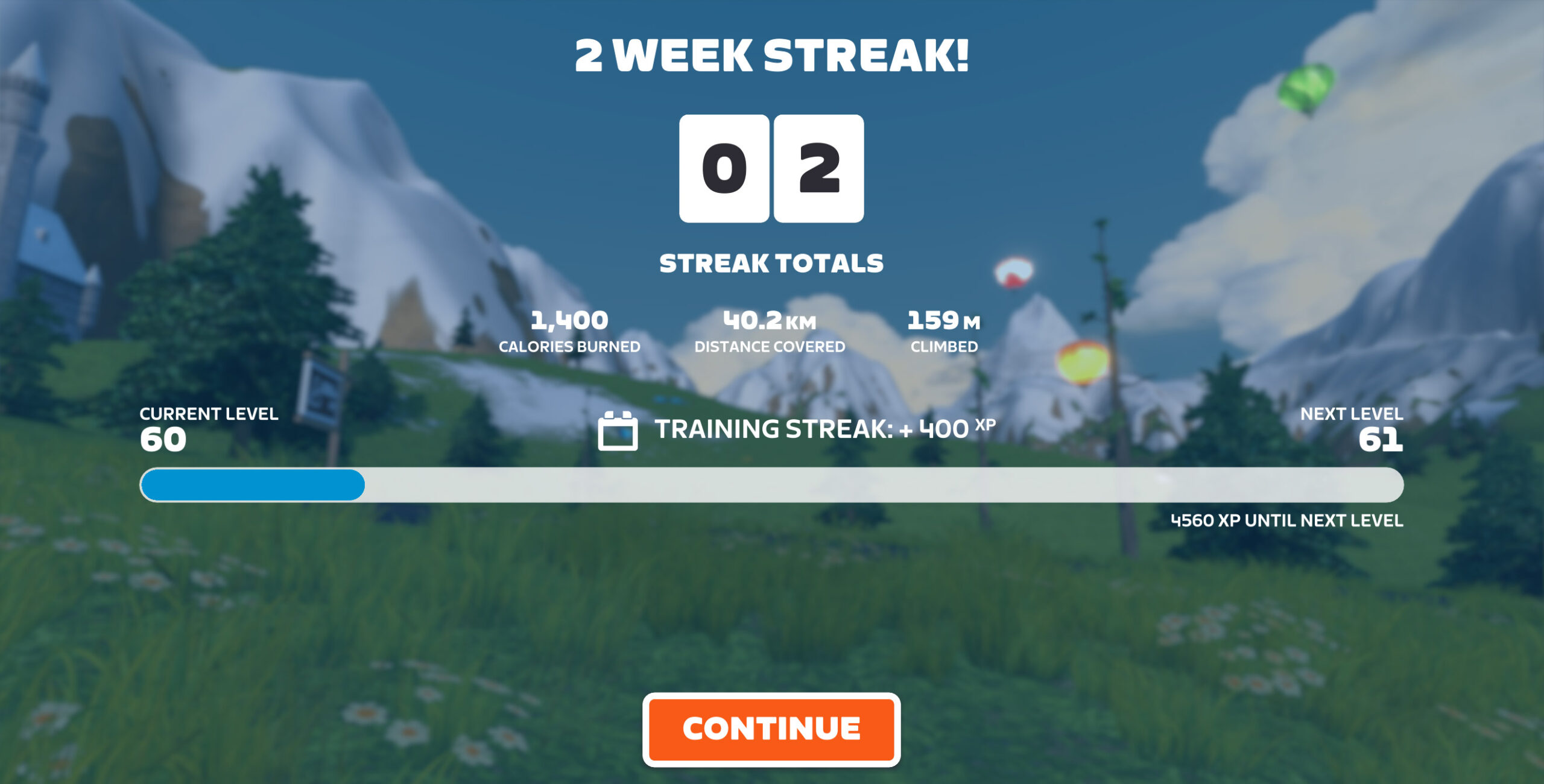
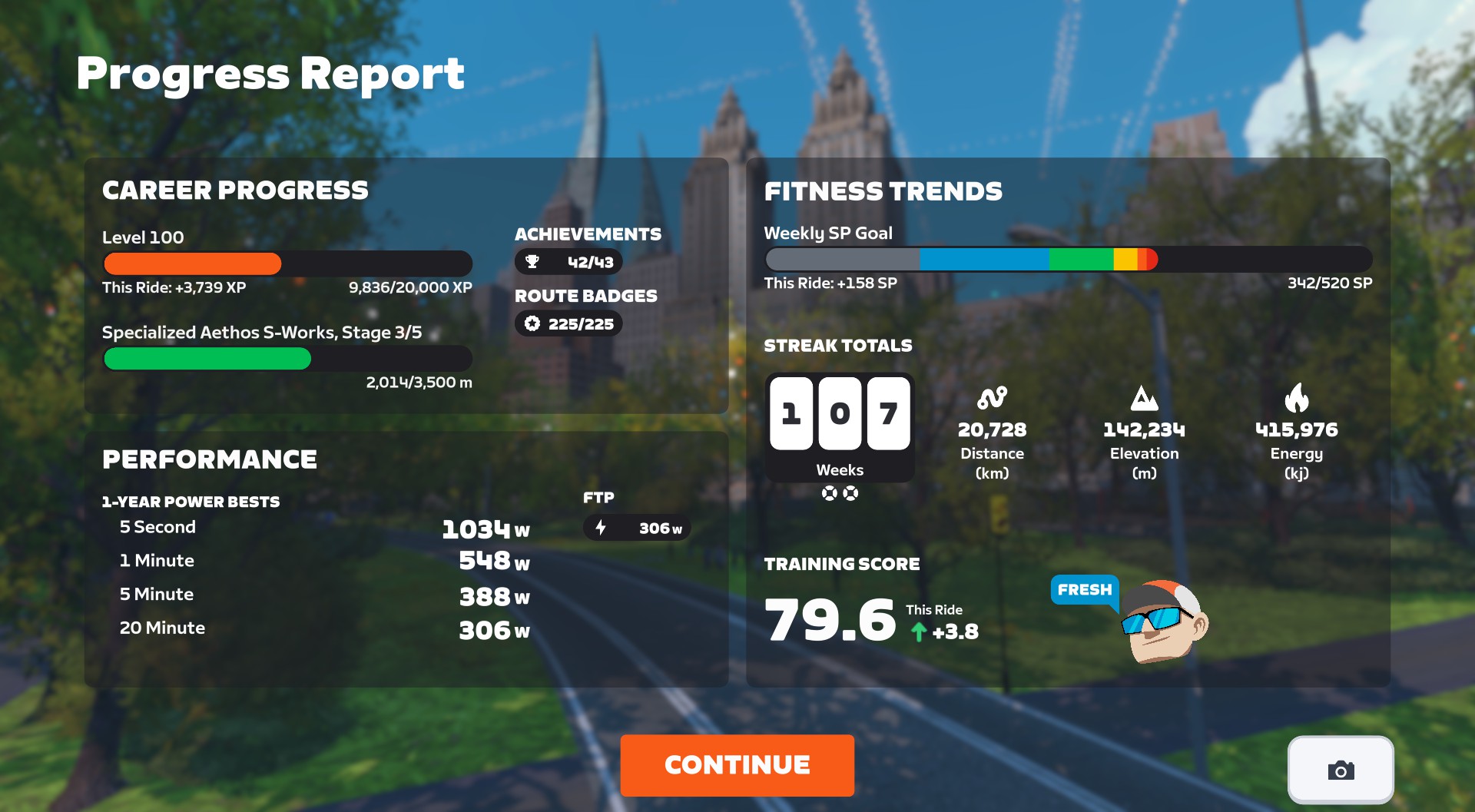
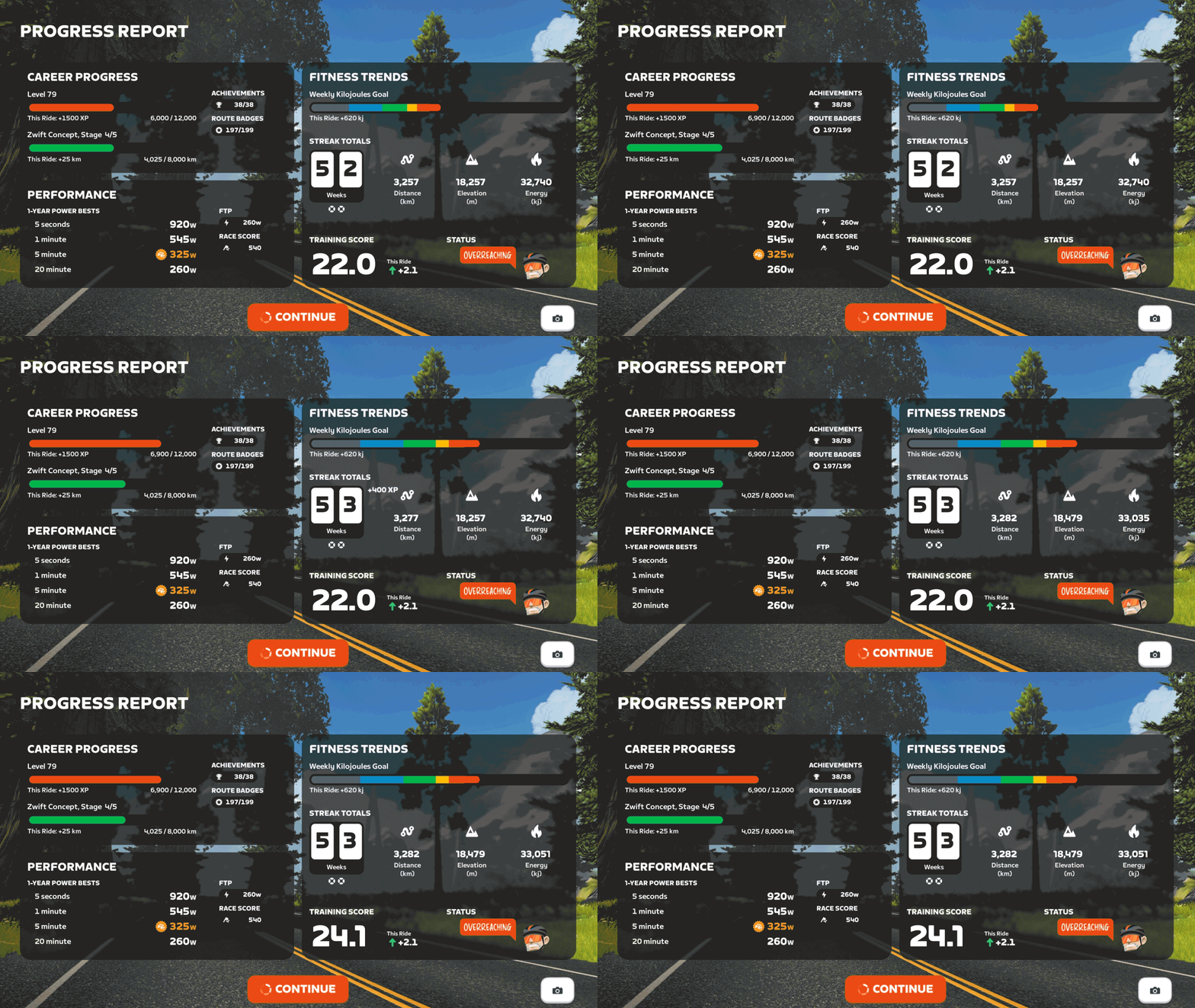
Zwift says, “A new Progress Report screen is now available at the end of every cycling activity and shows career progress, fitness trends, and performance data. The new Progress Report replaces the previous Streaks screen, and includes all information previously featured in the Streaks screen.”
Here’s a look at the old Streaks screen, and the new Progress Report:
Old Streak ScreenNew Progress Report
I think Zwifters will be universally happy with this change, as the new Progress Report contains a lot of helpful info, including:
Career Progress
Current level, plus how close you are to the next level, and how much progress you made in this activity
Upgrade status of bike frame, plus how close you are to the next upgrade, and how much progress you made in this activity
Performance
1-Year Power Bests, including indicators if you set a new PB in this activity
Current FTP
Current Race Score
Fitness Trends
Weekly goal progress
Streak totals (Streak count plus Streak distance, elevation, energy, and number of Streak Savers available)
Current Training Score, including change delta from this activity
Training Status
The screen even includes a button you can click to snap a screenshot. Nice!
Two of the release notes were related to the escalators on New York‘s newer roads:
Reduced the effort required to ride up the escalators in New York.
Improved the New York escalators to better balance the boost effect across riders of different weights.
After some testing, we can confirm that Zwift made two changes to the escalators to address complaints from Zwifters. First, they “reduced the effort,” which means they reduced the gradient feel of the escalators. To be precise, we’ll only feel 25% of the actual gradient. So while the escalators are around 20% in terms of physical pitch, Zwift will only send 5% to your trainer, and that’s only if your trainer difficulty is set at 100%.
This will make the escalators a bit more fun to ride, since it won’t feel like you’re “hitting a wall” when you encounter the short, sharp ramps.
Secondly, Zwift has changed the power “boost” given to help riders up the escalators. Prior to this change, Zwift provided a flat power boost to all riders up the escalators (Zwifters estimated it to be ~1,200W). This gave lighter riders a distinct advantage, so this update changes the boost to be more watts-per-kilo based, meaning riders of varying weights will more naturally match each other’s speeds up the escalators.
I tested the updated escalators, and they appear to be working quite nicely now. But give them a try yourself, and share what you think in the comments below!
Release Notes
Zwift supplied the following additional release notes:
Zwifters using Zwift Click v2 can now disable virtual shifting in Zwift Settings under the Hardware tab.
Fixed an issue that could potentially cause connection issues when pairing fitness devices using Wahoo Direct Connect (WiFi or Ethernet).
Fixed an issue that could cause a saved activity to have an incorrect name in some situations.
Fixed an issue that could cause Ride Leader and Sweeper names to be displayed incorrectly in on-screen chat messages if emojis were present in their names.
The zombie-decapitating sim Dead Island 3 is still being developed, according to financial documents from Dambuster Studios that were published on X and reported on by Video Games Chronicle. These documents suggest a 2028 release date, so that’s something to look forward to.
Dambuster Studios’ financial statements are out (as of March 2025) The company employed 194 employees Dead Island 3 is in development The current predicted release window for the project is Q1/2 2028 pic.twitter.com/FOHOitH3nD
The paperwork says the development is “moving at pace” and that “parts of the game are now in early production.” These parts reportedly include feature design, world design, narrative and character design.
It’s also worth noting that a 2028 release date would put five years between the two sequels. That’s a long time for something like Assassin’s Creed, but nothing for the Dead Island franchise. Dead Island 2was first announced in 2014, so development took nearly a decade.
This article originally appeared on Engadget at https://www.engadget.com/gaming/dead-island-3-is-in-development-and-will-reportedly-come-out-in-2028-162522680.html?src=rss
The glasses-shaped face computers that tech companies have been building for years now face an identity crisis, and their makers can’t agree on what to call them. Meta has asked a journalist to refer to its Ray-Ban glasses as “AI glasses” to distinguish them from Google Glass. Google, whose Project Aura is a collaboration with Xreal, calls the product “wired XR glasses” because the company views it as more aligned with headsets in a glasses form factor.
Xreal’s CEO Chi Xu laughed when asked about Aura’s category and said the company will call all its products “AR glasses.” Research firms aren’t aligned either. Gartner defines smart glasses as camera- and display-free devices with Bluetooth and AI. Counterpoint Research said smart glasses without see-through displays drive volumes in the smart eyewear category. IDC uses a broader definition that includes anything glasses-shaped.
As part of my various year-end comparison benchmarking, I recently ran some tests looking at how the Radeon RX 9000 series RDNA 4 performance has evolved since its debut near the beginning of the year. The Vulkan ray-tracing performance in particular was standing out this year as having evolved quite nicely while for conventional OpenGL and Vulkan performance the performance has been largely stable this year with its great at-launch support.
Have you ever just wished you could watch Instagram Reels right on a TV? Maybe? Well, if so, you’re in luck. Meta has launched an Instagram app exclusively on Fire TV. It will be solely for “short-form video content,” so Reels. TikTok launched an app on Fire TV in 2020 before rolling it out to other platforms.
Instagram and Fire TV users can download the former through Amazon’s App Store. It can either link to an existing account or have a separate account just for TV. The app can hold up to five different Instagram accounts — and time spent factors into any limits on teen accounts.
“Our mission is to get you to the world’s best content fast, and we’re thrilled to welcome Instagram to Fire TV,” Fire TV vice president, Aidan Marcuss, said in a statement. “We’re committed to keep pushing the boundaries of entertainment on customers’ biggest screens — the Instagram team has built an awesome experience, and we’re excited to be the first place to offer it. We can’t wait to see what customers think.”
For now, Reels are separated into different channels, such as sports highlights or hidden travel gems. Reels also play automatically, so you don’t have to swipe between content on the screen. According to Meta, the app is still being tested, so these formats might change in the future.
Instagram users in the US can now get the TV app on Amazon’s Fire TV Stick HD, 4K Plus and 4K Max (first and second generation). It’s also available on the Fire RV 2-Series, 4-Series, and Omni QLED Series. However, Meta says that the Instagram App for TV should be available on more devices and in other countries after this initial testing round.
This article originally appeared on Engadget at https://www.engadget.com/social-media/instagram-launches-a-fire-tv-app-for-reels-160003710.html?src=rss
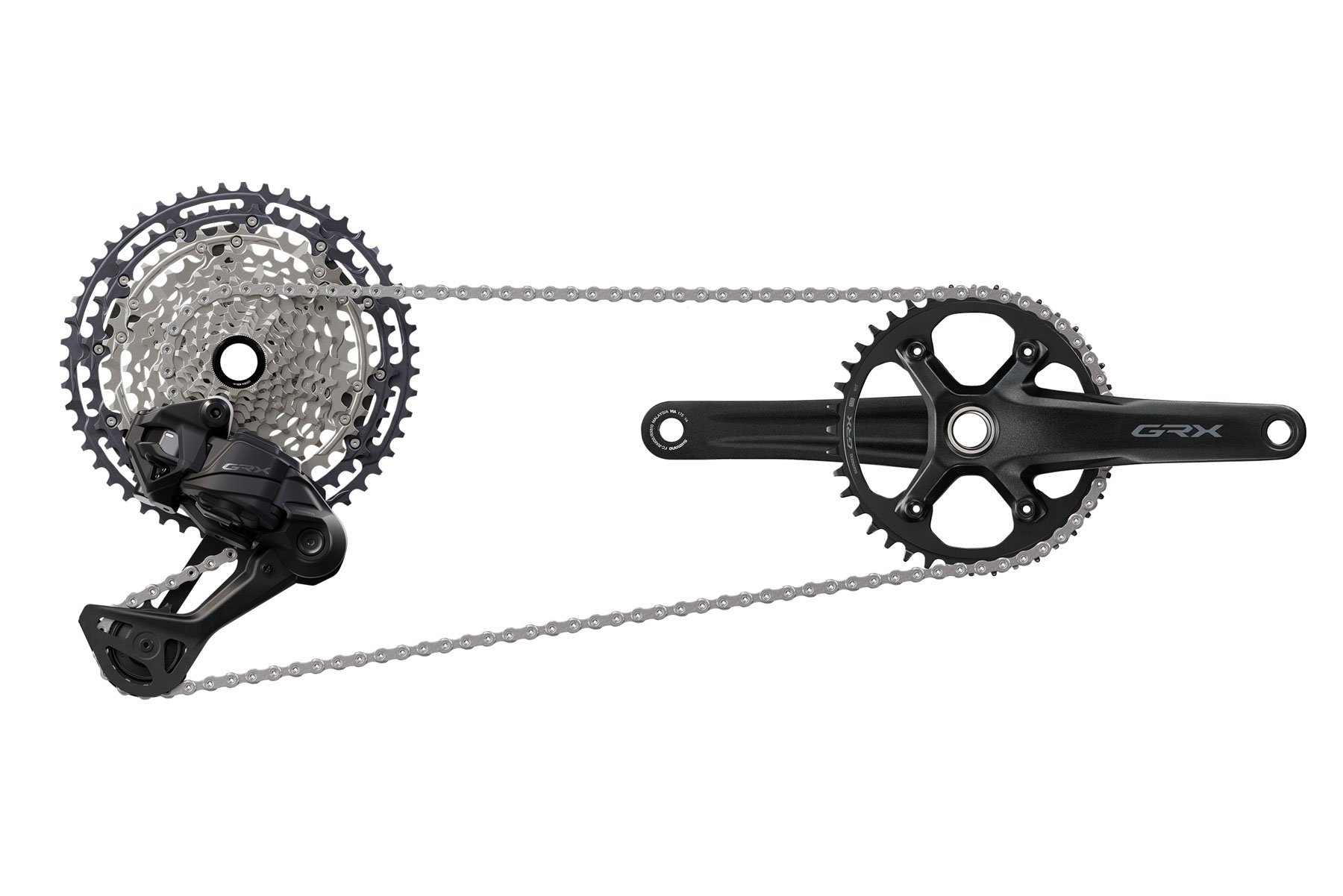
Shimano has launched the new, more affordable GRX RX717 fully wireless range of gravel components, which will finally see the Japanese brand compete with SRAM’s Rival AXS XPLR.
It follows Shimano’s entry into the wireless 1x groupset space with the release of new premium-priced RX827 components in June.
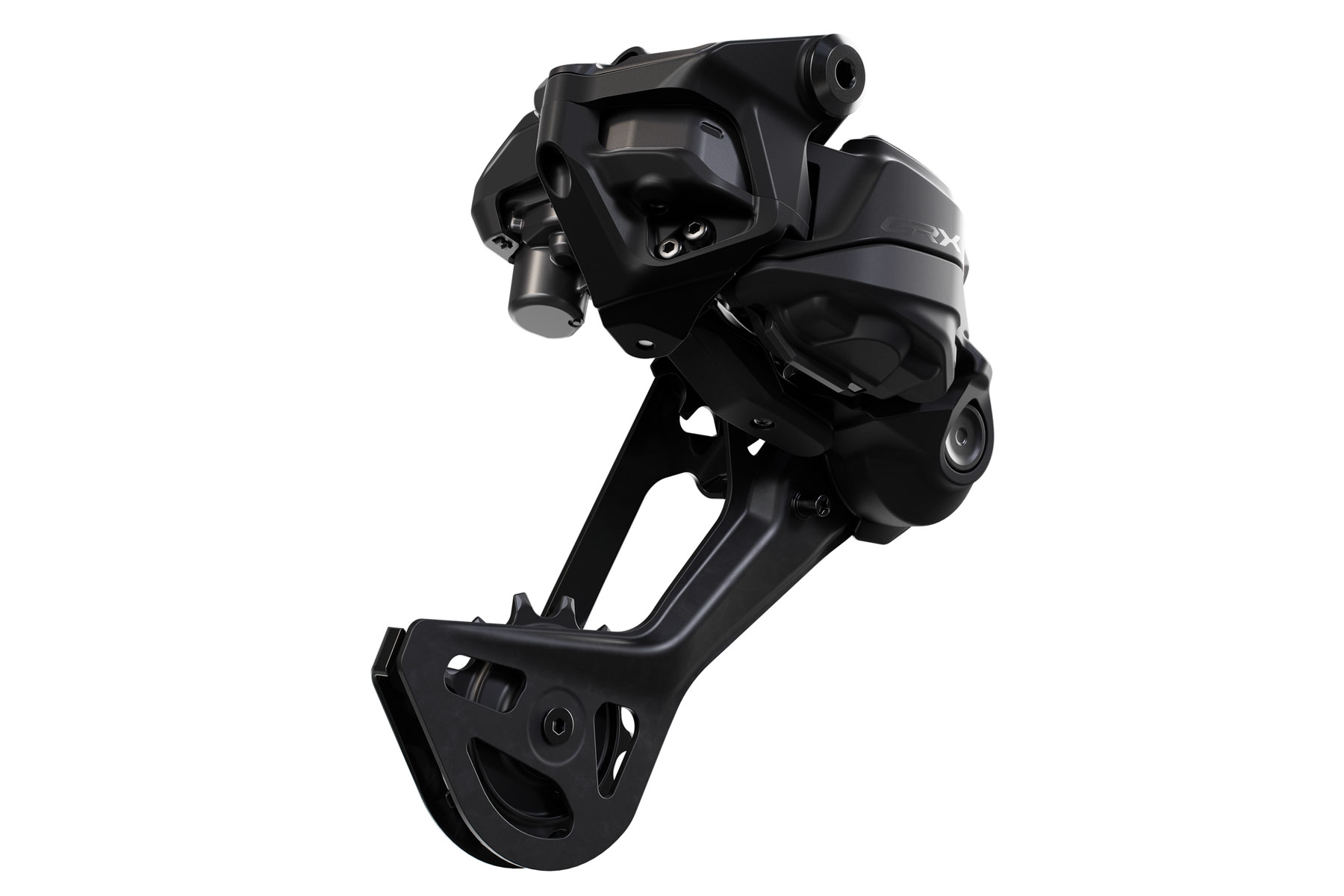
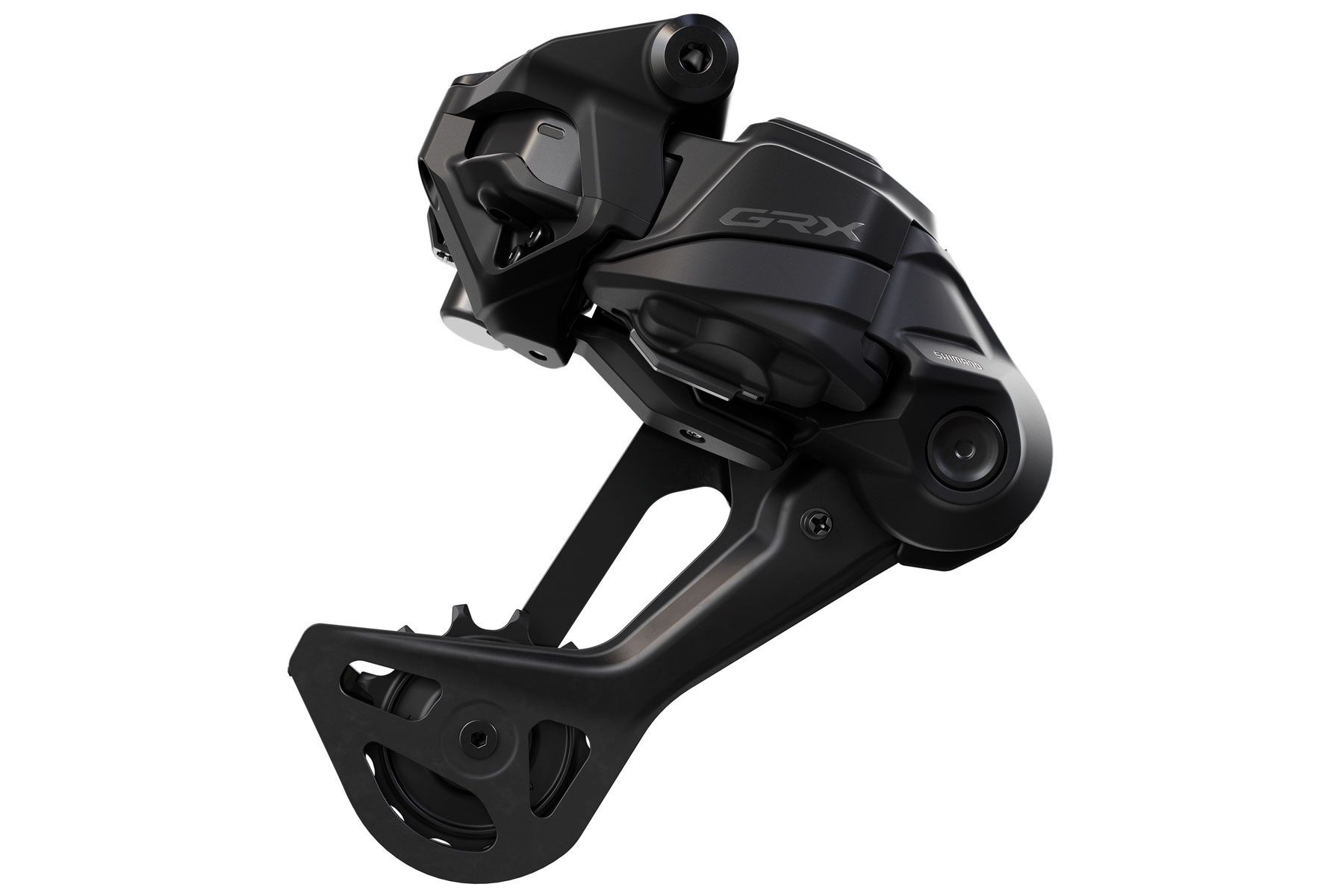
The new fully featured Di2 RX717 rear derailleur features the same compact removable battery as found in the GRX RX827, XTR M9250, Deore XT M8250 and Deore M6250 units.
Like RX827, it shares the same design as Shimano’s mountain bike counterparts. That means the same low-profile (Shadow) design, skid plate, protected battery and Automatic Impact Recovery function.
Where RX827 sits alongside Shimano’s Ultegra Di2-level components, RX717 is aligned with 105 Di2. That should mean we’ll see Shimano compete with SRAM’s gravel offerings at more affordable price points.
Shimano’s 1x Di2 brings a wide range of compatibility. That means you can mix and match RX717 components with all Shimano 12-speed wireless shifters (GRX, Dura-Ace, Ultegra and 105 Di2 drop-bar options, as well as XTR, Deore XT and Deore flat-bar Di2 models).
Shimano GRX RX717 mixes with existing GRX 12-speed components. Shimano
Like the existing GRX components, which now comprise mechanical, 2x Di2 and 1x wireless Di2, the GRX family offers a mix-and-match approach, even including 12-speed mountain bike components.
That means rather than a complete groupset, RX717 consists of shifter/brake-lever options and a new rear derailleur that can be combined with a 10-51 12-speed cassette.
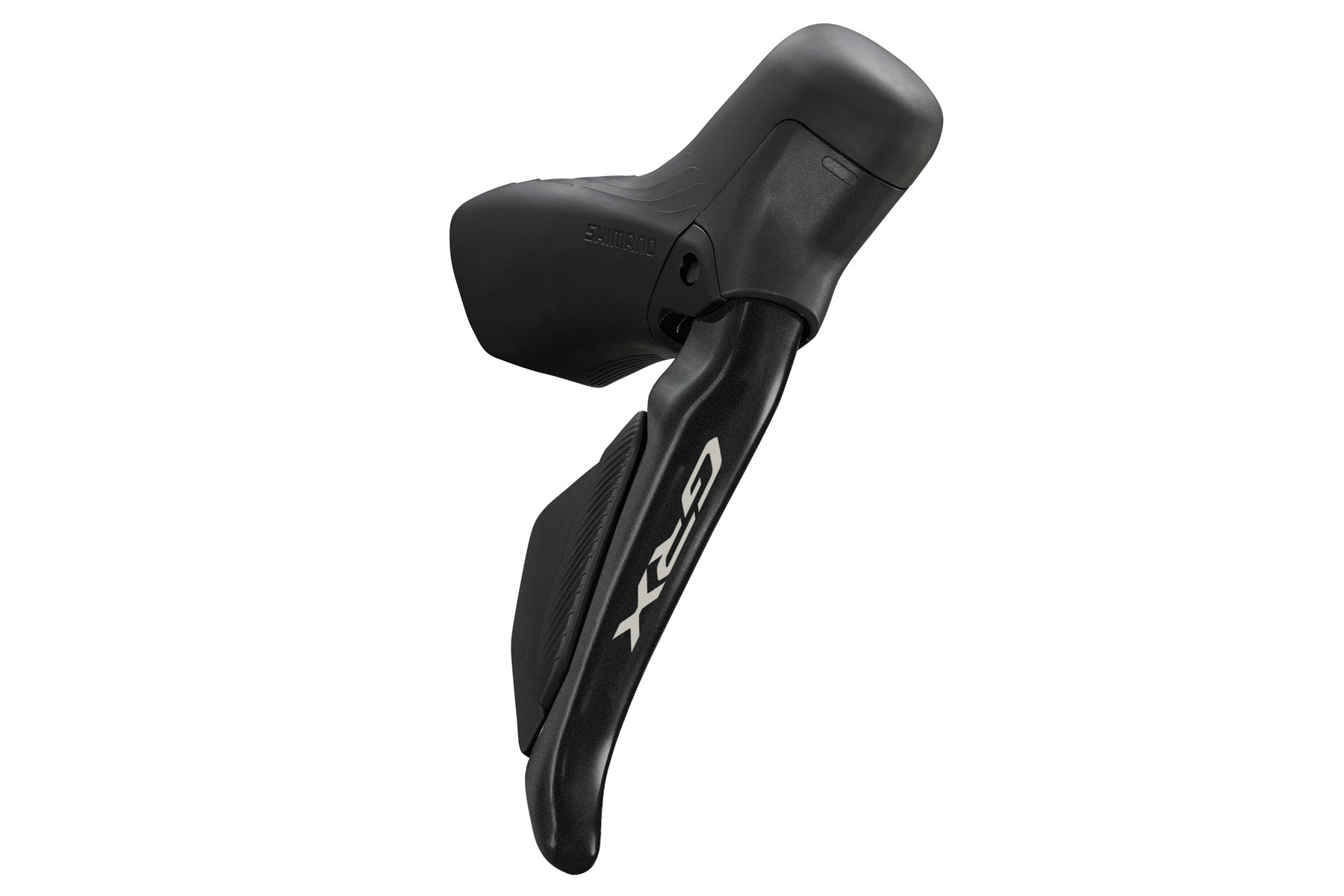
GRX RX717 right-hand lever
The right-hand lever has the gear controls. Shimano
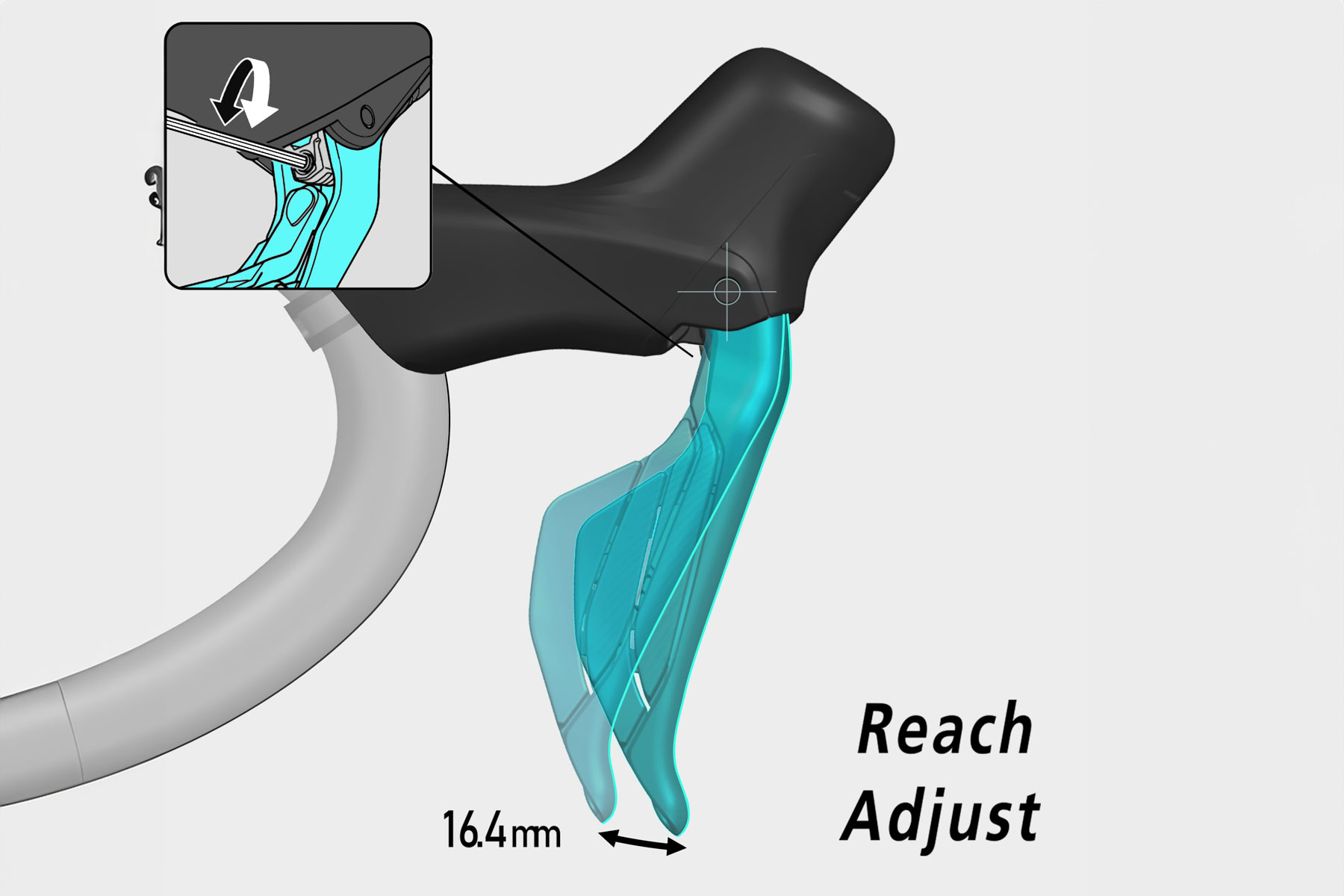
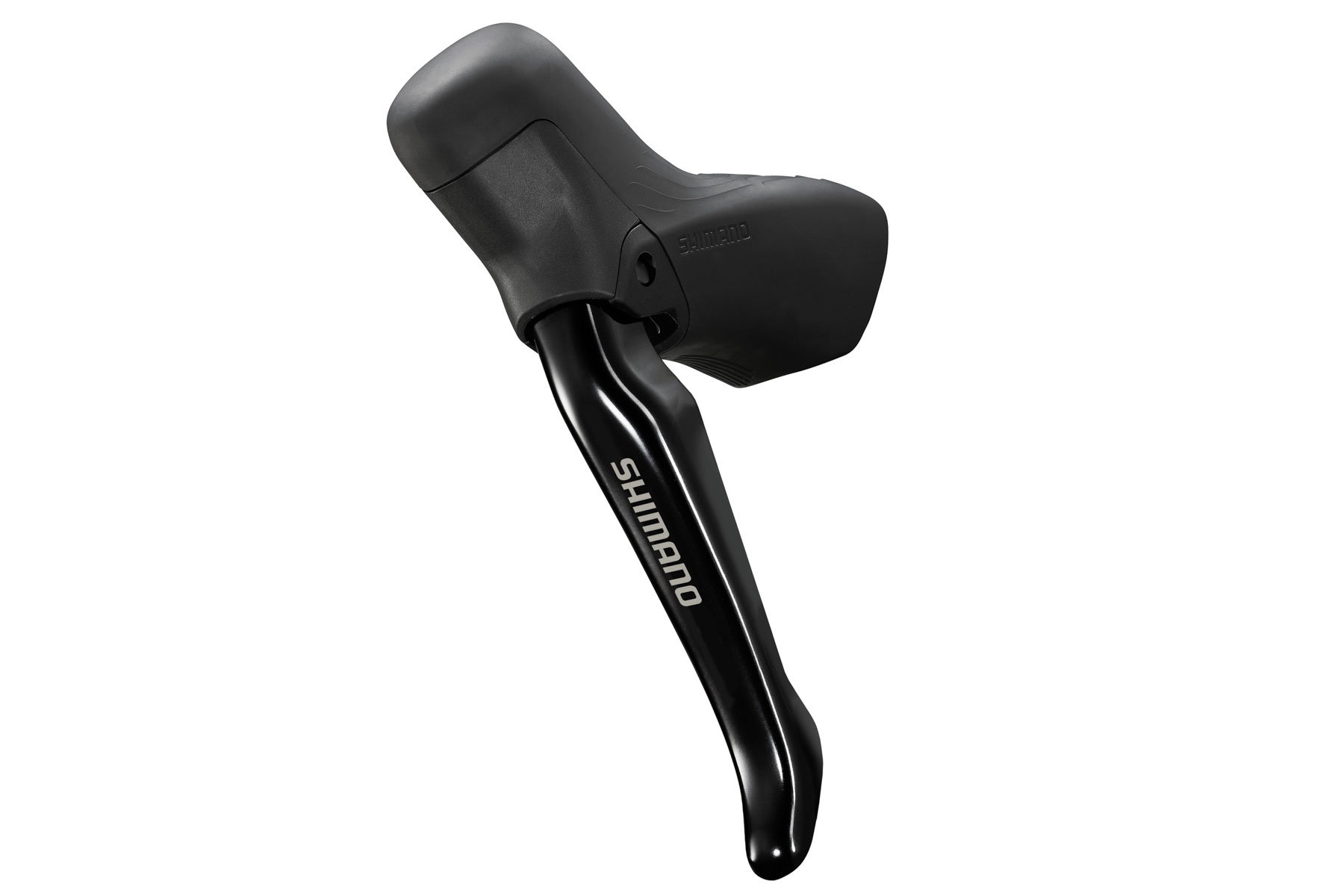
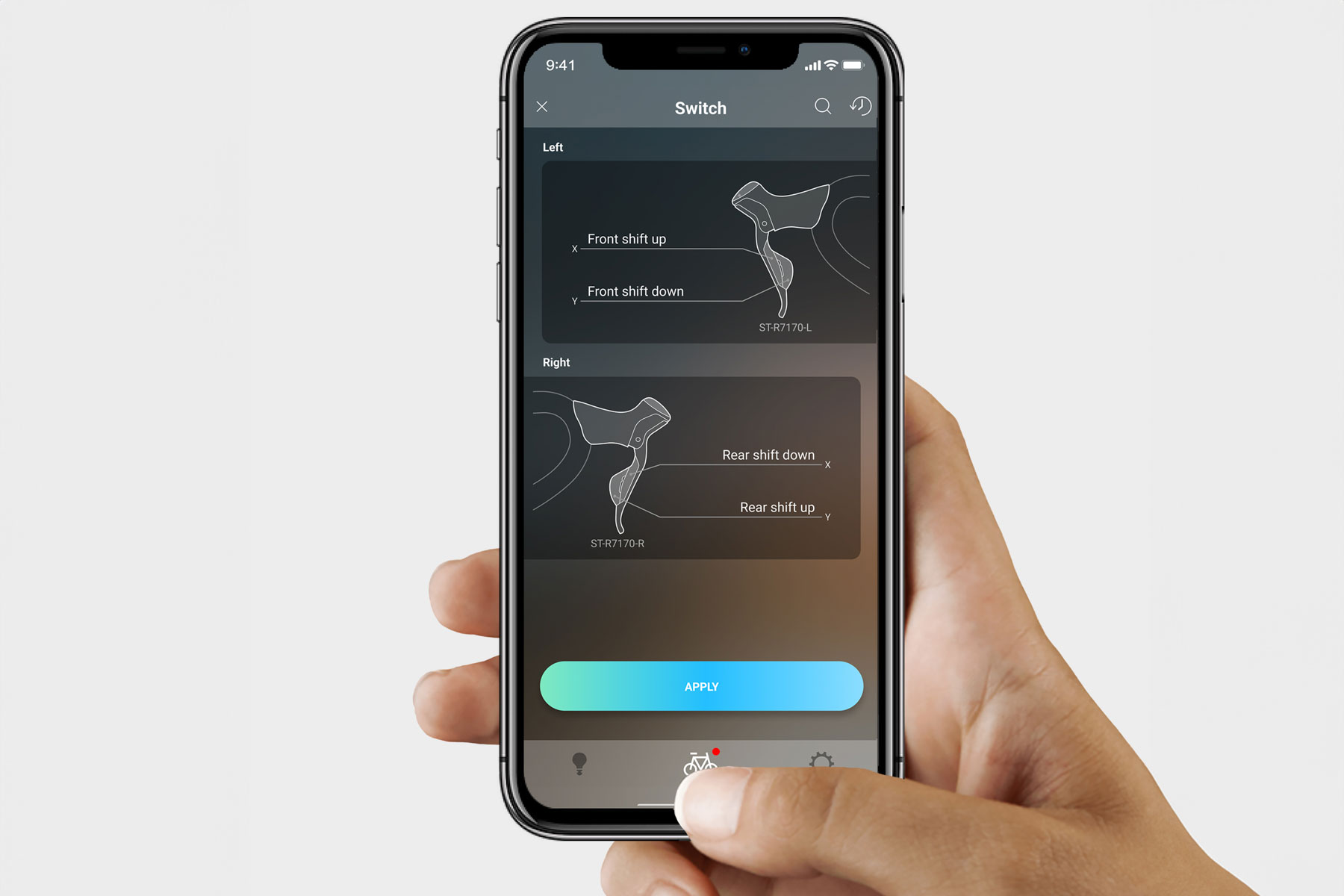
The GRX 12-speed ST-RX715-R Di2 hydraulic disc brake dual-control lever is a more affordable option. It’s still fully featured with reach adjustment and has compatibility with the E-Tube Project app, enabling you to custom-configure the controls.
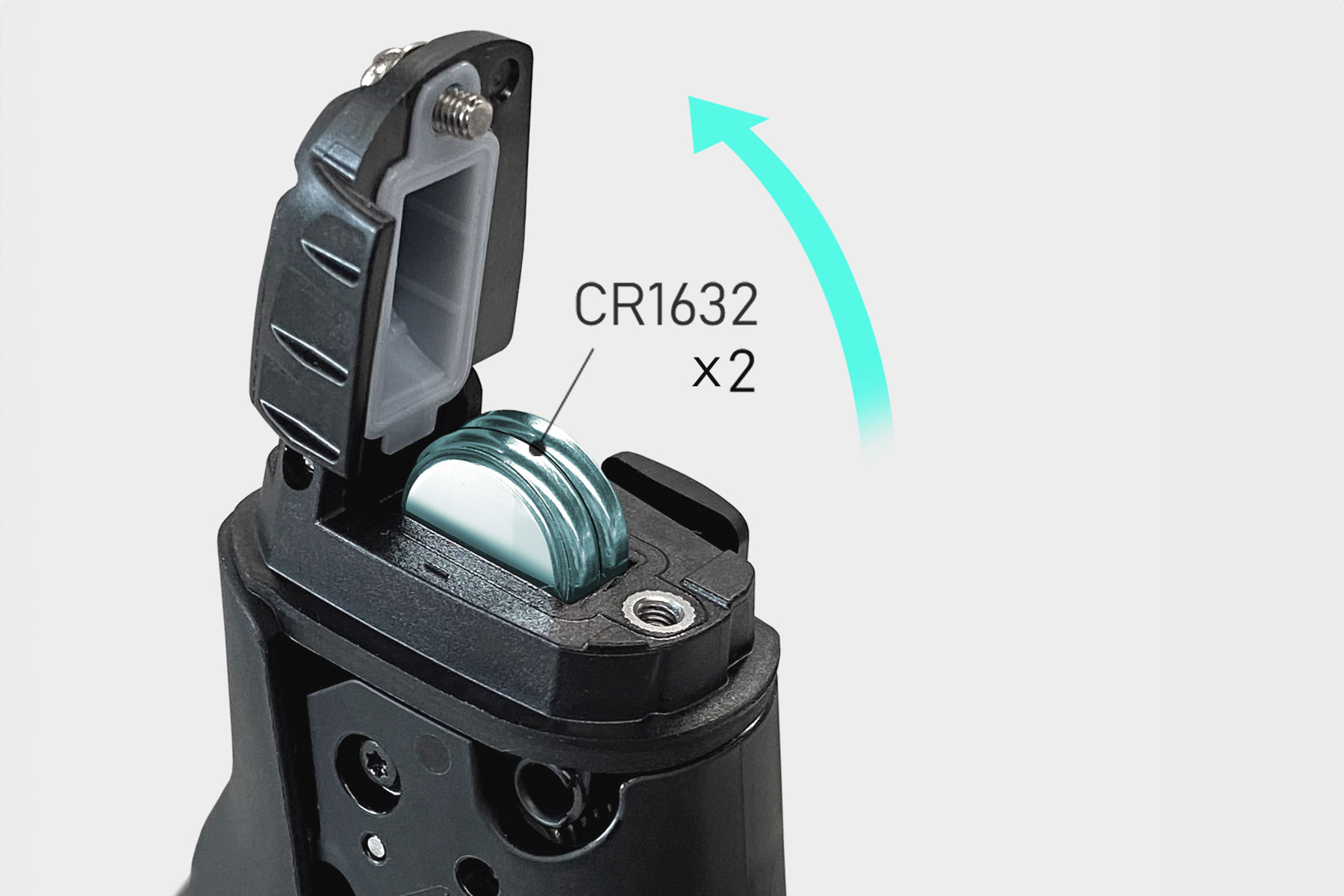
Shimano claims the twin batteries in a GRX shifter are good for four years of use. Shimano
Like the existing wireless levers, it uses two CR1632 batteries for power, stowed in a port at the top of the hood. Shimano claims up to four years of use for the twin-battery setup.
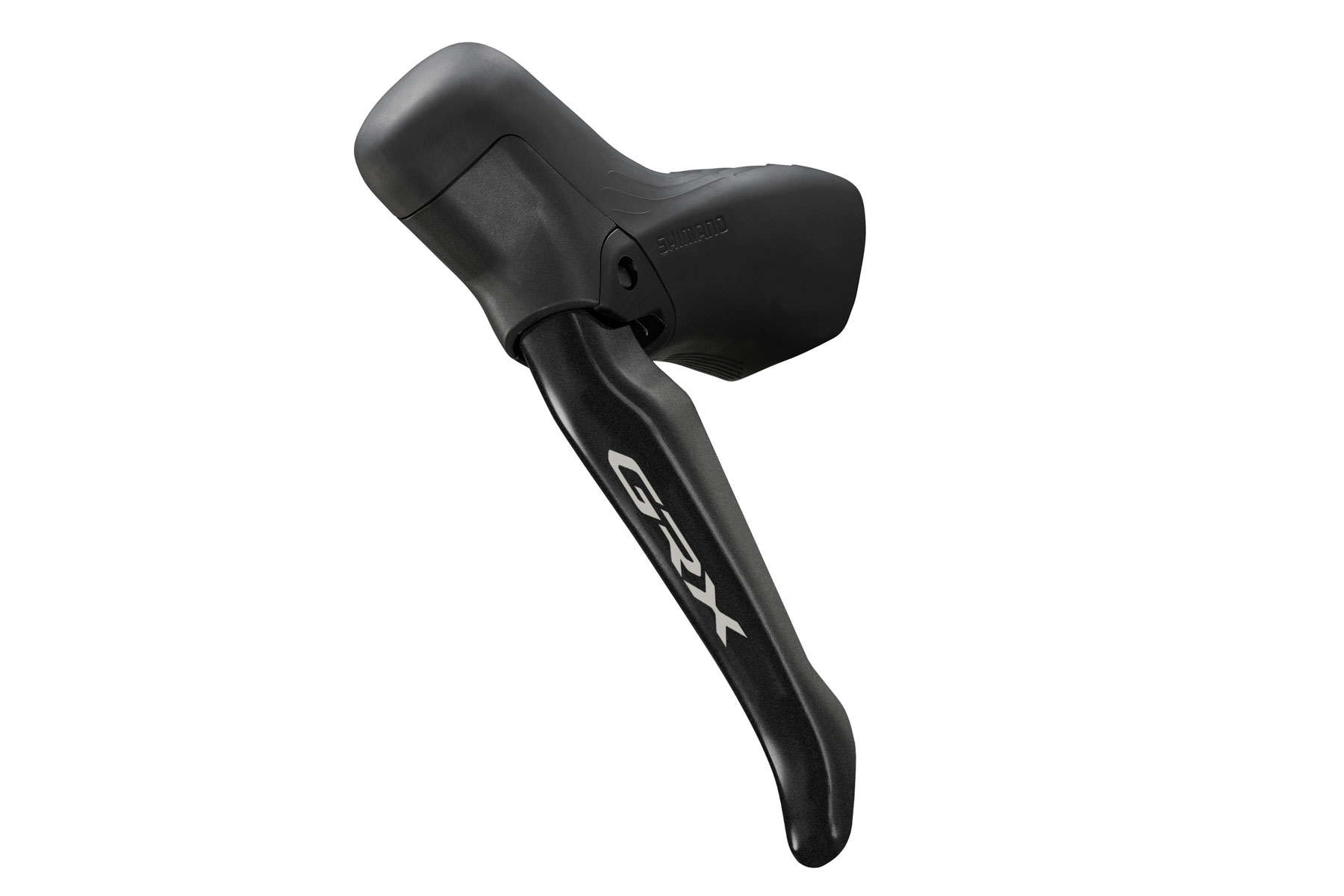
The standard GRX left-hand brake lever. Shimano
GRX RX717 left-hand lever
The levers have 16.4mm of reach adjustment. Shimano
The left-hand lever is a brake only, using the same hood shape, ergonomics and adjustability. It comes without the Di2 button assembly behind the brake lever.
It’s available in two versions – one with GRX branding and one with a Shimano logo.
The left-hand brake lever with Shimano branding. Shimano
GRX RX717 rear derailleur
The battery is well hidden inside the body of the derailleur. Shimano
Just as the premium RX827 derailleur is based on Shimano’s XT unit, the RX717 uses the Deore derailleur as inspiration.
The derailleur features everything found on the premium model.
Automatic Impact Recovery: this returns the derailleur instantly to its original position after an impact.
Wide link structure and skid plate: the wide links provide added strength and the skid plate helps protect the derailleurs’ internals if the bike is dropped.
Shadow ES technology: the lower-profile, wedge-shaped design increases ground clearance and frontal area. The derailleur also features a chain-stabilising clutch to reduce bounce and chain slap.
Protected battery housing: keeps the battery tucked away and out of harm, while providing easy access for charging.
The derailleur uses the same battery as GRX RX827, XTR M9250, Deore XT M8250 and Deore M6250, so spares shouldn’t be an issue to source, and you can, of course, share batteries between your gravel and mountain bikes.
The RX717 shares lots of tech with Shimano’s Deore Di2 mountain bike derailleur. Shimano
That means 13-speed and derailleur architecture only compatible with UDH frames.
For the derailleur, Shimano claims a weight of 494g, compared to SRAM’s 435g. Shimano’s derailleur is priced at £379.99, against SRAM’s £315.
Weight comparisons on the shifters are more difficult to make because Shimano hasn’t given weights for the complete assembly (levers, hoses and brake calipers), but it claims 212g for the right hand and 188g for the left lever only.
SRAM states 746g a pair for Rival shifter/brake assemblies, with some reports suggesting the levers themselves weigh in at around 244g each.
Shimano’s lever/brake assemblies are priced at £299.99 for the right-hand and £279.99 for the left. SRAM’s Rival duo is priced at £247.30 for the rear and £229.99 for the front.
So, much like Force and Rival AXS on the road, it looks as if SRAM maintains an aftermarket price advantage over Shimano when it comes to wireless gravel.
However, I’d expect complete bike prices to be much, much more competitive due to Shimano’s strength in the OEM (original equipment market).
There’s going to be a new space telescope in town: the Nancy Grace Roman (the famous NASA astronomer, not to be mistaken for the crime show host), which is slated to launch by May 2027. At least initially, its main mission will be to chart the nature of dark energy and the hidden structure of our own Milky Way galaxy.
Amazon is set to fire 370 people at its European headquarters in Luxembourg in the coming weeks, as Bloomberg reports. That accounts for about 8.5 percent of the workforce. Amazon initially planned to reduce its headcount there by 470, but under European Union law, companies have to negotiate layoffs with employee reps and, in some cases, governments.
Amazon reportedly told employees at the European HQ in a memo the layoffs are “adjustments that reflect business needs and local strategies.” The company claims to be going “well beyond industry benchmarks” in Luxembourg with regards to the severance packages it’s offering.
An Amazon employee said it would be difficult for hundreds of people who are all going into the job market at the same time to find employment elsewhere in the country. Affected employees who moved from other countries to work for Amazon will have to leave if they don’t land another job in Luxembourg within three months. After the layoffs, Amazon is still expected to be the fifth-largest employer in Luxembourg, which has a population of 680,000.
One employee told Bloomberg that the cuts would primarily affect software developers amid a push in the tech industry for AI to take on more coding tasks. Amazon said in October it would cut 14,000 jobs from its global workforce amid its deepening embrace of AI. It was reported that same month that the company’s plans to ramp up its robotics operations could put around half a million jobs in the US at risk.
This article originally appeared on Engadget at https://www.engadget.com/big-tech/amazon-is-set-to-lay-off-370-workers-at-its-european-hq-154037845.html?src=rss
SAN FRANCISCO—Automakers are starting to follow somewhat familiar paths as they continue their journeys to electrification. Electric vehicles are, at first, strange new tech, and usually look like it. Mercedes-Benz’s EQS and EQE are good examples—with bodies that look like bars of soap worn down in the shower, they stood out. For early adopters and trailblazers that might be fine, but you need to sell cars to normal people if you want to survive, and that means making EVs more normal. Which is what Mercedes did with its newest one, the all-electric CLA.
The normal looks belie the amount of new technology that Mercedes has packed into the CLA, though. The car sticks to the four-door coupe look that the company pioneered a couple of decades ago, but there’s a thoroughly modern electric powertrain connected to the wheels, run by four powerful networked computers. And yes, there’s AI. (For the pedants, “coupe” means cut down, not two-door, so the name is accurate.)
The CLA is the first of a new series of Mercedes that will use the same modular architecture, and interestingly, it’s powertrain agnostic—a hybrid CLA is coming in time, too. But first the battery EV, which makes good use of some technology Mercedes developed for the EQXX concept car.
Sometimes we can all use a little reassurance that everything will be okay. If you’re PC enthusiast, now is definitely one of those times, as the booming AI market is gobbling up NAND flash memory chips and other hardware at a breakneck pace (and sending consumer brands packing for the data center hills). Well, enter Kioxia, which is rolling
The traditional signals that employers used to evaluate entry-level job candidates — college GPAs, cover letters, and interview performance — have lost much of their value as grade inflation and widespread AI use render these metrics nearly meaningless, writes The Atlantic.
The recent-graduate unemployment rate now sits slightly higher than the overall workforce’s, a reversal from historical norms where new college graduates were more likely to be employed than the average worker. Job postings on Handshake, a career-services platform for students and recent graduates, have fallen by more than 16 percent in the past year. At Harvard, 60% of undergraduate grades are now A’s, up from fewer than a quarter two decades ago. Seven years ago, 70% of new graduates’ resumes were screened by GPA; that figure has dropped to 40%.
Two working papers examining Freelancer.com found that cover-letter quality once strongly predicted who would get hired and how well they would perform — until ChatGPT became available. “We basically find the collapse of this entire signaling mechanism,” researcher Jesse Silbert said. The average number of applications per open job has increased by 26% in the past year. Students at UC Berkeley are now applying to 150 internships just to land one or two interviews.